Journal Description
Journal of Respiration
is an international, peer-reviewed, open access journal on all aspects of respiratory science in humans published quarterly online by MDPI.
- Open Access— free for readers, with article processing charges (APC) paid by authors or their institutions.
- Rapid Publication: manuscripts are peer-reviewed and a first decision is provided to authors approximately 44.4 days after submission; acceptance to publication is undertaken in 5.2 days (median values for papers published in this journal in the first half of 2026).
- Recognition of Reviewers: APC discount vouchers, optional signed peer review, and reviewer names published annually in the journal.
- Journal of Respiration is a companion journal of JCM.
Latest Articles
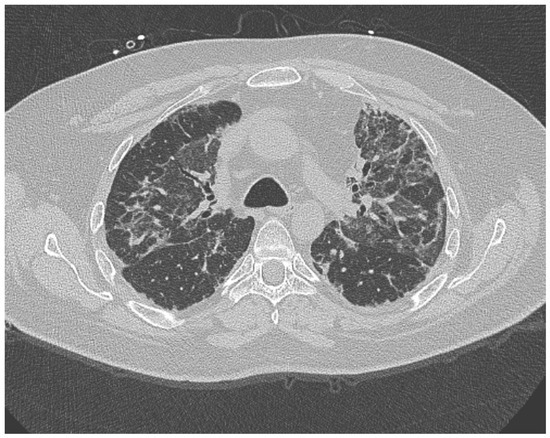
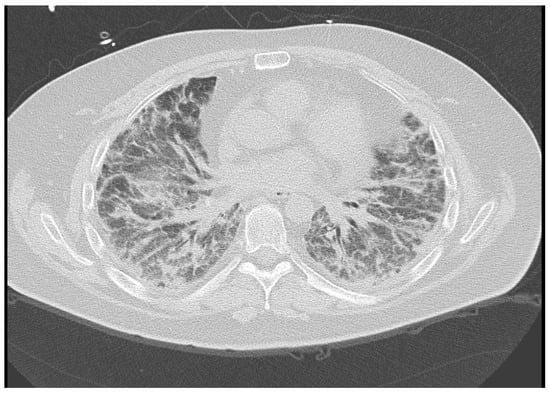
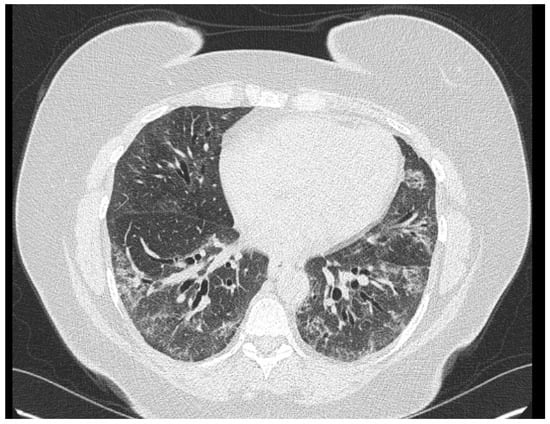
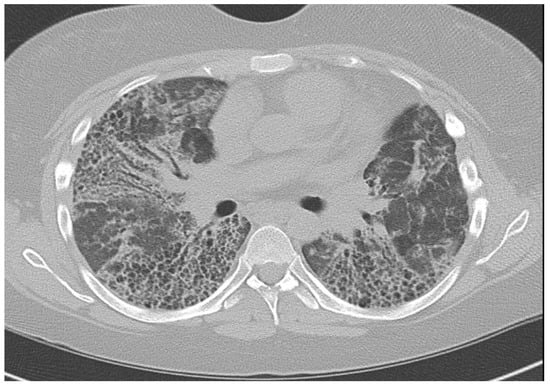
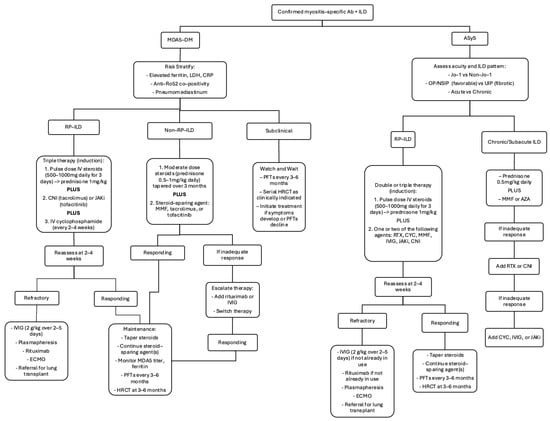
Interstitial Lung Disease (ILD) in Immune Inflammatory Myopathies—A Comprehensive Review Focusing on ILD in Antisynthetase Syndrome and MDA5 Dermatomyositis
J. Respir. 2026, 6(3), 22; https://doi.org/10.3390/jor6030022 - 2 Sep 2026
Abstract
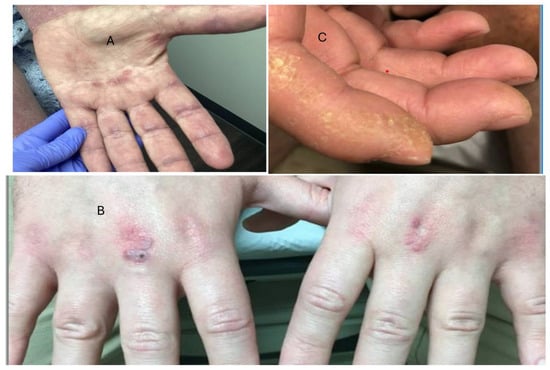
Interstitial lung disease (ILD) is a frequent manifestation and a leading cause of morbidity and mortality in idiopathic inflammatory myopathies (IIM), particularly in antisynthetase syndrome (ASyS) and anti-melanoma differentiation-associated protein 5 (MDA5) dermatomyositis. Although these disorders share common features of interstitial lung diseases,
[...] Read more.
Interstitial lung disease (ILD) is a frequent manifestation and a leading cause of morbidity and mortality in idiopathic inflammatory myopathies (IIM), particularly in antisynthetase syndrome (ASyS) and anti-melanoma differentiation-associated protein 5 (MDA5) dermatomyositis. Although these disorders share common features of interstitial lung diseases, they differ substantially in pathogenesis, clinical phenotype, prognosis, and therapeutic response. There is also variability amongst the different subtypes of IIM-ILD. Recognition of these distinctions is essential for accurate diagnosis and treatment; delays in care, especially in cases of rapidly progressive ILD (RP-ILD), can be associated with high mortality. This review focuses on ILD in IIM, focusing on ASyS and anti-MDA5 dermatomyositis, highlighting similarities and key differences in disease mechanisms, clinical presentation, diagnostic evaluation, prognostic biomarkers, and management strategies.
Full article
(This article belongs to the Special Issue Advances in Interstitial Lung Diseases: From Diagnosis to Treatment)
►
Show Figures
Open AccessReview
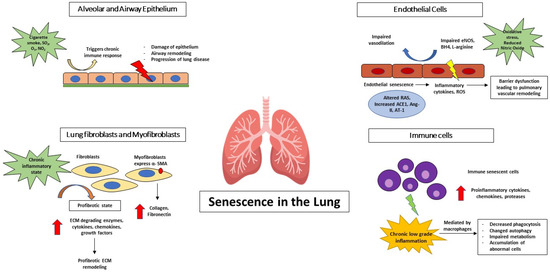
The Role of Cellular Senescence in Chronic Lung Diseases: Emerging Mechanisms and Translational Perspectives: A Narrative Review
by
Shravani Etrouth, Yin Zhu and Duo Zhang
J. Respir. 2026, 6(3), 21; https://doi.org/10.3390/jor6030021 - 19 Aug 2026
Abstract
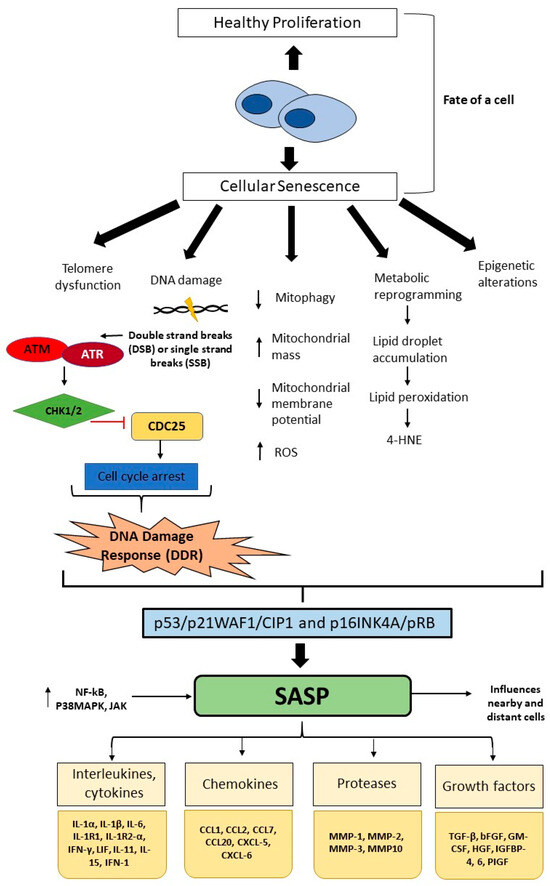
Cellular senescence is one of the major risk factors for the onset and progression of chronic pulmonary diseases. Cellular senescence can be induced by diverse stressors, including genotoxic damage, oncogenic signaling, and therapeutic interventions. These senescent cells communicate via the release of multiple
[...] Read more.
Cellular senescence is one of the major risk factors for the onset and progression of chronic pulmonary diseases. Cellular senescence can be induced by diverse stressors, including genotoxic damage, oncogenic signaling, and therapeutic interventions. These senescent cells communicate via the release of multiple inflammatory molecules known as the Senescence-Associated Secretory Phenotype (SASP), which induces persistent low-grade inflammation and contributes to various chronic inflammatory lung diseases. This review summarizes the basic concepts of cell senescence, its hallmarks, SASP, and the mechanisms of cell senescence in the lung, and its consequences in the development and progression of chronic pulmonary diseases. Current therapeutic strategies include senolytics (e.g., BCL-2 family inhibitors and dasatinib–quercetin) and senomorphics that suppress SASP activity. Future directions in the development of cell- and stage-specific therapies are critical for targeting age-related lung disease with desired outcomes.
Full article
(This article belongs to the Collection Feature Papers in Journal of Respiration)
►▼
Show Figures

Figure 1
Open AccessCase Report
Tidal-Breathing Analysis: A Potential Non-Invasive, Bedside Method for Objective Assessment of Respiratory Mechanics and Bronchodilator Responsiveness in Acute Bronchiolitis—Case Report and Review of the Literature
by
Mihai Craiu, Radu Marian Gheorghiu, Alexandra Bratu and Iustina Violeta Stan
J. Respir. 2026, 6(3), 20; https://doi.org/10.3390/jor6030020 - 15 Aug 2026
Abstract
►▼
Show Figures
Background: Acute bronchiolitis is among the most common causes of lower-respiratory-tract infection in infancy and remains a clinically heterogeneous syndrome. Current international guidelines recommend supportive management and generally discourage routine bronchodilator administration; however, a subset of patients may be physiologically responsive. Tidal-breathing
[...] Read more.
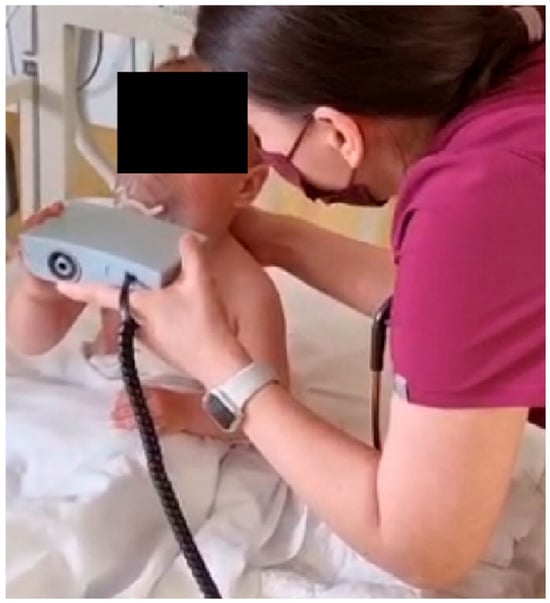
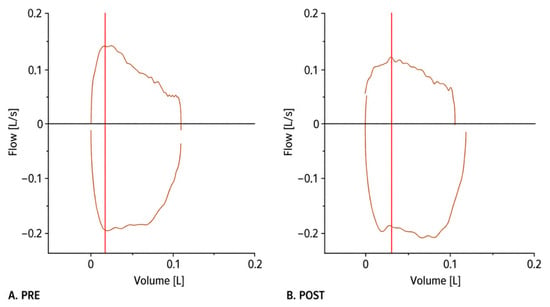
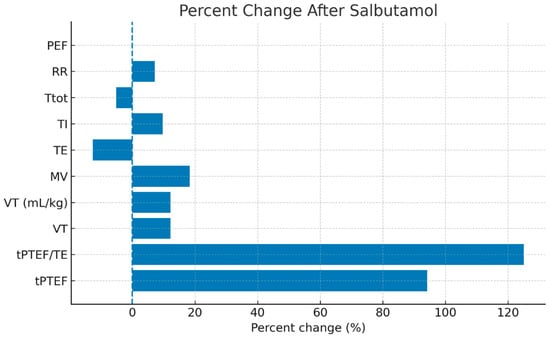
Background: Acute bronchiolitis is among the most common causes of lower-respiratory-tract infection in infancy and remains a clinically heterogeneous syndrome. Current international guidelines recommend supportive management and generally discourage routine bronchodilator administration; however, a subset of patients may be physiologically responsive. Tidal-breathing analysis (TBA) is a non-invasive, bedside method for objectively assessing respiratory mechanics and may objectively quantify physiological changes following bronchodilator administration in older children. Case Presentation: We report the case of a 23-month-old boy presenting with a severe RSV bronchiolitis-like wheezing illness complicated by acute respiratory failure. Bronchodilator responsiveness was evaluated using predefined TBA parameters before and after administration of an inhaled bronchodilator. Following treatment, the patient’s time to peak tidal expiratory flow (tPTEF) increased from 0.17 to 0.33 s (+94%), while his tPTEF/TE ratio increased from 0.12 to 0.27 (+125%). Expiratory time (TE) and total respiratory cycle duration (Ttot) decreased by 12.6% and 5.1%, respectively, whereas tidal volume (VT) and minute ventilation (MV) increased by 12.1% and 18.3%. Peak expiratory flow remained unchanged (0.14 L/s before and after bronchodilator administration). Discussion: To the best of our knowledge, this is among the first reports of using bedside TBA to characterize acute bronchodilator responsiveness in a severe bronchiolitis-like illness. The improvement in expiratory timing indices, along with the shorter expiratory time without changes in peak expiratory flow, is consistent with improved expiratory flow dynamics following bronchodilator administration. These findings could support the hypothesis that a bronchodilator-responsive physiological phenotype may exist. Previous studies have demonstrated an association between severe bronchiolitis during infancy and subsequent recurrent wheezing or asthma; however, whether acute bronchodilator responsiveness, measured objectively via TBA, is an indication of this phenotype represents a testable hypothesis for future longitudinal studies. Conclusions: This case illustrates the feasibility of bedside TBA for identifying physiological bronchodilator responsiveness in severe bronchiolitis-like illness. Prospective longitudinal studies should be conducted to determine whether TBA-defined responsiveness represents an early physiological marker requiring prospective validation and whether such physiological stratification may support individualized follow-up strategies.
Full article

Figure 1
Open AccessReview
Pulmonary Involvement in Primary Sjögren’s Syndrome: Interstitial Lung Disease Phenotypes and Diagnostic Challenges
by
Ivanna N. Ferrín Yépez, Killen H. Briones-Claudett, Anahi D. Briones-Zamora and Killen H. Briones-Zamora
J. Respir. 2026, 6(3), 19; https://doi.org/10.3390/jor6030019 - 6 Aug 2026
Abstract
►▼
Show Figures
Pulmonary involvement in primary Sjögren’s syndrome (pSS) is common and exhibits significant clinical heterogeneity, particularly in cases where interstitial lung disease (pSS-ILD) develops. Reported variability in prevalence, radiologic phenotypes, and clinical outcomes indicates both underlying biological diversity and differences in classification criteria, case
[...] Read more.
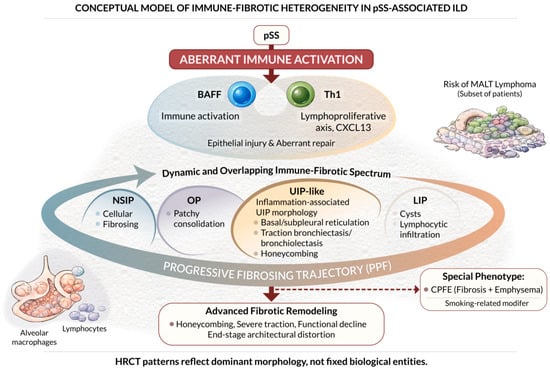
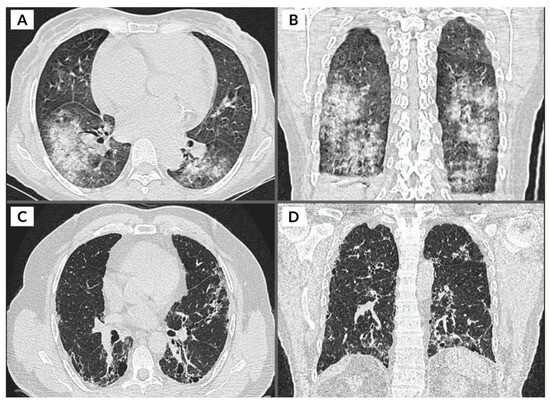
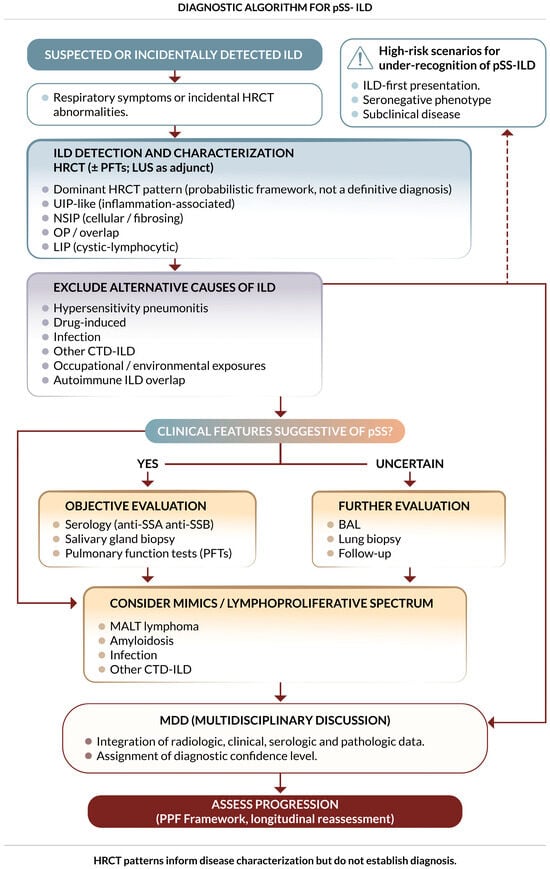
Pulmonary involvement in primary Sjögren’s syndrome (pSS) is common and exhibits significant clinical heterogeneity, particularly in cases where interstitial lung disease (pSS-ILD) develops. Reported variability in prevalence, radiologic phenotypes, and clinical outcomes indicates both underlying biological diversity and differences in classification criteria, case ascertainment, and diagnostic approaches. Pulmonary manifestations may be subclinical, and early interstitial abnormalities are frequently undetected due to the limited sensitivity of chest radiography. Presentations such as ILD-first or non-sicca onset, seronegative disease, and coexisting or mimicking conditions, including lymphoproliferative disorders and amyloidosis, increase the difficulty of diagnosis. High-resolution computed tomography (HRCT) demonstrates a wide range of patterns, including inflammatory, fibrotic, and mixed phenotypes, which often overlap and change over time. Reliance on pattern-based categorization may not adequately reflect the underlying pathobiology; for example, those with usual interstitial pneumonia (UIP)-like morphology have significant prognostic implications within the pSS spectrum. A structured, multidomain assessment that integrates symptoms, pulmonary function, and HRCT findings, ideally inside a multidisciplinary discussion (MDD), may boost diagnostic accuracy and risk stratification. Nevertheless, heterogeneity in definitions and reporting continues to impede comparability across patient cohorts. Additional research is necessary to standardize phenotyping frameworks and identify predictors of disease progression to inform individualized diagnostic and management strategies.
Full article

Figure 1
Open AccessSystematic Review
Pulmonary Vasodilators in COPD-Associated Pulmonary Hypertension: An Updated Meta-Analysis of Randomized Evidence
by
Micah Nnabuko Okwah, Ihesiulo Alozie, Jeremiah Adepoju, Itua Abhulimen, Obinna Adolalom, Oluwasegun Oladeji, Olaitan Akinrele, Ihesiulo Chigozie, Anim Asif, Shubhendu Bajpai, Elijah Akinbi, Ayotunde Famokunwa, Jesunifemi Esebame and Ismaila Ajayi Yusuf
J. Respir. 2026, 6(3), 18; https://doi.org/10.3390/jor6030018 - 6 Aug 2026
Abstract
Background: Pulmonary hypertension (PH) is a common complication of chronic obstructive pulmonary disease (COPD), termed COPD-associated pulmonary hypertension (COPD-PH), and is associated with worse clinical outcomes. The efficacy and safety of pulmonary vasodilators in COPD-PH remain uncertain. Methods: We performed a systematic review
[...] Read more.
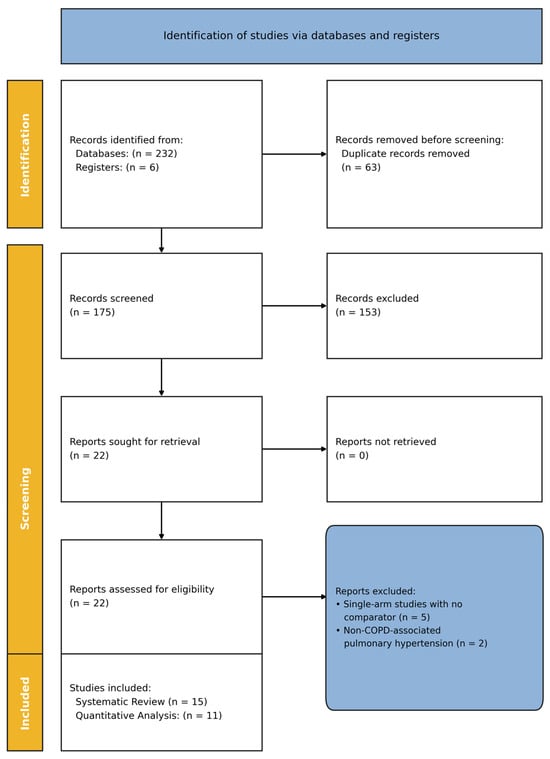
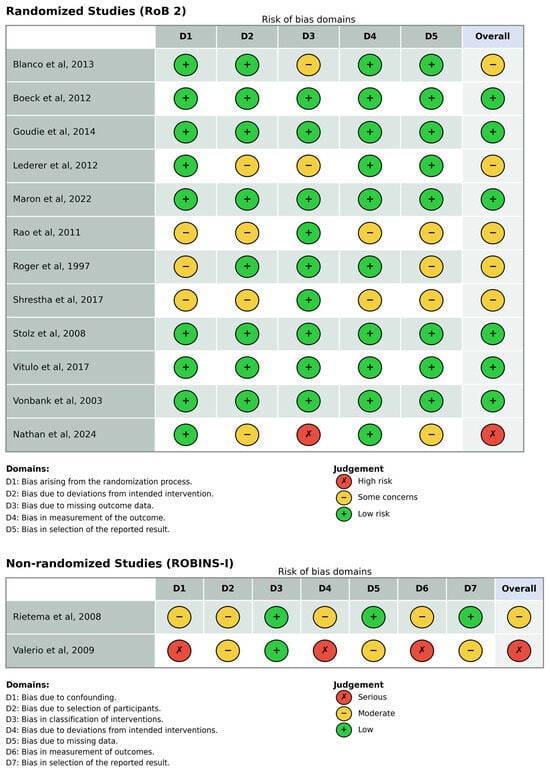
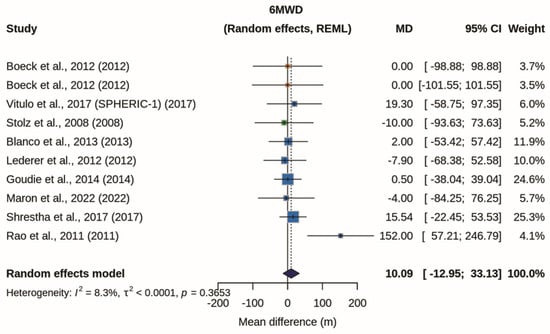
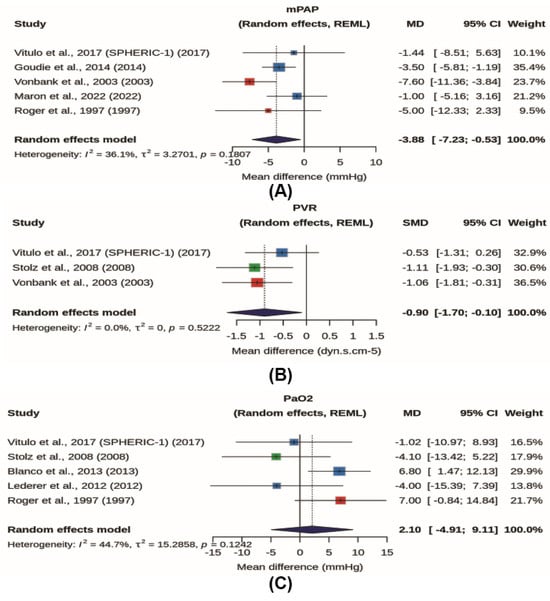
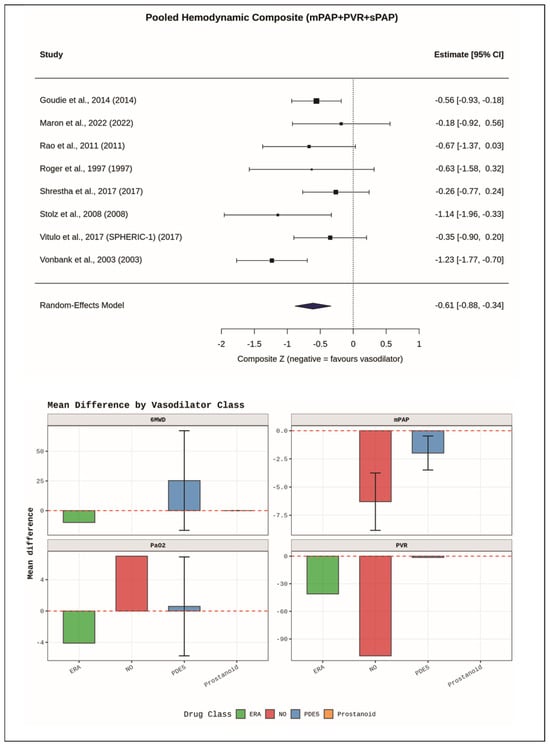
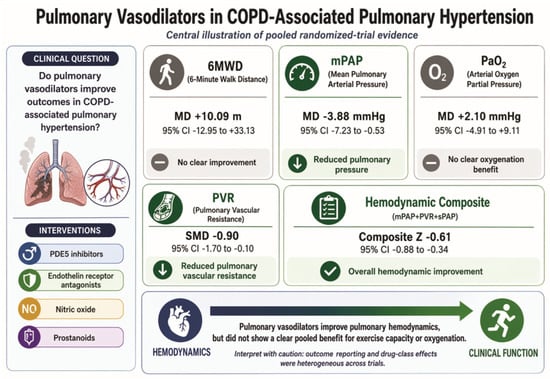
Background: Pulmonary hypertension (PH) is a common complication of chronic obstructive pulmonary disease (COPD), termed COPD-associated pulmonary hypertension (COPD-PH), and is associated with worse clinical outcomes. The efficacy and safety of pulmonary vasodilators in COPD-PH remain uncertain. Methods: We performed a systematic review and meta-analysis of randomized studies evaluating pulmonary vasodilators in adults with COPD-PH. Fifteen studies were identified, with 11 contributing to quantitative analyses. Outcomes included six-minute walk distance (6MWD), mean pulmonary arterial pressure (mPAP), pulmonary vascular resistance (PVR), partial pressure of arterial oxygen (PaO2), and systolic pulmonary arterial pressure (sPAP). Results: Pulmonary vasodilators significantly reduced mPAP (MD −3.88 mmHg, 95% CI −7.23 to −0.53) and PVR (SMD −0.90, 95% CI −1.70 to −0.10). However, no significant improvements were observed in 6MWD or PaO2. An exploratory composite hemodynamic score supported an overall hemodynamic benefit. Subgroup analyses suggested a more favorable profile for nitric oxide donors, whereas endothelin receptor antagonists were associated with worsened oxygenation. Conclusions: Pulmonary vasodilators improve pulmonary hemodynamics in COPD-PH but do not consistently improve exercise capacity or oxygenation. Current evidence does not support routine use outside specialized centers or clinical trials, and treatment effects appear to vary by drug class.
Full article
(This article belongs to the Special Issue Pulmonary Hypertension: New Insights and Recent Advances)
►▼
Show Figures

Figure 1

Open AccessCase Report
Rituximab-Induced Lung Disease Presenting as Organizing Pneumonia in a Patient with Stable Rheumatoid Arthritis
by
Sikandar Khan, Ofek Raviv, Brian Foster, Ana Suarez-Gonzalez and Roger A Alvarez
J. Respir. 2026, 6(3), 17; https://doi.org/10.3390/jor6030017 - 1 Aug 2026
Abstract
►▼
Show Figures
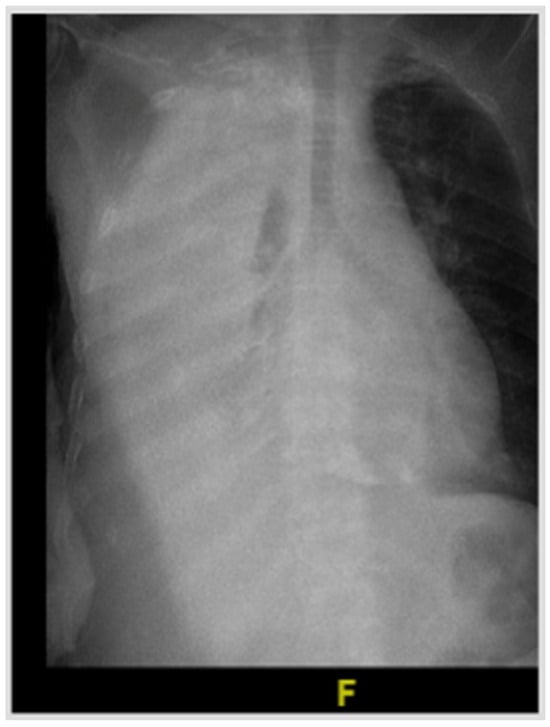
Rituximab-induced lung disease (R-ILD) is a rare but potentially serious complication most commonly reported in patients receiving rituximab as part of combination chemotherapy for hematologic malignancies. Pulmonary toxicity associated with rituximab monotherapy in autoimmune disease remains underrecognized. We present a case of organizing
[...] Read more.
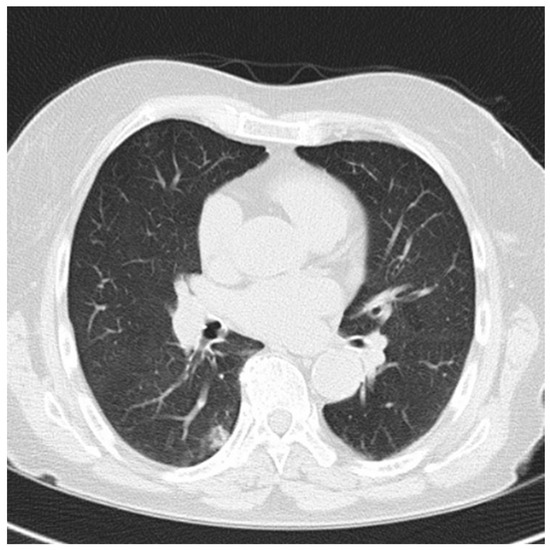
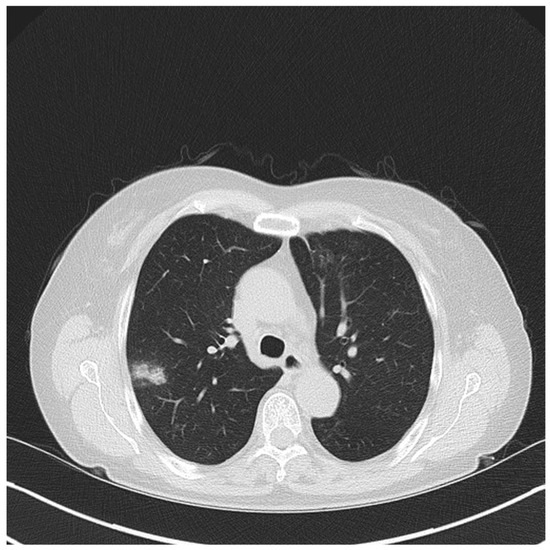
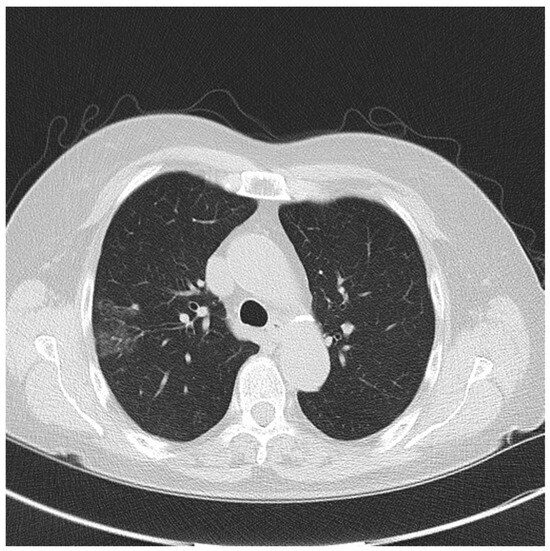
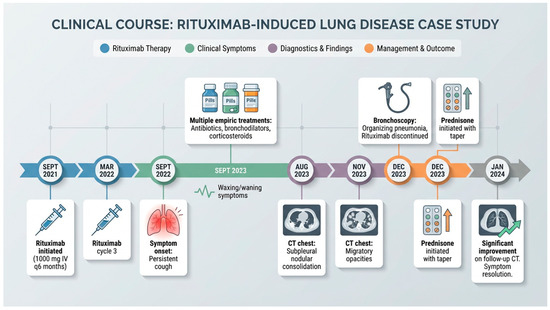
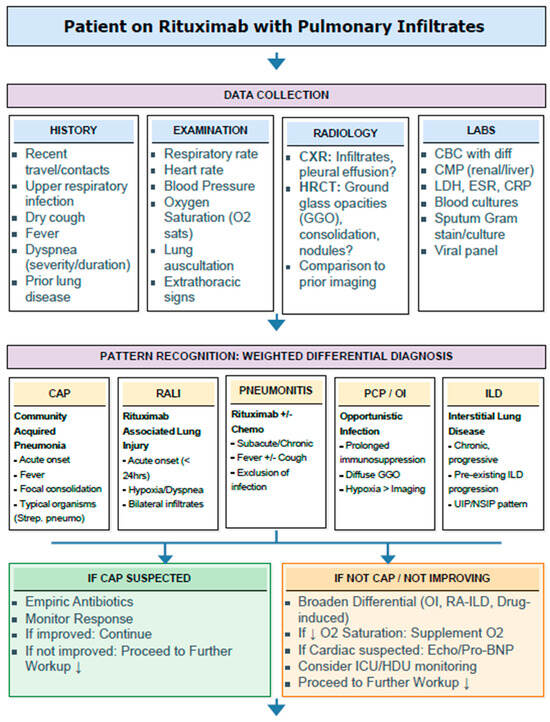
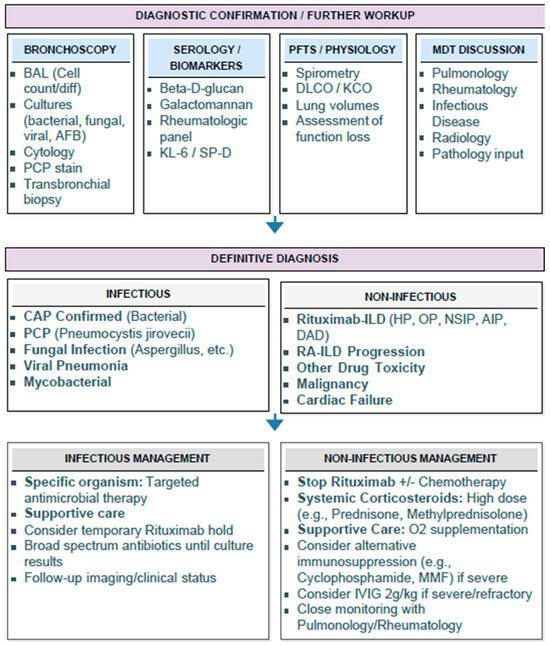
Rituximab-induced lung disease (R-ILD) is a rare but potentially serious complication most commonly reported in patients receiving rituximab as part of combination chemotherapy for hematologic malignancies. Pulmonary toxicity associated with rituximab monotherapy in autoimmune disease remains underrecognized. We present a case of organizing pneumonia occurring in a patient with stable rheumatoid arthritis treated with rituximab monotherapy. Existing literature suggests that most reported cases occur in the setting of combination therapy, making this presentation uncommon. This case underscores the importance of maintaining a high index of suspicion for drug-induced lung disease in patients receiving rituximab who develop unexplained respiratory symptoms despite stable autoimmune disease. Early recognition and intervention may result in favorable clinical and radiographic outcomes.
Full article

Figure 1
Open AccessArticle
The Impact of Breathing Pattern (Nasal vs. Oral) on the Severity of Obstructive Sleep Apnea
by
Mirjana Grebenar Čerkez, Darija Birtić, Anamarija Šestak, Jelena Šarić Jurić, Stjepan Jurić, Marta Petek Vinković, Mirjana Čubra and Jelena Kovačević
J. Respir. 2026, 6(3), 16; https://doi.org/10.3390/jor6030016 - 21 Jul 2026
Abstract
Background: Nasal obstruction has been implicated in the pathophysiology of obstructive sleep apnoea (OSA), potentially contributing to upper airway instability and impaired breathing during sleep. However, its precise role in determining disease severity remains unclear. This study aimed to evaluate the relationship between
[...] Read more.
Background: Nasal obstruction has been implicated in the pathophysiology of obstructive sleep apnoea (OSA), potentially contributing to upper airway instability and impaired breathing during sleep. However, its precise role in determining disease severity remains unclear. This study aimed to evaluate the relationship between patients’ subjective perception of breathing patterns (nasal vs. oral) and OSA severity, as well as the impact of structural nasal abnormalities and their anatomical location. Methods: This cross-sectional study was conducted at the University Hospital Center Osijek, Croatia, between May 2024 and September 2025. Sixty adult patients with diagnosed moderate-to-severe OSA (apnoea–hypopnoea index [AHI] ≥ 15 events/hour) were included. All participants underwent polysomnography and otorhinolaryngological evaluation, including anterior rhinoscopy and nasal endoscopy. Structural abnormalities assessed included septal deviation and inferior turbinate hypertrophy, classified according to a modified Cottle system. Statistical analyses were performed using non-parametric tests and correlation methods, with significance set at p < 0.05. Results: The study included 60 patients (median age 56 years; 71.7% male), of whom 23% had moderate and 77% severe OSA (median AHI 39.4). No significant association was found between subjective breathing pattern and OSA severity (p = 0.8), although patients with predominantly oral breathing exhibited higher median AHI values. Oral breathing was significantly associated with the presence of septal deviation (p < 0.001) and inferior turbinate hypertrophy (p < 0.001). Structural deformities in oral breathers were most frequently localized in the nasal valve region (Area II) (p < 0.001). However, neither the presence nor the anatomical location of nasal deformities showed a significant relationship with AHI values (p = 0.93). Conclusions: Subjective breathing pattern was not significantly associated with OSA severity, although oral breathing tended to be linked with higher AHI values. Structural nasal abnormalities were significantly more prevalent among oral breathers but did not influence disease severity. These findings suggest that nasal obstruction plays a limited role in determining OSA severity, while remaining clinically relevant as a potentially modifiable factor influencing breathing patterns and treatment adherence. Further research is warranted to evaluate the impact of interventions targeting nasal breathing in the comprehensive management of OSA.
Full article
Open AccessArticle
Exploring New Therapeutic Targets in NSCLC: Unraveling the Interplay Between NTRK and PD-L1 Expression
by
Jair Gutierrez-Herrera, Maria Angeles Montero-Fernandez, Georgia Kokaraki, Luigi De Petris, Raul Maia Falcão, Ricardo Guijarro, Simon Ekman and Cristian Ortiz-Villalón
J. Respir. 2026, 6(3), 15; https://doi.org/10.3390/jor6030015 - 15 Jul 2026
Abstract
Background: Precision medicine has introduced immune checkpoint inhibitors (ICIs) and tyrosine kinase inhibitors (TKIs) as key therapies for lung cancer. However, the interaction between PD-L1 expression and NTRK rearrangements in non-small cell lung cancer (NSCLC) remains unclear. Methods: A cohort of 482 resected
[...] Read more.
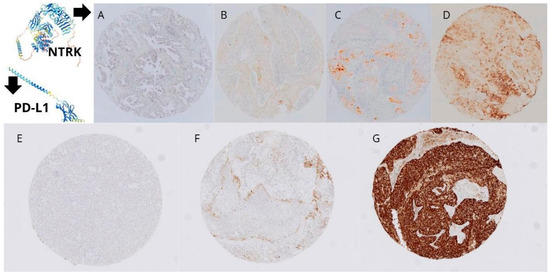
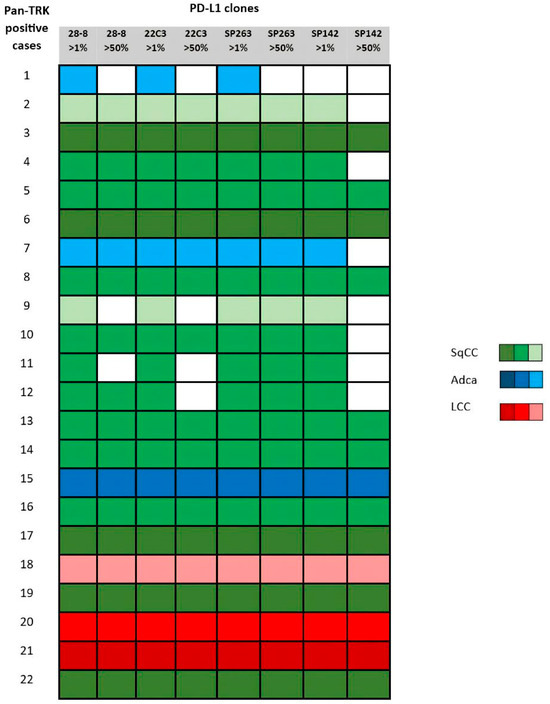
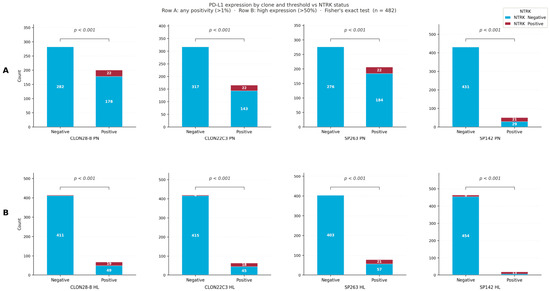
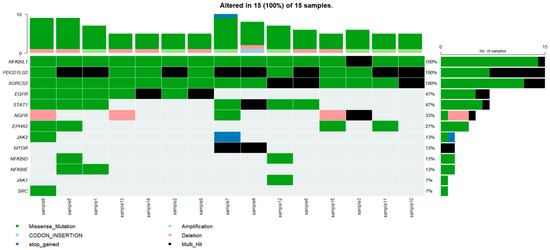
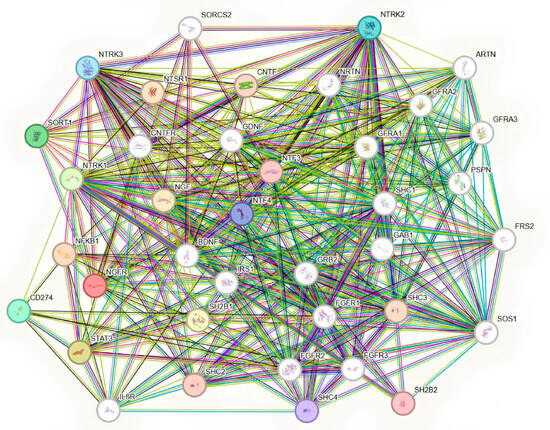
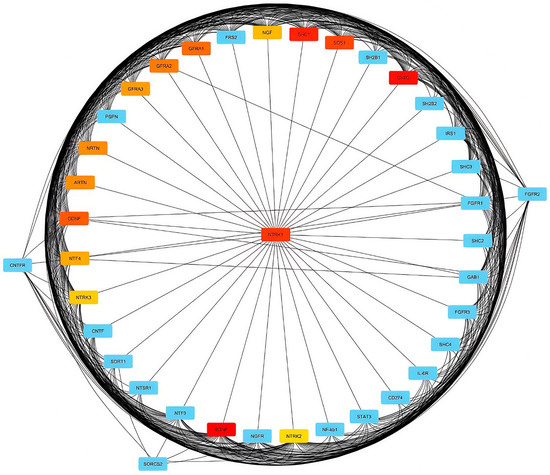
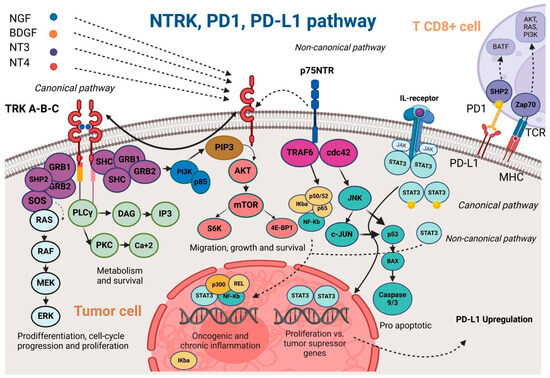
Background: Precision medicine has introduced immune checkpoint inhibitors (ICIs) and tyrosine kinase inhibitors (TKIs) as key therapies for lung cancer. However, the interaction between PD-L1 expression and NTRK rearrangements in non-small cell lung cancer (NSCLC) remains unclear. Methods: A cohort of 482 resected NSCLC cases was analyzed using tissue microarrays. Immunohistochemistry (IHC) assessed PD-L1 expression with four antibody clones and pan-TRK with one clone. Whole-exome sequencing (WES) identified NTRK mutations, copy number variations, and gene fusions. Associations with clinicopathological features and prognosis were evaluated using Cox regression and survival analyses. Potential molecular connections between NTRK and PD-L1 were explored through a multi-database interactome analysis using Cytoscape. Results: PD-L1 positivity (TPS ≥ 1%) varied by clone: 28-8 (41.5%), 22C3 (34.2%), SP263 (42.7%), and SP142 (10.4%). High PD-L1 expression (TPS ≥ 50%) correlated with poorer overall survival in SP142-assessed cases (p = 0.045). TRK expression was observed in 4.6% (22/482) of cases, predominantly in squamous cell carcinoma (72.7%). Co-expression of pan-TRK and PD-L1 was significant (p < 0.001), with 4.6% of tumors showing dual positivity. WES detected three NTRK rearrangements, with no direct association with survival. Conclusions: The co-expression of PD-L1 and pan-TRK observed in this cohort suggests a biologically relevant interaction that warrants further investigation into its potential role in treatment response and resistance mechanisms to ICIs and TKIs.
Full article
(This article belongs to the Collection Feature Papers in Journal of Respiration)
►▼
Show Figures

Figure 1
Open AccessReview
Biomarkers in Obstructive Sleep Apnoea: Predicting Neurodegenerative Risk and Treatment-Responsive Vulnerability
by
Meng Yee Chen and Jia Dong James Wang
J. Respir. 2026, 6(3), 14; https://doi.org/10.3390/jor6030014 - 10 Jul 2026
Abstract
►▼
Show Figures
Background: Obstructive sleep apnoea (OSA) is increasingly associated with earlier onset and accelerated trajectories of neurodegenerative change. Mechanistically, this relationship is thought to reflect convergent pathways spanning intermittent hypoxia. Biomarker profiling offers a pragmatic route to interrogate these processes in vivo, providing quantitative
[...] Read more.
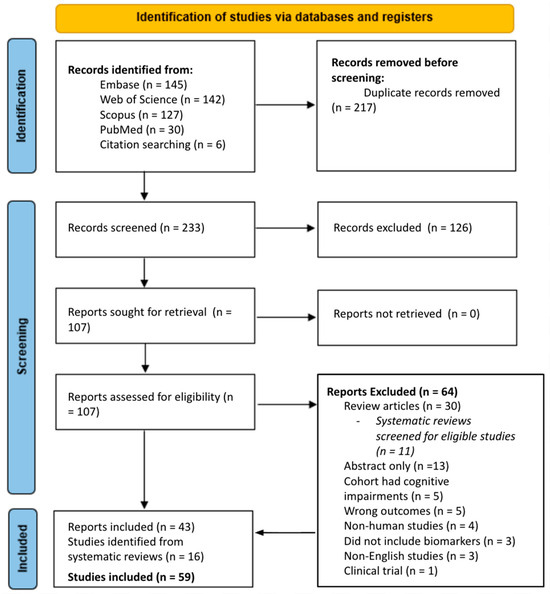
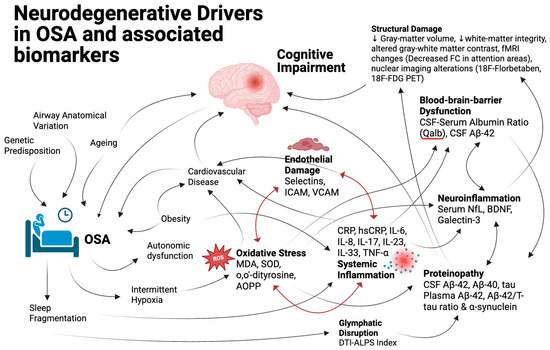
Background: Obstructive sleep apnoea (OSA) is increasingly associated with earlier onset and accelerated trajectories of neurodegenerative change. Mechanistically, this relationship is thought to reflect convergent pathways spanning intermittent hypoxia. Biomarker profiling offers a pragmatic route to interrogate these processes in vivo, providing quantitative indices for risk stratification and for monitoring the biological response to OSA therapy in the context of cognitive decline prevention. Objectives: The present study undertakes a scoping review on the mechanistic links between OSA and neurodegeneration, as well as the utility of biomarkers for risk stratification and monitoring efficacy of treatment to mitigate cognitive decline. Methods: A literature search was conducted using PubMed, Scopus, Embase and Cochrane from January 2000 to February 2026. Search terms included “Obstructive sleep apnoea”, “Continuous Positive Airway Pressure”, “Uvulopalatopharyngoplasty”, “Biomarkers”, “Genomics”, “Alzheimer Disease” and “Parkinson Disease”. We included all studies that analysed biomarker changes in OSA patients and/or the effect of CPAP on biomarkers. Studies with only cognitively impaired cohorts, editorials, opinion pieces, conference abstracts, non-human studies, and non-English studies were excluded. Results: A total of 59 unique studies were included. Forty of them analysed biomarkers involved in the pathophysiology behind neurodegeneration in OSA patients, while 26 described the changes in biomarkers post therapy. Notably, 15 studies were included in both aspects. Lastly, eight studies explored novel applications of multiomics technologies.
Full article

Figure 1
Open AccessGuidelines
S2k Guideline: Breathing, Respiratory Support and Ventilation in Acute and Chronic Spinal Cord Injury
by
Anja M. Raab, Oswald Marcus, Sören Tiedemann, Marc Landscheid, Sven Hirschfeld, Guido Ketter, Maria-Cristina Hallwachs and Franz Michel
J. Respir. 2026, 6(3), 13; https://doi.org/10.3390/jor6030013 - 7 Jul 2026
Abstract
►▼
Show Figures
Background/Objectives: Spinal cord injury (SCI) frequently leads to impaired respiratory function and increased pneumonia risk due to reduced respiratory muscle strength, altered thoracic compliance, autonomic dysregulation, and diaphragm displacement. This guideline aims to ensure appropriate, high-quality, and quality-assured care for individuals requiring respiratory
[...] Read more.
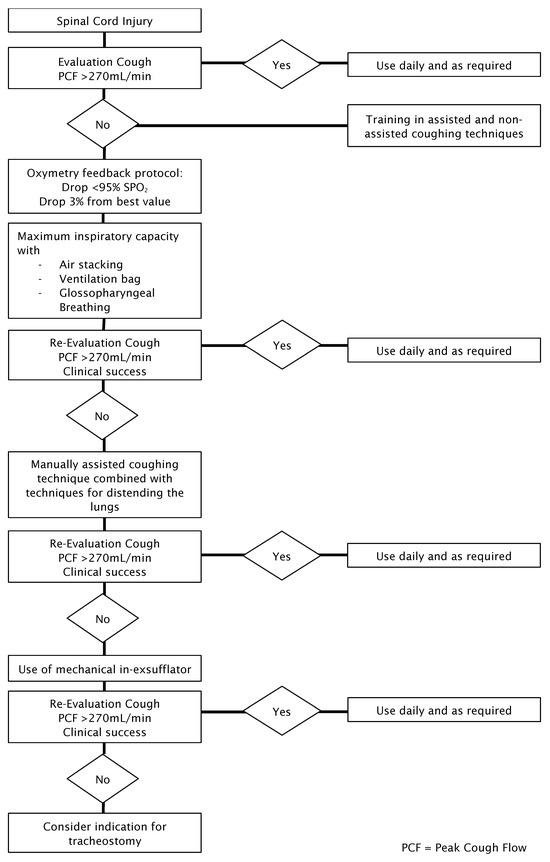
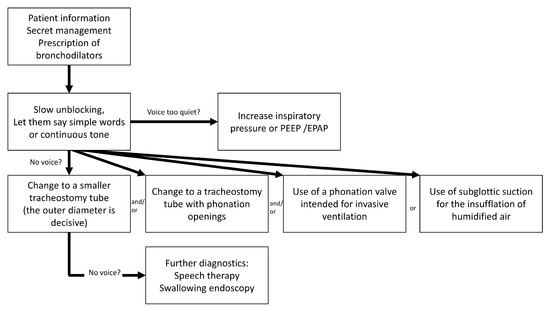
Background/Objectives: Spinal cord injury (SCI) frequently leads to impaired respiratory function and increased pneumonia risk due to reduced respiratory muscle strength, altered thoracic compliance, autonomic dysregulation, and diaphragm displacement. This guideline aims to ensure appropriate, high-quality, and quality-assured care for individuals requiring respiratory support. Methods: This work represents a consensus-based S2k guideline developed by the “BeAtmung” working group of the German-speaking Medical Society for Paraplegiology (DMGP), in collaboration with experts from Germany and Switzerland, and endorsed by eight professional societies. Development followed the German Association of the Scientific Medical Societies (AWMF) guidance manual. Topics were defined in editorial meetings, supported by targeted literature searches and existing guidelines. Drafts were revised regularly with written feedback and final approval was granted after a consensus conference on 18 January 2022. Results: The guideline includes 11 specific recommendations addressing ventilation, monitoring, care structures, and discharge planning. Recommendations were graded using a three-level scheme (“need,” “should,” and “can be considered”) and consensus strength was classified as strong (>95%), consensus (>75–95%), majority (>50–75%), or no consensus (<50%). These recommendations support clinical decision-making and promote standardised, high-quality respiratory care for people with SCI. Conclusions: This guideline provides consensus-based recommendations for the comprehensive respiratory management of individuals with acute and chronic SCI, integrating diagnostic, therapeutic, and long-term care strategies to support high-quality, coordinated care across settings and healthcare systems.
Full article

Figure 1
Open AccessReview
Medical Thoracoscopy in Pleural Effusion Versus Dry Space: A Narrative Review on Diagnostic Yield and Complication Rates
by
Cosimo Bruno Salis, Paolo Albino Ferrari, Sabrina Sarais, Antonio Macciò and Alessandro Giuseppe Fois
J. Respir. 2026, 6(2), 12; https://doi.org/10.3390/jor6020012 - 9 Jun 2026
Abstract
►▼
Show Figures
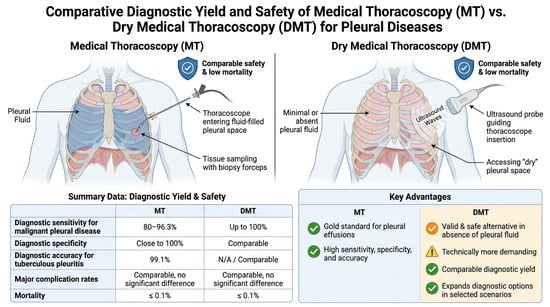
Background: Medical thoracoscopy (MT) represents the gold standard for undiagnosed pleural effusions, traditionally performed in the presence of pleural fluid. Recent technical advances have enabled MT in “dry space” conditions (minimal or absent pleural effusion), raising questions about comparative diagnostic efficacy and safety
[...] Read more.
Background: Medical thoracoscopy (MT) represents the gold standard for undiagnosed pleural effusions, traditionally performed in the presence of pleural fluid. Recent technical advances have enabled MT in “dry space” conditions (minimal or absent pleural effusion), raising questions about comparative diagnostic efficacy and safety profiles. Objective: This literature review aims to evaluate diagnostic yield and complication rates between traditional MT performed in patients with current pleural effusion and dry medical thoracoscopy (DMT). Results: MT demonstrates diagnostic sensitivity ranging from 80% to 96.3% and specificity close to 100% for malignant pleural disease, and the diagnostic accuracy is 99.1% for tuberculous pleuritis. DMT’s recent studies report optimal success rates in pleural access and tissue sampling, and diagnostic sensitivity for malignancy up to 100%, although a confirmation with larger cohorts for technique comparison is needed. Major complication rates are comparable between MT and DMT, with no significant differences in overall adverse events. Mortality rates remain exceptionally low (≤0.1%) for both approaches. Conclusions: MT remains a highly effective diagnostic tool for pleural diseases. DMT represents a valid and safe alternative in patients without significant pleural effusion, although technically more demanding, and further studies are required to validate the technique.
Full article

Graphical abstract
Open AccessReview
Structural and Compound ALK Resistance Mutations: A Unified Framework to Understand Lorlatinib Failure and Beyond
by
Keigo Kobayashi
J. Respir. 2026, 6(2), 11; https://doi.org/10.3390/jor6020011 - 3 Jun 2026
Abstract
►▼
Show Figures
Anaplastic lymphoma kinase (ALK) tyrosine kinase inhibitors (TKIs) have dramatically transformed the clinical management of ALK-rearranged non-small cell lung cancer (NSCLC). Successive generations of ALK inhibitors have been developed to overcome resistance mediated by kinase domain mutations, culminating in the third-generation inhibitor lorlatinib.
[...] Read more.
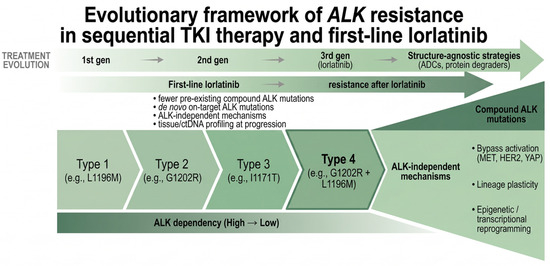
Anaplastic lymphoma kinase (ALK) tyrosine kinase inhibitors (TKIs) have dramatically transformed the clinical management of ALK-rearranged non-small cell lung cancer (NSCLC). Successive generations of ALK inhibitors have been developed to overcome resistance mediated by kinase domain mutations, culminating in the third-generation inhibitor lorlatinib. Despite these advances, resistance remains inevitable, and durable disease control is rarely achieved. While resistance driven by single ALK mutations has been extensively characterized and structurally classified, the emergence of compound ALK mutations under sequential TKI therapy represents a qualitatively distinct and insufficiently conceptualized resistance state. This issue is becoming more complex as lorlatinib is increasingly used in the first-line setting, where resistance may arise from an ALK TKI-naïve background rather than from tumors already shaped by sequential ALK inhibition. In this review, we propose a unified framework that integrates structural single ALK resistance mutations (Types 1–3) with compound ALK mutations (Type 4) as a distinct evolutionary entity. We argue that compound mutations mark a critical inflection point at which ALK dependency reaches its functional limit, explaining the failure of even highly potent inhibitors such as lorlatinib. Importantly, we discuss how certain compound mutations paradoxically restore sensitivity to earlier-generation TKIs, highlighting the value of structural interpretation over linear drug sequencing. Finally, we discuss the transition toward ALK-independent resistance and future strategies incorporating dynamic molecular monitoring and structure-agnostic therapies. This framework may help clinicians interpret resistance mechanisms and guide rational treatment selection in daily practice.
Full article

Figure 1
Open AccessReview
Gastroesophageal Reflux and Recurrent Wheezing in Preschool Children: An Update on Pathophysiology, Diagnosis, and Management
by
Peter Kunč, Jaroslav Fábry, Tomáš Strachan and Renata Péčová
J. Respir. 2026, 6(2), 10; https://doi.org/10.3390/jor6020010 - 19 May 2026
Abstract
►▼
Show Figures
Recurrent wheezing represents a significant cause of respiratory morbidity in preschool children. While viral infections in the context of immune dysregulation are primary drivers, gastroesophageal reflux disease (GERD) and laryngopharyngeal reflux (LPR) are increasingly recognized as critical triggers. The link between GERD and
[...] Read more.
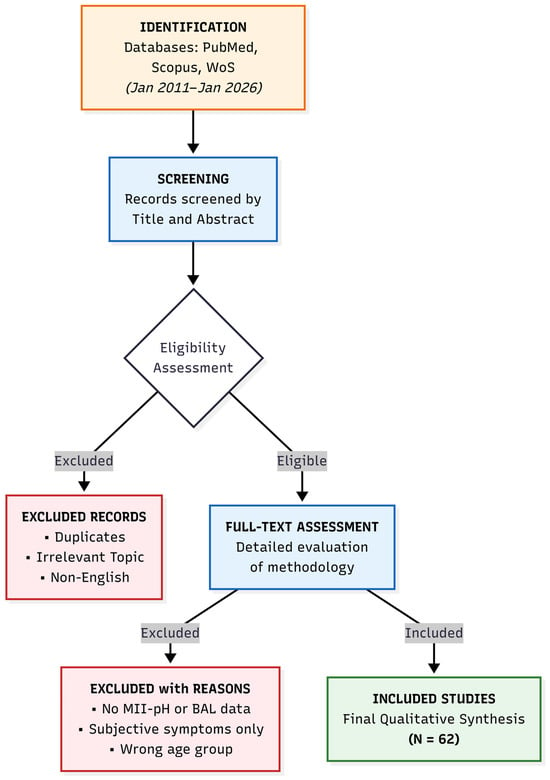
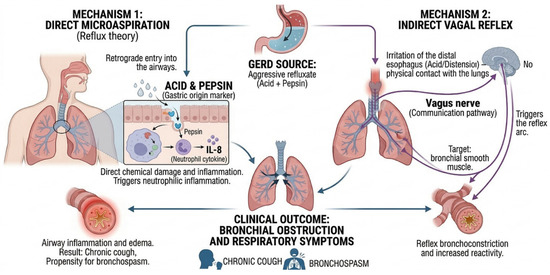
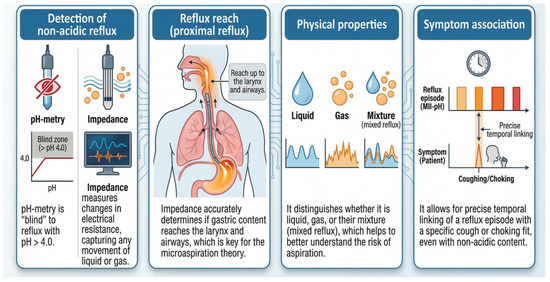
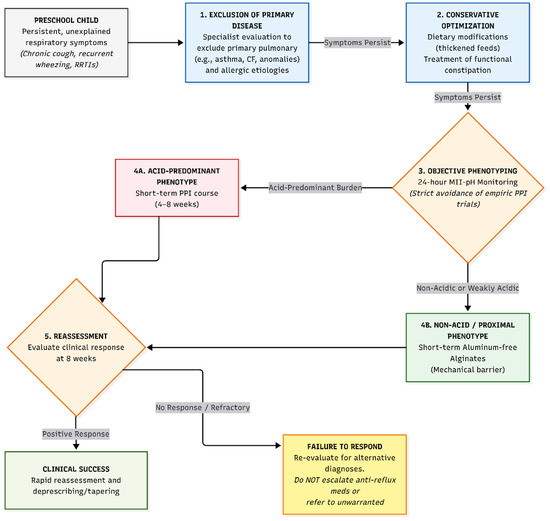
Recurrent wheezing represents a significant cause of respiratory morbidity in preschool children. While viral infections in the context of immune dysregulation are primary drivers, gastroesophageal reflux disease (GERD) and laryngopharyngeal reflux (LPR) are increasingly recognized as critical triggers. The link between GERD and respiratory symptoms has historically been controversial; however, recent advances necessitate a re-evaluation of this relationship. This review critically analyzes the pathophysiological nexus between reflux and airway hyperresponsiveness, emphasizing the dual mechanism of microaspiration and vagal reflex, while integrating the concept of reverse causality (where respiratory effort actively exacerbates reflux). We highlight that the “respiratory reflux” phenotype in preschoolers is often characterized by non-acid and proximal episodes, which standard pH-metry fails to detect. Consequently, we discuss the diagnostic shift towards multichannel intraluminal impedance-pH (MII-pH) monitoring and the incorporation of novel metrics defined by the Lyon Consensus 2.0 (MNBI, PSPW index), alongside specific biomarkers such as pepsin. Finally, we propose a phenotype-driven management algorithm, differentiating between acid-suppressive therapy and alginate-based interventions, to mitigate disease burden and improve clinical outcomes in refractory cases.
Full article

Figure 1
Open AccessArticle
Reframing COPD Instability Under GOLD 2026: A Bayesian Multi-Outcome Retrospective EHR Analysis in Primary Care
by
José Manuel Helguera Quevedo, Pedro Mesa Rodríguez, Luis Richard Rodríguez, Zaira María Correcher Salvador, José Manuel Paredero Domínguez, Francisco Javier Plaza Zamora, Fernando María Navarro Ros and José David Maya Viejo
J. Respir. 2026, 6(2), 9; https://doi.org/10.3390/jor6020009 - 11 May 2026
Abstract
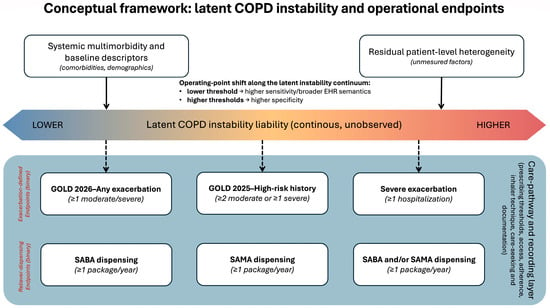
Background/Objectives: COPD instability is heterogeneous; GOLD 2026 lowers the prior-year threshold to ≥1 moderate or severe exacerbation. We assessed whether this low-threshold criterion behaves as a high-sensitivity operational signal in primary-care EHRs. Methods: A retrospective multicenter same-window EHR pilot study in two Spanish
[...] Read more.
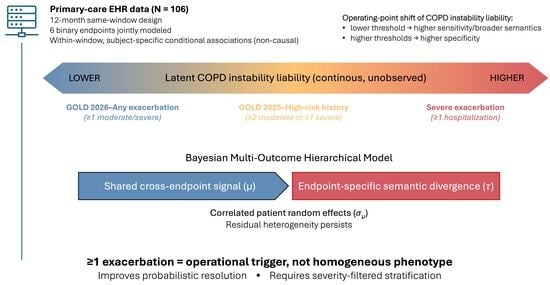
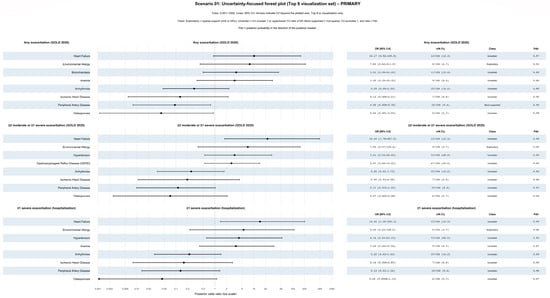
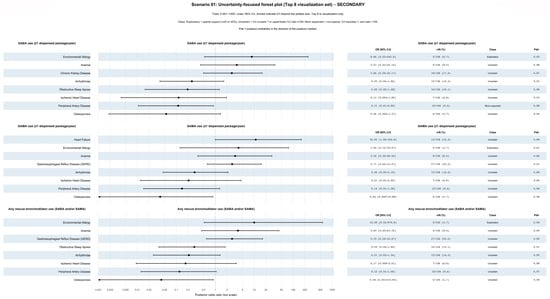
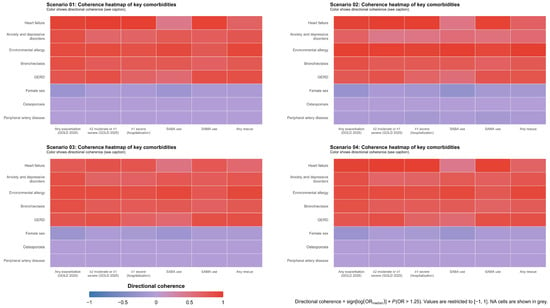
Background/Objectives: COPD instability is heterogeneous; GOLD 2026 lowers the prior-year threshold to ≥1 moderate or severe exacerbation. We assessed whether this low-threshold criterion behaves as a high-sensitivity operational signal in primary-care EHRs. Methods: A retrospective multicenter same-window EHR pilot study in two Spanish primary-care centers (n = 106). Predictors and six binary endpoints were aggregated over the same 12-month window: any exacerbation, high-risk history, severe hospitalization, SABA dispensing, SAMA dispensing, and any rescue dispensing. We fitted Bayesian multi-outcome hierarchical logistic models with patient-level random intercepts, cross-endpoint partial pooling, regularizing priors, and missingness indicators. Robustness used prespecified scenarios, 10-fold ELPD cross-validation, and high-missingness exclusion. Results: Any exacerbation occurred in 53/106 patients; high-risk history in 25/106; hospitalization in 16/106; and any rescue dispensing in 65/106. Diagnostics were stable, and posterior predictive checks supported marginal adequacy. Heart failure showed the clearest positive pattern across exacerbation-defined endpoints; reliever-dispensing endpoints showed a distinct care-pathway-sensitive pattern. No scenario improved out-of-sample adequacy. High-missingness exclusion preserved directionality in 120/120 overlapping pairs; the median |ΔlogOR| was 0.061; and 119/120 remained within ±log(1.25). Conclusions: GOLD 2026 “any exacerbation” behaved as a high-sensitivity operational signal in an endpoint-operating-point sense, not as a homogeneous phenotype. Findings are within-window associations, not causal, medication-effect, or prospective prediction estimates; external validation is required.
Full article
(This article belongs to the Collection Feature Papers in Journal of Respiration)
►▼
Show Figures

Graphical abstract
Open AccessOpinion
Management of Persistent Air Leak
by
Santiago Serna, Marium Khan, Krupa Shingada, Shreya Podder, Harpreet Singh, Bryan S. Benn, Steven Verga, Elizabeth Malsin and Jonathan S. Kurman
J. Respir. 2026, 6(2), 8; https://doi.org/10.3390/jor6020008 - 30 Apr 2026
Abstract
Alveolar–pleural or broncho-pleural fistulas, leading to persistent air leaks (PALs), are associated with prolonged hospitalization and substantial morbidity. While guidelines advocate surgical repair as the primary treatment, its efficacy is limited. For patients recently subjected to thoracic surgery or those for whom surgery
[...] Read more.
Alveolar–pleural or broncho-pleural fistulas, leading to persistent air leaks (PALs), are associated with prolonged hospitalization and substantial morbidity. While guidelines advocate surgical repair as the primary treatment, its efficacy is limited. For patients recently subjected to thoracic surgery or those for whom surgery is contraindicated due to severe illness, viable treatment alternatives have been lacking. This article reviews the newer and less invasive treatment options for PALs. Further research is crucial, including randomized controlled trials comparing these options, and long-term monitoring of intervention outcomes is warranted.
Full article
(This article belongs to the Special Issue Interventional Pulmonology: An Exciting New Subspecialty Within Pulmonary Medicine)
Open AccessArticle
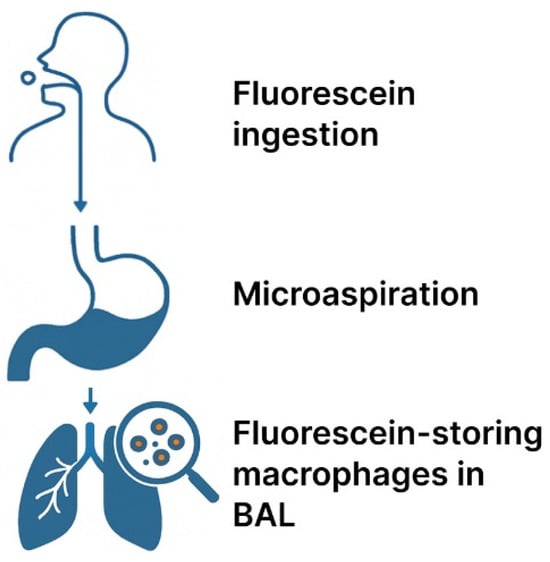
Bacterial Load in Bronchial Washing Fluid Samples of Patients Undergoing Proton Pump Inhibitor Therapy: A Retrospective Observational Study Using Fluorescein as a Marker of Micro-Aspiration
by
Lukas Neumann, Christine Wagenlechner, Peter Starzengruber, Daniela Gompelmann, Marco Idzko and Ahmed El-Gazzar
J. Respir. 2026, 6(2), 7; https://doi.org/10.3390/jor6020007 - 28 Apr 2026
Abstract
►▼
Show Figures
Background: Proton pump inhibitors (PPIs) have been associated with lung dysbiosis and increased respiratory risk. Micro-aspiration is a proposed mechanism, but reliable biomarkers remain elusive. This study evaluates the potential of fluorescein as a biomarker of micro-aspiration and PPI-associated pulmonary risk. Methods: We
[...] Read more.
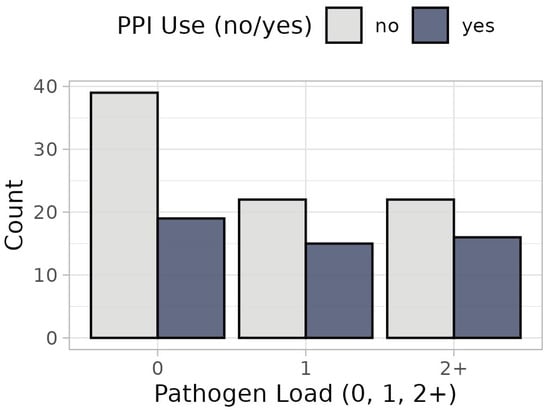
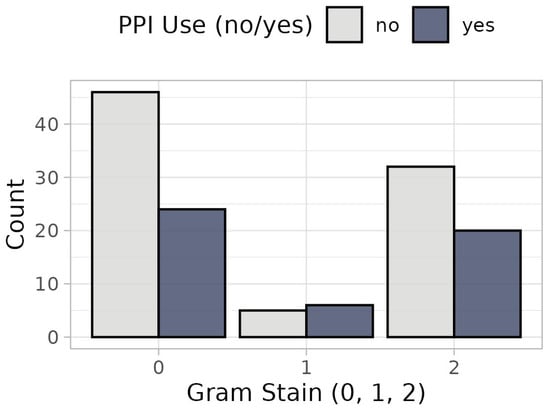
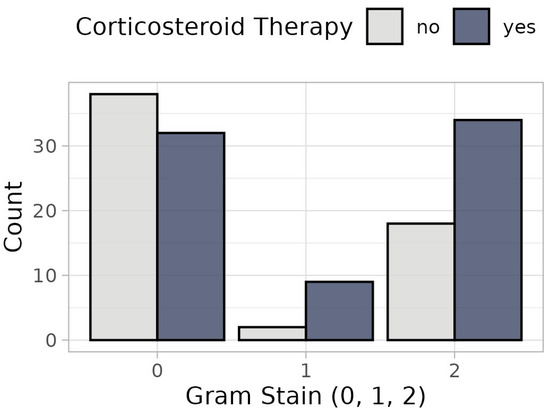
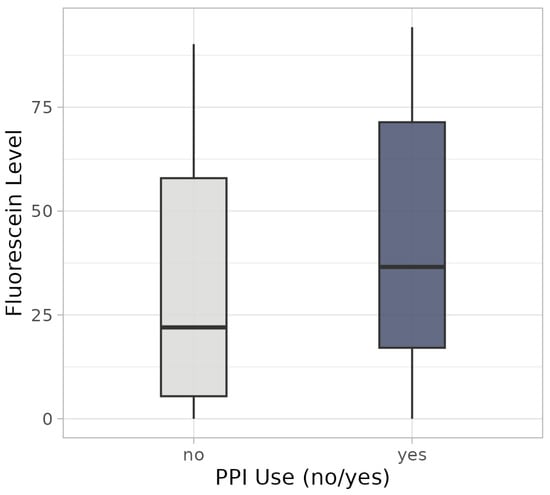
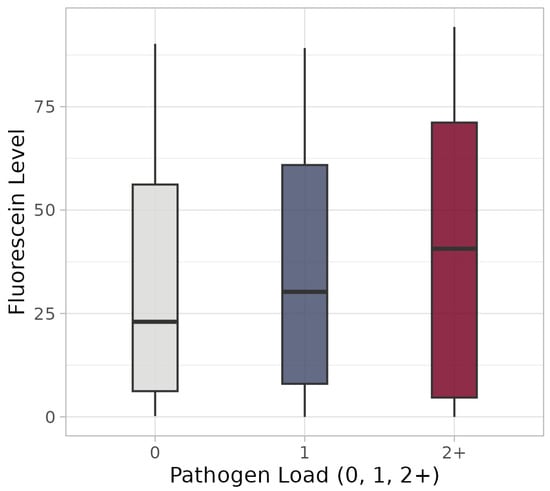
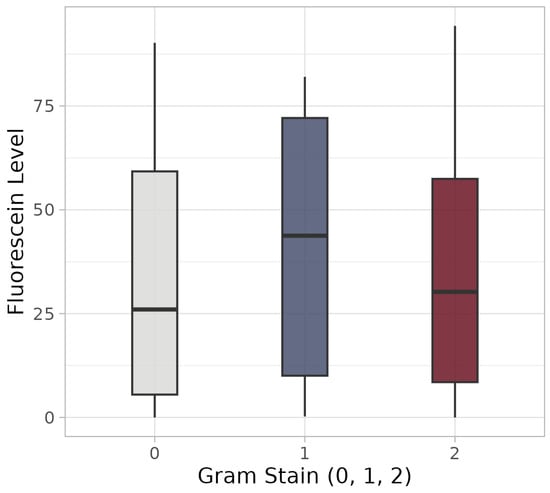
Background: Proton pump inhibitors (PPIs) have been associated with lung dysbiosis and increased respiratory risk. Micro-aspiration is a proposed mechanism, but reliable biomarkers remain elusive. This study evaluates the potential of fluorescein as a biomarker of micro-aspiration and PPI-associated pulmonary risk. Methods: We conducted a retrospective analysis of 137 bronchial washing fluid samples from patients with pulmonary conditions to assess microbial colonization in relation to PPI use. Bacterial burden was determined by culture and PCR and categorized as 0, 1 or ≥2 pathogens. Micro-aspiration was evaluated by quantifying fluorescein-laden macrophages in bronchoalveolar lavage following oral fluorescein administration. Associations between PPI use, fluorescein levels and pathogen burden were analyzed using adjusted ordinal regression models. Results: PPI use was associated with higher odds of increased pathogen burden, though not statistically significant (OR = 1.40, 95% CI: 0.71–2.75, p = 0.33). Fluorescein-laden macrophages were higher in PPI users (41.5 versus 31.2 ng/mL), but showed no meaningful correlation with pathogen load (p = 0.09). Corticosteroid therapy was significantly associated with Gram stain results (OR = 2.37, 95% CI: 1.12–5.15, p = 0.03). Conclusions: These findings suggest a potential link between PPI use and airway colonization. Fluorescein shows promise as a biomarker for micro-aspiration, but its clinical utility requires further validation.
Full article

Figure 1
Open AccessArticle
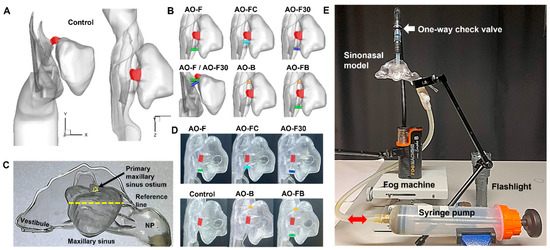
Experimental and Computational Analyses of Accessory Ostia Effects on Maxillary Sinus Ventilation
by
Amr Seifelnasr, Xiuhua Si and Jinxiang Xi
J. Respir. 2026, 6(1), 6; https://doi.org/10.3390/jor6010006 - 6 Mar 2026
Cited by 2
Abstract
►▼
Show Figures
Background: Accessory ostia (AOs) can notably alter maxillary sinus ventilation, yet configuration-specific effects remain unclear. This study quantified how AO location and orientation regulate sinus ventilation using in vitro measurements and numerical analyses. Methods: One patient-specific sinonasal geometry (control) was used to reconstruct
[...] Read more.
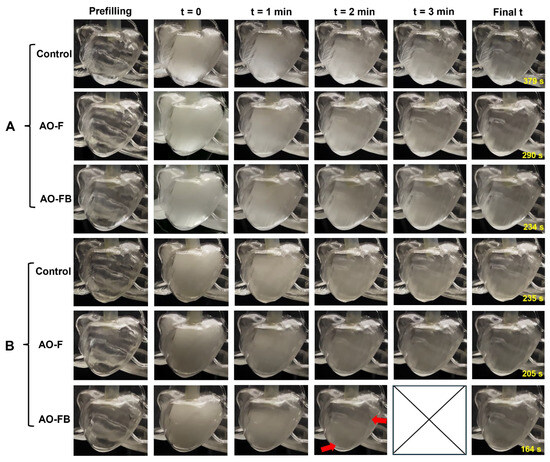
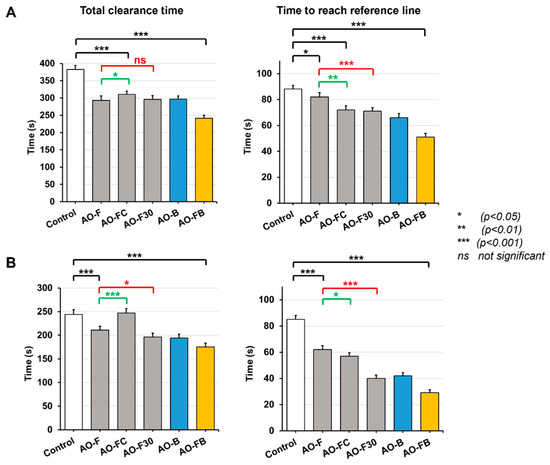
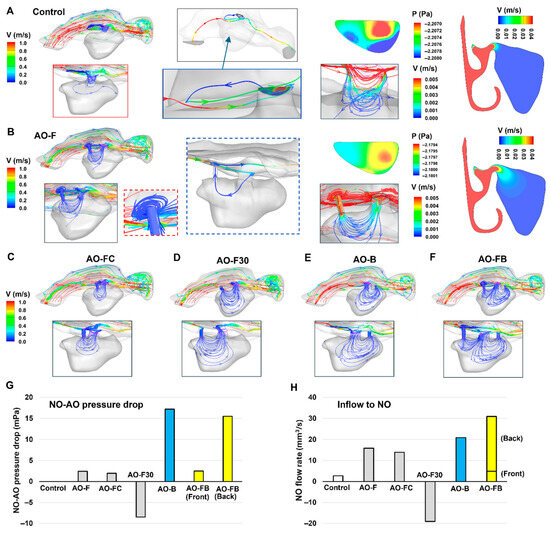
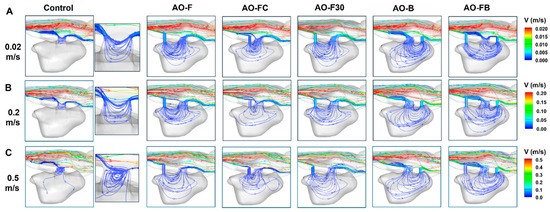
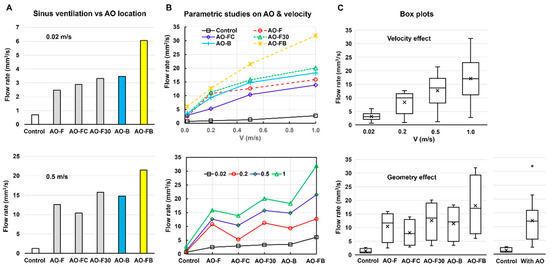
Background: Accessory ostia (AOs) can notably alter maxillary sinus ventilation, yet configuration-specific effects remain unclear. This study quantified how AO location and orientation regulate sinus ventilation using in vitro measurements and numerical analyses. Methods: One patient-specific sinonasal geometry (control) was used to reconstruct five models with varying AO numbers, locations, and orientations (AO-F, AO-FC, AO-F30, AO-B, AO-FB). E-vapor was used as a visual tracer for sinus clearance under breath-hold and quiet breathing conditions. Complementary simulations characterized flow dynamics and sinus ventilation rates. Results: Both inhalation and AO presence accelerate e-vapor clearance for all conditions considered. The e-vapor clearance time in AO-FB decreases from 51 s under breath-hold to 29 s under quiet breathing (1 m/s). Configuration-wise, posterior AO ventilates the sinus faster than anterior AO, with dual anterior–posterior ostia (AO-FB) consistently performing the best. Among the three anterior AO, an uptilt AO ventilates the sinus faster than a parallel one, which is in turn faster than an AO located closer to the natural ostium (NO), i.e., AO-F30 > AO-F > AO-FC. CFD predictions provide a mechanistic understanding of the configuration-specific differences observed in vitro. Flow patterns in the ostium–sinus region, as well as the ventilation rate and driving pressure, show high sensitivities to AO location and orientation. At 1 m/s, the predicted AO-NO pressure drop ranges 2–18 mPa, with the lowest in AO-FC and highest in AO-B. Conclusions: The high sensitivity of sinus ventilation to AO configurations underscores the clinical importance of examining NO-adjacent openings in surgical planning and physiological interpretation.
Full article

Figure 1
Open AccessSystematic Review
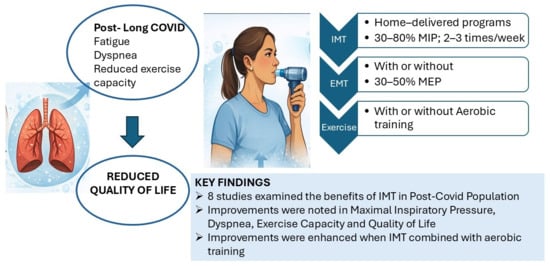
The Effect of Home-Based Inspiratory Muscle Training in Post-COVID Population—Systematic Review
by
Stiliani Andreadou, Georgia Tziouvara, Georgios Mitsiou, Aphrodite Evangelodimou, Stavros Dimopoulos and Irini Patsaki
J. Respir. 2026, 6(1), 5; https://doi.org/10.3390/jor6010005 - 5 Mar 2026
Abstract
►▼
Show Figures
Background/Objective: Post-COVID survivors present significant respiratory deficiency that has been associated with ongoing shortness of breath and impaired lung function. Inspiratory muscle training (IMT) is increasingly used in survivors of COVID-19 rehabilitational programs as a means to facilitate recovery of the respiratory system.
[...] Read more.
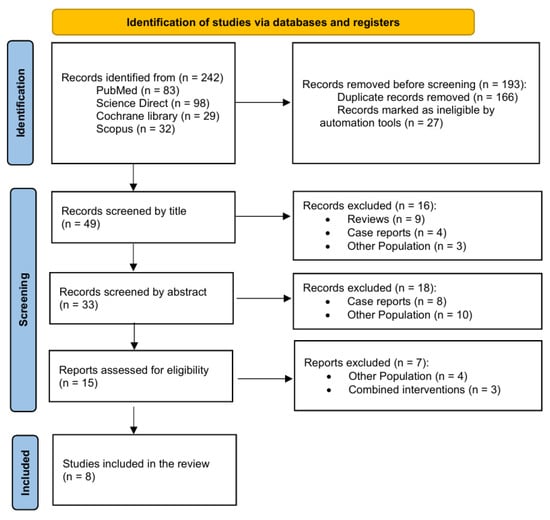
Background/Objective: Post-COVID survivors present significant respiratory deficiency that has been associated with ongoing shortness of breath and impaired lung function. Inspiratory muscle training (IMT) is increasingly used in survivors of COVID-19 rehabilitational programs as a means to facilitate recovery of the respiratory system. Yet, its home-based effectiveness across clinically relevant outcomes remains unclear. This systematic review aimed to present current evidence on home- or tele-delivered IMT in the post-COVID-19 population. Methods: PubMed, Scopus, Cochrane library and Science Direct were systematically searched for studies evaluating home-based (or telerehabilitation) IMT, alone or as part of a respiratory muscle training program, in adults with post-COVID-19 symptoms. The primary outcome was inspiratory muscle strength. Secondary outcomes included dyspnea, pulmonary function, exercise capacity and health-related quality of life. The methodological quality of the included studies was assessed via the PEDro scale. Owing to clinical and methodological heterogeneity, we performed only a qualitative synthesis. Results: Eight studies met the inclusion criteria. Two included both inspiratory and expiratory muscles training and three included physical training as well. The methodological quality was found to be good. IMT consistently increased inspiratory muscle strength across trials. Respiratory muscle training (RMT) programs that combined inspiratory and expiratory training also improved maximal expiratory pressure. IMT reduced dyspnea versus control/sham or baseline and several studies reported improvements in exercise capacity and physical function. Spirometry/DLCO changes were small or null in most cohorts. HRQoL gains were domain-specific in anxiety and depression. Adherence was generally good. No serious adverse events attributable to IMT were reported. Conclusions: Home-based IMT for adults with post-COVID-19 conditions is safe and seems to improve inspiratory muscle strength and dyspnea, with signs of benefit for exercise capacity, physical function, and selected HRQoL domains. Effects on ventilatory efficiency and conventional lung function appear limited. Future multicenter, sham-controlled RCTs should further explore the characteristics of IMT, employ core outcome sets, include longer follow-up, and predefine phenotype-based subgroups.
Full article

Graphical abstract
Open AccessSystematic Review
Post-COVID-19 Cardiovascular Complications: An Updated Systematic Review
by
Alexandru Stoichita, Beatrice Mahler, Silviu Vlasceanu, Oana Parliteanu, Justina Antonela Dragomir, Mara Balteanu, Alexandru Daniel Radu, Cristina Teleaga, Dragos Baiceanu, Traian Constantin Panciu, Mosteanu Madalina, Elmira Ibraim, Madalina Mariuca Ciupan and Adriana Iliesiu Mihaela
J. Respir. 2026, 6(1), 4; https://doi.org/10.3390/jor6010004 - 25 Feb 2026
Cited by 1
Abstract
►▼
Show Figures
Background: Severe Acute Respiratory Syndrome Coronavirus 2 (SARS-CoV-2) can cause persistent, multisystem complications collectively termed long COVID. Cardiovascular sequelae are among the most clinically significant yet remain incompletely characterized. This review aimed to synthesize current evidence on objective cardiovascular outcomes in long COVID
[...] Read more.
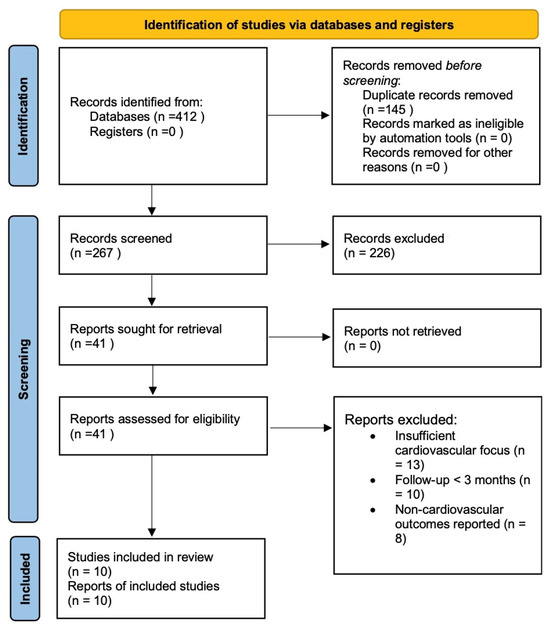
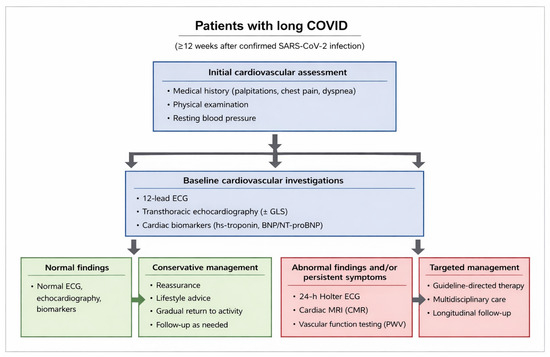
Background: Severe Acute Respiratory Syndrome Coronavirus 2 (SARS-CoV-2) can cause persistent, multisystem complications collectively termed long COVID. Cardiovascular sequelae are among the most clinically significant yet remain incompletely characterized. This review aimed to synthesize current evidence on objective cardiovascular outcomes in long COVID and explore underlying mechanisms. Methods: A systematic review was conducted using PubMed, Scopus, and Web of Science for studies published between January 2020 and March 2024. Search terms included “COVID-19,” “long COVID,” “post-acute sequelae,” “cardiovascular,” “echocardiography,” “biomarkers,” and “imaging.” Only studies reporting at least one cardiovascular outcome, defined as either objectively measured parameters (e.g., echocardiography, cardiac biomarkers, ECG findings, or vascular function indices) or clinically relevant cardiovascular symptoms during follow-up, were included. From 412 identified records, ten recent, high-quality studies with a primary cardiovascular focus were selected. This systematic review was conducted in accordance with the PRISMA 2020 guidelines. Results: Long COVID is associated with subclinical myocardial dysfunction, arrhythmias, endothelial injury, vascular stiffness, and a prothrombotic state. Reported findings included reduced left ventricular ejection fraction, impaired global longitudinal strain, increased arterial stiffness, elevated cardiac biomarkers, new-onset hypertension, and persistent ECG changes, even in non-hospitalized patients without prior cardiovascular disease. Proposed mechanisms include myocardial inflammation, endothelial dysfunction, renin–angiotensin–aldosterone system dysregulation, autonomic imbalance, and chronic inflammation. Secondary bacterial and fungal infections were noted in critically ill survivors but did not fully explain the breadth or persistence of symptoms. Conclusions: Long COVID is a heterogeneous entity with substantial cardiovascular implications across all levels of acute disease severity. Early detection through longitudinal monitoring, standardized definitions, and multidisciplinary care is essential to reduce long-term cardiovascular risk.
Full article

Figure 1
Open AccessCase Report
Beyond the Ordinary: Diagnosing a Case with Urinothorax
by
Tarneem M. Alghamdi, Mohammed M. Mergani, Habib Abdulnabi, Abdulaziz K. AlNaimi, Mohammed D. Al Shubbar, Hisham Y. Alouhali and Mahmoud I. Mahmoud
J. Respir. 2026, 6(1), 3; https://doi.org/10.3390/jor6010003 - 3 Feb 2026
Abstract
►▼
Show Figures
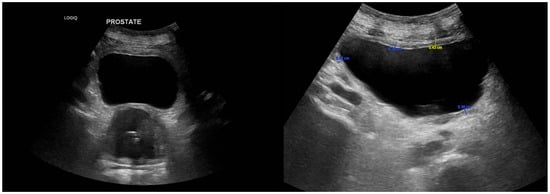
Urinothorax, the presence of urine in the pleural space, is an exceptionally rare cause of pleural effusion, with fewer than 100 cases described in the literature. It most often follows trauma or urological procedures, though obstructive uropathy is also a recognized mechanism. We
[...] Read more.
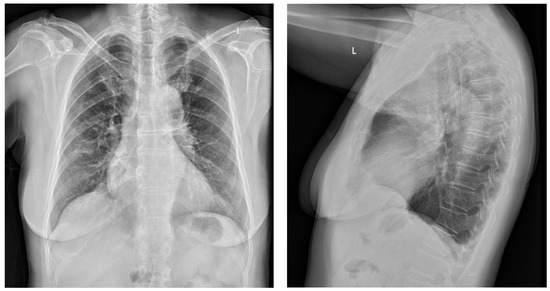
Urinothorax, the presence of urine in the pleural space, is an exceptionally rare cause of pleural effusion, with fewer than 100 cases described in the literature. It most often follows trauma or urological procedures, though obstructive uropathy is also a recognized mechanism. We report an 83-year-old man with chronic kidney disease and benign prostatic hyperplasia who presented with acute dyspnea and a massive right-sided pleural effusion. Thoracentesis yielded clear yellow fluid with an ammonia-like odor, while imaging revealed chronic bladder outlet obstruction with bilateral hydroureteronephrosis. Despite inconclusive scintigraphy, the effusion resolved completely after urinary decompression with Foley catheterization, confirming the diagnosis. This case underscores the diagnostic challenges of urinothorax, which may be overlooked due to its rarity and variable biochemical profile, and highlights the importance of correlating clinical, radiologic, and pleural fluid findings. Early recognition is crucial, as timely relief of urinary obstruction provides both definitive diagnosis and curative treatment.
Full article

Figure 1
Highly Accessed Articles
Latest Books
E-Mail Alert
News
1 September 2026
MDPI INSIGHTS: The CEO’s Letter #38 – 2 Million Published Articles, Outstanding Reviewers, Michele Parrinello Award, AIS 2026 & WSF-12
13 August 2026
Meet Us at the IASLC 2026 World Conference on Lung Cancer, 12–15 September 2026, Seoul, Republic of Korea
Topics
Topic in
Atmosphere, Biomolecules, Journal of Respiration, JoX, Molecules, Nanomaterials, Pollutants, Water
Health Risks of Environmental Xenobiotics and Nanoparticles: From Molecular Mechanisms to Disease Associations
Topic Editors: Keith R. Brunt, Amany El-Sikaily, Jong Sung KimDeadline: 30 April 2027
Topic in
Diagnostics, Journal of Respiration, IJMS, Biomedicines, Pathogens
Discriminating Tuberculosis Infection States: Immunological Signatures and Emerging Diagnostics
Topic Editors: Ying Luo, Ying XueDeadline: 30 October 2027
Special Issues
Special Issue in
Journal of Respiration
Pulmonary Hypertension: New Insights and Recent Advances
Guest Editors: Salim Surani, Mohamed Hasham Varwani, Munish SharmaDeadline: 20 November 2026
Special Issue in
Journal of Respiration
Bronchiectasis: Advancing into the Future
Guest Editors: Janice Wang, Patricia A. WalkerDeadline: 30 November 2026
Special Issue in
Journal of Respiration
Pulmonary Fibrosis and Lung Cancer: Pathophysiology and Novel Therapeutic Approaches
Guest Editor: Arun SamiduraiDeadline: 25 December 2026
Special Issue in
Journal of Respiration
Pulmonary Disease and Transplant Pathology: From Molecular Mechanisms to Diagnosis
Guest Editors: Katharina Wassilew, Izidor KernDeadline: 28 January 2027
Topical Collections
Topical Collection in
Journal of Respiration
Feature Papers in Journal of RespirationCollection Editor: Cesar A. Moran