

Journal Description
Journal of Xenobiotics
is an international, peer-reviewed, open access journal on xenobiotics published bimonthly online by MDPI (since Volume 10, Issue 1 - 2020).
- Open Access— free for readers, with article processing charges (APC) paid by authors or their institutions.
- High Visibility: indexed within Scopus, ESCI (Web of Science), PubMed, PMC, CAPlus / SciFinder, Embase, and other databases
- Journal Rank: JCR - Q1 (Toxicology) / CiteScore - Q2 (Pharmacology)
- Rapid Publication: manuscripts are peer-reviewed and a first decision is provided to authors approximately 22.7 days after submission; acceptance to publication is undertaken in 3.9 days (median values for papers published in this journal in the second half of 2025).
- Recognition of Reviewers: APC discount vouchers, optional signed peer review and reviewer names are published annually in the journal.
Impact Factor:
4.4 (2024);
5-Year Impact Factor:
5.7 (2024)
Latest Articles
Global Geo-Pharmacogenomics: Environmental Mutational Signatures Drive Population-Level Heterogeneity in Anticancer Drug Response
J. Xenobiot. 2026, 16(3), 87; https://doi.org/10.3390/jox16030087 (registering DOI) - 18 May 2026
Abstract
The interplay between the environmental exposome and the cancer genome remains a critical gap in precision oncology. While somatic mutational signatures—genomic fossils imprinted by exposures such as ultraviolet radiation; tobacco smoke; and industrial pollutants—are well characterised for their etiological significance; their functional impact
[...] Read more.
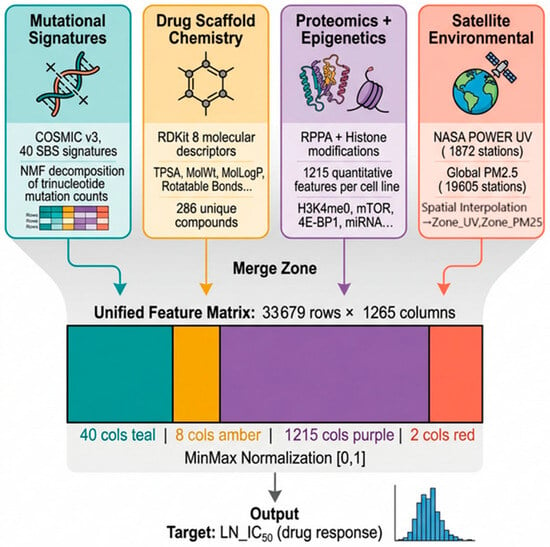
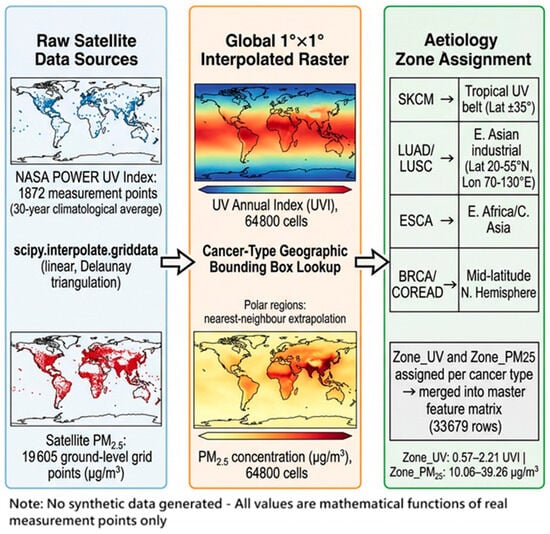
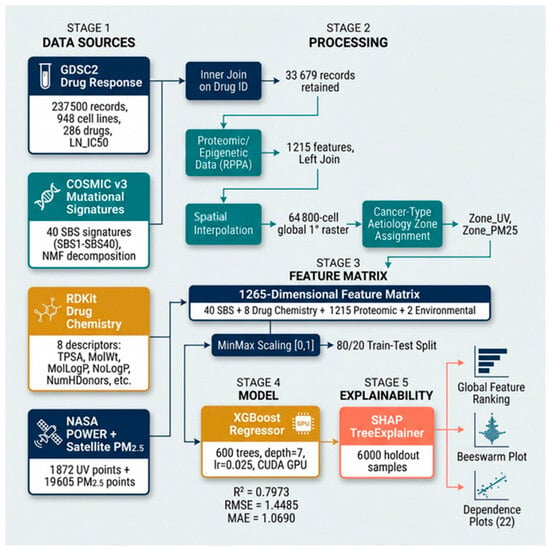
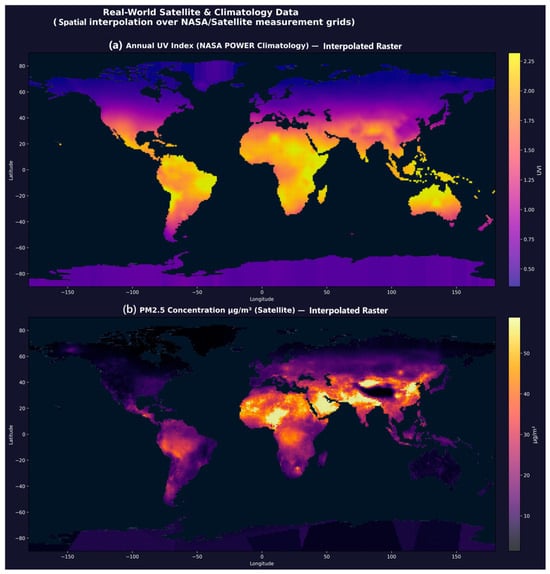
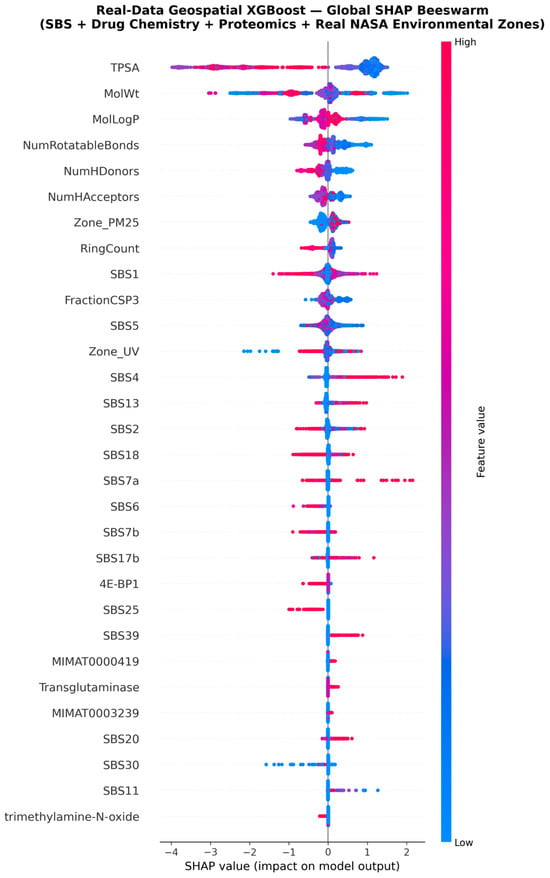
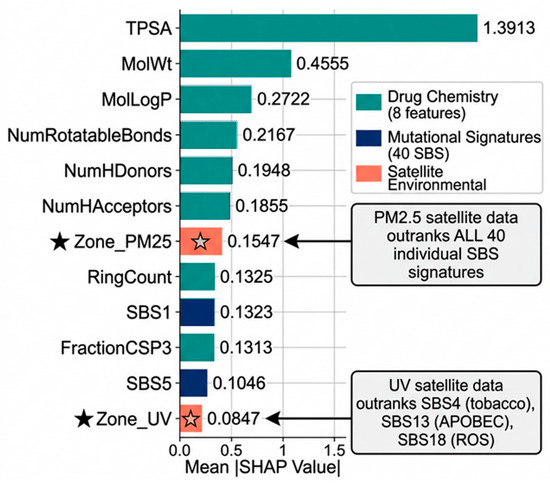
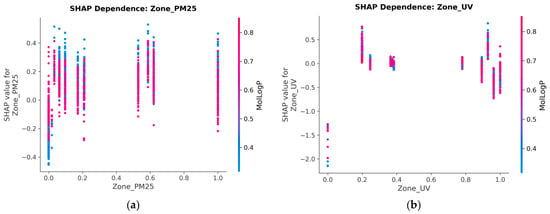
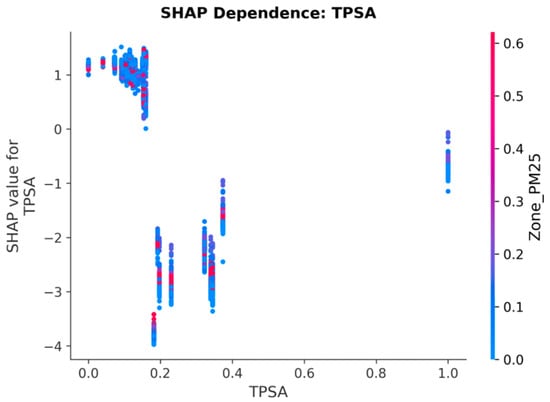
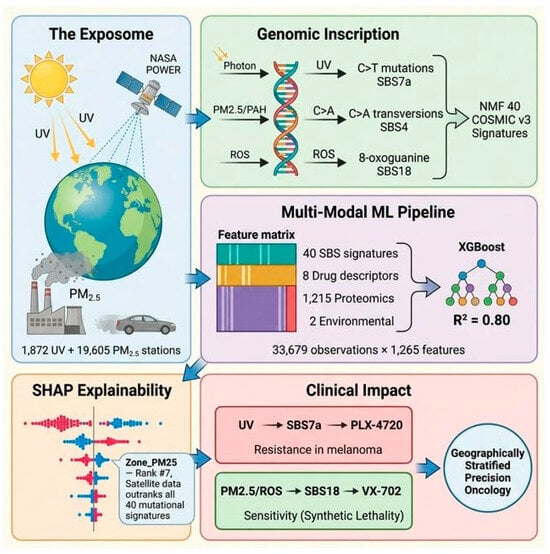
The interplay between the environmental exposome and the cancer genome remains a critical gap in precision oncology. While somatic mutational signatures—genomic fossils imprinted by exposures such as ultraviolet radiation; tobacco smoke; and industrial pollutants—are well characterised for their etiological significance; their functional impact on therapeutic efficacy remains largely unexplored. We hypothesised that these environmental genomic scars induce distinct pharmacogenomic vulnerabilities and resistance mechanisms that vary by geographical exposure patterns. This study employs two complementary analytical frameworks. First, a linear regression-based pharmacogenomic screen across four datasets (GDSC1, GDSC2, CTRP, CCLE; 1001 cell lines, 31 cancer types) identified 608 statistically significant (p < 0.01) mutational signature–drug interactions, revealing that UV-associated signature SBS7a is associated with broad-spectrum therapeutic resistance, including to BRAF inhibitors (PLX-4720, p < 10−4), while pollution-driven oxidative stress (SBS18) is associated with sensitivity to p38 MAPK inhibition (VX-702, r = −0.45, p < 10−9). Second, an XGBoost predictive model trained exclusively on 33,679 GDSC2 records using a 1265-feature matrix integrating 40 SBS signatures, drug chemistry descriptors, proteomic features, and two satellite-derived environmental variables (NASA PM2.5 and UV)—achieved R2 = 0.7973 on a 20% holdout set (grouped cross-validation R2 = 0.7296). SHAP analysis revealed that satellite-derived PM2.5 (Zone_PM25) ranked 7th of 1265 features, exceeding all 40 individual SBS mutational signatures. Synthesising these findings with satellite-derived atmospheric data, we constructed an exploratory spatially interpolated risk surface spanning 122 nations, generating the hypothesis that uniform drug efficacy assumptions may not apply globally. These findings suggest that a patient’s environmental exposure history may constitute a measurable pharmacogenomic variable. This exploratory framework warrants validation in independent datasets and with individual-level geographic data before clinical application.
Full article
(This article belongs to the Topic Environmental Exposure and Health Risks for Vulnerable Populations)
►
Show Figures
Open AccessArticle
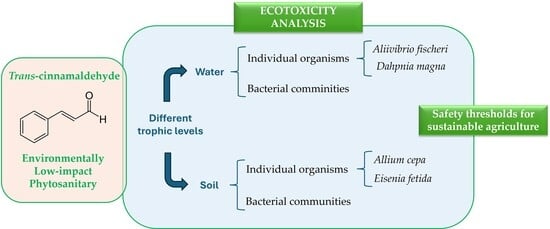
Trans-Cinnamaldehyde as an Environmentally Low-Impact Phytosanitary: Evaluation of Its Toxicity Toward Aquatic and Terrestrial Non-Target Species
by
Natalia Ferrando, Elisa Langa, Laura Botello-Morte, Pedro Rodríguez-López, Diego Ballestero and María Rosa Pino-Otín
J. Xenobiot. 2026, 16(3), 86; https://doi.org/10.3390/jox16030086 (registering DOI) - 16 May 2026
Abstract
►▼
Show Figures
Trans-cinnamaldehyde (CIN), the main component of cinnamon essential oil, is a promising sustainable alternative to synthetic pesticides. Despite its use, ecotoxicological data on non-target species remain fragmented. This study systematically evaluates CIN’s acute toxicity across multiple trophic levels to characterize the biological
[...] Read more.
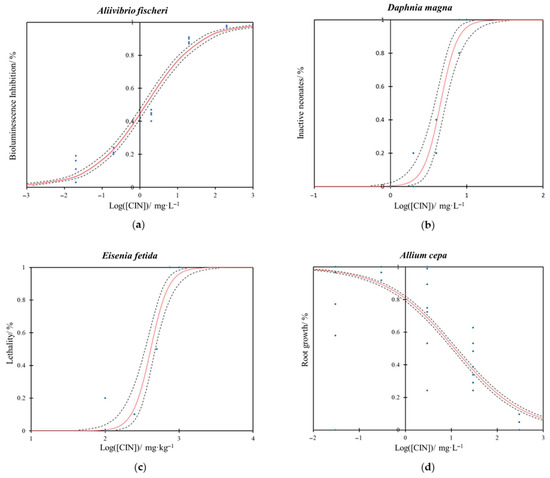
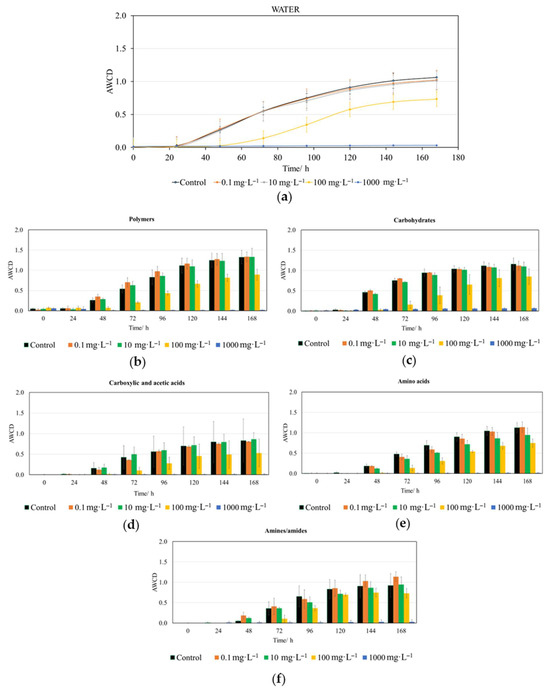
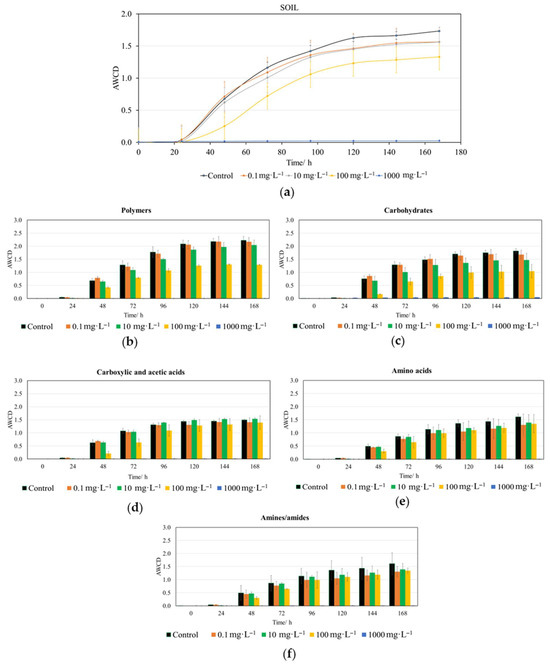
Trans-cinnamaldehyde (CIN), the main component of cinnamon essential oil, is a promising sustainable alternative to synthetic pesticides. Despite its use, ecotoxicological data on non-target species remain fragmented. This study systematically evaluates CIN’s acute toxicity across multiple trophic levels to characterize the biological sensitivity and environmental response of key organisms. Aquatic assays measured bioluminescence inhibition in Aliivibrio fischeri and immobilization in Daphnia magna. Terrestrial evaluations included lethality tests on Eisenia fetida and root elongation in Allium cepa. Additionally, the impact on soil and river microbial communities was analyzed via Biolog EcoPlates™. Significant dose–response relationships were observed across all bioindicators (p < 0.0001). A. fischeri was the most sensitive species (EC50 = 1.428 mg·L−1), followed by D. magna (EC50 = 4.533 mg·L−1). In terrestrial models, A. cepa (EC50 = 11.644 mg·L−1) exhibited higher sensitivity than E. fetida (LC50 = 412.519 mg·kg−1). Microbial metabolic activity showed dose-dependent inhibition, particularly affecting carbohydrate and polymer degradation at high concentrations. These findings define the first ecotoxicological benchmarks for CIN, establishing EC10 and EC50 values under standardized conditions. These data provide the necessary toxicological constraints to ensure environmental safety in future field-scale applications of this natural compound.
Full article

Graphical abstract
Open AccessArticle
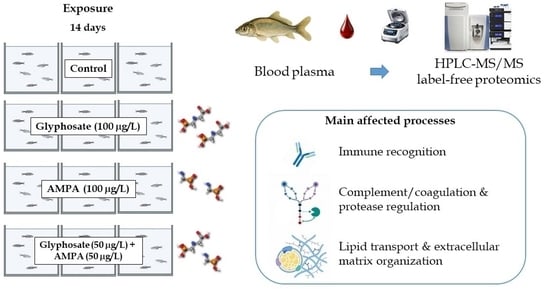
Blood Plasma Proteomic Profiling of Common Carp (Cyprinus carpio) Exposed to Glyphosate, AMPA, and Their Mixture
by
Victoria Yurchenko and Alexey Morozov
J. Xenobiot. 2026, 16(3), 85; https://doi.org/10.3390/jox16030085 (registering DOI) - 16 May 2026
Abstract
Glyphosate and its primary metabolite aminomethylphosphonic acid (AMPA) are widely detected in aquatic environments, yet their combined effects on fish remain insufficiently understood. This study used label-free blood plasma proteomic profiling to explore molecular patterns associated with 14-day exposure of juvenile common carp
[...] Read more.
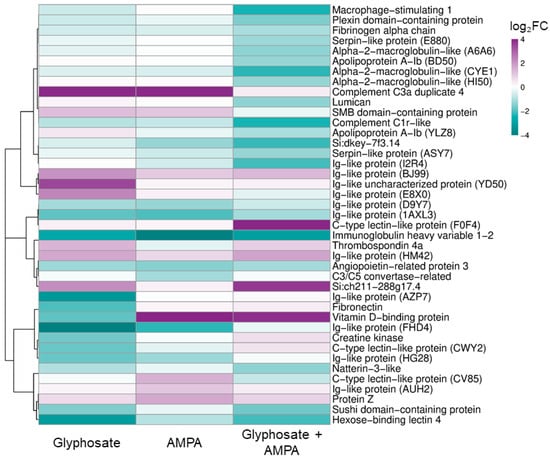
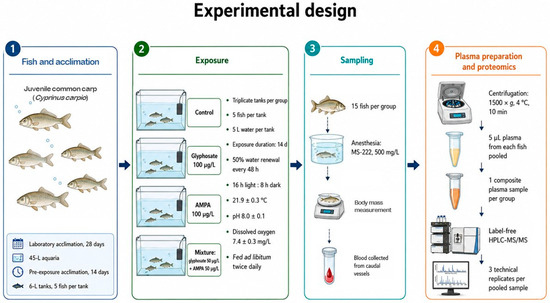
Glyphosate and its primary metabolite aminomethylphosphonic acid (AMPA) are widely detected in aquatic environments, yet their combined effects on fish remain insufficiently understood. This study used label-free blood plasma proteomic profiling to explore molecular patterns associated with 14-day exposure of juvenile common carp (Cyprinus carpio) to environmentally relevant concentrations of glyphosate (100 µg/L), AMPA (100 µg/L), and their mixture (50 + 50 µg/L). Across the three exposure groups, 41 proteins of interest showed pronounced abundance differences relative to the control based on fold-change selection criteria. These proteins were mainly associated with immune recognition, innate immune and complement-associated functions, coagulation and extracellular protease regulation, lipid/sterol transport, and extracellular matrix organization. In the mixture group, proteins of interest spanned several functional categories, suggesting that combined exposure deserves further attention in future studies of plasma-level responses to glyphosate and AMPA. Overall, these findings provide preliminary insights into blood plasma protein patterns associated with systemic responses of fish to glyphosate, AMPA, and their mixture at environmentally relevant concentrations and highlight the importance of considering parent compounds, metabolites, and their co-occurrence when assessing the potential biological effects of herbicide contamination in aquatic ecosystems.
Full article
(This article belongs to the Special Issue Environmental Toxicology and Animal Health: 2nd Edition)
►▼
Show Figures

Graphical abstract
Open AccessArticle
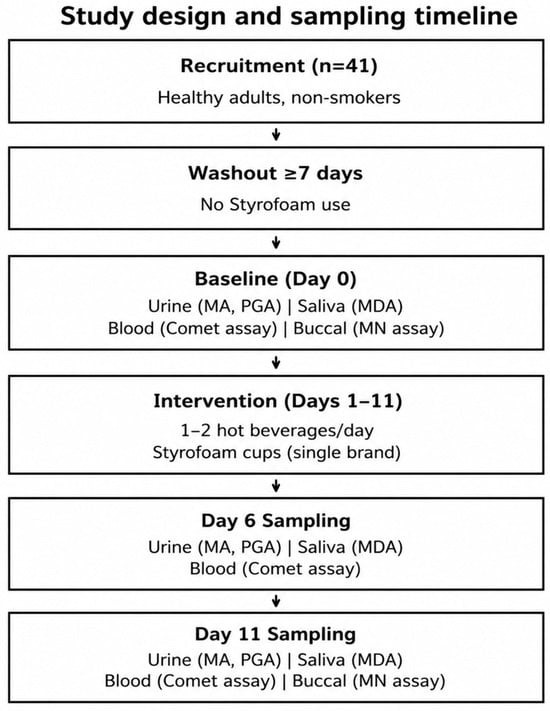
Short-Term Consumption of Hot Beverages in Polystyrene Cups and Early Biomarkers of Biological Effect: A Single-Arm Longitudinal Human Biomonitoring Pilot Study
by
Iman Al-Saleh, Ghofran Al-Qudaihi, Yara Aljerayed, Kafa Abuhdeeb, Rola Elkhatib, Hissah Alnuwaysir, Mashael Alsubaie and Norah Alotaibi
J. Xenobiot. 2026, 16(3), 84; https://doi.org/10.3390/jox16030084 (registering DOI) - 15 May 2026
Abstract
Styrene, a constituent of polystyrene food-contact materials, can migrate into hot beverages, but data on short-term consumer exposure and associated biological responses remain limited. In this single-arm longitudinal human biomonitoring pilot study, 40 healthy adults consumed tea or coffee daily in Styrofoam cups
[...] Read more.
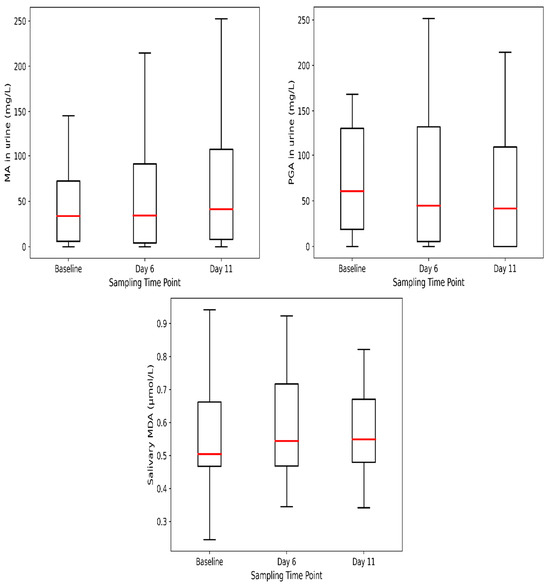
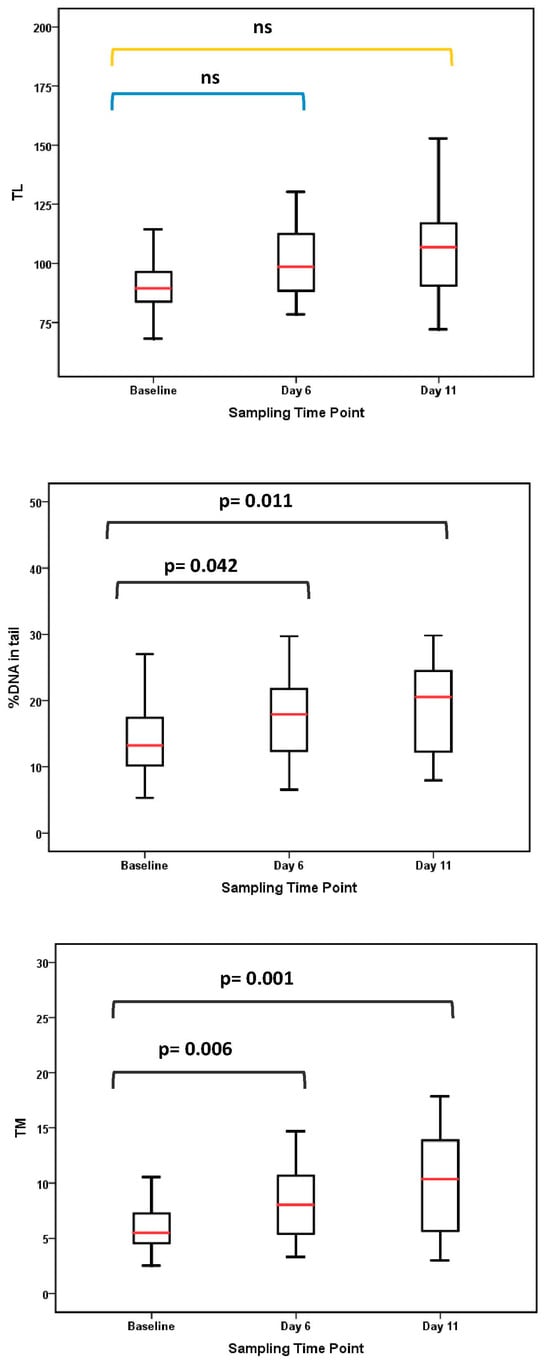
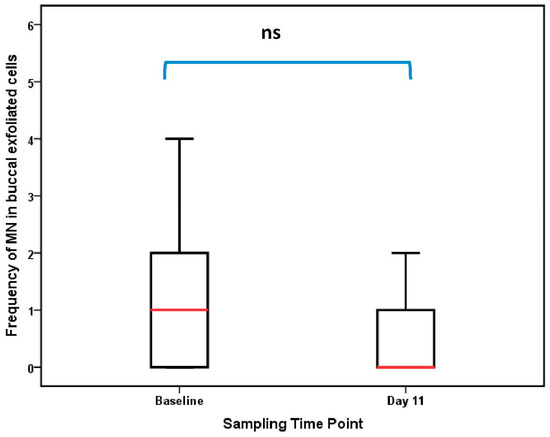
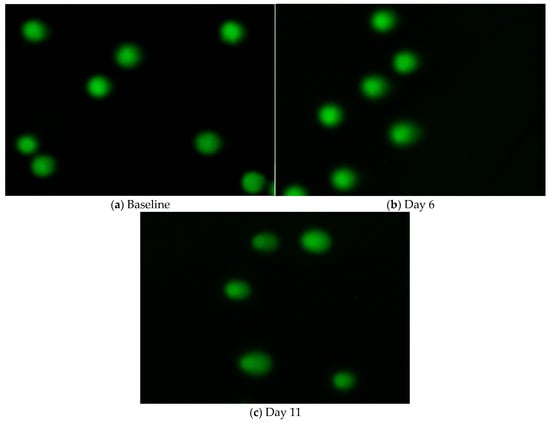
Styrene, a constituent of polystyrene food-contact materials, can migrate into hot beverages, but data on short-term consumer exposure and associated biological responses remain limited. In this single-arm longitudinal human biomonitoring pilot study, 40 healthy adults consumed tea or coffee daily in Styrofoam cups for approximately two weeks. Biomarkers were measured at baseline, day 6, and day 11, including urinary mandelic acid (MA) and phenylglyoxylic acid (PGA), salivary malondialdehyde (MDA), comet assay parameters in peripheral blood lymphocytes, and micronucleus (MN) frequency in buccal cells. Measured styrene migration into beverages ranged from 3.3 to 7.1 μg/L, below the World Health Organization guideline value. Urinary metabolites and salivary MDA showed substantial interindividual variability and no consistent temporal pattern. In contrast, generalized estimating equation models showed progressive increases in comet assay indicators over the exposure period. Tail intensity and tail moment increased over time, with stronger changes among participants consuming two cups daily. MN frequency did not change significantly. These findings suggest that repeated short-term consumption of hot beverages in polystyrene cups was associated with modest changes in selected early biomarkers of biological effect under consumer-use conditions. The results should be interpreted cautiously in light of the modest sample size, short follow-up, and absence of more specific mechanistic endpoints, but they support further study of repeated low-level exposure to food-contact materials.
Full article
(This article belongs to the Section Emerging Chemicals)
►▼
Show Figures

Figure 1
Open AccessArticle
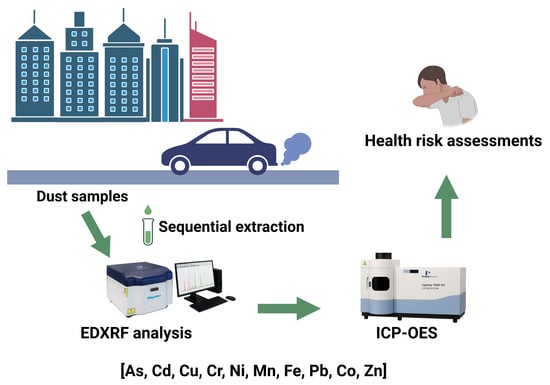
Geochemistry, Speciation, and Health Risks from Potentially Toxic Elements in Street Dust of Mbarara City, Uganda
by
Hassan Omary Kumenya, Irene Nalumansi, Christopher Angiro, Ivan Kiganda, Timothy Omara and Emmanuel Ntambi
J. Xenobiot. 2026, 16(3), 83; https://doi.org/10.3390/jox16030083 - 8 May 2026
Abstract
In equatorial Africa, rapid urbanization has increased city populations and particulate matter emissions. Street dust is a visual indicator that can be used to track urban pollution. In the present study, the total concentration and speciation of 10 potentially toxic elements (PTEs; As,
[...] Read more.
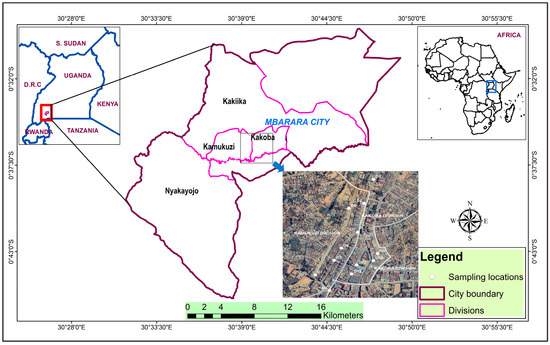
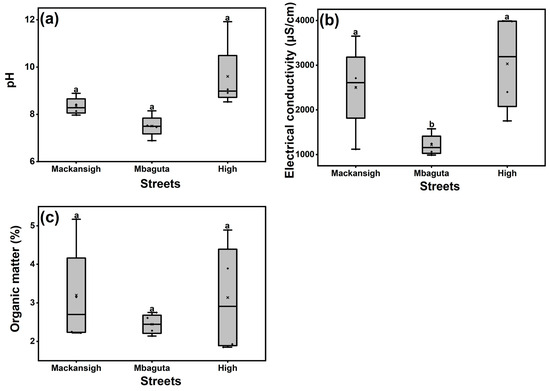
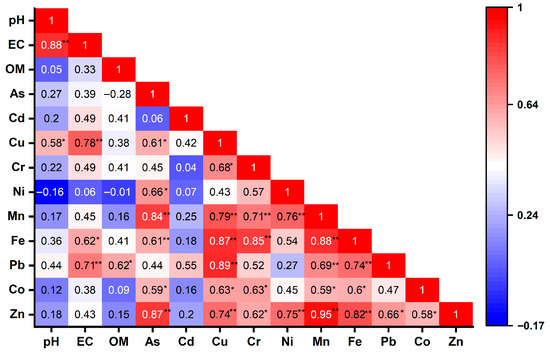
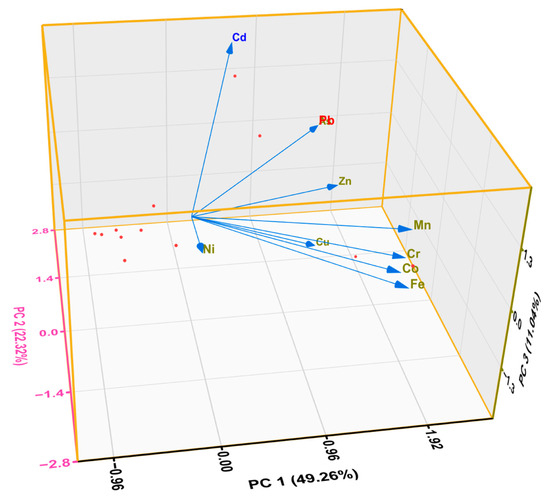
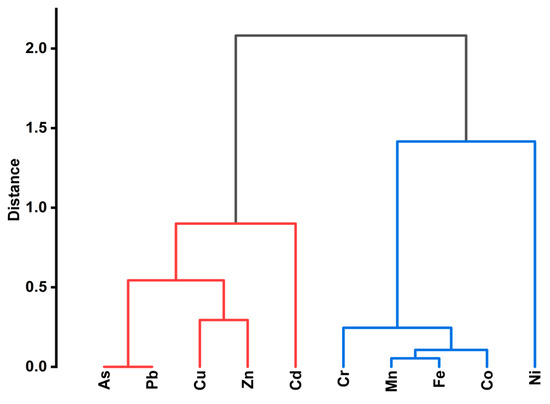
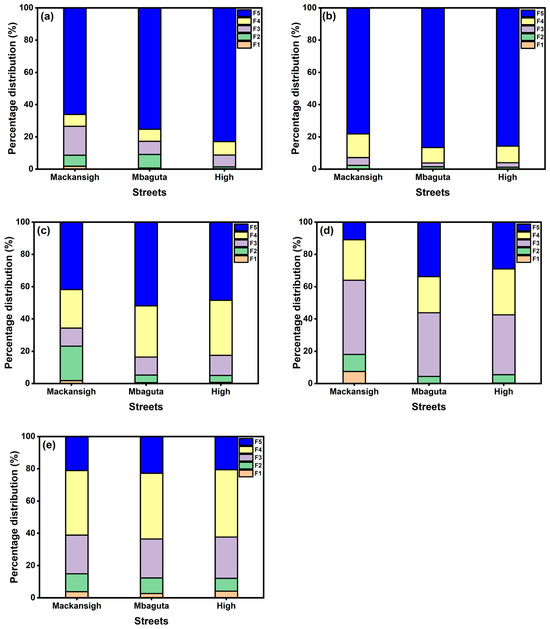
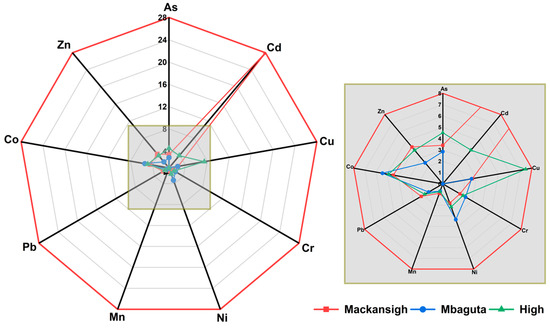
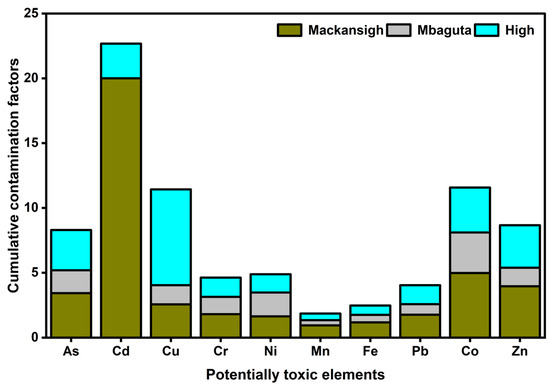
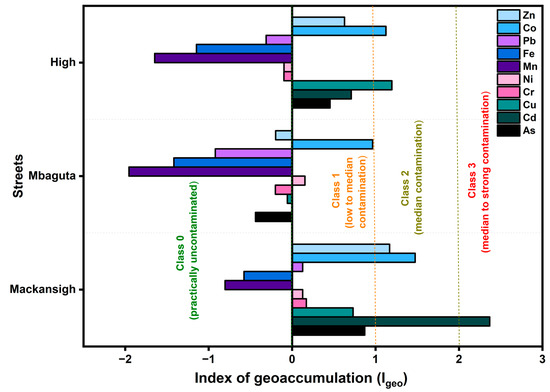
In equatorial Africa, rapid urbanization has increased city populations and particulate matter emissions. Street dust is a visual indicator that can be used to track urban pollution. In the present study, the total concentration and speciation of 10 potentially toxic elements (PTEs; As, Cd, Cu, Cr, Ni, Mn, Fe, Pb, Co, and Zn) in dust (n = 36) sampled from three streets of Mbarara City, Uganda, were determined using Energy Dispersive X-ray Fluorescence and Inductively Coupled Plasma-Optical Emission Spectrometry. The concentration of PTEs (0.27–36,401.50 mg/kg) geostatistically indicated moderate to extremely high enrichment of Cd, Cu, and Co in street dust. According to principal component and hierarchical cluster analyses, As, Pb, Cu, Zn, and Cd originated mainly from anthropogenic inputs, Fe and Mn came from geogenic sources, while Cr, Ni, and Co were from both natural and anthropogenic contributions. The mobility of the PTEs followed a general trend, Zn > Co > Cd > Ni > Cr, with Zn and Co being more environmentally mobile. Human health risk assessments indicated that discernible non-carcinogenic health risks may result from ingestion of dust by both children and adults. Children could also experience cancer health effects through the same exposure pathway.
Full article
(This article belongs to the Section Ecotoxicology)
►▼
Show Figures

Graphical abstract
Open AccessArticle
Exposure to Endocrine Disruptors and Stress Hormones Across Pregnancy Trimesters: Links with Maternal Telomere Length
by
Elena Vakonaki, Eleftheria Hatzidaki, Stella Baliou, Maria Marmara, Athanasios Alegakis, Eleftheria Mylonaki, Zoi Volonaki, Fanourios Makrygiannakis, Aristides Tsatsakis and Manolis N. Tzatzarakis
J. Xenobiot. 2026, 16(3), 82; https://doi.org/10.3390/jox16030082 - 7 May 2026
Abstract
Background: Exposure of pregnant women to stress and endocrine-disrupting chemicals (EDCs) during pregnancy can have a substantial impact on mother and infant health. We investigated the concentrations of EDCs, such as parabens (PBs) and triclosan (TCS), as well as stress hormones (cortisone and
[...] Read more.
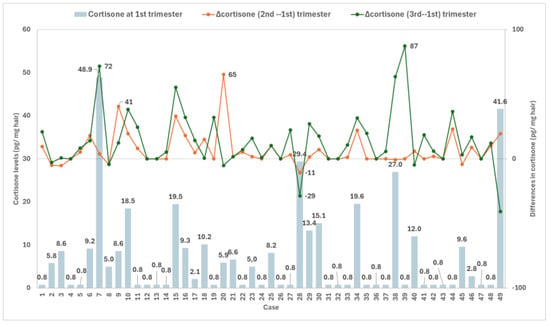
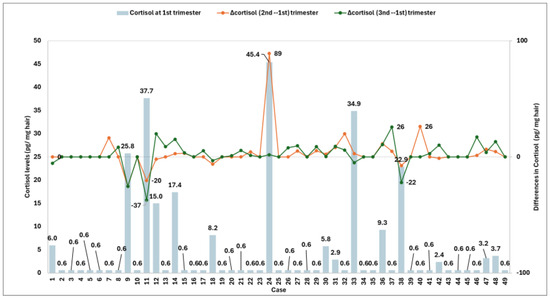
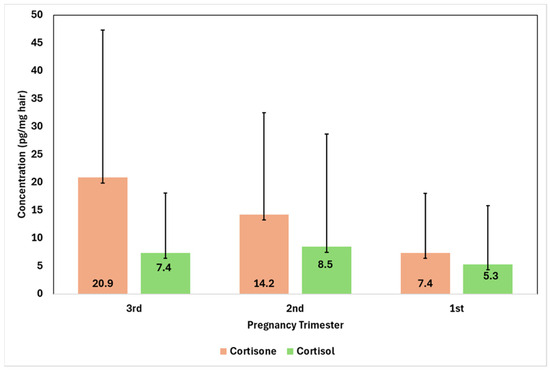
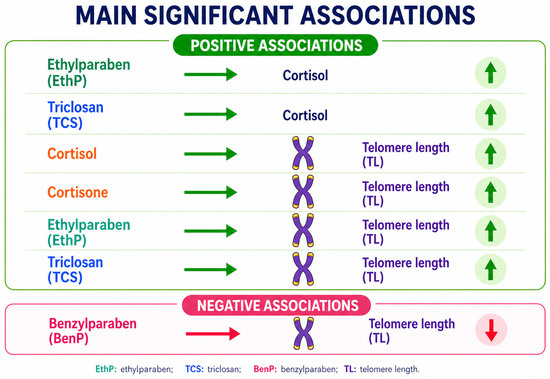
Background: Exposure of pregnant women to stress and endocrine-disrupting chemicals (EDCs) during pregnancy can have a substantial impact on mother and infant health. We investigated the concentrations of EDCs, such as parabens (PBs) and triclosan (TCS), as well as stress hormones (cortisone and cortisol), across pregnancy trimesters and examined their associations with maternal average telomere length (TL). Methods: Hair samples from 49 postpartum women were analyzed using liquid chromatography–mass spectrometry (LC-MS) to quantify EDCs and stress hormone concentrations. Results: The mean methyl paraben concentrations in the hair of postpartum women were prevalent across all pregnancy trimesters, while butyl paraben was detected at the lowest levels. The mean concentration of PBs followed the order methyl > propyl > ethyl > benzyl > butyl paraben across pregnancy trimesters. We found that ethyl paraben and triclosan were each positively and significantly associated with cortisol levels in postpartum women’s hair. Consistent with this, the mean cortisone concentration gradually increased from the first to the third pregnancy trimester, whereas cortisol reached the highest mean concentration at the second trimester. A significant positive association between cortisol and cortisone levels was observed. Further analyses revealed that mothers’ average TL was positively associated with ethylparaben and triclosan levels and inversely associated with benzylparaben levels. Last but not least, we found that cortisol/cortisone levels were positively associated with postpartum women’s TL in a statistically significant manner. Conclusions: In the present study, prenatal exposure to stress hormones and EDCs appears to exert a statistically significant impact on maternal TL dynamics.
Full article
(This article belongs to the Special Issue Xenobiotics in the Perinatal and Early Childhood Stages: Sources of Exposure and Effects)
►▼
Show Figures

Figure 1
Open AccessArticle
Microplastic Pollution in Agricultural Waters in the Mississippi Delta
by
Edward Heinen, James V. Cizdziel, Boluwatife S. Olubusoye, Ruojia Li, Matthew T. Moore and Lindsey M. Witthaus
J. Xenobiot. 2026, 16(3), 81; https://doi.org/10.3390/jox16030081 - 6 May 2026
Abstract
Microplastic (MP) pollution in agricultural settings is an emerging field of study, with interest focusing on potential resource contamination of soil and water due to the use of plastic materials in farming practices. The Mississippi Delta, a highly agricultural region, is prone to
[...] Read more.
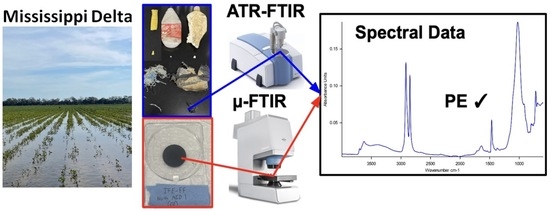
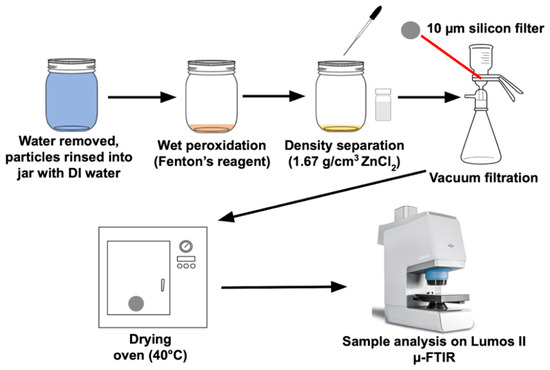
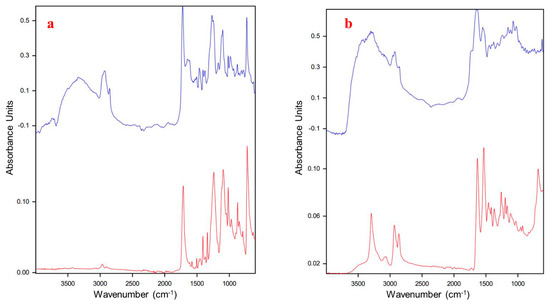
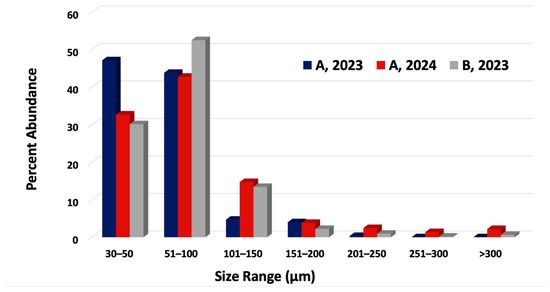
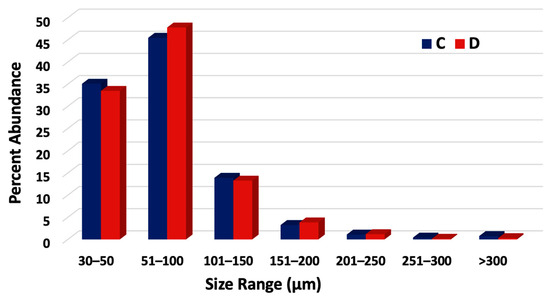
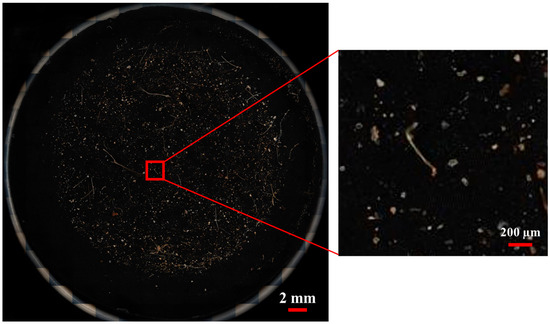
Microplastic (MP) pollution in agricultural settings is an emerging field of study, with interest focusing on potential resource contamination of soil and water due to the use of plastic materials in farming practices. The Mississippi Delta, a highly agricultural region, is prone to both natural and intentional flooding, potentially exacerbating this issue. This exploratory study investigated MP (>30 µm) concentrations, sizes, and polymer compositions in floodwater, irrigation water, and surface runoff from soybean fields across two counties in the Mississippi Delta using micro-Fourier transform infrared spectroscopy (µ-FTIR). Mean ± SE concentrations (MPs/L) were 72 ± 66 in floodwater (n = 18), 169 ± 121 in source (irrigation pond) water (n = 4), and 30 ± 37 in runoff (n = 3) in Sunflower County, MS. In Coahoma County, MS, mean ± SE runoff concentration was 88 ± 76 MPs/L (n = 24). Mean concentrations were elevated as compared to other MP studies in agricultural environments. The most common polymers present were polyethylene terephthalate (PET), polyethylene (PE), polyethylene-ethyl vinyl acetate (PE/EVA), and thermoplastic elastomers (TPEs), which are commonly used in the manufacturing of agricultural materials. MPs from the smallest size fraction measured (30–100 µm) were the most common in all floodwater samples, ranging from 75.5–91% abundance. Using Attenuated Total Reflectance (ATR)-FTIR, larger plastic litter was identified as mostly PE and PET, which is consistent with polymer distributions in floodwater samples. Overall, MPs were prevalent in both floodwater and runoff, with relatively consistent concentrations and polymer compositions across samples. However, further research is needed to fully elucidate their fate and potential impacts on agricultural systems.
Full article
(This article belongs to the Special Issue (Micro)plastic Pollution: From Monitoring to Toxicity in All Environments)
►▼
Show Figures

Graphical abstract
Open AccessArticle
Dual-Column HS-GC-FID/FID Method for In-Depth Analysis of Low-Molecular-Weight Volatile Alcohols in Postmortem Biological Material
by
Paweł Szpot, Olga Wachełko, Kaja Tusiewicz and Marcin Zawadzki
J. Xenobiot. 2026, 16(3), 80; https://doi.org/10.3390/jox16030080 - 6 May 2026
Abstract
Aim: The aim of this study was to develop and validate a reliable HS-GC-FID/FID method for the determination of ethanol and other low-molecular-weight volatile compounds in biological fluids for forensic applications. Method: The method is based on headspace gas chromatography with dual-column and
[...] Read more.
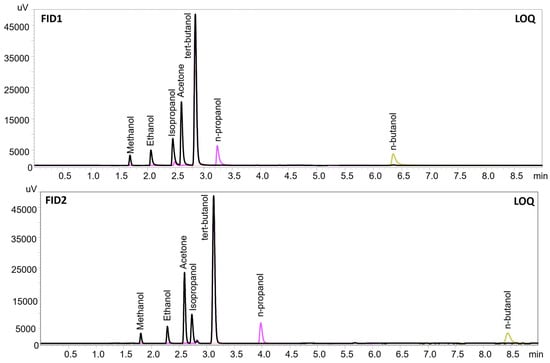
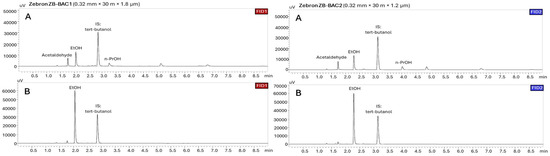
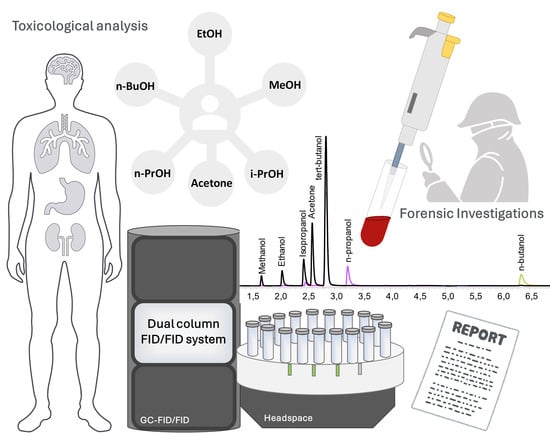
Aim: The aim of this study was to develop and validate a reliable HS-GC-FID/FID method for the determination of ethanol and other low-molecular-weight volatile compounds in biological fluids for forensic applications. Method: The method is based on headspace gas chromatography with dual-column and dual flame ionization detection (HS-GC-FID/FID), using Zebron ZB-BAC1 and ZB-BAC2 columns. The procedure was validated in terms of linearity, limits of detection and quantification, precision, and accuracy, as well as carryover. Results: The method demonstrated linearity over the concentration range of 0.05–5.0‰, with R2 values of 0.997–0.999. The limit of quantification (LOQ) was 0.05‰, and the limit of detection (LOD) was 0.025‰. Precision and accuracy were both below 5%. Retention times (min) on the two columns were as follows: methanol (1.70/1.81), ethanol (2.06/2.29), acetone (2.60/2.59), isopropanol (2.45/2.73), n-propanol (3.24/3.98), and n-butanol (6.35/8.45). The developed method was successfully evaluated through international proficiency testing and is routinely applied in our laboratory for forensic casework. Conclusions: The developed HS-GC-FID/FID method provides accurate and reliable determination of ethanol and other relevant volatile compounds in biological fluids (i.a., blood) and meets the requirements for forensic toxicology. Additionally, the literature review conducted in this study highlights that globally unified principles for forensic alcohol analysis are still lacking, and that certain inappropriate methodological approaches remain in use. The present paper also provides recommendations defining essential methodological requirements to ensure the evidential reliability of ethanol analysis in forensic toxicology.
Full article
(This article belongs to the Section Emerging Chemicals)
►▼
Show Figures

Graphical abstract
Open AccessArticle
Congener-Specific Dietary Exposure and Predicted Organ-Specific Toxicity of Halogenated PAHs in Populations Living near a Coking Industrial Area
by
Yanpeng Gao, Weijie Lu, Yibo Zhang, Mingze Geng, Xianglong Luo, Yuemeng Ji and Yang-Guang Gu
J. Xenobiot. 2026, 16(3), 79; https://doi.org/10.3390/jox16030079 - 5 May 2026
Abstract
►▼
Show Figures
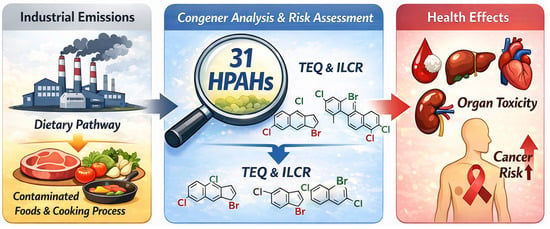
Halogenated polycyclic aromatic hydrocarbons (HPAHs) are persistent contaminants with elevated toxicity, yet dietary exposure data remain limited. Here, we systematically assessed dietary HPAHs using 87 duplicate diet samples collected from populations living in and around a coking industrial area by applying the duplicate
[...] Read more.
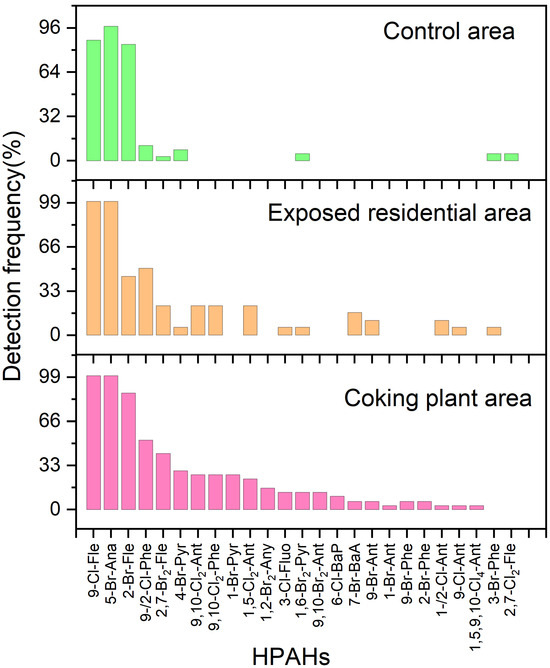
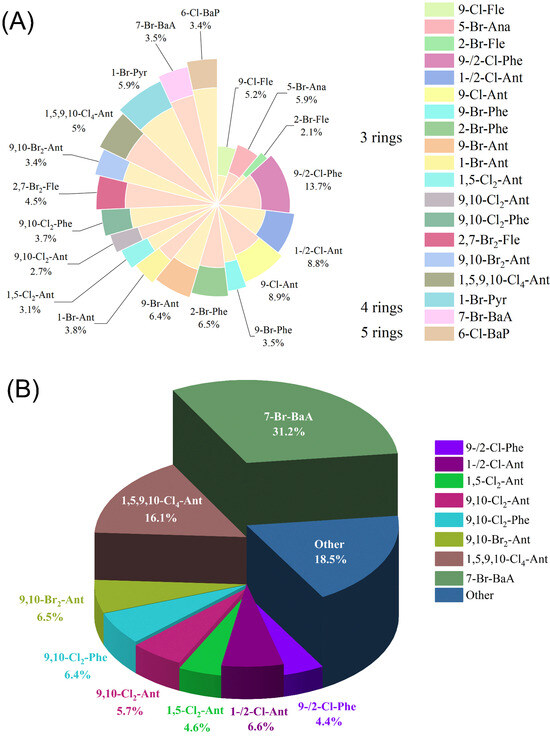
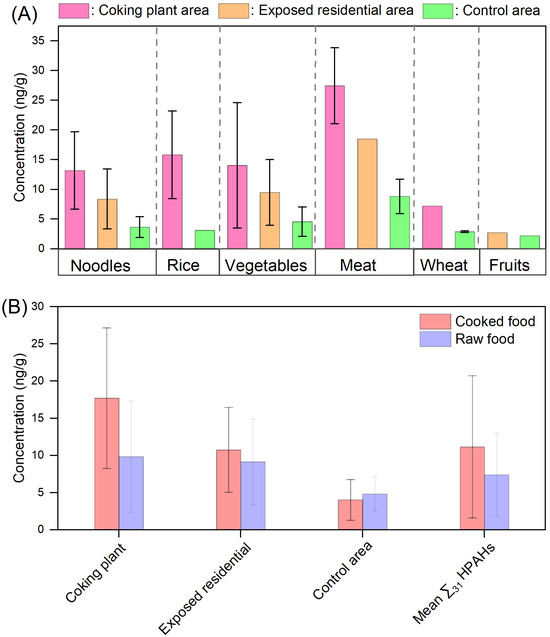
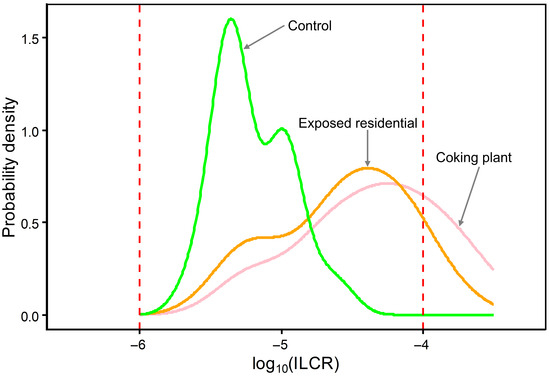
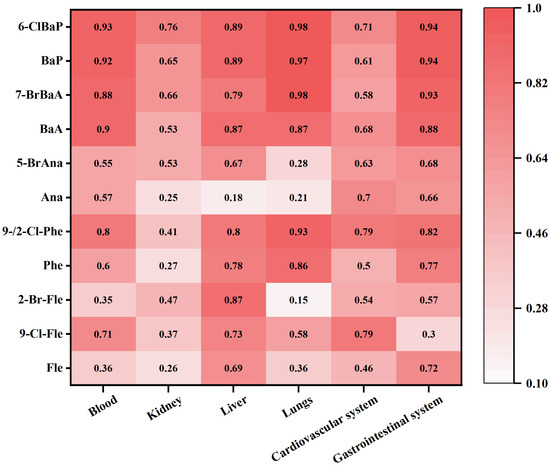
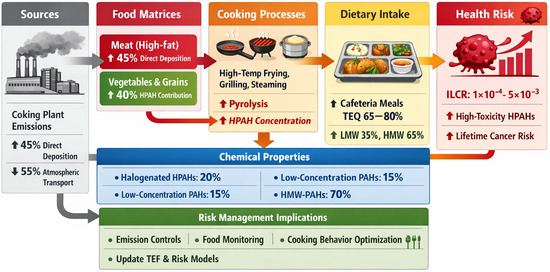
Halogenated polycyclic aromatic hydrocarbons (HPAHs) are persistent contaminants with elevated toxicity, yet dietary exposure data remain limited. Here, we systematically assessed dietary HPAHs using 87 duplicate diet samples collected from populations living in and around a coking industrial area by applying the duplicate diet method, a gold-standard approach that provides precise individual-level exposure information. Thirty-one HPAHs were detected, including seven previously unreported congeners, with mean concentrations of 62.51, 33.68, and 16.52 ng/g in the coking plant, nearby residential, and control areas, respectively. Lipid-rich foods, particularly meats, exhibited the highest HPAH burdens, and thermal processing approximately doubled concentrations in meals collected from the coking plant area. Dietary cancer risk was evaluated using a toxicity equivalency-based incremental lifetime cancer risk (ILCR) framework. Although several HPAHs occurred at low concentrations, congeners with high relative effect potency contributed disproportionately to cumulative cancer risk. Population-level risk distributions revealed that 25.8% of dietary samples exceeded the benchmark ILCR threshold of 10−4 in the coking plant area. In silico toxicity predictions further indicated potential organ-specific toxicological relevance for the blood, liver, kidney, and cardiovascular systems, supporting the health relevance of dietary HPAH exposure. In general, these results suggest that industrial influence, food composition, and cooking practices jointly contribute to dietary HPAH exposure and toxicity-weighted cancer risk. Our findings highlight the importance of incorporating halogenated congeners into routine monitoring programs and health risk assessments in industrialized regions.
Full article

Graphical abstract
Open AccessArticle
Genotoxic Damage and microRNA Dysregulation in Firefighters: An Integrated Biomonitoring Case Study
by
Claudia Cipollone, Riccardo Mastrantonio, Paola Mozzoni, Giada Mastrangeli, Massimo Corradi, Stefano Renzetti, Veronica Saponara, Maria Nicastro, Delia Cavallo, Raffaele Maiello, Marco Gentile, Diana Poli, Mario Muselli, Alessia Romantini, Giorgia Di Gennaro, Gloria Cenci, Carmela Protano, Matteo Vitali, Giuseppe De Palma, Cinzia Lucia Ursini and Leila Fabianiadd
Show full author list
remove
Hide full author list
J. Xenobiot. 2026, 16(3), 78; https://doi.org/10.3390/jox16030078 - 5 May 2026
Abstract
►▼
Show Figures
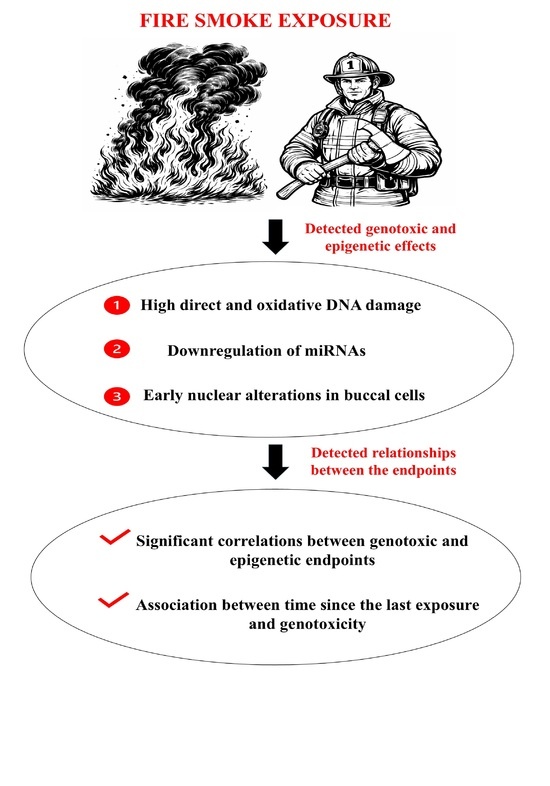
Firefighters are potentially exposed to multiple harmful substances, and their activities are classified as carcinogenic to humans. This case study assessed early genotoxic damage (fpg-comet and BMCyt assays) and epigenetic alterations (seven circulating miRNAs) in 35 firefighters compared to 45 non-exposed workers. Occupational
[...] Read more.
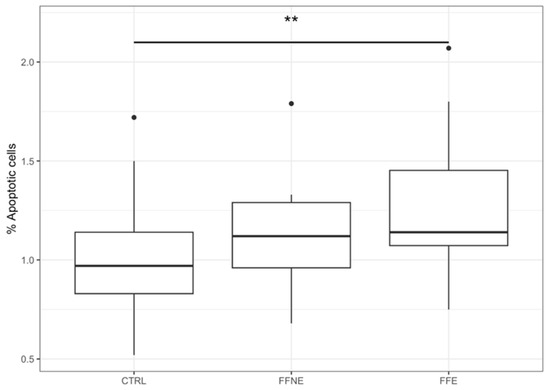
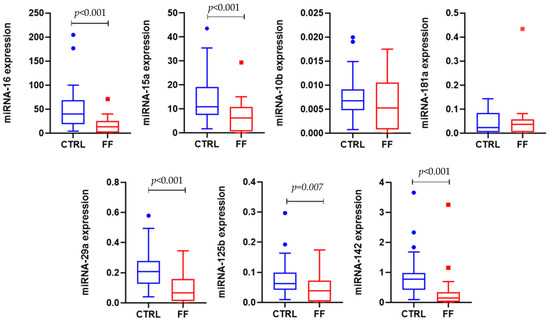
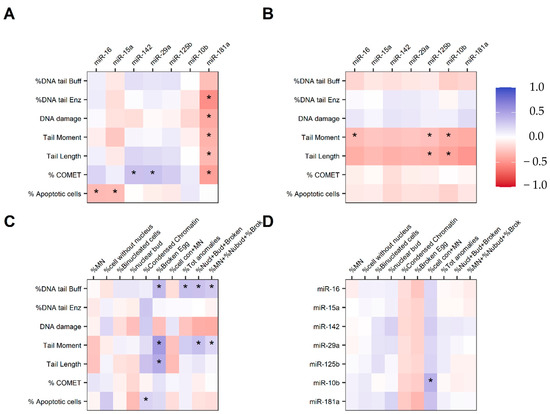
Firefighters are potentially exposed to multiple harmful substances, and their activities are classified as carcinogenic to humans. This case study assessed early genotoxic damage (fpg-comet and BMCyt assays) and epigenetic alterations (seven circulating miRNAs) in 35 firefighters compared to 45 non-exposed workers. Occupational exposure to fire smoke was self-reported via questionnaire. Firefighters showed higher median genotoxic DNA damage with respect to the non-exposed group (%DNA tail Buff 19.4 vs. 16.8; %DNA tail Enz 22.2 vs. 19.3; Tail moment 5.5 vs. 4.5; % of apoptotic cells 1.13 vs. 0.97). miRNAs related to air pollution, oxidative stress, tumor suppression, and immune responses, like mir-16, mir-15a, mir-29a, mir-125b, and mir-142, showed significant downregulation (p < 0.001) in the exposed group. Mean percentages of early apoptosis biomarkers and composite DNA damage indices among FF also differed significantly from the other participants (‰Condensed chromatin 0.46 vs. 0.06; ‰Tot anomalies 5.15 vs. 3.82). Multiple correlations emerged, particularly between miRNAs and comet assay parameters, and between comet assay and BMCyt indicators. The implemented integrated approach provides information about the existence of a relationship between genotoxic and epigenetic effects in firefighters, also influenced by time since exposure. Future studies with bigger sample sizes are required.
Full article

Graphical abstract
Open AccessArticle
Determination of Various Drugs of Abuse in Oral Fluid by a Fabric Phase Sorptive Extraction–LC-MS/MS Method
by
Dimitra Florou, Thalia Vlachou, Amvrosios Orfanidis, Vasilios Sakkas and Vassiliki A. Boumba
J. Xenobiot. 2026, 16(3), 77; https://doi.org/10.3390/jox16030077 - 3 May 2026
Abstract
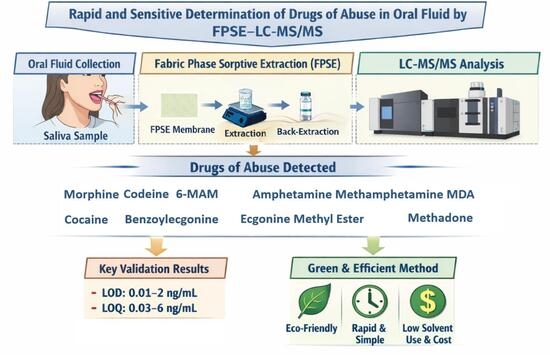
Toxicological testing for drugs of abuse (DOAs) is an essential tool for healthcare practitioners and law enforcement agencies. Oral fluid (OF) is an alternative biological fluid for detecting recent DOA intake and is widely employed in forensic investigations. In the current study, a
[...] Read more.
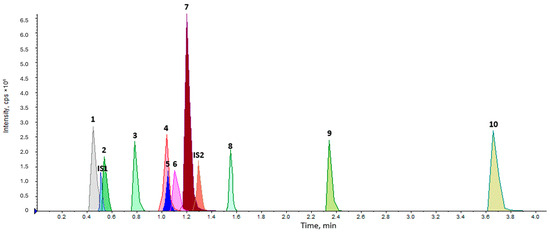
Toxicological testing for drugs of abuse (DOAs) is an essential tool for healthcare practitioners and law enforcement agencies. Oral fluid (OF) is an alternative biological fluid for detecting recent DOA intake and is widely employed in forensic investigations. In the current study, a relatively novel and “green” fabric phase sorptive extraction (FPSE) procedure for sample preparation was coupled to liquid chromatography–tandem mass spectrometry (LC–MS/MS) to provide simplicity, cost-effectiveness, rapidity, low solvent consumption, and high analytical performance for the quantitative determination of ten commonly encountered DOAs and metabolites: amphetamine, benzoylecgonine, cocaine, codeine, ecgonine methyl ester, methadone, methamphetamine, 3,4-methylenedioxyamphetamine, 6-monoacetylmorphine, and morphine. The FPSE procedure was optimized by testing different filters, pH, extraction time, and solvents. The validated method demonstrated excellent linearity for all analytes, selectivity, acceptable precision, and high sensitivity (ranges for limits of detection (LODs) and quantification (LOQs) were 0.01–2 ng/mL and 0.03–6 ng/mL, respectively). Autosampler and short-term freeze stability exceeded 95% and 90% for all analytes, respectively. Overall, the combination of FPSE with LC–MS/MS provided a sensitive, selective, and environmentally friendly innovative analytical approach for the determination of DOA in OF and is suitable for both screening and confirmatory forensic and clinical applications.
Full article
(This article belongs to the Section Nanotoxicology and Nanopharmacology)
►▼
Show Figures

Graphical abstract
Open AccessArticle
Antioxidant Therapy Reverses Hepatotoxicity Induced by Microcystin-LR in a Cellular Model of Metabolic Dysfunction-Associated Steatotic Liver Disease (MASLD)
by
Apurva Lad, Jason Kindle, Prajwal Hegde, Gabriel G. Kleer, Andrew L. Kleinhenz, Johnna A. Birbeck, Judy Westrick, Nicholas J. Peraino, Terry D. Hinds, Jr., Neeraja Purandare, Andrew M. Fribley, Steven T. Haller and David J. Kennedy
J. Xenobiot. 2026, 16(3), 76; https://doi.org/10.3390/jox16030076 - 29 Apr 2026
Abstract
►▼
Show Figures
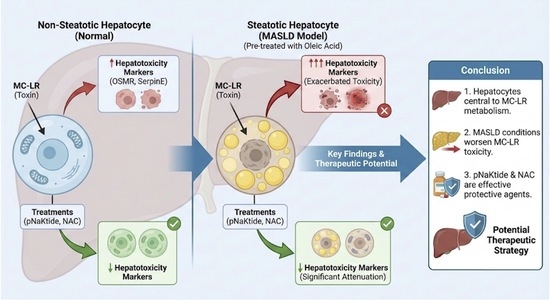
Microcystin-LR (MC-LR) is a potent hepatotoxin that has been shown to cause liver damage even at doses lower than the established Low Observable Adverse Effect Level (LOAEL) of 200 μg/kg in animal models. We have previously observed that low-dose exposure to MC-LR in
[...] Read more.
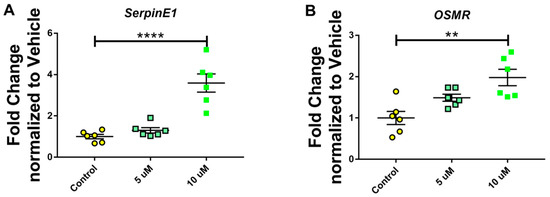
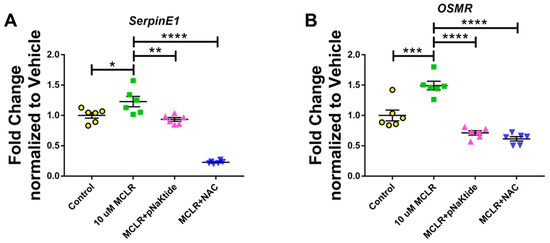
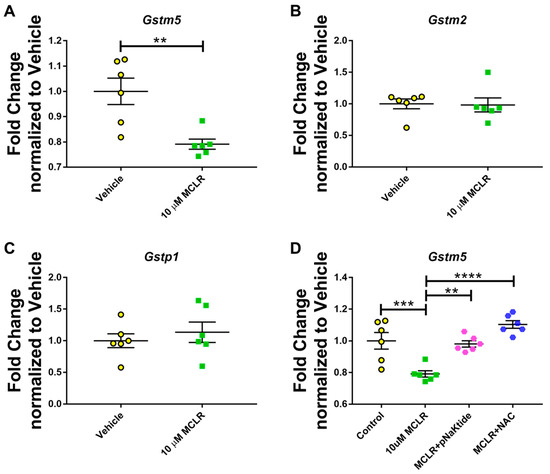
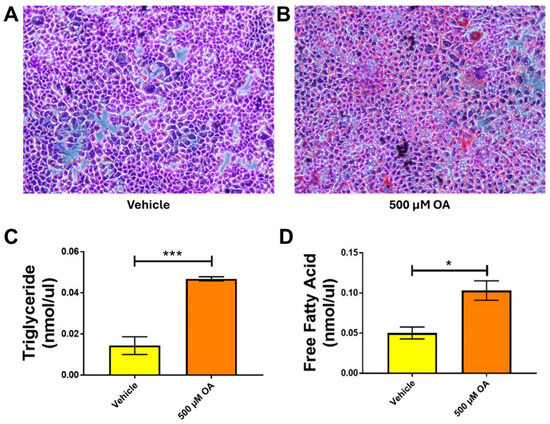
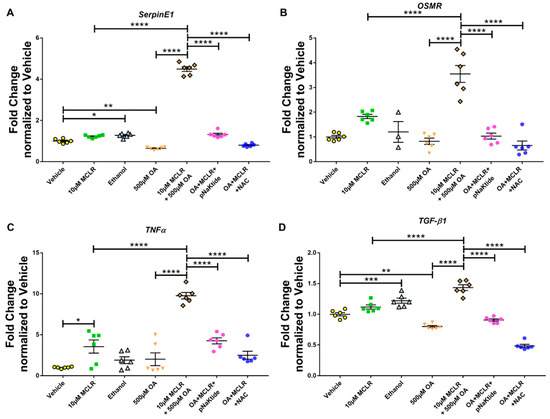
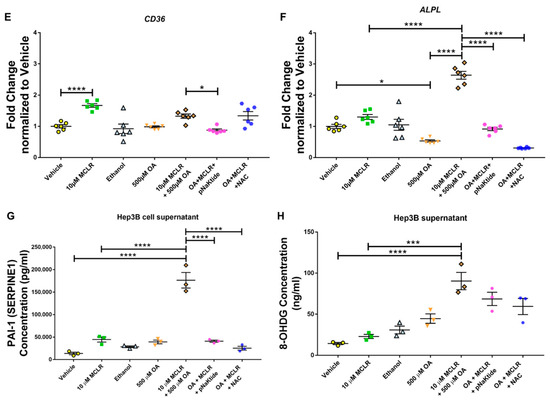
Microcystin-LR (MC-LR) is a potent hepatotoxin that has been shown to cause liver damage even at doses lower than the established Low Observable Adverse Effect Level (LOAEL) of 200 μg/kg in animal models. We have previously observed that low-dose exposure to MC-LR in animals with diet-induced Metabolic Dysfunction-Associated Steatotic Liver Disease (MASLD) and subsequent treatment with antioxidants like N-acetylcysteine (NAC) and the Na+/K+ ATPase-Src kinase inhibitor pNaKtide significantly alleviated hepatic infiltration of immune cells, downregulated markers of inflammation and hepatotoxicity, increased the breakdown of the toxin molecule, and restored phase I and II drug metabolism pathways, including the glutathione pathway. Because the liver is composed of heterogeneous cell types, this study aimed to determine the specific role of hepatocytes in the uptake and metabolism of MC-LR, especially in the setting of MASLD. To address this, we used two well-established hepatocyte cell lines—AML-12 murine hepatocytes and human Hep3B hepatocytes. Preliminary dose comparison studies with AML-12 cells showed that MC-LR at 10 μM concentration showed a significant upregulation in the genetic expression of the markers of hepatotoxicity—OSMR (p ≤ 0.01) and SerpinE (p ≤ 0.0001)—in comparison to Vehicle. Treatment with pNaKtide (1 µM) and/or NAC (10 mM) in the presence of MC-LR significantly reduced the expression of both OSMR (p ≤ 0.0001) and SerpinE (p ≤ 0.01 and p ≤ 0.0001, respectively). To model steatotic hepatocytes characteristic of the MASLD phenotype, Hep3B hepatocytes were first treated with 500 µM of oleic acid (OA) before exposing them to the toxin in the presence and absence of antioxidants. MC-LR exposure, induced markers of inflammation and hepatotoxicity to be elevated significantly in the presence of OA as compared to MC-LR exposure alone. This elevation of the genetic markers of inflammation and hepatotoxicity was significantly attenuated on treatment with pNaKtide (1 µM) and NAC (10 mM). Quantification of human SERPINE1 (PAI1) and 8-OHdG, a stable marker of oxidative stress, in the spent media of Hep3B cells corroborated the trends observed in the genetic markers of hepatotoxicity. These observations support the central role that hepatocytes play in the uptake and metabolism of MC-LR, which is complicated by the presence of MASLD-like conditions and can help in the development of future therapeutic strategies.
Full article

Graphical abstract
Open AccessArticle
Rabbit Litter-Derived Carbon Materials for Organophosphate Pesticide Mitigation: Adsorption Performance, Neurotoxicity Reduction, and Genotoxicity Assessment
by
Tamara Lazarević-Pašti, Tamara Terzić, Andreja Leskovac, Sandra Petrović, Vedran Milanković, Nevena Radivojević, Jugoslav Krstić, Katarina Kokanov Stanković, Ana Jocic, Snežana Brković and Igor Pašti
J. Xenobiot. 2026, 16(3), 75; https://doi.org/10.3390/jox16030075 - 29 Apr 2026
Abstract
►▼
Show Figures
Organophosphate pesticides are widely used agricultural chemicals that pose significant environmental and health risks due to their neurotoxicity, which is associated with inhibition of acetylcholinesterase. In this study, carbon materials derived from rabbit litter-based precursors were investigated as sustainable adsorbents for the removal
[...] Read more.
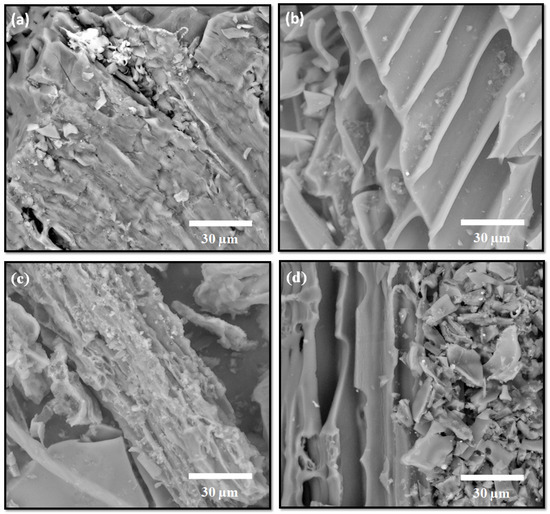
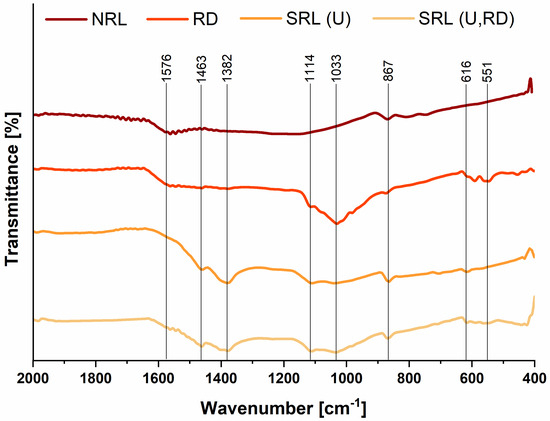
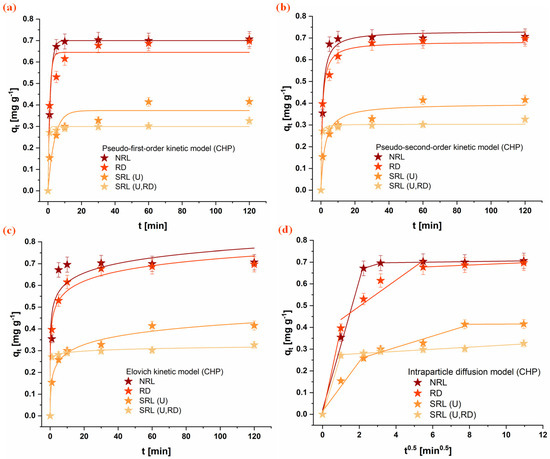
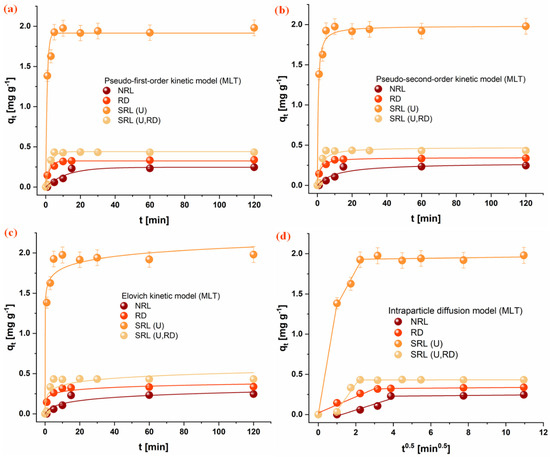
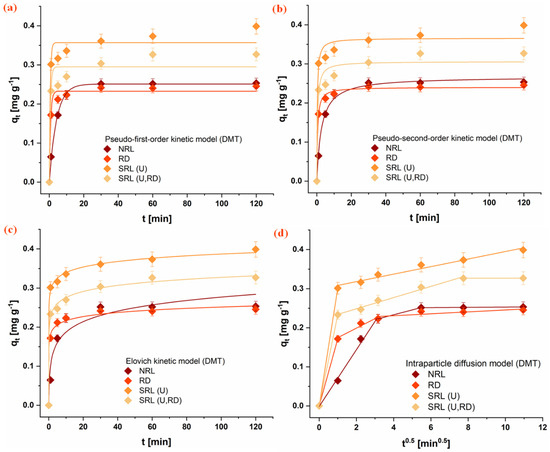
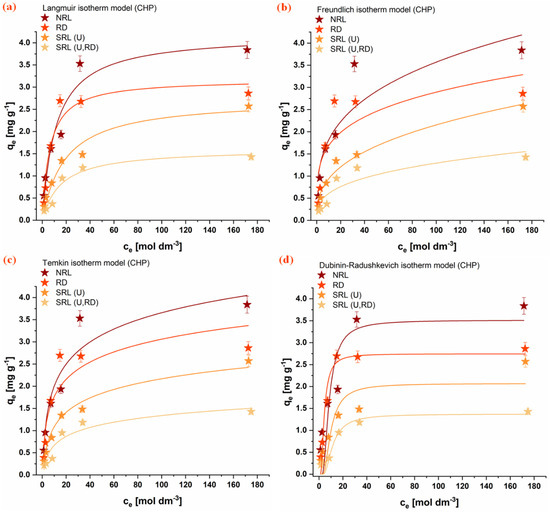
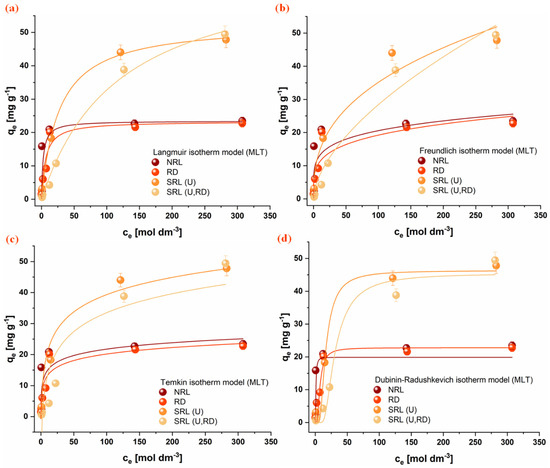
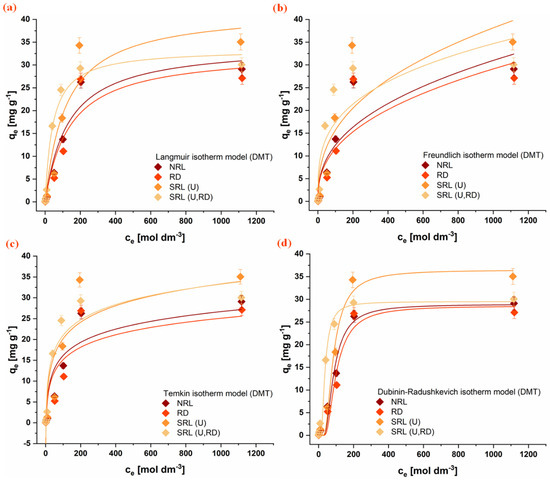
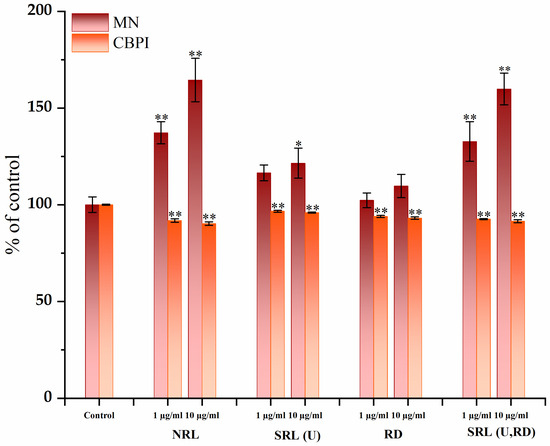
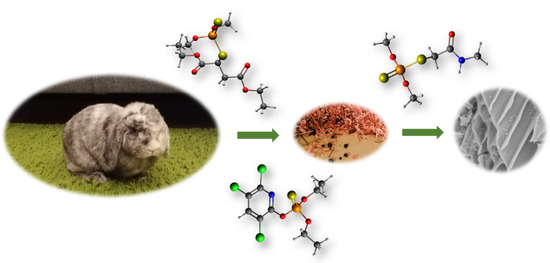
Organophosphate pesticides are widely used agricultural chemicals that pose significant environmental and health risks due to their neurotoxicity, which is associated with inhibition of acetylcholinesterase. In this study, carbon materials derived from rabbit litter-based precursors were investigated as sustainable adsorbents for the removal of organophosphate pesticides from aqueous systems. The prepared materials exhibited a broad range of textural properties, with specific surface areas ranging from 10 to 487 m2 g−1, depending on the precursor composition. Adsorption experiments demonstrated measurable removal of chlorpyrifos, malathion, and dimethoate, with maximum adsorption capacities reaching 71.8 mg g−1 for malathion, although adsorption performance varied among materials, indicating a combined influence of pore accessibility and surface chemical heterogeneity. Evaluation of acetylcholinesterase inhibition before and after adsorption showed a consistent decrease in enzyme inhibition across all systems, with values reduced from 40% to as low as 20% for chlorpyrifos, from 35% to as low as 11% for malathion, and from 20% to as low as 10% for dimethoate, indicating a reduction in the neurotoxic potential of the treated solutions. In addition, the genotoxicity of the carbon materials varied with their structural and compositional characteristics, underscoring the importance of considering both adsorption performance and biological interactions. These findings demonstrate that waste-derived carbon materials can contribute to the removal of organophosphate contaminants while simultaneously reducing their associated neurotoxic effects.
Full article

Graphical abstract
Open AccessArticle
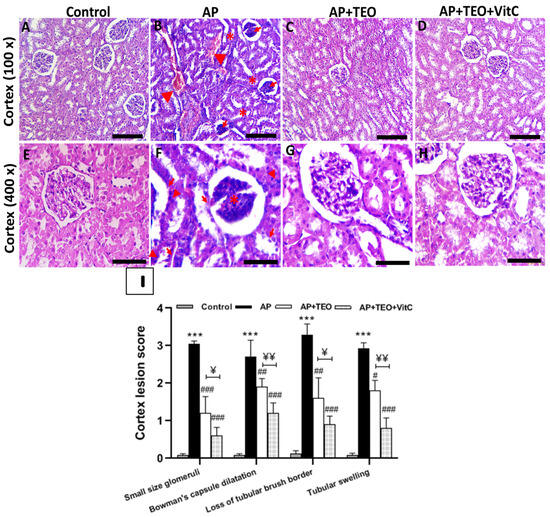
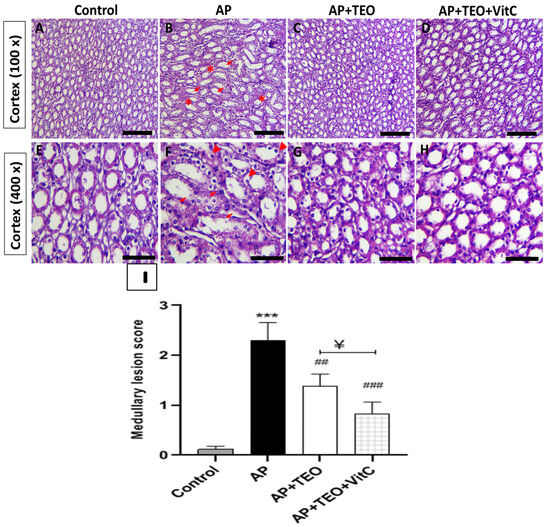
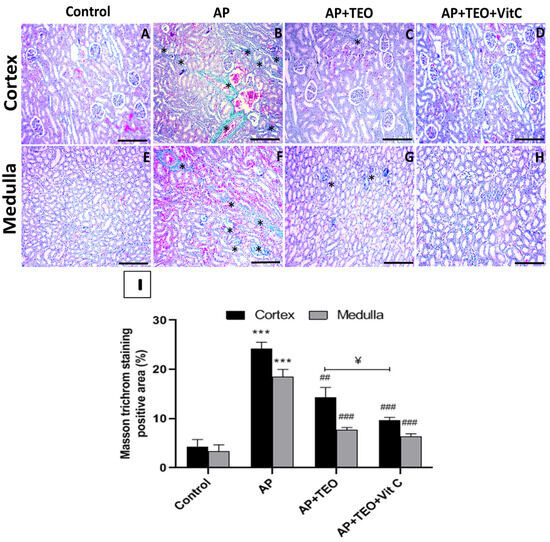
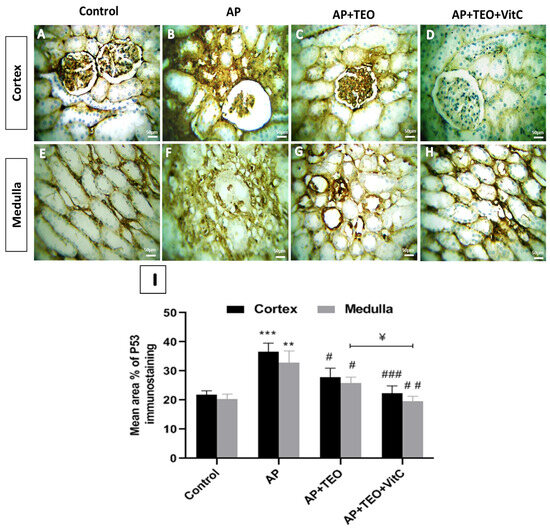
Apoptosis and Cell Cycle Dysregulation in Ampligo® 150 ZC-Induced Nephrotoxicity in Female Rabbits: Protective Effects of Thymus vulgaris Essential Oil and Vitamin C
by
Louisa Bechohra, Chahrazed Makhlouf, Hassina Khaldoun, Samira Aouichat, Amina Settar, Dalila Tarzaali, Nacera Lemlikchi, Amina Bouhallel, Yasmine Oularbi, Schahinez Terkmane and Nacima Djennane
J. Xenobiot. 2026, 16(3), 74; https://doi.org/10.3390/jox16030074 - 27 Apr 2026
Abstract
The widespread use of modern insecticide formulations underscores the need for mechanistic evaluation of their potential renal toxicity. This study investigated the nephrotoxic effects of Ampligo® 150 ZC, a binary formulation of lambda-cyhalothrin and chlorantraniliprole, in female rabbits under subacute exposure conditions,
[...] Read more.
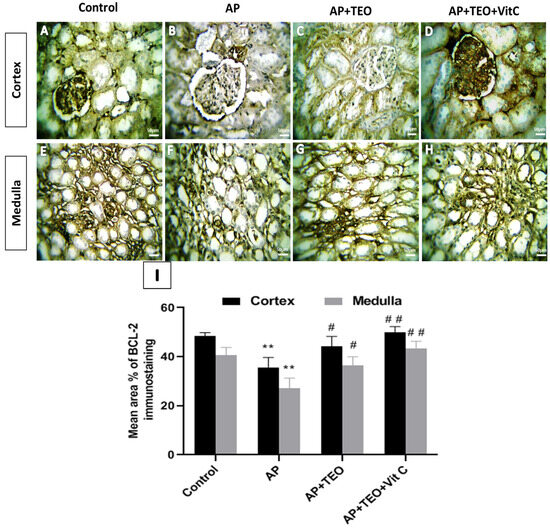
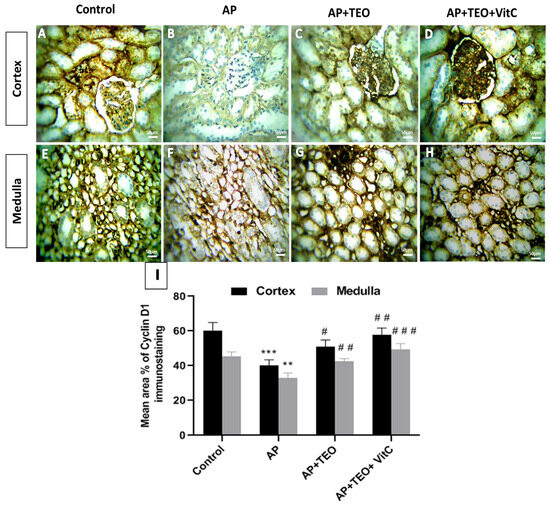
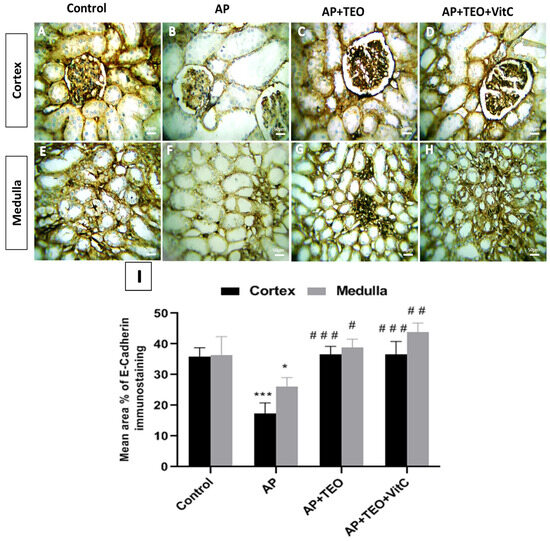
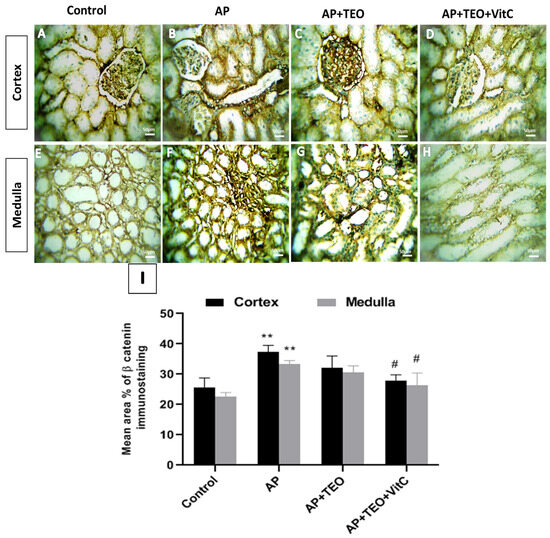
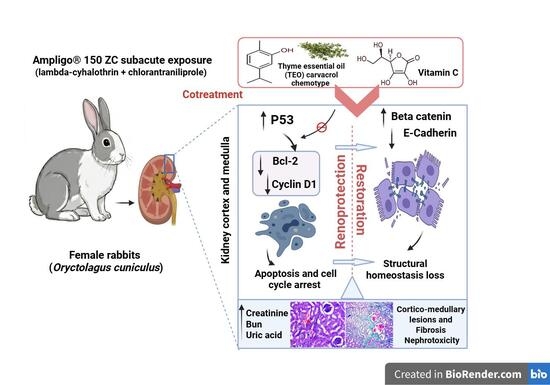
The widespread use of modern insecticide formulations underscores the need for mechanistic evaluation of their potential renal toxicity. This study investigated the nephrotoxic effects of Ampligo® 150 ZC, a binary formulation of lambda-cyhalothrin and chlorantraniliprole, in female rabbits under subacute exposure conditions, with particular emphasis on apoptosis-related and epithelial integrity biomarkers, and evaluated the protective effects of thyme essential oil (TEO) and vitamin C. Rabbits were allocated into four groups: control, AP, AP + TEO, and AP + TEO + vitamin C. Ampligo (AP) exposure resulted in significant renal dysfunction, as evidenced by elevated biochemical biomarkers and marked histopathological lesions. At the molecular level, AP induced p53 upregulation alongside Bcl-2 and Cyclin D1 downregulation, suggesting apoptosis induction and cell cycle dysregulation. Moreover, reduced E-cadherin and β-catenin expressions indicated disruption of epithelial junction integrity and impaired renal structural homeostasis. Notably, co-administration of TEO and vitamin C markedly attenuated these alterations, improving biochemical, histopathological, and immunohistochemical parameters. Overall, these findings suggest that AP-driven nephrotoxicity may involve apoptotic and epithelial pathways under subacute exposure conditions, whereas antioxidant co-treatment may mitigate kidney injury, supporting the potential of natural antioxidants as adjuncts against pesticide-induced renal injury.
Full article
(This article belongs to the Topic Disease Risks and Toxic Pathway from Environmental Chemical Exposure)
►▼
Show Figures

Graphical abstract
Open AccessArticle
Effects of Cannabidiol on Behavior and Oxidative Stress in a Rat Model of Depression Under Chronic Stress
by
George Jîtcă, László-István Bába, Ingrid Evelin Mehelean, Ana Natalia Maier, Ioana-Irina Popoviciu, Tudor-Nicolae Cotruş and Erzsébet Májai
J. Xenobiot. 2026, 16(3), 73; https://doi.org/10.3390/jox16030073 - 26 Apr 2026
Abstract
►▼
Show Figures
According to the most recent data published by the World Health Organization (WHO), it is estimated that approximately 332 million persons worldwide suffer from depression. The relationship between depression and alcohol consumption is complex and bidirectional. This study aimed to investigate the effects
[...] Read more.
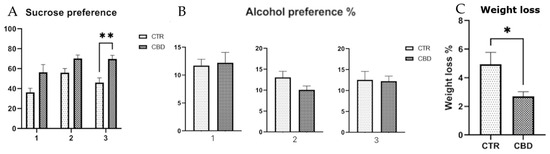
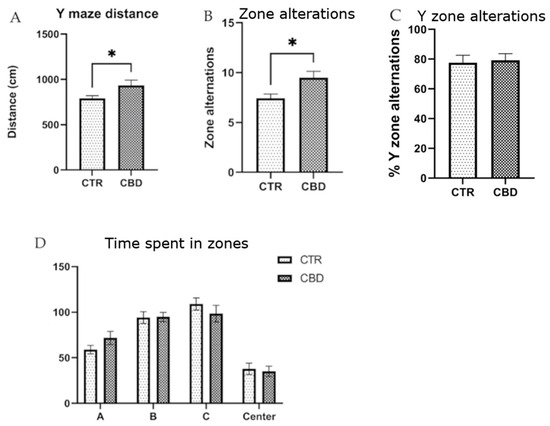
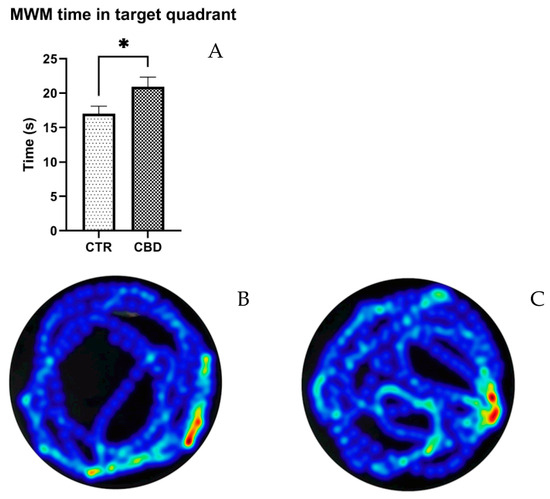
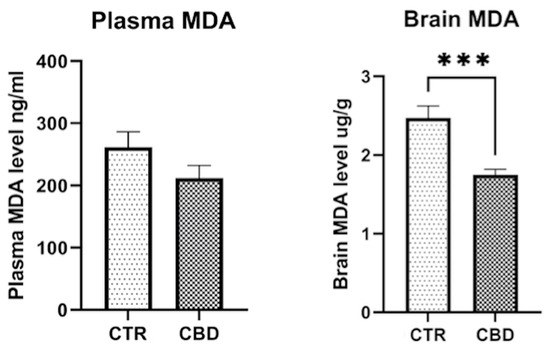
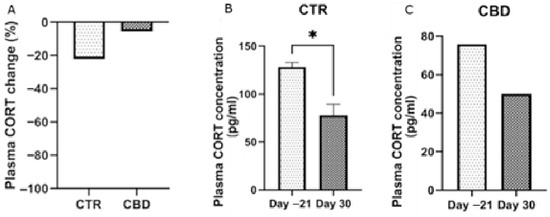
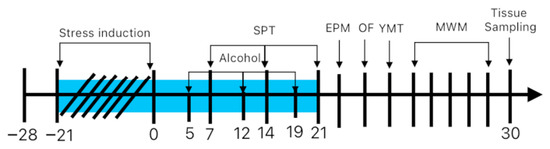
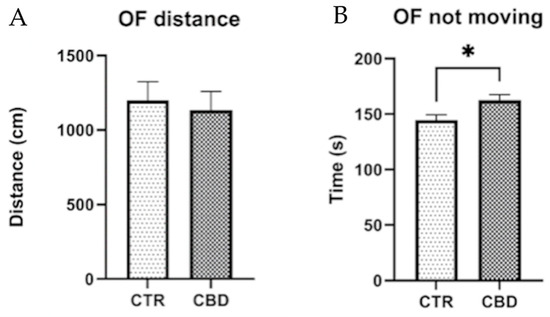
According to the most recent data published by the World Health Organization (WHO), it is estimated that approximately 332 million persons worldwide suffer from depression. The relationship between depression and alcohol consumption is complex and bidirectional. This study aimed to investigate the effects of cannabidiol (CBD) on behavior and malondialdehyde (MDA) imbalance in female Wistar rats exposed to chronic stress and alcohol. Sixteen intact cycle female 5-month-old Wistar rats were randomly assigned to two groups: the Control group (n = 8), and the CBD group (n = 8), which received CBD at a dose of 10 mg/kg. Following chronic stress induction, during the three-week treatment period, the animals were exposed to alcohol on three separate occasions. CBD-treated females showed increased freezing time in the Open Field test with no clear anxiolytic effect. In the Y maze and Morris Water Maze, they exhibited improved memory-related performance. Brain MDA levels were reduced, while plasma MDA was unchanged. Cortisol tended to be higher in the CBD group. CBD administration showed potential cognitive and central antioxidant effects, but no clear anxiolytic effect.
Full article

Figure 1
Open AccessArticle
The Association of Microplastics in Peripheral Blood and Pulmonary Disease: A Pilot Study
by
Scott A. Helgeson, Hossny Alaws, Mohamed I. Ibrahim, Augustine S. Lee, Danielle H. W. Vlecken and Hassan Z. Baig
J. Xenobiot. 2026, 16(3), 72; https://doi.org/10.3390/jox16030072 - 26 Apr 2026
Abstract
►▼
Show Figures
Microplastics may pose health risks, particularly for chronic lung diseases. Clarifying the link between circulating microplastics and pulmonary disease is vital for shaping research and interventions. The objective of this study was to evaluate whether microplastics in peripheral blood are associated with COPD
[...] Read more.
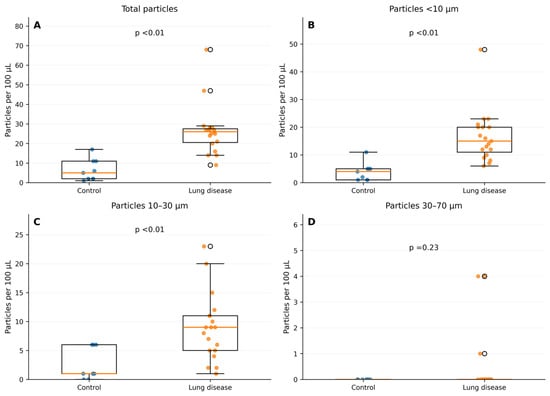
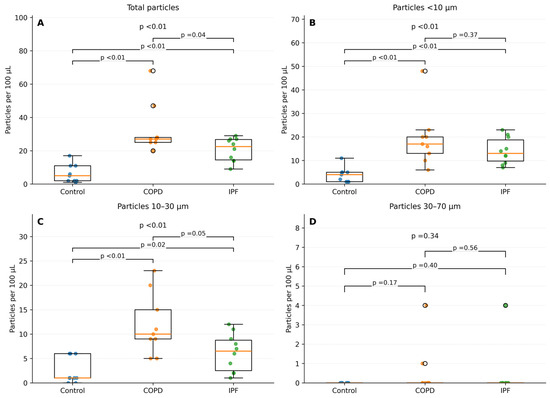
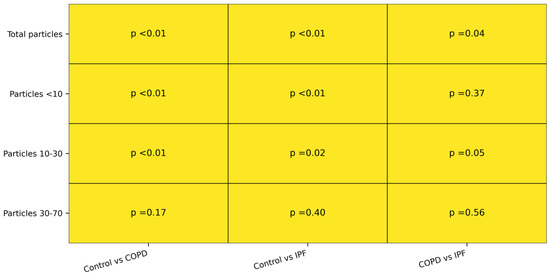
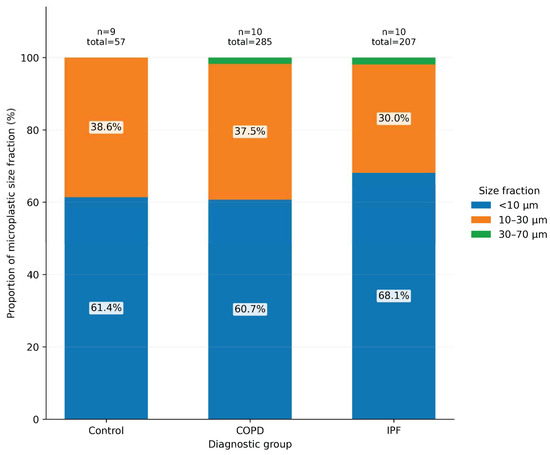
Microplastics may pose health risks, particularly for chronic lung diseases. Clarifying the link between circulating microplastics and pulmonary disease is vital for shaping research and interventions. The objective of this study was to evaluate whether microplastics in peripheral blood are associated with COPD or IPF vs. no lung disease. In this pilot prospective case-control study, participants were grouped as control (n = 10), COPD (n = 9), or IPF (n = 10). Relevant comorbidities and exposures were obtained from records and questionnaires. All underwent standardized blood collection (PlasticTox©). Samples were analyzed for total microplastic concentration, stratified by size (<10 µm, 10–30 µm, 30–70 µm). The primary outcome was to show a difference in total microplastic burden between lung disease and controls. Secondary measures were to determine size-specific concentrations and associations with demographic variables and smoking history. Among 29 participants (median age 70 (IQR 64–80); 14 women (48.3%)), COPD/IPF groups had significantly higher total microplastic concentrations vs. controls (median 26.0 vs. 3.5 particles/100 µL; p < 0.01). Particle burdens <10 µm and 10–30 µm were particularly elevated (both p < 0.01). After adjusting for smoking, only the <10 µm fraction remained independently associated with lung disease (adjusted odds ratio 1.94 (95% CI, 1.23–7.04)). In this pilot exploratory study, individuals with COPD or IPF showed greater circulating microplastic levels than controls. These findings should be interpreted as hypothesis-generating, and larger analytically validated studies are needed to clarify directionality, causal mechanisms, contamination control, and the clinical relevance of circulating microplastic burden.
Full article

Figure 1
Open AccessArticle
Selective Cytogenetic Responses to Nano-Fertilizer Co-Exposure in Allium cepa L.: Implications for Sublethal Phytotoxicity in Agroecosystems
by
Olivia Torres-Bugarín, Alejandro Sánchez-González, María Luisa Ramos-Ibarra, Idalia Yazmín Castañeda-Yslas, Nina Bogdanchikova, Alexey Pestryakov and María Evarista Arellano-García
J. Xenobiot. 2026, 16(3), 71; https://doi.org/10.3390/jox16030071 - 24 Apr 2026
Abstract
The intensive use of agricultural inputs and the increasing incorporation of nano-materials into crop management practices raise concerns about their ecotoxicological interactions in plant systems. This study evaluated phytotoxicity, cytotoxicity, and genotoxicity in Allium cepa L. under experimental nano-agrochemical exposure scenarios combining two
[...] Read more.
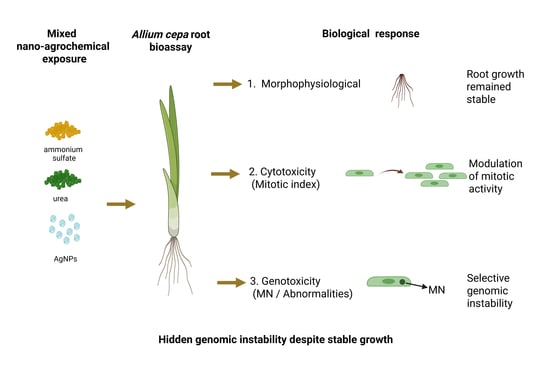
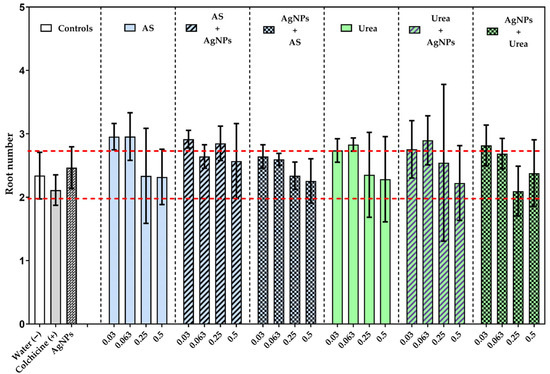
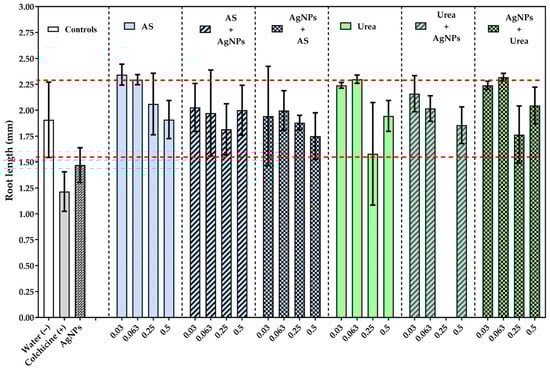
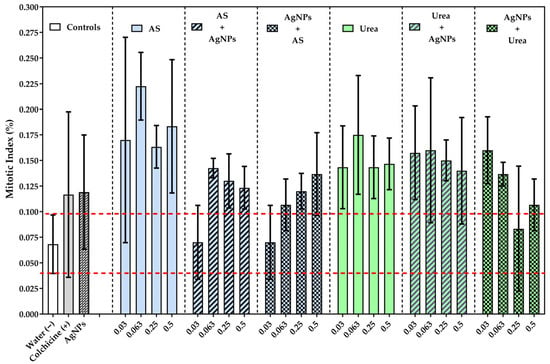
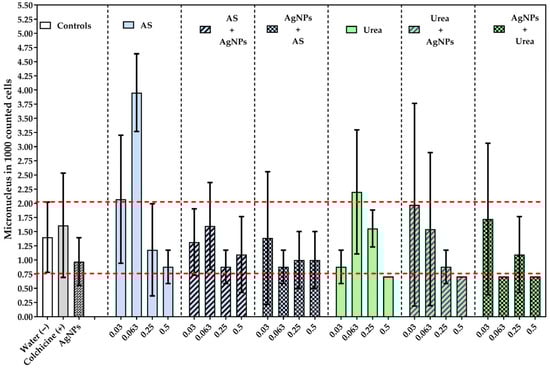
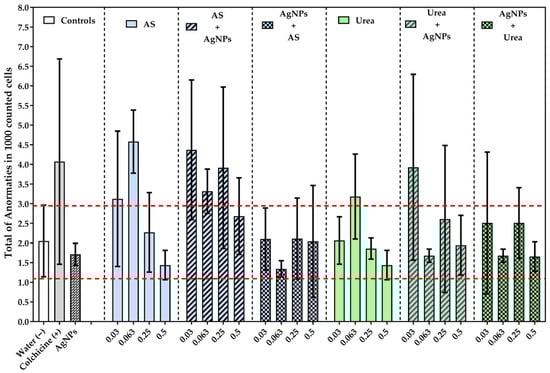
The intensive use of agricultural inputs and the increasing incorporation of nano-materials into crop management practices raise concerns about their ecotoxicological interactions in plant systems. This study evaluated phytotoxicity, cytotoxicity, and genotoxicity in Allium cepa L. under experimental nano-agrochemical exposure scenarios combining two conventional nitrogen fertilizers—ammonium sulfate (AS) and urea—with silver nanoparticles (AgNPs). Biological responses were assessed across fertilizer concentrations (0.03–0.5 g/L), applied individually, simultaneously, and sequentially, to identify modulatory effects of AgNPs on plant proliferative activity and genomic stability. Results showed the relative stability of morphophysiological indicators associated with root growth, whereas cytogenetic biomarkers exhibited selective alterations under specific conditions. Significant increases in genetic damage markers were detected at intermediate ammonium sulfate concentrations, suggesting sublethal phytotoxicity windows not reflected by macroscopic growth parameters. In addition, modulation of the mitotic index and absence of generalized genotoxic effects in most combined or sequential treatments indicate that AgNPs primarily acted as modulators of proliferative responses rather than direct cytotoxic agents. Overall, these findings highlight the dynamic and non-linear nature of nano-agrochemical interactions in plant systems and underscore the importance of multibiomarker approaches for the early detection of genomic instability. The results provide experimental evidence relevant to the environmental risk assessment of nano-enabled fertilization strategies under realistic mixed-exposure scenarios. This study contributes to advancing the ecotoxicological understanding of emerging agricultural technologies and supports the need for further mechanistic research and field-based evaluations to guide the safe and sustainable use of nanomaterials in crop production.
Full article
(This article belongs to the Topic Disease Risks and Toxic Pathway from Environmental Chemical Exposure)
►▼
Show Figures

Graphical abstract
Open AccessArticle
In Silico Approach for Fluorene Biodegradation, and the Impacts of Derivatives on the Environment and Health
by
Syed Raju Ali, Yasir Anwar and Hani Mohammed Ali
J. Xenobiot. 2026, 16(2), 70; https://doi.org/10.3390/jox16020070 - 20 Apr 2026
Abstract
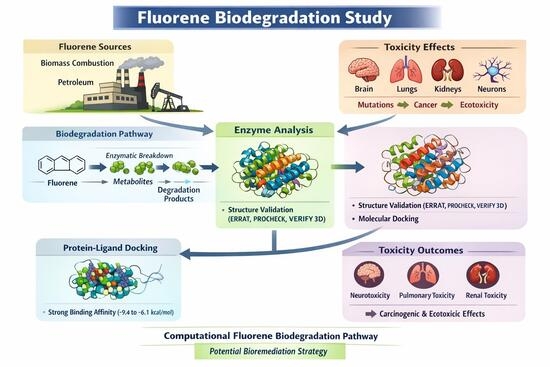
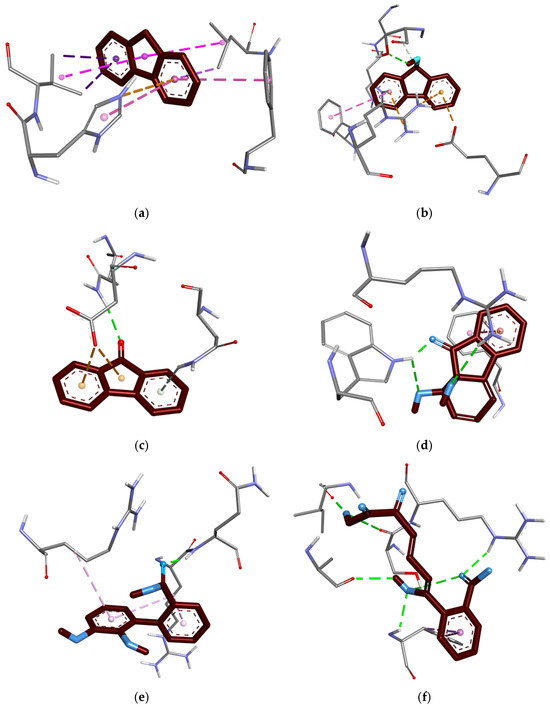
Fluorene poses ecological and health hazards that originate from biomass combustion and petroleum. However, some microorganisms can counter fluorene through complex enzymatic degradation pathways. This research aimed to explore the catalytic efficiency of enzymes on metabolites and their toxicity levels throughout the fluorene
[...] Read more.
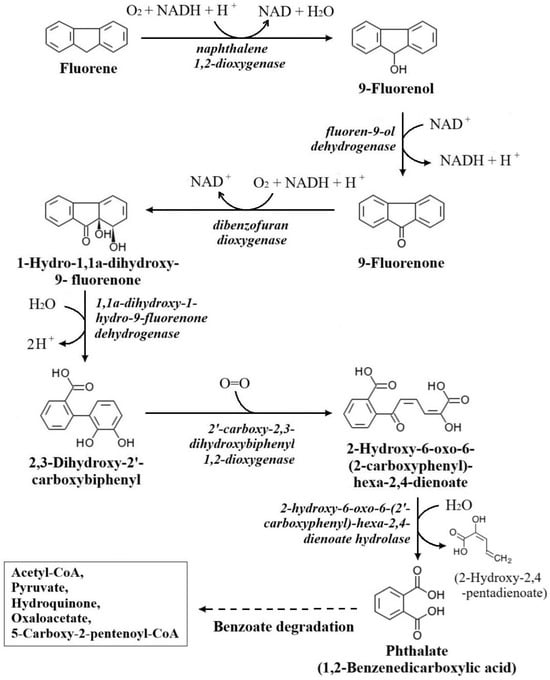
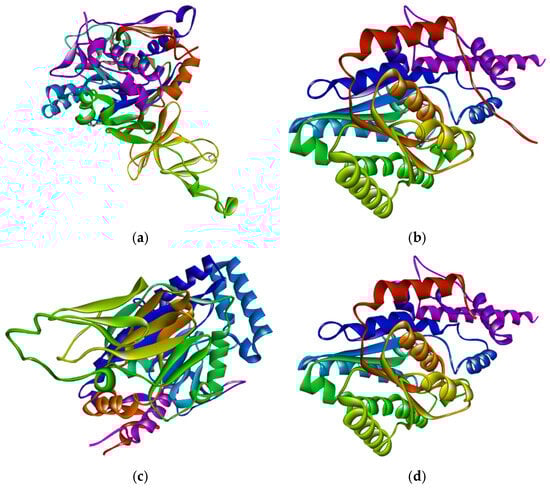
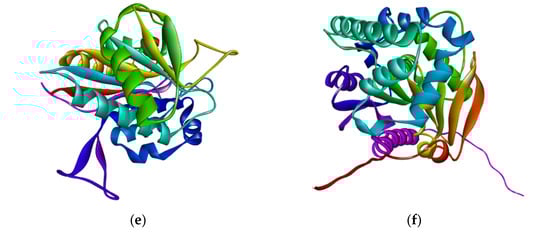
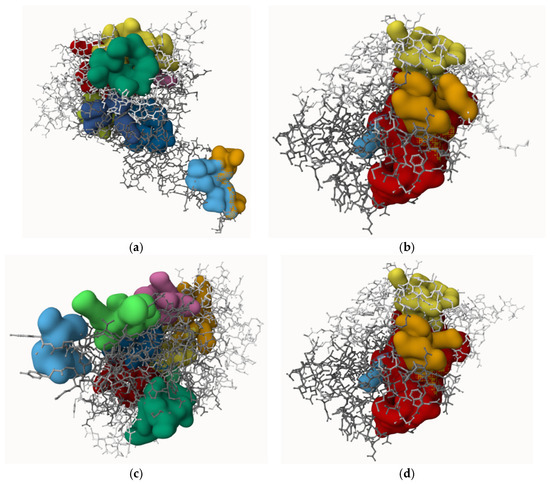
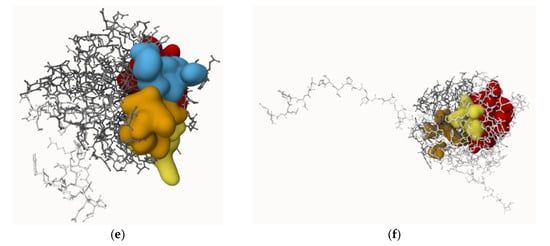
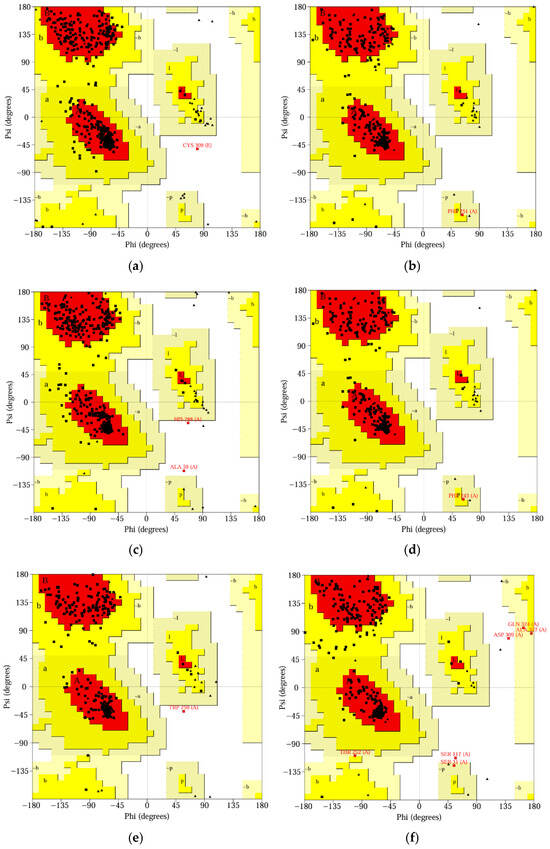
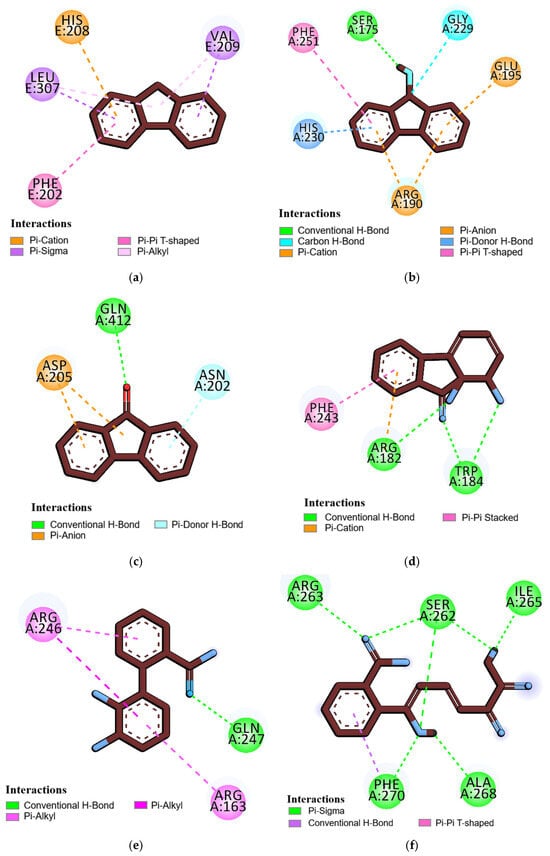
Fluorene poses ecological and health hazards that originate from biomass combustion and petroleum. However, some microorganisms can counter fluorene through complex enzymatic degradation pathways. This research aimed to explore the catalytic efficiency of enzymes on metabolites and their toxicity levels throughout the fluorene biodegradation pathway. Several web servers and software were used to characterize them and analyse molecular dockings between ligands and proteins. Fluorene and its metabolites have mild toxicities to the brain, lung, neurons, and kidneys, and consequent endpoints cause mutations, cancer, and ecotoxicity at different levels. The catalytic enzymes are well-folded, single-chained, medium-sized proteins that are acidic, thermostable, and with few exceptions, hydrophilic, cytoplasmic, non-allergenic, and nonvirulent, possessing multiple active sites. The ERRAT, PROCHECK, and VERIFY 3D tools successfully validated the SWISS-modelled 3D structures of proteins. Molecular docking results showed moderate binding affinities between proteins and ligands, ranging from −9.4 to −6.1 kcal/mol, indicating potential activities of the enzymes. This computational study supports the conventional fluorene degradation pathway and may provide a new avenue for further research.
Full article
(This article belongs to the Section Enzyme Systems, Microorganisms and Biotechnological Products)
►▼
Show Figures

Graphical abstract
Open AccessArticle
Fluopyram Induces Multilevel Toxicity in Zebrafish: Insights from Developmental Impairment, Oxidative Stress, and Metabolic Disruption
by
Ningbo Wang and Yingying Zhong
J. Xenobiot. 2026, 16(2), 69; https://doi.org/10.3390/jox16020069 - 20 Apr 2026
Abstract
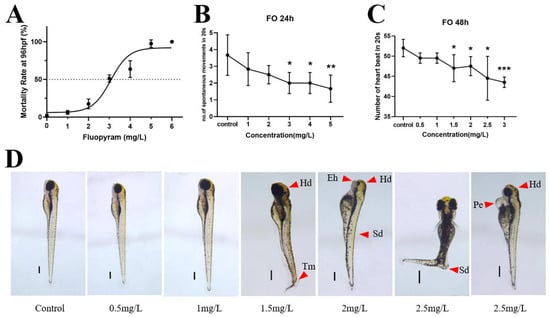
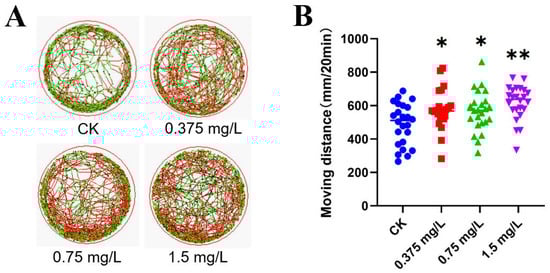
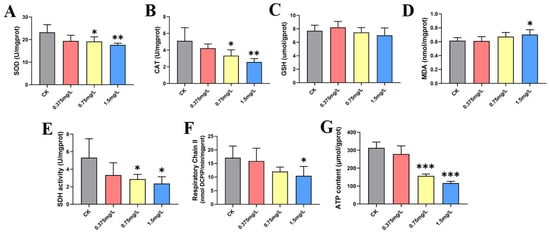
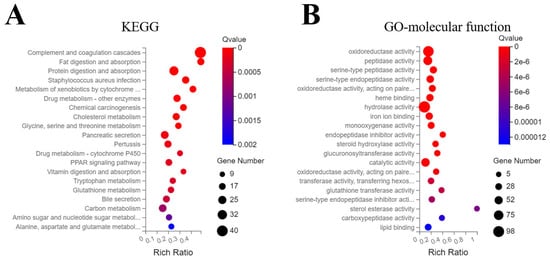
Fluopyram (FO), a widely used succinate dehydrogenase inhibitor (SDHI) fungicide, poses a potential risk to aquatic ecosystems due to its mitochondrial toxicity in non-target organisms. This study investigated its toxic effects on zebrafish (Danio rerio). Embryos (n = 30 per
[...] Read more.
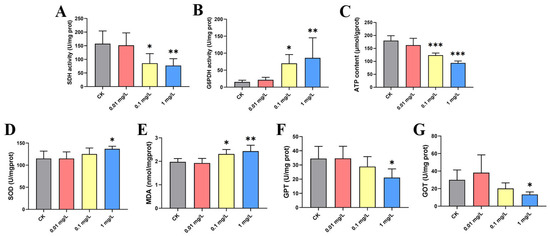
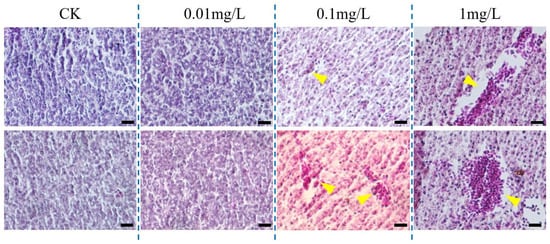
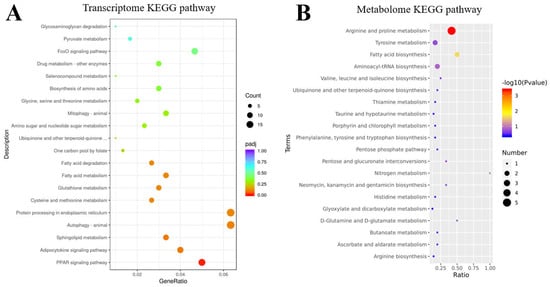
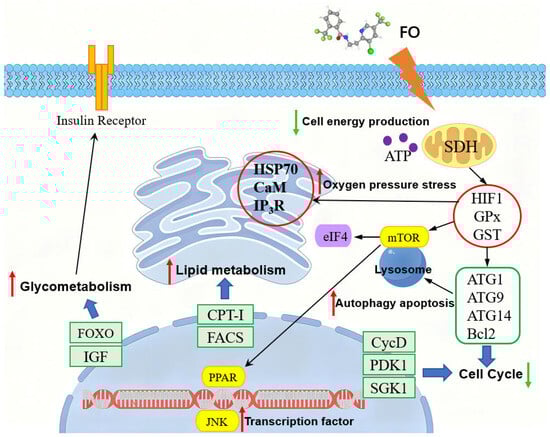
Fluopyram (FO), a widely used succinate dehydrogenase inhibitor (SDHI) fungicide, poses a potential risk to aquatic ecosystems due to its mitochondrial toxicity in non-target organisms. This study investigated its toxic effects on zebrafish (Danio rerio). Embryos (n = 30 per concentration) were exposed to FO (0, 0.375, 0.75, 1.5 mg/L) for 96 h, resulting in concentration-dependent developmental toxicity, including increased malformations, reduced heart rate, and inhibited swimming behavior. Adult zebrafish were chronically exposed to lower concentrations (0, 0.01, 0.1, 1.0 mg/L; n = 20 per concentration per replicate) for 28 days. Biochemical analyses across both life stages revealed that FO significantly inhibited succinate dehydrogenase (SDH) activity and mitochondrial complex II, reduced ATP levels, and induced oxidative stress. Integrated transcriptomic and metabolomic analyses showed that FO profoundly perturbed specific metabolic pathways, primarily glutathione metabolism, cytochrome P450-mediated detoxification, and core nutrient metabolism pathways involving carbohydrates, lipids, and amino acids. In adults, chronic exposure induced significant hepatotoxicity, evidenced by histopathological damage, altered liver enzyme activities (GPT/GOT), and activation of autophagy and PPAR/FoxO signaling pathways. Our results demonstrate that FO induces multifaceted toxicity in zebrafish, from developmental defects to hepatic metabolic dysfunction, primarily driven by mitochondrial impairment and oxidative stress. This study provides crucial mechanistic hazard data and insights for the ecological risk assessment of SDHI fungicides.
Full article
(This article belongs to the Section Ecotoxicology)
►▼
Show Figures

Figure 1
Open AccessArticle
Space-Time Analysis of Burgeoning US Atrial Septal Defect Rates Driven by Cannabis
by
Albert Stuart Reece and Gary Kenneth Hulse
J. Xenobiot. 2026, 16(2), 68; https://doi.org/10.3390/jox16020068 - 14 Apr 2026
Abstract
►▼
Show Figures
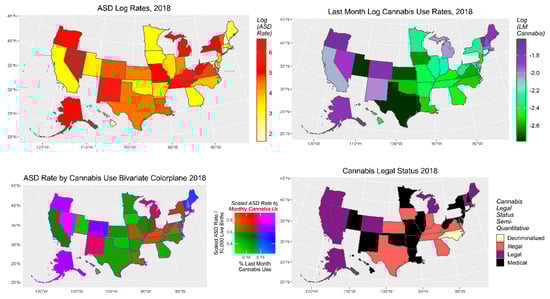
Atrial septal defect (ASD) has become increasingly common in the USA and now affects 1 in 11.3 children in some places, but space–time analysis has not been applied to this emerging trend. ASD rate (ASDR) data were obtained from the National Birth Defects
[...] Read more.
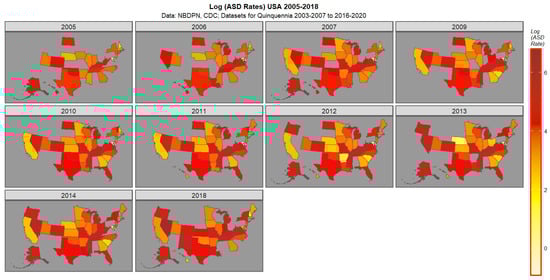
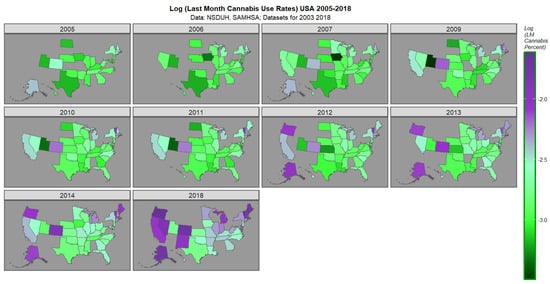
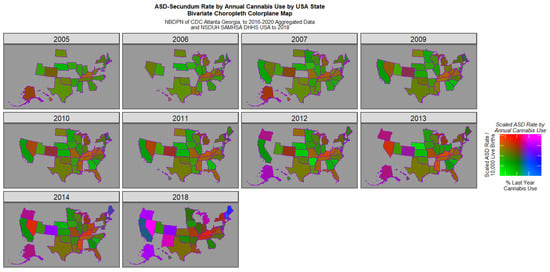
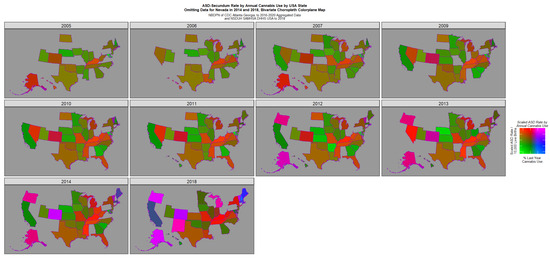
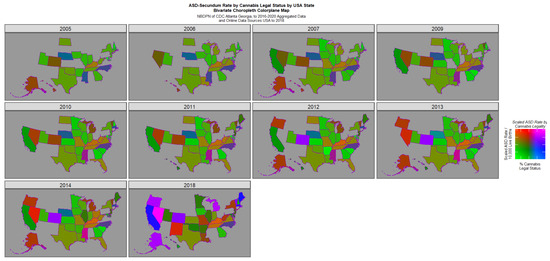
Atrial septal defect (ASD) has become increasingly common in the USA and now affects 1 in 11.3 children in some places, but space–time analysis has not been applied to this emerging trend. ASD rate (ASDR) data were obtained from the National Birth Defects Prevention Network 2003–2020. Substance (cigarettes, alcohol, cannabis, analgesics, cocaine) use data were obtained from the National Survey of Drug Use and Health. Income data were obtained from the US Census. Analysis was limited to the Non-Hispanic White population by technical factors. Time-sequential univariate and bivariate maps were prepared for both covariates and outcomes and their combinations. Spatial regression of the ASDR was performed using the R package splm. A total of 7.6% of data was interpolated by linear regression. A total of 110,107 ASD cases were identified amongst 17,751,437 live births in 27 US states across 10 reporting periods. Time series maps showed that ASDR showed concordant patterns with indices of cannabis use rather than other substances. This was confirmed by multivariate spatial regression where cannabis and cannabinoids alone were found to significantly relate to ASDR, with p = 0.00002 for cannabidiol. Cannabis legal status similarly tracked with ASDR. Compared to states where cannabis was not legal, ASDR was more prevalent in cannabis-legal states (OR = 2.73 (2.66, 2.80); E-Value 4.90 (lower C.I. 4.76)). Twenty-seven of 34 (79.4%) E-values were >9 (high range) and 34/34 were > 1.25 (causal threshold). Data show that cannabis, including cannabis legalization, is driving the US ASD epidemic. While most high-ASDR states have high rates of cannabis use, Midwestern states where cannabis is farmed, such as Kentucky, Tennessee and Missouri, do not, suggesting other routes of exposure, potentially implicating environmental contamination. ASD is a bellwether marker for cannabinoid teratogenicity, indicating that communities should carefully control cannabinoid exposure and limit transgenerational cannabinoid genotoxicity more generally.
Full article

Graphical abstract

Highly Accessed Articles
Latest Books
E-Mail Alert
News
Topics
Topic in
IJERPH, JoX, Toxics, Children, Metabolites, Sustainability
Environmental Exposure and Health Risks for Vulnerable Populations
Topic Editors: Mingyang Wu, Yanling DengDeadline: 31 October 2026
Topic in
JMSE, JoX, Pollutants, Toxics, Water, Environments, Limnological Review
Aquatic Emerging Contaminants and Their Ecotoxicological Consequences, 2nd Edition
Topic Editors: Valerio Matozzo, François Gagné, Stefano MagniDeadline: 30 November 2026
Topic in
IJMS, Antioxidants, Biomolecules, Veterinary Sciences, JoX, Metabolites, Toxics, JoF
Recent Advances in Veterinary Pharmacology and Toxicology, 2nd Edition
Topic Editors: Chongshan Dai, Jichang LiDeadline: 30 June 2027
Topic in
Biophysica, Cells, IJMS, Diseases, JoX, Biology, Pathogens
ABC Transporters in Health, Disease and Host–Pathogen Interactions
Topic Editors: Heidi de Wet, Petra LukacikDeadline: 30 October 2027
Conferences
Special Issues
Special Issue in
JoX
Xenobiotics and Kidney Health: Emerging Challenges in Toxicology and Therapeutics
Guest Editors: Guido Gembillo, Matteo FlorisDeadline: 25 June 2026
Special Issue in
JoX
Environmental Toxicology and Animal Health: 2nd Edition
Guest Editor: Sara Raquel Boaventura RodriguesDeadline: 30 June 2026
Special Issue in
JoX
Xenobiotics in Aquatic Ecosystems: Fate, Toxicity, and Sustainable Remediation
Guest Editor: Rachele MacirellaDeadline: 30 June 2026
Special Issue in
JoX
Integrative Studies on Environmental Toxicity, Bioaccumulation and Remediation Strategies for Hazardous Substances, 2nd Edition
Guest Editors: Mohamed A. Ghorab, Shaohua ChenDeadline: 25 July 2026