Journal Description
Forensic Sciences
Forensic Sciences
is an international, peer-reviewed, open access journal on all aspects of forensic science published quarterly online by MDPI. The Portuguese Association of Forensic Sciences (APCF) is affiliated with Forensic Sciences and their members receive a discount on the article processing charges.
- Open Access— free for readers, with article processing charges (APC) paid by authors or their institutions.
- High Visibility: indexed within ESCI (Web of Science), Scopus, EBSCO, and other databases.
- Rapid Publication: manuscripts are peer-reviewed and a first decision is provided to authors approximately 23.5 days after submission; acceptance to publication is undertaken in 4.9 days (median values for papers published in this journal in the first half of 2026).
- Journal Rank: CiteScore - Q2 (Pharmacology, Toxicology and Pharmaceutics (miscellaneous))
- Recognition of Reviewers: APC discount vouchers, optional signed peer review, and reviewer names published annually in the journal.
Impact Factor:
1.5 (2025);
5-Year Impact Factor:
1.8 (2025)
Latest Articles
Fatal Outcome Following Blunt Trauma Without Lethal Injuries: A Possible Reflex-Mediated Death
Forensic Sci. 2026, 6(3), 66; https://doi.org/10.3390/forensicsci6030066 - 23 Jul 2026
Abstract
►
Show Figures
Background: Death following blunt force trauma in the absence of major internal injuries represents a significant forensic challenge. In such cases, reflex-mediated mechanisms leading to cardiac inhibition may be overlooked, particularly when multiple autonomic triggers act simultaneously. Methods: We report the case of
[...] Read more.
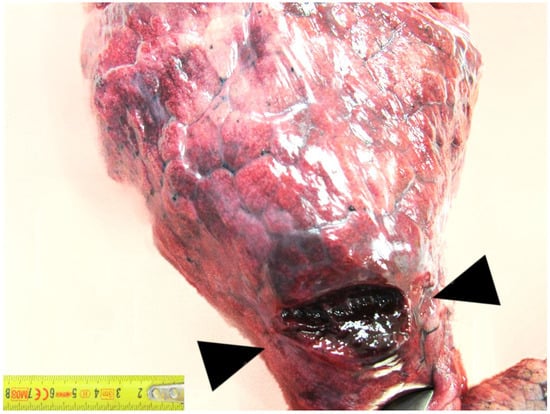
Background: Death following blunt force trauma in the absence of major internal injuries represents a significant forensic challenge. In such cases, reflex-mediated mechanisms leading to cardiac inhibition may be overlooked, particularly when multiple autonomic triggers act simultaneously. Methods: We report the case of a 78-year-old man who died after a violent assault involving repeated blunt force trauma, followed by a prolonged 16-day submersion in river water. A complete forensic investigation was performed, including postmortem computed tomography, autopsy, histological examination, toxicological analyses, and diatom testing to assess the possibility of drowning. Results: External and internal examination revealed multiple blunt force injuries involving the head, face, thorax, upper limbs, scrotal region, and back. Rib fractures, pulmonary contusions, and testicular hematomas were documented, but no internal lesion of sufficient severity to independently explain death was identified. No significant pre-existing cardiac disease or structural cardiac abnormality was found. Toxicological analysis showed a blood alcohol concentration of 0.7 g/L, with no lethal substances detected, although interpretation was limited by the prolonged 16-day submersion interval. Diatom testing performed on multiple tissue samples was negative, arguing against drowning. Overall, neither trauma, intoxication, nor submersion alone adequately explained the fatal outcome. Conclusions: This case supports the hypothesis that parasympathetic hyperactivation may have contributed to death. The combined effects of trauma to reflexogenic areas, cold water immersion, and alcohol-related autonomic modulation may have triggered a fatal cardioinhibitory response. Reflex-mediated death should be carefully considered in similar cases when conventional autopsy findings are inconclusive. In the present case, interpretation is limited by prolonged submersion and related postmortem changes, which may have affected the reliability of certain forensic findings.
Full article
Open AccessFeature PaperArticle
Firearm Evidence Management in Criminal Investigations: Articulated Knowledge, Reported Collection Practices, and Chain-of-Custody Awareness
by
Mpho Maboa
Forensic Sci. 2026, 6(3), 65; https://doi.org/10.3390/forensicsci6030065 - 23 Jul 2026
Abstract
Background/Objectives: The integrity of firearm evidence is central to solving violent crimes and securing just court outcomes, yet the consistency of investigative practices across policing environments remains uncertain. This study examined the articulated understanding and reported practices related to firearm evidence among
[...] Read more.
Background/Objectives: The integrity of firearm evidence is central to solving violent crimes and securing just court outcomes, yet the consistency of investigative practices across policing environments remains uncertain. This study examined the articulated understanding and reported practices related to firearm evidence among investigating officers, crime scene experts from the Local Criminal Record Centre (LCRC), and ballistics experts within the South African Police Service (SAPS). Materials and Methods: A qualitative research design was adopted, using semi-structured interviews with 39 participants across the three groups. The study explored participants’ knowledge of firearm evidence, types of evidence found at murder crime scenes, procedures for evidence collection, and the concept of chain of custody. Data was analysed thematically to identify patterns and knowledge gaps. Results: The findings revealed considerable variation across groups in articulated knowledge and reported procedural awareness, with crime scene experts demonstrating stronger conceptual clarity, while investigating officers showed notable gaps in recognising trace elements and maintaining continuity of possession. Ballistics experts possessed technical expertise but limited familiarity with scene-level protocols. These disparities have the potential to pose risks to evidentiary integrity and evidentiary admissibility if reflected in practice. Conclusions: The findings suggest that enhancing shared understanding of firearm evidence handling through reinforced procedural guidance and professional development may support greater consistency at early investigative stages. These conclusions are grounded in participants’ articulated knowledge and reported procedural awareness derived from interview data, rather than observed investigative practice or case file compliance. Further research is required to assess how such interventions influence operational practice and to explore the potential role of digital tools in supporting chain-of-custody continuity.
Full article
Open AccessArticle
From Locard to Court: The Scientific Foundations and Legal Admissibility of Firearm Evidence in Court
by
Mpho Maboa
Forensic Sci. 2026, 6(3), 64; https://doi.org/10.3390/forensicsci6030064 - 23 Jul 2026
Abstract
►▼
Show Figures
Background/Objectives: Despite its central role in murder investigations, firearm evidence remains one of the most scientifically contested and legally scrutinised forms of forensic proof. International critiques have highlighted limitations in foundational validity, examiner subjectivity, and individualisation claims within firearm and toolmark analysis, underscoring
[...] Read more.
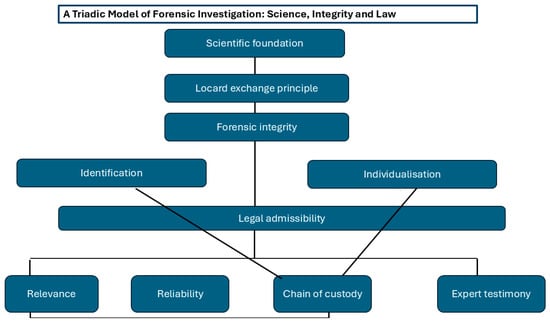
Background/Objectives: Despite its central role in murder investigations, firearm evidence remains one of the most scientifically contested and legally scrutinised forms of forensic proof. International critiques have highlighted limitations in foundational validity, examiner subjectivity, and individualisation claims within firearm and toolmark analysis, underscoring the importance of examining these issues within the South African context. Despite its central role in murder investigations, firearm evidence remains one of the most scientifically contested and legally scrutinised forms of forensic proof. Firearm evidence remains central to murder investigations; however, ongoing scientific and legal debates continue to raise concerns about its reliability, interpretation, and admissibility. Materials and Methods: A qualitative case study approach was used to examine the scientific basis, forensic integrity, and legal admissibility of firearm evidence. Semi-structured interviews were conducted with 39 purposively selected participants, including detectives, crime scene experts, and ballistics specialists. Participants were drawn from Tshwane-based police stations with high murder rates, using a combination of purposive, random, and systematic sampling techniques. Guided by interpretivist and constructivist paradigms, thematic and content analysis were applied building inductively on the empirical findings and informed by contemporary international debates. The study developed the Triadic Model of Forensic Investigation: Science, Integrity, and Law, integrating scientific, procedural, and legal dimensions of firearm evidence. Results: The study examined the Locard Exchange Principle as the scientific foundation of firearm evidence and found varying levels of practitioner understanding. Although some participants demonstrated foundational knowledge of forensic concepts such as identification and individualisation, terminology and conceptual understanding varied substantially across professional groups. Understanding of chain-of-custody requirements and legal admissibility criteria was uneven, with notable gaps among some practitioner groups. These inconsistencies, particularly among Investigating Officers, have significant implications for evidentiary integrity and courtroom reliability, especially in contexts where courts increasingly scrutinise categorical claims of firearm source attribution. Conclusions: The results highlight the importance of aligning professional practice, forensic education, and evolving scientific and legal standards to support reliable and legally admissible firearm evidence. The Triadic Model provides a coherent evaluative structure for strengthening the reliability, interpretive accuracy, and legal defensibility of firearm evidence. The study emphasises the value of interdisciplinary collaboration and closer alignment between forensic science, operational practice, and evolving judicial standards.
Full article

Figure 1
Open AccessArticle
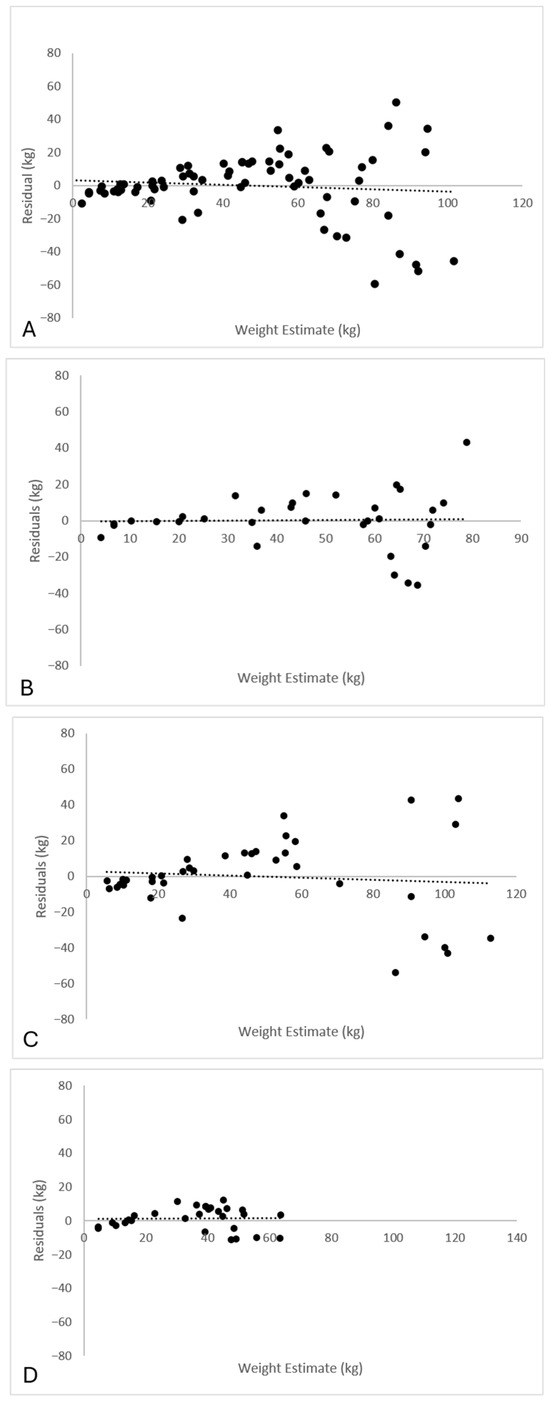
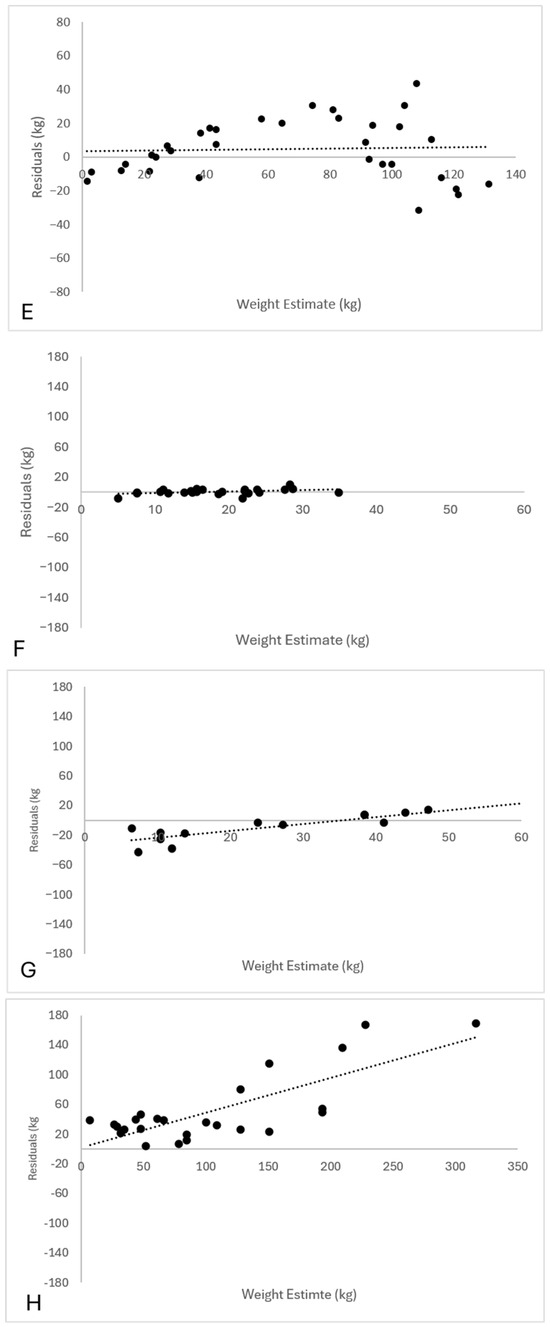
Novel Formulae for Estimating Weight in Children Using Epiphyseal and Metaphyseal Breadths and Torsional Rigidity (J) Values of the Femur and Tibia Derived from a Modern New Mexico Sample
by
Julia Meyers, Lesley Harrington, Deborah C. Merrett and Hugo F. V. Cardoso
Forensic Sci. 2026, 6(3), 63; https://doi.org/10.3390/forensicsci6030063 - 22 Jul 2026
Abstract
►▼
Show Figures
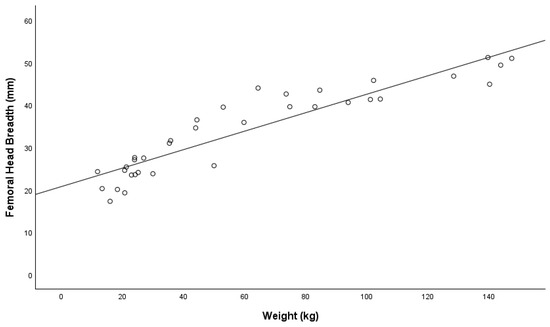
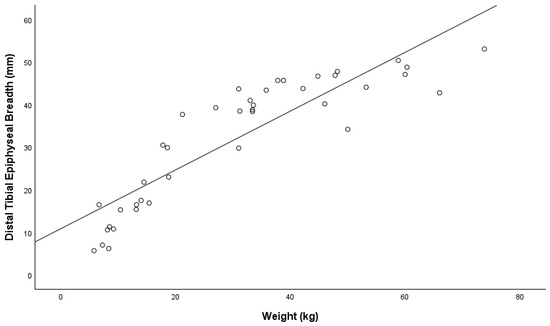
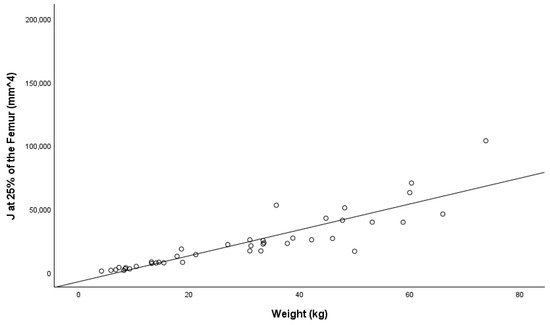
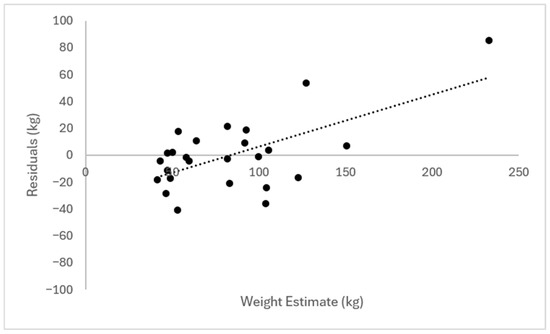
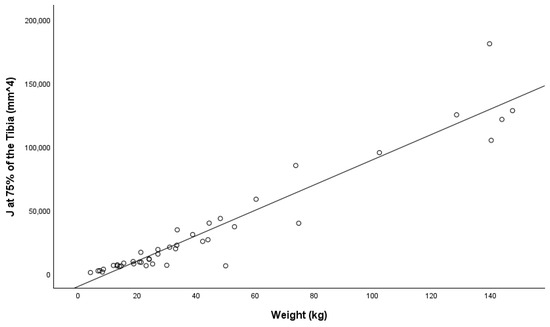
Background/Objective: Most weight estimation formulae developed for children from skeletal measurements are based on 20 individuals from the Denver Growth Study. This limitation is mainly due to the availability of data. The formulae produced using these data are limited to a small range
[...] Read more.
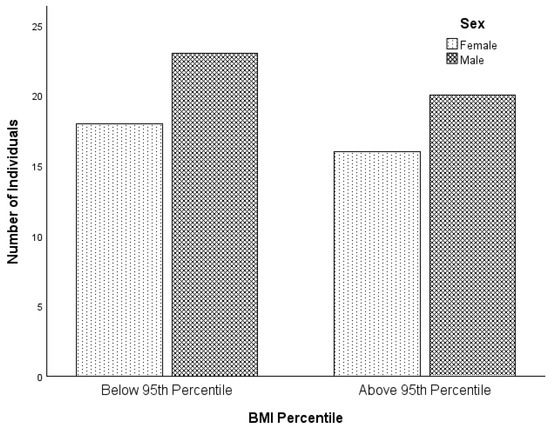
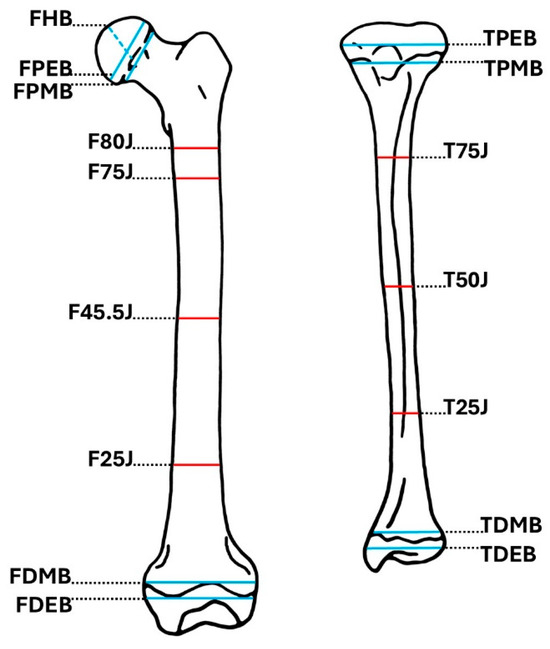
Background/Objective: Most weight estimation formulae developed for children from skeletal measurements are based on 20 individuals from the Denver Growth Study. This limitation is mainly due to the availability of data. The formulae produced using these data are limited to a small range of variation in weight, which may result in reduced applicability. This study develops new weight estimation formulae relying on a larger and more diverse sample of deceased children (n = 77) of known age and weight from the New Mexico Decedent Image Database. Methods: A classical calibration regression approach was used to generate weight estimation equations from virtual metaphyseal breadths, epiphyseal breadths, and torsional rigidity (J) of the femur and tibia. Equations were developed separately for the two sexes, two BMI categories, and three age categories. Results: Midshaft femoral J values (45.5% of the total diaphyseal length) and proximal tibial J values (75% of the total diaphyseal length) correlate most highly with body weight and when used to develop weight estimation formulae produce the least amount of error. In general, the breadth measures were less correlated and had larger error than the J values, though the distal femoral metaphyseal breadth produced the highest coefficients of determination and lowest error of the breadth formulae. Conclusions: While these formulae are based on a sample of modern children, the variation that they encompass and the different equations provided allow users to apply them in a variety of circumstances. However, weight estimation may have limited value due to large prediction errors.
Full article

Figure 1
Open AccessCase Report
Cervical Necrotizing Fasciitis: A Silent and Unforeseen Killer in an Immunocompetent and Young Patient
by
Emanuele Vicario, Fabio Comero, Gabriele Gaggero, Francesco Ventura and Rosario Barranco
Forensic Sci. 2026, 6(3), 62; https://doi.org/10.3390/forensicsci6030062 - 21 Jul 2026
Abstract
►▼
Show Figures
Background and Clinical Significance: Necrotizing fasciitis (NF) is a fulminant, life-threatening polymicrobial infection of the soft tissues, characterized by the progressive and widespread necrosis of the subcutaneous tissues and fascial planes. Although the cervical region is an infrequent site of involvement, cervical necrotizing
[...] Read more.
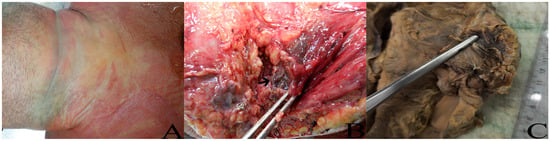
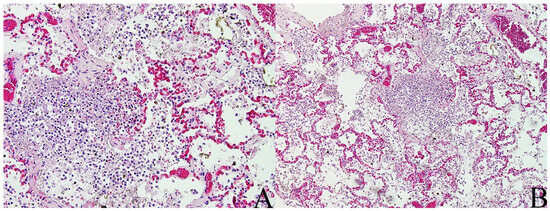
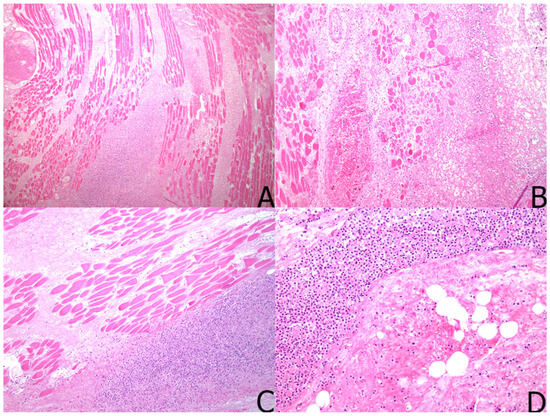
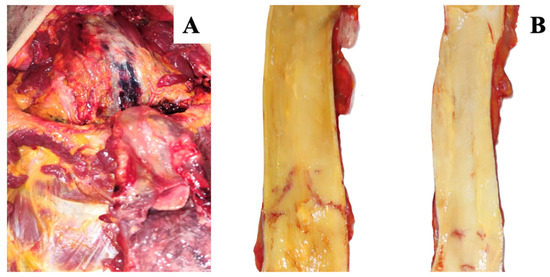
Background and Clinical Significance: Necrotizing fasciitis (NF) is a fulminant, life-threatening polymicrobial infection of the soft tissues, characterized by the progressive and widespread necrosis of the subcutaneous tissues and fascial planes. Although the cervical region is an infrequent site of involvement, cervical necrotizing fasciitis (CNF) is distinguished by its rapid anatomical spread, severe systemic complications, and significant mortality rates. Case Presentation: This report details the fatal clinical course of a 37-year-old immunocompetent male with no relevant active comorbidities. The patient initially presented with insidious, non-specific symptoms clinically interpreted as an uncomplicated upper respiratory tract infection/acute pharyngitis, including pharyngodynia, hoarseness, fever, lateral cervical lymphadenopathy, and catarrhal secretion. Within a brief period, his clinical status underwent rapid deterioration, with progressive cervical swelling, dysphonia, swallowing impairment, dyspnoea, shock, and subsequent multi-organ dysfunction syndrome. A total-body computed tomography scan revealed lateral cervical subcutaneous emphysema, a small pneumomediastinum, bilateral pleural effusion and bilateral pulmonary parenchymal consolidations. Conclusions: A comprehensive forensic examination revealed swelling and brownish-green discoloration of the right cervical region, palpable crepitus, and extensive necrosis of the cervical soft tissues, with involvement of the deep fascial layers and regional musculature. Histological examination confirmed massive cervical soft tissue necrosis associated with inflammatory infiltration and air bubbles. Multifocal acute pneumonia was also documented. This case underscores the importance of a meticulous examination of the cervical region during autopsy in suspected infection-related fatalities. Clinically, it highlights the diagnostic challenges posed by the deceptive and paucisymptomatic onset of CNF.
Full article

Figure 1

Open AccessArticle
Child and Adolescent Capacity and Consent for Medical and Psychiatric Admissions and Health Decisions: A Research Project
by
Raisa Agustín, María José Miñano, Noèlia Ortuño, Jesus Cobo and Diego J. Palao
Forensic Sci. 2026, 6(3), 61; https://doi.org/10.3390/forensicsci6030061 - 16 Jul 2026
Abstract
Background: Competence (within the legal and bioethical framework in Spain, the term ‘competence’ is used as equivalent to healthcare decision-making capacity) in the field of child and adolescent psychiatry is a complex and evolving issue. Legal frameworks vary by country and legal
[...] Read more.
Background: Competence (within the legal and bioethical framework in Spain, the term ‘competence’ is used as equivalent to healthcare decision-making capacity) in the field of child and adolescent psychiatry is a complex and evolving issue. Legal frameworks vary by country and legal tradition. Most concerns relate to treatment decisions within mental health, but in fact there is a wide range of decisions with a relevant impact on patients’ lives and quality of life over the long term. Forensic science must adapt its current practice to the worldwide challenge presented by this evidence. Objectives: This article will present a current research project about competence (healthcare decision-making capacity) in a sample of adolescent and child population in Spain. The final objective will be to validate the Spanish version of the MacCAT semi-structured interview consenting to psychiatric admission in adolescents in a mixed sample. We also examine some of the influences that must be taken into account in this research. Methodology: This is an instrumental and methodological study utilizing a sequential mixed-methods design (qualitative content validation followed by a quantitative psychometric evaluation). A process of adaptation of the Spanish MacCAT to consent to psychiatric admission in the adolescent population. A pilot study will initially be conducted to evaluate question comprehension and duration. Subsequently, a cross-sectional study will be carried out to assess inter-rater reliability, internal consistency, and validity. Evaluation will include clinical and neuropsychological assessment in five departments at two University Hospitals. Expected results: We will establish new evidence about the evaluation of competence in adolescent psychiatry; to date, no studies have been identified assessing the capacity to consent to psychiatric admission among Spanish-speaking adolescents, nor the factors potentially related to such competence. To our knowledge, the relationship between competence and illness awareness in the adolescent population remains unexplored in the literature, and its analysis constitutes one of the novel contributions of the present study. In addition, we will adapt and validate a well-known evaluation scale to the specific environments of our medical and psychiatric health departments. Conclusions: Objective evaluation of competence for medical interventions and treatments is a challenge in clinical and forensic examination. New evidence is necessary to operationalize classical evaluations in standardized ways, adapted to different countries, legal systems and forensic traditions.
Full article
Open AccessReview
Virtual Reconstruction as Scientific Evidence in Criminal Proceedings
by
Martina Di Santo, Paolo Fais and Lina De Paola
Forensic Sci. 2026, 6(3), 60; https://doi.org/10.3390/forensicsci6030060 - 9 Jul 2026
Abstract
►▼
Show Figures
Background: Recent technological advances, such as 3D laser scanning, digital photogrammetry and virtual autopsy, have significantly reshaped the acquisition and interpretation of scientific evidence in criminal proceedings. These tools enable highly detailed visualizations that can enhance factual understanding while also introducing potential
[...] Read more.
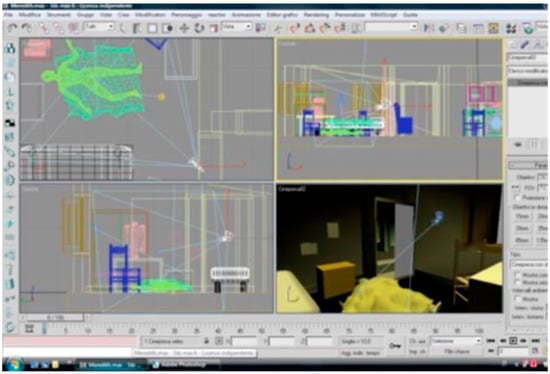
Background: Recent technological advances, such as 3D laser scanning, digital photogrammetry and virtual autopsy, have significantly reshaped the acquisition and interpretation of scientific evidence in criminal proceedings. These tools enable highly detailed visualizations that can enhance factual understanding while also introducing potential cognitive biases for judges. This study aims to assess the legal, epistemological and forensic implications of 3D virtual reconstruction as evidence, examining its admissibility, scientific robustness, and associated risks within contemporary criminal trials. Methods: An interdisciplinary methodology was applied, integrating criminal procedural law, forensic medicine, digital forensics and legal epistemology. The study includes doctrinal analysis, a review of the literature from the last decade, Italian and comparative case law, and evaluation of European forensic guidelines (particularly ENFSI). Direct observation of laboratory practices and technical assessment of reconstruction tools were conducted to evaluate scientific validity, repeatability, traceability and transparency. Results: The findings reveal that 3D reconstruction provides high metric accuracy, durable digital preservation of the crime scene and improved communication of complex dynamics to the court. It allows experts to test alternative hypotheses, reducing ambiguity in technical explanations. Nevertheless, several critical issues emerged: the persuasive power of highly realistic imagery, dependence on non-transparent software processes, potential vulnerabilities in the chain of custody for digital data, and the absence of a unified Italian regulatory framework governing digital scientific evidence. Conclusions: 3D virtual reconstruction constitutes a powerful but epistemologically complex form of scientific evidence. Its probative value depends on transparent methodology, verifiability and strict compliance with adversarial safeguards. The study underscores the need for national technical standards, clear admissibility criteria and specialized training for legal professionals. A coherent regulatory framework is essential to ensure that digital technologies enhance, rather than distort, the pursuit of truth in criminal justice.
Full article

Figure 1
Open AccessArticle
BlockFECS: A Blockchain-Based Proof-of-Concept System for Metadata-Driven Evidence Correlation in Digital Forensics
by
Oshoke Samson Igonor, Muhammad Bilal Amin and Saurabh Garg
Forensic Sci. 2026, 6(3), 59; https://doi.org/10.3390/forensicsci6030059 - 6 Jul 2026
Abstract
Background/Objectives: The rapid expansion of digital evidence in modern investigations has created pressing challenges for maintaining integrity, traceability, chain of custody, and meaningful analysis across heterogeneous forensic artefacts. Conventional evidence management approaches often fall short in scalability, transparency, and the ability to correlate
[...] Read more.
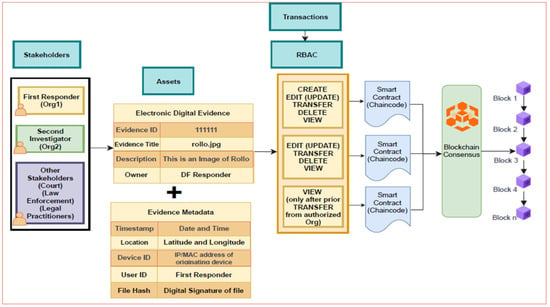
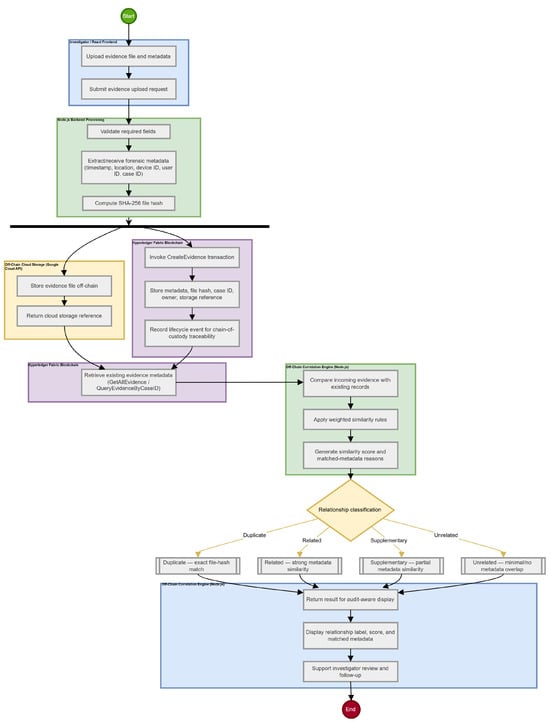
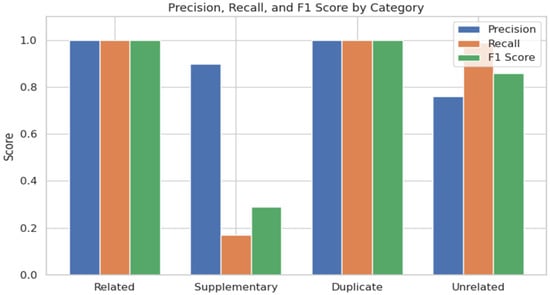
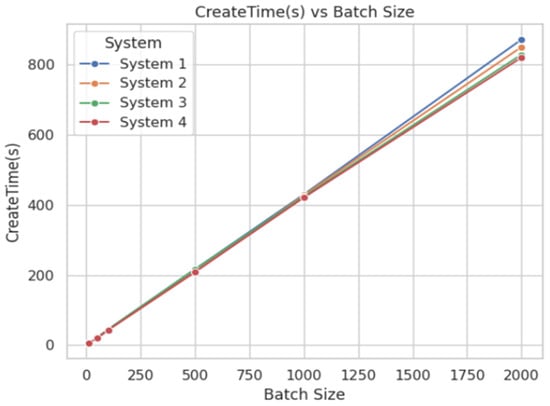
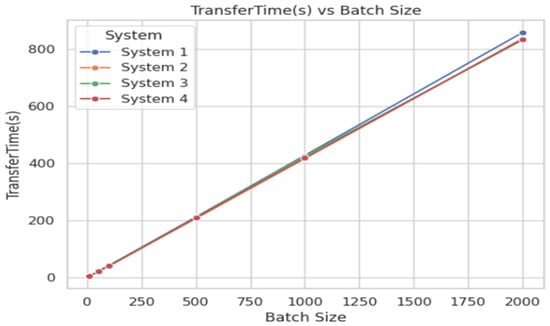
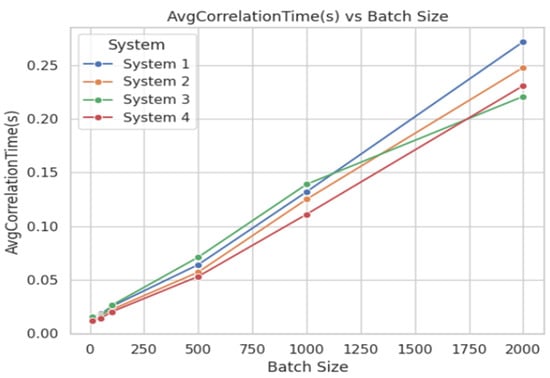
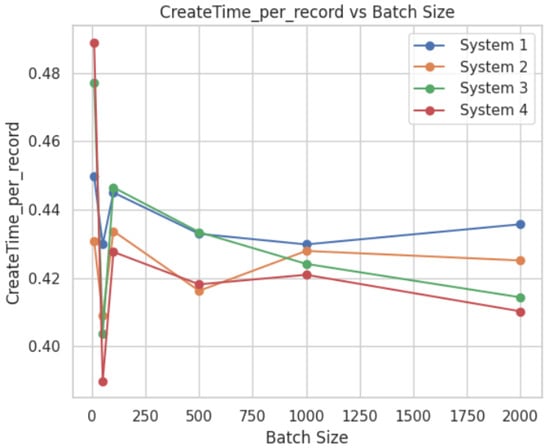
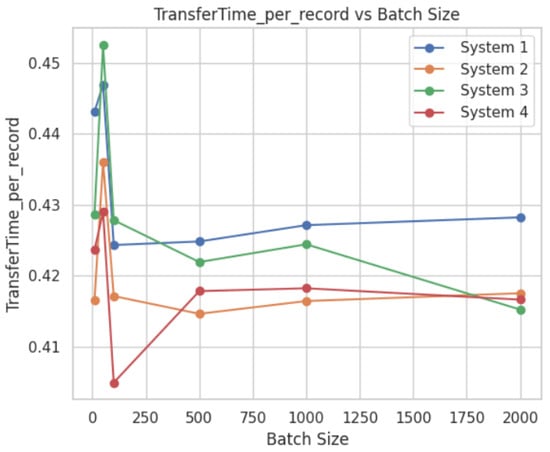
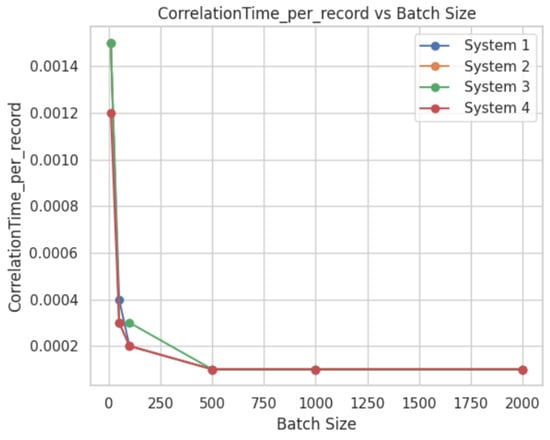
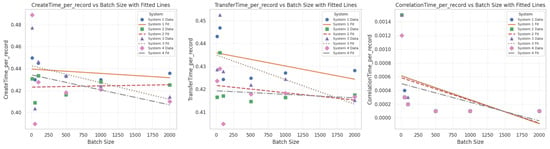
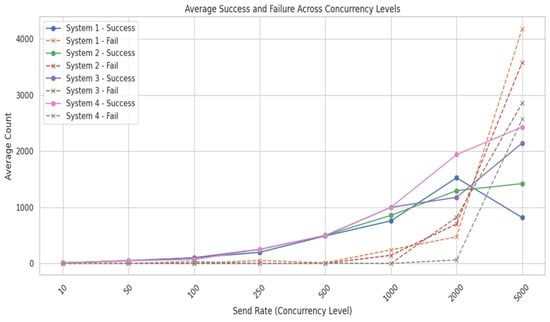
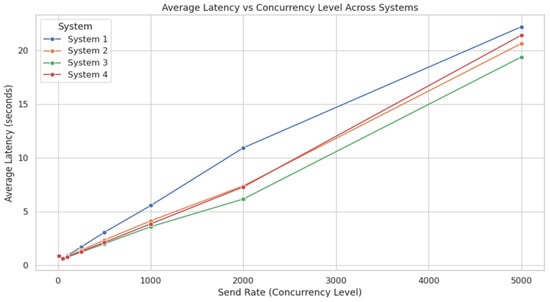
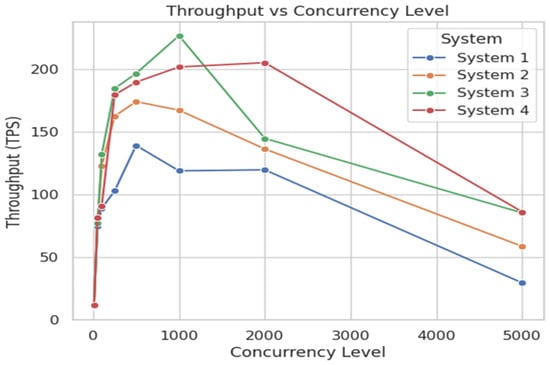
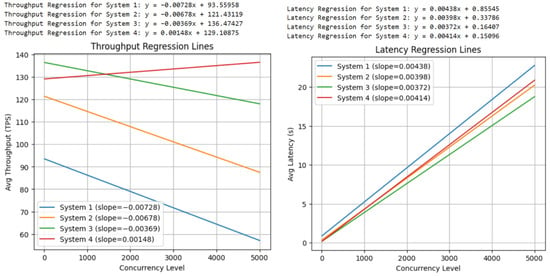
Background/Objectives: The rapid expansion of digital evidence in modern investigations has created pressing challenges for maintaining integrity, traceability, chain of custody, and meaningful analysis across heterogeneous forensic artefacts. Conventional evidence management approaches often fall short in scalability, transparency, and the ability to correlate diverse digital evidence. This study presents BlockFECS, a blockchain-based proof-of-concept system for metadata-driven evidence correlation in digital forensics. Methods: BlockFECS uses Hyperledger Fabric to support auditable and tamper-resistant evidence management while capturing structured forensic metadata, including timestamps, locations, device IDs, user IDs, and file hashes. An off-chain weighted correlation algorithm assigns similarity scores between evidence pairs and classifies relationships as Related, Supplementary, Duplicate, or Unrelated. The system was evaluated using a simulated smart city accident scenario and tested for correctness, transaction latency, throughput, scalability trends, and concurrency behaviour across four computing environments. Results: Within the controlled proof-of-concept dataset, the correlation algorithm achieved 1.00 precision and recall for clear Related and Duplicate evidence relationships and high precision (0.90) for Supplementary relationships, although recall in this category was lower due to incomplete or noisy metadata. Performance testing showed that Create, Transfer, and Delete operations completed with sub-second latency, while correlation throughput exceeded 60 comparisons per second across all tested environments. Conclusions: The findings demonstrate the feasibility of combining blockchain-backed evidence integrity with lightweight metadata-driven forensic intelligence. BlockFECS contributes a proof-of-concept model for automating metadata-based evidence analysis while preserving provenance integrity and auditability, highlighting a promising direction for trustworthy and intelligent digital forensic investigation support.
Full article
(This article belongs to the Special Issue Feature Papers in Forensic Sciences)
►▼
Show Figures

Figure 1
Open AccessCase Report
A Rare Case of Bilateral Otorrhagia in Hanging: A Case Report
by
Vincenzo Cianci, Anna Messina, Maria Manno, Daniela Sapienza, Desirèe Speranza, Ludovica Pepe, Vincenzo Fiorentino, Patrizia Gualniera, Alessio Asmundo and Cristina Mondello
Forensic Sci. 2026, 6(3), 58; https://doi.org/10.3390/forensicsci6030058 - 1 Jul 2026
Abstract
Introduction: Otorrhagia is an uncommon finding in forensic practice and is classically associated with skull base fractures, temporal bone trauma, or barotraumatic events. However, the literature suggests that ear bleeding may also rarely occur in deaths due to neck compression, including strangulation and
[...] Read more.
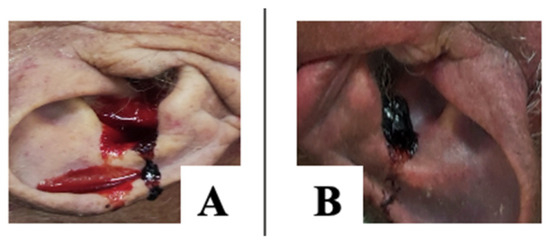
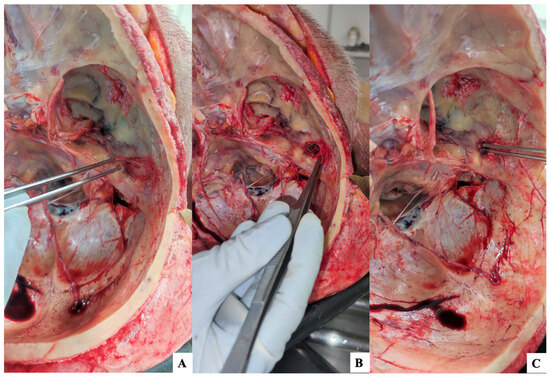
Introduction: Otorrhagia is an uncommon finding in forensic practice and is classically associated with skull base fractures, temporal bone trauma, or barotraumatic events. However, the literature suggests that ear bleeding may also rarely occur in deaths due to neck compression, including strangulation and hanging. Case Presentation: We report the case of a man died by hanging. External examination revealed an oblique ligature mark on the neck, conjunctival petechiae, and bilateral otorrhagia. At autopsy, no fractures of the skull vault or skull base were identified. Otoscopic examination showed bilateral tympanic membrane laceration. Internal examination of the neck disclosed small hemorrhagic infiltrates in the perithyroid muscles and prevertebral soft tissues, as well as bilateral carotid intimal tears consistent with Amussat’s sign. Moreover, a unilateral lesion involving the petrous portion of the temporal bone was observed. The distinctive feature of this case is the association of bilateral otorrhagia, bilateral tympanic membrane laceration, and unilateral petrous bone erosion in the absence of skull base fracture. Histology showed visceral congestion, pulmonary overdistension with rupture of interalveolar septa, cerebral edema, myocardial fiber fragmentation and trabecular remodeling and areas of necrosis of the bone fragment sampled from the right petrous temporal bone. Death was attributed to mechanical asphyxia due to hanging. Conclusions: This case suggests that bilateral otorrhagia in hanging may result from the combined effects of impaired cervico-cephalic venous drainage and pressure changes transmitted to the middle ear during forceful respiratory efforts. The pre-existing unilateral petrous bone lesion may have acted as a local predisposing factor, although its etiology and actual contribution cannot be established with certainty. Otoscopic examination should therefore be regarded as a potentially useful adjunct in selected cases, particularly for documenting auricular findings and supporting differential diagnosis.
Full article
(This article belongs to the Special Issue New Aspects of Forensic Investigation and Autopsy)
►▼
Show Figures

Figure 1
Open AccessArticle
Variation in ASUDAS Dental Morphological Traits Among Individuals with Different Early-Life Geographic Backgrounds: An Observational Pilot Study
by
Amisha Nayak, Sandhya Tamgadge, Junaid Ahmed, Srikant Natarajan, Nandita Shenoy, Pradeep Sherigar and Nanditha Sujir
Forensic Sci. 2026, 6(3), 57; https://doi.org/10.3390/forensicsci6030057 - 25 Jun 2026
Abstract
►▼
Show Figures
Background/Objectives: Nonmetric dental traits assessed using the Arizona State University Dental Anthropology System (ASUDAS) are valuable in forensic identification due to their population-specific variation. However, intranational variability within Indian populations remains underexplored. To evaluate variation in ASUDAS dental morphological traits among individuals with
[...] Read more.
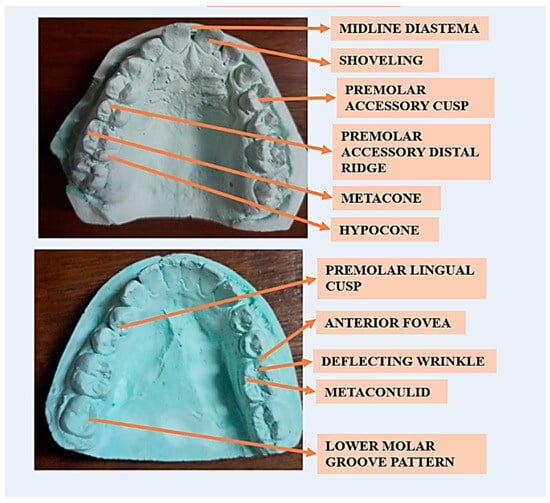
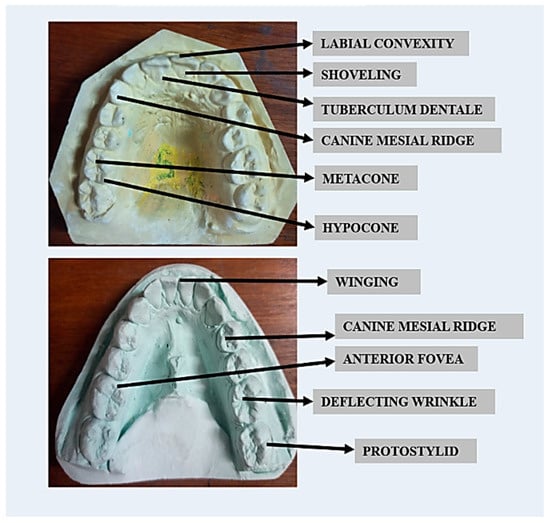
Background/Objectives: Nonmetric dental traits assessed using the Arizona State University Dental Anthropology System (ASUDAS) are valuable in forensic identification due to their population-specific variation. However, intranational variability within Indian populations remains underexplored. To evaluate variation in ASUDAS dental morphological traits among individuals with different early-life geographic backgrounds and assess their forensic applicability. Methods: A cross-sectional observational pilot study was conducted on 55 dental casts of individuals aged 18–22 years. Subjects were grouped into Maharashtra (n = 37) and non-Maharashtra (n = 18) based on residence from birth to 10 years. A total of 42 crown traits were assessed using ASUDAS criteria. Statistical analysis included chi-square or Fisher’s exact test (p < 0.05), and intraobserver reliability was evaluated using Cohen’s kappa. Results: Significant differences were observed in maxillary traits such as shoveling (p = 0.004), interruption grooves (p = 0.01), canine accessory distal ridge (p = 0.022), hypocone (p = 0.029), premolar accessory ridge (p = 0.007), tuberculum dentale (p = 0.021), and double shoveling (p = 0.001), and mandibular traits including premolar accessory cusp/protoconule (p < 0.001), anterior fovea (p = 0.005), and deflecting wrinkle (p < 0.001). Conclusions: The observed variations reflected population heterogeneity, supporting the forensic relevance of ASUDAS traits and the need for region-specific databases.
Full article

Figure 1

Open AccessArticle
Quality of Life Post-Occupational Accident: A Reintegration and Forensic Approach
by
Isabel Almeida, Pedro M. Teixeira, José Manuel Teixeira and Teresa Magalhães
Forensic Sci. 2026, 6(3), 56; https://doi.org/10.3390/forensicsci6030056 - 24 Jun 2026
Abstract
►▼
Show Figures
Background/Objectives: Health-related quality of life perception (HRQoL) reflects the impact of individuals’ health conditions on their physical, psychological, and social well-being, and can be compromised after an accident The general aim of this study was to analyze the effect of occupational accident
[...] Read more.
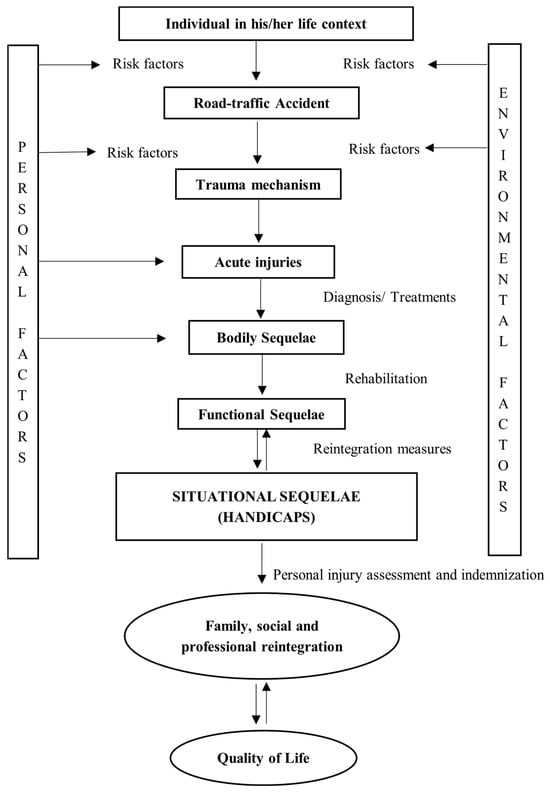
Background/Objectives: Health-related quality of life perception (HRQoL) reflects the impact of individuals’ health conditions on their physical, psychological, and social well-being, and can be compromised after an accident The general aim of this study was to analyze the effect of occupational accident (OA) outcomes on injured workers’ HRQoL. Methods: We conducted a cross-sectional study, using a convenience sample of 101 participants at the end of their recovery and professional reintegration (PR) process. They were submitted to a personal injury assessment (PIA) conducted by medico-legal specialists, and data related to injury severity (IS), permanent professional disability (PD), and PR were collected from the respective forensic reports. Subsequently, they underwent a psychological interview and filled out self-report questionnaires to measure HRQoL (SF-36) and resilience (RSA). For each variable, two groups were defined. Analyses included descriptive statistics, correlations, group comparisons, and multiple linear regression analyses. Results: Injured workers reported lower HRQoL than Portuguese norms across most domains. HRQoL scores were positively associated with resilience and PR, and negatively associated with IS and PD. In multivariable models, IS, and RSA emerged as significant independent associated variables of the physical–social HRQoL component. Conclusions: These findings highlight the importance of a biopsychosocial and multidisciplinary approach to OA victims’ professional reintegration, integrating physical treatment and psychological support with resilience-building and work rehabilitation, before medical discharge and PIA.
Full article

Figure 1

Open AccessArticle
Forensic Acquisition of Latent Fingerprints from Plant Leaves: Visualization Techniques, Environmental Durability, and Quality Assessment
by
Tomáš Vokálek and Martin Drahanský
Forensic Sci. 2026, 6(3), 55; https://doi.org/10.3390/forensicsci6030055 - 24 Jun 2026
Abstract
►▼
Show Figures
Background/Objectives: Latent fingerprints are routinely recovered from conventional porous and non-porous substrates; however, biologically active surfaces such as plant leaves are generally regarded as unsuitable for dactyloscopic evidence. Because vegetation is frequently present at crime scenes, this study aimed to systematically evaluate whether
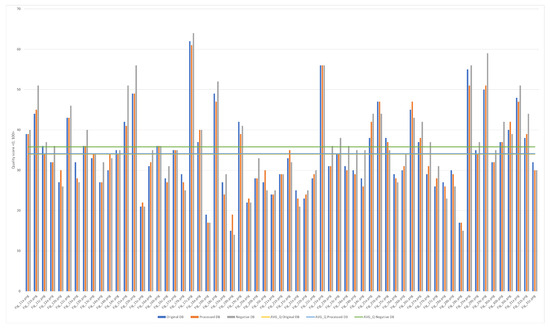
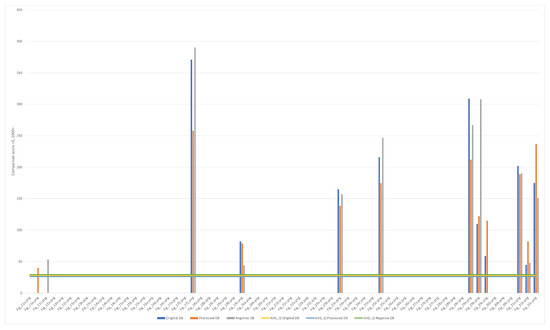
[...] Read more.
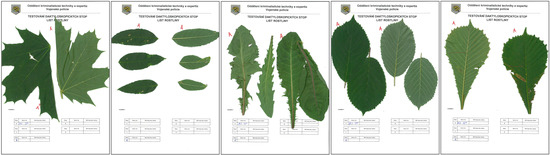
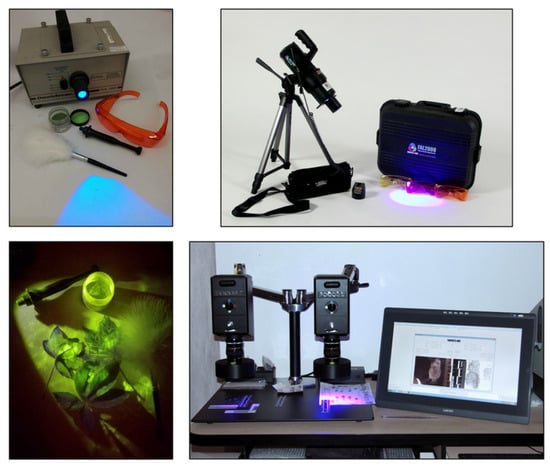
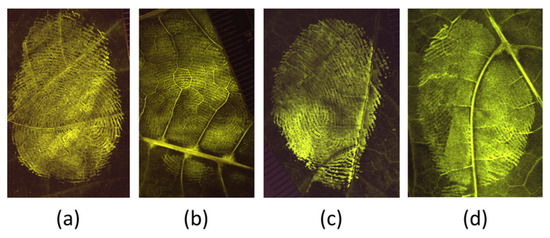
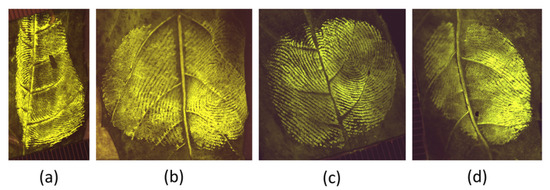
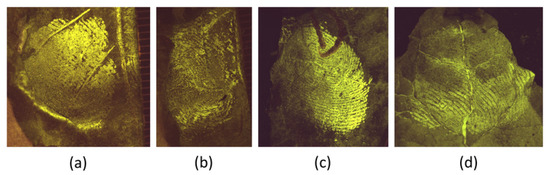
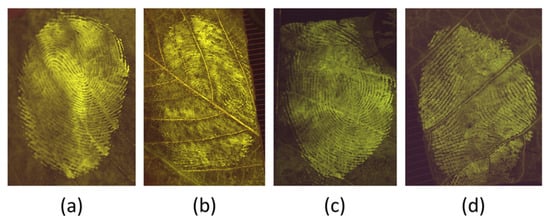
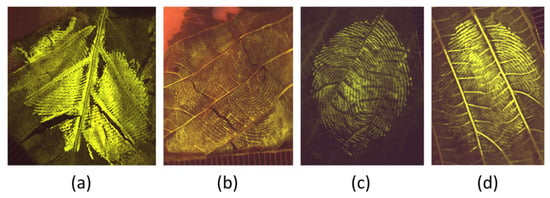
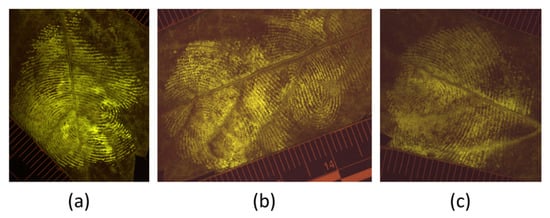
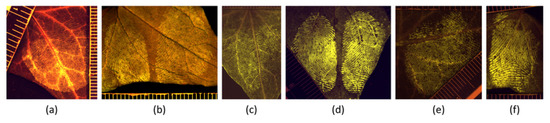
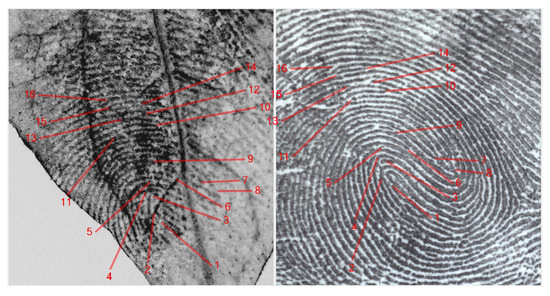
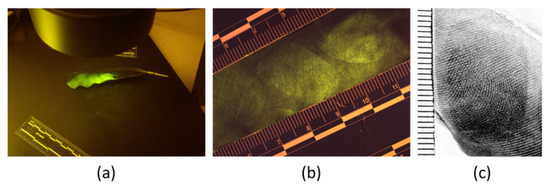
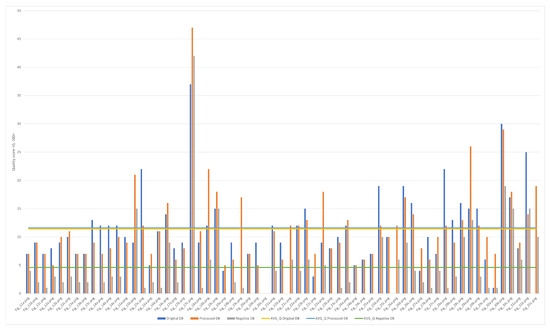
Background/Objectives: Latent fingerprints are routinely recovered from conventional porous and non-porous substrates; however, biologically active surfaces such as plant leaves are generally regarded as unsuitable for dactyloscopic evidence. Because vegetation is frequently present at crime scenes, this study aimed to systematically evaluate whether plant leaves can retain usable friction ridge detail and to determine the durability and forensic value of such traces under laboratory and outdoor conditions. Methods: Latent fingerprints were deposited on leaves of multiple plant species (maple, ash, dandelion, bird cherry, chestnut, climbing ivy, and five-leaved ivy) under dry and hydrated conditions and at defined time intervals after deposition. Visualization was performed using several powders, with SupraNano Fluorescent Green magnetic powder providing the best performance. Developed impressions were photographed using controlled illumination and evaluated using automated quality assessment (NFIQ 2.0) and comparison software (Innovatrics IDkit 9.1.7.1004). Additional experiments examined living, growing leaves exposed to natural weather conditions for extended periods. Results: Usable ridge detail was successfully visualized on all tested species. Bottom leaf surfaces and hydrated samples generally provided better preservation and contrast. Identifiable traces persisted for up to 20 h on detached leaves and for up to 35 days on living leaves despite growth-related deformation. Under outdoor exposure, fingerprints on ivy remained visible and comparable for up to 60 days. Although overall automated quality scores were reduced by background venation, selected impressions achieved measurable comparison scores and successful matches. Conclusions: Plant leaves can serve as unconventional yet viable carriers of latent fingerprints. Magnetic fluorescent powder development combined with careful documentation enables recovery of forensically useful ridge detail even after prolonged environmental exposure. These findings expand the range of substrates that should be considered during crime scene processing and provide practical guidance for evidence collection on vegetation.
Full article

Figure 1

Open AccessArticle
Demographic Characteristics of Minor Victims of Sexual Offenses in Romania—A Retrospective Study
by
Ștefania Andrei, Daria Hemeș, Adelina Dubaș, Alina Frunză, Daniela Gabriela Andrei, Cosmina Chivu, Anna Florescu, Matei Dragodan, Albert Merfu, Bogdan Pădure and Sorin Hostiuc
Forensic Sci. 2026, 6(2), 54; https://doi.org/10.3390/forensicsci6020054 - 17 Jun 2026
Abstract
►▼
Show Figures
Background/Objectives: Child sexual abuse (CSA) is a serious public health and forensic issue, associated with significant psychological, psychiatric, and social consequences. However, data from forensic psychiatric evaluations regarding victims of this type of abuse are limited, especially in Romania. This study primarily aimed
[...] Read more.
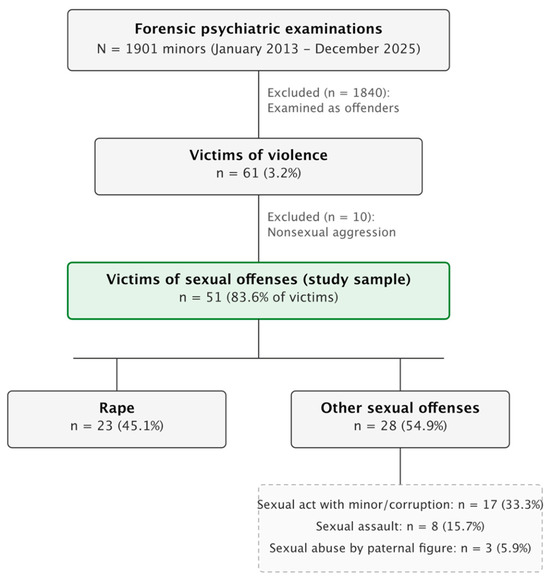
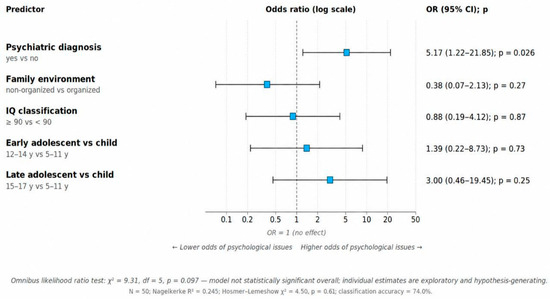
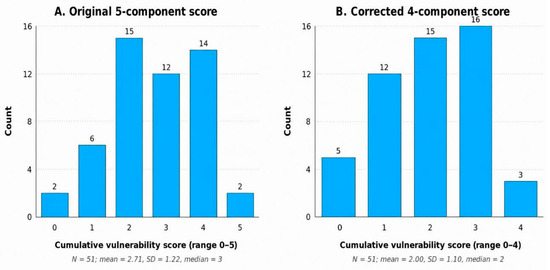
Background/Objectives: Child sexual abuse (CSA) is a serious public health and forensic issue, associated with significant psychological, psychiatric, and social consequences. However, data from forensic psychiatric evaluations regarding victims of this type of abuse are limited, especially in Romania. This study primarily aimed to profile the demographic, clinical, and psychosocial characteristics of minors who were victims of sexual offenses and underwent forensic psychiatric evaluation. Secondary objectives included examining relationships between demographic and clinical variables, describing patterns of victimization, and analyzing the co-occurrence of vulnerability factors. Methods: This study was retrospective, descriptive, and analytical, including 51 minors (under 18 years of age) examined at the Mina Minovici National Institute of Legal Medicine (INML), between 2013 and 2025. Data extracted from forensic psychiatric reports included demographic variables, the type of offense, psychiatric diagnosis, psychological issues, intellectual functioning, family environment, and relationship with the aggressor. Statistical analyses included descriptive statistics, Pearson χ2 and Fisher’s exact tests, binary logistic regression, and nonparametric tests for cumulative vulnerability. Results: The sample was predominantly female (94.1%), with a mean age of 13.75 years. Rape was the most frequent offense (45.1%). Most victims originated from disorganized family environments or were institutionalized (70.6%), and 60% had below-normal intellectual functioning. A psychiatric diagnosis was present in 56.9% of cases, while 70.6% exhibited psychological issues. Within an exploratory logistic regression model that did not reach overall statistical significance (omnibus likelihood ratio test χ2 = 9.31; p = 0.097), the presence of a psychiatric diagnosis showed the strongest individual association with psychological issues (OR = 5.17; 95% CI, 1.22–21.85; p = 0.026). Cases in which the aggressor was not related to the family environment were the most frequent (60.8%), followed by cases involving family members (23.5%). Most subjects displayed multiple co-occurring vulnerability factors. When the cumulative vulnerability score was recalculated to exclude psychological issues (to avoid construction-induced circularity), higher vulnerability remained significantly associated with extrafamilial victimization (Kruskal–Wallis H = 6.93; p = 0.031), but was no longer associated with psychological issues themselves (Mann–Whitney U = 298.0; p = 0.56), indicating that the originally observed association was an artefact of the score’s construction. Conclusions: Minors who are victims of sexual abuse often face multiple overlapping vulnerabilities, including unstable family environments, cognitive impairments, and psychiatric conditions. These factors frequently coexist in victims evaluated in forensic psychiatric settings and are associated with psychological issues and complex victimization profiles. The findings emphasize the importance of comprehensive, multidisciplinary, and victim-centered methods in forensic psychiatric evaluations.
Full article

Figure 1
Open AccessCase Report
A Case of Animal Hoarding and Neglect in Bangkok, Thailand: Application of the TRACE Model in Veterinary Forensic Investigation
by
Athip Lorsirigool, Narong Kulnides, Natapol Pumipuntu, Pratch Sukumolanan and Benjamabhorn Pumhirunroj
Forensic Sci. 2026, 6(2), 53; https://doi.org/10.3390/forensicsci6020053 - 15 Jun 2026
Abstract
Background and Clinical Significance: Animal hoarding is a recognized form of animal cruelty characterized by the accumulation of animals under conditions of inadequate care, leading to compromised welfare and an increased risk of disease transmission. Veterinarians are often the first to identify such
[...] Read more.
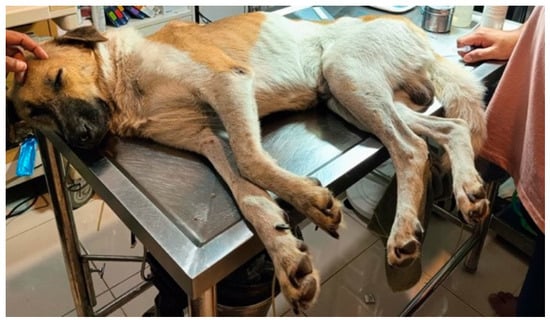
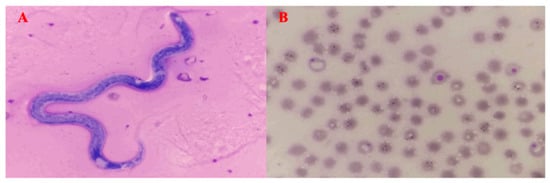
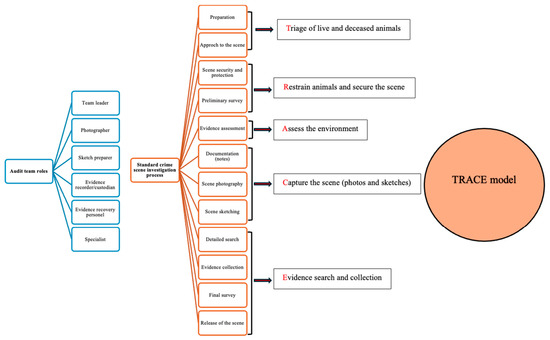
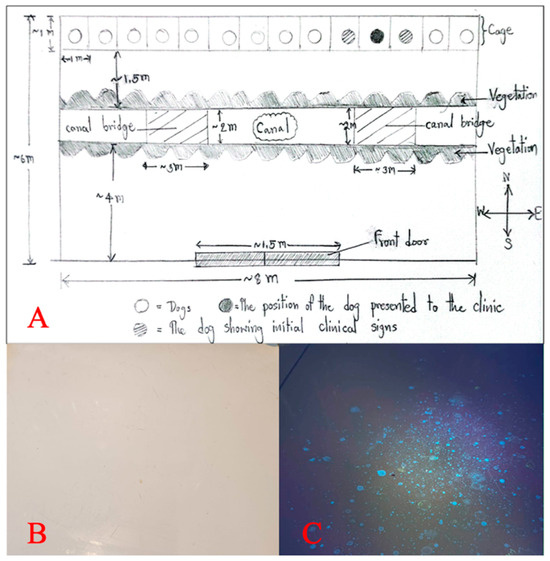
Background and Clinical Significance: Animal hoarding is a recognized form of animal cruelty characterized by the accumulation of animals under conditions of inadequate care, leading to compromised welfare and an increased risk of disease transmission. Veterinarians are often the first to identify such cases through clinical presentation. This case report describes a forensic investigation of a dog associated with animal hoarding and environmental neglect in Bangkok, Thailand. Case Presentation: A 7-year-old male mixed-breed dog was presented with seizures, emaciation, dehydration, and ectoparasite infestation. Hematological findings revealed leukopenia and anemia, and diagnostic testing confirmed infection with canine distemper virus (CDV) and Dirofilaria immitis. Despite supportive treatment, the dog died within 48 h. A subsequent site inspection, conducted using the TRACE model and based on crime scene investigation principles, identified 13 dogs housed in overcrowded and unsanitary conditions. Environmental assessment revealed poor sanitation, waste accumulation, and fluorescent stains of unknown origin detected under ultraviolet light (365 nm) in the cage areas. Among the animals, infections with CDV (23.08%), Dirofilaria immitis (53.85%), and Ehrlichia canis (61.54%) were identified, indicating a high burden of infectious and vector-borne diseases. Conclusions: This case demonstrates the value of integrating clinical veterinary findings with forensic investigation in the assessment of animal neglect. The combined use of clinical, laboratory, and environmental evidence strengthens documentation and supports potential legal action. Enhanced veterinary forensic training and standardized protocols are recommended to improve early detection and intervention in animal cruelty cases.
Full article
(This article belongs to the Special Issue Forensic Veterinary Medicine: Advances in Animal Forensics, Wildlife Crime and Legal Investigations)
►▼
Show Figures

Figure 1
Open AccessArticle
Postmortem Central Blood Drug Concentrations in Routine Forensic Toxicology: Evidence from Real-World Casework and Interpretive Implications
by
Pietro Zuccarello, Giulia Carnazza, Massimiliano Esposito, Grazia Giulia Pantè, Martina Francaviglia, Francesco Sessa and Nunziata Barbera
Forensic Sci. 2026, 6(2), 52; https://doi.org/10.3390/forensicsci6020052 - 4 Jun 2026
Abstract
►▼
Show Figures
Background: Postmortem redistribution (PMR) is a major challenge in forensic toxicology, particularly when drug concentrations are measured in central blood rather than peripheral blood. Although peripheral blood remains the preferred specimen for postmortem interpretation, it is not always available in routine forensic practice.
[...] Read more.
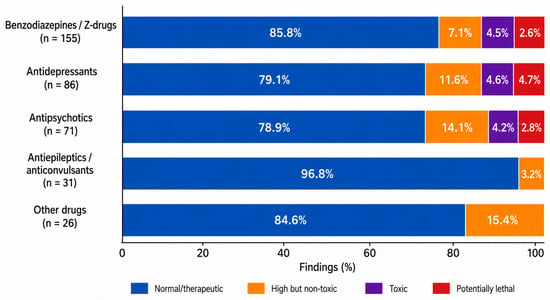
Background: Postmortem redistribution (PMR) is a major challenge in forensic toxicology, particularly when drug concentrations are measured in central blood rather than peripheral blood. Although peripheral blood remains the preferred specimen for postmortem interpretation, it is not always available in routine forensic practice. Methods: This retrospective descriptive study evaluated postmortem central blood drug findings from judicial autopsies analyzed at the Forensic Toxicology Laboratory of the University of Catania between 2017 and 2024. Approximately, 700 forensic toxicological investigations were reviewed. Overall, 52 therapeutic drugs were identified, resulting in a final dataset of 313 individual drug findings. For each finding, central blood concentrations were compared with published reference ranges and cautiously classified as normal/therapeutic, high but non-toxic, toxic, or potentially lethal. Results: Most findings were classified as normal/therapeutic (84.3%), while 28 (8.9%) were high but non-toxic, 15 (4.8%) toxic, and 6 (1.9%) potentially lethal. The distribution remained broadly consistent in sensitivity analyses restricted to drugs represented by more than 3, 5, or 8 findings. In cases with toxic or potentially lethal findings and available paired peripheral blood data, observed C/P ratios were moderate, ranging from 1.07 to 2.15. Conclusions: These findings do not indicate that central blood can replace peripheral blood or that PMR can be disregarded. However, they suggest that central blood drug concentrations are not intrinsically uninterpretable and may retain practical forensic value when interpreted cautiously within the broader medico-legal context. Central blood results should not be used in isolation to diagnose poisoning, estimate the ingested dose, or reconstruct exact ante mortem concentrations.
Full article

Figure 1

Open AccessReview
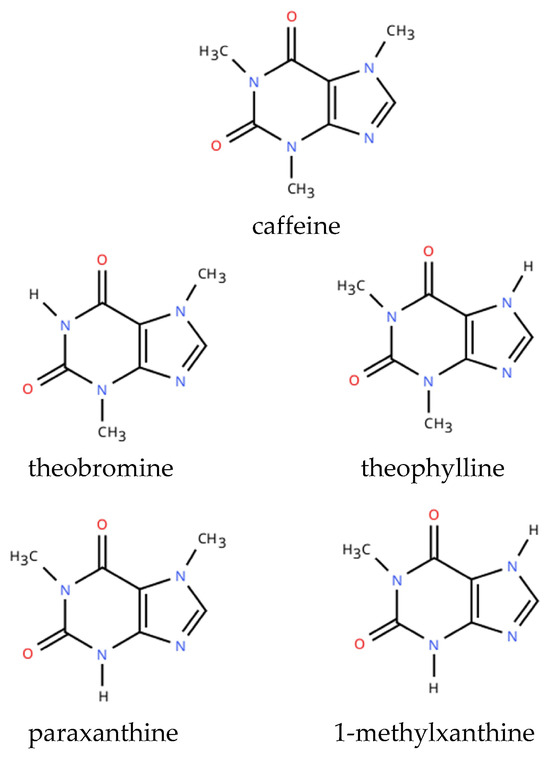
Caffeine in Forensic Toxicology: A Comprehensive Review of Sources, Pharmacokinetics, Analytical Methods, and Medico-Legal Implications
by
Everaldo Attard, Ilaria Ammendolia, Fabrizio Calapai and Gioacchino Calapai
Forensic Sci. 2026, 6(2), 51; https://doi.org/10.3390/forensicsci6020051 - 1 Jun 2026
Abstract
Caffeine is the world’s most widely consumed psychoactive compound, yet it presents a growing challenge in forensic toxicology due to the proliferation of highly concentrated energy drinks, dietary supplements, and pure anhydrous powders. This review provides a comprehensive evaluation of the diverse sources
[...] Read more.
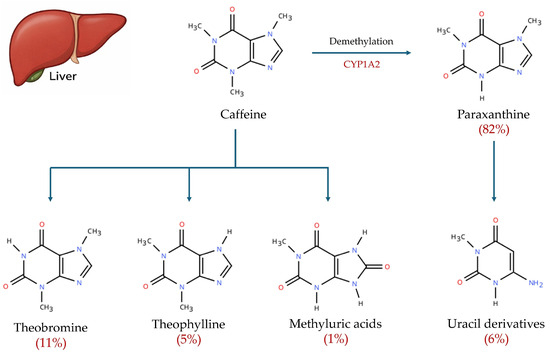
Caffeine is the world’s most widely consumed psychoactive compound, yet it presents a growing challenge in forensic toxicology due to the proliferation of highly concentrated energy drinks, dietary supplements, and pure anhydrous powders. This review provides a comprehensive evaluation of the diverse sources of caffeine, complex pharmacokinetics, and critical medico-legal implications. While moderate consumption is socially accepted, fatal intoxications are increasingly reported. The toxic effects of caffeine primarily manifest through a number of mechanisms which range from mild effects to sudden cardiac death. Forensic interpretation is inherently complex due to significant inter-individual variability. Analytical determination relies on advanced techniques, with LC-MS/MS serving as the preferred platform for its high sensitivity and ability to quantify primary metabolites like paraxanthine. A critical challenge in postmortem cases is postmortem redistribution, where central blood levels may be artifactually elevated compared to peripheral sites, necessitating more complex matrix analysis. To standardize the evaluation of the role of caffeine in causing death, a proposed Toxicological Significance Score (TSS) framework is discussed to enhance the transparency and defensibility of expert testimony. Ultimately, accurately determining the manner of death requires a nuanced, case-by-case assessment that integrates toxicological findings with circumstantial evidence and individual medical histories.
Full article
(This article belongs to the Special Issue Feature Papers in Forensic Sciences)
►▼
Show Figures

Figure 1
Open AccessArticle
Conformalized Deep Regression for Age Estimation from Panoramic Radiographs: An Uncertainty-Aware Approach
by
Witsarut Upalananda, Sawrawit Chairat, Sangsom Prapayasatok, Sakarat Nalampang and Sitthichok Chaichulee
Forensic Sci. 2026, 6(2), 50; https://doi.org/10.3390/forensicsci6020050 - 1 Jun 2026
Abstract
►▼
Show Figures
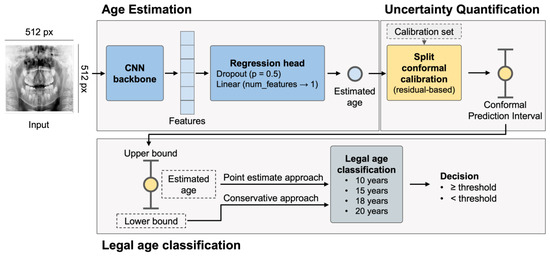
Background/Objectives: Accurate age estimation is a critical task in forensic and legal contexts, where reliable and objective assessment is essential for age-dependent decision-making. This study aims to explore the application of convolutional neural network-based regression models for age estimation from panoramic radiographs, incorporating
[...] Read more.
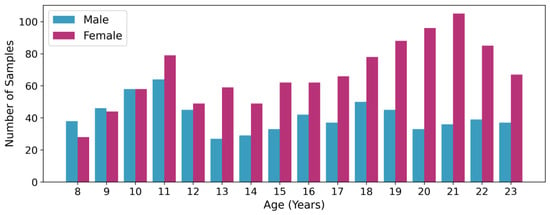
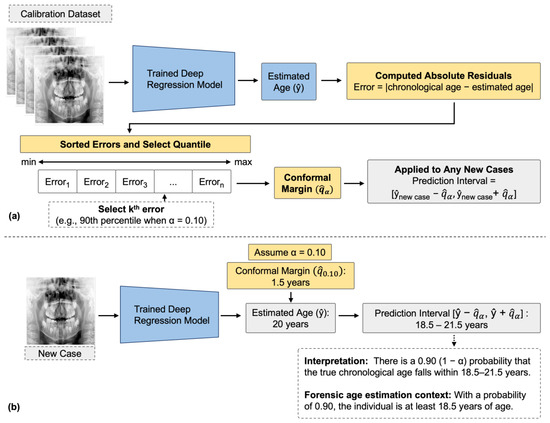
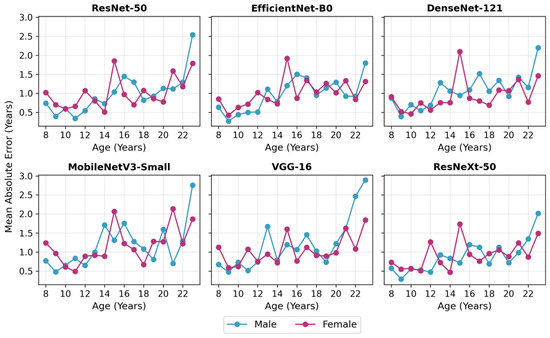
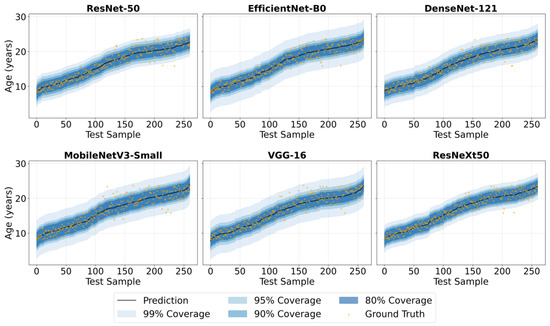
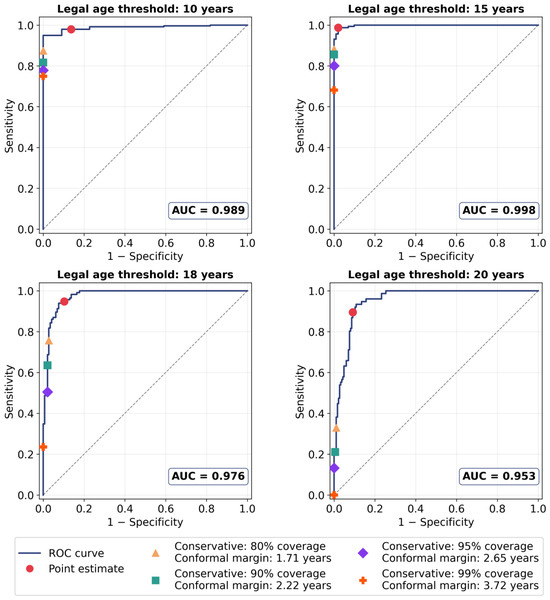
Background/Objectives: Accurate age estimation is a critical task in forensic and legal contexts, where reliable and objective assessment is essential for age-dependent decision-making. This study aims to explore the application of convolutional neural network-based regression models for age estimation from panoramic radiographs, incorporating conformal prediction to generate prediction intervals representing uncertainty. The estimated ages were also evaluated for their application in legal age classification at thresholds of 10, 15, 18, and 20 years. Methods: A total of 1734 panoramic radiographs of individuals aged 8 to 23 years were used in this study. We employed six models, including ResNet-50, EfficientNet-B0, DenseNet-121, MobileNetV3-Small, VGG-16, and ResNeXt-50, to perform regression and provide point estimates of chronological age. Conformal prediction using a split conformal framework with absolute residual scores was implemented to construct statistically valid prediction intervals with finite-sample coverage guarantees. Results: The results revealed that ResNeXt-50 achieved the lowest mean absolute error for point estimates (0.92 years) and produced among the narrowest conformal margins, ranging from 1.71 to 3.72 years across non-coverage probabilities from 0.20 to 0.01. In legal age classification, the ResNeXt-50 model achieved its highest classification accuracy using point estimates, whereas the application of the conformal lower bound improved specificity and positive predictive value. This shift facilitates conservative decision-making, aligning with the forensic minimum-age principle. Conclusions: The proposed framework offers a practical solution for automated age estimation by quantifying uncertainty through prediction intervals, allowing for more informed assessments aligned with forensic protocols for legal age determination.
Full article

Figure 1
Open AccessArticle
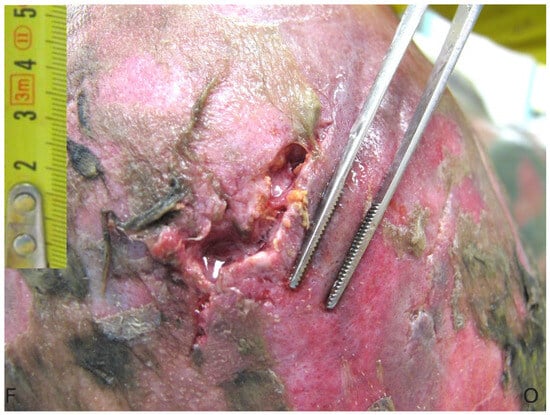
Forensic Sexual Dimorphism from the First Cervical Vertebra (C1) in the Omani Population: A 2-Dimensional Geometric Morphometric Approach
by
Raghad Al-Mojahed, Nazik Ahmed, Rawan Al-Busaidi, Adham Al-Rahbi, Ali Abduwani, Eiman Al-Ajmi, Choy Ker Woon, Mohamed Al Mushaiqri and Srinivasa Rao Sirasanagandla
Forensic Sci. 2026, 6(2), 49; https://doi.org/10.3390/forensicsci6020049 - 1 Jun 2026
Abstract
►▼
Show Figures
Background: Accurate sex estimation from skeletal remains is essential in forensic identification, yet population-specific reference data for cervical vertebrae, particularly the first cervical vertebra (C1), are limited. This lack of data compromises the accuracy of sex estimation in forensic contexts where primary skeletal
[...] Read more.
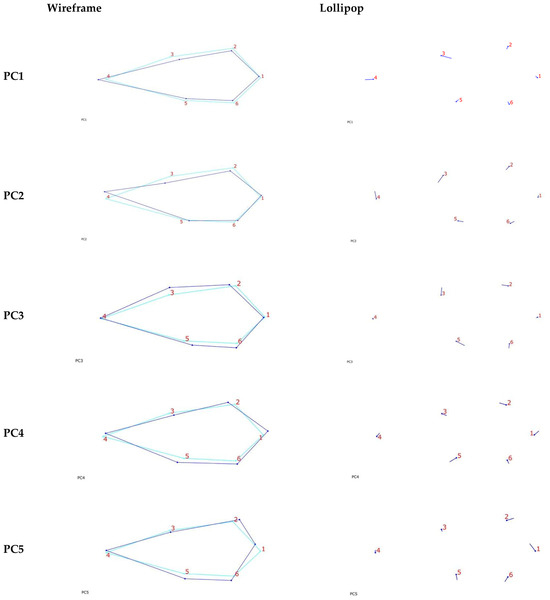
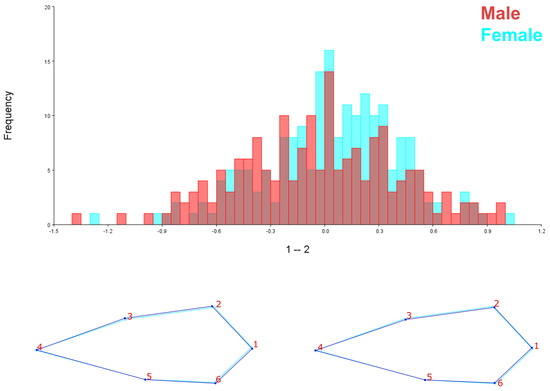
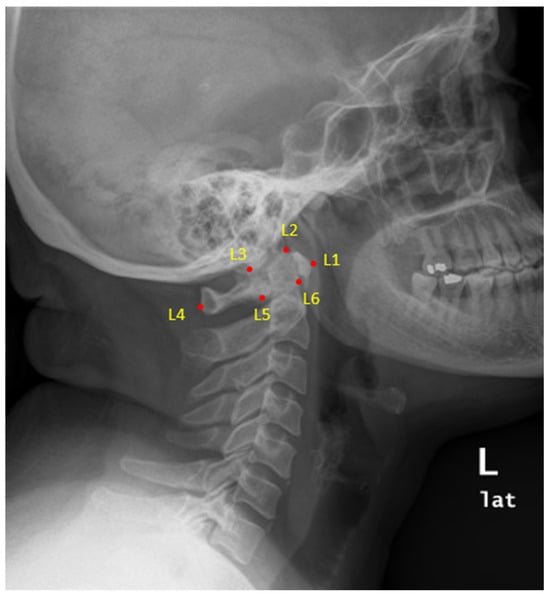
Background: Accurate sex estimation from skeletal remains is essential in forensic identification, yet population-specific reference data for cervical vertebrae, particularly the first cervical vertebra (C1), are limited. This lack of data compromises the accuracy of sex estimation in forensic contexts where primary skeletal elements such as skull and pelvis are unavailable. Geometric morphometric (GM) analysis offers a robust alternative by quantifying shape variation independent of size, enabling precise assessment of morphological differences that conventional linear measurements may overlook. Objective: This study aimed to investigate the utility of C1 vertebra morphology for sex estimation among Omani adults using two-dimensional geometric morphometrics. Methods: A total of 320 lateral cervical radiographs (160 males, 160 females) were retrospectively collected from Sultan Qaboos University Hospital. Six anatomical landmarks on the atlas were digitized using TPSDig2, and shape analyses were performed using MorphoJ software. Statistical methods included Principal Component Analysis (PCA), Procrustes ANOVA, Canonical Variate Analysis (CVA), and Discriminant Function Analysis (DFA). Intra- and inter-observer reliability was also assessed. Results: While centroid size did not significantly differ between sexes (p = 0.2432), shape analysis revealed statistically significant sexual dimorphism (p = 0.0457). DFA correctly classified 77.19% of individuals by sex, with a cross-validated accuracy of 73.44%. Shape variation was most pronounced in the posterior tubercle and superior facets of the atlas. Conclusions: Two-dimensional geometric morphometric analysis of the first cervical vertebra (C1) reliably captures sexual dimorphism in the Omani population, providing a population-specific reference that enhances the accuracy and objectivity of forensic sex estimation.
Full article

Figure 1
Open AccessSystematic Review
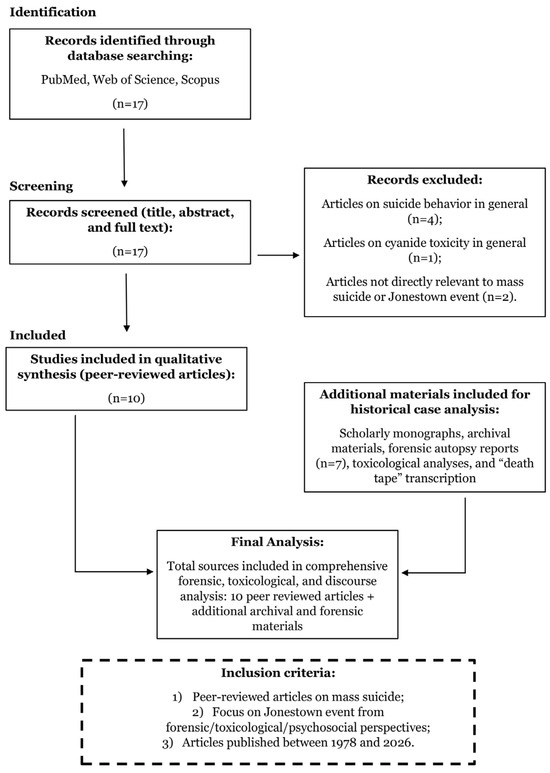
Lethal Devotion in the Tropics: A Systematic Review of Forensic and Criminological Insights into the Jonestown Event
by
Francesco Orsini, Stefano Ferracuti, Chiara Fabrello, Karidia Karaboue, Luigi Cipolloni and Stefania De Simone
Forensic Sci. 2026, 6(2), 48; https://doi.org/10.3390/forensicsci6020048 - 1 Jun 2026
Abstract
Background/Objectives: Mass suicide events represent complex socio-cultural phenomena requiring multidisciplinary investigation. The 1978 Jonestown event (>900 deaths) remains the most extensively documented modern case. Methods: We conducted a systematic literature review adhering to PRISMA guidelines, searching PubMed, Web of Science, and Scopus
[...] Read more.
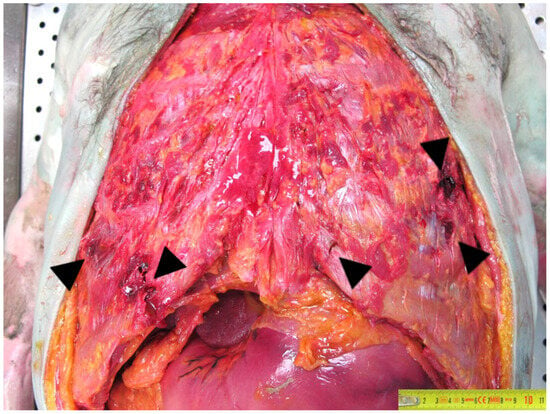
Background/Objectives: Mass suicide events represent complex socio-cultural phenomena requiring multidisciplinary investigation. The 1978 Jonestown event (>900 deaths) remains the most extensively documented modern case. Methods: We conducted a systematic literature review adhering to PRISMA guidelines, searching PubMed, Web of Science, and Scopus databases for peer-reviewed articles published between 1978 and 2026 using the query: ((mass) AND (suicide)) OR (suicide) AND (jonestown). Following screening, 10 papers were selected for inclusion. We integrated these findings with forensic autopsy reports (n = 7), toxicological analyses, discourse analysis of the 45 min audio recording preceding the mass deaths, field investigation data, scholarly monographs, reputable popular science publications, and archival materials from contemporary sources to examine the forensic and criminological aspects of the event. Results: Toxicological analysis detected cyanide in 2/7 autopsied bodies; multiple sedatives (promethazine, chlorpromazine, diphenhydramine, pentobarbital) in gastric tissue indicated recent ingestion. Two gunshot fatalities presented additional complexity. Manner of death was classified as undetermined due to ambiguous circumstances regarding volition versus coercion. Discourse analysis revealed the community’s response was actively debated and constructed through persuasive communication: Reverend Jones strategically framing the situation as hopeless while preserving the appearance of individual agency. Psychosocial analysis identified characteristic patterns: charismatic authoritarian leadership, progressive isolation, apocalyptic ideology, and deindividualization processes. Conclusions: The Jonestown event exemplifies the intersection of forensic pathology challenges in mass casualty investigations and complex group dynamics culminating in collective death. Analysis demonstrates group members actively participated in leadership–followership dynamics, constructing narrative fit between identity and action through discourse. Findings emphasize the importance of immediate toxicological sampling, preservation of forensic evidence, recognition of warning signs in high-control groups, and understanding how narratives of hopelessness and foreclosure of options can be exploited for extremist mobilization.
Full article
(This article belongs to the Special Issue Feature Papers in Forensic Sciences)
►▼
Show Figures

Figure 1
Open AccessArticle
Preliminary Construction and Validation of the Stalking Assessment Questionnaire (SAQ) in a Sample of Male University Students
by
Silvia Polver, Andrea Bobbio and Alessandro Angrilli
Forensic Sci. 2026, 6(2), 47; https://doi.org/10.3390/forensicsci6020047 - 27 May 2026
Abstract
Background: Stalking is a well-established and studied crime in the forensic field. Nevertheless, research on the psychological aspects of stalking behaviors remains limited due to the lack of specific assessment tools. This two-phase research project aims to propose and validate a new instrument—the
[...] Read more.
Background: Stalking is a well-established and studied crime in the forensic field. Nevertheless, research on the psychological aspects of stalking behaviors remains limited due to the lack of specific assessment tools. This two-phase research project aims to propose and validate a new instrument—the Stalking Assessment Questionnaire (SAQ)—to identify the possible latent psychological dimensions characterizing early stalking tendencies. Methods: During the first phase of questionnaire development, a thematic focus group comprising five psychologists generated 55 items. These items underwent preliminary screening with a sample of 85 students to assess clarity and redundancy; this process addressed semantic issues and resulted in a revised 48-item version. In the second validation phase (Study 1), the 48-item SAQ was administered to a sample of 349 male students whose demographic profiles matched those typically associated with potential stalkers; following this, 15 items were retained. In Study 2, the 15-item SAQ was cross-validated on an independent sample of 380 male students. To assess its validity, correlations were analyzed with a battery of personality inventories, including the LSRP, ECR-R, AQ, PESES, SRSS, RelRQ, ASI-S, and BIDR-6. Results: Following item and factor analyses, a model comprising two latent factors—Insistence (SAQ-INS) and Exaggerated Jealousy (SAQ-EXJ)—and 15 indicators emerged. Internal consistency was robust, with a Cronbach’s alpha of 0.87. In Study 2, as hypothesized, SAQ-EXJ correlated positively with anger and hostility (AQ) and with antisocial and impulsive traits (LSRP-F2), although these associations were modest (r = 0.30). Among the significant Pearson’s correlations, three were found to be substantial (r > 0.50): specifically, those between the SAQ and anxious attachment style (ECR-Ranx), relational rumination (RelRQ), and sexism (ASI-S). Conclusions: In conclusion, the final SAQ structure revealed two primary factors—Insistence and Exaggerated Jealousy—that account for stalking as a continuous construct. These factors demonstrated significant associations with several critical personality traits. The final questionnaire comprises 24 items, including nine fillers; consequently, it is efficient to administer and suitable for both research and psycho-educational interventions among adolescents and other potentially vulnerable populations.
Full article
Highly Accessed Articles
Latest Books
E-Mail Alert
News
Topics
Topic in
Geosciences, Heritage, Remote Sensing, Sensors, Forensic Sciences
Ground Penetrating Radar (GPR) Techniques and Applications, 2nd Edition
Topic Editors: Pier Matteo Barone, Alastair Ruffell, Vincenzo SapiaDeadline: 30 November 2026
Conferences
Special Issues
Special Issue in
Forensic Sciences
New Interdisciplinary Frontiers in Forensic Sciences: Innovations, Ethical Principles and Collaborative Approaches
Guest Editors: Lina De Paola, Enrico Marinelli, Gabriele NapoletanoDeadline: 24 August 2026
Special Issue in
Forensic Sciences
New Aspects of Forensic Investigation and Autopsy
Guest Editor: Sara SabloneDeadline: 28 October 2026
Special Issue in
Forensic Sciences
Forensic Anthropology and Human Biological Variation: 2nd Edition
Guest Editor: Radoslav BeňušDeadline: 30 December 2026
Special Issue in
Forensic Sciences
Challenges and Future Trends of Forensic Toxicology
Guest Editor: Pietro ZuccarelloDeadline: 30 December 2026