

Journal Description
Epidemiologia
Epidemiologia
is an international, peer-reviewed, open access journal on epidemiologic research published bimonthly online by MDPI. The Italian Society of Environmental Medicine (SIMA) is affiliated with Epidemiologia, and its members receive discounts on article processing charges.
- Open Access— free for readers, with article processing charges (APC) paid by authors or their institutions.
- High Visibility: indexed within ESCI (Web of Science), Scopus, PMC, PubMed, FSTA, and other databases.
- Rapid Publication: manuscripts are peer-reviewed and a first decision is provided to authors approximately 21.9 days after submission; acceptance to publication is undertaken in 6.7 days (median values for papers published in this journal in the second half of 2025).
- Journal Rank: JCR - Q2 (Public, Environmental and Occupational Health) / CiteScore - Q2 (Medicine (miscellaneous))
- Recognition of Reviewers: APC discount vouchers, optional signed peer review, and reviewer names published annually in the journal.
- Epidemiologia is a companion journal of JCM.
Impact Factor:
2.2 (2024);
5-Year Impact Factor:
1.9 (2024)
Latest Articles
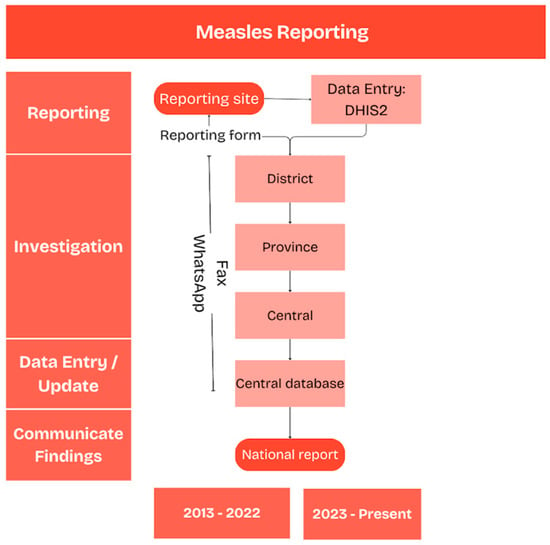
How Is Lebanon’s Progress Towards Measles Elimination? Review of Surveillance Performance Indicators, 2013–2024
Epidemiologia 2026, 7(3), 69; https://doi.org/10.3390/epidemiologia7030069 (registering DOI) - 14 May 2026
Abstract
Background: Lebanon adopted the World Health Organization (WHO)’s regional strategic plan (2012–2020) to achieve measles elimination. We aimed to analyze WHO measles surveillance performance indicators to identify areas for improvement. Methods: We reviewed suspected measles and rubella cases notified to the national epidemiological
[...] Read more.
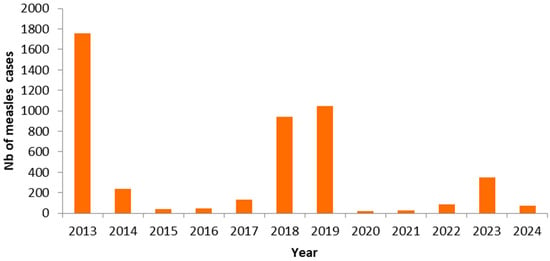
Background: Lebanon adopted the World Health Organization (WHO)’s regional strategic plan (2012–2020) to achieve measles elimination. We aimed to analyze WHO measles surveillance performance indicators to identify areas for improvement. Methods: We reviewed suspected measles and rubella cases notified to the national epidemiological surveillance program between January 2013 and December 2024. A suspected case was defined as any patient with a febrile maculopapular rash or considered clinically compatible by physicians. We assessed notification rates of discarded non-measles/rubella suspected cases, timeliness of investigations within 48 h, completeness of case investigations (demographic and vaccination data), and proportion of cases tested for measles/rubella. Mean proportions and standard deviations were calculated across years and provinces. Results: A total of 6581 suspected cases were reported, predominantly from hospitals (66%). Outbreaks occurred in 2013 (n = 1760), 2018–2019 (n = 1984) and 2023–2024 (n = 346). Outside outbreak years, the notification rate ranged between 0.7 and 1.8 per 100,000 population. Timely investigation was achieved in 72% (±30%) of cases, while adequate investigation reached 52% (±19%). Laboratory testing was performed in 62% (±16%) of cases. Conclusions: Surveillance in Lebanon showed suboptimal sensitivity, a high proportion of hospitalized cases, and variability in completeness of epidemiological and laboratory investigations. Strengthening outpatient reporting and continuous training of healthcare professionals are essential to improve surveillance performance.
Full article
(This article belongs to the Topic Surveillance Systems and Predictive Analytics for Epidemics)
►
Show Figures
Open AccessArticle
Sociodemographic Determinants of Knowledge and Risk Perception Regarding Community Fluoridation: A Cross-Sectional Study in Iași, Romania
by
Catalina Iulia Saveanu, Hociung Roxana, Bogdan Ioan Condrea, Daniela Anistoroaei, Alexandra Ecaterina Saveanu, Maria Sophia Saveanu and Loredana Golovcencu
Epidemiologia 2026, 7(3), 68; https://doi.org/10.3390/epidemiologia7030068 (registering DOI) - 12 May 2026
Abstract
Background and Objectives: Community fluoridation is an effective public health measure for dental caries prevention; however, knowledge and risk perception vary. This study assessed knowledge, attitudes, and sociodemographic determinants related to community fluoridation. Materials and Methods: A cross-sectional study was conducted in May–June
[...] Read more.
Background and Objectives: Community fluoridation is an effective public health measure for dental caries prevention; however, knowledge and risk perception vary. This study assessed knowledge, attitudes, and sociodemographic determinants related to community fluoridation. Materials and Methods: A cross-sectional study was conducted in May–June 2023 among 200 adults from Iași, Romania, using a self-administered questionnaire. Chi-square tests were applied. Results: Most respondents were familiar with fluoride (94%) and its protective role (91%), but fewer knew fluoridation methods (34%) or dental fluorosis (53%). Educational level was associated with awareness of water fluoridation (χ2 = 32.219, p < 0.001), and gender with safety perceptions (χ2 = 6.031, p = 0.049). Perceived toxicity was strongly associated with fluoridation safety attitudes (χ2 = 29.116, p < 0.001). Conclusions: Although general awareness is high, understanding remains limited. Sociodemographic factors influence knowledge and risk perception, highlighting the need for targeted communication.
Full article
Open AccessArticle
Beyond the Needle: Knowledge of Blood-Borne Infection Transmission and Prevention Among Dental Students—A Cross-Sectional Study
by
Saveanu Catalina-Iulia, Dumitriu Diana, Condrea Bogdan Ioan, Saveanu Alexandra Ecaterina, Anistoroaei Daniela, Toma Vasilica and Fatu Ana-Maria
Epidemiologia 2026, 7(3), 67; https://doi.org/10.3390/epidemiologia7030067 (registering DOI) - 12 May 2026
Abstract
Background/Objectives: Aim: Dental practice involves continuous exposure to saliva and blood, creating persistent opportunities for cross-infection if contaminated instruments are not processed correctly. This study aimed to evaluate dental students’ knowledge regarding blood-borne infections and infection prevention measures, and to compare knowledge levels
[...] Read more.
Background/Objectives: Aim: Dental practice involves continuous exposure to saliva and blood, creating persistent opportunities for cross-infection if contaminated instruments are not processed correctly. This study aimed to evaluate dental students’ knowledge regarding blood-borne infections and infection prevention measures, and to compare knowledge levels according to academic year and sex. Materials and Methods: A structured questionnaire consisting of 21 single-best-answer questions was administered to 93 undergraduate dental students (Years I–VI) from the Faculty of Dental Medicine, “Gr. T. Popa” University of Medicine and Pharmacy, Iași, Romania. The questionnaire evaluated knowledge related to instrument classification, cleaning and disinfection procedures, sterilization parameters, autoclave monitoring tests, and storage conditions. Demographic data were also collected. Statistical analysis was performed using IBM SPSS Statistics version 31, and associations between responses and demographic variables were assessed using chi-square tests. Associations between responses and demographic variables (academic year and sex) were evaluated using chi-square tests (p < 0.05). Results: Most participants correctly identified several key steps in the instrument processing circuit, including the use of high-level disinfectant–detergent solutions (88.2%) and the need for disinfection followed by sterilization (76.3%). However, important knowledge gaps were identified regarding autoclave pre-use checks, correct sterilization temperatures and exposure times, recommended sterile storage periods, and the interpretation of sterilization monitoring tools such as type 5 chemical integrators, Bowie–Dick tests, and Helix tests. Knowledge levels differed significantly according to academic year (p < 0.05). Conclusions: Although overall awareness of instrument processing procedures among dental students was generally satisfactory, several inconsistencies were observed in critical technical aspects of sterilization and monitoring. These findings highlight the need for strengthened infection control education and repeated practical training to reduce the risk of cross-infection in dental practice.
Full article
(This article belongs to the Topic Healthcare-Associated Infections and Antimicrobial Therapy)
Open AccessArticle
Incidence of Human Visceral Leishmaniasis and Social Vulnerability in an Endemic Area of Northeastern Brazil: A Time Series Analysis
by
Karen Brayner Andrade Pimentel, Romário de Sousa Oliveira, Laércio Viana Oliveira, Carine Fortes Aragão and Valéria Cristina Soares Pinheiro
Epidemiologia 2026, 7(3), 66; https://doi.org/10.3390/epidemiologia7030066 - 7 May 2026
Abstract
►▼
Show Figures
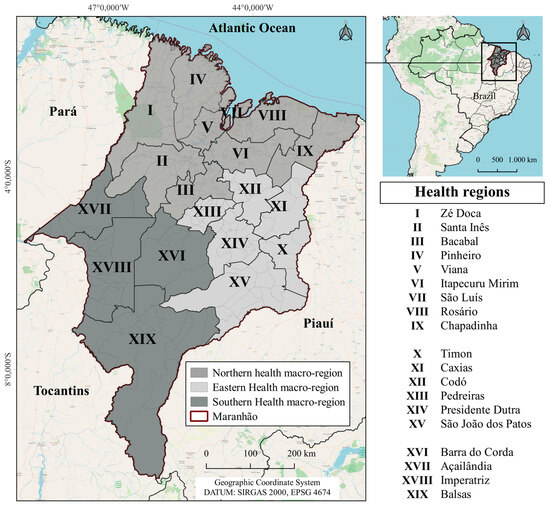
Background: Human visceral leishmaniasis remains a serious public health problem in Brazil, especially in the Northeast, where transmission persists in various vulnerable settings. Objective: This study aimed to assess temporal trends in the incidence of human visceral leishmaniasis in Maranhão, northeastern Brazil, with
[...] Read more.
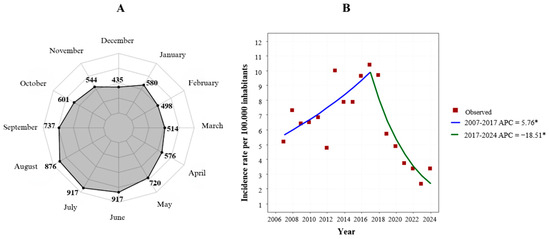
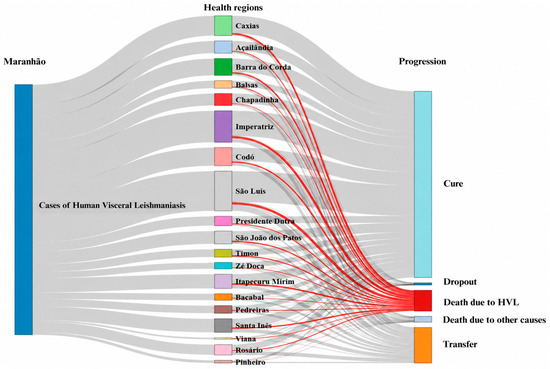
Background: Human visceral leishmaniasis remains a serious public health problem in Brazil, especially in the Northeast, where transmission persists in various vulnerable settings. Objective: This study aimed to assess temporal trends in the incidence of human visceral leishmaniasis in Maranhão, northeastern Brazil, with emphasis on social vulnerability and regional heterogeneity. Methods: We conducted an ecological, population-based study using confirmed cases of human visceral leishmaniasis reported in Maranhão from 2007 to 2024. Case data were obtained from the Brazilian Notifiable Diseases Information System, and population denominators were derived from national census counts and annual population estimates. Temporal trends in incidence rates were analyzed using joinpoint regression models, stratified by sex, age group, Social Vulnerability Index, and Health Regions. Results: A total of 7830 new cases of human visceral leishmaniasis were reported during the study period. Incidence showed a significant upward trend from 2007 to 2017, followed by a marked decline from 2018 to 2024. A heterogeneous pattern was observed in the average incidence rate of human visceral leishmaniasis across municipalities’ vulnerability categories, as measured by each subindex of the Social Vulnerability Index. Substantial regional heterogeneity was identified, with marked reductions in incidence in the Health Regions of Caxias, Timon, Barra do Corda, and Codó, whereas Santa Inês and Viana showed increasing trends. Conclusions: Despite the decline in incidence, human visceral leishmaniasis remains unevenly distributed throughout Maranhão. These findings underscore the need for geographically targeted interventions and the expansion of public health strategies aimed at preventing and controlling the disease.
Full article

Figure 1
Open AccessArticle
Life Expectancy of Persons with Disability in Italy: Estimation Based on an Administrative Cohort from 1999 to 2012
by
Aldo Rosano, Alessandro Solipaca, Luisa Frova, Gabriella Sebastiani, Paola Di Filippo, Stefano Marchetti and Lucilla Scarnicchia
Epidemiologia 2026, 7(3), 65; https://doi.org/10.3390/epidemiologia7030065 - 7 May 2026
Abstract
►▼
Show Figures
Background: Estimates of life expectancy of people with disabilities are scarce and tend to focus on individuals with specific diseases. The health conditions of people with disabilities are often very poor, which is reflected in their significantly lower life expectancy compared to the
[...] Read more.
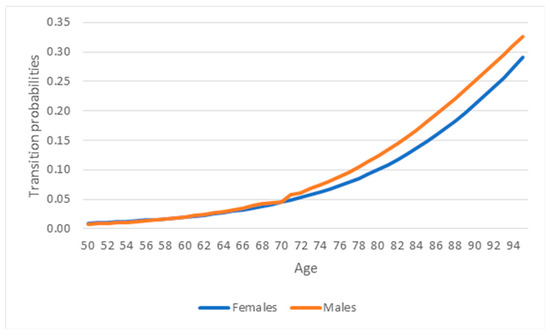
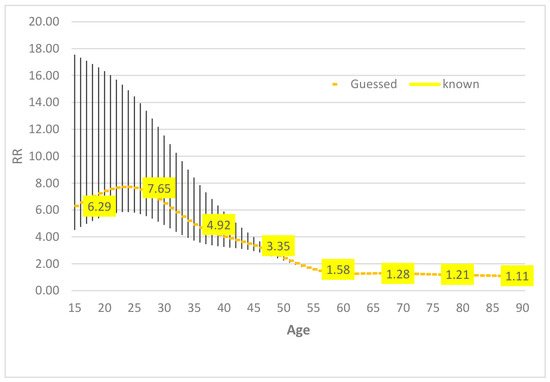
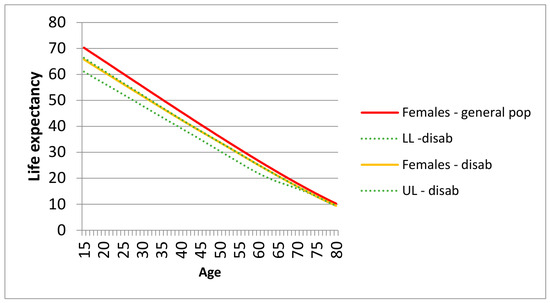
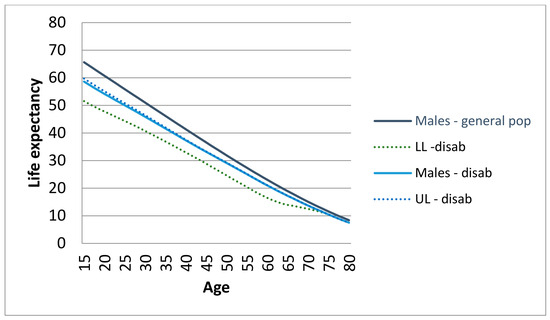
Background: Estimates of life expectancy of people with disabilities are scarce and tend to focus on individuals with specific diseases. The health conditions of people with disabilities are often very poor, which is reflected in their significantly lower life expectancy compared to the rest of the population. Objectives: This study aims to estimate the life expectancy of people with severe disabilities in Italy. Methods: Data from the 1999–2000 Health Interview Survey, linked to the register of causes of death up to 2012, were utilized for the purpose of this study. Survival was analyzed using a Weibull regression model. Hazard ratios for subjects with and without disabilities were employed to estimate the mortality risk among subjects with disabilities compared to all surveyed subjects. These ratios were then employed to construct a life table for people with disabilities by multiplying the death probabilities of the general population by the ratio. Results: The life expectancy at 15 years for people with disabilities was found to be 59.1 years for males and 66.2 years for females. The life expectancy (LE) gap between people with disabilities and the general population at 15 years was 6.6 years for men and 4.1 years for women. Conclusions: These findings provide reliable and robust information on the life expectancy gap between people with and without disabilities and can be used as a reference point when evaluating policies aimed at people with disabilities.
Full article

Figure 1
Open AccessReview
Evidence Synthesis via Indirect Treatment Comparisons in the European Framework of Joint Clinical Assessment
by
Alberto de la Cuadra-Grande, María Arruñada, Alejandro García-Solís, Ana Rossignoli-Montero and Miguel Ángel Casado
Epidemiologia 2026, 7(3), 64; https://doi.org/10.3390/epidemiologia7030064 - 5 May 2026
Abstract
►▼
Show Figures
The application of the Health Technology Assessment Regulation (HTAR) gives way to joint European work, such as the Joint Clinical Assessment (JCA). This requires the definition of a PICO (Population–Intervention–Comparator–Outcome) question representative of all the member states of the European Union. The key
[...] Read more.
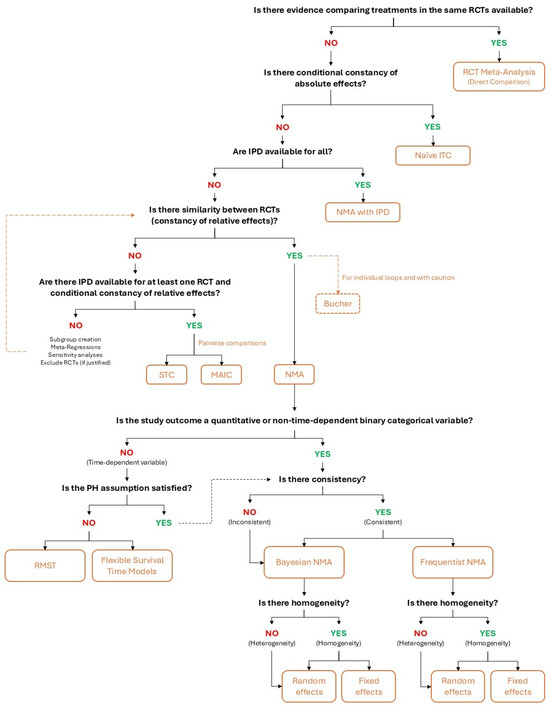
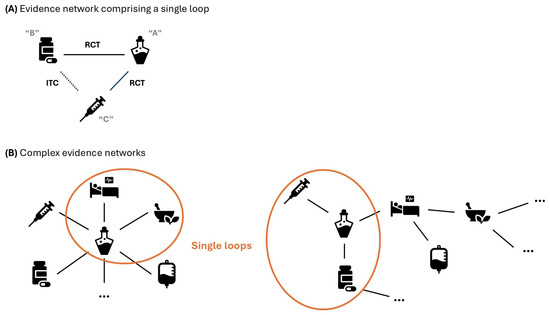
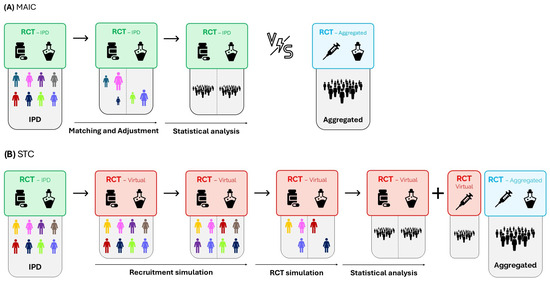
The application of the Health Technology Assessment Regulation (HTAR) gives way to joint European work, such as the Joint Clinical Assessment (JCA). This requires the definition of a PICO (Population–Intervention–Comparator–Outcome) question representative of all the member states of the European Union. The key to answering the PICO will be the synthesis of evidence through direct comparisons when there are randomized clinical trials (RCTs) including the same comparators, and via indirect treatment comparisons (ITCs) when comparators differ across RCTs. The aim of this report is to provide a synthesized and clear methodological framework to guide those stakeholders involved in JCAs when interpreting the results of ITCs, including descriptions on: (1) assumptions associated with ITCs; (2) how to select the method for ITC; (3) strengths and limitations associated with the methods; and (4) basics for understanding the method for ITC. This methodological framework could help those health care institutions, patient associations, consumer organizations, health-related nongovernmental organizations, health technology developers, and healthcare professionals involved in JCAs to better understand ITCs and incorporate this evidence into decision-making.
Full article

Figure 1
Open AccessArticle
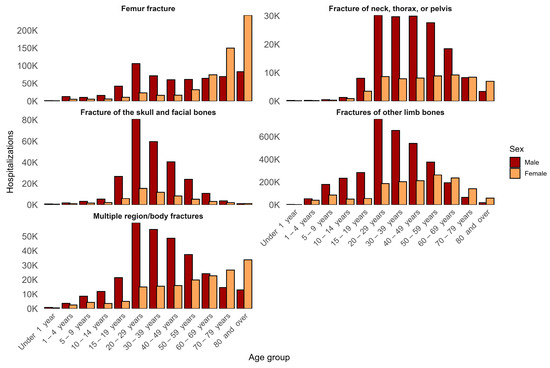
Trends in Fracture-Related Hospitalizations and Mortality in Brazil, 2015–2024
by
Palloma Porto Almeida and Danielle Cabral Bonfim
Epidemiologia 2026, 7(3), 63; https://doi.org/10.3390/epidemiologia7030063 - 4 May 2026
Abstract
►▼
Show Figures
Background/Objectives: Bone fractures represent a growing public health concern worldwide, yet national epidemiological assessments remain limited in Brazil. Understanding temporal trends, demographic disparities, and geographic heterogeneity is essential to guide prevention, resource allocation, and trauma-care planning. To characterize the epidemiological profile of bone-fracture-related
[...] Read more.
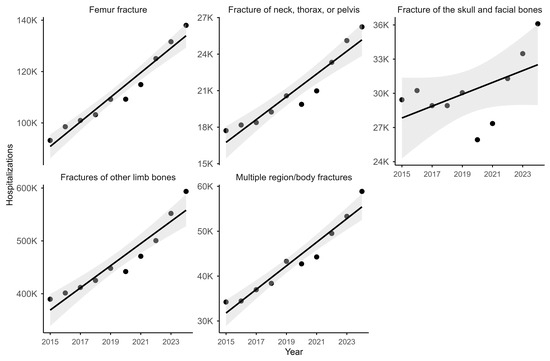
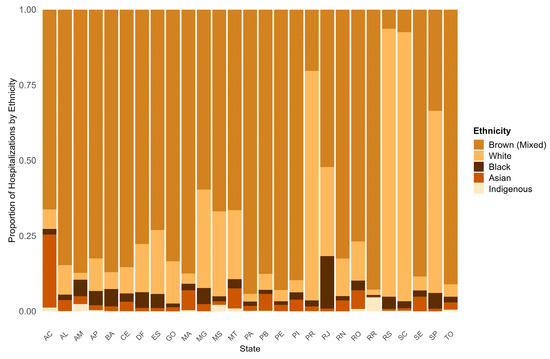
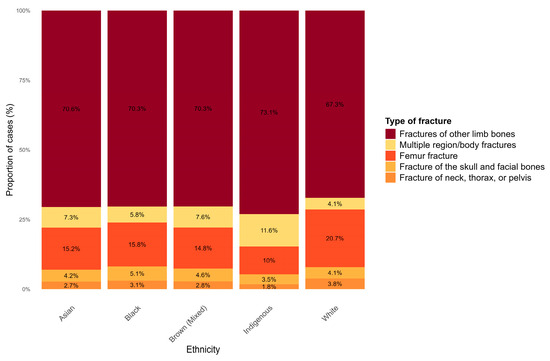
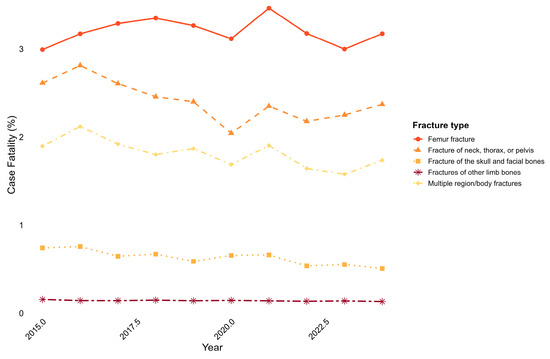
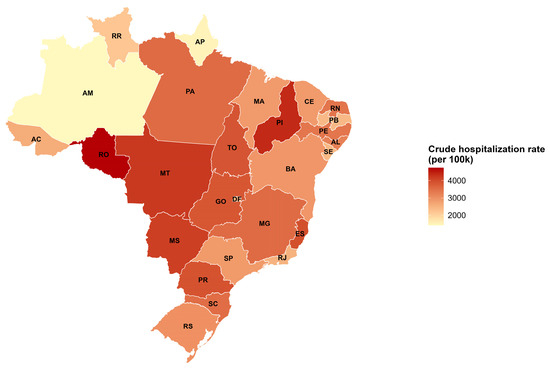
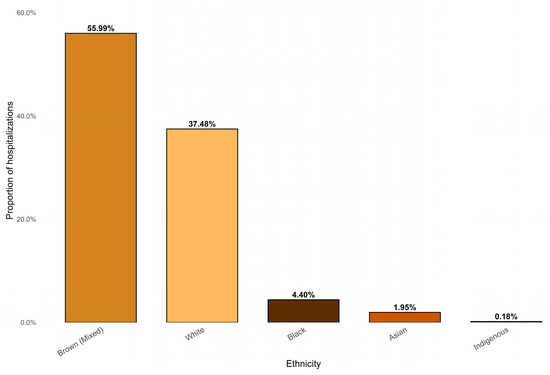
Background/Objectives: Bone fractures represent a growing public health concern worldwide, yet national epidemiological assessments remain limited in Brazil. Understanding temporal trends, demographic disparities, and geographic heterogeneity is essential to guide prevention, resource allocation, and trauma-care planning. To characterize the epidemiological profile of bone-fracture-related hospitalizations and mortality in Brazil between 2015 and 2024, analyzing trends by sex, age, fracture type, and geographic and ethnic distribution. Methods: An epidemiological, observational, descriptive, and population-based ecological study was conducted using Hospital Information System of the Unified Health System SIH/SUS and IBGE data. Hospitalization rates, case fatality rates (CFR), relative risks, odds ratios, and Years of Life Lost (YLL) were calculated. Temporal trends were evaluated using Annual Percent Change (APC). Results: Other limb fractures were the most frequent injuries, while femur fractures showed the highest lethality. Men had nearly twice the hospitalization rate of women, driven by high-energy trauma in adults aged 20–59 years, whereas women experienced a sharp increase in femur-fracture admissions at older ages. Skull, facial, and thorax/pelvis fractures contributed disproportionately to premature mortality. Marked geographic and ethnic disparities were observed, with higher burdens in the North/Northeast and predominance among Brown and Indigenous populations. Conclusions: Fracture-related hospitalizations in Brazil have increased consistently, with distinct epidemiological patterns across demographic and regional groups. These findings highlight the need for targeted prevention and improved trauma-care strategies.
Full article

Figure 1
Open AccessArticle
Continuous Increase in Both Waiting and Process Time in the Emergency Rooms of Abruzzo, Italy
by
Ippazio Cosimo Antonazzo, Camillo Odio, Giulia Chesini, Natalia Gregori, Sara Taormina, Enrico Zauli, Cecilia Acuti Martellucci, Maria Elena Flacco and Lamberto Manzoli
Epidemiologia 2026, 7(3), 62; https://doi.org/10.3390/epidemiologia7030062 - 4 May 2026
Abstract
►▼
Show Figures
Background/Objectives: A recent report by the Italian Ministry of Health showed that a high proportion of Emergency Department (ED) visits exceed the maximum recommended thresholds for both waiting time and overall length of stay. As no overall quantitative data are available on the
[...] Read more.
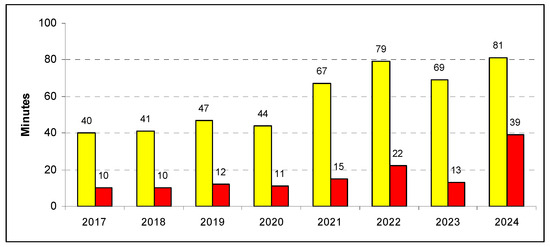
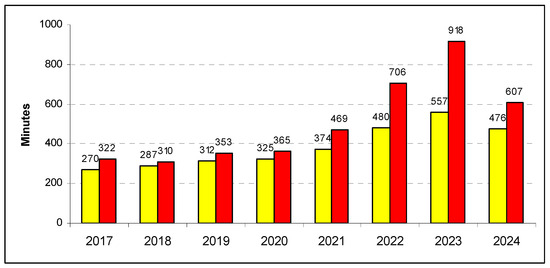
Background/Objectives: A recent report by the Italian Ministry of Health showed that a high proportion of Emergency Department (ED) visits exceed the maximum recommended thresholds for both waiting time and overall length of stay. As no overall quantitative data are available on the magnitude, temporal evolution, and underlying drivers of ED performance from Southern Italian regions, we analyzed ED data from the Abruzzo region during the years 2017–2024, and evaluated potential predictors of prolonged waiting and process time. Methods: Official, administrative data from all the regional EDs were collected, and information on personnel, location and organizational change was obtained through a dedicated survey. All analyses were stratified and/or adjusted by triage code, hospital, age and sex. Results: From 2017 to 2024, a total of 3,563,565 accesses were recorded in the 16 regional EDs. From 2021, waiting time for the first visit steadily and progressively increased, reaching an average of 78 min in 2024 (+56.0%), largely exceeding recommended thresholds. The most critical growth was observed for the most severe patients, as mean waiting time for yellow and red admissions peaked at 81 (+100%) and 39 (+290%) minutes (m) in 2024, respectively. The mean process time also substantially increased in post-pandemic years, especially for yellow (from 300 m to 476 m) and red codes (from 330 m to 607 m). The trend was similar for both genders, in all age-classes, and higher in larger hospitals. Multivariable analyses confirmed a significant increase in ED time over the years. Conclusions: These findings indicate critical organizational and clinical issues in the regional emergency care system, requiring immediate action. The Regional Healthcare System recently tried to reduce ED overcrowding with specific plans, the impact of which requires urgent evaluation.
Full article

Figure 1
Open AccessArticle
Seroprevalence of Toxoplasma gondii Infection in Veterinary Medicine Professionals and Students in Aguascalientes, Mexico
by
Isabel de Velasco-Reyes, Saúl Emmanuel Torres-García, José de Jesús Hernández-Rangel, Adriana Cruz-Bañares, Juan Luis Chávez-Chávez and Carlos Cruz-Vázquez
Epidemiologia 2026, 7(3), 61; https://doi.org/10.3390/epidemiologia7030061 - 4 May 2026
Abstract
Background/Objectives: Toxoplasmosis is a globally distributed parasitic zoonosis caused by Toxoplasma gondii (Apicomplexa, Sarcocystidae), an obligate intracellular protozoan with an indirect life cycle in which domestic cats and wild felids serve as definitive hosts, whereas humans and a broad range of domestic and
[...] Read more.
Background/Objectives: Toxoplasmosis is a globally distributed parasitic zoonosis caused by Toxoplasma gondii (Apicomplexa, Sarcocystidae), an obligate intracellular protozoan with an indirect life cycle in which domestic cats and wild felids serve as definitive hosts, whereas humans and a broad range of domestic and wild animals act as intermediate hosts. The objective of the study was to document the seroprevalence of anti-Toxoplasma gondii antibodies in professionals and students of Veterinary Medicine in Aguascalientes, Mexico. Methods: The study included 153 clinically healthy individuals from two population segments: Veterinarians (70) and Veterinary Medicine Students (83). Serum samples were analyzed using a commercial ELISA test to determine the presence of T. gondii-specific IgG. A questionnaire was applied to collect sociodemographic information and information about contact with cats. Results: The overall prevalence of anti-T. gondii antibodies in the study population was 7.8% (12/153; CI 95% 4.3–13.6). In the group of Veterinarians, the seroprevalence was 11.4% (8/70; CI 95% 5.4–21.8), while in the group of students it was 4.8% (4/83; CI 95% 1.5–12.5), with no differences observed between them (p = 0.22). Association was found with those who consume raw/undercooked meat (p = 0.002). Conclusions: In this cross-sectional sample of veterinary professionals and students in Aguascalientes, anti-T. gondii IgG seroprevalence was 7.8%, with no statistically significant difference between occupational groups. Consumption of raw or undercooked meat was the only exposure significantly associated with seropositivity.
Full article
Open AccessArticle
Predicting Ambulance Transport for Heat-Related Illness in Working Populations Under Climate Change and Evaluating Preventive Behaviors as Adaptation Policies in Japan
by
Shintaro Yurugi and Hiroshi Nishiura
Epidemiologia 2026, 7(3), 60; https://doi.org/10.3390/epidemiologia7030060 - 4 May 2026
Abstract
►▼
Show Figures
Background/Objectives: Since June 2025, Japan has mandated countermeasures to prevent outdoor laborers from developing heat-related illness at work. However, the extent to which preventive behaviors can reduce the actual heatstroke risk has not been quantified. The present study aimed to (i) project future
[...] Read more.
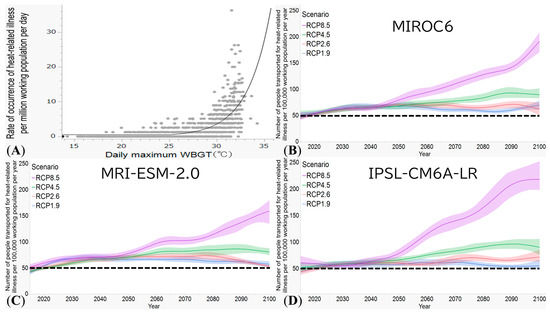
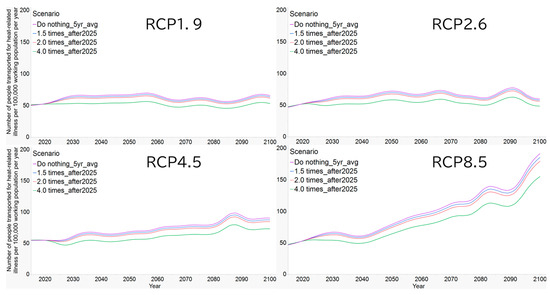
Background/Objectives: Since June 2025, Japan has mandated countermeasures to prevent outdoor laborers from developing heat-related illness at work. However, the extent to which preventive behaviors can reduce the actual heatstroke risk has not been quantified. The present study aimed to (i) project future trends in the daily number of heat-related ambulance transports in the working population under climate change, and (ii) evaluate the population-level preventive impact of workplace-adopted preventive behaviors using effect estimates from observational data. Methods: Using daily maximum wet-bulb globe temperature, a long-term future projection of heat-related ambulance transports was performed in the working population. A cross-sectional survey was carried out to infer the effect size of behavioral interventions. The effectiveness of taking preventive behaviors was evaluated by increasing the coverage rate of workers adhering to all four behaviors (current: 23%): (i) regular hydration, (ii) use of an air-cooling vest, (iii) checking their own health condition before work, and (iv) recognizing warning signs. Theoretical scenarios in which workplace instructions to workers or teams increased adherence by 50%, 100%, and 300% relative to baseline were considered, corresponding to coverage rates at 34%, 45%, and 91%, respectively, and we evaluated the associated reduction in heatstroke risk. Results: Many future years were projected to have higher annual levels of heat-related ambulance transports than the median value from 2018–2024, indicating a long-term increasing trend. Even when all four possible countermeasures were implemented at an additional 50%, 100% or 300% from the current rate, the expected relative risk reduction in transports was 3.2%, 6.3%, and 19.0%, respectively, indicating only a small effect on future projected heat-related illnesses. Conclusions: The number of heat-related ambulance transports is expected to increase; however, the relative risk reduction with behavioral intervention is likely limited. A fundamental overhaul of working regulations and environment (e.g., drastic shift in working hours to earlier morning) is required via adaptation policies, and mitigation of climate change is vital.
Full article

Figure 1
Open AccessReview
What Is Known About Persons with Intellectual Disabilities and Cardiovascular Risk Factors—A Scoping Review
by
Lisa Rein, Christine Tørris, Ana Carla Soares Portugal Schippert, Malin Holmström Rising, Astrid Torbjørnsen, Tina Rich Mogensen and Ann Kristin Bjørnnes
Epidemiologia 2026, 7(3), 59; https://doi.org/10.3390/epidemiologia7030059 - 25 Apr 2026
Abstract
►▼
Show Figures
Background/Objectives: Adults with intellectual disability are known to experience complex health needs, including an elevated presence of chronic conditions. Cardiovascular risk factors are a concern, yet the evidence base is fragmented, and the scope and focus of current research are not well understood.
[...] Read more.
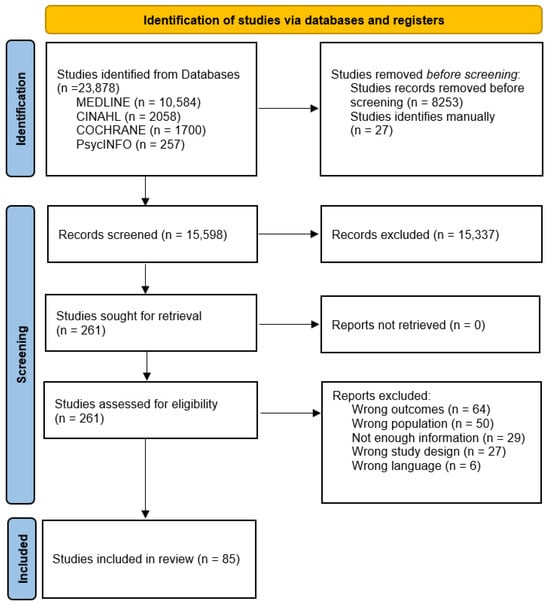
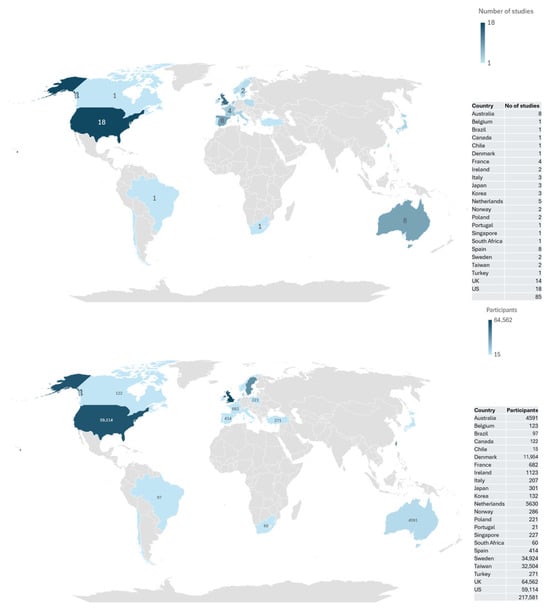
Background/Objectives: Adults with intellectual disability are known to experience complex health needs, including an elevated presence of chronic conditions. Cardiovascular risk factors are a concern, yet the evidence base is fragmented, and the scope and focus of current research are not well understood. Methods: We conducted a scoping review to map the existing evidence on cardiovascular risk factors among adults with intellectual disability. The review included studies reporting on risk factor prevalence as well as participant characteristics (ethnicity, living arrangements, age, sex, and type of disability). Cardiovascular-related outcomes were extracted to clarify the health disparities documented in this population. Results: Searches of seven databases for studies published from 2013 onward yielded 15,598records, of which 85 met the inclusion criteria. Evidence was dominated by cross-sectional studies, with a few randomized controlled trials. Hypertension, Type 2 diabetes and obesity were commonly reported. Patterns appeared to reflect lifestyle, medication effects, genetic syndromes—particularly Down syndrome and Prader–Willi syndrome—and the severity of the disability. A notable share of the studies originated from the United Kingdom and the United States. Findings reveal a complex cardiovascular risk profile, emphasizing the need for tailored prevention and management. Conclusions: Adults with intellectual disability face a substantial burden of cardiovascular risk factors. Evidence on effective interventions remains limited, highlighting a need for targeted, evidence-informed approaches to improve cardiovascular health and long-term outcomes.
Full article

Figure 1
Open AccessArticle
Modelling the Effects of Treatment Failure on the Minor Outbreak Duration for Carrier-Related Infectious Disease
by
Pichaya Voottipruex, Nichaphat Patanarapeelert and Klot Patanarapeelert
Epidemiologia 2026, 7(3), 58; https://doi.org/10.3390/epidemiologia7030058 - 22 Apr 2026
Abstract
►▼
Show Figures
Background: The complex interplay between treatment interventions and asymptomatic carriers and its effect on the epidemic duration of an infectious disease is not fully understood. Methods: Here, we used Galton-Watson branching process and generating function technique to estimate the density functions of minor
[...] Read more.
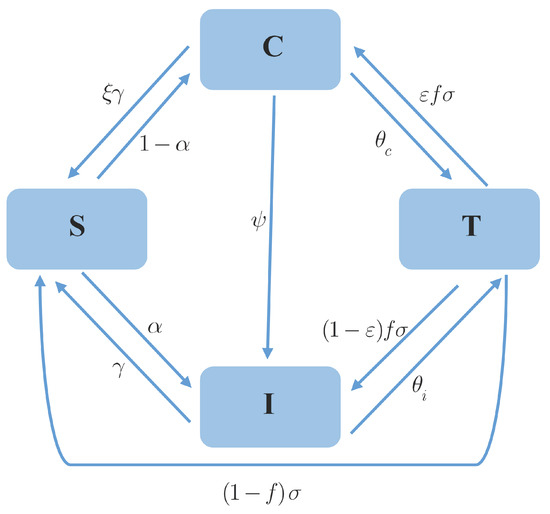
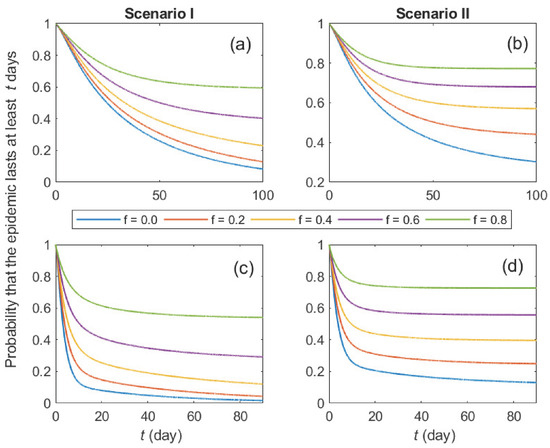
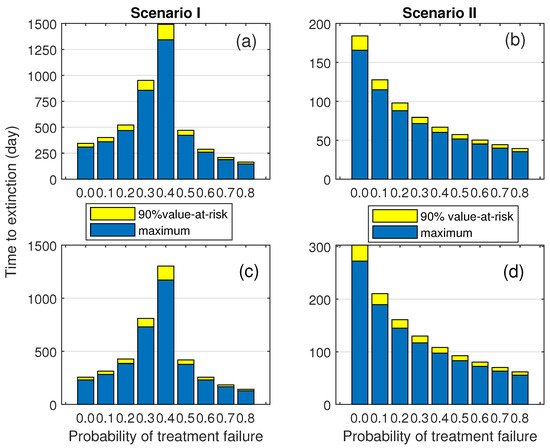
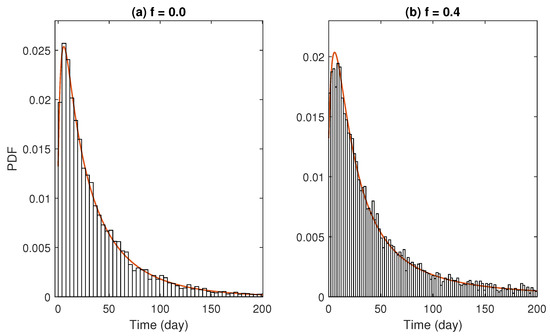
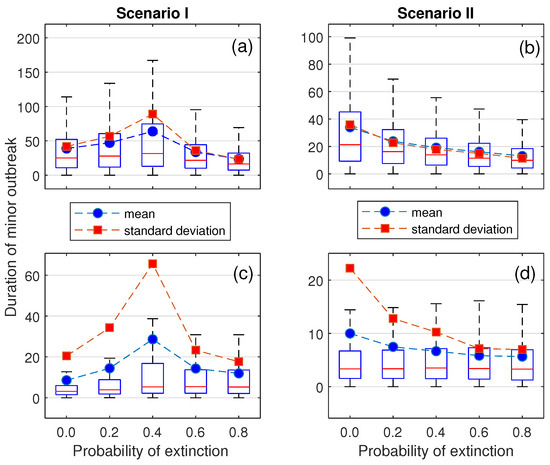
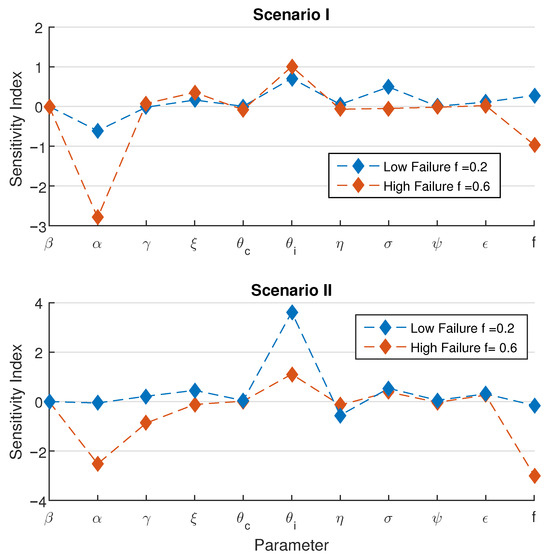
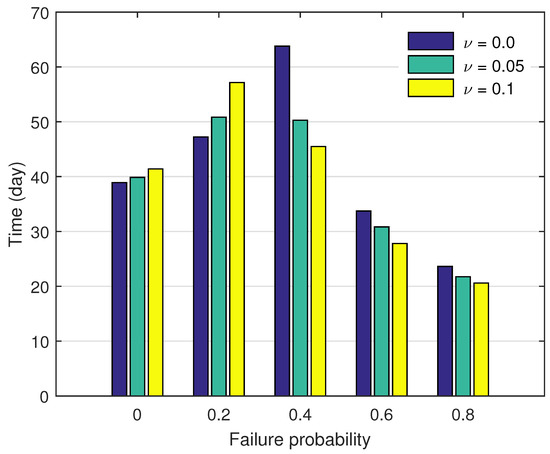
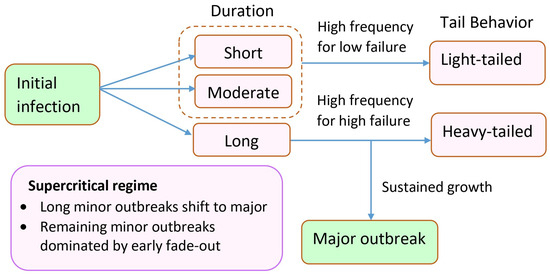
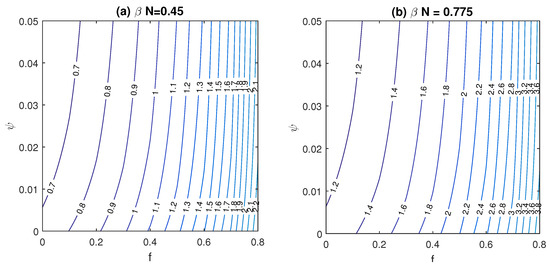
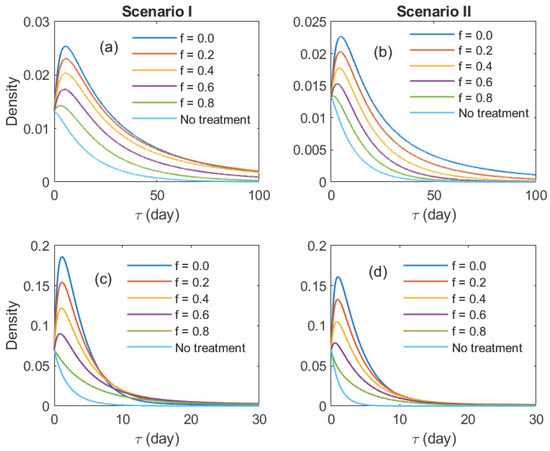
Background: The complex interplay between treatment interventions and asymptomatic carriers and its effect on the epidemic duration of an infectious disease is not fully understood. Methods: Here, we used Galton-Watson branching process and generating function technique to estimate the density functions of minor outbreak duration. Simulations were used to calculate the central tendency of outbreak duration and address how changing levels of treatment failure affect this estimated duration. Results:Streptococcus pyogenes infection was used as a case study. Given the existence of the threshold, the change in mean duration as the probability of treatment failure increases is shown to be similar to the pattern driven by the basic reproduction number. In a supercritical regime, the mean duration tends to decrease as the probability of treatment failure increases. The distribution changes in tail behavior, from heavy- to light-tailed, if a large fraction of long extinction times develops to a major outbreak. Conclusions: Treatment failure elevates the probability of secondary transmissions by prolonging the overall infectious period, resulting in an extended the outbreak duration. The threshold of treatment failure identifies the maximum tolerable error for medical intervention. An unusually long period implies a critical early warning signal of a potential major outbreak that was successfully contained.
Full article

Figure 1
Open AccessArticle
Post-Pandemic Resurgence and Seasonal Patterns of Influenza Viruses and Respiratory Syncytial Virus in Arequipa, Peru (2021–2023)
by
Claudia Chipana-Ramos, Ynes Monroy Talavera, Luis Zamudio-Rodriguez, Lucia Villanueva-Sardon, Alexis Germán Murillo Carrasco, Ruy D. Chacón and Yuma Ita-Balta
Epidemiologia 2026, 7(2), 57; https://doi.org/10.3390/epidemiologia7020057 - 21 Apr 2026
Abstract
Background/Objectives: The coronavirus disease 2019 (COVID-19) pandemic profoundly disrupted global respiratory virus circulation, with sharp declines during 2020–2021, followed by a resurgence after the relaxation of public health measures. In South America, post-pandemic respiratory virus dynamics remain insufficiently characterized, particularly in ecologically diverse
[...] Read more.
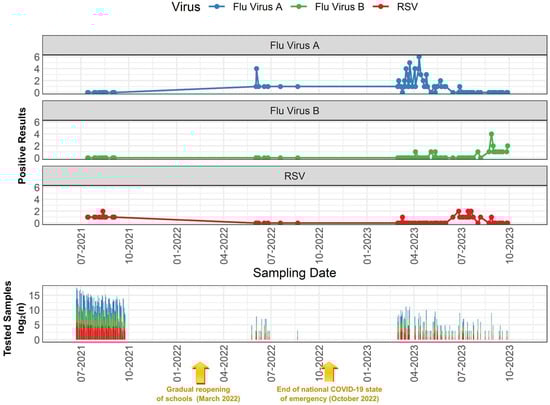
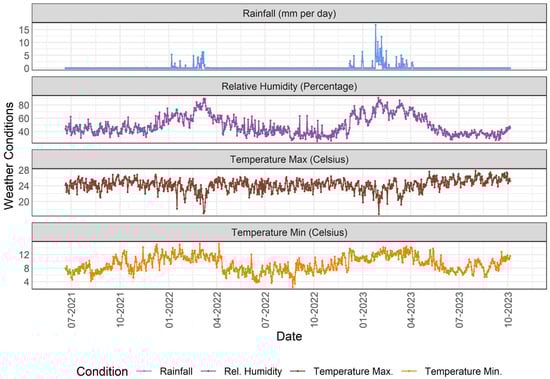
Background/Objectives: The coronavirus disease 2019 (COVID-19) pandemic profoundly disrupted global respiratory virus circulation, with sharp declines during 2020–2021, followed by a resurgence after the relaxation of public health measures. In South America, post-pandemic respiratory virus dynamics remain insufficiently characterized, particularly in ecologically diverse regions. Arequipa, a high-altitude city in southern Peru, has unique environmental conditions, including marked seasonal temperature variability, that may influence viral transmission. Methods: We performed a cross-sectional analysis of 21,784 nasopharyngeal swabs collected from symptomatic patients at four major hospitals between June 2021 and September 2023. All samples were tested for SARS-CoV-2 by RT-qPCR. Because routine screening for other respiratory viruses was implemented only in SARS-CoV-2-negative cases during the study period, a subset of SARS-CoV-2-negative samples was subsequently analyzed for influenza A virus (IAV), influenza B virus (IBV), and respiratory syncytial virus (RSV) using VIASURE assays. Viral circulation patterns were evaluated by year, month, and epidemiological week. Meteorological data were obtained from the SENAMHI–La Pampilla station. Logistic regression models were used to assess epidemiological and climatic predictors of viral detection. Results: SARS-CoV-2 positivity declined from 20.0% in 2021 to 8.8% in 2023. Conversely, detection of other respiratory viruses among SARS-CoV-2-negative samples increased from 0.8% in 2021 to 29.0% in 2023 (p < 0.01). Temporal increases in detection were observed during 2022–2023, particularly for IAV and RSV. In exploratory analyses, calendar year and relative humidity were associated with IAV and RSV detection, while age and temperature variables were associated with IBV. Conclusions: Climatic and demographic variables were associated with changes in viral detection for IAV, IBV, and RSV during the post-pandemic transition period in Arequipa. These findings describe patterns of viral detection within SARS-CoV-2-negative symptomatic patients and should be interpreted as surveillance-based observations rather than population-level estimates. Strengthened integrated epidemiological and genomic surveillance will be essential for vaccine planning and outbreak preparedness in the post-pandemic era.
Full article
(This article belongs to the Topic Surveillance Systems and Predictive Analytics for Epidemics)
►▼
Show Figures

Figure 1
Open AccessArticle
P5 Mental Health Platform: A Digital Solution to Monitor Anxiety and Depression Symptoms in the General Portuguese Population
by
Patrícia Soares-Coelho, Luís Jesus, Mafalda Machado-Sousa, Liliana Amorim, Sónia Ferreira, Maria Picó-Pérez and Pedro Morgado
Epidemiologia 2026, 7(2), 56; https://doi.org/10.3390/epidemiologia7020056 - 20 Apr 2026
Abstract
►▼
Show Figures
Background: The prevalence of mental disorders, particularly anxiety and depression, has been increasing and is becoming a major public health concern in Portugal. Digital mental health solutions offer scalable and accessible tools for monitoring and managing mental health. ‘P5 Mental Health’ has been
[...] Read more.
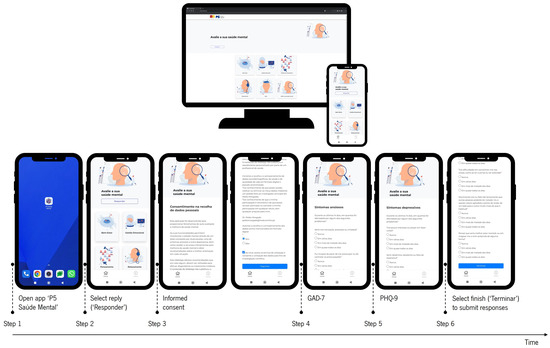
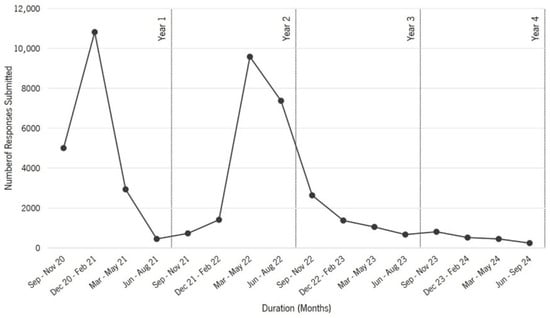
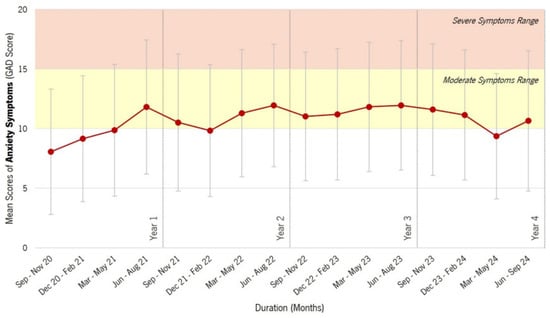
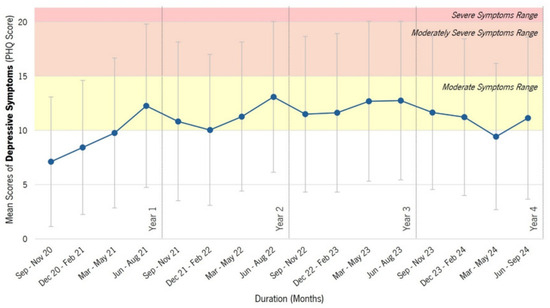
Background: The prevalence of mental disorders, particularly anxiety and depression, has been increasing and is becoming a major public health concern in Portugal. Digital mental health solutions offer scalable and accessible tools for monitoring and managing mental health. ‘P5 Mental Health’ has been created as a platform to assess and monitor symptoms of anxiety and depression in the Portuguese population, and to offer strategies to promote well-being to support users. Objective: This study aims to (1) describe the P5 Mental Health platform, (2) evaluate its feasibility as a digital mental health monitoring tool, and (3) analyze trends in the prevalence and severity of anxiety and depression symptoms over a four-year period, particularly in response to major societal stressors. Methods: Between September 2020 and September 2024, 46,032 responses were collected from platform users. Anxiety and depression symptoms were assessed using the Generalized Anxiety Disorder-7 (GAD-7) and Patient Health Questionnaire-9 (PHQ-9) scales. Longitudinal trends were analyzed across four time periods. Welch’s ANOVA and Games–Howell post hoc tests were conducted to compare symptom severity across time, and ordinal logistic regression was used to examine the impact of time on symptom progression. Results: Anxiety and depression symptoms increased between 2020 and 2022, stabilized thereafter, and showed a slight decline in 2024. The proportion of users reporting moderate to severe anxiety (GAD-7 ≥ 10) rose from 30.87% in September 2020 to 66.30% in June 2022. Similarly, the prevalence of moderate to severe depressive symptoms (PHQ-9 ≥ 10) rose from 3.62% in March 2021 to 51.54% in August 2021. Despite a small decrease in 2024, symptom levels remained significantly higher than baseline levels recorded at the beginning (p < 0.001). A strong positive correlation was found between anxiety and depression symptoms (r = 0.739, p < 0.001), underscoring their high comorbidity. Conclusions: This study demonstrates the feasibility of the P5 Mental Health platform as a real-time mental health monitoring tool, particularly during periods of heightened social and economic stress. The findings highlight the need for sustained digital mental health interventions beyond crisis periods to ensure long-term engagement; however, future improvements should focus on increasing user engagement and adding personalized features to ensure long-term mental health management.
Full article

Figure 1
Open AccessArticle
Evaluation of Performance Indicators for Malaria Control in Kinshasa from 2020 to 2023, the Democratic Republic of the Congo
by
Bienvenu Bampenga Lutumbu, Kennedy Makola Mbanzulu, Germain Kieng Kapour, Madone Mandina Ndona, Josué Zanga, Jean Pierre Kambala Mukendi, Harry Kayembe, Andy Mbangama and Roger Wumba
Epidemiologia 2026, 7(2), 55; https://doi.org/10.3390/epidemiologia7020055 - 16 Apr 2026
Abstract
►▼
Show Figures
Background: In 2018, malaria remained a leading cause of morbidity and mortality in the Democratic Republic of the Congo, accounting for 44% of all outpatient visits and 22% of deaths. This led to the development of the strategic plan for 2020–2023. To meet
[...] Read more.
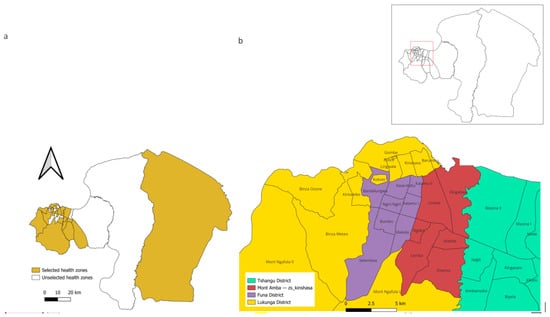
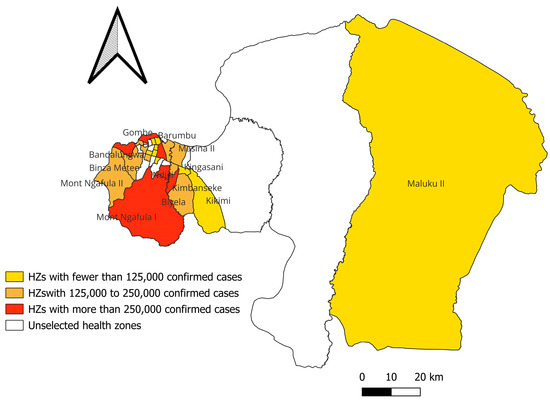
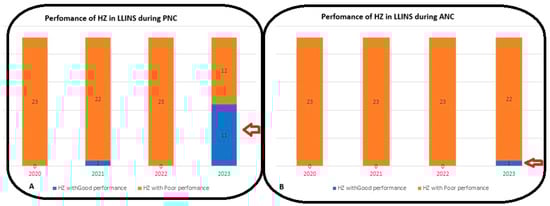
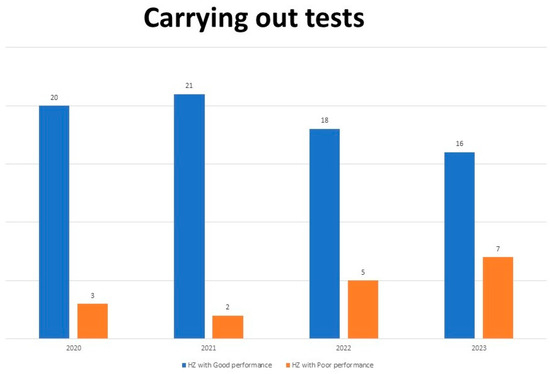
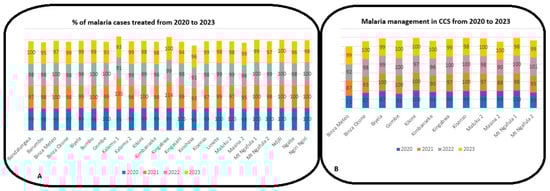
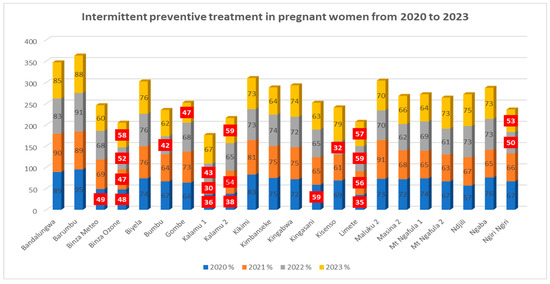
Background: In 2018, malaria remained a leading cause of morbidity and mortality in the Democratic Republic of the Congo, accounting for 44% of all outpatient visits and 22% of deaths. This led to the development of the strategic plan for 2020–2023. To meet the objectives of this renewed plan, a monitoring and evaluation program focusing on performance indicators was established. This study aimed to assess the malaria control performance indicators in Kinshasa. Methods: A descriptive cross-sectional study used the National Malaria Control Program dataset of the period 2020–2023 to analyze malaria data from 23 HZ (Health Zone) in Kinshasa. Diagnostic, therapeutic, and preventive use of LLINs (long-lasting insecticidal nets) and sulfadoxine–pyrimethamin-based IPT (intermittent preventive treatment among pregnant women) indicators were evaluated following the targeted thresholds established in the strategic plan for 2020–2023. Results: Malaria was present in all studied HZ from 2020 to 2023, with a heterogeneous distribution. The malaria incidence during the study period was 30%, with an upward trend in both suspected and confirmed cases, peaking in 2022 and showing no further fluctuations thereafter. The proportion of LLINs distributed to pregnant women during antenatal care visits was 62%, 61%, 45%, and 88% in 2020, 2021, 2022, and 2023, respectively. A total of 83.1% of suspected malaria cases were diagnosed using RDT (Rapid Diagnosis Test), and confirmed malaria cases received antimalarial treatment. Conclusions: The objectives of the 2020–2023 strategic plan were only partially achieved, and no HZ reached 100% diagnosis by RDT, with only four HZs reaching at least 95% of the target. Thirty-four HZs were able to benefit from 95% treatment with antimalarial drugs.
Full article

Figure 1
Open AccessArticle
Glycemic Alterations in Hospitalized COVID-19 Patients: Hyperglycemia and Newly Detected Diabetes
by
Alecsandra Andreea Budihoi, Bogdana Nasui, Alexandra-Ioana Roșioară, Nina Ciuciuc, Stefan Vesa, Tudor Calinici and Monica Popa
Epidemiologia 2026, 7(2), 54; https://doi.org/10.3390/epidemiologia7020054 - 13 Apr 2026
Abstract
►▼
Show Figures
Background and Objective: The aim of this study is to describe the frequency of newly detected dysglycemia, including hyperglycemia and newly diagnosed diabetes mellitus, among hospitalized COVID-19 patients without previously known diabetes and to identify associated clinical and therapeutic factors, in an exploratory,
[...] Read more.
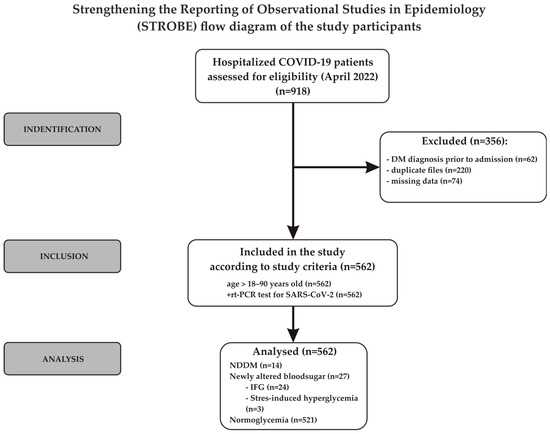
Background and Objective: The aim of this study is to describe the frequency of newly detected dysglycemia, including hyperglycemia and newly diagnosed diabetes mellitus, among hospitalized COVID-19 patients without previously known diabetes and to identify associated clinical and therapeutic factors, in an exploratory, descriptive manner. Materials and Methods: We conducted a retrospective study on 562 COVID-19 patients. Demographic and clinical data were collected at admission and during hospitalization. Newly diagnosed diabetes mellitus was defined based on plasma glucose values meeting international diagnostic criteria during hospitalization in patients without prior diabetes, while newly altered blood sugar referred to transient hyperglycemia or impaired fasting glucose not fulfilling diabetes criteria. Comparisons between groups were performed using appropriate statistical tests, with a p-value < 0.05 considered statistically significant. Results: Out of the total number of 562 COVID-19 patients, 14 (2.49%) were classified as having newly diagnosed diabetes, and 27 (4.8%) as having newly altered blood sugar levels. The median age of the participants was 67.5 years (interquartile range: 59.75; 71.75). Newly diagnosed diabetes was more frequently observed among patients presenting with gastrointestinal symptoms, elevated inflammatory markers, and those receiving specific in-hospital treatments. Newly altered blood sugar levels were more commonly associated with dyslipidemia, respiratory symptoms at admission, oxygen therapy, and selected COVID-19 treatments. COVID-19 vaccination status was descriptively stratified by admission period. Conclusions: New interdisciplinary approaches may support the identification and monitoring of glycemic alterations in hospitalized COVID-19 patients, with potential implications for clinical management and public health strategies.
Full article

Figure 1
Open AccessArticle
What Drives Influenza Vaccination in People with Diabetes? Evidence from the National Health Surveys of 2020 and 2023 in Spain
by
Tomás Chivato-Martín-Falquina, Jose J. Zamorano-Leon, Ana Lopez-de-Andres, Lucia Fuentes-Arroyo and Rodrigo Jimenez-Garcia
Epidemiologia 2026, 7(2), 53; https://doi.org/10.3390/epidemiologia7020053 - 8 Apr 2026
Abstract
Background/Objectives: Diabetes is associated with an increased risk of influenza-related complications; therefore, annual vaccination constitutes an essential preventive measure. The objective of this study is to analyze the evolution of influenza vaccination coverage among the population with diabetes in Spain between 2020
[...] Read more.
Background/Objectives: Diabetes is associated with an increased risk of influenza-related complications; therefore, annual vaccination constitutes an essential preventive measure. The objective of this study is to analyze the evolution of influenza vaccination coverage among the population with diabetes in Spain between 2020 and 2023 and to identify factors associated with adherence, comparing it with a matched population without diabetes. Methods: A cross-sectional study was conducted using data from the European Health Survey in Spain 2020 and the Spanish National Health Survey 2023, applying 1:1 matching by age, gender, and place of residence. Multivariable logistic regression was applied to assess time trend and to identify adherence predictors. Results: Vaccination coverage among individuals with diabetes increased from 52.0% in 2020 to 65.9% in 2023 and was higher than that observed among the matched participants without diabetes in both periods. Older age and the presence of comorbidities, such as myocardial infarction or respiratory diseases, were associated with a higher likelihood of vaccination, whereas alcohol consumption and smoking were associated with lower adherence among subjects with diabetes. The year 2023 was independently associated with a higher probability of vaccination compared with 2020 (OR: 1.82; 95% CI: 1.56–2.12). Conclusions: Although influenza vaccination coverage among the Spanish people with diabetes has improved following the COVID-19 pandemic, it remains below recommended targets, highlighting the need to strengthen targeted strategies aimed at less adherent subgroups.
Full article
Open AccessArticle
Epidemiological Survey on Water, Sanitation, and Hygiene (WaSH) in Uganda’s Karamoja Sub-Region, Using a KAP Questionnaire Within a One Health Framework
by
Davide Ceccarelli, Silvana Diverio, Pier Giorgio Lappo, Carlo Ruspantini, Simon Peter Losike, Alma Rosa Pareschi and Maria Luisa Marenzoni
Epidemiologia 2026, 7(2), 52; https://doi.org/10.3390/epidemiologia7020052 - 7 Apr 2026
Abstract
►▼
Show Figures
Background: The Karamoja sub-region of Uganda addresses significant challenges in water, sanitation, and hygiene (WaSH), deeply linked to public and environmental health and regional development. Objectives: This study applied a Knowledge, Attitudes, and Practices (KAP) survey within a One Health framework to assess
[...] Read more.
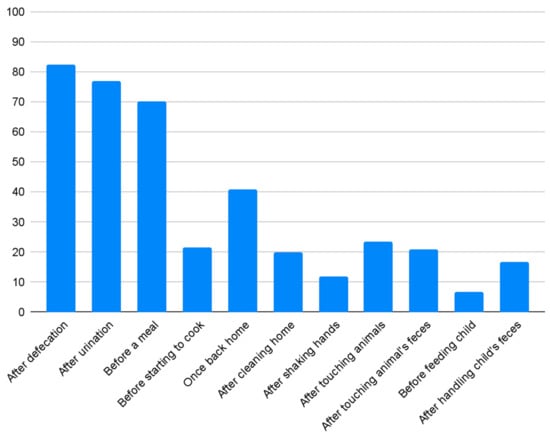
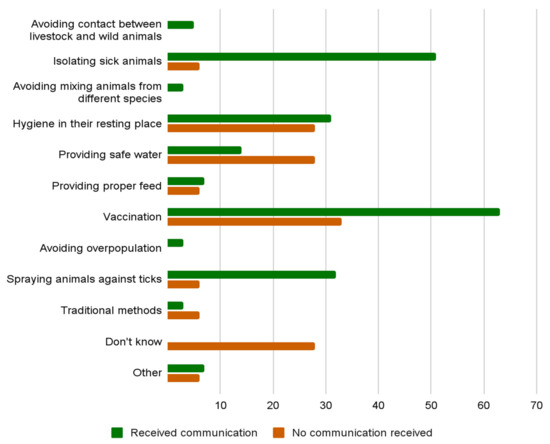
Background: The Karamoja sub-region of Uganda addresses significant challenges in water, sanitation, and hygiene (WaSH), deeply linked to public and environmental health and regional development. Objectives: This study applied a Knowledge, Attitudes, and Practices (KAP) survey within a One Health framework to assess WaSH conditions, hygiene behaviour, livestock management, and disease prevention in the Moroto and Napak districts. Methods: A total of 195 respondents were surveyed, providing insights into socio-demographic factors, hygiene practices, livestock management, and disease prevention. Results: Findings highlighted gender disparities, with women less likely to achieve good knowledge compared to men (OR = 0.04; p = 0.002), probably reflecting limited access to information in traditionally male-focused community settings, and their greater involvement in water collection tasks. Age significantly influenced WaSH knowledge, with older individuals (aged ≥ 30 years) showing higher odds of good knowledge (OR = 20.39; 95% CI: 2.74–151.83; p = 0.003), probably due to their roles in knowledge transmission within the community. Proximity to water sources shaped behaviours, with greater distances associated with improved attitudes (OR = 3.56; p = 0.002) but reduced hygienic practices (OR = 0.20; p = 0.01). Livestock ownership, particularly of small ruminants, strongly correlates with good hygiene knowledge (OR = 16.89; p = 0.02), probably due to interactions with veterinarians and authorities during vaccination campaigns. Integrated communication strategies, including community meetings, home visits, and radio outreach, were strongly associated with improved practices (e.g., home visits: OR = 30.78; p < 0.001). Conclusions: Despite progress, challenges such as water scarcity, waste management, and gender disparities persist. Improving water infrastructure, promoting equitable access, and integrating tailored communication strategies are essential for fostering sustainable development, health equity, and the empowerment of women in Karamoja.
Full article

Figure 1
Open AccessArticle
Long-Term BMI Trajectories and Category Changes in Older Mexican Adults: A 20-Year Longitudinal Analysis
by
Israel Rico-Alba, Horacio Marquez-Gonzalez and Jessie Nallely Zurita-Cruz
Epidemiologia 2026, 7(2), 51; https://doi.org/10.3390/epidemiologia7020051 - 7 Apr 2026
Cited by 1
Abstract
►▼
Show Figures
Background/Objectives: Body mass index (BMI) trajectories and transitions across adulthood are dynamic processes influenced by aging and social- and health-related factors, yet long-term patterns in older adults from middle-income countries remain insufficiently characterized. The objective of this study was to characterize long-term BMI
[...] Read more.
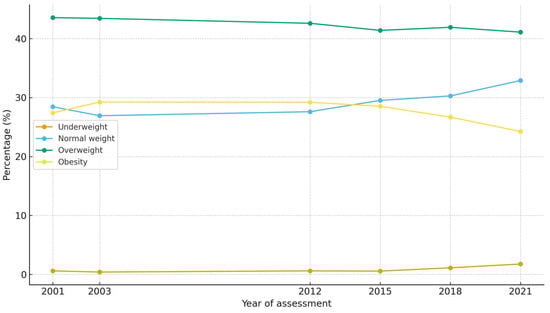
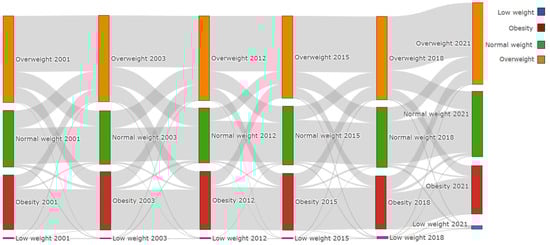
Background/Objectives: Body mass index (BMI) trajectories and transitions across adulthood are dynamic processes influenced by aging and social- and health-related factors, yet long-term patterns in older adults from middle-income countries remain insufficiently characterized. The objective of this study was to characterize long-term BMI trajectories and transitions, and to identify sociodemographic and clinical factors associated with adverse BMI patterns among Mexican adults aged ≥50 years followed over 20 years. Methods: This study used data from the Mexican Health and Aging Study (ENASEM), a nationally representative longitudinal cohort. Participants aged ≥50 years with repeated BMI measurements across survey waves were included. BMI trajectories and transitions between BMI categories were described, and multinomial regression models were used to examine factors associated with upward transitions and unstable high-BMI patterns. Results: Distinct BMI trajectory patterns were identified over the 20-year follow-up. Participants in stable normal-weight trajectories were younger, more frequently female, and had higher educational attainment and income. In contrast, those with stable overweight/obesity or fluctuating–adverse BMI patterns had higher baseline BMI and a greater prevalence of diabetes, hypertension, and multimorbidity. In multivariable analyses, age contributed to trajectory differences; however, sex, socioeconomic factors, baseline BMI, and chronic conditions remained independently associated with adverse BMI patterns. Conclusions: BMI trajectories in later life are heterogeneous and reflect the combined influence of aging, socioeconomic conditions, and chronic disease burden. Identifying groups at risk of adverse BMI patterns may support the development of targeted interventions to reduce obesity-related health consequences in older adults.
Full article

Figure 1
Open AccessArticle
An Ecological Study on the Mortality Impact of the COVID-19 Pandemic According to Country Development Status and Pandemic Years
by
Murat Razi and Manuel Graña
Epidemiologia 2026, 7(2), 50; https://doi.org/10.3390/epidemiologia7020050 - 6 Apr 2026
Abstract
►▼
Show Figures
The COVID-19 pandemic caused stark global mortality disparities, influenced by a complex interplay of demographic, economic, and health factors. This ecological study investigates associations between country macroscopic variables and COVID-19 accumulated mortality ratio (AMR) across 174 countries and may serve as a preparation
[...] Read more.
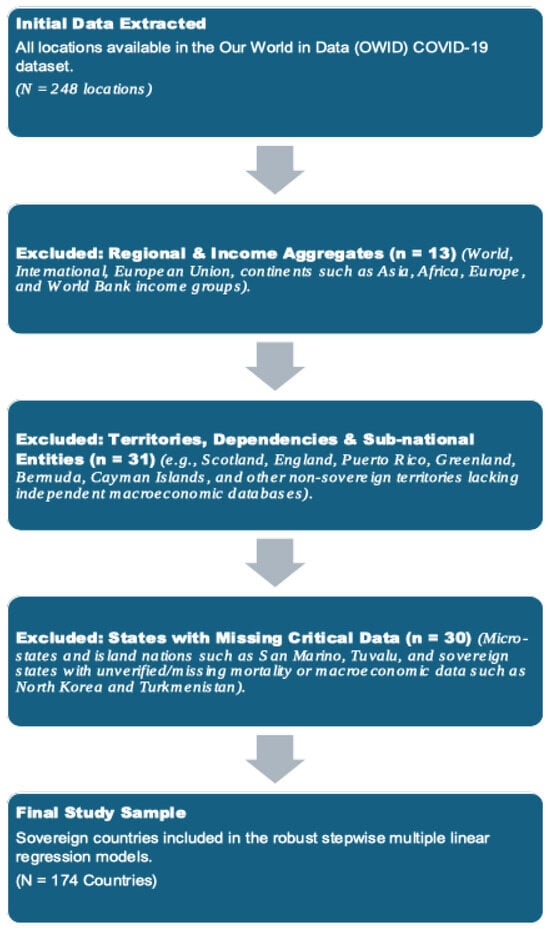
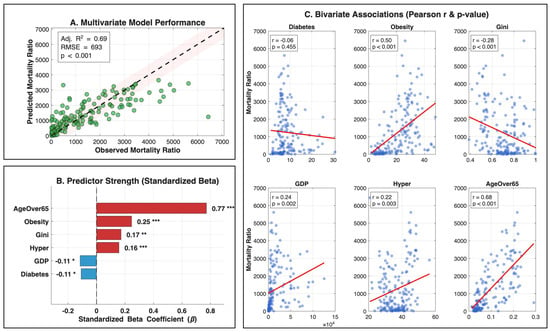
The COVID-19 pandemic caused stark global mortality disparities, influenced by a complex interplay of demographic, economic, and health factors. This ecological study investigates associations between country macroscopic variables and COVID-19 accumulated mortality ratio (AMR) across 174 countries and may serve as a preparation for new pandemics. Methods: The study applies bidirectional stepwise multiple linear regression. To ensure statistical validity, we conducted diagnostic tests for multicollinearity and heteroscedasticity, applying robust M-estimation where necessary to minimize root mean squared error. The analysis covered six distinct stratifications based on development status (developed, developing, least developed, and combinations), and incorporated temporal analyses across three specific annual periods: 21 January 2020–20 January 2021; 21 January 2021–20 January 2022; and 21 January 2022–10 January 2023. Data: AMR per country values, accumulated between 21 January 2020 and 10 January 2023, and data on the prevalence of health conditions, and socioeconomic descriptive variables were extracted from Our World in Data (OWID) and other public data sites, like the World Bank. Results: The percentage of population aged over 65 years has the most consistent association with increased AMR globally. Obesity prevalence and income inequality (Gini index) were positively associated with AMR regardless of country development status. Conversely, the study finds a consistent negative correlation with diabetes prevalence, while the prevalence of respiratory diseases is a significant association only for developed nations. Socioeconomic factors were significantly associated with AMR, but this influence is stronger in developed countries than in the developing and least developed countries. Conclusions: While population aging is the primary association with increased AMR, the mortality impact of comorbidities and socioeconomic factors is heavily conditioned by a country’s development stage, pointing to the necessity of development-status-aware public health strategies for incoming pandemics.
Full article

Figure 1
Journal Menu
► ▼ Journal Menu-
- Epidemiologia Home
- Aims & Scope
- Editorial Board
- Topical Advisory Panel
- Instructions for Authors
- Special Issues
- Topics
- Sections
- Article Processing Charge
- Indexing & Archiving
- Editor’s Choice Articles
- Most Cited & Viewed
- Journal Statistics
- Journal History
- Journal Awards
- Society Collaborations
- Editorial Office
Journal Browser
► ▼ Journal BrowserHighly Accessed Articles
Latest Books
E-Mail Alert
News
Topics
Topic in
Diseases, Epidemiologia, Infectious Disease Reports, Medicina, TropicalMed
Surveillance Systems and Predictive Analytics for Epidemics
Topic Editors: Georgia Kourlaba, Elisavet StavropoulouDeadline: 31 January 2027
Topic in
AMH, Antibiotics, Epidemiologia, Microorganisms
Healthcare-Associated Infections and Antimicrobial Therapy
Topic Editors: Diamantis P. Kofteridis, Petros IoannouDeadline: 28 February 2027
Topic in
Children, Dietetics, Epidemiologia, Healthcare, Obesities, Medical Sciences, Diseases, Trends in Public Health
Dietary and Lifestyle Determinants of Non‑Communicable Diseases: Salt, Sugar, Alcohol and Physical Activity
Topic Editors: Kotsedi Daniel Monyeki, Machoene Derrick SekgalaDeadline: 30 April 2027
Topic in
Antibiotics, Diseases, Vaccines, Viruses, Epidemiologia
HIV Prevention and Treatment: A Guide to Health and Safety
Topic Editors: Olanrewaju Oladimeji, Martha ChadyiwaDeadline: 31 December 2027
Special Issues
Special Issue in
Epidemiologia
Nutritional Epidemiology in Public Health
Guest Editor: Kei NakajimaDeadline: 30 June 2026
Special Issue in
Epidemiologia
Global Burden of Psychiatric Epidemiology
Guest Editor: Andrew YockeyDeadline: 15 July 2026
Special Issue in
Epidemiologia
High-Risk Pregnancy Management: From Prenatal Care to Postpartum Outcomes
Guest Editor: Angela VinturacheDeadline: 25 July 2026
Special Issue in
Epidemiologia
Public Health Nutrition in Aging: Addressing Frailty, Sarcopenia, and Functional Decline
Guest Editor: Dorina CadarDeadline: 15 August 2026