


Highlights
What are the main findings?
- •
- CRISPR/Cas9-mediated editing of limonene synthase in Coffea arabica reduced transcript abundance by up to 99.2% in edited fruits.
- •
- Edited plants showed approximately 55% lower limonene emission and significantly reduced attraction of the coffee berry borer (Hypothenemus hampei) in olfactometry bioassays. This study provides the first evidence that modifying a volatile biosynthetic pathway in coffee can influence insect host-seeking behavior.
What are the implications of the main findings?
- •
- This study provides a proof-of-concept that targeted modification of terpene biosynthesis can alter insect host-seeking behavior in coffee.
- •
- The findings support further evaluation of stable edited lines as a potential complementary approach for sustainable coffee pest management.
Abstract
The coffee berry borer (CBB), Hypothenemus hampei (Ferrari) (Coleoptera: Curculionidae: Scolytinae), is one of the most destructive pests of coffee, causing significant losses in yield, bean quality, and overall crop profitability. Current integrated pest management strategies reduce damage but cannot prevent insects from locating and infesting coffee fruit. Because host selection by CBB relies on olfactory cues, modifying the emission of key volatile compounds represents a potential strategy to reduce pest attraction. This study aimed to decrease CBB attraction by editing genes involved in the biosynthesis of the monoterpenes limonene and pinene, which participate in host recognition. Agrobacterium-mediated transformation was performed in Coffea arabica seedlings, and gene editing used a binary vector carrying sgRNAs targeting terpene synthase genes, the cas9 gene, and the bar selection marker. Nine cas9-positive plants were obtained, including six of them also positive for bar, with seven plants exhibiting non-synonymous mutations at the target site for limonene synthase. Quantitative PCR (qPCR) analysis revealed a significant reduction in transcript levels in edited fruit, ranging from 95.5% to 99.2% compared to wild-type controls. Furthermore, GC-MS analysis confirmed a reduction of approximately 55% in limonene emission in variants exhibiting low-frequency mutations. Olfactometry bioassays revealed significantly reduced attraction, with only 17–36% of H. hampei females orienting toward edited fruit compared with 64–83% for wild-type controls (p < 0.05). These results suggest that targeted editing of limonene synthase can modulate volatile emissions and alter host-seeking behavior in H. hampei, providing a proof-of-concept for engineering crop plants with reduced pest attraction and offering a complementary, sustainable strategy for pest management in coffee production systems.
1. Introduction
The coffee berry borer (CBB), Hypothenemus hampei (Ferrari) (Coleoptera: Curculionidae: Scolytinae), is one of the most destructive pests of coffee, causing significant losses in yield, bean quality, and overall crop profitability, and significantly affects the livelihoods of Colombian coffee farmers. Its management is complex due to the insect’s life cycle occurring entirely within the coffee fruit. The National Coffee Research Center in Colombia (Cenicafé) has developed an integrated pest management program to mitigate crop damage. This program includes various strategies summarized by Góngora et al. (2023) [1]: tracking of coffee flowering to detect the critical period during which the fruit are most susceptible to insect attack; field evaluation of CBB infestation percentage and the insect’s position within the grain to determine the optimal timing for chemical or biological insecticide application; identification of areas with aggregated CBB populations to target control actions; timely harvesting and removal of uncollected fruits; and the use of chemical control or biological agents such as entomopathogens and parasitoids [2,3,4]. However, none of these current strategies prevent the insect from reaching and infesting the fruit. Moreover, the criteria for applying biological or chemical insecticides are based on confirmed infestation and the insect’s entry into the fruit [5].
Because host colonization depends largely on insect recognition of coffee fruits, increasing attention has focused on the chemical cues involved in this interaction. Plant volatile organic compounds (VOCs) play essential roles in plant–insect communication, influencing host location, feeding behavior, and colonization processes [6,7,8]. Host location by the CBB is primarily driven by visual and olfactory cues [9,10], and previous studies have shown that volatile emission profiles vary according to coffee fruit ripening stage [11,12]. Among the identified compounds, the terpenes limonene and pinene have consistently been associated with CBB attraction and are highly emitted in ripe coffee fruits, the stage most susceptible to insect attack [11,13,14,15].
To identify the key volatiles involved in host recognition, Figueroa-Varela et al. (2025) [16] conducted CBB olfactometry assays using fruits in different ripening stages, and synthetic volatile mixtures. The results demonstrated that a synthetic mixture of limonene and pinene, at concentrations mimicking those emitted by ripe coffee fruits, was significantly more attractive to CBB females than both ripe fruits alone and the standard methanol–ethanol (3:1) lure commonly deployed in monitoring traps. Gas chromatography–mass spectrometry (GM-MS) analysis confirmed the presence of both volatiles in coffee fruits, with limonene being the most abundant. Concentrations of limonene and pinene were highest in ripe fruits, followed by underripe and green stages.
The precise manipulation of these biosynthetic pathways offers a promising frontier for pest resistance. Traditional breeding for such traits in Coffea species is hindered by long generation times and limited genetic diversity. However, genome editing via the CRISPR/Cas9 system provides a transformative tool for targeted trait modification [17]. For example, CRISPR-mediated knockout of susceptibility genes and the editing of defense-related pathways have conferred enhanced pest resistance and reduced vulnerability to nematodes and parasitic plants in staple crops such as rice, soybean, and maize [18]. Parallel work has shown the application of CRISPR/Cas9 in developing climate-smart traits, including increased drought tolerance and yield enhancements by targeting genes involved in stress responses and agronomic [19,20,21]. These advances underline not only the precision of CRISPR/Cas9 but also its expanding impact on practical crop improvement strategies in the face of global agricultural challenges.
In the Coffea genus, two pioneering studies have applied CRISPR/Cas9 to target the phytoene desaturase (CcPDS) gene in Coffea canephora [22,23]. Breitler et al. (2018) [22] demonstrated successful transformation and mutation using a single sgRNA system, although full albino phenotypes were not observed. Subsequently, Casarin et al. (2022) [23] enhanced editing efficiency by employing a multiplex sgRNA approach and optimizing culture conditions, achieving homozygous albino plants with a mutation rate of up to 77%. Together, these studies, as summarized in recent reviews, underscore the potential of CRISPR/Cas9 as a transformative tool for functional genomics and genetic improvement in coffee.
In parallel, manipulation of volatile biosynthetic pathways has emerged as a promising strategy to modify plant–insect interactions and reduce pest attraction [24,25]. Engineering the “volatome” to disrupt herbivore orientation has shown success in other systems by either deterring pests or recruiting natural enemies [24,26]. Recent advances in genome editing further enable precise modification of volatile biosynthetic genes, facilitating the design of plant volatile blends that limit insect colonization and confer durable resistance [24,25,27].
In coffee, genes involved in the biosynthesis of attractant volatiles could potentially reduce the ability of the CBB to locate host plants through olfactory cues. This behavioral approach offers distinct advantages over lethal strategies, such as Bacillus thuringiensis (Bt) toxins or RNA interference (RNAi), as it reduces the selection pressure for resistance and avoids the challenges of environmental RNA stability [28,29,30].
In this context, identifying the enzymes, genes, and metabolic pathways involved in the production of limonene and pinene in coffee fruits could open new possibilities for developing innovative strategies to control Hypothenemus hampei, a major insect pest attracted by these volatile compounds [16]. Rather than relying on direct insecticidal mechanisms, targeted gene knockout through genetic modification to block the emission of these attractant compounds represents a preventive approach aimed at disrupting host recognition and colonization by the CBB. Targeted disruption of the biosynthetic pathways responsible for specific attractant volatiles may reduce the chemical conspicuousness of coffee plants to the insect, thereby interfering with host recognition and colonization behavior.
Against this backdrop, genome editing of endogenous volatile biosynthesis genes provides a precise, stable, and biologically grounded alternative. The objective of this study was to design and synthesize a CRISPR/Cas9 expression vector and specific single guide RNAs (sgRNAs) targeting limonene synthase and pinene synthase genes associated with volatile emission in Coffea arabica, enabling gene editing through Agrobacterium tumefaciens-mediated transformation of seedlings. Additionally, this research aimed to evaluate the behavioral response of H. hampei, to the genetically edited fruits using olfactometry assays. The successful knockout of limonene synthase and pinene synthase could pave the way for the development of innovative pest management strategies that reduce reliance on chemical pesticides, aligning with sustainable agricultural practices. Exploring the broader implications of CRISPR/Cas9 technology for enhancing the resilience and productivity of coffee crops could contribute to global food security.
2. Materials and Methods
2.1. Design of Specific sgRNAs for Limonene Synthase and Pinene Synthase
Single-guide RNAs (sgRNAs) targeting limonene synthase and pinene synthase genes were designed using an in silico strategy optimized for the complex allotetraploid genome of Coffea arabica. To achieve comprehensive gene silencing, candidate sgRNAs were required to target highly conserved exonic sequences shared symmetrically across both the C. canephora-derived and C. eugenioides-derived subgenomes.
To resolve homeologs and validate multi-allele targeting, candidate sequences were cross-referenced against the complete C. arabica reference genome (Cenicafé, GenBank accession PRJNA506972) using MagicBLAST [31]. Only spacer sequences displaying 100% sequence identity across all four homeologous alleles were considered.
Potential sgRNAs were identified by scanning the Coffea arabica genome for SpCas9-compatible PAM sequences (5′-NGG-3′). Off-target analysis was conducted by genome-wide sequence alignment, allowing up to three mismatches, to identify and exclude sgRNAs with predicted off-target sites, particularly within coding regions. sgRNAs with the highest predicted specificity were selected for vector construction. The online platforms E-CRISP [32] and CRISPRdirect [33] were employed, in combination with the complete Coffea arabica genome sequence available from Cenicafé (GenBank accession PRJNA506972).
For limonene synthase, a single sgRNA was designed to target exon 3 (5′-TGCACTAGAGCTTCCCCTG-3′), based on the reference sequence deposited under GenBank accession PV256510. This sgRNA displayed an in silico efficiency of 74.58% and 100% specificity in the C. arabica genome. For pinene synthase, one sgRNA was designed with a PAM of GGG (5′-TATACAAGGAAAATCACTT-3′), using GenBank accession PV256511. A schematic representation of the limonene synthase and pinene synthase target genes, including the location of the targeted exon and the positions of the corresponding sgRNA target sites and PAM sequences, is provided in Supplementary Figure S1.
The selected sgRNAs were cloned into a CRISPR/Cas9 plasmid vector (CRISPRPL, Sigma-Aldrich, St. Louis, MO, USA), a binary vector suitable for Agrobacterium tumefaciens-mediated transformation. The expression of the sgRNAs was driven by the Arabidopsis U6 (AtU6) promoter, a Pol III promoter widely recognized for high efficiency in driving small RNA expression in dicots [34]. For the Cas9 endonuclease, we utilized a plant codon-optimized version of SpCas9 under the control of the Cauliflower Mosaic Virus 35S (CaMV35S) constitutive promoter to ensure robust expression throughout the seedling tissues.
The construct also included the bar gene (phosphinothricin N-acetyltransferase) as a selectable marker, conferring resistance to glufosinate ammonium for selection of transformed tissues. In addition, the binary vector pEarleyGate100 (Addgene, Watertown, MA, USA) was used as a transformation control, since it also contains the bar resistance gene and has been successfully applied in previous internal C. arabica transformation experiments conducted at Cenicafé. A schematic representation of the CRISPR/Cas9 construct and transformation control vector is provided in Supplementary Figures S2 and S3, respectively.
2.2. Agrobacterium Tumefaciens-Mediated Transformation in C. arabica Seedlings
Seedlings of Coffea arabica var. Cenicafé 1, 75 days after germination and exhibiting undifferentiated apical meristems, were used for transformation. Agrobacterium tumefaciens strain EHA105 (Sigma-Aldrich, USA) harboring the vectors of interest was introduced into the seedlings using the heat shock method described by Wang (2014) [35].
For infection, A. tumefaciens was pre-cultured on solid LB medium (Sigma-Aldrich, St. Louis, MO, USA) with kanamycin (Sigma-Aldrich, St. Louis, MO, USA) (50 mg/L) and rifampicin (Sigma-Aldrich, St. Louis, MO, USA) (15 mg/L) at 26 °C overnight. Then, it was cultured in liquid LB medium with the same antibiotics at 26 °C, 180 rpm in darkness for 16 h. One hour before use, the culture was supplemented with acetosyringone (Sigma-Aldrich, USA) (100 μM). The bacterial suspension was centrifuged at 6000 rpm for 8 min and resuspended in Murashige & Skoog medium (PhytoTech Labs, Lenexa, KS, USA) with 5% sucrose (Sigma-Aldrich, St. Louis, MO, USA), 0.1% Silwet L-77 (Momentive Performance Materials, Waterford, NY, USA), and 100 μM acetosyringone (Sigma-Aldrich, St. Louis, MO, USA). The optical density was adjusted to OD600 = 0.6.
Under a stereoscope (10×), each seedling received two to three wounds (1–2 mm depth) in the apical meristem using an insulin syringe containing the A. tumefaciens suspension, with approximately 20 μL inoculated per puncture (Figure 1A,B). A cotton ball soaked in the bacterial suspension was placed over the meristem and secured with a plastic clip to maintain continuous contact with the inoculation site (Figure 1C,D). The seedlings were exposed to a vacuum pressure of 7 in Hg for 8 min to displace internal air and enhance T-DNA delivery [36] and then incubated in the dark at 26 °C for four days (Figure 1E,F), a co-cultivation period optimized for Coffea to ensure stable T-DNA integration [37,38,39]. Seedlings inoculated with sterile water served as negative controls.
Figure 1.
Agrobacterium-mediated transformation in Coffea arabica seedlings. (A) A seedling prior to transformation. (B) The meristematic region wounded with a needle and inoculated with Agrobacterium tumefaciens. (C) A cotton ball soaked with the bacterial suspension placed over the wounded meristem. (D) Cotyledonary leaves secured with a plastic-coated clip to maintain contact between the cotton ball and the meristem. (E) Inoculated seedlings subjected to vacuum infiltration. (F) Seedlings maintained in darkness during the co-cultivation period.
After the co-cultivation, the cotton balls were removed, and the seedlings were transplanted into 16 oz plastic cups with a soil–peat (Jiffy® Peat, Zwijndrecht, The Netherlands) mixture (2:1). Plants were kept under shade in a greenhouse, watered weekly, and fertilized biweekly with COSMOCEL® 20-30-10 (Cosmoagro, S. A., Palmira, Colombia)/KELATEX® Ca/Nitro K® (Cosmoagro, S. A., Colombia) (2:1:1), applying 15 mL of solution per plant.
After two months, when the plants reached a minimum height of 6 cm and developed two to three pairs of leaves, their resistance to Finale® herbicide (BASF, Ludwigshafen, Germany) (150 g/L glufosinate ammonium) was tested by applying in each leaf with an impregnated cotton a 1 g/L solution. One month after the first application, affected plants showed leaf discoloration or necrosis. Plants that survived the initial treatment underwent a second herbicide application using the same procedure. A month later, plants with no visible damage were selected for molecular testing to confirm transgene presence. Positive plants were transplanted into 5 kg soil bags until reaching 4–6 months old, and then moved to 250 L pots for fruit production in greenhouse conditions.
2.3. Molecular Analysis and Evaluation of Genetically Edited Plants
Plants that survived herbicide treatment and exhibited less than 50% leaf damage after the second herbicide application were selected. DNA was extracted from approximately 100 mg of leaf tissue collected from three different regions of each plant (upper, middle and bottom part) using the DNeasy Plant Mini Kit (Qiagen, Hilden, Germany; Cat. No. 69104). DNA integrity was confirmed by PCR amplification of the α-tubulin gene. The presence of the bar and cas9 genes was evaluated by PCR using gene-specific primers. Primer sequences are listed in Supplementary Table S1. PCR conditions were 95 °C for 10 min, followed by 25 cycles of 95 °C for 30 s, 55 °C for 30 s, and 72 °C for 30 s, with a final extension at 72 °C for 5 min. Plants testing positive for bar and/or cas9 were further analyzed by PCR amplification of the targeted limonene synthase (GenBank accession PV256510) and pinene synthase (GenBank accession PV256511) genes, using specific primers (Supplementary Table S1). Thermal cycling conditions were 95 °C for 3 min; 34 cycles of 95 °C for 30 s, 60 °C for 30 s, and 72 °C for 45 s; followed by a final extension at 72 °C for 5 min.
PCR products of limonene synthase and pinene synthase were purified using Illumina magnetic beads and used to build libraries with the TruSeq™ DNA PCR Free kit (Illumina Inc., San Diego, CA, USA). Libraries were sequenced using an Illumina platform to obtain high-depth coverage of the target regions. Sequencing quality was assessed using FastQC [40], and summary reports were generated with MultiQC [41].
Editing frequencies followed the CRISPResso2 workflow described by [42], with site-specific modifications. Primer sequences were trimmed using Biopython [43], and quality-filtered reads (Phred score ≥ 30) were aligned to the reference C. arabica sequences for limonene synthase (GenBank accessionPV256510) and pinene synthase (GenBank accession PV256511). To reduce sequencing noise, reads were clustered using CD-HIT [44], retaining only clusters with >0.1% abundance at 100% sequence identity, and only sequence variants with a relative abundance greater than 0.1% were retained for further analysis. Insertions, deletions, and sequence substitutions within the sgRNA target regions were identified and classified as editing events. Sequencing coverage was defined as the total number of reads mapped per target amplicon, ensuring sufficient depth to reliably detect low-frequency mutations.
2.4. ORF and In Silico Protein Analysis of the Edited Plants
After obtaining the Illumina sequencing results for the targeted editing sites, the reads were visualized and analyzed in Geneious Prime 2024.0 (https://www.geneious.com version 3.0). Open reading frames (ORFs) were identified and aligned with the wild-type cDNA to detect editing-induced variants and assess their potential impact on the encoded proteins. Protein structural modeling was conducted using AlphaFold [45], and the resulting models were further examined in PyMOL (PyMOL Molecular Graphics System, Version 3.0, Schrödinger, LLC, New York, NY, USA) to locate and characterize the identified mutations within the 3D protein structure.
2.5. Expression Analysis of Limonene Synthase and Pinene Synthase in Edited Plants
Ripe coffee fruits were collected from edited and control plants. Sections of the pericarp and mesocarp were excised, immediately frozen in liquid nitrogen, and stored until processing. Total RNA was extracted from 100 mg of frozen tissue ground to a fine powder in liquid nitrogen using the Spectrum™ Plant Total RNA Kit (Sigma-Aldrich, St. Louis, MO, USA).
cDNA was synthesized from 300 ng of total RNA using the GoScript™ Reverse Transcription System (Promega, Madison, WI, USA). Gene expression analysis was performed using 4 µL of 1:10 diluted cDNA as template in 20 µL reactions with the GoTaq® 2-Step RT-PCR System (Promega, Madison, WI, USA). The cyclophilin gene was used as the reference gene, as previously reported for coffee fruits [46]. Primers targeting the edited regions of limonene synthase and pinene synthase genes, as well as the reference gene, are listed in Supplementary Table S2.
Amplification was carried out using a BIO-RAD CFX96 Touch Real-Time PCR System under the following conditions: 95 °C for 30 s, followed by 42 cycles of 95 °C for 15 s, 60 °C for 30 s, and 72 °C for 30 s. Fluorescence was recorded at the end of each cycle. A melting curve analysis (65–95 °C, increments of 0.5 °C every 5 s) was performed to confirm amplification specificity. Three technical replicates were performed for each sample, and three biological replicates were analyzed for each plant.
Quantitative real-time PCR data were analyzed using CFX Maestro Software version 2.3 (Bio-Rad Laboratories, Hercules, CA, USA). Relative expression levels were calculated using the comparative Cq (ΔΔCq) method. Cq values of target genes were normalized to the cyclophilin reference gene to obtain ΔCq values (Cq_target − Cq_reference). ΔΔCq values were calculated using wild-type samples as calibrators (ΔCq_sample − ΔCq_calibrator), and relative expression levels were determined using the 2−ΔΔCq method. Technical replicates were averaged automatically by the software, and standard deviations were calculated to represent expression values.
Statistical differences in gene expression among treatments were evaluated using one-way analysis of variance (ANOVA) followed by Tukey’s multiple comparison test (p < 0.05). Mean expression values were compared with those of control plants, and treatments sharing the same letter were not considered significantly different.
2.6. Evaluation of the Behavior of H. hampei Related to the Fruits Obtained from Edited Plants by Olfactometry
To evaluate the behavioral response of H. hampei to fruits obtained from CRISPR/Cas9-edited C. arabica plants, olfactometry assays were performed using a Y-tube olfactometer following the methodology described by Góngora et al. (2024) [5]. The olfactometry assays were conducted using the experimental setup illustrated in Figure 2. Coffee fruits were collected from greenhouse-grown plants (Figure 2A), and purified air was supplied through an airflow regulation system (Figure 2B). For each trial, ripe fruits from the wild-type (WT) control plant were placed in one arm of the Y-tube olfactometer, while fruits from the edited plant were placed in the opposite arm. To minimize positional bias, the position of the odor sources was switched halfway through each experiment (Figure 2C). Female H. hampei adults were individually released at the base of the Y-tube (Figure 2D), and their choice of odor source was recorded. Adult female CBB were provided by the Biocafé laboratory Cenicafé, an insect-rearing unit.
Figure 2.
The experimental setup used for Y-tube olfactometry assays. (A) Ripe fruits from edited plant. (B) Olfactometer. (C) Y-tube olfactometer showing WT fruits (upper arm) and edited plant fruits (lower arm). (D) The introduction of a female H. hampei at the release point.
Ripe coffee fruits from edited and non-edited wild-type (WT) plants of C. arabica var. Cenicafé 1 were selected according to the ripening scale described by [47], corresponding to stages 4–5 (approximately 200–250 days after flowering). Fruits were harvested on the same day the bioassays were conducted to ensure comparable volatile emission profiles. Nine putatively edited plants previously identified by molecular analysis were evaluated for insect preference against WT fruits. For the majority of trials (including Plants 43, 44, 45, 50, 66, 67, and 88), 25 ripe fruits were used in each compartment. Due to restricted fruit availability, the quantity was adjusted to 24 fruits for Plant 35 and 13 fruits for Plant 33. The number of H. hampei females evaluated per edited plant was as follows: Plant 33 (n = 88), Plant 35 (n = 97), Plant 43 (n = 100), Plant 44 (n = 90), Plant 45 (n = 90), Plant 50 (n = 90), Plant 66 (n = 245), Plant 67 (n = 200), and Plant 88 (n = 75).
Individual CBB females were released sequentially at the base of the Y-tube between 13:00 and 15:00 h, corresponding to the period of highest insect activity. A “choice” was recorded when an insect moved into one of the arms and chose one of the compartments.
Statistical Analysis
The data from the olfactometer bioassay were analyzed according to Góngora et al. (2024) [5] with some modifications. Because the number of fruits available for the olfactometry assay varied among the plants, the number of insects used as replicates was also variable. Since plants 66 and 67 exhibited a higher number of fruits, evaluations were conducted with three and two groups of insects, respectively, at different time points, using insects from distinct populations for each replicate.
To determine whether the behavioral responses obtained from different insect populations followed the same distribution, a chi-squared test for homogeneity was performed. After confirming homogeneity among populations, each insect choice was considered an independent Bernoulli trial, where the response variable corresponded to the selection of compartment with fruits of WT and edited plants in the Y-tube olfactometer. The assumption of independence among insect choices was evaluated for each plant using the Wald–Wolfowitz runs test with corrected expected runs to verify the randomness of the binary response sequence. Following confirmation that the response variable followed a Binomial distribution, the proportion of insects selecting each compartment was calculated for each treatment.
The olfactometer bioassay data underwent analysis by calculating the proportion of insects that responded in each treatment. Utilizing these results, Binomial Proportion and Exact Confidence Limits were estimated to evaluate the null hypothesis that the proportion of insects that reached each compartment was 50%. The rejection of the null hypothesis facilitated the identification of the treatment that was most preferred by the insects. Statistical analyses were conducted using the PROC FREQ procedure in SAS® version 9, which yielded the proportions of the response variables. The outputs show the exact confidence limits and the binomial proportion test with a Test of H0 proportion = 0.5. Pr > |Z|, a = 0.05.
2.7. Identification of Volatiles Emitted in Ripe Fruits from Control Plants and Edited Plants Using Gas Chromatography Coupled to Mass Spectrophotometry (GC-MS)
To quantify the impact of gene editing on the volatile profile, a comparative analysis was performed between the wild-type (WT) and edited Plant 88. This plant was selected as it provided a sufficient fruit yield for robust chemical sampling at the time of evaluation. Volatile extraction and identification were conducted using solid-phase microextraction coupled to gas chromatography–mass spectrometry (SPME–GC–MS). Approximately 90 ripe coffee fruits were collected from the edited plant and from non-edited wild-type (WT) control plants maintained under greenhouse conditions. Fruits were harvested between 07:00 and 08:00 h and immediately transported to the laboratory. Fruit selection was performed according to the ripening scale described by [47], corresponding to stages 4–5 or 250 days after flowering.
The 90 fruits were placed in a 500 mL glass container and allowed to equilibrate for 24 h at room temperature (22 ± 2 °C) to stabilize the headspace. Volatile compounds were then extracted by exposing a 75 µm Carboxen/Polydimethylsiloxane (CAR/PDMS) fiber (Supelco, Bellefonte, PA, USA) to the headspace for 40 min at room temperature.
After extraction, the SPME fiber was thermally desorbed in the injector port of the gas chromatograph coupled to a mass spectrometer (GC–MS). Separation of volatile compounds was performed using a DB-WAX capillary column (50 m × 320 μm × 1 μm; Agilent Technologies or equivalent). Helium was used as the carrier gas. Volatile compounds were identified by comparison of mass spectra against the NIST 98 and Wiley 275 spectral libraries, considering similarity values greater than 90% for compound identification. Peak alignment and compound assignment across different sample runs were strictly restricted to a retention time (RT) tolerance window of ±0.1 min. The relative abundance of detected compounds was compared between edited and WT fruits to identify potential alterations in volatile emission profiles associated with CRISPR/Cas9-mediated editing.
3. Results
3.1. Agrobacterium-Mediated Transformation of Coffee Seedlings with CRISPR/Cas9 Constructs
A total of 2958 seedlings were processed across seven independent transformation events, distributed as follows: 1014 seedlings were subjected to transformation with the CRISPR/Cas9–limonene synthase construct, 713 with the CRISPR/Cas9–pinene synthase and 1231 with the pEarleyGate100 control vector.
Following the establishment period, putative transformants were identified based on their ability to survive herbicide selection. After the first application of phosphinothricin (1 g L−1), susceptible seedlings exhibited extensive foliar damage, whereas a subset of plants remained healthy and continued growing (Figure 3A). A second herbicide application performed one month later confirmed the tolerance of these individuals (Figure 3B). Plants showing minimal foliar damage after both selection rounds (indicated by white arrows in Figure 3B) were considered putative transformants and were selected for subsequent molecular analyses, including genomic DNA extraction and PCR-based confirmation of transgene integration.
Figure 3.
Herbicide-based selection of putative transformed plants. (A) Seedlings evaluated 30 days after the first application of phosphinothricin (1 g L−1). (B) Seedlings evaluated 30 days after the second application of phosphinothricin (1 g L−1). White arrows indicate plants showing reduced herbicide damage and selected for subsequent molecular analyses.
3.2. Molecular Analysis and Evaluation of Genetically Edited Plants
Following the second herbicide application, 204 putative transgenic plants were screened for transgene integration. Genomic DNA was extracted from 87 plants transformed with the CRISPR/Cas9–limonene synthase construct, 22 plants transformed with CRISPR/Cas9–pinene synthase and 95 plants transformed with the control vector pEarleyGate100.
PCR amplification targeting the bar and cas9 genes confirmed the presence of transgene sequences in several plants transformed with the CRISPR/Cas9–limonene synthase construct. Nine plants tested positive for cas9, and six of these also showed amplification of the bar selectable marker (Supplementary Figure S4). Positive amplification was detected in plants 33, 35, 43, 44, 49, 50, 66, 67, and 88, for bar and/or cas9. In contrast, only one plant transformed with pEarleyGate100 (plant 45) showed amplification of the bar gene. No positive amplification was detected in plants transformed with the CRISPR/Cas9–pinene synthase construct. The overall plant survival, transformation, and screening efficiencies for each construct are summarized in the Table S4 in the Supplementary Materials. The transformation efficiency of 10.34% relative to the screened limonene synthase plants. Transformation efficiencies for the pinene synthase and pEarleyGate100 control constructs were 0.00%, as no cas9 integration was confirmed in these groups. Discrepancies in the detection of individual T-DNA elements (cas9 and bar) among the regenerants are attributed to incomplete T-DNA transfer and integration events, which commonly truncate distal regions of the sequence.
Sequence analysis of the limonene synthase gene (GenBank PV256510) identified endogenous heterozygous polymorphisms at nucleotide positions 97 (G>A) and 135 (T>A) in both wild-type (WT) and transgenic plants. These substitutions, which occurred at allele frequencies near 50%, are consistent with natural variations previously reported in C. arabica [16].
To evaluate potential CRISPR/Cas9-induced activity, the nucleotide sequences of the seven transgenic plants displaying unique target-site variations were aligned with the reference gene (Figure 4A). Importantly, these unique variations were detected at low frequencies ranging from only 0.2% to 4.0%, indicating they represent low-frequency somatic chimerism within minor cellular subpopulations rather than uniform genomic modifications. Accordingly, the T0 plants evaluated in this study cannot be considered homozygous mutants at the limonene synthase locus. Plant 88 exhibited the highest somatic variant frequency, corresponding to an A>G substitution at position 114 (4.0%). No target-site variations were detected in plants 49 and 67. Translation of the edited sequences revealed non-synonymous amino acid substitutions in all plants with detected mutations (Figure 4B; Table 1). However, no premature stop codons or insertion/deletion events (InDels) were identified.
Figure 4.
Sequence analysis of the limonene synthase gene in CRISPR/Cas9-transformed plants. (A) Nucleotide sequence alignment of the reference limonene synthase (GenBank accession PV256510) and edited plants (33, 35, 43, 44, 50, 66, and 88). (B) Alignment of the corresponding predicted amino acid sequences. Nucleotide coordinates corresponding to the coding sequence (CDS). Blue shading indicates the sgRNA target sequence and adjacent nucleotides to facilitate visualization of all sequence variants identified; yellow shading indicates the PAM sequence; pink shading indicates nucleotide substitutions; dashed lines and scissors indicate the predicted Cas9 cleavage site.
Table 1.
Amino acid substitutions identified in genetically edited plants.
Further analysis focused on nucleotide substitutions detected within the CRISPR/Cas9 target region of the limonene synthase (Figure 5). Five substitutions unique to transgenic plants were identified at positions 99, 101, 107, 114, and 115. Among these, the substitutions at positions 107, 114, and 115 were located directly within the sgRNA target sequence and were absent in both wild-type and mock-transformed control plants, supporting their association with CRISPR/Cas9 activity. Figure 5 illustrates the position of these substitutions relative to the sgRNA and PAM sequences. The detected editing events occurred at frequencies ranging from 0.2% to 4%, with Plant 88 exhibiting the highest editing frequency, corresponding to an A>G substitution at position 114 (4%). Although seven plants showed confirmed sequence modifications, no mutations within the target region were detected in plants 49 and 67.
Figure 5.
Nucleotide substitutions detected within and around the CRISPR/Cas9 target region of the limonene synthase gene. Nucleotide variants identified in edited Coffea arabica plants are shown relative to the reference sequence. The gray bar indicates the sgRNA target sequence and PAM region. Colored boxes represent nucleotide substitutions detected within the target region and adjacent nucleotides. Control Plant A and Control Plant B represent non-edited control plants included for comparison.
These findings confirm the possible editing of the limonene synthase gene in several CRISPR/Cas9 transformants, with specific base substitutions detected within and adjacent to the sgRNA target site, some of which led to amino acid changes.
3.3. ORF and In Silico Analysis of the Predicted Limonene Synthase Protein of the Edited Plants
The predicted 3D model of the C. arabica limonene synthase protein exhibited high structural confidence, with pLDDT scores exceeding 90 across the majority of the sequence, with the exception of the N-terminal region. Mapping the identified non-synonymous mutations onto this high-confidence structure revealed four distinct groups of protein variants based on their spatial orientation and residue changes (Figure 6). The first group consisted of the E240G substitution detected in plants 33 and 35 (Figure 6A), while the second group comprised the Y236H mutation present in plants 43, 50, and 88 (Figure 6B). A third group was characterized by the co-occurrence of both Y236H and E240G substitutions in plant 44 (Figure 6C), and the fourth group corresponded to the V235A change identified in plant 66 (Figure 6D). Structural analysis localized these substitutions in proximity to the catalytic site (DDXXD motif), However, because direct enzyme kinetics or catalytic activity measurements were not performed, any implied functional impact on the binding of divalent metal ion cofactors (magnesium) or altered enzymatic throughput remains an in silico prediction.
Figure 6.
Mapping of amino acid substitutions onto the predicted three-dimensional structure of Coffea arabica limonene synthase. (A) E240G mutation. (B) Y236H mutation. (C) Combined Y236H and E240G mutations. (D) V235A mutation. The catalytic DDXXD motif involved in divalent metal ion (Mg2+) binding is highlighted in red.
3.4. Expression Analysis of Limonene Synthase in Edited Plants
The expression of limonene synthase was evaluated in the previously characterized edited plants once fruits reached the ripe stage. RT-qPCR analysis revealed a marked reduction in transcript abundance in all edited plants compared with the wild-type (WT) control. Figure 7 shows the relative expression levels of limonene synthase in ripe fruits from WT and edited plants 33, 35, 43, 50, 66, and 88. Expression values were calculated from three biological replicates collected from each plant. A decrease in gene expression levels was observed in all ripe fruits of the edited plants.
Figure 7.
Relative expression of limonene synthase in ripe fruits of wild-type (WT) and CRISPR/Cas9-edited plants determined by RT-qPCR using the 2−ΔΔCq method. Bars represent mean ± SEM of three biological replicates. Different letters indicate significant differences among treatments according to one-way ANOVA followed by Tukey’s multiple comparison test (p < 0.05).
Relative expression analysis revealed a mean reduction of 97.4 ± 1.3% (range: 95.5–99.2%) in limonene synthase transcript abundance in ripe fruits from edited plants (n = 6) compared to wild-type controls (Table 2). While these data indicate substantial transcriptional downregulation associated with the transgenic lines, they should be interpreted strictly as localized suppression of transcript accumulation; in the absence of direct enzyme activity assays or protein quantification, this reduction remains a strong correlation rather than definitive proof of functional metabolic disruption.
Table 2.
Average expression of limonene synthase of ripe fruits from control plant and edited plants with percentage of differential expression.
3.5. Behavioral Response of H. hampei to CRISPR-Edited Fruits
Eight CRISPR/Cas9-edited Coffea arabica plants carrying mutations in the limonene synthase gene and producing ripe fruits at developmental stages 4–5 were selected for olfactometry assays (Figure 8). Based on sequence analysis, plants 33, 35, 43, 44, 50, 66, and 88 presented substitutions in the limonene synthase gene (Supplementary Table S4). Plant 67, which did not show sequence modifications within the target region, was also included in the analysis. In addition, plant 45, transformed with the control vector pEarleyGate100, and was evaluated as a transformation control.
Figure 8.
CRISPR/Cas9-edited Coffea arabica plants carrying mutations in limonene synthase and producing ripe fruits (developmental stages 4–5) under greenhouse conditions.
The Wald–Wolfowitz runs test indicated that the sequence of insect choices did not significantly depart from randomness in 11 of the 12 evaluated replicates (92%), supporting the independence of successive insect responses in most trials. In Table 3, the observed number of runs (Run) is compared with the expected number of runs (media_R) and its associated variance (var_R). The standardized Z statistic and corresponding p-value were used to determine whether the observed sequence of insect choices significantly differed from that expected under a random distribution. Overall, these results indicate that insect responses were independent and randomly distributed in the majority of the evaluated replicates.
Table 3.
Wald–Wolfowitz Runs test per each plant to determine independence or randomness of insect choice in each trial.
The olfactometry assays revealed significant differences in the behavioral response of H. hampei females across the nine evaluated plant lines (Figure 9). Using each individual insect choice as the primary statistical unit, insects showed a significant preference for fruits from wild-type (WT) control plants over fruits from edited plants 33, 35, 43, and 88. To establish the volatile headspace for these behavioral cohorts, a baseline of 25 ripe fruits per compartment was used for the majority of trials; due to restricted fruit availability in primary (T0) transformants, this quantity was adjusted to 24 fruits for Plant 35 and 13 fruits for Plant 33. Preference for WT fruits ranged from 64% to 83%, whereas attraction to fruits from edited plants ranged from 17% to 36%. Among all evaluated plants, fruits from edited plant 88 exhibited the lowest insect attraction, with only 17% of insects selecting the edited fruit treatment.
Figure 9.
Preference of H. hampei females for fruits from control plants (WT) vs. fruits from putatively edited Coffea arabica lines33, 35, 43, 44, 50, 66, 67, 88, and control plant 45 transformed with pEarleyGate100. Pr > |Z|, α = 0.05. Asterisks indicate significant differences from a 50% response (Pr > |Z|, α = 0.05).
In contrast, no significant differences in insect preference were observed for plants 44, 50, and 66 relative to WT fruits. Similarly, attraction was not significantly altered in the control groups, which included Plant 67 (a transgenic plant with no target-site substitutions) and Plant 45 (the pEarleyGate100 vector control). These results suggest that the reduction in CBB attraction is specifically associated with the alteration of the volatile blend driven by the disruption of the limonene synthase gene rather than the transformation process itself.
3.6. Identification of Volatiles Emitted in Ripe Fruits from Control Plants and Edited Plants Using Gas Chromatography Coupled to Mass Spectrophotometry (GC-MS)
Due to the characteristic variability in fruit yields among primary (T0) coffee transformants, Plant 88 was uniquely the only edited line that produced a sufficient sample size and fruit count (approximately 90 ripe fruits) to satisfy the strict volume thresholds required for robust headspace equilibration.
Comparative HS-SPME-GC-MS analysis of ripe fruits from Plant 88 and WT controls revealed substantial alterations in the emission of key monoterpenes. The target metabolite, limonene, was identified at a retention time (RT) of 14.005 min (Figure 10). The identity of the compound was confirmed by characteristic fragment ions at m/z 68, 93, 121, and the molecular ion 136 (C10 H16) (Supplementary Figure S5), achieving a similarity index > 90% against NIST and Wiley libraries.
Figure 10.
A GC–MS chromatogram of volatile compounds emitted by ripe fruits from wild-type (Control Plant) and edited Plant 88. The peak corresponding to limonene (retention time 14.005 min) is indicated. The black trace represents the WT control, and the green trace represents edited Plant 88. Differences in peak intensity reflect relative differences in limonene abundance between samples. Trace represents a qualitative evaluation of a single individual (n = 1). The additional peaks observed in the chromatogram correspond to other volatile compounds present in the ripe coffee fruit headspace.
Semi-quantitative analysis based on peak height and relative area integration demonstrated a significant reduction of approximately 55% in limonene abundance in the edited Plant 88 compared to the WT control. This localized decrease in the primary target was accompanied by a concurrent reduction in other structurally related monoterpene olefins, specifically myrcene and ocimene, which were also detected at lower relative abundances.
4. Discussion
For a deeper understanding of the plant–insect communication between C. arabica and H. hampei mediated by the volatiles limonene and pinene, a comprehensive analysis was conducted to identify the molecular pathways involved in the production of terpene synthase enzymes, as well as the proteins and genes associated with their biosynthesis. The identification of these volatiles allowed for the evaluation of the hypothesis that both compounds play a role in the insect’s recognition of the host plant [16]. The amplification and sequencing results confirmed that they belong to the terpene synthase gene family. Homology analyses confirmed that limonene and pinene are synthesized by limonene synthase and pinene synthase, respectively [16].
Coffee berry borer (CBB) needs to localize the host based on an olfactory contrast hypothesis, where the proportion of compounds released by the plant is important (qualitative and quantitative patterns) with respect to the background odors [48,49]. Based on the premise that the correct mixture and proportion of volatiles emitted by the coffee fruits serve as the primary olfactory stimulus enabling host location by H. hampei, it can be proposed that altering the expression levels of the terpene synthase proteins identified in this study would modify the volatile production profile. Consequently, such changes would affect the blend of volatiles released by the plant, potentially impairing the insect’s ability to recognize and locate its host, thereby disrupting the host selection process.
From the hypothesis that silencing limonene synthase and pinene synthase genes could reduce the attraction of CBB to coffee fruits compared to the control plant, CRISPR/Cas9 technology was tested as a proof-of-concept. The CRISPR gene editing system has emerged as a molecular tool to develop insect-resistant plants, allowing the insertion, deletion, or rearrangement of genes to produce a desired characteristic in the plant precisely and avoiding unwanted changes in other sites in the plant genome [50,51,52].
Plant genetic transformation has become a tool for plant breeding technologies, allowing for the introduction of new genetic traits and the development of new phenotypes with desired agronomic characteristics. In the case of coffee, several studies related to genetic transformation in Coffea canephora have been reported. Genetic transformation by particle bombardment in embryogenic tissue has been reported to develop plants resistant to the herbicide Finale [53]. In addition, in C. canephora, Agrobacterium-mediated transformation has been used in hypocotyl explants to introduce β-glucuronidase (GUS), kanamycin (npt II), and hygromycin (hpt) resistance [38], and also in embryogenic callus [54].
Regarding genetic transformations in Coffea arabica, there are reports of transformation experiments in somatic embryos introducing the cry1Ac gene of Bacillus thuringiensis, thereby conferring resistance to coffee leaf miners (Perileucoptera coffeella and other Leucoptera spp.) [55]. Genetic transformations of C. arabica var. Typica for resistance to the CBB expressing Bt Cry10Aa have also been reported [56]. Similarly, to generate plants resistant to CBB, Albuquerque et al. (2015) [57] performed particle bombardment to transform embryogenic calli of C. arabica with the α-amylase-1 inhibitor gene.
However, at the genetic editing level, only two studies [22,23] correspond to genetic editing in C. canephora. Both studies used the phytoene desaturase (PDS) gene as a target and employed Agrobacterium-mediated transformation using CRISPR/Cas9 plasmids. Breitler et al. (2018) [22] reported a 30.4% editing rate, and Casarin et al. (2022) [23] reported a 76.9% editing rate. There are no reports of genetic editing in C. arabica, representing a challenge due to its allopolyploid nature, implying that to achieve a homozygous mutant plant, editing must occur in all four alleles.
In this study, a specific single guide RNAs (sgRNAs) were designed and evaluated for the targeted silencing of the limonene synthase and pinene synthase genes, which are responsible for the biosynthesis of the volatile compound limonene. The sgRNA design process resulted in the identification of one unique sgRNA sequence for each gene, both exhibiting 100% target specificity and a 0% predicted off-target probability. The design of sgRNAs is a critical factor in ensuring the efficiency and specificity of gene editing using CRISPR/Cas9 technology. In silico analysis of the sgRNAs designed in this study indicated a high cutting efficiency and a negligible off-target editing rate, supporting their suitability for functional gene knockouts in Coffea arabica.
The use of a CRISPR/Cas9 plasmid containing the bar resistance gene proved to be highly effective for the selection of transgenic coffee plants under greenhouse conditions. This selectable marker has been successfully employed in other studies across various plant species. For instance, Mohr et al. (2022) [58] used an herbicide-resistance vector to screen transformed plants and obtain Sal1 gene mutants associated with abiotic stress tolerance. Similarly, Mukami et al. (2024) [59] utilized the same vector employed in the present study to target mutations in feruloyl-CoA 6’-hydroxylase, aiming to prevent postharvest physiological deterioration. The herbicide selection phase allowed for the initial identification of putative transformants, with 8.5% of regenerated plants surviving for the limonene synthase construct, 3.08% for the pinene synthase construct, and 7.71% for the control vector pEarleyGate100. Out of the seven separate transformation events conducted, nine distinct plant lines tested positive for the bar and/or cas9 transgenes via PCR. However, when considering the entire tissue culture timeline, the overall transformation efficiencies remained low. The highest overall transformation efficiency was observed with the CRISPR/Cas9 construct for limonene synthase, achieving a rate of 1% when calculated as the number of PCR-confirmed transgenic lines relative to the total number of initial explants co-cultivated at the start of the experiment.
This efficiency aligns with previous reports on C. arabica genetic transformations using A. tumefaciens. For example, Leroy et al. (2000) [55] reported a 1% transformation efficiency in embryogenic tissue, while Ribas et al. (2005, 2011) [53,60] observed efficiencies ranging from 0.02% to 17% in embryogenic callus cultures. More recently, Molina and Acuña (2024) [39] reported a transformation efficiency of 1.40% in C. arabica, further supporting the reproducibility of low but consistent transformation rates across independent experiments and protocols. The relatively low transformation efficiency observed in this study (maximum 1%) compared to established protocols using embryogenic callus cultures (up to 17% [60]) is likely attributable to the use of seedling meristematic tissue rather than embryogenic calli. While this tissue source was successful in yielding variants exhibiting low-frequency mutations for the limonene synthase gene, the complete absence of editing observed for the pinene synthase gene cannot be attributed to the explant type itself. While embryogenic callus transformation offers higher efficiency, our seedling-based approach was selected for its reduced time-to-fruit production. Notably, these authors also emphasized that, despite large numbers of transformation events, only a limited proportion of regenerated plants were confirmed as PCR-positive for the hygromycin resistance gene (HPTII), underscoring the technical bottlenecks associated with coffee transformation. Overall, the results obtained in the present study are consistent with these earlier findings and reflect the inherent biological and technical challenges of achieving high transformation efficiencies in Coffea species.
The selected plants that presented the bar and/or cas9 genes and amplified the editing site of the CRISPR/Cas9 plasmid for the limonene synthase gene showed some substitution at the sgRNA site. This is consistent with the cell’s DNA repair mechanism, where substitutions are introduced [61]. However, the probability of substitutions at the editing site was relatively low, possibly due to heterozygous mutations and not occurring in all four alleles. This has been reported in other hexaploid species like wheat (Triticum aestivum) [62] and tetraploids like cotton (Gossypium hirsutum) [63], where mutations are usually present in a subset of homoalleles after genetic editing in their genomes.
Sequencing results indicated that the limonene synthase gene is heterozygous, with regions showing approximately 50% sequence variation. This pattern is consistent with the allotetraploid nature of Coffea arabica, which contains homologous chromosomes derived from C. canephora and C. eugenioides. Notably, the editing site did not exhibit sequence divergence between the two subgenomes, which was advantageous because the sgRNA was designed to target a conserved region. Therefore, mutations at this site are expected to affect all four gene copies. Although the editing efficiency was relatively low, several factors may explain this outcome. One plausible explanation is the use of heterologous promoters derived from Arabidopsis thaliana to drive the expression of the CRISPR/Cas9 components. Employing constitutive promoters endogenous to C. arabica may improve transcriptional activity and enhance editing efficiency by ensuring adequate expression of all plasmid elements.
The nucleotide substitutions detected within the sgRNA target window (Table 2) are consistent with low-frequency, alternative CRISPR/Cas9-induced mutagenesis outcomes rather than naturally occurring polymorphisms, as they were exclusively observed in transgenic plants (positions 99, 101, 107, 114, and 115) and absent from wild-type controls. Although CRISPR/Cas9 typically induces insertions and deletions through error-prone non-homologous end joining (NHEJ) repair, single-nucleotide substitutions have been documented as alternative outcomes, particularly at low frequencies [42]. In our lines, these variant frequencies ranged from 0.2% to 4.0%. Rather than background noise, these low-frequency substitutions may reflect localized somatic mosaicism, incomplete allelic modifications, or alternative repair outcomes following double-strand break induction—phenomena that are highly characteristic of polyploid editing.
The apparent bias toward single-nucleotide substitutions over canonical indels in this study merits further consideration, though the exact underlying pathways remain strictly hypothetical. We propose several non-exclusive mechanisms that could explain this pattern. While NHEJ-mediated repair of Cas9-induced double-strand breaks predominantly generates indels, alternative repair outcomes, including point mutations, have been documented, particularly at low frequencies detectable only through deep sequencing [64]. Several factors may explain the observed substitution bias in the present study: (i) the allotetraploid nature of C. arabica may favor microhomology-mediated repair pathways that generate subtle sequence alterations; (ii) incomplete Cas9 cleavage producing single-strand nicks rather than full double-strand breaks could engage base excision repair mechanisms; or (iii) the specific chromatin context at the limonene synthase locus may influence repair pathway choice [65]. This observation underscores the importance of employing high-depth amplicon sequencing for mutation detection in polyploid species, where low-frequency allelic variants may be biologically meaningful.
The relatively low mutation frequencies observed in this study contrast with higher rates reported in diploid Coffea canephora [22,23]. However, these differences are consistent with the increased genomic complexity of Coffea arabica, a tetraploid species in which effective knockout or substitution requires simultaneous editing of all homoeologous gene copies. In tetraploid species, complete gene editing requires modifying all copies of the target gene, making it less efficient in achieving a full knockout or substitution than in diploids [66]. Additionally, gene redundancy in tetraploids further complicates editing outcomes because, the presence of multiple gene copies (homoeologs) can result in functional redundancy, where unedited copies continue producing functional proteins, potentially masking phenotypic effects of gene editing [67]. This complexity makes interpreting editing efficiency more challenging. It is highly possible that the perceived low success rate in C. arabica is a consequence of polyploid dilution, where a limited number of edited alleles might be masked or diluted by multiple unedited homoeologous copies, a hypothesis that warrants further homoeolog-specific sequencing.
Comparable challenges have been reported in other tetraploid crops, such as potatoes, where mutation rates of 3% have been reported in certain alleles associated with vacuolar invertase, and only 0.8% achieved editing in all four alleles [68]. Another example in this species is the editing of the granule-bound starch synthase (GBSS) gene, where a mutation rate of only 2% across all alleles was achieved [69]. Although sequencing data of the edited region is available, it would be valuable to include new sequencing from other Coffea arabica wild-type varieties. This would help confirm whether the observed substitutions result from genetic editing rather than natural gene heterozygosity.
The mutations caused by the CRISPR/Cas9 in limonene synthase were considered for ORF analysis to determine if there was a change in the open reading frame of the coding sequence. It was found that they were non-synonymous mutations causing substitutions in the sequence; at least one amino acid change occurred in the seven plants. When locating these mutations in the predicted protein structure of limonene synthase in C. arabica, the mutations were located in an alpha helix, but none of these mutations were in the protein’s catalytic site. If designing a sgRNA for that catalytic site, using the tool CRISPR-P 2.0 [70], the result is a sequence would have an 83% specificity, a 29% cutting efficiency, and 81 off-targets, lower values than the sgRNA used. To optimize editing efficiency, a multiplex system with two or three sgRNAs could be designed for the gene to ensure that the ORF presents indels generating stop codons.
The RNA expression analyses of the edited plants (33, 35, 43, 50, 66 and 88) targeting limonene synthase revealed reduced transcripts levels compared to the wild-type control. While the control plant exhibited a normalized relative expression of 2.09, edited plants showed a drastically reduced expression levels, ranging from 0.016 to 0.094. This corresponds to a percentage reduction in expression between 95.48% and 99.20%. This pronounced downregulation is particularly noteworthy given that no premature stop codons or frameshift-inducing InDels were detected at the target site.
The pronounced reduction in limonene synthase transcript levels despite the absence of canonical knockout mutations warrants mechanistic consideration. Tuladhar et al., (2019) [71] demonstrated that CRISPR/Cas9 editing can induce substantial transcriptional perturbations at edited loci, including reduced transcript abundance, aberrant splicing, and decreased mRNA stability through mechanisms independent of frameshift mutations or premature termination codons. Similarly, non-synonymous substitutions within or adjacent to regulatory motifs may alter transcription factor binding affinity, chromatin accessibility, or RNA secondary structure, thereby attenuating transcriptional output or accelerating transcript degradation.
In this context, the strong reduction in limonene synthase expression observed in the edited coffee plants may reflect CRISPR-induced perturbation of transcriptional or post-transcriptional regulatory mechanisms rather than complete loss-of-function mutations at the protein-coding level. Single-nucleotide substitutions within or near coding regions can influence transcription factor binding, chromatin accessibility, or RNA secondary structure, thereby affecting transcription efficiency or transcript stability. Similar regulatory effects have been reported in grapevine, where sequence variation in terpene synthase genes altered the binding affinity of MYB transcription factors, resulting in modified terpene accumulation profiles [72].
Together, these initial findings indicate a strong correlation between CRISPR/Cas9 target site modifications and decreased limonene synthase transcript levels in the evaluated lines. However, because these expression levels were compared exclusively against wild-type plants, we cannot definitively rule out non-specific transcriptional changes arising from the transformation process itself. To confirm that this downregulation is a direct consequence of CRISPR-mediated regulatory disruption rather than somaclonal variation, future analyses incorporating non-edited transgenic or empty-vector control lines will be essential.
The marked discrepancy between low genomic mutation frequencies (0.2–4.0%) and near-total transcript suppression (up to 99%) highlights the unique complexity of editing the C. arabica allotetraploid genome. This non-linear correlation suggests that the perceived mutation frequency from deep sequencing may not fully capture the functional impact of the editing event. As an open hypothesis to reconcile this anomaly, spatial variation within mosaic tissues might exist, where heavily edited cell sectors selectively drive fruit transcript profiles despite appearing as a minority in the total genomic pool analyzed. Alternatively, the “dilution effect” of four homeologous alleles can mask high-impact regulatory disruptions; as noted by Tuladhar et al. (2019) [71], Cas9-induced breaks can trigger epigenetic remodeling or transcriptional interference that persists even if DNA repair appears synonymous. Furthermore, non-synonymous substitutions in critical structural domains may might hypothetically impair mRNA stability or trigger degradation pathways, lowering detectable transcript levels independently of canonical frameshifts. Together, these factors indicate that in complex polyploids, low-frequency substitutions can achieve functional gene silencing through regulatory disruption rather than total genomic knockout [73,74].
To properly interpret these patterns and the subsequent H. hampei feeding data, our control lines provide critical context. Plant 45 (empty-vector control) maintained standard feeding profiles (59% control vs. 41% plant), proving that transformation stress alone does not alter insect attraction. Similarly, Plant 49 (CRISPR vector/WT escape) showed no targeted silencing, confirming that the Cas9 cassette without successful editing does not affect expression. However, we also observe a distinct threshold for phenotypic penetrance among our lines. Although plants 50 and 66 achieved a 99% transcript reduction, they did not significantly alter insect feeding behavior. This indicates that transcript knockdown alone is insufficient to consistently shift insect preference unless a critical metabolic threshold is crossed, as homeologous allelic buffering or somatic mosaicism in the fruits of specific lines can maintain enough volatile synthesis to retain insect attraction. Future validation using fruit-specific genomic extraction, enzyme assays, and multi-line GC/MS profiling across stable generations is essential to confirm population-wide causality. Although most studies involving gene editing and plant volatiles focus on editing those related to aroma and flavor [75,76,77,78]. To date, no studies have reported gene editing approaches aimed at silencing plant genes associated with insect-attracting volatiles. Nevertheless, modification of plant volatile emission profiles has been achieved through Agrobacterium-mediated transformation using plasmids designed to overexpress genes involved in volatile compound biosynthesis. One of the studies was performed by Kos et al. (2013) [79], who altered terpenoid emission profiles in transgenic Arabidopsis thaliana plants, emitting (E)-nerolidol, (E)-DMNT, and linalool, which influenced the behavior of the herbivore aphid Brevicoryne brassicae, and its parasitoid Diaeretiella rapae. The resulting modification in terpenoid emission resulted in B. brassicae being repelled by the transgenic A. thaliana plants. This demonstrates that altering the proportions of volatiles emitted by host plants affects pest insect recognition, in the same way as was demonstrated in our research.
The evaluation of the edited plants’ phenotype included olfactometry assays. Due to fruits availability, insect olfactometry was conducted on ripe fruits of edited plants (33, 35, 43, 44, 45, 50, 66, 67 and 88). The results showed that CBB exhibited a preference for the ripe fruits of the control plants (64 to 83%) over those of the edited plants (17 to 36%). Previous studies have reported that CBB prefers C. arabica fruits at different ripening stages, with ripe fruits being the most attractive to insects [5,9,11]. However, in this study, insects showed a distinct preference for ripe fruits from wild-type plants over those from edited plants, despite both being at the same ripening stage. This finding suggests that modifying the volatile profile of coffee fruits can influence insect preference and behavior. One possible explanation for the change in the insect behavior is that the altered proportion of limonene emission disrupted the volatile blend, particularly the balance or ratio between limonene and pinene, making it less detectable or attractive to CBB, according to olfactory contrast hypothesis. Plants 88, 43, 35 and 33 showed significantly lower insect preference, whereas the other edited plants did not show significant differences compared to the control. This lack of phenotypic uniformity across all evaluated lines is an important caveat that inherently limits the generality of our behavioral conclusions, demonstrating that transcript suppression alone does not consistently guarantee a disrupted behavioral outcome. Notably, plants 50 and 66 exhibited substantial reductions in limonene synthase transcript levels yet displayed no significant difference in CBB preference compared to wild-type controls. This phenotypic divergence among genotypically similar lines is likely driven by somatic mosaicism and the allotetraploid nature of Coffea arabica. Because primary transformants are often genetic chimeras, the proportion of edited alleles within the fruiting tissues of Plant 50 may be lower than that of Plant 88, leaving local volatile synthesis partially intact. Furthermore, atmospheric host recognition cues utilized by H. hampei are complex; other major monoterpenes such as α pinene, β pinene, or uncharacterized related terpenoids may contribute redundantly to the olfactory blend, effectively masking the local knockdown of limonene synthase in specific lines. Comprehensive volatile profiling of these plants is necessary to resolve this discrepancy. To clarify this, further chromatographic analysis is needed to confirm the volatile profiles of these plants.
The lack of correlation between limonene synthase transcript reduction and CBB behavioral response in plants 50 and 66 warrants closer examination of the underlying mechanism. Several non-mutually exclusive explanations may account for this discrepancy: (i) post-transcriptional or post-translational regulatory mechanisms may buffer the effect of reduced transcript levels on enzyme activity; (ii) residual limonene production from unedited homoeologous copies may provide sufficient olfactory cues for host recognition; or (iii) additional volatile compounds not quantified in this study may contribute redundantly to CBB attraction. Similar complexity in the relationship between terpene synthase expression and herbivore behavior has been documented in transgenic Arabidopsis, where manipulation of single volatile biosynthetic genes produced variable effects on insect preference depending on the broader volatile context [79]. Future studies should incorporate comprehensive volatile profiling via headspace SPME across all putative edited lines, coupled with electroantennography, to establish quantitative relationships between gene expression, metabolite emission, and insect behavioral response.
While these greenhouse and olfactometry results provide a proof-of-concept for reduced H. hampei attraction, translating these findings to field conditions requires consideration of environmental complexity. In a natural plantation setting, the “olfactory contrast” described by the host location hypothesis is influenced by fluctuating abiotic factors, such as temperature and humidity which significantly alter the emission rates and volatility of terpenes like limonene and pinene. Furthermore, coffee berries in the field are part of a complex volatile background emitted by neighboring coffee trees and shaded canopy species. Future field evaluations will be necessary to determine whether the altered volatile profiles remain effective under variable environmental conditions and in the presence of additional ecological cues.
The GC–MS chromatogram demonstrates a significant difference in the abundance of the limonene volatile between the control plant and the genetically edited plant 88. The curve representing the control plant displays a pronounced peak at the retention time of 14.005 min, indicating a high level of limonene production. In contrast, the curve for plant 88 shows a much lower peak at the same retention time, reflecting a reduction of approximately 55% in limonene levels as well as other terpenes. This non-linear discrepancy between near-total transcript suppression (98.67%) and a moderate ~55% reduction in volatile emission is common in plant secondary metabolism. This concurrent decline is highly consistent with the multi-product nature and catalytic promiscuity typical of plant monoterpene synthases [80,81], which frequently generate minor secondary products alongside their main volatile constituent via alternative branching of shared carbocation intermediates within a single active site. These results correlate with the transcriptional downregulation of the limonene synthase gene, providing chemical evidence of the functional impact of the CRISPR/Cas9-mediated edits on the fruit’s volatile profile. An additional consideration is the potential effect of reduced limonene emission on coffee aroma and cup quality. Marie et al. (2024) [82] associated higher limonene synthase expression with greater limonene abundance and citrus-associated notes in coffee. In the present study, limonene was reduced by approximately 55% rather than completely eliminated, suggesting that residual limonene could still contribute to aroma. However, because sensory quality was not evaluated, future studies should include roasted-coffee volatile profiling and cupping tests to confirm that reduced CBB attraction does not compromise beverage quality or commercial value.
This pattern can be explained by the high stability and low turnover of pre-existing enzymes, or metabolic buffering where unedited cell sectors within the T0 somatic mosaic tissue continue to emit baseline volatiles. These results confirm the effectiveness of the genetic editing in reducing limonene biosynthesis, consistent with the expected outcome of targeted the limonene synthase gene. The reduction in limonene levels also aligns with the decreased gene expression observed. Because this analysis was performed on a single edited line, these results should be considered preliminary and require validation using additional independent lines and quantitative metabolomic approaches and further analysis are needed to explore the broader metabolic consequences of reduced limonene production and its potential effects on plant physiology and interactions with other insects. Finally, the results obtained here are the first advances in gene editing regarding genes responsible to produce volatiles associated with the attraction of the CBB. The plants that showed substitutions at the editing site of limonene synthase and less synthase RNA expression were evaluated for CBB attraction, and they showed change in the phenotype as they were less attractive to the insect and showed less insect infestation with higher protection against the insect attack. Although no edited plants were obtained for pinene synthase, it is likely that with the design of multiplex CRISPR for this gene, silenced plants could be obtained. Given the long generation time and perennial nature of Coffea arabica, eliminating the bar and Cas9 transgenes through Mendelian segregation would be slow and impractical compared with annual crops. Therefore, future work will focus on transgene-free CRISPR/Cas editing using ribonucleoprotein (RNP) complexes combined with in vitro regeneration systems, avoiding stable integration of selectable markers and editing cassettes.
5. Conclusions
This study successfully demonstrated that CRISPR/Cas9-mediated editing of the limonene synthase gene in Coffea arabica effectively disrupts the chemical cues used by the coffee berry borer (H. hampei) for host recognition, thereby fulfilling the primary objective of establishing a molecular proof-of-concept for the targeted manipulation of plant volatiles to enhance pest resistance. Low-frequency sequence variation induced via CRISPR/Cas9 at the limonene synthase locus is associated with a marked reduction in target transcript abundance. Low-frequency non-synonymous substitutions were detected within the complex C. arabica allotetraploid genome, correlating with a sharp suppression of limonene synthase transcripts by up to 99% in specific lines. GC–MS analysis of fruits from Plant 88, the only independently edited line that produced sufficiently ripe fruits for volatile analysis under the conditions of this study, revealed an approximately 55% reduction in limonene emission in plants with CRISPR/Cas9-induced nucleotide substitutions compared with the control. Most importantly, olfactometry assays provided the first evidence that these metabolic modifications significantly reduce the attraction of CBB females to coffee fruits, validating the olfactory contrast hypothesis. Collectively, this work represents the first successful application of gene editing to modify the insect–host dialog in C. arabica. While transformation efficiencies remain a technical challenge, the consistent reduction in both gene expression and insect attraction warrants continued optimization of these lines. The results of this study serve as a foundational proof-of-concept, yet they also highlight the inherent challenges of editing the complex, polyploid genome of Coffea arabica. While the single-sgRNA approach was sufficient to induce partial transcript suppression of limonene synthase, future studies should incorporate multiplex CRISPR/Cas9 strategies using two or more sgRNAs targeting different regions of the limonene synthase and pinene synthase genes. This approach would increase the probability of generating insertions/deletions (InDels), frameshift mutations, and complete knockout events across all homoeologous alleles in the allotetraploid genome of Coffea arabica. This study opens a new frontier for sustainable pest management in coffee, demonstrating that precision breeding can be used to develop cultivars that are effectively less attractive to their most devastating pests.
Supplementary Materials
The following supporting information can be downloaded at https://www.mdpi.com/article/10.3390/horticulturae12091150/s1, Table S1: Primers used for PCR detection of transgenes and amplification of target regions. The table includes primer names, nucleotide sequences (5′–3′), and their respective purposes. Primers targeting bar and cas9 were used to confirm transgene integration, while α-tubulin served as an internal control. Additional primers were designed for amplification of limonene synthase and pinene synthase genes; Table S2: Primers used for RT-qPCR analysis of gene expression. The table lists primer names, sequences (5′–3′), expected amplicon sizes, and purposes. Primer pairs were used to quantify limonene synthase and pinene synthase transcript levels, and cyclophilin was employed as the reference gene for normalization; Table S3: Transformation and screening efficiencies for CRISPR/Cas9 constructs in Coffea arabica; Table S4: Summary of genomic, transcriptional, and behavioral profiles of primary (T0) transgenic Coffea arabica lines targeted for limonene synthase modifications. Expression reduction values were determined via RT-qPCR relative to wild-type controls. Behavioral responses represent the percentage of Hypothenemus hampei (CBB) choosing the respective plant compartment in Y-tube olfactometer bioassays. Statistical significance was determined using the exact binomial proportion test (α = 0.05); Figure S1: Schematic representation of the limonene synthase and pinene synthase target genes in Coffea arabica. The consensus genomic DNA sequences are shown together with the targeted exon, the position of the corresponding sgRNA target site, and the adjacent PAM sequence used for CRISPR/Cas9-mediated editing. The limonene synthase sgRNA targets positions 1018–1036 bp within exon 3, whereas the pinene synthase sgRNA targets positions 1082–1100 bp within the corresponding exon; Figure S2: Schematic representation of the CRISPR/Cas9 binary vector used for Agrobacterium tumefaciens-mediated transformation of Coffea arabica. The construct contains the Arabidopsis thaliana U6 (AtU6) promoter driving sgRNA expression and the plant codon-optimized AtCas9 nuclease under the control of the Cauliflower mosaic virus 35S (CaMV35S) promoter. The bar gene was used as a selectable marker conferring resistance to glufosinate ammonium. The 19–20 bp target region corresponds to the specific sgRNA sequences designed to target limonene synthase and pinene synthase genes. LB, left border; RB, right border; Kanr, kanamycin resistance gene; pVS Ori and pUC Ori, origins of replication; Figure S3: pEarleyGate100 vector used as transformation control. This binary vector contains the bar selectable marker driven by the CaMV35S promoter and has been previously employed in Coffea arabica transformation protocols. LB, left border; RB, right border; Kanr, kanamycin resistance gene; pVS1 and pUC ori, origins of replication; Figure S4: PCR-based screening of putative transgenic plants. Amplification of the selectable marker bar (left panel) and cas9 (right panel) genes in independent lines. Lane numbers correspond to plant IDs (88, 66, 50, 45 for bar; 88, 66, 50, 43, 44, 35, 33 for cas9). Plant 45 was transformed with the empty vector pEarleyGate100, while the remaining lines were generated using the CRISPR/Cas construct targeting limonene synthase. The expected amplicon sizes are ~524 bp for bar and ~267 bp for cas9. WT plant DNA was used as negative control, and plasmid DNA as positive control. A 100 bp DNA ladder was included for size reference; Figure S5: Mass spectrum of limonene identified by GC–MS analysis of ripe coffee fruits. A. Mass spectrum obtained from the edited Plant 88. B. Mass spectrum obtained from wild-type (WT) control fruits. The X-axis represents the mass-to-charge ratio (m/z) of the detected ions, and the Y-axis represents ion abundance. Spectra correspond to the chromatographic peak identified as limonene and were used to confirm compound identity through comparison with reference mass spectral libraries.
Author Contributions
Conceptualization and supervision C.E.G., D.V.-M. Methodology P.A.F.-V., A.O., R.A., C.E.G., D.V.-M. Formal analysis P.A.F.-V., C.E.G., D.V.-M. Writing—original draft preparation P.A.F.-V., C.E.G.; writing—review and editing, C.E.G., L.N.-E., D.V.-M.; conducted laboratory experiments P.A.F.-V., C.P.M., A.O. Statistical analysis P.A.F.-V. All authors have read and agreed to the published version of the manuscript.
Funding
This study was part of Project MEG104006 funded by Cenicafé and Federacafe (Colombian National Federation of Coffee Growers) as well as Universidad EAFIT with project number 953-000018.
Data Availability Statement
The data presented in this study are available on request from the corresponding author due to privacy.
Acknowledgments
The authors thank the insect breeding unit Biocafé for providing CBBs, Jhon Felix Trejos of the Experimental Station Naranjal for support during coffee field collection, Diana M Giraldo and Gloria P Naranjo for performing part of the olfactometry assays.
Conflicts of Interest
The authors declare no conflicts of interest.
References
- Góngora, C.E.; Gil, Z.N.; Constantino, L.M.; Benavides, P. Sustainable Strategies for the Control of Pests in Coffee Crops. Agronomy 2023, 13, 2940. [Google Scholar] [CrossRef] [Scilit]
- Aristizábal, L.F.; Lara, O.; Arthurs, S.P. Implementing an Integrated Pest Management Program for Coffee Berry Borer in a Specialty Coffee Plantation in Colombia. J. Integr. Pest Manag. 2012, 3, G1–G5. [Google Scholar] [CrossRef] [Scilit]
- Johnson, M.A.; Ruiz-Diaz, C.P.; Manoukis, N.C.; Rodrigues, J.C.V. Coffee Berry Borer (Hypothenemus hampei), a Global Pest of Coffee: Perspectives from Historical and Recent Invasions, and Future Priorities. Insects 2020, 11, 882. [Google Scholar] [CrossRef] [Scilit] [PubMed]
- Constantino, L.M.; Gil, Z.N.; Montoya, E.C.; Benavides, P. Coffee Berry Borer (Hypothenemus hampei) Emergence from Ground Fruits Across Varying Altitudes and Climate Cycles, and the Effect on Coffee Tree Infestation. Neotrop. Entomol. 2021, 50, 374. [Google Scholar] [CrossRef] [Scilit] [PubMed]
- Góngora, C.E.; Martinez, C.P.; Figueroa-Varela, P.A.; Medina-Rivera, R. Preference of Hypothenemus hampei for Coffee Fruits According to State of Maturation and Infestation. Int. J. Pest Manag. 2024, 72, 224–233. [Google Scholar] [CrossRef] [Scilit]
- Bouwmeester, H.; Schuurink, R.C.; Bleeker, P.M.; Schiestl, F. The Role of Volatiles in Plant Communication. Plant J. 2019, 100, 892–907. [Google Scholar] [CrossRef] [Scilit] [PubMed]
- Mäkinen, J.K.; Saussure, S.; Ruhanen, H.; Räty, E.; Blande, J.D. Effects of Diversified Volatile Profiles on Olfactory Orientation of Flea Beetles Phyllotreta Spp. and the Diamondback Moth Plutella xylostella. Plant Biol. J. 2025, 27, 883–890. [Google Scholar] [CrossRef] [Scilit] [PubMed]
- Sobhy, I.S.; Francis, F. Editorial: Interplay of Plant Volatiles in Enhancing Immunity and Sustainable Pest Management. Front. Plant Sci. 2026, 17, 1847766. [Google Scholar] [CrossRef] [Scilit] [PubMed]
- Giordanengo, P.; Brun, L.O.; Frerot, B. Evidence for Allelochemical Attraction of the Coffee Berry Borer, Hypothenemus hampei, by Coffee Berries. J. Chem. Ecol. 1993, 19, 763–769. [Google Scholar] [CrossRef] [Scilit] [PubMed]
- Mathieu, F.; Gaudichon, V.; Brun, L.O.; Frérot, B. Effect of Physiological Status on Olfactory and Visual Responses of Female Hypothenemus hampei during Host Plant Colonization. Physiol. Entomol. 2001, 26, 189–193. [Google Scholar] [CrossRef] [Scilit]
- Mathieu, F.; Malosse, C.; Frérot, B. Identification of the Volatile Components Released by Fresh Coffee Berries at Different Stages of Ripeness. J. Agric. Food Chem. 1998, 46, 1106–1110. [Google Scholar] [CrossRef] [Scilit]
- Vega, F.E.; Simpkins, A.; Miranda, J.; Harnly, J.M.; Infante, F.; Castillo, A.; Wakarchuk, D.; Cossé, A. A Potential Repellent Against the Coffee Berry Borer (Coleoptera: Curculionidae: Scolytinae). J. Insect Sci. 2017, 17, 122. [Google Scholar] [CrossRef] [Scilit]
- Mathieu, F.; Malosse, C.; Cain, A.; Frérot, B. Comparative Headspace Analysis of Fresh Red Coffee Berries from Different Cultivated Varieties of Coffee Trees. J. High Resolut. Chromatogr. 1996, 19, 298–300. [Google Scholar] [CrossRef] [Scilit]
- Castro, A.M.; Tapias, J.; Ortiz, A.; Benavides, P.; Góngora, C.E. Identification of Attractant and Repellent Plants to Coffee Berry Borer, Hypothenemus hampei. Entomol. Exp. Appl. 2017, 164, 120–130. [Google Scholar] [CrossRef] [Scilit]
- Góngora, C.E.; Tapias, J.; Jaramillo, J.; Medina, R.; Gonzalez, S.; Casanova, H.; Ortiz, A.; Benavides, P. Evaluation of Terpene-Volatile Compounds Repellent to the Coffee Berry Borer, Hypothenemus hampei (Ferrari) (Coleoptera: Curculionidae). J. Chem. Ecol. 2020, 46, 881–890. [Google Scholar] [CrossRef] [Scilit] [PubMed]
- Figueroa-Varela, P.A.; Martínez, C.P.; Tapias, J.; Ortiz, A.; Mira-Rada, B.E.; Villanueva-Mejía, D.; Góngora, C.E. Identification of Two Monoterpenes and Their Coding Genes in Coffea arabica L. Associated with the Attraction of the Coffee Berry Borer (Hypothenemus hampei). J. Plant Interact. 2025, 20, 2591468. [Google Scholar] [CrossRef] [Scilit]
- Prado, G.S.; Rocha, D.C.; Santos, L.N.d.; Contiliani, D.F.; Nobile, P.M.; Martinati-Schenk, J.C.; Padilha, L.; Maluf, M.P.; Lubini, G.; Pereira, T.C.; et al. CRISPR Technology towards Genome Editing of the Perennial and Semi-Perennial Crops Citrus, Coffee and Sugarcane. Front. Plant Sci. 2023, 14, 1331258. [Google Scholar] [CrossRef] [Scilit] [PubMed]
- Chen, F.; Chen, L.; Yan, Z.; Xu, J.; Feng, L.; He, N.; Guo, M.; Zhao, J.; Chen, Z.; Chen, H.; et al. Recent Advances of CRISPR-Based Genome Editing for Enhancing Staple Crops. Front. Plant Sci. 2024, 15, 1478398. [Google Scholar] [CrossRef] [Scilit] [PubMed]
- Razzaq, A.; Saleem, F.; Kanwal, M.; Mustafa, G.; Yousaf, S.; Arshad, H.M.I.; Hameed, M.K.; Khan, M.S.; Joyia, F.A. Modern Trends in Plant Genome Editing: An Inclusive Review of the CRISPR/Cas9 Toolbox. Int. J. Mol. Sci. 2019, 20, 4045. [Google Scholar] [CrossRef] [Scilit] [PubMed]
- Nascimento, F.d.S.; Rocha, A.d.J.; Soares, J.M.d.S.; Mascarenhas, M.S.; Ferreira, M.d.S.; Lino, L.S.M.; Ramos, A.P.d.S.; Diniz, L.E.C.; Mendes, T.A.d.O.; Ferreira, C.F.; et al. Gene Editing for Plant Resistance to Abiotic Factors: A Systematic Review. Plants 2023, 12, 305. [Google Scholar] [CrossRef] [Scilit] [PubMed]
- V., A.; B., S.K.; Alex, S.; T., A.; Augustine, R.; V., M.R. CRISPR/Cas9-Mediated Genome Editing for Abiotic Stress Tolerance in Crops: Current Advances and Future Prospects. Plant Mol. Biol. Rep. 2025, 43, 1767–1789. [Google Scholar] [CrossRef] [Scilit]
- Breitler, J.C.; Dechamp, E.; Campa, C.; Zebral Rodrigues, L.A.; Guyot, R.; Marraccini, P.; Etienne, H. CRISPR/Cas9-Mediated Efficient Targeted Mutagenesis Has the Potential to Accelerate the Domestication of Coffea canephora. Plant Cell Tissue Organ Cult. 2018, 134, 383–394. [Google Scholar] [CrossRef] [Scilit]
- Casarin, T.; Freitas, N.C.; Pinto, R.T.; Breitler, J.C.; Rodrigues, L.A.Z.; Marraccini, P.; Etienne, H.; Diniz, L.E.C.; Andrade, A.C.; Paiva, L.V. Multiplex CRISPR/Cas9-Mediated Knockout of the Phytoene Desaturase Gene in Coffea canephora. Sci. Rep. 2022, 12, 17270. [Google Scholar] [CrossRef] [Scilit] [PubMed]
- Komal, J.; Desai, H.R.; Samal, I.; Mastinu, A.; Patel, R.D.; Kumar, P.V.D.; Majhi, P.K.; Mahanta, D.K.; Bhoi, T.K.; Komal, J.; et al. Unveiling the Genetic Symphony: Harnessing CRISPR-Cas Genome Editing for Effective Insect Pest Management. Plants 2023, 12, 3961. [Google Scholar] [CrossRef] [Scilit] [PubMed]
- Munawar, A.; Zhu, Z.; Machado, R.A.R.; Zhou, W. Beyond “Push–Pull”: Unraveling the Ecological Pleiotropy of Plant Volatile Organic Compounds for Sustainable Crop Pest Management. Crop Health 2023, 1, 18. [Google Scholar] [CrossRef] [Scilit] [PubMed]
- Abbas, F.; Ke, Y.; Yu, R.; Yue, Y.; Amanullah, S.; Jahangir, M.M.; Fan, Y. Volatile Terpenoids: Multiple Functions, Biosynthesis, Modulation and Manipulation by Genetic Engineering. Planta 2017, 246, 803–816. [Google Scholar] [CrossRef] [Scilit] [PubMed]
- Beale, M.H.; Birkett, M.A.; Bruce, T.J.A.; Chamberlain, K.; Field, L.M.; Huttly, A.K.; Martin, J.L.; Parker, R.; Phillips, A.L.; Pickett, J.A.; et al. Aphid Alarm Pheromone Produced by Transgenic Plants Affects Aphid and Parasitoid Behavior. Proc. Natl. Acad. Sci. USA 2006, 103, 10509–10513. [Google Scholar] [CrossRef] [Scilit] [PubMed]
- Lu, H.P.; Luo, T.; Fu, H.W.; Wang, L.; Tan, Y.Y.; Huang, J.Z.; Wang, Q.; Ye, G.Y.; Gatehouse, A.M.R.; Lou, Y.G.; et al. Resistance of Rice to Insect Pests Mediated by Suppression of Serotonin Biosynthesis. Nat. Plants 2018, 4, 338–344. [Google Scholar] [CrossRef] [Scilit] [PubMed]
- Dong, G.; Fan, Z. CRISPR/Cas-Mediated Germplasm Improvement and New Strategies for Crop Protection. Crop Health 2024, 2, 2. [Google Scholar] [CrossRef] [Scilit] [PubMed]
- Ahmad, S.; Jamil, M.; Lodhi, A.F.; Barati, Z.; Kakar, M.U.; Gao, Y.; Zhang, W. RNAi Revolution in Agriculture: Unlocking Mechanisms, Overcoming Delivery Challenges, and Advancing Sustainable Pest Control. Pest Manag. Sci. 2025, 81, 6029–6040. [Google Scholar] [CrossRef] [Scilit] [PubMed]
- Boratyn, G.M.; Thierry-Mieg, J.; Thierry-Mieg, D.; Busby, B.; Madden, T.L. Magic-BLAST, an Accurate RNA-Seq Aligner for Long and Short Reads. BMC Bioinform. 2019, 20, 405. [Google Scholar] [CrossRef] [Scilit] [PubMed]
- Naito, Y.; Hino, K.; Bono, H.; Ui-Tei, K. CRISPRdirect: Software for Designing CRISPR/Cas Guide RNA with Reduced off-Target Sites. Bioinformatics 2015, 31, 1120–1123. [Google Scholar] [CrossRef] [Scilit] [PubMed]
- Heigwer, F.; Kerr, G.; Boutros, M. E-CRISP: Fast CRISPR Target Site Identification. Nat. Methods 2014, 11, 122–123. [Google Scholar] [CrossRef] [Scilit] [PubMed]
- Kor, S.D.; Chowdhury, N.; Keot, A.K.; Yogendra, K.; Chikkaputtaiah, C.; Sudhakar Reddy, P. RNA Pol III Promoters—Key Players in Precisely Targeted Plant Genome Editing. Front. Genet. 2023, 13, 989199. [Google Scholar] [CrossRef] [Scilit] [PubMed]
- Wang, K. Agrobacterium Protocols, 3rd ed.; Humana Press: Totowa, NJ, USA, 2014; Volume 2, pp. 1–329. [Google Scholar] [CrossRef] [Scilit] [PubMed]
- Gatica-Arias, A.; Pereira, L.F. Agroinfiltration for Enhanced Transgene Expression in Coffee Leaves (Coffea arabica L.). In Plant Functional Genomics; Maghuly, F., Ed.; Methods in Molecular Biology; Springer: New York, NY, USA, 2024; Volume 2788, pp. 227–241. [Google Scholar]
- Dufour, M.; Leroy, T.; Carasco-Lacombe, C.; Philippe, R.; Fenouillet, C. Coffee (Coffea sp.) Genetic Transformation for Insect Resistance. In Coffee Biotechnology and Quality; Springer: Dordrecht, The Netherlands, 2000; pp. 209–217. [Google Scholar] [CrossRef] [Scilit]
- Mishra, M.K.; Sreenath, H.L. High—Efficiency Agrobacterium—Mediated Transformation of Coffee (Coffea canephora Pierre Ex. Frohner) Using Hypocotyl Explants. In Proceedings of the 19th ASIC Colloquium, Bangalore, India, 11–15 October 2004. [Google Scholar]
- Molina, D.; Acuña, R. Optimizing the Genetic Transformation of Coffea arabica Using Agrobacterium tumefaciens. Int. J. Plant Biol. 2024, 15, 1250–1265. [Google Scholar] [CrossRef] [Scilit]
- Wingett, S.W.; Andrews, S. FastQ Screen: A Tool for Multi-Genome Mapping and Quality Control. F1000Research 2018, 7, 1338. [Google Scholar] [CrossRef] [Scilit] [PubMed]
- Ewels, P.; Magnusson, M.; Lundin, S.; Käller, M. MultiQC: Summarize Analysis Results for Multiple Tools and Samples in a Single Report. Bioinformatics 2016, 32, 3047–3048. [Google Scholar] [CrossRef] [Scilit] [PubMed]
- Clement, K.; Rees, H.; Canver, M.C.; Gehrke, J.M.; Farouni, R.; Hsu, J.Y.; Cole, M.A.; Liu, D.R.; Joung, J.K.; Bauer, D.E.; et al. CRISPResso2 Provides Accurate and Rapid Genome Editing Sequence Analysis. Nat. Biotechnol. 2019, 37, 224–226. [Google Scholar] [CrossRef] [Scilit] [PubMed]
- Chapman, B.; Chang, J. Biopython: Python Tools for Computational Biology. ACM Sigbio Newsl. 2000, 20, 15–19. [Google Scholar] [CrossRef] [Scilit]
- Fu, L.; Niu, B.; Zhu, Z.; Wu, S.; Li, W. CD-HIT: Accelerated for Clustering the next-Generation Sequencing Data. Bioinformatics 2012, 28, 3150–3152. [Google Scholar] [CrossRef] [Scilit] [PubMed]
- Jumper, J.; Evans, R.; Pritzel, A.; Green, T.; Figurnov, M.; Ronneberger, O.; Tunyasuvunakool, K.; Bates, R.; Žídek, A.; Potapenko, A.; et al. Highly Accurate Protein Structure Prediction with AlphaFold. Nature 2021, 596, 583–589. [Google Scholar] [CrossRef] [Scilit] [PubMed]
- Idárraga, S.M.; Castro, A.M.; Macea, E.P.; Gaitán, A.L.; Rivera, L.F.; Cristancho, M.A.; Góngora, C.E. Sequences and Transcriptional Analysis of Coffea arabica Var. Caturra and Coffea Liberica Plant Responses to Coffee Berry Borer Hypothenemus hampei (Coleoptera: Curculionidae: Scolytinae) Attack. J. Plant Interact. 2011, 7, 56–70. [Google Scholar] [CrossRef] [Scilit]
- Peñuela-Martínez, A.E.; Guerrero, A.; Sanz-Uribe, J.R. Cromacafé® Herramienta Para Identificar Los Estados de Madurez de Las Variedades de Café de Fruto Rojo. Av. Téc. Cenicafé 2022, 535, 1–8. [Google Scholar] [CrossRef] [Scilit]
- Hilker, M.; Mcneil, J. Chemical and Behavioral Ecology in Insect Parasitoids: How to Behave Optimally in a Complex Odorous Environment. In Chemical and Behavioral Ecology in Insect Parasitoids: How to Behave Optimally in a Complex Odorous Environment; Blackwell Publishing Ltd.: Hoboken, NJ, USA, 2008; pp. 92–112. [Google Scholar] [CrossRef] [Scilit]
- Magalhães, D.M.; Borges, M.; Laumann, R.A.; Woodcock, C.M.; Withall, D.M.; Pickett, J.A.; Birkett, M.A.; Blassioli-Moraes, M.C. Identification of Volatile Compounds Involved in Host Location by Anthonomus Grandis (Coleoptera: Curculionidae). Front. Ecol. Evol. 2018, 6, 98. [Google Scholar] [CrossRef] [Scilit]
- Feng, Z.; Zhang, B.; Ding, W.; Liu, X.; Yang, D.L.; Wei, P.; Cao, F.; Zhu, S.; Zhang, F.; Mao, Y.; et al. Efficient Genome Editing in Plants Using a CRISPR/Cas System. Cell Res. 2013, 23, 1229–1232. [Google Scholar] [CrossRef] [Scilit] [PubMed]
- Tyagi, S.; Kesiraju, K.; Saakre, M.; Rathinam, M.; Raman, V.; Pattanayak, D.; Sreevathsa, R. Genome Editing for Resistance to Insect Pests: An Emerging Tool for Crop Improvement. ACS Omega 2020, 5, 20674–20683. [Google Scholar] [CrossRef] [Scilit] [PubMed]
- Ali, Q.; Yu, C.; Hussain, A.; Ali, M.; Ahmar, S.; Sohail, M.A.; Riaz, M.; Ashraf, M.F.; Abdalmegeed, D.; Wang, X.; et al. Genome Engineering Technology for Durable Disease Resistance: Recent Progress and Future Outlooks for Sustainable Agriculture. Front. Plant Sci. 2022, 13, 860281. [Google Scholar] [CrossRef] [Scilit] [PubMed]
- Ribas, A.F.; Kobayashi, A.K.; Pereira, L.F.P.; Vieira, L.G.E. Genetic Transformation of Coffea canephora by Particle Bombardment. Biol. Plant. 2005, 49, 493–497. [Google Scholar] [CrossRef] [Scilit]
- Hatanaka, T.; Choi, Y.E.; Kusano, T.; Sano, H. Transgenic Plants of Coffee Coffea canephora from Embryogenic Callus via Agrobacterium tumefaciens-mediated Transformation. Plant Cell Rep. 1999, 19, 106–110. [Google Scholar] [CrossRef] [Scilit] [PubMed]
- Leroy, T.; Henry, A.M.; Royer, M.; Altosaar, I.; Frutos, R.; Duris, D.; Philippe, R. Genetically Modified Coffee Plants Expressing the Bacillus Thuringiensis cry1Ac Gene for Resistance to Leaf Miner. Plant Cell Rep. 2000, 19, 382–385. [Google Scholar] [CrossRef] [Scilit] [PubMed]
- Valencia-Lozano, E.; Cabrera-Ponce, J.L.; Noa-Carrazana, J.C.; Ibarra, J.E. Coffea arabica L. Resistant to Coffee Berry Borer (Hypothenemus hampei) Mediated by Expression of the Bacillus Thuringiensis Cry10Aa Protein. Front. Plant Sci. 2021, 12, 2296. [Google Scholar] [CrossRef] [Scilit] [PubMed]
- Albuquerque, É.V.S.; Bezerra, C.A.; Romero, J.V.; Valencia, J.W.A.; Valencia-Jiménez, A.; Pimenta, L.M.; Barbosa, A.E.A.D.; Silva, M.C.M.; Meneguim, A.M.; Sá, M.E.L.; et al. Seed-Specific Stable Expression of the α-AI1 Inhibitor in Coffee Grains and the In Vivo Implications for the Development of the Coffee Berry Borer. Trop. Plant Biol. 2015, 8, 98–107. [Google Scholar] [CrossRef] [Scilit] [PubMed]
- Mohr, T.; Horstman, J.; Gu, Y.Q.; Elarabi, N.I.; Abdallah, N.A.; Thilmony, R. CRISPR-Cas9 Gene Editing of the Sal1 Gene Family in Wheat. Plants 2022, 11, 2259. [Google Scholar] [CrossRef] [Scilit] [PubMed]
- Mukami, A.; Juma, B.S.; Mweu, C.; Oduor, R.; Mbinda, W. CRISPR-Cas9-Induced Targeted Mutagenesis of Feruloyl CoA 6′-Hydroxylase Gene Reduces Postharvest Physiological Deterioration in Cassava Roots. Postharvest Biol. Technol. 2024, 208, 112649. [Google Scholar] [CrossRef] [Scilit]
- Ribas, A.F.; Dechamp, E.; Champion, A.; Bertrand, B.; Combes, M.C.; Verdeil, J.L.; Lapeyre, F.; Lashermes, P.; Etienne, H. Agrobacterium-Mediated Genetic Transformation of Coffea arabica (L.) Is Greatly Enhanced by Using Established Embryogenic Callus Cultures. BMC Plant Biol. 2011, 11, 92. [Google Scholar] [CrossRef] [Scilit] [PubMed]
- El-Mounadi, K.; Morales-Floriano, M.L.; Garcia-Ruiz, H. Principles, Applications, and Biosafety of Plant Genome Editing Using CRISPR-Cas9. Front. Plant Sci. 2020, 11, 56. [Google Scholar] [CrossRef] [Scilit] [PubMed]
- Zhang, Z.; Hua, L.; Gupta, A.; Tricoli, D.; Edwards, K.J.; Yang, B.; Li, W. Development of an Agrobacterium-Delivered CRISPR/Cas9 System for Wheat Genome Editing. Plant Biotechnol. J. 2019, 17, 1623–1635. [Google Scholar] [CrossRef] [Scilit] [PubMed]
- Wang, P.; Zhang, J.; Sun, L.; Ma, Y.; Xu, J.; Liang, S.; Deng, J.; Tan, J.; Zhang, Q.; Tu, L.; et al. High Efficient Multisites Genome Editing in Allotetraploid Cotton (Gossypium hirsutum) Using CRISPR/Cas9 System. Plant Biotechnol. J. 2018, 16, 137–150. [Google Scholar] [CrossRef] [Scilit] [PubMed]
- Anzalone, A.V.; Koblan, L.W.; Liu, D.R. Genome Editing with CRISPR–Cas Nucleases, Base Editors, Transposases and Prime Editors. Nat. Biotechnol. 2020, 38, 824–844. [Google Scholar] [CrossRef] [Scilit] [PubMed]
- Rees, H.A.; Liu, D.R. Base Editing: Precision Chemistry on the Genome and Transcriptome of Living Cells. Nat. Rev. Genet. 2018, 19, 770–788. [Google Scholar] [CrossRef] [Scilit] [PubMed]
- Shan, Q.; Wang, Y.; Li, J.; Zhang, Y.; Chen, K.; Liang, Z.; Zhang, K.; Liu, J.; Xi, J.J.; Qiu, J.L.; et al. Targeted Genome Modification of Crop Plants Using a CRISPR-Cas System. Nat. Biotechnol. 2013, 31, 686–688. [Google Scholar] [CrossRef] [Scilit] [PubMed]
- Braatz, J.; Harloff, H.-J.; Mascher, M.; Stein, N.; Himmelbach, A.; Jung, C. CRISPR-Cas9 Targeted Mutagenesis Leads to Simultaneous Modification of Different Homoeologous Gene Copies in Polyploid Oilseed Rape (Brassica napus). Plant Physiol. 2017, 174, 935–942. [Google Scholar] [CrossRef] [Scilit] [PubMed]
- Clasen, B.M.; Stoddard, T.J.; Luo, S.; Demorest, Z.L.; Li, J.; Cedrone, F.; Tibebu, R.; Davison, S.; Ray, E.E.; Daulhac, A.; et al. Improving Cold Storage and Processing Traits in Potato through Targeted Gene Knockout. Plant Biotechnol. J. 2016, 14, 169–176. [Google Scholar] [CrossRef] [Scilit] [PubMed]
- Andersson, M.; Turesson, H.; Nicolia, A.; Fält, A.S.; Samuelsson, M.; Hofvander, P. Efficient Targeted Multiallelic Mutagenesis in Tetraploid Potato (Solanum tuberosum) by Transient CRISPR-Cas9 Expression in Protoplasts. Plant Cell Rep. 2017, 36, 117–128. [Google Scholar] [CrossRef] [Scilit] [PubMed]
- Lei, Y.; Lu, L.; Liu, H.-Y.; Li, S.; Xing, F.; Chen, L.-L. CRISPR-P: A Web Tool for Synthetic Single-Guide RNA Design of CRISPR-System in Plants. Mol. Plant 2014, 7, 1494–1496. [Google Scholar] [CrossRef] [Scilit] [PubMed]
- Tuladhar, R.; Yeu, Y.; Tyler Piazza, J.; Tan, Z.; Rene Clemenceau, J.; Wu, X.; Barrett, Q.; Herbert, J.; Mathews, D.H.; Kim, J.; et al. CRISPR-Cas9-Based Mutagenesis Frequently Provokes on-Target mRNA Misregulation. Nat. Commun. 2019, 10, 4056. [Google Scholar] [CrossRef] [Scilit] [PubMed]
- Dalla Costa, L.; Emanuelli, F.; Trenti, M.; Moreno-Sanz, P.; Lorenzi, S.; Coller, E.; Moser, S.; Slaghenaufi, D.; Cestaro, A.; Larcher, R.; et al. Induction of Terpene Biosynthesis in Berries of Microvine Transformed with VvDXS1 Alleles. Front. Plant Sci. 2018, 8, 2244. [Google Scholar] [CrossRef] [Scilit] [PubMed]
- Chandrasekaran, J.; Suthanthiram, B.; Selvaraj, E.P.; Swaminathan, S.; Chandran, S.A.; Ramasamy, S. Targeting a Conserved Functional Motif in the PDS Gene Enables Efficient CRISPR/Cas9 Editing in Banana. Sci. Rep. 2026, 16, 20846. [Google Scholar] [CrossRef] [Scilit] [PubMed]
- Naik, Y.D.; Thudi, M.; Kamal, N.; Egan, A.N.; Janga, M.R.; Puppala, N. Pan-Genomics of Polyploid Crops: From Complexity to Breeding. Front. Plant Sci. 2026, 17, 1800432. [Google Scholar] [CrossRef] [Scilit] [PubMed]
- Ashokkumar, S.; Jaganathan, D.; Ramanathan, V.; Rahman, H.; Palaniswamy, R.; Kambale, R.; Muthurajan, R. Creation of Novel Alleles of Fragrance Gene OsBADH2 in Rice through CRISPR/Cas9 Mediated Gene Editing. PLoS ONE 2020, 15, e0237018. [Google Scholar] [CrossRef] [Scilit] [PubMed]
- Khan, Z.; Razzaq, A.; Sattar, T.; Ahmed, A.; Habibullah Khan, S.; Zubair Ghouri, M. Understanding Floral Biology for CRISPR-Based Modification of Color and Fragrance in Horticultural Plants. F1000Research 2022, 11, 854. [Google Scholar] [CrossRef] [Scilit]
- Imran, M.; Shafiq, S.; Tang, X. CRISPR-Cas9-Mediated Editing of BADH2 Gene Triggered Fragrance Revolution in Rice. Physiol. Plant. 2023, 175, e13871. [Google Scholar] [CrossRef] [Scilit] [PubMed]
- Bhowmik, P.; Yan, W.; Hodgins, C.; Polley, B.; Warkentin, T.; Nickerson, M.; Ro, D.K.; Marsolais, F.; Domoney, C.; Shariati-Ievari, S.; et al. CRISPR/Cas9-Mediated Lipoxygenase Gene-Editing in Yellow Pea Leads to Major Changes in Fatty Acid and Flavor Profiles. Front. Plant Sci. 2023, 14, 1246905. [Google Scholar] [CrossRef] [Scilit] [PubMed]
- Kos, M.; Houshyani, B.; Overeem, A.J.; Bouwmeester, H.J.; Weldegergis, B.T.; van Loon, J.J.A.; Dicke, M.; Vet, L.E.M. Genetic Engineering of Plant Volatile Terpenoids: Effects on a Herbivore, a Predator and a Parasitoid. Pest Manag. Sci. 2013, 69, 302–311. [Google Scholar] [CrossRef] [Scilit] [PubMed]
- Pazouki, L.; Niinemets, Ü. Multi-Substrate Terpene Synthases: Their Occurrence and Physiological Significance. Front. Plant Sci. 2016, 7, 1019. [Google Scholar] [CrossRef] [Scilit] [PubMed]
- Lanier, E.R.; Andersen, T.B.; Hamberger, B. Plant Terpene Specialized Metabolism: Complex Networks or Simple Linear Pathways? Plant J. 2023, 114, 1178–1201. [Google Scholar] [CrossRef] [Scilit] [PubMed]
- Marie, L.; Breitler, J.-C.; Bamogo, P.K.A.; Bordeaux, M.; Lacombe, S.; Rios, M.; Lebrun, M.; Boulanger, R.; Lefort, E.; Nakamura, S.; et al. Combined sensory, volatilome and transcriptome analyses identify a limonene terpene synthase as a major contributor to the characteristic aroma of a Coffea arabica L. specialty coffee. BMC Plant Biol. 2024, 24, 238. [Google Scholar] [CrossRef] [Scilit] [PubMed]
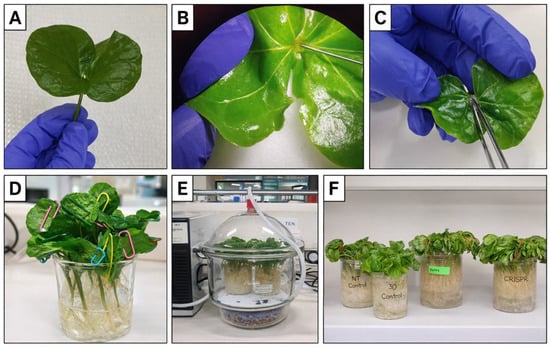
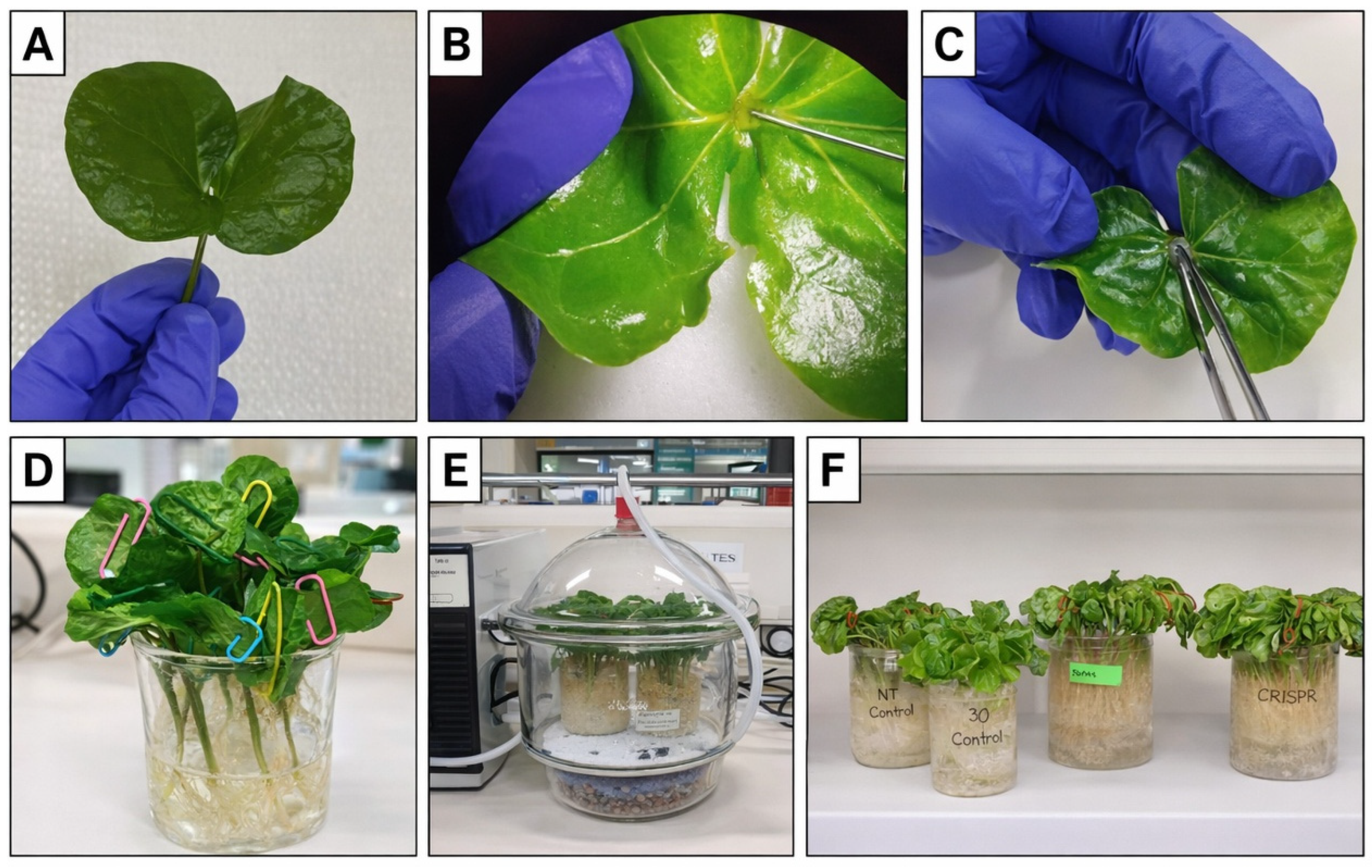
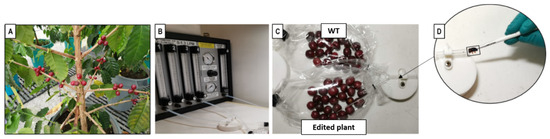
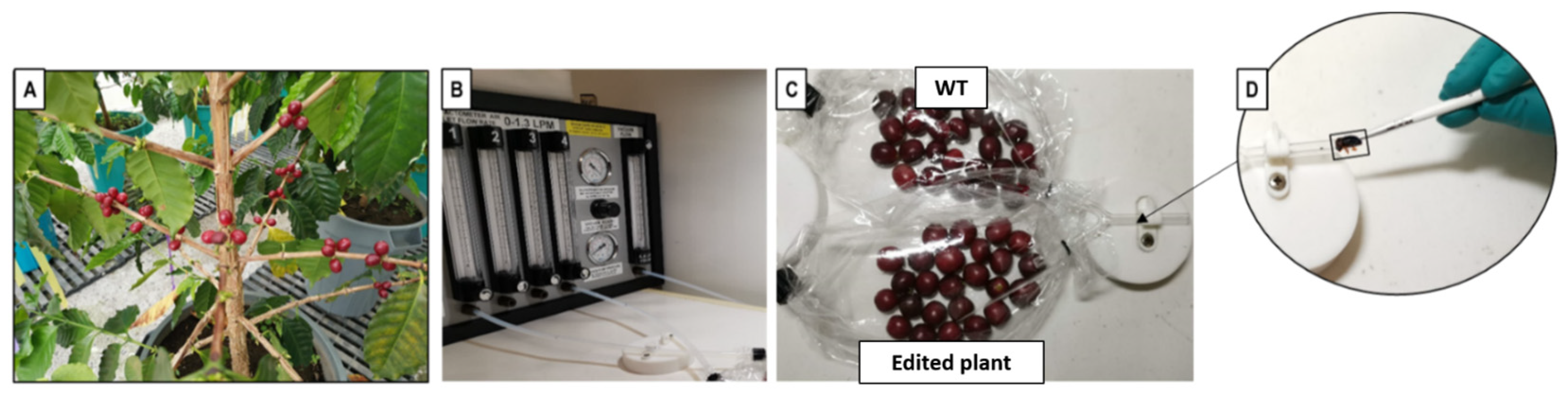
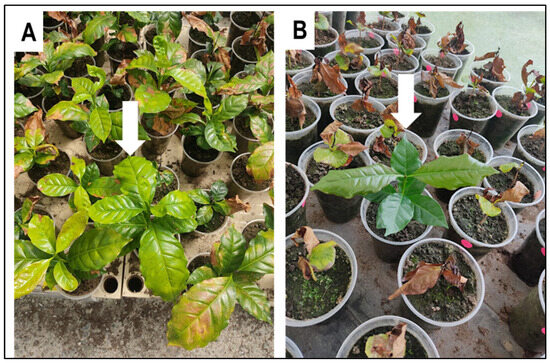
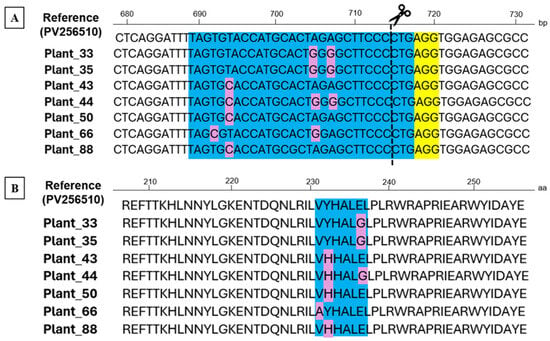
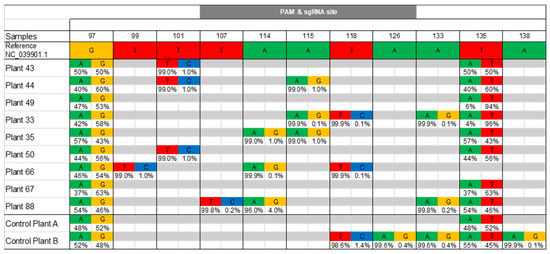
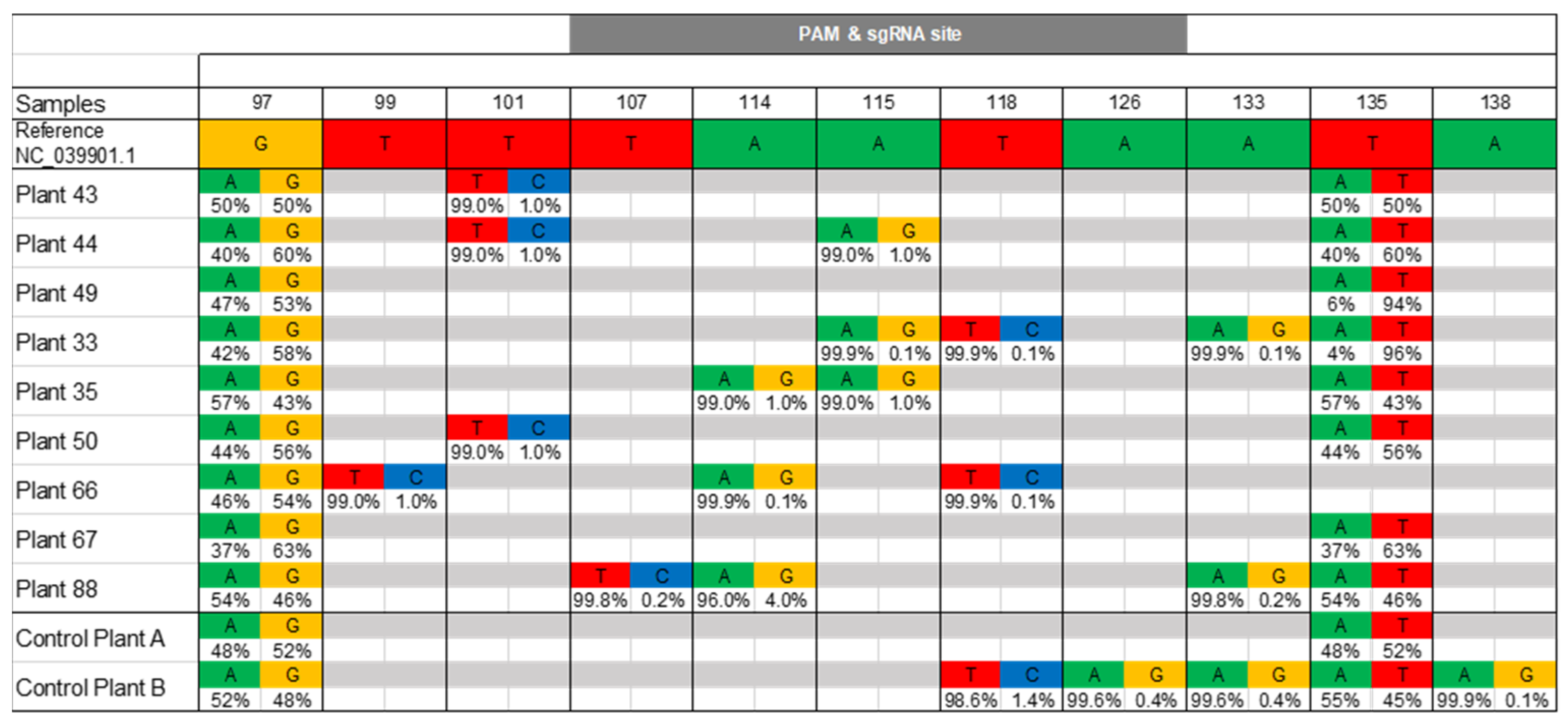
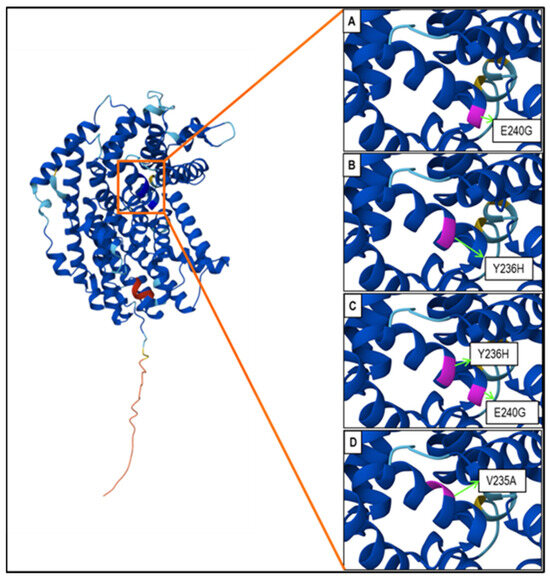
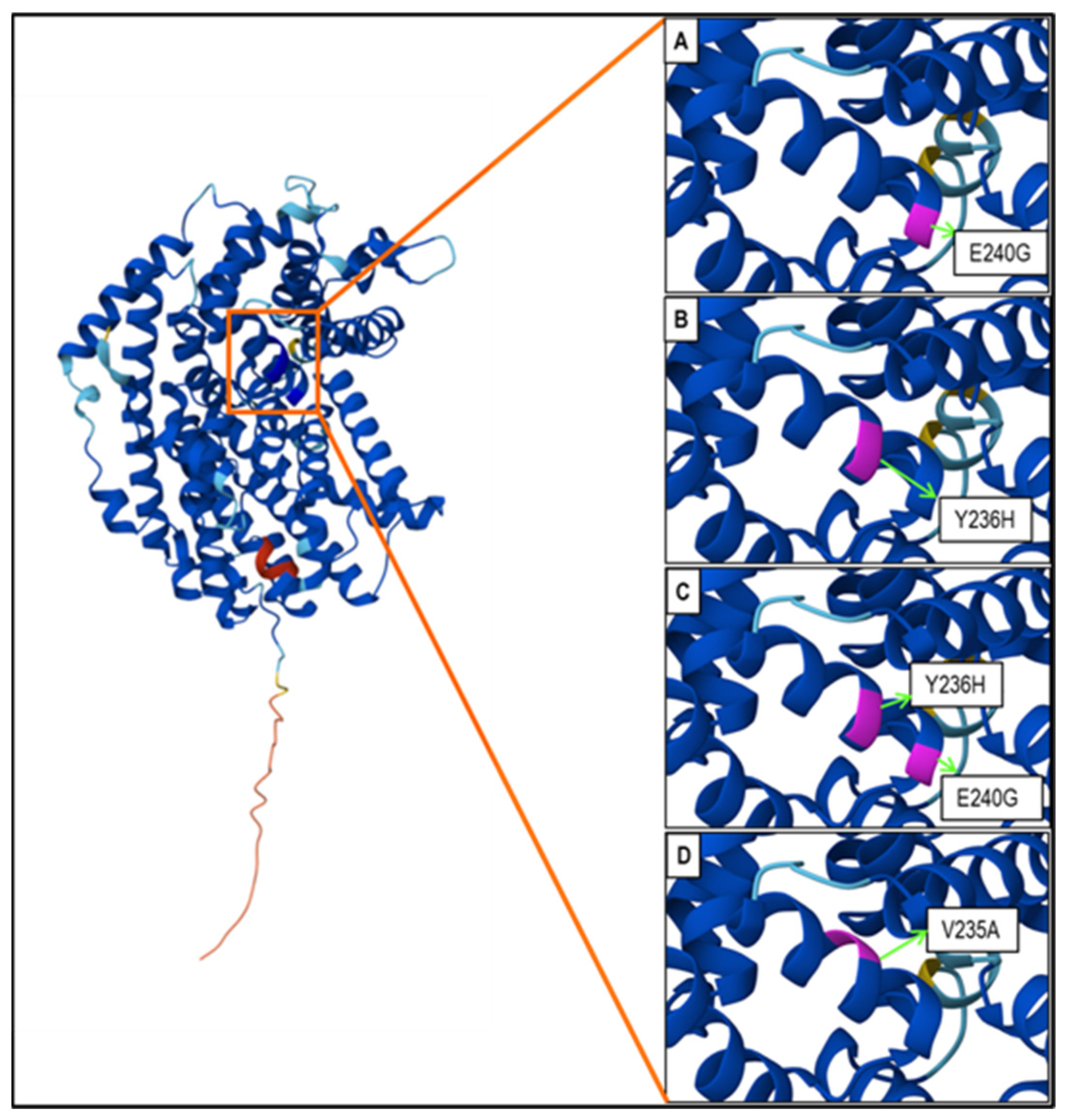
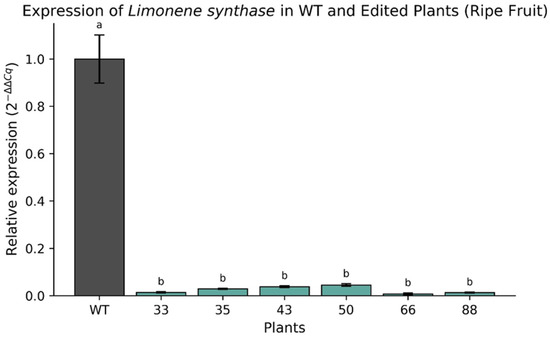
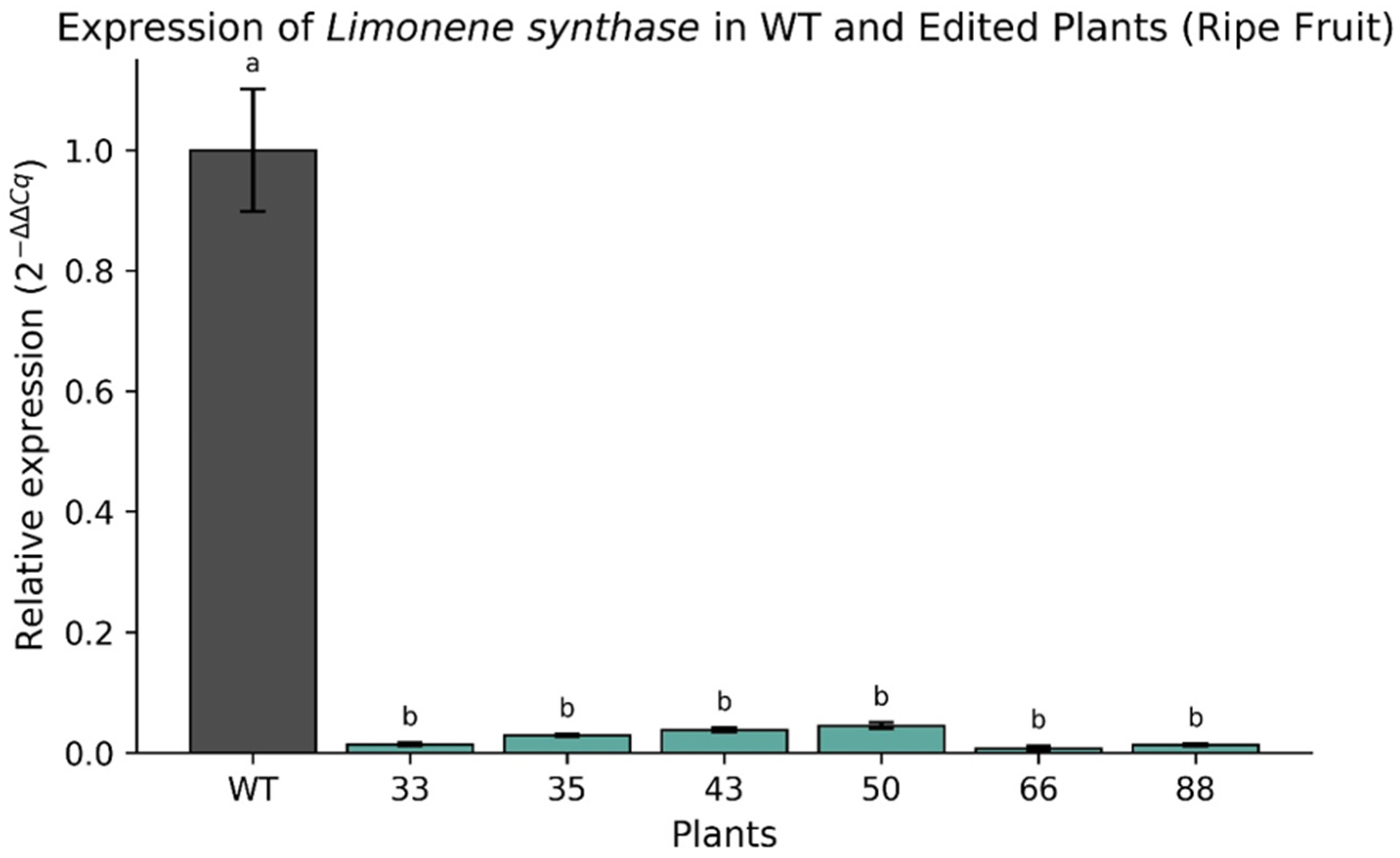
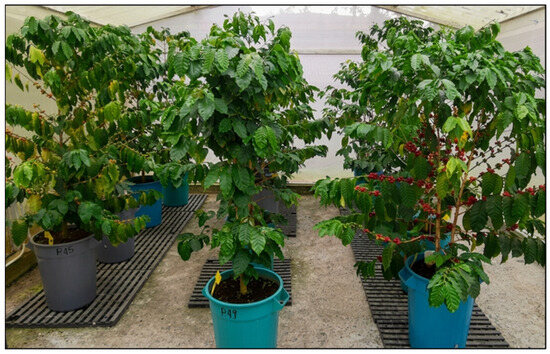
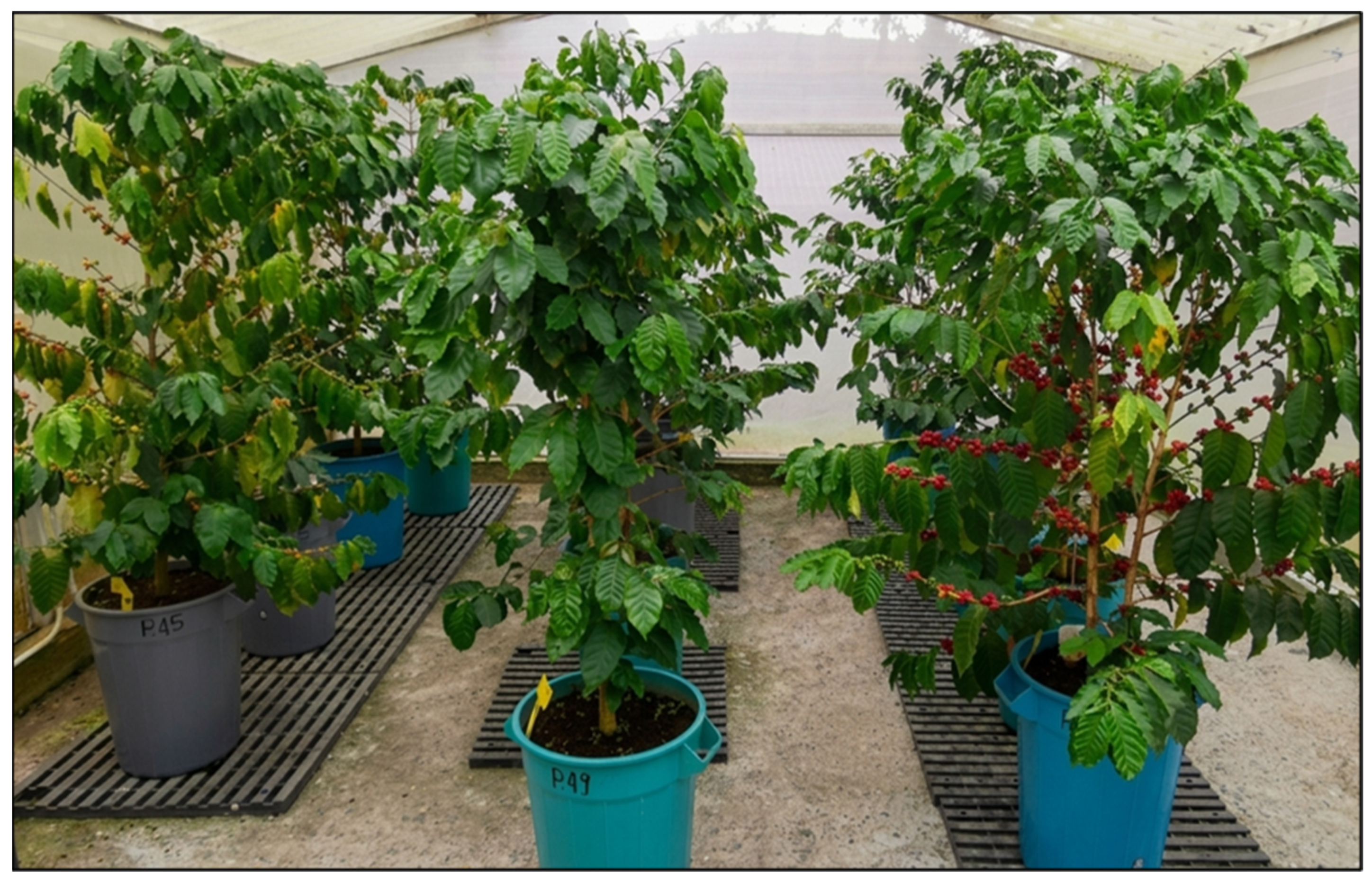
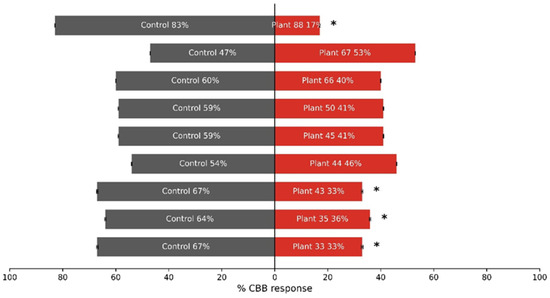
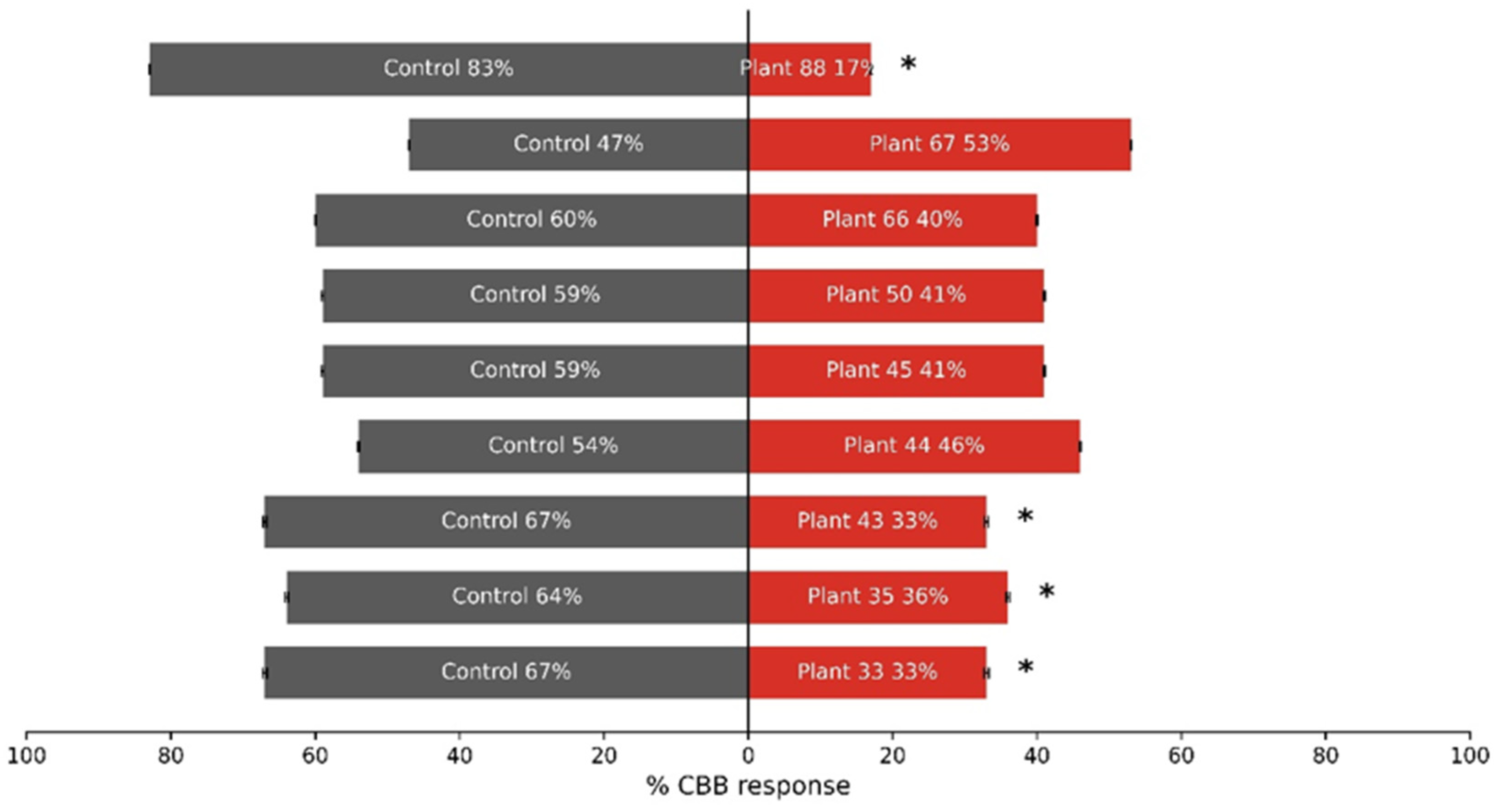
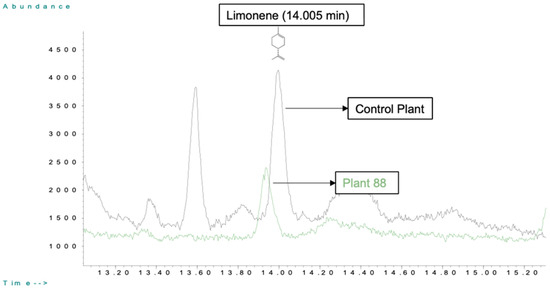
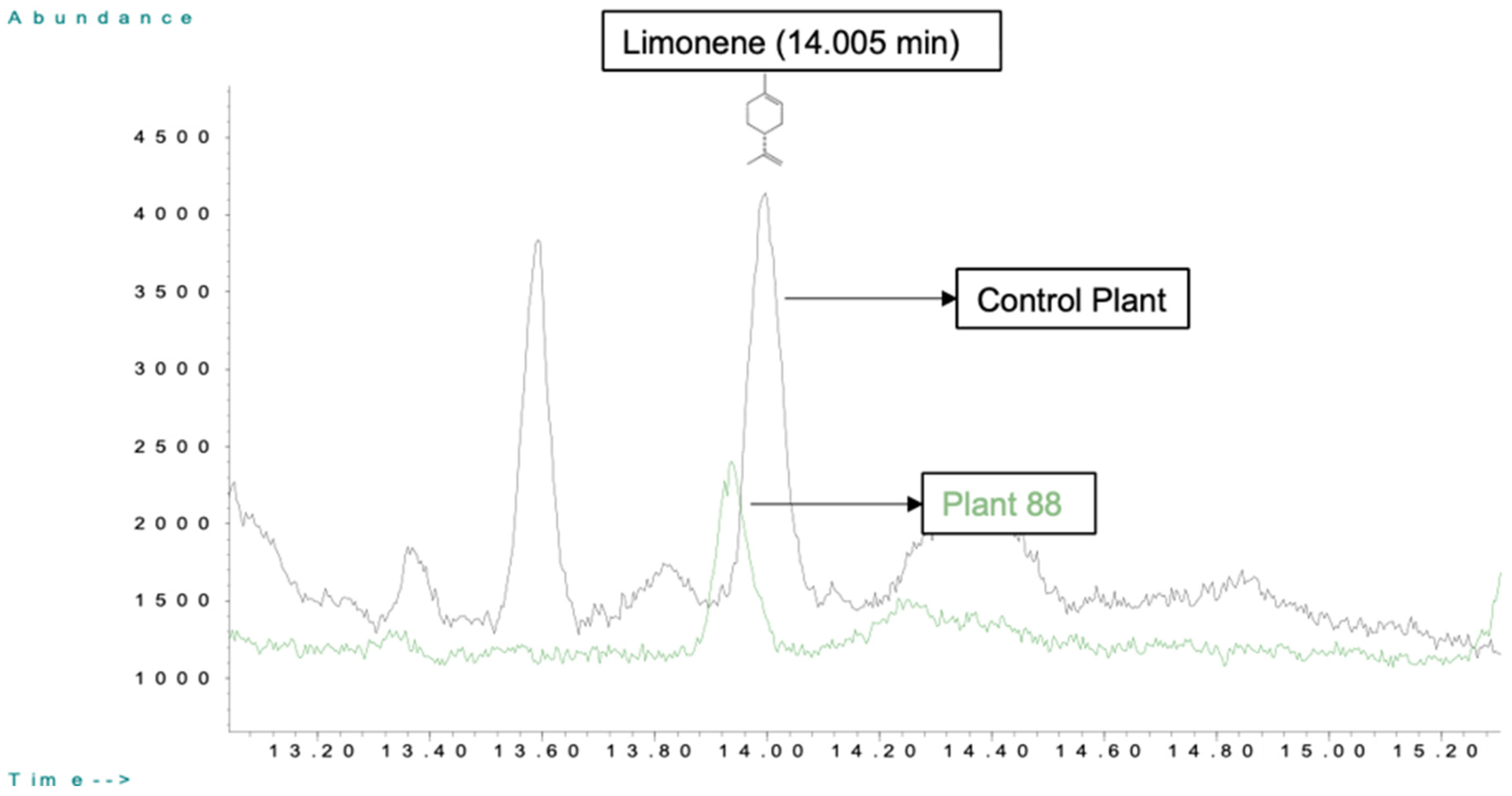

Disclaimer/Publisher’s Note: The statements, opinions and data contained in all publications are solely those of the individual author(s) and contributor(s) and not of MDPI and/or the editor(s). MDPI and/or the editor(s) disclaim responsibility for any injury to people or property resulting from any ideas, methods, instructions or products referred to in the content. |
© 2026 by the authors. Licensee MDPI, Basel, Switzerland. This article is an open access article distributed under the terms and conditions of the Creative Commons Attribution (CC BY) license.