


Abstract
Machine learning (ML) offers a novel paradigm for accelerating catalyst discovery; however, model accuracy, generalizability, and interpretability depend critically on catalyst representation. In contrast to global graph-based representations, the Center–Environment (CE) framework incorporates explicit physical priors by designating property-relevant atoms or sites as centers and influential neighboring atoms as their environments. Feature vectors are constructed through linear combinations of intrinsic elementary attributes weighted by inverse Center–Environment distances, thereby encoding coupled local chemical and structural information. This mini-review examines the principles, methodological evolution, and catalytic applications of CE and Surface Center–Environment (SCE) models, emphasizing how flexible definitions of centers and environments, together with the assembly of elemental properties, establish an active-site-oriented inductive bias. CE-based ML was first applied in 2020 to assess the stability of spinel oxides. Developed concurrently for the oxygen-evolution reaction (OER) on perovskite oxide surfaces, SCE was subsequently extended to hydrocarbon precursor adsorption and early-stage nanocarbon growth on alloy catalysts. CE features have also enabled deep-transfer learning across spinel and perovskite structures. Furthermore, CE-based ML has been integrated with SHAP interpretation, physical descriptors, hierarchical screening, and experimental validation to establish a closed-loop workflow for spinel OER catalyst discovery. Comparisons with composition-based features, Voronoi representations, and graph neural networks (GNNs) highlight the strengths of CE. Reported studies show that CE balances data efficiency and interpretability on small- to medium-sized first-principles datasets through a predefined attention mechanism that reflects the influence of the local environment on an active site. However, current implementations are constrained by the compression of many-body information and limited automation of feature construction and discovery workflows. Promising directions include automated construction of high-dimensional CE representations incorporating many-body interactions, hybrid CE–GNN models, uncertainty-guided active learning, and closed-loop integration of density functional theory, ML, and experiments under realistic reaction conditions.
1. Introduction
The rational design of efficient catalysts is pivotal to advancing sustainable energy conversion and chemical synthesis. Conventional high-throughput density functional theory (DFT) provides formation energies, adsorption energies, reaction-free energies, and electronic-structure descriptors at a consistent theoretical level and therefore forms an important basis for establishing structure–property relationships [1,2,3]. However, the cost of exhaustive DFT calculations increases rapidly when the candidate space simultaneously spans numerous elemental combinations, surface facets, active sites, adsorption configurations, coverages, and surface reconstructions.
Conventional theory of computational catalyst design often relies on expensive physical descriptors, including d-band-related metrics for transition-metal surfaces [4], metal-oxygen covalency and electronic-occupation characteristics in oxides [5,6], and structural factors such as the tolerance and octahedral factors [7]. Symbolic regression can further identify compact analytical expressions from a candidate feature space [8]. For example, Yin’s group derived the μ/t descriptor associated with OER activity and used it to guide the synthesis of new perovskite materials [9]. Such descriptors provide valuable mechanistic understanding, but their applicability is often restricted to specific catalyst families or reaction mechanisms because a limited number of global descriptors cannot fully represent the chemically heterogeneous and structurally complex nature of realistic catalytic sites.
Data-driven approaches are reshaping the workflow of computational catalyst design. By learning nonlinear mappings from existing DFT or experimental data, machine learning (ML) can predict large candidate spaces at a marginal cost far below that of first-principles calculations and has therefore become an important complement to catalyst screening and reactivity modeling [10,11,12,13]. Whether ML can recover reliable catalytic trends depends not only on the regressor or neural network itself, but also on whether the digital representation serving as input features contains information relevant to the target reaction. Unlike image or natural language processing where raw data are abundant, catalyst datasets-especially those derived from first-principles calculations-are often small to medium in scale, making the choice of feature engineering not merely a technical detail, but a decisive factor for model success.
Materials informatics has therefore developed increasingly sophisticated materials representations that encode chemical composition and atomic structures at different levels of abstraction. Composition-based descriptors, such as Magpie and elemental statistical features, construct computationally inexpensive representations from elementary properties, including atomic number, electronegativity, atomic radius, and electronic structure characteristics [14,15]. Related approaches, such as Oliynyk descriptors, further incorporate chemically motivated elemental attributes and have demonstrated their utility for composition-driven materials discovery [16]. These composition-based feature models are highly efficient for exploring broad chemical spaces where detailed structures are unavailable [17], but they generally lack explicit information regarding crystallographic sites, coordination environments, and local structural motifs.
Beyond composition-only representations, local atomic environment descriptors have been developed to capture structural information around individual atoms. Atom-centered symmetry functions (ACSFs) encode radial and angular distributions of neighboring atoms while preserving rotational and translational invariance [18,19], whereas the smooth overlap of atomic positions (SOAP) representation describes local environments through a continuous neighbor density expansion and provides a systematic framework for comparing atomic configurations [20]. Other descriptors, including many-body tensor representation (MBTR) and Voronoi-based features, further extend structural encoding by incorporating higher-order geometric relationships or local topological information [21,22,23]. These representations have substantially improved the ability of ML models to describe complex atomic environments.
In parallel, the development of machine-learning interatomic representations and graph-based neural networks has shifted the field from handcrafted feature engineering toward automatic representation learning. Models including SchNet, CGCNN, NequIP, and MACE learn atomic interactions directly from structures through message passing, geometric embeddings, or equivariant neural architectures [24,25,26,27]. In particular, equivariant models such as NequIP and MACE aim to preserve fundamental symmetries while capturing high-order many-body interactions, achieving remarkable accuracy for molecular and materials simulations with sufficiently large and diverse datasets [26,28,29]. The large-scale datasets for catalysis such as Open Catalyst 2020 (OC20) have further accelerated the development of graph-based models capable of predicting adsorption energies across diverse adsorbates and catalyst surfaces [30].
However, increasing representational complexity does not necessarily guarantee optimal performance for specific catalytic problems. Universal representations such as SOAP, MACE, and graph neural networks generally pursue maximum structural completeness: they attempt to automatically learn atomic interactions, angular correlations, and many-body effects from data [31]. This strategy is particularly powerful when large-scale datasets covering broad chemical and structural spaces are available. Nevertheless, such models often involve high-dimensional feature spaces, substantial numbers of trainable parameters, and increased computational demands, which can create challenges for small-data catalyst discovery, domain extrapolation, and physical interpretation. Consequently, there remains a pressing need for a feature-engineering framework that can bridge the gap between data efficiency and physical interpretability, particularly for catalytically relevant scenarios where the active site is embedded in a locally impactful environment.
Catalytic-materials discovery frequently faces precisely these limitations. Unlike benchmark datasets containing hundreds of thousands or millions of structures, many practically relevant catalytic problems involve only tens to thousands of high-quality DFT calculations because of the complexity of adsorption configurations, surface reconstruction, defect structures, and reaction pathways. Under these circumstances, the central challenge is not only improving model architecture, but also reducing the learning burden imposed on the model. By embedding catalytic knowledge into the representation itself, physics-informed feature engineering can reduce the hypothesis space that machine-learning models need to explore [32].
In response to this challenge, the Center–Environment (CE) model was introduced as a feature-engineering framework incorporating explicit physical priors. Center–Environment (CE) representations emerged in this context as a class of site-focused, physics-informed feature-engineering methods developed by Liu’s group [33,34,35,36,37,38]. Rather than introducing a new ML algorithm, the CE framework addresses three fundamental questions before model training: Which atom or site is most relevant to the target property? Which neighboring atoms constitute its effective environment? And how should the chemical and geometric relationships between the center and its environment be encoded numerically? In 2020, CE was first developed for predicting formation energies and structural properties of spinel oxides [33]. In the same year, the Surface Center–Environment (SCE) representation was introduced, in which surface active sites served as centers and their top-surface/subsurface defined as environments were explicitly encoded to predict adsorption-free energies of oxygen-evolution reactions (OER) intermediates and catalytic activity descriptors for perovskite oxides [34]. Subsequent studies extended CE/SCE toward alloy-surface adsorption, nanocarbon growth, transfer learning across crystal structures, and interpretable catalyst discovery workflows [35,36,37].
Beyond these catalytic applications, CE and related general feature-engineering strategies have also been developed for non-catalytic materials problems. Earlier first-principles/ML work on Ni-based superalloy doping established a workflow for learning local energetic and structural responses to alloying [39]. Subsequent Co-based superalloy studies explicitly used CE features to distinguish alloying-element identity and substitution configuration [40,41]. In Nb-based alloys, CE was further combined with atomic-environment typing and predefined attention, while related studies examined nonlinearity, inter-feature coupling, and dimensionality reduction or augmentation within CE-based representations [38,42,43]. In parallel, attention-based embedding expanded high-dimensional feature learning and transfer learning in Ni-based superalloys, CE-based transfer learning was extended across energetic and mechanical properties in multicomponent Mo alloys, and hierarchical CE features were introduced to describe intramolecular and intermolecular organization in energetic molecular crystals [44,45,46,47].
Collectively, these developments suggest that CE has evolved from a representation developed for specific crystalline systems into a broader physics-informed strategy for organizing chemically and structurally relevant information around task-relevant centers. Nevertheless, the present review does not attempt to comprehensively cover all CE-related applications across various materials categories. Instead, we focus specifically on the CE/SCE representation framework for computational catalyst design, where the physical distinction between an active center and its surrounding chemical and structural environment provides a particularly direct correspondence to the underlying representation. Within this scope, we discuss the principles of local structure encoding, the connection between bulk stability and surface reactivity, performance in small-data learning, transfer learning and interpretable screening, complementarity with other structural representations, and the key developments needed for applications to realistic catalytic interfaces.
In this mini-review, we examine the principles of CE feature construction, methodological evolution, and diverse catalytic applications of CE/SCE models. We emphasize the logical chain from center selection to multi-center assembly, and discuss the advantages of CE through direct comparisons with existing representation methods reported in the literature. Several studies demonstrate that CE balances data efficiency and interpretability on small-to-medium first-principles datasets, a capability that stems directly from its physically informed architecture. Nevertheless, we also candidly discuss the current limitations of CE implementations, including the compression of many-body information, as well as the need for autonomous construction and workflows. Finally, we outline promising future directions such as automatic high-dimensional CE feature construction incorporating many-body information, hybrid CE-GNN representations, uncertainty-guided active learning workflows, and DFT-ML-experiment closed loops under realistic reaction conditions. By providing this critical assessment, we aim to offer the catalysis and materials informatics communities a clear perspective on the potential of CE feature engineering as a paradigm for interpretable and data-efficient catalyst discovery.
2. Fundamentals of Center–Environment Representations
2.1. Workflow of CE-Based Machine Learning for Catalyst Discovery
The Center–Environment (CE) framework is not a new machine-learning algorithm, but a physically informed representation strategy introduced before model training. Its central idea is to identify atoms or crystallographic sites most relevant to the target property as centers, define the surrounding atoms that constitute their effective environments, and encode elementary physicochemical attributes together with Center–Environment geometry into machine-readable features. A single-center CE (sCE) descriptor is used when one key site dominates, whereas descriptors from multiple crystallographically or chemically inequivalent sites can be assembled into a multiple-CE (mCE) representation. For catalytic surfaces, environment partitioning into top-surface and subsurface regions further gives rise to the Surface Center–Environment (SCE) representation.
As illustrated in Figure 1, the CE-based machine-learning workflow starts from the target property and decomposes candidate three-dimensional structures into physically meaningful centers and their effective local environments. Elementary physicochemical attributes are then coupled with Center–Environment spatial relationships through distance-dependent weighting to construct descriptors that explicitly encode elementary attributes, site identity, and local geometry. Depending on the number and nature of task-relevant sites, these descriptors can be formulated as single-center CE (sCE), multiple-CE (mCE), or Surface Center–Environment (SCE) representations. The resulting features can be directly combined with conventional machine-learning approaches, including support-vector regression, random forests, neural networks, and transfer learning, for predicting thermodynamic, electronic, structural, mechanical, and catalytic properties, and subsequently for large-scale screening, candidate prioritization, and extraction of interpretable design rules. Thus, rather than replacing existing learning algorithms, CE primarily introduces explicit physical priors to determine which structural information the model should emphasize, thereby providing a transparent and extensible link between atomic structure, physical knowledge, machine-learning prediction, and materials discovery.
Figure 1.
Overall workflow of Center–Environment (CE)-based feature engineering and machine-learning-enabled materials discovery. Candidate structures are decomposed into task-relevant centers and local environments, whose physicochemical and distance-dependent information is assembled into CE/SCE descriptors. These descriptors are used for model development and prediction of thermodynamic, electronic, structural, mechanical, and catalytic properties, thereby supporting materials screening, candidate selection, design, and interpretable structure–property relationships.
2.2. Construction of Center–Environment Features: Definitions of Centers and Environments
A CE unit consists of a center and its effective environment, both defined according to the target task. The center is typically the atom or crystallographic site expected to contribute most directly to the target response, whereas the environment contains neighboring atoms that significantly influence its local chemistry and structure [48]. Environments may be defined using coordination shells, distance cutoffs, or layer-resolved partitions for surfaces. Depending on the problem, crystallographically inequivalent cation sites in spinels, surface B sites in perovskite OER, or substitutional dopants on alloy surfaces can all serve as centers. Thus, the center is not a fixed elemental category but a task-dependent physical-site hypothesis.
As illustrated in Figure 2a,b, center attributes are retained explicitly, whereas environment attributes are aggregated using distance-dependent weights so that nearby atoms contribute more strongly than distant ones. This converts variable-size three-dimensional neighborhoods into compact, fixed-length representations while preserving local Center–Environment chemistry. Reciprocal-distance weighting is shown schematically, although the weighting function may be adjusted for different systems. Because the choice of center, environmental boundary, and distance weighting represents a physical hypothesis rather than a universal rule, these definitions should be validated for each material class and target property.
Figure 2.
Structural decomposition and distance-weighted encoding of a Center–Environment (CE) unit. (a) A task-relevant center and its local environment are selected from a three-dimensional multicomponent structure; orange indicates site selection rather than an additional element. (b) Neighboring atoms are schematically grouped into first, second, and more distant shells, with contributions decreasing with center-atom distance. (c) Eight Center–Environment (CE) feature construction schemes for tetrahedral–octahedral dual-center structures in spinels (CE-1–CE-8). Adapted with permission from Ref. [33]. Copyright 2020, American Chemical Society.
The CE approach begins by partitioning a material structure into selected centers and their surrounding environments. In the spinel study illustrated in Figure 2c, crystallographically inequivalent tetrahedral and octahedral cation sites were designated as centers, with their neighboring atoms defining the corresponding environments [33]. Unlike composition-only descriptors derived from chemical formulas, CE explicitly encodes site identity and local surroundings, allowing structures with the same composition but different site occupancies to be distinguished. By incorporating domain knowledge into center selection, CE introduces a physical prior that directs the representation toward structurally or functionally relevant sites, rather than relying solely on a graph model to learn their relative importance. Building on this partitioning, Figure 2c presents eight feature construction schemes (CE-1–CE-8), in which four attribute blocks—tetrahedral-center (TC), tetrahedral-environment (TE), octahedral-center (OC), and octahedral-environment (OE)—are selectively combined through summation and/or concatenation. These schemes provide a systematic basis for assessing the predictive contributions of the two site types and comparing alternative strategies for integrating center and environment information.
In catalytic systems, this assumption often has a direct physical interpretation. For perovskite OER (Figure 3a), intermediates such as HO*, O*, and HOO* were more importantly adsorbed at the surface B site; SCE therefore defined that B site as the center and assigned the remaining top-surface and subsurface atoms to distinct environment groups [34]. In studies of Ni-, Co-, and Fe-based alloy surfaces (Figure 3b), the substitutional dopant X was treated as the center to study alloying effects on the adsorption of hydrocarbons such as C2H2 and the other surface metal atoms as the environment to incorporate substrate effects [35]. The center is therefore not a fixed elemental category, but a task-dependent site hypothesis.
Figure 3.
Schematic illustration of the Center–Environment (CE) and Surface Center–Environment (SCE) frameworks. (a) SCE model for perovskite surfaces in the oxygen evolution reaction (OER), in which the surface B-site atom serves as the center, while atoms in the topmost surface and subsurface layers constitute distinct local environments. Adapted with permission from Ref. [34]. Copyright 2020, Elsevier. (b) SCE model for alloy surfaces, in which the dopant atom X serves as the center and the remaining surface metal atoms constitute the local environment. Adapted with permission from Ref. [35]. Copyright 2022, Elsevier.
2.3. Construction of Center–Environment Features: Weighted Assembly of Elementary Attributes
The Center–Environment (CE) feature model is a physics-informed local structure representation that integrates both compositional and structural information into machine-learning descriptors [33,34,35,36,37,38]. By mapping elementary attributes into a Center–Environment framework, the CE model explicitly distinguishes the intrinsic properties of the central atom from the contributions of surrounding environment atoms. The CE descriptor can be formulated as an (n + 1)-dimensional composite feature vector:
where D consists of n elementary physicochemical attributes and T represents the target property. Each elementary attribute Di contains the attributes associated with both the center and the environment atoms as follows:
The contribution from the center atom is directly determined by its intrinsic elementary property:
where pC,i denotes the i-th elementary property of the center atom. In contrast, the environment attribute is constructed by a linear summation of the attributes of surrounding atoms with distance-dependent weights:
where N represents the number of environment atoms, pE,j,i denotes the i-th elementary property of the j-th environment atom, and ωE,j is the normalized weighting factor describing the contribution of each environment atom as follows:
where rj represents the interatomic distance between the center atom and the j-th environment atom, and m determines the scaling of the distance-dependent weighting scheme of environmental contributions. Various scaling factors of m correspond to different distance-dependent decay functions, e.g., with m = −1 and m = −1/2 representing reciprocal-distance and inverse-square-root-distance weighting scales, respectively. By adjusting m, the CE representation can regulate the relative importance of neighboring atoms at different spatial distances and capture the distance-dependent nature of local atomic interactions. The subscripts C and E represent the center atom and environment atoms, respectively; i indicates the index of elementary physicochemical attributes, while j denotes the index of environment atoms. Through this distance-dependent weighting scheme, the CE model incorporates local atomic interactions and captures the influence of the surrounding chemical environment on the central active site, thereby providing an interpretable representation of localized composition–structure relationships.
2.4. Multiple Center–Environment Features: Assembly of Multiple Single Centers
Early CE work systematically compared single CE (sCE) and multiple CE (mCE) representations, as well as different assembly strategies in which center and environment information was either summed into scalar features or retained explicitly as separate vector components [33]. For spinels, using only one type of center can omit information associated with the other inequivalent site, whereas retaining multiple centers provides a more complete description of the local structure. In formation-energy prediction, multi-center representations generally outperformed single center representations, indicating that preserving the distinction between center and environment is itself informative, consistent with physical pictures.
This conclusion was reinforced by subsequent deep-learning studies. The 2023 DNN-CE work showed that models centered on A or B alone were clearly inferior to models containing both A and B centers, as shown in Figure 4, whereas adding O as an additional center—a site that changes little with composition—provided limited benefit and could introduce redundancy [36]. Thus, more centers are not necessarily better; the value of an additional center depends on whether it contributes independent structural information.
Figure 4.
Performance (<MAE>) of prediction of various test datasets using the CE feature models with different center atom definitions. Adapted from Ref. [36] under the terms of the CC BY 4.0 license.
2.5. Surface Center–Environment Features: From Global to Surface
When the target changes from a bulk crystal to a catalytic surface, the environment becomes intrinsically hierarchical. Surface Center–Environment (SCE) separately aggregates top-surface, subsurface, or distinct coordination shells to describe a half of bulk materials. In the perovskite SCE model, for example, 38 primitive properties were independently mapped onto the center, top-surface environment, and subsurface environment to generate 114 input descriptors [34]. The alloy-surface study compared a one-dimensional representation that merged center and environment information with a two-dimensional representation that retained them separately; the two-dimensional form performed better for some tasks [35]. These results identify the physical partitioning of the environment as one of the key degrees of freedom in CE design.
2.6. Center–Environment Features as a Predefined Attention Mechanism: A Methodological Interpretation
In a 2025 study of Nb5Si3 alloy stability, Tang et al. further described CE as a physics-informed predefined attention mechanism to explain the common origin of the success at various applications [38]. Here, the predefined attention does not refer to trainable node weights inside a deep neural network; instead, center and environment definitions themselves predetermine, at the input level, which structural regions the model should emphasize. Tang’s study also introduced Atomic Environment Type (AET) to define complex low-symmetry environments and showed that CEAET was better suited to complex crystals than a simple nearest-neighbor representation. Although the studied system was not catalytic, the CEAET methodology suggests how CE could be extended to complex active sites, defects, and low-symmetry catalytic surfaces. Table 1 and Figure 5 trace the development of the center–environment (CE) framework from its initial use in predicting bulk material properties to its application in modeling surface adsorption and discovering catalysts.
Table 1.
Milestones during the evolution of Center–Environment feature engineering and their relationship to catalyst design.
Figure 5.
Development of the center–environment (CE) framework from bulk-property prediction to catalytic applications and broader methodological extensions. The timeline highlights bulk-property prediction for spinel oxides [33], prediction of adsorption free energies and overpotentials for the oxygen evolution reaction on perovskite surfaces [34], hydrocarbon adsorption on alloy surfaces in the context of nanocarbon growth [35], transfer learning from spinels to perovskites [36], interpretable catalyst screening using Shapley additive explanations (SHAP) with experimental validation [37], and the interpretation of CE as predefined attention and its extension to complex, low-symmetry local environments [38].
3. Applications of CE-Based Machine Learning in Computational Catalyst Design
3.1. Thermodynamic Stability as a Synthesizability Criterion in Catalyst Design
Catalytic activity is not the only criterion for evaluating the performance of candidate materials. A structure with theoretically ideal adsorption energetics is unlikely to reach experimental validation if it cannot form, or is highly unstable, at the target composition and under the relevant temperature or chemical-potential conditions. Bulk formation energy, energy above the convex hull (Ehull), and structural formability can therefore be regarded as upstream gates in catalyst design [50,51]. Although the original 2020 CE work primarily addressed materials properties rather than a specific catalytic reaction, as shown in Figure 6a, it established a stability foundation for subsequent catalyst screening: DFT calculations were performed for 5329 normal spinel AB2O4 structures, and CE-SVR models were used to predict formation energies, lattice parameters, and band gaps [33]. The formation-energy RMSE reached approximately 0.08 eV/atom (Figure 6b), and multi-center vector representations generally outperformed simple single-center or scalar forms (Figure 6c).
Figure 6.
Elemental space and machine-learning prediction of the formation energies of normal spinel oxides. (a) Chemical elements considered at the tetrahedral (T) and octahedral (O) sites of the normal spinel oxides AB2O4 investigated in this work. A total of 73 elements were considered for each of the T and O sites and are color-coded from blue to pink according to the ground-state total energies of the corresponding isolated atoms, as indicated in the periodic table. The inset shows the conventional unit cell of the normal spinel structure, with the T and O sites corresponding to tetrahedral and octahedral coordination environments, respectively. (b) Comparison between density functional theory (DFT) calculations and machine-learning (ML) predictions obtained using the radial basis function support vector regression (SVR-RBF) model. Adapted with permission from Ref. [33]. Copyright 2020, American Chemical Society. (c) Performance of SVR-RBF models using CE-1–CE-8 representations for predicting spinel oxide formation energies. Local environments around tetrahedral and octahedral centers are defined by oxygen neighbors spanning the first to tenth coordination shells. Solid lines with filled diamond markers show R2 (left y-axis), and dashed lines with open diamond markers show the root mean square error (RMSE, right y-axis).
An important caveat is that all candidates in that dataset were generated from a fixed MgAl2O4 prototype, so structural variation arose mainly from chemical composition and the advantage of CE over purely compositional features was not fully exposed. The authors also noted that CE should show a clearer advantage when the same composition can adopt different local environments or polymorphs [33]. Evaluation of CE should therefore extend beyond fixed-prototype datasets to cross-structure and local-perturbation tests [52].
3.2. SCE Prediction of Perovskite OER Surface Reactivity
The catalytic significance of the SCE representation was first demonstrated in a perovskite OER study [34]. As shown in Figure 7a, the study considered a broad compositional space of ABO3 perovskites comprising 27 A-site elements and 36 B-site elements. For the ABO3(100) surfaces, the surface B site was defined as the center, and adsorption-free energies were calculated for the HO*, O*, and HOO* intermediates. Seventy-two internally calculated structures were combined with data collected from the literature [53], yielding 172 nonduplicated samples for random-forest model training. Compared with representations based solely on A/B elemental identities or overall composition, the SCE framework explicitly distinguishes the active center, surface environment, and subsurface environment, thereby aligning the model input with the local catalytic configuration defined by the adsorbed intermediate, active site, and surrounding lattice. Perovskite structures contain multiple inequivalent atomic sites, as shown in Figure 7b, where distinct local coordination environments lead to unique electronic structures at each site, thereby influencing the structural stability and catalytic properties of the materials [54].
Figure 7.
Elemental space and SCE-based machine-learning prediction of OER overpotential for ABO3 perovskite oxides. (a) Chemical elements considered for the A and B sites of ABO3 perovskite oxides, including 27 A-site elements (orange) and 36 B-site elements (blue). (b) Perovskite crystal structure and inequivalent atomic sites with distinct local coordination environments. (c) Comparison of density functional theory (DFT) calculations and random forest (RF) predictions based on the SCE feature model for 172 perovskite oxides: (c1) ΔGHO∗, (c2) ΔGO∗, (c3) ΔGHOO∗, and (c4) ηOER. (d) Relationship between the OER overpotential, ηOER, and the adsorption free-energy difference, Δ(GO∗ − GHO∗), for various ABO3(100) surfaces calculated by DFT. (e) Corresponding relationship between ηOER and Δ(GO∗ − GHO∗) for various ABO3(100) surfaces predicted by the RF model. Adapted with permission from Ref. [34]. Copyright 2020, Elsevier.
As shown in Figure 7c, the reported mean absolute errors (MAEs) were approximately 0.388 eV for HO*, 0.633 eV for O*, 0.389 eV for HOO*, and 0.144 V for the OER overpotential [34]. Importantly, both the DFT-calculated data and the ML-predicted results exhibited the characteristic volcano-shaped relationship [55] between the OER overpotential, ηOER, and the adsorption free-energy difference, Δ(GO∗ − GHO∗), as shown in Figure 7d and Figure 7e, respectively. This consistency indicates that the SCE-based model was able to reproduce the underlying activity trend captured by first-principles calculations. The trained model was subsequently applied to predict 610 additional perovskite compositions and to screen candidates with low predicted overpotentials. Nevertheless, the study also highlights an important limitation of ML-based extrapolation: subsequent DFT reassessment of candidates such as YIrO3 and YRuO3 revealed quantitative deviations from their ML-predicted overpotentials but qualitatively remain as the low-overpotentials candidates. Thus, while SCE can efficiently reduce the compositional search space and capture physically meaningful catalytic trends, it cannot replace high-fidelity DFT validation but may be practically useful for relative ranking of candidates. Applicability-domain analysis and uncertainty quantification are therefore particularly important when ML models are extrapolated from small datasets [56].
3.3. Alloy-Surface Adsorption and the Initial Growth of Nanocarbon
As illustrated in Figure 8a, Chen et al. extended SCE from oxide electrocatalysis to Ni-, Co-, and Fe-based metal/alloy surfaces to study the adsorption of C2H2 and C6H6 and the initial growth of nanocarbon [35]. On M-X surfaces, the substitutional element X was defined as the center and the remaining metal atoms in the top substrate layer as the environment. Relative to a one-dimensional feature set that averaged center and environment information, the two-dimensional representation explicitly preserved their distinction and more clearly separated the intrinsic properties of the dopant from the role of the substrate environment.
Figure 8.
Dehydrogenation energetics and machine-learning predictions of adsorption properties on transition-metal surfaces. (a) Relative energy changes during the successive dehydrogenation of C6H6 on Ni, Fe, and Co surfaces, referenced to the corresponding dehydrogenation processes in vacuum. (b) Comparison of adsorption energies predicted by different ML models: (b1) support vector regression using the one-dimensional SCE feature vector (SVR@SCE-1D) and (b2) random forest regression using the two-dimensional SCE feature representation without feature selection (RFR@SCE-2D). (c) Comparison of adsorption distances predicted by ML models: (c1) random-forest regression using the one-dimensional SCE feature vector (RFR@SCE-1D) and (c2) random forest regression using the two-dimensional SCE feature representation without feature selection (RFR@SCE-2D). Adapted with permission from Ref. [35]. Copyright 2022, Elsevier.
SCE-RFR/SVR models reproduced adsorption energies and adsorption distances with good accuracy. Representative minimum MAEs were approximately 0.111 eV for adsorption energy (Figure 8b) and 0.019 Å for adsorption distance (Figure 8c) [35]. Feature-importance analysis linked the adsorption trends to the size, electronegativity, and valence-electron-related properties of the dopant, consistent with alloying trends obtained from DFT. More importantly, this study showed that CE is not tied to a specific oxide lattice. Its underlying principle is to organize information around a local reaction center, making the framework naturally extensible to substitutional alloys, single-atom sites, and other local coordination motifs.
3.4. Transfer Learning Across Crystal Structures: CE Provides a Transferable Representation
Catalytic materials databases frequently exhibit severe data scarcity and domain imbalances: mature structural families often possess extensive first-principles datasets, whereas a specific target catalytic system may offer only tens to hundreds of labeled samples [57,58]. To address this limitation, in our previous work [36], we established a deep neural network with a Center–Environment representation (DNN-CE) transfer-learning model (Figure 9a–c), utilizing 5172 converged spinel-formation energy samples as the source domain and 855 perovskite samples as the target domain. The dual-center (A/B site) model distinctly outperformed its single-center counterparts, demonstrating that successful cross-structural domain transfer hinges on preserving sufficient representation of crystallographically inequivalent sites within the input feature space.
Figure 9.
Performance of CE-based transfer learning across crystal structures in Ref. [36]. (a) Architecture of the DNN-CE model using CE descriptors as inputs. (b) Schematic of a single neuron. (c) Transfer-learning workflow from spinel to perovskite oxides. (d) Comparison between DNN-CE predictions and DFT calculations for (d1) spinel oxides (Modelspinel), (d2) perovskite oxides (Modelperovskite), (d3) direct source-model prediction (ModelSP), and (d4) transfer-learning prediction (ModelTL). (e) Heat map of the predicted formation energies of 5329 ABO3 perovskites with 73 candidate elements at each A and B site. Adapted from Ref. [36] under the terms of the CC BY 4.0 license.
A detailed performance comparison among different modeling and transfer strategies is particularly revealing (Figure 9d). As benchmarked against DFT calculations, the source-only model trained exclusively on spinel oxides (Modelspinel, Figure 9(d1)) yielded a substantial MAE of 0.514 eV/atom when directly applied to perovskites without calibration (Model_SP, Figure 9(d3)). In contrast, a model independently trained on target-domain perovskite data (Modelperovskite, Figure 9(d2)) achieved an MAE of 0.132 eV/atom, whereas pre-training on the spinel-source domain followed by fine-tuning with a limited set of perovskite target data (ModelTL, Figure 9(d4)) further reduced the MAE to 0.106 eV/atom [36]. These findings demonstrate that while the CE framework effectively constructs local chemical representations shared across distinct crystal structures, a transferable representation alone does not automatically yield a “plug-and-play” cross-domain model without proper recalibration [59]. Such domain shifts are expected to become even more pronounced when extending from bulk crystal lattices to surface slabs, or from pristine symmetries to defective and reconstructed interfaces.
3.5. From Proxy Descriptors to an Experimental Closed Loop: Spinel OER Catalyst Discovery
Our 2024 spinel oxygen-evolution reaction (OER) study showcases the first complete data-driven CE application pipeline, seamlessly bridging physics-informed proxy descriptors with an experimental closed loop (Figure 10) [37]. High-throughput density functional theory (DFT) calculations were first conducted across 5329 hypothetical spinel compositions, yielding 4142 converged structures (Figure 11a,b). To circumvent computationally expensive explicit reaction pathway calculations during large-scale screening, the energy-level separation between the transition metal d-band center and the O-2p-band center was formulated into a covalency-competition metric, Max (DT, DO), serving as a rapid proxy descriptor for intrinsic OER activity. Here, DT and DO represent the energy differences between the metal d-band center at tetrahedral sites and the O p-band center, and between the metal d-band center at octahedral sites and the O p-band center, respectively, reflecting the electronic interactions of distinct coordination environments in spinel structures. Extra Trees regression models [60] were subsequently trained to predict this descriptor using various feature representations, including CE, Voronoi tessellation, Magpie, and ElemNet, as illustrated in Figure 11c. On the independent test set, the CE representation achieved an exceptional R2 of 0.86, substantially outperforming Voronoi (0.79), Magpie (0.74), and ElemNet (0.66). This performance hierarchy underscores that explicitly resolving local Center–Environment coordination affords decisive predictive power within the same dataset and algorithmic framework.
Figure 10.
Schematic of the workflow for high-throughput DFT computation, machine learning, and experimental validation applied in Ref. [37]. Reproduced with permission from Ref. [37]. Copyright 2024, American Chemical Society.
Figure 11.
ML-assisted high-throughput screening and experimental validation of spinel OER electrocatalysts reported in Ref. [37]. (a) Kernel-density scatter plot of (DT) and (DO), with the orange box highlighting the region where 2.5 eV < Max(DT, DO) < 3.5 eV. (b) Distribution of max(DT, DO) for 4142 spinel structures. (c) Parity plots comparing DFT-calculated and ML (ET)-predicted Max(DT, DO) using (c1) Center–Environment (CE), (c2) Voronoi (V), (c3) Magpie (M), and (c4) ElemNet (E) feature sets. (d) High-throughput screening workflow for identifying stable spinel electrocatalysts. (e,f) Experimental characterization of the screened candidates, including (e) XRD patterns of MoAg2O4, MoNa2O4, and ZnAl2O4, and (f) FESEM images and corresponding EDX spectra of (f1) MoAg2O4 and (f2) MoNa2O4. (g) iR-corrected LSV polarization curves of MoAg2O4, MoNa2O4, and ZnAl2O4, and RuO2 in O2-saturated 1.0 M KOH at 5 mV s−1. (h) Gibbs free-energy diagrams for the adsorbate evolution mechanism (AEM) at 0 V versus RHE, with optimized intermediate structures shown in the inset. Reproduced with permission from Ref. [37]. Copyright 2024, American Chemical Society.
The screening workflow did not stop at prediction using a single descriptor. As illustrated in Figure 11d, charge neutrality, thermodynamic stability, and an activity-descriptor window were considered sequentially: 5329 CE-predicted structures were reduced to 3979 charge-neutral structures, then to 61 candidates to satisfy Ehull < 0.05 eV, and finally to 14 priority candidates using 2.5 eV < Max(DT, DO) < 3.5 eV [16]. After additional constraints on cost and safety, MoAg2O4, MoNa2O4, and ZnAl2O4 were synthesized and tested experimentally (Figure 11e,f)). MoAg2O4 required an overpotential of 284 mV at 10 mA cm−2 and outperformed the commercial RuO2 control reported in the study (323 mV) (Figure 11g). Subsequent DFT analyses of OER free energies, crystal orbital Hamilton population (COHP) [61], Bader charge [62], and work function were used to rationalize its more favorable electron transfer and intermediate adsorption (Figure 11h).
The importance of this case lies in its demonstration of a complete progression from a DFT surrogate model to interpretable screening, candidate synthesis, and mechanistic reassessment. Two levels must nevertheless be distinguished. The ML model directly learned the electronic-structure proxy MAX(DT, DO) rather than the complete OER free-energy diagram for every candidate. Catalyst discovery therefore still depended on the validity of the proxy descriptor, the correctness of the stability filters, and final experimental validation [63]. For future CE studies, multi-objective learning and candidate-level error-propagation analysis will be more informative than a single R2 value.
4. Comparison Between CE and the Other Representations in Machine-Learning
4.1. Composition Features: Low Cost but No Structural Information
Composition-based features, including elemental fractions and Magpie statistics, are inexpensive to compute and independent of crystal structure, making them suitable for large-scale prescreening and candidate spaces with unknown structures [14,64]. However, they cannot distinguish structures with the same composition but different site occupations, coordination environments, or surface terminations. By augmenting elementary properties with center/environment identity and geometrical weights, CE effectively adds task-relevant local structural labels on top of composition-based features.
4.2. General Local Geometry Versus Task-Focused Local Geometry: Voronoi and SOAP
Voronoi and SOAP feature models both center on local environments. Voronoi representations characterize the space surrounding an atom through polyhedral volume, surface area, number of faces, and adjacency relations, whereas SOAP constructs rotationally invariant representations from smooth expansions of neighboring atomic density [20,22,65] Including crystal structure attributes in machine learning models of formation energies via Voronoi tessellations. These approaches are closer to general-purpose local-geometry encoding and do not require prior specification of the site most relevant to a task. CE, by contrast, can use catalytic prior knowledge to focus directly on the active center and can define environment atoms beyond the first-neighbor shell. Its limitation is that the resulting environmental statistics are coarser, and angular, directional, and higher-order many-body information is usually compressed though they are extendable when necessary.
4.3. End-to-End Learning and Data Requirements: Graph Neural Networks
CGCNN, MEGNet, and large graph models in catalysis can automatically learn local and long-range interactions through message passing on atomic graphs [24,25,30,66,67], avoiding a manually fixed combination of elemental properties. This flexibility is advantageous when datasets are large, structures are diverse, and target tasks are complex. Deep graph models, however, may also require more data, more extensive hyperparameter optimization, and more systematic interpretability analysis. A 2026 study of adsorption energies in bimetallic alloys further showed that combining accessible local chemical features with atomic inputs to a GNN can improve both prediction and interpretation [68]. Such results suggest that CE and GNNs are more naturally complementary than mutually exclusive: CE can serve as an explicit prior or a local-feature front end for end-to-end graph learning.
4.4. Conceptual Convergence with Catalysis-Specific Local-Environment Models
Other studies have independently converged on the idea of defining local environments around adsorbates or active sites. For example, ACE-GCN represents different adsorbates, sites, coverages, and substrate morphologies through adsorbate chemical-environment graphs and can screen complex surface configurations after training on only a subset of DFT-relaxed structures [69]. Theory-guided ML has likewise used local geometrical features to learn chemisorption trends on subsurface alloys [70], while full-surface local features have been used to identify CO2RR active sites on dealloyed Au [71]. These approaches share with CE the recognition that catalytic information is strongly localized [72]; their main difference is whether the local environment is encoded through handcrafted descriptors, graph structure, or learnable representations. Table 2 places CE/SCE in this broader context by comparing the information encoded, strengths, limitations, and suitable tasks of representative machine-learning representations in materials science and catalysis. This comparison highlights the suitability of CE/SCE for interpretable, site-specific catalyst screening with small to medium-sized datasets when the active site is known, while also emphasizing its dependence on the choice of center and its limited ability to capture angular and dynamic information.
Table 2.
Comparison of CE with representative materials and catalysis ML representations.
5. Key Strengths and Limitations of the Center–Environment Representations
5.1. Strength: Explicitly Encoding Catalytic Priors in the Representation
The most distinctive feature of CE is that it moves the active center and its local environment from the interpretation stage to the input representation itself. For systems with known adsorption sites or well-defined crystallographic centers, this strategy can reduce the burden on the model to search for irrelevant structural correlations and makes feature importance easier to map back to specific sites. Compared with fully black-box high-dimensional representations, CE more readily supports testable questions such as which center property matters, which environmental layer contributes, and whether distance decay is necessary [73].
Physical priors may also improve sample efficiency under small-data conditions. CE studies commonly use tens to thousands of first-principles samples rather than pretrained datasets containing hundreds of thousands of structures, and the 2025 work explicitly emphasized the less data-intensive nature of predefined attention [38]. This advantage should not be overstated, however, sample efficiency must be compared fairly across representations using the same data splits, comparable model complexity, and similar hyperparameter budgets [74].
5.2. Limitation I: Center Selection Is Itself a Fallible Hypothesis
CE assumes that the researcher can identify in advance the center governing the target property. This assumption is relatively clear for atop adsorption on an ideal perovskite (100) surface, but realistic electrocatalytic surfaces can undergo reconstruction, changes in oxidation state, lattice-oxygen participation [75], dual-site cooperation, or adsorption-induced migration [76,77]. Under such conditions, a static B site may not remain the true active center. An incorrect center definition can turn attention focusing into an information-filtering bias. Defining multiple atoms as a composite center may be a solution beyond a single active site. Future work should therefore treat center definition as a model hypothesis to be compared, rather than as a fixed premise.
5.3. Limitation II: Distance Weighting Compresses Many-Body and Topological Information
Conventional CE environment features are typically linearly weighted sums of elementary attributes. Even with reciprocal-distance weighting, geometrically distinct structures can collapse onto similar statistics, leading to structural degeneracy [78]. Two environments may have similar compositions and radial distances but very different bond angles, coordination-polyhedron distortions, or adsorbate orientations, which CE may still struggle to distinguish. This limitation is particularly important for strongly directional d-p orbital coupling, bridge adsorption, dual-atom sites, and high-coverage hydrogen-bond networks. The refined many-body representations are always extendable when the more detailed configurational information become necessary to correlate with target properties [79].
5.4. Limitation III: A Scale Gap Between Static Ideal Structures and Realistic Working States
Existing catalytic CE studies are based mainly on ideal facets, fixed stoichiometries, and a limited number of adsorption configurations, whereas real catalytic interfaces respond simultaneously to potential, solvent, pH, coverage, defects, strain, surface segregation, and temperature [80]. Studies such as ACE-GCN have already shown that high coverage and low-symmetry surfaces can greatly expand configurational space [69]. The conventional CE relies on a single static neighborhood but multiple CE representations can be constructed and combined statistically and dynamically to represent the time-dependent reorganization of several sets of centers and environments under operando conditions.
5.5. Limitation IV: Error Propagation from Proxy Metrics and Training Labels to Experimental Performance
A CE model can learn only the information contained in its training labels. If the label is formation energy, the model does not directly guarantee kinetic stability [81]; if the label is an electronic-structure proxy, it is not automatically equivalent to a complete reaction rate; and if the DFT labels are affected by the exchange-correlation functional, solvation model, or fixed-charge approximation, ML will inherit those systematic errors [82,83]. Experimental validation in the 2024 study substantially strengthened the evidence chain [37], but future work should report the complete propagation from ML prediction error to DFT verification uncertainty and ultimately to discrepancies in experimental performance, rather than emphasizing only structure-property or feature-label relationships under certain assumptions. Combining uncertainty quantification with testing outside the training domain (Table 3) could help identify which CE predictions are reliable enough to guide experimental validation.
Table 3.
Major challenges in catalytic CE applications and possible improvements.
6. Future Directions
6.1. Dynamic CE: From a Single Structure to an Ensemble Distribution of Center–Environment Sets
A direct future direction is to extend CE from a single static neighborhood to a dynamic representation defined by a statistical ensemble of configurations. For a given active center, a series of instantaneous environments could be sampled using ab initio molecular dynamics or machine-learning potentials [84,85], and the resulting Center–Environment distances, coordination numbers, angles, and local electronic metrics could be summarized through means, variances, or time-correlation features. The environment would then become a statistical distribution under reaction conditions rather than a fixed structural object, bringing the representation closer to realistic catalytic working states.
6.2. CE-GNN/Equivariant Models: Explicit Priors as a Front End for Graph Learning
CE does not need to compete with graph-network representations. A more natural route guided by the predefined attention mechanism is to use center selection as a subgraph-extraction rule or attention prior, append CE elementary attributes as node or edge features, and then allow GNNs or equivariant networks to learn many-body coupling including angular effects [86]. This preserves the physical explanation for why a particular site is emphasized while reducing the loss of complex geometrical information caused by handcrafted weighting. The 2026 explainable-GNN study guided by local chemical features has already demonstrated the potential of this hybrid strategy [68].
6.3. Uncertainty, Applicability Domains, and Active Learning
For screening, the question that matters most is often not simply what value the model predicts, but how reliable that prediction is [87]. CE features are inexpensive and can be evaluated rapidly over large candidate pools, making them suitable for integration with ensemble-based uncertainty estimates [88], conformal prediction [89], or Bayesian methods. New DFT calculations can then be prioritized for candidates with high uncertainty or high predicted potential, followed by model updating and another screening cycle [90,91]. Unlike one-shot high-throughput calculations, such a CE-active-learning iterative loop concentrates expensive labels in regions with the greatest expected information gain.
6.4. Multi-Fidelity Labels and Realistic Electrochemical Conditions
Catalytic labels often originate from different fidelity levels: empirical descriptors, conventional PBE/RPBE calculations [92,93], explicit-solvent or constant-potential calculations, microkinetic models, and experimental current densities are not equivalent. CE could serve as a shared structural representation across these levels, while delta-learning, multitask learning, or hierarchical Bayesian models establish correction relationships from low- to high-fidelity data [94,95]. Such strategies could reduce systematic biases that arise when models trained on large volumes of inexpensive DFT data are applied directly to experimental conditions.
6.5. From Candidate Ranking to Reproducible DFT-ML-Experiment Closed Loops
The 2024 CE-OER work already demonstrated an early closed loop from electronic-structure prediction to experimental synthesis [37]. The next step is to make validation more statistical: rather than synthesizing only the single top-ranked candidate, multiple samples should be selected from high-, medium-, and low-prediction regions, while unsuccessful syntheses and candidates whose performance does not match predictions should be reported as negative results [96]. Only when hit rates, failure modes, and uncertainty are quantified can CE progress from an attractive screening methodology to a reliable tool for allocating experimental resources [97,98].
7. Conclusions
This mini-review summarizes advances in Center–Environment (CE) feature models from 2020 to 2025, focusing on their applications in catalyst design using machine learning (ML). CE complements mainstream end-to-end global structural learning by prioritizing representation design over algorithm selection. Knowledge of materials and catalysis guides the selection of key centers; neighborhood definitions reflect coordination, surface and subsurface structure, and chemical environments; and distance-weighted combinations of elementary attributes encode coupled chemical and structural information as ML features. Applications of CE/SCE-based ML models have expanded from bulk spinel-stability prediction to perovskite OER, adsorption on alloy surfaces, transfer learning across crystal structures, and experimentally validated discovery of spinel OER catalysts. Interpreting CE as a predefined attention mechanism further clarifies its methodological rationale.
Current evidence supports CE as a physically grounded, transparent inductive bias for problems with well-defined active-site priors, limited data, and a need for physical interpretation; it does not establish universal superiority over other representations. Manual center selection, compression of many-body information—including angular and higher-order correlations—reliance on static structures, and risks associated with cross-domain extrapolation limit its suitability as a replacement for general-purpose atomic representations. A promising direction is to develop CE into a dynamic, learnable, uncertainty-aware local prior and integrate it with graph neural networks, equivariant architectures, multi-fidelity learning, and active experimental design. Its long-term value may therefore extend beyond a fixed descriptor set to providing a transparent, testable link between catalytic domain knowledge, local structure, and ML models.
Author Contributions
Data curation, Y.L. (Yihang Li); formal analysis, Y.L. (Yihang Li), L.F., and Y.L. (Yi Liu); investigation, Y.L. (Yihang Li); methodology, Y.L. (Yihang Li), L.F., and Y.L. (Yi Liu); software, Y.L. (Yihang Li); visualization, Y.L. (Yihang Li); writing—original draft preparation, Y.L. (Yihang Li); funding acquisition, L.F. and Y.L. (Yi Liu); project administration, L.F. and Y.L. (Yi Liu); resources, L.F. and Y.L. (Yi Liu); supervision, L.F. and Y.L. (Yi Liu); conceptualization, L.F. and Y.L. (Yi Liu); writing—review and editing, L.F. and Y.L. (Yi Liu). All authors have read and agreed to the published version of the manuscript.
Funding
This research was funded by the National Natural Science Foundation of China, grant number 52373227. This research was also funded by the National Key R&D Program of China, grant numbers 2017YFB0701502 and 2017YFB0702901, and by the Shanghai Professional Technical Service Center for Intelligent Design and Manufacturing of Advanced Ceramics, grant number 20DZ2294000.
Data Availability Statement
No new data were created or analyzed in this study. Data sharing is not applicable to this article.
Conflicts of Interest
The authors declare no conflict of interest.
Abbreviations
| Abbreviation or term | Full name or definition |
| ACE-GCN | Adsorbate chemical environment-based graph-convolution neural network |
| AEM | Adsorbate evolution mechanism |
| AET | Atomic environment type |
| CE | Center–Environment model |
| sCE | Single-center CE representation |
| mCE | Multi-center CE representation |
| CEAET | CE representation using atomic environment types to define environments |
| CE-GNN | A hybrid representation or model combining CE features or priors with a graph neural network |
| CE-SVR | Support vector regression using CE features as inputs |
| CGCNN | Crystal graph-convolutional neural network |
| CO2RR | Carbon-dioxide reduction reaction |
| COHP | Crystal orbital Hamilton population |
| DFT | Density functional theory |
| DNN | Deep neural network |
| DNN-CE | Deep neural network using CE representations as inputs |
| EDX | Energy-dispersive X-ray spectroscopy |
| ET | Extra Trees model |
| FESEM | Field-emission scanning electron microscopy |
| GNN | Graph neural network |
| LSV | Linear sweep voltammetry |
| MAE | Mean absolute error |
| Magpie | A materials-informatics framework |
| MD | Molecular dynamics |
| ML | Machine learning |
| OC20 | Open Catalyst 2020; a dataset for machine learning of adsorbate-catalyst systems |
| OER | Oxygen evolution reaction |
| OOD | Out-of-distribution; referring to samples outside the distribution represented by the training data |
| PBE | Perdew–Burke–Ernzerhof exchange-correlation functional |
| RBF | Radial basis function; the kernel used in the SVR models discussed here |
| RF | Random forest |
| RFR | Random-forest regression |
| RHE | Reversible hydrogen electrode |
| RMSE | Root-mean-square error |
| RPBE | Revised Perdew–Burke–Ernzerhof exchange functional, used with PBE correlation |
| SCE | Surface Center–Environment |
| SCE–RFR/SCE–SVR | Random forest regression or support vector regression using SCE features as inputs |
| SHAP | SHapley Additive exPlanations; a method for attributing model predictions to input features |
| SVR | Support vector regression |
| SVR-RBF | Support vector regression with a radial-basis function kernel |
References
- Nørskov, J.K.; Bligaard, T.; Rossmeisl, J.; Christensen, C.H. Towards the computational design of solid catalysts. Nat. Chem. 2009, 1, 37–46. [Google Scholar] [CrossRef] [Scilit] [PubMed]
- Jain, A.; Ong, S.P.; Hautier, G.; Chen, W.; Richards, W.D.; Dacek, S.; Cholia, S.; Gunter, D.; Skinner, D.; Ceder, G.; et al. Commentary: The Materials Project: A materials genome approach to accelerating materials innovation. APL Mater. 2013, 1, 011002. [Google Scholar] [CrossRef] [Scilit]
- Curtarolo, S.; Hart, G.L.W.; Nardelli, M.B.; Mingo, N.; Sanvito, S.; Levy, O. The high-throughput highway to computational materials design. Nat. Mater. 2013, 12, 191–201. [Google Scholar] [CrossRef] [Scilit] [PubMed]
- Hammer, B.; Nørskov, J.K. Electronic factors determining the reactivity of metal surfaces. Surf. Sci. 1995, 343, 211–220. [Google Scholar] [CrossRef] [Scilit]
- Hong, W.T.; Welsch, R.E.; Shao-Horn, Y. Descriptors of Oxygen-Evolution Activity for Oxides: A Statistical Evaluation. J. Phys. Chem. C 2015, 120, 78–86. [Google Scholar] [CrossRef] [Scilit]
- Jin, S.; May, K.J.; Gasteiger, H.A.; Goodenough, J.B.; Yang, S.-H. A perovskite oxide optimized for oxygen evolution catalysis from molecular orbital principles. Science 2011, 334, 1383–1385. [Google Scholar] [CrossRef] [Scilit] [PubMed]
- Bartel, C.J.; Sutton, C.; Goldsmith, B.R.; Ouyang, R.; Musgrave, C.B.; Ghiringhelli, L.M.; Scheffler, M. New tolerance factor to predict the stability of perovskite oxides and halides. Sci. Adv. 2019, 5, eaav0693. [Google Scholar] [CrossRef] [Scilit] [PubMed]
- Ouyang, R.; Curtarolo, S.; Ahmetcik, E.; Scheffler, M.; Ghiringhelli, L.M. SISSO: A compressed-sensing method for identifying the best low-dimensional descriptor in an immensity of offered candidates. Phys. Rev. Mater. 2018, 2, 083802. [Google Scholar] [CrossRef] [Scilit]
- Weng, B.; Song, Z.; Zhu, R.; Yan, Q.; Sun, Q.; Grice, C.G.; Yan, Y.; Yin, W.-J. Simple descriptor derived from symbolic regression accelerating the discovery of new perovskite catalysts. Nat. Commun. 2020, 11, 3513. [Google Scholar] [CrossRef] [Scilit] [PubMed]
- Mou, L.-H.; Han, T.; Smith, P.E.S.; Sharman, E.; Jiang, J. Machine Learning Descriptors for Data-Driven Catalysis Study. Adv. Sci. 2023, 10, 2301020. [Google Scholar] [CrossRef] [Scilit] [PubMed]
- Jin, Y.; Lv, H.-B.; Zheng, S.; Li, J.-F. Feature engineering methods for machine learning in heterogeneous catalysis. Phys. Chem. Chem. Phys. 2026, 28, 5072–5093. [Google Scholar] [CrossRef] [Scilit] [PubMed]
- Goldsmith, B.R.; Esterhuizen, J.; Liu, J.; Bartel, C.J.; Sutton, C. Machine learning for heterogeneous catalyst design and discovery. AIChE J. 2018, 64, 2311–2323. [Google Scholar] [CrossRef] [Scilit]
- Kitchin, J.R. Machine learning in catalysis. Nat. Catal. 2018, 1, 230–232. [Google Scholar] [CrossRef] [Scilit]
- Ward, L.; Agrawal, A.; Choudhary, A.; Wolverton, C. A general-purpose machine learning framework for predicting properties of inorganic materials. npj Comput. Mater. 2016, 2, 16028. [Google Scholar] [CrossRef] [Scilit]
- Ward, L.; Dunn, A.; Faghaninia, A.; Zimmermann, N.E.R.; Bajaj, S.; Wang, Q.; Montoya, J.; Chen, J.; Bystrom, K.; Dylla, M.; et al. Matminer: An open source toolkit for materials data mining. Comput. Mater. Sci. 2018, 152, 60–69. [Google Scholar] [CrossRef] [Scilit]
- Oliynyk, A.O.; Antono, E.; Sparks, T.D.; Ghadbeigi, L.; Gaultois, M.W.; Meredig, B.; Mar, A. High-throughput machine-learning-driven synthesis of full-heusler compounds. Chem. Mater. 2016, 28, 7324–7331. [Google Scholar] [CrossRef] [Scilit]
- Jha, D.; Ward, L.; Paul, A.; Liao, W.; Choudhary, A.; Wolverton, C.; Agrawal, A. ElemNet: Deep Learning the Chemistry of Materials from Only Elemental Composition. Sci. Rep. 2018, 8, 17593. [Google Scholar] [CrossRef] [Scilit] [PubMed]
- Behler, J.; Parrinello, M. Generalized Neural-Network Representation of High-Dimensional Potential-Energy Surfaces. Phys. Rev. Lett. 2007, 98, 146401. [Google Scholar] [CrossRef] [Scilit] [PubMed]
- Behler, J. Atom-centered symmetry functions for constructing high-dimensional neural network potentials. J. Chem. Phys. 2011, 134, 074106. [Google Scholar] [CrossRef] [Scilit] [PubMed]
- Bartók, A.P.; Kondor, R.; Csányi, G. On representing chemical environments. Phys. Rev. B 2013, 87, 184115. [Google Scholar] [CrossRef] [Scilit]
- Huo, H.; Rupp, M. Unified representation of molecules and crystals for machine learning. Mach. Learn. Sci. Technol. 2022, 3, 045017. [Google Scholar] [CrossRef] [Scilit]
- Ward, L.; Liu, R.; Krishna, A.; Hegde, V.I.; Agrawal, A.; Choudhary, A.; Wolverton, C. Including crystal structure attributes in machine learning models of formation energies via Voronoi tessellations. Phys. Rev. B 2017, 96, 024104. [Google Scholar] [CrossRef] [Scilit]
- Himanen, L.; Jäger, M.O.J.; Morooka, E.V.; Federici Canova, F.; Ranawat, Y.S.; Gao, D.Z.; Rinke, P.; Foster, A.S. DScribe: Library of descriptors for machine learning in materials science. Comput. Phys. Commun. 2020, 247, 106949. [Google Scholar] [CrossRef] [Scilit]
- Xie, T.; Grossman, J.C. Crystal Graph Convolutional Neural Networks for an Accurate and Interpretable Prediction of Material Properties. Phys. Rev. Lett. 2018, 120, 145301. [Google Scholar] [CrossRef] [Scilit] [PubMed]
- Chen, C.; Ye, W.; Zuo, Y.; Zheng, C.; Ong, S.P. Graph Networks as a Universal Machine Learning Framework for Molecules and Crystals. Chem. Mater. 2019, 31, 3564–3572. [Google Scholar] [CrossRef] [Scilit]
- Batzner, S.; Musaelian, A.; Sun, L.; Geiger, M.; Mailoa, J.P.; Kornbluth, M.; Molinari, N.; Smidt, T.E.; Kozinsky, B. E(3)-equivariant graph neural networks for data-efficient and accurate interatomic potentials. Nat. Commun. 2022, 13, 2453. [Google Scholar] [CrossRef] [Scilit] [PubMed]
- Schütt, K.T.; Sauceda, H.E.; Kindermans, P.-J.; Tkatchenko, A.; Müller, K.-R. SchNet—A deep learning architecture for molecules and materials. J. Chem. Phys. 2018, 148, 241722. [Google Scholar] [CrossRef] [Scilit] [PubMed]
- Batatia, I.; Kovacs, D.P.; Simm, G.; Ortner, C.; Csanyi, G. MACE: Higher Order Equivariant Message Passing Neural Networks for Fast and Accurate Force Fields. In Proceedings of the Advances in Neural Information Processing Systems 35, New Orleans, LA, USA, 28 November–9 December 2022; Curran Associates, Inc.: Red Hook, NY, USA, 2022; pp. 11423–11436. [Google Scholar] [CrossRef] [Scilit]
- Musaelian, A.; Batzner, S.; Johansson, A.; Sun, L.; Owen, C.J.; Kornbluth, M.; Kozinsky, B. Learning local equivariant representations for large-scale atomistic dynamics. Nat. Commun. 2023, 14, 579. [Google Scholar] [CrossRef] [Scilit] [PubMed]
- Chanussot, L.; Das, A.; Goyal, S.; Lavril, T.; Shuaibi, M.; Riviere, M.; Tran, K.; Heras-Domingo, J.; Ho, C.; Hu, W.; et al. Open Catalyst 2020 (OC20) Dataset and Community Challenges. ACS Catal. 2021, 11, 6059–6072. [Google Scholar] [CrossRef] [Scilit]
- Musil, F.; Grisafi, A.; Bartók, A.P.; Ortner, C.; Csányi, G.; Ceriotti, M. Physics-Inspired Structural Representations for Molecules and Materials. Chem. Rev. 2021, 121, 9759–9815. [Google Scholar] [CrossRef] [Scilit] [PubMed]
- Karniadakis, G.E.; Kevrekidis, I.G.; Lu, L.; Perdikaris, P.; Wang, S.; Yang, L. Physics-informed machine learning. Nat. Rev. Phys. 2021, 3, 422–440. [Google Scholar] [CrossRef] [Scilit]
- Li, Y.; Xiao, B.; Tang, Y.; Liu, F.; Wang, X.; Yan, F.; Liu, Y. Center-Environment Feature Model for Machine Learning Study of Spinel Oxides Based on First-Principles Computations. J. Phys. Chem. C 2020, 124, 28458–28468. [Google Scholar] [CrossRef] [Scilit]
- Wang, X.; Xiao, B.; Li, Y.; Tang, Y.; Liu, F.; Chen, J.; Liu, Y. First-principles based machine learning study of oxygen evolution reactions of perovskite oxides using a surface center-environment feature model. Appl. Surf. Sci. 2020, 531, 147323. [Google Scholar] [CrossRef] [Scilit]
- Chen, R.; Liu, F.; Tang, Y.; Liu, Y.; Dong, Z.; Deng, Z.; Zhao, X.; Liu, Y. Combined first-principles and machine learning study of the initial growth of carbon nanomaterials on metal surfaces. Appl. Surf. Sci. 2022, 586, 152762. [Google Scholar] [CrossRef] [Scilit]
- Li, Y.; Zhu, R.; Wang, Y.; Feng, L.; Liu, Y. Center-environment deep transfer machine learning across crystal structures: From spinel oxides to perovskite oxides. npj Comput. Mater. 2023, 9, 109. [Google Scholar] [CrossRef] [Scilit]
- Li, Y.; Zhang, X.; Li, T.; Chen, Y.; Liu, Y.; Feng, L. Accelerating materials discovery for electrocatalytic water oxidation via center-environment deep learning in spinel oxides. J. Mater. Chem. A 2024, 12, 19362–19377. [Google Scholar] [CrossRef] [Scilit]
- Tang, Y.; Xiao, B.; Chen, S.; Qian, Q.; Liu, Y. Predefined attention-focused mechanism using center-environment features: A machine learning study of alloying effects on the stability of Nb5Si3 alloys. Digit. Discov. 2025, 4, 1870–1883. [Google Scholar] [CrossRef] [Scilit]
- Xiao, B.; Wu, Y.; Liu, Y. Machine Learning on Doping of Nickel-base Single Crystal Superalloy based on First-principles calculation. Shanghai Met. 2020, 42, 97–104. (In Chinese) [Google Scholar]
- Guo, J.; Xiao, B.; Li, Y.; Zhai, D.; Tang, Y.; Du, W.; Liu, Y. Machine learning aided first-principles studies of structure stability of Co3(Al, X) doped with transition metal elements. Comput. Mater. Sci. 2021, 200, 110787. [Google Scholar] [CrossRef] [Scilit]
- Guo, J.; Xiao, B.; Tang, Y.; Li, Y.; Zhai, D.; Fan, X.; Liu, Y. Element-configuration dependent first-principles machine learning studies of multiple alloying effects on the structure stability of Co3(Al, W). Comput. Mater. Sci. 2024, 233, 112767. [Google Scholar] [CrossRef] [Scilit]
- Tang, Y.; Xiao, B.; Chen, J.; Chen, S.; Li, Y.; Liu, F.; Du, W.; Shen, Y.; Fan, X.; Qian, Q.; et al. Machine learning with center-environment attention mechanism for multi-component Nb alloys. Trans. Nonferrous Met. Soc. China 2025, 35, 3813–3823. [Google Scholar] [CrossRef] [Scilit]
- Gao, J.; Tang, Y.; Fang, L.; Xiao, B.; Liu, Y.; Liu, Y. Machine learning of energy and structure of multicomponent Nb-Si alloys via feature dimensionality reduction and augmentation. Spec. Cast. Nonferrous Alloys 2025, 45, 1164–1172. (In Chinese) [Google Scholar] [CrossRef]
- Gao, J.; Gao, Z.; Fan, X.; Manzhos, S.; Zhang, T.; Liu, Y. Transfer learning of high-dimensional features via attention-based embedding for Ni-based superalloys. J. Appl. Phys. 2025, 138, 024902. [Google Scholar] [CrossRef]
- Qin, L.; Tang, Y.; Zhang, L.; Xiao, B.; Huo, W.; Liu, Y. Transfer Learning Across Material Properties Using Center-Environment Features: From Energetics to Mechanical Properties in Multi-Component Mo Alloys. ACS Appl. Mater. Interfaces 2026, 18, 46910–46926. [Google Scholar] [CrossRef] [Scilit] [PubMed]
- He, Q.; Wang, P.; He, X.; Zhang, J.; Liu, Y. Machine Learning-Driven Refinement of Reactive Force Fields via Hierarchical “Center-Environment” Features for Energetic Molecular Crystals. Molecules 2026, 31, 2814. [Google Scholar] [CrossRef] [Scilit] [PubMed]
- Tang, Y.; Xiao, B.; Ihara, M.; Manzhos, S.; Liu, Y. Effects of nonlinearity and inter-feature coupling in machine learning studies of Nb alloys with center-environment features. J. Mater. Inform. 2025, 5, 38. [Google Scholar] [CrossRef] [Scilit]
- Calle-Vallejo, F. The ABC of Generalized Coordination Numbers and Their Use as a Descriptor in Electrocatalysis. Adv. Sci. 2023, 10, 2207644. [Google Scholar] [CrossRef] [Scilit] [PubMed]
- Lundberg, S.M.; Erion, G.; Chen, H.; DeGrave, A.; Prutkin, J.M.; Nair, B.; Katz, R.; Himmelfarb, J.; Bansal, N.; Lee, S.-I. From local explanations to global understanding with explainable AI for trees. Nat. Mach. Intell. 2020, 2, 56–67. [Google Scholar] [CrossRef] [Scilit] [PubMed]
- Sun, W.; Dacek, S.T.; Ong, S.P.; Hautier, G.; Jain, A.; Richards, W.D.; Gamst, A.C.; Persson, K.A.; Ceder, G. The thermodynamic scale of inorganic crystalline metastability. Sci. Adv. 2016, 2, e1600225. [Google Scholar] [CrossRef] [Scilit] [PubMed]
- Schmidt, J.; Shi, J.; Borlido, P.; Chen, L.; Botti, S.; Marques, M.A.L. Predicting the Thermodynamic Stability of Solids Combining Density Functional Theory and Machine Learning. Chem. Mater. 2017, 29, 5090–5103. [Google Scholar] [CrossRef] [Scilit]
- Dunn, A.; Wang, Q.; Ganose, A.; Dopp, D.; Jain, A. Benchmarking materials property prediction methods: The Matbench test set and Automatminer reference algorithm. npj Comput. Mater. 2020, 6, 138. [Google Scholar] [CrossRef] [Scilit]
- Montoya, J.H.; Doyle, A.D.; Nørskov, J.K.; Vojvodic, A. Trends in adsorption of electrocatalytic water splitting intermediates on cubic ABO3 oxides. Phys. Chem. Chem. Phys. 2018, 20, 3813–3818. [Google Scholar] [CrossRef] [Scilit] [PubMed]
- Hong, W.T.; Risch, M.; Stoerzinger, K.A.; Grimaud, A.; Suntivich, J.; Shao-Horn, Y. Toward the rational design of non-precious transition metal oxides for oxygen electrocatalysis. Energy Environ. Sci. 2015, 8, 1404–1427. [Google Scholar] [CrossRef] [Scilit]
- Man, I.C.; Su, H.; Calle-Vallejo, F.; Hansen, H.A.; Martínez, J.I.; Inoglu, N.G.; Kitchin, J.; Jaramillo, T.F.; Nørskov, J.K.; Rossmeisl, J. Universality in Oxygen Evolution Electrocatalysis on Oxide Surfaces. ChemCatChem 2011, 3, 1159–1165. [Google Scholar] [CrossRef] [Scilit]
- Kailkhura, B.; Gallagher, B.; Kim, S.; Hiszpanski, A.; Han, T.Y.-J. Reliable and explainable machine-learning methods for accelerated material discovery. npj Comput. Mater. 2019, 5, 108. [Google Scholar] [CrossRef] [Scilit]
- Lee, J.; Asahi, R. Transfer learning for materials informatics using crystal graph convolutional neural network. Comput. Mater. Sci. 2021, 190, 110314. [Google Scholar] [CrossRef] [Scilit]
- Jha, D.; Choudhary, K.; Tavazza, F.; Liao, W.; Choudhary, A.; Campbell, C.; Agrawal, A. Enhancing materials property prediction by leveraging computational and experimental data using deep transfer learning. Nat. Commun. 2019, 10, 5316. [Google Scholar] [CrossRef] [Scilit] [PubMed]
- Pan, S.J.; Yang, Q. A Survey on Transfer Learning. IEEE Trans. Knowl. Data Eng. 2010, 22, 1345–1359. [Google Scholar] [CrossRef] [Scilit]
- Geurts, P.; Ernst, D.; Wehenkel, L. Extremely randomized trees. Mach. Learn. 2006, 63, 3–42. [Google Scholar] [CrossRef] [Scilit]
- Dronskowski, R.; Bloechl, P.E. Crystal orbital Hamilton populations (COHP): Energy-resolved visualization of chemical bonding in solids based on density-functional calculations. J. Phys. Chem. 1993, 97, 8617–8624. [Google Scholar] [CrossRef] [Scilit]
- Henkelman, G.; Arnaldsson, A.; Jónsson, H. A fast and robust algorithm for Bader decomposition of charge density. Comput. Mater. Sci. 2006, 36, 354–360. [Google Scholar] [CrossRef] [Scilit]
- McCrory, C.C.L.; Jung, S.; Peters, J.C.; Jaramillo, T.F. Benchmarking Heterogeneous Electrocatalysts for the Oxygen Evolution Reaction. J. Am. Chem. Soc. 2013, 135, 16977–16987. [Google Scholar] [CrossRef] [Scilit] [PubMed]
- Goodall, R.E.A.; Lee, A.A. Predicting materials properties without crystal structure: Deep representation learning from stoichiometry. Nat. Commun. 2020, 11, 6280. [Google Scholar] [CrossRef] [Scilit] [PubMed]
- De, S.; Bartók, A.P.; Csányi, G.; Ceriotti, M. Comparing molecules and solids across structural and alchemical space. Phys. Chem. Chem. Phys. 2016, 18, 13754–13769. [Google Scholar] [CrossRef] [Scilit] [PubMed]
- Tran, R.; Lan, J.; Shuaibi, M.; Wood, B.M.; Goyal, S.; Das, A.; Heras-Domingo, J.; Kolluru, A.; Rizvi, A.; Shoghi, N.; et al. The Open Catalyst 2022 (OC22) Dataset and Challenges for Oxide Electrocatalysts. ACS Catal. 2023, 13, 3066–3084. [Google Scholar] [CrossRef] [Scilit]
- Choudhary, K.; DeCost, B. Atomistic Line Graph Neural Network for improved materials property predictions. npj Comput. Mater. 2021, 7, 185. [Google Scholar] [CrossRef] [Scilit]
- Usuga, A.F.; Praveen, C.S.; Comas-Vives, A. Explainable GNN framework guided by local chemical features to predict binding energies in bimetallic alloys. npj Comput. Mater. 2026, 12, 212. [Google Scholar] [CrossRef] [Scilit]
- Ghanekar, P.G.; Deshpande, S.; Greeley, J. Adsorbate chemical environment-based machine learning framework for heterogeneous catalysis. Nat. Commun. 2022, 13, 5788. [Google Scholar] [CrossRef] [Scilit] [PubMed]
- Esterhuizen, J.A.; Goldsmith, B.R.; Linic, S. Theory-Guided Machine Learning Finds Geometric Structure-Property Relationships for Chemisorption on Subsurface Alloys. Chem 2020, 6, 3100–3117. [Google Scholar] [CrossRef] [Scilit]
- Chen, Y.; Huang, Y.; Cheng, T.; Goddard, W.A. Identifying Active Sites for CO2 Reduction on Dealloyed Gold Surfaces by Combining Machine Learning with Multiscale Simulations. J. Am. Chem. Soc. 2019, 141, 11651–11657. [Google Scholar] [CrossRef] [Scilit] [PubMed]
- Ma, X.; Xin, H. Orbitalwise Coordination Number for Predicting Adsorption Properties of Metal Nanocatalysts. Phys. Rev. Lett. 2017, 118, 036101. [Google Scholar] [CrossRef] [Scilit] [PubMed]
- Esterhuizen, J.A.; Goldsmith, B.R.; Linic, S. Interpretable machine learning for knowledge generation in heterogeneous catalysis. Nat. Catal. 2022, 5, 175–184. [Google Scholar] [CrossRef] [Scilit]
- Artrith, N.; Butler, K.T.; Coudert, F.-X.; Han, S.; Isayev, O.; Jain, A.; Walsh, A. Best practices in machine learning for chemistry. Nat. Chem. 2021, 13, 505–508. [Google Scholar] [CrossRef] [Scilit] [PubMed]
- Grimaud, A.; Diaz-Morales, O.; Han, B.; Hong, W.T.; Lee, Y.-L.; Giordano, L.; Stoerzinger, K.A.; Koper, M.T.M.; Shao-Horn, Y. Activating lattice oxygen redox reactions in metal oxides to catalyse oxygen evolution. Nat. Chem. 2017, 9, 457–465. [Google Scholar] [CrossRef] [Scilit] [PubMed]
- Lopes, P.P.; Chung, D.Y.; Rui, X.; Zheng, H.; He, H.; Farinazzo Bergamo Dias Martins, P.; Strmcnik, D.; Stamenkovic, V.R.; Zapol, P.; Mitchell, J.F.; et al. Dynamically Stable Active Sites from Surface Evolution of Perovskite Materials during the Oxygen Evolution Reaction. J. Am. Chem. Soc. 2021, 143, 2741–2750. [Google Scholar] [CrossRef] [Scilit] [PubMed]
- Sun, Y.; Wang, J.; Xi, S.; Shen, J.; Luo, S.; Ge, J.; Sun, S.; Chen, Y.; Hanna, J.V.; Li, S.; et al. Navigating surface reconstruction of spinel oxides for electrochemical water oxidation. Nat. Commun. 2023, 14, 2467. [Google Scholar] [CrossRef] [Scilit] [PubMed]
- Pozdnyakov, S.N.; Willatt, M.J.; Bartók, A.P.; Ortner, C.; Csányi, G.; Ceriotti, M. Incompleteness of Atomic Structure Representations. Phys. Rev. Lett. 2020, 125, 166001. [Google Scholar] [CrossRef] [Scilit] [PubMed]
- Drautz, R. Atomic cluster expansion for accurate and transferable interatomic potentials. Phys. Rev. B 2019, 99, 014104. [Google Scholar] [CrossRef] [Scilit]
- Schwarz, K.; Sundararaman, R. The electrochemical interface in first-principles calculations. Surf. Sci. Rep. 2020, 75, 100492. [Google Scholar] [CrossRef] [Scilit] [PubMed]
- Bartel, C.J.; Trewartha, A.; Wang, Q.; Dunn, A.; Jain, A.; Ceder, G. A critical examination of compound stability predictions from machine-learned formation energies. npj Comput. Mater. 2020, 6, 97. [Google Scholar] [CrossRef] [Scilit]
- Wellendorff, J.; Lundgaard, K.T.; Møgelhøj, A.; Petzold, V.; Landis, D.D.; Nørskov, J.K.; Bligaard, T.; Jacobsen, K.W. Density functionals for surface science: Exchange-correlation model development with Bayesian error estimation. Phys. Rev. B 2012, 85, 235149. [Google Scholar] [CrossRef] [Scilit]
- Todorova, M.; Wippermann, S.; Neugebauer, J. First-principles approaches and concepts to simulate electrochemical interfaces. Nat. Rev. Chem. 2026, 10, 133–146. [Google Scholar] [CrossRef] [Scilit] [PubMed]
- Unke, O.T.; Chmiela, S.; Sauceda, H.E.; Gastegger, M.; Poltavsky, I.; Schütt, K.T.; Tkatchenko, A.; Müller, K.-R. Machine Learning Force Fields. Chem. Rev. 2021, 121, 10142–10186. [Google Scholar] [CrossRef] [Scilit] [PubMed]
- Zhang, L.; Han, J.; Wang, H.; Car, R.; E, W. Deep Potential Molecular Dynamics: A Scalable Model with the Accuracy of Quantum Mechanics. Phys. Rev. Lett. 2018, 120, 143001. [Google Scholar] [CrossRef] [Scilit] [PubMed]
- Chen, C.; Ong, S.P. A universal graph deep learning interatomic potential for the periodic table. Nat. Comput. Sci. 2022, 2, 718–728. [Google Scholar] [CrossRef] [Scilit] [PubMed]
- Scalia, G.; Grambow, C.A.; Pernici, B.; Li, Y.-P.; Green, W.H. Evaluating Scalable Uncertainty Estimation Methods for Deep Learning-Based Molecular Property Prediction. J. Chem. Inf. Model. 2020, 60, 2697–2717. [Google Scholar] [CrossRef] [Scilit] [PubMed]
- Palmer, G.; Du, S.; Politowicz, A.; Emory, J.P.; Yang, X.; Gautam, A.; Gupta, G.; Li, Z.; Jacobs, R.; Morgan, D. Calibration after bootstrap for accurate uncertainty quantification in regression models. npj Comput. Mater. 2022, 8, 115. [Google Scholar] [CrossRef] [Scilit]
- Angelopoulos, A.N.; Bates, S. Conformal Prediction: A Gentle Introduction. Found. Trends Mach. Learn. 2023, 16, 494–591. [Google Scholar] [CrossRef] [Scilit]
- Tran, K.; Ulissi, Z.W. Active learning across intermetallics to guide discovery of electrocatalysts for CO2 reduction and H2 evolution. Nat. Catal. 2018, 1, 696–703. [Google Scholar] [CrossRef] [Scilit]
- Ulissi, Z.W.; Tang, M.T.; Xiao, J.; Liu, X.; Torelli, D.A.; Karamad, M.; Cummins, K.; Hahn, C.; Lewis, N.S.; Jaramillo, T.F.; et al. Machine-Learning Methods Enable Exhaustive Searches for Active Bimetallic Facets and Reveal Active Site Motifs for CO2 Reduction. ACS Catal. 2017, 7, 6600–6608. [Google Scholar] [CrossRef] [Scilit]
- Perdew, J.P.; Burke, K.; Ernzerhof, M. Generalized Gradient Approximation Made Simple. Phys. Rev. Lett. 1996, 77, 3865–3868. [Google Scholar] [CrossRef] [Scilit] [PubMed]
- Hammer, B.; Hansen, L.B.; Nørskov, J.K. Improved adsorption energetics within density-functional theory using revised Perdew-Burke-Ernzerhof functionals. Phys. Rev. B 1999, 59, 7413–7421. [Google Scholar] [CrossRef] [Scilit]
- Ramakrishnan, R.; Dral, P.O.; Rupp, M.; von Lilienfeld, O.A. Big Data Meets Quantum Chemistry Approximations: The Δ-Machine Learning Approach. J. Chem. Theory Comput. 2015, 11, 2087–2096. [Google Scholar] [CrossRef] [Scilit] [PubMed]
- Chen, C.; Zuo, Y.; Ye, W.; Li, X.; Ong, S.P. Learning properties of ordered and disordered materials from multi-fidelity data. Nat. Comput. Sci. 2021, 1, 46–53. [Google Scholar] [CrossRef] [Scilit] [PubMed]
- Raccuglia, P.; Elbert, K.C.; Adler, P.D.F.; Falk, C.; Wenny, M.B.; Mollo, A.; Zeller, M.; Friedler, S.A.; Schrier, J.; Norquist, A.J. Machine-learning-assisted materials discovery using failed experiments. Nature 2016, 533, 73–76. [Google Scholar] [CrossRef] [Scilit] [PubMed]
- Shields, B.J.; Stevens, J.; Li, J.; Parasram, M.; Damani, F.; Alvarado, J.I.M.; Janey, J.M.; Adams, R.P.; Doyle, A.G. Bayesian reaction optimization as a tool for chemical synthesis. Nature 2021, 590, 89–96. [Google Scholar] [CrossRef] [Scilit] [PubMed]
- Burger, B.; Maffettone, P.M.; Gusev, V.V.; Aitchison, C.M.; Bai, Y.; Wang, X.; Li, X.; Alston, B.M.; Li, B.; Clowes, R.; et al. A mobile robotic chemist. Nature 2020, 583, 237–241. [Google Scholar] [CrossRef] [Scilit] [PubMed]
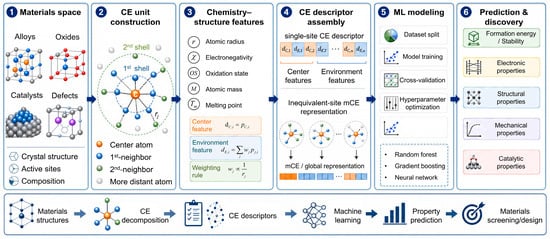
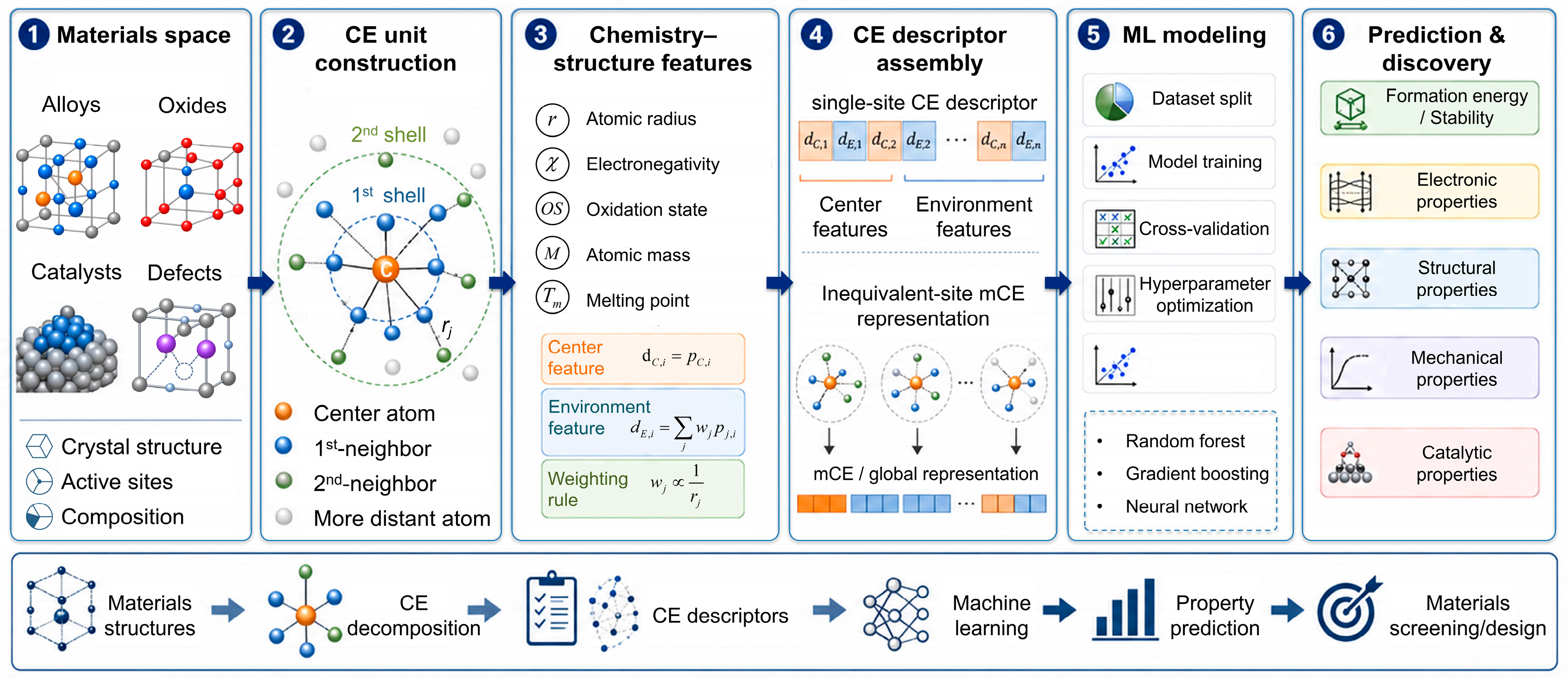
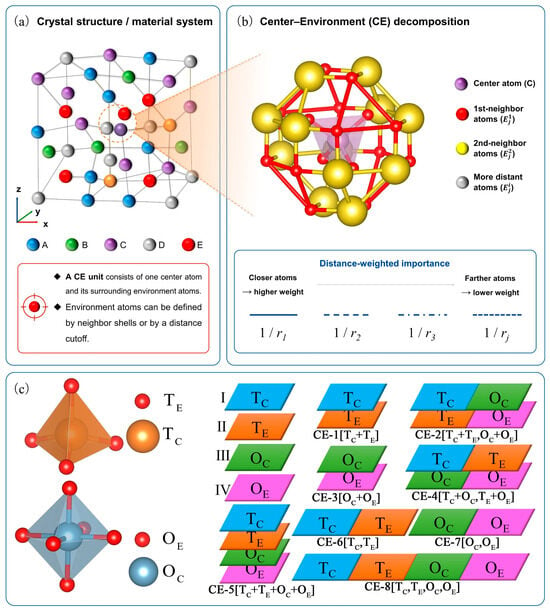
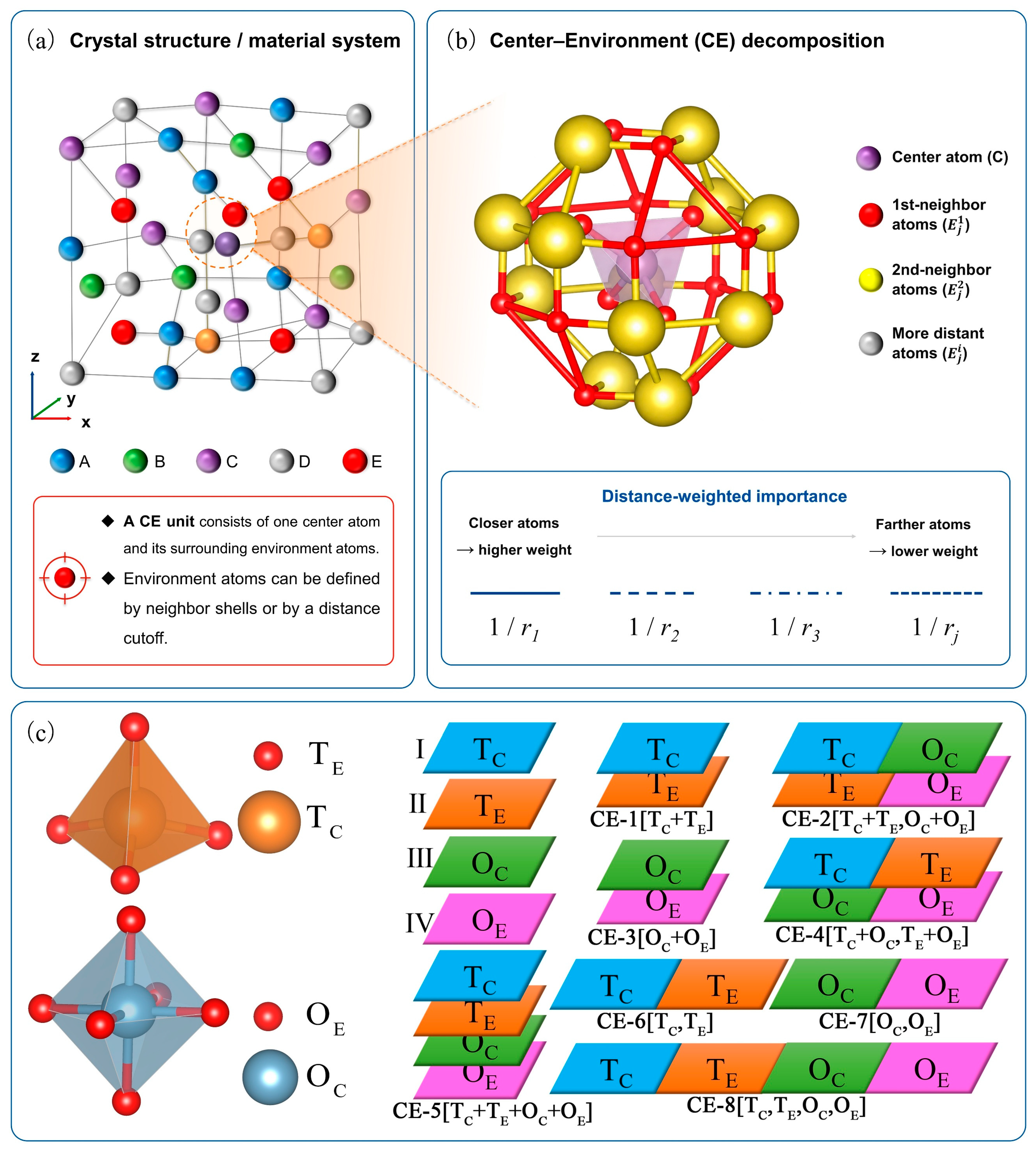
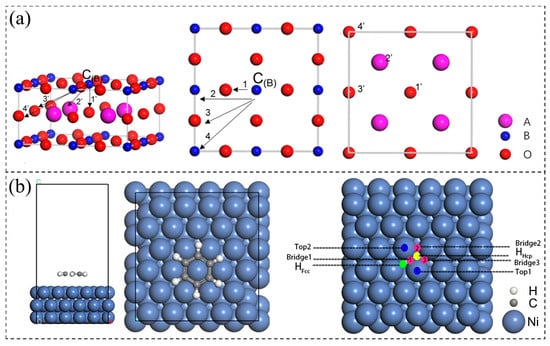
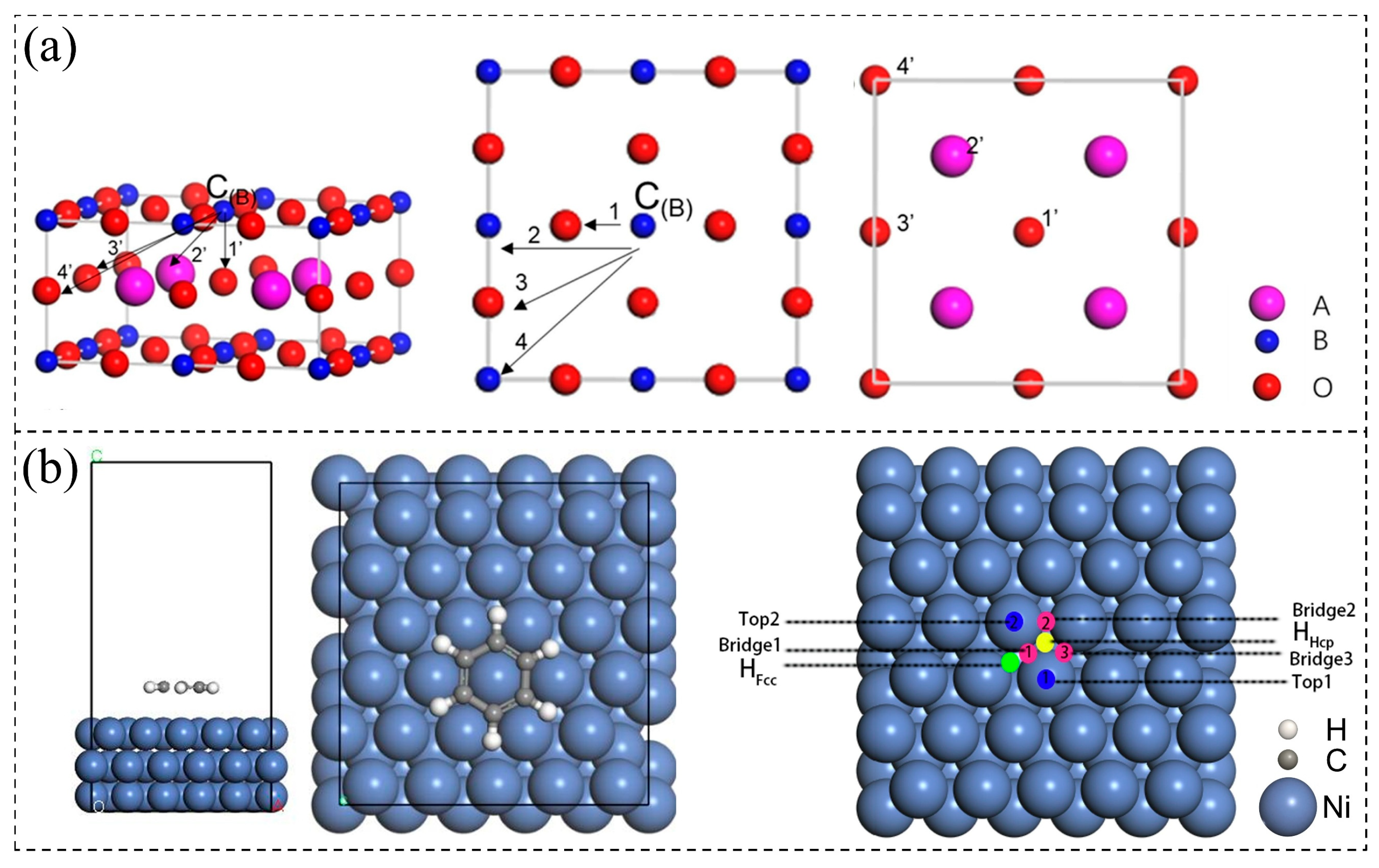
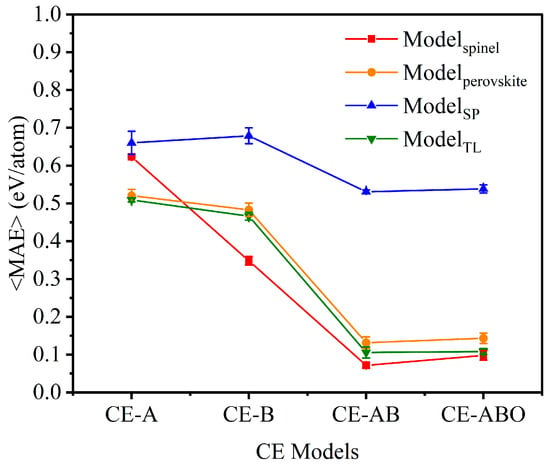
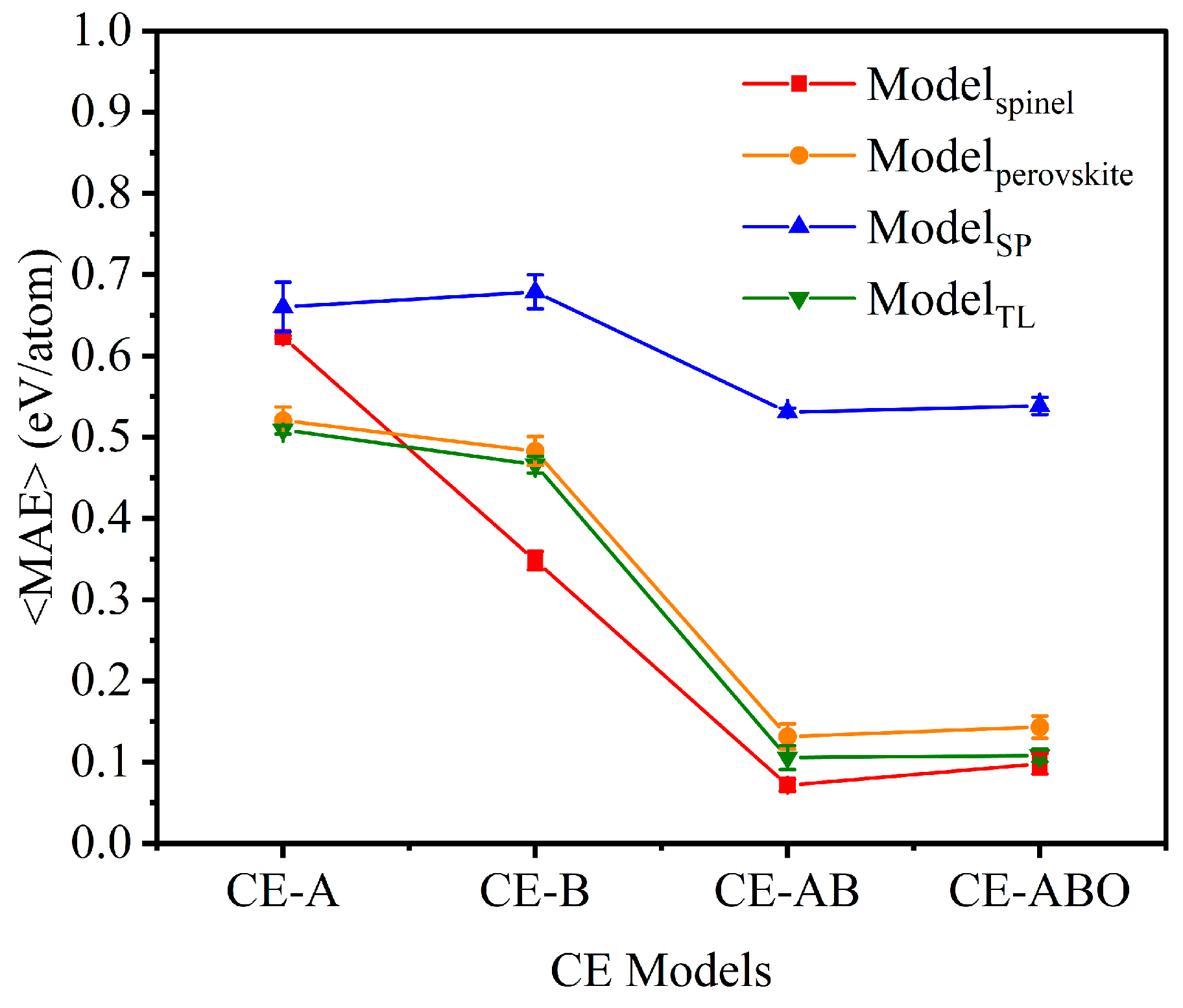
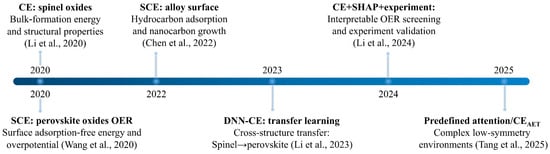
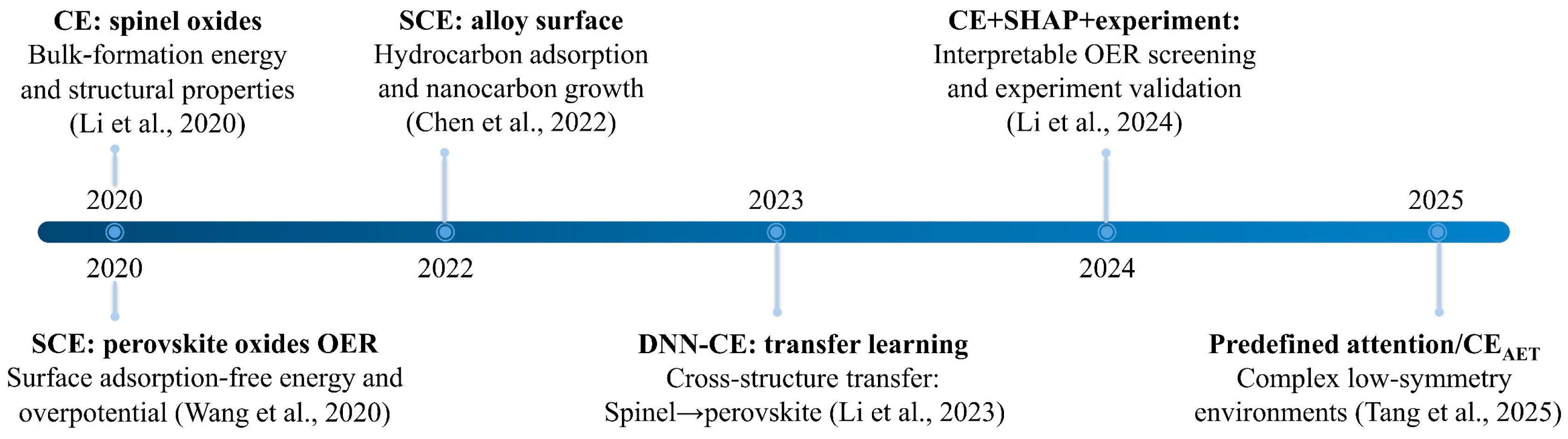
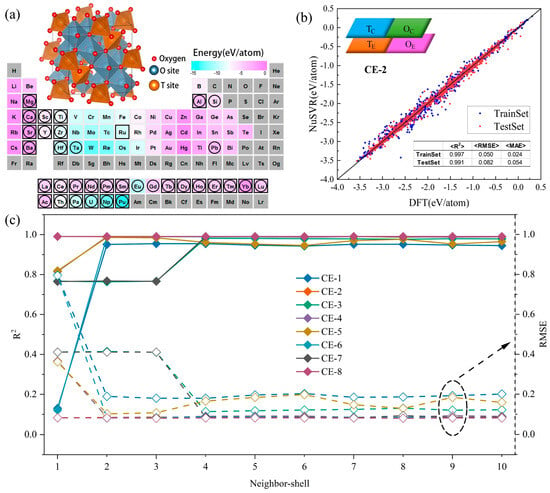
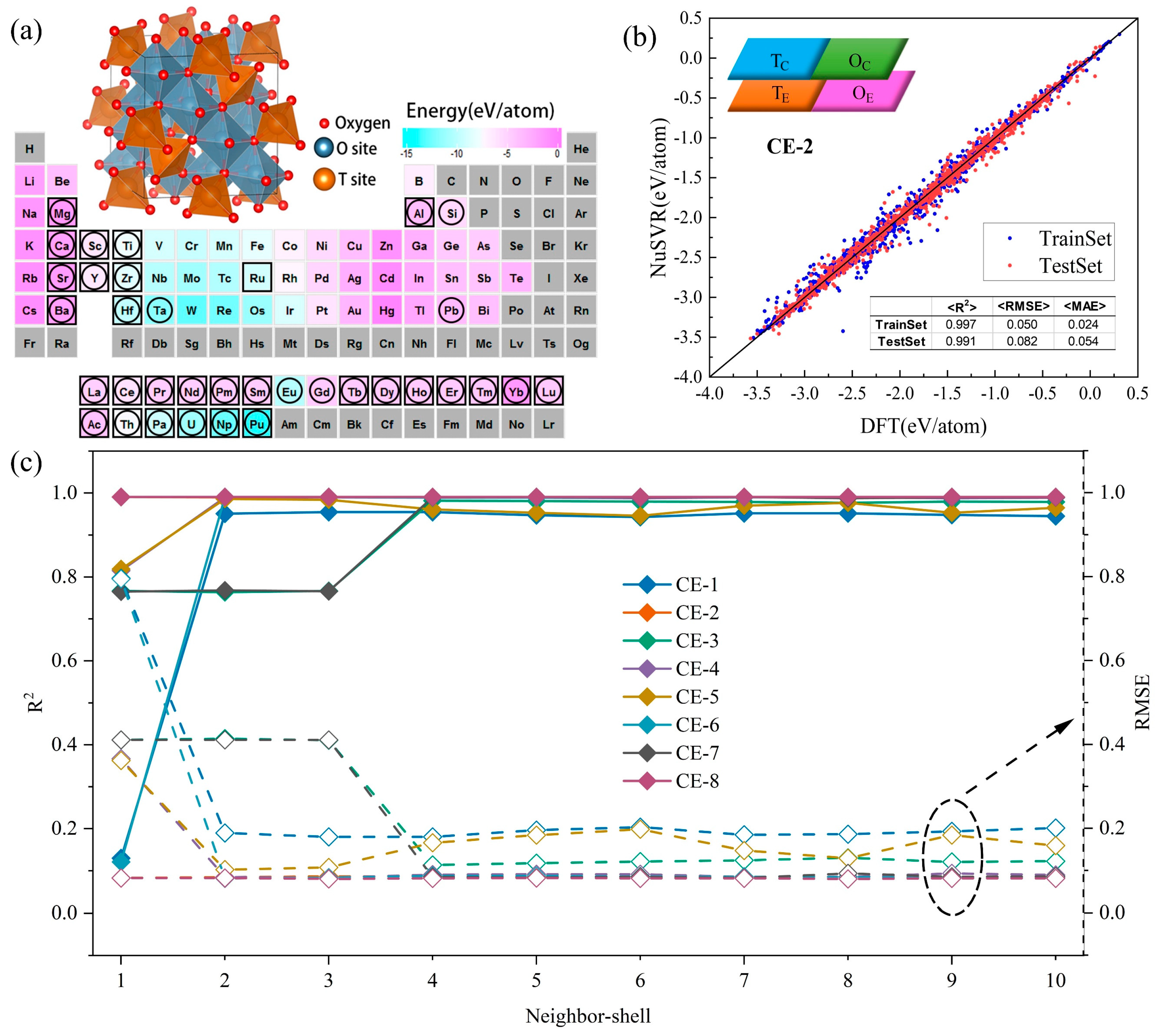
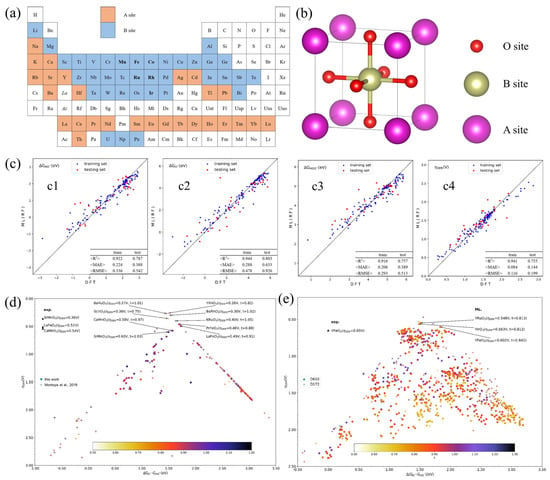
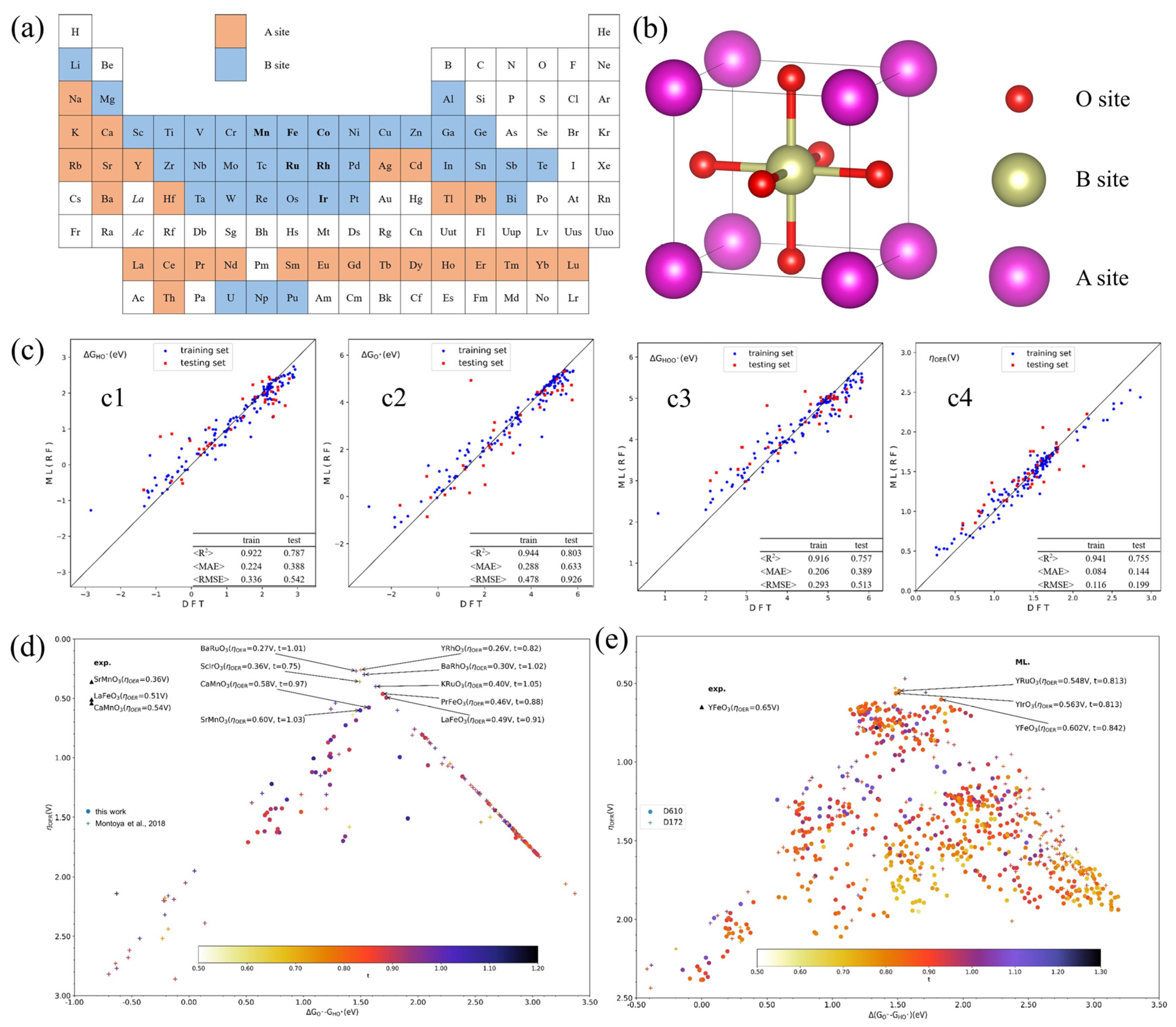
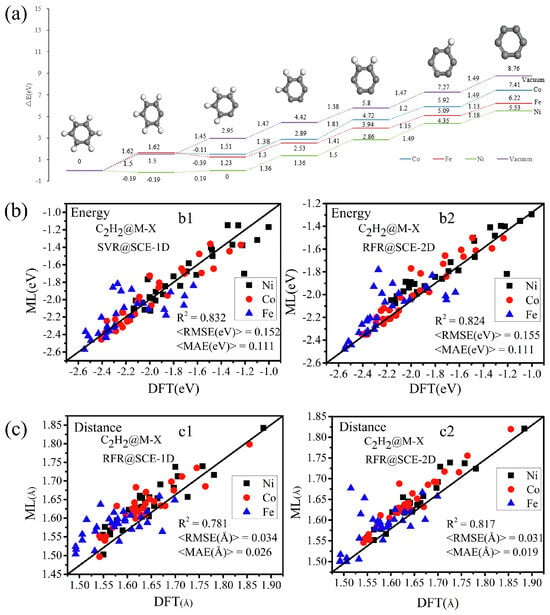
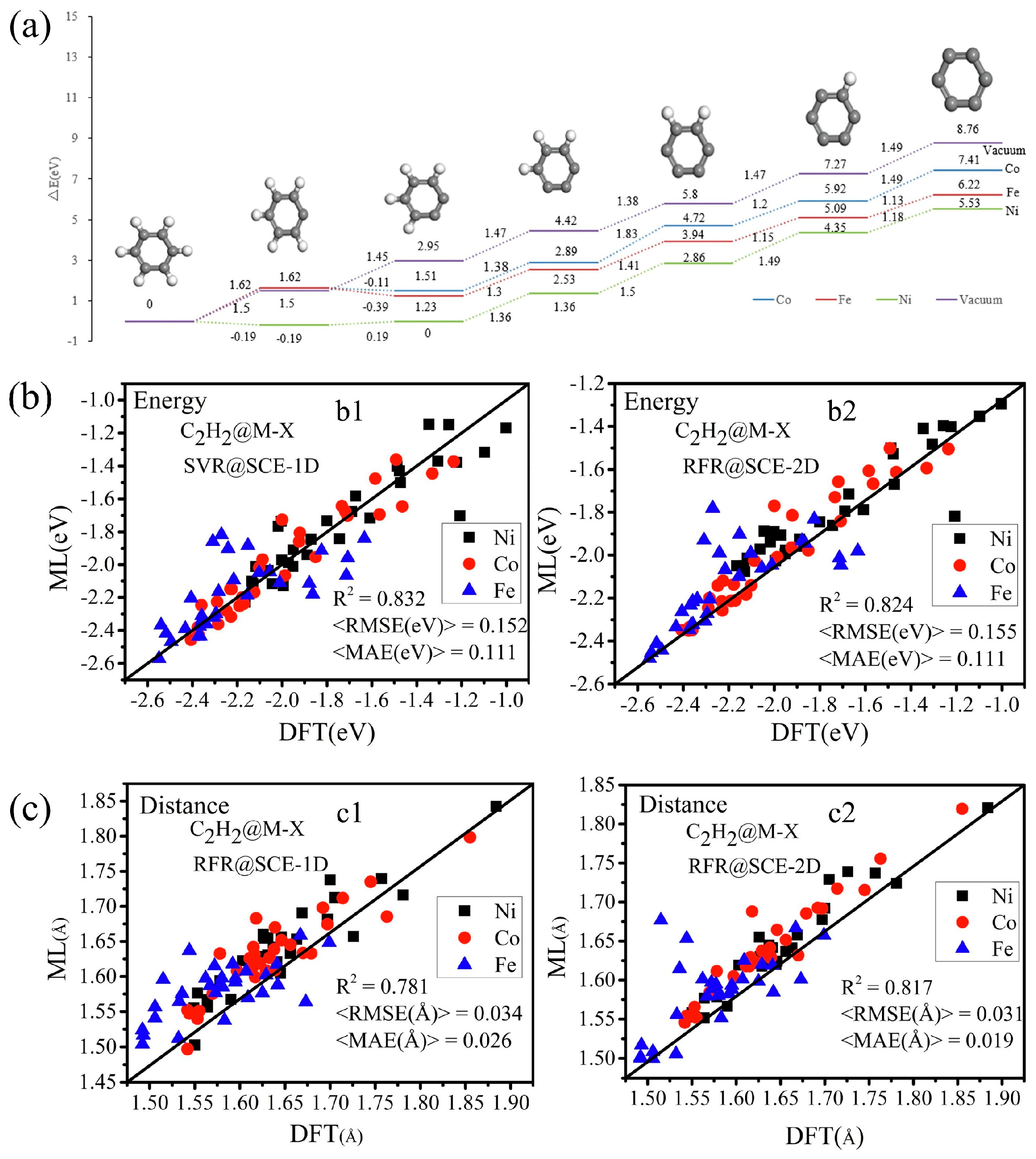
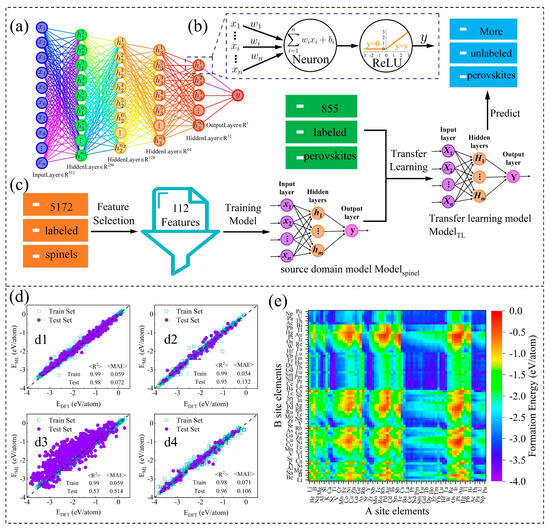
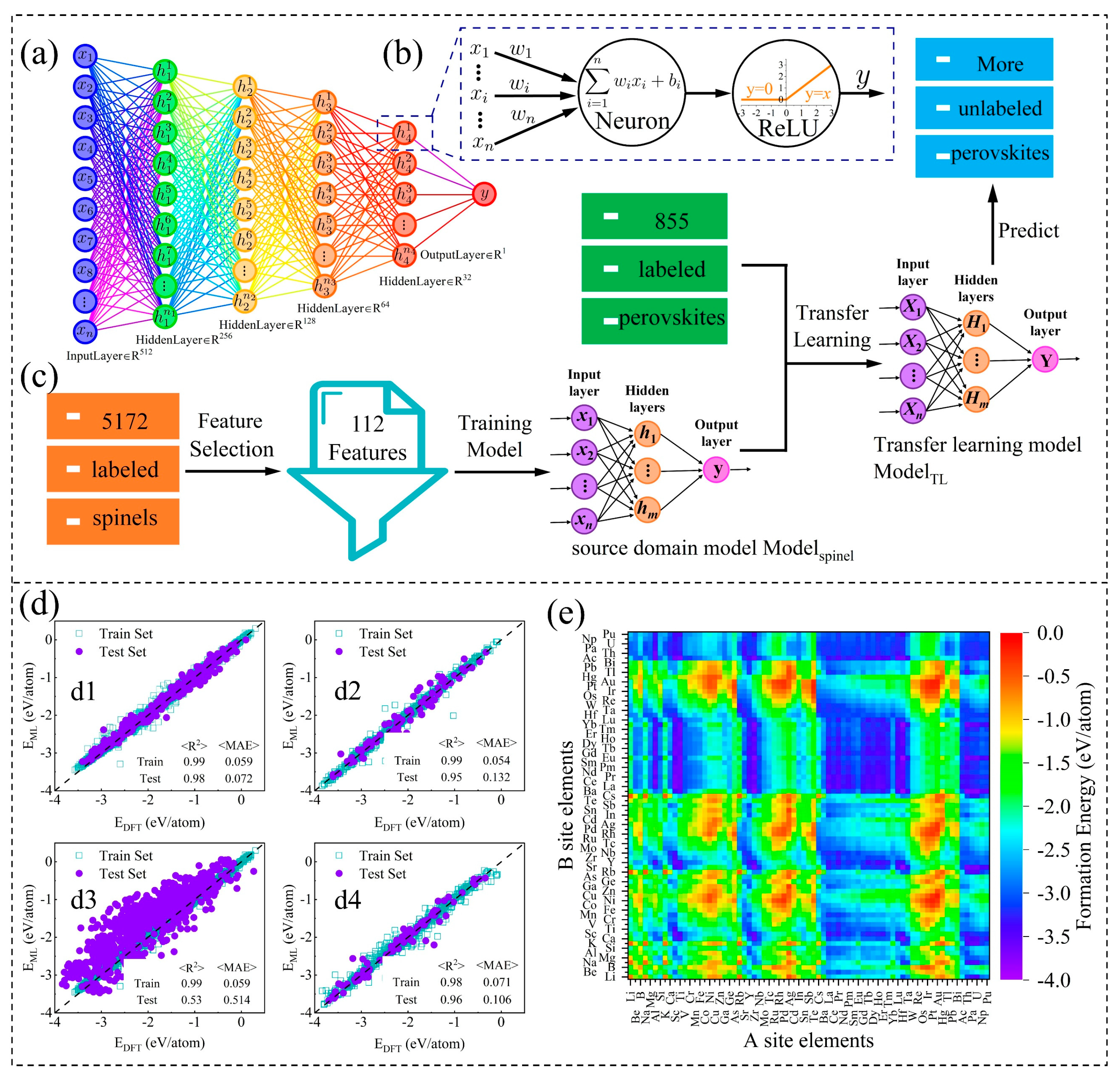
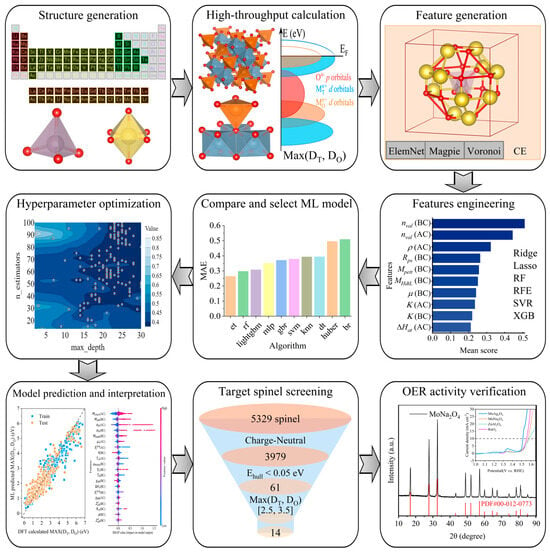
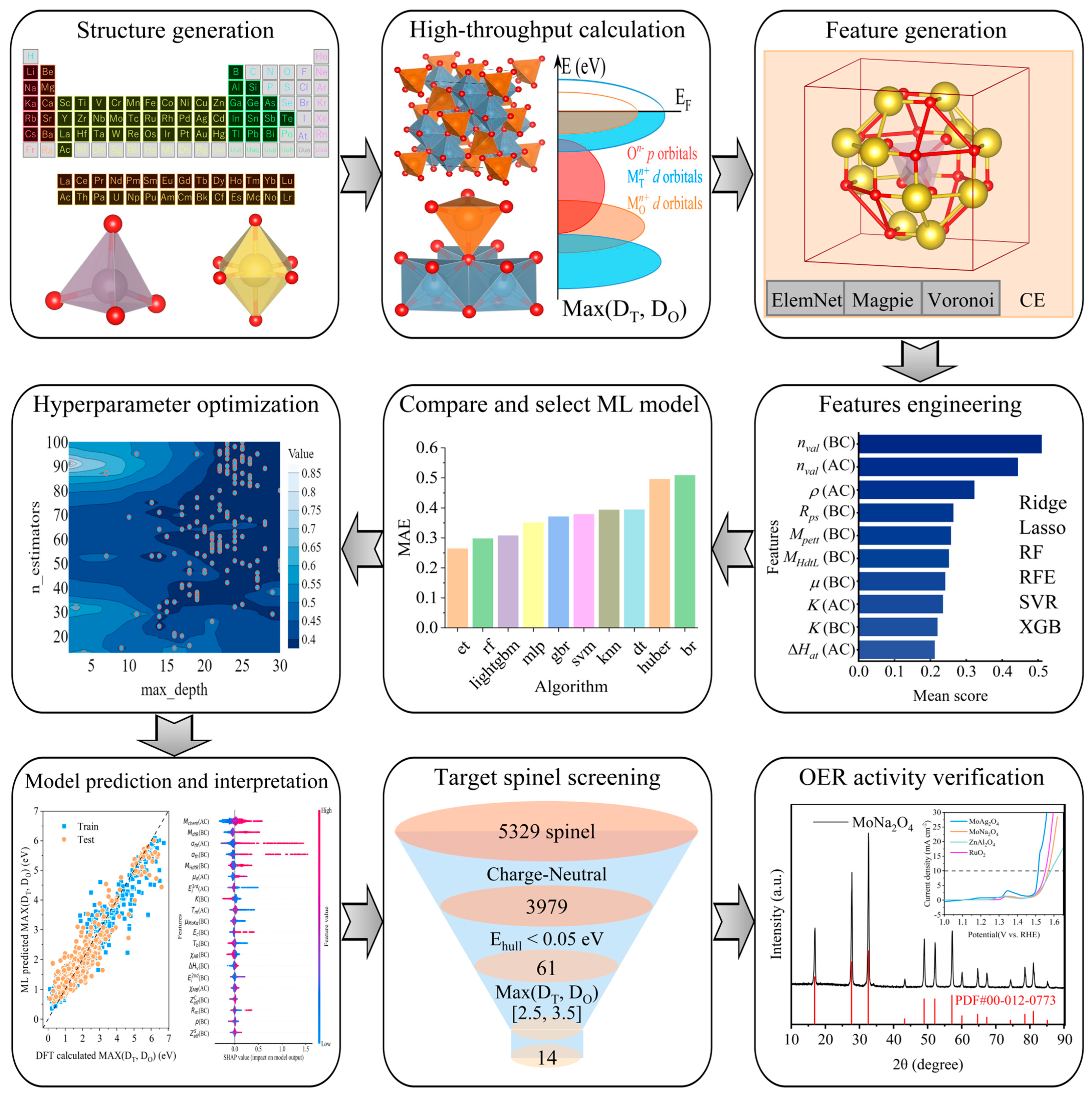
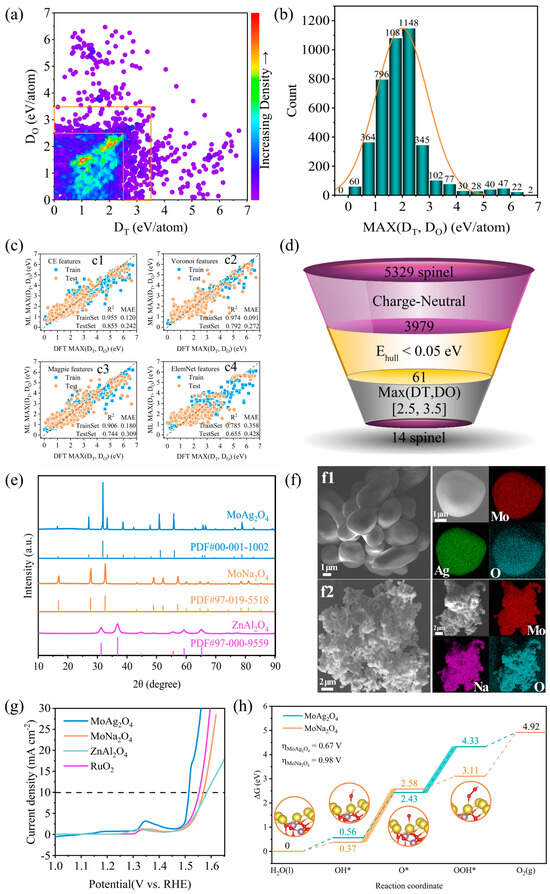
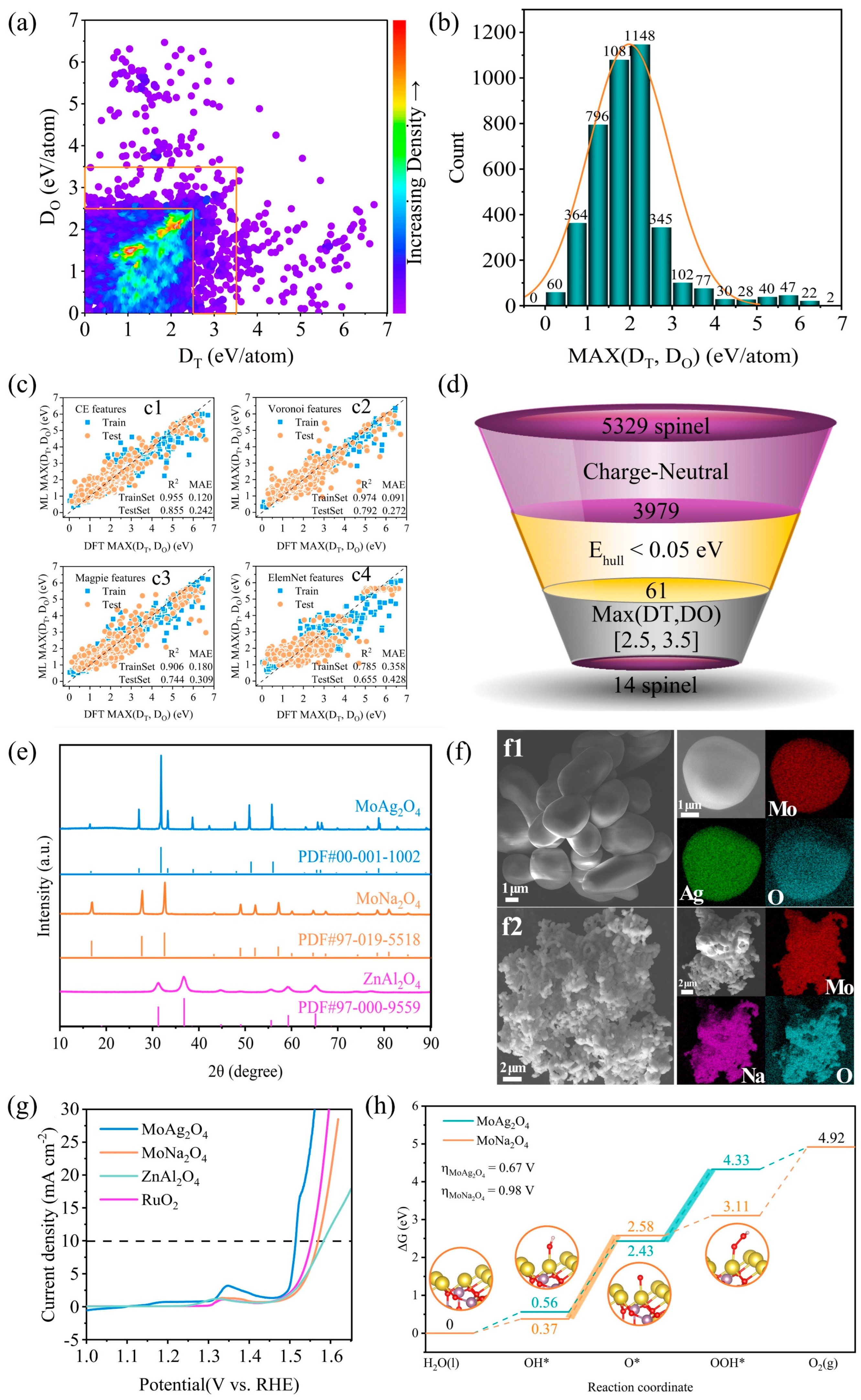

Disclaimer/Publisher’s Note: The statements, opinions and data contained in all publications are solely those of the individual author(s) and contributor(s) and not of MDPI and/or the editor(s). MDPI and/or the editor(s) disclaim responsibility for any injury to people or property resulting from any ideas, methods, instructions or products referred to in the content. |
© 2026 by the authors. Licensee MDPI, Basel, Switzerland. This article is an open access article distributed under the terms and conditions of the Creative Commons Attribution (CC BY) license.