


Highlights
What are the main findings?
- Across heterogeneous school, after-school and community settings, youth participatory video tends to support engagement, belonging, agency, skill development, critical reflection and psychosocial learning among adolescents and young people.
- At the same time, the evidence base is small-scale, predominantly qualitative and geographically uneven, and PV’s empowering effects are shaped by structural constraints, power asymmetries and the partial institutional recognition of youth-produced narratives.
What are the implications of the main findings?
- Participatory video emerges as a structurally distinctive but context-dependent socio-pedagogical tool that can be integrated into school and community programmes to address relational and psychosocial risk factors linked to disengagement and early school leaving.
- Future work should develop shared implementation frameworks, design more inclusive PV programmes (especially for disabled and highly marginalised youth) and conduct longitudinal mixed-methods studies to clarify the conditions under which PV can move from promising practice to evidence-based, institutionally embedded intervention.
Abstract
In recent years, concerns about youth mental health, school disengagement and territorial inequalities have renewed interest in arts-based, participatory educational practices, including participatory video (PV) and youth-led filmmaking. This scoping review, conducted and reported in accordance with the PRISMA-ScR guidelines, maps empirical studies employing PV or youth-led filmmaking with adolescents and young people (approximately 9–24 years) in school, after-school and community-based programmes, focusing on engagement, belonging, psychological well-being, agency, empowerment and socio-emotional skills. A structured search was conducted in four electronic databases (Scopus, Web of Science, PubMed, PsycInfo) and complemented by manual screening of reference lists, yielding nineteen peer-reviewed articles in English using qualitative, quantitative or mixed-methods designs in which PV was a central component. Narrative thematic synthesis suggests that PV can create “third spaces” for expression and co-authorship, support participation and voice, strengthen trust, self-efficacy and relational competences, and foster school connectedness. At the same time, the literature points to limitations linked to structural constraints, power hierarchies and partial institutional recognition of youth-produced narratives. Overall, the review indicates that participatory video is a promising but context-dependent approach for supporting protective factors associated with school disengagement and early school leaving and outlines implications for integrated school–community interventions and future research on longer-term impacts.
1. Introduction
1.1. Adolescent Mental Health and Well-Being in the Post-Pandemic Period
Adolescent and youth distress has become a salient public concern in the post-pandemic period, with growing evidence of heightened anxiety, social withdrawal, reduced well-being, and educational disengagement among minors. The scale of this phenomenon is global: the UNESCO Global Youth Outlook [1] reports that more than 50% of young people are affected by mental health problems before the age of 25, and that the COVID-19 pandemic marked a systemic turning point in adolescent psychological well-being worldwide. Similarly, ref. [2] data indicate that the prevalence of symptoms of anxiety and depression among young people doubled in several countries during the pandemic, with lasting effects extending well into the post-pandemic period. On a global scale, a systematic review [3] encompassing over 96,000 subjects aged 3–24 from 11 countries found a consistent deterioration in adolescent mental health, with marked increases in depression and anxiety. Recent HBSC data [4] indicate a mixed but concerning picture: while 54% of adolescents reported improved family relationships and 42% better school performance, 41% reported a negative impact on mental health and 37% a decline in life satisfaction. Complementary evidence from Italian clinical work [5] shows that the pandemic intensified demand for mental health services and that patterns of distress remained unevenly distributed across gender and socio-economic contexts. These figures, coupled with technical reports from the Department for Youth Policies [6] and the Italian Ministry of Health [7], highlight an urgent need to transition from reactive interventions to systemic ‘community educational pacts’ that integrate school, health, and community-based support structures. Recent data underscore the urgency of this crisis: in Italy, the proportion of adolescents reporting poor mental health has risen from 13.8% to 20.1% [8]. On a broader European level, suicide has become the second leading cause of death among adolescents aged 15–19, trailing only traffic accidents [9].
1.2. Educational Disengagement, School Dropout and Territorial Inequity
These challenges are not confined to clinical populations: alongside the mental health dimension outlined above, adolescent distress manifests systemically, in patterns of educational disengagement, school dropout, and territorial inequity that are shaped by many of the same underlying vulnerabilities and are visible across the broader ecology of public schooling, after-school settings, youth centres, and community-based activities. European evidence [10,11] links school anxiety, poor social skills, and maladaptive coping to heightened distress and reduced school functioning, while also showing that students from more vulnerable family and social backgrounds are more exposed to dropout risk. This pattern is well illustrated by the Italian case, where educational disadvantage in metropolitan areas—particularly in the south of the country, such as Catania, Palermo, and Naples—intersects with gender, territorial inequity, and complex family backgrounds [12,13]. Similar dynamics of concentrated disadvantage are documented across other European and non-European contexts [14], underscoring that this is not a nationally specific phenomenon but one illustrative instance of a broader, internationally documented pattern. Furthermore, these systemic failures are mirrored by high rates of NEET (Not in Education, Employment, or Training) youth, a phenomenon that captures the structural exclusion of adolescents who are simultaneously disconnected from educational and labour market pathways [15]. According to the UNESCO [16] Global Education Monitoring Report, school completion rates decline sharply across educational levels, standing at 87% in primary education, 77% in lower secondary education, and 59% in upper secondary education—figures that reveal a progressive attrition of learners at precisely the developmental stages most associated with psychosocial vulnerability and disengagement risk.
1.3. Arts-Informed Practices and Participatory Video
The mental health difficulties outlined above and the patterns of educational disengagement and territorial inequity discussed in Section 1.2 are not parallel or independent phenomena: they converge, reinforcing one another across the same developmental stages and often the same disadvantaged contexts. Anxiety, social withdrawal, and reduced well-being are frequently proximal drivers of school disengagement and early leaving, particularly where family, socio-economic, and territorial vulnerability compound psychological distress [17], creating a need for interventions that address relational and psychosocial functioning alongside educational engagement, rather than treating them as separate policy domains [18]. The recent literature [19] increasingly advocates for the integration of arts-based and creative pedagogical interventions across educational and developmental settings. Theoretical frameworks in this field [20]—grounded in self-determination theory [21], trauma-informed practice, and the Freirean understanding of critical consciousness (conscientisation) as a precondition for meaningful participation [22]—suggest that such approaches can bypass the institutional barriers often encountered in traditional educational and social care contexts, reaching young people in non-formal settings where conventional tools have limited traction. This is consistent with the out-of-school-time (OST) literature [23], which has long argued that structured, relationally rich activities outside formal curricula can function as protective ‘third spaces’ [24] that support the externalisation of emotional distress and the development of social–emotional competencies and belonging. Longitudinal evidence [25] further links high levels of arts engagement to academic achievement, graduation rates, and long-term resilience, particularly among socio-economically disadvantaged youth.
While art therapy has received significant academic attention, the specific potential of Participatory Video (PV) remains under-explored in applied pedagogical and community practice. PV can be defined as a youth-centred, arts-based practice in which adolescents are actively and continuously involved in the planning, filming, and editing of video material representing their own experiences and contexts [26]. Three features distinguish PV from other arts-based or media-based approaches, including more traditional modalities such as art therapy that focus primarily on intrapsychic processes [27,28]: a participatory process spanning the full production cycle, rather than involvement limited to a single stage; youth authorship over content, framing, and narrative choices; and collaborative meaning-making negotiated among participants, facilitators, and audiences [29]. These features also differentiate PV from digital storytelling [26], which typically centres on individual first-person narration using static images rather than collaborative visual production. Central to this distinctiveness is PV’s emphasis on the co-production of knowledge: rather than positioning young people as passive subjects of externally defined agendas, PV involves them directly in shaping what is documented, how it is represented, and what meanings are drawn from it.
This review examines six outcome domains associated with PV—engagement, belonging, psychological well-being, agency, empowerment, and socio-emotional skills. Engagement follows Fredricks, Blumenfeld, and Paris’s [30] multidimensional model, encompassing behavioural, emotional, and cognitive components. Belonging follows Goodenow’s [31] concept of psychological sense of school membership, closely related to psychological well-being—the presence of positive affect and absence of significant psychological distress in daily functioning [32]. Agency draws on Bandura’s [33] capacity to exert intentional influence over one’s own functioning, closely related to empowerment as a multilevel construct spanning intrapersonal, interactional, and behavioural dimensions following Zimmerman [34]. Socio-emotional skills refer to the five core competencies identified in CASEL’s SEL Framework [35]. These six domains were selected because they correspond closely to the psychosocial variables identified in the school disengagement literature as key mediators of disengagement risk [36], and together they offer a theoretically coherent, non-arbitrary rationale for their joint examination in this review.
These six domains, in turn, give empirical form to the theoretical perspectives introduced above. Agency operationalises the autonomy needs central to self-determination theory [21], expressed here through Bandura [33]. Empowerment operationalises the critical-consciousness process central to Freirean pedagogy [22], most directly through Zimmerman’s [34] interactional dimension, concerned with critical understanding of one’s social and political environment. Belonging and psychological well-being operationalise the relational and affective gains associated with trauma-informed practice, which is centrally concerned with reducing emotional distress and strengthening relational safety within non-formal settings. Engagement and socio-emotional skills operationalise the developmental gains attributed to out-of-school-time programmes [23] and the protective third spaces they create [24], associated in this literature with sustained behavioural and cognitive investment and with the strengthening of social–emotional competencies. Each of the six outcome domains can therefore be traced back to a specific theoretical mechanism already introduced in this section, so that the outcome domains examined in this review function as the operational counterpart of its theoretical framing, jointly grounding the expectation that participatory video can act as a protective factor against school disengagement and early school leaving.
Building on this integrated theoretical rationale, the practical value of this approach [37,38] lies in its capacity to create conditions for sustained participation and collaborative meaning-making, while offering a structured space for young people to articulate experiences of marginality, stigma, and invisibility. In terms of the framework outlined above, these two processes correspond respectively to the behavioural and cognitive investment associated with engagement and to the relational and affective gains associated with belonging and well-being. This is particularly relevant for adolescents whose motivation and school attachment are weakened by anxiety, social disconnection, or socio-economic disadvantage, fostering a shift from passive or silenced positions to active forms of authorship, the critical-relational process through which agency and empowerment are expected to operate, as outlined above. Furthermore, PV functions [39] not only as an intervention but also as a robust method for capturing youth perspectives and informing more responsive institutional practice.
1.4. Aim and Research Rationale
Despite the growing body of evidence on arts-based interventions, no focused synthesis exists to date on how participatory video and youth-led filmmaking specifically have been used with young people in educational and youth development contexts, nor on what is known about their potential to influence engagement, belonging, and other protective factors relevant to early school leaving and educational trajectories. The present review therefore aims to map and critically examine empirical studies that employ participatory video or participatory filmmaking with adolescents and young people, pursuing these aims through an inductive thematic synthesis (see Section 2.4) rather than a priori categories mapped onto each aim individually. Specifically, it asks: (1) in which settings and with which methodological features has participatory video/filmmaking been used with youth; (2) which outcomes have been investigated, and through which tools and indicators; and (3) how these outcomes can be interpreted, in light of existing research on arts-based and out-of-school-time programmes, as potential protective factors in relation to school disengagement and early school leaving.
2. Materials and Methods
2.1. Search Strategy
We conducted a structured literature search in four electronic databases: Scopus, Web of Science Core Collection, PubMed, and PsycInfo. An initial search was conducted between March and April 2026, identifying 16 eligible studies. Following the first round of peer review, the search strategy was expanded to capture additional relevant terminology, and the search was rerun on 29–31 July 2026; the results reported below refer to this revised search. Both searches were limited to peer-reviewed journal articles published in English. The original, pre-revision search terms and the corresponding screening results are reported in full in Supplementary Materials, alongside a comparison with the revised search. No restriction was applied to the publication date of eligible studies, in order to capture the full scope of the still-emerging literature on participatory video with young people in educational and community settings. Because there is no single agreed term for participatory video with young people, we combined keywords for participatory video/filmmaking with terms capturing youth and relevant psychosocial and educational outcomes. We used the following advanced search string (revised terms relative to the original search are detailed in Supplementary Materials):
(“participatory video” OR “participatory filmmaking” OR “youth participatory video” OR “youth-led filmmaking” OR “participatory cinema” OR cellphilming OR “participatory documentary” OR “community video”).
AND (“student engagement” OR “school engagement” OR “learner engagement” OR “academic engagement” OR “school connectedness” OR “school belonging” OR “well-being” OR wellbeing OR “mental health” OR empowerment OR “youth empowerment” OR agency OR “youth participation” OR “community engagement” OR “social-emotional learning” OR “socio-emotional skills” OR “life skills” OR “engagement” OR “self-efficacy” OR identity OR resilience).
AND (youth OR adolescent* OR teenager* OR student* OR “young people”).
We also screened reference lists of included articles and relevant reviews on arts-based and film-based interventions with young people to identify additional records. The database searches yielded 35 records in Scopus, 45 in Web of Science, 2 in PubMed and 5 in PsycInfo, for a total of 83 records before deduplication. All references were imported into Zotero and duplicates were removed, resulting in 52 unique articles for screening.
2.2. Study Selection
Study selection proceeded in two stages. First, titles and abstracts of the 52 records were screened independently by two authors (M.B. and S.C.) against predefined inclusion and exclusion criteria (see Eligibility criteria below). Clear a priori criteria meant that agreement between the two reviewers was reached quickly, with very few discrepancies; any differences in judgement were resolved through brief discussion between the two reviewers. This screening resulted in 21 eligible articles. One additional relevant article was identified through manual searching, bringing the total to 22 studies for full-text review. Second, the full texts of these 22 articles were examined independently by the same two reviewers; three were excluded at this stage: two were not retrievable despite contacting the corresponding authors, and one, on closer reading, did not report outcomes within the domains required by the eligibility criteria. This left 19 studies for inclusion in the review. The selection process is summarised in Figure 1.
Figure 1.
Flow diagram of study selection process.
2.3. Eligibility Criteria
Eligibility criteria were developed a priori and refined iteratively as familiarity with the literature increased.
2.3.1. Inclusion Criteria
Studies were included if they met all of the following criteria:
- Population: Adolescents, pre-adolescents or young people aged approximately 9–24 years, described as youth, adolescents, teenagers, or students.
- Intervention/focus: Participatory video or participatory filmmaking was a central component of the project, intervention, or research design (e.g., participatory video, youth participatory video, youth-led filmmaking, participatory cinema, cellphilming, participatory documentary, community video), with young participants actively involved in planning, shooting and/or editing the videos.
- Context: School, after-school, out-of-school-time, youth work, or community-based programmes involving adolescents, where the activities aimed to support learning, youth development, well-being, participation or empowerment in ways that are relevant to young people’s educational trajectories (e.g., school support programmes, youth clubs, summer camps, community and health projects with an explicit developmental or educational focus).
- Outcomes: The study reported qualitative and/or quantitative outcomes related to at least one of the following domains: (a) student, school, learner or academic engagement; (b) school belonging or connectedness; (c) psychological well-being or mental health; (d) agency, empowerment, youth participation or community engagement; (e) social–emotional skills or life skills.
- Study type: Empirical peer-reviewed journal articles using qualitative, quantitative or mixed-methods designs.
- Language: Published in English.
- Publication type: Journal articles (excluding conference abstracts, editorials, commentaries and opinion pieces).
2.3.2. Exclusion Criteria
Studies were excluded if they met any of the following criteria:
- Population: Samples consisting exclusively of adults or higher education students, without a clear adolescent or secondary-school-age component.
- Intervention/focus: (a) Cases in which video was used solely as a non-participatory teaching or communication tool (e.g., teacher-produced instructional videos, flipped-classroom materials), with no youth participation in video production; (b) arts-based or media interventions where participatory video/filmmaking was not clearly identifiable as a distinct component.
- Context: Projects conducted in health, community development or activism settings where participatory video was used solely for advocacy, awareness-raising or information campaigns, without any attention to young people’s learning, development, psychosocial outcomes or educational trajectories.
- Outcomes: Studies that only described the feasibility, acceptability or process of participatory video without reporting outcomes related to engagement, well-being, agency, belonging, social–emotional skills or life skills.
2.4. Data Extraction and Synthesis
For each of the 19 included studies, we extracted key information into a structured summary table, including authors, year of publication, country/setting, characteristics of the adolescent or youth participants, study design and methods, description of the participatory video or filmmaking process, and the main outcomes and findings related to engagement, well-being, agency, belonging and other relevant psychosocial or educational domains. Data extraction was carried out in an iterative manner, with the charting form refined as familiarity with the literature increased. Key characteristics of the included studies are summarised in Section 3.
We then conducted a narrative thematic synthesis of the extracted data, following the broad phases of thematic analysis described by Braun and Clarke [40]: familiarisation, initial coding, searching for themes, reviewing themes, and defining and naming themes. We focused on how participatory video/filmmaking was implemented and what kinds of changes were reported for adolescents and young people. Consistent with established scoping review methodology [41,42], themes and subthemes were not predefined to map one-to-one onto the three research aims outlined in Section 1.4; rather, they were allowed to emerge inductively from the data, and are connected back to those aims in the Discussion. In practice, we first read and re-read the extracted summaries to familiarise ourselves with the full range of contexts, processes, and outcomes reported across the 19 studies (familiarisation). We then generated descriptive codes directly from the content of each study summary, working inductively and close to the specific language and findings reported by the original authors, rather than applying a fixed coding frame derived from the theoretical constructs defined in Section 1.3. The eligibility criteria (Section 2.3: encompassing engagement, belonging, well-being, agency/empowerment, and social–emotional skills) served only to determine which studies and outcomes fell within the scope of the review, not to predetermine the content, boundaries, or labels of the codes and themes subsequently generated from the data. These codes were then compared and grouped across studies to identify candidate patterns that recurred across multiple sources rather than being idiosyncratic to a single study (searching for themes). Candidate themes were reviewed against the full set of extracted data to check that they adequately captured the range of findings and were sufficiently distinct from one another, resulting in the merging of some overlapping candidate categories and the splitting of others into more specific subthemes (reviewing themes). Finally, each theme and subtheme were defined and named to reflect its core content and cross-checked against the original study excerpts to ensure the label matched the underlying data (defining and naming). The resulting four main themes and their subthemes, and the studies contributing to each, are summarised in Section 3. Although the four resulting main themes broadly correspond, at a general level, to the outcome domains that framed the scope of the review, the sixteen constituent subthemes—for example, ownership, authorship and legitimacy (Section 3.2.2), co-production of meaning and knowledge (Section 3.1.3), trust and rapport with researchers or mentors (Section 3.3.2), and skills and digital literacy (Section 3.4.1)—were not anticipated by, or derived from, the theoretical definitions used in the introduction, and instead reflect patterns that emerged directly from close engagement with the included studies. This distinguishes the present synthesis from a purely deductive, framework-driven coding exercise, while acknowledging that the six a priori domains legitimately shaped the review’s scope and eligibility criteria from the outset.
This scoping review was conducted and reported in accordance with the PRISMA extension for Scoping Reviews (PRISMA-ScR) and mapped onto the PRISMA 2020 reporting guidelines; the completed checklist is provided as Supplementary Materials. This review was retrospectively registered on the Open Science Framework (OSF): Belluzzo, M.; Caceffo, S.; Amodeo, A.L.; Cervini, A. Youth Participatory Video Across School and Community Programmes: A Scoping Review of Engagement, Agency and Well-Being Outcomes. Registered 2 August 2026. https://doi.org/10.17605/OSF.IO/2Z3W9.
2.5. Quality Appraisal Method
The methodological quality of the 19 included studies was assessed using the Mixed Methods Appraisal Tool (MMAT) [43], selected for its suitability for appraising a corpus including qualitative, quantitative, and mixed-methods designs within a single framework. Each study was first screened against two general criteria (clarity of research questions; adequacy of data to address them), then evaluated against five category-specific criteria corresponding to its design (qualitative, quantitative descriptive, quantitative non-randomised, or mixed methods). Consistent with MMAT guidance, no overall numerical quality score was computed; instead, results are reported narratively, identifying recurring strengths and weaknesses across the corpus (see Section 3.5 and Supplementary Materials). Quality appraisal was conducted by a single reviewer and was not used as a basis for excluding studies, consistent with standard scoping review practice.
3. Results
Nineteen studies met the inclusion criteria for this review. Their key characteristics—including authors, year, country, participant demographics, methods, and main findings—are summarised in Table 1.
Table 1.
Overview of included studies (N = 19).
From the analysis of the included studies, four overarching themes and associated subthemes emerged, which are presented in the following sections. Across the reviewed literature, participatory video (PV) refers to a youth-centred visual and arts-based approach in which adolescents or young people are actively involved in planning, filming, and often editing video materials that represent their experiences, perspectives, and contexts. In this review, PV is understood not simply as a method of data collection or communication, but as a participatory process that can support engagement, voice, belonging, psychosocial development, and critical reflection. The four main themes, their subthemes, and the studies contributing to each are summarised in Table 2 and are discussed in turn below.
Table 2.
Themes, subthemes and contributing studies identified across the included studies.
3.1. Engagement, Participation and Co-Production
3.1.1. Active Engagement in the Process
Across the reviewed studies, participatory video is consistently conceptualised as a process capable of fostering active and sustained forms of engagement, rooted in participants’ direct involvement in creative and decision-making activities. Engagement is not framed as passive attendance or compliance, but as an embodied and situated form of participation that unfolds through doing, interacting, and reflecting. Park et al. [50] demonstrate that participatory video production can effectively engage adolescents by involving them in the creation of health-related messages, fostering motivation and investment through hands-on activities. In this context, engagement is closely linked to the opportunity to actively contribute to content that is meaningful and relevant to participants’ own lives. Similarly, Blazek and Hraňová [44] show that engagement emerges through evolving relationships, diverse motivations, and shared experiences, highlighting its relational and processual nature. This includes, for example, the development of reflexivity, the experience of frustration, and the emergence of other important active social skills.
This processual dimension is further supported by Davies et al. [37], who show that participatory video can simultaneously function as a tool for engagement and inquiry. They highlight specific indicators of engagement, such as students’ welcoming attitudes towards educators and their requests to use the equipment beyond the scheduled sessions. Furthermore, by involving students in the exploration of health research through filmmaking, the process enables them to connect their own experiences and aspirations with broader research themes, thereby deepening their involvement. Engagement, in this sense, is intertwined with meaning-making and exploration. Davies et al. [37] situate these dynamics within the broader paradigm of School Engagement with Health Research, SEHR [58], emphasising how participatory video aligns with forms of ‘deeper engagement’ that go beyond one-off or transmissive activities. Within this framework, engagement is understood as a reciprocal and dialogic process, in which students are not merely recipients of knowledge but active contributors to the exploration and interpretation of research. Participatory video supports this shift by enabling sustained interaction between researchers and students, allowing young participants to steer discussions, reflect on their own experiences, and co-produce situated understandings of health research and its relevance to their lives. In this sense, participatory video operationalises a form of engagement that is both relational and context-sensitive, offering insight not only into what students learn about health research but also into the social, educational, and personal conditions that shape how such engagement is experienced and sustained.
Finally, Tripon [54] situates active engagement within digitally supported and mentored learning environments, emphasising how the integration of STEM educational technologies, service learning [59] and participatory video can sustain participation over time by involving students in a genuinely learner-centred methodology. Engagement is therefore reinforced not only by creative practice but also by the development of transferable soft skills and competencies that remain available to participants over time, supporting continuity and sustained involvement beyond the immediate context of the project.
Seen as a whole, these studies suggest that active engagement in participatory video is best understood as a dynamic, relational, and context-dependent process, in which participants become actively involved through action, shared experience, and meaningful contribution.
3.1.2. Collaborative Planning, Filming and Editing
Another central feature of participatory video processes is the collaborative structuring of all stages of production, including writing, planning, filming, and editing. Rather than following a linear or researcher-led model, these processes are characterised by shared decision-making and distributed responsibility.
Davies et al. [37] show that participatory video projects in educational settings involve students in all phases of production, from selecting topics to shaping narratives and presenting outputs. This collaborative involvement allows participants to contribute not only to the execution of tasks but also to the conceptual framing of the project. Similarly, ref. [49] highlights how collaborative design approaches enable participants to work together in developing ideas, negotiating roles, and co-producing outcomes, transforming the research process into a space of shared practice and interaction. In this context, collaborative design is grounded in participant interaction and in the process of generating situated and relational knowledge [60,61].
Hanna & Kucharczyk [38] further illustrate how participatory filmmaking with migrant learners can support collaborative engagement by enabling participants to co-direct and shape the storytelling process. Through this collaborative work, participants are able to express their experiences while simultaneously negotiating meanings with others. This reinforces the role of collaboration as both a methodological principle and a relational process. In this case, filmmaking is also evidenced as a valuable participatory medium for younger participants [62], enabling them to engage collaboratively and generate shared meanings through storytelling.
In a different context, Eastwood et al. [45] show how collaborative filmmaking activities can support group-based exploration of local environments, with participants working together to document, interpret, and represent their natural surroundings. Here, collaboration is closely tied to shared inquiry and collective engagement with place. In particular, encountering and directly filming wildlife in green spaces led to highly positive well-being experiences; participants reported that the participatory video process was enjoyable and that it positively influenced their cooperation and collaboration within the project.
Overall, collaborative planning, filming, and editing emerge as core mechanisms through which participatory video redistributes creative and epistemic authority, enabling participants to actively shape both process and outcomes while fostering shared responsibility and interaction.
3.1.3. Co-Production of Meaning and Knowledge
Beyond collaboration at the level of tasks, participatory video processes function as sites of co-production of meaning and knowledge. In these contexts, knowledge is not extracted from participants but generated through collective engagement, interpretation, and representation.
Blazek and Hraňová [44] emphasise that participatory video produces situated and relational forms of knowledge, grounded in the lived experiences of participants and shaped through their interactions with researchers and practitioners. Meaning is constructed through the process itself, as participants reflect on their experiences and negotiate how these are represented.
Davies et al. [37] similarly show that participatory video can function as a tool for co-producing knowledge about students’ contexts, aspirations, and barriers. By engaging participants in the creation and discussion of films, the process allows for the emergence of insights that are closely tied to participants’ own perspectives and lived realities. In this sense, knowledge production [63] is embedded in participation in arts-based tools and in the active process of meaning-making by participants, rather than being derived from external analysis.
Hanna and Kucharczyk [38] further demonstrate how collaborative filmmaking enables participants to articulate experiences of inclusion, exclusion, and migration, contributing to shared meaning-making within educational contexts. The process allows participants to bring forward perspectives that might otherwise remain marginalised, while also engaging in collective interpretation.
Rao et al. [51] extend this understanding by showing how participatory filmmaking with Indigenous youth supports the documentation and transmission of cultural knowledge, particularly in relation to food practices and sustainability. Importantly, this process not only preserves knowledge but also opens it to reflection and discussion within the community of youth.
These studies suggest that participatory video enables a shift from knowledge extraction to knowledge co-production, in which meaning emerges through relational processes of narration, discussion, and interpretation.
3.1.4. Enjoyment and Sustained Participation
A final dimension of engagement concerns the role of enjoyment and positive cooperation in sustaining participation over time. Although the included studies often use these terms loosely, it is useful to distinguish enjoyment from related but conceptually separate constructs. Enjoyment refers to the intrinsic, affective experience of pleasure during an activity itself, consistent with flow-based accounts of optimal experience [64]. Motivation, as introduced above through Self-Determination Theory [21], refers to the psychological drive underlying engagement, rooted in autonomy, competence, and relatedness. Interest denotes a distinct cognitive–affective orientation toward a topic or activity, which can develop over time from situational triggers into an enduring individual disposition [65]. Satisfaction, by contrast, reflects a more evaluative, retrospective judgement of an experience relative to expectations, rather than the affective experience of the activity itself [32]. While these constructs frequently co-occur and reinforce one another within participatory video processes, they are not interchangeable, and the studies reviewed below report on them with varying degrees of precision.
Davies et al. [37] report that participatory video was experienced by students as engaging and enjoyable, contributing to sustained participation throughout the project; the authors frame this primarily in terms of enjoyment and motivation, linking the affective quality of the activity to participants’ continued involvement. Park et al. [50] describe adolescent participants as expressing satisfaction and interest in the process, particularly when working collaboratively on topics that resonate with their own lives—here, the emphasis is more evaluative (satisfaction with the experience) and topic-driven (interest), rather than a description of moment-to-moment affect.
Eastwood et al. [45] further demonstrate that participatory filmmaking can transform participants’ engagement with their environments, describing the experience as enjoyable and meaningful; in this case, enjoyment is linked not only to the activity itself but also to the experience of discovery and engagement with place. Tripon [54] situates enjoyment and motivation within digitally supported learning environments, highlighting how interactive and collaborative approaches can sustain participation over time, again treating enjoyment and motivation as related but distinguishable drivers of continued engagement. Jefferis and Theron [57] similarly found that participants described the process in explicitly positive and affective terms—as “very fun,” “exciting,” and enjoyable—with this enjoyment visually evident in participants’ engagement during filming and playback sessions; here again, the reported construct is closer to enjoyment (affective, in-the-moment) than to satisfaction or interest as defined above.
Taken together, these findings suggest that enjoyment—alongside the related but distinct constructs of motivation, interest, and satisfaction—is not merely an incidental outcome but an integral component of participatory video processes. By fostering positive, engaging, and meaningful experiences, participatory video supports sustained participation and reinforces the relational and experiential dimensions of engagement.
3.2. Agency and Empowerment
3.2.1. Youth Voice and Self-Expression
Across the reviewed studies, participatory video consistently emerges as a powerful medium for enabling youth voice and facilitating processes of self-expression. However, rather than being understood as a simple act of “giving voice”, these processes are better conceptualised as the creation of conditions in which young people can articulate, negotiate, and perform their perspectives within socially and culturally situated contexts.
Participatory video allows young people to move from being represented to actively representing themselves. This shift is particularly significant for marginalised groups whose experiences are often filtered through institutional, adult-centric, or deficit-oriented narratives. Rao et al. [51] emphasise that participatory filmmaking creates spaces in which marginalised participants can articulate their own perspectives and challenge dominant representations, thereby repositioning themselves as active agents in the production of knowledge. Similarly, Hanna and Kucharczyk [38] highlight how participatory video foregrounds the “voices of marginalised groups”, allowing participants to express experiences that might otherwise remain silenced or misrepresented.
This dimension is also supported by earlier work highlighting how participatory visual methods enable young people to articulate personal and social experiences through self-directed narratives. Blazek and Hraňová [44] show that participatory video creates opportunities for young people to construct and communicate their own meanings, particularly in relation to identity, everyday life, and social positioning, reinforcing the role of media production as a site of situated self-expression.
At the same time, voice is not merely expressive but relational and dialogical. Loebach et al. [48] show how digital storytelling enables youth to reflect on their experiences in relation to broader social and technological contexts, suggesting that self-expression is intertwined with processes of interpretation and meaning-making. In this sense, voice is not pre-existing but is constructed through the participatory video production process itself.
However, the literature also cautions against an uncritical celebration of “voice”. Royds [52] argues that participation in media production does not automatically guarantee that voices will be heard, recognised, or taken seriously, particularly in contexts shaped by unequal power relations. A key challenge, therefore, is ensuring that young people’s voices and stories are not only expressed but also listened to and responded to [66,67]. Similarly, Hoechner [47] demonstrates that participants may strategically adapt their narratives to align with perceived expectations, revealing how expressions of voice can be shaped by structural and relational constraints.
Taken together, these findings suggest that participatory video enables youth voice not as a fixed outcome, but as a situated and negotiated process of self-expression that is shaped by context, power, and relational dynamics.
3.2.2. Ownership, Authorship and Legitimacy
A second crucial dimension of agency concerns issues of ownership, authorship, and the legitimacy of participants’ contributions. Participatory video challenges traditional research hierarchies by redistributing not only expressive capacity but also control over creative and epistemic processes. Ownership is particularly salient in relation to the production and circulation of visual materials. Loebach et al. [48] describe how participatory frameworks can include explicit recognition of participants’ rights over their films, including control over how and whether these are shared. Such practices are especially important in research involving Indigenous or marginalised communities, where historical patterns of extraction and misappropriation have shaped relationships to research and representation. Ensuring participant ownership thus becomes both an ethical and political act.
Authorship, in turn, extends beyond technical production to encompass the authority to define narratives and meanings. Tilleczek and Loebach [53] argue that videography “with, for, and by youth” opens up possibilities for repositioning young people as legitimate contributors to social analysis, rather than passive subjects of research. This repositioning is critical in challenging dominant epistemologies that often marginalise youth perspectives.
This redistribution of authorship also has a critical and political dimension. Fales [28] frames participatory filmmaking as a feminist and decolonial practice that challenges dominant regimes of representation by repositioning participants as legitimate narrators of their own experiences. Similarly, Boni et al. [27] emphasise that participatory visual methods can disrupt traditional hierarchies of knowledge production, enabling participants not only to contribute content but to actively shape the epistemic framing of research.
However, the legitimacy of participants’ authorship is not always fully realised. Hoechner [47] highlights how participatory projects may still retain underlying power asymmetries, particularly when researchers or facilitators or viewers maintain control over key aspects, such as editing or dissemination. Haynes and Tanner [56] report a similar tension in a youth-centred disaster risk reduction project: although designed to be youth-led, the process ultimately involved more adult assistance with script development and editing than initially planned, illustrating how authorship in practice is often negotiated between young people and adult facilitators rather than fully devolved. This is evident, for example, in the limited control participants may have over how audiences receive and interpret the stories presented. In such cases, the appearance of participation may coexist with limited actual ownership.
Moreover, legitimacy is a matter not only of internal project dynamics but also of external recognition. As Lamb [39] illustrates, participatory video can enable participants to “speak back” to policy processes, yet the extent to which these contributions are acknowledged or taken up by institutional actors remains uneven. Overall, ownership, authorship, and legitimacy emerge as central yet complex dimensions of agency, requiring careful attention to both internal practices and broader socio-political contexts.
3.2.3. Confidence, Autonomy and Self-Empowerment
Participatory video processes are frequently associated with increases in confidence, autonomy, and broader forms of self-empowerment. These outcomes are not understood as abstract psychological states, but as relational and practice-based developments emerging through active involvement in creative and collaborative processes. Park et al. [50] identify personal growth and development as key outcomes of participatory video production, highlighting how participants gain confidence through mastering new skills and contributing to meaningful projects. Similarly, Eastwood et al. [45] report that participatory filmmaking can enhance self-efficacy, confidence, and empowerment, particularly when participants are involved in creating content that reflects their own experiences and concerns.
These processes can be understood through frameworks such as Self-Determination Theory [21], which emphasises the role of autonomy, competence, and relatedness in fostering intrinsic motivation and behavioural change [50]. Participatory video directly engages these dimensions: participants exercise autonomy in decision-making, develop competence through technical and creative skills, and experience relatedness through collaborative work.
Autonomy, in particular, is central to the experience of empowerment. Rao et al. [51] show how allowing participants to determine the content and direction of their films fosters a sense of control and ownership over the process. This autonomy is not merely individual but embedded within collective practices, where participants negotiate decisions and responsibilities. Haynes and Tanner [56] similarly found that youth participants gained confidence and a stronger sense of self-efficacy through the process of researching, filming, and directly engaging with government officials and decision-makers—an experience many described as unusual and empowering, given limited prior opportunities for young people to interact with authorities in this capacity.
However, empowerment is neither uniform nor guaranteed. Hoechner [47] cautions that participants may navigate complex social constraints that shape how they engage with the process, suggesting that empowerment should be understood as partial, situated, and contingent. Similarly, Lamb [39] highlights how emotional responses—such as discomfort or vulnerability—may coexist with empowerment, complicating linear narratives of positive transformation.
At the same time, the relationship between participation and empowerment remains complex. Royds [52] cautions that participatory media practices do not automatically lead to meaningful empowerment, particularly when structural inequalities are not addressed or when participants’ contributions are not fully recognised. This highlights the importance of distinguishing between perceived empowerment and structurally sustained agency [68].
Overall, confidence, autonomy, and self-empowerment emerge as dynamic and relational processes that are co-constructed within participatory practices, rather than as fixed or universally experienced outcomes.
3.2.4. Resistance to Silence, Stigma or Invisibility
Finally, participatory video can function as a site of resistance against silence, stigma, and invisibility, particularly for individuals and communities whose experiences are marginalised within dominant social narratives. Several studies highlight how participatory filmmaking enables participants to address sensitive or stigmatised issues, such as health, violence, or social exclusion. Gurman et al. [46] demonstrate how participatory video can “break the silence” around gender-based violence, facilitating dialogue and contributing to shifts in attitudes and behaviours. Similarly, Lamb [39] shows how participatory visual practices can reveal what might otherwise remain hidden—what Ahmed [69] conceptualises as “secret places of pain”—thereby creating spaces for recognition and response. In this regard, Fales [28] further conceptualises participatory filmmaking as a space of resistance that enables participants to confront dominant narratives and reclaim representational authority, particularly in contexts marked by marginalisation, gender inequality, or epistemic injustice. Through this lens, visibility becomes not only expressive but politically transformative.
In this sense, participatory video operates not only as a medium of expression but as a political and affective practice that makes visible what is often excluded from public discourse. Tilleczek and Loebach [53] argue that videography can render young people’s experiences visible in ways that written or institutional forms of knowledge often fail to achieve, thereby contributing to a more nuanced understanding of their social realities.
At the same time, resistance is not without risk. Making experiences visible may expose participants to new forms of vulnerability or reinforce existing power dynamics. Hoechner [47] notes that participants may strategically navigate what to reveal or conceal, highlighting the tension between visibility and protection. Moreover, as Royds [52] argues, visibility does not automatically translate into recognition or change. Haynes and Tanner [56] provide a concrete illustration of this uneven translation: while youth-produced films successfully prompted local-level action in one community (a village-level moratorium on mining), advocacy at higher levels of government yielded far more limited results, with the provincial governor failing to attend the final screening and no further policy commitments secured—underscoring how political context and institutional receptiveness, not the participatory process itself, often determine whether visibility leads to change. Without structures that enable listening and response, acts of expression may remain unheard or politically ineffective.
Taken together, these findings suggest that participatory video can enable forms of resistance to silence, stigma, and invisibility, but that such resistance is contingent on the broader relational and institutional contexts in which these practices are embedded.
3.3. Belonging, Connection and Relational Support
3.3.1. Peer Collaboration and Teamwork
Across the reviewed studies, participatory video consistently functions as a relational practice that fosters peer collaboration and collective engagement. Collaboration is not limited to task-sharing but constitutes a central mechanism through which participants negotiate meaning, build relationships, and develop a sense of collective identity.
Blazek and Hraňová [44] show that participatory video with young people developed through a complex web of relationships in which collaboration among participants was itself a significant part of the process, generating not only the final video product but also shared experiences of interaction, trust, and mutual engagement. In their account, the collaborative nature of participatory video contributed to the development of collective involvement and to the production of situated knowledge grounded in young people’s lived realities.
Filmmaking processes inherently require coordination, discussion, and joint decision-making, creating structured opportunities for teamwork. Loebach et al. [48] describe participatory filmmaking as a collaborative cultural process in which youth engage in shared storytelling, collective problem-solving, and mutual learning. Similarly, McAra [49] highlights how creative collaboration enables participants to explore group dynamics while developing strategies for social self-empowerment, suggesting that teamwork itself becomes a site of learning and relational development.
Peer collaboration [70] also facilitates the development of social and communicative competencies. Through negotiation of roles, responsibilities, and creative choices, participants are required to listen to others, manage disagreements, and co-construct shared outcomes. This process contributes not only to the production of the film but also to the strengthening of interpersonal skills and group cohesion.
At the same time, collaboration is not inherently harmonious. Differences in confidence, experience, or social positioning may shape participation within the group, potentially reproducing existing inequalities. As Hoechner [47] notes, participatory settings can reflect broader social hierarchies, requiring facilitators to actively support inclusive and equitable forms of collaboration.
Overall, peer collaboration and teamwork emerge as foundational elements of participatory video processes, enabling both the production of shared outputs and the development of relational competencies.
3.3.2. Trust and Rapport with Researchers or Mentors
A second key dimension concerns the development of trust and rapport between participants and researchers, facilitators, or mentors. Trust is not a precondition but an emergent and fragile achievement that develops over time through sustained interaction, mutual recognition, and ethical engagement.
McAra [49] provides a detailed account of how trust gradually develops through prolonged engagement, shared experiences, and relational consistency. Initial interactions are often characterised by uncertainty or distance, but over time, these evolve into more open and collaborative relationships, enabling deeper levels of participation. This process highlights the importance of temporal continuity and relational investment in participatory work.
Trust is also closely linked to ethical practice. Participatory approaches that emphasise respect, autonomy, and shared decision-making contribute to the development of rapport by positioning participants as valued contributors rather than subjects of research. Loebach et al. [48] underscore the importance of establishing equitable relationships, particularly in research involving Indigenous youth, where historical experiences of exploitation necessitate careful attention to trust-building and relational accountability.
The presence of mentors or facilitators can further support this process. Tripon [54], in the context of participatory video within educational settings, highlights how mentorship provides both technical guidance and emotional support, helping to create safe and inclusive learning environments. These relational supports are particularly significant in contexts where participants may experience marginalisation or limited access to supportive networks.
However, trust remains inherently precarious. Power asymmetries between researchers and participants may persist, shaping the extent to which participants feel able to express themselves openly. As highlighted by relational ethics frameworks [49], trust must be continuously negotiated and cannot be assumed.
In sum, trust and rapport are central to the effectiveness of participatory video processes, shaping both the depth of engagement and the quality of relational experience.
3.3.3. Community Connection, Civic Engagement, and Cultural Identity
Participatory video frequently extends beyond the immediate research group to foster connections with broader communities and stimulate forms of civic engagement. The production and circulation of films create opportunities for dialogue, reflection, and collective action within local contexts.
Several studies highlight how participatory video enables participants to engage with community issues and communicate their perspectives to wider audiences. [51] shows how films produced by youth were screened within local communities, generating discussion and raising awareness about cultural practices and social challenges. Similarly, Gurman et al. [46] demonstrate how participatory video can facilitate community dialogue around sensitive issues, such as gender-based violence.
These processes position participants not only as creators but also as community actors. By producing content that addresses shared concerns, participants contribute to the construction of collective narratives and the mobilisation of community knowledge. Lamb [39] further emphasises the potential of participatory video to engage with policy processes, suggesting that visual narratives can create spaces for dialogue between communities and institutional actors. Tang and Jardine [55] provide a further illustration of this civic dimension: following a participatory video project on physical activity with Yellowknives Dene youth, community screenings culminated in a collective vote on which health-promotion initiatives to prioritise, translating the research process directly into community decision-making. Civic engagement in this context is both communicative and performative. The act of producing and sharing films becomes a form of participation in public discourse, enabling participants to articulate positions, challenge dominant narratives, and advocate for change. In some cases, this sense of community connection was explicitly grounded in cultural identity and intergenerational knowledge. Tang and Jardine [55] found that Indigenous youth participants came to understand community connection and civic participation through the lens of Dene cultural teachings, with elders and traditional practices framed as central resources linking individual engagement to collective belonging.
However, the extent of community impact is variable and context-dependent. As Royds [52] cautions, participation in media production does not automatically lead to meaningful engagement or social change, particularly if there are no mechanisms for listening or response. Overall, participatory video can foster community connection and civic engagement by creating spaces for dialogue and collective reflection, while also highlighting the importance of broader structural conditions in shaping impact.
3.3.4. Sense of Belonging, Inclusion and Reduced Isolation
A final dimension concerns the role of participatory video in fostering a sense of belonging, inclusion, and reduced social isolation. These outcomes are particularly significant for participants who experience marginalisation, exclusion, or limited opportunities for meaningful social connection.
Participatory processes create environments in which participants can feel recognised, valued, and connected to others. Eastwood et al. [45] report that participatory filmmaking can enhance feelings of belonging and connection, particularly through shared creative activities and collaborative engagement with local environments. Similarly, Tripon [54] highlights how participatory and collaborative learning environments can reduce feelings of isolation, especially in remote or underserved contexts.
The sense of belonging emerges not only from participation itself but from the relational and affective dynamics of the process. Shared experiences, collective achievements, and mutual support contribute to the development of group cohesion and social connectedness. McAra [49] illustrates how these dynamics evolve over time, as participants move from initial disengagement to a stronger sense of inclusion within the group.
Importantly, belonging is closely linked to recognition. Being able to express oneself, be heard, and contribute to a shared project can counter experiences of invisibility or marginalisation. Tilleczek and Loebach [53] argue that participatory videography can render young people visible in ways that challenge their marginalisation within educational and social systems. At the same time, inclusion is not automatic. Structural inequalities, group dynamics, and facilitation practices may influence who feels included and who remains marginal within participatory settings. This highlights the need for careful attention to relational and contextual factors in fostering inclusive environments.
Overall, participatory video processes can contribute to a sense of belonging and reduced isolation by creating spaces of recognition, connection, and shared experience, while also requiring critical attention to the conditions that enable or constrain inclusion.
3.4. Psychosocial Learning and Critical Reflection
3.4.1. Skills and Digital Literacy
Across the associated studies, participatory video is consistently described as a setting in which technical, communicative, and reflective skills are learned through practice rather than transmitted in a purely instructional and frontal manner. The acquisition of skills is therefore inseparable from participation itself: young people learn by planning, filming, editing, presenting, and discussing, and these activities often foster broader forms of digital literacy grounded in use, interpretation, and collaborative production.
Loebach et al. [48] show that digital storytelling offered Indigenous youth opportunities not only to produce films but to engage with digital media in a more reflexive and agentic way. The process required the development of technical competencies linked to filming and media production, while also opening space for more critical engagement with the role of technology in personal and community well-being. In this sense, digital literacy was not limited to instrumental familiarity with media tools but extended to the capacity to use them as vehicles for narrative construction and social reflection.
A similar emphasis on media practice as learning is found in Royds’ study [52], where participatory video exchanges in global education contexts supported children’s communicative development, confidence in expression, and capacity to engage with mediated representations of other lives and places. Royds’ [52] analysis suggests that the educational value of participatory video lies not simply in producing content, but in the combination of media-making, interpretation, and critical listening. Digital literacy here is tied to the ability to navigate mediated communication across cultural and social difference, rather than to technical proficiency alone.
Tripon [54] places these processes within the broader frame of educational technology and inclusive learning, showing that participatory and mentor-supported digital work can foster practical competencies in the use of digital tools while also strengthening participants’ ability to learn, collaborate, and communicate in technologically mediated environments.
Blazek and Hraňová [44] similarly emphasise that participatory video can support the development of multiple skills through collaborative production, including communicative, organisational, and creative capacities. Importantly, they show that such learning emerges within the relational and intersubjective dynamics of the process itself. Skill development [71] is not an isolated outcome but part of a broader participatory process in which young people develop leadership, research, and social skills while actively producing knowledge and improving the conditions that affect their lives.
Taken together, these studies suggest that participatory video can support psychosocial learning by fostering situated forms of skills acquisition and digital literacy. These are best understood not as decontextualised competencies, but as socially embedded and meaning-oriented practices that emerge through collaborative media-making.
3.4.2. Confidence and Self-Efficacy
A second recurrent dimension concerns the extent to which participatory video processes foster confidence and self-efficacy. Across the studies mapped onto this subtheme, these outcomes are not described as abstract personal traits but as forms of perceived capability that emerge through action, recognition, and successful participation in meaningful collective tasks.
Eastwood et al. [45] provide one of the clearest articulations of this process, showing that participatory video in nature-engagement settings could increase confidence, efficacy, and empowerment among young people who had previously shown limited connection to local greenspaces. Their analysis suggests that confidence emerged not simply from being present in the project, but from experiencing oneself as capable of acting, interpreting, and contributing within an unfamiliar domain. Self-efficacy, in this sense, was linked to transformative encounters with place, activity, and collective production.
Loebach et al. [48] also identify confidence as an important outcome of participatory digital storytelling. Through the making of films, participants developed not only technical familiarity but a stronger sense of their own capacity to communicate experiences and perspectives. The film-making process allowed participants to reposition themselves as active creators rather than passive users, thereby reinforcing confidence in their ability to act meaningfully within mediated environments.
McAra [49] frames these developments through the relational dynamics of collaborative creative practice. In her account, confidence emerged gradually as participants came to trust the process, the researcher, and one another and as they experienced themselves as capable contributors to a shared project. Self-efficacy was therefore closely tied to relational safety and to the experience of being taken seriously within a collaborative setting.
Royds [52] similarly associates participatory video with increased confidence, particularly in children’s willingness to engage with others, express ideas, and take part in mediated exchange. At the same time, Royds’ [52] discussion is useful in showing that confidence does not emerge in a politically neutral space; it is shaped by how children are positioned within broader narratives of development, culture, and global inequality.
Tripon [54] extends this discussion by showing how confidence and self-efficacy can be strengthened in participatory digital learning environments supported by mentorship. Participants describe gaining assurance not only in the use of digital tools but in their ability to collaborate, persist, and contribute. In this respect, self-efficacy is supported both by the mastery of concrete tasks and by the relational scaffolding provided by mentors.
Overall, the studies suggest that participatory video can foster confidence and self-efficacy by creating conditions in which participants experience competence, recognition, and meaningful involvement. These outcomes are relationally and contextually produced, rather than simply residing within the individual.
3.4.3. Critical Reflection on Local Realities, Policy or Social Norms
Participatory video also functions as a medium through which participants critically reflect on local realities, structural conditions, and dominant social norms. In the studies associated with this subtheme, reflection is not presented as a detached cognitive exercise but as an interpretive process rooted in lived experience, collective discussion, and visual narration.
Boni et al. [27] offer a particularly important contribution here by analysing participatory video through the capability approach [72,73]. Their findings show that the process expanded participants’ awareness and, in some cases, their capacity for voice, even where more transformative forms of agency remained constrained by structural factors. What is especially relevant is that the project enabled young people to reflect critically on aspirations, social opportunities, migration, education, and youth policy. Reflection therefore took the form of heightened contextual awareness, even when the ability to convert this awareness into change remained uneven.
Royds [52] similarly emphasises that participatory video can stimulate reflection on intercultural difference, development narratives, and the assumptions through which children interpret other people’s lives. Crucially, the article [52] argues that the value of these processes lies not only in enabling expression but in creating spaces for critical literacy and listening. Reflection here is directed not merely outward, toward social issues, but inward, toward the categories and imaginaries through which participants make sense of inequality and global relations.
In Rao et al.’s work [51], participatory filmmaking supports reflection on food practices, culture, sustainability, and gendered social arrangements within Indigenous communities. The films created by participants did not simply document local knowledge; they also opened discussion about what should be preserved, revived, or changed. Critical reflection thus emerged through the act of representing one’s own environment and then subjecting that representation to collective discussion with audiences and community members.
Davies et al. [37] also show that participatory video can deepen reflection on local realities by enabling students to explore health research in relation to their own aspirations, constraints, and everyday contexts. The films and discussions produced insights not only into students’ views of science and research but into the broader complexity of life circumstances shaping participation. The method was therefore valuable precisely because it enabled context-sensitive reflection rather than abstract evaluation. However, the capacity for critical reflection is not uniform across participants or contexts. Jefferis and Theron [57] found that adolescent participants often struggled to articulate the underlying mechanisms connecting concrete events portrayed in their videos to their own resilience, even with active researcher support; the authors suggest that this may relate to the developmental stage of participants and to schooling contexts that do not consistently foster critical or abstract thinking. This finding tempers the assumption that participatory video processes reliably translate into deep reflective insight, indicating instead that the depth of critical reflection achieved may depend on participants’ developmental readiness and prior exposure to reflective or critical pedagogies.
Taken together, these studies indicate that participatory video can foster critical reflection by making local realities narratable, discussable, and open to reinterpretation. It supports not only awareness of context but also a more reflexive engagement with policy, inequality, and social norms, even where material possibilities for change remain constrained.
3.4.4. Emotional Reactions, Well-Being and Protective Awareness
A final dimension concerns the affective and psychosocial significance of participatory video, particularly its capacity to surface emotional responses, engage questions of well-being, and foster forms of protective awareness. Across the studies associated with this subtheme, emotions are not treated as secondary by-products of participation but as integral to how participants learn, reflect, and relate to difficult realities.
Lamb [39] places affective learning at the centre of her analysis, showing how participatory video can provoke emotionally charged forms of engagement in relation to colonial legacies, Indigenous health, and policy dialogue. Particularly important in her account is the idea that participatory visual work can make difficult feelings visible and shareable, creating conditions for recognition, friction, and learning. Emotional reaction is therefore not opposed to reflection; rather, it becomes one of the means through which reflection takes shape. This is especially relevant in understanding how participatory practices may foster forms of protective awareness around harm, inequity, and vulnerability.
Loebach et al. [48] also link participatory digital storytelling to well-being, though in a more ambivalent way. Their work shows that digital media are experienced by youth as both supportive and problematic, contributing at once to connection, creativity, strain, and self-consciousness. Participatory filmmaking becomes valuable precisely because it offers a structured space in which these ambivalences can be voiced, interpreted, and shared. In doing so, it supports not a simplistic notion of well-being, but a more reflexive psychosocial awareness of how media, relationships, and mental health intersect.
Fales [28] extends this emotional dimension by framing participatory filmmaking as a political and reparative process rooted in trauma, invisibility, and embodied expression. In her account, the participatory development of the film created space for confronting anxieties, unspoken pain, and conditions of symbolic erasure associated with “paperlessness.” Emotional expression is therefore not simply cathartic but tied to processes of recognition, resistance, and re-narration. The work suggests that participatory film can support protective awareness by enabling participants to externalise and collectively process experiences that might otherwise remain unaddressed or silenced.
Taken together, these studies suggest that participatory video can support psychosocial learning not only through skills or reflection, but through its affective force. By creating spaces in which difficult emotions, vulnerabilities, and tensions can be expressed and made meaningful, it can contribute to well-being and to forms of awareness that may be protective at personal, relational, and collective levels.
3.5. Quality Appraisal
Full MMAT results for all 19 included studies are reported in Supplementary Materials. Of the 19 studies, 17 were categorised as qualitative and two as mixed methods [50,56]; no quantitative descriptive or quantitative non-randomised studies met the inclusion criteria.
The majority of qualitative studies (n = 12) satisfied all five MMAT criteria, reflecting clearly stated research questions, adequately triangulated data collection methods, and findings that were transparently derived from, and substantiated by, the data [27,37,45,46,47,48,49,51,52,54,55,57]. Among the remaining five qualitative studies, the most common area of uncertainty related to criterion 1.3 (whether findings were adequately derived from the data) and criterion 1.5 (coherence between data sources, collection, analysis and interpretation), most notably in three pieces framed as reflective or theoretical accounts rather than empirical studies addressing pre-defined research questions [28,38,53]. These three studies also failed, or only partially met, the MMAT screening questions (S1–S2), as none reported a formal research question or a systematic data collection protocol, drawing instead on personal reflection, secondary sources and selected participant quotations gathered informally. A further two qualitative studies showed more circumscribed limitations: Blazek and Hraňová [44] did not fully specify the analytic procedure underpinning its themes, and Lamb [39] relied on a comparatively narrow, single-informant dataset supplemented by secondary published material, limiting the adequacy of its data collection methods (criterion 1.2) relative to the primary research question.
The two mixed-methods studies showed more variable quality. Park et al. [50] met most MMAT criteria, with an adequately justified rationale for the mixed-methods design and well-integrated qualitative and quantitative strands, although divergences between the two components were not explicitly discussed (criterion 5.4). Haynes and Tanner [56], by contrast, more clearly illustrated the difficulties frequently encountered by mixed-methods studies in this field: qualitative and quantitative components were reported largely in parallel rather than analytically integrated (criterion 5.2), and the quantitative instrument (a pre/post questionnaire) was not described in terms of its reliability or validity (criterion 5.5).
3.6. Comparative Synthesis of Results by Evaluation Domain
To provide a more direct comparison of results across the included studies, Supplementary Materials S3 reports, for each of the 19 studies, the specific findings identified within each of the four evaluation domains derived from the narrative thematic synthesis (engagement, participation and co-production; agency and empowerment; belonging, connection and relational support; psychosocial learning and critical reflection; see Table 2 for the corresponding subthemes). Because not all studies addressed every domain, a dash (–) indicates that a given domain was not identifiable as a distinct finding in that study’s original analysis.
4. Discussion
The reviewed studies reveal a diverse but identifiable landscape of implementation, addressing the review’s first aim regarding the settings and methodological features through which PV has been used. PV projects have been conducted across a diverse range of contexts—summarised in Table 1—but a set of recurring methodological features was consistently shared: participants were actively involved in planning, filming, and editing their own videos; the process unfolded over multiple sessions or extended periods of time; and facilitation was typically designed to be non-directive, with adult roles shifting from instructors to co-inquirers or mentors. These features align with the broader principles of participatory action research [74] and youth-centred pedagogies [75], in which the redistribution of creative and epistemic authority is understood as both a methodological and political act. Notably, the included studies also reflect significant methodological heterogeneity in terms of design: most relied on qualitative approaches with only a small number incorporating mixed-methods or quantitative elements.
With respect to the review’s second aim—the outcomes, tools, and indicators through which PV has been investigated—the findings suggest that PV represents a structurally distinctive and theoretically coherent approach to addressing several of the psychosocial, relational, and educational challenges affecting contemporary adolescents and young people. The four cross-cutting themes and associated subthemes presented in Table 2, together with the tools and indicators recorded in Table 1, capture this breadth directly: rather than targeting a single, narrowly defined skill or behaviour, PV consistently appears to generate changes across multiple, interrelated dimensions of young people’s development. This multi-dimensionality mirrors what researchers in the field of out-of-school-time (OST) programmes [23] have described as the “bundled” nature of youth development outcomes, whereby gains in one domain—such as confidence or collaboration—tend to reinforce and amplify progress in others, such as motivation or sense of belonging.
These four outcome domains converge to articulate PV as a socio-pedagogical practice capable of activating protective processes with direct relevance to school disengagement, early school leaving, and social marginalisation, thereby addressing the review’s third aim. Critically, this disengagement is not a uniform process [36] but is mediated by psychosocial variables—including perceived belonging, self-efficacy, and the quality of relational support within educational settings—that are precisely the dimensions targeted by PV practices. Furthermore, longitudinal evidence [76] indicates that arts engagement and participation in OST creative programmes can serve as meaningful protective factors, reducing externalising behaviours, fostering prosocial development, and strengthening the socio-emotional competencies that underpin sustained school participation. Taken together, these converging lines of evidence position PV as an approach whose thematic scope—self-efficacy, authorship, collaboration, critical reflection—maps directly onto the multidimensional risk and protective landscape of youth marginalisation and school disengagement.
The agency and empowerment identified above reflect what Self-Determination Theory [21] describes as the fulfilment of basic psychological needs for autonomy and relatedness, both of which are necessary preconditions for intrinsic motivation and positive educational trajectories. The belonging and relational support emerging from PV processes speak directly to the pivotal role of school connectedness as a buffer against disengagement [77,78]. Particularly noteworthy is the evidence that PV can activate critical reflection on local realities, structural inequalities, and social norms, fostering a form of contextual awareness that Freire [22] described as conscientisation, an essential precondition for meaningful participation and social transformation.
The three studies added through the revised search strategy (Section 2.1; Supplementary Materials) were incorporated throughout the existing thematic structure rather than requiring new themes, reinforcing the agency and empowerment and critical reflection themes with evidence from new geographic and cultural contexts, and informing the quality appraisal and practice implications discussed later in this section. Notably, Tang and Jardine’s [55] findings on Indigenous youth prompted an extension of subtheme 3.3.3 to explicitly incorporate cultural identity and intergenerational knowledge as a dimension of community connection, illustrated by their work with Dene youth in Canada. That the broader thematic structure remained stable despite this expanded evidence base, while still accommodating a substantive refinement at the subtheme level, indicates convergence and robustness in the original synthesis, rather than an absence of influence from the newly included studies.
Beyond this broadly convergent picture, closer comparison across the included studies reveals several contextual factors that appear to condition when and how PV outcomes are realised, rather than PV producing uniform effects across settings. First, the depth of critical reflection achieved appears to depend on participants’ developmental readiness and prior exposure to reflective pedagogies: Jefferis and Theron [57] found that adolescent participants struggled to connect specific events portrayed in their videos to broader processes of resilience, even with active researcher support, suggesting this outcome is not an automatic by-product of the participatory process. Second, the psychosocial benefits of PV are not uniformly positive: Loebach et al. [48] describe well-being-related outcomes as ambivalent, with participants reporting connection and creative benefit alongside strain and self-consciousness associated with digital media production. Third, and most consistently across the corpus, the translation of PV’s relational and psychosocial gains into durable institutional or structural change is strongly conditioned by political and organisational context rather than by the participatory process itself: Boni et al. [27], Royds [52], Hoechner [47], Haynes and Tanner [56], and Jefferis and Theron [57] each report instances in which heightened awareness, voice, or local advocacy did not culminate in concrete institutional follow-through, despite practitioner and participant enthusiasm. Finally, methodological rigour varies appreciably across the corpus: a subset of included studies are framed as reflective or theoretical accounts rather than empirical investigations addressing pre-defined research questions [28,38,53], and the two mixed-methods studies show limited integration between qualitative and quantitative components—differences that should be taken into account when weighing the relative strength of evidence contributing to each theme.
It is also worth noting that several included studies are authored by researchers directly involved in designing or facilitating the participatory video projects under review, and a number of them explicitly advocate for the wider adoption and scaling of PV practice rather than adopting a primarily evaluative stance. This pattern is consistent with the broader evaluation literature on early-stage, small-scale interventions, where practitioner-led qualitative studies tend to foreground positive process outcomes. It does not undermine the credibility of the findings reported here, which are grounded in structured data extraction and quality appraisal; however, it should be read as a characteristic of the current maturity of the evidence base (predominantly qualitative, small-scale, and often practitioner-authored) rather than as evidence that PV is uniformly or unconditionally effective, a point developed further in Section 4.2.
4.1. Implications for Practice and Recommendations
The findings of this review suggest that participatory video holds considerable, yet still under-realised, potential as a structured pedagogical tool for supporting youth engagement, agency, belonging, and psychosocial well-being and, by extension, for indirectly addressing the psychosocial and relational risk factors most closely associated with school disengagement and early school leaving. Given that this evidence base currently comprises 19 studies, is predominantly qualitative and small-scale, and spans highly diverse cultural, institutional, and geographic contexts, the recommendations below should be read as provisional and indicative directions grounded in recurring patterns across the reviewed studies, rather than as definitive prescriptions; more comparative and mixed-methods research is needed before firmer implementation guidance can be offered. With this caveat in mind, translating PV’s potential into sustained and effective practice is likely to require pedagogical intentionality, institutional support, and the development of shared frameworks that can guide implementation across diverse educational and community settings. The following recommendations in Table 3 are directed at practitioners, educators, youth workers, and policymakers working across formal schooling, after-school provision, and community-based youth development.
Table 3.
Summary of key recommendations for practice.
- Develop structured, evidence-informed pedagogical frameworks for PV.One of the most significant gaps identified in this review is the absence of a shared reference framework for implementing participatory video in educational and youth development contexts. While the studies reviewed document a range of promising outcomes, their methodological heterogeneity and the largely qualitative nature of the evidence base make it difficult to identify the specific conditions under which PV is most effective. Practitioners and policymakers would benefit from the development of practice standards that define core implementation components grounded in evidence from the reviewed literature.
- Integrate PV within formal and non-formal educational provision.Despite growing recognition of arts-based approaches in educational policy, PV remains largely confined to one-off projects or externally funded initiatives, with limited integration into school curricula or youth work programmes as a regular, recognised practice. Institutional embedding—through curriculum design, school–community partnerships, and after-school programme frameworks—would support greater continuity, wider reach, and more equitable access, particularly for young people in disadvantaged or high-risk contexts. European policy frameworks [11] on pathways to school success provide a relevant entry point for positioning PV as a structural, rather than supplementary, response to disengagement.
- Prioritise the group-centred and social dimensions of PV over individualised therapeutic outcomes.A key distinction emerging from this review is that PV’s strength lies not in its effects on individual psychological functioning alone, but in its capacity to build collective processes—peer collaboration, shared authorship, mutual recognition, and community connection. This differentiates PV from more traditional art therapy modalities, which, while valuable, tend to focus primarily on intrapsychic processes. Practice design should therefore deliberately foreground the relational and group dimensions of PV: creating conditions for sustained collaboration, distributed decision-making, and the co-production of meaning, rather than treating the video product as the primary outcome.
- Invest in facilitator training and professional development.The quality of PV facilitation is a critical mediating variable in determining outcomes. Across the reviewed studies, facilitators who adopted non-directive, youth-centred, and ethically attentive approaches—shifting from instructors to co-inquirers—were associated with deeper levels of participation, greater trust, and more authentic expressions of voice and agency. Investing in dedicated training for educators, youth workers, and community practitioners on the principles and practice of PV facilitation—including how to manage power dynamics, support vulnerable young people, and handle sensitive disclosures—is therefore essential to ensure that the method’s potential is not diluted by inadequate implementation.
- Ensure equity and contextual sensitivity in programme design.The reviewed evidence highlights that PV can be a particularly powerful tool for young people experiencing marginalisation, stigma, or socio-economic disadvantage—including Indigenous youth, migrants, Roma communities, and those at risk of early school leaving. However, this potential is contingent on programme designs that are genuinely responsive to local cultural, linguistic, and community contexts. Cookie-cutter implementations that fail to adapt to territorial specificities risk reproducing the very exclusions they seek to address. In the Italian context specifically, where educational disadvantage intersects sharply with geography and socio-economic background, contextually tailored approaches are essential.
- Recognise and leverage PV’s dual function as both intervention and research method.Several studies in this review demonstrate that PV can simultaneously serve as a youth development intervention and as a robust method for capturing participant perspectives, generating contextual knowledge, and informing institutional practice. Practitioners and institutions should be encouraged to build this dual function into programme design from the outset—using participant-produced films, discussions, and reflective sessions not only as ends in themselves, but as data that can feed back into school improvement, service design, and policy dialogue. This positions young people not merely as beneficiaries of an intervention, but as active contributors to the knowledge base that shapes provision for their peers.
- Foster cross-sector coordination between schools, youth services, and community organisations.
The ecological contexts in which adolescent distress manifests—spanning school, family, peer, neighbourhood, and digital environments—cannot be addressed by any single institution or sector alone. The most promising implementations identified in this review were those embedded within broader ecosystems of support, involving collaboration between schools, after-school providers, community organisations, and health services. Policymakers and programme commissioners should therefore invest in cross-sector coordination mechanisms that enable PV initiatives to connect with and contribute to integrated local strategies capable of sustaining the relational and developmental gains that PV can catalyse. Crucially, this cross-sector relevance extends well beyond arts education or youth work. Within formal schooling, PV holds underexplored potential as a didactic methodology applicable across traditional subject areas: it can support the teaching of history and civic education through the co-production of documentary narratives, geography and environmental science through place-based filmmaking, health and science education through peer-produced informational content and cultural and linguistic subjects through intercultural video exchange. In these applications, PV functions simultaneously as a content-learning tool and as a vehicle for the social–emotional and participatory competencies documented throughout this review. More broadly, PV’s core principles—participatory process, distributed authorship, collective meaning-making, and critical reflection—are transferable across a range of intersecting fields: public health prevention, social work and community development, participatory institutional research and evaluation, and emerging debates around digital ethics and technology use with youth. PV should therefore be positioned not only as a filmmaking technique but as a socio-pedagogical methodology adaptable wherever the goal is to foster youth voice, build relational capacity, and generate contextually grounded knowledge.
Consistent with the caveat set out at the beginning of this section, these converging benefits should not be read as uniform or guaranteed outcomes of PV practice. Several included studies explicitly qualify or complicate this positive account. Boni et al. [27] found that PV’s capacity to expand aspirations and agency remained constrained by structural factors such as limited social and economic opportunity, illustrating that heightened awareness does not automatically translate into transformative capability. Similarly, Royds [52] cautions that, across several of the outcome domains reviewed above, participatory media practices do not straightforwardly produce empowerment, recognition, or social change in the absence of mechanisms for institutional listening and response. Haynes and Tanner [56] provide a concrete illustration of this unevenness: youth-led films prompted concrete local action in one community, yet advocacy at higher levels of government yielded markedly more limited results, indicating that the translation of PV outcomes into tangible change is substantially conditioned by the political and institutional context rather than by the participatory process alone. A related pattern emerges in Jefferis and Theron’s study [57], where practitioners expressed enthusiasm and intent to act following dissemination of participants’ videos, but follow-up conducted one year later found that no concrete programmes had in fact been implemented. Taken together, these findings suggest that the psychosocial and relational gains associated with PV, while consistent across the reviewed studies, do not reliably extend into sustained institutional or structural change unless deliberately supported by favourable contextual and organisational conditions; This is precisely why institutional embedding, contextual sensitivity, and cross-sector coordination, addressed respectively in Recommendations 2, 5, and 7 above, are presented as possible conditions that support impact, not as certain predictors of it.
4.2. Limitations of the Study
Several methodological and substantive considerations shape the scope and interpretation of this review’s findings. The search strategy was restricted to peer-reviewed journal articles published in English, which reflects standard practice in scoping reviews but necessarily excludes relevant work published in other languages in which participatory video and youth filmmaking may be well-established fields of practice. This focus on Anglophone scholarship may underrepresent implementation models and cultural adaptations documented in the non-English literature, and future reviews would benefit from extending the search to multilingual databases and grey literature sources. The relatively small number of studies meeting the inclusion criteria (N = 19), together with the predominance of qualitative and small-scale designs, reflects the current state of the field rather than a limitation of the review methodology per se. Methodological quality of the included studies was assessed using the MMAT (Section 2.5; Supplementary Materials), conducted by a single reviewer and not used to exclude studies or weight their contribution to the synthesis, consistent with standard scoping review practice. Most qualitative studies met the relevant criteria; mixed-methods studies more often showed limited integration of qualitative and quantitative components and unreported psychometric properties of quantitative instruments. The thematic synthesis provides a coherent account of the outcomes PV can generate and the conditions under which it tends to be implemented, though it does not permit conclusions about effect sizes or the relative contribution of specific implementation features. Future research would benefit from mixed-methods and longitudinal designs, as well as from the development of shared outcome measures that would enable greater cross-study comparability and a more cumulative evidence base.
4.3. Future Research Directions
Building on the gaps identified throughout this review, several directions for future research emerge.
First, the predominance of qualitative, small-scale designs identified in this review—and confirmed by the quality appraisal reported in Section 3.5—points to a need for more mixed-methods and longitudinal studies capable of tracking PV’s effects on engagement, belonging, and school connectedness over time and of examining whether the psychosocial gains documented here translate into measurable improvements in school attendance, retention, or attainment. Relatedly, the development and validation of shared outcome measures specific to PV practice would substantially strengthen cross-study comparability, given that the tools and indicators currently used vary widely across the included studies and are rarely psychometrically validated (Section 3.5; Supplementary Materials).
Second, this review’s search was limited to peer-reviewed journal articles in English (Section 2.1), which likely underrepresents grey literature—such as practitioner and NGO evaluation reports—and non-Anglophone scholarship documenting PV practice in other linguistic and cultural contexts. Future reviews would benefit from extending the search to multilingual databases and grey literature sources, and from incorporating forward citation searching (the descendancy approach), which was not pursued here.
Third, the findings reported in Section 4 (particularly [27,52,56,57]) indicate that PV’s benefits are not uniformly realised and are strongly conditioned by structural, institutional, and political context. Future research should more systematically investigate the conditions under which PV translates into sustained institutional change, rather than remaining confined to short-term or project-based gains, including through longer-term follow-up of the community and policy outcomes that PV projects seek to influence.
Fourth, this review identified only a small number of studies addressing the geographic and cultural specificity of PV practice, particularly among Indigenous and minority communities (e.g. Manning et al. [79], excluded from this review’s synthesis but relevant to this broader methodological debate). Future research should pay closer attention to how PV is adapted to different cultural contexts and to the risk that participatory methods themselves may reproduce external assumptions about the communities they seek to represent.
Finally, given the terminological ambiguity noted in this review’s search strategy (Section 2.1), future studies would benefit from clearer conceptual and operational boundaries between participatory video and closely related but distinct practices (e.g., digital storytelling, community video) to support more precise cross-study synthesis as this field of practice continues to grow.
5. Conclusions
This review has mapped and critically examined the available empirical evidence on the use of participatory video with young people across educational, youth work, and community settings. Despite the heterogeneity of contexts, populations, and methodological approaches, PV consistently supports engagement, agency, belonging, and psychosocial learning in ways that align with established frameworks of youth development and are directly relevant to the risk factors most associated with school disengagement and early school leaving. These outcomes are not incidental by-products of an arts activity but reflect the structural properties of PV as a socio-pedagogical practice. At the same time, the review reveals significant gaps that temper the strength of current conclusions. The evidence base remains predominantly qualitative, small-scale, and geographically uneven, with a marked underrepresentation of non-Anglophone contexts, longitudinal designs, and standardised outcome measures. Most notably, young people with physical, sensory, cognitive, or psychiatric disabilities are virtually absent from the PV literature. Further research should therefore prioritise three directions: the development of theoretically grounded and replicable implementation frameworks capable of guiding practice across diverse settings; the design of inclusive and contextually responsive PV programmes capable of reaching the most marginalised young people; and the implementation of longitudinal and mixed-methods evaluations capable of establishing more robust causal claims about PV’s protective effects. Only through such a cumulative and methodologically diversified research agenda will it be possible to move participatory video from a promising practice to an evidence-based, institutionally embedded response to the educational and psychosocial challenges facing young people today.
Supplementary Materials
The following supporting information can be downloaded at: https://www.mdpi.com/article/10.3390/future4030026/s1, File S1: PRISMA-ScR Checklist [80]; File S2: MMAT Quality Appraisal [27,28,37,38,39,43,44,45,46,47,48,49,50,51,52,53,54,55,56,57,60,61,66,75,81,82,83,84,85,86,87,88,89,90,91,92,93,94,95]; File S3: Comparative summary of participatory video (PV) results by evaluation domain across included studies (N = 19) [27,28,37,38,39,44,45,46,47,48,49,50,51,52,53,54,55,56,57]; File S4: Revision of the Search Strategy Following Peer Review [55,56,57].
Author Contributions
Conceptualization, S.C., A.C. and M.B.; methodology, S.C., M.B. and A.C.; formal analysis, S.C. and M.B.; investigation (literature search and study selection), M.B. and S.C.; data curation, S.C. and M.B.; writing—original draft preparation, S.C.; writing—review and editing, M.B., S.C., A.L.A. and A.C.; supervision (participatory cinema framework), A.C.; supervision (well-being and psychosocial outcomes), A.L.A.; project administration, S.C. All authors have read and agreed to the published version of the manuscript.
Funding
This research received no external funding.
Institutional Review Board Statement
Not applicable.
Informed Consent Statement
Not applicable.
Data Availability Statement
Data sharing is not applicable, no new data were created or analyzed in this study. The full MMAT quality appraisal results for all 19 included studies are provided in File S2. A comparative synthesis of the evaluation results for each of the 19 included studies, organised by evaluation domain, is provided in File S3. Full details of the original and revised search strategies, including the additional search terms introduced following peer review and the corresponding screening results, are provided in File S4.
Conflicts of Interest
The authors declare no conflicts of interest.
Abbreviations
The following abbreviations are used in this manuscript:
| PV | Participatory Video |
| OST | out-of-school-time |
| NEET | Not in Education, Employment, or Training |
References
- Commissione Nazionale Italiana per l′UNESCO. Esiti del Workshop UNESCO su Giovani e Salute Mentale (15 Maggio 2025) [Outcomes of the UNESCO Workshop on Youth and Mental Health (15 May 2025)]; Commissione Nazionale Italiana per l′UNESCO: Rome, Italy, 2025; Available online: https://www.unesco.it/it/news/esiti-del-workshop-unesco-su-giovani-e-salute-mentale-15-maggio-2025/ (accessed on 20 August 2026).
- OECD. Supporting Young People’s Mental Health Through the COVID-19 Crisis; OECD: Paris, France, 2021. [Google Scholar]
- Racine, N.; McArthur, B.A.; Cooke, J.E.; Eirich, R.; Zhu, J.; Madigan, S. Global Prevalence of Depressive and Anxiety Symptoms in Children and Adolescents During COVID-19: A Meta-Analysis. JAMA Pediatr. 2021, 175, 1142. [Google Scholar] [CrossRef] [Scilit] [PubMed]
- Ciardullo, S.; Pierannunzio, D.; Dalmasso, P.; Lazzeri, G.; Vieno, A.; Nardone, P. Impact of COVID-19 Pandemic on Health Behaviours of Adolescents Living in Italy: Data from 2021/2022 HBSC Survey. Healthcare 2025, 13, 2035. [Google Scholar] [CrossRef] [Scilit] [PubMed]
- Scattoni, M.L.; Micai, M.; Caruso, A.; Gila, L.; Fulceri, F.; Galati, G.; Costantino, M.A.; Molteni, M.; Petralia, P.; Lanari, M.; et al. Mental Health among Italian Children and Adolescents during and after the SARS-CoV-2 Pandemic: A Professionals’ Focus Group Study. J. Clin. Med. 2023, 12, 4270. [Google Scholar] [CrossRef] [Scilit] [PubMed]
- Presidency of the Council of Ministers. Pandemic, Youth Distress and NEETs: Technical Report; Presidency of the Council of Ministers: Rome, Italy, 2022. Available online: https://consiglionazionalegiovani.it/mondo-dei-giovani/relazione-tecnica-pandemia-disagio-giovanile-e-neet/ (accessed on 20 August 2026).
- Ministry of Health. Mental Health Report: Analysis of Data from the Mental Health Information System (SISM); Ministry of Health: Rome, Italy, 2023. Available online: https://www.salute.gov.it/new/sites/default/files/imported/C_17_pubblicazioni_3369_allegato.pdf (accessed on 20 August 2026).
- ISTAT. Rapporto BES 2022: Il Benessere Equo e Sostenibile in Italia; ISTAT: Rome, Italy, 2023. Available online: https://www.istat.it/wp-content/uploads/2023/04/Bes-2022.pdf (accessed on 20 August 2026).
- UNICEF. Mental Health; UNICEF Italia: Rome, Italy; Available online: https://www.unicef.it/diritti-bambini-italia/salute/salute-mentale/ (accessed on 20 August 2026).
- World Health Organization Regional Office for Europe. European Health Report 2024: Keeping Health High on the Agenda; World Health Organization Regional Office for Europe: Copenhagen, Denmark, 2024; Available online: https://iris.who.int/server/api/core/bitstreams/503a1de1-9120-4c48-afea-05990c471201/content (accessed on 20 August 2026).
- European Commission. Council Recommendation of 28 November 2022 on Pathways to School Success; European Commission: Brussels, Belgium, 2022. [Google Scholar]
- Openpolis; Con i Bambini. Report Youth and Peripheries: Analysis of Socio-Educational Inequalities in 14 Metropolitan Cities; Openpolis; Con i Bambini: Rome, Italy, 2025; Available online: https://www.conibambini.org/wp-content/uploads/2025/12/Report-2025-Giovani-e-periferie.pdf (accessed on 20 August 2026).
- Cantalini, S.; Panichella, N.; Pietrolucci, A.; Triventi, M. Regional Disparities, Geographical Marginality, and Educational Pathways: A Study on Upper Secondary Education in Italy. Soc. Incl. 2025, 13, 9555. [Google Scholar] [CrossRef] [Scilit]
- Bonnet, J.; Murtin, F. Why Do Students Leave School Early in OECD Countries? The Role of Regional Labor Markets and School Policies. J. Reg. Sci. 2024, 64, 277–307. [Google Scholar] [CrossRef] [Scilit]
- ISTAT. Youth, Education, and Work: Annual Report on NEETs in Italy; ISTAT: Rome, Italy, 2025. Available online: https://www.istat.it/wp-content/uploads/2025/05/RA-2025-volume-integrale.pdf (accessed on 20 August 2026).
- UNESCO. 250 Million Children Out of School: What You Need to Know About UNESCO’s Latest Education Data; UNESCO: Paris, France, 2023; Available online: https://www.unesco.org/en/articles/250-million-children-out-school-what-you-need-know-about-unescos-latest-education-data (accessed on 20 August 2026).
- Hjorth, C.F.; Bilgrav, L.; Frandsen, L.S.; Overgaard, C.; Torp-Pedersen, C.; Nielsen, B.; Bøggild, H. Mental Health and School Dropout across Educational Levels and Genders: A 4.8-Year Follow-up Study. BMC Public Health 2016, 16, 976. [Google Scholar] [CrossRef] [Scilit] [PubMed]
- Margaretha, M.; Azzopardi, P.S.; Fisher, J.; Sawyer, S.M. School-Based Mental Health Promotion: A Global Policy Review. Front. Psychiatry 2023, 14, 1126767. [Google Scholar] [CrossRef] [Scilit] [PubMed]
- Aissaoui, S.; Djemai, S. The role of art therapy in schools: Understanding the context, practice, and evidence. Int. J. Innov. Technol. Soc. Sci. 2024. [Google Scholar] [CrossRef] [Scilit]
- Collins, B.; Darewych, O.H.; Chiacchia, D.J. The Efficacy of Art Therapy on Hope and Resilience in Youth within a Secure Care Centre. Int. J. Art Ther. 2023, 28, 97–105. [Google Scholar] [CrossRef] [Scilit]
- Ryan, R.M.; Deci, E.L. (Eds.) Self-Determination Theory: Basic Psychological Needs in Motivation, Development, and Wellness; Guilford Press: New York, NY, USA, 2017. [Google Scholar]
- Freire, P. Conscientisation. CrossCurrents 1974, 24, 23–31. [Google Scholar]
- Durlak, J.A.; Weissberg, R.P.; Pachan, M. A Meta-Analysis of After-School Programs That Seek to Promote Personal and Social Skills in Children and Adolescents. Am. J. Community Psychol. 2010, 45, 294–309. [Google Scholar] [CrossRef] [Scilit] [PubMed]
- Belluzzo, M.; Giaquinto, V.; Molisso, V. Symbolic Narratives and Embodied Selves: Exploring Identity and Affective Expression in Neurodivergent Youth. New Ideas Psychol. 2026, 81, 101232. [Google Scholar] [CrossRef] [Scilit]
- Golden, T.L.; Ordway, R.W.; Magsamen, S.; Mohanty, A.; Chen, Y.; Ng, T.W.C. Supporting Youth Mental Health with Arts-Based Strategies: A Global Perspective. BMC Med. 2024, 22, 7. [Google Scholar] [CrossRef] [Scilit] [PubMed]
- Lunch, N.; Lunch, C. Insights into Participatory Video: A Handbook for the Field, 1st ed.; Insight: Oxford, UK, 2006. [Google Scholar]
- Boni, A.; López-Fogués, A.; Millán, G.; Belda-Miquel, S. Analysing Participatory Video through the Capability Approach—A Case Study in Quart de Poblet (Valencia, Spain). Action Res. 2020, 18, 282–301. [Google Scholar] [CrossRef] [Scilit]
- Fales, L. Deconstructing Paperlessness: Documentary, Mise-En-Scene and Participation in Feminist and Decolonial Film Practices; the Case Study of LALA. Ciné. Cie Film Media Stud. J. 2026, 25, 105–119. [Google Scholar] [CrossRef] [Scilit] [PubMed]
- Milne, E.J.; Mitchell, C.; De Lange, N. (Eds.) Handbook of Participatory Video; AltaMira Press: Lanham, MD, USA, 2012. [Google Scholar]
- Fredricks, J.A.; Blumenfeld, P.C.; Paris, A.H. School Engagement: Potential of the Concept, State of the Evidence. Rev. Educ. Res. 2004, 74, 59–109. [Google Scholar] [CrossRef] [Scilit]
- Goodenow, C. The Psychological Sense of School Membership among Adolescents: Scale Development and Educational Correlates. Psychol. Sch. 1993, 30, 79–90. [Google Scholar] [CrossRef] [Scilit]
- Diener, E. Subjective Well-Being. Psychol. Bull. 1984, 95, 542–575. [Google Scholar] [CrossRef]
- Bandura, A. Toward a Psychology of Human Agency. Perspect. Psychol. Sci. 2006, 1, 164–180. [Google Scholar] [CrossRef] [Scilit] [PubMed]
- Zimmerman, M.A. Psychological Empowerment: Issues and Illustrations. Am. J. Community Psychol. 1995, 23, 581–599. [Google Scholar] [CrossRef] [Scilit] [PubMed]
- Collaborative for Academic, Social, and Emotional Learning (CASEL). CASEL’s SEL Framework; CASEL: Chicago, IL, USA, 2020. [Google Scholar]
- Fenizia, E.; Postiglione, J.; Porzio, L.I.; De Angelis, G.; Bacchini, D.; Parrello, S. Dropout Risk and School Trust: An Exploratory Study in the First Classes of High School in the Suburbs of Southern Italy. Future 2025, 3, 9. [Google Scholar] [CrossRef] [Scilit]
- Davies, A.; High, C.; Mwangome, N.; Hanlin, R.; Jones, C. Evaluating and Engaging: Using Participatory Video with Kenyan Secondary School Students to Explore Engagement with Health Research. Front. Public Health 2022, 10, 797290. [Google Scholar] [CrossRef] [Scilit] [PubMed]
- Hanna, H.; Kucharczyk, S. Example of Best Practice: Participatory Film-Making with Migrant Learners in Practice. Intercult. Educ. 2021, 32, 348–351. [Google Scholar] [CrossRef] [Scilit]
- Lamb, P. “We Need to Do Public Health Differently in This Community”: A Reflexive Analysis of Participatory Video, Affective Relations, and the Policy Process. Agenda 2021, 35, 42–53. [Google Scholar] [CrossRef] [Scilit]
- Braun, V.; Clarke, V. Using Thematic Analysis in Psychology. Qual. Res. Psychol. 2006, 3, 77–101. [Google Scholar] [CrossRef] [Scilit]
- Arksey, H.; O’Malley, L. Scoping Studies: Towards a Methodological Framework. Int. J. Soc. Res. Methodol. 2005, 8, 19–32. [Google Scholar] [CrossRef] [Scilit]
- Levac, D.; Colquhoun, H.; O’Brien, K.K. Scoping Studies: Advancing the Methodology. Implement. Sci. 2010, 5, 69. [Google Scholar] [CrossRef] [Scilit] [PubMed]
- Hong, Q.N.; Fàbregues, S.; Bartlett, G.; Boardman, F.; Cargo, M.; Dagenais, P.; Gagnon, M.-P.; Griffiths, F.; Nicolau, B.; O’Cathain, A.; et al. The Mixed Methods Appraisal Tool (MMAT) Version 2018 for Information Professionals and Researchers. Educ. Inf. 2018, 34, 285–291. [Google Scholar] [CrossRef] [Scilit]
- Blazek, M.; Hraňová, P. Emerging Relationships and Diverse Motivations and Benefits in Participatory Video with Young People. Child. Geogr. 2012, 10, 151–168. [Google Scholar] [CrossRef] [Scilit]
- Eastwood, A.; Juárez-Bourke, A.; Herrett, S.; Hague, A. Connecting Young People with Greenspaces: The Case for Participatory Video. People Nat. 2023, 5, 357–367. [Google Scholar] [CrossRef] [Scilit]
- Gurman, T.A.; Trappler, R.M.; Acosta, A.; McCray, P.A.; Cooper, C.M.; Goodsmith, L. “By Seeing with Our Own Eyes, It Can Remain in Our Mind”: Qualitative Evaluation Findings Suggest the Ability of Participatory Video to Reduce Gender-Based Violence in Conflict-Affected Settings. Health Educ. Res. 2014, 29, 690–701. [Google Scholar] [CrossRef] [Scilit] [PubMed]
- Hoechner, H. Participatory Filmmaking with Qur’anic Students in Kano, Nigeria: ‘Speak Good about Us or Keep Quiet!’. Int. J. Soc. Res. Methodol. 2015, 18, 635–649. [Google Scholar] [CrossRef] [Scilit]
- Loebach, J.; Tilleczek, K.; Chaisson, B.; Sharp, B. Keyboard Warriors? Visualising Technology and Well-Being with, for and by Indigenous Youth through Digital Stories. Vis. Stud. 2019, 34, 281–297. [Google Scholar] [CrossRef] [Scilit]
- McAra, M. Sustained Engagement to Create Resilient Communities: How a Collaborative Design Approach Can Broker and Mobilise Practitioner–Participant Interaction. Int. J. Art Des. Educ. 2016, 35, 369–376. [Google Scholar] [CrossRef] [Scilit]
- Park, E.; Kulbok, P.A.; Keim-Malpass, J.; Drake, E.; Kennedy, M.J. Adolescent Smoking Prevention: Feasibility and Effect of Participatory Video Production. J. Pediatr. Nurs. 2017, 36, 197–204. [Google Scholar] [CrossRef] [Scilit] [PubMed]
- Rao, N.; Narain, N.; Sabir, G. Cameras in the Hands of Indigenous Youth: Participation, Films, and Nutrition in India. Curr. Dev. Nutr. 2022, 6, nzac114. [Google Scholar] [CrossRef] [Scilit] [PubMed]
- Royds, K. Listening to Learn: Children’s Experiences of Participatory Video for Global Education in Australia and Timor-Leste. Media Int. Aust. 2015, 154, 67–77. [Google Scholar] [CrossRef] [Scilit]
- Tilleczek, K.; Loebach, J. Research Goes to the Cinema: The Veracity of Videography with, for and by Youth. Res. Comp. Int. Educ. 2015, 10, 354–366. [Google Scholar] [CrossRef] [Scilit]
- Tripon, C. Towards Quality Education for All: Integrating EdTech, Mentorship, and Community in Support of SDG 4. Educ. Sci. 2025, 15, 1184. [Google Scholar] [CrossRef] [Scilit]
- Tang, K.; Community Wellness Program; Jardine, C. Our Way of Life: Importance of Indigenous Culture and Tradition to Physical Activity Practices. Int. J. Indig. Health 2016, 11, 211–227. [Google Scholar] [CrossRef] [Scilit]
- Haynes, K.; Tanner, T. Empowering Young People and Strengthening Resilience: Youth-Centred Participatory Video as a Tool for Climate Change Adaptation and Disaster Risk Reduction. Child. Geogr. 2015, 13, 357–371. [Google Scholar] [CrossRef] [Scilit]
- Jefferis, T.C.; Theron, L.C. Community-Based Participatory Video: Exploring and Advocating for Girls’ Resilience. Perspect. Educ. 2015, 33, 75–91. [Google Scholar] [CrossRef] [Scilit]
- Davies, A.; Mwango, G.; Appiah, B.; Callery, J.J.; Duy Thanh, V.; Gumede, N.; Inglis, R.; McCracken, S.; Mkoola, K.; Montjane, K.; et al. Initiating a Network to Support Engagement between Health Researchers and Schools: Recommendations from an International Meeting of Schools Engagement Practitioners Held in Kilifi, Kenya. Wellcome Open Res. 2020, 4, 180. [Google Scholar] [CrossRef] [Scilit] [PubMed]
- Furco, A. Service-Learning: A Balanced Approach to Experiential Education. In Expanding Boundaries: Serving and Learning; Corporation for National Service: Washington, DC, USA, 1996; Volume 128. [Google Scholar]
- Warr, D.J. Stories in the Flesh and Voices in the Head: Reflections on the Context and Impact of Research with Disadvantaged Populations. Qual. Health Res. 2004, 14, 578–587. [Google Scholar] [CrossRef] [Scilit] [PubMed]
- Ellis, C. Telling Secrets, Revealing Lives: Relational Ethics in Research with Intimate Others. Qual. Inq. 2007, 13, 3–29. [Google Scholar] [CrossRef] [Scilit]
- Parry, B. Film Education, Literacy and Learning; United Kingdom Literacy A: Leicester, UK, 2017. [Google Scholar]
- Lenette, C. Why Arts-Based Research? In Arts-Based Methods in Refugee Research; Springer: Singapore, 2019; pp. 27–55. [Google Scholar]
- Csikszentmihalyi, M. Flow: The Psychology of Optimal Experience; Harper & Row: New York, NY, USA, 1990. [Google Scholar]
- Hidi, S.; Renninger, K.A. The Four-Phase Model of Interest Development. Educ. Psychol. 2006, 41, 111–127. [Google Scholar] [CrossRef] [Scilit] [PubMed]
- Dreher, T. Listening across Difference: Media and Multiculturalism beyond the Politics of Voice. Continuum 2009, 23, 445–458. [Google Scholar] [CrossRef] [Scilit]
- Tacchi, J. Open Content Creation: The Issues of Voice and the Challenges of Listening. New Media Soc. 2012, 14, 652–668. [Google Scholar] [CrossRef] [Scilit]
- Ibrahim, S.; Alkire, S. Agency and Empowerment: A Proposal for Internationally Comparable Indicators. Oxf. Dev. Stud. 2007, 35, 379–403. [Google Scholar] [CrossRef] [Scilit]
- Ahmed, S. The Cultural Politics of Emotion, 2nd ed.; Edinburgh University Press: Edinburgh, UK, 2014. [Google Scholar]
- Swenson, L.M.; Strough, J. Adolescents’ Collaboration in the Classroom: Do Peer Relationships or Gender Matter? Psychol. Sch. 2008, 45, 715–728. [Google Scholar] [CrossRef] [Scilit]
- Ozer, E.J. Youth-Led Participatory Action Research: Overview and Potential for Enhancing Adolescent Development. Child Dev. Perspect. 2017, 11, 173–177. [Google Scholar] [CrossRef] [Scilit]
- Sen, A. Development as Freedom, Vintage Books ed.; Vintage Books: New York, NY, USA, 2000. [Google Scholar]
- Robeyns, I. The Capability Approach: A Theoretical Survey. J. Hum. Dev. 2005, 6, 93–117. [Google Scholar] [CrossRef] [Scilit]
- Kindon, S.; Pain, R.; Kesby, M. (Eds.) Participatory Action Research Approaches and Methods; Routledge: London, UK, 2007. [Google Scholar]
- Freire, P.; Macedo, D.P. Pedagogy of the Oppressed, 30th Anniversary ed.; Bloomsbury Academic: New York, NY, USA, 2017. [Google Scholar]
- Fluharty, M.E.; Bone, J.K.; Bu, F.; Sonke, J.K.; Fancourt, D.; Paul, E. Associations between Extracurricular Arts Activities, School-Based Arts Engagement, and Subsequent Externalising Behaviours in the Early Childhood Longitudinal Study. Sci. Rep. 2023, 13, 13840. [Google Scholar] [CrossRef] [Scilit] [PubMed]
- Schnepf, S.V.; Boldrini, M.; Blaskó, Z. Adolescents’ Loneliness in European Schools: A Multilevel Exploration of School Environment and Individual Factors. BMC Public Health 2023, 23, 1917. [Google Scholar] [CrossRef] [Scilit] [PubMed]
- Jystad, I.; Haugan, T.; Bjerkeset, O.; Sund, E.R.; Vaag, J. School Functioning and Educational Aspirations in Adolescents with Social Anxiety—The Young-HUNT3 Study, Norway. Front. Psychol. 2021, 12, 727529. [Google Scholar] [CrossRef] [Scilit] [PubMed]
- Manning, P.; Cooke, P.; Killean, R. Articulating Indigeneity, Other-than-Human Relations and Environmental Crises in Cambodia through Participatory Film. Qual. Res. 2026, 26, 810–829. [Google Scholar] [CrossRef] [Scilit]
- Tricco, A.C.; Lillie, E.; Zarin, W.; O’Brien, K.K.; Colquhoun, H.; Levac, D.; Moher, D.; Peters, M.; Horsley, D.; Weeks, L.; et al. PRISMA Extension for Scoping Reviews (PRISMA-ScR): Checklist and Explanation. Ann. Intern. Med. 2018, 169, 467–473. [Google Scholar] [CrossRef] [Scilit] [PubMed]
- Bhabha, H.K. The Location of Culture, 2nd ed.; Taylor and Francis: Hoboken, NJ, USA, 2012. [Google Scholar]
- Boal, A. The Rainbow of Desire: The Boal Method of Theatre and Therapy; Taylor and Francis: Hoboken, NJ, USA, 2012. [Google Scholar]
- Hooks, B. Choosing the Margin as a Space of Radical Openness. Framework 1989, 36, 15–23. [Google Scholar]
- Ungar, M. The Social Ecology of Resilience: Addressing Contextual and Cultural Ambiguity of a Nascent Construct. Am. J. Orthopsychiatry 2011, 81, 1–17. [Google Scholar] [CrossRef] [Scilit] [PubMed]
- Creswell, J.W. Research Design: Qualitative, Quantitative, and Mixed Methods Approaches, 3rd ed.; SAGE Publications: Los Angeles, CA, USA, 2009. [Google Scholar]
- Smith, L.T. Decolonizing Methodologies: Research and Indigenous Peoples; Zed Books: London, UK, 2008. [Google Scholar]
- Denzin, N.K.; Lincoln, Y.S.; Smith, L.T. (Eds.) Handbook of Critical and Indigenous Methodologies; Sage: Los Angeles, CA, USA, 2008. [Google Scholar]
- Andreotti, V.D.O.; Pashby, K. Digital Democracy and Global Citizenship Education: Mutually Compatible or Mutually Complicit? Educ. Forum 2013, 77, 422–437. [Google Scholar] [CrossRef] [Scilit]
- Wilson, S. Research Is Ceremony: Indigenous Research Methods; Fernwood Publishing: Halifax, NS, Canada, 2008. [Google Scholar]
- Hsieh, H.-F.; Shannon, S.E. Three Approaches to Qualitative Content Analysis. Qual. Health Res. 2005, 15, 1277–1288. [Google Scholar] [CrossRef] [Scilit] [PubMed]
- Mayan, M.J. Essentials of Qualitative Inquiry; Taylor and Francis: Milton, UK, 2016. [Google Scholar]
- Dewey, J. Experience and Education; Free Press: New York, NY, USA, 2015. [Google Scholar]
- Mills, C.W. The Sociological Imagination; Penguin: Harmondsworth, UK, 1971. [Google Scholar]
- Gaztambide-Fernández, R. Why the Arts Don’t Do Anything: Toward a New Vision for Cultural Production in Education. Harv. Educ. Rev. 2013, 83, 211–237. [Google Scholar] [CrossRef] [Scilit]
- Solnit, R. Men Explain Things to Me; Haymarket Books: New York, NY, USA, 2014. [Google Scholar]
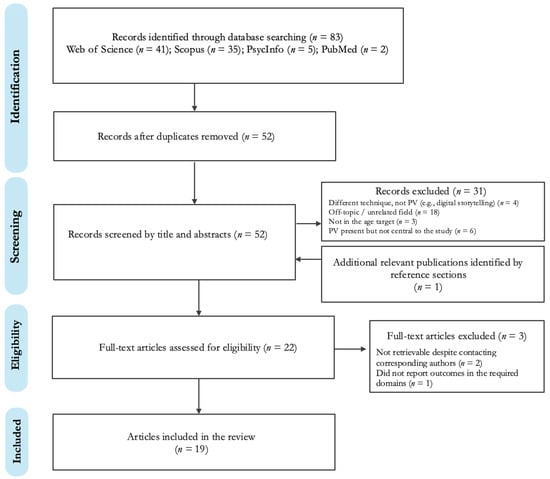
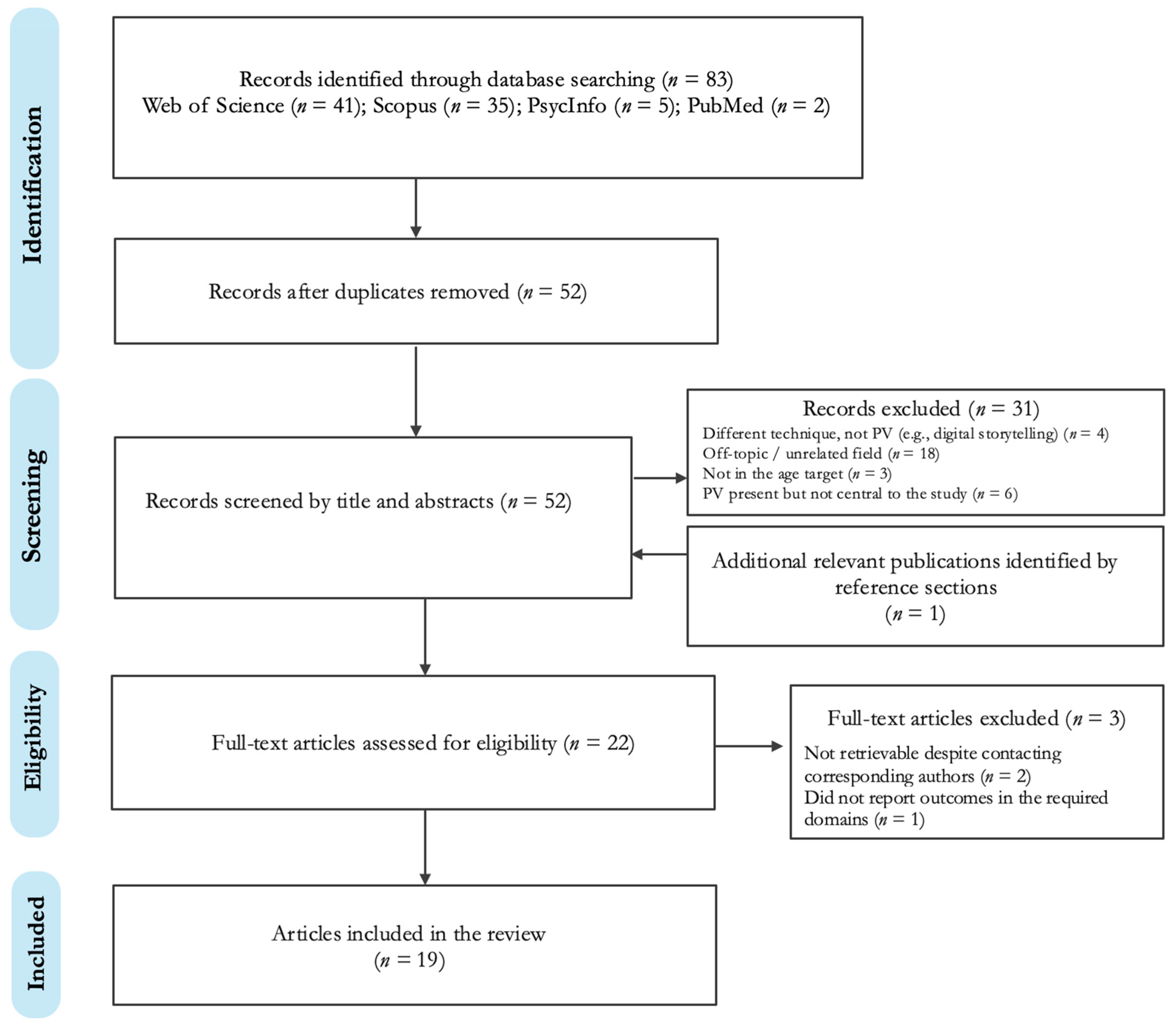

Disclaimer/Publisher’s Note: The statements, opinions and data contained in all publications are solely those of the individual author(s) and contributor(s) and not of MDPI and/or the editor(s). MDPI and/or the editor(s) disclaim responsibility for any injury to people or property resulting from any ideas, methods, instructions or products referred to in the content. |
© 2026 by the authors. Licensee MDPI, Basel, Switzerland. This article is an open access article distributed under the terms and conditions of the Creative Commons Attribution (CC BY) license.