


Abstract
Background: Chronic Kidney Disease-associated Pruritus (CKD-aP) is a frequent, debilitating, and often underestimated symptom in clinical practice, with significant impacts on quality of life, sleep, mental health, and therapeutic adherence. This study aimed to develop a structured, person-centered nursing care overview for the management of CKD-aP. Methods: A comprehensive narrative review of the recent scientific literature on CKD-aP was conducted, adapting the conceptual domains of the European Specialist Nurses Organisation (ESNO) Common Training Framework (CTF) to nephrology nursing practice. The theoretical model guiding the work was Virginia Henderson’s paradigm, selected for its consistency with care models focused on promoting independence and meeting fundamental human needs. The study would answer the main research question “Which nursing evidence, tools, and strategies can support integrated, patient-centered management of CKD-aP?”. Results: A structured nursing care process was developed, articulated in sequential phases (assessment, problem definition, planning, intervention, and re-evaluation), visually represented in an operational flowchart and supported by validated clinical tools. The model emphasizes the nurse’s role in the multidimensional management of the symptom, incorporating educational, relational, therapeutic, and coordination-focused interventions. Conclusions: This proposal contributes to nephrology nursing practice by providing a theoretical and practical framework to standardize the management of CKD-aP. It promotes a holistic, evidence-based approach tailored to individual care needs, establishing a foundation for future clinical, educational, and research developments.
1. Introduction
Chronic Kidney Disease-associated Pruritus (CKD-aP) is a chronic, debilitating, and frequently overlooked symptom that affects a substantial proportion of patients with advanced stages of chronic kidney disease, particularly those undergoing hemodialysis. It is significantly associated with impaired quality of life, yet often underestimated by physicians [1]. This frequent underestimation highlights the need for a nursing framework that systematically explores both expressed and unexpressed patient needs, promotes a holistic assessment beyond the symptom itself, and facilitates early recognition of conditions often overlooked in routine care [2]. Although CKD-aP is not directly life-threatening, it carries significant clinical and psychosocial consequences, negatively affecting sleep quality, psychological well-being, therapeutic adherence, and, as demonstrated in several systematic reviews, even overall mortality [3,4]. This study distinguishes itself by developing a multidimensional, clinically grounded, practice-oriented nursing framework for the management of CKD-aP. It offers an original contribution to the nephrology nursing literature and may support the standardization and quality of care for patients with CKD-aP.
1.1. Prevalence and Underdiagnosis
Numerous international studies consistently report that between 40% and 90% of patients on hemodialysis experience pruritus, often described as “unbearable” or “oppressive” [3,4,5,6,7]. However, this condition remains largely underrecognized and undertreated. This lack of recognition can be attributed in part to patients’ reluctance to spontaneously report the symptom and partly due to a lack of clinical attention to pruritus by some healthcare professionals [8]. It has been estimated that approximately one-third of patients do not proactively communicate this issue to the medical or nursing team [6].
1.2. Clinical Definition and Symptom Variability
CKD-aP is clinically defined as chronic pruritus associated with chronic kidney disease (CKD) in the absence of other dermatologic or systemic diseases that could otherwise explain the symptom. The clinical presentation is highly heterogeneous: the itch may be localized or generalized, continuous or intermittent, and typically manifests symmetrically, most commonly on the back, chest, upper limbs, and face [9,10]. Cutaneous lesions observed in these patients are often secondary to scratching and may include excoriations, crusts, papules, and, in more severe cases, prurigo nodularis [11,12]
1.3. Multifactorial Pathogenesis
The pathogenesis of CKD-aP remains a subject of intensive clinical and experimental research. The most recent scientific literature supports a multifactorial model, wherein various pathobiological mechanisms synergistically contribute to the onset and persistence of pruritus. One of the primary contributing factors is skin barrier dysfunction, frequently accompanied by pronounced xerosis. This condition is highly prevalent among hemodialysis patients and is recognized as a significant cofactor in the development of pruritus [13]. Xerosis results from multiple structural and functional skin alterations, including sweat gland atrophy, abnormal skin pH, and impaired hydration of the stratum corneum [14,15]. These changes render the skin more susceptible to pruritogenic stimuli and may facilitate aberrant transmission of itch-related signals [14]. In addition to local skin disturbances, a critical contributor is the systemic accumulation of uremic toxins. Metabolites such as β2-microglobulin and other protein-bound substances accumulate in subcutaneous tissues, exerting a direct irritant effect and increasing the sensitivity of peripheral nerve endings. This accumulation is typical of advanced CKD stages, especially in patients on chronic dialysis, where the clearance of medium-sized molecules is frequently suboptimal [16,17,18].
Another key pathogenic mechanism is the dysregulation of the endogenous opioid system. Under physiological conditions, a balance exists between μ-opioid receptors, which facilitate itch, and κ-opioid receptors, which exert antipruritic effects. In CKD patients, this balance is disrupted by hyperactivation of μ-receptors and downregulation of κ-receptors, resulting in heightened itch perception and its chronicity [19]. The clinical scenario is further complicated by the presence of chronic systemic inflammation, a hallmark of advanced renal disease. Elevated serum levels of pro-inflammatory cytokines such as interleukin-6 (IL-6), interleukin-31 (IL-31), and other pruritogenic mediators are frequently documented in dialysis patients. These cytokines not only sensitize itch-related neural pathways but also act directly on keratinocytes and cutaneous immune cells, promoting a vicious cycle of local inflammation and persistent pruritus [20,21].
Lastly, the neurogenic component must be considered, particularly the peripheral neuropathy commonly associated with end-stage renal disease [22]. Aberrant stimulation of C-fibers—peripheral sensory neurons responsible for itch transmission—appears to play a pivotal role in the pathophysiology of CKD-aP [23]. These fibers, rendered dysfunctional or hypersensitive due to metabolic and structural alterations, may relay distorted signals to the central nervous system, generating an itch sensation even in the absence of external stimuli [24].
In summary, the pathogenesis of CKD-aP emerges from a complex interplay among cutaneous, metabolic, immunological, and neurological mechanisms [25]. Understanding these pathways is essential for guiding clinical practice toward integrated and personalized therapeutic strategies (Table 1).
Table 1.
Main Pathogenetic Mechanisms of CKD-aP.
1.4. Clinical and Psychosocial Consequences
The impact of CKD-aP on both physical and mental health is well documented. Patients often report insomnia, irritability, anxiety, depression, and social isolation [2]. Longitudinal studies have demonstrated that severe pruritus is significantly associated with a reduction in quality of life (QoL), as measured by validated instruments such as the Skindex-10 [26], the Worst Itch Numeric Rating Scale (WI-NRS) [27], the 5-D Itch Scale [28], and the Sleep and Dermatologic Symptoms (SADS) scale [29]. In addition to subjective symptoms, CKD-aP is also a negative predictor of objective clinical outcomes. Patients suffering from severe pruritus exhibit a higher frequency of hospitalizations, reduced adherence to dialysis therapy, and increased mortality rates [22].
1.5. The Need for a Multidimensional Approach
Despite the absence of universal and standardized guidelines, the scientific community agrees on the necessity of a multidimensional approach to CKD-aP management. Such an approach should include: Pharmacological interventions, such as antihistamines, gabapentinoids, and κ-opioid receptor agonists (e.g., difelikefalin); Non-pharmacological strategies, including skin hydration, patient education, and phototherapy; Continuous monitoring by healthcare professionals, especially nurses with advanced expertise [30,31,32]. The proactive involvement of nurses in symptom assessment and management is pivotal to achieving therapeutic success and improving patient outcomes.
Emerging tools, such as mobile health apps for renal care, may further support patient education and self-management, enhancing non-pharmacological strategies [33]. In addition, interdisciplinary collaborations between nursing and engineering offer new opportunities to develop technological solutions for symptom monitoring and personalized care [34]. Integrating such innovations within a theoretical framework ensures that technological, educational, and clinical interventions are not implemented in isolation but are coordinated to address the full spectrum of patient needs, including skin integrity, emotional well-being and autonomy in daily life [35].
2. Methods
2.1. Aim and Research Question
The main aim of this study was to propose a multidimensional, practice-oriented nursing framework for the management of CKD-aP to the professional nursing community. The guiding research question was: “Which nursing evidence, tools, and strategies can support integrated, patient-centered management of CKD-aP?”
2.2. Design and Search Strategy
This work was conducted as a narrative, comprehensive literature review intended to support the conceptual and practical development of the proposed framework. This approach enabled the flexible integration of scientific evidence, nursing theories, and operational tools, aligned with clinical practice and the study’s primary objective. Literature searches were performed across major scientific databases, including PubMed, CINAHL, Scopus, and Web of Science. Broad search terms and keyword combinations were used, including: CKD-aP, chronic kidney disease, nursing management, nursing interventions, and care framework.
2.3. Scope and Inclusion Criteria
The search was limited to studies published in the past 10 years to ensure inclusion of the most recent and clinically relevant evidence; however, seminal high-impact studies, methodological papers, and position statements of particular relevance to the topic were also considered. No restrictions were applied regarding study design, and only English-language sources were included.
3. Nursing Competencies in the Nephrology Field
In recent decades, specialized nursing competencies have become central to reshaping healthcare delivery, especially for complex, chronic conditions requiring coordinated, multidisciplinary care. The growing need for high-quality, person-centered services has reinforced the importance of advanced nursing skills and wider professional autonomy. Within this context, the ESNO developed the CTF to harmonize advanced nursing education and practice across Europe. The CTF outlines five domains of competence, clinical expert practice, leadership and service management, education and mentoring, research and evidence integration, and therapeutic communication, supporting consistent preparation of specialist nurses, professional mobility within the EU, and improved quality and equity of care [36,37].
Nephrology nurses play a key role in managing complex and debilitating symptoms such as CKD-aP, which requires advanced clinical competencies, educational sensitivity, effective multidisciplinary collaboration, and sustained commitment to personalized care [30,31,32]. Building on ESNO CTF principles, these domains can be adapted to the nephrology setting to reflect expertise developed through experience, continuous education, and progressive empowerment. This adaptation frames the nephrology nurse as a proactive professional able to promote care quality, identify needs early, and implement integrated, evidence-based, person-centered interventions [4].
3.1. Management of CKD-aP in Nephrology Nursing
Across the CKD care continuum, particularly in dialysis, nursing roles have evolved in response to greater clinical complexity, an aging population, comorbidities, and persistent symptoms such as CKD-aP. These demands require a nursing profile combining specialist knowledge, relational skills, and critical thinking [38,39]. Nephrology nurses are increasingly central to care pathways, contributing to quality of care, continuity, and patient well-being [30,31,32]. In this perspective, CKD-aP should be considered a significant clinical and psychological marker affecting quality of life, treatment adherence, and potentially broader clinical and assistive outcomes. Through education and professional experience, nephrology nurses acquire competencies to conduct systematic assessments, tailor care strategies, participate in multidisciplinary decisions, and advocate for educational, training, and organizational initiatives [30]. Their daily practice integrates care, education, communication, management, and patient-rights advocacy, supporting a proactive, participatory, and outcome-oriented model of nursing care (Figure 1).
Figure 1.
Nursing Competencies in the Management of CKD-aP.
3.2. Clinical Expert Practice
Nephrology nurses play a key role in the systematic assessment and ongoing management of CKD-aP, a common but often underestimated symptom. Targeted, detailed, and repeatable assessments are essential to monitor symptom progression, identify patterns, and detect early exacerbations [5,40]. The use of validated tools supports objective and comparable evaluation, including the WI-NRS (0–10 peak intensity) and the SADS scale, which captures effects on sleep and daily functioning [25]. These measures facilitate communication with the interdisciplinary team and guide priority setting and person-centered care planning. Clinical management may include non-pharmacological measures such as topical formulations, gentle skin hygiene, natural-fiber clothing, appropriate detergents, and environmental adjustments (e.g., temperature, humidity, irritant avoidance) [11,14,19]. In collaboration with nephrologists, nurses may also contribute to pharmacological management by supporting administration and monitoring of therapies such as gabapentin, sertraline, difelikefalin, or selected antihistamines [41,42]. Continuous observation allows evaluation of effectiveness and side effects, supporting timely therapeutic adjustments.
3.3. Leadership and Service Management
3.3.1. Leadership
Nephrology nurses can exercise situational and clinical leadership by influencing care organization and team culture through clinical authority, accountability, and quality improvement. In CKD-aP management, they may advocate for integrating pruritus into standardized protocols, promote systematic assessment tools, and organize training to raise staff awareness [30,31,32]. This helps counter the perception of pruritus as a “minor” symptom and reinforces its relevance for quality of life and dialysis adherence [22]. Through distributed leadership, nurses can mentor less experienced colleagues, strengthen team cohesion, and improve interdisciplinary communication, contributing to safer and more effective care.
3.3.2. Service Management
Resource management and patient advocacy are essential and interconnected components of nephrology nursing [43]. Managing CKD-aP often requires coordination of nephrologist input, as physicians diagnose CKD-aP and tailor dialysis and therapies to individual needs, improving quality of life and addressing an often overlooked symptom [44]. Care pathways may also include referrals to dermatologists or psychologists, nutritional consultations, management of topical treatments, and continuity of care between hospital and home [38,45]. At the same time, nurses act as advocates by protecting patients’ rights, promoting equitable access to care, and countering exclusionary practices, particularly for patients facing economic, linguistic, or social barriers [46]. Advocacy also involves contributing to local decision-making, collaborating with stakeholders, and supporting operational recommendations, helping build a more inclusive and patient-centered healthcare system for people living with CKD [47].
3.4. Education and Mentoring
Therapeutic education is a core component in the management of chronic, subjective symptoms such as CKD-aP [48]. Nephrology nurses are responsible for developing a personalized educational pathway that enhances self-efficacy and promotes active patient engagement in symptom control. This process requires clear, empathetic, and non-judgmental communication, while also identifying cognitive, cultural, or emotional barriers that may limit understanding and adherence [30,31,32] (Table 2).
Table 2.
Educational Content for Patients with CKD-aP.
Education should be conceived as a continuous, adaptive process rather than a single event, evolving with the patient’s clinical trajectory and tailored to individual needs, motivation, and engagement. The ultimate goal is to build a therapeutic alliance in which nurses and patients share realistic goals and co-develop strategies for symptom management [49].
3.5. Therapeutic Communication
CKD-aP has a major psychological and emotional impact, affecting sleep, mental well-being, social relationships, and illness perception, often leading to frustration, anger, shame, or isolation [50]. Underestimation is frequent: DOPPS data showed that 69% of medical directors underestimated pruritus prevalence, and many patients with severe pruritus either received no treatment or did not report symptoms to staff [51]. In this context, nephrology nurses’ relational competencies are essential. The nurse–patient interaction should move beyond technical assessment toward a continuous, empathetic, and non-judgmental helping relationship. Relational skills are a core component of nephrology and dialysis nursing practice [31] and support early recognition of emotional distress, first-level psychological support, and the promotion of adaptive coping strategies through counseling-oriented communication [52]. When needed, nurses can facilitate referral to mental health professionals (e.g., clinical psychologists or certified counselors) [31]. These competencies are particularly relevant in CKD-aP, where distress may be under-recognized and can affect adherence and quality of life (Table 3).
Table 3.
Relational and Counseling Interventions in the Care of Patients with CKD-aP.
The effectiveness of this approach depends on tailoring support to the individual’s condition, clinical phase, and sociocultural context; in chronic kidney failure, the nephrology nurse may represent a stable relational figure supporting transitions and active acceptance [53] (Figure 2).
Figure 2.
Emotional Support and Counseling.
3.6. Research and Evidence Integration
Even nurses not directly engaged in academic research can contribute meaningfully to generating and valuing professional knowledge [30]. In nephrology, systematic observation, accurate documentation, and critical appraisal of intervention effectiveness support applied, practice-based clinical research [54]. In CKD-aP care, this includes collecting standardized clinical data (e.g., itch intensity, treatment response, sleep impact), comparing management strategies, and sharing relevant findings within the care team using validated tools from the literature. These processes can inform best practices and be translated into internal protocols or disseminated through working groups, conferences, and publications. Nurses may also contribute to clinical audits by defining care indicators, monitoring protocol adherence, and identifying gaps or priorities for improvement [31,32]. When performed rigorously, these activities represent applied research that supports continuous quality improvement.
4. Nursing Care Planning in CKD-aP Management: Integration of Professional Competence and Theoretical Models
Virginia Henderson’s model is a suitable framework for nursing care planning in nephrology and for CKD-aP management [54]. The model is grounded in assisting individuals to meet fundamental needs and achieve the highest possible level of autonomy [55]. Independence requires considering external influences on a person’s life and development [56]; therefore, care must address not only symptoms but also environment, relationships, habits, history, and life goals [57]. In Henderson’s view, health is the ability to meet fundamental needs independently [55], and nursing supports this ability by strengthening personal resources through care [54]. The person is conceptualized as a mind–body unit with interacting biological, psychological, and social dimensions [56]. Accordingly, CKD-aP should be understood as a multidimensional subjective experience rather than a purely cutaneous manifestation [58]. The living environment (family, housing conditions, support networks) also shapes symptom coping and self-management [57]. Within this perspective, nurses promote health and well-being in chronic illness and temporary vulnerability [54,58]. Henderson’s model supports structured care planning through systematic needs assessment, prioritization, goal setting, intervention selection, and outcome evaluation [55,59]. Applied to CKD-aP, it promotes an integrated understanding of pruritus while emphasizing patient resources, family involvement, continuity of care, and interprofessional collaboration [54,59].
The choice of Henderson’s model is justified by its focus on autonomy and the systematic exploration of fourteen fundamental needs [60]. This holistic approach is especially relevant for symptoms that are not directly life-threatening but can profoundly affect quality of life, sleep, and emotional balance [61]. The model encourages nurses to identify residual patient capacities, factors that may enhance them, and contextual (environmental and relational) elements influencing symptom perception and self-management [62].
Compared with other frameworks, Henderson offers distinctive advantages. Gordon’s Functional Health Patterns provide structured assessment but may be less flexible in capturing the fluctuating and psychosocial dimensions of CKD-aP because of a binary functional/dysfunctional classification [63]. Orem’s Self-Care Deficit Theory is highly relevant to chronic disease, yet may not fully address the interplay of biological, emotional, and social needs when symptom control is central [64]. Carpenito’s model supports pragmatic care planning, but it does not inherently integrate psychosocial, environmental, and lifestyle determinants into a holistic framework [65]. By contrast, Henderson enables a holistic assessment across domains, prioritizes autonomy despite chronic symptoms, integrates educational/relational/environmental/clinical interventions within one coherent plan, and facilitates interdisciplinary collaboration through shared, need-based language [66].
In this work, Henderson’s model was operationalized through standardized nursing diagnoses using the NANDA-I taxonomy [62]. Standardized documentation supports consistency and enables comparison of nursing outcomes across settings [67,68]. Accordingly, needs such as rest, hygiene/skin integrity, emotional security, and social interaction were mapped to corresponding NANDA-I diagnoses, forming the basis of the proposed CKD-aP care pathway (Table 4).
Table 4.
Comparison of Nursing Conceptual Models in the Management of CKD-aP.
4.1. Nursing Assessment in Patients with CKD-aP According to Virginia Henderson’s Model
Nursing assessment represents the first and fundamental step of the care process, during which the nurse systematically gathers all the necessary information to understand the clinical, relational, and emotional situation of the person being cared for [54,55]. In the case of CKD-aP, this step takes on particular importance, as the symptom, often underestimated or unreported, significantly affects quality of life, subjective well-being, and the clinical stability of dialysis patients [56]. Using Virginia Henderson’s conceptual model, the nurse is guided in evaluating compromised basic needs, adopting a holistic perspective that considers the person in their biological, psychological, and social entirety. The assessment involves collecting subjective, objective, and contextual data, integrating observation, interview, and validated tools (Figure 3).
Figure 3.
Nursing Assessment in CKD-aP. Legend. CKD-aP: Chronic Kidney Disease-Associated Pruritus; WI-NRS: Worst Itch Numeric Rating Scale; SADS: Sleep and Dermatologic Symptoms scale; 5-D Itch Scale: Five-Dimensional Itch Scale.
The clinical interview, guided by empathetic listening and effective communication, allows exploration of the presence, frequency, severity, and impact of pruritus on the patient’s daily life. It is essential that the nurse asks targeted questions to uncover not only symptoms but also related experiences, such as frustration, anxiety, feelings of helplessness, or sleep disturbances. In parallel, objective data is collected through skin inspection, behavioral observation, and analysis of relevant clinical and laboratory parameters. During the assessment, the nurse may refer to standardized tools such as the WI-NRS, 5-D Itch Scale, SADS, and scales for assessing quality of life and psychological well-being. When used regularly, these tools allow for comparative evaluation over time and facilitate clinical monitoring [44]. Special attention must be given to the emotional and psycho-relational dimension: pruritus, as a persistent and disabling symptom, can impose a psychological burden, disrupt sleep, and create a condition of vulnerability that undermines social interaction and treatment adherence. In Henderson’s conceptual view, emotional support is not a secondary component but an essential need, intertwined with rest, safety, communication, and social participation [69]. Addressing CKD-aP within this framework allows relational interventions to be fully integrated into the care plan, ensuring they contribute directly to the restoration or preservation of the patient’s autonomy and quality of life [70].
In light of these findings, nursing assessment is not only a core element of nursing care but also a relational and reflective practice aimed at deeply understanding both the expressed and unexpressed needs of the patient. Henderson’s model provides the conceptual framework to interpret pruritus as an expression of one or more altered basic needs, including rest, hygiene and skin integrity, emotional expression, or safety. It lays the foundation for an accurate nursing diagnosis, which in turn enables the development of an evidence-based, personalized, and person-centered care plan.
4.2. Identification of Nursing Problems in Patients with CKD-aP
Following the assessment, the next step in the care process is the identification of nursing problems that emerge from the critical and integrated analysis of the collected data. This step is essential for developing a targeted and coherent care plan, as it allows the nurse to transform clinical observations and the interview into operational and strategic knowledge [71]. In the context of CKD-aP, the nephrology nurse must be able to recognize not only the physical symptom itself but also its interconnections with psycho-emotional, relational, functional, and environmental aspects, which all contribute to the complexity of the patient’s subjective experience [46]. Virginia Henderson’s model allows pruritus to be interpreted as an indicator of alterations in one or more fundamental needs, helping the nurse reconstruct a complete picture of compromised or at-risk needs [72].
Practically speaking, the nurse may identify nursing problems such as: impaired skin integrity due to persistent scratching, excoriations, or xerosis; difficulty resting due to nocturnal itching; feelings of discomfort or anxiety related to the chronic nature of the symptom; reduced social participation due to embarrassment from visible skin lesions or the continuous need to scratch; poor understanding of the causes and management strategies for pruritus; and difficulty adhering to complex or fragmented therapeutic instructions. Identifying these problems requires a critical, contextual, and relational interpretation of the data, considering the uniqueness of each patient and their subjective meanings. The nurse does not merely assign clinical labels but reflects on how each alteration affects autonomy, dignity, safety, and the patient’s overall well-being. This is where “nursing reasoning” takes shape, the ability to connect observed signs, reported symptoms, and expressed or unexpressed needs and assign them a clinical-assistance priority [32].
In CKD-aP management, problems may span different functional areas: personal care, skin hygiene, the need for rest and sleep, the need to feel understood, heard, and supported, the need for safety and control, and the need to be an active participant in one’s therapeutic journey. Clearly defining priority problems allows the nurse to direct interventions more effectively, avoiding generic or repetitive approaches and laying the groundwork for planning realistic, shared, and verifiable goals [73]. Accurate identification of nursing problems is, therefore, a clinical act of professional responsibility that qualifies the nurse’s role as a promoter of person-centered care, capable of integrating scientific evidence, empathy, and attention to real needs (Table 5; Figure 4) [74].
Table 5.
Nursing Problems Associated with CKD-aP.
Figure 4.
Identification of nursing problems and formulation of NANDA-I nursing diagnoses.
4.3. Planning of Nursing Goals in Patients with CKD-aP
Once the priority nursing problems have been identified, the next step involves planning nursing goals, which define what is to be achieved through the care intervention. In this phase, the nurse translates the clinical analysis into an operational plan, establishing realistic, measurable, and shared goals that guide daily decision-making and interdisciplinary work [75]. Goals should follow the SMART criteria: Specific (clear and well-defined), Measurable (assessed with concrete indicators), Achievable (realistic given the patient’s condition), Relevant (aligned with the identified care need), and Time-bound (framed within a defined timeframe) [76]. In patients with CKD-aP, nursing goals extend beyond merely reducing pruritus. They include improving sleep quality, restoring skin integrity, managing emotional distress, promoting treatment adherence, and fostering informational empowerment. The nurse, in collaboration with the patient and the team, should plan care goals aligned with the altered basic needs. For instance, for severe pruritus with excoriations, the priority goal would be to reduce scratching frequency and intensity and restore skin integrity within a specific timeframe. In the presence of sleep disturbances, the goal might be improving nighttime rest through behavioral, environmental, and pharmacological strategies [77]. For a person with limited knowledge, an educational intervention can be planned to improve understanding of pruritus triggers and preventive strategies. Goals should always be shared with the patient, written in clear language, openly discussed, and, when possible, co-designed [78]. This approach strengthens the therapeutic alliance and enhances adherence to care strategies (Table 6; Figure 5).
Table 6.
Examples of Nursing Goals for CKD-aP.
Figure 5.
Planning of nursing goals for patients with CKD-associated pruritus based on SMART criteria and person-centered care principles.
Defining clear goals not only guides interventions but also enables systematic evaluation of care effectiveness. In the following phase, implementation of the nursing care plan will involve identifying specific and personalized interventions [74].
4.4. Nursing Interventions in Patients with CKD-aP
After planning concrete and patient-centered care goals, the nurse implements a coordinated set of targeted actions aimed at reducing CKD-aP, preventing complications, and promoting the patient’s overall well-being. These interventions must be consistent with the established goals, adaptable over time, and based on scientific evidence, patient preferences, and the adopted theoretical framework—here, Virginia Henderson’s Needs Theory [79]. In the specific context of CKD-aP, nursing interventions are structured into four main areas: skin care, therapeutic education, emotional–relational support, and care coordination [80]. Each of these dimensions is designed to address the patient’s complex needs by integrating clinical, educational, and communicative skills. These interventions must be documented meticulously, continuously monitored, and dynamically adjusted based on the patient’s individual response. Only through this cyclical and flexible approach can genuinely personalized, person-centered care be ensured, aligned with principles of effectiveness, appropriateness, and humanization of care [81,82] (Table 7; Figure 6). Within the nursing process, these interventions are implemented in response to previously identified nursing diagnoses and aim to achieve specific patient-centered outcomes, including reduction of itch intensity, preservation of skin integrity, and improvement of quality of life. In clinical practice, these areas translate into coordinated nursing actions aimed at interrupting the itch–scratch cycle, preserving skin integrity, and supporting patients in managing pruritus in daily life.
Table 7.
Nursing Interventions in CKD-aP.
Figure 6.
Nursing Interventions process in CKD-aP.
4.4.1. Skin Care
Skin care interventions represent a key component of CKD-aP management, as xerosis and impairment of the epidermal barrier are common in patients with chronic kidney disease. Alterations of the stratum corneum and increased transepidermal water loss contribute to skin dryness and amplify pruritus perception; therefore, restoring skin barrier integrity represents a primary objective of nursing care [83]. Nurses should encourage the regular use of emollient creams or moisturizers to improve skin hydration and reduce xerosis. Emollients rehydrate the stratum corneum and replenish extracellular lipids, reducing transepidermal water loss and limiting the penetration of external irritants that may exacerbate itching [83,84]. Patients should be instructed to apply moisturizers regularly, preferably after bathing, use gentle cleansers instead of alkaline soaps, avoid excessively hot showers, and perform routine skin inspection to identify excoriations or signs of infection. These interventions are particularly relevant when nursing diagnoses such as impaired skin integrity or risk for impaired skin integrity are identified.
4.4.2. Itch Management
Alongside skin care measures, nurses play an important role in managing the itch–scratch cycle. Regular assessment of itch intensity using validated instruments such as the WI-NRS allows systematic monitoring of symptom severity and evaluation of treatment effectiveness. Patients should also be supported in identifying aggravating factors, including excessive heat, dry environments, or irritating fabrics. Practical strategies may include recommending breathable clothing, maintaining comfortable environmental temperatures, and suggesting alternatives to scratching such as cool compresses or gentle pressure on the affected area. In patients reporting nocturnal itching, nurses should assess sleep quality and promote basic sleep hygiene strategies, as sleep disturbances are common among dialysis patients with persistent pruritus [85,86]. These actions support the management of nursing diagnoses such as disturbed sleep patterns or chronic discomfort related to persistent itching.
4.4.3. Therapeutic Education
Therapeutic education represents another essential component of nursing care. CKD-associated pruritus is frequently underestimated or underreported, and patients may not recognize factors that exacerbate the symptom [85]. Nurses should therefore provide clear information about the condition and practical self-management strategies, including the correct use of topical treatments and identification of environmental triggers. Encouraging patients to report changes in itch intensity may facilitate timely clinical evaluation and shared decision-making within the multidisciplinary healthcare team [87]. Educational interventions also aim to strengthen patient self-management and adherence to recommended skin care practices and treatment strategies.
4.4.4. Emotional Support
The emotional and psychosocial impact of chronic pruritus should also be considered. Persistent itching may contribute to irritability, fatigue, anxiety, and social withdrawal, particularly when it interferes with sleep or daily activities. Evidence indicates that CKD-associated pruritus is associated with reduced health-related quality of life and increased psychological distress among dialysis patients [88,89,90]. Through active listening and empathetic communication, nurses can acknowledge the burden of the symptom and provide emotional support, referring patients to other professionals when emotional distress significantly affects well-being. These interventions address psychosocial nursing diagnoses such as anxiety, ineffective coping, or impaired comfort associated with chronic symptoms.
4.4.5. Care Coordinator
Finally, nursing interventions include coordination of care and ongoing clinical monitoring within the interdisciplinary nephrology team. Nurses are often the first healthcare professionals to detect changes in symptom severity or complications related to persistent scratching. Systematic documentation of itch intensity, skin condition, and response to interventions enables early identification of patients who may require further clinical evaluation or escalation of treatment, supporting comprehensive and coordinated management of CKD-associated pruritus.
4.5. Reassessment and Monitoring in Patients with CKD-aP
The reassessment phase represents the final and cyclical moment of the nursing care process, during which the results obtained are analyzed against the predefined goals. In this phase, the nurse systematically and structurally verifies the effectiveness of the implemented interventions, the symptom progression, the evolution of care needs, and the patient’s active engagement in their care journey [91]. In patients affected by CKD-aP, reassessment holds particular clinical and relational significance: as a chronic, fluctuating, and multifactorial symptom, pruritus management must be monitored over time using validated tools, constant observation, and continuous dialog with the patient [80]. Reassessment occurs on multiple levels [77,80,92,93]: (a) Assessment of pruritus evolution using standardized scales (e.g., WI-NRS, 5-D Itch Scale) to verify actual reductions in intensity, frequency, or related distress; (b) Observation of skin integrity, adherence to the therapeutic plan, and the degree of autonomy achieved in symptom management; (c) Evaluation of sleep quality, emotional state, and social relationships as indirect indicators of improved quality of life; (d) Active patient feedback, essential to understand the perceived effectiveness of interventions and adjust the care plan if needed; (e) Clear and traceable documentation, useful for care continuity, team communication, and mid- to long-term outcome evaluation. Reassessment is not an isolated activity, but a cyclical process that enables nurses to dynamically redefine priorities, goals, and care strategies, responding flexibly to the evolving clinical status of the individual. Moreover, through continuous monitoring, the impact of nursing interventions can be evaluated not only on symptom control but also on quality of life, thereby enhancing the overall effectiveness of nephrology nursing care (Table 8).
Table 8.
Indicators for Reassessment and Monitoring in Patients with CKD-aP.
5. Discussion
CKD-aP represents a clinically relevant complication in patients with advanced chronic kidney disease and in individuals undergoing maintenance dialysis. Rather than being merely a dermatological symptom, CKD-aP is now recognized as a complex and multidimensional condition that significantly impairs patients’ quality of life, affecting sleep quality, psychological well-being, social functioning, and treatment adherence [39]. Numerous studies have shown that persistent pruritus in dialysis patients is associated with increased morbidity, a higher risk of depression, greater healthcare utilization, and increased mortality [25,47,94]. These consequences are not unique to CKD and show similarities with several chronic dermatological conditions such as psoriasis, atopic dermatitis, and chronic eczema. These disorders are characterized by persistent and often severe itch, impairment of the skin barrier function, scratch-related lesions, and a substantial psychosocial burden [95,96]. In such contexts, itch often becomes central to the patient’s subjective experience of illness, influencing body image, self-efficacy, social participation, and daily functioning. However, CKD-aP differs from primary dermatological diseases because the symptom arises from complex systemic mechanisms rather than from a primary skin lesion. Proposed pathogenic pathways include the accumulation of uremic toxins, dysregulation of endogenous opioid systems, chronic inflammation, peripheral neuropathy, and alterations in immune responses, all of which may contribute to the persistent perception of itch in patients with kidney failure [15,97]. The more recent literature further supports the concept of CKD-aP as a systemic neuroimmune condition in which inflammatory mediators and alterations in peripheral sensory pathways interact to sustain the chronicity of the symptom [39].
In recent years, increasing attention has been directed toward the systematic evaluation of CKD-aP through validated PROMs. Instruments such as the WI-NRS, the 5-D Itch Scale, the SADS, and quality-of-life questionnaires such as the KDQOL-36 are increasingly used in clinical trials and observational studies to quantify itch intensity and its multidimensional impact on patients’ lives. Evidence from hemodialysis cohorts demonstrates a strong correlation between WI-NRS scores and patient-reported measures related to sleep disturbance, fatigue, depressive symptoms, and reduced health-related quality of life, confirming the clinical utility of PROM-based symptom monitoring [98,99]. Furthermore, recent analyses suggest that even a single WI-NRS assessment may reliably identify patients with moderate-to-severe CKD-aP, supporting the integration of standardized itch assessment tools into routine dialysis care pathways [100,101]. Alongside systemic mechanisms, skin barrier dysfunction and xerosis represent important contributors to itch severity in patients with advanced CKD. Xerosis is highly prevalent in hemodialysis populations and is associated with alterations in epidermal lipid composition, reduced sebaceous gland activity, and increased transepidermal water loss, factors that may amplify peripheral itch signaling and worsen symptom perception [13]. Recent evidences indicates that the regular use of emollients and humectants can consistently improve symptoms with excellent safety profiles, enhance skin hydration, and contribute to the reduction of pruritus severity, highlighting the importance of structured skin-care protocols as part of supportive CKD-aP management [102].
These findings reinforce the need for a multidimensional and patient-centered approach to CKD-aP management. In this context, nurses play a fundamental role in longitudinal symptom assessment, patient education, and the promotion of self-management strategies. Similar to the management of chronic dermatological diseases, CKD-aP care requires the integration of validated assessment tools, individualized care plans, and a continuous therapeutic alliance between healthcare professionals and patients [98,99]. Active patient involvement in symptom monitoring and therapeutic decision-making has been associated with improved clinical outcomes as well as greater satisfaction with care [103,104]. Additionally, the fluctuating nature of itch, which often worsens at night or in response to environmental triggers, requires careful clinical observation and periodic reassessment within the dialysis care setting [105,106]. The patient’s subjective experience, reported symptom intensity, and individual tolerance capacity therefore become key variables guiding clinical decision-making beyond rigidly standardized treatment paradigms. From this perspective, CKD-aP may also be interpreted as a “sentinel symptom,” reflecting deeper biological, psychological, and relational distress that requires a holistic and integrated care response [107].
Recent therapeutic developments have expanded pharmacological options for patients with moderate-to-severe CKD-aP. In particular, the selective peripheral κ-opioid receptor agonist difelikefalin represents a targeted therapy specifically approved for CKD-associated pruritus in hemodialysis patients [108]. Randomized clinical trials have demonstrated significant improvements in itch intensity and pruritus-related quality of life compared with placebo [108]. More recent real-world evidence has further confirmed these findings. In an observational study conducted in Italy among hemodialysis patients with moderate-to-severe CKD-aP, treatment with difelikefalin resulted in clinically meaningful improvements in pruritus severity, with reductions of at least three points in the WI-NRS observed in 61% of patients after four weeks and in 88% after twelve weeks of therapy [109]. Similarly, a large retrospective study conducted within a U.S. dialysis network involving more than 700 hemodialysis patients demonstrated a significant reduction in itch severity following the initiation of difelikefalin therapy in routine clinical practice, with 46% of patients achieving a reduction of at least three points in pruritus severity [110]. Long-term observational data further suggest that these benefits may persist over time, with sustained reductions in WI-NRS scores and improvements in sleep disturbances reported for up to twelve months of treatment [111].
Within this evolving therapeutic landscape, the nephrology nurse emerges as a key professional capable of integrating symptom monitoring, skin-care interventions, patient education, and coordination of multidisciplinary management strategies. By integrating Virginia Henderson’s theoretical model into CKD-aP management, the present study proposes an integrative nursing framework that bridges evidence-based nephrology and person-centered care [55]. Such an integrated perspective may improve diagnostic sensitivity, enhance therapeutic effectiveness, and strengthen patient autonomy while ensuring continuity of care. Moreover, it provides a conceptual basis for future empirical studies aimed at validating theory-informed models of integrated nephrology nursing practice.
5.1. Future Perspectives for Practice and Research
In light of current clinical evidence, there is a clear need to formalize nursing care pathways specifically for the management of CKD-aP, integrating validated assessment tools and targeted training programs to support multidimensional symptom management. The implementation of dedicated nursing protocols for CKD-aP should be complemented by strategies that enable real-time symptom tracking and patient engagement. Electronic patient-reported outcome (ePRO) platforms could be successfully used to capture itch intensity and its associations with quality of life and psychosocial outcomes in CKD-aP populations, demonstrating the feasibility of digitally collected symptom data in clinical and research settings [112]. Moreover, systematic evaluations of mobile applications for pruritus in other chronic conditions highlight the potential of apps and wearables to support symptom recording, nocturnal itch assessment, and longitudinal tracking; however, many existing tools remain under-validated, and further development is needed to tailor them to CKD-aP [105]. Embedding these digital approaches within nursing practice could enhance early identification of symptom exacerbations, facilitate personalized care planning, and support remote self-management. Concurrently, nursing research—both observational and interventional—should evaluate the clinical utility, usability, and outcomes associated with mHealth-supported itch monitoring, including validation of digital instruments and integration with standardized clinical pathways [113]. Aligning care models with patient-centered, technology-enabled monitoring represents an important step toward improving health outcomes and ensuring continuity of care across settings [114,115] (Figure 7).
Figure 7.
Nursing Care in CKD-aP. Legend. CKD-aP: Chronic Kidney Disease-Associated Pruritus; WI-NRS: Worst Itch Numeric Rating Scale; SADS: Sleep and Dermatologic Symptoms Scale; 5-D Itch Scale: Five-Dimensional Itch Scale.
5.2. Limitations
However, it is important to acknowledge several limitations of this research. First, the absence of specific international guidelines for the nursing management of CKD-aP required the development of a framework primarily based on observational studies, the literature reviews, and theoretical adaptations. Second, the available evidence focuses mainly on dialysis populations, whereas information concerning patients with non-advanced CKD or those receiving conservative treatment remains limited. Third, the subjective variability of the symptoms and differences among healthcare settings make it difficult to fully generalize the findings.
Moreover, the literature review was not conducted as a systematic review; therefore, it does not guarantee complete exhaustiveness or full replicability of the findings. Study selection followed a narrative approach and focused on the most relevant and recent sources, emphasizing evidence applicable to nursing practice. In addition, the search was limited to English-language publications, which may have excluded relevant contributions published in other languages. Furthermore, although the framework has been aligned, as far as possible, with nursing problems defined in the NANDA-I system, some areas still require clarification and adaptation. The practical recommendations included in the framework, such as the proposed nursing goals, interventions, and reassessment frequency, have not yet been validated through extensive clinical testing or multidisciplinary consensus.
Although the quality of the available evidence was considered when selecting sources, the development of standardized operational recommendations will require further research and expert consensus. Finally, although the proposed framework is grounded in established nursing theories and scientific evidence, it has not yet been empirically validated in real-world clinical settings; therefore, its practical effectiveness should be confirmed through implementation studies and patient outcome evaluations. Despite these limitations, this work provides a structured foundation for the implementation of validated care models, fostering a culture of systematic observation, individualized assessment, and integrated management of patients affected by CKD-aP.
6. Conclusions
CKD-aP is an underestimated yet highly impactful clinical and nursing issue that requires a structured, multidimensional, and personalized nursing response. The literature review and the theoretical–practical reflection developed in this study have made it possible to outline a care model that integrates the nursing competency framework with the humanistic principles of Virginia Henderson’s theory. This integration has allowed for the translation of theoretical concepts into concrete, measurable nursing actions articulated through the phases of assessment, problem identification, goal setting, personalized interventions, and continuous monitoring. The proposed operational flowchart serves not only as a practical tool for everyday clinical practice but also as a guide for professional training and standardization of nursing pathways in nephrology. In the absence of specific nursing guidelines, this model provides a scientifically grounded reference to promote a holistic, patient-centered, and evidence-based approach to care.
Author Contributions
Conceptualization S.M., G.F. and D.L.; methodology S.M., G.C. (Giovanni Cangelosi), G.F. and M.S.; validation, A.P., G.C., V.D.M., I.d.B. and S.M.P.; investigation, S.M., G.F., M.S. and G.C. (Giovanni Cangelosi); writing—original draft preparation, S.M., G.F., D.L. and M.S.; writing—review and editing A.P., G.C. (Giovanni Cangelosi), G.C., V.D.M., S.M.P., A.S., A.F., I.d.B. and Italian Society of Nephrology Nurse (SIAN) Research Group; visualization, A.P., G.C. (Giovanni Cangelosi), G.C., V.D.M., S.M.P., A.S., A.F., I.d.B. and Italian Society of Nephrology Nurse (SIAN) Research Group; supervision S.M., A.S., A.F. and M.S.; project administration S.M. and M.S. S.M. and G.F. contributed equally to this work and share first authorship. S.M.P. and M.S. contributed equally and share last authorship. Members of the Italian Society of Nephrology Nurse (SIAN) Research Group (Angela Greco; Francesco Barci; Addolorata Palmisano; Silvia Cappelletti; Domenica Gazineo; Lea Godino; Alessio Lo Cascio; Mattia Bozzetti; Daniele Napolitano) contributed equally to the preparation of the manuscript, in accordance with the authorship indicated above. All authors have read and agreed to the published version of the manuscript.
Funding
This research received no external funding.
Institutional Review Board Statement
The study was approved by the Institutional Review Board of Italian Society of Nephrology Nurse (Società Italiana Infermieri di Area Nefrologica SIAN)—protocol code RIC02/2025 dated 1 June 2025.
Informed Consent Statement
Not applicable.
Data Availability Statement
No new data were created or analyzed in this study. Data sharing is not applicable to this article.
Acknowledgments
The authors would like to express their sincere gratitude to the Italian Society of Nephrology Nurse (SIAN) for the valuable scientific support provided during the design and implementation of this study. Their contribution was instrumental in ensuring the methodological rigor and overall quality of the work. Artificial Intelligence (AI) (ChatGPT, GPT-5.3; OpenAI, 2026) was employed solely for structural text revision and graphical elaboration. All scientific content, interpretations, and conclusions presented in this work reflect the original intellectual contributions of the authors and remain their sole responsibility.
Conflicts of Interest
The authors declare no conflicts of interest.
Abbreviations
The following abbreviations are used in this manuscript:
| 5-D Itch Scale | Five-Dimensional Itch Scale |
| CKD | Chronic Kidney Disease |
| CKD-aP | Chronic Kidney Disease-Associated Pruritus |
| CTF | Common Training Framework |
| ESNO | European Nurse Specialist Organization |
| NANDA-I | North American Nursing Diagnosis Association—International |
| QoL | Quality of Life |
| SADS | Sleep and Dermatologic Symptoms Scale |
| SIAN | Società Infermieri Area Nefrologica/Italian Society of Neprhrology Nurse |
| SMART | Specific, Measurable, Achievable, Relevant and Time-bound |
| WI-NRS | Worst Itch Numeric Rating Scale |
Appendix A
Italian Society of Nephrology Nurse (SIAN) Research Group (contributed as authors of the manuscript):
Angela Greco: Italian Society of Nephrology Nurse (SIAN) Research Group, Via Capotesta 1/30, 07026 Olbia, Italy angelagreco1967@gmail.com;
Francesco Barci: Italian Society of Nephrology Nurse (SIAN) Research Group, Via Capotesta 1/30, 07026 Olbia, Italy, francescobarci81@gmail.com;
Addolorata Palmisano: Italian Society of Nephrology Nurse (SIAN) Research Group, Via Capotesta 1/30, 07026 Olbia, Italy, dorianapalmisano77@gmail.com;
Silvia Cappelletti: Italian Society of Nephrology Nurse (SIAN) Research Group silviacappelletti74@outlook.com;
Domenica Gazineo: Italian Society of Nephrology Nurse (SIAN) Research Group, Via Capotesta 1/30, 07026 Olbia, Italy; Governo Clinico e Qualità, IRCCS Azienda Ospedaliero-Universitaria di Bologna, Bologna, Italy; domenica.gazineo3@unibo.it;
Lea Godino: Italian Society of Nephrology Nurse (SIAN) Research Group, Via Capotesta 1/30, 07026 Olbia, Italy; Medical Genetics Unit, IRCCS Azienda Ospedaliero-Universitaria di Bologna, Bologna, lea.godino2@unibo.it;
Alessio Lo Cascio: Italian Society of Nephrology Nurse (SIAN) Research Group, Via Capotesta 1/30, 07026 Olbia, Italy; La Maddalena Cancer Center, Palermo, 90146, Italy; locascio.alessio@lamaddalenanet.it
Mattia Bozzetti: Italian Society of Nephrology Nurse (SIAN) Research Group, Via Capotesta 1/30, 07026 Olbia, Italy; Direction of Health Professions, ASST Cremona, 26100 Cremona, Italy; mattia.bozzetti@asst-cremona.it
Daniele Napolitano: Italian Society of Nephrology Nurse (SIAN) Research Group, Via Capotesta 1/30, 07026 Olbia, Italy; La Maddalena Cancer Center, Palermo, 90146, Italy; CEMAD IBD Unit, Fondazione Policlinico Gemelli IRCCS, 00168 Rome, Italy; daniele.napolitano@policlinicogemelli.it
References
- Engler, F.; Kerschbaum, J.; Keller, F.; Mayer, G.; Austrian Dialysis and Transplant Registry Collaborators. Prevalence, patient burden and physicians’ perception of pruritus in haemodialysis patients. Nephrol. Dial. Transplant. 2024, 39, 277–285. [Google Scholar] [CrossRef] [Scilit]
- Sanchez-Alvarez, E.; Goicoechea, M.; Lanot, A. The prevalence of chronic kidney disease-associated pruritus and its impact on quality of life in hemodialysis patients: A commentary from experts from two countries. Clin. Kidney J. 2024, 17, sfae003. [Google Scholar] [CrossRef] [Scilit]
- Kim, D.; Pollock, C. Epidemiology and burden of chronic kidney disease-associated pruritus. Clin. Kidney J. 2021, 14, i1–i7. [Google Scholar] [CrossRef] [Scilit]
- Bai, L.; Shi, J.; Du, X. Patient-Reported Outcome Measures in CKD-Associated Pruritus: A Systematic Review. Kidney Med. 2025, 7, 101055. [Google Scholar] [CrossRef] [Scilit] [PubMed]
- Latus, J.; Lanot, A.; Ständer, S.; Sanchez-Alvarez, E.; Aucella, F.; Yosipovitch, G. CKD-associated pruritus in haemodialysis: A road map for diagnosis and treatment. Clin. Kidney J. 2025, 18, sfaf096. [Google Scholar] [CrossRef] [Scilit] [PubMed]
- Krismi, A.; Danarti, R.; Setiabudi, I.I.D.P.P.; Wirohadidjojo, Y.W. Chronic kidney disease-associated pruritus in patients undergoing hemodialysis: Xerosis and topical therapy. Hemodial. Int. 2023, 27, 91–104. [Google Scholar] [CrossRef] [Scilit] [PubMed]
- Verma, V.; Lamture, Y.; Ankar, R. Management of Uremic Xerosis and Chronic Kidney Disease (CKD)-Associated Pruritus (CKD-ap) With Topical Preparations: A Systematic Review and Implications in the Indian Context. Cureus 2023, 15, e42587. [Google Scholar] [CrossRef] [Scilit]
- Lanot, A.; Bataille, S.; Rostoker, G.; Bataille, P.; Chauveau, P.; Touzot, M.; Misery, L. Moderate-to-Severe Pruritus in Untreated or Non-Responsive Hemodialysis Patients: Results of the French Prospective Multicenter Observational Study Pruripreva. Clin. Kidney J. 2023, 16, 1102–1112. [Google Scholar] [CrossRef] [Scilit]
- Shirazian, S.; Aina, O.; Park, Y.; Chowdhury, N.; Leger, K.; Hou, L.; Miyawaki, N.; Mathur, V.S. Chronic Kidney Disease-Associated Pruritus: Impact on Quality of Life and Current Management Challenges. Int. J. Nephrol. Renovasc. Dis. 2017, 10, 11–26. [Google Scholar] [CrossRef] [Scilit]
- Mettang, T.; Kremer, A.E. Uremic Pruritus. Kidney Int. 2015, 87, 685–691. [Google Scholar] [CrossRef] [Scilit]
- Osakwe, N.; Rout, P. Uremic Pruritus Evaluation and Treatment. In StatPearls [Internet]; StatPearls Publishing: Treasure Island, FL, USA, 2024. [Google Scholar]
- Swarna, S.S.; Aziz, K.; Zubair, T.; Qadir, N.; Khan, M. Pruritus Associated With Chronic Kidney Disease: A Comprehensive Literature Review. Cureus 2019, 11, e5256. [Google Scholar] [CrossRef] [Scilit]
- Molina, P.; Ojeda, R.; Blanco, A.; Alcalde, G.; Prieto-Velasco, M.; Aresté, N.; Buades, J.M.; Esteve Simó, V.; Goicoechea, M.; Pérez-Morales, R.E.; et al. Etiopathogenesis of Chronic Kidney Disease-Associated Pruritus: Putting the Pieces of the Puzzle Together. Nefrologia 2023, 43, 48–62. [Google Scholar] [CrossRef] [Scilit]
- Skrzypczak, T.; Skrzypczak, A.; Nockowski, P.; Szepietowski, J.C. Identification and Management of CKD-Associated Pruritus: Current Insights. Int. J. Nephrol. Renovasc. Dis. 2024, 17, 339–354. [Google Scholar] [CrossRef] [Scilit] [PubMed]
- Azimi, S.Z.; Lerner, E.A. Chronic Kidney Disease and Itch. Itch 2024, 9, e00076. [Google Scholar] [CrossRef] [Scilit]
- Li, M.; Jiang, P.; Zhao, X.; Ning, Y.; Huang, L. Prevalence and Influencing Factors of Pruritus in Maintenance Hemodialysis Patients in China: A Meta-Analysis. BMC Nephrol. 2025, 26, 266. [Google Scholar] [CrossRef] [Scilit] [PubMed]
- Schricker, S.; Kimmel, M. Unravelling the Pathophysiology of Chronic Kidney Disease-Associated Pruritus. Clin. Kidney J. 2021, 14, i23–i31. [Google Scholar] [CrossRef] [Scilit]
- Brennan, F. The Pathogenesis of CKD–Associated Pruritus: A Theoretical Model and Relevance for Treatment. Kidney360 2024, 5, 1727–1738. [Google Scholar] [CrossRef] [Scilit]
- Cheng, A.-Y.; Wong, L.-S. Uremic Pruritus: From Diagnosis to Treatment. Diagnostics 2022, 12, 1108. [Google Scholar] [CrossRef] [Scilit] [PubMed]
- Ozen, N.; Cinar, F.I.; Askin, D.; Mut, D. Uremic Pruritus and Associated Factors in Hemodialysis Patients: A Multi-Center Study. Kidney Res. Clin. Pract. 2018, 37, 138–147. [Google Scholar] [CrossRef] [Scilit]
- Ko, M.-J.; Peng, Y.-S.; Chen, H.-Y.; Hsu, S.-P.; Pai, M.-F.; Yang, J.-Y.; Wen, S.-Y.; Jee, S.-H.; Wu, H.-Y.; Chiu, H.-C. Interleukin-31 Is Associated with Uremic Pruritus in Patients Receiving Hemodialysis. J. Am. Acad. Dermatol. 2014, 71, 1151–1159.e1. [Google Scholar] [CrossRef] [Scilit]
- Makar, M.; Smyth, B.; Brennan, F. Chronic Kidney Disease-Associated Pruritus: A Review. Kidney Blood Press. Res. 2021, 46, 659–669. [Google Scholar] [CrossRef] [Scilit]
- Roh, Y.S.; Choi, J.; Sutaria, N.; Kwatra, S.G. Itch: Epidemiology, Clinical Presentation, and Diagnostic Workup. J. Am. Acad. Dermatol. 2022, 86, 1–14. [Google Scholar] [CrossRef] [Scilit]
- Du, T.; Bar-Hen, A.; Bhatia, J.S.; Wolpowitz, D. Loss of Papillary Dermal Calcitonin Gene-Related Peptide-Expressing Neurons Significantly Correlates with Uremic Pruritus. J. Investig. Dermatol. 2016, 136, 2323–2325. [Google Scholar] [CrossRef] [Scilit] [PubMed]
- Cîrstea, Ș.; Orzan, O.A.; Zilișteanu, D.S. Pruritus in Uremic Patients: Approaches to Alleviating a Common Symptom in Chronic Kidney Disease. Life 2025, 15, 1001. [Google Scholar] [CrossRef] [Scilit]
- Lopes, M.B.; Karaboyas, A.; Sukul, N.; Tsuruya, K.; Al Salmi, I.; Asgari, E.; Alyousef, A.; Schaufler, T.; Walpen, S.; Menzaghi, F.; et al. Utility of a Single Itch-Related Question and the Skindex-10 Questionnaire for Assessing Pruritus and Predicting Health-Related Quality of Life in Patients Receiving Hemodialysis. Kidney Med. 2022, 4, 100476. [Google Scholar] [CrossRef] [Scilit]
- Vernon, M.K.; Swett, L.L.; Speck, R.M.; Munera, C.; Spencer, R.H.; Wen, W.; Menzaghi, F. Psychometric validation and meaningful change thresholds of the Worst Itching Intensity Numerical Rating Scale for assessing itch in patients with chronic kidney disease-associated pruritus. J. Patient-Rep. Outcomes 2021, 5, 134. [Google Scholar] [CrossRef] [Scilit]
- Elman, S.; Hynan, L.S.; Gabriel, V.; Mayo, M.J. The 5-D Itch Scale: A New Measure of Pruritus. Br. J. Dermatol. 2010, 162, 587–593. [Google Scholar] [CrossRef] [Scilit] [PubMed]
- Ahdoot, R.S.; Kalantar-Zadeh, K.; Burton, J.O.; Lockwood, M.B. Novel approach to unpleasant symptom clusters surrounding pruritus in patients with chronic kidney disease and on dialysis therapy. Curr. Opin. Nephrol. Hypertens. 2021, 31, 63–71. [Google Scholar] [CrossRef] [Scilit] [PubMed]
- Parozzi, M.; Andreoli, D.; Morales Palomares, S.; Cappelletti, S.; Anastasi, G.; Godino, L.; Gazineo, D.; Ferrara, G.; Sguanci, M.; Mancin, S. Exploring Educational and Training Skills of Nephrology Nurses: Scoping Review. G. Ital. Nefrol. 2025, 42, 2025-vol1. [Google Scholar] [CrossRef] [Scilit]
- Mancin, S.; Morales Palomares, S.; Sguanci, M.; Palmisano, A.; Gazineo, D.; Parozzi, M.; Ricco, M.; Savini, S.; Ferrara, G.; Anastasi, G.; et al. Relational Skills of Nephrology and Dialysis Nurses in Clinical Care Settings: A Scoping Review and Stakeholder Consultation. Nurse Educ. Pract. 2025, 82, 104229. [Google Scholar] [CrossRef] [Scilit] [PubMed]
- Andreoli, D.; Morales Palomares, S.; Mancin, S.; Parozzi, M.; Gazineo, D.; Palmisano, A.; Angileri, S.A.; Ricco, M.; Anastasi, G.; Savini, S.; et al. Exploring the Competencies of Nephrology Nurses: A Comprehensive Scoping Review. Int. Nurs. Rev. 2025, 72, e13085. [Google Scholar] [CrossRef] [Scilit]
- Palmisano, A.; Angileri, S.; Soekeland, F.; Gazineo, D.; Godino, L.; Savini, S.; Andreoli, D.; Mancin, S. Chronic kidney disease and mobile health: Quality of renal nutritional APPs in Italy. Acta Biomed. 2023, 94, e2023169. [Google Scholar] [CrossRef] [Scilit]
- Sguanci, M.; Mancin, S.; Piredda, M.; Cordella, F.; Tagliamonte, N.L.; Zollo, L.; De Marinis, M.G. Nursing-engineering interdisciplinary research: A synthesis of methodological approach to perform healthcare-technology integrated projects. MethodsX 2023, 12, 102525. [Google Scholar] [CrossRef] [Scilit]
- Fontao, S.M.; Manso, P.; Audije-Gil, J.; Gascueña, D.H.; Dapena, F.; Aresté, N.; Sánchez-Álvarez, E.; Molina, P.; Ojeda, R.; Goicoechea, M.; et al. Quality of life and clinical data in hemodialysis patients with different degrees of pruritus. Sci. Rep. 2025, 15, 6222. [Google Scholar] [CrossRef] [Scilit]
- European Specialist Nurses Organisation (ESNO). Competences of the Nurse Specialist (NS): Common Plinth of Competences for a Common Training Framework of Each Specialty; Version 2; ESNO: Brussels, Belgium, 2015; Available online: https://www.esno.org/assets/files/Harmonise-Common_Training_Framework.pdf (accessed on 4 October 2025).
- European Specialist Nurses Organisation (ESNO). Report on the ESNO Declaration: Elaborating on the Role of Specialist Nurses and Advanced Level in European Healthcare Towards 2030; ESNO: Brussels, Belgium, 2023; Available online: https://www.esno.org/assets/files/Report%20Declaration.pdf (accessed on 4 October 2025).
- Liossatou, A.; Masià-Plana, A.; Strini, V.; Sisti, D.; de Barbieri, I.; Zyga, S. Nurse’s Perceptions and Roles in the Management of Chronic Kidney Disease-Associated Pruritus: A Multicentre Survey Across Europe. J. Ren. Care 2025, 51, e70018. [Google Scholar] [CrossRef] [Scilit] [PubMed]
- Wang, T.; Goh, J.-X.; Tesfaye, W.; Sud, K.; Van, C.; Le Do, L.; Tarafdar, S.; Castelino, R.L. Chronic Kidney Disease-Associated Pruritus in Patients Undergoing Haemodialysis—A Cross-Sectional Study. Medicina 2025, 61, 993. [Google Scholar] [CrossRef] [Scilit]
- Ng, M.S.N.; Brown, E.A.; Cheung, M.; Figueiredo, A.E.; Hurst, H.; King, J.M.; Mehrotra, R.; Pryor, L.; Walker, R.C.; Wasylynuk, B.A.; et al. The Role of Nephrology Nurses in Symptom Management-Reflections on the Kidney Disease: Improving Global Outcomes Controversies Conference on Symptom-Based Complications in Dialysis Care. Kidney Int. Rep. 2023, 8, 1903–1906. [Google Scholar] [CrossRef] [Scilit] [PubMed]
- Rastogi, A.; Fishbane, S.; Lerma, E. Difelikefalin for the treatment of moderate-to-severe pruritus associated with chronic kidney disease on hemodialysis. Expert Rev. Clin. Pharmacol. 2023, 16, 387–400. [Google Scholar] [CrossRef] [Scilit] [PubMed]
- Elsayed, M.M.; Elgohary, I.E.; Abdelhamid, H.H.S.; Zaki, S.A. The effectiveness of sertraline in alleviating uremic pruritus in hemodialysis patients: A randomized clinical trial. BMC Nephrol. 2023, 24, 155. [Google Scholar] [CrossRef] [Scilit]
- Saraiva, M.; Richards, M.; Fortnum, D. The Profile of Nephrology Nursing: The Fundamental Roles of Nephrology Nurses Caring for Individuals with Kidney Disease and Their Families, 1st ed.; European Dialysis and Transplant Nurses Association/European Renal Care Association (EDTNA/ERCA): Kävlinge, Sweden, 2018; Available online: https://www.edtnaerca.org/resource/edtna/files/documents/Nursing_Profile_2018.pdf (accessed on 4 October 2025).
- Thompson, J.; Kammerer, J.; Boshears, T.; Oliveira, J.; Johansen, K.L.; Kovar, A.; Lee, L.; Yosipovitch, G. Chronic Kidney Disease-Associated Pruritus Burden: A Patient Survey Study. Kidney Med. 2024, 6, 100900. [Google Scholar] [CrossRef] [Scilit]
- Abe, M.; Hatta, T.; Imamura, Y.; Sakurada, T.; Kaname, S. Examine the optimal multidisciplinary care teams for patients with chronic kidney disease from a nationwide cohort study. Kidney Res. Clin. Pract. 2025, 44, 249–264. [Google Scholar] [CrossRef] [Scilit]
- Nsiah, C.; Siakwa, M.; Ninnoni, J.P.K. Registered nurses’ description of patient advocacy in the clinical setting. Nurs. Open 2019, 6, 1124–1132. [Google Scholar] [CrossRef] [Scilit]
- Chiu, P.; Cummings, G.G.; Thorne, S.; Schick-Makaroff, K. Policy advocacy and nursing organizations: A scoping review. Policy Polit. Nurs. Pract. 2021, 22, 271–291. [Google Scholar] [CrossRef] [Scilit]
- Buades, J.M.; Figueras-Nart, I.; Goicoechea, M.; Sánchez Villanueva, R.J.; Serra-Baldrich, E. Information and consensus document for the diagnostic and therapeutic management of pruritus associated with chronic kidney disease in patients on haemodialysis in Spain. Nefrología 2024, 44, 465–474. [Google Scholar] [CrossRef] [Scilit]
- Ljungholm, L.; Edin-Liljegren, A.; Ekstedt, M.; Klinga, C. What is needed for continuity of care and how can we achieve it? Perceptions among multiprofessionals on the chronic care trajectory. BMC Health Serv. Res. 2022, 22, 686. [Google Scholar] [CrossRef] [Scilit]
- Rayner, H.C.; Larkina, M.; Wang, M.; Graham-Brown, M.; van der Veer, S.N.; Ecder, T.; Hasegawa, T.; Kleophas, W.; Bieber, B.A.; Tentori, F.; et al. International Comparisons of Prevalence, Awareness, and Treatment of Pruritus in People on Hemodialysis. Clin. J. Am. Soc. Nephrol. 2017, 12, 2000–2007. [Google Scholar] [CrossRef] [Scilit] [PubMed]
- Faucon, A.-L.; Clase, C.M.; Rydell, H.; Uhde, M.; Barany, P.; Evans, M.; Carrero, J.-J. Burden of CKD-Associated Pruritus and Adverse Clinical Outcomes in Patients Receiving Dialysis: The Stockholm Creatinine Measurements (SCREAM) Project. Am. J. Kidney Dis. 2025, 85, 45–54.e1. [Google Scholar] [CrossRef] [Scilit]
- Kourkouta, L.; Papathanasiou, I.V. Communication in nursing practice. Mater. Sociomed. 2014, 26, 65–67. [Google Scholar] [CrossRef] [Scilit] [PubMed]
- Camedda, C.; Bici, G.; Magi, C.E.; Guzzon, A.; Longobucco, Y. The Therapeutic Nurse-Patient Relationship in Hemodialysis: A Pilot Mixed-Method Study on the Perceived Quality of Nurses’ Attitudes and Caring Behaviors. Nurs. Rep. 2023, 13, 990–1003. [Google Scholar] [CrossRef] [Scilit] [PubMed]
- Alfaro-Lefevre, R. Applying Nursing Process: The Foundation for Clinical Reasoning, 9th ed.; Wolters Kluwer: Philadelphia, PA, USA, 2017. [Google Scholar]
- Henderson, V. The Nature of Nursing: A Definition and Its Implications for Practice, Research, and Education; Macmillan: New York, NY, USA, 1966. [Google Scholar]
- George, J.B. Nursing Theories: The Base for Professional Nursing Practice, 7th ed.; Pearson: Boston, MA, USA, 2011. [Google Scholar]
- Christensen, P.J.; Kenney, J.W. Nursing Process: Application of Theories, Frameworks, and Models, 4th ed.; Mosby: St. Louis, MO, USA, 2009. [Google Scholar]
- Yilak, G.; Getie, A.; Fitwi, A.; Wondmieneh, A.; Gebremeskel, T. Implementation of Nursing Process and Its Associated Factor Among Nurses at Woldia Comprehensive Specialized Hospital, Northern Ethiopia: An Institution-Based Cross-Sectional Study. Nurs. Res. Rev. 2022, 12, 111–119. [Google Scholar] [CrossRef] [Scilit]
- López, M.; Jiménez, J.M.; Fernández-Castro, M.; Martin-Gil, B.; García, S.; Cao, M.J.; Frutos-Martin, M.; Castro, M.J. Impact of nursing methodology training sessions on completion of the Virginia Henderson assessment record. Nurs. Rep. 2020, 10, 106–114. [Google Scholar] [CrossRef] [Scilit]
- Doleman, G.; Twigg, D. Development, implementation and evaluation of a professional practice model: A scoping review. J. Nurs. Manag. 2022, 30, 3519–3534. [Google Scholar] [CrossRef] [Scilit] [PubMed]
- Khatiban, M.; Tohidi, S.; Shahdoust, M. The effects of applying an assessment form based on the health functional patterns on nursing students’ attitude and skills in developing the nursing process. Int. J. Nurs. Sci. 2019, 6, 329–333. [Google Scholar] [CrossRef] [Scilit]
- Larsen, M.H.; Johannessen, G.I.; Heggdal, K. Nursing interventions to cover patients’ basic needs in the intensive care context-A systematic review. Nurs. Open 2022, 9, 122–139. [Google Scholar] [CrossRef] [Scilit] [PubMed]
- Türen, S.; Enç, N. A comparison of Gordon’s functional health patterns model and standard nursing care in symptomatic heart failure patients: A randomized controlled trial. Appl. Nurs. Res. 2020, 53, 151247. [Google Scholar] [CrossRef] [Scilit]
- Khademian, Z.; Kazemi Ara, F.; Gholamzadeh, S. The effect of self-care education based on Orem’s nursing theory on quality of life and self-efficacy in patients with hypertension: A quasi-experimental study. Int. J. Community Based Nurs. Midwifery 2020, 8, 140–149. [Google Scholar] [CrossRef] [Scilit]
- Carpenito, L.J. Is the problem a nursing diagnosis? Am. J. Nurs. 1984, 84, 1418–1419. [Google Scholar] [CrossRef] [Scilit] [PubMed]
- Huitzi-Egilegor, J.X.; Elorza-Puyadena, M.I.; Urkia-Etxabe, J.M.; Asurabarrena-Iraola, C. Implementation of the nursing process in a health area: Models and assessment structures used. Rev. Lat. Am. Enferm. 2014, 22, 772–777. [Google Scholar] [CrossRef] [Scilit]
- Fennelly, O.; Grogan, L.; Reed, A.; Hardiker, N.R. Use of standardized terminologies in clinical practice: A scoping review. Int. J. Med. Inform. 2021, 153, 104538. [Google Scholar] [CrossRef] [Scilit]
- Dos Santos, F.C.; D’Agostino, F.; Härkönen, M.; Nantschev, R.; Christensen, B.; Müller-Staub, M.; De Groot, K. Improving the quality of nursing care through standardized nursing languages: Call to action across European countries. Int. J. Med. Inform. 2024, 192, 105627. [Google Scholar] [CrossRef] [Scilit]
- Henderson, S. Factors impacting on nurses’ transference of theoretical knowledge of holistic care into clinical practice. Nurse Educ. Pract. 2002, 2, 244–250. [Google Scholar] [CrossRef] [Scilit]
- Jasemi, M.; Valizadeh, L.; Zamanzadeh, V.; Keogh, B. A concept analysis of holistic care by hybrid model. Indian J. Palliat. Care 2017, 23, 71–80. [Google Scholar] [CrossRef] [Scilit]
- Alfaro-Lefevre, R. Critical Thinking and Clinical Judgment: A Practical Approach, 6th ed.; Saunders Elsevier: St. Louis, MO, USA, 2013. [Google Scholar]
- Henderson, V. The concept of nursing. J. Adv. Nurs. 1991, 16, 50–57. [Google Scholar] [CrossRef] [Scilit] [PubMed]
- Bertocchi, L.; Dante, A.; La Cerra, C.; Masotta, V.; Marcotullio, A.; Caponnetto, V.; Ferraiuolo, F.; Jones, D.; Lancia, L.; Petrucci, C. Nursing diagnosis accuracy in nursing education: Clinical decision support system compared with paper-based documentation—A before and after study. Comput. Inform. Nurs. 2024, 42, 44–52. [Google Scholar] [CrossRef] [Scilit] [PubMed]
- Herdman, T.H.; Kamitsuru, S.; Lopes, C. (Eds.) NANDA-I International Nursing Diagnoses: Definitions & Classification, 2024–2026, 13th ed.; Thieme: New York, NY, USA, 2024; ISBN 978-1684206018. [Google Scholar]
- Moorhead, S.; Johnson, M.; Maas, M.L.; Swanson, E. Nursing Outcomes Classification (NOC): Measurement of Health Outcomes, 6th ed.; Elsevier: St. Louis, MO, USA, 2018. [Google Scholar]
- Bovend’Eerdt, T.J.; Botell, R.E.; Wade, D.T. Writing SMART rehabilitation goals and achieving goal attainment scaling: A practical guide. Clin. Rehabil. 2009, 23, 352–361. [Google Scholar] [CrossRef] [Scilit]
- Sukul, N.; Karaboyas, A.; Csomor, P.A.; Schaufler, T.; Wen, W.; Menzaghi, F.; Rayner, H.C.; Hasegawa, T.; Al Salmi, I.; Al-Ghamdi, S.M.G.; et al. Self-reported pruritus and clinical, dialysis-related, and patient-reported outcomes in hemodialysis patients. Kidney Med. 2020, 3, 42–53.e1. [Google Scholar] [CrossRef] [Scilit] [PubMed]
- Coulter, A.; Entwistle, V.A.; Eccles, A.; Ryan, S.; Shepperd, S.; Perera, R. Personalised care planning for adults with chronic or long-term health conditions. Cochrane Database Syst. Rev. 2015, 2015, CD010523. [Google Scholar] [CrossRef] [Scilit]
- Simonsen, E.; Komenda, P.; Lerner, B.; Askin, N.; Bohm, C.; Shaw, J.; Tangri, N. Treatment of uremic pruritus: A systematic review. Am. J. Kidney Dis. 2017, 70, 638–655. [Google Scholar] [CrossRef] [Scilit]
- Mathur, V.S.; Lindberg, J.; Germain, M.; Block, G.; Tumlin, J.; Smith, M.; Grewal, M.; McGuire, D. A longitudinal study of uremic pruritus in hemodialysis patients. Clin. J. Am. Soc. Nephrol. 2010, 5, 1410–1419. [Google Scholar] [CrossRef] [Scilit]
- Krishnan, A.; Teixeira-Pinto, A.; Lim, W.H.; Howard, K.; Chapman, J.R.; Castells, A.; Roger, S.D.; Bourke, M.J.; Macaskill, P.; Williams, G.; et al. Health-Related Quality of Life in People Across the Spectrum of CKD. Kidney Int. Rep. 2020, 5, 2264–2274. [Google Scholar] [CrossRef] [Scilit]
- Santana, M.J.; Manalili, K.; Jolley, R.J.; Zelinsky, S.; Quan, H.; Lu, M. How to practice person-centred care: A conceptual framework. Health Expect. 2018, 21, 429–440. [Google Scholar] [CrossRef] [Scilit] [PubMed]
- Zeng, F.; Zhu, C.; Ding, L.; Yang, B.; Liu, N. Chronic kidney disease-associated pruritus: A perspective on skin barrier damage. Ren. Fail. 2026, 48, 2635299. [Google Scholar] [CrossRef] [Scilit]
- Lipman, Z.M.; Paramasivam, V.; Yosipovitch, G.; Germain, M.J. Clinical management of chronic kidney disease-associated pruritus: Current treatment options and future approaches. Clin. Kidney J. 2021, 14, i16–i22. [Google Scholar] [CrossRef] [Scilit]
- Verduzco, H.A.; Shirazian, S. CKD-associated pruritus: New insights into diagnosis, pathogenesis, and management. Kidney Int. Rep. 2020, 5, 1387–1402. [Google Scholar] [CrossRef] [Scilit]
- Scherer, J.S.; Combs, S.A.; Brennan, F. Sleep disorders, restless legs syndrome, and uremic pruritus: Diagnosis and treatment of common symptoms in dialysis patients. Am. J. Kidney Dis. 2017, 69, 117–128. [Google Scholar] [CrossRef] [Scilit]
- Golpanian, R.S.; Gonzalez, J.M.; Yosipovitch, G. Practical approach for the diagnosis and treatment of chronic pruritus. J. Nurse Pract. 2020, 16, 590–596. [Google Scholar] [CrossRef] [Scilit]
- Poku, E.; Harnan, S.; Rooney, G.; Martyn-St James, M.; Hernández-Alava, M.; Schaufler, T.; Thokala, P.; Fotheringham, J. The relationship between chronic kidney disease–associated pruritus and health-related quality of life: A systematic review. Clin. Kidney J. 2022, 15, 484–499. [Google Scholar] [CrossRef] [Scilit]
- Esteve-Simó, V.; Pérez-Morales, R.; Buades-Fuster, J.M.; Arenas Jimenez, M.D.; Areste-Fosalba, N.; Alcalde Bezhold, G.; Blanco Santos, A.; Sanchez Álvarez, E.; Sanchez Villanueva, R.; Molina, P.; et al. Chronic kidney disease-associated pruritus and quality of life: Learning from our patients. J. Clin. Med. 2023, 12, 4505. [Google Scholar] [CrossRef] [Scilit]
- Wang, T.; Goh, J.X.; Seth, S.; Le Do, L.; Tesfaye, W.; Sud, K.; Van, C.; Small, F.; Tarafdar, S.; Castelino, R.L. Chronic kidney disease-associated pruritus and patient-centred outcomes: A systematic review. J. Nephrol. 2025, 38, 371–391. [Google Scholar] [CrossRef] [Scilit] [PubMed]
- Rao, S.R.; Vallath, N.; Siddini, V.; Jamale, T.; Bajpai, D.; Sancheti, N.N.; Rangaswamy, D. Symptom Management among Patients with Chronic Kidney Disease. Indian J. Palliat. Care 2021, 27, S14–S29. [Google Scholar] [CrossRef] [Scilit] [PubMed]
- Phan, N.Q.; Blome, C.; Fritz, F.; Gerss, J.; Reich, A.; Ebata, T.; Augustin, M.; Szepietowski, J.C.; Ständer, S. Assessment of pruritus intensity: Prospective study on validity and reliability of the visual analogue scale, numerical rating scale and verbal rating scale in 471 patients with chronic pruritus. Acta Derm. Venereol. 2012, 92, 502–507. [Google Scholar] [CrossRef] [Scilit]
- Basch, E.; Deal, A.M.; Kris, M.G.; Scher, H.I.; Hudis, C.A.; Sabbatini, P.; Rogak, L.; Bennett, A.V.; Dueck, A.C.; Atkinson, T.M.; et al. Symptom monitoring with patient-reported outcomes during routine cancer treatment: A randomized controlled trial. J. Clin. Oncol. 2016, 34, 557–565. [Google Scholar] [CrossRef] [Scilit] [PubMed]
- Weng, C.-H.; Hu, C.-C.; Yen, T.-H.; Hsu, C.-W.; Huang, W.-H. Uremic Pruritus Is Associated with Two-Year Cardiovascular Mortality in Long-Term Hemodialysis Patients. Kidney Blood Press. Res. 2018, 43, 1000–1009. [Google Scholar] [CrossRef] [Scilit]
- Kaczmarska, A.; Kwiatkowska, D.; Skrzypek, K.K.; Kowalewski, Z.T.; Jaworecka, K.; Reich, A. Pathomechanism of Pruritus in Psoriasis and Atopic Dermatitis: Novel Approaches, Similarities and Differences. Int. J. Mol. Sci. 2023, 24, 14734. [Google Scholar] [CrossRef] [Scilit] [PubMed]
- Capec, S.; Petrek, M.; Capec, G.; Yaremkevych, R.; Andrashko, Y. Psychologic Interventions in Patients with the Chronic Dermatologic Itch in Atopic Dermatitis and Psoriasis: A Step Forward with Family Constellations Seminars. Front. Med. 2022, 9, 965133. [Google Scholar] [CrossRef] [Scilit]
- Santoro, A.; Gibertoni, D.; Ambrosini, A.; De Ferrari, M.E.; Vanacore, G. Impact of Pruritus in Patients Undergoing Hemodialysis in Italy: A Patient-Based Survey. J. Nephrol. 2024, 37, 1957–1966. [Google Scholar] [CrossRef] [Scilit] [PubMed]
- Arooj, H.; Aman, M.; Hashmi, M.U.; Nasir, Z.; Zahid, M.; Abbas, J.; Amjad, N.; Maryam, S.; Farhan, K. The Impact of Nurse-Led Care in Chronic Kidney Disease Management: A Systematic Review and Meta-Analysis. BMC Nurs. 2025, 24, 188. [Google Scholar] [CrossRef] [Scilit]
- Majorowicz, R.R.; Kalantar-Zadeh, K. Practical Use of Patient-Reported Outcome Measures in Chronic Kidney Disease-Associated Pruritus. J. Ren. Nutr. 2024, 34, 294–301. [Google Scholar] [CrossRef] [Scilit]
- Guedes, M.; Tu, C.; Sukul, N.; Asgari, E.; Guebre-Egziabher, F.; Ruessmann, D.; Schaufler, T.; Rayner, H.; Jadoul, M.; Labriola, L.; et al. Chronic kidney disease-associated pruritus: A comparison of instruments and associations with patient-reported outcomes using an electronic patient-reported outcome survey in Europe. Clin. Kidney J. 2024, 17, sfae276. [Google Scholar] [CrossRef] [Scilit]
- Mccafferty, K.; Schaufler, T.; Morin, I.; Wen, W.; Chan, L. Validity of a single worst itch numeric rating scale measurement to identify patients with moderate or severe CKD-associated pruritus. J. Am. Soc. Nephrol. 2024, 35. [Google Scholar] [CrossRef] [Scilit]
- Kljajić, M.; Parać, E.; Atić, A.; Bašić-Jukić, N. Uremic Pruritus in Hemodialysis: Mechanisms, Burden, and Emerging Therapies. J. Clin. Med. 2026, 15, 494. [Google Scholar] [CrossRef] [Scilit] [PubMed]
- van der Horst, D.E.M.; Hofstra, N.; van Uden-Kraan, C.F.; Stiggelbout, A.M.; van den Dorpel, M.A.; Pieterse, A.H.; Bos, W.J.W. Shared Decision Making in Health Care Visits for CKD: Patients’ Decisional Role Preferences and Experiences. Am. J. Kidney Dis. 2023, 82, 677–686. [Google Scholar] [CrossRef] [Scilit]
- Campbell-Montalvo, R.; Jia, H.; Shukla, A.M. Supporting Shared Decision-Making and Home Dialysis in End-Stage Kidney Disease. Int. J. Nephrol. Renovasc. Dis. 2022, 15, 229–237. [Google Scholar] [CrossRef] [Scilit] [PubMed]
- Ersoy, N.A.; Akyar, İ. Multidimensional Pruritus Assessment in Hemodialysis Patients. BMC Nephrol. 2019, 20, 42. [Google Scholar] [CrossRef] [Scilit]
- Rigatto, C.; Collister, D.; Granger-Vallée, A.; Girard, L.; Hingwala, J.; Karaboyas, A.; Levin, A.; McFarlane, P.; Pisoni, R.; Prasad, B.; et al. Pathways for Diagnosing and Treating CKD-Associated Pruritus: A Narrative Review. Can. J. Kidney Health Dis. 2024, 11, 20543581241238808. [Google Scholar] [CrossRef] [Scilit]
- Duan, D.-F.; Zhou, X.-L.; Yan, Y.; Li, Y.-M.; Hu, Y.-H.; Li, Q.; Peng, X.; Gu, Q.; Li, X.-Y.; Feng, H.; et al. Exploring Symptom Clusters in Chinese Patients with Peritoneal Dialysis: A Network Analysis. Ren. Fail. 2024, 46, 2349121. [Google Scholar] [CrossRef] [Scilit]
- Wala, K.; Szepietowski, J.C. Difelikefalin in the Treatment of Chronic Kidney Disease-Associated Pruritus: A Systematic Review. Pharmaceuticals 2022, 15, 934. [Google Scholar] [CrossRef] [Scilit]
- Aucella, F.; Zerbi, S.; Monaco, M.P.; Bonomini, M.; Alberici, F.; Losappio, V.; Stallone, G.; Tagliente, F.; Urciuolo, F.; Grandaliano, G.; et al. Difelikefalin for CKD-aP: Real world evidence of efficacy and safety in Italian patients. Clin. Kidney J. 2025, 18, sfaf050. [Google Scholar] [CrossRef] [Scilit]
- Ficociello, L.H.; Lasky, R.; Arens, H.-J.; Ruessmann, D.; Anger, M.S. Real-world use of difelikefalin in hemodialysis patients at a large dialysis organization in the United States: A retrospective database study. BMC Nephrol. 2025, 26, 156, Erratum in: BMC Nephrol. 2025, 26, 240. https://doi.org/10.1186/s12882-025-04152-w. [Google Scholar] [CrossRef] [Scilit] [PubMed]
- Di Giovanni, M.; Piccinni, C.P.; Tagliente, F.; Urciuolo, F.; Fulignati, P.; Bonerba, B.; Pesce, F.; Grandaliano, G. Real-world effectiveness and tolerability of difelikefalin over 12 months for hemodialysis-associated pruritus. Int. Urol. Nephrol. 2025. [Google Scholar] [CrossRef] [Scilit]
- Butler, D.C.; Berger, T.; Elmariah, S.; Kim, B.; Chisolm, S.; Kwatra, S.G.; Mollanazar, N.; Yosipovitch, G. Chronic Pruritus: A Review. JAMA 2024, 331, 2114–2124. [Google Scholar] [CrossRef] [Scilit]
- Giebel, G.D.; Speckemeier, C.; Schrader, N.F.; Abels, C.; Plescher, F.; Hillerich, V.; Wiedemann, D.; Börchers, K.; Wasem, J.; Blasé, N.; et al. Quality assessment of mHealth apps: A scoping review. Front. Health Serv. 2024, 4, 1372871. [Google Scholar] [CrossRef] [Scilit] [PubMed]
- D’Alleva, A.; Leigheb, F.; Rinaldi, C.; Di Stanislao, F.; Vanhaecht, K.; De Ridder, D.; Bruyneel, L.; Cangelosi, G.; Panella, M. Achieving quadruple aim goals through clinical networks: A systematic review. J. Healthc. Qual. Res. 2019, 34, 29–39. [Google Scholar] [CrossRef] [Scilit] [PubMed]
- Simpson, K.; Nham, W.; Thariath, J.; Schafer, H.; Greenwood-Eriksen, M.; Fetters, M.D.; Serlin, D.; Peterson, T.; Abir, M. How health systems facilitate patient-centered care and care coordination: A case series analysis to identify best practices. BMC Health Serv. Res. 2022, 22, 1448. [Google Scholar] [CrossRef] [Scilit] [PubMed]
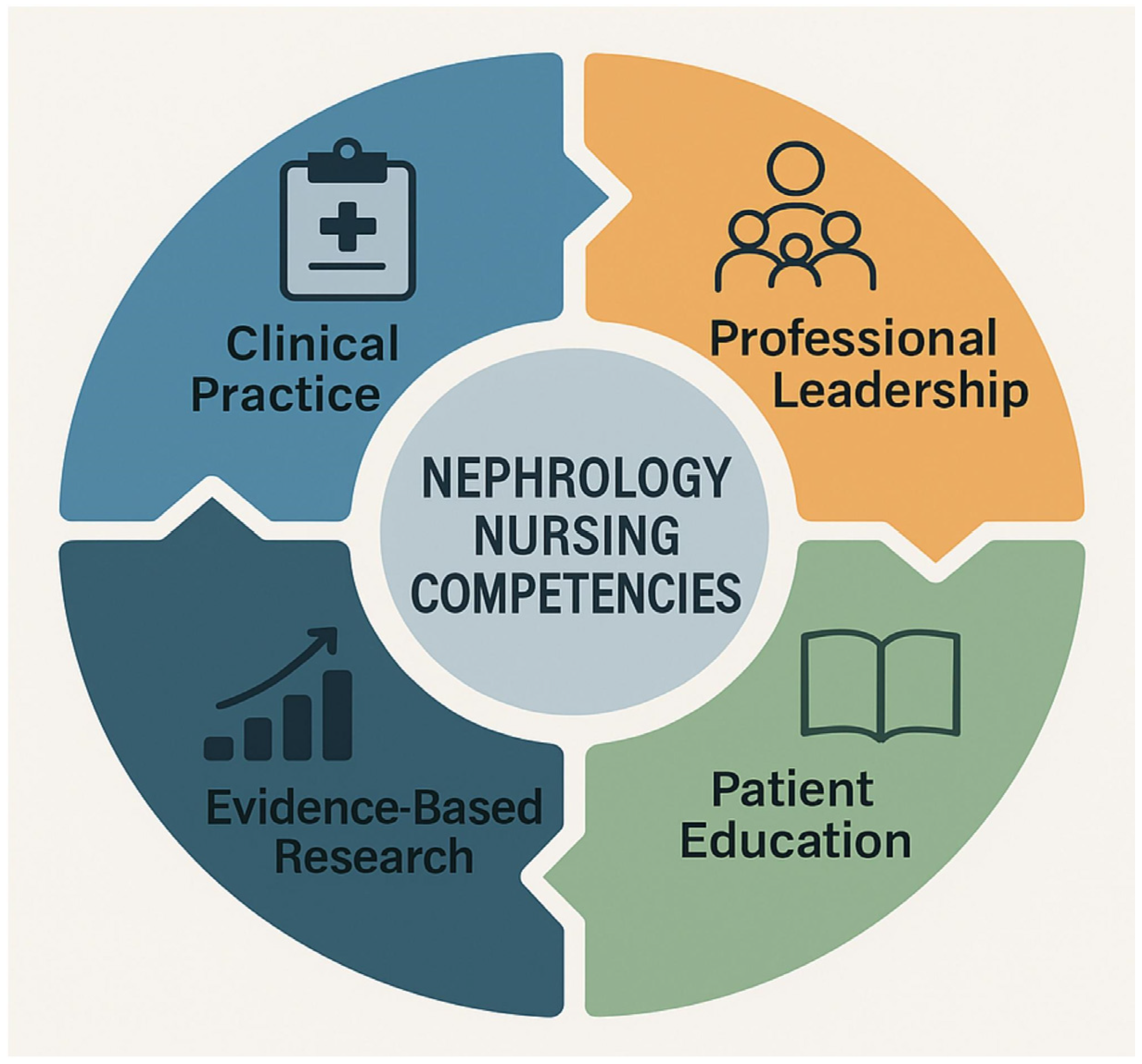

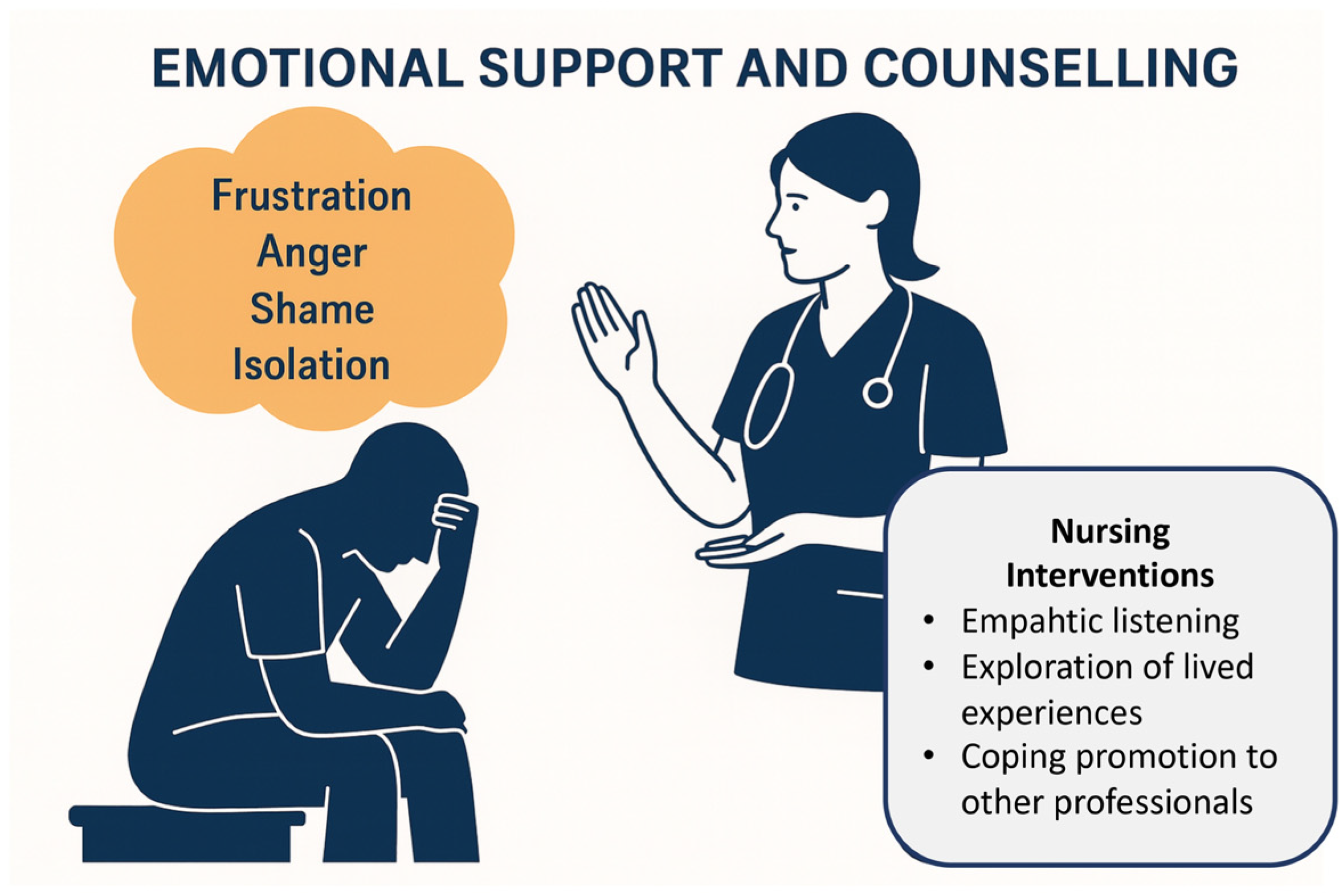
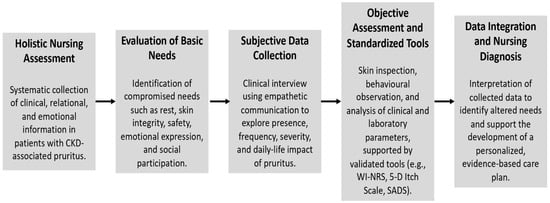
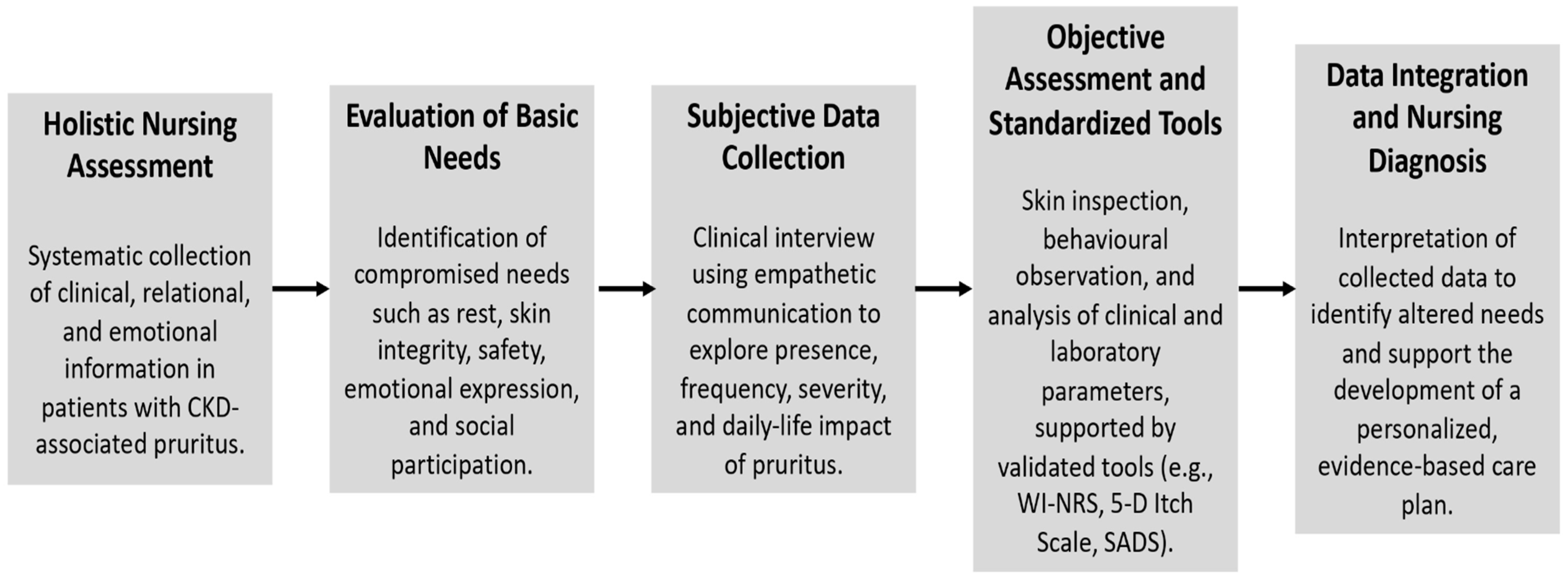
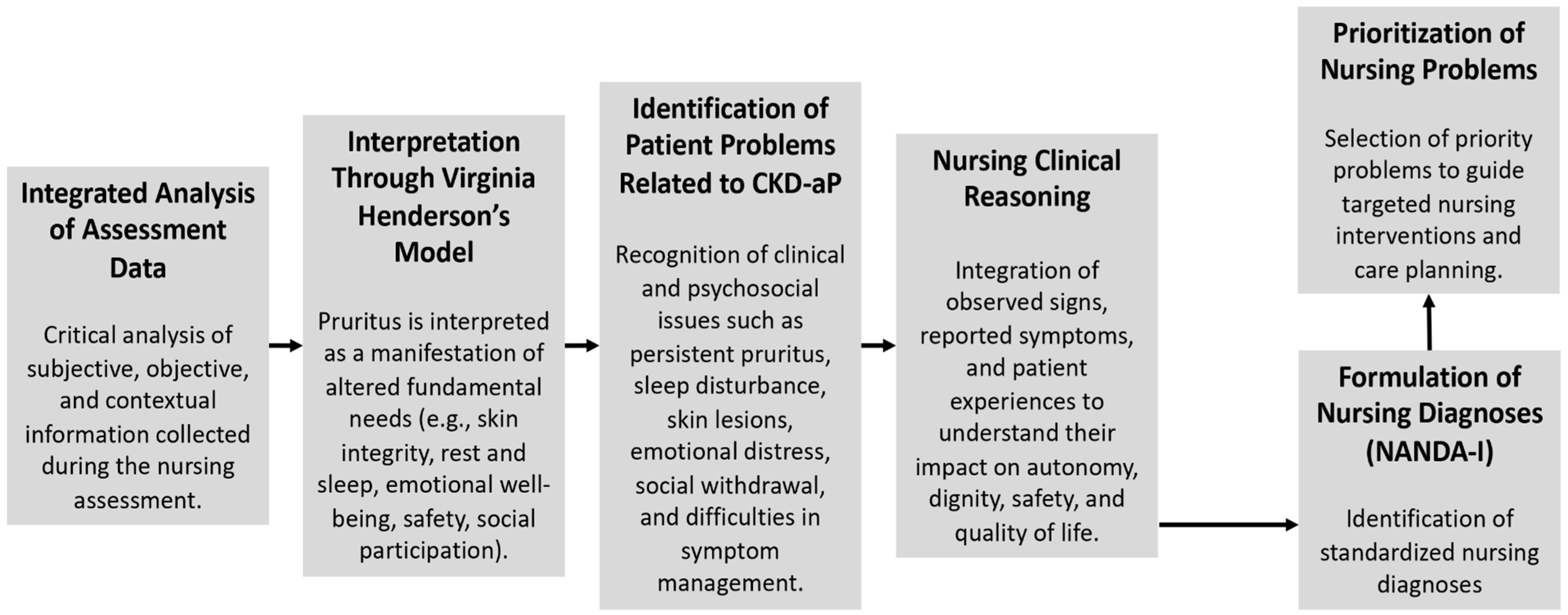
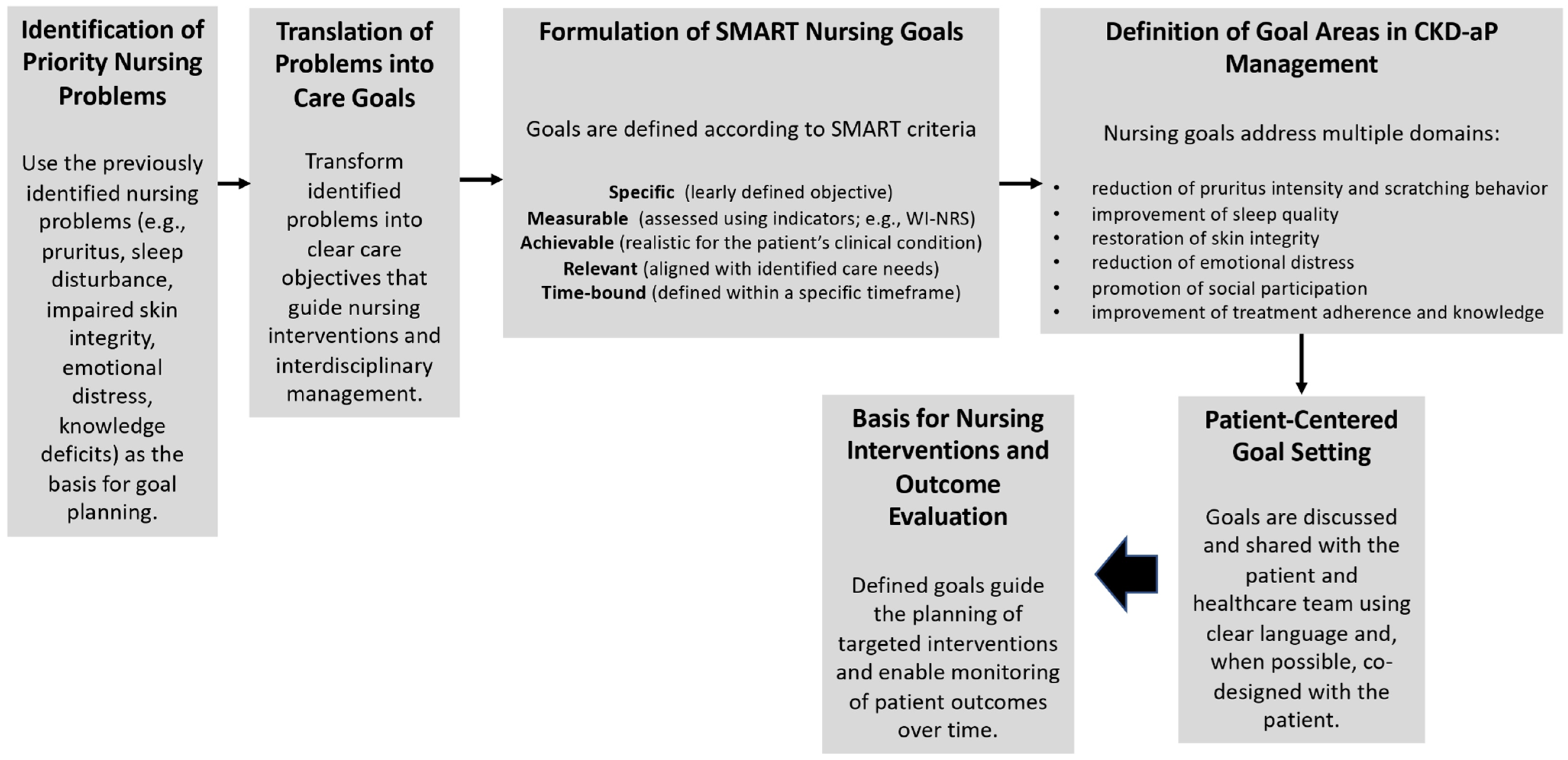
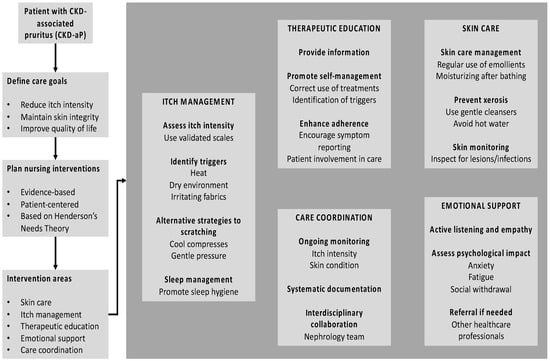
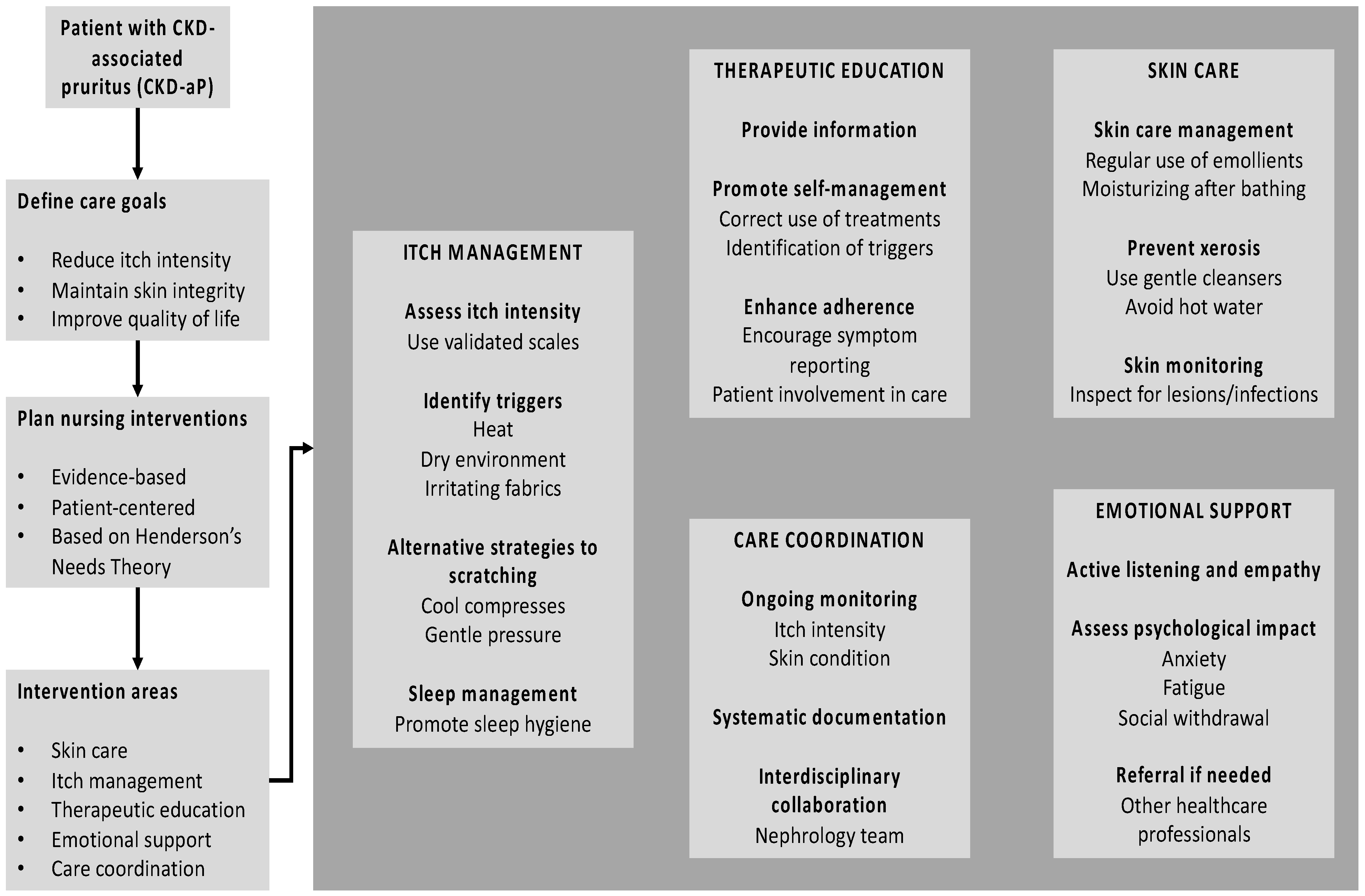
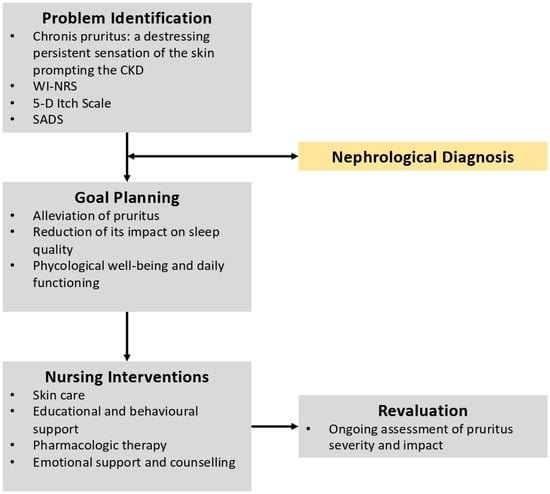
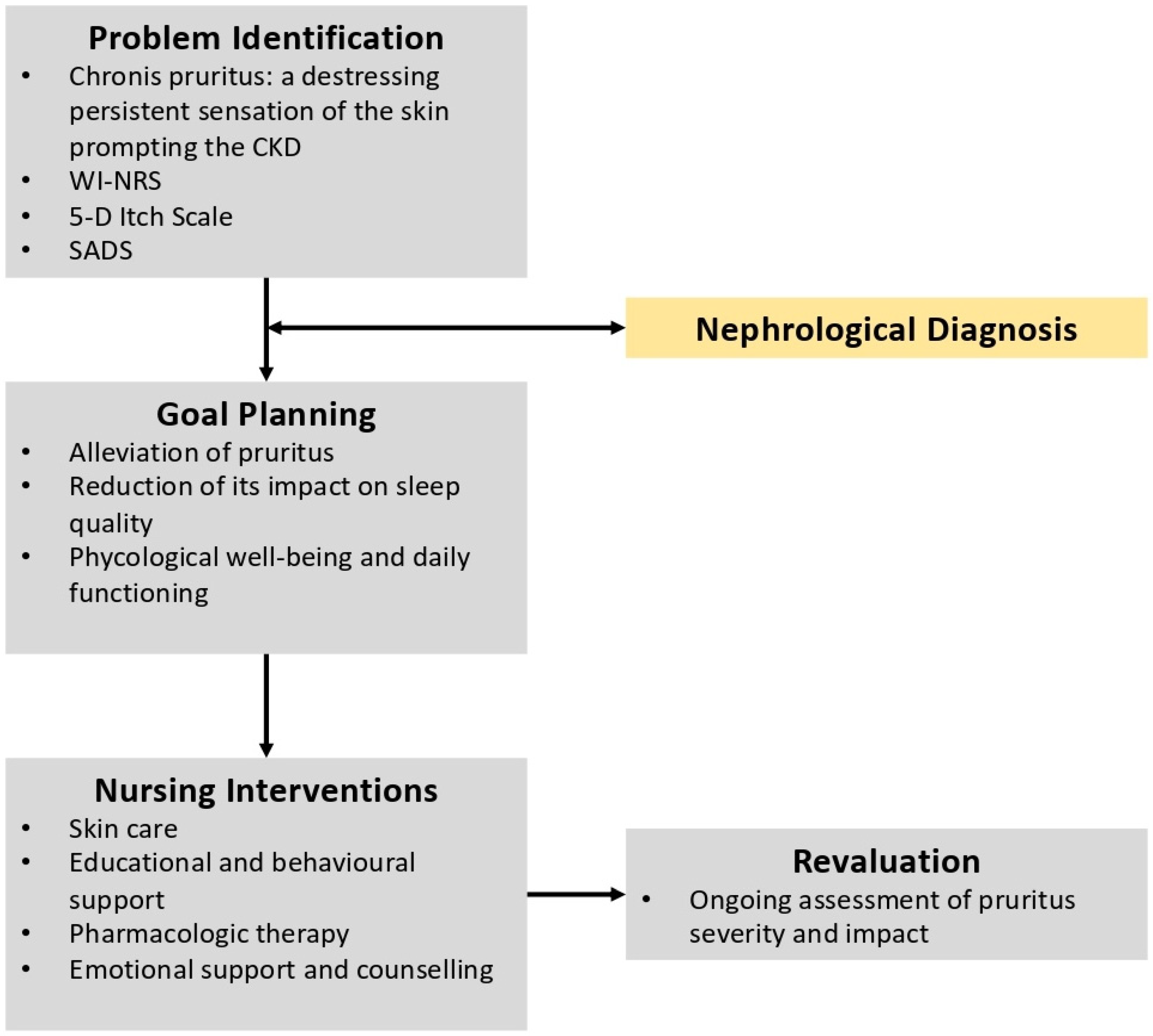

Disclaimer/Publisher’s Note: The statements, opinions and data contained in all publications are solely those of the individual author(s) and contributor(s) and not of MDPI and/or the editor(s). MDPI and/or the editor(s) disclaim responsibility for any injury to people or property resulting from any ideas, methods, instructions or products referred to in the content. |
© 2026 by the authors. Licensee MDPI, Basel, Switzerland. This article is an open access article distributed under the terms and conditions of the Creative Commons Attribution (CC BY) license.