


Abstract
Since 2019, the Mexican Government has implemented the Sembrando Vida Program (SVP) to address environmental degradation and social marginalization in rural areas. This research analyzed the SVP’s targeting mechanisms to assess the fulfillment of its objectives in the central region of the state of Guerrero, Mexico. The methodology included an analysis of the Operating Rules; a review of the beneficiary registry; the construction of environmental, social, and economic indicators; proportional stratified sampling with a 90% confidence level; and an SVP evaluation using indicators and confidence intervals. Targeting mechanisms identified agrarian subjects aged ≥ 18 years with 2.5 hectares living below the poverty line. Changes in the indicator matrix highlight a focus on food self-sufficiency and poverty levels, among others. Key results from the indicators include 100% social recovery, 62.3% of beneficiaries increased their agricultural income, and 100% application of learned environmental techniques. The intervals showed that between 26.49–42.19% of individuals joined the agricultural sector; 55.68–71.58% diversified their crops; and 86.15–95.65% made improvements in health, housing, or education. The evaluation of the SVP demonstrated its impact on environmental preservation and the improvement of the socioeconomic well-being of the rural population in the study area.
1. Introduction
Since the nineteenth century, human activities have been the primary drivers of climate change, mainly due to the burning of fossil fuels, deforestation, and forest fires, which have led to ecosystem loss and increased carbon dioxide emissions, negatively affecting the environment [1]. Currently, climate change represents a major risk to forest vitality, as evidence of the intensity and severity of forest fires is alarming, given that forests cover approximately 31% of the planet, of which 45 million hectares correspond to agroforestry lands. This situation poses significant challenges for economic and physical access to food resources, high levels of income inequality, and rising input prices, disproportionately affecting vulnerable populations [2,3]. In response to the challenges of global warming, environmental degradation, and growing economic inequalities, governments worldwide have promoted strategies that integrate ecological sustainability and social well-being, assuming responsibility for protecting and expanding agroforestry cover through community participation. Within this framework, agroforestry projects in different geographical regions have emerged as key strategies to mitigate climate change, reconcile agricultural production with environmental conservation, and promote social justice.
Nowadays, the Sembrando Vida Program (SVP) is being implemented in Mexico to address socio-environmental challenges, particularly rural poverty and environmental degradation. Through the provision of financial support and technical assistance, the program seeks to promote sustainable production systems, including Agroforestry Systems with timber and fruit trees (AFS) and the Milpa Intercropped with Fruit Trees (MIAF), in rural areas. At the same time, it aims to promote the reconstruction of the social fabric by forming Peasant Learning Communities (PLC) and encouraging field-based collective work [4]. The targeting mechanisms refer to the criteria used to identify and select beneficiaries: agricultural subjects aged 18 years or older, living below the CONEVAL poverty line, who possess 2.5 hectares of land to develop the project and agree to comply with the SVP Operating Rules, with the objective of reaching the largest possible number of beneficiaries and restoring agricultural land [5].
This research presents an evaluation of the SVP, considering its targeting mechanisms to assess the fulfillment of its objectives: revitalizing rural areas, regenerating the social fabric, and reactivating the local economy in the central region of the state of Guerrero, Mexico. A mixed-methods approach was employed, incorporating documentary review techniques, descriptive and exploratory statistics, confidence intervals for a population proportion (P), proportional stratified probability sampling, and the construction of environmental, economic, and social indicators.
Literature Review
In the Philippine archipelago (Luzon, Visayas, and Mindanao), [6] examined a critical approach to sustainable forest management under the Community-Based Forest Management (CBFM) program for the establishment of tree plantations and agroforestry farms, while protecting the remaining forest cover within the program’s jurisdiction. Their analysis was based on a review of the literature, existing policies, and focus group interviews conducted across different regions where the program has been implemented. The results showed that the most successful indicator was the increase in forest cover, reaching 705,664 hectares within CBFM areas. Similarly, [7] presented a transdisciplinary learning framework that links cultural heritage, landscape, and social–ecological systems thinking in the Czech Republic, Scotland, Norway, and Estonia, with the aim of supporting sustainable rural development. Through four iterative phases of dialogue, learning, collaboration, and cultural heritage knowledge, the study demonstrated how to facilitate sustainable landscape planning and promote resilience in the face of global challenges.
In Iran, the social responsibility of peasant communities, government institutions, and private enterprises was assessed using stratified random sampling applied to 358 farmers. The study found that the participation of rural cooperatives in community-oriented ethical activities constituted a significant first step toward strengthening community social responsibility. This process promotes trust among farmers and encourages their participation in cooperative programs, thereby fostering sustainability-oriented activities within the agricultural sector [8]. On the other hand, [9] analyzed food security in relation to agroforestry practices among smallholder farmers in Indonesia based on a literature review. Their findings identified various agroforestry systems, predominantly focused on non-timber products (88%), ensuring direct food supply (42%), while 58% prioritized income generation through product sales. These results demonstrate that agroforestry meets both the food and income needs of farmers, outperforming traditional agriculture by 13%. Likewise, in the regions of Brittany, France, and Montérégie, Quebec, the components and specificities of agroforestry policies were explored through a bibliographic review and semi-structured interviews with different stakeholders, including research institutions, agricultural advisory organizations, independent experts, and regional public agencies involved in agroforestry and environmental initiatives. The study indicated that in France, agroforestry benefits from a well-structured policy environment centered on the Common Agricultural Policy (CAP) and the Agroforestry Development Plan (ADP), while in Quebec agroforestry is also supported by various policies and programs, such as Prime-Vert, with more than 2370 hedge-planting projects completed [10].
In the regions of Central Bohemia and South Moravia, Czech Republic, researchers explored how to establish a baseline to ensure that agroforestry policy is viable and sustainable. The study applied farmer surveys, standardized focus groups, and personal interviews to assess knowledge of agroforestry systems. The findings showed that although trees are recognized as part of agricultural landscapes and are generally appreciated, their aesthetic and ecological functions are not well understood in terms of potential local synergies with crops and livestock. The study identified knowledge gaps and the lack of market opportunities for agroforestry system outputs as the main obstacles to their establishment [11]. In Côte d’Ivoire and Colombia, [12] examined the relationship between social cohesion, natural resource management, and peacebuilding, focusing on sustainable cocoa production in post-conflict contexts. Through a literature review and four key areas of action—agroforestry, cooperatives, certification schemes, and trade policies—their research demonstrated that promoting environmentally sustainable agricultural practices has clear potential to strengthen social cohesion among cocoa producers, thereby contributing to post-conflict peacebuilding in both countries. In Pakistan, [13] examined the role of foreign aid in maintaining agricultural production and mitigating rural poverty. The authors applied a questionnaire to 384 farmers from the country’s main agricultural regions and used partial least squares structural equation modeling. Their results showed that agricultural production is positively associated with poverty reduction (β = 0.379, t = 2.014, p = 0.044). Foreign aid was also positively, though not significantly, related to agricultural production (β = 0.159, t = 1.366, p = 0.172), while government policies showed a negative and non-significant association with poverty reduction (β = −0.026, t = 0.167, p = 0.875). In the Madhupur forest region of Bangladesh, [14] assessed the impact of agroforestry practices on rural farmers’ livelihoods and their capacity to conserve biodiversity. The study employed personal interviews with 100 agroforestry farmers and sampling techniques across 50 quadrats (20 m × 20 m) to measure biodiversity. The results showed that rural farmers formed a social platform and enhanced their capacities through training programs, while also achieving a significant increase in income. In addition, they introduced 34 plant species, creating higher-quality habitats for environmental conservation.
Ref. [15] examined how environmental concerns and climate change have gradually been integrated into the framework of the CAP and how they have contributed to shaping the “green architecture” of European agriculture. Through a systematic and comprehensive academic synthesis, the authors conducted a structured process of collecting, analyzing, and summarizing existing knowledge, research, and academic literature. Their study highlighted the European Union’s (EU) commitment to addressing climate change and sustainable development challenges by promoting coordination with compatible policies and greater adaptability in response to the unique circumstances and objectives of each Member State. Similarly, [16] contributed to the scientific debate on the CAP through a research protocol based on data collection, descriptive analysis, and bibliometric analysis. The study revealed an opportunity for European policymakers to involve academics more actively in decision-making processes by integrating different research areas, thereby identifying new evolutionary pathways and positioning this approach as a strategic driver for the development of the agricultural sector. Ref. [17] evaluated the sustainable development of agriculture in the EU Member States using the Hellwig method and calculated the taxonomic measure of development for the economic, social, and environmental dimensions. The authors identified differences among countries in terms of sustainable development, with the highest index values in 2018 observed in the Netherlands, Germany, France, and the United Kingdom.
Ref. [18] explored the role of community empowerment programs as a fundamental tool for sustainability management strategies and practices through a semi-systematic review of 21 sustainability and resilience programs. The authors analyzed four key dimensions of empowerment: (1) capacity building; (2) self-sufficiency, control, ownership, responsibility, and independence; (3) participation, engagement, and collective action; and (4) integration of local knowledge and values. Their findings indicate that there is no single, universal approach to such programs. Instead, their success depends on a deep understanding of local contexts and the ability to adapt strategies to meet the specific needs of each community.
Likewise, several studies have documented analyses of the SVP. For instance, Mardero et al. [19] examined policy coherence with sustainable development, particularly in relation to climate change, through a documentary review of journalistic articles, online reports, and interviews with key SVP personnel. Their findings revealed a policy drift as the stated objectives evolved over time, generating inconsistencies that limit the program’s overall impact. Ref. [20] evaluated the factors affecting the viability of using drones to monitor areas reforested under the SVP, considering a random sample of 12 plots in the state of Michoacán, Mexico. The authors conducted field surveys using GPS to record the total number of live and dead seedlings, and captured aerial images with a drone to assess their condition and calculate survival rates. An analysis of variance (ANOVA) was applied to compare the estimated survival rates, finding no statistically significant differences between drone-based estimates and field-recorded survival. Meanwhile, [21] examined women’s participation in the SVP through community collaboration perspectives and feminist care economy frameworks. The authors employed convenience sampling and participatory workshops with 27 participants. They concluded that although the SVP improves the visibility of women’s productive work, it remains weak in mitigating time poverty due to the burden of unpaid care work. Ref. [22] reflected on SVP-related research through a documentary analysis of scientific publications, official reports, and gray literature. Their study identified six innovations that have driven the expansion of agroforestry: significant financial investment, simplified governance, technical support, distribution mechanisms, a focus on community cohesion, and gender equity. Finally, [23] explored local perspectives on conservation, development, sociopolitical relations, and land control in the context of the Tren Maya and SVP projects in the southern Yucatán Peninsula. Employed Q methodology to analyze the subjective foundations of local governance. They conducted 50 interviews, followed by 17 interviews with participants selected based on their regional knowledge, community leadership, and differentiated viewpoints. The results showed that farmers’ perspectives challenge narratives that portray rural communities as either resistant or receptive to external interventions, instead revealing context-specific commitments in which local actors selectively align with external agendas to advance local objectives.
Environmental programs represent an opportunity to advance toward sustainable development, generating economic and social benefits while mitigating human impact on ecosystems. Taking into account the participation of diverse stakeholders, there is consensus on the importance of social context for initiatives to prosper. This research considers three significant dimensions: environmental, social, and economic, proposing indicators for a more precise evaluation through targeting mechanisms, operating rules, and beneficiary perceptions.
2. Materials and Methods
2.1. Materials
In the evaluation of the SVP, the statistical software IBM SPSS Statistics 25 and Minitab 18, the geographic information system QGIS Desktop 3.40.2, and Google Forms were employed. A generic wireless lavalier microphone and a Samsung A54 smartphone were used to record audiovisual material during the interviews.
2.2. Methodology
2.2.1. Study Area
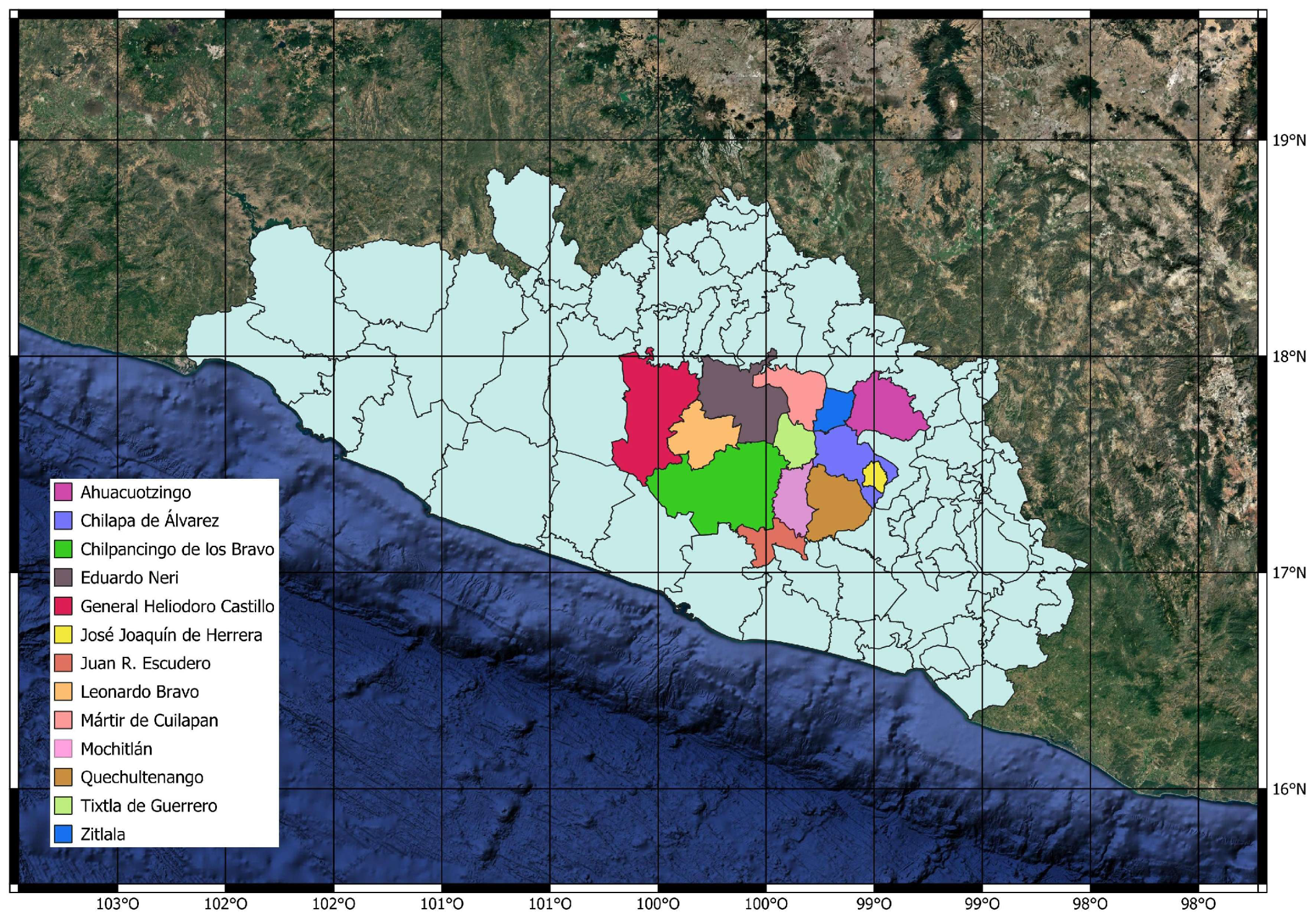
The study was conducted in the central region of the state of Guerrero, Mexico, comprising 13 municipalities, Figure 1.
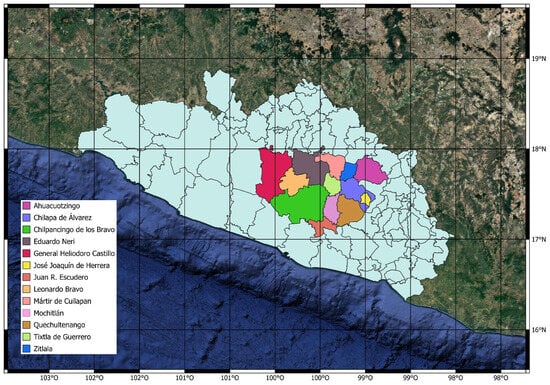
Figure 1.
Central region of Guerrero, Mexico.
2.2.2. Methodological Diagram
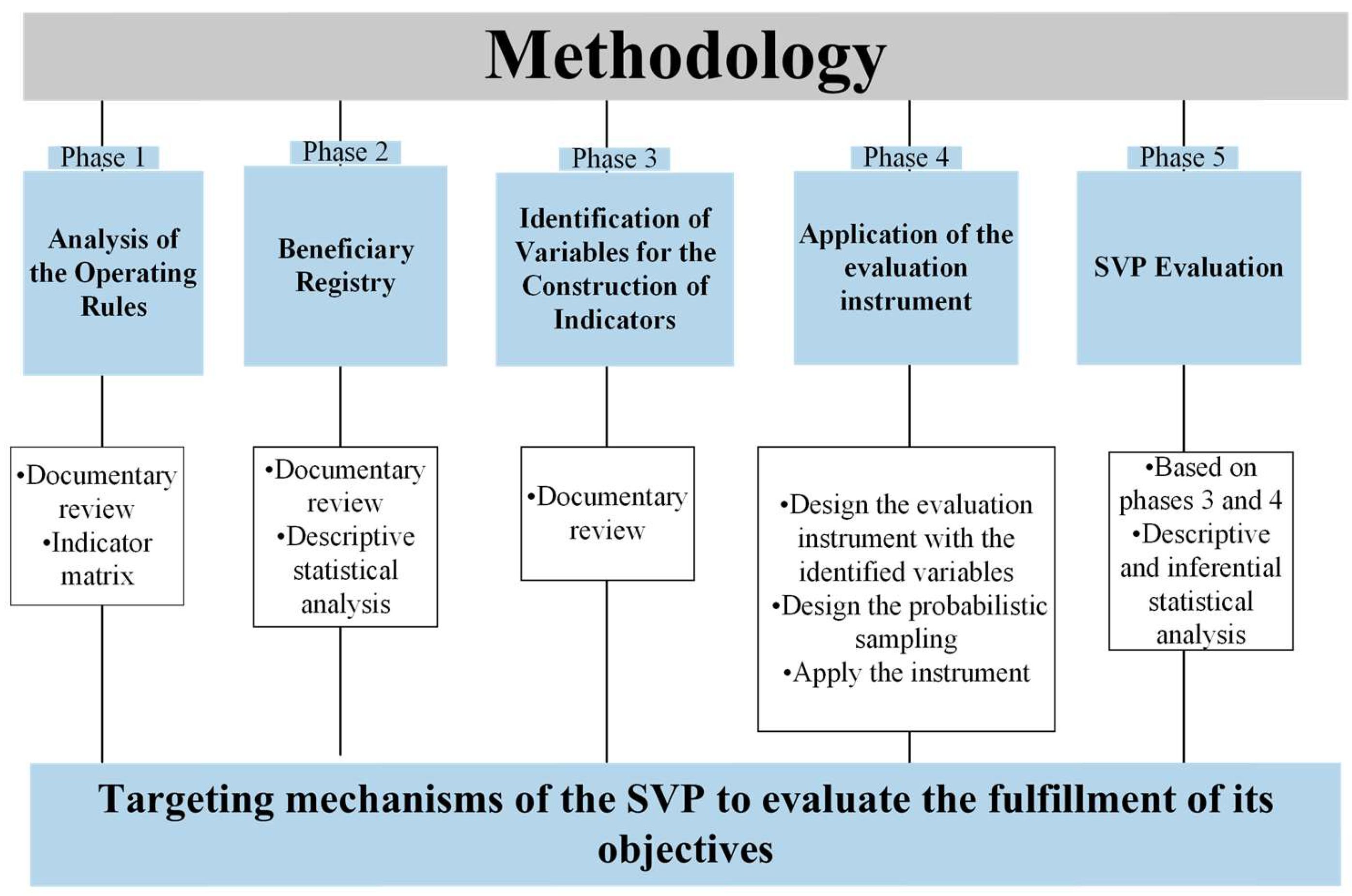
To evaluate the targeting mechanisms, the methodological process described in Figure 2 was followed.
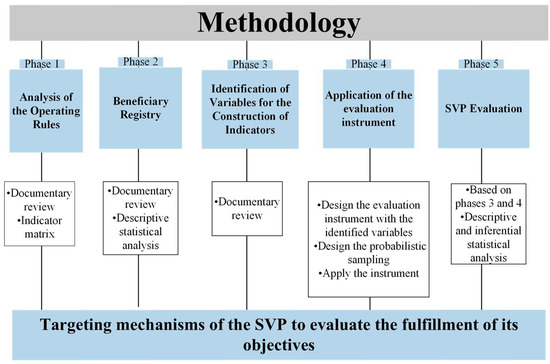
Figure 2.
Methodological diagram.
2.2.3. Analysis of the Operating Rules
In order to review the Operating Rules, an annual comparison of the program’s indicators since its inception was conducted (Table 1, Table 2 and Table 3).

Table 1.
Indicators of the SVP for 2019 and 2020.
Table 2.
Indicators of the SVP for 2021 and 2022.
Table 3.
Indicators of the SVP for 2023 and 2024.
2.2.4. Beneficiary Registry
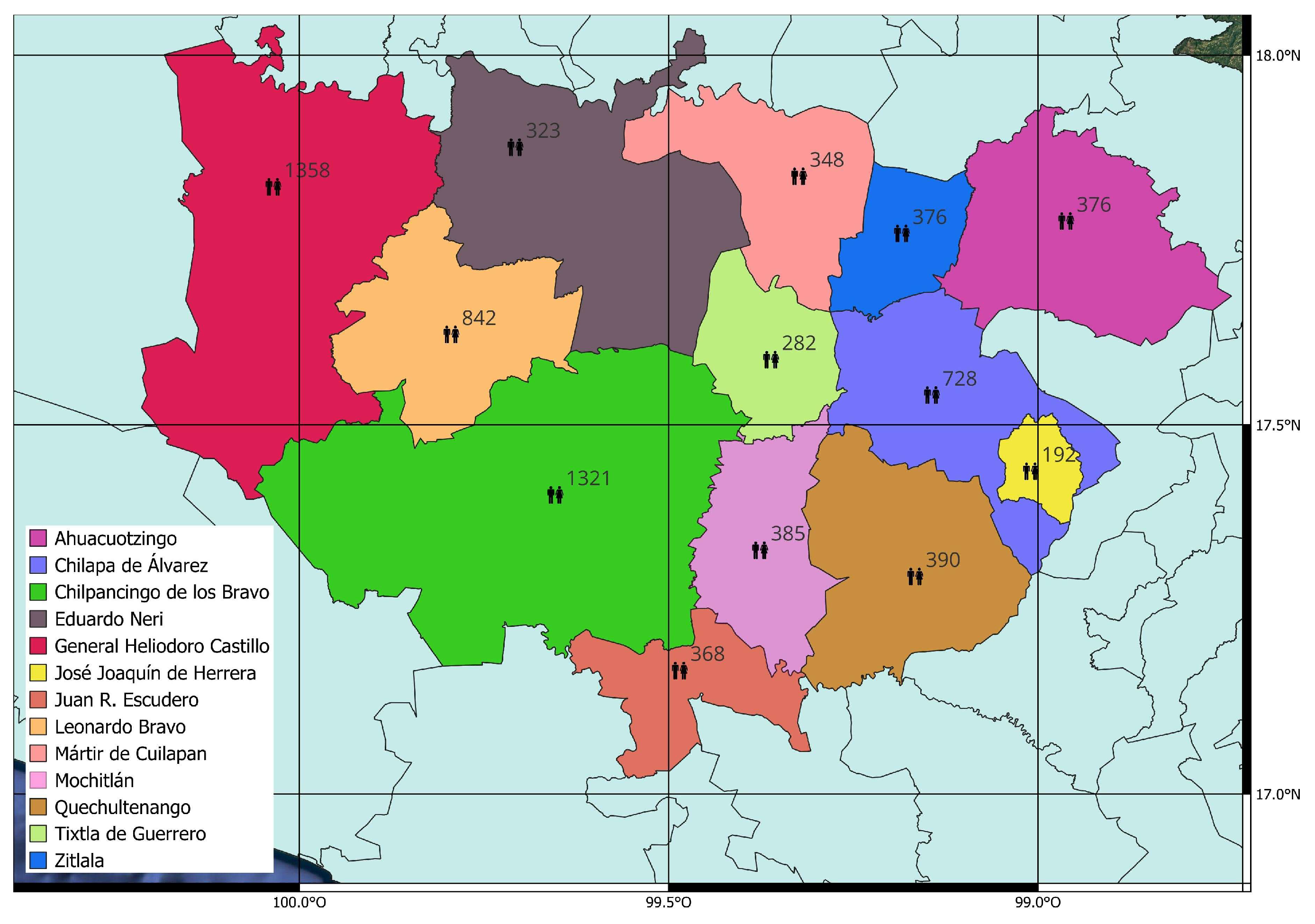
The registry of 7289 SVP beneficiaries in the study region was reviewed [29] through a geographic distribution by municipality, Figure 3.
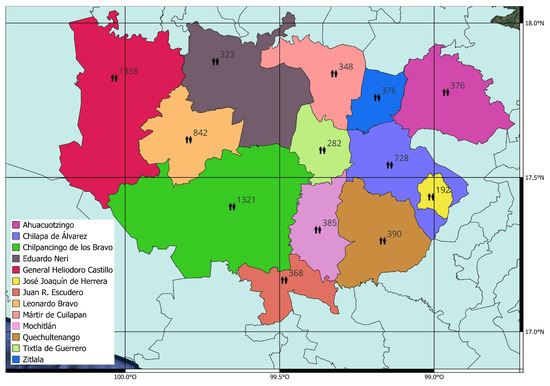
Figure 3.
Distribution of the SVP in the central region of Guerrero, Mexico.
2.2.5. Identification of Variables
According to the reviews conducted during Phases 1 and 2 of the methodology, the following variables were identified for the construction of indicators, social variables: recovery of the social fabric, technical assistance, knowledge exchange, and community participation; environmental variables: cultivated hectares, crops, and environmental care techniques; and economic variables: food self-sufficiency, local economy, economic support, and improvements in health, housing, and education.
2.2.6. Application of the Evaluation Instrument
The instrument consisted of 26 open-ended questions addressing social, environmental, and economic variables, as well as a narrative component based on participants experiences through images and videos.
For its application, a sample of n = 99 beneficiaries was considered, with a 90% confidence level for a population of N = 7289, distributed across the 13 municipalities under study, following the approach of 1 [30]
A proportional stratified random sampling was used, where nh represents the sample size of stratum h and Nh the population size corresponding to stratum h, Formula (2) [30], Table 4.
Table 4.
Stratified random sampling.
2.2.7. SVP Evaluation
For the development of the social, environmental, and economic indicators, the following proportions were considered: beneficiaries who are producers, women, those who diversified their production, and those who improved their health, housing, or education, among others, Table 5.
Table 5.
Indicators.
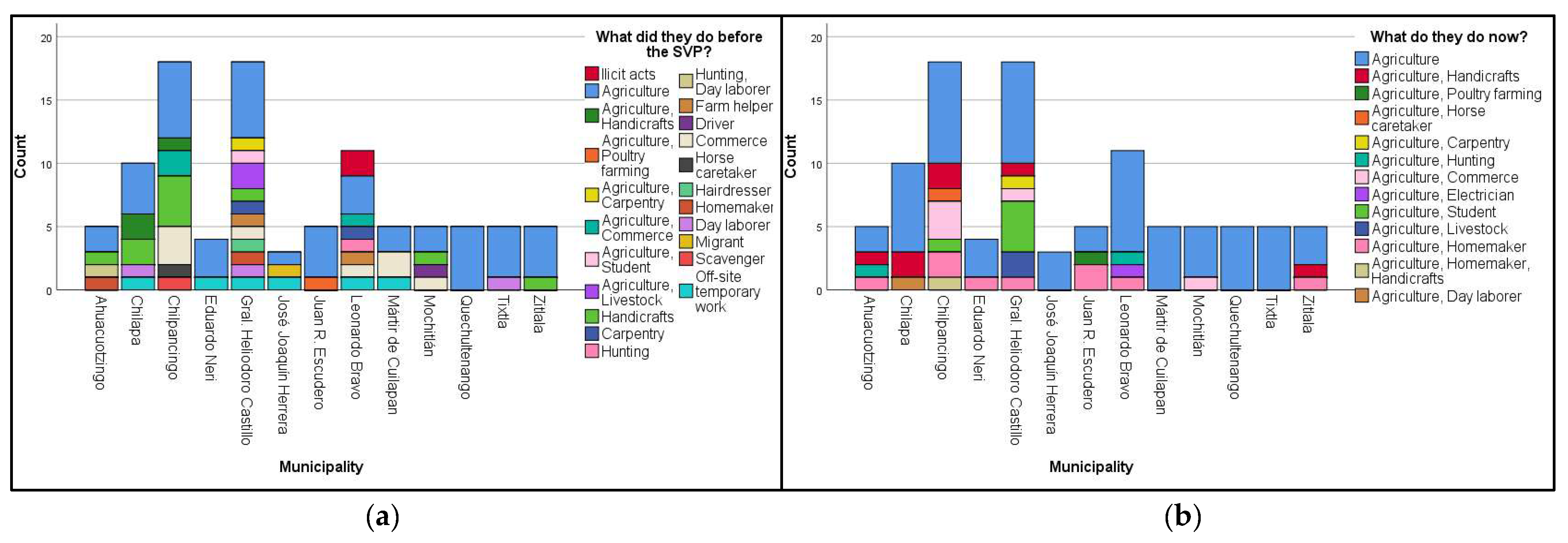
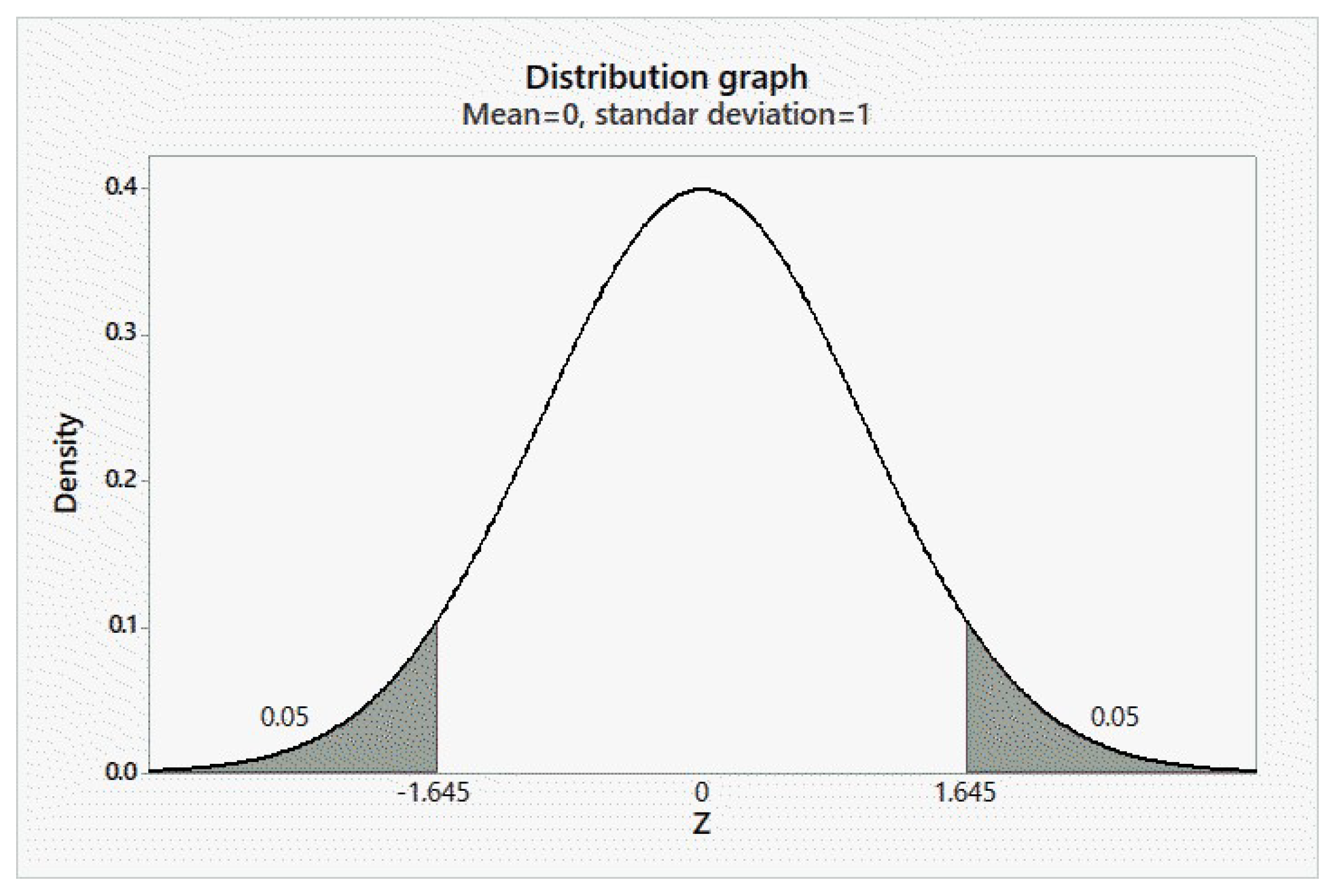
Based on the results observed in the previous methodological stages, a descriptive statistical analysis was performed, Figure 4, followed by an inferential analysis using confidence intervals for a population proportion with Equation (3) (where = x/n; x = characteristic of interest) [31], Figure 5.
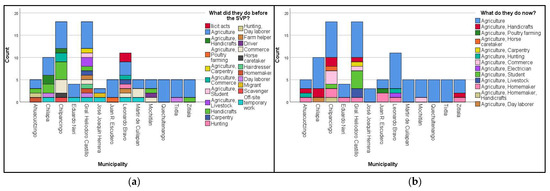
Figure 4.
Occupation of beneficiaries: (a) Before joining the SVP; (b) while participating in the SVP.
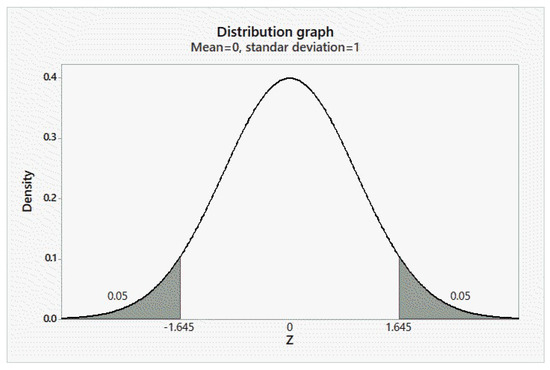
Figure 5.
Normal distribution graph.
3. Results
3.1. Rules of Operation
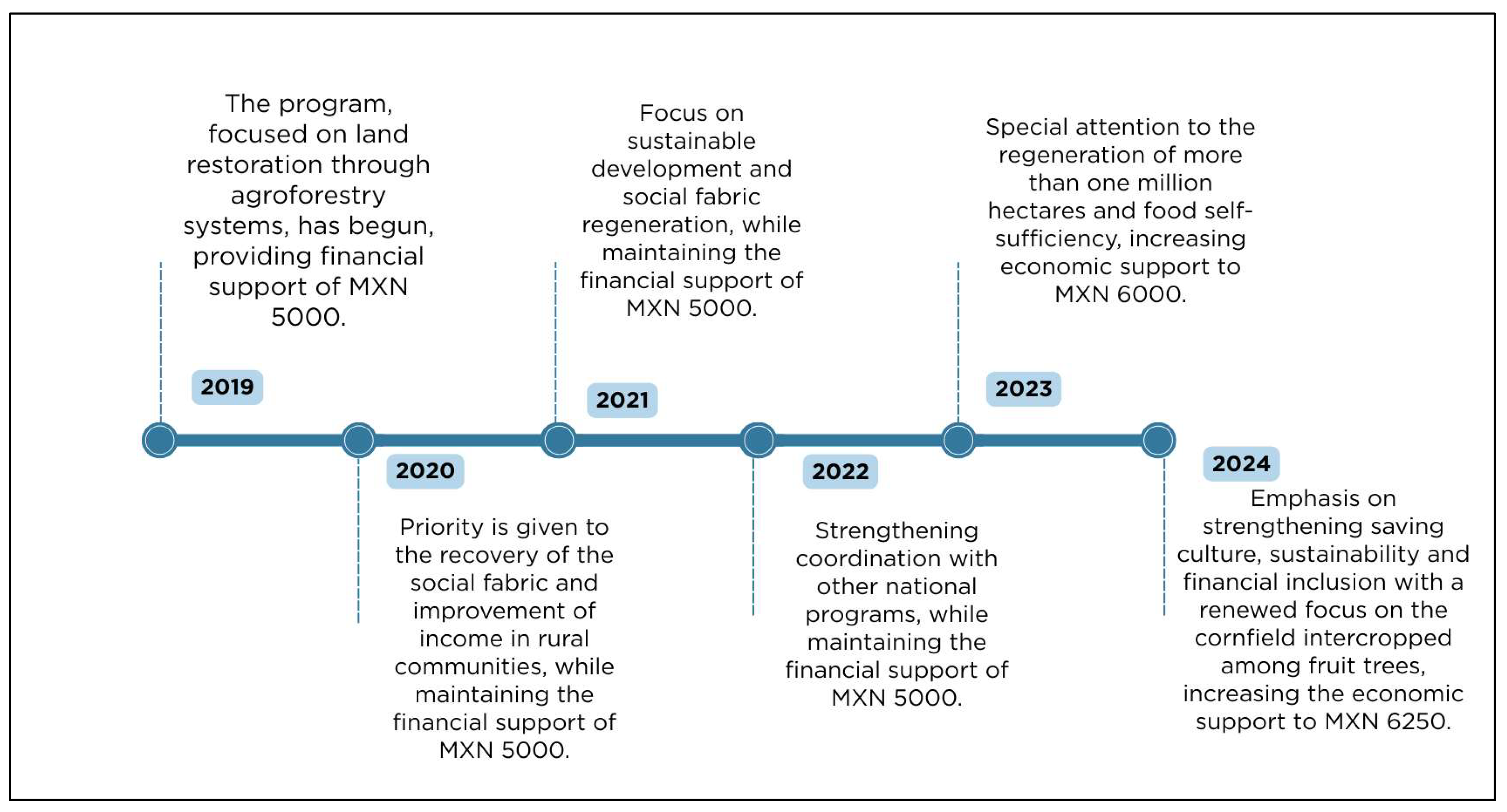
The year-by-year review of the Operating Rules shows an increasing emphasis on areas such as food self-sufficiency, land restoration, the promotion of a financial savings culture, and economic support for beneficiaries (Figure 6).
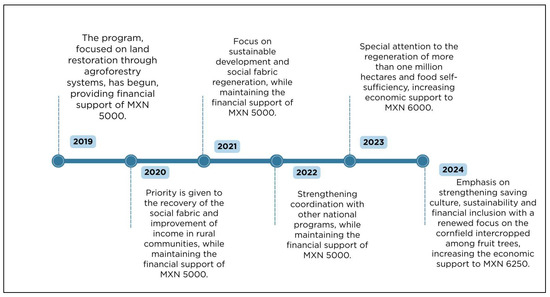
Figure 6.
Annual changes in the SVP Operating Rules.
The analysis also highlights changes in the SVP indicator matrix, showing the evolution of key dimensions, including welfare and poverty thresholds, hectare productivity, financial support delivery, food self-sufficiency, and technical staff compliance (Table 6, Table 7, Table 8, Table 9 and Table 10).
Table 6.
Focus on welfare and poverty thresholds.
Table 7.
Hectare productivity.
Table 8.
Financial support delivery.
Table 9.
Food self-sufficiency.
Table 10.
Technical staff compliance.
3.2. Beneficiary Registry
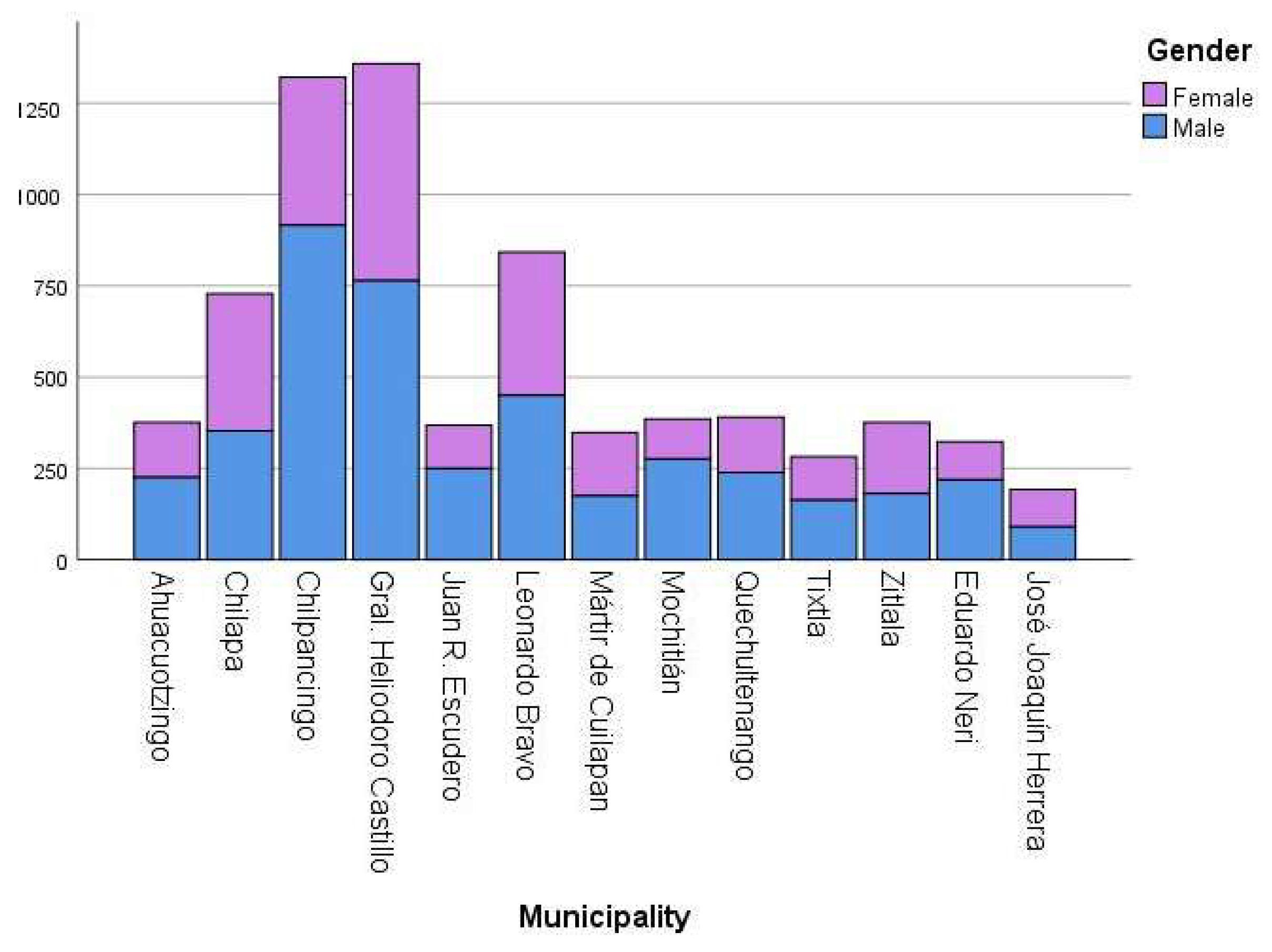
Beneficiaries in the study area are predominantly concentrated in the municipalities of General Heliodoro Castillo y Chilpancingo, Guerrero, while women’s participation in the SVP represents a significant share (41%), Figure 7.
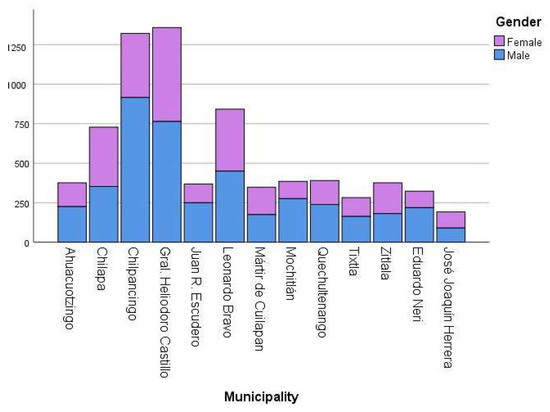
Figure 7.
Beneficiaries by municipality and gender.
3.3. Analysis of Indicators
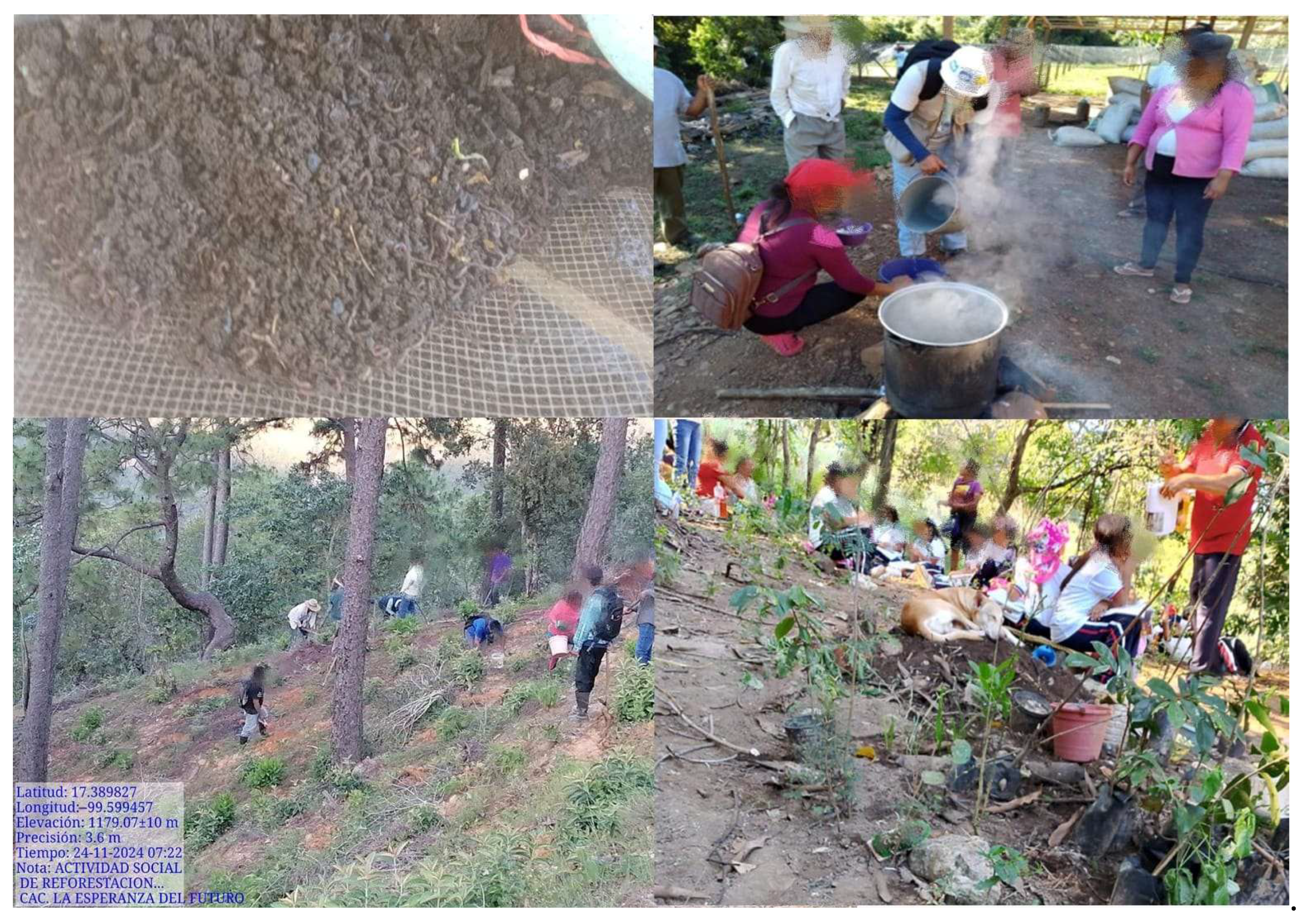
With the implementation of the SVP, beneficiaries improved their quality of life through food self-sufficiency (86.15–95.65%), diversified their production (55.68–71.58%), increased their agricultural income (55.68–71.58%), and reduced the need to migrate by adopting the program as a source of employment (2.84–11.30%). Women’s participation in the program was also significant, ranging from 32.39% to 48.51%. Another important aspect was the environmental techniques learned by beneficiaries to enhance their land, such as vermicomposting, organic insecticides, and social activities, including reforestation and school visits to their plots. These practices contributed to the recovery of the social fabric within communities through coexistence, cooperation, and the satisfaction of shared needs that promote collective well-being, Table 11, Figure 8.
Table 11.
Estimation of 90% confidence intervals.
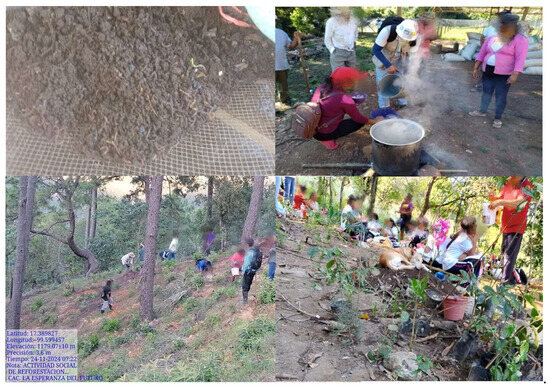
Figure 8.
Activities of the beneficiaries.
4. Discussion
The results obtained in this study demonstrate that the SVP has generated significant impacts across the three evaluated dimensions in the central region of Guerrero, Mexico. The most prominent indicator was improvements in health, housing, or education, with a confidence interval ranging from 86.15% to 95.65%, reflecting the program’s contribution to beneficiaries’ quality of life. This finding is consistent with previous reports documenting improvements in well-being and food security associated with the SVP and aligns with local perceptions reported for the program in southeastern Mexico [32]. In addition, [33] highlights how agroforestry systems strengthen food security and community ties.
When contrasting these results with previous studies, it was observed that targeting based on land tenure of 2.5 hectares and the poverty line can be effective in reaching producers with greater productive capacity; however, it also excludes small-scale farmers who lack the required land area, a limitation previously identified in research on the SVP [19]. This observation highlights the need to introduce more flexible eligibility criteria in order to expand the program’s reach without compromising its productive and environmental objectives.
According to [34], the adoption and maintenance of agroforestry systems depend on structural factors such as land tenure, farm size, accessibility, farmer age, education, and gender. This finding is consistent with the SVP evaluation, where beneficiaries’ commitment to the practices promoted by the program is associated with factors including age, lifestyle, family context, educational background, and targeting criteria. Similarly, [35] argue that agroforestry systems are closely linked to identity, memory, and territorial autonomy, highlighting women as a key factor in biodiversity preservation, in line with the SVP’s objective of increasing women’s integration into agricultural activities. Meanwhile, [6] emphasize that strengthening local participation requires collaboration between government institutions and rural cooperatives, while [8] point out that private enterprises must also be part of this alliance to consolidate a sustainable agricultural ecosystem. Together, these studies support the present findings regarding the importance of coordinated engagement among all local actors to achieve the objectives of the SVP, from farmer selection to long-term participation in the program. In addition, research by [36] and [37] identified climate change adaptation practices that directly align with the SVP’s environmental indicators, demonstrating rural resilience through agroforestry systems and sustainable actions.
In relation to internationally established programs, the SVP is oriented toward addressing socio-environmental challenges such as environmental degradation, aligning with initiatives like the Great Green Wall and the forest garden initiative of Trees for the Future in Africa. These programs similarly aim to restore and rehabilitate degraded land, as well as to increase vegetation cover in order to enhance soil fertility and improve smallholder farmers’ productivity, unlike the Great Green Wall, which incorporates agro-silvopastoral systems; the SVP does not include this approach [38,39]. However, the SVP focuses on combating deforestation by promoting productive land use through AFS and MIAF, whereas the Terai Arc Landscape initiative prioritizes reforestation to restore habitats for multiple species within a shared biodiversity hotspot between India and Nepal [40]. Similarly, programs such as the Amazon Sustainable Landscapes Program, Initiative 20 × 20, and the Bonn Challenge address climate change through comparable restoration strategies, although they differ in terms of the scale of hectares restored, regions of implementation, and years of operation. In this context, the SVP stands out by providing direct financial support to beneficiaries in the amount of MXN 6450 [41]. Regarding the achievements of each program, the SVP, after six years of implementation, has recovered 1,202,959.708 ha, surpassing its proposed goal of 1,139,372.5 ha; it generated more than 442,000 permanent jobs, established 18,500 PLC, 368 cooperatives, 1400 productive projects, and 48,000 actions benefiting their own communities, among others. In comparison, the Amazon Sustainable Landscape protected 7.4 million ha of new or expanded areas, restored 17,814 ha of forest, supported 60 community initiatives related to 15 non-timber species, backed three sustainable financing mechanisms, and mitigated 91 million Mt CO2 eq of greenhouse gas emissions. Initiative 20 × 20 restored 8.2 million ha of degraded land, converted 14.6 million ha into conservation areas, promoted the formation of thematic working groups and communities responsible for policy formulation to foster peer exchanges, organized the Land Accelerator program that trains and empowers entrepreneurs whose businesses restore land to develop their capacity in key business areas, pitch their businesses to impact investors, and sell their products more effectively; its funding comes from shareholders and financial partners. Meanwhile, Trees for the Future has restored 41,345 ha since 2014, supports more than 50,000 households, has captured 347 Mt CO2 per hectare, restored arid lands, contributing to increased income and improved health for farmers and their families. The Great Green Wall has restored 30 million ha of degraded land, creating three million new jobs in participating countries, thus completing 30% of the project. The Bonn Challenge has currently recovered more than 160 million ha, with 61 countries committed to the initiative. And the Terai Arc Landscape restored 66,800 ha, increased the rhinoceros’ population from 409 to 752 (2005–2021), and tigers from 121 to 355 (2010–2022). It is worth noting that while other programs are funded by international organizations, financial partners, and investors, the SVP is a public policy implemented and funded by the Mexican government, Table 12.
Table 12.
Comparison between the SVP and other environmental programs.
5. Conclusions
The analysis of the SVP targeting mechanisms in the central region of Guerrero, Mexico, identified that the program significantly fulfills its social, environmental, and economic development objectives. Most beneficiaries diversified their agricultural production by applying sustainable environmental techniques and reported improvements in health, housing, and education. In addition, the community expressed that, thanks to the SVP, they have harvested a variety of products that they have been able to commercialize through local peasant markets (tianguis campesinos) or agro-markets (agrotianguis) in different localities. The results confirm that targeting agricultural subjects aged 18 years or older, living in poverty conditions and with at least 2.5 hectares available, has been effective in promoting the SVP; however, this same criterion limits the inclusion of producers with smaller land areas, an aspect that should be considered in future revisions of the Operating Rules in order to expand the program’s reach without losing efficiency. Quantitative and qualitative indicators were established that can be used for monitoring and improving the program in other regions of the country, reinforcing the importance of maintaining technical assistance and continuous training as a foundation to ensure long-term sustainability and restore the social fabric of beneficiary communities.
The study proposes new indicators to measure targeting mechanisms, including beneficiaries who improved their health, housing, or education; increased their agricultural income; diversified their production; returned to their place of origin; entered agricultural activities; women beneficiaries; young beneficiaries aged 18 to 29 years; application of learned environmental techniques on their plots; and recovery of the social fabric. These indicators may be considered by SVP policymakers in program design and evaluation. In addition, the study lays the groundwork for future lines of research focused on developing methodological approaches that can improve the evaluation of this type of government program based on beneficiaries’ perceptions.
Author Contributions
Conceptualization, M.C.-B., D.D.V.-M., C.V.M.-V. and S.R.Z.-B.; methodology, M.C.-B., D.D.V.-M., D.E.G.-V. and C.V.M.-V.; software, M.C.-B., D.D.V.-M., C.M.-M., J.F.-P. and S.R.Z.-B.; validation, M.C.-B. and D.D.V.-M.; formal analysis, M.C.-B. and D.D.V.-M.; investigation, M.C.-B. and D.D.V.-M.; resources, M.C.-B. and D.D.V.-M.; data curation, M.C.-B., D.D.V.-M., C.M.-M., J.F.-P. and D.E.G.-V.; writing—original draft preparation, M.C.-B. and D.D.V.-M.; writing—review and editing, M.C.-B., D.D.V.-M. and C.V.M.-V.; visualization, M.C.-B. and D.D.V.-M.; supervision, M.C.-B. and D.D.V.-M.; project administration, M.C.-B., D.D.V.-M. and C.M.-M. All authors have read and agreed to the published version of the manuscript.
Funding
This research received no external funding.
Institutional Review Board Statement
Ethical review and approval were waived for this study. In accordance with the current regulatory framework in Mexico, regarding the ethical approval, this study is classified as ‘Risk-Free Research’ according to Article 17, Section l of the Reglamento de la Ley General de Salud en Materia de Investigación para la Salud [Regulation of the General HealthLaw on Health Research]. Furthermore, in compliance with the Ley Federal de Protección de DatosPersonales en Posesión de los Particulares [Federal Law on Protection of Personal Data Held by Private Parties], all data, including images, has been dissociated to ensure complete anonymity.
Informed Consent Statement
Verbal consent was obtained from all subjects involved in the study instead of written due to ensure complete anonymity, avoiding the creation of a written record that could link participants' identities to the data.
Data Availability Statement
Data are available upon request from the authors.
Conflicts of Interest
The authors declare no conflicts of interest.
References
- Organización de las Naciones Unidas. ¿Qué Es El Cambio Climático? Available online: https://www.un.org/es/climatechange/what-is-climate-change (accessed on 3 February 2025).
- El Estado de Los Bosques Del Mundo 2022; FAO: Rome, Italy, 2022.
- América Latina y El Caribe—Panorama Regional de la Seguridad Alimentaria y la Nutrición 2024; FAO; IFAD; PAHO; UNICEF; WFP: Santiago, Chile, 2025.
- Secretaría de Bienestar Programa Sembrando Vida. Available online: https://www.gob.mx/bienestar/acciones-y-programas/programa-sembrando-vida (accessed on 27 August 2024).
- Diario Oficial de la Federación ACUERDO Por El Que Se Emiten Las Reglas Operación Del Programa Sembrando Vida, Para El Ejercicio Fiscal 2024. Available online: https://www.dof.gob.mx/nota_detalle.php?codigo=5713371&fecha=30/12/2023#gsc.tab=0 (accessed on 25 July 2024).
- Pulhin, J.M.; Ramirez, M.A.M.; Garcia, J.E.; Pangilinan, M.J.Q.; Evaristo, M.B.S.; Catudio, M.L.R.O.; Magpantay, A.T.; Tasico, S.L.; Pulhin, F.B.; Abes, J.L.; et al. Contextualizing Sustainable Forest Management and Social Justice in Community-Based Forest Management (CBFM) Program in the Philippines. Trees For. People 2024, 16, 100589. [Google Scholar] [CrossRef]
- Bohnet, I.C.; Bryce, R.; Måren, I.E.; Barraclough, A.D.; Malcolm, Z.; Külm, S.; Kokovkin, T.; Taylor, S.; Cudlinova, E.; Sepp, K. Co-Creating Cultural Narratives for Sustainable Rural Development: A Transdisciplinary Learning Framework for Guiding Place-Based Social-Ecological Research. Curr. Opin. Environ. Sustain. 2025, 73, 101506. [Google Scholar] [CrossRef]
- Rostami, K.; Salehi, L. Rural Cooperatives Social Responsibility in Promoting Sustainability-Oriented Activities in the Agricultural Sector: Nexus of Community, Enterprise, and Government. Sustain. Futures 2024, 7, 100150. [Google Scholar] [CrossRef]
- Sudomo, A.; Leksono, B.; Tata, H.L.; Rahayu, A.A.D.; Umroni, A.; Rianawati, H.; Asmaliyah; Krisnawati; Setyayudi, A.; Utomo, M.M.B.; et al. Can Agroforestry Contribute to Food and Livelihood Security for Indonesia’s Smallholders in the Climate Change Era? Agriculture 2023, 13, 1896. [Google Scholar] [CrossRef]
- Dossa, K.F.; Bissonnette, J.F.; Soudet, T. Comparison of Governance Policies for Agroforestry Initiatives: Lessons Learned from France and Quebec. Sustainability 2025, 17, 6114. [Google Scholar] [CrossRef]
- Krčmářová, J.; Kala, L.; Brendzová, A.; Chabada, T. Building Agroforestry Policy Bottom-up: Knowledge of Czech Farmers on Trees in Farmland. Land 2021, 10, 278. [Google Scholar] [CrossRef]
- Löhr, K.; Aruqaj, B.; Baumert, D.; Bonatti, M.; Brüntrup, M.; Bunn, C.; Castro-Nunez, A.; Chavez-Miguel, G.; Del Rio, M.L.; Hachmann, S.; et al. Social Cohesion as the Missing Link between Natural Resource Management and Peacebuilding: Lessons from Cocoa Production in Côte d’ivoire and Colombia. Sustainability 2021, 13, 2. [Google Scholar] [CrossRef]
- Sikandar, F.; Erokhin, V.; Xin, L.; Sidorova, M.; Ivolga, A.; Bobryshev, A. Sustainable Agriculture and Rural Poverty Eradication in Pakistan: The Role of Foreign Aid and Government Policies. Sustainability 2022, 14, 14751. [Google Scholar] [CrossRef]
- Islam, K.K.; Fujiwara, T.; Hyakumura, K. Agroforestry, Livelihood and Biodiversity Nexus: The Case of Madhupur Tract, Bangladesh. Conservation 2022, 2, 305–321. [Google Scholar] [CrossRef]
- Doukas, Y.E.; Salvati, L.; Vardopoulos, I. Unraveling the European Agricultural Policy Sustainable Development Trajectory. Land 2023, 12, 1749. [Google Scholar] [CrossRef]
- Fusco, G. Twenty Years of Common Agricultural Policy in Europe: A Bibliometric Analysis. Sustainability 2021, 13, 10650. [Google Scholar] [CrossRef]
- Kalinowska, B.; Bórawski, P.; Bełdycka-Bórawska, A.; Klepacki, B.; Perkowska, A.; Rokicki, T. Sustainable Development of Agriculture in Member States of the European Union. Sustainability 2022, 14, 4184. [Google Scholar] [CrossRef]
- Dushkova, D.; Ivlieva, O. Empowering Communities to Act for a Change: A Review of the Community Empowerment Programs towards Sustainability and Resilience. Sustainability 2024, 16, 8700. [Google Scholar] [CrossRef]
- Mardero, S.; Schmook, B.; Calmé, S.; Casanova, G.; White, R.M. Drifting Past Policy Coherence? Rhetoric and Realities of the Mexican Sembrando Vida Program’s Sustainability Goals. Land 2025, 14, 278. [Google Scholar] [CrossRef]
- Gallardo-Salazar, J.L.; Sáenz-Romero, C.; Lindig-Cisneros, R.A.; Blanco-García, A.; Osuna-Vallejo, V. Evaluation of Forestry Component Survival in Plots of the Program “Sembrando Vida” (Sowing Life) Using Drones. Forests 2023, 14, 2117. [Google Scholar] [CrossRef]
- Cruz-Carrasco, C.; Luna-Fuentes, A.; Zárate-Nicolás, B.H.; Pérez-Flores, M.E.; Toledo-López, A. To Care and to Produce: Community Participation and Care Economy Among Women in Mexico’s Sembrando Vida Program. Soc. Sci. 2025, 14, 518. [Google Scholar] [CrossRef]
- Gonzalez-Moctezuma, P.; Winkler-Schor, S.; Moure, M. The promises and missed opportunities of upscaling agroforestry: Lessons from Mexico’s Sembrando Vida program. Agrofor. Syst. 2025, 99, 1–13. [Google Scholar] [CrossRef]
- Calzada, L.; Schneider, L.C.; Figueroa, F. Local perspectives and institutional bricolage around conservation and development: Sembrando Vida and the Maya Train in the Southern Yucatán Peninsula. Reg. Environ. Chang. 2025, 25, 1–17. [Google Scholar] [CrossRef]
- Diario Oficial de la Federación ACUERDO Por El Que Se Emiten Los Lineamientos de Operación Del Programa Sembrando Vida. Available online: https://www.dof.gob.mx/nota_detalle.php?codigo=5548785&fecha=24/01/2019#gsc.tab=0 (accessed on 25 July 2024).
- Diario Oficial de la Federación ACUERDO Por El Que Se Emiten Las Reglas de Operación Del Programa Sembrando Vida, Para El Ejercicio Fiscal 2020. Available online: http://dof.gob.mx/nota_detalle.php?codigo=5590695&fecha=30/03/2020#gsc.tab=0 (accessed on 25 July 2024).
- Diario Oficial de la Federación ACUERDO Por El Que Se Emiten Las Reglas de Operación Del Programa Sembrando Vida, Para El Ejercicio Fiscal 2021. Available online: https://www.dof.gob.mx/nota_detalle_popup.php?codigo=5608917 (accessed on 25 April 2024).
- Diario Oficial de la Federación ACUERDO Por El Que Se Emiten Las Reglas de Operación Del Programa Sembrando Vida, Para El Ejercicio Fiscal 2022. Available online: https://www.dof.gob.mx/nota_detalle.php?codigo=5639899&fecha=31/12/2021 (accessed on 25 July 2024).
- Diario Oficial de la Federación ACUERDO Por El Que Se Emiten Las Reglas de Operación Del Programa Sembrando Vida, Para El Ejercicio Fiscal 2023. Available online: https://www.dof.gob.mx/nota_detalle.php?codigo=5676230&fecha=30/12/2022 (accessed on 25 July 2024).
- Secretaría de Bienestar Programas Para El Desarrollo. Available online: https://pub.bienestar.gob.mx/pub/programasIntegrales (accessed on 2 September 2024).
- Ahmed, S.K. How to Choose a Sampling Technique and Determine Sample Size for Research: A Simplified Guide for Researchers. Oral Oncol. Rep. 2024, 12, 100662. [Google Scholar] [CrossRef]
- Sweeney Williams, A. Estadística Para Negocios y Economía, 11th ed.; Cengage Learning: Mexico City, Mexico, 2012. [Google Scholar]
- Gómez-Rodriguez, G.A.; López-Martínez, J.O.; Špirić, J.; Macario-Mendoza, P.A. Local Perceptions in the Implementation of the Sembrando Vida Program in Southern Mexico. Hum. Ecol. 2023, 51, 379–395. [Google Scholar] [CrossRef]
- Castañeda-Navarrete, J. Homegarden Diversity and Food Security in Southern Mexico. Food Sec. 2021, 13, 669–683. [Google Scholar] [CrossRef]
- Jha, S.; Kaechele, H.; Sieber, S. Factors Influencing the Adoption of Agroforestry by Smallholder Farmer Households in Tanzania: Case Studies from Morogoro and Dodoma. Land Use Policy 2021, 103, 105308. [Google Scholar] [CrossRef]
- Kempf, R.B.; Wedig, J.C.; Borba, C.D.A. Agroforestry Knowledge and Practices: Strategies of Resistance by Peasant and Quilombola Women in Brazil. Conservation 2025, 5, 46. [Google Scholar] [CrossRef]
- Dhakal, C.; Khadka, S.; Park, C.; Escalante, C.L. Climate Change Adaptation and Its Impacts on Farm Income and Downside Risk Exposure. Resour. Environ. Sustain. 2022, 10, 100082. [Google Scholar] [CrossRef]
- Hasibuan, A.M.; Wulandari, S.; Ardana, I.K.; Saefudin; Wahyudi, A. Understanding Climate Adaptation Practices among Small-Scale Sugarcane Farmers in Indonesia: The Role of Climate Risk Behaviors, Farmers’ Support Systems, and Crop-Cattle Integration. Resour. Environ. Sustain. 2023, 13, 100129. [Google Scholar] [CrossRef]
- Programa de las Naciones Unidas para el Medio Ambiente Una Muralla Verde Para Promover La Paz y Restaurar La Naturaleza En La Región Africana Del Sahel. Available online: https://www.unep.org/es/noticias-y-reportajes/reportajes/una-muralla-verde-para-promover-la-paz-y-restaurar-la-naturaleza (accessed on 12 December 2025).
- UN Environment Programme How “Forest Gardens” Are Restoring Land—and Hope—in Sub-Saharan Africa. Available online: https://www.unep.org/news-and-stories/story/how-forest-gardens-are-restoring-land-and-hope-sub-saharan-africa (accessed on 12 December 2025).
- Programa de las Naciones Unidas para el Medio Ambiente La Naturaleza Se Está Recuperando: La ONU Premia Siete Iniciativas Emblemáticas de Restauración Mundial. Available online: https://www.unep.org/es/noticias-y-reportajes/comunicado-de-prensa/la-naturaleza-se-esta-recuperando-la-onu-premia-siete (accessed on 13 December 2025).
- Diario Oficial de la Federación ACUERDO Por El Que Se Emiten Las Reglas de Operación Del Programa Sembrando Vida, Para El Ejercicio Fiscal 2025. Available online: https://www.dof.gob.mx/nota_detalle.php?codigo=5749915&fecha=21/02/2025#gsc.tab=0 (accessed on 13 December 2025).
- Corlazzoli, V.; González-Velosa, A.M. 10 ASL Years. Amazon Sustainable Landscapes Program. A Decade of Connections: People, Institutions and Landscapes in the Amazon 2015–2025; World Bank: Washington, DC, USA, 2025. [Google Scholar]
- Ruiz-Guevara, N.; Zamora-Cristales, R.; Rachmaninoff, V.; Gallardo-Lomeli, L.; González, M.; Gronkiewicz, M.; Tan, J. Strategy Initiative 20 × 20: Restoring Multifunctional Landscapes in Latin America and the Caribbean by 2030. Available online: https://initiative20x20.org/publications/strategy-initiative-20x20-restoring-multifunctional-landscapes-latin-america-and (accessed on 12 December 2025).
- Trees for the future Trees for the Future Recognized as a UN World Restoration Flagship. Available online: https://trees.org/2024/02/13/flagship/ (accessed on 29 December 2025).
- Victoria Heath Will Africa’s Great Green Wall Ever Be Finished? Available online: https://geographical.co.uk/science-environment/will-africas-great-green-wall-ever-be-finished (accessed on 29 December 2025).
- Programa de las Naciones Unidas para el Medio Ambiente Más de Cien Países Planean Restaurar Mil Millones de Hectáreas de Tierras Degradadas. Available online: https://www.unep.org/es/noticias-y-reportajes/reportajes/mas-de-cien-paises-planean-restaurar-mil-millones-de-hectareas-de#:~:text=otros%20ecosistemas%20terrestres.-,Desaf%C3%ADo%20de%20Bonn,ecosistemas%20terrestres%2C%20costeros%20y%20marinos (accessed on 12 December 2025).
- World Wildlife Fund. Connecting Corridors Terai Arc Landscape; WWF Nepal: Kathmandu, Nepal, 2021. [Google Scholar]
- WWF Nepal Terai Arc Landscape Recognized as UN World Restoration Flagship. Available online: https://www.wwfnepal.org/?383435/Terai-Arc-Landscape-recognized-as-UN-World-Restoration-Flagship (accessed on 29 December 2025).
- Secretaría de Bienestar Sembrando Vida Cumple Seis Años de Trabajo y Resultados. Available online: https://www.gob.mx/bienestar/prensa/sembrando-vida-cumple-seis-anos-de-trabajo-y-resultados?idiom=es (accessed on 29 December 2025).
Disclaimer/Publisher’s Note: The statements, opinions and data contained in all publications are solely those of the individual author(s) and contributor(s) and not of MDPI and/or the editor(s). MDPI and/or the editor(s) disclaim responsibility for any injury to people or property resulting from any ideas, methods, instructions or products referred to in the content. |
© 2026 by the authors. Licensee MDPI, Basel, Switzerland. This article is an open access article distributed under the terms and conditions of the Creative Commons Attribution (CC BY) license.