


Abstract
Zirconia crowns are capping materials used in dentistry for tooth capping and are very popular due to their optical properties and natural-looking visuals. In vitro aging protocols measure zirconia’s optical properties, which are vital in order for it to look natural. This study aims to conduct a systematic review to explore the effect of in vitro aging protocols on the optical properties and crystalline structure of high-translucency (HT) zirconia. A correlation matrix was obtained using Microsoft Excel, which was later transferred into SPSS for confirmatory factor analysis (CFA) and hierarchal clustering and to obtain a dendrogram in order to display the distribution of clusters for each key term relevant to the study. Further, for qualitative analysis, 17 studies were screened and reviewed. The result demonstrates that high translucency has been observed in the crystalline structure of zirconia capping. However, quantitative and qualitative results did not demonstrate the in vitro protocol; instead, neglect of the in vitro protocol’s vitality in zirconia crown capping was alarming. Overall, zirconia has good optical properties when combined with catalysts such as aluminum and lithium to obtain a more sustainable crystalline structure.
1. Introduction
Zirconia is a widely used dental material due to its high strength, biocompatibility, and esthetic properties. However, zirconia can undergo aging or degradation when exposed to oral environments over time, which can affect its mechanical, chemical, and optical properties [1,2,3,4]. High-translucency (HT) zirconia is a relatively new type of zirconia that has been developed to improve its esthetic properties. HT zirconia has a high level of translucency, which makes it more similar in appearance to natural teeth. However, the effect of aging on the optical properties and crystalline structure of HT zirconia is still not fully understood [4]. In vitro aging protocols are used to simulate the effects of long-term exposure to oral environments on zirconia. These protocols typically involve exposing zirconia samples to various solutions, such as artificial saliva or acidic environments, for a specific period of time. The aging process can lead to changes in the surface roughness, phase transformation, and optical properties of zirconia [5,6,7]. In vitro aging protocols have become an important tool for simulating the effects of long-term exposure to oral environments on dental materials. The aim is to optimize optical properties and high translucency in zirconia crowns using an in vitro aging protocol.
In summary, the use of in vitro aging protocols to simulate the effects of oral environments on dental materials is an important tool for predicting the long-term behavior of these materials in clinical settings. HT zirconia is chosen since it resembles natural teeth. Changes in optical properties over time can result in changes in the appearance of these restorations. Furthermore, changes in the physical structure of zirconia upon aging can alter its durability and stability. Therefore, the use of aging protocols to better understand the changes in the structural and optical properties of HT zirconia can help guide the conditions in which HT zirconia is preferable to other materials for tooth capping. Several studies have investigated the effect of aging on the properties of HT zirconia, including its surface roughness, mechanical properties, and optical properties. However, there is a need to provide a collective conclusion to all these recent studies incorporating new and improved methodologies. Systematic reviews can help to synthesize the available literature and provide a quantitative estimate of the effects of different aging protocols on HT zirconia properties, which can be useful for clinicians and researchers in selecting appropriate aging protocols and predicting the long-term behavior of HT zirconia restorations.
2. Materials and Methods
2.1. Inclusion and Exclusion Criteria
The focus of this study was on the optical and crystalline structure of HT zirconia in the process of zirconia capping for dental care using an in vitro aging protocol. The following inclusion criteria were used: studies incorporating age protocols to study their effects on either the crystalline structure or the optical properties or both of HT zirconia, in vitro studies, studies published between 1 January 2019 and 30 December 2023, and papers published in English. The exclusion criteria were as follows: studies using zirconia for purposes other than dentistry, studies not published in English, studies published before 1 January 2019 or after 30 December 2023, and studies not using in vitro methodology.
2.2. Search Strategy
A thorough search of the literature published between 1 January 2019 and 30 December 2023 was conducted in the online database “Scopus”. This time period was selected to synthesize the findings of only recent papers so that research methodologies are up-to-date on the current trends and advancements in techniques. The following key search terms were used: “zirconia”, “optical properties”, “high translucency”, and “in vitro aging protocols”.
2.3. Sampling
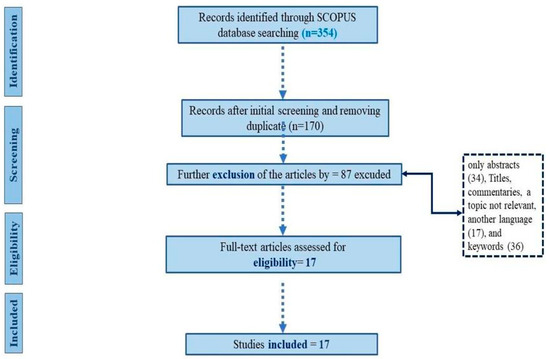
A total of 354 studies were extracted, from which 170 studies were found relevant to the topic after duplication was removed. Further, an analysis was performed based on the 170 studies that remained. For the qualitative analysis, 170 studies were screened to extract only the most relevant studies to be discussed in this paper in detail.
2.4. Tools and Techniques
A systematic literature review approach was adopted. The data were imported into a visualization software named VOSviewer version 1.6.20. First, the data were analyzed using the keywords that were found most relevant to the topic, which gave a clustered network of the data. The software automatically assigned each study and the keywords a unique ID, providing the frequency distribution of a massive data set. For extracting a correlation matrix, the data obtained from VOSviewer were imported into Microsoft Excel version 2016. The data were sorted to obtain a correlation matrix in Excel. This matrix was finally imported into the Statistical Package for Social Sciences (SPSS) version 27 for data analysis.
2.5. Data Analysis (Quantitative Results)
Component factor analysis (CFA) and hierarchal clustering with charts for visualization of the results were obtained for quantitative results. These analyses are the standard techniques for performing a systematic literature review.
2.6. Eligibility Criteria (Qualitative Results)
After the initial screening, a total of 354 articles were retrieved. Later scanning through VOSviewer software and removing duplicates, 170 articles were retrieved. The detailed screening of the remaining articles by considering only the titles of each study led to the exclusion of 87 articles. The remaining 97 articles were then observed based on their abstracts, which led to the removal of 34 articles, and then their titles, topics, relevance, and language were checked, which ended up with the removal of 17 more articles. The keywords were brought into focus, and only studies that exclusively discussed optical properties and measured these properties with in vitro aging protocols were chosen, which excluded 36 more studies. A total of 10 studies remained for qualitative systematic analysis. The search for this study was performed following the standards of the Preferred Reporting Items for Systematic Reviews and Meta-Analyses (PRISMA) (Figure 1).
Figure 1.
Preferred Reporting Items for Systematic Reviews and Meta-Analyses (PRISMA).
2.7. Registration
The protocol for this systematic review, titled “Exploring the Effect of In Vitro Aging Protocols on the Optical Properties and Crystalline Structure of High-Translucency (HT) Zirconia Used in Dentistry”, was registered in the Prospective International Register of Systematic Reviews (PROSPERO) with ID CRD42024579359. The review aims to systematically assess and synthesize existing studies on how different in vitro aging protocols impact the optical properties and crystalline structure of HT zirconia, a widely used material in restorative dentistry. By documenting these effects, the review seeks to provide a comprehensive understanding of how aging processes may influence the long-term performance and aesthetic outcomes of HT zirconia restorations, contributing valuable insights to both clinical practice and materials science. PROSPERO, a global repository, ensures transparency and reduces duplication in systematic reviews by registering detailed protocols in various fields, including healthcare, public welfare, education, and more.
3. Results
3.1. Quantitative Analysis
Table 1 demonstrates the correlation between the terms, which gives a significantly good association between items (Table 1). A value of 1 demonstrates a good correlation between items; the study results gave a value of 1 for each item correlation with a significant p-value of 0.05 or lower (Table 1).
Table 1.
Correlation analysis.
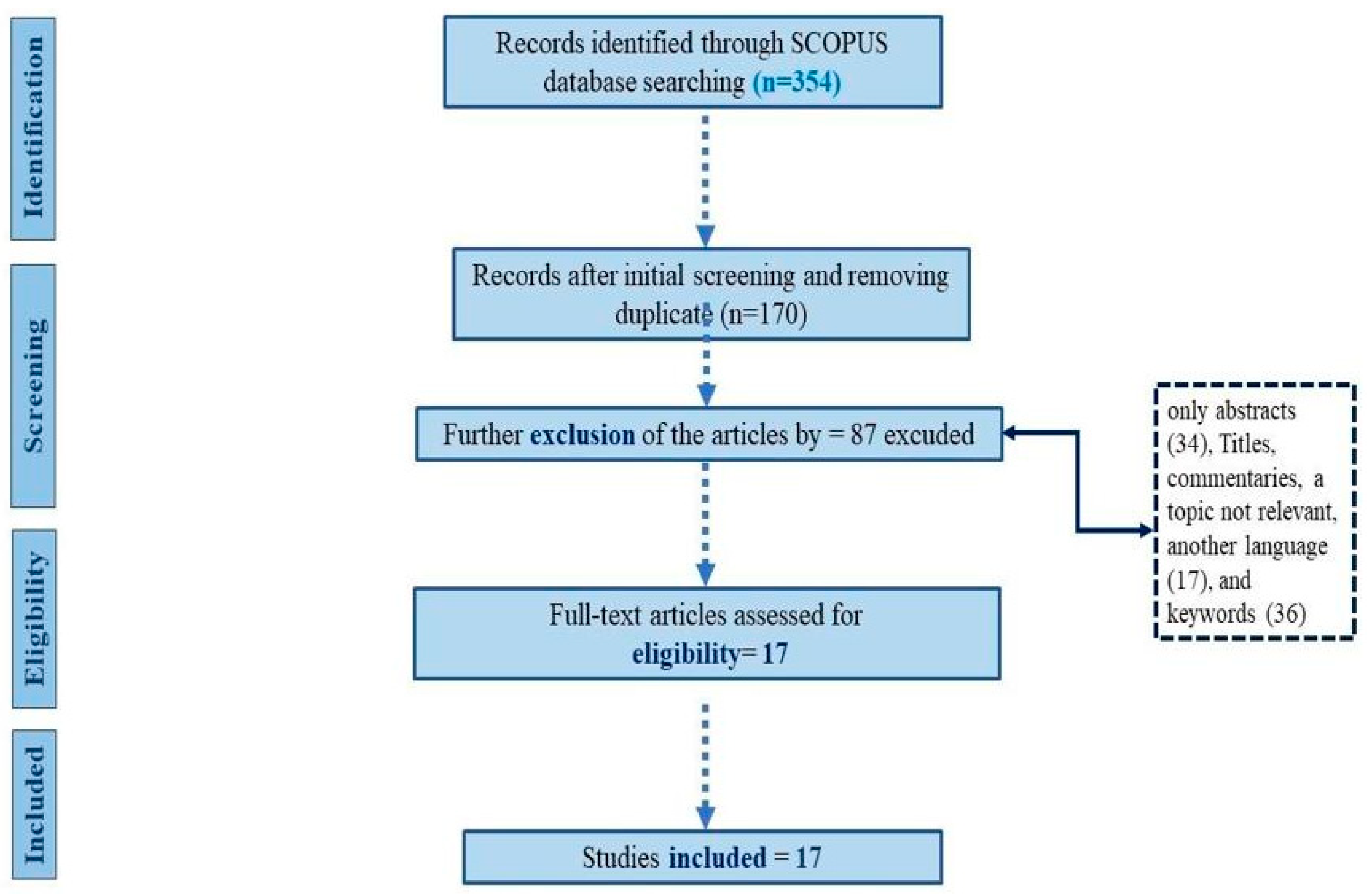
Figure 2 is a visualization of the overlay network that demonstrates the most relevant literature clustering based on keywords.
Figure 2.
Overlay networking of clusters.
Table 2 demonstrates the commonalities obtained from CFA, which is the initial extraction for the data. The majority of the values obtained were above the standard value of 0.5, which shows an appropriate extraction of the 14 terms.
Table 2.
Communalities.
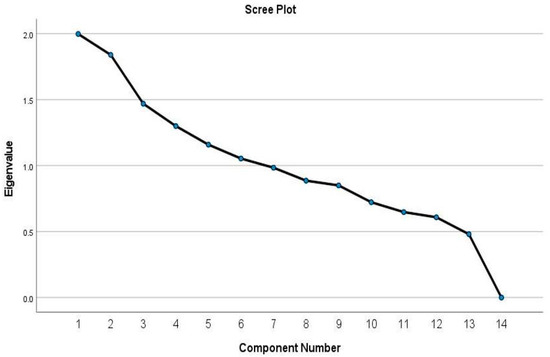
The 14 terms were subdivided into six measure factors, which explains 62.998% of the variation in the data. The variation gradually dropped from 13.010% to 8.595% for factors 1 to 6, respectively. The eigenvalues gave a value above 1 for each of these factors, resulting in the formulation of six factors under the 14 terms presented (Table 3).
Table 3.
Total variance explained.
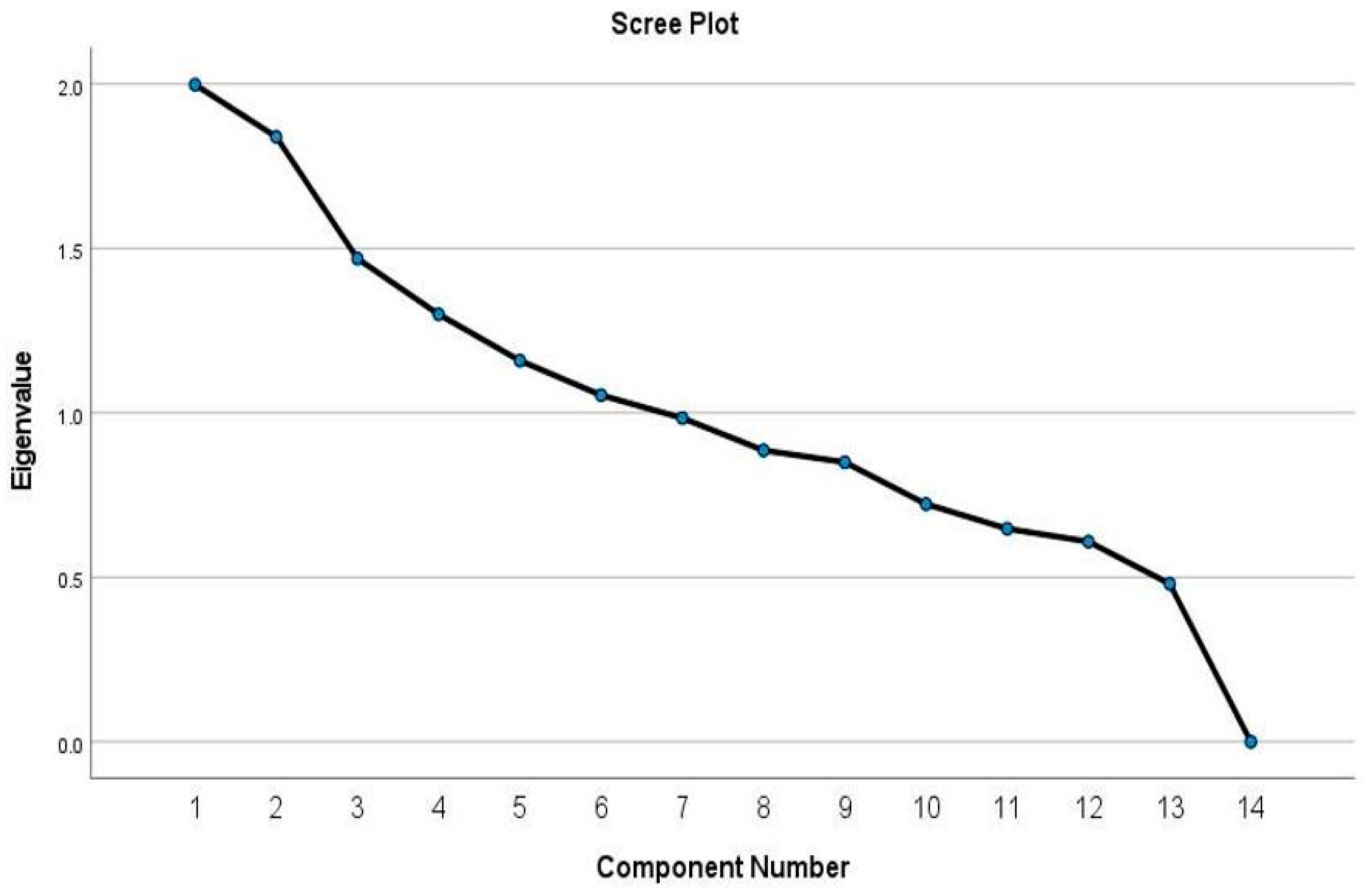
The scree plots demonstrate a gradual fall throughout the 14 terms. However, only six reached above the level of 1 on the scale of eigenvalues. All the terms below 1 were neglected (Figure 3).
Figure 3.
Visual representation of the factors that surpass the standards of eigenvalues (scree plot).
The evaluation of the component matrix gave a variable result for the six factors obtained in the results (Table 4). For this reason, varimax rotation was considered to evaluate the exact value on which each factor defines each term (Table 5). The specific values were obtained on the rotation of the eighth iteration of the data. Terms 1, 4, and 8 compose component 1, which is our first factor. Term 14 is defined by the second factor, term 13 by the third factor, term 7 by the fifth factor, and term 5 by the sixth factor. The terms that obtained factor loading that were negative or below 0.7 were not considered (Table 5).
Table 4.
Component matrix.
Table 5.
Rotated component matrix.
In the output, Table 6 follows the proximity matrix. The agglomeration schedule demonstrates the clustering of the observations; in this case, it is terms that denote keywords. Each stage consists of combined results from two cases to form a cluster. The analysis uses the algorithm obtained by the distance and linkage assigned to each stage. Due to the combination of two terms in one cluster, it forms 13 stages instead of 14. Terms 2 and 3 are combined in the first stage, and the Euclidean distance between them is the smallest among all pairs. With the increase in values, the coefficients that the clusters combined in a given stage are more heterogeneous than those in the previous stage (Table 6).
Table 6.
Agglomeration schedule.
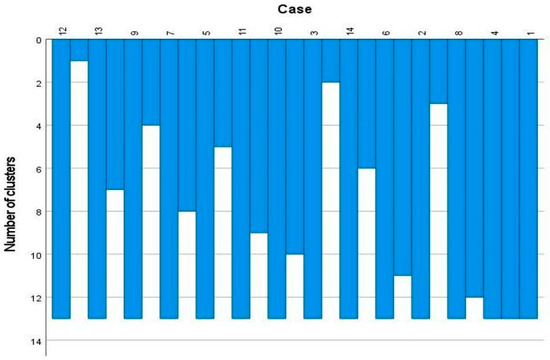
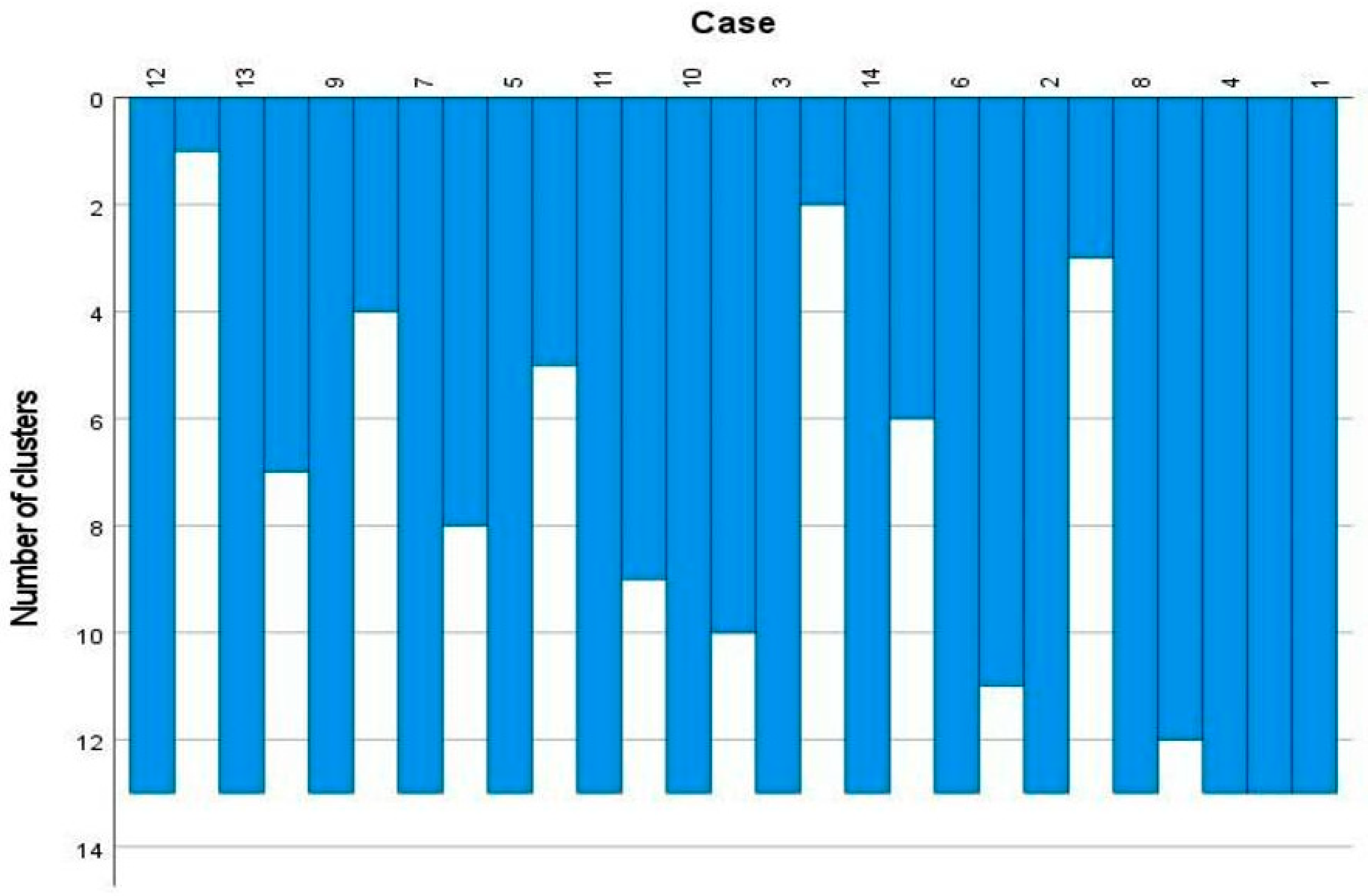
Figure 4 is a visualization of the occurrence of each term in each cluster. Terms 12 and 13 have the highest number of clusters while occurring together in the same document, whereas terms 4 to 8 have the lowest number of occurrences together in the documents obtained (Figure 4).
Figure 4.
Icicle plotting for representing hieratical clusters.
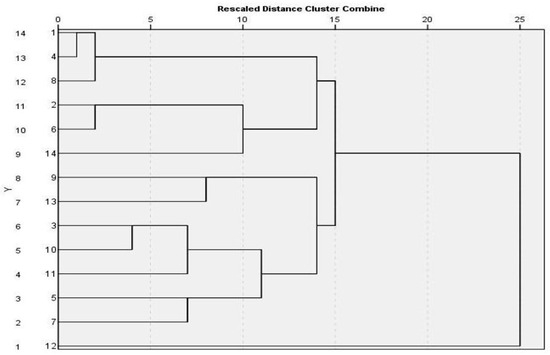
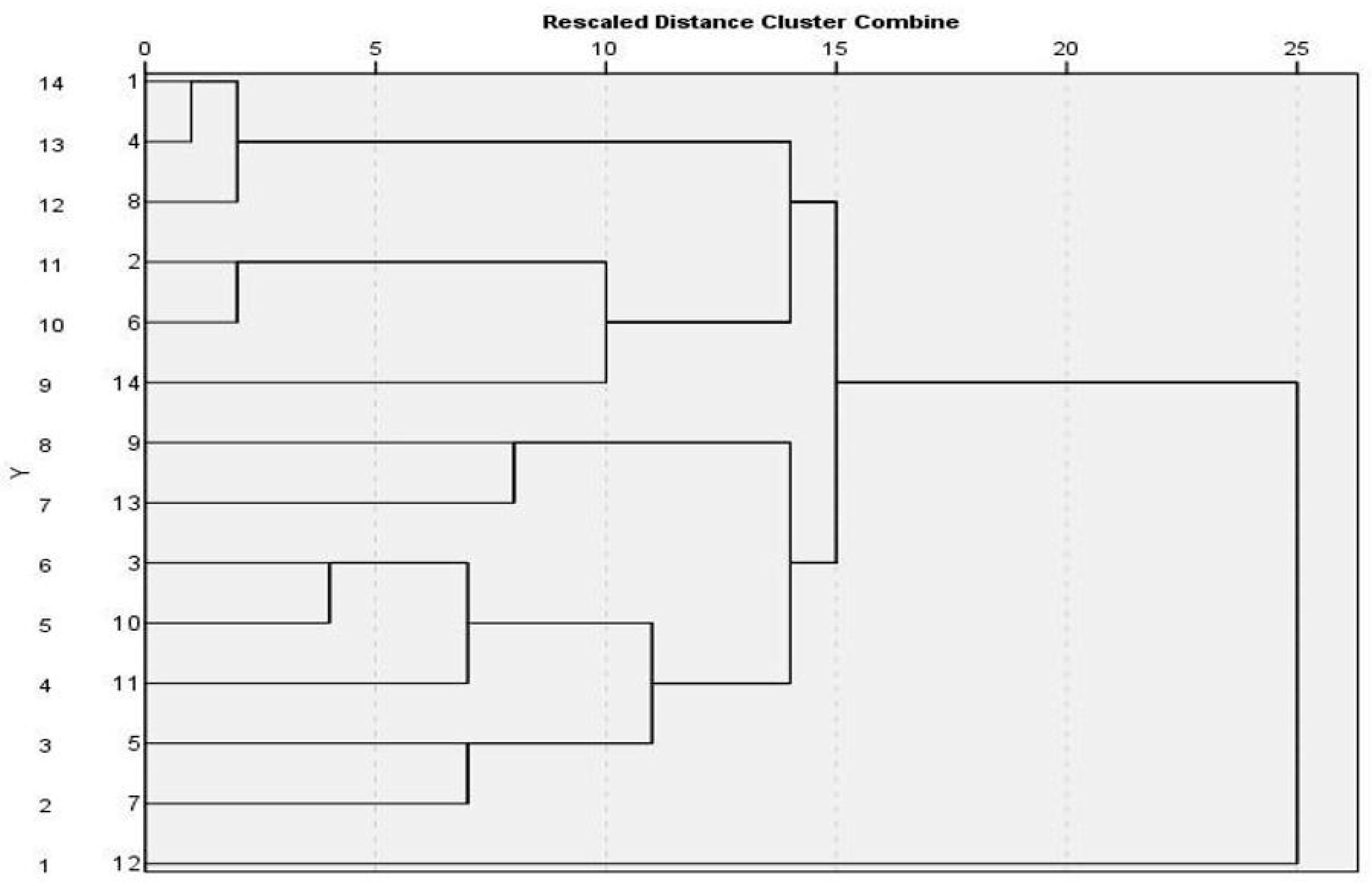
In term 14, there existed 5 clusters; however, in term 11, there were 6 clusters. In term 8, 8 clusters were found; however, in term 5, 10 clusters were grouped. Term 3 contained 13 clusters, and term 1 contained 14 clusters. These clusters are groups of studies that contain the literature relayed to the terms. If the dendroid is studied horizontally, clusters that contain terms 14 and 12 contain the highest amount of clusters formed, which shows a high occurrence of the terms that fall between the 14th and 13th terms (Figure 5).
Figure 5.
Dendrogram using average linkage between groups.
3.2. Qualitative Analysis
Table 7 demonstrates the most relevant studies out of the 170 studies that were obtained with the help of VOSviewer. The keywords that were most relevant in the selection of the 17 studies were zirconia, dentistry, in vitro aging protocol, optical properties, and translucency. The table presents a diverse array of studies investigating various aspects of zirconia and related materials, encompassing topics such as mechanical properties, optical characteristics, surface treatments, and biomedical applications [8,9,10,11,12,13,14,15,16,17,18,19,20,21,22,23,24].
Table 7.
A tabular form of the literature extracted.
4. Discussion
The results demonstrate the density of the literature in each study concerning the keywords. Quantitative analysis showed much relevance in 170 studies. The clusters of the literature concerning the key terms that were most relevant to the study aim were huge. Zirconia was found most effective on the optical properties and translucency of the capping. Surface treatment was also found to significantly improve due to the use of zirconium oxide (Figure 1). With regard to zirconia, coating, composites, flexural strength, hardness, mechanical properties, and microstructure are the most repeatedly discussed properties in dentistry (Table 3 and Figure 3). With the help of an agglomeration schedule, we determined that composite zirconium ceramics are useful in optimizing flexure strength (Table 6). Since the measuring protocol was in vitro, especially in the case of aging of the zirconia material, we determined that in vitro is a robust technique for measuring zirconia in dentistry. However, in vitro protocols have not been given much attention as the clusters do have in vitro significantly occurring in the data (Figure 1).
Qualitative analysis showed that although zirconia has been considered as an important capping material, its appropriate analysis by measuring the situation of the crown capping with in vitro aging protocols has not been specified in the literature in abundance. The advancement in measuring protocols is important to suggest the improvement and possible lack of any important factor. With regard to zirconia, the literature emphasized using catalysts to strengthen its productivity and improve its sustainability [13,14,19,24]. The optical properties and translucency of zirconia capping in the mentioned studies showed significantly positive results [11,13,16,21]. Zirconia capping has been observed to lose its translucency and optical properties with age [10,11]. After aging, surface porosity is generated, elevating incident light scattering, which in turn reduces translucency [25,26]. Additionally, the presence of monoclinic and tetragonal stages after aging reduces translucency as a result of the individual stage having different refractive indices [25,27]. An aging protocol might influence the optical properties of different methods of aging used. For instance, one aging method immersed pre-sintered zirconia in a highly acidic solution (pH 1.2) for 4 days, which significantly affected its translucency [28], whereas another protocol utilizing an acidic solution of pH 2 with intermittent exposure found that it did not alter the optical properties significantly [29]. Another property that has been detected is flexural compressive strength, which is a vital property of a tooth cap material [8,12]. However, the absence of literature on in vitro aging protocols is alarming.
Several studies have investigated the effect of different aging protocols on the Several studies have investigated the effect of different aging protocols on the properties of HT zirconia. For example, one study evaluated the effect of aging on the surface roughness and surface chemistry of HT zirconia using atomic force microscopy and X-ray photoelectron spectroscopy. The results showed that aging caused an increase in surface roughness and a decrease in the number of oxygen-containing functional groups on the surface of HT zirconia [30,31]. Another study investigated the effect of aging on the mechanical properties of HT zirconia using four-point bending tests. The results showed that aging caused a decrease in the flexural strength of HT zirconia, indicating that the aging process can hurt the mechanical properties of this material [32,33,34]. Other studies have focused on the effect of aging on the optical properties of HT zirconia. For example, one study evaluated the effect of aging on the color stability of HT zirconia using a spectrophotometer. The results showed that aging caused a significant increase in color change in HT zirconia, which can hurt its esthetic properties [7,35]. In contrast, a study showed that the colorimetric properties of zirconia were retained after it was subjected to an accelerated aging procedure [36]. Another study investigated the effect of aging on the translucency of HT zirconia using a spectrophotometer and found that aging caused a decrease in the translucency of this material. These findings suggest that the aging process can have a significant impact on the optical properties of HT zirconia, which can affect its esthetic performance [37,38,39].
This study is based on an extremely thorough research methodology with strict eligibility criteria, ensuring that only studies that fit the inclusion and exclusion criteria were included. Pre-defined key terms were used to search the literature to find relevant and specific studies from the database. This systematic review, including only recent studies, helps in synthesizing the latest knowledge regarding the effects of different aging protocols on the optical and structural properties of HT zirconia. As such, it helps in improving the understanding of the updated methodologies on the subject. Furthermore, this study holds significance for various professionals in the field of dentistry, including practitioners, dental surgeons, and dental hygienists. The findings shed light on the absence of literature on in vitro aging protocols, which may require further attention and development.
This systematic review also has certain weaknesses. This study used only one database, i.e., Scopus, to search for relevant literature. Therefore, future research can incorporate various databases in the reviews, such as PubMed and Embase, so that more studies fitting the criteria of the review can be assessed. Owing to the rigorous inclusion and exclusion criteria, only 13 studies were compared, which is a small number and limits the robustness of the comparison in the systematic review. Furthermore, heterogeneity in individual studies in terms of different sample sizes, protocols, and durations of exposure also influences the comparison. The literature on the subject itself is also quite limited, restricting the comprehensiveness of the review.
5. Conclusions
This study aimed to gather published evidence regarding the zirconia capping, optical properties, and translucency of the material measured with an in vitro aging protocol. The results obtained showed that the use of zirconia in dentistry has been discussed several times in the literature in terms of optical properties, translucency, surface material, coating, aging, etc. Qualitative analysis showed that zirconia, by adopting a catalyst such as aluminum, lithium, etc., to obtain a more sustainable crystalline structure, gives significantly improved optical properties and high translucency. In vitro was not preferred as a measuring protocol in the majority of the studies (n = 170); however, after screening for qualitative analysis, it was found that the in vitro aging protocol has indeed been considered important in a few cases and has been adopted. This study holds significant implications for dentists in determining the conditions in which HT zirconia is the most suitable for the patient. Even though this review is focused on providing a detailed analysis of the impact of different protocols on the properties of zirconia, more research is needed on this subject since the in vitro aging protocol has not been witnessed in the literature in abundance, which leaves a gap in the literature, making the study of zirconia along with the properties of in vitro aging protocols important. Overall, this review contributes to the existing body of literature on in vitro aging protocols to assess the optical and structural properties of HC zirconia.
6. Future Recommendation
Based on the results of this study, future study of zirconia with a catalyst to improve its properties with a unique crystalline structure is recommended. Further, a more sustainable and long-lasting capping material must be investigated concerning zirconia measuring with an in vitro aging protocol.
Funding
This research received no external funding.
Data Availability Statement
The datasets used and analyzed in this study are available from the corresponding author on reasonable request.
Acknowledgments
The authors are thankful to all the associated personnel who contributed to this study by any means.
Conflicts of Interest
The authors declare no conflicts of interest.
References
- Bergamo, E.T.; Cardoso, K.B.; Lino, L.F.; Campos, T.M.; Monteiro, K.N.; Cesar, P.F.; Genova, L.A.; Thim, G.P.; Coelho, P.G.; Bonfante, E.A. Alumina-toughened Zirconia for Dental Applications: Physicochemical, Mechanical, Optical, and Residual Stress Characterization after Artificial Aging. J. Biomed. Mater. Res. B 2021, 109, 1135–1144. [Google Scholar] [CrossRef] [Scilit]
- Cokic, S.M.; Vleugels, J.; Van Meerbeek, B.; Camargo, B.; Willems, E.; Li, M.; Zhang, F. Mechanical properties, aging stability and translucency of speed-sintered zirconia for chairside restorations. Dent. Mater. 2020, 36, 959–972. [Google Scholar] [CrossRef] [Scilit] [PubMed]
- Jalkh, E.B.; Bergamo, E.T.; Monteiro, K.N.; Cesar, P.F.; Genova, L.A.; Lopes, A.C.; Bonfante, E.A. Aging resistance of an experimental zirconia-toughened alumina composite for large span dental prostheses: Optical and mechanical characterization. J. Mech. Behav. Biomed. Mater. 2020, 104, 103659. [Google Scholar]
- Piza, M.M.; Bergamo, E.T.; Campos, T.M.; Carvalho, L.F.; Goulart, C.A.; Gutierres, E.; Bonfante, E.A. Alumina-toughened zirconia nanocomposite: Aging effect on microstructural, optical, and mechanical properties. Dent. Mater. 2020, 39, 1022–1031. [Google Scholar] [CrossRef] [Scilit] [PubMed]
- Čokić, S.M.; Cóndor, M.; Vleugels, J.; Van Meerbeek, B.; Van Oosterwyck, H.; Inokoshi, M.; Zhang, F. Mechanical properties–translucency–microstructure relationships in commercial monolayer and multilayer monolithic zirconia ceramics. Dent. Mater. 2022, 38, 797–810. [Google Scholar] [CrossRef] [Scilit] [PubMed]
- Tateiwa, T.; Takahashi, Y.; Pezzotti, G.; Shishido, T.; Masaoka, T.; Sano, K.; Yamamoto, K. Does artificial aging correctly predict the long-term in-vivo degradation behavior in zirconia hip prostheses? Biomed. Mater. Eng. 2020, 3, 1107–1117. [Google Scholar] [CrossRef] [Scilit]
- Hajhamid, B.; Bozec, L.; Tenenbaum, H.; De Souza, G.; Somogyi-Ganss, E. Effect of artificial aging on optical properties and crystalline structure of high-translucency zirconia. J. Prosthodont. 2024, 33, 61–69. [Google Scholar] [CrossRef] [Scilit] [PubMed]
- Avcıoğlu, C.; Bekheet, M.F.; Artır, R. Radiation shielding and mechanical properties of mullite-zirconia composites fabricated from investment-casting shell waste. J. Mater. Res. Technol. 2023, 24, 5883–5895. [Google Scholar] [CrossRef] [Scilit]
- Yin, K.X.; Dong, G.Y.; Zhang, G.J.; Tian, Q.W.; Wang, Y.N.; Huang, J.C. Prediction of phase structures of solid solutions for high entropy alloys. J. Mater. Res. Technol. 2023, 1, 7654–7665. [Google Scholar] [CrossRef] [Scilit]
- Almohammed, S.N.; Alshorman, B.; Abu-Naba’a, L.A. Optical Properties of Five Esthetic Ceramic Materials Used for Monolithic Restorations: A Comparative In vitro Study. Ceramics 2022, 5, 961–980. [Google Scholar] [CrossRef] [Scilit]
- Sun, W.; Fu, Y.; Gao, M.; Zhang, J.; Kong, X.; Guan, R. Microstructure evolution, diffusion behavior, and mechanical properties of a Cu/AlCoCrFeNi2. 1 composite under pulsed magnetic field. J. Mater. Res. Technol. 2023, 24, 6484–6494. [Google Scholar] [CrossRef] [Scilit]
- De Souza, R.H.; Kaizer, M.R.; Borges, C.E.; Fernandes, A.B.; Correr, G.M.; Diógenes, A.N. Flexural strength and crystalline stability of a monolithic translucent zirconia subjected to grinding, polishing and thermal challenges. Ceram. Int. 2020, 46, 26168–26175. [Google Scholar] [CrossRef] [Scilit] [PubMed]
- Kim, H.K. Optical and mechanical properties of highly translucent dental zirconia. J. Mater. 2020, 13, 3395. [Google Scholar] [CrossRef] [Scilit]
- Zhang, X.; Guo, N.; Ding, Y.; Xue, Z.; Zhang, G.; Fu, Y.; He, J. A novel approach of ultra-low diffusible hydrogen welding wire for underwater wet flux-cored arc welding: A spontaneous barrier of molten slag. J. Mater. Res. Technol. 2023, 24, 5669–5674. [Google Scholar] [CrossRef] [Scilit]
- Ruiz-Aguilar, C.; Alcántara-Quintana, L.E.; Aguilar-Reyes, E.A.; Olivares-Pinto, U. Fabrication, characterization, and in vitro evaluation of β-TCP/ZrO2-phosphate-based bioactive glass scaffolds for bone repair. Bol. Soc. Esp. Ceram. Vidr. 2022, 61, 191–202. [Google Scholar] [CrossRef] [Scilit]
- Lim, C.H.; Vardhaman, S.; Reddy, N.; Zhang, Y. Composition, processing, and properties of biphasic zirconia bioceramics: Relationship to competing strength and optical properties. Ceram. Int. 2022, 48, 17095–17103. [Google Scholar] [CrossRef] [Scilit] [PubMed]
- Tayal, A.; Niyogi, A.; Adhikari, H.D.; Adhya, P.; Ghosh, A. Comparative evaluation of effect of One Coat 7 Universal and Tetric N-Bond Universal adhesives on shear bond strength at resin–zirconia interface: An in vitro: Study. J. Conserv. Dent. 2021, 24, 336–340. [Google Scholar] [CrossRef] [Scilit] [PubMed]
- Kannaiyan, K.; Jalaluddin, M.; Rathod, A.; Ramesh, K.R.; Gupta, S.; Kansar, N. Impact of Different Surface Treatments on Flexural Strength and Surface Roughness of Zirconia Implant Material: An in vitro study. World J. 2021, 1, 38–41. [Google Scholar]
- Tanaka, H.; Maeda, T.; Narikiyo, H.; Morimoto, T. Mechanical properties of partially stabilized zirconia for dental applications. J. Asian Ceram. Soc. 2019, 7, 460–468. [Google Scholar] [CrossRef] [Scilit]
- Cetik, S.; Ha, T.H.; Sitri, L.; Duterme, H.; Pham, V.; Atash, R. Comparison of shear strength of metal and ceramic orthodontic brackets cemented to zirconia depending on surface treatment: An in vitro study. Eur. J. Dent. 2019, 13, 1505. [Google Scholar] [CrossRef] [Scilit]
- Hu, J.; Zhou, B.; He, X.; Yu, H.; Sun, G. Influence of Nb content on phase precipitation behavior of new Ni–Co-based superalloys by selective laser melting. J. Mater. Res. Technol. 2023, 24, 713–723. [Google Scholar] [CrossRef] [Scilit]
- El-Mahdy, M.; Aboelfadl, A.; Ahmed, F.; El-Banna, A.; Wahsh, M. Strain gauge analysis and fracture resistance of implant-supported PEKK hybrid abutments restored with two crown materials: An in vitro study. Dent. Med. Probl. 2023, 60, 497–503. [Google Scholar] [CrossRef] [Scilit] [PubMed]
- Guan, Y.; Zhou, J.; Zhong, H.; Wang, W.; Zhang, Z.; Luo, F.; Ning, S. Thickness dependence of the crystallization and phase transition in ZrO2 thin films. J. Adv. Ceram. 2023, 12, 822–829. [Google Scholar]
- Gad, M.M.; Abualsaud, R.; Alqarawi, F.K.; Emam, A.N.M.; Khan, S.Q.; Akhtar, S.; Al-Harbi, F.A. Translucency of nanoparticle-reinforced PMMA denture base material: An in vitro comparative study. Dent. Mater. 2021, 40, 972–978. [Google Scholar] [CrossRef] [Scilit] [PubMed]
- Fathy, S.M.; El-Fallal, A.A.; El-Negoly, S.A.; El Bedawy, A.B. Translucency of monolithic and core zirconia after hydrothermal aging. Acta Biomater. Odontol. Scand. 2015, 1, 86–92. [Google Scholar] [CrossRef] [Scilit] [PubMed]
- Baldissara, P.; Llukacej, A.; Ciocca, L.; Valandro, F.L.; Scotti, R. Translucency of zirconia copings made with different CAD/CAM systems. J. Prosthet. Dent. 2010, 104, 6–12. [Google Scholar] [CrossRef] [Scilit] [PubMed]
- Heffernan, M.J.; Aquilino, S.A.; Diaz-Arnold, A.M.; Haselton, D.R.; Stanford, C.M.; Vargas, M.A. Relative translucency of six all-ceramic systems. Part I: Core materials. J. Prosthet. Dent. 2002, 88, 4–9. [Google Scholar] [CrossRef] [Scilit]
- Raneem, A.S.; Ragad, A.M.; Yasmeen, A.A.; Alofi, S.A. Effect of artificial gastric acid and brushing on the optical properties and surface hardness of colored zirconia. Int. J. Med. Dent. 2021, 25, 49. [Google Scholar]
- Kulkarni, A.; Rothrock, J.; Thompson, J. Impact of gastric acid induced surface changes on mechanical behavior and optical characteristics of dental ceramics. J. Prosthodont. 2020, 29, 207–218. [Google Scholar] [CrossRef] [Scilit] [PubMed]
- Tang, Z.Y.; Zhao, X.Y.; Hara, A.T. Surface characterization of monolithic zirconia following treatment with different polishing techniques. Mater. Sci. Forum 2020, 980, 176–186. [Google Scholar] [CrossRef] [Scilit]
- Wolff, M.; Wonneberger, R.; Freiberg, K.E.; Hertwig, A.; Bonse, J.; Giebeler, L.L.; Gräf, S. Formation of laser-induced periodic surface structures on Zr-based bulk metallic glasses with different chemical composition. Surf. Interfaces 2023, 42, 103305. [Google Scholar] [CrossRef] [Scilit]
- Kontonasaki, E.; Giasimakopoulos, P.; Rigos, A.E. Strength and aging resistance of monolithic zirconia: An update to current knowledge. Jpn. Dent. Sci. Rev. 2020, 56, 1–23. [Google Scholar] [CrossRef] [Scilit] [PubMed]
- Fathy, S.M.; Al-Zordk, W.; Grawish, M.E.; Swain, M.V. Flexural strength and translucency characterization of aesthetic monolithic zirconia and relevance to clinical indications: A systematic review. Dent. Mater. J. 2021, 37, 711–730. [Google Scholar] [CrossRef] [Scilit] [PubMed]
- Zhang, C.Y.; Agingu, C.; Yang, H.; Cheng, H.; Yu, H. Effects of Hydrothermal Treatment on the Phase Transformation, Surface Roughness, and Mechanical Properties of Monolithic Translucent Zirconia. Oper. Dent. 2022, 47, 76–86. [Google Scholar] [CrossRef] [Scilit] [PubMed]
- Ahmed, D.M.; Mandour, M.H.; El-Sharkawy, Z.R. Optical properties and flexural strength of artificially aged tetragonal/cubic ultra-translucent zirconia. Al-Azhar Dent. J. Girls 2020, 7, 135–142. [Google Scholar] [CrossRef] [Scilit]
- Volpato, C.Â.; Cesar, P.F.; Bottıno, M.A. Influence of accelerated aging on the color stability of dental zirconia. J. Esthet. Restor. Dent. 2016, 28, 304–312. [Google Scholar] [CrossRef] [Scilit]
- Papageorgiou-Kyrana, K.; Fasoula, M.; Kontonasaki, E. Translucency of monolithic zirconia after hydrothermal aging: A review of in vitro studies. J. Prosthodont. 2020, 29, 489–500. [Google Scholar] [CrossRef] [Scilit]
- Choi, Y.S.; Kang, K.H.; Att, W. Effect of aging process on some properties of conventional and multilayered translucent zirconia for monolithic restorations. Ceram. Int. 2020, 46, 1854–1868. [Google Scholar] [CrossRef] [Scilit]
- Alamledin, A.M.; Shokry, T.E.; El Kouedi, A.Y. Effect of accelerated aging on the translucency of monolithic zirconia at minimal thickness. Al-Azhar Dent. J. Girls 2020, 23, 7–14. [Google Scholar]

Disclaimer/Publisher’s Note: The statements, opinions and data contained in all publications are solely those of the individual author(s) and contributor(s) and not of MDPI and/or the editor(s). MDPI and/or the editor(s) disclaim responsibility for any injury to people or property resulting from any ideas, methods, instructions or products referred to in the content. |
© 2024 by the authors. Licensee MDPI, Basel, Switzerland. This article is an open access article distributed under the terms and conditions of the Creative Commons Attribution (CC BY) license (https://creativecommons.org/licenses/by/4.0/).