


Abstract
The feeling of being out-of-place from dressing differently from others is prevalent in Japanese individuals. However, previous studies have not objectively assessed this out-of-place feeling using physiological indices. Therefore, this study aimed to compare out-of-place feelings in Japanese individuals measured using questionnaires as subjective assessments and electroencephalography, R-R interval of heartbeats, and number of blinks as objective assessments. The results indicated that the participants felt out-of-place because of the differences in clothing and the recipient of the letter they wrote to as the task. The out-of-place feeling had a significantly negative correlation with alpha waves and a significantly positive correlation with beta waves. The more the participants felt out-of-place, the more uncomfortable they were when the collaborator entered or left the room wearing different clothes. The more their beta waves activated when they wrote a letter to their supervisor than when they wrote to children. The decrease in middle-alpha waves suggested that the participants were uncomfortable when they were the only people in a different outfit.
1. Introduction
In Japan, primary schools commonly conduct ‘clothing education’ lessons in home economics classes, teaching students how to dress appropriately for different occasions according to time, place, and occasion (TPO) [1]. TPO is a term coined by Kensuke Ishizu, founder of the VAN brand, and refers to the use of different methods, attitudes, clothing, etc., depending on the time, place, and occasion. In 1964, this concept was used in Japan, when it hosted the Olympic Games for the first time, to indicate the suitability of clothing for Japanese people as Olympic hosts [2]. For instance, if a person wears casual clothes at a fancy restaurant, they may be considered ‘out-of-place’ because of the mismatch between their clothing and the setting. This feeling of being out-of-place stems from a lack of common feelings and embarrassment for inappropriately dressing based on the occasion. In modern Japan, wearing Western clothing is the norm in most situations, as there is no strict dress code such as the traditional kimono. If an individual dresses differently from others in a social setting, they may feel that their clothing is inappropriate. This feeling of being out-of-place is particularly prevalent among Japanese people, who are highly concerned about others’ perceptions. Uchida et al. [3,4,5,6] used dolls dressed in different outfits to explain the sense of out-of-place feeling felt by people around them. However, there are no reports on how people feel when they experience a sense of out-of-place and what physiological changes occur. Furthermore, no measures have been proposed to deal with this.
Studies related to out-of-place have focused on the psychological aspects of street vendors in the urban environment [7], older adults from different countries who could not age properly due to the feeling of being out-of-place [8], and those who are out-of-place, allochthon, or autochthonous based on their discourse identity [9]. Previous studies have used physiological indicators to assess the comfort of various types of support wear [10,11,12,13]. However, few studies have used physiological indicators to objectively assess the feeling of being out of place when wearing clothes. Therefore, the current study aimed to create a situation to develop the Japanese-specific feeling of being out-of-place and to compare the subjective assessments with objective measures [14]. To this end, we have set up a situation in which people wore different clothes than those worn by people around them and investigated how their mental stress was affected using subjective and objective assessments.
2. Experimental Method
Sixteen female university students aged 20-23 years, and three female collaborators aged 21-22 years, who had never met the students, participated in the experiments. All study participants provided informed consent, and only those who agreed were recruited. A questionnaire was used for the subjective assessment, while electroencephalography (EEG), heartbeat, and number of blinks were measured as physiological indices in the objective assessment. Two experiments were conducted, which differed in clothing and tasks. In Experiment I, all four individuals, one participant and three collaborators, wore white shirts. In Experiment II, only the participant wore a white shirt, whereas the three collaborators wore black suits. EEG activity was recorded at three measurement points using a digital EEG measuring system [15]. Simultaneously, heartbeat and blinks were measured, and high frequency (HF) and low frequency (LF)/HF were determined from the R-R interval fluctuations of QRS heartbeat waves. As the task in Experiment I, the participants wrote a letter to the children in the class they took charge of during their educational training. In Experiment II, they wrote a thank you letter to the homeroom class teacher. The same questionnaire (Questionnaire 1) was administered to compare the results. The participants were asked about their feelings of comfort and rejection on a 5-point scale. After the experiments, Questionnaire 2 on clothing behaviour regulation was administered online.
2.1. Experimental Schedule
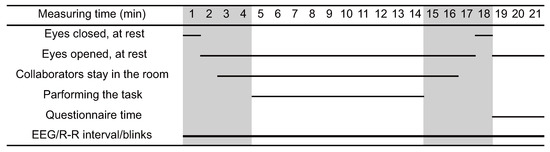
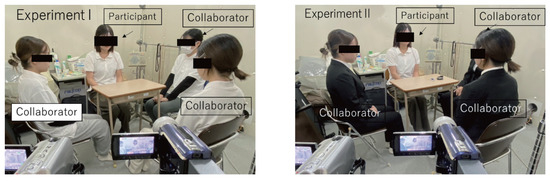
The experimental schedule is shown in Figure 1. The participants performed a task for 10 minutes (from the 15th to the 14th minute). From the first to the 21st minute, EEG, heart rate, and blinks were measured. From the 19th to the 21st minute, the participants responded to Questionnaire 1. This allowed comparisons between before (first to fourth minute) and after (fifteenth to twenty-first minute) performing the task. The first and second measurements were obtained in Experiments I and II, respectively. The typical experimental setup is shown in Figure 2. After completing the task (measuring time 15) in Experiment II, participants were informed that the teachers who had helped them during the practical training were visiting the university at the time and that they would go and thank the teachers with the letter they had written.
Figure 1.
The experimental schedule.
Figure 2.
Typical views of experiments I and II.
2.2. Questionnaire
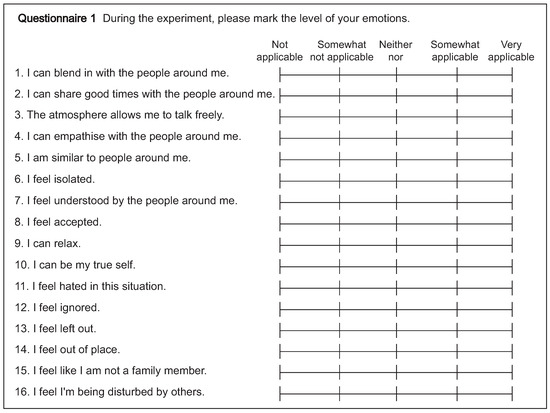
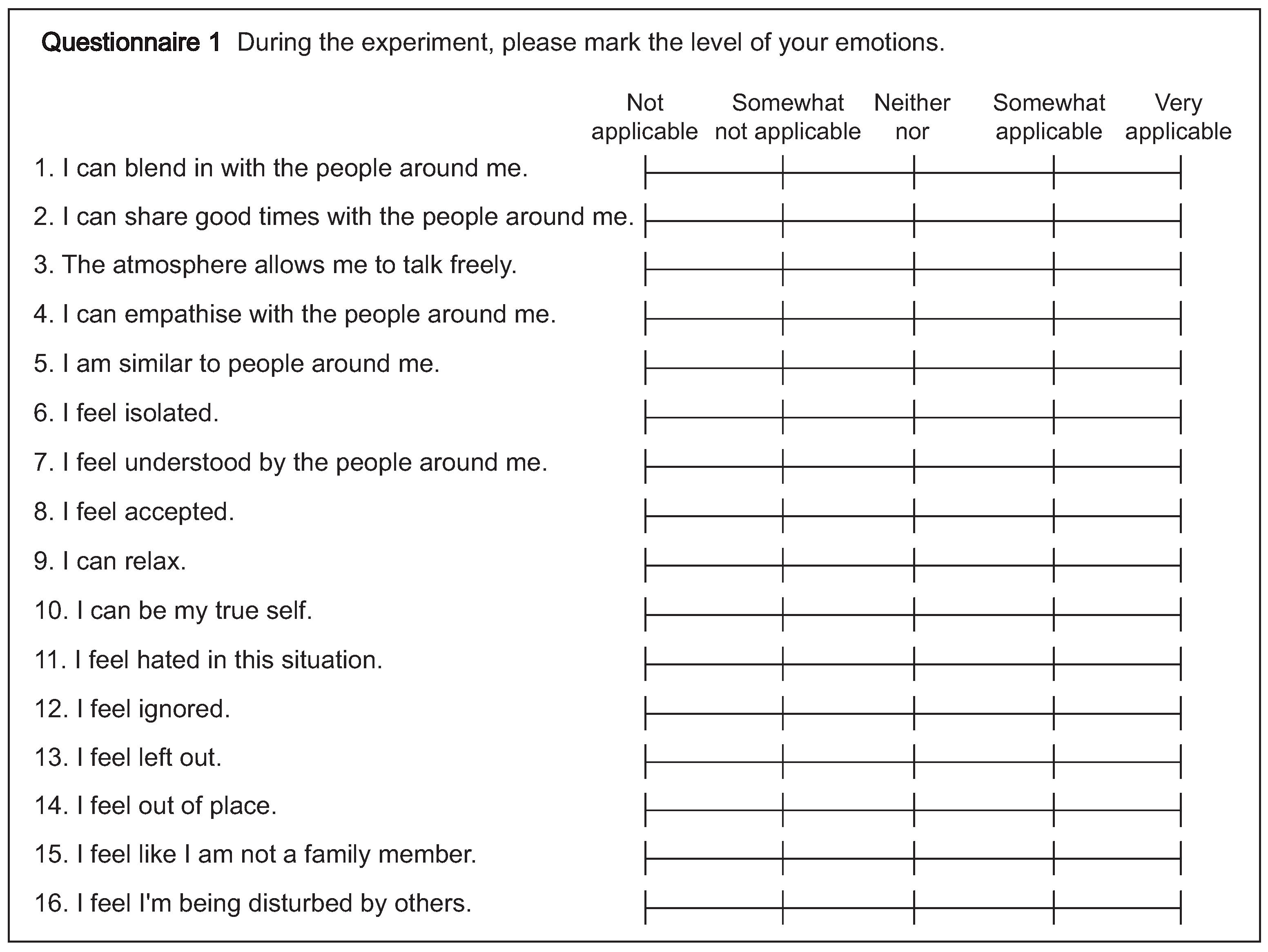
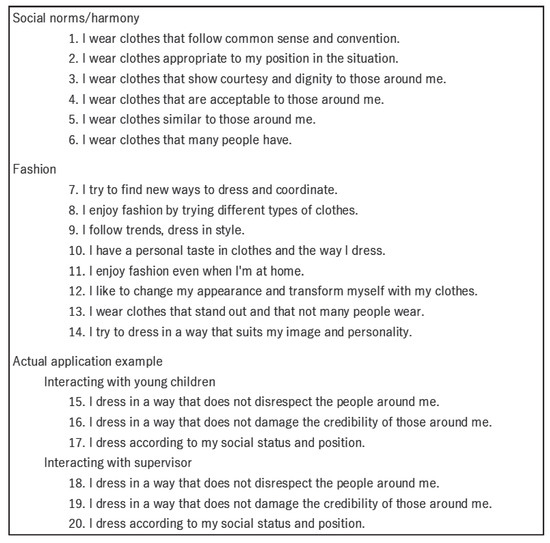
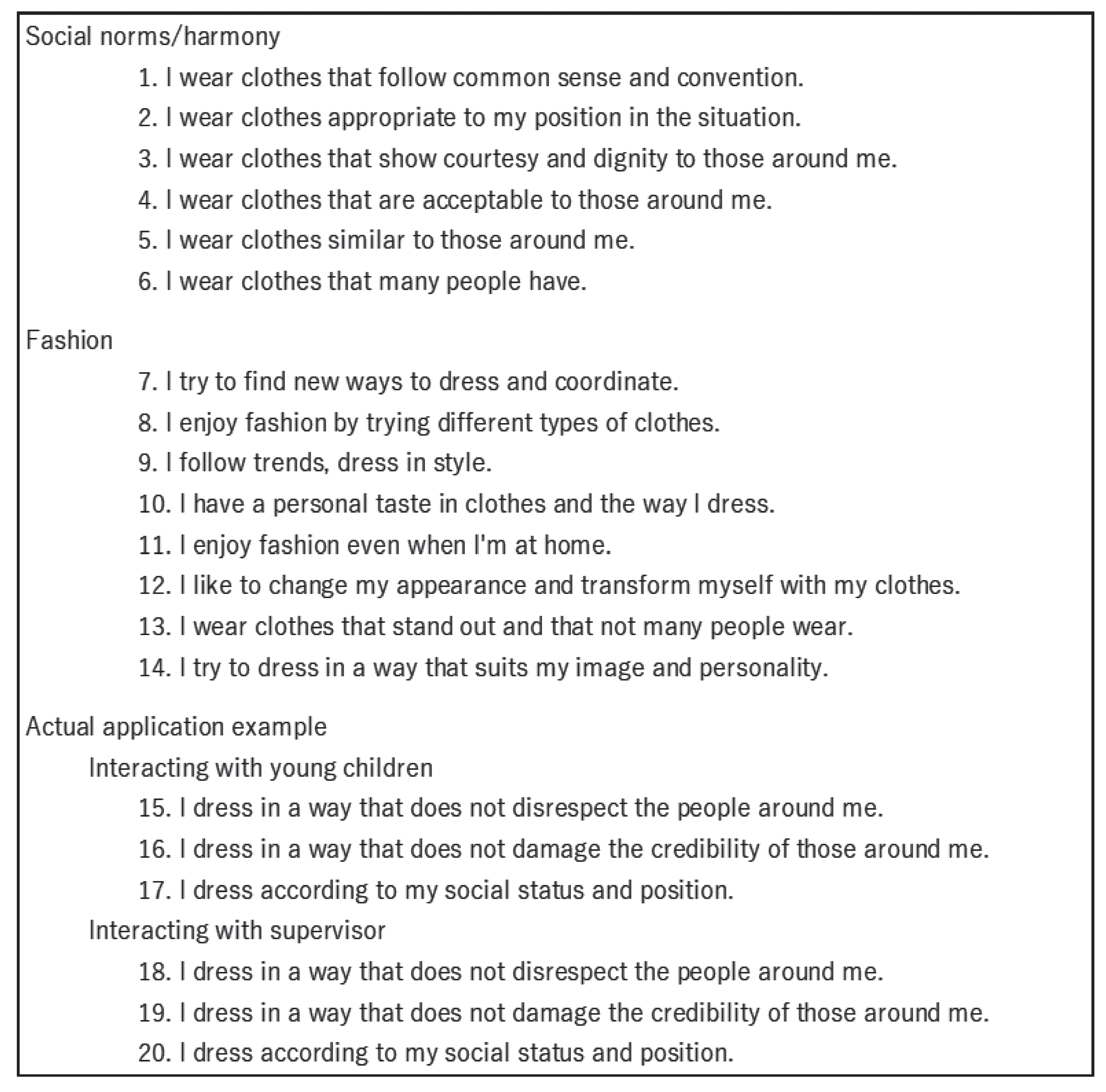
Two questionnaires were created for the subjective evaluations. Questionnaire 1 was administered after Experiments I and II, and Questionnaire 2 after a few hours of completing all experiments. Questionnaire 1 (Figure 3) consisted of 16 items from the subjective adjustment scale for university students based on the person-environment fit model created by Ookubo [16]. Ten items were related to feelings of comfort, and six to rejection. The participants completed this questionnaire twice, after Experiments I and II. Questionnaire 2 (Figure 4) was created based on the studies by Matsubara et al. [17,18,19] and comprised 20 questions, including four items from the ‘social norms’ factor, two from ‘social harmony’, eight from ‘fashion’, and application-related questions. The participants responded to this questionnaire online on Google Workspace approximately two hours after the experiment ended. They responded on a 5-point Likert scale considering the situation of interacting with children or superiors.
Figure 3.
Questionnaire 1.
Figure 4.
Questionnaire 2.
2.3. EEG, R-R Interval of Heartbeat, and Blinks
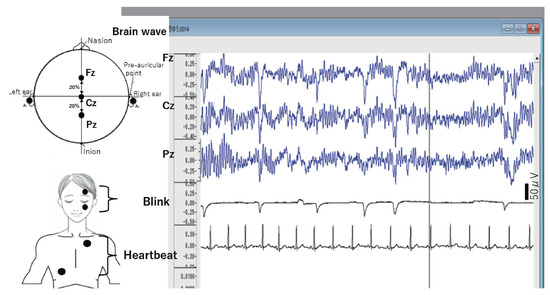
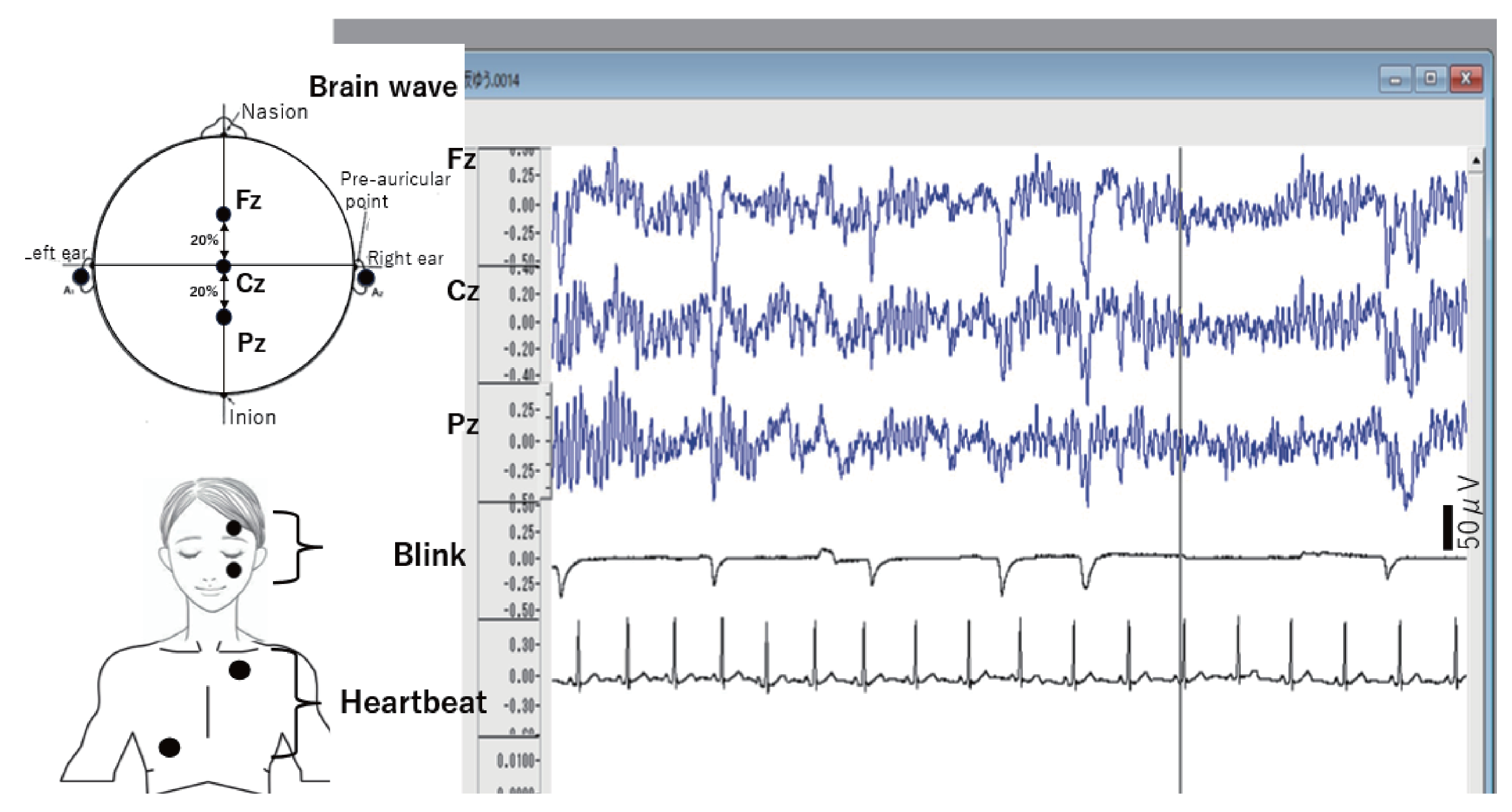
EEG, heartbeat R-R interval, and blinks were measured as objective assessments. The measurement points and typical waves are shown in Figure 5. According to the international 10-20 method, three EEG electrodes were placed on the participants’ midline z (zero): Fz (frontal region), Cz (central region), and Pz (parietal region). The EEG was derived as unipolar, and the A/D was converted using a digital EEG device (SYNAFIT2500, NEC, Japan) and biological information recording software (Vital Recorder2, Kissei Comtech, Japan). The measured brain waves un-derwent frequency analysis using biological information analysis software (BIMUTAS II, Kissei Comtech, Japan), and the power of alpha waves (8.0-13.0 Hz) and beta waves (14.0-30.0 Hz) was determined. Furthermore, the power of the alpha wave was divided into slow (7-9 Hz), middle (9-11 Hz), and fast (11-13 Hz), and that of the beta wave was divided into low (13-17 Hz) and high (18-30 Hz). Similarly, the power in the LF region (0.04-0.15 Hz) and HF region (0.15-0.40 Hz) of variations in the R-R intervals of heartbeats was determined through frequency analysis. The number of blinks was calculated in each measured event (see Figure 1).
Figure 5.
Measuring points for EEG, R-R intervals of heartbeats, blinks, and typical waves.
2.4. Statistical Analyses
Statistical analyses were conducted using the IBM SPSS software version 27. To determine the difference between Questionnaire 1 items, we used a one-way analysis of variance in Scheffe’s post-hoc tests. Additionally, the correlation coefficients between the items of Questionnaires 1 and 2 in Experiments I and II were determined. Significant differences were determined for alpha-and beta-wave activity at the three measurement points using a one-way analysis of variance in Scheffe’s post-hoc tests. Similarly, significant differences in the R-R interval heartbeat variability were determined before and during the tasks. Furthermore, correlation coefficients were calculated using data on out-of-place feelings from Questionnaire 1, brain waves, and heartbeat variability (0.602, p < 0.05, n = 11).
3. Results
3.1. Subjective Assessment
3.1.1. Comparison Between Questionnaire 1 Results in Experiment I and II
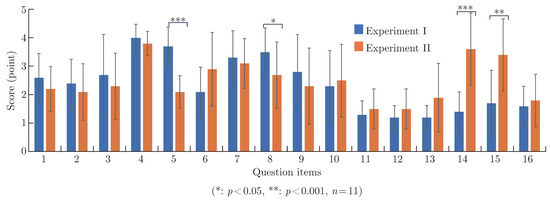
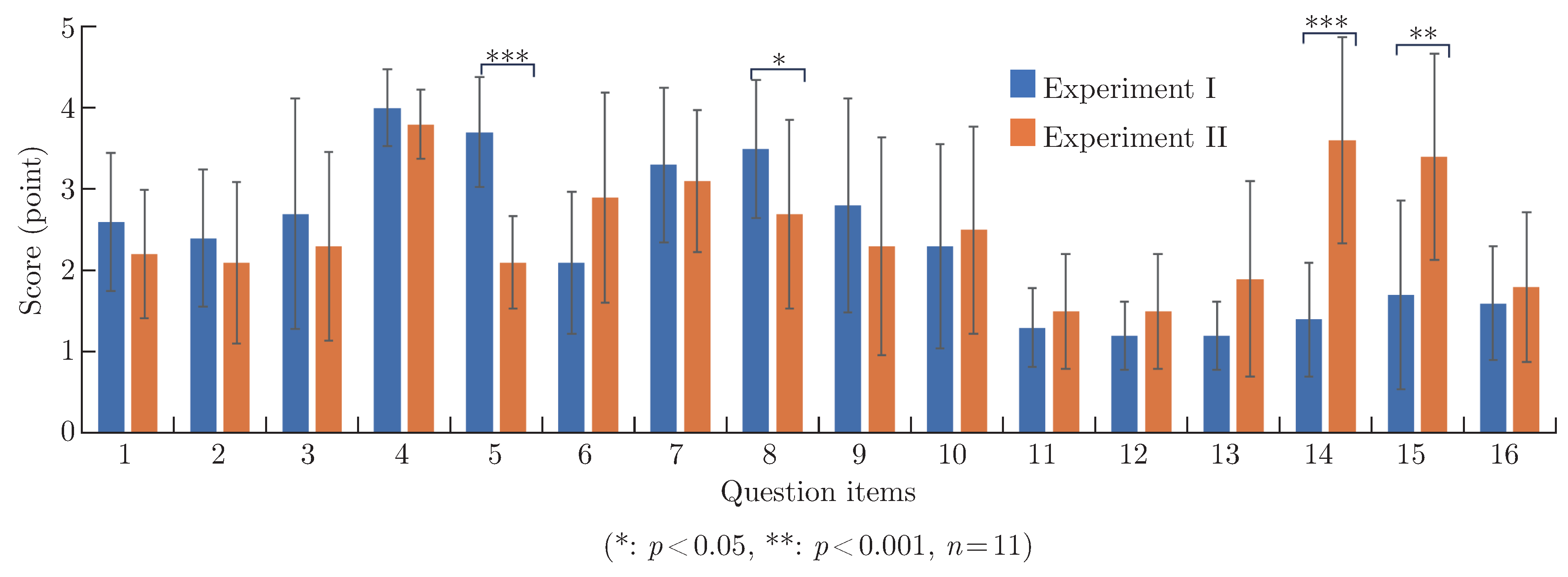
The comparison between responses to Questionnaire 1 in Experiments I and II are shown in Figure 6. Based on the free comments in the questionnaire, five out of the 16 participants had doubt about the setting and were certain that they would not go to greet the teacher who helped them in their training after the experiment. Therefore, we removed their data and used those of the remaining 11. Significant differences were identified between the factor scores of Questionnaire 1 in Experiments I and II. Specifically, two items related to comfort - ‘I am similar to people around me’ and ‘I feel accepted’ - showed significant differences, with Experiment I score significantly higher than Experiment II.
Figure 6.
Comparison between Questionnaire 1 results in Experiment I and II.
Furthermore, in terms of feelings of rejection by others, two items—‘I feel out of place’ and ‘I feel like I am not a familiar member’—scored significantly lower in Experiment I than in Experiment II. These results showed that the participants felt significantly more out-of-place in Experiment II, as only they wore a white shirt, compared to Experiment I, where all participants wore white shirts.
3.1.2. Correlation Coefficients Between Questionnaire 2 Items
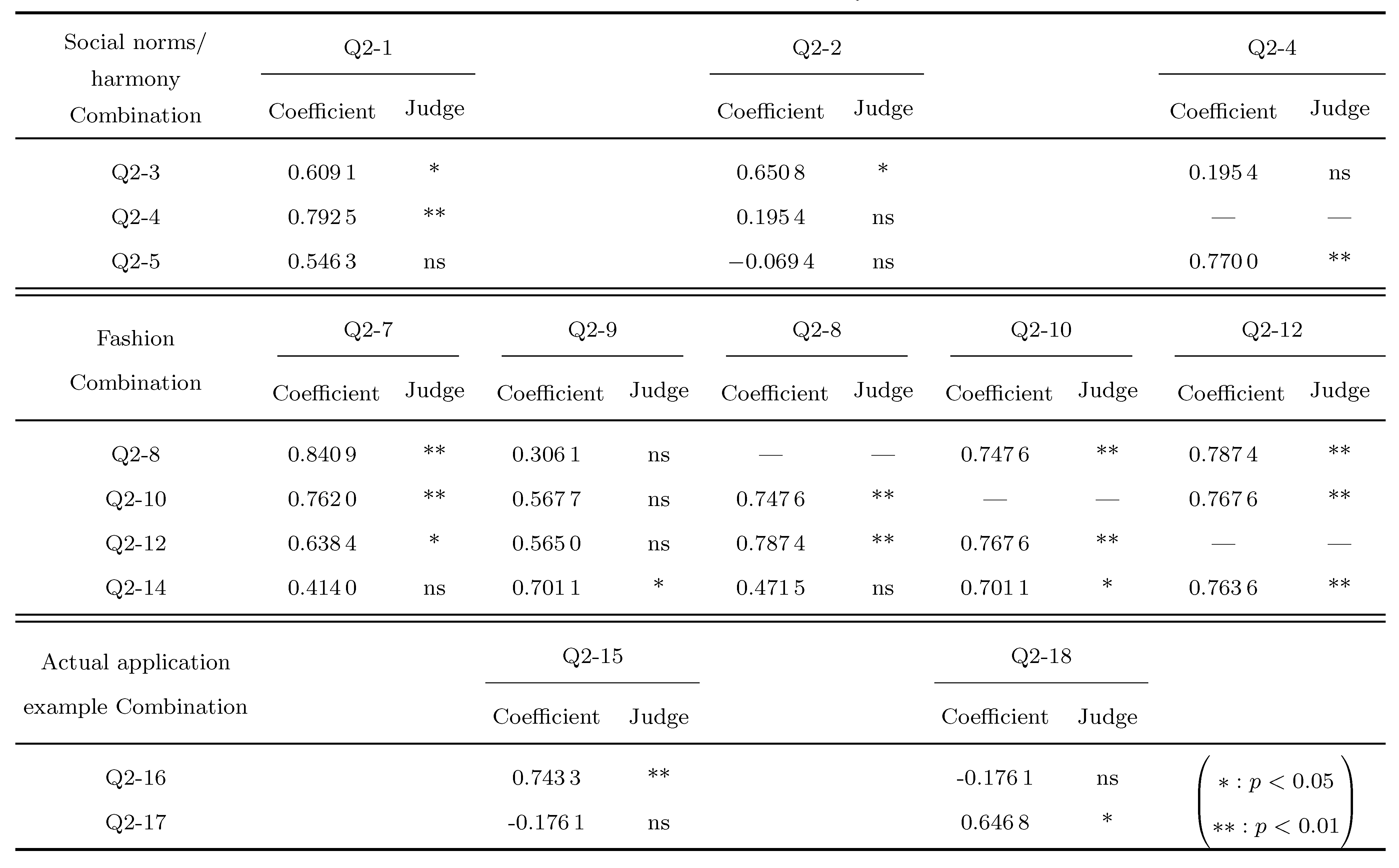
Significant correlation coefficients between Questionnaire 2 items were extracted (Table 1). In social norms/harmony, there were four significant combinations: those who mentioned wearing clothes consistent with common sense and convention were more likely to mention wearing clothes that highlighted courtesy and dignity and were accepted by the people around them. There were many significant positive correlations between fashion items: those who were more confident about their fashion and style were more likely to think of new ways to dress, enjoy trying different types of clothes, and enjoy changing their image by dressing. In actual application, a significant positive correlation was observed with the item of being mindful of dressing in a way that is respectful to both adults and children.
Table 1.
Correlation coefficients between Questionnaire 2 items.
3.1.3. Correlation Coefficients Between Factor Score of Out-of-place and Questionnaire Items
There were significant positive correlations between the out-of-place factor score and items 3, 7, 8, and 10 in Questionnaire 1, negative correlations between the factor score and item 15 in Questionnaire 1, and the only significant negative correlation was with item 12 in Questionnaire 2 (p < 0.05 to p< 0.001).
3.2. Objective Assessments
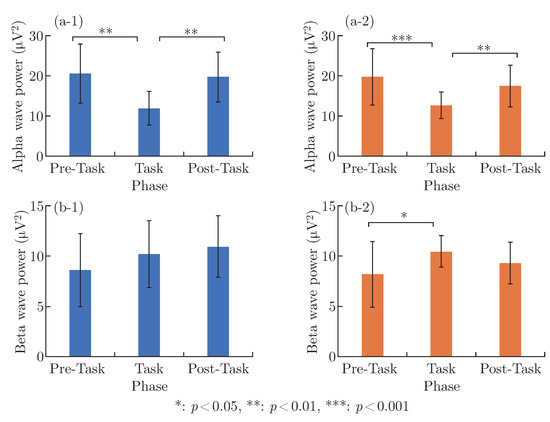
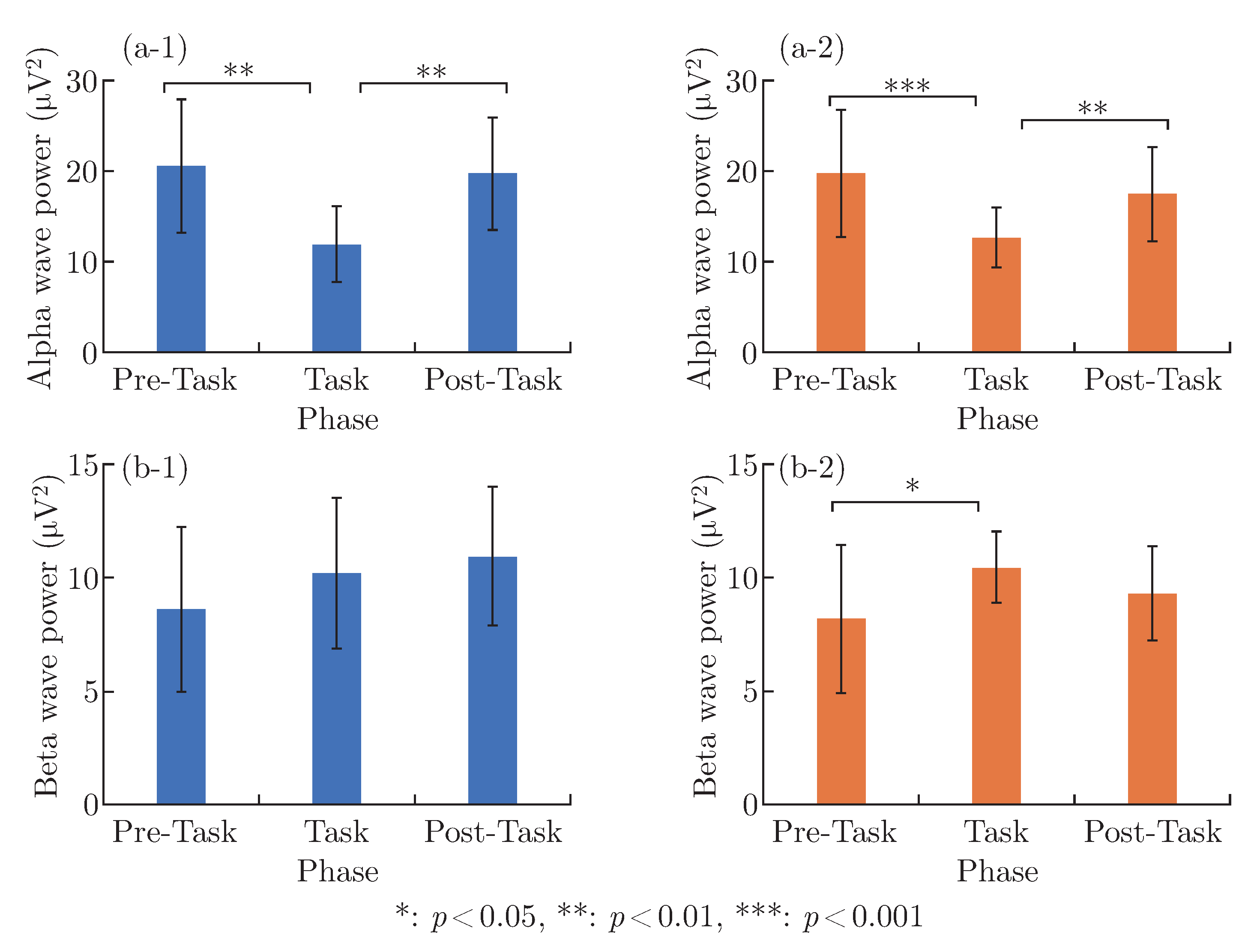
The left figures show Experiment I and the right figures show Experiment II. The power of alpha waves shows a-1 and a-2, and that of beta waves shows b-a and b-2.
3.2.1. Effect of the Task on Brain Waves, R-R Intervals and Blinks
We focused on the task’s effect. Changes in alpha and beta wave activities before, after, and during the task are shown in Figure 7. No significant differences in the alpha and beta wave activities were observed in each phase between Experiments I and II. However, during each experimental phase, the alpha wave activity was significantly lower while performing the task than before and after it in both experiments.
Figure 7.
Changes in alpha and beta waves pre-task, during, and post-task.
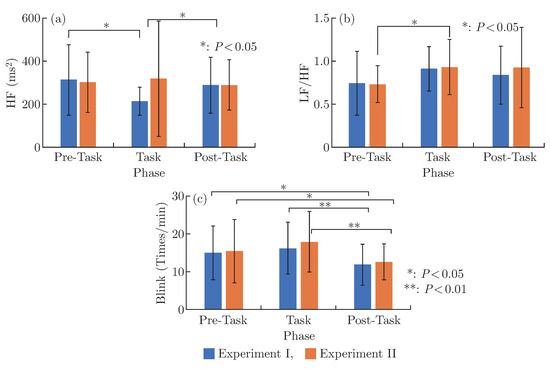
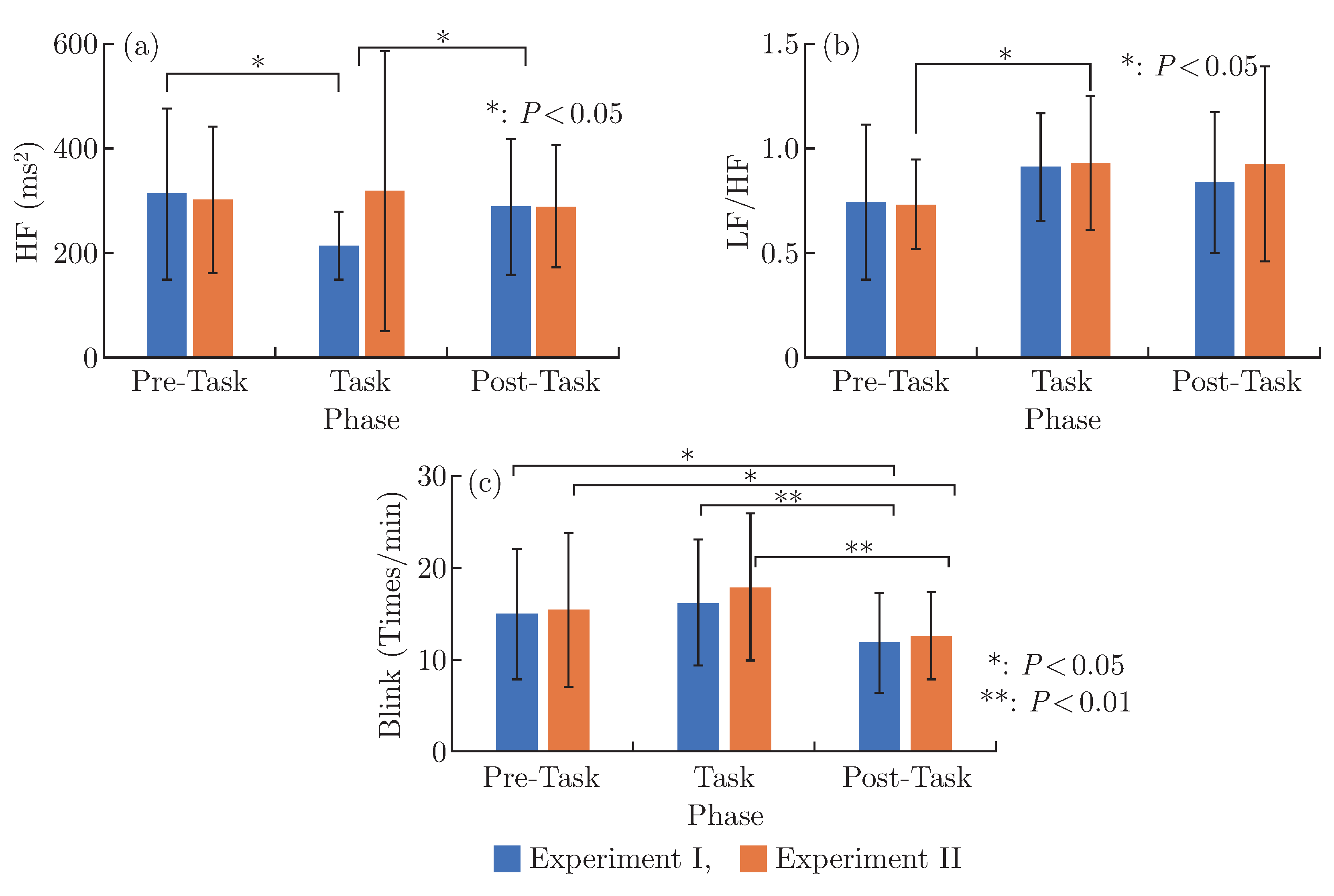
The effects of the task on R-R intervals and blinks are shown in Figure 8. Significant differences in HF activity were observed between the pre-and post-tasks and during the task in Experiment I. The HF activity was significantly lower while performing the task than before and after it (Figure 8a). However, LF/HF activity was significantly higher before and during the task in Experiment II (Figure 8b). Moreover, the sympathetic nervous system was more active during the task, although it was within the reference range, as the autonomic balance index of LF/HF was less than 2.0 [20]. Blinks significantly differed between the experiments at the nineteenth minute, with a higher value in Experiment II (12.6±6.2 times) than in Experiment I (9.1±4.8 times). In summary, blinks during the task were significantly higher while performing the task than before or after it in Experiments I and II (Figure 8c). In both experiments, the number of blinks after the task was significantly lower than before and during the task.
Figure 8.
Effects of tasks on HF, LF/HF, blinks. a: HF, b: LF/HF, c: blinks. HF: high frequency, LF: low frequency.
3.2.2. EEG Difference Between Experiments I and II
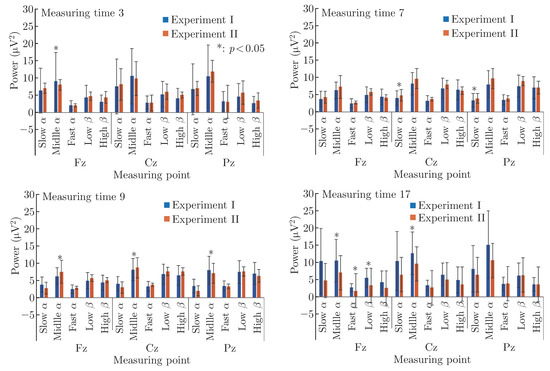
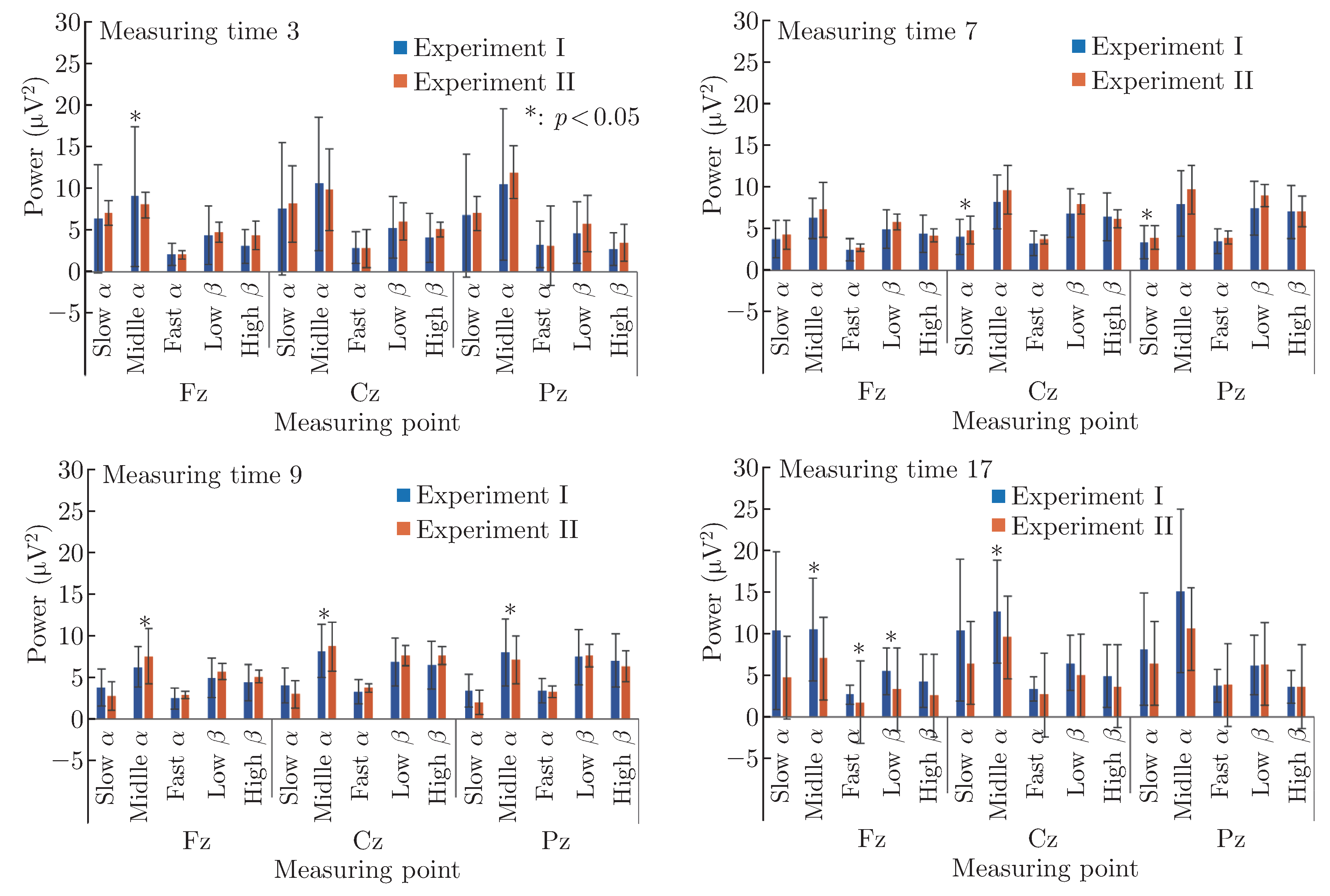
There were no significant differences in alpha and beta wave activity before, during and after the task in Experiments I and II (see 3.2.1). We, therefore, investigated the frequency bands in more detail. Only nine combinations showed significant differences between Experiments I and II in the entire measurement period (Figure 9). Middle/first alpha and low beta, which are associated with good performance, showed a significant change in brainwaves at the seventh minute with slow alpha. In a special reference, when the task was finished at the seventeenth minute, and experiment collaborators exited the room, and only the students stayed with their eyes open, the middle/first alpha and low beta waves in Experiment I were higher than those in Experiment II. Therefore, the students performed well in Experiment I.
Figure 9.
Significant differences between Experiments I and II.
We investigated the correlation between objective indices (EEG, R-R interval, and blinks) and subjective out-of-place evaluations. Correlation coefficients were calculated between all items in Questionnaire 1 in Experiments I and II and Questionnaire 2. The results showed several significant correlations between HF, LF/HF (from the R-R interval), blinks, and out-of-place feelings. The stronger the out-of-place feeling, the lower the HF index of the parasympathetic nervous system at the ninth minute and the higher the LF/HF as an index of the sympathetic nervous system at the tenth minute. This suggests that the more out-of-place they felt, the more their parasympathetic nervous system activity decreased while they finished writing the letter to the teacher. Their sympathetic nervous system activity increased when they presented the letter to others. The stronger the out-of-place feeling, the lower the blinks at minutes 3, 4, 12, 15, and 17. This suggests that the more participants felt out-of-place, the higher their mental burden.
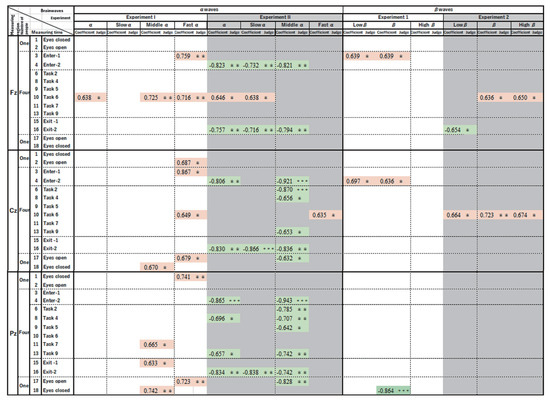
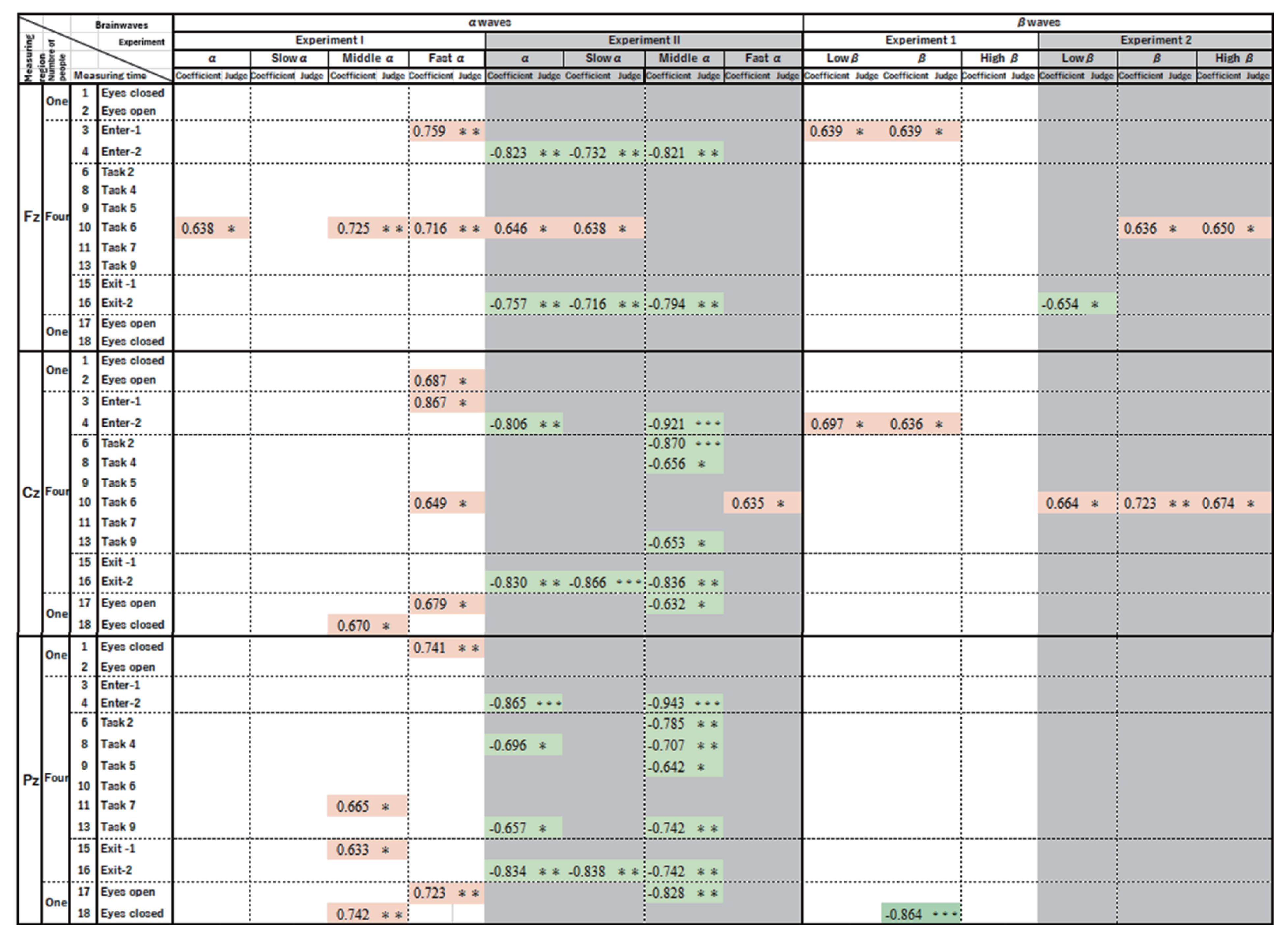
The coefficients for the significant correlations (measurement time 1-4, 6, 8, 9-11, 13, 15, and 16-18 minutes) between the feeling of being out-of-place, as an index of subjective assessment, and EEG activity, as an index of objective assessment, are shown in Figure 10. Slow-, middle-, and first-alpha waves and low- and high-beta waves are shown separately with the average power. All significant combinations in Experiment I were positively correlated; however, the most significant combinations in Experiment II were negatively correlated.
Figure 10.
Correlation coefficients between the feeling of being out-of-place and EEG activity.
4. Discussion
In this study, participants’ feelings of being out-of-place showed a potential link between self-perception and social acceptance. Moreover, the more people liked changing their appearance while dressing, the less they felt out-of-place. Moreover, the correlation between Questionnaire 2 items suggested that people concerned about dressing respectfully when interacting with others tend to choose to dress in a way that does not damage their credibility and is appropriate for their social status and position. However, it was unclear from the questionnaires whether the feeling of being out-of-place was due to differences in clothing or tasks.
The EEG is a good, non-invasive method for understanding the various phenomena in the brain [21]. EEG changes during the experiment showed that the decrease in alpha waves was significantly associated with the tension caused by the task (See Figure 7). After the task, alpha wave activity increased as the participants relaxed, indicating a decrease in mental tension [22]. Therefore, the alpha wave activity increased when they finished the task, indicating that mental tension decreased as they relaxed. Beta wave activity was most pronounced between the pre-task and task conditions in Experiment II; however, Experiment I did not show a significant difference because the difference in the recipients was children of the letters. These findings suggest that the participants were not nervous when writing letters to pupils, but they were [23] when writing letters to teachers and had to think carefully about the content. Working on the task decreased the HF activity in Experiment I and increased the LF/HF activity in Experiment II, which were significantly associated with the response of the autonomic nervous system due to the task (See Figure 8a, b). Normally, sympathetic nervous system activity significantly increases, and parasympathetic nervous system activity significantly decreases when working on something that requires thinking [24,25,26]. However, during a task in Experiment I, sympathetic nervous system activity did not increase significantly, and after a task in Experiment II, it did not increase significantly, and in Experiment II, parasympathetic nervous system activity did not decrease. The former is due to the differences in task quality, in Experiment I, writing a letter to a child was not demanding, whereas in Experiment II, writing a letter to a teacher required brain activity with stress [22]. The latter is due to a difference in clothing; clothing that caused out-of-place feeling did not result in a change that should have occurred because of working. In both Experiments I and II, the number of blinks after the task was significantly lower than before and during the task (See Figure 8c). According to Holland and Tarlow [27,28], the higher the mental load, the lower the number of blinks; therefore, it can be said that the mental load was still high even after the task had been completed. Thus, the influence of different letter recipients became evident from significant differences in EEG, HF, and LF/HF. However, further analysis was needed to be carried out on the influence of clothing.
In Experiment, I, regardless of whether the experimental collaborators entered or left the room, middle/first-alpha
Positive correlation; +: P < 0.05, ++: P < 0.01, +++: P < 0.001, Negative correlation; -: P < 0.05, –: P < 0.01, —: P < 0.001. Third minute: collaborators entered the room, the sixth minute: 1 min after the task started, the tenth minute: presentation started, the fourteenth minute: task completion, the fifteenth minute: hearing about the collaborators leaving, the sixteenth minute: collaborators exiting, seventeenth minute: opening eyes alone in the room. and low-beta waves were significantly correlated, and the participants who had stronger out-of-place feelings were able to concentrate well (See Figure 10). However, in Experiment II, middle-alpha began to decrease significantly at the fourth minute, when the experimental collaborator entered the room, to the sixteenth minute, when the experimental collaborator left, until the seventeenth minute. In other words, it continued to decrease regardless of whether the participant worked. Therefore, the participants may have felt uncomfortable and lost concentration because of the out-of-place feeling when the experimental collaborator entered the room wearing a black suit different from the participants’ clothes. Moreover, a significant positive correlation was observed between the beta waves during the task (tenth minute) when the participants presented a letter they wrote to their superiors. This suggests that those who felt more out-of-place presented letters with a greater tension. The stronger the out-of-place feeling, the more the first alphas (i.e., when the participant was relaxed, focused, and had creative ideas [29,30,31]) appeared in Experiment I. However, in Experiment II, the first alpha rarely appeared. This may be because the participants felt uncomfortable with their clothing and the middle-alpha waves continued to decrease, tension activated their brains [32] to complete the task, which inevitably led to an increase in beta waves. Thus, it was possible to separate the effects of the two factors (task content and clothing) by analysing the relationship between the brain waves and the out-of-place feeling.
Stressors are physical stimuli the sensory organs perceive, such as visual, auditory, and tactile sensations, from the external environment. These stimuli are evaluated in the brain. If we have previously encountered similar stressors, we compare the current stimuli with our memories and react appropriately [23]. This process triggers emotional responses involving the limbic system. However, some individuals can manage these responses better than others [33]. The emotional stress caused by wearing clothing that differs from the surroundings is believed to have caused the feeling of being out-of-place [34]. In this study, a decrease in the middle-alpha waves can explain the out-of-place feeling owing to clothing differences. Since the beta waves in Experiment II were not activated in Experiment I, it may be due to the content of the task. Mid-alpha and first-alpha waves appear when a person is relaxed and concentrated, whereas low-beta waves appear when they are tense and concentrated. Because brain waves in this band appeared frequently in Experiment I, when the participants’ clothing matched those around them, they could relax and concentrate on the tasks. This clarifies that the out-of-place feeling does not hinder their ability to think but inhibits their concentration. The quickest way to reduce the Japanese feeling of being out-of-place is to eliminate opportunities to wear clothes different from the outfit of those around us. According to a survey on fashion sense and out-of-place feeling, people who are sure of their fashion sense feel less out-of-place. Therefore, it may be beneficial to improve their fashion skills and gain experience in enjoying the modification of personal image through clothing. In this study, we investigated young female university students’ out-of-place clothing. In the future, it will be necessary to research participants of number, different ages and genders.
5. Conclusion
This study aimed to compare Japanese-specific feelings in female university students’ out-of-place behaviour, measured by questionnaires as subjective assessment and electroencephalography and the R-R interval of heartbeats as objective assessments. The questionnaire contained questions about ‘feeling of comfort’ and ‘feeling of rejection’. Significant differences were identified between the factor scores of the Questionnaire in Experiments I as control and II as setting out-of-place. The questionnaire results indicated that the subjects felt out-of-place because of the differences in clothing and who to write a letter to. EEG, heartbeat R-R interval, and blinks were measured as objective assessments. EEG changes during the experiment showed that the decrease in alpha waves was significantly associated with the tension caused by the task. After the task, alpha wave activity increased as the participants relaxed, indicating decreased mental tension. Therefore, the alpha wave activity increased when they finished the task, indicating that mental tension decreased as they relaxed. Beta wave activity was most pronounced between the pre-task and task conditions in Experiment II; however, Experiment I did not show a significant difference because the difference in the recipients was children of the letters. These findings suggest that the participants were not nervous when writing letters to pupils, but they were when writing letters to teachers and had to think carefully about the content. Working on the task decreased the HF activity in Experiment I. It increased the LF/HF activity in Experiment II, which was significantly associated with the response of the autonomic nervous system due to the task. In both Experiments I and II, the number of blinks after the task was significantly lower than before and during. The higher the mental load, the lower the number of blinks; therefore, it can be said that the mental load was still high even after completing the task. In addition, we looked at the correlation between the objective indices and the subjective assessment of out-of-place. In this study, a decrease in the middle-alpha waves can explain the out-of-place feeling owing to clothing differences. Since the beta waves in Experiment II were not activated in Experiment I, it may be due to the content of the task. Mid-alpha and first-alpha waves appear when a person is relaxed and concentrated, whereas low-beta waves appear when they are tense and concentrated. Because brain waves in this band appeared frequently in Experiment I, when the participants’ clothing matched those around them, they could relax and concentrate on the tasks. This clarifies that the out-of-place feeling does not hinder their ability to think but inhibits their concentration. The quickest way to reduce the Japanese feeling of being out-of-place is to eliminate opportunities to wear clothes different from the outfit of those around us. According to a survey on fashion sense and out-of-place feeling, people who are sure of their fashion sense feel less out-of-place. Therefore, it may be beneficial to improve their fashion skills and gain experience in enjoying the modification of personal image through clothing. In this study, we investigated young female university students’ out-of-place clothing. In the future, it will be necessary to research participants of different ages and genders.
Acknowledgments
The Japanese Society for the Promotion of Science, KAKENHI Grant Number 22K02111 sup-ported part of this work. We would like to thank Editage (www.editage.jp) for English language editing.
References
- Katsura, K.; Kato, M.; Shimakawa, H. Providing Preferable Image with Coordinate Appropriate to TPO. Forum Inf. Technol. 2015, O-011, 445–446. [Google Scholar]
- TPO; 2024. Available online: https://ja.wikipedia.org/wiki/TPO.
- Uchida, Y.; Kobayashi, S.; Nagakura, Y. Comparison of Sense of Impropriety for Clothes between Japanese and Korean Women. J. Text. Mach. Soc. Jpn. English abstract and Japanese text. 2005, 52, T65–T71. [Google Scholar]
- Uchida, N.; Kobayashi, S.; Nagakura, Y. Experimental Study concerning Sense of Impropriety for Clothes in each Aggregation of People by Dolls Model, Part1: In the Case of a Random Arrange-ment of People. J. Text. Mach. Soc. Jpn. (English abstract and Japanese text). 1999, 52, T80–T87. [Google Scholar] [CrossRef] [Scilit]
- Uchida, N.; Kobayashi, S.; Nagakura, Y. Experimental Study concerning Sense of Impropriety for Clothes in each Aggregation of People by Dolls Model, Part2: In a Group Arrangement of People. J. Text. Mach. Soc. Jpn. (English abstract and Japanese text). 1999, 52, T240–T248. [Google Scholar] [CrossRef] [Scilit][Green Version]
- Uchida, N.; Kobayashi, S.; Nagakura, Y. Experimental Study concerning Sense of Impropriety for Clothes in each Aggregation of People by Dolls Model, Part3: Influence of place in Random Arrangement of People. J. Text. Mach. Soc. Jpn. English abstract and Japanese text. 2000, 53, T121–T128. [Google Scholar] [CrossRef] [Scilit][Green Version]
- Yatmo, Y.A. Perception of street vendors as ‘out of place’ urban elements at daytime and nighttime. J. Environ. Psychol. 2009, 29, 467–476. [Google Scholar] [CrossRef] [Scilit]
- Curtin, A.; Martins, D.C.; Gillsj¨o, C.; Schwartz-Barcott, D. Ageing out of place: The meaning of home among hispanic older persons living in the United States. In International Journal of Older People Nursing; First published; Wiley Online Library, September 2017; Volume 12 (2017), Issue 3, p. e12150. [Google Scholar]
- Yanow, D.M. Van der Haar, People out of place: allochthony and autochthony in the Netherlands’ identity discourse - metaphors and categories in action. J. Int. Relat. Dev. 2013, 16, 227–261. [Google Scholar] [CrossRef] [Scilit]
- Mitsuno, T.; Hibino, A. Which support pants are the most effective for burning body fat? J. Fiber Bioeng. Inform. 2016, 9, 187–199. [Google Scholar] [CrossRef] [Scilit]
- Mitsuno, T.; Yoshida, A.; Watanabe, S. Effect of leg support on body fat reduction: A pilot study on an older woman undertaking aerobic exercise. In Advances in Industrial Design; 2021; pp. 1–10. [Google Scholar]
- Mitsuno, T.T.; Kondo, S. Clothing pressure gradient for comfortable pantyhose. J. Fiber Bioengi-Neering Inform. 2022, 15, 243–257. [Google Scholar] [CrossRef] [Scilit]
- Mitsuno, T.T.; Kondo, S. Possibility of pantyhose design using clothing pressure and myoelectric potential as Indices. J. Fiber Bioeng. Inform. 2023, 16, 1–14. [Google Scholar] [CrossRef] [Scilit]
- Mitsuno, T.T.; Motizuki, N.; Miyaji, K. Comparison of subjective and objective assessments of Japanese female university students’ feelings of being out-of-place in their clothing. TBIS 2024 proceedings, 2024 (in press. [Google Scholar]
- Nilsson, J.; Panizza, M.; Hallett, M. Principles of digital sampling of a physiologic signal. Electroence-Phalo-Graphy Clin. Neurophysiol. 1993, 89, 349–358. [Google Scholar] [CrossRef] [Scilit] [PubMed]
- Ookubo, T.; Aoyanagi, H. Development of a subjective adjustment scale for university students according to the person-environment fit model. Jpn. J. Personal. (Japanese texts). 2003, 12, 38–39. [Google Scholar] [CrossRef] [Scilit][Green Version]
- Matsubara, S.; Suda, R. Changes of self-evaluation and emotion due to the gap between social and group norms: Wear in job hunting scene. Jpn. Res. Assn Text. End.-Uses (English abstract and Japanese text). 2015, 56, 447–454. [Google Scholar]
- Kawabata, S.; Kondo, N.; Kawamoto, E.; Watanabe, S.; Nakagawa, S. Lifestyle, clothing lifestyle, and their relations to clothing preferences among female students. J. Text. Mach. Soc. Jpn. English abstract and Japanese text. 1997, 50, T285–T293. [Google Scholar] [CrossRef] [Scilit][Green Version]
- Hiramatsu, R. Study on makeup norm structuring of the awareness of makeup norms based on rating of socially makeup situations and makeup standards. Jpn. Res. Assn Text. End.-Uses (English abstract and Japanese text). 2014, 55, 140–147. [Google Scholar]
- Takada, H.; Takada, M.; Katayama, A. The significance of “LF-component and HF-component which resulted from frequency analysis of heart rate” and “the coefficient of the heart rate variability”: Evaluation of autonomic nerve function by acceleration plethysmography. HEP (Sogo Kenshin) (English abstract and Japanese text). 2005, 32, 504–512. [Google Scholar] [CrossRef] [Scilit]
- Iwane, F.; Billard, A. Inferring individual evaluation criteria for reaching tra-jectories with obstacle avoidance from EEG signals. Scientific Reports 2023, 13, 20163. [Google Scholar] [CrossRef] [Scilit]
- Sakakibara, M. Applications of Autonomic Psychophysiology: Heart Rate Variability and Its Biofeedback. Jpn. J. Physiol. Psychophysiol. 2022, 40, 68–92, (English abstract and Japanese text). [Google Scholar]
- Kwon, J.W.; Sung, S.; Lee, B.H. Intraoperative real-time stress in degenerative lumbar spine surgery: simultaneous analysis of electroencephalography signals and heart rate variability: a pilot study. Spine J. 2020, 20, 1203–1210. [Google Scholar] [CrossRef] [Scilit] [PubMed]
- Vanitha, V.; Krishnan, P. Real time stress detection system based on EEG signals. In Biomedical Research-India; 2017; Volume Special Issue, pp. S271–S275. [Google Scholar]
- Hafeez, M.A.; Shaki, S. EEG-based stress identification and classification using deep learning. Multi-Media Tools Appl. 2024, 83, 42703–42719. [Google Scholar] [CrossRef] [Scilit]
- Holland, M.K.; Tarlow, G. Blinking and Mental Load. Psychol. Rep. 1972, 31, 119–127. Available online: https://. [CrossRef] [Scilit] [PubMed]
- Tasaki, S.; Igasaki, K.; Murayama, N.; Koga, H. Relationship between Biological Signals and Subjective Estimation. In T; English abstract and Japanese text; IEE Japan, 2002; p. 122-C 1632-1638. [Google Scholar]
- Fukuda, K. Review of Progress in Spontaneous Eye Blink Research Over the Past Four Decades, Jpn. J. Physiol. Psychophysiol. (English abstract and Japanese text). 2022, 40, 22–28. [Google Scholar] [CrossRef] [Scilit]
- Rominger, C.; Gubler, D.A.; Makowski, L.M.; Troche, S.J. More creative ideas are associated with in-creased right posterior power and frontal-parietal/occipital coupling in the upper alpha band: A within-subjects study. Int. J. Psychophysiol. 2022, 181, 95–103. [Google Scholar] [CrossRef] [Scilit]
- Agnoli, S.; Zanon, M.; Mastria, S.; Avenanti, A.; Corazza, G.E. Predicting response originality through brain activity: An analysis of changes in EEG alpha power during the generation of alternative ideas. NeuroImage 2022, 207, 116385. [Google Scholar] [CrossRef] [Scilit] [PubMed]
- Zheng, W.L.; Lu, B.L. Investigating Critical Frequency Bands and Channels for EEG-Based Emotion Recognition with Deep Neural Networks. IEEE Trans. Auton. Ment. Dev. 2015, 7, 162–175. [Google Scholar] [CrossRef] [Scilit]
- Phelps, E.A. Human emotion and memory: interactions of the amygdala and hippocampal complex. Curr. Opin. Neurobiol. 2004, 14, 198–202. [Google Scholar] [CrossRef] [Scilit] [PubMed]
- Mizuno, M.Y.; Komurao, H.; Ogata, T.; Asakawa, T.; Hayashi, T. Spatiotemporal EEG change following emotional stress stimuli. Clin. Neurophysiol. (English abstract and Japanese text). 2012, 40, 61–72. [Google Scholar]
- Paszkie, S.; Dobrakowski, P.; ysiak, A. The Impact of Different Sounds on Stress Level in the Context of EEG, Cardiac Measures and Subjective Stress Level: A Pilot Study. Brain Sci. 2020, 10, 728. [Google Scholar] [CrossRef] [Scilit]

© 2024 Textile Bioengineering and Informatics Society. This article is an open access article distributed under the terms and conditions of the Creative Commons Attribution (CC BY) license (https://creativecommons.org/licenses/by/4.0/).