


Highlights
What are the main findings?
- A structure-aware heterogeneous dual-stream network with wavelet-guided fusion is proposed for robust cross-modal UAV detection in complex low-altitude scenarios using multispectral infrared–visible data. The proposed network incorporates SAGE and BWFM to improve cross-modal feature representation and fusion quality.
- The method achieves competitive performance compared with existing approaches, reaching an mAP@0.5:0.95 of 0.6794 with favorable Recall and localization accuracy.
What are the implications of the main findings?
- The study demonstrates that structure-aware modeling and frequency-domain fu-sion can effectively address modality gaps and enhance detection robustness in com-plex environments.
- The proposed framework provides a practical solution for reliable UAV surveillance under low-light, small-object, and diverse-background conditions, with potential for real-world deployment.
Abstract
To address the susceptibility of single-modality approaches to illumination variations and imaging conditions in low-altitude unmanned aerial vehicle (UAV) detection, this study proposes a structure-aware heterogeneous dual-stream detection network based on infrared and visible-light fusion. First, a multimodal UAV detection dataset oriented toward complex low-altitude scenarios is constructed, providing a data foundation for cross-modal detection research. Then, a structure-aware heterogeneous dual-stream feature extraction framework is designed to enable collaborative modeling of visible-light and infrared features through modality-specific encoding. In the visible-light branch, a Structure-Aware Gated Enhancement Block (SAGE Block) is introduced to enhance the representation of fine-grained structural and edge information. In the cross-modal fusion stage, a Bidirectional Wavelet-Guided Fusion Module (BWFM) is proposed to decouple structural semantics and detailed information in the frequency domain. Adaptive fusion is further achieved through low-frequency cross-modal interaction and high-frequency detail-preservation strategies. Finally, the proposed method is experimentally validated on the proposed Multispectral UAV Detection Dataset (MUDD) and the Multi-scenario Multi-Modality Fusion Dataset (M3FD).. The experimental results show that the proposed method achieves an mAP@0.5 of 0.9680 and an mAP@0.5:0.95 of 0.6794 on the proposed MUDD, as well as an mAP@0.5:0.95 of 0.6072 on the M3FD dataset, demonstrating competitive detection accuracy and generalization capability. Ablation experiments further indicate that the SAGE Block, BWFM, and the low-frequency cross-modal fusion and high-frequency detail-preservation strategies within BWFM all contribute positively to performance improvement.
1. Introduction
With the rapid development of unmanned aerial vehicle (UAV) technology, low-altitude UAVs, represented by consumer-grade and industrial-grade small rotary-wing platforms, have been widely applied in aerial photography, logistics transportation, military reconnaissance, and other fields [1]. However, such UAVs are typically characterized by small airframe sizes, low flight altitudes, agile maneuverability, and large variations in observation distance. In visible-light images, they often appear as small-scale targets with weak textures and low contrast, posing substantial challenges to stable detection in complex environments. Meanwhile, the potential threats posed by these UAVs, including illegal intrusion, privacy leakage, and public-safety risks, have become increasingly prominent [2,3,4,5]. Therefore, achieving efficient and reliable detection of small UAVs in complex low-altitude scenarios has become an important research topic.
Existing counter-UAV technologies mainly include radar [6,7,8], radio frequency (RF) [9,10], acoustic sensing [11,12], and vision-based approaches. Among them, radar systems are susceptible to clutter interference in low-altitude environments, which limits their capability to detect small UAVs [13,14]. RF- and acoustic-based methods are relatively low-cost and easy to deploy, but they are vulnerable to electromagnetic conditions and background noise [15,16]. In contrast, vision-based methods can directly acquire target appearance information and have demonstrated high flexibility and accuracy in UAV detection tasks. Consequently, they have gradually become a mainstream research direction.
In recent years, with the development of deep learning, UAV detection methods based on visible-light images have achieved significant progress. In particular, single-stage detection models represented by You Only Look Once (YOLO) have achieved a favorable balance between detection accuracy and real-time performance [17]. Nevertheless, in low-altitude surveillance scenarios, UAV targets are usually small in scale, fast-moving, and embedded in complex backgrounds. In addition, visible-light images are susceptible to illumination variations, long-range imaging degradation, and low-light nighttime conditions, resulting in a significant decline in detection performance in complex environments [18]. In comparison, infrared imaging captures the thermal radiation information of targets and exhibits stronger environmental adaptability under low-light, nighttime, and complex weather conditions. It has therefore been increasingly applied to UAV detection tasks [19,20]. However, infrared images generally suffer from low resolution, insufficient texture information, and inadequate target contrast. As a result, single infrared-modality methods still exhibit evident limitations in fine-grained target representation and accurate localization [21,22,23].
Based on the above analysis, multimodal UAV detection methods that integrate visible-light and infrared information have gradually become an important direction for improving perception capability in complex scenarios. Although existing methods have improved detection performance to some extent, several limitations remain. First, dedicated multimodal datasets for small UAV targets in low-altitude security surveillance scenarios are relatively scarce, and existing datasets cannot sufficiently cover issues such as small-scale targets, complex backgrounds, weak illumination, and cross-modal imaging discrepancies between infrared and visible-light images. Second, existing fusion strategies still insufficiently exploit cross-modal complementary information. Moreover, in complex backgrounds, small-scale UAV targets are easily submerged by noise or repetitive textures, and the capabilities of target enhancement and background suppression still require improvement. Most existing fusion methods directly perform feature interaction in the spatial domain or along the channel dimension, which tends to mix target structural information, background responses, and noise details. Consequently, it is difficult to conduct differentiated modeling of low-frequency structural semantics and high-frequency edge details.
To address these issues, this study proposes a UAV detection method based on infrared and visible-light fusion. First, a multimodal dataset for low-altitude UAV detection is constructed. Second, a heterogeneous dual-stream feature extraction architecture is designed to enable modality-specific representation learning and cross-modal information interaction. Furthermore, a Structure-Aware Gated Enhancement Block (SAGE Block) is introduced into the visible-light branch to strengthen fine-grained structural representation, and a Bidirectional Wavelet-Guided Cross-Modal Fusion Module (BWFM) is incorporated in the cross-modal fusion stage to improve multi-scale semantic integration.
The main contributions of this study are summarized as follows:
- An infrared–visible multimodal UAV detection dataset oriented toward complex low-altitude scenarios is constructed, providing reliable data support for research on cross-modal object detection methods.
- A structure-aware heterogeneous dual-stream feature extraction and fusion framework is designed. Through modality-specific encoding and cross-layer information interaction, the representation capability of multimodal features is effectively enhanced.
- A Structure-Aware Gated Enhancement Block (SAGE Block) is proposed. By employing explicit structural modeling and a gated feature selection mechanism, the visible-light branch is enhanced in its ability to represent fine-grained structural and edge information.
- A Bidirectional Wavelet-Guided Cross-Modal Fusion Module (BWFM) is proposed. Wavelet transform is used to decouple visible-light and infrared features into low-frequency structural components and high-frequency detail components. Complementary fusion of the two modalities is achieved through low-frequency cross-modal gated interaction and a high-frequency dominant-modality detail-preservation strategy.
- Extensive comparative, efficiency, and ablation experiments are conducted on the self-constructed MUDD and the public M3FD benchmark to evaluate the proposed model.
2. Related Work
According to differences in imaging modalities and information utilization strategies, existing methods can be broadly classified into three categories: visible-light-image-based UAV detection, infrared-image-based UAV detection, and infrared–visible multimodal UAV detection. First, visible-light methods can provide abundant texture, edge, and color information, and therefore constitute an important foundation for current UAV detection research. Second, infrared methods exploit the thermal radiation information of targets and exhibit stronger environmental adaptability under nighttime, low-light, and complex weather conditions. Finally, multimodal methods can compensate, to a certain extent, for the limitations of a single modality by integrating visible-light and infrared information. Accordingly, this section reviews related studies from these three perspectives and analyzes the remaining limitations of existing methods in low-altitude small-target UAV detection tasks.
2.1. Visible-Light-Based UAV Detection
In recent years, UAV detection methods based on visible-light images have been extensively investigated. Compared with general object detection tasks, UAV targets are usually characterized by small scales, high motion speeds, complex backgrounds, and limited texture information, which are particularly prominent in low-altitude surveillance scenarios [24]. Existing methods are mainly developed based on deep learning detection frameworks. Owing to their ability to achieve competitive detection results with relatively low inference latency, one-stage frameworks from the YOLO family have become a common choice [25,26]. For low-altitude UAV detection tasks, existing studies have primarily focused on enhancing small-object detection capability, optimizing lightweight design and real-time performance, introducing attention mechanisms, and improving robustness in complex environments.
For example, Aydin et al. [27] constructed a UAV detection model based on YOLOv5. Zhai et al. [28] improved small-object detection performance by incorporating lightweight modules and attention mechanisms. Huang et al. [29] combined multi-scale attention with deformable convolution to enhance model robustness. In addition, several studies have explored non-YOLO frameworks. Li et al. [30] proposed a context-guided network to balance accuracy and speed. Nguyen et al. [31] designed an efficient detector to improve the perception capability for tiny targets. Zhang et al. [32] proposed a Transformer-based end-to-end detection model, namely Anti-DETR, to further enhance global modeling capability.
Overall, visible-light-image-based methods can fully exploit the edge, texture, color, and local structural information of targets, thereby providing certain advantages in UAV appearance representation and fine-grained localization [33,34]. However, the imaging quality of visible-light images is highly dependent on ambient illumination conditions. When targets appear at night, under backlighting, in haze, at long imaging distances with weak visual responses, or in complex backgrounds, the images are prone to reduced target contrast, texture degradation, and background confusion, which may lead to missed detections or inaccurate localization [35,36,37,38]. Therefore, relying solely on the visible-light modality is insufficient to meet the stability requirements of UAV detection in complex low-altitude environments.
2.2. Infrared-Based UAV Detection
Compared with visible-light images, infrared images mainly reflect thermal radiation differences between targets and backgrounds. They are insensitive to illumination variations and can provide more stable target responses under low-light, nighttime, and certain complex weather conditions. Therefore, infrared imaging has important application value in low-altitude UAV surveillance tasks [19,39]. In particular, under nighttime or low-illumination conditions, when visible-light images cannot provide clear appearance information, infrared images can offer effective complementary cues for UAV target detection.
To address the problems of small target scales, strong background thermal interference, and insufficient image details in infrared UAV detection, existing studies have mainly focused on feature enhancement, detection framework optimization, and spatiotemporal information modeling. For example, Yang et al. [40] proposed an infrared UAV detection method based on biological vision mechanisms. Shan et al. [39] designed a lightweight detection framework based on RT-DETR. Hu et al. [23] proposed an infrared spatiotemporal detection Transformer, termed IRST-DETR, and improved robustness in complex scenarios through a spatiotemporal fusion module. Zhao et al. [41] enhanced small-object detection capability using a context-aware mechanism. Li et al. [42] improved detection accuracy through edge morphology awareness and multi-scale fusion.
Overall, infrared images exhibit strong adaptability in low-light, nighttime, and complex environments, thereby compensating for the sensitivity of the visible-light modality to illumination conditions. However, infrared images usually suffer from low spatial resolution, insufficient edge details, and missing texture information. Moreover, when background thermal interference is strong, target responses may become similar to background responses [43]. Although a single infrared modality provides favorable environmental robustness, it still has evident limitations in fine-grained target localization, boundary delineation, and detail discrimination, making it difficult to simultaneously ensure detection accuracy and robustness [44,45].
2.3. Multimodal UAV Detection
In recent years, multimodal UAV detection methods have continued to develop, and improving perception capability in complex environments by fusing different sensing information has become an important research direction [46,47]. In particular, the combination of infrared and visible-light modalities has attracted extensive attention because of their complementary advantages in illumination adaptability and target representation [48,49,50,51]. Existing multimodal UAV detection methods can be mainly divided into three categories: (1) feature-level fusion methods; (2) decision-level fusion methods; and (3) cross-modal alignment and deep fusion methods.
In terms of specific implementations, Hu et al. [52] achieved multimodal fusion detection by improving the YOLO framework. Suo et al. [53] enhanced feature extraction and fusion capabilities to improve recognition performance in complex scenarios. Luan et al. [54] designed a dual-path fusion structure and introduced a dynamic attention mechanism. Wang et al. [49] proposed a dynamic convolution method to address modal misalignment. Li et al. [55] achieved cross-modal deep fusion based on the Mamba architecture.
Although multimodal methods have demonstrated superior performance to single-modality methods in complex environments, several issues remain. Existing studies are still insufficiently tailored to low-altitude small-target UAV scenarios. The efficiency of cross-modal feature alignment and fusion requires further improvement [56,57]. Meanwhile, small-scale targets are easily disturbed by complex backgrounds [58], and the capabilities of target enhancement and background suppression still need to be further improved [59,60,61]. Therefore, designing an efficient and robust multimodal fusion mechanism to improve UAV detection performance remains an important research direction.
From the perspectives of imaging mechanisms and feature representation, visible-light and infrared modalities exhibit clear complementarity. Visible-light images can provide rich texture, edge, and structural information, which is beneficial for target localization and morphological recognition. Infrared images can provide relatively stable thermal saliency responses, which help maintain target detectability under low-light or complex illumination conditions. The failure scenarios of the two modalities also differ: the visible-light modality is susceptible to illumination variations, whereas the infrared modality is vulnerable to low resolution and thermal background interference. Therefore, effectively fusing visible-light and infrared information can simultaneously exploit the detail representation capability of visible-light images and the environmental robustness of infrared images, thereby improving the detection performance of small low-altitude UAVs under complex backgrounds, weak illumination, and long-distance conditions.
3. Multispectral UAV Detection Dataset
To investigate UAV object detection in complex backgrounds, this study constructs a Multispectral UAV Detection Dataset. The dataset consists of synchronously acquired visible-light (Visible) images and infrared (Infrared) images, which jointly characterize the appearance discrepancies of UAV targets under different spectral imaging conditions. Compared with existing UAV datasets containing only a single modality, the proposed dataset is more suitable for studies on multimodal information fusion and UAV detection algorithms in complex environments.
3.1. Materials and Data Collection
During data acquisition, a DJI H30T was operated in linkage mode to synchronously acquire registered infrared and visible-light videos. The two modalities were displayed within the same field of view and recorded in a split-screen format at a resolution of 1920 × 1080. After frame extraction, each frame was divided along the split-screen boundary, producing paired visible-light and infrared images with a single-modality resolution of 960 × 1080. This resolution was subsequently used as the input size in the experiments. More than 150 video sequences were collected, from which candidate frames were sampled at fixed temporal intervals and then subjected to manual screening and data cleaning.
After processing, the resulting Multispectral UAV Detection Dataset (MUDD) contained 11,266 paired infrared–visible samples and 15,239 UAV target instances. Each UAV target was manually annotated using a bounding box. The dataset covers diverse surveillance conditions, including open-sky, forest, building, snowy, and nighttime scenes, thereby incorporating variations in illumination, target appearance, and background interference. Representative samples are shown in Figure 1.
Figure 1.
Representative examples from the dataset. (a) Open sky. (b) Tree background. (c) Snowy background. (d) Building background. (e) Nighttime background.
All frames extracted from the same video were retained within a single subset to avoid cross-set overlap between visually similar samples. Accordingly, 70% of the video sequences were used for training, while the validation and test sets each accounted for 15%. Each image contains approximately 1.35 UAV instances on average. Most samples involve only one target, whereas images with multiple UAVs constitute a relatively small proportion, reflecting the target distribution commonly encountered in low-altitude surveillance.
3.2. Dataset Statistics and Attribute Analysis
To comprehensively analyze the distribution characteristics of the proposed dataset, statistical analyses were conducted in terms of target size distribution, target width–height relationship, target scale proportion relative to the image, and target aspect-ratio distribution. The public UAV dataset DUT-AntiUAV was selected for comparison. The comparison dataset contains 10,108 target instances.
3.2.1. Analysis of Target Size Distribution
The comparison of target size distributions between the proposed dataset and the DUT-AntiUAV dataset is shown in Figure 2. It can be observed that the targets in the proposed dataset are mainly concentrated in the 162–322 and 322–642 pixel intervals, accounting for approximately 40.2% and 37.4%, respectively. This indicates that the proposed dataset is dominated by small-scale UAV targets. Meanwhile, extremely small targets with sizes smaller than 162 pixels still account for a certain proportion, indicating that the dataset contains many small-target samples captured under long-distance or weak-imaging conditions.
Figure 2.
Target size distributions of the two datasets.
In contrast, the DUT-AntiUAV dataset has a higher proportion of larger targets, especially in the large-target interval above 1282 pixels, where a noticeable proportion is still maintained. By comparison, the proportion of targets in this interval is close to zero in the proposed dataset. This demonstrates that the constructed dataset is more oriented toward small-object detection scenarios in terms of target scale and can better reflect the practical difficulties of UAV detection in complex backgrounds.
3.2.2. Analysis of the Target Width–Height Relationship
The scatter distributions of target width and height in the training, validation, and test sets are shown in Figure 3. Within the statistical range of the proposed dataset, target width and height generally exhibit a positive correlation; that is, when the width of the annotated bounding box increases, its height usually increases accordingly. This result reflects the consistency between target scale variations and the bounding-box size distribution in the dataset.
Figure 3.
Scatter distribution of target width and height in the dataset.
Meanwhile, the training, validation, and test sets maintain generally consistent scatter distributions of width and height, without evident scale shifts. This indicates that the dataset partition is balanced in terms of target scale distribution. Such consistency helps reduce statistical discrepancies between the training and test sets and improves the reliability of model evaluation results.
4. Methods
To exploit the complementary characteristics of visible and infrared imagery under challenging conditions, we develop a structure-aware heterogeneous dual-stream detector. The network comprises modality-dependent feature encoders, cross-modal fusion at multiple scales, and a detection head. In the visible pathway, C2f_SAGE is employed to strengthen edge and structural representations, while the infrared pathway uses the original C2f block to capture thermally salient responses. Features produced at matched scales are then combined by BWFM, and the resulting multimodal representations are delivered to the detection head for final prediction.
4.1. Overall Framework
Considering the significant differences between visible-light (Visible) and infrared (Infrared) modalities in imaging mechanisms, information distributions, and noise characteristics, a heterogeneous dual-stream feature extraction framework is constructed for cross-modal complementary representation, as shown in Figure 4.
Figure 4.
Overall architecture of the proposed structure-aware heterogeneous dual-stream network.
The six-channel input is separated into visible-light and infrared subspaces and processed by two branches with corresponding stage topologies but modality-specific encoding units. The visible-light branch incorporates the SAGE Block into the C2f structure to form C2f_SAGE, emphasizing edge, texture, and local structural information. The infrared branch retains the standard C2f module to model thermal saliency and stable target responses. Features from corresponding scales are subsequently passed to BWFM for cross-modal integration.
4.2. SAGE Block: Structure-Aware Gated Enhancement Block
Given an input visible-light feature , the SAGE Block sequentially performs structural enhancement, large-kernel spatial modeling, gated feature selection, and convolutional GLU-based refinement. The detailed network architecture is illustrated in Figure 5.
Figure 5.
Network architecture of the SAGE Block.
Let the input feature be:
where has channels and spatial dimensions of .
Before gated modeling, a structural enhancement mapping is applied to the input feature. It consists of a dense feature-extraction path and a Sobel-based edge path. The dense path reuses shallow representations through consecutive convolution and channel concatenation, whereas the edge path extracts gradient-based structural cues. Their outputs are channel-aligned, summed, and activated to produce the enhanced structural feature.
For the dense feature extraction path, the feature extraction process is formulated as follows:
Here, denotes channel-wise concatenation, and and denote the two convolutional mappings. The resulting feature reuses shallow representations to preserve local textures and weak structural responses.
For the edge gradient extraction path, the process is expressed as
where extracts gradient-based structural features .
Subsequently, the local texture feature obtained from the dense feature extraction path and the edge structural feature obtained from the edge gradient extraction path are fused. The structural enhancement mapping can be formulated as
where and are channel-adjustment convolutions applied to the dense and Sobel features, respectively.
After the structural enhancement feature is obtained, the SAGE Block adopts a residual connection to add it to the original input feature:
where denotes the structurally enhanced feature, and denotes the enhanced feature obtained by the structural enhancement mapping.
The module then applies a 7 × 7 large-kernel depthwise convolution to the structurally enhanced feature for local spatial context modeling:
where denotes the first 7 × 7 depthwise convolution operation, and denotes the intermediate feature after large-kernel depthwise convolution.
To achieve adaptive selection of effective features, the SAGE Block further employs a dual-branch gating mechanism to modulate the intermediate feature:
where denotes the gated feature; and are parallel 1 × 1 convolutional mappings; denotes the ReLU6 activation function; and denotes element-wise multiplication. With a channel expansion ratio (), both mappings expand the channel dimension from to . The multiplicative interaction adaptively modulates the feature responses before subsequent channel compression and spatial refinement.
Next, the module further integrates the gated feature through a channel mapping function and a second depthwise convolution:
where is a 1 × 1 convolution that compresses the channel dimension from to , and denotes the second 7 × 7 depthwise convolution.
Finally, the SAGE Block introduces a convolutional GLU feed-forward network to further enhance nonlinear representation capability. The final output is obtained by combining a DropPath stochastic depth strategy with a residual connection:
where denotes the output feature of the SAGE Block; denotes the convolutional GLU feed-forward network, which is used to enhance nonlinear interactions across channels; denotes the stochastic depth operation, which improves model generalization during training; and denotes the structurally enhanced residual main-branch feature.
4.3. BWFM: Bidirectional Wavelet-Guided Cross-Modal Fusion Module
BWFM separates the aligned visible-light and infrared feature maps into low- and high-frequency sub-bands. Cross-modal information exchange is carried out on the low-frequency components, whereas the high-frequency details of the modality serving as the dominant input are retained for subsequent reconstruction. The same operation is conducted in both fusion directions, and the resulting reconstructed representations are then combined to produce the final fused feature. An overview of the module is provided in Figure 6.
Figure 6.
Network architecture of the BWFM.
Let the visible-light feature and infrared feature at the -th scale be denoted as
where denotes the feature scale, and , , and denote the corresponding channel number and spatial dimensions. The superscript is omitted below for clarity.
First, BWFM applies a discrete wavelet transform to map the input features into the frequency-domain space. For any modality feature , the wavelet decomposition process can be expressed as
where denotes the modality and denotes the discrete wavelet transform. The sub-band mainly represents coarse structural information, whereas , , and retain directional and local-detail information.
In this study, db1, which is mathematically equivalent to the Haar wavelet, is used as the default basis. Its short support and low computational complexity are well suited to preserving abrupt local changes in small-target features. The notation “db1” follows the naming convention used in the adopted wavelet implementation.
For subsequent notation, the three high-frequency sub-bands are uniformly denoted as
where denotes the set of high-frequency components of modality .
After wavelet decomposition, the module enhances the low-frequency and high-frequency components in the wavelet domain. This process can be expressed as
where denotes the wavelet-domain feature enhancement operation, denotes the enhanced low-frequency component, and denotes the set of enhanced high-frequency components.
Subsequently, BWFM performs cross-modal gated fusion in the low-frequency subspace. For the directional fusion process with modality as the dominant modality and modality as the auxiliary modality, the low-frequency fusion can be formulated as
where denotes the dominant modality, denotes the auxiliary modality, , and . denotes the low-frequency feature of the dominant modality after fusing auxiliary modality information, and denotes the spatial gated fusion function.
It should be noted that cross-modal fusion is mainly applied to low-frequency components, whereas high-frequency components mainly retain the detailed information of the dominant modality itself. Therefore, when modality is taken as the dominant modality, its high-frequency component can be expressed as
where denotes the high-frequency component of the dominant modality used for subsequent reconstruction, and denotes the enhanced high-frequency component of the dominant modality in the wavelet domain. The purpose is to preserve edge, texture, and directional detail information in the dominant modality and to avoid introducing redundant noise by directly mixing the two modalities in high-frequency regions.
After low-frequency fusion and high-frequency preservation are completed, the module reconstructs the frequency-domain features back to the spatial domain through the inverse wavelet transform:
where denotes the inverse wavelet transform; denotes the directional fused feature obtained by frequency-domain reconstruction; and the subscript indicates that the feature is dominated by modality and incorporates the low-frequency structural information of modality .
In addition to the frequency-domain reconstruction branch, a spatial-domain basic convolution branch is retained in the network to supplement the local spatial context information of the dominant modality. This process can be expressed as
where denotes the output feature of the spatial-domain basic branch; denotes the depthwise convolution operation; denotes a learnable scale adjustment operation; and denotes the input feature of the dominant modality. This branch can preserve local structural information in the original spatial domain and form a complement to the wavelet-domain reconstruction result.
Therefore, the directional fused feature can be expressed as
where denotes the directional fusion output feature, denotes the feature reconstructed from the fused wavelet-domain components, and denotes the output of the spatial-domain convolution branch.
To achieve symmetric cross-modal information flow, BWFM performs the above directional fusion process using the visible-light feature and the infrared feature as the dominant modality, respectively:
where denotes the directional wavelet-guided fusion function; denotes the fused feature obtained with visible light as the dominant modality and infrared as the auxiliary modality; and denotes the fused feature obtained with infrared as the dominant modality and visible light as the auxiliary modality. This bidirectional design avoids biasing the fusion process toward a single modality and enables the network to retain both the texture details of visible-light images and the saliency responses of infrared images.
Finally, the fusion results from the two directions are concatenated along the channel dimension, and channel integration is performed through a 1 × 1 convolution to obtain the final output of BWFM:
where denotes the cross-modal fused feature output by the BWFM; denotes concatenation along the channel dimension; and denotes the 1 × 1 convolution operation used to integrate the bidirectional fusion results across channels.
If the number of channels of the input single-modality feature is , the number of channels after concatenating the bidirectional fusion results is , and the final number of output channels is set to . Therefore, the size of the BWFM output feature can be expressed as
where denotes the cross-modal fusion output feature at the -th scale; indicates that the number of output channels is twice the number of input channels of a single modality; and and denote the height and width of the output feature map, respectively, which remain consistent with those of the input feature.
In addition, when the spatial resolution of the input feature map is low, further wavelet decomposition may introduce additional computational overhead. According to the implementation rule, when the feature-map height satisfies , BWFM bypasses wavelet-domain bidirectional fusion and adopts a lightweight channel-concatenation path:
where and denote the visible-light and infrared features at the same scale, respectively; denotes channel concatenation; and denotes the 1 × 1 convolution operation. This lightweight path can reduce computational overhead in low-resolution feature layers while maintaining basic cross-modal information integration capability.
Through this design, BWFM separates cross-modal structural interaction from modality-specific detail preservation within a unified frequency-domain fusion framework.
5. Results and Discussion
A series of experiments was designed to assess the proposed infrared–visible UAV detector in terms of accuracy, cross-dataset generalization, computational efficiency, and the contribution of its individual components. This section begins with a description of the experimental configuration, training protocol, and evaluation criteria. The proposed approach is then compared quantitatively and qualitatively with several state-of-the-art methods on the newly constructed infrared–visible UAV dataset. Its transferability is further examined on the public M3FD multimodal detection benchmark [62]. In addition, ablation studies are conducted to determine the respective contributions of the Structure-Aware Gated Enhancement Block and the Bidirectional Wavelet-Guided Fusion Module and to validate the design choices adopted in the overall framework.
5.1. Experimental Settings
The primary experiments were carried out on the self-constructed Multispectral UAV Detection Dataset (MUDD), which was used to examine model performance in scenarios involving small UAVs, cluttered backgrounds, and long-range imaging. To determine whether the proposed method generalizes beyond the characteristics of MUDD, additional evaluations were performed on the public M3FD infrared–visible object detection dataset.
For consistency across methods, identical dataset partitions and training configurations were applied to all comparative models. The input resolution was fixed at 960 × 1080, with a batch size of 4 and a training duration of 200 epochs. Optimization was performed using stochastic gradient descent with an initial learning rate of 0.001. Random horizontal flipping and scale-based transformations were included in the data augmentation pipeline to improve robustness. A fixed random seed was used throughout training and evaluation to limit the effect of stochastic variation.
Before recording inference speed, the models underwent several warm-up runs. The reported runtime corresponds to the mean processing time per test image. All implementations were developed in PyTorch 2.5.1 and torchvision 0.20.1 with CUDA 12.1 and executed on an NVIDIA RTX 5060 GPU. Performance was primarily measured using mAP@0.5 and mAP@0.5:0.95, while Precision and Recall were additionally reported to provide a more complete assessment of detection behavior.
5.2. Comparative Experiments on the Proposed MUDD
5.2.1. Quantitative Comparative Analysis
In this study, several algorithms, including CMMF [26], DFECF [25], CFT [50], PIAFusion [58], SeAFusion [56], TDFusion [51], and EI2Det [36], were selected for comparative experiments. For image-fusion-based methods, a two-stage evaluation pipeline of “fusion model + detector” was adopted. The inference time includes the complete process of image input, feature extraction, cross-modal fusion or image fusion, object detection, and post-processing. The experimental results are shown in Table 1. As can be observed from Table 1, the proposed method achieves excellent performance across multiple evaluation metrics. In particular, it obtains the best results in three key metrics: Recall (0.9410), mAP@0.5 (0.9680), and mAP@0.5:0.95 (0.6794), demonstrating its comprehensive advantages in detection coverage and localization accuracy.
Table 1.
Comparison with state-of-the-art algorithms on the proposed MUDD.
Among the competing approaches, EI2Det delivers particularly competitive overall performance. Nevertheless, the proposed model exceeds it by approximately 0.4 percentage points in Recall and 2.1 percentage points in mAP@0.5:0.95. The higher Recall suggests that fewer true UAV targets are missed, whereas the gain in mAP@0.5:0.95 shows that the model remains more reliable across a wider range of IoU thresholds. EI2Det records a marginally higher Precision of 0.9772, implying stronger suppression of false detections; however, this is accompanied by lower target coverage than that achieved by the proposed approach.
For the other compared methods, CMMF, DFECF, and CFT achieve a certain balance between Precision and Recall, but their overall performance remains slightly lower than that of the proposed method. In particular, there is a clear gap in mAP@0.5:0.95, suggesting that these methods still have room for improvement in high-precision localization tasks. In contrast, PIAFusion, SeAFusion, and TDFusion achieve relatively low Recall values, approximately 0.877–0.894, indicating insufficient target response capability in complex scenarios and a tendency toward missed detections. Their mAP values are also relatively low, further reflecting limitations in detection performance.
Overall, the proposed method achieves a better trade-off between Precision (0.9684) and Recall (0.9410). It significantly improves target coverage while maintaining high detection accuracy and exhibits stronger localization robustness under strict evaluation criteria, demonstrating more stable and comprehensive detection performance.
From a feature representation perspective, the performance improvements mainly originate from the complementary design of the proposed modules. The SAGE Block explicitly enhances structural cues in the visible-light branch, making weak UAV targets more distinguishable from cluttered backgrounds. Meanwhile, BWFM performs feature interaction in the wavelet domain rather than directly mixing features in the spatial domain. By separating structural semantics and detail information into different frequency components, the proposed fusion strategy reduces modal interference while preserving complementary information from both modalities. This design contributes to improved target localization and more stable detection performance under complex imaging conditions.
Figure 7 presents the qualitative detection results of the proposed method and the compared algorithms, including CMMF, EI2Det, DFECF, and CFT, on the self-constructed UAV dataset, where GT denotes the manually annotated ground-truth bounding boxes. To more clearly observe the detection performance for small-scale UAV targets in complex backgrounds, key target regions in the visible-light images were locally enlarged. Red boxes were used to indicate the correspondence between the enlarged regions and the original image, enabling an intuitive comparison of different methods in terms of weak small-target localization, missed detections, and false detections. As shown in the figure, this scene contains three UAV targets located in the lower-left, middle, and right regions of the image, which imposes high requirements on the small-target perception capability and complex-background discrimination capability of detection algorithms.
Figure 7.
Qualitative comparison of detection results obtained by the proposed and competing methods. Each sub-figure shows the visible image (upper row) and corresponding infrared image (lower row). Green boxes denote object detection bounding boxes. The red rectangles with connecting lines indicate the locally enlarged regions for detailed observation. GT denotes ground-truth annotations.
The experimental results show that the proposed method can completely detect all three UAV targets, with corresponding detection confidence scores of 0.82, 0.84, and 0.88, respectively. This indicates that the proposed method performs well in terms of small-target localization accuracy and detection confidence. In comparison, CMMF can detect all targets, but the confidence score for the small target in the lower-left region is only 0.56, indicating insufficient feature representation capability for weak-response small targets. EI2Det produces a missed detection and fails to identify the target in the lower-left region, while the confidence scores of the remaining targets are only 0.43 and 0.40, suggesting insufficient perception capability for weak-response small targets in complex backgrounds. DFECF and CFT can detect all real targets, but both generate false detections in the lower-right region of the image, indicating that their background suppression capability still requires improvement. Overall, the proposed method exhibits more stable performance in complete target detection, weak small-target recognition, and background-interference suppression, verifying the effectiveness of the proposed structure-aware heterogeneous dual-stream feature extraction mechanism and BWFM in infrared–visible UAV detection.
Practical low-altitude UAV detection depends on more than predictive performance; computational cost and processing latency are also important. To assess the deployment potential of the proposed approach, Table 1 therefore includes the parameter count and average per-image inference time of each method. A more detailed comparison of model size and runtime efficiency is presented in the next subsection.
5.2.2. Analysis of Model Complexity and Inference Efficiency
To further evaluate the engineering applicability of the proposed method in practical low-altitude UAV detection tasks, the number of parameters (Params) and the average inference time per image (Runtime) were additionally calculated for each method based on the detection performance comparison, as shown in Table 1. All methods were evaluated on the same experimental platform, using the same input resolution and the same test set configuration, to ensure fairness in the efficiency comparison. For two-stage methods such as PIAFusion, SeAFusion, and TDFusion, which first perform image fusion and then conduct object detection, the parameters and inference time of the fusion model and detector were recorded separately, and the total overhead was used as a reference for end-to-end efficiency.
In terms of model complexity, the proposed method contains 24.7 M parameters, which is substantially lower than those of CFT (168 M), EI2Det (128.6 M), DFECF (49.5 M), and CMMF (44.8 M). Compared with EI2Det, which exhibits strong detection performance, the proposed method reduces the number of parameters by approximately 80.8%. Compared with CFT, which has the largest number of parameters, the reduction is approximately 85.3%. These results indicate that although the proposed method adopts a heterogeneous dual-stream structure, wavelet transform, and a bidirectional cross-modal fusion mechanism, the proposed SAGE Block and BWFM do not introduce excessive parameter overhead, and the overall model still maintains favorable lightweight characteristics.
In terms of inference efficiency, the proposed method achieves an inference time of 0.01 s per image, corresponding to approximately 100 FPS, outperforming CMMF, DFECF, CFT, and EI2Det. Specifically, EI2Det requires 0.021 s per image, whereas the proposed method reduces the inference time to 0.01 s while achieving higher Recall, mAP@0.5, and mAP@0.5:0.95. This demonstrates that the proposed method achieves a better balance between detection accuracy and real-time performance. Compared with two-stage methods such as PIAFusion, SeAFusion, and TDFusion, the proposed method avoids the additional time consumption caused by the cascaded “image fusion–object detection” pipeline. Cross-modal feature fusion and object prediction are completed within a single detection framework, resulting in higher end-to-end inference efficiency.
Considering detection accuracy, model size, and inference time together, the proposed method not only achieves the best results in detection metrics such as Recall, mAP@0.5, and mAP@0.5:0.95, but also maintains a low parameter count and fast inference speed. This indicates that the proposed structure-aware heterogeneous dual-stream network does not simply rely on increased model scale to improve detection performance. Instead, it improves feature utilization efficiency through structural enhancement and frequency-domain cross-modal fusion mechanisms. Therefore, the proposed method has strong potential for engineering deployment in real-time low-altitude UAV detection scenarios.
5.2.3. F1–Confidence Curve Analysis on the MUDD
The F1–Confidence curves of the proposed method and other algorithms on the proposed MUDD are shown in Figure 8. As can be observed, the proposed method maintains a high F1-score over a relatively wide confidence interval, and the curve changes smoothly without evident performance fluctuations. This indicates that the model has low sensitivity to threshold selection and can maintain stable detection performance under different deployment conditions in practical applications. Meanwhile, the peak F1-score of the proposed method is slightly higher than those of most compared methods, indicating that it achieves a better overall trade-off between Precision and Recall. In contrast, EI2Det exhibits an evident performance decline in the high-confidence region, with a sharp decrease in F1-score. This indicates that EI2Det is more sensitive to threshold settings and is prone to detection performance degradation under high-confidence conditions. In addition, the proposed method maintains favorable performance within the medium-to-high confidence range of approximately 0.3–0.85, further demonstrating its threshold robustness and detection stability.
Figure 8.
F1–Confidence curves of different algorithms on the proposed MUDD.
5.2.4. Precision–Recall Curve Analysis on the MUDD
The Precision–Recall (PR) curves of the proposed method and other algorithms on the proposed MUDD are shown in Figure 9. As can be observed from Figure 9, the proposed method maintains high Precision in the medium-to-high Recall region (Recall > 0.6), indicating that it effectively suppresses false detections while improving detection coverage, thereby demonstrating good detection stability. In contrast, some compared methods, such as PIAFusion and TDFusion, exhibit a noticeable decrease in Precision in the high-Recall region, suggesting that they tend to introduce more false detections when pursuing higher Recall. In addition, although EI2Det shows relatively high Precision in certain intervals, its curve decreases rapidly in the high-Recall region, indicating insufficient performance stability in high-coverage detection scenarios. By comparison, the PR curve of the proposed method is smoother and exhibits a slower downward trend, further supporting its detection stability across different operating points. Overall, the proposed method demonstrates a superior performance distribution across the entire Recall range, indicating that it not only has advantages in single-point metrics but also maintains stable and reliable detection performance under different detection conditions.
Figure 9.
Precision–Recall curves of different algorithms on the proposed MUDD.
5.3. Comparative Experiments on the M3FD Dataset
To examine whether the proposed approach can maintain its performance beyond the self-developed UAV dataset, additional evaluations were carried out on the public M3FD infrared–visible object detection benchmark. The comparison included CFT, DFECF, EI2Det, CMMF, PIAFusion, SeAFusion, and TDFusion. Detection performance was assessed using Precision, Recall, mAP@0.5, and mAP@0.5:0.95. For multi-class methods, including PIAFusion, SeAFusion, and TDFusion, category-wise Precision and Recall values were averaged to obtain the final scores. The corresponding quantitative results are summarized in Table 2.
Table 2.
Comparison with state-of-the-art algorithms on the M3FD dataset.
Table 2 shows that the proposed approach ranks first on M3FD for both mAP@0.5 and mAP@0.5:0.95. Its mAP@0.5 reaches 0.8511, marginally exceeding the 0.8499 achieved by EI2Det, which demonstrates reliable detection performance at an IoU threshold of 0.5. A more substantial advantage is observed for mAP@0.5:0.95, where the proposed model obtains 0.6072 and surpasses the runner-up, TDFusion, by 5.02 percentage points. This result suggests that the model preserves strong performance across a broader range of IoU thresholds and provides more accurate and consistent bounding-box localization.
In terms of Precision and Recall, CFT achieves the highest Precision of 0.8852, whereas CMMF achieves the highest Recall of 0.8107. The Precision and Recall of the proposed method are 0.8711 and 0.7779, respectively. Although they are not the best individual results, they remain at a relatively high level. Combined with the mAP metrics, it can be observed that the advantage of the proposed method does not mainly lie in Precision or Recall under a single confidence threshold, but rather in more stable comprehensive detection performance under different IoU thresholds, particularly its strong performance in mAP@0.5:0.95. This indicates that the proposed method can obtain more accurate target localization results.
For infrared–visible object detection, small targets and complex backgrounds also impose high requirements on localization accuracy. Detection performance depends not only on whether the target can be detected but also on whether the detected bounding box is accurately localized. Small targets occupy only a few pixels in the image, and slight localization deviations may lead to a significant decrease in IoU. Therefore, mAP@0.5:0.95 can better reflect the localization stability of the model in small-object detection than mAP@0.5. The evident advantage of the proposed method in this metric indicates that the proposed structure-aware heterogeneous dual-stream feature extraction mechanism and BWFM can more fully exploit complementary information in infrared and visible-light images, enhance target edge, texture, and structural feature representation, and thereby improve bounding-box localization quality.
5.3.1. F1–Confidence Curve Analysis on the M3FD
Figure 10 presents the F1 score as a function of the confidence threshold for the evaluated methods on M3FD, providing a joint view of their Precision–Recall behavior under different threshold settings. EI2Det sustains comparatively high F1 scores across a broad threshold interval, reflecting a strong balance between Precision and Recall. The proposed approach does not produce the highest F1 curve, but its performance remains relatively steady within the intermediate-threshold region, indicating limited sensitivity to threshold variation. When considered together with the mAP@0.5 and mAP@0.5:0.95 results reported in Table 2, these observations suggest that the primary strength of the proposed model is not the peak F1 score obtained at a particular confidence value. Instead, it provides more consistent bounding-box localization over multiple IoU criteria, which is especially important for detecting small objects.
Figure 10.
F1–Confidence curves of different algorithms on the M3FD dataset.
5.3.2. Precision–Recall Curve Analysis on the M3FD
Figure 11 compares the Precision–Recall curves of the evaluated methods on the M3FD dataset. Most approaches retain high Precision when Recall is low or moderate, whereas their Precision gradually declines as Recall increases. The curve of the proposed model extends further into the high-Recall region, suggesting that reducing the confidence threshold enables it to recover a larger proportion of targets and provides favorable detection coverage. This property is particularly valuable for small-object detection, where limited target size and cluttered backgrounds often lead to missed detections. Together with its superior mAP@0.5:0.95 performance, the PR-curve results indicate that the proposed approach offers more reliable localization across different operating conditions. These findings also support its suitability for infrared–visible detection tasks with stringent localization requirements and provide further evidence of its generalization across datasets.
Figure 11.
Precision–Recall curves of different algorithms on the M3FD dataset.
5.4. Ablation Experiments
A set of ablation studies was performed to identify how each major component contributes to the performance of the proposed network. All model variants were evaluated under identical conditions, including the dataset partition, input size, training duration, and evaluation protocol. The analysis was carried out in two stages. The first stage examined the separate and joint effects of the SAGE Block and BWFM on the overall architecture. The second focused on the internal configuration of BWFM, including low-frequency cross-modal interaction, high-frequency detail retention, the choice of wavelet basis, and the depth of wavelet decomposition. This experimental design enables the performance gains of the complete framework to be traced to their corresponding architectural choices.
5.4.1. Ablation Study of the Main Components
To evaluate the effectiveness of the proposed components, four controlled model configurations were evaluated under identical training and testing conditions. The ablation design focuses on configurations that independently isolate the contribution of BWFM, C2f_SAGE, and their combination, thereby enabling a direct and interpretable assessment of the two proposed components. Unless otherwise specified, all ablation experiments were conducted on the test set of the proposed MUDD, and the quantitative results are summarized in Table 3.
Table 3.
Ablation results for the main components of the proposed framework.
M0 denotes the dual-stream baseline model. In this configuration, both the visible-light and infrared branches use the standard C2f module, and cross-modal features are integrated using simple element-wise feature addition. M0 achieves an mAP@0.5 of 0.9481 and an mAP@0.5:0.95 of 0.6441, which serve as the baseline results.
M1 replaces the FeatureAdd operation in M0 with the proposed BWFM while retaining the standard C2f modules in both modality branches. Compared with M0, the Recall increases from 0.9088 to 0.9392, and the mAP@0.5:0.95 increases from 0.6441 to 0.6655. These results indicate that BWFM provides more effective cross-modal integration than simple element-wise addition. The subsequent internal ablation experiments further examine the respective contributions of its low- and high-frequency branches.
M2 introduces C2f_SAGE only in the visible-light branch while retaining the original FeatureAdd operation. The Recall and mAP@0.5 increase to 0.9294 and 0.9589, respectively, demonstrating that the SAGE Block improves the representation of edges, textures, and local structures in visible-light images. However, its mAP@0.5:0.95 is 0.6446, which represents only a limited improvement over the baseline. This finding suggests that visible-light structural enhancement primarily improves target recognition and detection coverage, whereas effective cross-modal interaction remains necessary for improving localization accuracy under stricter IoU thresholds.
The complete model incorporates both C2f_SAGE and BWFM and achieves Precision, Recall, mAP@0.5, and mAP@0.5:0.95 values of 0.9684, 0.9410, 0.9680, and 0.6794, respectively. Compared with M0, these metrics improve by 0.26, 3.22, 1.99, and 3.53 percentage points, respectively. Moreover, the complete model outperforms both M1 and M2, indicating that the two proposed components provide complementary benefits. The SAGE Block strengthens fine-grained structural representation in the visible-light branch, whereas BWFM integrates structural semantics and detailed information from the two modalities. Their combination therefore improves both target detection coverage and localization accuracy.
5.4.2. Ablation Analysis of the Internal Structure of BWFM
The BWFM decomposes infrared and visible-light features into low-frequency structural components and high-frequency detail components through wavelet transform. Cross-modal gated fusion is performed in the low-frequency space, while edge, texture, and directional detail information in the high-frequency sub-bands is preserved. To further verify the rationality of this design, ablation analyses were conducted from two perspectives: the contribution of high- and low-frequency branches and the selection of wavelet parameters. The former is used to clarify the effects of low-frequency cross-modal fusion and high-frequency detail preservation on detection performance, whereas the latter analyzes the influence of different wavelet bases and decomposition levels on model performance.
Ablation Analysis of High- and Low-Frequency Branches
To further verify the influence of different frequency branches in BWFM on infrared–visible UAV detection performance, ablation experiments were conducted on the low-frequency cross-modal fusion branch and the high-frequency detail-preservation branch in BWFM while keeping the backbone network, detection head, wavelet basis type, decomposition level, and training and testing parameters unchanged. In the experiments, Full BWFM denotes the complete dual-modality wavelet fusion module, in which both low-frequency cross-modal gated fusion and high-frequency detail information are retained. w/o HF-keep denotes removing the high-frequency detail-preservation branch while retaining only low-frequency cross-modal fusion. w/o LF-fusion denotes removing the low-frequency cross-modal fusion branch while retaining only the low-frequency information and high-frequency detail information of the current modality. The experimental results are shown in Table 4.
Table 4.
Ablation results of the high- and low-frequency branches in BWFM.
In Table 4, LF denotes low frequency, and HF denotes high frequency. As shown in Table 4, both the low-frequency fusion branch and the high-frequency detail-preservation branch contribute substantially to the effectiveness of BWFM. Removing either branch consistently degrades detection performance. Specifically, the high-frequency branch mainly preserves edge and local texture information, which is essential for accurate localization of small UAV targets. In contrast, the low-frequency fusion branch models complementary structural semantics across infrared and visible-light modalities, improving target perception under complex backgrounds. These results indicate that the two branches play complementary rather than redundant roles in the proposed fusion framework.
Ablation Analysis of Wavelet Basis and Decomposition Levels
To further analyze the effects of wavelet basis type and the number of wavelet decomposition levels in BWFM on detection performance, wavelet-parameter ablation experiments were designed while keeping the backbone architecture, detection head, input size, training strategy, and testing conditions consistent. The experiments compare three wavelet bases, namely db1, db2, and db4. In addition, under the db1 wavelet basis, the detection performance of one-level and two-level wavelet decomposition was further compared. The experimental results are shown in Table 5.
Table 5.
Ablation results of wavelet basis and decomposition levels.
As shown in Table 5, the configuration using the db1 wavelet basis with one-level decomposition achieves the best overall performance. Although db4 produces a slightly higher Precision of 0.9692, its Recall, mAP@0.5, and mAP@0.5:0.95 are lower than those obtained using db1. Therefore, db1 with one-level decomposition provides the most favorable overall balance among the evaluated configurations.
Under the same db1 basis, increasing the decomposition level from one to two reduces Precision, Recall, mAP@0.5, and mAP@0.5:0.95 from 0.9684, 0.9410, 0.9680, and 0.6794 to 0.9615, 0.9254, 0.9580, and 0.6506, respectively. A likely reason is that deeper decomposition further reduces the spatial resolution of the feature maps, resulting in the loss of edge, contour, and local texture information that is important for small-target detection. Thus, one-level decomposition is sufficient to separate structural and detailed information while preserving the spatial characteristics of UAV targets.
When the decomposition level is fixed at one, db1 achieves a higher mAP@0.5:0.95 than db2 and db4. The db1 wavelet, which is mathematically equivalent to the Haar wavelet, has a short support length and low computational complexity, allowing it to preserve abrupt local variations and boundary information more effectively. In contrast, the longer support and stronger smoothing properties of higher-order wavelets may weaken local responses around small-target boundaries. Based on these results, db1 with one-level decomposition is adopted as the default BWFM configuration.
5.5. Discussion and Limitations
Results obtained on both the self-constructed MUDD and the public M3FD benchmark confirm that the proposed framework delivers competitive detection performance. Its main advantage is reflected in mAP@0.5:0.95, where it consistently outperforms the compared approaches. The improvement under this multi-threshold metric suggests that the model provides not only reliable target recognition but also more accurate bounding-box prediction across stricter IoU criteria. Such localization robustness is especially valuable for small-UAV detection, since even minor bounding-box deviations can cause a substantial reduction in evaluation performance for tiny targets.
The improvements can be attributed to the complementary roles of the two proposed modules. The SAGE Block strengthens the representation of structural and edge information in the visible-light branch, providing more discriminative appearance features for small UAV targets. Meanwhile, BWFM separates low-frequency structural semantics from high-frequency detail information in the wavelet domain, enabling complementary interaction between infrared and visible-light features while preserving modality-specific details. Their combination improves both target discrimination and localization stability, leading to consistently better overall detection performance.
The experiments on the public M3FD dataset further indicate that the proposed framework is not specifically optimized for the self-constructed dataset. Although M3FD contains different object categories and imaging characteristics, the proposed network still achieves competitive detection accuracy, suggesting that the proposed feature extraction and cross-modal fusion strategies possess satisfactory generalization capability.
Nevertheless, several limitations remain. The current experiments were conducted using a fixed random seed under a unified training configuration; therefore, repeated-run statistical analyses, such as standard deviations and significance tests, were not included in this study. In addition, practical deployment may still be affected by factors such as severe weather, thermal crossover, cross-modal misregistration, and sensor noise. Future work will investigate repeated statistical validation, more accurate cross-modal alignment, lightweight deployment, and robustness enhancement under more challenging real-world conditions.
6. Conclusions
A structure-aware heterogeneous dual-stream architecture is developed for infrared–visible UAV detection in challenging low-altitude scenarios. The framework combines modality-dependent feature encoding with cross-modal interaction in the frequency domain, allowing the visual appearance cues from visible images and the thermal responses from infrared data to complement one another.
Within the visible-light pathway, the SAGE Block strengthens structural and boundary-related features through dedicated structure enhancement and gated feature regulation. The BWFM then carries out bidirectional information exchange in the frequency domain by processing low-frequency structural content separately from high-frequency details. This design promotes effective multimodal integration while retaining the distinctive information provided by each sensing modality.
Experiments on MUDD and M3FD confirm the effectiveness of the proposed framework. The method provides favorable detection coverage on MUDD and superior localization performance across multiple IoU thresholds on both datasets, while retaining competitive computational efficiency. Ablation studies further verify that both SAGE and BWFM contribute substantially to the overall performance, and that one-level decomposition with the db1 wavelet basis provides the best balance between feature representation capability and computational complexity.
Future work will focus on conducting repeated experiments with different random seeds to provide statistical performance analysis, improving robustness under severe environmental conditions, optimizing the framework for lightweight edge deployment, and investigating more adaptive cross-modal interaction strategies for practical low-altitude UAV surveillance applications.
Author Contributions
Conceptualization, W.J. and H.Z.; Methodology, F.W. and X.W.; Software, W.J. and Y.Z.; Validation, P.H. and P.Z.; Formal analysis, F.W.; Investigation, P.H.; Data curation, H.Z.; Writing—original draft, X.W. and W.J.; Writing—review and editing, W.J. and Y.G.; Project ad-ministration, P.Z. and Y.G. All authors have read and agreed to the published version of the manuscript.
Funding
This research was funded by research grants from the People’s Republic of China, grant numbers LJ20252B010175 and LJ2023B010205. The funders had no role in the design of the study; in the collection, analyses, or interpretation of data; in the writing of the manuscript; or in the decision to publish the results.
Data Availability Statement
The complete MUDD dataset is not publicly available, since it was collected under security-sensitive acquisition conditions and governed by institutional confidentiality requirements. To support transparency and preliminary evaluation, an anonymized demonstration subset is publicly accessible at: https://github.com/jiaweijian-123/MUDD-dataset (accessed on 9 August 2026). The authors welcome research collaboration with qualified academic institutions, governmental agencies, and authorized research organizations. Access to additional data may be granted for legitimate research purposes following a formal request, subject to institutional approval and applicable confidentiality regulations.
Conflicts of Interest
The authors declare no conflicts of interest.
Abbreviations
The following abbreviations are used in this manuscript:
| UAV | Unmanned Aerial Vehicle |
| SAGE | Structure-Aware Gated Enhancement |
| BWFM | Bidirectional Wavelet-Guided Cross-Modal Fusion Module |
| MUDD | Multispectral UAV Detection Dataset |
| PR | Precision–Recall |
References
- Moshref-Javadi, M.; Winkenbach, M. Applications and research avenues for drone-based models in logistics: A classification and review. Expert Syst. Appl. 2021, 177, 114854. [Google Scholar] [CrossRef] [Scilit]
- Mekdad, Y.; Aris, A.; Babun, L.; Fergougui, A.; Conti, M.; Lazzeretti, R.; Uluagac, A. A survey on security and privacy issues of UAVs. arXiv 2021, arXiv:2109.14442. [Google Scholar]
- Hadi, H.J.; Cao, Y.; Nisa, K.U.; Jamil, A.M.; Ni, Q. A comprehensive survey on security, privacy issues and emerging defence technologies for UAVs. J. Netw. Comput. Appl. 2023, 213, 103607. [Google Scholar] [CrossRef] [Scilit]
- Kurtpınar, E.Ö. Privacy’s sky-high battle: The use of unmanned aircraft systems for law enforcement in the European Union. J. Intell. Robot. Syst. 2024, 110, 99. [Google Scholar] [CrossRef] [Scilit]
- Adel, A.; Jan, T. Watch the skies: A study on drone attack vectors, forensic approaches, and persisting security challenges. Future Internet 2024, 16, 250. [Google Scholar] [CrossRef] [Scilit]
- Klare, J.; Biallawons, O.; Cerutti-Maori, D. UAV detection with MIMO radar. In Proceedings of the 2017 18th International Radar Symposium (IRS), Prague, Czech Republic, 28–30 June 2017; pp. 1–8. [Google Scholar]
- Mohajerin, N.; Histon, J.; Dizaji, R.; Waslander, S.L. Feature extraction and radar track classification for detecting UAVs in civilian airspace. In Proceedings of the 2014 IEEE Radar Conference, Cincinnati, OH, USA, 19–23 May 2014; pp. 674–679. [Google Scholar]
- Seidaliyeva, U.; Ilipbayeva, L.; Utebayeva, D.; Smailov, N.; Matson, E.T.; Tashtay, Y.; Turumbetov, M.; Sabibolda, A. LiDAR technology for UAV detection: From fundamentals and operational principles to advanced detection and classification techniques. Sensors 2025, 25, 2757. [Google Scholar] [CrossRef] [Scilit] [PubMed]
- Xiao, Y.; Zhang, X. Micro-UAV detection and identification based on radio frequency signature. In Proceedings of the 2019 6th International Conference on Systems and Informatics (ICSAI), Shanghai, China, 2–4 November 2019; pp. 1056–1062. [Google Scholar]
- Al-Emadi, S.; Al-Senaid, F. Drone detection approach based on radio-frequency using convolutional neural network. In Proceedings of the 2020 IEEE International Conference on Informatics, IoT, and Enabling Technologies (ICIoT), Doha, Qatar, 2–5 February 2020; pp. 29–34. [Google Scholar]
- Yang, B.; Matson, E.T.; Smith, A.H.; Dietz, J.E.; Gallagher, J.C. UAV detection system with multiple acoustic nodes using machine learning models. In Proceedings of the 2019 Third IEEE International Conference on Robotic Computing (IRC), Naples, Italy, 25–27 February 2019; pp. 493–498. [Google Scholar]
- Hauzenberger, L.; Holmberg Ohlsson, E. Drone Detection Using Audio Analysis. Master’s Thesis, Lund University, Lund, Sweden, 2015. [Google Scholar]
- Riabukha, V.P. Radar surveillance of unmanned aerial vehicles. Radioelectron. Commun. Syst. 2020, 63, 561–573. [Google Scholar] [CrossRef] [Scilit]
- Ezuma, M.; Anjinappa, C.; Semkin, V.; Guvenc, I. Comparative analysis of radar cross section based UAV classification techniques. arXiv 2021, arXiv:2112.09774. [Google Scholar]
- Flak, P.; Czyba, R. RF drone detection system based on a distributed sensor grid with remote hardware-accelerated signal processing. IEEE Access 2023, 11, 138759–138772. [Google Scholar] [CrossRef] [Scilit]
- Yang, S.; Luo, Y.; Miao, W.; Ge, C.; Sun, W.; Luo, C. RF signal-based UAV detection and mode classification: A joint feature engineering generator and multi-channel deep neural network approach. Entropy 2021, 23, 1678. [Google Scholar] [CrossRef] [Scilit] [PubMed]
- Wei, Y.; Wang, X.; Bo, C.; Shi, Z. Small target drone algorithm in low-altitude complex urban scenarios based on ESMS-YOLOv7. Cogn. Robot. 2025, 5, 14–25. [Google Scholar] [CrossRef] [Scilit]
- Al Dawasari, H.J.; Bilal, M.; Moinuddin, M.; Arshad, K.; Assaleh, K. DeepVision: Enhanced drone detection and recognition in visible imagery through deep learning networks. Sensors 2023, 23, 8711. [Google Scholar] [CrossRef] [Scilit] [PubMed]
- Follansbee, J.; Wiley, L.; Leslie, P.; Revello, C.; Driggers, R. Drone detection performance in the reflective bands: Visible, near infrared, short wave infrared, and extended short wave infrared. Opt. Eng. 2022, 61, 095106. [Google Scholar] [CrossRef] [Scilit]
- Nguyen, P.T.; Nguyen, G.L.; Bui, D.D. LW-UAV–YOLOv10: A lightweight model for small UAV detection on infrared data based on YOLOv10. Geomatica 2025, 77, 100049. [Google Scholar] [CrossRef] [Scilit]
- Yang, H.; Wang, J.; Bo, Y.; Wang, J. ISTD-DETR: A deep learning algorithm based on DETR and super-resolution for infrared small target detection. Neurocomputing 2025, 621, 129289. [Google Scholar] [CrossRef] [Scilit]
- Cheng, K.; Chen, N.; Liu, C.; Yu, Y.; Zhou, H.; Wang, Z.; Peng, C. Infrared small UAV target detection via depthwise separable residual dense attention network. J. Vis. Commun. Image Represent. 2026, 116, 104703. [Google Scholar] [CrossRef] [Scilit]
- Hu, H.; Li, T.; Liu, B.; Zeng, H. Robust infrared UAV detection method based on spatiotemporal transformer in thermal crossover dynamic scenarios. IEEE Sens. J. 2026, 26, 5805–5817. [Google Scholar] [CrossRef] [Scilit]
- Mahdavi, F.; Rajabi, R. Drone detection using convolutional neural networks. In Proceedings of the 2020 6th Iranian Conference on Signal Processing and Intelligent Systems (ICSPIS), Mashhad, Iran, 23–24 December 2020; pp. 1–5. [Google Scholar]
- Wang, C.; Sun, D.; Yang, J.; Li, Z.; Gao, Q. DFECF-DET: All-weather detector based on differential feature enhancement and cross-modal fusion with visible and infrared sensors. IEEE Sens. J. 2023, 23, 29200–29210. [Google Scholar] [CrossRef] [Scilit]
- Zhao, P.; Ye, X.; Du, Z. Object detection in multispectral remote sensing images based on cross-modal cross-attention. Sensors 2024, 24, 4098. [Google Scholar] [CrossRef] [Scilit] [PubMed]
- Aydin, B.; Singha, S. Drone detection using YOLOv5. Eng 2023, 4, 416–433. [Google Scholar] [CrossRef] [Scilit]
- Zhai, X.; Huang, Z.; Li, T.; Liu, H.; Wang, S. YOLO-Drone: An optimized YOLOv8 network for tiny UAV object detection. Electronics 2023, 12, 3664. [Google Scholar] [CrossRef] [Scilit]
- Huang, M.; Mi, W.; Wang, Y. EDGS-YOLOv8: An improved YOLOv8 lightweight UAV detection model. Drones 2024, 8, 337. [Google Scholar] [CrossRef] [Scilit]
- Li, W.; Xiao, L.; Li, H.; Yao, S.; Wan, B.; Ren, D. DACG-Net: A dual-backbone and context-guided fusion network for aerial UAV detection. IEEE Trans. Aerosp. Electron. Syst. 2025, 61, 17109–17123. [Google Scholar] [CrossRef] [Scilit]
- Nguyen, H.; Van, V.D.; Ka Duong, M. Advanced drone detection via ground-based RGB surveillance using efficient deep learning architectures. J. Inf. Telecommun. 2026, 10, 1–23. [Google Scholar] [CrossRef] [Scilit]
- Zhang, J.; Chen, Z.; Zheng, C.; Yi, W.; Yan, G.; Wang, Y. Anti-DETR: End-to-end anti-drone visual detection network based on wavelet convolution. Neurocomputing 2026, 674, 132935. [Google Scholar] [CrossRef] [Scilit]
- Li, Y.; Zheng, X.; Gao, Z.; Shang, R.; Jiao, L. Edge-aware dual-stream dynamic fusion network for building extraction in remote sensing images. IEEE J. Sel. Top. Appl. Earth Obs. Remote Sens. 2026, 19, 7699–7713. [Google Scholar] [CrossRef] [Scilit]
- Zhang, W.; Zhang, Q.; Yan, Y. Wavelet-CNet: Wavelet cross fusion and detail enhancement network for RGB-thermal semantic segmentation. Sensors 2026, 26, 1067. [Google Scholar] [CrossRef] [Scilit] [PubMed]
- Yuan, S.; Yang, Y.; Nguyen, T.H.; Nguyen, T.-M.; Yang, J.; Liu, F.; Li, J.; Wang, H.; Xie, L. MMAUD: A comprehensive multi-modal anti-UAV dataset for modern miniature drone threats. In Proceedings of the 2024 IEEE International Conference on Robotics and Automation (ICRA), Yokohama, Japan, 13–17 May 2024; pp. 2745–2751. [Google Scholar]
- Hu, K.; He, Y.; Li, Y.; Zhao, J.; Chen, S.; Kang, Y. EI2Det: Edge-guided illumination-aware interactive learning for visible-infrared object detection. IEEE Trans. Circuits Syst. Video Technol. 2025, 35, 7101–7115. [Google Scholar] [CrossRef] [Scilit]
- Nie, Y.; Sun, J.; Zhu, M.; Liu, Y.; Yuan, Y.; Jiang, S.; Lu, Y.; Wang, J. WG-FuseNet: Wavelet-guided and gated fusion network for road segmentation. Sensors 2026, 26, 218. [Google Scholar] [CrossRef] [Scilit] [PubMed]
- Yu, Z.; Xia, Z.; Xu, D.; Zhang, Z.; Zhang, L.; Zhang, P.; Wu, L.; Wang, B.; Wang, H.; Zhao, Z. Structure-aware generalization for heterogeneous histopathology via prototype-based multiple instance learning. npj Digit. Med. 2026, 9, 114. [Google Scholar] [CrossRef] [Scilit] [PubMed]
- Shan, D.; Tong, X.; Liu, D. UDRT-DETR: A small UAV detection method based on infrared imaging and RT-DETR. Appl. Opt. 2026, 65, 2613–2627. [Google Scholar] [CrossRef] [Scilit] [PubMed]
- Yang, Z.; Lian, J.; Liu, J. Infrared UAV target detection based on continuous-coupled neural network. Micromachines 2023, 14, 2113. [Google Scholar] [CrossRef] [Scilit] [PubMed]
- Zhao, L.; Zhang, Y.; Li, Y.; Zhong, H. Global and local context-aware detection for infrared small UAV targets. Drones 2025, 9, 804. [Google Scholar] [CrossRef] [Scilit]
- Li, X.; Han, L.; Wan, Y.; Hou, Z.; Zhou, F. An edge morphology-aware self-correcting framework for precise infrared UAV detection. IEEE Internet Things J. 2025, 12, 53983–53996. [Google Scholar] [CrossRef] [Scilit]
- Yasmeen, A.; Daescu, O. Recent research progress on ground-to-air vision-based anti-UAV detection and tracking methodologies: A review. Drones 2025, 9, 58. [Google Scholar] [CrossRef] [Scilit]
- Ding, G.; Ren, Y.; Liu, Y.; Zhao, Q.; Li, S. Vision-based anti-unmanned aerial technology: Opportunities and challenges. IEEE Geosci. Remote Sens. Mag. 2025, 13, 382–405. [Google Scholar] [CrossRef] [Scilit]
- Svanström, F.; Englund, C.; Alonso-Fernandez, F. Real-time drone detection and tracking with visible, thermal and acoustic sensors. In Proceedings of the 2020 25th International Conference on Pattern Recognition (ICPR), Milan, Italy, 10–15 January 2021; pp. 7265–7272. [Google Scholar]
- McCoy, J.; Rawat, D.B. Optimized machine learning based multimodal UAV detection using ensemble stacking. In Proceedings of the 2024 IEEE 6th International Conference on Cognitive Machine Intelligence (CogMI), Washington, DC, USA, 28–31 October 2024; pp. 40–49. [Google Scholar]
- McCoy, J.; Rawal, A.; Rawat, D.B.; Sadler, B.M. Ensemble deep learning for sustainable multimodal UAV classification. IEEE Trans. Intell. Transp. Syst. 2022, 24, 15425–15434. [Google Scholar] [CrossRef] [Scilit]
- Li, J.; Fan, C.; Ou, C.; Zhang, H. Infrared and visible image fusion techniques for UAVs: A comprehensive review. Drones 2025, 9, 811. [Google Scholar] [CrossRef] [Scilit]
- Wang, G.; Jiang, Q.; Jin, X.; Wozniak, M.; Wang, P.; Yao, S. RTM-UAVDet: A real-time multimodal UAV detector. IEEE Trans. Aerosp. Electron. Syst. 2024, 61, 473–489. [Google Scholar] [CrossRef] [Scilit]
- Fu, Q.; He, D.; Wang, Z. Cross-modality fusion transformer for multispectral object detection. arXiv 2021, arXiv:2111.00273. [Google Scholar]
- Bai, H.; Zhang, J.; Zhao, Z.; Wu, Y.; Deng, L.; Cui, Y.; Feng, T.; Xu, S. Task-driven image fusion with learnable fusion loss. In Proceedings of the IEEE/CVF Conference on Computer Vision and Pattern Recognition, Nashville, TN, USA, 11–15 June 2025; pp. 7457–7468. [Google Scholar]
- Hu, S.; Zhao, F.; Lu, H.; Deng, Y.; Du, J.; Shen, X. Improving YOLOv7-tiny for infrared and visible light image object detection on drones. Remote Sens. 2023, 15, 3214. [Google Scholar] [CrossRef] [Scilit]
- Suo, P.; Zhu, J.; Zhou, Q.; Kou, W.; Wang, X.; Suo, W. YOLOv9-AAG: Distinguishing birds and drones in infrared and visible light scenarios. IEEE Access 2025, 13, 76609–76619. [Google Scholar] [CrossRef] [Scilit]
- Luan, T.; Zhou, S.; Zhang, Y.; Pan, W. Fast identification and detection algorithm for maneuverable unmanned aircraft based on multimodal data fusion. Mathematics 2025, 13, 1825. [Google Scholar] [CrossRef] [Scilit]
- Li, W.; Tang, J.; Li, Y.; Xia, B.; Tan, L.; Qin, H. UAVD-Mamba: Deformable token fusion vision Mamba for multimodal UAV detection. In Proceedings of the 2025 IEEE Intelligent Vehicles Symposium (IV), Cluj-Napoca, Romania, 22–25 June 2025; pp. 561–568. [Google Scholar]
- Tang, L.; Zhang, H.; Xu, H.; Ma, J. Rethinking the necessity of image fusion in high-level vision tasks: A practical infrared and visible image fusion network based on progressive semantic injection and scene fidelity. Inf. Fusion 2023, 99, 101870. [Google Scholar] [CrossRef] [Scilit]
- Zhou, T.; Liu, Q.; Song, K.; Chai, W.; Chen, K.; Lu, H. Cross-modal dual-domain bi-direction feature interaction network for medical imaging semantic segmentation. Sci. Rep. 2025, 15, 43153. [Google Scholar] [CrossRef] [Scilit] [PubMed]
- Tang, L.; Yuan, J.; Zhang, H.; Jiang, X.; Ma, J. PIAFusion: A progressive infrared and visible image fusion network based on illumination aware. Inf. Fusion 2022, 83, 79–92. [Google Scholar] [CrossRef] [Scilit]
- Deng, T.; Zhou, Y.; Wu, W.; Li, M.; Huang, J.; Liu, S.; Song, Y.; Zuo, H.; Wang, Y.; Yue, Y. Multi-modal UAV detection, classification and tracking algorithm—Technical report for CVPR 2024 UG2 Challenge. arXiv 2024, arXiv:2405.16464. [Google Scholar]
- Larrat, M.; Sales, C. A multimodal transformer approach for UAV detection and aerial object recognition using radar, audio, and video data. arXiv 2025, arXiv:2511.15312. [Google Scholar]
- Seidaliyeva, U.; Ilipbayeva, L.; Taissariyeva, K.; Smailov, N.; Matson, E.T. Advances and challenges in drone detection and classification techniques: A state-of-the-art review. Sensors 2024, 24, 125. [Google Scholar] [CrossRef] [Scilit] [PubMed]
- Liu, J.; Fan, X.; Huang, Z.; Wu, G.; Liu, R.; Zhong, W.; Luo, Z. Target-aware dual adversarial learning and a multi-scenario multi-modality benchmark to fuse infrared and visible for object detection. In Proceedings of the 2022 IEEE/CVF Conference on Computer Vision and Pattern Recognition (CVPR), New Orleans, LA, USA, 18–24 June 2022; pp. 5792–5801. [Google Scholar]
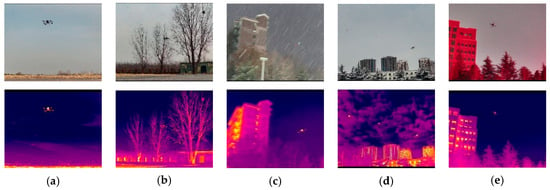
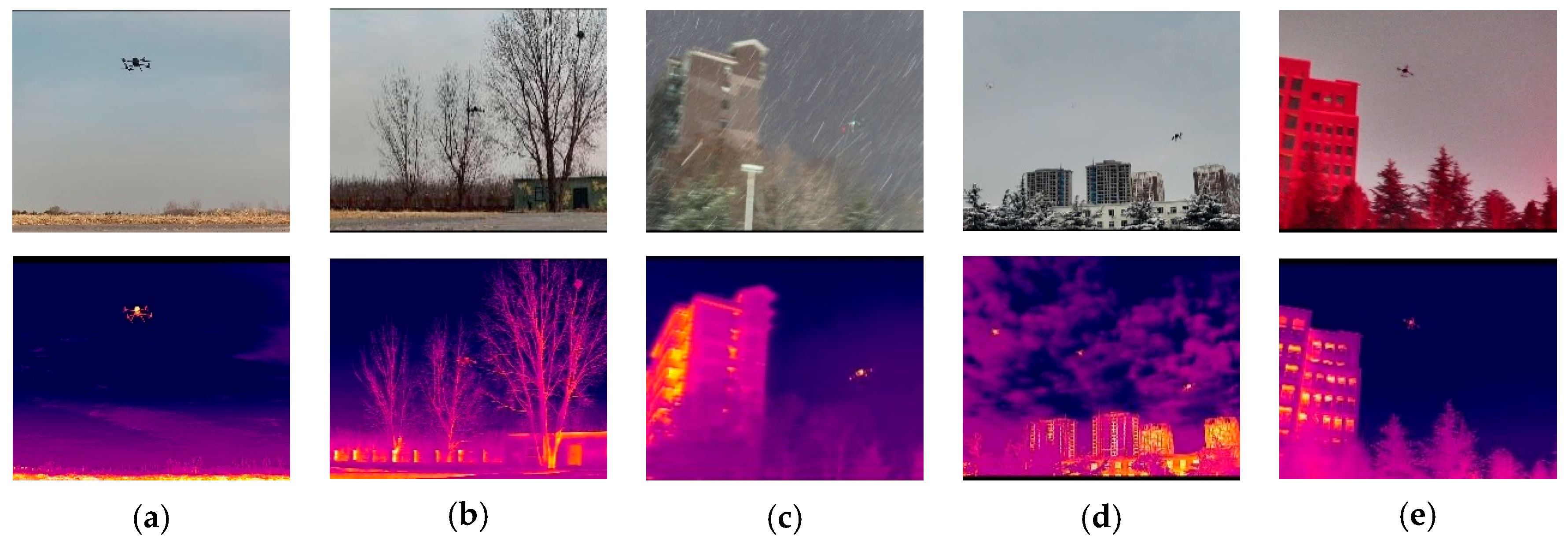
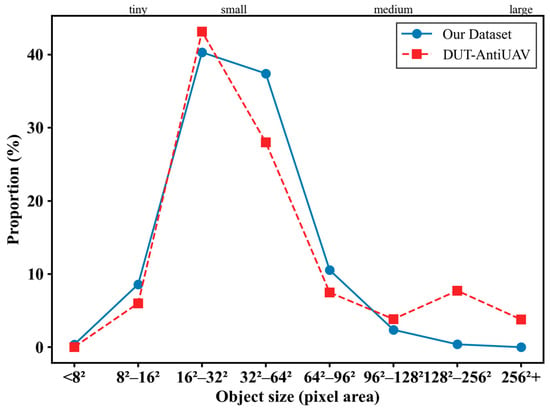
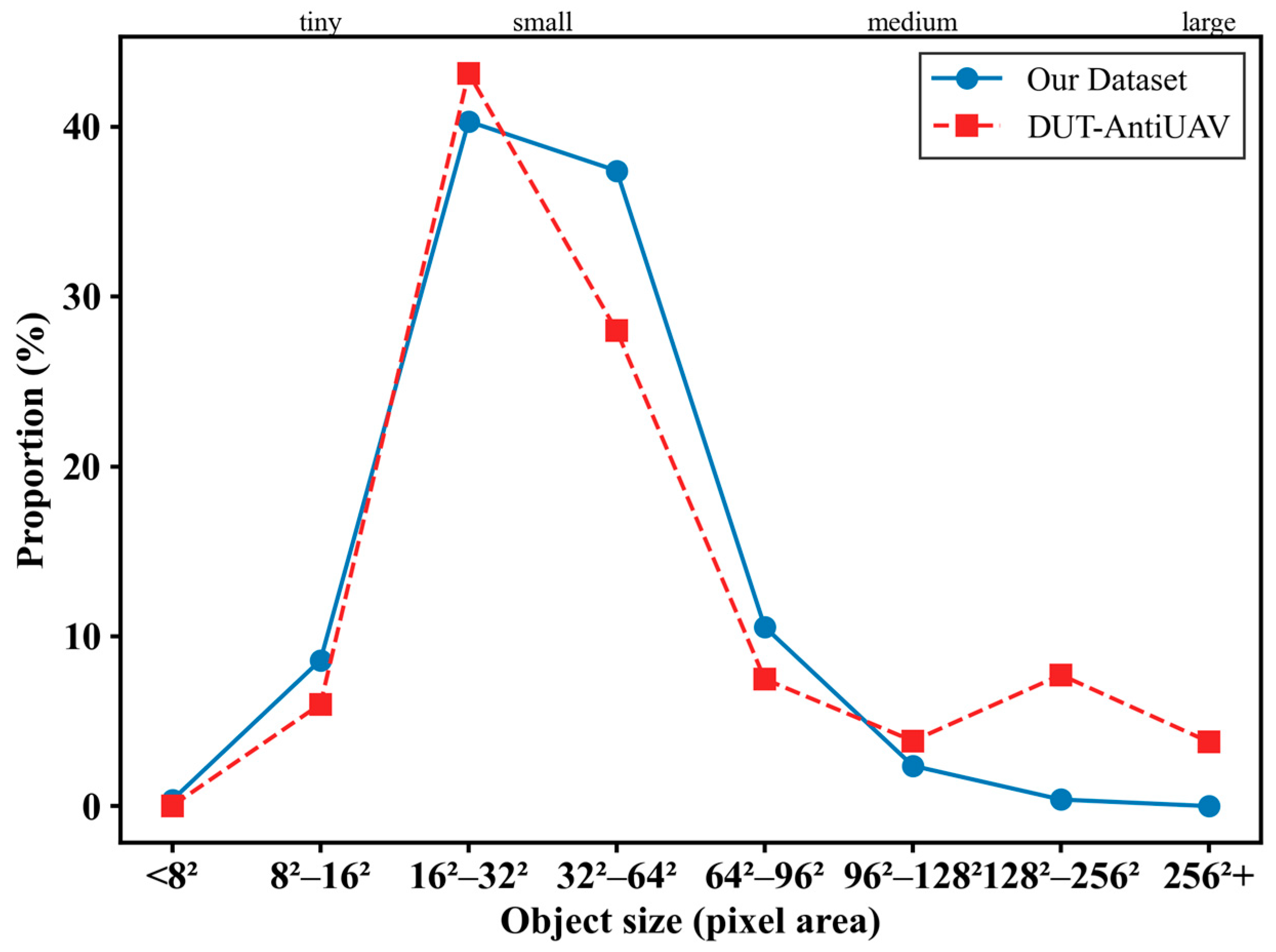
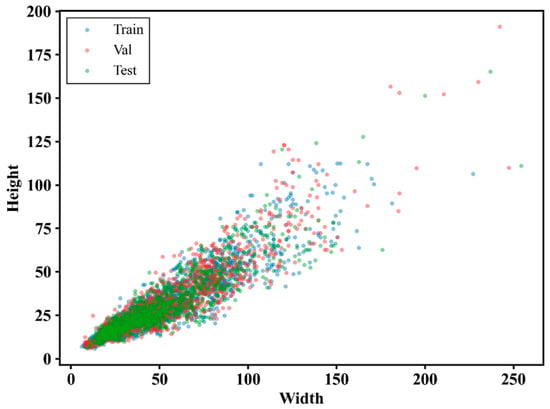
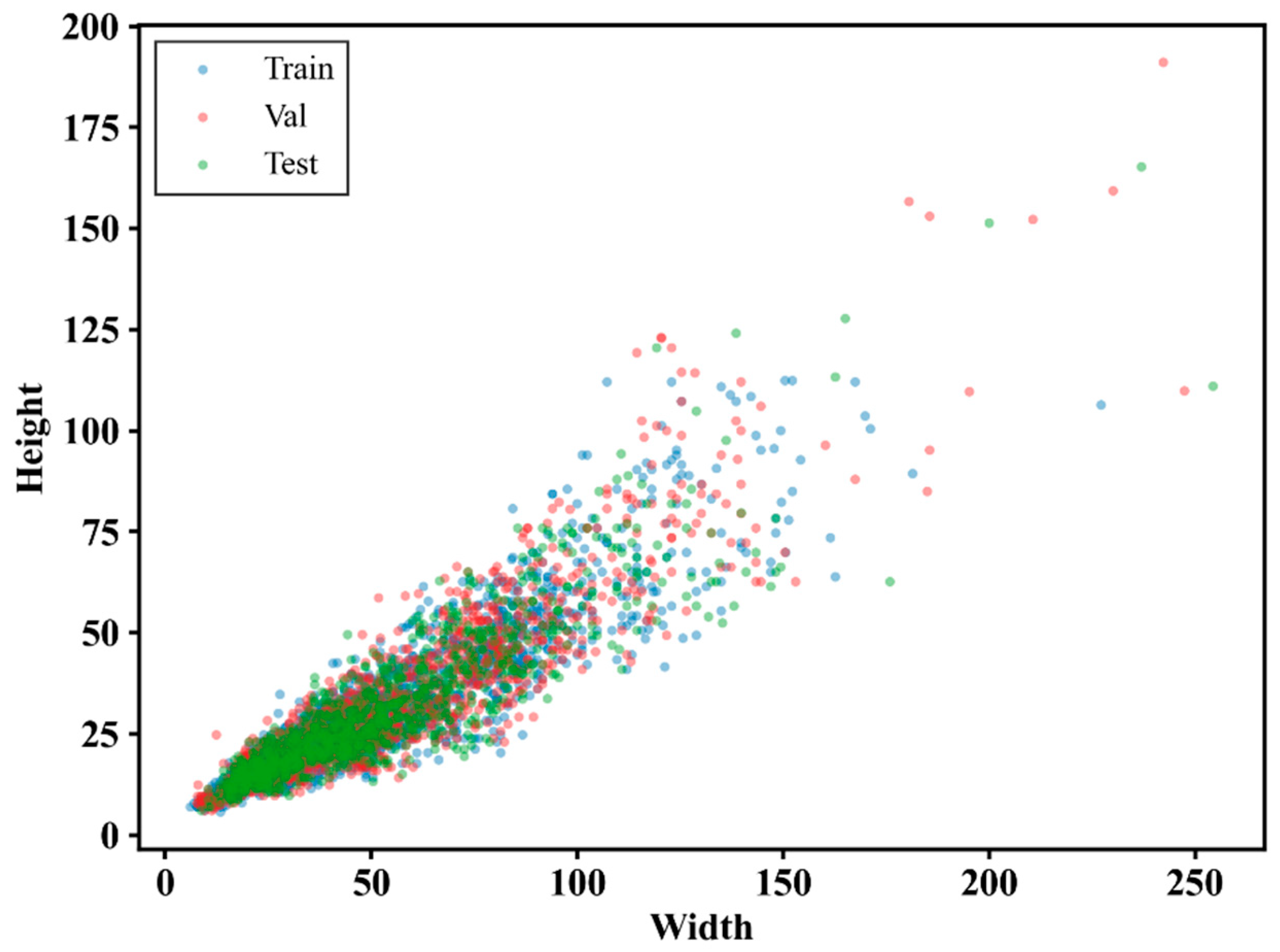
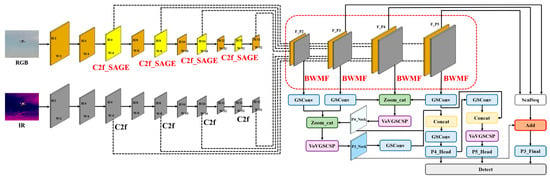
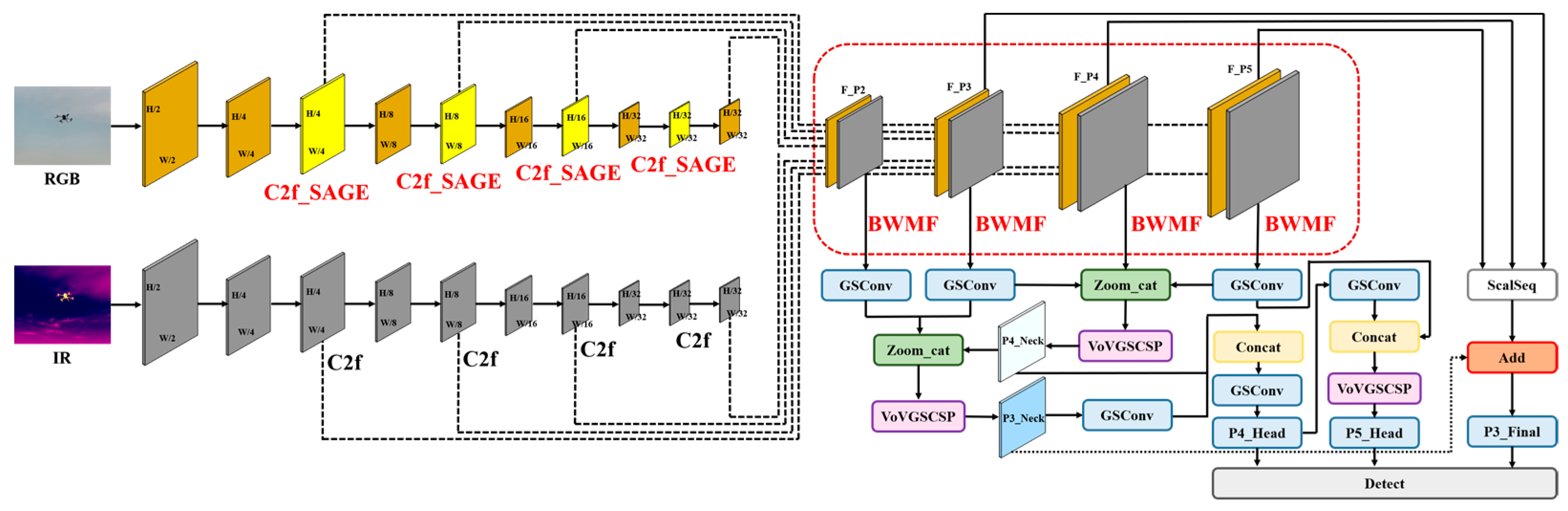
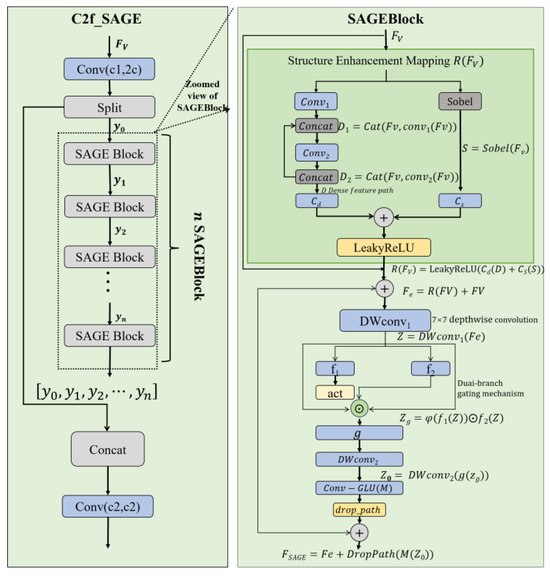
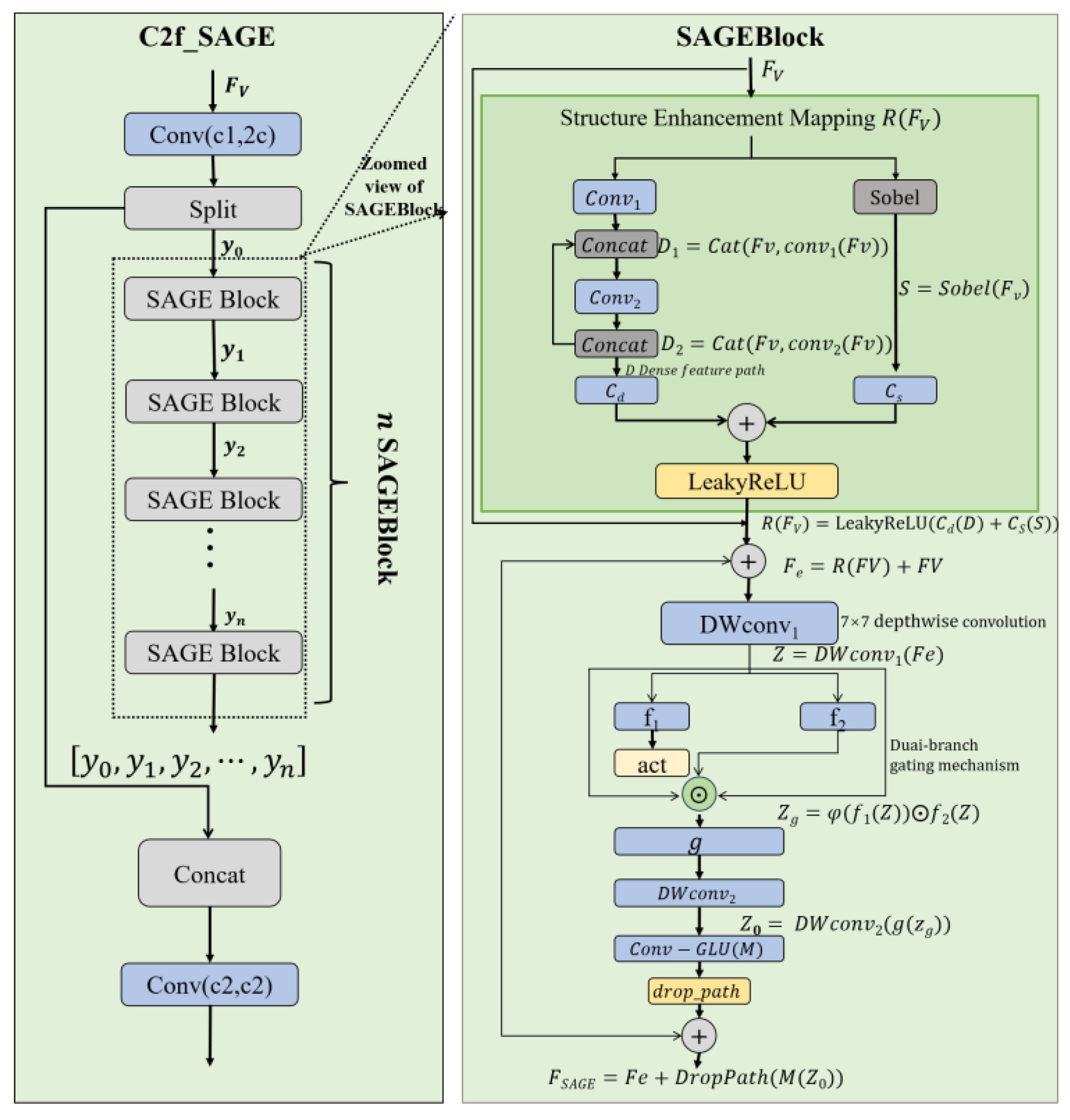
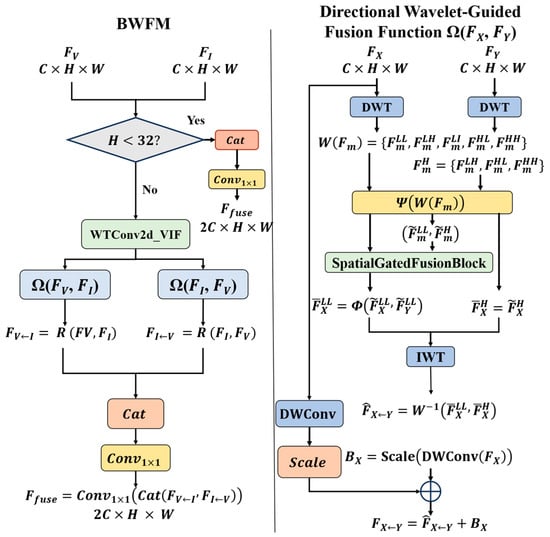
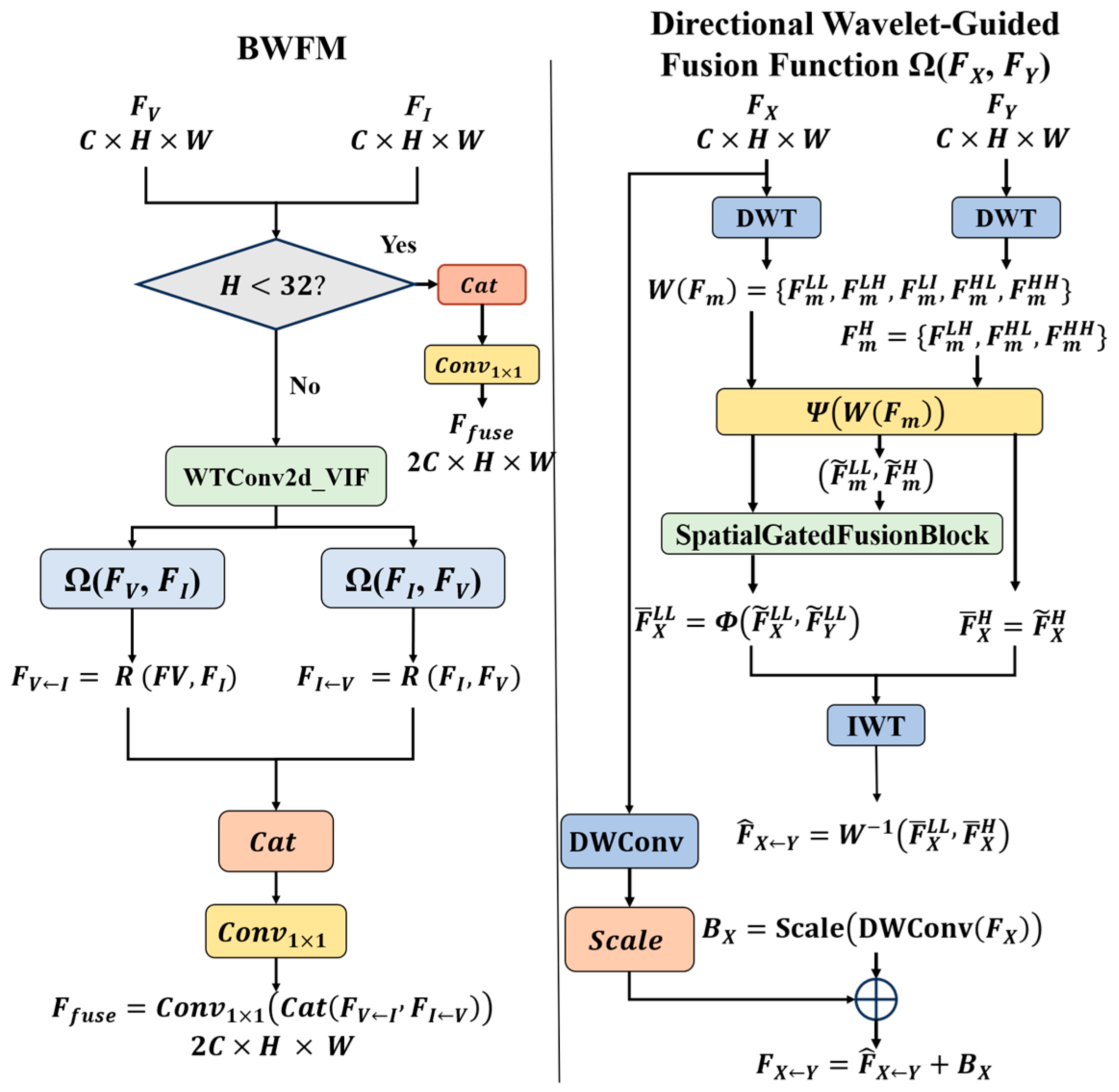
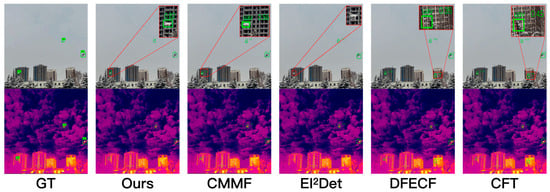
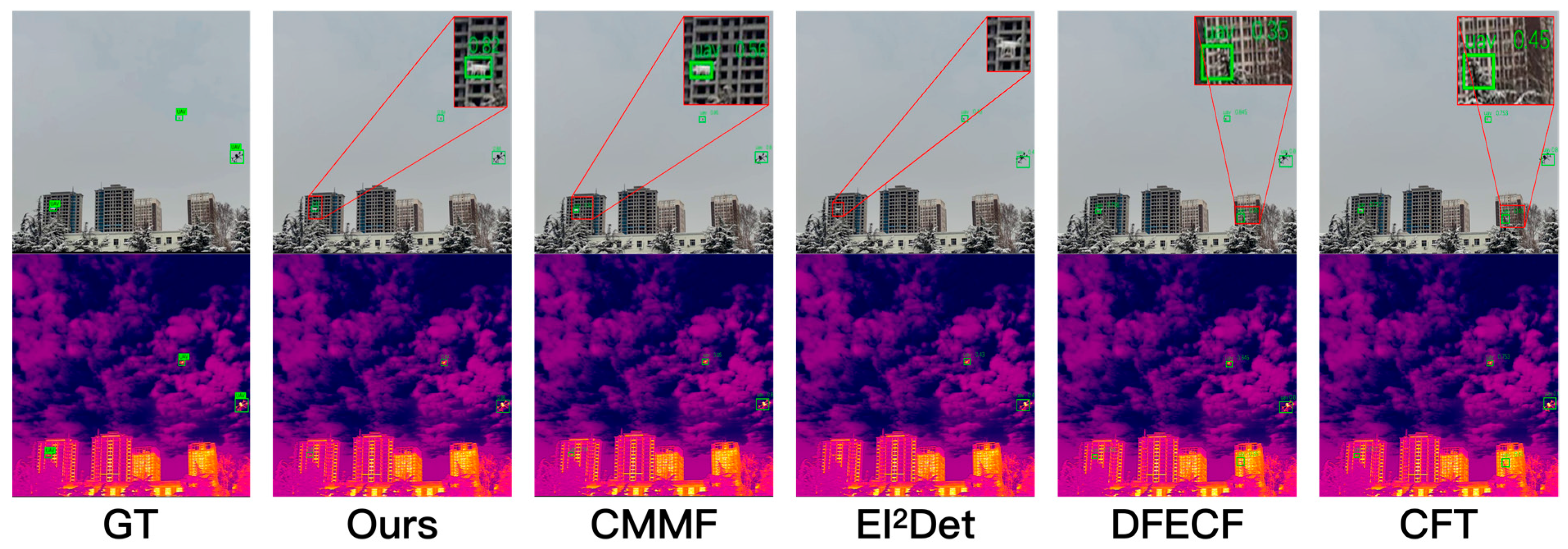
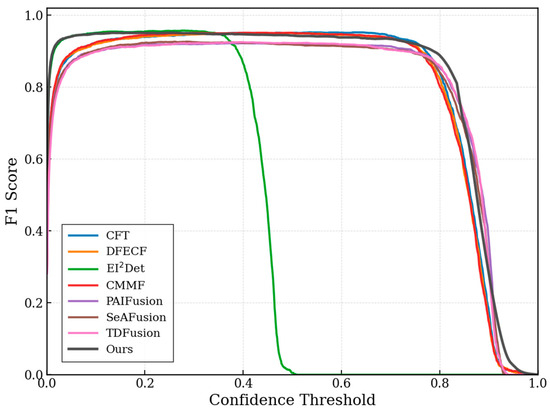
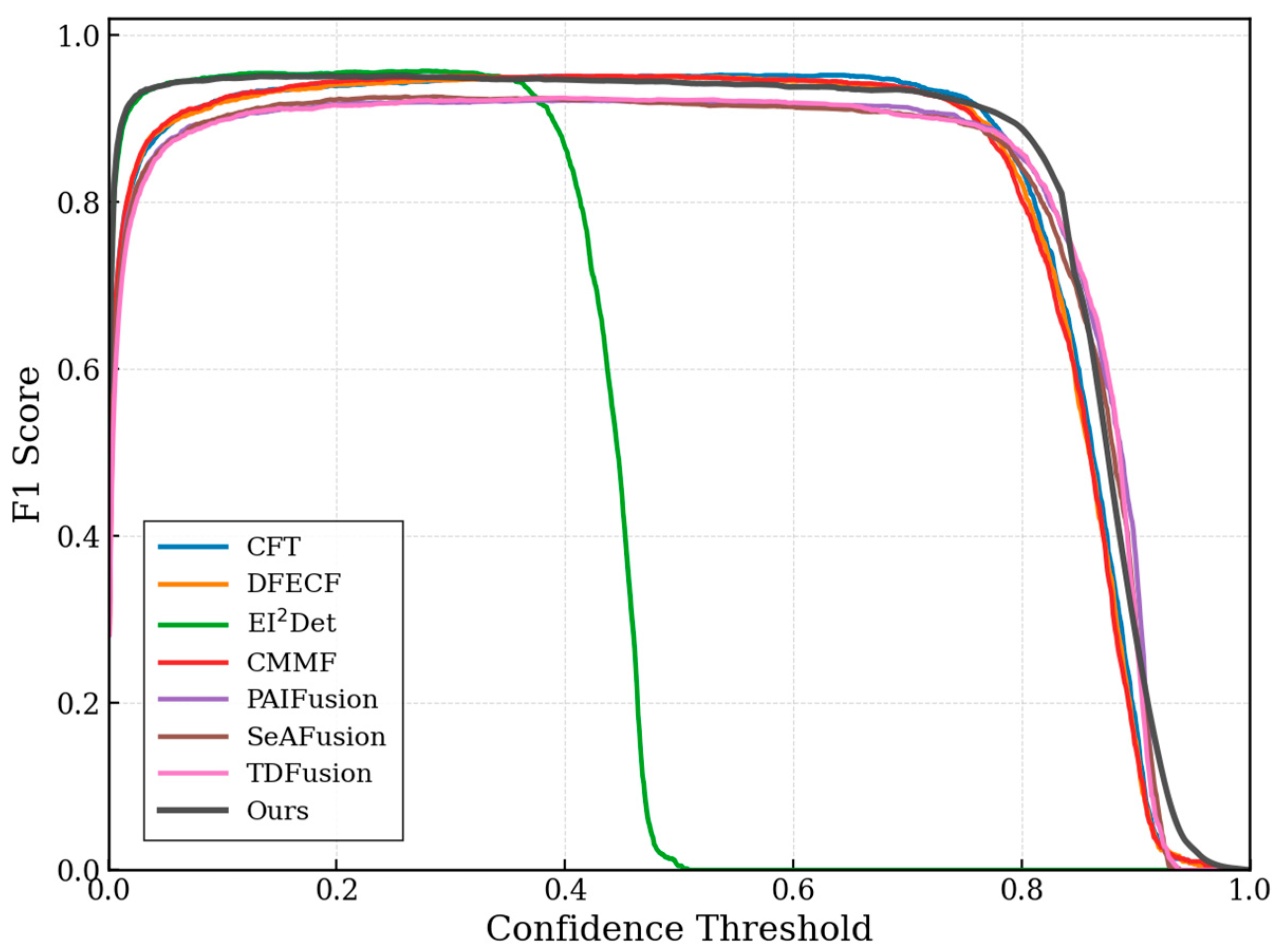
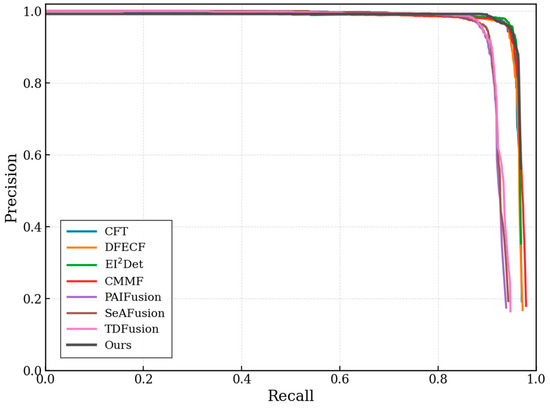
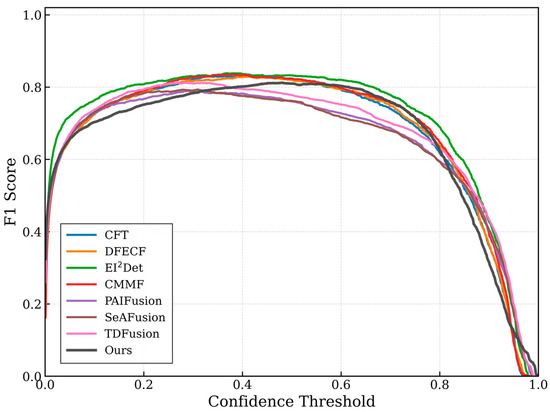
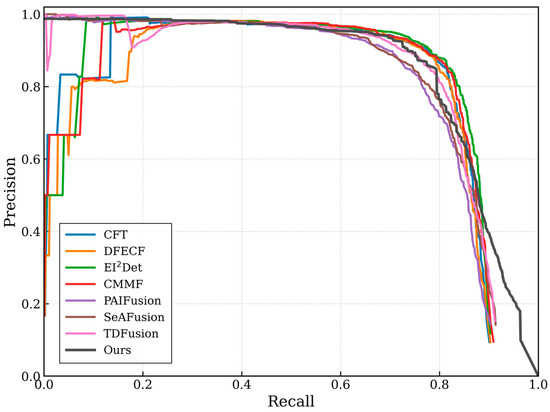
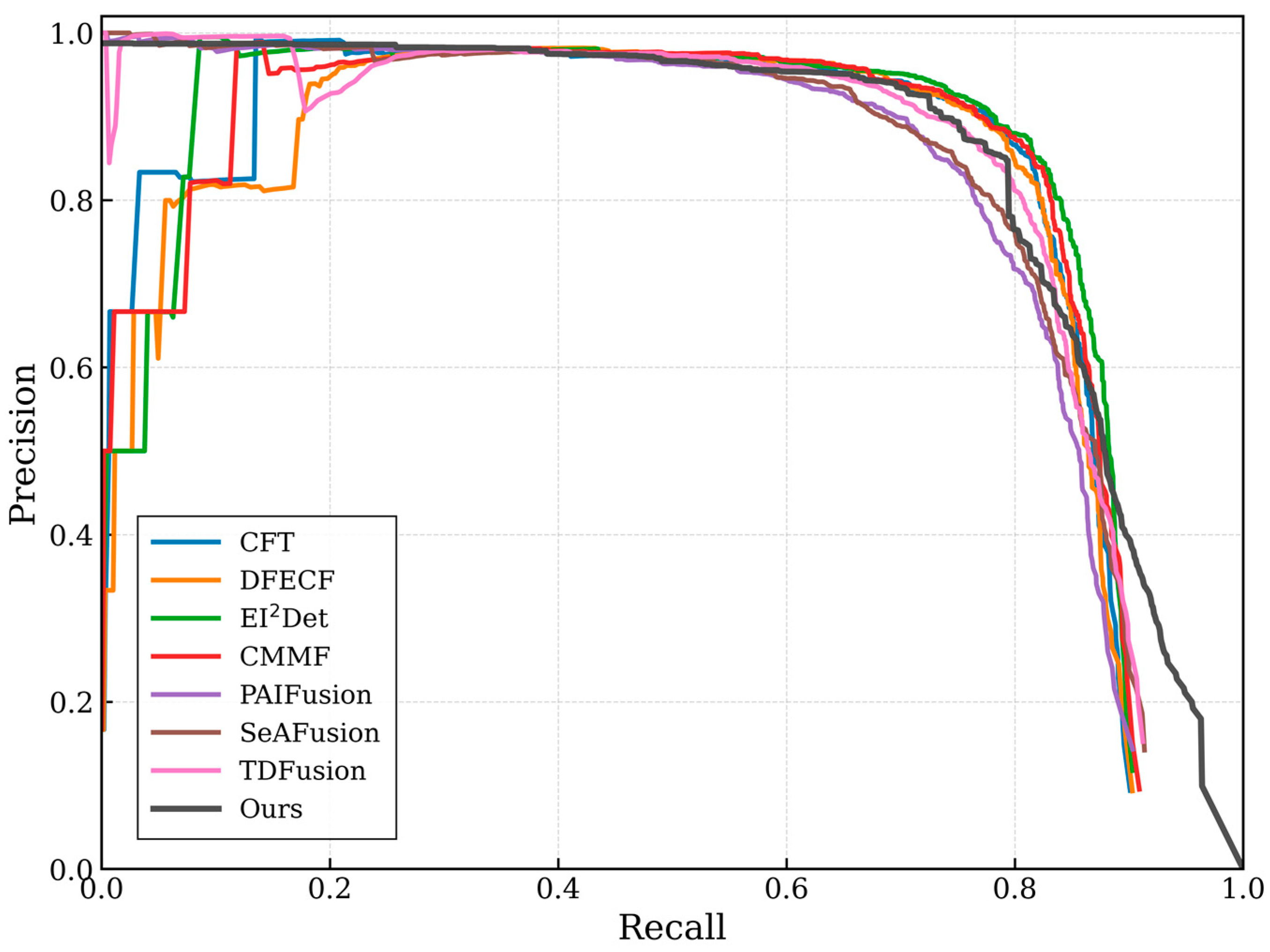

Disclaimer/Publisher’s Note: The statements, opinions and data contained in all publications are solely those of the individual author(s) and contributor(s) and not of MDPI and/or the editor(s). MDPI and/or the editor(s) disclaim responsibility for any injury to people or property resulting from any ideas, methods, instructions or products referred to in the content. |
© 2026 by the authors. Licensee MDPI, Basel, Switzerland. This article is an open access article distributed under the terms and conditions of the Creative Commons Attribution (CC BY) license.