


Highlights
What are the main findings?
- A payload-dependent, surrogate-modeled energy framework for multi-trip UAV routing is proposed in which a quadratic regression fitted to empirical thrust–power data enables segment-level energy estimation as a function of instantaneous vehicle weight.
- Among 26 benchmarked algorithms, the Adaptive ACO (Stodola & Kutěj) achieves the lowest energy consumption on large instances while operating over 700 times faster than its highest-quality competitor; continuous-space algorithms adapted via Random Key Encoding exhibit up to 266% energy excess and 14 battery replenishment trips at 100 deliveries.
What are the implications of the main findings?
- Distance-based routing objectives are insufficient for heavy-lift UAV operations; payload-aware energy modeling is essential for realistic battery constraint enforcement and mission feasibility.
- Algorithm selection for energy-constrained UAV routing must prioritize structural alignment with discrete sequencing problems—structural compatibility is a more decisive criterion than general-purpose performance metrics.
Abstract
Unmanned aerial vehicle (UAV) routing under realistic operational conditions requires simultaneous consideration of distance- and payload-dependent energy consumption, limited battery capacity, and multi-trip mission feasibility—factors that are rarely integrated into a unified, reproducible benchmarking framework. This study proposes an energy-aware, multi-trip UAV routing model for single-warehouse cargo delivery operations, in which total energy consumption is minimized through a second-degree polynomial power function derived from empirical motor thrust–power data of a theoretically designed quadrotor UAV with a maximum payload capacity and a usable battery capacity. Euclidean service locations and loads are generated randomly within a continuous operational domain to reflect spatial uncertainty, and a split-based decoding mechanism enforces battery feasibility constraints throughout the route. Twenty-six heuristic and metaheuristic algorithms sourced from the recent UAV routing literature are implemented within a standardized MATLAB benchmarking environment and evaluated on TSPLIB instances (Berlin52, kroA100), as well as randomly generated instances with different numbers of delivery locations. A refined subset of eight representative algorithms is subjected to comprehensive scalability analysis under both distance- and energy-minimization objectives, separately. The findings provide evidence-based guidelines for algorithm selection across offline planning and real-time UAV routing scenarios, and establish a transparent, reproducible benchmark baseline for energy-constrained single-UAV operations.
1. Introduction
Unmanned aerial vehicles (UAVs), commonly referred to as drones, have attracted increasing attention in logistics and operations research due to their flexibility, rapid deployment capability, and potential to reshape traditional delivery and service models. Although UAV routing problems are often discussed within the broader vehicle routing problem (VRP) literature, many practical UAV missions—particularly those involving a single UAV operating from a single depot—exhibit a routing structure that is closely related to the traveling salesman problem (TSP). Unlike classical TSPs and VRPs, however, UAV routing problems are inherently constrained by limited battery capacity and are frequently subject to uncertainty in the number and spatial distribution of service requests, as missions are conducted in dynamic environments.
UAV routing problems extend beyond conventional package delivery scenarios to a broader class of service-based, single-UAV operations. These include infrastructure inspection (e.g., power lines, bridges, and wind turbines), environmental and sensor-based monitoring (e.g., air quality measurement and wildfire detection), emergency response and disaster relief (e.g., search-and-rescue operations and damage assessment), and urban surveillance tasks (e.g., traffic monitoring and public safety patrols). Such application domains are widely discussed in recent surveys [1,2,3,4]. In these applications, UAVs must operate under strict energy constraints and limited battery capacity, making efficient and energy-aware routing strategies essential [5,6,7]. In some scenarios, service locations may also emerge dynamically during mission execution, requiring adaptive routing strategies.
Existing studies cover a broad range of formulations—from TSP-based single-UAV routing problems to multi-vehicle VRP variants—employing evolutionary, swarm-based, and hybrid metaheuristic approaches [6,8,9,10].
Despite the rapid growth of UAV routing and path planning research, several important gaps remain. Recent surveys indicate that most existing studies evaluate routing algorithms within problem-specific or application-dependent settings, limiting the comparability and generalizability of the reported results [1,3,4]. Moreover, experimental evaluations are still predominantly conducted using fixed and deterministic service locations, which do not adequately capture the dynamic and uncertain nature of many UAV missions [1,4]. In parallel, a growing body of research emphasizes the importance of energy-aware and hybrid optimization approaches for UAV routing; however, energy constraints are often incorporated in a simplified manner, and multi-trip routing with battery replenishment is rarely treated as an integral component of the routing structure [6,7]. Finally, there is a lack of systematic and unified benchmarking frameworks that jointly account for dynamic service locations, realistic energy consumption objectives, and comparable heuristic evaluation across different UAV routing strategies.
The problem addressed in this study considers a single UAV operating from a single depot and serving a set of service locations, resulting in a TSP-based routing structure augmented with energy constraints and multi-trip operations. Within this setting, an energy-based UAV routing framework is developed to evaluate routing performance under realistic operational conditions, where service-demand locations are generated randomly to reflect spatial variability and UAV missions allow multiple trips with intermediate battery replenishment when required.
A set of heuristic and metaheuristic algorithms identified from the recent literature is implemented and evaluated using classical benchmark instances as well as scenario-based UAV routing cases. To ensure objective and reproducible comparison, two well-established TSPLIB benchmark instances, Berlin52 and kroA100, are employed, both of which have known optimal solutions and are widely used in routing and path optimization research [11,12]. Validating the selected algorithms on these benchmark instances prior to their application to energy-aware UAV routing scenarios ensures reliable baseline performance and supports systematic comparison of algorithm effectiveness under energy constraints and battery management considerations [5]. In addition to the benchmarked methods, a unified benchmarking environment is established in which eight heuristic and metaheuristic algorithms drawn from the recent UAV routing literature are systematically evaluated under identical experimental conditions, enabling direct and fair comparison against established approaches.
This study makes the following contributions to the UAV routing and path planning literature:
- 1.
- A service-based UAV routing framework is proposed that extends beyond delivery-focused scenarios and supports a wide range of UAV applications characterized by dynamic and uncertain service locations.
- 2.
- Energy consumption is explicitly adopted as the primary optimization objective, rather than distance, enabling realistic modeling of battery limitations and route feasibility in UAV operations.
- 3.
- Multi-trip UAV missions with battery replenishment are integrated directly into the routing structure, allowing sustained mission execution under strict energy constraints and reflecting practical operational conditions.
- 4.
- A unified benchmarking environment is established to evaluate heuristic and metaheuristic algorithms drawn from the recent UAV routing literature under standardized conditions.
- 5.
- Comparative performance analysis is conducted using classical benchmark instances and scenario-based UAV routing cases with randomly generated service locations, providing reproducible insights into solution quality, energy efficiency, and computational performance (measured in terms of execution time) under identical experimental settings.
2. Literature Review and Benchmark Construction
Recent research on UAV path routing and path optimization has predominantly employed heuristic and metaheuristic optimization techniques to address the computational complexity arising from high-dimensional search spaces, nonlinear constraints, and operational limitations. In this study, 36 recent publications were selected to represent the current state of UAV routing and path planning research. The selection was guided by three criteria: (i) this study explicitly focuses on UAV path routing or path planning as a primary research problem, (ii) a heuristic or metaheuristic optimization method constitutes the core solution approach, and (iii) the methodological description is sufficiently detailed to allow interpretation of the underlying algorithmic structure. Based on these criteria, the reviewed studies cover a wide range of problem formulations, including traveling salesman problems with drones [6,8], flying sidekick and truck–drone collaborative routing [9], vehicle routing problems with drones [10], energy-aware UAV routing problems with battery constraints [7], and pure UAV path planning in two- and three-dimensional environments (e.g., [13,14,15]).
The reviewed literature demonstrates a strong reliance on evolutionary and swarm-based optimization techniques, including genetic algorithms, particle swarm optimization, ant colony optimization, grey wolf optimization, bat algorithms, intelligent water drop algorithms, and a growing number of hybrid and improved nature-inspired methods [6,10,13,14]. Several studies also emphasize energy efficiency, multi-objective formulations, and operational feasibility, highlighting the importance of energy efficiency and operational constraints in UAV routing research [7]. However, most of these algorithms are evaluated within problem-specific settings, which limits direct comparison across methods.
From the initial pool of 36 studies, 26 papers were selected for benchmark-based evaluation. These studies were chosen because they provide sufficiently explicit descriptions of heuristic or metaheuristic procedures that allow algorithmic reconstruction and standardized testing. For each selected study, the core heuristic logic described in the original publication was implemented within a unified MATLAB-based benchmarking framework, ensuring identical experimental conditions across all algorithms. This framework enables consistent comparison in terms of solution quality, convergence behavior, and computational performance.
To facilitate the implementation process, the methodological descriptions of the selected algorithms were translated into executable procedures with the assistance of an AI-based code generation tool, which was used strictly as an implementation support mechanism. All generated codes were carefully reviewed, validated, and, where necessary, manually refined to ensure full consistency with the algorithmic structures described in the original studies. As a result, a comprehensive benchmark environment comprising 26 heuristic and metaheuristic algorithms was constructed and evaluated using classical TSPLIB instances with known optimal solutions, namely Berlin52 and kroA100 [11,12].
Table 1 provides an overview of 32 representative studies from the reviewed pool, selected to illustrate the breadth of problem formulations and algorithmic approaches. Note that Table 1 is a curated subset: of the 36 studies initially screened, 32 are summarized here for conciseness, while 26 provide sufficiently detailed algorithmic descriptions to be implemented and evaluated within the MATLAB R2026a benchmarking framework. The reviewed literature spans a wide spectrum of UAV routing and path planning formulations, including traveling salesman problems with drones, vehicle routing problems with drones, and pure UAV path planning in two- and three-dimensional environments. The diversity of algorithm families—ranging from evolutionary and swarm-based methods to hybrid metaheuristics—highlights both the methodological richness of the field and the lack of standardized comparative evaluation across studies.
Table 1.
Comprehensive literature review on UAV routing and path planning.
3. Methodology
3.1. Random Demand Generation and Continuous Service Point Modeling
In conventional studies regarding the traveling salesman problem (TSP) and vehicle routing problem (VRP), customer or service locations are typically treated as predefined, deterministic data points that remain fixed throughout the optimization process. However, such static modeling approaches may fail to adequately represent real-world logistics operations where service locations exhibit spatial uncertainty and variability.
In this study, to enhance realism and applicability, a random demand generation approach within a continuous service area is adopted instead of relying solely on fixed-node assumptions. Unlike classical formulations, service points do not possess static coordinates; instead, for each simulation scenario, locations are randomly generated within the UAV’s operational service radius or a defined square area using a Uniform Distribution function.
Following common methodologies in the literature, service locations are randomly generated within a predefined area using a uniform spatial distribution, as widely adopted in drone routing, delivery, and UAV positioning studies [8,9,19]. The x and y coordinates of demand points are drawn independently and with equal probability from a specified range (). This approach enables the evaluation of algorithm performance under varying spatial distributions and demand densities, as commonly considered in routing optimization studies [23].
Subsequent to the positioning process, the payload quantity corresponding to each demand point is also assigned randomly. Since identical package weights are not expected in real-world delivery scenarios, variable weights are assigned to each service point rather than a predetermined fixed value. However, to maintain operational feasibility, a constraint is imposed ensuring that the cumulative payload of all generated points does not exceed the maximum carrying capacity ( kg) of the multirotor UAV designated in the theoretical model, aligning with the capacity-constrained routing frameworks discussed by Jasim and Fourati [27] and Euchi and Sadok [10].
The developed computational model automates this process by scattering customer locations via Uniform Distribution around the central depot and assigning loads using random scaling factors. This methodology provides a realistic testbed for UAV routing optimization, incorporating both spatial randomness and strict capacity constraints essential for energy-efficient flight planning.
3.2. UAV Physical Model and Energy Dynamics
Instead of employing an off-the-shelf industrial unmanned aerial vehicle (UAV), this study developed a theoretical quadrotor UAV model. Utilizing this theoretical design, rather than a specific commercial platform, facilitated a more controlled and systematic generation of the required dataset. Furthermore, the hypothesized UAV was thoroughly conceptualized, and its operational constraints were clearly defined. In establishing these limits, existing UAV methodologies were carefully reviewed to ensure the integration of practical, real-world constraints. Consequently, this approach significantly enhanced the adaptability and applicability of the proposed study to real-world scenarios.
Multicopters primarily comprise numerous components including motors, Electronic Speed Controllers (ESCs), propellers, batteries, autopilots, GPS, telemetry systems, body structures, and other materials necessary for cargo mechanisms [39].
3.2.1. Weights of UAV
During the component selection phase, careful consideration was given to hardware that is structurally suited for cargo operations and actively utilized in contemporary UAV developments. Accordingly, the propulsion system is configured with T-Motor U12 II KV120 brushless motors (T-Motor, Nanchang, Jiangxi, China), T-Motor Flame 100A Electronic Speed Controllers (ESCs) (T-Motor, Nanchang, Jiangxi, China), and manufacturer-recommended NS30×10 carbon fiber propellers (T-Motor, Nanchang, Jiangxi, China). The operational energy requirements are met by a 13S 48.1V Lithium-Polymer (Li-Po) battery (MaxAmps, Airway Heights, WA, USA) with a capacity of 62,000 mAh. For avionics and communication, the architecture integrates a Pixhawk Orange Cube flight controller (CubePilot, Norlane, VIC, Australia), a Here 3 GPS module (CubePilot, Norlane, VIC, Australia), and a RFD868x (RFDesign, Archerfield, QLD, Australia) telemetry system.
The comprehensive weight inventory of the conceptualized UAV is detailed in Table 2, while the derivation of the maximum payload capacity is addressed in a separate section.
Table 2.
Materials and weights of theoretical quadrotor UAV. Component specifications sourced from manufacturer technical documentation [40,41,42,43,44,45].
The energy consumption of a UAV/multicopter is primarily governed by the thrust generated by its propulsion system, which is directly influenced by the total weight of the UAV and the operating flight conditions (e.g., hover or forward motion) [5]; this payload-dependent energy relationship is also adopted in recent drone routing studies as the principal controllable variable of operational energy expenditure [46]. In addition to propulsion, other components such as onboard electronics contribute to the overall energy usage; however, their consumption is relatively stable compared to the propulsion system. For this reason, the proposed energy model focuses on motor power as the dominant component, while the effects of weight and operating conditions are implicitly captured through their influence on thrust requirements.
Manufacturers of unmanned aerial vehicle (UAV) propulsion systems frequently provide open-source datasets detailing motor specifications. The test stand data obtained from these manufacturers demonstrate the proportional relationship between generated thrust, electrical current, and overall power consumption.
Table 3 presents the empirical performance data of the T-Motor U12 II KV120 used in the proposed UAV model [40].
Table 3.
T-Motor U12 II KV120 empirical test data. Type: U12 II KV120; voltage: 48 V; propeller: T-Motor G30×10.5 in; ambient temperature: 24 °C; operating temperature: 96 °C.
In UAV operations, the propulsion system constitutes the most energy-intensive component. Energy consumption varies directly with the required thrust; consequently, an increase in the UAV’s gross weight necessitates higher power output from the motors. Because the payload weight fluctuates dynamically during operations, the energy consumption changes accordingly. Therefore, the objective function in this study is formulated to minimize the total energy expenditure, leading to an energy-aware routing approach based on predicted power consumption. Since the primary energy draw stems from the propulsion system, the energy model exclusively incorporates the power consumed by the motors. The power consumption of auxiliary avionic components (e.g., autopilot, GPS) is assumed to be constant and has a negligible impact on the routing optimization, consistent with detailed UAV energy models in which the internal-electronics power draw is modeled as a small constant component compared to the multi-kilowatt propulsion demand [47]; thus, it is excluded from the current model.
Given that the performance data supplied by the manufacturer consist of discrete data points, intermediate values were approximated using surrogate modeling techniques. The raw data were processed in MATLAB to derive characteristic functions that accurately represent the system’s responses within the optimization framework. Subsequently, the Curve Fitting Toolbox in MATLAB was employed to determine the most accurate functional representation of the data. Following extensive iterations, a second-degree polynomial regression yielded the best statistical fit for the power–thrust relationship, thereby allowing for the reliable estimation of intermediate values. The derived power–thrust curve, along with its associated statistical metrics, is presented in Figure 1.
Figure 1.
Thrust–power graph.
Based on this mathematical formulation, a visual representation was developed to illustrate the correlation between the quadrotor’s total weight and the power required to maintain a constant cruising speed of 40 km/h. Comprehensive energy consumption calculations were then conducted for the quadrotor platform. The resulting energy profile strongly aligns with the functional behaviors reported in the existing literature (e.g., [48]). The relationship between total power and total weight, accompanied by the relevant statistical metrics, is illustrated in Figure 2.
Figure 2.
Total weight–total power graph.
3.2.2. Thrust-to-Weight Ratio
For the industrial-scale, fully electric logistic UAV modeled in this study, the thrust-to-weight ratio (TWR) serves as a key design parameter influencing flight performance and operational safety. While the theoretical lower limit for a multirotor UAV to maintain a hover state is 1.0, real-world operational conditions demand a significantly higher ratio to guarantee sufficient wind resistance, rapid maneuverability, and robust control authority.
Previous studies emphasize that practical UAV operations require TWR ratios significantly above unity to ensure stability, maneuverability, and disturbance rejection under real-world conditions [49,50,51]. In engineering practice, higher TWR values are often adopted for heavy-lift and industrial UAVs to enhance control authority and accommodate payload variations. Accordingly, to maintain stable flight under dynamic payload conditions and to ensure sufficient climb performance during demanding maneuvers, the TWR for the proposed UAV model is set to 2.0.
3.2.3. Operational Range and Communication Constraints
The command and control (C2) architecture of unmanned aerial vehicles fundamentally relies on radio frequency (RF) links, facilitated either by manual remote controllers or telemetry modules integrated with a ground control station (GCS). Exceeding the effective range of these communication systems severely degrades command authority and compromises flight safety. Consequently, the maximum operational flight radius for the UAV in this study is strictly constrained to 1.5 km. Expanding this operational boundary would inherently increase the spatial distribution of the service-demand points, thereby extending the overall routing distance and introducing further complexities into the energy minimization objective.
3.2.4. Battery Constraints
The propulsion systems employed in multirotor UAVs are inherently electric, necessitating the integration of a reliable onboard battery. The voltage of the selected battery must strictly align with the motor specifications, as its overall capacity directly dictates the operational endurance of the UAV. For the conceptualized quadrotor model in this study, a battery with a nominal voltage of 48.1 V and a capacity of 62,000 mAh is utilized. Incorporating a widely accepted operational discharge efficiency rate of 85%, the effective usable energy capacity of the battery is calculated to be 2.53 kWh.
A fundamental feature of the proposed routing framework is its ability to dynamically manage battery depletion prior to route completion. The model employs multi-trip logic: if the predicted energy required to visit the subsequent demand node and safely return to the depot exceeds the remaining battery level, the UAV aborts the immediate visit. Instead, it preemptively returns to the depot for battery replenishment (via swapping or recharging) and subsequently initiates a new trip. Throughout this study, the battery is assumed to be instantaneously replenished upon return to the depot (via swapping or rapid recharging), and battery replenishment time is not modeled; explicit modeling of replenishment time is identified as future work in Section 7.
Furthermore, the instantaneous power consumption of the UAV is not merely a function of the flight distance; it is highly dependent on the dynamic total weight of the vehicle during operations. To accurately capture this variation, a second-degree polynomial power model, derived from the empirical performance data of the T-Motor U12 II, was adapted for this study. The specific energy expended by the UAV while traversing between any two discrete nodes is explicitly incorporated into the mathematical formulation. A comprehensive exposition of this energy model is detailed in Section 3.3.
The remaining operational parameters governing UAV deployment in this study—namely cruising speed, flight altitude, depot positioning, operational service radius, and maximum payload capacity—are summarized in Table 4 below.
Table 4.
UAV operational parameters adopted in this study.
The UAV operates within rural or semi-urban delivery scenarios, with flight corridors assumed to be obstacle-free within the specified altitude band. The maximum payload capacity is determined in strict accordance with the thrust-to-weight ratio (TWR) requirements detailed earlier.
3.3. Relationship Between Payload Weight and Energy Consumption
Energy consumption is a critical factor in multicopter-based logistics systems and is directly influenced by the payload carried during flight [52,53]. As the payload weight increases, the required thrust and power consumption of the multicopter also increase, leading to higher energy expenditure per flight segment.
In the proposed framework, energy consumption is calculated dynamically for each flight segment rather than assuming a constant energy rate [54]. At the start of each trip, the multicopter departs from the warehouse carrying the payload required for the deliveries assigned to that trip. Consequently, it operates at maximum payload weight during the initial flight segment and consumes energy accordingly. After completing a delivery at the first service point, the payload decreases by the delivered amount, and subsequent energy consumption calculations are updated to reflect the reduced onboard weight.
This dynamic weight-dependent energy modeling continues throughout the route. For example, after delivering an initial payload (e.g., 1 kg) at the first service location, the multicopter proceeds toward the next destinations while carrying the remaining payload (e.g., 20 kg), and the energy consumption for each subsequent segment is computed based on this updated weight. Thus, energy usage varies continuously along the route as the payload decreases after each delivery.
Unlike classical UAV power models that explicitly decompose energy consumption into induced, profile, and parasite components [48] or rely on thrust-to-weight ratio considerations [49], the proposed approach adopts a data-driven formulation based on empirical thrust–power relationships. The segment-based energy consumption model employed in this study expresses energy usage as a function of travel distance, payload-dependent power consumption, and average flight speed. Power consumption is estimated using a quadratic regression model fitted to empirical thrust–power data of the multicopter platform, enabling accurate prediction of power demand as a function of total vehicle weight (empty weight plus payload). The total energy consumed along a route is then obtained by aggregating the energy expenditures of all flight segments, including return trips required when battery capacity constraints necessitate multiple tours.
This dynamic integration of random demand generation and weight-dependent energy modeling enables the proposed framework to capture realistic UAV delivery conditions and provides a robust basis for evaluating routing optimization algorithms under practical operational constraints [23]. The mathematical formulation of this energy model, including all decision variables and constraints, is formally presented in Section 4.1.
4. Problem Definition and Modeling
This study addresses an energy-aware routing optimization problem for a single multicopter performing cargo delivery operations from a central warehouse to a set of spatially distributed demand locations. Unlike classical traveling salesman problem (TSP) formulations, where the objective is typically to minimize travel distance, the proposed problem aims to minimize total energy consumption while explicitly incorporating payload-dependent power usage, battery limitations, and variable payload conditions.
Traditional UAV routing formulations generally assume fixed demand points and constant payload characteristics. However, real-world logistic environments involve random demand distributions and variable payloads. To enhance realism, service points are generated within a continuous operational domain, and each demand location is assigned a random payload value, subject to the overall payload capacity of the multicopter. This modeling philosophy reflects realistic cargo distribution scenarios and extends conventional UAV-TSP frameworks toward practical drone delivery applications.
Furthermore, the multicopter’s energy consumption is strongly dependent on instantaneous total mass, which varies continuously during the route as deliveries are completed. Consequently, energy consumption must be evaluated dynamically at each flight segment rather than assuming a constant energy rate.
Another distinctive aspect of the proposed model is the incorporation of battery capacity limitations and multi-trip feasibility. When the available battery energy is insufficient to complete remaining deliveries and safely return to the warehouse, the multicopter must return to the depot and initiate a new trip. This multi-trip structure transforms the problem from a classical TSP into an energy-constrained UAV routing problem with dynamic payload evolution.
4.1. Modeling
Sets and Indices
Set of nodes: ;
Central warehouse (depot): Node 0;
Demand/service locations: Nodes ;
Index set of potential trips: .
is treated as a sufficiently large upper bound on the number of trips required to serve all demand nodes; in practice, its value is determined implicitly by the energy-aware Split Procedure described in Section 4.2, which partitions the optimized node sequence into feasible trips based on the battery constraint.
Parameters
Spatial and demand parameters:
Coordinates of node i [m]: ;
Payload demand at node i [kg]: ;
Empty UAV weight [kg]: ;
Maximum payload capacity [kg]: ;
Total payload demand [kg]: .
Flight and energy parameters:
Average flight speed [km/h]: ;
Usable battery energy capacity [kWh]: ;
Maximum operational radius [km]: ;
Big-M linearization constant: —a sufficiently large constant used in the linearization of conditional payload-evolution constraints (Equations (15) and (16)); set to kg in this study.
Distance function
Payload-dependent power consumption
The multicopter power consumption is expressed as a quadratic function of instantaneous total mass as follows:
The polynomial coefficients , , and are obtained by fitting a second-degree polynomial to the empirical total-weight–total-power dataset derived from the T-Motor U12 II KV120 test data (Figure 2), with the input normalized by mean kg and standard deviation kg. After de-normalization, the fitted coefficients are kW/kg2, kW/kg, and kW; an value of confirms the adequacy of the fit.
Segment energy consumption
Energy required to travel from node i to node j:
where denotes the instantaneous total vehicle mass at the departure of arc during trip k, comprising the empty UAV mass plus the remaining payload at node i before the delivery at node j is completed. This identity is used implicitly in the objective function (Equation (9)), where is substituted by to express segment energy in terms of decision variables.
Decision Variables
Routing variable:
Trip activation:
Remaining payload after visiting node i:
Cumulative energy consumed upon arrival at node i:
The cumulative energy variable evolves along each trip according to the following recursion:
The depot initialization is given by . This recursion is used together with the return feasibility constraint (Equation (19)) to enforce battery feasibility throughout each trip.
Objective Function
Constraints
Service constraint:
Trip start and return constraints:
Flow conservation:
Payload evolution:
Equation (14) defines the departure payload at the depot for trip k: the UAV loads only the packages assigned to the customers visited during trip k, ensuring that no excess payload is carried.
Battery capacity constraint:
Return feasibility constraint:
Operational range constraint:
4.2. Energy-Aware Multi-Trip Decoding Mechanism (Split Procedure)
To transform the continuous route sequence into a feasible operational schedule, the proposed model incorporates an energy-aware Split Procedure. This mechanism serves as the decoding layer of the optimization framework, ensuring that battery constraints are respected without disrupting the optimized visitation order. The Split Procedure implicitly determines the number of trips executed during route decoding, providing a practical bound on , defined in Section 4.1.
The procedure iterates through the node sequence and dynamically calculates the cumulative energy consumption using the weight-dependent power model defined in Equation (2). At each customer node, a “Return Feasibility” check is performed. The algorithm evaluates whether the UAV has sufficient energy to travel to the next customer and subsequently return to the depot safely.
If this condition is violated, the current trip is terminated at the node. The UAV is routed back to the depot for battery replenishment (swapping or recharging), and a new trip is initiated starting from the depot to the next customer. This integral mechanism ensures that every flight segment generated by the model is operationally feasible.
4.3. Model Characteristics and Complexity
Due to nonlinear power consumption and binary routing variables, the formulation constitutes a mixed-integer nonlinear programming (MINLP) model. Exact-solution methods become computationally intractable for large instances; therefore, metaheuristic and hybrid optimization algorithms are employed to obtain near-optimal solutions efficiently.
5. Development of the Benchmarking Framework
This section aims to evaluate the performance of various heuristic and metaheuristic algorithms from the existing literature when integrated into the proposed “Dynamic Payload and Multi-Trip Constrained Energy Model”. In this context, rather than introducing a novel algorithm, several well-established algorithms (e.g., swarm intelligence, ant colony optimization, and wave-based heuristics) were adapted to our specific routing problem and comprehensively benchmarked.
The evaluation process is structured around a two-dimensional testing framework assessing (1) distance-based performance and (2) energy-based performance. Based on the comparative results derived from both dimensions, the most suitable algorithms and algorithmic paradigms for this study were determined.
To ensure a fair and rigorous comparison, a unified benchmarking framework was developed in the MATLAB environment. The algorithmic implementations strictly adhered to the original pseudocodes provided in the respective literature, facilitated by AI-assisted coding tools. This standardized framework guaranteed that all algorithms were evaluated under identical computational hardware and initial boundary conditions.
It is acknowledged that the algorithms identified in the literature may not be directly compatible with the specific operational constraints of our proposed routing model. Consequently, targeted adaptations were made to align them with the benchmarking logic; the retained, removed, and modified modules are documented per algorithm in Section 5.5.
5.1. Distance-Based Performance Benchmarking Using TSPLIB
Given that the proposed model incorporates static service nodes subject to dynamic operational demand, the evaluation prioritized existing approaches tailored for static node routing. Accordingly, two standard TSPLIB instances with known global optima that were structurally analogous to the routing problem addressed in this study were selected: (1) Berlin52 (comprising 52 nodes) and (2) kroA100 (comprising 100 nodes). The primary objective of this benchmarking phase is to rigorously evaluate the algorithms’ efficacy in pure distance minimization and to assess their computational scalability as the problem dimensions increase. Table 5 and Table 6 present the full algorithmic performance on both instances under the distance minimization objective.
Table 5.
Distance-based performance on the Berlin52 TSPLIB instance (best of 10 runs, sorted by best distance). Gap (%) relative to best-known optimal (7542 units) [11,12]. Bold: Best value.
Table 6.
Distance-based performance on the kroA100 TSPLIB instance (best of 10 runs, sorted by best distance). Gap (%) relative to best-known optimal (21,282 units) [11,12]. Bold: Best value.
Beyond optimization quality, computational runtime constitutes a critical secondary criterion for real-time UAV routing applications, particularly given the on-board computational constraints of embedded flight controllers. The runtime columns reported in Table 5, Table 6, Table 7 and Table 8 are therefore presented alongside the optimality metrics, and a detailed cross-algorithm runtime analysis is provided in Section 6.5.
Table 7.
Energy-based performance on the Berlin52 TSPLIB instance (best of 10 runs, sorted by best energy consumption, in a.u.). No known optimal exists for energy objective. Gap = NaN. Bold: Best value.
Table 8.
Energy-based performance on the kroA100 TSPLIB instance (best of 10 runs, sorted by best energy consumption, in a.u.). No known optimal exists for energy objective. Gap = NaN. Bold: Best value.
The distance benchmarking results indicate that Agatz et al. [8] successfully converged to the global optimum on Berlin52 and achieved the lowest optimality gap on kroA100 (4.30%). The algorithms by Agatz and Jasim demonstrated the most robust overall performance, with Jasim & Fourati [27] yielding an optimality gap of 8.61% on kroA100. In stark contrast, algorithms adapted from the continuous 3D path planning literature—particularly Belge et al. [21], Yao et al. [38], and Aït-Saadi et al. [15]—exhibited severe optimality deviations exceeding 150% on Berlin52 and 300% on kroA100.
5.2. Validation Strategy and Family-Level Consistency
At this point, the intent behind the TSPLIB evaluation reported in Table 5, Table 6, Table 7 and Table 8 must be clearly articulated. None of the 26 source publications included in this evaluation reported results on the Berlin52 or kroA100 instances; rather, the source articles were evaluated on TSP-D random instances (Agatz [8]), MDVRP-D benchmarks (Stodola & Kutěj [23]), CVRPLIB Augerat instances (Frias [7]), Sacramento clusters (Euchi & Sadok [10]), 3D simulation grids (Belge [21]; Aït-Saadi [15]; Jamshidi [13,33]; Zhou [28,32]), urban airspace simulations (Ma & Chen [22]), or different TSPLIB subsets (Debnath [26]: BAYG29 and EIL101; de Freitas & Penna [9]: TSPLIB and Ponza). This structural heterogeneity renders direct numerical reproduction (replication) of the source publications’ results infeasible. Accordingly, the TSPLIB results reported in Table 5, Table 6, Table 7 and Table 8 are intended not as numerical reproductions of the source studies but as a structural consistency check in which the behavior of each implementation is positioned within its own algorithmic family. This check is designed to be interpreted alongside the algorithmic architecture analysis presented in Section 5.5, serving as a preliminary validation layer for the –100 scalability benchmark—which constitutes the principal empirical contribution of this study—reported in Section 6.
The typical literature band for iterative local-search-based algorithms designed natively for TSP can be derived from the comprehensive comparison table compiled by Mahi et al. [55] across ten TSPLIB instances under 20 independent runs, which documents mean deviations spanning – on Berlin52 and – on kroA100 across diverse ACO, GA, and PSO hybrid variants. Examining the primary sources cited in this compilation, the WFA-TSP method proposed by Srour et al. [56] achieves a mean deviation of on both instances; the genetic-simulated annealing-PSO hybrid (GSAACS-PSOT) of Chen and Chien [57] reports on Berlin52 and on kroA100; and the upper bound of the band on kroA100 is set by the baseline ACO+2-opt implementation reported by Kan and Zhang [58], which, as compiled in Mahi et al.’s comparison table [55], reaches on Berlin52 and on kroA100. The results obtained in this study for the implementations adapted from Agatz et al. [8] (Berlin52: ; kroA100: ) and Jasim & Fourati [27] (Berlin52: ; kroA100: ) lie within this literature band. The implementation adapted from de Freitas & Penna [9], by contrast, falls in the lower region of the band on Berlin52 () but exceeds it on kroA100 (); this is directly related to the implementation constraints discussed in detail in Section 5.5.
For the pure-ACO family, Stützle and Hoos [59] report a deviation of for the vanilla Ant System and for the improved MMAS variant on kroA100 based on 25 independent runs; these values frame the typical lower and upper bounds of ACO adaptations without hybrid local search. For the pure Genetic Algorithm family, Albayrak and Allahverdi [60] document mean deviation ranges of – on Berlin52 and – on kroA100 across fourteen TSPLIB instances, evaluating seven standard mutation operators (EXC, DISP, INV, INS, SIM, SCM, GSM) under an equal computational budget. The results obtained in this study for the implementations adapted from Stodola & Kutěj [23] (Berlin52: ; kroA100: ) and Debnath et al. [26] (Berlin52: ; kroA100: ) should be interpreted as reflecting the transformation losses incurred when the problem-specific mechanisms defined in each algorithm’s original publication are transposed onto a single-depot, obstacle-free TSP structure. For Stodola, the node-clustering and entropy-based adaptive pheromone evaporation mechanisms specific to the original MDVRP-D formulation, and for Debnath, the QuickNav obstacle-avoidance module specific to CVRPLIB-based testing, fall outside the scope of the single-depot obstacle-free configuration; the corresponding module-removal decisions are documented per algorithm in Section 5.5. These adaptation trade-offs indicate that the TSPLIB deviations reported in Table 5, Table 6, Table 7 and Table 8 should not be read as standalone measures of algorithmic quality but as indicators to be interpreted in conjunction with the structural analysis provided in Section 5.5 and Section 6.6.
For algorithms originating in continuous-space paradigms, the situation differs structurally. For the permutation-PSO family, Goldbarg et al. [61] document mean deviations across PSO variants ranging between – on Berlin52 and – on kroA100; for IWD-derived algorithms, Shah-Hosseini [62] reports a best deviation of and a mean deviation of for the Modified IWD-TSP on kroA100 across five independent runs. As detailed in Section 5.5, the implementations adapted from Ma & Chen [22] (Berlin52: ; kroA100: )—adapted from continuous-space PSO origins to discrete permutation operators (OX crossover and swap mutation)—and Sun et al. [24] (Berlin52: ; kroA100: )—adapted from continuous-grid origins to discrete inter-node pheromone–soil matrix transitions—are positioned structurally close to the literature bands of PSO and IWD, respectively. By contrast, The implementation adapted from Belge et al. [21] (Berlin52: ; kroA100: ), which requires conversion of continuous position vectors to a discrete permutation space via Random Key Encoding (RKE), exhibits substantially higher deviations that constitute direct empirical evidence of the structural mismatch introduced by RKE-based transformation. The Hr-GSA algorithm proposed by Chen et al. [63], which adopts the same structural approach (continuous-origin metaheuristic combined with RKE), achieves a mean deviation of only across five TSPLIB instances based on 30 independent runs; the mechanism behind this performance gap is articulated explicitly by the authors themselves: Chen et al. [63] state that the global search capability of GSA is stronger than its local search capability, and that local search schemes must be integrated with GSA to obtain better solutions. In a parallel observation, Shah-Hosseini [62] highlights the necessity of designing efficient local search algorithms to enable IWD to escape local optima. The deviation achieved by Hr-GSA, when combined with its multi-type local improvement scheme (swapping, insertion, inversion, long-distance movement) and simulated annealing-based acceptance criterion, quantifies the decisive role of a problem-specific local search operator added after the continuous-to-discrete transformation. The structural limitation imposed by the absence of such an operator in the Belge implementation—which adopts a continuous-space adaptation native to obstacle avoidance—is analyzed at the mechanism level in Section 6.6.
Accordingly, the TSPLIB results reported in Table 5, Table 6, Table 7 and Table 8 should not be interpreted as replications of the source publications but as a structural consistency check made comparable against the family-level literature bands. The purpose of this check is to provide an empirical foundation for the two-stage algorithm selection procedure applied in Section 5.4—in which algorithms with TSPLIB deviations exceeding are deemed structurally unsuitable, and paradigmatically similar algorithms are consolidated. The principal empirical contribution of this study is the scalability benchmark presented in Section 6, conducted across instance sizes –100 with 10 independent runs per size; in that primary experiment, the eight algorithms selected in Section 5.4 are evaluated on the focal energy-aware multi-trip UAV routing problem.
5.3. Energy Model and Multi-Trip Routing Performance
In the second phase of the computational experiments, the algorithms previously evaluated for pure distance minimization were applied to the energy-minimizing routing problem. Since standard TSPLIB instances only provide coordinate data without payload information, random payload values were generated and assigned to each node following the distribution characteristics defined in Section 3.1. Table 7 and Table 8 present the full results under the energy minimization objective. Note that no known optimal solution exists for the energy objective; accordingly, the Gap_Pct column is reported as NaN.
The energy-based benchmarking results demonstrate that the implementation adapted from Stodola & Kutěj [23] achieved the lowest energy consumption on Berlin52 (29,907 a.u.), while the implementation adapted from Agatz et al. [8] led on kroA100 ( a.u.). The algorithms adapted from continuous 3D path-planning paradigms—Belge et al. [21], Yao et al. [38], and Aït-Saadi et al. [15]—consistently exhibited the highest energy consumption across both instances, as further elaborated in Section 6.6.
5.4. Algorithm Selection Based on Benchmarking Results
Upon the completion of both the distance- and energy-based computational tests across the selected datasets, a definitive subset of algorithms was established to systematically correlate the empirical data with their underlying algorithmic architectures. This designated algorithm pool will be utilized in the subsequent benchmarking phases of this study. Following this selection, a comprehensive scalability benchmark was conducted to evaluate all eight algorithms on randomly generated problem instances ranging from to customer nodes (in increments of ten). For each instance size, independent runs were executed using a deterministic seed mechanism (, where r is the repetition index), ensuring full reproducibility. Performance was assessed under both the distance minimization and energy minimization objectives, with results reported as the best solution found across all repetitions alongside the corresponding runtime. This scalability benchmark constitutes the primary experimental evaluation of this study. The initial pool of 26 algorithms evaluated on TSPLIB instances was reduced to eight through a two-stage screening process: first, algorithms with TSPLIB distance deviations exceeding 400% were excluded as structurally unsuitable; second, algorithms with redundant paradigmatic coverage were consolidated. During this selection process, the criteria were not strictly limited to the best-performing algorithms yielding the lowest energy consumption. Instead, the evaluation scope was intentionally broadened to incorporate methods that, despite demonstrating inferior computational performance, are frequently cited in the UAV path-planning literature and exhibit structural proximity to the defined routing problem. Consequently, the final comparative analysis includes eight implementations adapted from the following source publications: Agatz et al. [8], de Freitas & Penna [9], Jasim & Fourati [27], Stodola & Kutěj [23], Ma & Chen [22], Sun et al. [24], Belge et al. [21], and Debnath et al. [26].
5.5. Structural Adaptations of the Selected Algorithms
The eight algorithms evaluated in this study were originally proposed for diverse routing and navigation paradigms (e.g., TSP-D, continuous 3D path planning, standard VRP). To effectively apply these algorithms to the focal problem of this study—a single-UAV, multi-trip, and energy-constrained routing problem—specific structural adaptations were necessitated during the implementation phase. It must be stated explicitly at this point that the implementations reported in this study are not direct reproductions of the source publications, but derived adaptations whose retained, removed, and modified modules are documented per the algorithm below. Throughout this manuscript, references in the form of “the algorithm of X et al.” should be understood accordingly as an “implementation adapted from X et al.”—preserving the core algorithmic backbone of the cited work while removing or replacing modules that are incompatible with the present problem structure. The observed variations in computational performance are intrinsically linked to the degree of structural alignment between the native architectures of these algorithms and the discrete routing problem addressed herein. Consequently, the selected algorithms are analyzed under the following three primary categories based on their adaptation strategies.
5.5.1. Category I—Reduction from Collaborative Routing (Based on Agatz et al. [8]; Based on de Freitas & Penna [9])
These algorithms were initially designed for tandem truck-and-drone collaborative operations (i.e., TSP-D or FSTSP). The original frameworks incorporate specialized operators to partition the route between the truck and the drone. Specifically, in the implementation adapted from Agatz et al., the truck route generation, the customer-level drone eligibility check, and the dynamic-programming partitioning step that distributes customers between the truck and drone were removed; the iterative improvement procedure (full-neighborhood 2-opt with random swap perturbation) was retained as the sole search component. In the implementation adapted from de Freitas & Penna (HGVNS), the FSTSP-specific assignment operators between the truck and drone were removed; the Randomized Variable Neighborhood Descent (RVND) over swap, 2-opt, and reinsertion neighborhoods was retained as-is. It should be noted that in the HGVNS implementation of de Freitas and Penna [9], a computational time limit of 5 s per run was applied in this study to ensure a standardized and fair comparison across all evaluated algorithms under identical hardware conditions. The computational results demonstrate that the robust local search capabilities inherent in the Agatz and Freitas algorithms are highly effective in discovering the optimal node sequences required for the primary objective of energy minimization.
5.5.2. Category II—Discrete Sequencing and Clustering-Based Approaches (Based on Stodola & Kutěj [23]; Based on Jasim & Fourati [27]; Based on Debnath et al. [26])
The fundamental architecture of the algorithms in this category is inherently designed to solve discrete sequencing problems. The Adaptive Ant Colony Optimization (AACO) mechanism of Stodola and Kutěj [23] was adapted for the single-depot routing context of this study. More specifically, in the implementation adapted from Stodola & Kutěj, the pheromone matrix, the alpha/beta probabilistic transition rule, the global-best pheromone deposition, and the uniform evaporation step were retained; the node-clustering principle (multi-cluster dispatch) and the entropy-based adaptive pheromone evaporation feature, which are tightly coupled to the multi-depot population diversity logic of the original MDVRP-D formulation, were removed because the single-depot configuration of the present problem renders them structurally inapplicable. The Genetic Algorithm (GA)-based frameworks introduced by Jasim and Debnath demonstrated a high degree of compatibility with our problem formulation, as they directly employ permutation-based encoding. Notably, Jasim’s integration of a Guided Local Search mechanism successfully mitigates the premature convergence typically associated with standard GAs. In the implementation adapted from Jasim & Fourati, the permutation-encoded GA backbone, elite preservation, parent selection from top performers, and order crossover (OX) were retained; the Voudouris-style penalty function—tightly coupled to the dual-capacity (battery and tank) constraint structure of the agricultural CVRP context—was not directly transferable, so the exploration–exploitation balance of GLS was substituted with a probabilistically applied 2-opt local search operator. In the implementation adapted from Debnath et al., the permutation-encoded GA core (tournament selection, order crossover, swap mutation, elite preservation) was retained; the QuickNav geometric obstacle-avoidance post-processing module was removed, as the obstacle-free environment assumption of the present operational domain renders it structurally inapplicable. The absence of a directed local search component in Debnath’s GA core (in contrast to Jasim’s 2-opt-enriched variant) is consistent with the elevated trip frequency observed in Section 6.4, where this outcome is interpreted as a direct consequence of this module-level configuration.
5.5.3. Category III—Continuous-Space and Hybrid Adaptation Approaches (Based on Ma & Chen [22]; Based on Sun et al. [24]; Based on Belge et al. [21])
The algorithms in this group originate from continuous-space optimization paradigms but were adapted for the discrete routing problem of this study through different mechanisms. In the implementation adapted from Ma & Chen, the continuous velocity position update equations and the conflict detection cost term were removed; in their place, order crossover (OX) and swap mutation operators were introduced so that the algorithm operates natively in the permutation space. In the implementation adapted from Sun et al., the grid-cell discretization and the grid-to-grid routing logic were removed; in their place, direct node-to-node pheromone and soil matrix transitions over the customer graph were introduced, while the cooperative IWD-ACO iteration structure was preserved fully in a discrete setting. Consequently, both Ma and Sun operate on discrete permutations in this study and do not employ continuous encoding. In the implementation adapted from Belge et al., the HHO exploration phase, the GWO alpha/beta/delta leadership update, and the continuous agent positions were retained; the obstacle-avoidance penalty term and the continuous waypoint sequence interpretation were removed. Because the source paradigm contains no native combinatorial representation, Random Key Encoding (RKE) was introduced as the sole available mechanism for decoding continuous agent positions into discrete customer visit sequences via rank ordering.
6. Results and Discussion
6.1. Experimental Setup and Instance Generation
All computational experiments were conducted in the MATLAB R2026a environment on a workstation equipped with an Intel Core i7 processor and 16 GB of RAM. For each instance of size , the payload weight assigned to each node was determined randomly; however, the aggregate payload across all nodes was strictly constrained to exactly the 20 kg maximum capacity threshold. Each algorithm was executed for 10 independent runs per instance under a deterministic seeding mechanism to ensure reproducibility, with the best solution and its corresponding runtime reported as the performance metrics.
For each instance, two distinct objective function evaluations were conducted: (1) the minimization of the total flight distance (km), and (2) the minimization of the total energy consumption (kWh). The evaluation is organized into three phases reported in the subsections below: a distance-based screening on Berlin52 and kroA100, an energy-aware validation on the same TSPLIB instances with random payload assignments, and a full scalability benchmark on randomly generated instances.
6.2. Phase 1: Distance-Based Performance Evaluation
The initial experimental phase focuses exclusively on distance minimization, providing a standardized baseline to evaluate the discrete routing performance of the algorithms prior to the integration of energy constraints. Table 9 presents the best total flight distance (km) achieved by each algorithm across the ten varying instance sizes.
Table 9.
Best total flight distance (km) per algorithm across all instance sizes from to . Bold cells indicate the lowest value in each column.
An analysis of Table 9 reveals that the route-first, cluster-second heuristic, augmented by an iterative improvement procedure (comprising 2-opt and swap perturbation operators) as adapted in this study from Agatz et al. [8], consistently yielded the optimal or tied-for-best distances across all ten instance sizes. For small-scale instances (), all eight algorithms converged to identical or near-identical solutions. This convergence signifies that instances of this magnitude remain reasonably tractable for standard metaheuristic approaches.
However, as the problem dimension N scales, a distinct performance divergence among the algorithms becomes pronounced. Stodola & Kutěj [23] and Sun et al. [24] consistently rank among the top performers for medium-scale instances (–70). While the implementation adapted from Jasim & Fourati [27] delivers highly competitive results at and , it exhibits relatively higher variance across intermediate sizes; this behavioral fluctuation is primarily attributed to the inherent stochastic nature of its guided local search mechanism.
Conversely, the implementations adapted from Belge et al. [21] and Debnath et al. [26] experience severe performance degradation as the problem scales. For the instance, the Belge algorithm produces a best distance of 84.587 km, which translates to a drastic optimality deviation of 232% when compared to the 25.501 km achieved by Agatz. Similarly, the Debnath algorithm yields 67.350 km (+164% deviation) for the identical instance size. The primary catalyst for this profound degradation is the fundamental structural incompatibility between the native design paradigms of these algorithms and the targeted discrete routing problem—a critical issue that is comprehensively analyzed in Section 6.6.
6.3. Phase 2: Energy-Aware Multi-Trip Routing Performance
The second and much more relevant experimental phase evaluates the algorithmic performance under the proposed energy-aware multi-trip routing framework. In this configuration, the objective function transitions from distance minimization to total energy consumption (kWh), with computations executed via a payload-dependent, second-degree polynomial power model. During each flight segment, the instantaneous UAV mass (empty weight plus remaining payload) dictates the motor power demand; consequently, the energy cost is dynamically accumulated as the payload decreases with completed deliveries. Furthermore, the multi-trip partitioning procedure strictly enforces the battery feasibility constraint: if the predicted energy required to reach the subsequent node and safely return to the depot exceeds the remaining battery capacity (2.53 kWh at an 85% discharge efficiency), the UAV terminates the current trip, returns to the depot for replenishment, and subsequently resumes the routing sequence.
Table 10 reveals a more nuanced competitive landscape under the energy minimization objective. The implementation adapted from Agatz et al. [8] maintains its dominant position in six of the ten instance sizes (). Conversely, Stodola & Kutěj [23] achieves the lowest energy consumption in four instances (), with the performance gap between the two algorithms remaining marginal across all dimensions. For the instance, Stodola yields an energy consumption of 6.912 kWh compared to Agatz’s 7.567 kWh, representing an 8.7% optimality deviation in favor of Stodola. Across all dimensions, the maximum energy discrepancy between Agatz and Stodola is merely 4.0% (at ), confirming that these two algorithms are functionally equivalent in terms of solution quality, yet fundamentally divergent regarding computational overhead.
Table 10.
Best total energy consumption (kWh) per algorithm across all instance sizes from to . Bold cells indicate the lowest value in each column.
The ACO-IWD hybrid in our adaptation based on Sun et al. [24] delivers commendable results, closely trailing Agatz and Stodola across all instance sizes. Notably, for the and instances, it achieves energy consumption levels highly comparable to those of Stodola.
The energy-aware findings more explicitly expose the failure modes of continuous-space algorithms. The implementation adapted from Belge et al. [21] begins to deviate severely at , consuming 5.433 kWh compared to Agatz’s 3.143 kWh, which translates to a 73% optimality gap. At , Belge’s energy consumption surges to 27.663 kWh, exceeding the best-known solution (6.912 kWh) by a staggering 266%. This pattern of degradation is further corroborated by an alarming proliferation in the required number of battery replenishment trips, as detailed in Table 11. Representative energy-minimizing routes for the instance are illustrated in Figure 3 (Agatz) and Figure 4 (Belge).
Table 11.
Number of battery replenishment trips per algorithm under the energy minimization objective. Minimum trip count values are indicated in bold; values of six or more trips indicate low route feasibility.
Figure 3.
Best energy-minimizing route of the implementation adapted from Agatz et al. [8] for the instance (5.324 kWh, 3 trips). The route departing from the depot at (0, 0) visits geographical clusters systematically, minimizing energy expenditure by avoiding unnecessary crossings.
Figure 4.
Best energy-minimizing route of the implementation adapted from Belge et al. [21] (HHO-GWO) for the instance (14.267 kWh, 7 trips, +168%). The continuous-space design of HHO-GWO disrupts neighbourhood structure when adapted via Random Key Encoding: unnecessarily long jumps between nearby nodes and frequent depot returns are clearly observed.
6.4. Battery Replenishment Trips and Multi-Trip Feasibility Analysis
Table 11 provides a complementary and critical perspective to the energy consumption analysis: the number of battery replenishment trips required per mission. A minimized trip count not only represents a reduction in the energy overhead stemming exclusively from depot-return flights but also translates to shorter mission completion times and decreased operational complexity.
The implementations adapted from Agatz et al. [8] and Stodola & Kutěj [23] maintain the lowest trip frequencies, necessitating merely three to four trips even at the instance. This outcome reflects the robust capacity of both algorithms to efficiently sequence delivery nodes while strictly accounting for the dynamic evolution of the payload mass. Jasim & Fourati [27] requires five trips at ; however, this marginal degradation in solution quality remains highly acceptable given the substantial computational speed advantage this algorithm provides.
Conversely, the implementation adapted from Belge et al. [21] exhibits a drastic surge in trip frequency: 6 trips at , 7 at , and a staggering 14 trips at . This behavioral pattern empirically corroborates that the HHO-GWO algorithm, when adapted to the discrete routing problem via Random Key Encoding, fundamentally fails to account for the spatial distribution of payload weights, thereby generating routes that prematurely deplete the battery capacity. Furthermore, the nine trips required by Debnath et al. [26] at demonstrate that a standard permutation-based GA without a directed local search mechanism—such as the Guided Local Search employed by Jasim—is insufficient to effectively exploit the energy objective. This algorithm consistently fails to identify energy-efficient sequencing patterns, resulting in premature battery depletion and an elevated trip count.
6.5. Computational Efficiency and the Speed–Performance Trade-Off
Table 12 reflects the most practically critical findings of this study, explicitly highlighting the prohibitive computational overhead of the implementation adapted from Agatz et al. [8] and the relative speed advantages of the alternative algorithms.
Table 12.
Best runtime (seconds) per algorithm under the distance minimization objective. The fastest algorithm for each instance size is indicated in bold.
The extensive 2-opt local search employed by Agatz operates on an neighborhood structure, resulting in a computational cost per iteration that scales polynomially with the instance size. For the instance, Agatz requires 3960 s (approximately 66 min) to complete its best run; this severe computational burden renders it fundamentally impractical for real-time or near-real-time UAV routing applications. Conversely, the implementation adapted from Stodola & Kutěj [23] solves the identical instance in a mere 5.5 s, operating over 700 times faster than Agatz while concurrently achieving an 8.7% reduction in energy consumption. The corresponding energy-minimizing routes are shown in Figure 5 (Agatz), Figure 6 (Stodola), and Figure 7 (Belge).
Figure 5.
Best energy-minimizing route of the implementation adapted from Agatz et al. [8] for the instance (7.567 kWh, 4 trips, 3960 s). Even in the complex 100-node instance, the algorithm maintains orderly geometric clusters, achieving an efficient and structured routing pattern.
Figure 6.
Best energy-minimizing route of the implementation adapted from Stodola & Kutěj [23] for the instance (6.912 kWh, 3 trips, 5.5 s). Operating over 700 times faster than Agatz while surpassing it by 8.7%, Stodola emerges as the most efficient option for energy-aware routing.
Figure 7.
Best energy-minimizing route of the implementation adapted from Belge et al. [21] for the instance (27.663 kWh, 14 trips, +266%). The heavily crossed, long-jump route structure and 14 depot returns visually demonstrate the structural incompatibility of continuous-space algorithms with discrete, energy-constrained routing.
The implementation adapted from Jasim & Fourati [27], on the other hand, establishes a strategically significant middle ground. At , Jasim generates a routing distance of 27.092 km in 65.4 s; while operating 61 times faster than Agatz, it incurs a marginal optimality deviation of only 6.2% in distance. In terms of energy optimization, the 27.6% discrepancy between Jasim (9.655 kWh) and Agatz (7.567 kWh) at represents a highly acceptable performance trade-off for large-scale, real-time routing execution, with the corresponding route illustrated in Figure 8.
Figure 8.
Best energy-minimizing route of the implementation adapted from Jasim & Fourati [27] for the instance (9.655 kWh, 5 trips, 65.4 s). Operating 61 times faster than Agatz, it offers the most favorable speed-to-quality trade-off for real-time routing scenarios.
The Hybrid Generalized Variable Neighborhood Search (HGVNS) in our adaptation based on de Freitas & Penna [9] exhibits a highly consistent computational profile, with runtimes remaining strictly under 5 s across all dimensions. However, its solution quality regarding the energy objective experiences substantial degradation at , surging to 11.181 kWh, which exceeds the best-known value by 47%. This empirical outcome strongly indicates that the 5-s computational time limit imposed on the HGVNS implementation in this study is fundamentally insufficient to comprehensively explore the solution space of large-scale, energy-constrained routing instances.
6.6. Algorithmic Architectures and Adaptation Analysis
The empirical outcomes align closely with the three-category classification documented in Section 5.5. Category I implementations (Agatz et al. [8]; de Freitas & Penna [9]), built around exhaustive local search procedures over discrete tours, dominate the distance and energy benchmarks: Agatz maintained the leading position in six of the ten energy instances, while de Freitas delivered highly competitive solutions across all dimensions. Category II implementations (Stodola & Kutěj [23]; Jasim & Fourati [27]; Debnath et al. [26]) leverage native discrete encodings, with Stodola achieving the lowest energy at (6.912 kWh, 8.7% below Agatz) and Jasim offering the most favorable speed-to-quality trade-off. The absence of a directed local search component in Debnath’s GA core—in contrast to Jasim’s 2-opt-enriched variant—is consistent with the elevated trip frequency observed in Table 11. Category III implementations (Ma & Chen [22]; Sun et al. [24]; Belge et al. [21]) exhibit varying degrees of structural mismatch with the discrete routing problem. Ma and Sun, adapted to operate natively in the permutation space, remain competitive; Belge’s HHO-GWO, however, was adapted via Random Key Encoding (RKE), which severely disrupts the neighborhood structure between continuous position vectors and discrete permutations. This mechanism explains Belge’s 266% energy gap and the 14 battery replenishment trips required at (Table 10 and Table 11).
6.7. Practical Recommendations
In light of the comprehensive empirical analysis and the meticulous architectural review, the eight evaluated algorithms can be classified into three distinct application categories for energy-aware multi-trip UAV routing:
- Scenario A—Offline Mission Planning (No Time Constraints): The implementation adapted from Agatz et al. [8] is highly recommended. It consistently delivers optimal or near-optimal energy solutions; however, it necessitates approximately 66 min of computational runtime for . It is exceptionally suited for applications where pre-mission planning can be executed hours in advance.
- Scenario B—Real-Time or Near-Real-Time Routing: Stodola & Kutěj [23] emerges as the primary recommendation; it outperforms Agatz by 8.7% in a mere 5.5 s at . The implementation adapted from Jasim & Fourati [27] presents a robust alternative, yielding a marginal 6.2% distance deviation in 65 s. Sun et al. [24] also remains highly competitive within this operational spectrum.
- Scenario C—Not Recommended for Energy-Constrained Discrete Routing: The implementation adapted from Belge et al. [21] is fundamentally unsuitable for energy-constrained UAV routing without radical modifications to its core algorithmic architecture, owing to the inherent inadequacies of the RKE-based adaptation. The implementations adapted from Debnath et al. [26] and Ma & Chen [22], by contrast, demonstrate scalability limitations on large instances under the energy objective: their permutation-encoded backbones are structurally compatible with the discrete routing problem (as discussed in Section 5.5), but the absence of a directed local search mechanism prevents them from effectively exploiting energy-efficient node sequencing at , resulting in elevated trip frequencies relative to Agatz, Stodola, and Jasim.
7. Conclusions and Future Works
This study presents a service-based, energy-aware UAV routing framework that explicitly accounts for payload-dependent energy consumption, multi-trip mission structures, and dynamic service locations.
The experimental results reveal that in terms of solution quality, the implementation adapted from Agatz et al. [8] demonstrated consistent superiority: it achieved the best-known solutions in all ten distance instances and six of the energy instances. Nevertheless, the Adaptive Ant Colony Optimization (AACO) in our adaptation based on Stodola & Kutěj [23] outperformed Agatz in the remaining four energy instances; at , it attained the lowest energy consumption of 6.912 kWh, remaining 8.7% below Agatz’s 7.567 kWh.
From a computational efficiency perspective, substantial differences are observed among algorithms. The extensive local search employed by Agatz requires approximately 3960 s (∼66 min) at ; this severe computational burden renders the algorithm fundamentally impractical for time-constrained mission planning scenarios. Conversely, Stodola solves the identical instance in a mere 5.5 s, operating over 700 times faster. The Guided Genetic Algorithm (GGA) in our adaptation based on Jasim & Fourati [27] generates a route at in 65.4 s with only a marginal 6.2% additional distance, operating 61 times faster than Agatz, thereby offering the most optimal speed-to-performance trade-off for real-time routing scenarios. Furthermore, the ACO-IWD hybrid by Sun et al. [24] produces competitive energy values with runtimes strictly under 5 s across all instance sizes, constituting a highly viable alternative for dynamic, time-constrained environments.
The results also highlight a fundamental structural challenge in adapting algorithms from continuous optimization domains to discrete routing problems. The HHO-GWO algorithm by Belge et al. [21], adapted via Random Key Encoding (RKE), resulted in an energy consumption that exceeded the best-known solution by a staggering 266%, necessitating 14 battery replenishment trips at . Similarly, the HGVNS implementation adapted from de Freitas & Penna [9] exhibited an energy consumption 47% above the best value at under a strict 5-s implementation runtime constraint. These findings strongly indicate that algorithm selection must not solely rely on popularity or general performance metrics; rather, structural alignment with the discrete or continuous nature of the targeted problem must be adopted as a decisive criterion.
From a theoretical perspective, this study empirically proves that distance-based routing models, which neglect payload weight, can yield severe energy estimation errors in real-world UAV operations. The assumption of a constant energy consumption rate leads to misleading optimization decisions, particularly in heavy-lift scenarios where the payload mass constitutes a substantial proportion of the total weight. Incorporating payload-dependent energy consumption is therefore essential for realistic UAV mission planning, particularly in heavy-lift and multi-trip scenarios. From a practical standpoint, this research provides an evidence-based guideline for algorithm selection tailored to diverse operational constraint sets: Agatz is highly recommended for offline mission planning devoid of time constraints, while Stodola or Jasim is advocated for online or near-real-time routing. Moreover, this comprehensive dataset establishes a reproducible and transparent benchmarking baseline for energy-constrained single-UAV routing, offering a foundational reference for future algorithmic developments.
Despite its contributions, this study has several limitations that open directions for future research. The current model excludes the impact of wind and dynamic meteorological conditions. The integration of wind speed and direction-sensitive power models will enhance energy estimation accuracy. Secondly, the single-UAV framework investigated herein can be extended to multi-UAV scenarios where a fleet of UAVs can simultaneously depart from the depot and/or rendezvous with operators during the mission. Thirdly, the incorporation of an online planning layer that accounts for customer waiting tolerances via time window constraints and real-time rerouting through dynamic demand updates will substantially strengthen the model’s alignment with practical distribution applications. Finally, adapting the proposed energy-aware framework to multi-depot and heterogeneous vehicle fleet configurations will constitute a valuable extension. In this regard, integrating the proposed framework with the MDVRP-D model developed by Stodola & Kutěj [23] could establish a direct bridge in the domain of multi-depot, energy-aware UAV routing. In addition, the current formulation assumes instantaneous battery replenishment upon return to the depot; future research could incorporate explicit modeling of replenishment time—whether via swapping or recharging—to assess its impact on multi-trip mission scheduling and overall operational makespan.
A further direction concerns the physical validation of the proposed energy-aware routing framework through real-world flight experiments. The surrogate power model employed in this study is grounded in empirical thrust–power data obtained from standardized manufacturer test stand measurements, providing a hardware-validated quantitative basis for energy estimation. Nevertheless, in-flight validation using an instrumented UAV platform—under varying payload configurations and controlled meteorological conditions—would strengthen the framework’s applicability to operational deployment scenarios. Such experiments would allow direct comparison between the predicted segment-level energy consumption and onboard-logged battery discharge data, enabling further refinement of the polynomial power model and assessment of its generalizability across different propulsion systems and flight envelopes. Given the operational complexity and safety requirements associated with a 41 kg MTOW heavy-lift platform performing multi-trip delivery missions across a 1.5 km service radius, physical flight validation is identified as a dedicated future research effort rather than an extension of the present benchmarking study.
Author Contributions
Conceptualization, A.T.B., K.U.D. and D.H.U.; methodology, A.T.B. and K.U.D.; software, A.T.B. and K.U.D.; validation, A.T.B., K.U.D. and D.H.U.; formal analysis, A.T.B.; investigation, A.T.B. and K.Ö.; resources, D.H.U.; data curation, A.T.B.; writing—original draft preparation, A.T.B.; writing—review and editing, D.H.U. and K.Ö.; visualization, A.T.B. and K.U.D.; supervision, D.H.U. and K.Ö.; project administration, D.H.U. All authors have read and agreed to the published version of the manuscript.
Funding
This research received no external funding.
Institutional Review Board Statement
Not applicable.
Informed Consent Statement
Not applicable.
Data Availability Statement
Data are available upon request.
Acknowledgments
The authors would like to thank the developers of the MATLAB-based benchmarking tools used in this study.
Conflicts of Interest
The authors declare no conflicts of interest.
References
- Hooshyar, M.; Huang, Y.-M. Meta-Heuristic Algorithms in UAV Path Planning Optimization: A Systematic Review (2018–2022). Drones 2023, 7, 687. [Google Scholar] [CrossRef] [Scilit]
- Raivi, A.M.; Huda, S.M.A.; Alam, M.M.; Moh, S. Drone Routing for Drone-Based Delivery Systems: A Review of Trajectory Planning, Charging, and Security. Sensors 2023, 23, 1463. [Google Scholar] [CrossRef] [Scilit]
- Ghambari, S.; Golabi, M.; Jourdan, L.; Lepagnot, J.; Idoumghar, L. UAV Path Planning Techniques: A Survey. RAIRO Oper. Res. 2024, 58, 2951–2989. [Google Scholar] [CrossRef] [Scilit]
- Wu, Q.; Su, Y.; Tan, W.; Zhan, R.; Liu, J.; Jiang, L. UAV Path Planning Trends from 2000 to 2024: A Bibliometric Analysis and Visualization. Drones 2025, 9, 128. [Google Scholar] [CrossRef] [Scilit]
- Thibbotuwawa, A.; Bocewicz, G.; Nielsen, P.; Banaszak, Z. Unmanned Aerial Vehicle Routing Problems: A Literature Review. Appl. Sci. 2020, 10, 4504. [Google Scholar] [CrossRef] [Scilit]
- Günay-Sezer, N.S.; Çakmak, E.; Bulkan, S. A Hybrid Metaheuristic Solution Method to Traveling Salesman Problem with Drone. Systems 2023, 11, 259. [Google Scholar] [CrossRef] [Scilit]
- Frías, N.; Johnson, F.; Valle, C. Hybrid Algorithms for Energy Minimizing Vehicle Routing Problem: Integrating Clusterization and Ant Colony Optimization. IEEE Access 2023, 11, 125800–125821. [Google Scholar] [CrossRef] [Scilit]
- Agatz, N.; Bouman, P.; Schmidt, M. Optimization Approaches for the Traveling Salesman Problem with Drone. Transp. Sci. 2018, 52, 965–981. [Google Scholar] [CrossRef] [Scilit]
- de Freitas, J.C.; Penna, P.H.V. A Variable Neighborhood Search for Flying Sidekick Traveling Salesman Problem. Int. Trans. Oper. Res. 2020, 27, 267–290. [Google Scholar] [CrossRef] [Scilit]
- Euchi, J.; Sadok, A. Hybrid Genetic-Sweep Algorithm to Solve the Vehicle Routing Problem with Drones. Phys. Commun. 2021, 44, 101236. [Google Scholar] [CrossRef] [Scilit]
- Reinelt, G. TSPLIB—A Traveling Salesman Problem Library. ORSA J. Comput. 1991, 3, 376–384. [Google Scholar] [CrossRef] [Scilit]
- Applegate, D.L.; Bixby, R.E.; Chvátal, V.; Cook, W.J. The Traveling Salesman Problem: A Computational Study; Princeton University Press: Princeton, NJ, USA, 2006. [Google Scholar]
- Jamshidi, V.; Nekoukar, V.; Refan, M.H. Analysis of Parallel Genetic Algorithm and Parallel Particle Swarm Optimization Algorithm UAV Path Planning on Controller Area Network. J. Control Autom. Electr. Syst. 2020, 31, 129–140. [Google Scholar] [CrossRef] [Scilit]
- Ahmed, N.; Pawase, C.J.; Chang, K. Distributed 3-D Path Planning for Multi-UAVs with Full Area Surveillance Based on Particle Swarm Optimization. Appl. Sci. 2021, 11, 3417. [Google Scholar] [CrossRef] [Scilit]
- Ait-Saadi, A.; Meraihi, Y.; Soukane, A.; Ramdane-Cherif, A.; Benmessaoud Gabis, A. A Novel Hybrid Chaotic Aquila Optimization Algorithm with Simulated Annealing for Unmanned Aerial Vehicles Path Planning. Comput. Electr. Eng. 2022, 104, 108461. [Google Scholar] [CrossRef] [Scilit]
- Murray, C.C.; Chu, A.G. The Flying Sidekick Traveling Salesman Problem: Optimization of Drone-Assisted Parcel Delivery. Transp. Res. C Emerg. Technol. 2015, 54, 86–109. [Google Scholar] [CrossRef] [Scilit]
- Huang, C.; Lan, Y.; Liu, Y.; Zhou, W.; Pei, H.; Yang, L.; Cheng, Y.; Hao, Y.; Peng, Y. A New Dynamic Path Planning Approach for Unmanned Aerial Vehicles. Complexity 2018, 2018, 8420294. [Google Scholar] [CrossRef] [Scilit]
- Xu, C.; Xu, M.; Yin, C. Optimized Multi-UAV Cooperative Path Planning under the Complex Confrontation Environment. Comput. Commun. 2020, 162, 196–203. [Google Scholar] [CrossRef] [Scilit]
- Gupta, M.; Varma, S. Metaheuristic-Based Optimal 3D Positioning of UAVs Forming Aerial Mesh Network to Provide Emergency Communication Services. IET Commun. 2021, 15, 1297–1314. [Google Scholar] [CrossRef] [Scilit]
- Sajid, M.; Mittal, H.; Pare, S.; Prasad, M. Routing and Scheduling Optimization for UAV Assisted Delivery System: A Hybrid Approach. Appl. Soft Comput. 2022, 126, 109225. [Google Scholar] [CrossRef] [Scilit]
- Belge, E.; Altan, A.; Hacıoğlu, R. Metaheuristic Optimization-Based Path Planning and Tracking of Quadcopter for Payload Hold-Release Mission. Electronics 2022, 11, 1208. [Google Scholar] [CrossRef] [Scilit]
- Ma, Z.; Chen, J. Adaptive Path Planning Method for UAVs in Complex Environments. Int. J. Appl. Earth Obs. Geoinf. 2022, 115, 103133. [Google Scholar] [CrossRef] [Scilit]
- Stodola, P.; Kutěj, L. Multi-Depot Vehicle Routing Problem with Drones: Mathematical Formulation, Solution Algorithm and Experiments. Expert Syst. Appl. 2024, 241, 122483. [Google Scholar] [CrossRef] [Scilit]
- Sun, X.; Pan, S.; Bao, N.; Liu, N. Hybrid Ant Colony and Intelligent Water Drop Algorithm for Route Planning of Unmanned Aerial Vehicles. Comput. Electr. Eng. 2023, 111, 108957. [Google Scholar] [CrossRef] [Scilit]
- Phalapanyakoon, K.; Siripongwutikorn, P. Route Planning of Heterogeneous Unmanned Aerial Vehicles under Recharging and Mission Time with Carrying Payload Constraints. J. Ind. Eng. Manag. 2023, 16, 215–235. [Google Scholar] [CrossRef] [Scilit]
- Debnath, D.; Vanegas, F.; Boiteau, S.; Gonzalez, F. An Integrated Geometric Obstacle Avoidance and Genetic Algorithm TSP Model for UAV Path Planning. Drones 2024, 8, 302. [Google Scholar] [CrossRef] [Scilit]
- Jasim, A.N.; Fourati, L.C. Guided Genetic Algorithm for Solving Capacitated Vehicle Routing Problem with Unmanned-Aerial-Vehicles. IEEE Access 2024, 12, 106333–106358. [Google Scholar] [CrossRef] [Scilit]
- Zhou, L.; Luo, Z.; Jiao, P.; Jin, X.; Sun, X.; Shi, J. A Priority-Based Hybrid Algorithm for UAV Path Planning. In Proceedings of the 2024 10th International Conference on Big Data and Information Analytics (BigDIA); IEEE: New York, NY, USA, 2024; pp. 518–523. [Google Scholar] [CrossRef] [Scilit]
- Xue, J.; Shen, B. A Novel Swarm Intelligence Optimization Approach: Sparrow Search Algorithm. Syst. Sci. Control Eng. 2020, 8, 22–34. [Google Scholar] [CrossRef] [Scilit]
- Duan, C.; Feng, J.; Chang, H. Meteorology-Aware Path Planning for the UAV Based on the Improved Intelligent Water Drops Algorithm. IEEE Access 2021, 9, 49844–49856. [Google Scholar] [CrossRef] [Scilit]
- Behjati, M.; Nordin, R.; Zulkifley, M.A.; Abdullah, N.F. 3D Global Path Planning Optimization for Cellular-Connected UAVs under Link Reliability Constraint. Sensors 2022, 22, 8957. [Google Scholar] [CrossRef] [Scilit]
- Zhou, X.; Gao, F.; Fang, X.; Lan, Z. Improved Bat Algorithm for UAV Path Planning in Three-Dimensional Space. IEEE Access 2021, 9, 20100–20116. [Google Scholar] [CrossRef] [Scilit]
- Jamshidi, V.; Nekoukar, V.; Refan, M.H. Real Time UAV Path Planning by Parallel Grey Wolf Optimization with Align Coefficient on CAN Bus. Clust. Comput. 2021, 24, 2495–2509. [Google Scholar] [CrossRef] [Scilit]
- Rosas-Carrillo, A.S.; Solís-Santomé, A.; Silva-Sánchez, C.; Camacho-Nieto, O. UAV Path Planning Using an Adaptive Strategy for the Particle Swarm Optimization Algorithm. Drones 2025, 9, 170. [Google Scholar] [CrossRef] [Scilit]
- Kumar, P.; Garg, S.; Singh, A.; Batra, S.; Kumar, N.; You, I. MVO-Based 2-D Path Planning Scheme for Providing Quality of Service in UAV Environment. IEEE Internet Things J. 2018, 5, 1698–1707. [Google Scholar] [CrossRef] [Scilit]
- Yu, Z.; Si, Z.; Li, X.; Wang, D.; Song, H. A Novel Hybrid Particle Swarm Optimization Algorithm for Path Planning of UAVs. IEEE Internet Things J. 2022, 9, 22547–22558. [Google Scholar] [CrossRef] [Scilit]
- Liu, Y.; Zhu, X.; Zhang, X.-Y.; Xiao, J.; Yu, X. RGG-PSO+: Random Geometric Graphs Based Particle Swarm Optimization Method for UAV Path Planning. Int. J. Comput. Intell. Syst. 2024, 17, 127. [Google Scholar] [CrossRef] [Scilit]
- Yao, J.; Sha, Y.; Chen, Y.; Zhang, G.; Hu, X.; Bai, G.; Liu, J. IHSSAO: An Improved Hybrid Salp Swarm Algorithm and Aquila Optimizer for UAV Path Planning in Complex Terrain. Appl. Sci. 2022, 12, 5634. [Google Scholar] [CrossRef] [Scilit]
- Kardasz, P.; Doskocz, J.; Hejduk, M.; Wiejkut, P.; Zarzycki, H. Drones and Possibilities of Their Using. J. Civ. Environ. Eng. 2016, 6, 233. [Google Scholar] [CrossRef]
- T-Motor. U12 II KV120 Brushless Motor—Product Specifications. Available online: https://store.tmotor.com/product/u12-v2-kv120-u-efficiency.html (accessed on 30 March 2026).
- T-Motor. Flame 100A 14S Electronic Speed Controller—Product Specifications. Available online: https://store.tmotor.com/product/flame-100a-14s-esc.html (accessed on 30 March 2026).
- T-Motor. NS30×10 Carbon Fiber Propeller—Product Specifications. Available online: https://store.tmotor.com/product/ns30x10-prop-uav-carbon-fiber.html (accessed on 30 March 2026).
- BZB UAS. The Cube Orange Standard Set with ADS-B Carrier Board—Product Specifications. Available online: https://www.bzbuas.com/shop/hx4-06222-the-cube-orange-standard-set-ads-b-carrier-board-548 (accessed on 30 March 2026).
- CubePilot. Here 3 GPS Module—User Manual. Available online: https://docs.cubepilot.org/user-guides/here-3/here-3-manual (accessed on 30 March 2026).
- MyBotShop. RFD868x Long Range Telemetry Modem—Product Specifications. Available online: https://www.mybotshop.de/UAV-RFD-868x-Long-Range-Modem_1 (accessed on 30 March 2026).
- Kyriakakis, N.A.; Aronis, S.; Marinaki, M.; Marinakis, Y. A GRASP/VND algorithm for the energy minimizing drone routing problem with pickups and deliveries. Comput. Ind. Eng. 2023, 182, 109340. [Google Scholar] [CrossRef] [Scilit]
- Kirschstein, T. Comparison of energy demands of drone-based and ground-based parcel delivery services. Transp. Res. Part D. Transp. Environ. 2020, 78, 102209. [Google Scholar] [CrossRef] [Scilit]
- Liu, Z.; Sengupta, R.; Kurzhanskiy, A. A Power Consumption Model for Multi-Rotor Small Unmanned Aircraft Systems. In Proceedings of the 2017 International Conference on Unmanned Aircraft Systems (ICUAS), Miami, FL, USA, 13–16 June 2017; IEEE: New York, NY, USA, 2017; pp. 310–315. [Google Scholar] [CrossRef] [Scilit]
- Maalouf, G.; Awad, M. Democratizing Heavy-Lift Multi-Rotors Design. In Proceedings of the 2021 IEEE 3rd International Multidisciplinary Conference on Engineering Technology (IMCET), Beirut, Lebanon, 8–10 December 2021; IEEE: New York, NY, USA, 2021; pp. 84–89. [Google Scholar] [CrossRef] [Scilit]
- Klausen, K.; Meissen, C.; Fossen, T.I.; Arcak, M.; Johansen, T.A. Cooperative Control for Multirotors Transporting an Unknown Suspended Load under Environmental Disturbances. IEEE Trans. Control Syst. Technol. 2020, 28, 653–660. [Google Scholar] [CrossRef] [Scilit]
- Xu, J. Design Perspectives on Delivery Drones; RAND Corporation: Santa Monica, CA, USA, 2017. [Google Scholar] [CrossRef] [Scilit]
- Dorling, K.; Heinrichs, J.; Messier, G.G.; Magierowski, S. Vehicle Routing Problems for Drone Delivery. IEEE Trans. Syst. Man. Cybern. Syst. 2017, 47, 70–85. [Google Scholar] [CrossRef] [Scilit]
- Thibbotuwawa, A.; Nielsen, P.; Banaszak, Z.; Bocewicz, G. Energy Consumption in Unmanned Aerial Vehicles: A Review of Energy Consumption Models and Their Relation to the UAV Routing. In Information Systems Architecture and Technology: Proceedings of 39th International Conference on Information Systems Architecture and Technology—ISAT 2018; Świątek, J., Borzemski, L., Wilimowska, Z., Eds.; Springer: Cham, Switzerland, 2019; pp. 173–184. [Google Scholar] [CrossRef] [Scilit]
- Torabbeigi, M.; Lim, G.J.; Kim, S.J. Drone Delivery Scheduling Optimization Considering Payload-Induced Battery Consumption Rates. J. Intell. Robot. Syst. 2020, 97, 471–487. [Google Scholar] [CrossRef] [Scilit]
- Mahi, M.; Baykan, Ö.K.; Kodaz, H. A New Hybrid Method Based on Particle Swarm Optimization, Ant Colony Optimization and 3-Opt Algorithms for Traveling Salesman Problem. Appl. Soft Comput. 2015, 30, 484–490. [Google Scholar] [CrossRef] [Scilit]
- Srour, A.; Othman, Z.A.; Hamdan, A.R. A Water Flow-Like Algorithm for the Travelling Salesman Problem. Adv. Comput. Eng. 2014, 2014, 436312. [Google Scholar] [CrossRef] [Scilit]
- Chen, S.M.; Chien, C.Y. Solving the Traveling Salesman Problem Based on the Genetic Simulated Annealing Ant Colony System with Particle Swarm Optimization Techniques. Expert Syst. Appl. 2011, 38, 14439–14450. [Google Scholar] [CrossRef] [Scilit]
- Kan, J.M.; Zhang, Y. Application of an Improved Ant Colony Optimization on Generalized Traveling Salesman Problem. Energy Procedia 2012, 17, 319–325. [Google Scholar] [CrossRef] [Scilit]
- Stützle, T.; Hoos, H.H. MAX-MIN Ant System. Future Gener. Comput. Syst. 2000, 16, 889–914. [Google Scholar] [CrossRef] [Scilit]
- Albayrak, M.; Allahverdi, N. Development a New Mutation Operator to Solve the Traveling Salesman Problem by Aid of Genetic Algorithms. Expert Syst. Appl. 2011, 38, 1313–1320. [Google Scholar] [CrossRef] [Scilit]
- Goldbarg, E.F.G.; Goldbarg, M.C.; Souza, G.R. Particle Swarm Optimization Algorithm for the Traveling Salesman Problem. In Traveling Salesman Problem; Greco, F., Ed.; In-Teh: Rijeka, Croatia, 2008; pp. 75–96. ISBN 978-953-7619-10-7. [Google Scholar] [CrossRef] [Scilit]
- Shah-Hosseini, H. The Intelligent Water Drops Algorithm: A Nature-Inspired Swarm-Based Optimization Algorithm. Int. J. Bio-Inspir. Comput. 2009, 1, 71–79. [Google Scholar] [CrossRef] [Scilit]
- Chen, H.; Li, S.; Tang, Z. Hybrid Gravitational Search Algorithm with Random-Key Encoding Scheme Combined with Simulated Annealing. IJCSNS Int. J. Comput. Sci. Netw. Secur. 2011, 11, 208–217. [Google Scholar]
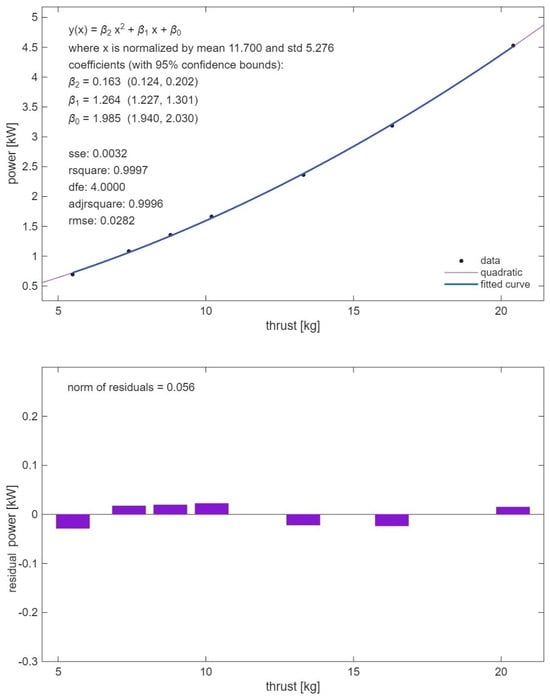
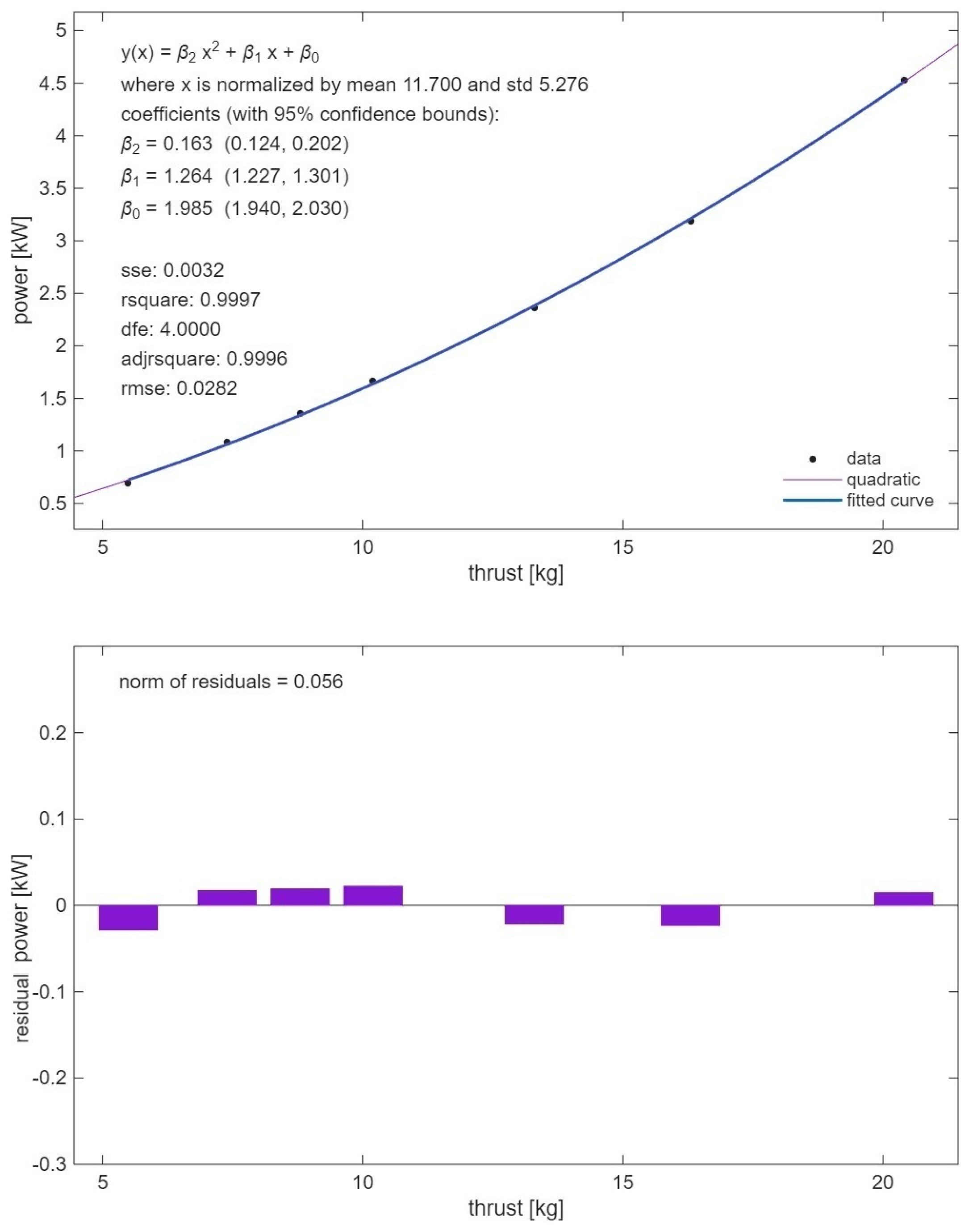
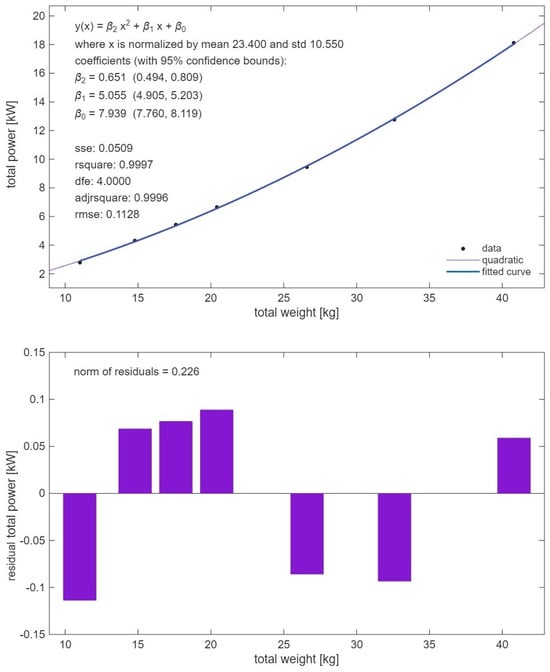
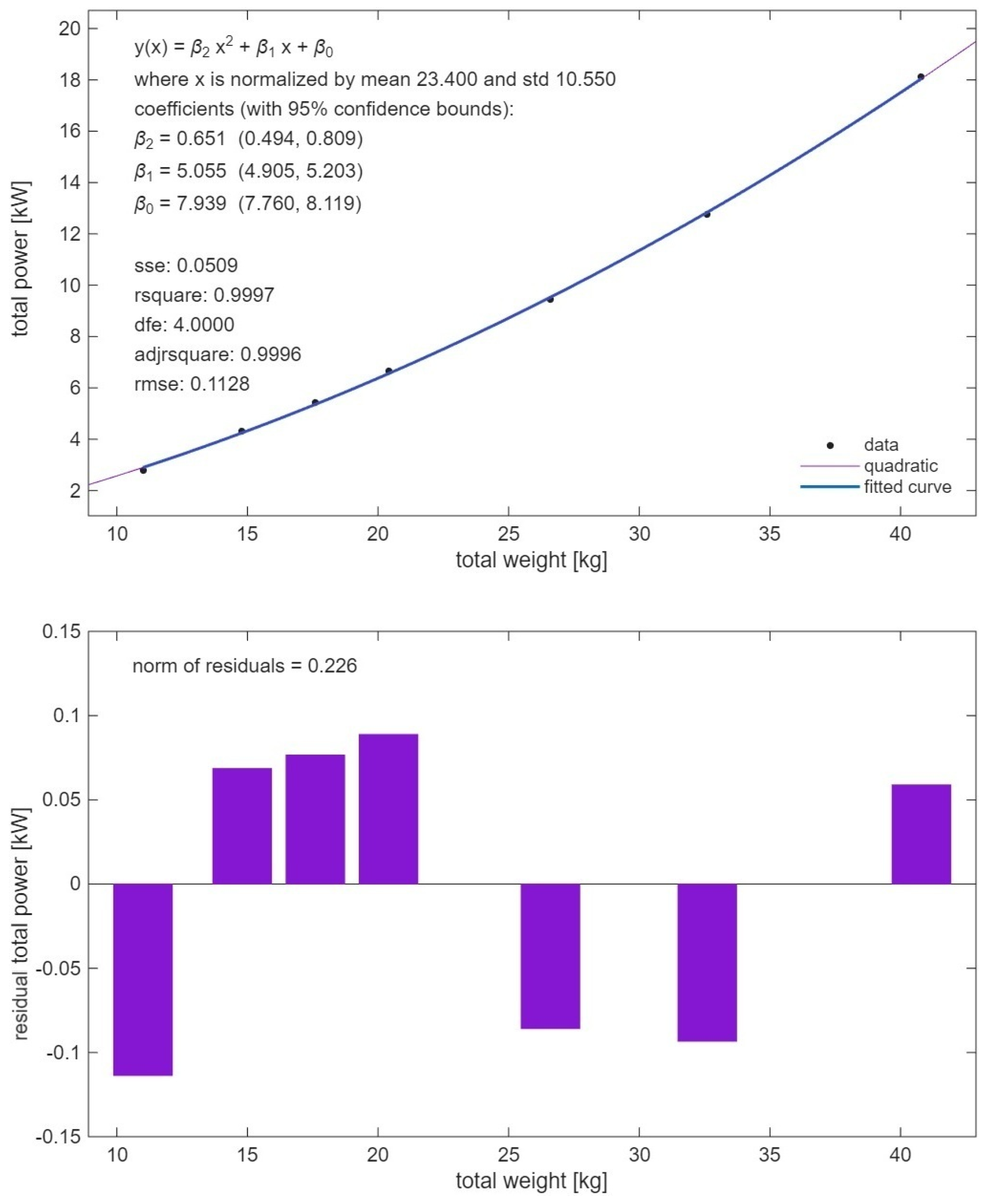
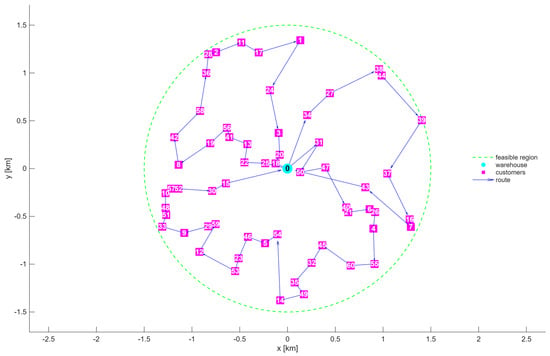
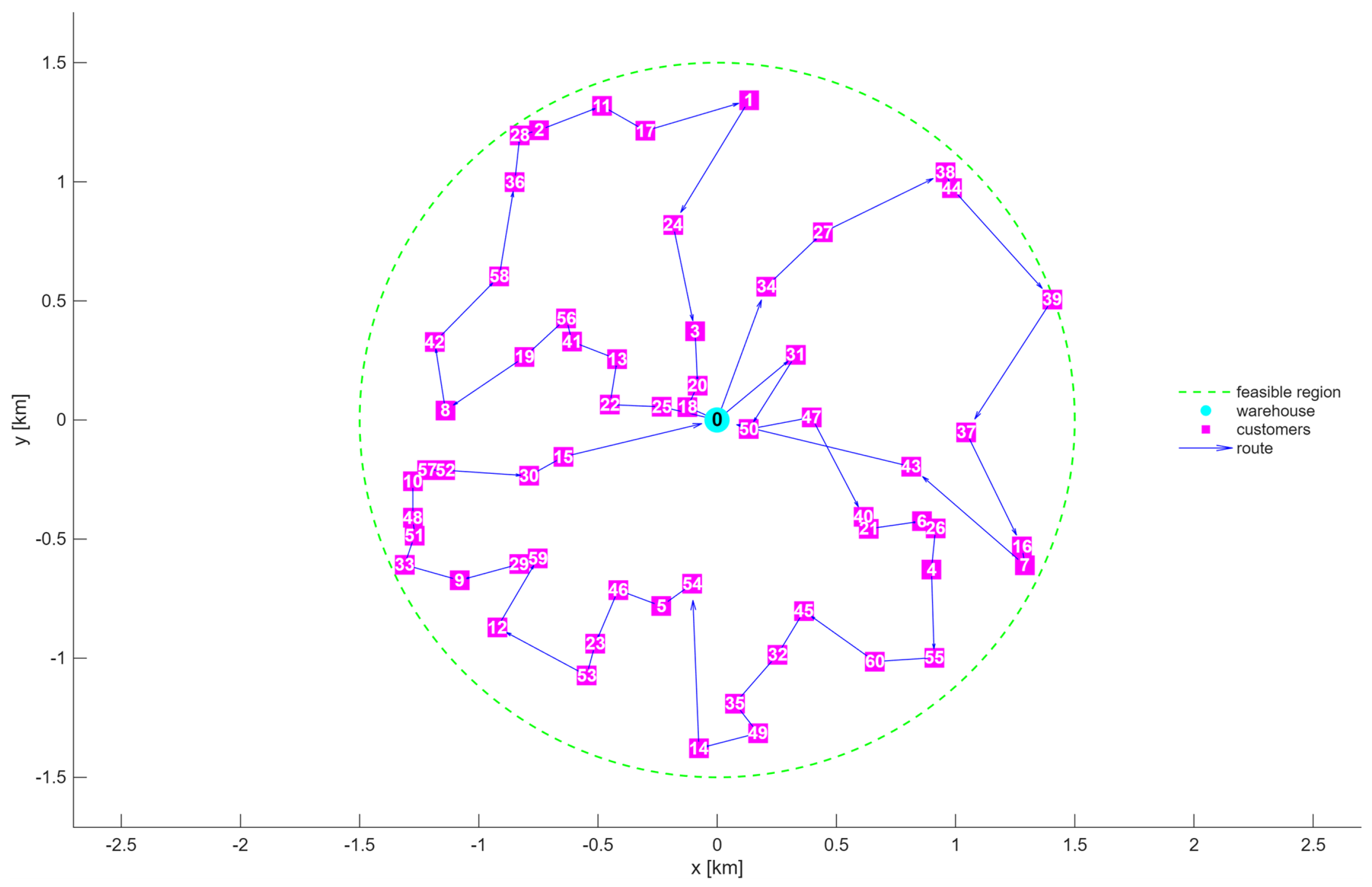
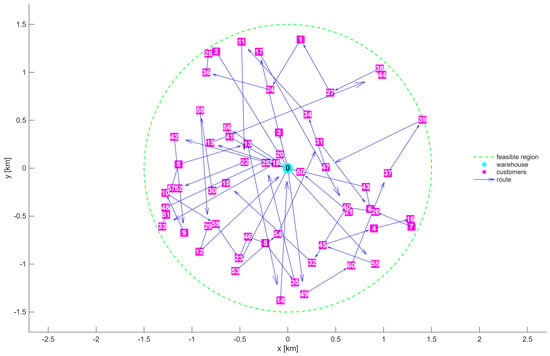
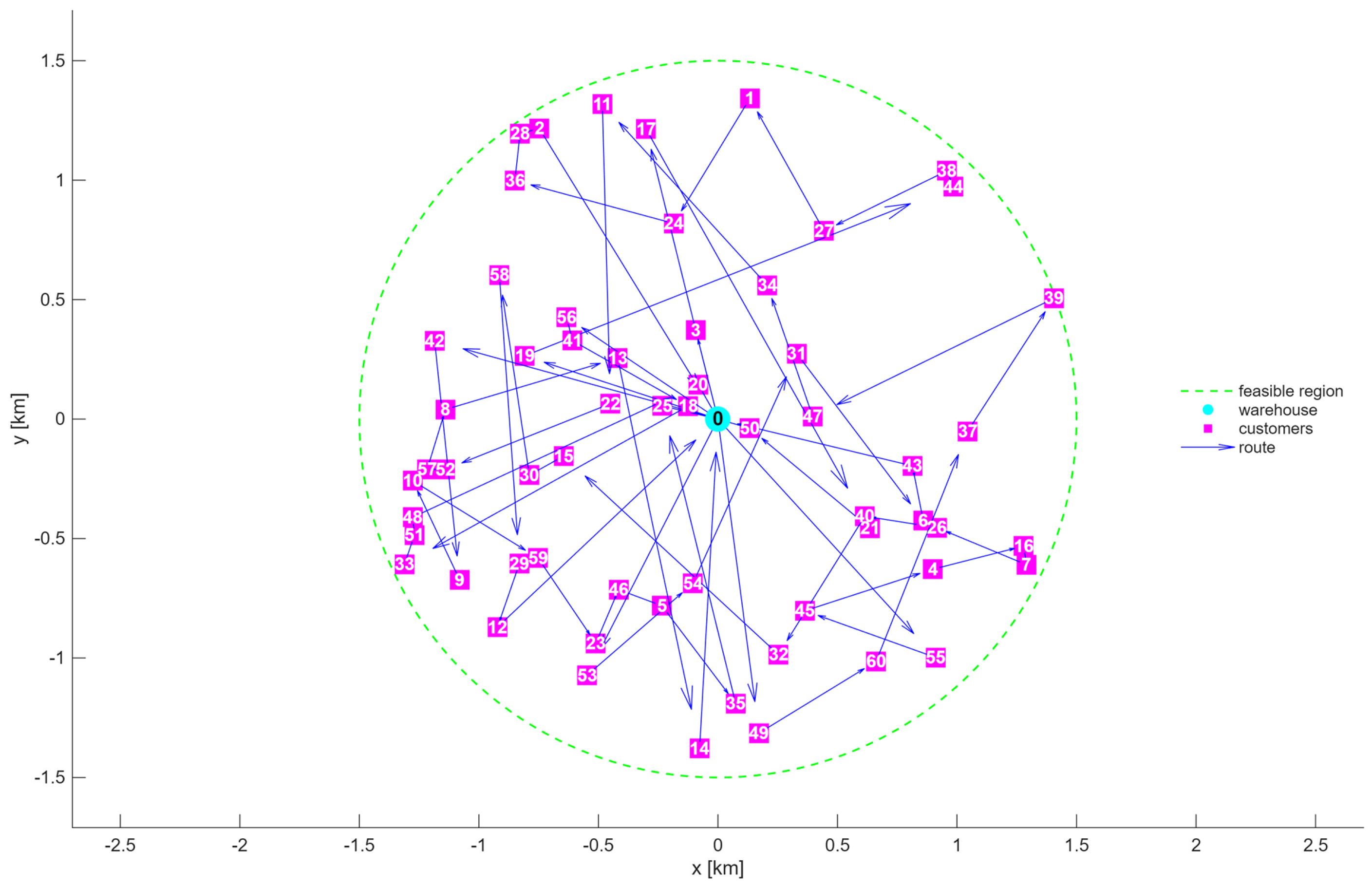
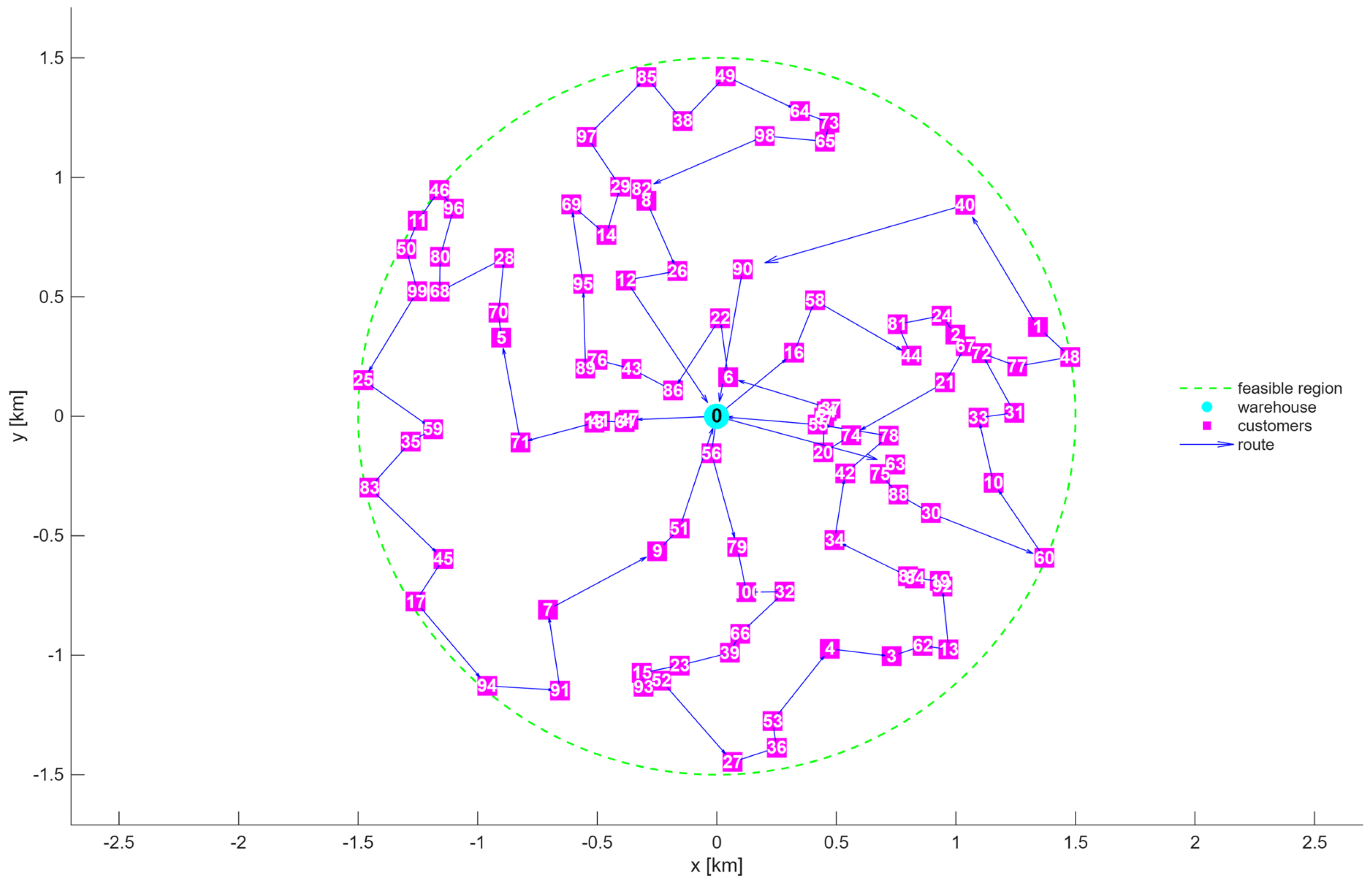
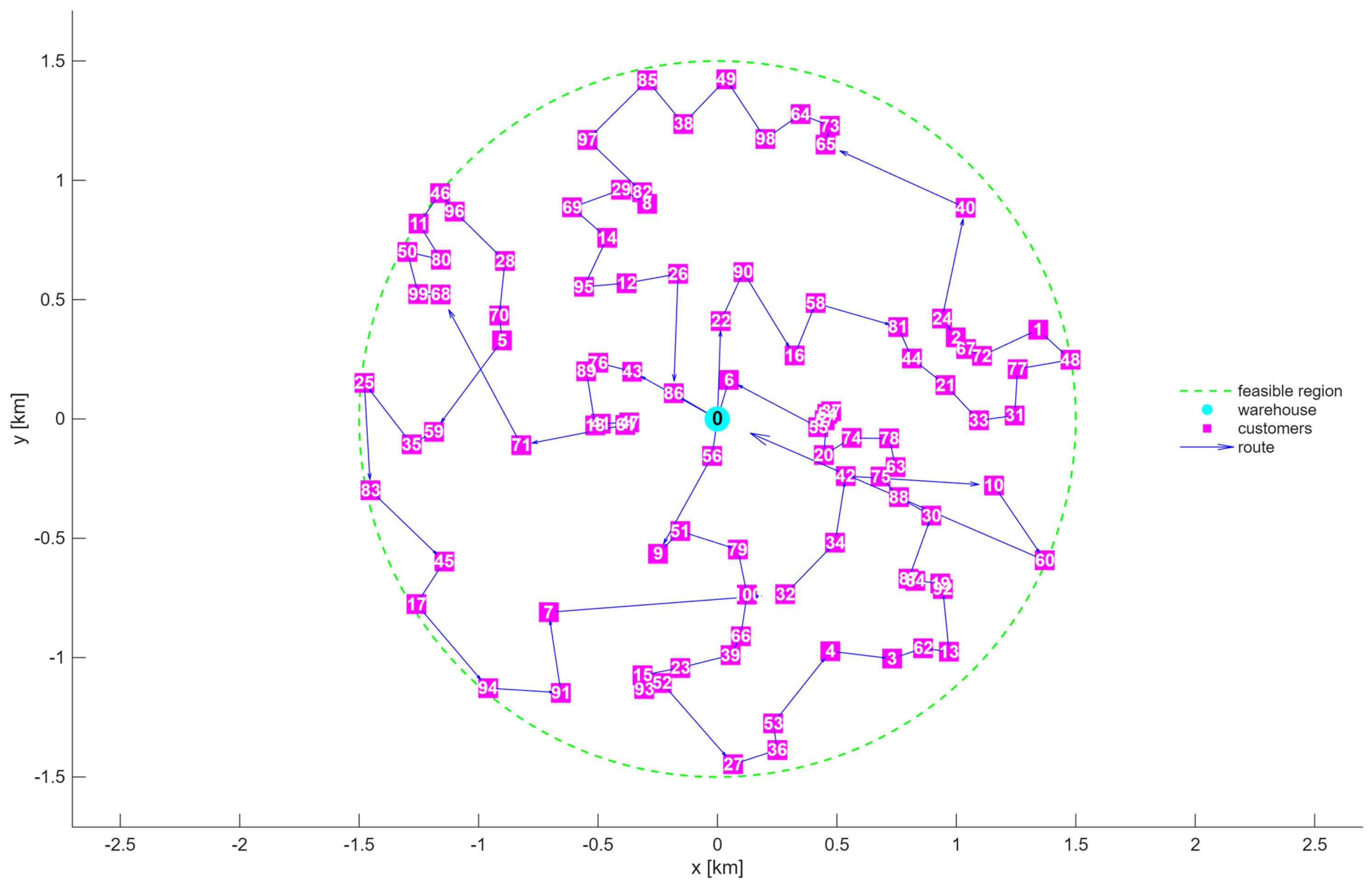
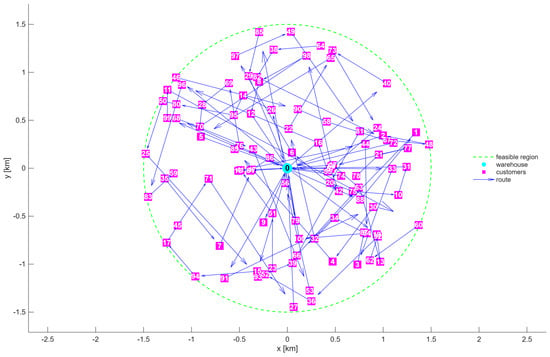
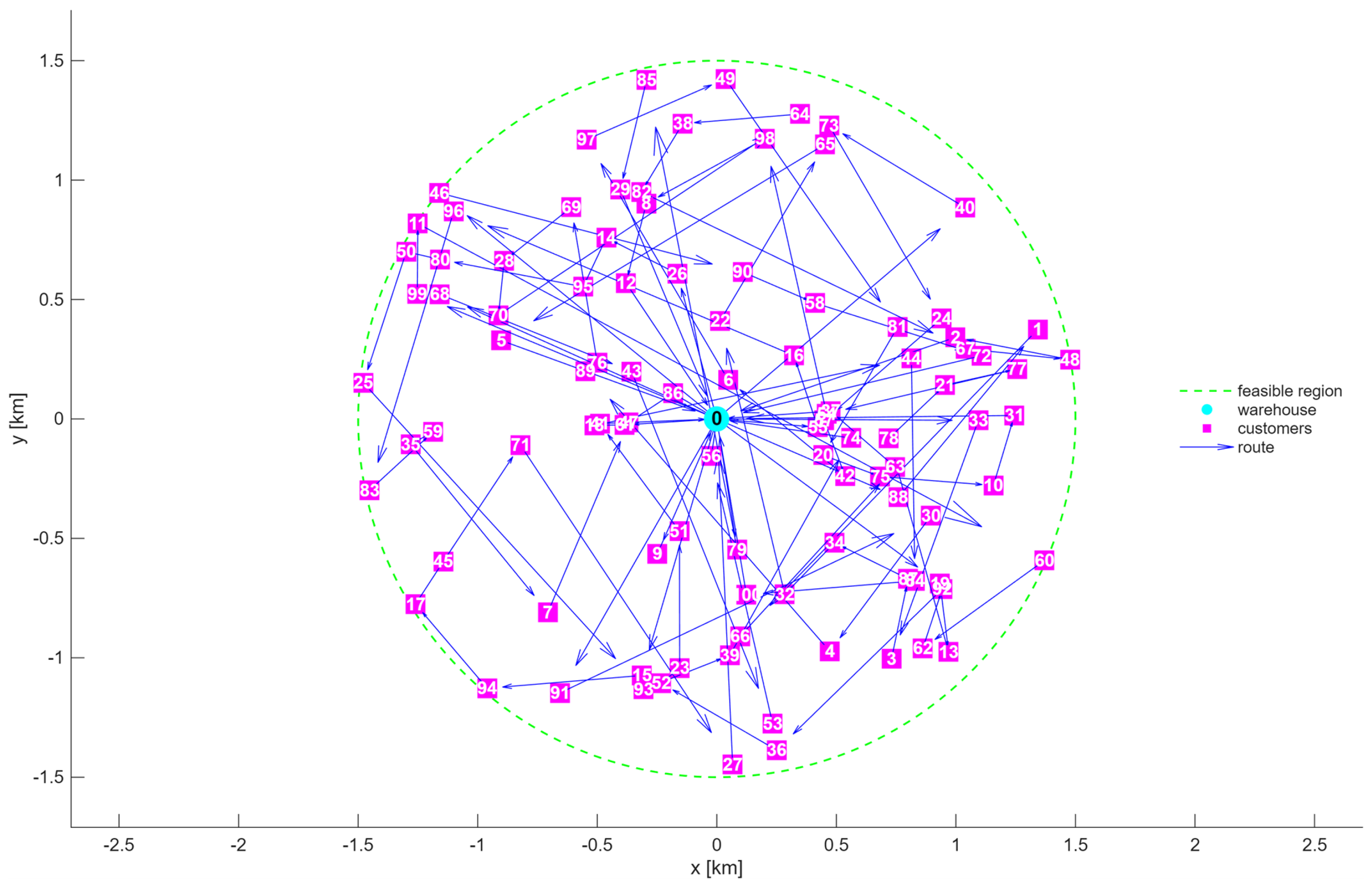
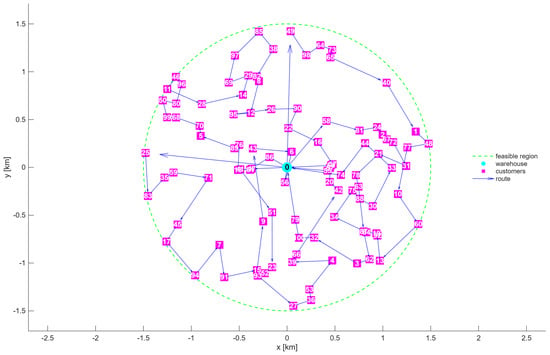
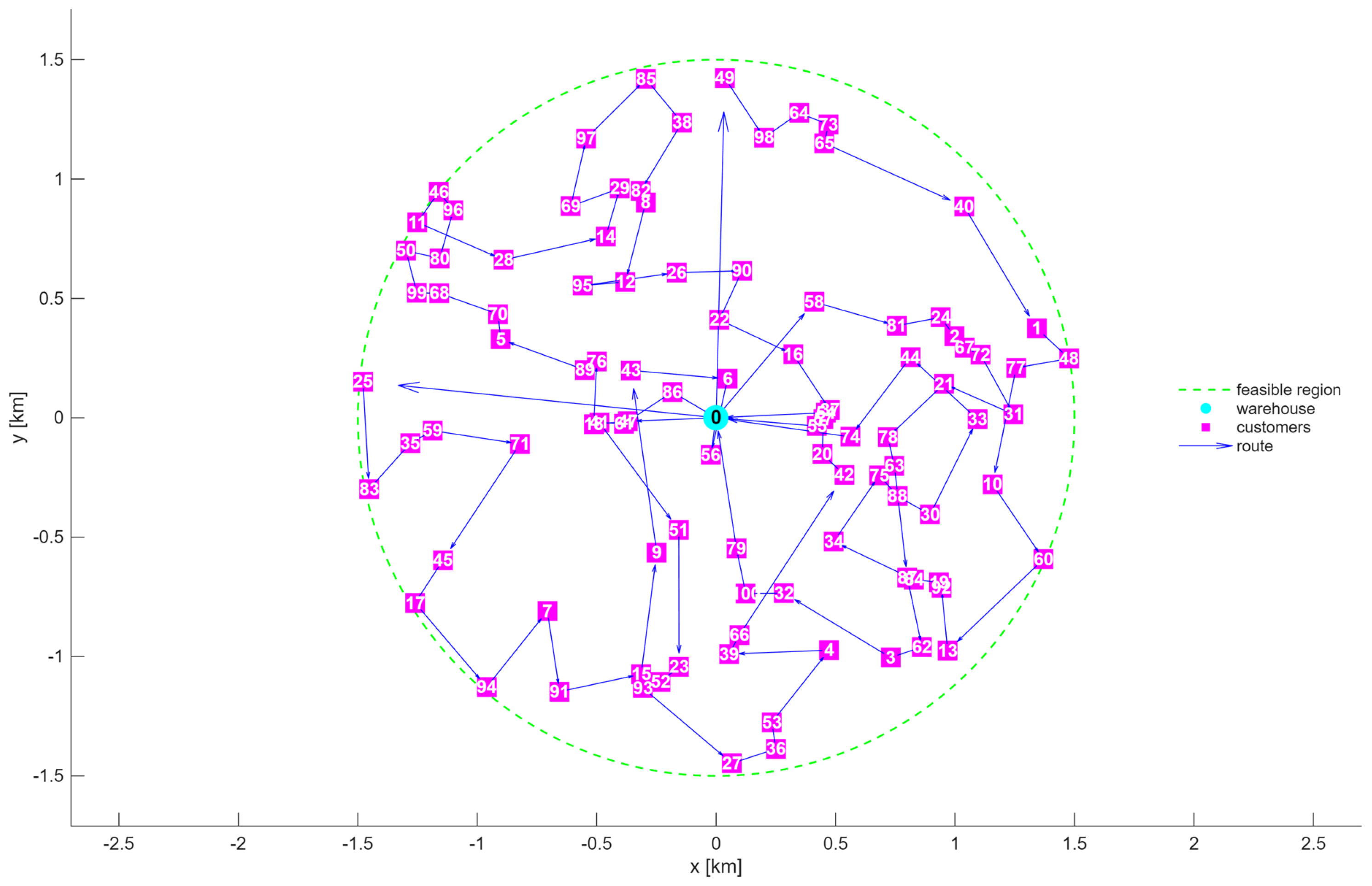

Disclaimer/Publisher’s Note: The statements, opinions and data contained in all publications are solely those of the individual author(s) and contributor(s) and not of MDPI and/or the editor(s). MDPI and/or the editor(s) disclaim responsibility for any injury to people or property resulting from any ideas, methods, instructions or products referred to in the content. |
© 2026 by the authors. Licensee MDPI, Basel, Switzerland. This article is an open access article distributed under the terms and conditions of the Creative Commons Attribution (CC BY) license.