


Abstract
In the modern digital landscape, parental involvement in shaping children’s internet usage has gained unprecedented importance. This research delves into the evolving trends of parental mediation concerning children’s internet activities. As the digital realm increasingly influences young lives, the role of parents in guiding and safeguarding their children’s online experiences becomes crucial. The study addresses key research questions to explore the strategies parents adopt, the content they restrict, the rules they establish, the potential exposure to inappropriate content, and the impact of parents’ computer literacy on their children’s internet safety. Additionally, the research includes a thematic question that broadens the analysis by incorporating insights from studies not directly answering the primary questions but contributing valuable context and understanding to the digital parenting arena. Building on this, the findings from a systematic literature review, conducted in accordance with the Preferred Reporting Items for Systematic Reviews and Meta-Analyses (PRISMA) guidelines, highlight a shift towards more proactive parental involvement. Incorporating 49 studies from 11 databases, these findings reveal the current trends and methodologies in parental mediation. Active mediation strategies, which involve positive interactions and discussions about online content, are gaining recognition alongside the prevalent restrictive mediation approaches. Parents are proactively forbidding specific internet content, emphasizing safety and privacy concerns. Moreover, the emergence of parents’ computer literacy as a significant factor influencing their children’s online safety underlines the importance of digital proficiency. By shedding light on the contemporary landscape of parental mediation, this study contributes to a deeper understanding of how parents navigate their children’s internet experiences and the challenges they face in ensuring responsible and secure online engagement. The implications of these findings offer valuable insights for both practitioners and researchers, emphasizing the need for active parental involvement and the importance of enhancing parents’ digital proficiency. Despite limitations due to the language and methodological heterogeneity among the included studies, this research paves the way for future investigations into digital parenting practices.
1. Introduction
Over the past three decades, the internet has evolved into an indispensable element of daily life for a vast number of individuals. In the current year, the active global internet user base exceeds 5.3 billion people, constituting more than 65% of the world’s population. This signifies a substantial growth of over 28% since 2019, with approximately 1.2 billion new individuals joining the digital realm during this period [1]. With the prevalence of internet usage among approximately 65% of the global population in 2024, it is plausible to anticipate that this percentage may exceed 75% by the year 2025, resulting in an estimated 6.5 billion internet users worldwide. The topic of digital parenting has gained increasing significance as the next generation matures in an environment immersed in the online domain. In the wake of the ascent of commercial television in the United States during the early 1950s, concerns and anxieties regarding its adverse effects on children have garnered widespread attention [2]. However, contemporary attention has shifted from television to the internet and the broader digital landscape, drawing focus to potential risks and challenges. In the present era, children allocate a substantial portion of their time to online activities, be it for educational or entertainment purposes [3]. Due to their youth, children encounter difficulties in comprehending the opportunities and risks inherent to internet and digital platform usage. As their lives become increasingly documented in the digital realm, concerns emerge regarding potential long-term implications for their future privacy and safety [4].
Among all internet users, children emerge as a particularly vulnerable demographic, susceptible to a wide spectrum of potential hazards that can manifest in the online environment. Finkelhor et al. [5] elucidated common online issues affecting adolescents, including cyberbullying, online sexual exploitation, sexting, online fraud, hacking and identity theft, the online promotion of suicide and self-harm, and internet overuse or addiction. Given the essential role of parents in promoting safe internet use, they must be prepared to identify and protect their children from these threats. By gaining a comprehensive understanding of the extent and nature of these perils, parents can better equip themselves to safeguard their children’s online experiences.
Current research indicates that the majority of internet activity transpires within the confines of individuals’ homes. A significant proportion of primary school children (81%) engage in online activities within their homes [6]. This trend has only intensified in the wake of the COVID-19 pandemic, with parents reporting a noticeable increase in their children’s usage of digital devices and engagement with the internet [7]. Furthermore, an extensive 94.6% of children in Europe now have access to the internet from the convenience of their own homes [8]. This highlights the critical role of parents in offering effective and balanced guidance on internet use, ensuring that children benefit from the digital world while minimizing potential risks [9]. As online threats continue to proliferate, it becomes increasingly imperative for parents to employ existing approaches and explore novel approaches to protect their children’s online presence. In a study conducted by Matin Chandrima et al. [10], the efficacy of parental internet mediation in mitigating problematic internet usage among children was underscored. Warren [11] defines parental mediation as any method employed by parents to regulate, supervise, or comprehend the content encountered by their children online. In the realm of parental mediation, discernible trends have also emerged. A European study [12] encompassing 18 countries revealed that the most common restrictive action in parental mediation involves limiting daily screen time to approximately 30 min. Another prevalent restriction involves preventing access to violent content, particularly in video games. Conversely, the most prevalent enabling action involves parents selecting educational games and applications for their children and encouraging their utilization. Occasionally, parents also actively engage with these resources alongside their children. While the majority of parents are familiar with parental mediation practices, some opt not to implement them. In recent years, the concept of “free-range parenting” has gained considerable prominence as a notable parenting approach. Free-range parenting encourages children to cultivate independence and undertake calculated risks commensurate with their age, while still maintaining a degree of parental oversight [13].
The primary objective of this paper is to investigate the prevalence of parental mediation practices among parents, along with their attitudes and experiences regarding the upbringing of children in the digital milieu. Additionally, the study aims to gain deeper insights into parents’ perspectives on the significance of the internet in their children’s lives, its impact on their mental health, behavior, and their exposure to online violence and inappropriate content.
This paper is structured into several key sections that collectively aim to deepen our understanding of parental mediation practices and their implications in the digital age. Following this introduction, we delve into the theoretical framework that supports our study in Section 2. This section is subdivided into various segments that discuss current digital parenting trends, examine parental mediation strategies, consider shifts in parental approaches, provide insights into ‘Free-Range Parenting’, and explore diverse perspectives on digital monitoring. Section 3 outlines the methodology employed in this research, detailing our research questions, the review protocol adopted, and the study selection process to ensure rigor and reliability in our findings. Section 4 presents the findings of our systematic literature review, highlighting the prevalence of parental mediation practices and the diverse attitudes and experiences of parents in the digital environment. In Section 5, we analyze the implications of our findings in greater depth, exploring cultural variations in parental mediation, the long-term effects of these practices on child development, the role of peer influence in digital parenting, variations in parental mediation across different age groups, the psychological impacts of these practices, and collaborative approaches to digital parenting. Section 6 critically assesses the implications of our findings, acknowledges the limitations of our study, and suggests directions for future research. Finally, Section 7 summarizes the key insights derived from our research. Through this comprehensive exploration, the paper aims to contribute significantly to the ongoing discourse on digital parenting, providing valuable insights for researchers, policymakers, educators, and parents alike.
2. Theoretical Backbone: Exploring Digital Parenting
2.1. Digital Parenting Trends
In recent years, there has been significant research focused on the subject of digital parenting and the challenges associated with raising children in the digital age. Scholars from various disciplines have explored different aspects of parental mediation, internet safety, and the impact of digital technologies on children’s development. One noteworthy contribution to this ongoing discourse is a recent article that presents findings from an eight-year research study conducted through the “EU Kids Online” survey across 12 European countries [14]. The study specifically focuses on children between the ages of 11 and 16, aiming to explore their perspectives on parental mediation strategies and the notable changes observed from 2010 to 2018. The analysis reveals a significant increase in the adoption of active mediation practices in several European countries. Furthermore, the research highlights a substantial rise in the proportion of children who use the internet daily, with rates reaching approximately 90% or higher by 2018 across all countries surveyed. In seven countries, the increase was particularly pronounced, exceeding 20% points on average. This upward trend is especially evident in the context of parental mediation regarding internet safety, which experienced the most substantial growth among the four mediation strategies analyzed in the study. Ultimately, the research suggests a shift in parental approaches, moving away from solely imposing rules and restrictions and toward actively guiding children in their internet use.
2.2. Understanding Parental Mediation Strategies
Parental mediation in children’s internet use encompasses a spectrum of strategies employed by parents to maximize the benefits and minimize the risks associated with online activities. The socialization approach, one of several theoretical perspectives on parental mediation, places parental practices within the context of cultural socialization. This perspective underscores the importance of parents aligning their family’s socialization goals with those of other social agents, including the internet [15]. Parental mediation strategies in the realm of children’s internet use are guided by techniques and child-rearing practices shaped by parental values and attitudes. These values, pivotal for effective child-rearing, are influenced by broader cultural dimensions within a society, such as individualism and collectivism [16].
Rode’s work [17] categorizes the rules established by parents into five distinct groups: rules that explicitly prioritize PC use over other activities, rules rooted in trust, rules designed to safeguard the computer from potential threats like viruses or access to adult content, rules that restrict specific activities that are perceived to be risky, and rules that prohibit certain activities that are considered threatening. Her research sheds light on numerous privacy and security threats of which children are often unaware, while also addressing parental strategies to address or mitigate these threats. Although parents employ a range of tactics to protect their children, and some children express concerns, research indicates that children remain susceptible to a wide array of risks. Her study, conducted in 12 households, reveals issues such as identity theft, harassment by strangers, the unintentional disclosure of personal information online, and the circumvention of security software. These findings underscore the urgency of further research to comprehensively understand and effectively address these issues. Moreover, it is imperative to surmount barriers to accessing children as informants to gain valuable insights into their utilization of these technologies. Given the pressing need for privacy and security research concerning children, it is essential for the community to collaborate in eliminating bureaucratic obstacles that threaten children’s safety.
As the practice of parental mediation continues to grow, researchers have raised inquiries regarding the aspects of information and communication technology (ICT) that parents prohibit their children from using and the rationale behind such restrictions. Gür and Türel’s [18] research indicates that parents generally allow their children to use ICT under supervision but become more cautious when it involves situations where children may share personal information online. Consequently, they impose stricter limitations on their children. This assertion is supported by their findings, indicating that 31% of parents reported that their children do not have access to social media, while 42% approve of social media usage only under supervision. Additionally, the majority of parents permit their children to use instant messaging applications, albeit under their watchful eye. The increasing adoption of parental mediation techniques should come as no surprise, given the findings of Álvarez et al.’s [19] study, which unequivocally establish the internet as an indispensable and integral component of children’s daily lives. According to their findings, 60% of users aged between nine and sixteen access the internet daily, with 33% using it weekly. Nevertheless, the internet presents a dual nature, offering educational and beneficial resources alongside inappropriate content such as pornography and cyberbullying. Yaman et al.’s [20] study concluded that internet risks emanate from various sources, including categories like cyberbullying, cyber fraud, and cyber harassment. Children, due to their limited technological literacy and lack of awareness regarding online dangers, constitute the most vulnerable demographic in this context. Data collected in the same study also revealed that children typically commence using the internet at the age of 10.
2.3. Shifting Parental Approaches
Given the pivotal role that parents play in the upbringing of their children and in guiding their online behavior, it is reasonable to anticipate that they employ various strategies to safeguard their children from potentially harmful or objectionable content on the internet. Álvarez et al.’s research [19] suggests that parents often shape their children’s online experiences through prohibition or supervision, yet they may not always be aware of the unwanted content their children encounter online. Therefore, especially during the early stages of internet use, it becomes imperative for parents to actively guide their children and participate in shared online activities.
Parents employ diverse approaches when navigating the digital landscape with their children, resulting in a spectrum of internet parenting styles, including those that are authoritarian, authoritative, permissive, and laissez-faire [21]. The permissive style is characterized by parents who avoid conflicts and refrain from setting explicit boundaries on internet usage. Conversely, the laissez-faire style signifies minimal parental involvement in controlling their children’s online activities, often accompanied by a lack of supportive or restrictive attitudes. On the other hand, parents adopting the authoritative style establish clear rules, including practical measures such as time limits for internet use. Lastly, the authoritarian style involves parents setting strict regulations without providing explanations, while disregarding their children’s perspectives on internet-related matters.
Álvarez et al. [19] concluded, citing the work of Aunola et al. [22], that the permissive style is the most commonly adopted, followed by the authoritative style, with the authoritarian style being the least prevalent. However, a more recent study conducted by Ozgür [23] reveals a shifting landscape in the adoption of these parenting styles. In this study, 595 students identified their family’s internet parenting style as laissez-faire, 395 considered it to be permissive, 282 perceived their family’s style as authoritative, and 17 indicated an authoritarian style.
Furthermore, parenting styles also significantly influence parents’ efforts in providing internet education and are closely associated with their own experiences, attitudes, and usage of the internet. Festl and Gniewosz [24] explored the impact of parents’ educational backgrounds on their internet parenting practices and family dynamics, building upon previous research that highlighted the correlation between parents’ education levels and their confidence, perceptions, and mediation strategies concerning the internet [25,26]. They observed higher levels of perceived parenting confidence among parents from more highly educated families [24]. Additionally, these findings resonate with earlier research, indicating that a mother’s educational level significantly influences her internet parenting style, whereas the father’s educational level does not exhibit a significant relationship. The study by Gür and Türel [18] also unveiled that parents who lack computer ownership, home internet access, or technological proficiency tend to hold more negative attitudes towards the use of information and communication technologies (ICT).
2.4. Understanding ‘Free-Range Parenting’
Although research shows that parents generally aim to control and monitor their children’s media usage, not all parents adopt the same approaches and levels of parental mediation. Consequently, a portion of parents decide to grant their children extensive freedom on the internet, either fully or nearly so. This style of parenting is commonly known as ‘free-range parenting’. The concept of ‘free-range parenting’ started gaining popularity in the early 2000s. Lenore Skenazy’s book, published in 2009, played a significant role in popularizing this parenting style. The book promotes granting children more independence and freedom in their daily activities, including their internet usage, with a focus on maintaining safety and taking practical precautions [27]. In the past, parents tended to encourage more independence in their children, allowing them to participate in independent activities and gradually take on responsibilities. However, their methods have been increasingly challenged in recent decades as modern parents often exhibit a sense of apprehension, fearing the potential dangers associated with granting such independence to their children [28]. As a result, ‘free-range parenting’ is now often perceived by many people as a form of child neglect [29]. Additionally, some studies have been conducted to explore the association of demographic factors with the practice of ‘free-range parenting’. Studies have shown that income levels play a role in neglectful parenting. In 2013, Washington University conducted research to explore the connection between neglect subtypes, race, and poverty. Their findings revealed a moderate correlation between a lack of resources, low income, and a higher rate of neglect. The study recommended focusing on policies that address the disparities in living conditions among poorer families to better tackle maltreatment issues [30]. Past studies have delved into the reasons behind this correlation. One primary factor is the lack of time, availability, and financial means to constantly supervise children. Many low-income parents, unable to afford childcare while supporting their families, have no choice but to leave their children alone when they are at work [31]. As a result, out of necessity, many low-income families adopt a more ‘free-range parenting’ style.
2.5. Diverse Perspectives on Digital Monitoring
Opinions on ‘free-range parenting’ vary, reflecting a divided perspective. Parents aim to monitor their children’s online activities for protection, but challenges arise due to fake accounts, technical loopholes, and unclear policies. Some resort to monitoring apps for constant supervision, citing safety concerns [32]. Personal experiences also shape parenting approaches, as one participant mentioned not wanting their child to repeat their own past mistakes. While parents may engage in mediating their children’s internet use, the efficacy of their approaches remains distinct. Certain studies indicate that parents often respond by imposing limitations on their child’s online engagement when encountering online difficulties, which can be perceived as being intrusive to children rather than genuinely protective [33]. Those abstaining from monitoring apps prioritize teaching responsibility and building trust before granting independence. Perspectives differ, with some emphasizing close monitoring, while many children advocate teaching responsibility and building trust before granting more freedom.
3. Materials and Methods
The methodology outlined by Kitchenham and Charters [34] is widely acknowledged for its thorough and dependable approach to conducting systematic literature reviews (SLRs) across various academic disciplines [35,36,37]. In this study, we adhered to their guidelines to ensure the establishment of a precise, clear, and transparent literature review. These guidelines encompass a series of distinct tasks, including formulating research questions, establishing a review protocol, defining inclusion and exclusion criteria, devising a search strategy, conducting study selection, executing data extraction and synthesis, and ultimately presenting and reporting findings [38]. This review was also conducted in accordance with the Preferred Reporting Items for Systematic Reviews and Meta-Analyses (PRISMA) guidelines [39]. Adhering to all these steps is essential for the purpose of reducing potential researcher biases. In the following subsections, we are going to describe and demonstrate how we have employed the aforementioned methodology and guidelines to fit our research.
3.1. Research Questions
While the preceding research has explored various facets of digital parenting, the present study adopts a comprehensive approach for scrutinizing the contemporary trends and methodologies in parental mediation. The research questions steering this study are as follows:
(RQ1) What are the predominant trends characterizing parental mediation concerning children’s internet use in the contemporary milieu? This question is designed to elucidate the transformative patterns in parental engagement, taking into consideration elements such as their active mediation, imposition of constraints, and collaborative co-usage strategies.
(RQ2) What genres of internet content do parents proactively prohibit their children from accessing? In an era marked by an abundance of digital content, this inquiry seeks to gain insights into the specific genres, applications, programs, and games that parents opt to restrict due to concerns related to their children’s privacy and security.
(RQ3) What rules and restrictions do parents establish governing their children’s internet utilization? Through an exploration of the regulatory measures enforced by parents, encompassing aspects such as duration, timing, access to content, and monitoring practices, this question seeks to comprehend the strategies employed by parents to ensure a secure and balanced digital experience for their children.
(RQ4) Is there an escalating exposure of children to inappropriate internet content, and how do parents confront this challenge? This question delves into the potential vulnerability of children to harmful online material and examines the methodologies through which parents implement mediation strategies to mitigate risks and safeguard the overall well-being of their children.
(RQ5) To what degree does parents’ proficiency in computer literacy impact the online safety of their children? This question explores the correlation between parents’ digital competencies and their effectiveness in guiding and supervising their children’s online activities, underscoring the significance of empowering parents to cultivate a secure online environment.
Through an exploration of these research questions, this study contributes to a comprehensive understanding of the evolving landscape of digital parenting. It offers valuable insights that can inform both practitioners and researchers in the endeavor to promote responsible and secure internet usage among children. By scrutinizing current trends and methodologies, this study strives to offer meaningful guidance to parents and educators navigating the intricate digital terrain and striving to foster a safer online environment for the forthcoming generation.
3.2. Review Protocol
Our systematic literature review encompassed articles, chapters, and reports published in various sources, including journals, books, conference proceedings, and webpages, without imposing a specific time frame. The objective was to systematically gather pertinent studies, enabling a comprehensive classification and analysis of affective recognition and expression channels, methods, models, and instruments within the education domain—areas that prior research may not have fully explored. To achieve this, we conducted searches across various databases, such as Google Scholar, the Web of Science, IEEE Xplore, Scopus, ACM Digital Library, Elsevier ScienceDirect, Emerald Insight, MDPI, SAGE Journals, SpringerLink, and Taylor & Francis Online with the following query: (“digital parenting” OR “Internet parenting” OR “parenting on the Internet”) AND (child OR childhood OR kids) AND (Internet OR web OR cyber). It is important to highlight that for inclusion in this study, articles needed to meet all specified inclusion criteria and avoid any of the exclusion criteria. An article was considered suitable for inclusion if it constituted a complete full-text paper written in English and aligned with the thematic focus of our research. Conversely, articles that were incomplete, inaccessible, or not in English were excluded from consideration.
Data collection from reports was carried out independently. This involved a systematic approach to extracting data from each of the selected reports, ensuring accuracy and adherence to the review protocol. Given the individualized nature of the data’s collection, there was a focused effort on maintaining consistency and objectivity throughout the process. No automation tools were used in the data collection process, and all data were verified directly from the original reports. This approach of data collection through a single researcher was deemed suitable for the scope of this review, considering the manageable number of final studies included and the detailed nature of the data required.
In conducting this systematic literature review, a singular approach was adopted for the selection and allocation of studies in relation to the research questions posed. Unlike conventional methods where identified studies are coded before being aligned with research questions, this review directly allocated identified studies to corresponding research questions. Given the unique nature of this approach and the fact that the selection of studies was conducted solely by one researcher, it was imperative that we establish the reliability of inclusion decisions. To this end, a test–retest procedure was implemented as a means of validation [34].
The protocol for selecting studies was executed on three separate occasions: initially, in January 2023, which resulted in the identification of 43 studies; a subsequent round in April 2023, which identified an additional 48 studies; and a final iteration in January 2024, culminating in a consolidated set of 49 studies. The consistency in the identification of studies across these rounds, particularly the inclusion of all studies identified in the initial rounds within the final set, underscores a high level of consistency in the inclusion/exclusion decisions made by the single researcher involved.
Among the total of 49 studies identified, 27 furnished answers to the initial suite of five posed research questions. To enrich the scope of our review and deepen our understanding, an additional thematic research question was introduced: “How do evolving parental mediation strategies, influenced by digital advancements, cultural nuances, and psychological impacts, shape effective digital parenting across different developmental stages and contexts?”. Insights from 22 studies that did not directly answer the initial research questions were drawn upon, providing valuable context and perspective. The inclusion of this thematic question allowed the analysis to encompass areas such as cultural variations, long-term impacts on child development, and the psychological implications of parental mediation strategies, thereby offering a comprehensive overview of the digital parenting landscape.
3.3. Study Selection Process
By formulating the search query and executing it across 11 distinct databases, a comprehensive total of 4007 results were generated. In the subsequent phase of result refinement, 3244 entries were excluded through the examination of article titles. This process led to the retention of 763 potential results. Further refinement proceeded with a preliminary review of abstracts, resulting in the exclusion of 532 records and the retention of 231 viable results. Subsequently, a more detailed review of the main bodies’ contents resulted in the elimination of 97 entries, culminating in a remaining count of 134 outcomes. The fourth phase of refinement involved a thorough examination of the main bodies, leading to the exclusion of 45 articles that were not sufficiently relevant to our research topic. Ultimately, a final round of 40 eliminations occurred because these articles did not provide answers to the research questions. The review protocol is depicted in Figure 1 while the initial and final distribution of articles across databases is presented in Table 1.
Figure 1.
PRISMA flow diagram.
Table 1.
The number of research papers initially discovered in each database and the final number that underwent analysis.
3.4. Bibliometrics of Selected Studies
Out of the total 49 papers evaluated for review, 78% (38 papers) were published in academic journals, 14% (7 papers) appeared as reports, while the remaining 8% (4 papers) were chapters in edited volumes. Notably, conference proceedings did not serve as a publication venue for any of the works. The highest concentration of publications in a single source did not exceed two papers. Regarding journals, notable mentions include “Computers in Human Behavior”, “Contemporary Family Therapy”, “Frontiers in Psychology”, “Heliyon”, and “Pediatrics”. The majority of reports originated predominantly from the Pew Research Center and The London School of Economics and Political Science. This distribution is clearly delineated in Table 2.
Table 2.
Distribution of studies by type of publication.
The compilation of the reviewed research papers consists of 17 quantitative studies (representing 35% of the total), 21 qualitative studies (constituting 43% of the total), and 11 mixed-method studies (comprising 22% of the total). This is illustrated in Figure 2.
Figure 2.
Distribution of studies by category.
The distribution of research papers based on their publication year is presented in Figure 3. The graph indicates a notable concentration of selected studies in 2021, followed by 2022 and 2023. It is clear that a substantial portion of the chosen studies has been published in the last decade, with a few extending beyond this timeframe.
Figure 3.
Distribution of studies by year of publication.
In Table 3, we offer a structured summary of the quantitative research that was used in our work. The table is organized to provide the key details from each study, including the reference and publication year for easy identification, alongside the country of origin to indicate the geographical context. Descriptions of the research focus are also provided. Critical to understanding the research’s robustness, the sample size and methodologies employed are also listed, offering insights into the analytical depth and approach of each study. Conclusively, the key findings are also summarized, highlighting the essential contributions these studies make to the field. This summary is intended to serve as a concise yet comprehensive guide, enabling readers to swiftly comprehend the landscape of the quantitative research within our work.
Table 3.
Overview of the quantitative studies.
The table presents a summary of various studies spanning from 1999 to 2023, with a significant focus on parental mediation in the digital environment. The research was conducted in diverse locations, with multiple studies from the United States, and others covering European countries, as well as individual studies from Vietnam, China, Ireland, and Austria. Sample sizes varied widely, from as few as 150 parents in Austria to as many as 2179 students in the United Kingdom, indicating a broad range of study scales. The primary instrument for data collection across these studies was surveys, highlighting their preference for investigating the perceptions and behaviors regarding internet use and parental mediation. Research topics ranged from examining parental mediation types, to the impact of internet use on parent–child relationships, to the effects of parental guidance on child behavior online and offline, showcasing a comprehensive exploration of the interplay between digital media, parenting, and child outcomes.
Table 4 provides a detailed overview of the qualitative studies pertinent to our review. Notably, it outlines the research questions that guided each study. Information on the databases accessed for each study is also included. The number of articles reviewed is listed to give an indication of the scale of each study’s literature analysis, providing insight into the comprehensive nature of the research undertaken. Key findings are summarized to distill the critical insights and conclusions drawn from these qualitative inquiries.
Table 4.
Overview of the qualitative studies.
This collection of studies, spanning from 1993 to 2023 and across various regions including those of the United States, India, Europe, and the Asia–Pacific, examines the role of parental mediation, the effects of digital and traditional media on youth, internet safety dynamics, and digital parenting’s evolutions. Research questions explore how digital parenting impacts child development, the effects of media on youth health, strategies for improving online safety, and digital media’s role in adolescent social interactions and parental digital learning involvement. The research underlines the crucial influence of parental mediation on children’s digital behavior, the impact of digital media on youth, and the need for modernized parenting approaches in the digital era.
Table 5 offers a concise summary of the mixed-method studies relevant to our review. It categorizes each study by its reference, publication year, and country of origin, giving a foundational context for the research. Additionally, it describes the research focus of each study, outlines the methods employed, the sample size, and encapsulates the key findings. This organization aids in understanding the diversity and depth of the mixed-method research within the field.
Table 5.
Overview of the mixed studies.
Research from 2008 to 2023 across various countries highlights the complex role of digital parenting. Studies utilizing surveys, interviews, and literature reviews with diverse sample sizes find that parental mediation impacts internet safety, cyberbullying, and digital literacy. Key conclusions include the mixed effectiveness of restrictive mediation versus the generally positive outcomes of active mediation. These findings emphasize the critical need for nuanced digital parenting strategies to navigate the challenges of guiding youth in the digital landscape.
4. Review Results
The sections below outline the findings of our systematic literature review and provide the answers to our research questions. By focusing on our research inquiries, we aim to paint a clear picture of how parents are currently approaching digital parenting.
4.1. (RQ1) What Are the Predominant Trends Characterizing Parental Mediation Concerning Children’s Internet Use in the Contemporary Milieu?
The current trends in parental mediation regarding children’s internet use reveal a shift towards more active involvement and guidance. Parents are increasingly adopting strategies to safeguard their children from potential online risks while allowing them to explore the digital world. That does not come as a surprise considering they, as the most influential people in the development and socialization of their children, carry the primary responsibility for guiding their children’s media behavior [40]. According to the findings of a recent study conducted by Sciacca et al. [41], nearly half of the parents surveyed (46%) implemented parental mediation with consistent frequency. Parenting style and parental mediation are distinct concepts that influence how parents interact with their children regarding media use. While parenting style encompasses the overall emotional tone between parents and children [43], parental mediation refers to specific strategies parents use to regulate their children’s media experiences [44]. Three commonly reported parental mediation strategies are active, restrictive, and co-use mediation [45]. Active mediation involves positive interactions between parents and children, such as discussing media content and guiding them toward appropriate media use. Restrictive mediation entails setting rules to limit media time and content access. Co-use occurs when parents engage in media activities together with their children [46]. Brito et al. [47] examined parental mediation in 14 countries and found that restrictive mediation was the most commonly used strategy by parents. They monitored both television and mobile device usage, occasionally requesting that their children switch channels if inappropriate content was detected or uninstalling unsuitable apps. However, the findings of a study completed by Hefner et al. [49] contradicted these results. This research revealed that the more parents practiced restrictive mediation, the more adolescents tended to exhibit problematic mobile phone usage. The study also highlighted the influence of role-modeling, as children followed the level of parental involvement with mobile phones. While some research suggests that restrictive mediation is the most used strategy, other studies have indicated the potential drawbacks of excessively restrictive mediation, which may lead to problematic mobile phone usage among adolescents. Therefore, striking a balance between active guidance and reasonable restrictions remains crucial in guiding children’s internet usage effectively. We can conclude that the most commonly used parental mediation technique is restrictive mediation, where parents set rules and restrictions on media usage. However, there is also a growing recognition of the importance of active mediation, involving positive interactions and discussions about media content to guide children towards appropriate internet use. Overall, the evolving landscape of parental mediation reflects a growing awareness of the importance of parental involvement in shaping responsible and safe digital citizens among the next generation. The answers to the first research question are summarized in Table 6.
Table 6.
Trends and challenges in parental mediation strategies.
4.2. (RQ2) Which Genres of Internet Content Do Parents Proactively Prohibit Their Children from Accessing?
The family plays a crucial part in shaping the social development of their children [50]. Current studies have demonstrated that the family acts as a safeguard against adolescents engaging in risky and harmful behaviors, such as tobacco, illicit substance, and alcohol use, as well as unsafe sexual practices [51,52]. A growing number of parents are now taking their kids off social media, amid increasing concerns about safety and privacy. The parents also choose to ban some apps, shows, and games [53]. This trend of parents taking their kids off social media and implementing bans on certain apps, shows, and games can be attributed to escalating worries about their children’s safety and privacy in the digital landscape. With the rapid advancement of technology and the widespread use of online platforms, parents are becoming more cautious about the potential risks their children might encounter. Livingstone and Bober [54] found that restrictive forms of parental guidance are slightly more prevalent than evaluative or conversational forms: 42% of children aged 9–17 living with their parents indicated having specific rules about the duration of their online activities, and 35% had rules about the timing of their online sessions. Correspondingly, 43% of parents acknowledge setting limits on their child’s internet use. Interestingly, some online activities were seen as helpful or safe, so they had fewer rules (like games, email, and instant messaging). But for activities that parents worried about, like shopping, privacy, chat, or certain interactive platforms, there were more rules set in place. In a study carried out by Erickson et al. [55], a series of interviews were conducted with parents and their children. In one case, a parent utilized parental controls on a well-known movie website to ensure that only age-appropriate movies were accessible. In another instance, a parent was actively involved in monitoring their child’s text messages and social media interactions. Various rules established by parents included requirements for their children to be friends with one or both parents on social media platforms, share passwords for all online accounts, and maintain open access to text messages. In conclusion, parents take proactive measures to ensure their children’s digital safety by forbidding them from viewing specific types of internet content. This includes restricting their access to social media platforms, apps, shows, and games due to increasing concerns about safety and privacy. This trend reflects parents’ growing awareness of potential online risks and their commitment to safeguarding their children’s online experiences. The summary of answers to the second research question is presented in Table 7.
Table 7.
Commonly prohibited content genres and their associated challenges.
4.3. (RQ3) What Rules and Restrictions Do Parents Establish for Governing Their Children’s Internet Utilization?
Parents establish a variety of rules and prohibitions for their children when using the internet. These measures aim to ensure a safe and responsible online experience for their children. Common rules include setting limits on the duration and timing of internet usage, specifying which websites and platforms are allowed, and monitoring the content their children access [56]. Duerager and Livingstone [57] revealed that 89% of parents impose rules about whether their child can give out personal information online; 82% talk to their children about what they do on the internet; and 59% stay nearby when their child is online. Nguyen et al. [59] found that among the respondents who enjoyed a strong parent–child relationship, the most prevalent form of parental involvement was centered around overseeing their children’s online activities on the internet and social media. Additionally, these parents established guidelines regarding the duration and timing of internet access for their children [59]. Findings of current studies suggest that parents commonly establish rules and limitations to regulate their children’s social media engagement and overall time spent on the internet [61,62,63]. These measures reflect parents’ concerted efforts to ensure a balanced and responsible online experience for their children. The prevalence of rules regarding personal information sharing, conversations about internet activities, and physical proximity during online sessions underscores the importance parents place on safeguarding their children’s digital presence. Moreover, the emphasis on overseeing internet activities and setting guidelines for the duration and timing of internet access further supports the notion that parents are actively managing their children’s online presence, underscoring a focus on responsible and controlled internet use. The summary of findings related to the third research question can be found in Table 8.
Table 8.
Overview of parental internet rules and implementation challenges.
4.4. (RQ4) Is There an Escalating Exposure of Children to Inappropriate Internet Content, and How Do Parents Confront This Challenge?
Research indicates that children are indeed susceptible to exposure to inappropriate content on the internet [65,66]. Due to their limited technological literacy and awareness of online dangers, children are at a heightened risk of encountering content that is not suitable for their age or development. This vulnerability is compounded by the extensive availability of digital platforms and the diverse nature of content that is accessible online. Studies have highlighted the presence of problematic content, including cyber-bullying, explicit material, and harmful online behaviors, which can have detrimental effects on children’s mental and emotional well-being. Parents’ efforts to employ various forms of parental mediation, such as active guidance and restrictive practices, underscore their recognition of the potential exposure to inappropriate content. These parental interventions reflect the collective concern to mitigate such risks and safeguard children from encountering harmful material during their online activities [67]. Young people use internet social networks more frequently, which also causes a higher risk of exposure to internet pornography, internet fraud, and internet risk, while others are inclined to file internet complaints against those problems [68]. Research has consistently highlighted the vulnerability of children to encountering inappropriate content on the internet. Their limited technological literacy and lack of awareness about online hazards contribute to their susceptibility to stumbling upon content that is unsuitable for their age and developmental stage. The vast availability of digital platforms further compounds this risk, making it crucial to address the issue effectively. The studies underscore the alarming prevalence of problematic content, ranging from cyber-bullying to explicit material, which can profoundly impact children’s emotional and mental well-being. The efforts of parents to employ diverse parental mediation strategies, including active guidance and restrictions, reflect their shared concern about the potential exposure of their children to harmful online material. This collective endeavor aims to mitigate risks and create a protective online environment for children during their internet engagements. Responses to the fourth research question are summarized and presented in Table 9.
Table 9.
Children’s exposure to inappropriate content and parental mitigation ffforts.
4.5. (RQ5) To What Degree Does Parents’ Proficiency in Computer Literacy Impact the Online Safety of Their Children?
In today’s world, being digitally literate is crucial for making the most out of technology. It is like a communication toolbox that helps us access, organize, coordinate, evaluate, and share information in our society [69]. The fundamental idea is that children often learn about technology by watching their parents. A positive parenting approach, along with its core principles, serves as a type of parental guidance that helps shield children from negative influences while they navigate online tasks [70]. The results of a study conducted by Hingpit and Salomon [72] showed that parents who were not computer literate were more likely to not know what their children were playing in internet cafes. Predominantly, this group consisted of individuals without college degrees and who were engaged in low-income jobs. Conversely, those participants with a college education and the financial means to own computer units were the ones who engaged in co-playing activities with their children. These findings underscore the significance of enhancing parental computer literacy, as it enables parents to comprehend and engage with their children’s digital experiences more effectively. The study findings suggest that parents’ computer literacy plays a significant role in influencing their children’s internet safety. Parents who possess higher levels of computer literacy are better equipped to monitor and guide their children’s online activities. This proficiency enables them to understand the digital landscape and potential risks, allowing them to implement more effective strategies to ensure their children’s safety while using the internet. In contrast, parents with limited computer literacy might struggle to navigate online platforms and recognize potential dangers, potentially leaving their children more exposed to online risks. Therefore, improving parents’ computer literacy is crucial in promoting a safer online environment for children. Table 10 showcases a compiled summary of the answers addressing the fifth research question.
Table 10.
Impact of parental computer literacy on online safety measures.
5. Discussion
The evolution of the internet and digital technologies has positioned parents as crucial stakeholders in guiding their children’s online experiences [71,73,74]. The growth of internet usage among children, coupled with the potential risks and challenges posed by online content, necessitates active parental involvement to ensure a safe and responsible digital environment. In addressing these complexities, this review introduced an additional thematic research question, bridging the initial discussion with a deeper exploration of evolving parental mediation strategies. Current trends in parental mediation underscore a notable shift towards more hands-on approaches, highlighting the adoption of diverse strategies to safeguard children from potential online risks while enabling their digital exploration [75]. This evolution signifies the growing recognition of parents’ pivotal role in nurturing digitally literate and conscious citizens. The prevalence of restrictive mediation, characterized by curbing content exposure and screen time, continues to resonate. Yet, the rising emphasis on active mediation speaks to the value of open dialogues and positive interactions between parents and children concerning digital interactions [76,77]. Parents proactively enforce restrictions on specific online content, such as social media platforms, apps, and games. Their heightened awareness of privacy and safety underscores their commitment to creating a secure online environment [47,64,78,79]. This trajectory reflects a dedication to nurturing a responsible digital space. However, the intricacies lie in achieving an equilibrium between surveillance and fostering autonomy, exemplified by the emergence of the ‘free-range parenting’ approach. This diversity illustrates the array of philosophies parents adopt in navigating their children’s digital lives [58,80,82]. Furthermore, the influence of parents’ computer literacy on their children’s online safety is unmistakable, underscoring the urgency of enhancing parents’ digital proficiency to effectively guide and supervise their children’s digital activities [66,83,84]. The aforementioned thematic research question extended the conversation by examining how these strategies are further influenced by digital advancements, cultural nuances, and psychological impacts across different developmental stages and contexts.
5.1. Exploring Cultural Variations in Parental Mediation
The exploration of parental mediation practices in different cultural contexts adds a valuable layer of understanding to our findings. While our review encompassed studies from various regions, the intricacies of cultural norms, values, and communication patterns could significantly influence how parents approach digital parenting. Research could delve deeper into cross-cultural comparisons of parental mediation strategies and their outcomes. A study by Livingstone and Haddon [58] highlighted the importance of cultural variations in parental mediation. They found that parental concerns about internet risks and parents’ mediation strategies differed between countries, emphasizing the need for culturally sensitive approaches. Similarly, a study by Wright [85] focused on exploring the role of parental mediation in adolescents’ digital technology usage and its impact on reducing the risk of cyber victimization. The findings highlighted significant differences in parental mediation between Chinese and American adolescents. Chinese adolescents reported experiencing higher levels of parental mediation compared to their American counterparts. Moreover, Chinese adolescents reported more teacher mediation, whereas American adolescents experienced more friend mediation. The study underscores the importance of considering cultural values when examining the roles of parents, teachers, and friends in adolescents’ lives, providing valuable insights for future research and intervention strategies.
5.2. Investigating Long-Term Effects of Parental Mediation on Child Development
While this review touched on the potential impacts of parental mediation on children’s online experiences, a deeper exploration of the long-term effects on child development would provide valuable insights. Future research could examine how different mediation strategies, such as active guidance and restrictive practices, contribute to children’s digital literacy, cognitive skills, and socioemotional well-being as they grow. Research by Nikken and Jansz [86] delved into the positive effects of parental active mediation on adolescents’ online behaviors, including safer online practices and a reduced likelihood of problematic internet use. A study by Mesch [87] explored the effects of parental restrictive mediation on adolescents’ online behaviors and found that restrictive practices were associated with lower levels of online risk-taking. Investigating the lasting implications of parental mediation on children’s overall development could provide evidence-based recommendations for effective digital parenting approaches.
5.3. Exploring the Role of Peer Influence in Digital Parenting
Adolescents’ digital interactions are not solely guided by parental mediation; they are also influenced by their peers. Peers play a significant role in shaping adolescents’ online behaviors and attitudes, leading to potential clashes with parental guidance [85]. The desire for peer approval and the need to conform to social norms can drive adolescents to engage in risky online behaviors, potentially counteracting parental efforts. Lenhart [81] explored how teenagers’ experiences on social media intersected with their relationships with parents and peers. The findings revealed that teenagers often managed their online identities based on the perceived expectations of both parents and peers. They navigated a complex balance between parental oversight and the desire for peer acceptance, resulting in multifaceted digital behaviors. The interplay between parental mediation and peer influence necessitates a holistic approach to digital parenting. Acknowledging the potency of peer dynamics in shaping adolescents’ online actions highlights the importance of fostering open dialogues that encompass both parental guidance and discussions about peer interactions. By incorporating insights from studies like these, digital parenting strategies can be designed to address the influence of peers effectively, encouraging responsible and secure online behaviors while also respecting adolescents’ need for social connections and approval.
5.4. Examining Parental Mediation across Age Groups
Exploring the evolution of parental mediation practices across different age groups can shed light on how digital parenting strategies adapt to children’s changing needs and capacities. Younger children, often being less experienced with digital environments, might benefit from more intensive parental involvement to ensure a secure online experience [58]. As they mature, the focus could shift towards fostering responsible decision-making and critical thinking skills [44]. A study by Rideout et al. [84] investigated parental mediation behaviors across various age groups, uncovering age-specific patterns. The research indicated that parents of younger children (ages 6–11) primarily relied on active mediation, involving joint media engagement and discussions about content. This approach aimed to guide their children’s initial encounters with digital media. In contrast, parents of adolescents (ages 12–17) increasingly emphasized co-use mediation and discussions about online privacy, highlighting the importance of promoting autonomy while addressing privacy concerns. Furthermore, the study by Livingstone and Helsper [46] delved into the nuanced shifts in parental mediation strategies as children transition into adolescence. The findings show that younger children benefit from close supervision and content filtering, while adolescents prefer open communication with parents about online activities. This transition reflects a developmental shift from direct oversight to collaborative decision-making, aligning with the progression toward independence. Tailoring digital parenting strategies to match children’s cognitive, emotional, and social development stages ensures the appropriate support and guidance for a responsible digital journey and online safety.
5.5. Addressing the Psychological Impact of Parental Mediation
A critical avenue for future research involves delving into the psychological consequences of different parental mediation strategies on children’s well-being and their perceptions of autonomy. Nesi et al. [88] conducted a study that explored how adolescents interpreted various forms of parental mediation. The findings revealed a nuanced interplay between mediation strategies and emotional well-being. While some forms of mediation, such as open communication and active guidance, were linked to improved emotional outcomes, excessive monitoring and strict restrictions were associated with feelings of invasions of privacy and diminished autonomy [88]. A pertinent study by Rosen et al. [42] delved into the connection between clinical symptoms of psychiatric disorders and technology use, attitudes, and anxiety. This highlights the significance of striking a balance between protective measures and fostering children’s sense of self-determination.
5.6. Collaborative Approaches to Digital Parenting
To comprehensively address the challenges of digital parenting, the involvement of schools, community organizations, and technology companies is paramount. Collaborative initiatives can pool resources, knowledge, and expertise to offer parents a more comprehensive set of tools and strategies. A study by Dingus Keuhlen et al. [48] emphasizes the importance of involving different groups, like schools, community organizations, and tech companies, to create a supportive environment for parents dealing with digital challenges. Schools play a key role by including lessons on digital skills in their teaching, helping children navigate the online world responsibly. Community groups can organize events and provide advice to parents, keeping them informed about the changing digital world and effective ways to guide their children. Tech companies can contribute by creating tools that make online experiences safer for children and give parents more control over what their kids see and how much time they spend online. The research findings also stress the significance of parents having good skills, talking openly with their children, and understanding differences in how boys and girls use the internet. Therapeutic strategies involve creating family values with input from children, improving parents’ internet-related skills, and supporting parents in guiding their children to set healthy online boundaries that match their age and gender. It is crucial for everyone involved to work together positively to teach children about both the risks and the benefits of the internet.
5.7. Discussion Summary
As previously mentioned, the addition of a thematic research question served to broaden the review’s coverage and deepen our analysis, drawing on insights from 22 studies that offered critical perspectives on topics not directly examined by the initial set of research questions. This has allowed our research to delve into cultural differences, examine long-term effects on children’s development, and consider the psychological aspects of parental mediation strategies, providing a more holistic view of the digital parenting field. As stated in the discussion above, the digital age has reshaped parental roles, necessitating active involvement to safeguard children’s online experiences and promote responsible digital exploration [71,73,74]. A noticeable shift towards more engaged parental mediation strategies reflects a comprehensive approach to mitigating online risks, emphasizing the balance between restrictive measures and fostering open communication [75,76,77]. This evolution underlines the significance of privacy and safety awareness, with parents increasingly adopting tailored restrictions on specific online platforms to create a secure digital environment for their children [47,64,78,79]. Moreover, the nuanced balance between supervision and autonomy, with some adopting ‘free-range parenting’ strategies, highlights the diverse philosophies in navigating digital parenting challenges [58,80,82]. Parental digital literacy emerges as a pivotal factor influencing the effectiveness of mediation, indicating a pressing need for enhancing digital skills among parents to better guide their children’s online activities [60,83,84]. Additionally, cultural differences significantly impact parental mediation approaches, with variances in strategies being observed across different regions, underscoring the importance of culturally sensitive digital parenting practices [85]. Long-term impacts of parental mediation on child development suggest that active guidance fosters safer online practices and a lower likelihood of problematic internet use, while restrictive mediation reduces online risk-taking behaviors [86,87]. Peer influence also plays a critical role in shaping adolescents’ online behaviors, pointing to the necessity of incorporating peer dynamics into digital parenting strategies [81]. The effectiveness of parental mediation evolves with the child’s age, suggesting a shift from direct oversight to collaborative decision-making as children grow, thereby aligning digital parenting strategies with children’s developmental stages [88]. The psychological impact of mediation strategies highlights the delicate balance between protection and autonomy, influencing children’s emotional well-being [42]. Finally, a collaborative approach involving schools, community organizations, and technology companies is essential for a holistic digital parenting strategy, offering a comprehensive support system to navigate the complexities of the digital landscape [48]. These findings are depicted throughout the discussion, culminating in a comprehensive portrayal in Table 11.
Table 11.
Evolving dynamics of parental mediation: strategies, cultural variations, and digital literacy’s role in enhancing children’s online safety.
6. Implications, Limitations, and Future Work Directions
6.1. Implications
The present systematic literature review has unveiled significant insights into the landscape of parental mediation practices regarding children’s internet use. The research findings emphasize the evolving role of parents as pivotal stakeholders in shaping their children’s online experiences. The growth of internet usage among children has brought the need for active parental involvement to the forefront to ensure a safe and responsible digital environment. This study sheds light on the multifaceted strategies parents employ to strike a balance between safeguarding their children from potential online risks and enabling their exploration of the digital world. The main contribution of this work lies in its comprehensive exploration of the current trends in parental mediation. By synthesizing a multitude of studies, this review has highlighted the prevalence of restrictive mediation strategies, such as curbing content exposure and screen time, alongside the growing importance of active mediation that fosters open dialogues and positive interactions. Furthermore, the impact of parents’ computer literacy on children’s online safety is emphasized, stressing the significance of enhancing parents’ digital proficiency to guide their children effectively in the digital realm.
6.2. Limitations
It is also important to acknowledge certain limitations in this study. The review’s scope was limited to the available literature in the English language, potentially omitting crucial studies in digital parenting practices. Additionally, the studies included in the review might vary in their methodologies, sample sizes, and geographical locations, which could introduce heterogeneity in the findings. The interpretation of the results should consider these variations, while also considering potential cultural, socio-economic, and contextual influences that might affect parental mediation approaches.
6.3. Future Work Directions
This systematic literature review has illuminated the evolving landscape of parental mediation practices in the digital age. Parents are navigating a complex terrain, adapting their strategies to foster responsible digital citizens while safeguarding their children from potential online risks. The findings underscore the importance of active involvement, open dialogues, and striking a balance between protection and autonomy. Future studies should delve into the dynamics of parental mediation among those with limited computer literacy, particularly focusing on conflict resolution strategies in the absence of direct contact. This exploration could reveal critical insights into supporting this demographic more effectively. Additionally, there is a crucial need to examine the evolving responsibilities of internet websites and online activity providers in protecting young users. Understanding the extent to which these entities offer support to parents, through information, meetings, documentation, and courses, could significantly contribute to enhancing parental capabilities in managing the digital environment. The research contributions extend to researchers in the field of digital parenting, educators, policymakers, and parents themselves. The identified open questions and implications pave the way for future research, enhancing our understanding of digital parenting strategies and their impacts on children’s well-being and development. While limitations exist, they underscore the need for cautious interpretation while acknowledging the diverse factors that shape parental mediation practices. Finally, this study adds to the growing body of knowledge on digital parenting, fostering a safer and more responsible online environment for the next generation.
7. Conclusions
In today’s world, where digital technologies are deeply ingrained in our daily lives, the importance of parents in guiding their children’s online experiences has become more crucial than ever before. This review of the existing research has unveiled key insights into the current trends and dynamics surrounding how parents mediate their children’s internet usage. What emerges is a notable shift towards more active involvement and guidance, as parents adopt strategies that balance setting content restrictions with open conversations, all aimed at fostering responsible and secure digital exploration. A significant finding is that parents’ comfort and familiarity with technology significantly impact their children’s safety online. Parents who are more adept at using computers are better equipped to monitor and guide their children’s digital activities, underlining the importance of boosting parents’ digital skills in today’s rapidly evolving technological landscape. Moving forward, this study suggests several directions for future research. Exploring how different parental mediation approaches influence children of various ages and cultural backgrounds can provide deeper insights. Understanding the long-term effects of these strategies on children’s digital literacy and overall well-being is also essential. Additionally, investigating how parental mediation strategies evolve as children grow older and examining the potential benefits and drawbacks of technology-assisted parental controls are promising areas of inquiry. This review offers valuable guidance for refining digital parenting practices, shaping effective policies, and informing educational initiatives. As parental mediation continues to evolve, it underscores the collective commitment to nurturing responsible digital citizens while creating a secure and enriching online environment for the generations to come.
Author Contributions
Conceptualization, L.B. and T.O.; methodology, L.B. and T.O.; validation, L.B. and T.O.; investigation, L.B.; writing—original draft preparation, L.B.; writing—review and editing, T.O.; visualization, L.B. and T.O.; supervision, T.O. All authors have read and agreed to the published version of the manuscript.
Funding
This research received no external funding.
Institutional Review Board Statement
Not applicable.
Informed Consent Statement
Not applicable.
Data Availability Statement
Data are contained within the article.
Conflicts of Interest
The authors declare no conflicts of interest.
References
- Shewale, R. Internet User Statistics in 2024—(Global Demographics). Available online: https://www.demandsage.com/internet-user-statistics/ (accessed on 10 January 2024).
- Bybee, C.R.; Robinson, D.; Turow, J. Determinants of Parental Guidance of Children’s Television Viewing for a Special Subgroup: Mass Media Scholars. J. Broadcast. 1982, 26, 697–710. [Google Scholar] [CrossRef] [Scilit]
- Quayyum, F.; Cruzes, D.S.; Jaccheri, L. Cybersecurity awareness for children: A systematic literature review. Int. J. Child-Comput. 2021, 30, 100343. [Google Scholar] [CrossRef] [Scilit]
- Hourcade, J.P. Child-Computer Interaction; CreateSpace Independent Publishing Platform: Scotts Valley, CA, USA, 2022. [Google Scholar]
- Finkelhor, D.; Walsh, K.; Jones, L.; Mitchell, K.; Collier, A. Youth Internet Safety Education: Aligning Programs with the Evidence Base. Trauma Violence Abus. 2021, 22, 1233–1247. [Google Scholar] [CrossRef] [Scilit] [PubMed]
- Sonnenschein, S.; Stites, M.L.; Gursoy, H.; Khorsandian, J. Elementary-School Students’ Use of Digital Devices at Home to Support Learning Pre- and Post-COVID-19. Educ. Sci. 2023, 13, 117. [Google Scholar] [CrossRef] [Scilit]
- Sonnenschein, S.; Stites, M.L. The effects of COVID-19 on young children’s and their parents’ activities at home. Early Educ. Dev. 2021, 32, 789–793. [Google Scholar] [CrossRef] [Scilit]
- Ayllón, S.; Holmarsdottir, H.; Lado, S. Digitally Deprived Children in Europe. Child Ind. Res. 2023, 16, 1315–1339. [Google Scholar] [CrossRef] [Scilit] [PubMed]
- Good, B.; Fang, L. Promoting Smart and Safe Internet Use Among Children with Neurodevelopmental Disorders and Their Parents. Clin. Soc. Work J. 2015, 43, 179–188. [Google Scholar] [CrossRef] [Scilit]
- Matin Chandrima, R.; Kircaburun, K.; Kabir, H.; Khoorshid Riaz, B.; Kuss, D.J.; Griffiths, M.D.; Mamun, M.A. Adolescent problematic internet use and parental mediation: A Bangladeshi structured interview study. Addict. Behav. Rep. 2020, 12, 100288. [Google Scholar] [CrossRef] [Scilit] [PubMed]
- Warren, R. In words and deeds: Parental involvement and mediation of children’s television viewing. J. Fam. Commun. 2001, 1, 211–231. [Google Scholar] [CrossRef] [Scilit]
- Chaudron, S.; Di Gioia, R.; Gemmo, M. Young Children (0–8) and Digital Technology: A Qualitative Study across Europe (EUR 29070 EN, JRC110359); Publications Office of the European Union: Luxembourg, 2017. [Google Scholar]
- Skenazy, L. Free-Range Kids, Giving Our Children the Freedom We Had without Going Nuts with Worry; Jossey-Bass: Hoboken, NJ, USA, 2009. [Google Scholar]
- Kalmus, V.; Sukk, M.; Soo, K. Towards more active parenting: Trends in parental mediation of children’s internet use in European countries. Child. Soc. 2022, 36, 1026–1042. [Google Scholar] [CrossRef] [Scilit]
- Padilla-Walker, L.M.; Thompson, R.A. Combating conflicting messages of values: A closer look at parental strategies. Soc. Dev. 2005, 14, 305–323. [Google Scholar] [CrossRef] [Scilit]
- Schwartz, B.; Schäfermeier, E.; Trommsdorff, G. Relations between Value Orientation, Child-Rearing Goals, and Parenting: A Comparison of German and South Korean Mothers. In Culture and Human Development: The Importance of Cross-Cultural Research for the Social Sciences; Friedlmeier, W., Chakkarath, P., Schwartz, B., Eds.; Psychology Press/Erlbaum: Hove, UK, 2005; pp. 203–230. [Google Scholar]
- Rode, J.A. Digital Parenting: Designing Children’s Safety. In Proceedings of the 23rd British HCI Group Annual Conference on People and Computers: Celebrating People and Technology, Cambridge, UK, 1–5 September 2009; pp. 244–251. [Google Scholar]
- Gür, D.; Türel, Y. Parenting in the Digital Age: Attitudes, Controls and Limitations Regarding Children’s Use of ICT. Comput. Educ. 2022, 183, 104504. [Google Scholar] [CrossRef] [Scilit]
- Álvarez, M.; Brito, R.; Montero, L.; Marchena, E.; Torres, A. Attitudes and Parenting Dimensions in Parents’ Regulation of Internet Use by Primary and Secondary School Children. Comput. Educ. 2013, 67, 69–78. [Google Scholar] [CrossRef] [Scilit]
- Yaman, F.; Dönmez, O.; Akbulut, Y.; Kabakci, I.; Çoklar, A.; Güyer, T. Exploration of Parents’ Digital Parenting Efficacy through Several Demographic Variables. Educ. Sci. 2019, 44, 149–172. [Google Scholar] [CrossRef] [Scilit]
- Valcke, M.; Bonte, S.; De Wever, B.; Rots, I. Internet Parenting Styles and the Impact on Internet Use of Primary School Children. Comput. Educ. 2010, 55, 454–464. [Google Scholar] [CrossRef] [Scilit]
- Aunola, K.; Stattin, H.; Nurmi, J.E. Parenting Styles and Adolescents’ Achievement Strategies. J. Adolesc. 2000, 23, 205–222. [Google Scholar] [CrossRef] [Scilit] [PubMed]
- Özgür, H. The Relationship between Internet Parenting Styles and Internet Usage of Children and Adolescents. Comput. Hum. Behav. 2016, 60, 411–424. [Google Scholar] [CrossRef] [Scilit]
- Festl, R.; Gniewosz, G. Role of Mothers’ and Fathers’ Internet Parenting for Family Climate. J. Soc. Pers. Relat. 2019, 36, 1764–1784. [Google Scholar] [CrossRef] [Scilit]
- Gentile, D.A.; Nathanson, A.I.; Rasmussen, E.E.; Reimer, R.A.; Walsh, D.A. Do You See What I See? Parent and Child Reports of Parental Monitoring of Media. Fam. Relat. 2012, 61, 470–487. [Google Scholar] [CrossRef] [Scilit]
- Livingstone, S.; Mascheroni, G.; Dreier, M.; Chaudron, S.; Lagae, K. How Parents of Young Children Manage Digital Devices at Home: The Role of Income, Education and Parental Style; EU Kids Online, LSE: London, UK, 2015. [Google Scholar]
- Skenazy, L. Free-Range Kids: How to Raise Safe, Self-Reliant Children (without Going Nuts with Worry); Jossey-Bass: Hoboken, NJ, USA, 2010. [Google Scholar]
- Pimentel, D. Criminal Child Neglect and the ‘Free Range Kid’: Is Overprotective Parenting the New Standard of Care? Utah Law Rev. 2012, 2012, 947–999. [Google Scholar]
- Vota, N. Keeping the Free-Range Parent Immune from Child Neglect: You Cannot Tell Me How to Raise My Children. Fam. Court Rev. 2017, 55, 152–167. [Google Scholar] [CrossRef] [Scilit]
- Jonson-Reid, M.; Drake, B.; Zhou, P. Neglect Subtypes, Race, and Poverty: Individual, Family, and Service Characteristics. Child Maltreat. 2013, 18, 30–41. [Google Scholar] [CrossRef] [Scilit]
- Calarco, J.M. Free Range Parenting’s Unfair Double Standard. 2018. Available online: https://www.fieldsdennis.com/wp-content/uploads/2018/05/Free-Range-Parentings-Unfair-Double-Standard-The-Atlantic.pdf (accessed on 10 January 2024).
- Huang, R.; Barry, L.; Niehl, S.; Springer, R.; Mader, E.; Maloney, T. Public Opinion of WA Residents on Free-Range Parenting and Its Legal Implications on Child Neglect. J. Stud. Res. 2022, 10. [Google Scholar] [CrossRef] [Scilit]
- Livingstone, S. Strategies of Parental Regulation in the Media-Rich Home. Comput. Hum. Behav. 2007, 23, 920–941. [Google Scholar] [CrossRef] [Scilit]
- Kitchenham, B.; Charters, S.M. Guidelines for Performing Systematic Literature Reviews in Software Engineering; EBSE Technical Report; Software Engineering Group, School of Computer Science and Mathematics, Keele University and Department of Computer Science, University of Durham: Durham, UK, 2007. [Google Scholar]
- Asadi, S.; Hussin, A.R.C.; Dahlan, H.M. Organizational research in the field of Green IT: A systematic literature review from 2007 to 2016. Telemat. Inform. 2017, 34, 1191–1249. [Google Scholar] [CrossRef] [Scilit]
- Elaish, M.M.; Shuib, L.; Ghani, N.A.; Yadegaridehkordi, E. Mobile English language learning (MELL): A literature review. Educ. Rev. 2019, 71, 257–276. [Google Scholar] [CrossRef] [Scilit]
- Elaish, M.M.; Shuib, L.; Ghani, N.A.; Yadegaridehkordi, E.; Alaa, M. Mobile learning for English language acquisition: Taxonomy, challenges, and recommendations. IEEE Access 2017, 5, 19033–19047. [Google Scholar] [CrossRef] [Scilit]
- Balaid, A.; Rozan, M.Z.A.; Hikmi, S.N.; Memon, J. Knowledge maps: A systematic literature review and directions for future research. Int. J. Inf. Manag. 2016, 36, 451–475. [Google Scholar] [CrossRef] [Scilit]
- Page, M.J.; McKenzie, J.E.; Bossuyt, P.M.; Boutron, I.; Hoffmann, T.C.; Mulrow, C.D.; Shamseer, L.; Tetzlaff, J.M.; Akl, E.A.; Brennan, S.E.; et al. The PRISMA 2020 statement: An updated guideline for reporting systematic reviews. Int. J. Surg. 2021, 88, 105906. [Google Scholar] [CrossRef]
- Sonck, N.; Nikken, P.; de Haan, J. Determinants of Internet Mediation. J. Child. Media 2013, 7, 96–113. [Google Scholar] [CrossRef] [Scilit]
- Sciacca, B.; Laffan, D.; O’Higgins Norman, J.; Milosevic, T. Parental Mediation in Pandemic: Predictors and Relationship with Children’s Digital Skills and Time Spent Online in Ireland. Comput. Hum. Behav. 2022, 127, 107081. [Google Scholar] [CrossRef] [Scilit]
- Rosen, L.D.; Whaling, K.; Rab, S.; Carrier, L.M.; Cheever, N.A. Is Facebook Creating “iDisorders”? The Link between Clinical Symptoms of Psychiatric Disorders and Technology Use, Attitudes and Anxiety. Comput. Hum. Behav. 2013, 29, 1243–1254. [Google Scholar] [CrossRef] [Scilit]
- Darling, N.; Steinberg, L. Parenting Style as Context: An Integrative Model. Psychol. Bull. 1993, 113, 487–496. [Google Scholar] [CrossRef]
- Nathanson, A.I. Parental Mediation Strategies. In The International Encyclopedia of Communication; Donsbach, W., Ed.; Wiley: Hoboken, NJ, USA, 2008. [Google Scholar]
- Clark, L.S. Parental Mediation Theory for the Digital Age. Commun. Theory 2011, 21, 323–343. [Google Scholar] [CrossRef] [Scilit]
- Livingstone, S.; Helsper, E.J. Parental Mediation of Children’s Internet Use. J. Broadcast. Electron. Media 2008, 52, 581–599. [Google Scholar] [CrossRef] [Scilit]
- Brito, R.; Francisco, R.; Dias, P.; Chaudron, S. Family Dynamics in Digital Homes: The Role Played by Parental Mediation in Young Children’s Digital Practices Around 14 European Countries. Contemp. Fam. Ther. 2017, 39, 271–280. [Google Scholar] [CrossRef] [Scilit]
- Dingus Keuhlen, K.; Donald, K.; Falbo, R.; Lekuti, Y.; Marroquin, L.; Ladd, L. Stop! Collaborate and Listen: A Content Analysis of Peer-Reviewed Articles Investigating Parenting Strategies for Managing Adolescent Internet Use. Contemp. Fam. Ther. 2020, 42, 163–174. [Google Scholar] [CrossRef] [Scilit]
- Hefner, D.; Knop, K.; Schmitt, S.; Vorderer, P. Rules? Role Model? Relationship? The Impact of Parents on Their Children’s Problematic Mobile Phone Involvement. Media Psychol. 2019, 22, 82–108. [Google Scholar] [CrossRef] [Scilit]
- Barker, J.C.; Hunt, G. Representations of Family: A Review of the Alcohol and Drug Literature. Int. J. Drug Policy 2004, 15, 347–356. [Google Scholar] [CrossRef] [Scilit]
- Miller, P.; Plant, M. Parental Guidance about Drinking: Relationship with Teenage Psychoactive Substance Use. J. Adolesc. 2010, 33, 55–68. [Google Scholar] [CrossRef] [Scilit]
- Emery, R.E.; Waldron, M.; Kitzmann, K.M.; Aaron, J. Delinquent Behavior, Future Divorce or Nonmarital Childbearing, and Externalizing Behavior among Offspring: A 14-Year Prospective Study. J. Fam. Psychol. 1999, 13, 568–579. [Google Scholar] [CrossRef]
- Mishra, A. Impact of Social Media on Teens and Adolescents. Social Media: Opportunities & Challenges; K.K. Publications: New Delhi, India, 2022; pp. 22–29. [Google Scholar]
- Livingstone, S.; Bober, M. Regulating the Internet at Home: Contrasting the Perspectives of Children and Parents. Digital Generations: Children, Young People, and New Media; Lawrence Erlbaum Associates: Mahwah, NJ, USA, 2006; pp. 93–113. [Google Scholar]
- Erickson, L.B.; Wisniewski, P.; Xu, H.; Carroll, J.M.; Rosson, M.B.; Perkins, D.F. The Boundaries Between: Parental Involvement in a Teen’s Online World. J. Assoc. Inf. Sci. Technol. 2016, 67, 1384–1403. [Google Scholar] [CrossRef] [Scilit]
- Steinfeld, N. Parental Mediation of Adolescent Internet Use: Combining Strategies to Promote Awareness, Autonomy and Self-Regulation in Preparing Youth for Life on the Web. Educ. Inf. Technol. 2021, 26, 1897–1920. [Google Scholar] [CrossRef] [Scilit]
- Duerager, A.; Livingstone, S. How Can Parents Support Children’s Internet Safety? The London School of Economics and Political Science: London, UK, 2012. [Google Scholar]
- Livingstone, S.; Haddon, L. EU Kids Online: Final Report; The London School of Economics and Political Science: London, UK, 2009. [Google Scholar]
- Nguyen, T.T.P.; Nguyen, T.T.; Do, H.N.; Vu, T.B.T.; Vu, K.L.; Do, H.M.; Nguyen, N.T.T.; Doan, L.P.; Vu, G.T.; Do, H.T.; et al. Parent-Child Relationship Quality and Internet Use in a Developing Country: Adolescents’ Perspectives. Front. Psychol. 2022, 13, 847278. [Google Scholar] [CrossRef] [Scilit]
- Zhang, Y.; Chen, C.; Teng, Z.; Guo, C. Parenting Style and Cyber-Aggression in Chinese Youth: The Role of Moral Disengagement and Moral Identity. Front. Psychol. 2021, 12, 621878. [Google Scholar] [CrossRef] [Scilit]
- Eichen, L.; Hackl-Wimmer, S.; Eglmaier, M.T.W.; Lackner, H.K.; Paechter, M.; Rettenbacher, K.; Walter-Laager, C. Families’ Digital Media Use: Intentions, Rules and Activities. Br. J. Educ. Technol. 2021, 52, 2162–2177. [Google Scholar] [CrossRef] [Scilit]
- Benedetto, L.; Ingrassia, M. Digital Parenting: Raising and Protecting Children in Media World. In Parenting–Studies by an Ecocultural and Transactional Perspective; IntechOpen: London, UK, 2020; pp. 127–148. [Google Scholar]
- Reid Chassiakos, Y.L.; Radesky, J.; Christakis, D.; Moreno, M.A.; Cross, C.; Hill, D.; Swanson, W.S. Children and Adolescents and Digital Media. Pediatrics 2016, 138, e20162593. [Google Scholar] [CrossRef] [Scilit]
- Kabali, H.K.; Irigoyen, M.M.; Nunez-Davis, R.; Budacki, J.G.; Mohanty, S.H.; Leister, K.P.; Bonner, R.L. Exposure and Use of Mobile Media Devices by Young Children. Pediatrics 2015, 136, 1044–1050. [Google Scholar] [CrossRef] [Scilit]
- Finkelhor, D.; Mitchell, K.J.; Wolak, J. Online Victimization: A Report on the Nation’s Youth; National Center for Missing and Exploited Children: Alexandria, VA, USA, 2000. [Google Scholar]
- Chen, L.; Liu, X.; Tang, H. The Interactive Effects of Parental Mediation Strategies in Preventing Cyberbullying on Social Media. Psychol. Res. Behav. Manag. 2023, 16, 1009–1022. [Google Scholar] [CrossRef] [Scilit]
- Dedkova, L.; Mýlek, V. Parental Mediation of Online Interactions and Its Relation to Adolescents’ Contacts with New People Online: The Role of Risk Perception. Inf. Commun. Soc. 2023, 26, 3179–3196. [Google Scholar] [CrossRef] [Scilit]
- Di, Z.; Ran, G. Survey Report on Chinese Adolescents’ Internet Usage and Cyber Security. Chin. Res. Perspect. Soc. 2022, 8, 223–249. [Google Scholar]
- Phuapan, P.; Viriyavejakul, C.; Pimdee, P. An Analysis of Digital Literacy Skills among Thai University Seniors. Int. J. Emerg. Technol. Learn. 2016, 11, 24–31. [Google Scholar] [CrossRef] [Scilit]
- Purnama, S.; Ulfah, M.; Machali, I.; Wibowo, A.; Narmaditya, B.S. Does Digital Literacy Influence Students’ Online Risk? Evidence from Covid-19. Heliyon 2021, 7, e07406. [Google Scholar] [CrossRef] [Scilit] [PubMed]
- Novianti, R.; Mahdum; Suarman; Elmustian; Firdaus; Hadriana; Sumarno; Rusandi, M.A.; Situmorang, D.D.B. Internet-Based Parenting Intervention: A Systematic Review. Heliyon 2023, 9, e14671. [Google Scholar] [CrossRef] [Scilit] [PubMed]
- Hingpit, J.P.; Salomon, J.M.N. Parental Mediation of Children’s Video Game Playing: Active Mediation and Co-Playing Produce Positive Outcomes. Sci. Humanit. J. 2021, 15, 57–69. [Google Scholar] [CrossRef] [Scilit]
- Gonzalez-DeHass, A.R.; Willems, P.P.; Powers, J.R.; Musgrove, A.T. Parental Involvement in Supporting Students’ Digital Learning. Educ. Psychol. 2022, 57, 281–294. [Google Scholar] [CrossRef] [Scilit]
- Stevenson, K.J.; Jayakumar, E.; See, H.; Le, V.T.; Ryu, Y.; Das, S.; Jaunzems, K. A Model for Children’s Digital Citizenship in India, Korea, and Australia: Stakeholder Engagement Principles; Australian Research Council Centre of Excellence for the Digital Child and Edith Cowan University: Burwood, VIC, Australia, 2023. [Google Scholar]
- Valkenburg, P.M.; Peter, J. Online Communication Among Adolescents: An Integrated Model of Its Attraction, Opportunities, and Risks. J. Adolesc. Health 2011, 48, 121–127. [Google Scholar] [CrossRef] [Scilit] [PubMed]
- Nagy, B.; Kutrovátz, K.; Király, G.; Rakovics, M. Parental Mediation in the Age of Mobile Technology. Child. Soc. 2023, 37, 424–451. [Google Scholar] [CrossRef] [Scilit]
- Nathanson, A.I. Identifying and Explaining the Relationship between Parental Mediation and Children’s Aggression. Commun. Res. 1999, 26, 124–143. [Google Scholar] [CrossRef] [Scilit]
- Ferguson, C.J. The Good, the Bad and the Ugly: A Meta-Analytic Review of Positive and Negative Effects of Violent Video Games. Psychiatr. Q. 2008, 78, 309–316. [Google Scholar] [CrossRef] [Scilit]
- Üstündağ Alkan, R.; Aslan, A.; Turgut, Y.E.; Kurşun, E. Factors Affecting Parental Mediation Strategies in Children’s Technology Use: A Systematic Review. J. Comput. Educ. Res. 2021, 9, 702–723. [Google Scholar] [CrossRef] [Scilit]
- Duggan, M.; Ellison, N.B.; Lampe, C.; Lenhart, A.; Madden, M. Social Media Update 2014. Pew Research Center. 2015. Available online: https://www.pewresearch.org/internet/2015/01/09/social-media-update-2014/ (accessed on 10 January 2024).
- Lenhart, A.; Smith, A.; Anderson, M.; Duggan, M.; Perrin, A. Teens, Technology and Friendships. Pew Research Center. 2015. Available online: https://www.pewresearch.org/internet/2015/08/06/teens-technology-and-friendships/ (accessed on 10 January 2024).
- Helsper, E.J.; Eynon, R. Digital Natives: Where is the Evidence? Br. Educ. Res. J. 2010, 36, 503–520. [Google Scholar] [CrossRef] [Scilit]
- Wahyuningrum, E.; Suryanto, S.; Suminar, D.R. Parenting in Digital Era: A Systematic Literature Review. J. Educ. Health Commun. Psychol. 2020, 9, 226–258. [Google Scholar]
- Wartella, E.; Rideout, V.; Lauricella, A.; Connell, S. Parenting in the Age of Digital Technology: A National Survey; Center on Media and Human Development, School of Communication, Northwestern University: Evanston, IL, USA, 2014. [Google Scholar]
- Wright, M.F. Cyber Victimization and Adjustment Difficulties: The Mediation of Chinese and American Adolescents’ Digital Technology Usage. Cyberpsychology 2015, 9, 7. [Google Scholar] [CrossRef] [Scilit]
- Nikken, P.; Jansz, J. Developing Scales to Measure Parental Mediation of Young Children’s Internet Use. Learn. Media Technol. 2014, 39, 250–266. [Google Scholar] [CrossRef] [Scilit]
- Mesch, G.S. Parental Mediation, Online Activities, and Cyberbullying. Cyberpsychol. Behav. 2009, 12, 387–393. [Google Scholar] [CrossRef] [Scilit] [PubMed]
- Nesi, J.; Choukas-Bradley, S.; Prinstein, M.J. Transformation of Adolescent Peer Relations in the Social Media Context: Part 1—A Theoretical Framework and Application to Dyadic Peer Relationships. Clin. Child Fam. Psychol. Rev. 2018, 21, 267–294. [Google Scholar] [CrossRef] [Scilit] [PubMed]
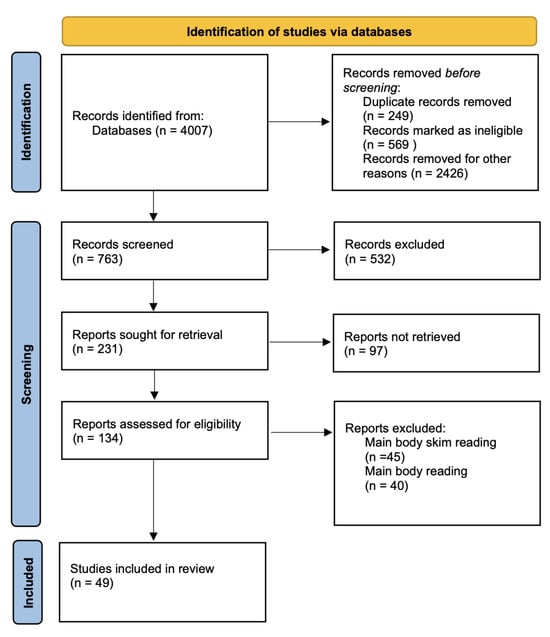
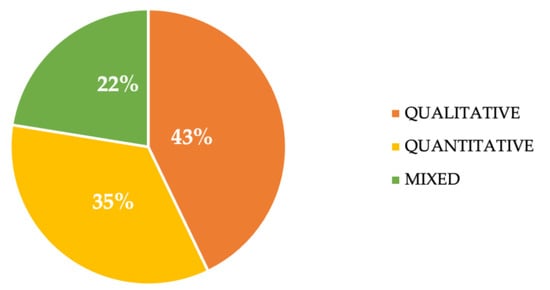
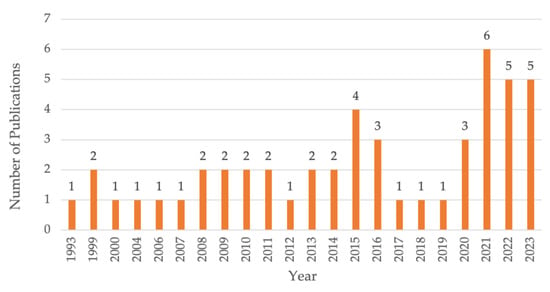
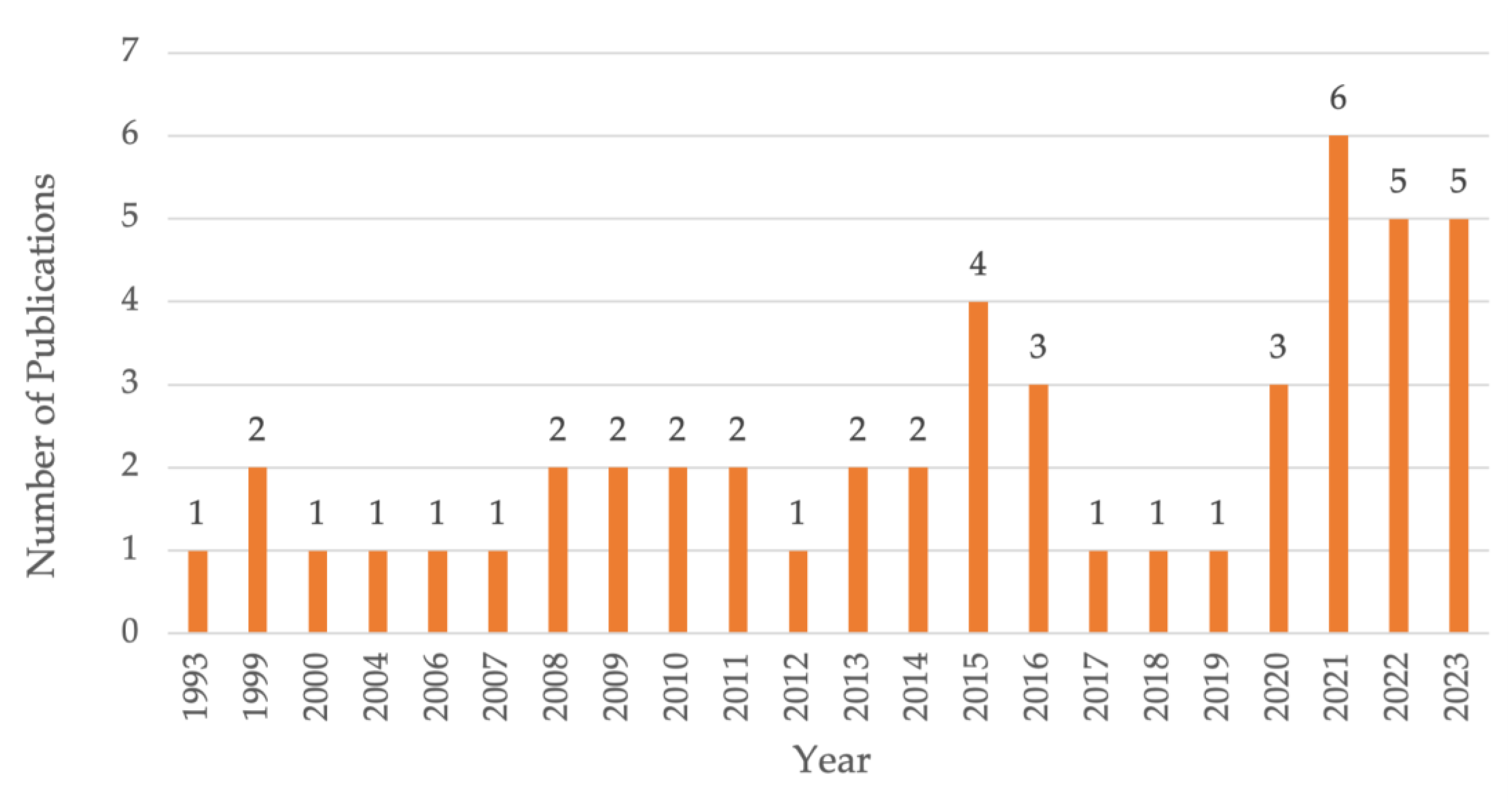

Disclaimer/Publisher’s Note: The statements, opinions and data contained in all publications are solely those of the individual author(s) and contributor(s) and not of MDPI and/or the editor(s). MDPI and/or the editor(s) disclaim responsibility for any injury to people or property resulting from any ideas, methods, instructions or products referred to in the content. |
© 2024 by the authors. Licensee MDPI, Basel, Switzerland. This article is an open access article distributed under the terms and conditions of the Creative Commons Attribution (CC BY) license (https://creativecommons.org/licenses/by/4.0/).