


Abstract
Organizations have been moving on-premises data functionalities to cloud storage environments. The need for advanced hybrid cryptography is deemed a promising solution for securing data on cloud storage. This scoping review explores the application of hybrid cryptographic systems for data hiding in cloud storage. It focuses on identifying global research trends, technological approaches, and contextual gaps in implementation. The review systematically examines the literature from major scholarly databases to identify existing models that combine traditional and modern cryptographic techniques to enhance data confidentiality, integrity, and authenticity against cloud-based security threats. Out of the 8250 eligible papers, 24 were included in the review. The findings reveal that the majority of scholarly contributions originate from Asia, averaging 87.5%, as reflected in the distribution of included articles by continent. Particularly, India and China dominate in the space, with a complete absence of studies from Africa, including South Africa. This geographical disparity underscores a significant research gap in the contextualization of hybrid cryptographic frameworks suited to Africa’s unique infrastructural and regulatory environments. The review further reveals a limited focus on the development of lightweight, scalable, and adaptable hybrid cryptographic schemes. Such approaches are essential for addressing challenges related to bandwidth limitations, computational efficiency, and regulatory compliance in developing regions. Consequently, this study contributes by establishing a comprehensive knowledge map of hybrid cryptography for cloud security, emphasizing the necessity for region-specific, context-aware frameworks. The findings provide a foundation for future investigations aimed at developing robust efficient hybrid cryptographic models that can strengthen data security in African cloud infrastructures.
1. Introduction
The rapid expansion of organizations migrating their on-premises data to cloud storage has heightened the risk of sophisticated data breaches [1]. Cloud storage offers organizations robust environments to efficiently house sensitive data at scale [1]. However, these benefits to cloud storage are accompanied by heightened risks of data breaches, unauthorized access, and privacy violations [2]. In this context, advanced cryptography has emerged as a critical enabler of data confidentiality and protection. Advanced cryptography involves integrating creative enhancements to key scheduling operations [3]. Advanced cryptographic approaches extend beyond traditional encryption techniques and offer stronger resistance to modern cryptanalytic attacks. By doing so, advanced cryptography provides a foundational layer of resilience for cloud data infrastructures that rely on secure and efficient handling of confidential information.
Building on these developments, hybrid cryptographic systems have gained prominence as a pathway for addressing the limitations of single-algorithm cryptography. In addition to hybrid cryptographic mechanisms, information-theoretic approaches have been explored for secure distributed data storage, where confidentiality and resilience are achieved through secure code designs and redundancy rather than reliance on complex hybrid encryption schemes [4,5]. Such methods represent a complementary research direction to cryptographic hybridization and are therefore acknowledged as related but outside the primary analytical scope of this review. Hybrid cryptographic systems combine the strengths of symmetric and asymmetric methods [6]. For example, symmetric algorithms deliver speed and efficiency for encrypting large datasets, while asymmetric algorithms enable secure key exchange and distribution. By integrating multiple algorithms, hybrid cryptographic systems create multi-layered defenses capable of resisting a wider range of attack vectors with the highest safety [7]. Furthermore, research on key schedule enhancements within these systems highlights how hybridization can mitigate vulnerabilities and optimize resource usage in real world applications. As a result, hybrid cryptography stands at the forefront of innovation in securing highly sensitive and dynamic digital ecosystems [8].
The application of these cryptographic advancements has become especially critical with cloud storage environments. Cloud storage serves as a backbone for modern enterprises and industries, enabling distributed access to vast amounts of data across geographies [9]. However, the openness of cloud environments and dependence on third-party service providers increase exposure to security risks such as insider threats, insecure APIs, and data breaches [10]. These vulnerabilities highlight the need for advanced and robust methods to ensure effective data hiding and maintain confidentiality. Data hiding refers to a set of techniques used to conceal sensitive information within a host medium such that the comprehension of the information is not observable to unauthorized parties [11]. Hybrid cryptographic systems applied in cloud storage can support secure data hiding by embedding encryption processes within multi-layered architectures, ensuring that unauthorized parties cannot compromise stored information [12]. Despite their growing importance, the literature surrounding hybrid cryptographic solutions for cloud storage remains fragmented in understanding their implementation, effectiveness, and scalability. This scoping review seeks to map and synthesize the existing body of knowledge not limited to highlighting dominant themes, trends, and research gaps in the intersection of advanced cryptography, hybrid cryptographic systems, and cloud storage. The scoping review of the literature seeks to lessen the gap in understanding in this evolving domain.
1.1. Statement of the Problem
The use of cloud computing has transformed the way data is stored and shared across industries. Simultaneously, sensitive data may be exposed to security threats. Advances in cryptography have been made prevalent in securing cloud data. However, despite ongoing advancements, significant gaps persist in understanding the extent to which hybrid cryptography systems have been applied for data hiding in cloud environments. This limits the understanding of their effectiveness and readiness for real-world application. A scoping analysis is therefore needed to portray the existing knowledge on the use of hybrid cryptographic methods for data hiding in cloud environments. Focus is put on how different hybrid cryptographic combinations are applied in data hiding, looking into the aims, trends, objectives, demographics, timelines, themes, dominant articles, and industries.
1.2. Research Questions
The following three questions are sequentially posed:
- What literature dominates the domain on cryptographic security of data on the cloud?
- What matters in the literature with respect to aims, trends, objectives, demographics, timelines, themes, dominant articles, and industries?
- What are the prevalent gaps in the body of knowledge?
1.3. Overview
This scoping review is structured to provide a systematic and transparent examination of the literature on hybrid cryptographic systems for data hiding in cloud storage. Following the introduction in Section 1, the paper presents the statement of the problem, which contextualizes the relevance of the study and highlights the knowledge gaps motivating the review. The research questions are then outlined to guide the scope and direction of the investigation. Section 2 describes the methods and materials, with conceptual pseudocodes for international scholarly database adaptability including the search strategy used to systematically identify relevant studies. This is followed by the article inclusion and exclusion criteria establishing the boundaries of the review in terms of timeframe, subject matter, and methodological focus. The screening process is subsequently described using the PRISMA framework to illustrate the stages of identification, screening, eligibility, and inclusion (Supplementary Material Table S1). Thereafter, the data charting procedure is outlined to explain how extracted information will be systematically organized for synthesis. The data analysis procedure then specifies the approach used to interpret and evaluate the findings through quantitative means. Section 3 presents the results and discussion of the review. It provides a comprehensive overview of the PRISMA diagram, characteristics of the included articles, and global distribution of studies by country and year of publication. The section also analyzes the classification of studies according to their aims, processing technologies of hybrid cryptographic systems, and application focus. Illustration of the dominant research directions, emerging trends, and technological advancements in the field is made apparent. This section further identifies recurring challenges, including issues related to salability, efficiency, and security, providing a balanced interpretation of both progress and limitations within existing research. Section 4 concludes the paper by summarizing the key observations drawn from the review, emphasizing its contributions to the existing body of knowledge, and identifying critical research gaps. It also outlines future research directions, encouraging the development of context-aware hybrid cryptographic frameworks tailored to the infrastructural and regulatory realities of regions such as Africa, particularly South Africa.
2. Materials and Methods
To identify the relevant literature, a systematic search will be carried out across major scholarly databases, including Scopus, ACM Digital Library, SpringerLink, ScienceDirect, and Wiley Online Library. These sources host high-impact research in cryptography, information security, and applied computer science. To ensure comprehensive coverage, supplementary searches will also be conducted using Google Scholar and Scopus. Search queries will be formulated through combinations of Boolean operators and keywords such as “hybrid cryptography,” “hybrid cryptographic systems,” “key schedule enhancements,” “data infrastructure security,” “data confidentiality,” “cryptographic enhancements,” “cloud cryptography,” and “secure cloud storage.”
The search will be restricted to peer-reviewed articles that examine hybrid crypto-graphic models in various contexts. Only studies published in English between 2015 and 2025 will be included, ensuring that both historical and recent developments are considered. This strategy illustrated in Figure 1 will enable the systematic mapping of existing knowledge while highlighting the most significant contributions to advancing data protection through hybrid cryptographic techniques.
Figure 1.
Literature search strategy.
The following pseudocode is presented for the search strategy, eliminating bias and extracting the relevant literature from the mentioned scholarly databases:
2.1. Article Inclusion and Exclusion Criteria
Eligible studies are considered that directly address issues of data confidentiality, data protection, secure data infrastructures, or cloud storage through the implementation or theoretical development of hybrid cryptographic systems. Emphasis is placed on works that incorporate DES, RSA, or combinations thereof with other algorithms. Articles will also be assessed for relevance by examining whether they discuss key schedule designs, enhancements, or performance implications in relation to hybrid models. To ensure alignment with the objectives of the study, priority will be given to research that presents empirical results, practical applications, or comprehensive reviews that demonstrates how hybrid cryptographic models secure sensitive data. Studies that only discuss single-algorithm cryptography without integration into a hybrid model or those not explicitly focused on confidentiality and key management will be excluded.
The pseudocode script that summarizes the inclusion criteria in Figure 2 is posed as follows:
Figure 2.
Inclusion criteria strategy.
2.2. Screening Process
The screening process for this scoping review will follow the Preferred Reporting Items for Systematic Reviews and Meta Analysis (PRISMA) framework, ensuring transparency and reproducibility. The process will begin with the identification phase, where records will be retrieved from multiple scholarly databases. The search results will then be imported into an Excel reference sheet. In the screening phases, titles and abstracts of the records will be reviewed against the defined inclusion criteria. Duplicates will be dropped thereafter in the screening phase. Articles progressing beyond screening will enter the eligibility phase. Full-text assessments will be conducted to confirm relevance and alignment with the research objectives. Studies that do not meet the inclusion criteria will be excluded. The remaining articles will fall within the inclusion phase, allowing for the articles to be in the final Excel reference sheet. The PRISMA flow diagram will be used to visually represent this process, detailing the number of records identified, screened, assessed for eligibility, and included in the final reference sheet.
2.3. Data Charting Procedure
The data charting procedure will be conducted systematically to extract and organize information from the included studies in a manner that aligns with the objectives of the review. Key variables to be charted will include bibliographic details (year and country of origin), aims of the study, hybrid cryptographic models and algorithms employed, key design, type of cloud environment addressed, and key findings or recommendations. The charted data will be represented narratively and through appropriate visualizations to map patterns across the literature. Tabular representations will organize studies for comparative analysis. Distribution visualizations will be used to illustrate the prevalence of cryptographic models, geographical contributions, and temporal trends. This structured approach ensures that results are presented in a clear, transparent, and accessible manner, enabling understanding of hybrid cryptographic systems for data hiding in cloud storage.
2.4. Data Analysis Procedure
The data analysis procedures will employ quantitative approaches to ensure comprehensive interpretation of the findings. Comparative analysis will further be conducted to explore variations and similarities across different groups of the characteristics identified in literature. Results will be clearly displayed in an accessible manner to support robust interpretation.
3. Results and Discussion
3.1. PRISMA Diagram
The PRISMA-ScR framework provides a structured methodological approach for conducting scoping reviews, enabling transparent reporting of evidence identification, screening, eligibility assessment, and final study inclusion [13]. The systematic process enhances reproducibility and reduces the risk of selection bias [13]. This practice strengthens the methodological rigor of the review therefore enabling reproducibility and critical appraisal by readers. Figure 3 below illustrates a PRISMA-ScR diagram, providing a visual representation of the article screening process that was adopted. The literature identification process commenced with comprehensive searches across five major academic databases, including ACM Digital Library, SpringerLink, ScienceDirect, Wiley Online Library, and Scopus. These searches were all extracted into the results Excel sheet, collectively yielding 8250 records, while no additional sources were retrieved from Google searches, as only academic databases were consulted. Following the removal of 680 duplicate records with identical titles and URL/DOIs, the remaining records for screening were 7570. It is noted that duplicates may persist due to records being picked up by the multiple academic databases. Title-based screening was conducted to identify titles mentioning relevant phrases, as mentioned in Section 2.3, to define inclusion criteria. In total, 7418 records did not align fully with the inclusion criteria, therefore reducing the pool to 152 studies. Subsequent abstract screening following the same procedure resulted in the removal of 100 records, therefore leaving 52 records up for manual eligibility assessment. The manual eligibility assessment consisted of full-text review, resulting in 28 records being excluded due to the literature focus being primarily on single-algorithm implementation in non-cloud environments. Ultimately, 24 studies met the eligibility requirements and were included in the review.
Figure 3.
PRISMA-ScR diagram.
3.2. Characteristics of Included Articles
The characteristics of the included articles were analyzed to provide a structured understanding of the literature landscape relevant in the study. This analysis was undertaken to highlight the geographical spread of research contributions, temporal publication trends, and thematic orientation of eligible studies. Specifically, the review examines the distribution of articles by place or country of publication, year of publication, study aims, processing technology, and application focus. Such categorizations not only illustrate the breadth and diversity of the existing body of work but also offer insights into prevailing research priorities, methodological approaches, and contextual applications within the field of cryptography.
3.2.1. Distribution of Included Articles by Country of Publication
Examining the geographical distribution of publications provides insight into the global research landscape and identifies regions that are actively contributing to the field. This analysis highlights the countries where the included studies originated, reflecting both the international scope of the research and potential regional concentrations of scholarly interests.
The analysis illustrated in Figure 4 presents a world map of the distribution of included articles by country of publication. This reflects the geographical origins of research contributions and scholarly engagement from the included studies. As shown, most studies were concentrated in Asian countries, with India and China representing the highest number of publications.
Figure 4.
Distribution of Eligible Articles by Country of Publication.
Table 1 represents the tabulated distribution of countries contributing to research on the use of hybrid cryptography in cloud environments. Leading publishing countries are India and China. Moderate research outputs are observed in countries such as Iran, Malaysia, United Kingdom, Saudi Arabia, and Brazil. This distribution suggests that the research activity in the field is predominantly driven by countries with emerging technological research infrastructures and increased intentional collaboration.
Table 1.
Table includes articles by country of publication.
Table 2 illustrates the continental distribution of research contributions to the body of knowledge on hybrid cryptography in cloud environments. Following the identification of the eligible literature, contributions were observed from three continents: Asia, Europe, and South America. At the global level, Asia emerged as the predominant contributor, accounting for twenty-one articles, while Europe and South America contributed two and one articles, respectively. This distribution underscores Asia’s leading role in advancing research within hybrid cryptography use in securing data in cloud storage.
Table 2.
Table representing classification by continent.
A visual illustration of Table 2 is provided in Figure 5, representing the distribution of the included articles by continent. Asia is a predominant contributor, accounting for 87.5% of the articles, followed by Europe with 8.3% and South America with 4.2%. This highlights that most of the research on hybrid cryptography in cloud storage originates from Asia, with limited contributions from Europe and South America.
Figure 5.
Distribution of eligible articles by continent of publication.
The geographical analysis presented in Figure 4 and Figure 5 and Table 1 and Table 2 reveals a significant global disparity in research on hybrid cryptography for secure data hiding in cloud storage. The majority of studies originate from Asian countries, particularly India and China, which account for the highest number of publications. These findings suggest that advancements in the field are predominantly driven by nations with strong technological research infrastructures and established academic collaborations. In contrast, Africa, specifically South Africa, remains largely unrepresented in this area of study. This absence of scholarly contribution reveals a significant research gap in the development of hybrid cryptographic models tailored to the technological and infrastructural contexts of the African continent. It underscores the need for context-aware frameworks that address regional challenges in secure cloud data protection and encryption practices. Addressing this gap presents a strategic opportunity for South Africa to pioneer research into hybrid cryptographic implementation that combines traditional and modern encryption techniques to enhance data security in cloud environments. Such initiatives would contribute to strengthening data confidentiality, integrity, and authenticity against sophisticated cyber threats. The absence of African representation in the current global research landscape underscores the necessity for dedicated studies, collaborative initiatives, and experimental frameworks focused on hybrid cryptography for secure data hiding in cloud storage. Without a doubt, South Africa is positioned to lead this emerging research domain.
3.2.2. Distribution of Included Articles by Year of Publication
Analyzing the temporal distribution of the included articles offers an understanding of publication trends over time. This assessment helps to identify periods of increased research activity, shifts in scholarly attention, and the evolution of interest in the field across different years.
Table 3 presents the number of research articles published each year between 2017 and 2025. The data indicates a gradual increase in output over time, reflecting growing scholarly interest in the field. In the early years (2017–2019), the number of publications remained relatively low, ranging from 1 to 2 articles per year. From 2020 onward, there is a noticeable upward trend, with publications rising to 3–5 articles per year, peaking in 2025 with 5 articles.
Table 3.
Table representing article classification by year of publication.
Figure 6 represents the graphical representation of Table 3, emphasizing an increasing trendline in the distribution of included articles by year of publication. The upward trajectory reflects the escalating academic attention and research interest in the domain, suggesting that the topic has become increasingly relevant and significant over the examined period. The combination of the bar chart and trendline effectively communicates both the annual publication counts and the overall growth pattern.
Figure 6.
Distribution of articles by year of publication.
3.2.3. Distribution of Articles by Aim of the Study
The aims of the included studies were reviewed to determine the primary research objectives guiding the literature. Categorizing articles based on their aims provides a clearer understanding of whether the research is primarily conceptual, methodological, evaluative, or application oriented, thereby aligning the scope of contributions. The included studies show that most hybrid cryptography for cloud storage aligns with eight action verbs namely, (a) Propose, (b) Design, (c) Address, (d) Implementation, (e) Present, (f) Introducing, (g) Evaluation, (f) Analysis, (g) Explore, and (f) Investigation. The full tabulated distribution of aims from the studies included is illustrated in Table 4.
Table 4.
Table representing article distribution by aim of study.
Table 4 presents the distribution of included articles according to the primary aim of each study based on an action verb. Most studies (n = 10) focused on proposing novel approaches to hybrid cryptography for secure cloud storage, followed by those emphasizing design (n = 3) and implementation (n = 2). A smaller number of studies aimed to introduce or present specific concepts (n = 2 each), while others concentrated on investigation, analysis, addressing challenges, or exploratory objectives (n = 1 each). This distribution highlights that most research efforts within the reviewed literature are centered on the proposal and conceptualization of new methodologies rather than empirical implementation or evaluation.
Figure 7 depicts the distribution of the reviewed articles according to their respective research aims. A substantial proportion of the studies (41.7%) concentrated on proposing novel methods or frameworks, reflecting a pronounced emphasis on conceptual advancement within the analyzed literature. Included articles focusing on design (12.5%), and those addressing implementation or introductory approaches (each 8.3%) represented smaller yet noteworthy segments of the literature. The remaining categories such as presentation, investigation, analysis, addressing specific challenges, exploration, and implementation–evaluation each constituted 4.2% of the total. This distribution indicates that research within the reviewed body of work predominantly prioritizes innovation and proposition.
Figure 7.
Distribution of included articles by aim of study.
3.2.4. Distribution of Articles by Processing Technology
A review of the processing technologies employed in the included studies sheds light on the technical underpinnings of the research. This categorization highlights the computational frameworks, tools, and approaches utilized, offering insight into technological trends and preferences within the included studies. Table 5 depicts the complete illustration of hybrid cryptographic algorithms used for secure data hiding in cloud storage.
Table 5.
Table representing article distribution by technology used in study.
Each of the entries represents a unique combination of algorithms or creative cryptosystems applied within the respective study, illustrating the creative diversity of approaches in the field of hybrid cryptography for secure cloud storage. From Table 5, it is evident that hybrid cryptographic solutions dominate the landscape, with many studies combining symmetric and asymmetric algorithms (e.g., AES-RSA, AES-DES-RC2, and AES-TDES-BFA-RSA) to enhance both security and performance. The manner that hybridization generally follows relates to the achievable process of attaching different algorithms to develop a common model in protecting data [14]. The combination of symmetric and asymmetric algorithms was explored by Vyavahare in securing electronic health records in cloud environments. This combination included the incorporation of AES and RSA [14]. The AES-RSA hybrid utilized the Pretty Good Privacy Approach (PGP), providing a secure and robust method for cloud data protection. The RSA component ensured the confidentiality and integrity of secret keys, while AES effectively encrypted and decrypted health data for cloud [14]. The performance evaluation of the study uses execution time (in seconds) as the primary metric to compare standalone cryptographic algorithms with the proposed hybrid scheme across varying data sizes [14]. For asymmetric encryption, the hybrid method consistently outperforms RSA, reducing the encryption time from 1.493 s to 1.393 s for 100 KB, from 2.814 s to 2.240 s for 200 KB, from 5.589 s to 5.134 s for 400 KB, and from 8.195 s to 7.263 s for 800 KB [14], therefore demonstrating improved efficiency and better scalability as the file size increases. In symmetric decryption experiments, the hybrid approach achieves lower execution times than AES across all tested inputs, decreasing the processing time from 7.093 s to 5.493 s for 1 MB, from 16.28 s to 15.240 s for 2 MB, from 33.289 s to 28.59 s for 4 MB, and from 40.295 s to 35.263 s for 8 MB [14]. The consistent reduction in computational time in both asymmetric and symmetric contexts indicates that the hybrid cryptographic design enhances throughput and operational performance, supporting its suitability for secure large-scale data processing and cloud-based storage environments, where efficiency and scalability are critical. Even though the AES-RSA hybrid follows a secure and robust approach, sever model vulnerabilities may be experienced due to insecure key sharing mechanisms [14]. Unauthorized access to generated keys may be captured by attackers via man-in-the-middle attacks, proves as a noticeable gap in the literature.
Another creative combination of algorithms was proposed by researchers from Velaler College of Engineering and Technology, where an AES-DES-RC2 hybrid provides blockwise security of image files in cloud storage [15]. An LSB steganography technique was employed as a key management system, ensuring that key information contains which part of the file is being encrypted. Formally, the image file would be split into three parts, where each part is being encrypted simultaneously using a different cryptographic algorithm [15]. The decryption mechanism would be the reverse implementation of the encryption procedure. Concerns have emerged regarding how user data is distributed across cloud networks. This highlights that data is not necessarily stored in the same location where it was originally uploaded. Instead, the distributed nature of cloud systems enables users to access their data from anywhere in the world, which can lead to challenges and controversies arising from differing legal jurisdictions [15].
In recent times, big data analysis has emerged as a prominent research area, drawing significant attention from researchers and large organizations [16]. Given that big data often contains highly sensitive information for analysis in leading industries, ensuring its security when stored in cloud and effective monitoring is of critical importance. Nevertheless, issues related to data privacy and security have arisen due to inefficiencies in data storage mechanisms and the dependence on third-party service providers [17]. An effective hybrid cryptographic system to secure big data stored in cloud environments has been proposed [17]. The combination of an AES-TDES-BFA-RSA is used to secure user data in the cloud. The speed and strong security are achieved using AES where the algorithm consists of a sequence of continuous operations involving the input of specific values and the mixing of bits. To strengthen the security of the encryption process, a series of transformation steps is applied to the data in the cloud. Compatibility with bulk data is achieved using 3DES as the plaintext is being run through the DES cipher three times to enhance the security of rudimentary DES operations [17]. The Blowfish algorithm (BFA) is advantageous for its efficiency. Following a Feistel network structure, operating on 64-bit data blocks over 16 rounds, with a variable key length ranging from 32 to 448 bits, The BFA operates in two main phases: the key expansion phase and the data encryption phase. During the key expansion phase, the variable-length key is transformed into an array of subkeys totaling 56 bytes (48 bits), along with four 32-bit S-boxes. In the encryption phase, data is processed through a 16-round Feistel network that incorporates swapping and execution operations. Within the BFA, the F-function plays a crucial role by dividing the 32-bit input into four equal 8-bit segments. Each of these segments is then used for table lookups within their corresponding S-boxes, facilitating the nonlinear transformations essential for secure encryption. In this hybrid encryption approach, data files are divided into three segments, with each segment encrypted using a different symmetric algorithm (AES, TDES, and BFA) [17]. The secure distribution and management of encryption keys are facilitated through the RSA algorithm [17].
The performance assessment of the AES–TDES–BFA–RSA hybrid scheme is based on execution time (ms) measured for encrypting/decrypting text files of increasing sizes (5–20 MB) and compared with standalone AES, DES/TDES, and Blowfish implementations. For encryption, the proposed hybrid algorithm records 2500 ms, 2800 ms, 3000 ms, and 3100 ms for 5 MB, 10 MB, 15 MB, and 20 MB files, respectively, outperforming AES (3300 ms, 3500 ms, 3600 ms, and 3800 ms), DES (3100 ms, 3200 ms, 3400 ms, and 3500 ms), and Blowfish (3000 ms, 3100 ms, 3300 ms, and 3400 ms) [17]. A similar trend is observed for decryption, where the hybrid method achieves 2600 ms, 2900 ms, 3100 ms, and 3200 ms across the same file sizes, compared with AES (3500 ms, 3800 ms, 3900 ms, and 3900 ms), DES (3200 ms, 3300 ms, 3500 ms, and 3600 ms), and Blowfish (3000 ms, 3500 ms, 3400 ms, and 3500 ms) [17]. The results show that although processing time increases with file size for all algorithms, the proposed hybrid AES–TDES–BFA–RSA design consistently yields the lowest execution times in both encryption and decryption, therefore indicating improved computational efficiency, better scalability, and enhanced throughput for large data files. Notably, Koppaka and Lakshmi’s research provides clear observations that encryption and decryption times increase proportionally with larger file sizes, indicating the need for further research aimed at optimizing and stabilizing processing times as data volumes continue to grow.
Additionally, the use of elliptic curve-based schemes (e.g., ECC-AES-DH, AES-ECC, and TwoFish-ECC) highlights a trend toward lightweight yet highly secure encryption methods suitable for modern cloud storage environments. The ECC-AES-DH hybrid has been presented for public cloud storage security [18]. Researchers presented a Hybrid Elliptic Curve Cryptography (HECC) model introducing several innovative features that enhanced both the security and efficiency of the system [18]. It employs lightweight Edwards curves for key generation, enabling faster arithmetic operations and improved resistance to specific cryptographic attacks. System usability was improved through the integration of Identity-Based Encryption (IBE), further simplifying key management by allowing user identities to serve as public keys [18]. To optimize performance, a key reduction mechanism is implemented to minimize private key size, resulting in enhanced encryption efficiency and reduced computational overhead. Additionally, the Diffie–Hellman key exchange protocol is utilized to ensure secure and reliable public key exchanges [18]. The performance evaluation of the ECC–AES–DH hybrid scheme demonstrates efficient key establishment and data protection across input sizes of 3 KB, 5 KB, 8 KB, 12 KB, and 16 KB [18]. Prior to encryption and decryption, the ECC–Diffie–Hellman key exchange exhibits minimal computational overhead, with key generation times of 0.000014 s, 0.000021 s, 0.000019 s, 0.000016 s, and 0.000032 s, while total key sizes remain nearly constant at 806.25 bytes, 807.0 bytes, 803.75 bytes, 806.125 bytes, and 807.125 bytes, confirming stable key parameters [18]. Following key generation, encryption times increase slightly, with file sizes measured at 0.007998 s, 0.008244 s, 0.008463 s, 0.008599 s, and 0.008649 s [18]. Decryption times are noted as 0.006944 s, 0.007997 s, 0.008014 s, 0.008245 s, and 0.008318 s, indicating predictable linear growth and consistently low latency [18]. Throughput correspondingly improves with larger inputs, reaching 342.8591 kB/s, 568.0515 kB/s, 1015.2188 kB/s, 1403.9150 kB/s, and 1927.3814 kB/s [18]. Collectively, these metrics show that the ECC–AES–DH hybrid achieves fast key exchange, stable key size, low encryption/decryption overhead, and increasing processing efficiency for larger files. By combining lightweight Edwards curves, IBE, a key reduction strategy, and a secure key exchange mechanism, the proposed HECC model demonstrates significant advancements in cryptographic efficiency. It achieves reduced key sizes, optimized encryption performance, and strengthened overall security compared to existing cryptographic systems [18].
A holistic integration of AES-ECC was proposed to ensure the aspects of a patient’s journey, from logging in to accessing personal records in storage, are secure in cloud environments [19]. This combination of ECC and AES leverages the distinct advantages of both algorithms. ECC’s compact key size and strong computational security for key exchange, together with AES’s proven reliability and high-speed data encryption, is deemed promising. This hybrid framework establishes a dual-layer security mechanism in which ECC secures the key exchange process against interception while AES preserves the confidentiality and integrity of the transmitted data [19]. Performance evaluation of the AES–ECC hybrid (SymECCipher) demonstrates favorable efficiency when compared with conventional encryption models [19]. SymECCipher records an encryption time of 5 ms with a 95% confidence interval (CI) of (5.0, 8.33), a decryption time of 4 ms with CI = (4.0, 7.67), and an overall processing time of 10 ms with CI = (10.0, 16.67), outperforming RSA-2048, which requires 15 ms for encryption, 12 ms for decryption, and 35 ms total processing time, as well as ECC-256 (10 ms encryption, 9 ms decryption, and 25 ms processing), Blowfish (7 ms, 6 ms, and 15 ms), and Twofish (8 ms, 7 ms, and 17 ms) [19]. AES-256 shows slightly higher cost than the hybrid, with 6 ms encryption, 5 ms decryption, and 12 ms processing [19]. From a security–complexity perspective, SymECCipher employs a 256-bit key, completing encryption in 5 ms, compared with RSA-2048 using a 2048-bit key at 15 ms, AES-256 with a 256-bit key at 6 ms, and ECC-256 with a 256-bit key at 10 ms [19]. Collectively, these results indicate that the AES–ECC hybrid achieves lower computational overhead while maintaining strong key strength, demonstrating improved processing efficiency, a balanced trade-off between security level and execution performance, and suitability for practical secure communication and storage applications. Meticulous adaptability of proposed hybrid offers practicality for cloud environments demanding both high security and optimal performance.
Researchers from the Department of Computer Science in India implemented a hybrid TwoFish-ECC to secure data stored in cloud environments [7]. Concerns were raised that data stored within data centers is susceptible to various security risks, potential damage, and malicious threats, which can lead to data breaches, insecure interfaces, and insider attacks [7]. The literature presented the implementation of a hybrid cryptographic security framework for public cloud environments, integrating ECC with Twofish [7]. Researchers conducted comparative analysis of performance metrics of cryptographic algorithms, highlighting the rationale for adopting a Twofish–ECC hybrid by examining the structural and security-related performance attributes across DES, RSA, ECC, and Twofish [7]. DES operates with 16 rounds, a 64-bit block size, a 64-bit key, and offers only satisfactory security with very slow speed while remaining vulnerable to exhaustive key search and differential analysis [7]. RSA uses a single computational round with variable block sizes and key lengths dependent on bit requirements, providing good security and average speed but remaining susceptible to brute-force and timing attacks [7]. ECC employs a single operational round with variable stream sizes and relatively small yet effective key lengths, achieving high security and very fast performance [7] although still being exposed to attacks such as doubling-based cryptanalytic methods. Twofish, by contrast, performs 16 rounds with a 128-bit block size and supports key lengths of 128, 192, and 256 bits, delivering secure encryption with fast processing speed and resistance primarily focused on differential and related-key attacks [7]. Integrating Twofish with ECC leverages ECC’s high security, small key, and very fast key exchange properties. Twofish offers a strong symmetric encryption structure, larger block size, and multi-round diffusion. The hybrid approach provides an innovative solution aimed at strengthening the security architecture of cloud systems, thereby enhancing service reliability and fostering greater trust in cloud-based technologies.
Several studies incorporated advanced cryptography such as homomorphic encryption (RSA-Paillier-DGHV HES and Homomorphic ECC-Blowfish), attribute-based encryption (AES-ABE and ECC-CP-ABPRE), and threshold-based approaches (TPKE-ECE), reflecting a growing research focus on secure computation over encrypted data and fine-grained access control. Chinese researchers explored the usage of homomorphic encryption schemes in securing cloud storage [20]. The exploration of a Generic way to design a Secure Cloud Storage (G-SCS) using hybrid homomorphic encryption approaches was rigorously conducted under the security intuition of cloud storage. Homomorphic encryption standard (HES) hybrids were combined, incorporating RSA-Paillier-DGHV HES, in which the RSA-based HES proved simpler implantation than Paillier-based HES and DGHV-based HES [20]. Homomorphic methods are further explored through a machine learning-based Android ransomware detection framework integrated with a hybrid cryptographic approach [21]. Through the machine learning detection of android ransomware, detected data is stored in cloud storage. To ensure secure data storage within the cloud, a hybrid cryptographic model combining Homomorphic Elliptic Curve Cryptography (HECC) and the Blowfish algorithm is employed, encompassing both key computation and key generation processes [21]. The comparative evaluation demonstrates the effectiveness of the proposed Homomorphic ECC–Blowfish hybrid in both predictive performance and cryptographic efficiency. From a machine learning perspective, the classification assessment illustrates the proposed machine learning model achieves 99.97% accuracy, 98.93% precision, 94.62% recall, and an F1-score of 96.63%, outperforming SVM (68.70% accuracy, 69.73% precision, 94.18% recall, and 80.13% F1) and CNN-BiLSTM (94.52%, 94.74%, 92.04%, and 93.44%), while remaining highly competitive with RF (99.59%, 99.75%, 99.63%, and 99.69), XGB (99.54%, 99.68%, 99.62%, and 99.65), KNN (99.17%, 99.45%, 99.31%, and 99.38), and AE-MLP (99.98%, 98.92%, 94.24%, and 96.52%) [21]. From a cryptographic performance perspective, the proposed hybrid records the lowest key generation time of 0.49781462 s and the smallest key pairing time of 0.60435719 ms, surpassing DSA (0.9817531 s, 0.8761831 ms, and 76% accuracy), ECC (0.77874323 s, 0.83443677 ms, and 89.23%), Diffie–Hellman (0.67874323 s, 0.79459034 ms, and 92.23%), and RSA (0.97874323 s, 0.87874323 ms, and 89.13%) [21]. It also achieves the highest reported accuracy of 99.83% in this comparison. Collectively, these results indicate that the Homomorphic ECC–Blowfish hybrid provides superior computational efficiency in key management alongside strong predictive and operational accuracy, thereby justifying its suitability as a secure and high-performance cryptographic framework for practical data protection and analysis environments. The proposed cryptographic framework facilitates the encryption and confidential decryption of data, enabling the system to efficiently retrieve and deliver results via an encrypted format in response to authorized user requests [21].
Attribute-based encryption approaches have been proposed by researchers in securing data in cloud storage [22,23]. An introduction to a hybrid data security framework termed the Improved Attribute-Based Encryption Scheme (IABES) integrates two robust encryption techniques: AES-ABE [22]. The fusion of these algorithms enhances data protection and supports secure data management on remote cloud servers while adhering to precise security standards. The performance evaluation of the AES–ABE hybrid demonstrates the computational behavior of the proposed scheme with respect to increasing user attributes and associated access-control complexity [22]. Secret key generation time increases proportionally with the number of attributes, rising from approximately 100 ms at 5 attributes to 200 ms at 10, 300 ms at 15, 400 ms at 20, 500 ms at 25, 600 ms at 30, 700 ms at 35, 800 ms at 40, 900 ms at 45, and 1000 ms at 50 attributes, indicating predictable linear scalability in the KeyGen process [22]. A similar trend is observed for encryption, where processing time grows from about 50 ms at 5 attributes to 100 ms, 150 ms, 160 ms, 190 ms, 180 ms, 220 ms, 300 ms, 400 ms, and 500 ms as attributes increase from 10 to 50, reflecting the added computational cost of binding attributes to ciphertext within the ABE structure [22]. Decryption time also scales steadily, increasing from roughly 25 ms at 5 attributes to 50 ms, 75 ms, 100 ms, 125 ms, 150 ms, 175 ms, 200 ms, 225 ms, and 250 ms for 10–50 attributes, confirming manageable overhead during access verification [22]. When analyzing the overall time cost under a fixed total attribute set of 21 while varying the number of user-used attributes, access-tree nodes, and tree depth, the execution time increases modestly from about 605 ms to 618 ms, demonstrating a positive linear correlation between attribute count and computational cost [22]. Collectively, these results show that although processing time increases with attribute complexity due to ciphertext–attribute binding and access-tree evaluation, the AES–ABE hybrid maintains stable, predictable, and scalable performance. The proposed hybrid ensures strong resistance against unauthorized access and malicious attacks due to its high level of cryptographic robustness [22]. Furthermore, the key generation process produces user-specific credentials that remain confidential and non-retrievable. Integrity and resilience of the system is hardened, even in cases where users lose access to their authentication details.
Following through another attribute-based approach is proposed in a novel pairing-free Elliptic Curve Cryptography-based Ciphertext-Policy Attribute-Based Proxy Re-Encryption (ECC-CP-ABPRE) scheme [23]. The model integrates the Linear Secret Sharing Scheme (LSSS) to enhance the expressiveness and flexibility of access control policies [23]. To minimize communication and computational overhead, the ECC-CP-ABPRE scheme eliminates the need for costly bilinear pairing operations, therefore, substituting them with more efficient scalar multiplication on elliptic curves, ultimately improving both performance and scalability [23].
Moreover, the integration of hashing, authentication, and secure hardware technologies (e.g., ECC-AESGCM-SHA256, Intel SGX with AES-CTR, AES-GCM, and AES-CMAC) indicates an emphasis on data integrity, authenticity, and trusted execution environments in security critical applications. A robust and efficient security mechanism is proposed in the combination of ECC-AESGCM-SHA256 [24], offering an optimized memory utilization and processing time during encryption and decryption of data stored in the cloud [24]. Additionally, the Secure Hash Algorithm 256 (SHA-256) is utilized for hash verification to ensure the integrity and authenticity of cloud-stored data. Furthermore, ECC point validation is employed for similarity verification by enabling the detection of unauthorized modifications and thereby preserving the reliability of the cloud-stored information [24]. Extensive comparative performance evaluation demonstrates that the proposed ECC–AESGCM–SHA256 hybrid consistently achieves superior efficiency across compression, transmission, and cryptographic processing metrics for file sizes of 5–25 KB [24]. For compression time, the hybrid records 133.645 ms, 273.592 ms, 388.472 ms, 520.234 ms, and 649.781 ms, outperforming RSA (144.321–704.563 ms), DH (145.762–709.654 ms), DSA (139.849–711.21 ms), RC4 (150.178–726.314 ms), and ECC (156.487–714.231 ms) [24]. It also delivers the highest compression rates of 20.5%, 24.8%, 29.1%, 33.4%, and 37.5% compared with RSA (12.34–25.47%), DH (13.5–26.5%), DSA (11.9–24.3%), RC4 (13–26.7%), and ECC (12.75–25.55%) [24]. Correspondingly, compressed file sizes remain competitive, for example, 5,678,321 bytes at 5 KB and 26,345,678 bytes at 25 KB, remaining within the same practical range as other methods while benefiting from higher compression ratios. For data transfer performance, the hybrid exhibits the lowest upload times, measured at 58.816 ms, 63.419 ms, 63.427 ms, 63.399 ms, and 62.835 ms, compared with RSA (60.125–70.678 ms), DH (62.145–72.451 ms), DSA (61.897–69.982 ms), RC4 (63.326–73.247 ms), and ECC (59.89–70.547 ms) and similarly achieves the smallest corresponding secondary upload times of 63.439 s, 63.859 s, 62.862 s, 63.424 s, and 63.374 s versus higher values for competing schemes [24]. In direct cryptographic comparison with MECC, the proposed method drastically reduces encryption time from 502–4122 ms (MECC) to approximately 52.83 ms, 54.85 ms, 54.88 ms, 50.86 ms, and 54.85 ms and decryption time from 821–4122 ms to 26.93 ms, 27.89 ms, 26.92 ms, 26.89 ms, and 26.92 ms for 5–25 KB files [24]. Collectively, these results confirm that the ECC–AESGCM–SHA256 hybrid offers faster compression, higher compression efficiency, reduced upload latency, and significantly lower encryption/decryption costs, thereby justifying its effectiveness as a scalable and high-performance secure data protection framework.
Researchers investigated the implementation and evaluation of a hardware approach to hybrid cryptography [25]. The proposed approach employs the data sealing feature of Intel Software Guard Extensions (Intel SGX1) technology to facilitate secure file encryption [25]. A virtual file system is developed to enable applications to store data while maintaining the security assurances inherent to Intel SGX cryptography before transmitting the data to an external cloud storage provider. Consequently, this mechanism ensures that the confidentiality and integrity of the data remain protected, even in the event of a compromise of the cloud storage provider [25]. A security evaluation is undertaken by researchers for the Intel SGX hybrid, employing AES-CTR for confidentiality, AES-GCM for authenticated encryption, and AES-CMAC for integrity, demonstrating a layered protection model [25]. By relying on Intel SGX enclaves, decrypted data remains accessible only on the platform where encryption occurred unless an adversary successfully performs a brute-force recovery of the decryption key, thereby enforcing hardware-anchored trust [25]. Access control is further reinforced through the preservation of the user password, which is additionally used to encrypt file names, ensuring that even if an attacker gains physical access to storage media and the host platform, access to protected data still requires valid user credentials [25]. In remote-access scenarios, the attacker would need both the user password and the enclave-protected key. However, the enclave key never leaves processor boundaries, preventing exposure during memory-dump or runtime attacks. The model also preserves confidentiality when cloud providers are compromised, since all data is encrypted locally prior to upload, and the combination of client-side encryption with provider-side encryption introduces a dual-layer defense that significantly increases attack complexity [25]. Given that the Cryptomator architecture is Java based and modular, an attacker could theoretically reuse the CryptoLib library to bypass application-level safeguards. Therefore, the inclusion of an additional authentication layer within CryptoLib is identified as necessary to verify requests for sealed data access [25]. Overall, the Intel SGX (AES-CTR, AES-GCM, and AES-CMAC) hybrid provides stronger platform-bound confidentiality, protected key isolation, authenticated data integrity, and multi-layer cloud storage security.
Other privacy preserving techniques such as n-anonymity and key management demonstrate the effort to protect sensitive data while maintaining usability. Iranian researchers proposed an n-anonymity algorithm designed to deliver an effective anonymity mechanism that prevents cloud storage providers from identifying users who store identical data [26]. The algorithm underwent analytical evaluation, and its performance was validated through extensive implementations using real-world datasets. In addition, an identity-based key management algorithm was proposed as a foundational component of the secure cloud storage framework [26]. This algorithm, which can be viewed as an asymmetric extension of Message-Locked Encryption (MLE), is both straightforward to implement and fully compatible with existing cloud infrastructures, as well as with the proposed anonymity-driven data deduplication system [26].
Further AES hybrids have been investigated, being that of AES-ModifiedECC, XTS-AES, AES-ECDH, AES-Elgamal-SHA2, AES-ChaCha20-Fernet, and IRS-AES-MECC-BES-IHA, illustrating a growing adoption of block cipher usage. The working principle of the AES-ModifiedECC (MECC) method is centered on enhancing security within cloud computing environments [27]. Leveraging MECC’s core advantage of a compact key structure, the encryption process benefits from reduced key length without compromising cryptographic strength. MECC facilitates the development of secure key management standards for both encryption and decryption [27]. When applied in conjunction with AES, MECC provides an additional layer of defense against unauthorized access. Once the key size is defined, encryption and decryption processes generate ciphertext using the MECC-derived key [27]. The comparative evaluation of the proposed AES–ModifiedECC hybrid demonstrates improved security efficiency and compact key management when measured against conventional cryptographic algorithms [27]. In the key size comparison, ModifiedECC achieves equivalent security with smaller parameters than RSA, using 150-bit, 250-bit, 364-bit, and 524-bit keys compared with RSA sizes of 924-bit, 3012-bit, 7160-bit, and 10360-bit, corresponding to approximate ratios of 1:6, 1:12, 1:20, and 1:20, respectively, therefore indicating substantially reduced storage and transmission overhead [27]. From an algorithmic structure perspective, the proposed hybrid requires a single key with key lengths ranging from 64 to 256 bits and operates with 10 rounds, whereas DES uses one key of 56 bits with 16 rounds, Blowfish uses one key ranging from 32 to 448 bits with 16 rounds, RSA relies on two keys with a typical 1024-bit length and a single computational round, and Diffie–Hellman functions primarily as a key exchange mechanism with 56 operational steps rather than a direct encryption process [27]. By combining AES’s efficient symmetric encryption with the reduced key size and strong security properties of ModifiedECC, the hybrid achieves a balanced design that lowers computational and communication overhead while maintaining robust cryptographic strength [27]. AES-MECC within the proposed cloud storage model ensures a robust and optimized security mechanism, achieving efficient data protection while simultaneously reducing storage overhead [27].
Chinese researchers implemented a SecureXTS-AES hybrid while investigating the widely used encryption algorithms in full disk encryption [28]. Previous iterations of XTS-AES failed to consider the distinct characteristics of flash memory, which is the primary storage medium used in mobile devices and cloud infrastructure [28]. The XTS-AES implementation method is applied within the flash translation layer (FTL). The SecureXTS approach utilizes the physical page number and block erasure count to generate the tweak value, eliminating the need for additional metadata or hardware modifications [28]. The comparative throughput evaluation demonstrates that the proposed SecureXTS-AES hybrid maintains competitive performance relative to the baseline OpenNFM implementation using original XTS-AES across standard storage operations [28]. For sequential read (SR), OpenNFM achieves 56 KB/s, while SecureXTS records a closely comparable 55 KB/s, indicating negligible overhead introduced by the enhanced security layer [28]. In random read (RR), throughput decreases slightly from 52 KB/s in OpenNFM to 50 KB/s in SecureXTS, again reflecting only a minor performance reduction [28]. For sequential write (SW), the throughput declines from 35 KB/s to 29 KB/s, and for random write (RW), from 31 KB/s to 27 KB/s [28]. Despite these moderate reductions in write-intensive scenarios, the SecureXTS-AES hybrid preserves stable read performance and maintains acceptable throughput across all operations while introducing additional security protections beyond the original XTS-AES configuration [28]. These results indicate that the proposed SecureXTS-AES approach achieves an effective balance between strengthened data protection and practical system performance. Future works have been proposed by researchers to evaluate the probability of existing flash-based block devices vulnerabilities and to evaluate if there are other cryptographic algorithms with the same vulnerabilities as the XTS-AES hybrid [28].
Malaysian researchers introduce an AES-Elgamal-SHA2 hybrid that leverages both symmetric and asymmetric key cryptographic techniques [29]. In this proposed system, the symmetric encryption algorithm AES is employed for data encryption, while the asymmetric encryption algorithm ElGamal is used for key encryption prior to uploading data to cloud storage [29]. Furthermore, the Secure Hash Algorithm 2 (SHA-2) is applied both before encryption and after decryption to generate hash values, which are then compared to ensure data integrity [29]. The comparative performance analysis demonstrates that the proposed AES–ElGamal–SHA2 hybrid achieves competitive encryption and decryption efficiency while maintaining strong security characteristics across varying file sizes [29]. For encryption, the proposed scheme records 24.2 ms, 83.8 ms, 135.0 ms, 377.8 ms, 1525.2 ms, 7019.6 ms, and 17,016.6 ms for file sizes of 1 KB, 19 KB, 36 KB, 99 KB, 465 KB, 2305 KB, and 5799 KB, respectively [29]. These values are lower than Blowfish-RSA at 15.8 ms, 80.4 ms, 153.0 ms, 387.8 ms, 1580.0 ms, 8104.2 ms, and 20,707.6 ms for larger datasets beyond the smallest input, lower than AES-RSA at 23.8 ms, 93.6 ms, 165.2 ms, 411.8 ms, 1629.8 ms, 7517.2 ms, and 17,620.6 ms, and lower than 3DES-ElGamal at 21 ms, 86 ms, 147.6 ms, 415.0 ms, 1764.2 ms, 8008.4 ms, and 19,448.6 ms. For decryption, the proposed hybrid achieves 6.8 ms, 78.4 ms, 122.0 ms, 328.4 ms, 1419.8 ms, 6942.6 ms, and 16,746.0 ms, outperforming Blowfish-RSA, which requires 77.4 ms, 170.4 ms, 197.4 ms, 410.0 ms, 1652.0 ms, 7459.4 ms, and 19,120.0 ms, AES-RSA, which requires 78.8 ms, 152.4 ms, 186.0 ms, 390.6 ms, 1532.6 ms, 7078.0 ms, and 17,099.0 ms, and 3DES-ElGamal, which requires 6.6 ms, 78.6 ms, 160.0 ms, 363.8 ms, 1569.4 ms, 7519.6 ms, and 19,457.0 ms for the same file sizes [29]. From a system-level perspective, the performance summary indicates that Blowfish-RSA and 3DES-ElGamal are categorized as slow, AES-RSA as moderate. and the proposed scheme as fast [29], while memory consumption is moderate for Blowfish-RSA, high for AES-RSA, and low for both 3DES-ElGamal and the proposed scheme [29]. Key size for the proposed hybrid is 128/2048 bits, comparable to AES-RSA at 128/2048 bits, smaller than Blowfish-RSA at 448/2048 bits, and more efficient than 3DES-ElGamal at 192/2048 bits [29]. The proposed hybrid maintains high security compared with moderate security in 3DES-ElGamal [29]. Collectively, these results indicate that the AES–ElGamal–SHA2 hybrid provides faster processing for medium and large files, reduced memory requirements, efficient key sizing, and strong security guarantees. To address potential risks associated with compromised or stolen user accounts, the system also incorporates Two-Factor Authentication (2FA), thereby reinforcing overall security and ensuring a more resilient cloud computing environment.
Another incorporation of the AES cryptographic algorithm is presented. An AES-ChaCha20-Fernet hybrid is used to encrypt divided upload files in cloud storage [30]. In the presented system, uploaded files are segmented into smaller chunks, with each segment encrypted using a distinct algorithm. The encryption keys for these segments are then consolidated into a single encrypted key blob, which is further secured by a master key [30]. A lightweight Flask-based backend manages the core operations of encryption, decryption, and file recovery, while users interact through an intuitive web interface for uploading and downloading files [30]. This architecture enhances overall security by eliminating dependence on a single encryption algorithm, ensuring that data remains protected even in the event of a compromise of one encryption method. Remaining combinations from the included articles include the design of a MessageDigest-ML Boosting and Mutual Learning technology used for secure cloud storage along with the Blowfish-Enhanced RSA being used in cloud storage for healthcare data [31,32]. Further research has been proposed through LB-PPFS for cloud storage public audits and IND-CCA2 for secure cloud storage [33,34].
An enhanced code-based PKE scheme derived from Lau and Tan’s construction, preserving its advantage of comparatively compact key and ciphertext parameters while strengthening its security guarantees. The proposed scheme is proven to achieve IND-CCA2 security, which represents a stronger and more widely accepted security notion than IND-CPA for public key encryption [34]. Indistinguishability under chosen-plaintext attack (IND-CPA/IND-CCA2) is a foundational security notion for encryption schemes, requiring that an adversary obtaining encrypted data cannot distinguish which of two challenge messages corresponds to a given ciphertext, with probability significantly better than random guessing [34]. This notion formalizes semantic security and ensures that ciphertexts do not leak partial information about underlying plaintexts. IND-CCA security protects against active attacks such as ciphertext manipulation and is therefore considered the appropriate benchmark for public key encryption deployed in adversarial network environments cloud environments [34]. At a 141-bit security level, the resulting public key and ciphertext sizes are 15.06 KB and 1.37 KB, respectively, while at a 154-bit security level, they are 16.76 KB and 1.76 KB. To demonstrate practical applicability, the study further illustrates the use of the proposed construction within a secure cloud storage environment.
In further protecting against cryptographic threats, the analysis of steganographic countermeasures is made apparent for contextualizing data hiding within cloud architectures [35]. While steganographic techniques enable covert embedding of sensitive information within storage, adversaries increasingly employ advanced steganalysis, traffic inspection, and machine learning-based detection methods to expose concealed data patterns [36,37]. In this regard, the integration of hybrid cryptographic systems combining strong encryption with adaptive embedding strategies and non-traditional key management provides a layered defense that protects data sources. Such an approach strengthens resilience against cloud storage threats by ensuring that even if steganographic concealment is partially compromised, the underlying encrypted payload remains computationally infeasible to recover [38], therefore reinforcing end-to-end confidentiality and secure data handling in cloud environments.
It is evident to note that current NIST guidance considers several legacy symmetric primitives to be unsuitable for modern security deployments. DES is fully deprecated due to its 56-bit key size and practical susceptibility to brute-force attacks [39], while 3DES has been withdrawn for new use following NIST’s decision to disallow it beyond limited legacy decryption contexts due to its small effective block size (64-bit) and vulnerability to collision-based attacks [39]. Algorithms such as RC2 are regarded as obsolete and are not approved for federal protection of sensitive information [40,41]. Subsequently, although Blowfish is not formally standardized by NIST, it is generally discouraged for new systems owing to its 64-bit block size and the availability of stronger modern alternatives (e.g., AES with 128-bit blocks and well-studied security proofs) [42]. Within this scoping review, the appearance of such primitives in surveyed studies is therefore interpreted primarily as hybrid constructions for secure data hiding in cloud storage rather than recommended contemporary practice. Their inclusion helps trace the evolution of hybrid cryptographic design and highlights the transition toward standard-aligned, quantum-aware solutions. Accordingly, while legacy combinations remain relevant for understanding prior approaches, future research is encouraged to prioritize creative hybrid combinations that integrate cryptographic primitives and post-quantum techniques. Overall, this distribution underscores the breadth and innovation in hybrid cryptographic research, highlighting the adoption of advanced layered cryptographic systems to address contemporary security challenges in the cloud. It also provides insight into emerging trends, such as the combination of traditional symmetric/asymmetric algorithms with homomorphic encryption, secure enclaves, and machine learning-based security techniques.
3.2.5. Distribution of Articles by Application Focus
The application focus of the included studies was analyzed to identify the practical contexts in which the research has been applied. This distribution underscores the relevance of the studies to real-world problems and reveals the domains where scholarly efforts have been most prominently directed. Full representation of the distribution for application focus from the included studies is illustrated in Figure 6.
Figure 8 presents the distribution of the included articles according to their primary application focus. The majority of the included studies concentrated on cloud storage (n = 15), highlighting its prominence as the central research domain within the reviewed literature. A smaller number of studies addressed related or specialized applications, including cloud storage for healthcare data (n = 4), cloud storage public auditing (n = 1), on-premises file storage (n = 1), prediction of Android ransomware (n = 1), flash translation layer optimization (n = 1), and big data cloud storage (n = 1).
Figure 8.
Distribution of included articles by application use case of study.
This distribution underscores the prevailing emphasis on secure and efficient cloud storage solutions as a dominant research theme in contemporary hybrid cryptographic and cloud computing studies. The limited representation of other application areas suggests emerging but underexplored opportunities for future research in specialized domains such as ransomware prediction, big data security, and cloud flash storage optimization.
3.2.6. Modern Cryptographic Considerations
The emergence of practical quantum computing poses a threat to public key cryptosystems, particularly those grounded in integer factorization and discrete logarithm assumptions [43]. Quantum algorithms, mostly Shor’s algorithm, can theoretically compromise schemes by efficiently solving mathematical problems that underpin traditional algorithms [44], therefore, undermining confidentiality, authentication, and digital signature infrastructure. In response, post-quantum cryptography (PQC) seeks to develop quantum resilient primitives based on alternative hardness assumptions, including lattice problems, hash-based constructions, multivariate polynomial systems, chaos theory, and code-based cryptography [45,46]. However, the transitional period toward PQC standardization introduces systemic risks, as legacy systems remain vulnerable while organizations simultaneously face complex implementation and interoperability challenges [47]. The current landscape of PQC has given rise to four standardized accepted algorithms, namely CRYSTALS-Kyber, CRYSTALS-Dilithium, Sphincs+, and FALCON [48]. PQC deployment landscape treats Kyber primarily as a key-establishment primitive rather than a bulk-encryption replacement [49]. NIST standardized it as the Module-Lattice-Based Key-Encapsulation Mechanism (ML-KEM) in FIPS 203 (published 13 August 2024) with parameter sets ML-KEM-512/768/1024, explicitly positioned for establishing a shared secret that is then consumed by conventional symmetric cryptography (e.g., AES-GCM) for data confidentiality [50]. In secure cloud data storage architectures, this maps cleanly to hybrid cryptography. ML-KEM protects ephemeral session keys, while high-throughput symmetric encryption protects object/block payloads. For authenticity and integrity, Dilithium is now standardized as the Module-Lattice-Based Digital Signature Algorithm (ML-DSA) in FIPS 204 (published 13 August 2024) and is positioned as NIST’s primary general-purpose PQC signature standard [51]. In cloud contexts, ML-DSA is directly relevant to signing firmware/images, container artifacts, code releases, API tokens, and key-management events (e.g., KMS policy updates) [51], therefore anchoring trust in control-plane operations while data-plane encryption remains symmetric.
SPHINCS+ is standardized as the Stateless Hash-Based Digital Signature Algorithm (SLH-DSA) in FIPS 205 (published 13 August 2024) and is intentionally based on a different security foundation (hash based) than lattice signatures [48]. For hybrid cryptography in secure cloud storage, SLH-DSA is typically framed as a “diversity” signature option for high-assurance assurance claims such as long-term archival integrity proofs, root-of-trust signing, or compliance-driven dual-signing where operational overhead is acceptable [52]. Practically, its stateless design simplifies key management compared to stateful hash signatures, but system designs must accommodate heavier signature size characteristics in signing pipelines [53]. FALCON remains a prominent selected signature scheme in the PQC ecosystem, and per NIST’s PQC standardization materials, it has been selected for standardization with a forthcoming publication as FIPS 206, which is still in development [54].
Within the context of the review, advanced hybrid cryptographic techniques have emerged as a pragmatic mitigation strategy that integrates post-quantum primitives with classical cryptographic mechanisms. This combination enables layered security assurances by leveraging the complementary strength guarantees of both quantum primitives and established cryptographic approaches [55]. Such methods creatively incorporate unconventional key generation mechanisms, including chaos-driven dynamical models, entropy-based stochastic processes, and physically derived randomness sources, to enhance key unpredictability [56]. By hybridizing traditional encryption primitives with quantum mechanisms, the proposed models can preserve backwards compatibility while enhancing resilience against classical and quantum cryptanalytic attacks. Advanced cryptographic approaches therefore extend beyond traditional encryption architectures by emphasizing adaptive, multi-layered security designs capable of resisting emerging computational paradigms. Hybrid frameworks that fuse PQC mechanisms with innovative key generation can provide defense in depth, ensuring that the compromise of one cryptographic layer does not immediately expose protected data [56]. This is particularly relevant for long lived sensitive information, where “harvest-now decrypt-later” attack models motivate the early adoption of quantum-resilient protections [57]. Consequently, the integration of advanced hybrid cryptographic techniques represents not merely an incremental enhancement but a strategic evolution toward resilient cryptographic environments designed to withstand both present-day threats and the anticipated capabilities of large-scale quantum adversaries.
Authenticated encryption extends confidentiality by simultaneously providing integrity and authenticity of ciphertexts [58], ensuring that any unauthorized modification of encrypted data is detectable during decryption. This paradigm eliminates the vulnerabilities inherent in unsophisticated encryption and message authentication mechanisms, where incorrect ordering or parameter handling may introduce subtle attack vectors [59]. Authenticated Encryption with Associated Data (AEAD) elaborates upon this model by allowing additional, non-encrypted metadata such as protocol headers, timestamps, or routing identifiers to be cryptographically bound to the ciphertext [58,60]. The associated data remain in plaintext yet are included in the authentication computation, guaranteeing that both the encrypted payload and contextual metadata are verified as a single cryptographic unit. AEAD constructions therefore underpin modern secure communication standards, including transport and storage protocols, by offering provable security against both passive eavesdropping and active tampering.
Optimal Asymmetric Encryption Padding (OAEP) is a padding and encoding transformation designed to strengthen deterministic public key primitives such as RSA into probabilistic encryption schemes with formal security guarantees [61]. By combining plaintext with random seeds through mask generation functions and hash-based mixing, OAEP introduces semantic randomness that prevents identical plaintexts from producing identical ciphertexts while also structuring the encoded message to resist partial decryption and chosen-ciphertext attacks [62]. In the random oracle model, RSA-OAEP can be shown to achieve IND-CCA security under appropriate hardness assumptions, making it suitable for secure key encapsulation and hybrid encryption frameworks [63,64]. Consequently, OAEP remains a widely adopted component in standards-compliant cryptographic systems, particularly where asymmetric encryption is used to protect symmetric session keys within larger authenticated and confidentiality-preserving architectures.
4. Conclusions
Based on the reference technologies reviewed, the literature demonstrates extensive global progress in hybrid cryptographic systems designed to enhance data confidentiality, integrity, and efficiency in cloud environments. Across studies, there is a consistent emphasis on combining symmetric and asymmetric algorithms such as AES-RSA, AES-DES-RC2, and AES-TDES-BFA-RSA, which effectively balance speed and strength in encryption processes. The AES-RSA hybrid remains widely adopted for its proven robustness in key management and data protection, though vulnerabilities in key exchange mechanisms continue to pose significant challenges, particularly concerning man-in-the-middle attacks and insecure key distribution. Similarly, AES-DES-RC2 and AES-TDES-BFA-RSA hybrids demonstrate improvements in encryption granularity and processing efficiency, yet they reveal scalability limitations when managing large data volumes or distributed cloud storage. The increasing integration of elliptic curve cryptography (ECC) in combinations such as ECC-AES-DH, AES-ECC, and TwoFish-ECC indicates a growing trend toward lightweight, high-performance encryption capable of supporting mobile and edge-cloud infrastructures. These schemes, enhanced by mechanisms like Identity-Based Encryption (IBE) and Diffie–Hellman key exchange, mark an important step toward optimizing both computational performance and secure key management.
Furthermore, the introduction of advanced cryptographic paradigms such as homomorphic encryption (RSA-Paillier-DGHV HES and Homomorphic ECC-Blowfish) and attribute-based encryption (AES-ABE and ECC-CP-ABPRE) demonstrates a shift toward enabling secure computation on encrypted data and enforcing fine-grained access control. These emerging frameworks align with the growing need for privacy-preserving analytics and regulatory compliance within multi-tenant cloud systems. The incorporation of hashing, authentication, and hardware-assisted cryptography (e.g., ECC-AESGCM-SHA256, Intel SGX with AES-CTR, and AES-CMAC) further reflects the evolution of the field toward trusted execution environments and tamper-resistant cloud security architectures. Additionally, privacy-enhancing mechanisms such as n-anonymity and identity-based key management highlight an increased effort to address data deduplication, user anonymity, and accountability in cloud storage systems. The scoping review has strengthened the understanding of hybrid cryptographic systems used for data hiding in cloud storage.
4.1. Observations
Despite these advancements, several research gaps persist. Current hybrid cryptographic models lack contextual adaptation for developing nations specifically South Africa, where constraints in computational power, bandwidth, and infrastructure reliability require optimized lightweight implementations. Secondly, key management and exchange mechanisms remain a critical vulnerability across multiple studies, warranting the exploration of secure, decentralized, and enhanced key management systems. Thirdly, while homomorphic and attribute-based hybrids show promise, their high computational complexity and limited real-time efficiency hinder practical deployment in large-scale commercial clouds. Further research is deemed promising in this respect. Furthermore, little attention has been given to cross-continental legal interoperability and data localization challenges, especially in distributed multi-jurisdictional cloud networks.
4.2. Contribution
4.2.1. Global Research Mapping
The review presents a comprehensive mapping of global research activity on hybrid cryptographic systems applied to cloud storage. A strong geographical concentration of studies is published from Asia, particularly in India and China. However, there is an identifiable absence of contributions from Africa, with specific reference to South Africa. This gap highlights a significant geographical and developmental imbalance that underscores the need for region-specific cryptographic frameworks that address Africa’s infrastructural, regulatory, and operational challenges. Accordingly, the review emphasizes the importance of developing lightweight, scalable, and contextually adaptable hybrid cryptographic solutions suited to the African continent’s evolving cloud and digital ecosystems, particularly within South Africa’s critical data infrastructure landscape.
4.2.2. Combination of Hybrid Cryptographic Techniques
The review synthesizes and categorizes the diverse range of hybrid cryptographic models. These include symmetric-asymmetric combinations (e.g., AES-RSA and AES-DES-RC2), lightweight elliptic curve integrations (e.g., ECC-AES-DH, AES-ECC, and TwoFish-ECC), and advanced paradigms such as homomorphic encryption and attribute-based encryption. This combination provides a structured understanding of how hybridization strategies have evolved to balance encryption strength, efficiency, and computational cost.
4.2.3. Identification of Technological Innovations and Limitations
Through comparative analysis, the review highlights technological advancements such as the use of lightweight Edwards curves, identity-based encryption, homomorphic encryption, and hardware-assisted cryptography (e.g., Intel SGX integration), simultaneously identifying persistent vulnerabilities including insecure key exchange, scalability constraints, and latency issues in large-scale data processing. This dual perspective contributes to refining the evaluation of hybrid cryptographic performance and reliability.
4.3. Future Works
In conclusion, although hybrid cryptography has achieved significant progress in enhancing cloud data security, there remains a pronounced lack of African contribution and regional contextualization, particularly within South Africa’s emerging digital infrastructure. This gap presents a compelling justification for further research into context-aware, resource-efficient hybrid cryptographic models tailored for African cloud ecosystems. Future work should focus on integrating advanced cryptographic practices, creative key generation techniques, or homomorphic properties with PQC techniques. Proposed future work being undertaken are combinations of cryptographic primitives with post-quantum techniques such as chaos theory techniques for enhanced key generation.
Supplementary Materials
The following supporting information can be downloaded at: https://www.mdpi.com/article/10.3390/cryptography10020019/s1, Table S1: Preferred Reporting Items for Systematic reviews and Meta-Analyses extension for Scoping Reviews (PRISMA-ScR) Checklist [65].
Author Contributions
Conceptualization, L.M.; methodology, L.M.; software, L.M.; validation, L.M., C.C. and M.N.; formal analysis, L.M.; investigation, L.M.; resources, L.M.; data curation, L.M.; writing—original draft preparation, L.M.; writing—review and editing, L.M., M.N. and C.C.; visualization, L.M.; supervision, C.C. and M.N.; funding acquisition, C.C. All authors have read and agreed to the published version of the manuscript.
Funding
This research was funded through the CAIR project (Centre for Artificial Intelligence Research) grant, with the grant number CSIR/BEI/HNP/CAIR/2020/10.
Data Availability Statement
The original contributions presented in this study are included in the article; further inquiries or requests can be directed to the corresponding authors.
Acknowledgments
The authors acknowledge the moral and technical support given by Sol Plaatje University, Department of Computer Science, Data Science, and Information Technology, supported by the Government of the Republic of South Africa, through its Department of Science and Innovation (DSI).
Conflicts of Interest
The authors declare no conflicts of interest.
References
- Alharthi, D.N. Secure cloud migration strategy (SCMS): A safe journey to the cloud. In Proceedings of the International Conference on Cyber Warfare and Security; ACI: Reading, UK, 2023; Volume 18, pp. 1–6. [Google Scholar]
- Maniah Soewito, B.; Gaol, F.L.; Abdurachman, E. A systematic literature Review: Risk analysis in cloud migration. J. King Saud Univ.—Comput. Inf. Sci. 2022, 34, 3111–3120. [Google Scholar] [CrossRef] [Scilit]
- Aly, A.; Ashur, T.; Ben-Sasson, E.; Dhooghe, S.; Szepieniec, A. Design of Symmetric-Key Primitives for Advanced Cryptographic Protocols. IACR Trans. Symmetric Cryptol. 2020, 2020, 1–45. [Google Scholar] [CrossRef] [Scilit]
- Kruglik, S.; Frolov, A. An Information-Theoretic Approach for Reliable Distributed Storage Systems. J. Commun. Technol. Electron. 2021, 65, 1505–1516. [Google Scholar] [CrossRef] [Scilit]
- Zhang, J.; Rashmi, K. Secure Convertible Codes for Passive Eavesdroppers. In Proceedings of the 2025 IEEE International Symposium on Information Theory (ISIT); IEEE: Piscataway, NJ, USA, 2025. [Google Scholar]
- Bermani, A.K.; Murshedi, T.A.K.; Abod, Z.A. A hybrid cryptography technique for data storage on cloud computing. J. Discret. Math. Sci. Cryptogr. 2021, 24, 1613–1624. [Google Scholar] [CrossRef] [Scilit]
- Sankaran, P.S.; Kirubanand, V.B. Hybrid cryptography security in public cloud using TwoFish and ECC algorithm. Int. J. Electr. Comput. Eng. 2019, 9, 2578–2584. [Google Scholar] [CrossRef] [Scilit]
- Subedar, Z.; Araballi, A. Hybrid Cryptography: Performance Analysis of Various Cryptographic Combinations for Secure Communication. Int. J. Math. Sci. Comput. 2020, 6, 35–41. [Google Scholar] [CrossRef] [Scilit]
- Prajapati, P.; Shah, P. A Review on Secure Data Deduplication: Cloud Storage Security Issue. J. King Saud Univ.-Comput. Inf. Sci. 2022, 34, 3996–4007. [Google Scholar] [CrossRef] [Scilit]
- Kumar, A.; Yanamala, Y. Emerging Challenges in Cloud Computing Security: A Comprehensive Review. Int. J. Adv. Eng. Technol. Innov. 2024, 1, 448–479. [Google Scholar]
- Wahab, O.F.A.; Khalaf, A.A.M.; Hussein, A.I.; Hamed, H.F.A. Hiding Data Using Efficient Combination of RSA Cryptography, and Compression Steganography Techniques. IEEE Access 2021, 9, 31805–31815. [Google Scholar] [CrossRef] [Scilit]
- Chinnasamy, P.; Padmavathi, S.; Swathy, R.; Rakesh, S. Efficient Data Security Using Hybrid Cryptography on Cloud Computing. In Inventive Communication and Computational Technologies: Proceedings of ICICCT 2020; Springer: Singapore, 2020; pp. 537–547. [Google Scholar]
- McGowan, J.; Straus, S.; Moher, D.; Langlois, E.V.; O’Brien, K.K.; Horsley, T.; Aldcroft, A.; Zarin, W.; Garitty, C.M.; Hempel, S.; et al. Reporting scoping reviews-PRISMA ScR extension. J. Clin. Epidemiol. 2020, 123, 177–179. [Google Scholar] [CrossRef] [Scilit]
- Vyavahare, R.R. Exploring Hybrid Encryption for Enhanced Security of Electronic Health Record in Cloud Environment. Doctoral Dissertation, National College of Ireland, Dublin, Ireland, 2024. [Google Scholar]
- Karani, R.; Choudhari, T.; Bhajan, A.; Nashipudimath, M. Secure file storage using hybrid cryptography. Int. J. Innov. Res. Technol. 2021, 6, 32–35. [Google Scholar]
- Belcastro, L.; Cantini, R.; Marozzo, F.; Orsino, A.; Talia, D.; Trunfio, P. Programming big data analysis: Principles and solutions. J. Big Data 2022, 9, 4. [Google Scholar] [CrossRef] [Scilit]
- Koppaka, A.K.; Lakshmi, V.N. An Efficient and Secured Big Data Storage in a Cloud-based Environment Using Hybrid Cryptography Algorithm and Rivest, Shamir, Adleman Algorithm. Int. J. Intell. Eng. Syst. 2023, 17, 525–535. [Google Scholar]
- Rao, B.R.; Sujatha, B. A hybrid ecliptic curve A hybrid elliptic curve cryptography (HECC) technique for fast encryption. Meas. Sens. 2022, 29, 100870. [Google Scholar]
- Selvi, P.; Sakthivel, S. A hybrid ECC-AES encryption framework for secure and efficient cloud-based data protection. Sci. Rep. 2025, 15, 30867. [Google Scholar] [CrossRef] [Scilit]
- Zhang, J.; Yang, Y.; Chen, Y.; Chen, J.; Zhang, Q. A general framework to design secure cloud storage protocol using homomorphic encryption scheme. Comput. Netw. 2017, 129, 37–50. [Google Scholar] [CrossRef] [Scilit]
- Kalphana, K.R.; Aanjankumar, S.; Surya, M.; Ramadevi, M.S.; Ramela, K.R.; Anitha, T.; Nagaprasad, N.; Krishnaraj, R. Prediction of android ransomware with deep learning model using hybrid cryptography. Sci. Rep. 2024, 14, 22351. [Google Scholar] [CrossRef] [Scilit]
- Kumar, A.; Kumar, S.A.; Dutt, V.; Dubey, A.K.; Narang, S. A Hybrid Secure Cloud Platform Maintenance Based on Improved Attribute-Based Encryption Strategies. Int. J. Interact. Multimed. Artif. Intell. 2021, 8, 150–157. [Google Scholar] [CrossRef] [Scilit]
- Shukla, S.; Patel, S.J. A Novel Pairing-Free ECC-Based Ciphertext-Policy Attribute-Based Proxy Re-Encryption for Secure Cloud Storage. In Proceedings of the 11th International Conference on Information Systems Security and Privacy (ICISSP 2025); SCITEPRESS—Science and Technology Publications, Lda: Setúbal, Portugal, 2025; pp. 225–233. [Google Scholar]
- Kumar, K.R.P.; Usha, B.A. Geometric Cryptosystem Based Elliptic Curve Cryptography and Advanced Encryption Standard with Galois Counter Mode for Secure Cloud Storage. Int. J. Comput. Netw. Appl. 2025, 12, 324–335. [Google Scholar]
- da Rocha, M.; Valadares, D.C.G.; Perkusich, A.; Gorgônio, K.C.; Pagno, R.T.; Will, N.C. Secure Cloud Storage with Client-Side Encryption Using a Trusted Execution Environment. arXiv 2020, arXiv:2003.04163. [Google Scholar] [CrossRef] [Scilit]
- Gharib, M.; Fazli, M. Secure cloud storage with anonymous deduplication using ID-based key management. J. Supercomput. 2022, 79, 2356–2382. [Google Scholar] [CrossRef] [Scilit]
- Jagadeesh, S.; Ali, S.M.; Selvan, S.P.G.; Aljanabi, M.; Gopianand, M.; Hephzipah, J.P.J. Hybrid AES-Modified ECC Algorithm for Improved Data Security over Cloud Storage. J. Adv. Res. Appl. Sci. Eng. Technol. 2023, 32, 46–56. [Google Scholar] [CrossRef] [Scilit]
- Zhang, Q.; Jia, S.; He, J.; Zhao, X.; Xia, L.; Niu, Y.; Jing, J. Ensuring Data Confidentiality with a Secure XTS-AES Design in Flash Translation Layer. In Proceedings of the 2020 IEEE 5th International Conference on Cloud Computing and Big Data Analytics; IEEE: Piscataway, NJ, USA, 2020; pp. 289–294. [Google Scholar]
- Lai, J.-F.; Heng, S.-H. Secure File Storage On Cloud Using Hybrid Cryptography. J. Inform. Web Eng. 2022, 1, 2–18. [Google Scholar] [CrossRef] [Scilit]
- Gaganswamy, K.S.; Jyothi, K.S. Enhanced Cloud File Security Using Hybrid Cryptographic Algorithms Learning. Iconic Res. Eng. J. 2025, 9, 1355–1360. [Google Scholar]
- Ali, A.M.; Ghorpade, V.R.; Pathak, N.; Sharma, N. Blockchain-Based Secure File Storage with Hybrid Cryptography and Machine Learning for Malware Detection. In Advances in Information Communication Technology and Computing: Proceedings of AICTC 2021; Springer: Singapore, 2022; pp. 235–243. [Google Scholar]
- Chinnasamy, P.; Deepalakshmi, P.D. Design of Secure Storage for Health-care Cloud using Hybrid Cryptography. In Proceedings of the 2018 Second International Conference on Inventive Communication and Computational Technologies (ICICCT), Coimbatore, India, 20–21 April 2018; IEEE: Piscataway, NJ, USA, 2018. [Google Scholar]
- Li, H.; Liu, L.; Lan, C.; Wang, C.; Guo, H. Lattice-Based Privacy-Preserving and Forward-Secure Cloud Storage Public Auditing Scheme. IEEE Access 2020, 8, 86797–86809. [Google Scholar] [CrossRef] [Scilit]
- Zeng, P.; Chen, S.; Choo, K.R. An IND-CCA2 secure post-quantum encryption scheme and a secure cloud storage use case. Hum.-Centric Comput. Inf. Sci. 2019, 9, 32. [Google Scholar] [CrossRef] [Scilit]
- Adee, R.; Mouratidis, H. A Dynamic Four-Step Data Security Model for Data in Cloud Computing Based on Cryptography and Steganography. Sensors 2022, 22, 1109. [Google Scholar] [CrossRef] [Scilit]
- Ahmed, H.A.; Mahfoud, A.; Al-Sanjary, O.I. Comprehensive Review of Cryptography and Steganography Algorithms. J. Inf. Syst. Eng. Manag. 2025, 10, 211–228. [Google Scholar] [CrossRef] [Scilit]
- Haverkamp, I.; Sarmah, D.K. Evaluating the merits and constraints of cryptography-steganography fusion: A systematic analysis. Int. J. Inf. Secur. 2024, 4, 2607–2635. [Google Scholar] [CrossRef] [Scilit]
- Rosalina, N.H. An Approach of Securing Data using Combined Cryptography and Steganography. Int. J. Math. Sci. Comput. 2020, 6, 1–9. [Google Scholar] [CrossRef] [Scilit]
- Baig, M.H.M.; Haq, H.B.U.; Habib, W. A Comparative Analysis of AES, RSA, and 3DES Encryption Standards based on Speed and Performance. Manag. Sci. Adv. 2024, 1, 20–30. [Google Scholar] [CrossRef] [Scilit]
- Alenezi, M.N.; Alabdulrazzaq, H.; Mohammad, N.Q. Symmetric Encryption Algorithms: Review and Evaluation study. Int. J. Commun. Netw. Inf. Secur. 2020, 12, 256–272. [Google Scholar]
- Hasija, U.; Rustagi, P.; Rathore, N.; Gupta, V. Cryptographic Foundations: A Comprehensive Review of Block Cipher and Stream Cipher Concepts. In Proceedings of the 2024 11th International Conference on Computing for Sustainable Global Development (INDIACom); IEEE: Piscataway, NJ, USA, 2024; pp. 1302–1306. [Google Scholar]
- Sarkar, B.; Saha, A.; Dutta, D.; De Sarkar, G.; Karmakar, K. A Survey on the Advanced Encryption Standard (AES): A Pillar of Modern Cryptography. Int. J. Comput. Sci. Mob. Comput. 2024, 13, 68–87. [Google Scholar] [CrossRef] [Scilit]
- Hasan, K.F.; Simpson, L.; Baee, M.A.R.; Islam, C.; Rahman, Z.; Armstrong, W.; Gauravaram, P.; McKague, M. A Framework for Migrating to Post-Quantum Cryptography: Security Dependency Analysis and Case Studies. IEEE Access 2024, 12, 23427–23450. [Google Scholar] [CrossRef] [Scilit]
- Ugwuishiwu, C.H.; Orji, U.E.; Ugwu, C.I.; Asogwa, C.N. An overview of Quantum Cryptography and Shor’s Algorithm. Int. J. Adv. Trends Comput. Sci. Eng. 2020, 9, 7487–7495. [Google Scholar]
- Bavdekar, R.; Chopde, E.J.; Agrawal, A.; Bhatia, A.; Tiwari, K. Post Quantum Cryptography: A Review of Techniques, Challenges and Standardizations. In Proceedings of the 2023 International Conference on Information Networking (ICON); IEEE: Piscataway, NJ, USA, 2023; pp. 146–151. [Google Scholar]
- Li, S.; Chen, Y.; Chen, L.; Liao, J.; Kuang, C.; Li, K.; Liang, W.; Xiong, N. Post-Quantum Security: Opportunities and Challenges. Sensors 2023, 23, 8744. [Google Scholar] [CrossRef] [Scilit]
- Joseph, D.; Misoczki, R.; Manzano, M.; Tricot, J.; Pinuaga, F.D.; Lacombe, O.; Leichenauer, S.; Hidary, J.; Venables, P.; Hansen, R. Transitioning organizations to post-quantum cryprography. Nature 2022, 605, 237–243. [Google Scholar] [CrossRef] [Scilit]
- Sunita, N.J. Post-Quantum Cryptography: Preparing for the Next Era of Cybersecurity. Int. J. Adv. Res. Comput. Sci. Technol. 2024, 7, 10292–10295. [Google Scholar]
- Iavich, M.; Kuchukhidze, T. Investigating CRYSTALS-Kyber Vulnerabilities: Attack Analysis and Mitigation. Cryptography 2024, 8, 15. [Google Scholar] [CrossRef] [Scilit]
- Ojetunde, B.; Kurihara, T.; Yano, K.; Sakano, T.; Yokoyama, H. A Practical Implementation of Post-Quantum Cryptography for Secure Wireless Communication. Network 2025, 5, 20. [Google Scholar] [CrossRef] [Scilit]
- Jackson, K.A.; Miller, C.A.; Wang, D. Evaluating the security of CRYSTALS-Dilithium in the quantum random oracle model. In Proceedings of the Annual International Conference on the Theory and Applications of Cryptographic Techniques; Springer Nature: Cham, Switzerland, 2024; pp. 418–446. [Google Scholar]
- Dziechcaiarz, D.; Niemiec, M. Efficiency Analysis of NIST-Standardized Post-Quantum Cryptographic Algorithms for Digital Signatures in Various Environments. Electronics 2024, 14, 70. [Google Scholar]
- Gonzalez, R. Stateless Hash-Based Signatures for Post-Quantum Security Keys. In Proceedings of the International Conference on Applied Cryptography and Network Security; Springer Nature: Cham, Switzerland, 2025; pp. 173–192. [Google Scholar]
- Kerimbayeva, A.; Iavich, M.; Begimbayeva, Y.; Gnatyuk, S.; Tynymbayev, S.; Temirbekova, Z.; Ussatova, O. A Lightweight Variant of Falcon for Efficient Post-Quantum Digital Signature Quantum Digital Signature. Information 2025, 16, 564. [Google Scholar] [CrossRef] [Scilit]
- Ricci, S.; Dobias, P.; Malina, L.; Hajny, J.; Jedlicka, P. Hybrid Keys in Practice: Combining Classical, Quantum and Post-Quantum Cryptography. IEEE Access 2024, 12, 23206–23219. [Google Scholar] [CrossRef] [Scilit]
- Aquina, N.; Rommel, S.; Monroy, I.T. Quantum secure communication using hybrid post-quantum cryptography and quantum key distribution. In Proceedings of the 2024 24th International Conference on Transparent Optical Networks (ICTON); IEEE: Piscataway, NJ, USA, 2024; Volume 24, pp. 1–4. [Google Scholar]
- Jena, J. The Quantum Security Deadline: Building Crypto-Agility Against Harvest Now Decrypt Later Threats. Eur. J. Comput. Sci. Inf. Technol. 2025, 13, 35–52. [Google Scholar] [CrossRef] [Scilit]
- Jimale, M.A.; Z’ABa, M.R.; Kiah, L.B.M.; Idris, M.Y.I.; Jamil, N.; Mohamad, M.S.; Rohmad, M.S. Authenticated Encryption Schemes: A Systematic Review. IEEE Access 2022, 10, 14739–14766. [Google Scholar] [CrossRef] [Scilit]
- Bhati, A.S.; Andreeva, E.; Viz’ar, D. OAE-RUP: A Strong Online AEAD Security Notion and its Application to SAEF. In Proceedings of the International Conference on Security and Cryptography for Networks; Springer Nature: Cham, Switzerland, 2024; pp. 117–139. [Google Scholar]
- Hirose, S.; Minematsu, K. A Formal Treatment of Envelope Encryption. In Proceedings of the International Conference on Information Security and Cryptology; Springer: Singapore, 2024; pp. 99–110. [Google Scholar]
- Zhong, Y. An Overview of RSA and OAEP Padding. Highlights Sci. Eng. Technol. 2022, 1, 82–86. [Google Scholar] [CrossRef] [Scilit]
- Dhokrat, J.; Pulgam, N.; Mane, V.; Maktum, T. Analyzing RSA and Paillier Encryption Schemes: Secure Multiplication in Homomorphic Environments. In Proceedings of the 2024 International Conference on Computer, Electronics, Electrical Engineering & Their Applications; IEEE: Piscataway, NJ, USA, 2024. [Google Scholar]
- Ebrahimi, E. From Plaintext-extractability to IND-CCA Security. In Proceedings of the International Conference on Selected Areas in Cryptography; Springer: Cham, Switzerland, 2022; pp. 419–436. [Google Scholar]
- Ebrahimi, E. Post-quantum Security of Plain OAEP. In Proceedings of the IACR International Conference on Public-Key Cryptography; Springer: Cham, Switzerland, 2022; pp. 34–51. [Google Scholar]
- Tricco, A.C.; Lillie, E.; Zarin, W.; O’Brien, K.K.; Colquhoun, H.; Levac, D.; Moher, D.; Peters, M.D.J.; Horsley, T.; Weeks, L.; et al. PRISMA Extension for Scoping Reviews (PRISMAScR): Checklist and Explanation. Ann. Intern. Med. 2018, 169, 467–473. [Google Scholar] [CrossRef] [Scilit]
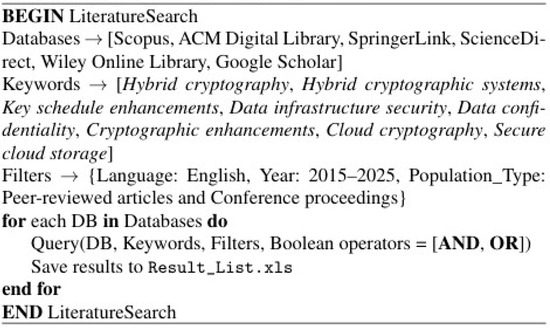
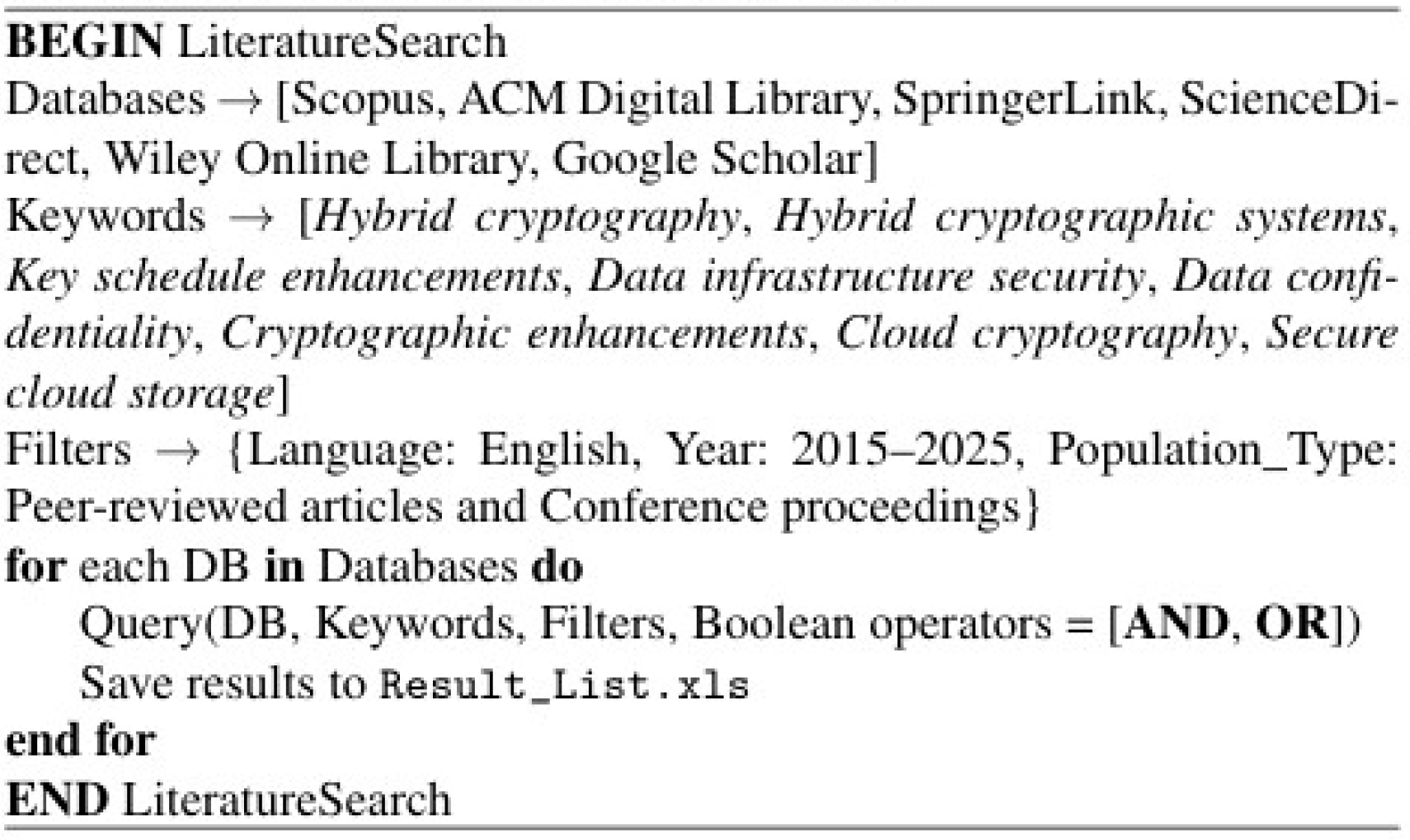
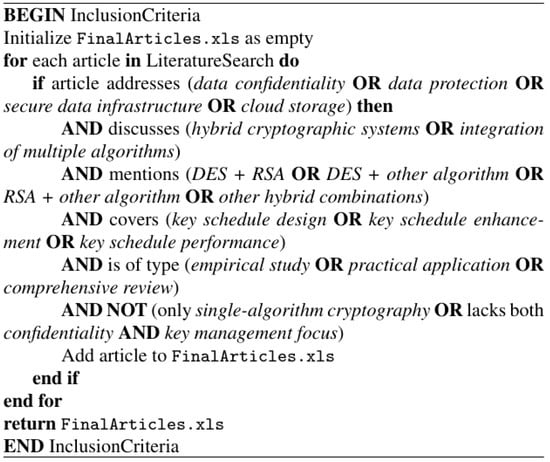
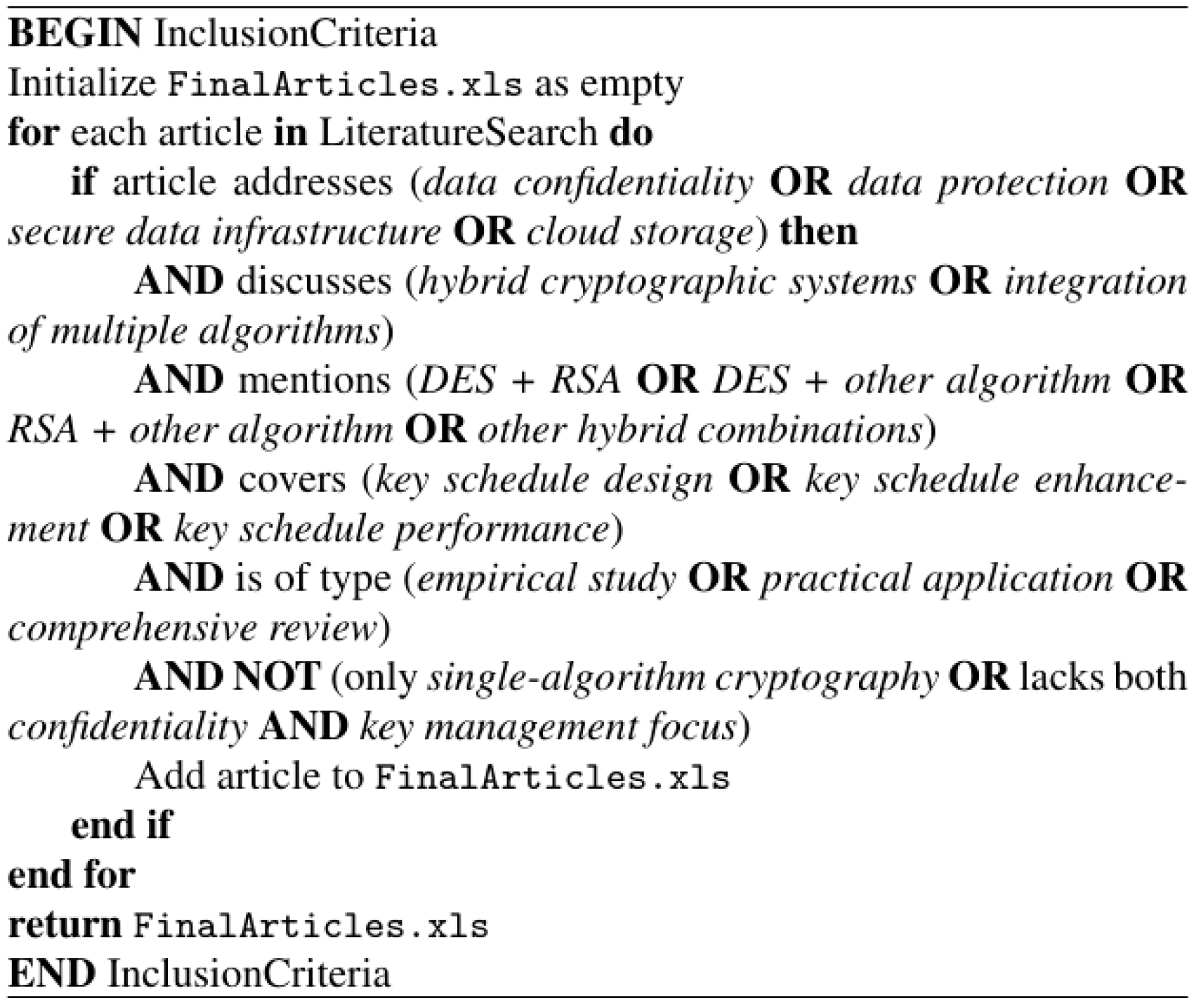
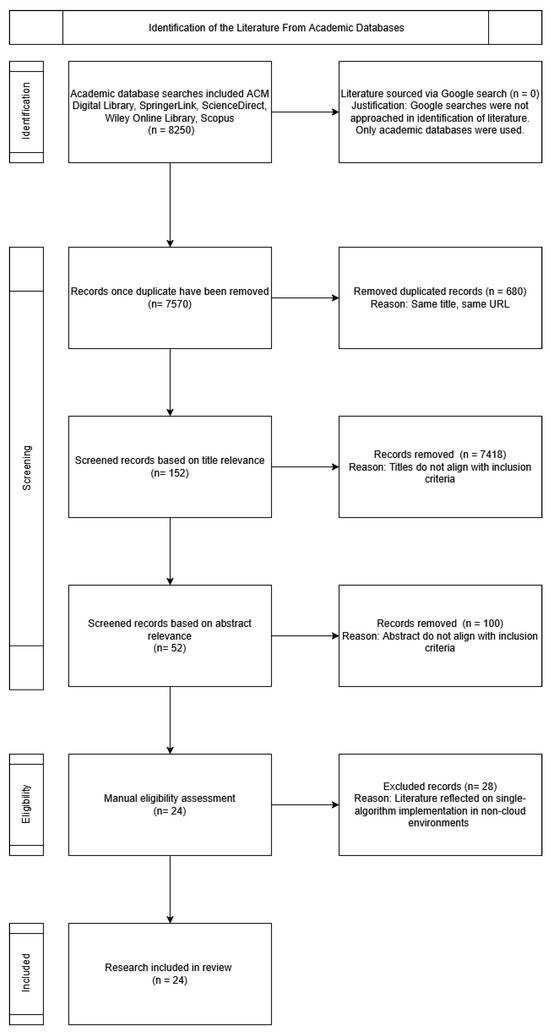
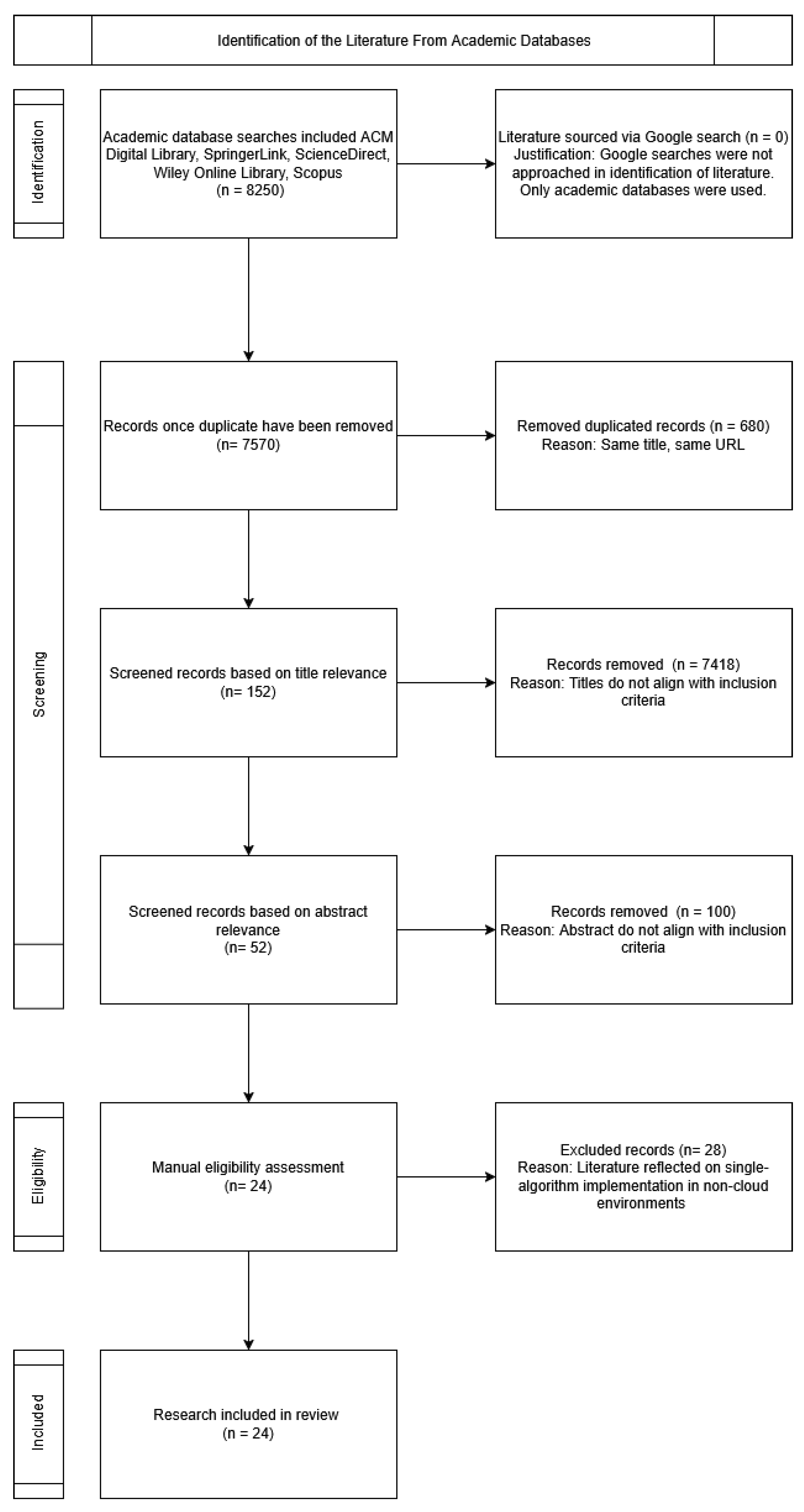
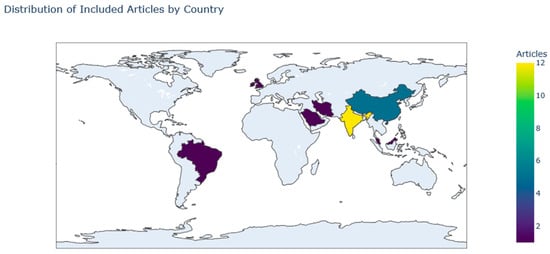
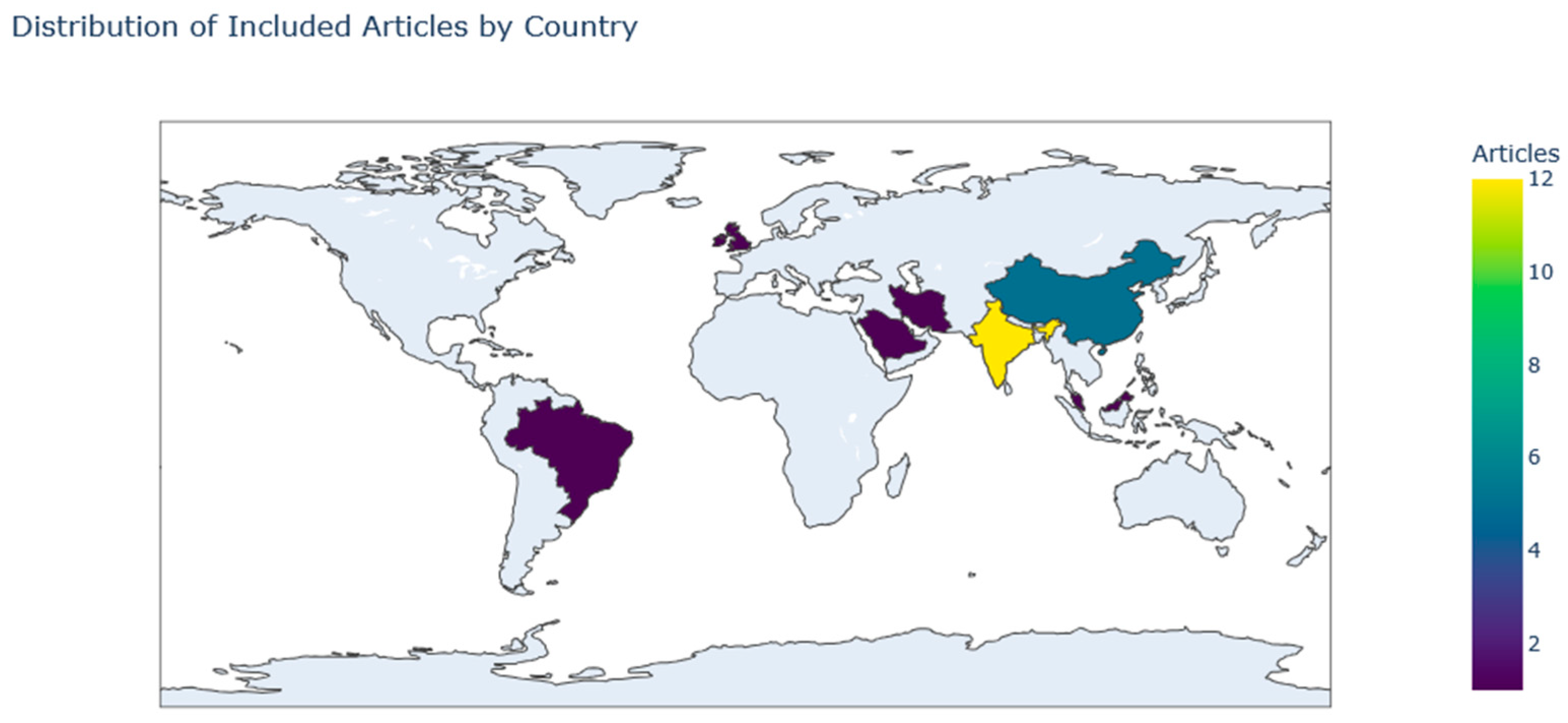
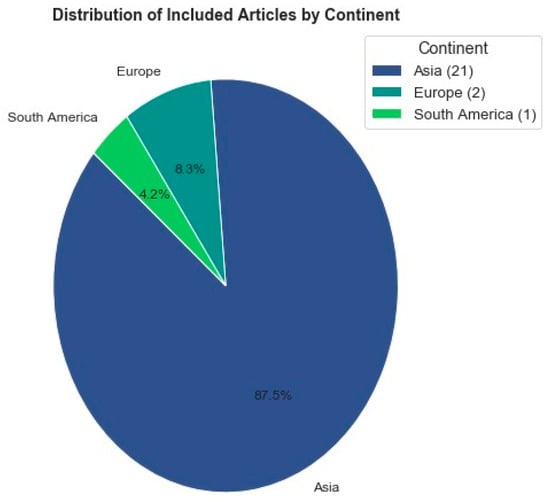
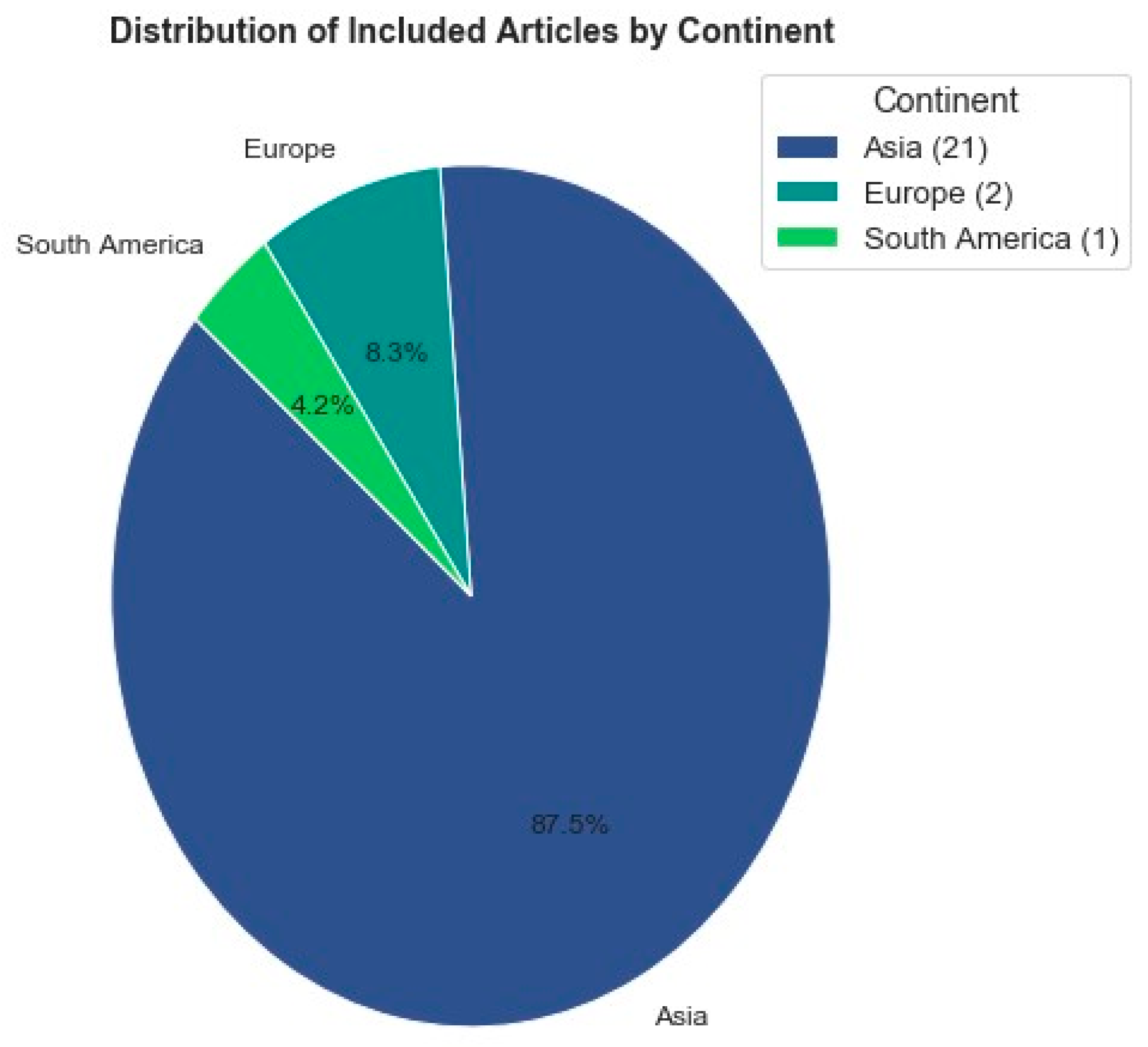
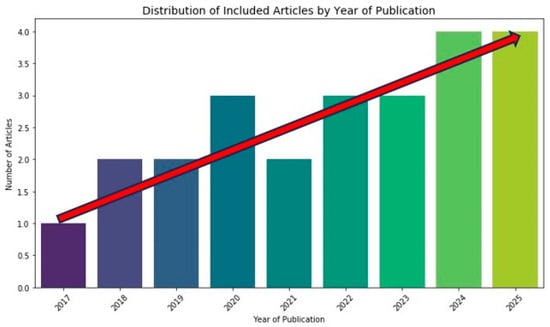
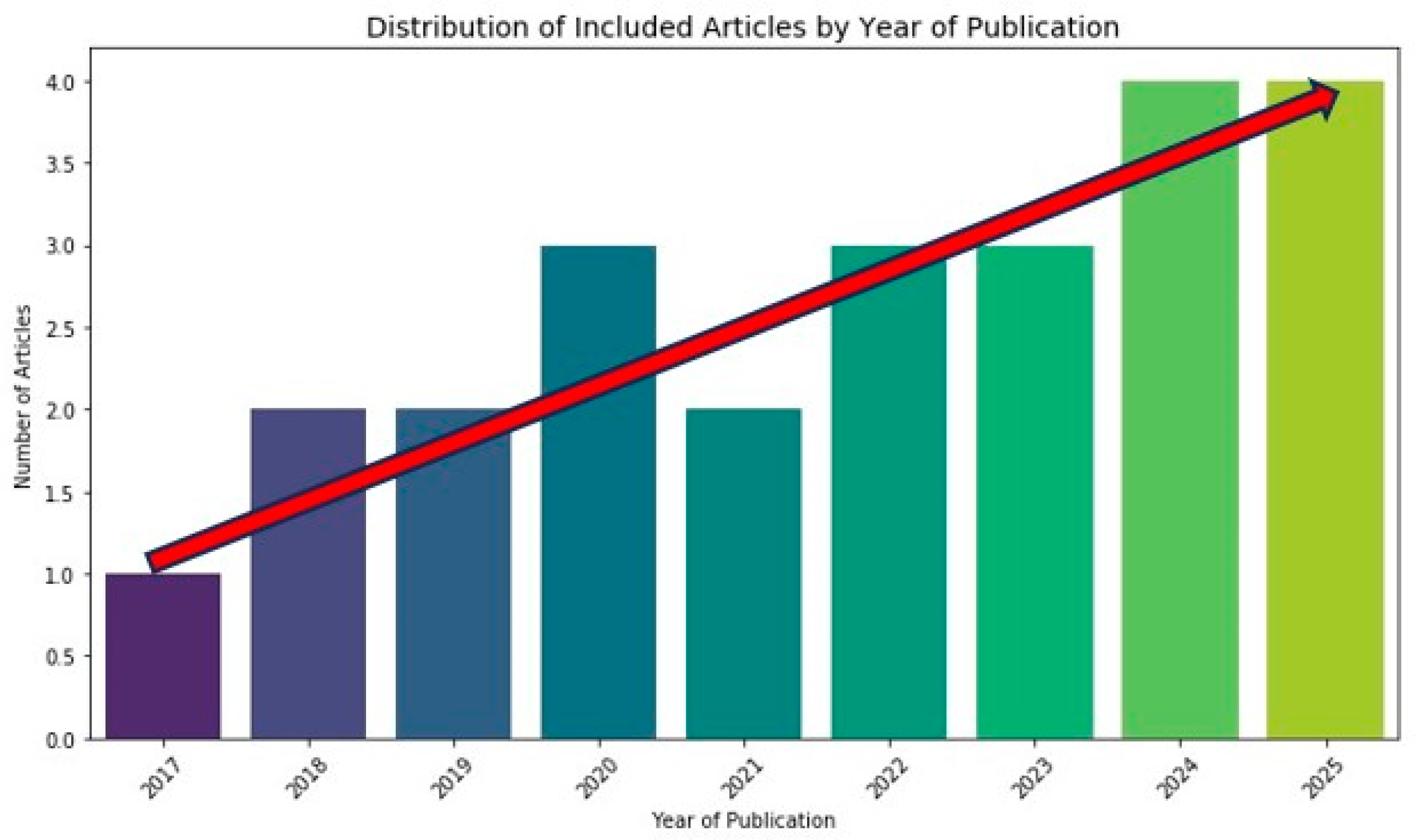
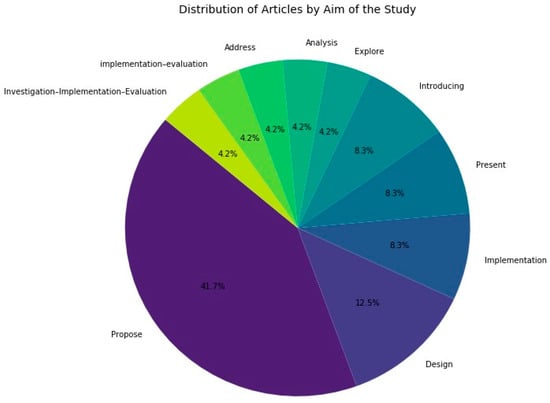
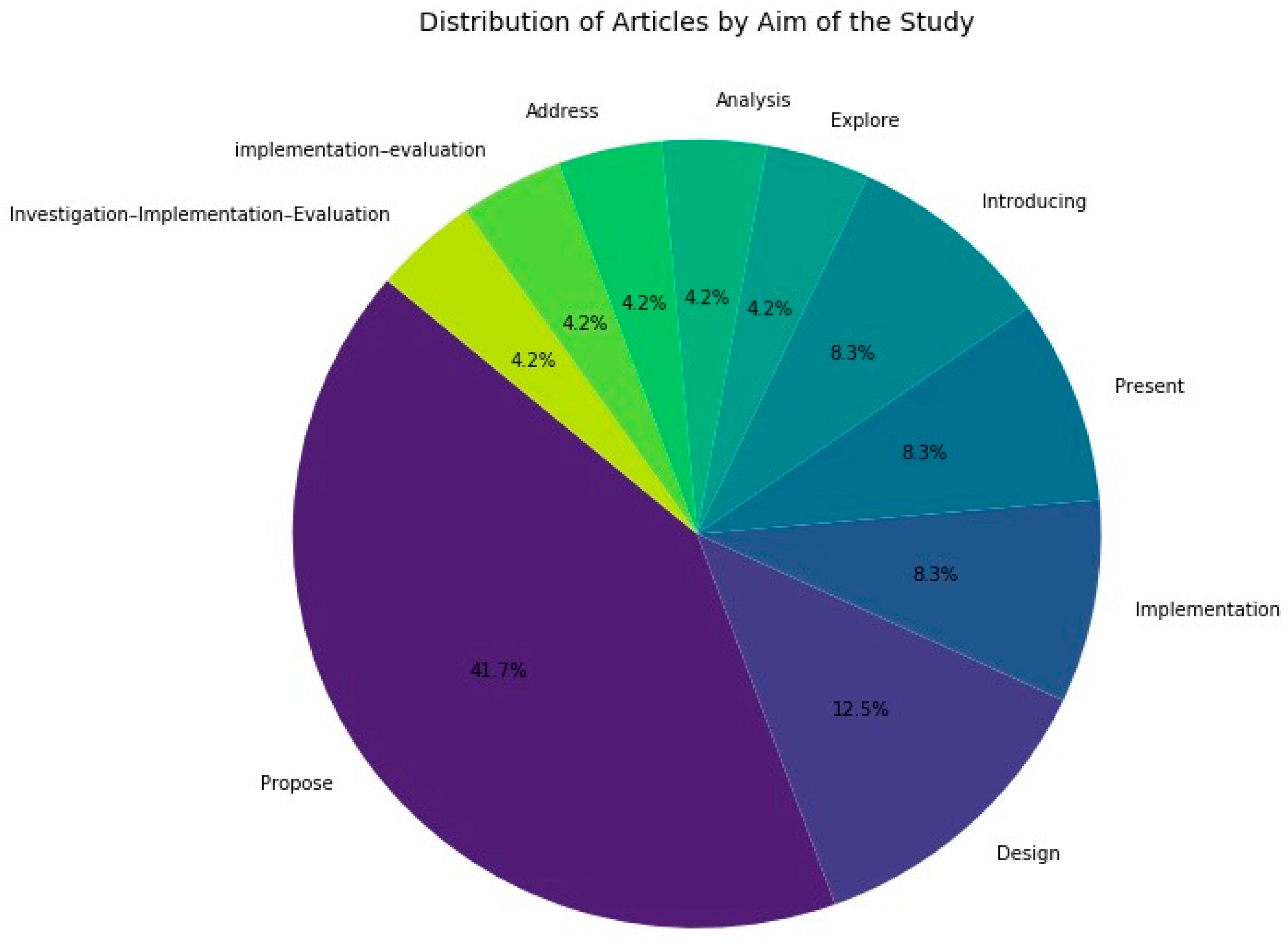
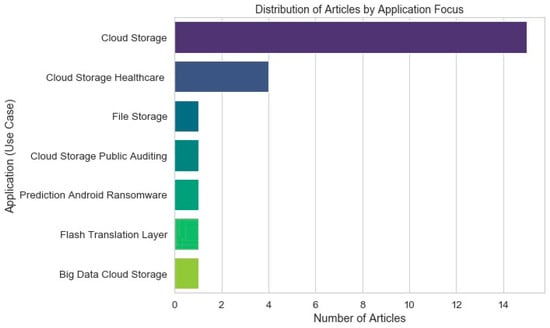
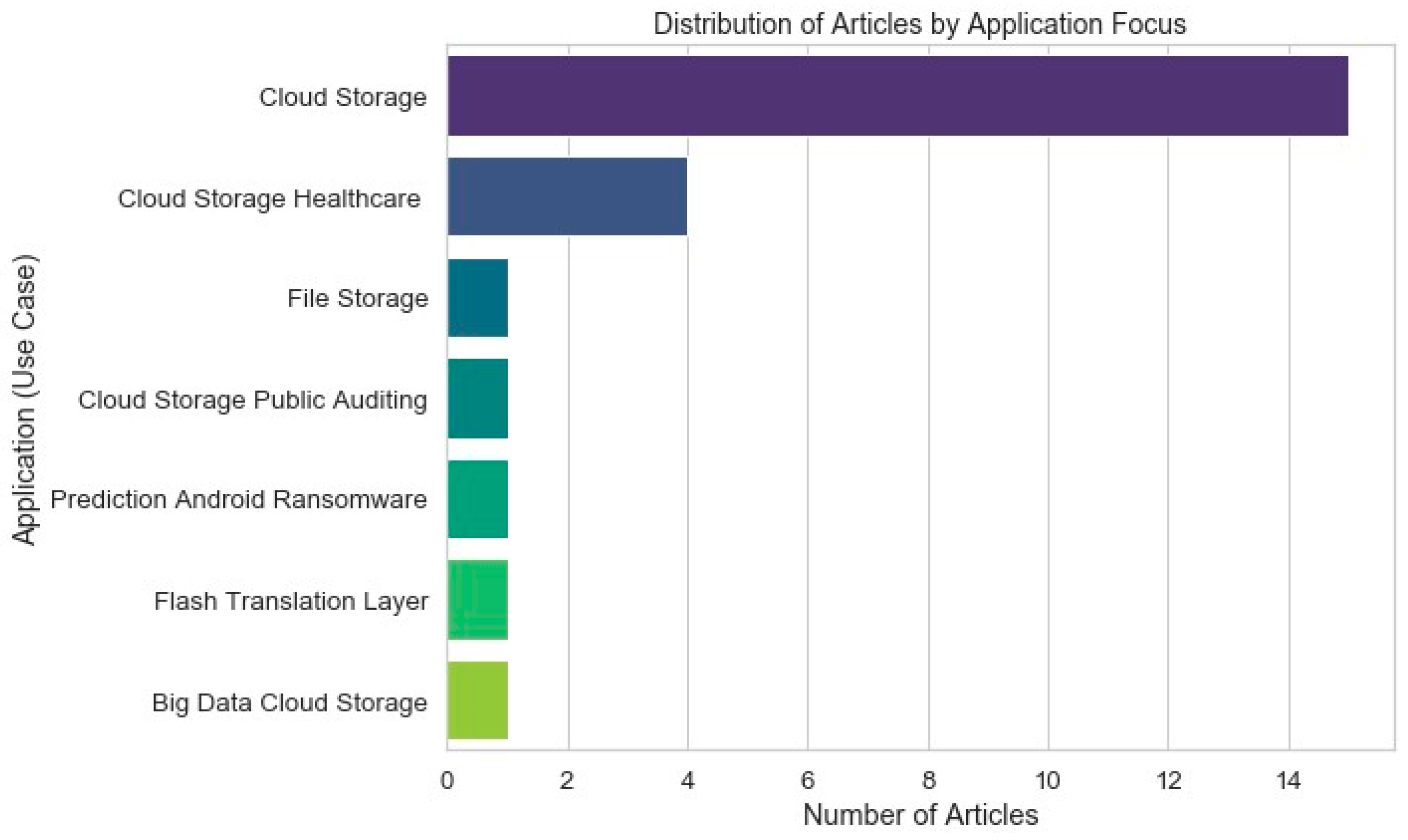

Disclaimer/Publisher’s Note: The statements, opinions and data contained in all publications are solely those of the individual author(s) and contributor(s) and not of MDPI and/or the editor(s). MDPI and/or the editor(s) disclaim responsibility for any injury to people or property resulting from any ideas, methods, instructions or products referred to in the content. |
© 2026 by the authors. Licensee MDPI, Basel, Switzerland. This article is an open access article distributed under the terms and conditions of the Creative Commons Attribution (CC BY) license.