
Bacterial Cellulose: From Biofabrication to Applications in Sustainable Fashion and Vegan Leather

Abstract
1. Introduction
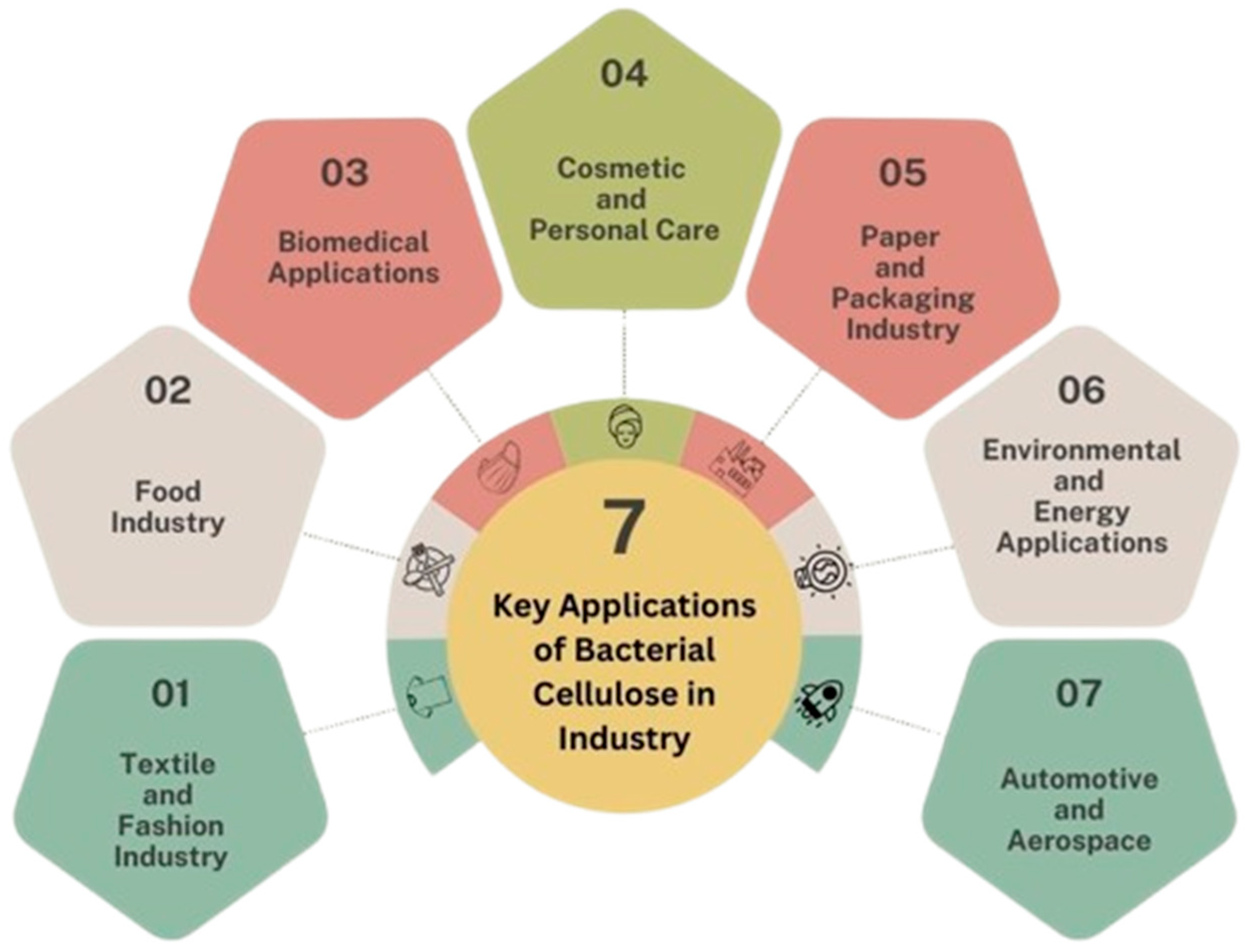
2. Bacterial Cellulose and Its Application
2.1. Textile and Fashion Industry
2.2. Food Industry
2.3. Biomedical Application
2.4. Cosmetic and Personal Care
2.5. Paper and Packaging Industry
2.6. Environmental and Energy Sector
2.7. Automotive and Aerospace Sector
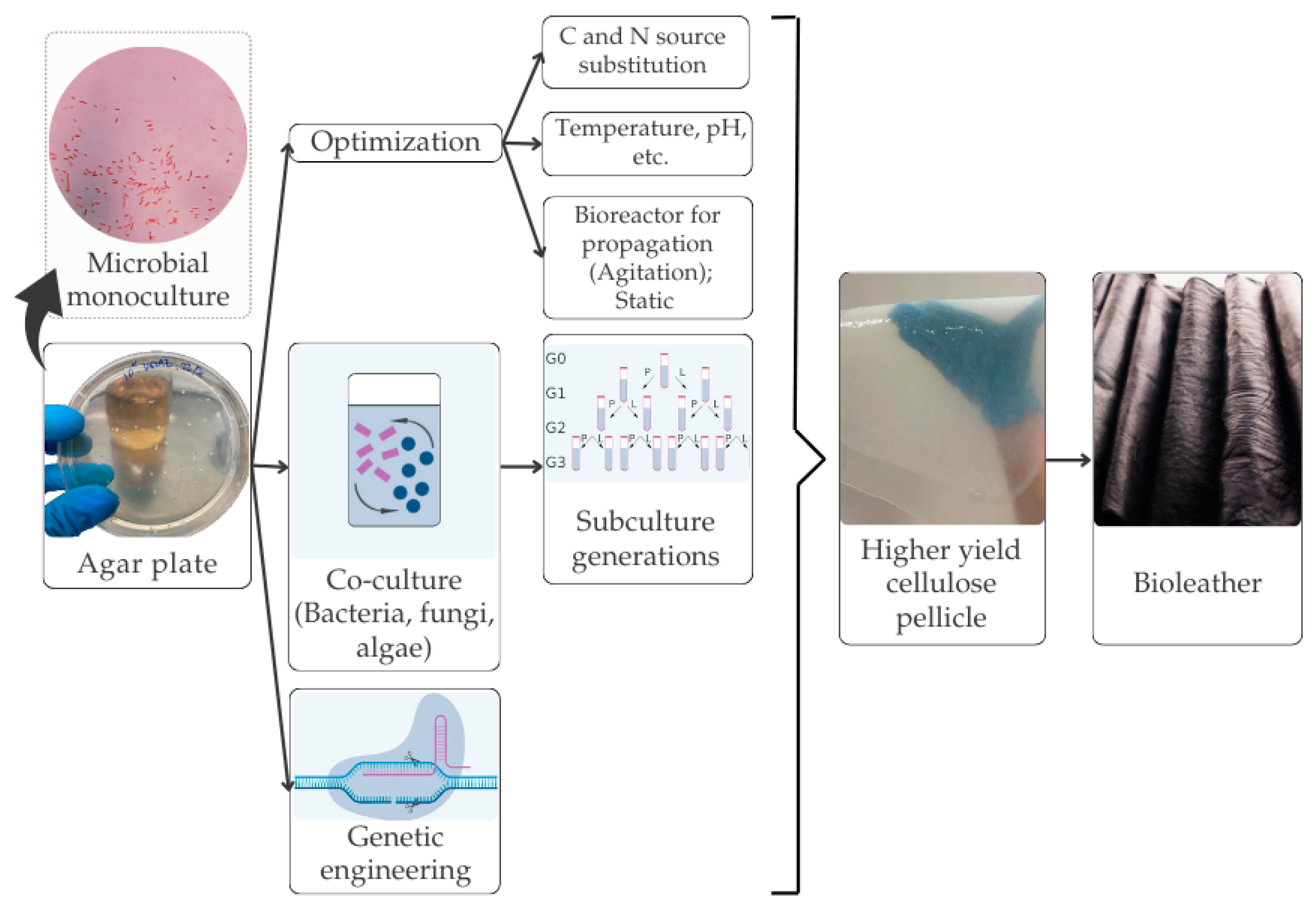
3. Biofabrication of BC on Vegan Leather Industry
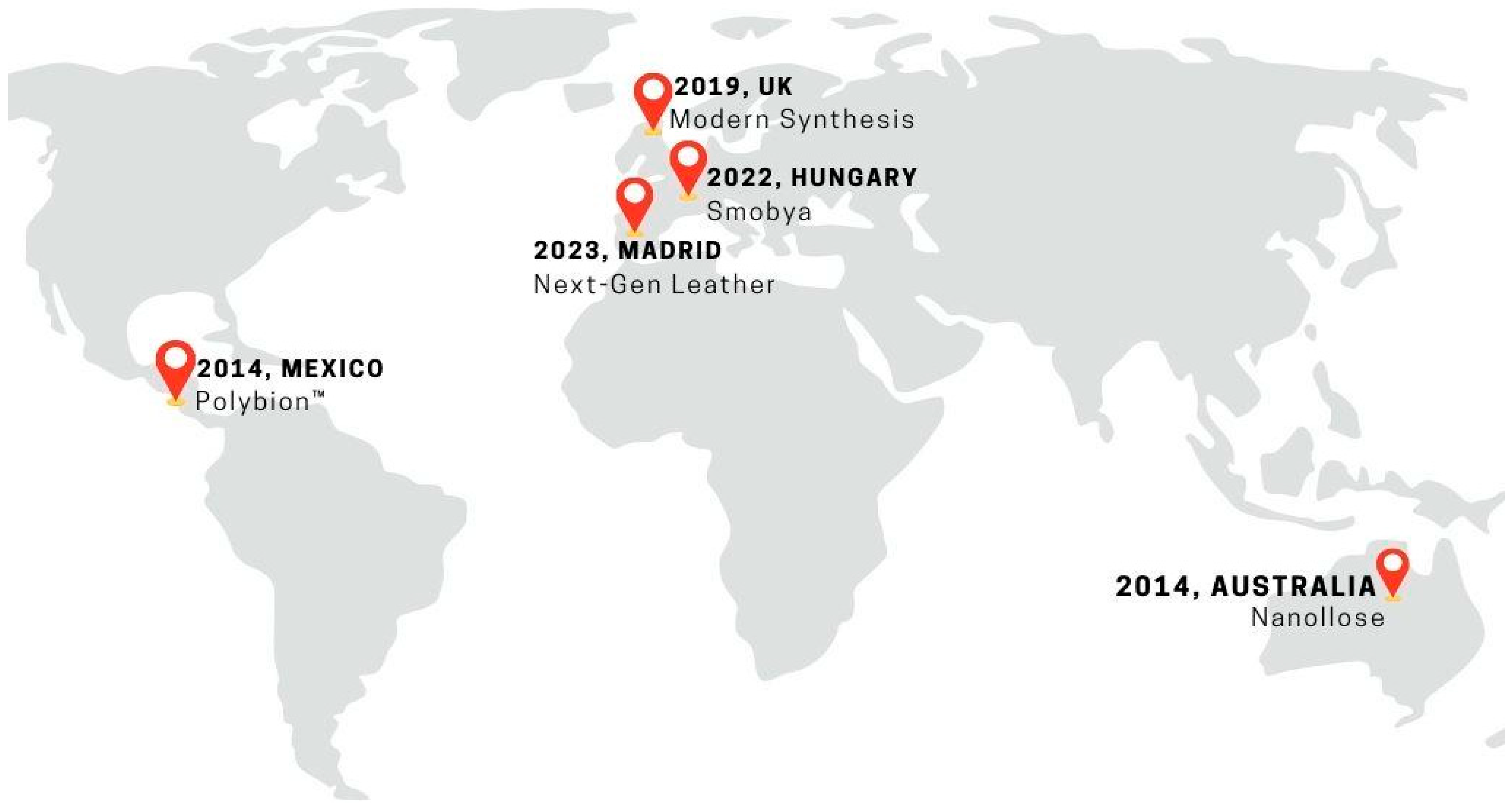
4. Patent Search
5. Conclusions and Future Perspectives
Author Contributions
Funding
Acknowledgments
Conflicts of Interest
References
- Provin, A.P.; Cubas, A.L.V.; Dutra, A.R. Textile Industry and Environment: Can the Use of Bacterial Cellulose in the Manufacture of Biotextiles Contribute to the Sector? Clean Technol. Environ. Policy 2021, 23, 2813–2825. [Google Scholar] [CrossRef] [Scilit]
- Xu, C.; Zhanga, B.; Gua, C.; Shena, C.; Yin, S.; Aamir, M.; Li, F. Are We Underestimating the Sources of Microplastic Pollution in Terrestrial Environment? J. Hazard. Mater. 2022, 400, 123228. [Google Scholar] [CrossRef] [Scilit]
- Muthu, S.S.; Ramchandani, M. Vegan Alternatives for Leather; Sustainable Textiles: Production, Processing, Manufacturing & Chemistry Series; Springer: Heidelberg, Germany, 2024; Available online: https://www.springer.com/series/16490 (accessed on 13 September 2024).
- Boucher, J.; Friot, D. Primary Microplastics in the Oceans: A Global Evaluation of Sources; IUCN: Gland, Switzerland, 2017; Available online: https://www.teraz-srodowisko.pl/media/pdf/aktualnosci/3144-primary-microplastics-in-the-oceans.pdf (accessed on 13 September 2024).
- Lu, K.; Qiao, R.; An, H.; Zhang, Y. Influence of Microplastics on the Accumulation and Chronic Toxic Effects of Cadmium in Zebrafish (Danio rerio). Chemosphere 2018, 202, 514–520. [Google Scholar] [CrossRef] [Scilit]
- Kefale, G.Y.; Kebede, Z.T.; Birlie, A.A. A Systematic Review on Potential Bio Leather Substitute for Natural Leather. J. Eng. 2023, 1, 1629174. [Google Scholar] [CrossRef] [Scilit]
- Martínez, E.; Posada, L.; Botero, J.C.; Rios-Arango, J.A.; Zapata-Benabithe, Z.; López, S.; Molina-Ramírez, C.; Osario, M.A.; Castro, C.I. Nata de fique: A Cost-Effective Alternative for the Large-Scale Production of Bacterial Nanocellulose. J. Ind Crops Prod. 2023, 192, 116015. [Google Scholar] [CrossRef] [Scilit]
- Brown, A.J. XLIII. On an Acetic Ferment which Forms Cellulose. J. Chem. Soc. Trans. 1886, 49, 432–439. [Google Scholar] [CrossRef] [Scilit]
- Mazotto, A.M.; de Ramos Silva, J.; de Brito, L.A.; Rocha, N.U.; de Souza Soares, A. How Can Microbiology Help to Improve Sustainability in the Fashion Industry? J. Environ. Technol. Innov. 2021, 23, 101760. [Google Scholar] [CrossRef] [Scilit]
- Mehrotra, R.; Sharma, S.; Shree, N.; Kaur, K. Bacterial Cellulose: An Ecological Alternative as a Biotextile. Biosci. Biotechnol. Res. Asia. 2023, 20, 449–463. [Google Scholar] [CrossRef] [Scilit]
- Mcmeeking, A.; Dieckmann, E.; Cheeseman, C. Production Methods for Bacterial Biomaterials: A Review. J. Mater. Today Sustain. 2023, 25, 100623. [Google Scholar] [CrossRef] [Scilit]
- Hildebrandt, J.; Thrän, D.; Bezama, A. The Circularity of Potential Bio-Textile Production Routes: Comparing Life Cycle Impacts of Bio-Based Materials Used Within the Manufacturing of Selected Leather Substitutes. J. Clean. Prod. 2021, 287, 125470. [Google Scholar] [CrossRef] [Scilit]
- Blanco Parte, F.G.; Santoso, S.P.; Chou, C.C.; Verma, V.; Wang, H.T.; Ismadji, S.; Cheng, K.C. Current Progress on the Production, Modification, and Applications of Bacterial Cellulose. Crit. Rev. Biotechnol. 2020, 40, 397–414. [Google Scholar] [CrossRef] [Scilit]
- Cohen, N.; Sicher, E.; Merino, I.; Uğur Yavuz, S. Designing with Microbial Cellulose to Feed New Biological Cycles1. Int. J. Food Des. 2020, 4, 155–171. [Google Scholar] [CrossRef] [Scilit]
- Jiang, H.; Song, Z.; Hao, Y.; Hu, X.; Lin, X.; Liu, S.; Li, C. Effect of Co-culture of Komagataeibacter nataicola and Selected Lactobacillus fermentum on the Production and Characterization of Bacterial Cellulose. LWT 2023, 173, 114224. [Google Scholar] [CrossRef] [Scilit]
- Yuan, Y.; Kang, J.; Fei, S.; Qin, X.; Lin, X.; Wang, X.; Zhao, B.; He, C.; Liu, S.; Li, C. Lactiplantibacillus plantarum Causes the Abnormal Fermentation of Bacterial Cellulose by Komagataeibacter nataicola During Nata de coco Production. Food Biosci. 2024, 61, 104603. [Google Scholar] [CrossRef] [Scilit]
- Devanthi, P.V.P.; Pratama, F.; Kho, K.; Taherzadeh, M.J.; Aslanzadeh, S. The Effect of Dekkera bruxellensis Concentration and Inoculation Time on Biochemical Changes and Cellulose Biosynthesis by Komagataeibacter intermedius. J. Fungi 2022, 8, 1206. [Google Scholar] [CrossRef] [Scilit] [PubMed]
- Yang, L.; Zhu, X.; Chen, Y.; Wang, J. Enhanced Bacterial Cellulose Production in Gluconacetobacter xylinus by Overexpression of Two Genes (bscC and bcsD) and a Modified Static Culture. Int. J. Biol. Macromol. 2024, 260, 129552. [Google Scholar] [CrossRef] [Scilit]
- Brown, R.M., Jr. Cellulose Structure and Biosynthesis: What is in Store for the 21st Century? J. Polym. Sci. Part A Polym. Chem. 2004, 42, 487–495. [Google Scholar] [CrossRef] [Scilit]
- Quintana-Quirino, M.; Vigueras-Ramírez, G.; Alonso-Segura, D.; Shirai, K. Microbial Cellulose: Biosynthesis and Textile Applications. In Fundamentals of Natural Fibres and Textiles; Woodhead Publishing: Sawston, UK, 2021; pp. 65–85. [Google Scholar]
- Jin, K.; Jin, C.; Wu, Y. Synthetic Biology-Powered Microbial Co-culture Strategy and Application of Bacterial Cellulose-Based Composite Materials. Carbohydr. Polym. 2022, 283, 119171. [Google Scholar] [CrossRef] [Scilit] [PubMed]
- Hu, H.; Catchmark, J.M.; Demirci, A. Co-culture Fermentation on the Production of Bacterial Cellulose Nanocomposite Produced by Komagataeibacter hansenii. Carbohydr. Polym. Technol. Appl. 2021, 2, 100028. [Google Scholar] [CrossRef] [Scilit]
- Yamada, Y.; Yukphan, P.; Vu, H.T.L.; Muramatsu, Y.; Ochaikul, D.; Tanasupawat, S.; Nakagawa, Y. Description of Komagataeibacter gen. nov., with Proposals of New Combinations (Acetobacteraceae). J. Gen. Appl. Microbiol. 2012, 58, 397–404. [Google Scholar] [CrossRef] [Scilit]
- Srivastava, S.; Mathur, G. Bacterial Cellulose: A Multipurpose Biomaterial for Manmade World. Curr. Appl. Sci. Technol. 2023, 23, 10–55003. [Google Scholar] [CrossRef] [Scilit]
- Provin, A.P.; de Aguiar Dutra, A.R.; Gouveia, I.C.A.S.S.; Cubas, A.L.V. Circular Economy for the Fashion Industry: Use of Waste from the Food Industry for the Production of Biotextiles. Technol. Forecast. Soc. Chang. 2021, 169, 120858. [Google Scholar] [CrossRef] [Scilit]
- Nayak, R.; Cleveland, D.; Tran, G.; Joseph, F. Potential of Bacterial Cellulose for Sustainable Fashion and Textile Applications: Review. J. Mater. Sci. 2024, 59, 6685–6710. [Google Scholar] [CrossRef] [Scilit]
- Ariyani, N.R.; Wijayanti, S.P.; Putra, N.G.; Kusumawati, M.B.; Setiawan, A.A.; Isharyadi, F.; Widyastuti, N.; Djarot, I.N.; Handayani, T. Mycelium-based Leather Potential for Sustainability: A review. AIP Conf. Proc. 2024, 3001, 030012. [Google Scholar]
- MycoWorks. Available online: https://www.mycoworks.com (accessed on 15 September 2024).
- Reishi. Available online: http://www.madewithreishi.com (accessed on 12 September 2024).
- MyCoTech. Available online: http://www.mycl.bio/mylea/ (accessed on 12 September 2024).
- Bolt Threads. Available online: https://boltthreads.com/ (accessed on 14 September 2024).
- Choi, S.M.; Rao, K.M.; Zo, S.M.; Shin, E.J.; Han, S.S. Bacterial Cellulose and Its Applications. Polymers 2022, 14, 1080. [Google Scholar] [CrossRef] [Scilit] [PubMed]
- Modern Synthesis. Available online: https://www.modernsynthesis.com/ (accessed on 28 September 2024).
- Nanollose. Available online: https://nanollose.com/ (accessed on 15 September 2024).
- ScobyTec. Available online: https://www.scobytec.com (accessed on 16 September 2024).
- Smobya. Available online: https://smobya.com (accessed on 15 September 2024).
- Design Friction Lab Innocell Materials. Available online: https://designfrictionlab.com/project/innocell-materials/ (accessed on 29 September 2024).
- Bandyopadhyay, S.; Saha, N.; Brodnjak, U.V.; Sáha, P. Bacterial Cellulose and Guar Gum based Modified PVP-CMC Hydrogel Films: Characterized for Packaging Fresh Berries. Food Packag. Shelf Life 2019, 22, 100402. [Google Scholar] [CrossRef] [Scilit]
- Cazón, P.; Velazquez, G.; Vazquez, M. Characterization of Mechanical and Barrier Properties of Bacterial Cellulose, Glycerol and Polyvinyl Alcohol (PVOH) Composite Films with Eco-Friendly UV-Protective Properties. Food Hydrocoll. 2020, 99, 105323. [Google Scholar] [CrossRef] [Scilit]
- Cellugy. Available online: https://www.cellugy.com/ (accessed on 12 September 2024).
- VTT Technical Research Centre—Our Research. Available online: https://www.vttresearch.com/en/ourservices (accessed on 29 September 2024).
- Fraunhofer Institute for Process Engineering and Packaging IVV—Our Research. Available online: https://www.iap.fraunhofer.de/en/research.html (accessed on 28 September 2024).
- Bielecki, S.; Kalinowska, H.; Krystynowicz, A.; Kubiak, K.; Kołodziejczyk, M.; De Groeve, M. Wound Dressings and Cosmetic Materials from Bacterial Nanocellulose. In Bacterial Nanocellulose; CRC Press: Boca Raton, FL, USA, 2012; pp. 157–174. [Google Scholar]
- Maurer, K.; Renkert, M.; Duis, M.; Weiss, C.; Wessel, L.M.; Lange, B. Application of Bacterial Nanocellulose-based Wound Dressings in the Management of Thermal Injuries: Experience in 92 Children. Burns 2022, 48, 608–614. [Google Scholar] [CrossRef] [Scilit]
- Cañas-Gutiérrez, A.; Toro, L.; Fornaguera, C.; Borrós, S.; Osorio, M.; Castro-Herazo, C.; Arboleda-Toro, D. Biomineralization in Three-Dimensional Scaffolds Based on Bacterial Nanocellulose for Bone Tissue Engineering: Feature Characterization and Stem Cell Differentiation. Polymers 2023, 15, 2012. [Google Scholar] [CrossRef] [Scilit] [PubMed]
- Biomodics. Available online: https://www.biomodics.com (accessed on 13 September 2024).
- Amorim, J.D.; Galdino, C.J.S.; Costa, A.F.; Nascimento, H.A.; Vinhas, G.M.; Sarubbo, L.A. BioMask, a Polymer Blend for Treatment and Healing of Skin Prone to Acne. Chem. Eng. Trans. 2020, 79, 205–210. [Google Scholar]
- Fonseca, D.F.; Vilela, C.; Pinto, R.J.; Bastos, V.; Oliveira, H.; Catarino, J.; Faisca, P.; Rosado, C.; Silvestre, A.J.; Freire, C.S. Bacterial Nanocellulose-Hyaluronic Acid Microneedle Patches for Skin Applications: In Vitro and In Vivo Evaluation. Mater. Sci. Eng. C. Mater. Biol. Appl. 2021, 118, 111350. [Google Scholar] [CrossRef] [Scilit]
- Kucuk, S.D.; Groso, A.; Collet, G.; Daniellou, R.; Caliskan, U.K. Effect of Bacterial Nanocellulose and Plant-Containing Facial Serum on Hyperpigmentation in In-vitro Conditions. BioResources 2024, 19, 3208. [Google Scholar] [CrossRef] [Scilit]
- Laboratory of Bionanomaterials and Cellulose Sciences, Department of Biomaterial Sciences, Graduate School of Agricultural and Life Sciences, The University of Tokyo. Available online: https://psl.fp.a.u-tokyo.ac.jp/research-e.html (accessed on 28 September 2024).
- Skočaj, M. Bacterial Nanocellulose in Papermaking. Cellulose 2019, 26, 6477–6488. [Google Scholar] [CrossRef] [Scilit]
- AG Soares da Silva, F.; Matos, M.; Dourado, F.; AM Reis, M.; Branco, P.C.; Poças, F.; Gama, M. Development of a Layered Bacterial Nanocellulose-PHBV Composite for Food Packaging. J. Sci. Food Agric. 2023, 103, 1077–1087. [Google Scholar] [CrossRef] [Scilit] [PubMed]
- Ecovative. Available online: https://ecovative.github.io/EB-Web/ (accessed on 29 September 2024).
- Tabarsa, T.; Sheykhnazari, S.; Ashori, A.; Mashkour, M.; Khazaeian, A. Preparation and Characterization of Reinforced Papers using Nano Bacterial Cellulose. Int. J. Biol. Macromol. 2017, 101, 334–340. [Google Scholar] [CrossRef] [Scilit] [PubMed]
- Lourenço, A.F.; Martins, D.; Dourado, F.; Sarmento, P.; Ferreira, P.J.; Gamelas, J.A. Impact of Bacterial Cellulose on the Physical Properties and Printing Quality of Fine Papers. J. Carbohydr. Polym. 2023, 314, 120915. [Google Scholar] [CrossRef] [Scilit] [PubMed]
- Lokhande, P.E.; Singh, P.P.; Vo, D.V.N.; Kumar, D.; Balasubramanian, K.; Mubayi, A.; Srivastava, A.; Sharma, A. Bacterial Nanocellulose: Green Polymer Materials for High Performance Energy Storage Applications. J. Environ. Chem. Eng. 2022, 10, 108176. [Google Scholar] [CrossRef] [Scilit]
- Ma, L.; Bi, Z.; Xue, Y.; Zhang, W.; Huang, Q.; Zhang, L.; Huang, Y. Bacterial Cellulose: An Encouraging Eco-Friendly Nano-Candidate for Energy Storage and Energy Conversion. J. Mater. Chem. A. 2020, 8, 5812–5842. [Google Scholar] [CrossRef] [Scilit]
- Aisyah, H.A.; Zainudin, E.S.; Bakar, B.F.A.; Ilyas, R.A. Nanofillers in Automotive and Aerospace Industry. In Nanofillers for Sustainable Applications, 1st ed.; Nurazzi, N.M., Bayraktar, E., Norrrahim, M.N.F., Aisyah, H.A., Abdullah, N., Asyraf, M.R.M., Eds.; CRC Press: Boca Raton, FL, USA, 2023; pp. 420–434. [Google Scholar]
- Nurazzi, N.M.; Jenol, M.A.; Kamarudin, S.H.; Aisyah, H.A.; Hao, L.C.; Yusuff, S.M.; Amira, M.N.; Harussani, M.M.; Norrrahim, M.N.F.; Ilyas, R.A.; et al. 19—Nanocellulose Composites in the Automotive Industry. In Industrial Applications of Nanocellulose and Its Nanocomposites; Sapuan, S.M., Norrrahim, M.N.F., Ilyas, R.A., Soutis, C., Eds.; Woodhead Publishing: Sawston, UK, 2022; pp. 439–467. [Google Scholar]
- The Government of Japan—Plant-Derived Material Will Change the Future of Automobiles. Available online: https://www.japan.go.jp/kizuna/2021/02/plant-derived_material.html (accessed on 29 September 2024).
- Marsh, G. Airbus Takes on Boeing with Reinforced Plastic A350 XWB. Reinf. Plast. 2007, 51, 26–29. [Google Scholar] [CrossRef] [Scilit]
- Pervaiz, M.; Panthapulakkal, S.; KC, B.; Sain, M.; Tjong, J. Emerging Trends in Automotive Lightweighting through Novel Composite Materials. Mater. Sci. Appl. 2016, 7, 26. [Google Scholar] [CrossRef]
- Yang, F.; Zhang, Z.; Yuan, J.; Xu, J.; Ji, Q.; Bai, Y. Eco-friendly Production of Leather-like Material from Bacterial Cellulose and Waste Resources. J. Clean. Prod. 2024, 476, 143700. [Google Scholar] [CrossRef] [Scilit]
- Pavani, C.; Rao, P.A.; Vishnu, P.; Raja, H.; Sriram; Sirisha, N. Vegan Leather from Agricultural Waste: Exploring Sustainable and Cruelty-Free Alternatives. In From Waste to Wealth; Arya, R.K., Verros, G.D., Verma, O.P., Hussain, C.M., Eds.; Springer: Singapore, 2024; pp. 951–964. [Google Scholar]
- El-Naggar, N.E.A.; El-Malkey, S.E.; Abu-Saied, M.A.; Mohammed, A.B.A. Exploration of a Novel and Efficient Source for Production of Bacterial Nanocellulose, Bioprocess Optimization, and Characterization. Sci. Rep. 2022, 12, 18533. [Google Scholar] [CrossRef] [Scilit]
- Aswini, K.; Gopal, N.O.; Uthandi, S. Optimized Culture Conditions for Bacterial Cellulose Production by Acetobacter senegalensis MA1. BMC Biotechnol. 2020, 20, 46. [Google Scholar] [CrossRef] [Scilit] [PubMed]
- Cohen, N.; Sicher, E.; Merino, I.; Yavuz, S.U. An Open-Source Bioreactor Enhancing Microbial Cellulose Production and Novel Sustainable Substances. In Sustainable Design and Manufacturing Smart Innovation, Systems and Technologies; Scholz, S.G., Howlett, R.J., Setchi, R., Eds.; Springer: Singapore, 2021; pp. 77–86. [Google Scholar]
- Núñez, D.; Oyarzún, P.; González, S.; Martínez, I. Toward Biomanufacturing of Next-Generation Bacterial Nanocellulose (BNC)-Based Materials with Tailored Properties: A Review on Genetic Engineering Approaches. Biotechnol. Adv. 2024, 74, 108390. [Google Scholar] [CrossRef] [Scilit] [PubMed]
- Reshmy, R.; Philip, E.; Thliuomas, D.; Madhavan, A.; Sindhu, R.; Binod, P.; Varjani, S.; Awasthi, M.K.; Pandey, A. Bacterial Nanocellulose: Engineering, Production, and Applications. J. Bioeng. 2021, 12, 11463–11483. [Google Scholar]
- Mouro, C.; Gomes, A.P.; Gouveia, I.C. Microbial Exopolysaccharides: Structure, Diversity, Applications, and Future Frontiers in Sustainable Functional Materials. Polysaccharides 2024, 5, 241–287. [Google Scholar] [CrossRef] [Scilit]
- Cubas, A.L.V.; Provin, A.P.; Dutra, A.R.A.; Mouro, C.; Gouveia, I.C. Advances in the Production of Biomaterials through Kombucha Using Food Waste: Concepts, Challenges, and Potential. Polymers 2023, 15, 1701. [Google Scholar] [CrossRef] [Scilit] [PubMed]
- Hu, H.; Catchmark, J.M.; Demirci, A. Effects of Pullulan Additive and Co-culture of Aureobasidium cereans on Bacterial Cellulose Produced by Komagataeibacter hansenii. Bioprocess Biosyst. Eng. 2022, 45, 573–587. [Google Scholar] [CrossRef] [Scilit]
- Li, W.; Huang, X.; Liu, H.; Lian, H.; Xu, B.; Zhhanseang, W.; Sun, X.; Wang, W.; Jia, S.; Zhong, C. Improvement in Bacterial Cellulose Production by Co-culturing Bacillus cereus and Komagataeibacter xylinus. Carbohydr. Polym. 2023, 313, 120892. [Google Scholar] [CrossRef] [Scilit]
- Wood, J.; van der Gast, C.; Rivett, D.; Verran, J.; Redfern, J. Reproducibility of Bacterial Cellulose Nanofibers Over Sub-Cultured Generations for the Development of Novel Textiles. Front. Bioeng. Biotechnol. 2022, 10, 876822. [Google Scholar] [CrossRef] [Scilit]
- Huang, Y.C.; Khumsupan, D.; Lin, S.P.; Santoso, S.P.; Hsu, H.Y.; Cheng, K.C. Production of Bacterial Cellulose (BC)/Nisin Composite with Enhanced Antibacterial and Mechanical Properties through Co-cultivation of Komagataeibacter xylinum and Lactococcus lactis subsp. lactis. Int. J. Biol. Macromol. 2024, 258, 128977. [Google Scholar] [CrossRef] [Scilit]
- Mangayil, R.; Rajala, S.; Pammo, A.; Sarlin, E.; Luo, J.; Santala, V.; Karp, M.; Tuukkanen, S. Engineering and Characterization of Bacterial Nanocellulose Films as Low Cost and Flexible Sensor Material. ACS Appl. Mater. Interfaces 2017, 9, 19048–19056. [Google Scholar] [CrossRef] [Scilit]
- Jang, W.D.; Kim, T.Y.; Kim, H.U.; Shim, W.Y.; Ryu, J.Y.; Park, J.H.; Lee, S.Y. Genomic and Metabolic Analysis of Komagataeibacter xylinus DSM 2325 Producing Bacterial Cellulose Nanofiber. Biotechnol. Bioeng. 2019, 116, 3372–3381. [Google Scholar] [CrossRef] [Scilit]
- Huang, L.H.; Liu, Q.J.; Sun, X.W.; Li, X.J.; Liu, M.; Jia, S.R.; Xie, Y.Y.; Zhong, C. Tailoring Bacterial Cellulose Structure through CRISPR Interference-Mediated Downregulation of galU in Komagataeibacter xylinus CGMCC 2955. J. Biotechnol. Bioeng. 2020, 117, 2165–2176. [Google Scholar] [CrossRef] [Scilit] [PubMed]
- Mangayil, R.; Sarlin, E.; Ellis, T.; Santala, V. Modulating Bacterial Nanocellulose Crystallinity through Post-Transcriptional Repression in Komagataeibacter xylinus. bioRxiv 2024. [Google Scholar] [CrossRef] [Scilit]
- Al-Hagar, O.E.A.; Abol-Fotouh, D. A Turning Point in the Bacterial Nanocellulose Production Employing Low Doses of Gamma Radiation. Sci. Rep. 2022, 12, 7012. [Google Scholar] [CrossRef] [Scilit] [PubMed]
- Jacek, P.; Ryngajłło, M.; Bielecki, S. Structural Changes of Bacterial Nanocellulose Pellicles Induced by Genetic Modification of Komagataeibacter hansenii ATCC 23769. Appl. Microbiol. Biotechnol. 2019, 103, 5339–5353. [Google Scholar] [CrossRef] [Scilit] [PubMed]
- Jacek, P.; Kubiak, K.; Ryngajłło, M.; Rytczak, P.; Paluch, P.; Bielecki, S. Modification of Bacterial Nanocellulose Properties through Mutation of Motility Related Genes in Komagataeibacter hansenii ATCC 53582. New Biotechnol. 2019, 52, 60–68. [Google Scholar] [CrossRef] [Scilit] [PubMed]
- Taweecheep, P.; Naloka, K.; Matsutani, M.; Yakushi, T.; Matsushita, K.; Theeragool, G. Superfine Bacterial Nanocellulose Produced by Reverse Mutations in the bcsC Gene During Adaptive Breeding of Komagataeibacter oboediens. Carbohydr. Polym. 2019, 226, 115243. [Google Scholar] [CrossRef] [Scilit] [PubMed]
- Hernández-Arriaga, A.M.; Del Cerro, C.; Urbina, L.; Eceiza, A.; Corcuera, M.A.; Retegi, A.; Auxiliadora Prieto, M. Genome Sequence and Characterization of the Bcs Clusters for the Production of Nanocellulose from the Low pH Resistant Strain Komagataeibacter medellinensis ID 13488. Microb. Biotechnol. 2019, 12, 620–632. [Google Scholar] [CrossRef] [Scilit]
- Fang, J.; Kawano, S.; Tajima, K.; Kondo, T. In Vivo Curdlan/Cellulose Bionanocomposite Synthesis by Genetically Modified Gluconacetobacter xylinus. J. Biol. Macromol. 2015, 16, 3154–3160. [Google Scholar] [CrossRef] [Scilit]
- Buldum, G.; Bismarck, A.; Mantalaris, A. Recombinant Biosynthesis of Bacterial Cellulose in Genetically Modified Escherichia coli. Bioprocess Biosyst. Eng. 2018, 41, 265–279. [Google Scholar] [CrossRef] [Scilit]
- Peng, Z.; Lv, Z.; Liu, J.; Wang, Y.; Zhang, T.; Xie, Y.; Jia, S.; Xin, B.; Zhong, C. Engineering PTS-based Glucose Metabolism for Efficient Biosynthesis of Bacterial Cellulose by Komagataeibacter xylinus. Carbohydr. Polym. 2024, 343, 122459. [Google Scholar] [CrossRef] [Scilit]
- Kawano, S.; Tajima, K.; Kono, H.; Erata, T.; Munekata, M.; Takai, M. Effects of Endogenous Endo-Beta-1,4-Glucanase on Cellulose Biosynthesis in Acetobacter xylinum ATCC23769. J. Biosci. Bioeng. 2002, 94, 275–281. [Google Scholar]
- Hur, D.H. Enhanced Production of Cellulose in Komagataeibacter xylinus by Preventing Insertion of IS Element into Cellulose Synthesis Gene. Biochem. Eng. J. 2020, 156, 107527. [Google Scholar] [CrossRef] [Scilit]
- Lasagni, F.; Cassanelli, S.; Gullo, M. How Carbon Sources Drive Cellulose Synthesis in Two Komagataeibacter xylinus Strains. Sci. Rep. 2024, 14, 20494. [Google Scholar] [CrossRef] [Scilit]
- Kuo, C.H.; Teng, H.Y.; Lee, C.K. Knock-out of Glucose Dehydrogenase Gene in Gluconacetobacter xylinus for Bacterial Cellulose Production Enhancement. Biotechnol. Bioprocess Eng. 2015, 20, 18–25. [Google Scholar] [CrossRef] [Scilit]
- Chien, L.J.; Chen, H.T.; Yang, P.F.; Lee, C.K. Enhancement of Cellulose Pellicle Production by Constitutively Expressing Vitreoscilla Hemoglobin in Acetobacter xylinum. Biotechnol. Prog. 2006, 22, 1598–1603. [Google Scholar] [CrossRef] [Scilit]
- Yang, F.; Cao, Z.; Li, C.; Chen, L.; Wu, G.; Zhou, X.; Hong, F.F. A Recombinant Strain of Komagataeibacter xylinus ATCC 23770 for Production of Bacterial Cellulose from Mannose-Rich Resources. New Biotechnol. 2023, 76, 72–81. [Google Scholar] [CrossRef] [Scilit] [PubMed]
- Walker, K.T.; Keane, J.; Goosens, V.J.; Song, W.; Lee, K.Y.; Ellis, T. Self-Dyeing Textiles Grown from Cellulose-Producing Bacteria with Engineered Tyrosinase Expression. bioRxiv. 2023. [Google Scholar] [CrossRef] [Scilit]
- Ng, F.M.; Wang, P.W. Natural Self-Grown Fashion from Bacterial Cellulose: A Paradigm Shift Design Approach in Fashion Creation. Des. J. 2016, 19, 837–855. [Google Scholar] [CrossRef] [Scilit]
- Ng, A. Grown Microbial 3D Fiber Art, Ava: Fusion of Traditional Art with Technology. In Proceedings of the 2017 ACM International Symposium on Wearable Computers, Maui, HI, USA, 11–15 September 2017; pp. 209–214. [Google Scholar]
- Polewka, M.; Enz, F.; Jennißen, M.; Wirth, E.; Sabantina, L. 3D Printing with Biomaterials—The New Sustainable Future of Textiles? Eng. Proc. 2023, 37, 59. [Google Scholar] [CrossRef] [Scilit]
- Wang, Q.; Ji, C.; Sun, L.; Sun, J.; Liu, J. Cellulose Nanofibrils Filled Poly (Lactic Acid) Biocomposite Filament for FDM 3D Printing. Molecules 2020, 25, 2319. [Google Scholar] [CrossRef] [Scilit] [PubMed]

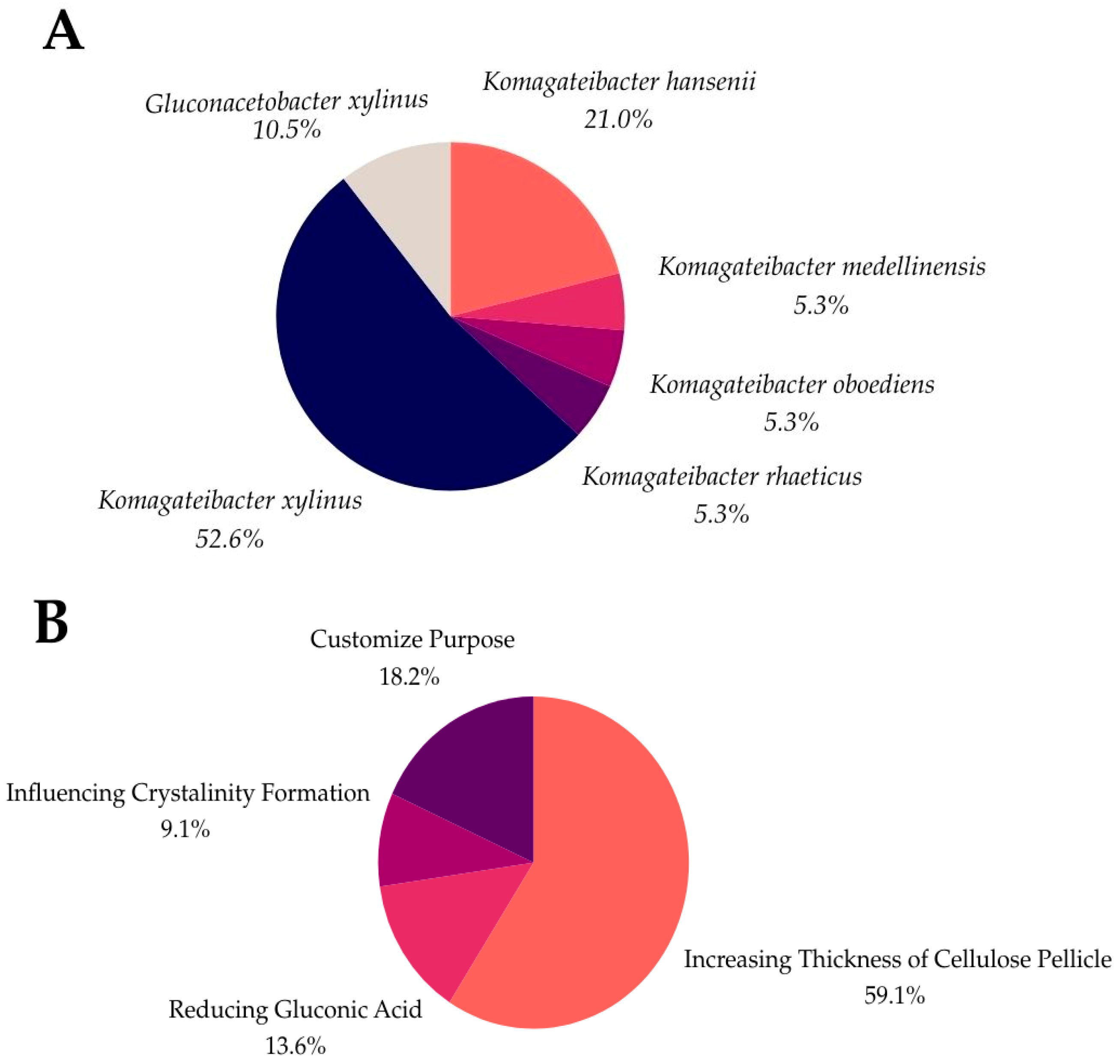

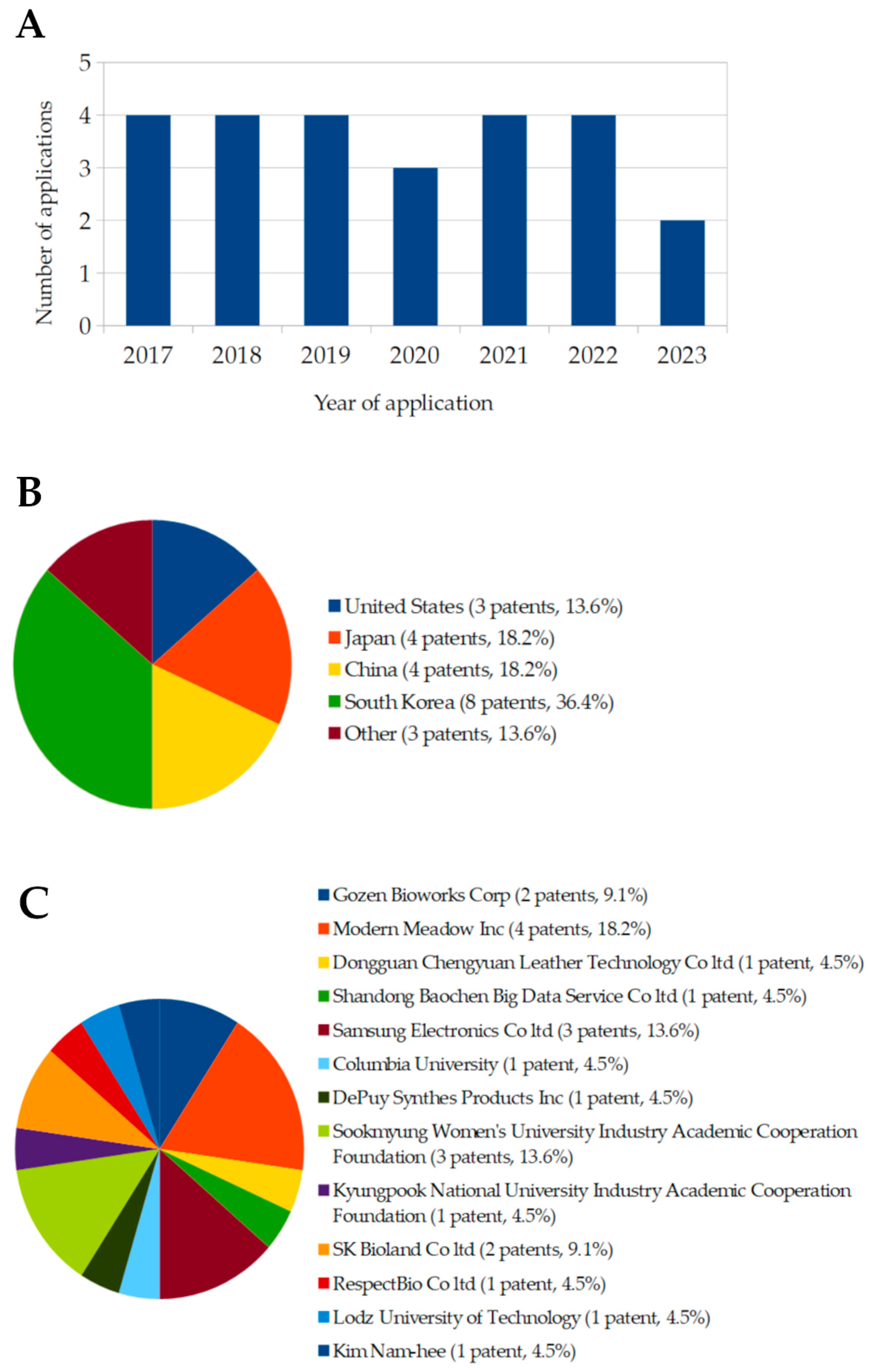

| Features | Plant Cellulose | Bacterial Cellulose (BC) | References |
|---|---|---|---|
| Quality | Chemically similar to BC but coarser in structure. | Highly refined, with a finer structure enabling superior inter-fiber bonding and enhanced material properties. | [32,51] |
| Durability | Moderate strength and durability. | Strong inter-fiber hydrogen bonding increases strength, tensile properties, and wear resistance in applications like paper. | [32,51] |
| Flexibility | Limited natural flexibility. | Can be modified with plasticizers or high filler content to improve flexibility. | [51] |
| Barrier properties | Limited barrier properties against water vapor and moisture. | Enhanced barrier properties, especially when combined with PHBV, reducing water vapor transmission and increasing hydrophobicity. | [32,51] |
| Eco-friendliness | Renewable and biodegradable. | Highly eco-friendly; supports biodegradable alternatives and a circular economy. | [32,51,55] |
| Cost | Generally lower production costs due to established large-scale agricultural systems. | Higher production costs, but ongoing research aims to make BC more cost-effective for industrial use. | [51] |
| Innovation | Limited adaptability to new material innovations. | Allows for tailored properties through combinations with other materials, such as PHBV, for specialized applications. | [52] |
| Weight addition | Adds noticeable weight to paper products when used for reinforcement. | Improves tensile strength and flexibility with minimal weight increase. | [54] |
| Printability | Moderate printability with limited surface properties. | Excellent printability due to high surface area, strength, and film-forming capabilities, enhancing color reproduction. | [55] |
| Cocultured Strains | Result | Reference | |
|---|---|---|---|
| K. nataicola Q2 | L. fermentum SR | Enhanced BC yield from 2.5 to 11.79 g/L (increasement 4.5 times higher) and 6.7% increased crystallinity of BC membrane | [15] |
| K. intermedius | D. bruxellensis | Promoting the BC synthesis reaching 1.09–1.27 g/L by coculture with D. bruxellensis on concentration 106 CFU/mL | [17] |
| K. hansenii | A. pullulans | Increased (22.4%) BC yield | [22] |
| K. hansenii (ATCC 23769) | A. pullulans (ATCC 201253) | Increment of BC production after adding pullulan additive (1.5% and 2%), from 0.447 g/L to 0.814 g/L and 1.997 g/L, respectively | [72] |
| K. xylinus CGMCC 2955△gdh | B. cereus | Increased BC yield in lignocellulosic enzymatic hydrolysate from 1.2 to 4.4 g/L | [73] |
| Strains | Genetic Modifications | Result | Reference |
|---|---|---|---|
| G. xylinus | Overexpressing bcsC, bcsD, and bcsCD genes | To increase BC yield 5.4, 6.2, and 6.8 g/L, respectively. | [18] |
| K. xylinus DSM 2325 | Overexpressing of glucose 6-phosphate isomerase (PGI) gene from E. coli | Increased (115.8%) BC production from 1.46 g/L to 3.15 g/L. | [77] |
| K. xylinus CGMCC 2955 | Modulating galU gene expression with CRISPRi (CRISPR interference) | Faster production rate with 2-to-4-fold higher yield of BC production. | [78] |
| K. xylinus DSM 2325 | Post-transcriptional repression of bcsD, bcsZ, and ccpA genes using genome-integrated mRFP1 | Modulation of the crystalline structure of the BC yield. | [79] |
| K. hansenii KO28 | Low doses (0.5, dual 0.5, 1, and dual 1 kGy) of gamma radiation treatment | Substantial enhancement in BC yield from 2.2 g/L to 4.3, 10.5, 5.5, and 7 g/L, respectively. | [80] |
| K. hansenii ATCC 23769 | Overexpression of motA+ and motB+ genes | The motA+ and motB+ mutants produced cellulose layers that were 6% and 20% thicker, respectively, compared to the wild-type (WT) and pTI99. | [81] |
| K. hansenii ATCC 53582 | Disruption of motA and motAB genes | Reduction in motility by approximately 65% in the motA mutant and 50% in the motAB mutant resulted in a corresponding decrease in the thickness of cellulose fibers. | [82] |
| K. oboediens MSKU 3 | Restoring the original function/phenotype of bcsC mutant gene | The R37-9 revertant produced ultrafine BC fibers with an average diameter of 34.6 nm, representing a 50.9% thinner than parental strain’s fiber (70.5 nm). | [83] |
| K. medellinensis ID 13488 | Upregulating cellulose synthesis genes, the bcs clusters under acidic stress | This study contributes to a deeper understanding of the genetic mechanisms governing bacterial cellulose (BC) biosynthesis in Komagataeibacter medellinensis ID13488, with a specific emphasis on its functionality under acidic conditions. | [84] |
| G. xylinus | Insertion of crdS gene from Agrobacterium sp. | The production yields of cellulose and curdlan by the genetically modified (crdS-expressing) strain reached 46.38% of the wild type on day 5, improved to 71.76% on day 10, and reached 80.22% by day 15. Although the genetically modified strain starts with a lower yield, it nearly matches the wild type by day 15. | [85] |
| G. hansenii ATCC 53582 | Co-expression of cmcax, ccp Ax, and bcsABCD genes from bacterial cellulose within E. coli, combined with IPTG induction | Increased BC production (0.3–0.92 mg/L). | [86] |
| K. xylinus CGMCC 2955 | Modifications to the phosphoenolpyruvate-dependent glucose phosphotransferase system (PTSGlc) to improve bacterial cellulose (BC) production by optimizing glucose uptake | The engineered strain GX08PTS03 produced 7.74 g/L of BC after six days of static fermentation, which represents an 87.41% increase compared to the BC production level of the wild-type strain. | [87] |
| A. xylinum ATCC23769 | Overproduction carboxymethyl cellulose (CMCax) on A. xylinum | Enhancing cellulose production 1.2-fold. | [88] |
| K. xylinus DSM 2325 | IS element insertion on bcsA gene | Prevention of an irreversible genotype shift to a cellulose-negative (Cel-) strain which could increase cellulose yield of approximately 3.23 g/L compared to the unmodified strain. | [89] |
| K. xylinus K2G30 | Pyrroloquinoline quinone-dependent glucose dehydrogenase (PQQ-GDH) suppression | The Δgdh K2G30 strain achieved the highest BC yield (12.26 g/L) in HS medium by day 11, reflecting slower but enhanced production relative to the wild type, emphasizing the impact of carbon source preferences on BC synthesis. | [90] |
| K. xylinus DSM 2325 | Knocking-out pyrroloquinoline quinone (PQQ) dependent glucose dehydrogenase (GDH) gene | BC yield 2.3-fold higher. | [91] |
| K. xylinus (formerly was A. xylinus) | Inserting Vitreoscilla hemoglobin (vhb) gene | The VHb-expressing strain produced a cellulose pellicle concentration of 11 g/L on static condition. | [92] |
| K. xylinus ATCC 23770 | Incorporating genes from Escherichia coli K-12 strain (mannose kinase and phosphomannose isomerase) to improve mannose utilization | Increased pellicle thickness (84%) and increased BC yield. | [93] |
| K. rhaeticus | Inserting and expressing tyrosinase gene within Komagateibacter | Self-dyeing of BC with melanin pigmentation. | [94] |
| Patent Number | Title of Patent | Patent Ownership |
|---|---|---|
| US20240117564A1 | A bioleather production method | Gozen Bioworks Corp. (San Francisco, CA, USA) |
| TR2021002376A2 | A bio-leather coated fabric and manufacturing method | Gozen Bioworks Corp. (USA) |
| JP2019530757A | Biofabricated leather article and method | Modern Meadow, Inc. (Nutley, NJ, USA) |
| JP6971039B2 | Methods for biofabrication of composites | Modern Meadow, Inc. (USA) |
| US20190092838A1 | Recombinant yeast strains for producing recombinant protein or collagen | Modern Meadow, Inc. (USA) |
| JP2019123982A | Bio-fabricated leather product having zone characteristic | Modern Meadow, Inc. (USA) |
| CN112771119A | Biological production of leather products and method thereof | Modern Meadow, Inc. (USA) |
| CN216139597U | Degradable biological leather | Dongguan Chengyuan Leather Technology Co., Ltd. (Dongguan, China) |
| CN117625395A | Growth type biological leather containing multiple-headed chorionic villus and preparation method and application thereof | Shandong Baochen Big Data Service Co., Ltd. (Jining, China) |
| US10465175B2 | Recombinant microorganism including genetic modification that increases pyruvate, phosphate dikinase activity and use thereof | Samsung Electronics Co., Ltd. (Seoul, South Korea) |
| CN109385390A | Recombinant microorganism of genus Komagataeibacter, method of producing cellulose by using same, and method of producing microorganism | Samsung Electronics Co., Ltd. (South Korea) |
| KR20190052888A | Komagataeibacter genus microorganism having enhanced cellulose productivity, method for producing cellulose using the same, and method for producing the microorganism | Samsung Electronics Co., Ltd. (South Korea) |
| US2023146427A1 | Biofabrication and microbial cellulose bio textile | Columbia University (New York, NY, USA) |
| JP2022528183A | Bacterial-derived nanocellulose fabric material | DePuy Synthes Products Inc. (Warsaw, IN, USA) |
| KR20230169689A | Bacteria cellulose-milk protein complex and method | Sookmyung Women’s University Industry Academic Cooperation Foundation (Seoul, South Korea) |
| KR102192110B1 | Bio-leather material containing bacterial cellulose fiber and a preparation method | Sookmyung Women’s University Industry Academic Cooperation Foundation (South Korea) |
| KR102501458B1 | Bacteria cellulose-mushroom derive particle complex and artificial leather manufactured by using the same | Sookmyung Women’s University Industry Academic Cooperation Foundation (South Korea) |
| KR102524357B1 | Bacterial cellulose with improved mechanical properties and manufacturing method thereof | Kyungpook National University Industry Academic Cooperation Foundation (Sangju, South Korea) |
| WO2020060164A1 | K. rhaeticus strain and cellulose sheet production method using same | SK Bioland Co., Ltd. Bioland Haemun Branch (Cheongju, South Korea) |
| WO2020060165A1 | Composition for culturing strain for producing bacterial cellulose | SK Bioland Co., Ltd. Bioland Haemun Branch (South Korea) |
| KR102089538B1 | K. intermedius rb-b-24 and bio cellulose preparing method using the same | RespectBio Co., Ltd. (Seoul, South Korea) |
| PL443677A1 | Method of producing modified bacterial cellulose in the form of bio-leather | Lodz University of Technology (Lodz, Poland) |
| KR102192110B1 | Bio-leather material containing bacterial cellulose fiber and a preparation method thereof | Song Ji-eun, Kim Hyun-jin, Kim Hye-rim (South Korea) |
Disclaimer/Publisher’s Note: The statements, opinions and data contained in all publications are solely those of the individual author(s) and contributor(s) and not of MDPI and/or the editor(s). MDPI and/or the editor(s) disclaim responsibility for any injury to people or property resulting from any ideas, methods, instructions or products referred to in the content. |
© 2025 by the authors. Licensee MDPI, Basel, Switzerland. This article is an open access article distributed under the terms and conditions of the Creative Commons Attribution (CC BY) license (https://creativecommons.org/licenses/by/4.0/).
Share and Cite
Absharina, D.; Padri, M.; Veres, C.; Vágvölgyi, C. Bacterial Cellulose: From Biofabrication to Applications in Sustainable Fashion and Vegan Leather. Fermentation 2025, 11, 23. https://doi.org/10.3390/fermentation11010023
Absharina D, Padri M, Veres C, Vágvölgyi C. Bacterial Cellulose: From Biofabrication to Applications in Sustainable Fashion and Vegan Leather. Fermentation. 2025; 11(1):23. https://doi.org/10.3390/fermentation11010023
Chicago/Turabian StyleAbsharina, Dheanda, Mohamad Padri, Csilla Veres, and Csaba Vágvölgyi. 2025. "Bacterial Cellulose: From Biofabrication to Applications in Sustainable Fashion and Vegan Leather" Fermentation 11, no. 1: 23. https://doi.org/10.3390/fermentation11010023
APA StyleAbsharina, D., Padri, M., Veres, C., & Vágvölgyi, C. (2025). Bacterial Cellulose: From Biofabrication to Applications in Sustainable Fashion and Vegan Leather. Fermentation, 11(1), 23. https://doi.org/10.3390/fermentation11010023