


Abstract
Population aging has markedly increased the burden of cancer in older adults, in whom frailty, sarcopenia, and reduced physiological reserve limit tolerance to treatment and worsen clinical outcomes. Aging is accompanied by progressive functional decline and by biological processes such as cellular senescence, characterized by irreversible cell cycle arrest, chronic low-grade inflammation, and impaired immune surveillance. The accumulation of senescent cells and the persistence of a senescence-associated secretory phenotype contribute to tissue dysfunction and generate a microenvironment that favors tumor initiation and progression. Physical exercise has been associated with attenuation of inflammation, improvements in metabolic and immune function, and with lower levels of senescence-related biomarkers. Although aerobic exercise has been extensively studied in this setting, resistance training holds relevance for older adults due to its capacity to counteract sarcopenia, preserve muscle strength and power, and sustain functional independence. Structured and periodized approaches to resistance exercise may further enhance these benefits by delivering targeted stimuli aligned with age-related physiological deficits. Block strength training (BST), a periodized model that concentrates training adaptations into sequential phases of maximal strength, power, and muscular endurance, has demonstrated consistent improvements in functional performance and reductions in frailty risk in community-dwelling older adults. BST improves physical function. It may also influence biological processes related to aging and cancer; however, mechanistic evidence specific to BST remains to be established. We hypothesized that the exercise in block as a targeted, a structured and physiologically grounded resistance training intervention highlights the potential of BST to promote functional aging and healthy. In the case of cancer biology, and the environment near to tumour, the relationship between aging mechanisms in older adults and controlled exercise effects are currently in advance, but mechanistic trials are still lacking. Finally, we propose a novel training method, structured and personalized, that could impact different clinical outcomes in older patients with cancer.
1. Introduction
Cancer is one of the leading causes of morbidity and mortality worldwide, and its incidence increases exponentially with age. In 2020, it was estimated that there were 19.3 million new cancer cases globally, with nearly 64% of these diagnoses occurring in individuals aged 60 or older [1]. Projections of cancer incidence indicate that by 2040, the number of new cases among older adults will reach 20.7 million, with 12.7 million deaths [1]. The progressive aging of the population has led to an increasing proportion of cancer patients being older adults. Cancer in older adults represents a growing challenge. In women, menopause-related changes and higher frailty prevalence may further influence vulnerability, but most mechanistic evidence remains mixed-sex. A key factor in this context is frailty, a geriatric syndrome of systemic vulnerability. Frailty is a state of susceptibility to poor homeostatic resolution following a stressful event and is the result of cumulative deterioration in multiple physiological systems [2]. Approximately 10% of individuals over the age of 65 exhibit frailty, with this percentage increasing between 25% and 50% in individuals over 85 years old [3]. Frailty is highly common among elderly cancer patients; in fact, more than half of older adults with cancer exhibit pre-frailty or frailty, which is associated with a higher risk of treatment intolerance, postoperative complications, and mortality [3,4]. These data underscore the importance of addressing cancer in the context of aging from an integrated geriatric perspective.
Furthermore, the evidence supports the crucial role of physical exercise in promoting healthy aging. Regular physical activity (PA) prevents much of the functional decline typical of older age and the burden of chronic diseases, acting as a true “anti-aging medicine” [5]. Exercise has been shown to improve cardiovascular health, maintain muscle mass and balance, and reduce the risk of prevalent conditions in older adults such as hypertension [6], obesity, diabetes [7], and even certain cancers [8]. In addition, habitual PA provides significant psychological and cognitive benefits; for example, moderate PA sessions can alleviate anxiety and improve mood acutely, and in the long term, they are associated with less cognitive decline and a lower risk of depression in older adults [9,10]. At the cellular and molecular level, an active lifestyle counteracts some of the biological mechanisms of aging: multiple studies suggest that regular exercise reduces senescent cell burden across tissues [11,12] and attenuates the chronic low-grade inflammation associated with aging [13]. This inflammatory process is characterized by the continuous activation of the immune system without the presence of a clear acute infection. It is often subtle and can be caused by various factors, including obesity, persistent infections, autoimmune diseases, and environmental toxins. Moreover, this is a significant risk factor for cancer development, as it influences multiple pathways involved in tumor initiation, progression, and metastasis [14].
The concept of functional aging emphasizes the ability of older adults to maintain independence and physical, mental, and social functioning, irrespective of chronological age (WHO, 2020 [15]). This entails prioritizing the extension of healthy life (increasing healthy life expectancy) over mere longevity. In fact, there is a significant gap at the population level—estimated at about 9 years on average—between life expectancy and years of healthy life free of disability, meaning that many older adults spend their final years with chronic diseases or functional limitations [16]. Therefore, current strategies aim to “compress” this age-associated morbidity by preventing frailty and maintaining functional capacity for as many years as possible. Ultimately, the biological changes underlying aging, such as cellular senescence, play a decisive role in age-related functional decline and in the pathogenesis of cancer [17].
Regarding the type of physical activity, strength training has been described as having a significant benefit in reducing frailty and sarcopenia events in cancer patients [18]. In terms of outcomes, the perception of quality of life has an impact on symptom improvement [19]. Furthermore, structured physical activity that combines strength and aerobic exercise has beneficial effects on reducing frailty [20].
In this review, we integrate current knowledge on cellular senescence, exercise biology, and sarcopenia with a specific focus on older adults, and propose block strength training (BST) as a biologically informed resistance training model. In this view, the burden of cancer disproportionately affects older adults, underscoring the need for interventions to address functional limitations and prevent further health consequences of cancer and its treatment [21]. Although direct mechanistic and clinical evidence specifically addressing BST in the context of cellular senescence and cancer remains limited, this model is presented here as a biologically plausible and hypothesis-generating framework grounded in established resistance training literature.
Unlike previous reviews that address exercise or sarcopenia in isolation, we explicitly link BST with senescence-related pathways and cancer-relevant outcomes, outlining a translational framework that connects molecular hallmarks of aging with functional and clinical endpoints in this population [22,23]. This work attempts to substantiate the hypothesis of the likely beneficial effect of “BTS” in cancer patients.
These novel associations between BTS and clinical effectiveness in training may provide the basis for future intervention protocols in older patients.
2. Methodological Considerations
The purpose of this review is to integrate cellular senescence, exercise biology, sarcopenia, and cancer risk, proposing block strength training (BST) as a biologically informed resistance training model.
A focused, non-systematic literature search was conducted in PubMed, Scopus, and Web of Science to identify relevant original research articles and reviews published between 2000 and 2025. The search was updated prior to manuscript submission to ensure inclusion of the most recent available evidence. Combinations of the following keywords were used: “cellular senescence”, “senescence-associated secretory phenotype”, “exercise”, “physical activity”, “resistance training”, “strength training”, “block strength training”, “periodized training”, “sarcopenia”, “older adults”, “postmenopausal women”, “cancer prevention”, “aging”, and “inflammaging”. Only articles published in English were considered
Articles were selected based on their conceptual relevance to the integration of senescence biology, resistance training adaptations, and cancer-related mechanisms in older adults. Priority was given to mechanistic studies, clinical trials, meta-analyses, and high-quality narrative or systematic reviews. When foundational mechanistic evidence was required, seminal studies published prior to 2000 were exceptionally included.
This narrative review was structured in accordance with the SANRA (Scale for the Assessment of Narrative Review Articles) framework to ensure methodological transparency and scientific rigor in the selection and synthesis of the evidence [24].
3. Cellular Senescence in Aging and Cancer
Cellular senescence is a state of permanent cell cycle arrest in response to cellular damage or stressors such as DNA damage, telomere shortening, or oncogenic activation. This biological process strongly contributes to the development of chronic diseases, including cancer [25]. Mechanistically, this irreversible arrest is mediated by p53 protein and cyclin-dependent kinase inhibitor 1A (p53/p21CIP1) and/or tumor suppressor pathway involving cyclin-dependent kinase inhibitor 2a and retinoblastoma protein (p16INK4a/Rb) [26]. Despite ceasing to divide, senescent cells remain metabolically active and develop a senescence-associated secretory phenotype (SASP), characterized by increased production of pro-inflammatory bioactive factors, including cytokines, chemokines, growth factors, proteases, and other extracellular matrix components [27,28]. These changes are accompanied by increased lysosomal content and activity of the acidic β-galactosidase enzyme (SA-β-gal), whose histochemical detection is a classic marker of senescent cells [26]. Likewise, senescent cells commonly exhibit overexpression of cell cycle inhibitors such as p16INK4a and p21CIP1, reflecting their state of permanent proliferative arrest [29].
Senescent cells tend to accumulate in tissues as aging progresses, due to repeated exposure to damaging factors throughout life [29]. Indeed, studies in model organisms have shown that senescent cells progressively increase with age and functionally contribute to age-related decline [30]. The growing presence of these dysfunctional cells is considered a fundamental driver of aging and age-associated tissue dysfunction, to the extent that cellular senescence is recognized as one of the key hallmarks of aging [31]. A central mechanism by which senescent cells promote aging is through the SASP: factors secreted by senescent cells sustain a state of chronic low-grade inflammation, known as “inflammaging” [32], observed in aged tissues. This persistent pro-inflammatory environment, driven by cytokines such as interleukin 6 (IL-6), interleukin 1 beta (IL-1β), and tumor necrosis factor alpha (TNF-α) secreted by senescent cells, progressively disrupts tissue homeostasis and favors functional decline of organs and systems [33,34]. In addition, immune surveillance of senescent cells declines with age: chronic inflammation and other mechanisms allow senescent cells to evade elimination by natural killer (NK) cells and cytotoxic T lymphocytes, leading to their preferential accumulation in aged tissues [35]. This accumulation, together with the resulting SASP, generates a vicious cycle of inflammation and tissue damage that contributes to aging and increases vulnerability to chronic diseases [35].
Cellular senescence plays a complex and dual role in cancer biology. On the one hand, during early life it acts as a tumor-suppressive mechanism: when a cell experiences oncogenic damage or severe stress, entry into senescence prevents uncontrolled proliferation and thereby inhibits tumor formation [36]. Certain SASP factors may initially contribute to immune-mediated clearance of damaged cells; for instance, cytokines produced by senescent cells can recruit immune cells that recognize and eliminate premalignant cells before progression [37,38]. On the other hand, in the context of advanced age, senescence becomes detrimental. The persistent presence of senescent cells in the tissue microenvironment over prolonged periods promotes tumorigenesis: chronically secreted SASP factors induce inflammation and tissue remodeling that favor tumor development and progression [36]. Studies have shown that when senescent cells accumulate unchecked, their SASP can directly stimulate the growth of emerging malignant cells or create an immunosuppressive environment that allows cancer cells to evade immune surveillance [39,40,41]. Thus, although the induction of senescence initially serves as a protective mechanism against cancer, the long-term accumulation of senescent cells in aged tissues ultimately contributes to age-associated pathologies—including fibrosis, degenerative diseases, and cancer—through chronic inflammation and pro-tumorigenic alterations of the tissue microenvironment. This dual behavior illustrates the “double-edged sword” nature of cellular senescence in carcinogenesis (Figure 1).
Figure 1.
Cellular senescence and age-associated tumorigenic microenvironment. Schematic representation of stressors that induce cellular senescence (e.g., DNA damage, telomere shortening, oxidative stress, oncogenic activation) and the development of a senescence-associated secretory phenotype (SASP). Accumulation of senescent cells and SASP-related signaling contribute to chronic inflammation, tissue remodeling, and a microenvironment permissive to tumor development in aging tissues. Abbreviations: Interleukin 6 (IL-6), Interleukin 1 beta (IL-1β), Tumor necrosis factor alpha (TNF-α), Interleukin 8 (IL-8), Chemokine (C-C motif) ligand 2 (CCL2), Reactive oxygen species (ROS), Senescence-associated secretory phenotype (SASP), Matrix metalloproteinases (MMP), Vascular endothelial growth factor (VEGF), Hepatocyte growth factor (HGF), Epidermal growth factor (EGF), Insulin-like growth factor (IGF), Transforming growth factor beta (TGF-β), High-mobility group box 1 (HMGB1).
At the molecular level, the SASP phenotype of senescent cells promotes multiple processes associated with cancer initiation and progression. Pro-inflammatory cytokines released (such as IL-6, IL-1β, and TNF-α, among others) generate an inflammatory microenvironment that not only damages surrounding healthy tissue but can also induce genotoxic stress in neighboring cells, facilitating malignant transformation over time [35]. SASP factors also help “prepare the soil” for cancer by supporting key processes of tumor development: for example, they promote angiogenesis and drive stromal changes that facilitate epithelial–mesenchymal transition (EMT) and cancer cell invasion. In particular, enzymes such as matrix metalloproteinases (MMPs) secreted by senescent cells degrade and remodel the extracellular matrix [28,42], weakening normal tissue architecture and creating space for tumor expansion and invasion within the tumor microenvironment [43]. Certain SASP factors can reprogram nearby cells toward tumor-promoting states or induce senescence in initially healthy cells, thereby generating additional senescent cells within the tumor microenvironment [39,44]. Moreover, the SASP interferes with antitumor immune responses through the chronic release of inflammatory mediators that exhaust cytotoxic lymphocytes and NK cells [44,45]. In parallel, SASP components such as GDF15 and pro-inflammatory cytokines can skew or divert macrophages and other innate immune cells toward immunosuppressive phenotypes, thereby facilitating tumor immune escape [46,47]. Another important link is telomere shortening, which occurs with each cell division and triggers replicative senescence as a protective barrier against uncontrolled proliferation. However, when a precancerous cell manages to bypass this brake—by activating telomerase to maintain telomere length—it acquires unlimited replicative capacity, while critically short or dysfunctional telomeres can drive genomic instability (chromosomal fusions and aberrations) that further increase the risk of malignant transformation [29,45].
Multiple observations support the relevance of cellular senescence in humans. For example, expression of the marker p16INK4a increases with age in numerous tissues [48]; in human T lymphocytes, p16INK4a levels correlate strongly with biological age [49]. This finding suggests that the burden of senescent cells reflects human aging. Given the deleterious impact of accumulated senescent cells, substantial interest has emerged in strategies to manage this cellular burden. Preclinical studies in animal models have causally demonstrated the role of senescent cells in aging and cancer: for instance, in transgenic mice engineered to selectively eliminate senescent cells, periodic clearance of senescent cells led to marked improvements in health, extended median lifespan, and delayed the onset of age-associated spontaneous tumors [50]. Conversely, experimental transfer of a small number of senescent cells into young mice is sufficient to induce aging-like features, reinforcing the concept that surpassing a threshold of senescent cell burden triggers age-related pathology [51,52]. In recent years, senolytic drugs (which selectively eliminate senescent cells) and senomorphic agents (which inhibit or modulate the SASP without killing the cells) have been developed as potential interventions against age-related diseases [52,53]. Importantly, early human trials are already underway: small initial clinical studies have shown encouraging results, demonstrating functional improvements in patients following reductions in senescent cell burden, and multiple larger clinical trials are currently in progress [54,55]. Overall, therapeutic targeting of senescent cells (either through selective elimination or attenuation of their inflammatory SASP profile) emerges as a promising strategy to delay aging and prevent age-related pathologies, including cancer. Nevertheless, physical exercise also plays an important role as a non-pharmacological approach or as an adjuvant strategy in the modulation of cellular senescence.
4. Exercise as a Modulator of Cellular Senescence
Regular exercise is an effective lifestyle intervention for slowing multiple aspects of biological aging. It may attenuate several hallmarks of aging, including chronic inflammation and the accumulation of senescent cells, through widespread systemic and cellular adaptations [12,56,57]. For example, long-term physical training has been shown to reduce oxidative stress and inflammation while enhancing DNA repair mechanisms and proteostasis in mixed-sex cohorts [58,59]. However, these studies did not provide sex-stratified analyses, and therefore sex-specific effects in older women require further investigation.
Exercise is known to engage pathways such as AMPK signaling, which promotes cellular metabolic health and can inhibit senescence-related processes [60]. Together, these combined effects help counteract age-related damage and preserve tissue functionality.
There is growing evidence indicating that exercise reduces the burden of senescent cells in both animal models and humans. In mice, aerobic endurance training has been associated with a decrease in cellular senescence markers; for instance, four weeks of treadmill running significantly reduced the expression of p16INK4a and p21CIP1 in skeletal muscle [60]. In aged rats, a two-month weighted ladder-climbing training protocol suppressed the accumulation of senescent fibro-adipogenic progenitors (FAPs), reduced SASP factor secretion, and increased cluster of differentiation 8 positive T lymphocyte (CD8+ T) cell infiltration in muscle [12,61]. Human studies support these findings. A clinical trial in older adults showed that a structured 12-week exercise program significantly reduced circulating senescence-associated biomarkers, including p16INK4a, p21CIP1, and TNF-α expression in T lymphocytes, as well as multiple SASP proteins in plasma [12]. This provides in vivo evidence that exercise can reduce circulating senescence-associated biomarkers; whether this reflects reduced senescent cell burden versus changes in immune cell composition or SASP signaling remains to be clarified. However, whether these reductions reflect a true decrease in senescent cell burden or are driven by changes in immune cell composition, altered secretory activity, or systemic inflammatory modulation remains to be elucidated. Therefore, circulating biomarkers should be interpreted as indicators of senescence-associated systemic signaling rather than direct measures of senescent cell accumulation.
Exercise may contribute to the preservation of telomere length and telomerase activity, which has been associated with protection against replicative senescence. Observational studies indicate that physically active adults have longer leukocyte telomeres than their sedentary counterparts [62,63]. For example, older women with higher levels of moderate-to-vigorous PA exhibited significantly longer telomeres [62]. These effects are partly explained by exercise-induced reductions in oxidative stress and inflammation, which slows telomere erosion [64]. By helping to maintain telomere integrity, regular exercise could delay replicative senescence in dividing cell populations.
Exercise further reduces the chronic low-grade inflammation associated with aging, in part by decreasing pro-inflammatory SASP factors secreted by senescent cells. Physically active older adults show significantly lower levels of cytokines such as IL-6, TNF-α, and C-reactive protein compared with sedentary individuals [65,66,67]. One study demonstrated that consistently active older adults had lower tissue expression of IL-6 in the colonic mucosa than sedentary controls [68]. This suppression of the SASP promotes a less inflammatory tissue microenvironment and one that is less permissive to tumor growth [11,69,70].
Contracting skeletal muscle releases myokines such as IL-6 (in its anti-inflammatory role), irisin, and secreted protein acidic and rich in cysteine (SPARC), which exert systemic effects on inflammation, tissue regeneration, and immune modulation [71]. Exercise-induced IL-6 stimulates the production of IL-1ra and IL-10 and inhibits TNF-α, contributing to the resolution of inflammation [72,73]. Irisin has also been associated with activation of AMP-activated protein kinase (AMPK) and sirtuin 1 (SIRT1), pathways involved in cellular longevity [74]. Moreover, exercise enhances immune surveillance by increasing the activity of NK cells and cytotoxic T lymphocytes, thereby facilitating the clearance of senescent or emerging tumor cells [75,76,77]. This interaction between skeletal muscle and the immune system, the so-called “myokine network”, constitutes a key mechanism through which exercise may promote healthy longevity and cancer prevention. Myokines are signaling molecules released specifically by skeletal muscle during contraction, whereas exerkines refer to a broader group of exercise-induced factors derived from multiple tissues, including muscle, adipose tissue, and other organs [78]. This complex network constitutes a key molecular mechanism for promoting healthy longevity and preventing cancer, acting by mitigating chronic inflammation (inflammaging), optimizing immune surveillance, and regulating cellular senescence profiles. These mechanisms are visually contrasted in Figure 2, which highlights the biological and functional divergence between sedentary and physically active aging in older adults.
Figure 2.
Sedentary versus physically active aging: impact on senescence-related pathways. Conceptual comparison between sedentary aging and regular physical activity in older adults. The sedentary state is associated with increased senescence-related markers, chronic inflammation, and impaired immune function. In contrast, regular exercise is associated with lower inflammatory signaling, preserved immune surveillance, and a less tumor-promoting microenvironment. Arrows indicate direction of change: ↑ increase; ↓ decrease. Abbreviations: senescence-associated secretory phenotype (SASP), tumor necrosis factor alpha (TNF-α), interleukin-6 (IL-6), matrix metalloproteinases (MMPs), reactive oxygen species (ROS), natural killer cells (NK), Cluster of differentiation 8 positive T lymphocyte (CD8+ T), cyclin-dependent kinase inhibitor 1A (p21CIP1), cyclin-dependent kinase inhibitor 4A (p16INK4a).
5. Sarcopenia, Strength Training, and Functional Aging in Older Adults
Sarcopenia is defined as a progressive and generalized skeletal muscle disorder characterized by the loss of muscle mass and, more critically, muscle strength, leading to an increased risk of falls, physical disability, and premature mortality [79]. This condition represents a major determinant of functional decline and reduced quality of life in later life [80]. In older women, sarcopenia is further aggravated by menopause-related hormonal changes, particularly the drop in estrogen levels, which accelerates musculoskeletal deterioration and predisposes women to greater losses in physical performance and autonomy compared with age-matched men [81].
Beyond its functional consequences, sarcopenia exerts a substantial metabolic impact. Reductions in skeletal muscle mass impair insulin sensitivity and glucose homeostasis, increasing the risk of metabolic syndrome and type 2 diabetes in aging populations [82]. In parallel, age-related declines in muscle strength and, especially, muscle power—defined as the capacity to generate force rapidly—reduce physiological reserve and resilience, increasing vulnerability to stressors and the likelihood of adverse events such as falls or acute injuries [22]. From a functional perspective, muscle power is particularly relevant. Its impairment is strongly associated with difficulties in daily activities that require rapid force production, such as rising from a chair, stair negotiation, or balance recovery following perturbations [83].
Importantly, age-related neuromuscular decline does not occur uniformly across physical capacities. As emphasized by Hunter et al. (2019) [82], declines in muscular power typically exceed declines in maximal muscle strength with aging, reflecting combined alterations in muscle morphology, neural drive, and contractile velocity. This disproportionate decline in power has critical functional consequences, as many activities of daily living depend more on rapid force production than on maximal strength alone [82]. This framework reinforces the concept that exercise interventions should prioritize specific neuromuscular capacities rather than treating muscle function as a single, homogeneous outcome. Intervention studies have demonstrated that muscle power training is not only feasible but particularly effective for enhancing functional performance in older adults. For instance, explosive or high-velocity resistance training protocols have been shown to significantly improve rapid force production, muscle power, and functional outcomes such as chair-rise performance and gait speed in older individuals [84,85]. More recent research has further explored structured training strategies aimed at optimizing skeletal muscle performance in aging populations, such as the DART (Developmental Adaptations in Response to Training) randomized trial framework [86]. In addition, large-scale meta-analytic evidence indicates that resistance training interventions consistently improve physical performance, muscle strength, and functional capacity in older adults [87]. Together, these findings support the prioritization of muscle power development in aging populations to preserve autonomy and mitigate frailty risk.
From a pathophysiological standpoint, sarcopenia is closely intertwined with cardiometabolic deterioration and systemic biological dysregulation [88,89]. Sarcopenia-associated adipokine overexpression can promote oxidative stress, facilitating low-density lipoprotein oxidation, impaired cholesterol efflux, and collagen fiber aggregation within fibroatheroma plaques [90,91]. Collectively, these processes exacerbate endothelial dysfunction and accelerate atherogenesis, increasing the risk of multifactorial cardiovascular disease, including ischemic heart disease, arrhythmias, and heart failure [88,92]. Recent evidence suggests an independent association between sarcopenia and coronary artery calcification, a marker of advanced atherosclerosis and a predictor of future cardiovascular events [93].
From a biological aging perspective, sarcopenia should be understood not only as a functional phenotype but also as a systemic state characterized by chronic inflammation, oxidative stress, and impaired immune competence [32,94]. These features overlap with senescence-associated signaling pathways and may contribute to a permissive microenvironment for age-related disease progression, including cancer [95,96]. Consequently, interventions aimed at preserving skeletal muscle function and improving redox–inflammatory balance may have relevance beyond mobility outcomes, potentially influencing senescence burden and immune surveillance in older women [94]. Also, clinical evidence in some meta-analysis showed that in older adults with sarcopenia, high or moderate certainty evidence showed that resistance exercise with or without nutrition and the combination of resistance exercise with aerobic and balance training were the most effective interventions for improving quality of life in older adults of both sexes [97].
In this context, resistance training emerges as the most effective preventive and therapeutic strategy to counteract sarcopenia and its functional consequences. Skeletal muscle retains considerable plasticity even at advanced ages, and progressive resistance training consistently improves muscle strength, muscle power, and, to a lesser extent, muscle hypertrophy in older adults [22]. In older women, regular engagement in resistance training is associated with reduced frailty risk, improvements in balance and mobility, preservation of bone mineral density, and enhanced health-related quality of life [22]. These adaptations translate into clinically meaningful functional benefits, including improved chair-rise performance, faster gait speed, and better dynamic balance, reflecting functional rather than chronological age.
Regarding the type of training and effects in older patients, resistance protocols not only improve physical parameters but also directly impact on quality of life: (i) preservation of independence: it allows adults to maintain physical, mental, and social functioning regardless of their chronological age [98]; (ii) compression of morbidity: It helps reduce the approximately 9-year gap between life expectancy and healthy life expectancy, preventing later years from being spent with functional limitations [99]; (iii) reduced disease burden: Consistently active individuals have significantly lower risks of cardiovascular disease (27–33% lower), cancer, and other fatal, debilitating illnesses, which are the primary causes of the gap [100].
6. Block Strength Training—Concept and Implementation
From the standpoint of age-related functional alterations and underlying biological mechanisms, the principal challenge in promoting functional aging in older adults is not merely encouraging participation in strength programs but organizing training stimuli capable of counteracting declines in strength, power, and effort tolerance while respecting the biological time course of adaptation [22,82]. Aging skeletal muscle is characterized by reduced anabolic sensitivity to mechanical and nutritional stimuli, attenuated activation of mechanistic target of rapamycin complex 1 (mTORC1), progressive mitochondrial dysfunction, increased oxidative stress, and chronic low-grade [101,102]. These alterations are accompanied by impaired mitochondrial dynamics, reduced Peroxisome Proliferator-Activated Receptor Gamma Coactivator 1-alpha (PGC-1α) signaling, and dysregulated autophagic processes, all of which compromise the adaptive capacity of aged muscle [103,104]. Consequently, resistance training in older adults should be conceptualized not only as a neuromuscular intervention but also as a potential modulator of the molecular milieu associated with sarcopenic aging. Importantly, the proposed biological effects of BST discussed in this section are extrapolated from broader resistance training literature and should not be interpreted as BST-specific mechanistic evidence.
Regarding the physiological and molecular basis of BST in older adults, few clinical studies have determined mechanistic effects on inflammation and the modification of cellular components in skeletal muscle [105]. However, emerging evidence indicates that appropriately dosed resistance exercise can reduce circulating biomarkers associated with cellular senescence and modulate systemic inflammatory profiles in humans [12]. Importantly, these findings derive from the broader resistance training literature and not from BST-specific interventions and therefore should be interpreted as biologically plausible rather than directly demonstrated mechanisms. These findings provide a biologically plausible framework to explore whether a structured and sequenced model such as BST may exert effects extending beyond functional performance.
As a controlled-intensity, full-body training model with sustained exposure across blocks, BST may elicit antioxidant adaptations that help manage exercise-induced oxidative stress. Regular training can increase antioxidant enzyme activity—particularly superoxide dismutase (SOD), catalase (CAT), and glutathione peroxidase (GPx)—in skeletal muscle, thereby improving the capacity to neutralize reactive oxygen species (ROS) generated during repeated high-demand contractions and endurance-like workloads [106]. These adaptations have been described in resistance training contexts and should be interpreted as plausible pathways rather than mechanisms directly demonstrated in BST interventions. Such adaptations provide a biologically plausible link between resistance training programming and redox-sensitive pathways relevant to senescence signaling [106].
Accumulation blocks stimulate mitochondrial biogenesis and protein synthesis in slow-twitch muscle fibres, whereas lower-volume intense workloads of the transmutation blocks evoke adaptive modifications in fast-twitch glycolytic and oxidative-glycolytic muscle fibers [105]. From a mechanistic standpoint, such sequencing may allow differential and temporally organized activation of AMPK, mTOR, and PGC-1α pathways, facilitating both metabolic and structural adaptations while limiting excessive systemic stress [103,105]. These mechanistic interpretations are extrapolated from established exercise physiology principles and have not been directly tested within BST-specific protocols.
In this context, BST emerges as a structured approach that translates established physiological principles into a specific methodology aligned with the consequences of sarcopenic aging [22,107]. Compared with traditional non-periodized or generic multi-component programs, BST concentrates adaptations into clearly defined blocks, prioritizing strength and power development that are often undertrained in standard protocols for older adults [22]. Unlike traditional non-periodized or mixed-method resistance training approaches, BST emphasizes a structured sequencing of dominant training stimuli, prioritizing specific neuromuscular capacities rather than their concurrent development, which may be particularly relevant given the disproportionate decline in muscle power relative to strength observed with aging [22,108]. This targeted sequencing may be particularly advantageous in older adults with sarcopenia; in older women, disproportionate power loss and recovery constraints may make sequencing particularly relevant [84,109]. Importantly, BST does not rely on unique molecular mechanisms but on the structured sequencing of training stimuli, which may allow more precise hormetic dosing compared to non-periodized or concurrent models.
By structuring loading, velocity, and volume across blocks, BST operationalizes resistance training principles in a way that is both physiologically specific and clinically feasible in community-dwelling older adults; evidence from trials in older women supports feasibility [108]. BST structures training sequential blocks with dominant adaptive objectives: maximal strength, muscle power, and endurance (Figure 3). This sequence reflects the functional demands of daily life and corresponds to the progressive deficits observed with aging, particularly the accelerated loss of power relative to strength [109]. In addition, it respects the time course of neuromuscular adaptation, which is compromised by slower muscle protein synthesis, reduced anabolic sensitivity, and prolonged recovery in older adults [22].
Figure 3.
Block Strength Training (BST) model adapted for sarcopenic aging. Schematic overview of a block-periodized resistance training framework composed of sequential phases targeting maximal strength, muscle power, and muscular endurance. The model is designed to address age-related declines in neuromuscular performance and functional capacity in older adults. Arrows indicate direction of change: ↑ increase; ↓ decrease. Adapted from Jofré-Saldía et al., 2025 [108].
Unlike models that demand maximal or exhaustive efforts, BST emphasizes sub-maximal efforts (1–3 repetitions in reserve) with a high perceived level of safety. This strategy is effective and better tolerated in older women, who typically exhibit lower resilience to fatigue and a higher risk of dropout when training to failure is prescribed [110,111]. Thus, BST allows for effective neuromuscular stimulation without inducing unnecessary physiological stress [108]. In this sense, precision is not defined solely by load prescription, but by the alignment between external stimulus and individual tolerance to effort. This precision is operationalized through the integration of load, volume, movement velocity, and repetitions in reserve (RIR), enabling dynamic adjustment of the training stimulus according to individual perceptual and physiological responses across training blocks [110,111].
Within each block, variables such as load, volume, velocity, and rest intervals are adjusted to favor the targeted capacity. Strength blocks use moderate-to-high loads with longer rest periods to maximize neural drive; power blocks prioritize movement velocity with submaximal loads; and endurance blocks employ higher repetition schemes to improve effort tolerance [22,108,112] (Table 1). This organization enables systematic modulation of mechanical load, contraction speed, and effort distribution, while respecting the constraints imposed by sarcopenic aging.
Table 1.
Description of BST program. Adapted from Jofré-Saldía et al., 2025 [108].
The effectiveness of BST is supported by empirical evidence. de Vos et al. [84] and Liu and Latham [21] reported improvements in handgrip strength, gait speed, Timed Up and Go, and other functional tests after nine weeks of block-structured strength training. More recent studies in older women have confirmed these benefits. Importantly, previous findings demonstrate that BST significantly improves handgrip strength, Timed Up and Go, Two-Minute Step Test, 5-Sit-to-Stand, and walking speed in older women [108], with functionally meaningful shifts away from clinical cut-off points associated with frailty and physical vulnerability. Given that BST is structured into three sequential blocks—maximal strength, muscle power, and muscular endurance, it is plausible to hypothesize that each phase may preferentially stimulate distinct yet complementary biological adaptations. The initial strength-oriented block, characterized by moderate-to-high mechanical tension under submaximal conditions, could primarily enhance neuromuscular drive and activate anabolic signaling pathways such as mTORC1, supporting protein synthesis and structural remodeling [113,114]. The subsequent power-focused block, emphasizing high contraction velocity with controlled effort, may promote improvements in motor unit recruitment efficiency, excitation–contraction coupling, and neuromuscular coordination, mechanisms closely associated with the preservation of rapid force production in aging muscle [85,115]. Finally, the muscular endurance block, involving greater metabolic demand with controlled fatigue, could stimulate AMPK-mediated pathways and mitochondrial biogenesis, potentially improving oxidative capacity and metabolic resilience [103].
From a biological perspective, BST could plausibly affect aging-related processes such as oxidative stress, chronic inflammation, and mitochondrial dysfunction. Although these mechanisms have not yet been measured directly in BST interventions, there is robust evidence linking appropriately dosed resistance training to improvements in redox balance, immune function, and cellular surveillance in older adults [94,116]. From an integrative perspective, these functional improvements may also be interpreted through the principle of hormesis [117,118]. Hormesis describes how repeated exposure to low-to-moderate stressors induces adaptive cellular responses that enhance systemic resilience [119]. In aged skeletal muscle, submaximal yet cumulative mechanical stimuli may activate anabolic and metabolic signaling sufficiently to promote adaptation, while avoiding sustained activation of pro-inflammatory and oxidative stress pathways that could impair recovery [119]. Concurrently, BST can be conceptually framed within the General Adaptation Syndrome model, in which each block represents a structured phase of specific stress followed by adequate recovery, enabling progressive superposition of residual training effects [120]. The systematic accumulation of submaximal stimuli—rather than repeated exposure to failure—may optimize the stimulus–adaptation relationship in a tissue characterized by anabolic resistance and metabolic vulnerability. While block-periodized approaches do not invariably outperform multicomponent programs on every outcome, their main strength lies in the specific development of strength and power, which are often undertrained in generic protocols [112]. In this sense, BST does not replace other modalities; rather, it represents a precision strategy that aligns training stimuli with the biological and functional deficits characteristic of sarcopenia. In this sense, BST does not represent a superior model per se, but rather a structured and potentially more tolerable approach through which established resistance training adaptations can be delivered in older adults [22,108].
From a translational perspective, BST provides a structured framework to operationalize knowledge of aging biology into meaningful functional adaptations. Although these molecular mechanisms have not yet been directly tested under a BST framework, the coherence between the magnitude of functional improvements observed [108] and established principles of adaptive stress biology suggests that this programming model may operate as a form of precision dosing. Hypothetically, the cumulative and non-exhaustive nature of BST could promote an adaptive molecular milieu characterized by efficient anabolic signaling, improved redox regulation, and attenuated chronic activation of inflammatory mediators associated with aging muscle. Confirmation of this hypothesis requires clinical trials integrating functional outcomes with molecular, mitochondrial, and senescence-related biomarkers.
In oncology populations, the implementation of structured resistance training warrants additional clinical considerations. Older adults undergoing chemotherapy, radiotherapy, or endocrine therapy frequently present with cancer-related fatigue, anemia, peripheral neuropathy, cardiotoxicity, and reduced physiological reserve [121]. Therefore, the application of BST in this context should be individualized, clinically supervised, and adapted according to treatment phase and symptom burden. Contemporary exercise-oncology guidelines support the safety and feasibility of supervised resistance training in cancer survivors but emphasize careful dose progression and monitoring [122,123]. In the case of cancer patients, it is widely demonstrated that PA intervention reduces complications during chemotherapy or in the long term. Therefore, theoretically structured training should have clinical effects in this type of patient, as previously described by the authors [108].
7. Linking Exercise and Cellular Senescence to Cancer Outcomes
Epidemiological and interventional data linking physical activity to cancer outcomes can be broadly grouped into three domains: incidence and primary prevention, survival and recurrence, and patient-reported outcomes such as fatigue and quality of life [124,125]. However, it is important to clarify that the evidence discussed in this section derives predominantly from physical activity and exercise interventions in general, rather than from studies specifically designed using block strength training (BST). Therefore, BST should be interpreted here not as an ontologically validated intervention per se, but as a structured resistance training framework through which established exercise-induced adaptations may be organized and applied in older adults. Accordingly, potential applications of BST in oncology settings should be interpreted with caution, as current evidence does not include direct intervention studies in cancer populations. Therefore, such applications should be considered preliminary and hypothesis-generating rather than clinically established. Most mechanistic and interventional evidence cited derives from mixed-sex cohorts without consistent sex-stratified analyses. Therefore, while we highlight older women as a clinically relevant subgroup (frailty/menopause), the mechanistic framework is based largely on mixed-sex evidence due to their higher frailty burden and cancer-related vulnerability, the biological mechanisms discussed should be interpreted cautiously and not as women-specific. Future research should specifically investigate potential sex-related differences in senescence-related responses to structured resistance training.
Clinical epidemiological evidence associates PA with lower cancer incidence and mortality [126,127]. For example, active older women have about a 10–20% lower risk of breast cancer compared to their least active peers. Moreover, cancer survivors who exercise tend to have better survival and lower recurrence rates, as shown in breast and colorectal cancer survivors that added nutritional interventions [128]. There is sufficient evidence to conclude that specific doses of aerobic, combined aerobic plus resistance training, and/or only resistance training could improve common cancer-related health outcomes, including anxiety, depressive symptoms, fatigue, physical functioning, and health-related quality of life [123]. These full benefits are partly mediated by exercise-induced improvements in body composition, insulin sensitivity, and systemic inflammation that create a less favorable environment for cancer development. Within this framework, structured resistance training models such as BST may provide a way to implement these adaptations in a manner aligned with functional deficits associated with aging, while incorporating effort regulation and tolerability as central elements of the training process [22,108].
The rising incidence of cancer is intimately associated with increased lifespan and the growing proportion of older adults, with 64% of cancers diagnosed in people aged 60 and above. Mechanisms underlying aging include accumulation of somatic mutations, deficient DNA damage repair machinery, telomere shortening, enhanced genomic instability, epigenetic alterations [129].
The controlled exercise may reduce senescence-associated pro-tumorigenic signaling [130]. Clinical benefits such as cancer prevention or attenuation of progression are described in recent clinical trials. For example, lung cancer patients who engaged in PA had a 24% lower risk of cancer-specific death (HR: 0.76, 95% CI: 0.69–0.84), while colorectal cancer patients experienced a similar efficacy (HR: 0.71, 95% CI: 0.63–0.80). In skin cancer, PA was associated with a non-significant reduction in mortality (HR: 0.86, 95% CI: 0.71–1.05). These data are consistent with survival benefits of PA in cancer patients, particularly for breast, prostate, lung, and colorectal cancers [131]. Importantly, these findings should not be interpreted as evidence of BST-specific effects, but rather as part of the broader exercise literature from which BST may draw its conceptual rationale. In this context, for example, in colon cancer, exercise programs initiated soon after adjuvant chemotherapy for colon cancer resulted in significantly longer disease-free survival and findings consistent with longer overall survival [132]. The median age of the patients was 61 years (range, 19 to 84), 51% were women, 90% had stage III disease. Regarding outcome, disease-free survival was significantly longer in the exercise group than in the health-education group. Other randomized trials in older patients with cancer show that exercise interventions could be associated with significantly improved quality of Life and lower depression in older adults with cancer [133]. These findings suggest that health care and mechanistic protocols should focus on implementing PA interventions to improve outcomes in this prevalent population.
Concerning the link between senescence processes and effectiveness of PA in older patients, neither amount of PA can stop the biological aging process, there is evidence that regular exercise can minimize the physiological effects of an otherwise sedentary lifestyle and increase active life expectancy by limiting the development and progression of chronic disease and disabling conditions [134]. Since there is no single pathophysiological marker, consensus panels have been used to measure senescent cell burden and the effectiveness of the interventions, for example, PA.
Several proinflammatory biomarkers show reduced levels following high-intensity PA protocol. In this view, VEGFA, MMP7, and IL6 levels were most predictive of incident and persistent major mobility disability [135]. These results generate interest in a clinical trial to test the hypothesis that higher-level PA interventions reduce senescent cell burden and, correspondingly, circulate levels of senescence-related proteins. In this context, BST may be considered a potentially useful model to structure resistance training interventions targeting these processes; however, its specific effects on senescence-related biomarkers and cancer outcomes remain to be empirically established.
8. Limitations
Despite the theoretical, biological, and functional benefits of BST, its implementation in older adults with cancer faces critical limitations that must be considered. First, there are specific contraindications related to treatment toxicity, such as the presence of severe peripheral neuropathy or chemotherapy-induced cardiotoxicity, which can compromise safety during high-intensity exercise. Furthermore, there is marked heterogeneity in exercise response, where factors such as reduced anabolic sensitivity and age-related mitochondrial dysfunction can cause molecular and strength adaptations to vary significantly among individuals. Finally, poor adherence to exercise presents a major challenge, exacerbated by symptoms such as cancer-related fatigue and reduced physiological reserve, requiring highly individualized and closely monitored programs to ensure long-term sustainability.
9. Conclusions
For older adults, whose frailty, sarcopenia, and limited treatment tolerance critically shape prognosis, these exercise-induced benefits are particularly relevant. BST targets neuromuscular deficits, functional reserve, and putative senescence-related pathways. It may help shift individuals from a high-risk, low-reserve phenotype to a more resilient clinical profile. BST shows consistent benefits in physical performance, autonomy, and adherence. However, its biological effects remain speculative. Rather than a mechanistically validated intervention, BST should be seen as a structured and feasible model to deliver established exercise-induced benefits. Any influence on aging-related processes, including senescence or cancer-related outcomes, remains hypothetical and requires confirmation through studies that integrate molecular, functional, and clinical endpoints. Future studies are required to directly evaluate the mechanistic and clinical effects of BST on senescence-related pathways, in order to validate the translational framework proposed in this review. Therefore, advancing mechanistic and clinical research should be considered a primary priority to validate the translational potential of BST in this context.
Author Contributions
Conceptualization, R.L.C., E.J.-S., D.C.-V., G.M.R. and E.G.F.; Investigation, R.L.C., E.J.-S., D.C.-V., G.M.R. and E.G.F.; resources, R.L.C., E.J.-S., D.C.-V., G.M.R. and E.G.F.; writing—original draft preparation, R.L.C., E.J.-S., D.C.-V., G.M.R. and E.G.F.; writing—review and editing, R.L.C., E.J.-S., D.C.-V., G.M.R. and E.G.F. All authors have read and agreed to the published version of the manuscript.
Funding
This research was funded by the National Agency for Research and Development (ANID), Chile, through FONDECYT Postdoctoral Grant No. 3240338.
Institutional Review Board Statement
Not applicable.
Informed Consent Statement
Not applicable.
Data Availability Statement
Data sharing is not applicable. No new data were created or analyzed in this study.
Acknowledgments
We acknowledge administrative and technical support. All authors have reviewed and edited the output and take full responsibility for the content of this publication.
Conflicts of Interest
The authors declare no conflicts of interest.
Abbreviations
The following abbreviations are used in this manuscript:
| AMPK | AMP-activated protein kinase |
| BST | Block Strength Training |
| CAT | Catalase |
| CCL2 | Chemokine (C-C motif) ligand 2 |
| CD8+ T | Cluster of differentiation 8 positive T lymphocyte |
| CRP | C-reactive protein |
| DART | Developmental Adaptations in Response to Training |
| DNA | Deoxyribonucleic acid |
| EGF | Epidermal growth factor |
| EMT | Epithelial–mesenchymal transition |
| FAPs | Fibro-adipogenic progenitors |
| GPx | Glutathione peroxidase |
| HGF | Hepatocyte growth factor |
| HMGB1 | High-mobility group box 1 |
| HR | Hazard ratio |
| IGF | Insulin-like growth factor |
| IL-1β | Interleukin 1 beta |
| IL-6 | Interleukin 6 |
| IL-8 | Interleukin 8 |
| IL-10 | Interleukin 10 |
| IL-1ra | Interleukin 1 receptor antagonist |
| MMP | Matrix metalloproteinases |
| NK | Natural killer |
| PA | Physical activity |
| p16INK4a | Cyclin-dependent kinase inhibitor 2a |
| p21CIP1 | Cyclin-dependent kinase inhibitor 1A |
| Rb | Retinoblastoma protein |
| ROS | Reactive oxygen species |
| SASP | Senescence-associated secretory phenotype |
| SA-β-gal | Senescence-associated β-galactosidase |
| SANRA | Scale for the Assessment of Narrative Review Articles |
| SIRT1 | Sirtuin 1 |
| SOD | Superoxide dismutase |
| SPARC | Secreted protein acidic and rich in cysteine |
| TGF-β | Transforming growth factor beta |
| TNF-α | Tumor necrosis factor alpha |
| VEGF | Vascular endothelial growth factor |
References
- Li, L.; Shan, T.; Zhang, D.; Ma, F. Nowcasting and Forecasting Global Aging and Cancer Burden: Analysis of Data from the GLOBOCAN and Global Burden of Disease Study. J. Natl. Cancer Cent. 2024, 4, 223–232. [Google Scholar] [CrossRef] [Scilit] [PubMed]
- Clegg, A.; Young, J.; Iliffe, S.; Rikkert, M.O.; Rockwood, K. Frailty in Elderly People. Lancet 2013, 381, 752–762. [Google Scholar] [CrossRef] [Scilit] [PubMed]
- Song, X.; Mitnitski, A.; Rockwood, K. Prevalence and 10-Year Outcomes of Frailty in Older Adults in Relation to Deficit Accumulation. J. Am. Geriatr. Soc. 2010, 58, 681–687. [Google Scholar] [CrossRef] [Scilit] [PubMed]
- Handforth, C.; Clegg, A.; Young, C.; Simpkins, S.; Seymour, M.T.; Selby, P.J.; Young, J. The Prevalence and Outcomes of Frailty in Older Cancer Patients: A Systematic Review. Ann. Oncol. 2015, 26, 1091–1101. [Google Scholar] [CrossRef] [Scilit]
- Langhammer, B.; Bergland, A.; Rydwik, E. The Importance of Physical Activity Exercise among Older People. Biomed. Res. Int. 2018, 2018, 7856823. [Google Scholar] [CrossRef] [Scilit]
- Voulgaridou, G.; Papadopoulou, S.D.; Spanoudaki, M.; Kondyli, F.S.; Alexandropoulou, I.; Michailidou, S.; Zarogoulidis, P.; Matthaios, D.; Giannakidis, D.; Romanidou, M.; et al. Increasing Muscle Mass in Elders through Diet and Exercise: A Literature Review of Recent RCTs. Foods 2023, 12, 1218. [Google Scholar] [CrossRef] [Scilit]
- Dhahbi, W.; Briki, W.; Heissel, A.; Schega, L.; Dergaa, I.; Guelmami, N.; Omri, A.E.L.; Chaabene, H. Physical Activity to Counter Age-Related Cognitive Decline: Benefits of Aerobic, Resistance, and Combined Training—A Narrative Review. Sports Med. Open 2025, 11, 56. [Google Scholar] [CrossRef] [Scilit]
- Yajima, S.; Kobayashi, S.; Hashimoto, T.; Masuda, H. Physical Activity in Older Cancer Patients: Evidence and Clinical Implications. Front. Oncol. 2025, 15, 1613268. [Google Scholar] [CrossRef] [Scilit]
- Connor, M.; Hargreaves, E.A.; Scanlon, O.K.; Harrison, O.K. The Effect of Acute Exercise on State Anxiety: A Systematic Review. Sports 2023, 11, 145. [Google Scholar] [CrossRef] [Scilit] [PubMed]
- Noetel, M.; Sanders, T.; Gallardo-Gómez, D.; Taylor, P.; Del Pozo Cruz, B.; Van Den Hoek, D.; Smith, J.J.; Mahoney, J.; Spathis, J.; Moresi, M.; et al. Effect of Exercise for Depression: Systematic Review and Network Meta-Analysis of Randomised Controlled Trials. BMJ 2024, 384, e075847. [Google Scholar] [CrossRef] [Scilit]
- Zhang, X.; Englund, D.A.; Aversa, Z.; Jachim, S.K.; White, T.A.; Lebrasseur, N.K. Exercise Counters the Age-Related Accumulation of Senescent Cells. Exerc. Sport Sci. Rev. 2022, 50, 213. [Google Scholar] [CrossRef] [Scilit] [PubMed]
- Englund, D.A.; Sakamoto, A.E.; Fritsche, C.M.; Heeren, A.A.; Zhang, X.; Kotajarvi, B.R.; Lecy, D.R.; Yousefzadeh, M.J.; Schafer, M.J.; White, T.A.; et al. Exercise Reduces Circulating Biomarkers of Cellular Senescence in Humans. Aging Cell 2021, 20, e13415. [Google Scholar] [CrossRef] [Scilit]
- Tayebi, S.M.; Poorhabibi, H.; Heidary, D.; Amini, M.A.; Sadeghi, A. Impact of Aerobic Exercise on Chronic Inflammation in Older Adults: A Systematic Review and Meta-Analysis. BMC Sports Sci. Med. Rehabil. 2025, 17, 229. [Google Scholar] [CrossRef] [Scilit]
- Cifuentes, M.; Verdejo, H.E.; Castro, P.F.; Corvalan, A.H.; Ferreccio, C.; Quest, A.F.G.; Kogan, M.J.; Lavandero, S. Low-Grade Chronic Inflammation: A Shared Mechanism for Chronic Diseases. Physiology 2025, 40, 4–25. [Google Scholar] [CrossRef] [Scilit] [PubMed]
- Healthy Ageing and Functional Ability. Available online: https://www.who.int/news-room/questions-and-answers/item/healthy-ageing-and-functional-ability (accessed on 11 December 2025).
- Garmany, A.; Yamada, S.; Terzic, A. Longevity Leap: Mind the Healthspan Gap. Npj Regen. Med. 2021, 6, 57. [Google Scholar] [CrossRef] [Scilit] [PubMed]
- Yamauchi, S.; Takahashi, A. Cellular Senescence: Mechanisms and Relevance to Cancer and Aging. J. Biochem. 2025, 177, 163–169. [Google Scholar] [CrossRef] [Scilit]
- Galvão, D.A.; Taaffe, D.R.; Spry, N.; Cormie, P.; Joseph, D.; Chambers, S.K.; Chee, R.; Peddle-Mcintyre, C.J.; Hart, N.H.; Baumann, F.T.; et al. Exercise Preserves Physical Function in Prostate Cancer Patients with Bone Metastases. Med. Sci. Sports Exerc. 2017, 50, 393. [Google Scholar] [CrossRef] [Scilit]
- Albini, A.; La Vecchia, C.; Magnoni, F.; Garrone, O.; Morelli, D.; Janssens, J.P.; Maskens, A.; Rennert, G.; Galimberti, V.; Corso, G. Physical Activity and Exercise Health Benefits: Cancer Prevention, Interception, and Survival. Eur. J. Cancer Prev. 2025, 34, 24–39. [Google Scholar] [CrossRef] [Scilit]
- Dieli-Conwright, C.M.; Courneya, K.S.; Demark-Wahnefried, W.; Sami, N.; Lee, K.; Sweeney, F.C.; Stewart, C.; Buchanan, T.A.; Spicer, D.; Tripathy, D.; et al. Aerobic and Resistance Exercise Improves Physical Fitness, Bone Health, and Quality of Life in Overweight and Obese Breast Cancer Survivors: A Randomized Controlled Trial. Breast Cancer Res. 2018, 20, 124. [Google Scholar] [CrossRef] [Scilit]
- Gell, N.M.; Bae, M.; Patel, K.V.; Schmitz, K.; Dittus, K.; Toth, M. Physical Function in Older Adults with and without a Cancer History: Findings from the National Health and Aging Trends Study. J. Am. Geriatr. Soc. 2023, 71, 3498–3507. [Google Scholar] [CrossRef] [Scilit]
- Fragala, M.S.; Cadore, E.L.; Dorgo, S.; Izquierdo, M.; Kraemer, W.J.; Peterson, M.D.; Ryan, E.D. Resistance Training for Older Adults: Position Statement from the National Strength and Conditioning Association. J. Strength Cond. Res. 2019, 33, 2019–2052. [Google Scholar] [CrossRef] [Scilit]
- Liu, C.J.; Latham, N.K. Progressive Resistance Strength Training for Improving Physical Function in Older Adults. Cochrane Database Syst. Rev. 2009, 2009, CD002759. [Google Scholar] [CrossRef] [Scilit]
- Baethge, C.; Goldbeck-Wood, S.; Mertens, S. SANRA-a Scale for the Quality Assessment of Narrative Review Articles. Res. Integr. Peer Rev. 2019, 26, 5. [Google Scholar] [CrossRef] [Scilit]
- Calcinotto, A.; Kohli, J.; Zagato, E.; Pellegrini, L.; Demaria, M.; Alimonti, A. Cellular Senescence: Aging, Cancer, and Injury. Physiol. Rev. 2019, 99, 1047–1078. [Google Scholar] [CrossRef] [Scilit] [PubMed]
- Gorgoulis, V.; Adams, P.D.; Alimonti, A.; Bennett, D.C.; Bischof, O.; Bishop, C.; Campisi, J.; Collado, M.; Evangelou, K.; Ferbeyre, G.; et al. Cellular Senescence: Defining a Path Forward. Cell 2019, 179, 813–827. [Google Scholar] [CrossRef] [Scilit]
- Coppé, J.P.; Desprez, P.Y.; Krtolica, A.; Campisi, J. The Senescence-Associated Secretory Phenotype: The Dark Side of Tumor Suppression. Annu. Rev. Pathol. 2010, 5, 99–118. [Google Scholar] [CrossRef] [Scilit] [PubMed]
- Faget, D.V.; Ren, Q.; Stewart, S.A. Unmasking Senescence: Context-Dependent Effects of SASP in Cancer. Nat. Rev. Cancer 2019, 19, 439–453. [Google Scholar] [CrossRef] [Scilit]
- Zhang, L.; Pitcher, L.E.; Yousefzadeh, M.J.; Niedernhofer, L.J.; Robbins, P.D.; Zhu, Y. Cellular Senescence: A Key Therapeutic Target in Aging and Diseases. J. Clin. Invest. 2022, 132, e158450. [Google Scholar] [CrossRef] [Scilit]
- Borghesan, M.; Hoogaars, W.M.H.; Varela-Eirin, M.; Talma, N.; Demaria, M. A Senescence-Centric View of Aging: Implications for Longevity and Disease. Trends Cell Biol. 2020, 30, 777–791. [Google Scholar] [CrossRef] [Scilit] [PubMed]
- Ajoolabady, A.; Pratico, D.; Bahijri, S.; Tuomilehto, J.; Uversky, V.N.; Ren, J. Hallmarks of Cellular Senescence: Biology, Mechanisms, Regulations. Exp. Mol. Med. 2025, 57, 1482–1491. [Google Scholar] [CrossRef] [Scilit]
- Li, X.; Li, C.; Zhang, W.; Wang, Y.; Qian, P.; Huang, H. Inflammation and Aging: Signaling Pathways and Intervention Therapies. Signal Transduct. Target. Ther. 2023, 8, 239. [Google Scholar] [CrossRef] [Scilit]
- Fulop, T.; Larbi, A.; Pawelec, G.; Khalil, A.; Cohen, A.A.; Hirokawa, K.; Witkowski, J.M.; Franceschi, C. Immunology of Aging: The Birth of Inflammaging. Clin. Rev. Allergy Immunol. 2023, 64, 109–122. [Google Scholar] [CrossRef] [Scilit]
- Franceschi, C.; Campisi, J. Chronic Inflammation (Inflammaging) and Its Potential Contribution to Age-Associated Diseases. J. Gerontol. A Biol. Sci. Med. Sci. 2014, 69, S4–S9. [Google Scholar] [CrossRef] [Scilit]
- Akgun, Y. Apheresis for Senescence: Targeting the Senescence-Associated Secretory Phenotype to Delay Aging and Age-Related Diseases. Ageing Res. Rev. 2025, 111, 102832. [Google Scholar] [CrossRef] [Scilit]
- Wyld, L.; Bellantuono, I.; Tchkonia, T.; Morgan, J.; Turner, O.; Foss, F.; George, J.; Danson, S.; Kirkland, J.L. Senescence and Cancer: A Review of Clinical Implications of Senescence and Senotherapies. Cancers 2020, 12, 2134. [Google Scholar] [CrossRef] [Scilit]
- Xue, W.; Zender, L.; Miething, C.; Dickins, R.A.; Hernando, E.; Krizhanovsky, V.; Cordon-Cardo, C.; Lowe, S.W. Senescence and Tumour Clearance Is Triggered by P53 Restoration in Murine Liver Carcinomas. Nature 2007, 445, 656–660. [Google Scholar] [CrossRef] [Scilit] [PubMed]
- Kang, T.W.; Yevsa, T.; Woller, N.; Hoenicke, L.; Wuestefeld, T.; Dauch, D.; Hohmeyer, A.; Gereke, M.; Rudalska, R.; Potapova, A.; et al. Senescence Surveillance of Pre-Malignant Hepatocytes Limits Liver Cancer Development. Nature 2011, 479, 547–551. [Google Scholar] [CrossRef] [Scilit] [PubMed]
- Basisty, N.; Kale, A.; Jeon, O.H.; Kuehnemann, C.; Payne, T.; Rao, C.; Holtz, A.; Shah, S.; Sharma, V.; Ferrucci, L.; et al. A Proteomic Atlas of Senescence-Associated Secretomes for Aging Biomarker Development. PLoS Biol. 2020, 18, e3000599. [Google Scholar] [CrossRef] [Scilit] [PubMed]
- Toso, A.; Revandkar, A.; DiMitri, D.; Guccini, I.; Proietti, M.; Sarti, M.; Pinton, S.; Zhang, J.; Kalathur, M.; Civenni, G.; et al. Enhancing Chemotherapy Efficacy in Pten-Deficient Prostate Tumors by Activating the Senescence-Associated Antitumor Immunity. Cell Rep. 2014, 9, 75–89. [Google Scholar] [CrossRef] [Scilit]
- Ruhland, M.K.; Loza, A.J.; Capietto, A.H.; Luo, X.; Knolhoff, B.L.; Flanagan, K.C.; Belt, B.A.; Alspach, E.; Leahy, K.; Luo, J.; et al. Stromal Senescence Establishes an Immunosuppressive Microenvironment That Drives Tumorigenesis. Nat. Commun. 2016, 7, 11762. [Google Scholar] [CrossRef] [Scilit]
- Kumari, R.; Jat, P. Mechanisms of Cellular Senescence: Cell Cycle Arrest and Senescence Associated Secretory Phenotype. Front. Cell Dev. Biol. 2021, 9, 645593. [Google Scholar] [CrossRef] [Scilit] [PubMed]
- Cao, L.; Li, K.; Li, Q.; Tong, Q.; Wang, Y.; Huang, L. The Controversial Role of Senescence-Associated Secretory Phenotype (SASP) in Cancer Therapy. Mol. Cancer 2025, 24, 283. [Google Scholar] [CrossRef] [Scilit]
- Dong, Z.; Luo, Y.; Yuan, Z.; Tian, Y.; Jin, T.; Xu, F. Cellular Senescence and SASP in Tumor Progression and Therapeutic Opportunities. Mol. Cancer 2024, 23, 181. [Google Scholar] [CrossRef] [Scilit] [PubMed]
- Zhao, J.; Zhu, J.; Zhu, K.; Wang, M.; Gong, W.; Wang, J.; Liu, S. TERT Links Telomere Length to Cancer Risk by Integrating Genomic Instability and Immune Modulation. Discov. Oncol. 2025, 16, 1788. [Google Scholar] [CrossRef] [Scilit] [PubMed]
- Al-Mudares, F.; Reddick, S.; Ren, J.; Venkatesh, A.; Zhao, C.; Lingappan, K. Role of Growth Differentiation Factor 15 in Lung Disease and Senescence: Potential Role Across the Lifespan. Front. Med. 2020, 7, 594137. [Google Scholar] [CrossRef] [Scilit]
- Vernot, J.P. Senescence-Associated Pro-Inflammatory Cytokines and Tumor Cell Plasticity. Front. Mol. Biosci. 2020, 7, 528713. [Google Scholar] [CrossRef] [Scilit] [PubMed]
- Idda, M.L.; Mcclusky, W.G.; Lodde, V.; Munk, R.; Abdelmohsen, K.; Rossi, M.; Gorospe, M. Survey of Senescent Cell Markers with Age in Human Tissues. Aging 2020, 12, 4052–4066. [Google Scholar] [CrossRef] [Scilit] [PubMed]
- Liu, Y.; Sanoff, H.K.; Cho, H.; Burd, C.E.; Torrice, C.; Ibrahim, J.G.; Thomas, N.E.; Sharpless, N.E. Expression of P16INK4a in Peripheral Blood T-Cells Is a Biomarker of Human Aging. Aging Cell 2009, 8, 439–448. [Google Scholar] [CrossRef] [Scilit]
- Baker, D.J.; Wijshake, T.; Tchkonia, T.; Lebrasseur, N.K.; Childs, B.G.; Van De Sluis, B.; Kirkland, J.L.; Van Deursen, J.M. Clearance of P16 Ink4a-Positive Senescent Cells Delays Ageing-Associated Disorders. Nature 2011, 479, 232–236. [Google Scholar] [CrossRef] [Scilit]
- Xu, M.; Bradley, E.W.; Weivoda, M.M.; Hwang, S.M.; Pirtskhalava, T.; Decklever, T.; Curran, G.L.; Ogrodnik, M.; Jurk, D.; Johnson, K.O.; et al. Transplanted Senescent Cells Induce an Osteoarthritis-Like Condition in Mice. J. Gerontol. A Biol. Sci. Med. Sci. 2017, 72, 780–785. [Google Scholar] [CrossRef] [Scilit]
- Xu, M.; Pirtskhalava, T.; Farr, J.N.; Weigand, B.M.; Palmer, A.K.; Weivoda, M.M.; Inman, C.L.; Ogrodnik, M.B.; Hachfeld, C.M.; Fraser, D.G.; et al. Senolytics Improve Physical Function and Increase Lifespan in Old Age. Nat. Med. 2018, 24, 1246–1256. [Google Scholar] [CrossRef] [Scilit]
- Birch, J.; Gil, J. Senescence and the SASP: Many Therapeutic Avenues. Genes Dev. 2020, 34, 1565–1576. [Google Scholar] [CrossRef] [Scilit] [PubMed]
- Schweiger, A.; Diniz, B.; Nicol, G.; Schweiger, J.; Dasklakis-Perez, A.E.; Lenze, E.J. Protocol for a Pilot Clinical Trial of the Senolytic Drug Combination Dasatinib Plus Quercetin to Mitigate Age-Related Health and Cognitive Decline in Mental Disorders. F1000Research 2025, 13, 1072. [Google Scholar] [CrossRef] [Scilit]
- Sharma, A.K.; Roberts, R.L.; Benson, R.D.; Pierce, J.L.; Yu, K.; Hamrick, M.W.; McGee-Lawrence, M.E. The Senolytic Drug Navitoclax (ABT-263) Causes Trabecular Bone Loss and Impaired Osteoprogenitor Function in Aged Mice. Front. Cell Dev. Biol. 2020, 8, 542722. [Google Scholar] [CrossRef] [Scilit] [PubMed]
- Jean, W.H.; Lin, Y.C.; Ang, P.Y.; Goto, K.; Lin, C.A.; Dewi, L.; Liao, Y.C.; Huang, C.Y.; Kuo, C.H. Senolytic Effects of Exercise in Human Muscles Require Acute Inflammation. Aging 2024, 16, 8599–8610. [Google Scholar] [CrossRef] [Scilit] [PubMed]
- Rebelo-Marques, A.; Lages, A.D.S.; Andrade, R.; Ribeiro, C.F.; Mota-Pinto, A.; Carrilho, F.; Espregueira-Mendes, J. Aging Hallmarks: The Benefits of Physical Exercise. Front. Endocrinol. 2018, 9, 346432. [Google Scholar] [CrossRef] [Scilit]
- Carapeto, P.V.; Aguayo-Mazzucato, C. Effects of Exercise on Cellular and Tissue Aging. Aging 2021, 13, 14522–14543. [Google Scholar] [CrossRef] [Scilit]
- Ye, Y.; Lin, H.; Wan, M.; Qiu, P.; Xia, R.; He, J.; Tao, J.; Chen, L.; Zheng, G. The Effects of Aerobic Exercise on Oxidative Stress in Older Adults: A Systematic Review and Meta-Analysis. Front. Physiol. 2021, 12, 701151. [Google Scholar] [CrossRef] [Scilit]
- Yoon, K.J.; Zhang, D.; Kim, S.J.; Lee, M.C.; Moon, H.Y. Exercise-Induced AMPK Activation Is Involved in Delay of Skeletal Muscle Senescence. Biochem. Biophys. Res. Commun. 2019, 512, 604–610. [Google Scholar] [CrossRef] [Scilit]
- Hung, Y.L.; Sato, A.; Takino, Y.; Ishigami, A.; Machida, S. Resistance Training Suppresses Accumulation of Senescent Fibro-Adipogenic Progenitors and Senescence-Associated Secretory Phenotype in Aging Rat Skeletal Muscle. Geroscience 2025, 47, 1669–1683. [Google Scholar] [CrossRef] [Scilit]
- Shadyab, A.H.; LaMonte, M.J.; Kooperberg, C.; Reiner, A.P.; Carty, C.L.; Manini, T.M.; Hou, L.; Di, C.; Macera, C.A.; Gallo, L.C.; et al. Leisure-Time Physical Activity and Leukocyte Telomere Length Among Older Women. Exp. Gerontol. 2017, 95, 141. [Google Scholar] [CrossRef] [Scilit] [PubMed]
- Arsenis, N.C.; You, T.; Ogawa, E.F.; Tinsley, G.M.; Zuo, L. Physical Activity and Telomere Length: Impact of Aging and Potential Mechanisms of Action. Oncotarget 2017, 8, 45008. [Google Scholar] [CrossRef] [Scilit]
- Kim, J.J.; Ahn, A.; Ying, J.; Hickman, E.; Ludlow, A.T. Exercise As a Therapy to Maintain Telomere Function and Prevent Cellular Senescence. Exerc. Sport Sci. Rev. 2023, 51, 150. [Google Scholar] [CrossRef] [Scilit] [PubMed]
- Fielding, R.A.; Atkinson, E.J.; Aversa, Z.; White, T.A.; Heeren, A.A.; Mielke, M.M.; Cummings, S.R.; Pahor, M.; Leeuwenburgh, C.; LeBrasseur, N.K. Biomarkers of Cellular Senescence Predict the Onset of Mobility Disability and Are Reduced by Physical Activity in Older Adults. J. Gerontol. A Biol. Sci. Med. Sci. 2023, 79, glad257. [Google Scholar] [CrossRef] [Scilit]
- Mathot, E.; Hemadeh, A.; Knoop, V.; Bautmans, I.; Lema-Arranz, C.; Lorenzo-López, L.; Valdiglesias, V.; Laffon, B. The Effect of Physical Interventions in Older Adults on Inflammatory Markers (IL-6, IL-10, CRP, TNF-α): An Umbrella Review of Systematic Reviews and Meta-Analyses. Innov. Aging 2025, 9, 72. [Google Scholar] [CrossRef] [Scilit]
- Hayes, L.D.; Herbert, P.; Sculthorpe, N.F.; Grace, F.M. Short-Term and Lifelong Exercise Training Lowers Inflammatory Mediators in Older Men. Front. Physiol. 2021, 12, 702248. [Google Scholar] [CrossRef] [Scilit]
- Demaria, M.; Bertozzi, B.; Veronese, N.; Spelta, F.; Cava, E.; Tosti, V.; Piccio, L.; Early, D.S.; Fontana, L. Long-Term Intensive Endurance Exercise Training Is Associated to Reduced Markers of Cellular Senescence in the Colon Mucosa of Older Adults. npj Aging 2023, 9, 3. [Google Scholar] [CrossRef] [Scilit] [PubMed]
- Xiong, J.; Dong, L.; Lv, Q.; Yin, Y.; Zhao, J.; Ke, Y.; Wang, S.; Zhang, W.; Wu, M. Targeting Senescence-associated Secretory Phenotypes to Remodel the Tumour Microenvironment and Modulate Tumour Outcomes. Clin. Transl. Med. 2024, 14, e1772. [Google Scholar] [CrossRef] [Scilit]
- Zhang, W.; Zhang, K.; Shi, J.; Qiu, H.; Kan, C.; Ma, Y.; Hou, N.; Han, F.; Sun, X. The Impact of the Senescent Microenvironment on Tumorigenesis: Insights for Cancer Therapy. Aging Cell 2024, 23, e14182. [Google Scholar] [CrossRef] [Scilit] [PubMed]
- Severinsen, M.C.K.; Pedersen, B.K. Muscle–Organ Crosstalk: The Emerging Roles of Myokines. Endocr. Rev. 2020, 41, 594–609. [Google Scholar] [CrossRef] [Scilit]
- Muñoz-Cánoves, P.; Scheele, C.; Pedersen, B.K.; Serrano, A.L. Interleukin-6 Myokine Signaling in Skeletal Muscle: A Double-edged Sword? FEBS J. 2013, 280, 4131. [Google Scholar] [CrossRef] [Scilit] [PubMed]
- Petersen, A.M.W.; Pedersen, B.K. The Anti-Inflammatory Effect of Exercise. J. Appl. Physiol. 2005, 98, 1154–1162. [Google Scholar] [CrossRef] [Scilit]
- Sánchez, B.; Muñoz-Pinto, M.F.; Cano, M. Irisin Enhances Longevity by Boosting SIRT1, AMPK, Autophagy and Telomerase. Expert Rev. Mol. Med. 2022, 25, e4. [Google Scholar] [CrossRef] [Scilit]
- Rundqvist, H.; Veliça, P.; Barbieri, L.; Gameiro, P.A.; Bargiela, D.; Gojkovic, M.; Mijwel, S.; Reitzner, S.M.; Wulliman, D.; Ahlstedt, E.; et al. Cytotoxic T-Cells Mediate Exercise-Induced Reductions in Tumor Growth. Elife 2020, 9, e59996. [Google Scholar] [CrossRef] [Scilit]
- Koivula, T.; Lempiäinen, S.; Rinne, P.; Rannikko, J.H.; Hollmén, M.; Sundberg, C.J.; Rundqvist, H.; Minn, H.; Heinonen, I. The Effect of Acute Exercise on Circulating Immune Cells in Newly Diagnosed Breast Cancer Patients. Sci. Rep. 2023, 13, 6561. [Google Scholar] [CrossRef] [Scilit] [PubMed]
- Koivula, T.; Lempiäinen, S.; Neuvonen, J.; Norha, J.; Hollmén, M.; Sundberg, C.J.; Rundqvist, H.; Minn, H.; Rinne, P.; Heinonen, I. The Effect of Exercise and Disease Status on Mobilization of Anti-Tumorigenic and pro-Tumorigenic Immune Cells in Women with Breast Cancer. Front. Immunol. 2024, 15, 1394420. [Google Scholar] [CrossRef] [Scilit] [PubMed]
- Bilski, J.; Szlachcic, A.; Ptak-Belowska, A.; Brzozowski, T. Physical Activity, Exerkines, and Their Role in Cancer Cachexia. Int. J. Mol. Sci. 2025, 26, 8011. [Google Scholar] [CrossRef] [Scilit]
- Cruz-Jentoft, A.J.; Bahat, G.; Bauer, J.; Boirie, Y.; Bruyère, O.; Cederholm, T.; Cooper, C.; Landi, F.; Rolland, Y.; Sayer, A.A.; et al. Sarcopenia: Revised European Consensus on Definition and Diagnosis. Age Ageing 2019, 48, 16–31. [Google Scholar] [CrossRef] [Scilit] [PubMed]
- Beaudart, C.; Demonceau, C.; Reginster, J.Y.; Locquet, M.; Cesari, M.; Cruz Jentoft, A.J.; Bruyère, O. Sarcopenia and Health-Related Quality of Life: A Systematic Review and Meta-Analysis. J. Cachexia Sarcopenia Muscle 2023, 14, 1228–1243. [Google Scholar] [CrossRef] [Scilit] [PubMed]
- Buckinx, F.; Aubertin-Leheudre, M. Sarcopenia in Menopausal Women: Current Perspectives. Int. J. Womens Health 2022, 14, 805–819. [Google Scholar] [CrossRef] [Scilit]
- Hunter, G.R.; Singh, H.; Carter, S.J.; Bryan, D.R.; Fisher, G. Sarcopenia and Its Implications for Metabolic Health. J. Obes. 2019, 2019, 8031705. [Google Scholar] [CrossRef] [Scilit]
- McLeod, J.C.; Stokes, T.; Phillips, S.M. Resistance Exercise Training as a Primary Countermeasure to Age-Related Chronic Disease. Front. Physiol. 2019, 10, 645. [Google Scholar] [CrossRef] [Scilit]
- De Vos, N.J.; Singh, N.A.; Ross, D.A.; Stavrinos, T.M.; Orr, R.; Singh, M.A.F. Optimal Load for Increasing Muscle Power during Explosive Resistance Training in Older Adults. J. Gerontol. A Biol. Sci. Med. Sci. 2005, 60, 638–647. [Google Scholar] [CrossRef] [Scilit] [PubMed]
- Caserotti, P.; Aagaard, P.; Buttrup Larsen, J.; Puggaard, L. Explosive Heavy-Resistance Training in Old and Very Old Adults: Changes in Rapid Muscle Force, Strength and Power. Scand. J. Med. Sci. Sports 2008, 18, 773–782. [Google Scholar] [CrossRef] [Scilit] [PubMed]
- Tavoian, D.; Russ, D.W.; Law, T.D.; Simon, J.E.; Chase, P.J.; Guseman, E.H.; Clark, B.C. A Randomized Clinical Trial Comparing Three Different Exercise Strategies for Optimizing Aerobic Capacity and Skeletal Muscle Performance in Older Adults: Protocol for the DART Study. Front. Med. 2019, 6, 482058. [Google Scholar] [CrossRef] [Scilit] [PubMed]
- Radaelli, R.; Rech, A.; Molinari, T.; Markarian, A.M.; Petropoulou, M.; Granacher, U.; Hortobágyi, T.; Lopez, P. Effects of Resistance Training Volume on Physical Function, Lean Body Mass and Lower-Body Muscle Hypertrophy and Strength in Older Adults: A Systematic Review and Network Meta-Analysis of 151 Randomised Trials. Sports Med. 2025, 55, 167–192. [Google Scholar] [CrossRef] [Scilit] [PubMed]
- Zuo, X.; Li, X.; Tang, K.; Zhao, R.; Wu, M.; Wang, Y.; Li, T. Sarcopenia and Cardiovascular Diseases: A Systematic Review and Meta-Analysis. J. Cachexia Sarcopenia Muscle 2023, 14, 1183–1198. [Google Scholar] [CrossRef] [Scilit]
- Roslan, M.H.; Raffali, M.A.; Mohamad, S.F.; Kosai Nik Mahmood, N.R.; Che Hassan, H.H. Interrelationship of Sarcopenia and Cardiovascular Diseases: A Review of Potential Mechanisms and Management. J. ASEAN Fed. Endocr. Soc. 2023, 39, 69. [Google Scholar] [CrossRef] [Scilit]
- Gonzalez, A.; Simon, F.; Achiardi, O.; Vilos, C.; Cabrera, D.; Cabello-Verrugio, C. The Critical Role of Oxidative Stress in Sarcopenic Obesity. Oxid. Med. Cell. Longev. 2021, 2021, 4493817. [Google Scholar] [CrossRef] [Scilit]
- Lu, W.; Feng, W.; Lai, J.; Yuan, D.; Xiao, W.; Li, Y. Role of Adipokines in Sarcopenia. Chin. Med. J. 2023, 136, 1794–1804. [Google Scholar] [CrossRef] [Scilit]
- Jeon, Y.K.; Shin, M.J.; Saini, S.K.; Custodero, C.; Aggarwal, M.; Anton, S.D.; Leeuwenburgh, C.; Mankowski, R.T. Vascular Dysfunction as a Potential Culprit of Sarcopenia. Exp. Gerontol. 2021, 145, 111220. [Google Scholar] [CrossRef] [Scilit] [PubMed]
- Chung, G.E.; Park, H.E.; Lee, H.; Kim, M.J.; Choi, S.Y.; Yim, J.Y.; Yoon, J.W. Sarcopenic Obesity Is Significantly Associated With Coronary Artery Calcification. Front. Med. 2021, 8, 651961. [Google Scholar] [CrossRef] [Scilit] [PubMed]
- Nelke, C.; Dziewas, R.; Minnerup, J.; Meuth, S.G.; Ruck, T. Skeletal Muscle as Potential Central Link between Sarcopenia and Immune Senescence. EBioMedicine 2019, 49, 381–388. [Google Scholar] [CrossRef] [Scilit]
- Ligibel, J.A.; Schmitz, K.H.; Berger, N.A. Sarcopenia in Aging, Obesity, and Cancer. Transl. Cancer Res. 2020, 9, 5760. [Google Scholar] [CrossRef] [Scilit]
- He, Y.; Xie, W.; Li, H.; Jin, H.; Zhang, Y.; Li, Y. Cellular Senescence in Sarcopenia: Possible Mechanisms and Therapeutic Potential. Front. Cell Dev. Biol. 2022, 9, 793088. [Google Scholar] [CrossRef] [Scilit]
- Shen, Y.; Shi, Q.; Nong, K.; Li, S.; Yue, J.; Huang, J.; Dong, B.; Beauchamp, M.; Hao, Q. Exercise for Sarcopenia in Older People: A Systematic Review and Network Meta-Analysis. J. Cachexia Sarcopenia Muscle 2023, 14, 1199–1211. [Google Scholar] [CrossRef] [Scilit]
- An, H.Y.; Chen, W.; Wang, C.W.; Yang, H.F.; Huang, W.T.; Fan, S.Y. The Relationships between Physical Activity and Life Satisfaction and Happiness among Young, Middle-Aged, and Older Adults. Int. J. Environ. Res. Public Health 2020, 17, 4817. [Google Scholar] [CrossRef] [Scilit]
- Schroeder, E.C.; Franke, W.D.; Sharp, R.L.; Lee, D. chul Comparative Effectiveness of Aerobic, Resistance, and Combined Training on Cardiovascular Disease Risk Factors: A Randomized Controlled Trial. PLoS ONE 2019, 14, e0210292. [Google Scholar] [CrossRef] [Scilit] [PubMed]
- Jung, W.; Cho, I.Y.; Jung, J.; Cho, M.H.; Koo, H.Y.; Park, Y.M.M.; Han, K.; Shin, D.W. Changes in Physical Activity and Cardiovascular Disease Risk in Cancer Survivors: A Nationwide Cohort Study. JACC CardioOncol. 2024, 6, 879–889. [Google Scholar] [CrossRef] [Scilit]
- Chen, M.; Wang, Y.; Deng, S.; Lian, Z.; Yu, K. Skeletal Muscle Oxidative Stress and Inflammation in Aging: Focus on Antioxidant and Anti-Inflammatory Therapy. Front. Cell Dev. Biol. 2022, 10, 964130. [Google Scholar] [CrossRef] [Scilit] [PubMed]
- Francaux, M.; Demeulder, B.; Naslain, D.; Fortin, R.; Lutz, O.; Caty, G.; Deldicque, L. Aging Reduces the Activation of the MTORC1 Pathway after Resistance Exercise and Protein Intake in Human Skeletal Muscle: Potential Role of REDD1 and Impaired Anabolic Sensitivity. Nutrients 2016, 8, 47. [Google Scholar] [CrossRef] [Scilit]
- Pillon, N.J.; Gabriel, B.M.; Dollet, L.; Smith, J.A.B.; Sardón Puig, L.; Botella, J.; Bishop, D.J.; Krook, A.; Zierath, J.R. Transcriptomic Profiling of Skeletal Muscle Adaptations to Exercise and Inactivity. Nat. Commun. 2020, 11, 470. [Google Scholar] [CrossRef] [Scilit]
- Gouspillou, G.; Hepple, R.T. Facts and Controversies in Our Understanding of How Caloric Restriction Impacts the Mitochondrion. Exp. Gerontol. 2013, 48, 1075–1084. [Google Scholar] [CrossRef] [Scilit]
- Issurin, V.B. Biological Background of Block Periodized Endurance Training: A Review. Sports Med. 2019, 49, 31–39. [Google Scholar] [CrossRef] [Scilit]
- Powers, S.K.; Goldstein, E.; Schrager, M.; Ji, L.L. Exercise Training and Skeletal Muscle Antioxidant Enzymes: An Update. Antioxid. 2022, 12, 39. [Google Scholar] [CrossRef] [Scilit]
- Issurin, V. Block Periodization versus Traditional Training Theory: A Review. J. Sports Med. Phys. Fit. 2008, 48, 65–75. [Google Scholar]
- Jofré-Saldía, E.; Festa, R.R.; Villalobos-Gorigoitía, Á.; Jorquera-Aguilera, C.; Ojeda, Á.H.; Cancino-López, J.; Gea-García, G.M. Block Strength Training Based on Age-Related Functional Consequences in Older Women. PLoS ONE 2025, 20, e0323501. [Google Scholar] [CrossRef] [Scilit]
- Hunter, S.K.; Pereira, X.H.M.; Keenan, K.G. The Aging Neuromuscular System and Motor Performance. J. Appl. Physiol. 2016, 121, 982–995. [Google Scholar] [CrossRef] [Scilit] [PubMed]
- Schoenfeld, B.J.; Grgic, J.; Ogborn, D.; Krieger, J.W. Strength and Hypertrophy Adaptations Between Low- vs. High-Load Resistance Training: A Systematic Review and Meta-Analysis. J. Strength Cond. Res. 2017, 31, 3508–3523. [Google Scholar] [CrossRef] [Scilit] [PubMed]
- Fisher, J.; Steele, J.; Smith, D. High- and Low-Load Resistance Training: Interpretation and Practical Application of Current Research Findings. Sports Med. 2017, 47, 393–400. [Google Scholar] [CrossRef] [Scilit]
- Rhea, M.R.; Alvar, B.A.; Ball, S.D.; Burkett, L.N. Three Sets of Weight Training Superior to 1 Set with Equal Intensity for Eliciting Strength. Natl. Strength Cond. Assoc. J. Strength Cond. Res. 2002, 16, 525–529. [Google Scholar]
- Zhao, Y.C.; Huang, T. Research Progress on Molecular Mechanism of Resistance Training-Induced Skeletal Muscle Hypertrophy: The Crucial Role of MTOR Signaling. Sheng Li Xue Bao 2025, 77, 573–586. [Google Scholar] [CrossRef] [Scilit]
- Philp, A.; Hamilton, D.L.; Baar, K. Signals Mediating Skeletal Muscle Remodeling by Resistance Exercise: PI3-Kinase Independent Activation of MTORC1. J. Appl. Physiol. 2011, 110, 561–568. [Google Scholar] [CrossRef] [Scilit] [PubMed]
- Guizelini, P.C.; de Aguiar, R.A.; Denadai, B.S.; Caputo, F.; Greco, C.C. Effect of Resistance Training on Muscle Strength and Rate of Force Development in Healthy Older Adults: A Systematic Review and Meta-Analysis. Exp. Gerontol. 2018, 102, 51–58. [Google Scholar] [CrossRef] [Scilit]
- Shuliko, L.M.; Svarovsky, D.A.; Spirina, L.V.; Ogieuhi, I.J.; Akbasheva, O.E.; Matveeva, M.V.; Samoilova, I.G.; Shokalo, V.A.; Timoshenko, S.S.; Merkulova, S.M.; et al. Clinical, Immunological, and Vesicular Markers in Sarcopenia and Presarcopenia. Front. Biosci. 2025, 30, 42063. [Google Scholar] [CrossRef] [Scilit]
- Calabrese, E.J.; Mattson, M.P. How Does Hormesis Impact Biology, Toxicology, and Medicine? NPJ Aging Mech. Dis. 2017, 3, 13. [Google Scholar] [CrossRef] [Scilit] [PubMed]
- Calabrese, E.J. Hormesis: Path and Progression to Significance. Int. J. Mol. Sci. 2018, 19, 2871. [Google Scholar] [CrossRef] [Scilit]
- Ji, L.L.; Dickman, J.R.; Kang, C.; Koenig, R. Exercise-Induced Hormesis May Help Healthy Aging. Dose-Response 2010, 8, 73. [Google Scholar] [CrossRef] [Scilit] [PubMed]
- Issurin, V.B. Benefits and Limitations of Block Periodized Training Approaches to Athletes’ Preparation: A Review. Sports Med. 2016, 46, 329–338. [Google Scholar] [CrossRef] [Scilit] [PubMed]
- Bower, J.E.; Lacchetti, C.; Alici, Y.; Barton, D.L.; Bruner, D.; Canin, B.E.; Escalante, C.P.; Ganz, P.A.; Garland, S.N.; Gupta, S.; et al. Management of Fatigue in Adult Survivors of Cancer: ASCO–Society for Integrative Oncology Guideline Update. J. Clin. Oncol. 2024, 42, 2456. [Google Scholar] [CrossRef] [Scilit]
- Fairman, C.M. A Practical Framework for the Design of Resistance Exercise Interventions in Oncology Research Settings—A Narrative Review. Front. Sports Act. Living 2024, 6, 1418640. [Google Scholar] [CrossRef] [Scilit]
- Campbell, K.L.; Winters-Stone, K.M.; Wiskemann, J.; May, A.M.; Schwartz, A.L.; Courneya, K.S.; Zucker, D.S.; Matthews, C.E.; Ligibel, J.A.; Gerber, L.H.; et al. Exercise Guidelines for Cancer Survivors: Consensus Statement from International Multidisciplinary Roundtable. Med. Sci. Sports Exerc. 2019, 51, 2375–2390. [Google Scholar] [CrossRef] [Scilit]
- Schmitz, K.H.; Courneya, K.S.; Matthews, C.; Demark-Wahnefried, W.; Galvão, D.A.; Pinto, B.M.; Irwin, M.L.; Wolin, K.Y.; Segal, R.J.; Lucia, A.; et al. American College of Sports Medicine Roundtable on Exercise Guidelines for Cancer Survivors. Med. Sci. Sports Exerc. 2010, 42, 1409–1426. [Google Scholar] [CrossRef] [Scilit]
- Friedenreich, C.M.; Neilson, H.K.; Farris, M.S.; Courneya, K.S. Physical Activity and Cancer Outcomes: A Precision Medicine Approach. Clin. Cancer Res. 2016, 22, 4766–4775. [Google Scholar] [CrossRef] [Scilit] [PubMed]
- Rees-Punia, E.; Teras, L.R.; Newton, C.C.; Moore, S.C.; Lee, I.M.; Bates-Fraser, L.; Bloodworth, D.E.; Eliassen, A.H.; Mucci, L.; Lynch, B.M.; et al. Leisure-Time Physical Activity after Diagnosis and Survival by Cancer Type: A Pooled Analysis. J. Natl. Cancer Inst. 2025, 117, 1689–1698. [Google Scholar] [CrossRef] [Scilit]
- Moore, S.C.; Lee, I.M.; Weiderpass, E.; Campbell, P.T.; Sampson, J.N.; Kitahara, C.M.; Keadle, S.K.; Arem, H.; De Gonzalez, A.B.; Hartge, P.; et al. Leisure-Time Physical Activity and Risk of 26 Types of Cancer in 1.44 Million Adults. JAMA Intern. Med. 2016, 176, 816. [Google Scholar] [CrossRef] [Scilit] [PubMed]
- Soares-Miranda, L.; Abreu, S.; Silva, M.; Peixoto, A.; Ramalho, R.; da Silva, P.C.; Costa, C.; Teixeira, J.P.; Gonçalves, C.; Moreira, P.; et al. Cancer Survivor Study (CASUS) on Colorectal Patients: Longitudinal Study on Physical Activity, Fitness, Nutrition, and Its Influences on Quality of Life, Disease Recurrence, and Survival. Rationale and Design. Int. J. Color. Dis. 2017, 32, 75–81. [Google Scholar] [CrossRef] [Scilit]
- Guijarro, A.; Allavena, G.; Pisciotta, L.; Nencioni, A.; Caffa, I. Aging-Related Mechanisms Underlying Carcinogenesis: Therapeutic Opportunities. Aging Dis. 2025. [Google Scholar] [CrossRef] [Scilit]
- Niemiro, G.M.; Coletta, A.M.; Agha, N.H.; Mylabathula, P.L.; Baker, F.L.; Brewster, A.M.; Bevers, T.B.; Fuentes-Mattei, E.; Basen-Engquist, K.; Katsanis, E.; et al. Salutary Effects of Moderate but Not High Intensity Aerobic Exercise Training on the Frequency of Peripheral T-Cells Associated with Immunosenescence in Older Women at High Risk of Breast Cancer: A Randomized Controlled Trial. Immun. Ageing 2022, 19, 17. [Google Scholar] [CrossRef] [Scilit]
- Ungvari, Z.; Fekete, M.; Varga, P.; Munkácsy, G.; Fekete, J.T.; Lehoczki, A.; Buda, A.; Kiss, C.; Ungvari, A.; Győrffy, B. Exercise and Survival Benefit in Cancer Patients: Evidence from a Comprehensive Meta-Analysis. Geroscience 2025, 47, 5235–5255. [Google Scholar] [CrossRef] [Scilit]
- Courneya, K.S.; Vardy, J.L.; O’Callaghan, C.J.; Gill, S.; Friedenreich, C.M.; Wong, R.K.S.; Dhillon, H.M.; Coyle, V.; Chua, N.S.; Jonker, D.J.; et al. Structured Exercise after Adjuvant Chemotherapy for Colon Cancer. N. Engl. J. Med. 2025, 393, 13–25. [Google Scholar] [CrossRef] [Scilit] [PubMed]
- Soong, R.Y.; Low, C.E.; Ong, V.; Sim, I.; Lee, C.; Lee, F.; Chew, L.; Yau, C.E.; Bin Lee, A.R.Y.; Chen, M.Z. Exercise Interventions for Depression, Anxiety, and Quality of Life in Older Adults with Cancer: A Systematic Review and Meta-Analysis. JAMA Netw. Open 2025, 8, e2457859. [Google Scholar] [CrossRef] [Scilit]
- Chodzko-Zajko, W.J.; Proctor, D.N.; Fiatarone Singh, M.A.; Minson, C.T.; Nigg, C.R.; Salem, G.J.; Skinner, J.S. American College of Sports Medicine Position Stand. Exercise and Physical Activity for Older Adults. Med. Sci. Sports Exerc. 1998, 30, 992–1008. [Google Scholar] [CrossRef] [Scilit]
- Fielding, R.A.; Guralnik, J.M.; King, A.C.; Pahor, M.; McDermott, M.M.; Tudor-Locke, C.; Manini, T.M.; Glynn, N.W.; Marsh, A.P.; Axtell, R.S.; et al. Dose of Physical Activity, Physical Functioning and Disability Risk in Mobility-Limited Older Adults: Results from the LIFE Study Randomized Trial. PLoS ONE 2017, 12, e0182155. [Google Scholar] [CrossRef] [Scilit] [PubMed]
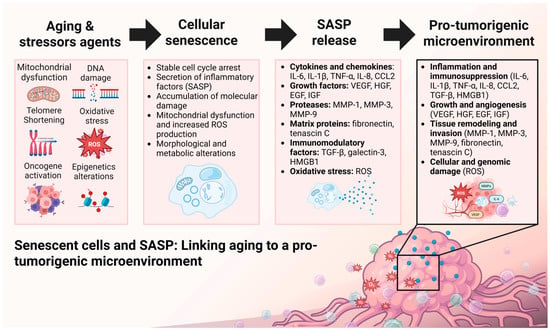
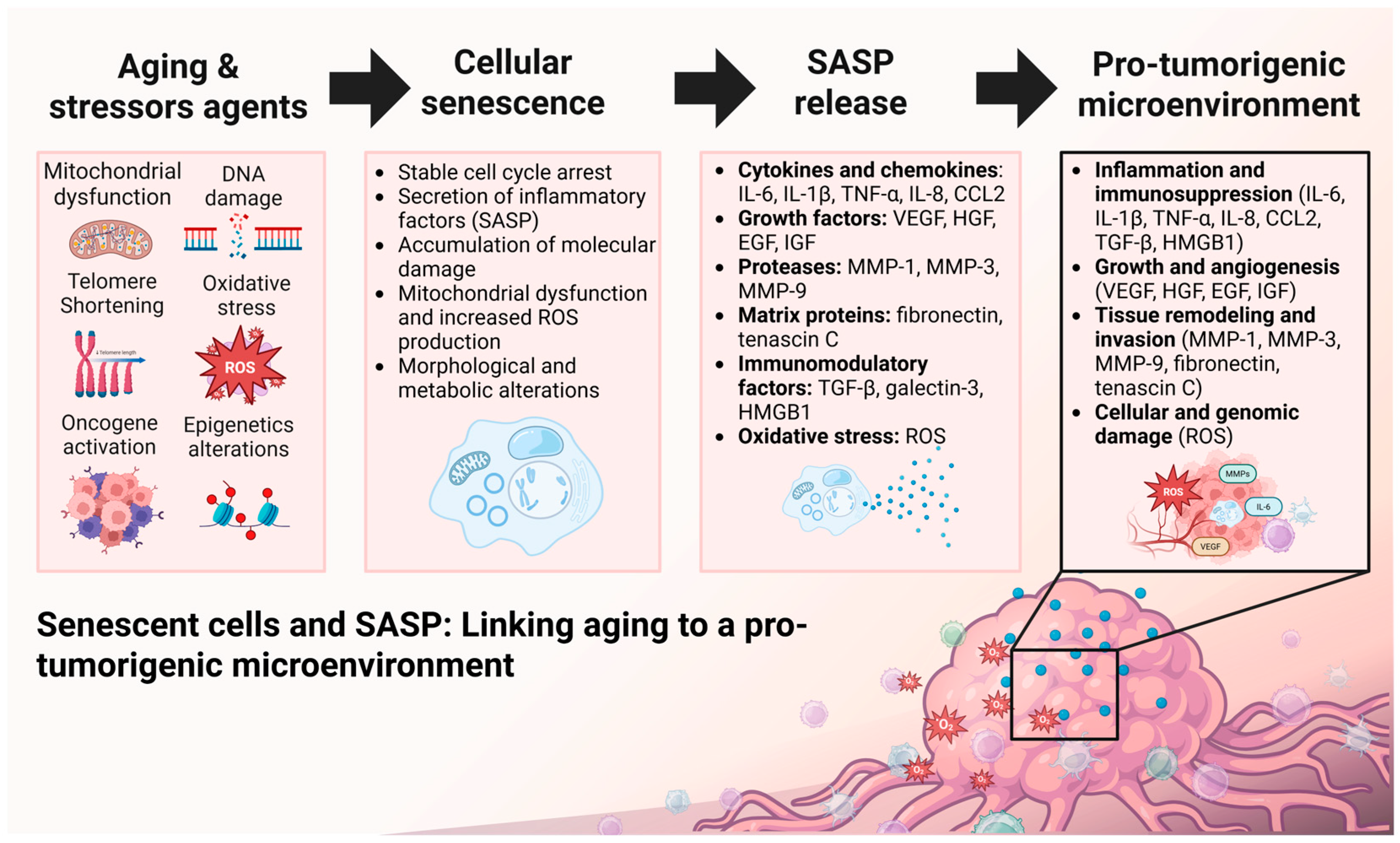
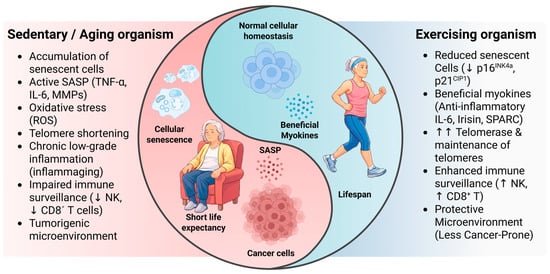
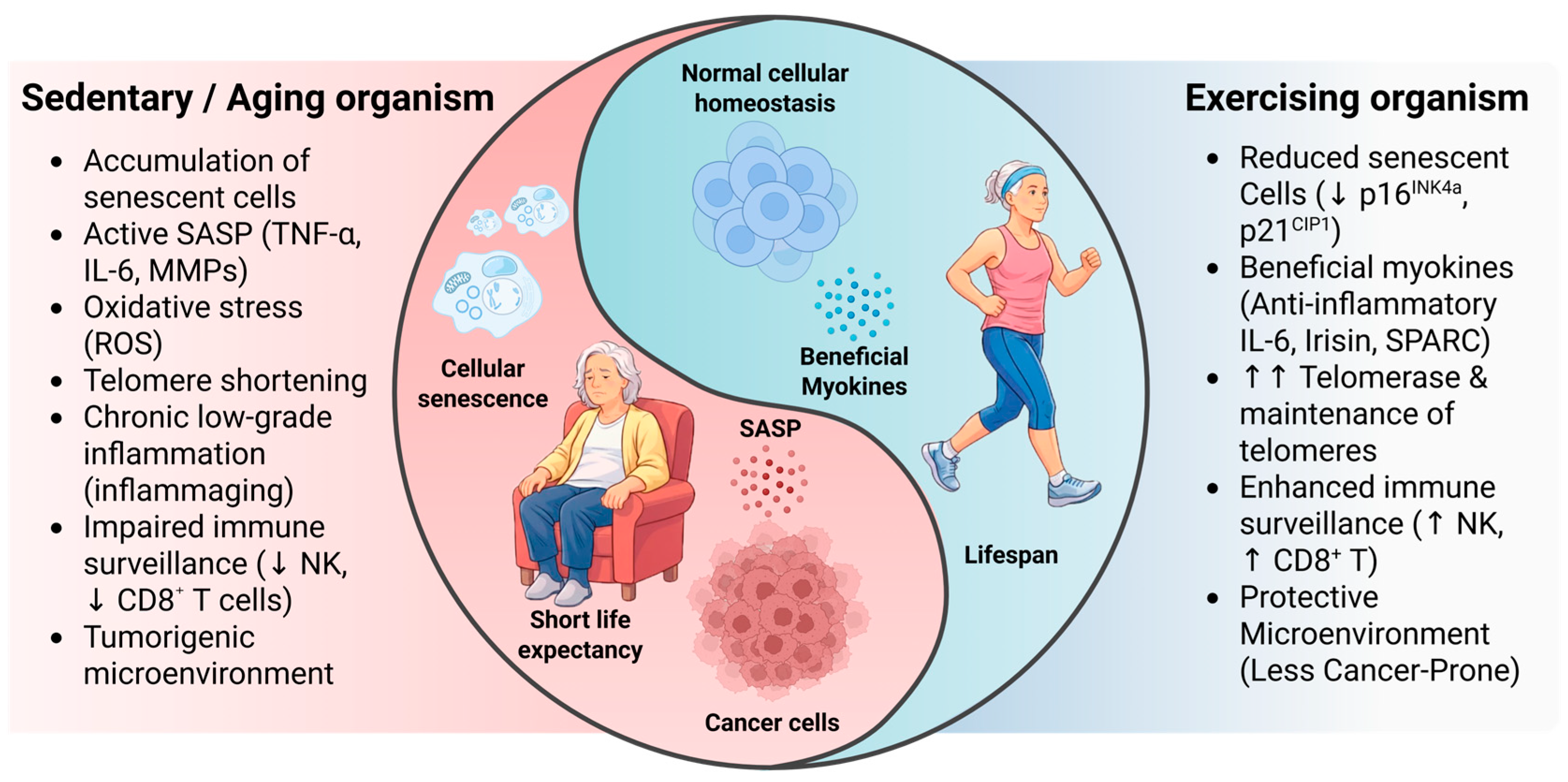
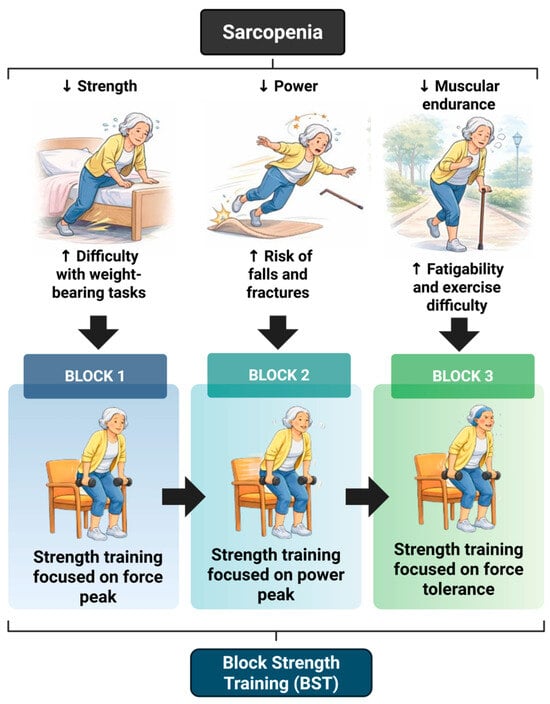
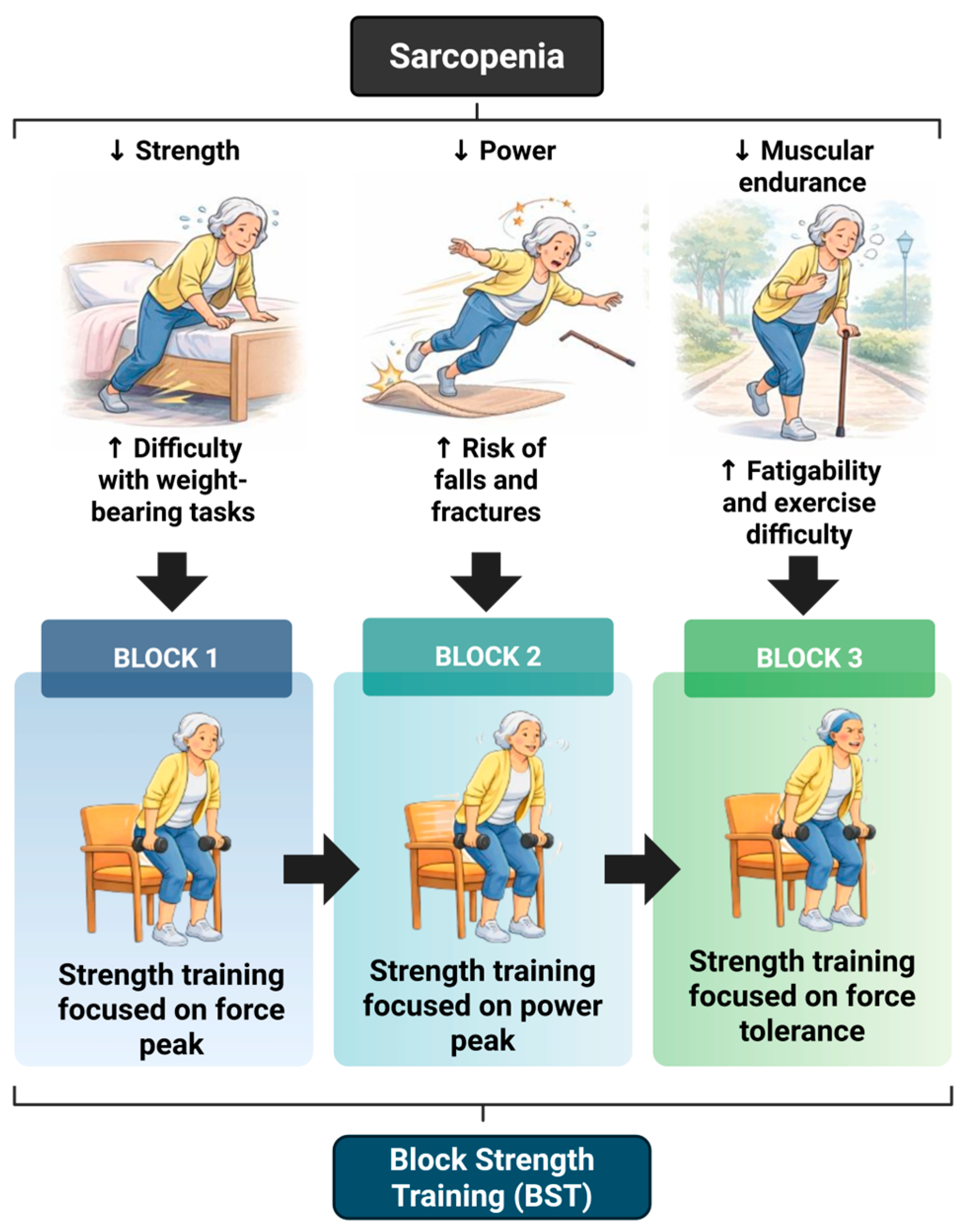

Disclaimer/Publisher’s Note: The statements, opinions and data contained in all publications are solely those of the individual author(s) and contributor(s) and not of MDPI and/or the editor(s). MDPI and/or the editor(s) disclaim responsibility for any injury to people or property resulting from any ideas, methods, instructions or products referred to in the content. |
© 2026 by the authors. Licensee MDPI, Basel, Switzerland. This article is an open access article distributed under the terms and conditions of the Creative Commons Attribution (CC BY) license.