


Abstract
Reliable evaluation of emotional expression in large language model (LLM) outputs remains methodologically under-specified, particularly for long-form generation where label-only correctness provides limited evidence of affective reliability. A claim-conditioned framework is introduced for cross-model comparison under matched elicitation conditions, with TEAS (Text Emotion Adherence Score) as its core continuous metric. Defined in a shared prototype space induced by a frozen reference encoder, TEAS combines affective separability with entropy-aware uncertainty, enabling reliability assessment beyond discrete agreement within a fixed evaluator. Evaluation is conducted on a controlled synthetic corpus under a ground-truth-free, claim-conditioned protocol across four widely used LLM families (Gemini, GPT, Grok, and Mistral). In addition to overall comparative ordering, auxiliary diagnostic measures are reported to localize failure modes and support interpretation of model behavior, together with Holm-corrected pairwise comparisons, sequence-level drift analysis, and local hyperparameter sensitivity analysis. Empirical results show stable endpoint separation, aggregation-sensitive differences among close models, measurable sequence-level degradation, and stable relative orderings under tested local parameter variations. Overall, the study provides an interpretable and statistically grounded protocol for assessing emotion-expression reliability in LLM-generated text within a fixed reference space rather than as a human gold measure of emotional truth.
Keywords:
emotion analysis; large language models; emotion expression reliability; claim-conditioned evaluation; prototype-based evaluation; uncertainty-aware scoring; text emotion adherence score (TEAS); cross-model comparison; affective text generation MSC:
68T50; 68T07; 62H30
1. Introduction
In recent years, significant advancements have been achieved in large language models (LLMs) across a wide array of language generation tasks. Within this broader progress, emotion- and sentiment-conditioned text generation has become increasingly feasible, facilitating integration into affect-aware systems, such as conversational agents, emotion analysis tools, and emotion-conditioned generation pipelines [1,2,3]. This development is noteworthy because affective framing is not merely a stylistic enhancement; it can influence perceived empathy and trust, modulate user engagement, and alter interaction quality in human–AI communication. However, despite rapid advancements in affect-conditioned generation, a reliable and model-comparable evaluation of whether a requested emotion is consistently expressed in long-form outputs remains under-specified.
As these capabilities evolve, the central methodological question is no longer whether emotionally colored text can be produced, but how reliably an LLM can express a requested emotion in text under comparable elicitation conditions (e.g., matched prompts and stimuli). Outputs that appear emotionally fluent may nevertheless be weakly aligned with the intended affect, overly generic, or unstable across generations, complicating model selection and quality assurance. Consequently, reliable evaluation should be regarded as a primary component of affective text generation research, rather than a secondary reporting step. Recent benchmark-oriented studies have also indicated that emotion evaluation for LLM-based systems remains methodologically unsettled, particularly beyond narrow label-level checks [4,5,6]. Current practice is still dominated by single-label correctness (e.g., accuracy/F1 or top-1 agreement), which provides limited insight into the reliability, uncertainty, and cross-sample consistency.
In the field of Natural Language Processing (NLP), emotion evaluation is predominantly approached as a per-utterance categorical assignment within a fixed taxonomy, often benchmarked against human-annotated datasets such as GoEmotions and MELD [7,8]. While this approach is beneficial for local label attribution, it does not fully capture the emotion expression capability in generated text. The primary focus here is on model behavior across samples and throughout extended discourse under consistent elicitation conditions.
For long-form outputs from large language models (LLMs), three dimensions are inadequately characterized by label-level accuracy alone. Firstly, the distributional structure is significant: a model may consistently over- or under-produce certain emotions, resulting in biased corpus-level affective profiles, even if individual utterances seem plausible. Secondly, sequence-level consistency is crucial: emotion conditioning may drift or collapse into generic affect across extended generations, which is not captured by aggregate accuracy/F1 metrics alone. Thirdly, uncertainty and reliability are important: affective signals may be ambiguous or unstable, and evaluation should reflect confidence and agreement rather than treating predictions as equally certain. Human evaluation remains valuable for judging perceived emotional realism, empathy, and contextual appropriateness, but it is difficult to scale and standardize for large matched-condition audits. For example, a model may overproduce neutrality in response to negative prompts (distributional bias), drift from the target affect mid-monologue (sequence instability), or generate diffuse class evidence in ambiguous spans (uncertainty). These issues become more pronounced in long discourses, where the assumption that emotion labels behave as independent and identically distributed instances is weakened [9]. Complementing this perspective, recent LLM-focused auditing and representation analyses indicate that context effects and embedding-level affective geometry can diverge significantly from top-1 labels [6,10]. In the present study, this concern is addressed through corpus-level distributional behavior and uncertainty-aware prototype separability rather than through an explicit transition-modeling objective. Consequently, credible cross-model comparisons require uncertainty-aware, model-comparable metrics that jointly assess representational separability and reliability, rather than relying solely on discrete agreement.
Given these limitations, a fundamental requirement for evaluating emotion expression capability is the implementation of experimental control: observed differences should be attributable to the model rather than variations in elicitation. In practice, this necessitates maintaining consistency in the stimulus, prompt formulation, target emotion set, and basic output constraints (e.g., length and format) to ensure that generations are comparable across models. Without such control, prompt drift, style steering, and context-dependent effects can obscure the signal, complicating the differentiation of genuine differences in affective behavior from those induced by the evaluation setup. Consequently, elicitation conditions should be standardized across models, and analyses should be conducted over collections of outputs rather than isolated samples to estimate separability and reliability under shared reference conditions. Comparability in the present study should not be read as prompt optimality. Rather, the design standardizes elicitation conditions, not best-case prompting. Hidden system prompts, provider-level generation behavior, and model-specific instruction following remain limitations of the protocol.
In this context, monologic generation was utilized as a controlled evaluation protocol rather than as an end application. Compared to interactive dialogue, the limited degree of user steering in a turn-by-turn manner reduces interaction-induced drift and facilitates the isolation of model-dependent emotion-conditioning behavior under fixed elicitation conditions [11,12]. From this perspective, the central research question is articulated as follows: under matched task and stimulus conditions, how reliably can different LLMs express the requested emotion in text, and how consistent is this behavior across samples? Beyond locally plausible emotional sentences, model-comparable measurements are necessary to reflect both affective separability and uncertainty-aware reliability at the corpus level [13].
This study is not a human gold assessment of whether a generated utterance truly expresses an emotion in an absolute sense. Instead, it is a claim-conditioned, ground-truth-free auditing study: given a requested emotion and a controlled elicitation setup, how reliably does a model produce text that remains aligned with that claim under a fixed evaluator and a shared reference space? Framed in this way, the goal is not to estimate universal emotional competence, but to support evaluator-consistent and protocol-bound comparison across models under matched conditions.
To address this challenge, a comparison-oriented framework is introduced for evaluating the reliability of emotion expression in LLM-generated text under matched elicitation conditions. Central to this framework is the Text Emotion Adherence Score (TEAS), a continuous measure that simultaneously captures prototype-level affective separability and entropy-aware stability within a shared embedding space anchored by class prototypes. Recognizing that a single scalar score may obscure distinct failure modes, TEAS is supplemented by auxiliary diagnostics, including relative prototype quality, uncertainty/entropy, claim adherence, claim-vs-top margin, and top-1 agreement. Collectively, these metrics facilitate fair and interpretable cross-model comparisons within a controlled evaluation setup.
The principal contributions of this study are delineated as follows:
- A capability-oriented, claim-conditioned evaluation objective is formalized for LLMs to quantify emotion-expression reliability in long-form generated discourse, extending beyond label-level correctness under controlled elicitation conditions.
- TEAS (Text Emotion Adherence Score) is introduced as an uncertainty-aware and model-comparable metric that jointly captures affective separability and reliability; it is complemented with auxiliary diagnostics including RPQ, uncertainty/entropy, claim adherence, claim-vs-top margin, and top-1 agreement.
- A reproducible and statistically grounded reporting protocol for cross-model comparison is provided, encompassing matched-condition evaluation, micro, macro, and per-emotion aggregation, bootstrap confidence intervals, pairwise significance testing, multiple-comparison correction, sequence-level analysis, corpus-diversity checks, and local hyperparameter sensitivity analysis.
The remainder of the manuscript is organized as follows. Section 2 reviews prior work on emotion evaluation, long-context reliability, and representation-based auditing. Section 3 defines the task, data, and scope assumptions. Section 4 presents the TEAS framework. Section 5 describes the evaluation protocol. Section 6 reports the main empirical findings, and Section 7, Section 8 and Section 9 provide supplementary analyses, discussion, and concluding remarks.
2. Related Work
2.1. LLM Emotion Evaluation and Benchmarking
Recent advancements in the study of the emotional capabilities of LLMs have progressed rapidly, with benchmark-style assessments increasingly employed to evaluate emotional comprehension and expression [4,14]. The literature identifies two complementary approaches to this issue. The first approach emphasizes emotion understanding/recognition, typically assessed through label-level agreement on curated datasets. The second approach investigates emotion expression/adherence in generated content, evaluating whether the intended emotion is accurately reflected in the output text. Recent research has pursued this trajectory, including efforts on emotion/intention detection specific to LLMs and the development of empathy-oriented metrics [15,16]. Concurrently, broad task-level assessments in affective computing have demonstrated that current frontier models exhibit uneven performance profiles across diverse affective tasks, indicating that conclusions drawn from single datasets are often insufficient [17]. Application-oriented studies have demonstrated that emotion-sensitive inference and generation can be achieved from general LLMs in practical settings [1,2]. Empathy-oriented evaluation has also been systematized through both review and benchmark work, providing a complementary perspective on emotional competence beyond coarse label agreement [18,19]. Dataset- and context-auditing studies have further indicated that emotion performance can vary significantly with context specification, suggesting that nominal label performance may not fully represent affective behavior [6]. Multimodal benchmark efforts have reinforced this trend while primarily relying on categorical reporting pipelines [5]. More generally, transformer-based benchmarking and classification work has also underscored the role of dataset design and evaluation choices in affective and offensive language analysis [20]. Consequently, a broad evaluation literature is available, yet representational stability and reliability remain less explicitly characterized than label-level accuracy. This motivates the present study’s focus on a protocol-bound, continuous evaluation setting rather than a pure label-accuracy comparison.
At the same time, human-centered evaluation traditions remain important in this area. Preference-oriented and human judgment-based assessment paradigms are valuable because they can capture perceived emotional realism, appropriateness, and empathy in ways that fixed label taxonomies may not. The present study does not replace those approaches. Instead, TEAS is positioned as a complementary auditing framework for controlled matched-condition comparison when utterance-level human judgments are unavailable.
2.2. Long-Context and Sequence-Level Emotion Reliability
The significance of this limitation becomes more pronounced when considering long-context generations. It has been documented that the evaluation of emotions over extended interactions necessitates the monitoring of sustained behavior rather than isolated local decisions [21]. More broadly, evidence suggests that the utilization of long-context in LLMs can be inconsistent, warranting caution when extrapolating local scores to discourse-level behavior [22]. Concurrently, context-sensitive auditing has demonstrated that label assignments can fluctuate with changes in framing and context composition [6]. Related research on emotion evolution and context-aware LLM design has further revealed that maintaining coherent affective trajectories across extended discourses is challenging, even with the integration of explicit emotion knowledge [23,24]. Additionally, recent analyses have posited that emotion annotation itself becomes less stable in the LLM era, potentially exacerbating inconsistencies when long-context outputs are assessed using fixed local labels [25]. Consequently, controlled and comparable evaluation conditions have been advocated in holistic LLM assessment frameworks [11]. Collectively, these studies indicate that long-context affect is sensitive to framing and may exhibit drift; however, evaluations predominantly report local label metrics. These observations advocate for a shift from purely local agreement metrics to representation-aware analysis under matched elicitation settings. In the present study, this concern is addressed through explicit sequence-level analysis in addition to aggregate TEAS reporting.
2.3. Prototype-Space and Representation-Based Evaluation
A second line of research has focused on representation-space analysis, wherein affective behavior is evaluated through geometric structures rather than solely through top-1 labels. Prototype- and anchor-based geometries have been investigated to facilitate continuous adherence measurement and interpretable class-wise organization within a shared affective space. Building on this foundation, prototype-centered evaluation has been demonstrated to support continuous emotion adherence measurement under ground-truth-free conditions by organizing affective signals around class anchors in a shared latent space [26]. Embedding-based studies have illustrated that relational properties in the representation space can uncover emotion consistency patterns that are not discernible from categorical outputs alone [10]. Furthermore, prototypical objectives have been directly applied to emotion recognition in conversations, where supervised prototypical contrastive learning has been employed to enhance class-wise separability in contextual emotion settings [27]. Complementary evidence from affective computing has indicated that prototypical and prototype representation formulations are also effective across other emotion modalities, including speech and EEG [28,29]. In NLP practice, this perspective is naturally supported by large human-annotated emotion corpora that define stable class taxonomies for representation learning and analysis [7,8]. Consequently, prototype and embedding geometries have emerged as plausible tools for model-comparable affective analysis.
Simultaneously, this representation-centered family exhibits known limitations. While prototypical formulations often enhance class compactness and separability in practice [30], interpretability-oriented analyses have consistently demonstrated that geometric proximity alone should not be regarded as sufficient evidence of a model’s faithful behavior [31]. Specifically, uncertainty is frequently inadequately integrated when similarity-based measures are employed in isolation; consequently, confidence and ambiguity may be underrepresented in the final conclusions. This necessitates an evaluation score that integrates prototype geometry with uncertainty as a primary component. In alignment with this, uncertainty-aware advancements in emotion recognition are often introduced through additional distillation or hierarchical modules rather than being intrinsically linked to the prototype geometry [32,33]. This gap is significant in affective evaluation, where labels and representations may be noisy or weakly separated. Therefore, a combined formulation that augments prototype geometry with explicit uncertainty modeling is warranted [34]. This motivates the evaluator design adopted in the present study.
2.4. Uncertainty-Aware Affective Evaluation
Uncertainty-aware learning has been extensively investigated within the field of machine learning, where ensemble and calibration-oriented approaches have been employed to enhance predictive reliability in the presence of ambiguity [34,35]. In the domain of emotion recognition, this motivation is particularly compelling due to the inherently subjective nature of affect labels and the frequent occurrence of annotator disagreement. Consequently, confidence and uncertainty are integral to the target phenomenon itself, rather than merely peripheral diagnostics [36]. In settings involving LLM-based labeling, uncertainty may also be affected by model-dependent priors, necessitating caution when generator-provided labels are reused without additional reliability controls. Recent advancements in affective computing have introduced explicit uncertainty mechanisms, including uncertainty-based learning for multimodal emotion recognition, distillation-driven enhancement of uncertainty estimates, hierarchical uncertainty modeling in conversational contexts, and calibration-oriented multimodal sentiment pipelines [32,33,37,38,39,40]. Concurrently, studies on pseudo-labeling have demonstrated that confirmation bias can accumulate when uncertain predictions are converted into hard labels without reliability control [41]. Collectively, these findings advocate for confidence-, agreement-, and entropy-aware evaluation frameworks, particularly in synthetic or weakly supervised emotion datasets, where noise and ambiguity are anticipated.
Despite the focus of most uncertainty-oriented studies on enhancing recognition models through methods such as calibration modules, distillation-based uncertainty refinement, hierarchical uncertainty decomposition, uncertainty-based learning, or calibration-aware multimodal fusion [32,33,37,39,40], uncertainty is predominantly utilized as a training signal or a diagnostic report variable. The final model comparison continues to be primarily influenced by task-specific label metrics. As a result, uncertainty is seldom elevated to a principal cross-model metric that directly assesses the quality of emotional expression. In the context of LLM emotion evaluation, this results in a methodological gap between the commonly measured aspects (primarily label agreement) and the actual requirements (representation-level reliability under uncertainty) [4]. Therefore, the literature suggests that uncertainty should be incorporated into the primary evaluation score rather than being relegated to a secondary analysis.
In summary, previous research has laid a robust foundation in the construction of benchmarks and the standardized evaluation of models [42,43], while emotion-oriented LLM benchmarks have broadened the empirical scope of affective tasks [4,5,44]. Nevertheless, reported comparisons predominantly rely on task-level label metrics, with uncertainty often relegated to a secondary diagnostic role rather than being integrated into the primary evaluative measure. Although representation-level continuous scoring has been demonstrated in related affective contexts [26], a singular model-comparable score that is explicitly representation-level and incorporates uncertainty for long-form LLM emotion outputs remains inadequately formalized [34]. This gap provides the impetus for the subsequent section, wherein the problem setting and data regime are formalized prior to the introduction of TEAS and the evaluation protocol.
3. Problem Setup and Data
A controlled evaluation framework was established to assess the reliability with which each LLM conveys its claimed emotion in generated text, under matched elicitation conditions, rather than retrieving human-verified ground-truth labels for each utterance. Accordingly, the design of the Monologue-based Artificial Discourse for Emotion Analysis (MADE) corpus is delineated, including the unit of analysis, label fields, and split policy necessary for equitable cross-model comparison. The scope boundaries are then explicitly defined to ensure that all claims remain anchored to a controlled, ground-truth-free evaluation context.
3.1. Task Definition
The task involves a controlled, cross-model evaluation of emotion expression reliability in generated text. Under consistent elicitation conditions, each model is assessed based on the consistency with which its claimed affect is manifested in the produced utterances, both at the local level and across the entire corpus. Consequently, the unit of analysis is the utterance, and the final comparison is conducted following model-level aggregation over each model’s output set. This approach is explicitly distinct from traditional emotion-recognition benchmarking, as the aim is not to assess human-grounded label accuracy but to measure the structural reliability of model-generated affective signals.
Formally, let represent the ith utterance text, denote the claimed emotion class index for that utterance (after mapping to the fixed seven-class space), and be the source LLM that generated the sample. The collection of utterances generated by model m is denoted as . All labels are defined over a fixed seven-class space:
Based on this framework, the Method section introduces a shared embedding-space formulation with class prototypes and uncertainty-aware scoring, from which a continuous metric is derived.
3.2. MADE Corpus
MADE was established as a controlled synthetic benchmark to facilitate the comparative evaluation of emotion expression reliability across models. Monologues were elicited from four LLM families under matched conditions, with each model generating 2500 monologues, resulting in a total of 10,000 monologues. These four families were selected a priori for three pragmatic reasons: they were accessible within a common implementation pipeline, they all supported the same long-form label-constrained JSON elicitation protocol without changing the evaluator, and together they covered four distinct widely used commercial provider ecosystems at the time of the study. They are therefore treated as protocol-comparable exemplars rather than as a statistically representative sample of the full LLM landscape, and the conclusions are limited accordingly. The elicitation protocol is anchored to a standardized Cookie Theft-style scene description, ensuring that all models are conditioned on the same semantic content [45,46]. In this design, monologue generation serves as a control instrument for a fair comparison rather than as an end application.
Generation was executed using a standardized prompt template with predetermined output constraints, including first-person monologic narration, a range of 10 to 15 sentences per monologue, sentence-level segmentation, and a predefined seven-class emotion set. The generation models employed in MADE are Gemini, GPT, Grok, and Mistral. Each generated sentence was associated with a model-claimed emotion label in JSON format, facilitating deterministic parsing and consistent downstream processing. The specific model versions and decoding settings at the implementation level are detailed in the Experimental Setup section. The complete prompt specification utilized for data generation is presented in Figure 1. This fixed-stimulus setup is intended to support matched comparison, not per-model prompt optimization; nevertheless, hidden system prompts and provider-level generation differences remain limitations of the protocol.
Figure 1.
Condensed prompt template used for standardized monologue generation and sentence-level emotion tagging across all LLMs.
Following generation, each monologue was transformed into a sequentially ordered series of utterances. For each utterance, the fields retained included the text, claimed label, source-model identifier, monologue identifier, and utterance index. The resulting MADE corpus comprised 10,000 monologues and 118,429 utterances. The average length of a monologue was 11.84 sentences (, range: 7–16), while the average utterance length was 11.79 words (, range: 2–38).
At the corpus level, the predominant class was neutral (43.84%), followed by fearful (13.96%) and happy (12.31%). The remaining classes were distributed as follows: sad (8.11%), angry (8.05%), surprised (7.53%), and disgusted (6.19%). Although the monologue counts are balanced across source LLMs (2500 each), the utterance counts and class profiles vary according to the generator. The model-specific statistics are summarized in Table 1.
Table 1.
Dataset composition and emotion distribution of MADE, reported per source model and overall. Emotion values are percentages of utterances. The columns Monologues and Utterances denote counts, and Mean utterances denotes the mean number of utterances per monologue.
In the experimental phase, data were partitioned at the monologue level following a fixed 70%, 15%, and 15% train, validation, and test split, applied independently to each source model before merging. This approach maintains source balance and prevents data leakage, as utterances from a single monologue are restricted to a single partition.
During dataset construction, automatic quality control measures were implemented to exclude malformed JSON outputs and near-duplicate monologues prior to final inclusion. An additional diversity audit found no exact duplicate monologues and no within-monologue exact sentence duplication across the generators, although homogeneity differed by model and was most pronounced for Mistral outputs. To ensure reproducibility, generation was conducted using fixed prompt templates, label taxonomy, and parsing rules across all source models. The complete generation scripts, prompt artifacts, and processed dataset files are publicly accessible via the repository cited in the Data Availability Statement.
3.3. Human-Corpus Alignment for Reference Selection
The MADE corpus is synthetically generated and, as such, does not possess the inherent guarantees of affective realism typically associated with human-annotated datasets. Therefore, the selection of external reference datasets for supervision and evaluation must be empirically justified by demonstrating structural similarity between the MADE corpus and established human-authored corpora.
To substantiate this evidence, MADE was compared with representative human-annotated emotion corpora that vary in structure and annotation regime: MELD and IEMOCAP (dialog-based with temporal structure), DailyDialog (characterized by neutral-heavy conversational data), and GoEmotions (featuring fine-grained sentence-level annotations without discourse continuity). Similarity was assessed across four complementary dimensions: emotion distribution divergence via Jensen–Shannon distance [47], semantic alignment via centroid and nearest-neighbor cosine in embedding space, distributional discrepancy via MMD [48], and affective transition divergence via KL on transition matrices for datasets with temporal continuity [49,50]. Transition-based metrics were not applicable to GoEmotions.
Table 2 summarizes the key outcomes used for reference selection. MELD exhibited the strongest overall structural alignment with MADE, including the lowest Jensen–Shannon distance for marginal emotion distribution and the lowest transition divergence among datasets with discourse continuity. GoEmotions demonstrated the strongest semantic alignment signal in the embedding space and the lowest MMD, although transition-based comparison was not applicable due to its sentence-level and non-dialogic nature.
Table 2.
Compact summary of prior MADE-to-human alignment results used for selecting reference corpora. Lower is better for JS, MMD, and KL; higher is better for cosine metrics.
As demonstrated in Table 2, MADE exhibits the most robust overall alignment with MELD, characterized by the lowest distribution divergence (JS) and the minimal transition discrepancy (KL), alongside competitive semantic similarity. While GoEmotions offers slightly superior sentence-level semantic alignment (centroid cosine and MMD), it lacks discourse continuity, rendering affective transition comparison undefined. Conversely, IEMOCAP and DailyDialog are structurally more distant from MADE, exhibiting significantly higher dynamic divergence and weaker overall semantic and affective compatibility.
Beyond aggregate dataset-level comparison, model-wise analysis against MELD reveals clear generator-dependent variation: Mistral aligns more closely in marginal emotion distributions, Gemini demonstrates stronger transition/semantic structure, Grok is intermediate, and GPT exhibits the greatest structural divergence. Collectively, these findings suggest that affective realism cannot be inferred solely from marginal distributions and should be evaluated in conjunction with semantic alignment and temporal dynamics, establishing the basis for using MELD and GoEmotions as complementary human references.
3.4. Scope
This study was deliberately confined to a controlled environment, characterized by single-speaker monologues, consistent elicitation conditions, and a predetermined seven-class emotion taxonomy. Within this framework, model behavior is assessed under uniform task constraints; however, direct extrapolation to open-domain dialogue, multi-speaker interaction, unrestricted instruction formats, or unevaluated model families is not feasible. Consequently, the findings should be regarded as indicative of comparative reliability within this specific protocol, rather than as universal assertions regarding affective competence across all language generation scenarios.
The evaluation was conducted without reliance on ground-truth data. Emotion labels assigned to the generated utterances were utilized as structural indicators for comparative analysis, rather than as psychologically definitive annotations. Thus, the framework is designed for model auditing and quality control under controlled generation conditions, rather than for determining absolute emotion recognition accuracy in comparison to human gold standards.
4. Method
The proposed evaluation framework is formalized to facilitate the controlled cross-model assessment of emotion expression reliability in generated text. Initially, a reference emotion encoder is employed to map utterances into a shared representational space, where class prototypes are established as affective anchors. The similarity to claimed emotion prototypes is subsequently combined with uncertainty signals derived from prediction entropy to quantify both separability and reliability. These components are integrated into TEAS, and the final model-level scores are reported using micro- and macro-aggregation schemes to ensure consistent comparison across LLMs (Figure 2). The framework is therefore intended to make the computational flow explicit from reference-space construction to utterance scoring and model-level aggregation, while keeping the figure at the level of a methodological overview rather than a full algorithmic flowchart.
Figure 2.
Overview of the proposed TEAS framework: a reference encoder is first trained on human corpora, fixed class prototypes are then extracted in the shared embedding space, MADE utterances are encoded with the same frozen encoder, prototype similarities and entropy-based uncertainty are computed, and the resulting utterance-level scores are aggregated into micro, macro, and per-emotion summaries for cross-model comparison. The figure is intended as a conceptual overview of the computational pipeline and parameterized scoring stages.
4.1. Reference Encoder and Embedding Space
The methodology commences with a single reference emotion encoder, which is trained on human-annotated corpora, specifically GoEmotions and MELD, following the mapping of labels to a unified seven-class taxonomy. Employing a fixed encoder establishes a consistent axis for comparison across all source LLMs: each generated utterance is projected into an identical affective space, thereby enabling the measurement of cross-model differences under uniform representational conditions, as opposed to model-specific label spaces or scoring heads. At the same time, this comparison remains evaluator-consistent within one reference space rather than representation-independent across all possible encoders.
Formally, let represent the frozen reference encoder, and let denote an utterance. Its representation is defined as . In practice, is derived from the [CLS] token representation of the encoder and subsequently L2-normalized. This normalization prioritizes directional similarity as the primary signal and ensures that cosine-based comparisons are consistently interpretable across samples and models, irrespective of the raw embedding magnitude. Within this shared embedding space, class prototypes are established as fixed affective anchors for subsequent scoring.
4.2. Prototype Construction
Let represent the reference corpus annotated by humans, organized under the unified seven-class label set . For each class , define the index set . The class prototypes are constructed as the normalized mean of the class in the embedding space as follows:
These prototypes establish fixed affective anchors for all subsequent calculations of similarity and uncertainty. Prototype extraction is conducted once on the fixed reference corpus prior to model-wise evaluation. Following their construction, is preserved and consistently applied across all source LLMs and evaluation partitions, ensuring that any cross-model differences are attributable to the behavior of the generated text rather than alterations in the reference anchors.
As a practical measure for stability, prototype construction incorporates per-class support verification subsequent to label mapping, ensuring that each prototype is derived from non-empty class evidence. Additionally, optional diagnostics of intra-class compactness and inter-prototype separation may be computed to confirm the geometric consistency of the anchor space.
4.3. Similarity and Uncertainty Modeling
Given an utterance embedding and a prototype set (where ), the class-wise affinity is initially assessed using cosine similarity:
To achieve a bounded adherence scale, similarities are linearly transformed to the interval :
Claim labels are assigned to class indices within the set ; thus, represents the index of the claimed class for utterance i. Utilizing the claimed emotion label , claim-based adherence is defined as
This metric quantifies the proximity of each generated utterance to the prototype of its claimed affect within the shared reference space. For additional diagnostic purposes, top-match adherence and separation are also defined as
with top-1 agreement indicator
Uncertainty is calculated based on the comprehensive prototype-induced class profile rather than relying solely on a single-class score. A temperature-scaled distribution is defined by
and converted into normalized entropy as follows:
The associated confidence-like term is then
High entropy signifies diffuse prototype evidence, indicative of ambiguous affect, whereas low entropy denotes concentrated evidence, reflecting stable affective attribution.
Similarity and uncertainty serve as complementary indicators in the assessment of reliability. High adherence to claims is informative only when accompanied by low uncertainty; conversely, even moderate adherence can be significant when the class profile is sharply concentrated. This integrated perspective prevents the over-reliance on geometrically proximate yet ambiguous samples and directly supports the uncertainty-aware TEAS formulation defined in the subsequent section.
4.4. TEAS Formulation
To transform the claim-based similarity into a relative quality indicator, the similarity of the claimed class is standardized in comparison to non-claimed classes. Let represent the claimed class index for utterance i, and define
In this context, refers to all classes excluding . Here, denotes relative prototype quality, namely the degree to which the claimed prototype is separated from the competing prototypes for utterance i. By construction, .
The utterance-level TEAS score is then defined as
In this context, regulates the influence of the relative prototype quality, while governs the uncertainty penalty. The parameter represents the temperature parameter of RPQ, and is employed to ensure numerical stability in scenarios of low variance. Given that , is constrained within the interval , where elevated values signify stronger and more reliable emotional adherence. Within the present design, this interpretation is evaluator-consistent rather than representation-independent.
This metric was developed to address a fundamental limitation of label-only evaluation: top-1 agreement is insufficient to reliably differentiate affective evidence from ambiguous, weakly separated cases. TEAS explicitly integrates relative geometric separation (RPQ) with uncertainty concentration (); thus, achieving high scores necessitates both a robust claim-specific structure and minimal ambiguity. The formulation does not assume that all emotions are cleanly separable in practice. Rather, it is designed to evaluate the degree of relative separation achieved under uncertainty within the fixed reference space. Consequently, TEAS is well-suited for controlled cross-model reliability comparisons in long-form generation, where local label correctness alone is inadequate to characterize the quality of emotion expression.
4.5. Model-Level Aggregation
Let represent the set of utterances produced by model m, and let denote the utterance-level score for sample . The principal model-level summary is the micro-average:
This measure represents the overall reliability of adherence across all utterances and maintains the empirical class frequency profile of each model output.
A macro-summary is concurrently reported to address class imbalance. For each emotion class , define and
The class-balanced model score is then
where . Reporting both micro- and macro-values allows for the separation of overall reliability from class frequency effects.
Furthermore, per-emotion summaries are presented to reveal the class-specific strengths and failure modes. Confidence intervals and pairwise model comparisons are estimated using the bootstrap procedures outlined in the Experimental Protocol. Consequently, each model is characterized by the output set
This forms the foundation for the comparative reliability and robustness analysis.
5. Experimental Protocol
Comparisons of TEAS-based models were executed and statistically validated following a fixed experimental protocol. To ensure that the observed differences were due to model behavior rather than evaluation artifacts, the reference encoder, prototype set, label mapping, split policy, and score hyperparameters were consistently maintained across all evaluated outputs. The protocol is structured into setup, data preparation, evaluation flow, reported metrics with inferential testing, and component-wise ablation design.
5.1. Experimental Setup
Experiments were conducted under a controlled cross-model protocol to ensure that all MADE subsets were evaluated within a shared reference space and using an identical scoring methodology. This design effectively isolates variations in generated text behavior from artifacts that may arise due to alterations in encoders, anchors, or report definitions.
The experimental framework was characterized by three fixed components: (i) a DeBERTa-based reference encoder trained on MELD and GoEmotions with a unified seven-class mapping, (ii) class prototypes extracted once from the reference-train partition, and (iii) MADE subsets generated using gemini-2.5-flash, gpt-4o-mini, grok-4-fast-reasoning, and mistral-large-latest. These generator families were retained because each could be run under the same structured-output protocol and thus support a like-for-like evaluator-bound comparison across independent provider ecosystems. The reference encoder employs the DeBERTa-v3-large backbone and is trained with a maximum sequence length of 128, over 10 epochs, with a batch size of 128, a learning rate of , a weight decay of , and without class rebalancing.
Reproducibility is ensured by maintaining a consistent scoring configuration throughout the primary comparisons: temperature ; TEAS exponents and ; RPQ temperature parameter ; and a numerical stability constant . The generation settings were also standardized per provider (temperature 0.9 with JSON-object outputs for gpt-4o-mini, grok-4-fast-reasoning, and mistral-large-latest; schema-constrained JSON generation for gemini-2.5-flash). The label mapping and split policies were consistently applied across all runs. During evaluation, no retraining or prototype updates were permitted; the encoder and prototype set remained fixed following the construction of the reference space.
This matched setup should not be interpreted as establishing the optimal prompt for each model. Instead, it defines a controlled elicitation protocol in which all generators are assessed under the same task constraints. The aim is standardized comparison, not per-model best-case prompting. Residual differences due to hidden system prompts, provider-level generation behavior, or model-specific instruction following cannot be fully removed and are therefore treated as limitations of the protocol.
5.2. Data Preparation and Evaluation Pipeline
Evaluation is performed using fixed reference artifacts, specifically a static encoder and fixed class prototypes derived from a unified seven-class mapping. MADE subsets are projected into this shared space without any parameter updates; thus, any cross-model differences are attributable to the behavior of the generated text rather than alterations in the reference representation.
For each utterance, the similarity to class prototypes at the embedding level was calculated following L2 normalization, and identical score definitions were applied across all models. TEAS is derived from a fixed composition of similarity, uncertainty (temperature-scaled class profile and entropy-based confidence), and claim-versus-rest separability (RPQ).
Outputs are generated at two levels: utterance-level signals for detailed diagnostics and model-level aggregates (micro, macro, and per-emotion) for direct comparisons. These aggregated outputs serve as the input for the statistical analyses described in the subsequent subsection.
5.3. Metrics and Statistical Testing
The primary analysis is based on three TEAS summaries: , , and per-emotion scores . In the current teacher-free context, these metrics are derived directly from the claim-conditioned prototype geometry and entropy-based uncertainty, without reliance on external teacher targets. Auxiliary diagnostics are provided to interpret failure modes, including claim-based adherence , relative prototype quality , uncertainty (with normalized entropy ), margin , and top-1 agreement .
This study jointly reports micro- and macro-perspectives. The micro-score maintains the empirical class distribution of each model output, reflecting overall behavior, while the macro-score balances the classes, mitigating the dominance of high-frequency labels (particularly neutral). Per-emotion summaries are subsequently employed to identify class-specific weaknesses that may be obscured in global aggregates.
Statistical uncertainty was assessed using nonparametric bootstrap confidence intervals. For primary model-level summaries and pairwise comparisons, two-sided 95% percentile intervals were estimated from utterance-level resampling with replacement, while point estimates were calculated for the full sample. Pairwise model comparisons are presented as unpaired bootstrap differences , with a difference deemed statistically significant if the corresponding 95% interval does not encompass zero.
To ensure reproducibility, the bootstrap evaluation was conducted with 2000 iterations and a fixed random seed of 42. The same bootstrap configuration was applied to both micro- and macro-summaries, and macro-comparisons were computed on the common emotion-label set across models to maintain class-wise comparability. Approximate bootstrap p-values were also computed for pairwise TEAS differences and adjusted using Holm correction. The corrected comparisons remained significant for all micro- and macro-level TEAS model pairs. Based on this, component-wise ablations are performed in the subsequent subsection to isolate the contributions of the RPQ and uncertainty terms in TEAS.
In addition to the primary configuration, a local one-factor-at-a-time sensitivity analysis was conducted around the default TEAS setting. Variations were applied separately to , , , and , while all non-target parameters were held fixed. This design was chosen to test local ranking robustness without turning the analysis into a full hyperparameter search procedure.
5.4. Ablation Design
An ablation study was conducted to isolate the contributions of the two previously defined TEAS components: relative prototype separation (RPQ) and uncertainty concentration (). Three variants were assessed: full TEAS, RPQ-only, and UNC-only. To ensure fair attribution, all non-ablated factors were held constant, including the reference encoder, prototype set, label mapping, data splits, score hyperparameters, and bootstrap configuration. No additional model fitting was introduced during the ablation runs.
Micro/macro-summaries and pairwise bootstrap differences were reported for each variant. Interpretation is based on comparative discriminative power: the stronger and more stable between-model separation observed for full TEAS suggests a benefit from the joint formulation, whereas comparable RPQ-only performance indicates a limited incremental gain from uncertainty weighting. These ablation outcomes were utilized in the Results section to contextualize the main TEAS ranking.
6. Results
6.1. Overall Performance Under TEAS
Model-level ranking was determined using TEAS under both micro- and macro-aggregation conditions. Micro-TEAS maintains the empirical class composition of each model output, while macro-TEAS offers a class-balanced estimate. The mean values and 95% bootstrap confidence intervals for the four evaluated generators are presented in Table 3.
Table 3.
Overall TEAS ranking across models (mean and 95% bootstrap CI).
In the context of micro-aggregation, Gemini achieved the highest TEAS-based reliability estimate, followed by Grok, Mistral, and GPT. Under macro-aggregation, Gemini maintained its leading position, while GPT was ranked last, and Mistral was positioned above Grok. This reversal suggests that class composition effects influence the ordering of Grok and Mistral when class frequencies are not balanced.
Pairwise bootstrap comparisons provided statistical support for all model differences in both micro- and macro-TEAS, with 95% confidence intervals excluding zero for each pair. The smallest difference was observed between Gemini and Grok in micro-TEAS (, 95% CI [0.0077, 0.0137]), and this margin remained consistent under resampling. Approximate bootstrap p-values were additionally adjusted using Holm correction, and all micro- and macro-level TEAS pairwise differences remained statistically significant after correction. Consequently, the overall ordering is interpreted as evidence of relative reliability under the present evaluator rather than as a stand-alone statement about global emotional competence.
6.2. Micro–Macro- and Per-Emotion Analysis
To determine which emotions drive the overall ranking, class-wise TEAS means are presented in Table 4. A heterogeneous class profile was observed: Gemini achieved the highest values for happy, angry, and disgusted; Mistral attained the highest values for sad, fearful, and surprised; and Grok achieved the highest value for neutral. GPT yielded the lowest values across all seven classes.
Table 4.
Per-emotion TEAS means (claim-conditioned, ).
The class-level decomposition elucidates the micro–macro-behavior previously reported. Grok demonstrates enhanced neutral performance, thereby maintaining competitiveness under frequency-weighted aggregation. In contrast, Mistral achieves a relative advantage in macro-aggregation through its stronger non-neutral classes (sad, fearful, surprised), which are equally weighted under class-balanced evaluation.
Auxiliary diagnostics corroborate this interpretation. Gemini exhibits the highest overall RPQ (0.7798) and lower entropy compared to GPT and Grok, supporting its stable top ranking. GPT presents the lowest RPQ (0.7146) alongside the highest entropy (0.6425), aligning with its weakest TEAS profile across classes. Mistral displays a lower RPQ than Grok (0.7399 vs. 0.7710) but also lower entropy (0.5993 vs. 0.6326), suggesting that uncertainty modulation partially compensates for weaker separability in the selected classes.
Overall, the per-emotion evidence suggests that the global TEAS ranking is not dominated by a single class but rather by distinct class-dependent strengths and weaknesses. The subsequent subsection assesses whether this pattern persists when TEAS is decomposed into RPQ-only and uncertainty-only components.
In addition to class-wise decomposition, sequence-level behavior was examined within the generated monologues. A position-wise TEAS analysis showed that TEAS generally declined from the first utterance to the last for all four models, indicating measurable affective drift over the course of generation. The strongest first-to-last decline was observed for GPT (0.6590 to 0.5358; ), followed by Grok (), Mistral (), and Gemini (). Early, middle, and late segment summaries supported the same overall pattern, although Grok showed a partial late-sequence recovery. Detailed sequence summaries are provided in the Supplementary Results.
The synthetic corpus was also examined for diversity and redundancy. This analysis did not identify exact duplicate monologues or within-monologue exact sentence repetition for any generator, which argues against trivial corpus duplication. However, generator-level homogeneity differed substantially. In particular, Mistral exhibited the lowest lexical diversity (token TTR = 0.0129) and the highest monologue-level nearest-neighbor similarity (mean cosine = 0.5967), with 118 monologues above a nearest-neighbor cosine threshold of 0.80 and 6 above 0.90. By contrast, the other three generators produced no monologues above either threshold. These findings suggest that MADE is not simply composed of exact copies while also showing that model-dependent homogeneity remains a relevant concern when reliability is interpreted across synthetic outputs. Detailed diversity statistics are reported in the separate Supplementary Materials File.
Representative high-TEAS and low-TEAS monologues are also provided in the separate Supplementary Materials File. These examples are included as illustrative qualitative contrasts consistent with the reported metric behavior, not as substitutes for formal human validation.
6.3. Ablation and Robustness Analysis
An ablation analysis was performed to evaluate whether TEAS offers additional discriminative value beyond its individual components. Table 5 presents a summary of the model-level results for the complete TEAS, RPQ-only, and UNC-only, utilizing bootstrap outputs under both micro- and macro-aggregation.
Table 5.
Ablation summary across models (mean values).
At the micro-level, both TEAS and RPQ produced identical rankings, with Gemini leading, followed by Grok, Mistral, and GPT. In both metrics, all pairwise differences were statistically significant. At the macro-level, TEAS and RPQ consistently ranked Gemini first and GPT last, with Mistral positioned above Grok under class-balanced aggregation.
The primary indicator of robustness was evident in close model comparisons. For TEAS, all macro-pairwise differences were significant, including Grok versus Mistral (, 95% CI [−0.0177, −0.0097]). In contrast, for RPQ, the same macro-pair was not significant (, 95% CI [−0.0068, 0.0011]). This finding suggests that the integration of uncertainty enhances separation stability when models exhibit similar prototype quality.
The UNC-only approach diverges from the TEAS and RPQ rankings: at the micro-level, Mistral ranks highest, whereas at the macro-level, Gemini ranks highest. Unlike RPQ, UNC-only produces statistically significant pairwise differences for all macro-model pairs; however, this signal reflects confidence concentration rather than class-separability quality. Consequently, uncertainty alone is not a sufficient quality criterion, whereas RPQ alone remains informative but less consistently discriminative in borderline macro-comparisons.
Robustness was also examined from a second perspective through local hyperparameter sensitivity. Around the default setting , one-factor-at-a-time perturbations were applied to , , , and . Across all tested settings, the relative model rankings remained unchanged: micro-TEAS consistently yielded Gemini > Grok > Mistral > GPT, while macro-TEAS consistently yielded Gemini > Mistral > Grok > GPT. This indicates that the main TEAS ranking is locally stable around the default parameterization, even though absolute score levels shift with the chosen settings. A compact robustness summary is provided in Table 6.
Table 6.
Compact robustness summary for the TEAS analysis, consolidating Holm-corrected pairwise inference, sequence-level drift, and local hyperparameter sensitivity.
Collectively, the ablation and sensitivity results endorse the joint TEAS formulation as the most robust basis for comparative reliability analysis in this context.
7. Supplementary Results
This section retains supplementary analyses that directly support the main TEAS results. Extended qualitative examples, detailed diversity statistics, full sensitivity summaries, and prototype classification reports are provided in a separate Supplementary Materials File. These qualitative materials are intended as illustrative contrasts that complement the quantitative findings rather than as replacements for formal human evaluation.
7.1. t-SNE Visualization in Prototype Space
A qualitative analysis of the shared embedding–prototype geometry is conducted to assess whether the comparative patterns identified by TEAS are evident in terms of class separability and class dispersion. Consequently, the interpretation is confined to geometric trends, while quantitative conclusions are derived from the primary metric tables.
Model-specific t-SNE projections generated from MADE are illustrated for Gemini, GPT, Grok, and Mistral in Figure 3. To ensure comparability across models, a consistent projection configuration was employed in all panels, incorporating identical preprocessing and fixed visualization settings with a perplexity of 30, Euclidean distance, method auto, random seed 42, prototype weight 1, and prototype noise .
Figure 3.
t-SNE visualization of model-specific MADE embeddings in the shared prototype space.
When the projections specific to the four models are collectively analyzed, a mixed core/peripheral-island geometry emerges. In the Gemini and Mistral models, the central overlap remains prominent, while several non-neutral classes form peripheral clusters. The GPT model exhibits a more elongated manifold with smoother transitions between classes, whereas the Grok model demonstrates a comparatively clearer peripheral grouping for certain non-neutral emotions. Across all models, the neutral class occupies a broad and overlapping region, consistent with its dominant and heterogeneous distribution in MADE. Prototype markers are situated near dense class regions rather than isolated, indicating that the prototype positions are aligned with the local embedding geometry. These observations are considered qualitative support and are not employed as standalone evidence of model superiority.
7.2. Additional Pairwise Bootstrap Tables
Comprehensive pairwise bootstrap differences for TEAS, RPQ, and UNC are presented under both micro- and macro-aggregation conditions. Each entry details the pairwise difference along with its 95% confidence interval. Differences are considered significant when the interval does not include zero. The results at the micro-level are summarized in Table 7, while the macro-level results are summarized in Table 8.
Table 7.
Micro-level pairwise bootstrap differences ( and 95% confidence intervals) for TEAS, RPQ, and UNC.
Table 8.
Macro-level pairwise bootstrap differences ( and 95% confidence intervals) for TEAS, RPQ, and UNC.
As indicated in Table 7, all micro-level pairwise differences are substantiated for TEAS, RPQ, and UNC. In contrast, Table 8 demonstrates that all macro-level pairwise differences are supported, with the exception of the RPQ comparison between Grok and Mistral, where the confidence interval encompasses zero. This pattern aligns with the robustness interpretation presented in the main results.
7.3. Detailed Sequence-Level TEAS Summary
The main text reports the overall first-to-last TEAS decline and the broad early, middle, and late pattern for each generator. Detailed position-wise summaries are provided here so that readers can inspect the within-monologue drift pattern without interrupting the main comparative narrative. Figure 4 presents the position-wise TEAS trends across generated monologues, and Table 9 reports the corresponding sequence-level TEAS summary across monologue positions.
Figure 4.
Position-wise TEAS trends across generated monologues. The figure complements Table 9 and provides a descriptive summary of within-monologue drift.
Table 9.
Sequence-level TEAS summary across monologue positions. The first-to-last change is reported as , and Early, Middle, and Late denote the corresponding coarse sequence segments.
7.4. Label-Only Baseline Evaluation
The frozen DeBERTa classifier head was assessed independently from the prototype–space TEAS pipeline to establish a standard label-only reference. Utilizing the same reference encoder backbone, the evaluation employed conventional classifier outputs rather than prototype–space reliability terms. In this teacher-free context, claim labels served as evaluation targets, and thus, these results were interpreted as comparative baselines rather than estimates of human-grounded accuracy.
Table 10 should be interpreted descriptively due to the variations in label distribution, domain characteristics, and output style across datasets. Under this shared classifier, the lower MADE scores compared to MELD and GoEmotions are indicative of increased ambiguity and the effects of generating longer synthetic forms, rather than representing a definitive cross-dataset ranking. Table 11 further illustrates the significant model-wise variance within MADE when task conditions are matched. These baseline results underscore the necessity for uncertainty-aware prototype–space evaluation; thus, primary comparative conclusions remain based on TEAS.
Table 10.
Dataset-level descriptive label-only baseline results (DeBERTa classifier head). Here, Utterances denotes the number of utterances, Accuracy denotes classification accuracy, F1w denotes the weighted F1, and F1m denotes the macro-F1. Values are reported to characterize dataset-specific behavior under a shared classifier, not as direct cross-dataset superiority claims.
Table 11.
Model-wise label-only baseline results on MADE (DeBERTa classifier head). Here, Utterances denotes the number of utterances, Accuracy denotes classification accuracy, F1w denotes weighted F1, and F1m denotes macro-F1.
7.5. Cross-Dataset TEAS Comparison
To provide context for the primary findings of the MADE study, an additional cross-dataset comparison was performed using the same scoring configuration (, , ) with test partitions from MADE, MELD, and GoEmotions. Table 12 presents the descriptive summaries of the prototype–space evaluation. In this context, the column Utterances denotes the number of test utterances, Entropy denotes the normalized entropy H, and Top-1 agreement denotes the proportion of utterances for which the top-similarity prototype corresponds to the claimed label.
Table 12.
Cross-dataset descriptive comparison under a shared TEAS configuration. Here, Utterances denotes the number of test utterances, Entropy denotes the normalized entropy H, and Top-1 agreement denotes the proportion of utterances for which the highest-similarity prototype matches the claimed label.
In this comparison, GoEmotions yielded the highest TEAS and RPQ together with the lowest entropy, indicating more concentrated prototype alignment within the current reference space. MELD exhibited an RPQ comparable to that of MADE but with substantially higher entropy, indicating greater dispersion of class profiles. MADE occupied an intermediate position in both TEAS and entropy, consistent with its mixed synthetic affective profile and supportive of presenting dataset-stratified evidence alongside model-level MADE comparisons.
8. Discussion
The primary finding of this study is that differences in the reliability of emotional expression across models are more consistently observed when separability and uncertainty are evaluated jointly. TEAS therefore remains the main comparison variable because it combines claim-conditioned prototype separation with entropy-based confidence concentration instead of reducing the analysis to label matching alone. Within the shared reference space and fixed protocol, Gemini consistently occupies the strongest position and GPT the weakest, while the relative ordering of Grok and Mistral varies with aggregation, indicating stable endpoint separation but an aggregation-sensitive middle ranking.
The integrated micro–macro-analysis clarifies how class frequency shapes interpretation. Micro-summaries preserve each model’s empirical label distribution and therefore reflect behavior under naturally skewed outputs, whereas macro-summaries mitigate the influence of frequent classes, especially neutral ones. The observed Grok–Mistral reversal between micro- and macro-aggregation is consistent with this mechanism. Per-emotion TEAS results further show that model strengths are emotion-dependent rather than uniform, indicating that a single global score is useful for overall comparison but not sufficient on its own.
Several additional analyses sharpen this interpretation. Holm-corrected pairwise testing showed that all reported micro- and macro-level TEAS differences remained statistically significant after multiple-comparison correction, reducing concern that the main ordering is an artifact of inflated pairwise inference. The added sequence analysis also showed that TEAS generally declines from the first to the last utterance for all four generators, with the strongest degradation observed for GPT. This indicates that the framework captures not only aggregate cross-model differences but also meaningful within-monologue reliability loss over the course of long-form generation.
Cross-dataset evidence supports the same broader interpretation by showing that the scoring framework behaves differently across data regimes. Under a shared configuration, GoEmotions yielded higher TEAS and RPQ together with lower entropy, whereas MELD showed relatively higher entropy despite RPQ values comparable to MADE. This pattern suggests that prototype–space reliability is sensitive to corpus structure and class-profile dispersion; model-level conclusions should therefore be interpreted alongside dataset context rather than through isolated single-number comparisons.
The ablation results further clarify the practical value of the joint TEAS formulation beyond label-centric reports. The RPQ-only variant captures a meaningful class-separation signal and reproduces broad ranking tendencies, whereas the UNC-only variant mainly reflects confidence concentration and does not provide a sufficient standalone criterion. The clearest advantage appears in close model comparisons, where TEAS preserves statistically supported separation in cases where RPQ-only becomes borderline. In this respect, TEAS provides a capability that label-only and component-only metrics do not consistently provide: reliable near-tie discrimination under matched conditions. The added local sensitivity analysis further supports this conclusion by showing that the main model rankings remain unchanged under moderate one-factor-at-a-time perturbations of , , , and .
Supplementary label-only baselines remain useful reference points for this analysis. Within MADE, classifier-head metrics capture broad endpoint differences but reveal less about whether lower performance is driven by weak prototype separation or diffuse class evidence. Across datasets, these label-only values are descriptive rather than directly rank-comparable. For that reason, the primary comparative claims continue to rest on matched-condition TEAS analyses rather than on classifier-head metrics alone.
The diversity audit adds another interpretive layer to the synthetic evaluation setting. MADE did not exhibit exact duplicate monologues or within-monologue exact sentence repetition, which argues against trivial corpus duplication. At the same time, the audit revealed meaningful generator-dependent homogeneity, especially for Mistral. The synthetic benchmark is therefore not reducible to simple repetition, but neither should all generators be assumed to contribute equally diverse affective evidence. Interpreting model rankings together with corpus homogeneity is more informative than treating the generated benchmark as structurally uniform.
Auxiliary diagnostics also help explain the observed failure modes. Claim adherence is high for all models, suggesting that claim-compatible similarity alone is a weak discriminator. By contrast, margin, entropy, relative prototype quality, and top-1 agreement jointly indicate whether proximity to the claimed prototype is distinctive and stable relative to alternatives. This decomposition makes model differences interpretable rather than merely rankable, revealing whether lower scores are driven primarily by weaker separability, diffuse confidence, or both. In practical use, model selection and reranking are therefore better informed when TEAS is interpreted together with these diagnostics rather than through any single auxiliary measure in isolation.
Several limitations must nevertheless be kept in view. First, the evaluation is claim-conditioned and ground-truth-free; it audits adherence to requested affect under a fixed protocol, but it does not establish that TEAS is equivalent to human judgment of emotional truth or emotional realism. Second, the comparisons depend on a single frozen reference encoder and a single prototype space; the results are therefore evaluator-consistent within this representation rather than representation-independent in any universal sense. Third, the current corpus uses a single controlled stimulus and fixed prompt structure, which support matched comparison but limit prompt and topic generalizability. Fourth, only four model families were evaluated, and they should be read as representative assessed systems within the present protocol rather than as an exhaustive basis for general claims about all LLMs. Fifth, the seven-class taxonomy cannot fully represent fine-grained, culturally specific, or mixed affective states. Some naturally blended emotions may therefore appear as higher entropy under the present setup, which is informative as an ambiguity signal but should not always be read as failure. Sixth, broader external validation remains incomplete: no new human annotation study was conducted, no second reference encoder was added, MADE was not regenerated under alternative decoding settings, and no full framework-to-framework comparison against external LLM emotion metrics was performed. In addition, the t-SNE analyses continue to function only as qualitative geometric support rather than as inferential evidence of model superiority.
Future extensions are therefore well motivated. Cross-verification with multiple reference encoders and prototype ensembles would test representation dependence more directly. Expanding to dialogue, multi-speaker settings, broader prompt or stimulus inventories, and a wider set of model families would clarify how stable the current uncertainty-aware separation remains outside the controlled monologue regime. Additional language settings and alternative taxonomies would improve generalizability, and stronger external validation could be obtained by linking TEAS-based rankings to structured human evaluation protocols. Within these extensions, the primary contribution of TEAS remains methodological: it provides a transferable and extensible framework for claim-conditioned affective reliability assessment.
9. Conclusions
In the evaluation of emotions in text generated by large language models (LLMs), the problem was approached here as a claim-conditioned reliability task rather than as a question of label correctness alone. The primary aim was to develop a framework comparable across models that quantifies how consistently the claimed affect is represented under matched elicitation conditions. This perspective shifts the emphasis from binary agreement to the quality of representation, the structure of confidence, and the stability of emotional expression across outputs within a fixed evaluation protocol.
The methodological contribution can still be summarized in three complementary aspects. First, a shared reference space is constructed from human emotion corpora and used as a common basis for cross-model comparison, enabling claim-conditioned evaluation without requiring utterance-level human labels in MADE. Second, TEAS is defined as a continuous score that integrates relative prototype separability with entropy-based uncertainty, thereby reflecting both geometric alignment and confidence concentration in the final assessment. Third, the evaluation is operationalized through a reproducible reporting protocol that includes micro, macro, and per-emotion summaries, bootstrap confidence intervals, pairwise significance testing, Holm-corrected pairwise comparisons, sequence-level analysis, and local hyperparameter sensitivity checks.
This design directly addresses a recurring limitation of label-only evaluation. Standard metrics such as accuracy or F1 remain useful task-level references, but they are less informative when closely performing models differ in reliability, ambiguity, or sequence-level stability. In contrast, TEAS and its diagnostic components make it possible to determine whether high claim adherence is accompanied by clear prototype separation and low uncertainty, and whether that adherence is maintained across a full monologue. In this sense, the contribution of TEAS is twofold: it supports stable discrimination in close model comparisons and provides interpretable diagnostics for why models differ under the same protocol.
The empirical evidence is consistent with this interpretation. Under the present protocol, endpoint separation remained stable, with Gemini at the top and GPT at the bottom in overall TEAS-based reporting, while the relative ordering of Grok and Mistral varied with the aggregation scheme. The added sequence-level analysis further showed that TEAS generally declines over the course of long-form monologues, with the strongest degradation observed for GPT. The robustness analyses also strengthened the main findings: Holm-corrected pairwise comparisons remained significant for all reported micro- and macro-level TEAS model pairs, and the relative model rankings were preserved under local one-factor-at-a-time perturbations of the TEAS hyperparameters. These findings should be read as comparative reliability evidence for the evaluated models within the fixed protocol rather than as universal rankings over the broader model landscape.
Cross-dataset and diversity-oriented analyses added useful context to these model-level findings. The cross-dataset comparison showed that TEAS, RPQ, and entropy profiles vary with corpus structure, implying that interpretation should remain sensitive to dataset context rather than rely on isolated single-number comparisons. The diversity audit further indicated that MADE is not reducible to trivial duplication, while also showing that generator-level homogeneity is uneven across models. These additions strengthen the interpretive frame of the study without changing its primary emphasis on uncertainty-aware prototype–space evaluation.
Interpretation nevertheless remains constrained by the current protocol, which includes controlled monologue generation, a fixed seven-class taxonomy, a single reference representation space, a single controlled stimulus, four evaluated model families, and claim-conditioned labels without utterance-level human gold verification. The reported results should therefore be regarded as evaluator-consistent, protocol-bound comparative reliability findings rather than universal claims about the emotional intelligence or emotional truthfulness of the evaluated models.
Future work should test the framework against structured human assessment, alternative reference encoders and prototype ensembles, broader prompt and stimulus settings, dialogue and multi-speaker contexts, and finer-grained or mixed-emotion taxonomies. Within those extensions, TEAS still provides a transferable methodological foundation for interpretable and reproducible comparison of affective reliability in generative language models.
Supplementary Materials
The following supporting information can be downloaded at https://www.mdpi.com/article/10.3390/math14071110/s1.
Funding
This research received no external funding.
Institutional Review Board Statement
Not applicable.
Informed Consent Statement
Not applicable.
Data Availability Statement
All source code, prompt templates, and scripts used for the generation and analysis of synthetic monologues are publicly available on GitHub at https://github.com/arozcan/llm-emotion-audit (accessed on 23 March 2026). The repository also includes the complete synthetic monologue dataset, together with instructions for replicating the data generation and annotation pipeline. To support full reproducibility, all prompt specifications, master scene descriptions, and preprocessing and filtering procedures used in this study are provided.
Acknowledgments
In preparing this manuscript, the author used PaperPal (web version; 15 February 2026) and DeepL Translator (web version; 18 February 2026) only for language editing and readability improvement. No AI-generated content was used in the scientific development or substantive writing of the manuscript. The author reviewed the final text and assumes full responsibility for it.
Conflicts of Interest
The author declares that there are no known competing financial interests or personal relationships that could have appeared to influence the work reported in this paper.
References
- Pico, A.; Vivancos, E.; Garcia-Fornes, A.; Botti, V. Exploring Text-Generating Large Language Models (LLMs) for Emotion Recognition in Affective Intelligent Agents. In Proceedings of the 16th International Conference on Agents and Artificial Intelligence, Rome, Italy, 24–26 February 2024. [Google Scholar] [CrossRef] [Scilit]
- Han, B.; Yau, C.; Lei, S.; Gratch, J. Knowledge-Based Emotion Recognition Using Large Language Models. In Proceedings of the 2024 12th International Conference on Affective Computing and Intelligent Interaction (ACII), Glasgow, UK, 15–18 September 2024. [Google Scholar] [CrossRef] [Scilit]
- Ishikawa, S.n.; Yoshino, A. AI with Emotions: Exploring Emotional Expressions in Large Language Models. arXiv 2025, arXiv:2504.14706. [Google Scholar] [CrossRef] [Scilit]
- Sabour, S.; Liu, S.; Zhang, Z.; Liu, J.; Zhou, J.; Sunaryo, A.; Lee, T.; Mihalcea, R.; Huang, M. Emobench: Evaluating the emotional intelligence of large language models. In Proceedings of the 62nd Annual Meeting of the Association for Computational Linguistics (Volume 1: Long Papers), Bangkok, Thailand, 11–16 August 2024; pp. 5986–6004. [Google Scholar]
- Gao, L.; Jia, Z.; Zeng, Y.; Sun, W.; Zhang, Y.; Zhou, W.; Zhai, G.; Min, X. EEmo-Bench: A Benchmark for Multi-modal Large Language Models on Image Evoked Emotion Assessment. In Proceedings of the 33rd ACM International Conference on Multimedia, Dublin, Ireland, 27–31 October 2025. [Google Scholar] [CrossRef] [Scilit]
- Yang, D.; Kommineni, A.; Alshehri, M.; Mohanty, N.; Modi, V.; Gratch, J.; Narayanan, S. Context Unlocks Emotions: Text-based Emotion Classification Dataset Auditing with Large Language Models. In Proceedings of the 2023 11th International Conference on Affective Computing and Intelligent Interaction (ACII), Cambridge, MA, USA, 10–13 September 2023. [Google Scholar] [CrossRef] [Scilit]
- Demszky, D.; Movshovitz-Attias, D.; Ko, J.; Cowen, A.; Nemade, G.; Ravi, S. GoEmotions: A dataset of fine-grained emotions. arXiv 2020, arXiv:2005.00547. [Google Scholar]
- Poria, S.; Hazarika, D.; Majumder, N.; Naik, G.; Cambria, E.; Mihalcea, R. Meld: A multimodal multi-party dataset for emotion recognition in conversations. In Proceedings of the 57th Annual Meeting of the Association for Computational Linguistics, Florence, Italy, 28 July–2 August 2019; pp. 527–536. [Google Scholar]
- Rashkin, H.; Smith, E.M.; Li, M.; Boureau, Y.L. Towards empathetic open-domain conversation models: A new benchmark and dataset. In Proceedings of the 57th Annual Meeting of the Association for Computational Linguistics, Florence, Italy, 28 July–2 August 2019; pp. 5370–5381. [Google Scholar]
- Jafari, S.; Lefever, E.; Hoste, V. Embedding Analogies for Evaluating Emotion in LLM-Generated Utterances. In Proceedings of the 28th European Conference on Artificial Intelligence (ECAI 2025)-BEHAIV Workshop, Bologna, Italy, 25–30 October 2025. [Google Scholar]
- Liang, P.; Bommasani, R.; Lee, T.; Tsipras, D.; Soylu, D.; Yasunaga, M.; Zhang, Y.; Narayanan, D.; Wu, Y.; Kumar, A.; et al. Holistic evaluation of language models. arXiv 2022, arXiv:2211.09110. [Google Scholar] [CrossRef] [Scilit]
- Gu, Z.; He, K. Affective prompt-tuning-based language model for semantic-based emotional text generation. Int. J. Semant. Web Inf. Syst. (IJSWIS) 2024, 20, 1–19. [Google Scholar] [CrossRef] [Scilit]
- Wu, X.; Wang, H.; Yan, Z.; Tang, X.; Xu, P.; Siok, W.T.; Li, P.; Gao, J.H.; Lyu, B.; Qin, L. AI shares emotion with humans across languages and cultures. arXiv 2025, arXiv:2506.13978. [Google Scholar]
- Wang, X.; Li, X.; Yin, Z.; Wu, Y.; Liu, J. Emotional intelligence of large language models. J. Pac. Rim Psychol. 2023, 17, 18344909231213958. [Google Scholar] [CrossRef] [Scilit]
- Castro, E.; Calvo, H.; Kolesnikova, O. Emotion and Intention Detection in a Large Language Model. Mathematics 2025, 13, 3768. [Google Scholar] [CrossRef] [Scilit]
- Hong, Y.; Ku, B.; Ko, H. Performance Evaluation Metrics for Empathetic LLMs. Information 2025, 16, 977. [Google Scholar] [CrossRef] [Scilit]
- Amin, M.M.; Mao, R.; Cambria, E.; Schuller, B.W. A Wide Evaluation of ChatGPT on Affective Computing Tasks. IEEE Trans. Affect. Comput. 2024, 15, 2204–2212. [Google Scholar] [CrossRef] [Scilit]
- Sorin, V.; Brin, D.; Barash, Y.; Konen, E.; Charney, A.; Nadkarni, G.; Klang, E. Large language models and empathy: Systematic review. J. Med Internet Res. 2024, 26, e52597. [Google Scholar] [CrossRef] [Scilit]
- Chen, Y.; Yan, S.; Liu, S.; Li, Y.; Xiao, Y. EmotionQueen: A Benchmark for Evaluating Empathy of Large Language Models. In Findings of the Association for Computational Linguistics: ACL 2024; Association for Computational Linguistics: Bangkok, Thailand, 2024. [Google Scholar] [CrossRef] [Scilit]
- Haq, I.; Qiu, W.; Guo, J.; Tang, P. Pashto offensive language detection: A benchmark dataset and monolingual Pashto BERT. PeerJ Comput. Sci. 2023, 9, e1617. [Google Scholar] [CrossRef] [Scilit] [PubMed]
- Liu, W.; Xiong, J.; Hu, Y.; Li, Z.; Tan, M.; Mao, N.; Zhao, C.; Wan, Z.; Tao, C.; Xu, W.; et al. LongEmotion: Measuring Emotional Intelligence of Large Language Models in Long-Context Interaction. arXiv 2025, arXiv:2509.07403. [Google Scholar]
- Liu, N.F.; Lin, K.; Hewitt, J.; Paranjape, A.; Bevilacqua, M.; Petroni, F.; Liang, P. Lost in the middle: How language models use long contexts. Trans. Assoc. Comput. Linguist. 2024, 12, 157–173. [Google Scholar] [CrossRef] [Scilit]
- Leung, C.; Xu, Z. Large Language Models for Emotion Evolution Prediction. In Proceedings of the International Conference on Computational Science and Its Applications, Istanbul, Türkiye, 30 June–3 July 2024; Lecture Notes in Computer Science. Springer: Cham, Switzerland, 2024. [Google Scholar] [CrossRef] [Scilit]
- Zhang, Y.; Wang, M.; Wu, Y.; Tiwari, P.; Li, Q.; Wang, B.; Qin, J. DialogueLLM: Context and emotion knowledge-tuned large language models for emotion recognition in conversations. Neural Netw. 2025, 192, 107901. [Google Scholar] [CrossRef] [Scilit]
- Niu, M.; El-Tawil, Y.; Romana, A.; Provost, E.M. Rethinking Emotion Annotations in the Era of Large Language Models. IEEE Trans. Affect. Comput. 2025, 16, 2668–2679. [Google Scholar] [CrossRef] [Scilit]
- Özcan, A.R.; Figen, G.A. A Ground-Truth-Free Framework for Validating Emotions in Generative AI Speech Synthesis. IEEE Access 2026, 14, 12664–12679. [Google Scholar] [CrossRef] [Scilit]
- Song, X.; Huang, L.; Xue, H.; Hu, S. Supervised Prototypical Contrastive Learning for Emotion Recognition in Conversation. In Proceedings of the 2022 Conference on Empirical Methods in Natural Language Processing, Abu Dhabi, United Arab Emirates, 7–11 December 2022. [Google Scholar] [CrossRef] [Scilit]
- Mallol-Ragolta, A.; Spiesberger, A.; Salvador, A.B.; Schuller, B. Prototypical Networks for Speech Emotion Recognition in Spanish. In Proceedings of the 7th Iberian Speech and Language Technologies Conference IberSPEECH 2024, Aveiro, Portugal, 11–13 November 2024. [Google Scholar] [CrossRef] [Scilit]
- Guo, Y.; Tang, C.; Wu, H.; Chen, B. GNN-based Multi-source Domain Prototype Representation for Cross-subject EEG Emotion Recognition. Neurocomputing 2024, 609, 128445. [Google Scholar] [CrossRef] [Scilit]
- Ramakrishnan, S.; Ravishankar, H.; Das, P.; Palaniswamy, S. A Novel Approach for Emotion Recognition for Pose Invariant Images Using Prototypical Networks. In Proceedings of the 2021 Fourth International Conference on Electrical, Computer and Communication Technologies (ICECCT), Erode, India, 15–17 September 2021. [Google Scholar] [CrossRef] [Scilit]
- Jacovi, A.; Goldberg, Y. Towards faithfully interpretable NLP systems: How should we define and evaluate faithfulness? arXiv 2020, arXiv:2004.03685. [Google Scholar] [CrossRef] [Scilit]
- Deng, D.; Wu, L.; Shi, B.E. Iterative Distillation for Better Uncertainty Estimates in Multitask Emotion Recognition. In Proceedings of the 2021 IEEE/CVF International Conference on Computer Vision Workshops (ICCVW), Montreal, BC, Canada, 11–17 October 2021. [Google Scholar] [CrossRef] [Scilit]
- Chen, F.; Shao, J.; Zhu, A.; Ouyang, D.; Liu, X.; Shen, H.T. Modeling Hierarchical Uncertainty for Multimodal Emotion Recognition in Conversation. IEEE Trans. Cybern. 2024, 54, 187–198. [Google Scholar] [CrossRef] [Scilit]
- Lakshminarayanan, B.; Pritzel, A.; Blundell, C. Simple and scalable predictive uncertainty estimation using deep ensembles. Adv. Neural Inf. Process. Syst. 2017, 30, 6402–6413. [Google Scholar]
- Dietterich, T.G. Ensemble methods in machine learning. In Proceedings of the International Workshop on Multiple Classifier Systems, Cagliari, Italy, 21–23 June 2000; pp. 1–15. [Google Scholar]
- Landowska, A. Uncertainty in emotion recognition. J. Inf. Commun. Ethics Soc. 2019, 17, 273–291. [Google Scholar] [CrossRef] [Scilit]
- Radoi, A.; Cioroiu, G. Uncertainty-Based Learning of a Lightweight Model for Multimodal Emotion Recognition. IEEE Access 2024, 12, 120362–120374. [Google Scholar] [CrossRef] [Scilit]
- Pan, Q.; Meng, Z. Hybrid Uncertainty Calibration for Multimodal Sentiment Analysis. Electronics 2024, 13, 662. [Google Scholar] [CrossRef] [Scilit]
- Tellamekala, M.K.; Amiriparian, S.; Schuller, B.W.; Andre, E.; Giesbrecht, T.; Valstar, M. COLD Fusion: Calibrated and Ordinal Latent Distribution Fusion for Uncertainty-Aware Multimodal Emotion Recognition. IEEE Trans. Pattern Anal. Mach. Intell. 2024, 46, 805–822. [Google Scholar] [CrossRef] [Scilit]
- Tu, G.; Xiong, F.; Liang, B.; Wang, H.; Zeng, X.; Xu, R. Multimodal Emotion Recognition Calibration in Conversations. In Proceedings of the 32nd ACM International Conference on Multimedia, Melbourne, Australia, 28 October–1 November 2024. [Google Scholar] [CrossRef] [Scilit]
- Arazo, E.; Ortego, D.; Albert, P.; O’Connor, N.E.; McGuinness, K. Pseudo-labeling and confirmation bias in deep semi-supervised learning. In Proceedings of the 2020 International Joint Conference on Neural Networks (IJCNN), Glasgow, UK, 19–24 July 2020; pp. 1–8. [Google Scholar]
- Bommasani, R.; Liang, P.; Lee, T. Holistic Evaluation of Language Models. Ann. N. Y. Acad. Sci. 2023, 1525, 140–146. [Google Scholar] [CrossRef] [Scilit]
- Chang, Y.; Wang, X.; Wang, J.; Wu, Y.H.; Zhu, K.; Chen, H.; Yang, L.; Yi, X.; Wang, C.; Wang, Y.; et al. A Survey on Evaluation of Large Language Models. arXiv 2023, arXiv:2307.03109. [Google Scholar] [CrossRef] [Scilit]
- Lian, Z.; Sun, L.; Sun, H.; Chen, K.; Wen, Z.; Gu, H.; Liu, B.; Tao, J. GPT-4V with emotion: A zero-shot benchmark for Generalized Emotion Recognition. Inf. Fusion 2024, 108, 102367. [Google Scholar] [CrossRef] [Scilit]
- Goodglass, H.; Kaplan, E. Boston Diagnostic Aphasia Examination; Lea & Febiger: Philadelphia, PA, USA, 1983. [Google Scholar]
- Becker, J.T.; Boiler, F.; Lopez, O.L.; Saxton, J.; McGonigle, K.L. The natural history of Alzheimer’s disease: Description of study cohort and accuracy of diagnosis. Arch. Neurol. 1994, 51, 585–594. [Google Scholar] [CrossRef] [Scilit]
- Lin, J. Divergence measures based on the Shannon entropy. IEEE Trans. Inf. Theory 2002, 37, 145–151. [Google Scholar] [CrossRef] [Scilit]
- Gretton, A.; Borgwardt, K.M.; Rasch, M.J.; Schölkopf, B.; Smola, A. A kernel two-sample test. J. Mach. Learn. Res. 2012, 13, 723–773. [Google Scholar]
- Kullback, S.; Leibler, R.A. On information and sufficiency. Ann. Math. Stat. 1951, 22, 79–86. [Google Scholar] [CrossRef] [Scilit]
- Hazarika, D.; Poria, S.; Zadeh, A.; Cambria, E.; Morency, L.P.; Zimmermann, R. Conversational memory network for emotion recognition in dyadic dialogue videos. In Proceedings of the 2018 Conference of the North American Chapter of the Association for Computational Linguistics: Human Language Technologies, New Orleans, LO, USA, 2–4 June 2018; North American Chapter. Association for Computational Linguistics: Stroudsburg, PA, USA, 2018; Volume 2018, p. 2122. [Google Scholar]
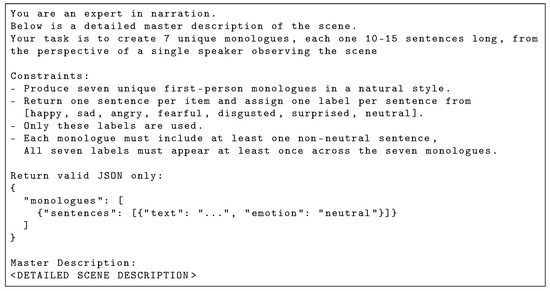
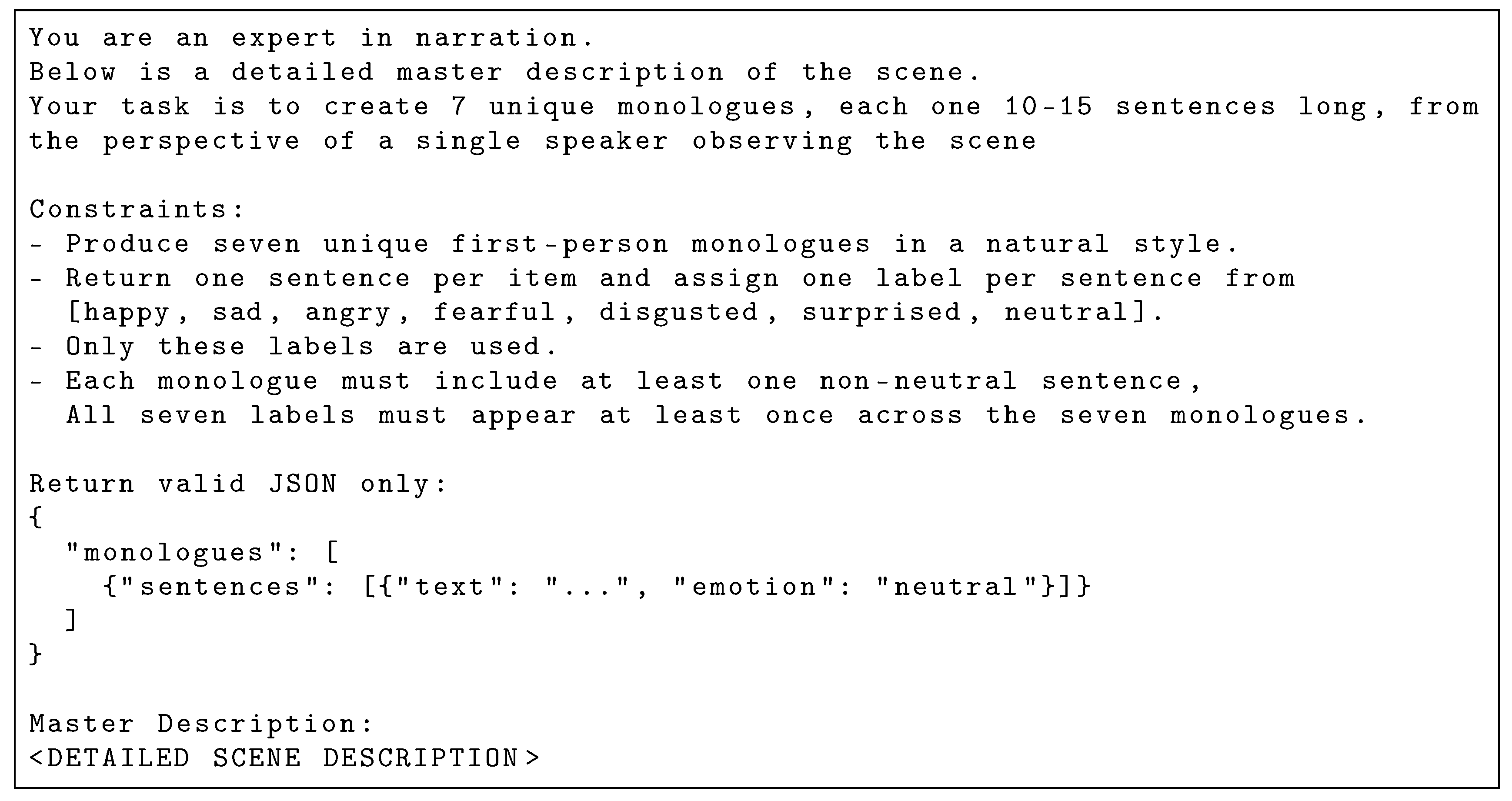
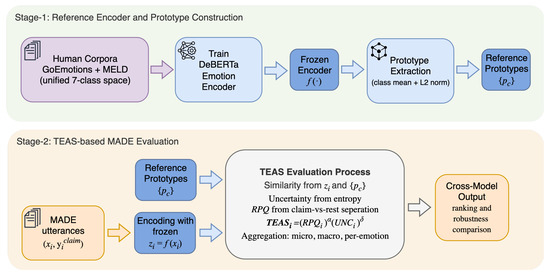
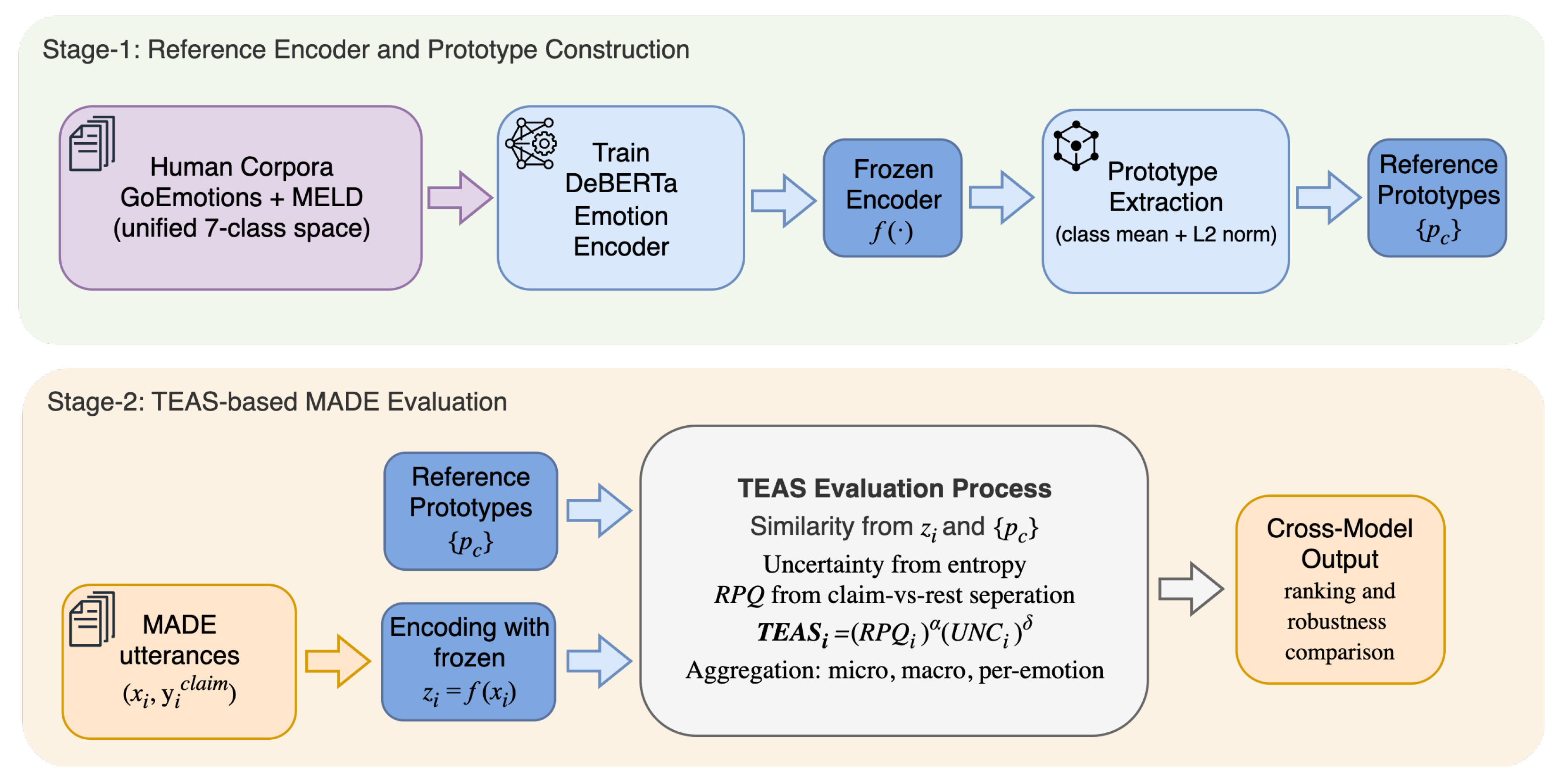
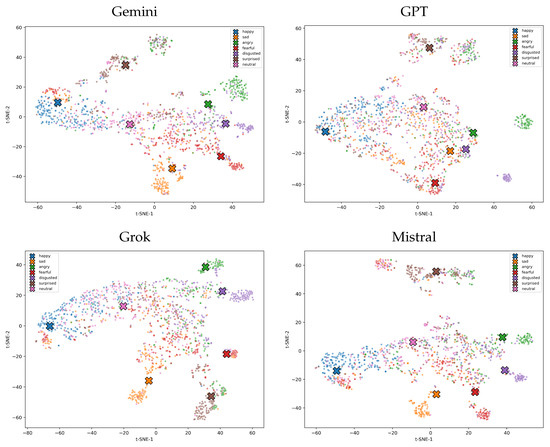
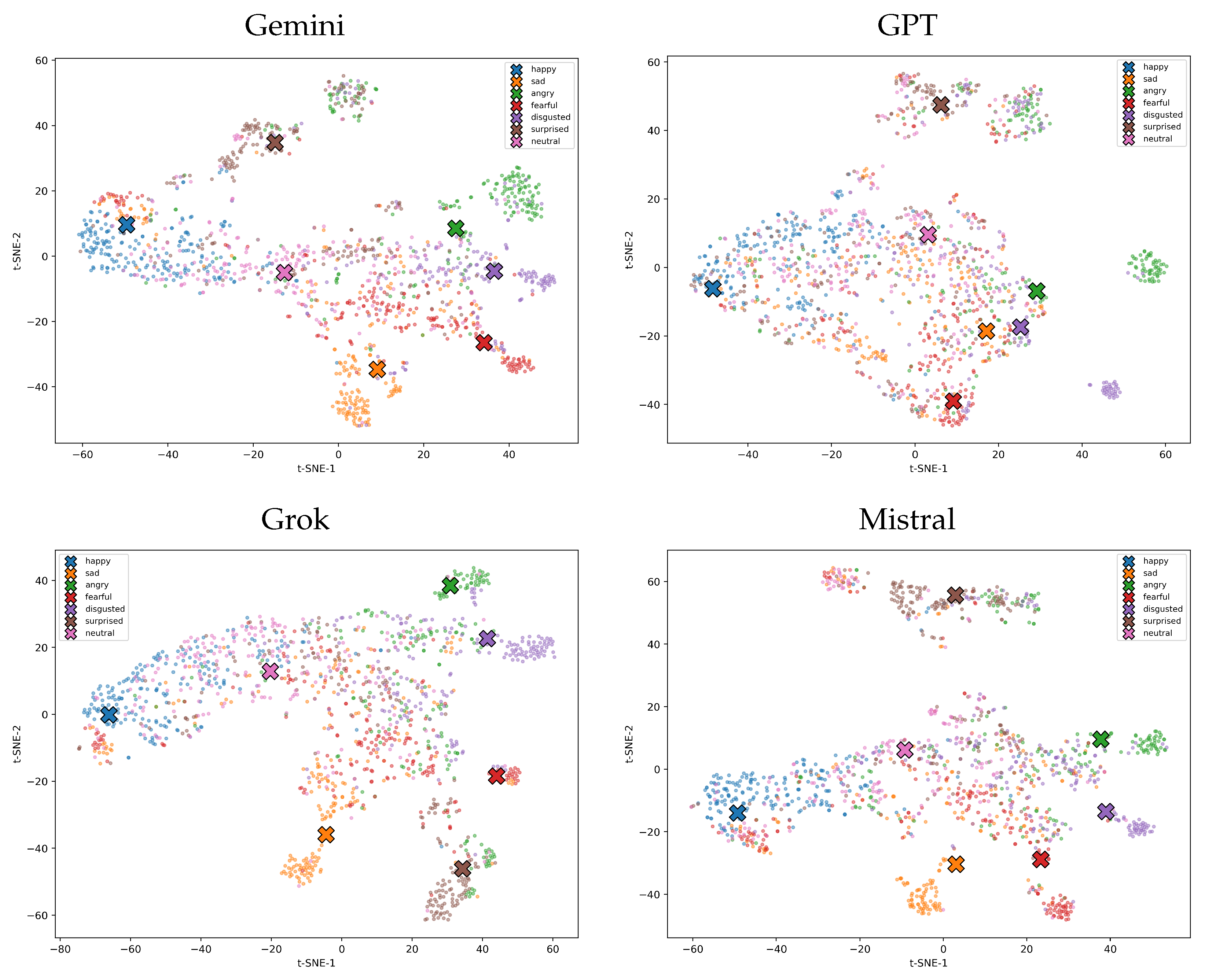
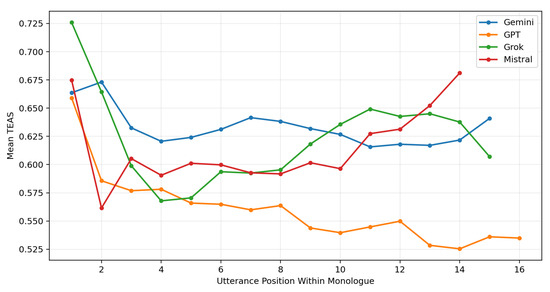
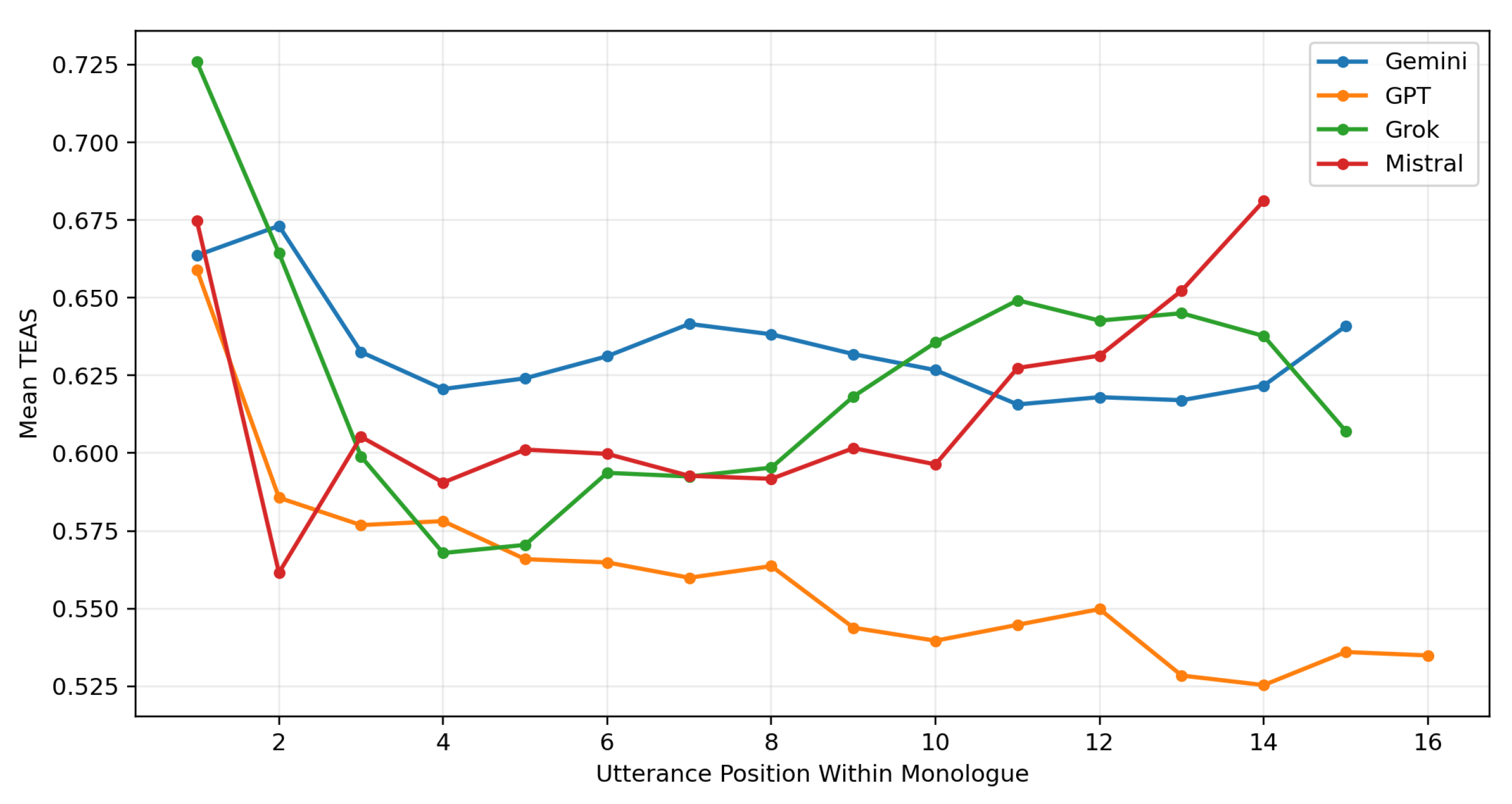

Disclaimer/Publisher’s Note: The statements, opinions and data contained in all publications are solely those of the individual author(s) and contributor(s) and not of MDPI and/or the editor(s). MDPI and/or the editor(s) disclaim responsibility for any injury to people or property resulting from any ideas, methods, instructions or products referred to in the content. |
© 2026 by the author. Licensee MDPI, Basel, Switzerland. This article is an open access article distributed under the terms and conditions of the Creative Commons Attribution (CC BY) license.