Initial Characterization of Morpho-Anatomical Traits and Antioxidant Profile of Iris brandzae Prodan from Romania’s Wild Flora Under Culture Conditions

 , , , ,
  ,
,  ,
,  ,
,  , , , and
Abstract
1. Introduction
2. Results
2.1. Species Description
2.2. Morphological Characters
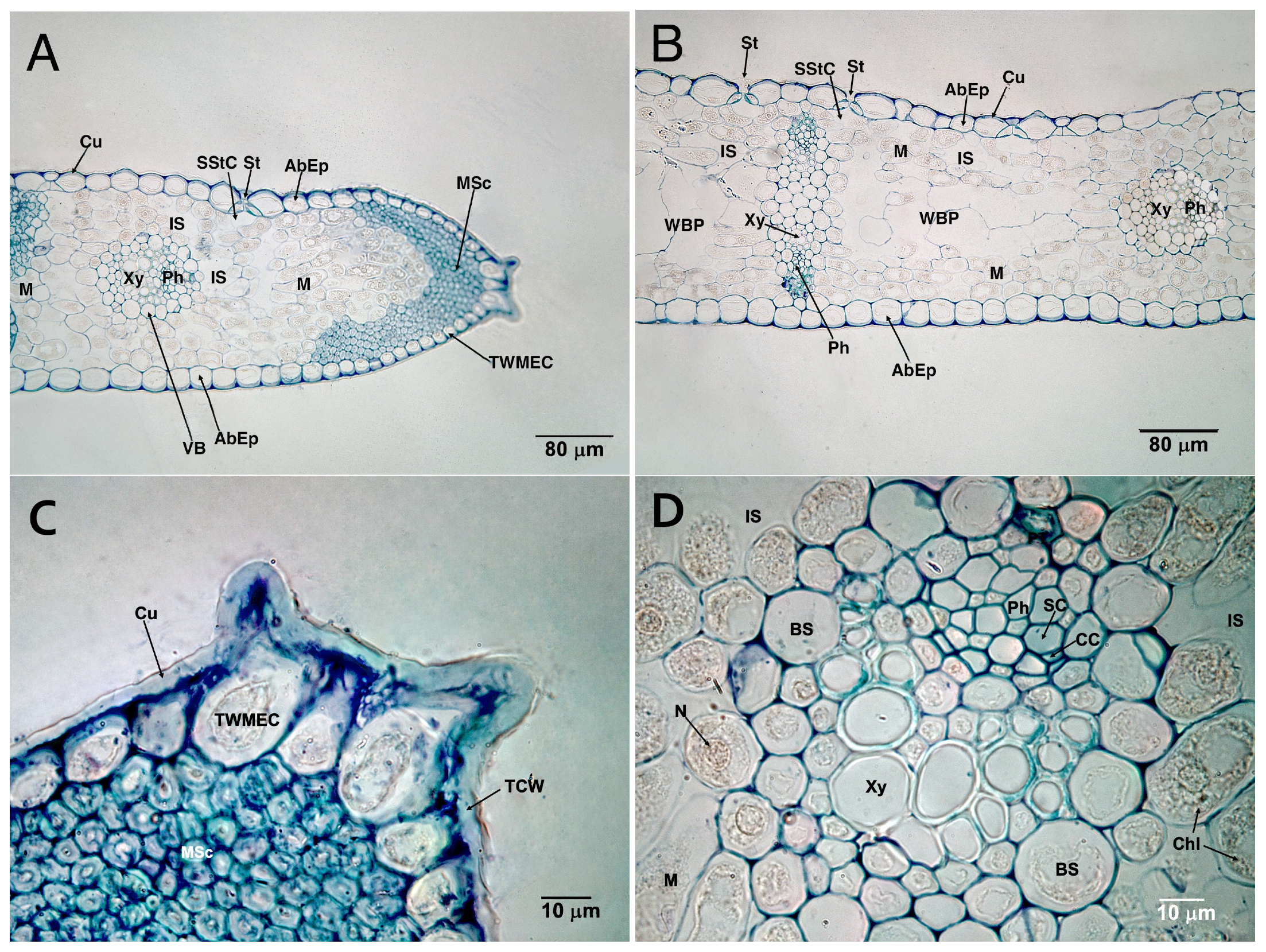
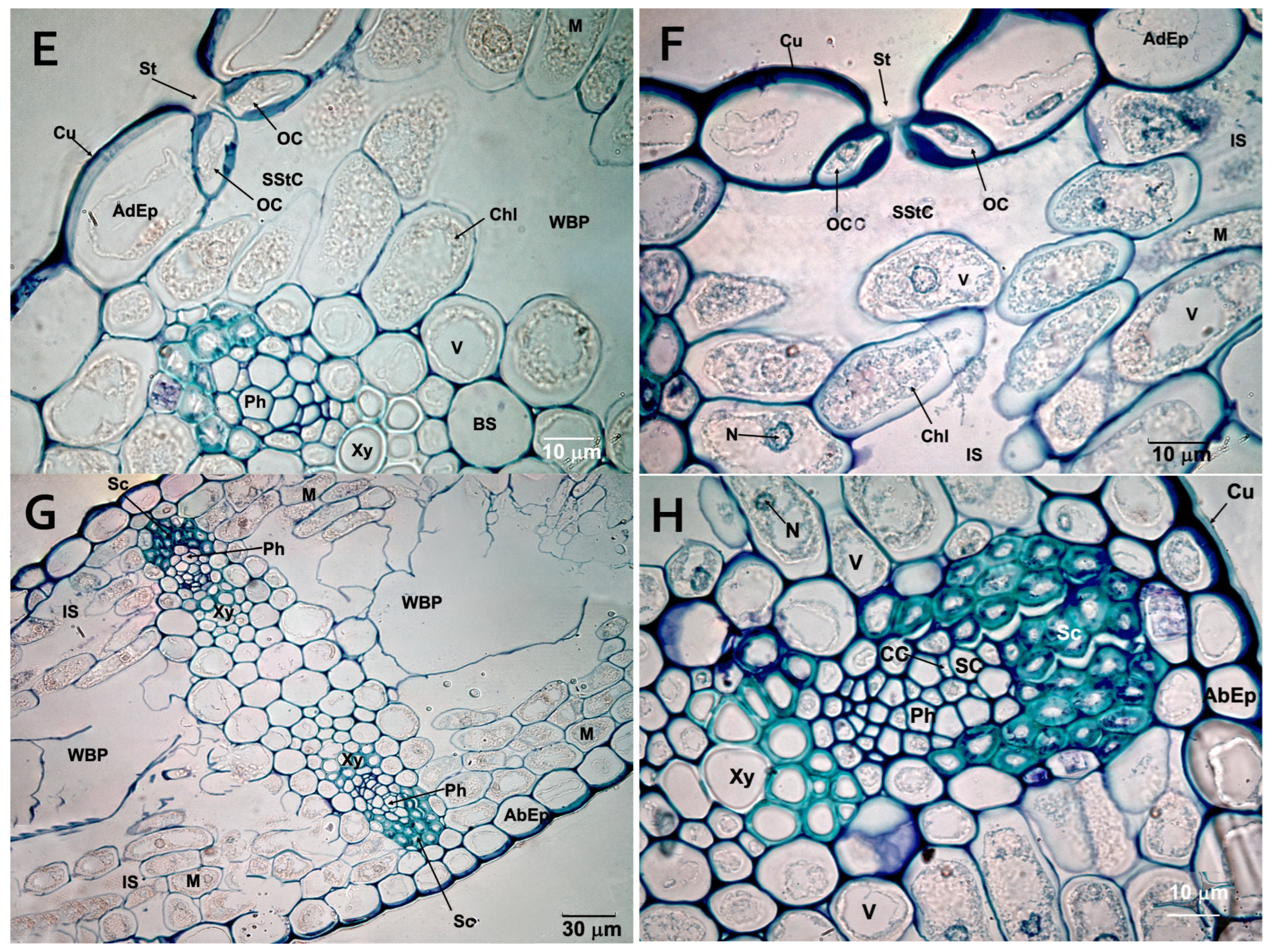
2.3. Study of the Anatomical Structure of Leaves
2.4. Photosynthetic Pigments
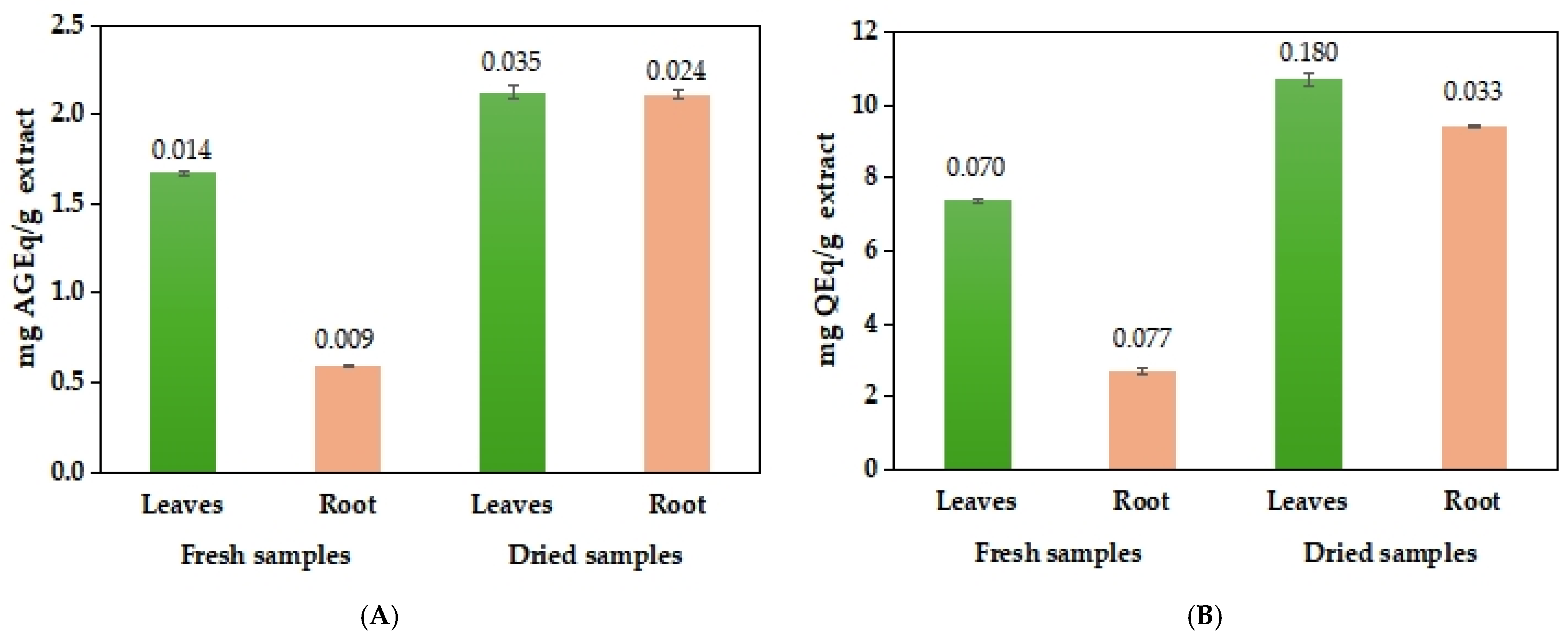
2.5. Total Phenolic and Flavonoid Contents
2.6. In Vitro-Antioxidant Evaluation
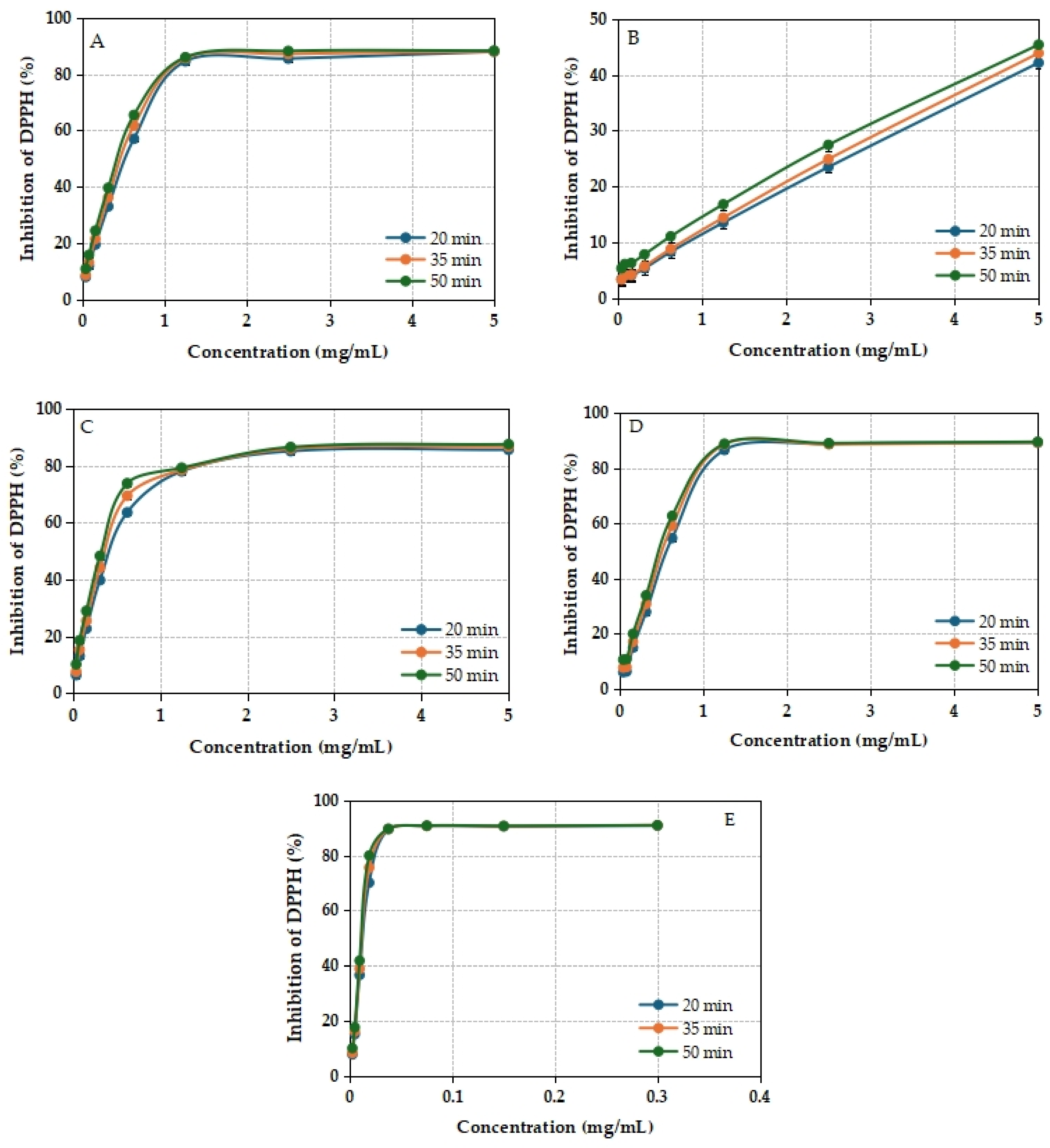
2.6.1. DPPH Radical Scavenging Activity
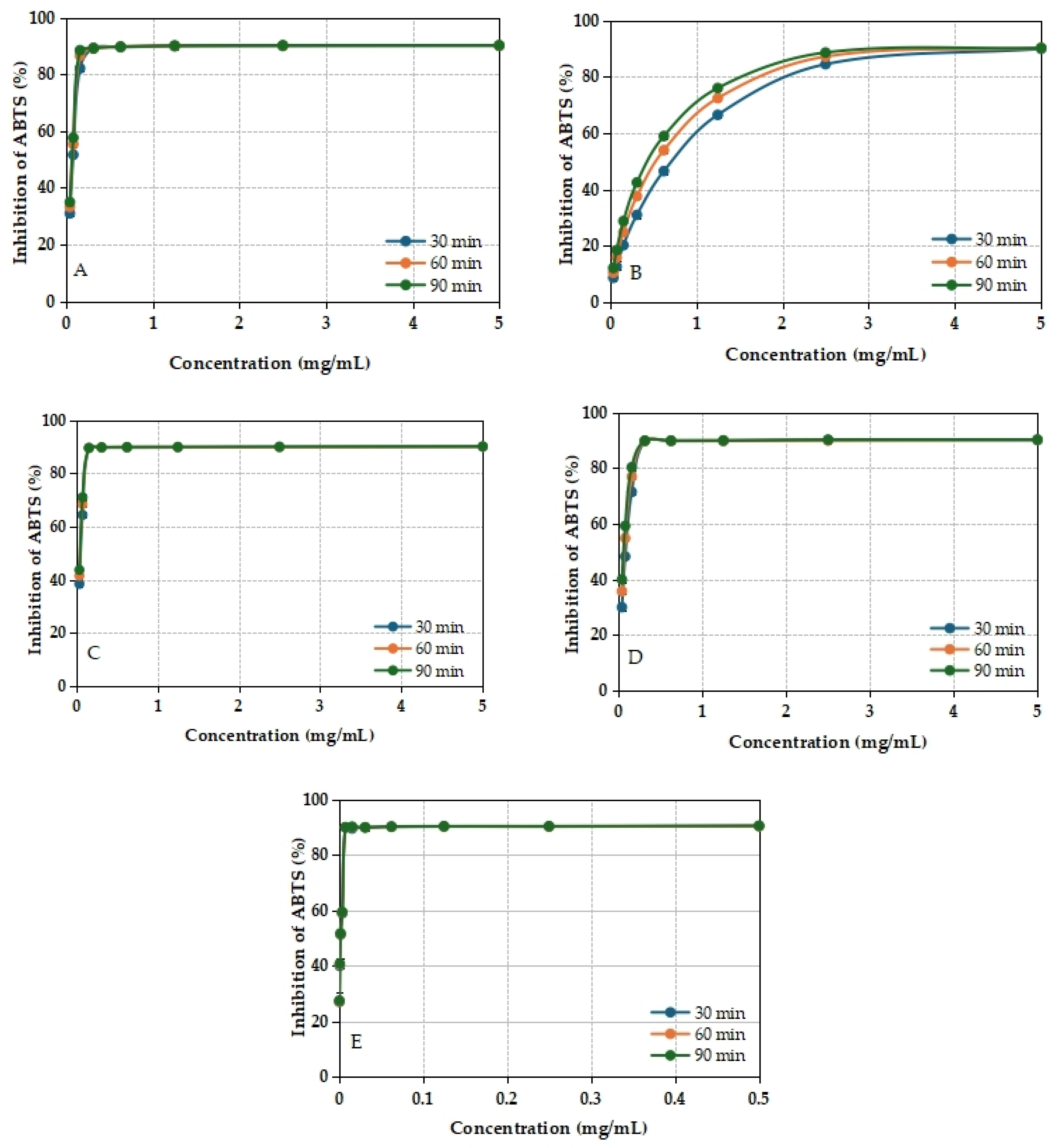
2.6.2. ABTS Scavenging Activity
3. Discussion
4. Materials and Methods
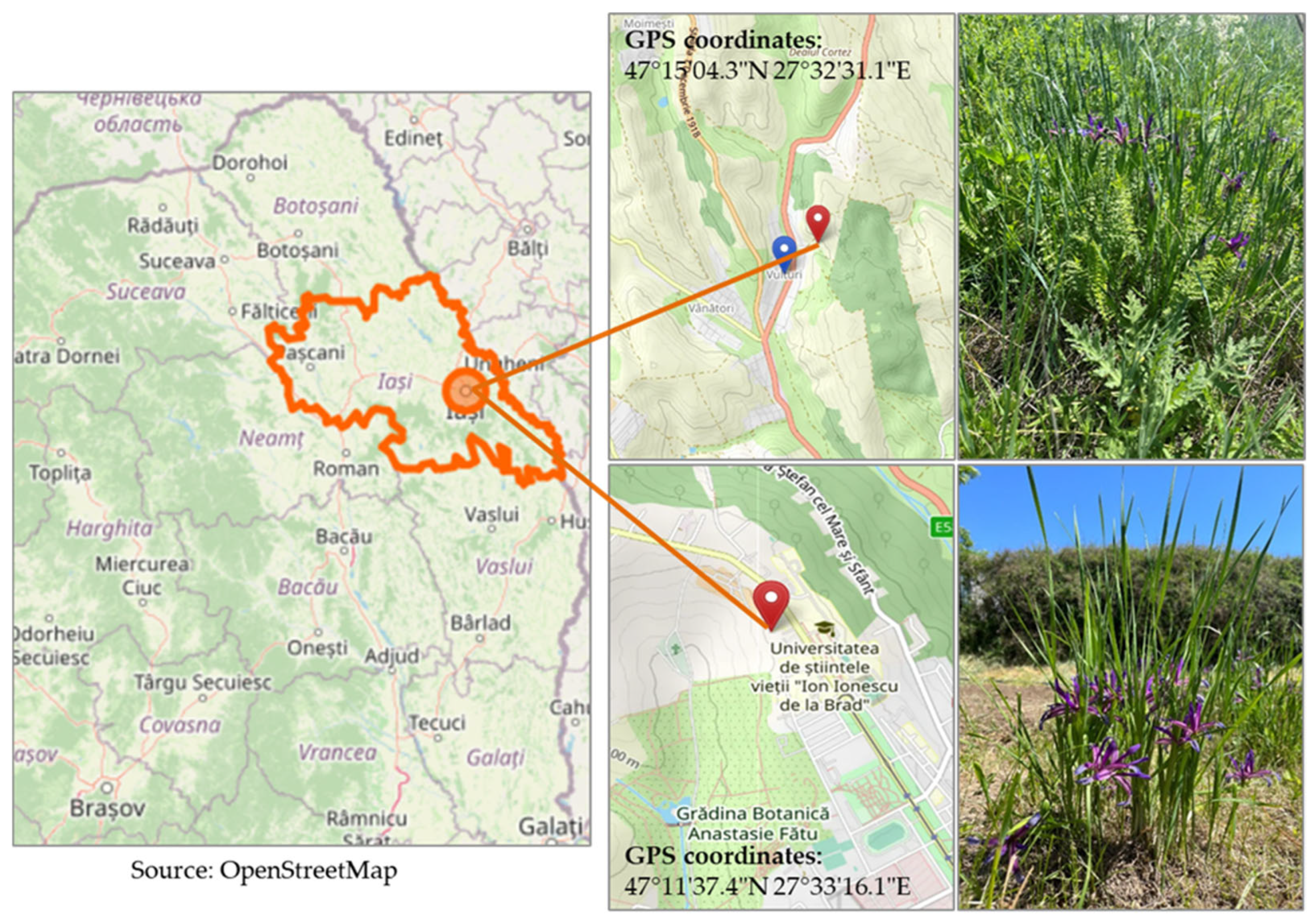
4.1. Description of the Site and of the Method Used to Collect the Self-Seeding Plants
4.2. Ecological Conditions for Species Cultivation
4.3. Study of Morphological Characteristics
4.4. Anatomical Study
4.5. Determination of Photosynthetic Pigment Content
4.6. Ultrasound-Assisted Extraction with Methanol
4.6.1. Determination of Total Phenolic Content
4.6.2. Determination of Total Flavonoid Content
4.6.3. In Vitro-Antioxidant Assays
5. Conclusions
Supplementary Materials
Author Contributions
Funding
Data Availability Statement
Acknowledgments
Conflicts of Interest
References
- Aukhadieva, E.; Kalashnik, N.; Ishbirdin, A. Discussion of some taxonomy issues of species of the genus Iris L. based on biomorphological and karyological characteristics. E3S Web Conf. 2021, 254, 06008. [Google Scholar] [CrossRef]
- Hoshimov, H.; Ortikov, E. Distribution Species of the Genus Iris L. (Iridaceae) in the Northern Foothills Fergana Valley (Part of Uzbekistan). Biologiya 2022, 3, 205. [Google Scholar]
- Khatib, S.; Faraloni, C.; Bouissane, L. Exploring the Use of Iris Species: Antioxidant Properties, Phytochemistry, Medicinal and Industrial Applications. Antioxidants 2022, 11, 526. [Google Scholar] [CrossRef] [PubMed]
- Liu, J.; Jiang, X. The complete plastome of a newly described species, Iris cangshanensis. Mitochondrial DNA Part B Resour. 2024, 9, 1559–1563. [Google Scholar] [CrossRef] [PubMed]
- Gergescu, M.I.; Dobrin, A. The pollen morphology of different Iris L. species from Romania. Sci. Pap. Ser. B Hortic. 2023, LXVII, 376–381. [Google Scholar]
- Makarevitch, I.; Golovnina, K.; Scherbik, S.; Blinov, A. Phylogenetic relationships of the Siberian Iris species inferred from noncoding chloroplast DNA sequences. Int. J. Plant Sci. 2003, 164, 229–237. [Google Scholar] [CrossRef]
- Qureshi, U.S.; Hassan, I.; Khan, M.A.; Jilani, G. Evaluating Phenotypic and Genetic Diversity of Iris Germplasm for Sustainable Cut Flower Production. Pak. J. Agric. Sci. 2025, 63, 19–32. [Google Scholar] [CrossRef]
- Şelaru, E. Garden Flower Cultivation; Publishing House CERES: Bucharest, Romania, 2007; ISBN 978-973-40-0774-5. [Google Scholar]
- Crisan, I.; Vidican, R.; Stoian, V.; Stoie, A. Wild Iris Spp. From Romanian Meadows and Their Importance for Ornamental Plant Breeding. Rom. J. Grassl. Forage Crop. 2017, 16, 21–32. [Google Scholar]
- Sarbu, I.; Stefan, N.; Oprea, A. Vascular Plants in Romania; Victor B Victor: Bucharest, Romania, 2013; ISBN 9786068149080. [Google Scholar]
- Oprea, A. Critical List of Vascular Plants in Romania; Alexandru Ioan Cuza University Publishing House: Iași, Romania, 2005; ISBN 9737031121. [Google Scholar]
- Royal Botanic Gardens Plants of the World Online—Taxonomy. Available online: https://powo.science.kew.org/taxon/urn:lsid:ipni.org:names:883569-1 (accessed on 15 February 2025).
- Chirilǎ, S.D.; Vassilev, K.; Bǎdǎrǎu, A.S. Wide habitat preference found in a rare, regional endemic species: Iris brandzae Prodán (Iridaceae Juss., subgenus Limniris, series Spuriae) in Romania. Hacquetia 2024, 23, 203–212. [Google Scholar] [CrossRef]
- Miron, A. Taxonomic diversity of halophytes in the floodplains of small rivers on the left bank of the Middle Prut. In International Conference of Young Researchers, 6th ed.; Simbol-NP SRL Printing House: Chisinau, Moldova, 2008; p. 92. ISBN 978-9975-70-769-5. (In Romanian) [Google Scholar]
- Svyrydiuk, D.; Tovtry, P. Summary of rare plants in the Hotin-Mogilivsky Pridnestrovy region. In Proceedings of the International Scientific and Practical Conference “Dynamics of Biological and Landscape Diversity of Protected Areas”, Kamianets-Podilskyi, Ukraine, 25–27 May 2016; pp. 94–98. (In Ukrainian). [Google Scholar]
- Twardovska, M.O.; Andreev, I.O.; Kunakh, V.A. Karyotypes of species of the genus Iris from the flora of Ukraine. Ukr. Bot. J. 2014, 71, 581–589. [Google Scholar] [CrossRef]
- Igorivna, S.K. Reproductive Biology of Gladiolus imbricatus L. and Iris sibirica L. (Iridaceae Juss.). Ph.D. Thesis, Ivan Franko National University of Lviv, Lviv, Ukraine, 2020. [Google Scholar]
- Zhygalova, S.L.; Futorna, O.A. Ultrastructure of the upper seeds of species of the subgenus Xyridion (Tausch) spach of the genus Iris L. (Iridaceae) of the flora of Ukraine. Mod. Phytomorphol. 2016, 9, 97–105. [Google Scholar]
- Rugină, R.; Sârbu, I.; Oprea, A.; Mititiuc, M. Contributions to the chorology of protected taxa in the flora of Romania. Newsl. Bot. Gard. Iași 2001, 10, 151–157. [Google Scholar]
- Anastasiu, P.; Pascale, G.; Cristurean, I. Regarding grasslands between Sărățelului valley and Slănicului valley, Buzău county. Ann. Univ. Craiova. Ser. Agric. Mt. Sci. Cadastre. 2008, 38, 11–25. [Google Scholar]
- Chiriac, L. Biodiversity in Vaslui county. Acta Musei Tutovensis 2011, 6, 165–176. [Google Scholar]
- Manzu, C.C.; Irimia, I.; Chinan, V.C. A floristic hotspot in a fragmented landscape near Iași city. Biol. Veg. 2021, 67, 23–33. [Google Scholar]
- Irimia, I.; Bartok, A. Threatened tracheophytes from Romania in the herbarium collection of “Alexandru Ioan Cuza” University of Iaşi. Biol. Veg. 2018, 63, 25–53. [Google Scholar]
- Oltean, I.; Stoie, A.; Stoian, V. Iris Spp. Flower Visitors: Pollinators vs. Nectar Thieves. Rom. J. Grassl. Forage Crop. 2018, 17, 11–20. [Google Scholar]
- Oroian, S. The role of the botanical gardens of targu-mures in ex-situ conservation of rare and endangered species of romania. In Proceedings of the 4th Conference on Medicinal and Aromatic Plants of South-East European Countries, Iași, Romania, 28–31 May 2006; pp. 199–202. [Google Scholar]
- Chirilă, S.D.; Vassilev, K. Phytocoenology and habitat preference of Paeonia tenuifolia, a vulnerable species in Romania. Biologia 2024, 79, 3489–3502. [Google Scholar] [CrossRef]
- Onyshchenko, V.A.; Mosyakin, S.L.; Korotchenko, I.A.; Danylyk, I.M.; Burlaka, M.D.; Fedoronchuk, M.M.; Chorney, I.I.; Kish, R.Y.; Olshanskyi, I.H.; Shiyan, N.M.; et al. IUCN Red List Categories of Vascular Plant Species of the Ukrainian Flora; M.G. Kholodny Institute of Botany: Kyiv, Ukraine, 2022; ISBN 9786177901630. [Google Scholar]
- Burduja, C.; Dobrescu, C.; Grineanu, A.; Ravarut, M.; Cazaceanu, I.; Birca, C.; Raclaru, P.; Turenschi, E. Contributions to the Knowledge of Natural Grasslands in Moldova from a Geobotanical and Agro-Productive Perspective; Publishing house of the Romanian People’s Republic Academy: Bucharest, Romania, 1956. (In Romanian) [Google Scholar]
- Ravarut, M.; Cazaceanu, I.; Turenschi, E. Contributions to the Study of Pastures and Meadows in the Upper Jijia and Basaul Depressions and the Copalau-Cozancea Hills; Publishing house of the Romanian People’s Republic Academy: Bucharest, Romania, 1956. (In Romanian) [Google Scholar]
- Chifu, T.; Manzu, C.; Zamfirescu, O. Flora and Vegetation of Moldova (Romania); Publishing House Alexandru Iona Cuza: Iasi, Romania, 2006; ISBN 978-973-703-160-1. (In Romanian) [Google Scholar]
- Crişan, I.; Vidican, R.; Morea, A.; Simea, Ş. Dyeing Potential of Linen Fabric with Iris Flower Extracts. ProEnvironment 2018, 11, 223–227. [Google Scholar]
- Crișan, I.; Cantor, M. New perspectives on medicinal properties and uses of Iris sp. Heavy metals in water View project lavandula View project. Hop. Med. Plants 2016, 1, 57–62. [Google Scholar]
- Kaššák, P. Secondary metabolites of the choosen Genus Iris species. Acta Univ. Agric. Silvic. Mendel. Brun. 2012, 60, 269–280. [Google Scholar] [CrossRef]
- Wang, H.; Cui, Y.; Zhao, C. Flavonoids of the Genus Iris (Iridaceae). Mini Rev. Med. Chem. 2010, 10, 643–661. [Google Scholar] [CrossRef] [PubMed]
- Amin, H.I.M.; Hussain, F.H.S.; Najmaldin, S.K.; Thu, Z.M.; Ibrahim, M.F.; Gilardoni, G.; Vidari, G. Phytochemistry and biological activities of iris species growing in iraqi kurdistan and phenolic constituents of the traditional plant iris postii. Molecules 2021, 26, 264. [Google Scholar] [CrossRef] [PubMed]
- Kostić, A.; Milinčić, D.D.; Gašić, U.M.; Nedić, N.; Stanojević, S.P.; Tešić, Ž.L.; Pešić, M.B. Polyphenolic profile and antioxidant properties of bee-collected pollen from sunflower (Helianthus annuus L.) plant. LWT 2019, 112, 108244. [Google Scholar] [CrossRef]
- Hoang, L.; Beneš, F.; Fenclová, M.; Kronusová, O.; Švarcová, V.; Řehořová, K.; Baldassarre Švecová, E.; Vosátka, M.; Hajšlová, J.; Kaštánek, P.; et al. Phytochemical composition and in vitro biological activity of Iris spp. (iridaceae): A new source of bioactive constituents for the inhibition of oral bacterial biofilms. Antibiotics 2020, 9, 403. [Google Scholar] [CrossRef] [PubMed]
- Abdel-Mageed, W.M.; Al-Wahaibi, L.H.; Al-Saleem, M.S.M.; Gouda, Y.G.; Abdel-Kader, M.S.; Ibraheim, Z.Z. Phytochemical and chemotaxonomic study on Iris albicans Lange leaves. Biochem. Syst. Ecol. 2018, 76, 32–34. [Google Scholar] [CrossRef]
- Jaegerova, T.; Zlechovcova, M.; Benes, F.; Kronusova, O.; Kastanek, P.; Hajslova, J. Investigation of Iris versicolor metabolic profile and optimization of the isolation of bioactive components on a semi-operation scale. Process Biochem. 2024, 146, 97–108. [Google Scholar] [CrossRef]
- Abdel-Baki, P.M.; El-Sherei, M.M.; Khaleel, A.E.; Abdel-Sattar, E.; Salem, M.A.; Okba, M.M. Correlation between secondary metabolites of Iris confusa Sealy and Iris pseudacorus L. and their newly explored antiprotozoal potentials. BMC Complement. Med. Ther. 2023, 23, 465. [Google Scholar] [CrossRef]
- FMI Floriculture Market Analysis—Size, Share, and Forecast 2025 to 2035. Available online: https://www.futuremarketinsights.com/reports/floriculture-market (accessed on 20 October 2025).
- Mykhailenko, O.; Korinek, M.; Ivanauskas, L.; Bezruk, I.; Myhal, A.; Petrikaite, V.; El-Shazly, M.; Lin, G.H.; Lin, C.Y.; Yen, C.H.; et al. Qualitative and quantitative analysis of Ukrainian iris species: A fresh look on their antioxidant content and biological activities. Molecules 2020, 25, 4588. [Google Scholar] [CrossRef] [PubMed]
- Kukula-Koch, W.; Sieniawska, E.; Widelski, J.; Urjin, O.; Głowniak, P.; Skalicka-Woźniak, K. Major secondary metabolites of Iris spp. Phytochem. Rev. 2015, 14, 51–80. [Google Scholar] [CrossRef]
- Chirilă, S.D.; Mânzu, C.C.; Bădărău, A.S.; Sîrbu, C.; Attila, M. Ecology, biogeography, and distribution of the rare species Iris brandzae in Romania. Biologia 2025, 80, 2297–2312. [Google Scholar] [CrossRef]
- Crișan, I. The Genus Iris Tourn. ex L.: Updates on Botany, Cultivation, Novel Niches and Impactful Applications. Plants 2025, 14, 2870. [Google Scholar] [CrossRef] [PubMed]
- Paica, I.C.; Irimia, I.; Banciu, C.; Vladimirescu, M.; Maria, G.M.; Manole, A. Genetic diversity of Iris pontica Zapal., in Movila lui Burcel protected area: Implication for species conservation. AgroLife Sci. J. 2020, 9, 194–199. [Google Scholar]
- Webb, D.A.; Chater, A.O. Notes on the genus Iris. In Flora Europea Notulae Systematicae ad Floram Europaeam Spectantes; The Linnean Society of London: London, UK, 1978; pp. 315–316. [Google Scholar]
- Webb, D.A.; Chater, A.O. Alismataceae to Orchidaceae. In Flora Europea; Cambridge University Press: Cambridge, UK, 1980; pp. 87–92. [Google Scholar]
- Royal Botanic Gardens Plants of the World Online. Available online: https://powo.science.kew.org/ (accessed on 25 February 2025).
- EDIT. Euro+Med PlantBase. Available online: https://europlusmed.org/ (accessed on 14 January 2025).
- Prodan, I.; Nyarady, E. Flora Socialist Republic of Romania, 11th ed.; Academy of the Socialist Republic of Romania: Bucharest, Romania, 1966. [Google Scholar]
- Ciocarlan, V. Illustrated Flora of Romania, III; Publishing House Ceres: București, Romania, 2009; Volume 1, ISBN 978-973-40-0817-9. [Google Scholar]
- Dihoru, G.; Negrean, G. Red Book of Vascular Plants from Romania; Romanian Academy: Bucharest, Romania, 2009. [Google Scholar]
- Prodan, I. Iris species in Romania. In Bulletin of the Botanical Garden and the Botanical Museum of the University of Cluj; National Printing House S.A: Cluj-Napoca, Romania, 1936. (In German) [Google Scholar]
- Savulescu, T. Flora of the Romanian People’s Republic; Academy of the Socialist Republic of Romania: Bucharest, Romania, 1966; Volume 6. (In Romanian) [Google Scholar]
- Chiruţă, C.; Stoleriu, I.; Cojocariu, M. Prediction Models for the Plant Coverage Percentage of a Vertical Green Wall System: Regression Models and Artificial Neural Network Models. Horticulturae 2023, 9, 419. [Google Scholar] [CrossRef]
- Apostol, M.; Draghia, L.; Sîrbu, C.; Efrose, R.C.; Flemetakis, E.; Hlihor, R.M.; Simion, I.M.; Armiñana, J.R.; Garcia Breijo, F.J. Morphological, Anatomical, Physiological and Genetic Studies of Iris aphylla L. Wild Species Conservation in “Ex Situ” Conditions. Agriculture 2024, 14, 2358. [Google Scholar] [CrossRef]
- Amisculesei, P.; Apostol, M.; Chelariu, E.L.; Rotaru, L.; Draghia, L. Ornamental, Physiological and Enzymatic Evaluation of Some Gladiolus Species. Sci. Papers. Ser. B Hortic. 2021, 65, 177–186. [Google Scholar]
- Azizi, S.; Aliniaeifard, S.; Zarbakhsh, S.; Esmaeili, S.; Baghalian, K.; Gruda, N.S. Photobiology, photosynthesis, and plant responses under artificial lighting in controlled environment agriculture. Sci. Hortic. 2025, 349, 114248. [Google Scholar] [CrossRef]
- Rajalakshmi, K.; Banu, N. Extraction and Estimation of Chlorophyll from Medicinal Plants. Int. J. Sci. Res. 2015, 4, 209–212. [Google Scholar] [CrossRef]
- Streit, N.M.; Canterle, L.P.; Canto, M.W.D.; Hecktheuer, L.H.H. As clorofilas. Ciência Rural 2005, 35, 748–755. [Google Scholar] [CrossRef]
- Wang, S.; Li, Y.; Ju, W.; Chen, B.; Chen, J.; Croft, H.; Mickler, R.A.; Yang, F. Estimation of Leaf Photosynthetic Capacity from Leaf Chlorophyll Content and Leaf Age in a Subtropical Evergreen Coniferous Plantation. J. Geophys. Res. Biogeosci. 2020, 125, e2019JG005020. [Google Scholar] [CrossRef]
- Mukodimah, S.; Fauzi, C. Comparison of Tree Implementation, Regression Logistics, and Random Forest To Detect Iris Types. J. TAM Technol. Accept. Model. 2021, 12, 149. [Google Scholar] [CrossRef]
- Imbert, E.; Wang, H.; Conchou, L.; Vincent, H.; Talavera, M.; Schatz, B. Positive effect of the yellow morph on female reproductive success in the flower colour polymorphic Iris lutescens (Iridaceae), a deceptive species. J. Evol. Biol. 2014, 27, 1965–1974. [Google Scholar] [CrossRef]
- Tomiozzo, R.; Streck, N.A.; Becker, C.C.; Uhlmann, L.O.; Schwab, N.T.; Cera, J.C.; de Paula, G.M. Long-term changes in the optimum planting date of gladiolus in Southern Brazil. Acta Sci. Agron. 2021, 43, e50939. [Google Scholar] [CrossRef]
- Chelariu, E.-L.; Draghia, L.; Brînză, M.; Cojocariu, M.; Avarvarei, B.-V. Studies Regarding the Behaviour of Ornamental Species Lagurus Ovatus in Cropping Conditions From N-E Area of Romania. Sci. Pap. Ser. B Hortic. 2018, LXII, 581–584. [Google Scholar]
- Snehlata; Ahlawat, V. Trend of growth and instability analysis of area and production of flowers crop in open field in Haryana. Int. J. Agric. Nutr. 2025, 7, 31–40. [Google Scholar] [CrossRef]
- Canella, M.; Poloniato, G.; Lasen, C.; Orsenigo, S.; Rossi, G.; Müller, J.V.; Abeli, T. Benefits of conservation-driven mowing for the EU policy species Gladiolus palustris Gaudin in mountain fen meadows: A case-study in the European Alps. J. Mt. Sci. 2020, 17, 2097–2107. [Google Scholar] [CrossRef]
- Nikolic, T.; Mtic, B. Phenetic relationships within populations of Iris illyrca, I. pallida and I. pseudopallida (Iridaceae) with regard to morphological characteristics of epidermis. Acta Bot. Croat. 1991, 50, 99–106. [Google Scholar]
- Rudall, P. Anatomy and systematics of Iridaceae. Bot. J. Linn. Soc. 1994, 114, 1–12. [Google Scholar] [CrossRef]
- Rakhimova, N.K.; Duschanova, G.M.; Abdullaeva, A.T.; Temirov, E.E. Anatomical Structure of Aboveground and Underground Organs of the Rare Endemic Species Iris (Juno) magnifica vved., Growing under Natural Conditions of the Zeravshan Ridge, Samarkand Mountains. Am. J. Plant Sci. 2020, 11, 1453–1466. [Google Scholar] [CrossRef]
- Kandemir, N. Comparative morphological and anatomical studies on Iris peshmeniana Güner & T. Hall. AND Iris aucheri (Baker) Sealy (IRIDACEAE). Trak. Univ. J. Nat. Sci. 2019, 20, 105–113. [Google Scholar] [CrossRef]
- Abdinazarov, S.H.; Rakhimova, N.K.; Duschanova, G.M. The study of the anatomical structure of the vegetative organs of the endemic species Iris alberti regel in the introduction of the Botanical Garden of Uzbekistan. J. Nov. Appl. Sci. 2017, 6, 124–129. [Google Scholar]
- Akyol, Y.; Yetişen, K.; Özdemir, C. Morphological and anatomical studies of Iris iberica subsp. elegantissima and Iris sintenisii (Iridaceae) from Turkey. Phytol. Balc. 2014, 20, 71–77. [Google Scholar]
- Gontova, T.N.; Zatylnikova, O.A. Comparative morphological and anatomical and Iris sibirica. Int. J. Pharm. Pharm. Sci. 2013, 5, 574–578. [Google Scholar]
- Kandemir, N.; Çelik, A. Comparison of morphological and anatomical properties of endangered endemic Iris pamphylica and i. masia in Turkey. Acta Bot. Hung. 2017, 59, 371–388. [Google Scholar] [CrossRef]
- Duschanova, G.; Rakhimova, N.K.; Abdinazarov, S.H. Adaptive signs of a leaf of some endemic species of the genus Iris L. J. Nov. Appl. Sci. 2017, 6, 113–118. [Google Scholar]
- Xu, J.; Tang, J.; Jiang, H.; Zou, R.; Wei, X. A comparative study on leaf anatomy and photosynthetic characteristics of different growth stages of Horsfieldia hainanensis. PeerJ 2024, 12, e18640. [Google Scholar] [CrossRef] [PubMed]
- Raus, L.; Volf, M.; Bolohan, D. The influence of the usual holding solutions on Hyacinthus orientalis cut flower vase life. J. Appl. Life Sci. Environ. 2023, 56, 211–220. [Google Scholar] [CrossRef]
- Zong, J.W.; Zhang, Z.L.; Huang, P.L.; Chen, N.Y.; Xue, K.X.; Tian, Z.Y.; Yang, Y.H. Growth, Physiological, and Photosynthetic Responses of Xanthoceras sorbifolium Bunge Seedlings Under Various Degrees of Salinity. Front. Plant Sci. 2021, 12, 730737. [Google Scholar] [CrossRef] [PubMed]
- Da Graça, J.P.; Rodrigues, F.A.; Farias, J.R.B.; de Oliveira, M.C.N.; Hoffmann-Campo, C.B.; Zingaretti, S.M. Physiological parameters in sugarcane cultivars submitted to water deficit. Braz. J. Plant Physiol. 2010, 22, 189–197. [Google Scholar] [CrossRef]
- Zhang, J.; Liu, J.; Yang, C.; Du, S.; Yang, W. Photosynthetic performance of soybean plants to water deficit under high and low light intensity. South Afr. J. Bot. 2016, 105, 279–287. [Google Scholar] [CrossRef]
- MacIntyre, H.L.; Kana, T.M.; Anning, T.; Geider, R.J. Photoacclimation of photosynthesis irradiance response curves and photosynthetic pigments in microalgae and cyanobacteria. J. Phycol. 2002, 38, 17–38. [Google Scholar] [CrossRef]
- Masojídek, J.; Torzillo, G.; Koblížek, M.; Kopecký, J.; Bernardini, P.; Sacchi, A.; Komenda, J. Photoadaptation of two members of the Chlorophyta (Scenedesmus and Chlorella) in laboratory and outdoor cultures: Changes in chlorophyll fluorescence quenching and the xanthophyll cycle. Planta 1999, 209, 126–135. [Google Scholar] [CrossRef] [PubMed]
- Robert, J.-M.; Morançais, M.; Pradier, E.; Mouget, J.-L.; Tremblin, G. Extraction and quantitative analysis of the blue-green pigment “marennine” synthesized by the diatom Haslea ostrearia. J. Appl. Phycol. 2002, 14, 299–305. [Google Scholar] [CrossRef]
- Sarijeva, G.; Knapp, M.; Lichtenthaler, H.K. Differences in photosynthetic activity, chlorophyll and carotenoid levels, and in chlorophyll fluorescence parameters in green sun and shade leaves of Ginkgo and Fagus. J. Plant Physiol. 2007, 164, 950–955. [Google Scholar] [CrossRef]
- Lichtenthaler, H.K.; Rinderle, U. Chlorophyll Fluorescence Signatures as Vitality Indicator in Forest Decline Research. In Applications of Chlorophyll Fluorescence in Photosynthesis Research, Stress Physiology, Hydrobiology and Remote Sensing; Springer: Dordrecht, The Netherlands, 1988; pp. 143–149. [Google Scholar] [CrossRef]
- Lichtenthaler, H.K.; Buschmann, C. Chlorophylls and Carotenoids: Measurement And Characterization by UV-VIS Spectroscopy. Curr. Protoc. Food Anal. Chem. 2001, 1, F4. 3.1–F4. 3.8. [Google Scholar] [CrossRef]
- Tanaka, R.; Tanaka, A. Chlorophyll cycle regulates the construction and destruction of the light-harvesting complexes. Biochim. Biophys. Acta Bioenerg. 2011, 1807, 968–976. [Google Scholar] [CrossRef] [PubMed]
- Katz, J.J.; Norris, J.R.; Shipman, L.L.; Thurnauer, M.C.; Wasielewski, M.R. Chlorophyll function in the photosynthetic reaction center. Annu. Rev. Biophys. Bioeng. 1978, 7, 393–434. [Google Scholar] [CrossRef] [PubMed]
- Acevedo-Siaca, L.G.; McAusland, L. A guide to understanding and measuring photosynthetic induction: Considerations and recommendations. New Phytol. 2025, 247, 450–469. [Google Scholar] [CrossRef] [PubMed]
- Viličić, D.; Orlić, M.; Jasprica, N. The deep chlorophyll maximum in the coastal north eastern Adriatic Sea, July 2007. Acta Bot. Croat. 2008, 67, 33–43. [Google Scholar]
- Jozghasemi, S.; Rabiei, V.; Soleymani, A.; Khaligi, A. Evaluation of the pigments concentration in the Iris species native to Iran. J. Biodivers. Environ. 2015, 6, 555–559. [Google Scholar]
- Ghorbani, N.; Chamani, E.; Shokouhian, A.A.; Ramezanpour, S.S.; Soltanlou, H. Assessment of genetic diversity and photosynthetic pigments among wild populations of Yellow Flag (Iris pseudacorus). J. Plant Mol. Breed. 2021, 9, 1–11. [Google Scholar] [CrossRef]
- Landi, M.; Zivcak, M.; Sytar, O.; Brestic, M.; Allakhverdiev, S.I. Plasticity of photosynthetic processes and the accumulation of secondary metabolites in plants in response to monochromatic light environments: A review. Biochim. Biophys. Acta Bioenerg. 2020, 1861, 148131. [Google Scholar] [CrossRef]
- Zhou, Z.; Li, J.; Li, C.; Guo, Q.; Hou, X.; Zhao, C.; Wang, Y.; Chen, C.; Wang, Q. Effects of Graphene Oxide on the Growth and Photosynthesis of the Emergent Plant Iris pseudacorus. Plants 2023, 12, 1738. [Google Scholar] [CrossRef]
- Young, A.J. The Photoprotective Role of Carotenoids in Higher Plants. Physiol. Plant. 1991, 83, 702–708. [Google Scholar] [CrossRef]
- Howitt, C.A.; Pogson, B.J. Carotenoid accumulation and function in seeds and non-green tissues. Plant Cell Environ. 2006, 29, 435–445. [Google Scholar] [CrossRef]
- Sourour, A. A review: Morphological, physiological, biochemical and molecular plant responses to water deficit stress. Int. J. Eng. Sci. 2017, 6, 1–4. [Google Scholar] [CrossRef]
- Li, Y.; He, N.; Hou, J.; Xu, L.; Liu, C.; Zhang, J.; Wang, Q.; Zhang, X.; Wu, X. Factors influencing leaf chlorophyll content in natural forests at the biome scale. Front. Ecol. Evol. 2018, 6, 64. [Google Scholar] [CrossRef]
- Lichtenthaler, H.K. Chlorophylls Carotenoids, Chlorophylls Carotenoids Pigment. Methods Enzymol. 1987, 148, 350–382. [Google Scholar]
- Croft, H.; Chen, J.M.; Luo, X.; Bartlett, P.; Chen, B.; Staebler, R.M. Leaf chlorophyll content as a proxy for leaf photosynthetic capacity. Glob. Change Biol. 2017, 23, 3513–3524. [Google Scholar] [CrossRef] [PubMed]
- Zielewicz, W.; Wróbel, B.; Niedbała, G. Quantification of chlorophyll and carotene pigments content in mountain melick (Melica nutans L.) in relation to edaphic variables. Forests 2020, 11, 1197. [Google Scholar] [CrossRef]
- Zhang, R.; Yang, P.; Liu, S.; Wang, C.; Liu, J. Evaluation of the Methods for Estimating Leaf Chlorophyll Content with SPAD Chlorophyll Meters. Remote Sens. 2022, 14, 5144. [Google Scholar] [CrossRef]
- ElNaker, N.A.; Daou, M.; Ochsenkühn, M.A.; Amin, S.A.; Yousef, A.F.; Yousef, L.F. A metabolomics approach to evaluate the effect of lyophilization versus oven drying on the chemical composition of plant extracts. Sci. Rep. 2021, 11, 22679. [Google Scholar] [CrossRef]
- Lupoae, M.; Bounegru, A.V.; Dinică, R.M.; Cârâc, G. Exploring in Vitro Antioxidant Activity of Allium Ursinum and Alliaria Petiolata Through Various Analytical Methods. Rev. Roum. Chim. 2025, 70, 223–233. [Google Scholar] [CrossRef]
- Dhanaraj, F.I.; Kalimuthu, J.K.; Balamurugan, P.S.; Subramani, P.; Katerere, D.R.; Gurusamy, M. Investigating the Phytochemical Profile and Antioxidant Activity of Different Solvent Extracts of Sesamum prostratum Retz. Plants 2025, 14, 519. [Google Scholar] [CrossRef]
- Encarnaç, S.; Lima, K.; Mal, Q.; Caldeira, G.I.; Duarte, M.P.; Lima, B.S.; Silva, O. An Integrated Approach to the Anti-Inflammatory, Antioxidant, and Genotoxic Potential of Portuguese Traditional Preparations from the Bark of Anacardium occidentale L. Plants 2024, 13, 420. [Google Scholar] [CrossRef] [PubMed]
- Emsdiasum Microscopy Products by Application. Available online: https://www.emsdiasum.com/microscopy (accessed on 30 November 2018).
- Busuioc, A.C.; Costea, G.V.; Botezatu, A.V.D.; Furdui, B.; Dinica, R.M. Cucumis metuliferus L. Fruits Extract with Antioxidant, Anti-Inflammatory, and Antidiabetic Properties as Source of Ursolic Acid. Separations 2023, 10, 274. [Google Scholar] [CrossRef]
- Diete, S.H.; Kouakou, N.D.V.; Botezatu, A.V.; Mihaila, M.D.; Soro, Y.; Dinica, R.M. Phytochemical Profile and Antioxidant Potential of Four Cultivars of Corchorus Olitorius L: Traditional African Vegetables Underused in Côte D’Ivoire. Ann. Univ. Dunarea Jos Galati Fascicle VI Food Technol. 2024, 48, 78–99. [Google Scholar] [CrossRef]
- Zongo, E.; Busuioc, A.; Meda, R.N.T.; Botezatu, A.V.; Mihaila, M.D.; Mocanu, A.M.; Avramescu, S.M.; Koama, B.K.; Kam, S.E.; Belem, H.; et al. Exploration of the Antioxidant and Anti-inflammatory Potential of Cassia sieberiana DC and Piliostigma thonningii (Schumach.) Milne-Redh, Traditionally Used in the Treatment of Hepatitis in the Hauts-Bassins Region of Burkina Faso. Pharmaceuticals 2023, 16, 133. [Google Scholar] [CrossRef]
- Daraban, G.M.; Rusu, L.; Dinica, R.M.; Roşca, M.; Badeanu, M.; Mihaila, M.D.I.; Suteu, D. Exploring the Antioxidant and Bioinsecticidal Activity of Spontaneous Flora Vegetal Extracts for Plant Protection and Prevention of Soil Contamination. Separations 2022, 9, 260. [Google Scholar] [CrossRef]



| Sterile Shoots | Fertile Shoots | |||
|---|---|---|---|---|
| Leaf Length | Leaf Width | Leaf Length | Leaf Width | |
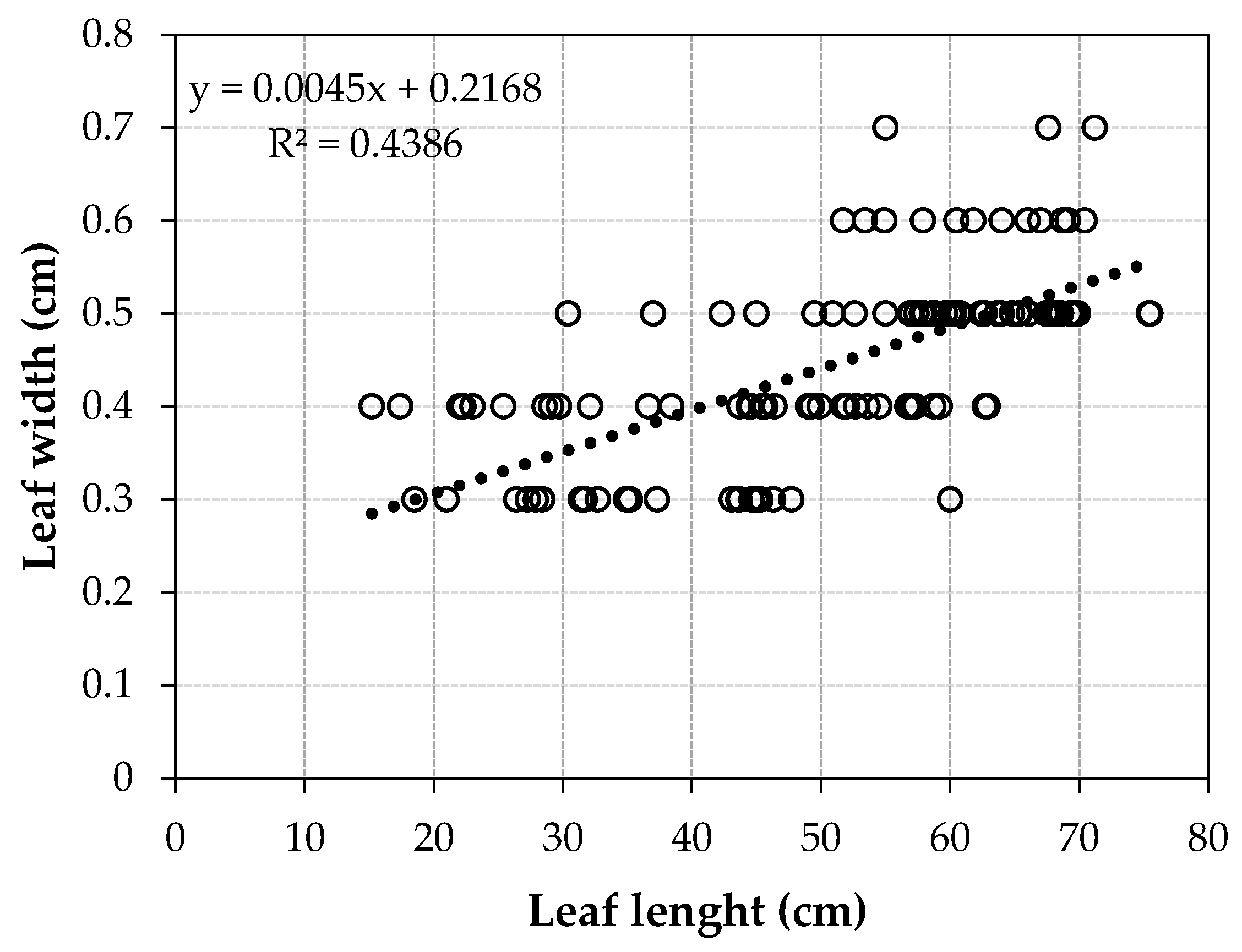
| Mean | 50.5 | 0.45 | 18.40 | 0.37 |
| CI (confidence level 95%) | [47.82, 53.29] | [0.43, 0.46] | [16.46, 20.33] | [0.35, 0.39] |
| Flowering Stem Height | Outer Perianth-Segments | Inner Perianth-Segments | |||
|---|---|---|---|---|---|
| Length | Width | Length | Width | ||
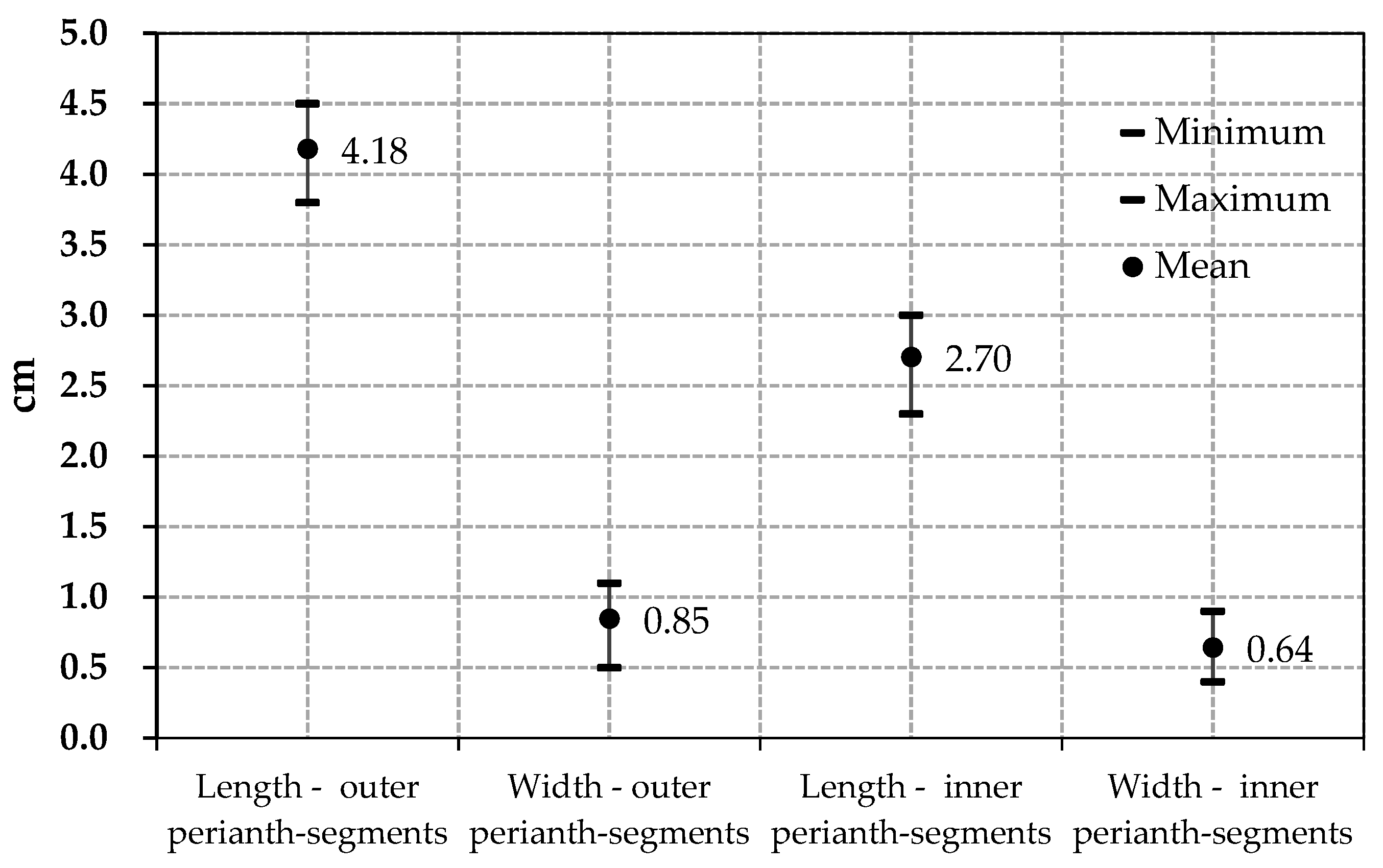
| Mean | 27.3 | 4.18 | 0.85 | 2.70 | 0.64 |
| CI (confidence level 95%) | [24.60, 30.02] | [4.08, 4.28] | [0.78, 0.92] | [2.59, 2.82] | [0.58, 0.71] |
| Flowering Stem Height (cm) | No. Leaves/Shoot (no.) | Bract Length 01 (cm) | Bract Length 02 (cm) | Bract Length 03 (cm) | Bract Length 04 (cm) | |
|---|---|---|---|---|---|---|
| Mean | 27.31 | 2.83 | 8.68 | 6.25 | 8.02 | 7.17 |
| CI (confidence level 95%) | [24.60, 30.02] | [2.47, 3.20] | [8.09, 9.26] | [5.68, 6.64] | [7.46, 8.57] | [6.64, 7.69] |
| Source of Variation | SS | df | MS | F | p-Value |
|---|---|---|---|---|---|
| Between Groups | 39.81895833 | 3 | 13.2729861 | 19.894219 | 2.681 × 10⁻⁸ |
| Within Groups | 29.35583333 | 44 | 0.66717803 | - | - |
| Total | 69.17479167 | 47 | - | - | - |
| Bract Length 02 | Bract Length 03 | Bract Length 04 | |
|---|---|---|---|
| Bract length 01 | 0.0000347 | 0.0850000 | 0.0003420 |
| Bract length 02 | 0.0093750 | 0.0054800 | |
| Bract length 03 | 0.0229000 |
| Vegetation Phenophase | Chl. a mg/g FW | Chl. b mg/g FW | Car mg/g FW | Σ | Chl. a/ Chl. b | Chl./Car. |
|---|---|---|---|---|---|---|
| The occurrence of flowering stems | 1.86 ± 0.04 | 0.64 ± 0.03 | 0.60 ± 0.03 | 3.10 | 2.91 | 4.17 |
| At/during flowering | 1.98 ± 0.03 | 0.67 ± 0.02 | 0.62 ± 0.02 | 3.27 | 2.96 | 4.49 |
| Post-flowering | 1.65 ± 0.02 | 0.58 ± 0.04 | 0.67 ± 0.04 | 2.90 | 2.84 | 3.33 |
| Material | Vegetative Organs | DPPH (IC50 μg/mL) | ABTS (IC50 μg/mL) | TAC (mg QEq/g Extract) |
|---|---|---|---|---|
| Fresh samples | Leaves | 412.6 ± 6.421 | 82.6 ± 1.510 | 7.760 ± 0.071 |
| Root | 13,779.2 ± 13.760 | 463 ± 1.806 | 6.802 ± 0.027 | |
| Dried samples | Leaves | 297.1 ± 8.714 | 73.3 ± 3.058 | 11.659 ± 0.045 |
| Root | 462.8 ± 5.985 | 83.9 ± 2.344 | 18.960 ± 0.130 | |
| Quercetin | 10.7 ± 0.014 | - | - | |
| Trolox | - | 3 ± 0.059 | - |
Disclaimer/Publisher’s Note: The statements, opinions and data contained in all publications are solely those of the individual author(s) and contributor(s) and not of MDPI and/or the editor(s). MDPI and/or the editor(s) disclaim responsibility for any injury to people or property resulting from any ideas, methods, instructions or products referred to in the content. |
© 2025 by the authors. Licensee MDPI, Basel, Switzerland. This article is an open access article distributed under the terms and conditions of the Creative Commons Attribution (CC BY) license (https://creativecommons.org/licenses/by/4.0/).
Share and Cite
Draghia, L.; Apostol, M.; Sîrbu, C.; Dincheva, I.; Mihăilă Ionică, M.D.; Dinică, R.M.; Lupoae, M.; Hlihor, R.-M.; Simion, I.M.; Chiruță, C.; et al. Initial Characterization of Morpho-Anatomical Traits and Antioxidant Profile of Iris brandzae Prodan from Romania’s Wild Flora Under Culture Conditions. Plants 2025, 14, 3803. https://doi.org/10.3390/plants14243803
Draghia L, Apostol M, Sîrbu C, Dincheva I, Mihăilă Ionică MD, Dinică RM, Lupoae M, Hlihor R-M, Simion IM, Chiruță C, et al. Initial Characterization of Morpho-Anatomical Traits and Antioxidant Profile of Iris brandzae Prodan from Romania’s Wild Flora Under Culture Conditions. Plants. 2025; 14(24):3803. https://doi.org/10.3390/plants14243803
Chicago/Turabian StyleDraghia, Lucia, Maria Apostol, Culiță Sîrbu, Ivayla Dincheva, Maria Daniela Mihăilă Ionică, Rodica Mihaela Dinică, Mariana Lupoae, Raluca-Maria Hlihor, Isabela Maria Simion, Ciprian Chiruță, and et al. 2025. "Initial Characterization of Morpho-Anatomical Traits and Antioxidant Profile of Iris brandzae Prodan from Romania’s Wild Flora Under Culture Conditions" Plants 14, no. 24: 3803. https://doi.org/10.3390/plants14243803
APA StyleDraghia, L., Apostol, M., Sîrbu, C., Dincheva, I., Mihăilă Ionică, M. D., Dinică, R. M., Lupoae, M., Hlihor, R.-M., Simion, I. M., Chiruță, C., Bolohan, D. E., Arminana, J. R., & Garcia Breijo, F. J. (2025). Initial Characterization of Morpho-Anatomical Traits and Antioxidant Profile of Iris brandzae Prodan from Romania’s Wild Flora Under Culture Conditions. Plants, 14(24), 3803. https://doi.org/10.3390/plants14243803