


Abstract
Robotic mobility remains a major challenge in planetary exploration, particularly in environments characterized by uncertain terrain interaction, low gravity, and irregular contact conditions. Conventional wheeled and gait-based locomotion strategies typically rely on predefined contact patterns and motion-centric control formulations, which can become fragile in highly unstructured extraterrestrial environments such as lava tubes, crater walls, and granular slopes. This perspective proposes a support-centric interpretation of locomotion in which mobility is viewed as the continuous generation, redistribution, and adaptation of support under uncertain interaction conditions. Rather than treating contact as a secondary constraint within trajectory execution, the proposed framework interprets locomotion through the evolution of support configurations, support quality, and contact reliability. The paper synthesizes developments in terramechanics, adaptive legged locomotion, bio-inspired robotics, and learning-based control to establish conceptual links between contact interaction and support evolution. A conceptual framework for learning support dynamics is further introduced to outline possible directions for adaptive multi-contact locomotion in space robotics. The proposed perspective is intended not as a replacement for existing locomotion methods, but as a higher-level framework for guiding future research in robust terrain-adaptive robotic mobility.
1. Introduction: Locomotion as the Bottleneck in Space Exploration
Robotic mobility remains one of the fundamental bottlenecks in planetary exploration [1]. Despite decades of technological progress, the vast majority of successful surface missions—such as those employing six-wheeled rovers—have relied on relatively conservative locomotion strategies optimized for stability and reliability rather than adaptability. These systems, exemplified by rocker–bogie suspension designs, are highly effective on moderately uneven terrain but remain inherently limited when confronted with steep slopes, deformable regolith, or highly irregular geological structures [2,3].
The dominance of wheeled locomotion in planetary exploration reflects its mechanical simplicity, energy efficiency, and robustness. However, field experience has repeatedly demonstrated critical limitations, particularly in soft or highly deformable terrain. For instance, excessive wheel slip and sinkage can lead to immobilization, as observed in past Mars missions, highlighting the fragility of traction-dependent mobility strategies [4].
More broadly, mobility constraints significantly restrict access to scientifically valuable environments such as crater walls, lava tubes, and rocky outcrops. Wheeled platforms struggle to traverse steep or discontinuous terrain, while alternative systems such as aerial or hopping robots introduce new limitations in terms of energy consumption, payload capacity, or operational duration [4].
Legged and hybrid robotic systems have emerged as promising alternatives, offering improved terrain adaptability and the ability to negotiate obstacles [5]. Nevertheless, these systems predominantly rely on predefined gait patterns, which assume predictable and repeatable contact interactions with the environment. Such assumptions are fundamentally challenged in extraterrestrial settings, where terrain properties are uncertain, contact conditions vary dynamically, and gravity differs significantly from Earth [6].
Wheeled locomotion in planetary exploration is fundamentally grounded in terramechanics, which describes the interaction between a vehicle and deformable terrain. The seminal work of Bekker [7] established analytical models for pressure–sinkage relationships and shear stress distribution under wheels, demonstrating that mobility performance is strongly dependent on soil properties, load distribution, and contact geometry. These models underpin the design of most planetary rovers but also highlight a critical limitation: accurate mobility prediction requires prior knowledge of terrain characteristics, which is rarely available in extraterrestrial environments.
Subsequent work on rough-terrain mobility has further emphasized the sensitivity of wheeled systems to environmental uncertainty. Iagnemma and Dubowsky [8] analyzed robot traversal over uneven and deformable terrain, showing that slip, traction loss, and terrain variability significantly degrade mobility performance. Their work highlights the challenge of maintaining reliable locomotion when terrain parameters cannot be accurately estimated, reinforcing the inherent limitations of traction-dependent mobility strategies.
The limitations of wheeled locomotion are not merely theoretical but have been demonstrated in operational missions. The entrapment of NASA’s Spirit rover in soft Martian soil [9] provides a well-documented example of mobility failure due to unforeseen terrain conditions, Figure 1. Detailed analysis revealed that subsurface properties led to excessive wheel slip and sinkage, ultimately resulting in permanent immobilization. This case underscores the vulnerability of locomotion strategies that rely on stable and predictable ground interaction.
Figure 1.
(a) Ground-based engineering mock-up of the Spirit Mars Exploration Rover used by NASA to replicate the entrapment scenario and test recovery strategies under controlled conditions. (b) Close-up of wheel–soil interaction during these experiments, showing significant sinkage and loss of traction in deformable terrain. The inability to maintain effective load-bearing contact under uncertain subsurface conditions led to persistent immobilization, highlighting the limitations of traction-dependent locomotion strategies [10].
Further investigation into rover performance on Mars has shown that wheel–soil interaction is highly variable and difficult to model accurately. In situ rover data has been analyzed and demonstrated that slip and sinkage can vary significantly even within short traverses, depending on local terrain composition and structure. These findings reinforce the notion that contact conditions in extraterrestrial environments are inherently uncertain and cannot be reliably captured by static models.
The restricted mobility of conventional systems has motivated the development of robotic platforms designed for extreme terrain exploration. Robotic concepts capable of navigating steep slopes and cliff environments are broadly explored, demonstrating that traditional wheeled architectures are fundamentally incapable of accessing such regions in an efficient manner [11]. This limitation is particularly significant given that many high-value scientific targets are located in precisely these inaccessible environments.
Alternative locomotion strategies, such as hopping robots, have been proposed to overcome the limitations of wheeled systems in low-gravity environments. Thangavelautham et al. introduced the SphereX [12] concept for exploration of lava tubes and asteroid surfaces, demonstrating the feasibility of ballistic mobility. However, such approaches introduce new challenges, including limited control authority, energy inefficiency, and reduced precision in navigation, highlighting that alternative paradigms do not fully resolve the underlying mobility problem.
Legged robots represent a significant advancement in terrain adaptability, enabling locomotion over discontinuous and uneven surfaces. Early work by Raibert and colleagues [13] demonstrated dynamically stable locomotion in quadrupedal systems, establishing the foundation for modern legged robotics. However, these systems rely on structured control strategies and predefined motion patterns, which limit their ability to adapt to highly uncertain and contact-rich environments.
More recent developments in legged robotics, such as the ANYmal platform [14], incorporate perception and advanced control techniques to improve terrain adaptability. Ruben et al. [14] demonstrated robust locomotion over challenging terrain using a combination of model-based control and state estimation. Despite these advances, locomotion remains fundamentally organized around gait patterns, with contact sequences planned or optimized within predefined frameworks.
Perceptive locomotion approaches extend gait-based control by incorporating exteroceptive sensing to adapt foot placement. Other studies [15,16] showed that integrating perception improves traversal over uneven terrain by enabling reactive adjustments to foothold selection. Nevertheless, these approaches still rely on discrete contact planning and do not fundamentally alter the gait-based paradigm.
From a control perspective, interaction with the environment has long been recognized as a fundamental aspect of robotic motion. Parks’s [17] operational space formulation introduced a framework for controlling robot dynamics in terms of forces and task-space interactions rather than purely joint-level commands. This perspective provides an early foundation for considering locomotion as a problem of managing contact forces, rather than executing predefined kinematic trajectories.
Taken together, these limitations suggest that many current locomotion paradigms—whether wheeled or gait-based—are intrinsically constrained by their reliance on predefined, stable contact patterns. In highly uncertain and contact-rich environments, mobility cannot be reduced to the execution of fixed motion sequences, but must instead be understood as the continuous management of interactions between the robot and its surroundings.
Existing robotic control frameworks have already recognized the importance of contact management in locomotion. Approaches such as operational-space control, whole-body control (WBC), and model predictive control (MPC) explicitly optimize interaction forces, foothold selection, and contact constraints to maintain stability over challenging terrain. These methods have significantly advanced contact-aware locomotion and represent the current state of the art in adaptive robotic mobility. The perspective proposed in this work differs primarily at the representational level. Rather than optimizing contact to achieve predefined motion objectives, it interprets locomotion through the evolution of support configurations themselves, viewing motion as an emergent consequence of maintaining effective support under uncertain interaction conditions.
In this Perspective, support dynamics is defined as the time evolution of the robot’s effective support state, represented by the spatial distribution of active contacts, their associated load-bearing capability, contact reliability, and the resulting support centroid and support margin. Unlike conventional formulations in which contacts are auxiliary constraints for executing predefined trajectories, the proposed representation treats the support state itself as the primary variable governing locomotion under uncertainty.
Existing whole-body control and contact-consistent control methods primarily optimize contact forces to realize predefined motion objectives. In contrast, the proposed framework elevates the support state itself to the level of the planning representation. Motion generation therefore becomes a consequence of maintaining and evolving support, rather than the primary optimization objective. This distinction is conceptual rather than algorithmic, allowing existing control methodologies to be interpreted as possible implementations within a support-centric planning architecture.
The discussion presented here should not be interpreted as advocating end-to-end learning-based control deployed directly onboard space-qualified robotic platforms. Instead, learning is viewed primarily as a means of constructing predictive models of support evolution from simulation, terrestrial analog testing, or accumulated operational data. These models may subsequently inform higher-level planning or decision support, while low-level stability and safety remain governed by conventional model-based control architectures.
Building upon existing contact-aware control perspectives, this paper proposes a support-centric interpretation of locomotion in which stability and mobility are viewed as emerging from the continuous redistribution of support under uncertain interaction conditions.
2. Locomotion in Space as a Contact Problem
Locomotion has traditionally been formulated as a motion-centric problem, grounded in kinematics and dynamics. Classical approaches focus on trajectory generation, gait design, and precise control of limb or wheel motions, under the implicit assumption that contacts with the ground are predictable, stable, and repeatable. In such frameworks, contact is treated as a secondary effect—something that naturally follows from correctly executed motion. This assumption holds reasonably well in structured terrestrial environments, where surface properties are relatively consistent and gravity provides sufficient normal force to ensure reliable frictional interaction.
However, this paradigm becomes inadequate in extraterrestrial environments, where the physical conditions fundamentally disrupt the reliability of contact. Low-gravity conditions significantly reduce the normal force at the contact interface, thereby limiting the maximum traction force that can be generated. Because traction is fundamentally dependent on wheel load through soil shear stresses, a reduction in gravity directly degrades the interaction between the locomotion system and the terrain [18,19].
Experimental studies further confirm that reductions in normal load lead to decreased traction, increased slip, and consequent degradation of mobility. As a result, slip emerges as a dominant challenge in extraterrestrial locomotion and must be actively managed to prevent loss of mobility or entrapment in granular terrain [20,21].
In this context, locomotion must be fundamentally reframed. Rather than viewing it as the problem of generating and executing motion, it is more appropriately understood as a problem of establishing and managing contact with the environment. In structured terrestrial environments, contact is often assumed to follow from motion execution. In extraterrestrial environments, however, the reliability of contact itself becomes a dominant factor governing whether stable motion can be maintained. This inversion shifts the focus from trajectory execution to interaction dynamics. The central challenge is no longer how to move a system along a predefined path, but how to ensure that sufficient and reliable interaction with the environment exists to support that motion in the first place.
From this perspective, stability emerges not as a consequence of accurate motion execution, but as a result of effective contact management. A system remains stable if it can continuously establish, maintain, and, when necessary, recover contacts that provide adequate support. These contacts are inherently uncertain: they may be intermittent, partially effective, or prone to sudden degradation due to terrain failure or insufficient normal force. Stability, therefore, is not a static property but a dynamic process, dependent on the system’s ability to adapt to evolving contact conditions. This reframing highlights that the control problem is not solely about motion tracking, but about regulating the quality and distribution of interactions with the environment [22].
Current locomotion methods struggle under extraterrestrial conditions because they rely on assumptions that do not hold in uncertain terrains. Most approaches presuppose known contact locations, deterministic friction models, and rigid or mildly compliant surfaces. As a result, they lack mechanisms to handle partial contact failure, unpredictable slip, or terrain collapse. Predefined gaits and fixed foothold strategies, while effective in controlled settings, become fragile when contact conditions deviate from expectations. The failure of these methods is therefore not merely due to environmental harshness, but to a mismatch between their underlying assumptions and the stochastic nature of contact in extraterrestrial settings.
At the same time, interaction with regolith introduces a highly complex and poorly predictable contact medium. Unlike rigid terrain, regolith behaves as a granular material with strongly nonlinear and history-dependent responses, exhibiting sinkage, flow, and sudden yielding under load. These behaviors arise from complex particle interactions and stress-dependent transitions between solid-like and fluid-like states [23]. Furthermore, the inherently irregular geometry of extraterrestrial terrain compounds these effects, such that footholds or contact patches cannot be assumed to be consistent or stable over time. As a result, contact becomes highly variable and difficult to predict, even under similar loading conditions [24]. These effects are further compounded by irregular terrain geometries, where footholds or contact patches cannot be assumed to be consistent or even stable over time. Together, these factors transform contact from a predictable constraint into a primary source of uncertainty.
Experimental studies have shown that learning-based methods significantly improve the ability of legged robots to navigate unstructured and uneven terrain, highlighting the potential of adaptive locomotion strategies over traditional control approaches in challenging environments [25].
2.1. Wheel–Soil Interaction and Slip
Wheeled locomotion, widely used in planetary exploration, is particularly affected by these challenges. NASA’s Volatiles Investigating Polar Exploration Rover (VIPER) was designed to prospect the lunar south pole for water, ice, and other resources that can be harvested in future missions to support further space exploration [26]. NASA aims for VIPER to drive 20 km on slopes of up to 15° in 100 Earth days, with a top speed of 0.2 m/s (0.45 mph). Motion of VIPER is depicted in Figure 2.
Figure 2.
(a) VIPER kinematics: VIPER steers its wheels up to 45° to align suspension travel with the direction of motion, optimizing its crab–worming gait. The left (yellow) wheels drive during expansion, while the right (orange) wheels drive during contraction; (b) Fillite sink tank at NASA Glenn Research Center [26].
NASA’s Volatiles Investigating Polar Exploration Rover (VIPER) was designed to prospect the lunar south pole for water, ice, and other resources relevant to future exploration missions [26]. The mission architecture targets traverses of up to 20 km over slopes approaching 15° during an operational period of approximately 100 Earth days, illustrating the demanding mobility requirements associated with planetary surface exploration.
To better understand wheel–soil interaction, a single-wheel testbed was developed that allows independent control of wheel rotation and translation, enabling precise regulation of slip ratio. Experiments conducted in both non-cohesive (Toyoura sand) and cohesive (FJS-1 regolith simulant) soils show that traction increases with slip ratio in both soil types, while being largely independent of driving velocity and primarily governed by vertical load. However, cohesive simulants exhibit stronger variations in traction behavior, indicating greater sensitivity to soil cohesion [27].
Slip directly leads to deviation from the planned path and failure to reach target locations. Consequently, significant research has focused on slip estimation and prediction. One study compares multiple machine learning algorithms for estimating discrete wheel slip events, evaluating 55 different tuning configurations and highlighting the strong dependence of performance on environmental conditions and sensor configurations [28]. Another study proposes a regression-based approach using proprioceptive sensor data, showing that combining IMU and torque measurements improves prediction accuracy, with Gaussian process regression offering the best balance between accuracy and computational efficiency [29].
Interestingly, alternative locomotion strategies challenge the traditional goal of minimizing slip. Push–pull locomotion demonstrates that operating at high slip levels (above 30–40%) can improve both speed and energy efficiency on slopes, while increasing tractive force and reducing load on anchored wheels [30]. This suggests that slip, rather than being purely detrimental, can be exploited as part of the locomotion strategy in granular environments. Improving contact performance has also been addressed through wheel design and advanced modeling techniques. A bionic wheel inspired by ostrich toenails demonstrates higher drawbar pull and torque compared to conventional designs, while also reducing sinkage at higher slip ratios, highlighting the potential of bio-inspired geometries for enhancing traction [31].
Collectively, these studies demonstrate that significant progress has been achieved in developing locomotion strategies tailored to specific planetary environments. However, most approaches remain strongly morphology-dependent, with locomotion planning and control developed independently for wheeled, legged, hopping, or climbing systems. As a result, existing research provides highly optimized solutions for individual platforms but offers limited conceptual integration across different modes of locomotion. This fragmentation motivates the search for higher-level representations capable of describing robot–environment interaction independently of a specific mechanical architecture.
Similarly, a 3D DEM–FEM coupled simulation framework shows that while sinkage is relatively insensitive to gravity, torque and drawbar pull are strongly affected. The study also emphasizes the role of tread design in modifying contact area and performance, as well as the importance of accurately capturing soil deformation through particle velocity field analysis [32]. Within the proposed support-centric perspective, classical terramechanics quantities such as slip ratio, sinkage, traction, and drawbar pull can be interpreted as indicators of support quality rather than solely measures of mobility performance. Excessive slip and sinkage reflect degradation in the reliability and effectiveness of load-bearing contact, while drawbar pull and traction characterize the system’s ability to maintain stable interaction with the terrain under varying conditions. From this viewpoint, wheel–soil interaction dynamics directly influence the evolution of support configurations by modifying contact stability, load distribution, and the capacity of the terrain to sustain motion. The proposed framework therefore does not replace terramechanics formulations, but rather reinterprets their physical quantities within a broader support-centric representation of locomotion under uncertain interaction conditions.
2.2. Bio-Inspired and Legged Locomotion Strategies
Beyond wheels, bio-inspired robotics offers alternative approaches centered on adaptive contact generation. Biological systems such as desert lizards and sandfish achieve efficient locomotion in granular media through coordinated body undulation, limb phasing, and substrate engagement. These principles have inspired robotic systems that incorporate flexible spines, adaptive feet, and variable gait strategies to improve mobility on loose terrain [33].
Recent work has also emphasized the need for systematic methodologies that translate biological principles into engineering design rather than simply reproducing biological morphologies. For example, Cornejo et al. proposed the BEAM-D (Biomimetic Engineering Applied Methodology–Design) framework [34], which provides a structured process for abstracting biological strategies into aerospace robotic systems and highlights the importance of multimodal locomotion and adaptive interaction with complex environments. While such methodologies primarily address the engineering design process of biomimetic robotic platforms, the support-centric perspective proposed in this work focuses on a complementary problem: providing a common representation for interpreting how different locomotion systems generate, maintain, and adapt support during interaction with uncertain environments.
The SpaceBok robot (fabricated from Robotic Systems Lab, ETH Zurich, Switzerland), measuring 60–70 cm in height and weighing 20–25 kg, demonstrates the effectiveness of such approaches by climbing Martian analog slopes of approximately 25° [35]. A related biomimetic quadruped study develops coordinated spine–leg motion enabling multiple gaits and demonstrates improved mobility on granular terrain, achieving forward motion, turning capability, and obstacle negotiation, though with high slip rates on slopes [36].
Further developments include a transition gait designed to maintain continuous ground contact while moving onto steep slopes, significantly improving stability during ascent [36], and EMBUR, a burrowing robot inspired by Emerita analoga, which reduces soil resistance through localized fluidization and achieves efficient subsurface locomotion [37]. Figure 3 depicts E. analoga in its natural substrate alongside the robotic counterpart.
Figure 3.
Pacific mole crab–inspired robot: Comparison between Emerita analoga in its natural substrate and the EMBUR robot operating in the experimental granular medium used for testing [37].
Additional systems extend the concept of adaptive contact beyond ground locomotion. MARCBot uses bioinspired spiny grippers for hybrid climbing and walking, achieving efficient locomotion on extreme terrains (Figure 4A,B) [38]. SCALER (Figure 5) combines loco-grasping capabilities with advanced grippers and an extendable torso, enabling locomotion on vertical and even inverted surfaces [39]. Multi-robot systems further enhance exploration capabilities by distributing tasks and combining complementary locomotion strategies, enabling traversal of slopes exceeding 25° and access to otherwise unreachable environments [40].
Figure 4.
MARCBot. (A) Prototype. (B) Conceptual illustration of MARCBot [38].
Figure 5.
SCALER, a versatile multilimbed robot for free-climbing in extreme terrains: (a) inverted locomotion on a ceiling; (b) multimodal climbing during obstacle traversal; (c) body-shifted ascent on a bouldering wall; (d) load-carrying capability with a 14.7 kg payload [39].
Finally, jumping-based locomotion provides another strategy for overcoming contact limitations in low gravity. A reconfigurable legged robot designed for Martian lava tube exploration achieves significant jump heights, with simulations predicting up to 3.63 m on Mars, demonstrating the potential of ballistic locomotion for obstacle negotiation [41].
These limitations and advances point to the need for a new abstraction capable of capturing locomotion under uncertainty. Such an abstraction can be framed in terms of support. Unlike the binary notion of contact—where a point is either in contact or not—support represents a continuous and dynamic measure of how effectively the environment can sustain the system. It encompasses not only the existence of contact, but also its quality, reliability, spatial distribution, and temporal persistence.
Support is inherently probabilistic and context-dependent, reflecting the fluctuating nature of interaction with granular and irregular terrain. Recasting locomotion in these terms opens the way for a fundamentally different control and planning framework. Instead of assuming support and planning motions accordingly, future systems must actively construct and regulate support as part of the locomotion process itself. This implies continuous sensing, evaluation, and adaptation of contact conditions, as well as strategies for redistributing loads and recovering from partial failures.
Although these robotic systems employ different locomotion strategies and morphologies, they share a common underlying principle: the continuous modulation of support under uncertain interaction conditions. In SpaceBok and other legged systems, support is regulated through adaptive redistribution of ground reaction forces and contact timing during traversal of granular slopes. EMBUR modifies the local substrate itself through fluidization, effectively reshaping the support conditions surrounding the robot during burrowing. MARCBot and SCALER extend support modulation beyond ground locomotion by dynamically reorganizing contact configurations across climbing, grasping, and multimodal attachment behaviors. Jumping-based systems temporarily abandon continuous contact altogether, relying instead on controlled recovery and re-establishment of support following ballistic motion.
From this perspective, the significance of these systems lies not only in their mechanical diversity, but in the different mechanisms through which they generate, maintain, adapt, or recover effective support under uncertain environmental interaction. Collectively, these examples reinforce the central argument of this work: that locomotion in extreme and extraterrestrial environments may be more fundamentally interpreted as the management and evolution of support rather than the execution of predefined motion patterns alone.
Despite the remarkable diversity of biologically inspired robotic systems, a common trend emerges: adaptability is generally achieved through increasingly sophisticated mechanical designs and platform-specific control algorithms. Comparatively less attention has been devoted to identifying abstract principles that remain applicable across different morphologies. This observation motivates the support-centric perspective proposed in this work, which seeks to provide a common representation of adaptive interaction without replacing the underlying physics or control strategies of individual locomotion systems.
The objective of the proposed support-centric framework is not to replace the underlying physical models governing each locomotion modality. Wheel–soil interaction, legged contact dynamics, burrowing through granular media, and ballistic locomotion remain governed by distinct mechanical principles requiring dedicated modeling and control strategies. Rather, the proposed abstraction seeks to provide a common representational layer through which these diverse systems may be interpreted in terms of how they establish, maintain, lose, recover, or redistribute effective support during interaction with the environment. Within this interpretation, support should be understood as an abstract interaction variable rather than a specific physical mechanism. For wheeled robots, support is generated through load-bearing wheel–terrain contact; for legged systems through coordinated footholds; for burrowing robots through localized substrate interaction; and for ballistic locomotion through the transition between support loss during flight and support re-establishment upon landing. The underlying mechanics differ substantially, but the evolution of support provides a common language for describing robot–environment interaction across these domains.
3. From Gaits to Support Dynamics
The preceding literature illustrates the breadth of current locomotion solutions but also reveals an important conceptual gap. Although substantial advances have been made in morphology design, terrain interaction, and adaptive control, these developments are largely organized around specific robotic platforms rather than common interaction principles. The following sections therefore explore whether support evolution can serve as a complementary abstraction for interpreting diverse locomotion strategies within a unified conceptual framework.
3.1. Relationship to Existing Contact-Centric Frameworks
The importance of contact in robotic locomotion has long been recognized in fields such as operational-space control, whole-body control, and contact-consistent control. These frameworks explicitly account for interaction forces, contact constraints, and load distribution in order to maintain stability and coordinate motion in multi-contact systems. In particular, whole-body and contact-aware control approaches have significantly advanced the ability of legged robots to operate on uneven terrain through optimization-based force regulation and dynamic coordination of contacts.
Existing optimization-based locomotion frameworks, including whole-body control, model predictive control, and contact-aware optimization, already integrate contact forces, foothold planning, and interaction constraints directly into the control process. These approaches have substantially improved robotic mobility over challenging terrain through continuous online optimization. The distinction proposed in this Perspective is therefore not algorithmic but representational. Whereas existing methods primarily optimize contact to realize desired trajectories or task objectives, the support-centric formulation proposes describing locomotion through the continuous evolution of support itself. Motion planning, force optimization, and foothold adaptation may then be interpreted as mechanisms that regulate this evolving support state rather than as independent objectives.
The perspective proposed in this work differs primarily at the representational level. Rather than treating contact as a secondary element supporting motion generation, the proposed support-centric formulation considers the evolution of support configurations themselves as the primary abstraction governing locomotion. In this view, locomotion is not defined through predefined trajectories or discrete gait sequences, but through the continuous redistribution and adaptation of support under uncertain interaction conditions. Recent perception-driven and MPC-based locomotion frameworks have demonstrated significant advances in online replanning, adaptive foothold selection, and contact-aware stabilization on challenging terrain.
This distinction becomes particularly relevant in extraterrestrial environments, where contact conditions may be intermittent, partially reliable, or difficult to predict in advance. Under such conditions, assumptions regarding stable footholds, deterministic friction, or predefined contact schedules become increasingly fragile. As a result, maintaining effective support may become more critical than accurately tracking planned trajectories.
The proposed framework therefore does not seek to replace existing optimization-based locomotion methods. Instead, it provides a complementary conceptual layer through which contact interaction, stability, and mobility may be interpreted using a common representation based on support evolution. Existing MPC, WBC, and related contact-aware controllers can naturally be viewed as computational mechanisms operating within such a support-centric representation.
In this sense, the proposed support-centric representation is complementary to biomimetic engineering methodologies such as BEAM-D [34]. Whereas BEAM-D provides a systematic framework for transferring biological principles into robotic design, the present work focuses on a unified representation of robot–environment interaction based on the evolution of support, independently of the specific morphology or biomimetic strategy adopted.
The novelty of the proposed perspective does not lie in the introduction of contact-aware control itself, but in reframing locomotion around the evolution of support configurations as the primary representation linking contact interaction, stability, and adaptive mobility under uncertainty.
3.2. Support-Centric Representation of Locomotion
Traditional locomotion strategies in robotics, including both wheeled and legged systems, are fundamentally grounded in assumptions about predictable interaction with the environment. As discussed in Section 1, wheeled locomotion relies on terramechanics models that describe wheel–soil interaction based on known terrain properties, while legged systems are typically controlled through predefined gait patterns that assume repeatable and stable contact sequences. These approaches, although effective in structured environments, are inherently limited when terrain characteristics are uncertain and contact conditions vary dynamically.
In this context, locomotion can be understood not as the execution of predefined motion sequences, but as the continuous management of contact interactions between the robot and its environment. Prior work in terramechanics and rough-terrain mobility has shown that performance is highly sensitive to variations in contact conditions, such as slip, sinkage, and load distribution. Similarly, studies of legged locomotion have demonstrated that even advanced systems relying on perception and adaptive control remain fundamentally constrained by gait-based formulations, in which contact timing and placement are discretely defined. These observations suggest that the primary challenge in locomotion is not motion generation itself, but the ability to maintain stable and effective support under uncertainty.
This motivates a shift from motion-centric to support-centric formulations of locomotion. Rather than prescribing joint trajectories or fixed gait patterns, locomotion can be described in terms of the evolution of support structures over time. In this formulation, the system state is represented through a set of physically meaningful variables: the body centroid, describing the global motion of the robot; the set of active contact states, indicating which limbs or elements are engaged with the environment; and the support centroid, representing the effective center of support generated by the current contact configuration.
Within this representation, stability is not imposed through predefined gait structures but emerges from the continuous redistribution of support as contacts are formed, maintained, or released. This perspective aligns with contact-centric views of robotic control, in which interaction forces and constraints define system behavior. Locomotion is thus reframed as the problem of generating sequences of support configurations that ensure stability while enabling progression, rather than executing predefined motion patterns.
To better contextualize the proposed shift from motion-centric to support-centric locomotion, a comparison between conventional gait-based approaches and the support dynamics formulation is presented in Table 1. Traditional locomotion strategies are primarily organized around predefined joint trajectories and discrete contact sequences, requiring assumptions about terrain predictability and stability. In contrast, the support dynamics framework emphasizes the continuous evolution of contact configurations as the primary control variable, enabling adaptive interaction with uncertain environments. This comparison highlights key differences in how each paradigm handles contact, stability, and environmental variability, and underscores the potential advantages of support-centric formulations in achieving robust, terrain-agnostic locomotion.
Table 1.
Comparison of locomotion paradigms.
Figure 6 illustrates the support-centric representation adopted in this work for describing multi-contact locomotion. The robot body is characterized by its body centroid, which captures the global motion of the system, while the set of active contacts defines the points of interaction with the environment. These contacts form a support polygon, within which the support centroid represents the effective center of load-bearing support. This representation provides a compact and physically meaningful abstraction of the robot–environment interaction, enabling locomotion to be described in terms of the evolution of support rather than predefined motion sequences.
Figure 6.
Support representation diagram.
The limitations of conventional locomotion strategies can be further clarified through a direct comparison between traction-based and support-centric formulations, as illustrated in Figure 7. Traditional wheeled systems rely on maintaining a desired trajectory through stable wheel–terrain interaction, where mobility is governed by slip regulation and traction control. In contrast, support-centric locomotion does not prescribe motion through fixed contact assumptions, but instead adapts dynamically by redistributing contact points to maintain effective support. This distinction highlights a fundamental shift: from controlling motion under assumed contact conditions to continuously managing support under uncertainty. The latter enables robust operation in environments where contact cannot be reliably predicted, which is characteristic of extraterrestrial terrains.
Figure 7.
Conceptual comparison between motion-centric and support-centric locomotion formulations under uncertain terrain interaction. Conventional wheeled and gait-based approaches primarily maintain stability through trajectory tracking, slip regulation, and predefined or optimized contact schedules. In contrast, the proposed support-centric perspective emphasizes the continuous redistribution and adaptation of support configurations in response to evolving contact conditions. The figure is intended as a qualitative illustration of the differing representations of locomotion rather than a rigorous control or stability model.
The proposed representation does not imply that identical control algorithms can be applied across all locomotion modalities. Instead, it provides a common descriptive framework in which different physical controllers may be interpreted according to how they regulate support generation, redistribution, or recovery under uncertain interaction conditions.
3.3. A Geometric Indicator of Support Evolution
To provide a simple geometric descriptor of support distribution within the proposed support-centric framework, the notion of support margin is introduced. The support margin is not intended to represent a complete stability criterion, but rather a conceptual indicator describing how support is spatially distributed with respect to the current contact configuration. Let denote the support polygon formed by the set of active contact points, and the corresponding support centroid. The support margin is defined as the minimum distance between and the edges of , with a sign convention that distinguishes stable from unstable configurations. Specifically, is positive when the centroid lies within the support polygon and negative otherwise, reflecting a loss of effective load-bearing support. This formulation provides a compact, physically interpretable metric of stability, directly linking the geometry of contact distribution to the system’s ability to maintain equilibrium under varying conditions.
The relationship between contact uncertainty and locomotion stability can be further interpreted through the support margin defined above. As contact conditions degrade—e.g., through increasing slip ratio—the effective distribution of load-bearing contacts becomes less reliable, leading to a reduction in the support margin .
The support margin introduced here intentionally captures only the geometric component of support. In realistic locomotion scenarios, effective stability also depends on force feasibility, friction constraints, terrain compliance, recoverability, and dynamic interaction effects, particularly under low-gravity conditions where reduced normal forces and regolith yielding strongly influence contact reliability. Consequently, the proposed metric should be interpreted as one component of a broader support representation rather than as a complete measure of locomotion stability.
This trend is illustrated conceptually in Figure 8, where stability, expressed as is plotted against contact uncertainty. In gait-based locomotion, the reliance on predefined contact sequences results in a rapid collapse of the support margin as uncertainty increases, reflecting the system’s limited ability to adapt when expected contacts fail. In contrast, a support-centric formulation enables continuous redistribution of contacts, allowing the support centroid to remain within the support polygon over a broader range of conditions and thus maintaining a higher . The illustrative curves describe qualitative trends in geometric support distribution rather than quantitative dynamic stability limits. In practice, overall locomotion stability would emerge from the combined influence of support geometry, contact-force feasibility, frictional constraints, terrain mechanics, and environmental uncertainty. The curves are intended to represent qualitative trends in support evolution rather than rigorous dynamic stability boundaries.
Figure 8.
Illustrative relationship between contact uncertainty and support stability within different locomotion formulations. Increasing slip ratio and contact degradation are conceptually associated with reductions in effective support quality and support margin. In motion-centric formulations relying on predefined contact assumptions, stability may degrade more rapidly under uncertain interaction conditions, whereas support-centric formulations aim to preserve effective support through adaptive redistribution of contact configurations. The curves are qualitative and intended to illustrate conceptual trends in support evolution rather than experimentally validated stability boundaries.
By decoupling locomotion from terrain-specific assumptions and fixed contact schedules, the support dynamics formulation provides a more general and adaptable framework for mobility. It enables the system to respond dynamically to local variations in terrain and contact conditions, leveraging redundancy in contact to maintain stability even under partial failure or uncertainty. As such, it offers a unifying abstraction for multi-contact locomotion that is particularly well suited to the challenges of extraterrestrial environments, where contact cannot be assumed but must be continuously negotiated. Future work will extend the proposed geometric representation by integrating support margin with force-feasibility analysis, friction-cone constraints, terrain compliance models, and probabilistic contact reliability, thereby providing a more comprehensive description of stability for locomotion in uncertain extraterrestrial environments.
To better illustrate the proposed support-centric formulation, Figure 9 presents a conceptual framework for learning support dynamics in contact-rich locomotion. Rather than prescribing a complete control architecture, the framework is intended to provide a high-level representation of how locomotion may be organized around the continuous evolution of support under uncertain interaction conditions. The diagram highlights the relationship between environmental interaction, contact observations, support-state representation, learning-based prediction, and adaptive support redistribution. In this formulation, locomotion emerges through the continuous adaptation of support configurations in response to changing terrain and contact conditions, while learning-based methods provide a mechanism for predicting stability and guiding support evolution in uncertain environments.
Figure 9.
Conceptual framework illustrating how learned support representations may complement model-based locomotion through prediction and support-state estimation. The framework is conceptual and is not intended to represent a fully autonomous onboard control architecture.
In a practical implementation, the support state would be updated continuously from proprioceptive and exteroceptive sensing, including contact forces, slip estimates, foothold quality, and terrain perception. Rather than generating fixed gait sequences, the controller would repeatedly estimate the current support state, predict its evolution over a short horizon, and adapt contact selection or load redistribution accordingly. The proposed framework therefore operates as a high-level representation that can interface with existing optimization- or learning-based controllers, rather than replacing low-level force or motion control.
The conceptual framework assumes the availability of an estimated support state derived from available sensing modalities rather than direct measurement of all contact variables. In practice, quantities such as contact force, slip ratio, sinkage, or terrain compliance are often only partially observable and must be inferred through sensor fusion combining proprioceptive measurements, exteroceptive perception, and predictive models. Consequently, reliable support-state estimation represents a fundamental prerequisite for the proposed framework and remains an active area of research in planetary robotics.
The purpose of the proposed framework is therefore not to prescribe a specific sensing architecture but to define the information that an adaptive locomotion system would ideally maintain. Different robotic platforms may estimate this support state using different combinations of force sensors, inertial measurements, joint torques, visual terrain perception, tactile sensing, or physics-informed state estimators, depending on mission constraints and sensor availability.
Future formulations of support-centric locomotion should integrate geometric support representations with force-feasibility and recoverability analyses to more completely characterize stability under uncertain contact conditions.
3.4. Illustrative Numerical Example of Support Redistribution
To provide quantitative support for the conceptual trends associated with support evolution, a simplified numerical example was developed using a generic quadrupedal contact configuration. The purpose of this example is not to reproduce the full dynamics of a specific robotic platform or to validate a complete locomotion controller. Instead, it illustrates how contact slip, temporary contact loss, and compensatory contact repositioning affect the geometric distribution of support. The geometric representation adopted in the present illustrative example builds directly upon a support-based movement framework previously developed for the analysis of vertical locomotion in Apis mellifera. In that work [42], the instantaneous support polygon was constructed from the convex hull of the active contact points, while the displacement of the support centroid relative to the body center was introduced as a compact descriptor of support redistribution during locomotion (Figure 10). Although originally developed to characterize biological locomotion, the same geometric representation provides a convenient abstraction for robotic systems, where changes in contact configuration can likewise be interpreted through the evolution of the support polygon and its centroid.
Figure 10.
Overlay of support polygon during wall locomotion of Apis mellifera [42].
The robot was represented in a horizontal plane by four nominal contact points corresponding to the left-front, right-front, left-hind, and right-hind limbs. The projected body center was fixed at the origin, while the nominal contact coordinates were defined as:
These values define a generic contact geometry and are not intended to reproduce the dimensions of a particular robotic platform.
At each time step, the instantaneous support polygon, Ω(k), was constructed as the convex hull of the active contact points. Two geometric quantities were then evaluated. The first was the geometric support margin, defined as the minimum signed distance between the projected body center and the boundary of the support polygon:
Positive values indicate that the body center remains within the support polygon, whereas negative values indicate that it lies outside the polygon. The support margin was normalized by its initial value:
The second quantity was the support-centroid displacement. The support centroid was calculated as the mean position of the active contact points:
where is the number of active contacts and is the binary contact state of the i-th limb. The corresponding displacement relative to the projected body center was expressed as
Accordingly, the support-centroid displacement used in the present numerical example is not introduced as a new metric, but as a direct extension of the support-based movement function previously proposed for biological locomotion. In the current work, the same formulation is transferred to a generic quadrupedal robot to illustrate how support redistribution may provide a common geometric representation across both biological and engineered locomotion systems.
Two conceptual strategies were compared under the same sequence of prescribed disturbances. In the fixed-contact case, the robot retained the original contact arrangement and no compensatory repositioning was introduced following contact degradation. In the adaptive case, selected contact points were moved outward to represent support redistribution after the detection of slip or contact loss. The adaptive actions were prescribed rather than generated by an optimization or feedback controller, since the objective was to isolate the geometric effect of redistributing support.
The simulation was performed over a period of 10 s with a time step of 0.05 s. Three disturbance events were introduced. Between 2 and 4 s, the right-front contact was progressively displaced inward to represent lateral slip or terrain yielding. Between 4 and 6 s, the same contact was temporarily removed, representing complete contact loss. Between 6 and 8 s, the right-hind contact was progressively displaced inward. In the adaptive case, the remaining contact points were repositioned outward during these intervals to compensate for the reduction in support geometry.
The representative support configurations are presented in Figure 11. Under the fixed-contact strategy, the prescribed disturbances progressively reduce the effective support region, leading to increasingly asymmetric support configurations during contact loss and in the final degraded state. In contrast, the adaptive support-redistribution strategy compensates for the disturbed contact by repositioning the remaining active contacts, thereby enlarging the support polygon and partially restoring a more balanced support configuration. During temporary contact loss, the support polygon is formed by the remaining three active contacts, illustrating how contact redistribution can preserve the geometric distribution of support despite the reduction in available footholds. Although highly simplified, the numerical example illustrates the central concept of the proposed support-centric framework: locomotion may be interpreted as the continuous evolution and redistribution of effective support in response to changing contact conditions. The simulation is intentionally limited to the geometric representation of support and does not account for contact-force feasibility, friction constraints, terrain compliance, regolith deformation, inertial effects, actuator limitations, or sensing uncertainty. Consequently, the results should be interpreted as a conceptual geometric demonstration rather than as validation of dynamic stability, control performance, or a specific robotic platform.
Figure 11.
Illustrative numerical example of support evolution under prescribed contact disturbances. The figure compares a fixed-contact strategy (top row) with an adaptive support-redistribution strategy (bottom row) for three representative stages: the nominal configuration, contact-loss disturbance, and the resulting degraded or recovered support state. Active contacts define the support polygon, while the star denotes the projected body center and the square indicates the support centroid. The adaptive strategy enlarges the support region by redistributing the remaining contacts following disturbance. The example is intended to illustrate the geometric consequences of support redistribution and does not represent validation of a specific robotic platform, controller, or complete stability criterion. Table 2 presents the setup of the simulation.
Table 2.
Numerical simulation setup.
The principal contribution of this example is therefore not the numerical simulation itself, but the transfer of an experimentally motivated support-based representation from biological locomotion to a robotic context. While the biological study demonstrated that support evolution naturally emerges from changes in leg-contact configurations during insect locomotion, the present example illustrates how the same geometric concepts can be used to interpret adaptive contact redistribution in robotic systems. This continuity supports the broader hypothesis that support evolution may serve as a common descriptive framework across different locomotion modalities.
4. Learning Support Dynamics
The formulation of locomotion as the evolution of support structures introduces a control problem that is fundamentally different from traditional trajectory-based approaches. In classical control frameworks, locomotion is achieved through predefined or optimized joint trajectories, often combined with discrete contact planning. While such methods have proven effective in structured environments, they become increasingly difficult to scale in scenarios involving multiple, dynamically changing contacts. The dimensionality of the problem grows rapidly with the number of potential contact points, and the resulting interaction dynamics are highly nonlinear and discontinuous [43].
Within the proposed support-centric framework, the learning objective is not limited to reproducing predefined joint trajectories or gait patterns, but instead focuses on predicting and regulating the evolution of support under uncertain interaction conditions. More specifically, learning-based methods may be employed to estimate contact reliability, predict the stability consequences of support transitions, identify adaptive support redistribution strategies, and maintain favorable support configurations despite incomplete terrain knowledge. In this context, the objective of learning is to preserve effective support and locomotion stability through continuous adaptation of contact interactions rather than through strict trajectory tracking alone.
This challenge has been widely recognized in legged robotics, where contact scheduling and force distribution must be carefully coordinated to maintain stability [44]. Even advanced model-based approaches, such as whole-body control and optimization-based locomotion, require simplifying assumptions about contact timing and terrain properties, limiting their applicability in highly uncertain environments.
Recent advances in learning-based locomotion have demonstrated the potential of data-driven methods to handle complex, high-dimensional interaction dynamics without explicit modeling of all contact phenomena [45,46]. In particular, reinforcement learning approaches have enabled robots to acquire robust locomotion strategies through experience, adapting to variations in terrain and contact conditions [47]. However, most existing methods remain focused on learning joint trajectories or control policies tied to specific morphologies, rather than directly modeling the evolution of support structures.
Within the proposed support-centric formulation, locomotion can be represented through the evolution of a support state describing the instantaneous interaction between the robotic system and its environment. This support state is defined through physically meaningful variables, including the body centroid, the set of active contact states, the support centroid, and associated measures of contact reliability and stability. Unlike traditional gait-centric formulations, where motion trajectories and contact schedules are predefined, the proposed framework interprets locomotion as the continuous adaptation and redistribution of support under uncertain interaction conditions.
In this context, the environment acts as a dynamic and partially unpredictable interaction field, where contact effectiveness may vary due to slip, sinkage, terrain deformation, or intermittent foothold stability. Consequently, the control objective extends beyond trajectory tracking and includes the continuous regulation of support through contact adaptation, load redistribution, foothold selection, and posture adjustment, depending on the robotic morphology and locomotion strategy.
Within the proposed framework, learning-based methods may be employed to predict the evolution of support-related quantities under uncertain terrain interaction. Potential learning objectives include estimating contact reliability, forecasting the evolution of the support centroid and support margin, predicting the stability consequences of support transitions, and identifying adaptive support redistribution strategies capable of maintaining stable locomotion despite incomplete terrain knowledge. Unlike conventional locomotion learning approaches focused primarily on trajectory tracking or gait optimization, the proposed formulation emphasizes learning the dynamics of support evolution itself.
These challenges are particularly significant in space robotics, where learning-based systems must operate under severe constraints including limited onboard computational resources, restricted training opportunities, communication latency, and the difficulty of collecting large quantities of representative extraterrestrial interaction data. Consequently, future support-centric learning approaches will likely require highly sample-efficient methods, robust sim-to-real transfer strategies, uncertainty-aware prediction, and adaptive online learning capabilities suitable for operation in partially unknown environments.
Practical deployment of learning-based methods in planetary robotics remains constrained by limited onboard computational resources, strict certification requirements, communication latency, and the well-known sim-to-real gap associated with granular terrain interaction. Extraterrestrial regolith exhibits highly nonlinear and history-dependent behavior that remains difficult to reproduce faithfully in simulation, limiting the direct transferability of purely data-driven policies. Consequently, learning should currently be regarded as a complementary modeling and prediction tool rather than a replacement for physics-based locomotion control.
Transitions between support states emerge through changes in contact configuration and interaction quality rather than through fixed gait schedules alone. Learning-based methods may then be employed to estimate support evolution, predict stability margins under uncertain terrain conditions, and identify adaptive support redistribution strategies capable of maintaining stable locomotion despite incomplete environmental knowledge. In this formulation, motion is interpreted not as the primary controlled quantity, but as the consequence of successfully maintaining effective support throughout the locomotion process.
The effectiveness of learning-based approaches in locomotion is further illustrated by modern training frameworks that integrate simulation, curriculum learning, and hierarchical control architectures, as shown in Figure 12. These systems leverage large-scale simulation environments to expose policies to diverse terrain conditions and contact scenarios, enabling the acquisition of robust behaviors through experience. Techniques such as teacher–student training and privileged learning allow the system to first learn from enriched state information before transferring to deployable policies based on onboard sensing. In parallel, automatic terrain curricula progressively increase task difficulty, guiding the learning process toward stable and adaptable locomotion strategies. Importantly, these frameworks do not explicitly model all contact interactions; instead, they learn control policies that implicitly capture the underlying dynamics. This ability to handle high-dimensional, nonlinear, and discontinuous contact behavior highlights the limitations of classical model-based approaches and supports the use of learning for managing complex support evolution.
Figure 12.
Example of a learning-based locomotion framework combining policy training, automatic terrain curriculum generation, and hierarchical control architecture. Policies are trained in simulation using privileged information and progressively challenging terrains, then deployed using onboard sensing and feedback control. The approach enables robust locomotion by implicitly capturing complex contact dynamics without requiring explicit modeling.
The role of learning-based approaches in handling complex locomotion dynamics is further illustrated by recent advances in sim-to-real transfer, where control policies are trained in simulation and deployed on physical robotic platforms. As shown in Figure 13, large-scale simulation environments enable the exploration of diverse contact interactions and terrain conditions that would be difficult to model analytically. However, discrepancies between simulated and real-world conditions—commonly referred to as the sim-to-real gap—arise due to model inaccuracies, simplified physics, and sensor noise. Learning-based methods address this challenge by developing policies that are robust to such variations, allowing successful transfer to real systems despite imperfect modeling. This capability highlights the advantage of data-driven approaches in capturing complex, nonlinear contact interactions, reinforcing their suitability for support-centric locomotion in uncertain environments.
Figure 13.
Illustration of sim-to-real transfer in learning-based locomotion. Control policies are trained in large-scale simulated environments and deployed on physical robotic systems. The sim-to-real gap arises from discrepancies between simulation and reality, including model inaccuracies, approximated physics, and sensor noise. Learning-based approaches enable robust policy transfer by capturing complex interaction dynamics without requiring exact physical models [48].
Learning within the proposed framework therefore focuses on predicting the evolution of support states independently of the specific locomotion mechanism. The corresponding control strategies remain modality-specific and continue to rely on appropriate physical models for wheeled, legged, climbing, burrowing, or ballistic locomotion.
These challenges are particularly pronounced in contact-rich environments, where the outcome of each interaction depends on uncertain and locally varying terrain properties. Analytical modeling of such interactions is inherently limited, as it requires simplifying assumptions that do not hold under real-world conditions. As a result, classical control strategies tend to exhibit rigidity, relying on predefined models and control structures that are unable to fully capture the complexity of multi-contact dynamics.
Learning-based approaches offer a natural alternative for addressing these limitations. By leveraging data-driven representations, learning methods can capture complex relationships between system states and contact outcomes without requiring explicit modeling of all underlying physical processes. In the context of support-centric locomotion, this enables the prediction of stable support configurations directly from experience, rather than through explicit trajectory design.
A key distinction of this approach is the shift in the learning objective: instead of learning joint trajectories or control policies tied to specific morphologies, the system learns the evolution of support structures. This abstraction reduces sensitivity to the underlying mechanical configuration and allows the learned model to generalize across different terrains and conditions. Furthermore, because stability is maintained through redundancy in contact, the system can remain operational even in the presence of partial contact failure, adapting its support configuration in real time.
By focusing on support evolution rather than motion execution, learning-based formulations enable a more flexible and scalable approach to locomotion. This perspective is particularly well suited to extraterrestrial environments, where uncertainty, variability, and limited prior knowledge make purely model-based approaches insufficient. As such, learning support dynamics represents a promising direction for achieving robust, terrain-agnostic mobility in space robotics.
Future research should focus on developing robust methods for estimating support states under planetary conditions, accounting for uncertainties in contact quality, slip, terrain compliance, and sensor measurements. Reliable support-state estimation will be a key enabling capability for implementing support-centric locomotion in future space robotic systems. In parallel, hybrid physics-informed frameworks that integrate support-centric representations with model-based control and computationally efficient learning algorithms should be explored. Such approaches offer a more realistic pathway toward adaptive and robust locomotion on space-qualified robotic platforms than purely end-to-end learning-based controllers.
5. Implications and Research Agenda
5.1. Research Directions for Support-Centric Locomotion
The reformulation of locomotion as adaptive support dynamics has significant implications for the design and operation of robotic systems in space exploration. By decoupling mobility from predefined contact patterns and terrain-specific assumptions, this perspective enables access to environments that are currently beyond the reach of conventional systems. These include steep slopes, crater walls, lava tubes, and highly irregular or fragmented terrain, where reliable contact cannot be assumed and must instead be continuously negotiated. From this perspective, such environments are no longer treated as collections of discrete obstacles or footholds, but rather as dynamic support fields that continuously reshape the conditions for stability. In such contexts, mobility is no longer constrained by traction or gait stability, but emerges from the ability to maintain effective support under uncertainty.
More broadly, the support-centric formulation provides a platform-agnostic framework for locomotion. Because it abstracts away from specific joint configurations and gait definitions, it can be applied across a wide range of robotic morphologies, including legged, hybrid, and multi-contact systems. Since the support centroid is defined through contact locations and their associated load distribution, this representation remains independent of morphology, allowing different embodiments to be described within a unified framework. This abstraction also promotes robustness, as stability is maintained through redundancy in contact rather than strict adherence to predefined motion patterns. As a result, systems based on support dynamics are inherently more resilient to partial contact failure and environmental variability. In this context, robustness is better understood as the ability to preserve a favorable relationship between the body centroid and the support centroid despite disturbances, rather than the ability to track predefined trajectories.
Realizing this paradigm, however, requires advances across multiple research directions. From a data perspective, there is a need for richer datasets capturing contact-rich locomotion, both from robotic systems and biological organisms. Biological locomotion, in particular, offers valuable insights into how natural systems achieve stable movement through continuous adaptation of support, especially in unstructured environments. Such data could inform the development of representations and learning strategies that go beyond current trajectory-centric approaches. In particular, future datasets should explicitly encode contact locations, force distributions, and the temporal evolution of support structures, rather than focusing solely on joint states or kinematic trajectories.
In terms of modeling, new representations are required to explicitly capture the evolution of support structures. This includes formal definitions of support states, contact transitions, and stability metrics that are directly linked to interaction geometry rather than kinematic motion. These representations must be compact enough to be tractable, yet expressive enough to capture the complexity of multi-contact dynamics.
Learning-based approaches play a central role in this framework, particularly in developing predictive models of stability. Rather than learning joint trajectories or control policies tied to specific morphologies, future work should focus on learning the evolution of support configurations and their associated stability properties. Such models could enable anticipatory control, where the system predicts the consequences of contact changes and adapts accordingly to maintain stability. In this setting, learning should prioritize forecasting how the support centroid evolves under uncertain interactions, including the prediction of stability margins, contact reliability, and the effects of support transitions.
5.2. Operational Constraints in Space Locomotion
Locomotion in extraterrestrial environments is constrained not only by terrain interaction, but also by operational limitations including restricted power availability, communication latency, limited onboard computational resources, and reduced opportunities for external intervention. These challenges are particularly significant in environments such as lava tubes, crater walls, and small-body surfaces, where communication delays and uncertain terrain conditions limit the feasibility of continuous remote supervision.
In such contexts, robotic systems must operate with increased levels of autonomy while maintaining the ability to adapt to partially unknown and dynamically changing interaction conditions. Perception-driven locomotion further introduces substantial sensing and processing demands, particularly when continuous terrain reconstruction and online replanning are required under limited computational resources.
Within this perspective, support-centric locomotion may provide a useful abstraction for reducing sensitivity to exact terrain prediction by emphasizing adaptive support redistribution rather than strict trajectory execution. Similarly, representing locomotion through support evolution may contribute to improved failure recovery by enabling the system to reorganize contact configurations in response to local support degradation or partial contact loss.
The proposed framework does not eliminate these operational constraints, but highlights the importance of integrating support-aware representations with autonomous perception, adaptive control, and resource-aware decision-making in future space robotic systems.
Finally, validation of support-centric locomotion strategies requires a systematic progression from simulation to hardware. While simulation environments enable large-scale exploration of contact scenarios, real-world validation is essential to account for unmodeled dynamics and environmental variability. Bridging this gap remains a key challenge, particularly in ensuring that learned models generalize across different terrains and physical platforms. Accordingly, validation frameworks should emphasize accurate representation and tracking of support dynamics—such as contact formation, force distribution, and centroid evolution—rather than relying solely on kinematic error metrics, ensuring that support behavior is consistently reproduced across simulation and real-world conditions.
6. Conclusions
Locomotion remains a central challenge in space robotics, not due to a lack of mechanical capability, but because of the assumptions underlying how mobility is formulated and controlled. Traditional approaches, whether wheeled or gait-based, rely on predefined contact patterns and structured interaction with the environment. While effective under controlled conditions, these paradigms become increasingly limited in the presence of uncertainty, variability, and complex terrain.
The proposed framework should therefore be interpreted as a conceptual abstraction intended to complement existing contact-aware locomotion methodologies, rather than as a replacement for established control architectures.
This work has argued for a conceptual shift from motion-centric to support-centric locomotion, in which stability and mobility emerge from the continuous redistribution of contact rather than the execution of predefined trajectories. By framing locomotion as the evolution of support structures, this perspective provides a more general and adaptable representation of robot–environment interaction, one that is inherently suited to contact-rich and unpredictable environments.
Furthermore, the integration of learning-based methods enables the capture of complex, nonlinear interaction dynamics that are difficult to model explicitly. By focusing on learning support evolution rather than joint trajectories, it becomes possible to develop locomotion strategies that generalize across terrains, adapt to contact uncertainty, and remain robust under partial failure.
Taken together, these ideas suggest that progress in space mobility will depend not only on improved hardware or control algorithms, but on a fundamental rethinking of how locomotion is represented and learned. A support-centric, learning-driven framework offers a promising path toward achieving robust, terrain-agnostic mobility in future robotic systems.
In this view, locomotion is no longer the execution of motion, but the continuous negotiation of support.
Author Contributions
Conceptualization, E.G.P. and O.D.; methodology, E.G.P.; software, O.D.; validation, E.G.P. and O.D.; writing—review and editing, E.G.P. and O.D. All authors have read and agreed to the published version of the manuscript.
Funding
This work was carried out through the “Nucleu” Program, part of the National Plan for Research, Development and Innovation 2022–2027, supported by the Romanian Ministry of Research, Innovation and Digitalization, Grant No. 31N.
Institutional Review Board Statement
Not applicable.
Informed Consent Statement
Not applicable.
Data Availability Statement
All generated data are contained in the article or can be made available upon request.
Acknowledgments
During the preparation of this manuscript/study, the authors used OpenAI ChatGPT 5.2 for the purposes of language improvement. The authors have reviewed and edited the output and take full responsibility for the content of this publication.
Conflicts of Interest
The authors declare no conflicts of interest. The funders had no role in the design of the study; in the collection, analyses, or interpretation of data; in the writing of the manuscript; or in the decision to publish the results.
References
- Reina, G.; Foglia, M. On the Mobility of All-Terrain Rovers. Ind. Robot. Int. J. 2013, 40, 121–131. [Google Scholar] [CrossRef] [Scilit]
- Seeni, A.; Schäfer, B.; Hirzinger, G. Robot Mobility Systems for Planetary Surface Exploration—State-of-the-Art and Future Outlook: A Literature Survey. Aerosp. Technol. Adv. 2010, 492, 189–208. [Google Scholar]
- Zakrajsek, J.; McKissock, D.; Woytach, J.; Zakrajsek, J.; Oswald, F.; McEntire, K.; Hill, G.; Abel, P.; Eichenberg, D.; Goodnight, T. Exploration Rover Concepts and Development Challenges. In Proceedings of the 1st Space exploration Conference: Continuing the Voyage of Discovery, Orlando, Fl, USA, 30 January–1 February 2005; Volume 1. [Google Scholar] [CrossRef] [Scilit]
- Barasuol, V.; Villa, M.; Marchitto, M.; Cerilli, G.; Semini, C. Controlled Sliding Locomotion For Legged Rovers on Steep Terrain During Space Exploration. Available online: https://iit-dlslab.github.io/papers/barasuol23astra.pdf (accessed on 25 June 2026).
- Ellery, A. Environment–robot interaction—The basis for mobility in planetary micro-rovers. Robot. Auton. Syst. 2005, 51, 29–39. [Google Scholar] [CrossRef] [Scilit]
- Flessa, T.; McGookin, E.W.; Thomson, D.G. Taxonomy, Systems Review and Performance Metrics of Planetary Exploration Rovers. In Proceedings of the 13th International Conference on Control, Automation, Robotics and Vision (ICARCV’14), Marina Bay Sands, Singapore, 10–12 December 2014; pp. 1554–1559. [Google Scholar]
- Bekker, M.G. Theory of Land Locomotion: The Mechanics of Vehicle Mobility; Ann Arbor University: Ann Arbor, MI, USA, 1956. [Google Scholar]
- Iagnemma, K.D.; Rzepniewski, A.; Dubowsky, S.; Pirjanian, P.; Huntsberger, T.L.; Schenker, P.S. Mobile Robot Kinematic Reconfigurability for Rough-Terrain. In Proceedings of SPIE Vol. 4196, Sensor Fusion and Decentralized Control in Robotic Systems III; The International Society for Optical Engineering: Bellingham, WA, USA, 2000. [Google Scholar] [CrossRef] [Scilit]
- Mars Rover Yielding New Clues While Lodged in Martian Soil. Available online: https://www.jpl.nasa.gov/news/mars-rover-yielding-new-clues-while-lodged-in-martian-soil/ (accessed on 18 April 2016).
- Solar System—Free Spirit—Exploring Options. Available online: https://www.jpl.nasa.gov/videos/free-spirit-exploring-options/ (accessed on 18 April 2026).
- Available online: https://robotik.dfki-bremen.de/en/startpage (accessed on 18 April 2026).
- Kalita, H.; Thangavelautham, J. Exploration of Extreme Environments with Current and Emerging Robot Systems. Curr. Robot. Rep. 2020, 1, 97–104. [Google Scholar] [CrossRef] [Scilit]
- Raibert, M.H.; Hodgins, J.K. Animation of Dynamic Legged Locomotion. Comput. Graph. 1991, 25, 4. Available online: https://www.cs.princeton.edu/courses/archive/spr01/cs598b/papers/raibert91.pdf (accessed on 24 June 2026). [CrossRef] [Scilit]
- Grandia, R.; Farshidian, F.; Ranftl, R.; Hutter, M. Feedback MPC for Torque-Controlled Legged Robots. In Proceedings of the 2019 IEEE/RSJ International Conference on Intelligent Robots and Systems (IROS), Macau, China, 3 November 2019; pp. 4730–4737. [Google Scholar] [CrossRef] [Scilit]
- Fankhauser, P.; Bjelonic, M.; Bellicoso, C.D.; Miki, T.; Huttre, M. Robust Rough-Terrain Locomotion with a Quadrupedal Robot. In Proceedings of the 2018 IEEE International Conference on Robotics and Automation (ICRA), Brisbane, QLD, Australia, 21–25 May 2018; pp. 5761–5768. [Google Scholar] [CrossRef] [Scilit]
- Jenelten, F.; Miki, T.; Vijayan, A.E.; Bjelonic, M.; Hutter, M. Perceptive Locomotion in Rough Terrain—Online Foothold Optimization. IEEE Robot. Autom. Lett. 2020, 5, 5370–5376. [Google Scholar] [CrossRef] [Scilit]
- Park, J.; Khatib, O. Contact consistent control framework for humanoid robots. In Proceedings of the 2006 IEEE International Conference on Robotics and Automation, Orlando, FL, USA, 15–19 May 2006; pp. 1963–1969. [Google Scholar] [CrossRef] [Scilit]
- Jia, Z.; Smith, W.; Peng, H. Terramechanics-based wheel–terrain interaction model and its applications to off-road wheeled mobile robots. Robotica 2012, 30, 491–503. [Google Scholar] [CrossRef] [Scilit]
- Watanabe, Y.; Nakano, S.; Suzuki, H.; Ozaki, S. Numerical analysis of wheel locomotion on soft soil using the extended terramechanics model based on cellular automata. J. Terramech. 2023, 109, 9–20. [Google Scholar] [CrossRef] [Scilit]
- Zhou, G.; Zhao, L.; Du, Y.; Zhang, H.; Wen, L.; Zhang, R. Irregular mesh wheels for lunar rovers: A comprehensive DEM study on traction and soil interaction. Proc. Inst. Mech. Eng. Part C J. Mech. Eng. Sci. 2025, 239, 8472–8483. [Google Scholar] [CrossRef] [Scilit]
- Ishigami, G.; Miwa, A.; Nagatani, K.; Yoshida, K. Terramechanics-based for steering maneuver of planetary exploration rovers on loose soil. J. Field Robot. 2007, 24, 233–250. [Google Scholar] [CrossRef] [Scilit]
- Mason, M.T. Mechanics of Robotic Manipulation; The MIT Press: Cambridge, MA, USA, 2001. [Google Scholar] [CrossRef] [Scilit]
- Hosoi, A.E.; Goldman, D.I. Beneath Our Feet: Strategies for Locomotion in Granular Media. Annu. Rev. Fluid Mech. 2015, 47, 431–453. [Google Scholar] [CrossRef] [Scilit]
- Li, C.; Umbanhowar, P.B.; Komsuoglu, H.; Koditschek, D.E.; Goldman, D.I. Sensitive dependence of the motion of a legged robot on granular media. Proc. Natl. Acad. Sci. USA 2009, 106, 3029–3034. [Google Scholar] [CrossRef] [Scilit] [PubMed]
- Uddin, M.S. Adaptive motion planning for legged robots in unstructured terrain using deep reinforcement learning. Sci. Rep. 2026, 16, 4669. [Google Scholar] [CrossRef] [Scilit] [PubMed]
- Smith, K.E.; Colaprete, A.; Lim, D.S.S.; Andews, D. The VIPER Mission, a Resource-Mapping Mission on Another Celestial Body. In Proceedings of the XXII Space Resources Roundtable, Golden, CO, USA, 7–10 June 2022; Available online: https://ntrs.nasa.gov/citations/20220005327 (accessed on 24 June 2026).
- Takehana, K.; Kizaki, S.; Tanaka, T.; Uno, K.; Yoshida, K. Comparison of lunar rover wheel performance in soils with different cohesive properties. J. Terramech. 2025, 117, 101011. [Google Scholar] [CrossRef] [Scilit]
- Gonzalez, R.; Chandler, S.; Apostolopoulos, D. Characterization of machine learning algorithms for slippage estimation in planetary exploration rovers. J. Terramech. 2019, 82, 23–34. [Google Scholar] [CrossRef] [Scilit]
- Gonzalez, R.; Fiacchini, M.; Iagnemma, K. Slippage prediction for off-road mobile robots via machine learning regression and proprioceptive sensing. Robot. Auton. Syst. 2018, 105, 85–93. [Google Scholar] [CrossRef] [Scilit]
- Cao, C.; Moon, D.; Creager, C.; Lieu, D.K.; Stuart, H.S. Push-pull locomotion: Increasing travel velocity in loose regolith via induced wheel slip. J. Terramech. 2023, 110, 87–99. [Google Scholar] [CrossRef] [Scilit]
- Pang, H.; Zhang, R.; Ge, P.; Liu, F.; Wang, C.; Dong, W.; Li, T.; Li, J. 3D DEM analysis on tractive trafficability of a lunar rover wheel with bionic wheel lugs. Rend. Lincei Sci. Fis. Nat. 2021, 32, 377–387. [Google Scholar] [CrossRef] [Scilit]
- Zhu, J.; Zou, M.; Shen, Y.; Cao, H.; Chen, Z.; Qi, Y. 3D DEM-FEM simulation of the flexible metal wheel–soil interaction in low gravity environments. Proc. Inst. Mech. Eng. Part C J. Mech. Eng. Sci. 2023, 237, 1267–1278. [Google Scholar] [CrossRef] [Scilit]
- Chen, G.; Lei, X.; Li, S.; Lodewijks, G.; Zhang, R.; Zou, M. Bioinspired Design for Space Robots: Enhancing Exploration Capability and Intelligence. Biomimetics 2026, 11, 30. [Google Scholar] [CrossRef] [Scilit] [PubMed]
- Cornejo, J.; Weitzenfeld, A.; Baca, J.; García Cena, C.E. Aerospace Bionic Robotics: BEAM-D Technical Standard of Biomimetic Engineering Design Methodology Applied to Mechatronics Systems. Biomimetics 2025, 10, 668. [Google Scholar] [CrossRef] [Scilit] [PubMed]
- Kolvenbach, H.; Arm, P.; Hampp, E.; Dietsche, A.; Bickel, V.; Sun, B.; Meyer, C.; Hutter, M. Traversing Steep and Granular Martian Analog Slopes with a Dynamic Quadrupedal Robot. Field Robot. 2022, 2, 910–939. [Google Scholar] [CrossRef] [Scilit]
- Chen, G.; Qiao, L.; Zhou, Z.; Lei, X.; Zou, M.; Richter, L.; Ji, A. Biomimetic lizard robot for adapting to Martian surface terrain. Bioinspir. Biomim. 2024, 19, 36005. [Google Scholar] [CrossRef] [Scilit] [PubMed]
- Treers, L.K.; McInroe, B.; Full, R.J.; Stuart, H.S. Mole crab-inspired vertical self-burrowing. Front. Robot. AI 2022, 9, 999392. [Google Scholar] [CrossRef] [Scilit] [PubMed]
- Zi, P.; Xu, K.; Chen, J.; Wang, C.; Zhang, T.; Luo, Y.; Tian, Y.; Wen, L.; Ding, X. Intelligent Rock-Climbing Robot Capable of Multimodal Locomotion and Hybrid Bioinspired Attachment. Adv. Sci. 2024, 11, 2309058. [Google Scholar] [CrossRef] [Scilit] [PubMed]
- Tanaka, Y.; Shirai, Y.; Schperberg, A.; Lin, X.; Hong, D. SCALER: Versatile Multilimbed Robot for Free-Climbing in Extreme Terrains. IEEE Trans. Robot. 2025, 41, 5189–5208. [Google Scholar] [CrossRef] [Scilit]
- Arm, P.; Waibel, G.; Preisig, J.; Tuna, T.; Zhou, R.; Bickel, V.; Ligeza, G.; Miki, T.; Kehl, F.; Kolvenbach, H.; et al. Scientific exploration of challenging planetary analog environments with a team of legged robots. Sci. Robot. 2023, 8, eade9548. [Google Scholar] [CrossRef] [Scilit] [PubMed]
- Olsen, J.A.; Alexis, K. Design and Experimental Verification of a Jumping Legged Robot for Martian Lava Cave Exploration. In Proceedings of the 2023 21st International Conference on Advanced Robotics (ICAR), Abu Dhabi, United Arab Emirates, 5–8 December 2023; pp. 452–459. [Google Scholar] [CrossRef] [Scilit]
- Prisăcariu, E.G.; Dumitrescu, O. A Support-Based Approach to Flight and Vertical Locomotion in Apis mellifera Revealed by High-Speed Imaging. Fluids 2026, 11, 168. [Google Scholar] [CrossRef] [Scilit]
- Khatib, O. A unified approach for motion and force control of robot manipulators: The operational space formulation. IEEE J. Robot. Autom. 1987, 3, 43–53. [Google Scholar] [CrossRef] [Scilit]
- Escande, A.; Mansard, N.; Wieber, P.-B. Hierarchical quadratic programming: Fast online humanoid-robot motion generation. Int. J. Robot. Res. 2014, 33, 1006–1028. [Google Scholar] [CrossRef] [Scilit]
- Posa, M.; Cantu, C.; Tedrake, R. A direct method for trajectory optimization of rigid bodies through contact. Int. J. Robot. Res. 2014, 33, 69–81. [Google Scholar] [CrossRef] [Scilit]
- Siekmann, J.; Godse, Y.; Fern, A.; Hurst, J. Sim-to-Real Learning of All Common Bipedal Gaits via Periodic Reward Composition. In Proceedings of the 2021 IEEE International Conference on Robotics and Automation (ICRA), Xi’an, China, 30 May–5 June 2021; pp. 7309–7315. [Google Scholar] [CrossRef] [Scilit]
- Tan, J.; Zhang, T.; Coumans, E.; Iscen, A.; Bai, Y.; Hafner, D.; Bohez, S.; Vanhoucke, V. Sim-to-Real: Learning Agile Locomotion For Quadruped Robots. arXiv 2018, arXiv:1804.10332. [Google Scholar] [CrossRef] [Scilit]
- Kim, M.; Kim, J.-S.; Park, J.-H. Automated Hyperparameter Tuning in Reinforcement Learning for Quadrupedal Robot Locomotion. Electronics 2024, 13, 116. [Google Scholar] [CrossRef] [Scilit]
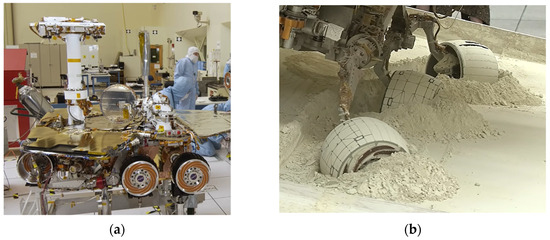
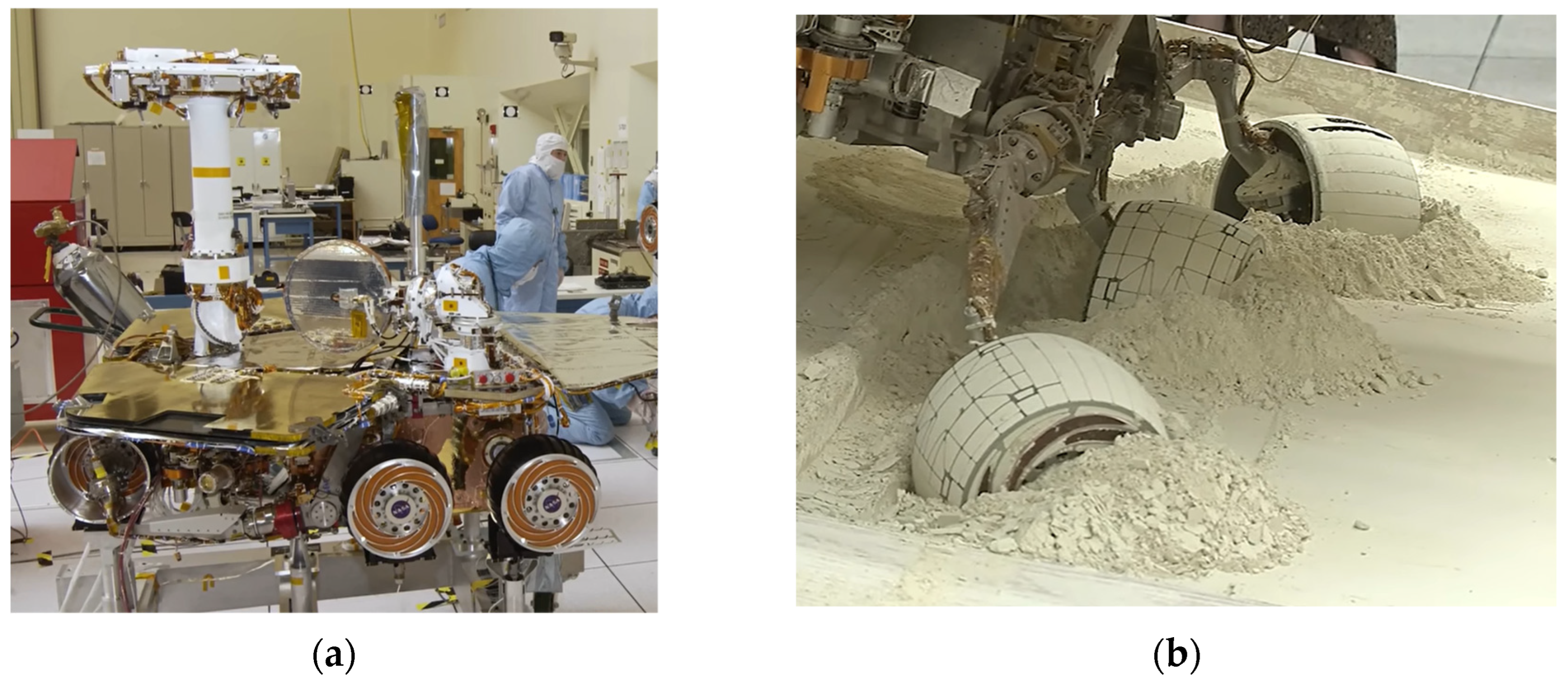
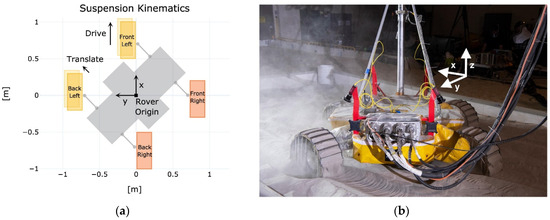
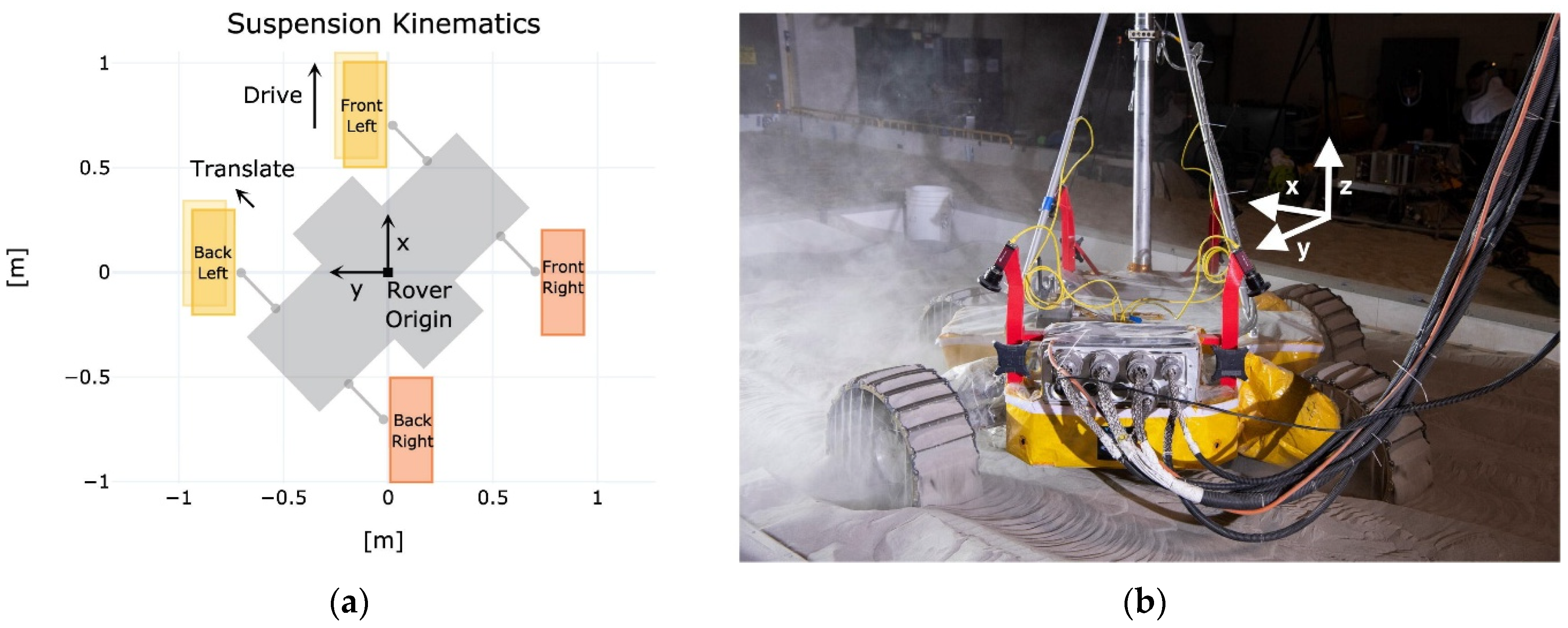
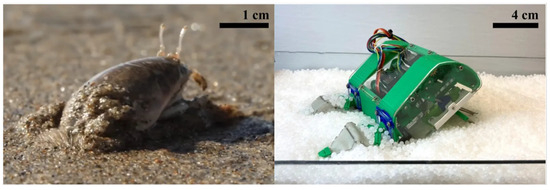
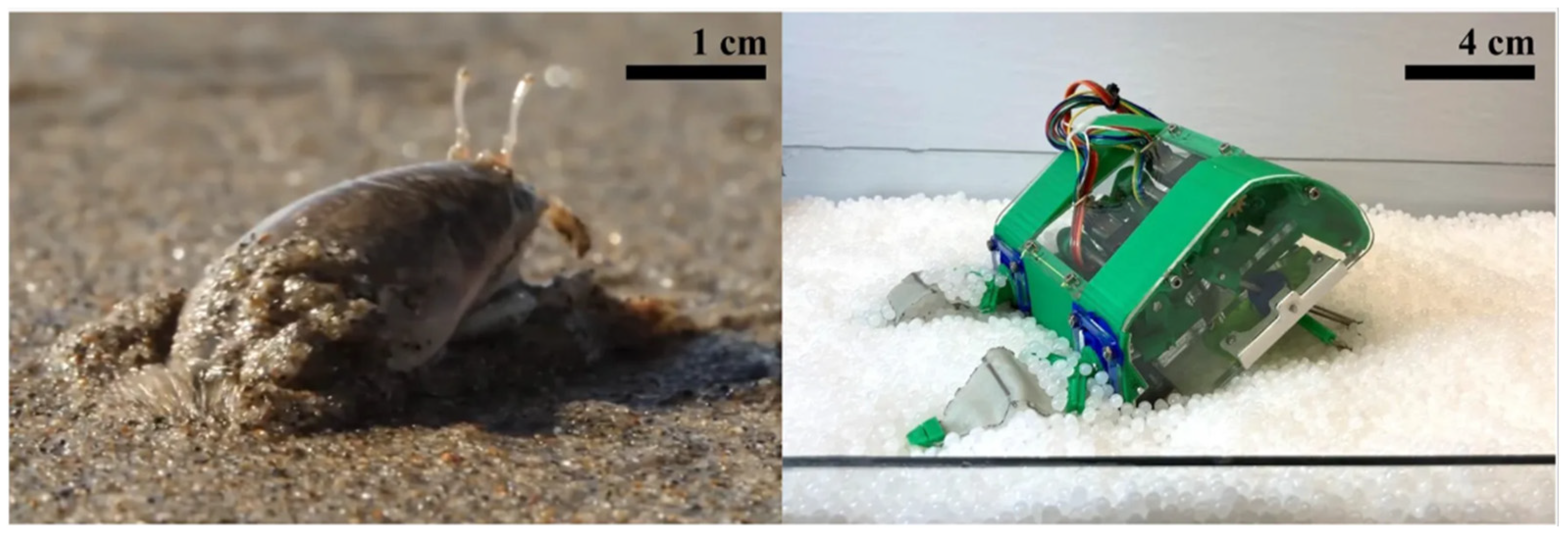
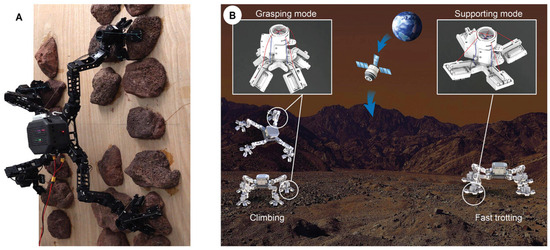
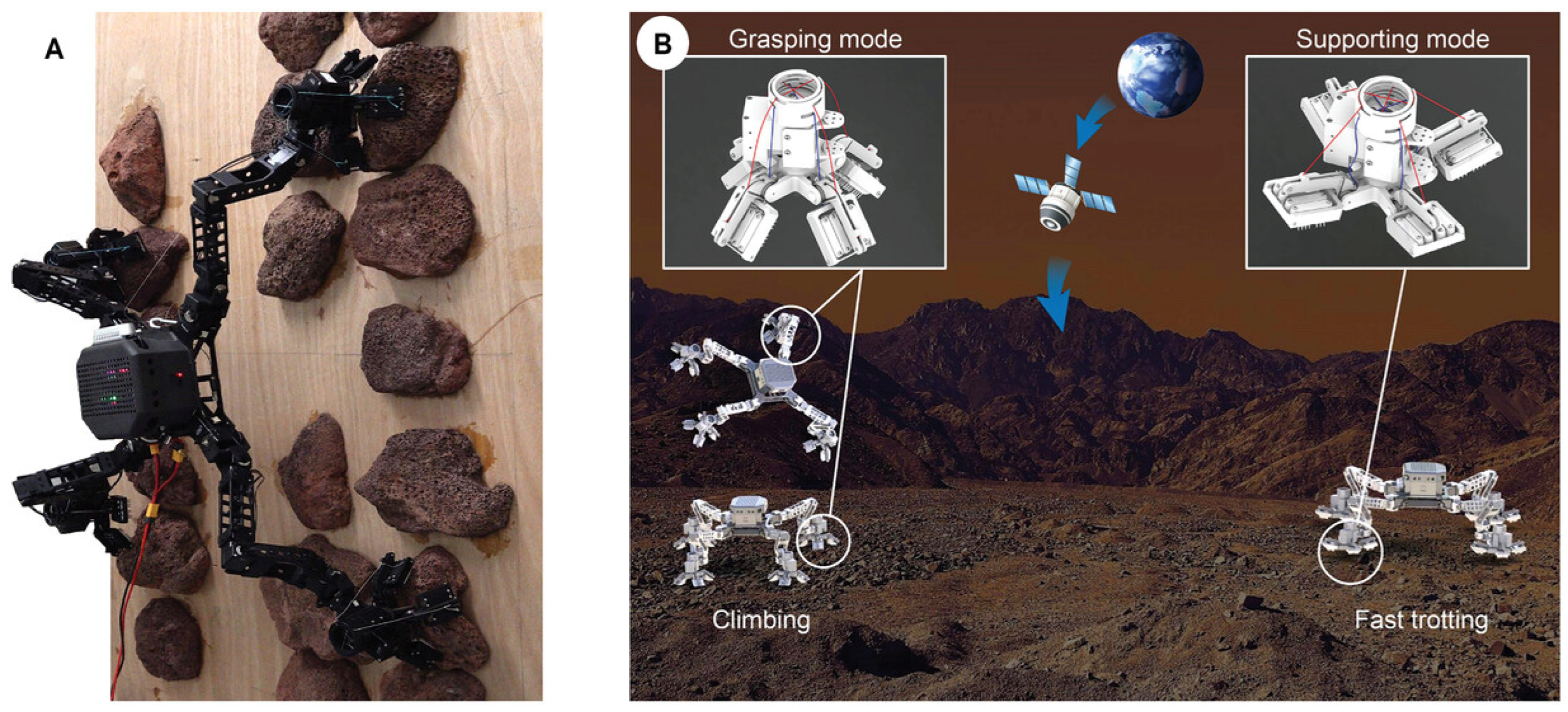
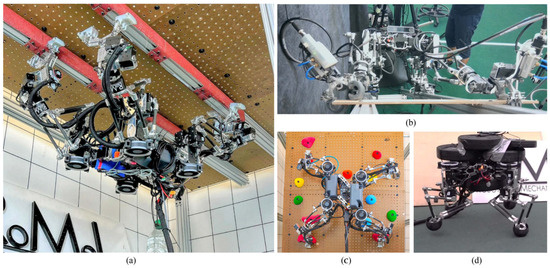
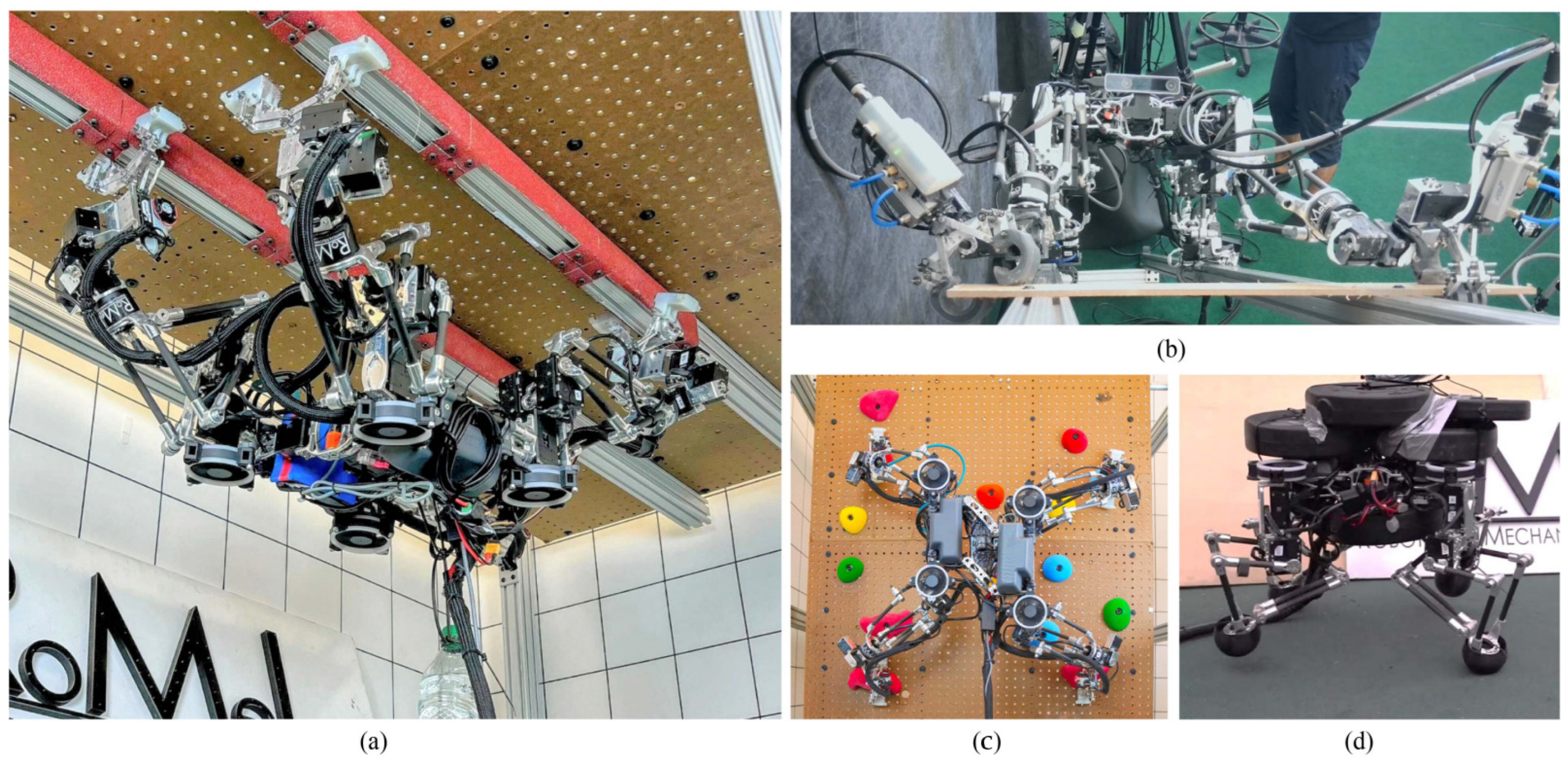
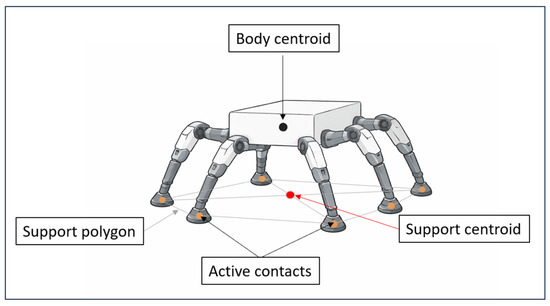
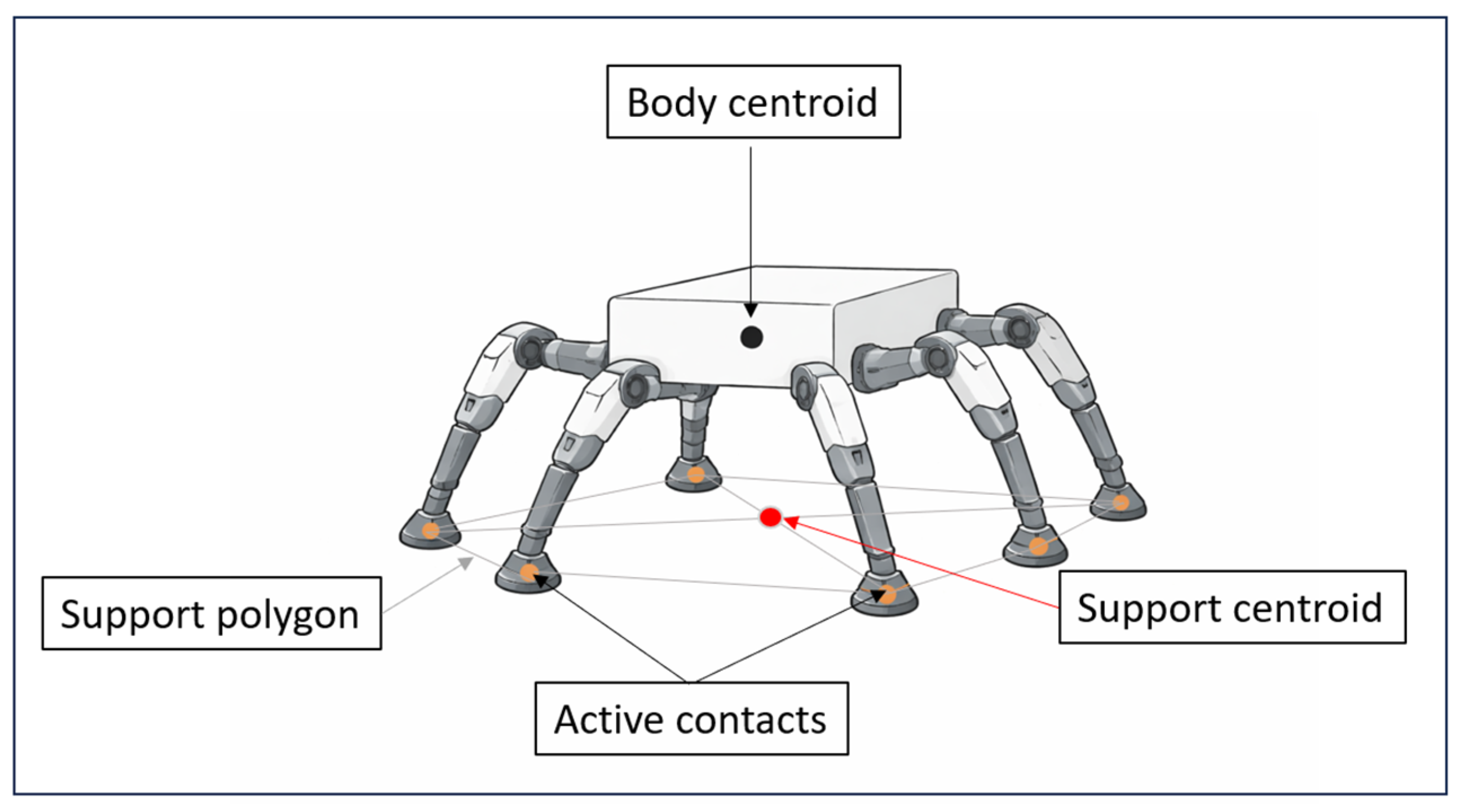
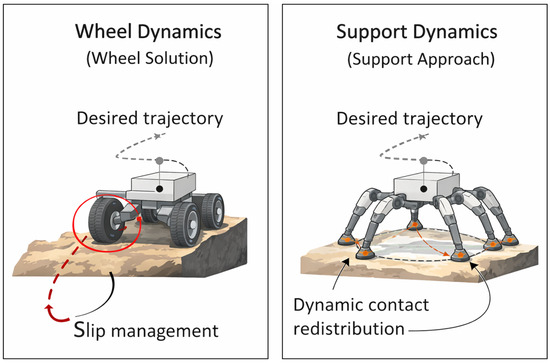
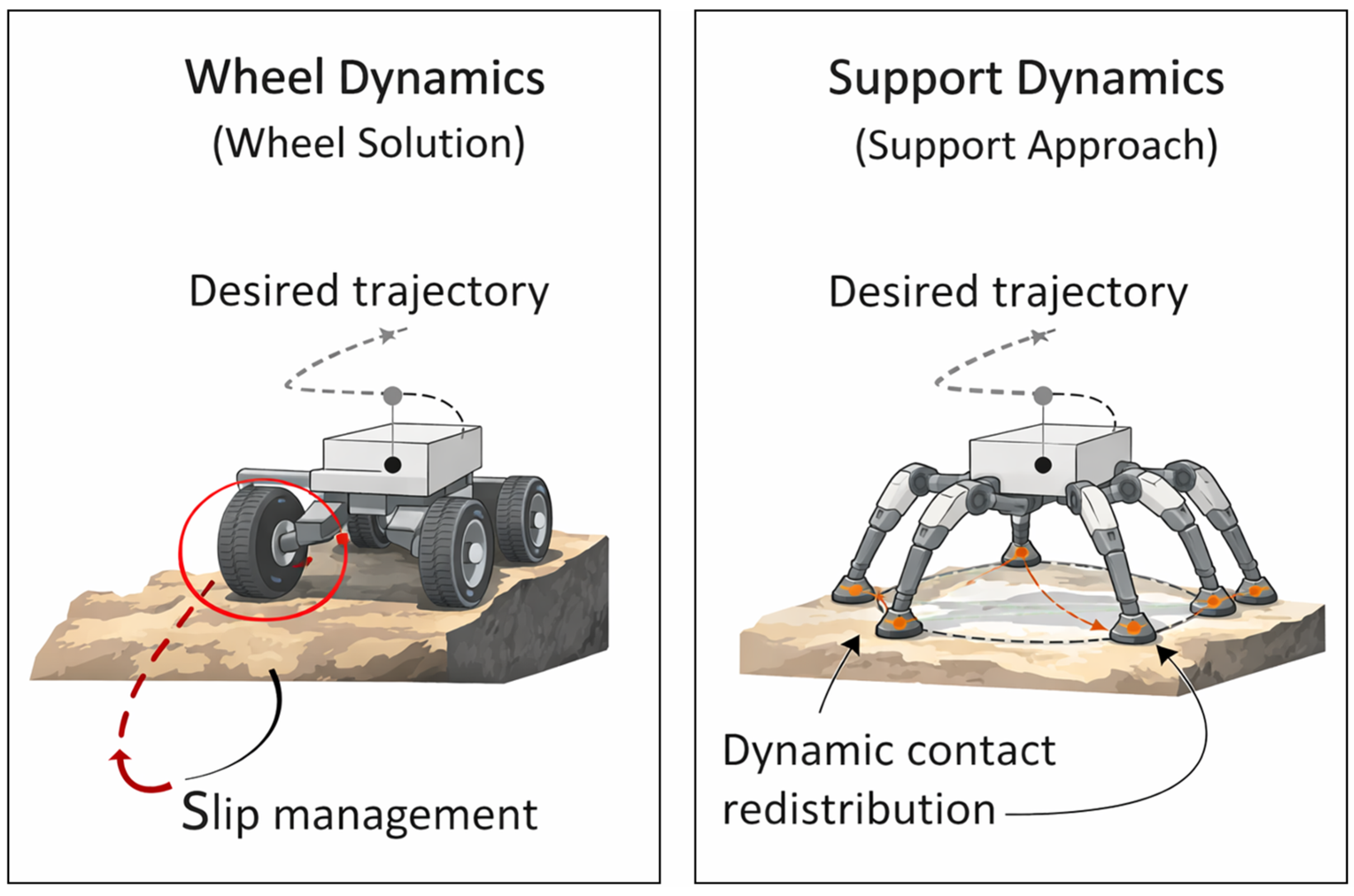
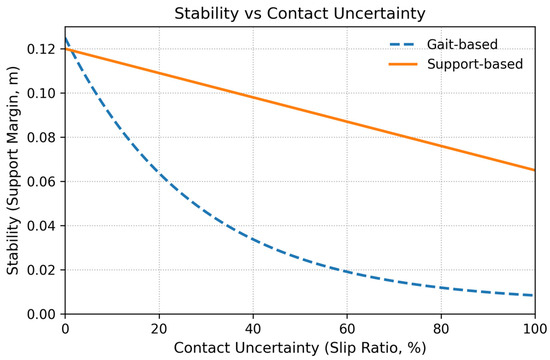
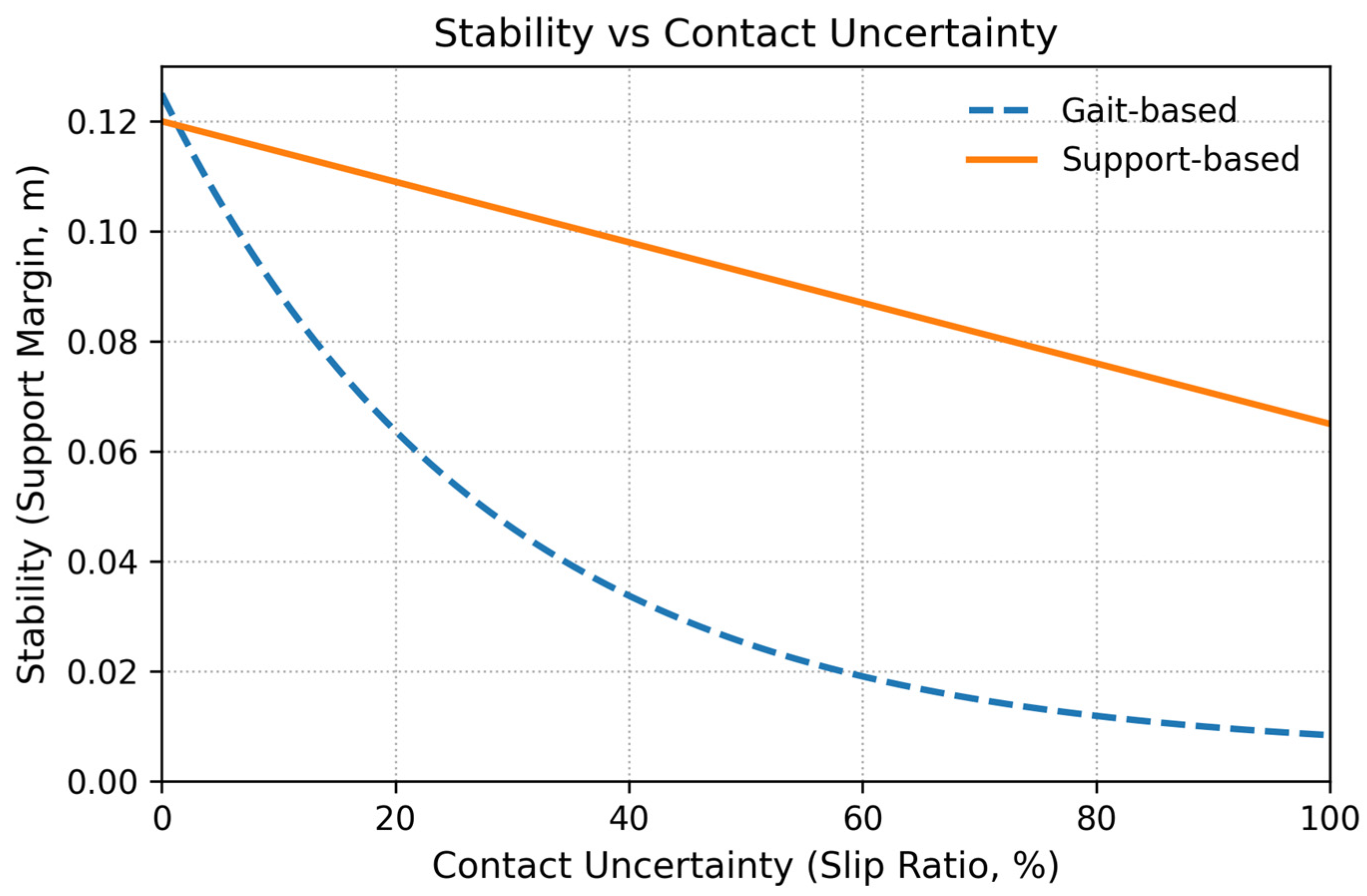
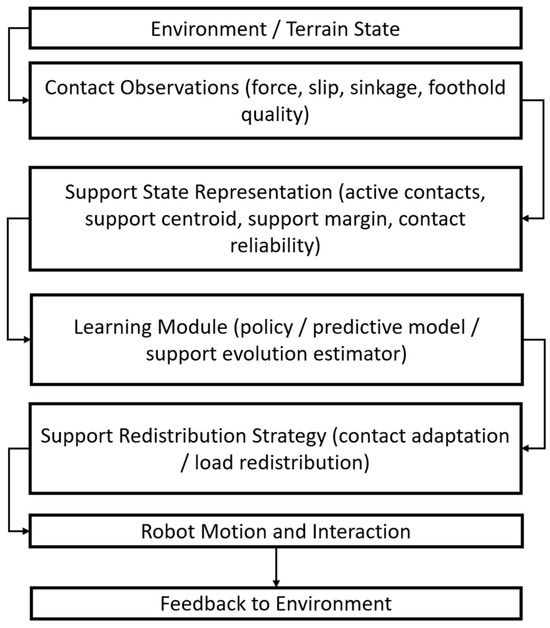
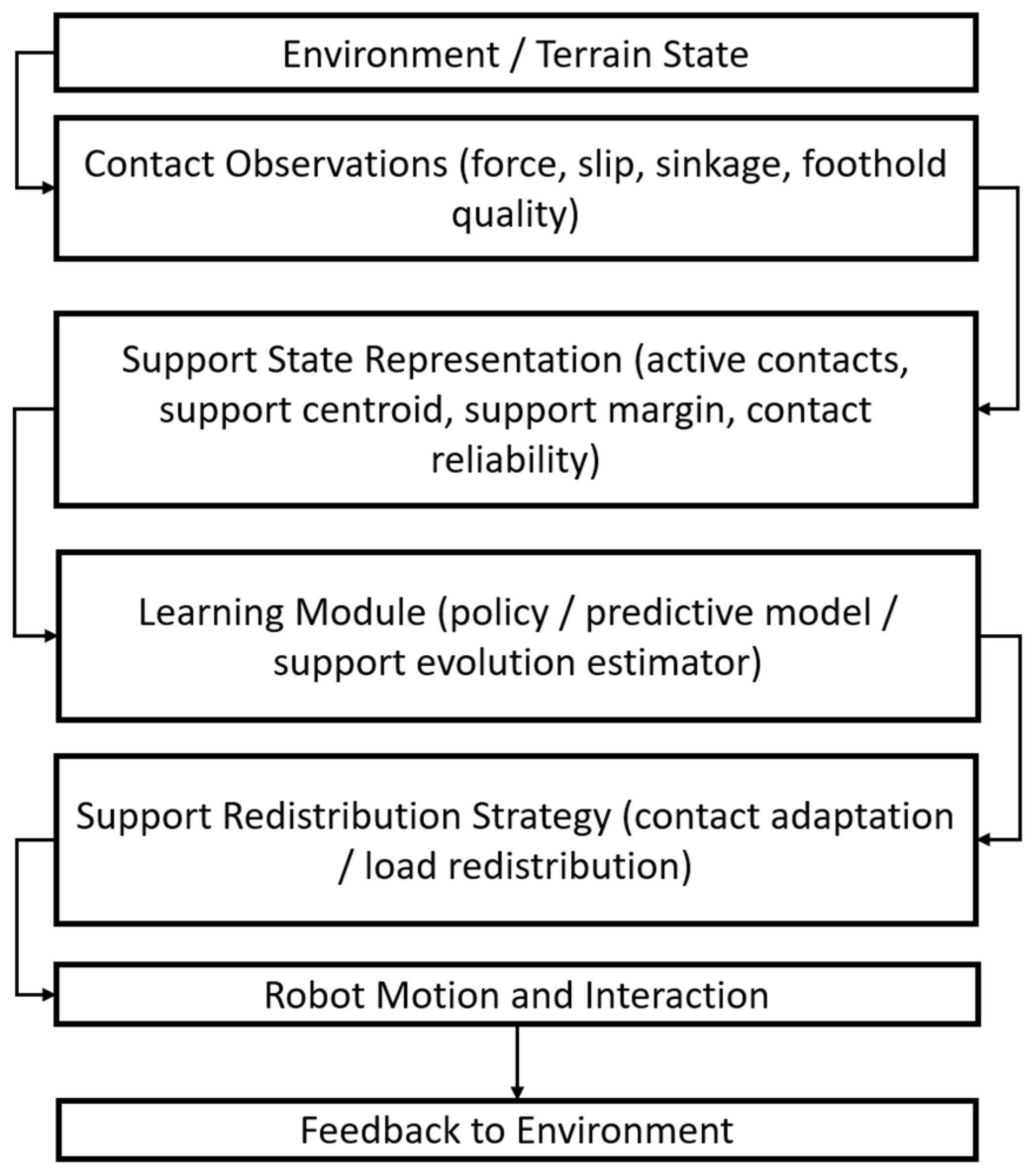
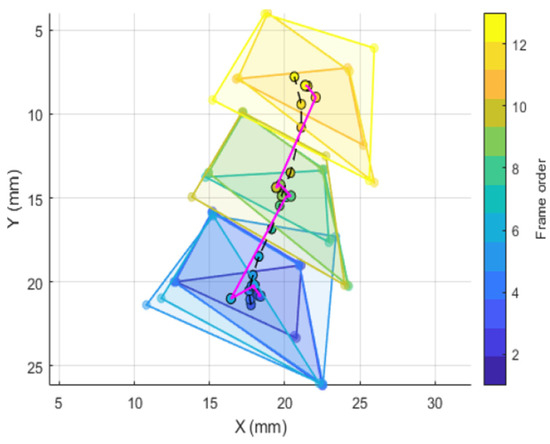
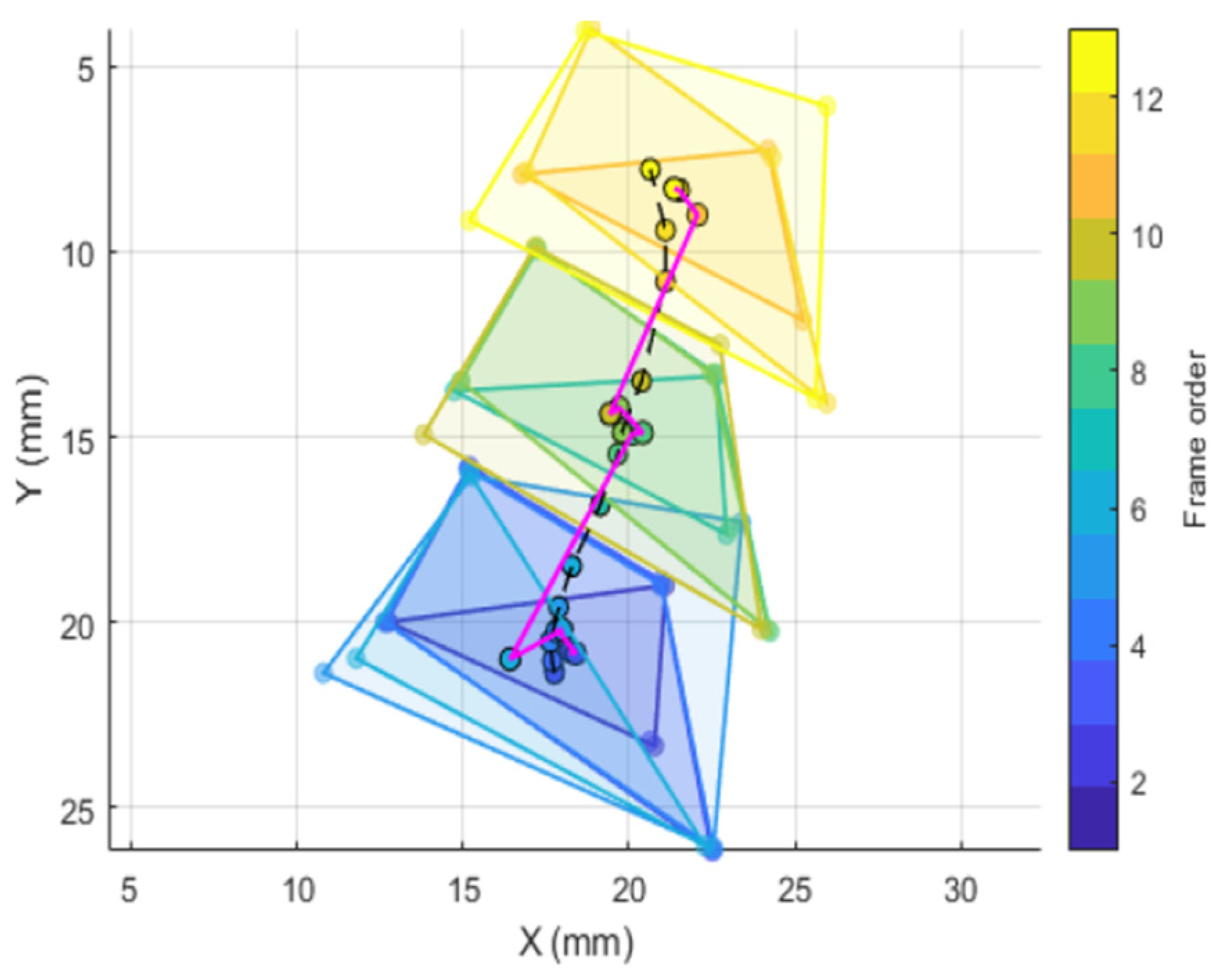
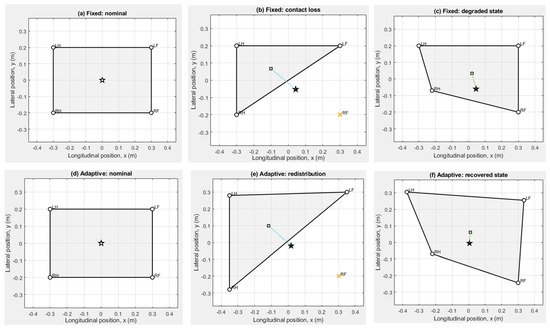
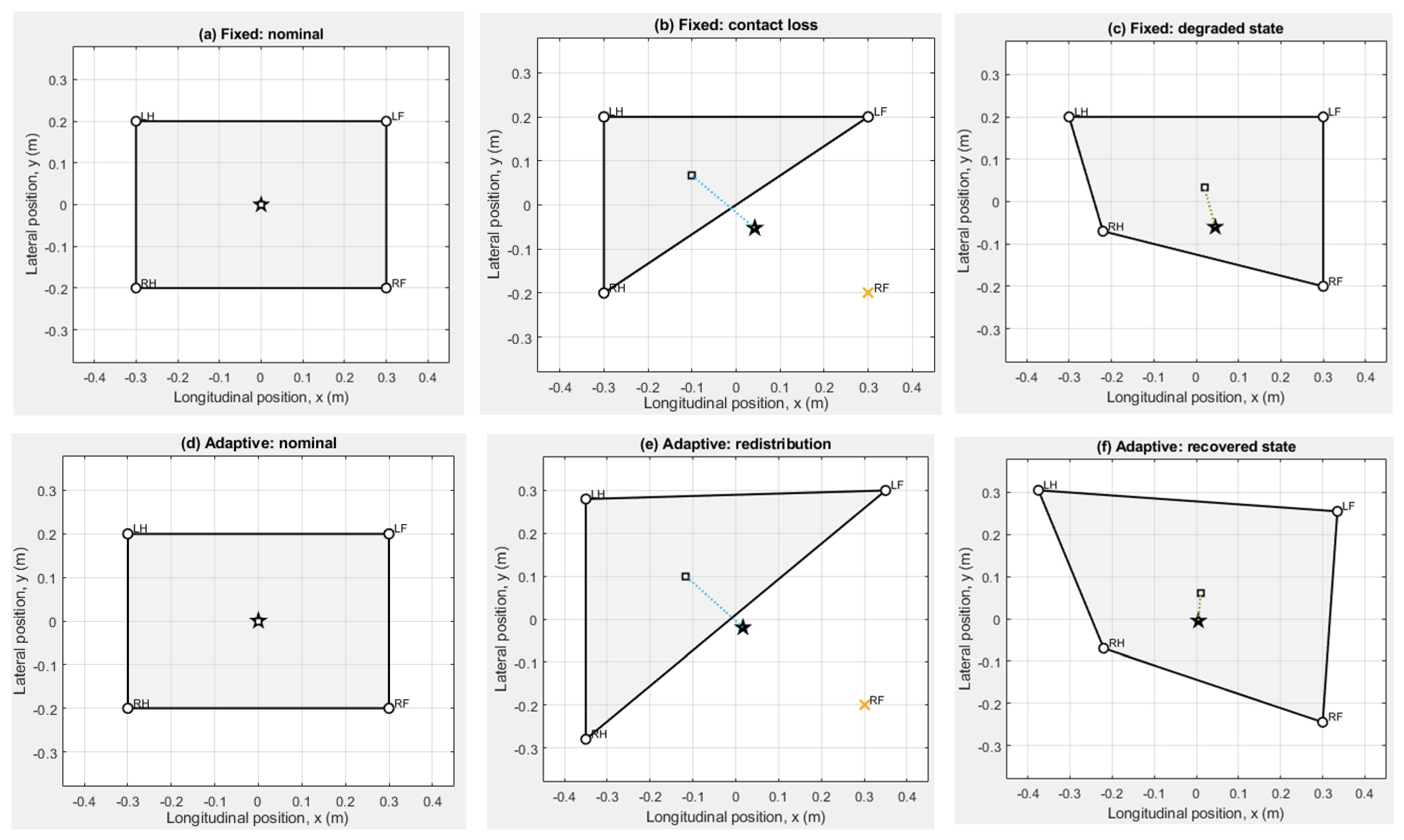
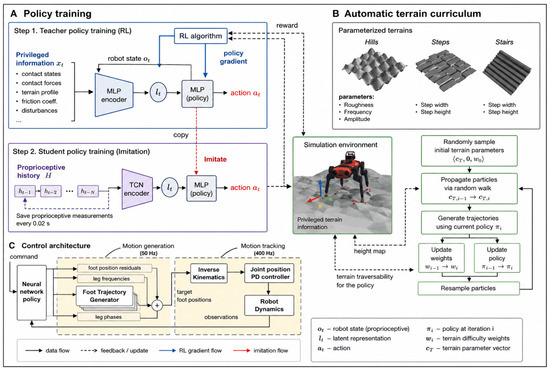
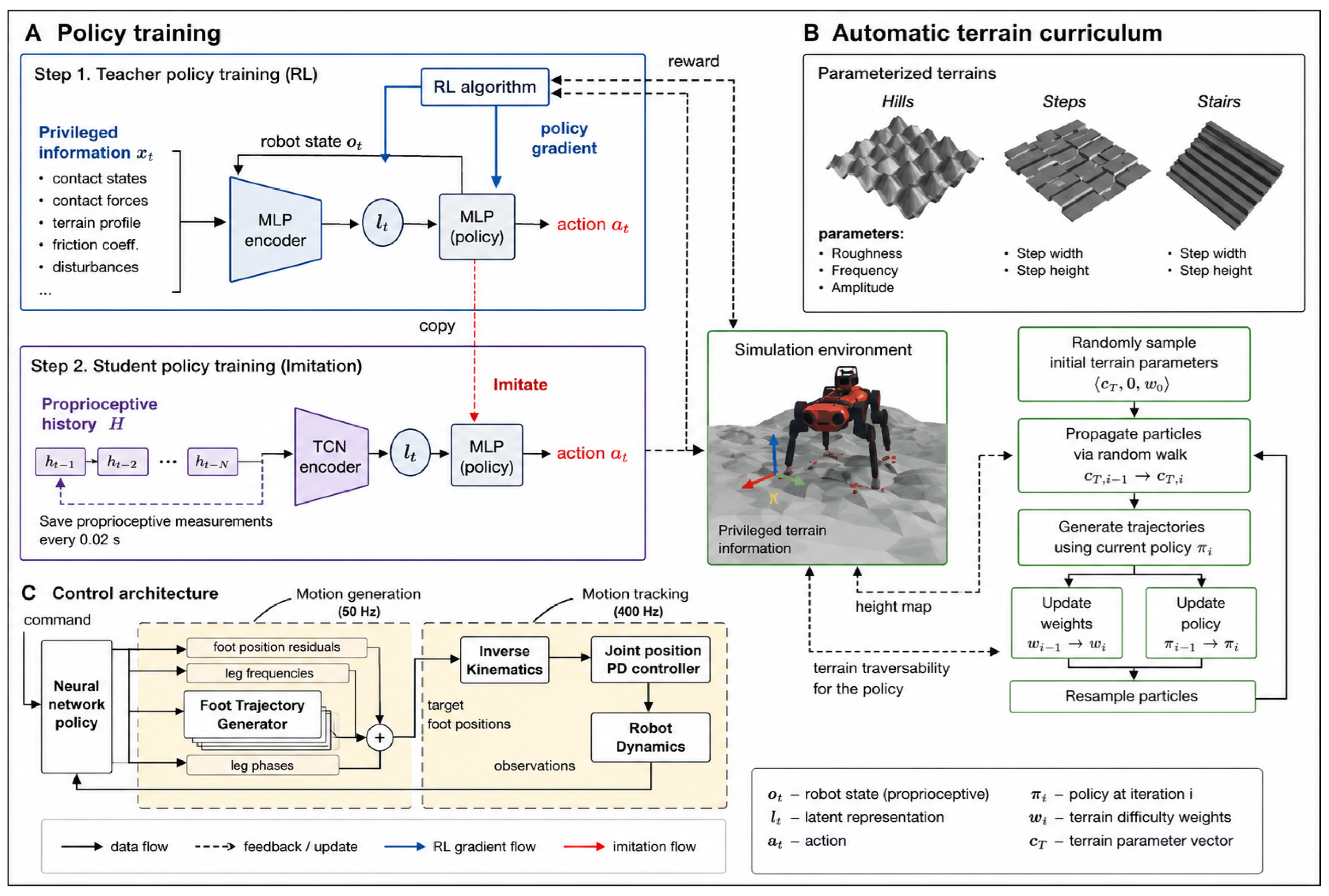
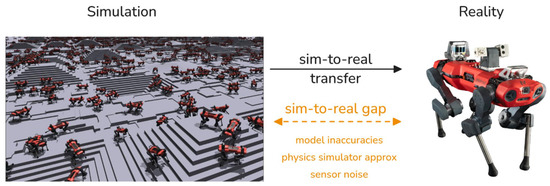
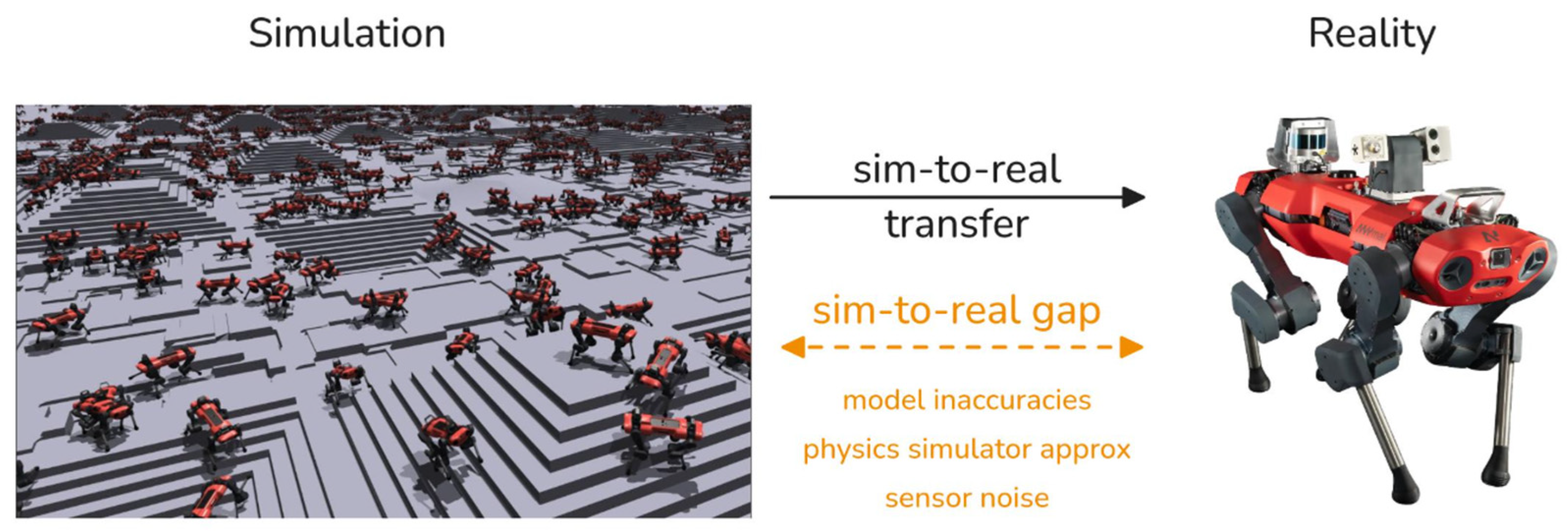

Disclaimer/Publisher’s Note: The statements, opinions and data contained in all publications are solely those of the individual author(s) and contributor(s) and not of MDPI and/or the editor(s). MDPI and/or the editor(s) disclaim responsibility for any injury to people or property resulting from any ideas, methods, instructions or products referred to in the content. |
© 2026 by the authors. Licensee MDPI, Basel, Switzerland. This article is an open access article distributed under the terms and conditions of the Creative Commons Attribution (CC BY) license.