


Abstract
Large language models (LLMs) with the Transformer architecture as the core have made significant progress in the field of natural language processing, and their application value in English teaching has also attracted much attention. In tasks such as text generation, question-answering systems, and translation, the processing capabilities of LLMs have significantly improved. However, existing LLMs have problems such as insufficient coverage of professional knowledge, rough semantic parsing, and weak personalized services. To address the aforementioned issues, this study proposes a dual-path retrieval-enhanced generation scheme that integrates vector databases and intelligent agents, aiming to improve the application of large models in English language teaching. Semantic retrieval of unstructured data in English teaching is realized through vector databases, knowledge is dynamically acquired by combining agents, and the accuracy is improved by using Bloom filters to fuse dual-path retrieval. At the same time, the retrieval efficiency is optimized by an importance-oriented algorithm, and user profiles are constructed based on multi-dimensional data to achieve personalized adaptation. Experiments show that the maximum optimization of the retrieval time of this scheme can reach 26.32%, and the highest retrieval accuracy can reach 86%. The key indicators and scores in tasks such as English knowledge retrieval and question-answering reasoning are better than those of the comparative schemes, providing an effective technical path for intelligent English teaching.
1. Introduction
With the iterative development of artificial intelligence technology, large language models (LLMs) based on the Transformer architecture have demonstrated excellent performance in general natural language processing tasks, significantly enhancing processing capabilities in tasks such as text generation, question-answering systems, and translation. In recent years, addressing industry pain points such as unequal global distribution of English education resources and surging demand for personalized teaching, researchers have attempted to introduce LLMs into English teaching scenarios to build auxiliary systems for intelligent tutoring, automated essay grading, and oral dialogue. However, in these vertical domain applications and complex real-world scenarios, the accuracy and reliability of model outputs still exhibit obvious deficiencies. Users often encounter issues such as the model generating erroneous information, providing overly generalized answers, or failing to meet actual needs when seeking professional knowledge explanations or solving problem-specific domain problems.
For example, in the intelligent composition grading process, the model’s recognition rate for English learners’ unique “negative transfer of mother tongue” errors (such as Chinglish word order and excessive literal translation) is less than 35%, making it difficult to distinguish between reasonable innovative expressions and grammatical violations. In knowledge Q&A scenarios, when a student asks, “How to use ’take’ in English” the model often can only provide the general definition of the word and common collocations due to the lack of specific contextual constraints in the query, unable to give targeted answers combined with specific scenarios such as spoken English, academic writing, or business English that the user may want to understand. In English culture teaching scenarios, the model provides one-sided explanations of implicit knowledge, such as slang metaphors and festival customs in English-speaking countries, and even misinterprets cultures. These issues fundamentally stem from challenges in applying LLMs to the education field, such as insufficient embedding of teaching theories, lack of modeling for individual learning differences, and lagging dynamic knowledge updates, which severely restrict their deep application and promotion in English teaching scenarios [1].
The capability gap of LLMs is generally attributed to three key factors: First, user inputs have problems such as semantic ambiguity and unclear reference, making it difficult for the model to accurately capture real intentions. Second, the pre-training data of the model is difficult to cover the knowledge in all domains, especially in professional fields such as education, healthcare, and law, where there are knowledge gaps. Third, limited by model parameter size, architectural design, and training algorithms, the model has inherent capability bottlenecks in complex reasoning, multi-turn interaction, and dynamic knowledge integration. To address these challenges, researchers have constructed systematic solutions from three dimensions: prompt optimization, Retrieval-Augmented Generation (RAG), and model fine-tuning.
Given the high computational resources and time costs required for large model training and fine-tuning, the current mainstream solutions to improve model answer quality focus on prompt engineering optimization and RAG technology. Traditional RAG technology, when handling massive text retrieval tasks, is limited by the limitations of word vector representation and struggles to capture deep semantic correlations between texts, leading to core issues such as low recall rate, inaccurate semantic understanding, and poor multi-turn interaction coherence. For example, when a teacher searches for teaching materials suitable for improving students’ “critical thinking in argumentative writing”, the system often fails to recognize the semantic relevance between synonyms like “logical argumentation” and “counter-argument analysis” and the target query, erroneously returning basic materials focusing on grammar explanations. When students search for academic writing templates, the system struggles to understand the progressive relationship between “thesis statement construction” and “research question refinement” resulting in the omission of literature containing core methodologies. Such semantic understanding deviations seriously affect the accuracy and effectiveness of English teaching resource retrieval.
To break through this bottleneck, researchers have proposed GraphRAG technology, which systematically combines the structured relationships between information entities and their attributes by constructing knowledge graphs [2,3]. During the retrieval process, GraphRAG uses the adjacency relationships between nodes to achieve deep semantic association, significantly improving retrieval accuracy. However, GraphRAG applications still face significant challenges: On the one hand, constructing a high-quality knowledge graph remains a resource-intensive endeavor. Beyond the basic data cleaning, it involves a pipeline of complex natural language processing tasks, such as named entity recognition, relation extraction, and entity resolution to ensure the graph’s integrity [4]. These processes often require expert-annotated datasets for model fine-tuning and meticulous manual verification to resolve ambiguities within multi-source heterogeneous data, leading to significant overhead in both human labor and temporal costs [5]. On the other hand, as the graph scale expands, the structural complexity of nodes and edges leads to a sharp decline in query efficiency. When processing complex queries that require global context, the system must traverse extensive multi-hop paths to aggregate information, which causes the search space to grow exponentially [6]. This ’path explosion’ not only increases retrieval latency but also imposes a significant burden on computational resources, making it difficult for GraphRAG to maintain real-time responsiveness when dealing with massive, interconnected industrial datasets [7]. The challenge is further intensified in dynamic scenarios; as the graph evolves, knowledge conflicts frequently arise during incremental updates, creating a trade-off between maintaining information consistency and meeting strict real-time requirements [8,9].
To address the above issues, this study proposes a knowledge enhancement scheme integrating vector databases and Agent technology. This scheme achieves efficient storage and contextual semantic retrieval of unstructured data such as English textbooks and teaching cases by building a dedicated vector database. Meanwhile, it forms a dynamic knowledge supplementation mechanism by leveraging the real-time data acquisition and reasoning capabilities of Agents based on the Model Context Protocol (MCP). The innovative introduction of the Bloom filter algorithm intelligently fuses the semantic retrieval path and keyword retrieval path, effectively improving the accuracy of knowledge retrieval. At the system optimization level, an importance-oriented retrieval optimization algorithm is proposed to significantly enhance retrieval efficiency by dynamically adjusting vector data storage and retrieval strategies. Additionally, a refined user profile model is constructed based on multi-dimensional data such as learners’ learning behaviors, knowledge mastery, and cognitive styles to achieve full-process personalized adaptation from learning need analysis to teaching content recommendation. Experimental results show that this scheme achieves a maximum optimization of retrieval time by 26.32% and a highest retrieval accuracy of 86%. Its key indicators and scores in tasks such as English knowledge retrieval and question-answering reasoning outperform comparative schemes, providing a technically practical solution for the upgrading of intelligent English teaching systems. The contributions of this paper are as follows:
- A collaborative architecture of “vector database + Agent” is proposed, giving full play to the flexible update characteristics of vector databases and the dynamic reasoning advantages of Agents to achieve the organic integration of unstructured text semantic retrieval and structured knowledge reasoning. By introducing Bloom filters to efficiently fuse dual-path retrieval results, the accuracy and comprehensiveness of retrieval results are effectively improved, significantly optimizing the response quality of LLMs and enhancing deep knowledge retrieval capabilities.
- An importance-oriented retrieval optimization algorithm is proposed, which dynamically adjusts vector data storage structures and retrieval priorities by analyzing indicators such as data usage frequency and problem relevance. This algorithm effectively improves retrieval efficiency, reduces redundant data processing, and provides technical support for efficient knowledge retrieval in English teaching scenarios.
- A personalized learning adaptation system is constructed, and a refined user profile model is built based on learners’ multi-dimensional data. By deeply mining users’ personalized characteristics such as learning habits, knowledge levels, and cognitive styles, they are integrated into the interaction logic of LLMs to achieve dynamic adaptation of English learning auxiliary services.
2. Preliminaries
2.1. Retrieval-Augmented Generation
The RAG (Retrieval-Augmented Generation) technology was first proposed in 2020 [10], with its core value lying in enabling large models to adapt to private user data without any model training. Unlike traditional methods of fine-tuning models with user privacy data, RAG retrieves relevant information from one or more external knowledge sources, allowing data to be flexibly stored and accessed in knowledge sources and effectively avoiding complex model training processes. Figure 1 shows a basic operational example of RAG technology.
Figure 1.
Example of RAG Technology Workflow.
With the rapid development of LLMs, the phenomenon of “hallucinations” in model-generated text has attracted widespread attention. Ji et al. [11] subdivided large model hallucinations into two categories: factual hallucinations and faithfulness hallucinations. The former refers to content where the model’s output contradicts real-world facts or is misleading, including information errors and factual fabrications. The latter focuses on the consistency between the model’s output and user instructions, including inconsistencies at the instruction and contextual levels. To address this challenge, RAG technology has been successfully applied to LLM systems. By guiding models to obtain accurate information from trusted knowledge sources, it avoids generating content based on vague memories or incorrect associations, providing a factual basis for model outputs and significantly reducing the probability of hallucinations. The development history of RAG technology shows a trend of evolution from basic architectures to complex applications, with specific development stages as follows:
- Naive RAG: As the basic implementation form of RAG systems, it uses a single full-text retrieval or vector retrieval strategy, directly extracting documents related to the query from document collections to enhance LLM generation capabilities. However, full-text retrieval highly depends on lexical matching and struggles to capture semantic correlations between queries and documents, while vector retrieval is limited by indirect matching mechanisms, resulting in insufficient semantic understanding efficiency.
- Advanced RAG: Based on Naive RAG, it carries out systematic optimizations at three key stages: pre-retrieval, during-retrieval, and post-retrieval. Before retrieval, it improves document quality and optimizes index structures and information; during retrieval, it refines semantic vectors; after retrieval, it enhances the logical relevance between retrieved documents [12].
- Modular RAG: Innovatively decomposes the retrieval and generation processes into independent reusable components to achieve domain-specific optimization and task adaptation. Through modular design, it reconstructs functions such as retrieval, storage, and routing, supporting flexible adjustment of module combinations according to actual application scenarios [13].
- Graph RAG: Introduces graph structures to expand traditional RAG systems. By leveraging the relational networks and hierarchical features of graphs, it significantly enhances the model’s multi-hop reasoning capabilities and contextual understanding depth [2].
- Agentic RAG: Integrates LLM-based agents, utilizing their dynamic decision-making and tool invocation capabilities to effectively address complex, real-time, and multi-domain query needs. With the powerful tool invocation interfaces of LLMs, Agentic RAG can integrate multiple API tools such as search engines and calculators, greatly expanding the diversity and functionality of retrieval aids [14].
2.2. MCP
As an open standard proposed by Anthropic, the MCP aims to systematically address the “data silos” dilemma faced by LLMs in data access processes, achieving seamless integration of LLMs with external data sources and tools through standardized interfaces. Its emergence is closely tied to the development of function-calling mechanisms in the LLM field: since the rise in LLM technology, OpenAI first introduced the Function Calling mechanism, empowering language models to invoke external functions or services during content generation, which effectively broke through the functional boundaries of models. This innovative design has attracted widespread industry attention, with many large model developers drawing on this concept to successively launch function calling capabilities adapted to their own architectures [15]. In practical applications, the function calling mechanism enables LLMs to connect with diverse external resources such as external web search engines, weather query systems, and multimedia generation services [16]. Some studies have even attempted to alleviate the uneven knowledge distribution problem in LLMs through this mechanism [17], demonstrating strong expansion potential.
However, the function calling mechanism has gradually revealed limitations of insufficient standardization in large-scale applications. Although the underlying logic of function calling adopted by various model providers shares commonalities, significant differences exist in specific implementation aspects such as interface design, parameter passing, and response formats, leading to compatibility barriers when integrating different models with external tools. This fragmented landscape not only increases system development and maintenance costs but also restricts cross-platform data interaction efficiency. To establish unified communication specifications, the MCP protocol was born [18], achieving interoperability between different models and external services through standardized interface protocols. Figure 2 visually compares the core differences between the MCP protocol and traditional function calling mechanisms in data interaction processes and interface specifications, highlighting the critical role of MCP in promoting the standardization of the language model ecosystem.
Figure 2.
Comparison of MCP and Function Calling.
The MCP protocol provides developers with a unified and standardized access paradigm by rigorously defining the rules for exchanging contextual information between applications and AI models. This standardization mechanism allows various data sources, tools, and functions to be integrated into LLMs following the same specifications, similar to how the USB-C interface establishes a universal connection standard for different devices, significantly reducing the complexity of system integration. The core value of the MCP protocol lies in building a universal standardized framework that effectively reduces technical redundancy and resource consumption in the development process through unified AI application development and integration workflows, optimizing both development costs and complexity.
From a technical architecture perspective, the MCP protocol adopts a classic client-server architecture model. MCP hosts, represented by Claude Desktop, act as clients responsible for proactively initiating interaction requests with external resources and undertaking connection scheduling and task distribution functions. MCP servers exist as lightweight services, with each server instance focusing on specific resources or functional modules to provide specialized service delivery. In data communication, the MCP protocol preferentially uses industry-recognized standard communication protocols such as JSON-RPC or gRPC, ensuring the efficiency and stability of data interaction through mature serialization and transmission mechanisms. With the continuous iteration of artificial intelligence technology, the MCP protocol is poised to become a core communication standard connecting LLMs with external data resources, and it will continue to deepen technological innovation and mechanism improvement in key areas such as data security and privacy protection [19], thereby promoting the collaborative development and standardization of the AI ecosystem.
3. Related Work
3.1. RAG
In recent years, Retrieval-Augmented Generation (RAG) technology has become a research hotspot in the field of artificial intelligence, demonstrating strong application potential in industries such as healthcare and finance. Zhang et al. [20] proposed LogRAG, a semi-supervised log anomaly detection framework based on RAG, which reduces the impact of parsing errors through phased log tagging and templating, models normal system behavior using one-class classifiers to avoid sequence instability, and employs RAG-enhanced LLMs to re-evaluate abnormal logs. Darji et al. [21] used RAG technology combined with different LLMs for financial risk analysis. Zhang et al. [22] proposed a retrieval-augmented LLM framework that addresses the sparsity of financial text data and semantic gaps through an instruction fine-tuning module and an external information retrieval module. Louis et al. [23] introduced LLeQA, the first French legal question-answering dataset, which achieves precise parsing of long legal texts using a RAG framework. While these studies validate the effectiveness of RAG in diverse domains, they commonly suffer from insufficient domain generalization capabilities, neither fully testing cross-system/cross-language adaptability nor considering dynamic data update scenarios.
Bai et al. [24] constructed a “full-context” verification mechanism by extracting key claims from news using LLMs and fusing RAG technology. Chauhan et al. [25] built a RAG system with LLaMA 2 13b and the llamaindex framework, generating game-specific evaluations from reviews via top-k semantic retrieval. Yu et al. [26] applied RAG to Visual Spatial Description (VSD) tasks, optimizing multimodal LLMs with an adaptive hallucination corrector. Saleh et al. [27] proposed Subgraph Retrieval-Augmented Generation (SG-RAG), enabling multi-hop QA through structured knowledge graph queries. However, these studies all suffer from inadequate coverage of long-tail data and over-reliance on structured knowledge sources, limiting their ability to process unstructured or dynamically updated information.
Xu et al. [28] used GPT-4 with RAG in breast cancer care counseling, significantly improving answer accuracy and satisfaction without compromising empathy, offering new insights for clinical nursing applications. Zhu et al. [29] proposed the REALM framework, integrating multimodal EHR data (clinical text and time series) with the PrimeKG knowledge graph via RAG, extracting medical entities with LLMs to match professional knowledge, and incorporating an adaptive multimodal fusion network. Wu et al. [3] developed MedGraphRAG, a medical graph retrieval-augmented framework, which performed excellently on multiple medical QA benchmarks. Miao et al. [30] created a RAG-based ChatGPT-4 system for nephrology, effectively addressing hallucinations in healthcare by integrating authoritative knowledge bases like the KDIGO 2023 clinical guidelines. Zhou et al. [31] developed ClinicalRAG, an automated drug label quality inspection system, achieving cross-validation of key information in package inserts through hierarchical RAG. While these studies enhance medical QA accuracy, they generally suffer from insufficient multimodal data fusion and lagging clinical knowledge updates.
Danuarta et al. [32] developed an educational chatbot based on RAG architecture, significantly improving answer accuracy and safety by integrating Indonesian primary school physical education e-book data. Roychowdhury et al. [33] proposed an enterprise-grade extreme-speed RAG architecture, achieving data validation, query routing, and intelligent retrieval through multi-LLM collaboration.
Although these studies enhance QA performance in specific domains, none fully consider adaptability to cross-lingual or interdisciplinary scenarios.
3.2. LLM Agents
Wang et al. [34] proposed the VideoAgent intelligent agent system, which employs an LLM-led iterative reasoning mechanism to achieve state-of-the-art (SOTA) performance in long-video understanding using only 8 frames. Wang et al. [35] pioneered an LLM-based agent framework that generates personalized mobility behaviors consistent with real urban activity data through self-consistent alignment and retrieval-enhanced strategies. Park et al. [36] introduced a generative agent architecture that extends LLMs to enable credible simulation of human behaviors, including memory storage, reflective induction, and dynamic retrieval. This framework successfully replicated complex social behaviors such as Valentine’s Day party planning in a simulated sandbox environment. Xie et al. [37] systematically validated the ability of LLM agents to simulate human trust behaviors through trust game experiments. They found that GPT-4 agents not only exhibited trust behavior patterns highly consistent with humans but also revealed sensitivity to external interventions and reasoning strategies.
Zhang et al. [38] proposed the Chain-of-Agents framework for processing long-text tasks through multi-agent collaboration. Hu et al. [39] introduced the AgentGen framework, which automatically generates diverse environments and progressive planning tasks via LLMs. Li et al. [40] developed the FactAgent framework, decomposing news authenticity verification into multi-step subtasks through modular workflows, allowing LLMs to simulate human expert verification processes without training. Zhu et al. [41] presented the AutoTQA framework for cross-system table question answering via multi-agent collaboration. Qian et al. [42] proposed the MacNet framework, achieving collaboration among thousands of agents through directed acyclic graphs. They discovered a law of collaborative emergence where performance grows logarithmically with the number of agents, breaking through traditional neural emergence limitations. Zhang et al. [43] developed the ProAgent framework, leveraging LLMs for dynamic agent collaboration to achieve a 10% performance improvement in the Overcooked-AI task, offering a new solution for zero-shot collaboration.
Meanwhile, Rasheed et al. [44] proposed an LLM-based intelligent analysis framework that significantly enhances the efficiency of qualitative software engineering research through automated large-scale data processing. Feng et al. [45] introduced an LLM agent reinforcement learning framework to coordinate human–machine collaboration via human strategy models. Jiang et al. [46] developed the CommLLM multi-agent framework, enhancing LLMs’ reasoning capabilities in 6G network optimization through a four-stage collaboration mechanism, with semantic communication verifying its effectiveness. Yang et al. [47] proposed the LLM Agent-CK multi-agent framework, utilizing LLMs’ generalization abilities to automatically evaluate teachers’ mathematical content knowledge without labeling. Yue et al. [48] introduced the ClinicalAgent system, combining GPT-4 with a multi-agent architecture to significantly improve clinical trial prediction performance.
4. System Model
This section provides a detailed introduction to the dual-path knowledge enhancement scheme. To reduce LLM hallucinations and improve the responsiveness of LLMs in English teaching scenarios, an adaptive dual-path RAG solution combining vector databases and Agents is proposed. Semantic retrieval of unstructured data in English teaching is achieved through vector databases, while dynamic knowledge acquisition is enabled by Agents. Bloom filters are used to fuse dual-path retrieval results and improve accuracy. Meanwhile, an importance-oriented algorithm optimizes retrieval efficiency, and a refined user profile model is constructed based on learners’ multi-dimensional data to enhance the adaptability of teaching services. The system model of this scheme is shown in Figure 3.
Figure 3.
Architecture Diagram of the Dual-Path Adaptive RAG Scheme.
4.1. Overall Workflow of the Dual-Path Adaptive RAG Scheme
The dual-path adaptive RAG scheme proposed in this study takes the collaborative architecture of vector database + Agent as its core. To address the issues of insufficient coverage of professional knowledge, rough semantic parsing, and weak personalized services of large language models in English teaching scenarios, it integrates a semantic-driven knowledge filtering mechanism based on a Bloom filter, an importance-oriented retrieval optimization algorithm, and a KAN-based multi-dimensional user profiling model. The entire scheme is constructed around three core objectives: efficient retrieval, dynamic enhancement, and adaptive fusion, forming a closed-loop knowledge service link for English teaching from the input of users’ English teaching-related queries to the output of personalized teaching results. Combined with Figure 3, the overall workflow of the scheme starts with query input and preprocessing: the system first performs standardized preprocessing on the unstructured natural language query texts input by users (e.g., grammar consultation, literary interpretation, writing guidance) through tokenization, denoising, semantic completion, and feature extraction, converting them into structured feature representations recognizable by the embedding model, vector database, and Agent, which lays a solid data foundation for subsequent knowledge retrieval and semantic reasoning.
The preprocessed query features are simultaneously sent to the semantic retrieval path of the vector database and the dynamic knowledge retrieval path of the Agent to realize dual-path parallel knowledge retrieval, which is the core retrieval link of this scheme. Specifically, relying on the importance-oriented retrieval optimization algorithm proposed in this study, the vector database first converts the preprocessed query features into high-dimensional semantic vectors via the embedding model, then calculates the cosine similarity between such query vectors and the English teaching knowledge vectors stored in the database, these vectors cover English textbook texts, academic literature, teaching cases, grammar knowledge bases, and other resources. It prioritizes the retrieval of vector data with high importance scores, quickly locates static knowledge fragments highly relevant to the query, and outputs Retrieval Result 1, thus achieving efficient and accurate retrieval of structured knowledge. In contrast, the Agent achieves seamless connection with external data sources based on the MCP, and dynamically acquires real-time teaching data, professional in-depth knowledge, cross-cultural dynamic information, and personalized learning data not covered by the vector database through three core components: structured data parsing, real-time data acquisition, and learning resource lifecycle management. Meanwhile, it completes the verification, screening, and structured processing of externally acquired knowledge, and finally outputs Retrieval Result 2 to realize real-time enhancement and supplementation of dynamic knowledge. The two paths perform their respective functions and complement each other, jointly ensuring the comprehensiveness and accuracy of knowledge retrieval.
Subsequently, the dual-path retrieval results from the vector database and the Agent are synchronously sent to the semantic-driven knowledge filter based on a Bloom filter. This module quickly identifies and filters duplicate and semantically similar content in the two sets of results through the multi-hash function mapping mechanism of the Bloom filter, ultimately obtaining a fused high-quality and non-redundant knowledge set, which provides accurate and comprehensive knowledge support for the subsequent generation of large language models.
The fused non-redundant knowledge set is deeply integrated with the KAN-based multi-dimensional user profiling model constructed by the system to realize personalized adaptation of teaching knowledge. Based on multi-dimensional data of learners (e.g., learning behaviors, knowledge mastery, cognitive styles, English scores, and autonomous learning duration), this model classifies learners into three typical groups: the self-disciplined and efficient type, the passive learning type, and the learning-difficult type. According to the learning characteristics and actual needs of different groups, it conducts content screening, difficulty adjustment, and presentation form optimization on the knowledge set: it simplifies knowledge explanations and supplements typical examples for learning-difficult learners with weak foundations, and provides in-depth, extended content and interdisciplinary related knowledge for advanced, self-disciplined and efficient learners. This makes the knowledge output adapt to the personalized teaching needs of different learners and achieve the adaptive goal of teaching students in accordance with their aptitude. The knowledge set after personalized adaptation is converted into standardized prompts for large language models and sent to the semantic-driven large language model generation module. Based on the fused personalized knowledge set, the model strictly follows the professional requirements and disciplinary norms of English teaching to complete the generation, optimization, and polishing of teaching content, and finally outputs teaching results with accurate grammar, coherent logic, professional content, and alignment with users’ personalized needs, thus completing the entire workflow of the dual-path adaptive RAG scheme.
Overall, each core module of the scheme performs its own duties and collaborates closely in the workflow: the vector database realizes the efficient retrieval of static structured knowledge, the Agent achieves the supplementary enhancement of dynamic real-time knowledge, the semantic-driven knowledge filter ensures the accuracy and conciseness of retrieval results, and the multi-dimensional user profiling model realizes the personalized adaptation of teaching services. Finally, the semantic-driven large language model completes the generation of teaching content, which comprehensively improves the application effect of large language models in English teaching scenarios, effectively reduces the probability of model hallucinations, and significantly enhances the response quality and personalized service capability of the model in English teaching scenarios.
4.2. Vector Database and Importance-Oriented Retrieval Optimization Algorithm
The vector database assumes a critical role in data storage and retrieval. The data vectors it stores originate from deeply processed and transformed knowledge bases, comprehensively covering various information in English teaching verticals, including textbook texts, academic literature, and teaching cases. By integrating with RAG technology, the vector database assists large models in answering user questions more accurately. In practical applications of the vector database, the workflow primarily comprises three closely linked phases: text segmentation, embedding generation, and knowledge retrieval. During text segmentation, the original English teaching text T is granulated based on semantic relevance and text length, and a sliding window algorithm is used to split long texts into fixed-length l text blocks . The calculation process for the number of text blocks n is shown in Equation (1):
In the embedding generation phase, DashScop’s text-embedding-v2 architecture is used as the embedding model to vectorize the segmented text blocks. The specific process is as follows: let the set of text blocks after segmentation be , where represents the i-th text block and n is the total number of text blocks. text-embedding-v2 can be abstracted as a function mapping , which converts natural language text into a d-dimensional real vector . The formula for generating the embedding vector of a single text block is:
This model is constructed based on the Transformer architecture and achieves semantic feature extraction through the collaborative operation of multi-head self-attention mechanisms and feedforward neural networks. The input text block is first tokenized into a sequence of tokens (m is the number of tokens), and each token is mapped to a word embedding vector via the embedding layer.
In the multi-head self-attention mechanism, for the h-th attention head, the word embedding vector generates query vectors , key vectors , and value vectors through learnable weight matrices , , and . The calculation formulas are:
Subsequently, the attention scores are calculated using the scaled dot-product attention mechanism, as shown in Equation (6):
where is the dimension of the key vector. After concatenating the outputs of H attention heads, the multi-head self-attention output is obtained through transformation by the weight matrix , as shown in Equation (7):
The multi-head self-attention output is further processed by a feedforward neural network to obtain the encoder layer output . After processing by multiple encoder layers, an average pooling strategy is used to aggregate the output vectors of all tokens, finally obtaining the embedding vector of the text block :
Through the complete process of tokenization, feature extraction, and vector aggregation, the embedding model converts text blocks into high-dimensional vectors containing semantic information, which can effectively capture the semantic features of the text and form semantic representations in a high-dimensional space.
In the knowledge retrieval phase, the user’s question q is also converted into a vector form through the same embedding operation. Relevant text vectors are then retrieved by calculating the cosine similarity between vectors, as shown in Equation (9):
where d is the dimension of the vectors. By setting a similarity threshold , text vectors with similarity higher than the threshold are filtered out. These vectors are highly relevant to the user’s question and can provide accurate knowledge support for large models, thereby reducing the probability of hallucination issues.
When the number of vectors in the vector database is , similarity calculations are required, with a time complexity of . The calculation of cosine similarity depends on the dimension of the vectors, with a time complexity of when the dimension is d, resulting in an overall complexity of . Facing massive knowledge retrieval, the retrieval efficiency of the vector database is therefore low.
To effectively address the problem of low retrieval efficiency in vector databases for massive knowledge retrieval, we pioneered the construction of an importance-oriented retrieval optimization algorithm. The core of this algorithm lies in high-precision importance measurement and the ordered arrangement of vectors in the vector database. The detailed procedure is illustrated in Algorithm 1.
The algorithm continuously tracks the retrieval status of each vector in the vector database. Let the vector set be , where represents the i-th vector and is the total number of vectors. For vector , the number of retrievals within the time interval is recorded as . To convert the number of retrievals into a basic index for measuring importance, a decay factor () is introduced to reflect the gradual weakening of the impact of early retrieval records on current importance over time. Then, at time t, the usage frequency index of vector can be calculated using the following formula:
where represents the increment in the number of retrievals of vector during the time interval . Considering the semantic and logical relevance between vectors, measurement methods such as cosine similarity are used to measure the tightness of the correlation between vectors.
A correlation threshold () is set. If , vectors and are considered correlated. For the set of vectors (correlated with vector ), each correlated vector is assigned a correlation weight , calculated as:
where is a weight adjustment factor () used to control the impact of the correlation degree on the weight. The total correlation weight of vector (denoted as ) is:
| Algorithm 1 Importance-Oriented Retrieval Optimization Algorithm |
|
Combining the above usage frequency index and correlation weight, the final importance score of vector at time t is calculated using Equation (13):
where is a weight coefficient used to balance the proportion of the usage frequency index and correlation weight in the importance score.
During algorithm execution, parameters such as the decay factor , correlation threshold , weight adjustment factor , and weight coefficient are initialized, and the retrieval count of all vectors is reset to 0. Whenever a retrieval operation occurs, the retrieval status of the involved vectors is recorded, and is updated. Then, periodically or under specific trigger conditions (such as reaching a certain number of retrievals or meeting time intervals), the usage frequency index , total correlation weight , and final importance score of each vector are calculated using the above formulas. Vectors in the vector database are sorted in descending order based on the calculated final importance scores.
In subsequent retrieval tasks, similarity calculations start with vectors having high importance scores. Once satisfactory results are retrieved, the retrieval can be terminated early to reduce computational overhead for low-importance vectors, thereby improving retrieval efficiency. Through the above importance-oriented retrieval optimization algorithm and quantitative formulas, the model can optimize the retrieval process based on vector importance in massive knowledge retrieval scenarios, effectively enhancing the retrieval performance and response speed of the system.
4.3. Dynamic Data Integration Architecture Based on Agent
To address the challenges of structured data retrieval difficulties and lagging real-time knowledge updates in LLM applications within the education field, this study constructs an Agent-based dynamic data integration architecture. Centered on the intelligent interaction and logical reasoning capabilities of Agents, this architecture establishes a collaborative English teaching support system with multi-component coordination.
The system achieves deep mining and efficient utilization of structured and real-time data by intelligently parsing structured data and capturing/fusing dynamically changing learning data in real time. During the teaching process, Agents can intelligently manage the full lifecycle of learning materials, optimizing knowledge integration processes across all stages from the input, storage, to output of English knowledge, thereby significantly enhancing students’ language learning efficiency.
The structured data parsing and retrieval component serves as the core for processing structured English teaching data. It acquires interface information for resources such as grammar knowledge bases and vocabulary lists, leveraging LLM reasoning capabilities to identify logical relationships between language elements, such as analyzing word parts of speech, application scenarios of grammatical rules, and semantic correlations between example sentences. Through mapping technology between natural language and resource retrieval, this component can accurately locate learning materials. For instance, when a student asks, “How to use the subjunctive mood to express hypotheses”, it can extract rule explanations, typical examples, and supporting exercises from the grammar database. Additionally, the component introduces a caching mechanism that optimizes retrieval strategies by analyzing historical learning needs, enabling rapid resource retrieval for similar queries and significantly improving learning resource acquisition efficiency.
The real-time data acquisition and integration component is critical for acquiring and processing dynamic learning data. In daily learning, it connects in real time with English learning platforms (such as spoken practice apps, reading assessment systems) via API interfaces to rapidly collect dynamic data such as students’ vocabulary memorization progress, spoken pronunciation scores, and reading comprehension accuracy. After data cleaning, it uses large model reasoning capabilities to integrate this data with students’ existing knowledge systems. For example, if it detects format errors in students’ business English email writing, the system immediately pushes targeted template analyses and practice tasks.
The learning resource lifecycle management component enables Agents to intelligently control the entire process of teaching resources. During the resource creation phase, Agents can automatically generate learning materials such as curricula outlines and practice questions based on teaching objectives and student proficiency, for example, creating lesson plans containing vocabulary lists, texts, and after-class exercises according to unit themes. In resource optimization, Agents not only check for grammatical errors and refine content expression but also provide improvement suggestions based on disciplinary norms and student feedback (e.g., adjusting the difficulty gradient of reading materials). During resource review, Agents automatically inspect content accuracy and format compliance against preset standards and mark areas for improvement. In resource storage and management, Agents select or create appropriate folders for storage based on resource types, facilitating quick retrieval by teachers and students.
These three components closely collaborate to form an organic whole: the structured data parsing and retrieval component provides deep knowledge support for the model; the real-time data acquisition and integration component ensures the model adjusts strategies in real time according to learning dynamics; and the learning resource lifecycle management component enhances resource quality through teaching process optimization. Together, they achieve efficient processing of English teaching data and comprehensively improve teaching and learning efficiency.
4.4. Semantic-Driven Knowledge Filter
To address the dual challenges of data redundancy and insufficient retrieval precision in dual-path retrieval, we propose a semantic-driven knowledge filtering mechanism centered on the Bloom filter.
The core architecture of the Bloom filter is based on an m-bit binary vector array, initialized with all bits set to 0 and configured with k independent hash functions . During data processing, when an input element x is provided, k hash functions compute index positions in parallel, as shown in Equation (14):
Subsequently, the corresponding positions in the binary vector are updated to 1. For a query element y, the same hash functions map it to positions; if all k positions are 1, the element is deemed “possibly present”, whereas if any position is 0, it is “definitely absent”.
In our dual-path retrieval enhancement scheme, the false positive rate P of the Bloom filter exhibits a derivable mathematical relationship with the number of inserted elements n. The probability that a bit remains 0 after a single hash function application is ; after k hash operations, this probability becomes . After inserting n elements, the probability that a bit remains 0 is , leading to the probability of being set to 1 as . Since false positives require all k positions to be 1, the false positive rate is given by:
By optimizing parameters such as the bit array size m, the number of hash functions k, and the number of inserted elements n, the false positive rate can be effectively controlled. When , the false positive rate reaches its theoretical minimum , providing a quantitative basis for parameter tuning.
After the vector database completes semantic retrieval of unstructured English teaching data and the agent acquires dynamic knowledge from external sources, the Bloom filter uses a multi-hash function mapping mechanism to compare retrieval results with vector states in real time, rapidly identifying duplicate and semantically similar content. To further reduce false positives, the system employs the DashScopeEmbedding model to generate text semantic vectors and calculates cosine similarity based on Equation (9) to validate results initially deemed “possibly present” by the Bloom filter. Only when the cosine similarity exceeds a preset threshold is the knowledge fragment finally confirmed as duplicate or similar and filtered out. The synergistic effect of the Bloom filter and semantic similarity validation significantly improves detection accuracy.
4.5. Multi-Dimensional User Profiling
To achieve full-process personalized adaptation of large model reasoning from learning need analysis to teaching content recommendation, we construct user profiles based on multi-dimensional student information.
Student user profiles are primarily built upon five core features: part-time work, number of absences, weekly self-study time, English proficiency scores, and frequency of absences. Through the integration and analysis of multi-dimensional student data, three types of user group profiles with typical characteristics are constructed. At the data level, part-time work information reflects students’ time allocation and economic needs, influencing their learning commitment; the number of absences and absence frequency directly indicate learning attitudes and attendance patterns; weekly self-study time reveals autonomous learning ability and enthusiasm; English scores quantify subject knowledge mastery. These data are interrelated, providing a basis for accurately portraying student profiles.
Based on the above features, students are divided into three categories: The first category, “self-disciplined and efficient type” has few absences, long self-study time, and excellent English scores. They have clear learning goals, strong autonomous learning abilities, and are good at using their spare time to consolidate knowledge. The second category, “passive learning type” has fewer absences but short self-study time and poor English scores. Although they have basic learning attitudes, they lack proactive learning motivation and require external guidance and supervision. The third category, “learning-difficult type” has frequent absences, short self-study time, and unsatisfactory English scores, possibly due to excessive part-time work or insufficient learning interest, leading to inadequate learning commitment and urgent need for targeted assistance and intervention. These three user profiles comprehensively cover student groups with different learning states, providing a clear reference for teaching strategy formulation and personalized tutoring program design, and helping achieve precise teaching management and efficient resource allocation.
By dividing user groups into three categories, when new user information is received, we can quickly classify the new user into one of the three categories through a pre-trained model and provide relevant personalized responses based on the group characteristics. Meanwhile, we aim for the classification model to have optimal fitting capability and higher accuracy. To achieve this, we use the KAN network and design a KAN-based classification model leveraging the local support and variation reduction properties of B-spline functions. The B-spline function is a basis function of order k, recursively defined as:
Unlike traditional neural network structures such as Multi-Layer Perceptron (MLP) and Convolutional Neural Network (CNN), KAN places learnable functions on edges and performs simple addition operations only at nodes. Assuming the input vector is , the output y of the KAN network can be expressed as:
where are learnable functions placed on the edges.
This neural network, based on the Kolmogorov-Arnold theorem, exhibits better fitting capability for non-linear data than traditional neural networks. Additionally, the KAN model outperforms traditional neural networks in multiple metrics, such as accuracy and precision, when compared with the same parameters or scale.
5. Experiments
5.1. Dataset Selection Criteria
To evaluate the proposed framework across diverse reasoning scenarios, we employ two large-scale benchmarks that represent general-purpose complex reasoning and specialized domain expertise, respectively:
- HotpotQA [49]: This dataset is selected primarily for its multi-hop reasoning requirement and explainable supervision. Unlike traditional QA datasets, HotpotQA contains 113k Wikipedia-based pairs where answers can only be derived by finding and reasoning over multiple supporting documents. It provides sentence-level ’supporting facts,’ which serve as a gold standard for evaluating the model’s ability to provide interpretable reasoning paths. Its schema-free nature further ensures the diversity of logical patterns tested.
- CFLUE [50]: To assess the framework’s robustness in high-stakes professional scenarios, we selected CFLUE, a comprehensive benchmark for Chinese Financial Language Understanding. It offers a dual-layered evaluation: Knowledge Assessment, consisting of 38k+ multiple-choice questions with detailed rationales to test deep professional logic; and Application Assessment, featuring 16k+ instances across five NLP tasks. This allows us to verify if the model can maintain high precision in specialized domains while handling complex linguistic structures.
By integrating these two distinct benchmarks, we ensure a holistic evaluation of the framework’s pedagogical efficacy: HotpotQA validates its ability to guide learners through complex logical chains with clear explanations, while CFLUE confirms its competence in handling specialized terminology and cross-lingual translation tasks essential for advanced language proficiency.
5.2. Experimental Environment Configuration
This experiment used Open WebUI to build the front-end interface and employed Pipeline to construct a custom RAG scheme for docking with the front-end. All development work was completed based on Python 3.11. The experimental system environment was Windows 11, equipped with an 11th Gen Intel(R) Core(TM) i7-11700K@3.60GHz CPU and 64G memory, providing stable computational hardware support for the smooth conduct of the experiment.
Taking English reading comprehension passages as the test texts, we conducted systematic sensitivity tests on the decay factor , correlation threshold , weight adjustment factor , and balancing coefficient in the importance-oriented retrieval algorithm within the value range of 0.1 to 0.9, with the initial default value of each parameter set to 0.5. In this test, the optimization rate and average query time were adopted as the core evaluation metrics to verify the rationality of the value selection for each parameter, and the specific results are presented in Table 1. The tests revealed that the algorithm achieved an optimization rate of 33.44% at with the shortest corresponding average query time (0.2199 s); the optimization rate reached 26.14% at , representing the optimal performance for this parameter; at , the optimization rate stood at 27.91% with an average query time of 0.2545 s, yielding the best comprehensive performance; and at , the optimization rate was 28.90% with an average query time of 0.2574 s, achieving the optimal balance between usage frequency and correlation weight. Based on the above systematic test results, this study finally selected the hyperparameter combination of , , and . This combination achieves the optimal trade-off between retrieval efficiency and optimization effect, and can accurately adapt to the actual needs of knowledge retrieval in English teaching scenarios.
Table 1.
Sensitivity Analysis Results of Parameters.
The models and relevant hyperparameter configurations involved in the experiment are shown in Table 2.
Table 2.
List of Experimental Parameters.
5.3. Experimental Data and Evaluation Metrics
Based on the core needs of English teaching scenarios, this study systematically constructs a multi-dimensional and cross-domain test dataset, specifically composed as follows:
- English Grammar Knowledge Resources: The authoritative English grammar teaching material, The Online English Grammar (2001) by Hughes, A., is selected as the core corpus. This resource provides a comprehensive and in-depth elaboration of the English grammar system, systematically covering core knowledge points such as morphology, syntax, and tenses, offering professional and standardized benchmark references for grammar knowledge Q&A tasks.
- Literature and Cultural Understanding Resources: Shakespeare’s classic work, Hamlet, is introduced as a key test text. Through its complex character relationships, profound thematic discussions, and unique linguistic style, this resource focuses on evaluating the model’s deep semantic understanding of literary works, interpretation of symbolic techniques, and cultural background association capabilities.
- Writing Ability Assessment Resources: A writing template library covering multiple genres is constructed, which not only includes common composition types such as argumentative essays, narrative essays, and expository essays but also provides standardized writing paradigms for different functional paragraphs such as abstract writing, introduction development, argumentation, and conclusion summarization. This is used to evaluate the professionalism and practicality of the model in guiding English writing.
- Multi-Hop Reasoning Ability Verification Resources: The HotpotQA dataset is adopted as the testing foundation, retaining its original multi-hop reasoning problem structure to focus on examining the model’s reasoning capabilities in integrating multi-source information, conducting logical deduction, and drawing accurate conclusions.
This study constructs a comprehensive and rigorous evaluation index system, specifically covering the following four core dimensions:
- Internalization Level: Focuses on whether the model’s output can go beyond superficial information repetition to deeply integrate its own knowledge reserve with the given context. The evaluation will comprehensively score the hierarchy and quality of knowledge fusion based on the depth of integration, logical consistency, and knowledge transformation effectiveness.
- Fluency: Evaluates whether the model’s output is grammatically correct, logically organized, and has good readability and naturalness from the aspects of linguistic expression norms and structural rationality.
- Relevance: Checks whether the model’s answers closely focus on the theme while deeply explaining the question, the degree of relevance between the provided information and the question/context, and the presence of redundant or irrelevant content.
- Personalization: Evaluates whether the model’s output can adapt to user characteristics in a self-adjusting manner. For example, it examines whether the model can generate English exercises, learning materials, or knowledge explanations of appropriate difficulty for students of different types or proficiency levels, thereby demonstrating personalized instructional capability that aligns with the principle of teaching according to individual differences.
5.4. Experimental Results and Analysis
To further validate the effectiveness of the vector database and importance-oriented retrieval optimization algorithm, we used an embedding model to vectorize documents and stored them in the vector database. Part of the vector database data is shown in Figure 4.
Figure 4.
Vector Database Distribution Map.
Subsequently, we evaluated the importance-oriented retrieval optimization algorithm across the specific pedagogical resources defined in Section 5.3. As shown in Table 3, we specifically analyzed the retrieval efficiency for English Grammar Knowledge Resources and Writing Ability Assessment Resources.
Table 3.
Retrieval Time Comparison Results.
After optimization, the query time for English and Chinese materials was reduced by 0.0713 s and 0.0576 s, with optimization rates of 26.32% and 23.92%, respectively, demonstrating the effectiveness of the importance-oriented retrieval optimization algorithm.
To comprehensively evaluate the performance of the Agent-based dynamic data integration architecture in complex question-answering scenarios, we selected two representative public datasets, HotpotQA and CFLUE, for systematic experiments. As a classic multi-hop reasoning dataset, HotpotQA requires models to correlate and integrate multiple background knowledge points scattered across different texts. The CFLUE dataset, focusing on single-step reasoning scenarios, mainly examines the model’s ability to extract and understand direct information.
The experimental results are detailed in Table 4. The data show that across both datasets, the architecture achieved an average chat response time of 13.3353 s, an average of 1.8867 agent cycles per question-answering task, and an overall average accuracy of 40%. Specifically, when processing the HotpotQA dataset, the multi-hop reasoning nature required the agent to gradually integrate scattered knowledge fragments through multiple cycles, increasing the number of agent cycles. For the CFLUE dataset, since questions did not require multi-step reasoning, the agent only needed to execute an average of 1 cycle to complete responses.
Table 4.
Experimental Results Table.
This experimental result fully validates that our proposed Agent architecture possesses strong dynamic adaptability: it can flexibly adjust data integration strategies according to actual needs when facing questions of varying complexity, achieving deep knowledge mining and integration through multiple cyclic queries for complex multi-hop reasoning problems, while efficiently completing single-step reasoning for simple questions to significantly improve response efficiency while ensuring answer accuracy. This feature not only demonstrates the architecture’s robust performance in complex QA scenarios but also provides a solid theoretical and experimental basis for its application in AI-assisted English teaching.
To address the diverse needs of English pedagogy, we conducted a granular analysis of the framework’s performance across Grammar, Literature, and Writing resources using four rigorous evaluation indices: Internalization Level, Fluency, Relevance, and Personalization.
- English Grammar Knowledge Resources: As illustrated in Figure 5, our scheme achieves the highest scores across all four evaluation dimensions compared to T-RAG and Base LLM. Notably, it reaches peak performance in Fluency and Relevance. This comprehensive superiority is attributed to the dual-path retrieval’s ability to precisely locate morphosyntactic rules from authoritative corpora, ensuring that pedagogical explanations are not only technically accurate but also contextually appropriate.Figure 5. Scores of Different Schemes on English Teaching Questions.
- Literature and Cultural Understanding Resources: Evaluation using the HotpotQA dataset in Figure 6 a confirms that our scheme significantly outperforms the baselines in Internalization Level. Unlike traditional models that provide superficial summaries, our framework integrates deep semantic context, enabling a more profound grasp of symbolic nuances and cultural backgrounds.Figure 6. Scores of Different Schemes on Various Datasets.
- Writing Ability Assessment Resources: Our scheme maintains competitive performance in the Personalization index across various datasets. Specifically, while it achieves peak personalization scores in general English teaching questions in Figure 5 and the HotpotQA dataset in Figure 6a, it shows a slight gap compared to the T-RAG scheme on the specialized CFLUE benchmark in Figure 6b. Nevertheless, by utilizing an adaptive agent to select writing paradigms tailored to the learner’s proficiency, the system provides highly professional and practical writing guidance, consistently outperforming the Base LLM in overall response quality.
- Comprehensive Validation: These quantitative findings are corroborated by the blind evaluation results, where five professional evaluators consistently assigned our scheme the highest scores across all tested dimensions. Furthermore, as shown in Figure 7a, our scheme achieves the highest average accuracy on both HotpotQA at 65.71% and CFLUE at 86%.Figure 7. Experimental Results of Different Schemes on HotpotQA and CFLUE.
Next, we tested the performance of the semantic-driven knowledge filter. We first built a knowledge enhancement framework based on the vector database and Agent, then used the filter for testing. Filter parameters are shown in Table 2, with a final filter capacity of 1000 and an error rate of 0.01. Experimental results are shown in Table 5, where Q represents test questions (Q1: English grammar-related, Q2: English writing-related, Q3: English reading-related), and , , , denote context acquisition time from the vector database, filtered vector database context time, Agent context acquisition time, and filtered Agent context time, respectively.
Table 5.
Filter Test Results.
To ensure the classifier’s correct classification of students’ learning statuses, we evaluated the model’s accuracy. The three classification targets represented the “high-efficiency self-disciplined type”, “passive learning type” and “learning difficulty type” mentioned earlier. Figure 8 shows the confusion matrix from model evaluation, indicating the classification of each student sample type. Among 200 tested samples, only three were misclassified, with 100% accuracy for the first two types and an overall accuracy of 98.5%.
Figure 8.
Confusion Matrix.
To avoid biases caused by a single evaluation method, we introduced a blind human evaluation experiment to verify the reliability of the evaluation results. Five professional evaluators were invited to participate in this assessment, including two teachers with more than 10 years of college English teaching experience, two international students, and one PhD student whose native language is Chinese. Adopting a double-blind evaluation protocol, the evaluation team independently scored the output results of the three schemes across four dimensions: Internalization Level, Fluency, Relevance, and Personalization, with the results shown in Table 6.
Table 6.
Blind Evaluation Results of English Teaching Questions.
Figure 9a shows the total score results, where our scheme outperforms the traditional RAG scheme and DeepSeek R1 without external knowledge integration. Due to the dual-path knowledge retrieval, our scheme has slightly higher time costs than others, as shown in Figure 9b.
Figure 9.
Experimental Results of Different Schemes on English Teaching Questions.
We conducted a comparative experiment between the proposed approach and current mainstream large language model applications, including ChatGPT-5 and DeepSeek R1. By setting identical questions, we compared the generation results of each model. As shown in the figures, without adding any prompt words, the user only provided a brief problem description. As illustrated in Figure 10, the response generated by our approach is more aligned with user needs, with clear content that can be directly applied to English teaching. In contrast, ChatGPT-5’s response, shown in Figure 11, deviates from the topic and fails to effectively address the user’s actual problem. Although DeepSeek R1’s output generally meets the requirements, its overall content quality is still inferior to that of our approach, as shown in Figure 12. In summary, the comparative results further demonstrate the practical value and superior performance of the proposed method in English teaching scenarios.
Figure 10.
Screenshots of the Visual Interface and Operational Effects Built by Our Scheme (Due to the length of the generated answer, subfigures (a) and (b) respectively show the beginning and end portions of the response produced by our scheme).
Figure 11.
Screenshot of ChatGPT-5’s Answer.
Figure 12.
Screenshot of DeepSeek-R1’s Answer (Due to the length of the generated answer, subfigures (a) and (b) respectively show the beginning and end portions of the response produced by the model).
5.5. Experiment Summary
This section’s experiments comprehensively evaluated the dual-path knowledge enhancement framework based on adaptive vector retrieval and Agent, along with its core components, from multiple dimensions. The experimental results fully validate the effectiveness and advancement of this scheme in scenarios such as knowledge retrieval, question-answering reasoning, and student learning status analysis. In comparative evaluations with traditional schemes, this scheme demonstrates significant advantages. In quantitative scoring across English teaching scenarios and the HotpotQA/CFLUE datasets, this scheme outperforms both the traditional RAG scheme and the DeepSeek R1 model without knowledge base integration in terms of granular metrics like internalization level and relevance, as well as total scores and average accuracy.
Although the dual-path knowledge retrieval mechanism leads to slightly increased time overhead, this scheme still exhibits superior comprehensive performance in the trade-off between performance and efficiency.
6. Conclusions
To address the issues of insufficient accuracy and reliability of LLMs in English teaching, this study proposes an adaptive knowledge-enhancement scheme that integrates vector database and intelligent agent technologies. The scheme constructs a “vector database + agent” collaborative architecture, introduces Bloom filters to fuse retrieval results, designs an importance-oriented retrieval optimization algorithm, and develops a refined user profiling model, thereby achieving efficient semantic retrieval, dynamic knowledge reasoning, and personalized learning adaptation.
Experimental results show that the proposed scheme reduces retrieval time by up to 26.32%, and achieves accuracy rates of 65.71% and 86% on the HotpotQA and CFLUE datasets, respectively. In terms of key performance metrics such as quantitative scores and accuracy on English teaching and benchmark datasets, the scheme consistently outperforms both traditional RAG frameworks and the DeepSeek R1 model without knowledge-base integration.
7. Limitations and Future Works
Although the proposed scheme incurs a slight increase in time overhead, its overall performance remains excellent, demonstrating significant potential for application in intelligent English teaching. However, several limitations still exist. First, when addressing large-scale and diverse user demands, the system’s response speed may be constrained by data volume and concurrent access, and there is still room for improvement in deep knowledge reasoning and complex problem-solving capabilities. Second, for interdisciplinary or advanced English learning scenarios, the existing personalization mechanism may not fully capture students’ multi-dimensional learning needs, such as cross-topic knowledge integration, long-text comprehension, and differences in reasoning abilities, which limits the scheme’s effectiveness in more complex teaching tasks.
In the future, we plan to further optimize the scheme from several aspects. First, we will enhance the retrieval and reasoning algorithms by incorporating more efficient indexing structures, parallel computing strategies, and incremental update mechanisms to reduce time overhead and improve responsiveness in large-scale scenarios. Second, we aim to refine the user profiling model and knowledge reasoning mechanisms by introducing multi-dimensional learning behavior modeling, cognitive ability analysis, and cross-topic knowledge association to better support personalized instruction and differentiated guidance in complex scenarios. Third, we will expand the application domains of the scheme beyond English language teaching to other language learning, interdisciplinary education, cross-cultural instruction, and intelligent tutoring systems, thereby validating its generalizability and scalability. Fourth, we will investigate the scheme’s capabilities in continual learning and adaptive updating, enabling the system to continuously optimize its knowledge base and recommendation strategies in response to evolving teaching content and user needs. Through these improvements, the scheme is expected to achieve broader applicability in intelligent education and promote the development of personalized and efficient teaching models.
Author Contributions
Conceptualization, J.Y. and J.C. (Jie Cui); methodology, J.Y.; software, J.Y. and X.X.; validation, J.C. (Jiawei Chen) and S.G.; formal analysis, X.X.; investigation, J.Y.; resources, J.C. (Jie Cui); data curation, J.C. (Jiawei Chen); writing—original draft preparation, J.Y.; writing—review and editing, All authors; visualization, S.G.; supervision, J.C. (Jie Cui); project administration, J.C. (Jie Cui); funding acquisition, J.C. (Jie Cui). All authors have read and agreed to the published version of the manuscript.
Funding
This research was funded by the National Natural Science Foundation of China grant number U23A20308, the Anhui Provincial Natural Science Foundation for Distinguished Young Scholars grant number 2108085J31, the Anhui Provincial Natural Science Foundation grant number 2208085QF196, the Anhui Provincial Education Science Research Project grant number 2024xsxx029, the University-level Education Science Research Project grant number 2023xsxx03, and the Anhui Provincial Humanities and Social Sciences Project grant number 2024AH052347. The APC was funded by Anhui University.
Data Availability Statement
The datasets used in this study are derived from publicly available and widely recognized sources. Specifically: (1) The Online English Grammar (2001) by Hughes A. is an openly accessible educational resource; (2) Shakespeare’s Hamlet is in the public domain and available through multiple literary repositories; (3) The writing template library was developed by the authors based on standard pedagogical materials and is available from the corresponding author upon reasonable request; (4) The HotpotQA dataset is publicly hosted at https://hotpotqa.github.io/, accessed on 1 March 2025, under a Creative Commons Attribution 4.0 International License. No new raw data were generated beyond the construction of the evaluation framework and prompt templates, which can be provided by the authors for reproducibility purposes.
Acknowledgments
The authors utilized ChatGPT-4.0 solely for text expression-level work during the paper writing process, including the translation of Chinese manuscript content into English, the polishing of fluency for English sentences, and the proofreading of grammatical and stylistic norms. This artificial intelligence tool was not involved in any core research and writing links of this study, including the design of the research framework, development of the algorithm system, design and implementation of experiments, collection and analysis of experimental data, deduction of research conclusions, and formulation of academic viewpoints—all the original technical contributions and core academic content of the paper were independently completed by the author team. The authors have conducted a comprehensive review, revision and verification of all the content generated by ChatGPT-4.0, and take full and ultimate responsibility for the authenticity, accuracy and academic rigor of the entire content of this publication.
Conflicts of Interest
The authors declare no conflicts of interest.
References
- Hockly, N. Artificial intelligence in English language teaching: The good, the bad and the ugly. Relc J. 2023, 54, 445–451. [Google Scholar] [CrossRef] [Scilit]
- Edge, D.; Trinh, H.; Cheng, N.; Bradley, J.; Chao, A.; Mody, A.; Truitt, S.; Metropolitansky, D.; Ness, R.O.; Larson, J. From local to global: A graph rag approach to query-focused summarization. arXiv 2024, arXiv:2404.16130. [Google Scholar] [CrossRef] [Scilit]
- Wu, J.; Zhu, J.; Qi, Y.; Chen, J.; Xu, M.; Menolascina, F.; Grau, V. Medical graph rag: Towards safe medical large language model via graph retrieval-augmented generation. arXiv 2024, arXiv:2408.04187. [Google Scholar] [CrossRef] [Scilit]
- Ji, S.; Pan, S.; Cambria, E.; Marttinen, P.; Yu, P.S. A Survey on Knowledge Graphs: Representation, Acquisition, and Applications. IEEE Trans. Neural Netw. Learn. Syst. 2022, 33, 494–514. [Google Scholar] [CrossRef] [Scilit]
- Lan, Y.; He, G.; Jiang, J.; Jiang, J.; Zhao, W.X.; Wen, J.R. A Survey on Complex Knowledge Base Question Answering: Methods, Challenges and Solutions. In Proceedings of the Thirtieth International Joint Conference on Artificial Intelligence, Montreal, QC, Canada, 19–27 August 2021; pp. 4483–4491. [Google Scholar]
- He, X.; Tian, Y.; Sun, Y.; Chawla, N.V.; Laurent, T.; LeCun, Y.; Bresson, X.; Hooi, B. G-Retriever: Retrieval-Augmented Generation for Textual Graph Understanding and Question Answering. In Proceedings of the Advances in Neural Information Processing Systems, Orleans, LA, USA, 10–16 December 2023; Globerson, A., Mackey, L., Belgrave, D., Fan, A., Paquet, U., Tomczak, J., Zhang, C., Eds.; Curran Associates, Inc.: Red Hook, NY, USA, 2024; Volume 37, pp. 132876–132907. [Google Scholar] [CrossRef] [Scilit]
- Mavromatis, C.; Karypis, G. GNN-RAG: Graph neural retrieval for efficient large language model reasoning on knowledge graphs. In Proceedings of the Findings of the Association for Computational Linguistics: ACL 2025, Vienna, Austria, 27 July–1 August 2025; pp. 16682–16699. [Google Scholar]
- Han, H.; Wang, Y.; Shomer, H.; Guo, K.; Ding, J.; Lei, Y.; Halappanavar, M.; Rossi, R.A.; Mukherjee, S.; Tang, X.; et al. Retrieval-augmented generation with graphs (graphrag). arXiv 2024, arXiv:2501.00309. [Google Scholar] [CrossRef] [Scilit]
- Hu, Y.; Lei, Z.; Zhang, Z.; Pan, B.; Ling, C.; Zhao, L. Grag: Graph retrieval-augmented generation. arXiv 2024, arXiv:2405.16506. [Google Scholar] [CrossRef] [Scilit]
- Lewis, P.; Perez, E.; Piktus, A.; Petroni, F.; Karpukhin, V.; Goyal, N.; Küttler, H.; Lewis, M.; Yih, W.t.; Rocktäschel, T.; et al. Retrieval-augmented generation for knowledge-intensive nlp tasks. Adv. Neural Inf. Process. Syst. 2020, 33, 9459–9474. [Google Scholar]
- Ji, Z.; Lee, N.; Frieske, R.; Yu, T.; Su, D.; Xu, Y.; Ishii, E.; Bang, Y.J.; Madotto, A.; Fung, P. Survey of hallucination in natural language generation. ACM Comput. Surv. 2023, 55, 1–38. [Google Scholar] [CrossRef] [Scilit]
- Eibich, M.; Nagpal, S.; Fred-Ojala, A. ARAGOG: Advanced RAG output grading. arXiv 2024, arXiv:2404.01037. [Google Scholar] [CrossRef] [Scilit]
- Gao, Y.; Xiong, Y.; Wang, M.; Wang, H. Modular rag: Transforming rag systems into lego-like reconfigurable frameworks. arXiv 2024, arXiv:2407.21059. [Google Scholar]
- Singh, A.; Ehtesham, A.; Kumar, S.; Khoei, T.T. Agentic Retrieval-Augmented Generation: A Survey on Agentic RAG. arXiv 2025, arXiv:2501.09136. [Google Scholar] [CrossRef] [Scilit]
- Abdelaziz, I.; Basu, K.; Agarwal, M.; Kumaravel, S.; Stallone, M.; Panda, R.; Rizk, Y.; Bhargav, G.; Crouse, M.; Gunasekara, C.; et al. Granite-function calling model: Introducing function calling abilities via multi-task learning of granular tasks. arXiv 2024, arXiv:2407.00121. [Google Scholar]
- Manduzio, G.A.; Galatolo, F.A.; Cimino, M.G.; Scilingo, E.P.; Cominelli, L. Improving Small-Scale Large Language Models Function Calling for Reasoning Tasks. arXiv 2024, arXiv:2410.18890. [Google Scholar] [CrossRef] [Scilit]
- Basu, K. Bridging Knowledge Gaps in LLMs via Function Calls. In Proceedings of the 33rd ACM International Conference on Information and Knowledge Management, Boise, ID, USA, 21–25 October 2024; pp. 5556–5557. [Google Scholar]
- Ahmadi, A.; Sharif, S.; Banad, Y.M. MCP Bridge: A Lightweight, LLM-Agnostic RESTful Proxy for Model Context Protocol Servers. arXiv 2025, arXiv:2504.08999. [Google Scholar] [CrossRef] [Scilit]
- Kumar, S.; Girdhar, A.; Patil, R.; Tripathi, D. MCP Guardian: A Security-First Layer for Safeguarding MCP-Based AI System. arXiv 2025, arXiv:2504.12757. [Google Scholar]
- Zhang, W.; Zhang, Q.; Yu, E.; Ren, Y.; Meng, Y.; Qiu, M.; Wang, J. Leveraging RAG-Enhanced Large Language Model for Semi-Supervised Log Anomaly Detection. In Proceedings of the 2024 IEEE 35th International Symposium on Software Reliability Engineering (ISSRE), Tsukuba, Japan, 28–31 October 2024; IEEE: New York, NY, USA, 2024; pp. 168–179. [Google Scholar]
- Darji, A.; Kheni, F.; Chodvadia, D.; Goel, P.; Garg, D.; Patel, B. Enhancing Financial Risk Analysis using RAG-based Large Language Models. In Proceedings of the 2024 3rd International Conference on Automation, Computing and Renewable Systems (ICACRS), Pudukkottai, India, 4–6 December 2024; IEEE: New York, NY, USA, 2024; pp. 754–760. [Google Scholar]
- Zhang, B.; Yang, H.; Zhou, T.; Ali Babar, M.; Liu, X.Y. Enhancing financial sentiment analysis via retrieval augmented large language models. In Proceedings of the Fourth ACM International Conference on AI in Finance, Brooklyn, NY, USA, 27–29 November 2023; pp. 349–356. [Google Scholar]
- Louis, A.; van Dijck, G.; Spanakis, G. Interpretable long-form legal question answering with retrieval-augmented large language models. In Proceedings of the AAAI Conference on Artificial Intelligence, Vancouver, BC, Canada, 26–27 February 2024; Volume 38, pp. 22266–22275. [Google Scholar]
- Bai, Y.; Fu, K. A Large Language Model-based Fake News Detection Framework with RAG Fact-Checking. In Proceedings of the 2024 IEEE International Conference on Big Data (BigData), Washington, DC, USA, 15–18 December 2024; IEEE: New York, NY, USA, 2024; pp. 8617–8619. [Google Scholar]
- Chauhan, P.; Sahani, R.K.; Datta, S.; Qadir, A.; Raj, M.; Ali, M.M. Evaluating Top-k RAG-based approach for Game Review Generation. In Proceedings of the 2024 IEEE International Conference on Computing, Power and Communication Technologies (IC2PCT), Greater Noida, India, 9–10 February 2024; IEEE: New York, NY, USA, 2024; Volume 5, pp. 258–263. [Google Scholar]
- Yu, J.; Zhang, Y.; Zhang, Z.; Yang, Z.; Zhao, G.; Sun, F.; Zhang, F.; Liu, Q.; Sun, J.; Liang, J.; et al. Rag-guided large language models for visual spatial description with adaptive hallucination corrector. In Proceedings of the 32nd ACM International Conference on Multimedia, Melbourne, VIC, Australia, 28 October–1 November 2024; pp. 11407–11413. [Google Scholar]
- Saleh, A.O.; Tür, G.; Saygin, Y. SG-RAG: Multi-Hop Question Answering with Large Language Models Through Knowledge Graphs. In Proceedings of the 7th International Conference on Natural Language and Speech Processing (ICNLSP 2024), Trento, Italy, 19–20 October 2024; pp. 439–448. [Google Scholar]
- Xu, R.; Hong, Y.; Zhang, F.; Xu, H. Evaluation of the integration of retrieval-augmented generation in large language model for breast cancer nursing care responses. Sci. Rep. 2024, 14, 30794. [Google Scholar] [CrossRef] [Scilit] [PubMed]
- Zhu, Y.; Ren, C.; Xie, S.; Liu, S.; Ji, H.; Wang, Z.; Sun, T.; He, L.; Li, Z.; Zhu, X.; et al. Realm: Rag-driven enhancement of multimodal electronic health records analysis via large language models. arXiv 2024, arXiv:2402.07016. [Google Scholar] [CrossRef] [Scilit]
- Miao, J.; Thongprayoon, C.; Suppadungsuk, S.; Garcia Valencia, O.A.; Cheungpasitporn, W. Integrating retrieval-augmented generation with large language models in nephrology: Advancing practical applications. Medicina 2024, 60, 445. [Google Scholar] [CrossRef] [Scilit]
- Zhou, Q.; Zhou, Z.; Johnson, M.; Ngo, M.; Ferrari, F.; Ma, J. ClinicalRAG: Automating Pharmaceutical Label Quality Control with Hierarchical RAG and Large Language Models. In Proceedings of the AAAI Conference on Artificial Intelligence, Philadelphia, PA, USA, 25 February–4 March 2025; Volume 39, pp. 29736–29738. [Google Scholar]
- Danuarta, L.; Mawardi, V.C.; Lee, V. Retrieval-Augmented Generation (RAG) Large Language Model For Educational Chatbot. In Proceedings of the 2024 Ninth International Conference on Informatics and Computing (ICIC), Medan, Indonesia, 24–25 October 2024; IEEE: New York, NY, USA, 2024; pp. 1–6. [Google Scholar]
- Roychowdhury, S.; Krema, M.; Mahammad, A.; Moore, B.; Mukherjee, A.; Prakashchandra, P. ERATTA: Extreme RAG for enterprise-Table To Answers with Large Language Models. In Proceedings of the 2024 IEEE International Conference on Big Data (BigData), Washington, DC, USA, 15–18 December 2024; IEEE: New York, NY, USA, 2024; pp. 4605–4610. [Google Scholar]
- Wang, X.; Zhang, Y.; Zohar, O.; Yeung-Levy, S. Videoagent: Long-form video understanding with large language model as agent. In Proceedings of the European Conference on Computer Vision, Milan, Italy, 29 September–4 October 2024; Springer: Berlin/Heidelberg, Germany, 2024; pp. 58–76. [Google Scholar]
- Wang, J.; Jiang, R.; Yang, C.; Wu, Z.; Shibasaki, R.; Koshizuka, N.; Xiao, C. Large language models as urban residents: An llm agent framework for personal mobility generation. Adv. Neural Inf. Process. Syst. 2024, 37, 124547–124574. [Google Scholar]
- Park, J.S.; O’Brien, J.C.; Cai, C.J.; Morris, M.R.; Liang, P.; Bernstein, M.S. Generative agents: Interactive simulacra of human behavior. arXiv 2023, arXiv:2304.03442v2. [Google Scholar] [CrossRef] [Scilit]
- Xie, C.; Chen, C.; Jia, F.; Ye, Z.; Lai, S.; Shu, K.; Gu, J.; Bibi, A.; Hu, Z.; Jurgens, D.; et al. Can large language model agents simulate human trust behavior? arXiv 2024, arXiv:2402.04559. [Google Scholar] [CrossRef] [Scilit]
- Zhang, Y.; Sun, R.; Chen, Y.; Pfister, T.; Zhang, R.; Arik, S. Chain of agents: Large language models collaborating on long-context tasks. Adv. Neural Inf. Process. Syst. 2024, 37, 132208–132237. [Google Scholar]
- Hu, M.; Zhao, P.; Xu, C.; Sun, Q.; Lou, J.; Lin, Q.; Luo, P.; Rajmohan, S. Agentgen: Enhancing planning abilities for large language model based agent via environment and task generation. arXiv 2024, arXiv:2408.00764. [Google Scholar] [CrossRef] [Scilit]
- Li, X.; Zhang, Y.; Malthouse, E.C. Large language model agent for fake news detection. arXiv 2024, arXiv:2405.01593. [Google Scholar]
- Zhu, J.P.; Cai, P.; Xu, K.; Li, L.; Sun, Y.; Zhou, S.; Su, H.; Tang, L.; Liu, Q. Autotqa: Towards autonomous tabular question answering through multi-agent large language models. Proc. Vldb Endow. 2024, 17, 3920–3933. [Google Scholar] [CrossRef] [Scilit]
- Qian, C.; Xie, Z.; Wang, Y.; Liu, W.; Dang, Y.; Du, Z.; Chen, W.; Yang, C.; Liu, Z.; Sun, M. Scaling large-language-model-based multi-agent collaboration. arXiv 2024, arXiv:2406.07155. [Google Scholar]
- Zhang, C.; Yang, K.; Hu, S.; Wang, Z.; Li, G.; Sun, Y.; Zhang, C.; Zhang, Z.; Liu, A.; Zhu, S.C.; et al. Proagent: Building proactive cooperative agents with large language models. In Proceedings of the AAAI Conference on Artificial Intelligence, Vancouver, BC, Canada, 26–27 February 2024; Volume 38, pp. 17591–17599. [Google Scholar]
- Rasheed, Z.; Waseem, M.; Ahmad, A.; Kemell, K.K.; Xiaofeng, W.; Duc, A.N.; Abrahamsson, P. Can large language models serve as data analysts? A multi-agent assisted approach for qualitative data analysis. arXiv 2024, arXiv:2402.01386. [Google Scholar] [CrossRef] [Scilit]
- Feng, X.; Chen, Z.Y.; Qin, Y.; Lin, Y.; Chen, X.; Liu, Z.; Wen, J.R. Large language model-based human-agent collaboration for complex task solving. arXiv 2024, arXiv:2402.12914. [Google Scholar]
- Jiang, F.; Peng, Y.; Dong, L.; Wang, K.; Yang, K.; Pan, C.; Niyato, D.; Dobre, O.A. Large language model enhanced multi-agent systems for 6G communications. IEEE Wirel. Commun. 2024, 31, 48–55. [Google Scholar] [CrossRef] [Scilit]
- Yang, K.; Chu, Y.; Darwin, T.; Han, A.; Li, H.; Wen, H.; Copur-Gencturk, Y.; Tang, J.; Liu, H. Content knowledge identification with multi-agent large language models (LLMs). In Proceedings of the International Conference on Artificial Intelligence in Education, Xiamen, China, 22–24 November 2024; Springer: Berlin/Heidelberg, Germany, 2024; pp. 284–292. [Google Scholar]
- Yue, L.; Xing, S.; Chen, J.; Fu, T. Clinicalagent: Clinical trial multi-agent system with large language model-based reasoning. In Proceedings of the 15th ACM International Conference on Bioinformatics, Computational Biology and Health Informatics, Shenzhen, China, 22–25 November 2024; pp. 1–10. [Google Scholar]
- Yang, Z.; Qi, P.; Zhang, S.; Bengio, Y.; Cohen, W.; Salakhutdinov, R.; Manning, C.D. HotpotQA: A dataset for diverse, explainable multi-hop question answering. In Proceedings of the 2018 Conference on Empirical Methods in Natural Language Processing, Brussels, Belgium, 31 October–4 November 2018; pp. 2369–2380. [Google Scholar]
- Zhu, J.; Li, J.; Wen, Y.; Guo, L. Benchmarking Large Language Models on CFLUE-A Chinese Financial Language Understanding Evaluation Dataset. In Proceedings of the Findings of the Association for Computational Linguistics ACL 2024, Bangkok, Thailand, 11–16 August 2024; pp. 5673–5693. [Google Scholar]
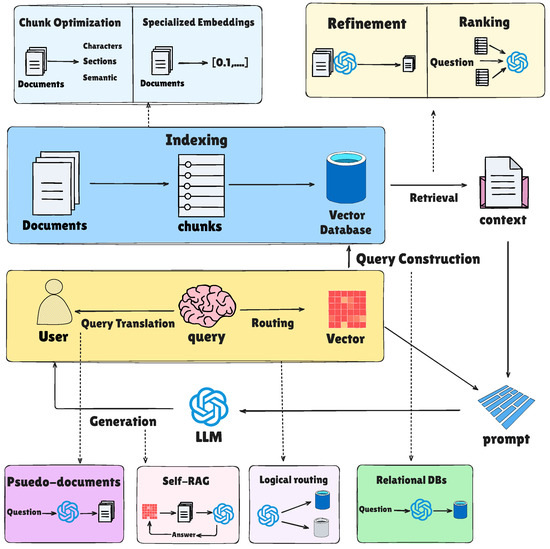
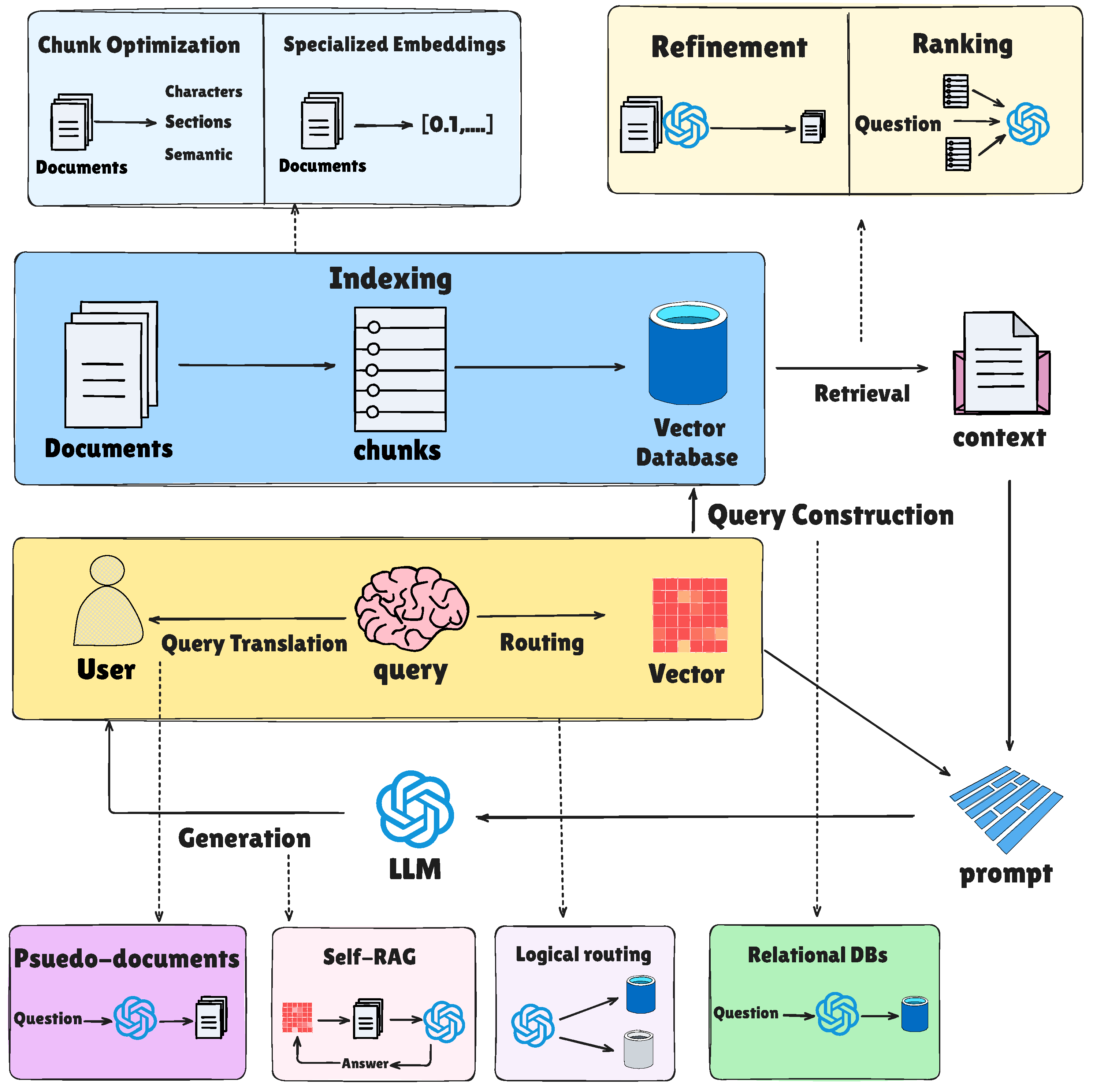
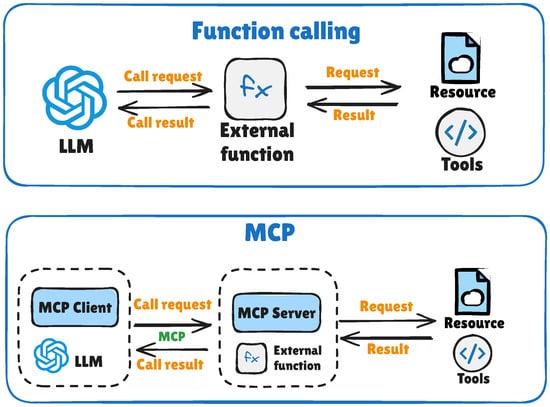
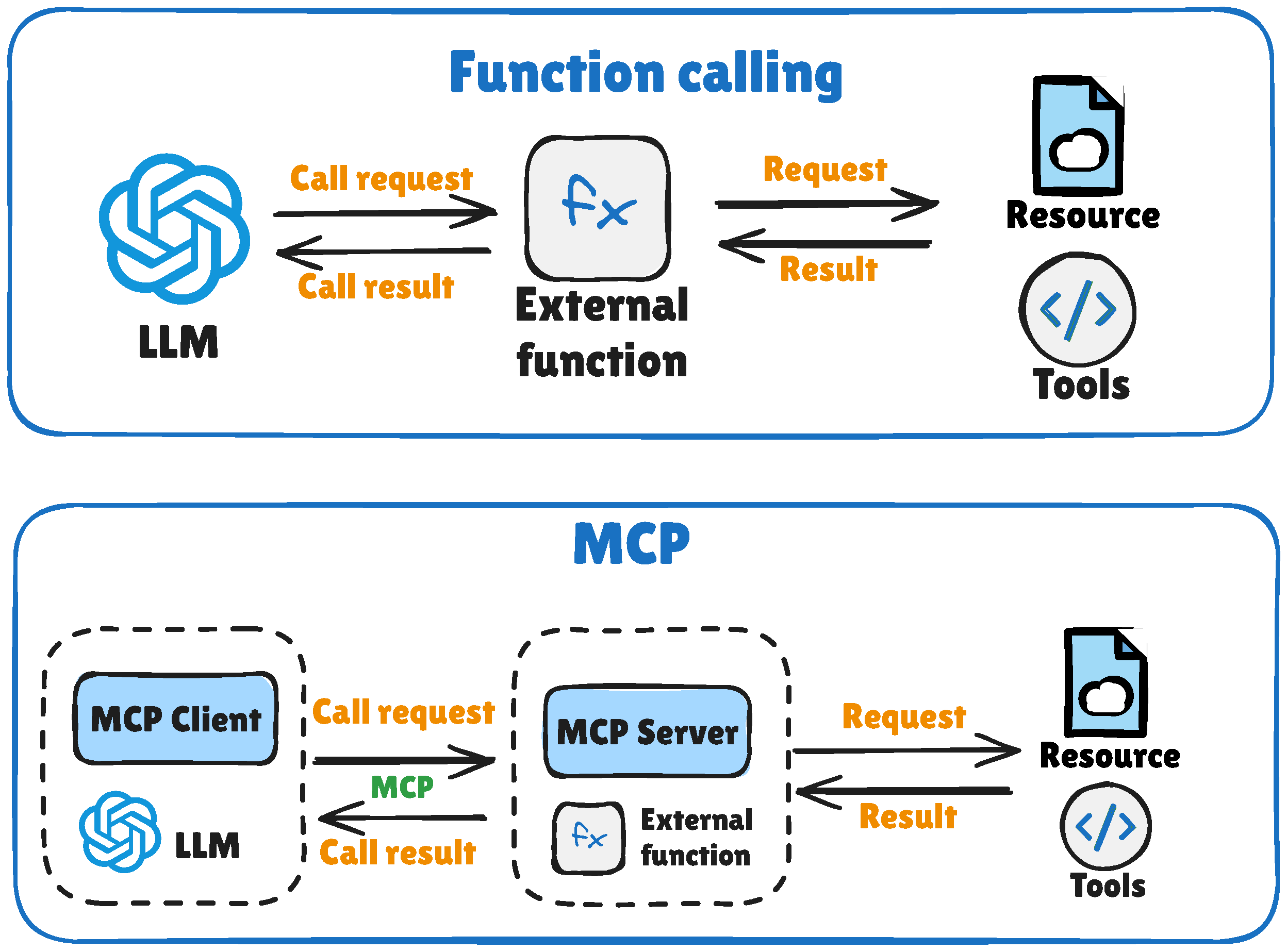
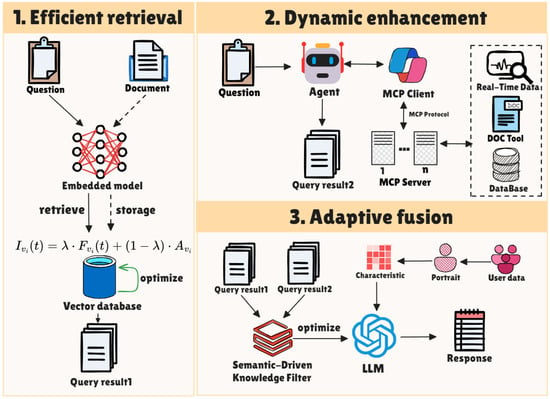
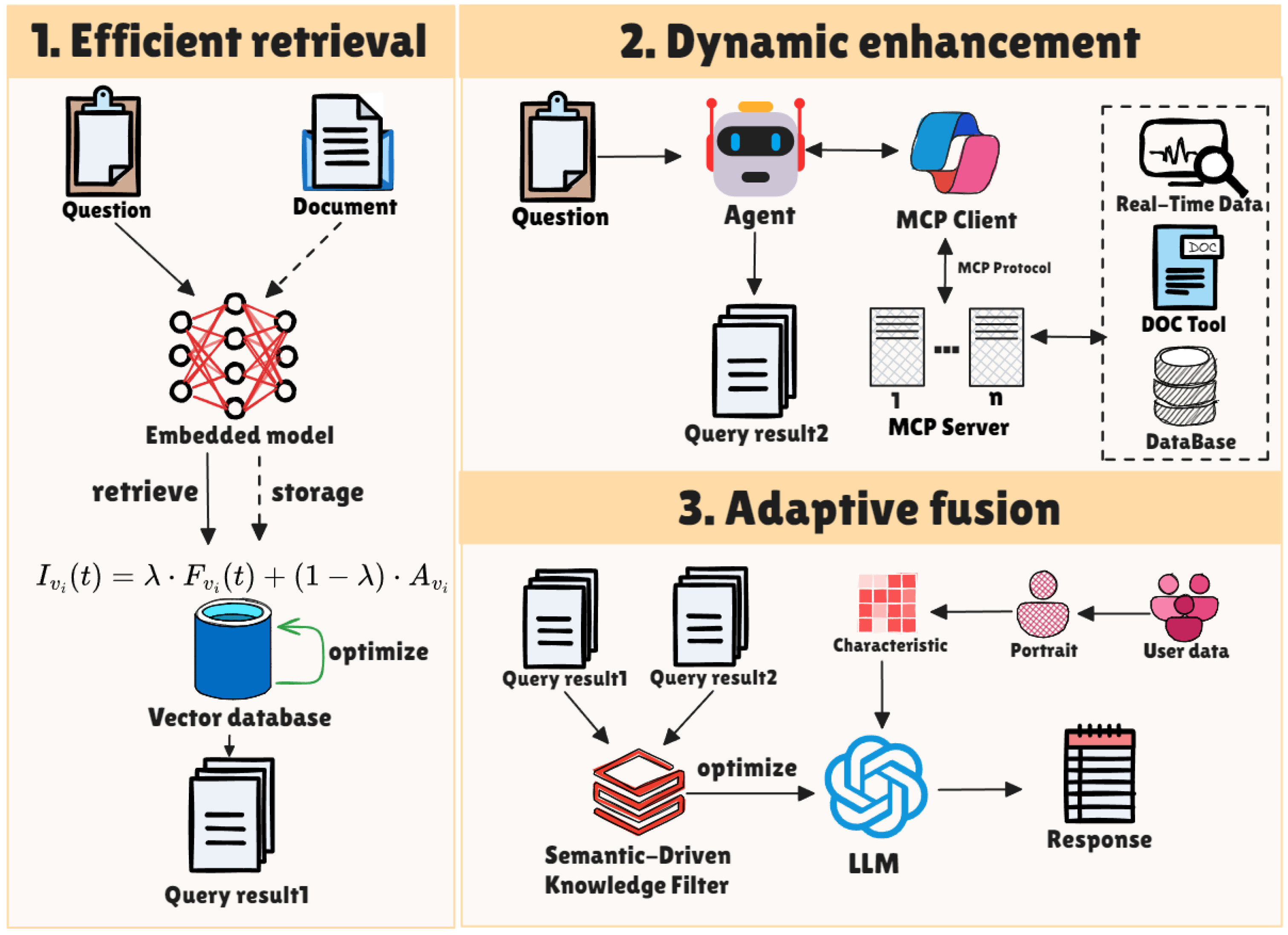
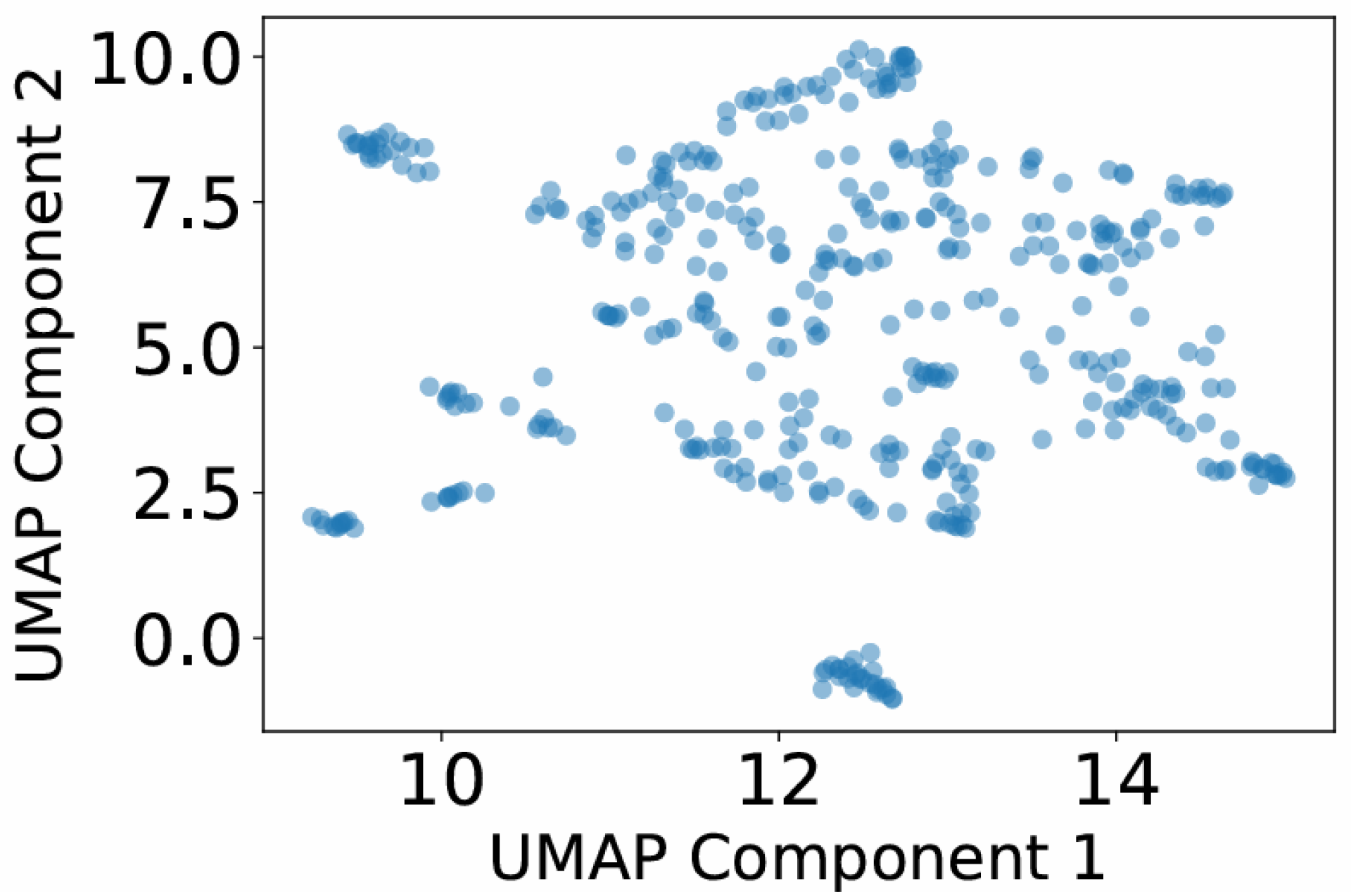
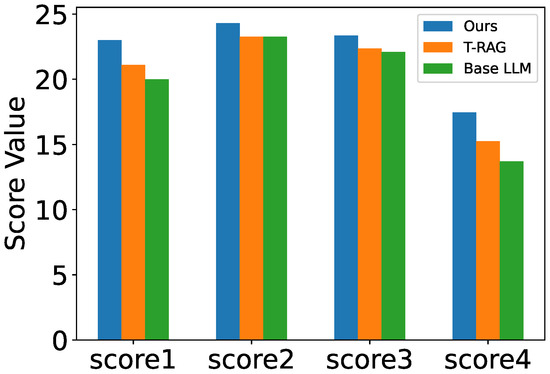
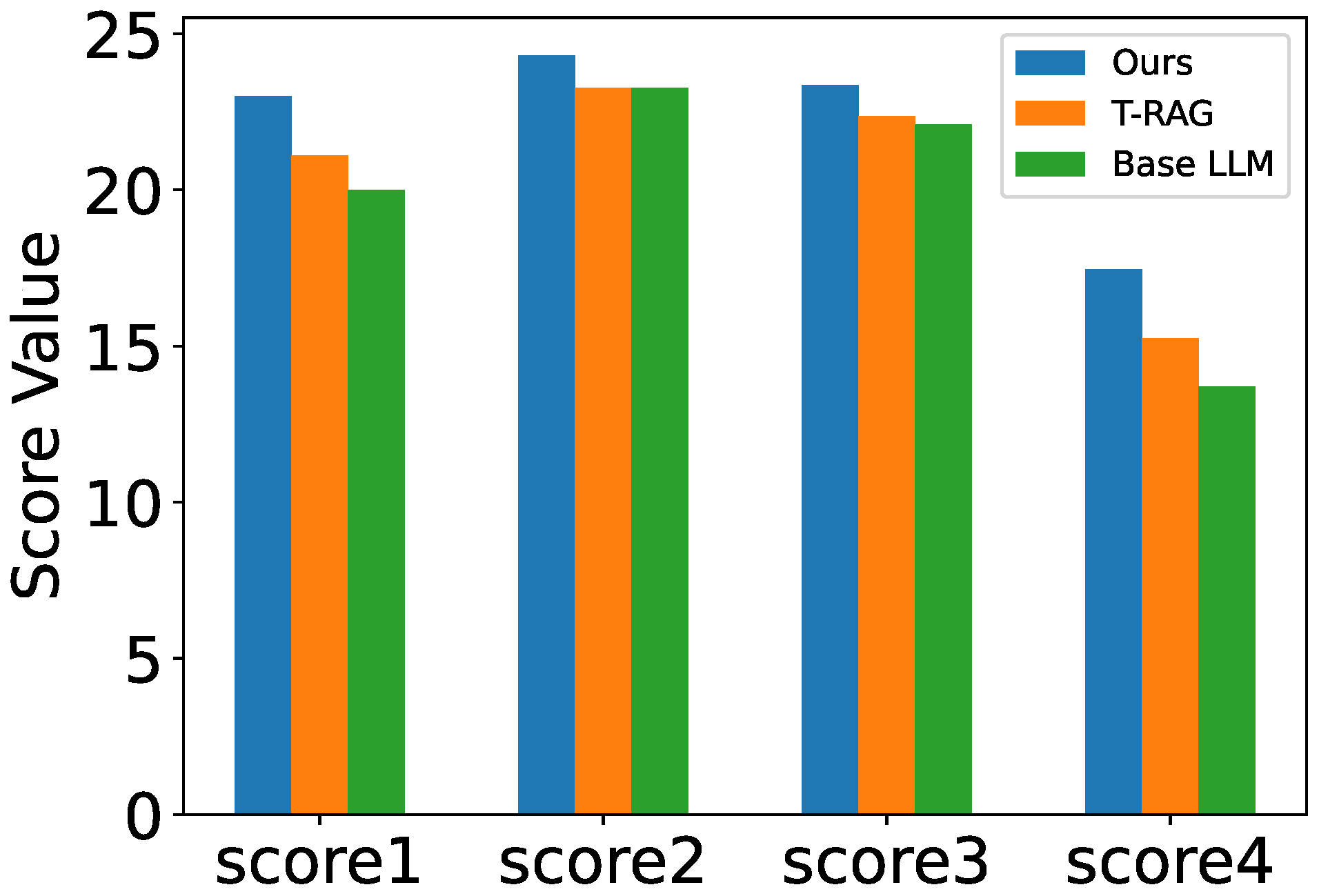
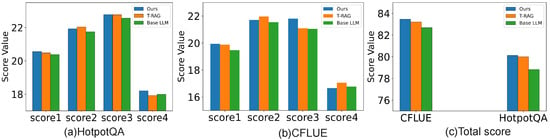
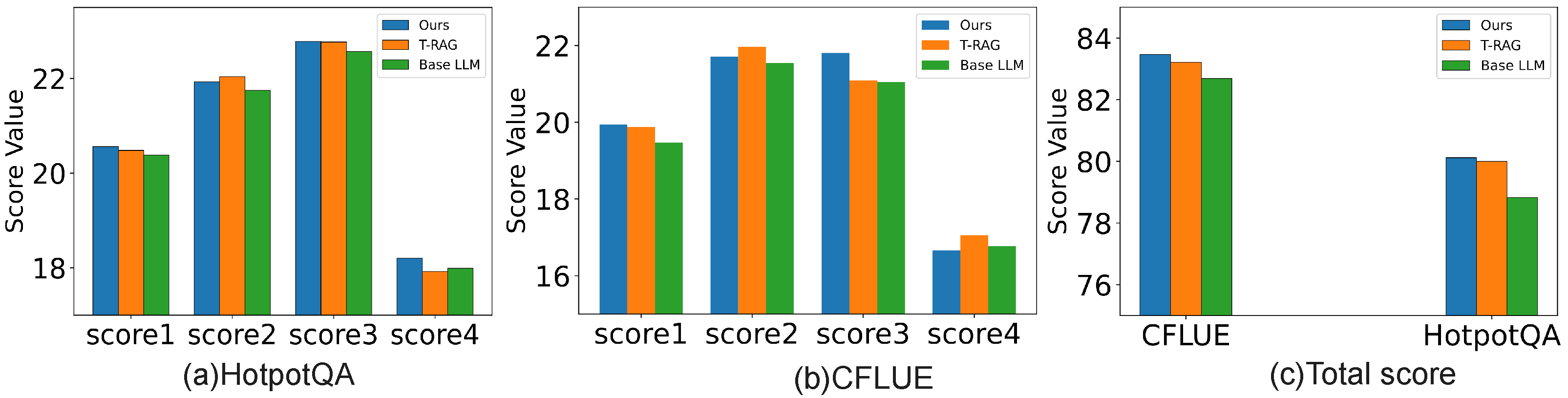
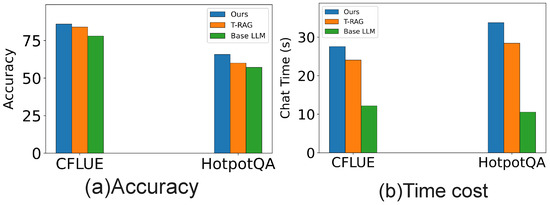
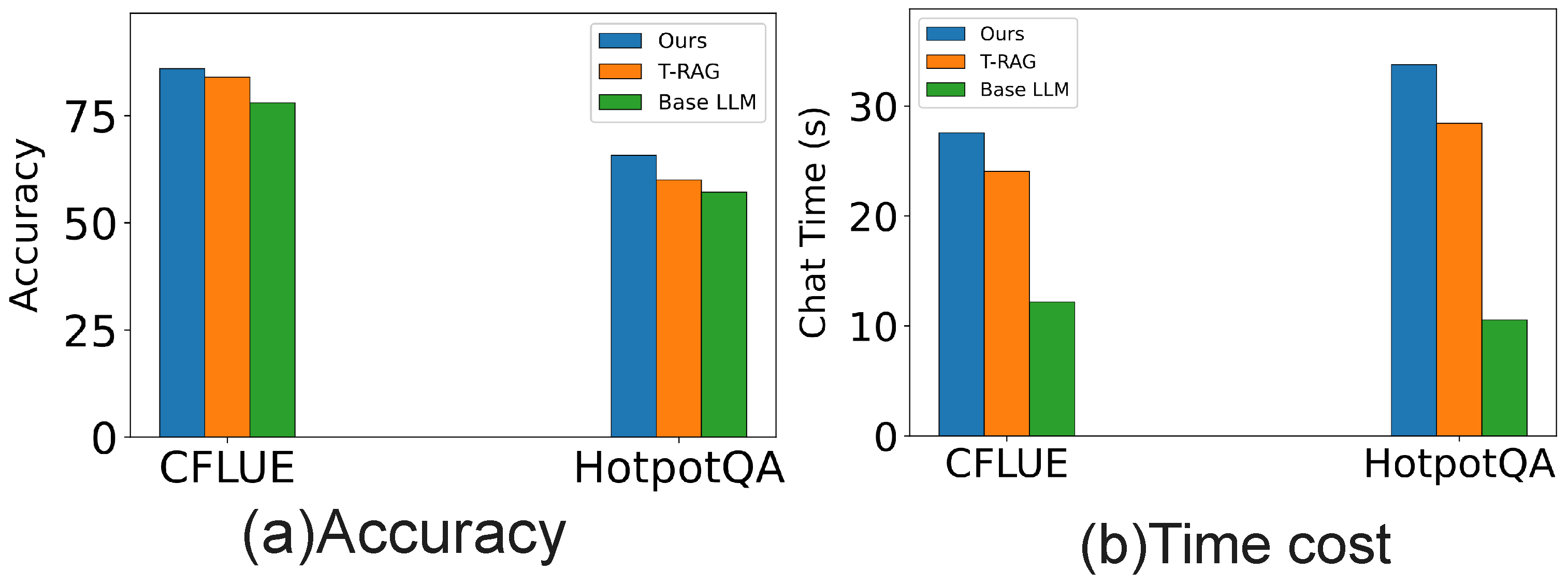
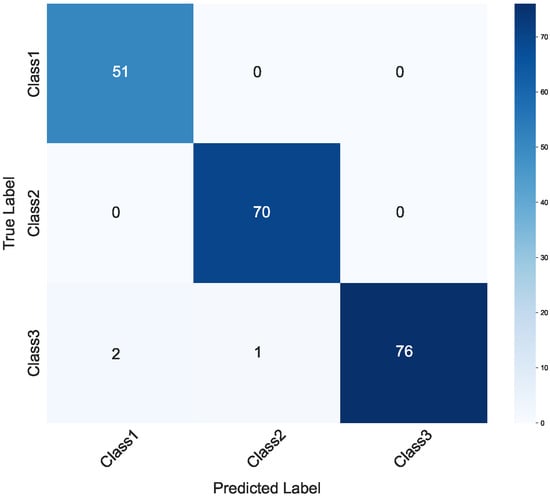
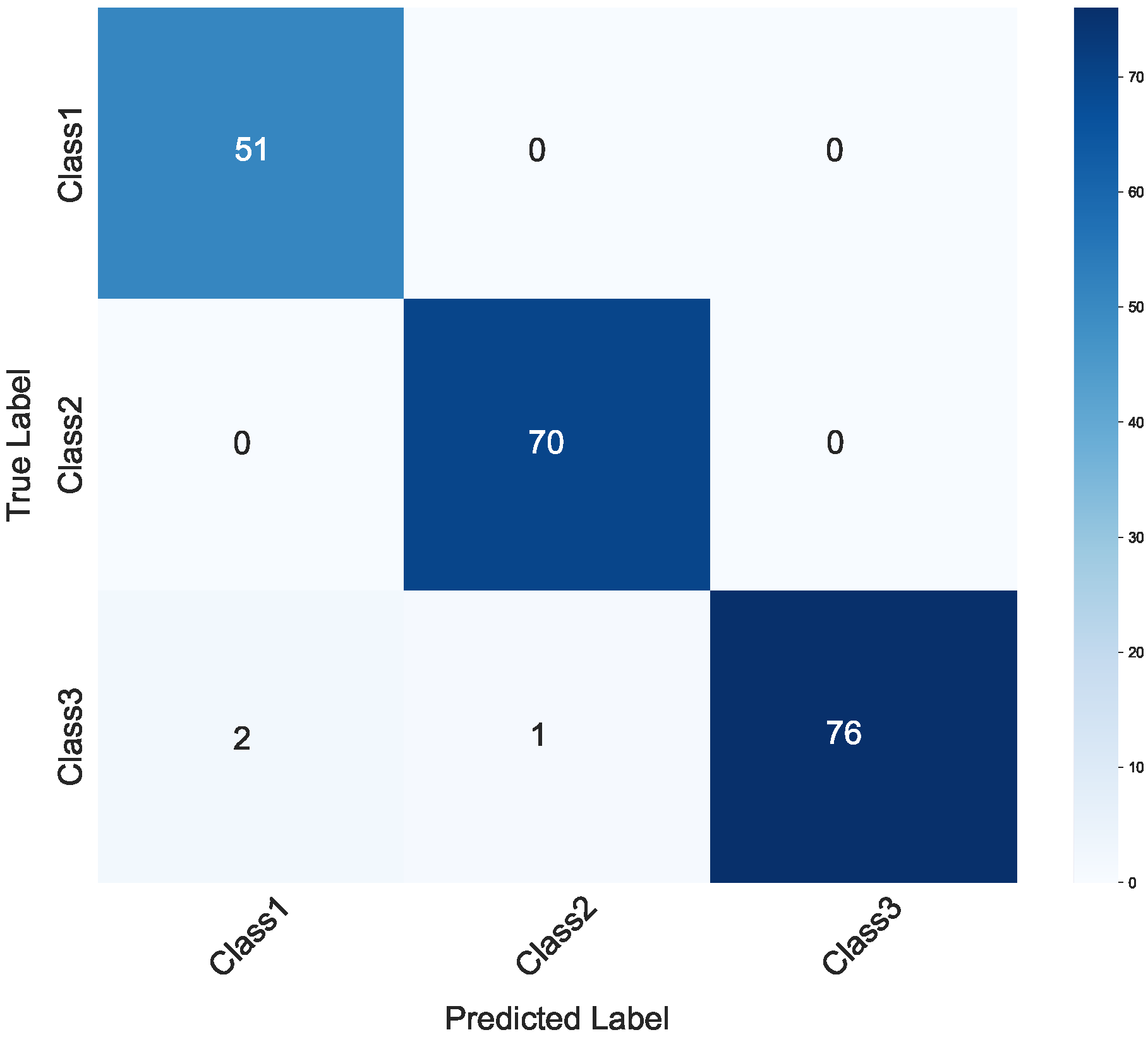
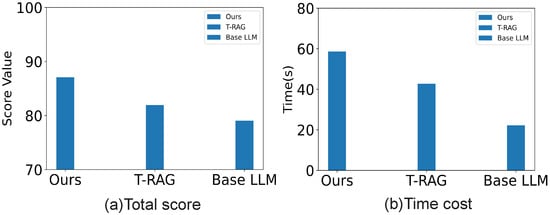
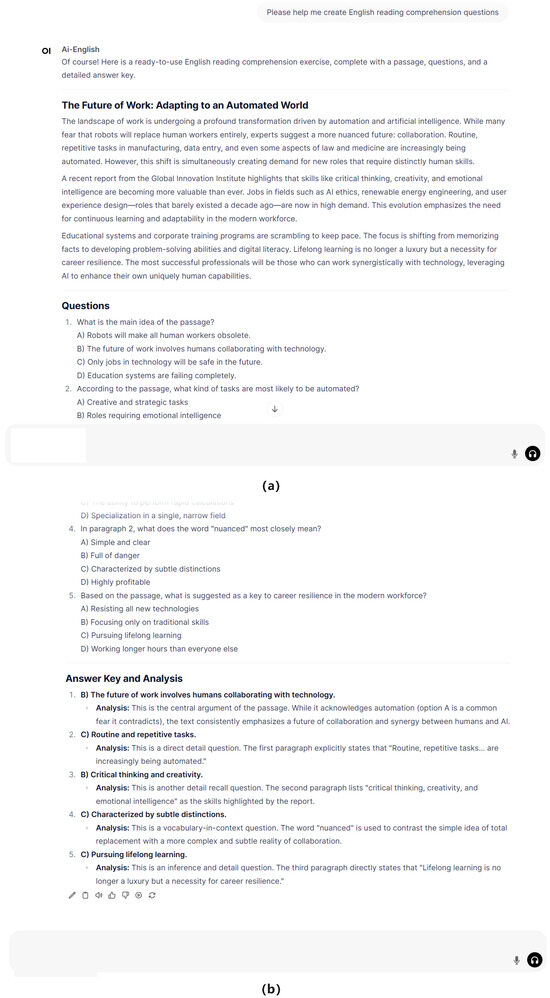
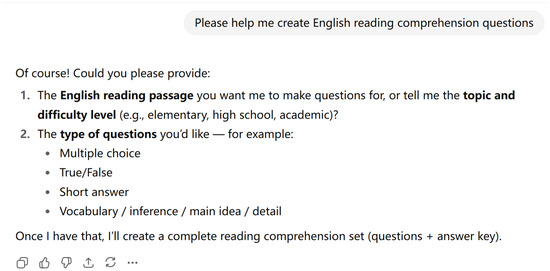
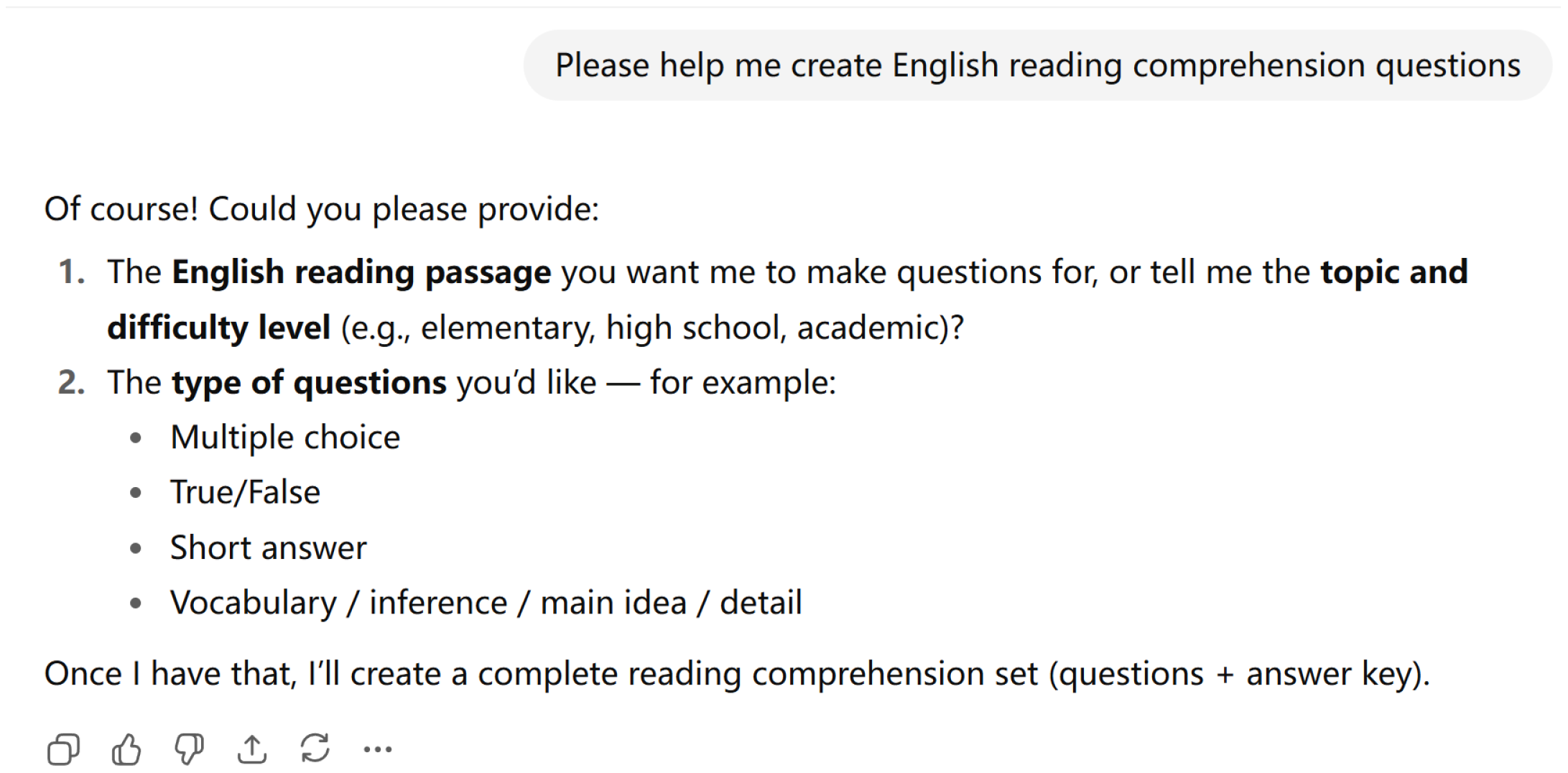
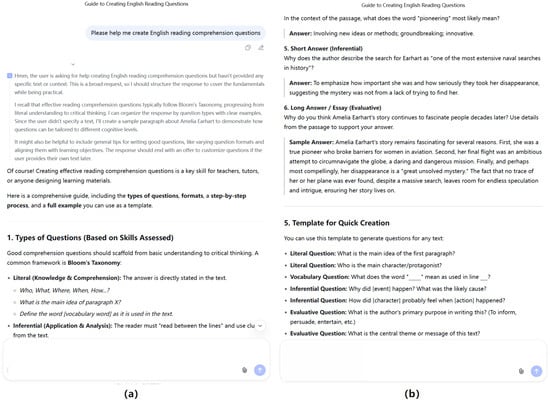
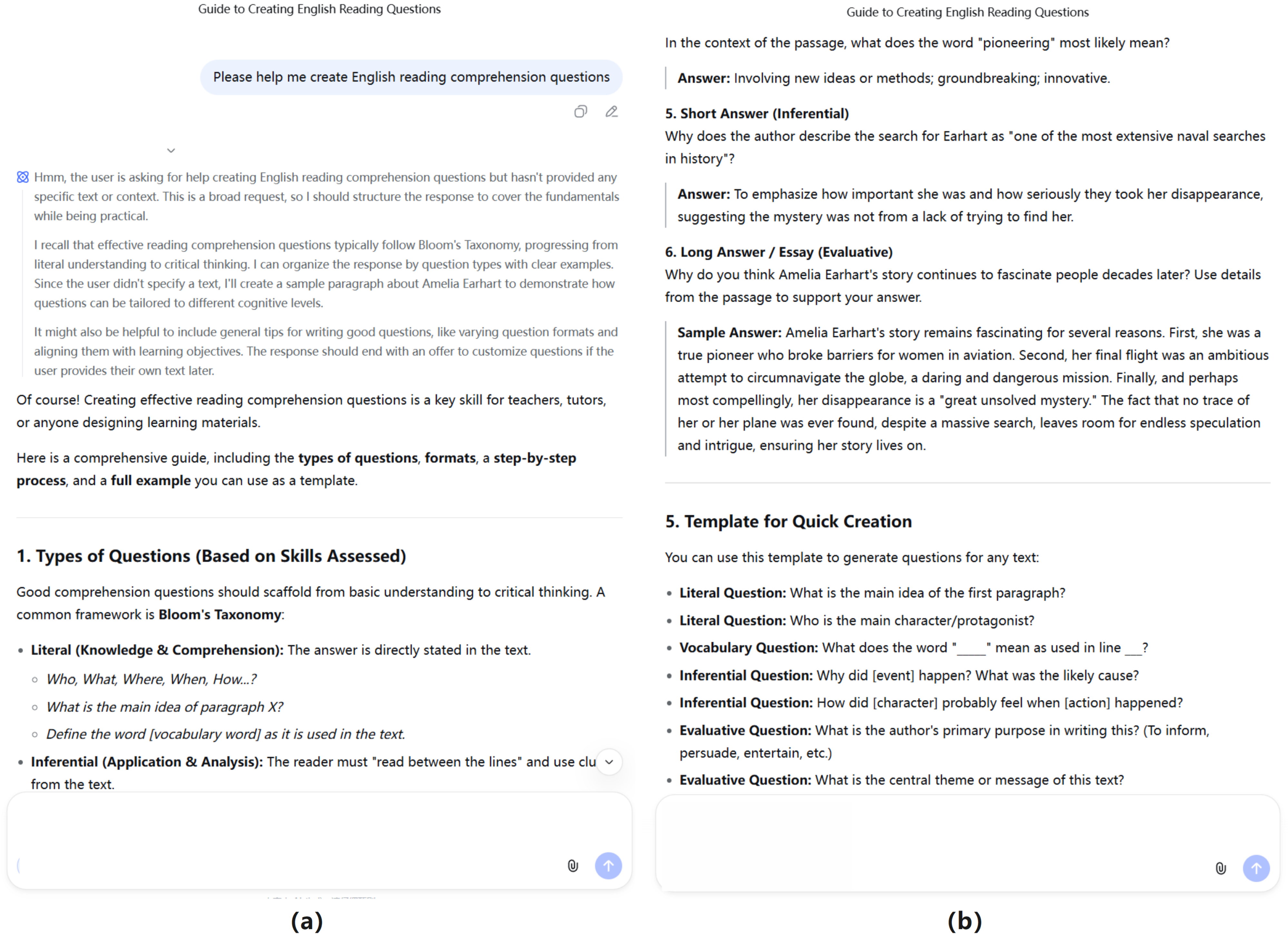

Disclaimer/Publisher’s Note: The statements, opinions and data contained in all publications are solely those of the individual author(s) and contributor(s) and not of MDPI and/or the editor(s). MDPI and/or the editor(s) disclaim responsibility for any injury to people or property resulting from any ideas, methods, instructions or products referred to in the content. |
© 2026 by the authors. Licensee MDPI, Basel, Switzerland. This article is an open access article distributed under the terms and conditions of the Creative Commons Attribution (CC BY) license.