


Abstract
In the context of the “dual-carbon” targets and the development of green building materials, lightweight mortar has attracted considerable attention, owing to its low density and excellent thermal insulation properties. However, lightweight aggregates, such as vitrified microspheres, while effectively reducing mortar density, exhibit high porosity and weak interfacial bonding, which compromise mechanical performance. To address this issue, this study introduces sugarcane bagasse fiber (SBF) as a reinforcing material, with contents of 0%, 0.4%, 0.8%, 1.2%, and 1.6%. The effects of SBF on physical properties (consistency, density, water absorption) and mechanical properties (compressive strength, flexural strength, and tensile bond strength) were systematically evaluated. Furthermore, low-field nuclear magnetic resonance (LF-NMR) and scanning electron microscopy (SEM) were employed to analyze pore structure and interfacial transition zone (ITZ) characteristics at multiple scales. The results indicate that: (1) at low contents (0.4–0.8%), SBF was uniformly dispersed, improving matrix compactness; (2) compared with the control group, the 28-day compressive, flexural, and tensile bond strengths increased by 7.1%, 13.1%, and 25%, respectively; (3) NMR analysis revealed that the incorporation of SBF significantly increased the proportion of capillary pores, reduced total porosity, and enhanced mortar compactness, thereby improving mechanical strength; (4) fractal dimension analysis showed that contents of 0.4% and 0.8% increased structural complexity while reducing pore connectivity, leading to higher compressive strength; (5) SEM observations further demonstrated that the fibers provided bridging and anchoring effects within the ITZ, promoted the deposition of hydration products, and enhanced interfacial compactness.
1. Introduction
In the context of global carbon peaking and carbon neutrality goals, low carbon, energy conservation, and green development in the construction sector have become prominent research focuses [1,2]. Among them, lightweight mortar prepared with lightweight aggregates such as vitrified microspheres and ceramsite exhibits low density, excellent thermal insulation performance, and convenient construction, especially solid waste materials with low-carbon functions, offering broad application prospects in green buildings and energy-efficient projects [3,4]. However, the widespread adoption of lightweight mortar is still hindered by inherent limitations, particularly insufficient compressive strength and weak interfacial bonding [5,6]. Therefore, exploring strategies to enhance its mechanical properties while maintaining low density is of significant practical importance.
Plant fiber reinforcement has received widespread attention in the field of cement-based composites [7,8,9]. Numerous studies have demonstrated that incorporating various types of plant fibers can improve the physical and mechanical properties of mortar and concrete to varying extents. Bilba et al. [10] reported that NaOH treatment of sugarcane bagasse fibers significantly enhanced the tensile and flexural performance of cement composites. Syamala et al. [11] found that adding 0.5% coir fiber to mortar increased flexural strength by approximately 18–22%. Soltan et al. [12] showed that incorporating 2 vol.% short-cut Curauá fibers improved the tensile strain-softening behavior of cement-based composites. Massri et al. [13] investigated banana fiber mortar with 0–2 vol.% content and observed that compressive and flexural strengths peaked at 0.5%, while further increases in content led to diminished or even negative gains, highlighting the decisive influence of mix proportioning and fiber dispersion on compressive performance. Collectively, existing research confirms the positive role of plant fibers in enhancing the mechanical performance of cement-based composites. However, most studies remain focused on the quantitative evaluation of macroscopic mechanical properties, with relatively limited exploration of pore structure evolution, interfacial transition zone (ITZ) characteristics, and their relationship with macroscopic performance—particularly within lightweight mortar systems.
In China, the utilization rate of sugarcane bagasse fiber remains as low as 30%, far below that of developed countries [14]. Unused bagasse is often disposed of by open burning or random dumping, resulting in resource waste, environmental pollution, and increased carbon emissions [15,16]. Owing to its high cellulose content, rough surface morphology, and strong water absorption capacity [17,18], sugarcane bagasse fiber has potential not only as a reinforcing phase, but also as a regulator of pore structure and interfacial characteristics in cement-based materials. However, its role in lightweight mortar, particularly in relation to pore structure evolution and interfacial transition zone (ITZ) characteristics, remains insufficiently understood.
In this study, sugarcane bagasse fiber was introduced into lightweight mortar to systematically investigate the effects of fiber content on its physical properties, mechanical performance, pore structure, and ITZ characteristics. LF-NMR, fractal analysis, and SEM were employed as complementary methods to examine the relationship between fiber incorporation, microstructural evolution, and macroscopic performance. The aim was to provide a more integrated understanding of the reinforcing and regulating role of sugarcane bagasse fiber in lightweight mortar and to offer experimental support for its application in green and high-performance lightweight mortar.
2. Experiment Overview
2.1. Experimental Materials
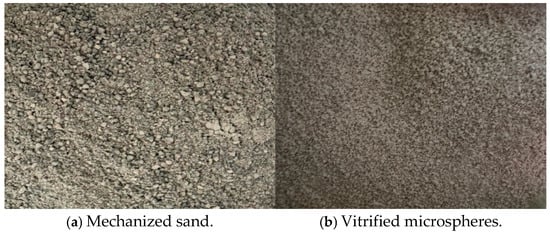
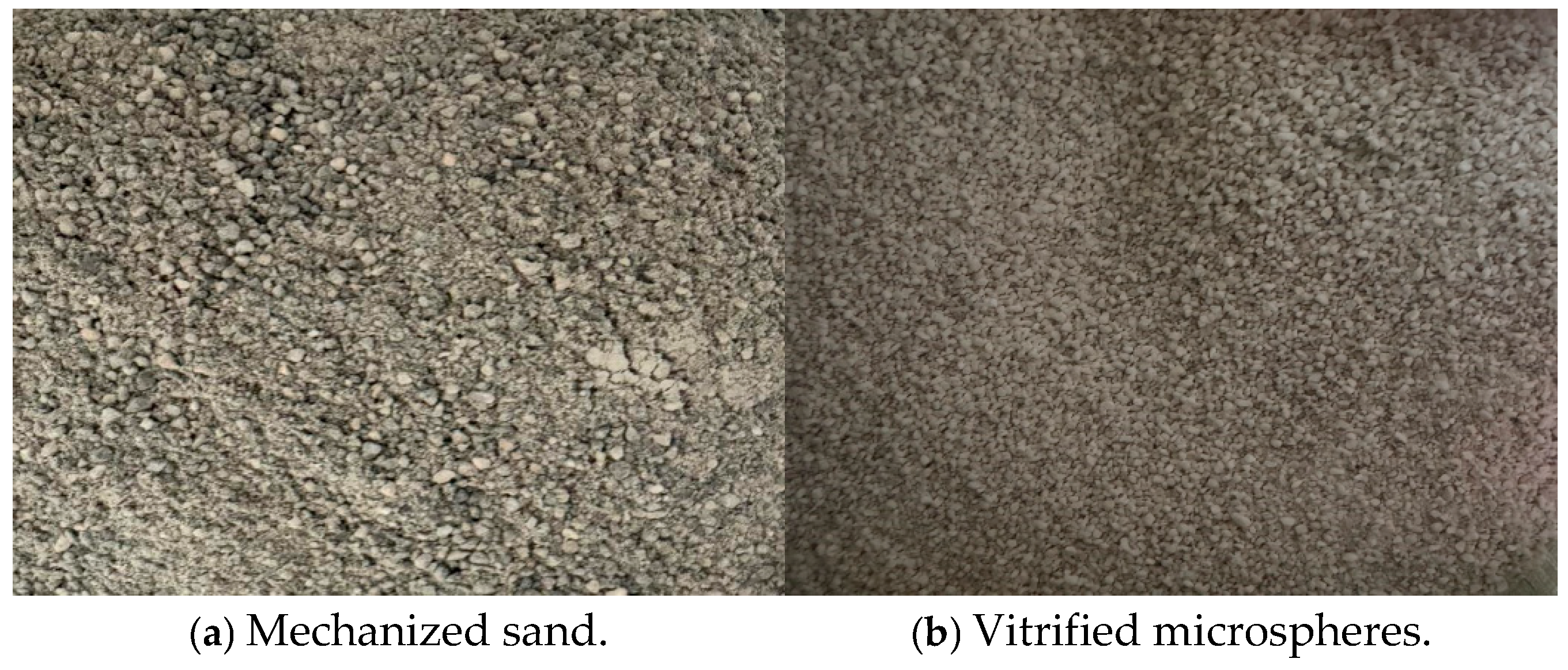
The tap water, ordinary Portland cement (P·O 42.5, conforming to Chinese standard GB 175-2007) [19], manufactured sand, and vitrified microspheres used in this study were all supplied by Hezhou Guangxia Environmental Protection Co., Ltd. (Hezhou, China). The basic properties of the tap water, cement, manufactured sand, and vitrified microspheres are summarized in Table 1, Table 2, Table 3 and Table 4, respectively. In Table 1, the water quality indices include pH, chloride, carbonate, and bicarbonate contents. The manufactured sand was used as the fine aggregate, and its physical properties are listed in Table 3. The vitrified microspheres were used as the lightweight aggregate, and their main properties, including their bulk density, compressive strength, thermal conductivity, water absorption ratio, closed-pore ratio, and floating ratio, are given in Table 4. The appearances of the manufactured sand and vitrified microspheres are shown in Figure 1a,b. In addition, cellulose ether (BNE-119C, viscosity grade of 100,000 mPa·s; Bainuo, Beijing, China) and redispersible polymer powder (BNE-7030; Bainuo, China) were incorporated as admixtures. Specifically, the cellulose ether acted as a water-retaining and thickening agent to improve the workability and water retention capacity of the mortar, whereas the redispersible polymer powder acted as a polymer modifier to enhance the cohesiveness and interfacial performance of the mortar.
Table 1.
Physical properties of tap water.
Table 2.
Physical properties of cement.
Table 3.
Physical properties of manufactured sand.
Table 4.
Physical properties of vitrified microspheres.
Figure 1.
Mechanical sand and vitrified microspheres used in the experiment.
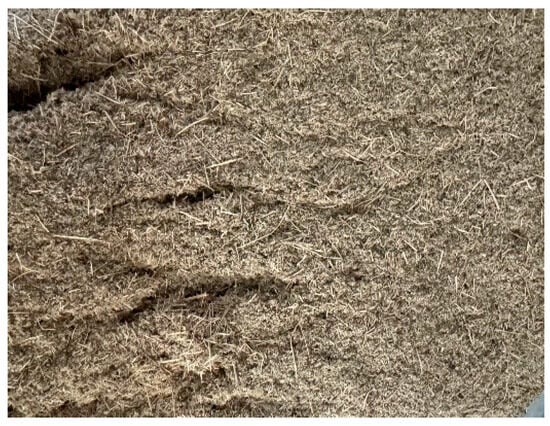
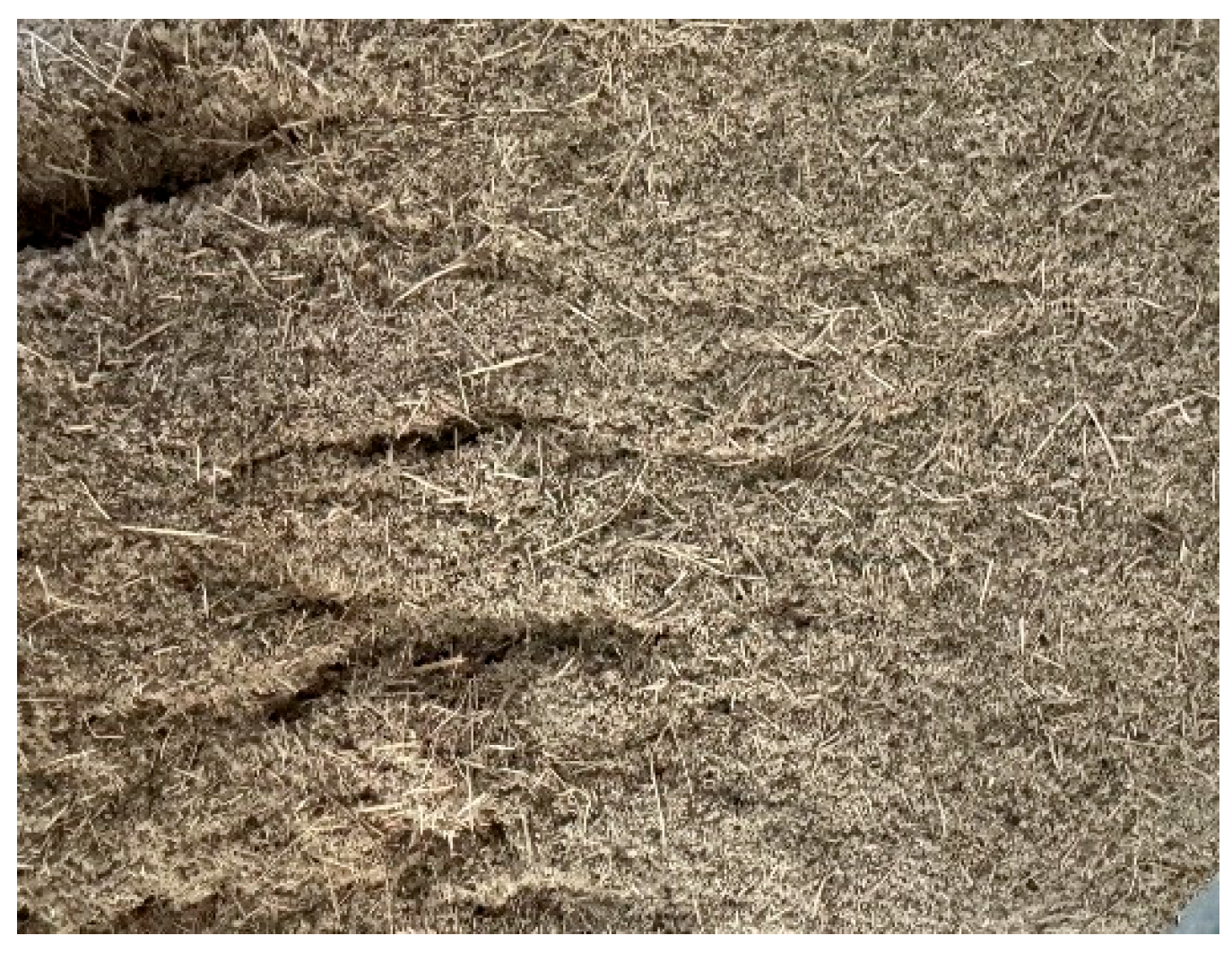
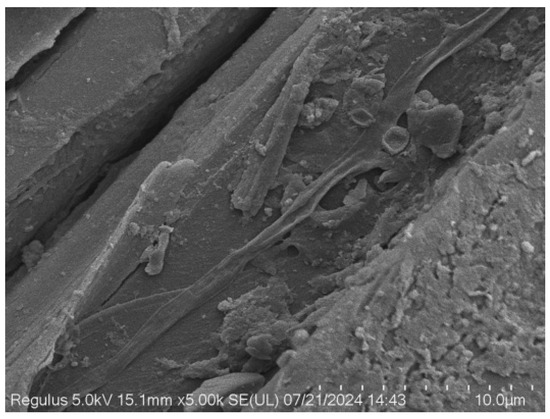
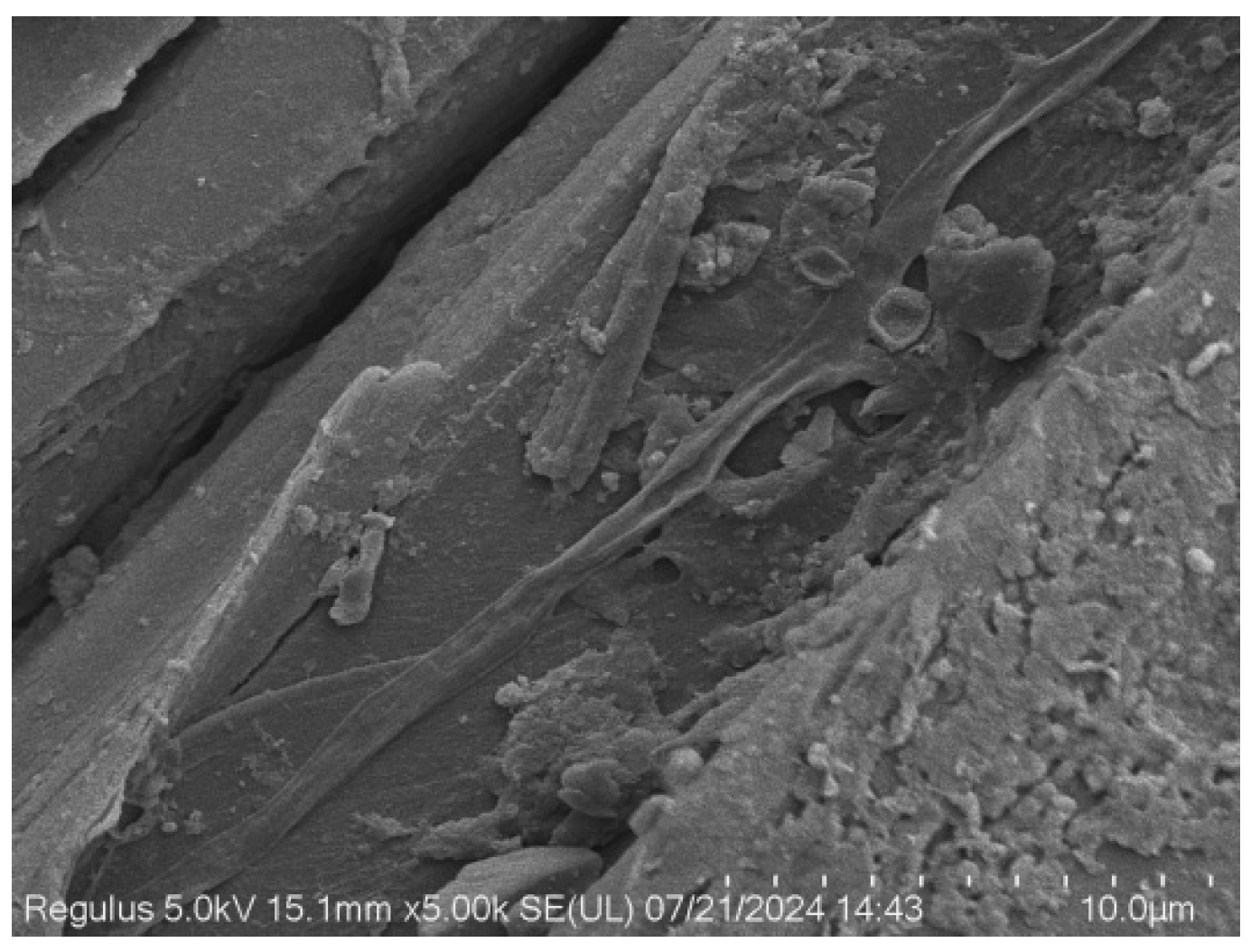
The sugarcane bagasse fibers used in this study were supplied by Guangxi Huaqiang Building Materials Co., Ltd. (Beihai, China) and were modified through NaOH wet immersion treatment by the manufacturer, as shown in Figure 2. Their physical properties are presented in Table 5. The cellulose ether employed in the experiments was BNE-119C (viscosity grade: 100,000) produced by Beijing NovElite Co., Ltd. (Beijing, China), while the redispersible polymer powder was BNE-7030 from the same manufacturer. Figure 3 presents the SEM image of sugarcane bagasse fibers at 5000× magnification. The fiber surface exhibits pronounced roughness and irregularity, with widespread attachment of flake-like or granular substances and debris. Such surface morphology is likely to play a critical role in interfacial interactions and bonding performance between the fibers and the cementitious matrix.
Figure 2.
Sugarcane bagasse fiber samples.
Table 5.
Physical properties of sugarcane bagasse fiber.
Figure 3.
SEM image (5000×) of sugarcane bagasse fiber.
2.2. Sample Design
This study focuses on the role of sugarcane bagasse fiber (SBF) in enhancing the performance of lightweight mortar. Based on engineering application requirements, the fiber volume fraction relative to the total volume of the mortar mixture was selected as the primary variable. Five fiber contents were investigated: 0%, 0.4%, 0.8%, 1.2%, and 1.6%. Since the performance of SBF-reinforced lightweight mortar at 2% fiber content exhibited a trend similar to that observed at 1.2% and 1.6%, the maximum content was set at 1.6% in this study. In addition, the water content reported in Table 6 corresponds to the total mixing water. Accordingly, the nominal water-to-binder ratio based on the total added water was kept constant for all mixtures. No additional water compensation was introduced for the water absorption of the lightweight aggregate or SBF so that the influence of fiber content could be compared under the same total-mixing-water condition. Considering the high water absorption of the lightweight aggregate and SBF, part of the added water may have been absorbed during mixing and early curing, resulting in an effective water-to-binder ratio lower than the nominal value calculated from the total water content. Therefore, a constant total mixing water was adopted to ensure comparable mixing and casting conditions, and the workability differences among mixtures were characterized by the consistency test. The mixtures were denoted as JC (control) and SBF4, SBF8, SBF12, and SBF16, where “SBF” indicates the sugarcane bagasse fiber group. The detailed mix proportions are summarized in Table 6.
Table 6.
Experimental design of sugarcane bagasse fiber vitrified-microsphere lightweight mortar.
2.3. Lightweight Mortar Performance Test
The properties of lightweight mortar were investigated by measuring the tapped density, dry density, water absorption, consistency, compressive strength, flexural strength, and tensile strength, alongside characterization techniques such as low-field nuclear magnetic resonance (LF-NMR) and scanning electron microscopy (SEM). The following provides a brief description of the testing and analysis methods for lightweight mortar performance.
2.3.1. Tapped Bulk Density Test
The tapped bulk density was measured by gradually adding the dried sand sample to a graduated cylinder in three stages, compacting it to a stable volume. After leveling the surface, the sample was weighed, and its mass and volume were subsequently evaluated.
2.3.2. Dry Density Test
According to GB/T 20473-2021 “Standard for Thermal Insulation Mortar for Buildings” [20], the mixture was injected into the mold, and a tamping rod was used to evenly compact it while eliminating air bubbles. The surface was then leveled, and the mold was covered with a polyethylene film to prevent moisture loss. After being left to stand under standard conditions for 48 ± 4 h, the specimen was demolded and transferred to a standard curing environment (20 ± 2 °C, relative humidity ≥ 95%) for 28 days or as specified by the manufacturer. The specimen was then dried at 105 ± 5 °C (or at the specified temperature) until it reached a constant weight, followed by cooling. Finally, the dry density of the mortar was calculated by measuring the dry mass and volume.
2.3.3. Water Absorption Test
Since there is no specific standard for measuring the moisture content of sugarcane bagasse fiber, this study followed the wood standard GB/T 1927.4-2021 [21] to determine the moisture content of the fibers. The fibers were first dried at 60 °C for 4 h and weighed to obtain the dry mass. Then, the samples were fully immersed in distilled water at (20 ± 2 °C). The samples were removed at 6 h and 24 h, with surface moisture being wiped off and the weight recorded. This process continued until the difference in water absorption between two consecutive measurements was less than 5%, indicating that the maximum water absorption rate had been reached. During this process, the water quality was kept clean and regularly replaced.
2.3.4. Consistency Test
According to GB/T 20473-2021 “Standard for Thermal Insulation Mortar for Buildings” [20], the consistency of the mortar was measured by filling the container with the mixture, using a tamping rod to evenly compact it and lightly tapping to remove air bubbles. Then, the difference in the penetration depth of the cone was measured within 10 s, with results recorded to the nearest 1 mm.
2.3.5. Compressive and Flexural Strength Tests
Due to the effect of humidity on the early strength development of lightweight mortar containing sugarcane bagasse fiber, which may increase the variability of mechanical performance, the strength tests in this study mainly focused on long-term performance. The compressive strength of the mortar was determined according to the Test Method for Strength of Cement Mortar (ISO Method) (GB/T 17671-2021) [22]. During mixing, the sugarcane bagasse fibers were gradually added in small increments during an initial 30 s low-speed mixing stage to reduce visible agglomeration and excessive local water absorption. After fiber incorporation, the mixture was further mixed thoroughly, and an additional 30 s of high-speed mixing was applied to the fiber-reinforced mixtures to improve homogeneity. The mortar was then cast into 40 mm × 40 mm × 160 mm prismatic molds. After casting, the specimens were kept in the molds for 24 h with the surface exposed to air. After demolding, the specimens were cured in water at 20 ± 1 °C for 28 days. The two halves remaining after flexural testing were subsequently used for the compressive strength test. Three parallel specimens were tested for each mixture, and the reported results represent the average values of the measured strengths.
2.3.6. Tensile Bond Strength Test
The tensile bond strength of cement mortar is an important indicator of its performance, reflecting the material’s ability to bond with the substrate under tensile stress. This property is closely related to the interfacial performance and serviceability of mortar systems. In this study, the bond strength was tested and evaluated according to the “Basic Performance Test Methods for Building Mortar” (JGJ/T 70-2009) [23].
2.3.7. LF-NMR Measurements
Low-field nuclear magnetic resonance (LF-NMR) was used to characterize the pore structure of the lightweight mortar. The tests were conducted using an NMI20-015V-I LF-NMR analyzer (Suzhou Niumag Analytical Instrument Co., Ltd., Suzhou, China). A standard CPMG sequence was adopted, with an echo time of 0.4 ms, 10,000 echoes, and 8 scans. For sample preparation, the fresh mortar was placed into a dedicated nonmagnetic container and lightly vibrated to improve uniformity and remove visible air bubbles. Before testing, the specimens were vacuum-saturated for 48 h to ensure sufficient pore water filling. The obtained relaxation signals were processed using the Niumag Nuclear Magnetic Resonance Analysis System Software (NMI20 Analysis Software V2.0) to obtain the transverse relaxation time (T2) distribution, which was then used to analyze pore-size distribution and porosity characteristics.
In NMR signals, the transverse relaxation time (T2) is a key parameter for determining pore characteristics, and its expression is given by
where is the bulk relaxation time, is the surface relaxation time, is the diffusion relaxation time, is the transverse surface relaxation rate constant, is the pore volume, is the pore surface area, ′ is the diffusion coefficient of the fluid, is the magnetic susceptibility of the saturating fluid, is the magnetic field gradient, and is the echo time.
In the NMR test, a uniform magnetic field is used, and is considered to be zero. Additionally, since the diffusion effect is negligible and the relaxation of free water is weak, . The relaxation time can be approximately expressed as
When the pores are approximated as a specific geometric shape, a shape factor, , can be defined. Therefore, the pore radius r can be expressed as
In Equation (3), the pore geometry is approximated as cylindrical, and thus the shape factor is taken as 2 according to previous NMR studies on cement-based materials. The surface relaxivity is taken as 5 nm/ms, following the literature, for converting relaxation time into the pore radius [24]. Additionally, Yu et al. classified the pore structure of cementitious materials into four levels based on pore radius: macropores (r > 1 μm), capillary pores (0.1 μm < r ≤1 μm), transitional pores (0.01 μm < r ≤ 0.1 μm), and gel pores (r ≤ 0.01 μm) [25]. This classification method is also adopted in the present study.
2.3.8. Fractal-Dimension Calculation
As one of the primary determinants of cement-based materials, the micropore structure has a profound impact on macroscopic mechanical properties. The fractal dimension is an important quantitative indicator for characterizing pore distribution features, and numerous studies have shown a close correlation between the fractal dimension and compressive strength [26,27]. From the perspective of fractal theory, the pore structure of mortar can be described using the fractal dimension: the larger the fractal dimension, the more dispersed and uniform the pore distribution, leading to a more stable material structure. A smaller fractal dimension indicates that the pores are more interconnected, making the material prone to the formation of degradation pathways. Fractal dimension analysis based on NMR can reveal the complexity and connectivity of the pore structure. In porous materials like concrete, a smaller NMR fractal dimension typically corresponds to higher pore integration and stronger connectivity, making it easier for permeation channels to form between pores, which can induce damage under external loading. Conversely, a larger fractal dimension reflects a more dispersed or isolated pore distribution, contributing to structural stability. Therefore, previous studies have indicated a positive correlation between the compressive strength of cement-based materials and NMR fractal dimension [17].
According to the definition of fractal theory, the number of pores with a radius larger than follows a power law:
Here, D is the fractal dimension of the pore size distribution, and C is the proportionality constant.
The pore size distribution function (the number of pores within the radius range ) is obtained by differentiating Equation (4):
The cumulative volume (the volume of pores with a radius smaller than ) can be expressed by Equation (6):
where is the geometric constant (for spherical pores, = 4π/3). The integral of Equation (6) gives:
The normalized volume fraction (the ratio of the pore volume with a radius smaller than to the total pore volume) can be calculated as follows:
When , it can be approximated as
By correlating the pore size with the NMR and combining with Equation (3), the surface relaxation relationship (for fast exchange, saturation, and spherical pore geometry) is obtained as
where is the transverse surface relaxation rate constant. Therefore, the maximum pore radius corresponds to .
By substituting into Equation (9), we get
Taking the logarithm of both sides of Equation (11),
It is shown that in the double logarithmic coordinate system, the slope is , from which the fractal dimension can be deduced.
2.3.9. Scanning Electron Microscopy (SEM)
For SEM analysis, small mortar fragments were taken from the central part of the broken specimens after the mechanical test to avoid possible surface effects. Representative fragments containing typical fracture surfaces and, where possible, the fiber–matrix interfacial region were selected and immediately immersed in anhydrous ethanol to stop further hydration. The samples were then dried in an oven at 60 °C. After drying, the fragments were mounted on aluminum stubs using conductive adhesive tape and coated with gold prior to SEM observation. The microstructure was examined using a scanning electron microscope (SEM, Sigma 300 model, manufactured by Carl Zeiss AG, Oberkochen, Germany).
3. Results and Discussion
3.1. Consistency
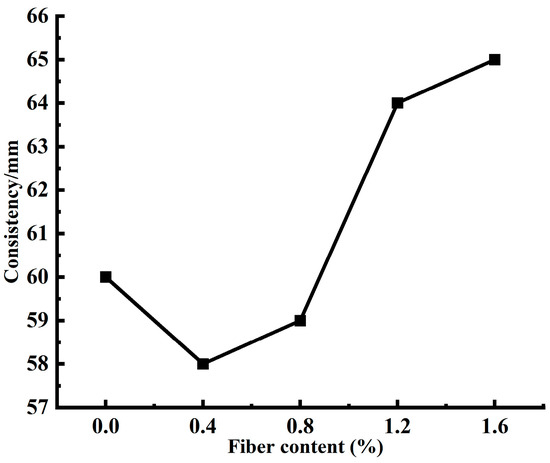
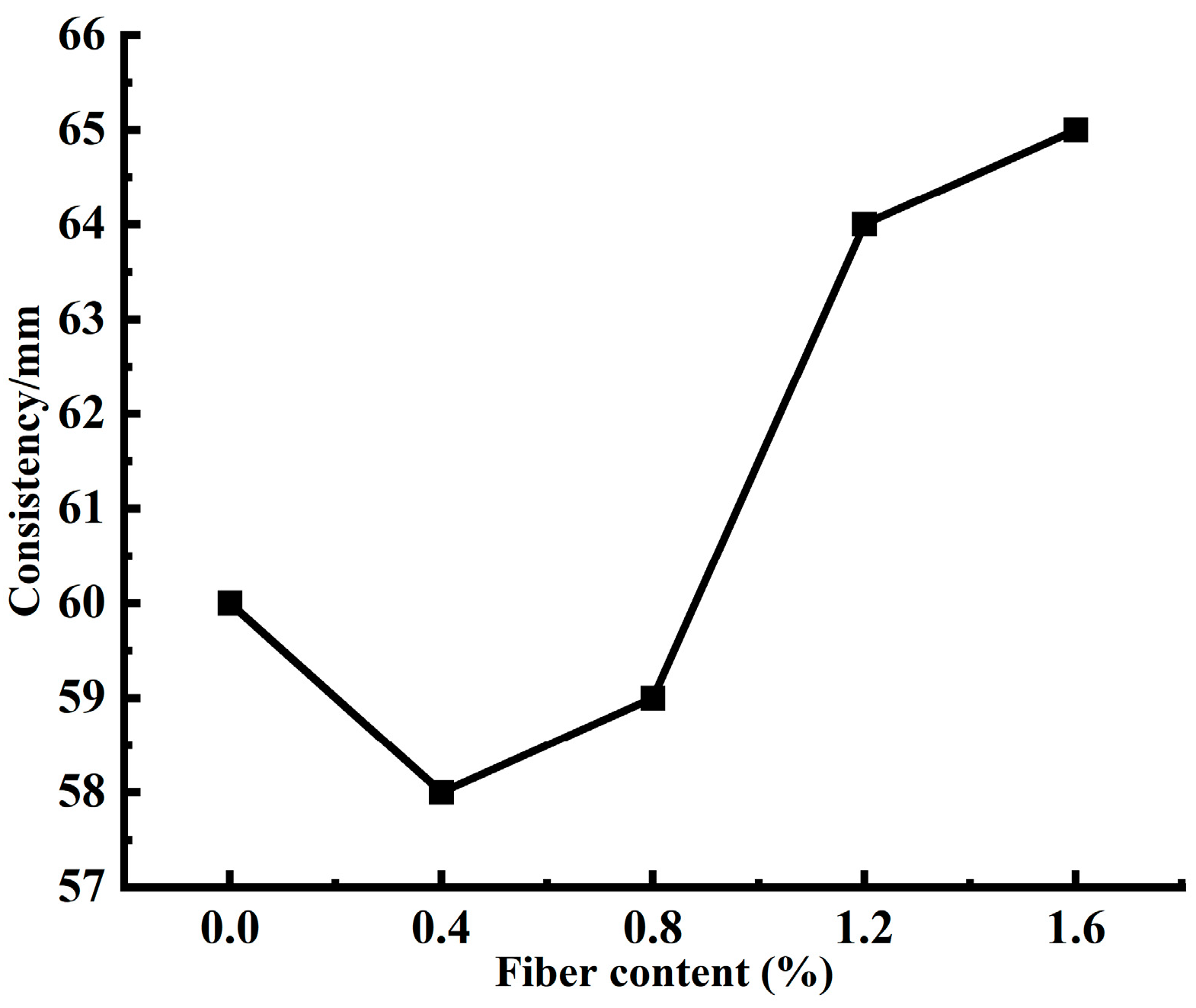
The consistency of lightweight mortar is important because it directly affects construction performance. As shown in Figure 4, at low fiber contents of 0.4% and 0.8%, the consistency of the lightweight mortar decreased by 1.67% and 3.33%, respectively. This change was relatively small and had a limited influence on workability. At higher contents of 1.2% and 1.6%, the measured consistency showed a slight recovery. At low contents, the high water absorption of sugarcane bagasse fiber may have temporarily reduced the amount of free water, resulting in a slight decrease in consistency. At higher contents, fiber agglomeration, heterogeneous water distribution, and possible local segregation may have contributed to the small fluctuation in the measured consistency.
Figure 4.
Consistency variation in lightweight mortar with different sugarcane bagasse fiber contents.
3.2. Density
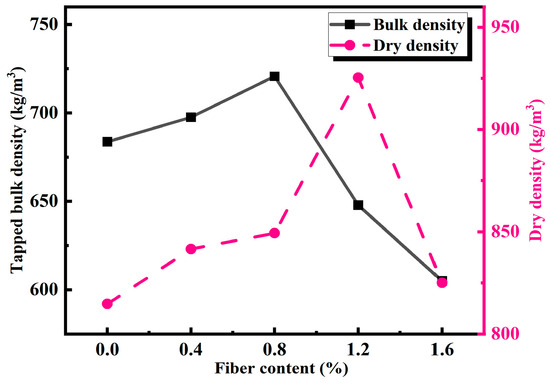
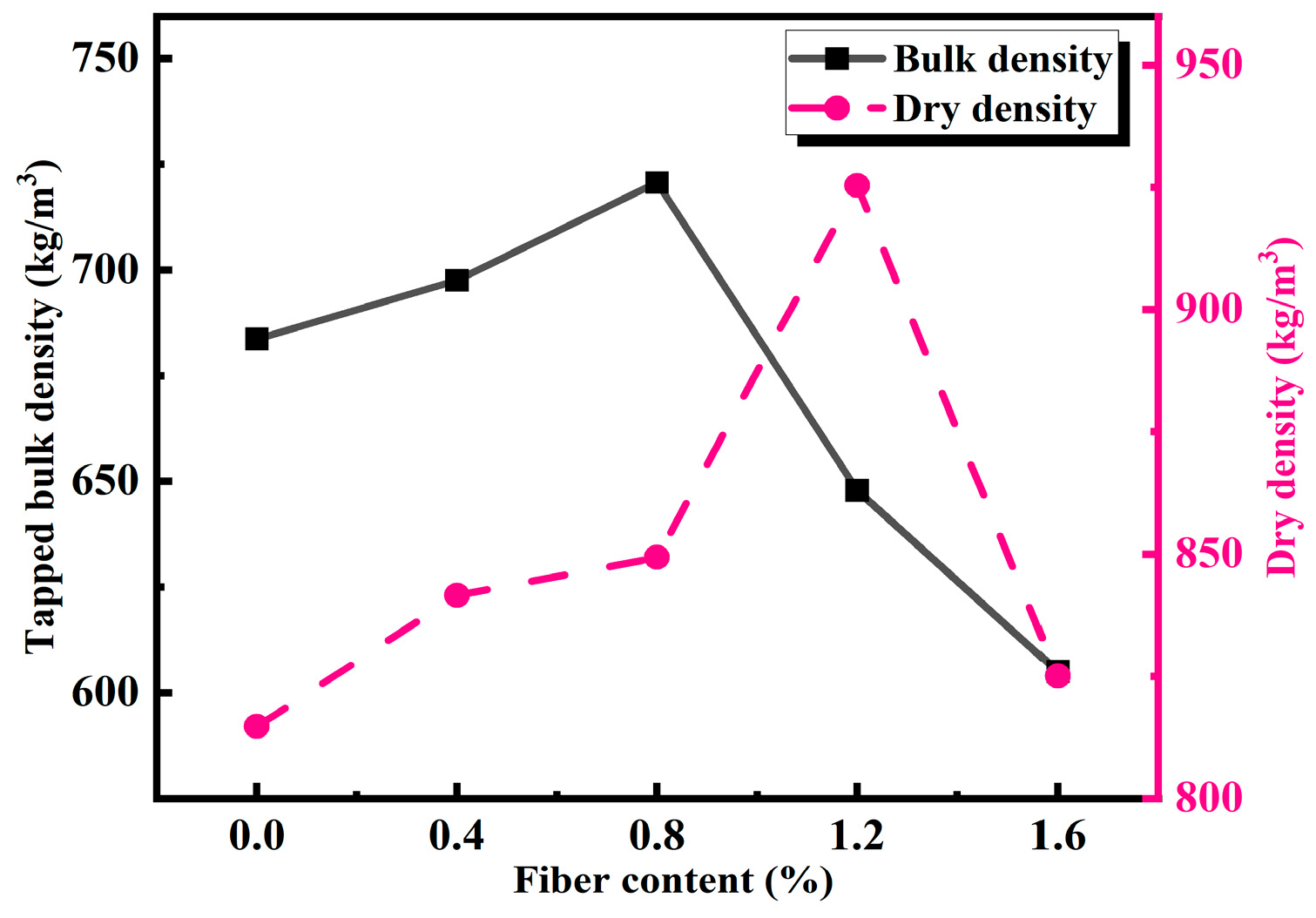
With increasing sugarcane bagasse fiber (SBF) content, both the bulk density and dry density of the mortar exhibited an initial increase followed by a decrease. The bulk density reached its maximum at 0.8% SBF, whereas the highest dry density was obtained at 1.2% (Figure 5). At low fiber contents, the fibers were more uniformly dispersed and acted as fillers and a supportive micro-skeleton, which helped reduce harmful large pores and improve structural compactness [28]. In contrast, at higher fiber contents, intensified fiber agglomeration and flotation increased porosity and deteriorated the interfacial transition zone, resulting in reduced compactness [29]. Notably, the peak bulk density slightly lagged behind the peak dry density, indicating that the fiber contribution differs between the packed state and the hardened microstructure.
Figure 5.
Effect of sugarcane bagasse fiber content on density of lightweight mortar.
3.3. Water Absorption
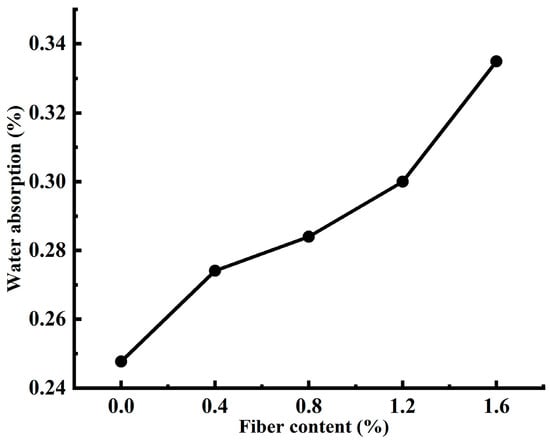
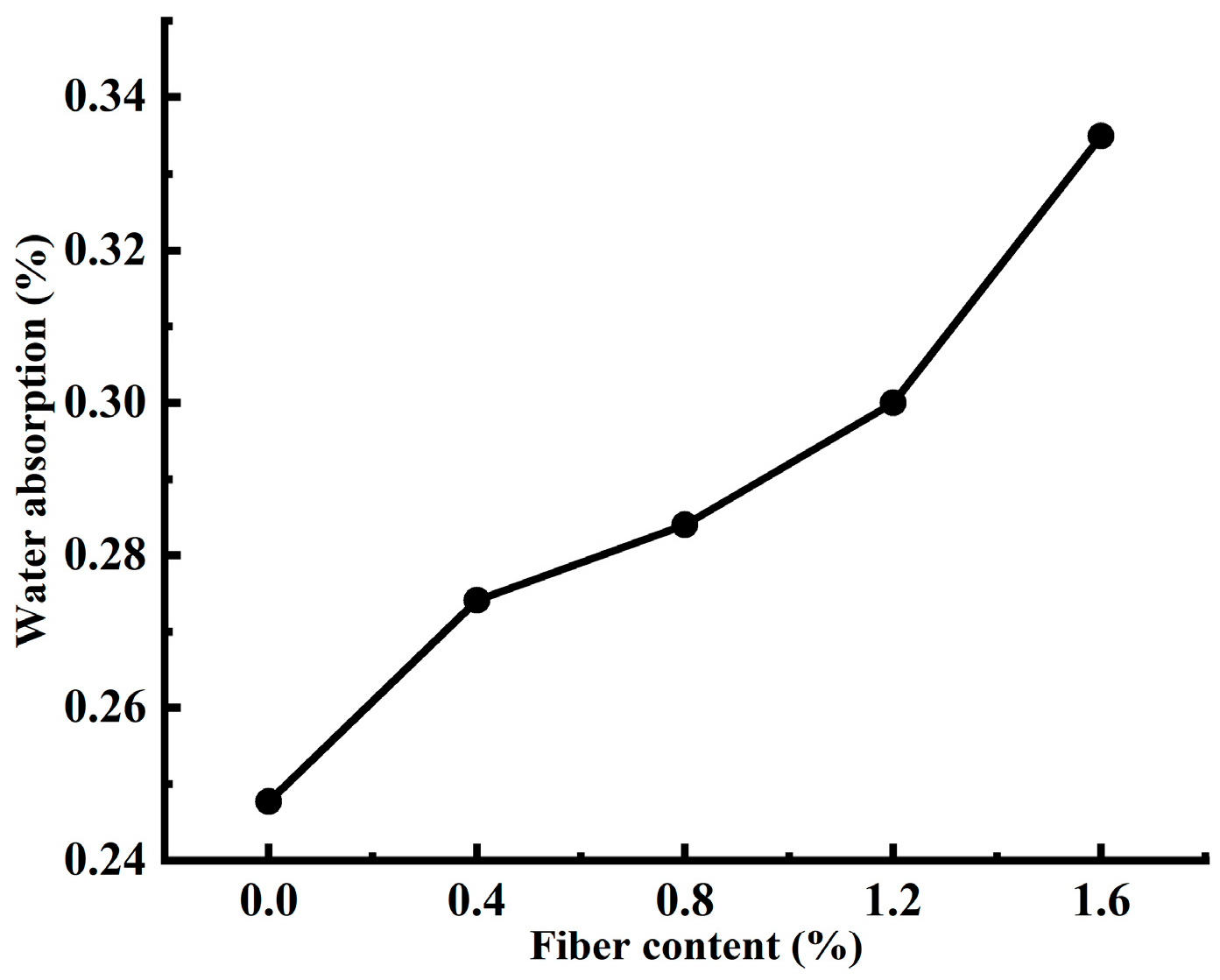
With increasing sugarcane bagasse fiber (SBF) content, the water absorption of the mortar showed a clear upward trend (Figure 6). It increased from 0.2477 in the fiber-free mixture to 0.335 at 1.6% SBF, representing an increase of approximately 35%. At low fiber contents, the increase in water absorption may be associated with the presence and water affinity of the fibers. At higher contents, however, fiber agglomeration and flotation are likely to increase pore volume and connectivity, thereby further intensifying water uptake. Similar observations were reported by Daliposa et al. [30] and Kiamahalleh et al. [31], who found that high fiber contents enhance pore connectivity, leading to increased water absorption and porosity in cement-based materials. Overall, these results suggest that excessive fiber addition tends to make the mortar microstructure looser and more susceptible to water ingress, which may in turn adversely affect mechanical performance.
Figure 6.
Changes in water absorption of sugarcane bagasse fiber lightweight mortar.
3.4. Compressive Strength
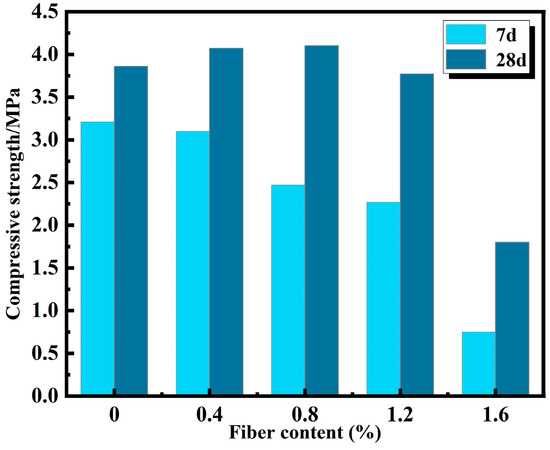
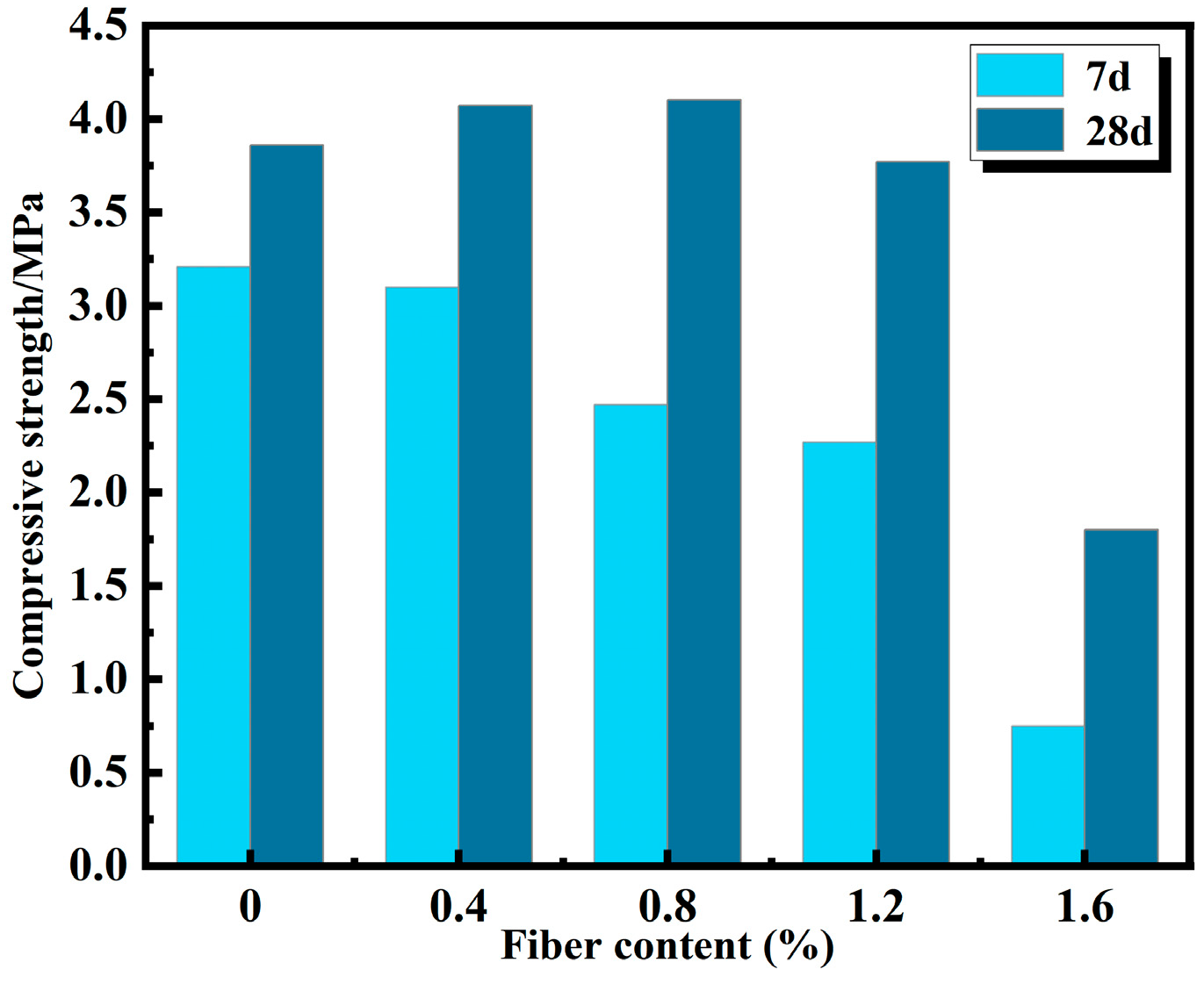
The compressive strength of the mortar increased with curing age, while its variation with sugarcane bagasse fiber (SBF) content showed a non-monotonic trend (Figure 7). Elawadly et al. [29] demonstrated that low fiber contents can effectively improve the compressive strength of cement-based materials. However, at higher contents, fiber agglomeration significantly increases, which in turn reduces the compressive strength—this trend is consistent with the findings of the present study. At 7 days, the compressive strength of the specimens with added sugarcane bagasse fiber (SBF) was generally lower than that of the control group, especially at the 1.6% content, where it dropped to just 0.75 MPa. This indicates that the high water absorption capacity of the fibers reduces the effective water-to-binder ratio, suppressing early hydration reactions. However, at 28 days, the compressive strengths of the specimens with 0.4% and 0.8% SBF increased to 4.07 MPa and 4.10 MPa, respectively, representing a 6.8% and 7.1% increase compared to the control. This suggests that the water retained in the fiber pores is gradually released over time, providing “internal curing” and promoting further hydration product formation, which improves overall compactness. Similar studies by Han et al. [32] also found that fibers provide a continuous water supply, facilitating the generation of hydration products and thus increasing material strength. However, when the fiber content was further increased to 1.2% and 1.6%, the compressive strength significantly decreased. Wang et al. [33] also observed that at high contents, fiber agglomeration not only increased porosity but also reduced interfacial bonding, thereby weakening the compressive strength of the concrete.
Figure 7.
Compressive strength of lightweight mortar with different sugarcane bagasse fiber contents.
3.5. Flexural Strength
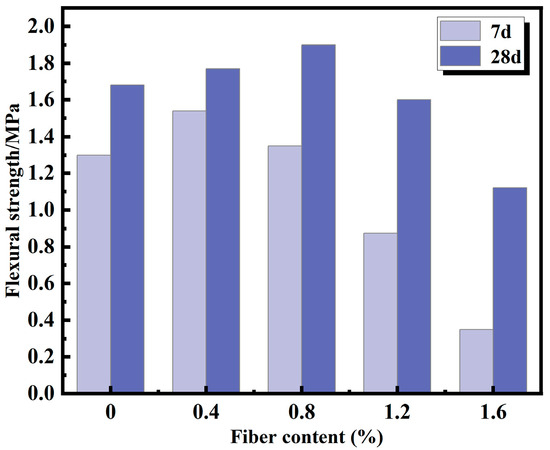
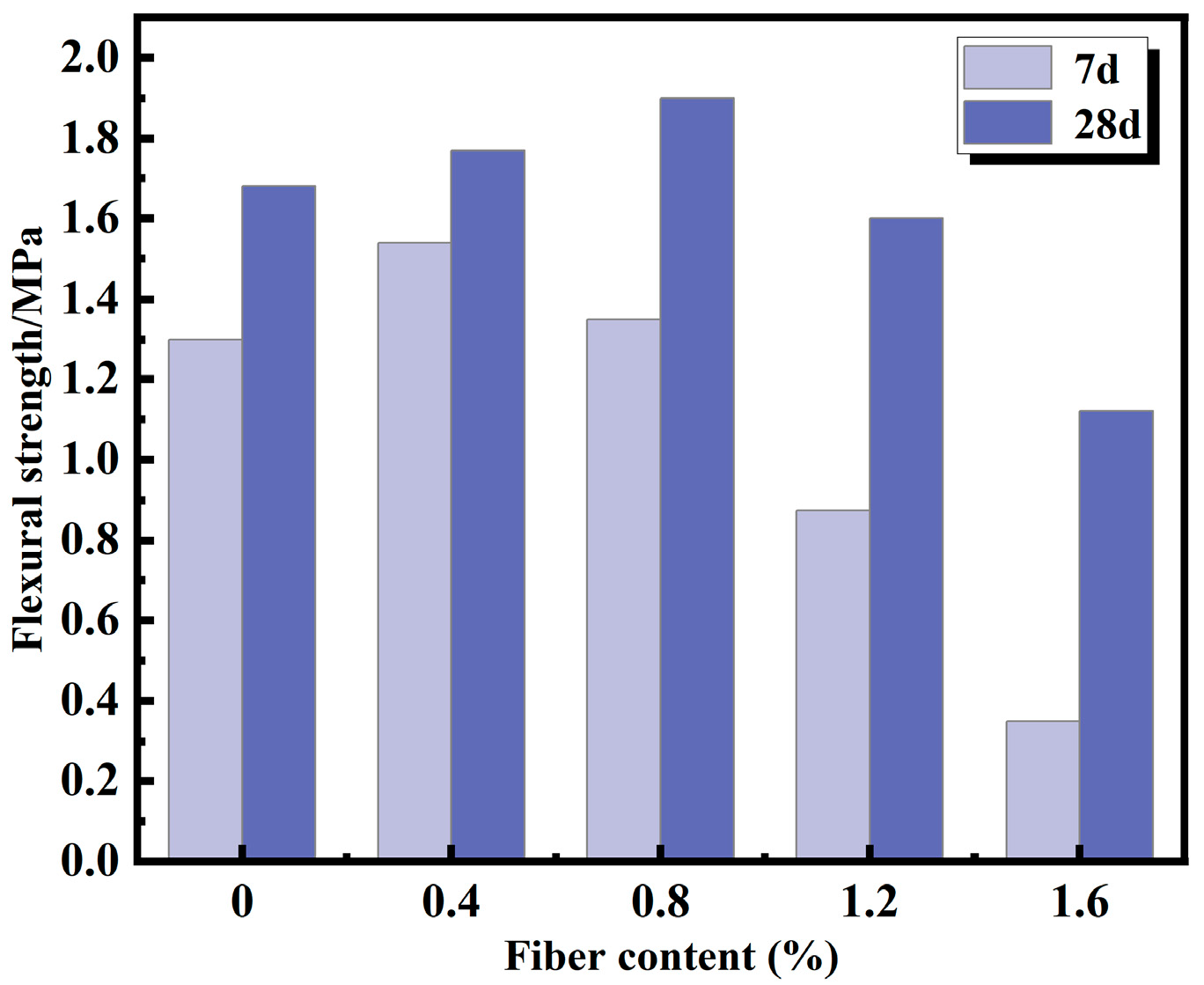
As shown in Figure 8, the flexural strength of the mortar followed a “first increase, then decrease” trend with the increase in sugarcane bagasse fiber content. At 7 days, the flexural strength increased to 1.54 MPa with 0.4% fiber content, an 18.5% improvement compared to the control group. At 28 days, the strength reached 1.90 MPa with 0.8% fiber content, a 13.1% increase compared to the control. This indicates that low fiber content effectively bridges microcracks and inhibits their expansion. Moreover, as the hydration reaction progresses, the fiber–matrix bond strength significantly improves over time, allowing the fibers’ toughening effect to be fully realized. However, when the fiber content exceeds 1.2%, fiber agglomeration and the increase in porosity weaken the bridging effect, leading to a decrease in strength. Therefore, sugarcane bagasse fiber is more beneficial for improving the toughness of mortar, and it is recommended to control the content within 0.8% in engineering applications.
Figure 8.
Flexural strength of lightweight mortar with different sugarcane bagasse fiber contents.
3.6. Tensile Bond Strength
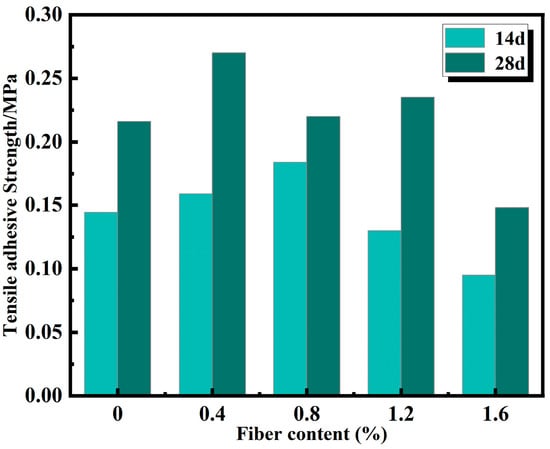
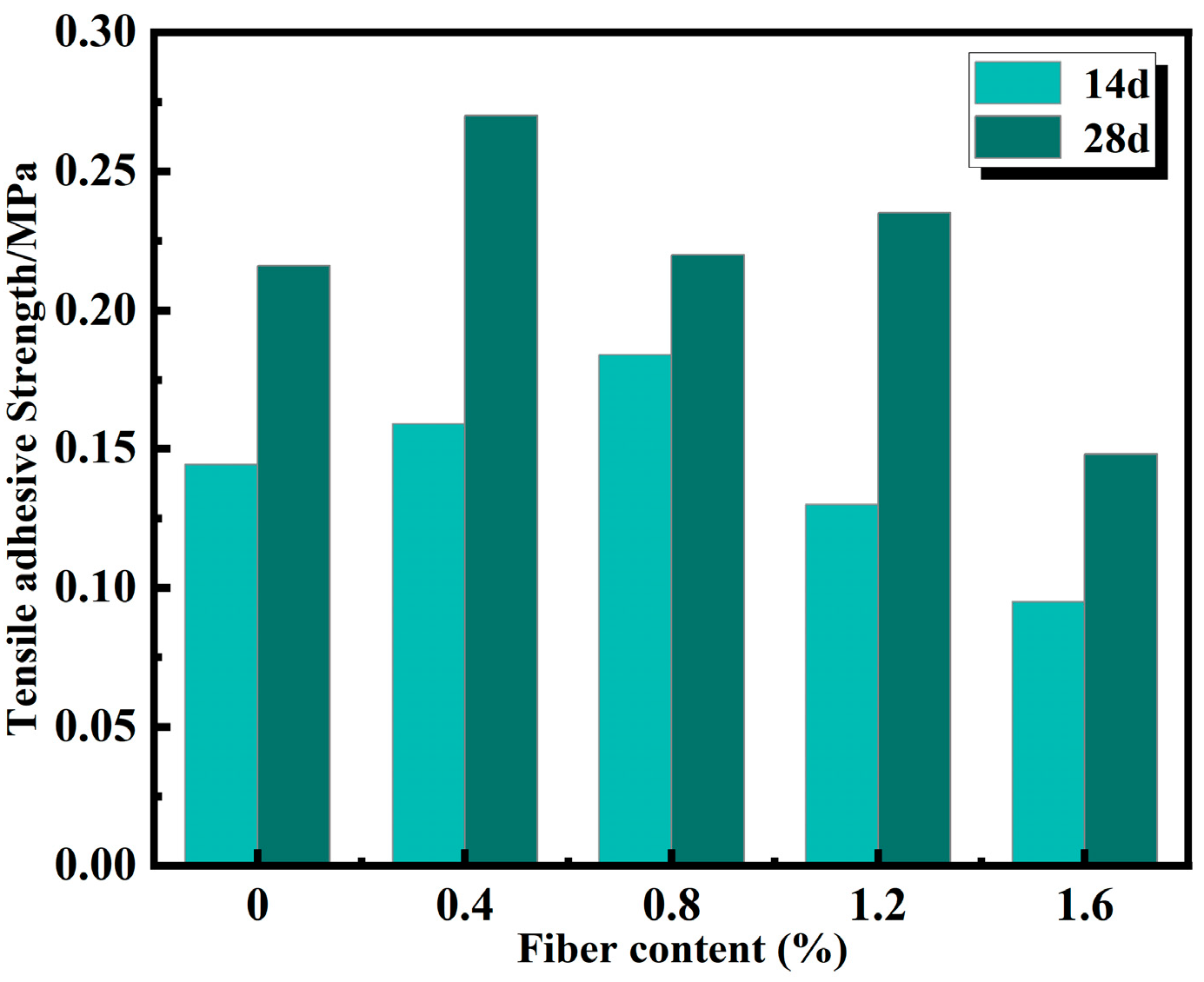
Figure 9 shows the variation in tensile bond strength with bagasse fiber (SBF) content. At 14 days, the specimen with 0.8% SBF exhibited the highest tensile bond strength of 0.184 MPa, representing an increase of 27% compared with the control group. At 28 days, the highest value was observed at 0.4% SBF, reaching 0.270 MPa, which was 25% higher than that of the control group. These results indicate that a relatively low fiber content is more favorable for improving tensile bond performance. This may be related to the contribution of fibers to crack restraint and interfacial bridging at appropriate contents. In contrast, excessive fiber incorporation may lead to agglomeration and a less uniform internal structure, which is unfavorable for further improvement in tensile bond strength.
Figure 9.
Tensile strength of lightweight mortar with different sugarcane bagasse fiber contents.
3.7. Low-Field Nuclear Magnetic Resonance (LF-NMR)
3.7.1. T2 Spectrum
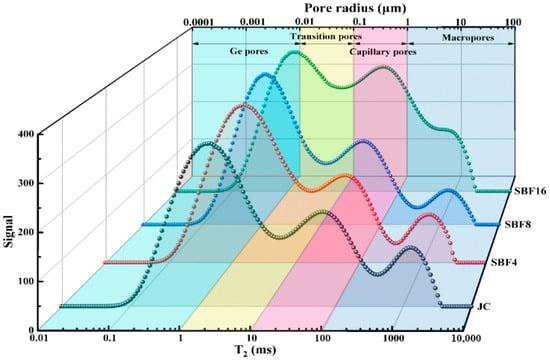
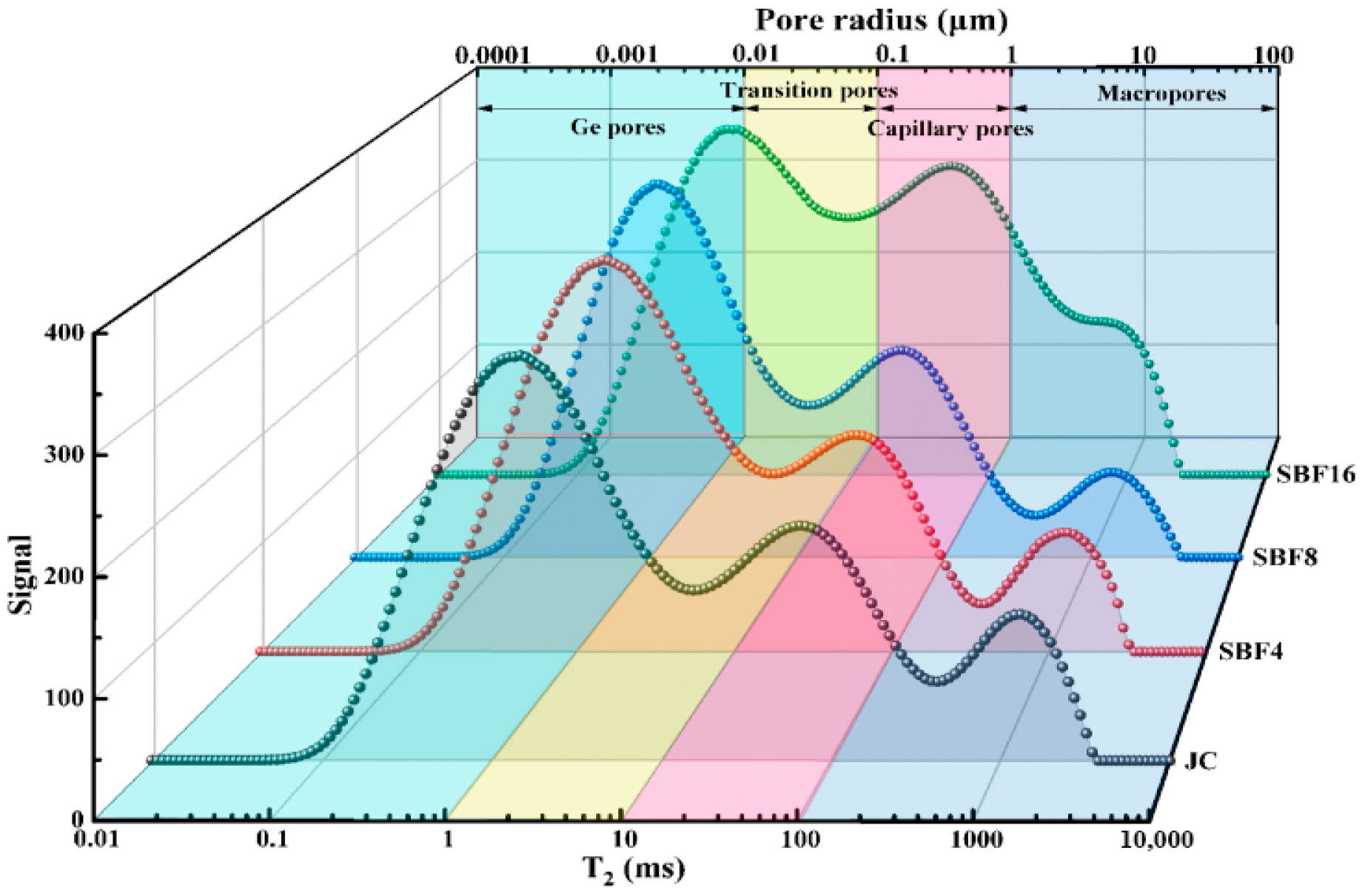
The T2 spectra of lightweight mortar with different contents of sugarcane bagasse fiber are shown in Figure 10. After the fiber incorporation, the T2 spectra of the mortar exhibited a typical three-peak distribution, corresponding to gel pores, capillary pores, and macropores. Compared to the control group (0%), the peaks of all fiber-containing groups shifted leftward, indicating that the introduction of fiber effectively reduced pore size, leading to a more compact pore structure. Similar conclusions have been reported in existing studies. Zhang et al. [34] found that after the introduction of natural fibers, the T2 relaxation time of mortar significantly decreased, indicating a more compact pore structure. Especially under drying conditions, fibers helped balance the moisture distribution, thereby optimizing the pore structure. Based on the results of this study, it can be inferred that during mixing, sugarcane bagasse fibers primarily contribute to the more concentrated deposition of hydration products in pores due to the fibers’ water absorption capacity.
Figure 10.
T2 spectra at different sugarcane bagasse fiber contents.
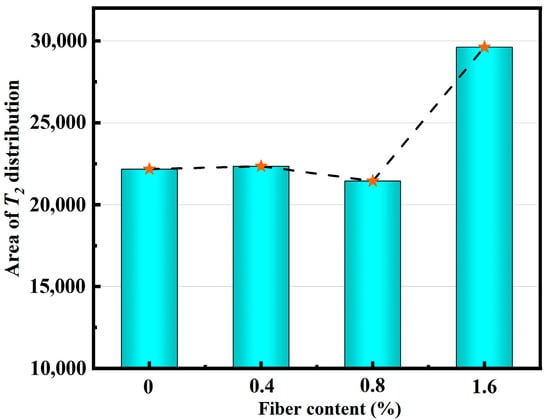
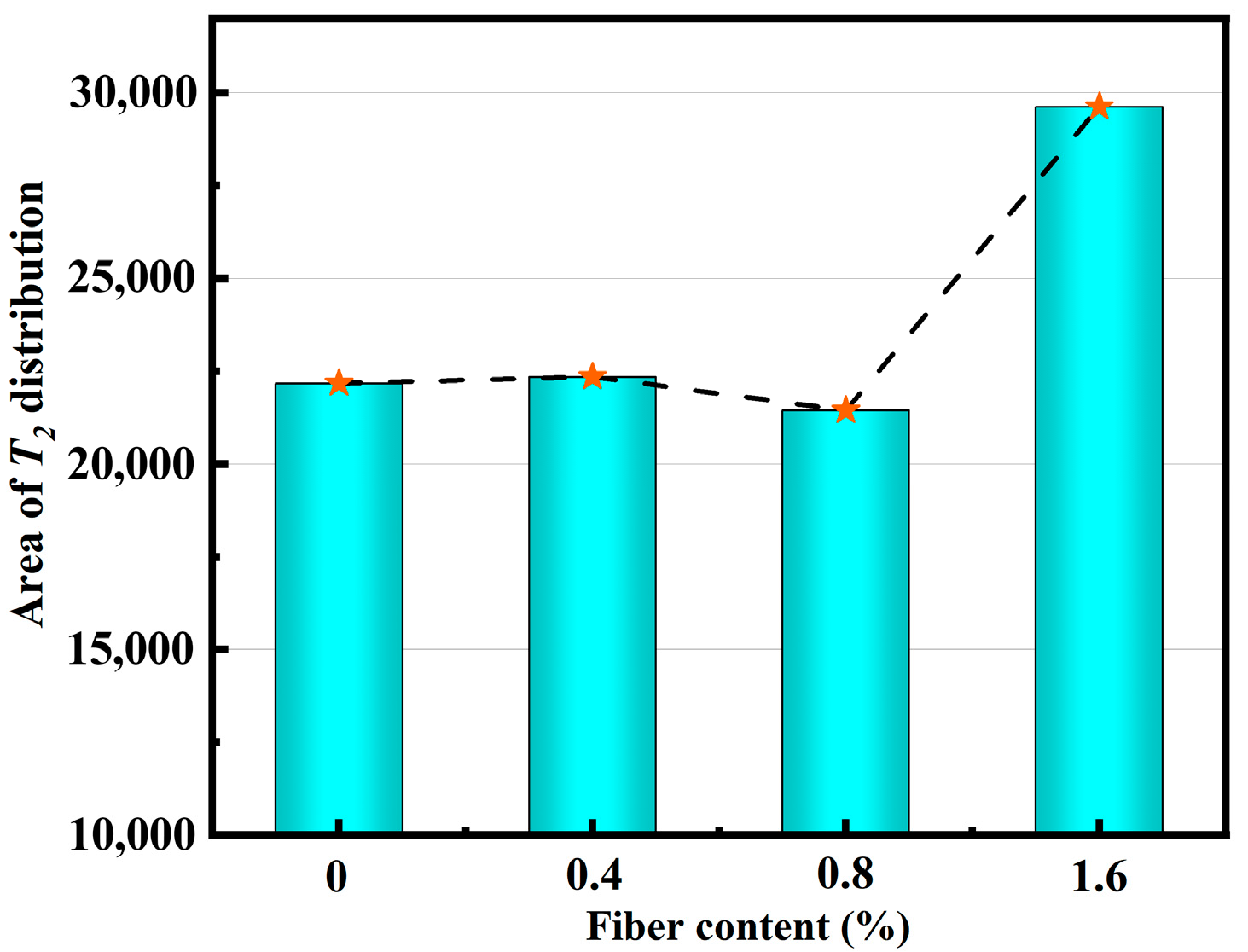
The relaxation time signal area can represent the porosity of cement-based materials [35]. Figure 11 shows the relaxation time signal area of lightweight mortar with different contents of sugarcane bagasse fiber. The signal areas of the samples, ranked from largest to smallest, are G16, G4, JC, and G8. Compared to the control group, at low contents, the signal area fluctuated slightly with the fiber content, indicating a minimal impact on overall porosity. Among them, the total signal area of the 0.8% fiber sample was the lowest, suggesting the lowest effective porosity and the most compact pore structure. However, at a 1.6% fiber content, the total signal area increased by 33%, indicating a significant increase in connected pores, which negatively affects the mechanical performance and stability of the mortar.
Figure 11.
Relaxation time signal area.
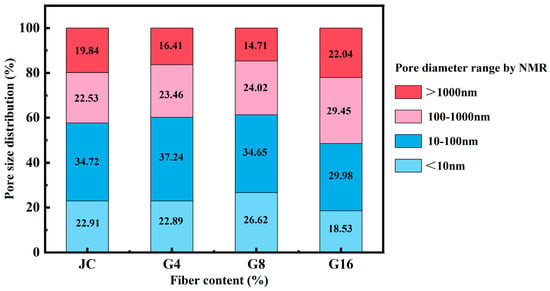
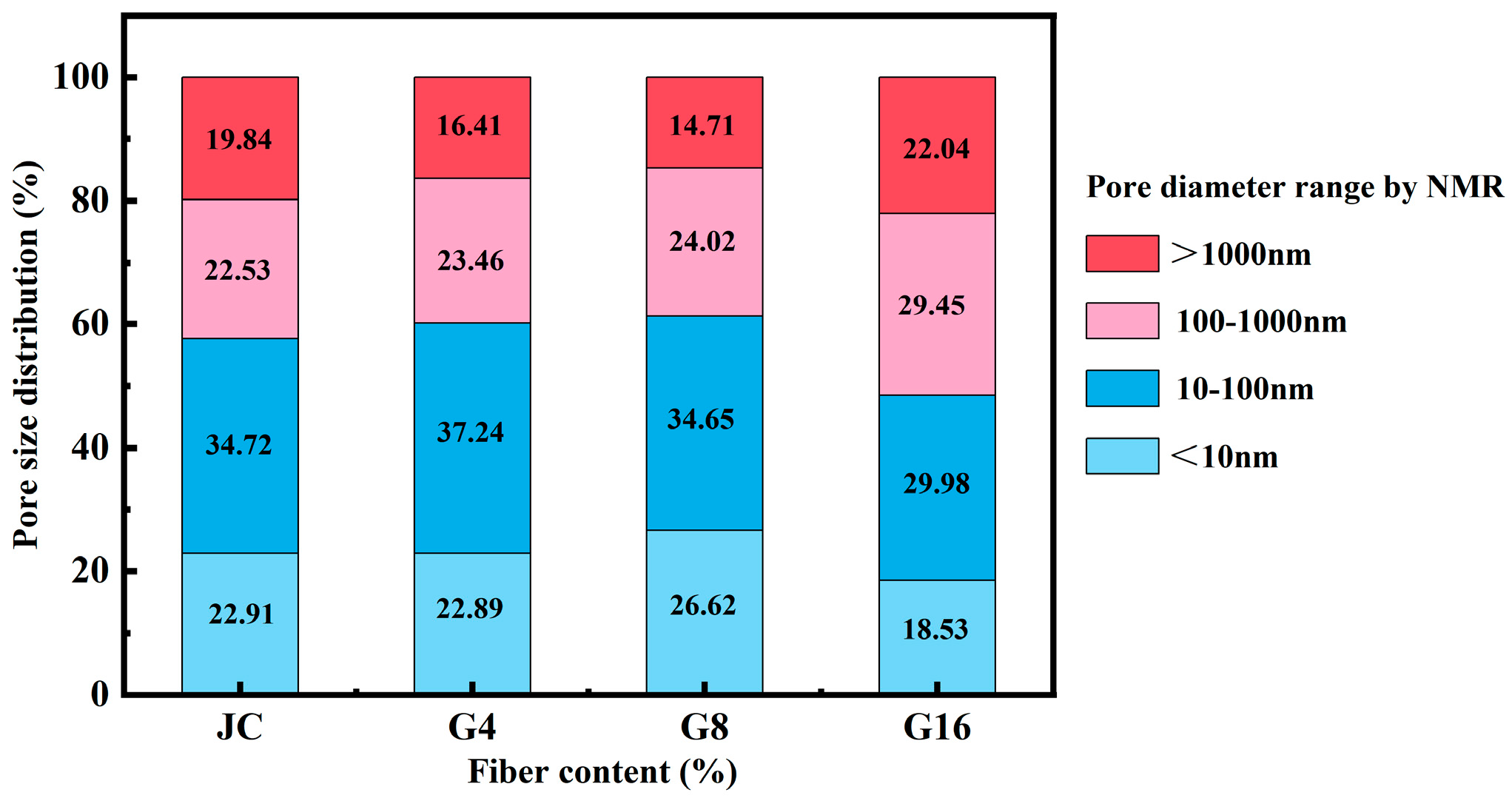
Pore distribution characteristics have a direct impact on the compactness and macroscopic performance of lightweight mortar [32]. The effect of sugarcane bagasse fiber on the pore distribution of lightweight mortar is shown in Figure 12. Compared to that in the control group, the proportion of macropores in the 0.4%-fiber-content sample decreased, while the proportion of capillary pores increased, indicating that the low fiber content reduced the amount of large pores to some extent. When the fiber content was further increased to 0.8%, the proportion of gel pores rose to 26.62%, and the proportion of macropores decreased to the lowest level (14.71%), indicating a clear refinement and optimization of the pore structure. This aligns with the results of reduced porosity and improved mechanical properties, suggesting that an appropriate amount of fiber can promote the filling of pores with hydration products and inhibit the formation of large pores. However, when the fiber content increased to 1.6%, the proportion of gel pores decreased to 18.53%, while the proportions of capillary pores and macropores increased to 29.45% and 22.04%, respectively, indicating enhanced pore connectivity, an increase in large pores, and a deterioration of the pore structure.
Figure 12.
Effect of sugarcane bagasse fiber on pore distribution of lightweight mortar.
3.7.2. Fractal Characteristics
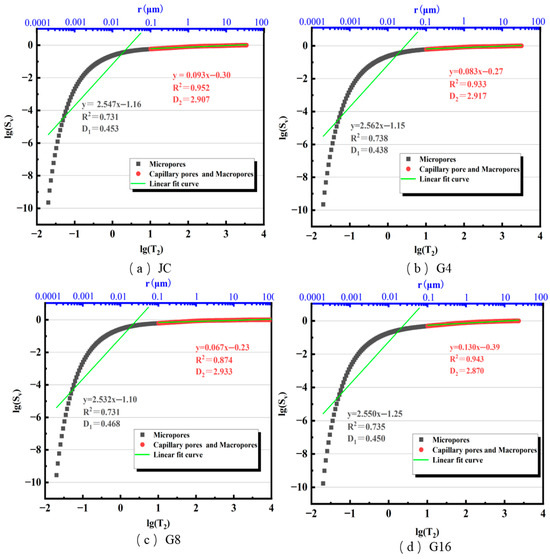
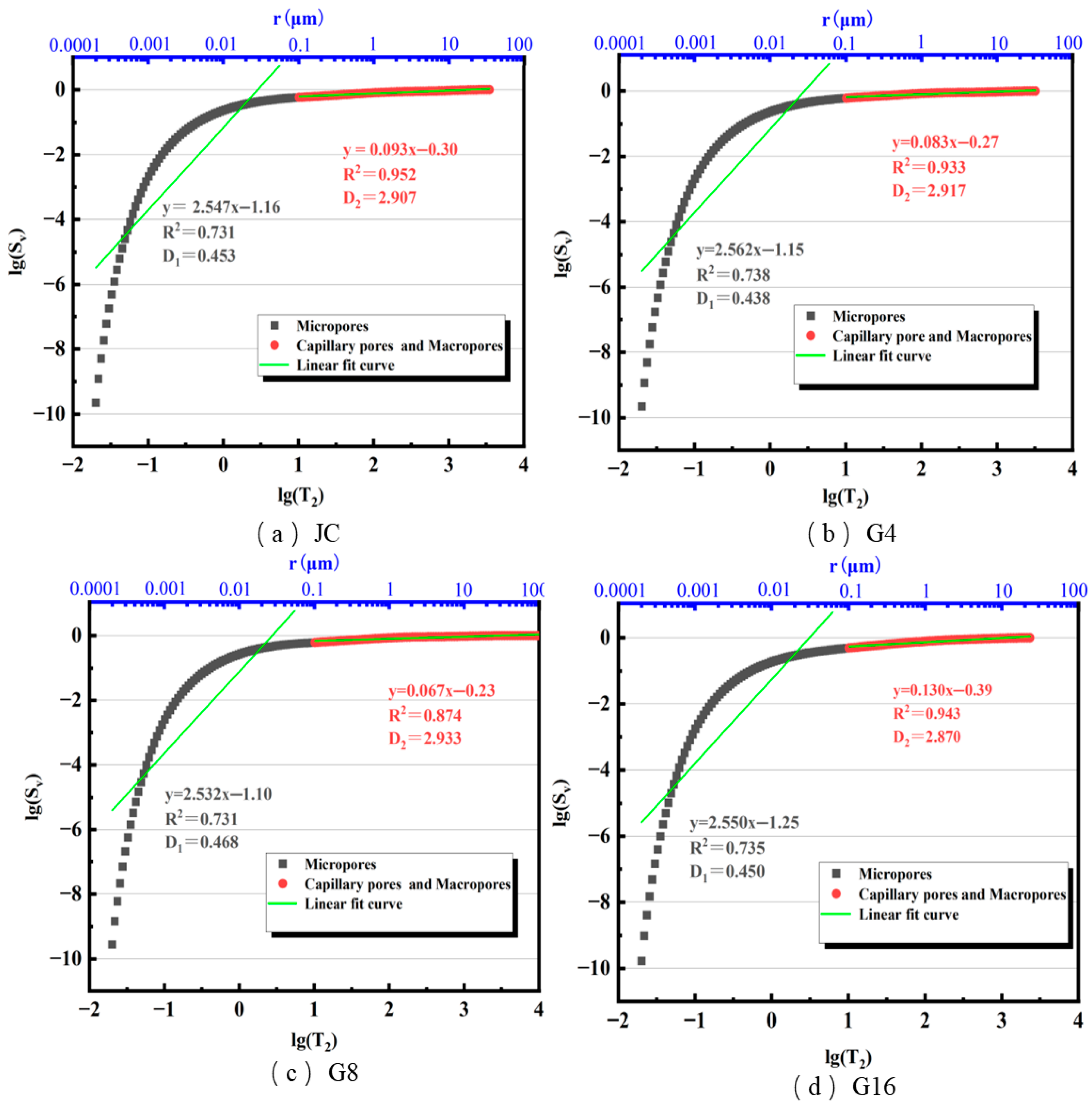
Since gel pores and transitional pores are continuously distributed in the T2 spectrum and lack clear boundaries, both exhibit a good linear characteristic in the space. Considering that the relaxation mechanism in the short T2 range is the same, this study combines gel pores and transitional pores into “micropores” for fitting to obtain the fractal dimension D1. The fractal dimension D2 represents the capillary and macropore dimensions. This approach not only avoids potential instability or non-physical results that may arise from separate fittings but also ensures the robustness and physical plausibility of the fit.
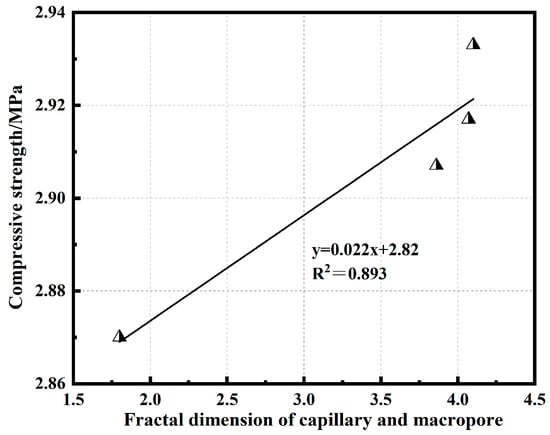
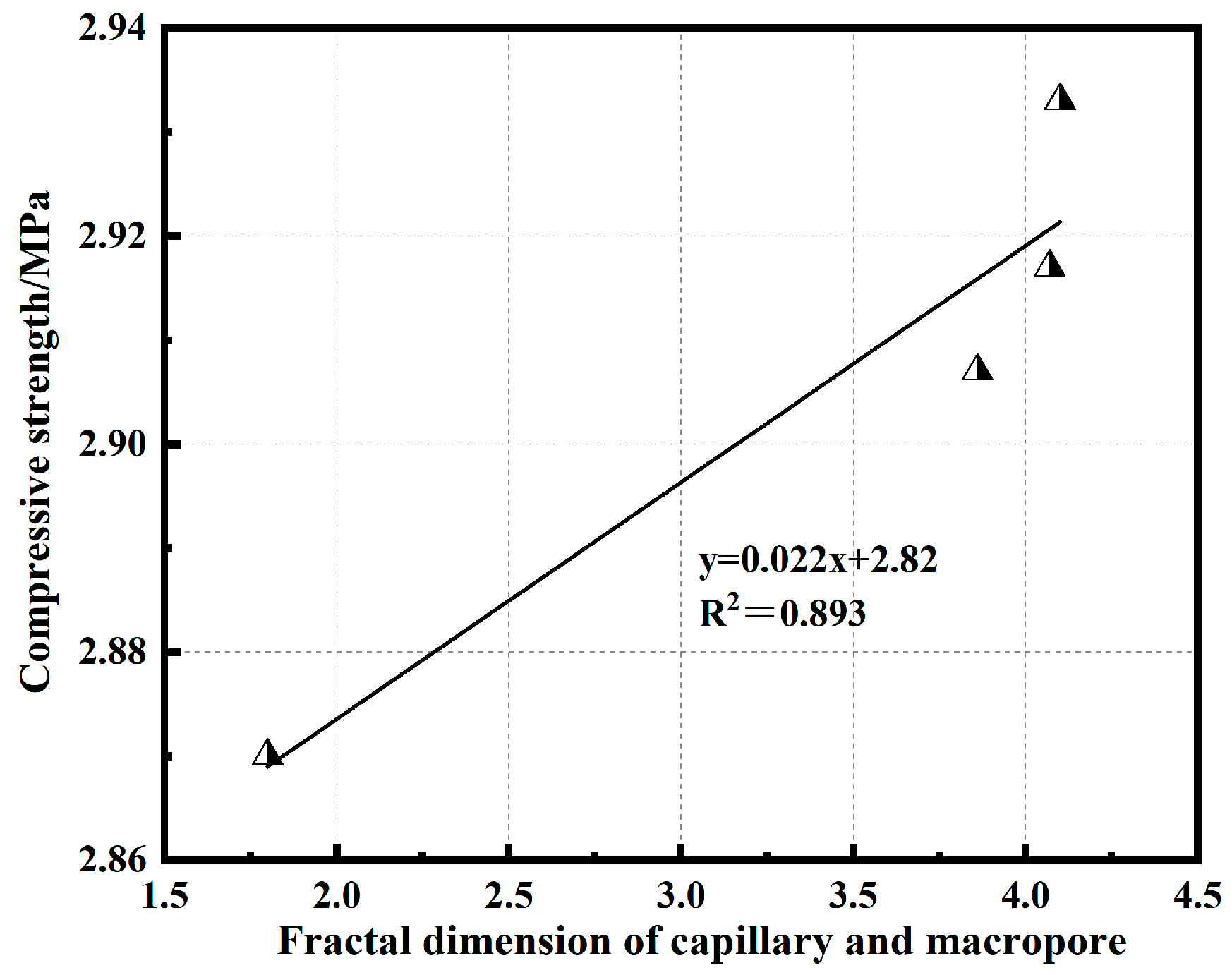
Capillary pores and macropores are the main pore types governing the mechanical properties of cement-based materials [33]. The fractal dimensions of capillary pores and macropores first increased and then decreased with increasing sugarcane bagasse fiber content, suggesting that the pore structure became more complex and dispersed at 0.4% and 0.8% fiber contents but tended to become more connected at 1.6% (Figure 13; Table 7). This change may be related to the ability of sugarcane bagasse fibers to refine the pore structure and promote a more uniform pore distribution at relatively low contents. At higher contents, however, fiber agglomeration and flotation may have contributed to the formation of more irregular and interconnected pores. The SBF16 specimen exhibited the lowest fractal dimensions for capillary pores and macropores, together with the highest porosity, indicating the strongest pore connectivity among all mixtures (Figure 11; Table 7). This pore structure was unfavorable for resisting external loading and was consistent with the lowest compressive strength observed for SBF16. In contrast, SBF8 showed the highest fractal dimensions and the lowest porosity, indicating a more dispersed pore structure with weaker connectivity, which corresponded to the highest compressive strength in this study (Figure 11; Table 7). Overall, the lower the porosity of lightweight mortar, and the more dispersed and less interconnected the pores, the larger the NMR fractal dimension, indicating higher compressive strength and thus greater resistance to failure under external loads (Figure 14).
Figure 13.
Fractal characteristics of sugarcane bagasse fiber lightweight mortar.
Table 7.
Fractal dimension of sugarcane bagasse fiber lightweight mortar at different contents (K is the fitted line’s slope).
Figure 14.
Relationship between compressive strength and NMR fractal dimension.
3.8. SEM Analysis of Bagasse Fiber Lightweight Mortar Interface
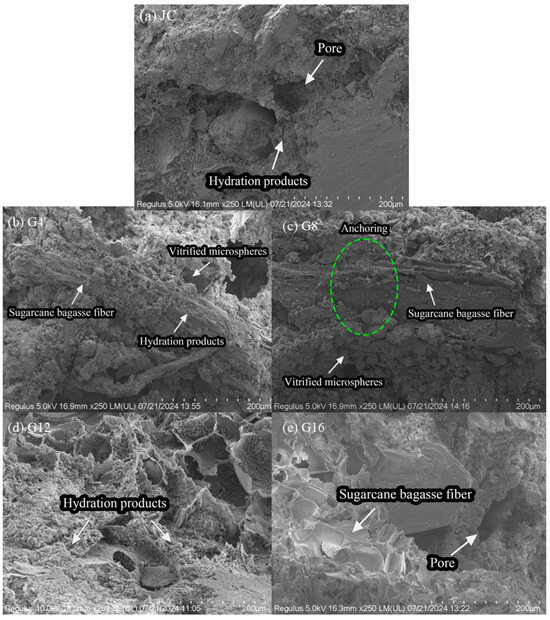
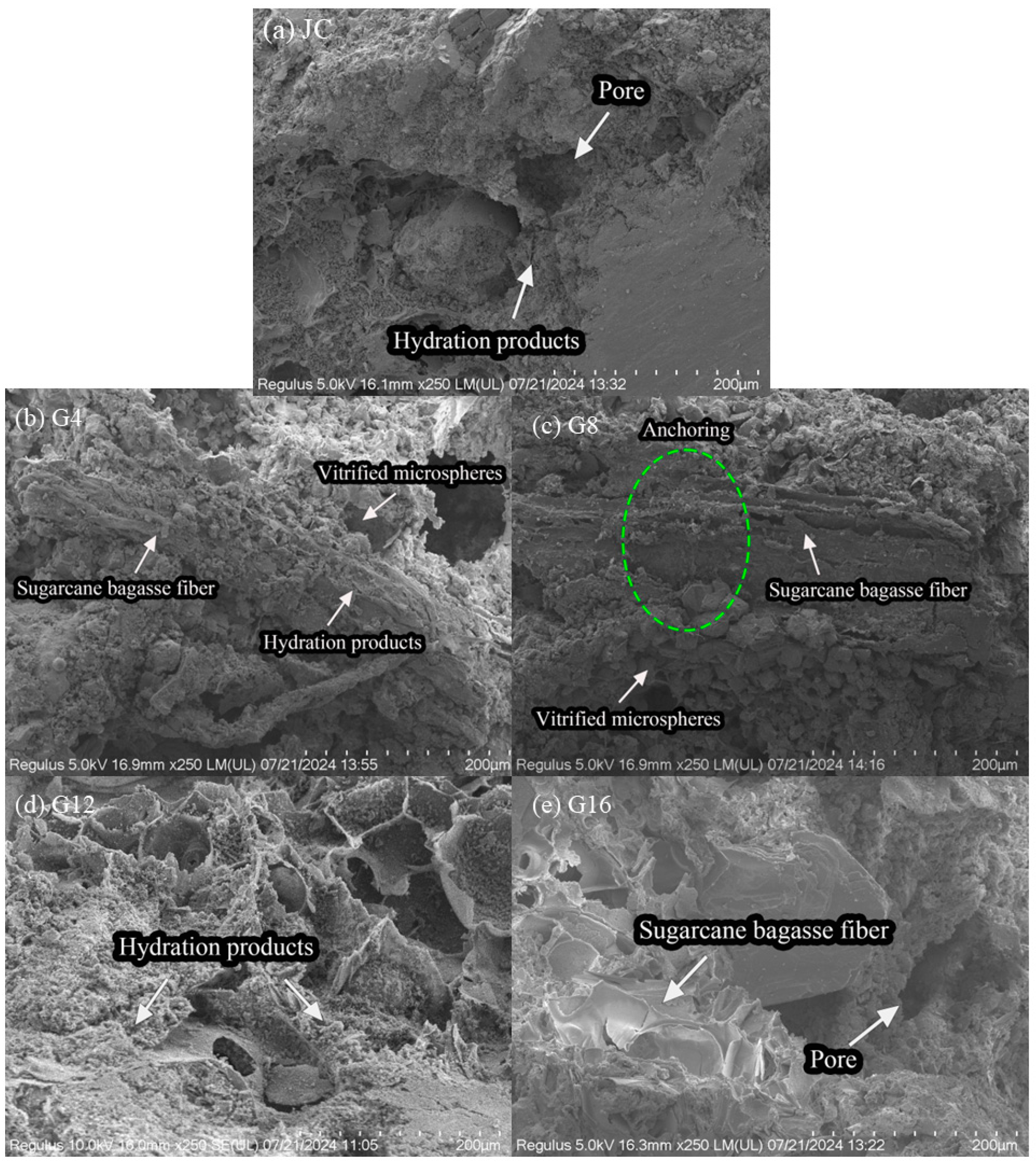
Representative SEM images were used to qualitatively examine the interfacial microstructure of lightweight mortar with different sugarcane bagasse fiber (SBF) contents (Figure 15). For the control specimen (JC), the surface of the vitrified microspheres appeared relatively smooth, and local pores and microcracks could be observed in the interfacial transition zone (ITZ) between the lightweight aggregate and the matrix. In addition, hydration products in this region were unevenly distributed, suggesting a relatively loose local interfacial structure. Such interfacial features may render the ITZ more susceptible to damage under external loading, thereby adversely affecting the mechanical performance [36].
Figure 15.
Representative SEM images of lightweight mortar with different sugarcane bagasse fiber (SBF) contents: (a) JC, (b) SBF4, (c) SBF8, (d) SBF12, and (e) SBF16.
For the mixtures containing relatively low amounts of fiber, namely SBF4 and SBF8, the fibers appeared to be in closer contact with the surrounding matrix. In these specimens, some fibers were observed to bridge local pores or microcracks, which may have helped hinder the development of connected defect paths. Moreover, owing to the rough fiber surface, hydration products were found to adhere to both the fiber surface and the adjacent interfacial region. This morphology suggests that an appropriate fiber content may help improve local interfacial continuity and provide possible bridging and anchoring effects, which is qualitatively consistent with the better mechanical performance observed for these mixtures.
In contrast, for the mixtures with relatively high fiber contents, namely SBF12 and SBF16, the interfacial morphology appeared less uniform, and more local defects could be observed. Although hydration products were still deposited on the fiber surface and parts of the fibers appeared embedded in the matrix, the local structure did not show the same degree of interfacial continuity as that observed in the lower-fiber-content mixtures. These qualitative observations are generally consistent with the pore structure and mechanical results, indicating that excessive fiber incorporation is less favorable for maintaining a uniform and compact internal structure.
4. Conclusions
This study investigated the effect of sugarcane bagasse fiber reinforcement on the physical and mechanical properties of lightweight mortar. The impact of sugarcane bagasse fiber incorporation on the physical properties, including consistency, density, and water absorption, as well as mechanical properties such as compressive strength, flexural strength, and tensile bond strength, was explored. Additionally, the pore structure and microstructural characteristics of the interfacial transition zone (ITZ) of the mortar were analyzed using low-field nuclear magnetic resonance (LF-NMR) and scanning electron microscopy (SEM). The following conclusions were drawn:
- The consistency, density, and water absorption of lightweight mortar are significantly affected by the content of sugarcane bagasse fiber. At low contents, the fibers are well-dispersed and serve both as absorbents and fillers, which have a limited effect on consistency but help improve the matrix compactness. At higher contents, fiber agglomeration and flotation cause the structure to become more porous, leading to a significant increase in water absorption.
- Relatively low fiber contents (0.4% and 0.8%) were more favorable for mechanical performance, with the compressive, flexural, and tensile strengths increasing by 7.1%, 13.1%, and 25%, respectively, compared with the control group. When the fiber content was further increased, the mechanical properties declined.
- NMR tests indicate that an appropriate fiber content reduces the proportion of large pores and increases the content of gel pores, leading to a more compact pore distribution. At 0.8%, the porosity is the lowest, and the structure is most optimized. However, at 1.6%, the porosity increases significantly, and the proportion of macropores rises, resulting in obvious structural degradation.
- NMR fractal analysis shows that the fractal dimension of capillary and macropores increases at fiber contents of 0.4% and 0.8%, enhancing pore complexity and dispersion, which contributes to structural stability. At a high content of 1.6%, the fractal dimension decreases, and the pores become more interconnected, leading to a significant reduction in compressive strength.
- SEM results reveal that fibers exhibit bridging, anchoring, and adsorption of hydration products within the matrix, forming mechanical interlocking in the interfacial transition zone (ITZ) and improving compactness.
This study still has several limitations. First, the experiments were conducted under laboratory conditions, and the durability and volume stability of the material under long-term service environments were not systematically evaluated. Second, the effective water-to-binder ratio and the life-cycle carbon-reduction benefits of sugarcane bagasse fiber lightweight mortar were not directly quantified. Future research should further investigate fiber pretreatment, length effect, and dispersion control, together with durability testing, life-cycle assessment, and engineering-scale validation, in order to systematically evaluate its long-term service performance and carbon-reduction potential. In addition, the appropriate use of sugarcane bagasse fiber is expected to promote the valorization of agricultural waste and provide a useful reference for the development of green lightweight building materials under the “dual-carbon” strategy.
Author Contributions
Writing—review and editing, M.Z.; Resources, Data curation, Writing—original draft, G.B.; Resources, Data curation, Writing—original draft, Y.L.; Project administration, Investigation and Data curation, Q.H.; Methodology, Writing—review and editing, Funding acquisition, J.Z. (Jintuan Zhang); Resources, Data curation, Z.C.; Writing—original draft, Supervision, W.L.; Data curation, Investigation, J.Z. (Jingyun Zhang); Data curation, Supervision, T.H.; Data curation, T.S. All authors have read and agreed to the published version of the manuscript.
Funding
Hezhou University Professor Research Start-up Fund (2025JSQD04), the Science and Technology Program of the Guangxi Department of Housing and Urban-Rural Development (R&D, 2024), the Special Project in Key Fields of the Guangdong Provincial Department of Education (No. 2023ZDX3106), Natural Science Foundation of Shandong Province (ZR2025MS802), Singapore NASS Research Project (RP-NAS-2026-012), and the Guangxi Program for Fostering Research Capacity of Young University Faculty (No. 2025KY0792).
Institutional Review Board Statement
Not applicable.
Informed Consent Statement
Not applicable.
Data Availability Statement
The original contributions presented in this study are included in the article. Further inquiries can be directed to the corresponding authors.
Acknowledgments
Sincere appreciation is extended to all supporting institutions and funding agencies.
Conflicts of Interest
The authors declare no conflict of interest.
References
- Wan, Y.; Zhang, W.; Chen, R.; Zhang, L.; Zhang, Y. A novel cellulose ether cross-linking modification and its effect mechanism on the properties of cementitious materials. Constr. Build. Mater. 2024, 447, 138150. [Google Scholar] [CrossRef] [Scilit]
- Su, T.; Yu, X.; Jin, H.; Chen, L.; Tan, Z.; Ngo, T. Macro-mechanical properties and freeze thaw evaluation of innovative nano-silica modified concrete reinforced by recycled carpet fibers. Constr. Build. Mater. 2025, 492, 142894. [Google Scholar] [CrossRef] [Scilit]
- Yousefi, A.; Tang, W.; Khavarian, M.; Fang, C.; Wang, S. Thermal and mechanical properties of cement mortar composite containing recycled expanded glass aggregate and nano titanium dioxide. Appl. Sci. 2020, 10, 2246. [Google Scholar] [CrossRef] [Scilit]
- Šeputytė-Jucikė, J.; Vėjelis, S.; Kizinievič, V.; Kairytė, A.; Vaitkus, S. The effect of expanded glass and crushed expanded polystyrene on the performance characteristics of lightweight concrete. Appl. Sci. 2023, 13, 4188. [Google Scholar] [CrossRef] [Scilit]
- Sane, R.; Pandit, S.; Khedkar, S. High-performance thin-layer chromatographic determination of celecoxib in its dosage form. JPC—J. Planar Chromatogr.—Mod. TLC 2004, 17, 61–64. [Google Scholar] [CrossRef] [Scilit]
- Husem, M. The effects of bond strengths between lightweight and ordinary aggregate-mortar, aggregate-cement paste on the mechanical properties of concrete. Mater. Sci. Eng. A 2003, 363, 152–158. [Google Scholar] [CrossRef] [Scilit]
- Adamu, M.; Alanazi, F.; Ibrahim, Y.E.; Alanazi, H.; Khed, V.C. A comprehensive review on sustainable natural fiber in cementitious composites: The date palm fiber case. Sustainability 2022, 14, 6691. [Google Scholar] [CrossRef] [Scilit]
- Jaffur, N.; Jeetah, P. Production of low cost paper from Pandanus utilis fibres as a substitution to wood. Sustain. Environ. Res. 2019, 29, 20. [Google Scholar] [CrossRef] [Scilit]
- De Klerk, M.D.; Kayondo, M.; Moelich, G.M.; de Villiers, W.; Combrinck, R.; Boshoff, W. Durability of chemically modified sisal fibre in cement-based composites. Constr. Build. Mater. 2020, 241, 117835. [Google Scholar] [CrossRef] [Scilit]
- Bilba, K.; Arsène, M.A.; Ouensanga, A. Sugar cane bagasse fibre reinforced cement composites. Part I. Influence of the botanical components of bagasse on the setting of bagasse/cement composite. Cem. Concr. Compos. 2003, 25, 91–96. [Google Scholar] [CrossRef] [Scilit]
- Madhu Syamala, L.; Vishnudas, S.; Anil, K.R. Effect of coir fiber reinforcement on flexural and compressive strengths of masonry mortar. J. Mater. Civ. Eng. 2023, 35, 04023457. [Google Scholar] [CrossRef] [Scilit]
- Soltan, D.G.; das Neves, P.; Olvera, A.; Junior, H.S.; Li, V.C. Introducing a curauá fiber reinforced cement-based composite with strain-hardening behavior. Ind. Crops Prod. 2017, 103, 1–12. [Google Scholar] [CrossRef] [Scilit]
- Al-Massri, G.; Ghanem, H.; Khatib, J.; El-Zahab, S.; Elkordi, A. The effect of adding banana fibers on the physical and mechanical properties of mortar for paving block applications. Ceramics 2024, 7, 1533–1553. [Google Scholar] [CrossRef] [Scilit]
- Huang, W. Valorization of Sugarcane By-Products from Waste to Wealth. J. Energy Biosci. 2024, 15, 20–27. [Google Scholar] [CrossRef] [Scilit]
- Fang, W.; Evangeliou, N.; Eckhardt, S.; Xing, J.; Zhang, H.; Xiao, H.; Zhao, M.; Kim, S.-W. Increased contribution of biomass burning to haze events in Shanghai since China’s clean air actions. Commun. Earth Environ. 2023, 4, 310. [Google Scholar] [CrossRef] [Scilit]
- Hiranobe, C.T.; Gomes, A.S.; Paiva, F.F.G.; Tolosa, G.R.; Paim, L.L.; Dognani, G.; Cardim, G.P.; Cardim, H.P.; dos Santos, R.J.; Cabrera, F.C. Sugarcane bagasse: Challenges and opportunities for waste recycling. Clean Technol. 2024, 6, 662–699. [Google Scholar] [CrossRef] [Scilit]
- Colorado, H.A.; Zapata, J.F. Composites of Portland cement paste and sugarcane bagasse fibers: Structure-property relation and Weibull statistics. J. Mater. Environ. Sci. 2019, 10, 1162–1171. [Google Scholar]
- Qiu, Y.; Pang, Q.; He, Y.; Cui, X. Extraction of xylan from sugarcane bagasse through mild hydrothermal treatment with phosphoric acid-based porous geopolymers. J. Clean. Prod. 2024, 448, 141640. [Google Scholar] [CrossRef] [Scilit]
- GB 175-2007; Common Portland Cement. Standardization Administration of China: Beijing, China, 2007. (In Chinese)
- GB/T 20473-2021; Standard for Thermal Insulation Mortar for Buildings. Standardization Administration of China: Beijing, China, 2021. (In Chinese)
- GB/T 1927.4-2021; Test Methods for Physical and Mechanical Properties of Small Clear Wood Specimens—Part 4: Determination of Moisture Content. Standardization Administration of China: Beijing, China, 2021. (In Chinese)
- GB/T 17671-2021; Test Method for Strength of Cementitious Sand (ISO Method). Standardization Administration of China: Beijing, China, 2021. (In Chinese)
- JGJ/T 70-2009; Standard Test Methods for Basic Performance of Building Mortar. Ministry of Housing and Urban-Rural Development of the People’s Republic of China: Beijing, China, 2009. (In Chinese)
- Yu, B.; Li, S.; Zhu, H.; Jiang, Q.; Wang, D.; Chen, Y. A composite phase change material for improving the freeze–thaw resistance performance of cement mortars. Constr. Build. Mater. 2023, 387, 131657. [Google Scholar] [CrossRef] [Scilit]
- Yu, L.; Zhang, J.; Zhang, J.; Ma, B. Quantitative relation model between macro performance and pore structure of cement concrete. J. Harbin Eng. Univ. 2015, 36, 1459–1464. (In Chinese) [Google Scholar]
- Zhang, X.; Meng, L.; Li, Q.; Wang, Y.; Liu, D.; Wei, K. Pore size distributions and fractal characteristics of basalt fiber-reinforced coral sand concrete. Sci. Rep. 2025, 15, 22253. [Google Scholar] [CrossRef] [Scilit]
- Tian, G.; Deng, H.; Xiao, Y.; Yu, S. Experimental study of multi-angle effects of micron-silica fume on micro-pore structure and macroscopic mechanical properties of rock-like material based on NMR and SEM. Materials 2022, 15, 3388. [Google Scholar] [CrossRef] [Scilit]
- Zhao, K.; Xue, S.; Zhang, P.; Tian, Y.; Li, P. Application of natural plant fibers in cement-based composites and the influence on mechanical properties and mass transport. Materials 2019, 12, 3498. [Google Scholar] [CrossRef] [Scilit] [PubMed]
- Elawadly, N.; Sanad, S.A. Sustainable concrete incorporating sugarcane Bagasse ash: A study on workability, mechanical behavior, and microstructure. Innov. Infrastruct. Solut. 2025, 10, 401. [Google Scholar] [CrossRef] [Scilit]
- Daliposa, K.P.; Bo-ot, L.M. Effects of Sugarcane Bagasse Fiber Additives on the Mechanical Properties of Lime-Based Composites and their Compatibility with Traditional Lime-Based Mortars. In MATEC Web of Conferences; EDP Sciences: Les Ulis, France, 2024; Volume 403, p. 02004. [Google Scholar]
- Kiamahalleh, M.V.; Gholampour, A.; Ngo, T.D.; Ozbakkaloglu, T. Mechanical, durability and microstructural properties of waste-based concrete reinforced with sugarcane fiber. Structures 2024, 67, 107019. [Google Scholar] [CrossRef] [Scilit]
- Han, J.Y.; Choi, Y.C. Microstructural Characteristics of Cellulosic Fiber-Reinforced Cement Composite. Materials 2024, 18, 59. [Google Scholar] [CrossRef] [Scilit]
- Wang, X.; Jin, Y.; Ma, Q.; Li, X. Performance and mechanism analysis of natural fiber-reinforced foamed concrete. Case Stud. Constr. Mater. 2024, 21, e03476. [Google Scholar] [CrossRef] [Scilit]
- Zhang, X.X.; Gao, M.Q.; Pel, L.; Smeulders, D. An NMR study of the role of coir fibers in the hydration and drying of cement paste at early age. J. Build. Eng. 2023, 71, 106445. [Google Scholar] [CrossRef] [Scilit]
- Dong, M.; Li, S.; Yu, B.; Jiang, Q.; Zhu, H.; Zhao, J.; Huang, J.; Tao, S. Experimental investigation on the freeze-thaw durability of a phase change concrete in cold regions. Cold Reg. Sci. Technol. 2024, 218, 104102. [Google Scholar] [CrossRef] [Scilit]
- Liu, H.; Chen, J.; Zhang, P.; Li, W.; Su, W.; Su, T.; Gong, S.; Li, B. Freeze-thaw behavior and damage prediction of mixed recycled coarse aggregate concrete. Buildings 2026, 16, 368. [Google Scholar] [CrossRef] [Scilit]

Disclaimer/Publisher’s Note: The statements, opinions and data contained in all publications are solely those of the individual author(s) and contributor(s) and not of MDPI and/or the editor(s). MDPI and/or the editor(s) disclaim responsibility for any injury to people or property resulting from any ideas, methods, instructions or products referred to in the content. |
© 2026 by the authors. Licensee MDPI, Basel, Switzerland. This article is an open access article distributed under the terms and conditions of the Creative Commons Attribution (CC BY) license.