1. Introduction
Alongside the discovery of fire, the development of different food preservation techniques has played a vital role in the growth and prosperity of humanity. The ability to preserve and transport food has allowed us to spread to all corners of the world and to create complex civilizations. With the population boom in the 20th century, the demand for easy-to-produce food packaging solutions led to the creation of different petroleum-based plastic products, revolutionizing the food preservation industry. The exponential increase in the use of these plastic products, however, has also led to an increase in the accompanying health and environmental impacts that result from their use. From the vast amounts of accumulating waste polluting both land and ocean to the recent discovery of the impact of microplastics on the human organism, the demand for alternatives has been ever-increasing [
1]. One such alternative material is polylactic acid (PLA) [
2]. This biocompatible and biodegradable natural polymer has the potential to become one of the main solutions for the plastic problem. As a food packaging material, PLA possesses excellent thermal processability, good oxygen barrier capacity, and complete biodegradability [
3]. Research has shown that these and other physical properties can be modified and improved with the addition of different biocompatible materials [
4]. One such material is polyphenols, such as curcumin, whose excellent antioxidant properties can further improve the resulting composite material. The presented paper aims to investigate the impact of the addition of curcumin to PLA films at different concentrations on the electrets and mechanical properties. The main role of most conventional food packaging materials is to isolate the packaged product from the outside environment, thus limiting any potential contamination [
5,
6]. Nowadays, plastic is used for a majority of applications as it offers good protective properties at a relatively low price. The ease of use of many petroleum-based plastic products has made them a preferred option for food packaging; however, these materials also have a significant impact on the environment [
7,
8]. Additionally, most conventionally used products cannot prevent food spoilage as they lack any active properties.
As the demand for better food packaging applications increases each year, research has been focused on the creation of new active food packaging materials [
9,
10]. Unlike passive packaging materials, which protect the packaged material mainly through its barrier properties, active food packaging allows for extending the shelf life of the product by incorporating a variety of materials and components that would be released into the packaged food or its surrounding environment or would absorb undesired substances from them. In this way, these materials actively protect the food product while also insulating it from the outside environment [
11]. The shelf life of the packaged products can be extended by the addition of materials that would prevent oxidation [
12] or introduce antibacterial properties [
13]. These active packaging materials can be created through different means, such as introducing a variety of bioactive agents in the structure of the materials [
14].
In recent years, the major focus of most of the scientific research on active packaging materials has been the development of active materials from biodegradable polymers [
15,
16]. These materials have been shown to possess innate active properties that can be further enhanced through the introduction of many natural substances [
17]. One such example is the use of different polyphenolic substances such as curcumin, whose extensive antimicrobial properties make it an excellent choice for the creation of a variety of antibacterial packaging systems [
18,
19]. By combining curcumin with polylactic acid, researchers have been able to produce biodegradable active films, possessing not only good antibacterial but also antioxidant and UV-barrier properties [
20,
21].
Previous studies by our research team have demonstrated that films prepared from PLA and polyphenols, such as curcumin, rutin, and quercetin, in the absence of a surfactant exhibited pronounced inhomogeneity, characterized by regions containing poorly dissolved polyphenols [
22]. Therefore, it became necessary to develop an optimized formulation in which the compatibility between the polymer matrix and the polyphenols was improved through the addition of Tween 20.
Based on the literature, the incorporation of polysorbate-type surfactants, such as Tween 20 or Tween 80, significantly influences the structure and physicochemical properties of PLA films. Tween molecules act as plasticizers by reducing intermolecular interactions and increasing the free volume and chain mobility within the polymer matrix. As a result, the addition of Tween typically leads to a decrease in tensile strength and elastic modulus while improving the flexibility of the material [
23]. Furthermore, due to the presence of hydrophilic groups, Tween increases the surface polarity and hydrophilicity of PLA films, which results in higher water absorption and permeability [
24]. In addition, the presence of Tween surfactants can modify the microstructure of PLA films, affecting porosity and overall morphology during processing [
25].
Some research also suggests that the introduction of an electric charge in the packaging material can also enhance its properties. In a paper by M. Galikhanov and colleagues, the researchers demonstrate that the introduction of an electric charge through corona charging can extend the shelf life of milk, while also preserving its organoleptic and physical characteristics [
26]. Similar results have also been shown for biodegradable PLA-based packaging with electret properties [
27]. The creation of high-intensity electric fields during the charging process can destroy any microorganisms on the surface by damaging their cell walls and membranes. Additionally, charging in corona has been shown to improve the hydrophilic properties of the surface, which can further improve the antibacterial properties.
The purpose of the present paper is to investigate the impact of the addition of curcumin to PLA films at different concentrations on the electrets and mechanical properties.
2. Materials and Methods
2.1. Materials
The biodegradable polymer polylactic acid (230 kg/mol) and the polyphenol curcumin (368.38 g/mol, purity ≥ 65%) were purchased from Sigma-Aldrich, St. Louis, MO, USA and were utilized without further modification. All of the solvents utilized in the experiment were of analytical-grade purity and were used as delivered without additional modification.
2.2. Composite Film Creation
The biodegradable and biocompatible polymer PLA was chosen for the creation of the films. The creation of the investigated films was carried out using a solution casting method, in which the chosen polymer was dissolved in chloroform at a concentration of 2% w/v on a magnetic stirrer for 1 day. The surfactant Tween 20 was also added during the solution preparation at a concentration of 1.5% w/v. The main reason for the addition of surfactant Tween 20 was to enhance polyphenol solubility and ensure random distribution within the polymer matrix. The polyphenol curcumin was selected as the active component of the investigated films.
The obtained solution was used for the creation of control films before the addition of the active component. These control films were then compared with films containing different curcumin concentrations. Films containing the active component were created by the addition of curcumin in the PLA chloroform solution at concentrations of 10%, 15%, and 20% of the mass of the PLA. The curcumin-containing solutions were also homogenized for 10 min in a centrifuge at 12,000 rpm, after which all solutions were poured into glass petri dishes of a predetermined size. The drying of the films was carried out at a set humidity of 55% and a temperature of 35 °C until the solvent had completely evaporated. In total, four films with different concentrations of curcumin (0%, 10%, 15%, and 20%) were created and kept in a dry desiccator until further use. The final film thickness was determined to be 114 ± 4 µm for all curcumin concentrations.
2.3. Corona Charging and Surface Potential Measurement
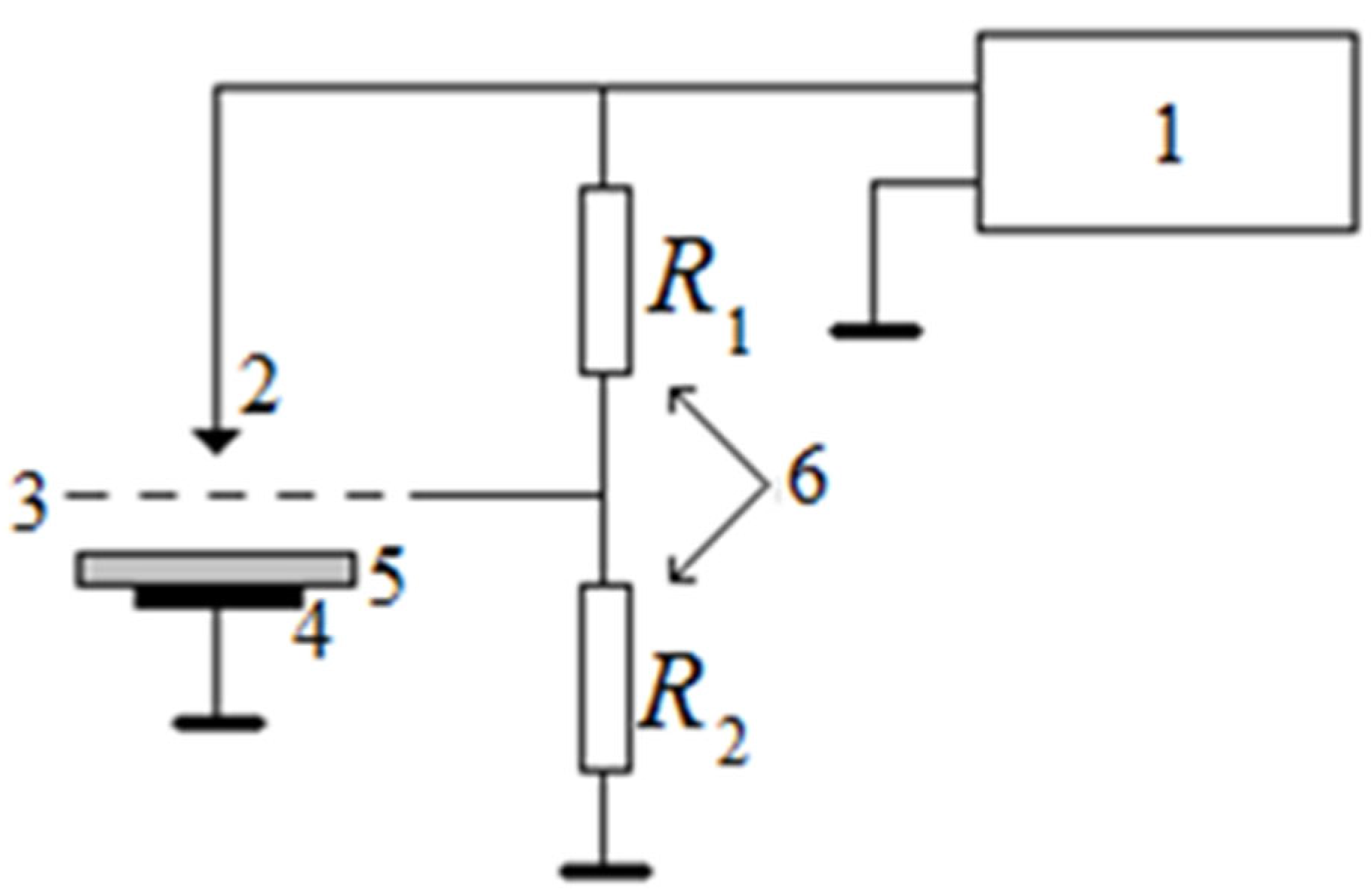
All of the created composite films were divided into 30 × 30 mm samples and charged under corona discharge in a conventional corona triode system at normal atmospheric pressure. The charging setup was made up of a corona (needle) electrode, a stationary plate electrode (grounded), and a metal grid positioned in the gap between the other two elements. A schematic of the setup is presented in
Figure 1 [
28].
The corona discharge procedure was carried out by applying a 5 kV voltage of either positive or negative polarity to the needle electrode and a 1 kV voltage with the same polarity to the metal grid. The charging time was set to 1 min for all samples.
A vibrating electrode with a compensation setup was used for the determination of the surface potential of the samples after the charging process, with a calculated average error of less than 5%.
2.4. Measurement of the Surface Potential at Low Pressure
After charging, the samples were placed under different low pressures.
The setup used to create a low-pressure environment consists of a vacuum chamber, a vacuum pump, and a vacuum meter, used for controlling the pressure inside the chamber. The vacuum chamber consists of an insulated board that contains slots for electrical connections and a glass dome. The low-pressure conditions were achieved with the use of a two-stage rotary vacuum pump 2DS-8. Measurement of low pressures was done using both a lead manometer and a vacuum meter-type TPG 300-Balzers.
Twelve different pressure values were chosen for the surface potential measurements in the vacuum chamber, ranging from 0.1 to 1000 mbar. The reduction of the pressure in the chamber was performed in steps, and the chamber pressure was maintained at a constant value for 1 min at each step. The measurements of the surface potential of the investigated films were carried out after each step, and the normalized surface potential V/V0 was determined from the collected measurements. The surface potential V0 is the initial surface potential measured just after charging the electrets, and V is the surface potential measured just after removing the vacuum chamber (for different pressures).
2.5. Determination of Conductance of the Investigated Composite Films
The resistances of all composite samples were measured with the use of a Keithley electrometer at set voltages from 10 V to 100 V. The obtained results were used for the calculation of the conductance of the investigated samples.
2.6. Measurement of the Mechanical Properties of the Investigated Composite Films
The Young’s modulus and the stress at break for all samples were determined with the use of a destructive test, performed on a dynamometer from Lloyd Instrument Universal Testing Machines (Lloyd Instrument LRX Plus, Lloyd Instruments Ltd., an AMATEK Company, Bognor Regis, UK). All samples were cut into 10 × 40 mm strips and secured by rubber-sealed pneumatic clamps at a gauge distance of 20 mm. The deformation was performed at a speed of tension of 1 mm/s. Ten repetitions were performed for each sample, after which the Young’s modulus was determined based on the linear region of stress-strain curves.
2.7. Determination of Surface Morphology with Scanning Electron Microscopy (SEM)
The surface morphology of the investigated PLA—curcumin composite films was studied with the scanning electron microscopy (SEM) method (Prisma E SEM, Thermo Scientific, Waltham, MA, USA). The method consists of the attachment of test samples with a set mass of 2 milligrams to an aluminum holder, after which the samples are coated with gold and carbon through the use of a vacuum evaporator Quorum Q150T Plus (Quorum Technologies, West Sussex, UK). A back-scattered electron detector (Prisma E SEM, Thermo Scientific, Waltham, MA, USA) was used for the image capture at an accelerating voltage of 15 kV at several magnification levels.
2.8. Determination of Surface Free Energy Through the Sessile Drop Method
Measuring the surface energy of the investigated samples was carried out with the use of the standard sessile drop method. The method consists of the deposition of 2 μL droplets of two different liquids (deionized water and diiodomethane) on the surface of the investigated samples by utilizing a 10 μL glass micro syringe (Innovative Labor System GmbH, Ilmenau, Germany). The droplets’ profile was then captured with the use of a high-resolution camera, and the tangent of the drop profile was measured from the collected images. The image processing was done with a public domain ImageJ software (ImageJ v1.51k software, National Institutes of Health, Bethesda, MD, USA). Seven droplets from each type of liquid were deposited on the surface of the samples, and the determined values of the contact angle were averaged and subsequently used to determine the hydrophobicity of each type of composite. All measurements were performed at room temperature and normal air pressure.
2.9. Determination of Water Vapor Barrier Properties
Measurements of the water vapor transmission rate (WVTR) and permeability of the composite films were measured on an instrument model W3/031 (Labthink, Jinan, China) using the gravimetric method. The test conditions were set at: temperature of 38 °C, constant humidity difference of 90% on either side of the sample, and a 60-min measurement time. The presented results are averaged from three measurements for each curcumin concentration.
2.10. FTIR Measurements
A Bruker Vertex 70 spectrophotometer (Bruker, Rosenheim, Germany) in ATR geometry was used for the determination of the FTIR spectra of the investigated samples. A standard PIKE MIRacle ATR accessory, equipped with a diamond plate covered ZnSe reflection prism yielding three internal reflections, was utilized. The range of interest, 4000–600 cm−1, was limited at low frequencies by the transmission edge-cut of the ZnSe crystal. The averaged data from 100 interferograms were used for the generation of the presented spectra, with a resolution of 2 cm−1 and a set internal temperature inside the apparatus of 30 ± 0.3 °C.
3. Results and Discussion
3.1. Low-Pressure Influence on the Electrets Surface Potential Decay
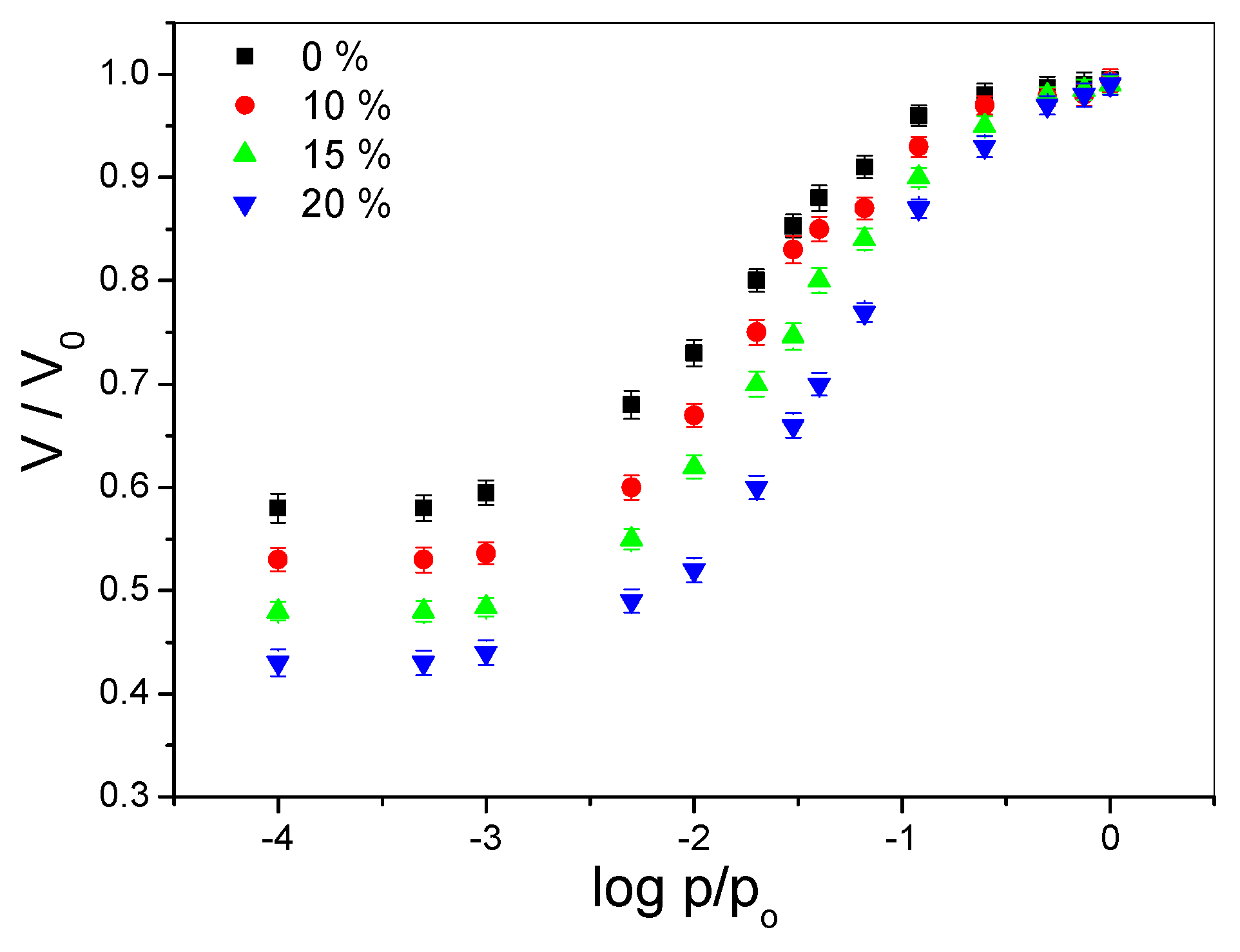
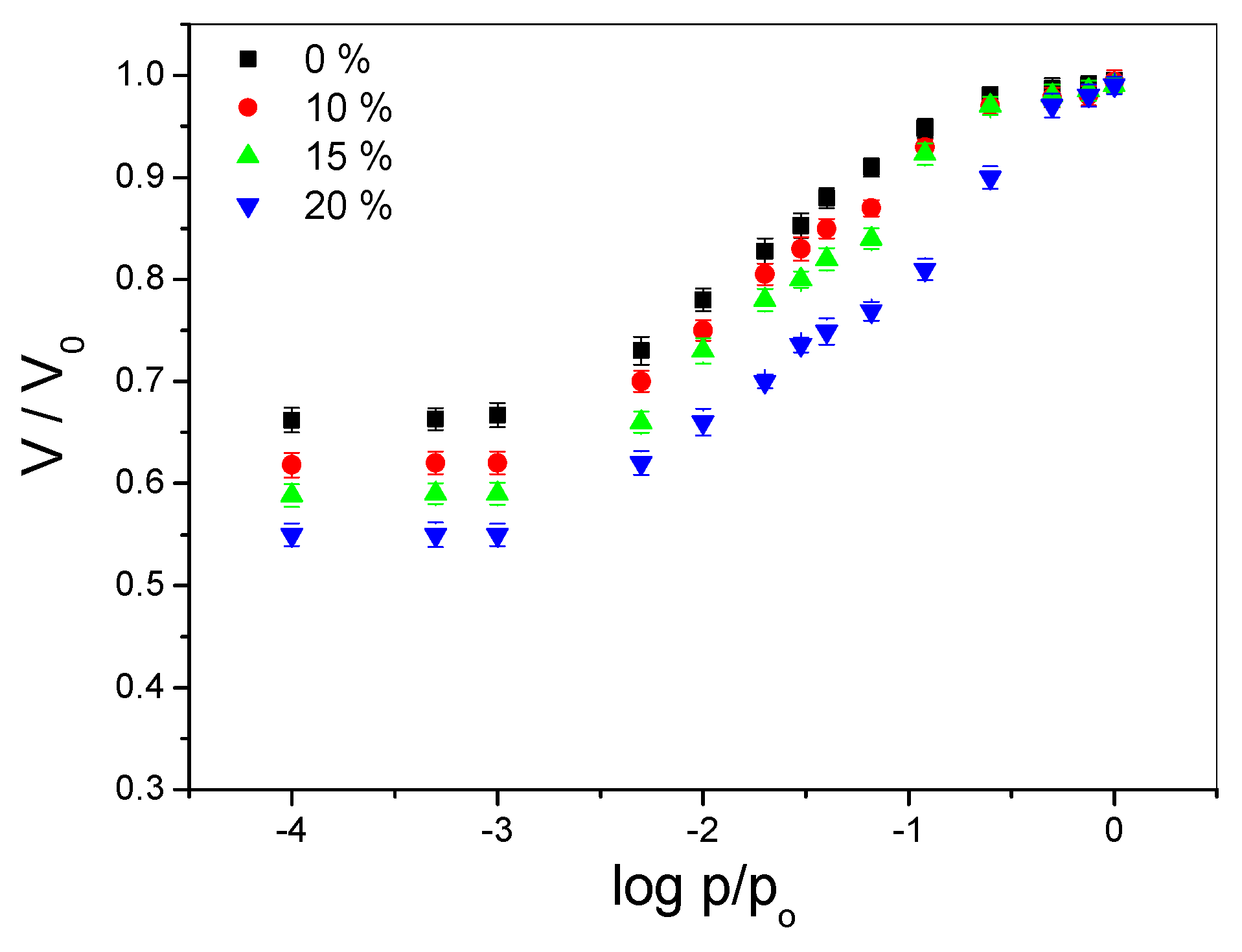
Investigation of the dependencies on the atmospheric pressure of the normalized surface potential for both polarities of the charged PLA composite films was carried out in a vacuum chamber at set pressure values. The collected data for the dependences for all samples are presented in
Figure 2 and
Figure 3, where
p0 represents standard atmospheric pressure, while
p is the pressure created inside the vacuum chamber. Each point of the figures represents the averaged value of six different measured samples, with an average measurement error determined to be less than 5%. A statistical comparison of the average values was carried out. The results were averaged (n = 6). Statistically significant mean differences were observed (
p < 0.05) (ANOVA test). All of the calculated values shown in the figures were statistically different.
The steady state values of the normalized surface potential at a pressure of 0.1 mbar for positively and negatively charged samples are presented in
Table 1.
Each curve can be divided into three defined sections, independently of the corona polarity and curcumin concentration:
- •
The first section corresponds to the high pressures where the normalized surface potential stays constant and close to 1.
- •
The second section corresponds to a relatively narrow region of pressures within which the normalized surface potential sharply decreases.
- •
The third section occurs at low pressures where the normalized surface potential is also constant, but the values are lower, and it depends on the corona polarity and curcumin concentration.
A similar decrease in the normalized surface potential with decreasing pressure for PP samples and for PLA/PEC composite films is also observed in [
29,
30].
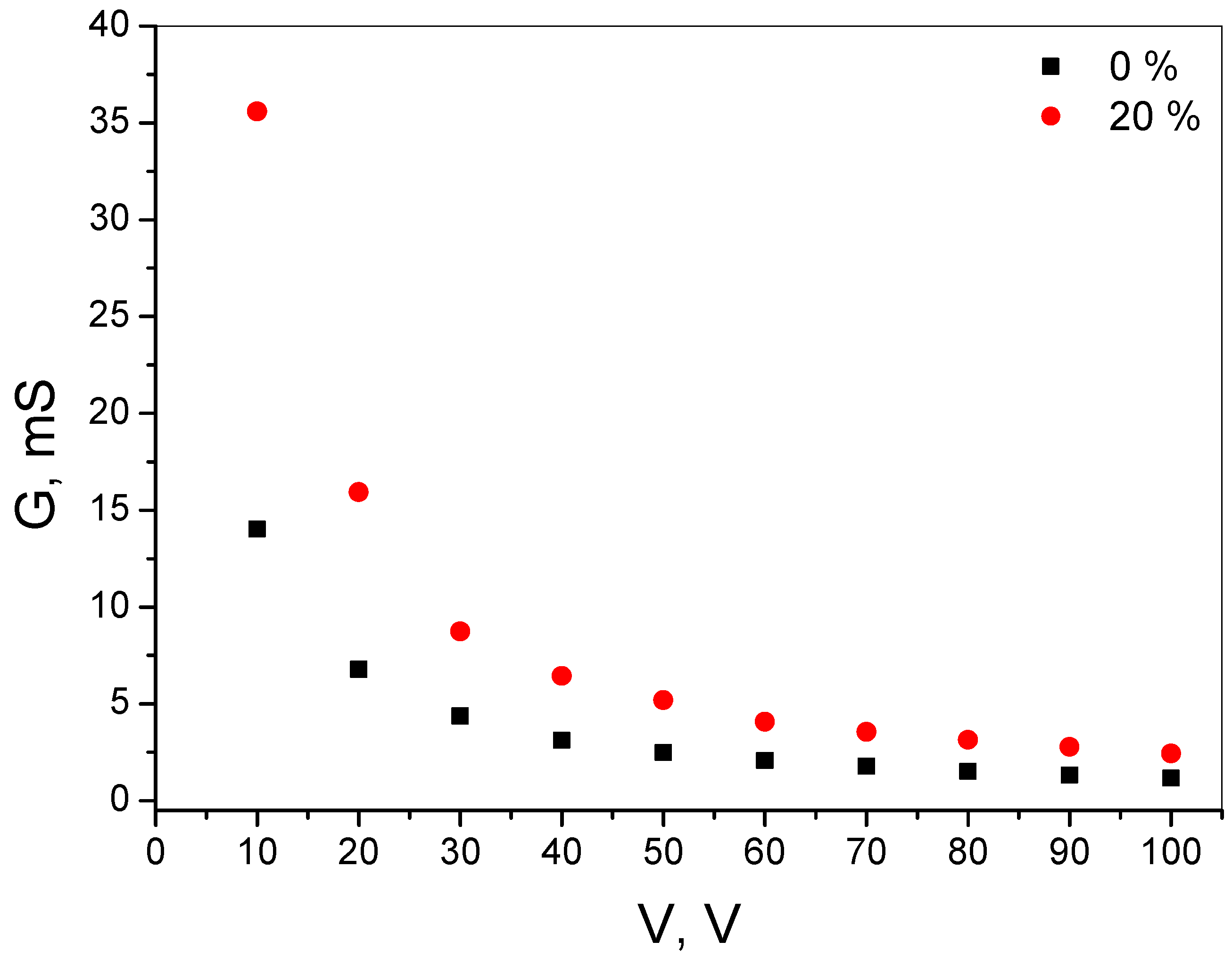
The data for the steady state values of the normalized surface potential at low atmospheric pressure (0.1 mbar) showed that positively charged samples possess higher values than negatively charged ones in all tested cases. Samples containing no curcumin (pure PLA samples) had the highest values of the normalized surface potential, which can be attributed to the low values of the conductance observed in the pure samples, as seen in
Figure 4.
The decrease in the measured surface potential directly corresponds to the increase in the curcumin content inside the composite films. The increasing concentration of curcumin also resulted in a shift of the curves to the right, which also showed faster decrease rates at pressures closer to the atmospheric pressure.
The observed dependence of the decay of the charge on the air pressure cannot be easily explained through the more well-known polarization and injection models. The decrease in the pressure inside the vacuum chamber most likely results in a process of desorption of the captured ions from the surface of the created electrets. Desorption was also accompanied by a process of surface diffusion, as can be seen in [
29]. The description of some of the desorption processes can be done by utilizing an equation that combines the linear desorption with the surface diffusion. One such equation was utilized for the analysis and description of the collected experimental results (Equation (1)). This equation was used and described earlier in [
29,
31]:
where
θ = V/V0 is the normalized surface potential,
x = p/p0 is the normalized pressure, and
a,
b,
c, and
d are the parameters depending on the corona polarity and curcumin concentration.
The values of the parameters for PLA composite films with different concentrations of curcumin, charged in a positive and a negative corona, are presented in
Table 2 and
Table 3.
From the values shown in
Table 2 and
Table 3, it can be determined that Equation (1) provides a good theoretical description of the collected results regardless of the curcumin concentration and corona polarity, with all determination coefficients having values in the range between 0.99 and 1.00, which determines the good agreement between the theoretically obtained curves and the collected experimental data.
The values presented in
Table 2 and
Table 3 also possess several peculiar tendencies:
- •
The parameter
a represents the value to which the surface potential has dropped at the lowest pressure point. The obtained theoretical values are approximately equal to the experimental ones, as can be seen in
Table 1.
- •
The value of the c parameter, which is connected to the region of sharp decay of the surface potential, decreases with the increase of the curcumin concentration, regardless of the corona polarity. This also can explain the shift of the curves to the right.
- •
The collected data for both positively and negatively charged to an initial surface potential of 1000 V composite PLA films possesses several practical benefits, which can allow its utilization in low-pressure conditions. If the value of the initial surface potential is known for different investigated samples, the collected parameter data can be used for the determination of the pressure ranges at which a sharp potential decay could be observed.
3.2. Determination of the Conductance
The resistance of all investigated samples was measured at different voltages (from 10 V to 100 V), after which the conductance
G was calculated using the following equation:
where
R is the measured resistance.
The dependences of the conductance on the applied voltages for pure PLA films and PLA films with 20% curcumin concentration are presented in
Figure 4.
Similar curves were obtained for the other concentrations of curcumin.
The results, collected during the determination of the conductance, show that:
- •
An increase in the curcumin concentration causes an increase in conductance for all samples, regardless of the applied voltage.
- •
The lowest values of the conductance are observed in pure PLA films, which can explain the highest steady state values of the normalized surface potential for the pure film samples (see
Figure 2 and
Figure 3).
- •
The conductance decreases with the increase in voltage for all samples, regardless of the curcumin concentration.
The effect of the corona discharge treatment on the physicochemistry of the surface of composite PLA films, containing different concentrations of curcumin, was investigated systematically using some complementary surface analytical techniques, such as surface wettability and morphology by scanning electron microscopy (SEM).
3.3. Determination of Contact Angle and Surface Energy Through the Sessile Drop Method
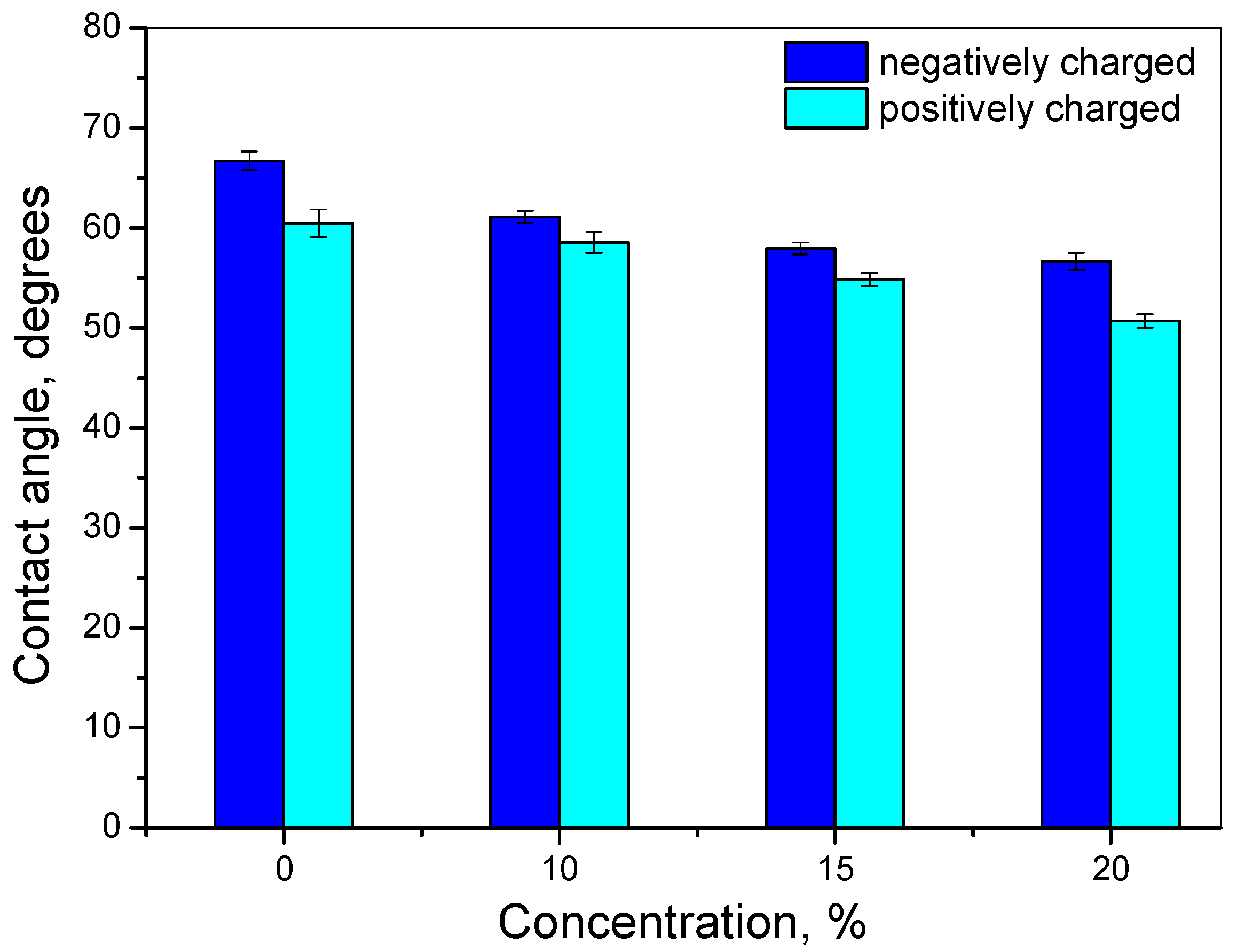
A good indication of the hydrophobic properties of different surfaces is the water contact angle, which is a vital parameter, determining the adhesive properties of the films, as well as the amount of moisture that can accumulate on their surface. One of the more commonly used techniques for surface modification of different packaging products is treatment under corona discharge, which is often utilized for improvement of the wettability and adhesion of the treated surfaces by increasing the surface tension and modifying the polarity. To analyze the effect of the corona charging in PLA composite films, contact angle values were measured. The values of the contact angle for positively and negatively charged PLA composite films are presented in
Figure 5. The statistical comparison of the average values was made. The results were averaged (n = 7). Statistically significant mean differences were observed (
p < 0.05) (ANOVA test). All of the calculated values shown in the figures were statistically different.
The results presented in
Figure 5 show that:
- •
The contact angle decreases with the increase of the curcumin concentration in the films, regardless of the corona polarity (positive or negative). This increase can be attributed to the existence of hydrophilic groups in the structure of curcumin that can lead to an increase in the interactions between the water molecules and the sample’s surface, thus decreasing the contact angle. Similar results for the values of the contact angle of PLA films, containing different polyphenols, were presented in [
22].
- •
For all investigated films, regardless of curcumin concentration, the contact angle of water decreases after the corona treatment. The results also show that the values of the contact angle depend on the polarity of the surface charge, with positively charged samples displaying lower values than negatively charged ones. The values of the contact angle decreased from 66.71° for negatively charged PLA films with 0% concentration of curcumin to 50.70° for positively charged PLA films with 20% concentration of curcumin. The results also correspond with results from investigations by [
32], which confirm that the corona treatment causes a reduction in the measured water contact angle.
According to the standard theory of Owens and Wendt, the sum of contributions from γ
sd and γ
sp components can be used to express the surface free energy of a solid, γ
s. The contact angle data of polar and non-polar liquids with known dispersion can be used for the determination of both components, for non-polar, γ
lvd, and polar, γ
lvp, parts of their interfacial energy (Equation (3)):
where
θ is the contact angle and
.
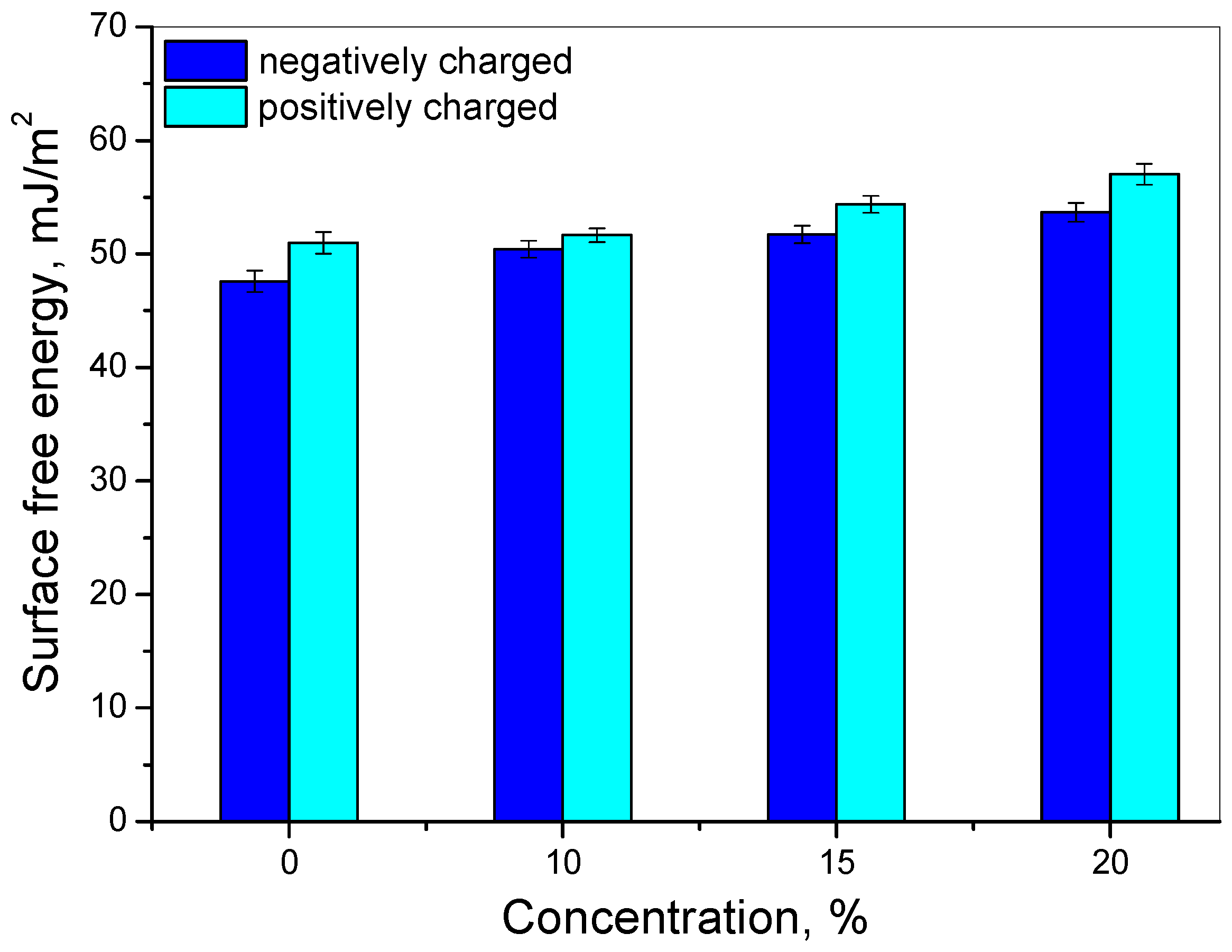
The total surface free energy and its dispersive and polar components for positively and negatively charged PLA composite films were calculated, and the results for the total surface free energy are presented in
Figure 6. The statistical comparison of the average values was made. The results were averaged (n = 7). Statistically significant mean differences were observed (
p < 0.05) (ANOVA test). All of the calculated values shown in the figures were statistically different.
The results presented in
Figure 6 show that the values of the surface free energy, as expected, increased with corona charging. Analogous results were obtained in [
33]. It was established that the corona treatment led to the creation of polar groups on the film surface, which resulted in a reduction of the contact angle and an increase in the surface free energy.
Partial ionization occurs in the atmosphere, surrounding the films during the charging process. This ionization can lead to the creation of different excited species, such as ions, electrons, or free radicals, that can react and oxidize the exposed surface molecules of the treated polymers, creating new polar functional groups. These groups are present in varying relative concentrations, depending on the energy and polarity of the corona [
34,
35,
36]. From the results, shown in
Figure 6, it can be seen that the charging of the samples in a positive or negative corona resulted in differences in surface characteristics, which can be explained by the existence of different polar groups created during the corona treatment. In the case of a positive corona, the ions were mainly H
+(H
2O)
n, while the ones for a negative corona were CO
3−. Studies performed with X-ray photoelectron spectroscopy [
37] have shown that the oxygen concentration differs in films charged with different corona polarities, which leads to the creation of different local surface levels. The lower oxygen concentration in positively charged samples can explain the higher values of the surface free energy. In [
38], it was also established that the treatment in a corona discharge led to a decrease in the contact angle and an increase in the surface free energy of the PLA films. Therefore, subjecting the films to a corona discharge may provide greater wettability, higher surface free energy, and higher adhesion performance due to the introduction of polar functional groups at the surface.
The observed changes of the surface energy (
Figure 6) are a result of the interplay between the two simultaneously acting and competing effects: the inclusion of curcumin at different concentrations in PLA films and the corona polarity. The highest values of the surface free energy (57.02 mJ/m
2 for positively charged and 53.65 mJ/m
2 for negatively charged) have been obtained for samples with 20% curcumin concentration. Therefore, for these samples, the highest level of hydrophilicity and wettability was observed. These results can also explain the highest conductance and the lowest values of the normalized surface potential for PLA films with a 20% concentration of curcumin.
3.4. Scanning Electron Microscopy (SEM) Images
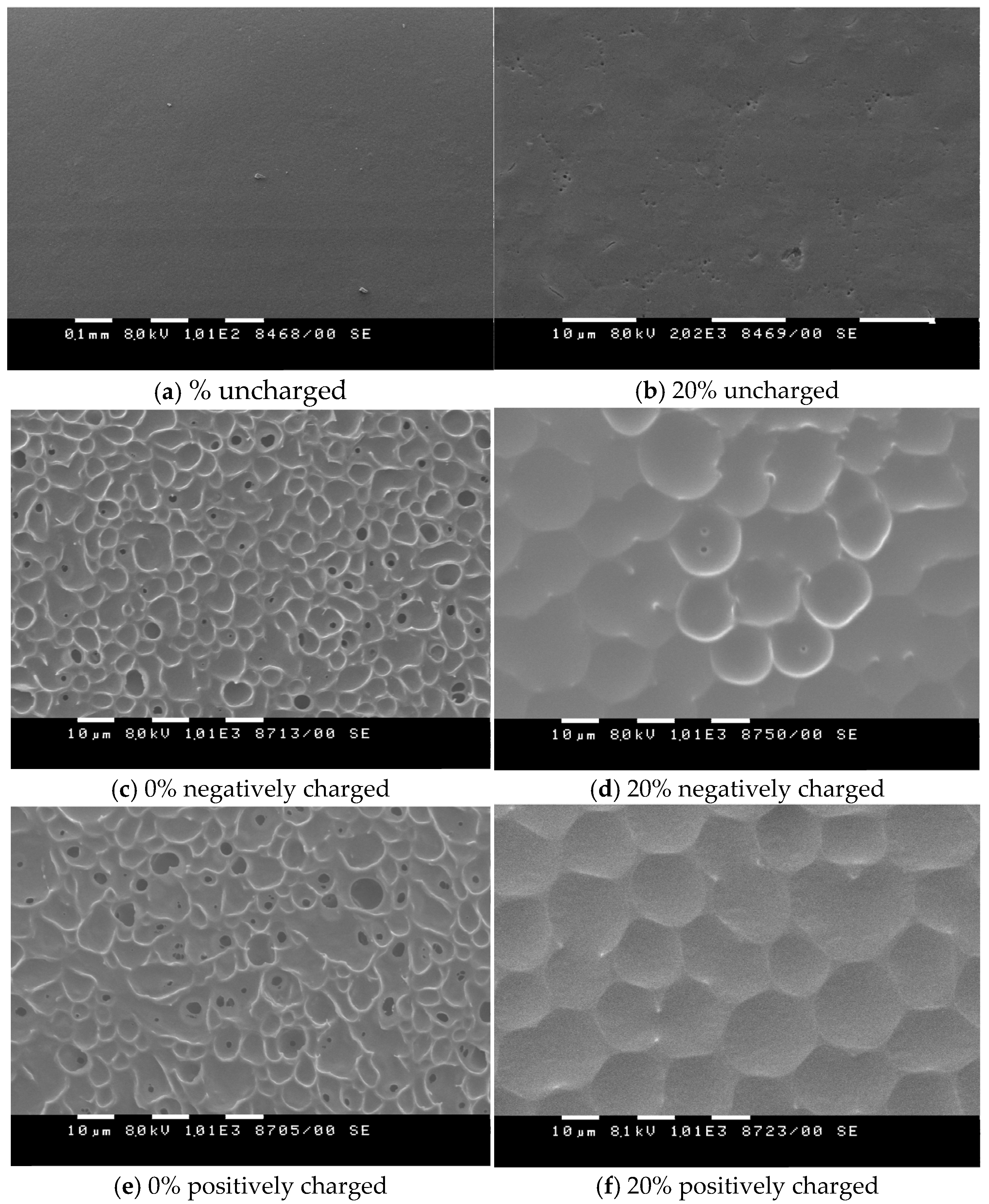
The morphology of uncharged and positively and negatively charged PLA composite films with 0% and 20% concentration of curcumin was studied using scanning electron microscopy (SEM). The obtained images are presented in
Figure 7.
From the images presented in
Figure 7a, it can be seen that uncharged PLA films with 0% curcumin were characterized by a smooth, homogenous structure without any defects. A noticeable increase in the surface roughness for uncharged samples, containing the highest amount of incorporated curcumin (
Figure 7b), can be seen from the presented SEM images. This increase in roughness may be attributed to the molecular structure of the polyphenol, in particular, and the large number of hydroxyl groups that can easily interact with the matrix of the polymer. Similar increase in the surface roughness in curcumin-containing polymer films has been demonstrated in other papers [
20,
39,
40]. It was established in [
20] that the addition of curcumin in the polymer matrix at high concentration (20 wt%) showed a slight aggregation of curcumin. It was also established that the morphology of the investigated films changed after corona discharge treatment. In [
39], it was shown that the SEM images of films containing curcumin demonstrate an increase in the surface roughness with the inclusion of the polyphenol in their structure. Similar results were also observed by other authors [
41,
42,
43]. Significant increase in surface roughness can be observed in films, charged in corona discharge (
Figure 7c–f), regardless of the curcumin concentration.
The pore sizes for all investigated samples were calculated, and the results are listed in
Table 4. The displayed values are averages, along with their standard deviations.
The results presented in
Table 4 show that the pore size increased with the increase of curcumin concentration. Higher roughness and more homogeneous structure were present in films and charged in a positive corona (
Figure 7e,f), which can be attributed to the type of chemical groups created on the surface during the application of the corona discharge. The largest pore sizes were also observed for these composites. This also matches the better charge retention and stronger electret properties of positively charged samples.
3.5. Determination of the Water Vapor Barrier Properties
The results of the investigation of the barrier properties are presented in
Table 5.
From the values presented in
Table 5, it can be observed that the inclusion of the polyphenol in the structure of the polymer film led to an improvement of its barrier properties. This can be attributed to the hydrophobicity of the curcumin molecules, which can decrease the rate of diffusion and dissolution of water molecules through the film structure. Additionally, the increase in density at higher curcumin concentrations can also contribute to the decrease in permeability. Similar improvement of the barrier properties with the inclusion of curcumin has been demonstrated not only for PLA [
39,
44], but for other polymer films [
20,
45]. Research has also shown that the inclusion of other polyphenols can have comparable effects on the barrier properties of PLA [
22,
46].
3.6. FTIR Analysis
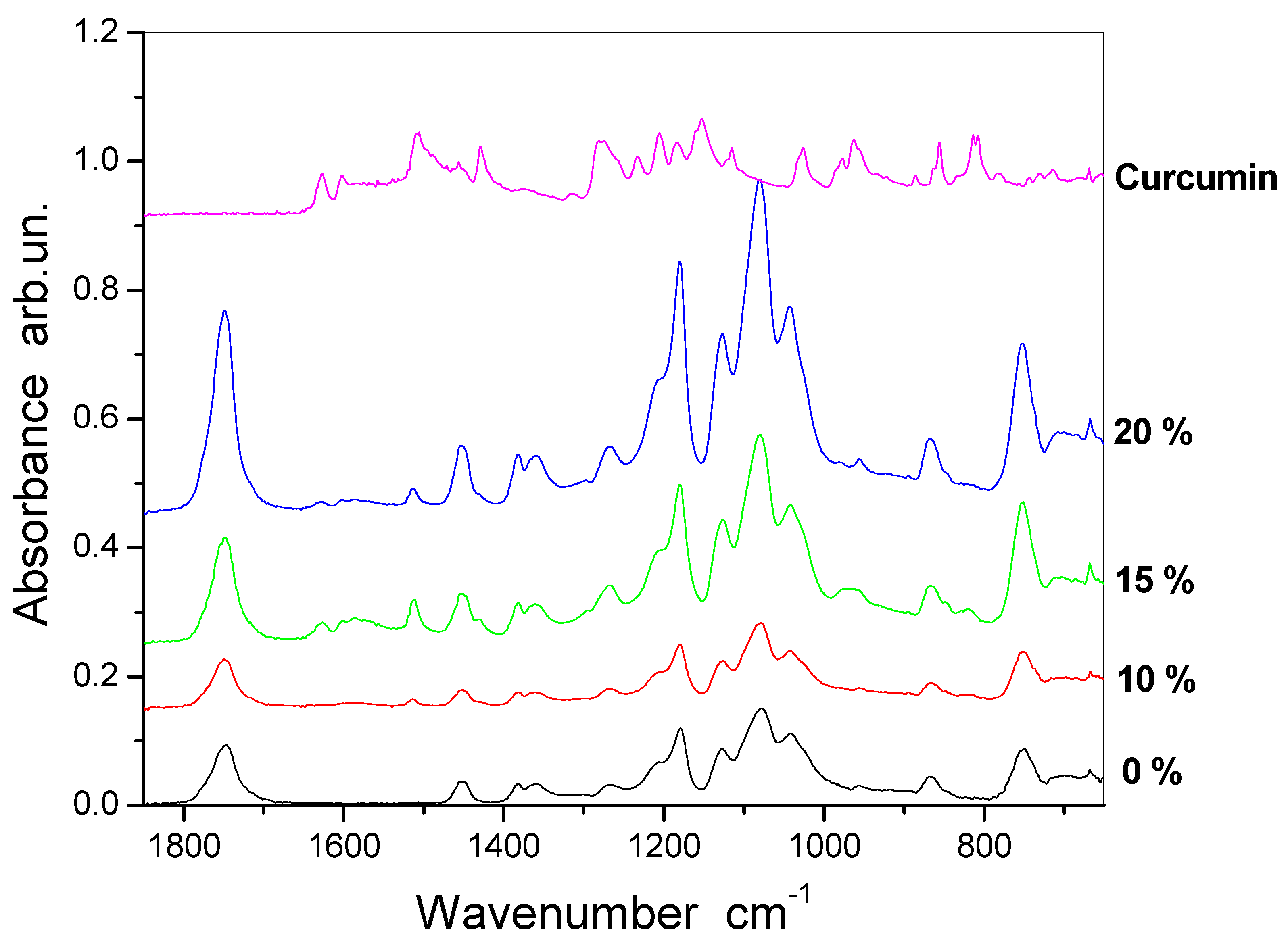
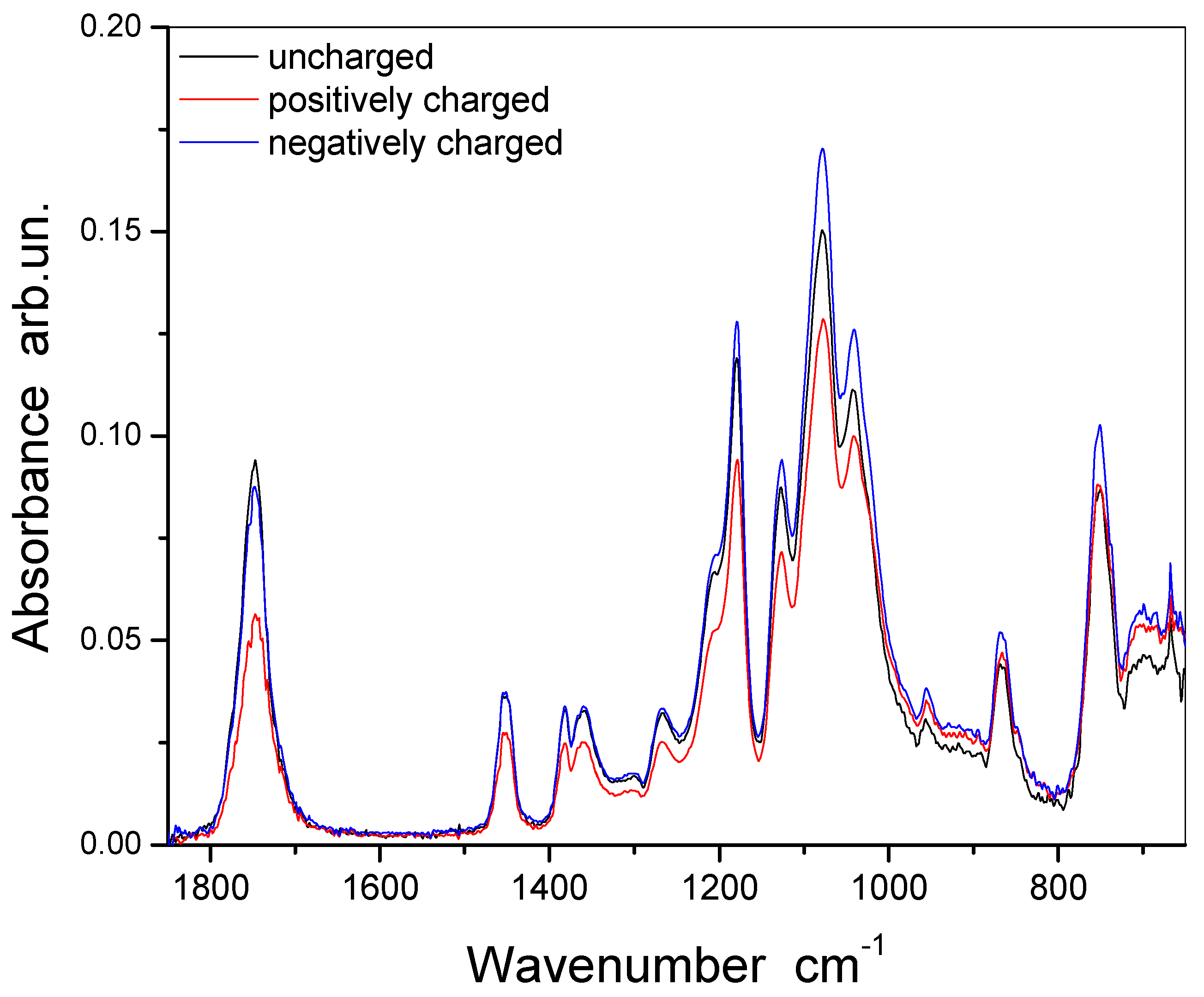
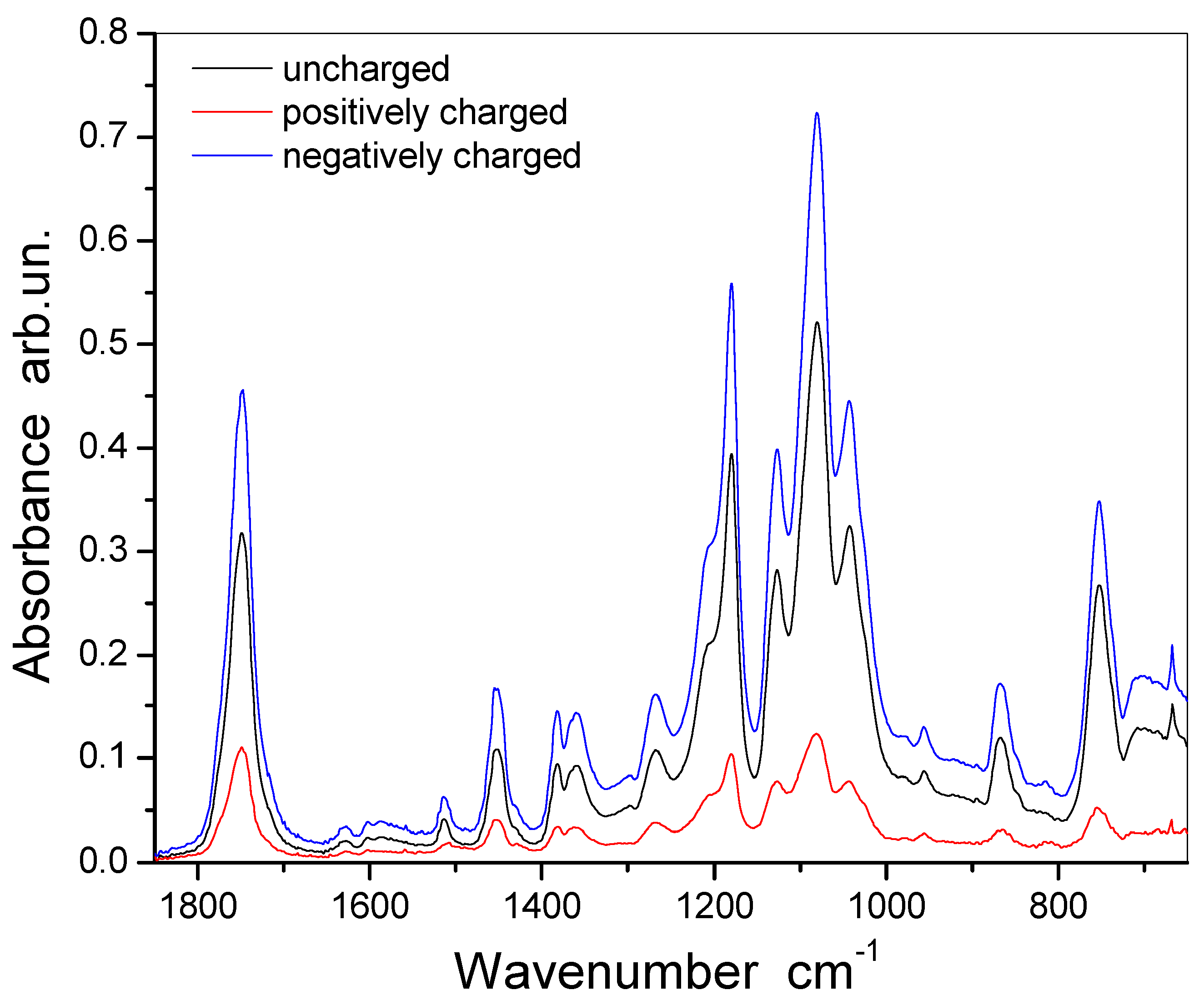
Fourier transform infrared spectroscopy (FTIR) was used to assess the compatibility and the presence of potential interactions between the substances used to obtain the present composite films. The obtained FTIR spectra of the PLA and PLA/curcumin composite films are shown in
Figure 8.
The FTIR spectra of all of the investigated composite films, shown in
Figure 8, display several characteristic peaks:
- •
Two peaks at 850 and 754 cm
−1 correspond to the two phases of PLA—amorphous and crystalline [
47].
- •
Two peaks at 807 and 961 cm
−1 represent the C\\H bending of alkene [
48].
- •
Two peaks at 1183 and 1081 cm
−1 are caused by the respective symmetrical and asymmetrical stretching of complex C-O-C groups [
49].
- •
A corresponding peak at 1370 cm
−1 represents the two types of C-H groups (asymmetric and symmetric) [
50].
- •
A peak at 1749 cm
−1 is caused by the C=O stretching vibration of the PLA molecule’s ester groups [
51].
The last two peaks increase in intensity with the increase of the curcumin concentration of the composites, but are not found in the spectra of the pure polyphenol. Also, due to their strong deformation, the peaks matching the ethylene and carboxyl groups of the polyphenol (1601 cm−1 and 1628 cm−1) were not observed in the spectra of the composite films. No additional noticeable peaks were found in the spectra of the composites. The only change, caused by the inclusion of the polyphenol, was the slight change in peak intensities, which can indicate that no noteworthy changes occur in the chemical structure of the PLA polymer. This demonstrates a lack of chemical bonds between the polymer and polyphenol. The FTIR results show that the only interactions between the PLA and curcumin in the film structure are of a purely physical nature.
Figure 9 and
Figure 10 represent the FTIR spectra for uncharged and positively and negatively charged composite PLA films with 0% and 20% curcumin, respectively.
The results, presented in
Figure 9 and
Figure 10, demonstrate that with increasing curcumin concentration, the intensity of the peaks increases regardless of the corona polarity. It is determined that the corona treatment causes changes in the surface chemistry by creating oxygen-containing side groups. This most likely caused the increase in peak intensity for charged samples [
36].
3.7. Mechanical Properties
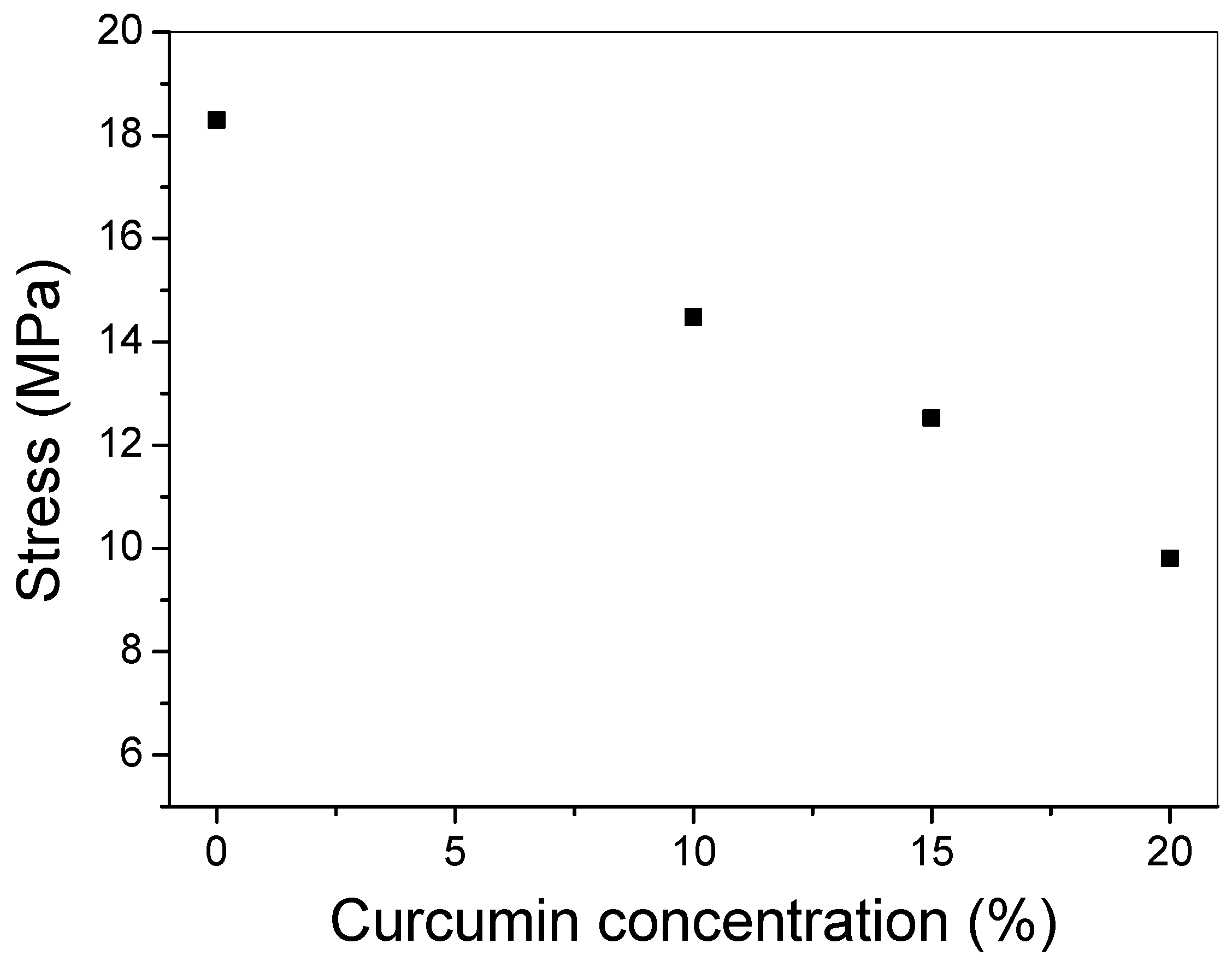
The presented values of the Young’s modulus and the stress at break were the averaged values of ten measurements along with their standard deviations. The values of the stress at break for samples containing different curcumin concentrations are shown in
Figure 11.
The numerical values of both mechanical parameters are presented in
Table 6.
From the presented results, it can be determined that the introduction of curcumin in the PLA films decreased their stiffness, which may be caused by a decrease in intramolecular cohesion, resulting in a higher free volume of the polymeric chains [
44]. This additional free volume, in combination with the formation of curcumin aggregates at higher concentrations, can also explain the decrease in the stress at break. The curcumin aggregates can act as points of failure, decreasing the overall strength of the films, while the reduction in interactions between the different polymer chains cannot maintain their overall integrity under tension. Similar tendencies of the mechanical properties with an increase in curcumin concentration were observed in [
52]. Despite slightly deteriorated mechanical characteristics, these films gain valuable functional properties, including strong antioxidant and antimicrobial activity, as well as UV protection, which are highly desirable for active food packaging applications. Such a trade-off between mechanical performance and functional activity is common in the development of active biodegradable films: moderate reductions in mechanical properties are considered acceptable as long as the films maintain sufficient integrity for handling and packaging purposes [
20,
53].




 ,
,