


Abstract
Background: Laryngospasm is defined as glottis closure due to reflex constriction of the laryngeal muscles. It is one of the most common complications following pediatric anesthesia that can lead to hypoxemia, bradycardia, or aspiration. Laryngospasm following tracheal extubation has different reasons: presence of secretions, foreign body in the airway, or pain at the site of surgery. Propofol is usually used as an induction or maintenance agent. However, its use with the subhypnotic dose (0.5 mg/kg) is increasing nowadays for reducing the incidence of laryngospasm. This systematic review and meta-analysis aim to assess the efficacy of subhypnotic propofol in reducing the incidence of laryngospasm and respiratory complications in children following tonsillectomy or adenotonsillectomy and before extubation. Methods: We systematically searched the following databases: PubMed, Cochrane Library, Scopus, and Web of Science. Studies were included if they used propofol with a low dose (0.5 mg/kg) following tonsillectomy and before extubation. Both Randomized Controlled Trials (RCTs) and cohort studies published up until 27 December 2025 were included. We used the R software for statistical analysis. We employed a random-effects model for the analysis. Continuous outcomes were analyzed as mean differences (MD) and dichotomous data as risk ratios (RR), with 95% confidence intervals (CI). Heterogeneity was assessed using I2 statistics. Results: Our review included four RCTs and one prospective cohort study with 593 participants. Our analysis showed that propofol was significantly associated with a low incidence of laryngospasm (RR = 0.25, 95% CI 0.13–0.49), cough (RR = 0.08, 95% CI 0.01–0.62), and agitation (RR = 0.15, 95% CI 0.03–0.72) compared with the control group. However, there were no significant differences regarding laryngeal occlusion (RR = 0.70, 95% CI 0.20–2.46), cyanosis (RR = 1.13, 95% CI 0.14–9.43), stridor (RR = 1.38, 95% CI 0.76–2.50), and the duration of surgery (MD = 1.81, 95% CI −0.74 to 4.36). Conclusions: Our findings state that propofol had a lower significant incidence of laryngospasm than the control. Trial sequential analysis for laryngospasm indicated that evidence is conclusive. However, regarding the other outcomes, the evidence is still inconclusive, which suggests the need for future large-scale RCTs with larger sample sizes to validate these findings.
Keywords:
pediatric; children; tonsillectomy; adenoidectomy; extubation; propofol; sub-hypnotic dose; meta-analysis; laryngospasm 1. Introduction
The emergence from anesthesia and tracheal extubation represent a critical period in pediatric anesthesia, during which a significant proportion of serious airway complications occur [1,2]. These events, ranging from coughing and agitation to life-threatening laryngospasm, are often triggered by stimuli such as secretions or blood in the airway, posing unique challenges in children due to their smaller, more reactive airways [3,4]. Having small and reactive airways, a high or more anterior larynx, and increased sensitivity of laryngeal and bronchial reflexes make children more susceptible to respiratory complications [5].
Laryngospasm is one of the perioperative respiratory adverse events (PRAEs), which are most common following pediatric surgeries [6]. It is defined as an exaggerated and involuntary contraction of laryngeal muscles resulting in sustained closure of the vocal cords [7]. Laryngospasm is clinically graded in a four-point scale according to the severity, ranging from 0, no laryngospasm; 1, mild, which presents with inspiratory stridor; 2, moderate, which manifests as temporary total occlusion of the vocal cord; and 3, severe, where sustained obstruction and severe hypoxemia and cyanosis are present [8]. Several factors contribute to increasing the risk of developing laryngospasm, including congenital anomalies and upper respiratory tract infections (URTI), inappropriate deep anesthesia, intubation, and tonsillectomy and adenoidectomy [7]. Pharyngeal and laryngeal surgeries have an incidence of laryngospasm of 21–26% [9].
Laryngospasm is a potentially life-threatening condition that can lead to hypoxia, bradycardia, or cardiac arrest [3]. Therefore, variable modes of treatment are established, starting with the removal of the stimulus with administration of 100% oxygen and applying airway maneuvers, e.g., “Jaw Thrust” and “Larson’s maneuver” [9]. If there is no response, the patient is ventilated with a mask, and continuous positive airway pressure (CPAP) should be applied. The patient is shifted to intravenous injection of muscle relaxant succinylcholine 0.1 mg/kg concurrently with atropine to prevent bradycardia. Tracheal intubation will be the last option if the patient still has laryngospasm [3].
Propofol, an intravenous (IV) anesthetic that acts on GABA-A receptors, is known by its role in depressing airway reflexes [10]. It is usually used for induction and maintenance therapy with a dose of 2.5–3 mg/kg IV. The duration of action after a single bolus is approximately five to 10 min [8,11]. However, its effect on airway reflexes has generated a hypothesis of its use not just as an induction agent, but as a prophylactic measure [12]. Specifically, the administration of a subhypnotic dose (e.g., 0.5 mg/kg) prior to extubation is hypothesized to provide sufficient suppression of laryngeal reactivity to prevent laryngospasm while avoiding the prolonged sedation and respiratory depression associated with higher, hypnotic doses [8,11,13,14,15].
Though it is not involved in the guidelines, some clinical trials show a possible effect in decreasing the incidence of laryngospasm [8,11,13,14,15]. Therefore, we conducted our systematic review and meta-analysis to evaluate its efficacy in reducing the incidence of laryngospasm and other respiratory complications in children undergoing tonsillectomy or adenotonsillectomy.
2. Methods
2.1. Study Registration
The study protocol was registered on PROSPERO (CRD420261282682) on 14 January 2026. The registration was completed retrospectively after the completion of the literature search. This systematic review adhered to the Preferred Reporting Items for Systematic Reviews and Meta-Analyses (PRISMA) statement standards [16] and was conducted in accordance with the guidelines of the Cochrane handbook for systematic reviews [17]. PRISMA checklist is provided in the Supplementary Materials.
2.2. Literature Search and Study Selection
We searched the following databases: PubMed, Cochrane Library, Scopus, and Web of Science up to 27 December 2025 using search terms related to “children”, “tonsillectomy”, and “propofol”. Detailed search strategies are displayed in Table S1.
Then, we used EndNote 20 software (Clarivate Analytics, PA, USA) to remove duplicates [18]. We uploaded the retrieved references on the Rayyan website [19], and two independent authors conducted a two-step screening: the first step consisted of screening the titles/abstracts, and the second step consisted of screening the full-text articles of the identified abstracts for final eligibility. Any conflict was resolved by the third author’s decision.
2.3. Eligibility Criteria
We included studies that met the following PICO criteria:
- Population: Children who underwent tonsillectomy or adenotonsillectomy.
- Intervention: Propofol alone with subhypnotic dose (0.5 mg/kg) at the end of tonsillectomy or adenotonsillectomy before extubation. Studies that used propofol only as an induction or maintenance anesthetic drug with doses higher than 0.5 mg/kg were excluded.
- Control: Placebo (normal saline) or standard anesthetic care/lidocaine without the specific propofol bolus.
- Outcomes: Primary outcome was incidence of laryngospasm, while the secondary outcomes were any of the following: other respiratory complications, agitation, nausea, and vomiting.
- Study design: Randomized controlled trials (RCTs) and cohort studies were included.
We excluded the previous reviews, cross-sectional studies, single-arm studies, case reports, case series, conference abstracts, fine element studies, in vitro studies, animal studies, editorials, non-English studies, and non-peer-reviewed studies.
2.4. Data Extraction
Two independent authors conducted the data extraction using a standardized Excel sheet. The standardized sheet included three domains:
- -
- Study characteristics including: study design, condition, drug of the intervention and the dose, number of patients, induction and maintenance anesthetic drugs, inclusion criteria, and primary outcomes.
- -
- Baseline characteristics of the included study population, including: number of participants, age, male participants, weight, duration of surgery, and American Society of Anesthesiologists (ASA) physical status.
- -
- Measurements of the studied outcomes.
2.5. Quality Assessment
Two independent authors evaluated the risk of bias in included studies using the Cochrane Risk of Bias assessment tool (ROB2), which encompassed five domains: randomization process, concealment of the allocation sequence, deviations from the intended interventions, missing outcome data, measurement of the outcome, selection of the reported results, and overall risk of bias [20]. For the cohort study, we used the Newcastle–Ottawa Scale to assess selection, comparability, and outcome [21]. Any conflicts were resolved by a third author. The RobVis web tool was used to create quality assessment figures [22].
2.6. Statistical Analysis
We used R 4.5.0 [23] with R Studio 2024.12.1+563 [24]. Continuous outcomes were pooled as mean differences (MDs) with corresponding 95% confidence intervals (CIs), while dichotomous outcomes were analyzed using risk ratios (RRs) with 95% CIs. Visual inspection of the forest plot was used to measure statistical heterogeneity between trials, in addition to I-squared (I2) and chi-squared (Chi2) statistics. I2 values of 50% indicated significant heterogeneity. All results were analyzed using a random-effects model. We utilized the Egger test [25] and funnel plot to assess publication bias and small-study effects where there were ten or more studies; otherwise, we used the Doi plot and LFK index [26]. We also used the trim-and-fill method to estimate the number of missing studies and update the pooled estimates [27].
Trial Sequential Analysis (TSA) was conducted to control the risks of random errors due to repeated significance testing in cumulative meta-analysis. We used Trial Sequential Analysis Viewer (TSA Viewer), a computer program (Version 0.9.5.10 Beta. Copenhagen: Copenhagen Trial Unit, Centre for Clinical Intervention Research, Rigshospitalet. 2016) [28]. The analysis was performed retrospectively, and study order was determined according to their appearance in the dataset.
3. Results
3.1. Literature Search
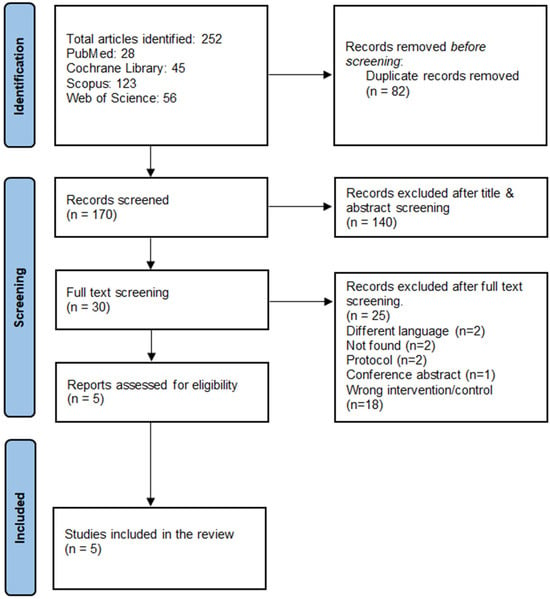
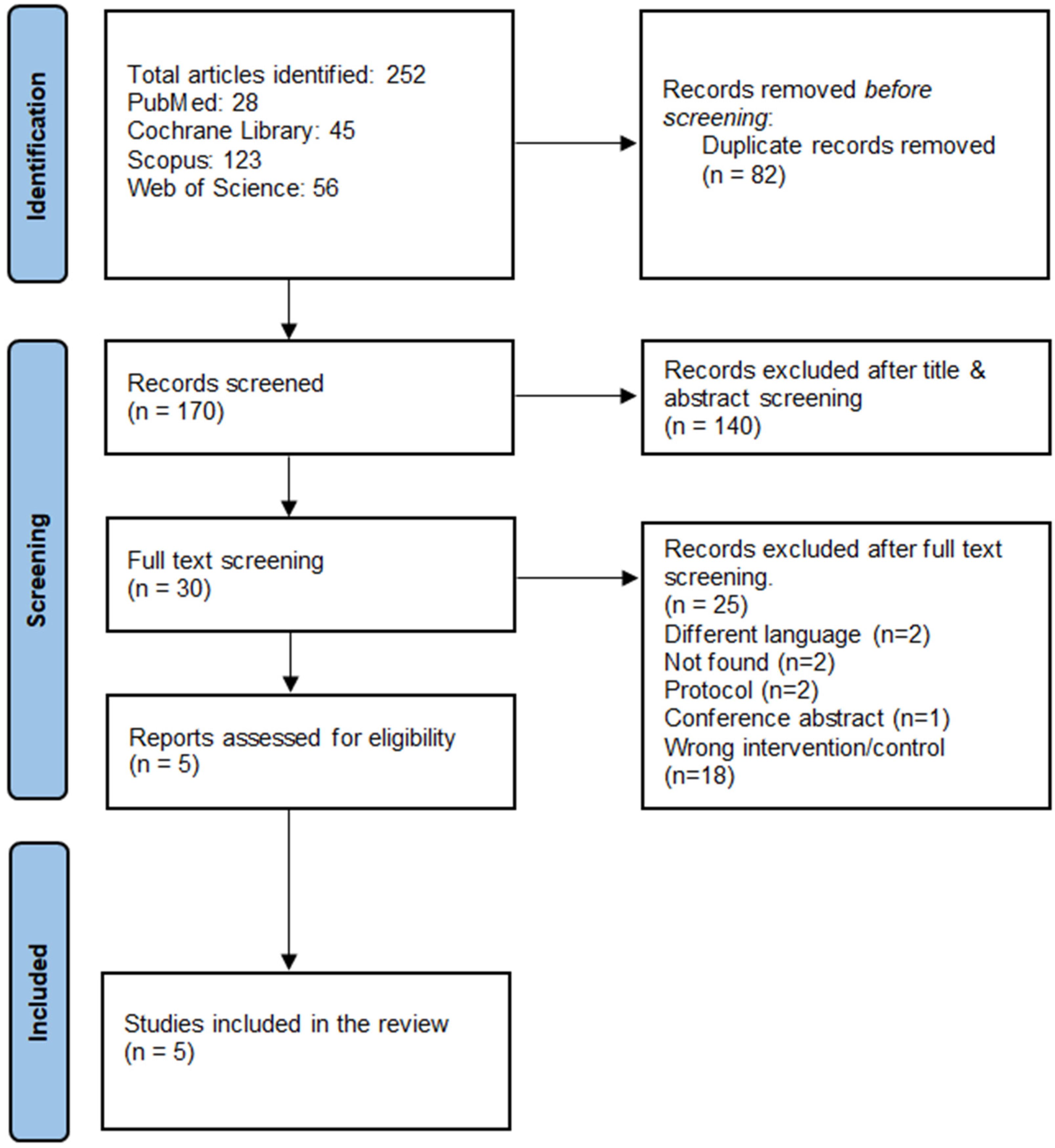
Our systematic search through the different databases retrieved 252 articles, and after removing the duplicates, there were 170 eligible for the title and abstract screening. Then, thirty articles were eligible for the full-text screening, and finally, four RCTs [8,11,13,15] and one prospective cohort were included [14]. PRISMA flow diagram is shown in Figure 1.
Figure 1.
PRISMA flow chart for the systematic search and selection process.
3.2. Study Characteristics
Four RCTs and one prospective cohort study were included in our meta-analysis with a total of 593 children who underwent elective tonsillectomy. Most of them were males (58.7%). Their age ranged from two to fourteen years old. Children with a history of URTI, asthma, and steroid use were excluded in most studies. Most of them were of class I or II of the ASA physical status. Three studies allocated patients to either propofol 0.5 mg/kg or normal saline [8,14,15], one study allocated them to propofol or high-flow oxygen at a rate of >10 liters per minute [11] and the last one allocated them to propofol and lidocaine [13]. Regarding the induction anesthetic drug, thiopentone was used in two studies [14,15], propofol 2.5 mg/kg for two studies [8,11], and a combination of Midazolam 0.05 mg/kg, fentanyl 1 µg/kg, propofol 2 mg/kg, and atracurium 0.5 mg/kg for the last one [13]. (Table 1 and Table 2).
Table 1.
Summary of study characteristics.
Table 2.
Baseline characteristics.
3.3. Quality Assessment
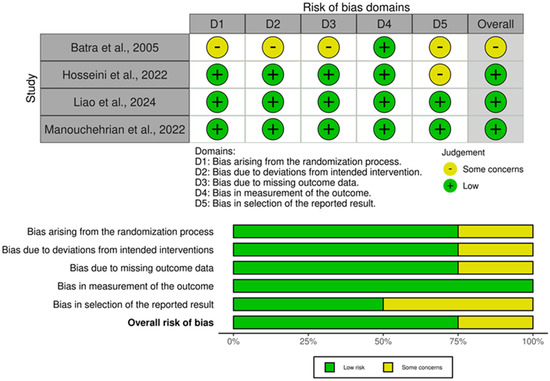
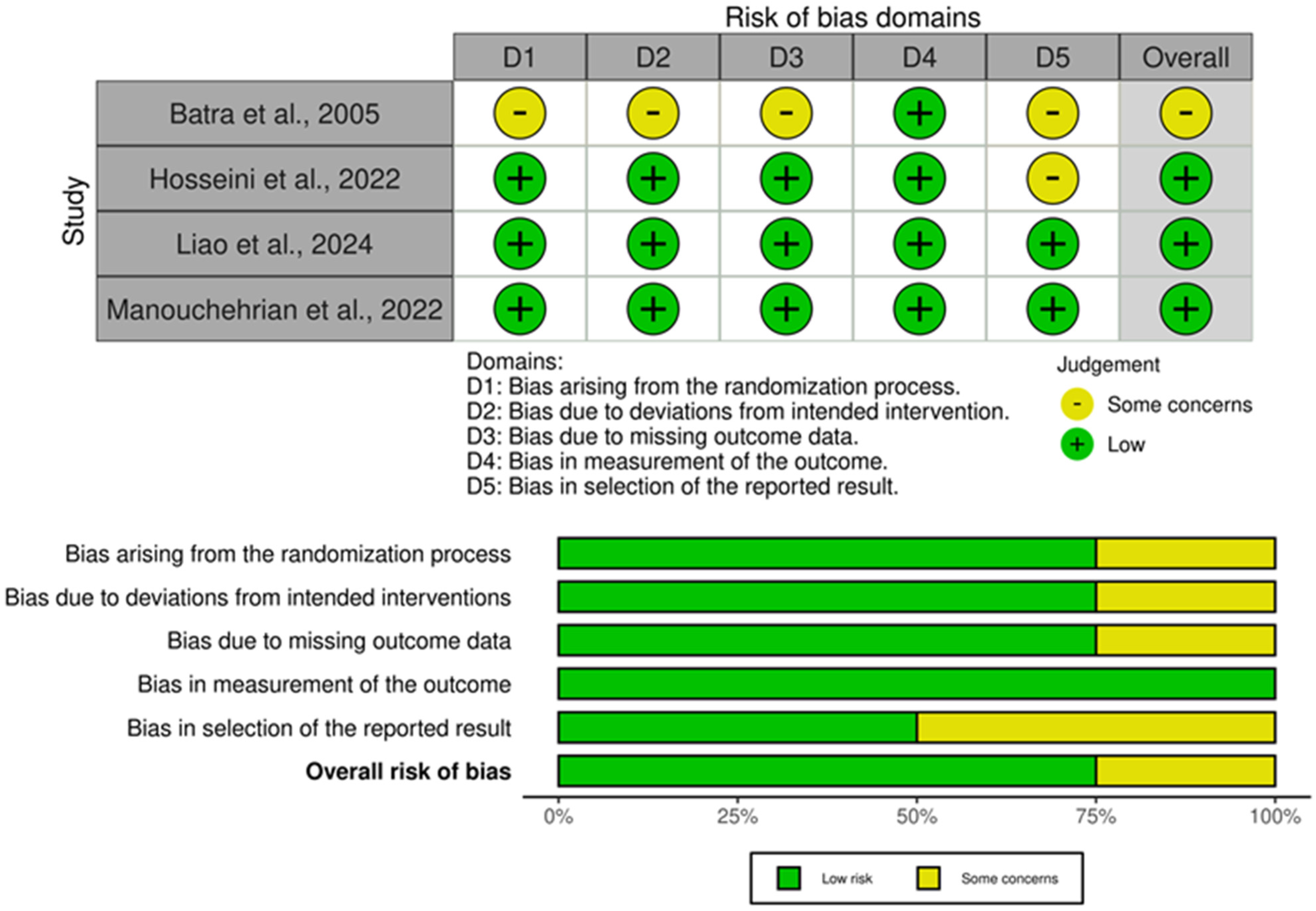
Regarding the four RCTs, all studies showed low risk regarding the measurement of the outcome. Also, three studies showed low overall risk of bias [8,11,13], while the last was of some concerns [15] (Figure 2). For the prospective cohort, it had a total score of seven, “good quality” regarding the domains [14] (Table S2).
Figure 2.
Summary and traffic light plots of the risk of bias of the included randomized controlled trials [8,11,13,15].
3.4. Safety and Efficacy Outcomes
3.4.1. Primary Efficacy Outcomes
Laryngospasm
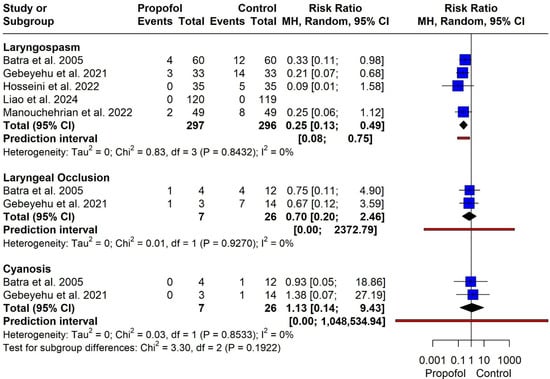
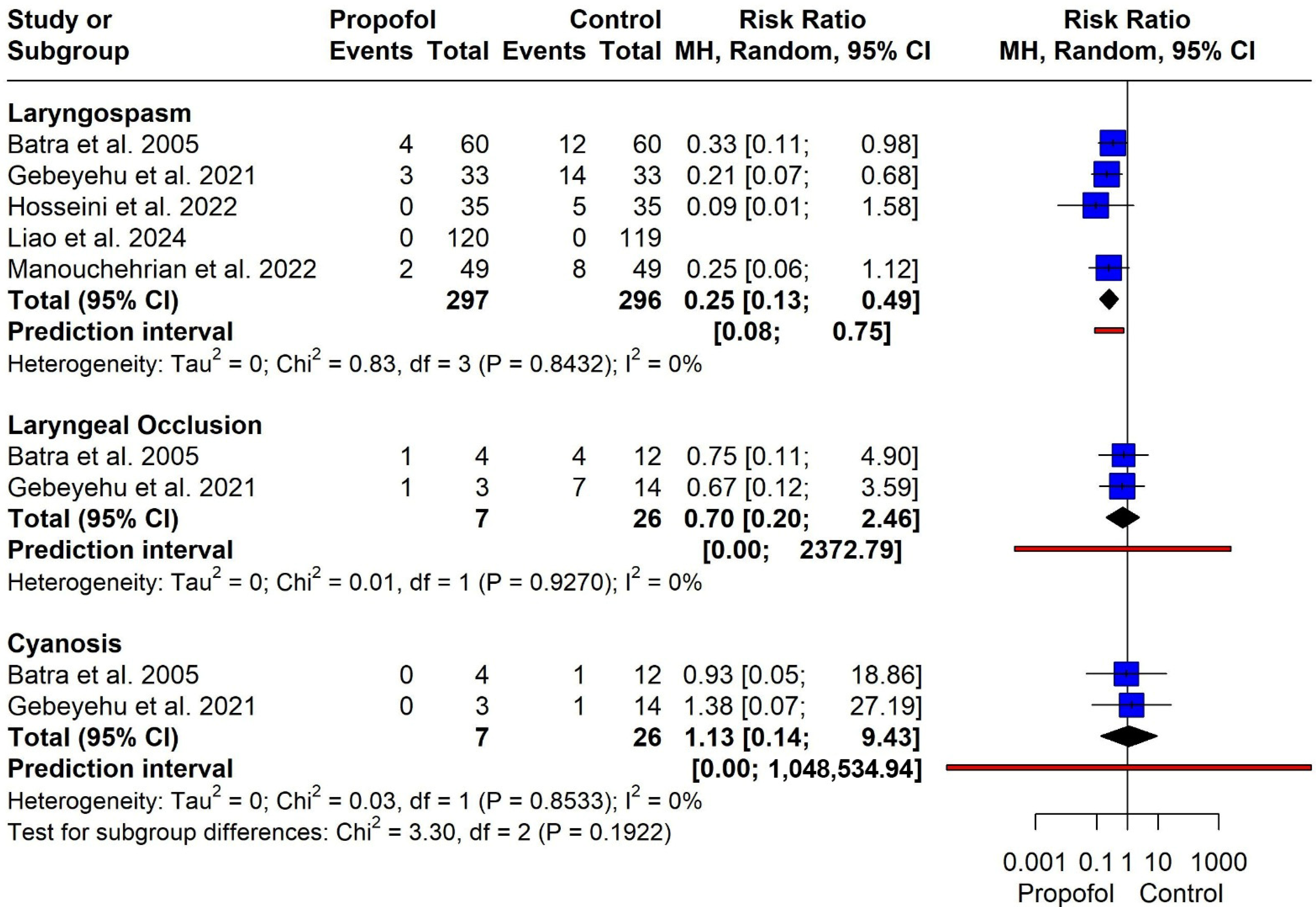
Five studies (n = 593 participants) were included. Use of propofol was associated with a significantly lower risk of laryngospasm compared with control (RR = 0.25, 95% CI 0.13–0.49). No statistical heterogeneity was observed (I2 = 0%, χ2 = 0.83, p = 0.84). The prediction interval did not cross the line of no effect (0.08–0.75) (Figure 3).
Figure 3.
Forest plot for laryngospasm, laryngeal occlusion and cyanosis [8,11,13,14,15].
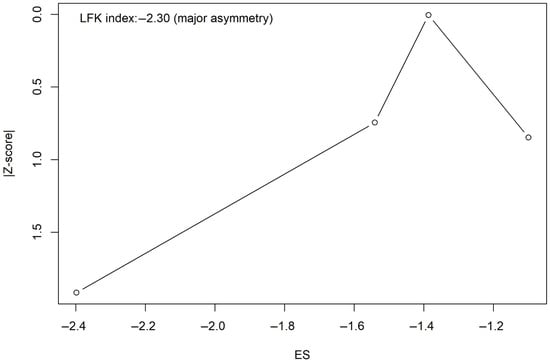
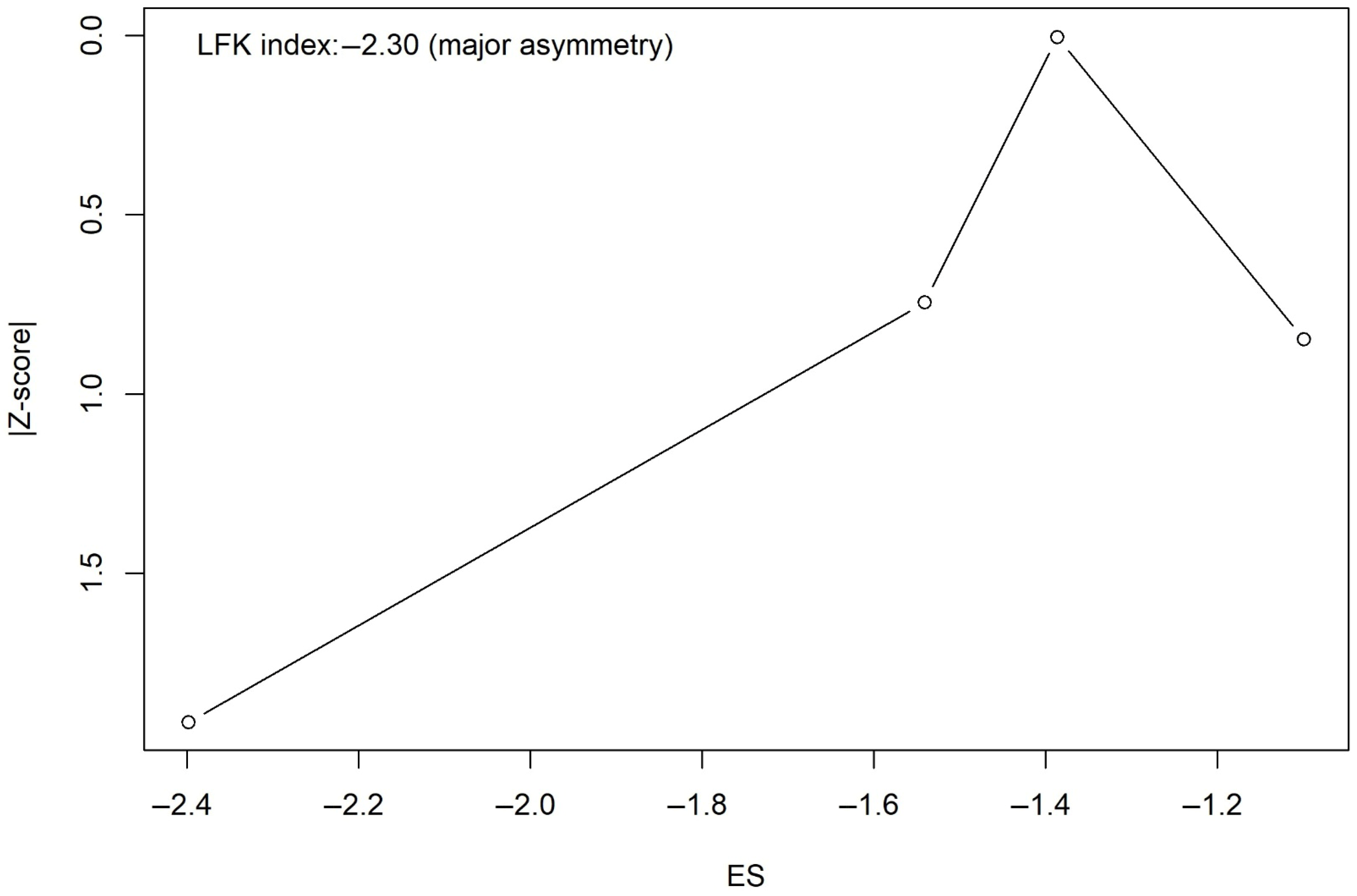
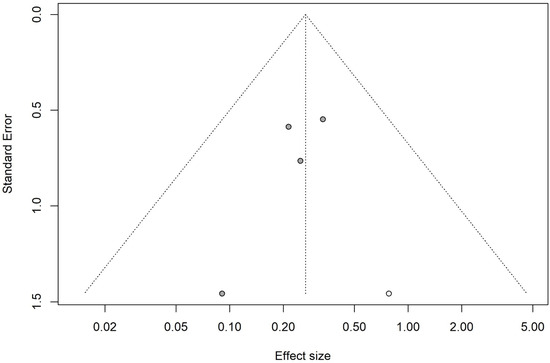
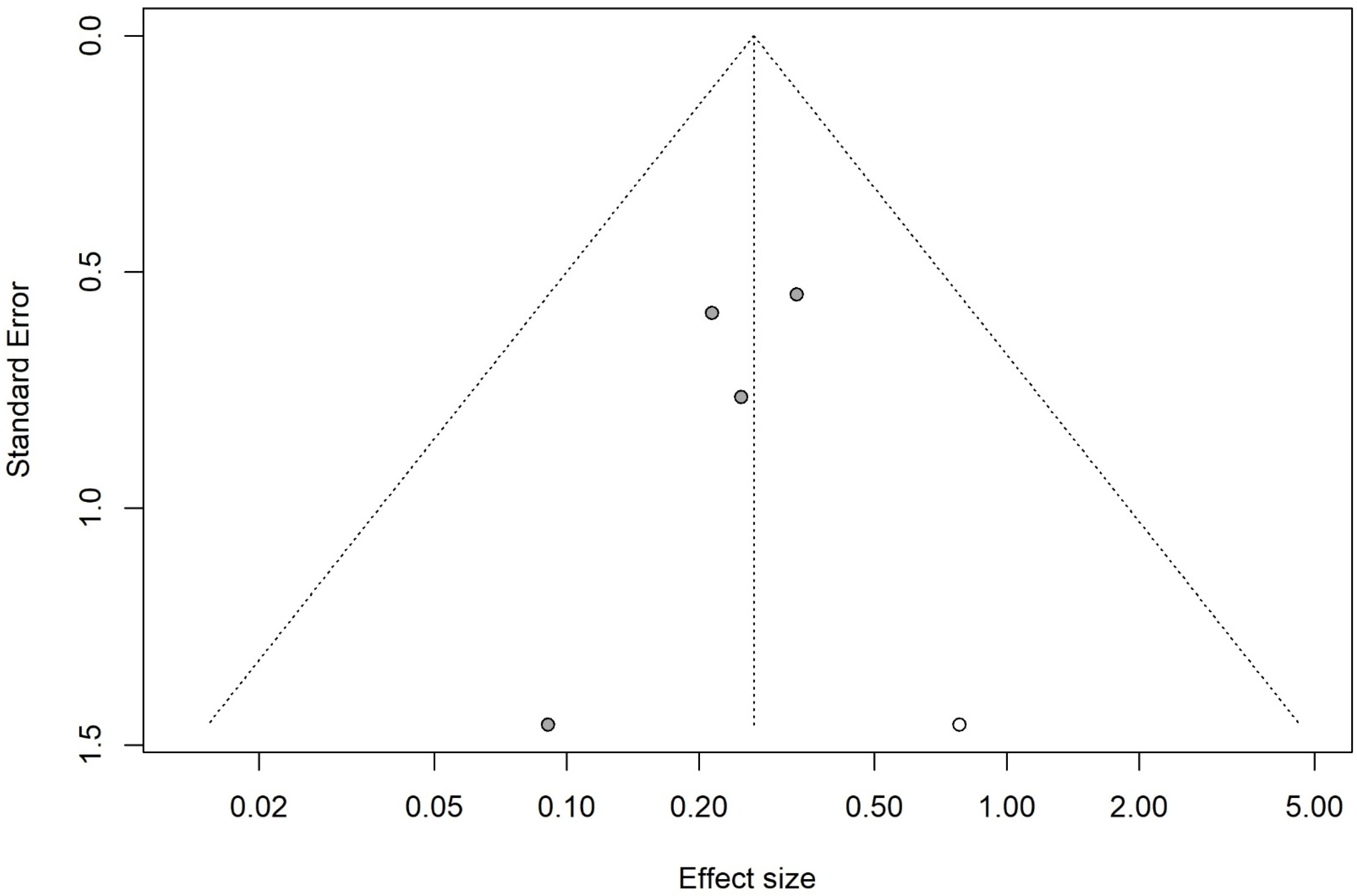
Visual inspection of the Doi plot demonstrated marked asymmetry for the laryngospasm outcome, which was supported by a LFK index of −2.30, indicating major asymmetry (Figure 4). Therefore, the trim-and-fill method was applied, imputing one potentially missing study. After adjustment, the pooled analysis including five studies (424 participants; 212 in each group) showed that propofol was associated with a significantly reduced risk of laryngospasm compared with control (RR = 0.27, 95% CI 0.14–0.51; p < 0.0001). No statistical heterogeneity was observed following adjustment (I2 = 0%, Q = 1.40, df = 4, p = 0.84) (Figure 5).
Figure 4.
Doi plot for laryngospasm. Asymmetry in the plot as indicated by an LFK index of −2.30 suggests the presence of publication bias or small-study effects [8,11,13,14,15].
Figure 5.
Funnel plot after trim and fill meta-analysis for laryngospasm. The imputed missing study (white circle) adjusts for the asymmetry observed in the Doi plot, providing a corrected pooled estimate [8,11,13,14,15].
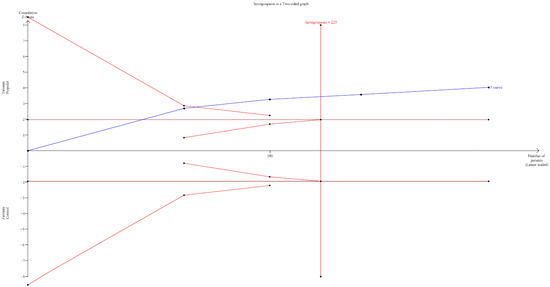
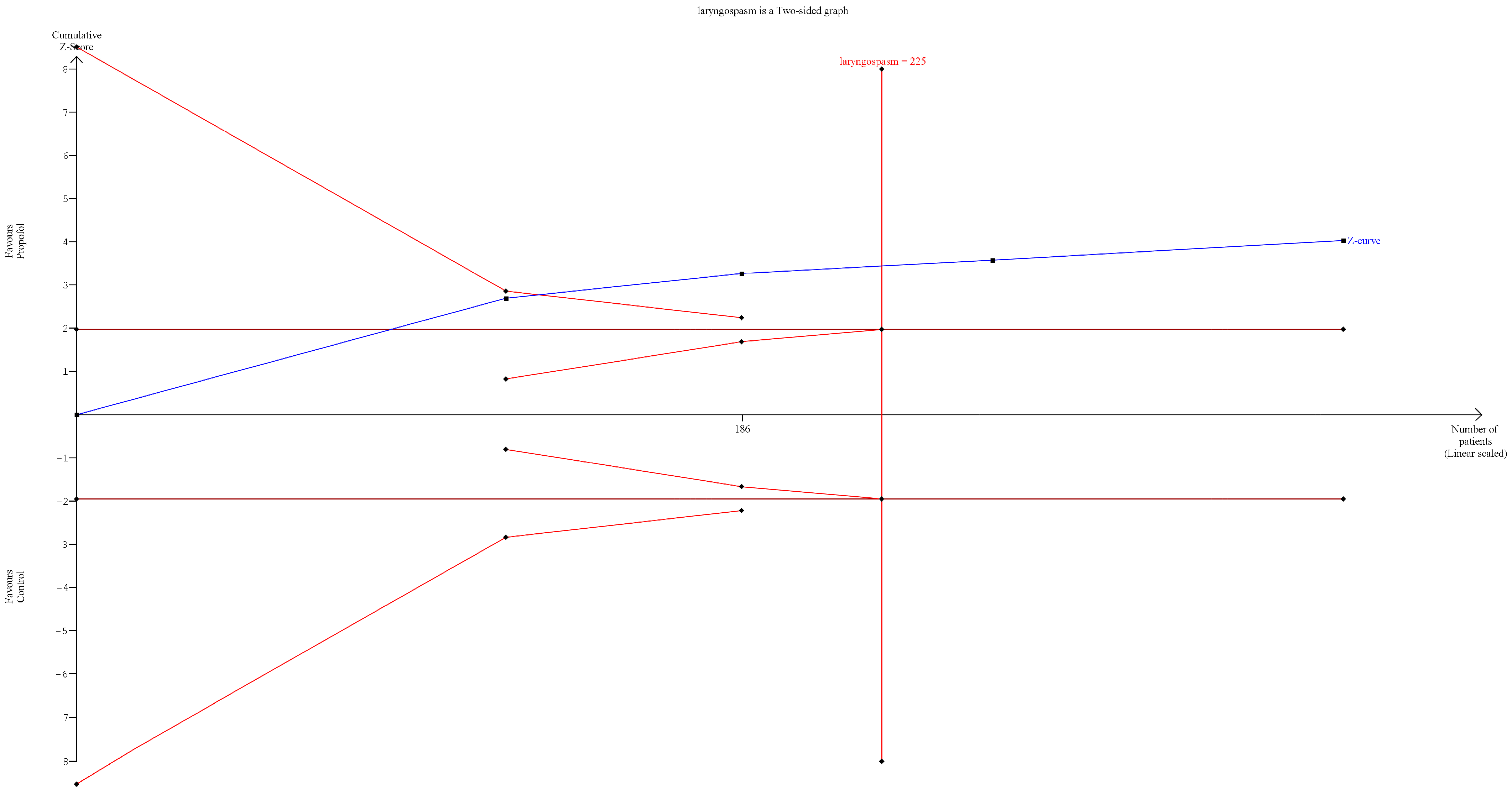
Trial sequential analysis demonstrated that the cumulative Z-curve crossed the conventional boundary for statistical significance, indicating a significant reduction in laryngospasm with propofol compared with control. Because the Z-curve has crossed the monitoring boundaries, the graph suggests that the evidence may be conclusive. However, caution is needed while interpreting this result given the limited number of included studies. (Figure 6).
Figure 6.
Trial sequential graph for laryngospasm. The cumulative Z-curve crosses both the conventional boundary and the trial sequential monitoring boundary, indicating that the required information size has been met [8,11,13,14,15].
3.4.2. Secondary Outcomes
Laryngeal occlusion
Two studies (n = 33 participants) were analyzed. There was no statistically significant difference between propofol and control (RR = 0.70, 95% CI 0.20–2.46). Heterogeneity was absent (I2 = 0%). The prediction interval was wide (0.00–2372.79), reflecting substantial uncertainty due to the small number of studies and events (Figure 3).
Cyanosis
Two studies (n = 33 participants) contributed data. No significant difference was observed between groups (RR = 1.13, 95% CI 0.14–9.43), with no detected heterogeneity (I2 = 0%). The prediction interval was extremely wide (0.00–1,048,534.94), indicating imprecision (Figure 3).
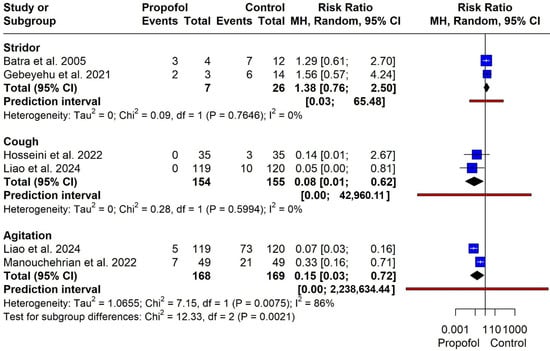
Stridor
Two studies (n = 33 participants) were included. There was no statistically significant difference between the propofol and control groups (RR = 1.38, 95% CI 0.76–2.50). No heterogeneity was detected (I2 = 0%, χ2 = 0.09, p = 0.76). The prediction interval was wide (0.03–65.48), indicating substantial uncertainty due to the limited number of studies and events (Figure 7).
Figure 7.
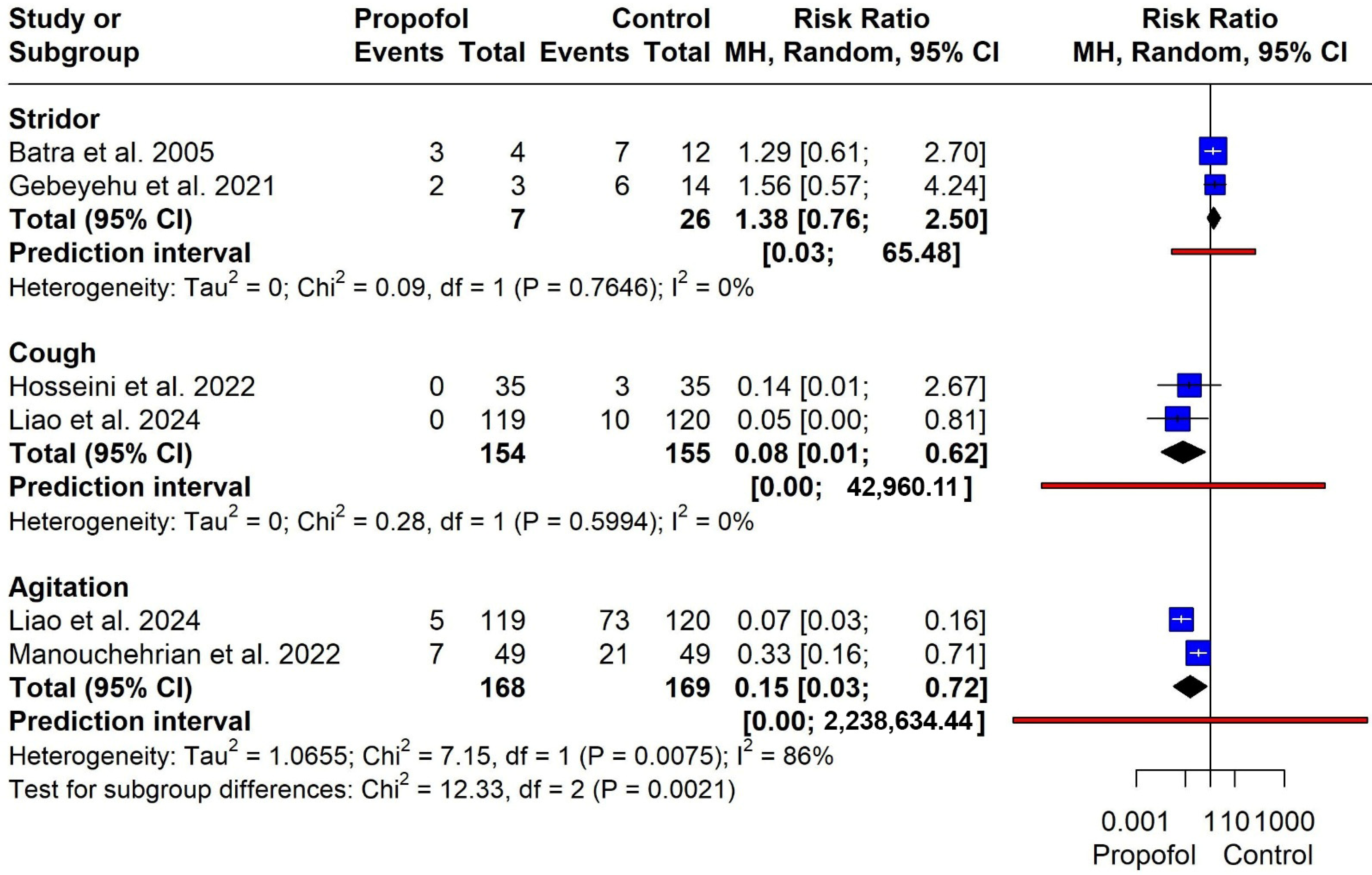
Forest plot for stridor, cough and agitation [8,11,13,14,15].
Cough
Two studies (n = 309 participants) were analyzed. Propofol was associated with a significantly reduced risk of cough compared with control (RR = 0.08, 95% CI 0.01–0.62). No heterogeneity was observed (I2 = 0%, χ2 = 0.28, p = 0.60). The prediction interval was wide (0.00–42,960.11), reflecting imprecision despite the statistically significant pooled effect (Figure 7).
Agitation
Two studies (n = 337 participants) contributed data. Propofol significantly reduced the risk of agitation compared with control (RR = 0.15, 95% CI 0.03–0.72). However, substantial heterogeneity was observed (I2 = 86%, χ2 = 7.15, p = 0.0075). The prediction interval was wide (0.00–2,238,634.44), indicating variability in effect estimates across studies (Figure 7).
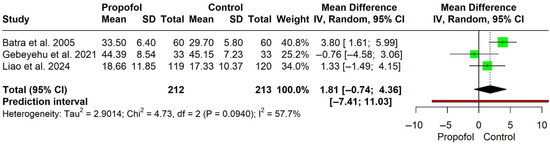
Duration of surgery (minutes)
Three studies involving 425 participants (212 in the propofol group and 213 in the control group) were included in the analysis. There was no statistically significant difference between propofol and control groups (MD = 1.81, 95% CI −0.74 to 4.36). Moderate heterogeneity was observed (I2 = 57.7%, χ2 = 4.73, df = 2, p = 0.094). The prediction interval was wide (−7.41 to 11.03), indicating considerable uncertainty in the expected effect of future studies (Figure 8).
Figure 8.
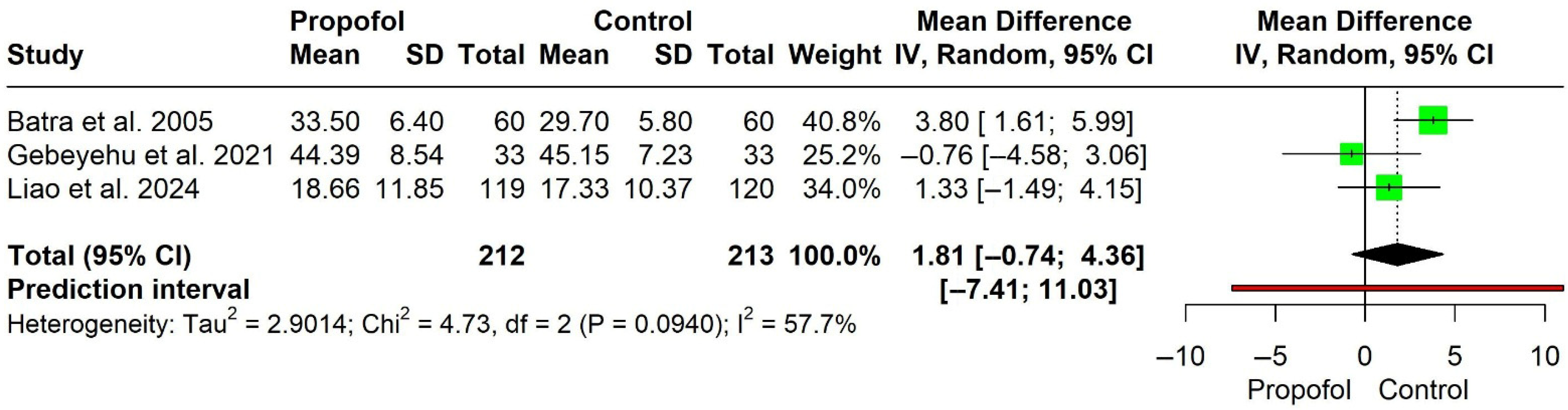
Forest plot for duration of surgery (minutes) [11,14,15].
4. Discussion
4.1. Summary of Findings
Propofol was significantly associated with a low incidence of laryngospasm compared with the control group (RR = 0.25). Although the results showed major asymmetry when using the Doi plot and LFK index of −2.3, which may be attributed to some publication bias or a small number of participants, propofol still has a lower significant incidence for laryngospasm development than the control (RR = 0.27, p < 0.0001). Propofol also has a narrow prediction interval, which strengthens our results. Based on the available data, the evidence for laryngospasm is promising, though the small number of studies and variability in laryngospasm grading across trials warrant some caution in interpreting these findings. Regarding our secondary outcomes, propofol significantly reduced the risk of cough and agitation compared with the control group. There were no statistically significant differences between propofol and the control regarding laryngeal occlusion, cyanosis, stridor, and the duration of surgery. All our secondary outcomes had a wide prediction interval with a significant heterogeneity found in agitation and the duration of stay, which suggests the need for future RCTs with a large-scale sample size.
4.2. Interpretation of Findings
Otolaryngology surgeries and tracheal intubation are associated with a higher risk for the development of PRAE in pediatric patients [29]. All studies included in this systematic review included children with ASA physical status I to III, which limits the influence of comorbid conditions as potential confounders [30]. Patients with ASA physical health higher than III were at a higher risk of getting PRAE than others (adjusted odds ratio (AOR): 5.2, CI: 1.9–22.9) [31]. This highlights the need for perioperative strategies aimed at modulating airway reflexes during emergence, particularly in high-risk procedures such as tonsillectomy.
For prevention of laryngospasm and controlling such reflexes, current evidence sets the priority for non-pharmacological strategies, such as depth of anesthesia, airway clearance, airway maneuvers, and muscle relaxants, when needed [32]. They are effective for low to moderate cases with partial laryngospasm. In contrast, pharmacological treatments are definitive treatment for moderate to severe cases [33]. Clinical trials used different medications such as propofol, lidocaine 1–2 mg/kg, and magnesium sulphate to assess their efficacy [8,34]. However, until now, there is no recommendation or standard guideline for pharmacological agents to prevent the reflex-mediated complications [35].
The doses of propofol vary in the literature according to its use. The typical induction dose for pediatric general anesthesia is 2.5–3 mg/kg, which causes loss of consciousness within 30–60 s [36]. In contrast, most clinical trials using subhypnotic propofol for preventive measures have used 0.5 mg/kg [8]. Regarding lidocaine, it is typically given either intravenously or topically. Lidocaine acts both centrally by causing depression of brainstem reflexes and peripherally through blocking sensory input from the larynx and pharynx to the CNS, causing central reflex suppression as a result [37]. Compared with placebo, lidocaine could significantly decrease the incidence of laryngospasm (OR 0.50; 95% CI 0.27 to 0.95; p = 0.033) and other PRAE [38]. However, the evidence for propofol versus lidocaine is limited [13]. Also, according to a systematic review, the small dose of dexmedetomidine 0.4 to 0.5 μg/kg seemed to be safer and more effective, causing smooth extubation and no laryngospasm, than the large dose of higher than 0.5 μg/kg, which caused bradycardia, hypotension, and sedation [33].
Timing to give propofol is a major concern and is a main reason for heterogeneous results. Subhypnotic propofol 0.5 mg/kg given before extubation has mainly a preventive role where airway reflexes are strongest during emergence, and propofol use will suppress laryngeal and cough reflexes and emergence agitation. Consistent with all articles included in this systematic review, propofol was given before extubation and showed significant and promising evidence for reducing the incidence of laryngospasm [8,14,15]. In contrast, administration after extubation is mainly used as a rescue strategy to attenuate established agitation or coughing and appears less reliable for preventing laryngospasm [39,40]. The effect of timing is also relevant to lidocaine [41].
In this meta-analysis, propofol could significantly reduce the risk for laryngospasm (RR = 0.25), cough (RR = 0.08), and agitation (RR = 0.51) following tonsillectomy. This consistently matches the data previously published [8]. Another meta-analysis proved that using propofol with a bolus dose in the induction of anesthesia had a significantly lower odds ratio (OR) than sevoflurane induction for having PRAE (OR = 0.35), laryngospasm (OR = 0.17), and airway obstruction (OR = 0.32) [35]. In obstetric patients, a low dose of propofol of 0.5 mg/kg could decrease the incidence of laryngospasm more than lidocaine [4]. The impact of a pre-extubation propofol bolus on time to awakening is a crucial clinical consideration. In contrast to a full induction dose, it is hypothesized that the subhypnotic dose of 0.5 mg/kg is unlikely to result in meaningful emergence delays. In two of the included studies, awakening times were reported and no statistically significant delay was identified when propofol was administered [11,13]. Nonetheless, more investigation using standardized awakening metrics is necessary.
Our results suggest no difference between propofol and placebo regarding different grades of laryngospasm, including stridor, laryngeal occlusion, and cyanosis. This finding should be interpreted with caution, as grading of laryngospasm severity was inconsistently reported across the included studies, limiting the ability to perform a robust comparative analysis.
The significant heterogeneity found regarding the agitation could be attributed to several methodological and clinical factors, including the variation in maintenance anesthetic drug, the different control group in both studies (lidocaine [13] versus normal saline [11]), and relatively different sample sizes. Similarly, the heterogeneity related to the duration of surgery may be explained by the different induction anesthetic drugs among studies and the inclusion of a prospective cohort study [14].
4.3. Strengths and Limitations
This study is the first systematic review and meta-analysis to assess the relationship between the use of subhypnotic propofol (0.5 mg/kg) and laryngospasm, highlighting its protective effect on laryngospasm incidence when propofol is administered before extubation. This study had rigorous methodology with adherence to PRISMA guidelines. The use of the random-effects model and assessment of small-study effects via Doi and trim and fill methods provided a transparent assessment of effect size and consistency. However, our study has several limitations. The inclusion of a prospective cohort acts as a source of bias compared with RCTs [14]. The absence of design-specific sensitivity analyses, such as analyses restricted to RCTs, should be acknowledged. The number of eligible clinical trials was limited, and substantial clinical and methodological heterogeneity was observed for some of the secondary outcomes: agitation (I2 = 86%) and the duration of surgery (I2 = 57.7%). Furthermore, the evidence of marked asymmetry in Doi/funnel plots and high LFK indices, together with the need for trim-and-fill adjustments, materially altered effect sizes for the primary outcome “laryngospsam”. The wide prediction intervals for secondary outcomes indicate uncertainty regarding the magnitude of effect in future settings, and for outcomes like agitation and cough, the substantial statistical heterogeneity further limits confidence in the pooled estimate.
Furthermore, the included studies did not provide individual patient-level data, preventing a pooled analysis of the demographic or anesthetic characteristics of children who developed laryngospasm Additionally, PROSPERO registration was completed in a retrospective manner, which might be a potential limitation to our findings.
4.4. Clinical Implications and Future Recommendations
Our findings determined the protective effect of subhypnotic propofol dose 0.5 mg/kg in reducing the incidence of laryngospasm in children undergoing tonsillctomy. It also highlights the importance of timing, particularly administration before extubation. The results for laryngospasm after trial sequential analysis provide evidence that the available data are supportive regarding the preventive use of propofol for this outcome. However, given the limitations discussed, future trials could still provide valuable information on optimal dosing, timing, and patient subgroups. Also, studies with large scales and large sample sizes are needed to determine the efficacy of low-dose propofol on agitation, duration of surgery, cough, and stridor. Additionally, future studies addressing propofol with different dose regimens will help to define the optimal dose for pediatric anesthetic complications. Furthermore, future research should aim to directly compare the success rate of propofol alone versus in combination with other strategies (e.g., positive pressure ventilation, Larson maneuver) for the acute management of established laryngospasm.
5. Conclusions
This systematic review and meta-analysis states that propofol with a low dose of 0.5 mg/kg had a significantly lower incidence of laryngospasm than the control. The current evidence is promising based on trial sequential analysis, though the limited number of studies means some uncertainty remains. Timing for administration of propofol is critical: propofol given before extubation acts as a preventive measure, whereas administration after extubation serves a curative role. Regarding agitation, duration of surgery, cough, and stridor, the evidence is still inconclusive due to wide prediction intervals and significant heterogeneity. Future large-scale RCTs with larger sample sizes are needed to optimize dosing and timing strategies for safe and effective airway management in pediatric anesthesia.
Supplementary Materials
The following supporting information can be downloaded at https://www.mdpi.com/article/10.3390/jcm15052074/s1, Table S1: Search strategies; Table S2: Newcastle–Ottawa Quality Assessment Scale (Cohort Studies); PRISMA checklist.
Author Contributions
Conceptualization: N.A. and A.M.A.; Methodology: N.A., A.E., D.A. and A.M.A.; Formal analysis: A.M.A.; Data curation: N.A., A.E., D.A., F.A. and S.A. (Salman Alshammari); Investigation: N.A., A.E., D.A., F.A., S.A. (Salman Alshammari), E.A. and S.A. (Shawkat Abdulrahman); Software: A.M.A.; Validation: A.M.A.; Supervision: A.M.A., E.A. and S.A. (Shawkat Abdulrahman).; Project administration: N.A.; Writing—original draft: N.A.; Writing—review and editing: All authors. All authors have read and agreed to the published version of the manuscript.
Funding
This research received no external funding.
Data Availability Statement
Data available on request from the corresponding author.
Conflicts of Interest
The authors declare no conflicts of interest.
References
- Igarashi, A. Extubation and removal of supraglottic airway devices in pediatric anesthesia. APM 2024, 19, S49–S60. [Google Scholar] [CrossRef] [Scilit] [PubMed]
- Cook, T.M.; Woodall, N.; Frerk, C. Major complications of airway management in the UK: Results of the Fourth National Audit Project of the Royal College of Anaesthetists and the Difficult Airway Society. Part 1: Anaesthesia. Br. J. Anaesth. 2011, 106, 617–631. [Google Scholar] [CrossRef] [Scilit]
- Li, F.; Zhou, X.; Jiang, L.; Wu, Y.; Zhang, A.; Yang, H.; Chen, B. Postoperative respiratory adverse events in pediatric anesthesia: Risk factors, clinical implications, and management strategies. Medicine 2025, 104, e44598. [Google Scholar] [CrossRef] [Scilit]
- Mokhtar, A.M.; Badawy, A.A. Low dose propofol vs. lidocaine for relief of resistant post-extubation laryngospasm in the obstetric patient. Braz. J. Anesthesiol. Elsevier 2018, 68, 57–61. [Google Scholar] [CrossRef]
- Mallory, M.D.; Travers, C.; McCracken, C.E.; Hertzog, J.; Cravero, J.P. Upper Respiratory Infections and Airway Adverse Events in Pediatric Procedural Sedation. Pediatrics 2017, 140, e20170009. [Google Scholar] [CrossRef] [Scilit]
- Drake-Brockman, T.F.E.; Ramgolam, A.; Zhang, G.; Hall, G.L.; von Ungern-Sternberg, B.S. The effect of endotracheal tubes versus laryngeal mask airways on perioperative respiratory adverse events in infants: A randomised controlled trial. Lancet Lond. Engl. 2017, 389, 701–708. [Google Scholar] [CrossRef] [Scilit]
- Birlie Chekol, W.; Yaregal Melesse, D. Incidence and Associated Factors of Laryngospasm among Pediatric Patients Who Underwent Surgery under General Anesthesia, in University of Gondar Compressive Specialized Hospital, Northwest Ethiopia, 2019: A Cross-Sectional Study. Anesthesiol. Res. Pract. 2020, 2020, 3706106. [Google Scholar] [CrossRef] [Scilit]
- Hosseini, H.; Ayatollahi, V.; Rahimianfar, A.A.; Rahimianfar, F. The Effect of Low-Dose of Propofol on the Respiratory Complications Immediately After Tracheal Extubation in Children Undergoing Tonsillectomy. Indian J. Otolaryngol. Head Neck Surg. 2022, 74, 5147–5150. [Google Scholar] [CrossRef] [Scilit]
- Bangera, A. Anaesthesia for adenotonsillectomy: An update. Indian J. Anaesth. 2017, 61, 103–109. [Google Scholar] [CrossRef] [Scilit] [PubMed]
- Yip, G.M.S.; Chen, Z.-W.; Edge, C.J.; Smith, E.H.; Dickinson, R.; Hohenester, E.; Townsend, R.R.; Fuchs, K.; Sieghart, W.; Evers, A.S.; et al. A propofol binding site on mammalian GABAA receptors identified by photolabeling. Nat. Chem. Biol. 2013, 9, 715–720. [Google Scholar] [CrossRef] [Scilit]
- Liao, R.; Zhou, Z.; Wang, X.; Shao, H. Impact of Propofol Administered before Extubation on Respiratory Adverse Events in Pediatric Patients Undergoing Tonsillectomy and Adenoidectomy: A Randomized Controlled Trial. Br. J. Hosp. Med. 2024, 85, 1–15. [Google Scholar] [CrossRef] [Scilit] [PubMed]
- Folino, T.B.; Muco, E.; Safadi, A.O.; Parks, L.J. Propofol. In StatPearls; StatPearls Publishing: Treasure Island, FL, USA, 2025. Available online: http://www.ncbi.nlm.nih.gov/books/NBK430884/ (accessed on 1 January 2026).
- Manouchehrian, N.; Jiryaee, N.; Moheb, F.A. Propofol versus lidocaine on prevention of laryngospasm in tonsillectomy: A randomized clinical trial. Eur. J. Transl. Myol. 2022, 32, 10581. [Google Scholar] [CrossRef] [Scilit]
- Gebeyehu, G.; Ayele, B.; Aregawi, A.; Ashebir, Z. The Preventive Effect of Subhypnotic Dose of Propofol in Preventing Laryngospasm in Children undergoing Adeno-tonsillectomy in Addis Ababa Hospitals, Addis Ababa Ethiopia. A Prospect. Cohort Study J. Surg. Anesth. 2021, 5, 4–8. Available online: https://www.walshmedicalmedia.com/open-access/the-preventive-effect-of-subhypnotic-dose-of-propofol-in-preventing-laryngospasm-in-children-undergoing-adenotonsillectomy-in-addi-82817.html (accessed on 1 January 2026).
- Batra, Y.K.; Ivanova, M.; Ali, S.S.; Shamsah, M.; Qattan, A.R.A.; Belani, K.G. The efficacy of a subhypnotic dose of propofol in preventing laryngospasm following tonsillectomy and adenoidectomy in children. Pediatr. Anesth. 2005, 15, 1094–1097. [Google Scholar] [CrossRef] [Scilit]
- Page, M.J.; McKenzie, J.E.; Bossuyt, P.M.; Boutron, I.; Hoffmann, T.C.; Mulrow, C.D.; Shamseer, L.; Tetzlaff, J.M.; Akl, E.A.; Brennan, S.E.; et al. The PRISMA 2020 statement: An updated guideline for reporting systematic reviews. BMJ 2021, 372, n71. [Google Scholar] [CrossRef] [Scilit] [PubMed]
- Cumpston, M.; Li, T.; Page, M.J.; Chandler, J.; Welch, V.A.; Higgins, J.P.; Thomas, J. Updated guidance for trusted systematic reviews: A new edition of the Cochrane Handbook for Systematic Reviews of Interventions. Cochrane Database Syst. Rev. 2019, 10, ED000142. [Google Scholar] [CrossRef] [Scilit]
- Gotschall, T. EndNote 20 desktop version. J. Med. Libr. Assoc. 2021, 109, 520. [Google Scholar] [CrossRef] [Scilit]
- Ouzzani, M.; Hammady, H.; Fedorowicz, Z.; Elmagarmid, A. Rayyan-a web and mobile app for systematic reviews. Syst. Rev. 2016, 5, 210. [Google Scholar] [CrossRef] [Scilit]
- Sterne, J.A.C.; Savović, J.; Page, M.J.; Elbers, R.G.; Blencowe, N.S.; Boutron, I.; Cates, C.J.; Cheng, H.Y.; Corbett, M.S.; Eldridge, S.M.; et al. RoB 2: A revised tool for assessing risk of bias in randomised trials. BMJ 2019, 366, l4898. [Google Scholar] [CrossRef] [Scilit]
- Wells, G.; O’connell, D.; Peterson, J. The Newcastle–Ottawa Scale (NOS) for Assessing the Quality of Non-Randomized Studies in Meta-Analysis; Ottawa Hospital Research Institute: Ottawa, ON, Canada, 2000. [Google Scholar]
- McGuinness, L.A.; Higgins, J.P.T. Risk-of-bias VISualization (robvis): An R package and Shiny web app for visualizing risk-of-bias assessments. Res. Synth. Methods 2021, 12, 55–61. [Google Scholar] [CrossRef] [Scilit]
- R Core Team. R: A Language and Environment for Statistical Computing; R Foundation for Statistical Computing; The R Core Team: Vienna, Austria, 2025; Available online: https://www.R-project.org (accessed on 5 January 2026).
- RStudio Builds. 2024.12.1+563.pro5. Available online: https://dailies.rstudio.com/version/2024.12.1+563.pro5/ (accessed on 22 November 2025).
- Irwig, L.; Macaskill, P.; Berry, G.; Glasziou, P. Bias in meta-analysis detected by a simple, graphical test. Graphical test is itself biased. BMJ 1998, 316, 470. [Google Scholar]
- Furuya-Kanamori, L.; Barendregt, J.J.; Doi, S.A. A new improved graphical and quantitative method for detecting bias in meta-analysis. JBI Evid. Implement. 2018, 16, 195–203. [Google Scholar] [CrossRef] [Scilit]
- Duval, S.; Tweedie, R. A nonparametric “trim and fill” method of accounting for publication bias in meta-analysis. J. Am. Stat. Assoc. 2000, 95, 89–98. [Google Scholar]
- Thorlund, K.; Engstrøm, J.; Wetterslev, J.; Brok, J.; Imberger, G.; Gluud, C. User Manual for Trial Sequential Analysis (TSA), 2nd ed.; Copenhagen Trial Unit: Copenhagen, Denmark, 2011; pp. 1–119. Available online: https://www.ctu.dk/wp-content/uploads/2021/03/2017-10-10-TSA-Manual-ENG_ER.pdf (accessed on 2 January 2026).
- Tariq, S.; Syed, M.; Martin, T.; Zhang, X.; Schmitz, M. Rates of Perioperative Respiratory Adverse Events Among Caucasian and African American Children Undergoing General Anesthesia. Anesth. Analg. 2018, 127, 181–187. [Google Scholar] [CrossRef] [Scilit]
- Habre, W.; Disma, N.; Virag, K.; Becke, K.; Hansen, T.G.; Jöhr, M.; Leva, B.; Morton, N.S.; Vermeulen, P.M.; Zielinska, M.; et al. Incidence of severe critical events in paediatric anaesthesia (APRICOT): A prospective multicentre observational study in 261 hospitals in Europe. Lancet Respir. Med. 2017, 5, 412–425. [Google Scholar] [CrossRef] [Scilit]
- Wudineh, D.M.; Berhe, Y.W.; Chekol, W.B.; Adane, H.; Workie, M.M. Perioperative Respiratory Adverse Events Among Pediatric Surgical Patients in University Hospitals in Northwest Ethiopia; A Prospective Observational Study. Front. Pediatr. 2022, 10, 827663. [Google Scholar] [CrossRef] [Scilit]
- Zhang, J.; Yin, J.; Li, Y.; Zhang, Y.; Bai, Y.; Yang, H. Effect of dexmedetomidine on preventing perioperative respiratory adverse events in children: A systematic review and meta-analysis of randomized controlled trials. Exp. Ther. Med. 2023, 25, 286. [Google Scholar] [CrossRef] [Scilit] [PubMed]
- Salim, B.; Rashid, S.; Ali, M.A.; Raza, A.; Khan, F.A. Effect of Pharmacological Agents Administered for Attenuating the Extubation Response on the Quality of Extubation: A Systematic Review. Cureus 2019, 11, e6427. [Google Scholar] [CrossRef] [Scilit]
- Manouchehrian, N.; Abbasi, R.; Jiryaee, N.; Beigi, R.M. Comparison of intravenous injection of magnesium sulfate and lidocaine effectiveness on the prevention of laryngospasm and analgesic requirement in tonsillectomy. Eur. J. Transl. Myol. 2022, 32, 10732. [Google Scholar] [CrossRef] [Scilit] [PubMed]
- Deng, Q.-W.; Tan, W.-C.; Zhan, Y.-Q.; Wang, X.-W.; Lai, H.-J.; Wen, S.-H. Prophylactic pharmacological interventions against perioperative respiratory adverse events in children undergoing noncardiac surgery: A systematic review and meta-analysis. J. Anesth. 2025, 39, 248–264. [Google Scholar] [CrossRef] [Scilit]
- Cullen, B.F.; Stock, M.C.; Ortega, R.; Sharar, S.R.; Holt, N.F.; Connor, C.W.; Nathan, N. Barash, Cullen, and Stoelting’s Clinical Anesthesia, 9th ed.; Lippincott Williams & Wilkins: Philadelphia, PA, USA, 2024. [Google Scholar]
- Beecham, G.B.; Nessel, T.A.; Goyal, A. Lidocaine. In StatPearls; StatPearls Publishing: Treasure Island, FL, USA, 2025. Available online: http://www.ncbi.nlm.nih.gov/books/NBK539881/ (accessed on 2 January 2026).
- Weba, E.T.P.; De Sousa, G.S.; De Mesquita Ipácio, A.P.; Fukunaga, C.K.; Silva, R.A.S.; Teixeira, M.A.F.; Filardi, R.M.; Costa, C.M.; Carlos, R.V.; Von Ungern-Sternberg, B.S. Topical Lidocaine During Airway Manipulation in Pediatric Anesthesia: A Systematic Review and Meta-Analysis. Pediatr. Anesth. 2025, 36, 151–163. [Google Scholar] [CrossRef] [Scilit]
- Ozturk, T.; Acıkel, A.; Yılmaz, O.; Topçu, I.; Çevıkkalp, E.; Yuksel, H. Effects of low-dose propofol vs ketamine on emergence cough in children undergoing flexible bronchoscopy with sevoflurane-remifentanil anesthesia: A randomized, double-blind, placebo-controlled trial. J. Clin. Anesth. 2016, 35, 90–95. [Google Scholar] [CrossRef] [Scilit]
- Ouellet, M.-F.; Moore, A.; Williams, S.; Girard, F.; Desroches, J.; Ruel, M.; Beaulieu, P. Efficacy of a propofol bolus against placebo to prevent cough at emergence from general anesthesia with desflurane: A randomized controlled trial. Can. J. Anesth. Can. Anesth. 2023, 70, 842–850. [Google Scholar] [CrossRef] [Scilit] [PubMed]
- Mihara, T.; Uchimoto, K.; Morita, S.; Goto, T. The efficacy of lidocaine to prevent laryngospasm in children: A systematic review and meta-analysis. Anaesthesia 2014, 69, 1388–1396. [Google Scholar] [CrossRef] [Scilit] [PubMed]

Disclaimer/Publisher’s Note: The statements, opinions and data contained in all publications are solely those of the individual author(s) and contributor(s) and not of MDPI and/or the editor(s). MDPI and/or the editor(s) disclaim responsibility for any injury to people or property resulting from any ideas, methods, instructions or products referred to in the content. |
© 2026 by the authors. Licensee MDPI, Basel, Switzerland. This article is an open access article distributed under the terms and conditions of the Creative Commons Attribution (CC BY) license.