


Abstract
Atrial fibrillation (AF) is the most common prevalent sustained arrhythmia and is associated with stroke, heart failure, and impaired health-related quality of life. Due to the complexity of the initiation and the persistence of AF, the pulmonary vein isolation (PVI) using thermal or laser energy is the most commonly applied ablation strategy. However, these thermal ablation modalities have several limitations, including a substantial risk of AF recurrence and collateral damage to tissues adjacent to the heart. Pulsed field ablation (PFA) is a novel non-thermal ablation technique in which high-voltage electric fields deliver short pulses, selectively affecting cardiomyocyte cell membranes. PFA has the potential to create myocardial lesions with minimal harm to non-cardiac tissues. Clinical studies have evaluated the safety and efficacy of PFA, examining its ability to prevent AF recurrence and its impact on surrounding structures, often in comparison with conventional PVI approaches. In this review, PFA clinical studies are discussed as well as our experience with the PFA use for redo atrial fibrillation ablation cases.
1. Introduction
Atrial fibrillation (AF) is the most common sustained cardiac arrhythmia affecting 1–2% of the general population. The onset of AF is associated with an increased risk of stroke and the development of heart failure (HF), as well as impaired functional capacity and quality of life [1]. According to the European Society of Cardiology guidelines, catheter ablation of AF is recommended for symptomatic patients who are refractory to optimal medical therapy or have concomitant tachycardia-induced cardiomyopathy or heart failure (HF) [2,3]. Due to the complexity of AF pathogenesis, pulmonary vein (PV) ectopic foci are believed to play a key role in initiating and sustaining AF. Consequently, pulmonary vein isolation (PVI) using radiofrequency (RF), thermal, or laser energy constitutes the cornerstone of AF ablation therapy [1]. However, current ablation techniques have several limitations, whereas PV reconnection occurs in 20% of patients post initial PVI procedure [4]. Additionally, thermal ablation technologies can cause significant collateral injury to structures adjacent to the heart, particularly the esophagus or phrenic nerve such as atrio-esophageal fistula or phrenic nerve paralysis [2,5].
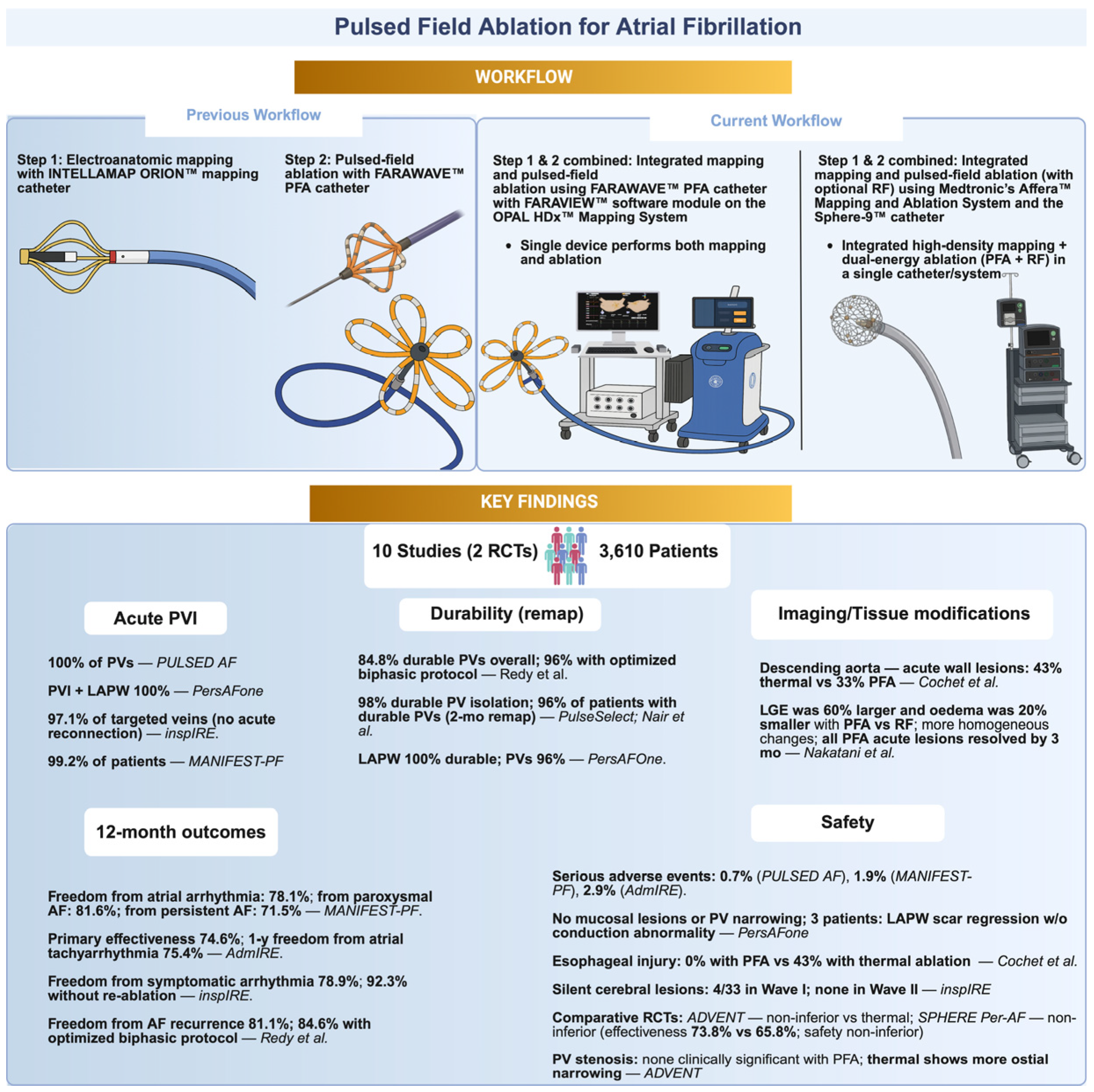
One of the most recent advances in the catheter ablation area is pulsed field ablation (PFA), a non-thermal ablation modality that uses high-voltage electric pulses delivered between electrodes to create pores in cardiomyocyte cell membranes in a highly selective, tissue-specific manner. This targeted electroporation leads to irreversible myocardial cell death while minimizing damage to non-cardiac tissues including the esophagus, nerves and vessels [6]. Importantly, PFA does not disrupt the extracellular matrix, thereby preserving tissue planes and reducing risks such as atrio-esophageal fistula associated with RF ablation. PFA procedures are usually performed under general anesthesia with intubation, or under deep sedation, to minimize patient discomfort and muscle contractions, leading to improved procedural tolerance and efficacy [1]. Using a non-thermal mechanism of cellular injury is expected to improve the safety and efficacy of cardiac ablation. However, it remains uncertain whether PFA can achieve long-term freedom from AF recurrence (Figure 1).
Figure 1.
Technological workflow evolution and key clinical outcomes of PFA for atrial fibrillation. The upper panel illustrates the transition from a sequential workflow, electroanatomic mapping followed by pulsed field ablation using separate catheters, to integrated systems enabling combined high-density mapping and ablation with a single catheter. The lower panel summarizes key findings from major clinical studies, including acute pulmonary vein isolation rates, lesion durability on remapping, imaging-based tissue effects, 12-month arrhythmia outcomes, and safety endpoints. Figure created in BioRender. Bozika, M. (2025) https://BioRender.com/6xb5zp7 (accessed on 2 December 2025).
2. Clinical Studies of PFA
Astudy by Reddy et al. [7] used data pooled from threetrials (IMPULSE [A Safety and Feasibility Study of the IOWA Approach Endocardial Ablation System to Treat Atrial Fibrillation], PEFCAT [A Safety and Feasibility Study of the FARAPULSE Endocardial Ablation System to Treat Paroxysmal Atrial Fibrillation], and PEFCAT II [Expanded Safety and Feasibility Study of the FARAPULSE Endocardial Multi Ablation System to Treat Paroxysmal Atrial Fibrillation]) to evaluate the 1-year clinical outcomes of PFA, including early and late onset safety endpoints, durability and freedom of cardiac arrhythmias. In total the trials included 121 patients where a 12-F over-the-wire PFA catheter was used in order to achieve PVI [7,8]. In the IMPULSE trial, 40 patients underwent PFA with monophasic waveforms between 900 and 1000 V under general anesthesia. In the PEFCAT and PEFCAT II trials biphasic waveforms between 1800 and2000 V were used under sedation, which was well tolerated. No reconnection was observed after a 20 min waiting period or adenosine testing. After 75–90 days from the procedure, 110 patients underwent remapping of the left atrium where a multielectrode catheter was used to evaluate possible reconnection of pulmonary veins.The follow-up was 1 year by clinical visit, trans-telephonic monitor, and 24 h Holter to evaluate the recurrence of atrial fibrillation. Despite the occurrence of two cases of cardiac tamponade, the rate of primary safety events was low (2.5%), whereas no evidence of esophageal injury, phrenic nerve lesion, or brain lesions after ablation were observed. In the following three months, left atrium remapping demonstrated durable PVI in 84.8% of PVs. This percentage included 45.2% of PVI in 11 patients treated with monophasic energy, 83.6% in patients treated with biphasic energy and 96% in patients treated with biphasic energy with optimized biphasic protocol. Across 12 months of rhythm surveillance (clinical review, transtelephonic monitoring, and Holter recordings), Kaplan–Meier freedom from recurrent AF was 81.1% ± 3.8%, rising to 84.6% ± 6% among patients treated with an optimized biphasic protocol [1,7,8].
The pivotal PULSED AF study (Pulsed Field Ablation to Irreversibly Electroporate Tissue and Treat AF) was a prospective, global, multicenter, nonrandomized, paired single-arm study evaluating a bipolar, biphasic PFA system for PVI in symptomatic, antiarrhythmic drug-refractory paroxysmal (n = 150) and persistent (n = 150) AF [9]. Follow-up included weekly transtelephonic transmissions, scheduled ECGs at 3, 6, and 12 months, and 24 h Holter monitoring at 6 and 12 months, with the first 3 months treated as a blanking period [9]. Effectiveness was assessed by the absence of acute procedural failure and subsequent arrhythmia recurrence or escalation of antiarrhythmic therapy, while safety focused on serious device- or procedure-related adverse events. Acute PVI was achieved in 100% of PVs. Major complications were uncommon (estimated 0.7%), and no clinically evident phrenic nerve injury, esophageal injury, or pulmonary vein injury was reported. The observed effectiveness was broadly comparable to contemporary outcomes with thermal ablation approaches [10,11], and quality-of-life measures improved significantly from baseline [12,13,14].
In a mechanistic imaging study, Cochet et al. compared extra-atrial tissue effects after PVI performed with PFA versus thermal energy in 41 patients with paroxysmal AF [15]. Cardiac magnetic resonance imaging was obtained before ablation, within 3 h after the procedure, and again at 3 months. Among patients treated with radiofrequency or cryoballoon ablation, acute esophageal lesions were identified in 43%, whereas no esophageal injury was seen after PFA; phrenic nerve injury was not documented in either group. Acute changes in the descending aorta were observed after both modalities (43% thermal vs. 33% PFA), with resolution on follow-up imaging. In a subsequent analysis, Nakatani et al. described more homogeneous atrial tissue changes after PFA, with larger acute late-gadolinium enhancement volumes but less edema compared with radiofrequency, and fewer persistent lesions at 3 months—consistent with limited chronic fibrotic remodeling [16].
PersAFOne (PulsedFields for Persistent Atrial Fibrillation) evaluated biphasic, bipolar PFA delivered via a multispline catheter for combined PVI and left atrial posterior wall (LAPW) ablation, guided by intracardiac echocardiography; a focal PFA catheter was used for cavotricuspid isthmus ablation, without additional esophageal protection [17]. Invasive reassessment within 2–3 months was used to test lesion durability. In the initial cohort (n = 25), acute PVI and LAPW isolation were achieved in all patients, and cavotricuspid isthmus block was obtained in all 13 patients requiring this lesion set. Post-procedure endoscopy and computed tomography showed no mucosal injury and no pulmonary vein narrowing. Remapping demonstrated durable isolation in 96% of pulmonary veins (82/85) and 100% of posterior wall targets (21/21), with localized posterior wall scar regression in three patients without reconduction
The inspIRE study (Study for Treatment of Paroxysmal Atrial Fibrillation) assessed a fully integrated biphasic PFA platform incorporating a variable-loop circular catheter and a 3D mapping system in drug-refractory paroxysmal AF [18]. Among 226 treated participants (Wave I: 40; Wave II: 186), the primary safety outcome was early major adverse events, while effectiveness incorporated confirmed PVI and freedom from documented atrial arrhythmia at 12 months. In Wave I, no esophageal thermal lesions or pulmonary vein stenosis were observed, although silent cerebral lesions were detected on MRI in 4 of 33 scanned participants. No primary adverse events were reported in Wave II. Acute PV isolation without reconnection was achieved in 97.1% of targeted veins, and 12-month freedom from symptomatic atrial arrhythmia and repeat ablation was 78.9% and 92.3%, respectively. MANIFEST-PF (Multi-National Survey on the Methods, Efficacy, and Safety on the Post-Approval Clinical Use of Pulsed Field Ablation) was a retrospective, multinational registry reporting post-approval PFA practice across 1568 patients with paroxysmal or persistent AF [19].PVI was achieved in 99.2% of cases. Over a median follow-up of 367 (289–421) days, the Kaplan–Meier estimate for freedom from atrial arrhythmia at 1 year was 78.1% (95% CI, 76.0–80.0%), with higher effectiveness in paroxysmal than persistent AF (81.6% vs. 71.5%; p= 0.001). Acute major adverse events occurred in 1.9% of patients, with additional latent events captured in the composite safety outcome.
The ADVENT was a multicenter, randomized, single-blind trial comparing PFA with conventional thermal ablation (radiofrequency or cryoballoon) in drug-refractory paroxysmal AF [20]. A total of 607 participants were treated with PFA (n = 305) or thermal ablation (n = 302). Post-procedure management included guideline-directed anticoagulation and class I/III antiarrhythmic therapy (amiodarone excluded). Patients were followed for 12 months using 72 h Holter monitoring and transtelephonic ECG transmissions; CT or MRI was used to evaluate pulmonary vein anatomy, and selected patients underwent brain MRI. PFA met noninferiority criteria versus thermal ablation for the composite efficacy endpoint and for the composite safety endpoint over the first year. Clinically significant pulmonary vein stenosis was not observed in either arm; however, imaging-defined ostial narrowing occurred more frequently after thermal ablation, particularly radiofrequency.
AdmIRE (Assessment of Safety and Effectiveness in Treatment Management of Atrial Fibrillation With the Biosense-Webster Irreversible Electroporation Ablation System), is a multicenter, single-arm pivotal study evaluating a variable-loop circular PFA catheter coupled to a multichannel generator and a mapping system that provides real-time feedback on catheter–tissue proximity [12,21]. The trial enrolled 277 adults (18–75 years) with symptomatic, drug-refractory paroxysmal AF undergoing first-time PVI, with uninterrupted anticoagulation required pre-procedure and continued for at least 2 months afterward [21]. The primary safety endpoint captured serious device- or procedure-related complications including tamponade/perforation, thromboembolism, atrio-esophageal fistula (through 90 days), and pulmonary vein stenosis during follow-up. Effectiveness included acute entrance block in all PVs and 12-month freedom from documented atrial tachyarrhythmias without repeat ablation [21]. The primary adverse event rate was 2.9% (8 of 272), most commonly pericardial tamponade, and the primary effectiveness endpoint was 74.6%; 1-year freedom from atrial tachyarrhythmia was 75.4%. Procedure and fluoroscopy times were short, and quality-of-life improved as early as 3 months post-ablation [21].
SPHERE Per- was a randomized, single-blind, noninferiority trial in persistent AF comparing an investigational large-tip catheter capable of both pulsed-field and radiofrequency energy delivery with a conventional radiofrequency ablation system (n = 420) [22]. The primary effectiveness endpoint incorporated acute procedural success and absence of arrhythmia recurrence, cardioversion, drug initiation/escalation, or repeat ablation beyond a 3-month blanking period; the primary safety endpoint was freedom from serious procedure- or device-related adverse events. Noninferiority was achieved for effectiveness (73.8% vs. 65.8%; p< 0.0001 for noninferiority) and for safety, with few major complications in either arm [22].
Additional early experience with a circular PFA catheter (PulseSelect) was presented by Nair et al. at the Asia Pacific Heart Rhythm Society annual meeting (28 September 2024) [23]. In 25 patients with paroxysmal or persistent AF, PVI was performed with intracardiac echocardiography and 3D mapping guidance without fluoroscopy. Invasive assessment immediately after ablation and again at 2 months suggested high lesion durability, with 98% of PVs remaining isolated and 96% of patients maintaining complete PVI. No procedure-related adverse events were reported over a mean follow-up of 74 ± 14 days [23]. All the aforementioned studies and respective endpoints and outcomes are summarized in Table 1.
Table 1.
Summary of major clinical studies evaluating pulsed field ablation for atrial fibrillation.
3. Safety and Efficacy of PFA for Redo AF Ablation Procedures: Case Series of Lancashire Cardiac Centre and University Hospital of Patras
Before the introduction of PFA technology, recurrence of atrial fibrillation after the index procedure with thermal energy ablation either with one shot technique (cryoballoon or laser ) or classic point–point RF application was performed with the guidance of available mapping systems (Ensite, CARTO, Rhythmia/Opal HDx) to recognizeelectrical conduction into pulmonary veins and further ablation lesion gaps were treated with RF energy application. In this section we present our experience performing redo AF ablation procedures in case of AF or atrial flutter recurrence with the simultaneous use of Intellamap Orion catheter with Opal HDx mapping system and pulsed field ablation with Farawave PFA catheter as well as the use of novel lattice tip catheter (Affera mapping and ablation system).
Especially, the following cases describe the successful application of PFA in redo atrial fibrillation procedures post AF or atrial flutter recurrence. In the first four cases an Intellamap Orion multipolar high-resolution mapping catheter was used with Opal HDx mapping system to obtain left atrial voltage and activation mapping. After LA mapping the reconnected veins were recognized, and further ablation was performed with Farawave PFA catheter using basket and flower configurations.
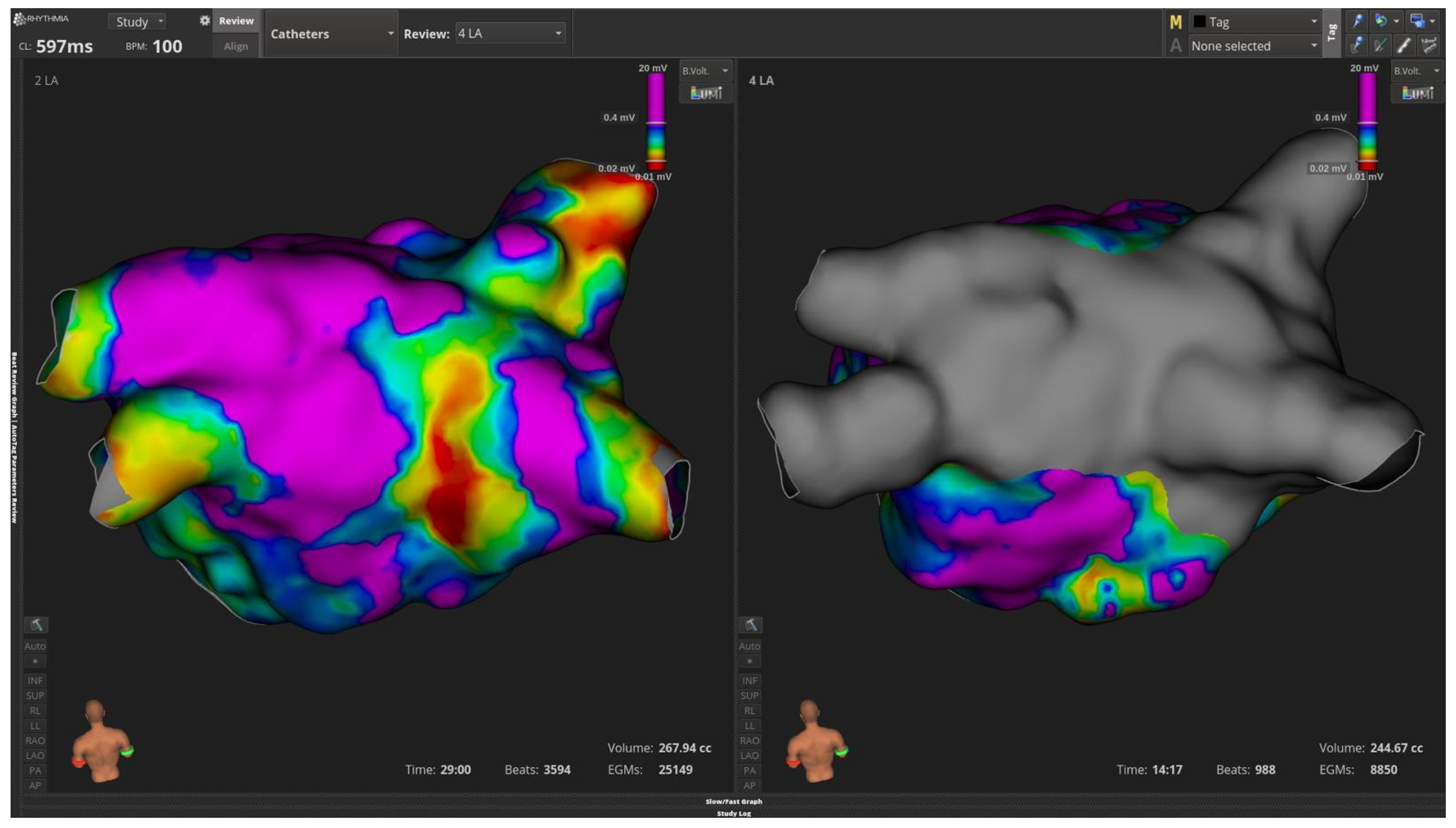
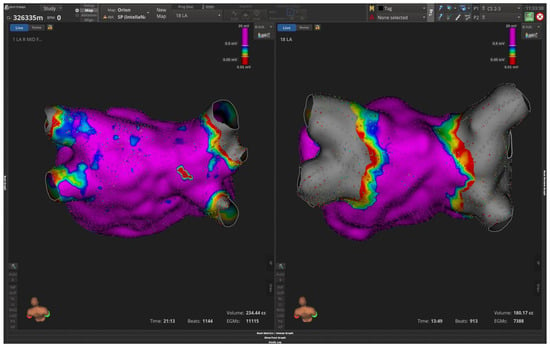
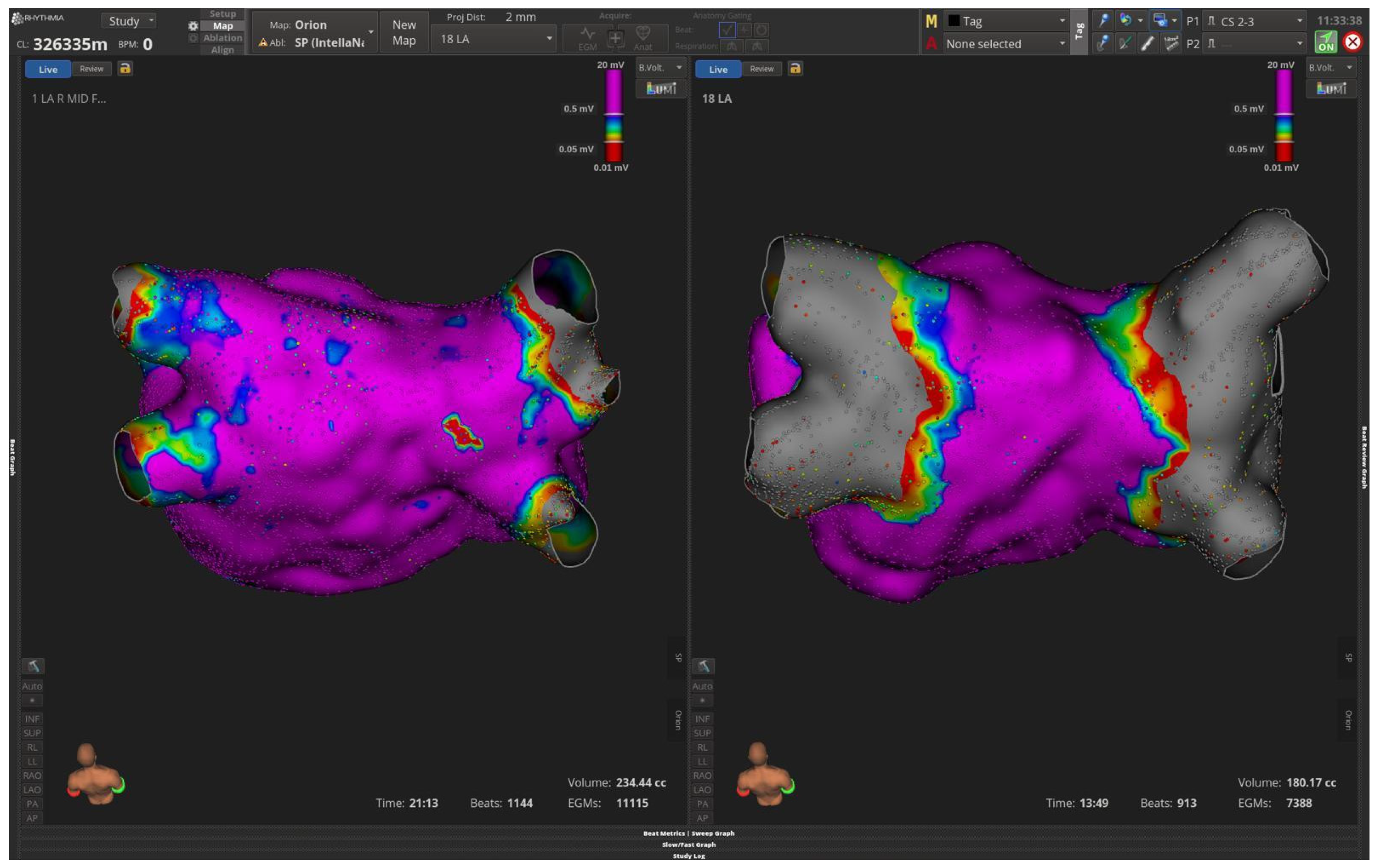
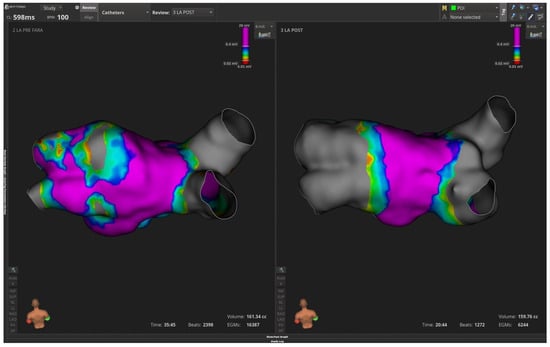
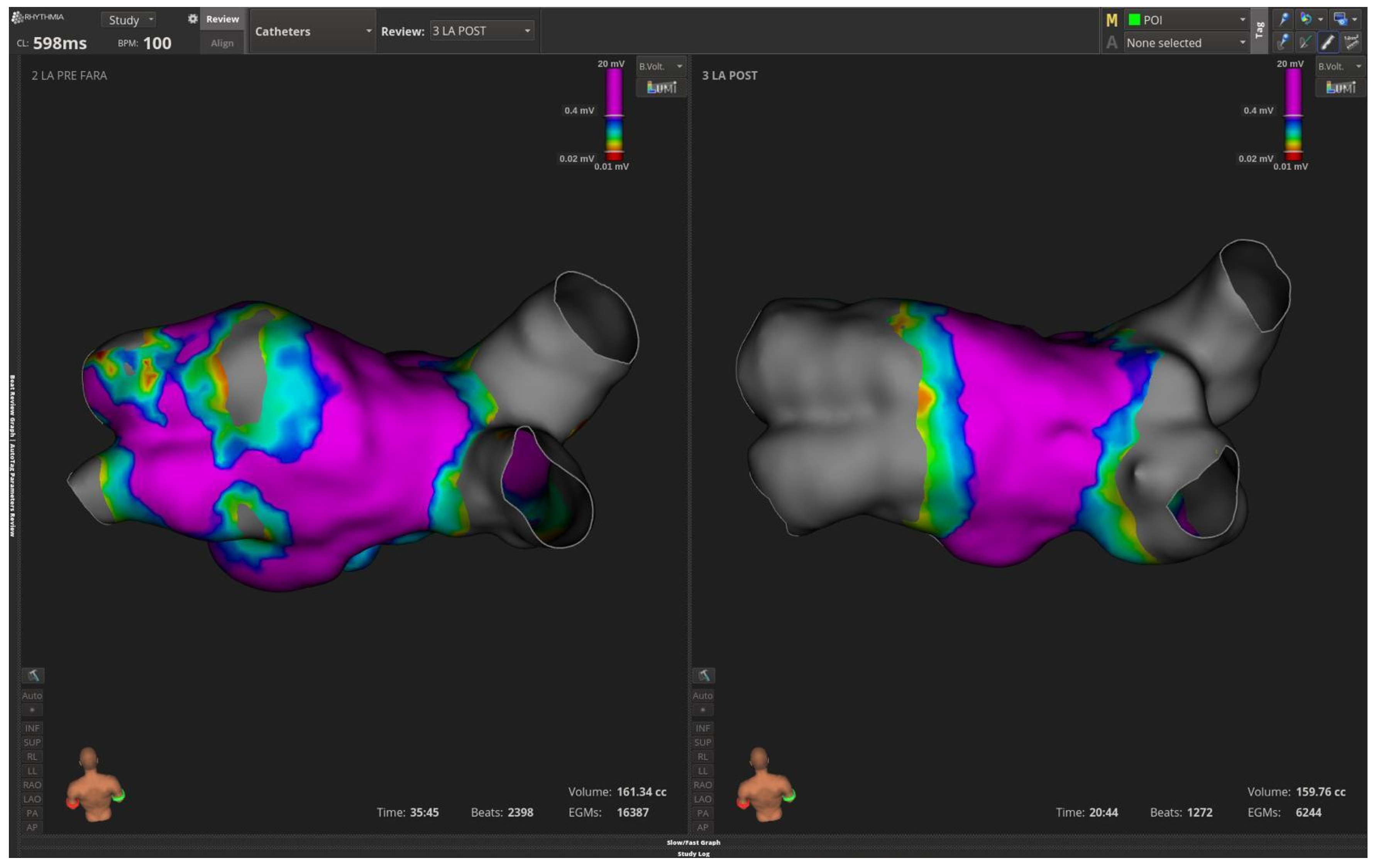
In the first case a 55-year-old male patient with history of paroxysmal AF and previous cryoballoon ablation was admitted electively due to recurrent PAF. Bipolar left atrium mapping with Orion multipolar catheter after successful transeptal puncture revealed ostially isolated left-sided veins along with electrical activity in right PVs. There was also a scar in the posterior wall adjacent to right inferior pulmonary veins. PFA lesions with basket and flower configuration of Farawave catheter successfully re-isolated all 4 PVs along with the posterior wall due to the preexistent scar (Figure 2). The third case refers to a 48-year-old female patient with history of paroxysmal AF and previous successful cryo balloon AF ablation. Mapping with Orion demonstrated ostially isolated LUPV and right-sided veins and reconnected LIPV as depicted in Figure 3. Wide area circumferential ablation PFA lesions were deployed with Farawave PFA catheter, whereas the posterior wall, due to healthy voltages, was decided not to be isolated (Figure 3).
Figure 2.
Bipolar (left) atrial mapping with Intellamap Orion catheter and Opal HDX system demonstrates reconnection in all 4 pulmonary veins and scar in the posterior wall adjacent to right inferior pulmonary vein. On the (right) panel LA voltage map post PVI and posterior wall isolation with Farawave PFA catheter.
Figure 3.
Bipolar LA mapping with Intellamap Orion catheter and Opal HDX system shows ostially isolated (left/right)-sided pulmonary veins pre-redo PFA. Right panel demonstrates successful wide area circumferential isolation of all PVs (gray area) while the posterior wall is healthy (purple color).
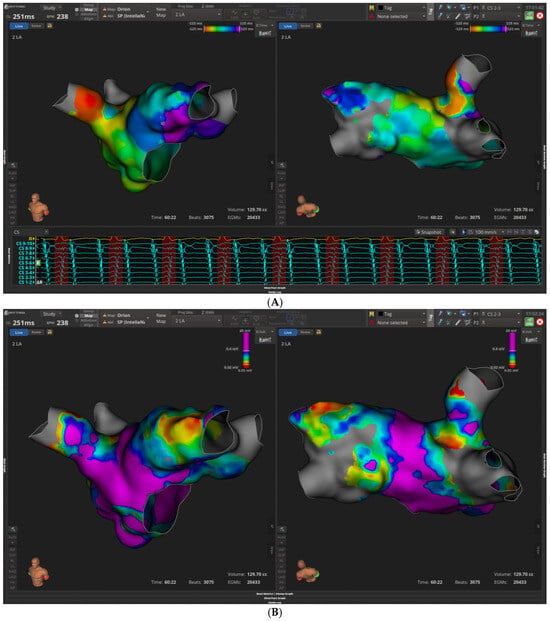
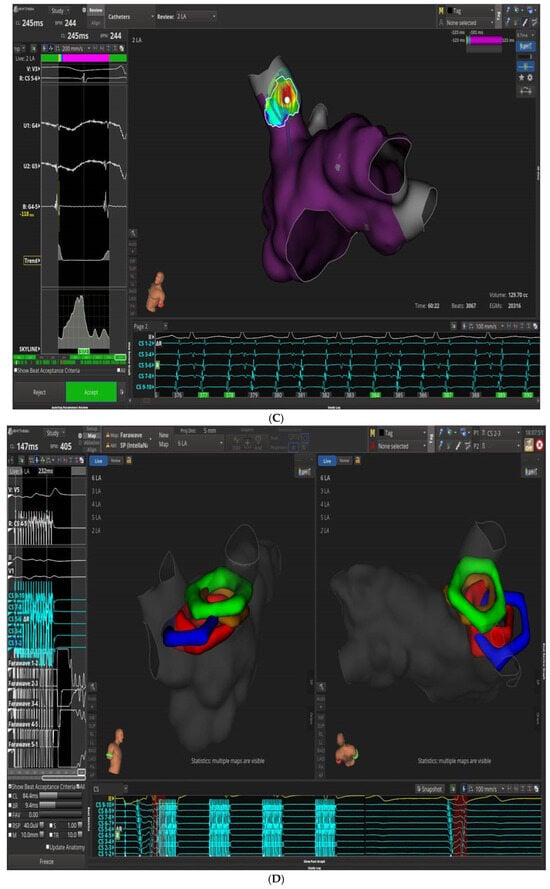
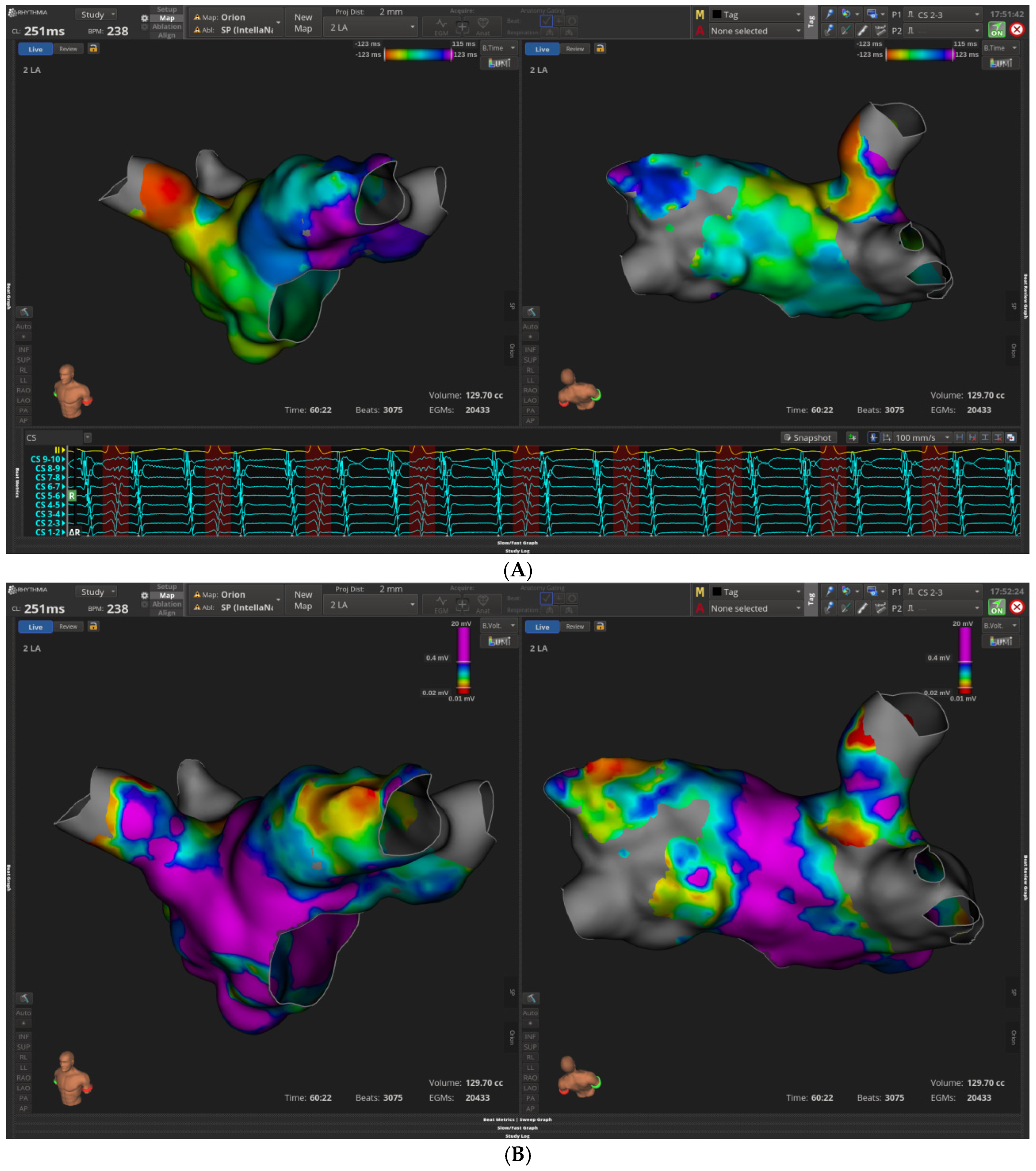
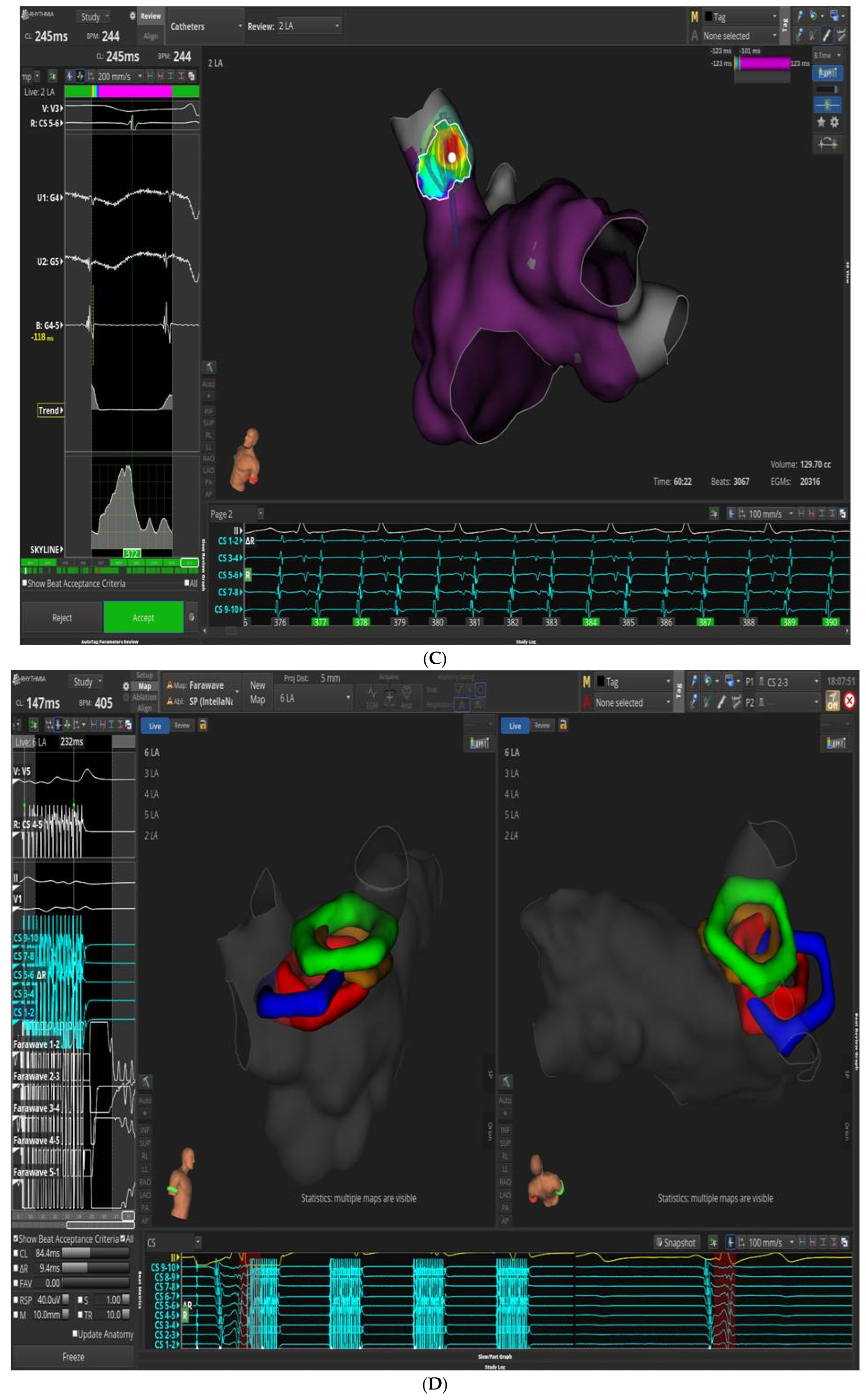
A 39-year-old male with paroxysmal AF and previous successful laser AF ablation was re-admitted due to AF recurrence.LA voltage mapping showed nice isolated right-sided veins but ostially isolated left inferior PV and reconnected LUPV (Figure 4). Again, PFA applications with Farawave PFA catheter re-isolated successfully left-sided PVs as depicted in right panel of Figure 4. A 46-year-old female with a history of paroxysmal AF and previous RF PVI was admitted due to a recurrence of atypical atrial flutter. Decapolar CS activation demonstrated a proximal to distal CS activation but entrainment from cavotricuspid isthmus revealed a long post-pacing interval. As a result, transeptal puncture and LA mapping of atypical flutter with Intellamap Orion wereperformed. Figure 5A,B show the LAT activation mapping during atrial flutter and bipolar voltage mapping of the LA, respectively. Interestingly, the earliest activation point was demonstrated in RUPV as presented in Figure 5C. Further PFA lesions denoted with colored rings were applied and the atypical atrial flutter was successfully terminated. The remaining PVs were isolated. This case represents a safe and straightforward approach during recurrence of atypical atrial flutter with PFA.
Figure 4.
(Left) side panel depicts reconnected left-sided veins based on voltage LA mapping with Orion Intellamap catheter. (Right) side panel demonstrates low voltage areas in all four pulmonary veins following successful pulmonary vein isolation with the Farawave pulsed field ablation catheter.
Figure 5.
(A). Atypical atrial flutter with proximal to distal Cs activation. Earliest activation in RUPV. (B). Voltage mapping with Orion Intellamap catheter demonstrates reconnected RUPV and (C,D). Earliest activation and signal in RUPV and successful termination of atrial flutter with Farawave PFA applications. PFA lesions were represented by the colored rings.
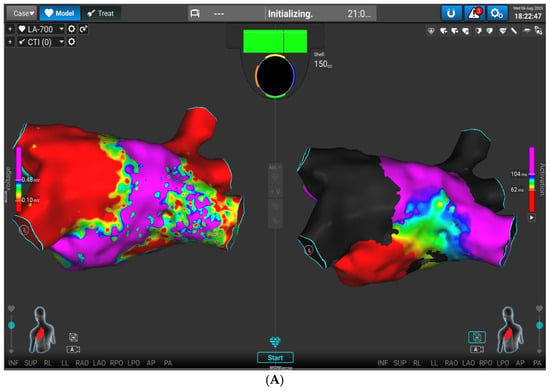
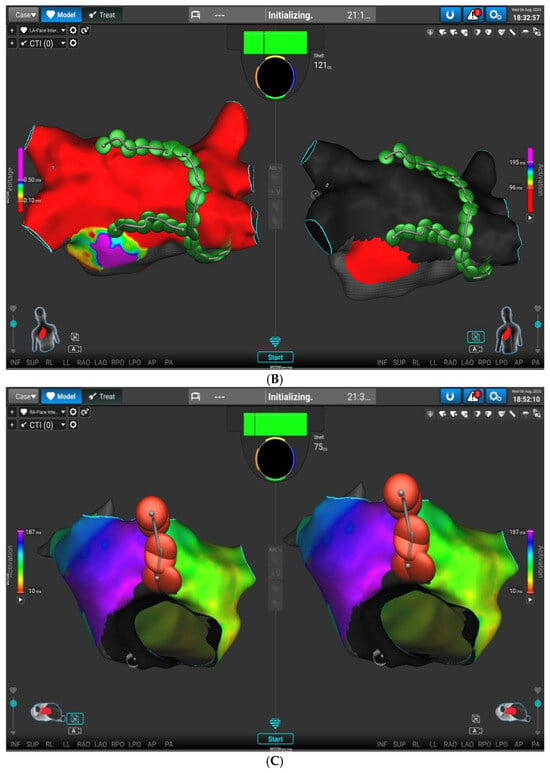
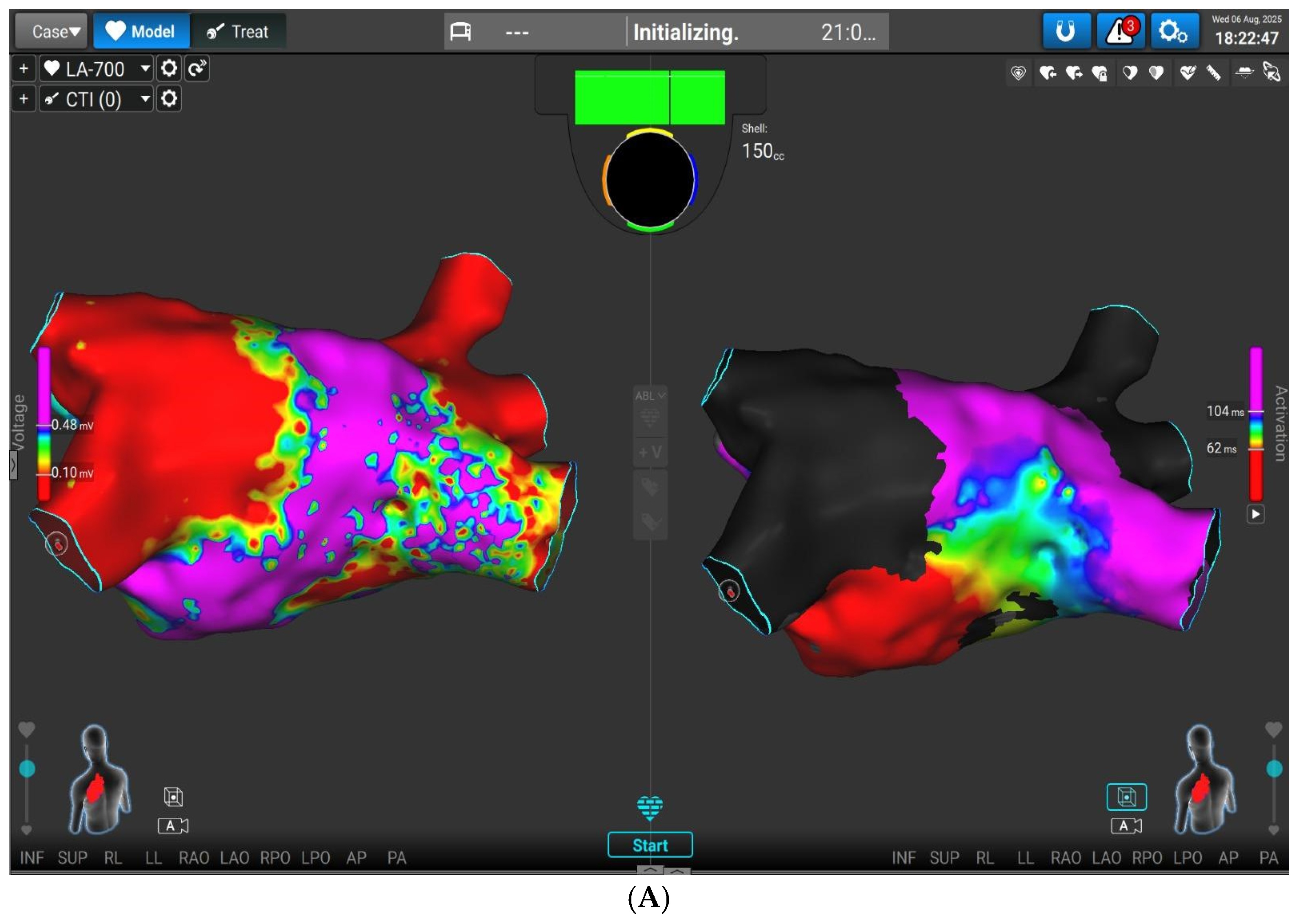
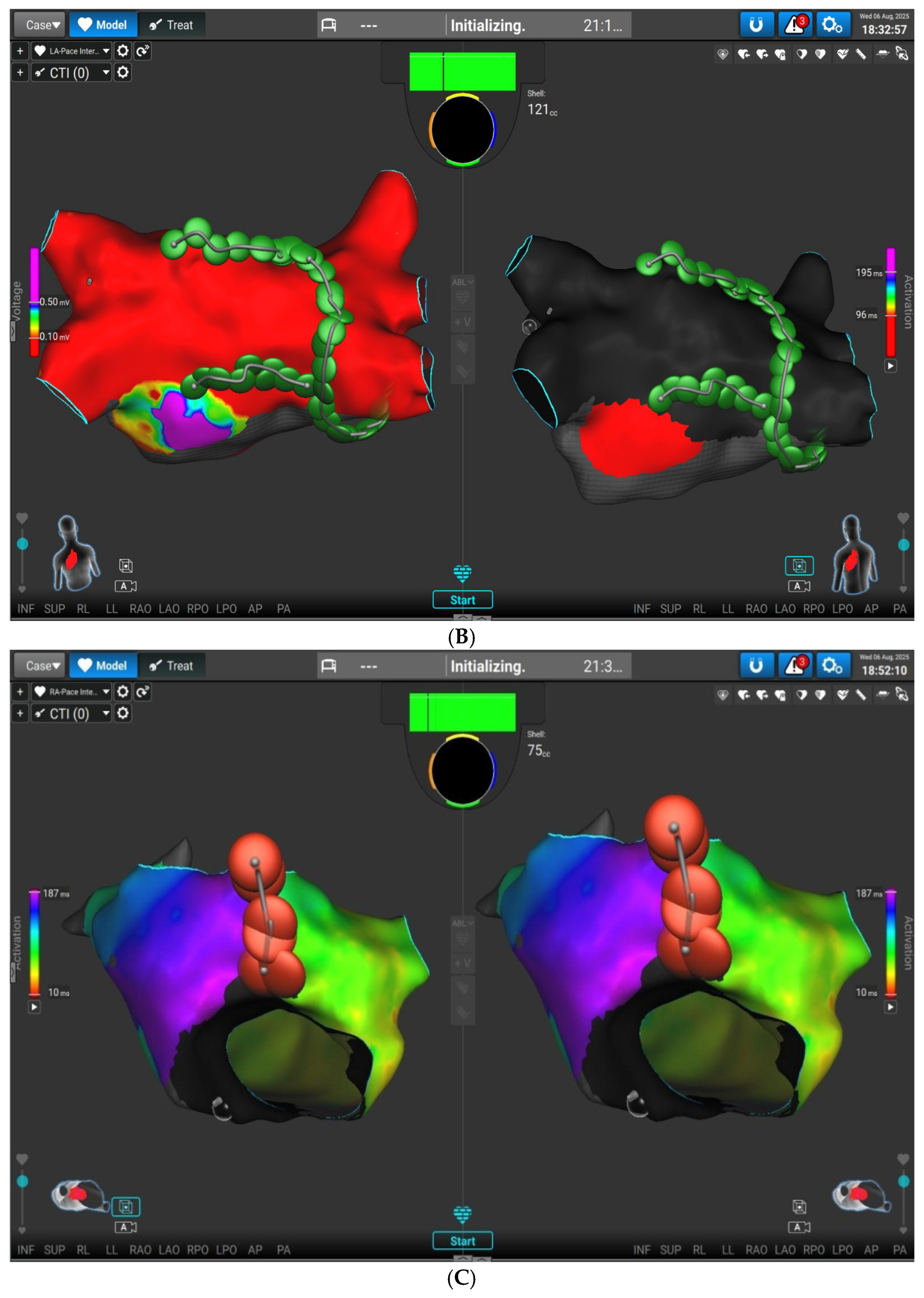
Finally, in the last case a 68-year-old lady with frequent recurrences of AF and history of previous cryoballoon ablation combined with RF ablation of typical flutter is presented. In this case LA mapping was performed with the novel lattice catheter and Affera mapping system. Voltage and LAT maps revealed isolated left-sided veins and right upper and middle PV (Figure 6A,B). There was electrical activity in RIPV. Due to frequent paroxysms along with older patient age, RIPV and posterior wall isolation wereperformed with Sphere applying PFA lesions as depicted with green dots. Mapping of the right atrium showed reconnection of the cavotricuspid isthmus line and further RF applications with Affera Sphere established bidirectional block (Figure 6C). The use of the novel Sphere Affera catheter allows rapid LA voltage and activation mapping and dual energy PFA/RF application delivery. One mapping catheter with the possibility of dual ablation lesion capability, thermal and non-thermal, is of paramount importance, leading to reduced procedural laboratory times.
Figure 6.
(A).Voltage LA mapping with Affera mapping system demonstrates reconnected RIPV with purple voltage. (B). Application of PFA lesions (green dots) and isolation of RIPV and posterior wall. (C). Previous cavotricuspid isthmus line was connected. Further RF lesions (red dots) were applied, and LAT mapping represents line of block across the isthmus.
4. Discussion
Pulsed field ablation is a promising new modality for the treatment of atrial fibrillation. It achieves efficacy on par with conventional thermal ablation while offering notable safety benefits, particularly by minimizing damage to adjacent structures. Although no clear superiority in long-term outcomes has been established, current data are encouraging with respect to arrhythmia control and patient safety. Further research and extended follow-up are warranted to fully establish the long-term durability of PFA and to define its optimal role in the management of paroxysmal and persistent AF. Notably, PFA catheters integrated with mapping systems can be used for redo atrial fibrillation or de novo atrial flutter cases, establishing a safe, effective and rapid alternative.
PFA is an emerging technology in the field of interventional electrophysiology, and the first reported clinical data indicate efficacy and safety profiles, showing that PFA is growing to become a possible alternative to the so far established treatment modalities, such as RF- or cryoablation [24]. However, data from randomized studies comparing PFA to standard procedures on the matters of recurrence of AF, the lesion durability, and particularly the safety profile are awaited to determine the superiority of PFA to traditional strategies to perform PVI. Further pre-clinical data are required to extend the appliance of the procedure on atrial tachycardias or ventricular arrhythmias. Furthermore, it is yet to be seen whether the current PFA systems are suitable for ablations adjacent to coronary arteries, whereas a recent study analyzed the acute and long-term success of a pentaspline PFA catheter in extra pulmonary vein targets such as coronary sinus isolation, mitral line and left atrial appendage where despite a high acute success isolation rate the 3-month long-term lesion durability remained limited (25). However, this study failed to demonstrate long-term results as it was conducted fluoroscopically with a non-mapping pentaspline catheter. This problem is overwhelmed now with the availability of novel PFA catheters such as Sphere Affera that can perform simultaneously LAT, voltage mapping and point by point ablation either with PFA or RF or both in thick areas such as mitral isthmus.
In conclusion, the latest technology advancements with the incorporation in one catheter of mapping ability as well as dual energy thermal (RF) and non-thermal (PFA) technology can constitute a future alternative in redo AF procedures, reducing the laboratory time as well as the overall cost.
Author Contributions
Conceptualization, I.K., G.L. and S.C.; methodology, I.K., E.A. and A.A.; software, R.K. and K.-M.N.; validation, I.K., G.S.C. and S.G.; formal analysis, I.K. and M.B.; investigation, I.K., E.A., A.A. and S.C.; resources, S.G., G.S.C. and S.C.; data curation, R.K., M.B. and K.-M.N.; writing—original draft preparation, I.K. and M.B.; writing—review and editing, I.K., E.A., A.A., S.G., G.S.C. and S.C.; visualization, R.K. and K.-M.N.; supervision, S.C. and S.G.; project administration, I.K.; funding acquisition, not applicable. All authors have read and agreed to the published version of the manuscript.
Funding
This research received no external funding.
Data Availability Statement
No new data were created or analyzed in this study. Data sharing is not applicable to this article.
Conflicts of Interest
The authors declare no conflicts of interest.
References
- Di Monaco, A.; Vitulano, N.; Troisi, F.; Quadrini, F.; Romanazzi, I.; Calvi, V.; Grimaldi, M. Pulsed Field Ablation to Treat Atrial Fibrillation: A Review of the Literature. J. Cardiovasc. Dev. Dis. 2022, 9, 94. [Google Scholar] [CrossRef] [Scilit]
- Hindricks, G.; Potpara, T.; Dagres, N.; Arbelo, E.; Bax, J.J.; Blomström-Lundqvist, C.; Boriani, G.; Castella, M.; Dan, G.A.; Dilaveris, P.E.; et al. 2020 ESC Guidelines for the diagnosis and management of atrial fibrillation developed in collaboration with the European Association for Cardio-Thoracic Surgery (EACTS): The Task Force for the diagnosis and management of atrial fibrillation of the European Society of Cardiology (ESC) Developed with the special contribution of the European Heart Rhythm Association (EHRA) of the ESC. Eur. Heart J. 2021, 42, 373–498. [Google Scholar]
- Wang, T.J.; Larson, M.G.; Levy, D.; Vasan, R.S.; Leip, E.P.; Wolf, P.A.; D’Agostino, R.B.; Murabito, J.M.; Kannel, W.B.; Benjamin, E.J. Temporal relations of atrial fibrillation and congestive heart failure and their joint influence on mortality: The Framingham HeartStudy. Circulation 2003, 107, 2920–2925. [Google Scholar] [CrossRef] [Scilit] [PubMed]
- Kuck, K.H.; Hoffmann, B.A.; Ernst, S.; Wegscheider, K.; Treszl, A.; Metzner, A.; Eckardt, L.; Lewalter, T.; Breithardt, G.; Willems, S. Gap-AF–AFNET 1 Investigators*. Impact of complete versus incomplete circumferential lines around the pulmonary veins during catheter ablation of paroxysmal atrial fibrillation: Results from the Gap-Atrial Fibrillation-German Atrial FibrillationCompetence Network 1 Trial. Circ. Arrhythm. Electrophysiol. 2016, 9, e003337. [Google Scholar]
- Calkins, H.; Hindricks, G.; Cappato, R.; Kim, Y.H.; Saad, E.B.; Aguinaga, L.; Akar, J.G.; Badhwar, V.; Brugada, J.; Camm, J.; et al. 2017 HRS/EHRA/EACS/APHRS/SOLAECE expert consensus statement on catheter and surgical ablation of atrial fibrillation. Europace 2018, 20, 157–208. [Google Scholar] [CrossRef] [Scilit]
- Yahsaly, L.; Siebermair, J.; Wakili, R. Catheter ablation: Developments and technique selection. Herzschrittmacherther. Elektrophysiol. 2022, 33, 3–11. [Google Scholar] [CrossRef] [Scilit] [PubMed]
- Reddy, V.Y.; Dukkipati, S.R.; Neuzil, P.; Anic, A.; Petru, J.; Funasako, M.; Cochet, H.; Minami, K.; Breskovic, T.; Sikiric, I.; et al. Pulsed Field Ablation of Paroxysmal Atrial Fibrillation: 1-Year Outcomes of IMPULSE, PEFCAT, and PEFCAT II. JACC Clin. Electrophysiol. 2021, 5, 614–627. [Google Scholar] [CrossRef] [Scilit]
- Reddy, V.Y.; Neuzil, P.; Koruth, J.S.; Petru, J.; Funosako, M.; Cochet, H.; Sediva, L.; Chovanec, M.; Dukkipati, S.R.; Jais, P. Pulsed Filed Ablation for Pulmonary Vien Isolation in Atrial Fibrillation. J. Am. Coll. Cardiol. 2019, 74, 315–326. [Google Scholar] [CrossRef] [Scilit] [PubMed]
- Verma, A.; Haines, D.E.; Boersma, L.V.; Sood, N.; Natale, A.; Marchlinski, F.E.; Calkins, H.; Sanders, P.; Packer, D.L.; Kuck, K.H.; et al. Pulsed Field Ablation for the Treatment of Atrial Fibrillation: PULSED AF Pivotal Trial. Circulation 2023, 147, 1422–1432. [Google Scholar] [CrossRef] [Scilit]
- Su, W.W.; Reddy, V.Y.; Bhasin, K.; Champagne, J.; Sangrigoli, R.M.; Braegelmann, K.M.; Kueffer, F.J.; Novak, P.; Gupta, S.K.; Yamane, T.; et al. STOP Persistent AF Investigators. Cryoballoon ablation of pulmonary veins for persistent atrial fibrillation: Results from the multicenter STOP Persistent AF trial. Heart Rhythm. 2020, 17, 1841–1847. [Google Scholar] [CrossRef] [Scilit]
- Kuck, K.H.; Brugada, J.; Fόrnkranz, A.; Metzner, A.; Ouyang, F.; Chun, K.J.; Elvan, A.; Arentz, T.; Bestehorn, K.; Pocock, S.J.; et al. Cryoballoon or radiofrequency ablation for paroxysmal atrial fibrillation. N. Engl. J. Med. 2016, 374, 2235–2245. [Google Scholar] [CrossRef] [Scilit]
- Howard, B.; Verma, A.; Tzou, W.S.; Mattison, L.; Kos, B.; Miklavčič, D.; Onal, B.; Stewart, M.T.; Sigg, D.C. Effects of electrode-tissue proximity on cardiac lesionformation using pulsed field ablation. Circ. Arrhythm. Electrophysiol. 2022, 15, e011110. [Google Scholar] [CrossRef] [Scilit]
- Holmes, D.N.; Piccini, J.P.; Allen, L.A.; Fonarow, G.C.; Gersh, B.J.; Kowey, P.R.; O’Brien, E.C.; Reiffel, J.A.; Naccarelli, G.V.; Ezekowitz, M.D.; et al. Defining clinically important difference in the atrial fibrillation effect on quality of-life score. Circ. Cardiovasc. Qual. Outcomes 2019, 12, e005358. [Google Scholar] [CrossRef] [Scilit] [PubMed]
- Coretti, S.; Ruggeri, M.; McNamee, P. The minimum clinically important difference for eq-5d index: A critical review. Expert Rev. Pharmacoecon. Outcomes Res. 2014, 14, 221–233. [Google Scholar] [CrossRef] [Scilit] [PubMed]
- Cochet, H.; Nakatani, Y.; Sridi-Cheniti, S.; Cheniti, G.; Ramirez, F.D.; Nakashima, T.; Eggert, C.; Schneider, C.; Viswanathan, R.; Derval, N.; et al. Pulsed field ablation selectively spares the oesophagus during pulmonary vein isolation for atrial fibrillation. Europace 2021, 23, 1391–1399. [Google Scholar] [CrossRef] [Scilit] [PubMed]
- Nakatani, Y.; Sridi-Cheniti, S.; Cheniti, G.; Ramirez, F.D.; Goujeau, C.; André, C.; Nakashima, T.; Eggert, C.; Schneider, C.; Viswanathan, R.; et al. Pulsed field ablation prevents chronic atrial fibrotic changes and restrictive mechanics after catheter ablation for atrial fibrillation. Europace 2021, 23, 1767–1776. [Google Scholar] [CrossRef] [Scilit]
- Reddy, V.Y.; Anic, A.; Koruth, J.; Petru, J.; Funasako, M.; Minami, K.; Breskovic, T.; Sikiric, I.; Dukkipati, S.R.; Kawamura, I.; et al. Pulsed Field Ablation in Patients with Persistent Atrial Fibrillation. J. Am. Coll. Cardiol. 2020, 76, 1068–1080. [Google Scholar] [CrossRef] [Scilit]
- Duytschaever, M.; De Potter, T.; Grimaldi, M.; Anic, A.; Vijgen, J.; Neuzil, P.; Van Herendael, H.; Verma, A.; Skanes, A.; Scherr, D.; et al. Paroxysmal Atrial Fibrillation Ablation Using a Novel Variable-Loop Biphasic Pulsed Field Ablation Catheter Integrated with a 3-Dimensional Mapping System: 1-Year Outcomes of the Multicenter inspIRE Study. Circ. Arrhythm. Electrophysiol. 2023, 16, e011780. [Google Scholar] [CrossRef] [Scilit]
- Turagam, M.K.; Neuzil, P.; Schmidt, B.; Reichlin, T.; Neven, K.; Metzner, A.; Hansen, J.; Blaauw, Y.; Maury, P.; Arentz, T. Safety and Effectiveness of Pulsed Field Ablation to Treat Atrial Fibrillation: One-Year Outcomes From the MANIFEST-PF Registry. Circulation 2023, 148, 35–46. [Google Scholar] [CrossRef] [Scilit]
- Reddy, V.Y.; Gerstenfeld, E.P.; Natale, A.; Whang, W.; Cuoco, F.A.; Patel, C.; Mountantonakis, S.E.; Gibson, D.N.; Harding, J.D.; Ellis, C.R.; et al. Pulsed Field or Conventional Thermal Ablation for Paroxysmal Atrial Fibrillation. N. Engl. J. Med. 2023, 389, 1660–1671. [Google Scholar] [CrossRef] [Scilit]
- Reddy, V.Y.; Calkins, H.; Mansour, M.; Wazni, O.; Di Biase, L.; Bahu, M.; Newton, D.; Liu, C.F.; Sauer, W.H.; Goyal, S.; et al. Pulsed Field Ablation to Treat Paroxysmal Atrial Fibrillation: Safety and Effectiveness in the AdmIRE Pivotal Trial. Circulation 2024, 150, 1174–1186. [Google Scholar] [CrossRef] [Scilit] [PubMed]
- Anter, E.; Mansour, M.; Nair, D.G.; Sharma, D.; Taigen, T.L.; Neuzil, P.; Kiehl, E.L.; Kautzner, J.; Osorio, J.; Mountantonakis, S.; et al. Dual-energy lattice-tip ablation system for persistent atrial fibrillation: A randomized trial. Nat. Med. 2024, 30, 2303–2310. [Google Scholar] [CrossRef] [Scilit] [PubMed]
- Nair Devi, P.P. First Invasive Remapping to Assess Long Term Durability of Pulmonary Vein Isolation Using a Circular Pulsed Field Ablation Catheter; APRHS: Sydney, Australia, 2024. [Google Scholar]
- Hartl, S.; Reinsch, N.; Füting, A.; Neven, K. Pearls and Pitfalls of Pulsed Field Ablation. Korean Circ. J. 2023, 53, 273–293. [Google Scholar] [CrossRef] [Scilit] [PubMed]

Disclaimer/Publisher’s Note: The statements, opinions and data contained in all publications are solely those of the individual author(s) and contributor(s) and not of MDPI and/or the editor(s). MDPI and/or the editor(s) disclaim responsibility for any injury to people or property resulting from any ideas, methods, instructions or products referred to in the content. |
© 2026 by the authors. Licensee MDPI, Basel, Switzerland. This article is an open access article distributed under the terms and conditions of the Creative Commons Attribution (CC BY) license.