The Influence of Social Relationships on Third-Party Punishment: The Roles of Relationship Type Congruence and Threat Perception
Abstract
1. Introduction
2. Method
2.1. Participants
2.2. Procedure
2.3. Statistical Analysis
2.4. Experimental Paradigms and Materials
2.4.1. Third-Party Punishment Game
2.4.2. Scenario Manipulations
2.4.3. Punishment Measurement
3. Experimental Research
3.1. Pilot Experiment: The Effect of Social Relationship Between Transgressor and Bystander on Third-Party Punishment
3.1.1. Experimental Purpose
3.1.2. Experimental Design
3.1.3. Experimental Method
Participants
Manipulation of Social Relationship
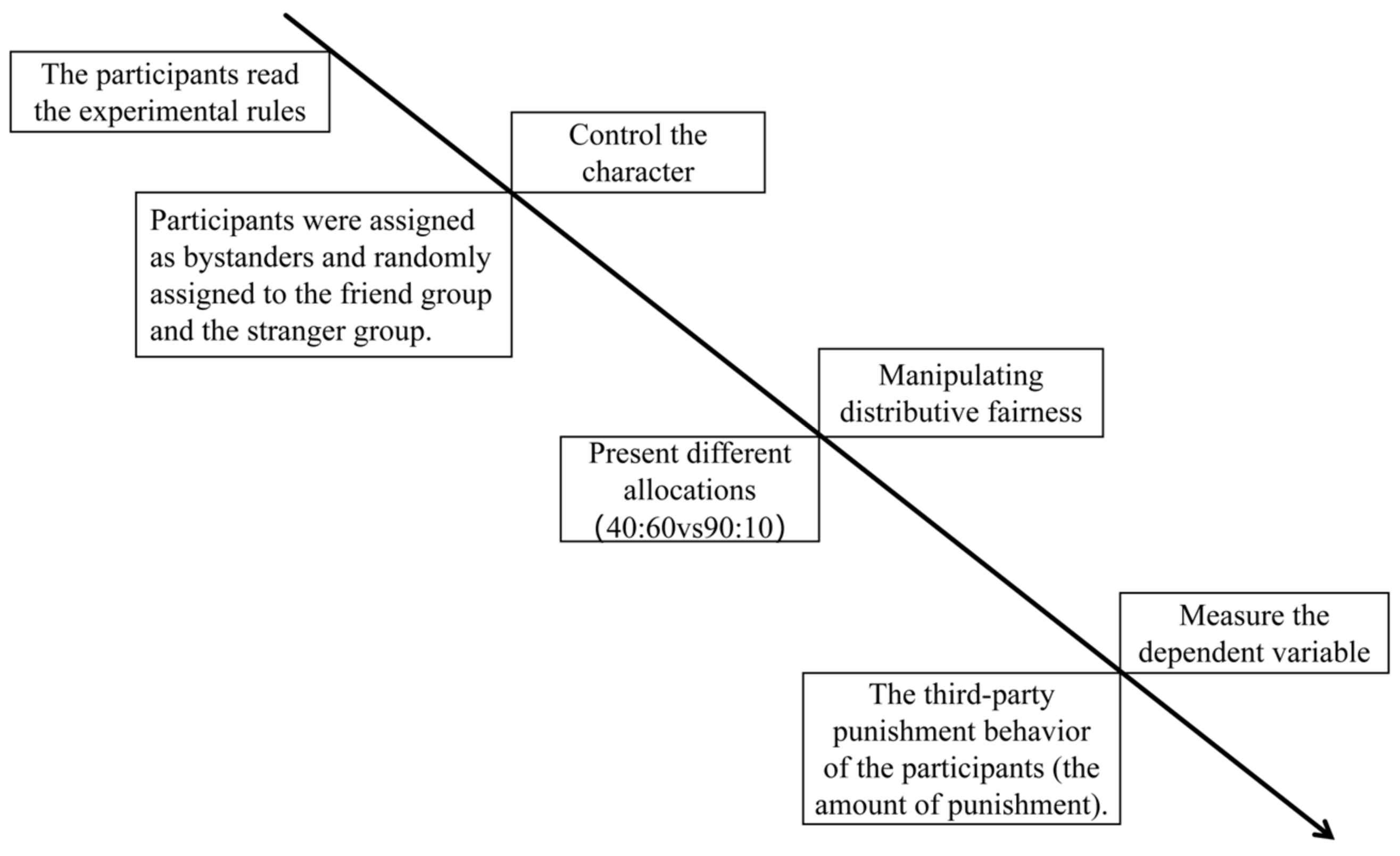
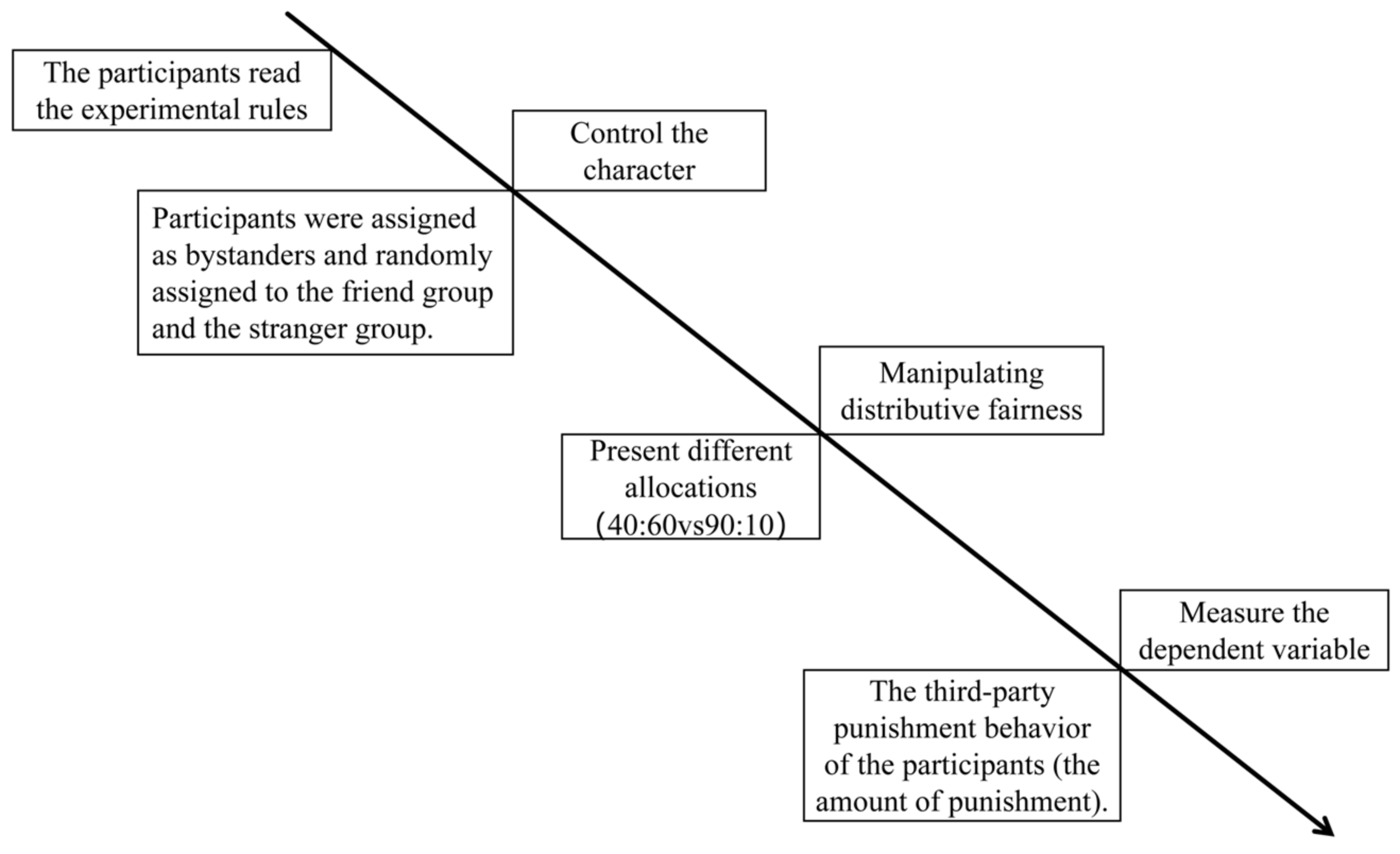
3.1.4. Experimental Procedure
3.1.5. Results of the Pilot Experiment
Manipulation Check of Social Relationship
Manipulation Check for Allocation Fairness
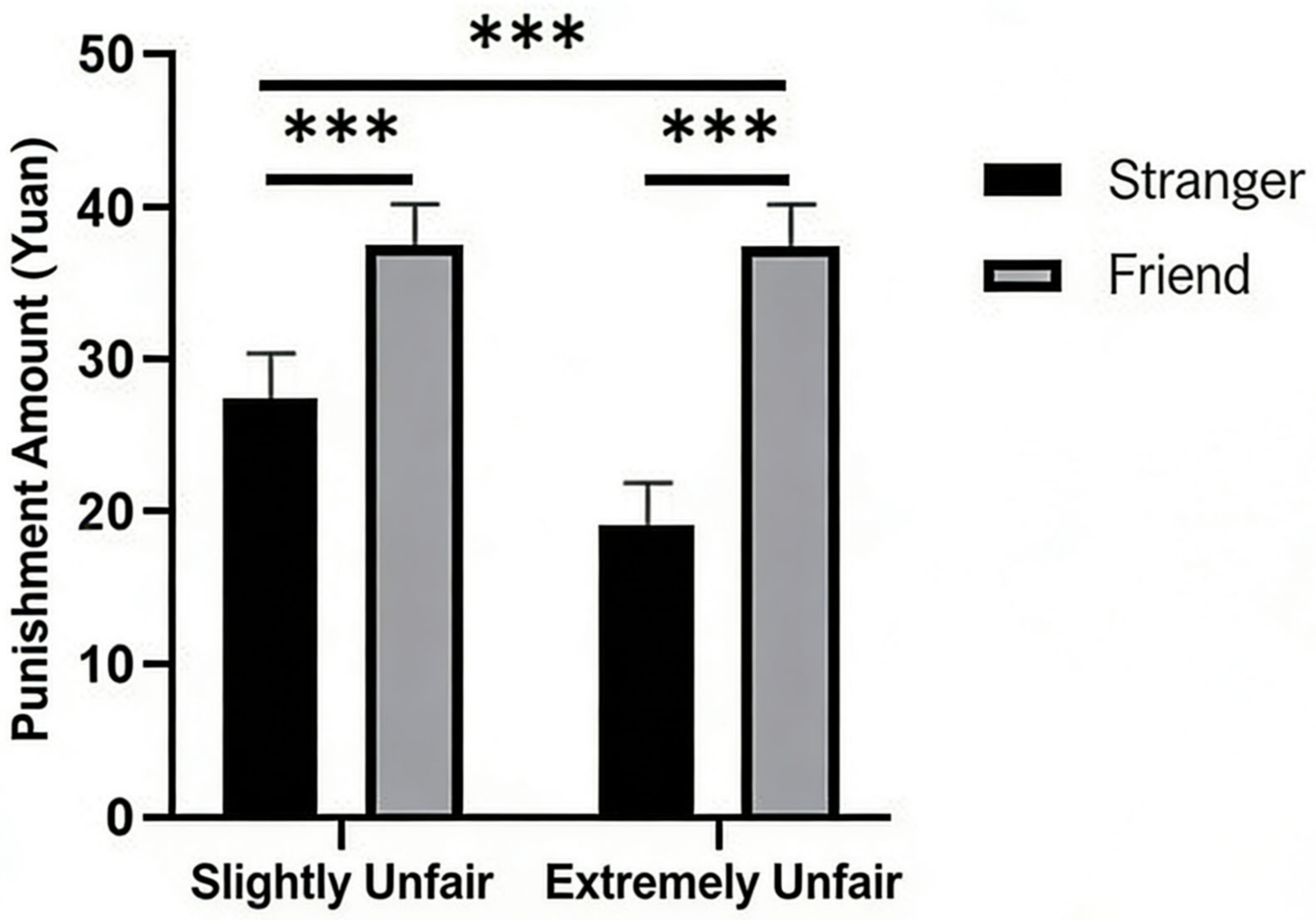
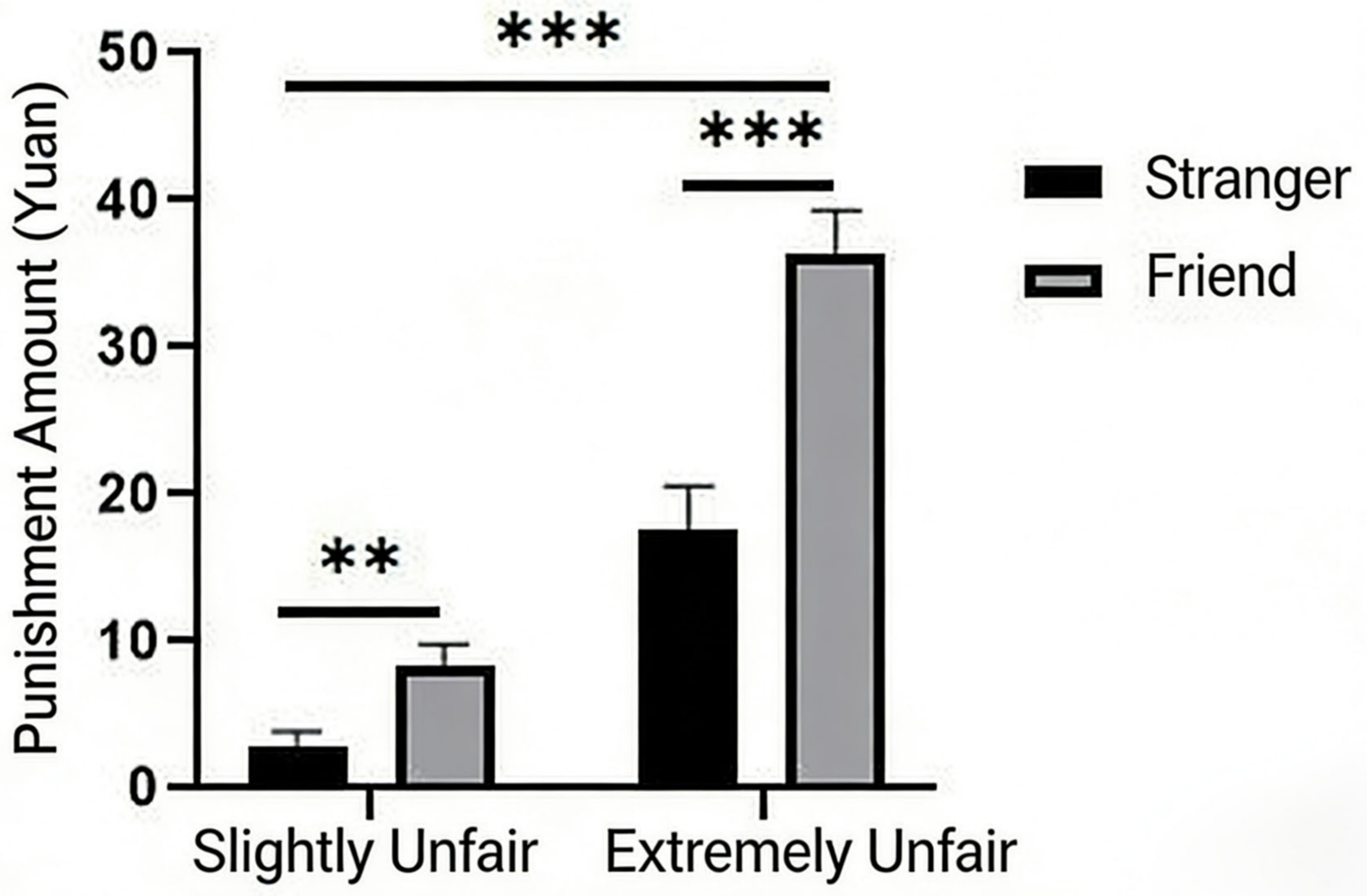
Measurement of Third-Party Punishment
3.1.6. Discussion of the Pilot Experiment
3.2. Experiment 1: The Effect of the Social Relationship Between Transgressor and Victim on Third-Party Punishment
3.2.1. Experimental Purpose
3.2.2. Experimental Design
3.2.3. Experimental Method
Participants
Manipulation of Social Relationship
3.2.4. Experimental Procedure
3.2.5. Results of Experiment 1
Manipulation Check for Allocation Fairness
Measurement of Third-Party Punishment
3.2.6. Discussion of Experiment 1
3.3. Experiment 2: The Effect of Relationship Type Congruence Between Transgressor–Bystander and Transgressor–Victim on Third-Party Punishment
3.3.1. Experimental Purpose
3.3.2. Experimental Design
3.3.3. Experimental Method
Participants
Manipulation of Social Relationship
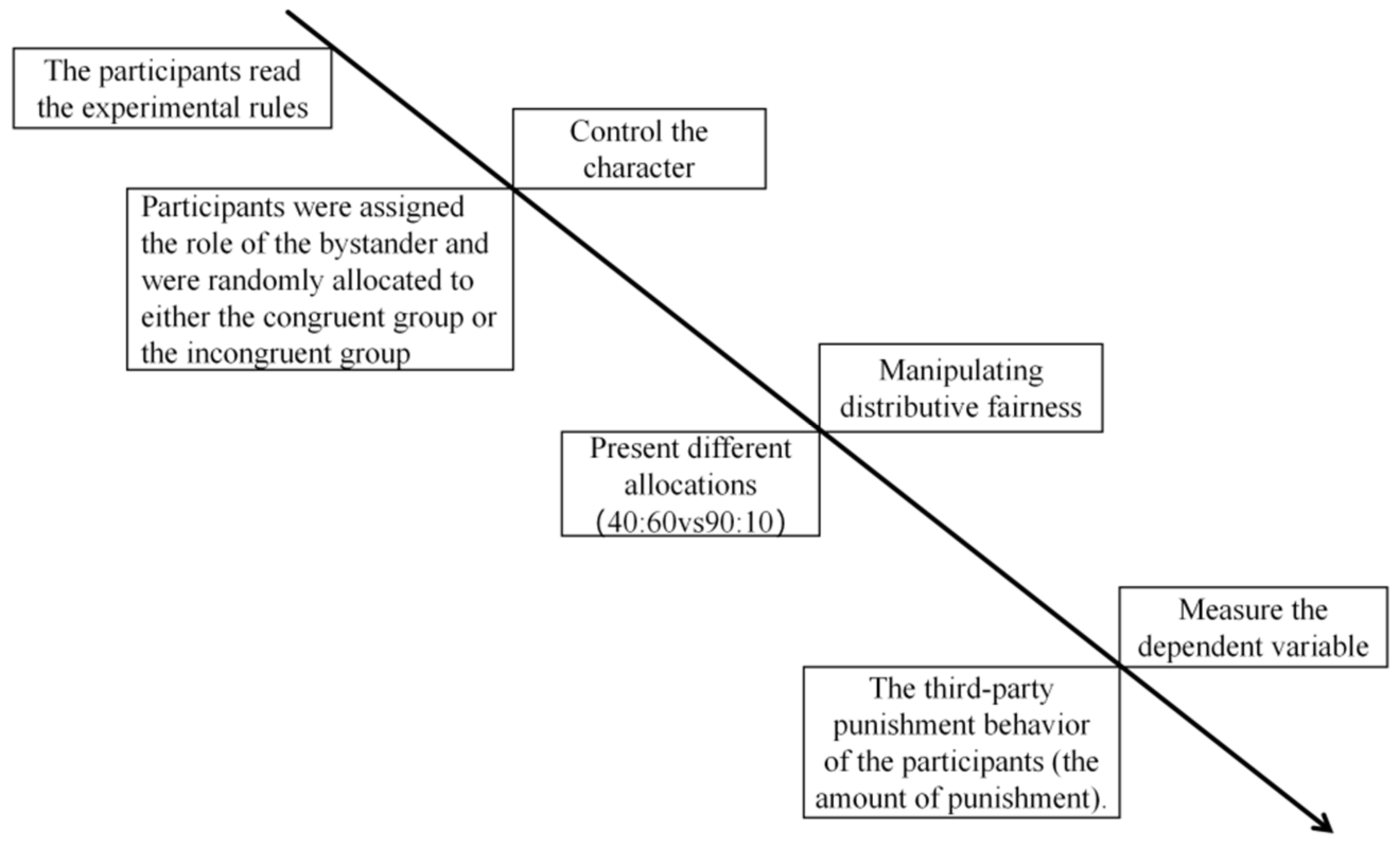
3.3.4. Experimental Procedure
3.3.5. Results of Experiment 2
Manipulation Check for Social Relationship Type Congruence
Manipulation Check for Allocation Fairness
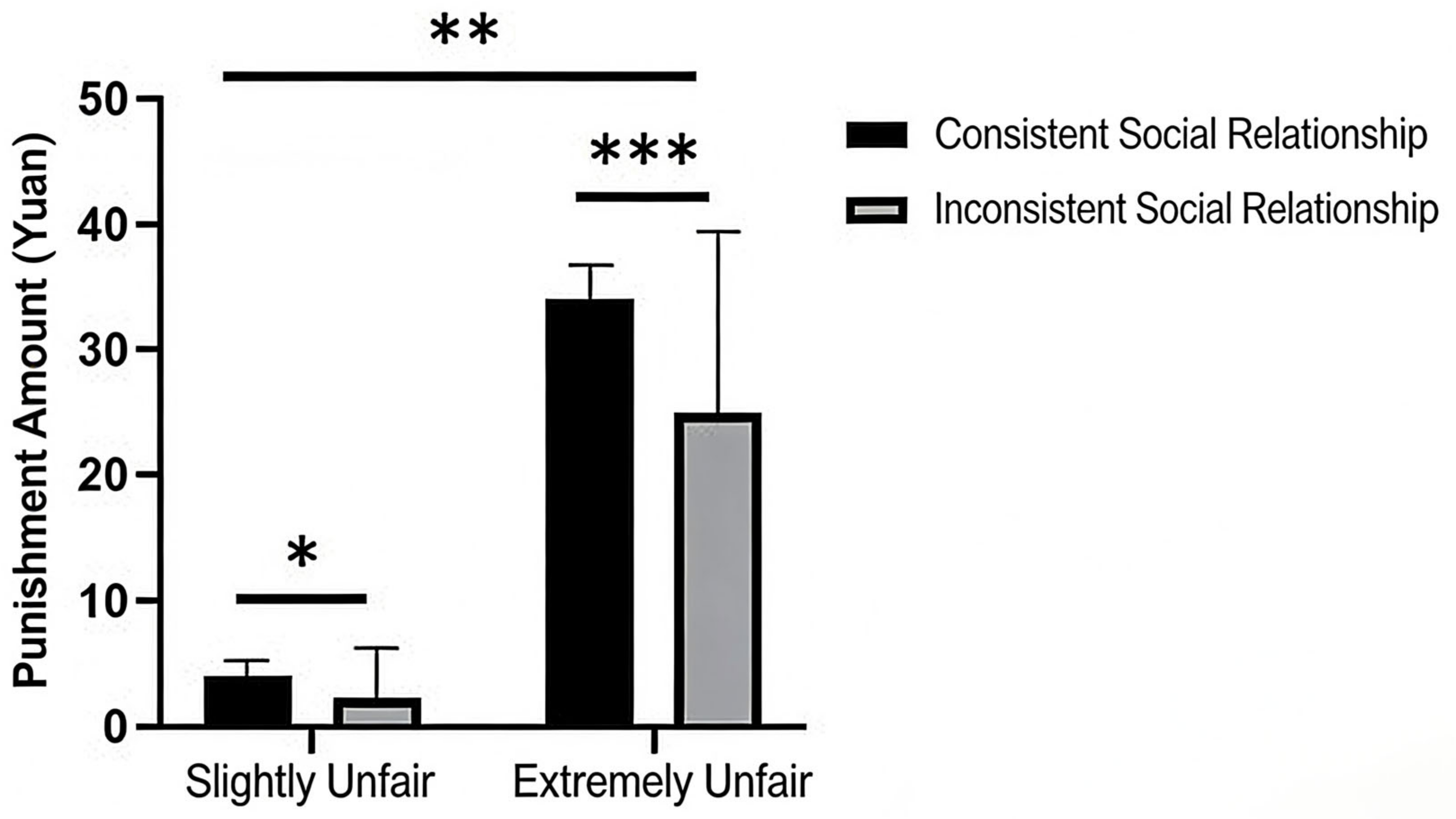
The Influence of Social Relationship Type Congruence on Third-Party Punishment
3.3.6. Discussion of Experiment 2
3.4. Experiment 3: The Mediating Role of Threat Perception in the Effect of Relationship Type Congruence Between Transgressor–Bystander and Transgressor–Victim on Third-Party Punishment
3.4.1. Experimental Purpose
3.4.2. Experimental Design
3.4.3. Experimental Method
Participants
Manipulation of Social Relationship
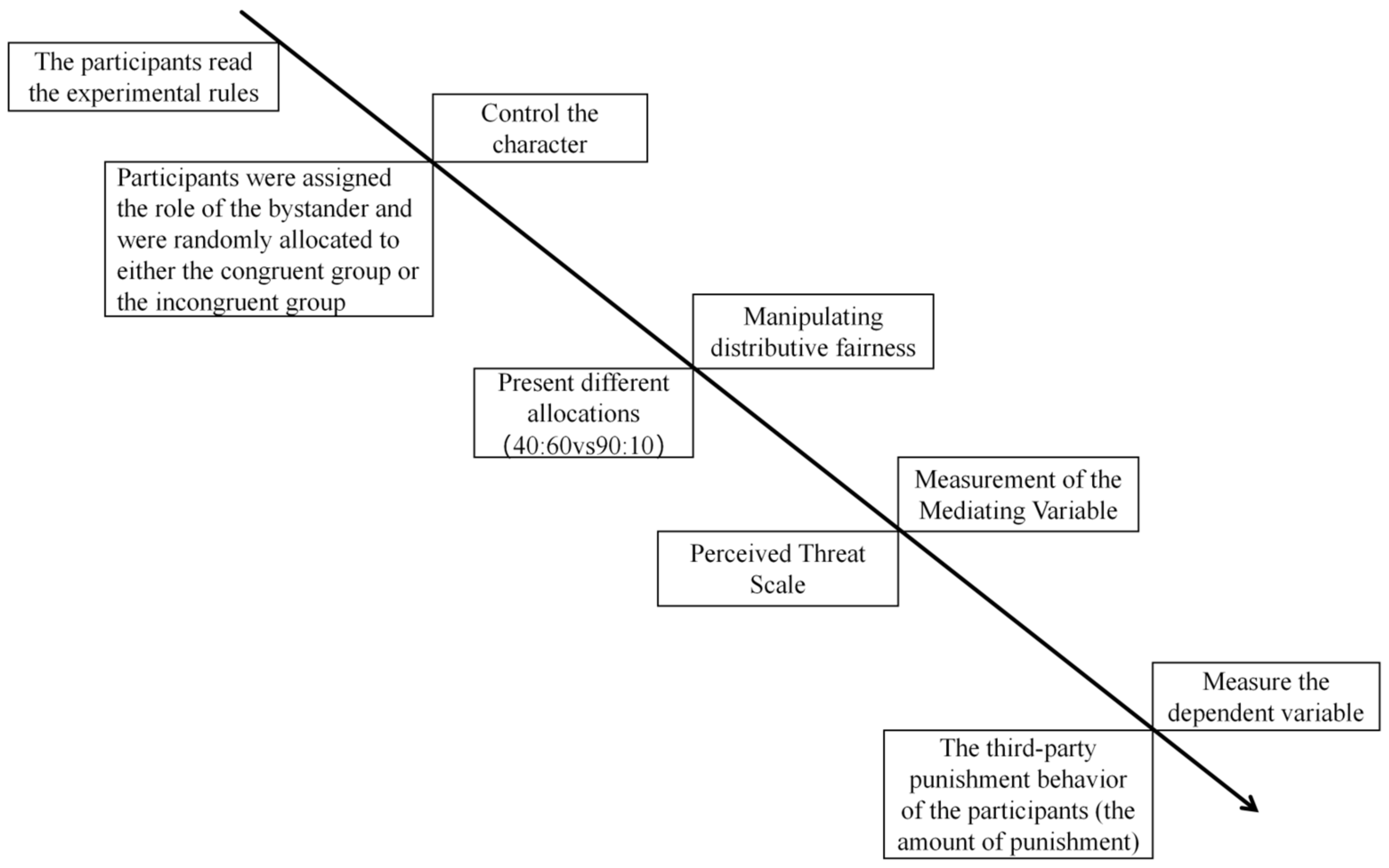
3.4.4. Experimental Procedure
3.4.5. Results
Manipulation Check for Social Relationship Type Congruence
Manipulation Check for Allocation Fairness
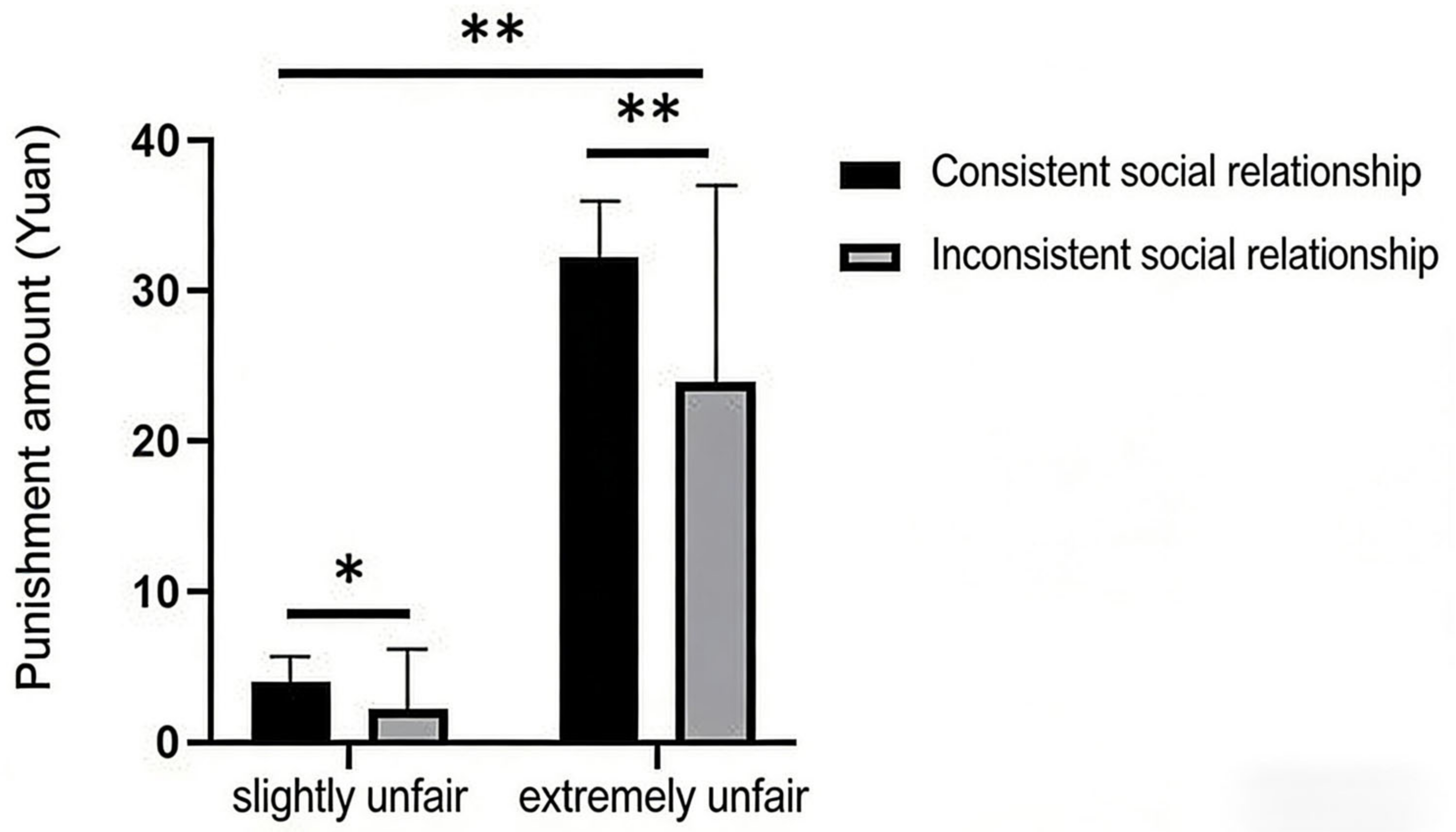
The Influence of Social Relationship Type Congruence on Third-Party Punishment
Further ANOVA Analysis Under Conditions of Social Relationship Type Congruence or Incongruence
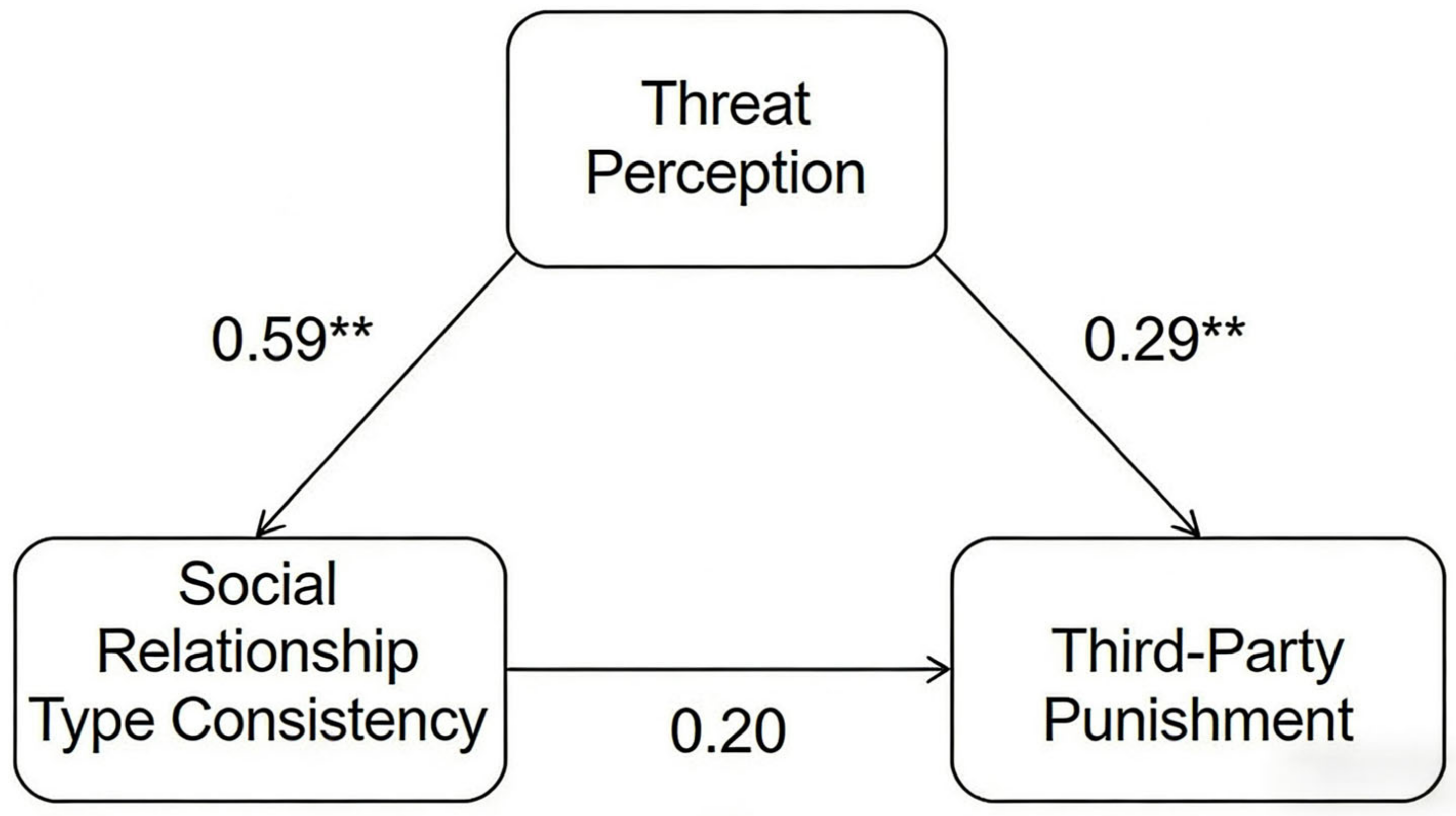
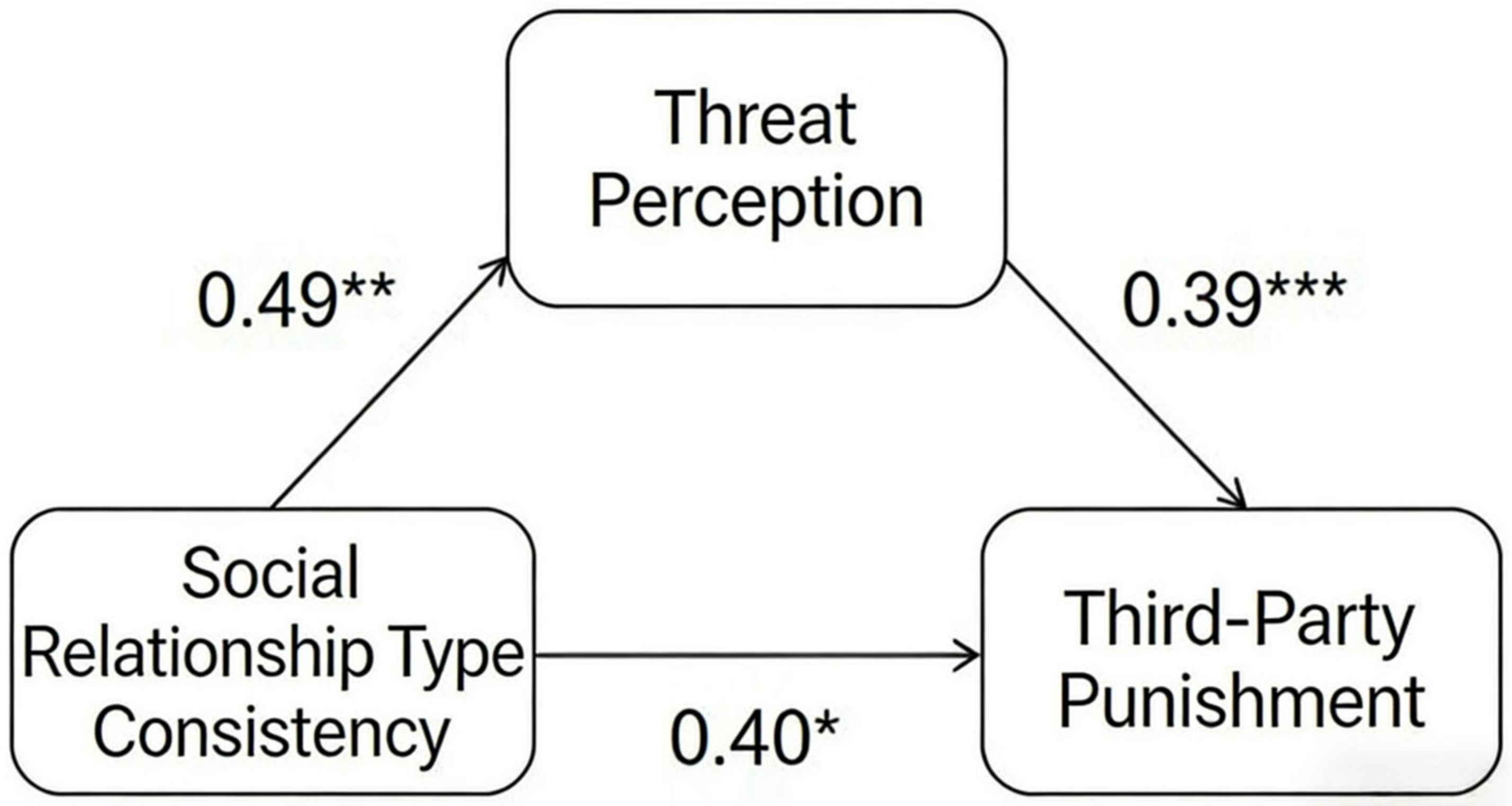
Mediation Effect Test for Threat Perception
3.4.6. Discussion of Experiment 3
4. Discussion and Conclusions
4.1. General Discussion
4.1.1. Self-Interest and Altruism: Explaining TPP Through Deterrence Theory
4.1.2. Punitive Deterrence and Normative Signaling: Viewing TPP from a Signaling Perspective
4.2. Limitations and Future Directions
Supplementary Materials
Author Contributions
Funding
Institutional Review Board Statement
Informed Consent Statement
Data Availability Statement
Acknowledgments
Conflicts of Interest
References
- Baumgartner, T., Gtte, L., Gügler, R., & Fehr, E. (2012). The mentalizing network orchestrates the impact of parochial altruism on social norm enforcement. Human Brain Mapping, 33(6), 1452–1469. [Google Scholar] [CrossRef] [PubMed]
- Brewer, M. B. (1999). The psychology of prejudice: Ingroup love and outgroup hate? Journal of Social Issues, 55(3), 429–444. [Google Scholar] [CrossRef]
- Campanha, C., Minati, L., Fregni, F., & Boggio, P. S. (2011). Responding to unfair offers made by a friend: Neuroelectrical activity changes in the anterior medial prefrontal cortex. Journal of Neuroscience, 31(43), 15569–15574. [Google Scholar] [CrossRef] [PubMed]
- Carlsmith, K. M., Darley, J. M., & Robinson, P. H. (2002). Why do we punish? Deterrence and just deserts as motives for punishment. Journal of Personality and social Psychology, 83(2), 284. [Google Scholar] [CrossRef]
- Chen, H., Zeng, Z., & Ma, J. (2020). The source of punishment matters: Third-party punishment restrains observers from selfish behaviors better than does second-party punishment by shaping norm perceptions. PLoS ONE, 15(3), e0229510. [Google Scholar] [CrossRef]
- Chen, M. (2022). The impact of allocation intentions and allocation outcomes on third-party intervention behavior [Doctoral dissertation, East China Normal University]. [Google Scholar] [CrossRef]
- Chen, M., Zhang, R. Q., Li, Y. Z., Liu, J. Q., & Li, X. C. (2026). Intentions versus outcomes: Determinants of costly third-party interventions in fairness maintenance. Journal of Experimental Social Psychology, 122, 104838. [Google Scholar] [CrossRef]
- Chen, S., Xing, Y., Weng, Y., & Li, C. (2021). Spillover effects of third-party punishment on cooperation: A norm-based explanation. Acta Psychologica Sinica, 53(7), 758–772. [Google Scholar] [CrossRef]
- Chen, W., Wu, T., Li, Z. W., & Wang, L. (2019). Evolution of fairness in the mixture of the Ultimatum Game and the Dictator Game. Physica a-Statistical Mechanics and Its Applications, 519, 319–325. [Google Scholar] [CrossRef]
- Delton, A. W., & Krasnow, M. M. (2017). The psychology of deterrence explains why group membership matters for third-party punishment. Evolution and Human Behavior, 38(6), 734–743. [Google Scholar] [CrossRef]
- Fehr, E., & Fischbacher, U. (2004). Third-party punishment and social norms. Evolution and Human Behavior, 25(2), 63–87. [Google Scholar] [CrossRef]
- Fehr, E., & Gächter, S. (2000). Cooperation and punishment in public goods experiments. American Economic Review. [Google Scholar]
- Feng, C. L., Deshpande, G., Liu, C., Gu, R. L., Luo, Y. J., & Krueger, F. (2016). Diffusion of responsibility attenuates altruistic punishment: A functional magnetic resonance imaging effective connectivity study. Human Brain Mapping, 37(2), 663–677. [Google Scholar] [CrossRef]
- Graham, S., Weiner, B., & Zucker, G. S. (1997). An attributional analysis of punishment goals and public reactions to OJ Simpson. Personality and Social Psychology Bulletin, 23(4), 331–346. [Google Scholar] [CrossRef]
- Guo, Y., Liu, Y., & Cheng, Y. (2024). “Punishing the past to warn the future” and “setting an example”: The effects of third-party intervention. Advances in Psychological Science, 32(1), 151–161. [Google Scholar] [CrossRef]
- Henrich, J., McElreath, R., Barr, A., Ensminger, J., Barrett, C., Bolyanatz, A., Cardenas, J. C., Gurven, M., Gwako, E., & Henrich, N. (2006). Costly punishment across human societies. Science, 312(5781), 1767–1770. [Google Scholar] [CrossRef]
- Hewstone, M., Rubin, M., & Willis, H. (2002). Intergroup bias. Annual Review of Psychology, 53(1), 575–604. [Google Scholar] [CrossRef] [PubMed]
- Hoffman, E., McCabe, K., & Smith, V. L. (1996). Social distance and other-regarding behavior in dictator games. The American Economic Review, 86(3), 653–660. [Google Scholar]
- Hu, J., Blue, P. R., Yu, H. B., Gong, X. L., Xiang, Y., Jiang, C. J., & Zhou, X. L. (2016). Social status modulates the neural response to unfairness. Social Cognitive and Affective Neuroscience, 11(1), 1–10. [Google Scholar] [CrossRef]
- Jia, Z., Li, X., & Chang, Z. (2012). Why do Chinese people attach importance to interpersonal relationship? Science of Social Psychology, 27(11), 48–53. [Google Scholar]
- Jordan, J. J., Hoffman, M., Bloom, P., & Rand, D. G. (2016). Third-party punishment as a costly signal of trustworthiness. Nature, 530(7591), 473–476. [Google Scholar] [CrossRef]
- Kahan, D. M. (1996). What do alternative sanctions mean? The University of Chicago Law Review, 63(2), 591–653. [Google Scholar] [CrossRef]
- Krasnow, M. M., Delton, A. W., Cosmides, L., & Tooby, J. (2016). Looking under the hood of third-party punishment reveals design for personal benefit. Psychological Science, 27(3), 405–418. [Google Scholar] [CrossRef]
- Lee, Y. E., & Warneken, F. (2022). The influence of age and experience of (un)fairness on third-party punishment in children. Social Development, 31(4), 1176–1193. [Google Scholar] [CrossRef]
- Leliveld, M. C., Vandijk, E., & Vanbeest, I. (2012). Punishing and compensating others at your own expense: The role of empathic concern on reactions to distributive injustice. European Journal of Social Psychology, 42(2), 135–140. [Google Scholar] [CrossRef]
- Lieberman, D., & Linke, L. (2007). The effect of social category on third party punishment. Evolutionary Psychology, 5(2), 147470490700500203. [Google Scholar] [CrossRef]
- McAuliffe, K., Jordan, J. J., & Warneken, F. (2015). Costly third-party punishment in young children. Cognition, 134, 1–10. [Google Scholar] [CrossRef]
- Peters, K., Jetten, J., Radova, D., & Austin, K. (2017). Gossiping about deviance: Evidence that deviance spurs the gossip that builds bonds. Psychological Science, 28(11), 1610–1619. [Google Scholar] [CrossRef]
- Qu, Y., Feng, L., Du, B., & Wang, X. (2025). The impact of group identity on excessive third-party punishment and its mechanism. Psychology: Techniques and Applications, 13(2), 82–91. [Google Scholar] [CrossRef]
- Raihani, N. J., & Bshary, R. (2015). Third-party punishers are rewarded, but third-party helpers even more so. Evolution, 69(4), 993–1003. [Google Scholar] [CrossRef]
- Rand, D. G., Greene, J. D., & Nowak, M. A. (2012). Spontaneous giving and calculated greed. Nature, 489(7416), 427–430. [Google Scholar] [CrossRef]
- Riedl, K., Jensen, K., Call, J., & Tomasello, M. (2012). No third-party punishment in chimpanzees. Proceedings of the National Academy of Sciences of the United States of America, 109(37), 14824–14829. [Google Scholar] [CrossRef]
- Sommers, S. R., & Ellsworth, P. C. (2000). Race in the courtroom: Perceptions of guilt and dispositional attributions. Personality and Social Psychology Bulletin, 26(11), 1367–1379. [Google Scholar] [CrossRef]
- Tavoni, A., Dannenberg, A., Kallis, G., & Löschel, A. (2011). Inequality, communication, and the avoidance of disastrous climate change in a public goods game. Proceedings of the National Academy of Sciences of the United States of America, 108(29), 11825–11829. [Google Scholar] [CrossRef]
- Van Prooijen, J.-W. (2009). Procedural justice as autonomy regulation. Journal of Personality and Social Psychology, 96(6), 1166–1180. [Google Scholar] [CrossRef]
- Wenzel, M., & Thielmann, I. (2006). Why we punish in the name of justice: Just desert versus value restoration and the role of social identity. Social Justice Research, 19(4), 450–470. [Google Scholar] [CrossRef]
- Xu, J., Sun, X., Dong, Y., Wang, Z., Li, W., & Yuan, B. (2017). Compensation or punishment?—The effect of social distance on third-party intervention. Journal of Psychological Science, 40(5), 1175–1181. [Google Scholar]
- Yamagishi, T. (1986). The provision of a sanctioning system as a public good. Journal of Personality and Social Psychology, 51(1), 110–116. [Google Scholar] [CrossRef]
- Zheng, H., Chen, R., & Mai, X. (2024). The cognitive and neural mechanism of third-party punishment. Advances in Psychological Science, 32(2), 398–419. [Google Scholar] [CrossRef]
- Zou, H., Xiong, M., Chen, W., & Zhou, Z. (2025). The effect of procedural justice on the tendency of online collective behavior: The roles of group relative deprivation and group identity. Journal of Psychological Science, 48(1), 231–241. [Google Scholar]




Disclaimer/Publisher’s Note: The statements, opinions and data contained in all publications are solely those of the individual author(s) and contributor(s) and not of MDPI and/or the editor(s). MDPI and/or the editor(s) disclaim responsibility for any injury to people or property resulting from any ideas, methods, instructions or products referred to in the content. |
© 2026 by the authors. Licensee MDPI, Basel, Switzerland. This article is an open access article distributed under the terms and conditions of the Creative Commons Attribution (CC BY) license.
Share and Cite
Xiang, Z.; Zhu, Y.; Zhang, Q.; Chen, E.; Wu, X. The Influence of Social Relationships on Third-Party Punishment: The Roles of Relationship Type Congruence and Threat Perception. Behav. Sci. 2026, 16, 482. https://doi.org/10.3390/bs16040482
Xiang Z, Zhu Y, Zhang Q, Chen E, Wu X. The Influence of Social Relationships on Third-Party Punishment: The Roles of Relationship Type Congruence and Threat Perception. Behavioral Sciences. 2026; 16(4):482. https://doi.org/10.3390/bs16040482
Chicago/Turabian StyleXiang, Zhijie, Yichen Zhu, Qinhan Zhang, Ersheng Chen, and Xiaolu Wu. 2026. "The Influence of Social Relationships on Third-Party Punishment: The Roles of Relationship Type Congruence and Threat Perception" Behavioral Sciences 16, no. 4: 482. https://doi.org/10.3390/bs16040482
APA StyleXiang, Z., Zhu, Y., Zhang, Q., Chen, E., & Wu, X. (2026). The Influence of Social Relationships on Third-Party Punishment: The Roles of Relationship Type Congruence and Threat Perception. Behavioral Sciences, 16(4), 482. https://doi.org/10.3390/bs16040482