


Abstract
Background/Objectives: Hopelessness, unhappiness, and anxiety are common among women with gynecological cancer, yet only a few brief, culturally grounded interventions have been designed around Thai beliefs and practices. This study tested a nurse-delivered Positive Informational Support Programme (PISP) on hope, happiness, state anxiety, and physiological stress responses in these women. Methods: In this randomized controlled trial, 62 women on a gynecologic ward in Thailand were randomly allocated by computer to PISP (n = 32) or usual care (n = 30). The 80-min program combined recorded testimony from three cancer survivors with guidance on the disease, Thai traditional food therapy, and Buddhist medical practice. The principal investigator measured hope and happiness (100 mm visual analog scales), state anxiety (Thai State Anxiety Inventory, Form Y-1), and blood pressure and pulse (calibrated monitor) before (pretest) and immediately after (posttest) the session. Because baseline happiness differed between the arms, outcomes were analyzed with ANCOVA adjusted for baseline values and allocation factors; for outcomes that were not normally distributed, the results were confirmed with rank-based ANCOVA. Results: After adjustment, hope (21.37 mm, 95% CI 13.32 to 29.42) and happiness (12.25 mm, 95% CI 5.81 to 18.70) were higher in the PISP arm (both p < 0.001, confirmed by rank-based ANCOVA); state anxiety was lower (−3.07, 95% CI −5.92 to −0.21, p = 0.036), but not after correction for multiple outcomes. No difference in blood pressure or pulse was detected (all p > 0.45). Conclusions: This single, culturally matched, 80-min nurse-delivered session improved hope and happiness immediately after the session, with a smaller, preliminary difference in state anxiety and no detectable short-term physiological change. This brief, low-cost program may be a feasible addition to routine ward care, pending confirmation in attention-controlled trials with blinded outcome assessment and longer follow-up. Trial registration: TCTR20230828001.
1. Introduction
Cancers of the female reproductive organs are among the most common non-communicable diseases affecting women worldwide. Cervical cancer is the most frequently diagnosed of the three main sites, with an estimated 603,867 new cases and 279,420 deaths in 2024, followed by cancer of the corpus uteri (434,230 cases and 100,583 deaths) and ovarian cancer (330,521 cases and 203,710 deaths). The same ranking applies in Thailand, where 7469 cervical, 3856 corpus uteri, and 3658 ovarian cancers were diagnosed in that year, causing 3717, 2501, and 1286 deaths, respectively [1]. The provincial referral hospital where this trial took place managed 323 cervical, 289 ovarian, and 220 corpus uteri cancers during 2024 [2].
The disease and its treatment together impose a substantial physical and psychological burden. Physically, women commonly report fatigue, pain, poor sleep, nausea, vomiting, and weight loss [3], as well as cardiac toxicity, reduced bone density, bleeding, and sexual problems [4]. Psychologically and spiritually, hopelessness occurs alongside symptoms of anxiety and depression [5]. In a survey of 1011 people receiving cancer care, anxiety was common, affecting 37.1% of inpatients, and co-occurred with poor concentration, guilt, low self-worth, hopelessness, and suicidal thoughts, all of which increased in frequency with advancing disease stage [6]. Stress is widely reported [7], psychological well-being is reduced [8], and chemotherapy further increases anxiety while lowering role satisfaction and quality of life [9].
Social support helps patients cope with these consequences. Of its four components, informational support, meaning the guidance, recommendations, and facts a person can act on when facing a problem, is the component most readily delivered by a ward nurse within a single encounter [10]. Information helps patients anticipate what lies ahead, adhere to treatment, manage their illness, and recover [11]. Patients seek a wide range of information, including the nature of the disease, the tests and treatments involved, the expected side effects, and ways of addressing sexual and emotional concerns [12]. Information that includes alternative ways of managing the illness supports adaptation [13], and structured information programs have improved disease knowledge, self-efficacy, and adherence among people receiving cancer treatment [14].
Recent syntheses confirm that these needs are genuine and that current programs address them only partially. A thematic synthesis of 11 qualitative studies found that women with gynecological cancer consistently describe unmet needs for psychological support, for adequate and appropriate information, and for contact with peers who have had a similar diagnosis; they valued hearing “positive stories” about treatment outcomes to maintain their hope, and a lack of information left them with persistent uncertainty [15]. Trials that have tried to meet these needs have produced inconsistent results. A meta-analysis of eight randomized trials involving 1128 women with gynecological cancer found that psychoeducation improved quality of life (SMD = 0.59) and sexual functioning (SMD = 0.63), but its effect on anxiety and depression was small (SMD = −0.27) [16]. A later meta-analysis of nine trials of digitally delivered psychosocial interventions in the same population reported a medium effect on psychological distress (d = 0.51) and a small effect on depression (d = 0.24), while the effects on anxiety and quality of life were not statistically significant [17]. The most recent review of psychosocial interventions for this group reaches broadly similar conclusions [18]. Across these reviews, anxiety has been the outcome most resistant to change, which was one reason for including it in the present trial.
Hope, by contrast, is responsive to psychological intervention, and the conditions under which it responds are instructive. A meta-analysis of 27 studies with 1998 adults with cancer, mean age 57.6 years, found that effects on hope were larger when the intervention was delivered in a hospital or health center rather than in the community, when it was given to the patient alone rather than with partners or caregivers, when it did not rely on group discussion, and when hope was measured soon after the session rather than at a later time point [19]. These conditions match inpatient nursing care, suggesting that a brief, individual, ward-based format is well suited to delivering such an intervention.
The mode of information delivery may matter as much as the amount provided. When 157 patients with mixed tumor types completed eight video modules of psychoeducation, acceptance and commitment therapy, and yoga or Qigong over four weeks, their anxiety was no lower than that of a waiting-list control group (GAD-7, p = 0.75) [20]. A much briefer exposure produced the opposite result. When 100 outpatients with Crohn’s disease or ulcerative colitis watched six testimonial videos lasting 12 min in total, state anxiety decreased significantly on a visual analog scale, whether the scores were treated as ordinal (p = 0.003) or continuous (p = 0.01), and the benefit was greatest among those with the highest baseline anxiety [21]. A short intervention is not, in itself, a weakness. An umbrella review of 24 systematic reviews covering 415 trials found that 20 judged the single-session format to benefit at least one outcome significantly, with a pooled effect of g = −0.25 across 12 meta-analytic reviews, and in the four reviews that compared the two approaches directly, multisession programs were not superior to single-session ones [22]. Peer testimony and professional instruction may also work through different mechanisms, a possibility that has not been examined in women with gynecological cancer.
Thai culture also offers a familiar resource for such interventions. Buddhist medicine combines conventional treatment, Thai traditional practice, Chinese-derived methods, and herbal remedies, applying the teachings of the Buddha across all of them to calm the mind; within the same system, balancing foods classified as heating and cooling is used to restore bodily equilibrium [23,24]. Mindfulness based on Thai Buddhist practice has already been used for symptom management among Thai outpatients with cancer [25]. Receiving good news and sharing positive experiences are associated with greater happiness, hope, and positive emotion [26], and Yoniso-manasikara, or wise attention, offers a systematic way of managing thought that promotes calm and can reduce anxiety [27]. In oncology and end-of-life care, Buddhist teaching helps patients accept illness, reduce fear of recurrence, and sustain hope [28]. However, to our knowledge, these practices have not been combined with a structured information program, particularly for women with gynecological cancer.
The Positive Informational Support Programme (PISP) was developed on the basis of this literature. It uses informational support [10] as the active ingredient and is hypothesized to act through three pathways. First, testimony from women who have lived through the same diagnosis provides vicarious evidence that recovery is possible, which strengthens both the agency and the pathway components of hope [29] and helps to restore the sense of safety that a cancer diagnosis removes [30]. Second, factual information about the disease, combined with self-care advice the patient already recognizes, gives her the material to reappraise her situation and regain a sense of control [31,32]. Both pathways draw on sources of self-efficacy: seeing others succeed persuades observers that they, too, can manage comparable demands, and such vicarious information is more persuasive the greater the perceived similarity and the less prior experience people have on which to judge their own capabilities, as is the case after a new diagnosis [32]. Third, Buddhist attention practice provides a familiar way to turn attention away from catastrophic thinking and toward equanimity [27]. Because hope and happiness are cognitive-affective appraisals, the model predicts they will change first, whereas anxiety and cardiovascular measures, governed by slower autonomic and neuroendocrine processes, may require longer or repeated exposure.
Three gaps in the evidence motivated this trial. First, programs of this kind have almost always been designed as courses of several clinician-led sessions, and the account of a woman who has survived the same disease has rarely been the active component. Second, researchers have tested Buddhist and Thai traditional practices separately from structured information, even though Buddhist beliefs and Thai traditional practices are part of everyday life for many Thai women. Third, the trials included in recent meta-analyses of psychosocial interventions for women with gynecological cancer measured predominantly psychological outcomes [16,17,18], and some also assessed physiological stress responses in the same participants on the same occasion. Guided imagery has reduced anxiety in cervical cancer [33], and hope-based teaching has increased happiness in breast cancer [34], but no trial has combined survivor testimony, disease information, Thai food therapy, and Buddhist practice within a single session while measuring psychological and cardiovascular outcomes together.
Clear, understandable information is also expected to reduce uncertainty. In Mishel’s theory, uncertainty that is appraised as a danger is linked to anxiety and, through heightened arousal, to the release of stress hormones, whereas structure providers (education, social support, and a credible authority such as the nurse) help patients construct meaning for illness events and so reduce it; recalling similar situations that ended well favors appraising uncertainty as an opportunity rather than a danger [35].
This theoretical link between uncertainty, emotion, and physiological arousal provided one rationale for measuring psychological and physiological outcomes concurrently in the present trial.
The trial is relevant in three respects. Clinically, it evaluates an intervention that a ward nurse can feasibly deliver: a single conversation during an existing admission, with no equipment beyond a recording and no additional staff. Most of the interventions summarized above require several sessions, a trained therapist, or internet access, none of which is readily available in a provincial Thai hospital. Culturally, it examines whether patients’ existing beliefs can be incorporated into care rather than excluded from it; almost all the trials in the syntheses cited above were developed in Western or digital settings, and none drew on Buddhist practice or Thai traditional food therapy. Methodologically, it targets the outcome that previous studies have had the greatest difficulty in changing. If a brief, culturally matched session can reduce state anxiety in hospitalized women undergoing treatment, this finding would be clinically important, because longer programs are hardest to deliver in exactly this acute, distressing, and time-pressured situation.
Four hypotheses were tested. Relative to usual care, women allocated to the PISP would report greater hope, greater happiness, less state anxiety, and lower physiological stress responses.
2. Materials and Methods
2.1. Study Design and Registration
A two-arm parallel-group superiority trial without blinding of outcome assessment and a 1:1 target allocation ratio was conducted at a single center, with outcomes recorded immediately before and immediately after a single session. The trial was registered prospectively in the Thai Clinical Trials Registry (TCTR20230828001; https://www.thaiclinicaltrials.org/show/TCTR20230828001 (accessed on 18 November 2026); reviewed and approved by the TCTR Committee on 28 August 2023). The record became publicly accessible on the day it was approved, 28 August 2023; the approval notice arrived by email at 11:37 local time, and the first participant was enrolled later that day, after registration. Reporting follows the CONSORT 2025 statement and checklist [36], which apply to two-arm parallel-group randomized trials such as this one. Recruitment took place on the gynecologic ward of Saraburi Hospital, Thailand. The trial protocol and statistical analysis plan are available from the corresponding author upon reasonable request. The statistical analysis departs from the original analysis plan; Section 2.9 describes the change and distinguishes the prespecified analyses from the additional and exploratory analyses.
2.2. Participants
Women were eligible if they were aged between 20 and 80 years; had been admitted with cervical, corpus uteri, or ovarian cancer at stage 1, 2, or 3; identified as Thai and Buddhist; and had sufficient vision and hearing to participate. Thai nationality was required because the program, including the survivors’ recorded accounts, and all instruments were delivered in Thai. Buddhist faith was required because 40 of the 80 min drew on Thai traditional food therapy and Buddhist medical practice, together with wise-attention (Yoniso-manasikara) content (Section 2.5), which assume shared beliefs. Offering Buddhist practice to women of other faiths could have been culturally inappropriate and would have weakened the intervention for them. The criterion thus defined the population for whom the program was designed; it did not reflect an assumption that other women would not benefit. This restriction limits generalizability (Section Limitations).
The protocol stated that a woman who became distressed or was unable to remain for the entire session would be withdrawn and offered support. This rule did not distinguish three different situations: stopping the session (discontinuation of the intervention), stopping further measurements, and withdrawal of consent, which any woman could exercise at any time. In practice, none of these situations occurred. No woman became distressed enough to stop the session, every woman in the intervention arm completed it, and none withdrew consent. All 62 randomized women therefore completed both assessments and were analyzed in their allocated groups (Section 3.1; Figure 1).
Figure 1.
CONSORT flow diagram of participant enrollment, allocation, follow-up, and analysis.
Women experiencing pain, fatigue, nausea, or vomiting were approached only after these symptoms had subsided. Women who had received any systemic corticosteroid during the admission (e.g., prednisolone, dexamethasone, or betamethasone) were enrolled only after at least one plasma elimination half-life had passed since the last dose recorded in the medication chart (a mean of 3.2–3.3 h for prednisolone after a single 20 mg oral dose [37]). In practice, only one woman received a corticosteroid: prednisolone 10 mg (two 5 mg tablets) at 06:00 for abdominal fluid retention. Her pretest was taken at 14:00, 8 h after the dose, which corresponds to about 2.4 plasma elimination half-lives of prednisolone (within a reported range of 2.1–3.5 h [37]). This criterion was specified in the approved protocol and the participant information sheet approved by both ethics committees, and it was applied to every woman screened. The interval was a pragmatic minimum, intended to avoid measurement near peak plasma concentrations, and not a washout period. After one half-life, about half of the drug remains in plasma, and the biological effects of corticosteroids last much longer than their plasma half-life: the duration of action is about 12–36 h for prednisolone and 36–72 h for dexamethasone and betamethasone [38]. Residual effects on mood, blood pressure, or pulse therefore cannot be excluded (Section Limitations).
The principal investigator screened consecutive admissions for eligibility, and ward nurses confirmed that an approach would not disrupt their care before eligible women were invited to participate (Section 2.4).
Patient and Public Involvement: No patients or members of the public were involved in the design, conduct, or reporting of this trial.
2.3. Sample Size
The sample size was calculated for the planned primary comparison of posttest hope between the two arms. No trial of a comparable intervention in women with gynecological cancer was available, so the effect size was estimated from earlier trials in each of the four outcome domains. For hope, the primary outcome, the closest precedent was a Thai trial of a supportive nursing program among women with advanced breast cancer receiving chemotherapy, in which the intervention arm had a mean score of 37.04 (SD 2.58) versus 24.36 (SD 5.15) in the control arm [39]. That trial was conducted in Thai women with cancer receiving hospital treatment, tested a nurse-delivered supportive program, and used hope as its outcome. For happiness, hope therapy-based training for women with breast cancer yielded mean scores of 76.46 (SD 11.86) versus 66.04 (SD 12.76) [34]. For anxiety, information support combined with yoga for menopausal women yielded mean scores of 33.05 (SD 2.76) versus 38.19 (SD 2.79), with lower anxiety in the intervention arm [40].
For the physiological stress response, no comparable trial reporting blood pressure or pulse was identified. The most closely related study measured salivary cortisol at the start of chemotherapy for colorectal cancer: 69% of patients in the mindfulness arm and 34% of those in the control arms (attention control and resting) showed a cortisol rise during the first 20 min [41]. The original authors interpreted this rise as less blunting of the cortisol response, which is common in cancer, and therefore as a favorable response rather than greater stress. They did not report an odds ratio; we calculated it from the counts (11 of 16 and 12 of 35; OR = 4.22) and converted it to a standardized difference with d = ln(OR) × √3/π. Because cortisol reactivity differs from resting blood pressure and pulse, this estimate indicates only the plausible size of a physiological effect, not its direction for our outcomes. In the present trial, a decrease in blood pressure and pulse was the hypothesized direction.
Calculated with the root mean square of the two SDs, or from the odds ratio, and expressed as absolute values, the four standardized differences were d = 3.11 for hope, 0.85 for happiness, 1.85 for anxiety, and 0.79 for the physiological response. The populations, interventions, and instruments in these trials differed from ours, and large effects from single small studies are likely overestimated. We therefore did not use the estimate for hope but took the smallest of the four values, rounded to Cohen’s conventional large effect of d = 0.80 [42]. This choice ensured that the sample would also be adequate for any outcome whose true effect was at least d = 0.80, close to the smallest estimate (d = 0.79). No adjustment was made for multiple outcomes in the sample size calculation; multiplicity was instead handled at the analysis stage by applying the Holm procedure to the five secondary outcomes (Section 2.9). The calculation assumed a two-sided independent-samples t-test comparing posttest hope between two equal arms, with an alpha of 0.05 and a power of 0.80 [43], which required 26 women per arm (52 total); the target was then increased to allow for attrition. The allowance was set in advance because inpatients receiving active treatment may be discharged, transferred, or become too unwell to finish the session. The minimum of 52 was inflated by 20% (52 × 1.2 ≈ 62), which would retain 52 analyzable participants if up to 16% of those randomized were lost to follow-up.
A sensitivity analysis showed that, with the 32 and 30 women actually randomized, a two-sided test at α = 0.05 had 87% power for d = 0.80, 77% for d = 0.70, 64% for d = 0.60, and 49% for d = 0.50 (Table S9). The smallest effect detectable with 80% power was d = 0.72. These figures are conservative for the primary ANCOVA, because adjustment for the baseline score reduces residual variance. The trial was, however, underpowered for moderate effects, which is relevant to state anxiety and the physiological outcomes. No interim analyses were planned or conducted; outcomes were assessed once, immediately after the single intervention session.
2.4. Randomization and Blinding
After confirming eligibility, the principal investigator allocated each woman in a 1:1 ratio with a Microsoft Access (Microsoft Corp., Redmond, WA, USA) allocation program (Minimization, version 2.01; D.L. Zeller, 1997). The program assigns a user-specified number of initial participants at random and applies minimization only after that number has been reached. Age (<50 vs. ≥50 years), tumor site, and stage were entered as minimization factors. The investigator intended minimization to apply from the first participant and entered 62, the planned sample size, believing that this field set the total number of participants to be allocated. The program instead treated it as the number of initial random assignments. All participants were therefore allocated by computer-generated simple randomization, and minimization was not applied. This was identified when the allocation log was audited after data collection (Supplementary Text S1). With 62 women across three tumor sites and three stages, simple randomization was likely to produce chance imbalance, and the arms were indeed imbalanced on these factors (Section 3.1). We examined the imbalance directly and addressed it by adjusting all between-group analyses for the baseline score and the three allocation factors, supported by sensitivity analyses (Section 2.9; Tables S3, S4 and S6).
The program generated each assignment only when an eligible woman’s record was entered. No allocation list was prepared in advance, so the next assignment could not be seen beforehand, and under simple randomization, it could not be predicted from earlier assignments. Allocation took place before the woman was invited. A ward nurse who did not know the allocation and had no access to the program then approached her and invited her to take part, so the person seeking participation could not influence who was enrolled in either arm. Written consent was obtained before any measurement. No eligible woman declined (Section 3.1), so every allocated woman was enrolled and analyzed. The same investigator screened, allocated, and later measured participants without an independent central allocation service, and we acknowledge this as a limitation (Section Limitations).
Outcome assessment was not blinded. The principal investigator allocated participants, delivered the program, and took all pretest and posttest measurements in both arms; because allocation preceded the pretest, she knew each woman’s group at both time points. Participants could not be blinded to whether they received the session, but they were not told the trial’s hypotheses. The ward nurses who invited eligible women and provided usual care were not told the allocation, and each session was attended only by the principal investigator and the participant. To limit measurement bias, participants rated hope, happiness, and state anxiety, and an automated monitor recorded blood pressure and pulse. Both arms were measured in the same room, in the same order of instruments, and with the woman seated. Because the person who delivered the program also took the measurements, detection and expectancy bias cannot be excluded (Section Limitations).
2.5. Intervention
Each woman in the intervention arm met individually with the principal investigator, a registered nurse, in a quiet room during the afternoon, at a time free of clinical appointments, for approximately 80 min of program content, with a 5-min break between its two parts. The first 30 min consisted of a recording in which three survivors of gynecological cancer answered five questions: their feelings and coping after diagnosis; the site, stage, and duration of their disease; their self-care practices; the obstacles they encountered; and the messages they wished to convey to other women in a similar situation. The recording was edited into a single 30-min video that was shown unchanged to every participant, and its content was reviewed to exclude promises of cure, individual prognosis, or advice to replace oncological treatment. After the break, the remaining 50 min covered the disease itself (10 min), food therapy built on macrobiotic ideas of balancing heating and cooling foods (20 min), and Buddhist medical practice (20 min). The heating-cooling classification served only as a culturally familiar framework and is not supported by empirical evidence; the dietary advice followed current oncology nutrition guidance. Five practices deemed suitable for this group were presented: herbs taken to restore balance; suitable exercise and yoga (acupressure was not delivered); a balanced diet; an equilibrium between activity and rest; and using the Buddha’s teaching to settle the mind [23,24].
Three nurse academics from three universities evaluated the content, giving a scale-level content validity index (averaging method) of 1.00. The principal investigator, who delivered the program, was trained beforehand in the protocol, the boundaries of what could be discussed, responding to distress, teach-back, and timing of measurement; a checklist recorded what was delivered, for how long, and when. An oncology dietitian checked the nutritional material against current guidance to encourage adequate intake and symptom-led adjustment rather than detoxification; women with weight loss or difficulties with intake, swallowing, vomiting, or absorption were referred for further assessment. The session explicitly stated that neither diet nor spiritual practice substitutes for prescribed oncological treatment, and the Buddhist material was limited to low-risk practices that any woman could decline without consequence. The only herbal element presented was an optional yanang-leaf (Tiliacora triandra) drink; participants were advised to consult their oncology team before using it, and researchers recommended no other herbs, supplements, enemas, or detoxification practices.
Before the trial began, the researchers piloted the procedures with 10 eligible women, who were subsequently excluded from the trial. The pilot examined the time required for recruitment and measurement, whether an 80-min session could be completed, how the video and the information were received, how often sessions were interrupted, whether every component was delivered, whether any adverse event occurred, whether the forms were completed, and whether the allocation program worked. The predefined criteria (full completion of the program and no serious event attributable to it) were met, and the problems identified were corrected before recruitment began.
2.6. Control Condition
Women allocated to the comparison arm received the ward’s usual care: assessment, prescribed treatment, symptom management, the education nurses ordinarily provide, and referral to psychosocial or spiritual services on request. No clinically indicated care was withheld. During the interval matched to the intervention session, women in the comparison arm rested in bed and carried out their own activities in their room, with no contact from the research team. Measurements were taken at intervals matched to the intervention arm, and the program was offered to these women after data collection ended. Because this arm received no attention-matched activity, the trial estimates the effect of the program as delivered, including the time and attention that came with it. It cannot separate the specific effect of the content from these nonspecific effects (Section Limitations). Women in both arms knew they were taking part in a study and had the same contact with the principal investigator at pretest and posttest, so the effect of being studied was at least partly shared. Only the 80-min session differed between the arms.
2.7. Outcome Measures
Hope was the primary outcome; happiness, state anxiety, systolic and diastolic blood pressure, and pulse rate were secondary outcomes. Each outcome was measured at baseline (pretest) and immediately after the session (posttest); a measurement taken after the video was used only to monitor the video component and is not analyzed in this paper. Hope was assessed on a 100 mm visual analog scale ranging from “no hope” to “the most hopeful imaginable” and happiness on an equivalent scale from “no happiness” to “the most happiness imaginable”. Three experts reviewed the content of both scales, and every item had a content validity index of 1.00. In 30 women with gynecological cancer on the same ward, the Hope VAS correlated with the Herth Hope Index [44] at r = 0.64 and the Happiness VAS with the Oxford Happiness Questionnaire [45] at r = 0.81 (both p < 0.001). Two-hour test–retest reliability was high (ICC(2, 1) = 0.98, 95% CI 0.93 to 0.99, and 0.95, 95% CI 0.90 to 0.98).
Single-item scales were chosen because each outcome was measured three times within about two hours in inpatients receiving active treatment. Repeating the 12-item Herth Hope Index and the 29-item Oxford Happiness Questionnaire at each point would have added considerable burden and invited recall of earlier answers. Visual analog scales are quick to complete, impose a low respondent burden, and are sensitive to small changes in subjective states such as mood, anxiety, and well-being [46,47]. Single-item visual analog scales have shown acceptable reliability and validity in patients with advanced cancer and are easier to complete than multi-item questionnaires for respondents with limited formal education [48], as was the case for most participants here (Table 1). However, a single item captures a global rating rather than the multidimensional structure of hope and happiness. The expert review and convergent correlations therefore support, but do not establish, construct validity. The high 2-h test-retest coefficients may partly reflect recall of the earlier mark and indicate only short-term stability; the reliability of visual analog scales also varies with the retest interval and respondents’ literacy [46]. The 2-h interval approximated the trial’s measurement window (about 85 min from pretest to posttest); over a longer interval, hope and happiness in hospitalized patients receiving active treatment could genuinely change, confounding measurement error with true change.
Table 1.
Demographic characteristics of participants in the PISP and control groups (N = 62).
State anxiety was measured with the 20-item, four-point State Anxiety Inventory (STAI Form Y-1) [49] in Thai translation [50], with reported validity of 0.93 and reliability of 0.89. Total scores range from 20 to 80. The Thai version has not been validated specifically in women with gynecological cancer, although its internal consistency in the present sample was acceptable (Cronbach’s α = 0.82 at pretest and 0.80 at posttest). The bands 20–39 (low), 40–59 (moderate), and 60–80 (high) are those specified for the Thai version [50], in which higher totals indicate greater anxiety. Because they divide the range into equal intervals rather than anchoring to clinical criteria, we used them only to describe the sample, and all analyses treated the total score as continuous.
Systolic and diastolic blood pressure and pulse rate were measured with a Philips Efficia CM100 patient monitor (Philips Goldway, Shenzhen, China), serviced and calibrated yearly by the Department of Health Service Support, Ministry of Public Health, Thailand. At each time point, the principal investigator took a single reading after the woman had rested for 5 min seated in a chair with a backrest, with her arm resting on an over-bed table at heart level. The same monitor and procedure were used in both arms, and blood pressure and pulse were always recorded last, after the questionnaires (Section 2.8). Women who had received a systemic corticosteroid were enrolled only after at least one plasma elimination half-life since the last dose (Section 2.2). Other medicines given during the observation window were logged but not analyzed, and regular antihypertensive or other cardioactive medication was not controlled (Section Limitations).
2.8. Procedure
After eligibility screening and before invitation (Section 2.4), each woman was allocated; after consent, the principal investigator took the pretest measurements. The session or usual care followed, and the principal investigator then repeated every measure. All assessments took place in the afternoon. In the intervention arm, the pretest was taken immediately before the session. The 30-min video was followed by a monitoring measurement (not analyzed), a 5-min break, and 50 min of face-to-face information, and the posttest began immediately after the session ended, approximately 85 min after the pretest, including the 5-min break. In the control arm, the pretest was taken at the same time of day, and the monitoring and posttest measurements were taken after the same intervals while the woman received usual care and rested in her room with no contact from the research team (Section 2.6), so the posttest was also taken approximately 85 min after the pretest. At both time points and in both arms, the measures were taken in the same order: hope, happiness, state anxiety, and then blood pressure and pulse. Treatment given, meals taken, caffeine and nicotine, physical exertion, acute symptoms, interruptions, and any new medicine during the observation window were all logged on paper; these records were not entered in analyzable form and are therefore not reported.
2.9. Statistical Analysis
Data were coded, double-checked, and cleaned before analysis in IBM SPSS Statistics (version 26; IBM Corp., Armonk, NY, USA). Baseline characteristics were summarized descriptively, without significance tests, in line with CONSORT 2025 [36]. Only the pretest and posttest measurements were analyzed. All randomized participants were analyzed in the group to which they were allocated (intention-to-treat). No participant was lost to follow-up or had missing data, so no imputation was required. Significance was set at a two-sided p-value below 0.05.
Prespecified analyses. The original analysis plan compared posttest scores between arms using an independent t-test, or the Mann–Whitney U test when assumptions were not met. Cohen’s d at posttest was calculated from the pooled SD and interpreted against the customary benchmarks of 0.20, 0.50, and 0.80 [42]. Within-group change from pretest to posttest was tested with the paired t-test. The Wilcoxon signed-rank test was used when change scores were not normally distributed (Shapiro–Wilk p ≤ 0.05). These results are reported in Section 3 (Cohen’s d) and in Tables S1 and S2.
Change to the planned analysis. After data collection, baseline happiness was higher in the PISP arm than in the control arm (69.38 vs. 60.07 mm; Mann–Whitney U test, p = 0.038; standardized mean difference 0.48). Hope, tumor site, and stage were also imbalanced by chance (Section 3.1). Comparing posttest scores alone would have attributed part of these baseline differences to the program. The primary analysis was therefore changed from the planned t-tests to ANCOVA on each posttest score, adjusted for the pretest score and the three allocation factors (age, tumor site, and stage) [51,52]. Results are reported as adjusted mean differences with 95% CIs and partial η2. The unadjusted between-group and within-group comparisons are reported in Section 3 and in Tables S1 and S2. With hope as the primary outcome, we applied the Holm procedure to the five secondary outcomes [53]; this correction was not part of the original plan and was added at this stage. As in the original plan, the choice between parametric and non-parametric methods depended on the distribution of the data. Normality was assessed with the Shapiro–Wilk test in each arm and in the ANCOVA residuals, and equality of variances with Levene’s test. When either arm or the residuals departed from normality (p ≤ 0.05), the Mann–Whitney U test, with the effect size r = |Z|/√N [54], was used for the unadjusted comparison (Table S1), and Quade’s rank-based ANCOVA was used to confirm the baseline-adjusted comparison. Welch’s t-test and heteroscedasticity-robust (HC3) standard errors were used when variances were unequal. On this basis, ANCOVA results are reported for all outcomes in Section 3, with HC3 standard errors for diastolic blood pressure; for hope and happiness, whose residuals were not normally distributed, the ANCOVA results were confirmed with rank-based ANCOVA (Tables S3 and S10).
Additional and exploratory analyses. Homogeneity of regression slopes was checked with a group × pretest interaction term, and normality of residuals with the Shapiro–Wilk test. The residuals for hope and happiness were not normally distributed, and baseline hope and happiness differed by chance between the arms, so several sensitivity analyses were performed. These comprised rank-based ANCOVA for all outcomes, heteroscedasticity-robust (HC3) standard errors, and bootstrap percentile confidence intervals (4000 resamples). They also included ANCOVA adjusted for the pretest score only, change scores (posttest − pretest), and further adjustment for baseline characteristics (education, marital status, occupation, duration of illness, reason for admission, and treatment history). Effect modification by the pretest score and by tumor site, and analysis within baseline subgroups (pretest score at or below vs. above the median), were exploratory. These analyses were not adjusted for multiplicity and are interpreted as hypothesis-generating.
2.10. Use of Generative Artificial Intelligence
The authors did not use generative artificial intelligence in the trial design, intervention delivery, data collection, or statistical analysis. The authors used a large language model during manuscript preparation to assist with language editing, reference formatting, and checking internal consistency; the authors reviewed and verified all content and take full responsibility for it.
2.11. Ethical Considerations
Approval was granted by the Center for Social and Behavioral Sciences Institutional Review Board, Prince of Songkla University (PSU IRB 2022-St-Nur-048, 27 February 2023), and by the Human Research Ethics Committee of Saraburi Hospital (EC037/2566, 7 August 2023), and the trial was conducted according to the Declaration of Helsinki. Written consent was obtained before any measurement or part of the session took place; eligibility screening and allocation preceded the invitation (Section 2.4). Women were identified by code alone; consent forms and the code key were kept separate from the data, electronic records were stored on an access-controlled institutional system, and paper forms were kept in a locked cabinet. Recordings of the survivors’ accounts were never copied onto personal devices or used for any other purpose. Foreseeable burdens included fatigue, transient emotional discomfort, unwanted memories, and time away from rest; readiness was checked before each component, breaks were offered, and the session stopped at any participant’s request. Distress was managed with a standard response: pausing the session, staying with the participant, assessing immediate safety, notifying the responsible nurse, and, when indicated, arranging referral to the clinical team or mental-health service. Every adverse event was to be documented by timing, severity, relatedness, action taken, and outcome.
3. Results
3.1. Participant Flow and Baseline Characteristics
Of 126 admissions screened, 64 were not allocated (62 readmissions of women already enrolled and 2 transfers to palliative care). No eligible woman declined, and the 10 women in the pilot study, which was completed before recruitment began, were not among those screened. The remaining 62 women were randomized, 32 to PISP and 30 to usual care; all received the allocated condition, and no data were missing (Figure 1).
Participants were recruited between 28 August 2023 and 31 January 2024, and no adverse event was recorded in either arm.
The arms were similar in age and income (Table 1). By chance, more women in the PISP arm had only primary education; the arms differed in tumor site and stage (Table 2), and baseline hope and happiness were higher in the PISP arm (standardized mean differences 0.42 and 0.48; Section 3 and Table S6). All between-group effects were estimated with adjustment for the pretest score and the allocation factors, and their robustness to these chance imbalances was examined in sensitivity analyses (Tables S3 and S4).
Table 2.
Gynecologic illness history of participants in the PISP and control groups (N = 62).
3.2. Hope and Happiness
After adjustment for the pretest score, age, tumor site, and stage, hope at posttest was 21.37 mm higher in the PISP arm than in the control arm (95% CI 13.32 to 29.42, p < 0.001, partial η2 = 0.34; d = 1.38), and happiness was 12.25 mm higher (95% CI 5.81 to 18.70, p < 0.001, Holm-adjusted p = 0.002, partial η2 = 0.21; d = 1.09) (Table 3). Because hope and happiness were not normally distributed, these results were confirmed with rank-based ANCOVA (F(1, 60) = 33.32 and 19.42, both p < 0.001) and with the Mann–Whitney U test at posttest (U = 141.0 and 196.5, both p < 0.001; r = 0.61 and 0.51; Table S1). Both increased within the PISP arm, whereas in the control arm, hope fell slightly (p = 0.025) and happiness did not change (Table S2). Although baseline happiness was higher in the PISP arm, the effect was consistent across change-score analysis, ANCOVA adjusted for the pretest score only (adjusted differences 21.74 and 13.05 mm), robust and bootstrap confidence intervals, further adjustment for baseline characteristics, and the subgroup with below-median baseline happiness (14.81 mm, 95% CI 3.33 to 26.29) (Tables S3 and S4). In an exploratory analysis, the effect on hope was larger among women with lower baseline hope (group × pretest interaction, p = 0.037) but was present in both baseline subgroups (Table S4). Comparisons of change scores led to the same conclusions (Table S1). Hypotheses 1 and 2 were supported.
3.3. State Anxiety
State anxiety at posttest, which was normally distributed, was 3.07 points lower in the PISP arm after adjustment (95% CI −5.92 to −0.21, p = 0.036; Table 3). However, neither arm changed significantly from pretest (Table S2), the unadjusted change-score difference was not significant, the rank-based ANCOVA was borderline (p = 0.051; Table S3), and the difference did not remain significant after Holm correction (adjusted p = 0.143). Mean scores in both arms remained in the moderate range. Hypothesis 3 was therefore only partly supported.
3.4. Physiological Stress Responses
No difference in blood pressure or pulse was detected between the arms after adjustment (all p > 0.45; Table 3), and neither changed significantly within either arm (Table S2). Tumor site did not modify the effect of the program on any psychological outcome (group × tumor site interaction, all p ≥ 0.45). Hypothesis 4 was not supported.
Table 3.
Hope, happiness, state anxiety, and physiological outcomes at baseline (pretest) and immediately after the session (posttest), with within-group changes and baseline-adjusted between-group differences (N = 62).
4. Discussion
A single 80-min session of structured positive information was followed immediately by large improvements in hope and happiness and a smaller, preliminary difference in state anxiety compared with usual care, with no detectable change in cardiovascular measures. This pattern is consistent with the model underlying the program, although limited power and the timing of the immediate measurement may also have contributed.
The literature describes five mechanisms by which hope may be strengthened, four of which were fully represented in this program. Because these mechanisms were not measured, they are offered as hypotheses rather than explanations of the observed effects; identifying the active components would require a factorial or dismantling trial with prespecified mediators. The first is vicarious evidence. Watching three women recount how they had survived the same disease demonstrated, from a credible source, that survival is possible and that a patient can act on her own behalf. In Snyder’s terms, this supports both the belief that a goal remains reachable and the perception that routes towards it exist [29], and it re-establishes the sense of safety and security that a diagnosis removes [30]. The survivors described how they had struggled and then coped, which self-efficacy theory calls coping modeling. Observers who are unsure of themselves see such models as more similar to themselves than models who succeed effortlessly, and models who voice hopeful determination raise observers’ sense of efficacy more than models who express doubt [32]. Uncertainty theory makes a parallel prediction: the more closely a recalled situation with a good outcome resembles the patient’s own, the more it favors appraising her uncertainty as an opportunity rather than a danger [35].
The second is concrete knowledge. Explaining the disease and offering practical self-care guidance, including nutrition drawn from Thai traditional practice, gave participants the material to reappraise their situation more positively, strengthened their confidence in their own capability [32], and increased the sense that the illness was something they could manage rather than simply endure [14,31]. This clarity also reduces the uncertainty on which anxiety depends; uncertainty theory identifies a credible authority, here, the nurse, as a principal means of reducing ambiguity [35]. The brief, focused format may also have contributed: women with gynecological cancer report that too much information can cause unnecessary worry [15], and uncertainty theory cautions that detail beyond what patients request can remove the ambiguity within which hope is maintained [35].
The third mechanism is spiritual. Wise attention and related Dhamma teachings encourage acceptance of what is actually happening, turn the mind away from dwelling on the possibility of relapse, and cultivate the equanimity that allows hope to survive where cure cannot be promised [27,28]. The fourth is receiving good news alongside the invitation to speak about positive experiences, which is associated with higher hope and positive emotion [26] and matches the value that women with gynecological cancer place on hearing positive stories about treatment outcomes to maintain their hope [15].
The fifth mechanism, the building of coping and problem-solving skills, was only partly represented. The survivors in the recording described the strategies they had used, so participants received coping content secondhand, and the reflection and reassurance stages allowed each woman to voice her own concerns. The program did not include supervised rehearsal, in which a patient practices a particular strategy and receives feedback. That element separates skill-building from information-giving, and it is a consistent feature of structured hope interventions in which confidence and hope have improved [55]. Self-efficacy theory anticipates this gap: enactive mastery, the experience of succeeding oneself, is the most influential source of efficacy beliefs, whereas vicarious experience is generally weaker and produces less robust and less generalized beliefs than guided practice [32]. Adding a short period of guided practice is therefore a promising modification to test in a future trial.
The framework from which the content was drawn helps to explain the differential pattern of outcomes [23,24]. It treats supportive cancer care as four interacting components (conventional treatment, Thai traditional practice, Chinese-derived methods, and herbal remedies), with the teaching of the Buddha running through all of them to calm the mind. Disease knowledge and food guidance belong to the Thai traditional component, where organized self-care information is thought to build confidence and a sense of control [32] rather than act directly on the autonomic system; this cognitive route may help explain the large psychological gains observed here. The Dhamma-based content provided a second, more directly psychological route, teaching acceptance and reframing suffering rather than suppressing it, consistent with improvements reported when Thai Buddhist outpatients received a comparable practice [25]. Autonomic and neuroendocrine disturbance in cancer, by contrast, is more established and slower to resolve [56], which is consistent with the lack of a detectable cardiovascular difference.
The size of the psychological gains deserves comment, particularly because the program was delivered only once. A longer exposure does not guarantee a larger effect. A hope-focused intervention spread over four contacts and several weeks produced only small and non-significant changes in hope among 40 women recovering from cancer (d = 0.17–0.34), even though their symptoms improved substantially [57]. The eight-module video program described earlier also left anxiety unchanged [20]. The umbrella review of single-session interventions makes the same point more systematically: across the four reviews that compared the two formats directly, multisession programs were not superior to single-session ones, and the pooled single-session effect (g = −0.25) was close to the effect reported for multisession psychotherapy in adults (g = −0.34) [22]. What appears to matter more than the number of sessions is the degree to which the content matches the outcome under study and the patient’s situation. Appraisals such as hope and happiness can change within a single meaningful encounter, especially when the message comes from someone who has survived the same disease and is expressed within the patient’s own belief framework. A recent meta-analysis of 14 studies with 1200 patients found that positive psychological interventions based on the PERMA model improved happiness and well-being (SMD = 1.19) and reduced anxiety, but those programs ran over 4 to 14 weeks, and the certainty of evidence was rated low or very low [58]. The effect on happiness in the present trial (d = 1.09) is of similar size after a single session, although the comparison is limited by differences in design and by the immediate timing of measurement here.
It is useful to compare these results with existing syntheses. The effect on hope (r = 0.61; d = 1.38) lies above the range usually reported for psychological interventions in cancer, and the moderator analysis described earlier suggests why: this trial combined every condition associated with larger hope effects: delivery in a hospital, to the patient individually, without group discussion, in an all-female sample, with hope measured immediately afterward [19]. The same analysis found that effects shrink as the interval between the intervention and measurement grows, which cautions against assuming that this effect will persist. The effect on state anxiety (adjusted difference −3.07 points; d = −0.66 before adjustment) is modest and did not remain significant after correction for multiple outcomes, although anxiety is the outcome that comparable studies have repeatedly failed to change: psychoeducation in this population produced only a small, pooled effect on anxiety and depression (SMD = −0.27) [16], and digitally delivered psychosocial interventions produced none that reached significance [17]. A brief, face-to-face session in the patient’s own idiom may achieve, at least immediately after the session, outcomes that longer, more technology-intensive programs have not.
The effect on hope was also larger among women whose baseline hope was lower (group × pretest interaction, p = 0.037), although it was present in both baseline subgroups (Table S4). This pattern may indicate that the program is most beneficial for women with low baseline hope, who have greater scope for improvement. It is also consistent with a ceiling on the 100 mm scale among women whose hope was already high. Because the interaction was not prespecified or adjusted for multiple testing, it requires confirmation in an adequately powered trial. If confirmed, baseline hope could stratify allocation or identify the women most likely to benefit.
The difference in state anxiety was small to moderate, did not remain significant after correction for multiple outcomes, and left both groups within the moderate band. Three features of the study may explain this. The participants were inpatients, most with stage 2 or 3 disease and receiving active treatment, so the circumstances that generated their anxiety were still present when the session ended. The 20-item inventory used here also captures a broader appraisal of the situation than the single-item visual analog scale used in comparable work. Most importantly, baseline anxiety in this sample was moderate rather than high (M = 49.38 and 51.63 of a possible 80). In the testimonial-video study, the reduction in anxiety was concentrated in patients whose anxiety was highest at the outset [21], which suggests that the present effect may understate what the program could achieve for women who are more distressed when they are approached. A single session may alter how a woman understands her illness, but it cannot alter her circumstances as a hospitalized patient awaiting treatment.
Statistical significance indicates that the immediate differences are unlikely to be due to chance, but not that they are clinically important or lasting. Clinical relevance should therefore be judged from the size and precision of the effects rather than from p-values alone. This study has not established a minimal important difference for the hope and happiness visual analog scales in this population. After adjustment for baseline scores, the posttest differences were 21 mm for hope on a 100 mm scale (lower confidence limit 13 mm) and 12 mm for happiness (lower limit 6 mm), the latter compatible with a more modest benefit. The unadjusted differences in means were larger (27 mm and 20 mm), partly because baseline scores were higher in the PISP arm. The adjusted difference in state anxiety (3 points on a 20–80 scale, with a confidence interval extending to 0.2 points) is small and of uncertain clinical importance, and the confidence intervals for blood pressure and pulse include both small benefits and small harms.
No difference in blood pressure or pulse was detected. This should not be read as evidence that the program has no physiological effect: the confidence intervals (e.g., systolic pressure −6.96 to 7.10 mmHg) do not exclude a small effect, and the trial was not powered for these outcomes. Resting cardiovascular indices respond mainly to strong or sustained stressors and are damped by slower hormonal control, including activity of the hypothalamic-pituitary-adrenal axis, which, in people with cancer, tends to be disturbed and slow to settle [56]. The parameters also recover on different timescales: pulse rate declines within one to two minutes after a stressor ends, although full autonomic recovery takes considerably longer, whereas diastolic pressure follows no consistent pattern. Self-efficacy research points in the same direction. Heart rate, blood pressure, and catecholamine levels rise when people face threats they doubt they can manage, and in experimental work, this autonomic reactivity subsided only after guided mastery had strengthened coping efficacy through actual performance [32]. A program built on information and vicarious experience, without practice, may therefore have been too weak a source of efficacy to alter autonomic regulation within the observation window. In addition, a single session assessed immediately afterward is poorly suited to detecting a physiological benefit, even when a psychological benefit is real.
Participants’ characteristics are also relevant. Most participants were middle-aged or older, had primary or secondary schooling, and were homemakers; about half had a monthly family income below 10,000 Baht. For this group, information delivered aloud, in person, and as a story is more accessible than written material or a course spread over several weeks. Uncertainty theory supports this: people with less formal education take longer to construct meaning for illness events and remain uncertain longer, which makes a clear, spoken explanation from a trusted nurse especially valuable [35]. All participants were Buddhist, so the Buddhist content required no accommodation for differing beliefs, which strengthens the internal plausibility of the result while limiting the settings to which it can be transferred. The tumor sites of the three survivors in the video did not match those of every viewer. Evidence from testimonial-video work suggests that this is not necessarily a limitation: patients with ulcerative colitis rated testimony from patients with Crohn’s disease as relevant despite the difference in diagnosis [21], which indicates that accounts from a similar rather than identical condition can still be useful.
Limitations
Several limitations should be considered. Measurement ended with the session, so the durability of the psychological gains is unknown, whether over hours, days, or weeks, and the results should not be extrapolated to sustained benefit. The primary analysis was changed from the planned t-tests to ANCOVA after data collection because baseline happiness differed between the arms. The unadjusted analyses led to the same conclusions (Tables S1 and S3), but the change was made with knowledge of the data.
Outcome assessment was not blinded: the principal investigator delivered the program and took all measurements, and participants knew whether they had spent 80 min alone with a nurse. Expectancy, demand characteristics, and measurement bias may therefore have influenced the results, most easily on the two visual analog scales. Because the principal investigator alone screened, allocated, delivered the program, and took every measurement, participants’ awareness of being observed by the same person throughout may also have produced a Hawthorne effect. Although both arms were studied in the same way, this effect may have been stronger in the intervention arm, whose members had spent 80 min with her, and it may have inflated the self-rated outcomes. The comparison group received usual care rather than an equivalent period of attention, so the program’s content cannot be fully separated from the time and interest that accompanied it. Nevertheless, the randomized design addresses the lack of a control group, which the earlier testimonial-video study identified as its main limitation [21]. The pattern of results, with large changes in hope and happiness, a small change in state anxiety, and none in blood pressure or pulse, is consistent with the model underlying the program, in which cognitive-affective appraisals change first, but it does not exclude a nonspecific effect of attention.
In practice, allocation was simple randomization because the allocation program was configured incorrectly. The investigator who screened and later measured participants also operated the program, rather than an independent central service. Allocation also preceded consent and the pretest, although no eligible woman declined, so this did not lead to selective enrollment. The arms differed by chance in baseline hope and happiness, tumor site and stage, and education; the effects were unchanged after adjustment for these characteristics and in sensitivity analyses, but imbalance in unmeasured factors cannot be excluded. The effect on hope was larger among women with lower baseline hope. The allocation factors (age, tumor site, and stage) were weaker predictors of the outcomes than the baseline scores and education, which would have been more efficient stratification factors. The state-anxiety effect did not remain significant after correction for multiple outcomes and should be regarded as preliminary.
The Hope VAS showed only moderate convergent validity (r = 0.64), and single-item scales capture a global rating rather than the multidimensional structure of hope and happiness. Their construct validity has not been fully established, and the high test-retest reliability reflects stability over only 2 h. The Thai State Anxiety Inventory has not been validated specifically in women with gynecological cancer. The trial had adequate power for large effects only (d ≥ 0.72).
Because both arms were recruited from the same ward, contamination between arms cannot be fully excluded. Recruitment took place at a single provincial hospital in an entirely Thai and Buddhist sample, as required by the eligibility criteria (Section 2.2), which limits the populations to which the findings can be generalized. Multicenter replication, including women of other faiths and regions, is needed. Finally, resting vital signs are a less sensitive index than measures such as salivary cortisol or heart rate variability, which more readily capture brief stress responses. A single reading at each time point is also more variable than the mean of repeated readings. Because the trial was conducted during the COVID-19 pandemic, resting vital signs were used instead of salivary cortisol to index physiological stress. Use of antihypertensive or other cardioactive medication was not controlled for and could mask a true intervention effect on blood pressure or pulse. Similarly, because the biological effects of corticosteroids outlast their plasma half-life, residual effects on the physiological outcomes, and, possibly mood in women who had recently received them (in this trial, the one woman who received prednisolone) cannot be excluded.
5. Conclusions
A single 80-min program combining recorded survivor testimony with disease information, Thai food therapy, and Buddhist medical practice was followed immediately by large improvements in hope and happiness and a smaller, preliminary difference in state anxiety among hospitalized women with gynecological cancer, while no short-term change in blood pressure or pulse was detected. The program is brief, inexpensive, and delivered by a nurse, and requires no equipment beyond a recording, so it could be incorporated into routine ward care in resource-limited settings. Whether the gains persist beyond the immediate post-session assessment, and whether they are clinically meaningful, remains unclear. Wider adoption should nevertheless await a trial that matches the comparison group for attention, uses an outcome assessor blinded to allocation, repeats measurements after one week and one month to establish how long the psychological gains last, and uses more sensitive markers if a physiological effect is to be claimed. Adding a short period in which women rehearse coping and problem-solving techniques, rather than receiving information alone, is the refinement most worth testing in such a trial.
Supplementary Materials
The following supporting information can be downloaded at: https://www.mdpi.com/article/10.3390/medsci14080817/s1. Table S1: Medians (interquartile ranges) and Mann–Whitney U comparisons at pretest, posttest, and for change; Table S2: Within-group change from pretest to posttest; Table S3: Sensitivity analyses of the between-group effect at posttest; Table S4: Model assumptions, effect modification, and effects by baseline subgroup; Table S5: Spearman correlations among the six outcomes at posttest; Table S6: Standardized mean differences of baseline characteristics; Table S7: Clinical treatment context of participants by arm; Table S8: Tests of between-subjects effects (ANCOVA) for the psychological outcomes; Text S1: Allocation procedure and audit of the allocation log; Table S9: Sensitivity of statistical power to the assumed effect size; Table S10: Shapiro–Wilk normality tests by arm and the statistical test used for each comparison; File S1: CONSORT 2025 checklist.
Author Contributions
Conceptualization, N.W. and S.C.; methodology, N.W. and S.C.; formal analysis, N.W.; investigation, N.W.; data curation, N.W.; writing—original draft preparation, N.W.; writing—review and editing, S.C.; supervision, S.C. All authors have read and agreed to the published version of the manuscript.
Funding
This research was funded by the Graduate School, Prince of Songkla University, grant number 1-2023-6310430006.
Institutional Review Board Statement
The study was conducted in accordance with the Declaration of Helsinki and approved by the Center for Social and Behavioral Sciences Institutional Review Board, Prince of Songkla University (PSU IRB 2022-St-Nur-048, 27 February 2023) and the Human Research Ethics Committee of Saraburi Hospital (EC037/2566, 7 August 2023). The trial was registered in the Thai Clinical Trials Registry (TCTR20230828001).
Informed Consent Statement
Informed consent was obtained from all subjects involved in the study.
Data Availability Statement
The data presented in this study are available on request from the corresponding author. The data are not publicly available because they contain information that could compromise participants’ privacy.
Acknowledgments
The authors thank the women who took part in the trial, the three cancer survivors who contributed the video narratives, and the staff of the gynecologic ward at Saraburi Hospital. During preparation of this manuscript, the authors used a large language model for language editing, reference formatting, and checking internal consistency. The authors have reviewed and edited the output and take full responsibility for the content of this publication.
Conflicts of Interest
The authors declare no conflicts of interest.
Abbreviations
The following abbreviations are used in this manuscript:
| BP | Blood pressure |
| CONSORT | Consolidated Standards of Reporting Trials |
| PISP | Positive Informational Support Programme |
| SD | Standard deviation |
| SMD | Standardized mean difference |
References
- World Health Organization; International Agency for Research on Cancer. Cancer Today: Estimated Number of New Cases and Deaths, Top Cancers, World, 2024. Available online: https://gco.iarc.who.int/today/en/dataviz/tables (accessed on 14 September 2026).
- Saraburi Hospital. Hospital-Based Tumor Registry: Annual Report 2024; Saraburi Hospital: Saraburi, Thailand, 2024. [Google Scholar]
- Hofman, A.; Zajdel, N.; Klekowski, J.; Chabowski, M. Improving social support to increase QoL in lung cancer patients. Cancer Manag. Res. 2021, 13, 2319–2327. [Google Scholar] [CrossRef] [Scilit] [PubMed]
- Saruhan, Ç. Cancer, side effects of chemotherapy and nursing care. Int. J. Health Serv. Res. Policy 2020, 5, 51–63. [Google Scholar] [CrossRef] [Scilit]
- Nikoloudi, M.; Tsilika, E.; Kostopoulou, S.; Mystakidou, K. Hope and distress symptoms of oncology patients in a palliative care setting. Cureus 2023, 15, e38041. [Google Scholar] [CrossRef] [Scilit] [PubMed]
- Parás-Bravo, P.; Paz-Zulueta, M.; Boixadera-Planas, E.; Fradejas-Sastre, V.; Palacios-Ceña, D.; Fernández-de-Las-Peñas, C.; Alonso-Blanco, C. Cancer patients and anxiety: A gender perspective. Int. J. Environ. Res. Public Health 2020, 17, 1302. [Google Scholar] [CrossRef] [Scilit] [PubMed]
- Naser, A.Y.; Hameed, A.N.; Mustafa, N.; Alwafi, H.; Dahmash, E.Z.; Alyami, H.S.; Khalil, H. Depression and anxiety in patients with cancer: A cross-sectional study. Front. Psychol. 2021, 12, 585534. [Google Scholar] [CrossRef] [Scilit] [PubMed]
- Singtaweesuk, N.; Thanoi, W.; Vongsirimas, N.; Kesornsri, S.; Klainin-Yobas, P. Factors predicting psychological well-being among survivors of breast cancer in a tertiary care hospital, Thailand. Siriraj Med. J. 2024, 76, 244–254. [Google Scholar] [CrossRef] [Scilit]
- Bailey, L.R.; Craft, M.; Bert, S.S.C.; Carlson, B.W. The impact of chemotherapy-related cognitive impairment on social roles and well-being in breast cancer survivors. Oncol. Nurs. Forum 2024, 51, 153–162. [Google Scholar] [CrossRef] [Scilit] [PubMed]
- House, J.S. Work Stress and Social Support; Addison-Wesley: Reading, MA, USA, 1981. [Google Scholar]
- Legese, B.; Addissie, A.; Gizaw, M.; Tigneh, W.; Yilma, T. Information needs of breast cancer patients attending care at Tikur Anbessa Specialized Hospital: A descriptive study. Cancer Manag. Res. 2021, 13, 277–286. [Google Scholar] [CrossRef] [Scilit] [PubMed]
- Osowiecka, K.; Rucińska, M.; Abe, T.; Gwara, A.; Szwiec, M.; Kurowicki, M.; Kieszkowska-Grudny, A.; Kołb-Sielecki, J.; Hagihara, A. Cancer-related information that cancer patients need. Sci. Rep. 2025, 15, 15811. [Google Scholar] [CrossRef] [Scilit] [PubMed]
- Palung, C. Social support and adaptation of cancer patients receiving services at the National Cancer Institute: Case study research. Thai Cancer J. 2020, 40, 62–75. [Google Scholar]
- Yang, R.; Lu, Z.; Gu, X.; Dai, B. The effect of an information support program on self-efficacy of prostate cancer patients during hormonal therapy. Asia-Pac. J. Oncol. Nurs. 2021, 8, 639–652. [Google Scholar] [CrossRef] [Scilit] [PubMed]
- Sun, Y.; Ma, Y.; Li, Q.; Ge, J. Supportive care needs of women with gynaecological cancer: A systematic review and synthesis of qualitative studies. J. Adv. Nurs. 2023, 79, 2784–2801. [Google Scholar] [CrossRef] [Scilit] [PubMed]
- Ma’rifah, A.R.; Afiyanti, Y.; Huda, M.H.; Chipojola, R.; Putri, Y.R.; Nasution, M.A.T. Effectiveness of psychoeducation intervention among women with gynecological cancer: A systematic review and meta-analysis of randomized controlled trials. Support. Care Cancer 2022, 30, 8271–8285. [Google Scholar] [CrossRef] [Scilit] [PubMed]
- Yen, K.Y.; Cheng, J.Y.; Li, J.Q.; Toh, Z.A.; He, H.G. The effectiveness of digital psychosocial interventions on psychological distress, depression, anxiety, and health-related quality of life in patients with gynaecological cancer: A systematic review and meta-analysis. Support. Care Cancer 2024, 32, 240. [Google Scholar] [CrossRef] [Scilit] [PubMed]
- Tomescu-Stachie, S.; Merwood, A.; Sivyer, K.; Caisley, S.N.; Al-Abbadey, M. The impact of psychosocial interventions on women with gynaecological cancers: A systematic review and meta-analysis. Health Psychol. Rev. 2025, 19, 781–819. [Google Scholar] [CrossRef] [Scilit] [PubMed]
- Luo, J.; Li, L.; Reangsing, C.; Schneider, J.K. Effects of psychotherapy on hope/hopelessness in adults with cancer: A systematic review and meta-analysis. Int. J. Behav. Med. 2022, 29, 691–704. [Google Scholar] [CrossRef] [Scilit] [PubMed]
- Neubert, S.; Schlecht, S.; Meng, K.; Rabe, A.; Jentschke, E. Effects of a video sequence based intervention on anxiety, fatigue and depression in cancer patients: Results of a randomized controlled trial. Integr. Cancer Ther. 2023, 22, 15347354231153172. [Google Scholar] [CrossRef] [Scilit] [PubMed]
- Shor, J.; Miyatani, Y.; Arita, E.; Chen, P.; Ito, Y.; Kayama, H.; Reiter, J.; Kobayashi, K.; Kobayashi, T. Reducing health anxiety in patients with inflammatory bowel disease using video testimonials: Pilot assessment of a video intervention. JMIR Form. Res. 2023, 7, e39945. [Google Scholar] [CrossRef] [Scilit] [PubMed]
- Schleider, J.L.; Zapata, J.P.; Rapoport, A.; Wescott, A.; Ghosh, A.; Kaveladze, B.; Szkody, E.; Ahuvia, I.L. Single-session interventions for mental health problems and service engagement: Umbrella review of systematic reviews and meta-analyses. Annu. Rev. Clin. Psychol. 2025, 21, 279–303. [Google Scholar] [CrossRef] [Scilit] [PubMed]
- Klajon, J. Buddhist Medicinal Volunteers for Humankind. Ph.D. Dissertation, Surindra Rajabhat University, Surin, Thailand, 2015. Available online: https://www.morkeaw.net/treatise/volunteer/Volunteer04.pdf (accessed on 14 September 2026). (In Thai)
- Klajon, J. The mechanism of the cause and the disappearance of cancer according to the Buddhist medicine. Vijjaram J. 2017, 1, 111–128. (In Thai) [Google Scholar]
- Ngamkham, S.; Yang, J.J.; Smith, E.L. Thai Buddhism-based mindfulness for pain management in Thai outpatients with cancer: A pilot study. Asia-Pac. J. Oncol. Nurs. 2021, 8, 58–67. [Google Scholar] [CrossRef] [Scilit] [PubMed]
- Ismail, J. Mind over matter: The impact of positive thinking on health outcomes. J. Community Health Provis. 2023, 3, 27–33. [Google Scholar] [CrossRef] [Scilit]
- Payutto, P.A. Vision of the Dhamma: A Collection of Buddhism Writings in English; Wat Nyanavesakavan: Nakhon Pathom, Thailand, 2007. [Google Scholar]
- Khoo, T. Buddhism. In Understanding End of Life Practices: Perspectives on Communication, Religion and Culture; Cancer Treatment and Research; Springer: Cham, Switzerland, 2023; Volume 187, pp. 153–159. [Google Scholar]
- Snyder, C.R. The Psychology of Hope: You Can Get There from Here; Free Press: New York, NY, USA, 1994. [Google Scholar]
- Maslow, A.H. A theory of human motivation. Psychol. Rev. 1943, 50, 370–396. [Google Scholar] [CrossRef] [Scilit]
- Beck, A.T. A 60-year evolution of cognitive theory and therapy. Perspect. Psychol. Sci. 2019, 14, 16–20. [Google Scholar] [CrossRef] [Scilit] [PubMed]
- Bandura, A. Self-Efficacy: The Exercise of Control; W. H. Freeman: New York, NY, USA, 1997. [Google Scholar]
- Santana, E.O.; Silva, L.D.S.; Silva, L.; Lemos, J.L.A.; Marcondes, L.; Guimarães, P.R.B.; Kalinke, L.P. Effect of guided imagery relaxation on anxiety in cervical cancer: Randomized clinical trial. Rev. Bras. Enferm. 2023, 76, e20210874. [Google Scholar] [CrossRef] [Scilit] [PubMed]
- Kondori Fard, N.; Keikhaei, A.; Rahdar, M.; Rezaee, N. The effect of hope therapy-based training on the happiness of women with breast cancer: A quasi-experimental study. Med. Surg. Nurs. J. 2020, 9, e113501. [Google Scholar] [CrossRef] [Scilit]
- Mishel, M.H. Uncertainty in illness. Image J. Nurs. Sch. 1988, 20, 225–232. [Google Scholar] [CrossRef] [Scilit] [PubMed]
- Hopewell, S.; Chan, A.W.; Collins, G.S.; Hróbjartsson, A.; Moher, D.; Schulz, K.F.; Tunn, R.; Aggarwal, R.; Berkwits, M.; Berlin, J.A.; et al. CONSORT 2025 statement: Updated guideline for reporting randomised trials. BMJ 2025, 388, e081123. [Google Scholar] [CrossRef] [Scilit] [PubMed]
- Bashar, T.; Apu, M.N.H.; Mostaid, M.S.; Islam, M.S.; Hasnat, A. Pharmacokinetics and bioavailability study of a prednisolone tablet as a single oral dose in Bangladeshi healthy volunteers. Dose-Response 2018, 16, 1559325818783932. [Google Scholar] [CrossRef] [Scilit] [PubMed]
- Liu, D.; Ahmet, A.; Ward, L.; Krishnamoorthy, P.; Mandelcorn, E.D.; Leigh, R.; Brown, J.P.; Cohen, A.; Kim, H. A practical guide to the monitoring and management of the complications of systemic corticosteroid therapy. Allergy Asthma Clin. Immunol. 2013, 9, 30. [Google Scholar] [CrossRef] [Scilit] [PubMed]
- Sungkamuneejinda, K.; Nilmanat, K.; Kitrungrote, L. Impact of a hope-building supportive programme on chemotherapy-treated advanced breast cancer patients. Thai J. Nurs. 2013, 28, 32–42. (In Thai) [Google Scholar]
- Lu, X.; Liu, L.; Yuan, R. Effect of the information support method combined with yoga exercise on the depression, anxiety, and sleep quality of menopausal women. Psychiatr. Danub. 2020, 32, 380–388. [Google Scholar] [CrossRef] [Scilit] [PubMed]
- Black, D.S.; Peng, C.; Sleight, A.G.; Nguyen, N.; Lenz, H.-J.; Figueiredo, J.C. Mindfulness practice reduces cortisol blunting during chemotherapy: A randomized controlled study of colorectal cancer patients. Cancer 2017, 123, 3088–3096. [Google Scholar] [CrossRef] [Scilit] [PubMed]
- Cohen, J. Statistical Power Analysis for the Behavioral Sciences, 2nd ed.; Lawrence Erlbaum Associates: Hillsdale, NJ, USA, 1988. [Google Scholar]
- Lipsey, M.W. Design Sensitivity: Statistical Power for Applied Experimental Research. In Handbook of Applied Social Research Methods; Bickman, L., Rog, D.J., Eds.; Sage Publications: Thousand Oaks, CA, USA, 1998; pp. 39–68. [Google Scholar]
- Herth, K. Abbreviated instrument to measure hope: Development and psychometric evaluation. J. Adv. Nurs. 1992, 17, 1251–1259. [Google Scholar] [CrossRef] [Scilit] [PubMed]
- Hills, P.; Argyle, M. The Oxford Happiness Questionnaire: A compact scale for the measurement of psychological well-being. Pers. Individ. Differ. 2002, 33, 1073–1082. [Google Scholar] [CrossRef] [Scilit]
- Koo, M.; Yang, S.-W. Visual analogue scale. Encyclopedia 2025, 5, 190. [Google Scholar] [CrossRef] [Scilit]
- Åström, M.; Thet Lwin, Z.M.; Teni, F.S.; Burström, K.; Berg, J. Use of the visual analogue scale for health state valuation: A scoping review. Qual. Life Res. 2023, 32, 2719–2729. [Google Scholar] [CrossRef] [Scilit] [PubMed]
- Douglas, S.L.; Pignatello, G.; Park, S.; Lipson, A.R. Psychometric properties of a single item visual analog scale measuring goals of care in patients with advanced cancer. Qual. Life Res. 2020, 29, 1999–2005. [Google Scholar] [CrossRef] [Scilit] [PubMed]
- Spielberger, C.D.; Gorsuch, R.L.; Lushene, R.; Vagg, P.R.; Jacobs, G.A. Manual for the State-Trait Anxiety Inventory; Consulting Psychologists Press: Palo Alto, CA, USA, 1983. [Google Scholar]
- Tongjan, P.; Namvongprom, A.; Pakdevong, N. Anxiety, satisfaction, and complication in patients receiving nursing practice guideline for coronary angiography. J. Nurs. Health Care 2015, 33, 34–40. (In Thai) [Google Scholar]
- Vickers, A.J.; Altman, D.G. Analysing controlled trials with baseline and follow up measurements. BMJ 2001, 323, 1123–1124. [Google Scholar] [CrossRef] [Scilit] [PubMed]
- Egbewale, B.E.; Lewis, M.; Sim, J. Bias, precision and statistical power of analysis of covariance in the analysis of randomized trials with baseline imbalance: A simulation study. BMC Med. Res. Methodol. 2014, 14, 49. [Google Scholar] [CrossRef] [Scilit] [PubMed]
- Holm, S. A simple sequentially rejective multiple test procedure. Scand. J. Stat. 1979, 6, 65–70. [Google Scholar]
- Polit, D.F.; Beck, C.T. Nursing Research: Generating and Assessing Evidence for Nursing Practice, 11th ed.; Wolters Kluwer: Philadelphia, PA, USA, 2022. [Google Scholar]
- Salimi, H.; Zadeh Fakhar, H.B.; Hadizadeh, M.; Akbari, M.; Izadi, N.; MohamadiRad, R.; Akbari, H.; Hoseini, R. Hope therapy in cancer patients: A systematic review. Support. Care Cancer 2022, 30, 4675–4685. [Google Scholar] [CrossRef] [Scilit] [PubMed]
- Kanter, N.G.; Cohen-Woods, S.; Balfour, D.A.; Burt, M.G.; Waterman, A.L.; Koczwara, B. Hypothalamic-pituitary-adrenal axis dysfunction in people with cancer: A systematic review. Cancer Med. 2024, 13, e70366. [Google Scholar] [CrossRef] [Scilit] [PubMed]
- Chan, K.; Wong, F.K.Y.; Lee, P.H. A brief hope intervention to increase hope level and improve well-being in rehabilitating cancer patients: A feasibility test. SAGE Open Nurs. 2019, 5, 2377960819844381. [Google Scholar] [CrossRef] [Scilit] [PubMed]
- Wang, Q.; Wu, Q.; Wang, Y.; Yang, T.; Chen, Q.; Yang, K. The effectiveness of positive psychological intervention based on PERMA model in cancer patients: A systematic review and meta-analysis. J. Eval. Clin. Pract. 2025, 31, e70175. [Google Scholar] [CrossRef] [Scilit] [PubMed]
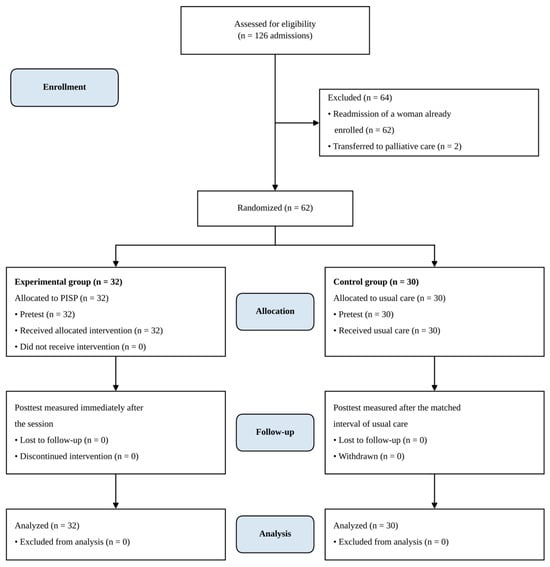

Disclaimer/Publisher’s Note: The statements, opinions and data contained in all publications are solely those of the individual author(s) and contributor(s) and not of MDPI and/or the editor(s). MDPI and/or the editor(s) disclaim responsibility for any injury to people or property resulting from any ideas, methods, instructions or products referred to in the content. |
© 2026 by the authors. Licensee MDPI, Basel, Switzerland. This article is an open access article distributed under the terms and conditions of the Creative Commons Attribution (CC BY) license.