


Abstract
Bacterial biofilms pose significant challenges in clinical, industrial, and environmental settings due to their inherent resistance to antimicrobial agents and host immune responses. Encased within a self-produced extracellular polymeric substance (EPS) matrix, these structured microbial communities demonstrate exceptional resilience, resisting conventional antimicrobial treatments and adapting to, as well as recovering from, environmental and therapeutic stresses, necessitating the development of novel anti-biofilm strategies. This review provides a comprehensive synthesis of biofilm formation, resistance mechanisms, and current and emerging approaches for controlling biofilms, with a primary focus on advancements made over the last decade. Chemical, physical, and biological strategies, including enzymatic degradation, natural compounds, chelating agents, nanoparticles, photodynamic therapy, and probiotics, have demonstrated promising antibiofilm activity. Additionally, combination therapies and targeted drug delivery systems have emerged as viable solutions to enhance the eradication of biofilms. Despite these advancements, challenges such as cytotoxicity, bacterial adaptation, and clinical applicability remain. Addressing these hurdles requires interdisciplinary research to refine existing strategies and develop innovative solutions for effective biofilm management.
1. Introduction
Since the discovery of microorganisms, various research, experiments, and analyses have significantly advanced science and technology. In the seventeenth century, Antonie van Leeuwenhoek first identified microbes in the calculus on his teeth [1]. These deposits contained various “animalcules” now known as dental plaque bacteria. This formation of dental coatings is one of the earliest documented bacterial biofilms [2]. Biofilm formation is a strategy used by microorganisms to enhance their survival in hosts and harsh environments [3]. Although bacteria have a general tendency to live in a biofilm.
When faced with unfavorable conditions (such as desiccation, shear stress, toxic compounds, and protozoan grazing), bacteria can shift from a free-floating (planktonic) state to a sessile state, allowing them to adhere, grow, and form communities on surfaces [4].
Biofilms are an organized, three-dimensional community of microorganisms that adhere to biotic and abiotic surfaces and are encased in a self-produced extracellular substance (EPS) matrix [5]. These intricate structures, first described in detail by Ref. [6] in 1978, have since been recognized as a predominant form of microbial life in various environments. Within the biofilm matrix, organisms are arranged rather than scattered randomly and regulated by several genes [7]. Both homogeneous and heterogeneous biofilms are possible. A homogeneous biofilm consists of a single microbial species, whereas a heterogeneous biofilm includes different species living together. Common biofilm-forming bacteria include Pseudomonas aeruginosa, Staphylococcus epidermidis, Escherichia coli, and Staphylococcus aureus, with mixed-culture biofilms often demonstrating enhanced stability through interspecies interactions [8]. Indeed, these dynamic and complex structures offer remarkable protection to enclosed microbial communities against a wide array of environmental challenges. These include resistance to various biocides and antibiotics used in industrial and clinical settings, UV damage, metal toxicity, anaerobic conditions, acid exposure, salinity fluctuations, desiccation, and bacteriophages [9]. Furthermore, biofilms shield bacteria from mechanical stress, shear forces, and the host’s immune cells, while enabling them to endure external stressors like nutrient scarcity and osmolarity changes [10]. Thus, biofilms are ubiquitous due to this multifaceted protection mechanism, coupled with the biofilm’s ability to control various metabolic processes. They represent a fundamental microbial survival strategy in diverse environments, from soil and aquatic ecosystems to industrial piping systems, indwelling medical devices, and live tissues such as tooth enamel, heart valves, lungs, and middle ears. However, their impact extends beyond these everyday occurrences [11]. Biofilms can be neutral, harmful, or good. While biofilms that form on open wounds after infection are dangerous, biofilms that are a part of the natural ecosystem are neutral. Biofilms may help address oil spill-related ground contamination [12]. Consequently, the significance of biofilms extends across various fields, encompassing healthcare, industrial processes, and ecological studies, thereby making them a critical focus of interdisciplinary scientific research. Figure 1 illustrates a concise overview of the principal ways in which biofilm-forming microorganisms negatively influence human health, industrial processes, and environmental systems in daily life.
Figure 1.
Summary of the global impact of biofilm-forming microorganisms.
In medical settings, both device-related and non-device-related biofilm infections are common worldwide and cause many fatalities every year [13]. Biofilms cause over $4 trillion in global economic losses annually, impacting healthcare, infrastructure, agriculture, and energy sectors [14]. These biofilms pose significant challenges in treating chronic infections, particularly those associated with implanted medical devices such as heart valves, catheters, joint prostheses, intrauterine devices, orthopedic implants, cardiac pacemakers, and contact lenses [12,15,16]. The clinical impact of biofilm formation on medical devices is substantial, with approximately 65% of device-related infections attributed to biofilms. Therefore, these infections can lead to severe complications, often necessitating device removal and prolonged antimicrobial therapy [17]. For example, catheter-associated urinary tract infections (CAUTIs) are frequently caused by biofilm-forming pathogens like E. coli, S. aureus, and P. aeruginosa, leading to complications in hospitalized patients [18]. Other common biofilm-associated pathogens include Enterobacteriaceae, coagulase-negative staphylococci, Acinetobacter spp., and Enterococcus spp. [19]. Additionally, scanning electron microscopy has revealed that most indwelling central venous catheters are colonized by these aggregates of microorganisms embedded in a biofilm matrix. Among these, staphylococci are the leading cause of biofilm-associated infections, with highly virulent S. aureus strains frequently causing severe localized infections or sepsis [20]. These infections can result in bloodstream infections and device failure in hospitalized patients [21]. Beyond catheters, biofilms are also implicated in prosthetic heart valve infections [22,23] and contribute to periodontal diseases and tooth decay through dental plaque formation [24]. Additionally, P. aeruginosa and S. aureus biofilms have been extensively reported in the context of persistent wound infections and respiratory tract infections in cystic fibrosis patients [25,26]. In healthcare, biofilm-related chronic wounds, lung infections, prosthetic joint failures, catheter infections, and antimicrobial resistance contribute billions in costs annually [27]. According to the National Institutes of Health (NIH), biofilms are responsible for approximately 80% of chronic infections and numerous pathogen outbreaks in healthcare settings [21]. The challenge is further intensified by the emergence and global spread of multidrug-resistant (MDR) bacteria, defined as organisms resistant to at least one agent in three or more antimicrobial categories [28]. These MDR pathogens, including P. aeruginosa, S. aureus, K. pneumoniae, and A. baumannii, are frequently implicated in biofilm-related device infections and chronic wounds, and their resistance severely limits therapeutic options [29]. Their resistance to antimicrobial agents, disinfectants, and immune responses makes them particularly difficult to eradicate, with biofilm-embedded bacteria being up to 1000 times more resistant to antibiotics than planktonic cells [30]. This resistance exacerbates the global antimicrobial resistance crisis, which has contributed to an estimated 4.71 million deaths worldwide, with biofilms representing a significant and persistent factor in this burden [31]. Industrial sectors face substantial economic losses due to biofilm-related issues. Microbial corrosion alone accounts for around $2.76 trillion annually, significantly impacting infrastructure [32]. Different studies have described how biofilms cause biofouling in industrial equipment [33], leading to decreased efficiency, increased energy consumption, and accelerated material degradation [34]. A prime example is the formation of biofilms in water distribution systems, where they can harbor pathogens like P. aeruginosa, posing public health risks [35]. Biofilm contamination further escalates food safety expenses and disrupts water and energy systems, creating widespread economic and environmental challenges. Although in the food industry, biofilms can have both positive and negative effects. On the positive side, biofilms can be used in wastewater treatment to degrade pollutants, in biofuel production, and for the filtration of drinking water [36]. Nonetheless, biofilms can play a crucial role in fermentation processes, contributing to improved flavor and texture in products such as yogurt and cheese [37]. These biofilms often involve beneficial microorganisms, such as lactic acid bacteria (LAB) and yeast, which are essential for traditional fermented foods like cheese, vinegar, kombucha, kefir, wine, lambic beer, miso, and kimchi [38]. However, biofilms in the food industry can contaminate food products, leading to foodborne illnesses. Those formed by major foodborne pathogens such as E. coli, Listeria monocytogenes, Salmonella spp., and Campylobacter jejuni pose a particular risk, contributing to persistent contamination and food safety concerns [39]. In agriculture, biofilms contribute 10% of global crop losses and cause $2 billion in dairy industry damages annually [27]. Furthermore, in urban contexts, biofilms play dual roles. They can actively participate in wastewater treatments, organic matter decomposition, nutrient dynamics, and biogeochemical cycling, being a key component of ecosystem functioning [40,41]. However, they can also be detrimental, where biofilms in water distribution systems can harbor pathogenic organisms and contribute to the deterioration of water quality [42]. Additionally, biofilm formation on microplastics can enhance the sorption of hydrophobic organic compounds (HOCs), potentially increasing their transfer through food chains and contributing to ecological pollution [43]. Biofilms also serve as reservoirs for antibiotic resistance genes (ARGs), facilitating the spread of antimicrobial resistance among microbial communities in aquatic ecosystems exposed to anthropogenic pollutants like wastewater treatment plant effluents [44].
While numerous reviews have summarized biofilm biology and conventional control measures, this article uniquely focuses on emerging multimodal strategies for biofilm eradication developed over the last decade. We highlight innovative chemical, physical, and biological interventions, such as enzymatic degradation, natural compounds, nanoparticles, aPDT, CAP, and phage–antibiotic combinations, emphasizing their mechanisms, advantages, and limitations. Furthermore, this review integrates recent findings on combination therapies and targeted delivery systems, providing insights into overcoming persistent biofilm resistance. By synthesizing these advances and identifying ongoing challenges, this review seeks future research directions in strategic biofilm control.
2. Methodology and Use of AI-Assisted Tools
This narrative review was based on peer-reviewed literature retrieved from major scientific databases and online research platforms. Articles were selected according to their relevance to the topic and scientific quality without date restrictions. The GenAI tool Napkin AI was used exclusively to generate illustrative charts for the visual representation of concepts. No text, interpretation, or scientific content was created by the tool. All figures were manually checked, edited, and finalized by the authors in accordance with MDPI’s GenAI transparency policy.
3. Biofilm Structure
Biofilms are highly organized microbial communities composed primarily of water (up to 90%) and microbial mass [45]. Their structure consists of microcolonies of bacterial cells embedded within an EPS matrix, interconnected by water channels that facilitate the diffusion of nutrients, enzymes, metabolites, oxygen, and waste products [46,47]. The basal layer of the biofilm consists of a hydrated mixture of polysaccharides, proteins, extracellular DNA (eDNA), lipids, and enzymes, which contribute to biofilm stability and functionality [48,49]. The EPS matrix, also known as the glycocalyx, constitutes 75–95% of the biofilm’s dry mass, with polysaccharides such as poly-N-acetylglucosamine (PNAG), alginate, amylose-like glucan, cellulose, and galactosaminogalactan comprising 50–90% of its organic components [8,50]. These polysaccharides form a dense, mesh-like matrix stabilized by intermolecular interactions among their hydroxyl groups [51]. The EPS matrix varies in thickness from nanometers to hundreds of micrometers, acting as a structural scaffold that supports cell adhesion, cohesion, and protection against environmental stressors [52]. Its ionic composition plays a crucial role in maintaining biofilm integrity, with positively charged ions such as Ca2+ and Mg2+ cross-linking polymers, increasing resistance to shear forces, and allowing biofilms to reach thicknesses of up to 300 μm [53]. The chemical nature of EPS differs between bacterial groups: in Gram-negative bacteria, it is often neutral or polyanionic, incorporating uronic acids like D-glucuronic acid to bind divalent cations [54], whereas Gram-positive bacteria, such as Staphylococci, are predominantly cationic, rich in teichoic acid with minimal protein content [55]. This diverse composition and structural organization are essential for maintaining biofilm architecture and functionality. As a result, biofilms form a highly viscoelastic, rubber-like structure, enhancing their resilience and stability. Moreover, sessile bacteria within a biofilm differ from planktonic cells, exhibiting distinct growth patterns, gene expression, transcription, and translation rates [56]. Their ability to adapt to microenvironments with high osmolarity, limited nutrients, and increased cell density allows them to develop specialized functional traits [57].
3.1. Biofilm Formation Process and Lifecycle
As mentioned before, biofilms can be described as intricate communities of microorganisms embedded within a self-produced EPS. The dense association of microorganisms within a biofilm creates a unique microenvironment that fosters the development of nutrient availability gradients, genetic exchange, and quorum sensing (QS) mechanisms. Although the biofilms generated by various bacteria have many characteristics, they can also differ slightly depending on the species.
The formation of the three-dimensional architecture of biofilm is a several-step process involving multiple stages and factors that transform free-floating (planktonic) bacteria into a highly organized, surface-attached community. It consists of five main phases presented in Figure 2: reversible (1) and irreversible (2) surface adhesion, proliferation, microcolony formation (3), maturation (4), and the dispersion/detachment (5) of planktonic cells or EPS-included cell aggregates.
Figure 2.
Stages of biofilm formation. Schematic representation of the multi-step biofilm formation process. (1) Reversible attachment of planktonic microorganisms to the surface. (2) Irreversible adhesion and bacterial aggregation. (3) Microcolony formation and EPS production, leading to matrix development. (4) Biofilm maturation, resulting in a structured three-dimensional community. (5) Detachment and dispersal, allowing bacteria to revert to a planktonic state and establish biofilms in new locations. Created on BioRender.com, https://app.biorender.com/illustrations/67b34f1adf448d5d0716f8d5?slideId=936aac43-f7be-4db8-aca2-e0a65cb6c8af, accessed on 18 February 2025.
The initial reversible attachment phase typically occurs within the first hours, followed by irreversible adhesion over 2–6 h, during which microorganisms adhere to a surface and begin to establish microcolonies [58]. Proliferation and microcolony formation usually develop within 6–24 h, while early maturation is commonly observed between 24–48 h [59]. A fully mature biofilm is generally reached after 48–72 h, although some species (P. aeruginosa, S. aureus) exhibit mature architectures beyond 72–96 h, depending on nutrient availability and hydrodynamic conditions [60,61]. It is important to note that these timeframes can vary significantly based on factors such as the species of microorganisms involved, the growth conditions, and the specific in vitro model employed [62]. Furthermore, the definitions of each stage, particularly that of a “mature biofilm,” are not universally standardized and can differ across studies, complicating the interpretation of biofilm research. In the following sections, we will delve into each stage of the biofilm lifecycle in greater detail, exploring the underlying mechanisms and factors that influence biofilm development.
3.1.1. Initial Attachment (Reversible Surface Adhesion)
Biofilm formation begins with the reversible surface adhesion of planktonic bacteria (phase 1), where the attachment is transient and easily reversible [63]. However, a bacterium’s ability to adhere to a surface depends on various factors, including the physicochemical properties (such as roughness, hydrophobicity, and chemical composition) of the substrate, the characteristics of the bacterial cell surface, and environmental conditions like nutrient levels, pH, ionic strength, and temperature [64]. Planktonic cells initially attach to biotic or abiotic surfaces, where their stability is governed by a balance of attractive and repelling forces. These forces include hydrophobic interactions, steric forces, electrostatic forces, Van der Waals interactions, and protein adhesion [65]. The attachment process is primarily driven by Brownian motion and gravitational forces, while hydrodynamic forces in the surrounding environment further influence bacterial movement and adhesion [66]. Additionally, the velocity and direction of attachment are regulated by the bacterial cell surface composition. Motile bacteria have a distinct advantage over non-motile species, as they can actively counteract hydrodynamic and repulsive forces using flagella [51]. This has been observed in P. aeruginosa, Vibrio cholerae, L. monocytogenes, and E. coli, where flagella-driven motility enhances surface colonization [67]. If conditions are unfavorable, the initial attachment remains reversible, allowing cells to detach and revert to a planktonic state. As bacteria encounter surfaces, the intracellular signaling molecule bis-(3ʹ-5ʹ)-cyclic dimeric guanosine monophosphate (c-di-GMP) regulates their transition from free-swimming to a biofilm-forming state [68]. Initially, low c-di-GMP levels allow planktonic bacteria to move freely, but as attachment occurs, increasing c-di-GMP restricts motility and enhances EPS production, leading to irreversible adhesion and biofilm initiation [68]. However, structural modifications in bacterial surface proteins, along with increased acid–base and hydrophobic interactions, enhance bacterial adhesion by displacing interfacial water and strengthening surface contact [69]. These interactions facilitate the transition from reversible to irreversible attachment, where bacteria form a monolayer that becomes permanently adhered to the surface [70]. In some cases, bacteria can actively explore surfaces through swarming mechanisms mediated by appendages such as Type IV pili, flagella, fimbriae, or fibrillae, further contributing to biofilm establishment [71].
3.1.2. Bacterial Adhesion and Aggregation (Irreversible Surface Adhesion)
The second stage of adhesion, known as the anchoring or attachment phase, involves a molecularly coordinated interaction between bacterial adhesins and the outermost layer of a substrate. During this irreversible attachment phase, bacteria undergo physiological transformations as they transition from planktonic to sessile states [72]. They may lose surface appendages and activate new metabolic pathways to support biofilm formation [73]. For example, S. epidermidis produces polysaccharide intercellular adhesin (PIA), which plays a crucial role in cell-to-cell adhesion and the development of stable biofilm structures [12]. Additionally, genes responsible for synthesizing and secreting EPS are upregulated, leading to the formation of small bacterial clusters on the surface [74]. As described by ref. [49], EPS forms a protective matrix around the growing bacterial community, providing structural integrity and enhancing resistance to environmental stressors. This reinforcement stabilizes bacterial adhesion, making detachment difficult without external intervention. Notably, biofilm formation is not limited to surface attachment; free-floating microbes can adhere to one another and to surface-bound cells, forming complex microbial aggregates [75]. Moreover, certain species facilitate the attachment of others, highlighting the cooperative nature of biofilm development [51].
3.1.3. Proliferation and Microcolony Formation
The third phase of biofilm formation begins as bacteria proliferate and aggregate into microcolonies, driven by chemical signaling within the EPS matrix [63]. This matrix serves as a scaffold that binds cells together, enabling the three-dimensional development of the biofilm. The formation of microcolonies is facilitated by flagella- and Type IV pili-mediated motilities, promoting bacterial–surface interactions and cell–cell aggregation [76]. Notably, c-di-GMP levels can vary spatially within mature biofilms, with higher concentrations often found at outer boundaries where active growth occurs [77]. As bacterial populations grow, they form diverse micro-communities that cooperate through substrate exchange, metabolic product flow, and waste elimination, fostering syntrophic associations where metabolically distinct bacteria rely on each other to utilize specific substrates for energy [78]. Additionally, increased c-di-GMP levels can be triggered by environmental stressors such as hypochlorite exposure [79], highlighting its role in adaptive responses during biofilm development.
3.1.4. Maturation
As biofilms mature (phase 4), they develop complex three-dimensional structures, often resembling mushrooms or towers, that adapt to environmental conditions [65]. This architectural complexity is facilitated by EPS, eDNA, and QS, which collectively regulate bacterial cooperation, gene expression, and metabolic adaptation [45]. The mature biofilm exhibits heterogeneity, with distinct regions displaying different metabolic activities and stress responses, contributing to its resilience [80]. Water channels within the biofilm function as a primitive circulatory system, allowing nutrient distribution and waste removal [81]. Programmed cell death plays a structural role, as dead cells serve as scaffolds, while viable cells import essential resources to sustain growth [82]. Signaling molecules secreted by bacterial cells trigger the expression of biofilm-specific genes, enhancing virulence and strengthening the biofilm matrix [83]. For example, P. aeruginosa secretes polysaccharides such as alginate, Pellicle (Pel), and Polysaccharide Synthesis Locus (Psl), which reinforce biofilm stability, while eDNA stabilizes cell-to-cell interactions in early biofilm formation [84]. Additionally, surfactants and modulins, as observed in Staphylococcus species, contribute to biofilm maturation through QS-mediated mechanisms [85]. Structurally, mature biofilms consist of three distinct layers: an inner regulatory layer, a microbial basement layer, and an outer layer where planktonic cells prepare for dispersal [86]. Within mature biofilms, a subpopulation of cells may enter the Viable But Non-Culturable (VBNC) state, characterized by metabolic dormancy and resistance to environmental stress [29]. The maturation process significantly increases biofilm resistance, making bacterial communities more tolerant to antibiotics and other environmental stressors than their planktonic counterparts.
3.1.5. Dispersion/Detachment
Dispersion (phase 5), the final stage of biofilm development, involves the detachment of microbial cells, either as individual planktonic bacteria or as aggregates encased in EPS [87]. This process can be triggered by environmental factors such as nutrient availability, oxygen fluctuations, and the accumulation of signaling molecules [88]. Bacterial enzymes contribute to dispersion by breaking down the EPS matrix, freeing the cells to migrate and colonize new surfaces, thus restarting the biofilm lifecycle [89]. Detachment can occur actively through enzymatic degradation, QS, and gene regulation, or passively due to external forces like fluid shear and abrasion [90]. As biofilms mature, nutrient depletion and metabolic waste accumulation further drive dispersal, enabling bacteria to escape unfavorable conditions and establish new biofilms [91]. Recent studies have identified specialized “scout cells” within mature biofilms that exit the biofilm early during dispersal [90]. These metabolically active cells explore new niches and, upon finding favorable conditions, can signal remaining cells to follow, initiating colonization [92]. This behavior reflects a strategic and coordinated dispersal mechanism that enhances survival and adaptability. The primary dispersion mechanisms include erosion, the gradual release of single cells or small clusters; sloughing, the sudden detachment of large biofilm sections; and seeding, the rapid release of bacterial clusters from the biofilm interior [93]. Dispersion has become a key focus in biofilm control strategies due to its significance in bacterial persistence and pathogenicity.
Understanding the biofilm formation, lifecycle, and structure provides insights into the development of effective anti-biofilm strategies. For instance, targeting the mechanisms of initial attachment could prevent biofilm formation altogether, while disrupting the EPS matrix could compromise the integrity of established biofilms. Similarly, inducing dispersion could render biofilm cells more susceptible to conventional treatments. As we delve deeper into current strategies for biofilm dispersion in subsequent sections, this foundational knowledge will provide crucial context for understanding the mechanisms and efficacy of various antibiofilm approaches.
4. Mechanisms of Biofilm Resistance
The exceptional biofilm’s resistance to antimicrobial agents and host immunological response is a key explanation of their persistence and the challenges they pose in various daily contexts. This resistance is complicated, resulting from several interconnected mechanisms that collectively contribute to the survival of biofilm-associated bacteria under adverse conditions. The challenge is further compounded when the causative organisms are MDR strains, which possess additional resistance mechanisms. The co-existence of biofilm-mediated and genetically encoded multidrug resistance creates barriers to successful infection management.
Figure 3 illustrates the diverse defense mechanisms that biofilm communities employ to survive antimicrobial challenges.
Figure 3.
Mechanisms of biofilm protection.
This diagram illustrates the multifaceted defense strategies employed by biofilm communities. Key protective mechanisms include enzymatic degradation of antimicrobial agents, genetic exchange facilitating resistance gene transfer, efflux pumps that expel harmful substances, the EPS matrix acting as a physical barrier, quorum sensing for coordinated defense, and the presence of persister cells that enter a dormant state to withstand hostile conditions. These mechanisms collectively enhance the biofilm’s resistance to antibiotics and disinfectants.
4.1. Physical Barrier
The extracellular polymeric substance (EPS) matrix is a major determinant of biofilm resistance, acting as a multifaceted physical and chemical barrier that limits immune activity and antimicrobial penetration [94]. It enhances bacterial survival by restricting the penetration and diffusion of antimicrobial compounds, reducing their concentration within the biofilm, and giving bacterial cells more time to develop tolerance [95]. Its permeability varies with biofilm composition, age, and structural density rather than a single molecular-weight cutoff [96]. Small solutes, including many antibiotics, generally diffuse at 75–90% of free-water rates, whereas larger macromolecules and particles face increasing restriction [97]: structures ≲40–70 nm penetrate more readily, while those ≥100 nm often require water channels or local matrix rearrangements [98]. This reflects the molecular diversity of the EPS, composed of proteins (~10 kDa to >600 kDa), polysaccharides (<1–6 kDa), and humic-like substances (1–6 kDa), which together create a heterogeneous molecular sieve that imposes steric and physicochemical barriers to diffusion [99,100]. In addition to size-dependent exclusion, the EPS also binds to charged antimicrobial peptides, limits oxidative stress from phagocytes, blocks surface immunoglobulins, and inhibits complement binding [101]. Additionally, it secures the biofilm to surfaces, traps nutrients, provides structural support, facilitates quorum sensing for cell-to-cell communication, and enables horizontal gene transfer, promoting genetic adaptability [102]. Studies have shown that EPS-deficient mutants are more susceptible to antimicrobial agents, while EPS inhibition reduces cell adhesion and drug tolerance [103]. Furthermore, biofilm-associated enzymes contribute to passive resistance by neutralizing antimicrobial molecules. For instance, catalase enzymes in S. epidermidis biofilms enhance resistance to physicochemical agents, and eDNA can bind to aminoglycoside antibiotics, decreasing their effectiveness [104]. Collectively, these factors illustrate how the EPS matrix functions as both a physical barrier and a biochemical shield, contributing significantly to the persistence and treatment difficulty of biofilm-associated infections.
4.2. Metabolic Dormancy/Persister
A critical aspect of biofilm resistance is the metabolic dormancy exhibited by a subset of cells within the biofilm, particularly in deeper layers, where restricted oxygen and nutrient flow lead to reduced metabolic activity and slowed growth [105]. Biofilm-associated bacteria exhibit high levels of antibiotic tolerance due to factors such as reduced growth rate, stress responses, and the presence of persister cells [106]. These cells are a small, dormant subpopulation that evade antibiotic action by downregulating cellular metabolism through toxin–antitoxin systems [107]. Because most antibiotics target actively growing cells, persisters remain largely unaffected, surviving high concentrations of antimicrobial agents and later reviving to repopulate the biofilm, leading to recurring infections [108]. Unlike genetically resistant mutants, persisters are phenotypic variants that do not acquire antibiotic resistance genes but create conditions that facilitate the emergence of resistant strains [109]. Their tolerance to antibiotics is influenced by reversible changes induced by starvation, environmental stress, and adaptive responses such as the SOS and stringent responses [110]. In addition to persisters, VBNC cells represent another dormant phenotype contributing to biofilm persistence. VBNC cells enter a low-metabolic, non-dividing state in response to environmental stresses such as nutrient limitation, oxidative damage, or antimicrobial pressure, yet retain viability and the potential for resuscitation [29]. These cells can evade detection in culture-based diagnostics and reawaken under favorable conditions, posing significant risks for relapse and chronic infection. Furthermore, scout cells are a specialized subpopulation that sense environmental cues, reactivate metabolism, and initiate early detachment from the biofilm, potentially reseeding new biofilms and promoting infection spread [90]. Collectively, persister cells, VBNC cells, and scout cells represent key phenotypic variants within biofilms that ensure survival under hostile conditions and complicate eradication efforts. As a result, research efforts are increasingly focused on understanding these subpopulations to develop antibacterial strategies that specifically target and eliminate these resilient cells.
4.3. Efflux Pumps
Efflux pumps are proteinaceous transporter machinery systems localized within the microorganism’s cell membrane. These pumps actively force out a wide range of antibiotics and toxic compounds from bacterial cells, reducing intracellular drug concentrations and promoting cell survival [111]. Furthermore, the expression of efflux pump genes is often upregulated in biofilms, leading to rapid export of antimicrobial compounds and decreased therapeutic efficacy [112]. These transporters demonstrate remarkable diversity, capable of handling either multiple structurally diverse substances (including drugs, toxins, and metabolites) or specialized single substrates [113]. They work in conjunction with other resistance mechanisms, such as reduced biofilm permeability and persister cell formation, to establish a robust defense system. Beyond their role in antimicrobial resistance, efflux pumps support quorum sensing, which regulates biofilm formation and maintenance [114]. They also contribute to cellular homeostasis by exporting harmful byproducts and facilitating adaptation through genetic upregulation, strengthening overall resistance mechanisms [115]. Targeting these pumps through inhibitors or regulatory pathway disruption presents a promising therapeutic strategy for combating biofilm-associated infections, potentially improving treatment outcomes by compromising their defense systems.
4.4. Quorum Sensing
Quorum sensing (QS) is a critical mechanism by which bacteria within biofilms communicate through the release and detection of small signaling molecules known as autoinducers (AI) [116]. The chemical structures of the autoinducers differ among microbial species. They can be generally classified as acyl-homoserine lactones (AHLs), autoinducing peptides (AIPs), or the broadly recognized autoinducers-2 and 3 (AI-2 and AI-3), which function across Gram-negative and Gram-positive bacteria [117]. Continuously produced and released by bacterial cells, AIs accumulate extracellularly as cell density increases [118]. When their concentration reaches a critical threshold, the quorum level, autoinducer receptor binding triggers synchronized gene expression changes [118]. This synchronized behavior enables bacteria to function as a cohesive unit, influencing key aspects of biofilm dynamics, including cellular proliferation, macro-colony formation, EPS production, structural integrity, biofilm dispersal, and overall development [119]. QS also regulates genes involved in virulence expression, metabolic activity coordination, and stress responses [120]. Ultimately, QS contributes significantly to the increased resistance of mature biofilms against mechanical stress, harsh environmental conditions, and antimicrobial agents [121].
4.5. Heterogeneity and Genetic Diversity
Biofilms exhibit metabolic and physiological heterogeneity due to nutrient and oxygen gradients within their structure [122]. Surface bacteria are metabolically active and more vulnerable to antibiotics, while those in the deeper layers face oxygen depletion and nutrient scarcity, leading to reduced metabolism and enhanced drug tolerance [123]. This stratification promotes the emergence of persister cells, small colony variants (SCVs) characterized by their slow growth and altered metabolism. These variants emerge within biofilms and contribute to their persistence, making infections more difficult to eradicate. The polymicrobial nature of biofilms further contributes to survival, as the interaction between species allows non-resistant bacteria to tolerate antibiotics through protective biofilm components and horizontal gene transfer (HGT) [124]. The proximity of cells, coupled with reduced shear forces, facilitates frequent plasmid exchange, accelerating the spread of ARGs [125]. Biofilms also act as reservoirs for ARGs, which can spread through conjugation, transformation, and transduction, ensuring the stability and adaptability of microbial communities [126]. The genetic and phenotypic diversity within biofilms allows rapid adaptation to environmental stressors, with subpopulations in varying physiological states [127]. For example, localized pH changes or enzymatic activity can deactivate antibiotics, while SCVs in P. aeruginosa biofilms exhibit boosted antibiotic resistance, contributing to persistent infections in cystic fibrosis patients [123]. Although Ref. [128] showed that limited oxygen can influence antibiotic resistance in P. aeruginosa and reported that the antibiotic was effective only in the oxygenated portion of the biofilm (within 50–90 µm) of the air–biofilm interface. These interconnected factors make biofilms highly resilient, presenting significant challenges in infection control and treatment.
By targeting these resistance mechanisms, we may be able to develop more effective treatments for biofilm-associated infections and address the challenges posed by biofilms in industrial and environmental settings.
5. Current and Emerging Antibiofilm Strategies
Biofilms present significant clinical and industrial challenges due to their ability to protect microorganisms from antimicrobial agents, making infections persistent and difficult to eradicate [129]. As a result, research efforts have intensified to develop innovative strategies that target multiple aspects of biofilm formation, maintenance, and dispersal [130]. These approaches primarily focus on two key objectives: preventing biofilm formation and promoting the dispersal of established biofilms [131]. Prevention strategies typically target initial bacterial adhesion through surface engineering or by disrupting crucial bacterial processes such as adhesin expression, EPS synthesis, and quorum sensing signaling [132]. Conversely, dispersal approaches focus on eradicating existing biofilms by degrading the matrix components or triggering bacterial detachment [133]. Current interventions encompass chemical, physical, and biological methods, each offering unique advantages in combating biofilm-associated infections [91,134]. Furthermore, recent advances include exploring diverse agents, from natural extracts to synthetic compounds, often enhanced through novel delivery systems like nanoparticle encapsulation and synergistic drug combinations [135]. While cytotoxicity and in vivo efficacy challenges persist, these emerging strategies represent promising alternatives to conventional antibiotic treatments, offering comprehensive solutions for biofilm control across all developmental stages. Nevertheless, approaches that target multiple aspects of biofilm resistance simultaneously are likely to be more successful than those focusing on a single mechanism [136]. Thus, combination therapies, which involve pairing antibiofilm agents with conventional antibiotics or other compounds, have emerged as a promising strategy to combat biofilm infections by enhancing penetration and efficacy against these complex microbial communities [137].
The various strategies to inhibit or eradicate biofilm formation are illustrated in Figure 4.
Figure 4.
Schematic overview of the antibiofilm strategies discussed in this review. These strategies are categorized into three main approaches: chemical, physical, and biological, each targeting biofilms through distinct mechanisms, including their combinations for enhanced effectiveness.
5.1. Chemical Approaches
Chemical strategies employ a wide range of compounds to inhibit biofilm formation, disrupt established biofilms, or potentiate other therapeutic approaches. These include traditional antimicrobials, degrading enzymes such as DNases and proteases, chelating agents like EDTA, antimicrobial peptides (AMPs), natural compounds (e.g., phenolics and essential oils), and various nanoparticles (metallic, lipid-based, or polymeric). These agents act through multiple mechanisms, including increasing membrane permeability, disrupting cell wall integrity, interfering with quorum-sensing pathways, inhibiting cell division, or inducing biofilm dispersion. Each of these approaches will be discussed in more detail in the corresponding subsections.
5.1.1. Traditional Antimicrobials
Traditional antibiotics remain one of the primary methods for combating biofilm infections, despite their limitations in penetrating these structured bacterial communities. Biofilms exhibit increased resistance to conventional antibiotic treatments, presenting a significant therapeutic challenge [138]. These antimicrobial agents function through five main mechanisms: disrupting bacterial cell wall synthesis (penicillins and cephalosporins), interfering with protein synthesis (tetracyclines, aminoglycosides, macrolides), inhibiting nucleic acid synthesis (rifampicin), compromising cell membrane integrity (polymyxins and colistins, together with antimicrobial peptides (AMPs)), or competitive inhibitors (sulfonamides) [139]. However, several studies have highlighted the limited effectiveness of antibiotics against biofilms. For example, ref. [140] reported that high concentrations of colistin inhibited 20% to 50% of A. baumannii biofilms, while ref. [141] found that tobramycin exhibited limited efficacy against S. aureus biofilms, with only 10% to 20% inhibition.
Therefore, to overcome these challenges, researchers have explored modified antibiotic strategies. One such strategy includes high-dose antibiotic applications, which involve administering antibiotics at significantly higher concentrations than those typically used for planktonic infections [142]. The reasoning behind higher antibiotic concentrations is to enhance penetration into the dense biofilm matrix and achieve effective bacterial eradication. However, this approach risks increased toxicity and may not eliminate the biofilm [5]. In response, synergistic drug combinations have emerged as a promising approach to enhance biofilm control [137]. For instance, combining antibiotics like tobramycin or ciprofloxacin with agents that disrupt the EPS matrix, such as DNase I or alginate lyase, can significantly improve antibiotic diffusion and reduce biofilm biomass, as demonstrated by ref. [18]. Furthermore, beta-lactams combined with aminoglycosides or fluoroquinolones with rifampicin have been shown to enhance bacterial killing, prevent resistance development, and expand the spectrum of activity. Therefore, several antibiotic combinations are summarized in Table 1. Ref. [143] further demonstrated the strong synergistic effect of fosfomycin, ciprofloxacin, and gentamicin, which resulted in 80–90% biofilm inhibition against E. coli and P. aeruginosa. Moreover, ciprofloxacin with Ethylenediaminetetraacetic Acid (EDTA) [144] and colistin with carbapenem [145] outperform monotherapies by improving membrane permeability and biofilm disruption (Table 1). Similarly, clarithromycin and vancomycin have exhibited notable efficacy against both planktonic and biofilm-associated bacterial cells, particularly P. aeruginosa and Staphylococcus species, by targeting alginate, a key EPS component that impairs antibiotic penetration [136]. In another study, ref. [146] showed that tobramycin combined with DNase I degraded eDNA, doubling inhibition rates to achieve 50–60% biofilm reduction. Furthermore, innovative drug delivery systems enhance the effectiveness of traditional antibiotics. For instance, nanoparticles can encapsulate antibiotics and deliver them directly to biofilm sites, thereby increasing local drug concentrations while minimizing systemic toxicity [120]. Similarly, hydrogels enable the controlled release of antimicrobials at infection sites, ensuring prolonged efficacy against biofilm-associated pathogens [147]. Another promising approach involves incorporating antibiotics into biomaterials for medical devices, implants, or wound dressings, facilitating localized and sustained drug release to prevent or delay biofilm formation [148]. Techniques such as coating, impregnation, and encapsulation within biomaterial matrices enhance drug stability and targeted delivery [149]. Continued research into synergistic antibiotic therapies, biofilm-disrupting agents, and nanotechnology-based drug delivery systems will be essential for overcoming the therapeutic challenges posed by biofilm-associated infections.
5.1.2. Degrading Enzymes
The enzymatic degradation of biofilms represents a highly selective and effective strategy for biofilm disruption, as it relies on the chemical structure of enzymes and their specific target components [150]. By breaking down key structural components of the biofilm matrix, these enzymes primarily target EPS and bacterial cell walls, weakening biofilm integrity and enhancing the penetration of antibiotics and immune cells while promoting biofilm dispersal [87,151]. One major group of matrix-degrading enzymes includes glycosidases, which hydrolyze specific polysaccharides in the EPS [152]. For example, dextranase breaks down dextran in oral biofilms, α-amylase degrades starch-like polysaccharides, and alginate lyase specifically targets alginate in P. aeruginosa biofilms, and hyaluronidase hydrolyzes hyaluronic acid [39,153]. Additionally, β-N-acetylglucosaminidases target N-acetylglucosamine in fungal or chitin-containing bacterial biofilms, while Dispersin B, a glycoside hydrolase, weakens biofilm matrices by hydrolyzing glycosidic bonds within EPS polysaccharides, including the PNAG polymers that facilitate bacterial aggregation [23,154]. As presented in Table 1, the effectiveness of Dispersin B has been demonstrated against S. epidermidis biofilms, where 0.13 μg to 3.20 μg of protein per sample exhibited high antibiofilm activity [155]. Another category of biofilm-degrading enzymes includes proteases, such as trypsin and proteinase K, which target proteins within the EPS. By cleaving peptide bonds, these enzymes further destabilize the biofilm structure [156]. Furthermore, deoxyribonucleases (DNases) degrade eDNA, another crucial EPS component, by hydrolyzing phosphodiester bonds [157,158]. For example, DNase I has been shown to significantly reduce P. aeruginosa and S. aureus biofilm formation at a concentration of 1 mg/mL, as demonstrated by Ref. [159] (Table 1). Moreover, ref. [152] reported that a combination of DNase I and Dispersin B successfully inhibited staphylococcal skin colonization and removed pre-attached S. aureus cells. Beyond single-enzyme applications, innovative approaches that combine enzymes with other antibiofilm technologies have yielded promising results. Recent studies by ref. [160] demonstrated that a bioconjugate of α-amylase and silver nanoparticles (AgNP), which integrates a degrading enzyme with nanotechnology, achieved 78% and 73% inhibition of K. pneumoniae and S. aureus biofilms, respectively, by hydrolyzing polysaccharides and disrupting cell membranes at a concentration of 800 μg/mL. Apart from targeting EPS components, some enzymes act directly on bacterial cell walls. Lysozyme, for example, hydrolyzes peptidoglycan in Gram-positive bacteria, while peptidoglycan hydrolases such as lysostaphin specifically degrade S. aureus cell walls, leading to bacterial lysis within the biofilm [93]. Similarly, ref. [161] illustrated that combining oxytetracycline with lysozyme and EDTA resulted in 63% biofilm eradication, with 2.8 mg/mL of the antibiotic and 26 mg/mL of lysozyme mixed with EDTA, demonstrating a strong synergistic effect. Recent studies by [29] have revealed that natural biofilm dispersion of S. epidermidis is closely tied to compositional changes in the matrix, such as a reduction in polysaccharides and an increase in proteins, making the biofilm more susceptible to enzymatic attack. In particular, the presence of PNAG positively correlated with enzymatic susceptibility, highlighting the potential of targeting matrix components like polysaccharides and proteins using glycoside hydrolases and proteases [29]. These findings underscore the importance of understanding matrix dynamics during dispersion to optimize enzyme-based biofilm disruption strategies. These enzymatic strategies offer significant advantages, including high specificity, synergy with other antibiofilm agents, and a lower resistance development risk than traditional antibiotics. Despite their potential, the widespread application of matrix-degrading enzymes is limited by cost, handling complexity, and industrial accessibility [162]. Challenges related to enzyme stability, efficient delivery, and large-scale production must be addressed to enhance their feasibility in clinical and industrial settings. However, with continued advancements in enzyme engineering, nanotechnology-based delivery systems, and synergistic combinations, enzymatic degradation remains a promising avenue for biofilm control and eradication.
5.1.3. Chelating Agents
Chelating agents represent another strategy in combating biofilms by targeting the crucial role of metal ions in biofilm formation, stability, and bacterial metabolism. Metal ions (such as Zn2+, Mg2+, Fe2+, and Ca2+) serve as essential cofactors for bacterial enzymes involved in vital metabolic pathways, contribute to the structural integrity of the EPS matrix through cross-linking its components, mediate bacterial adhesion to surfaces, and are even implicated in quorum sensing and oxidative stress response [129,163]. Chelating agents, such as EDTA and lactoferrin, disrupt these processes by binding to metal ions, thereby removing them from the biofilm environment [164]. EDTA, a widely used chelator, can also damage the cell wall, subsequently disrupting the biofilms via sequestering zinc, magnesium, iron, and calcium [165]. EDTA is generally considered safe for use in prescription medicine and in small amounts as a food preservative [166]. Moreover, it is often combined with antibiotics for synergistic effects. Ref. [167] has demonstrated that lysozyme combined with EDTA can destabilize the biofilm and has been used for the disruption of E. coli, S. aureus, and P. aeruginosa biofilms. Furthermore, lactoferrin, an iron-binding protein, deprives bacteria of iron while simultaneously disrupting the EPS matrix and enhancing antibiotic activity [66]. Hence, this leads to nutrient deprivation, weakened biofilm structure due to disrupted metal ion cross-linking, and increased antibiotic penetration [168]. This disruption also enhances the susceptibility of biofilm bacteria to other antibiofilm agents and host immune responses, sometimes even interfering with QS [168]. Similarly, chitosan is a natural polymer used in numerous applications in the biomedical field because of its biodegradability, bioadhesive properties, and bioactivity [13]. It is known to disrupt negatively charged cell membranes due to its cationic nature [169]. Thus, we can combat the bacteria in the early stages of biofilm formation by employing such chemicals. Despite their advantages, such as broad-spectrum activity, synergistic potential with antibiotics, and relatively low toxicity, chelating agents face challenges [165]. Their non-specificity can potentially affect host tissues, and their efficacy is often greater when combined with other antibiofilm approaches [151]. Effective delivery and maintaining their stability at the target site also present challenges. Nevertheless, by targeting the fundamental role of metal ions and cell wall integrity, these agents offer a distinct and promising approach to biofilm control.
5.1.4. Antimicrobial Peptides (AMPs)
Antimicrobial peptides (AMPs) have emerged as a promising alternative to traditional antibiotics for treating biofilm-associated infections. AMPs are small molecules produced as part of the innate immune response in various organisms, including bacteria, fungi, plants, and animals [170,171]. Typically composed of 10 to 50 amino acids, AMPs can be classified based on their structural characteristics as either α-helical, β-stranded, looped, β-hairpin, or extended forms [172]. Moreover, these peptides exhibit broad-spectrum antimicrobial activity and are promising candidates for new anti-biofilm strategies [13]. The cationic amphipathic structure of these AMPs allows them to interact with negatively charged bacterial membranes, leading to cell lysis or invasion [173]. However, AMPs employ several non-membranolytic mechanisms of action beyond membrane disruption [174]. These include inhibition of cell wall synthesis, interference with nucleic acid synthesis, modulation of immune responses, and disruption of essential metabolic processes within microorganisms [174]. Notably, research indicates that AMPs can prevent biofilm formation by disrupting bacterial signaling pathways and reducing the expression of genes necessary for biofilm development [175]. Additionally, they can target established biofilms by acting on bacterial membrane potential, highlighting their potential as therapeutic agents in combating biofilm-associated infections [173]. While bacterial resistance to AMPs is less common than with traditional antibiotics, it remains a concern that warrants attention [176]. Furthermore, the effectiveness of AMPs can be enhanced when combined with other agents, such as traditional antibiotics or compounds that disrupt the extracellular matrix of biofilms. These combinations can effectively address the heterogeneous nature of biofilm communities by targeting cells in various metabolic [177]. Despite these advantages, several limitations hinder the clinical use of AMPs. One significant challenge is their short half-life; AMPs are rapidly degraded by proteolytic enzymes, which reduces their effectiveness against biofilms [178]. Additionally, some AMPs can exhibit toxicity to mammalian cells, raising safety concerns [135]. Moreover, their efficacy may vary among different bacterial species and biofilm types, complicating the development of universally effective peptides [179]. Many AMPs also suffer from poor pharmacokinetics, which affects absorption and distribution within the body. However, AMPs are not only naturally occurring molecules but can also be synthesized to enhance their efficacy and stability against biofilms [180]. Synthetic AMPs offer the advantage of being designed to target specific bacterial structures or mechanisms, providing a tailored approach to combat biofilm-associated infections [171]. Several examples highlighting these diverse mechanisms are reported in Table 1. Nisin reduces S. aureus adhesion and alters cell and surface hydrophobicity (Table 1) [181]. Ref. [171] showed that P30, a synthetic AMP, reduced 2.62 log CFU/mL of A. baumannii biofilm by the formation of transmembrane pores, causing the loss of bacterial viability. Lin-SB056-1 targets extracellular polysaccharide components of S. epidermidis, leading to a significant reduction in biofilm biomass [137]. Ref. [182] showed that the combination of 1Tb and protease effectively disrupts membranes and degrades proteins in Enterococcus faecalis, achieving a 70–80% reduction in biofilm biomass (MIC: 0.5–1 μg/mL with protease, IC50: 10 μg/mL for protease). Additionally, the combination of AMP38 and imipenem demonstrated synergistic killing and effective biofilm eradication against multidrug-resistant P. aeruginosa [183]. The combination of Ana-9 and oxacillin sodium monohydrate significantly inhibits biofilms of methicillin-resistant S. aureus and S. epidermidis, with biofilm inhibition ranging from 75–90% [184]. Moreover, combining the semi-synthetic peptide Lin-SB056-1 and EDTA shows potent antibiofilm activity against both mucoid and non-mucoid P. aeruginosa, including CF isolates, by disrupting bacterial membranes and destabilizing the biofilm matrix; it achieves rapid bactericidal action and significantly reduces biofilm biomass and formation [185]. Furthermore, despite over 3000 AMPs having been discovered, only a few are Food and Drug Administration (FDA)-approved, highlighting the need for further research to address issues like cytotoxicity and side effects [186]. To overcome these challenges, improved formulation and delivery methods are essential for enhancing the stability and solubility of AMPs [187]; innovative approaches such as nanocarrier systems are being explored to tackle these issues effectively [188]. Overall, addressing these limitations is essential for the successful integration of AMPs into therapeutic strategies against biofilm-associated infections, and ongoing advances in peptide engineering, formulation techniques, and combination therapies hold promise for overcoming these challenges and maximizing their clinical potential.
5.1.5. Natural Compounds
Natural compounds represent a significant category of antibiofilm agents, derived from various organisms and showcasing diverse mechanisms of action. These compounds are extracted from a wide range of natural sources, including plants such as essential oils, polyphenols, plant extracts, microorganisms like bacteriocins, and marine organisms such as algae and sponges [189]. Their natural origin contributes to their bioactivity and therapeutic potential against biofilm-forming pathogens [135]. The mechanisms by which natural compounds combat biofilms are diverse and multifaceted. One key mechanism is the inhibition of EPS production, which is critical for biofilm formation [190]. By interfering with EPS synthesis, these compounds can prevent the establishment of new biofilms or weaken existing ones [21]. Another important mechanism is QS inhibition, where natural compounds disrupt bacterial communication systems that are essential for coordinating biofilm development [191]. Additionally, many natural compounds can disrupt bacterial membranes, leading to cell lysis and bacterial death, which is particularly effective against mature biofilms [187]. Furthermore, some compounds can interfere with bacterial adhesion to surfaces, blocking the initial stages of biofilm formation and reducing the risk of biofilm-related infections [51]. Numerous natural compounds have been identified for their anti-biofilm properties. For example, essential oils such as tea tree oil, cinnamon oil, clove oil, and oregano oil have demonstrated effectiveness against various pathogens [192]. Similarly, plant extracts like green tea extract, cranberry extract, and pomegranate extract have shown inhibitory effects on biofilm formation [193]. Other notable examples include alkaloids such as berberine and sanguinarine, flavonoids like quercetin and naringenin, and terpenoids such as farnesol and limonene [81]. These compounds exhibit a wide range of activities that target different stages of biofilm formation and maintenance. Recent research has highlighted the efficacy of natural compounds such as curcumin, cinnamaldehyde, eugenol, and thymol in both preventing biofilm formation and eradicating mature biofilms [193,194]. For instance, curcumin has been shown to prevent bacterial adhesion by interacting with enzymes like sortase A, which are essential for attachment. Moreover, combining natural compounds with conventional antibiotics has been found to enhance therapeutic outcomes by increasing potency while reducing toxicity and the likelihood of resistance development [195]. In Table 1, curcumin is shown to inhibit pellicle formation, pili motility, and ring biofilm formation in A. baumannii and Candida albicans. Molecular docking analysis revealed that curcumin interacts with the biofilm response regulator BfmR. At a concentration of 100 mg/mL, curcumin reduces biofilm production by 93% [195]. Clove essential oil (CEO) and oregano essential oil (OEO), containing eugenol and carvacrol, respectively, suppressed the metabolic activity and extracellular polysaccharide production in Salmonella derby. Notably, at 1/8 MIC, CEO inhibited biofilm formation by 90.29%, while OEO showed 48.79% inhibition at 0.8 mg/mL and 0.2 mg/mL, respectively [196]. Despite their potential benefits, natural compounds face several limitations that can restrain their clinical application. A major challenge is the variability in efficacy, as their effectiveness can differ significantly among various bacterial species and biofilm types [197]. Additionally, some natural compounds may exhibit toxicity, thus raising safety concerns [194]. Many also suffer from poor solubility and stability, which can limit their bioavailability and effectiveness in vivo [198]. Furthermore, there is a risk of bacterial resistance developing against certain natural compounds over time, although this risk is generally lower compared to synthetic antibiotics [120]. Finally, while many natural compounds have shown promise in laboratory settings, there is often a lack of comprehensive clinical studies to validate their efficacy in real-world applications. Continued research into these agents is essential for developing effective strategies that maximize their benefits while minimizing adverse effects and resistance development.
5.1.6. Nanotechnology
Nanotechnology provides promising tools for combating biofilms, especially using nanoparticles (NPs), which have been extensively researched for their antibacterial and antibiofilm properties. Different types of NPs have been designed as antimicrobial and antibiofilm agents, such as organic, inorganic, metal, and green NPs [199]. Among these, silver nanoparticles (AgNPs) are particularly noteworthy due to their inherent bactericidal abilities and effectiveness against biofilm-forming bacteria such as P. aeruginosa, E. coli, S. aureus, and S. epidermidis [200]. AgNPs exhibit their antibiofilm activity through multiple mechanisms, including disruption of bacterial membranes, generation of reactive oxygen species (ROS), inhibition of bacterial adhesion, and interference with the synthesis of EPS [201]. By adhering to bacterial cell walls, AgNPs compromise membrane integrity, causing structural damage and leakage of cellular contents. Furthermore, they induce oxidative stress, which further weakens bacterial cells and prevents biofilm formation [202]. Their ability to inhibit bacterial adhesion prevents the initial establishment of biofilms, while interfering with EPS synthesis disrupts the matrix that holds biofilm structures together [203]. Additionally, synthesizing AgNPs using natural extracts enhances both their antibacterial properties and eco-friendliness, positioning them as a promising alternative to traditional chemical synthesis methods [51]. Their compatibility with antibiotics further increases treatment efficacy against antibiotic-resistant bacteria [204]. In addition to their direct antimicrobial effects, nanoparticles also serve as drug delivery vehicles, enhancing the localized administration of antimicrobials such as vancomycin, ciprofloxacin, and farnesol [205]. By encapsulating antibiotics within nanoparticle carriers, these systems improve drug penetration into biofilms, safeguard drugs from degradation, minimize systemic side effects, and combat antibiotic resistance by providing more targeted and sustained antimicrobial activity [206]. Table 1 summarizes several nanoparticles, including tryptone-stabilized silver nanoparticles (Ts-AgNPs) effectively distort the matrix and mature biofilms of K. pneumoniae and P. aeruginosa, and they also attenuate quorum-sensing-induced virulence factor production [207]. Ts-AgNPs showed up to 93% biofilm inhibition and 97% eradication, with MIC50 values of 1.7 μg/mL for K. pneumoniae and 2.7 μg/mL for P. aeruginosa. Furthermore, AgNPs synthesized using Terminalia chebulic fruit extract increased membrane permeability and caused cell death, achieving 80% inhibition in P. aeruginosa, 75% in E. coli, and 70% in S. aureus biofilms at a concentration of 100 μg/mL [201]. A recent study conducted by ref. [208] demonstrated that gold nanoparticles (AuNPs) combined with ampicillin enhanced antibiotic efficacy, disrupting biofilms by 50–60% at effective concentrations of 10–50 μg/mL for both AuNPs and ampicillin. Interestingly, recent advancements in nanotechnology have led to the development of specialized nanoparticles designed to improve biofilm disruption and antimicrobial effectiveness further [209]. Although nitric oxide-containing silica nanoparticles release antimicrobial nitric oxide to kill bacteria within biofilms, superparamagnetic iron oxide nanoparticles disrupt EPS matrices and bacterial cell membranes through effects induced by magnetic fields [210]. Liposomal nanoparticles represent another promising avenue for drug delivery, as they can fuse with bacterial membranes to release antimicrobials intracellularly. Moreover, stimuli-responsive nanoparticles, triggered by specific environmental factors such as pH or bacterial enzymes, enable controlled drug release and targeted antimicrobial action [210]. These emerging nanotechnologies hold significant potential for creating more effective biofilm prevention and removal strategies. Despite their promise, additional research is essential to enhance the in vivo efficacy and biocompatibility of nanoparticle-based treatments, as well as to fully understand their cytotoxicity, metabolism, and long-term environmental impact. Furthermore, developing cost-effective and scalable manufacturing processes remains a key challenge in translating nanoparticle-based antibiofilm strategies into widespread clinical and industrial applications. By addressing these limitations, nanotechnology has the potential to transform biofilm prevention and control, providing highly effective and innovative solutions to combat bacterial infections.
The following table summarizes various chemical strategies and agents employed for antibiofilm activity, outlining their mechanisms of action, efficacy, and concentrations used in different bacterial species. It highlights recent advances in the field of biofilm disruption.
Table 1.
Selected chemical antibiofilm agents, their mechanisms of action, and their efficacy.
This review provides a comprehensive understanding of biofilm eradication by examining a range of strategies. Initially, we explore chemical methods that have long been foundational in antibiofilm interventions. However, their effectiveness is often hindered by challenges such as resistance development and incomplete biofilm eradication. To address these limitations, researchers have increasingly turned to physical approaches to disrupt biofilm structures and enhance antimicrobial penetration.
5.2. Physical Approaches
Physical antibiofilm methods are based on various approaches to prevent and control biofilm formation, offering eco-friendly alternatives to traditional antimicrobial treatments. These strategies include the application of ultrasound, electric or magnetic fields, photodynamic therapy, and many others. As an example, ultrasound can disrupt biofilm structures and enhance the penetration of antimicrobial agents, while electric fields can promote the detachment of bacteria from surfaces [213]. The remarkable microbiocidal properties of these physical methods make them promising tools for combating biofilms in various settings, including medical devices and food safety applications. By leveraging these innovative approaches, researchers aim to develop effective strategies that minimize reliance on chemical agents while addressing the challenges posed by biofilm-associated infections.
5.2.1. Ultrasound
Ultrasound is increasingly recognized as an effective physical strategy for preventing and controlling biofilm formation. This technique utilizes high-frequency sound waves to disrupt biofilm structures. It is also employed as part of a hurdle treatment strategy to increase bacterial membrane permeability and enhance the effectiveness of antimicrobial agents [214]. Ultrasound’s antibiofilm effects are primarily mediated by mechanical forces that disrupt EPS structures and by cavitation phenomena that damage biofilm architecture. Thus, cavitation occurs when rapid pressure changes create and collapse microbubbles, generating shock waves and high-speed microjets that mechanically disrupt surrounding structures [215]. In biofilms, this results in the breakdown of the EPS matrix, the physical dislodgement of bacterial cells, and the formation of microchannels that enhance antimicrobial penetration [216]. Additionally, studies in plant tissues suggest that cavitation also induces localized heating, softening biological matrices, and further facilitating the diffusion of solutes, a mechanism that may similarly enhance biofilm disruption [216]. High-intensity ultrasound (HIUS) at 20 kHz and 120 W, illustrated in Table 2, causes the formation and collapse of microbubbles, generating localized high-pressure and high-temperature conditions that disrupt the S. aureus biofilm matrix, leading to a 55% reduction in biofilm viability after just 1 min of exposure [217]. Other studies have demonstrated that ultrasound, particularly when combined with microbubbles, enhances the activity of antibiotics like vancomycin against biofilms formed by S. epidermidis, leading to significant biomass reduction [214]. Additionally, ultrasound disrupts biofilm formation at early stages by interfering with bacterial adhesion and signaling pathways, including autoinducer gradients and microstreaming effects. Moreover, the effectiveness of ultrasound depends on factors such as frequency, intensity, and exposure duration [218]. Low-frequency, high-intensity ultrasound has shown strong bactericidal properties, and its combination with antimicrobial agents further improves treatment outcomes [215]. Similarly, as presented in Table 2, combining low-frequency ultrasound with conventional antibiotics markedly improves treatment outcomes by disrupting the biofilm architecture and enhancing drug penetration, leading to significantly greater bacterial reduction compared to antibiotics alone [219]. However, efficacy can vary depending on bacterial species and biofilm type, and some bacteria may develop adaptive responses, such as increased production of cyclic-di-GMP, which stabilizes biofilms [220]. There is also a risk of thermal damage to surrounding tissues if treatment parameters are not carefully controlled. Furthermore, while ultrasound enhances antibiotic penetration, it often requires combination therapies, which can increase complexity and cost [39]. Ref. [174] reported that combining ultrasound-targeted microbubble destruction (UTMD) with human β-defensin-3 (HBD-3) significantly enhances the inhibition of biofilm-associated gene expression in MRSA and MRSE, resulting in reduced biofilm density and viable bacterial counts in vivo, as previously demonstrated [221] (Table 2). Despite these challenges, ultrasound remains a promising non-invasive approach to combating biofilm-associated infections, offering a valuable complement to traditional chemical and biological treatments. Ongoing research aims to optimize its application in clinical settings by refining treatment parameters, minimizing adverse effects, and improving its standalone efficacy.
5.2.2. Electrical Fields and Pulsed Electrical Fields (PEF)
Electrical fields are emerging as a promising physical strategy for preventing and disrupting biofilm formation. This approach is based on the application of weak direct current (DC) electric fields to alter the behavior of bacteria and enhance the efficacy of antimicrobial treatments [132]. One of the primary mechanisms by which electrical fields exert their antibiofilm effects is through electroporation, where electrical stimulation creates pores in bacterial cell membranes. This process can lead to cell damage and increased permeability, making bacteria more susceptible to antimicrobial agents [154]. Additionally, electrical fields can induce changes in the ambient environment, such as altering pH levels and generating ROS through electrolysis, which further inhibits bacterial growth and survival [213]. Research has demonstrated that combining electrical fields with antibiotics enhances antimicrobial effectiveness, a phenomenon known as the bioelectric effect, where low doses of antibiotics paired with electric fields disrupt mature biofilms [154]. For instance, studies have shown that using electric fields can significantly reduce the survival rates of bacteria within biofilms, including P. aeruginosa and A. baumannii [222]. Table 2 highlights the effectiveness of low-amperage DC in disrupting biofilm structures and eliminating sessile cells through electrical stimulation. For instance, applying 500 μA DC over four days successfully eradicated S. aureus and S. epidermidis biofilms while reducing P. aeruginosa and E. coli biofilms by 5.2–5.5 log CFU/cm2 [213]. Platinum electrodes delivering DC exhibit a dose- and time-dependent reduction in viable biofilm cells, with significant decreases observed at 200 μA DC for 24 h (1.4–2.1 log CFU/cm2) and complete eradication achieved after four days at 500 μA DC. Additionally, Pulsed Electric Fields (PEFs) emerge as an alternative strategy for biofilm disruption, applying short, high-voltage pulses to permeabilize bacterial membranes [223]. A study investigated the effects of extremely low-frequency pulsed electric fields (ELF-EF) on K. pneumoniae. The researchers found that exposure to 0.8 Hz for 60 min significantly inhibited bacterial growth and biofilm formation, and increased antibiotic susceptibility [223]. While initially explored in the food industry, PEF is increasingly studied for biomedical applications due to its non-thermal, localized effects that enhance bacterial inactivation and antimicrobial penetration [224]. Despite their promising potential, both electrical field and PEF approaches face challenges. Variability in bacterial species responses and differences in biofilm structure can affect treatment outcomes. Furthermore, careful optimization of parameters, such as voltage intensity, frequency, pulse duration, and total treatment time, is critical to maximize antibiofilm effects while minimizing damage to surrounding tissues [225]. Continued research is necessary to standardize treatment protocols and fully understand the mechanistic effects of both continuous and pulsed electrical strategies on biofilm communities.
5.2.3. Antimicrobial Photodynamic Therapy
Antimicrobial photodynamic therapy (aPDT) is an innovative physical strategy for combating biofilms, leveraging the synergistic effects of light, photosensitizers (PS), and molecular oxygen to generate ROS that effectively disrupt biofilm structures [190]. In aPDT, non-toxic photosensitizers are activated by harmless visible light at specific wavelengths, leading to the production of ROS that oxidize various cellular components, including proteins, lipids, and nucleic acids within the biofilm matrix [226]. This multi-targeted approach allows the penetration and damage of not only the biofilm surface but also the bacterial cells embedded within EPS, making it effective against both planktonic and biofilm-associated bacteria. This strategy has demonstrated effectiveness against drug-resistant bacteria, including both Gram-positive and Gram-negative strains, and has shown promise in eliminating S. mutans biofilms associated with oral infections [226]. Furthermore, recent studies have demonstrated that aPDT can significantly reduce biofilm viability in various pathogens, including S. aureus and P. aeruginosa [227]. Hence, in Table 2, Ref. [228] demonstrates that Rose Bengal-mediated aPDT effectively inactivates MRSA and partially reduces P. aeruginosa biofilms through ROS-induced oxidative damage. The therapy’s effectiveness is enhanced when combined with other treatments, such as pulsed PEF, which increases the permeability of the biofilm matrix and facilitates greater penetration of the photosensitizer [229]. Additionally, aPDT has shown minimal development of resistance among bacteria, making it a promising alternative to traditional antimicrobial therapies [133,230]. However, the limited penetration depth of light in biological tissues can restrict the effectiveness of aPDT in deeper or thicker biofilms [149]. However, a recent study demonstrates that a porphyrin nano emulsion overcomes common delivery limitations of photosensitizers, enabling deep penetration into biofilms and effective inactivation of bacterial cells, achieving high reductions (up to 6 log10) [231]. Furthermore, the efficacy of photosensitizers can vary based on their binding affinity to bacterial cells and their ability to generate ROS upon light activation. Additionally, optimizing parameters such as light intensity, exposure duration, and photosensitizer concentration is crucial for achieving desired outcomes without causing damage to surrounding healthy tissues [232]. There are also concerns regarding potential phototoxicity to host cells, particularly in sensitive areas. Interestingly, addressing these limitations will be essential for enhancing the clinical applicability and effectiveness of this therapy.
5.2.4. Cold Atmospheric Plasma
Cold atmospheric plasma (CAP) has recently emerged as a powerful physical strategy for biofilm control by generating reactive oxygen and nitrogen species (RONS), UV radiation, and charged particles under non-thermal conditions, thereby disrupting biofilm structures and inactivating embedded bacteria [233]. CAP treatment has been shown to reduce viable cell counts and impair membrane integrity in established biofilms of both Gram-positive and Gram-negative bacteria [234]. Multiple studies demonstrate its effectiveness, with Ref. [235] showing up to 3.08 log reduction in bacterial biofilms, and treatments as short as 60 s are capable of significantly reducing bacterial populations. In a study on P. aeruginosa biofilms, sub-lethal CAP pre-treatment dramatically enhanced the efficacy of antibiotics, lowering minimum biofilm eradication concentrations by up to 512-fold for ciprofloxacin/gentamicin and 256-fold for tobramycin (Table 2) [236]. In the case of S. aureus and MRSA, direct CAP exposure for up to 180 s achieved up to a ~5.2 log10 reduction in viable biofilm bacteria on surfaces, associated with increased intracellular reactive species and damage to cell membranes [237]. CAP array inactivates biofilms on environmental and contaminated surfaces by generating reactive species that damage the EPS matrix and bacterial cells. A 60-s treatment achieved over 99% bacterial reduction, including a 250-fold decrease in 2-day P. fluorescens biofilms on steel, demonstrating its fast, effective, and broad-spectrum antibiofilm potential [238]. Mechanistically, CAP exerts oxidative stress-mediated damage to proteins, lipids, and nucleic acids, disrupts cell membrane integrity and increases permeability, and may inactivate biofilms more rapidly than conventional antibiotics, without promoting resistance upon repeated exposure [234]. Because of these attributes, non-thermal, multi-targeted, and effective even against resistant strains, CAP represents a promising addition to the anti-biofilm toolbox, particularly for surface disinfection, medical decontamination, and as an adjuvant to antibiotics.
5.2.5. Micro/Nanomotors
Motors represent an emerging class of physical antibiofilm strategies that actively disrupt biofilm structures through mechanical forces. Recent studies have explored the use of micro- and nanoscale rotary and linear motors capable of penetrating and dismantling biofilm matrices [239]. For example, magnetically driven microbots functionalized with enzymes have been shown to physically break down extracellular polymeric substance (EPS) components while delivering antibacterial agents deep into biofilms, significantly enhancing eradication efficacy [240]. Light-activated synthetic molecular motors have also demonstrated the ability to disrupt biofilms by generating localized mechanical agitation, thereby increasing biofilm permeability and susceptibility to antibiotics [241]. Additionally, ultrasonic micro-motors have been employed to induce shear forces that impair biofilm integrity without damaging surrounding tissues, offering a non-invasive treatment modality [242]. Recent studies, presented in Table 2, have demonstrated the potential of micro- and nanomotors as effective physical antibiofilm agents. For example, Janus Pt-mesoporous silica nanomotors functionalized with ficin and loaded with vancomycin have been shown to penetrate S. aureus biofilms through self-propulsion, hydrolyze the EPS matrix via ficin, and deliver antibiotics locally, achieving approximately 82% biofilm disruption and 96% bacterial killing [243]. The key advantages include autonomous motion, enhanced penetration of biofilm barriers, and multi-modal treatment approaches [239]. In addition, light- and catalysis-driven cascade nanomotors have demonstrated mechanical penetration of MRSA and mixed biofilms, ROS generation, and enhanced drug delivery, resulting in 91% biofilm degradation in vitro and over 94% bacterial killing in vivo [244]. These motors overcome traditional antibiotic limitations by combining mechanical disruption, precise targeting, and synergistic antimicrobial mechanisms. However, Ref. [244] notes that clinical translation still requires addressing regulatory and biosafety challenges. However, these strategies face significant challenges, including dependence on external energy sources or chemical fuels (like H2O2) that limit sustained propulsion in physiological environments, potential cytotoxicity from nanomotor accumulation, scalability issues for clinical production, and difficulties in precise navigation through complex biofilm architectures [245]. These motor-based physical strategies provide promising alternatives or complements to chemical and biological antibiofilm approaches, especially for recalcitrant biofilms in medical and industrial settings, by directly targeting the mechanical stability of biofilms, though overcoming translational hurdles remains critical.
Table 2 presents various physical strategies and agents employed for antibiofilm activity, outlining their mechanisms of action and efficacy, used in different bacterial species, highlighting recent advances in the field of biofilm eradication.
Table 2.
Selected physical antibiofilm agents, their mechanisms of action, and their efficacy.
While physical methods offer effective means of disrupting biofilm structure, they are often limited by scalability and potential damage to surrounding tissues or materials. As an alternative, biological strategies have emerged, utilizing living organisms or their derivatives, to specifically target and dismantle biofilms in a more targeted and often sustainable manner.
5.3. Biological Approaches
Biological antibiofilm strategies apply natural mechanisms to prevent and control biofilm formation, employing agents such as bacteriophages and probiotics.
5.3.1. Bacteriophages
Bacteriophages (phages) are viruses that specifically infect and lyse bacteria, making them a promising biological strategy for disrupting biofilms [246]. Their antibiofilm activity operates through multiple mechanisms, including the degradation of biofilm matrices and direct bacterial lysis [247]. Phages produce enzymes, such as depolymerase, that break down EPS, destabilizing the biofilm structure and facilitating deeper penetration. This disruption allows phages to infect and replicate within bacterial cells, ultimately leading to cell lysis and further biofilm disintegration [13]. Moreover, phage therapy can synergize with antibiotics, a phenomenon known as phage–antibiotic synergy (PAS) [248]. In this context, phages weaken biofilms, enabling antibiotics to penetrate more effectively. Conversely, sublethal antibiotics can enhance phage infectivity by stressing bacterial cells [249]. Multiple research studies support the potential of bacteriophages to control bacterial biofilms. Ref. [250] demonstrated maximum reductions of 4.0–5.5 log colony-forming units on different surfaces. Ref. [251] showed that phage–antibiotic combination strategies consistently enhanced antibiofilm efficacy against multidrug-resistant P. aeruginosa, with optimized phage cocktails producing greater log reductions than antibiotics or phages alone, despite the variability in dosing across experimental models. Ref. [252] demonstrated that bacteriophage ɸWL-3 moderately reduces biofilm biomass in E. coli (ciprofloxacin/ceftriaxone-resistant) by lysing bacterial cells and disrupting biofilm structure, with a phage concentration of ~108 PFU/mL. When combined with ciprofloxacin or ceftriaxone, bacteriophage ɸWL-3 enhances antibiotic efficacy, leading to a stronger reduction in biofilm formation than either agent alone (Table 3). Phage therapy offers several advantages, particularly its high specificity; phages selectively target pathogenic bacteria without harming beneficial microbiota. They also self-replicate at infection sites, reducing the need for repeated dosing, and demonstrating superior penetration capabilities compared to antibiotics when accessing biofilm barriers [253]. Furthermore, genetically engineered phages can be designed to express biofilm-degrading enzymes or antimicrobial peptides, enhancing their effectiveness [254]. For instance, lytic phages such as SATA-8505 have shown promise against multidrug-resistant S. aureus biofilms, while phage-derived enzymes like polysaccharide depolymerase are being explored as potential antibiofilm agents [255]. Despite these advantages, several challenges limit the clinical translation of phage therapy. One significant limitation is the narrow host range of phages; they typically target specific bacterial strains, which necessitates the use of broad-spectrum phage cocktails to effectively address polymicrobial biofilms [256]. Additionally, bacteria can develop resistance through receptor modifications or CRISPR (clustered regularly interspaced short palindromic repeats) systems that enable them to evade phage predation [257]. Delivery challenges also persist due to the complexity of biofilms and physical barriers found on medical device coatings that can obstruct phage access [258]. To overcome these limitations, innovative strategies are being developed, such as nanoparticle-based delivery systems, hydrogel coatings on catheters, and liposome encapsulation to enhance phage penetration and stability [13]. For example, phage-bound AgNPs or magnetic nanoparticles can create channels in biofilms, improving the efficacy of both phages and antibiotics [131]. Future directions for phage therapy include developing broad-spectrum phage cocktails that target diverse biofilm-forming species and stimuli-responsive phages that activate in response to specific biofilm signals such as pH changes or enzymes [259]. Emerging technologies like CRISPR-Cas9 also hold the potential for precisely targeting genes associated with biofilm formation, further expanding the applications of phage therapy [260]. Interestingly, phage therapy has gained increasing recognition in recent years, including FDA approval for compassionate use, underscoring its potential for clinical application [261]. Thus, this therapy represents a powerful and evolving tool in the fight against biofilms, with ongoing advancements aimed at improving host specificity, delivery efficiency, and resistance mitigation to enhance its clinical applicability.
5.3.2. Probiotics
Probiotics are live microorganisms that confer health benefits to the host, particularly by modulating the microbiome and enhancing immune responses [262,263]. As a biological antibiofilm strategy, probiotics prevent and control biofilm formation through competitive exclusion and metabolic interactions [131]. By occupying ecological niches and utilizing available resources, they can inhibit the adhesion and growth of harmful bacteria, thereby reducing biofilm establishment [264]. A key mechanism behind this effect is competitive exclusion, where probiotic strains compete with pathogens for adhesion sites on host tissues or surfaces, effectively limiting biofilm formation [265,266]. For example, Lactobacillus spp. and Bifidobacterium reduce the adhesion of pathogens like E. coli O157:H7 and S. mutans by downregulating genes involved in adhesion (e.g., sag, csgB) and biofilm formation, thus preventing biofilm formation in various environments, including the gastrointestinal tract and on medical devices [267]. In addition to competitive exclusion, probiotics can produce antimicrobial substances such as bacteriocins, organic acids, and hydrogen peroxide (H2O2). These metabolites can inhibit the growth of pathogenic bacteria and disrupt existing biofilms [268]. Bacteriocins can lyse pathogens by creating pores in their cell walls, while H2O2 can damage pathogenic microcolonies within biofilms [161,269]. Furthermore, probiotics may enhance the host’s immune response by stimulating the production of secretory IgA [270]. For example, probiotics like Lactobacillus casei and L. acidophilus increase IgA production, enhancing mucosal immunity against biofilm-forming pathogens [270]. Research has highlighted the potential of probiotics to prevent dental plaque formation by inhibiting the growth of cariogenic bacteria. Hence, Lacticaseibacillus casei and L. reuteri suppress S. mutans biofilms by downregulating virulence genes (gtfB, gtfC) [271]. Additionally, in gastrointestinal health, probiotics have proven effective in reducing biofilm-associated infections [272]. Their mechanisms of action are diverse, including the production of inhibitory chemicals [273], reduced bacterial adhesion [274], immune system enhancement [12,275], bacteriocin release, and lactic acid production to disrupt QS [276], suppression of pathogen EPS production, and increased indole production to downregulate QS [167,277]. This approach offers a safe, cost-effective, and environmentally friendly alternative to traditional methods, with reduced risk of resistance development. Nevertheless, the use of probiotics has some limitations. Notably, the effectiveness of probiotics can vary significantly based on strain specificity; not all probiotic strains exhibit antibiofilm properties [278]. Additionally, factors such as environmental conditions, dosage, and timing of administration can influence their efficacy. While probiotics may effectively prevent initial biofilm formation, their ability to disrupt established biofilms is less well understood. As detailed in Table 3, Lactobacillus rhamnosus GG biofilm extracts exhibit strong antibiofilm activity against E. coli, S. aureus, and P. aeruginosa by interfering with quorum sensing. A six-fold concentration of these extracts resulted in eradication percentages of 57%, 67%, and 76% for the respective biofilms, along with a nearly complete bactericidal effect (~99.9%) [167]. Similarly, Bifidobacterium spp. have demonstrated biofilm inhibition exceeding 30% against E. coli and Salmonella spp., primarily by producing antimicrobial substances or disrupting QS [279].
The following table summarizes various biological strategies and agents employed for antibiofilm activity, outlining their mechanisms of action, efficacy, and concentrations used in different bacterial species, highlighting recent advances in the field of biofilm disruption.
Table 3.
Selected biological antibiofilm agents, their mechanisms of action, and their efficacy.
6. Comparative Evaluation and Challenges in Antibiofilm Strategies
The persistent and resilient nature of biofilms presents a significant challenge across the medical, industrial, and environmental sectors. Bacteria within these communities are protected by a complex network of defense mechanisms, including the EPS matrix, efflux pumps, QS, persister cells, enzymatic degradation of drugs, and genetic exchange, as illustrated in Figure 2 [142]. These mechanisms collectively reduce the penetration and efficacy of conventional treatments, necessitating a multifaceted approach to biofilm eradication.
Table 4 below summarizes the comparative features of antibiofilm interventions, highlighting their mechanisms, advantages, limitations, development stages, and typical applications:
Table 4.
Comparative table of emerging and conventional antibiofilm strategies, highlighting their mechanisms, advantages, limitations, development stages, and typical applications.
Comparing these strategies reveals distinct efficacy, safety, scalability, and cost patterns. Conventional antibiotics remain the most accessible option, but their effectiveness is increasingly undermined by the rapid evolution of resistance and poor biofilm penetration [125]. Enzyme-based and chelating agents target the structural integrity of biofilms, enhancing the effectiveness of co-administered antibiotics; however, their practical use is often constrained by issues such as low stability, high production costs, and potential toxicity at elevated concentrations [280]. Similarly, antimicrobial peptides and natural compounds provide broad-spectrum, low-toxicity, and resistance-overcoming effects, but stability, standardization, and production costs limit their widespread adoption [23]. Emerging technologies such as nanotechnology, ultrasound, and electrical fields demonstrate high potential for biofilm eradication due to their ability to physically or chemically disrupt biofilm integrity and enhance antimicrobial delivery [281,282]. Despite their potential, these methods are often associated with concerns about toxicity, equipment complexity, and scalability, and most remain in preclinical or experimental stages [280]. Biological strategies, particularly those involving bacteriophages and probiotics, provide highly specific and potentially sustainable solutions. Bacteriophages are capable of self-replication and precise targeting of biofilm-forming bacteria, often penetrating the EPS matrix effectively. However, their narrow host range, the potential for resistance development, and storage difficulties restrict their widespread use. Through mechanisms such as competitive exclusion, antimicrobial production, and quorum-sensing interference, probiotics offer preventive benefits and consumer-friendly profiles. Nonetheless, their application is complicated by strain-specific effects, formulation variability, and regulatory uncertainties [154]. Critically, when directly comparing these classes, chemical agents offer rapid action but generally fail to overcome mature EPS barriers without assistance [5], whereas physical strategies excel at mechanical disruption yet lack specificity and may require costly infrastructure [154]. Biological approaches, while the most precise and ecologically compatible, often suffer from limited host range, environmental sensitivity, and complex regulatory pathways, making them slower to implement at scale [278]. Thus, each category presents a trade-off between efficacy, safety, and practicality, with no single strategy capable of addressing the multifactorial resilience of biofilms on its own. A major challenge across all strategies is the translation of promising laboratory results into clinically effective, safe, and scalable therapies. Many interventions that show significant biofilm reduction in vitro or animal models have yet to demonstrate durable efficacy in human clinical trials, often due to poor biocompatibility, insufficient local concentrations, or the adaptive responses of biofilm communities [51]. Furthermore, the economic burden and regulatory complexity of developing and deploying novel antibiofilm agents slow their integration into routine practice [131]. In summary, while significant progress has been made in diversifying the antibiofilm toolbox, each strategy faces unique challenges related to resistance, delivery, safety, and cost. A multifaceted approach combining chemical, physical, and biological methods, along with continued innovation in drug delivery and regulatory frameworks, is essential to overcome the defenses of biofilm-associated infections and achieve meaningful clinical and industrial impact.
7. Future Perspectives
The persistent challenge of biofilm-associated infections demands innovative approaches beyond traditional antimicrobials. Emerging strategies aim to revolutionize biofilm management, shifting from reactive treatment of mature biofilms toward predictive, proactive, and preventive interventions. Recent advancements in 2025, including CRISPR-phage synergies and AI-driven predictive modeling, exemplify this transition [283,284].
CRISPR-based genetic manipulation is a transformative tool, enabling precise silencing of biofilm regulatory genes. CRISPR interference (CRISPRi) targeting Pseudomonas aeruginosa suppressed EPS-associated genes, significantly reducing biofilm formation [281]. Future CRISPR strategies aim to integrate reporter genes for real-time biofilm monitoring, engineer beneficial strains that disrupt quorum-sensing networks, and prevent harmful metabolite secretion in food or oral health applications [285].
Engineered bacteriophages complement genetic editing, targeting bacterial cells, degrading EPS, and integrating CRISPR-Cas9 for precise gene disruption [241,286]. Broad-spectrum and stimuli-responsive phages, activated by pH shifts or enzymatic signals, are under development [259]. Phage–nanomaterial conjugates enhance biofilm penetration, while combination approaches with enzymatic or chemical agents synergistically degrade biofilms and prevent regrowth, minimizing host cytotoxicity [283].
AI-driven approaches accelerate biofilm research by predicting pathogen behavior, guiding tailored therapy, and enabling rapid discovery of novel antibiofilm compounds [287,288]. Integration of AI with CRISPR supports sustainable biofilm control in both clinical and food contexts [289].
Smart, responsive materials represent another frontier. Enzyme-responsive nanosystems, pH-sensitive hydrogels, and cell-mimicking phospholipid vesicles enable localized drug release and infection detection [290,291,292]. Switchable surfaces that alternate between antifouling and bactericidal states in response to biofilm signals are being explored for medical and industrial applications [293]. Vaccine strategies using biofilm-specific antigens provide prophylactic potential [283].
Translating these innovations faces challenges. Standardized biofilm testing, representative animal models, and regulatory pathways tailored for antibiofilm agents are lacking. Safety, efficacy, and quality standards must address nanomaterials, responsive surfaces, and combination therapies. The clinical validation of daptomycin for prosthetic joint infections illustrates these translational hurdles [294].
Physical biofilm disruption, including acoustic waves, low-intensity electrical fields, and micro-/nanomotors, complements chemical and biological strategies [294]. Micro- and nanomotors mechanically disrupt biofilms while delivering antimicrobials, circumventing classical resistance mechanisms.
Future antibiofilm strategies will rely on integrated, synergistic systems rather than single interventions. Combining CRISPR, phage therapy, AI-guided selection, smart materials, and physical dispersal is likely the most effective approach. Standardized models and combination therapies, such as phage–nanomaterial conjugates, are urgently needed. Success requires innovative clinical trial designs, regulatory adaptability, and cross-sector collaboration to translate these next-generation therapies from bench to bedside and scalable applications.
Figure 5 illustrates this integrative perspective, synthesizing major antibiofilm strategy classes and their principal modes of action along a continuum from reactive to proactive approaches. The field is moving toward a framework in which prediction, prevention, and multi-modal precision disruption replace traditional reactive treatments of mature, highly tolerant biofilms.
Figure 5.
Overview of Emerging Antibiofilm Strategies from Reactive to Proactive Approaches.
8. Conclusions
Biofilms pose a significant challenge in medical, industrial, and environmental fields due to their resilience, adaptability, and ability to confer resistance to antimicrobial agents. This review highlights biofilms’ complex structure and lifecycle, their resistance mechanisms, and the diverse strategies currently employed for their control. A wide array of antibiofilm strategies has been developed, ranging from chemical agents and physical methods to biological approaches such as probiotics, bacteriophages, and innovative nanotechnologies. Despite these advancements, biofilm-associated infections and contamination remain persistent issues, underscoring the need for ongoing research and innovation. Future perspectives in biofilm control should focus on overcoming the limitations of current strategies while applying emerging technologies. Combating biofilms demands an interdisciplinary approach that integrates microbiology, materials science, biotechnology, and clinical research. By optimizing existing strategies and exploring novel technologies, we can move closer to overcoming the challenges posed by biofilms in various settings.
Author Contributions
J.Y., J.C.A., A.C., A.A., N.T., N.L. and A.E.K. contributed to the conceptualization of the review. P.H. contributed to the writing of the initial drafting of the review and editing of corrections and revisions. All authors have read and agreed to the published version of the manuscript.
Funding
This research received no external funding.
Institutional Review Board Statement
Not applicable.
Informed Consent Statement
Not applicable.
Data Availability Statement
The original contributions presented in this study are included in the article. Further inquiries can be directed to the corresponding authors.
Acknowledgments
During the preparation of this manuscript, the author used ChatGPT (OpenAI, accessed in August 2025) and Perplexity AI (web-based version, accessed in August 2025) to improve sentence clarity and language flow. The GenAI tool Napkin (web-app—accessed on 28 November 2025) was used exclusively to generate illustrative charts. All AI-assisted content was reviewed, edited, and verified by the author, who takes full responsibility for the final version of the manuscript.
Conflicts of Interest
The authors declare no conflicts of interest.
Abbreviations
The following abbreviations are used throughout the manuscript for clarity and conciseness.
| EPS | Extracellular polymeric substance |
| CAUTIS | Catheter-associated urinary tract infections |
| NIH | National Institutes of Health |
| MDR | Multidrug-resistant |
| LAB | Lactic acid bacteria |
| HOCs | Hydrophobic organic compounds |
| ARGs | Antibiotic resistance genes |
| eDNA | Extracellular DNA |
| PNAG | poly-N-acetylglucosamine |
| QS | Quorum sensing |
| Pel | Pellicle |
| Psl | Polysaccharide Synthesis Locus |
| VBNC | Viable But Non-Culturable |
| c-di-GMP | Bis-(3′-5′)-cyclic dimeric guanosine monophosphate |
| PIA | Polysaccharide intercellular adhesin |
| AI | Autoinducer |
| AHLs | Acyl-homoserine lactones |
| AIPs | Autoinducing peptides |
| AI-2 | Autoinducer-2 |
| AI-3 | Autoinducer-3 |
| SCVs | Small colony variants |
| HGT | Horizontal gene transfer |
| EDTA | Ethylenediaminetetraacetic Acid |
| DNases | Deoxyribonucleases |
| AgNPs | Silver nanoparticles |
| AMPs | Antimicrobial peptides |
| FDA | Food and Drug Administration |
| CEO | Clove essential oil |
| OEO | Oregano essential oil |
| NPs | Nanoparticles |
| ROS | Reactive oxygen species |
| AuNPs | Gold nanoparticles |
| HIU | High-intensity ultrasound |
| UTMD | Low-frequency ultrasound-targeted microbubble destruction |
| MRSA | Methicillin-resistant Staphylococcus aureus |
| MRSE | Methicillin-resistant Staphylococcus epidermidis |
| DC | Direct current |
| PEF | Pulsed electrical field |
| aPDT | Antimicrobial Photodynamic therapy |
| PS | Photosensitizers |
| RONS | Reactive oxygen and nitrogen species |
| PAS | Phage–antibiotic synergy |
| CRISPR | Clustered regularly interspaced short palindromic repeats |
| H2O2 | Hydrogen peroxide |
| AI | Artificial intelligence |
References
- He, X.; Zhou, X.; Shi, W. Oral Microbiology: Past, Present and Future. Int. J. Oral Sci. 2009, 2, 47–58. [Google Scholar] [CrossRef] [Scilit]
- Donlan, R.M.; Costerton, J.W. Biofilms: Survival mechanisms of clinically relevant microorganisms. Clin. Microbiol. Rev. 2002, 15, 167–193. [Google Scholar] [CrossRef] [Scilit]
- Vasudevan, R. Biofilms: Microbial Cities of Scientific Significance. J. Microbiol. Exp. 2014, 1, 84–98. [Google Scholar] [CrossRef] [Scilit]
- Bjarnsholt, T.; Ciofu, O.; Molin, S.; Givskov, M.; Høiby, N. Applying insights from biofilm biology to drug development-Can a new approach be developed? Nat. Rev. Drug Discov. 2013, 12, 791–808. [Google Scholar] [CrossRef] [Scilit] [PubMed]
- Zhao, A.; Sun, J.; Liu, Y. Understanding Bacterial Biofilms: From Definition to Treatment Strategies. Front. Cell. Infect. Microbiol. 2023, 13, 1137947. [Google Scholar] [CrossRef] [Scilit]
- Costeron, J.W.; Gessey, G.G.; Cheng, K.J. How the Bacteria Stick. Sci. Am. 1978, 238, 86–95. [Google Scholar] [CrossRef] [Scilit] [PubMed]
- Vestby, L.K.; Grønseth, T.; Simm, R.; Nesse, L.L. Bacterial Biofilm and Its Role in the Pathogenesis of Disease. Antibiotics 2020, 9, 59. [Google Scholar] [CrossRef] [Scilit]
- Rather, M.A.; Gupta, K.; Mandal, M. Microbial biofilm: Formation, architecture, antibiotic resistance, and control strategies. Braz. J. Microbiol. 2021, 52, 1701–1718. [Google Scholar] [CrossRef] [Scilit]
- Watters, C.; Fleming, D.; Bishop, D.; Rumbaugh, K.P. Host Responses to Biofilm. Prog. Mol. Biol. Transl. Sci. 2016, 142, 193–239. [Google Scholar] [CrossRef] [Scilit]
- Muhammad, M.H.; Idris, A.L.; Fan, X.; Guo, Y.; Yu, Y.; Jin, X.; Qiu, J.; Guan, X.; Huang, T. Beyond Risk: Bacterial Biofilms and Their Regulating Approaches. Front. Microbiol. 2020, 11, 928. [Google Scholar] [CrossRef] [Scilit]
- Li, Y.; Xiao, P.; Wang, Y.; Hao, Y. Mechanisms and Control Measures of Mature Biofilm Resistance to Antimicrobial Agents in the Clinical Context. ACS Omega 2020, 5, 22684–22690. [Google Scholar] [CrossRef] [Scilit]
- Sharma, S.; Mohler, J.; Mahajan, S.D.; Schwartz, S.A.; Bruggemann, L.; Aalinkeel, R. Microbial Biofilm: A Review on Formation, Infection, Antibiotic Resistance, Control Measures, and Innovative Treatment. Microorganisms 2023, 11, 1614, Correction in Microorganisms 2024, 12, 1961. https://doi.org/10.3390/microorganisms12101961. [Google Scholar] [CrossRef] [Scilit]
- Shrestha, L.; Fan, H.M.; Tao, H.R.; Huang, J.D. Recent Strategies to Combat Biofilms Using Antimicrobial Agents and Therapeutic Approaches. Pathogens 2022, 11, 292. [Google Scholar] [CrossRef] [Scilit]
- Highmore, C.J.; Melaugh, G.; Morris, R.J.; Parker, J.; Direito, S.O.L.; Romero, M.; Soukarieh, F.; Robertson, S.N.; Bamford, N.C. Translational Challenges and Opportunities in Biofilm Science: A BRIEF for the Future. npj Biofilms Microbiomes 2022, 8, 68. [Google Scholar] [CrossRef] [Scilit] [PubMed]
- Bjarnsholt, T. The Role of Bacterial Biofilms in Chronic Infections. APMIS Suppl. 2013, 121, 1–58. [Google Scholar] [CrossRef] [Scilit] [PubMed]
- Mendhe, S.; Badge, A.; Ugemuge, S.; Chandi, D. Impact of Biofilms on Chronic Infections and Medical Challenges. Cureus 2023, 15, e48204. [Google Scholar] [CrossRef] [Scilit] [PubMed]
- Francolini, I.; Donelli, G. Prevention and control of biofilm based-medical device-related infections. FEMS Immunol. Med. Microbiol. 2010, 59, 227–238. [Google Scholar] [CrossRef] [Scilit]
- Soto, S.M. Importance of Biofilms in Urinary Tract Infections: New Therapeutic Approaches. Adv. Biol. 2014, 2014, 543974. [Google Scholar] [CrossRef] [Scilit]
- Ciofu, O.; Moser, C.; Jensen, P.Ø.; Høiby, N. Tolerance and resistance of microbial biofilms. Nat. Rev. Microbiol. 2022, 20, 621–635. [Google Scholar] [CrossRef] [Scilit]
- Mishra, A.; Aggarwal, A.; Khan, F. Medical Device-Associated Infections Caused by Biofilm-Forming Microbial Pathogens and Controlling Strategies. Antibiotics 2024, 13, 623. [Google Scholar] [CrossRef] [Scilit]
- Zafer, M.M.; Mohamed, G.A.; Ibrahim, S.R.M.; Ghosh, S.; Bornman, C.; Elfaky, M.A. Biofilm-Mediated Infections by Multidrug-Resistant Microbes: A Comprehensive Exploration and Forward Perspectives. Arch. Microbiol. 2024, 206, 101. [Google Scholar] [CrossRef] [Scilit]
- Bayer, A.S.; Bolger, A.F.; Taubert, K.A.; Wilson, W.; Steckelberg, J.; Karchmer, A.W.; Levison, M.; Chambers, H.F.; Dajani, A.S.; Gewitz, M.H.; et al. Diagnosis and Management of Infective Endocarditis and Its Complications. Circulation 1998, 98, 2936–2948. [Google Scholar] [CrossRef] [Scilit]
- Abdelhamid, A.G.; Yousef, A.E. Combating Bacterial Biofilms: Current and Emerging Antibiofilm Strategies for Treating Persistent Infections. Antibiotics 2023, 12, 1005. [Google Scholar] [CrossRef] [Scilit]
- Marsh, P.D. Dental Plaque as a Biofilm and a Microbial Community—Implications for Health and Disease. BMC Oral Health 2006, 6 (Suppl. S1), S14. [Google Scholar] [CrossRef] [Scilit]
- Martin, I.; Waters, V.; Grasemann, H. Approaches to Targeting Bacterial Biofilms in Cystic Fibrosis Airways. Int. J. Mol. Sci. 2021, 22, 2155. [Google Scholar] [CrossRef] [Scilit] [PubMed]
- Weigelt, M.A.; McNamara, S.A.; Sanchez, D.; Hirt, P.A.; Kirsner, R.S. Evidence-Based Review of Antibiofilm Agents for Wound Care. Adv. Wound Care 2021, 10, 13–23. [Google Scholar] [CrossRef] [Scilit] [PubMed]
- Cámara, M.; Green, W.; MacPhee, C.E.; Rakowska, P.D.; Raval, R.; Richardson, M.C.; Slater-Jefferies, J.; Steventon, K.; Webb, J.S. Economic Significance of Biofilms: A Multidisciplinary and Cross-Sectoral Challenge. npj Biofilms Microbiomes 2022, 8, 42. [Google Scholar] [CrossRef] [Scilit]
- Bharadwaj, A.; Rastogi, A.; Pandey, S.; Gupta, S.; Sohal, J.S. Multidrug-Resistant Bacteria: Their Mechanism of Action and Prophylaxis. BioMed Res. Int. 2022, 2022, 5419874. [Google Scholar] [CrossRef] [Scilit] [PubMed]
- Jonblat, S.; As-sadi, F.; Zibara, K.; El Sabban, M.; Dermesrobian, V.; El Khoury, A.; Kallassy, M.; Chokr, A. Staphylococcus epidermidis Biofilm Assembly and Self-Dispersion: Bacteria and Matrix Dynamics. Int. Microbiol. 2024, 27, 831–844. [Google Scholar] [CrossRef] [Scilit]
- Sahoo, K.; Meshram, S. Biofilm Formation in Chronic Infections: A Comprehensive Review of Pathogenesis, Clinical Implications, and Novel Therapeutic Approaches. Cureus. 2024, 16, e70629. [Google Scholar] [CrossRef] [Scilit]
- GBD 2021 Antimicrobial Resistance Collaborators. Global Burden of Bacterial Antimicrobial Resistance 1990–2021: A Systematic Analysis with Forecasts to 2050. Lancet 2024, 404, 1199–1226. [Google Scholar] [CrossRef] [Scilit]
- Liu, P.; Zhang, H.; Fan, Y.; Xu, D. Microbially Influenced Corrosion of Steel in Marine Environments: A Review from Mechanisms to Prevention. Microorganisms 2023, 11, 2299. [Google Scholar] [CrossRef] [Scilit]
- Flemming, H.-C. Microbial Biofouling: Unsolved Problems, Insufficient Approaches, and Possible Solutions. Advances 2011, 5, 81–109. [Google Scholar] [CrossRef] [Scilit]
- Little, B.; Lee, J. Microbiologically Influenced Corrosion: An Update. Int. Mat. Rev. 2014, 59, 384–393. [Google Scholar] [CrossRef] [Scilit]
- Erdei-Tombor, P.; Kiskó, G.; Taczman-Brückner, A. Biofilm Formation in Water Distribution Systems. Processes 2024, 12, 280. [Google Scholar] [CrossRef] [Scilit]
- Flemming, H.C.; Wingender, J.; Szewzyk, U.; Steinberg, P.; Rice, S.A.; Kjelleberg, S. Biofilms: An Emergent Form of Bacterial Life. Nat. Rev. Microbiol. 2016, 14, 563–575. [Google Scholar] [CrossRef] [Scilit] [PubMed]
- Ghosh, S.; Nag, M.; Lahiri, D.; Sarkar, T.; Pati, S.; Kari, Z.A.; Nirmal, N.P.; Edinur, H.A.; Ray, R.R. Engineered Biofilm: Innovative Nextgen Strategy for Quality Enhancement of Fermented Foods. Front. Nutr. 2022, 9, 808630. [Google Scholar] [CrossRef] [Scilit] [PubMed]
- Gong, C.; He, Y.; Tang, Y.; Hu, R.; Lv, Y.; Zhang, Q.; Tardy, B.L.; Richardson, J.J.; He, Q.; Guo, J.; et al. Biofilms in Plant-Based Fermented Foods: Formation Mechanisms, Benefits and Drawbacks on Quality and Safety, and Functionalization Strategies. Trends Food Sci. Technol. 2021, 116, 940–953. [Google Scholar] [CrossRef] [Scilit]
- Sadekuzzaman, M.; Yang, S.; Mizan, M.F.R.; Ha, S.D. Current and Recent Advanced Strategies for Combating Biofilms. Compr. Rev. Food Sci. Food Saf. 2015, 14, 491–509. [Google Scholar] [CrossRef] [Scilit]
- Romaní, A.M.; Borrego, C.M.; Díaz-Villanueva, V.; Freixa, A.; Gich, F.; Ylla, I. Shifts in Microbial Community Structure and Function in Light- and Dark-Grown Biofilms Driven by Warming. Environ. Microbiol. 2014, 16, 2550–2567. [Google Scholar] [CrossRef] [Scilit]
- Balcázar, J.L.; Subirats, J.; Borrego, C.M. The Role of Biofilms as Environmental Reservoirs of Antibiotic Resistance. Front. Microbiol. 2015, 6, 1216. [Google Scholar] [CrossRef] [Scilit]
- Sutherland, I.W. Biofilm Exopolysaccharides: A Strong and Sticky Framework. Microbiology 2001, 147, 3–9. [Google Scholar] [CrossRef] [Scilit] [PubMed]
- Liu, X.; Chen, J.P.; Wang, L.; Shao, Z.; Xiao, X. Editorial: Microplastics and Microorganisms in the Environment. Front. Microbiol. 2022, 13, 947286. [Google Scholar] [CrossRef] [Scilit]
- Pruden, A.; Pei, R.; Storteboom, H.; Carlson, K.H. Antibiotic Resistance Genes as Emerging Contaminants: Studies in Northern Colorado. Environ. Sci. Technol. 2006, 40, 7445–7450. [Google Scholar] [CrossRef] [Scilit] [PubMed]
- Toyofuku, M.; Inaba, T.; Kiyokawa, T.; Obana, N.; Yawata, Y.; Nomura, N. Environmental Factors That Shape Biofilm Formation. Biosci. Biotechnol. Biochem. 2016, 80, 7–12. [Google Scholar] [CrossRef] [Scilit] [PubMed]
- Heilmann, C.; Heilmann, C.; Schweitzer, O.; Schweitzer, O.; Mack, D.; Mack, D.; Gotz, F.; Götz, F. Molecular Basis of Intercellular Adhesion in the Biofilm-Forming Staphylococcus epidermidis. Mol. Microbiol. 1996, 20, 1083–1091. [Google Scholar] [CrossRef] [Scilit]
- Ryder, C.; Byrd, M.; Wozniak, D.J. Role of Polysaccharides in Pseudomonas aeruginosa Biofilm Development. Curr. Opin. Microbiol. 2007, 10, 644–648. [Google Scholar] [CrossRef] [Scilit]
- Evans, L.V. Biofilms: Recent Advances in Their Study and Control, 1st ed.; CRC Press: Boca Raton, FL, USA, 2000. [Google Scholar] [CrossRef] [Scilit]
- Flemming, H.C.; Wingender, J. The Biofilm Matrix. Nat. Rev. Microbiol. 2010, 8, 623–633. [Google Scholar] [CrossRef] [Scilit]
- Lu, T.K.; Collins, J.J. Dispersing Biofilms with Engineered Enzymatic Bacteriophage. Proc. Natl. Acad. Sci. USA 2007, 104, 11197–11202. [Google Scholar] [CrossRef] [Scilit]
- Asma, S.T.; Imre, K.; Morar, A.; Herman, V.; Acaroz, U.; Mukhtar, H.; Arslan-Acaroz, D.; Shah, S.R.A.; Gerlach, R. An Overview of Biofilm Formation–Combating Strategies and Mechanisms of Action of Antibiofilm Agents. Life 2022, 12, 1110. [Google Scholar] [CrossRef] [Scilit]
- Ch’ng, J.H.; Chong, K.K.L.; Lam, L.N.; Wong, J.J.; Kline, K.A. Biofilm-Associated Infection by Enterococci. Nat. Rev. Microbiol. 2019, 17, 82–94, Correction in Nat. Rev. Microbiol. 2019, 17, 124. https://doi.org/10.1038/s41579-018-0128-7. [Google Scholar] [CrossRef] [Scilit]
- Vandana; Das, S. Structural and Mechanical Characterization of Biofilm-Associated Bacterial Polymer in the Emulsification of Petroleum Hydrocarbon. 3 Biotech 2021, 11, 239. [Google Scholar] [CrossRef] [Scilit]
- Costerton, J.W.; Stewart, P.S.; Greenberg, E.P. Bacterial Biofilms: A Common Cause of Persistent Infections. Science 1999, 284, 1318–1322. [Google Scholar] [CrossRef] [Scilit]
- Limoli, D.H.; Jones, C.J.; Wozniak, D.J. Bacterial Extracellular Polysaccharides in Biofilm Formation and Function. In Microbial Biofilms; Wiley: Hoboken, NJ, USA, 2015; pp. 223–247. [Google Scholar] [CrossRef] [Scilit]
- Singh, A.P.; Chen, W.; Zheng, X.; Mody, H.; Carpenter, T.J.; Zong, A.; Heald, D.L. Bench-to-Bedside Translation of Chimeric Antigen Receptor (CAR) T Cells Using a Multiscale Systems Pharmacokinetic-Pharmacodynamic Model: A Case Study with Anti-BCMA CAR-T. CPT Pharmacomet. Syst. Pharmacol. 2021, 10, 362–376. [Google Scholar] [CrossRef] [Scilit] [PubMed]
- Stoodley, P.; Lewandowski, Z.; Boyle, J.D.; Lappin-Scott, H.M. Oscillation Characteristics of Biofilm Streamers in Turbulent Flowing Water as Related to Drag and Pressure Drop. Biotechnol. Bioeng. 1998, 57, 536–544. [Google Scholar] [CrossRef] [Scilit]
- Sánchez, M.C.; Llama-Palacios, A.; Blanc, V.; León, R.; Herrera, D.; Sanz, M. Structure, Viability and Bacterial Kinetics of an in Vitro Biofilm Model Using Six Bacteria from the Subgingival Microbiota. J. Periodontal Res. 2011, 46, 252–260. [Google Scholar] [CrossRef] [Scilit] [PubMed]
- Lee, C.K.; De Anda, J.; Baker, A.E.; Bennett, R.R.; Luo, Y.; Lee, E.Y.; Keefe, J.A.; Helali, J.S.; Ma, J.; Zhao, K.; et al. Multigenerational Memory and Adaptive Adhesion in Early Bacterial Biofilm Communities. Proc. Natl. Acad. Sci. USA 2018, 115, 4471–4476. [Google Scholar] [CrossRef] [Scilit]
- David, A.; Tahrioui, A.; Tareau, A.; Forge, A.; Gonzalez, M.; Bouffartigues, E.; Lesouhaitier, O.; Chevalier, S. Pseudomonas aeruginosa Biofilm Lifecycle: Involvement of Mechanical Constraints and Timeline of Matrix Production. Antibiotics 2024, 13, 688. [Google Scholar] [CrossRef] [Scilit]
- Tran, L.; Heuertz, R. Determining Kinetics of Reversible and Irreversible Biofilm Formation by Staphylococcus aureus and Pseudomonas aeruginosa. FASEB J. 2016, 30, S1. [Google Scholar] [CrossRef] [Scilit]
- Li, P.; Yin, R.; Cheng, J.; Lin, J. Bacterial Biofilm Formation on Biomaterials and Approaches to Its Treatment and Prevention. Int. J. Mol. Sci. 2023, 24, 11680. [Google Scholar] [CrossRef] [Scilit]
- Kostakioti, M.; Hadjifrangiskou, M.; Hultgren, S.J. Bacterial Biofilms: Development, Dispersal, and Therapeutic Strategies in the Dawn of the Postantibiotic Era. Cold Spring Harb. Perspect. Med. 2013, 3, a010306. [Google Scholar] [CrossRef] [Scilit]
- Kaur, I.; Sharma, C. A Review: Role of Bacterial Exopolysaccharides in Biofilm Formation. J. Res. Appl. Sci. Biotechnol. 2022, 1, 222–228. [Google Scholar] [CrossRef] [Scilit]
- Veerachamy, S.; Yarlagadda, T.; Manivasagam, G.; Yarlagadda, P.K. Bacterial Adherence and Biofilm Formation on Medical Implants: A Review. Proc. Inst. Mech. Eng. Part H J. Eng. Med. 2014, 228, 1083–1099. [Google Scholar] [CrossRef] [Scilit]
- Singh, S.; Datta, S.; Narayanan, K.B.; Rajnish, K.N. Bacterial Exo-Polysaccharides in Biofilms: Role in Antimicrobial Resistance and Treatments. J. Genet. Eng. Biotechnol. 2021, 19, 140. [Google Scholar] [CrossRef] [Scilit] [PubMed]
- Petrova, O.E.; Sauer, K. Sticky Situations: Key Components That Control Bacterial Surface Attachment. J. Bacteriol. 2012, 194, 2413–2425. [Google Scholar] [CrossRef] [Scilit] [PubMed]
- Park, S.; Sauer, K. Controlling Biofilm Development Through Cyclic Di-GMP Signaling. In Pseudomonas Aeruginosa; Springer: Cham, Switzerland, 2022; Volume 1386. [Google Scholar] [CrossRef] [Scilit]
- Adams, J.J.; Pal, G.; Jia, Z.; Smith, S.P. Mechanism of Bacterial Cell-Surface Attachment Revealed by the Structure of Cellulosomal Type II Cohesin-Dockerin Complex. Proc. Natl. Acad. Sci. USA 2006, 103, 305–310. [Google Scholar] [CrossRef] [Scilit] [PubMed]
- Goulter, R.M.; Gentle, I.R.; Dykes, G.A. Issues in Determining Factors Influencing Bacterial Attachment: A Review Using the Attachment of Escherichia coli to Abiotic Surfaces as an Example. Lett. Appl. Microbiol. 2009, 49, 1–7. [Google Scholar] [CrossRef] [Scilit]
- Secchi, E.; Vitale, A.; Miño, G.L.; Kantsler, V.; Eberl, L.; Rusconi, R.; Stocker, R. The Effect of Flow on Swimming Bacteria Controls the Initial Colonization of Curved Surfaces. Nat. Commun. 2020, 11, 2851. [Google Scholar] [CrossRef] [Scilit]
- Arjes, H.A.; Willis, L.; Gui, H.; Xiao, Y.; Peters, J.; Gross, C.; Huang, K.C. Three-Dimensional Biofilm Colony Growth Supports a Mutualism Involving Matrix and Nutrient Sharing. eLife 2021, 10, e64145. [Google Scholar] [CrossRef] [Scilit]
- Rabin, N.; Zheng, Y.; Opoku-Temeng, C.; Du, Y.; Bonsu, E.; Sintim, H.O. Biofilm Formation Mechanisms and Targets for Developing Antibiofilm Agents. Future Med. Chem. 2015, 7, 493–512. [Google Scholar] [CrossRef] [Scilit]
- Kreve, S.; Reis, A.C.D. Bacterial Adhesion to Biomaterials: What Regulates This Attachment? A Review. Jpn. Dent. Sci. Rev. 2021, 57, 85–96. [Google Scholar] [CrossRef] [Scilit]
- Armbruster, C.R.; Parsek, M.R. New Insight into the Early Stages of Biofilm Formation. Proc. Natl. Acad. Sci. USA 2018, 115, 4317–4319. [Google Scholar] [CrossRef] [Scilit] [PubMed]
- Spiliopoulou, A.I.; Krevvata, M.I.; Kolonitsiou, F.; Harris, L.G.; Wilkinson, T.S.; Davies, A.P.; Dimitracopoulos, G.O.; Karamanos, N.K.; Mack, D.; Anastassiou, E.D. An Extracellular Staphylococcus epidermidis Polysaccharide: Relation to Polysaccharide Intercellular Adhesin and Its Implication in Phagocytosis. BMC Microbiol. 2012, 12, 76. [Google Scholar] [CrossRef] [Scilit]
- Gong, X.X.; Zeng, Y.H.; Chen, H.M.; Zhang, N.; Han, Y.; Long, H.; Xie, Z.Y. Bioinformatic and Functional Characterization of Cyclic-Di-GMP Metabolic Proteins in Vibrio alginolyticus Unveils Key Diguanylate Cyclases Controlling Multiple Biofilm-Associated Phenotypes. Front. Microbiol. 2023, 14, 1258415. [Google Scholar] [CrossRef] [Scilit] [PubMed]
- Strempel, N.; Nusser, M.; Neidig, A.; Brenner-Weiss, G.; Overhage, J. The Oxidative Stress Agent Hypochlorite Stimulates C-Di-GMP Synthesis and Biofilm Formation in Pseudomonas aeruginosa. Front. Microbiol. 2017, 8, 2311. [Google Scholar] [CrossRef] [Scilit]
- Valentini, M.; Filloux, A. Biofilms and Cyclic Di-GMP (c-Di-GMP) Signaling: Lessons from Pseudomonas aeruginosa and Other Bacteria. J. Biol. Chem. 2016, 291, 12547–12555. [Google Scholar] [CrossRef] [Scilit]
- Gu, H.; Hou, S.; Yongyat, C.; De Tore, S.; Ren, D. Patterned Biofilm Formation Reveals a Mechanism for Structural Heterogeneity in Bacterial Biofilms. Langmiur 2013, 29, 11145–11153. [Google Scholar] [CrossRef] [Scilit]
- Song, X.; Xia, Y.X.; He, Z.D.; Zhang, H.J. A Review of Natural Products with Anti-Biofilm Activity. Curr. Org. Chem. 2017, 22, 789–817. [Google Scholar] [CrossRef] [Scilit]
- Desai, S.; Sanghrajka, K.; Gajjar, D. High Adhesion and Increased Cell Death Contribute to Strong Biofilm Formation in Klebsiella pneumoniae. Pathogens 2019, 8, 277. [Google Scholar] [CrossRef] [Scilit] [PubMed]
- Allocati, N.; Masulli, M.; Di Ilio, C.; De Laurenzi, V. Die for the Community: An Overview of Programmed Cell Death in Bacteria. Cell Death Dis. 2015, 6, e1609. [Google Scholar] [CrossRef] [Scilit]
- Gupta, P.; Sarkar, S.; Das, B.; Bhattacharjee, S.; Tribedi, P. Biofilm, Pathogenesis and Prevention—A Journey to Break the Wall: A Review. Arch. Microbiol. 2016, 198, 1–15. [Google Scholar] [CrossRef] [Scilit]
- Otto, M. Staphylococcal Infections: Mechanisms of Biofilm Maturation and Detachment as Critical Determinants of Pathogenicity. Annu. Rev. Med. 2013, 64, 175–188. [Google Scholar] [CrossRef] [Scilit]
- Zhao, X.; Zhao, F.; Wang, J.; Zhong, N. Biofilm Formation and Control Strategies of Foodborne Pathogens: Food Safety Perspectives. RSC Adv. 2017, 7, 36670–36683. [Google Scholar] [CrossRef] [Scilit]
- Kaplan, J.B. Biofilm Dispersal: Mechanisms, Clinical Implications, and Potential Therapeutic Uses. J. Dent. Res. 2010, 89, 205–218. [Google Scholar] [CrossRef] [Scilit] [PubMed]
- Agarwal, V.; Sinha, R.; Mal, J. Proceedings of the Conference BioSangam 2022: Emerging Trends in Biotechnology (BIOSANGAM 2022); Atlantis Press International BV: Dordrecht, The Netherlands, 2023; ISBN 9789464630206. [Google Scholar]
- Barraud, N.; Kjelleberg, S.; Rice, S.A. Dispersal from Microbial Biofilm. Microbiol. Spectr. 2015, 3, 1128. [Google Scholar] [CrossRef] [Scilit] [PubMed]
- Rumbaugh, K.P.; Sauer, K. Biofilm Dispersion. Nat. Rev. Microbiol. 2020, 18, 571–586. [Google Scholar] [CrossRef] [Scilit]
- Fleming, D.; Rumbaugh, K.P. Approaches to Dispersing Medical Biofilms. Microorganisms 2017, 5, 15. [Google Scholar] [CrossRef] [Scilit]
- Chua, S.L.; Liu, Y.; Yam, J.K.H.; Chen, Y.; Vejborg, R.M.; Tan, B.G.C.; Kjelleberg, S.; Tolker-Nielsen, T.; Givskov, M.; Yang, L. Dispersed Cells Represent a Distinct Stage in the Transition from Bacterial Biofilm to Planktonic Lifestyles. Nat. Commun. 2014, 5, 4462. [Google Scholar] [CrossRef] [Scilit]
- Wang, S.; Zhao, Y.; Breslawec, A.P.; Liang, T.; Deng, Z.; Kuperman, L.L.; Yu, Q. Strategy to Combat Biofilms: A Focus on Biofilm Dispersal Enzymes. npj Biofilms Microbiomes 2023, 9, 63. [Google Scholar] [CrossRef] [Scilit]
- Bowler, P.; Murphy, C.; Wolcott, R. Biofilm Exacerbates Antibiotic Resistance: Is This a Current Oversight in Antimicrobial Stewardship? Antimicrob. Resist. Infect. Control 2020, 9, 162. [Google Scholar] [CrossRef] [Scilit]
- Yasir, M.; Willcox, M.D.P.; Dutta, D. Action of Antimicrobial Peptides against Bacterial Biofilms. Materials 2018, 11, 2468. [Google Scholar] [CrossRef] [Scilit]
- Aljuhani, A.; Zhang, Y.; Wylie, M.P.; McCoy, C.P.; Bell, S.E.J. Quantification of Antibiotic Diffusion in Biofilms Using Gold Nanostar Surface-Enhanced Raman Spectroscopy. Adv. Sci. 2025. early view. [Google Scholar] [CrossRef] [Scilit]
- Kosztolowicz, T.; Metzler, R. Diffusion of Antibiotics through a Biofilm in the Presence of Diffusion and Absorption Barriers. Phys. Rev. E 2020, 102, 032408. [Google Scholar] [CrossRef] [Scilit]
- Pérez, J.; Picioreanu, C. Diffusion-Based Mechanism Explains Spatial Organization in Cross-Feeding Biofilms. njp Biofilms Microbiomes 2025, 11, 102. [Google Scholar] [CrossRef] [Scilit] [PubMed]
- Haval, M.; Unakal, C.; Ghagane, S.C.; Pandit, B.R.; Daniel, E.; Siewdass, P.; Ekimeri, K.; Rajamanickam, V.; Justiz-vaillant, A.; Lootawan, K.A.; et al. Biofilms Exposed: Innovative Imaging and Therapeutic Platforms for Persistent Infections. Antibiotics 2025, 14, 865. [Google Scholar] [CrossRef] [Scilit] [PubMed]
- Bou-Sarkis, A.; Paul, E.; Bessiere, Y.; Derlon, N.; Girbal-Neuhauser, E. Impact of Biochemical Properties on the Gelation of EPS Extracted from Aerobic Granules. J. Environ. Chem. Eng. 2024, 12, 113648. [Google Scholar] [CrossRef] [Scilit]
- Gunn, J.S.; Bakaletz, L.O.; Wozniak, D.J. What’s on the Outside Matters: The Role of the Extracellular Polymeric Substance of Gram-Negative Biofilms in Evading Host Immunity and as a Target for Therapeutic Intervention. J. Biol. Chem. 2016, 291, 12538–12546. [Google Scholar] [CrossRef] [Scilit]
- Ciofu, O.; Rojo-Molinero, E.; Macià, M.D.; Oliver, A. Antibiotic Treatment of Biofilm Infections. APMIS 2017, 125, 304–319. [Google Scholar] [CrossRef] [Scilit]
- MacKenzie, K.D.; Palmer, M.B.; Köster, W.L.; White, A.P. Examining the Link between Biofilm Formation and the Ability of Pathogenic Salmonella Strains to Colonize Multiple Host Species. Front. Vet. Sci. 2017, 4, 138. [Google Scholar] [CrossRef] [Scilit]
- Olwal, C.O.; Ang’ienda, P.O.; Ochiel, D.O. Alternative Sigma Factor B (σ B) and Catalase Enzyme Contribute to Staphylococcus Epidermidis Biofilm’s Tolerance against Physico-Chemical Disinfection. Sci. Rep. 2019, 9, 5355. [Google Scholar] [CrossRef] [Scilit]
- Omar, A.; Wright, J.B.; Schultz, G.; Burrell, R.; Nadworny, P. Microbial biofilms and chronic wounds. Microorganisms 2017, 5, 9. [Google Scholar] [CrossRef] [Scilit]
- Lewis, K. Persister Cells. Annu. Rev. Microbiol. 2010, 64, 357–372. [Google Scholar] [CrossRef] [Scilit]
- Li, L.; Mendis, N.; Trigui, H.; Oliver, J.D.; Faucher, S.P. The Importance of the Viable but Non-Culturable State in Human Bacterial Pathogens. Front. Microbiol. 2014, 5, 258. [Google Scholar] [CrossRef] [Scilit]
- Lewis, K. Persister Cells and the Riddle of Biofilm Survival. Biochemistry 2005, 70, 267–274. [Google Scholar] [CrossRef] [Scilit]
- Miyaue, S.; Suzuki, E.; Komiyama, Y.; Kondo, Y.; Morikawa, M.; Maeda, S. Bacterial Memory of Persisters: Bacterial Persister Cells Can Retain Their Phenotype for Days or Weeks after Withdrawal from Colony-Biofilm Culture. Front. Microbiol. 2018, 9, 1396. [Google Scholar] [CrossRef] [Scilit] [PubMed]
- Olsen, I. Biofilm-Specific Antibiotic Tolerance and Resistance. Eur. J. Clin. Microbiol. Infect. Dis. 2015, 34, 877–886. [Google Scholar] [CrossRef] [Scilit]
- Ren, J.; Wang, M.; Zhou, W.; Liu, Z. Efflux Pumps as Potential Targets for Biofilm Inhibition. Front. Microbiol. 2024, 15, 1315238. [Google Scholar] [CrossRef] [Scilit]
- Alav, I.; Sutton, J.M.; Rahman, K.M. Role of Bacterial Efflux Pumps in Biofilm Formation. J. Antimicrob. Chemother. 2018, 73, 2003–2020. [Google Scholar] [CrossRef] [Scilit] [PubMed]
- Sinha, S.; Aggarwal, S.; Singh, D.V. Efflux Pumps: Gatekeepers of Antibiotic Resistance in Staphylococcus aureus Biofilms. Microb. Cell 2024, 11, 368–377. [Google Scholar] [CrossRef] [Scilit] [PubMed]
- Reza, A.; Mark Sutton, J.; Rahman, K.M. Effectiveness of Efflux Pump Inhibitors as Biofilm Disruptors and Resistance Breakers in Gram- Negative (ESKAPEE) Bacteria. Antibiotics 2019, 8, 229. [Google Scholar] [CrossRef] [Scilit] [PubMed]
- Soto, S.M. Role of Efflux Pumps in the Antibiotic Resistance of Bacteria Embedded in a Biofilm. Virulence 2013, 4, 223–229. [Google Scholar] [CrossRef] [Scilit] [PubMed]
- Brackman, G.; Coenye, T. Quorum Sensing Inhibitors as Anti-Biofilm Agents. Curr. Pharm. Des. 2014, 21, 5–11. [Google Scholar] [CrossRef] [Scilit] [PubMed]
- Zhou, L.; Zhang, Y.; Ge, Y.; Zhu, X.; Pan, J. Regulatory Mechanisms and Promising Applications of Quorum Sensing-Inhibiting Agents in Control of Bacterial Biofilm Formation. Front. Microbiol. 2020, 11, 589640. [Google Scholar] [CrossRef] [Scilit]
- Markowska, K.; Szymanek-Majchrzak, K.; Pituch, H.; Majewska, A. Understanding Quorum-Sensing and Biofilm Forming in Anaerobic Bacterial Communities. Int. J. Mol. Sci. 2024, 25, 12808. [Google Scholar] [CrossRef] [Scilit]
- Preda, V.G.; Săndulescu, O. Communication Is the Key: Biofilms, Quorum Sensing, Formation and Prevention. Discoveries 2019, 7, e10. [Google Scholar] [CrossRef] [Scilit]
- Prentice, E.L.; Webber, M.A. Mechanisms of Antimicrobial Resistance in Biofilms. njp Biofilms Microbiomes 2024, 2, 27. [Google Scholar] [CrossRef] [Scilit]
- Erkihun, M.; Asmare, Z.; Endalamew, K.; Getie, B.; Kiros, T.; Berhan, A. Medical Scope of Biofilm and Quorum Sensing during Biofilm Formation: Systematic Review. Bacteria 2024, 3, 118–135. [Google Scholar] [CrossRef] [Scilit]
- Zhang, Y.; Cai, Y.; Zeng, L.; Liu, P.; Ma, L.Z.; Liu, J. A Microfluidic Approach for Quantitative Study of Spatial Heterogeneity in Bacterial Biofilms. Small Sci. 2022, 2, 2200047. [Google Scholar] [CrossRef] [Scilit] [PubMed]
- Jo, J.; Price-Whelan, A.; Dietrich, L.E.P. Gradients and Consequences of Heterogeneity in Biofilms. Nat. Rev. Microbiol. 2022, 20, 593–607. [Google Scholar] [CrossRef] [Scilit]
- Penesyan, A.; Paulsen, I.T.; Kjelleberg, S.; Gillings, M.R. Three Faces of Biofilms: A Microbial Lifestyle, a Nascent Multicellular Organism, and an Incubator for Diversity. npj Biofilms Microbiomes 2021, 7, 80. [Google Scholar] [CrossRef] [Scilit]
- Pai, L.; Patil, S.; Liu, S.; Wen, F. A Growing Battlefield in the War against Biofilm-Induced Antimicrobial Resistance: Insights from Reviews on Antibiotic Resistance. Front. Cell. Infect. Microbiol. 2023, 13, 1327069. [Google Scholar] [CrossRef] [Scilit] [PubMed]
- Stevanovic, M.; Boukéké-Lesplulier, T.; Hupe, L.; Hasty, J.; Bittihn, P.; Schultz, D. Nutrient Gradients Mediate Complex Colony-Level Antibiotic Responses in Structured Microbial Populations. Front. Microbiol. 2022, 13, 740259. [Google Scholar] [CrossRef] [Scilit]
- Evans, C.R.; Smiley, M.K.; Thio, S.A.; Dietrich, L.E.P. Spatial Heterogeneity in Biofilm Metabolism Elicited by Local Control of Phenazine Methylation. Proc. Natl. Acad. Sci. USA 2023, 120, 43. [Google Scholar] [CrossRef] [Scilit]
- Walters III, M.C.; Roe, F.; Bugnicourt, A.; Franklin, M.J.; Stewart, P.S. Contributions of Antibiotic Penetration, Oxygen Limitation. Antimicrob. Agents Chemother. 2003, 47, 317–323. [Google Scholar] [CrossRef] [Scilit]
- Roy, R.; Tiwari, M.; Donelli, G.; Tiwari, V. Strategies for Combating Bacterial Biofilms: A Focus on Anti-Biofilm Agents and Their Mechanisms of Action. Virulence 2018, 9, 522–554. [Google Scholar] [CrossRef] [Scilit]
- Mirghani, R.; Saba, T.; Khaliq, H.; Mitchell, J.; Do, L.; Chambi, L.; Diaz, K.; Kennedy, T.; Alkassab, K.; Huynh, T.; et al. Biofilms: Formation, Drug Resistance and Alternatives to Conventional Approaches. AIMS Microbiol. 2022, 8, 240–278. [Google Scholar] [CrossRef] [Scilit]
- Kang, X.; Yang, X.; He, Y.; Guo, C.; Li, Y.; Ji, H.; Qin, Y.; Wu, L. Strategies and Materials for the Prevention and Treatment of Biofilms. Mater. Today Bio 2023, 23, 100827. [Google Scholar] [CrossRef] [Scilit]
- Wen, Y.; Xu, S.; Wang, Y.; Zhang, Y.; Chou, S.H.; Galperin, M.Y.; He, J. Ways to Control Harmful Biofilms: Prevention, Inhibition, and Eradication. Crit. Rev. Microbiol. 2021, 47, 57–78. [Google Scholar] [CrossRef] [Scilit]
- Ma, R.; Hu, X.; Zhang, X.; Wang, W.; Sun, J.; Su, Z.; Zhu, C. Strategies to Prevent, Curb and Eliminate Biofilm Formation Based on the Characteristics of Various Periods in One Biofilm Life Cycle. Front. Cell. Infect. Microbiol. 2022, 12, 1003033. [Google Scholar] [CrossRef] [Scilit] [PubMed]
- Koo, H.; Allan, R.N.; Howlin, R.P.; Stoodley, P.; Hall-Stoodley, L. Targeting Microbial Biofilms: Current and Prospective Therapeutic Strategies. Nat. Rev. Microbiol. 2017, 15, 740–755. [Google Scholar] [CrossRef] [Scilit] [PubMed]
- Mishra, R.; Panda, A.K.; De Mandal, S.; Shakeel, M.; Bisht, S.S.; Khan, J. Natural Anti-Biofilm Agents: Strategies to Control Biofilm-Forming Pathogens. Front. Microbiol. 2020, 11, 566325. [Google Scholar] [CrossRef] [Scilit]
- Bari, A.K.; Belalekar, T.S.; Poojary, A.; Rohra, S. Combination Drug Strategies for Biofilm Eradication Using Synthetic and Natural Agents in KAPE Pathogens. Front. Cell. Infect. Microbiol. 2023, 13, 1155699. [Google Scholar] [CrossRef] [Scilit]
- Grassi, L.; Maisetta, G.; Esin, S.; Batoni, G. Combination Strategies to Enhance the Efficacy of Antimicrobial Peptides against Bacterial Biofilms. Front. Microbiol. 2017, 8, 2409. [Google Scholar] [CrossRef] [Scilit]
- Yang, Y.; Xie, J.; Li, H.; Tan, S.; Chen, Y.; Yu, H. Prevalence, Antibiotic Susceptibility and Diversity of Vibrio parahaemolyticus Isolates in Seafood from South China. Front. Microbiol. 2017, 8, 2566. [Google Scholar] [CrossRef] [Scilit]
- Grooters, K.E.; Ku, J.C.; Richter, D.M.; Krinock, M.J.; Minor, A.; Li, P.; Kim, A.; Sawyer, R.; Li, Y. Strategies for Combating Antibiotic Resistance in Bacterial Biofilms. Front. Cell. Infect. Microbiol. 2024, 14, 1352273. [Google Scholar] [CrossRef] [Scilit] [PubMed]
- Shenkutie, A.M.; Yao, M.Z.; Siu, G.K.H.; Wong, B.K.C.; Leung, P.H.M. Biofilm-Induced Antibiotic Resistance in Clinical Acinetobacter baumannii Isolates. Antibiotics 2020, 9, 817. [Google Scholar] [CrossRef] [Scilit] [PubMed]
- Castaneda, P.; McLaren, A.; Tavaziva, G.; Overstreet, D. Biofilm Antimicrobial Susceptibility Increases With Antimicrobial Exposure Time. Clin. Orthop. Relat. Res. 2016, 474, 1659–1664. [Google Scholar] [CrossRef] [Scilit] [PubMed]
- Zhang, K.; Li, X.; Yu, C.; Wang, Y.; Wang, Y. Promising Therapeutic Strategies Against Microbial Biofilm Challenges. Front. Cell. Infect. Microbiol. 2020, 10, 359. [Google Scholar] [CrossRef] [Scilit]
- Wang, L.; Di Luca, M.; Tkhilaishvili, T.; Trampuz, A.; Gonzalez Moreno, M. Synergistic Activity of Fosfomycin, Ciprofloxacin, and Gentamicin Against Escherichia coli and Pseudomonas aeruginosa Biofilms. Front. Microbiol. 2019, 10, 2522. [Google Scholar] [CrossRef] [Scilit]
- Liu, Z.; Lin, Y.; Lu, Q.; Li, F.; Yu, J.; Wang, Z.; He, Y.; Song, C. In Vitro and in Vivo Activity of EDTA and Antibacterial Agents against the Biofilm of Mucoid Pseudomonas aeruginosa. Infection 2017, 45, 23–31. [Google Scholar] [CrossRef] [Scilit]
- Song, J.Y.; Cheong, H.J.; Noh, J.Y.; Kim, W.J. In Vitro Comparison of Anti-Biofilm Effects against Carbapenem-Resistant Acinetobacter baumannii: Imipenem, Colistin, Tigecycline, Rifampicin and Combinations. Infect. Chemother. 2015, 47, 27–32. [Google Scholar] [CrossRef] [Scilit]
- Waryah, C.B.; Wells, K.; Ulluwishewa, D.; Chen-Tan, N.; Gogoi-Tiwari, J.; Ravensdale, J.; Costantino, P.; Gökçen, A.; Vilcinskas, A.; Wiesner, J.; et al. In Vitro Antimicrobial Efficacy of Tobramycin against Staphylococcus aureus Biofilms in Combination with or without DNase I and/or Dispersin B: A Preliminary Investigation. Microb. Drug Resist. 2017, 23, 384–390. [Google Scholar] [CrossRef] [Scilit]
- Hu, J.; Zhang, C.; Zhou, L.; Hu, Q.; Kong, Y.; Song, D. A Smart Hydrogel for On-Demand Delivery of Antibiotics and Efficient Eradication of Biofilms. Sci. China Mater. 2020, 64, 1035–1046. [Google Scholar] [CrossRef] [Scilit]
- Ishihama, H.; Ishii, K.; Nagai, S.; Kakinuma, H.; Sasaki, A. An Antibacterial Coated Polymer Prevents Biofilm Formation and Implant—Associated Infection. Sci. Rep. 2021, 11, 3602. [Google Scholar] [CrossRef] [Scilit] [PubMed]
- Li, Y.; Sun, G.; Xie, J.; Xiao, S.; Lin, C. Antimicrobial Photodynamic Therapy against Oral Biofilm: Influencing Factors, Mechanisms, and Combined Actions with Other Strategies. Front. Microbiol. 2023, 14, 1192955. [Google Scholar] [CrossRef] [Scilit] [PubMed]
- Stewart, P.S. Prospects for Anti-Biofilm Pharmaceuticals. Pharmaceuticals 2015, 8, 504–511. [Google Scholar] [CrossRef] [Scilit] [PubMed]
- Pinto, R.M.; Soares, F.A.; Reis, S.; Nunes, C.; Van Dijck, P. Innovative Strategies Toward the Disassembly of the EPS Matrix in Bacterial Biofilms. Front. Microbiol. 2020, 11, 952. [Google Scholar] [CrossRef] [Scilit]
- Kaplan, J.B.; Mlynek, K.D.; Hettiarachchi, H.; Alamneh, A.; Biggemann, L.; Zurawski, D.V.; Black, C.C.; Bane, E.; Kim, R.K.; Granick, M.S. Extracellular Polymeric Substance (EPS)—Degrading Enzymes Reduce Staphylococcal Surface Attachment and Biocide Resistance on Pig Skin in Vivo. PLoS ONE 2018, 13, e0205526. [Google Scholar] [CrossRef] [Scilit]
- Vaikundamoorthy, R.; Rajendran, R.; Selvaraju, A.; Moorthy, K. Development of Thermostable Amylase Enzyme from Bacillus cereus for Potential Antibiofilm Activity. Bioorg. Chem. 2018, 77, 494–506. [Google Scholar] [CrossRef] [Scilit]
- Iaconis, A.; De Plano, L.M.; Caccamo, A.; Franco, D.; Conoci, S. Anti-Biofilm Strategies: A Focused Review on Innovative Approaches. Microorganisms 2024, 12, 639. [Google Scholar] [CrossRef] [Scilit]
- Dobrynina, O.Y.; Bolshakova, T.N.; Umyarov, A.M.; Boksha, I.S.; Lavrova, N.V.; Grishin, A.V.; Lyashchuk, A.M.; Galushkina, Z.M.; Avetisian, L.R.; Chernukha, M.Y.; et al. Disruption of Bacterial Biofilms Using Recombinant Dispersin B. Microbiology 2015, 84, 498–501. [Google Scholar] [CrossRef] [Scilit]
- Al-madboly, L.A.; Aboulmagd, A.; El-salam, M.A.; Kushkevych, I.; El-morsi, R.M. Microbial Enzymes as Powerful Natural Anti-Biofilm Candidates. Microb. Cell Fact. 2024, 23, 343. [Google Scholar] [CrossRef] [Scilit] [PubMed]
- Sharma, P.; Garg, N.; Sharma, A.; Capalash, N.; Singh, R. Nucleases of Bacterial Pathogens as Virulence Factors, Therapeutic Targets and Diagnostic Markers. Int. J. Med. Microbiol. 2019, 309, 151354. [Google Scholar] [CrossRef] [Scilit]
- Deng, W.; Lei, Y.; Tang, X.; Li, D.; Liang, J.; Luo, J.; Liu, L.; Zhang, W.; Ye, L.; Kong, J.; et al. DNase Inhibits Early Biofilm Formation in Pseudomonas aeruginosa- or Staphylococcus aureus-Induced Empyema Models. Front. Cell. Infect. Microbiol. 2022, 12, 917038. [Google Scholar] [CrossRef] [Scilit]
- Hall-Stoodley, L.; Nistico, L.; Sambanthamoorthy, K.; Dice, B.; Nguyen, D.; Mershon, W.J.; Johnson, C.; Ze Hu, F.; Stoodley, P.; Ehrlich, G.D.; et al. Characterization of Biofilm Matrix, Degradation by DNase Treatment and Evidence of Capsule Downregulation in Streptococcus pneumoniae Clinical Isolates. BMC Microbiol. 2008, 8, 173. [Google Scholar] [CrossRef] [Scilit] [PubMed]
- Abeleda, H.E.P.; Javier, A.P.; Murillo, A.Q.M.; Baculi, R.Q. Alpha-Amylase Conjugated Biogenic Silver Nanoparticles as Innovative Strategy against Biofilm-Forming Multidrug Resistant Bacteria. Biocatal. Agric. Biotechnol. 2020, 29, 101784. [Google Scholar] [CrossRef] [Scilit]
- Hindieh, P.; Yaghi, J.; El Khoury, A.; Chokr, A.; Atoui, A.; Louka, N.; Assaf, J.C. Lactobacillus rhamnosus and Staphylococcus epidermidis in Gut Microbiota: In Vitro Antimicrobial Resistance. AMB Express 2022, 12, 128. [Google Scholar] [CrossRef] [Scilit]
- Nahar, S.; Lim, H.; Kim, Y.; Ha, A.J.; Kumar, P.; Hong, S.; Rahaman, F.; Ha, S. Inhibitory Effects of Flavourzyme on Biofilm Formation, Quorum Sensing, and Virulence Genes of Foodborne Pathogens Salmonella typhimurium and Escherichia coli. Food Res. Int. 2021, 147, 110461. [Google Scholar] [CrossRef] [Scilit]
- Huang, L.; Jin, Y.; Zhou, D.; Liu, L.; Huang, S.; Zhao, Y.; Chen, Y. A Review of the Role of Extracellular Polymeric Substances (EPS) in Wastewater Treatment Systems. Int. J. Environ. Res. Public Health 2022, 19, 12191. [Google Scholar] [CrossRef] [Scilit]
- Saxena, P.; Joshi, Y.; Rawat, K.; Bisht, R. Biofilms: Architecture, Resistance, Quorum Sensing and Control Mechanisms. Indian J. Microbiol. 2019, 59, 3–12. [Google Scholar] [CrossRef] [Scilit]
- Finnegan, S.; Percival, S.L. EDTA: An Antimicrobial and Antibiofilm Agent for Use in Wound Care. Adv. Wound Care 2015, 4, 415–421. [Google Scholar] [CrossRef] [Scilit]
- Shen, Y.; Köller, T.; Kreikemeyer, B.; Nelson, D.C. Rapid Degradation of Streptococcus Pyogenes Biofilms by PlyC, a Bacteriophage-Encoded Endolysin. J. Antimicrob. Chemother. 2013, 68, 1818–1824. [Google Scholar] [CrossRef] [Scilit]
- Hindieh, P.; Yaghi, J.; Assaf, J.C.; Chokr, A.; Atoui, A.; Louka, N.; Khoury, A. El Unlocking the Potential of Lactic Acid Bacteria Mature Biofilm Extracts as Antibiofilm Agents. AMB Express 2024, 14, 112. [Google Scholar] [CrossRef] [Scilit]
- Lu, J.; Guevara, M.A.; Francis, J.D.; Spicer, S.K.; Moore, R.E.; Chambers, S.A.; Craft, K.M.; Manning, S.D.; Townsend, S.D.; Gaddy, J.A. Analysis of Susceptibility to the Antimicrobial and Anti-Biofilm Activity of Human Milk Lactoferrin in Clinical Strains of Streptococcus agalactiae With Diverse Capsular and Sequence Types. Front. Cell. Infect. Microbiol. 2021, 11, 740872. [Google Scholar] [CrossRef] [Scilit]
- Zhang, A.; Mu, H.; Zhang, W.; Cui, G.; Zhu, J.; Duan, J. Chitosan Coupling Makes Microbial Biofilms Susceptible to Antibiotics. Sci. Rep. 2013, 3, 3364. [Google Scholar] [CrossRef] [Scilit]
- Baltzer, S.A.; Brown, M.H. Antimicrobial Peptides-Promising Alternatives to Conventional Antibiotics. J. Mol. Microbiol. Biotechnol. 2011, 20, 228–235. [Google Scholar] [CrossRef] [Scilit]
- Verderosa, A.D.; Totsika, M.; Fairfull-Smith, K.E. Bacterial Biofilm Eradication Agents: A Current Review. Front. Chem. 2019, 7, 824. [Google Scholar] [CrossRef] [Scilit]
- Jiang, Y.; Zheng, W.; Tran, K.; Kamilar, E.; Bariwal, J.; Ma, H.; Liang, H. Hydrophilic Nanoparticles That Kill Bacteria While Sparing Mammalian Cells Reveal the Antibiotic Role of Nanostructures. Nat. Commun. 2022, 13, 197. [Google Scholar] [CrossRef] [Scilit] [PubMed]
- Roque-Borda, C.A.; Primo, L.M.D.G.; Medina-Alarcón, K.P.; Campos, I.C.; Nascimento, C.d.F.; Saraiva, M.M.S.; Berchieri Junior, A.; Fusco-Almeida, A.M.; Mendes-Giannini, M.J.S.; Perdigão, J.; et al. Antimicrobial Peptides: A Promising Alternative to Conventional Antimicrobials for Combating Polymicrobial Biofilms. Adv. Sci. 2024, 12, 2410893. [Google Scholar] [CrossRef] [Scilit] [PubMed]
- Shahrour, H.; Ferrer-Espada, R.; Dandache, I.; Bárcena-Varela, S.; Sánchez-Gómez, S.; Chokr, A.; Martínez-de-Tejada, G. AMPs as Anti-Biofilm Agents for Human Therapy and Prophylaxis. Adv. Exp. Med. Biol. 2019, 1117, 257–279. [Google Scholar] [CrossRef] [Scilit] [PubMed]
- Talapko, J.; Meštrović, T.; Juzbašić, M.; Tomas, M.; Erić, S.; Horvat Aleksijević, L.; Bekić, S.; Schwarz, D.; Matić, S.; Neuberg, M.; et al. Antimicrobial Peptides—Mechanisms of Action, Antimicrobial Effects and Clinical Applications. Antibiotics 2022, 11, 1417. [Google Scholar] [CrossRef] [Scilit] [PubMed]
- Taheri-Araghi, S. Synergistic Action of Antimicrobial Peptides and Antibiotics: Current Understanding and Future Directions. Front. Microbiol. 2024, 15, 1390765. [Google Scholar] [CrossRef] [Scilit]
- Gomes, D.; Santos, R.; Soares, R.S.; Reis, S.; Carvalho, S.; Rego, P.; Peleteiro, M.C.; Tavares, L.; Oliveira, M. Pexiganan in Combination with Nisin to Control Polymicrobial Diabetic Foot Infections. Antibiotics 2020, 9, 128. [Google Scholar] [CrossRef] [Scilit]
- Fontanot, A.; Ellinger, I.; Unger, W.W.J.; Hays, J.P. A Comprehensive Review of Recent Research into the Effects of Antimicrobial Peptides on Biofilms—January 2020 to September 2023. Antibiotics 2024, 13, 343. [Google Scholar] [CrossRef] [Scilit]
- Castillo-Juárez, I.; Blancas-Luciano, B.E.; García-Contreras, R.; Fernández-Presas, A.M. Antimicrobial Peptides Properties beyond Growth Inhibition and Bacterial Killing. PeerJ 2022, 10, e12667. [Google Scholar] [CrossRef] [Scilit]
- Madni, H.; Mohamed, H.A.; Abdelrahman, H.A.M.; dos Santos-Silva, C.A.; Benko-Iseppon, A.M.; Khatir, Z.; Eltai, N.O.; Mohamed, N.A.; Crovella, S. In Silico-Designed Antimicrobial Peptide Targeting MRSA and E. Coli with Antibacterial and Antibiofilm Actions. Sci. Rep. 2024, 14, 12127. [Google Scholar] [CrossRef] [Scilit]
- Pimentel-Filho, N.d.J.; Martins, M.C.d.F.; Nogueira, G.B.; Mantovani, H.C.; Vanetti, M.C.D. Bovicin HC5 and Nisin Reduce Staphylococcus aureus Adhesion to Polystyrene and Change the Hydrophobicity Profile and Gibbs Free Energy of Adhesion. Int. J. Food Microbiol. 2014, 190, 1–8. [Google Scholar] [CrossRef] [Scilit]
- Chen, Z.; Song, K.; Shang, Y.; Xiong, Y.; Lyu, Z.; Chen, J.; Zheng, J.; Li, P.; Wu, Y.; Gu, C.; et al. Selection and Identification of Novel Antibacterial Agents against Planktonic Growth and Biofilm Formation of Enterococcus faecalis. J. Med. Chem. 2021, 64, 15037–15052. [Google Scholar] [CrossRef] [Scilit] [PubMed]
- Rudilla, H.; Fusté, E.; Cajal, Y.; Rabanal, F.; Vinuesa, T.; Viñas, M. Synergistic Antipseudomonal Effects of Synthetic Peptide AMP38 and Carbapenems. Molecules 2016, 21, 1223. [Google Scholar] [CrossRef] [Scilit] [PubMed]
- Sharafi, T.; Ghaemi, E.A.; Rafiee, M.; Ardebili, A. Combination Antimicrobial Therapy: In Vitro Synergistic Effect of Anti-Staphylococcal Drug Oxacillin with Antimicrobial Peptide Nisin against Staphylococcus epidermidis Clinical Isolates and Staphylococcus aureus Biofilms. Ann. Clin. Microbiol. Antimicrob. 2024, 23, 7. [Google Scholar] [CrossRef] [Scilit]
- Maisetta, G.; Grassi, L.; Esin, S.; Serra, I.; Scorciapino, M.A.; Rinaldi, A.C.; Batoni, G. The Semi-Synthetic Peptide Lin-SB056-1 in Combination with EDTA Exerts Strong Antimicrobial and Antibiofilm Activity against Pseudomonas aeruginosa in Conditions Mimicking Cystic Fibrosis Sputum. Int. J. Mol. Sci. 2017, 18, 1994. [Google Scholar] [CrossRef] [Scilit]
- Chen, C.H.; Lu, T.K. Development and Challenges of Antimicrobial Peptides for Therapeutic Applications. Antibiotics 2020, 9, 24. [Google Scholar] [CrossRef] [Scilit]
- Vasilchenko, A.S.; Rogozhin, E.A. Sub-Inhibitory Effects of Antimicrobial Peptides. Front. Microbiol. 2019, 10, 1160. [Google Scholar] [CrossRef] [Scilit]
- Biswaro, L.S.; Sousa, M.G.d.C.; Rezende, T.M.B.; Dias, S.C.; Franco, O.L. Antimicrobial Peptides and Nanotechnology, Recent Advances and Challenges. Front. Microbiol. 2018, 9, 855. [Google Scholar] [CrossRef] [Scilit]
- Burt, S. Essential Oils: Their Antibacterial Properties and Potential Applications in Foods—A Review. Int. J. Food Microbiol. 2004, 94, 223–253. [Google Scholar] [CrossRef] [Scilit] [PubMed]
- Nadar, S.; Khan, T.; Patching, S.G.; Omri, A. Development of Antibiofilm Therapeutics Strategies to Overcome Antimicrobial Drug Resistance. Microorganisms 2022, 10, 303. [Google Scholar] [CrossRef] [Scilit]
- Dong, G.; Liu, H.; Yu, X.; Zhang, X.; Lu, H.; Zhou, T.; Cao, J. Antimicrobial and Anti-Biofilm Activity of Tannic Acid against Staphylococcus aureus. Nat. Prod. Res. 2018, 32, 2225–2228. [Google Scholar] [CrossRef] [Scilit]
- Melandera, R.J.; Basaka, A.K.; Melandera, C. Natural Products as Inspiration for the Development of Bacterial Antibiofilm Agents. Nat. Prod. Rep. 2021, 176, 100–106. [Google Scholar] [CrossRef] [Scilit]
- Zhao, Q.; Chen, X.Y.; Martin, C. Scutellaria Baicalensis, the Golden Herb from the Garden of Chinese Medicinal Plants. Sci. Bull. 2016, 61, 1391–1398. [Google Scholar] [CrossRef] [Scilit] [PubMed]
- Shariati, A.; Didehdar, M.; Razavi, S.; Heidary, M.; Soroush, F.; Chegini, Z. Natural Compounds: A Hopeful Promise as an Antibiofilm Agent Against Candida Species. Front. Pharmacol. 2022, 13, 917787. [Google Scholar] [CrossRef] [Scilit] [PubMed]
- Praditya, D.; Kirchhoff, L.; Brüning, J.; Rachmawati, H.; Steinmann, J.; Steinmann, E. Anti-Infective Properties of the Golden Spice Curcumin. Front. Cell. Infect. Microbiol. 2019, 10, 912. [Google Scholar] [CrossRef] [Scilit]
- Liu, Y.; Yan, Y.; Dong, P.; Ni, L.; Luo, X.; Zhang, Y.; ZHU, L. Inhibitory Effects of Clove and Oregano Essential Oils on Biofilm Formation of Salmonella derby Isolated from Beef Processing Plant. LWT—Food Sci. Technol. 2022, 162, 113486. [Google Scholar] [CrossRef] [Scilit]
- Álvarez-Martínez, F.J.; Barrajón-Catalán, E.; Micol, V. Tackling Antibiotic Resistance with Compounds of Natural Origin: A Comprehensive Review. Biomedicines 2020, 8, 405. [Google Scholar] [CrossRef] [Scilit]
- Schneider, Y.K. Bacterial Natural Product Drug Discovery for New Antibiotics: Strategies for Tackling the Problem of Antibiotic Resistance by Efficient Bioprospecting. Antibiotics 2021, 10, 842. [Google Scholar] [CrossRef] [Scilit]
- Baek, Y.W.; An, Y.J. Microbial Toxicity of Metal Oxide Nanoparticles (CuO, NiO, ZnO, and Sb2O3) to Escherichia coli, Bacillus subtilis, and Streptococcus aureus. Sci. Total Environ. 2011, 409, 1603–1608. [Google Scholar] [CrossRef] [Scilit]
- Rodrigues, A.S.; Batista, J.G.S.; Rodrigues, M.Á.V.; Thipe, V.C.; Minarini, L.A.R.; Lopes, P.S.; Lugão, A.B. Advances in Silver Nanoparticles: A Comprehensive Review on Their Potential as Antimicrobial Agents and Their Mechanisms of Action Elucidated by Proteomics. Front. Microbiol. 2024, 15, 1440065. [Google Scholar] [CrossRef] [Scilit]
- Mohanta, Y.K.; Biswas, K.; Jena, S.K.; Hashem, A.; Abd-Allah, E.S.; Mohanta, T.K. Anti-Biofilm and Antibacterial Activities of Silver Nanoparticles Synthesized by the Reducing Activity of Phytoconstituents Present in the Indian Medicinal Plants. Front Microbiol. 2020, 11, 1143, Corrigendum in Front. Microbiol. 2020, 11, 1784. https://doi.org/10.3389/fmicb.2020.01784. [Google Scholar] [CrossRef] [Scilit]
- Trzcińska-Wencel, J.; Wypij, M.; Rai, M.; Golińska, P. Biogenic Nanosilver Bearing Antimicrobial and Antibiofilm Activities and Its Potential for Application in Agriculture and Industry. Front. Microbiol. 2023, 14, 1125685. [Google Scholar] [CrossRef] [Scilit] [PubMed]
- Algburi, A.; Comito, N.; Kashtanov, D.; Dicks, L.M.T.; Chikindas, M.L. Control of Biofilm Formation: Antibiotics and Beyond. Appl. Environ. Microbiol. 2017, 83, e02508-16, Erratum in Appl. Environ. Microbiol. 2017, 83, e00165-17. https://doi.org/10.1128/AEM.00165-17. [Google Scholar] [CrossRef] [Scilit]
- Pelgrift, R.Y.; Friedman, A.J. Nanotechnology as a Therapeutic Tool to Combat Microbial Resistance. Adv. Drug Deliv. Rev. 2013, 65, 1803–1815. [Google Scholar] [CrossRef] [Scilit]
- Habash, M.B.; Park, A.J.; Vis, E.C.; Harris, R.J.; Khursigara, C.M. Synergy of Silver Nanoparticles and Aztreonam against Pseudomonas aeruginosa PAO1 Biofilms. Antimicrob. Agents Chemother. 2014, 58, 5818–5830. [Google Scholar] [CrossRef] [Scilit]
- Guo, Y.; Mao, Z.; Ran, F.; Sun, J.; Zhang, J.; Chai, G.; Wang, J. Nanotechnology-Based Drug Delivery Systems to Control Bacterial-Biofilm-Associated Lung Infections. Pharmaceutics 2023, 15, 2582. [Google Scholar] [CrossRef] [Scilit]
- Pandey, P.; Pradhan, S.; Meher, K.; Lopus, M.; Vavilala, S.L. Exploring the Efficacy of Tryptone-Stabilized Silver Nanoparticles against Respiratory Tract Infection-Causing Bacteria: A Study on Planktonic and Biofilm Forms. Biomed Mater. 2024, 19, 025047. [Google Scholar] [CrossRef] [Scilit]
- Chavan, C.; Kamble, S.; Murthy, A.V.R.; Kale, S.N. Ampicillin-Mediated Functionalized Gold Nanoparticles against Ampicillin-Resistant Bacteria: Strategy, Preparation and Interaction Studies. Nanotechnology 2020, 31, 215604. [Google Scholar] [CrossRef] [Scilit]
- Kumar, L.; Bisen, M.; Harjai, K.; Chhibber, S.; Azizov, S.; Lalhlenmawia, H.; Kumar, D. Advances in Nanotechnology for Biofilm Inhibition. ACS Omega 2023, 8, 21391–21409. [Google Scholar] [CrossRef] [Scilit]
- Ferraz, M.P. Advanced Nanotechnological Approaches for Biofilm Prevention and Control. Appl. Sci. 2024, 14, 8137. [Google Scholar] [CrossRef] [Scilit]
- Preston, C.A.K.; Khoury, A.E.; Reid, G.; Bruce, A.W.; Costerton, J.W. Pseudomonas aeruginosa Biofilms Are More Susceptible to Ciprofloxacin than to Tobramycin. Int. J. Antimicrob. Agents 1996, 7, 251–256. [Google Scholar] [CrossRef] [Scilit] [PubMed]
- Szadkowska, M.; Olewniczak, M.; Kloska, A.; Jankowska, E.; Kapusta, M.; Rybak, B.; Wyrzykowski, D.; Zmudzinska, W.; Gieldon, A.; Kocot, A.; et al. A Novel Cryptic Clostridial Peptide That Kills Bacteria by a Cell Membrane Permeabilization Mechanism. Microbiol. Spectr. 2022, 10, e01657-22. [Google Scholar] [CrossRef] [Scilit] [PubMed]
- Voegele, P.; Badiola, J.; Schmidt-malan, S.M.; Karau, M.J.; Greenwood-quaintance, K.E. Antibiofilm Activity of Electrical Current in a Catheter Model. Antimicrob. Agents Chemother. 2016, 60, 1476–1480. [Google Scholar] [CrossRef] [Scilit] [PubMed]
- Dong, Y.; Xu, Y.; Li, P.; Wang, C.; Cao, Y.; Yu, J. Antibiofilm Effect of Ultrasound Combined with Microbubbles against Staphylococcus epidermidis Biofilm. Int. J. Med. Microbiol. 2017, 307, 321–328. [Google Scholar] [CrossRef] [Scilit]
- Zhang, J.; Wang, D.; Sun, J.; Sun, Z.; Liu, F.; Du, L.; Wang, D. Synergistic Antibiofilm Effects of Ultrasound and Phenyllactic Acid against Staphylococcus aureus and Salmonella enteritidis. Foods 2021, 10, 2171. [Google Scholar] [CrossRef] [Scilit]
- Abi-Khattar, A.M.; Boussetta, N.; Rajha, H.N.; Abdel-Massih, R.M.; Louka, N.; Maroun, R.G.; Vorobiev, E.; Debs, E. Mechanical Damage and Thermal Effect Induced by Ultrasonic Treatment in Olive Leaf Tissue. Impact on Polyphenols Recovery. Ultrason. Sonochem. 2022, 82, 105895. [Google Scholar] [CrossRef] [Scilit] [PubMed]
- Yu, H.; Liu, Y.; Yang, F.; Xie, Y.; Guo, Y.; Cheng, Y.; Yao, W. Combined an Acoustic Pressure Simulation of Ultrasonic Radiation and Experimental Studies to Evaluate Control Efficacy of High-Intensity Ultrasound against Staphylococcus aureus Biofilm. Ultrason. Sonochem. 2021, 79, 105764. [Google Scholar] [CrossRef] [Scilit]
- Zhao, Y.; Guo, S.; Li, S.; Ye, E.; Wang, W.; Wang, T.; Wen, Y.; Guo, L. Ultrasonic-Assisted Extraction, Anti-Biofilm Activity, and Mechanism of Action of Ku Shen (Sophorae Flavescentis Radix) Extracts against Vibrio parahaemolyticus. Front. Microbiol. 2024, 15, 1379341. [Google Scholar] [CrossRef] [Scilit]
- Kvich, L.; Christensen, M.H.; Pierchala, M.K.; Astafiev, K.; Lou-Moeller, R.; Bjarnsholt, T. The Combination of Low-Frequency Ultrasound and Antibiotics Improves the Killing of In Vitro Staphylococcus aureus and Pseudomonas aeruginosa Biofilms. Antibiotics 2022, 11, 1494. [Google Scholar] [CrossRef] [Scilit]
- Ciarolla, A.A.; Lapin, N.; Williams, D.; Chopra, R.; Greenberg, D.E. Physical Approaches to Prevent and Treat Bacterial Biofilm. Antibiotics 2023, 12, 54. [Google Scholar] [CrossRef] [Scilit]
- Li, S.; Zhu, C.; Fang, S.; Zhang, W.; He, N.; Xu, W.; Kong, R.; Shang, X. Ultrasound Microbubbles Enhance Human β-Defensin 3 against Biofilms. J. Surg. Res. 2015, 199, 458–469. [Google Scholar] [CrossRef] [Scilit]
- Kunlasubpreedee, P.; Tobino, T.; Nakajima, F. Influence of High-Frequency, Low-Voltage Alternating Electric Fields on Biofilm Development Processes of Escherichia coli. and Pseudomonas aeruginosa. Water 2023, 15, 3055. [Google Scholar] [CrossRef] [Scilit]
- Mohamed, D.H.; Mohammed, H.; El-Gebaly, R.H.; Adam, M.; Ali, F.M. Pulsed Electric Field at Resonance Frequency Combat Klebsiella pneumonia Biofilms. Appl. Microbiol. Biotechnol. 2024, 108, 505. [Google Scholar] [CrossRef] [Scilit] [PubMed]
- Li, L.; Yang, R.; Zhao, W. The Effect of Pulsed Electric Fields (PEF) Combined with Temperature and Natural Preservatives on the Quality and Microbiological Shelf-Life of Cantaloupe Juice. Foods 2021, 10, 2606. [Google Scholar] [CrossRef] [Scilit]
- Jarin, M.; Wang, T.; Xie, X. Operando Investigation of the Synergistic Effect of Electric Field Treatment and Copper for Bacteria Inactivation. Nat. Commun. 2024, 15, 1345. [Google Scholar] [CrossRef] [Scilit]
- Nikinmaa, S.; Alapulli, H.; Auvinen, P.; Vaara, M.; Rantala, J.; Kankuri, E.; Sorsa, T.; Meurman, J.; Pätilä, T. Dual-Light Photodynamic Therapy Administered Daily Provides a Sustained Antibacterial Effect on Biofilm and Prevents Streptococcus mutans Adaptation. PLoS ONE 2020, 15, e0232775. [Google Scholar] [CrossRef] [Scilit] [PubMed]
- Martins Antunes de Melo, W.d.C.; Celiešiūtė-Germanienė, R.; Šimonis, P.; Stirkė, A. Antimicrobial Photodynamic Therapy (APDT) for Biofilm Treatments. Possible Synergy between APDT and Pulsed Electric Fields. Virulence 2021, 12, 2247–2272. [Google Scholar] [CrossRef] [Scilit]
- Roa-Tort, K.; Saavedra, Y.; Villanueva-Martínez, A.; Ganem-Rondero, A.; Pérez-Carranza, L.A.; de la Rosa-Vázquez, J.M.; Ugalde-Femat, G.; Molina-Alejandre, O.; Becerril-Osnaya, A.A.; Rivera-Fernández, J.D. In Vitro Antimicrobial Photodynamic Therapy for Pseudomonas aeruginosa (P. aeruginosa) and Methicillin-Resistant Staphylococcus aureus (MRSA) Inhibition Using a Green Light Source. Pharmaceutics 2024, 16, 518. [Google Scholar] [CrossRef] [Scilit]
- Hu, X.; Huang, Y.Y.; Wang, Y.; Wang, X.; Hamblin, M.R. Antimicrobial Photodynamic Therapy to Control Clinically Relevant Biofilm Infections. Front. Microbiol. 2018, 9, 1299. [Google Scholar] [CrossRef] [Scilit]
- De Melo, W.C.M.A.; Avci, P.; De Oliveira, M.N.; Gupta, A.; Vecchio, D.; Sadasivam, M.; Chandran, R.; Huang, Y.Y.; Yin, R.; Perussi, L.R.; et al. Photodynamic Inactivation of Biofilm: Taking a Lightly Colored Approach to Stubborn Infection. Expert Rev. Anti. Infect. Ther. 2013, 11, 669–693. [Google Scholar] [CrossRef] [Scilit] [PubMed]
- Buzzá, H.H.; Alves, F.; Tomé, A.J.B.; Chen, J.; Kassab, G.; Bu, J.; Bagnato, V.S.; Zheng, G.; Kurachi, C. Porphyrin Nanoemulsion for Antimicrobial Photodynamic Therapy: Effective Delivery to Inactivate Biofilm-Related Infections. Proc. Natl. Acad. Sci. USA 2022, 119, e2216239119. [Google Scholar] [CrossRef] [Scilit]
- Zou, J.; Wang, P.; Wang, Y.; Liu, G.; Zhang, Y.; Zhang, Q.; Shao, J.; Si, W.; Huang, W.; Dong, X. Penetration Depth Tunable BODIPY Derivatives for PH Triggered Enhanced Photothermal/Photodynamic Synergistic Therapy. Chem. Sci. 2019, 10, 268–276. [Google Scholar] [CrossRef] [Scilit]
- Nandula, S.R.; Kondeti, V.S.S.K.; Phan, C.; Wang, J.; Penningroth, M.R.; Granick, J.L.; Bruggeman, P.J.; Hunter, R.C. Plasma-induced inactivation of Staphylococcus aureus biofilms: The role of atomic oxygen and comparison with disinfectants and antibiotics. Pasma Process. Polym. 2022, 20, 2200147. [Google Scholar] [CrossRef] [Scilit]
- Rao, Y.; Shang, W.; Yang, Y.; Zhou, R.; Xiancai, R. Fighting Mixed-Species Microbial Biofilms With Cold Atmospheric Plasma. Front. Microbiol. 2025, 11, 1000. [Google Scholar] [CrossRef] [Scilit] [PubMed]
- Lim, L.K.; Ngoi, S.T.; Tan, S.B.; Shah, M.A.F.B.S.; Yap, S.L. Inactivation of S. mutans dental biofilm by using cold Atmospheric Plasma. Phys. Scr. 2025, 100, 025004. [Google Scholar] [CrossRef] [Scilit]
- Maybin, J.A.; Thompson, T.P.; Flynn, P.D.; Skvortsov, T.; Hickok, N.J.; Freeman, T.A.; Gilmore, B.F. Cold Atmospheric Pressure Plasma-Antibiotic Synergy in Pseudomonas aeruginosa Biofilms Is Mediated via Oxidative Stress Response. Biofilm 2023, 5, 100122. [Google Scholar] [CrossRef] [Scilit] [PubMed]
- Lunder, M.; Dahle, S.; Fink, R. Cold atmospheric plasma for surface disinfection: A promising weapon against deleterious meticillin-resistant Staphylococcus aureus biofilms. J. Hosp. Infect. 2023, 143, 64–75. [Google Scholar] [CrossRef] [Scilit] [PubMed]
- Cornell, K.A.; White, A.; Croteau, A.; Carlson, J.; Kennedy, Z.; Miller, D.; Provost, M.; Goering, S.; Plumlee, D.; Browning, J. Fabrication and Performance of a Multi-Discharge Cold Atmospheric Pressure Plasma Array. IEEE Trans. Plasma Sci. 2022, 49, 1388–1395. [Google Scholar] [CrossRef] [Scilit]
- Jiang, Z.; Fu, L.; Wei, C.; Fu, Q.; Pan, S. Antibacterial Micro/Nanomotors: Advancing Biofilm Research to Support Medical Applications. J. Nanobiotechnol. 2023, 21, 388. [Google Scholar] [CrossRef] [Scilit] [PubMed]
- Tran, H.H.; Watkins, A.; Oh, M.J.; Babeer, A.; Schaer, T.P.; Steager, E.; Koo, H. Targeting biofilm infections in humans using small scale robotics. Robotic. 2024, 42, 479–495. [Google Scholar] [CrossRef] [Scilit]
- Cuntín-abal, C.; Escarpa, A.; Jurado-sánchez, B. As Featured in: Environmental Science Nano Inactivation in Water Systems: Opportunities and Challenges. Environ. Sci. Nano 2025, 12, 2. [Google Scholar] [CrossRef] [Scilit]
- Hen, X.; Li, Y.; Wang, C.; Chen, Z.; Xu, Z.; Xia, F.; Yan, Y.; Gao, M. Micro/nanorobots in antimicrobial therapy: Addressing challenges of antibiotic resistance. Mater. Today Bio. 2025, 32, 101936. [Google Scholar] [CrossRef] [Scilit]
- Žiemytė, M.; Escudero, A.; Díez, P.; Ferrer, M.D.; Murguía, J.R.; Martí-Centelles, V.; Mira, A.; Martinez-Manez, R. Ficin-Cyclodextrin-Based Docking Nanoarchitectonics of Self-Propelled Nanomotors for Bacterial Biofilm Eradication. Chem. Mater. 2023, 35, 4412–4426. [Google Scholar] [CrossRef] [Scilit]
- Maric, T.; Tanaka, Y.; Li, Z.; Wu, J.; Li, J.; Guan, J.; Boisen, A. Micro/nanomotors for biofilm remediation: Nanoarchitectonic breakthroughs with a focus on regulatory and clinical translation challenges. Biomaterials 2025, 326, 123715. [Google Scholar] [CrossRef] [Scilit]
- Liu, X.Y.; Li, R.F.; Jia, J.; Yu, Z.L. Antibacterial micro/nanomotors: Current research progress, challenges, and opportunities. Theranostics 2024, 14, 1029–1048. [Google Scholar] [CrossRef] [Scilit]
- Islam, M.Z.; Fokine, A.; Mahalingam, M.; Zhang, Z.; Garcia-Doval, C.; Van Raaij, M.J.; Rossmann, M.G.; Rao, V.B. Molecular Anatomy of the Receptor Binding Module of a Bacteriophage Long Tail Fiber. PLoS Pathog. 2019, 15, e1008193. [Google Scholar] [CrossRef] [Scilit] [PubMed]
- Tkhilaishvili, T.; Lombardi, L.; Klatt, A.B.; Trampuz, A.; Di Luca, M. Bacteriophage Sb-1 Enhances Antibiotic Activity against Biofilm, Degrades Exopolysaccharide Matrix and Targets Persisters of Staphylococcus aureus. Int. J. Antimicrob. Agents 2018, 52, 842–853. [Google Scholar] [CrossRef] [Scilit]
- Mayorga-Ramos, A.; Carrera-Pacheco, S.E.; Barba-Ostria, C.; Guamán, L.P. Bacteriophage-Mediated Approaches for Biofilm Control. Front. Cell. Infect. Microbiol. 2024, 14, 1428637. [Google Scholar] [CrossRef] [Scilit]
- Liu, S.; Lu, H.; Zhang, S.; Shi, Y.; Chen, Q. Phages against Pathogenic Bacterial Biofilms and Biofilm-Based Infections: A Review. Pharmaceutics 2022, 14, 427. [Google Scholar] [CrossRef] [Scilit]
- Bras, A.; Braz, M.; Pereira, C. Effect of Bacteriophages against Biofilms of Escherichia coli on Food Processing Surfaces. Microorganisms 2024, 12, 366. [Google Scholar] [CrossRef] [Scilit] [PubMed]
- Holger, D.J.; El Ghali, A.; Bhutani, N.; Lev, K.L.; Stamper, K.; Kebriaei, R.; Coyne, A.J.K.; Morrisette, T.; Shah, R.; Alexander, J.; et al. Phage-antibiotic combinations against multidrug-resistant Pseudomonas aeruginosa in in vitro static and dynamic biofilm models. Antimicrob. Agents Chemother. 2023, 67, e00578-23. [Google Scholar] [CrossRef] [Scilit] [PubMed]
- Wang, L.; Tkhilaishvili, T.; Bernal Andres, B.; Trampuz, A.; Gonzalez Moreno, M. Bacteriophage–Antibiotic Combinations against Ciprofloxacin/Ceftriaxone-Resistant Escherichia coli in Vitro and in an Experimental Galleria Mellonella Model. Int. J. Antimicrob. Agents 2020, 56, 106200. [Google Scholar] [CrossRef] [Scilit]
- Chang, C.; Yu, X.; Guo, W.; Guo, C.; Guo, X.; Li, Q.; Zhu, Y. Bacteriophage-Mediated Control of Biofilm: A Promising New Dawn for the Future. Front. Microbiol. 2022, 13, 825828. [Google Scholar] [CrossRef] [Scilit]
- Koskella, B.; Meaden, S. Understanding Bacteriophage Specificity in Natural Microbial Communities. Viruses. 2013, 5, 806–823. [Google Scholar] [CrossRef] [Scilit]
- Kumaran, D.; Taha, M.; Yi, Q.L.; Ramirez-Arcos, S.; Diallo, J.S.; Carli, A.; Abdelbary, H. Does Treatment Order Matter? Investigating the Ability of Bacteriophage to Augment Antibiotic Activity against Staphylococcus aureus Biofilms. Front. Microbiol. 2018, 9, 127. [Google Scholar] [CrossRef] [Scilit]
- Ng, R.N.; Tai, A.S.; Chang, B.J.; Stick, S.M.; Kicic, A. Overcoming Challenges to Make Bacteriophage Therapy Standard Clinical Treatment Practice for Cystic Fibrosis. Front. Microbiol. 2021, 11, 593988. [Google Scholar] [CrossRef] [Scilit]
- Fabijan, A.P.; Iredell, J.; Danis-Wlodarczyk, K.; Kebriaei, R.; Abedon, S.T. Translating Phage Therapy into the Clinic: Recent Accomplishments but Continuing Challenges. PLoS Biol. 2023, 21, e3002119. [Google Scholar] [CrossRef] [Scilit]
- Abedon, S.T. Bacteriophage Exploitation of Bacterial Biofilms: Phage Preference for Less Mature Targets? FEMS Microbiol. Lett. 2016, 363, fnv246. [Google Scholar] [CrossRef] [Scilit]
- Tang, M.; Huang, Z.; Zhang, X.; Kong, J.; Zhou, B.; Han, Y.; Zhang, Y.; Chen, L.; Zhou, T. Phage Resistance Formation and Fitness Costs of Hypervirulent Klebsiella pneumoniae Mediated by K2 Capsule-Specific Phage and the Corresponding Mechanisms. Front. Microbiol. 2023, 14, 1156292. [Google Scholar] [CrossRef] [Scilit]
- Segundo-arizmendi, N.; Arellano-maciel, D.; Rivera-ram, A.; Gamaliel, L.; Hern, E. Bacteriophages: A Challenge for Antimicrobial Therapy. Microorganisms 2025, 13, 100. [Google Scholar] [CrossRef] [Scilit]
- Palma, M.; Qi, B. Advancing Phage Therapy: A Comprehensive Review of the Safety, Efficacy, and Future Prospects for the Targeted Treatment of Bacterial Infections. Infect. Dis. Rep. 2024, 16, 1127–1181. [Google Scholar] [CrossRef] [Scilit]
- Khokhlova, E.; Colom, J.; Simon, A.; Mazhar, S.; Garc, G.; Llopis, S.; Gonzalez, N.; Beatriz, Á.; Martorell, P.; Tortajada, M.; et al. Immunomodulatory and Antioxidant Properties of a Novel Potential Probiotic Bacillus clausii CSI08. Microorganisms 2023, 11, 240. [Google Scholar] [CrossRef] [Scilit] [PubMed]
- Tatsaporn, T.; Kornkanok, K. Using Potential Lactic Acid Bacteria Biofilms and Their Compounds to Control Biofilms of Foodborne Pathogens. Biotechnol. Rep. 2020, 26, e00477. [Google Scholar] [CrossRef] [Scilit]
- Nahle, S.; Atoui, A.; Assaf, J.C.; El Khoury, A.; Louka, N.; Chokr, A. Time-Dependent Effect of Surface Material on Lactobacillus Rhamnosus GG Biofilm Formation and Gene Expression. Microbiology 2023, 92, 55–65. [Google Scholar] [CrossRef] [Scilit]
- Nahle, S.; El Khoury, A.; Assaf, J.C.; Louka, N.; Chokr, A.; Atoui, A. A promising innovative technique for mycotoxin detoxification from beverages using biofilms of lactic acid bacteria. Innov. Food Sci. Emerg. Technol. 2022, 82, 103165. [Google Scholar] [CrossRef] [Scilit]
- Yao, S.; Hao, L.; Zhou, R.; Jin, Y.; Huang, J.; Wu, C. Formation of Biofilm by Tetragenococcus halophilus Benefited Stress Tolerance and Anti-Biofilm Activity Against S. aureus and S. typhimurium. Front. Microbiol. 2022, 13, 819302. [Google Scholar] [CrossRef] [Scilit]
- Giordani, B.; Parolin, C.; Vitali, B. Lactobacilli as Anti-Biofilm Strategy in Oral Infectious Diseases: A Mini-Review. Front. Med. Technol. 2021, 3, 769172. [Google Scholar] [CrossRef] [Scilit]
- Assaf, J.C.; Khoury, A.E.; Chokr, A.; Louka, N.; Atoui, A. A Novel Method for Elimination of Aflatoxin M1 in Milk Using Lactobacillus Rhamnosus GG Biofilm. Int. J. Dairy Technol. 2019, 72, 248–256. [Google Scholar] [CrossRef] [Scilit]
- Nahle, S.; El Khoury, A.; Savvaidis, I.; Chokr, A.; Louka, N.; Atoui, A. Detoxification Approaches of Mycotoxins: By Microorganisms, Biofilms and Enzymes. Int. J. Food Contam. 2022, 9, 3. [Google Scholar] [CrossRef] [Scilit]
- Mazziotta, C.; Tognon, M.; Martini, F.; Torreggiani, E.; Rotondo, J.C. Probiotics Mechanism of Action on Immune Cells and Beneficial Effects on Human Health. Cells 2023, 12, 184. [Google Scholar] [CrossRef] [Scilit]
- Luo, S.C.; Wei, S.M.; Luo, X.T.; Yang, Q.Q.; Wong, K.H.; Cheung, P.C.K.; Zhang, B.B. How Probiotics, Prebiotics, Synbiotics, and Postbiotics Prevent Dental Caries: An Oral Microbiota Perspective. npj Biofilms Microbiomes 2024, 10, 14. [Google Scholar] [CrossRef] [Scilit]
- Mgomi, F.C.; Yang, Y.-r.; Cheng, G.; Yang, Z. quan Lactic Acid Bacteria Biofilms and Their Antimicrobial Potential against Pathogenic Microorganisms. Biofilm 2023, 5, 100118. [Google Scholar] [CrossRef] [Scilit] [PubMed]
- Sassone-Corsi, M.; Raffatellu, M. How Beneficial Microbes Cooperate with Immunity to Provide Colonization Resistance to Pathogens. J Immunol. 2015, 194, 4081–4087. [Google Scholar] [CrossRef] [Scilit] [PubMed]
- Yan, F.; Polk, D.B. Probiotics and Immune Health. Curr. Opin. Gastroenterol. 2011, 27, 496–501. [Google Scholar] [CrossRef] [Scilit]
- Park, M.; Kim, Y.; Shin, H.; Kwon, Y.J.; Chu, J.; Lee, I.; Kim, K.H.; Kim, B.K.; Kim, S.; Seo, H.W.; et al. Protective Effect of Novel Lactobacillus plantarum KC3 Isolated from Fermented Kimchi on Gut and Respiratory Disorders. Microorganisms 2023, 11, 967. [Google Scholar] [CrossRef] [Scilit]
- Fang, K.; Jin, X.; Hong, S.H. Probiotic Escherichia Coli Inhibits Biofilm Formation of Pathogenic E. coli via Extracellular Activity of DegP. Sci. Rep. 2018, 8, 4939. [Google Scholar] [CrossRef] [Scilit]
- Barzegari, A.; Kheyrolahzadeh, K.; Mahdi, S.; Khatibi, H.; Sharifi, S.; Memar, M.Y.; Vahed, S.Z. The Battle of Probiotics and Their Derivatives against Biofilms. Infect. Drug Resist. 2020, 13, 659–672. [Google Scholar] [CrossRef] [Scilit]
- Nie, Q.; Wan, X.; Tao, H.; Yang, Q.; Zhao, X.; Liu, H.; Hu, J.; Luo, Y.; Shu, T.; Geng, R.; et al. Multi-Function Screening of Probiotics to Improve Oral Health and Evaluating Their Efficacy in a Rat Periodontitis Model. Front. Cell. Infect. Microbiol. 2023, 13, 1261189. [Google Scholar] [CrossRef] [Scilit]
- Speranza, B.; Liso, A.; Russo, V.; Corbo, M.R. Evaluation of the Potential of Biofilm Formation of Bifidobacterium longum Subsp. Infantis and Lactobacillus reuteri as Competitive Biocontrol Agents against Pathogenic and Food Spoilage Bacteria. Microorganisms 2020, 8, 177. [Google Scholar] [CrossRef] [Scilit]
- Choi, V.; Rohn, J.L.; Paul Stoodley, D.C.; Stride, E. Drug Delivery Strategies for Antibiofilm Therapy. Nat. Rev. Microbiol. 2023, 21, 9. [Google Scholar] [CrossRef] [Scilit] [PubMed]
- Lekhan, A.; Fiore, C.; Shemchuk, O.; Grepioni, F.; Braga, D.; Turner, R.J. Comparison of Antimicrobial and Antibiofilm Activity of Proflavine Co-Crystallized with Silver, Copper, Zinc, and Gallium Salts. ACS Appl. Bio Mater. 2022, 5, 4203–4212. [Google Scholar] [CrossRef] [Scilit] [PubMed]
- Empitu, M.A.; Kadariswantiningsih, I.N.; Shakri, N.M. Pharmacological Strategies for Targeting Biofilms in Otorhinolaryngologic Infections and Overcoming Antimicrobial Resistance (Review). Spandidos Publ. 2025, 22, 95. [Google Scholar] [CrossRef] [Scilit]
- Ugwu, C.N.; Ezeibe, E.N.; Emencheta, S.C.; Nwagwu, C.S.; Ogbonna, K.O.; Ejiofor, C.V.; Onugwu, A.L.; Berebon, D.P.; Attama, A.A. Biofilms: Structure, resistance mechanism, emerging control strategies, and applications. RSC Pharm. 2025, 2, 1376–1407. [Google Scholar] [CrossRef] [Scilit]
- Guo, T.; Yang, J.; Zhou, N.; Sun, X.; Huan, C.; Lin, T.; Bao, G.; Hu, J.; Li, G. Cas3 of Type I-Fa CRISPR-Cas System Upregulates Bacterial Biofilm Formation and Virulence in Acinetobacter baumannii. Commun. Biol. 2025, 2, 1376–1407. [Google Scholar] [CrossRef] [Scilit]
- Padaru, M.; Shetty, P.; Kini, A.; Bhat, R. CRISPR/Cas—Mediated Targeted Gene Editing of Streptococcus mutans: A Promising Approach for Precision Dentistry for the Prevention and Management of Caries (Review). World Acad. Sci. J. 2025, 7, 61. [Google Scholar] [CrossRef] [Scilit]
- Jia, H.J.; Jia, P.P.; Yin, S.; Bu, L.K.; Yang, G.; Pei, D.S. Engineering Bacteriophages for Enhanced Host Range and Efficacy: Insights from Bacteriophage-Bacteria Interactions. Front. Microbiol. 2023, 14, 1172635. [Google Scholar] [CrossRef] [Scilit]
- An, A.Y.; Choi, K.Y.G.; Baghela, A.S.; Hancock, R.E.W. An Overview of Biological and Computational Methods for Designing Mechanism-Informed Anti-Biofilm Agents. Front. Microbiol. 2021, 12, 640787. [Google Scholar] [CrossRef] [Scilit]
- Liu, T.; Zhai, Y.; Jeong, K.C. Advancing Understanding of Microbial Biofilms through Machine Learning-Powered Studies. Food Sci. Biotechnol. 2023, 32, 1653–1664. [Google Scholar] [CrossRef] [Scilit] [PubMed]
- Pais, R.J.; Botelho, J.; Machado, V.; Alcoforado, G.; Mendes, J.J.; Alves, R.; Bessa, L.J. Exploring AI-Driven Machine Learning Approaches for Optimal Classification of Peri-Implantitis Based on Oral Microbiome Data: A Feasibility Study. Diagnostics 2025, 15, 425. [Google Scholar] [CrossRef] [Scilit] [PubMed]
- Lin, X.; Zhang, X.; Wang, Y.; Chen, W.; Zhu, Z.; Wang, S. Hydrogels and Hydrogel-Based Drug Delivery Systems for Promoting Refractory Wound Healing: Applications and Prospects. Int. J. Biol. Macromol. 2025, 285, 138098. [Google Scholar] [CrossRef] [Scilit] [PubMed]
- Mohammed, M.; Devnarain, N.; Elhassan, E.; Govender, T. Exploring the Applications of Hyaluronic Acid-Based Nanoparticles for Diagnosis and Treatment of Bacterial Infections. Wiley Interdiscip. Rev. Nanomed. Nanobiotechnol. 2022, 14, e1799. [Google Scholar] [CrossRef] [Scilit]
- Rao, L.; Tian, R.; Chen, X. Cell-Membrane-Mimicking Nanodecoys against Infectious Diseases. ACS Nano 2020, 14, 2569–2574. [Google Scholar] [CrossRef] [Scilit]
- Elashnikov, R.; Ulbrich, P.; Vokatá, B.; Pavlíčková, V.S.; Švorčík, V.; Lyutakov, O.; Rimpelová, S. Physically Switchable Antimicrobial Surfaces and Coatings: General Concept and Recent Achievements. Nanomaterials 2021, 11, 3038. [Google Scholar] [CrossRef] [Scilit]
- De Oliveira, D.M.P.; Forde, B.M.; Kidd, T.J.; Harris, P.N.A.; Schembri, M.A.; Beatson, S.A.; Paterson, D.L.; Walker, M.J. Antimicrobial Resistance in ESKAPE Pathogens. Clin. Microbiol. Rev. 2020, 33, 10-1128. [Google Scholar] [CrossRef] [Scilit]
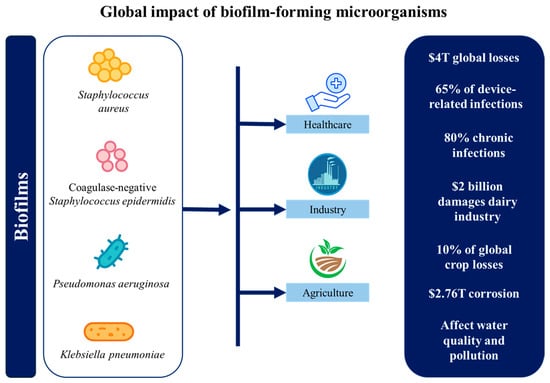
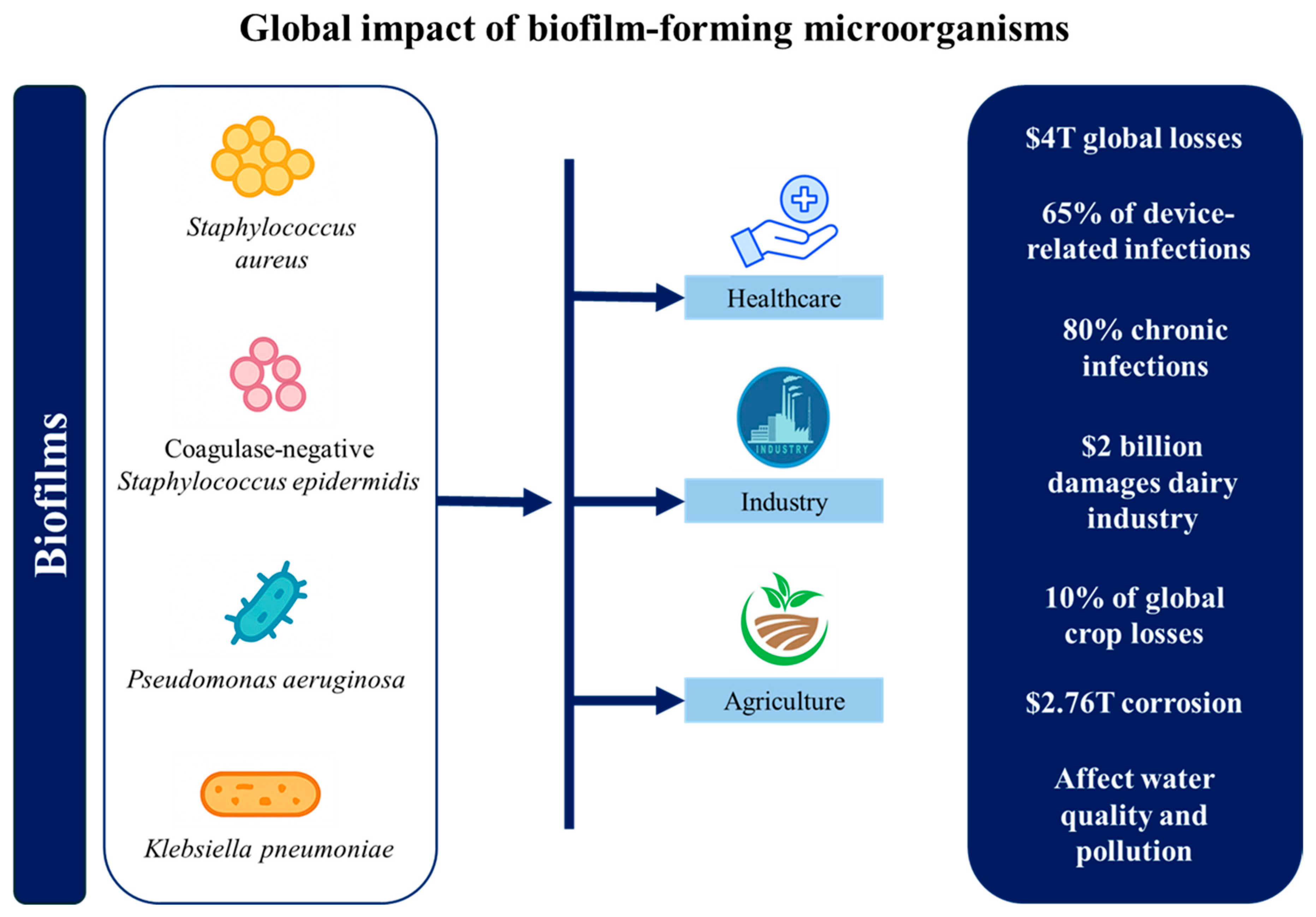
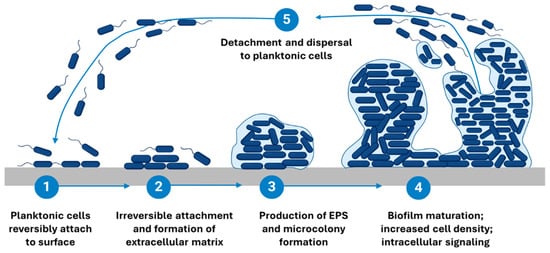
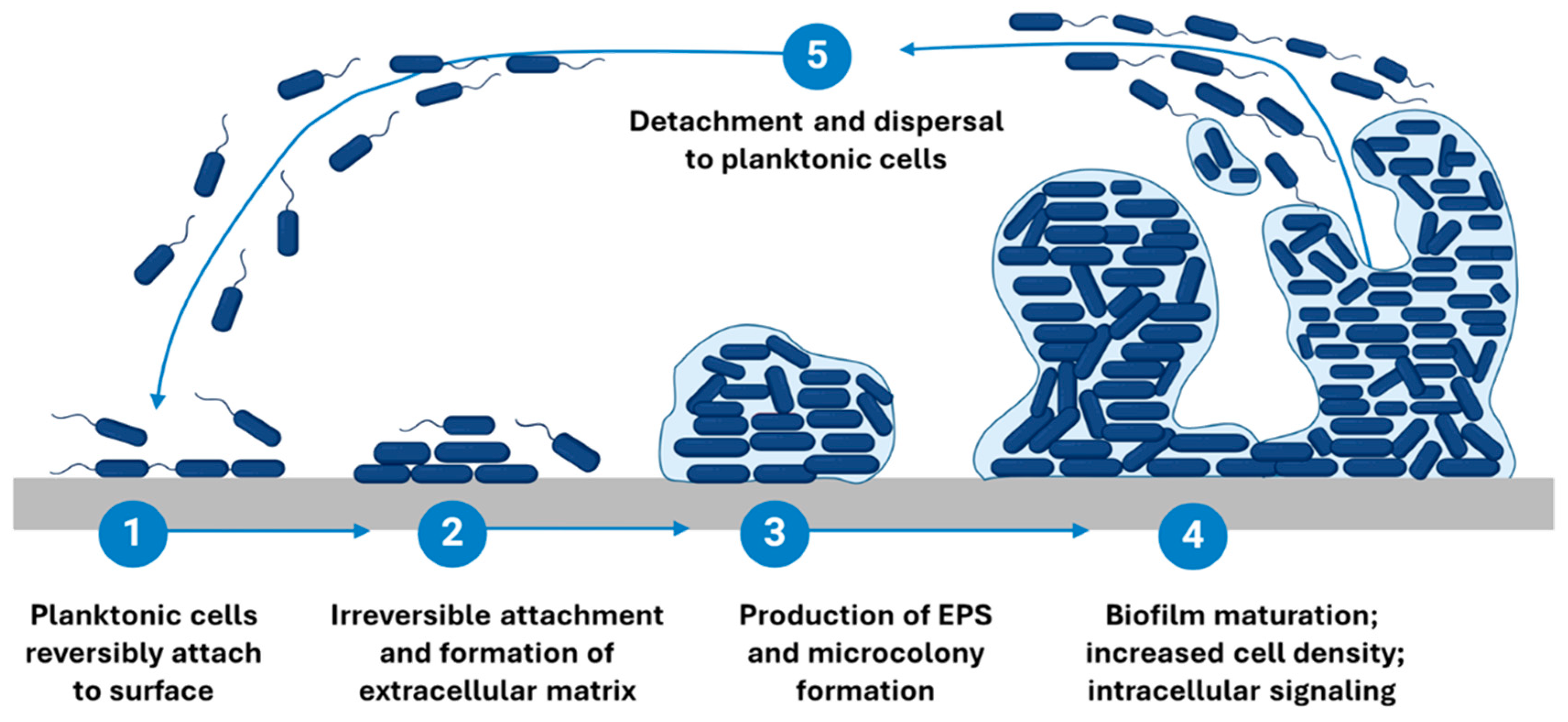
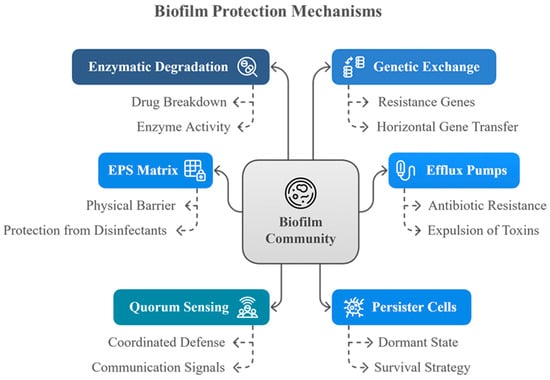
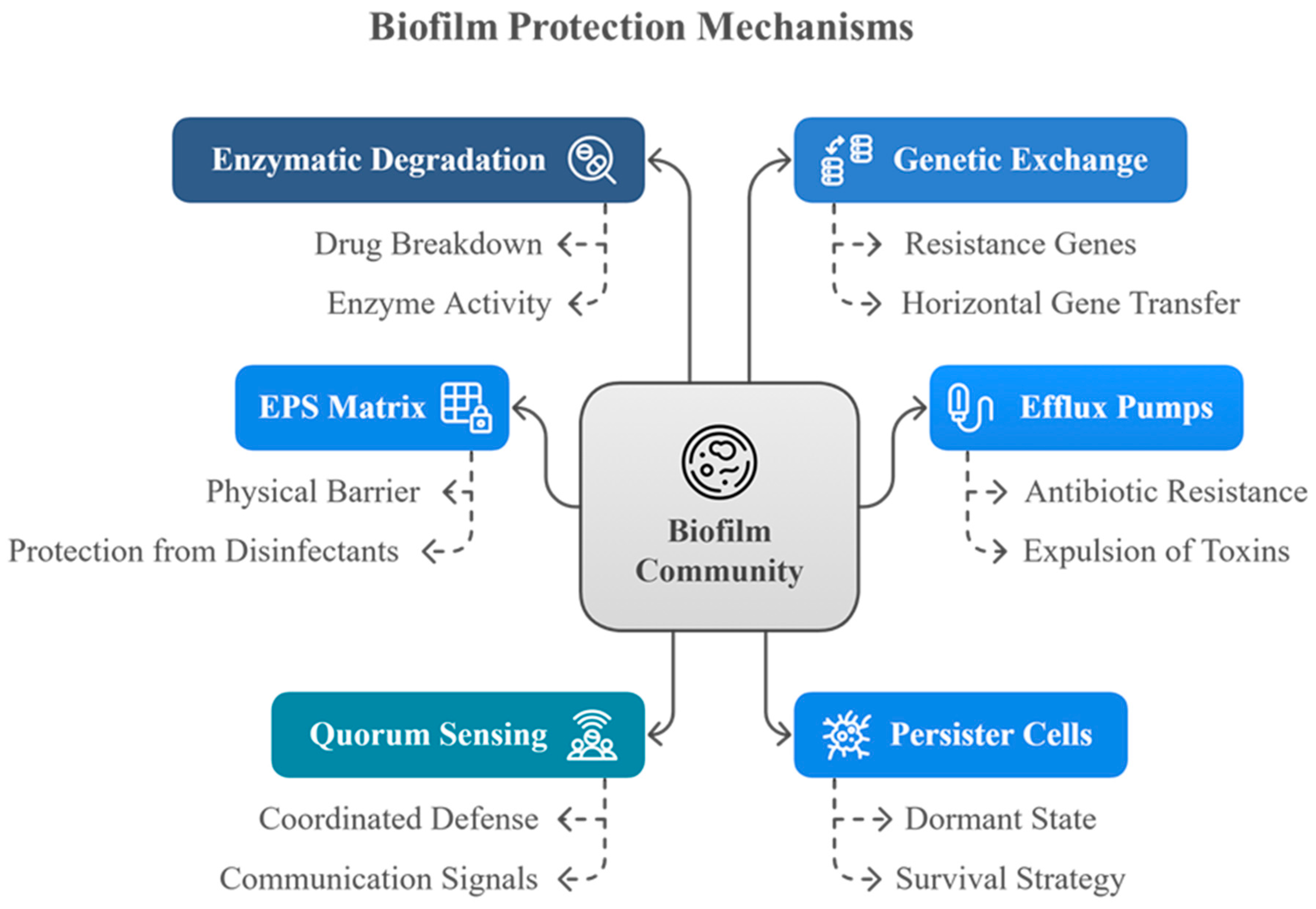
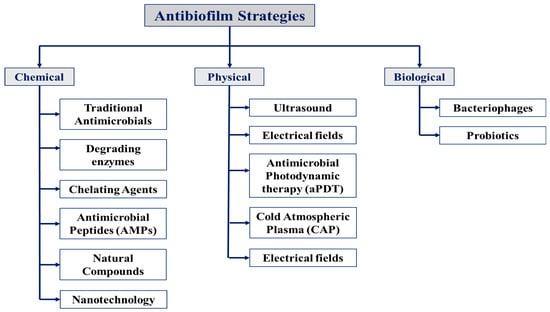
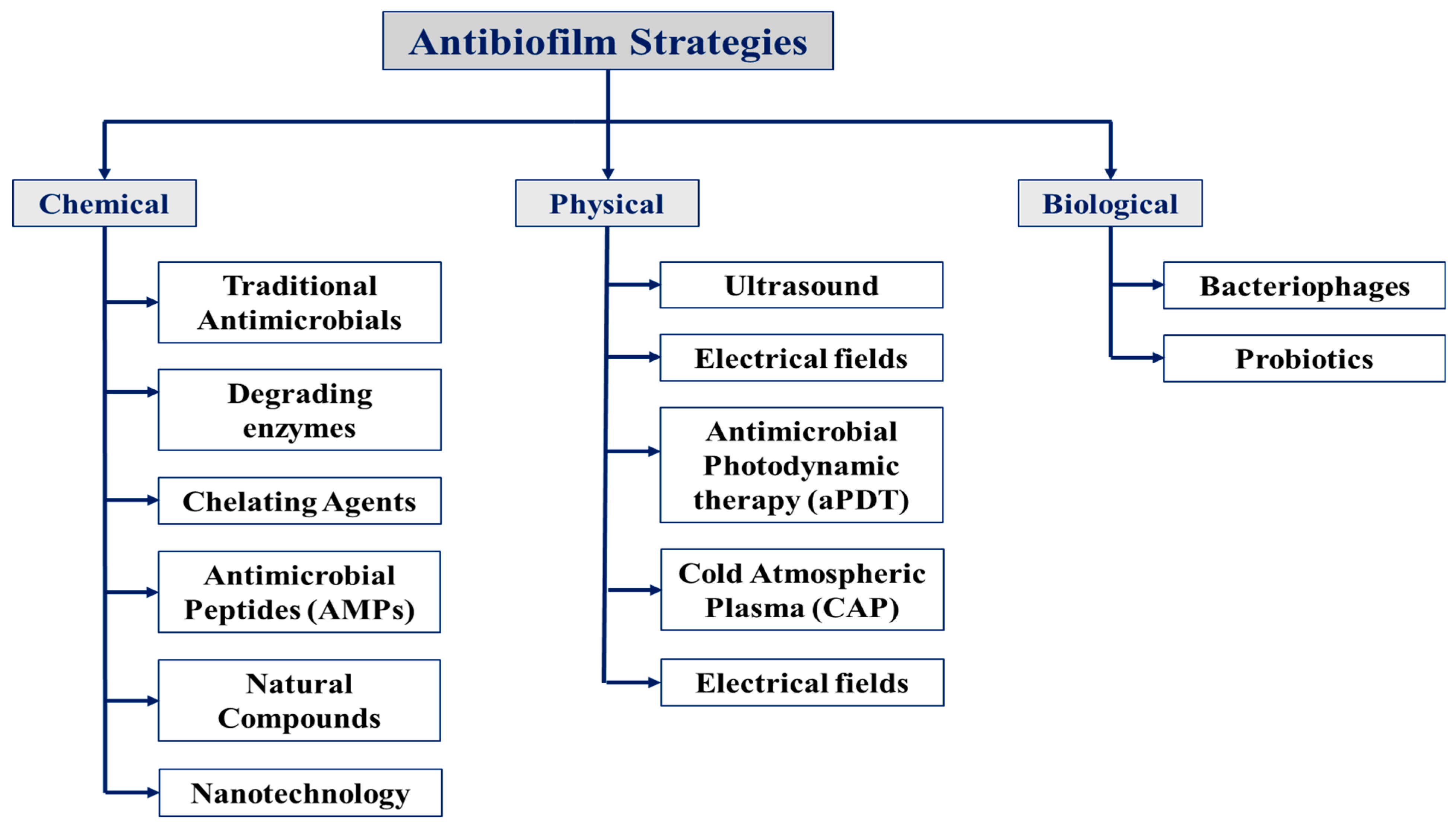
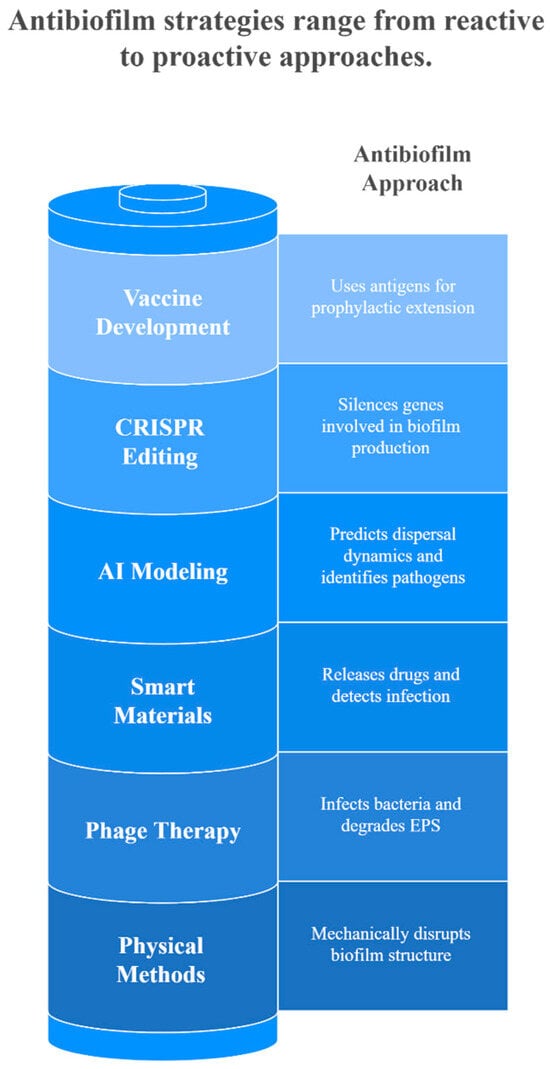
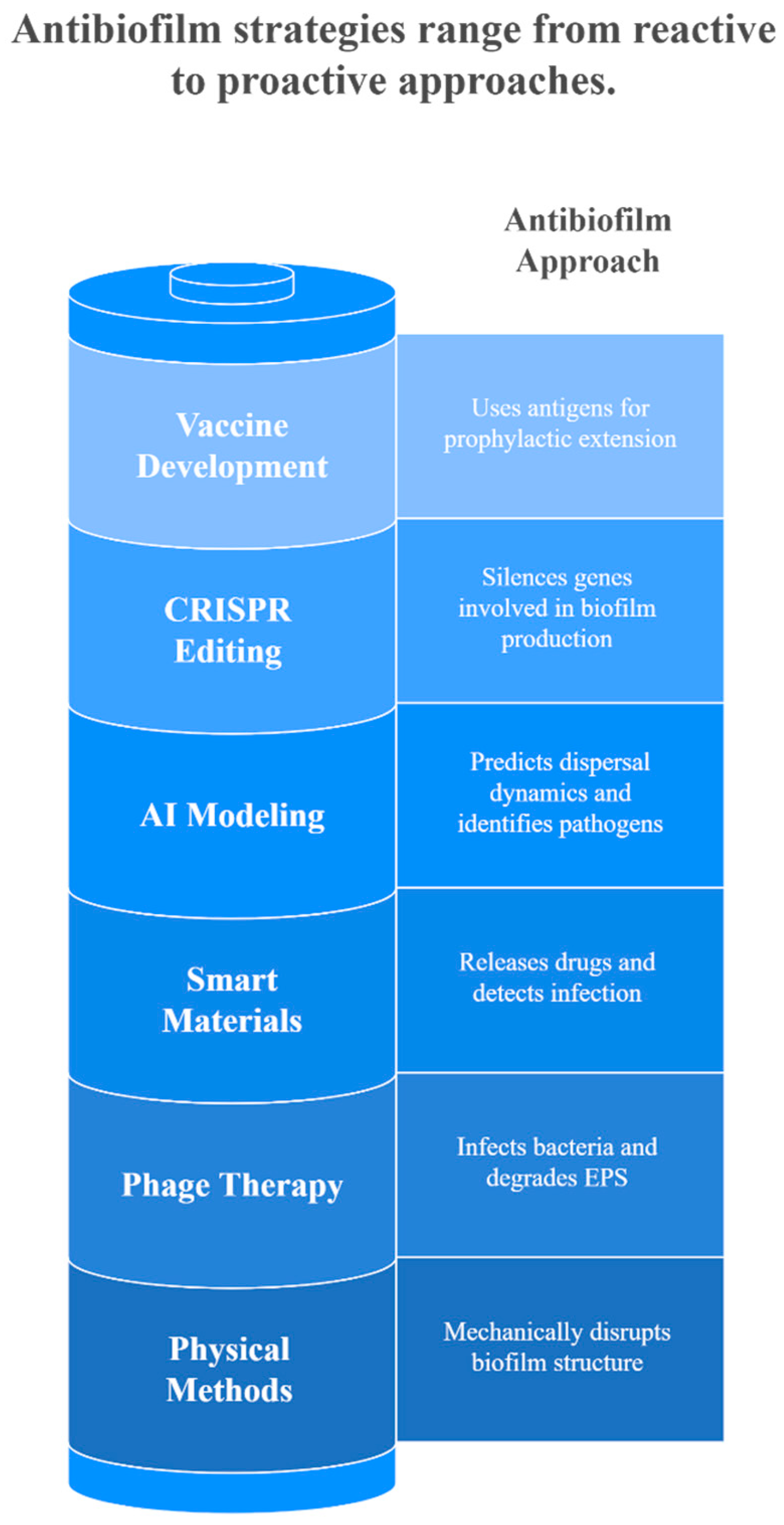
Disclaimer/Publisher’s Note: The statements, opinions and data contained in all publications are solely those of the individual author(s) and contributor(s) and not of MDPI and/or the editor(s). MDPI and/or the editor(s) disclaim responsibility for any injury to people or property resulting from any ideas, methods, instructions or products referred to in the content. |
© 2025 by the authors. Licensee MDPI, Basel, Switzerland. This article is an open access article distributed under the terms and conditions of the Creative Commons Attribution (CC BY) license (https://creativecommons.org/licenses/by/4.0/).