


Abstract
In this study, we examined how disinformation and trustworthy news differ in their narrative construction across nine theoretically motivated dimensions. We address the following research question: how do disinformation and trustworthy news differ in narrative organisation and epistemic grounding? We analysed 610 English-language news articles (308 pro-Kremlin disinformation and 302 trustworthy articles) covering selected international events from 2015 to 2023, using data derived from the EUvsDisinfo dataset. Narrative elements were extracted using a hybrid pipeline combining large language models and knowledge graphs, resulting in article-level representations for comparative analysis. Ordinal scores (1–5) were assigned for emotional intensity, cultural complexity, conspiracist structure, source diversity, crisis intensity, evidence support, media control, solutions orientation and memory work. Non-parametric comparisons showed significant differences in eight of these nine dimensions. Disinformation articles revealed stronger conspiracist structuring and greater meta-media hostility, as well as significantly lower source diversity, evidence support, cultural complexity and weaker memory work. Emotional intensity did not differ reliably across disinformation and trustworthy news. A simple additive NarrativeRisk score, which we designed as a transparent and interpretable summary measure, showed between-group differences in both parametric and non-parametric tests. As a univariate discrimination indicator, NarrativeRisk achieved ROC AUC ≈ 0.84. Cluster analysis identified three recurrent narrative profiles, including one dominated by disinformation, one by trustworthy news and one mixed profile. These findings indicate that disinformation is distinguished not only by factual unreliability but also by different patterns in narrative organisation.
1. Introduction
In recent years, the spread of disinformation in the media has grown, making it harder for the public to make sense of current events and to engage in democratic discussions (Allegri 2024; Kyriakidou et al. 2022). Digital platforms enable information to be disseminated rapidly. Therefore, it is particularly important to distinguish reliable journalism from deliberately misleading content. In this study, we examined how disinformation and trustworthy news differ in their narrative construction, aiming to better understand how they shape public perception and social discourse.
In communication research, disinformation is commonly conceptualised within the framework of information disorder (Wardle and Derakhshan 2017). In this framework, disinformation refers to false or misleading information that is deliberately created and disseminated with the intention of deceiving or influencing audiences. It is distinguished from misinformation, which involves false information shared without intent to deceive, and malinformation, which refers to genuine information used strategically to cause harm. In this study, disinformation is operationalised empirically using the EUvsDisinfo dataset, where articles are labelled as disinformation or trustworthy according to documented pro-Kremlin disinformation cases and verified reporting sources.
We have also seen a rise in coordinated disinformation campaigns, particularly around major geopolitical events (Espaliú-Berdud 2023; Gentile and Kragh 2022), public health crises (Bernard et al. 2020; Jaiswal et al. 2020) and cultural conflicts (Maathuis et al. 2023; McRae et al. 2022). However, most existing research has focused on dissemination dynamics rather than on how the narratives themselves are internally structured, as in (Ernst 2024; Jing et al. 2023; Pierri et al. 2020; Tian et al. 2023).
Focusing on narrative structure is important because disinformation often works not simply by presenting false claims, but by reshaping stories in subtle ways. This can involve assigning blame (Rauchfleisch and Jungherr 2024), inflating or downplaying events (Keith Norambuena et al. 2023) or constructing false causal chains (Lei and Huang 2023) that guide audiences toward particular interpretations. Extracting and analysing narrative structures makes it possible to uncover rhetorical strategies that may remain invisible to fact-checking approaches alone (Byram 2022).
Research on cross-cultural narratives further showed that the same issues can be framed differently across societies, as demonstrated in studies of climate change narratives in diverse cultural contexts (Zhou et al. 2024). Such work highlights the importance of cultural context in narrative construction, even though it relies on different methodological choices than those we have chosen for our study. Similarly, Temporal Knowledge Graphs combined with unstructured news data have shown how structured representations can support temporal reasoning and event analysis (Han et al. 2023), illustrating the broader relevance of structured representations for narrative reasoning. The influence of narratives on public sentiment has also been examined. It was shown that, for example, exposure to pessimistic narratives is associated with more negative public sentiment (Macaulay and Song 2022). While such studies focused on the impact on audiences, they also stressed the importance of analysing narrative construction in relation to society.
Moreover, approaches to news analysis that focus on events introduced practical advances such as methods for retrieving articles related to specific events (Voskarides et al. 2021). These approaches support narrative continuity and help reconstruct coherent storylines from fragmented events. Finally, recent developments in processing long narratives have addressed previous limitations in text analysis, e.g., by introducing a novel architecture, which integrates dynamic knowledge graphs with LLMs (Andrus et al. 2022) that help to improve story comprehension.
Building on these advances, in this study, we compared disinformation and trustworthy news articles by analysing their narrative construction via structured, knowledge graph-grounded representations. We operationalised nine primary and three exploratory narrative dimensions to examine how sociocultural elements were framed and organised in disinformation and trustworthy news. The nine dimensions were graded and constituted the core analytical framework, while three binary indicators were complementary and used only for descriptive robustness checks. By focusing on narrative structure rather than surface lexical features, we aimed to provide an interpretable characterisation of how disinformation and trustworthy reporting differed in their narrative organisation and epistemic grounding. To examine these differences, we address the following research questions:
RQ1: Do disinformation and trustworthy news differ systematically across key narrative dimensions such as emotional intensity, conspiracist structure, source diversity and evidence support?
RQ2: Which narrative dimensions most strongly distinguish disinformation from trustworthy reporting?
RQ3: Do combinations of narrative dimensions form recurring narrative profiles associated with disinformation and trustworthy news?
Based on theoretical expectations and prior work on narrative framing and epistemic communication, we formulate the following working hypothesis:
H1:
Disinformation and trustworthy news differ more in narrative organisation, particularly in terms of epistemic grounding, causal structuring and source diversity, than in emotional intensity.
2. Related Work
2.1. Narrative Framing in Disinformation
Recent research on disinformation increasingly recognises that misleading content should be examined not only as a problem of factual accuracy but also as a matter of narrative construction and framing. Selective emphasis, causal storytelling and identity-based interpretation can mislead audiences even when no explicit false claims are made (Broda and Strömbäck 2024; Wang et al. 2025). Research also shows that narratives shape emotions, moral judgments and ethical evaluations, and can also influence how audiences interpret information regardless of its factual accuracy (Lühring et al. 2024; McLoughlin et al. 2024).
Research in communication and political communication treats disinformation and misinformation as strategic messaging that spreads through framing, narrative cues and attention dynamics (Broda and Strömbäck 2024). Based on this idea, several studies have argued that narrative structure, including problem definition, attribution of causes and moral judgement formation, requires more attention than just superficial language analysis. For example, frame-element-based models have been developed to detect misinformation arising from how facts are portrayed rather than from false facts alone (Wang et al. 2025).
2.2. Emotional Framing and Affective Narratives
The number of empirical studies linking disinformation to emotional engagement has increased. For example, research shows that moral outrage helps content spread across platforms by driving engagement even when factual accuracy is low (McLoughlin et al. 2024). More broadly, discrete negative emotions in news content, such as anger or fear, shape how audiences evaluate and respond to information (Deng and Chau 2021). At the same time, in the context of misinformation, research has stressed the importance of distinguishing between prior affective states and emotional reactions, as well as between emotional recognition and belief acceptance (Lühring et al. 2024). These findings support treating affective narrative dimensions, such as emotional intensity and crisis intensity, as indicators of manipulative storytelling rather than mere stylistic variation.
2.3. Conspiracy Narratives and Epistemic Closure
Conspiracy narratives constitute another well-documented narrative form in disinformation research. They have been described as socially organised patterns of storytelling that connect events through claims of hidden intentions, secret coordination and teleological chains of causality (Darius and Urquhart 2021). Such narratives are expressed through characteristic actor roles (e.g., conspirators, puppet masters), causal relations framed as “behind-the-scenes” mechanisms and interpretive closure that resists falsification (Douglas et al. 2019; Sunstein and Vermeule 2009). This perspective complements computational work that explicitly models causal structure in news, such as approaches that extract and represent cause–effect relations in graph form (Maisonnave et al. 2022). Thus, research with this focus supports treating conspiratorial structure and causal coherence as narrative properties that can be analysed.
2.4. Cultural Memory and Identity Narratives
Geopolitical disinformation campaigns frequently use identity- and memory-based narratives, including historical revisionism and symbolic references that connect present events to collective memories. Manipulated interpretations of history have also been used strategically to influence audiences, as seen in Russian disinformation campaigns targeting Europe (Arribas et al. 2023). These findings highlight important narrative dimensions that are related to cultural complexity and memory work, particularly in geopolitically sensitive contexts, where contested history plays a key persuasive role.
2.5. Epistemic Credibility and Journalistic Practices
Besides content-level cues, recent research has examined the broader media environment in which narratives are disseminated. Studies have shown that alternative media and populist actors often provoke strong emotional reactions on social media, reinforcing the role of affective dynamics in narrative dissemination (Humprecht et al. 2024). In contrast, research on solutions-oriented and constructive journalism has analysed how mainstream media develop future-oriented, problem-solving narratives that emphasise solutions rather than problems (Djerf-Pierre and Ekström 2025). These aspects of existing research provide empirical grounding for comparing dimensions such as source diversity, evidence-based reasoning, media delegitimisation and solutions orientation in the case of disinformation and trustworthy news.
2.6. Knowledge Graph Approaches to Narrative Analysis
An important methodological trend relevant to this study is the shift from raw text analysis toward structured semantic representations of news content. Semantic knowledge graphs, which represent actors, events, relations and provenance, have been proposed as a foundation for analysing journalistic processes and information flows (Opdahl et al. 2022). Within this paradigm, causal graph extraction has been used to extract explanatory structure in event streams and to represent complex geopolitical scenarios (Maisonnave et al. 2022). These approaches provide a precedent for modelling news narratives as actor–event structures with directed causal links. This enables comparative analysis of evidence support, causal density and higher-level narrative profiles.
Overall, prior work has shown that disinformation differs from trustworthy news not just in factual accuracy, but in how stories are structured, framed and placed in context. Framing theory (Entman 1993) and studies on emotional mobilisation have highlighted the importance of emotional and crisis intensity, emphasising the roles of urgency, moral judgement and perceived threat. Research on conspiracy narratives and populist communication highlights recurring patterns of conspiratorial structure and media control, including hidden agency, closed information environments and distrust of mainstream media. Normative theories of journalism and empirical studies of quality reporting confirm source diversity, evidence support and solutions orientation as dimensions that reflect epistemic robustness, plural sourcing and constructive orientation. Finally, studies of cultural memory and historical context promote memory work as a dimension that reflects how narratives mobilise, contextualise or selectively rely on the past. Building on these foundations, our study operationalises nine primary narrative dimensions, complemented by three exploratory binary indicators, on top of structured narrative representations comprising characters, events, causal links and framing relations. This design enabled systematic comparison and higher-level narrative analysis across disinformation and trustworthy news.
3. Materials and Methods
3.1. Materials
3.1.1. Dataset
We used a part of the dataset for multilingual detection of pro-Kremlin disinformation in news articles (Leite et al. 2024) for this study. This dataset contains both disinformation and trustworthy news articles. It consists of 18,249 articles in 42 languages published January 2015–July 2023. The full texts of the news articles were not publicly available; therefore, we reconstructed news article data from URL links via DiffBot API1 (free for academic purposes). Furthermore, we selected only English-language articles for this study, which consisted of 6546 articles in total (425—disinformation and 6121—trustworthy news). Some articles had been altered or were no longer accessible. Thus, after filtering, cleaning and selecting only articles with similar topics in disinformation and trustworthy news classes (NATO–Russian relations, Russia–Ukraine conflict, Syrian civil war, geopolitical tensions, disinformation/propaganda narratives, conspiracy theories, etc.), the final dataset for this study consisted of 308 disinformation news articles and 302 trustworthy news articles.
We reused article labels (‘disinformation’ and ‘trustworthy’) as they were assigned in the original dataset (Leite et al. 2024). We stored metadata for each article (article ID, headline, keywords, publisher, domain, URL, language, publication and debunk dates) in a dedicated CSV file and used it as supplementary narrative grounding material via a unique article identifier. More details of the final dataset, including the distribution of articles across publication years and the publishers with the highest number of articles, are presented in Appendix A.
3.1.2. Summaries
During the first stage of data processing, we applied text summarization. This stage was applied in order to reduce noise and use computational resources more efficiently in later stages. Extractive summarization was used for this task because it extracts the most important sentences from the given text while preserving the facts and original wording (Hofmann-Coyle et al. 2022). We used these article summaries in the subsequent stages of research.
We used two extractive summarization techniques to summarise our news articles: LexRank Summarizer (Erkan and Radev 2004) and BERT Extractive Summarizer (Miller 2019). Then, mean ROUGE-1/2/L F1 scores (Lin 2004) were calculated against the original article text to select between two summary candidates. Therefore, for our experiments, we used summaries created using a method that had higher ROUGE scores, which indicated greater alignment with the source. Summary length was constrained to 20–30% of the original text in order to ensure proportionality across articles. To maintain adequate quality, we also checked the summaries manually to correct problems such as occasionally incomplete final sentences or other minor discrepancies.
3.1.3. Knowledge Graphs
For generating knowledge graphs (KGs) from article summaries, we utilised the Text2AMR2FRED pipeline for each summary. This pipeline integrates AMR parsing with the FRED Semantic Web machine reader to produce OWL-compliant, interoperable KGs that support queries and compatibility with external knowledge bases (Banarescu et al. 2013; Gangemi et al. 2017).
Abstract Meaning Representation (AMR) is a semantic sentence-level framework that represents meaning as a directed acyclic graph with a single root, where the nodes represent concepts such as lexical items, PropBank frames or specific keywords, while the edges indicate typed semantic relationships (Banarescu et al. 2013). These relationships jointly encompass predicate–argument structures, named entities, temporal data and co-reference resolution, shifting the focus away from function words and surface syntax. AMR has approximately one hundred types of relations and generates complex graphs that focus on an event and its participants, similar to the arguments found in the frame structure (Pustejovsky et al. 2019).
Using AMR general representation, which is friendly to abstraction, Text2AMR2FRED aims to reduce the propagation of errors commonly found in component-based processes, while avoiding data augmentation methods such as lexical replacement (Lacerra et al. 2021b, 2021a). This system is event-oriented and structured according to the PropBank framework, operating in two stages: first, the text is converted to AMR, then AMR is translated into FRED, and, finally, an RDF KG is created that corresponds to the FRED theoretical model (Gangemi et al. 2017). These KGs can be synchronised with domain ontologies and various other KGs to reveal the implicit knowledge embedded in the text. An example of a KG created using the Text2AMR2FRED process is shown in Figure 1.
Figure 1.
Text2AMR2FRED—sentence ‘The dog wants to sleep.’.
In addition, these KGs allow structured queries to be performed across different corpora. The created KGs are then refined using Framester and linked to resources such as WordNet2, DBPedia3 or DOLCE-Zero4. Also, the step of word sense disambiguation (WSD) assigns meanings to AMR elements that lack lexical connections, thereby enhancing the richness of the KG (Gangemi et al. 2016). We used these article-level KGs as input for the extraction of narrative elements/structures together with article summaries and article metadata, as well as grounding material for LLMs to ensure the verifiability of extracted elements.
3.2. Methods
3.2.1. Model Ensembles: Extractor and Formatter
We employed a small ensemble of open-weight, medium-sized large language models (LLMs) to extract narrative elements and structures from news articles. Prior research shows that ensemble-based approaches generally improve accuracy and robustness by combining models with different inductive biases and failure modes, particularly in structured extraction tasks (Chen et al. 2024; Jiang et al. 2023; Li et al. 2025; Lu et al. 2024, 2023; Mohammed and Kora 2023; Nasser et al. 2025).
Our setup followed a two-stage design, distinguishing between extractor models and a formatter model, and was grounded in article-level knowledge graphs to support verifiability. Narrative elements were extracted using Gemma-3-27b-it as the primary extractor and Mistral-Small-3.1-24b-instruct as a secondary extractor, while Mistral-Small-3.1-24B was used to standardise outputs into a structured format. Together, the extractors identified characters, events, causal links and framing relations, while the formatter ensured consistency and machine-readable output.
The pipeline employed two types of prompts: narrative extraction prompts and formatting prompts (see Appendix B). Extraction prompts defined the narrative schema and model behaviour, specifying four core element types:
- (i)
- characters or actors;
- (ii)
- events;
- (iii)
- causal relations between events;
- (iv)
- framing edges linking actors to evaluative portrayals of events.
These prompts instructed the models to ground all extracted elements in the article summary and associated knowledge graph triples, avoid hallucinated content, preserve uncertainty where appropriate, and distinguish clearly between narrator framing and quoted perspectives. In addition to direct causal relations, models were instructed to identify strategic or narrative-level forms of causality when explicitly framed in the text. The free-form outputs produced by the extractors were subsequently converted into a structured JSONL representation by the formatting prompts. These prompts restated the schema, constrained field names and labels, and required the attachment of text spans and triple identifiers where available. This final formatting step ensured that narrative representations produced by different models were directly comparable and suitable for aggregation and quantitative analysis.
3.2.2. Analytical Framework
In this study, we introduce a theory-driven analytical framework for systematically comparing narrative construction in disinformation and trustworthy news. Instead of restating the extensive literature reviewed above, the framework translated established insights from framing theory, political communication, cultural memory studies and journalism research into a set of operational narrative dimensions for article-level analysis. Our aim was not to propose a new narrative theory, but to organise recurring narrative mechanisms identified in prior work into a coherent and transparent structure that supports comparative and interpretable analysis.
The nine narrative dimensions were selected because they capture recurring narrative mechanisms identified across several research traditions, including framing theory, political communication, conspiracy narrative research and studies of epistemic credibility in journalism. Together, these dimensions reflect three broader aspects of narrative construction: affective framing (emotional intensity and crisis intensity), epistemic grounding (source diversity and evidence support) and narrative organisation (conspiracist structure, media control narratives, cultural complexity, solutions orientation and memory work).
We distinguished between nine primary narrative dimensions, which were assessed on an ordinal scale in order to capture gradation and nuances, as well as three supplementary binary indicators that correspond to canonical theoretical constructs and were used for descriptive analysis and robustness checks.
Framing, Emotionalisation and Moral Polarisation
Framing theory defines narratives as a selection of salient problem definitions, causal attributions, moral evaluations and remedies (Entman 1993). Within this tradition, populist and Manichaean discourse constructs polarised moral binaries, typically opposing “the pure people” to “the corrupt elite”. This pattern is closely associated with affective mobilisation. Empirical research has shown that emotionally charged framing particularly appeals to fear, outrage and moral shock, and plays an important role in the dissemination and engagement dynamics of misleading or polarising content (Hussain et al. 2024; Reali 2025; Sikosana et al. 2025).
We operationalised this mechanism primarily through emotional intensity (EI) dimension, which captured the degree to which a narrative attempts to evoke strong emotional reactions. Although emotional intensity is frequently highlighted as a characteristic of misleading or polarising content, existing empirical findings are mixed regarding its discriminative power between disinformation and trustworthy reporting, particularly in crisis-driven domains (Hameleers 2023; Lühring et al. 2024; McLoughlin et al. 2024; Reinemann et al. 2024). Therefore, we included emotional intensity not as a feature assumed to distinguish disinformation, but as a theoretically central dimension of narrative construction. This allowed us to examine whether emotional intensification differentiated narratives once surface lexical style was set aside, or whether differences instead reflected how emotion was embedded within higher-level narrative structures.
As a complementary exploratory measure, we included a binary framework indicator reflecting the explicit presence of polarising “us versus them” or good–evil dichotomies. In contrast, research on professional journalism has emphasised emotional moderation and contextualisation, where affective elements are embedded within reporting grounded in facts (Hameleers 2023).
Cultural Identity Construction and Complexity
Discourse and ideological approaches emphasise how narratives construct social identities through processes of othering, essentialisation and civilisational dichotomies (Van Dijk 2017; Wodak 2015). Such narratives often portray cultural groups as homogeneous and inherently threatening, and this pattern has been widely documented in disinformation research (D’Errico et al. 2024; Reddi et al. 2023). Cultural and collective memory theories further explain how selective references to the past are mobilised for present political purposes (Assmann and Shortt 2012; Halbwachs 1992), which often involves the invention of tradition to establish continuity and threat (Hobsbawm and Ranger 1983).
These mechanisms were captured by cultural complexity (CC) dimension, which measured the extent to which narratives acknowledge historical, geopolitical and cultural nuances instead of relying on simplified or essentialist portrayals. To complement this graded dimension, we included a historical references indicator, which marks whether historical events or analogies are explicitly mentioned in the narratives. While trustworthy journalism tends to view identities as diverse and historically shaped (Park et al. 2023), disinformation narratives more frequently mobilise fixed identity frames (Reddi et al. 2023).
Authority, Conspiracy and Epistemic Positioning
Conspiracy theories explain how disinformation narratives attribute actions to hidden actors, rely on teleological explanations and promote closed forms of reasoning that undermine established sources of expertise (Douglas et al. 2019; Greer and Beene 2024; Plikynas et al. 2025). These patterns overlap with populist claims to authority that oppose elite institutions with the moral authority of “the people” (Mudde 2004; Taggart 2004).
On the other hand, normative journalism theories emphasise verification, transparency and the inclusion of multiple independent sources as safeguards against information closure (Kovach and Rosenstiel 2021). We operationalised these contrasting epistemic patterns through conspiracist structure (CS) and source diversity (SD) dimensions. CS captures the presence of hidden conspiracies or malicious conspiracy groups, while SD measures the coverage and balance of cited sources (Cazzamatta 2025; Hameleers 2023).
Crisis Construction and Evidential Support
Securitization theory explains how political issues become existential threats through speech acts (Buzan et al. 1998), while moral panic theory describes how perceived dangers are amplified through exaggerated claims and the construction of so-called “folk devils” (Cohen 2011). Existing research has shown that disinformation frequently inflates the urgency or severity of events without adequate supporting evidence (Guedes et al. 2025; Jackson 2024; Sikosana et al. 2025).
We operationalised this mechanism through crisis intensity (CI) and evidence support (ES) dimensions. CI measures the degree to which events are portrayed as acute crises or existential threats, while ES assesses whether such claims are supported by verifiable evidence, documentation or transparent reasoning. An additional existential threat indicator serves as a rough marker for extreme securitising rhetoric. Meanwhile, constructive and explanatory journalism focuses on proportional reporting, contextual explanation and evidence-based claims (Djerf-Pierre and Ekström 2025; Hameleers 2023; Miller et al. 2025).
Meta-Media Narratives and Constructive Orientation
Disinformation frequently incorporates meta-narratives accusing mainstream media of censorship, manipulation, or coordinated deception. Research has shown that labels such as “fake news” function as a rhetorical tool for discrediting rather than as a descriptive category (Egelhofer and Lecheler 2019), often based on perceptions of hostile media (Vallone et al. 1985) and broader propaganda model assumptions about the power of the media (Herman and Chomsky 1988). Such narratives highlight informational conflict but offer limited possibilities for resolving it.
We captured this contrast through media control (MC) dimension, which measures the emphasis on censorship, propaganda or information warfare, and solutions orientation (SO) dimension, which evaluates whether narratives propose constructive responses, policy options or mitigation strategies. Research on solutions-oriented and constructive journalism has highlighted the role of such approaches in promoting public understanding and trust (Djerf-Pierre and Ekström 2025; Lough and McIntyre 2023; Miller et al. 2025).
Historical Memory and Temporal Legitimation
Finally, studies on collective and cultural memory demonstrated how narratives selectively mobilise the past to justify present actions, identities or conflicts (Assmann and Shortt 2012). Disinformation narratives often rely on simplified, mythic or distorted interpretations of history to establish continuity and justify hostility (Arribas et al. 2023; Daxecker et al. 2025; Marino et al. 2024). In contrast, trustworthy journalism tends to provide historical references in context, supports them with evidence and acknowledges multiple perspectives (Beckers 2025; Garusi and Leonhardt 2024). This mechanism is reflected by memory work (MW) dimension, which assesses how narratives relate to history through contextualisation, analogy or mythic legitimation.
Together, the nine primary dimensions (emotional intensity, cultural complexity, conspiracist structure, source diversity, crisis intensity, evidence support, media control, solutions orientation, and memory work) capture key narrative mechanisms identified across multiple research traditions. The three supplementary binary indicators (binary framing, existential threat, historical reference) serve as descriptive anchors rather than competing dimensions. This framework preserves theoretical coherence while enabling systematic comparison of narrative patterns in disinformation and trustworthy news.
3.2.3. Research Design
We used a comparative, cross-sectional design for our study to examine differences in narrative structure between disinformation and trustworthy news across selected topics. The unit of analysis is the individual article. For each article, we extracted a structured representation of its underlying narrative (characters/actors, events, causal links, framing edges) using an LLM ensemble. Then, building on existing theoretical and empirical research on framing, emotional engagement and disinformation, we analysed these representations along nine primary narrative dimensions and three exploratory indicators. This approach enabled direct comparisons between disinformation and trustworthy news and formed the basis for identifying “narrative profiles” and computing a composite narrative risk score.
Our analysis was based on narrative structures rather than raw article text. For each article narrative representation was stored as a JSONL file with one line per article. These representations included both model-specific outputs and aggregated variants derived from the LLM ensemble (see Appendix C), but for all quantitative analyses reported in this paper we used the final, aggregated narrative structures for each article.
Narrative Dimensions and Annotation Procedure
We defined nine narrative dimensions that were used to annotate and analyse the narrative structure of each article:
- Emotional intensity (EI): degree to which the narrative attempts to evoke strong feelings (fear, outrage, moral shock) through emotionally evaluative framing.
- Cultural complexity (CC): richness and nuance in the treatment of cultural, historical or geopolitical context.
- Conspiracist structure (CS): presence of hidden plots, malicious coordination or strong teleological explanations.
- Source diversity (SD): breadth and balance of cited sources, including independent and opposing viewpoints.
- Crisis intensity (CI): portrayal of events as severe crises or existentially significant situations.
- Evidence support (ES): degree to which claims are backed by verifiable evidence, documentation or transparent reasoning.
- Media control (MC): emphasis on censorship, propaganda, media capture or information warfare.
- Solutions orientation (SO): presence of proposed solutions, policy options or constructive next steps.
- Memory work (MW): engagement with history, collective memory and interpretations of past events.
These dimensions capture how news stories construct events, actors, causality, and epistemic positioning and form the basis of the annotation and scoring procedure. Narrative annotation was conducted by one of the authors in a dedicated coding step using a structured codebook that defined each dimension with decision rules and illustrative examples. For each article, the structured narrative representation produced by the LLM ensemble together with the extractive summary, headline and metadata were examined, and ordinal scores from 1 to 5 for each primary dimension were assigned. Higher values indicated a stronger presence of the feature.
Each article was represented as a JSONL record containing the article identifier and class label, structured narrative elements extracted by the LLM ensemble and grounded in FRED-based article-level RDF graphs, article metadata and the extractive summary. We primarily relied on the narrative_consensus representation, which retained only narrative elements agreed upon by both LLMs. To ensure consistency, annotation followed a standardised procedure: for each dimension, first a qualitative judgement was made about whether the relevant narrative feature was present, and then this judgement was transformed into an ordinal rating by comparing the article to anchor examples defined at each scale point. For dimensions involving evaluative framing, such as emotional intensity, the coder assessed cues including threat amplification, moral condemnation, catastrophic consequences and strongly evaluative language.
In addition to the nine primary dimensions, three binary narrative indicators were coded as well: a binary framework indicator capturing explicit “us vs. them” or good–evil polarisation, an existential threat indicator marking portrayal of fundamental or cat astrophic danger and a historical references indicator marking explicit mention of historical events or analogies. Given their narrower scope and coarser granularity, these indicators were included as exploratory measures and used only for descriptive analysis.
All annotations were consolidated into a CSV file, merged with article metadata and used as input for all subsequent statistical analyses.
Statistical Analysis
First, we computed descriptive statistics (mean, standard deviation, median, minimum and maximum) for primary dimensions separately for disinformation and trustworthy news. Because the measures were ordinal and moderately skewed, we relied primarily on non-parametric tests for between-group comparisons, i.e., Mann–Whitney U test (McKnight and Najab 2010). In addition to reporting U and its p-value, we quantified effect size using the rank-biserial correlation, which we calculated using the following formula:
where and are the number of disinformation and trustworthy news articles, respectively.
We computed the rank–biserial correlation using the Mann–Whitney statistic corresponding to the disinformation group to ensure consistent sign interpretation. Therefore, positive values of rank–biserial correlation indicated higher scores for trustworthy news, negative values indicated higher scores for disinformation.
For exploratory binary narrative features (coded as present, i.e., ‘yes’ vs. absent, i.e., ‘no’), we report frequencies and percentages. Also, we calculated χ2 tests of independence to compare disinformation and trustworthy news and provided the phi coefficient (ϕ) as an effect size.
Furthermore, to explore how nine main narrative dimensions relate to each other, we computed Spearman rank–order correlation coefficients (ρ) (Bishara and Hittner 2012) among all pairs of dimensions:
- for the full sample (N = 610);
- separately for disinformation articles (n = 308);
- separately for trustworthy news articles (n = 302).
These correlation matrices described the pairwise relationships among narrative dimensions and provided the context for the subsequent cluster analysis, which examined higher-order narrative patterns and their coherence in disinformation and trustworthy news. As our aim in examining structural relationships among dimensions was exploratory, we focused on the magnitude and direction of correlations rather than formal significance testing.
Moreover, to identify recurring combinations of narrative features, we conducted an unsupervised clustering analysis. Before clustering, each of the nine narrative dimensions was standardised using z-scores across the entire sample so that they could be evaluated on a common scale. We then applied k-means clustering (Kodinariya and Makwan 2013) to the nine-dimensional feature space. Candidate solutions with k ranging from 2 to 6 were evaluated using the “elbow” method and silhouette scores as well as the interpretability of the resulting clusters. Based on these criteria, we selected a three-cluster solution that balanced parsimony with adequate representation of the data structure.
For each cluster, we computed cluster centroids (mean scores) and within-cluster standard deviations on all nine dimensions, which together define cluster-level “narrative profiles” (e.g., high conspiracist structure and media control with low source diversity and evidence support). Clustering was performed on z-standardised dimension scores. For interpretability, cluster centroids and within-cluster standard deviations are reported on the original 1–5 scale, computed from the raw (non-standardised) scores of articles assigned to each cluster. To examine how these cluster-based narrative profiles were related to article class, we cross-tabulated cluster membership with disinformation vs. trustworthy news labels and calculated a chi-square test of independence, reporting χ2, its p-value and Cramer’s V as an effect size.
Additionally, we derived a simple composite narrative risk index as a transparent and interpretable summary of narrative properties most strongly associated with disinformation. Instead of estimating an optimised predictive model, the index offers a unidimensional synthesis of theoretically motivated narrative dimensions identified in the preceding analyses. The NarrativeRisk index was constructed from a subset of six primary narrative dimensions that showed clear and consistent directional differences between disinformation and trustworthy articles: conspiracist structure (CS), media control narratives (MC), emotional intensity (EI), source diversity (SD), evidence support (ES) and memory work (MW). Dimensions that either did not show a stable directional association with disinformation status or primarily captured contextual intensity rather than epistemic narrative risk were not included in the composite index.
Each selected dimension was standardised using z-scores computed over the full dataset. Dimensions typically higher in disinformation (CS, MC, EI) were retained with positive orientation, while dimensions that tend to be higher in trustworthy reporting (SD, ES, MW) were reverse-oriented so that higher values consistently reflected a more disinformation-like narrative pattern. The resulting NarrativeRisk score for article i was defined as an equal-weight linear combination of the oriented z-scores:
Equal weights were deliberately chosen to maximise transparency and avoid over-fitting, ensuring that each component contributes comparably to the index. Higher Nar-rativeRisk values therefore indicate narratives that combine multiple features previously associated with disinformation, particularly conspiracist framing, media control rhetoric and weakened epistemic grounding. Group differences in NarrativeRisk between disinformation and trustworthy articles were assessed using both the Mann–Whitney U test (with rank–biserial correlation as an effect size) and Welch’s unequal-variance t-test. Finally, we evaluated the extent to which the index separates the two article classes by computing ROC AUC (receiver operating characteristic area under the curve), treating NarrativeRisk as a continuous score and article class as a binary outcome.
We conducted all analyses in Python 3.12.13 using pandas 2.2.2 for data handling, scipy 1.16.3 and pingouin 0.6.1 for non-parametric tests and effect sizes and scikit-learn 1.6.1 for clustering and ROC analyses. Figures were produced with matplotlib 3.10.0 and seaborn 0.13.2.
4. Results
4.1. Descriptive Analysis
For each article, we derived nine ordinal narrative indicators from the KG-grounded narrative extraction: emotional intensity, cultural complexity, conspiracist structure, source diversity, crisis intensity, evidence support, media control narrative, solutions orientation and memory work. In addition, we coded three binary indicators capturing us-versus-them framing, explicit existential threat language and historical references.
Several contrasts were observed between disinformation and trustworthy news even prior to formal statistical testing (Table 1). Disinformation articles showed higher average levels of conspiracist structure and media control narratives, while showing lower source diversity and weaker evidence support. By contrast, trustworthy news showed higher cultural complexity, stronger evidential grounding and greater solutions orientation. Differences in emotional and crisis intensity were comparatively small at the descriptive level, with both classes showing high scores on these dimensions.
Table 1.
Descriptive statistics for narrative dimensions by article class.
Furthermore, disinformation articles showed greater dispersion on several dimensions (as reflected in higher standard deviations), particularly for conspiracist structure, media control and memory work, which may reflect greater variability in narrative configurations. Meanwhile, trustworthy news displayed more tightly clustered scores on evidence support and cultural complexity. This observation aligned with patterns identified in subsequent analyses.
The exploratory binary features (Table 2) were analysed to assess whether coarse narrative markers identified in existing works, such as explicit us–them framing and existential threat language, showed meaningful between-group differences when narrative structure was captured in greater detail. With the exception of historical references, which were markedly more prevalent in trustworthy articles, these features showed limited between-group differences, suggesting that graded, structure-sensitive dimensions may capture distinctions not evident in coarse binary features.
Table 2.
Presence of additional binary narrative features by article class.
4.2. Group Differences in Narrative Dimensions
To test whether disinformation and trustworthy news narratives differed on nine primary indicators, we used Mann–Whitney U tests (given the ordinal scales) and reported rank–biserial correlations r as effect sizes. Table 3 summarises the test statistics.
Table 3.
Group comparison of narrative dimensions between disinformation and trustworthy articles.
Emotional intensity did not show a statistically significant difference between disinformation and trustworthy news (p = 0.152), suggesting that emotional intensity does not reliably distinguish between disinformation and trustworthy news in this dataset. This observation was consistent with existing research noting that both disinformation and its journalistic coverage may involve emotionally charged topics (McLoughlin et al. 2024). Because our pipeline shifts the focus from lexical style to structured narrative representations, emotional intensity may be less pronounced in the resulting representations. This may have contributed to emotional intensity acting as a weaker discriminative cue in our feature space than in surface text-based studies. In high-crisis domains, emotional intensity may be a general property of coverage, not a specific marker of disinformation. The dimensions that differentiated disinformation most strongly concerned the structuring of causality, evidence and sources, rather than emotional intensity.
On the other hand, the remaining eight indicators showed statistically significant between-group differences. Cultural complexity was higher in trustworthy news than in disinformation with a medium effect size (U = 3838.5, p < 0.001, |r| ≈ 0.31), reflecting higher scores on indicators of multi-perspectival and contextual narrative structure. Conspiracist structure also differentiated the classes with a medium effect (U = 7327.0, p < 0.001, |r| ≈ 0.32), capturing the extent to which events were linked to plots involving hidden actors and self-sealing reasoning, where counter-evidence is reinterpreted as further confirmation (Douglas et al. 2019).
Source diversity and evidence support were the strongest empirical discriminators. Both showed large effects (U = 2003.0, p < 0.001, |r| ≈ 0.64 for source diversity; U = 1583.0, p < 0.001, |r| ≈ 0.71 for evidence support), which are consistent with theoretical expectations that trustworthy journalism emphasises multiple, independently verifiable sources and explicit documentation, while disinformation relies on restricted or non-transparent sourcing.
Crisis intensity was also significantly different between disinformation and trustworthy news, although the effect size was small to medium (U = 4475.0, p = 0.0035, |r| ≈ 0.19). On average, trustworthy articles had slightly higher scores for crisis framing. This suggested that crisis framing alone may not be a reliable marker of disinformation. Rather, what distinguished trustworthy reporting from disinformation was the way crisis narratives co-occurred with stronger epistemic grounding and causal explanation.
Media control narratives (claims about censorship, propaganda or “fake news” media) differed robustly as well (U = 7821.0, p < 0.001, |r| ≈ 0.41), with disinformation articles making greater use of claims about censorship, propaganda or hostile media. This pattern is consistent with the central role of meta-media attacks in disinformation ecosystems (Egelhofer and Lecheler 2019).
Solutions orientation and memory work both showed significant, medium-sized differences between disinformation and trustworthy news. Solutions orientation differed robustly between the two classes (U = 3262.5, p < 0.001, |r| ≈ 0.41), with trustworthy articles scoring higher on indicators related to outlining remedies, policy responses or institutional action.
Differences were also observed for memory work (U = 4336.5, p = 0.0021, |r| ≈ 0.22). Trustworthy articles showed higher average scores for explicit historical referencing and contextualisation, while disinformation narratives showed lower and more variable scores on this dimension. This suggested that differences in historical framing concerned not only the presence of historical references, but their relative salience as captured by this dimension.
The analyses showed that eight of the nine narrative dimensions significantly differentiated disinformation from trustworthy news, with effect sizes ranging from small to large. The only exception was emotional intensity, which was similarly high in both classes but did not reliably distinguish between them. Several factors may plausibly contribute to this pattern. First, the pipeline emphasised AMR/FRED-based graph representations that preserved propositional content, weakening the surface emotional style. (e.g., evaluative lexis, punctuation, typography). Second, the corpus focused on highly emotive domains such as war, atrocities and pandemics, where high emotional intensity is common across different forms of reporting. Third, emotional intensity showed lower dispersion than evidence-related and structural dimensions, limiting its discriminative capacity in comparative analysis. By contrast, dimensions more closely aligned with structured semantic content, including conspiracist structure, source diversity, evidence support, media control narratives, solutions orientation, crisis intensity and memory work, showed robust and often substantial differences between disinformation and trustworthy articles.
4.3. Associations Among Narrative Dimensions
Spearman rank correlations among the nine primary narrative dimensions revealed a pattern of associations that was broadly interpretable (Table 4). In the full sample, emotional intensity showed a moderate positive association with both crisis intensity (ρ = 0.47) and memory work (ρ = 0.30), meaning that more emotionally charged articles were more likely to frame events as crises and to reference the past. At the same time, emotional intensity tended to move in the opposite direction from epistemic dimensions such as source diversity, evidence support, and solutions orientation, with higher values corresponding to lower scores on these features. In practical terms, emotionally intense articles were less likely to rely on diverse sources, explicit evidence and solution-oriented framing.
Table 4.
Spearman rank correlations between narrative dimensions (full sample, N = 610).
A second cluster of associations focused on epistemic organisation. Source diversity showed positive correlations with cultural complexity, evidence support and solutions orientation, while conspiracist structure and media control narratives were strongly positively correlated with one another (ρ = 0.74) and negatively correlated with epistemic dimensions, including evidence support, source diversity and solutions orientation. This pattern aligned with a distinction between narratives that placed greater emphasis on evidence and contextual information and those that emphasised conspiratorial or meta-media framing.
A closer look at the group-specific correlation matrices further highlighted clear differences in how narrative features co-occurred in disinformation and trustworthy news. In disinformation articles (Table 5), the correlations between conspiracist structure, media control, emotional intensity, and crisis intensity were significantly stronger than in the entire sample, indicating a closer pattern of associations in which affect, crisis framing, and conspiratorial characteristics most often occurred together. At the same time, these dimensions were more strongly and consistently negatively associated with epistemic features such as evidence support and solutions orientation. Overall, this pattern suggests that disinformation articles with strong emotional and conspiratorial features place less emphasis on evidence and on constructive responses.
Table 5.
Spearman rank correlations between narrative dimensions (disinformation articles only).
In contrast, correlations among epistemic dimensions were more pronounced and consistent in trustworthy news articles (Table 6). Source diversity, evidence support and solutions orientation formed a moderately coherent cluster, while conspiracist structure and media control narratives showed weaker correlations with the remaining narrative dimensions. Emotional intensity in trustworthy reporting was more strongly associated with crisis intensity than with conspiracist structure or epistemic features.
Table 6.
Spearman rank correlations between narrative dimensions (trustworthy news articles only).
These results indicated that disinformation and trustworthy news differed not only in their average scores on individual narrative dimensions, but also in the ways narrative features tended to co-occur. Emotional intensity and crisis coverage appeared in both disinformation and trustworthy news, but their relationships with epistemic and conspiratorial features differed across the two article types.
4.4. Narrative Profiles via Clustering
To examine whether the nine primary narrative dimensions formed distinct patterns of co-occurring features rather than contributing only independent linear effects, we applied k-means clustering to the full set of disinformation and trustworthy articles using all narrative dimension scores as input features. A three-cluster solution provided the best balance between interpretability and differentiation, providing three clearly interpretable narrative profiles and distinct class compositions.
Figure 2 summarises the class composition of the three clusters, while Table 7 reports the corresponding cluster centroids, within-cluster variability and class distributions.
Figure 2.
Composition of clusters.
Table 7.
Narrative cluster profiles and class composition.
- Cluster 0: Crisis–conspiracist profile (disinformation-dominant)
Cluster 0 (n = 265) was characterised by high average scores on emotional intensity (M ≈ 4.04) and crisis intensity (M ≈ 4.15), alongside high conspiracist structure (M ≈ 3.05) and media control scores (M ≈ 3.66). By contrast, this cluster showed lower source diversity (M ≈ 2.01), weaker evidence support (M ≈ 2.59) and the lowest solutions orientation across clusters (M ≈ 1.49). Memory work scores were relatively high (M ≈ 3.64), suggesting frequent references to past events and historical context.
This combination corresponds to narratives in which crisis framing and affect co-occur with conspiracist and meta-media elements while epistemic features are relatively weaker. Previous studies have similarly identified combinations of strong affect, conspiratorial explanations, and media distrust as characteristic of disinformation narratives (Douglas et al. 2019; Egelhofer and Lecheler 2019). Consistent with this pattern, Cluster 0 was dominated by disinformation, containing 222 disinformation articles and 43 trustworthy articles (83.8% disinformation).
- Cluster 1: High-intensity, evidence-oriented profile (trustworthy-dominant)
Cluster 1 (n = 230) also showed high crisis intensity (M ≈ 4.24) and relatively high emotional intensity (M ≈ 3.70) but differed markedly in its epistemic configuration. This cluster showed the highest average scores for cultural complexity (M ≈ 3.15), source diversity (M ≈ 3.02) and evidence support (M ≈ 3.88), as well as the highest solutions orientation (M ≈ 2.78). Scores on conspiracist structure (M ≈ 1.61) and media control narratives (M ≈ 2.08) were relatively low, while memory work was high (M ≈ 3.80).
This profile was consistent with research on crisis and accountability-oriented journalism, which shows that emotionally charged reporting typically draws on multiple sources, clear evidence, and contextual detail, rather than attributing events to conspiratorial causes (Kovach and Rosenstiel 2021; Schudson 2008). Cluster 1 was mostly composed of trustworthy news articles, with 184 trustworthy and 46 disinformation items (80.0% trustworthy).
- Cluster 2: Lower-intensity mixed profile
Cluster 2 (n = 115) was characterised by relatively low emotional intensity (M ≈ 2.92) and lower crisis intensity (M ≈ 3.00) in comparison to other clusters. Conspiracist structure scores were also low (M ≈ 1.60), while media control showed moderate values (M ≈ 2.52). Source diversity (M ≈ 2.52) and evidence support (M ≈ 3.52) were mid-range, as were solutions orientation (M ≈ 2.02) and memory work (M ≈ 2.68).
This cluster appeared to capture narratives with a less polarised combination of features, without a strong concentration of either conspiracist or highly epistemic elements. The more balanced class composition (65.2% disinformation) suggested that such narrative configurations were not uniquely associated with either article type.
Association Between Narrative Profiles and (Dis)information Status
Cluster membership and article class (disinformation vs. trustworthy) were strongly associated. A chi-square test on the 3 × 2 contingency table (clusters × class) achieved χ2(2) ≈ 72.08, p < 0.001, indicating that class distribution differed significantly across clusters. The effect size, Cramér’s V ≈ 0.58, indicated a strong association between cluster membership and article class. This pattern was reflected in the cluster compositions: Cluster 0 comprised 83.8% disinformation, Cluster 1—80.0% trustworthy news and Cluster 2—65.2% disinformation. These results showed that the nine narrative dimensions differed not only in their average scores between disinformation and trustworthy news but also formed distinct narrative profiles that were strongly associated with the article class, despite clustering being performed without class labels.
The clustering results complemented the mean-difference and non-parametric analyses by showing that disinformation and trustworthy articles occupied distinct regions of the narrative “space.” Rather than differing only in average scores on individual dimensions such as conspiracist structure, media control narratives and evidence support, disinformation articles tended to concentrate in what we called a crisis-conspiracy propaganda profile (Cluster 0). This pattern aligned with existing work on disinformation and propaganda, which describes narratives characterised by moral polarisation, enemy construction and weakened epistemic trust (Douglas et al. 2019; Egelhofer and Lecheler 2019), rather than by the absence of emotion per se.
By contrast, the high-intensity evidence-oriented profile (Cluster 1) demonstrated that trustworthy journalism could also involve high crisis and emotional intensity, but with a different configuration of narrative features. In this cluster, crisis framing and affect co-occurred with plural sources, explicit evidence support, higher cultural complexity and stronger solutions orientation. In other words, trustworthy narratives did not avoid emotion but combined it with more robust evidence-oriented and contextualising narrative elements.
The third, more moderate cluster indicated the presence of a shared, lower-intensity narrative configuration that appeared in both disinformation and trustworthy outlets. The mixed composition of this cluster (65.2% disinformation, 34.8% trustworthy) suggested that not all disinformation relied on highly intense or polarised narrative configurations, which may make such content harder to detect based on emotional or crisis-related cues only.
These cluster-based profiles supported the theoretical claim that disinformation and trustworthy narratives differed along multiple, interacting dimensions rather than along a single “emotion versus facts” axis. Methodologically, the results showed that the unsupervised organisation of articles in the nine-dimensional narrative space aligned closely with the disinformation–trustworthy distinction, providing a promising basis for developing interpretable narrative risk indicators and explainable features in future classification models.
Finally, the cluster profiles closely mirrored the correlation structure among narrative dimensions. Features that were strongly positively or negatively associated in Spearman correlation analyses (e.g., conspiracist structure and media control narratives versus evidence support and source diversity) also tended to co-occur within the same clusters, indicating that clustering captured higher-order configurations of relationships also observed in the correlation analyses.
4.5. NarrativeRisk Index
To summarise multidimensional narrative differences between disinformation and trustworthy news, we computed the composite NarrativeRisk index described in Section 3.2.3, where higher values indicated more disinformation-like narrative patterns. Disinformation articles showed significantly higher narrative risk scores (M = 1.96, SD = 3.31, median = 2.06) than trustworthy articles (M = −2.50, SD = 3.01, median = −2.60) (Table 8). A Mann–Whitney U test confirmed a between-group difference (U = 9284.0, p < 0.001), with a large rank–biserial effect size (r = −0.68). A Welch t-test achieved consistent results (t = 10.25, p < 0.001), indicating that the finding was robust to distributional assumptions.
Table 8.
Descriptive and inferential statistics for NarrativeRisk by article class.
Used as a single summary score, NarrativeRisk achieved an ROC AUC of 0.84, suggesting good discrimination between disinformation and trustworthy articles based solely on narrative structure (Figure 3). This level of separation was achieved without lexical features or supervised optimisation, relying instead on a transparent aggregation of theoretically grounded narrative dimensions.
Figure 3.
NarrativeRisk by class.
These findings indicated that disinformation was not defined by any single narrative feature, but by the combination of multiple interacting properties. While emotional intensity contributed to the composite index, separation between disinformation and trustworthy news was primarily driven by conspiracist framing, media control narratives, reduced source diversity and weaker evidence-based support. The composite NarrativeRisk index closely matched narrative profiles identified through the clustering analysis. Articles in the crisis-conspiracy propaganda cluster achieved the highest narrative risk scores, while articles in the high-intensity evidence-oriented reporting cluster showed the lowest scores. The more moderate third cluster (Cluster 2) occupied an intermediate position. This convergence indicated that the unidimensional NarrativeRisk index captured narrative distinctions consistent with those revealed by the multivariate clustering, thus providing cross-method validation of the results.
5. Discussion
5.1. Main Findings
This study compared disinformation and trustworthy news articles using nine ordinal narrative dimensions derived from KG-grounded narrative extraction. Across the full study sample, eight of the nine dimensions significantly distinguished between the two classes. We observed the largest differences in terms of evidence support and source diversity, followed by media control narratives, solutions orientation and conspiracist structure. In contrast, emotional intensity did not differ significantly between disinformation and trustworthy articles, being high in both groups. A composite index (NarrativeRisk) clearly separated disinformation from trustworthy news (ROC AUC = 0.84), showing that, in this dataset and representation, narrative structure alone captured significant differences between the two classes without relying on lexical or media-specific features. Taken together, these patterns indicate that the key distinction between disinformation and trustworthy reporting lies less in emotional tone than in how narratives organise evidence, sources and causal explanations.
Unsupervised clustering further showed that our nine dimensions formed distinct narrative profiles that closely aligned with article class, particularly a disinformation-dominant crisis-conspiracy profile and a trustworthy news-dominant, high-intensity, evidence-oriented reporting profile. These findings suggest that narrative dimensions tend to operate not as isolated cues but as structured combinations of co-occurring features, supporting a view of disinformation narratives as organised configurations rather than collections of independent signals.
These results mostly supported the working hypothesis that disinformation and trustworthy reporting differed less in emotional intensity and more in narrative organisation, especially in terms of epistemic grounding, causal structuring and source diversity. While recent research in communication and media studies has reported associations between disinformation and emotional or moralised rhetoric, especially in digitally mediated environments (Baissa et al. 2025; Marino et al. 2024; Vieira and Figueira 2025; Weismueller et al. 2024), our findings indicated that emotional intensity was not a reliable discriminator in this representation and domain.
These findings indicate that earlier associations between disinformation and emotional rhetoric may largely reflect surface-level stylistic effects rather than deeper differences in narrative structure (Vosoughi et al. 2018). When narratives were modelled using structured representations that capture evidence, emotional intensity became a weaker signal. This pattern can be explained by the use of KG-based narrative representations, which prioritise events, relations and evidential grounding rather than surface lexical cues (Henry and Gong 2025; Tsourakis 2025; Verma et al. 2023). This observation is consistent with journalism research showing that crisis reporting can remain highly emotional while still relying on evidence and established institutional practices (Djerf-Pierre and Ekström 2025; Reinemann et al. 2024).
By contrast, large effects observed for source diversity and evidence support indicate that epistemic grounding may represent a central narrative distinction between trustworthy journalism and disinformation (Brantner et al. 2025; Cazzamatta 2025). In this study, sources and evidence were not treated merely as journalistic metadata, but as narrative devices that shaped credibility, causal claims and reader positioning, in line with narrative communication theory (Fisher 2021).
Differences in conspiracist structure and media control narratives, together with their strong positive association, suggest that disinformation narratives frequently emphasise hidden agency, censorship and coordinated deception as organising narrative principles. These configurations simultaneously weaken standards of evidence and limit solution-oriented discourse (Douglas et al. 2019; Egelhofer and Lecheler 2019; Mahl et al. 2025). The strong negative links between conspiracist structure, evidence support and solutions orientation suggested a more closed information environment, similar to patterns described in research on conspiracist and meta-media communication, and recent analyses of disinformation ecosystems (Baća 2024; De Zeeuw 2024).
Cultural complexity showed a similar contrast. Trustworthy articles were more likely to place events in a broader institutional, social and historical context, often drawing on multiple perspectives. Disinformation narratives, in contrast, tended to simplify events and narrow the range of viewpoints—a tendency that has been widely discussed in research on framing and media polarisation (Entman 1993; Suau Martínez and Juarez Miro 2026).
A similar pattern appeared for memory work as well. Trustworthy articles scored higher on this dimension than disinformation, even though both groups frequently used crisis and threat language. Trustworthy reporting was also more likely to draw on past events as part of the narrative. Research on mediated memory suggests that such differences in the use of historical references matter for how events are framed over time and how the past is strategically mobilised in contemporary information conflicts (Khlevniuk and Noordenbos 2025; Kovpak et al. 2024).
Solutions orientation also clearly distinguished the two classes, with trustworthy journalism showing higher scores overall and disinformation scoring lower on this dimension. Research on accountability in journalism suggests that lower solutions orientation reflects a more diagnostic or blame-centred style of reporting rather than a focus on possible remedies, a pattern also noted in studies of crisis coverage (Zhang and Jiang 2024; Zilic Fiser and Caks 2023).
Taken together, the results support a multidimensional narrative account of disinformation. Disinformation was not simply more emotional or more crisis-focused. Rather, it was characterised by a configuration that combined conspiracist causality, meta-media hostility, weaker evidential grounding, narrower sourcing and reduced solution orientation. Trustworthy reporting, even under crisis conditions, incorporated emotional intensity within more plural, contextualised and evidence-forward narrative structures. This finding reinforced narrative-theoretical perspectives that conceptualise meaning-making as relational and structurally organised rather than additive (Fisher 2021).
In short, emotional intensity was widely shared under crisis conditions, whereas disinformation was distinguished primarily by weaker evidential grounding, lower source diversity and stronger conspiracist and meta-media narratives. These findings highlight the importance of epistemic narrative structure in distinguishing disinformation from trustworthy reporting and provide a theory-linked foundation for narrative profiling using structured representations.
Methodologically, this study demonstrated the value of KG-grounded narrative representations for comparative analysis of news articles. Rather than focusing on surface stylistic cues, our approach captured core narrative elements, i.e., who acted, what happened, how events were linked, what counted as evidence and how agency was assigned (Suau Martínez and Juarez Miro 2026). This makes our approach well suited to interpretive work on disinformation. The NarrativeRisk index also provides a clear indicator that supports disinformation detection and analysis, particularly in areas where explanation matters, such as fact-checking, media monitoring, and journalism research (Casás et al. 2025).
Overall, our findings indicate that disinformation operates primarily through the reorganisation of epistemic narrative structure rather than through emotional amplification alone. While both trustworthy journalism and disinformation may rely on emotional framing during crises, disinformation narratives systematically weaken evidential grounding and reduce source diversity while emphasising conspiratorial explanations and meta-media distrust. This pattern aligns with theoretical accounts of disinformation as a form of narrative persuasion operating within closed epistemic frameworks.
5.2. Limitations and Future Research
Several limitations of this study should be acknowledged, particularly given its exploratory and theory-guided design. Firstly, the dataset focuses on English-language news articles covering geopolitically sensitive and crisis-focused topics. Focusing on such topics may strengthen internal validity for analysis of narrative construction in similar contexts, but it also means that emotionally charged language is common across articles, which limits how far the findings can be generalised to non-crisis topics, other subject areas or different media systems with distinct journalistic norms and institutional conditions.
Also, the analysis relied on ordinal narrative indicators derived from a structured, KG-based representation of news article content and scored by a single trained annotator. Although these indicators were theoretically grounded and applied consistently across the dataset using a codebook, they involved interpretive judgments about narrative properties such as conspiracist structure, cultural complexity or solutions orientation. The resulting scores should therefore be understood as theory-guided representations rather than objective measures. This interpretive aspect is standard in narrative and framing research, but it introduces uncertainty that future work could address through multi-annotator designs, inter-annotator agreement studies, model ensembles or complementary annotation strategies.
Furthermore, we conducted this study at the article level and did not take into account narrative shifts within articles, competing frames or the temporal dynamics as stories evolve. Narrative construction is often fluid, particularly in crisis contexts, and future research could extend this framework to model narrative change across time or across linked articles covering the same event over time. Additionally, the narrative dimensions we used in this study were descriptive rather than normative. High values on the composite NarrativeRisk index did not imply intent, deception or moral wrongdoing by authors or news outlets. Instead, they indicated patterns of narrative features that, based on our data, were empirically associated with disinformation and linked to greater vulnerability in how knowledge claims are supported, polarisation and weaker use of evidence. This distinction helps avoid confusing narrative form with author intent or claim-level truthfulness.
Finally, our focus was on interpretability and theory-guided analysis rather than on maximising predictive performance. Instead of optimising the classification of disinformation, we sought to provide a clear explanation of how narratives differ in structure, sourcing, causality and orientation toward evidence and solutions. Future research could build on this approach by testing domain generalisation in lower-intensity contexts, modelling temporal narrative dynamics, disaggregating different forms of memory work and integrating narrative indicators with dissemination-level signals in hybrid disinformation analysis frameworks (Arcos et al. 2022; Plikynas et al. 2025).
6. Conclusions
In this study, we examined how disinformation and trustworthy news differ in their narrative construction using a structured, KG-grounded framework. Disinformation and trustworthy articles revealed systematic differences across eight of the nine primary narrative dimensions in terms of how events, actors, framing and causal relations were organised, with emotional intensity as the exception. Disinformation narratives were characterised by combinations of conspiracist structure, media control framing, weaker evidential support, narrower sourcing and reduced solutions orientation. Meanwhile, trustworthy news incorporated crisis and emotion within more plural, context-rich and evidence-based narrative structures.
Conceptually, these findings were consistent with narrative theory and related approaches that emphasise structure and relational organisation over isolated stylistic cues. Emotional intensity alone proved insufficient as a discriminator in our setting when the data focused on crisis-related news articles. Instead, differences were observed in how narratives linked causes and consequences, positioned sources and institutions and framed responsibility as well as possible responses. This suggested that disinformation could be best understood not as a lack of facts or an excess of emotion, but as a recurring narrative configuration with distinctive epistemic and causal features.
Methodologically, this study showed the value of combining LLMs with KG representations for comparative media analysis. By moving beyond surface lexical features, the approach supported interpretable, theory-linked analyses of narrative structure, including correlation patterns, recurrent narrative profiles and a transparent composite narrative risk index. Thus, these results highlighted the potential of structured narrative representations as a basis for explainable disinformation research and for future work integrating narrative analysis with computational social science and media studies.
Author Contributions
Conceptualization, J.M. and T.K.; methodology, J.M. and T.K.; software, J.M.; validation, J.M. and T.K.; formal analysis, J.M.; investigation, J.M.; resources, T.K.; data curation, J.M.; writing—original draft preparation, J.M.; writing—review and editing, J.M. and T.K.; visualization, J.M.; supervision, T.K.; project administration, T.K.; funding acquisition, J.M. and T.K. All authors have read and agreed to the published version of the manuscript.
Funding
This research was funded by the Research Council of Lithuania (LMTLT), grant agreement No. S-PD-24-88.
Institutional Review Board Statement
Not applicable.
Informed Consent Statement
Not applicable.
Data Availability Statement
This study used a publicly available base dataset, “EUvsDisinfo: a Dataset for Multilingual Detection of Pro-Kremlin Disinformation in News Articles” by Leite et al. (2024), available via https://zenodo.org/records/10514307 (accessed on 10 April 2026). Article texts were reconstructed from this base dataset using the Diffbot API. Due to copyright restrictions on the original news articles, reconstructed article texts and extractive summaries cannot be shared publicly. The article-level knowledge graph representations and extracted narrative elements we generated for this study are derived research artefacts and are not publicly available due to licencing and redistribution constraints associated with embedded lexical resources and derivation from copyrighted source materials. All analytical procedures, narrative dimensions, and scoring criteria are fully described in the manuscript to support transparency and reproducibility of the analysis.
Conflicts of Interest
The authors declare no conflicts of interest.
Abbreviations
The following abbreviations are used in this manuscript:
| AMR | Abstract Meaning Representation |
| BERT | Bidirectional Encoder Representations from Transformers |
| CS | Conspiracist Structure |
| CI | Crisis Intensity |
| CC | Cultural Complexity |
| EI | Emotional Intensity |
| ES | Evidence Support |
| KG | Knowledge Graph |
| LLM | Large Language Model |
| MC | Media Control |
| MW | Memory Work |
| OWL | Web Ontology Language |
| RDF | Resource Description Framework |
| ROC AUC | Receiver Operating Characteristic Area Under the Curve |
| ROUGE | Recall-Oriented Understudy for Gisting Evaluation |
| SO | Solutions Orientation |
| SD | Source Diversity |
| WSD | Word Sense Disambiguation |
Appendix A. Statistics of the Final Dataset
Table A1 shows the articles in the final dataset by year. Disinformation articles were distributed more evenly, with the highest number in 2019 and 2020 (46 articles each). Trustworthy news articles were concentrated in 2020 with 109 news articles.
Table A1.
Article distribution 2015–2023. Reproduced from Mandravickaitė (2025).
Regarding publishers, RT accounts for the largest number of disinformation articles in the dataset (166 articles), whereas trustworthy news articles were not mainly derived from one specific outlet, although the largest number (28 articles) came from the BBC (Table A2).
Table A2.
Publishers with the largest number of articles (number in brackets) in the final dataset. Reproduced from Mandravickaitė (2025).
Appendix B. Prompts
Appendix B.1. System Prompt for Narrative Extraction
| You extract narrative elements grounded ONLY in the provided text excerpt |
| and RDF triples. Triples are listed as lines: |
| TRIPLE_ID | subject_iri - predicate_iri - object_iri. |
| Use BOTH sources: |
| - Triples: for node_iri selection and source_triples/evidence_triples. |
| - Text excerpt: for labels, names, evidence_text, and to infer causal |
| and framing relations. |
| Grounding rules: |
| - node_iri must be "" or EXACTLY one TRIPLE_ID from the Triples section. |
| - source_triples / evidence_triples must be lists of real TRIPLE_IDs. |
| - Every event, causal link, and framing edge must cite at least one |
| TRIPLE_ID or short textual quote. |
| Causality guidelines: |
| - "causes": direct responsibility. |
| - "enables": creates conditions, cover, opportunity, or motivation. |
| - "leads_to": indirect/long-term consequences. |
| - Treat strategic/psychological relations as causal when framed as |
| reasons or calculations. |
| - Reporting/quoting events are NOT causes unless explicitly described |
| as producing an effect. |
| Return STRICT JSON only, matching the schema: |
| { |
| "narrative": { |
| "characters": […], |
| "events": […], |
| "causal_links": […], |
| "framing_edges": […] |
| } |
| } |
Appendix B.2. Template (Per-Article Input)
| Article ID: {article_id} |
| Text excerpt: |
| """ |
| {summary} |
| """ |
| Triples (TRIPLE_ID | subject_iri - predicate_iri - object_iri): |
| {triples} |
| {meta} |
| Rules: |
| - Extract characters, events, causal links, and framing edges. |
| - Always copy node_iri and TRIPLE_IDs exactly. |
| - Use RDF triples for structure; text for naming and evidence_text. |
| - Include physical/logistical AND strategic/psychological causal links. |
| - If text presents A as the rationale for B, use enables or leads_to. |
| - Reporting verbs are not causal unless stated otherwise. |
| - Do not invent entities or unsupported events. |
| - Return JSON only, following the schema. |
Appendix B.3. JSON Schema Hint Provided to the Models
| { |
| "narrative": { |
| "characters": [ |
| {"id":"c1","name":"","label":"","type":"", |
| "node_iri":"","mentions":[""]} |
| ], |
| "events": [ |
| {"id":"e1","label":"","what":"","when":"","where":"", |
| "time":"","node_iri":"","participants":[""], |
| "who":[""],"evidence_text":"","source_triples":[""]} |
| ], |
| "causal_links": [ |
| {"source_event":"e1","target_event":"e2", |
| "relation":"causes","evidence_triples":[""], |
| "evidence_text":""} |
| ], |
| "framing_edges": [ |
| {"source":"c1","target":"e1","relation":"frames", |
| "frame_type":"","evidence_text":"", |
| "source_triples":[""]} |
| ] |
| } |
| } |
Appendix B.4. JSON Validation and Repair Pipeline (Summary)
To ensure that model outputs were always valid, we implemented a four-stage post-processing pipeline:
- Direct JSON extraction: Detect and parse the first balanced {…} block from model output.
- LLM-based repair: If parsing fails, the raw output is sent to a repair model instructed to return a single valid JSON object conforming to the schema.
- Schema normalisation: We unify key aliases (e.g., who vs. participants, text_evidence vs. evidence_text), ensure required lists exist, and enforce grounding rules for node_iri and TRIPLE_ID fields.
- Fallback: If all repair attempts fail, we return a schema-valid empty structure containing all required keys.
We employed this pipeline so that every article would produce a structurally valid JSON narrative representation object for each article, suitable for quantitative evaluation, error analysis, and model comparison.
Appendix C. Fragment of Narrative Representation
As Figure A1 shows, we used the Gemma-3-27b-it model as the primary extractor and Mistral-Small-3.2-24b-instruct as a secondary model. The outputs consisted of extractions of narrative elements per model as well as extractions by different variations in ensemble of these two models (consensus and union). Consensus ensemble retained only elements agreed upon by both models, while union ensemble collected all narrative elements accepted by either extractor. Finally, the narrative_disagreement_only variant provided extracted elements the models disagreed on.
Figure A1.
Fragment of narrative representation.
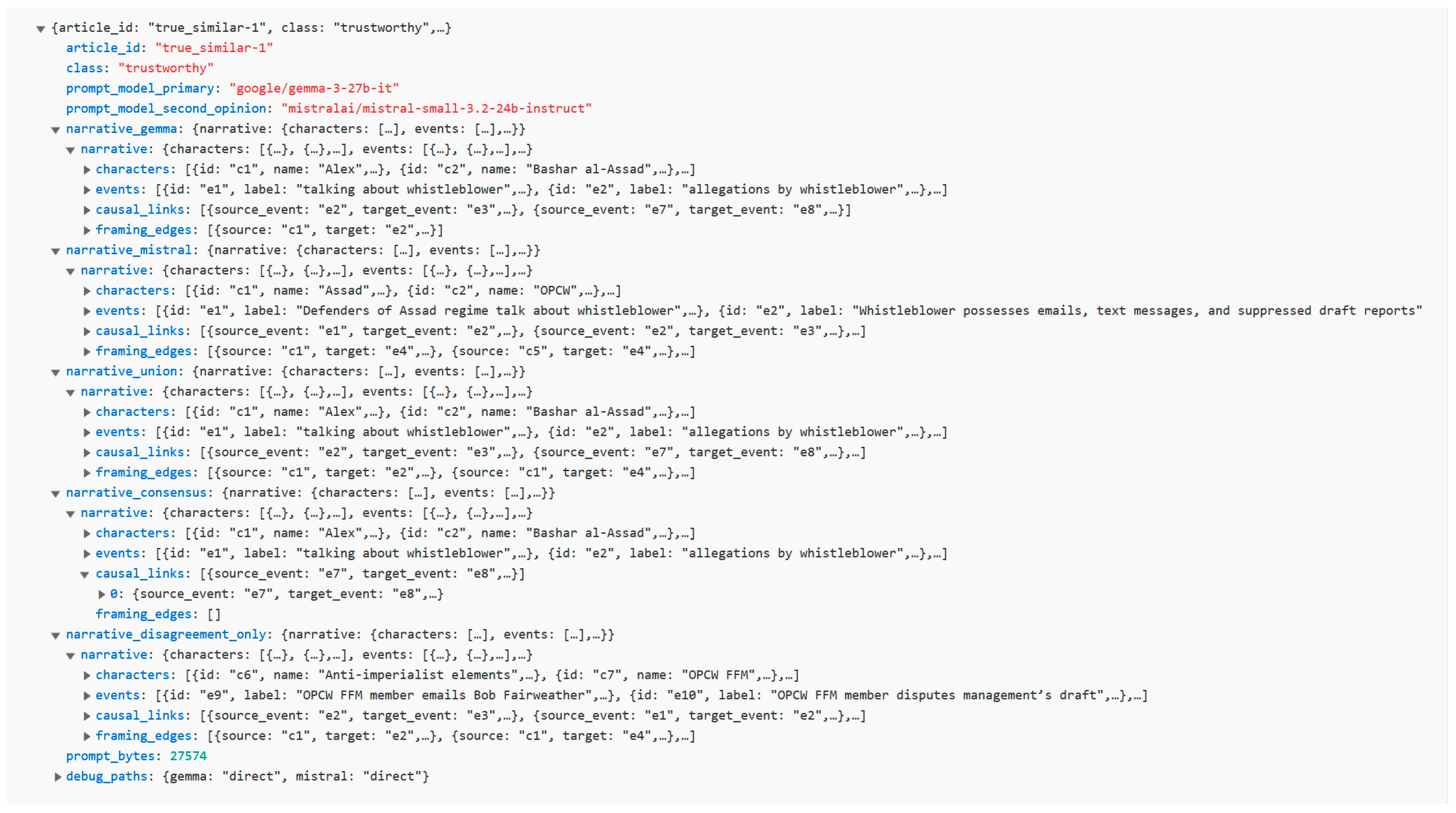
We primarily used narrative representation produced by consensus ensemble in our analysis.
Notes
| 1 | Accessible at https://www.diffbot.com (accessed on 6 April 2026). |
| 2 | Available at https://wordnet.princeton.edu/ (accessed on 6 April 2026). |
| 3 | Available at https://www.dbpedia.org/ (accessed on 6 April 2026). |
| 4 | Available at http://www.ontologydesignpatterns.org/ont/d0.owl (accessed on 8 April 2026). |
References
- Allegri, Maria Romana. 2024. The impact of disinformation on the functioning of the rule of law and democratic processes in the EU. Interdisciplinary Journal of Research and Development 11: 98. [Google Scholar] [CrossRef] [Scilit]
- Andrus, Berkeley R., Yeganeh Nasiri, Shilong Cui, Benjamin Cullen, and Nancy Fulda. 2022. Enhanced story comprehension for large language models through dynamic document-based knowledge graphs. Proceedings of the AAAI Conference on Artificial Intelligence 36: 10436–44. [Google Scholar] [CrossRef] [Scilit]
- Arcos, Rubén, Manuel Gertrudix, Cristina Arribas, and Monica Cardarilli. 2022. Responses to digital disinformation as part of hybrid threats: A systematic review on the effects of disinformation and the effectiveness of fact-checking/debunking. Open Research Europe 2: 8. [Google Scholar] [CrossRef] [Scilit] [PubMed]
- Arribas, Cristina M., Ruben Arcos, Manuel Gértrudix, Kamil Mikulski, Pablo Hernández-Escayola, Mihaela Teodor, Elena Novăcescu, Ileana Surdu, Valentin Stoian, and Aantonio García-Jiménez. 2023. Information manipulation and historical revisionism: Russian disinformation and foreign interference through manipulated history-based narratives. Open Research Europe 3: 121. [Google Scholar] [CrossRef] [Scilit]
- Assmann, Aleida, and Linda Shortt. 2012. Memory and political change: Introduction. In Memory and Political Change. London: Palgrave Macmillan UK, pp. 1–14. [Google Scholar] [CrossRef] [Scilit]
- Baća, Bojan. 2024. Qanon and the epistemic communities of the unreal: A conceptual toolkit for a sociology of grassroots conspiracism. Theory, Culture & Society 41: 111–32. [Google Scholar] [CrossRef] [Scilit]
- Baissa, Bashayer, Matteo Fuoli, and Jack Grieve. 2025. The news values of fake news. Discourse & Communication 19: 418–40. [Google Scholar] [CrossRef] [Scilit]
- Banarescu, Laura, Claire Bonial, Shu Cai, Madalina Georgescu, Kira Griffitt, Ulf Hermjakob, Kevin Knight, Philipp Koehn, Martha Palmer, and Nathan Schneider. 2013. Abstract meaning representation for sembanking. Paper presented at 7th Linguistic Annotation Workshop and Interoperability with Discourse, Sofia, Bulgaria, August 8–9; pp. 178–86. Available online: https://aclanthology.org/W13-2322/ (accessed on 10 April 2026).
- Beckers, Kathleen. 2025. Diverse news, diverse perceptions? investigating the effects of actor and viewpoint diversity in news content on audience perceptions and opinions. Journalism 26: 1840–58. [Google Scholar] [CrossRef] [Scilit]
- Bernard, Rose, Gemma Bowsher, Richard Sullivan, and Fawzia Gibson-Fall. 2020. Disinformation and epidemics: Anticipating the next phase of biowarfare. Health Security 19: 3–12. [Google Scholar] [CrossRef] [Scilit]
- Bishara, Anthony J., and James B. Hittner. 2012. Testing the significance of a correlation with nonnormal data: Comparison of Pearson, Spearman, transformation, and resampling approaches. Psychological Methods 17: 399–417. [Google Scholar] [CrossRef] [Scilit]
- Brantner, Cornelia, Michael Karlsson, and Joanne Kuai. 2025. Sourcing behavior and the role of news media in ai-powered search engines in the digital media ecosystem: Comparing political news retrieval across five languages. Telecommunications Policy 49: 102952. [Google Scholar] [CrossRef] [Scilit]
- Broda, Elena, and Jesper Strömbäck. 2024. Misinformation, disinformation, and fake news: Lessons from an interdisciplinary, systematic literature review. Annals of the International Communication Association 48: 139–66. [Google Scholar] [CrossRef] [Scilit]
- Buzan, Barry, Ole Wæver, and Jaap De Wilde. 1998. Security: A New Framework for Analysis. Boulder: Lynne Rienner Publishers. [Google Scholar]
- Byram, Katra. 2022. Narrative as social action: Making rhetorical narrative theory accountable to context. Poetics Today 43: 455–78. [Google Scholar] [CrossRef] [Scilit]
- Casás, José, Xosé López-García, and Alba Silva-Rodríguez. 2025. Dual fact-checking strategies to combat disinformation in five European countries during the COVID-19 pandemic. Journalism and Media 6: 201. [Google Scholar] [CrossRef] [Scilit]
- Cazzamatta, Regina. 2025. Fact-checkers as new journalistic mediators: News agencies’ verification units and platform dynamics. Media and Communication 13: 9867. [Google Scholar] [CrossRef] [Scilit]
- Chen, Lingjiao, Jared Davis, Boris Hanin, Peter Bailis, Ion Stoica, Matei Zaharia, and James Zou. 2024. Are more LLM calls all you need? Towards scaling laws of compound inference systems. Paper presented at 38th International Conference on Neural Information Processing Systems, Vancouver, BC, Canada, December 9–15; pp. 45767–90. Available online: https://proceedings.neurips.cc/paper_files/paper/2024/file/51173cf34c5faac9796a47dc2fdd3a71-Paper-Conference.pdf (accessed on 10 April 2026).
- Cohen, Stanley. 2011. Folk Devils and Moral Panics: The Creation of the Mods and Rockers, Routledge Classics ed. Third Edition Reissued in the Routledge Classics Series. Abingdon and New York: Routledge. [Google Scholar]
- Darius, Philipp, and Michael Urquhart. 2021. Disinformed social movements: A large-scale mapping of conspiracy narratives as online harms during the COVID-19 pandemic. Online Social Networks and Media 26: 100174. [Google Scholar] [CrossRef] [Scilit]
- Daxecker, Ursula, Hanne Fjelde, and Neeraj Prasad. 2025. Misinformation, narratives, and intergroup attitudes: Evidence from India. The Journal of Politics 87: 757–73. [Google Scholar] [CrossRef] [Scilit]
- Deng, Bingjie, and Michael Chau. 2021. The effect of the expressed anger and sadness on online news believability. Journal of Management Information Systems 38: 959–88. [Google Scholar] [CrossRef] [Scilit]
- D’Errico, Francesca, Paolo Giovanni Cicirelli, Angelica Lops, and Rosa Scardigno. 2024. Racial disinformation, populism and associated stereotypes across three European countries during the COVID-19 pandemic. Social Sciences 13: 465. [Google Scholar] [CrossRef] [Scilit]
- De Zeeuw, Daniël. 2024. Post-truth conspiracism and the pseudo-public sphere. Frontiers in Communication 9: 1384363. [Google Scholar] [CrossRef] [Scilit]
- Djerf-Pierre, Monika, and Mats Ekström. 2025. Constructive journalism as practice—Storytelling in solutions-focused news reporting in mainstream news media. Journalism Practice, 1–19. [Google Scholar] [CrossRef] [Scilit]
- Douglas, Karen M., Joseph E. Uscinski, Robbie M. Sutton, Aleksandra Cichocka, Turkay Nefes, Chee Siang Ang, and Farzin Deravi. 2019. Understanding conspiracy theories. Political Psychology 40: 3–35. [Google Scholar] [CrossRef] [Scilit]
- Egelhofer, Jana Laura, and Sophie Lecheler. 2019. Fake news as a two-dimensional phenomenon: A framework and research agenda. Annals of the International Communication Association 43: 97–116. [Google Scholar] [CrossRef] [Scilit]
- Entman, Robert M. 1993. Framing: Towards clarification of a fractured paradigm. Journal of Communication 43: 51–58. [Google Scholar] [CrossRef] [Scilit]
- Erkan, Günes, and Dragomir R Radev. 2004. Lexrank: Graph-based lexical centrality as salience in text summarization. Journal of Artificial Intelligence Research 22: 457–79. [Google Scholar] [CrossRef] [Scilit]
- Ernst, Marina. 2024. Identifying textual disinformation using large language models. Paper presented at 2024 Conference on Human Information Interaction and Retrieval, Sheffield, UK, March 10–14; pp. 453–56. [Google Scholar] [CrossRef] [Scilit]
- Espaliú-Berdud, Carlos. 2023. Use of disinformation as a weapon in contemporary international relations: Accountability for Russian actions against states and international organizations. El Profesional de la Información 32: e320402. [Google Scholar] [CrossRef] [Scilit]
- Fisher, Walter R. 2021. Human Communication as Narration: Toward a Philosophy of Reason, Value, and Action. Columbia: University of South Carolina Press. [Google Scholar]
- Gangemi, Aldo, Mehwish Alam, Luigi Asprino, Valentina Presutti, and Diego Reforgiato Recupero. 2016. Framester: A wide coverage linguistic linked data hub. In European Knowledge Acquisition Workshop, Bologna, Italy, November 19–23. Cham: Springer, pp. 239–54. [Google Scholar] [CrossRef] [Scilit]
- Gangemi, Aldo, Valentina Presutti, Diego Reforgiato Recupero, Andrea Giovanni Nuzzolese, Francesco Draicchio, and Misael Mongiovì. 2017. Semantic web machine reading with FRED. Semantic Web 8: 873–93. [Google Scholar] [CrossRef] [Scilit]
- Garusi, Diego, and Birte Leonhardt. 2024. Towards a processual understanding of trust: A study of trust-building strategies of constructive journalists. Journalism 12: 14648849241287746. [Google Scholar] [CrossRef] [Scilit]
- Gentile, Michael, and Martin Kragh. 2022. The 2020 Belarusian presidential election and conspiracy theories in the Russo-Ukrainian conflict. International Affairs 98: 973–94. [Google Scholar] [CrossRef] [Scilit]
- Greer, Katie, and Stephanie Beene. 2024. When belief becomes research: Conspiracist communities on the social web. Frontiers in Communication 9: 1345973. [Google Scholar] [CrossRef] [Scilit]
- Guedes, Inês Sousa, Beatriz Vigo, Margarida Santos, Samuel Moreira, Carla Sofia Cardoso, and Josefina Castro. 2025. Disinformation dynamics and regulation in Portugal: Insights from a qualitative study. European Journal on Criminal Policy and Research 31: 529–57. [Google Scholar] [CrossRef] [Scilit]
- Halbwachs, Maurice. 1992. On Collective Memory. Chicago: University of Chicago Press. [Google Scholar]
- Hameleers, Michael. 2023. The (un)intended consequences of emphasizing the threats of mis- and disinformation. Media and Communication 11: 5–14. [Google Scholar] [CrossRef] [Scilit]
- Han, Zhen, Ruotong Liao, Jindong Gu, Yao Zhang, Zifeng Ding, Yujia Gu, Heinz Koeppl, Hinrich Schütze, and Volker Tresp. 2023. ECOLA: Enhancing Temporal Knowledge Embeddings with Contextualized Language Representations. In Findings of the Association for Computational Linguistics: ACL 2023, Toronto, Canada, July 9–14. Stroudsburg: Association for Computational Linguistics, pp. 5433–47. [Google Scholar] [CrossRef] [Scilit]
- Henry, Ryan, and Jiaqi Gong. 2025. Clare: Context-aware, interactive knowledge graph construction from transcripts. Information 16: 866. [Google Scholar] [CrossRef] [Scilit]
- Herman, Edward S., and Noam Chomsky. 1988. Manufacturing Consent: The Political Economy of the Mass Media. New York: Pantheon Books. [Google Scholar]
- Hobsbawm, Eric J., and Terence O. Ranger, eds. 1983. The Invention of Tradition. Cambridge and New York: Cambridge University Press. [Google Scholar]
- Hofmann-Coyle, Ella, Mayank Kulkarni, Lingjue Xie, Mounica Maddela, and Daniel Preoţiuc-Pietro. 2022. Extractive entity-centric summarization as sentence selection using bi-encoders. Paper presented at 2nd Conference of the Asia-Pacific Chapter of the Association for Computational Linguistics and the 12th International Joint Conference on Natural Language Processing (Volume 2: Short Papers), Online, November 21–23; pp. 326–33. [Google Scholar] [CrossRef] [Scilit]
- Humprecht, Edda, Michael Amsler, Frank Esser, and Peter Van Aelst. 2024. Emotionalized social media environments: How alternative news media and populist actors drive angry reactions. Political Communication 41: 559–87. [Google Scholar] [CrossRef] [Scilit]
- Hussain, Shabir, Qamar Abbas, and Sayyed Fawad Ali Shah. 2024. Populism fuels hate speech and disinformation: Evidence from political discourse on x (formerly twitter) in India and Pakistan. International Journal of Communication 18: 5694–713. [Google Scholar]
- Jackson, Nicole. 2024. The securitization of foreign disinformation. Security and Defence Quarterly 46: 118–38. [Google Scholar] [CrossRef] [Scilit]
- Jaiswal, Jessica, Caleb LoSchiavo, and David C. Perlman. 2020. Disinformation, misinformation and inequality-driven mistrust in the time of COVID-19: Lessons unlearned from AIDS denialism. AIDS and Behavior 24: 2776–80. [Google Scholar] [CrossRef] [Scilit]
- Jiang, Dongfu, Xiang Ren, and Bill Yuchen Lin. 2023. LLM-blender: Ensembling large language models with pairwise ranking and generative fusion. arXiv arXiv:2306.02561. [Google Scholar] [CrossRef] [Scilit]
- Jing, Junchang, Zhi Zhang, Kim-Kwang Raymond Choo, Kefeng Fan, Bin Song, and Lili Zhang. 2023. Inference of user desires to spread disinformation based on social situation analytics and group effect. IEEE Transactions on Dependable and Secure Computing 20: 1833–48. [Google Scholar] [CrossRef] [Scilit]
- Keith Norambuena, Brian Felipe, Tanushree Mitra, and Chris North. 2023. A survey on event-based news narrative extraction. ACM Computing Surveys 55: 1–39. [Google Scholar] [CrossRef] [Scilit]
- Khlevniuk, Daria, and Boris Noordenbos. 2025. The temporality of memory politics: An analysis of Russian state media narratives on the war in Ukraine. The British Journal of Sociology 76: 390–406. [Google Scholar] [CrossRef] [Scilit]
- Kodinariya, Trupti M., and Prashant R. Makwan. 2013. Review on determining number of cluster in k-means clustering. International Journal 1: 90–95. [Google Scholar]
- Kovach, Bill, and Tom Rosenstiel. 2021. The Elements of Journalism, Revised and Updated: What Newspeople Should Know and the Public Should Expect, 4th ed. New York: Crown. [Google Scholar]
- Kovpak, Viktoriia, Nataliia Lebid, and Viktor Burenkov. 2024. Entrepreneurship of memory in public space and social communication: A postcolonial approach in time of war. Baltic Journal of Economic Studies 10: 203–10. [Google Scholar] [CrossRef] [Scilit]
- Kyriakidou, Maria, Marina Morani, Stephen Cushion, and Ceri Hughes. 2022. Audience understandings of disinformation: Navigating news media through a prism of pragmatic scepticism. Journalism 24: 2379–96. [Google Scholar] [CrossRef] [Scilit]
- Lacerra, Caterina, Rocco Tripodi, and Roberto Navigli. 2021a. Genesis: A generative approach to substitutes in context. Paper presented at 2021 Conference on Empirical Methods in Natural Language Processing, Online and Punta Cana, Dominican Republic, November 7–11; Stroudsburg: Association for Computational Linguistics (ACL), pp. 10810–23. [Google Scholar] [CrossRef] [Scilit]
- Lacerra, Caterina, Tommaso Pasini, Rocco Tripodi, and Roberto Navigli. 2021b. Alasca: An automated approach for large-scale lexical substitution. Paper presented at 30th International Joint Conference on Artificial Intelligence (IJCAI-21), Montreal, ON, Canada, August 19–27; pp. 3836–42. [Google Scholar] [CrossRef] [Scilit]
- Lei, Yuanyuan, and Ruihong Huang. 2023. Identifying conspiracy theories news based on event relation graph. Paper presented at Findings of the Association for Computational Linguistics: EMNLP 2023, Singapore, December 6–10; pp. 9811–22. [Google Scholar] [CrossRef] [Scilit]
- Leite, João A, Olesya Razuvayevskaya, Kalina Bontcheva, and Carolina Scarton. 2024. Euvsdisinfo: A dataset for multilingual detection of pro-Kremlin disinformation in news articles. Paper presented at 33rd ACM International Conference on Information and Knowledge Management, Boise, ID, USA, October 21–25; New York: Association for Computing Machinery, pp. 5380–84. [Google Scholar] [CrossRef] [Scilit]
- Li, Xin, Zhixuan Huang, Shu Quan, Cheng Peng, and Xiaoming Ma. 2025. SLM-matrix: A multi-agent trajectory reasoning and verification framework for enhancing language models in materials data extraction. npj Computational Materials 11: 1–14. [Google Scholar] [CrossRef] [Scilit]
- Lin, Chin-Yew. 2004. ROUGE: A package for automatic evaluation of summaries. Paper presented at Text Summarization Branches Out, Barcelona, Spain, July 25–26; pp. 74–81. Available online: https://aclanthology.org/W04-1013/ (accessed on 10 April 2026).
- Lough, Kyser, and Karen McIntyre. 2023. A systematic review of constructive and solutions journalism research. Journalism 24: 1069–88. [Google Scholar] [CrossRef] [Scilit]
- Lu, Jinliang, Ziliang Pang, Min Xiao, Yaochen Zhu, Rui Xia, and Jiajun Zhang. 2024. Merge, ensemble, and cooperate! A survey on collaborative strategies in the era of large language models. arXiv arXiv:2407.06089. [Google Scholar] [CrossRef] [Scilit]
- Lu, Keming, Hongyi Yuan, Runji Lin, Junyang Lin, Zheng Yuan, Chang Zhou, and Jingren Zhou. 2023. Routing to the Expert: Efficient Reward-guided Ensemble of Large Language Models. Paper presented at 2024 Conference of the North American Chapter of the Association for Computational Linguistics: Human Language Technologies (Volume 1: Long Papers), Mexico City, Mexico, June 16–21; Stroudsburg: Association for Computational Linguistics, pp. 1964–74. [Google Scholar] [CrossRef] [Scilit]
- Lühring, Jula, Apeksha Shetty, Corinna Koschmieder, David Garcia, Annie Waldherr, and Hannah Metzler. 2024. Emotions in misinformation studies: Distinguishing affective state from emotional response and misinformation recognition from acceptance. Cognitive Research: Principles and Implications 9: 82. [Google Scholar] [CrossRef] [Scilit] [PubMed]
- Maathuis, Clara, Christiaan De Ridder, and Sylvia Stuurman. 2023. Analyzing the role of Ukrainian and Russian diaspora in disinformation campaigns. Paper presented at European Conference on Social Media, Krakow, Poland, May 18–19; pp. 153–62. [Google Scholar] [CrossRef] [Scilit]
- Macaulay, Alistair, and Wenting Song. 2022. Narrative-driven fluctuations in sentiment: Evidence linking traditional and social media. SSRN Electronic Journal. [Google Scholar] [CrossRef] [Scilit]
- Mahl, Daniela, Sabrina H Kessler, Mike S Schäfer, Anna Jobin, Jing Zeng, and Fanny Georgi. 2025. Conspiracy theories and misinformation in digital media: An international expert assessment of challenges, trends, and interventions. Communications 51: 233–58. [Google Scholar] [CrossRef] [Scilit]
- Maisonnave, Mariano, Fernando Delbianco, Fernando Tohme, Evangelos Milios, and Ana G. Maguitman. 2022. Causal graph extraction from news: A comparative study of time-series causality learning techniques. PeerJ Computer Science 8: e1066. [Google Scholar] [CrossRef] [Scilit]
- Mandravickaitė, Justina. 2025. Narrative Structure Extraction in Disinformation and Trustworthy News: A Comparison of LLM, KG, and KG-Augmented Pipelines. Paper presented at 21st Conference on Natural Language Processing (KONVENS 2025): Workshops, Hannover, Germany, September 9–11; pp. 86–103. Available online: https://aclanthology.org/2025.konvens-2.7/ (accessed on 10 April 2026).
- Marino, Erik Bran, Jesus M Benitez-Baleato, and Ana Sofia Ribeiro. 2024. The polarization loop: How emotions drive propagation of disinformation in online media—The case of conspiracy theories and extreme right movements in southern Europe. Social Sciences 13: 603. [Google Scholar] [CrossRef] [Scilit]
- McKnight, Patrick E., and Julius Najab. 2010. Mann-Whitney U test. In The Corsini Encyclopedia of Psychology. Hoboken: John Wiley & Sons, Inc. [Google Scholar] [CrossRef] [Scilit]
- McLoughlin, Killian L., William J. Brady, Aden Goolsbee, Brock Kaiser, Kate Klonick, and Molly J. Crockett. 2024. Misinformation exploits outrage to spread online. Science 386: 991–96. [Google Scholar] [CrossRef] [Scilit] [PubMed]
- McRae, D., Maria del Mar Quiroga, Daniel Russo-Batterham, and Kim Doyle. 2022. A pro-government disinformation campaign on Indonesian Papua. Harvard Kennedy School Misinformation Review 3: 1–20. [Google Scholar] [CrossRef] [Scilit]
- Miller, Derek. 2019. Leveraging BERT for extractive text summarization on lectures. arXiv arXiv:1906.04165. [Google Scholar] [CrossRef] [Scilit]
- Miller, Serena, Soo Young Shin, and Jennifer Brannock Cox. 2025. Explaining the practice acceptance of the solutions journalism approach through an analysis of journalists’ adherence to solutions journalism rigors. Journalism Practice, 1–21. [Google Scholar] [CrossRef] [Scilit]
- Mohammed, Ammar, and Rania Kora. 2023. A comprehensive review on ensemble deep learning: Opportunities and challenges. Journal of King Saud University-Computer and Information Sciences 35: 757–74. [Google Scholar] [CrossRef] [Scilit]
- Mudde, Cas. 2004. The populist zeitgeist. Government and Opposition 39: 541–63. [Google Scholar] [CrossRef] [Scilit]
- Nasser, Hawraa, Fouad Trad, and Ali Chehab. 2025. Stacking large language models is all you need: A case study on phishing URL detection. Journal of Artificial Intelligence and Soft Computing Research 15: 337–56. [Google Scholar] [CrossRef] [Scilit]
- Opdahl, Andreas L., Tareq Al-Moslmi, Duc-Tien Dang-Nguyen, Marc Gallofré Ocaña, Bjørnar Tessem, and Csaba Veres. 2022. Semantic knowledge graphs for the news: A review. ACM Computing Surveys 55: 1–38. [Google Scholar] [CrossRef] [Scilit]
- Park, Sora, Jee Young Lee, Kieran McGuinness, Rebecca Griffiths, and Thu Nguyen. 2023. News representation and sense of belonging among multicultural audiences. Media and Communication 11: 264–73. [Google Scholar] [CrossRef] [Scilit]
- Pierri, Francesco, Carlo Piccardi, and Stefano Ceri. 2020. A multi-layer approach to disinformation detection in US and Italian news spreading on twitter. EPJ Data Science 9: 35. [Google Scholar] [CrossRef] [Scilit]
- Plikynas, Darius, Ieva Rizgelienė, and Gražina Korvel. 2025. Systematic review of fake news, propaganda, and disinformation: Examining authors, content, and social impact through machine learning. IEEE Access 13: 17583–629. [Google Scholar] [CrossRef] [Scilit]
- Pustejovsky, James, Ken Lai, and Nianwen Xue. 2019. Modeling quantification and scope in abstract meaning representations. Paper presented at First International Workshop on Designing Meaning Representations, Florence, Italy, August 1; pp. 28–33. [Google Scholar] [CrossRef] [Scilit]
- Rauchfleisch, Adrian, and Andreas Jungherr. 2024. Blame and obligation: The importance of libertarianism and political orientation in the public assessment of disinformation in the United States. Policy & Internet 16: 801–17. [Google Scholar] [CrossRef] [Scilit]
- Reali, Florencia. 2025. Fake news are easier, more emotional and less complex: Some evidence from Spanish. Psychology of Language and Communication 29: 266–83. [Google Scholar] [CrossRef] [Scilit]
- Reddi, Madhavi, Rachel Kuo, and Daniel Kreiss. 2023. Identity propaganda: Racial narratives and disinformation. New Media & Society 25: 2201–18. [Google Scholar] [CrossRef] [Scilit]
- Reinemann, Carsten, Marcus Maurer, Simon Kruschinski, and Pablo Jost. 2024. The quality of COVID-19 coverage: Investigating relevance and viewpoint diversity in German mainstream and alternative media. Journalism Studies 25: 681–702. [Google Scholar] [CrossRef] [Scilit]
- Schudson, Michael. 2008. Why Democracies Need an Unlovable Press. Cambridge: Polity Press. [Google Scholar]
- Sikosana, Mkululi, Sean Maudsley-Barton, and Oluwaseun Ajao. 2025. Linguistic patterns in pandemic-related content: A comparative analysis of COVID-19, constraint, and monkeypox datasets. Frontiers in Artificial Intelligence 8: 1627522. [Google Scholar] [CrossRef] [Scilit]
- Suau Martínez, Jaume, and Clara Juarez Miro. 2026. Understanding disinformation as narratives in the hybrid media ecosystem: Evidence from the US. Journalism 27: 445–65. [Google Scholar] [CrossRef] [Scilit]
- Sunstein, Cass R., and Adrian Vermeule. 2009. Conspiracy theories: Causes and cures. Journal of Political Philosophy 17: 202–27. [Google Scholar] [CrossRef] [Scilit]
- Taggart, Paul. 2004. Populism and representative politics in contemporary Europe. Journal of Political Ideologies 9: 269–88. [Google Scholar] [CrossRef] [Scilit]
- Tian, Xin, Qiang Mai, and Shi An. 2023. SENPR disinformation spreading model to discuss the control of the spread of disinformation in emergencies. International Journal of Modern Physics B 38: 2450283. [Google Scholar] [CrossRef] [Scilit]
- Tsourakis, Nikos. 2025. Towards robust synthetic data generation for simplification of text in French. Machine Learning and Knowledge Extraction 7: 68. [Google Scholar] [CrossRef] [Scilit]
- Vallone, Robert P, Lee Ross, and Mark R Lepper. 1985. The hostile media phenomenon: Biased perception and perceptions of media bias in coverage of the Beirut massacre. Journal of Personality and Social Psychology 49: 577–85. [Google Scholar] [CrossRef] [PubMed]
- Van Dijk, Teun A. 2017. Discourse and Power. London: Bloomsbury Publishing. [Google Scholar]
- Verma, Shilpa, Rajesh Bhatia, Sandeep Harit, and Sanjay Batish. 2023. Scholarly knowledge graphs through structuring scholarly communication: A review. Complex & Intelligent Systems 9: 1059–95. [Google Scholar] [CrossRef] [Scilit]
- Vieira, Renatha Souza, and Álvaro Figueira. 2025. Emotional sequencing as a marker of manipulation in social media disinformation. Future Internet 17: 546. [Google Scholar] [CrossRef] [Scilit]
- Voskarides, Nikos, Edgar Meij, Sabrina Sauer, and Maarten de Rijke. 2021. News article retrieval in context for event-centric narrative creation. Paper presented at 2021 ACM SIGIR International Conference on Theory of Information Retrieval, Online, July 11–15; pp. 103–12. [Google Scholar] [CrossRef] [Scilit]
- Vosoughi, Soroush, Deb Roy, and Sinan Aral. 2018. The spread of true and false news online. Science 359: 1146–51. [Google Scholar] [CrossRef] [Scilit]
- Wang, Guan, Rebecca Frederick, Jinglong Duan, William BL Wong, Verica Rupar, Weihua Li, and Quan Bai. 2025. Detecting misinformation through framing theory: The frame element-based model. Journal of Computational Social Science 8: 72. [Google Scholar] [CrossRef] [Scilit]
- Wardle, Claire, and Hossein Derakhshan. 2017. Information Disorder: Toward an Interdisciplinary Framework for Research and Policymaking. Strasbourg: Council of Europe, vol. 27, pp. 1–107. Available online: https://www.firstdraftnews.org/wp-content/uploads/2017/11/PREMS-162317-GBR-2018-Report-de%CC%81sinformation-1.pdf (accessed on 10 April 2026).
- Weismueller, Jason, Richard L Gruner, Paul Harrigan, Kristof Coussement, and Shasha Wang. 2024. Information sharing and political polarisation on social media: The role of falsehood and partisanship. Information Systems Journal 34: 854–93. [Google Scholar] [CrossRef] [Scilit]
- Wodak, Ruth. 2015. Critical discourse analysis, discourse-historical approach. In The International Encyclopedia of Language and Social Interaction. Hoboken: John Wiley & Sons, Inc., vol. 3, pp. 1–14. [Google Scholar] [CrossRef] [Scilit]
- Zhang, Haiyue, and Ling Jiang. 2024. Applying the constructive journalism approach to combat Chinese information disorder in the digital age. Journalism and Media 5: 1526–38. [Google Scholar] [CrossRef] [Scilit]
- Zhou, Haiqi, David Hobson, Derek Ruths, and Andrew Piper. 2024. Large scale narrative messaging around climate change: A cross-cultural comparison. Paper presented at 1st Workshop on Natural Language Processing Meets Climate Change (ClimateNLP 2024), Bangkok, Thailand, August 16; pp. 143–55. [Google Scholar] [CrossRef] [Scilit]
- Zilic Fiser, Suzana, and Peter Caks. 2023. Strategies for the minimisation of misinformation spread through the local media environment. Journalism Practice 17: 2241–62. [Google Scholar] [CrossRef] [Scilit]
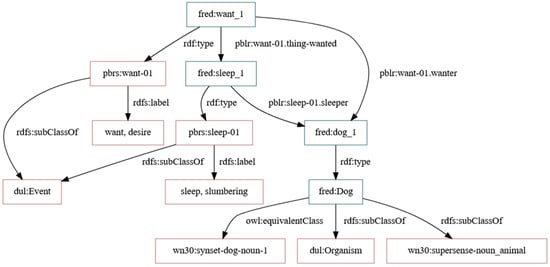
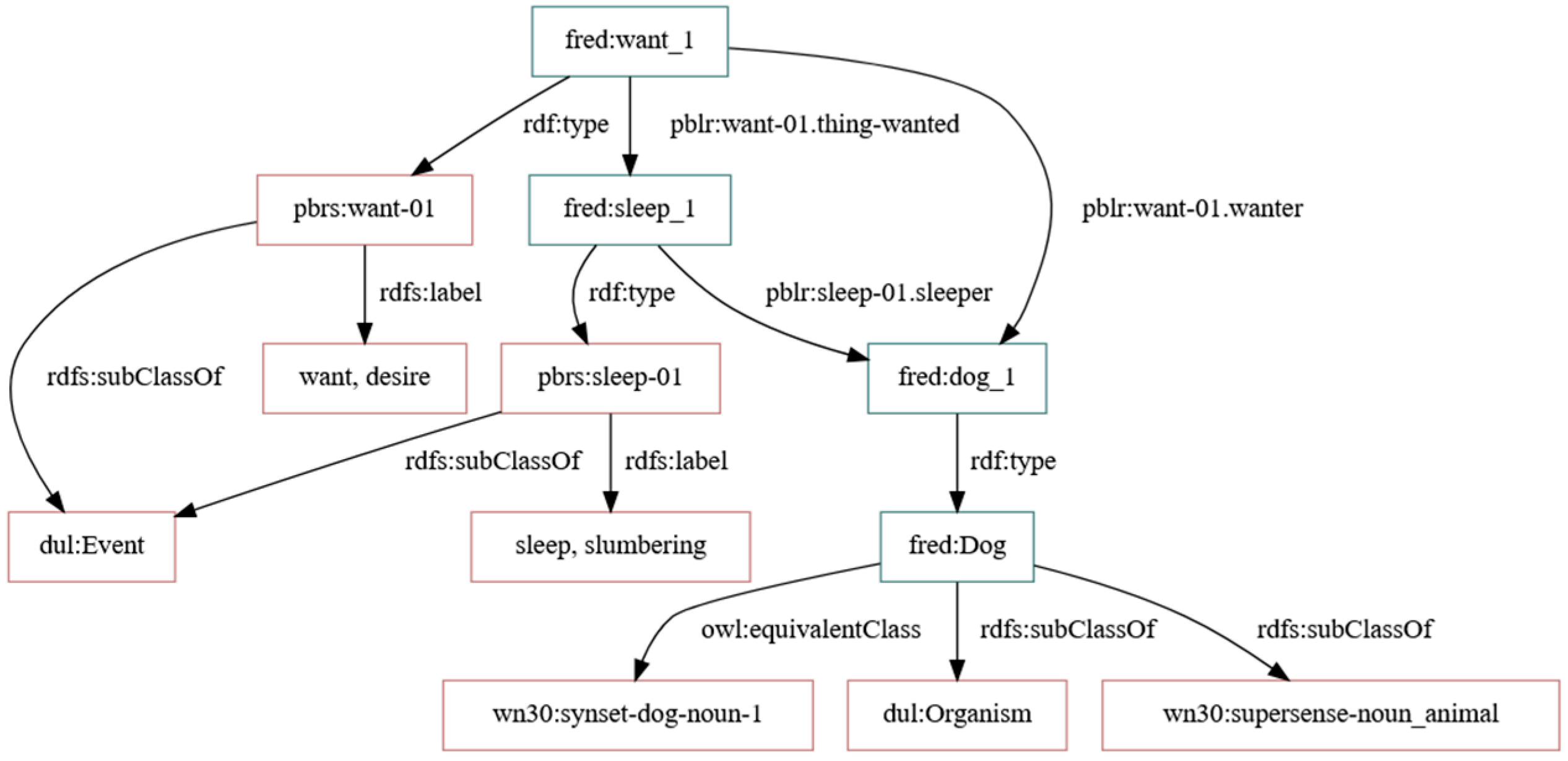
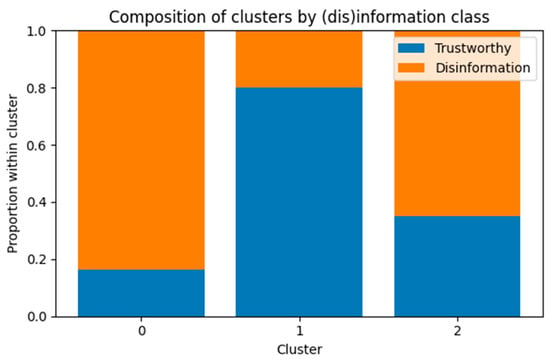
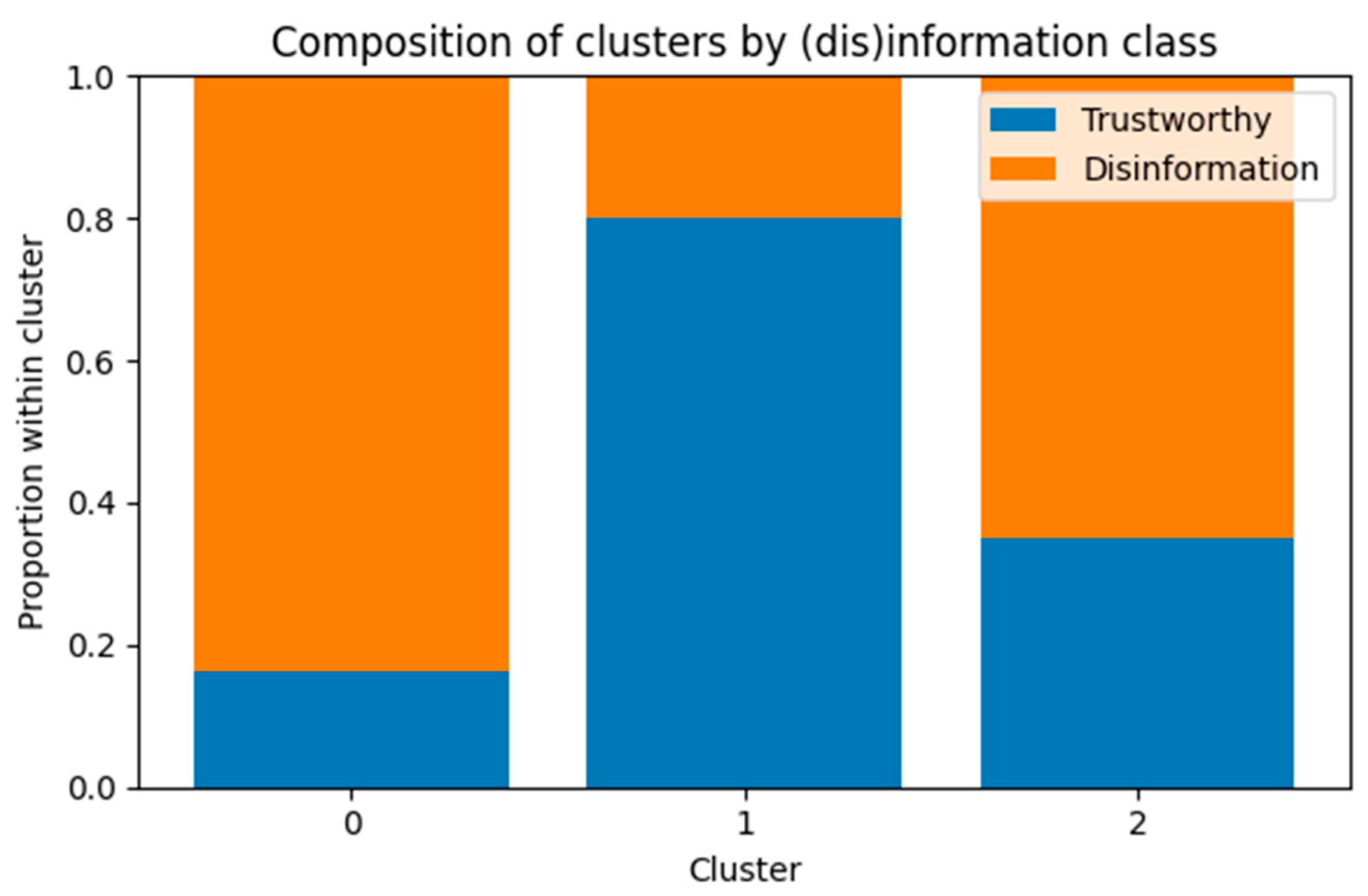
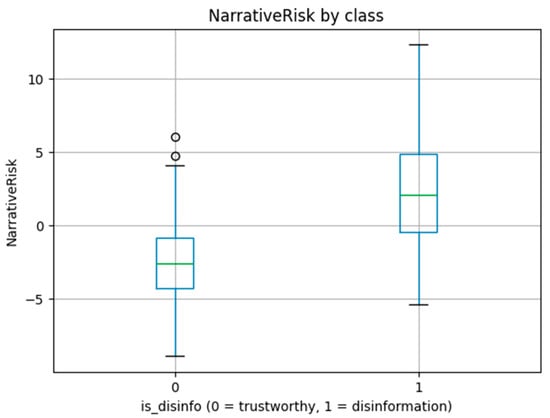

Disclaimer/Publisher’s Note: The statements, opinions and data contained in all publications are solely those of the individual author(s) and contributor(s) and not of MDPI and/or the editor(s). MDPI and/or the editor(s) disclaim responsibility for any injury to people or property resulting from any ideas, methods, instructions or products referred to in the content. |
© 2026 by the authors. Licensee MDPI, Basel, Switzerland. This article is an open access article distributed under the terms and conditions of the Creative Commons Attribution (CC BY) license.