


Abstract
This article formulates guidelines for the transactional regulation of surrogacy in Colombia, based on a comparative analysis with the Mexican regulatory model, especially in the states of Tabasco and Sinaloa. To this end, a qualitative methodology was adopted by applying the technique of comparative law to simultaneously analyze the regulations of the focused Mexican states and the most recent (now shelved) initiative in Colombian law, identifying significant contributions to national progress in surrogacy through the theory of legal transactions, the principle of solidarity, and the right to found a family. The results show that, although Colombia had tried to progress in recognizing procreative will as the basis for filiation and has attempted regulatory adjustments to the civil registry, serious regulatory gaps persisted in the design of post-contractual mechanisms, especially regarding the prevention of human trafficking, the well-being of gestational carriers, institutional monitoring, and the guarantee of breastfeeding. The conclusions show that effective regulation should not focus exclusively on formalizing agreements between adults but should also guarantee the fundamental rights of the child from birth. In contrast, the Mexican model offers valuable tools to enrich the Colombian debate, but it also has some shortcomings that warrant revision. Therefore, this study contributes to the Colombian legislative discussion by calling for comprehensive regulation guided by the dignity of all the involved subjects and based on comparative experiences.
1. Introduction
Human beings, due to their social nature, tend to expand into collectives, with the family being the most basic of all groups (Craft-Rosenberg and Pehler 2011; Hill 2012). This has led to its classification in various statutes as the founding institution of society, from which derives the right to found a family; at the same time, this must be protected by public entities (Zegers-Hochschild et al. 2013; Cabanillas Sánchez 2019; Armengol Alonso 2020). Traditionally, family has been associated with marriage and reproduction. However, the influence of social movements and scientific advances has transformed the legal notion of the family, as well as the dynamics that shape it (Ruiz Burgos and Flores Medina 2018; Armengol Alonso 2020; Castillo Yara 2022).
In an effort to provide certain individuals with the opportunity to start a family, biomedical sciences have developed assisted reproduction techniques that not only overcome reproductive barriers arising from clinical diagnoses but also contribute to guaranteeing the right to found a family through various options: artificial insemination, in vitro fertilization, three-parent technique, surrogacy, and cloning (Brena Sesma 2019). Each of these has bioethical implications, but surrogacy has been particularly controversial because its negotiating dynamics may be incompatible with the rights of women and children, which is why it is a complex topic of discussion (Graham et al. 2022; Brandão and Garrido 2022; McLatchie and Lea 2022).
In Latin America, regulatory development is scarce, as is the case in Brazil, Argentina, Chile, Peru, and Costa Rica, where guidelines are quite limited. Countries such as Ecuador, Guatemala, Dominican Republic, and Colombia do not even have a formal regulatory framework for these matters (Espejo Yaksic et al. 2022). Colombia, for example, has only three directly related cases that were resolved by the Constitutional Court1 through Judgments T-968 of 20092, T-127 of 20243, and T-232 of 20244, and two other cases that in some way involve surrogacy without it being its main legal issue, in Judgments T-316 of 2018 and T-275 of 2022. However, the recent judgment on constitutional protection of 1 April 2025, issued by the Civil Division of the Superior Tribunal of the Judicial District of Bogota, could become one of the next cases studied by the Constitutional Court.
Based on its judgments, the Constitutional Court, applying comparative law and other interpretative tools, has suggested criteria and premises for the adequate regulation of surrogacy in the country. However, there is still no legal framework that formally addresses the matter. According to the report made in Bill 345 of 20235, nearly sixteen Bills on this practice have been submitted, but none have become law. In contrast, countries such as Uruguay, Puerto Rico, and Mexico (specifically in Tabasco and Sinaloa) have regulatory models that have filled legal gaps. Therefore, reviewing the legislative strategies applied there may facilitate the consolidation of regulatory guidelines, the effectiveness of which may turn into legal certainty, protection of human rights, and reduction in the black market (Espejo Yaksic et al. 2022).
Therefore, precise determinations could be made regarding the rights and obligations applicable to the parties to effectively avoid or resolve legal disputes arising from loopholes. On the other hand, the absence of regulations or an absolute ban may encourage such agreements to be made informally, without supervision or guarantees of compliance, which exposes those involved to abuses of their rights and difficulties in obtaining legal recognition of parentage (Olavarría 2022; Dobernig Gago 2022). For this reason, this research sets out to formulate guidelines for the negotiation and regulation of surrogacy in Colombia, based on comparative law with Mexico, with an emphasis on the states of Tabasco and Sinaloa, as these are the only ones with non-prohibitive regulatory legislation.
2. Theoretical Framework
2.1. Theory of Legal Transactions
According to Ospina Fernández and Ospina Acosta (2016), the Colombian notion of a legal transaction or legal act encompasses two important assumptions: (1) the manifestation of will, and (2) the materialization of normative content. These are aligned with a subjective intention derived from conscience. In this sense, a legal transaction is a symbolic interaction between two people for the purpose of creating specific rights or obligations based on the autonomy of will, as well as on the legal requirements for validity, such as capacity to contract, free consent, and legality of the transaction, as established in Article 1502 of the Colombian Civil Code and in Article 1795 of the Mexican Federal Civil Code.
In this way, legal transactions are autonomously constructed by the parties, although their will must align with the scope permitted by law in order to achieve legal validity. The elements of a legal transaction may be classified as essential, natural, and incidental. Thus, components related to the subject matter of a transaction are essential because the transaction cannot belong to an intended category without that content (Ospina Fernández and Ospina Acosta 2016). For example, the price is necessary in a sale, so it is an essential element. Meanwhile, natural elements are certain conditions provided by law, even if the parties do not stipulate them (Ospina Fernández and Ospina Acosta 2016), such as the right to claim damages from someone who fails to fulfill their obligations. Lastly, content that the parties spontaneously include in the exercise of their volitional autonomy is considered incidental (Ospina Fernández and Ospina Acosta 2016).
2.2. Principle of Solidarity
Traditionally, an axiological distinction has been made between rights and needs. Rights are guarantees that the State determines as demandable in favor of the people under its protection by virtue of the social contract (Miller 2007). In parallel, needs are the material conditions that ensure the survival of subjects of rights, especially human beings (Miller 2007). Knowing this, solidarity may be reflected in satisfying the need of a person who does not have the right to it, and this comes from the concept of fraternity that guided the first proposal of human rights in France, along with liberty and equality (Wilches Durán 2022).
Solidarity has been coined as a call for subjects in an advantageous symbolic standard to assist the most vulnerable in certain situations, opening the door to channeling the autonomy of the will toward social and even environmental purposes (Rojas A. 2019; Uribe Arzate and Olvera García 2020). In Colombia, it is a constitutional principle applicable to many legal acts, even contracts, as can be seen in different sections of Colombian law, and has been analyzed as the base of the social rule of law (Rueda and Pereira 2023). It is present as a duty of citizens in Article 95 of the Colombia Constitution6, but it has also been interpreted as part of other constitutional dispositions or even human relations when defined by legal doctrine and jurisprudence7 (Rueda and Pereira 2023).
In this sense, this principle encourages benevolent action without strict material or legal compensation, and it is feasible in the essence of certain legal transactions, such as donations and trusts. This suggests that the legal system offers the possibility of deciding whether to act in solidarity in response to cultural or political issues. However, this concept can mutate into a principle of joint responsibility, where solidarity is indistinctly required of all citizens by law, isolated from cultural or political motivations, as can be seen in some tax and social security structures (Moskalenko and Novikov 2020; Gorobets 2022).
The exercise of solidarity as a legal principle in a constitutional state consists of voluntarily benefiting someone in an unfavorable social position, an initiative that cannot be subjected to any kind of conditioning, as it must come from the legitimate will. Therefore, this principle can be applied in the negotiation and drafting of certain transactions that do not necessarily benefit both parties, such as charitable donations, where although the law regulates the conditions, roles, and formalities, there is no legal obligation to consummate this act, nor a legal prohibition on its retraction.
2.3. The Right to Found a Family
Article 16 of the Universal Declaration of Human Rights and Article 17 of the American Convention of Human Rights determine that both men and women may get married and found a family if they meet the legal conditions; thus, it is clearly a human right, but its definition is not explicitly established. In Colombia, the Constitutional Court has determined that founding a family is a fundamental right, developing its definition and scope through several judgments.
When reviewing the decisions of this Court, it is possible to find three main dimensions of the right to found a family: personal, reproductive, and social. The personal dimension is the association of having a family with the life project of the subject as part of the right to the free development of personality8, as seen in Judgments SU-074 of 20209 and T-355 of 2024, where it is mentioned that having children is a decision that the subject cannot be deprived of, as it would affect their emotional integrity.
The reproductive dimension, in turn, is based on similar reasoning, but it refers to the power to decide how, when, and how many times to reproduce10, considering the right to found a family as part of reproductive rights, as exposed in Judgments T-357 of 2022, T-355 of 2024, and T-163 of 2025. In these cases, the Constitutional Court states that assisted reproduction techniques are means to satisfy the right to found a family, since they allow the subject to overcome the clinical barriers that prevent him or her from reproducing; thus, this right is also named as the right to reproductive self-determination, as explained in Judgment T-309 of 2025. Therefore, surrogacy is a way to equalize the reproductive conditions of some people, so that they can decide despite their physiological limitations.
Otherwise, the social dimension is evidenced in Judgment T-357 of 2022, where the Court states that family bonds are not exclusively determined by biological links, since they must be supported by a permanent interaction based on solidarity, affection, and dependence. In this case, it is even mentioned that the will to be a father or mother is also a basis for determining legal filiation, as occurs in the adoption system. This judgment reinforces the idea that the parent–child bond is more important than the simple act of reproduction, so the right to have a family involves the will to behave like a father or mother. This reasoning suggests that, in surrogacy, intended parents are the ones who must be legally bound to the newborn child.
In fact, that social dimension has been the basis for the evolution of the concept of family in Colombia (Castillo Yara 2022), as well as in Mexico (Armengol Alonso 2020). So, the Constitutional Court upholds that founding a family implies taking a decision to reproduce based on a person’s own life project, with the intention of generating both emotional and legal links to the people who are part of the family. Therefore, surrogacy cannot be prohibited, only regulated, since it is a guarantee of human and fundamental rights. Nonetheless, intended parents should show their legitimate will to found a family according to the three dimensions of this right, in order to avoid granting it to people with other intentions.
3. Materials and Methods
This research was based on the constructivist paradigm of Sandoval Casilimas (2002), which assumes a vision of reality where information is extracted by addressing actors, actions, relationships, and meanings that transcend purely objective data. Thus, this research is qualitative, as it aims at a flexible, multicyclic, progressive, inductive, open, and rigorous analysis, which was executed through a hermeneutic modality, involving the interpretation of human facts based on logical standards supported by language.
The data collection technique used was the documentary analysis proposed by Sandoval Casilimas (2002), which consists of five stages: (1) reviewing, (2) classification, (3) selection, (4) in-depth reading, and (5) cross-comparative reading. It is supported by memos or marginal notes according to the author. This material was adapted for practical purposes into grouping matrices. To this is added the disciplinary perspective of Somma (2015), who proposes comparative law as a methodological resource that replaces positivist experimentation in the scientific dimension of law, insofar as it contrasts normative provisions belonging to different sociopolitical and legal contexts and observes these contents just as they are given by their scenario of origin.
The country with which the comparison was made was Mexico, as surrogacy in Latin America is governed by a fragmented and heterogeneous regulatory landscape, as well as by significant legal vacuums that have been partially filled through judicial intervention. While some countries have adopted restrictive and exceptional regulatory frameworks, such as Uruguay11, others, including Argentina, Peru, and Colombia, lack specific statutory regulation12. Within this context, Mexico was the most suitable comparative reference for Colombia from a non-prohibitive analytical perspective, as the Mexican legal system, particularly in Tabasco and Sinaloa, has expressly regulated surrogacy by acknowledging its legal admissibility and establishing substantive and procedural requirements for its practice (Espejo Yaksic et al. 2022).
Nonetheless, the federal organization of Mexico represents an important limitation for this study, considering that only the two mentioned states have a non-prohibitive model that is suitable for the purpose of this research. In this sense, it was necessary to divide the comparison into three parts, as Tabasco, Sinaloa, and Colombia are three unique legal systems. It is also important to clarify that mentioning Mexico in this research means only Tabasco and Sinaloa. In this vein, the primary sources of information selected for the documentary analysis with the comparative law approach were the Civil Code of Tabasco, the Family Code of Sinaloa, the Colombian Civil Code, Judgment T-968 of 2009, and Bill 345 of 2023.
The main analysis was structured around categories derived from the theory of legal transactions and the principle of solidarity. From the perspective of legal transaction theory, this study examined surrogacy arrangements by identifying their essential, natural, and incidental elements, as well as their formal characteristics and contractual effects within each legal system.
This framework made it possible to assess the extent to which surrogacy can be understood as a legally effective transaction grounded in autonomy of will, while remaining subject to public order and human dignity. Complementarily, the principle of solidarity served as a normative criterion to evaluate the ethical justification of surrogacy as a non-prohibitive practice, particularly in relation to its altruistic purpose, the prevention of reproductive exploitation, and the protection of vulnerable parties.
The rest of the analysis focused on identifying regulatory gaps, legal risks, and protection deficits arising from the current absence of statutory regulation, particularly in relation to filiation, contractual validity, and post-birth legal consequences. Drawing on the comparative findings from the Mexican experience, the discussion emphasized the need for a regulatory framework capable of recognizing surrogacy as a legally relevant transaction while ensuring compliance with constitutional principles such as human dignity, solidarity, and the best interests of the child. Bill 345 of 2023 played a central role in structuring this discussion, as it represents a comprehensive legislative attempt to regulate surrogacy in Colombia.
The review of Bill 345 of 2023, when contrasted with the comparative findings derived from the Colombian and Mexican legal frameworks, enabled the identification of additional analytical categories that refined the discussion beyond the initial theoretical design. In particular, the analysis highlighted regulatory dimensions related to the legal recognition of surrogacy agreements, the configuration of filiation based on procreative intent, the design of safeguards to prevent reproductive exploitation, and the definition of institutional responsibilities both before and after birth. These emergent categories functioned as analytical axes to assess the strengths and limitations of the previously proposed regulatory model, allowing the discussion to formulate guidelines aimed at strengthening legal certainty, enhancing the protection of vulnerable parties, and consolidating a coherent, rights-based, and non-prohibitive regulatory approach.
4. Results: Transactional Dynamics of Surrogacy in Mexico and Colombia
The analysis highlights the main similarities and differences in regulations surrounding this practice in the studied contexts (Table 1). Essential, natural, and incidental elements of the legal transaction were identified, allowing convergences to be established in terms of the health, age, and reproductive capability requirements of the gestational carrier. Likewise, there is greater contractual formality of surrogacy in Mexico compared to the purely doctrinal development in Colombia. These structural differences impact the validity, legal nature, and execution of the legal act in each system, which generates regulatory gaps and challenges in Colombia.
Table 1.
Similarities and differences in legal transactions.
In Tabasco, Articles 380 Bis 1 and 380 Bis 2 of the Civil Code provide for two kinds of contracts related to surrogacy: traditional surrogacy, when the gestational carrier provides the female gamete so that fertilization can take place in addition to making her womb available to the intended mother/parents, and gestational surrogacy, when the gestational carrier does not perform any task beyond carrying the embryo until birth13 (Table 1). Otherwise, Articles 283, 284 and 287 of the Family Code of Sinaloa establish a legal transaction called an instrument of surrogate motherhood, where the gestational carrier lends her womb to gestate an embryo produced by insemination. This act is allowed to be done either totally, which involves the gestational carrier donating her own eggs, or partially, where the gametes are from another person (Table 1). A key difference between these two laws is that paid surrogacy is not permitted in Tabasco, while in Sinaloa it is, but both agree on the possibility of the gestational carrier donating her eggs for the conception of the zygote.
More specifically, both codes set out a series of requirements for the signing of the legal agreement. Tabasco law specifies that the gestational carrier must match an ideal condition supported by her clinical, psychological, and social history. In particular, she cannot have any addiction to psychoactive substances, must be between 25 and 35 years old, must not have been pregnant in the calendar year prior to the surrogacy, and must not have undergone surrogacy more than twice in a row.14 The statute of Sinaloa, in turn, provides for these same requirements, adding that the gestational carrier must have at least one healthy child.15 Likewise, the codes of both states require that the intended mother have a clinical condition that prevents her from carrying the pregnancy herself.16
With regard to Colombian law, the Civil Code does not provide for a specific contractual modality for situations of this nature, so the Constitutional Court adopted a doctrinal definition through Judgment T-968 of 2009, which raises the possibility of an agreement or commitment that involves a woman carrying a pregnancy to term, but without contributing her eggs to avoid establishing a genetic link, thus being able to hand over the newborn child to those who requested the service in exchange for financial compensation17 or simply coverage of the expenses involved in the pregnancy (Table 1). Thus, any agreement or contract that differs from the parameters set forth in Judgment T-968 of 2009 does not correspond to surrogacy, although it should be noted that the Court, on this occasion, uses other terms, such as surrogate motherhood, substitute motherhood, or womb rental, which it uses interchangeably.
Additionally, Judgment T-968 of 2009 suggests that the agreement or commitment must be subject to at least ten requirements: (1) a physiological inability to conceive in the intended mother; (2) no genetic link between the gestational carrier and the zygote; (3) an altruistic purpose so that there is no payment for the gestation; (4) suitability of the gestational carrier in terms of age, health, and previous procreation; (5) obligation to assess the physical and mental state of the gestational carrier before, during, and after the pregnancy; (6) preservation of the identity of the intended mother/parents; (7) impossibility of retraction after the start of the pregnancy; (8) impossibility of rejecting the newborn child; (9) measures to protect the surrogate-born child if their intended parents die; (10) only terminating the pregnancy under medical prescription.
In this sense, both Mexican states establish almost identical requirements to ensure, to some extent, a contractual balance between the parties. Colombia, on the other hand, only has a series of suggestions coined by the Constitutional Court, but these keep a significant similarity to the contents of the Mexican statutes. Therefore, the main differences lie in the prohibition of a genetic link between the gestational carrier and the zygote, so that egg donation is not possible at the same time as the surrogacy agreement or commitment. Furthermore, the contract cannot be onerous, which denotes greater similarity with the Tabasco regulation. However, Colombia shares with Sinaloa the additional requirement of a surrogate mother having her own children before signing the legal document.
When comparing these premises with the theory of legal transactions, it is possible to infer that the contractual purpose of gestating an embryo remains the same in all three systems, even though the genetic link between the embryo and the gestational carrier varies. It can be inferred that these aspects constitute the essence of the legal transaction (contract, instrument, or agreement), since, without them, it is legally impossible to consider the validity of the transaction (Table 1). The additional requirements can be categorized as natural elements, as they may be stipulated when drafting the contract, but if the parties do not anticipate these conditions, the law already establishes them (Table 1). On the other hand, these additional requirements are linked to the burden of proof because they cannot be identified superficially, but the appropriate means of demonstrating their fulfillment could be determined by the parties.
In addition, the dynamics of each system contrast with the theory of Valencia Zea and Ortiz Monsalve (2015), which reveals a combination of characteristics in each version of this legal transaction. In all cases, there are bidirectional obligations, as well as their extension over time, but, in both Tabasco and Sinaloa, the agreement is a named and solemn contract because its definition is expressly stated in the regulations as well as its corresponding formalities; by contrast, in Colombia, constitutional jurisprudence has only formulated suggested concepts without achieving clear regulation, to the point that it is possible for the transaction to be informally consummated with full validity (Table 1). As for the benefits of the legal act, it is most common for the contract not to involve lucrative benefits for the gestational carrier. However, this condition is an incidental element in the Sinaloa Code as it also allows for the onerous nature of the transaction, leaving aside the principle of solidarity (Table 1).
Thus, the comparison between Mexico and Colombia reveals notable differences in the formality and regulation of surrogacy. Despite this, there are similarities in the health requirements, the altruistic purpose, and the absence of a genetic link to the gestational carrier. This reiterates the need for clear regulation in Colombia that guarantees legal certainty, protection of human rights, and a balance between the involved parties, in accordance with the principles of legal transactions.
5. Discussion: Legislative Guidelines for Transactional Regulation in Colombia
5.1. Differentiating Womb Rental, Surrogate Motherhood, and Gestational Surrogacy
Bill 345 of 2023 highlighted the need to precisely determine the correct term for the legal transaction that concerns surrogacy, making important observations from a socio-legal perspective on the linguistic interaction between the concepts of surrogacy, rental, motherhood, and pregnancy. Therefore, it is crucial to use clear terminology to regulate this legal act within a framework of dignity, both for the parties involved and for the newborn child.
From this perspective, the Bill understood surrogacy as an assisted human reproduction technique involving the gestation of an embryo that will be handed over from birth to an intended mother/parents to take care of them. Therefore, the argument concludes that the gestational carrier does not necessarily fit the role of mother, which involves upbringing, attention, affection, and care, and is sought by the intended mother. Consequently, surrogate motherhood is perceived as an erratic concept since it would imply replacing the participation as a mother in the integral development of the child conceived through surrogacy, a circumstance that does not fit with the true purpose of this legal act, that is, “motherhood is not surrogated, gestation is” (Lamm 2013, p. 26).
Regarding rental, it is argued that this involves the enjoyment of an asset, the execution of a work, or the provision of a service in exchange for a compensatory payment called a rent, according to Article 1973 of the Colombian Civil Code, which suggests an onerous nature of the contract that strays from its altruistic purpose established in Bill 345 of 2023 and Judgment T-968 of 2009. In this sense, perceiving the womb in commercial terms would imply dehumanizing the transaction and objectifying women’s bodies, especially when the most vulnerable women could be subject to this type of business, not out of altruism but out of necessity, implying commercial connotations foreign to the implicit altruism of the act, which could involve behaviors that are criminalized in Colombia, such as human trafficking contemplated in Article 188-C of the Criminal Code18 (Lamm 2013; Rueda 2023).
In this context, surrogacy and rental in terms of motherhood would involve contracting on the upbringing and education of the child (Mahmoud and Romanis 2023), but only gestation is contracted from an altruistic perspective (Figure 1). Thus, the content of Bill 345 of 2023 inferred that the terminology used to refer to surrogacy must be accurate and respectful of human dignity, since concepts such as surrogate motherhood or womb rental are inappropriate, as they imply roles and purposes other than the altruistic intention of satisfying the right to found a family.
Figure 1.
Semantic interactions between surrogacy and rental with motherhood and pregnancy. White sections represent the appropriate approach according to the reasons of Bill 345 of 2023, while grey sections represent the inappropriate approach to surrogacy.
In contrast, Mexican legislation uses precise and differentiated terminology. As mentioned above, the Civil Code of Tabasco distinguishes traditional surrogacy and gestational surrogacy depending on the genetic participation of the gestational carrier, while the Family Code of Sinaloa uses the concept of surrogate motherhood, classifying it as total or partial depending on the origin of the gametes. Thus, while Mexico adopts a technical classification based on genetic participation, in Colombia, the debate has focused on human dignity and the need to avoid commercial implications or erroneous interpretations regarding motherhood.
In fact, maintaining a clear distinction between gestation and motherhood is essential in clinical settings, as imprecise language among healthcare professionals may contribute to socioemotional confusion for gestational carriers (Mahmoud and Romanis 2023). When medical discourse implicitly equates gestation with motherhood, it can reinforce expectations of maternal bonding, caregiving responsibility, or moral obligation that do not correspond to the legal and relational structure of surrogacy arrangements (Mahmoud and Romanis 2023). Such ambiguities may place an additional emotional burden on the gestational carrier by blurring her role and intensifying feelings of responsibility or attachment that the arrangement does not intend to generate.
In this sense, the terminological precision surrounding surrogacy is not merely semantic or a rhetorical exercise, but a structural element for its legal configuration and future practice. Defining the practice as gestational surrogacy, rather than womb rental or surrogate motherhood, allows the legal transaction to be clearly delimited to the act of gestation, excluding any contractual or practical implication over motherhood, upbringing, or the commercialization of the female body. This distinction is essential to preserve human dignity, to prevent interpretative distortions that could enable reproductive exploitation, and to ensure coherence with an altruistic, solidarity-based regulatory model.
5.2. Ethical and Legal Justification for Surrogacy as a Transaction
Gestational surrogacy, which is conceived as an act with legal effects, falls within the theory of legal transactions as formulated by Ospina Fernández and Ospina Acosta (2016). This means that the agreement must comply with the structural requirements of a legal transaction: capacity, free consent, lawful subject matter of the transaction, and valid cause, as well as the principle of autonomy of will, under the terms of Article 1502 of the Colombian Civil Code.
On this premise, the will of the parties is manifested in the intention to collaborate in the foundation of a family in response to a physiological impossibility, which is ethically linked to the principle of solidarity, and at the same time, legally linked to the right to found a family. However, this autonomy must be limited by public order and human dignity, especially to avoid the objectification of the female body, to prevent abuse, and to guarantee the rights of the parties, especially the newborn child’s rights (Vettorel 2021).
Globally, there is clear opposition from various groups to the legality of surrogacy, mainly from religious communities (Ellenbogen et al. 2021). However, the WHO (2023) estimated for the period 1990 to 2021 a 17.5% average of global infertility in the adult population, coupled with 12.6% who have experienced temporary infertility, arguing that it is a significant public health problem in all countries, regardless of their income level. In this sense, this practice can be a means of allowing family foundation for this sector of the population, which would be in line with the principle of solidarity.
As such, one of the main requirements proposed in Bill 345 of 2023 was the physiological inability of the intended mother to procreate, which is in line with Mexican legislation and Colombian jurisprudential guidelines. However, it should be noted that the ontological meaning of family is broad in Colombia, so regulating surrogacy gives rise to new debates, such as whether a single man or a same-sex couple can resort to surrogacy. Contemplating these scenarios allows for the corresponding legal provisions to be put in place, as there has been an international increase in the number of cases where single men and same-sex couples resort to this practice (Brandão and Garrido 2022; Bulletti et al. 2023). So, it is also important to consider that the LGBTIQ population has already managed to acquire several legal rights that were initially only held by heterosexual couples, mainly through case law (Casas Rodríguez and Méndez 2018; Marlés Herrera et al. 2018).
On the other hand, surrogacy as a legal transaction raises several bioethical considerations that require thorough analysis. While this practice may offer solutions to infertility, it is crucial to recognize the potential risks to the rights of gestational carriers and children born through this technique. Therefore, effectively regulating surrogacy requires moving beyond a purely formal debate and considering preventive mechanisms against the inappropriate use of the proposed contract (Ellenbogen et al. 2021; Sánchez-Madrigal 2021). In this regard, Bill 345 of 2023 provided legislative measures that further develop the guidelines established in Judgment T-968 of 2009.
The Bill insisted that the only intent of the transaction must be altruistic, leaving aside any form of onerousness, which suggests that it must be a legal transaction framed by the principle of solidarity where one party assumes certain burdens to benefit the other without compensatory consideration. Similarly, the Bill sought to prohibit the transnational practice of surrogacy, as it represents an open door for illegal economies based on reproductive tourism; consequently, the intended mother/parents could only be Colombian resident/s, which would also help to protect the newborn child from statelessness because foreign intended parents may trigger the application of other legal systems with divergent nationality rules or restrictive approaches to surrogacy (Iliadou 2024; Wilcox et al. 2024; Arias Wojtan 2025). Furthermore, a transnational practice would imply more difficult monitoring for authorities (Swain and Rogerson 2021), especially under the various regulation models on surrogacy in Latin America with no specific international agreements (Espejo Yaksic et al. 2022).
Along the same lines, Bill 345 of 2023 would established a maximum of two times for participating in this kind of contract, where any form of intermediation and advertising that might involve commercial interests would be prohibited, as these are ways to forms of exploitation against the gestational carriers, which is also demonstrated in several studies (Abdullah 2019; Hyder-Rahman 2021; Bulletti et al. 2023). In terms of age, it proposed a limit between 25 and 34 years19 as this is the age range with the lowest obstetric risk and greatest reproductive maturity, which should coincide with good physical and psychosocial health as well as a history of at least one previous birth of a living child.
All this bears significant similarities to the regulations in Mexico. However, although the Sinaloa model converges on the requirement of having given birth to at least one child of the carrier’s own, the model is completely contrary to the protective nature of the Colombian legal system since it allows for an onerous nature of the contract, making the Tabasco model more compatible with the Colombian system. This helps to prevent the commodification of surrogacy, as it has been demonstrated in several countries that paid surrogacy harms women as gestational carriers, leading to a crisis of exploitation and highlighting the need to establish sufficient means of monitoring this practice (Szygendowska 2021; Ellenbogen et al. 2021).
However, the Bill did not establish as requirements the economic integrity of the gestational carrier nor a balance of economic incomes between her and the intended mother/parents, considering the reality it sought to mitigate. In different countries, women most affected by exploitation validated by an onerous contract are those in conditions of economic poverty who resort to the commodification of their bodies for survival, even at the expense of their health (Ellenbogen et al. 2021; Sinanaj 2022; Alberti et al. 2024). It is also crucial to consider the territorial and educational circumstances surrounding the gestational carrier, as systematic exploitation has been more prevalent among women from rural areas (Sinanaj 2022; Alberti et al. 2024). In response to this, the Mexican model does not provide sufficient guarantees, leading to a whole network of reproductive exploitation against rural women in Sinaloa, where paid surrogacy contracts are allowed (Alberti et al. 2024).
On the other hand, the Bill included the guarantee of all medical procedures necessary to carry the pregnancy to term as well as the right of the gestational carrier to terminate it up to 24 weeks of gestation, so that she did not lose control over her body. A positive feature of Bill 345 of 2023 was that it even contemplated the provision of extraordinary clinical procedures that might be necessary to ensure the outcome of the contractual subject, such as undergoing hormone treatments, cesarean sections, or the consumption of certain unusual medications. However, the gestational carrier must understand that the gestational process involves a voluntary modification of her lifestyle, given its implications, since several women who have undergone surrogacy have reported a loss of personal autonomy of which they were not warned (Ellenbogen et al. 2021; Horsey and Mahmoud 2022).
In addition, a bilateral modification of filiation was envisaged; that is, neither of the parties can seek a result other than that agreed upon without the other party’s consent, preventing the gestational carrier from claiming parental authority for herself or the intended parents from avoiding it unilaterally. Similarly, Bill 345 of 2023 aimed to prohibit any clause that enabled the intended mother/parents to renounce or disassociate from the corresponding filiation, which constitutes two-dimensional protection for both the gestational carrier and the newborn child, as it prevents unwanted motherhood without disregarding the child’s right to legal personality. It should be considered that parenthood generates legal obligations towards the newborn child, especially related to their care and maintenance, giving rise to legal disputes that even jeopardize the legal personality and well-being of the newborn child (Ellenbogen et al. 2021; Horsey and Mahmoud 2022).
One way to ensure compliance with these requirements was that the Superintendency of Health and the Superintendency of Notaries and Registries, or even other authorities involved in these sectors, would monitor compliance according to their competencies, without disregarding the applicable disciplinary and criminal implications. This aspect would have been significantly positive since transparency of processes is necessary to preserve human rights in the contractual relationship, which implies that the State would have knowledge and power of intervention in all stages of the legal transaction, but, currently, an environment conducive to abuse remains, mainly against gestational carriers as it has already been observed in Mexico (Callejas-Arreguin 2021; Bollinger Ríos 2021; Alberti et al. 2024).
In addition, Bill 345 of 2023 prohibited the stipulation of six clauses considered contrary to the dignity of gestational carriers, which are related to personal autonomy, obstetric dignity, and economic integrity (Table 2). These prohibitions would have contributed to avoiding impositions that limit the bodily freedom, reproductive decisions, or lifestyle of gestational carriers by preventing coercive practices, rejecting the commodification of the body, and ensuring health conditions, including dignified childbirth, as signs of an ethical and solidary regulation.
Table 2.
Prohibited clauses.
It can be observed that the legislative proposal had not contemplated a minimum period of reflection before signing the contract, nor a subsequent term for revoking consent, as the gestational carrier must be fully informed and her consent supported by the psychosocial and legal counseling of professionals, which can help to guarantee that her will is authentic and free (Ethics Committee of the American Society for Reproductive Medicine 2023; Wilcox et al. 2024; Nagy and Erdősová 2025; Shenfield et al. 2025). Therefore, the validity of her consent must be based on her full understanding of the physical, psychological, and social risks of the process as well as the clinical implications involved (Figure 2). On this premise, the expression of consent should be accompanied by prior legal and medical guidance to ensure truly informed and ethical consent, especially in the case of extraordinary treatment or unusual medical interventions involved in the gestation process.
Figure 2.
Components omitted in Bill 345 of 2023.
In terms of preventing exploitation, there was no provision for assessing the economic, educational, or territorial conditions of the gestational carrier, nor her economic balance with the intended mother/parents (Figure 2). This omission would leave the gestational carrier exposed to contractual imbalances resulting from systematic violence against women, especially if she comes from a context of poverty or vulnerability, since these conditions are conducive to precariousness and exploitation, as already stated in Judgment T-127 of 2024. So, including these aspects is vital to avoid the objectification of the female body and to ensure that surrogacy does not become a form of covert reproductive exploitation, especially when considering that poverty, rurality and poor education are common patterns in cases of exploitation according to Ellenbogen et al. (2021), Sinanaj (2022) and Alberti et al. (2024).
In addition, it is necessary to determine measures to ensure the job security of gestational carriers, as surrogacy cannot infringe upon their right to work. In Colombia, Article 236 of the Substantive Labor Code grants pregnant women 18 weeks of maternity leave: 1 week before delivery, which can be extended to 2 weeks for medical reasons, and 16 or 17 weeks postpartum, depending on the time taken previously. However, the Constitutional Court stated in Judgment T-275 of 2022 that maternity leave responds to the need to care for the child in its first days of life, so it is applicable to the intended mother/parents.
This leaves a legal loophole regarding the first week/s of maternity leave, as they are based on the condition of being pregnant according to Article 236 of the Substantive Labor Code, but in surrogacy, the pregnant person (gestational carrier) is not the intended mother of the newborn child, so the maternity leave should be divided between both them, and this has not been considered by even the Constitutional Court. Nevertheless, the linguistic distinctions must be maintained as explained. This means that the gestational carrier would not be eligible for “maternity leave” as it is associated with motherhood; instead, she should be eligible for a different legal status with at least the same duration and benefits, so that both her and the embryo receive the corresponding health care during this period, protecting the gestational carrier from labor issues, and even the timeline of recovery after childbirth should be considered, so that the duration of the benefits from this new legal status can be higher than only 2 weeks.
Finally, Bill 345 of 2023 omitted to establish continuous psychosocial support during pregnancy and the postpartum period (Figure 2), which is essential to ensure the mental well-being of gestational carriers, especially in cases where emotional bonds or emotional disturbances may arise because of the risk factors associated with the gestational surrogacy, such as social prejudice or moral considerations (Lamba et al. 2018; Patel et al. 2020; Mahmoud and Romanis 2023; Santamaría-Gutiez et al. 2025). This consideration would prevent the gestational carrier from assuming a maternal role, which could lead to legal disputes in the post-contractual stage, representing a double guarantee for both the gestational carrier and the intended mother/parents by helping to avoid foreseeable conflicts.
A new regulation should also include this psychosocial aspect as part of postpartum medical expenses. In fact, the regulations must be clear regarding healthcare coverage for gestational carriers after pregnancy, as there are cases where not only mental health is affected (Figure 2). According to documented surrogacy experiences, postpartum care should also address common medical issues experienced after delivery, including prolonged pain, complications derived from cesarean sections, breast engorgement associated with lactation inhibition, hypertensive disorders, metabolic alterations such as gestational diabetes follow-up, and broader reproductive health consequences (Goli et al. 2022; Amarteifio et al. 2025).
These conditions demonstrate that the end of pregnancy does not mark the end of healthcare needs. Rather, they justify the establishment of a guaranteed and clearly regulated period of postpartum healthcare services to ensure adequate physical recovery, prevent long-term complications, and safeguard the overall well-being of gestational carriers, which can be part of the benefits included in the legal status that replaces maternity leave for gestational carriers.
5.3. Legal Dilemmas After Birth
At the international level, one of the most pressing challenges is the risk of statelessness and the absence of clear legal recognition of the filiation of children born through this practice, a situation that not only violates the child’s rights to identity, nationality, and legal protection, but also creates uncertainty about who their immediate legal guardians are (Harland 2021; Iliadou 2024). Therefore, special attention must be paid to this component in potential Colombian regulation, as there have already been cases decided by the Constitutional Court, the Superior Tribunal of the Judicial District of Bogota, and others. It is crucial to explicitly adapt the existing procedures for nationality recognition to surrogacy, since it may prevent authorities from omitting their responsibility for the protection of children, as exposed in Judgment T-232 of 2024.
Although surrogacy has been the subject of ethical, medical, and legal debates in Colombia, one of the least developed aspects is the post-contractual consequences faced by children born through this technique. In the current non-regulation context, newborns are exposed to regulatory gaps that affect the full exercise of their fundamental rights, especially in terms of filiation, civil registration, nationality, and legal protection against abandonment, as was already warned in Judgments T-127 of 2024 and T-232 of 2024. Nonetheless, Article 42 of the Colombian Constitution explicitly recognizes that “Children born within or outside of marriage, adopted, or conceived naturally or with scientific assistance, have equal rights and responsibilities”. So, the Supreme Court of Justice stated in Judgment SC009 of 202420 that the child born through assisted reproduction must be protected despite a lack of specific regulation, but the conventional means of proof that support filiation in Colombian law are not effective in these situations, so new means of proof must be explored to demonstrate intended parenthood.
In turn, Articles 213 et seq. of the Colombian Civil Code establish a presumption of filiation regarding children conceived within marriage, recognizing maternity based on childbirth. However, this scheme is insufficient in contexts of assisted reproduction where the person who gives birth is not necessarily the intended mother. In the same line, Bill 345 of 2023 would have introduced a new approach by proposing that civil filiation could be established between the newborn person and the intended mother/parents regardless of genetic contribution, prioritizing the procreative will. This provision would have statutorily recognized the intention to raise and assume parental responsibilities as the defining criterion, breaking the traditional biological paradigm and guaranteeing equity in terms of filiation for surrogate-born children, as was already proposed in Judgment SC009 of 2024.
In addition, Bill 345 of 2023 established that the intended mother/parents could not challenge the filiation, which shields the legal bond and protects the child from possible disputes. It also clarified that the gestational carrier would not acquire filiation regarding the surrogate-born child, just like gamete donors, clearing up any doubts about the legal link between the child and those who participated in their conception without the intention of exercising parenthood. In relation to civil registration, one of the greatest challenges lies in the fact that Decree-Law 1260 of 197021, in Article 49, establishes that birth is proved by the medical certificate of the person who gave birth, which traditionally leads to the person who gives birth being registered as the mother. This rule, in contrast to surrogacy, prevents the intended mother from being listed as the parent in the initial registration.
In response to this, Article 18 of Bill 345 of 2023 proposed amending that article and maintaining the requirement for a medical certificate but allowing birth registration to include the identity of the intended mother/parents. This would have allowed, for the first time in Colombia, the official documentation to be harmonized with the legal and emotional reality of the born child. In addition, the Bill proposed the obligation to report the birth to the Ministry of Health’s Information System both by health personnel and by registry officials to strengthen the institutional traceability of births and close loopholes for informality in these practices, similar to the procedure provided in the Sinaloa Code.
However, the Bill had significant shortcomings in terms of post-contractual monitoring, which jeopardizes the effective guarantee of the principle of the best interests of the child. The absence of post-birth control mechanisms makes it difficult to prevent phenomena such as human trafficking, especially in contexts of vulnerability (Prastiyo and Swardhana 2023). Even the Mexican model has failed to prevent issues that occur after birth (Alberti et al. 2024), although there are traceability measures such as the previous evaluation of the gestational carrier, the registry, and the obligation to inform authorities designated to verify the existence of the contract, which is similar to some proposals from Bill 345 of 2023. Likewise, the Bill omitted any provision relating to breastfeeding, which is a fundamental right in early childhood22, ignoring the nutritional, immunological, and emotional benefits that this practice provides, to the detriment of the newborn as it limits the comprehensive approach to their care at this crucial stage of human development (Palomares Cantero 2023).
To remedy these omissions, it would be important to establish a system of regular visits by child welfare and health authorities during the first few months after birth to verify living conditions and prevent any form of trafficking or abandonment, as in adoption processes, where there is a timeline to keep visiting the family to verify their adaptation and conditions, according to the Administrative Technical Guidelines of the Adoption Program approved by Resolution 0239 of 2021 of the ICBF. Another proposal is to create certified human milk banks and ensure that newborns have access to them, especially when the intended mother is unable to provide breast milk. This would be important to guarantee equal conditions for surrogate-born children in terms of comprehensive development, as they have the same rights as other children according to Article 42 of the Colombian Constitution, and access to breastfeeding can be understood as a fundamental right according to Judgment C-071 of 2025.
These measures would strengthen the comprehensive protection of the child and give effect to the principle of the best interests of the child, since regulating surrogacy in Colombia cannot be limited solely to the contractual agreement or to aspects prior to birth; it is imperative to incorporate measures that guarantee the full well-being of the child born in this way. This affirms that the absence of mechanisms for post-contractual monitoring greatly compromises the best interests of the child, especially in the face of risks such as human trafficking and the exclusion of their right to breastfeeding. Therefore, future regulations should provide clear statements in this regard.
6. Conclusions
Since Judgment T-968 of 2009, the Colombian Constitutional Court warned about the need to regulate surrogacy from a fundamental rights perspective with an emphasis on the best interests of the child. However, over fifteen years later, this call has not been translated into effective legislation. In contrast, the Mexican states of Tabasco and Sinaloa have set significant precedents in the regulation of this assisted reproduction technique, such as the altruistic intent and traceability measures.
The analysis shows that Bill 345 of 2023 had the intention to advance the regulation of surrogacy in Colombia, especially by recognizing procreative will as the legal basis for filiation and by proposing regulatory adjustments to the civil registry that allow legal reality to be aligned with emotional reality. This position allows for the legal recognition of those who have the real intention of assuming parenting and parental responsibilities, which represents an important shift from the traditional rules of the Civil Code. In this sense, this regulatory proposal could have harmonized the legal bond with the emotional bond of a parent and child from birth by measures such as the modification of the civil registry to reflect this new legal reality.
Therefore, this study underscores the importance of clearly differentiating and separating the concepts of gestation and motherhood within the context of surrogacy. Conflating these notions obscures the legal nature of the arrangement, distorts the role of the gestational carrier, and reinforces assumptions that are incompatible with a rights-based and non-prohibitive regulatory model. In this sense, the use of the term “motherhood” proves conceptually and normatively inconsistent with the model proposed for Colombia, as it implies parental, affective, and caregiving roles that are not transferred through the act of gestation. Precise terminology is not a merely semantic choice, but a necessary condition for coherently articulating procreative intent, filiation, and the best interests of the child within any future regulatory framework on surrogacy.
Likewise, the findings support the need for surrogacy to be structured within an altruistic and nationally circumscribed model, rather than a commercial and transnational one. A model grounded in solidarity limits the risk of commodification of reproductive capacities and reduces the structural asymmetries that often characterize paid and cross-border surrogacy arrangements. Restricting surrogacy to a national framework also contributes to greater legal certainty in matters of filiation, nationality, and postnatal protection, while preventing jurisdictional conflicts and gaps that may compromise the rights of the child and the gestational carrier. In this sense, an altruistic and national model represents a more effective regulatory strategy to ensure the protection of all parties involved within the Colombian legal system.
In ethical and legal terms, Bill 345 of 2023 privileged the autonomy of the adult parties and the formalization of the agreement, but it left the gestational carrier unprotected in important aspects such as her job security and psychological well-being. It neither covered the period after birth, when the presence of the State is most needed to prevent the commodification of the child and guarantee their development. It is necessary to move towards a regulation that complements the intent to contract with a rights-based approach, including institutional control mechanisms, psychosocial support, health monitoring, and access to essential services such as breastfeeding. Only then will it be possible to build a regulatory framework that guarantees the comprehensive protection of children born through surrogacy without criminalizing this practice.
Furthermore, the Bill had serious deficiencies due to the lack of post-contractual follow-up measures that effectively guarantee the best interests of the child. The omission of institutional oversight mechanisms, the lack of provisions to prevent human trafficking, and the absence of minimum guarantees for access to breastfeeding represent critical gaps which must be addressed in the possible future design of a regulation that respects fundamental rights of children.
Based on this research, it can be inferred that surrogacy directly challenges the boundaries between individual autonomy, intent to contract, and collective responsibility towards children. Therefore, regulating this practice cannot be reduced to legalizing private agreements between adults, but rather requires the construction of a legal framework that prioritizes the well-being of children as subjects of special protection. This reflection invites us to rethink the role of the state beyond the formal validation of contracts, incorporating an ethical vision that ensures dignified conditions of birth, identity, affection, and care.
In short, surrogacy in Colombia cannot continue to operate on the margins of legal uncertainty and institutional improvisation. The Colombian State must urgently assume responsibility for comprehensively regulating this practice in order to both formalize private agreements and ensure that all expressions of will regarding procreation are protected by legal, ethical, medical, and social mechanisms that prevent the exploitation of women and the violation of the rights of children born under this modality. It is imperative that regulation transcends the contractual elements and adopts a human rights perspective to close the gaps that today perpetuate inequality, commodification of the female body, and legal uncertainty of newborn children.
Author Contributions
Conceptualization, J.V.A.U. and D.A.T.A.; methodology, W.S.M.C.; investigation, J.V.A.U. and D.A.T.A.; writing—original draft preparation, J.V.A.U.; writing—review and editing, D.A.T.A.; visualization, W.S.M.C.; supervision, G.S.R.V. and W.S.M.C.; project administration, J.V.A.U.; funding acquisition, G.S.R.V. All authors have read and agreed to the published version of the manuscript.
Funding
This research received no external funding. The APC was funded by Simón Bolívar University.
Institutional Review Board Statement
Not applicable.
Informed Consent Statement
Not applicable.
Data Availability Statement
The data presented in this study are openly available in the official websites of Mexican and Colombian authorities. Civil Code of Colombia: https://www.suin-juriscol.gov.co/viewDocument.asp?id=1827111; Civil Code for the State of Tabasco: https://congresotabasco.gob.mx/wp/wp-content/uploads/2019/11/Codigo-Civil-para-el-Estado-de-Tabasco-1.pdf; Family Code of the State of Sinaloa: https://www.congresosinaloa.gob.mx/images/congreso/leyes/zip/codigo_familiar_21-feb-2018.pdf; Judgement T-968 of 2009: https://www.corteconstitucional.gov.co/relatoria/2009/t-968-09.htm; Bill 345 of 2023: https://www.camara.gov.co/subrogacion-uterina-1542/ (all accessed on 1 March 2026).
Conflicts of Interest
The authors declare no conflict of interest.
Abbreviations
The following abbreviations are used in this manuscript:
| ICBF | Instituto Colombiano de Bienestar Familiar/Colombian Institute of Family Welfare |
| WHO | World Health Organization |
Notes
| 1 | The Constitutional Court is the tribunal in charge of reviewing judges’ judgments in response to requests for constitutional protection. These judgments are classified as type T, from the word “Tutela”, which means protection, as the legal action to request this protection has the same name. |
| 2 | On this occasion, the Court recognized for the first time the need to clearly regulate surrogacy. It also held that the interests of the child born through this technique take precedence over contractual provisions, in addition to the fact that the genetic material of the gestational carrier at conception is decisive in granting her rights as a mother. |
| 3 | In this case, the Court explained that denying nationality to a child born through surrogacy jeopardizes its fundamental rights, prioritizing the best interests of the child over regulatory gaps. It also reaffirmed the need to establish clear rules to prevent discrimination and guarantee the recognition of filiation. |
| 4 | Here, the Court considered it feasible to grant Colombian nationality to a surrogate-born child, even though her Colombian gestational carrier did not share genetic material with her. |
| 5 | Bill 345 of 2023, now shelved, was the most recent regulatory initiative in Colombia. It was introduced under the direction of the Ministry of Justice and Law and the Ministry of Health and Social Protection in February 2023, in compliance with Judgment T-275 of 2022, in which the Constitutional Court urged the National Government to draft a Bill that would comprehensively overhaul surrogacy. |
| 6 | This article refers to the duties of Colombian citizens. One of them is as follows: “To act in accordance with the principle of social solidarity, responding with humanitarian actions to situations that endanger the life or health of people”. |
| 7 | For example, the social function of private property and the feminist sorority have been seen as forms of solidarity (Rueda and Pereira 2023). |
| 8 | This right is established in Article 16 of the Colombian Constitution. |
| 9 | When jurisprudence is not clear enough, the Constitutional Court may also unify interpretative criteria through the complex analysis of a specific case. These judgments are classified as type SU, which comes from the phrase “Sentencia Unificadora”. |
| 10 | This is especially related to the content of Article 42 of the Colombian Constitution, since one of its clauses establishes that “the couple has the right to decide freely and responsibly the number of their children”. In fact, the Mexican jurisprudence has indicated that this right is implicitly guaranteed by their Constitution (Armengol Alonso 2020). |
| 11 | Uruguay allows surrogacy to take place exclusively on an altruistic basis and subject to strict administrative oversight (Espejo Yaksic et al. 2022). |
| 12 | In these jurisdictions, courts have addressed surrogacy on a case-by-case basis, primarily through constitutional and family law litigation aimed at safeguarding fundamental rights, particularly in matters of filiation and the best interests of the child (Espejo Yaksic et al. 2022). |
| 13 | This is a translation of the Mexican legal terms “Gestación subrogada” (traditional surrogacy) and “Gestación sustituta” (gestational surrogacy). The equivalence in the English language was taken from the concepts exposed by Kaur et al. (2024). |
| 14 | These conditions are established in Article 380 Bis 3 of the Civil Code of Tabasco. |
| 15 | These conditions are established in Articles 283 and 285 of the Family Code of Sinaloa. |
| 16 | This information belongs to Article 380 Bis 1 of the Civil Code of Tabasco and Article 283 of the Family Code of Sinaloa. |
| 17 | This compensation cannot be confused with payment. The Court refers to a compensation that allows the gestational carrier to take care of her pregnancy without using her own money. For example, this includes special diets, equipment, or even transportation. |
| 18 | Textual excerpt from the article: “Anyone who participates in any act or transaction whereby a child or adolescent is sold, handed over, or trafficked for cash or any other form of compensation to a person or group of persons shall be liable to imprisonment (…)”. |
| 19 | These age ranges are also justified by the scientific literature, where the ideal ranges are 21 to 35 years (Patel et al. 2020). |
| 20 | In this case, the Supreme Court of Justice determined that filiation in situations of assisted reproduction must not be supported on genetic proof, but on demonstrating the permanent will to be a parent. |
| 21 | This is the statute that regulates the civil registry. It establishes the legal framework for registering events such as births, marriages, deaths, adoptions, and other acts that define a person’s legal status in society. |
| 22 | Although this concept has not been deeply developed in Colombian law and jurisprudence, the Constitutional Court has indicated in Judgment C-071 of 2025 that access to breastfeeding is a need in the first months of life; therefore, it is related to the child’s rights to care, comprehensive development, and family. In terms of surrogacy, this right has not been explored due to a lack of regulation, but it can be interpreted as a fundamental right when reviewing jurisprudence on breastfeeding in job contexts, such as Judgments C-118 of 2020 and T-169 of 2025. Note: Type C judgments are constitutional revisions of statutes or acts. |
References
- Abdullah, Fatma M. 2019. Legal and ethical aspects beyond commercial surrogacy: Modern form of human trafficking. Journal of Legal, Ethical and Regulatory Issues 22: 1–7. Available online: https://www.abacademies.org/articles/Legal-and-ethical-aspects-beyond-commercial-surrogacy-modern-form-of-human-trafficking-1544-0044-22-S1-260.pdf (accessed on 10 October 2025).
- Alberti, Pilar, Keith López, Nélyda Solana-Villanueva, and Silvia Pimentel-Aguilar. 2024. Alquiler de vientres como explotación reproductiva de mujeres rurales de Tabasco. Convergencia Revista de Ciencias Sociales 31: 1–42. [Google Scholar] [CrossRef] [Scilit]
- Amarteifio, Doris A., Rosemond A. Hiadzi, Peace M. Tetteh, and Isaac M. Boafo. 2025. Surrogacy in Ghana: A qualitative study exploring recruitment processes, eligibility criteria, stigma and postnatal care experiences among surrogate mothers. BMJ Open 15: e103535. [Google Scholar] [CrossRef] [Scilit]
- Arias Wojtan, Paulina W. 2025. The legal vacuum of surrogacy and its implications for childhood statelessness. Polish Journal of Political Science 11: 47–64. [Google Scholar] [CrossRef] [Scilit]
- Armengol Alonso, Cecilia. 2020. El derecho a casarse y formar una familia. In Voces por la Universalidad de los Derechos Humanos. A 70 Años de la Declaración Universal de los Derechos Humanos. Coordinated by Maria E. Franco Martín del Campo, Fabiola Martínez Ramírez, Jaime A. Verdín Pérez and Zamir A. Fajardo Morales. Santiago de Querétaro: Instituto de Estudios Constitucionales del Estado de Querétaro, pp. 327–49. Available online: https://archivos.juridicas.unam.mx/www/bjv/libros/13/6410/34.pdf (accessed on 10 October 2025).
- Bollinger Ríos, Victoria. 2021. Gestación por sustitución en México: ¿cuáles son los problemas a la luz de los estándares internacionales en materia de derechos humanos? Boletín Mexicano de Derecho Comparado 54: 479–508. [Google Scholar] [CrossRef] [Scilit]
- Brandão, Pedro, and Nicolás Garrido. 2022. Comercial surrogacy: An overview. Revista Brasileira de Ginecologia e Obstetrícia 44: 1141–58. [Google Scholar] [CrossRef]
- Brena Sesma, Ingrid. 2019. La Fecundación In Vitro en el Sistema Interamericano de Justicia: Implicaciones para México. Universidad Nacional Autónoma de México. Available online: https://archivos.juridicas.unam.mx/www/bjv/libros/12/5644/13.pdf (accessed on 10 October 2025).
- Bulletti, Francesco M., Romualdo Sciorio, Antonio Palagiano, Maurizio Guido, and Carlo Bulletti. 2023. Transmission of human life with a gestational carrier. Biomedical Journal of Scientific & Technical Research 52: 43569–89. [Google Scholar] [CrossRef] [Scilit]
- Cabanillas Sánchez, Antonio. 2019. Derecho a la Constitución de la Familia y a su Protección. Revista Electrónica Iberoamericana 13. Available online: https://www.urjc.es/images/ceib/revista_electronica/vol_13_EE/REIB_13_EE_Art.%20III.4.pdf (accessed on 10 October 2025).
- Callejas-Arreguin, Norma A. 2021. Maternidad subrogada en el mundo globalizado. Lo que toda gestante sustituta en México debe saber. Revista Legislativa de Estudios Sociales y de Opinión Pública 14: 169–206. Available online: https://biblat.unam.mx/hevila/Revistalegislativadeestudiossocialesydeopinionpublica/2021/vol14/no30/5.pdf (accessed on 10 October 2025).
- Casas Rodríguez, Zulma L., and Nelson M. Méndez. 2018. Derechos de la población LGBTI en Colombia. Desbordes 9: 77–94. Available online: https://hemeroteca.unad.edu.co/index.php/desbordes/article/view/3229 (accessed on 10 October 2025).
- Castillo Yara, Esperanza. 2022. Evolución del concepto de familia desde la Constitución de 1991. Vía Iuris 32: 113–31. [Google Scholar] [CrossRef] [Scilit]
- Craft-Rosenberg, Martha, and Shelley-Rae Pehler. 2011. Encyclopedia of Family Health. Newbury Park: SAGE Publications. [Google Scholar] [CrossRef] [Scilit]
- Dobernig Gago, Mariana. 2022. La maternidad subrogada en México. Revista de Bioética y Derecho, 75–92. [Google Scholar] [CrossRef] [Scilit]
- Ellenbogen, Adrian, Dov Feldberg, and Vyacheslav Lokshin. 2021. Surrogacy—A worldwide demand. Implementation and ethical considerations. Gynecological and Reproductive Endocrinology and Metabolism 2: 66–73. [Google Scholar] [CrossRef]
- Espejo Yaksic, Nicolás, Claire Fenton-Glynn, Fabiola Lathrop Gómez, and Jens M. Scherpe. 2022. La Gestación por Subrogación en América Latina. Suprema Corte de Justicia de la Nación. Available online: https://www.sitios.scjn.gob.mx/cec/sites/default/files/publication/documents/2022-07/LA%20GESTACION%20POR%20SUBROGACION_DIGITAL.pdf (accessed on 10 October 2025).
- Ethics Committee of the American Society for Reproductive Medicine. 2023. Consideration of the gestational carrier: An ethics committee opinion. Fertility and Sterility 119: 583–88. [Google Scholar] [CrossRef] [Scilit] [PubMed]
- Goli, Marjan, Shahnaz Kohan, Seiied M. Ahmadi Oloonabadi, Ziba Farajzadegan, and Zeinab Heidari. 2022. A reproductive health-care program for surrogate mothers: A mixed methods study. Journal of Education and Health Promotion 11: 250. Available online: https://pdfs.semanticscholar.org/ad92/5c60a663163a8bbf5406f8e6124f6034ee42.pdf (accessed on 10 October 2025). [CrossRef] [Scilit] [PubMed]
- Gorobets, Kostiantyn. 2022. Solidarity as a practical reason: Grounding the Authority of International Law. Netherlands International Law Review 69: 3–27. [Google Scholar] [CrossRef] [Scilit]
- Graham, Mary E., Angie Jelin, Alexander H. Hoon, Jr., Anna M. Wilms Floet, Eric Levey, and Ernest M. Graham. 2022. Assisted reproductive technology: Short- and long-term outcomes. Developmental Medicine & Childhood Neurology 65: 38–49. [Google Scholar] [CrossRef] [Scilit]
- Harland, Judge A. 2021. Surrogacy, identity, parentage, and children’s rights—Through the eyes of a child. Family Court Review 59: 121–30. [Google Scholar] [CrossRef] [Scilit]
- Hill, Shirley A. 2012. Families: A Social Class Perspective. Newbury Park: SAGE Publications. [Google Scholar] [CrossRef] [Scilit]
- Horsey, Kirsty, and Zaina Mahmoud. 2022. Surrogates’ and intended parents’ experiences of surrogacy arrangements: A systematic review. Reproductive Biomedicine Online 46: 7–9. [Google Scholar] [CrossRef] [Scilit]
- Hyder-Rahman, Nishat. 2021. Commercial gestational surrogacy: Unravelling the threads between reproductive tourism and child trafficking. Anti-Trafficking Review 16: 123–43. [Google Scholar] [CrossRef] [Scilit]
- Iliadou, Marianna. 2024. International surrogacy and stateless children: Article 7 UNCRC and the harmful effects of statelessness. Amicus Curiae 5: 474–92. [Google Scholar] [CrossRef] [Scilit]
- Kaur, Rajvir, Namita V. Joshi, and Jiwanjot Kaur. 2024. The concept of surrogacy: An analysis. Natural Volatiles & Essential Oils 11: 43–49. [Google Scholar] [CrossRef] [Scilit]
- Lamba, Nishtha, Vasanti Jadva, Kunal Kadam, and Susan Golombok. 2018. The psychological well-being and prenatal bonding of gestational surrogates. Human Reproduction 33: 646–53. [Google Scholar] [CrossRef] [Scilit] [PubMed]
- Lamm, Eleonora. 2013. Gestación por Sustitución. Ni maternidad Subrogada ni Alquiler de Vientres. Publicacions i Edicions de la Universitat de Barcelona. Available online: https://www.bioeticayderecho.ub.edu/sites/default/files/libro_gestacion_por_sustitucion.pdf (accessed on 10 October 2025).
- Mahmoud, Zaina, and Elizabeth C. Romanis. 2023. On gestation and motherhood. Medical Law Review 31: 109–40. [Google Scholar] [CrossRef] [Scilit] [PubMed]
- Marlés Herrera, María S., Nahín Numa Sanjuán, Sergio A. Jácome Jácome, Ludy A. Montañez Gélvez, Wilkar S. Mendoza Chacón, and Johan A. Estupiñán Silva. 2018. Inclusión LGBTI en Colombia: Reflexión jurídica y social. Revista Controversia, 137–61. [Google Scholar] [CrossRef] [Scilit]
- McLatchie, Lois, and Jennifer Lea. 2022. Surrogacy, Law & Human Rights. Scottsdale: ADF International. Available online: https://adfinternational.org/wp-content/uploads/2022/01/Surrogacy-Law-and-Human-Rights_digital.pdf (accessed on 10 October 2025).
- Miller, David. 2007. Human Rights, Basic Needs, and Scarcity. Working Papers Series, SJ007. Available online: https://www.politics.ox.ac.uk/sites/default/files/inline-files/SJ007_Human_Basicrights_Miller2.pdf (accessed on 10 October 2025).
- Moskalenko, Olena, and Denys Novikov. 2020. The principle of solidarity in the sense of exercising the right to social dialogue in the conditions of globalization. Krakowskie Studia Małopolskie 2: 31–44. [Google Scholar] [CrossRef] [Scilit]
- Nagy, Zsófia, and Andrea Erdősová. 2025. The issue of informed consent of the surrogate mother in context of surrogacy arrangements—Autonomy and dignity. Studia Iuridica Cassoviensia 13: 131–48. [Google Scholar] [CrossRef] [Scilit]
- Olavarría, María E. 2022. La no regulación de la gestación subrogada en México entre 2018 y 2021. ¿Laicismo o evangelismo? Interdisciplina 10: 111–28. [Google Scholar] [CrossRef] [Scilit]
- Ospina Fernández, Guillermo, and Eduardo Ospina Acosta. 2016. Teoría General del Contrato y del Negocio Jurídico, Séptima Edición, Cuarta Reimpresión. Bogotá: Temis. [Google Scholar]
- Palomares Cantero, Juan M. 2023. The right to breastfeeding of minors born through surrogacy: A biolegal and bioethical analysis. Medicina y Ética 34: 1018–35. [Google Scholar] [CrossRef] [Scilit]
- Patel, Ansha, Pratap Kumar, and P. S. V. N. Sharma. 2020. “The miracle mothers and marvelous babies”: Psychosocial aspects of surrogacy—A narrative review. Journal of Human Reproductive Sciences 13: 89–99. [Google Scholar] [CrossRef] [Scilit]
- Prastiyo, Wawan E., and Gde M. Swardhana. 2023. The opportunities for surrogacy legalization. Between the right to have children and a loophole of trafficking. Padjadjaran Journal of Law 10: 194–213. [Google Scholar] [CrossRef] [Scilit]
- Rojas A., Luis Emilio. 2019. Dimensiones del principio de solidaridad: Un estudio filosófico. Revista Chilena de Derecho 46: 845–68. Available online: https://revistachilenadederecho.uc.cl/index.php/Rchd/article/view/27147 (accessed on 10 October 2025). [CrossRef] [Scilit]
- Rueda, Natalia. 2023. Antecedentes y perspectivas de la regulación de la gestación subrogada en Colombia: Algunos aspectos problemáticos. Revista de Ciencias Sociales 82: 227–69. [Google Scholar] [CrossRef] [Scilit]
- Rueda, Natalia, and Esteban Pereira. 2023. La idea de Solidaridad en el Derecho. Bogotá: Universidad Externado de Colombia. [Google Scholar]
- Ruiz Burgos, Joaquina G., and Rubén J. Flores Medina. 2018. Las técnicas de reproducción asistida y sus efectos en la conceptualización legal de la maternidad, paternidad y filiación. Derecho Global. Estudios sobre Derecho y Justicia 3: 49–72. [Google Scholar] [CrossRef] [Scilit]
- Sandoval Casilimas, Carlos A. 2002. Investigación Cualitativa. In Especialización en Teoría, Métodos y Técnicas de Investigación Social. Edited by G. Briones. Bogotá: ICFES, pp. 11–311. [Google Scholar]
- Santamaría-Gutiez, Rebeca, Eva V. González-Albors, Francisco González-Sala, and Laura Lacomba-Trejo. 2025. Exploring attachment dynamics in surrogacy: A systematic review. Psychiatry International 6: 145. [Google Scholar] [CrossRef] [Scilit]
- Sánchez-Madrigal, Carmita. 2021. Apuntes de la gestación subrogada. Revista de Investigaciones Universidad del Quindío 33: 49–54. [Google Scholar] [CrossRef] [Scilit]
- Shenfield, Francoise, Basil Tarlatzis, Guiliana Baccino, Theofano Bounartzi, Lucy Frith, Guido Pennings, Veerle Provoost, Nathalie Vermeulen, and Heidi Mertes. 2025. Ethical considerations on surrogacy. Human Reproduction 40: 420–25. [Google Scholar] [CrossRef] [Scilit]
- Sinanaj, Nensi. 2022. The right to dignity of the surrogate mother. University of Bologna Law Review 6: 261–86. [Google Scholar] [CrossRef]
- Somma, Alessandro. 2015. Introducción al Derecho Comparado. Madrid: Universidad Carlos III de Madrid. Available online: https://www.corteidh.or.cr/tablas/r34961.pdf (accessed on 10 October 2025).
- Swain, Margaret E., and Colin J. Rogerson. 2021. Addressing legal issues in cross-border gestational surrogacy: Current topics and trends. Fertility and Sterility 115: 268–73. [Google Scholar] [CrossRef] [Scilit]
- Szygendowska, Marta. 2021. La gestación por sustitución como una forma de mercantilización del cuerpo femenino. Revista de Derecho (Valdivia) 34: 89–109. [Google Scholar] [CrossRef] [Scilit]
- Uribe Arzate, Enrique, and Jorge Olvera García. 2020. El principio constitucional de solidaridad, como directriz para la sociedad humana. Revista de Derecho, 10–30. [Google Scholar] [CrossRef] [Scilit]
- Valencia Zea, Arturo, and Álvaro Ortiz Monsalve. 2015. Derecho Civil. Tomo III: De las Obligaciones, Décima Edición, Primera Reimpresión. Bogotá: Temis. [Google Scholar]
- Vettorel, Arianna. 2021. Surrogacy contracts and international human rights law. Deportate, Esuli, Profughe, 61–69. Available online: https://www.unive.it/pag/fileadmin/user_upload/dipartimenti/DSLCC/documenti/DEP/numeri/n47/06_Vettorel.pdf (accessed on 10 October 2025).
- Wilches Durán, Rafael E. 2022. El rol del principio de solidaridad en el derecho concursal en Colombia. Reflexión teórica con ocasión de la pandemia/sindemia por la enfermedad de la COVID-19. Vniversitas 71: 1–18. [Google Scholar] [CrossRef] [Scilit]
- Wilcox, Hayley M., Christy L. Cummings, Thaddeus M. Pope, and Mark R. Mercurio. 2024. Gestational carrier pregnancies: Legal and ethical considerations for pediatricians. Pediatrics 153: E2023062805. [Google Scholar] [CrossRef] [Scilit]
- World Health Organization (WHO). 2023. Infertility Prevalence Estimates, 1990–2021. Geneva: WHO. Available online: https://www.who.int/publications/i/item/978920068315 (accessed on 10 October 2025).
- Zegers-Hochschild, Fernando, Bernard M. Dickens, and Sandra Dughman-Manzur. 2013. Human rights to in vitro fertilization. Gynecology & Obstetrics 123: 86–89. [Google Scholar] [CrossRef] [Scilit]
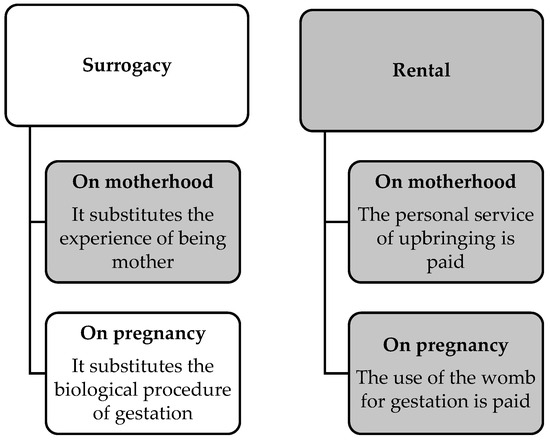
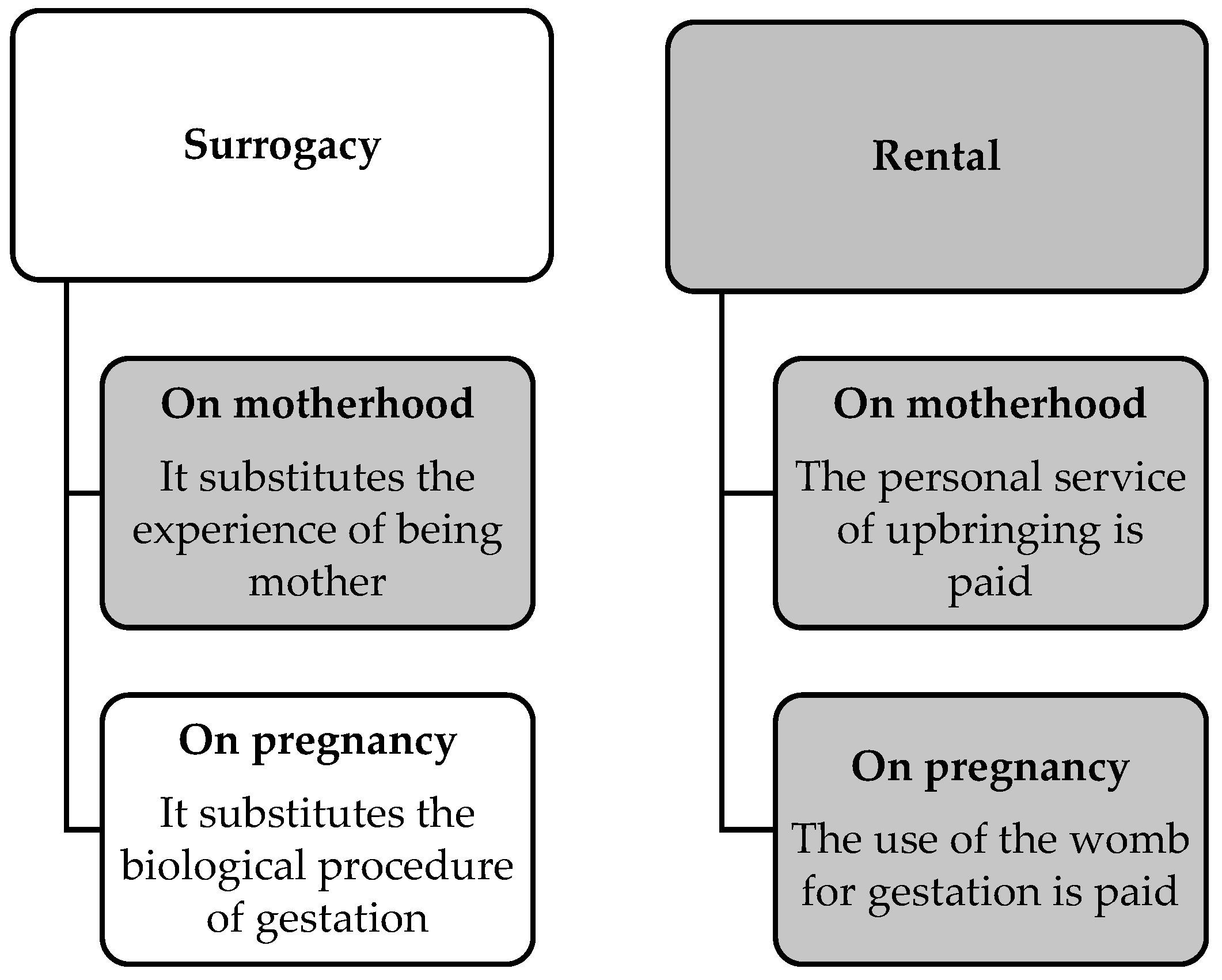
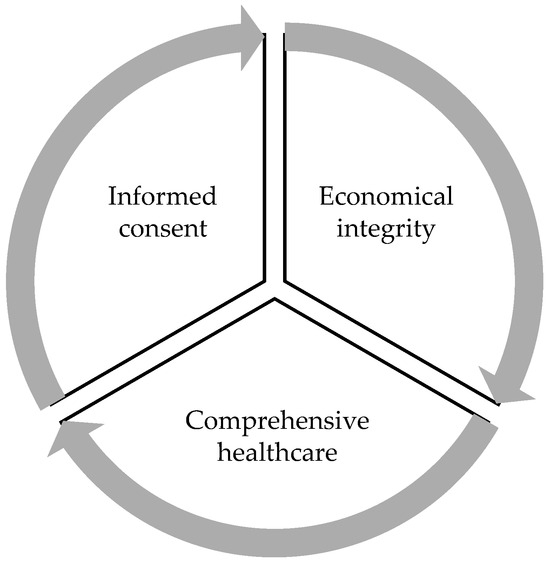
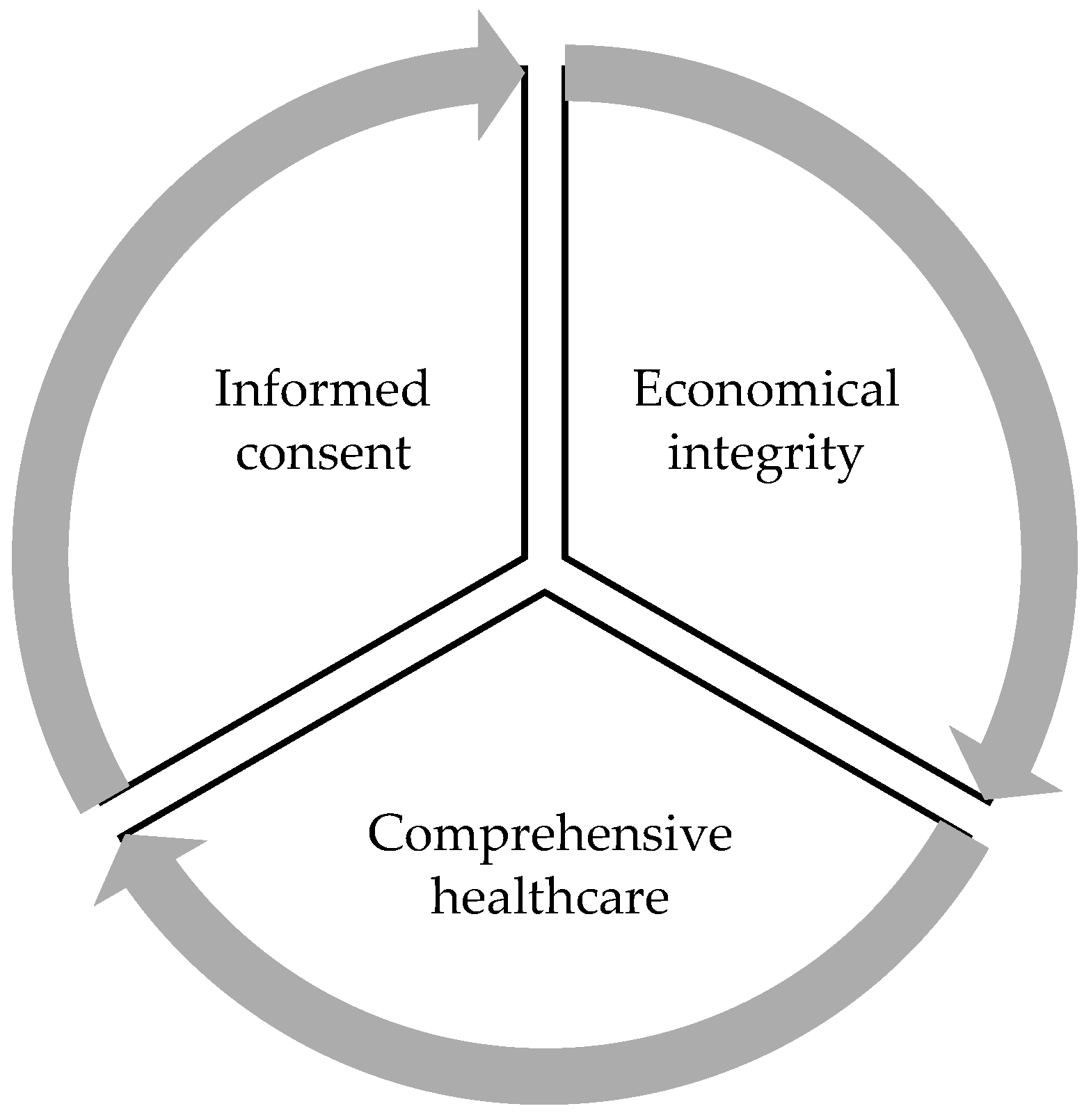

Disclaimer/Publisher’s Note: The statements, opinions and data contained in all publications are solely those of the individual author(s) and contributor(s) and not of MDPI and/or the editor(s). MDPI and/or the editor(s) disclaim responsibility for any injury to people or property resulting from any ideas, methods, instructions or products referred to in the content. |
© 2026 by the authors. Licensee MDPI, Basel, Switzerland. This article is an open access article distributed under the terms and conditions of the Creative Commons Attribution (CC BY) license.