Research on the Strengthening Mechanism of Flawed Excavated-Mass Aggregate and Concrete Properties Considering the Infiltration Path and Crystallization Process

Abstract
1. Introduction
2. Experimental Materials and Methods
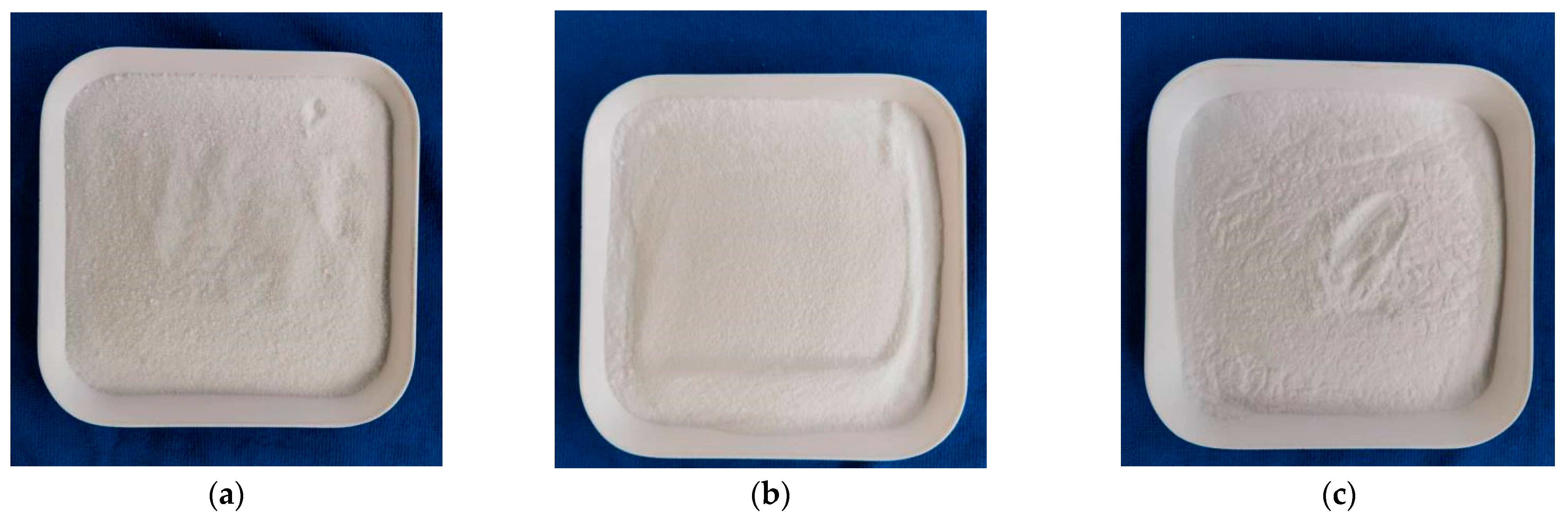
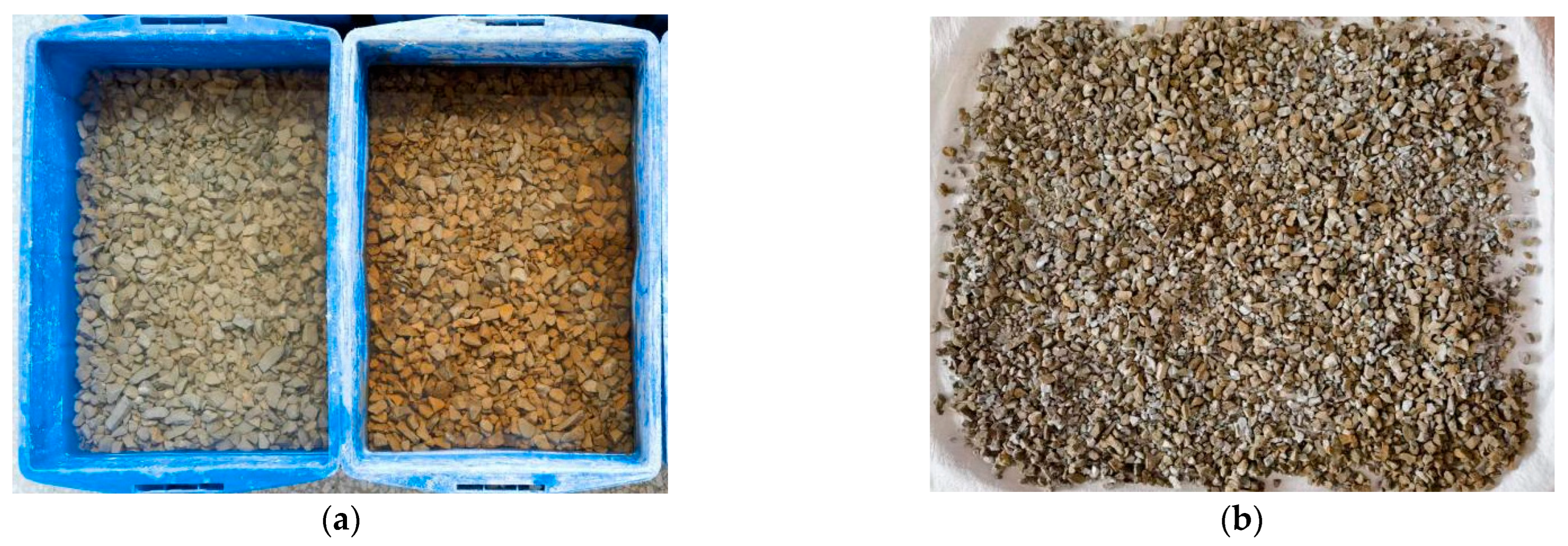
2.1. Experimental Materials
2.2. Experimental Process
2.2.1. Preparation of Strengthened Aggregates
2.2.2. Preparation of Concrete Specimens
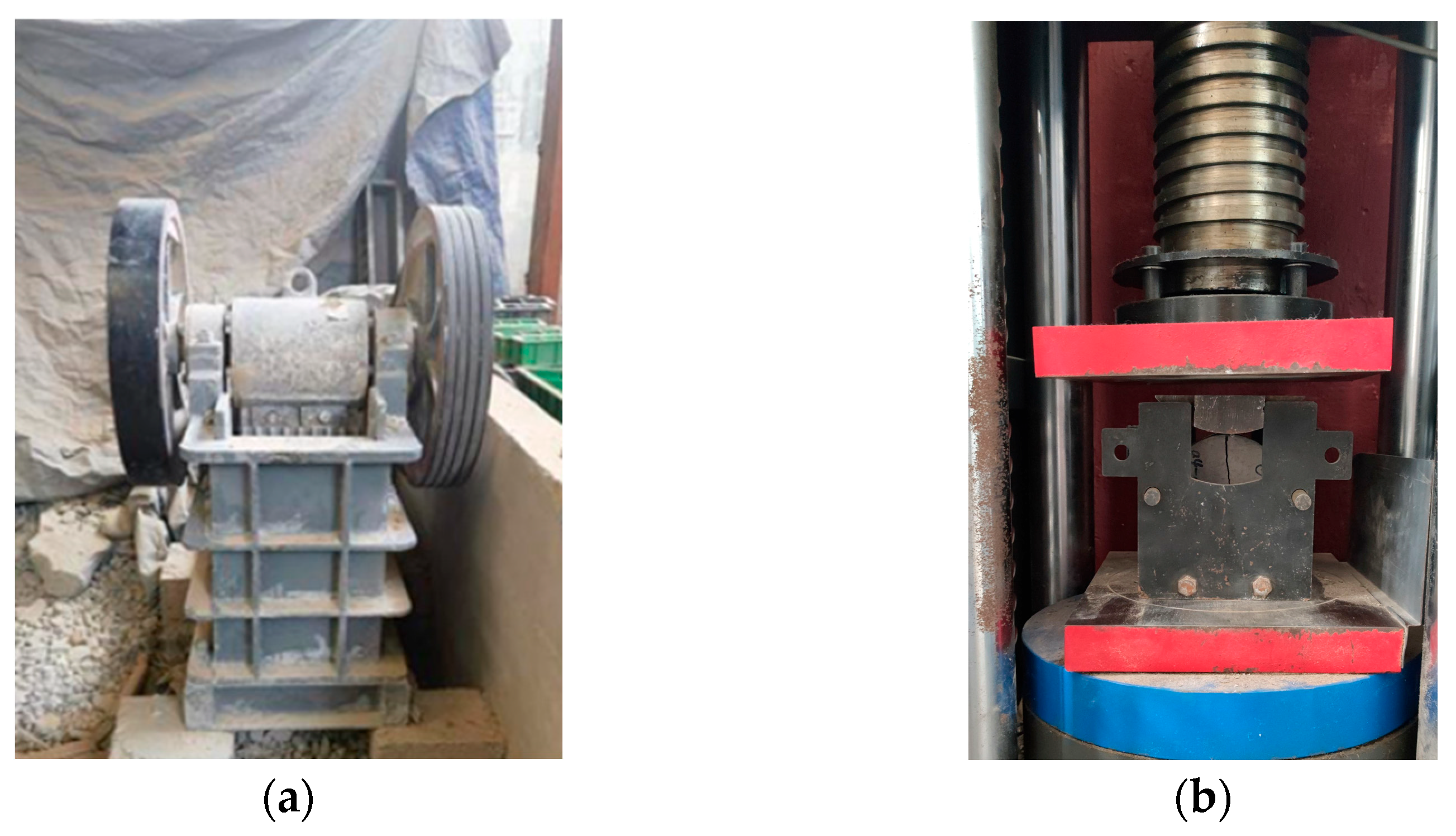
2.2.3. Test Set-Up
3. Mechanism of Defect Aggregate Performance Enhancement Based on Crystalline Products
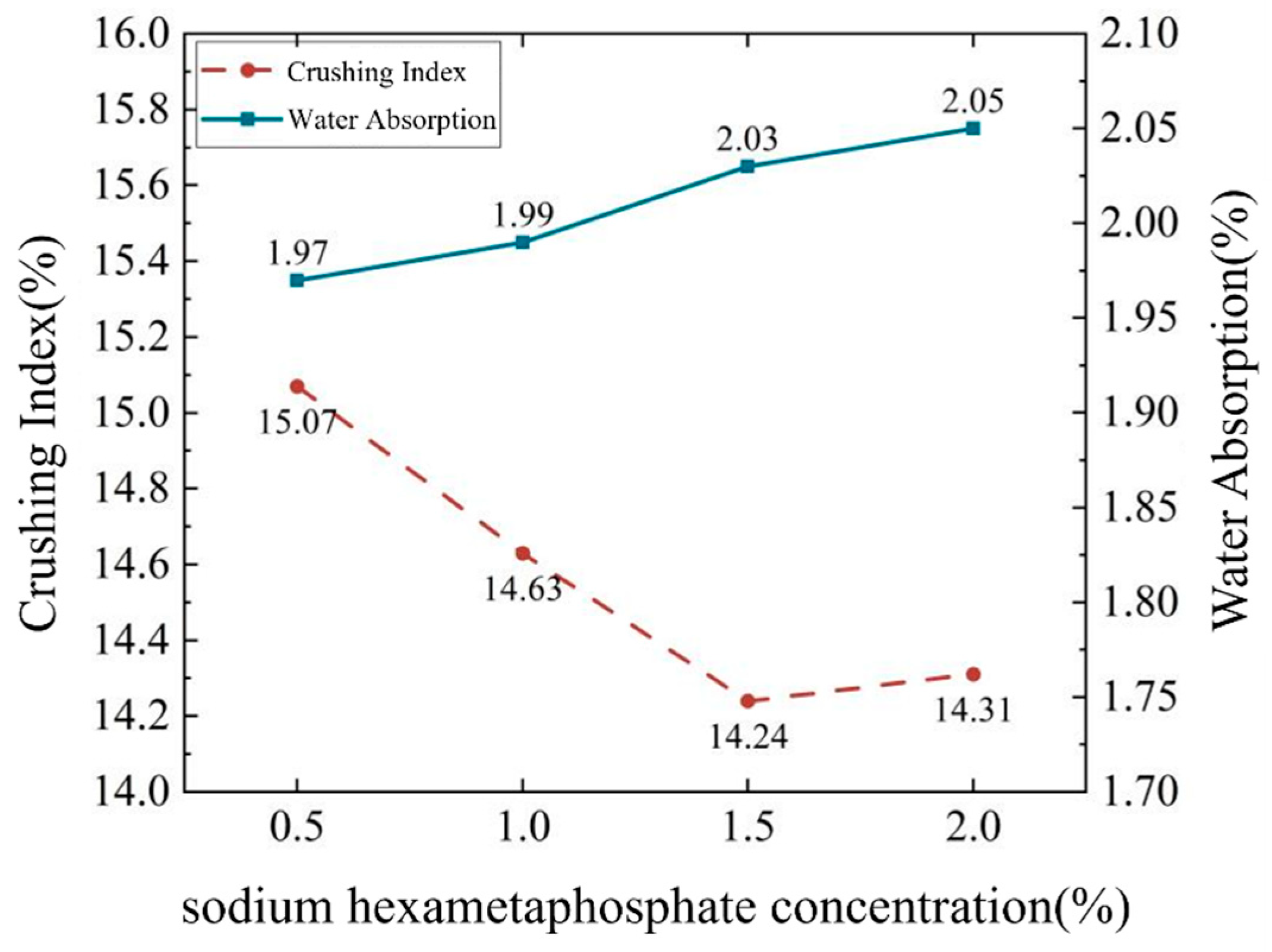
3.1. Influence of Crystal Strength on the Performance of Flawed Excavated-Mass Aggregates
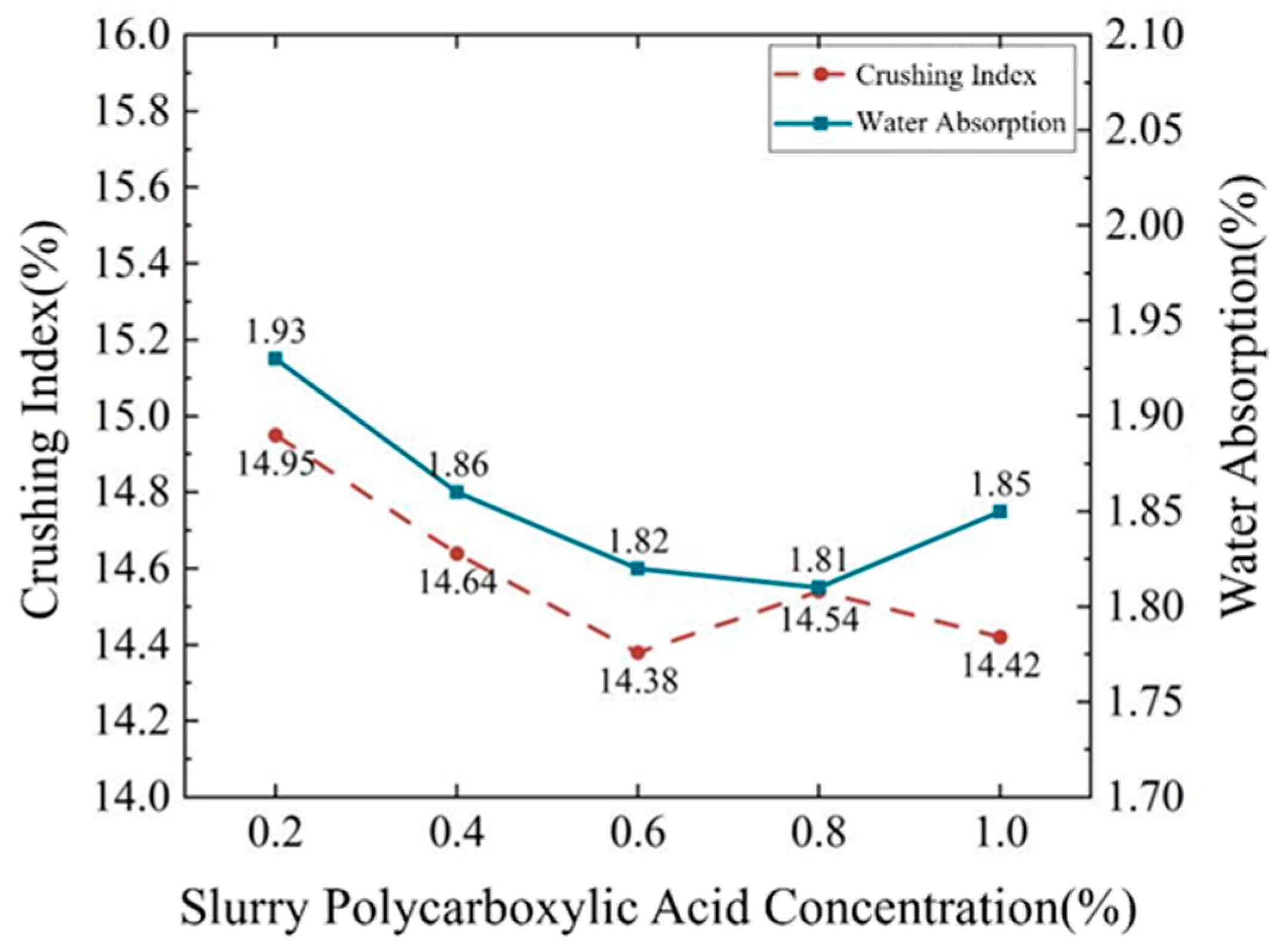
3.2. Impact of Permeation Paths on the Performance of Flawed Excavated-Mass Aggregates
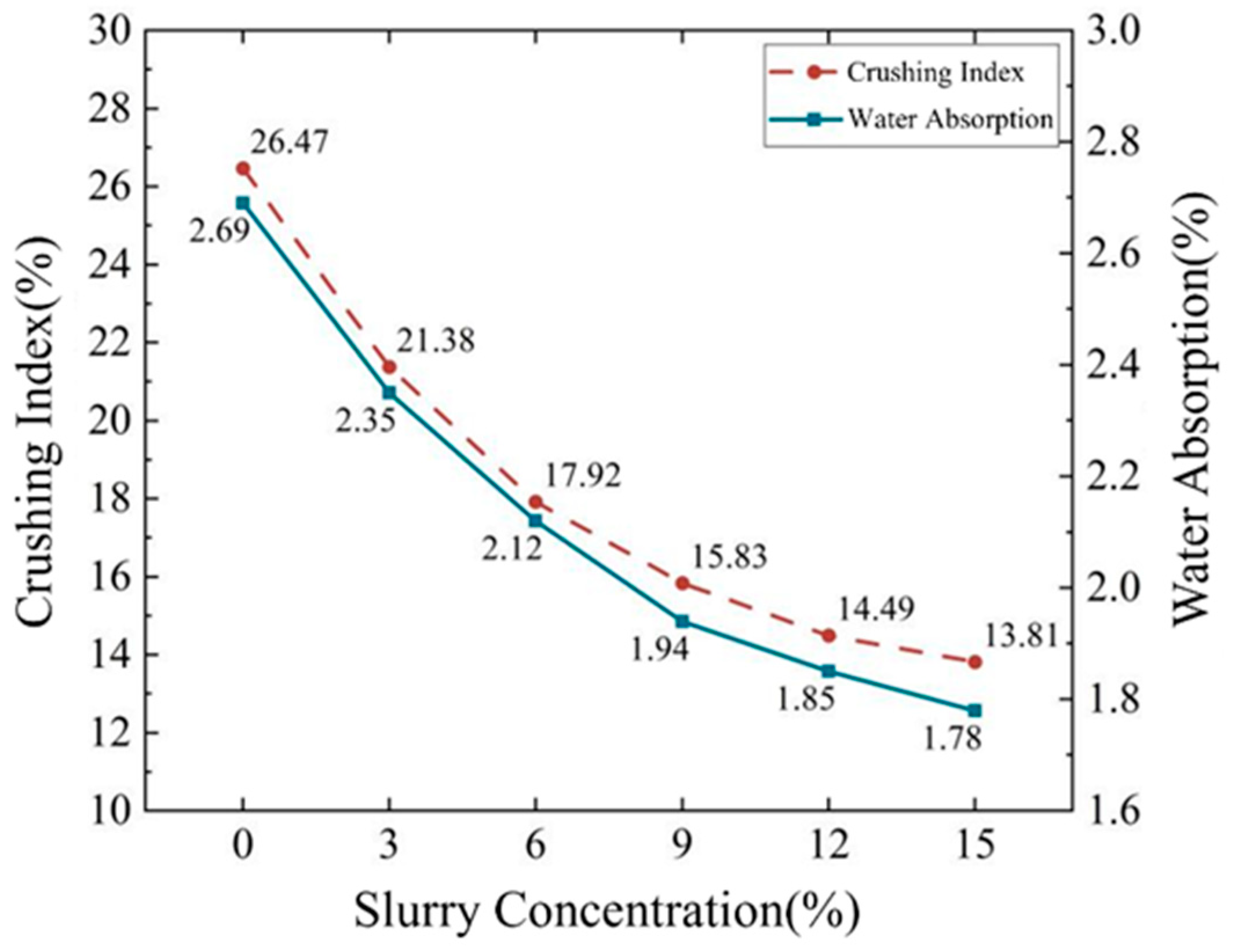
3.3. Impact of Crystal Content on the Flawed Excavated-Mass Aggregates
3.4. Mechanism of Performance Enhancement for Flawed Excavated-Mass Aggregates Based on Crystalline Products
4. Analysis of Mechanical Properties of Concrete Reinforced with Flawed Excavated-Mass Aggregate
4.1. Concrete Slump
4.2. Concrete Compressive Strength
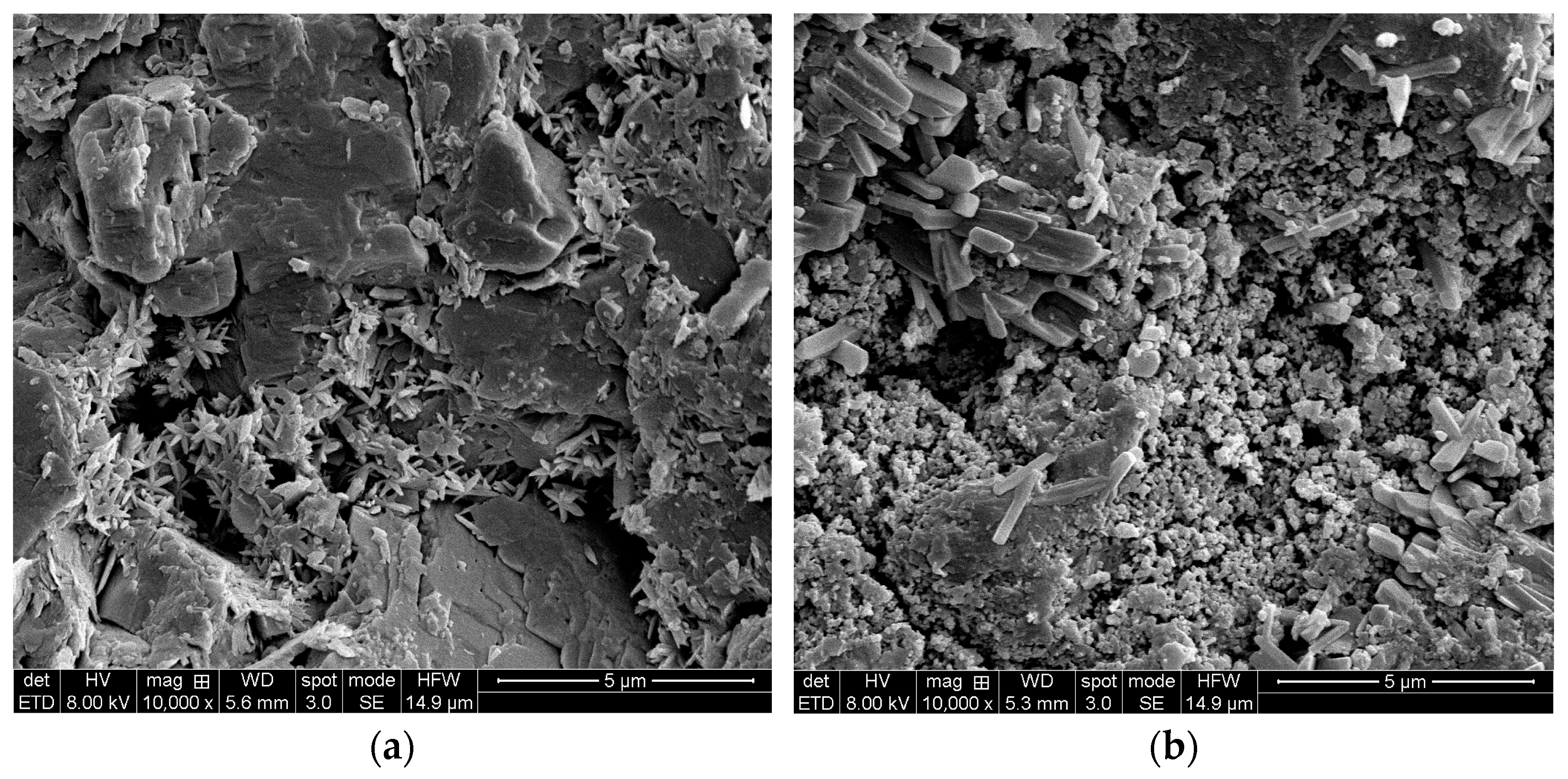
4.3. Microstructure of the Interface Transition Zone
5. Conclusions
- Sodium borate, sodium hexametaphosphate, and polycarboxylic acid substances are used to modify sodium silicate, producing a strengthened slurry primarily composed of sodium silicate. The reinforcement effect on flawed excavated-mass aggregates is optimized by expanding the penetration pathways and increasing the strength of the crystals. Sodium borate forms a composite network structure with silicon-oxygen tetrahedra, while sodium hexametaphosphate interlocks with silicon–oxygen tetrahedra to enhance the strength of silicon dioxide crystals. Polycarboxylic acid substances improve the stability of the sodium silicate system, reduce its size, and increase its wettability on defective aggregates.
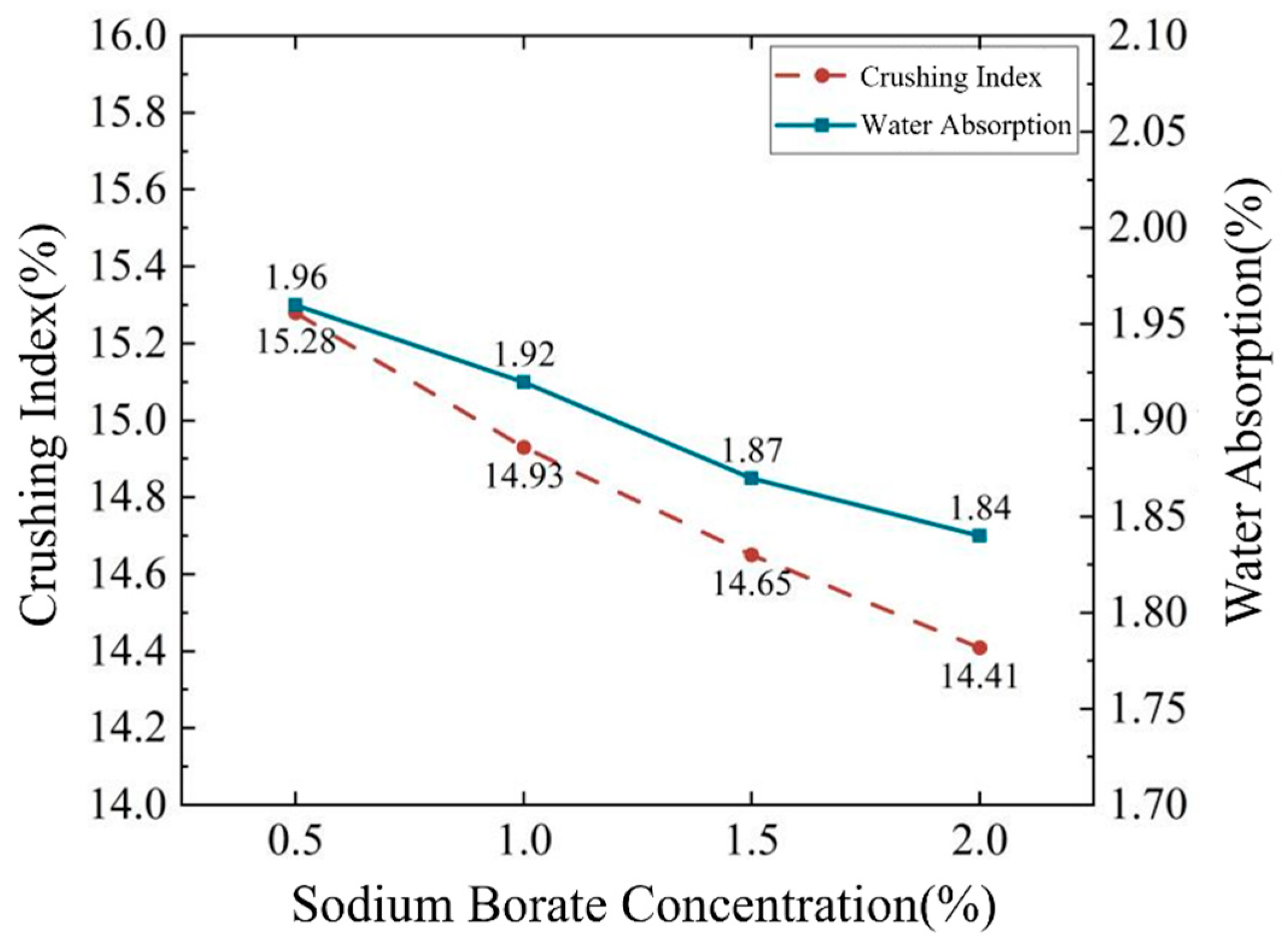
- The crushing value and water absorption of flawed excavated-mass aggregates decrease continuously with increasing concentration of the strengthening slurry. Higher concentrations of strengthening slurry lead to a greater amount of sodium silicate entering the aggregate’s interior, resulting in more silica crystals forming during air-drying through dehydration, and a more pronounced filling effect on the pore structure of the defective aggregates.
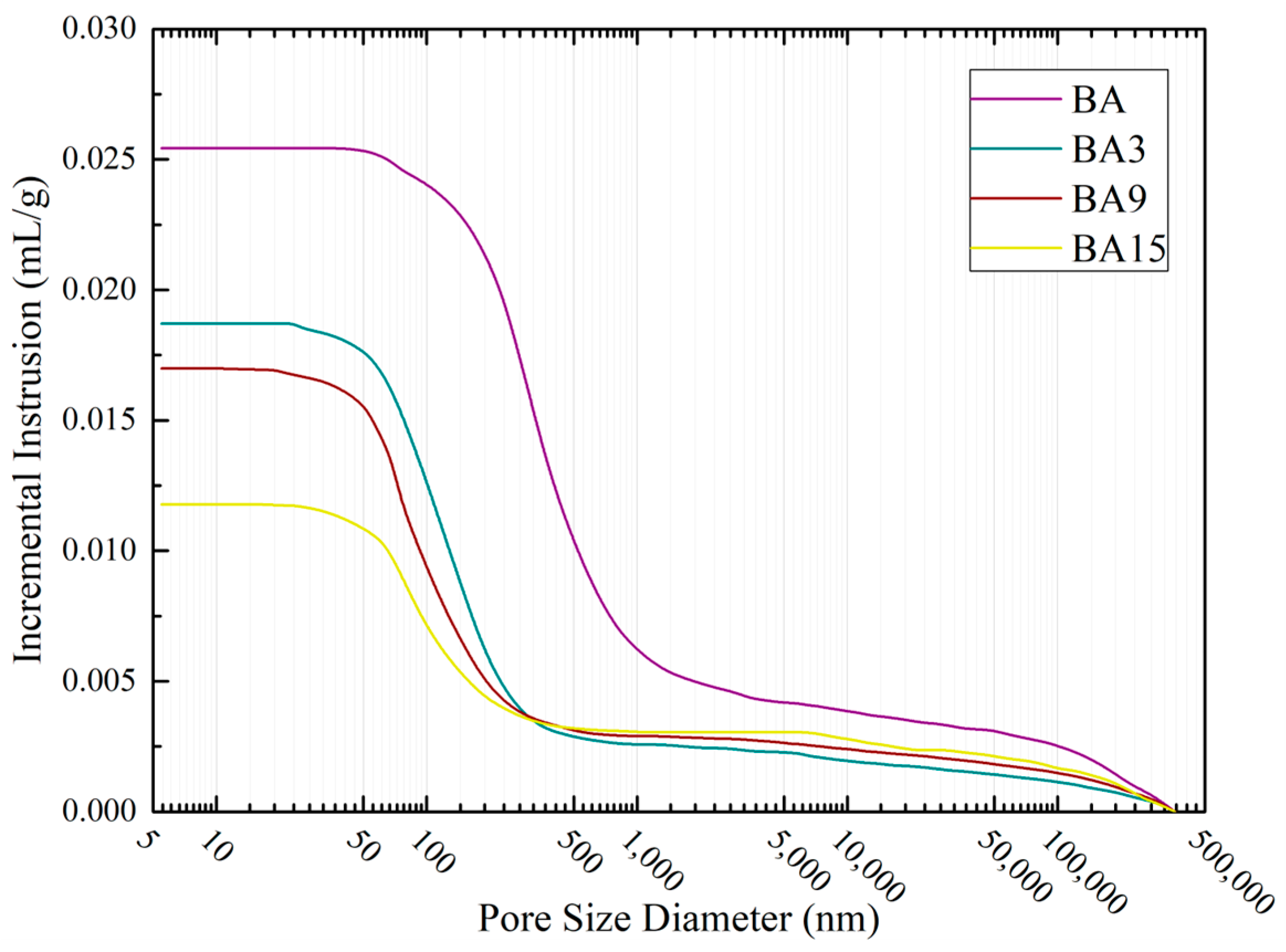
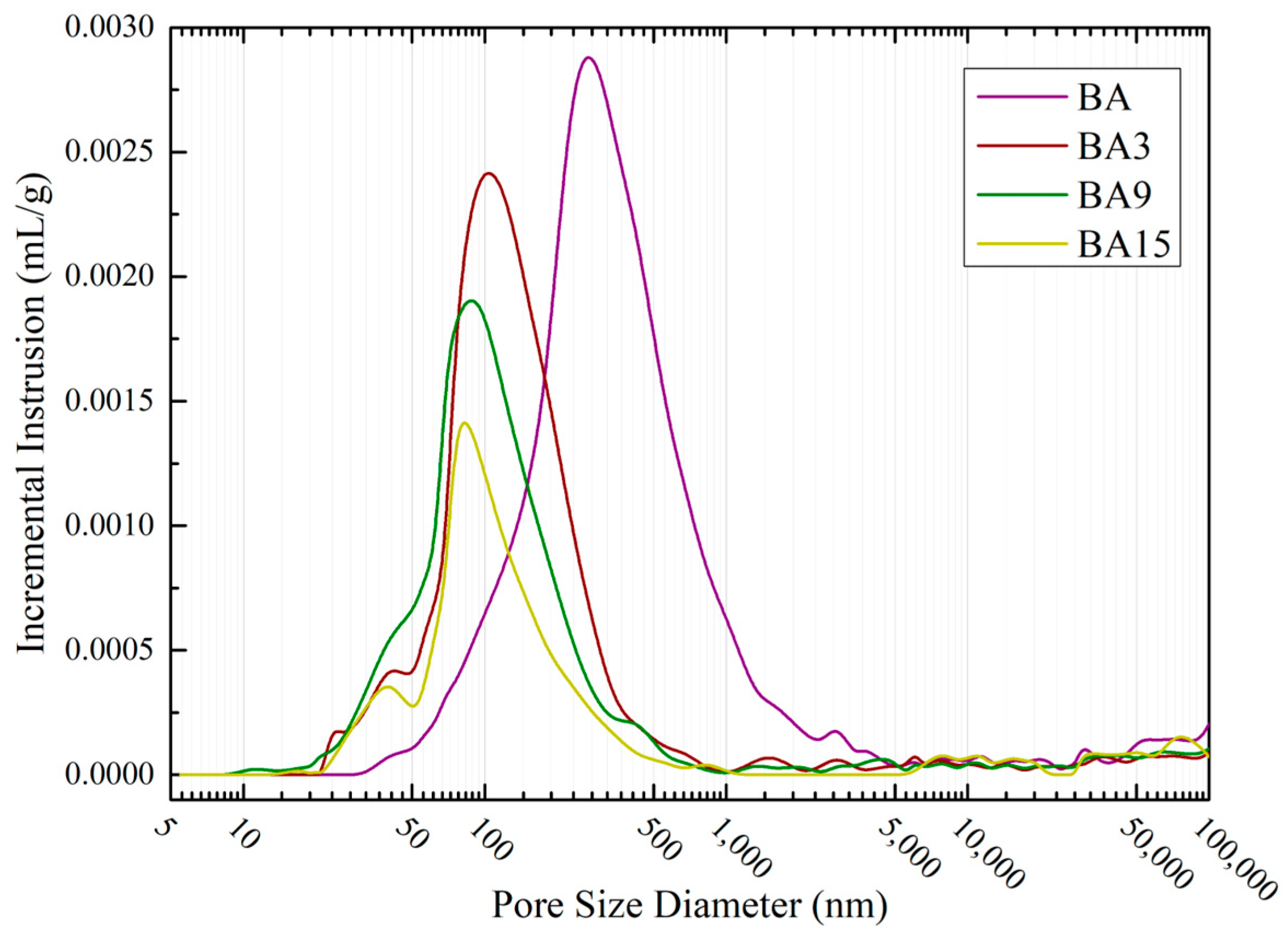
- Crystalline silica formed by dehydration and hardening within the flawed excavated-mass aggregates after impregnation with the strengthening slurry densifies the pore structure, reducing its total porosity. Higher concentrations of the strengthening slurry result in lower total porosity. Simultaneously, the pore structure of the flawed excavated-mass aggregates is refined, the pore size distribution curve is optimized, and the average pore size and the most probable pore size are reduced.
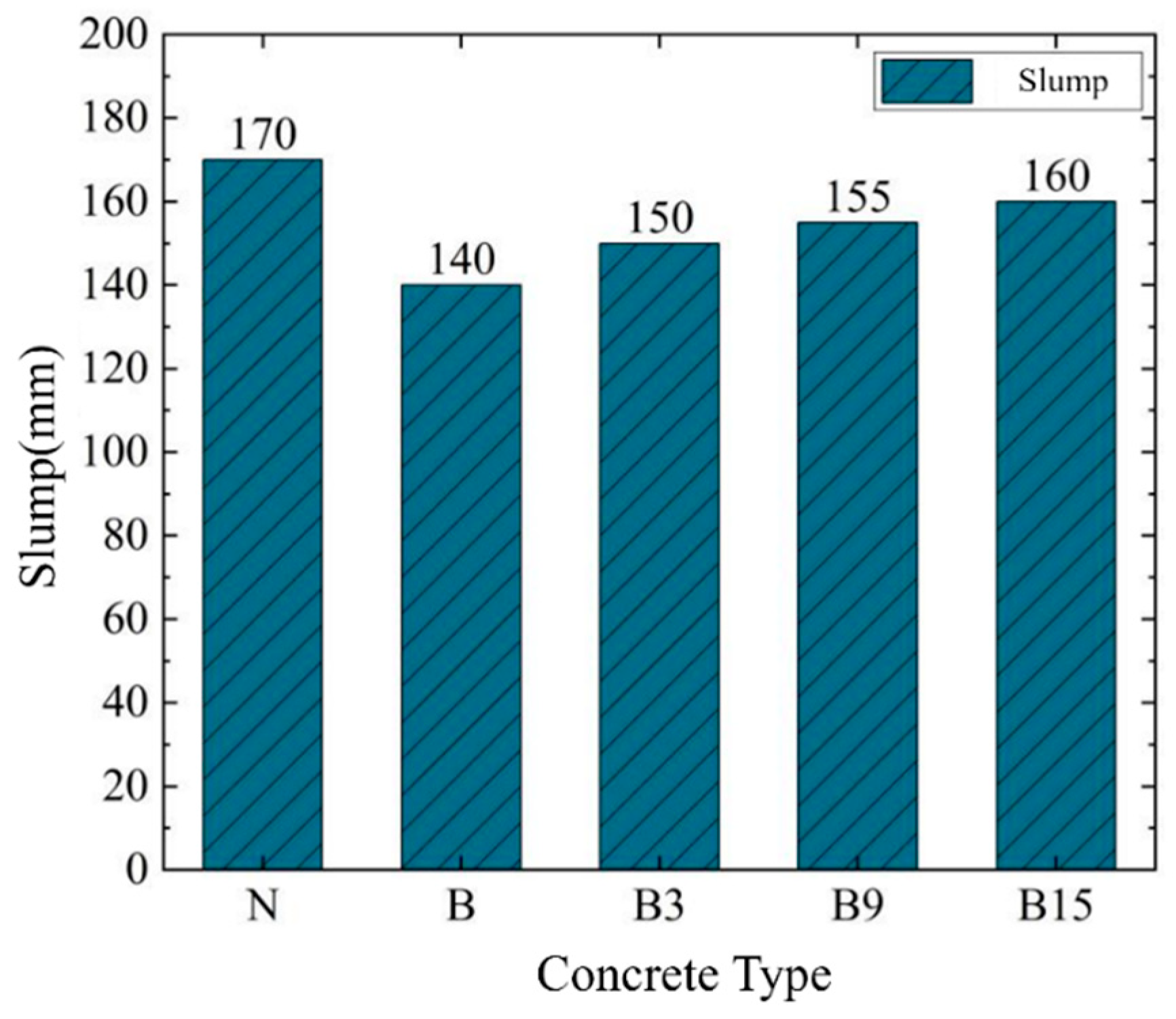
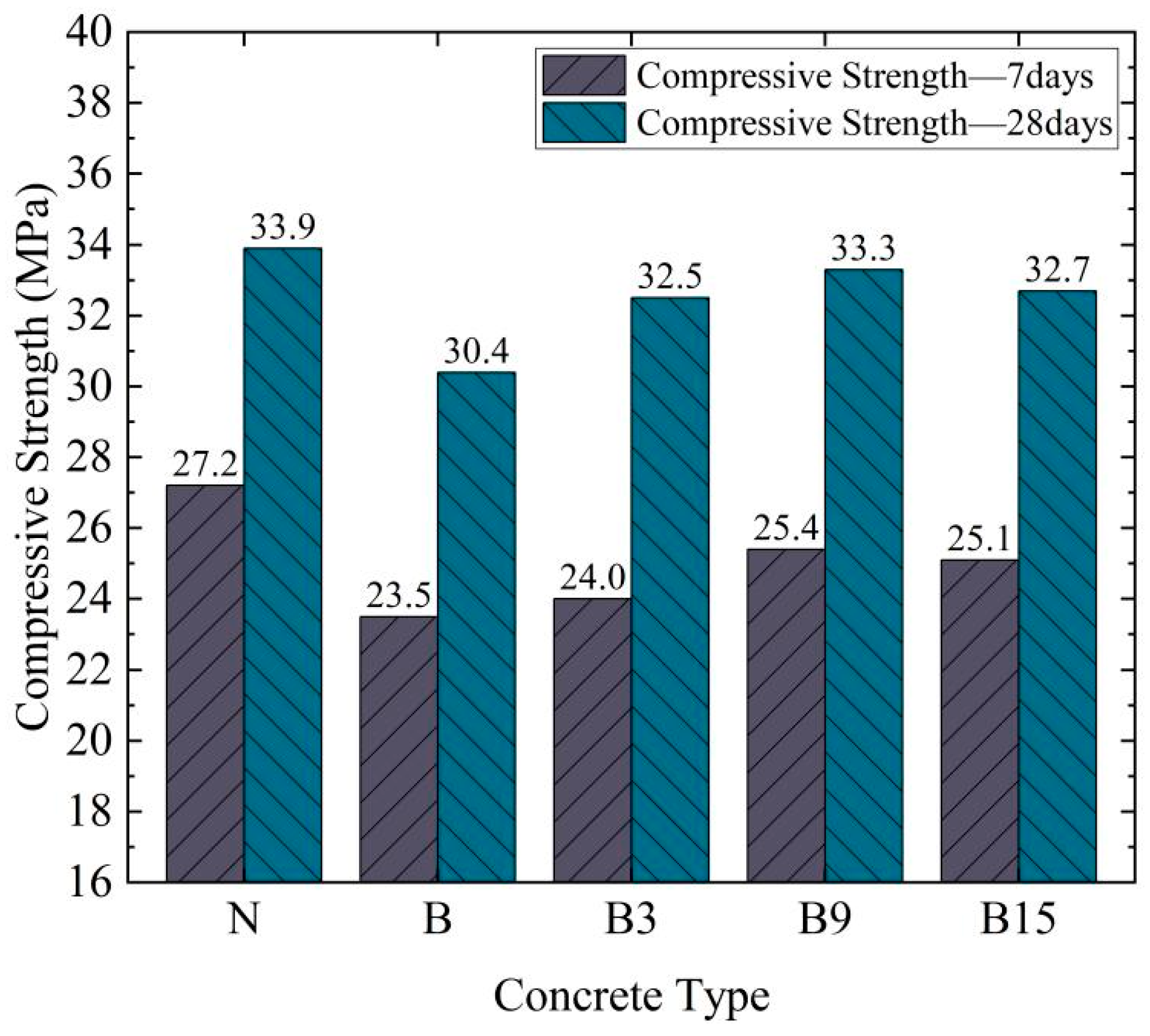
- Soaking aggregate in strengthening slurry can improve the workability and slump of reinforced aggregate concrete. Furthermore, it enhances the compressive and flexural strength of the concrete. Higher slurry concentration leads to greater improvements in these strength properties. The strengthening effect of the slurry on the concrete’s mechanical strength is most pronounced during the early stages of curing.
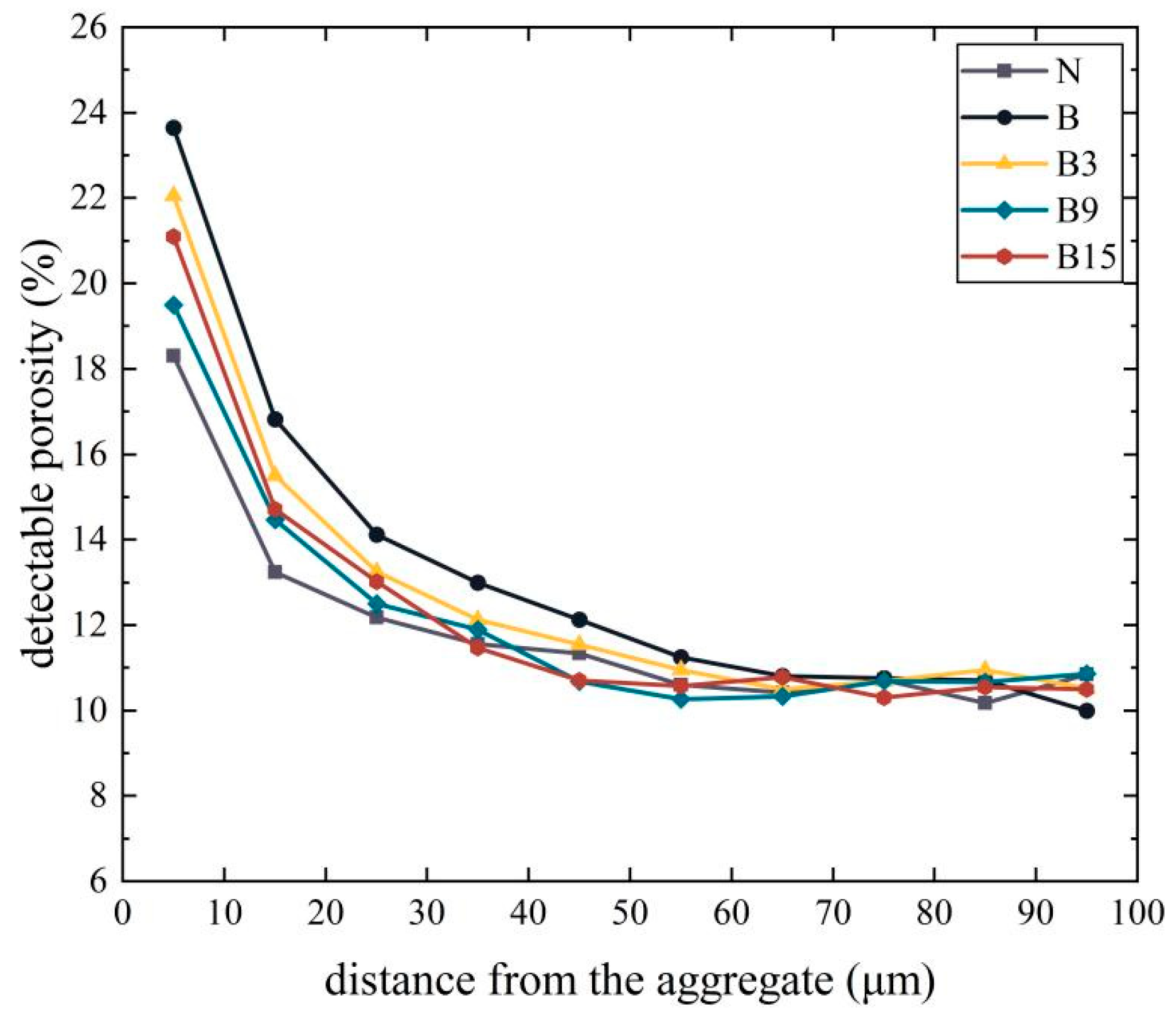
- The porosity of the Interfacial Transition Zone (ITZ) increases closer to the aggregate surface. Impregnating with a strengthening slurry can reduce both the porosity and thickness of the ITZ. Higher concentrations of the strengthening slurry result in a more significant reduction in ITZ porosity. Silicates attached to the surface of the strengthened aggregate undergo a secondary crystallization reaction with calcium hydroxide, a product of cement hydration in the ITZ, forming calcium silicate hydrate (C-S-H) gel. This promotes cement hydration, effectively decreasing ITZ porosity and improving the ITZ microstructure.
Author Contributions
Funding
Data Availability Statement
Conflicts of Interest
References
- Wongvatana, N.; Noorak, A.; Poorahong, H.; Jongpradist, P.; Chaiprakaikeow, S.; Jamsawang, P. Sustainable road construction materials incorporating dam sediment and eucalyptus ash waste: A circular economy framework. Case Stud. Constr. Mater. 2025, 22, e04118. [Google Scholar] [CrossRef] [Scilit]
- Sharghi, M.; Jeong, H. The potential of recycling and reusing waste materials in underground construction: A review of sustainable practices and challenges. Sustainability 2024, 16, 4889. [Google Scholar] [CrossRef] [Scilit]
- Mostafaei, H.; Chamasemani, N.F.; Mashayekhi, M.; Hamzehkolaei, N.S.; Santos, P. Sustainability Enhancement and Evaluation of a Concrete Dam Using Recycling. Appl. Sci. 2025, 15, 2479. [Google Scholar] [CrossRef] [Scilit]
- Wang, Z.; Yang, J.; Wu, Y. Durability Performance of CGF Stone Waste Road Base Materials under Dry–Wet and Freeze–Thaw Cycles. Materials 2024, 17, 4272. [Google Scholar] [CrossRef] [Scilit] [PubMed]
- Deng, J.; Yao, Y.; Huang, C. Utilization of Tunnel Waste Slag for Cement-Stabilized Base Layers in Highway Engineering. Materials 2024, 17, 4525. [Google Scholar] [CrossRef] [Scilit]
- Wu, L.; Niu, F.; Lin, Z.; Shang, Y.; Nimbalkar, S.; Sheng, D. Experimental and numerical analyses on the frost heave deformation of reclaimed gravel from a tunnel excavation as a structural fill in cold mountainous regions. Sustainability 2023, 15, 13397. [Google Scholar] [CrossRef] [Scilit]
- Xie, Z.; Lü, X.; Zhang, Y.; Liu, X.; Ma, Y.; Xu, K. Study on mechanical property and breakage behavior of tunnel slag containing weak rocks as road construction material. Constr. Build. Mater. 2024, 411, 134164. [Google Scholar] [CrossRef] [Scilit]
- Tokgöz, N. Use of TBM excavated materials as rock filling material in an abandoned quarry pit designed for water storage. Eng. Geol. 2013, 153, 152–162. [Google Scholar] [CrossRef] [Scilit]
- Alnuaim, A.; Abbas, Y.M.; Khan, M.I. Sustainable application of processed TBM excavated rock material as green structural concrete aggregate. Constr. Build. Mater. 2021, 274, 121245. [Google Scholar] [CrossRef] [Scilit]
- Grabiec, M.A.; Klama, J.; Zawal, D.; Krupa, D. Modification of recycled concrete aggregate by calcium carbonate biodeposition. Constr. Build. Mater. 2012, 34, 145–150. [Google Scholar] [CrossRef] [Scilit]
- Qiu, J.; Tng, S.Q.D.; Yang, E. Surface treatment of recycled concrete aggregates through microbial carbonate precipitation. Constr. Build. Mater. 2014, 57, 144–150. [Google Scholar] [CrossRef] [Scilit]
- Liu, X.; Si, Z.; Huang, L.; Zhao, P.; Zhang, L.; Li, M.; Yang, L. Research on the properties and modification mechanism of microbial mineralization deposition modified recycled concrete. J. Build. Eng. 2025, 102, 111963. [Google Scholar] [CrossRef] [Scilit]
- Sasanipour, H.; Aslani, F. Durability properties evaluation of self-compacting concrete prepared with waste fine and coarse recycled concrete aggregates. Constr. Build. Mater. 2020, 236, 117540. [Google Scholar] [CrossRef] [Scilit]
- Belabbas, O.; Bouziadi, F.; Boulekbache, B.; Hamrat, M.; Haddi, A.; Amziane, S. Mechanical properties of multi-recycled coarse aggregate concrete, with particular emphasis on experimental and numerical assessment of shrinkage at different curing temperatures. J. Build. Eng. 2024, 89, 109333. [Google Scholar] [CrossRef] [Scilit]
- Zhang, Z.; Ji, Y.; Wang, D. Research progress on fiber-reinforced recycled brick aggregate concrete: A review. Polymers 2023, 15, 2316. [Google Scholar] [CrossRef] [Scilit]
- Yuan, S.; Li, K.; Luo, J.; Zhu, Z.; Zeng, Y.; Dong, J.; Zhang, F. Effects of brick-concrete aggregates on the mechanical properties of basalt fiber reinforced recycled waste concrete. J. Build. Eng. 2023, 80, 108023. [Google Scholar] [CrossRef] [Scilit]
- Zhang, J.; Li, C.; Ding, L.; Zhao, H. Performance evaluation of strengthening recycled coarse aggregate in cement stabilized mixture base layer of pavement. Adv. Civ. Eng. 2020, 2020, 8821048. [Google Scholar] [CrossRef] [Scilit]
- Zhuang, D.; Chen, S.; Li, J.; Han, S.; Guo, Y. Recycled coarse aggregate from waste concrete strengthened by microbially induced calcium carbonate precipitation. Environ. Technol. Innov. 2025, 37, 103981. [Google Scholar] [CrossRef] [Scilit]
- Kou, S.C.; Poon, C.S.; Wan, H.W. Properties of concrete prepared with low-grade recycled aggregates. Constr. Build. Mater. 2012, 28, 2369–2377. [Google Scholar] [CrossRef] [Scilit]
- Xue, F.C.; Chu, J.J. Microstructure and physical properties of concrete containing recycled aggregates pre-treated by a nano-silica soaking method. J. Build. Eng. 2022, 51, 104363. [Google Scholar]
- Li, T.; Nogueira, R.; de Brito, J.; Liu, J. A simple method to address the high water absorption of recycled aggregates in cementitious mixes. Constr. Build. Mater. 2024, 411, 134404. [Google Scholar] [CrossRef] [Scilit]
- Shi, C.; Li, Y.; Zhang, J.; Li, W.; Chong, L.; He, Z. Performance enhancement of recycled concrete aggregate—A review. J. Clean. Prod. 2016, 112, 466–472. [Google Scholar] [CrossRef] [Scilit]
- Ge, P.; Huang, W.; Zhang, J.; Quan, W.; Guo, Y. Mix proportion design method of recycled brick aggregate concrete based on aggregate skeleton theory. Constr. Build. Mater. 2021, 304, 124584. [Google Scholar] [CrossRef] [Scilit]
- Tsai, M.S. The study of formation colloidal silica via sodium silicate. Mater. Sci. Eng. B 2004, 106, 52–55. [Google Scholar] [CrossRef] [Scilit]
- Falcone, J.S., Jr.; Bass, J.L.; Angelella, M.; Schenk, E.R.; Brensinger, K.A. The determination of sodium silicate composition using ATR FT-IR. Ind. Eng. Chem. Res. 2010, 49, 6287–6290. [Google Scholar] [CrossRef] [Scilit]
- Wang, L.; Jiang, W.; Liu, F.; Fan, Z. Investigation of parameters and mechanism of ultrasound-assisted wet reclamation of waste sodium silicate sands. Int. J. Cast Met. Res. 2018, 31, 169–176. [Google Scholar] [CrossRef] [Scilit]
- Wang, Y.; Wang, Y.; Wen, K.; Dang, W.; Xun, J. Strengthening the inhibition effect of sodium silicate on muscovite by electrochemical modification. Miner. Eng. 2021, 161, 106731. [Google Scholar] [CrossRef] [Scilit]
- Xu, Y.; Zhang, Y.; Huang, J.; Chen, G. Mechanical properties, microstructure and consolidation of sand modified with sodium silicate. Eng. Geol. 2022, 310, 106875. [Google Scholar] [CrossRef] [Scilit]
- Phuong, T.N.; Vu, T.N.M. Effects of Disodium Hydrogen Phosphate Addition and Heat Treatment on the Formation of Magnesium Silicate Hydrate Gel. JST Eng. Technol. Sustain. Dev. 2021, 31, 75–79. [Google Scholar]
- Lim, H.M.; Yang, H.C.; Chun, B.S.; Lee, S.H. The effect of sodium tripolyphosphate on sodium silicate-cement grout. Mater. Sci. Forum 2005, 486, 391–394. [Google Scholar] [CrossRef] [Scilit]
- Song, L.; Liu, W.; Han, F.; Li, Y. Effect of silica fume on humidity resistance of sodium silicate binder for core-making process. Int. J. Met. 2020, 14, 977–986. [Google Scholar] [CrossRef] [Scilit]
- Mysen, B. Physics and chemistry of silicate glasses and melts. Eur. J. Mineral. 2003, 15, 781–802. [Google Scholar] [CrossRef] [Scilit]
- Buhl, J.C.; Schomborg, L.; Rüscher, C.H. Hydrogen Storage; Liu, J., Ed.; InTech: Rijeka, Croatia, 2012; Chapter 38722. [Google Scholar]
- Shen, C.Y. Alkaline hydrolysis of sodium trimetaphosphate in concentrated solutions and its role in built detergents. Ind. Eng. Chem. Prod. Res. Dev. 1966, 5, 272–276. [Google Scholar] [CrossRef] [Scilit]



| Sequence | Label | Proportions of Concrete Mix (kg/m3) | ||||||
|---|---|---|---|---|---|---|---|---|
| Cement | Water | Sand | Natural Aggregate (NA) | Defective Aggregate (DA) | Reinforced Aggregate (RA) | Polycarboxylate Superplasticizer | ||
| 1 | N | 362 | 210 | 676 | 1152 | - | - | 0.5 |
| 2 | B | 362 | 210 | 676 | - | 1152 | - | 0.5 |
| 3 | B3 | 362 | 210 | 676 | - | - | 1152 | 0.5 |
| 4 | B9 | 362 | 210 | 676 | - | - | 1152 | 0.5 |
| 5 | B15 | 362 | 210 | 676 | - | - | 1152 | 0.5 |
| Test | Specimen Size (mm) | Sample Group | Note | ||||
|---|---|---|---|---|---|---|---|
| SEM | BA | BA15 | All the test items involve three specimens for each group | ||||
| MIP | BA | BA3 | BA9 | BA15 | |||
| slump | N | B | B3 | B9 | B15 | ||
| BSE | N | B | B3 | B9 | B15 | ||
| 7 d compressive strength | 100 × 100 × 100 | N | B | B3 | B9 | B15 | |
| 28 d compressive strength | 100 × 100 × 100 | N | B | B3 | B9 | B15 | |
| Distance (μm) | N | B | B3 | B9 | B15 |
|---|---|---|---|---|---|
| 5 | 18.3121 | 23.6524 | 22.0513 | 19.4941 | 21.0939 |
| 15 | 13.2346 | 16.8267 | 15.4998 | 14.4723 | 14.7175 |
| 25 | 12.1810 | 14.1229 | 13.2562 | 12.5072 | 13.0139 |
| 35 | 11.5555 | 12.9892 | 12.1287 | 11.8963 | 11.4694 |
| 45 | 11.3346 | 12.1296 | 11.5453 | 10.6757 | 10.7050 |
| 55 | 10.5979 | 11.2428 | 10.9578 | 10.2621 | 10.5776 |
| 65 | 10.4220 | 10.8066 | 10.4942 | 10.3281 | 10.7854 |
| 75 | 10.7136 | 10.7543 | 10.6917 | 10.6921 | 10.3062 |
| 85 | 10.1726 | 10.7108 | 10.9538 | 10.6696 | 10.5471 |
| 95 | 10.8522 | 9.9927 | 10.5258 | 10.8658 | 10.4959 |
| ITZ (μm) | 50 | 60 | 50 | 40 | 40 |
Disclaimer/Publisher’s Note: The statements, opinions and data contained in all publications are solely those of the individual author(s) and contributor(s) and not of MDPI and/or the editor(s). MDPI and/or the editor(s) disclaim responsibility for any injury to people or property resulting from any ideas, methods, instructions or products referred to in the content. |
© 2026 by the authors. Licensee MDPI, Basel, Switzerland. This article is an open access article distributed under the terms and conditions of the Creative Commons Attribution (CC BY) license.
Share and Cite
Li, M.; Lv, M.; Bai, H.; Ran, Z.; Li, X. Research on the Strengthening Mechanism of Flawed Excavated-Mass Aggregate and Concrete Properties Considering the Infiltration Path and Crystallization Process. Buildings 2026, 16, 255. https://doi.org/10.3390/buildings16020255
Li M, Lv M, Bai H, Ran Z, Li X. Research on the Strengthening Mechanism of Flawed Excavated-Mass Aggregate and Concrete Properties Considering the Infiltration Path and Crystallization Process. Buildings. 2026; 16(2):255. https://doi.org/10.3390/buildings16020255
Chicago/Turabian StyleLi, Mengliang, Miao Lv, Hao Bai, Zhaolun Ran, and Xinxin Li. 2026. "Research on the Strengthening Mechanism of Flawed Excavated-Mass Aggregate and Concrete Properties Considering the Infiltration Path and Crystallization Process" Buildings 16, no. 2: 255. https://doi.org/10.3390/buildings16020255
APA StyleLi, M., Lv, M., Bai, H., Ran, Z., & Li, X. (2026). Research on the Strengthening Mechanism of Flawed Excavated-Mass Aggregate and Concrete Properties Considering the Infiltration Path and Crystallization Process. Buildings, 16(2), 255. https://doi.org/10.3390/buildings16020255