


Abstract
Driven by the urgent need for industrial transformation and emerging technologies, the construction engineering market is rapidly evolving toward intelligent building systems. This study employs latent Dirichlet allocation (LDA) methodology to analyze 474 blockchain-related research abstracts from Web of Science and Scopus databases, identifying eight key research topics: (1) industry adoption and implementation challenges; (2) smart contracts and payment mechanisms; (3) emerging technologies and digital transformation; (4) construction supply chain integration and optimization; (5) building modeling and technology integration; (6) modular integrated construction (MIC) applications; (7) project data and security management; and (8) construction industry sustainability and circular economy (CE). Using the autoregressive integrated moving average (ARIMA) model, the study forecasts trends for the top three research topics over the next 36 months. The results indicate strong positive growth trajectories for industry adoption and implementation challenges (Topic 1) and project data and security management (Topic 7), while emerging technologies and digital transformation (Topic 3) demonstrate sustained growth. This study offers a thorough examination of the present landscape and emerging research trends of blockchain in construction, and establishes an overall framework to comprehensively summarize its research and application in the construction industry. The results provide actionable insights for both practitioners and researchers, facilitating a deeper understanding of blockchain’s evolution and implementation prospects, and supporting the advancement of innovation within the industry.
1. Introduction
The construction industry acts as a cornerstone of the global economy, permeating all societal sectors, serving as a key pillar in supporting social and economic development. Following a phase of rapid growth, the construction industry is transitioning into a new era of high-quality development, marked by increasing digitalization and the adoption of intelligent technologies. Simultaneously, the industry is actively exploring solutions to cope with the current challenges of inefficiency and high costs [1].
Blockchain has garnered significant interest in the construction industry for its decentralized nature, resistance to tampering, and ability to provide traceable records [2]. Kim et al. [3] pointed out that blockchain can reshape the construction industry by fundamentally transforming its operational infrastructure from traditional fragmented systems into a decentralized and transparent ecosystem. Many scholars are studying its immense potential in this field [4], for example, blockchain can address long-standing problems in traditional construction systems, such as information silos, lack of trust, and inefficient collaboration [5]. Comprehensive research on blockchain in construction can enhance the organization of industry data, increase transparency and trustworthiness throughout the construction process, and accelerate the digital transformation of sustainable building systems. These analytical projections could illuminate emerging impediments to blockchain adoption, simultaneously establishing an empirical framework for construction industry standardization. Such insights carry profound foundational implications—both conceptual and applied—for steering the sector’s progressive evolution. In the field of construction, the application of text mining technology has made significant progress. Its core value lies in efficiently extracting key information from massive research literature [6]. By applying topic modeling and evolution tracking to a vast collection of academic literature on construction blockchain, this approach can precisely identify key themes, research hotspots, and emerging trends within the construction industry. This, in turn, provides a scientific basis to guide the development of construction blockchain systems and to build a foundational knowledge map of their theoretical evolution.
Latent Dirichlet allocation (LDA), first proposed by Blei et al. in 2003, is recognized as a seminal probabilistic technique in text mining [7]. Its significance lies in its ability to model documents as mixtures of latent topics, enabling the efficient discovery of semantic structures within massive unstructured text corpora. It has since become the most widely adopted unsupervised topic modeling technique. LDA employs a probabilistic generative model to analyze a corpus, based on the core assumption that documents are produced from a mixture of multiple latent topics, with each topic represented as a probability distribution over a specific set of words. Unlike traditional subjective classification methods, LDA uses a score assignment mechanism that allows a single document to be associated with multiple topics in a probabilistic manner. For example, a paper on building blockchain may cover topics such as “smart contract payment” and “modular traceability”. This approach better reflects the real-world scenario of cross-integration of technologies and effectively avoids the inherent errors of subjective topic classification [8]. In addition, the dynamic assignment characteristics of LDA support tracking topic evolution from a dual perspective: it can both analyze the changes in topic intensity across years at a macro level and examine the similarities between topics at a micro level [9]. Given these advantages, LDA has been extensively applied across various research areas within the construction field, such as building safety [10], construction policy [11], and construction technology [12]. These applications demonstrate the versatility and effectiveness of LDA in revealing the underlying topic structure and evolutionary patterns in complex text data, thereby promoting deeper insights and informed decision-making in the construction industry.
However, the document-topic distribution generated by traditional LDA models exhibits static cross-sectional characteristics, making it challenging to uncover the dynamic evolutionary patterns within research domains. To overcome this limitation, one can integrate the topic probability distributions output by LDA with time series methods. This integrative approach facilitates tracing topic evolution, capturing the research domain’s temporal trajectory. Therefore, combining topic probability assignment with temporal trend analysis has become a key investigative method aimed at revealing patterns of progress and development trajectories in the field.
This study establishes a synergistic framework integrating LDA and auto-regressive integrated moving average (ARIMA) to establish a multi-faceted collaborative analysis and prediction framework. LDA is a major topic extraction technique in text analysis, which can derive topic distribution from a large document base in a probabilistic manner. This helps to identify and integrate groundbreaking research topics in academic publications. Complementary to it, ARIMA constitutes a robust time series analysis paradigm that is good at capturing and predicting trends in serialized data structures. This study integrates the LDA and ARIMA frameworks to synthesize static and dynamic analysis perspectives. This approach enables a thorough evaluation and forecasting of the development of research topics. This dynamic analytical approach enables researchers to identify bottlenecks in technology diffusion, thereby helping to develop targeted strategies to accelerate the construction industry’s transformation to a digital system. Consequently, this study employs an integrated LDA-ARIMA framework to extract topic features and forecast future trends. Unlike traditional qualitative reviews that rely on subjective manual classification [13], or static bibliometric analyses that offer only retrospective snapshots [14], this hybrid approach enables both the objective identification of latent semantic structures and the quantitative prediction of their future evolutionary trajectories. Therefore, this study not only provides a detailed clarification of the current state of blockchain applications in the construction sector but also forecasts potential future directions, thereby establishing a foundation for strategic planning and technological innovation within the industry. This comprehensive approach helps to fully understand the status and development of blockchain in the construction field.
2. Research Method
This study used academic literature as the primary data source and constructs an effective framework. The framework aims to summarize the current research status of construction blockchain, predict future trends, and evaluate the future development of blockchain research in the construction industry. Figure 1 outlines the research design.
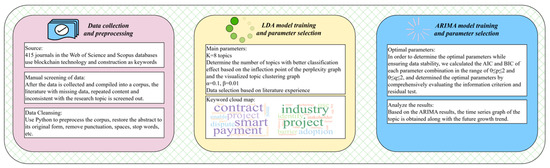
Figure 1.
Outline of research design.
2.1. Data Collection and Preprocessing
The dataset for this study was derived from the Web of Science (WoS) Core Collection and the Scopus database. To ensure the reproducibility of the research, the search strategy employed specific Boolean operators targeting the “Topic” field (title, abstract, and keywords). The exact search strings used were: TS = ((“blockchain” OR “blockchain technology”) AND (“construction”)) in the WoS database, and TITLE-ABS-KEY ((“blockchain” OR “blockchain technology”) AND (“construction”)) in the Scopus database. The literature search was conducted on 31 October 2025. The retrieved dataset covers the period from February 2019 to October 2025, ensuring that the analysis reflects the latest developments in the field. The initial search yielded 2553 documents. This study utilizes a computational framework based on the Python 3.10 programming language. The data processing workflow used the Pandas library for structured management and algorithmic deduplication, removing 236 duplicate records. Subsequently, a rigorous two-stage screening process was conducted, excluding 1860 irrelevant studies. For the remaining 474 valid documents, advanced text preprocessing was performed using the NLTK library. This step included tokenization, stop word removal (including domain-specific academic terms), and WordNet-based lemmatization to ensure semantic consistency for subsequent analysis. Finally, the Scikit-learn library was initialized for topic modeling, and the statsmodels library was prepared for time series forecasting.
2.2. LDA Model-Based Research Topic Identification
LDA is a probabilistic generative model that identifies latent thematic structures within textual data. Following the data preprocessing described in Section 2.1, the structured text data was vectorized using the CountVectorizer algorithm. This process converted the corpus into a document-term matrix, filtering out extreme features to retain meaningful domain-specific vocabulary.
2.2.1. Determining the Optimal Number of Topics
Perplexity is a fundamental metric for evaluating the accuracy of statistical models in describing text datasets. Lower perplexity values generally indicate better predictive performance of the model [15]. This study employs a dual validation strategy combining perplexity analysis and topic clustering visualization to determine the optimal number of topics. First, this study uses perplexity as a quantitative indicator to evaluate the predictive performance of the model. As shown in Figure 2, the perplexity score gradually decreases with the increase in the number of topics, and a clear inflection point (elbow) appears. Second, to address the potential overfitting problem caused by purely statistical indicators, we used the pyLDAvis tool to visually inspect the semantic separation of topics. As shown in Figure 3, when K = 8, the spatial distribution of topic clusters is optimal, with minimal overlap, indicating that the topics have high distinctiveness and interpretability. While strictly lower perplexity scores might exist at other K values, this often leads to “overfitting,” resulting in fragmented topics with poor semantic coherence. In this study, the choice of K = 8 is based on prioritizing semantic interpretability over purely statistical minimization. Visual inspection using pyLDAvis confirms that K = 8 provides the best balance, with each topic corresponding to a clear logical domain. Furthermore, this interactive visualization effectively reveals the semantic meaning between word frequency distribution and topics, helping to understand the distribution and importance of words within topics, thus providing a deeper understanding of the LDA output [15]. Figure 2 shows the calculation results of perplexity, which is calculated using the following formula:
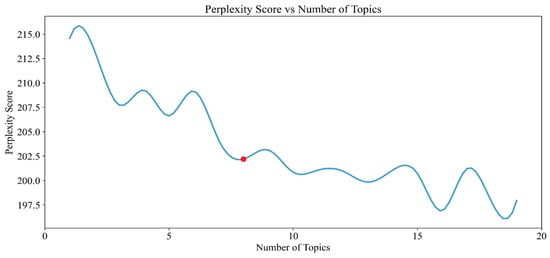
Figure 2.
The perplexity of the LDA model for different numbers of topics. The red dot corresponds to the optimal number of topics.
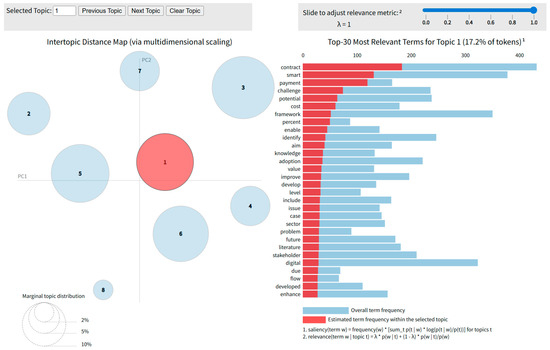
Figure 3.
Topic clustering visualization.
2.2.2. Fitting the LDA Model
To empirically estimate the underlying topic structure, the preprocessed text corpus was first transformed into a quantitative document-term matrix (DTM) using the CountVectorizer algorithm. During vectorization, a frequency-based filtering strategy was employed: terms appearing in fewer than 2 documents were removed to eliminate noise, while terms appearing in more than 85% of documents were excluded to filter out common vocabulary, thus retaining only meaningful domain-specific terminology. Subsequently, the LDA model was initialized using the latent dirichlet allocation module from the Scikit-learn library. Unlike the traditional Gibbs sampling method, this study employed the online variational bayes (VB) algorithm for parameter estimation [16]. The VB method was chosen for its superior computational efficiency and scalability when dealing with high-dimensional academic corpora, allowing for iterative approximation of the posterior distribution. Hyperparameter configuration is crucial for balancing model sensitivity and generalization ability. As described in the literature, the Dirichlet prior parameter α controls the sparsity of the document-topic distribution [17], while β controls the topic–word distribution [12]. Lower α values generally yield clearer, more specific topic assignments but risk overfitting; conversely, higher values promote smoothing but may blur distinct topic boundaries. Similarly, the parameter β determines the granularity of the vocabulary distribution within topics. Considering these theoretical trade-offs and empirical stability tests, this study set the document–topic prior parameter α to 0.1 and the topic–word prior parameter β to 0.01. These sparse priors were chosen to encourage the model to identify distinct, non-overlapping research topics. The number of training iterations was set to 300 to ensure full convergence of the log-likelihood function, guaranteeing the stability and reproducibility of the topic model.
2.3. Calculating Topic Strength
Topic intensity refers to the activity of a research topic within a specific time frame, and its value is positively correlated with the proportion of documents belonging to the topic. Where signifies document d’s topic assignment likelihood to ((∈)), and denotes the temporal document cohort, the prevalence magnitude of topic within temporal frame t is quantified by Formula (2):
The literature corpus is arranged in chronological order by publication date to construct a time series dataset. Formula (2) is used to calculate the topic intensity of each time interval, thereby indicating the academic attention paid to different topics in consecutive periods. On this basis, Formula (3) calculates the cumulative topic intensity of topic z since 2019. The results of the topic intensity analysis are shown in Table 1.

Table 1.
The popularity index and topic ranking of the topic.
The analysis of topic intensity shows that Topic 1, Topic 7 and Topic 3 are the three most popular topics (arranged in descending order of intensity value). Based on this ranking result, this study uses ARIMA to analyze the changes in the above three topics over time.
2.4. Applying the ARIMA Model to Forecast the Development Trends of Blockchain in Construction Projects
As one of the widely used time series forecasting methods, the ARIMA model integrates autoregression, moving average and difference to stabilize non-stationary series [17]. In this study, the stationarity of the time series was initially assessed using the Augmented Dickey–Fuller (ADF) test. If non-stationarity was detected, the difference transformation was performed until the stationarity assumption is met. Subsequently, the hyperparameters of the ARIMA framework were preliminarily determined through comprehensive evaluation of the autocorrelation and partial autocorrelation function plots. Subsequent model evaluation employed Akaike (AIC) and Bayesian (BIC) information indices to assess the fitness of parameter permutations, where the minimum AIC configuration determined the ideal solution choice [18]. Then the model parameters are determined and the residual diagnosis is performed to confirm the validity of the model by verifying the white noise characteristics in the model error. The validated ARIMA framework ultimately helped to dynamically predict the trajectory of topic intensity over 36 months forecast period, providing valuable insights into understanding the temporal evolution pattern of topics.
2.4.1. Time Series Difference Processing and Test
This study employed the ADF test to assess the stationarity of the time series data. If a unit root was detected, the sequence was considered non-stationary. Such data did not meet the statistical prerequisites for ARIMA modeling and needs to be stabilized by differential processing before model fitting and prediction can be performed. The test results are presented in Table 2.
Table 2.
Time series unit root test results.
The study also visualized the heat values of the top three topics, as illustrated in Figure 4. It can be seen that Topic 1 and Topic 7 show an upward fluctuation trend, which indicates that further differentiation is required to make the data suitable for the ARIMA model. Topic 3 seems to be stationary from Figure 4, so no additional differentiation is required. The ADF test was conducted using the adfuller package to examine the presence of a unit root in the heat index. The results are shown in Table 2. Obviously, for Topic 1 and Topic 7, the p-value is significant when d = 1 (first difference). These findings indicate that the first-differenced dataset achieves stationarity and meets the ARIMA modeling requirements. Crucially, this stage determines the order of differencing for the ARIMA model.
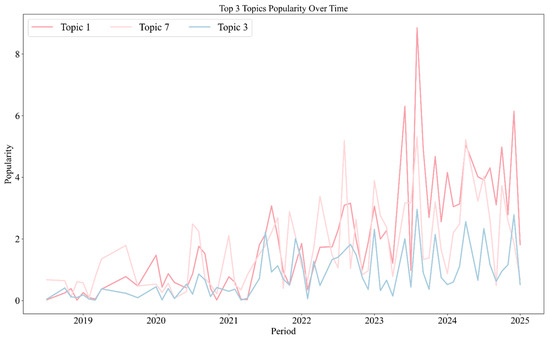
Figure 4.
Time series of the heat index of three blockchains in construction engineering research topics.
2.4.2. Optimal Parameter Combinations and Model Validation
In the standard ARIMA framework, the parameters represent the autoregressive order, the difference order, and the moving average order, respectively. Having determined the differencing order , it is necessary to further determine and . This study employed statistical tests and model selection techniques, particularly AIC and BIC [19]. Typically, the parameters that minimize AIC or BIC were chosen within the range of and . The Ljung–Box Q test with a p-value greater than 0.1 was then used to confirm the optimal parameter combination for each topic’s ARIMA model training. The results are shown in Table 3.
Table 3.
The results of ARIMA model optimal parameter setting and Ljung–Box testing.
3. Results
3.1. Trend in Research Quantity
As shown in Figure 5, the publication of literature in the collected dataset is shown. Analysis of the dataset’s literature sources reveals that Automation in Construction leads with 67 papers, followed by Buildings (46 papers) and Engineering, Construction and Architectural Management (29 papers).
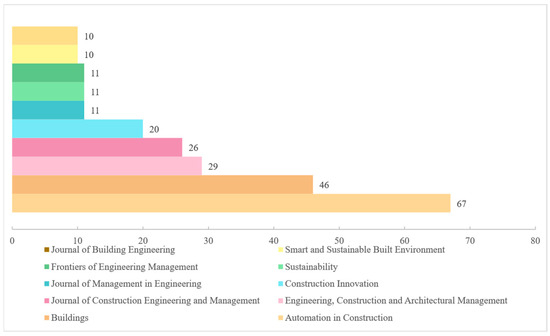
Figure 5.
Journal article statistics.
3.2. Identification of Research Topics
This study utilized perplexity metrics and topic cluster visualization to highlight various research areas, spanning from blockchain applications to building management systems. Eight major topic areas were identified: (1) industry adoption and implementation challenges; (2) smart contracts and payment mechanisms; (3) emerging technologies and digital transformation; (4) construction supply chain integration and optimization; (5) building information modeling and technology integration; (6) modular integrated building applications; (7) project data and security management; and (8) building sustainability and circular economy. Figure 6 visually represents the topic–lexicon relationship through word clouds, each of which depicts the twenty most prominent terms in each topic cluster. In the word clouds, term size is proportional to its probability distribution within the specific topic. The topic essence is interpretively embedded in the constituent words of each graphical structure.
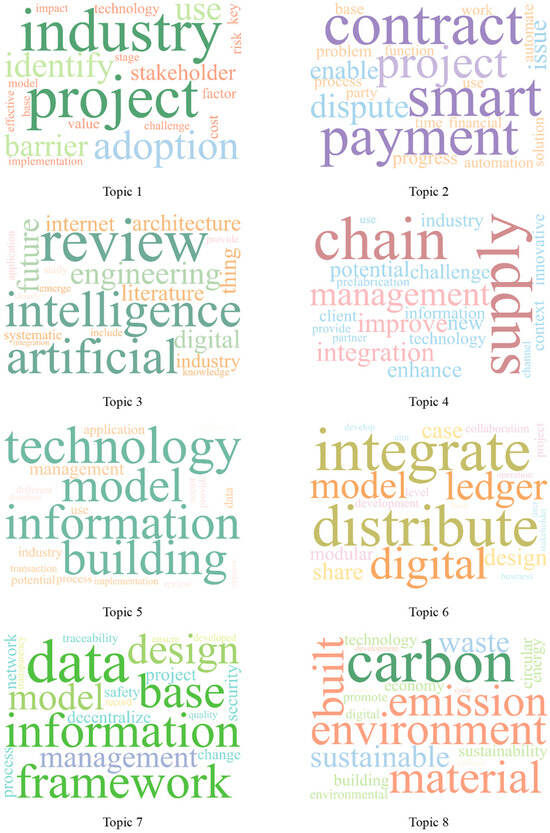
Figure 6.
Word clouds for Topic 1~Topic 8.
These words are closely associated with research in the field of construction blockchain; therefore, 32 topics were identified as subfields of construction blockchain research based on the semantic relationships of the words. For example, topic 1 contains words such as stakeholder, project, stage, etc., which are related to multi-party collaborative implementation. Similarly to this topic, all word clouds have been defined by topic, as shown in Figure 7. From these topics and words, this study found that words such as management, project, model, information, etc., frequently appear in multiple topics. This indicates that these words are closely connected to the core research areas within the construction blockchain field, providing valuable guidance to new researchers entering this interdisciplinary domain and helping them quickly gain a better understanding of the subject.
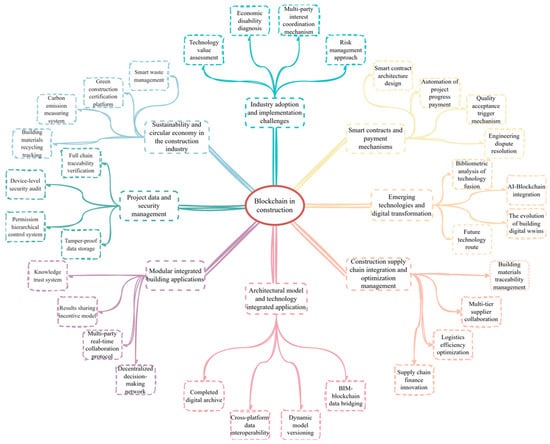
Figure 7.
Subfield division of the field of blockchain in construction.
3.3. Research Topic Popularity Analysis
Based on perplexity and topic visualization clustering, this study screened out eight research topics on construction blockchain and calculated the popularity index and ranking of each topic. Industry adoption and implementation challenges (Topic 1), project data and security management (Topic 7) and emerging technologies and digital transformation (Topic 3) are the top three topics in the popularity index.
Topic 1: Industry adoption and implementation challenges. This theme highlights the critical stages that blockchain must navigate when applied to the construction industry, emphasizing its adaptability within the industry. The theme keywords “technology”, “adoption”, “application”, “identification” and “stakeholders” indicate that the game between blockchain and the construction industry needs to be explained from multiple dimensions. This study explores the connection between blockchain technology and the construction industry, establishing a core theoretical framework that explains how blockchain influences the industry’s evolution and transformation. It also helps to formulate more scientific and rigorous relevant rules.
Topic 7: Project data and security management. This theme focuses on the value of blockchain in reconstructing the core data assets of the construction industry. It aims to reshape trust through the characteristics of blockchain such as immutability and distribution, in order to solve the data silos and trust crisis caused by multi-party participation and system heterogeneity in the previous life cycle. The keywords ‘security’, ‘traceability’, and ‘decentralize’ reveal the core path of technology implementation. Studying the deep coupling of blockchain and industry pain points will help build a new trust foundation.
Topic 3: Emerging technologies and digital transformation. The characteristics of blockchain enable it to build new operating systems to maintain its application in the construction industry. But it can also improve technologies that are already in use, using its advantages to make up for the shortcomings of these technologies. Similarly, existing technologies can also play their existing strong basic practices in the construction industry to promote the improvement of blockchain. Creating a “blockchain-based” or “blockchain-integrated” model will generate a synergistic effect that exceeds the sum of individual technologies. Studying the integrated application of blockchain and emerging technologies will help us understand how the advantages of each other can complement each other and broaden the development direction of blockchain.
3.4. Topic Trend Prediction
Using data from the first 81 periods (February 2019 to October 2025), an ARIMA model was constructed to predict the development trend of the blockchain research topic in the construction industry from October 2025 to October 2028 (36 periods in total). As shown in Figure 8, the results show a clear segmentation in the 81st period (October 2025). The left-hand plot shows a high degree of agreement between the model’s fit and historical data, indicating a good model fit. The right-hand plot illustrates the predicted trend. The shaded area represents the 95% confidence interval, quantifying the potential variation and uncertainty in the prediction.
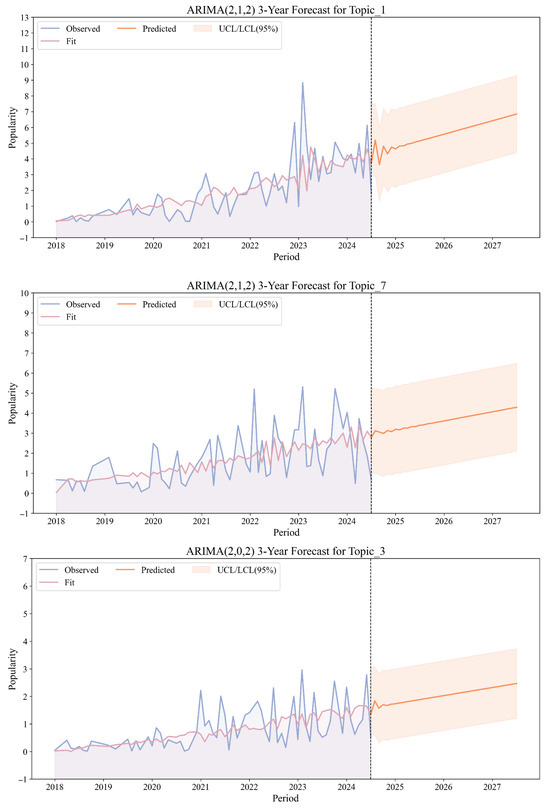
Figure 8.
ARIMA trend forecast chart.
The ARIMA model forecast shows that (October 2025–October 2028) topic 1 shows a continuous upward trend after a short period of fluctuation and adjustment, and continues to strengthen in the long term; topic 7 maintains a stable upward trend after a short period of volatile growth; topic 3 continues to develop in the long term after the initial growth correction.
4. Discussion
4.1. LDA Research Topic Analysis
4.1.1. Industry Adoption and Implementation Challenges
The construction sector is grappling with deep-seated developmental bottlenecks, necessitating a paradigm shift toward digital innovation. Within this context, blockchain is increasingly viewed as a transformative tool. By leveraging its inherent features—transparency, immutability, and decentralization—blockchain offers a pathway to reconstruct trust and improve operational efficacy [5]. Despite its immense potential, the industry’s slow adoption of emerging technologies poses a significant challenge to blockchain deployment, primarily due to a lack of interoperability between traditional systems, organizational resistance to transparent data sharing, and the absence of a standardized regulatory framework [20]. Therefore, extensive research has been dedicated to exploring the obstacles to the widespread adoption of blockchain technology, particularly focusing on the structural mismatch between the characteristics of blockchain and the practices of the construction industry [21]. Building upon this, earlier studies, such as those by Xu et al. [20] and Khuc et al. [22], systematically enumerated these obstacles and categorized them into different organizational, social, and technological domains. Building on this foundation, Wu et al. [5] further isolated 13 specific obstacles, identifying technical, organizational, and environmental factors as the most critical hurdles hindering the industry-wide adoption of blockchain.
Regarding organizational barriers, a primary impediment lies in the cognitive ambiguity among senior management concerning blockchain’s value proposition, operational mechanisms, and return on investment [23]. This lack of strategic clarity often precipitates a reluctance to adopt the technology. Compounding this issue is the construction industry’s deep-rooted institutional inertia, which fosters a conservative approach toward innovation investment. Consequently, the substantial upfront capital required for blockchain deployment becomes a prohibitive concern, particularly for small and medium-sized enterprises operating under tight resource constraints [24]. Furthermore, effective implementation necessitates a paradigm shift in organizational structures, workflows, and collaborative governance—a transformation frequently met with significant internal resistance. This challenge is further exacerbated by a critical shortage of human capital, specifically the scarcity of interdisciplinary professionals capable of managing blockchain development and operations [25].
In terms of technical barriers, blockchain deployment is fundamentally constrained by the “Scalability Trilemma,” which posits the inherent trade-off between decentralization, security, and scalability [5]. While public blockchains offer high levels of decentralization and security, they are plagued by low throughput and high latency, rendering them ill-suited for the high-frequency data processing required in large-scale engineering projects. Conversely, while private or consortium chains enhance performance, they often do so at the expense of decentralization. More critically, the industry suffers from a lack of unified technical standards and protocol specifications. This fragmentation leads to severe interoperability issues, creating data silos both between disparate blockchain platforms and between blockchain and legacy systems [26]. Furthermore, despite the security afforded by distributed ledgers and cryptography, the technology’s immutability can become a double-edged sword. As noted by [27], the deterministic nature of blockchain may be incompatible with the highly complex and stochastic nature of construction projects, where flexibility is essential to manage unforeseen contingencies.
In terms of social and environmental barriers, the traditional construction industry has information islands and lack of trust, and stakeholders are accustomed to protecting their own information advantages [28], while the high transparency and multi-party collaboration required by blockchain conflict with the existing industry culture. In addition, blockchain applications face the dilemma of unclear laws and regulations and lack of industry standards. Regulatory uncertainty increases the compliance risk of construction companies [14,29]. Implementing blockchain in the construction industry encounters a range of interconnected challenges spanning organizational, technical, social, and environmental aspects. These obstacles primarily stem from the industry’s inherent complexity, resistance to adopting new technologies, and difficulties in integrating the existing ecosystem with the blockchain framework.
4.1.2. Project Data and Security Management
The application of blockchain in construction data governance is progressively maturing into a systematic framework. Its core value is derived from the intrinsic properties of distributed ledger technology (DLT)—namely transparency, immutability, decentralization, and traceability. Fundamentally, DLT dismantles the information silos inherent in traditional centralized storage models [30] and eliminates reliance on a single central authority for data validation [13]. In the context of collaborative work, blockchain-based access control mechanisms facilitate secure, synchronized editing and version traceability within BIM environments. This not only enhances multi-party collaboration efficiency [31] but also safeguards intellectual property rights [32] and data sovereignty [33]. In addition, the blockchain consensus mechanism empowers all certified participants to have equal access to engineering site data and interactive information [13], significantly suppressing the risk of disputes arising from information asymmetry [34]. First, the anti-tampering feature secures key data via hash chains, rendering unauthorized modifications computationally infeasible [35]. Second, the full lifecycle traceability creates an immutable audit trail, effectively forming a verifiable “digital chain of responsibility” for all operational actions [36]. Finally, addressing the challenges of volume and heterogeneity in construction data, blockchain adopts a hierarchical storage architecture (e.g., on-chain validation with off-chain storage). This design optimizes data redundancy [37], eliminates single points of failure [38] and strikes a critical balance between the efficiency of data exchange and the rigor of security [39].
4.1.3. Emerging Technologies and Digital Transformation
The digital transformation of the construction industry represents an irreversible imperative, with blockchain technology emerging as a pivotal enabler in this paradigm shift. Blockchain functions as a catalyst for substantial productivity enhancements, accelerating industry modernization through critical application scenarios such as automated payment administration, supply chain procurement transparency, and BIM-enabled intelligent asset management [40]. In addition, blockchain addresses long-standing problems in the industry, particularly fragmented processes, service silos, and the long-standing disconnect between design and construction. This fundamentally reshapes the operational landscape. By establishing open and transparent transaction mechanisms, it fosters a more integrated environment, ultimately ensuring high-quality, sustainable asset delivery throughout the entire project lifecycle [41].
Recent research indicates that combining blockchain with emerging technologies like BIM, digital twins, artificial intelligence, the Internet of Things, and cloud computing can effectively address challenges in building engineering applications and is fundamentally reshaping the digital engineering landscape in construction [42]. The combination of blockchain and BIM facilitates the automation and digitalization of progress payment workflows [43] and improves the cost efficiency of green building renovation [44]; blockchain and digital twin integration realizes dynamic building life cycle sustainable assessment [45] and sustainable building energy management [46], and blockchain and the Internet of Things are integrated to monitor and manage cross-border construction logistics clearance processes [47]. By applying these innovative technologies, many challenges previously faced by the construction industry can also be solved. For example, through technology integration paths such as automation of repetitive tasks, promotion of collaborative governance, empowerment of information sharing, and strengthening of multi-party collaboration, the accuracy and efficiency of construction projects have achieved a significant leap [48]. The integration of emerging technologies will drive the construction industry to no longer simply use emerging technologies to improve the status quo, but to incorporate them into its own system to form a sustainable, adaptive, intelligent system.
4.1.4. Smart Contracts and Payment Mechanisms
Smart contracts generated by blockchain are widely used with the development of digital transformation in the construction industry. As a programmable transaction protocol, it has the functions of automatic writing, verification and execution, and drives industry transformation by improving the level of automation, ensuring information security and optimizing the digital ecosystem [49]. Smart contracts have seven major advantages: (1) improve financial management, (2) eliminate payment problems, (3) reduce bid amounts, (4) improve project performance, (5) reduce prepayments, (6) improve trust, and (7) enhance motivation [50]. Smart contracts leverage collected data to automate interactions and processes among stakeholders. Existing studies primarily concentrate on their applications in financial management [51] and supply chain operations [52].
Elghaish et al. [53] introduced an integrated financial management framework built on the Hyperledger architecture and chaincode technology, allowing all project participants to initiate transactions throughout the project’s life cycle. Blockchain-based smart contracts enable real-time, data-driven management across the construction supply chain, demonstrating strong potential for applications in procurement, dynamic resource tracking, and audit processes [54]. In addition, smart contracts can also solve the problem of power imbalance in construction payments [55]; determine the responsibility for delays in construction projects [56] and solve the challenges of writing and automating construction business processes [57]. Smart contracts are gradually replacing traditional contracts [51,54]. However, there are obstacles to the implementation of smart contracts. The five major barriers to the application of smart contracts in the construction industry are: insufficient industry knowledge reserves, lack of industry-specific standards, limited technical observability, organizational inertia, and limited codability of contract terms [58]. Future studies should focus on overcoming these challenges to advance the adoption of smart contracts within the construction industry.
4.1.5. Architectural Model and Technology Integrated Application
Under the “Construction 4.0” framework, numerous emerging technologies have been introduced into the construction industry; however, BIM remains the leading technology to date [59]. Serving as the central driver of digital transformation across the entire architecture, engineering, construction, and operations lifecycle, BIM offers a foundational approach for managing the growing volume of information generated throughout a construction project’s life cycle [60]. The technical integration of blockchain and BIM is reflected in data, processes and collaboration. Blockchain provides encryption authentication for BIM model iteration, solves version conflicts in multi-party collaboration [61] and blockchain-based automated processes, through the real-time comparison of construction status and digital constraint adjustment through the Internet of Things–BIM model, and eliminates manual intervention delays [62]; it realizes the sharing of building data among owners, designers and contractors, and reconstructs the trust system of the three parties in the traditional construction industry [34]. Existing research indicates that integrating blockchain with BIM significantly enhances information traceability and security across the construction project life cycle [63]. For instance, during the design phase, blockchain enhances the efficiency of tracking and managing BIM design changes [64] and reduces intellectual property risks [31], and in the project construction stage, creating a digital passport for building materials helps to evaluate the recyclability, reusability and recyclability of materials [65]. Yu et al. [63] advocated that the integration of blockchain and BIM needs to evolve in three dimensions: process, technology, and environment, and emphasized the necessity of interdisciplinary collaboration focusing on construction industry scenarios.
4.1.6. Modular Integrated Construction Applications
MIC addresses key challenges associated with traditional construction methods, including issues related to quality, productivity, and coordination. It plays a vital role in promoting the overall advancement and sustainability of the construction industry and has emerged as one of the most widely adopted modern construction approaches [66]. Its core feature is to decompose buildings into standardized prefabricated modules and achieve efficient construction through factory manufacturing and on-site assembly. The distributed ledger, smart contracts and encryption algorithms of blockchain are highly consistent with the collaborative management needs of MIC. The tamper-proof nature of blockchain ensures that the data of the entire process from design, manufacturing to assembly is authentic and reliable. Each module has a unique digital identity to record key information such as material source, production process, quality inspection, etc. [67]; real-time data sharing supported by blockchain can optimize the transportation management of modules and reduce resource waste [68]; blockchain-based automatic payment logic can reduce human intervention and improve the collaboration efficiency of multiple participants [69], etc. In addition, blockchain records the maintenance records and energy consumption data of MIC, providing a basis for decision-making for subsequent renovation or demolition [70]. Blockchain provides a decentralized, highly reliable collaborative management framework for modular buildings. Its core value lies in ensuring construction quality and responsibility traceability through data immutability; optimizing processes and reducing costs; and building a multi-party collaborative network to promote efficient resource allocation.
4.1.7. Sustainability and Circular Economy in the Construction Industry
As a focus of the global sustainable agenda, the circular economy (CE) gives the construction industry a unique potential to create large-scale circular value in a closed loop of resources throughout the entire life cycle [71]. Digital technology is essential for circular solutions and sustainable development of buildings [72], as it provides the necessary data infrastructure to track material flows, quantify environmental impacts, and optimize resource allocation across the fragmented supply chain. Blockchain can fully record carbon emission data from mining, production to transportation of building materials through tamper-proof distributed ledger technology. Each building component is embedded with a blockchain digital identity to record its carbon footprint throughout its life cycle, achieving transparent management of environmental impact [73]; energy consumption during the construction phase is uploaded to the chain in real time through IoT devices, automatically calculating carbon quotas and triggering emission reduction measures [74]. Elghaish et al. [75] showed that blockchain can record the type, quantity and treatment of waste generated during the demolition phase, enabling practitioners to make informed decisions on demolition construction early in the project. The proposed solution allows designers and asset owners to collaboratively plan for maintenance and demolition, thereby maximizing the recovery of reusable components and recyclable materials within buildings. In addition, blockchain enables project participants to share data on the chain, reducing information lags and errors caused by paper documents and shortening the waste disposal decision-making cycle [76]. Blockchain builds a trusted execution framework for building sustainability and circular economy through “data immutability + process automation”.
4.1.8. Construction Supply Chain Integration and Optimization Management
The construction supply chain faces five core challenges: sustainable governance and management of green supply chains, collaborative integration of stakeholders, barriers to information sharing, material logistics traceability, and fraud risks [77]. Among them, the economic performance generated by cooperative emission reduction promoted by blockchain [78] and the shared values and incentives for improving sustainable processes [79] can continuously improve the sustainability of the construction supply chain. Blockchain gives the construction supply chain transparency, and its distributed ledger enables full-process traceability of building materials from production to construction site, promoting a visual management and control paradigm for the entire chain [52]. Furthermore, blockchain-driven automation significantly reduces settlement times and streamlines workflows, while its data-sharing framework enhances collaboration efficiency [38], collectively transforming the operational performance of blockchain in construction. Additionally, blockchain offers robust safeguards for supply chain stakeholders through the automatic enforcement of smart contracts and immutable records [80], effectively mitigating the risks and costs associated with opportunistic behavior and fostering greater trust among participants. By enabling decentralized trust, process automation, and cross-chain data integration, blockchain supports the development of a closed-loop construction supply chain, advancing both sustainability and operational efficiency.
4.2. ARIMA-Based Topic Forecasting and Analysis
4.2.1. Industry Adoption and Implementation Challenges Topic Forecast and Analysis
ARIMA forecasting indicates that Topic 1, concerning industry adoption and implementation challenges, will continue to rise. This trend highlights the persistent systemic challenges hindering the integration of blockchain technology in the construction industry. The Gartner Hype Cycle provides a theoretical framework for understanding this trajectory [81]. As blockchain technology moves from the “peak of inflated expectations” to the “trough of disillusionment,” the industry’s focus shifts accordingly. Stakeholders are moving their attention from theoretical potential to a deeper analysis of practical obstacles. The continued focus on this topic suggests that the industry is currently in a critical transitional period. The goal now is to find pragmatic solutions that can lead to mainstream productivity. The LDA word cloud (Figure 6) provides empirical support for this observation. High-frequency keywords such as “stakeholders,” “risks,” “barriers,” and “adoption” are particularly prominent in this cluster. The repeated appearance of these words indicates a critical issue: despite the maturity of the technology, the industry still faces significant socio-technical friction. This reveals a fundamental contradiction. The industry actively seeks technological innovation but struggles to break free from deeply ingrained traditional systems, facing four major challenges: technological, systemic, organizational, and cognitive.
At the technical level, a key issue lies in the mismatch between blockchain’s rigid consensus mechanisms and the construction industry’s need for flexibility. Perera et al. [82] noted that many of the risks associated with blockchain stem from consensus models like Proof of Work (PoW) and Proof of Stake (PoS). Developing a consensus mechanism tailored to the specific needs of the construction industry could mitigate these risks and potentially boost industry adoption. Additionally, questions remain about the compatibility of blockchain systems with existing construction practices and infrastructure [83].
At the institutional level, the application of blockchain in the construction industry has always struggled with the tension between institutional legitimacy and technological disruption. This tension is reflected in three contradictions: policy lag, failure of cross-regional governance and lack of industry standards. The government’s regulatory framework lags behind technological development. The government has not played a leading role in this emerging technology, neither explicitly prohibiting it nor providing clear guidance, which will cause many construction managers to navigate a precarious situation between compliance and innovation. Stakeholders exhibit a dichotomous attitude: desiring the competitive advantages of early adoption while being deterred by the inherent uncertainties behind the attempt. This uncertainty of the government amplifies the avoidance behavior of construction managers and hinders technological innovation and specific implementation. They usually choose to wait and see rather than actively explore. The construction industry is a huge industry involving multiple regulatory topics (land, housing and construction, financial departments, etc.). Their responsibilities are intertwined and complex, which easily forms a “regulatory maze”, impeding the formulation of a holistic regulatory framework. The cross-regional nature of blockchain will further exacerbate this governance fragmentation, such as the automatic payment function based on blockchain directly conflicts with the traditional financial regulatory system. In addition, the construction industry lacks unified standards for blockchain applications, resulting in each group building its own closed system. This kind of “isolated innovation” is very different from the essence of blockchain interoperability. It not only fails to promote collaboration, but also increases the cost of collaboration. The actual application of blockchain requires the reconstruction of the institutional environment and the establishment of an “adaptive supervision” mechanism to allow local trial and error, and then gradually form flexible rules that everyone agrees on.
At the organizational level, the inherent fragmented structure and adversarial relationships in the construction industry constitute deep organizational barriers to the implementation of blockchain. The implementation of blockchain relies on the collaboration of multiple organizations, but the subcontracting model in the construction industry breeds a game relationship between each other. The trust deficit between general contractors and subcontractors has greatly hindered the basic consensus on data sharing. Stakeholders are more inclined to maintain the advantages of information asymmetry rather than actively embrace transparent collaboration. In addition, the distributed nature of blockchain is also reshaping the power structure of the construction industry. Project managers apprehend that technological transparency may erode their discretionary authority the transparency of technology will weaken their decision-making and control rights, while basic project personnel are afraid that the powerful functions of blockchain will have a devaluing consequence on their skills. This two-way anxiety breeds negative attitudes and resistance, which seriously affects the implementation of blockchain.
At the cognitive level, the development of blockchain in the construction industry may be hindered by the cognitive inertia and inherent engineering mindset of the construction industry. The public often equates blockchain with speculative cryptocurrency, ignoring its value in building trust. Coupled with the powerful functions of current network technology, this deviation may be amplified by the media, leading to Party A’s resistance to blockchain and not wanting to increase the cost of trial and error. Another is the gap in professional culture. Some managers on project sites value existing knowledge and their own practical experience and are skeptical of the abstract concepts of new technologies. Managers with blockchain implementation capabilities believe that blockchain can bring practical and huge benefits, while managers without blockchain implementation capabilities stick to the old methods. Finally, there may be cognitive errors. Traditional risk management is mostly resolved after the fact, while blockchain advocates pre-emptive prevention and control. This paradigm shifts before and after may be misunderstood as “shirking responsibility”. In conclusion, the promotion of blockchain in construction is not merely a technical upgrade but a complex process of embedding emerging technologies into existing social relationship networks. Its success depends less on the superiority of algorithms and more on its ability to reconstruct the relational ecology of the construction industry.
4.2.2. Project Data and Safety Management Topic Forecasting and Analysis
The robust upward trend in ARIMA forecasts for project data and safety management (Topic 7) marks a significant shift in research focus. The semantic structure of Topic 7 (Figure 6) supports this quantitative prediction. It now emphasizes governance-related terms, such as “security,” “traceability,” and “decentralization.” This evidence indicates that the field is evolving. It is moving beyond simple technical implementation to address complex socio-technical dynamics. Key issues now include institutional dilemmas, organizational behavior, and the restructuring of power. Foremost among these challenges is the institutional ambiguity regarding data sovereignty, where the distributed storage of BIM models on the blockchain triggers conflicting ownership claims among design institutes, clients, and contractors, a friction significantly exacerbated by traditional contracts that lack clear provisions for digital assets. Concurrent with this legal ambiguity is a profound compliance gap characterized by the industry’s reliance on analog verification protocols, such as paper-based signing processes, which stands in fundamental conflict with the automated execution mechanisms of smart contracts. These institutional voids inevitably precipitate strategic gaming behaviors within the organization, motivating subcontractors to engage in strategic opacity by deliberately concealing process parameters to maintain technical leverage. Simultaneously, facing the digital permanency of the blockchain, on-site managers often resort to data sanitization by selectively uploading only low-risk data to evade lifelong accountability, effectively pitting the capabilities of emerging technologies against entrenched traditional experiences. Such behavioral resistance is symptomatic of a deeper structural apprehension regarding power reconstruction, as the introduction of new permission mechanisms threatens to erode traditional discretionary authority. This erosion is exemplified by smart contracts that automatically trigger progress payments, effectively stripping project managers of their financial decision-making power. Moreover, a technocratic shift is emerging where individuals proficient in blockchain logic supersede the authority traditionally held by senior management, creating a palpable tension between human agency, such as a general contractor’s scheduling rights or a supervisor’s quality veto, and the algorithmic truth generated by IoT sensors. Ultimately, the intrinsic value of blockchain lies not in its tamper-proof technicalities but in its potential to reconstruct industry relationships, necessitating a paradigm shift from forced sharing to a model driven by active contribution incentives and flexible compliance frameworks that balance transparency with privacy.
4.2.3. Forecast and Analysis of Emerging Technologies and Digital Transformation Topic
The continuous rise in ARIMA forecasts for Topic 3 highlights an urgent need for institutional restructuring. This topic focuses on emerging technologies and digital transformation. As shown in Figure 7, keywords such as “integration” and “model” are prominent. This suggests that the industry no longer views blockchain in isolation. Instead, it serves as a foundational component of a broader digital ecosystem. This shift reveals a critical gap: technological progress often advances faster than the governance structures meant to manage it. In the institutional dimension, the rapid deployment of AI and digital twins has exposed significant regulatory lacunae and a deficit of standardized protocols, typified by the potential for algorithmic opacity in AI-driven decision-making to generate inaccurate construction period estimates due to subtle computational variances. This technological uncertainty is compounded by policy adaptation difficulties, where geopolitical constraints such as the EU Digital Sovereignty Act restrict the cross-border flow of BIM data, thereby creating jurisdictional friction that hinders international collaboration. Parallel to these institutional challenges are profound organizational disruptions characterized by a dichotomous workforce structure that exacerbates internal stratification. On one hand, the premium placed on digital competencies has led to severe wage polarization, where engineers mastering AI modeling command significantly higher compensation than traditional technicians, fostering internal equity fissures. On the other hand, the industry grapples with a demographic crisis as an aging frontline workforce, often characterized by lower technology acceptance, faces the imminent threat of technological disenfranchisement and displacement. This potential exclusion of experienced practitioners threatens to precipitate acute labor shortages, necessitating the emergence of a novel project management paradigm where digital transformation functions not as a mechanism of elimination but as a carrier for the inheritance of tacit knowledge, effectively synthesizing the computational power of the digital elite with the practical wisdom of the grassroots workforce to mitigate their respective limitations and achieve a synergistic evolution.
4.3. Comparison with Previous Bibliometric Studies
To further validate our findings, this study compared the identified thematic structures and trends with previous bibliometric studies on digital construction. Regarding thematic structure, the identification of “Industry adoption and implementation challenges” (Topic 1) as a major thematic cluster aligns with the systematic review results of Xu et al. [20] and Khuc et al. [22]. This consistency confirms a crucial fact: despite technological maturity, socio-technical resistance remains a major bottleneck in the architecture, engineering, and construction (AEC) industry. However, the results of this study differ from previous classifications. Earlier studies typically categorized security under the general category of smart contract applications [51]. In contrast, this study’s LDA model identifies “Project Data and Security Management” (Topic 7) as a distinct and high-intensity research area. This distinction highlights a theoretical evolution. The research focus in this field is shifting from the functional utility of blockchain to the governance of digital assets. In terms of trend patterns, the ARIMA-based dynamic forecasting contrasts with the static analysis of Gartoumi [14] et al. Static studies typically only provide retrospective snapshots. Furthermore, while general “Construction 4.0” reviews often predict synchronous growth across all digital technologies, this study’s results show divergence. Socio-technical themes (Topics 1 and 7) exhibit an accelerating upward trend. This contrasts with the linear growth of general “Emerging Technologies” (Topic 3). This specific pattern suggests that the research frontier is shifting from a conceptual “hype” phase to a practical problem-solving phase.
5. Conclusions and Limitations
This study was based on 474 abstracts of architectural blockchain literature from the Web of Science and Scopus databases, and used the LDA topic modeling method to extract eight core research topics. The top three research topics are industry adoption and implementation challenges (Topic 1), project data and security management (Topic 7), and emerging technologies and digital transformation (Topic 3). The ARIMA model was used to predict the trends of these three topics from October 2025 to October 2028 (36 months). Industry adoption and implementation challenges (Topic 1) and project data and security management (Topic 7) show a positive growth trajectory, while emerging technologies and digital transformation (Topic 3) show sustained growth.
This study integrated the dual perspectives of bibliometric analysis and time series forecasting, and systematically analyzes the development of blockchain in the construction industry through the quantitative method collaboration of LDA topic modeling and ARIMA trend forecasting. This study explains the research hotspots and future development trends of blockchain in the construction industry, provides the academic community with coordinates for cutting-edge research directions, and promotes the digital transformation of the construction industry. Beyond its immediate sectoral application, the methodological framework constructed herein exhibits significant potential for disciplinary transferability, offering an innovative paradigm that transcends the siloed application scenarios of construction engineering to radiate into diverse domains such as data modeling in information science and the architecture of trust mechanisms in supply chain finance. Ultimately, this interdisciplinary research perspective empowers scholars to synthesize the demands of multiple fields, collaboratively deconstruct complex propositions within architectural blockchain research, and drive the evolution of holistic solutions that effectively dissolve traditional disciplinary boundaries.
However, this study also has some limitations. First, the rapid iteration of blockchain technology and the continuous growth of relevant literature may lead to probabilistic deviations. Second, the ARIMA model relies on the stationarity of historical data and primarily predicts ‘academic attention momentum’ based on current development trajectories. Therefore, it may not fully capture non-linear changes caused by sudden technological breakthroughs or paradigm shifts. To alleviate these temporal constraints and enhance the robustness of the method, an adaptive dynamic update mechanism can be developed that can automatically ingest real-time data periodically, thereby ensuring the continued effectiveness and relevance of trend analysis. Furthermore, by integrating advanced deep learning paradigms, the prediction framework can be effectively enhanced, thereby more effectively capturing complex nonlinear patterns and ultimately improving the accuracy of long-term predictions in volatile technological environments.
Author Contributions
Conceptualization, Y.X. and H.-Y.C.; methodology, Z.Z., M.C. and Y.X.; formal analysis, Y.X., Z.Z., C.-Y.L. and H.-Y.C.; data curation, Z.Z. and Y.X.; writing—original draft preparation, Y.X., Z.Z. and C.-Y.L.; writing—review and editing, Z.Z., M.C. and H.-Y.C.; supervision, Y.X. and H.-Y.C.; project administration, Y.X.; funding acquisition, Y.X. All authors have read and agreed to the published version of the manuscript.
Funding
This research is partly supported by the National Natural Science Foundation of China (Grant No. 72461006), Hainan Provincial Natural Science Foundation of China (Grant No. 525RC706 and 723QN217).
Data Availability Statement
The data used to support the findings of this study are available from the corresponding author upon request.
Conflicts of Interest
The authors declare no conflicts of interest.
References
- Wu, L.; Ghansah, F.; Zou, Y.; Ababio, B. Blockchain oracles for digital transformation in the AECO industry: Securing off-chain data flows for a trusted on-chain environment. Buildings 2025, 15, 3662. [Google Scholar]
- Turk, Ž.; Klinc, R. Potentials of blockchain technology for construction management. Procedia Eng. 2017, 196, 638–645. [Google Scholar] [CrossRef]
- Kim, K.; Lee, G.; Kim, S. A study on the application of blockchain technology in the construction industry. KSCE J. Civ. Eng. 2020, 24, 2561–2571. [Google Scholar] [CrossRef]
- Kiu, M.S.; Chia, F.C.; Wong, P.F. Exploring the potentials of blockchain application in construction industry: A systematic review. Int. J. Constr. Manag. 2022, 22, 2931–2940. [Google Scholar]
- Wu, H.; Zhong, W.; Zhong, B.; Li, H.; Guo, J.; Mehmood, I. Barrier identification, analysis and solutions of blockchain adoption in construction: A fuzzy DEMATEL and TOE integrated method. Eng. Constr. Arch. Manag. 2025, 32, 409–426. [Google Scholar]
- Shamshiri, A.; Ryu, K.R.; Park, J.Y. Text mining and natural language processing in construction. Autom. Constr. 2024, 158, 105200. [Google Scholar] [CrossRef]
- Blei, D.M.; Ng, A.Y.; Jordan, M.I. Latent dirichlet allocation. J. Mach. Learn. Res. 2003, 3, 993–1022. [Google Scholar]
- Lee, H.; Kang, P. Identifying core topics in technology and innovation management studies: A topic model approach. J. Technol. Transf. 2018, 43, 1291–1317. [Google Scholar]
- Zhong, B.; Pan, X.; Love, P.E.; Ding, L.; Fang, W. Deep learning and network analysis: Classifying and visualizing accident narratives in construction. Autom. Constr. 2020, 113, 103089. [Google Scholar] [CrossRef]
- Xiao, J.; Guo, M.; Zhang, M.; Liu, Q.; Du, Y.; Zhang, L. A comparative analysis of Chinese green building policies from the central and local perspectives using LDA and SNA. Arch. Eng. Des. Manag. 2024, 20, 1037–1059. [Google Scholar] [CrossRef]
- Cassandro, J.; Mirarchi, C.; Gholamzadehmir, M.; Pavan, A. Advancements and prospects in building information modeling (BIM) for construction: A review. Eng. Constr. Arch. Manag. 2024. ahead-of-print. [Google Scholar] [CrossRef]
- Jelodar, H.; Wang, Y.; Yuan, C.; Feng, X.; Jiang, X.; Li, Y.; Zhao, L. Latent Dirichlet allocation (LDA) and topic modeling: Models, applications, a survey. Multimed. Tools Appl. 2019, 78, 15169–15211. [Google Scholar] [CrossRef]
- Mahmudnia, D.; Arashpour, M.; Yang, R. Blockchain in construction management: Applications, advantages and limitations. Autom. Constr. 2022, 140, 104379. [Google Scholar] [CrossRef]
- Gartoumi, K.I. Five-year review of blockchain in construction management: Scientometric and thematic analysis (2017–2023). Autom. Constr. 2024, 168, 105773. [Google Scholar]
- Wang, H.; Wang, J.; Zhang, Y.; Wang, M.; Mao, C. Optimization of topic recognition model for news texts based on LDA. J. Digit. Inf. Manag. 2019, 17, 257. [Google Scholar] [CrossRef]
- Polatkan, G.; Zhou, M.; Carin, L.; Blei, D.; Daubechies, I. A Bayesian nonparametric approach to image super-resolution. IEEE Trans. Pattern Anal. Mach. Intell. 2014, 37, 346–358. [Google Scholar] [CrossRef]
- Meng, P.; Shen, J.; Shen, C.; Li, J.; Kang, J.; Li, T. Construction engineering in China under green Transition: Policy research Topic clusters and development forecasts. Energy Build. 2024, 323, 114758. [Google Scholar] [CrossRef]
- Alabdulrazzaq, H.; Alenezi, M.N.; Rawajfih, Y.; Alghannam, B.A.; Al-Hassan, A.A.; Al-Anzi, F.S. On the accuracy of ARIMA based prediction of COVID-19 spread. Results Phys. 2021, 27, 104509. [Google Scholar] [CrossRef]
- Zou, T.; Guo, P.; Li, F.; Wu, Q. Research topic identification and trend prediction of China’s energy policy: A combined LDA-ARIMA approach. Renew. Energy 2024, 220, 119619. [Google Scholar]
- Xu, Y.; Chong, H.Y.; Chi, M. Modelling the blockchain adoption barriers in the AEC industry. Eng. Constr. Arch. Manag. 2023, 30, 125–153. [Google Scholar]
- Celik, B.G.; Abraham, Y.S.; Attaran, M. Unlocking blockchain in construction: A systematic review of applications and barriers. Buildings 2024, 14, 1600. [Google Scholar] [CrossRef]
- Khuc, T.Q.; Nguyen, V.T.; Do, S.T. Barriers to the adoption of blockchain technology in the construction industry: A total interpretive structural modeling (TISM) and DEMATEL approach. Constr. Innov. 2024. ahead-of-print. [Google Scholar] [CrossRef]
- Cheng, M.; Chong, H.Y. Understanding the determinants of blockchain adoption in the engineering-construction industry: Multi-stakeholders’ analyses. IEEE Access 2022, 10, 108307–108319. [Google Scholar] [CrossRef]
- Demirkesen, S.; Tezel, A. Investigating major challenges for industry 4.0 adoption among construction companies. Eng. Constr. Arch. Manag. 2022, 29, 1470–1503. [Google Scholar] [CrossRef]
- Ebekozien, A.; Aigbavboa, C.; Samsurijan, M.S. An appraisal of blockchain technology relevance in the 21st century Nigerian construction industry: Perspective from the built environment professionals. Glob. Oper. Strat. Sourc. 2023, 16, 142–160. [Google Scholar]
- Adu-Amankwa, N.A.N.; Rahimian, F. Harnessing blockchain-enabled digital twins for building commissioning: Examining practitioners’ perspectives. Eng. Constr. Arch. Manag. 2025. ahead-of-print. [Google Scholar] [CrossRef]
- Wu, H.; Zhang, P.; Li, H.; Zhong, B.; Fung, I.W.; Lee, Y.Y.R. Blockchain technology in the construction industry: Current status, challenges, and future directions. J. Constr. Eng. Manag. 2022, 148, 03122007. [Google Scholar] [CrossRef]
- Rejeb, A.; Keogh, J.G.; Simske, S.J.; Stafford, T.; Treiblmaier, H. Potentials of blockchain technologies for supply chain collaboration: A conceptual framework. Int. J. Logist. Manag. 2021, 32, 973–994. [Google Scholar] [CrossRef]
- Gurgun, A.P.; Koc, K. Administrative risks challenging the adoption of smart contracts in construction projects. Eng. Constr. Arch. Manag. 2022, 29, 989–1015. [Google Scholar] [CrossRef]
- Jaskula, K.; Kifokeris, D.; Papadonikolaki, E.; Rovas, D. Blockchain-based decentralized common data environment: User requirements and conceptual framework. J. Constr. Eng. Manag. 2025, 151, 04025112. [Google Scholar] [CrossRef]
- Pradeep, A.S.E.; Yiu, T.W.; Zou, Y.; Amor, R. Blockchain-aided information exchange records for design liability control and improved security. Autom. Constr. 2021, 126, 103667. [Google Scholar] [CrossRef]
- Celik, Y.; Petri, I.; Barati, M. Blockchain supported BIM data provenance for construction projects. Comput. Ind. 2023, 144, 103768. [Google Scholar] [CrossRef]
- Alotaibi, B.S.; Waqar, A.; Radu, D.; Khan, A.M.; Dodo, Y.; Althoey, F.; Almujibah, H. Building information modeling (BIM) adoption for enhanced legal and contractual management in construction projects. Ain Shams Eng. J. 2024, 15, 102822. [Google Scholar] [CrossRef]
- Lee, D.; Lee, S.H.; Masoud, N.; Krishnan, M.S.; Li, V.C. Integrated digital twin and blockchain framework to support accountable information sharing in construction projects. Autom. Constr. 2021, 127, 103688. [Google Scholar] [CrossRef]
- Tao, X.; Liu, Y.; Wong, P.K.Y.; Chen, K.; Das, M.; Cheng, J.C. Confidentiality-minded framework for blockchain-based BIM design collaboration. Autom. Constr. 2022, 136, 104172. [Google Scholar] [CrossRef]
- Celik, Y.; Petri, I.; Rezgui, Y. Integrating BIM and blockchain across construction lifecycle and supply chains. Comput. Ind. 2023, 148, 103886. [Google Scholar] [CrossRef]
- Xue, F.; Lu, W. A semantic differential transaction approach to minimizing information redundancy for BIM and blockchain integration. Autom. Constr. 2020, 118, 103270. [Google Scholar] [CrossRef]
- Ahmadisheykhsarmast, S.; Aminbakhsh, S.; Sonmez, R.; Uysal, F. A transformative solution for construction safety: Blockchain-based system for accident information management. J. Ind. Inf. Integr. 2023, 35, 100491. [Google Scholar] [CrossRef]
- Ding, S.; Hu, H.; Chai, Z.; Wang, W. Secure and formalized blockchain-IPFS information sharing in precast construction from the whole supply chain perspective. J. Constr. Eng. Manag. 2024, 150, 04023150. [Google Scholar]
- Prakash, A.; Ambekar, S. Digital transformation using blockchain technology in the construction industry. J. Inf. Technol. Case Appl. Res. 2020, 22, 256–278. [Google Scholar] [CrossRef]
- Maciel, A. Use of blockchain for enabling Construction 4.0. In Construction 4.0; Routledge: Abingdon-on-Thames, UK, 2020; pp. 395–418. [Google Scholar]
- Liu, H.; Han, S.; Zhu, Z. Blockchain technology toward smart construction: Review and future directions. J. Constr. Eng. Manag. 2023, 149, 03123002. [Google Scholar] [CrossRef]
- Khalid, M.A.; Hassan, M.U.; Ullah, F.; Ahmed, K. Integrated building information modeling and blockchain system for decentralized progress payments in construction projects. J. Eng. Des. Technol. 2024. ahead-of-print. [Google Scholar]
- Sinaga, L.; Husin, A.E.; Arif, E.J.; Kristiyanto. Cost performance analysis of green chemical industrial buildings using, blockchain-BIM. J. Asian Arch. Build. Eng. 2025, 24, 939–951. [Google Scholar] [CrossRef]
- Figueiredo, K.; Hammad, A.W.; Pierott, R.; Tam, V.W.; Haddad, A. Integrating digital twin and blockchain for dynamic building life cycle sustainability assessment. J. Build. Eng. 2024, 97, 111018. [Google Scholar] [CrossRef]
- Khalifa, F.; Marzouk, M. Integrated blockchain and digital twin framework for sustainable building energy management. J. Ind. Inf. Integr. 2025, 43, 100747. [Google Scholar]
- Wu, L.; Lu, W.; Chen, C. Compliance checking for cross-border construction logistics clearance using blockchain smart contracts and oracles. Int. J. Logist. Res. Appl. 2024, 27, 2778–2812. [Google Scholar] [CrossRef]
- Zhong, B.; Pan, X.; Ding, L.; Chen, Q.; Hu, X. Blockchain-driven integration technology for the AEC industry. Autom. Constr. 2023, 150, 104791. [Google Scholar] [CrossRef]
- Ye, X.; Zeng, N.; König, M. Systematic literature review on smart contracts in the construction industry: Potentials, benefits, and challenges. Front. Eng. Manag. 2022, 9, 196–213. [Google Scholar] [CrossRef]
- Ahmadisheykhsarmast, S.; Sonmez, R. A smart contract system for security of payment of construction contracts. Autom. Constr. 2020, 120, 103401. [Google Scholar] [CrossRef]
- Yu, H.; Deng, X.; Zhang, N. To what extent can smart contracts replace traditional contracts in construction project? Eng. Constr. Arch. Manag. 2025, 32, 1393–1410. [Google Scholar]
- Heydari, M.; Shojaei, A. Blockchain applications in the construction supply chain. Autom. Constr. 2025, 171, 105998. [Google Scholar] [CrossRef]
- Elghaish, F.; Rahimian, F.P.; Hosseini, M.R.; Edwards, D.; Shelbourn, M. Financial management of construction projects: Hyperledger fabric and chaincode solutions. Autom. Constr. 2022, 137, 104185. [Google Scholar] [CrossRef]
- Weerapperuma, U.S.; Rathnasinghe, A.P.; Jayasena, H.S.; Wijewickrama, C.S.; Thurairajah, N. A knowledge framework for blockchain-enabled smart contract adoption in the construction industry. Eng. Constr. Arch. Manag. 2025, 32, 374–408. [Google Scholar]
- Wu, L.; Lu, W.; Chen, C. Resolving power imbalances in construction payment using blockchain smart contracts. Eng. Constr. Arch. Manag. 2025, 32, 1875–1902. [Google Scholar] [CrossRef]
- Gupta, P.; Jha, K.N. Determining delay accountability, compensation, and price variation using computable smart contracts in construction. J. Manag. Eng. 2024, 40, 04024013. [Google Scholar] [CrossRef]
- Ye, X.; Zeng, N.; Tao, X.; Han, D.; König, M. Smart contract generation and visualization for construction business process collaboration and automation: Upgraded workflow engine. J. Comput. Civ. Eng. 2024, 38, 04024030. [Google Scholar] [CrossRef]
- Shang, G.; Pheng, L.S.; Xia, R.L.Z. Adoption of smart contracts in the construction industry: An institutional analysis of drivers and barriers. Constr. Innov. 2023, 24, 1401–1421. [Google Scholar] [CrossRef]
- Brozovsky, J.; Labonnote, N.; Vigren, O. Digital technologies in architecture, engineering, and construction. Autom. Constr. 2024, 158, 105212. [Google Scholar]
- Alves, J.L.; Palha, R.P.; de Almeida Filho, A.T. Towards an integrative framework for BIM and artificial intelligence capabilities in smart architecture, engineering, construction, and operations projects. Autom. Constr. 2025, 174, 106168. [Google Scholar] [CrossRef]
- Tao, X.; Wong, P.K.Y.; Xu, Y.; Liu, Y.; Gong, X.; Zheng, C.; Cheng, J.C. Smart contract swarm and multi-branch structure for secure and efficient BIM versioning in blockchain-aided common data environment. Comput. Ind. 2023, 149, 103922. [Google Scholar]
- Yang, Y.; Li, M.; Yu, C.; Zhong, R.Y. Digital twin-enabled visibility and traceability for building materials in on-site fit-out construction. Autom. Constr. 2024, 166, 105640. [Google Scholar]
- Yu, J.; Zhong, H.; Bolpagni, M. Integrating blockchain with building information modelling (BIM): A systematic review based on a sociotechnical system perspective. Constr. Innov. 2024, 24, 280–316. [Google Scholar]
- Lu, W.; Wu, L. A blockchain-based deployment framework for protecting building design intellectual property rights in collaborative digital environments. Comput. Ind. 2024, 159, 104098. [Google Scholar]
- Markou, I.; Sinnott, D.; Thomas, K. Current methodologies of creating material passports: A systematic literature review. Case Stud. Constr. Mater. 2025, 22, e04267. [Google Scholar] [CrossRef]
- Zhang, P.; Wu, H.; Li, H.; Zhong, B.; Fung, I.W.; Lee, Y.Y.R. Exploring the adoption of blockchain in modular integrated construction projects: A game theory-based analysis. J. Clean. Prod. 2023, 408, 137115. [Google Scholar] [CrossRef]
- Ding, S.; Hu, H.; Xu, F.; Chai, Z.; Wang, W. Blockchain-based security-minded information-sharing in precast construction supply chain management with scalability, efficiency and privacy improvements. Autom. Constr. 2024, 168, 105698. [Google Scholar]
- Olawumi, T.O.; Chan, D.W.; Ojo, S.; Yam, M.C. Automating the modular construction process: A review of digital technologies and future directions with blockchain technology. J. Build. Eng. 2022, 46, 103720. [Google Scholar] [CrossRef]
- Jiang, Y.; Liu, X.; Wang, Z.; Li, M.; Zhong, R.Y.; Huang, G.Q. Blockchain-enabled digital twin collaboration platform for fit-out operations in modular integrated construction. Autom. Constr. 2023, 148, 104747. [Google Scholar]
- Yang, Y.; Luk, C.; Zheng, B.; Hu, Y.; Chan, A.P.C. Disassembly and reuse of demountable modular building systems. J. Manag. Eng. 2025, 41, 05024012. [Google Scholar] [CrossRef]
- Lee, P.H.; Juan, Y.K.; Han, Q.; de Vries, B. An investigation on construction companies’ attitudes towards importance and adoption of circular economy strategies. Ain Shams Eng. J. 2023, 14, 102219. [Google Scholar] [CrossRef]
- Eze, E.C.; Sofolahan, O.; Ugulu, R.A.; Ameyaw, E.E. Bolstering circular economy in construction through digitalisation. Constr. Innov. 2024. ahead-of-print. [Google Scholar] [CrossRef]
- Shojaei, A.; Ketabi, R.; Razkenari, M.; Hakim, H.; Wang, J. Enabling a circular economy in the built environment sector through blockchain technology. J. Clean. Prod. 2021, 294, 126352. [Google Scholar] [CrossRef]
- Figueiredo, K.; Hammad, A.W.; Haddad, A.; Tam, V.W. Assessing the usability of blockchain for sustainability: Extending key themes to the construction industry. J. Clean. Prod. 2022, 343, 131047. [Google Scholar] [CrossRef]
- Elghaish, F.; Hosseini, M.R.; Kocaturk, T.; Arashpour, M.; Ledari, M.B. Digitalised circular construction supply chain: An integrated BIM-blockchain solution. Autom. Constr. 2023, 148, 104746. [Google Scholar] [CrossRef]
- Lin, Y.H.; Wang, J.; Niu, D.; Nwetlawung, Z.E. Evaluating stakeholders’ decisions in a blockchain-based recycling construction waste project: A hybrid evolutionary game and system dynamics approach. Buildings 2024, 14, 2205. [Google Scholar] [CrossRef]
- Yoon, J.H.; Pishdad-Bozorgi, P. State-of-the-art review of blockchain-enabled construction supply chain. J. Constr. Eng. Manag. 2022, 148, 03121008. [Google Scholar] [CrossRef]
- Rathnayake, B.; Gunathilake, L.; Edirisinghe, R.; Perera, S. EcoConstruct: A blockchain-based system for carbon trading in construction projects. Constr. Innov. 2025, 25, 213–234. [Google Scholar] [CrossRef]
- Badi, S. The role of blockchain in enabling inter-organisational supply chain alignment for value co-creation in the construction industry. Constr. Manag. Econ. 2024, 42, 266–288. [Google Scholar] [CrossRef]
- Qian, X.; Papadonikolaki, E. Shifting trust in construction supply chains through blockchain technology. Eng. Constr. Arch. Manag. 2021, 28, 584–602. [Google Scholar]
- Dedehayir, O.; Steinert, M. The hype cycle model: A review and future directions. Technol. Forecast. Soc. Change 2016, 108, 28–41. [Google Scholar] [CrossRef]
- Perera, S.; Nanayakkara, S.; Rodrigo, M.N.N.; Senaratne, S.; Weinand, R. Blockchain technology: Is it hype or real in the construction industry? J. Ind. Inf. Integr. 2020, 17, 100125. [Google Scholar] [CrossRef]
- Waqar, A.; Alharbi, L.A.; Abdullah Alotaibi, F.; Alrasheed, K.A.; Khan, A.M.; Almujibah, H. Challenges of blockchain implementation in construction. J. Eng. 2024, 2024, 2442345. [Google Scholar] [CrossRef]
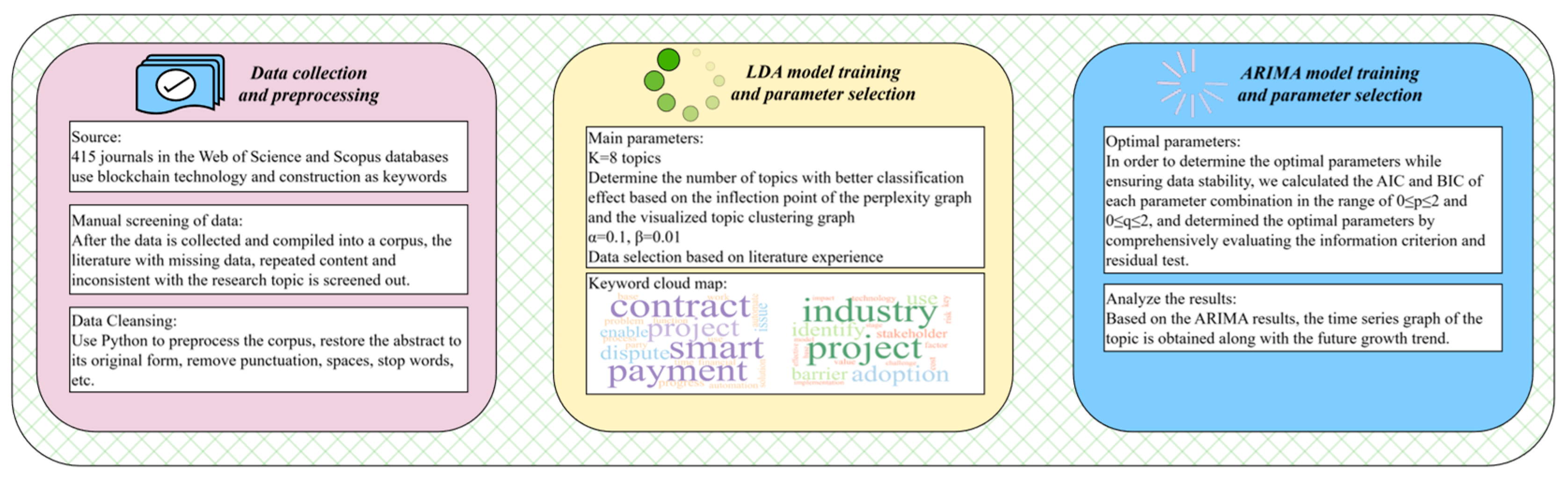
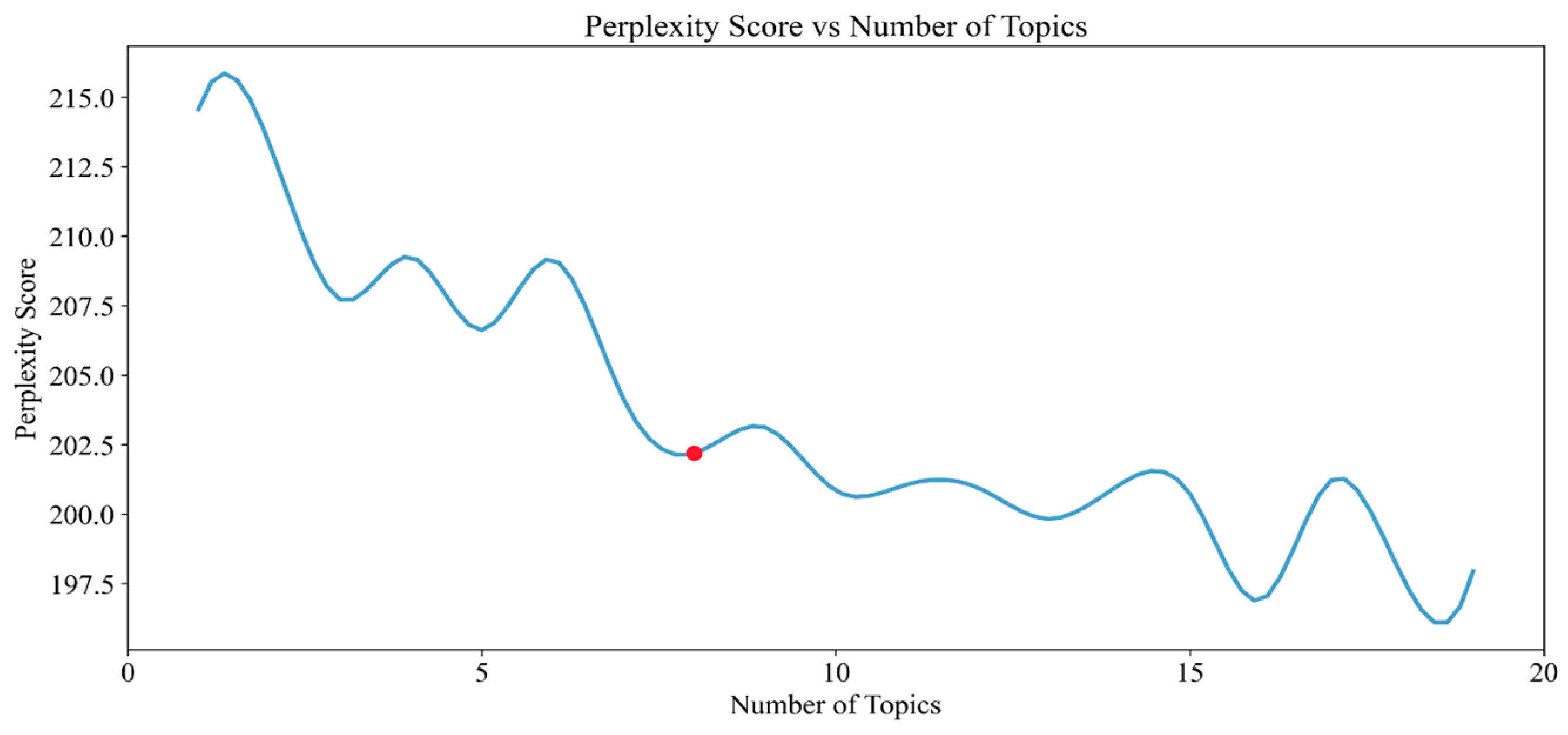
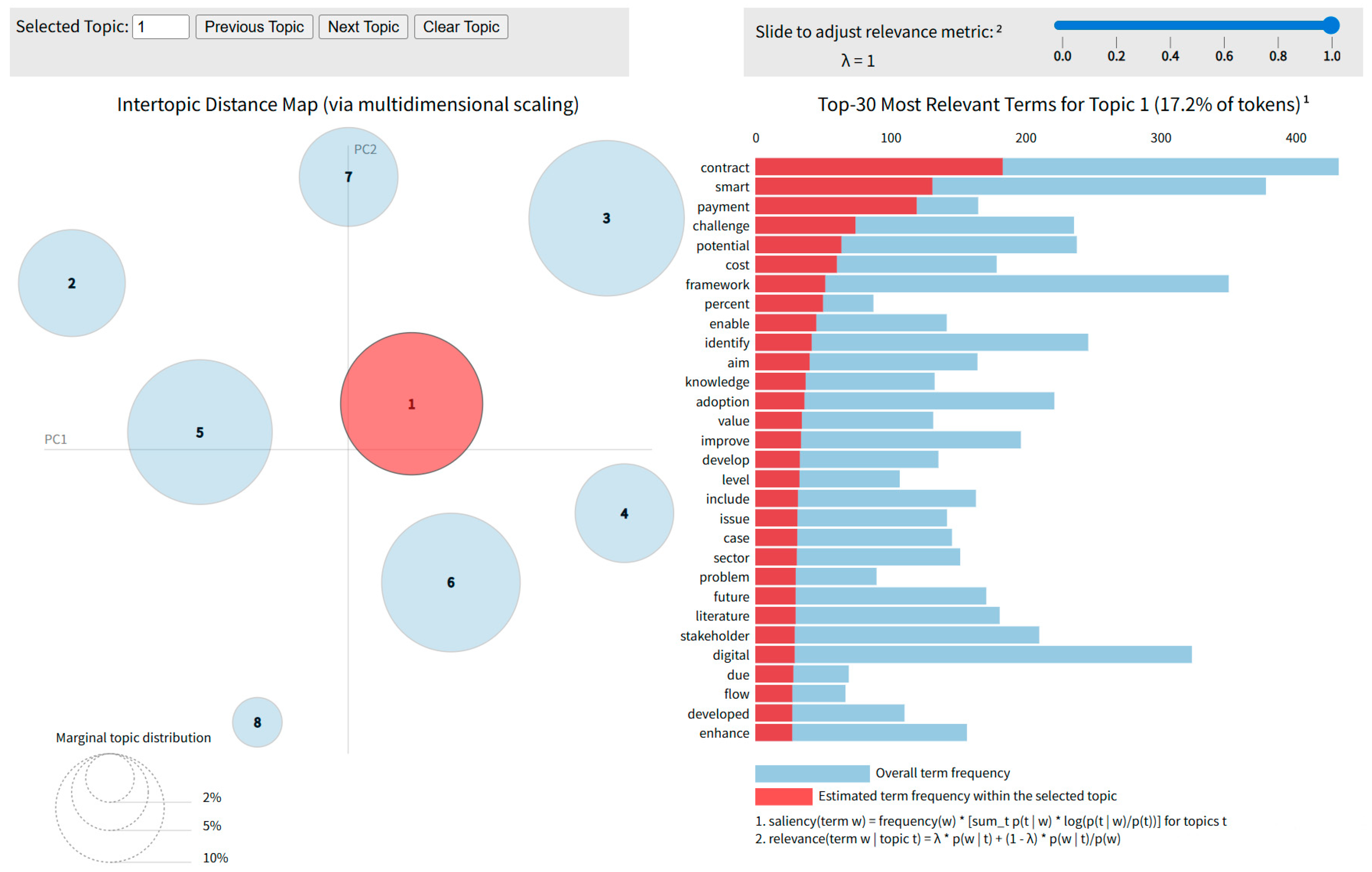
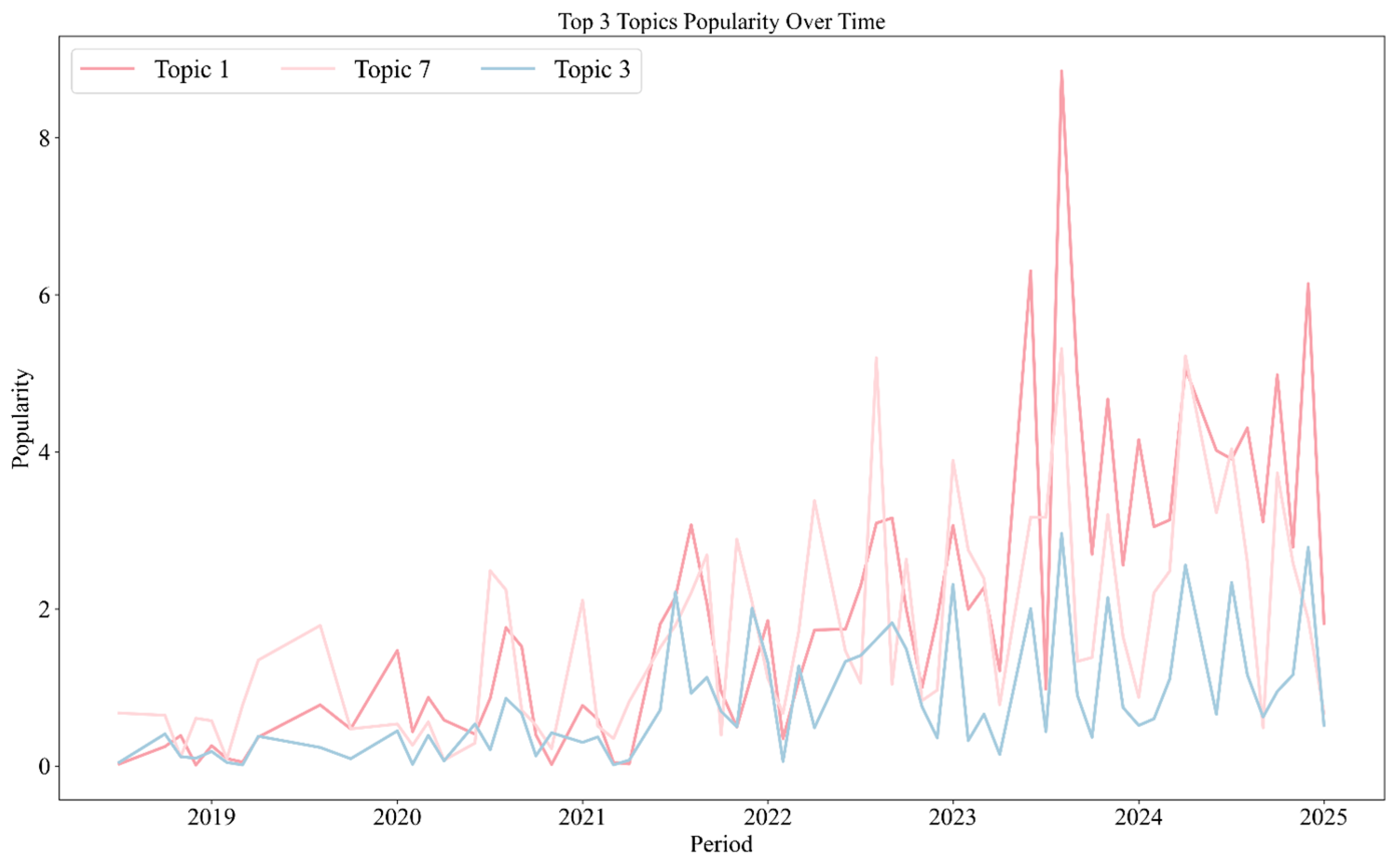
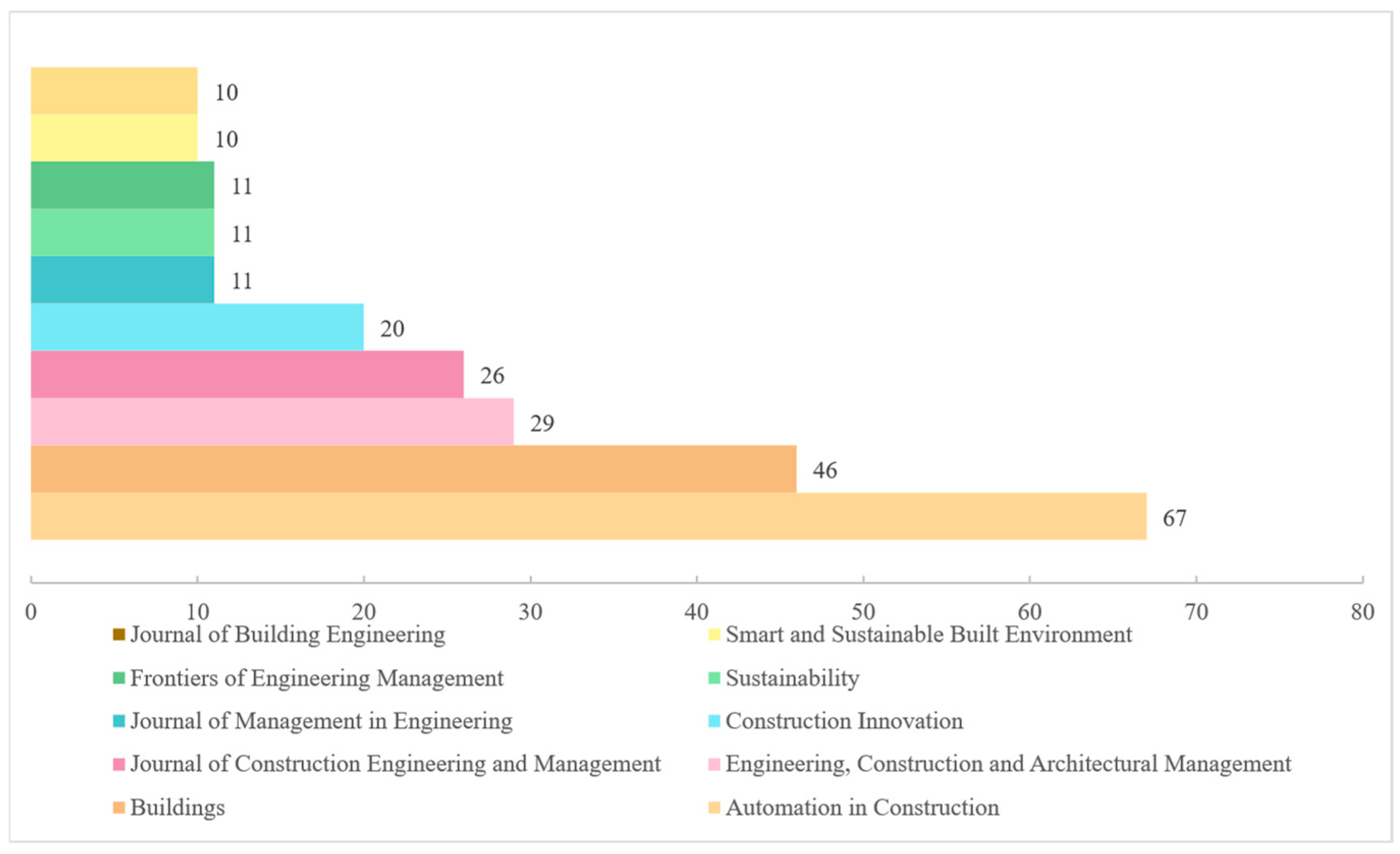
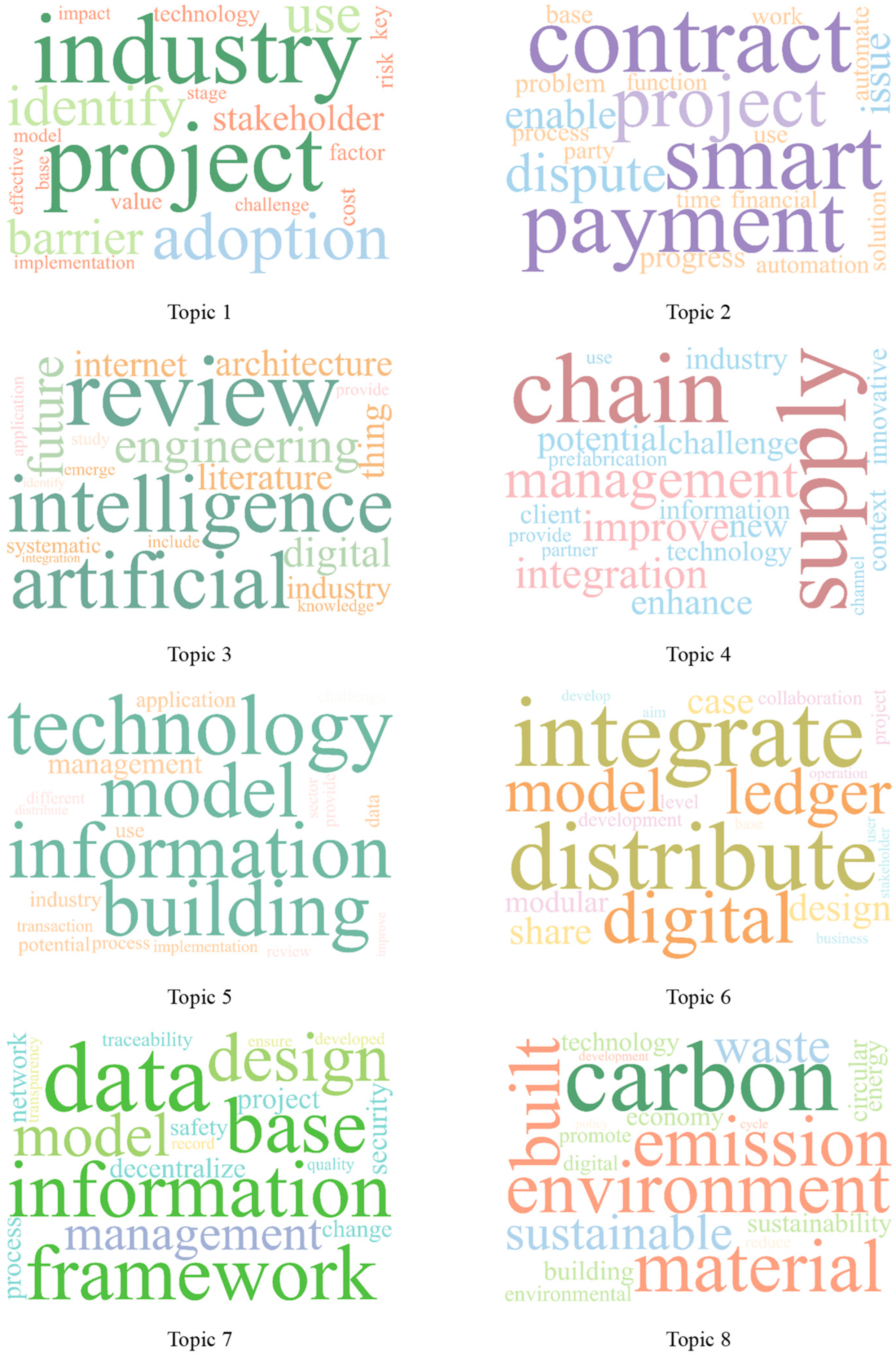
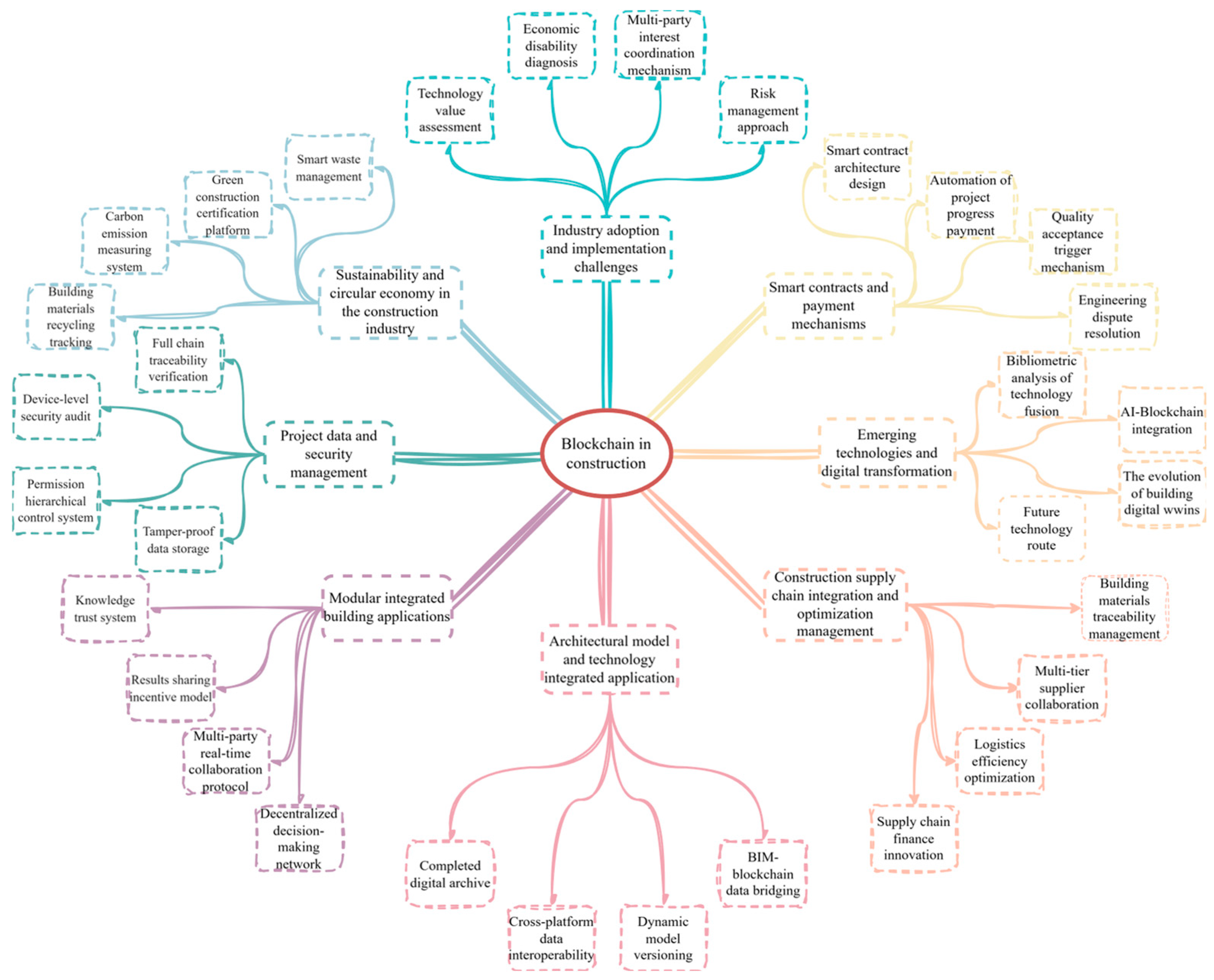
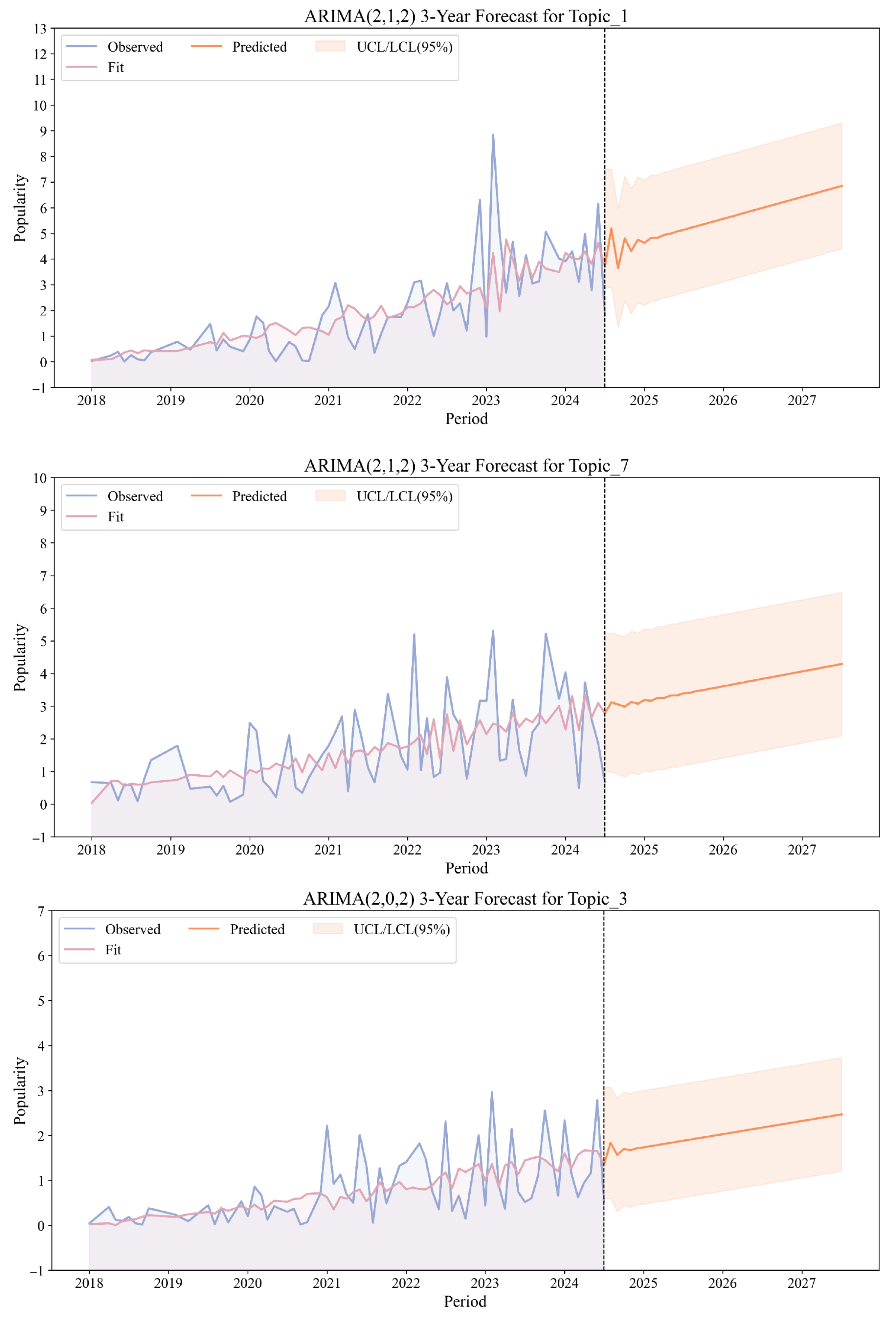
Disclaimer/Publisher’s Note: The statements, opinions and data contained in all publications are solely those of the individual author(s) and contributor(s) and not of MDPI and/or the editor(s). MDPI and/or the editor(s) disclaim responsibility for any injury to people or property resulting from any ideas, methods, instructions or products referred to in the content. |
© 2026 by the authors. Licensee MDPI, Basel, Switzerland. This article is an open access article distributed under the terms and conditions of the Creative Commons Attribution (CC BY) license.