


Abstract
Per- and polyfluoroalkyl substances (PFASs) are persistent chemicals associated with extensive environmental contamination and potentially serious human-health effects. This article examines two distinct questions: first, whether particular deliberate PFAS-related practices could, in exceptional circumstances, satisfy the contextual and substantive requirements of crimes against humanity under Article 7(1)(k) of the Rome Statute; and second, whether liability confined to individual executives adequately addresses wrongdoing shaped by corporate structures. Through doctrinal analysis, it distinguishes evidence of pollution and corporate knowledge from proof of an attack against civilians, organisational policy, comparable inhumane conduct, causation, and the requisite individual intent and knowledge. It argues that PFAS pollution as a whole has not been shown to constitute crimes against humanity, while a narrowly evidenced pattern of intentional conduct may warrant investigation under existing law. Article 25(1) currently limits the International Criminal Court’s jurisdiction to natural persons. The Article therefore assesses domestic corporate-liability models, the 2019 International Law Commission draft articles and the ongoing convention negotiations, alongside the Office of the Prosecutor’s 2025 environmental-damage policy. Its recommended approach combines carefully evidenced individual accountability with effective domestic measures addressing corporate organisation, prevention and remediation, without assuming that legal persons can currently be prosecuted before the court.
1. Introduction
Crimes against humanity (CAH) are distinguished from ordinary domestic offences by the contextual requirements of Article 7 of the Rome Statute: underlying criminal acts must form part of a widespread or systematic attack directed against a civilian population, pursuant to or in furtherance of a State or organisational policy, and committed with knowledge of the attack. Article 7(1)(k) encompasses other inhumane acts of character comparable to the listed offences that intentionally cause great suffering or serious bodily, mental or physical health injury. This provision invites careful examination of especially grave environmental conduct, but Article 22 prohibits expansion of criminal liability by analogy (Rome Statute 1998; Robinson 1999; Sadat 2013). A distinct institutional limitation concerns defendants: Article 25(1) confines the International Criminal Court (ICC) to natural persons, even when a corporate organisation supplies evidence of policy or collective conduct (van den Herik 2017).
The Nuremberg and Tokyo Trials after the end of the Second World War (WWII) set the example (Schreurs 2020) of individual criminal liability for the commission of international crimes such as crimes against humanity (CAH). This principle is reflected in the statement that “[c]rimes against international law are committed by men, not by abstract entities, and only by punishing individuals who commit such crimes can the provisions of international law be enforced” (Biggs 2019). The Trials have been characterised as the primary indication of corporations’ role in the facilitation of armed conflict and gross human rights violations, albeit limited to individual officers (Bernaz 2017).
Corporate actors can contribute to serious human rights abuses, yet legal forums and remedies must be distinguished. In Nevsun Resources Ltd. v. Araya, 2020 SCC 5, the Supreme Court of Canada allowed claims alleging breaches of customary international law to proceed against a corporation; this was not a criminal conviction. Al Shimari v. CACI, 758 F.3d 516 (4th Cir. 2014), and subsequent U.S. civil proceedings concerning Abu Ghraib similarly exemplify private-law accountability rather than the prosecution of a corporate legal person at the ICC (Center for Constitutional Rights 2024; Al Shimari v. CACI Premier Technology, Inc. 2014; Nevsun Resources Ltd. v. Araya 2020).
Corporate sanctions may contribute to deterrence, but their effects depend on the probability of detection, effective enforcement, organisational incentives and whether costs are transferred to employees, consumers or shareholders. The ‘twice mediated’ account suggests that consequences imposed on corporate actors can influence organisational behaviour (Weigend 2008; Wattad 2016). Critical corporate-criminology scholarship nevertheless cautions that additional offences or higher penalties alone will not necessarily change entrenched profit incentives; monitoring, remediation and governance reform matter as well (Braithwaite 1984; Tombs and Whyte 2015).
Corporations can be involved in international crimes as principal perpetrators, aiders or abettors, providers of information or other services, or as investment or business partners to states or entities involved in human rights abuses (Zerk 2013; Farrell 2010; Garcia Martin 2019; Ambos 2018). A corporation can participate directly in or knowingly be a beneficiary of international crimes. Schreurs posits that “consistency within the legal system demands corporate criminal liability” (Schreurs 2020), and, irrespective of whether corporations are complicit or direct perpetrators, they should be held liable for the abuses facilitated or assisted by them (Kremnitzer 2010). He (Schreurs 2020) contends that “the corporation is also a collective”; thus, prosecuting only individuals would fall short of ensuring the collective accountability of the corporation, i.e., the corporate culture, since individuals play constitutive roles that culminate in the summation of corporate actions.
The present inquiry is not premised on equating transnational environmental harm with an international crime. It asks whether the elements of an existing offence can be demonstrated in relation to identified conduct and persons. An organisational policy for the purposes of Article 7(2)(a) must not be confused with the separate question of whether an organisation is itself within the ICC’s personal jurisdiction (Bassiouni 1999; Luban 2004).
In this article, ‘PFAS pollution’ describes diverse patterns of manufacturing, waste disposal, exposure and regulation involving different substances, companies, places and periods; it does not denote a single proven ‘PFAS Pollution Incident’ or a common conspiracy. Scientific and documentary material raises substantial concerns about exposure, disease risks and corporate handling of risk information, but neither contamination nor litigation outcomes by themselves establish the elements of Article 7(1)(k) (Gaber et al. 2023; Fenton et al. 2020).
This article examines, first, whether a specifically identified course of PFAS-related conduct could satisfy every element of Article 7(1)(k) without compromising the principle of legality, and, secondly, what individual prosecutions can and cannot achieve compared with corporate-level accountability. ‘Sufficient’ is evaluated in terms of attribution of wrongdoing, deterrence, access to remedies, remediation and prevention of repeated violations, not merely the number of persons convicted. Section 2 reviews the chemical, health and documentary evidence. Section 3 analyses the constituent legal elements and the principal counterarguments, including recent ICC prosecutorial policy. Section 4 assesses corporate attribution, domestic pathways and the developing crimes-against-humanity convention. Section 5 provides distinct answers to both questions.
The paper’s contribution is a bounded application of an existing international offence to peacetime industrial conduct. Crimes against humanity already lack an armed conflict nexus; no extension of that jurisdictional element is proposed, nor is this inquiry a claim that ecocide is an established separate offence under the Rome Statute. Instead, Article 7(1)(k) is tested under the strict-construction requirements of Article 22, while potential liability of the corporation is considered principally through domestic legislation and future treaty implementation rather than through a power presently possessed by the ICC (Rome Statute 1998; Minha 2020).
2. The PFAS Contamination Explained
Per- and Polyfluoroalkyl Substances (PFAS) are a group of manufactured chemicals heavily used in industry and consumer products (United States Environmental Protection Agency (EPA) n.d.), consisting mainly of carbon, fluorine, and other elements (United States Environmental Protection Agency (EPA) n.d.). Perfluorooctanoic Acid (PFOA) and Perfluorooctane Sulfonate (PFOS) are the two most dominant chemicals widely produced within the PFAS group, consisting of more than 12,034 similar chemicals (Gaber et al. 2023) with recorded instances of PFOA and PFOS contamination in the United States (US), Europe, and China (Yamashita et al. 2008; Tao et al. 2006; Kwiatkowski et al. 2020; Calafat et al. 2007; Bjerregaard-Olesen et al. 2017). Figure 1 provides a schematic overview of the PFAS family, distinguishing between perfluoroalkyl and polyfluoroalkyl substances and identifying representative compounds such as PFOA and PFOS.
Figure 1.
Family tree of perfluoroalkyl and polyfluoroalkyl substances. Source: Agency for Toxic Substances and Disease Registry (ATSDR), U.S. Department of Health and Human Services, “The Family Tree of Perfluoroalkyl and Polyfluoroalkyl Substances (PFAS): Names and Abbreviations” (2017). Public-domain U.S. government material, reproduced with attribution (Agency for Toxic Substances and Disease Registry (ATSDR) 2017).
PFASs can be found in drinking water, soil, food, manufacturing chemicals, fire-extinguishing foam, food packaging, and household products, among others (United States Environmental Protection Agency (EPA) n.d.). PFOA and PFOS are chemically fairly stable, consisting of eight carbon atoms that provide them with their unique ability to repel oil and water, thereby constituting the basis for their use in packaging, industrial products, and cookware and as surface-protection products (United States Environmental Protection Agency (EPA) 2017).
Since the 1940s, PFAS chemicals have been widely used in commercial, industrial, and military products due to their high resistance to degradation (both in the environment and human bodies) (Gaber et al. 2023). PFASs have been introduced in many ways by companies, e.g., Scotchgard by 3M, and Teflon by EI du Pont de Nemours & Company (hereinafter DuPont) (Gaber et al. 2023).
PFASs have been detected in wastewater, landfills, drinking-water systems and biological samples from some workers and populations living near facilities that produce or use these substances (United States Environmental Protection Agency (EPA) 2017). Their environmental persistence makes exposure prevention and remediation important, but detection alone does not demonstrate that a particular person developed a serious medical condition from a particular company’s release. Individual causation, dose, duration and compound-specific evidence require separate assessment (Fenton et al. 2020).
PFASs, through legal disclosures and investigations, have been found to have profound negative impacts on human health and the environment. There is an abundance of scientific studies that has linked PFASs to foetal growth restriction, advanced cardiovascular complications, infertility, premature birth, delayed puberty, earlier menopause, different neurological and behavioural disorders, and metabolic issues (Johnson et al. 2014; National Toxicology Program 2016b; Ding 2020; United States Environmental Protection Agency (EPA) 2016; Steenland et al. 2020; Fenton et al. 2020; National Academies of Sciences, Engineering, and Medicine 2022; Biggeri et al. 2024).
The scientific literature should be applied compound by compound: an association observed for PFOA or PFOS cannot automatically be extrapolated to all substances classified as PFASs. Likewise, evidence of exposure, a diagnosis and proof that a particular corporate release caused that diagnosis are separate questions, especially where exposure occurred through more than one source (Fenton et al. 2020; National Academies of Sciences, Engineering, and Medicine 2022).
Gaber et al. (2023)’s examination of previously confidential industry documents identifies evidence that particular manufacturers investigated PFAS-related risks and that some risk information was not promptly disclosed. This evidence is significant for evaluating corporate knowledge, regulatory compliance and possible concealment; it should not be recast as proof of identical knowledge among all PFAS producers or proof that an identified executive intended the infliction of Article 7-level injury. The timeline, decision-makers and chemical-specific findings must be identified separately (Bilott 2020; Kennedy 1985; Just et al. 1989; Environmental Working Group 2019).
A limited comparison with the tobacco industry is instructive insofar as litigation and disclosure of previously internal research can illuminate corporate risk communication and incentives. The analogy is structural, rather than a claim that tobacco and PFASs share identical toxicology or that concealment alone proves an Article 7 attack. A corporate criminology perspective asks how the legal separation of shareholders, directors and subsidiaries, performance targets and the capacity to externalise costs can systematically shape harmful decision-making (Bakan 2004; Tombs and Whyte 2015; Bakan 2020).
Litigation initiated in 1998 following alleged contamination of land associated with cattle farmer Wilbur Earl Tennant brought substantial attention to releases attributed to DuPont and to subsequent contamination concerns in the Ohio River Valley. Documentary disclosures have also been examined for indications that corporate actors sought to influence the publication or communication of adverse scientific findings (Gaber et al. 2023; Bilott 2020). These allegations and documentary materials require careful differentiation from criminal findings.
Subsequent proceedings concerning water supplies in Ohio and West Virginia led to broader community litigation and the creation of the C8 Science Panel. The Panel identified probable links between PFOA exposure and six specified conditions, including kidney and testicular cancer, thyroid disease, high cholesterol, ulcerative colitis and pregnancy-induced hypertension (Kelly 2016). The Panel’s findings and civil settlements are important for scientific and regulatory assessment, but their agreed evidentiary standards are distinct from proof of medical causation and mens rea in an individual international criminal prosecution (C8 Science Panel 2012; Frisbee et al. 2009).
In 2004, the US Environmental Protection Agency (EPA) took DuPont to court for failure to report and the resulting violation of Section 8 (e) of the Toxic Substances Control Act (TSCA) 1976, which mandates companies to disclose substantial risks posed by toxic chemicals produced, processed or distributed by them. The case was settled for $10.25 million, with an additional $6.2 million in what is regarded as one of the largest civil penalties ever obtained under environmental regulations (amounting to 2% of the revenues the companies made that year alone) (Environmental Working Group 2015; United States Environmental Protection Agency (EPA) 2005). Presently, there is a nationwide toxic tort case ongoing against companies that manufacture PFASs, initiated by ten US states.
The U.S. National Toxicology Program (NTP) concluded that PFOA and PFOS were presumed immune hazards to humans on the evidence assessed (National Toxicology Program 2016a). Reports from U.S. and European monitoring programmes demonstrate the substantial geographic extent of PFAS contamination (Environmental Working Group 2020; Forever Pollution Project 2023). However, contaminated sites, detectable exposures and the number of individuals suffering sufficiently serious harm are different empirical measures; they cannot be used interchangeably to infer the existence of an Article 7 attack. Evidence also varies among compounds, exposure routes and affected populations (Agency for Toxic Substances and Disease Registry (ATSDR) 2021; Wee and Aris 2023; Environmental Working Group 2024).
Since 2005, more than 6400 lawsuits have been filed against corporations concerning PFAS contamination (Wallender 2022).
3. Chemical Pollution, Toxic Dumping, and Harm to Human Health as Crimes Against Humanity
The historical development of crimes against humanity is relevant chiefly because the Rome Statute’s definition differs from several earlier instruments. Nuremberg and subsequent tribunals helped articulate the offence, but contemporary ICC jurisdiction is governed by Article 7′s particular contextual and underlying act requirements. In particular, the absence of an armed conflict nexus does not create a general international offence of pollution (Bassiouni 1999; Clark 2011; Robinson 1999; Cassese 2013; Clark 1990; Schwelb 1946).
The Rome Statute does not require an armed conflict nexus for crimes against humanity, which makes peacetime conduct eligible for scrutiny without predetermining the outcome. Article 7(1) requires a widespread or systematic attack directed against civilians with knowledge of the attack, and Article 7(2)(a) requires a course of conduct pursuant to or in furtherance of a State or organisational policy (Rome Statute 1998; Robinson 1999; Sunga 1998).
Article 7 requires a contextual attack and a qualifying underlying act. The disjunctive requirement is ‘widespread or systematic’, not ‘widespread and systematic’. The accused’s conduct must have the requisite nexus to the attack, and the mental elements must be shown. For Article 7(1)(k), the additional act must intentionally cause great suffering or serious injury and be similar in nature and gravity to other listed acts (International Criminal Court (ICC) 2011).
The “other inhumane acts” found under Article 7(1) (k) of the Rome Statute (the main focus point of this Article concerning CAH) has appeared in all the previous iterations of CAH, though delegates at the Rome Conference expressed concerns over its imprecise nature. However, a settlement was reached that for an act/s to fall under the ambit of “other inhumane acts”, it/they must embody a similar character to that of the enumerated acts causing substantial suffering, injury, physical or mental anguish (Robinson 1999). Therefore, for an act to amount to CAH, the following elements have to be fulfilled:
- (a)
- A State or organisational policy to commit an attack;
- (b)
- Attack against any civilian population;
- (c)
- Widespread or systematic attack;
- (d)
- Knowledge of the attack;
- (e)
- Correlation between the act and the attack;
- (f)
- Acts causing great suffering or significant injury to mental or physical health.
In the absence of the requirement of an armed conflict nexus, CAH can take place during peacetime. The question remains: can a specific pattern of PFAS pollution amount to a CAH under Article 7(1)(k) of the Rome Statute?
3.1. Why CAH Is a Potentially Useful Framework
Article 7(1)(k) warrants consideration where identifiable conduct intentionally inflicts severe human suffering in a manner comparable to the other crimes against humanity. It is not a general environmental-offences provision. Environmental damage may form the means or context of an Article 7 crime, but a prosecutor must prove the specified attack, policy, underlying act, individual state of mind and causal connection independently of the scale of pollution (Minha 2020; Sadat 2013).
Existing avenues, by contrast, are often limited: either through the constraints of jurisdiction, of remedy, or of enforcement power (Skinner 2017). CAH therefore presents a model by which not only does it recognise the seriousness of the harm but also packages the issue of corporate environmental destruction as being of international criminal interest instead of being a civil or a regulatory offence (Sadat 2013).
The ICTY viewed “other inhumane acts” as an avenue to bring within the ambit of CAH those serious human rights violations not included under its definition. ICC judgements also allow for “other inhuman acts” but only within the framework of the additional policy requirement. Accordingly, this formula has been utilised to include forcible stripping of women in Rwanda and compulsory transportation of women, children, and elderly people into the enclaves in Srebrenica as “other inhumane acts”. Following this rubric, PFAS pollution can also be argued to fall within the ambit of “other inhumane acts”, contingent upon fulfilling the requirements under Article 7 of the Rome Statute (Prosecutor v. Zoran Kupreškić et al. 2000; Prosecutor v. Tadić 1997; Prosecutor v. Akayesu 1998).
3.1.1. Attack Against Civilian Population
In the context of CAH, an attack does not mean armed conflict or hostilities; it can even encompass situations involving mistreatment of persons, and it is more a course of conduct than the use of armed force only (Sluiter 2011).
An ‘attack’ under Article 7(2)(a) is a course of conduct involving multiple qualifying acts directed against a civilian population; it need not involve military force. In a PFAS case, sustained hazardous releases and concealment of dangers could be probative, but only if the acts satisfy the substantive definition of inhumane conduct and can be linked to a relevant civilian-directed course of conduct. A profit-seeking business strategy, exposure of nearby residents or failure to disclose risks is not, by itself, legal proof of such an attack (Rome Statute 1998; International Criminal Court (ICC) 2011; Sluiter 2011).
3.1.2. A State or Organisational Policy
Article 7(2)(a) requires a State or organisational policy to commit the attack. Such a policy need not always be written or publicly proclaimed; it may be inferred from an established pattern of relevant actions. Nevertheless, an ordinary corporate decision to continue production, even while facing health concerns, is not necessarily a policy to commit crimes against civilians. It must be connected to multiple qualifying acts and to the authority and decisions of the organisation (Robinson 2015; Jalloh 2013).
ICC decisions and the Elements of Crimes allow consideration of a pattern of conduct in assessing policy, but deliberate omission is subject to an important qualification: exceptionally, a policy may be implemented by deliberate failure to act consciously aimed at encouraging an attack, rather than by mere inaction (International Criminal Court (ICC) 2011). The Katanga, Bemba and Gbagbo proceedings concern particular factual records; none establishes that every company’s suppression of safety information is an Article 7 policy. The nature of the organisation and the attack must be proved (Prosecutor v. Katanga and Chui 2008; Prosecutor v. Bemba 2016; Prosecutor v. Gbagbo 2014).
The distinction between earlier ad hoc tribunal jurisprudence and the Rome Statute is important: the ICTY Appeals Chamber’s approach in Kunarac did not impose the ICC’s express Article 7(2)(a) policy element. That divergence does not permit the statutory requirement to be disregarded in proceedings before the ICC. Formal adoption of a policy is not invariably necessary, but its existence cannot simply be presumed from extensive pollution (Mettraux 2011; Daniele 2018; Heller 2011; Prosecutor v. Dragoljub Kunarac et al. 2002; Prosecutor v. Tadić 1999).
Internal documents concerning concealment of adverse PFAS information may constitute evidence of organisational priorities and particular decision-makers’ knowledge (Gaber et al. 2023). However, evidence of widespread contamination sites in different States cannot by itself prove that unrelated corporations shared one coordinated policy of attack. A criminal allegation would need to identify the relevant corporate authority, specific underlying acts, intended civilian population and evidentiary link between the policy and those acts (Forever Pollution Project 2023; International Criminal Court (ICC) 2011).
3.1.3. Widespread or Systematic Attack
“Widespread or systematic” elements place a high threshold for determining CAH. Widespread has been defined as “massive action, repeatedly performed, on a large scale in the sense of both a broad area and a large number of victims carried out by means of collective action” (Cammack 2016), and systematic as “an organized action conforming to a certain pattern, based on a common policy, involving significant resources, carefully engineered and methodically planned” (Cammack 2016).
The attack has to be either widespread or systematic, meaning that the elements are disjunctive, and both do not have to be established in order to fulfil the requirements of CAH. The purpose of the widespread or systematic elements is to filter out isolated random actions to find those that actually rise to the level of CAH. A widespread or systematic attack carried out pursuant to a relevant policy satisfies only contextual conditions; a crime against humanity also requires a qualifying underlying act, its nexus to the attack, and the applicable intent and knowledge, including the further requirements of Article 7(1)(k) (Triffterer and Ambos 2015).
Long-term production, repeated dumping practices and the management of scientific information can be examined as evidence of an organised pattern of conduct. Nevertheless, the geographic distribution of PFAS pollution and large estimates of potentially exposed populations do not establish the number of victims of a qualifying Article 7 attack. Evidence of coordinated acts, comparable inhumane conduct and attributable civilian harm would be required before characterising a particular course of conduct as widespread or systematic (Environmental Working Group 2020; Triffterer and Ambos 2015).
3.1.4. Connection Between Individual Act and Attack
The accused person’s alleged conduct must form part of the identified attack. Relevant evidence might include documented decisions approving releases, instructions concerning disclosure, internal test results and specific pathways of exposure. Conduct across different corporations must not be aggregated to establish an individual’s participation or intent without proof connecting that individual to the charged acts and the wider attack (Minha 2020; Gaber et al. 2023).
3.1.5. Knowledge of the Attack
The mens rea inquiry has two dimensions: awareness that the accused’s conduct forms part of, or is intended to be part of, a widespread or systematic attack against a civilian population, and the mental elements for the alleged underlying inhumane act. The ICC Elements of Crimes require awareness of the factual circumstances establishing similarity in character to the other Article 7 crimes. General knowledge that a chemical poses risks is not necessarily knowledge that severe human injury will occur in the ordinary course of events (International Criminal Court (ICC) 2011; Minha 2020).
Article 30 of the Rome Statute generally requires intent and knowledge unless otherwise provided. In assessing consequences, the accused must mean to cause them or be aware that they will occur in the ordinary course of events. Findings of negligent risk-taking, regulatory breach or knowledge imputed collectively to a company do not automatically demonstrate these elements in any identified manager or executive (Rome Statute 1998, arts. 22 and 30; Ambos 2013; van Sliedregt 2011).
The documents and scientific record therefore raise a substantial investigative question, but they do not independently establish that a named natural person possessed the Article 30 state of mind. Chronologically attributable communications, approvals and decisions would need to be tested against causation, seriousness of injury and the specific alleged attack. This evidentiary requirement is especially important in a multi-firm and multi-decade pollution context (Minha 2020; Gaber et al. 2023).
3.1.6. Great Suffering, or Significant Injury to Mental or Physical Health
Article 7(1)(k) requires great suffering or serious bodily, mental or physical health injury and an act similar in nature and gravity to the other Article 7 offences. Associations between some PFAS exposures and disease, while medically important, do not alone demonstrate the causal nexus to a specific charged act or the necessary seriousness for any identified victim. The legal assessment would require evidence of compound-specific exposure, duration, causal contribution, seriousness and the relevant perpetrator’s intent (Fenton et al. 2020; National Academies of Sciences, Engineering, and Medicine 2022; International Criminal Court (ICC) 2011).
The material reviewed does not establish PFAS pollution as a category that fulfils Article 7(1)(k). A narrowly defined course of deliberately inflicted serious human harm could potentially be investigated, but the proposition remains contingent on proof of a civilian-directed attack, qualifying multiple acts, organisational policy, comparable character and gravity, causal injury and the required individual mental elements. Article 22’s principle of legality bars filling evidentiary or definitional gaps by analogy (Rome Statute 1998; International Criminal Court (ICC) 2011).
The strongest counterarguments concern the principle of legality and the distinct contextual elements. Industrial pollution may constitute environmental or public health wrongdoing without constituting multiple acts comparable to the listed crimes against humanity. A company’s failure to act on risk information does not automatically show a policy to attack civilians, and widespread environmental dispersion does not itself establish a widespread criminal attack. Aggregated health data also cannot replace proof of a victim’s serious injury or the mental state of a named perpetrator (Rome Statute 1998, arts. 7, 22 and 30; International Criminal Court (ICC) 2011).
Those objections do not foreclose every conceivable case: dated evidence of deliberate recurrent releases, identifiable victims, serious harm and authoritative instructions might warrant examination where the Article 7 requirements can be individually demonstrated. The argument remains one of legal possibility subject to proof, not a claim that the present record establishes an ICC-prosecutable offence (Durney 2018; Minha 2020).
The ICC Office of the Prosecutor issued its Policy on Addressing Environmental Damage Through the Rome Statute on 4 December 2025, followed by a statement on implementation on 22 September 2026. The Policy recognises that environmental damage may be a means, consequence or contextual feature of crimes already defined in the Rome Statute and promotes investigative attention and domestic cooperation. It neither creates ecocide as a fifth Rome Statute offence nor expands Article 25 to corporate legal persons. For PFASs, it provides guidance about possible investigative questions rather than a finding that any company or executive committed a crime against humanity (International Criminal Court, Office of the Prosecutor (ICC OTP) 2025, 2026).
3.2. Should the PFAS Situation Be Considered an International Crime?
For a crime to be regarded as an international crime, a distinguishing “international or jurisdictional element” is necessary (Bassiouni 1977, 1999). Cassese notes that international crimes “are particularly odious offences in that they constitute a serious attack on human dignity or a grave humiliation or degradation for one or more persons” (Cassese 2008). International crimes, even though perceived in connection with armed conflict, can take place during peacetime (Jalloh 2013; Higgins 1994).
Greenawalt (2020) and Chehtman (2020) view perpetration of a certain gravity as the threshold for determining an international crime. Heller (2017), Schwarzenberger (1950), and O’Keefe (2015) perceive international crime as a crime that is acknowledged by states as such. In Eichmann, international crimes were observed as deplorable acts, “…which struck at the whole of mankind and shocked the conscience of nations, are grave offences against the law of nations itself (delicta juris gentium)”. Bassiouni outlines a number of features of an international crime, including conduct that is prohibited, harmful, egregious, and has transnational implications, including outraging the conscience of humanity (Bassiouni 2013). These competing accounts provide context for the PFAS inquiry, but they cannot substitute for applying Article 7’s specific statutory elements to the conduct in question.
In the case of CAH, Jalloh suggests that the “collective nature of the actors and their victims” is its hallmark element (Jalloh 2013; Luban 2004). The United Nations War Crimes Commission (UNWCC) noted that a systematic mass action elevates an attack into a CAH and a matter of international concern, attributing responsibility to both perpetrators and leaders due to “either by their magnitude and savagery or by their large number or by the fact that a similar pattern was applied at different times and places, endangered the international community or shocked the conscience of mankind, warranted intervention by States other than that on whose territory the crimes had been committed, or whose subjects had become their victims.” (Wright 1948).
Therefore, for international crimes such as CAH, a certain gravity threshold is involved that initiates moral outrage and shocks the conscience of humanity (Sharp 1999; Mégret 2011; Bustami and Hecken 2021). In cases involving chemical contamination, including PFAS, the gravity of alleged harm is relevant but cannot displace the separate Article 7 requirements of a civilian-directed attack, a qualifying underlying act and the accused’s mental elements. Any PFAS-related allegation must therefore be assessed against the gravity considerations (Cousins 2016) in terms of “the number of direct and indirect victims, the extent of the damage caused, and the bodily or psychological harm that occurs.”
According to the Promise Institute for Human Rights (2020), chemical pollution can amount to CAH under Article 7(1)(k) as “other inhumane acts” contingent upon causing “great suffering or serious injury to body or to mental or physical health”. Durney (2018) argues that there is scope within the definition of CAH under Article 7 that allows CAH to take a wider approach to interpret human rights violations, considering “social context and changes in society” (Council of Europe 2012). Patel (2016) contends that CAH, due to the absence of a specific intent element in contrast with genocide, has more dexterity to include other crimes within its ambit (Weinstein 2005; Sharp 1999). Sterio (2024) regards Article 7(1)(k) as the “catch-all” provision to include chemical pollution as CAH. (a) It would have to be established that these harms have caused extensive suffering or serious injury to the mental or physical health of a human population, and (b), to establish causality, it would have to be shown that an attack was launched with the knowledge that it would bring about such suffering.
Recent studies suggest that there are more than 14,000 variants of PFAS in various industrial and consumer products, and an analysis of 45,000 groundwater samples from the US, Canada, and Europe reveals PFAS levels exceeding threshold limits (Grunfeld et al. 2024). The Forever Pollution Project (Horel 2023) discovered nearly 23,000 sites in Europe with high levels of PFAS contamination, all around industrial sites that are PFAS users such as subsidiary companies of DuPont, 3M, amongst a number of other corporations. Epidemiological studies report associations between exposure to particular PFASs and several adverse outcomes, with the strength of the evidence varying by chemical and disease endpoint (Fenton et al. 2020). National Cancer Institute (NCI) (National Cancer Institute n.d.), Cancer Research UK (Gunn and Brooks 2023), a Yale University (Blair 2023), and a University of Michigan (Cathey et al. 2023) study report associations between exposure to particular PFASs and selected cancers; those findings do not establish that every PFAS exposure causes cancer (Gillett 2022; Prosperi and Terrosi 2017).
Martini et al. (2023) have examined the possibility of treating mass deforestation as a CAH. One of the prime aspects of their analysis is that deforestation does not typically satisfy the conventional standard of violent attack, but its severe impact on civilians can nevertheless be conceptualised as meeting the requirements of Article 7. Ambos and Werle have also examined how environmental degradation and systematic denial of health and safety information have the potential to evolve as a CAH (Ambos and Werle 2020).
The geographical distribution of PFAS contamination is well documented, but this evidence does not itself establish a civilian-directed attack within the meaning of Article 7. The comparison with other alleged environmental harms remains analytically useful only if comparable inhumane conduct, an organisational policy, the requisite individual intent and knowledge, and serious causally attributable injury are independently demonstrated. The appropriate conclusion is consequently conditional: documented harm may justify investigation and robust domestic remedies, without equating all PFAS pollution with crimes against humanity (Rome Statute 1998; International Criminal Court (ICC) 2011; Fenton et al. 2020).
4. The Future of Corporate Criminal Liability and International Crimes
Because Part III identifies both possible applications and substantial obstacles, this section distinguishes personal culpability from organisational accountability. Article 25(1) does not presently authorise the ICC to prosecute a corporation as a legal person, acknowledging that this jurisdictional limit permits a more concrete examination of corporate liability through domestic law and possible future treaty implementation (Rome Statute 1998; Bernaz 2017; International Bar Association 2022).
In 1701, a British court dismissing the irrelevancy of corporate structure in the criminal prosecution of businesspersons held that “a corporation is not indictable, but its individual members are” (Stewart 2011). After the end of WWII, the International Military Tribunal for the Far East (IMTFE) and the Nuremberg Military Tribunals (NMTs) established the precedent of criminal accountability of individuals, including corporate executives, for war crimes and CAH (Sterio 2018). The NMTs in the Flick, Farben, Krupp, Zyklon B and Roechlin cases charged corporate directors and executives with aggressive war, enslavement, mistreatment of prisoners of war, and a number of other charges under the Nuremberg Charter. In the Far East, several high-ranking officials of Nippon Mining Company, including its manager, were found liable for mistreatment of Japanese POWs (Ramasastry 2002; Schabas 2005; Allied Control Council 1946; The Röchling Case 1952; The Zyklon B Case 1947; The Krupp Case 1952; The I.G. Farben Case 1952; The Flick Case 1952).
De Tommaso argues that these trials exhibit that complex entities can “fit within the context of an international criminal trial and that the challenges posed by the trial of such entities are not without solution” (De Tommaso 2024). However, none of the tribunals accepted any responsibility of juristic persons, i.e., corporations, for international crimes. Rather, it was stressed that individuals were criminally responsible and not corporations (Heller 2011).
Following proceedings before the International Military Tribunal at Nuremberg (IMT) and the International Military Tribunal for the Far East, debate persisted concerning the responsibility of corporations and their officers for international crimes. These tribunals primarily established criminal liability of natural persons, rather than a general rule granting international criminal courts jurisdiction over corporate entities. The subsequent Rome Statute expressly adopted individual responsibility under Article 25 (Bernaz 2017; De Tommaso 2024; Jeßberger 2016; Kolieb 2015; IMTFE Charter 1946; IMT Charter 1945).
In the 1998 Diplomatic Conference of Plenipotentiaries, France proposed corporate criminal liability through fines, penalties, and confiscation of proceeds, arguing that individuals cannot conceal their responsibility behind an organisation (Rai 2020; Calderon Meza 2021). The negotiation included a discussion on a narrow approach to corporate liability under the draft Article 23(5) (d), wherein an individual/s who physically perpetrated the offence would be liable, and draft Article 23(5) (b) outlined that the Prosecutor of the ICC could file charges against juridical persons. Despite support from a number of countries, it failed following rejection by the drafting assembly of states. The main contention surrounding corporate criminal liability revolved around national legal systems recognising corporate accountability under their criminal law, which, at that time, many jurisdictions did not, alongside issues of complementarity and definitional specificity (Bordeleau-Cass 2019; Haigh 2008; Clapham 2000; Schabas 2011; UN Diplomatic Conference 2002).
The other very important advancement towards corporate accountability is that the ICC has identified control over an organisation as a form of individual liability in Article 25(3)(a) of the Rome Statute. This theory has its origin in Lubanga and contends that the person can be regarded as a principal perpetrator where the individual has control that is essential to the organisation through which the crimes are committed, even if the individual is not physically involved. In Katanga, the Pre-Trial Chamber discussed that the commission of crimes is possible without physical involvement when the person has essential control within the organisation through which the crimes are carried out (Prosecutor v. Katanga and Chui 2008; Prosecutor v. Lubanga 2014).
This doctrine is especially relevant to crimes connected with corporations. It offers a legal avenue for holding CEOs, directors, and high-level managers liable only where their individual conduct and mental elements satisfy the charged offence, rather than merely because a harmful corporate policy existed, irrespective of the corporation’s exclusion from ICC personal jurisdiction (Ambos 2007; Minkova 2024). It must be made clear that the ICC Office of the Prosecutor (OTP) has no power to develop new crimes or increase the jurisdiction of the Court. The ICC under Article 5 of the Rome Statute has a limited scope of jurisdiction in genocide, crimes against humanity, war crimes, and the crime of aggression; changes to the Court’s jurisdiction require the Rome Statute’s prescribed amendment procedures.
The OTP’s 2016 policy paper and its 2023 environmental consultations did not introduce new offences but indicated a prioritisation of some forms of conduct, for example, environmental destruction, illegal exploitation of resources, or land dispossession already covered by the extant crimes. The more recent efforts by the OTP have been directed towards expert consultations to consider the ways in which acts of environmental harm can be prosecuted under current provisions of the Statute. In doing so, the interpretive exercises do not increase jurisdiction but simply inform prosecutorial discretion within the existing limits of the Rome Statute, including crimes against humanity committed during peacetime. Neither these materials nor the 2025 environmental-damage policy enlarged the ICC’s jurisdiction: they concern the assessment and prioritisation of conduct only where the legal elements of an existing Rome Statute crime can be established (Heatley 2016; SustainableBusiness.com 2016; International Criminal Court, Office of the Prosecutor (ICC OTP) 2016).
Corporate attribution models require separate analysis. Under identification theory, acts and mental states of persons constituting the corporation’s directing mind may be attributed to the entity, but decentralised decisions can make that test underinclusive. Under respondeat superior (vicarious liability), some domestic systems attribute employees’ acts undertaken within their employment and for the corporation’s benefit; safeguards are needed against liability for purely private misconduct. Aggregation theory combines organisational information and decisions that no single officer possesses, raising concerns about proving a composite mens rea. Entity- or corporate-culture models instead examine institutional procedures, incentives and failures of supervision but must specify a culpability standard rather than presume guilt from size or organisational form (French 1979; Friedman 2021; Allens Arthur Robinson 2008; De Tommaso 2024). These theories address liability under relevant domestic legislation, rather than an unrecognised power of the ICC to prosecute a legal person (Khanna 1996).
Applied to a hypothetical PFAS manufacturer, identification theory would require evidence linking the relevant decision and mental state to a directing officer; it may miss a decision distributed across compliance, production and management teams. Domestic vicarious-liability rules could instead attribute an employee’s qualifying conduct to the entity, subject to the law’s scope of employment and benefit requirements. Aggregation or corporate-culture models could examine dispersed hazard reports, incentives and ignored warnings, but should not manufacture an individual executive’s Article 30 intent from institutional knowledge. These alternatives concern entity liability in domestic systems, not corporate prosecution before the ICC (French 1979; Allens Arthur Robinson 2008; De Tommaso 2024).
Legal personhood separates corporate assets and obligations from shareholders; limited liability and group-company structures can complicate both compensation and the attribution of decisions. Critiques of the corporation as a potentially criminogenic organisation focus on how dispersed authority, financial rewards, compliance failures and opportunities to externalise environmental costs may foster wrongdoing even without one omniscient decision-maker. These institutional concerns strengthen the case for entity-level remedies and reforms, while the corporate veil cannot be disregarded simply because an outcome is harmful (Bakan 2004; French 1979; Tombs and Whyte 2015).
The assessment of ‘sufficiency’ thus turns on the functions of liability. Individual punishment expresses personal culpability, but it need not induce corporate-wide disclosure, financing of cleanup or changes to risk governance. Entity-level sanctions and remedial orders may reach these organisational dimensions, yet they must be proportionate and avoid shifting costs exclusively onto innocent employees or victims. Friedman (2021) accordingly supports a complementary entity and executive design rather than substituting one form of liability for the other.
Adopted in 2014, the Malabo Protocol, in Article 46C, provides for the liability of legal persons in a proposed African regional criminal jurisdiction (Meloni 2017). The African Union’s treaty-status register, updated on 22 June 2026, does not record the Protocol as having entered into force. Article 46C is therefore not currently an exercisable criminal jurisdiction over corporations (African Union 2026). However, there are several definitional ambiguities within Article 46C, including no specific definition of the concept of “legal person” or “policy” (De Tommaso 2024). Nonetheless, it represents a significant development in terms of corporate liability under international criminal law (Clarke 2017; African Union 2014).
Similarly, the 2008 Montreux Document acknowledges that the concept of superior responsibility under international criminal law can function in ensuring the liability of company directors for international crimes. The International Court of Justice has, on several occasions, held that states are not the only subjects of international law and that it includes corporations and international organisations. The UNSC has prohibited the import and export of rough diamonds from Sierra Leone, implicating the diamond industry, and its power to bind non-State actors such as corporations has been affirmed by the ICJ (Bernaz 2017). Similar arguments have been forwarded by Clapham, who argues that the enjoyment of certain legal rights and privileges by corporations indicates the conclusiveness of their international legal personhood (Clapham 2006; Montreux Document 2008).
Domestic courts are the first resort in the eyes of the ICC through its principle of complementarity, labelled as an “indirect enforcement system”, and regarded as “the backbone of international criminal law enforcement” (Cryer et al. 2010). More than two dozen jurisdictions in Asia, Europe, the Americas, and Australasia now recognise corporate criminal liability (Stewart 2011; Linklaters 2022; Slye 2008). In Canada, England, the Netherlands, Australia, and Belgium, legal entities can be held accountable for any crime capable of being committed by an individual; in France, corporate liability is conditional upon legislative intent; and in the US, corporations can be held liable criminally under the offences specified by the US Sentencing Guidelines (Garcia 2015). In Japan, the Ryobatsu–Kitei Doctrine facilitates a form of strict liability allowing punishment of the natural person and imposition of fines on the concerned legal person (Allens Arthur Robinson 2008).
The Supreme Court of India held that corporations can be held accountable for criminal offences through the imposition of fines. The International Commission of Jurists observed that “as national criminal laws develop to include this type of liability, so do the arguments for an expansion of international courts’ jurisdiction over company entities.” (International Commission of Jurists 2008; Standard Chartered Bank v. Directorate of Enforcement 2005).
The possibility of a non-State organisational policy under Article 7 must be assessed separately from the attribution of criminal acts and mental elements to individual defendants (van Sliedregt 2012). Proposals to amend the Rome Statute to encompass corporate criminal liability nevertheless continue (Bernaz 2015; Haigh 2008; Kremnitzer 2010; Wheeler 2018).
Article 7 may encompass attacks organised by non-State actors, but the organisational policy, qualifying acts and the accused person’s mental elements must still be established under the Statute (Bassiouni 1999; Bassiouni 2011a; Triffterer and Ambos 2015; Jalloh 2013). Long favours corporate criminal liability, arguing that it does not wrong the corporation or its shareholders, nor does it destabilise the complementarity principle (Long 2020).
De Tommaso views these recent developments recognising corporate liability, state party declarations of interest and positive opinions concerning corporate accountability as signals of both the significance of this debate and the feasibility of including corporations within the ambit of international criminal law (De Tommaso 2024). For Alexandra Garcia, it can now be accepted as a general principle of law that it is not only feasible but also the next logical step (Garcia 2015).
The foregoing attribution models operate through jurisdiction-specific rules and require proof connecting the conduct of a relevant agent with the legal entity; no single model applies universally (De Tommaso 2024; Pop 2006; Garcia 2015). Ramasastry (Ramasastry 2002) posits that corporations can be held criminally liable for international crimes such as CAH by virtue of direct perpetration, aiding and abetting, or as a joint complicit actor in state-sponsored commissions of international crime/s. In the Special Tribunal for Lebanon’s contempt proceedings, the tribunal considered attribution to a corporate entity, a context that should not be equated with the ICC’s jurisdiction over crimes against humanity. For the form of corporate attribution discussed there, three requirements had to be satisfied: the person/s had to have “(1) acted within the scope of their employment; (2) had authority on behalf of the corporation; and (3) acted on behalf of the corporation.” (Kyriakakis 2021; Stoitchkova 2010).
Individual- and entity-based attribution models address different facets of corporate wrongdoing and should not be collapsed into a single theory of liability. Lambridis (Lambridis 2021) observes that the prosecution of corporate officials only, as individuals, indicates a failure of the law to take cognisance of the collective nature of the corporation that enables it to commit crimes which would have been improbable to be committed individually. The accounts of Peter French and Nick Friedman illuminate the distinction between corporate agency and individual culpability (van Baar 2024).
French (French 1979) proposes that corporations are constituted by individuals (natural or biological persons) holding positions within the corporate structure. Just as actions of natural persons can be ascribed as being based on certain reasons, the actions of corporations can similarly have reasons, driven by the reasons and priorities of the natural persons holding positions within their structure. Therefore, corporations are moral persons just as natural persons are, capable of holding privileges, rights, and duties.
His view finds further support from Donaldson, who proposes that corporations can use moral reasons in decision-making and therefore can be responsible for their actions (Donaldson 1982). Michael J. Phillips argues that corporations make possible some actions that no natural person could cause or intend or be negligent with respect to; therefore, they should be considered responsible for those actions (Phillips 1992). Werhane argues that corporations are authors of some actions carried out by their agents and representatives and are therefore morally responsible for such actions (Werhane 1985).
Friedman (2021) proposes a corporate liability regime that consists of an entity-level sanction supplemented by liability for individual executives in appropriate cases of human rights abuses. Despite being proposed in the context of human rights due diligence, Friedman’s argument has important implications for international criminal law and finds further support from Kaeb, Stewart, and others that entity and individual responsibility is needed to ensure corporate accountability for international crimes (Kaeb 2016a, 2016b; Stewart 2011; Kyriakakis 2008; van Sliedregt 2012).
The International Law Commission’s 2019 draft articles on prevention and punishment of crimes against humanity include draft Article 6(8), which calls on States, subject to their legal principles, to take measures establishing liability of legal persons for offences covered by the draft articles; that liability may be criminal, civil or administrative. This envisages national implementation rather than a direct alteration of Article 25 of the Rome Statute. The proposed convention does not create a standalone environmental crime; its relevance to PFAS remains contingent on satisfying the substantive definition of crimes against humanity (International Law Commission (ILC) 2019; Bassiouni 2011b).
The treaty process has advanced beyond a general proposal. General Assembly resolution 79/122 (4 December 2024) established a diplomatic-conference process, with a Preparatory Committee that met from 19 to 30 January 2026 and is scheduled to reconvene in April 2027; the diplomatic conference is envisaged for 2028 and 2029. Draft Article 6(8) remains negotiable. Even if retained, it would principally reinforce domestic mechanisms for corporate liability and cooperation; it would not itself make corporations accused persons at the ICC (United Nations General Assembly 2024; United Nations 2026).
The Lafarge Case as Proof of Concept:
So far, national laws, in the majority of cases, have not proven enough to hold corporations liable for human rights violations (Kyriakakis 2008). An OHCHR report noted that domestic jurisdictions are failing to rein in corporations, as “there remains in many cases a lack of prospects for legal redress at a local level, a lack of action on the part of criminal prosecution and law enforcement bodies, significant legal uncertainty surrounding the scope of key liability concept, unevenness in distribution and use of domestic remedial mechanisms, some political concerns over extraterritorial regulatory and enforcement issues and a general lack of international coordination and cooperation” (Zerk 2013). France, however, stands out as an exception.
Following a criminal complaint filed by Sherpa, a French NGO, Lafarge, a French cement company, was charged with violations of the French Criminal Code for buying raw materials from radical Islamist groups, including ISIS, and paying them 13 million Euros between 2013 and 2014. Eight former CEOs and high-level executives were indicted (Young 2021; Riello and Furtwengler 2021; Weill 2026).
On 13 April 2026, the Paris Criminal Court, in a first-ever for France (Gerard-Rodriguez 2026; Dubois 2026), announced the criminal conviction of Lafarge as a corporate entity, finding it guilty of the crime of financing terrorist organisations under Article 421-2-2 of the French Criminal Code. It provides for corporate criminal liability for crimes committed by corporations through their representatives. Lafarge, as a corporation, was fined €1.125 million, the maximum applicable for that offence statutorily. Four former executives, employees and contractors of Lafarge were also convicted of the same offence, fined, and sentenced to various terms of imprisonment ranging from 18 months to 7 years.
The Lafarge proceedings illustrate that domestic criminal law can apply separately to a corporation and to individual executives or other actors when the elements of the relevant national offences are established. They do not extend the ICC’s personal jurisdiction or determine that PFAS pollution constitutes crimes against humanity. Comparison across legal systems requires attention to the offence charged, available sanctions and applicable rules of attribution (De Tommaso 2024).
The distinction among forums is decisive. Domestic jurisdictions may provide civil, administrative or criminal corporate sanctions, depending on their laws. Future crimes-against-humanity treaty obligations may strengthen domestic routes to corporate liability, but a draft instrument is not yet a binding amendment to the Rome Statute (Rome Statute 1998; International Law Commission (ILC) 2019; Bernaz 2017; van den Herik 2010).
An extension of ICC personal jurisdiction to legal persons would require a formal Rome Statute amendment under its prescribed procedures, including the applicable adoption and entry-into-force rules. It cannot be accomplished through judicial interpretation of Article 25(1), a prosecutorial policy or the prospective crimes-against-humanity convention. Any reform would also have to reconcile divergent national attribution models, complementarity, penalties and procedural rights (Rome Statute 1998, arts. 25 and 121; De Tommaso 2024).
The practical near-term priority is therefore effective domestic accountability: proportionate entity-level sanctions, available remedies and remediation obligations should complement individual prosecution where the appropriate standards of culpability are proved. Whether the legal-person provision remains in a final crimes-against-humanity convention is a matter for the ongoing intergovernmental negotiations, not an existing ICC power (International Law Commission (ILC) 2019; United Nations General Assembly 2024).
5. Conclusions
The first research question must be answered conditionally. Serious PFAS contamination and documented corporate awareness do not, by themselves, establish crimes against humanity under Article 7(1)(k). A qualifying case would require proof of a widespread or systematic attack directed against civilians, an organisational or State policy, multiple qualifying acts, comparable inhumane conduct causing great suffering or serious injury, the necessary causal links, and the accused’s intent and knowledge. The evidence reviewed here does not permit a general finding that PFAS pollution satisfies that cumulative test (Rome Statute 1998; International Criminal Court (ICC) 2011).
The absence of an armed conflict nexus means that peacetime conduct is not categorically excluded. However, it does not relax Article 7’s civilian-directed attack, gravity, and legality requirements. The scientific and industrial records could justify further investigation of specific deliberate practices, while a prosecution would have to exclude overbroad aggregation of unrelated events, reliance on epidemiological associations as individual proof, and attribution of collective knowledge to an unidentified executive (Gaber et al. 2023; Minha 2020).
The second question concerns what counts as adequate accountability and for whom. Convicting an individual may recognise personal wrongdoing and impose proportionate punishment but may leave corporate policies, incentives, assets, remediation and victim compensation untouched. Conversely, sanctions against an entity cannot substitute for fair individual determination of culpability. The preferred approach is complementary rather than exclusively individual or exclusively corporate (French 1979; Friedman 2021; Bernaz 2017).
At the ICC, this approach is presently constrained by Article 25(1): a legal-person defendant cannot be prosecuted without amendment. Domestic civil, regulatory and criminal mechanisms, including mechanisms for corporate attribution and victim remedies, are therefore the more immediate pathway. Their deterrent effect is not automatic and depends on investigation, detection, enforcement, governance requirements and remediation, rather than simply on the creation of additional offences (Weigend 2008; Tombs and Whyte 2015).
The 2019 International Law Commission proposal and ongoing convention process could encourage domestic legal-person liability, without themselves making corporations amenable to trial before the ICC. The Prosecutor’s environmental policy likewise addresses environmental dimensions of existing Rome Statute crimes, rather than creating a new offence or enlarging personal jurisdiction. Both developments support a carefully bounded research and enforcement agenda, as opposed to a conclusion that the jurisdictional or evidentiary barriers have already been overcome (International Law Commission (ILC) 2019; International Criminal Court, Office of the Prosecutor (ICC OTP) 2025; United Nations General Assembly 2024).
Future work should test actor- and site-specific PFAS evidence against the Article 7 requirements, compare domestic attribution models and assess whether remedial and preventive measures change organisational behaviour. This protects both the seriousness of the harms and the criminal law principle that liability must rest on proven conduct within an existing legal prohibition.
“To call the enemy of all humanity to account before humane law, using fair procedures, is to undo the exclusion claim—to reclaim him for humanity and to affirm humanity in the teeth of radical evil.”David Luban (Luban 2020)
Author Contributions
Conceptualization, A.R.C., U.A.O., S.M.A. and A.A.; writing—original draft preparation, A.R.C., U.A.O., S.M.A. and A.A.; writing—review and editing, A.R.C., U.A.O., S.M.A. and A.A. All authors contributed to the development, revision, and improvement of the manuscript. All authors have read and agreed to the published version of the manuscript.
Funding
This research received no external funding.
Institutional Review Board Statement
Not applicable. This study did not involve humans or animals as research subjects; it is a doctrinal legal analysis.
Informed Consent Statement
Not applicable.
Data Availability Statement
The original contributions presented in this study are included in the article. Further inquiries can be directed to the corresponding author.
Acknowledgments
The authors are thankful to James Stewart for his remarks on the earlier version of the draft.
Conflicts of Interest
The authors declare no conflict of interest.
References
- African Union. 2014. Protocol on Amendments to the Protocol on the Statute of the African Court of Justice and Human Rights (Malabo Protocol). June 27, Annex, Article 46C (Corporate Criminal Liability). Available online: https://www.au.int/en/treaties/protocol-amendments-protocol-statute-african-court-justice-and-human-rights (accessed on 18 July 2026).
- African Union. 2026. Protocol on Amendments to the Protocol on the Statute of the African Court of Justice and Human Rights: Treaty Status. Last Updated 22 June 2026. Available online: https://au.int/en/treaties (accessed on 10 October 2026).
- Agency for Toxic Substances and Disease Registry (ATSDR). 2017. The Family Tree of Perfluoroalkyl and Polyfluoroalkyl Substances (PFAS): Names and Abbreviations; Atlanta: U.S. Department of Health and Human Services. Available online: https://stacks.cdc.gov/view/cdc/61853 (accessed on 10 October 2026).
- Agency for Toxic Substances and Disease Registry (ATSDR). 2021. Toxicological Profile for Perfluoroalkyls; Atlanta: ATSDR. Available online: https://www.atsdr.cdc.gov/ToxProfiles/tp200.pdf (accessed on 10 August 2026).
- Allens Arthur Robinson. 2008. Corporate Culture as a Basis for the Criminal Liability of Corporations. Report to the UN Special Representative of the Secretary-General on Human Rights and Transnational Corporations and Other Business Enterprises. Sydney: Allens Arthur Robinson. [Google Scholar]
- Allied Control Council. 1946. Control Council Law No. 10 (Punishment of Persons Guilty of War Crimes, Crimes Against Peace and Against Humanity), Official Gazette. January 31. Available online: https://hrlibrary.law.umn.edu/instree/ccno10.htm (accessed on 18 July 2026).
- Al Shimari v. CACI Premier Technology, Inc. 2014. 758 F.3d 516, United States Court of Appeals for the Fourth Circuit. June 30. Available online: https://www.ca4.uscourts.gov/opinions/published/131937.p.pdf (accessed on 20 July 2026).
- Ambos, Kai. 2007. Joint Criminal Enterprise and Command Responsibility. Journal of International Criminal Justice 5: 159, 176–78. [Google Scholar]
- Ambos, Kai. 2013. Treatise on International Criminal Law. Oxford: Oxford University Press, vol. 1, pp. 295–96. [Google Scholar]
- Ambos, Kai. 2018. International Economic Criminal Law. Criminal Law Forum 29: 499. [Google Scholar] [CrossRef] [Scilit]
- Ambos, Kai, and Gerhard Werle. 2020. Principles of International Criminal Law, 4th ed. Oxford: Oxford University Press. [Google Scholar]
- Bakan, Joel. 2004. The Corporation: The Pathological Pursuit of Profit and Power. New York: Free Press, p. 110. [Google Scholar]
- Bakan, Joel. 2020. The New Corporation: How ‘Good’ Corporations Are Bad for Democracy. New York: Penguin Random House, p. 48. [Google Scholar]
- Bassiouni, M. Cherif. 1977. An Appraisal of Torture in International Law and Practice: The Need for an International Convention for the Prevention and Suppression of Torture. Revue Internationale de Droit Penal 48: 23. [Google Scholar]
- Bassiouni, M. Cherif. 1999. Crimes Against Humanity in International Criminal Law. The Hague: Kluwer Law International, p. 178. [Google Scholar]
- Bassiouni, M. Cherif. 2011a. Crimes Against Humanity: Historical Evolution and Contemporary Application. Cambridge: Cambridge University Press, pp. 143–45. [Google Scholar]
- Bassiouni, M. Cherif. 2011b. Revisiting the Architecture of Crimes Against Humanity: Almost a Century in the Making, with Gaps and Ambiguities Remaining—The Need for a Specialized Convention. In Forging a Convention for Crimes Against Humanity. Edited by Leila Sadat. Cambridge: Cambridge University Press, pp. 43–58. [Google Scholar]
- Bassiouni, M. Cherif. 2013. Introduction to International Criminal Law, 2nd ed. Leiden: Brill, pp. 133–34. [Google Scholar]
- Bernaz, Nadia. 2015. Corporate Criminal Liability under International Law: The New TV S.A.L. and Akhbar Beirut S.A.L. Cases at the Special Tribunal for Lebanon. Journal of International Criminal Justice 13: 313, 319–20. [Google Scholar]
- Bernaz, Nadia. 2017. Business and Human Rights: History, Law and Policy—Bridging the Accountability Gap. New York: Routledge, p. 62. [Google Scholar]
- Biggeri, Annibale, Giorgia Stoppa, Laura Facciolo, Giuliano Fin, Silvia Mancini, Valerio Manno, Giada Minelli, Federica Zamagni, Michela Zamboni, Dolores Catelan, and et al. 2024. All-Cause, Cardiovascular Disease and Cancer Mortality in the Population of a Large Italian Area Contaminated by Perfluoroalkyl and Polyfluoroalkyl Substances (1980–2018). Environmental Health 23: 42. [Google Scholar] [CrossRef] [Scilit] [PubMed]
- Biggs, Maisie. 2019. International Criminal Law and Corporate Actors—Part 1: From Slave Trade Tribunals to Nuremberg. Doing Business Right Blog, May 7. Available online: https://www.asser.nl/DoingBusinessRight/Blog/post/international-criminal-law-and-corporate-actors-part-1-from-slave-trade-tribunals-to-nuremberg-by-maisie-biggs (accessed on 10 August 2026).
- Bilott, Robert. 2020. Exposure: Poisoned Water, Corporate Greed, and One Lawyer’s Twenty-Year Battle against DuPont. New York: Atria Books. [Google Scholar]
- Bjerregaard-Olesen, Christian, Chunyuan Bach, Bodil Hammer Bech, Sjurdur Frodi Olsen, Massimo Ghisari, Cathrine Bjerregaard-Olesen, Tine Brink Henriksen, and Eva Cecilie Bonefeld-Jorgensen. 2017. Maternal Serum Concentrations of Perfluoroalkyl Acids in Five International Birth Cohorts. International Journal of Hygiene and Environmental Health 220: 86–93. [Google Scholar] [CrossRef] [Scilit] [PubMed]
- Blair, Jenny. 2023. Yale Study: ‘Forever Chemicals’ Promote Cancer Cell Migration. Yale School of Public Health News, December 11. Available online: https://ysph.yale.edu/news-article/yale-study-forever-chemicals-promote-cancer-cell-migration/ (accessed on 10 August 2026).
- Bordeleau-Cass, Jaya. 2019. The ‘Accountability Gap’: Holding Corporations Liable for International Crimes. PKI Global Justice Journal 3: 65. [Google Scholar]
- Braithwaite, John. 1984. Corporate Crime in the Pharmaceutical Industry. London: Routledge & Kegan Paul. [Google Scholar]
- Bustami, Ammar, and Marie-Christine Hecken. 2021. Perspectives for a New International Crime Against the Environment: International Criminal Responsibility for Environmental Degradation under the Rome Statute. Goettingen Journal of International Law 11: 145–89. [Google Scholar]
- C8 Science Panel. 2012. Probable Link Reports (PFOA Exposure and Health Outcomes). Available online: http://www.c8sciencepanel.org/prob_link.html (accessed on 10 October 2026).
- Calafat, Antonia M., Zsuzsanna Kuklenyik, John A. Reidy, Samuel P. Caudill, Josef D. Tully, and Larry L. Needham. 2007. Polyfluoroalkyl Chemicals in the U.S. Population: Data from the National Health and Nutrition Examination Survey (NHANES) 2003–2004 and Comparisons with NHANES 1999–2000. Environmental Health Perspectives 115: 1596–602. [Google Scholar] [CrossRef] [Scilit] [PubMed]
- Calderon Meza, Juan Pablo. 2021. ICC Personal Jurisdiction on Corporations for Criminal Liability and/or Civil Liability for Reparations. Harvard International Law Journal Online, May 13. Available online: https://journals.law.harvard.edu/ilj/2021/05/icc-personal-jurisdiction-on-corporations-for-criminal-liability-and-or-civil-liability-for-reparations/ (accessed on 10 August 2026).
- Cammack, Mark. 2016. Crimes Against Humanity East Timor: The Indonesian Ad Hoc Human Rights Court Hearings. In Trials for International Crimes in Asia. Edited by Kirsten Sellars. Cambridge: Cambridge University Press, pp. 191–255. [Google Scholar]
- Cassese, Antonio. 2008. International Criminal Law, 2nd ed. Oxford: Oxford University Press, p. 98. [Google Scholar]
- Cassese, Antonio. 2013. International Criminal Law, 3rd ed. Oxford: Oxford University Press. [Google Scholar]
- Cathey, Amber L., Vy K. Nguyen, Justin A. Colacino, Tracey J. Woodruff, Peggy Reynolds, and Max T. Aung. 2023. Exploratory Profiles of Phenols, Parabens, and Per- and Poly-fluoroalkyl Substances Among NHANES Study Participants in Association with Previous Cancer Diagnoses. Journal of Exposure Science & Environmental Epidemiology 33: 687–98. [Google Scholar] [CrossRef] [Scilit] [PubMed]
- Center for Constitutional Rights. 2024. Abu Ghraib Verdict: Iraqi Torture Survivors Win Landmark Case as Jury Holds Private Contractor CACI Liable. November 12. Available online: https://ccrjustice.org/home/press-center/press-releases/abu-ghraib-verdict-iraqi-torture-survivors-win-landmark-case-jury (accessed on 10 August 2026).
- Chehtman, Alejandro. 2020. A Theory of International Crimes: Conceptual and Normative Issues. In The Oxford Handbook of International Criminal Law. Edited by Kevin Jon Heller, Frédéric Mégret, Sarah M. H. Nouwen and Jens David Ohlin. Oxford: Oxford University Press, pp. 317–40. [Google Scholar]
- Clapham, Andrew. 2000. The Question of Jurisdiction under International Criminal Law over Legal Persons: Lessons from the Rome Conference on an International Criminal Court. In Liability of Multinational Corporations Under International Law. Edited by Menno T. Kamminga and Saman Zia-Zarifi. The Hague: Kluwer Law International. [Google Scholar]
- Clapham, Andrew. 2006. Human Rights Obligations of Non-State Actors. Oxford: Oxford University Press, p. 79. [Google Scholar]
- Clark, Roger. 1990. Crimes Against Humanity at Nuremberg. In The Nuremberg Trial and International Law. Edited by George Ginsburgs and Vladimir Nikolaevich Kudriavtsev. Dordrecht: Kluwer Academic, pp. 177–212. [Google Scholar]
- Clark, Roger. 2011. History of Efforts to Codify Crimes Against Humanity: From the Charter of Nuremberg to the Statute of Rome. In Forging a Convention for Crimes Against Humanity. Edited by Leila Sadat. Cambridge: Cambridge University Press, pp. 8–27. [Google Scholar]
- Clarke, Kamari Maxine. 2017. Rethinking Liberal Legality through the African Court of Justice and Human Rights. In International Criminal Law in Context. Edited by Philipp Kastner. New York: Routledge, p. 187. [Google Scholar]
- Council of Europe. 2012. Manual on Human Rights and the Environment. Strasbourg: Council of Europe Publishing, pp. 7, 31. [Google Scholar]
- Cousins, Farron. 2016. Could the International Criminal Court Start Prosecuting Climate Crimes? DeSmogBlog, October 1. Available online: https://www.desmog.com/2016/10/01/could-international-criminal-court-prosecute-climate-crimes/ (accessed on 10 August 2026).
- Cryer, Robert, Håkan Friman, Darryl Robinson, and Elizabeth Wilmshurst. 2010. National Prosecution of International Crimes. In An Introduction to International Criminal Law and Procedure. Edited by Robert Cryer, Håkan Friman, Darryl Robinson and Elizabeth Wilmshurst. Cambridge: Cambridge University Press, pp. 64–84. [Google Scholar]
- Daniele, Luigi. 2018. The International Criminal Court Between Human Rights and Realpolitik. In International Human Rights Institutions, Tribunals, and Courts. Edited by Gerd Oberleitner. Singapore: Springer, pp. 356–76. [Google Scholar]
- De Tommaso, Alessandra. 2024. Corporate Liability and International Criminal Law. Abingdon: Routledge. [Google Scholar]
- Ding, Ning. 2020. Perfluoroalkyl and Polyfluoroalkyl Substances and Women’s Health: A Possible Etiology for Earlier Menopause and Accelerated Reproductive Aging. Ph.D. dissertation, University of Michigan, Ann Arbor, MI, USA. Available online: https://deepblue.lib.umich.edu/handle/2027.42/155094 (accessed on 10 August 2026).
- Donaldson, Thomas. 1982. Corporations and Morality. Englewood Cliffs: Prentice-Hall. [Google Scholar]
- Dubois, Chloé. 2026. Tough Verdict Against Cement Group Lafarge. Justiceinfo.net, April 14. Available online: https://www.justiceinfo.net/en/157907-tough-verdict-cement-group-lafarge.html (accessed on 10 August 2026).
- Durney, Jessica. 2018. Crafting a Standard: Environmental Crimes as Crimes Against Humanity Under the International Criminal Court. Hastings Environmental Law Journal 24: 413–30. [Google Scholar]
- Environmental Working Group. 2015. For DuPont, $1B a Year Rides on Teflon. Available online: https://www.ewg.org/news-insights/news/dupont-1b-year-rides-teflon (accessed on 10 August 2026).
- Environmental Working Group. 2019. For 50 Years, Polluters Knew PFAS Chemicals Were Dangerous. Available online: https://static.ewg.org/reports/2019/pfa-timeline/3M-DuPont-Timeline_sm.pdf (accessed on 28 September 2025).
- Environmental Working Group. 2020. Study: More Than 200 Million Americans Could Have Toxic PFAS in Their Drinking Water. October 14. Available online: https://www.ewg.org/news-insights/news/study-more-200-million-americans-could-have-toxic-pfas-their-drinking-water (accessed on 10 August 2026).
- Environmental Working Group. 2024. PFAS Contamination in the U.S. August 9. Available online: https://www.ewg.org/interactive-maps/pfas_contamination/ (accessed on 10 October 2026).
- Farrell, Norman. 2010. Attributing Criminal Liability to Corporate Actors: Some Lessons from the International Tribunals. Journal of International Criminal Justice 8: 873. [Google Scholar] [CrossRef] [Scilit]
- Fenton, Suzanne E., Alan Ducatman, Alan Boobis, Jamie C. DeWitt, Christopher Lau, Carla Ng, James S. Smith, and Stephen M. Roberts. 2020. Per- and Polyfluoroalkyl Substance Toxicity and Human Health Review: Current State of Knowledge and Strategies for Informing Future Research. Environmental Toxicology and Chemistry 40: 606–30. [Google Scholar] [CrossRef] [Scilit] [PubMed]
- Forever Pollution Project. 2023. Ozempic: French Authorities Issue Alert for Anti-Diabetic Drug Misused for Weight Loss. Available online: https://www.lemonde.fr/en/les-decodeurs/article/2023/02/23/forever-pollution-the-project-revealing-the-full-extent-of-europe-s-pfas-contamination_6017913_8.html (accessed on 10 August 2026).
- French, Peter A. 1979. The Corporation as a Moral Person. American Philosophical Quarterly 16: 207–15. [Google Scholar] [CrossRef] [Scilit]
- Friedman, Nick. 2021. Corporate Liability Design for Human Rights Abuses: Individual and Entity Liability for Due Diligence. Oxford Journal of Legal Studies 41: 289–320. [Google Scholar] [CrossRef] [Scilit]
- Frisbee, Stephanie J., Anoop Shankar, Sadik A. Knox, Kayan Bocca, Merry L. Tierney, Debra Joiner, Carla Ducatman, Antonia Ducatman, and Alan Ducatman. 2009. The C8 Health Project: Design, Methods, and Participants. Environmental Health Perspectives 117: 1873–82. [Google Scholar] [CrossRef] [Scilit] [PubMed]
- Gaber, Nadia, Lisa Bero, and Tracey Woodruff. 2023. The Devil They Knew: Chemical Documents Analysis of Industry Influence on PFAS Science. Annals of Global Health 89: 37. [Google Scholar] [CrossRef] [Scilit] [PubMed]
- Garcia, Alexandra. 2015. Corporate Liability for International Crimes: A Matter of Legal Policy Since Nuremberg. Tulane Journal of International and Comparative Law 98: 97–129. [Google Scholar]
- Garcia Martin, Laura. 2019. Looking for the ‘Missing Piece of the Puzzle’: Corporate Accountability in Transitional Justice. Human Rights and International Legal Discourse 13: 24. [Google Scholar]
- Gerard-Rodriguez, Clara. 2026. From Business Continuity to Criminal Liability: Lessons from the Lafarge Case. Business & Human Rights Journal Blog, April 22. Available online: https://bhrj.blog/2026/04/22/from-business-continuity-to-criminal-liability-lessons-from-the-lafarge-case/ (accessed on 10 August 2026).
- Gillett, Matthew. 2022. Prosecuting Environmental Harm before the International Criminal Court. Cambridge: Cambridge University Press, pp. 273–76. [Google Scholar]
- Greenawalt, Alexander. 2020. What Is An International Crime? In The Oxford Handbook of International Criminal Law. Edited by Kevin Jon Heller, Frédéric Mégret, Sarah M. H. Nouwen and Jens David Ohlin. Oxford: Oxford University Press, pp. 293–316. [Google Scholar]
- Grunfeld, Daniel Ackerman, David Gershon, Jennifer Hou, Adele M. Jones, Matthew J. Lee, Tohren C. G. Kibbey, and Denis M. O’Carroll. 2024. Underestimated Burden of Per- and Polyfluoroalkyl Substances in Global Surface Waters and Groundwaters. Nature Geoscience 17: 340–46. [Google Scholar] [CrossRef] [Scilit]
- Gunn, Tim, and Sophie Brooks. 2023. PFAS and Cancer: What Do We Know About Forever Chemicals? Cancer Research UK News, December 11. Available online: https://news.cancerresearchuk.org/2023/12/11/pfas-and-cancer-what-do-we-know-about-forever-chemicals/ (accessed on 10 August 2026).
- Haigh, Kathryn. 2008. Extending the International Criminal Court’s Jurisdiction to Corporations: Overcoming Complementarity Concerns. Australian Journal of Human Rights 14: 199–219. [Google Scholar] [CrossRef] [Scilit]
- Heatley, Aonghus. 2016. Environmental Crimes by Companies Will Now Be Prosecuted at the International Criminal Court. E2 Law Blog, October 3. Available online: http://www.gtlaw-environmentalandenergy.com/2016/10/articles/international/environmental-crimes-by-companies-will-now-be-prosecuted-at-the-international-criminal-court/ (accessed on 10 August 2026).
- Heller, Kevin Jon. 2011. The Nuremberg Military Tribunals and the Origins of International Criminal Law. Oxford: Oxford University Press, p. 244. [Google Scholar]
- Heller, Kevin Jon. 2017. What Is an International Crime? (A Revisionist History). Harvard International Law Journal 58: 353, 355. [Google Scholar]
- Higgins, Rosalyn. 1994. Problems and Process: International Law and How We Use It. Oxford: Oxford University Press, p. 49. [Google Scholar]
- Horel, Stéphane. 2023. Revealed: The Massive Contamination of Europe by PFAS ‘Forever Chemicals’. Le Monde, February 23. Available online: https://www.lemonde.fr/en/les-decodeurs/article/2023/02/23/revealed-the-massive-contamination-of-europe-by-pfas-forever-chemicals_6016906_8.html (accessed on 10 August 2026).
- IMT Charter. 1945. Charter of the International Military Tribunal. 82 UNTS 279. New York: United Nations, August 8. [Google Scholar]
- IMTFE Charter. 1946. Charter of the International Military Tribunal for the Far East; TIAS No. 1589, 4 Bevans 20. Washington: U.S. Government Printing Office, April 26.
- International Bar Association. 2022. IBA War Crimes Committee Shines a Light on Corporate Liability Cases. November 25. Available online: https://www.ibanet.org/IBA-War-Crimes-Committee-shines-a-light-on-corporate-liability-cases (accessed on 10 August 2026).
- International Commission of Jurists. 2008. Corporate Complicity and Legal Accountability, Vol. II: Report of the International Commission of Jurists Expert Legal Panel on Corporate Complicity in International Crimes. Geneva: ICJ, p. 57. Available online: https://icj2.wpenginepowered.com/wp-content/uploads/2012/06/Vol.2Corporate-legal-accountability-thematic-report-2008.pdf (accessed on 26 March 2023).
- International Criminal Court (ICC). 2011. Elements of Crimes. The Hague: International Criminal Court. Available online: https://www.icc-cpi.int/sites/default/files/Publications/Elements-of-Crimes.pdf (accessed on 10 October 2026).
- International Criminal Court, Office of the Prosecutor (ICC OTP). 2016. Policy Paper on Case Selection and Prioritisation. September 15. Available online: https://www.icc-cpi.int/sites/default/files/itemsDocuments/20160915_OTP-Policy_Case-Selection_Eng.pdf (accessed on 10 October 2026).
- International Criminal Court, Office of the Prosecutor (ICC OTP). 2025. Policy on Addressing Environmental Damage Through the Rome Statute. December 4. Available online: https://www.icc-cpi.int/news/policy-addressing-environmental-damage-through-rome-statute (accessed on 10 October 2026).
- International Criminal Court, Office of the Prosecutor (ICC OTP). 2026. Statement on the Implementation of Its Policy on Addressing Environmental Damage Through the Rome Statute. September 22. Available online: https://www.icc-cpi.int/news/statement-icc-office-prosecutor-implementation-its-policy-addressing-environmental-damage (accessed on 10 October 2026).
- International Law Commission (ILC). 2019. Draft Articles on Prevention and Punishment of Crimes against Humanity, with Commentaries. Report on the Work of Its Seventy-First Session, UN Doc. A/74/10, Chap. IV (Including Draft Article 6(8) and Commentary). Available online: https://legal.un.org/ilc/texts/7_7.shtml (accessed on 10 October 2026).
- Jalloh, Charles Chernor. 2013. What Makes a Crime Against Humanity a Crime Against Humanity? American University International Law Review 28: 381–441. [Google Scholar]
- Jeßberger, Florian. 2016. Corporate Involvement in Slavery and Criminal Responsibility under International Law. Journal of International Criminal Justice 14: 327. [Google Scholar] [CrossRef] [Scilit]
- Johnson, Paula I., Patrice Sutton, Dylan S. Atchley, Erica Koustas, Juleen Lam, Saunak Sen, Kate A. Robinson, Daniel A. Axelrad, and Tracey J. Woodruff. 2014. The Navigation Guide—Evidence-Based Medicine Meets Environmental Health: Systematic Review of Human Evidence for PFOA Effects on Fetal Growth. Environmental Health Perspectives 122: 1028–39. [Google Scholar] [CrossRef] [Scilit] [PubMed]
- Just, Winfried, Anna Gorgas, Wilhelm Krause, Michael Petznek, and Wolfgang Just. 1989. Biochemical Effects and Zonal Heterogeneity of Peroxisome Proliferation Induced by Perfluorocarboxylic Acids in Rat Liver. Hepatology 9: 570–73. [Google Scholar] [CrossRef] [Scilit] [PubMed]
- Kaeb, Caroline. 2016a. A New Penalty Structure for Corporate Involvement in Atrocity Crimes: About Prosecutors and Monitors. Harvard International Law Journal 57: 20–21. [Google Scholar]
- Kaeb, Caroline. 2016b. The Shifting Sands of Corporate Liability under International Criminal Law. George Washington International Law Review 49: 351, 382–83. [Google Scholar]
- Kelly, Sharon. 2016. DuPont’s Deadly Deceit: The Decades-Long Cover-Up behind the ‘World’s Most Slippery Material’. Salon, January 4. Available online: https://www.salon.com/2016/01/04/teflons_toxic_legacy_partner/ (accessed on 10 August 2026).
- Kennedy, Gerald L., Jr. 1985. Dermal Toxicity of Ammonium Perfluorooctanoate. Toxicology and Applied Pharmacology 81: 348–55. [Google Scholar] [CrossRef] [Scilit] [PubMed]
- Khanna, Vikramaditya S. 1996. Corporate Criminal Liability: What Purpose Does It Serve? Harvard Law Review 109: 1474, 1477. [Google Scholar] [CrossRef] [Scilit] [PubMed]
- Kolieb, Jonathan. 2015. Through the Looking-Glass: Nuremberg’s Confusing Legacy on Corporate Accountability Under International Law. American University International Law Review 32: 569–604. [Google Scholar]
- Kremnitzer, Mordechai. 2010. A Possible Case for Imposing Criminal Liability on Corporations in International Criminal Law. Journal of International Criminal Justice 8: 909. [Google Scholar] [CrossRef] [Scilit]
- Kwiatkowski, Carol F., David Q. Andrews, Linda S. Birnbaum, Thomas A. Bruton, Jamie C. DeWitt, Detlef R. U. Knappe, Maricel V. Maffini, Meg E. Miller, Kyla D. Pelch, Anna Reade, and et al. 2020. Scientific Basis for Managing PFAS as a Chemical Class. Environmental Science & Technology Letters 7: 532–43. [Google Scholar] [CrossRef] [Scilit] [PubMed]
- Kyriakakis, Joanna. 2008. Corporations and the International Criminal Court: The Complementarity Objection Stripped Bare. Criminal Law Forum 19: 115, 146–47. [Google Scholar]
- Kyriakakis, Joanna. 2021. Corporations, Accountability and International Criminal Law: Industry and Atrocity. Cheltenham: Edward Elgar. [Google Scholar]
- Lambridis, Photeine. 2021. Corporate Accountability: Prosecuting Corporations for the Commission of International Crimes of Atrocity. Corporate Accountability 2021: 144–51. [Google Scholar]
- Linklaters. 2022. Global Guide: Corporate Criminal Liability. June 29. Available online: https://www.linklaters.com/en/insights/publications/corporate-criminal-liability-guide/corporate-criminal-liability-guide (accessed on 10 October 2026).
- Long, Ryan. 2020. Bioethics, Complementarity, and Corporate Criminal Liability. In Biolaw and International Criminal Law: Towards Interdisciplinary Synergies. Edited by Caroline Fournet and Anja Matwijkiw. Leiden: Brill Nijhoff, pp. 219–42. [Google Scholar]
- Luban, David. 2004. A Theory of Crimes Against Humanity. Yale Journal of International Law 29: 85–167. [Google Scholar]
- Luban, David. 2020. The Enemy of All Humanity. In The Oxford Handbook of International Criminal Law. Edited by Kevin Jon Heller, Frédéric Mégret, Sarah M. H. Nouwen and Jens David Ohlin. Oxford: Oxford University Press, pp. 558–82. [Google Scholar]
- Martini, Pauline, Joe Holt, and Maud Sarliève. 2023. Mass Deforestation as a Crime Against Humanity? International and Comparative Law Quarterly 72: 1013–46. [Google Scholar] [CrossRef] [Scilit]
- Meloni, Chantal. 2017. Modes of Responsibility (Article 28N), Individual Criminal Responsibility (Article 46B) and Corporate Criminal Liability (Article 46C). In The African Criminal Court: A Commentary on the Malabo Protocol. Edited by Gerhard Werle and Moritz Vormbaum. The Hague: Springer/T.M.C. Asser Press, pp. 3–9. [Google Scholar]
- Mettraux, Guenael. 2011. The Definition of Crimes Against Humanity and the Question of a Policy Element. In Forging a Convention for Crimes Against Humanity. Edited by Leila Sadat. Cambridge: Cambridge University Press, pp. 142–76. [Google Scholar]
- Mégret, Frédéric. 2011. The Problem of an International Criminal Law of the Environment. Columbia Journal of Environmental Law 36: 195–257. [Google Scholar]
- Minha, Donna. 2020. The Possibility of Prosecuting Corporations for Climate Crimes Before the International Criminal Court: All Roads Lead to the Rome Statute? Michigan Journal of International Law 41: 491–539. [Google Scholar] [CrossRef] [Scilit]
- Minkova, Liana Georgieva. 2024. Ecocide, Sustainable Development and Critical Environmental Law Insights. Journal of International Criminal Justice 22: 81–97. [Google Scholar] [CrossRef] [Scilit]
- Montreux Document. 2008. Montreux Document on Pertinent International Legal Obligations and Good Practices for States Related to Operations of Private Military and Security Companies During Armed Conflict. UN Doc. A/63/467-S/2008/636UN Doc. A/63/467-S/2008/636. New York: United Nations, October 6. [Google Scholar]
- National Academies of Sciences, Engineering, and Medicine. 2022. Guidance on PFAS Exposure, Testing, and Clinical Follow-Up. Washington: The National Academies Press. [Google Scholar] [CrossRef] [Scilit] [PubMed]
- National Cancer Institute. n.d. PFAS Exposure and Risk of Cancer. Available online: https://dceg.cancer.gov/research/what-we-study/pfas (accessed on 10 August 2026).
- National Toxicology Program. 2016a. NTP Monograph: Immunotoxicity Associated with Exposure to Perfluorooctanoic Acid or Perfluorooctane Sulfonate. Research Triangle Park: National Toxicology Program, p. 86. [Google Scholar]
- National Toxicology Program. 2016b. Systematic Review of Immunotoxicity Associated with Exposure to PFOA or PFOS. Research Triangle Park: National Toxicology Program. [Google Scholar]
- Nevsun Resources Ltd. v. Araya. 2020. 2020 SCC 5, Supreme Court of Canada. February 28. Available online: https://decisions.scc-csc.ca/scc-csc/scc-csc/en/item/18169/index.do (accessed on 17 July 2026).
- O’Keefe, Roger. 2015. International Criminal Law. Oxford: Oxford University Press. [Google Scholar]
- Patel, Payal. 2016. Expanding Past Genocide, Crimes Against Humanity, and War Crimes: Can an ICC Policy Paper Expand the Court’s Mandate to Prosecuting Environmental Crimes? Loyola University Chicago International Law Review 14: 175–97. [Google Scholar]
- Phillips, Michael J. 1992. Corporate Moral Personhood and Three Conceptions of the Corporation. Business Ethics Quarterly 2: 435–59. [Google Scholar] [CrossRef]
- Pop, Anca Iulia. 2006. Criminal Liability of Corporations—Comparative Jurisprudence. Unpublished manuscript. pp. 31–38. Available online: http://digitalcommonslaw.msu.edu/king/81 (accessed on 10 August 2026).
- Promise Institute for Human Rights. 2020. Report of the Expert Workshop on International Criminal Law & the Protection of the Environment. Los Angeles: UCLA School of Law, p. 5. [Google Scholar]
- Prosecutor v. Akayesu. 1998. Judgment, Case No. ICTR-96-4-T, Trial Chamber I, International Criminal Tribunal for Rwanda. September 2. Available online: https://static.un.org/en/preventgenocide/rwanda/pdf/AKAYESU%20-%20JUDGEMENT.pdf (accessed on 25 July 2026).
- Prosecutor v. Bemba. 2016. Judgment Pursuant to Article 74 of the Statute, ICC-01/05-01/08-3343, Trial Chamber III, International Criminal Court, March 21, para. 118. Available online: https://www.icc-cpi.int/sites/default/files/CourtRecords/CR2016_02238.PDF (accessed on 25 July 2026).
- Prosecutor v. Dragoljub Kunarac, Radomir Kovač, and Zoran Vuković. 2002. Appeals Judgment, Case Nos. IT-96-23 and IT-96-23/1-A, Appeals Chamber, International Criminal Tribunal for the Former Yugoslavia, June 12, paras. 91–98. Available online: https://cld.irmct.org/assets/filings/Judgement-Kunarac.pdf (accessed on 26 July 2026).
- Prosecutor v. Gbagbo. 2014. Decision on the Confirmation of Charges, ICC-02/11-01/11-656-Red, Pre-Trial Chamber I, International Criminal Court, June 12, para. 209. Available online: https://www.icc-cpi.int/sites/default/files/CourtRecords/CR2015_04777.PDF (accessed on 25 July 2026).
- Prosecutor v. Katanga, and Mathieu Ngudjolo Chui. 2008. Decision on the Confirmation of Charges, ICC-01/04-01/07-717, Pre-Trial Chamber I, International Criminal Court, September 30, paras. 391–402, 512–514, 530–531. Available online: https://www.icc-cpi.int/court-record/icc-01/04-01/07-717 (accessed on 10 October 2026).
- Prosecutor v. Lubanga. 2014. Appeals Judgment, ICC-01/04-01/06-3121-Red, Appeals Chamber, International Criminal Court. December 1. Available online: https://www.icc-cpi.int/sites/default/files/CourtRecords/CR2014_09844.PDF (accessed on 17 July 2026).
- Prosecutor v. Tadić. 1997. Opinion and Judgment, Case No. IT-94-1-T, Trial Chamber, International Criminal Tribunal for the Former Yugoslavia, May 7, paras. 646–655. Available online: https://www.icty.org/x/cases/tadic/tjug/en/tad-tsj70507JT2-e.pdf (accessed on 17 July 2026).
- Prosecutor v. Tadić. 1999. Appeal Judgment, Case No. IT-94-1-A, Appeals Chamber, International Criminal Tribunal for the Former Yugoslavia. July 15. Available online: https://www.icty.org/x/cases/tadic/acjug/en/tad-aj990715e.pdf (accessed on 17 July 2026).
- Prosecutor v. Zoran Kupreškić, Mirjan Kupreškić, Vlatko Kupreškić, Drago Josipović, Dragan Papić, and Vladimir Šantić. 2000. Trial Judgment, Case No. IT-95-16-T, Trial Chamber II, International Criminal Tribunal for the Former Yugoslavia, January 14, paras. 546, 552, 566. Available online: https://www.icty.org/x/cases/kupreskic/tjug/en/kup-tj000114e.pdf (accessed on 26 July 2026).
- Prosperi, Luigi, and Jacopo Terrosi. 2017. Embracing the Human Factor: Is There New Impetus for Conceiving and Prioritising Intentional Environmental Harms as Crimes Against Humanity? Journal of International Criminal Justice 15: 509–25. [Google Scholar]
- Rai, Harshit. 2020. Establishing Corporate Criminal Liability for Crimes Against Humanity. University of Detroit Mercy Law Review 97: 28–44. [Google Scholar]
- Ramasastry, Anita. 2002. Corporate Complicity: From Nuremberg to Rangoon—An Examination of Forced Labor Cases and Their Impact on the Liability of Multinational Corporations. Berkeley Journal of International Law 20: 91–159. [Google Scholar]
- Riello, Victoria, and Larissa Furtwengler. 2021. Corporate Criminal Liability for International Crimes: France and Sweden Are Poised to Take Historic Steps Forward. Just Security, September 6. Available online: https://www.justsecurity.org/78097/corporate-criminal-liability-for-human-rights-violations-france-and-sweden-are-poised-to-take-historic-steps-forward/ (accessed on 10 August 2026).
- Robinson, Darryl. 1999. Defining Crimes Against Humanity at the Rome Conference. American Journal of International Law 93: 43–57. [Google Scholar] [CrossRef] [Scilit]
- Robinson, Darryl. 2015. Crimes against Humanity: A Better Policy on ‘Policy’. In The Law and Practice of the International Criminal Court. Edited by Carsten Stahn. Oxford: Oxford University Press, pp. 705–31. [Google Scholar]
- Rome Statute. 1998. Rome Statute of the International Criminal Court, Adopted July 17, 1998, Entered into Force July 1, 2002, 2187 UNTS 90, UN Doc. A/CONF.183/9 (Articles 5, 7, 22, 25, 30 and 121–123). Available online: https://www.icc-cpi.int/sites/default/files/RS-Eng.pdf (accessed on 10 October 2026).
- Sadat, Leila. 2013. Crimes Against Humanity in the Modern Age. American Journal of International Law 107: 334: 347–48. [Google Scholar]
- Schabas, William A. 2005. War Economies, Economic Actors, and International Criminal Law. In Profiting from Peace: Managing the Resource Dimensions of Civil War. Edited by Karen Ballentine and Heiko Nitzschke. Boulder: Lynne Rienner Publishers, p. 438. [Google Scholar]
- Schabas, William A. 2011. An Introduction to the International Criminal Court, 4th ed. Cambridge: Cambridge University Press, p. 108. [Google Scholar]
- Schreurs, Fien. 2020. Revisiting the Possibility of Corporate Criminal Responsibility in International Criminal Law: Amending Article 25 of the Rome Statute to Include Legal Entities Within the Jurisdiction of the ICC. uOttawa Research Paper DCL 7066. Ottawa: University of Ottawa, p. 13. [Google Scholar]
- Schwarzenberger, Georg. 1950. The Problem of an International Criminal Law. Current Legal Problems 3: 263–96. [Google Scholar] [CrossRef] [Scilit]
- Schwelb, Egon. 1946. Crimes Against Humanity. British Yearbook of International Law 23: 178, 181. [Google Scholar]
- Sharp, Peter. 1999. Prospects for Environmental Liability in the International Criminal Court. Virginia Environmental Law Journal 18: 217, 243. [Google Scholar]
- Skinner, Gwynne. 2017. Transnational Corporations and Human Rights. Abingdon: Routledge, pp. 95–120. [Google Scholar]
- Sluiter, Göran. 2011. ‘Chapeau Elements’ of Crimes Against Humanity in the Jurisprudence of the UN Ad Hoc Tribunals. In Forging a Convention for Crimes Against Humanity. Edited by Leila Sadat. Cambridge: Cambridge University Press, pp. 102–41, at pp. 124–25. [Google Scholar]
- Slye, Ronald C. 2008. Corporations, Veils, and International Criminal Liability. Brooklyn Journal of International Law 33: 955, 973. [Google Scholar]
- Standard Chartered Bank v. Directorate of Enforcement. 2005. AIR 2005 SC 2622, Supreme Court of India. May 5. Available online: https://gujarathighcourt.nic.in/hccms/sites/default/files/scgujaratijudgments/eng/SC_CA_1748_of_1999.pdf (accessed on 25 July 2026).
- Steenland, Kyle, Scott Fletcher, Cassidy A. Stein, David A. Savitz, Tony Fletcher, Tony Winquist, and Kevin M. Croes. 2020. Review: Evolution of Evidence on PFOA and Health Following the Assessments of the C8 Science Panel. Environment International 145: 1–12. [Google Scholar] [CrossRef] [Scilit] [PubMed]
- Sterio, Milena. 2018. Human Rights: Future of Ad Hoc Tribunals. In International Human Rights Institutions, Tribunals, and Courts. Edited by Gerd Oberleitner. Singapore: Springer, pp. 334–53. [Google Scholar]
- Sterio, Milena. 2024. Crimes Against the Environment, Ecocide, and the International Criminal Court. Case Western Reserve Journal of International Law 56: 223–38. [Google Scholar]
- Stewart, James. 2011. Corporate War Crimes. New York: Open Society Justice Initiative. [Google Scholar]
- Stoitchkova, Desislava. 2010. Towards Corporate Liability in International Criminal Law. Antwerp: Intersentia. [Google Scholar]
- Sunga, Lyal S. 1998. The Crimes within the Jurisdiction of the International Criminal Court (Part II, Articles 5–10). European Journal of Crime, Criminal Law and Criminal Justice 6: 61, 68. [Google Scholar] [CrossRef] [Scilit]
- SustainableBusiness.com. 2016. International Criminal Court Turns Attention to Environmental Destruction, Protecting Indigenous People from Land-Grabs. September 16. Available online: http://www.sustainablebusiness.com/international-criminal-court-turns-attention-environmental-destruction-protecting-indigenous-people-land-grabs/ (accessed on 10 August 2026).
- Tao, Lin, Kurunthachalam Kannan, Nobuyoshi Kajiwara, Miguel Camara Costa, Genevieve Fillmann, Shinsuke Takahashi, and Shinsuke Tanabe. 2006. Perfluorooctanesulfonate and Related Fluorochemicals in Albatrosses, Elephant Seals, Penguins, and Polar Skuas from the Southern Ocean. Environmental Science & Technology 40: 7642–48. [Google Scholar] [CrossRef] [Scilit] [PubMed]
- The Flick Case. 1952. United States v. Friedrich Flick et al., Case No. 5, Trials of War Criminals Before the Nuremberg Military Tribunals Under Control Council Law No. 10; Washington: U.S. Government Printing Office, vol. VI.
- The I.G. Farben Case. 1952. United States v. Carl Krauch et al., Case No. 6, Trials of War Criminals Before the Nuremberg Military Tribunals Under Control Council Law No. 10; Washington: U.S. Government Printing Office, vol. VIII.
- The Krupp Case. 1952. United States v. Alfried Krupp et al., Case No. 10, Trials of War Criminals Before the Nuremberg Military Tribunals Under Control Council Law No. 10; Washington: U.S. Government Printing Office, vol. IX.
- The Röchling Case. 1952. Government Commission of the General Tribunal of the Military Government for the French Zone of Occupation in Germany v. Röchling, Indictment, in Trials of War Criminals Before the Nuernberg Military Tribunals Under Control Council Law No. 10, vol. XIV, app. B. pp. 1061–62. Available online: https://www.loc.gov/item/2011525364/ (accessed on 25 July 2026).
- The Zyklon B Case. 1947. Trial of Bruno Tesch and Two Others. In Law Reports of Trials of War Criminals. Hamburg: United Nations War Crimes Commission (British Military Court, 1946), vol. 1, p. 93. [Google Scholar]
- Tombs, Steve, and David Whyte. 2015. The Corporate Criminal: Why Corporations Must Be Abolished. London: Routledge. [Google Scholar]
- Triffterer, Otto, and Kai Ambos, eds. 2015. The Rome Statute of the International Criminal Court: A Commentary, 3rd ed. Munich: C. H. Beck, p. 152. [Google Scholar]
- UN Diplomatic Conference. 2002. Official Records of the United Nations Diplomatic Conference of Plenipotentiaries on the Establishment of an International Criminal Court, UN Doc. A/CONF.183/13, vol. II. United Nations. Available online: https://legal.un.org/icc/rome/proceedings/E/Rome%20Proceedings_v2_e.pdf (accessed on 10 October 2026).
- United Nations. 2026. Preparatory Committee for the United Nations Conference of Plenipotentiaries on Prevention and Punishment of Crimes Against Humanity: First Session (January 19–30). Available online: https://legal.un.org/diplomaticconferences/cah/prepcom.shtml (accessed on 10 October 2026).
- United Nations General Assembly. 2024. United Nations Conference of Plenipotentiaries on Prevention and Punishment of Crimes Against Humanity. Resolution 79/122, Adopted December 4. Available online: https://legal.un.org/diplomaticconferences/cah/ (accessed on 10 October 2026).
- United States Environmental Protection Agency (EPA). n.d. Our Current Understanding of the Human Health and Environmental Risks of PFAS. Available online: https://www.epa.gov/pfas/our-current-understanding-human-health-and-environmental-risks-pfas (accessed on 10 October 2026).
- United States Environmental Protection Agency (EPA). 2005. EPA Settles PFOA Case Against DuPont for Largest Environmental Administrative Penalty in Agency History. Available online: https://www.epa.gov/archive/epapages/newsroom_archive/newsreleases/fdcb2f665cac66bb852570d7005d6665.html (accessed on 10 August 2026).
- United States Environmental Protection Agency (EPA). 2016. Lifetime Health Advisories and Health Effects Support Documents for Perfluorooctanoic Acid and Perfluorooctane Sulfonate. May 25. Available online: https://www.govinfo.gov/content/pkg/FR-2016-05-25/pdf/2016-12361.pdf (accessed on 10 August 2026).
- United States Environmental Protection Agency (EPA). 2017. Technical Fact Sheet—Perfluorooctane Sulfonate (PFOS) and Perfluorooctanoic Acid (PFOA); EPA 505-F-17-001. Washington: EPA.
- van Baar, Annika. 2024. Corporate Involvement in Atrocity Crimes—Trends and Patterns in Regulation. Crime, Law and Social Change 82: 989–1010. [Google Scholar] [CrossRef] [Scilit]
- van den Herik, Larissa. 2010. Corporations as Future Subjects of the International Criminal Court: An Exploration of the Counterarguments and Consequences. In Future Perspectives on International Criminal Justice. Edited by Carsten Stahn and Larissa van den Herik. The Hague: T.M.C. Asser Press, pp. 350–63. [Google Scholar]
- van den Herik, Larissa. 2017. Corporate Liability for International Crimes: A Reappraisal. Journal of International Criminal Justice 13: 99. [Google Scholar]
- van Sliedregt, Elies. 2011. Modes of Participation. In Forging a Convention for Crimes Against Humanity. Edited by Leila Sadat. Cambridge: Cambridge University Press, pp. 223–61. [Google Scholar]
- van Sliedregt, Elies. 2012. Individual Criminal Responsibility in International Law. Oxford: Oxford University Press, pp. 102–5. [Google Scholar]
- Wallender, Andrew. 2022. Companies Face Billions in Damages as PFAS Lawsuits Flood Courts. Bloomberg Law, May 23. Available online: https://news.bloomberglaw.com/pfas-project/companies-face-billions-in-damages-as-pfas-lawsuits-flood-courts (accessed on 10 August 2026).
- Wattad, Mohammed Saif-Alden. 2016. Natural Persons, Legal Entities, and Corporate Criminal Liability under the Rome Statute. UCLA Journal of International Law and Foreign Affairs 20: 391, 421. [Google Scholar]
- Wee, Sze Yee, and Ahmad Zaharin Aris. 2023. Revisiting the ‘Forever Chemicals’, PFOA and PFOS Exposure in Drinking Water. npj Clean Water 6: 57. [Google Scholar] [CrossRef] [Scilit]
- Weigend, Thomas. 2008. Societas Delinquere non Potest? Journal of International Criminal Justice 6: 927, 941. [Google Scholar] [CrossRef] [Scilit]
- Weill, Sharon. 2026. Lafarge Trial: A Step Beyond Nuremberg? Justiceinfo.net, April 10. Available online: https://www.justiceinfo.net/en/157671-lafarge-trial-a-step-beyond-nuremberg.html (accessed on 10 October 2026).
- Weinstein, Tara. 2005. Prosecuting Attacks that Destroy the Environment: Environmental Crimes or Humanitarian Atrocities? Georgetown International Environmental Law Review 17: 697. [Google Scholar]
- Werhane, Patricia. 1985. Persons, Rights, and Corporations. Englewood Cliffs: Prentice-Hall. [Google Scholar]
- Wheeler, Caleb. 2018. Re-Examining Corporate Liability at the International Criminal Court through the Lens of the Article 15 Communication against Chiquita Brands International. Melbourne Journal of International Law 19: 369–90. [Google Scholar]
- Wright, Quincy, ed. 1948. History of the United Nations War Crimes Commission and the Development of the Laws of War; London: His Majesty’s Stationery Office.
- Yamashita, Nobuyoshi, Sachi Taniyasu, Gert Petrick, Sabine Wei, Toshimasa Gamo, Paul K. S. Lam, and Kurunthachalam Kannan. 2008. Perfluorinated Acids as Novel Chemical Tracers of Global Circulation of Ocean Waters. Chemosphere 70: 1247–55. [Google Scholar] [CrossRef] [Scilit] [PubMed]
- Young, Madeline. 2021. Lafarge’s Case Cemented: Holding Corporations Liable for Crimes Against Humanity. Emory International Law Review 36: 1–14. [Google Scholar]
- Zerk, Jennifer. 2013. Report Prepared for the Office of the UN High Commissioner for Human Rights on Corporate Liability for Gross Human Rights Abuses. Geneva: OHCHR. [Google Scholar]
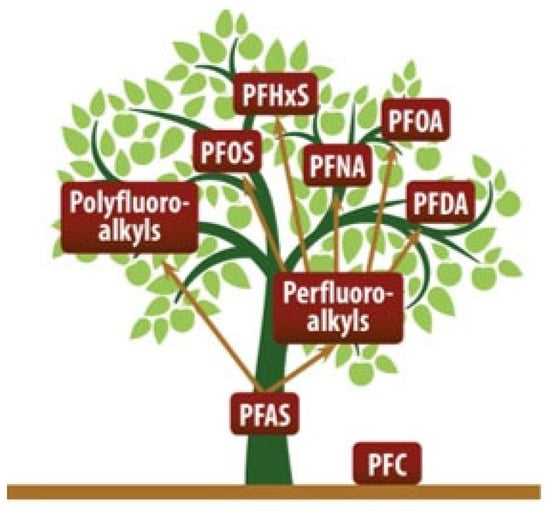
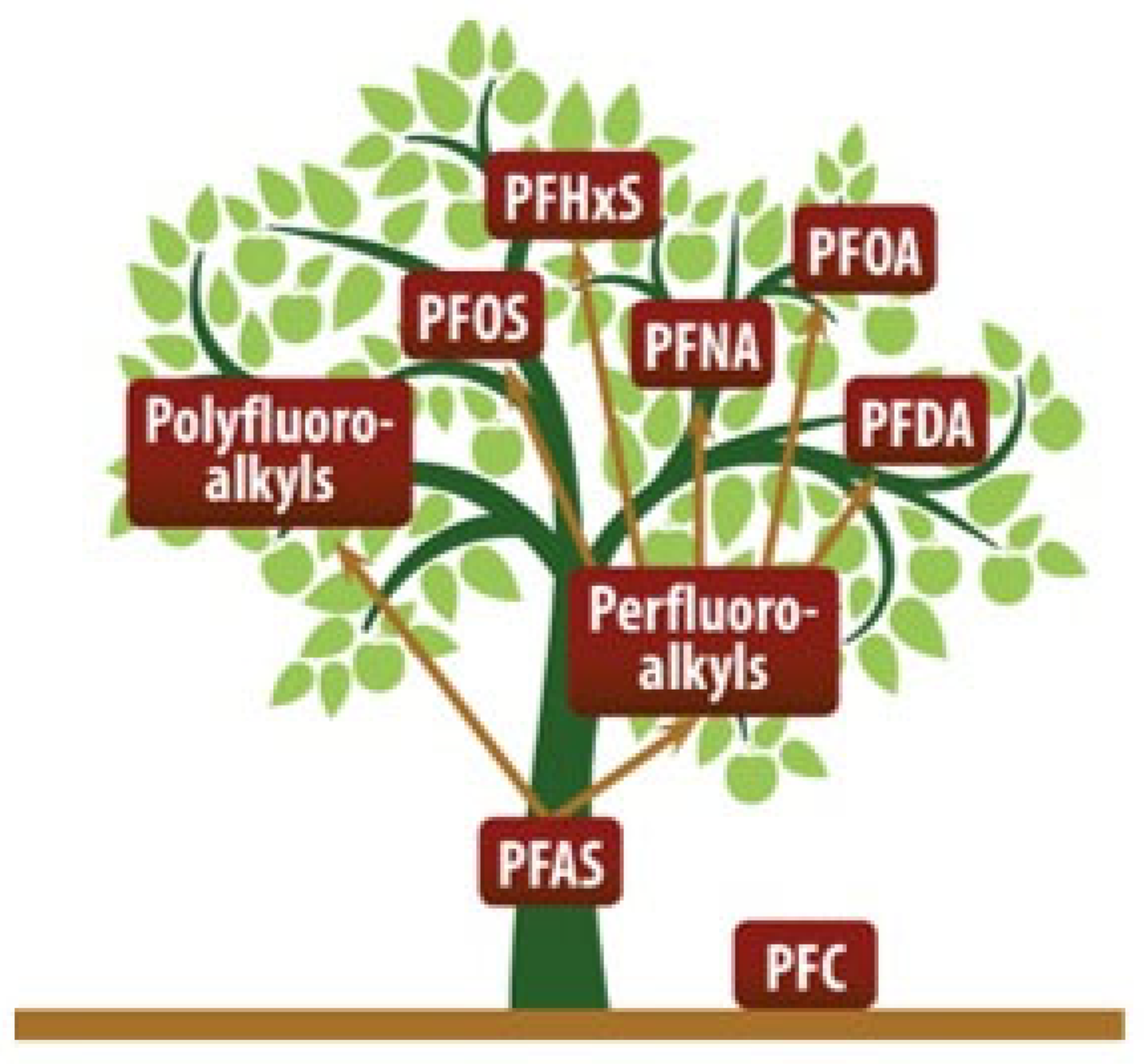
Disclaimer/Publisher’s Note: The statements, opinions and data contained in all publications are solely those of the individual author(s) and contributor(s) and not of MDPI and/or the editor(s). MDPI and/or the editor(s) disclaim responsibility for any injury to people or property resulting from any ideas, methods, instructions or products referred to in the content. |
© 2026 by the authors. Licensee MDPI, Basel, Switzerland. This article is an open access article distributed under the terms and conditions of the Creative Commons Attribution (CC BY) license.