


Abstract
Background/Objectives: Despite demonstrated mortality benefits, annual low-dose computed tomography (LDCT) screening faces challenges in real-world adoption due to low uptake and poor longitudinal adherence. This review evaluates patient- and provider-level factors that influence screening participation and highlights strategies to strengthen equitable engagement throughout the screening pathway. Methods: A structured literature search of PubMed and Web of Science was performed to identify studies published between 2013 and November 2025 (search conducted on 25 November 2025). Eligible publications included qualitative and quantitative studies, study protocols, and reviews examining LDCT screening uptake, adherence, and follow-up practices. Extracted evidence was synthesized, with particular attention being paid to patient- and provider-level determinants. Results: The evidence demonstrates that both patient- and provider-level factors substantially influence screening participation and continuity. At the patient level, limited awareness of screening, misconceptions regarding asymptomatic disease, and psychosocial factors such as fear, fatalism, stigma, and medical mistrust were consistently associated with reduced uptake and adherence. At the provider level, gaps in guideline familiarity, time constraints, and challenges in delivering high-quality shared decision-making limited referrals and follow-up. Conclusions: Improving real-world effectiveness of LDCT lung cancer screening requires reframing screening as a longitudinal program of care. Strategies that support patient navigation, enhance provider capacity for sustained engagement, and integrate tobacco dependence treatment into screening pathways are central to improving adherence and reducing disparities.
1. Introduction
1.1. Background
Evidence from large-scale randomized controlled trials has demonstrated the efficacy of low-dose computed tomography (LDCT) in reducing lung cancer mortality [1,2,3,4] (see Table 1) in Western population [5,6] within the screening-eligible population [7,8,9,10,11,12] (see Supplementary Table S1). For example, it is established that annual LDCT screening significantly reduces lung cancer-specific mortality (by 20–24%) in high-risk populations compared to chest radiography (CXR) or no screening [13,14,15,16]. Across all trials [17,18,19,20,21], incidence in the eligible population is markedly higher than in the general population with a consistent order-of-magnitude increase, underscoring the strong concentration of lung cancer risk within screening-eligible groups and providing epidemiological justification for targeted lung cancer screening (LCS) strategies.
Table 1.
Summary of mortality reduction in key LCS trials [14,22].
There is a clear inverse relationship where those with lower socioeconomic status (SES) and education levels have higher lung cancer risk but lower screening uptake [26,27,28]. Also, Black or African American individuals develop lung cancer at younger ages and with lower smoking intensities than White individuals, leading to disparities in eligibility under traditional guidelines [29,30,31].
The use of patient navigators and screening program coordinators significantly improves screening adherence and reduces time to treatment [28,32,33]. Mobile screening units successfully reach underserved, rural, and uninsured populations who otherwise would not access screening [27,34]. LCS is an established “teachable moment” for smoking cessation; screening combined with cessation interventions yields the highest mortality benefit [13,32,34].
1.2. Differentiation Between Uptake and Longitudinal Adherence
The distinction between initial uptake and longitudinal adherence is vital because real-world data demonstrates a sharp decline in participation after the baseline exam, particularly among vulnerable populations. For example, while a program might successfully recruit patients for a baseline scan, one study found that adherence to annual follow-up dropped to 23.7% at year one and further to 2.8% at year two among patients with negative baseline screens [35].
This phenomenon suggests that the factors driving initial uptake (e.g., provider recommendation, perceived risk) may differ from those sustaining long-term adherence (e.g., reminders, logistical barriers) [36]. Additionally, research indicates that inconsistent adherence is higher among patients with negative baseline scans compared to those with indeterminate results, suggesting a false sense of security or lack of understanding regarding the need for annual surveillance [37,38].
1.3. Objectives
This review aims to systematically analyze the factors that influence patient retention throughout the entire LCS framework. While the initial undergoing of an LDCT scan is the first critical step, the mortality benefit of LCS is predicated on repeated annual screening and the timely follow-up of detected nodules [13,37]. By categorizing determinants into patient and provider levels, this review will highlight where the “leaks” in the screening pipeline occur, from the initial order to the annual return, and identify specific interventions that sustain engagement [33,36].
2. Methodology: A Systematized Search Strategy
2.1. Search Strategy
This manuscript presents a narrative review; however, to ensure a comprehensive and transparent identification of relevant studies, the literature search was executed systematically using predefined search terms across multiple databases. The authors conducted a structured literature search in the PubMed and Web of Science databases, with studies published from 2013 onward considered for eligibility. The year 2013 was selected to reflect evidence emerging after the publication of the initial NLST results, as reported by the National Cancer Institute [39]. The search was carried out on 25 November 2025 by three reviewers, following the predefined search approach illustrated in Figure 1.
Figure 1.
Search strategy detailing the keywords used and the order of Boolean operators (and/or) applied. The search formula was built upon terms like LCS or LDCT as broad topics, as shown in the first column, with the subsequent columns using more refined keywords: column 2 refers to challenges to screening, column 3 lists patient and provider-level stakeholders, and column 4 highlights initiatives. Boolean operators are applied column by column, from top to bottom within each column, proceeding sequentially from left to right. LCS—lung cancer screening; LDCT—low-dose computed tomography; PCP—primary care provider; SDM—shared decision-making.
Within the search strategy’s stakeholder and population parameters (Figure 1, Column 3), broad terms (e.g., ‘Patients’, ‘Smokers’) were utilized to maximize overall search sensitivity. Simultaneously, specific demographic terms (e.g., ‘African American’, ‘Veterans’) were intentionally included to guarantee that targeted studies focusing strictly on highly vulnerable populations, who face unique and disproportionate screening disparities, were not inadvertently missed by the retrieval algorithm. The exact search formula (as per Figure 1) used on all databases with the required syntax adaptations is:
((“lung cancer screening” OR LCS OR LDCT OR “low-dose CT” OR “CT screening” OR “early detection of cancer”) AND (“barriers” OR “motivations” OR “attitudes” OR “beliefs” OR “perceptions” OR “knowledge” OR “awareness” OR “decision-making” OR SDM OR “shared decision-making” OR “cost” OR “financial” OR “uptake” OR “adherence” OR “participation” OR “psychosocial impact” OR “anxiety” OR “worry” OR “distress” OR “uncertainty” OR “stigma” OR “fatalism” OR “convenience” OR “false positives” OR “radiation exposure” OR “overdiagnosis”) AND (“smokers” OR “current smokers” OR “former smokers” OR “high-risk individuals” OR “patients” OR “physicians” OR PCP OR “primary care provider” OR “clinicians” OR “nurses” OR “navigators” OR “patient navigation” OR “underserved populations” OR “vulnerable populations” OR “racial disparities” OR “ethnic minorities” OR “African American” OR “Veterans” OR “VA healthcare system”) AND (“implementation” OR “program” OR “trial” OR “pilot” OR “study” OR “survey” OR “qualitative” OR “intervention” OR “guidelines” OR “recommendations” OR “policy”))
2.2. Inclusion and Exclusion Criteria
This review includes research articles, study protocols, and reviews that specifically examine uptake and longitudinal adherence to LDCT lung cancer screening, with an emphasis on patient- and provider-level barriers influencing participation. Included studies addressed patient-related factors affecting screening engagement (e.g., psychosocial responses, uncertainty regarding screening procedures, cancer-related worry) as well as healthcare professional-related factors (e.g., knowledge gaps, screening recommendations, and shared decision-making practices).
Studies focusing solely on CXR screening were excluded. To be considered relevant to the topic of LDCT screening adherence or uptake, studies must have explicitly measured, systematically reviewed, or qualitatively evaluated factors acting as specific barriers or facilitators to either the initiation of screening (uptake) or the continuation of annual surveillance (longitudinal adherence).
2.3. Data Extraction
Data extraction included quantitative measures of screening uptake, adherence, and follow-up, as well as qualitative findings describing patient and provider perspectives, experiences, and factors influencing engagement with LDCT lung cancer screening. Extracted data were synthesized to identify patterns related to patient- and provider-level barriers to uptake and longitudinal adherence.
2.4. Selection Process
A schematic representation of the study identification and selection process is illustrated in Figure 2. Although this review is narrative in nature, the literature search was conducted using a structured and systematic approach, with predefined search terms applied consistently across databases to ensure a comprehensive and transparent identification of relevant studies.
Figure 2.
Flow diagram of study identification, assessment, and inclusion.
Non-English studies, conference abstracts, letters or editorials were filtered out before any papers were screened.
As such, after the authors’ assessment of 626 identified records and the exclusion of subsequent ones that did not fit this review’s eligibility criteria, 104 studies were included in the final analysis, of which 37 were reviews, 56 were research articles and 11 were study protocols.
Study protocols (n = 11) were intentionally included in this review to showcase emerging and planned interventions specifically designed to address known barriers, providing insight into the future direction of LCS implementation.
4. Provider-Level Factors: The Gatekeepers
4.1. Knowledge and Guideline Familiarity
4.1.1. Gaps in Primary Care Provider (PCP) Knowledge Regarding Eligibility Criteria Leading to Under-Referral
PCPs serve as critical gatekeepers for LCS, yet a significant barrier to implementation is their lack of familiarity with specific screening guidelines and eligibility criteria. Research indicates that clinician knowledge gaps, specifically a “lack of knowledge about screening guideline components,” directly contribute to the low utilization of LDCT screening [52,92]. Many PCPs struggle to recall the exact inclusion criteria derived from major trials; in qualitative studies, providers were often unable to immediately recall specific age limits or pack-year thresholds, instead relying heavily on electronic health record (EHR) alerts to identify patients [99]. While primary care providers are tasked with the bulk of screening referrals, significant disparities exist between their confidence and knowledge regarding screening guidelines compared to their specialist counterparts (Table 6).
Table 6.
Disparities in LCS knowledge, comfort, and practice patterns between primary care providers and specialists (pulmonologists and oncologists).
This lack of familiarity manifests as a significant confidence gap between generalists and specialists. A survey comparing providers found that PCPs were significantly less likely than specialists (pulmonologists, oncologists, radiologists) to feel confident in their ability to identify appropriate patients for screening (63.8% vs. 93.5%) [100]. In a survey of Los Angeles County PCPs, only 47% were even aware that LDCT was recommended by the USPSTF [42].
These knowledge gaps often lead to discordance between clinical practice and guidelines, resulting in both under-referral and inappropriate referrals. Confusion regarding the “multiplicity of guidelines” contributes to this issue, as PCPs cite difficulty keeping up with varying criteria alongside other preventative care requirements (“guideline fatigue”) [13,99]. Consequently, referrals often fail to meet established criteria. An analysis of referrals in Seattle found that 24% of referred patients were actually ineligible, often due to not meeting age requirements [42]. Furthermore, PCPs report “inadequate knowledge of the trade-offs of LCS,” which hampers their ability to conduct the necessary SDM [102].
4.1.2. Fundamental Misunderstandings of the Screening Concept
The lack of awareness extends to the fundamental purpose of screening. A study of French physicians found that 93% of GPs used inappropriate tests (such as CXRs) for screening. Unlike specialists who targeted high-risk heavy smokers, 55% of GPs proposed screening for all smokers regardless of pack-year history, demonstrating a lack of familiarity with risk-stratification [101].
4.1.3. Confusion Regarding Management of Incidental Findings
The management of screening results, including pulmonary nodules, false positives, and incidental findings, represents a significant source of anxiety and confusion for PCPs, often acting as a barrier to the initiation of screening programs [13]. PCPs describe the volume of abnormal results for which they are responsible as “staggering” [87]. In one analysis, 60% of screened patients had a false-positive result and 56% required tracking for nodules, leading providers to express concern about the anticipated burden of managing this workflow [42].
PCPs often feel ill-equipped to handle these findings. Compared to specialists, they report significantly lower confidence in deciding the appropriate work-up for positive CT findings (52.9% vs. 93.5%) [100]. Surveys reveal that 68% of providers needed additional information on follow-up recommendations for nodules, and 50% were “unsure” or “didn’t know” if Lung-RADS classifications were important for follow-up [42]. Clinicians have explicitly expressed a “need for more support” in managing these results [47].
4.1.4. Complexity of Incidental and Non-Target Findings
Unlike mammography, LCS frequently detects “non-target” incidental findings, such as coronary artery calcifications, emphysema, fibrosis, or extrapulmonary malignancies, which adds complexity and cost to the evaluation [13,67,76]. In a study on direct access to LDCT, 30.9% of scans raised suspicion of other lung diseases and 18.4% raised suspicion of non-lung diseases, creating a high volume of incidental information for GPs to manage [103].
This complexity creates “uncertainty about responsibility” regarding who should manage the follow-up, the PCP or a specialist [87]. Most practices lack integrated tracking systems to ensure patients do not fall through the cracks [87]. Due to time constraints and low confidence, PCPs often prefer to “offload” this workload to screening coordinators or pulmonologists [99], and they emphasize the need for standardized language in radiology reports to guide next steps [70].
The consequences of this uncertainty are significant. PCPs admitted in interviews that they seldom provided detailed information about risk or surveillance plans to patients with incidental nodules, sometimes avoiding the topic to prevent distress [68]. While correct management can increase benefits, incorrect management of incidental findings risks over-investigation and harm to the patient [23].
4.2. Time Constraints in SDM
4.2.1. Universal Time Pressures in Primary Care Practice
Time constraints represent a fundamental and widely documented limitation of shared decision-making (SDM) in primary care, extending beyond any specific healthcare system. In routine clinical practice, consultations are typically limited to 15–20 min, during which physicians must address multiple competing priorities [61]. This structural limitation is particularly pronounced in the population eligible for lung cancer screening (LCS), which is characterized by advanced age, heavy smoking history, and a high burden of comorbidities [92].
Clinicians consistently report that “there is always something else that’s taking priority,” resulting in preventive interventions such as screening being reduced to brief, often superficial exchanges or omitted entirely [88,99,104]. In this context, SDM competes with acute complaints, chronic disease management, and administrative tasks, creating a persistent tension between ideal and feasible care delivery [47,104].
These constraints have direct consequences on the quality of decision-making. Observational studies indicate that screening discussions in real-world settings may last as little as 57 s, with limited discussion of potential harms and minimal use of decision aids (DAs) [105]. To cope with time limitations, clinicians may prioritize the communication of benefits while omitting complex concepts such as overdiagnosis or false positives, which are perceived as time-consuming or potentially overwhelming for patients [104]. Furthermore, insufficient time for continuous education contributes to knowledge gaps regarding current recommendations, which may delay or hinder referral decisions [13].
Economic and organizational factors further reinforce these pressures. Physicians may intentionally shorten consultations due to productivity constraints, thereby limiting opportunities for in-depth discussion and patient engagement [13]. These dynamics collectively reflect structural characteristics of modern primary care systems and are not specific to a single national model.
4.2.2. U.S.-Specific Regulatory Constraints: The CMS SDM Requirement
Superimposed on these universal time pressures, the U.S. healthcare system introduces an additional layer of complexity through the Centers for Medicare & Medicaid Services (CMS) mandate for LCS reimbursement. CMS requires that coverage be contingent upon a formally documented SDM visit, which must include eligibility assessment, use of a patient decision aid, smoking cessation counseling, and a balanced discussion of benefits and harms (including false positives, overdiagnosis, and radiation exposure) [35,75,85,87].
While conceptually aligned with high-quality patient-centered care, this requirement creates a significant operational burden within the constrained time framework of primary care. Providers report that fulfilling all mandated components is “not feasible” within standard consultations [61]. Even though clinicians estimate that a comprehensive screening discussion requires approximately 5–10 min, this time is rarely available in practice [52,61]. Survey data further highlight this discrepancy: only 14.3% of primary care physicians (PCPs) report having sufficient time for counseling, compared to 50% of specialists [100].
As a result, the regulatory requirement may inadvertently promote a “check-box” approach to SDM, where documentation is prioritized over meaningful deliberation [61]. Stakeholders also note a misalignment between reimbursement and actual resource utilization, with compensation (approximately 70) falling short of the estimated cost of delivering a complete SDM visit (approximately 130), potentially discouraging full implementation [42].
4.2.3. Structural and Organizational Modifiers of Time Constraints
The impact of both universal and regulatory time pressures varies according to care delivery models. In decentralized systems, where PCPs are responsible for conducting SDM within routine visits, the time burden is particularly acute [61,105]. In contrast, centralized screening programs that employ dedicated personnel or structured workflows may allocate sufficient time for SDM, thereby improving the depth and quality of discussions [61,105].
To address these challenges, several alternative care models have been proposed. These include redistribution of professional roles, with trained non-physician staff conducting SDM, as well as the use of telemedicine to perform SDM encounters prior to in-person consultations [47,105]. Such approaches aim to reconcile the ethical and clinical imperatives of SDM with the operational realities of contemporary healthcare systems
4.3. Quality of Communication
4.3.1. Clinician Overemphasis on Benefits vs. Harms
Research indicates a significant imbalance in how clinicians present LCS to patients, often prioritizing the potential for life-saving detection while minimizing associated risks. While guidelines require a balanced discussion, research indicates that SDM conversations regarding LCS often fail to meet minimum quality criteria, specifically regarding the balanced presentation of information [47].
Clinicians have reported focusing primarily on the benefits of screening, specifically reduced lung cancer mortality, with little acknowledgment of potential harms [104,105]. Analysis of patient-reported conversations reveals that benefits are discussed far more frequently than harms [105]. Providers often “overemphasize the benefits of LCS with little mention of the harms,” such as anxiety from findings, complications from downstream procedures, overdiagnosis, false positives, and radiation exposure [33,47,92].
Some clinicians explicitly stated that because they personally felt the benefits outweighed the risks, they did not “go into that so much with the patients” [104]. Others felt that discussing complex concepts like overdiagnosis or false positives was “way too much information” and could cause patients to disengage or feel overwhelmed [61,104]. Additionally, some clinicians actively avoid using the word “cancer” to prevent patient distress; however, qualitative studies show that patients generally want this information and find it reassuring rather than anxiety-provoking when risks are explained clearly [68].
Providers report “inadequate knowledge of the trade-offs of LCS,” which limits their capacity to effectively weigh benefits against risks with the patient [102].
Consequently, patients often perceive that there are no risks involved. In qualitative interviews, patients reported being told that there was “no downside” to the test, believing the benefits are “astronomical” while the risks are negligible or nonexistent—a “win-win situation” [73,104]. In focus groups, patients reported that their doctors were “very vague” about the screening tests, leaving them unaware of limitations [45].
Because meaningful dialogue is often missing, patients are frequently unprepared for abnormal results or the rationale for active surveillance (waiting and watching) rather than immediate biopsy. This lack of understanding contributes to significant distress, frustration, and confusion when indeterminate nodules are detected [58,68,104]. In contrast to routine practice, high-quality clinical trial protocols (e.g., the Yorkshire Lung Screening Trial) explicitly structure the SDM process to include a discussion of specific harms alongside benefits [67].
4.3.2. Reliance on “Check-Box” SDM Rather than Meaningful Dialogue
While CMS mandates an SDM visit for reimbursement, an unprecedented requirement for preventive services, the implementation often resembles a bureaucratic hurdle rather than a substantive clinical interaction [102].
The current implementation of SDM often prioritizes information exchange (meeting CMS billing requirements) over the elicitation of patient values and preferences [61]. Some clinicians admitted they only used decision aids because of the CMS requirement, stating, “if I wasn’t required to, I probably would not be using any... tool” [104].
SDM in clinical practice is often “cursory” [92]. As noted previously, these interactions are often brief; however, the primary deficit is the focus on information exchange (‘option talk’) rather than exploring patient values (‘decision talk’) [105].
True SDM involves exploring patient values (“decision talk”), yet interactions are often information-centered (“option talk”) or deferred entirely to the provider’s recommendation [61]. Qualitative analyses reveal that patients frequently do not recognize that a decision has even been made, often ceding authority with sentiments such as “Whatever you say, Doc,” or feeling pressured to accept screening [68,73,104]. This lack of meaningful dialogue is evidenced by the fact that many veterans did not recall having an SDM discussion despite documentation of these events in their EHR [49].
Time constraints in primary care are a major driver of this superficial communication. PCPs report “insufficient time to engage in SDM” and “limited time per patient” (standard visits often filled with competing priorities) as major barriers to conducting adequate counseling [52,102,104]. Additionally, providers perceive barriers such as difficulty accessing DAs and limited patient comprehension [42]. Consequently, some experts argue that the CMS requirement for a dedicated SDM visit acts as a “barrier to screening” rather than a facilitator [47].
4.4. Therapeutic Alliance
4.4.1. The Role of Trust in the Provider as a Primary Motivator for Screening Completion
The therapeutic alliance, specifically the trust established between the patient and the healthcare provider, is identified as a critical lever and a “decisive role” in the uptake and completion of LCS [106]. For many patients, particularly those who are unaware of LCS prior to a clinical visit, the decision to screen is driven primarily by their reliance on the provider’s judgment and the quality of their established relationship, rather than a deep understanding of medical statistics or the procedure itself [107].
Qualitative studies consistently identify “trust in the referring clinician” as a primary theme motivating adherence [107]. Patients describe an “eagerness to follow provider recommendations” based on mutual trust [49], noting they would undergo screening simply because “my doctor recommended it” or encouraged them to “do the right thing” [55,107]. This trust often acts as a substitute for medical knowledge; patients frequently do not understand specific risks or surveillance plans but rely on the belief that a “good doctor” would notify them if the situation was serious [68].
4.4.2. Deference to Provider Judgment for Mitigating Distress and Ensuring Adherence
This reliance often manifests as patients “ceding decision-making” to their providers, respectfully yielding to the clinician’s expertise regarding complex trade-offs [73]. One participant noted, “I did what he said. I know he is badgering me for my own good” [71]. Clinicians report that many patients, particularly older adults, explicitly request a firm recommendation rather than engaging in detailed deliberation, viewing this guidance as a fundamental component of the doctor–patient relationship [48,61]. Consequently, physician recommendation remains the strongest predictor of screening utilization [34,100], and patients view one-on-one discussion with their physician as the most trusted mode of learning about LCS [43].
A strong therapeutic alliance functions as a coping mechanism that mitigates the psychological burden of screening [108]. High levels of trust explain why some patients remain satisfied with their care and experience less distress despite the uncertainty of pulmonary nodules [68]. Communication styles that emphasize the “patient as a person”, showing interest in the participant’s life and fostering partnership, are statistically associated with decreased patient distress and increased adherence to surveillance recommendations [68,108]. Conversely, a failure to ensure appropriate diagnostic testing following an abnormal result is described as a system failure that “violates the trust that patients place in their providers” [87].
4.4.3. Addressing Mistrust and Disparities
While trust facilitates uptake, “medical mistrust” and “mistrust of the health care system” are significant barriers that deter engagement, particularly among racially heterogeneous and marginalized populations [47,52]. Black and Hispanic populations report higher levels of mistrust due to generational histories of discrimination and medical exploitation [29,64].
However, specific trust in a provider can mitigate broader systemic mistrust; patients may harbor “strong trust” in their specific clinic even if they distrust the system at large [82]. There are several types of interventions designed to leverage this. Trials like mFOCUS include specific “phone calls to build trust” alongside logistical support [87].
The SHARED project utilizes “citizen scientists,” and other programs employ community health workers (CHWs) or patient navigators who share the racial or social background of the target population to enhance relatability and trust [52,92,109].
Leveraging existing trusted relationships in primary care is hypothesized to be more effective for groups like Indigenous Māori than centralized screening models, which may prohibit the development of trust typically built through past encounters [106,109].
While qualitative data strongly supports trust as a motivator, quantitative associations can vary. One study found that while trust was a key qualitative theme, it did not significantly predict screening completion in a quantitative analysis of the same health system, suggesting the relationship may be complex or mediated by other factors in insured populations [41]. Nonetheless, the consensus remains that the therapeutic alliance is a decisive factor in engaging high-risk individuals.
5. Facilitators and Interventions: Strategies to Improve Adherence
5.1. Patient Navigation
5.1.1. Reducing Barriers and Bridging Gaps in SDOH
Patient navigation serves as a proactive, “barrier-focused” intervention designed to guide patients through the complex LCS continuum, from initial screening to diagnosis and treatment [28,71,88]. Unlike standard clinical staff, navigators provide “instrumental (task-oriented or logistic) support” to identify and eliminate individual impediments to care [71].
Navigators actively assist with practical obstacles such as appointment scheduling, providing reminders, and coordinating follow-up care [88,110]. In a study of community health centers, navigators were responsible for scheduling screening CTs for 64% of the intervention group and provided reminders to 47% [110]. They also resolve transportation issues (e.g., arranging ride-sharing or van services) and help with expenses like parking [42,88].
Navigators help patients navigate the complexities of insurance coverage and cost concerns, which are major deterrents for underserved populations [28,88]. In the TELESCOPE trial, non-clinical navigators are tasked specifically with addressing “cost concerns” and answering “questions about insurance” [47]. In safety-net systems, navigators successfully addressed insurance issues for 29% of patients to resolve coverage gaps [88].
Beyond logistics, navigators address psychosocial barriers by offering emotional support to manage “cancer-related distress,” anxiety, and depression associated with screening procedures or anticipated results [28,88]. They employ motivational interviewing to empower patients and address fatalism or fear [110]. Furthermore, navigators may call patients shortly after result letters are sent to ensure comprehension, acting as a safety net for patient understanding [13].
Navigators are uniquely positioned to conduct systematic screenings for social barriers such as housing instability, food insecurity, and utility costs that disproportionately affect vulnerable populations [87]. Systematic screening for social determinants is essential for resolving these physical obstacles [87]. This also includes arranging subsidized phone services for patients who might otherwise be lost to follow-up [33].
5.1.2. Impact on Uptake, Adherence, and Equity
Navigation has been proven to improve screening rates and eliminate disparities. Randomized controlled trials have demonstrated that navigation significantly increases screening uptake among current smokers (23.5% with navigation vs. 8.6% usual care) [33,110]. In safety-net systems, completion rates were higher in centralized programs utilizing navigators (63%) compared to decentralized settings that do not utilize dedicated staff to track and guide the screening process (56%) [96].
Structural support provided by navigators can eliminate racial disparities in adherence. Patient navigators successfully bridge gaps in care by managing orders and reminders, a strategy proven to neutralize the adherence disparities typically observed between Black and White patient populations [38]. In safety-net trials, navigation was particularly effective in addressing communication gaps early in the process; provider-related barriers reported by patients decreased by 85% over the course of the intervention [88].
5.1.3. Efficacy in Vulnerable Populations
In the INHALE trial, navigation significantly increased LCS completion rates compared to usual care for those currently experiencing homelessness (26.8% vs. 7.1%) and those formerly homeless (51.3% vs. 10.2%) [111]. However, the effect was smaller for current homeless populations due to the “digital divide” (lack of cell phones) and competing subsistence priorities (food, shelter) [111].
Navigators mitigate barriers related to low health literacy and facilitate access to mobile units in rural areas [53,93].
Culturally competent navigators who share the racial, ethnic, or social background of the target population help build trust and mitigate medical mistrust [33,92]. Bilingual navigators effectively bridge communication gaps; in one study, Spanish-speaking patients navigated by bilingual staff reported fewer system-level barriers, though calls were approximately 30% longer due to the intensive support required [88].
5.1.4. Distinction from System-Level Coordinators
Screening coordinators (often nurses) focus on clinical processes, such as managing registries, verifying eligibility, ordering scans, and tracking results for reimbursement [13,33]. In contrast, patient navigators (often laypeople or CHWs) are patient-facing and focus on “empowering the patient” to access that care through problem-solving and education [70,71].
Navigation is distinct from automated population health management (e.g., portal messages) because it adds personal, “high-touch” phone calls designed to build trust [87]. Some models distinguish between patient navigators (non-clinical staff addressing access/cost) and nurse navigators (clinical staff managing orders and abnormal findings) [47]. Navigators relieve the burden on time-constrained PCPs by assessing eligibility, introducing SDM, and updating the EHR [38,110].
5.2. DA Effectiveness
DAs are evidence-based tools designed to facilitate SDM by providing information about options, benefits, and harms, thereby helping patients clarify their values. Recent research highlights a transition from standard print materials to interactive, multimedia formats.
5.2.1. Video and Web-Based DAs
Video- and web-based decision aids (e.g., “Lung Talk”, “ShouldIscreen.com”, “Patient Voices”) have been shown to improve patient knowledge, decisional quality, and preparedness compared with standard informational materials [23,45,95]. However, evidence regarding their impact on actual screening uptake remains mixed, with emerging data suggesting that tailoring these tools to smoking status may help address specific concerns and fears [112,113].
“Lung Talk” is a computer-tailored health communication and decision support tool designed to function as a “cue to action.” It is an interactive program that takes 8 to 12 min to complete, utilizing embedded audio, video, and animation segments [40,105,113].
“Patient Voices” is a 3 min and 23 s video intervention accessible via a private website. It features patient testimonials designed to manifest empathy and normalize the screening process for adults who may experience tobacco-related stigma [62].
Developed by the University of Michigan, “ShouldIscreen.com” is a web-based tool that includes a personalized lung cancer risk calculator (like PLCOm2012), recommendations, graphics, and sample scripts to support SDM discussions at the point of care [102,105,114]. “ScreenLC.com” is a personalized, web-based decision support tool used to provide risk estimates and support SDM discussions [102]. Video DA “Lung Cancer Screening: Is It Right for Me?” is a 9.5 min video DA tested in large randomized trials [115].
5.2.2. Increasing Knowledge, Decisional Quality, and Preparedness
Research consistently demonstrates that multimedia and tailored aids are superior to standard educational materials in preparing patients for SDM. Users of DAs consistently show greater knowledge of LCS eligibility, benefits, and harms (e.g., false positives, overdiagnosis, radiation) compared to controls [105,112,115]. For instance, the “LCSDecTool” resulted in a sustained increase in knowledge immediately post-intervention that persisted at 1 and 3 months [112]. Similarly, participants who viewed “Lung Talk” demonstrated significantly greater improvements in knowledge compared to those who received a non-tailored information sheet [113].
DAs significantly reduce decisional conflict (uncertainty about the course of action) and increase patients’ clarity regarding their personal values [47,115]. Video-based aids specifically have been shown to help patients feel “well prepared” to make a screening decision (67.4% vs. 48.2% for standard brochures) [105,115]. Comparative Nuance: While effective, the format matters. In a trial comparing “ShouldIscreen.com” to a paper-based “Option Grid,” both tools resulted in high patient-reported SDM scores. However, participants using the web-based tool demonstrated significantly less knowledge regarding the potential complications of follow-up testing (63.4% correct vs. 84.8%) and reported higher decision regret compared to the paper-based group [114]. Some vulnerable populations preferred paper materials due to discomfort with computers [48].
5.2.3. Mixed Evidence on Screening Uptake
While DAs consistently improve the quality of the decision-making process, their impact on the actual rate of screening uptake is mixed. Some trials show significant increases in uptake. A trial of the “LCSDecTool” integrated into primary care visits found that LCS uptake was significantly higher in the intervention group compared to the control group (37.7% vs. 21.1%) at 6 months, suggesting efficacy when coupled with a clinical encounter [112]. Preliminary data for “Lung Talk” also suggested a potential increase in uptake (31% vs. 10%) [40].
Conversely, several studies found no significant difference in screening completion rates. The trial of the “Lung Cancer Screening: Is It Right for Me?” video found no difference in scheduling or completion between the video and brochure groups [105,115]. Similarly, the Lung Screen Uptake Trial (LSUT) found no significant difference in completion rates attributable to an information film [16,109].
In some cases, the detailed information provided by DAs (specifically regarding false positives and low absolute benefit) can lead patients to opt out of screening [48,59]. Furthermore, personalized risk calculators that reduce a patient’s perceived risk may paradoxically fail to decrease screening interest due to “motivated reasoning” [116].
5.2.4. Tailoring Tools to Smoking Status and Specific Barriers
Standardized materials often fail to address the specific psychosocial barriers of high-risk populations. Tailoring tools to a patient’s specific profile is a critical strategy to enhance relevance and effectiveness. “Lung Talk” utilizes algorithms to alter its script and message framing based on whether the user is a current or former smoker [40,113]. This is crucial because current smokers often hold different perceptions, such as higher fatalism or fear of judgment [73,108]. Tailored interventions focus on optimizing the behavioral response to risk (efficacy) rather than just elevating risk perception, which can induce avoidance [79].
“Lung Talk” also tailors content based on user-selected barriers; if a user selects “cost/insurance” or “worry,” the tool plays a specific video addressing that exact concern [40]. The “Patient Voices” video specifically addresses “tobacco-related stigma” to provide social support [62].
Despite these advances, tools like “Lung Talk” improved perceived benefits and self-efficacy but did not significantly reduce perceived barriers compared to non-tailored information in some pilots [113].
5.3. Targeted Outreach
5.3.1. Culturally Sensitive Materials and “Citizen Scientists”
To effectively reach underserved communities and address deep-seated medical mistrust, outreach strategies must be tailored to the specific social and cultural values of the target population. In emerging qualitative and pilot initiatives, researchers are employing “citizen scientists”—lay community members trained in research methods—to assist in the “co-creation” of culturally targeted DAs, particularly for African American men [52]. This process utilizes specific targeting strategies, including “peripheral” (using images salient to the group), “evidential” (presenting group-specific cancer rates), “linguistic” (using community-specific language), and “sociocultural” (incorporating cultural beliefs and values) adaptations [52].
In a recent cluster randomized controlled trial protocol in Aotearoa, New Zealand, trials engaging Indigenous Māori populations employ “whānau engagement coordinators” to provide cultural support and a “warm handover,” ensuring a culturally safe environment [106]. Similarly, observational data from clinic programs shows outreach to Native American communities has included “bundles of traditional medicine (sage, cedar, or sweetgrass)” and storybooks about traditional tobacco to differentiate it from commercial use [82]. For Hispanic populations, qualitative research indicates a preference for educational materials delivered through “personal stories” rather than purely clinical data [55].
Expert consensus and narrative reviews suggest that collaboration with trusted entities, such as faith-based organizations and community clinics, is more effective than impersonal healthcare correspondence [29,31]. For example, the PROSPR-Lung consortium engaged communities by visiting churches and health fairs [35], and recruitment materials often feature “culturally relevant images of patients” to enhance relatability [47].
5.3.2. CHWs
These individuals serve as vital links between the healthcare system and the community, providing culturally tailored education and navigating patients through barriers like transportation and scheduling [28,93].
In pilot studies, CHW-delivered outreach successfully increased LCS knowledge and decreased stigma [92]. Broader review data indicate they significantly improve cancer awareness and screening rates [31].
5.3.3. Mobile Screening Units
Mobile LDCT platforms are emerging as a powerful solution to bridge the gap between healthcare systems and underserved communities, particularly in rural areas or regions with limited medical infrastructure. Mobile units are effective in reaching high-risk individuals who are uninsured, underinsured, or residing in rural “screening deserts” [27,53]. For rural Veterans facing transportation challenges, qualitative assessments reveal healthcare teams identified mobile screening (e.g., a “CAT scan on a truck”) as a critical facilitator [117].
Locating scanners in convenient sites, such as supermarket car parks (as seen in the UK’s “Lung Health Check” pilots) or shopping centers, successfully engages populations in the most deprived socioeconomic quintiles, according to data from pilot programs and randomized controlled trials [34,67]. Observational data indicate mobile programs in the U.S. have reached populations with higher proportions of racial and ethnic minorities compared to fixed hospital sites [27].
5.3.4. Rebranding as a “Lung Health Check” (LHC)
To overcome the stigma (e.g., self-blame) and fear associated with a cancer diagnosis, programs are rebranding the screening invitation. Strategies include framing the intervention as a LHC or wellness service. This approach, used in the Yorkshire Lung Screening Trial, includes a broader respiratory assessment (e.g., spirometry) and avoids immediate reference to cancer to recruit higher-risk individuals who might otherwise avoid the appointment due to fatalism [67,118].
The LSUT utilized a “M.O.T. for your lungs” concept (referencing the UK’s annual vehicle suitability test) to normalize the offer as a routine check-up [58]. While this “low-burden” leaflet did not improve uptake overall, it was relatively more effective at engaging individuals in the most socioeconomically deprived areas [119]. Effective materials avoid “scare tactics” or blame, focusing instead on hope, family, and the benefits of early detection [42].
5.3.5. Social Media and Digital Outreach
Digital platforms offer a method to raise awareness and identify eligible candidates outside of traditional clinical encounters. The protocol for the INSPIRE-Lung randomized controlled trial leverages Facebook targeted advertisements (FBTAs) to recruit eligible individuals by targeting users based on age (50+), location, and keywords related to smoking [40]. This “precision marketing” shifts the focus to before the individual enters the healthcare system [40].
Retrospective observational studies have shown that paid digital campaigns on Facebook, Google, LinkedIn, and Twitter have been associated with increased visits to institutional websites and increased weekly scheduled exams [92,120]. FBTAs have specifically been successful in recruiting a racially diverse national sample of older smokers, as demonstrated in a pilot randomized controlled trial [113].
5.3.6. Accessibility and Health Literacy
Ensuring materials are accessible to those with lower health literacy is essential for equitable outreach. Analysis reveals that standard LCS materials are often too complex, requiring a college degree to understand, whereas they should be written at a 3rd to 7th-grade level [42]. Qualitative data from focus groups shows participants expressed a preference for simple language and pictograms, noting that standard materials often contained “words a little too big” [48].
To address this, programs utilize “low information burden” leaflets that provide just enough information to prompt attendance without overwhelming the user [67,119]. Randomized clinical trials have demonstrated that video-based DAs (e.g., “Lung Talk”, “Patient Voices”) with narration and animation are effective for populations with lower education levels, helping to improve preparedness and reduce tobacco-related stigma [62,115]. However, some low-income populations still prefer paper pamphlets over web-based tools due to the “digital divide” [48].
5.4. Communication Strategies and Therapeutic Alliance
5.4.1. Therapeutic Alliance and Provider Trust
To foster the therapeutic alliance necessary for adherence, communication strategies should validate the patient as a whole person, avoiding ‘blaming’ language regarding smoking history [73,107]. Even when patients do not fully understand specific risks or the rationale for active surveillance, their faith in the provider’s expertise bridges these knowledge gaps [48,99].
A strong alliance acts as a buffer against anxiety; patients report satisfaction with their care despite limited knowledge because they trust their doctor would “call me back if it was serious” [68]. Conversely, a lack of alliance or the perception that a provider is not genuinely concerned can lead to patients discounting recommendations and “falling through the cracks” [68,107].
5.4.2. Person-Centered Communication
Effective communication strategies must validate the patient as a whole person, addressing the unique emotional burden of LCS regarding stigma and anxiety. Clinicians are encouraged to adopt strategies that foster partnership, such as explicitly asking “What’s on your mind?” and validating distress as a common reaction [68]. Patients value “good bedside manner” where they are treated “as a human being” rather than “an object” or “an ATM machine” [48].
To avoid alienation, communication must avoid “scare tactics,” “blaming the victim,” or “beating up” on patients regarding their smoking habits [42,48,64]. Strategies include rebranding the process as a LHC to reduce stigma and focusing on the benefits of early detection [42,64]. Tools like the “mHealth TLC” virtual companion and “Patient Voices” videos are designed to manifest empathy, validate feelings of self-blame, and normalize the screening process [62,72].
There is a distinct tension between clinical efficiency and patient needs regarding results communication. While clinicians often view mailed letters as efficient for low-risk results, patients strongly prefer verbal conversations to feel “heard,” ask questions, and receive “handholding” through the evaluation plan [50,57].
Communication should be adapted to the patient’s style (e.g., “data people” vs. those preferring general recommendations) and health literacy levels [61]. Programs utilize “low burden” information materials that minimize cognitive load to engage patients without overwhelming them with statistics, before a supportive discussion can take place [16,58].
Effective recruitment often begins with low-burden methods (automated letters, texts, or portal messages) and escalates to more direct, resource-intensive contact for non-responders [62,119]. The Larch Study progresses from automated notifications to “automated voice-call reminders,” and finally to personal scheduling assistance by staff [62]. The mFOCUS trial moves from electronic health record reminders (Step 1) to population health outreach (Step 2) and finally to intensive patient navigation with personal calls (Step 3) [87]. The Yorkshire Lung Screening Trial uses a “staggered” schedule involving pre-invitation, formal invitation, and reminder letters [67]. Operational guidelines suggest formal attempts at 30, 60, and 90 days before notifying the primary care provider [13].
Evidence confirms that personal contact and reminders are far more effective than passive methods. One study found 59% screening completion among those receiving a phone call from a program manager versus only 9% for those receiving mailed materials alone [92]. Another study found 64% adherence in a reminder group compared to 0% in a group receiving no specific reminder [36]. Re-invitation letters alone have also been shown to significantly improve uptake, particularly among under-represented groups [121].
5.4.3. Addressing Medical Mistrust
Despite clinician fears that using words like “cancer” causes anxiety, patients generally prefer transparency regarding risks (including overdiagnosis and false positives) and the rationale for surveillance [50,68]. Withholding information is often ineffectual and can erode trust, whereas clear explanations can reverse a patient’s initial decision to decline screening [49,68]. Failure to ensure appropriate follow-up is described as a violation of the trust patients place in health systems [87].
The use CHWs or navigators who share the same racial or social background as the patient can bridge the gap between the healthcare system and the community [31,92]. Acknowledging low trust in expert entities, some studies leverage social media (“precision marketing”) to meet patients in their own digital environments, bypassing initial skepticism of institutional cold-calls [40].
While patients may mistrust the healthcare system generally, they often hold “strong trust” in their specific local clinic or provider. Interventions that leverage this personal connection—where clinicians demonstrate a vested interest in the patient’s personal life—are key facilitators for groups like Urban Native Americans and Black Veterans [49,82].
5.5. Leveraging the Screening Process as a “Teachable Moment”
Participation in lung screening programs has been associated with quit rates superior to those observed in the general population. Similarly, the NELSON trial observed lower smoking rates in screened participants compared to the general population [23].
Programs are encouraged to integrate evidence-based interventions into the screening workflow. To capitalize on the motivation discussed in Section 3, programs should implement the ‘5 A’s’ model (Ask, Advise, Assess, Assist, Arrange) and integrate opt-out pharmacotherapy directly into the screening workflow. The “5 A’s” model is a standard framework recommended for every patient interaction to promote cessation [13,33]. The CMS mandates smoking cessation counseling for current smokers as a requirement for reimbursement [76,81].
To optimize cessation, pharmacotherapy such as nicotine replacement therapy (NRT) and varenicline should be offered to participants who are still smoking, as nicotine dependence is high in this cohort [32,33]. The “teachable moment” may be most potent when patients receive abnormal results. Studies indicate that positive screening results directly correlate with increased rates of smoking cessation, whereas negative results do not necessarily encourage continued smoking (the “license to smoke” phenomenon), though they may require specific communication strategies to maintain retention in cessation programs [13,81].
6. Limitations
This review has several limitations that should be acknowledged. Although a structured and predefined search strategy was employed, the review is narrative in nature and does not follow a formal systematic review protocol with risk-of-bias assessment or meta-analytic synthesis. As such, the findings are subject to potential selection bias and heterogeneity across included study designs, populations, and healthcare settings. The exclusion of non-English publications and conference abstracts may have limited the inclusion of emerging implementation data, particularly from low- and middle-income countries. Additionally, much of the available evidence originates from the United States and other high-income settings, which may affect the generalizability of findings to healthcare systems with different reimbursement models and infrastructural capacities. Finally, several conclusions rely on self-reported patient and provider perceptions, which may introduce recall or social desirability bias.
7. Priorities for Future Research
While much of the current literature focuses on initial uptake, the mortality benefit of LCS is predicated on consistent annual participation over decades. Future research must prioritize the study of long-term adherence beyond the baseline (T0) and first annual (T1) rounds to address the significant “drop-off” observed in clinical practice, where adherence can fall to as low as 2.8% by the second year [35,96]. Longitudinal studies are needed to identify specific behavioral and system-level determinants that sustain engagement over time, particularly for patients with negative baseline screens who are at the highest risk of attrition due to a false sense of security [38,65].
There is an urgent need to move beyond “one-size-fits-all” annual protocols toward personalized, adaptive screening. Research should investigate whether low-risk individuals (e.g., those with negative baseline scans) can safely transition to biennial screening intervals to reduce radiation exposure, patient anxiety, and program costs [24,32,80]. Concurrently, rigorous trials are required to determine the cost-effectiveness and clinical placement of blood biomarkers (liquid biopsy) and artificial intelligence for nodule classification. Specifically, studies must define whether these tools function best as “rule-in” or “rule-out” tests to minimize false positives and manage the “hot topic” of incidental findings [23,32,122].
Future research must address the structural inequities inherent in current eligibility guidelines. Studies are needed to validate the implementation of individualized risk prediction models (e.g., PLCOm2012) in primary care settings compared to fixed criteria (e.g., USPSTF), specifically to ensure the inclusion of high-risk African American populations who are often excluded by pack-year thresholds [52,84]. Additionally, given the rising incidence of lung cancer in non-smokers, research is needed to develop screening protocols for never-smokers, particularly Asian women and those with environmental exposures [29,32].
Finally, further investigation is required to resolve the debate regarding the behavioral impact of screening results. Studies should examine whether negative screening results induce a “license to smoke” in the long term and evaluate standardized protocols for integrating opt-out smoking cessation interventions directly into the radiology workflow to maximize the “teachable moment” [13,69,81]. Furthermore, future studies should investigate the effectiveness of embedding structured cessation frameworks, such as the “5 A’s” approach, and immediate access to pharmacotherapy (e.g., varenicline, NRT) directly within screening workflows, compared with referral-based or advisory models [13,33]. Addressing these questions is essential to identifying scalable approaches that maximize the preventive potential of lung cancer screening.
8. Conclusions
Suboptimal uptake and poor longitudinal adherence to LCS are driven by a complex interplay of patient- and provider-level factors that extend well beyond initial eligibility or access to imaging. Together, these factors contribute to substantial attrition after baseline screening, particularly among socioeconomically disadvantaged and historically underserved populations.
Addressing these challenges requires a shift from conceptualizing lung cancer screening as a one-time radiologic event toward a longitudinal, programmatic model of care that supports patients across repeated screening rounds. Within such a framework, patient navigation emerges as a critical facilitator, bridging patient and provider gaps by addressing logistical, psychosocial, and informational barriers, reinforcing trust, and ensuring continuity of care. Equally important is the systematic integration of smoking cessation interventions into screening workflows, leveraging the screening encounter as a teachable moment for primary prevention. Aligning patient navigation, tobacco dependence treatment, and longitudinal follow-up within structured screening programs is essential to improving adherence, reducing disparities, and ultimately realizing the full mortality benefit of lung cancer screening in real-world practice. While much of the available evidence derives from U.S. and European healthcare systems, careful consideration is required when extrapolating these findings to low- and middle-income settings, where differences in infrastructure, financing models, and sociocultural dynamics may substantially shape screening feasibility and adherence patterns.
Supplementary Materials
The following supporting information can be downloaded at: https://www.mdpi.com/article/10.3390/diagnostics16071092/s1, Table S1: Population scale, screening intensity, and lung cancer incidence in major lung cancer screening trials: general population versus screening-eligible high-risk groups; Table S2: Illustrative patient sentiments/quotes relative to the barriers against their adherence to a lung cancer screening program with low-dose CT.
Author Contributions
Conceptualization, R.A. and L.B.; methodology, A.-R.F., V.-L.M., C.-O.D., A.-I.Ș. and L.B.; validation, R.A., C.P., D.T., C.-O.D. and A.-I.Ș.; formal analysis, A.-R.F., V.-L.M. and L.B.; investigation, A.-R.F. and V.-L.M.; resources, R.A.; data curation, A.-R.F. and V.-L.M.; writing—original draft preparation, A.-R.F., V.-L.M. and L.B.; writing—review and editing, R.A., A.-R.F., V.-L.M., C.P., D.T., C.-O.D. and A.-I.Ș.; visualization, A.-R.F. and L.B.; supervision, R.A.; project administration, R.A.; funding acquisition, R.A. All authors have read and agreed to the published version of the manuscript.
Funding
This research was funded through the SOLACE project, co-funded by the European Union under the EU4Health Programme 2021–2027 (grant agreement No. 101101187). The views and opinions expressed are those of the authors only and do not necessarily reflect those of the European Union or the Health and Digital Executive Agency (HaDEA). Neither the European Union nor the granting authority can be held responsible for them.
Institutional Review Board Statement
Not applicable.
Informed Consent Statement
Not applicable.
Data Availability Statement
No new data were created or analyzed in this study. Data sharing is not applicable to this article.
Conflicts of Interest
The authors declare no conflicts of interest.
Abbreviations
The following abbreviations are used in this manuscript:
| CHW | Community health worker |
| CMS | Centers for Medicare & Medicaid Services |
| CXR | Chest X-ray |
| DA | Decision aid |
| DANTE | Detection And screening of early lung cancer |
| DLCST | Danish Lung Cancer Screening Trial |
| EHR | Electronic health record |
| FBTA | Facebook targeted advertisements |
| GP | General practitioner |
| HR | Hazard ratio |
| ITALUNG | Italian Lung Cancer Screening |
| LCS | Lung cancer screening |
| LDCT | Low-dose computed tomography |
| LHC | Lung Health Check |
| Lung-RADS | Lung Imaging Reporting and Data System |
| LSUT | Lung Screen Uptake Trial |
| LUSI | German Lung Cancer Screening Intervention |
| MILD | Multicentric Italian Lung Detection |
| NLST | National Lung Screening Trial |
| NRT | Nicotine replacement therapy |
| OR | Odds ratio |
| PCP | Primary care provider |
| RR | Relative risk |
| SDM | Shared decision-making |
| SDOH | Social determinants of health |
| SES | Socioeconomic status |
| UKLS | UK Lung Cancer Screening Pilot |
| USPSTF | U.S. Preventive Services Task Force |
| VHA | Veterans Health Administration |
References
- Ferlay, J.; Shin, H.; Bray, F.; Forman, D.; Mathers, C.; Parkin, D.M. Estimates of Worldwide Burden of Cancer in 2008: GLOBOCAN 2008. Int. J. Cancer 2010, 127, 2893–2917. [Google Scholar] [CrossRef] [Scilit]
- Ferlay, J.; Steliarova-Foucher, E.; Lortet-Tieulent, J.; Rosso, S.; Coebergh, J.W.W.; Comber, H.; Forman, D.; Bray, F. Cancer Incidence and Mortality Patterns in Europe: Estimates for 40 Countries in 2012. Eur. J. Cancer 2013, 49, 1374–1403. [Google Scholar] [CrossRef] [Scilit]
- Ferlay, J.; Soerjomataram, I.; Ervik, M.; Dikshit, R.; Eser, S.; Mathers, C.; Rebelo, M.; Parkin, D.; Forman, D.; Bray, D. GLOBOCAN 2012: Estimated Cancer Incidence, Mortality and Prevalence Worldwide in 2012 v1.0; International Agency for Research on Cancer (IARC): Lyon, France, 2013; ISBN 978-92-832-2447-1. [Google Scholar]
- Howlader, N.; Noone, A.M.; Krapcho, M.; Garshell, J.; Miller, D.; Altekruse, S.F.; Kosary, C.L.; Yu, M.; Ruhl, J.; Tatalovich, Z.; et al. SEER Cancer Statistics Review, 1975–2012; National Cancer Institute: Bethesda, MD, USA, 2014.
- United States Census Bureau. Intercensal Estimates of the Resident Population, 2000–2010; United States Census Bureau: Washington, DC, USA, 2010.
- Eurostat. Population on 1 January by Age and Sex; Eurostat: Luxembourg, 2015. [Google Scholar]
- The National Lung Screening Trial Research Team Reduced Lung-Cancer Mortality with Low-Dose Computed Tomographic Screening. N. Engl. J. Med. 2011, 365, 395–409. [CrossRef] [Scilit] [PubMed]
- Bach, P.B.; Mirkin, J.N.; Oliver, T.K.; Azzoli, C.G.; Berry, D.A.; Brawley, O.W.; Byers, T.; Colditz, G.A.; Gould, M.K.; Jett, J.R.; et al. Benefits and Harms of CT Screening for Lung Cancer: A Systematic Review. JAMA 2012, 307, 2418. [Google Scholar] [CrossRef] [Scilit] [PubMed]
- Tammemägi, M.C.; Katki, H.A.; Hocking, W.G.; Church, T.R.; Caporaso, N.; Kvale, P.A.; Chaturvedi, A.K.; Silvestri, G.A.; Riley, T.L.; Commins, J.; et al. Selection Criteria for Lung-Cancer Screening. N. Engl. J. Med. 2013, 368, 728–736. [Google Scholar] [CrossRef] [Scilit] [PubMed]
- Gage, J.C.; Schiffman, M.; Katki, H.A.; Castle, P.E.; Fetterman, B.; Wentzensen, N.; Poitras, N.E.; Lorey, T.; Cheung, L.C.; Kinney, W.K. Reassurance Against Future Risk of Precancer and Cancer Conferred by a Negative Human Papillomavirus Test. JNCI J. Natl. Cancer Inst. 2014, 106, dju153. [Google Scholar] [CrossRef] [Scilit]
- Oudkerk, M.; Devaraj, A.; Vliegenthart, R.; Henzler, T.; Prosch, H.; Heussel, C.P.; Bastarrika, G.; Sverzellati, N.; Mascalchi, M.; Delorme, S.; et al. European Position Statement on Lung Cancer Screening. Lancet Oncol. 2017, 18, e754–e766. [Google Scholar] [CrossRef] [Scilit] [PubMed]
- De Koning, H.J.; Van Der Aalst, C.M.; De Jong, P.A.; Scholten, E.T.; Nackaerts, K.; Heuvelmans, M.A.; Lammers, J.-W.J.; Weenink, C.; Yousaf-Khan, U.; Horeweg, N.; et al. Reduced Lung-Cancer Mortality with Volume CT Screening in a Randomized Trial. N. Engl. J. Med. 2020, 382, 503–513. [Google Scholar] [CrossRef] [Scilit]
- McKee, B.J.; McKee, A.B.; Regis, S.M. Low-Dose Computed Tomography Screening for Lung Cancer in a Clinical Setting: Essential Elements of a Screening Program. J. Thorac. Imaging 2015, 30, 115–129. [Google Scholar] [CrossRef] [Scilit]
- Bonney, A.; Malouf, R.; Marchal, C.; Manners, D.; Fong, K.M.; Marshall, H.M.; Irving, L.B.; Manser, R. Impact of Low-Dose Computed Tomography (LDCT) Screening on Lung Cancer-Related Mortality. Cochrane Database Syst. Rev. 2022, 2022, CD013829. [Google Scholar] [CrossRef] [Scilit]
- Lancaster, H.L.; Heuvelmans, M.A.; Oudkerk, M. Low-Dose Computed Tomography Lung Cancer Screening: Clinical Evidence and Implementation Research. J. Intern. Med. 2022, 292, 68–80. [Google Scholar] [CrossRef] [Scilit]
- Van Hal, G.; Diab Garcia, P. Lung Cancer Screening: Targeting the Hard to Reach—A Review. Transl. Lung Cancer Res. 2021, 10, 2309–2322. [Google Scholar] [CrossRef] [Scilit]
- Infante, M.; Cavuto, S.; Lutman, F.R.; Brambilla, G.; Chiesa, G.; Ceresoli, G.; Passera, E.; Angeli, E.; Chiarenza, M.; Aranzulla, G.; et al. A Randomized Study of Lung Cancer Screening with Spiral Computed Tomography. Am. J. Respir. Crit. Care Med. 2009, 180, 445–453. [Google Scholar] [CrossRef] [Scilit]
- Pedersen, J.H.; Ashraf, H.; Dirksen, A.; Bach, K.; Hansen, H.; Toennesen, P.; Thorsen, H.; Brodersen, J.; Skov, B.G.; Døssing, M.; et al. The Danish Randomized Lung Cancer CT Screening Trial—Overall Design and Results of the Prevalence Round. J. Thorac. Oncol. 2009, 4, 608–614. [Google Scholar] [CrossRef] [Scilit]
- Becker, N.; Motsch, E.; Trotter, A.; Heussel, C.P.; Dienemann, H.; Schnabel, P.A.; Kauczor, H.; Maldonado, S.G.; Miller, A.B.; Kaaks, R.; et al. Lung Cancer Mortality Reduction by LDCT Screening—Results from the Randomized German LUSI Trial. Int. J. Cancer 2020, 146, 1503–1513. [Google Scholar] [CrossRef] [Scilit]
- Field, J.K.; Vulkan, D.; Davies, M.P.A.; Baldwin, D.R.; Brain, K.E.; Devaraj, A.; Eisen, T.; Gosney, J.; Green, B.A.; Holemans, J.A.; et al. Lung Cancer Mortality Reduction by LDCT Screening: UKLS Randomised Trial Results and International Meta-Analysis. Lancet Reg. Health–Eur. 2021, 10, 100179. [Google Scholar] [CrossRef] [Scilit]
- Hunger, T.; Wanka-Pail, E.; Brix, G.; Griebel, J. Lung Cancer Screening with Low-Dose CT in Smokers: A Systematic Review and Meta-Analysis. Diagnostics 2021, 11, 1040. [Google Scholar] [CrossRef] [Scilit] [PubMed]
- Sands, J.; Tammemägi, M.C.; Couraud, S.; Baldwin, D.R.; Borondy-Kitts, A.; Yankelevitz, D.; Lewis, J.; Grannis, F.; Kauczor, H.-U.; Von Stackelberg, O.; et al. Lung Screening Benefits and Challenges: A Review of The Data and Outline for Implementation. J. Thorac. Oncol. 2021, 16, 37–53. [Google Scholar] [CrossRef] [Scilit] [PubMed]
- Veronesi, G.; Baldwin, D.; Henschke, C.; Ghislandi, S.; Iavicoli, S.; Oudkerk, M.; De Koning, H.; Shemesh, J.; Field, J.; Zulueta, J.; et al. Recommendations for Implementing Lung Cancer Screening with Low-Dose Computed Tomography in Europe. Cancers 2020, 12, 1672. [Google Scholar] [CrossRef] [Scilit]
- O’Dowd, E.L.; Baldwin, D.R. Lung Cancer Screening—Low Dose CT for Lung Cancer Screening: Recent Trial Results and next Steps. Br. J. Radiol. 2018, 91, 20170460. [Google Scholar] [CrossRef] [Scilit] [PubMed]
- Field, J.K.; Duffy, S.W.; Baldwin, D.R.; Whynes, D.K.; Devaraj, A.; Brain, K.E.; Eisen, T.; Gosney, J.; Green, B.A.; Holemans, J.A.; et al. UK Lung Cancer RCT Pilot Screening Trial: Baseline Findings from the Screening Arm Provide Evidence for the Potential Implementation of Lung Cancer Screening. Thorax 2016, 71, 161–170. [Google Scholar] [CrossRef] [Scilit]
- Castro, S.; Sosa, E.; Lozano, V.; Akhtar, A.; Love, K.; Duffels, J.; Raz, D.J.; Kim, J.Y.; Sun, V.; Erhunmwunsee, L. The Impact of Income and Education on Lung Cancer Screening Utilization, Eligibility, and Outcomes: A Narrative Review of Socioeconomic Disparities in Lung Cancer Screening. J. Thorac. Dis. 2021, 13, 3745–3757. [Google Scholar] [CrossRef] [Scilit] [PubMed]
- Karanth, S.D.; Divaker, J.; Blair, M.; Gray, J.E.; Hochhegger, B.; Kobetz, E.; Machuca, T.; Rackauskas, M.; Yang, D.; Rodriguez, E.; et al. Rethinking How Mobile Units Can Catalyze Progress on Lung Cancer Screening: A Scoping Review of What We Have Learned. J. Thorac. Dis. 2024, 16, 7143–7154. [Google Scholar] [CrossRef] [Scilit]
- Shusted, C.S.; Barta, J.A.; Lake, M.; Brawer, R.; Ruane, B.; Giamboy, T.E.; Sundaram, B.; Evans, N.R.; Myers, R.E.; Kane, G.C. The Case for Patient Navigation in Lung Cancer Screening in Vulnerable Populations: A Systematic Review. Popul. Health Manag. 2019, 22, 347–361. [Google Scholar] [CrossRef] [Scilit] [PubMed]
- Adnan, S.M.; Chin, K.; Ma, G.X.; Erkmen, C.P. A Narrative Review of the Social Determinants of Lung Cancer Screening: Knowledge Gaps and Controversies. Curr. Chall. Thorac. Surg. 2023, 5, 41. [Google Scholar] [CrossRef] [Scilit]
- Haddad, D.N.; Sandler, K.L.; Henderson, L.M.; Rivera, M.P.; Aldrich, M.C. Disparities in Lung Cancer Screening: A Review. Ann. Am. Thorac. Soc. 2020, 17, 399–405. [Google Scholar] [CrossRef] [Scilit]
- Shehata, D.G.; Pan, J.M.; Pan, Z.; Vigneswaran, J.; Contreras, N.; Rodriguez, E.; Sakowitz, S.; Magarinos, J.; Pereira, S.; Wilder, F.G.; et al. Equity and Opportunities in Lung Cancer Care—Addressing Disparities, Challenges, and Pathways Forward. Cancers 2025, 17, 1347. [Google Scholar] [CrossRef] [Scilit]
- Lam, S.; Bai, C.; Baldwin, D.R.; Chen, Y.; Connolly, C.; De Koning, H.; Heuvelmans, M.A.; Hu, P.; Kazerooni, E.A.; Lancaster, H.L.; et al. Current and Future Perspectives on Computed Tomography Screening for Lung Cancer: A Roadmap from 2023 to 2027 from the International Association for the Study of Lung Cancer. J. Thorac. Oncol. 2024, 19, 36–51. [Google Scholar] [CrossRef] [Scilit] [PubMed]
- Nunez, E.R.; Steiling, K.A.; Litle, V.R. Opportunities and Challenges in Lung Cancer Screening Implementation: A Narrative Review. Curr. Chall. Thorac. Surg. 2023, 5, 1. [Google Scholar] [CrossRef] [Scilit]
- Rankin, N.M.; McWilliams, A.; Marshall, H.M. Lung Cancer Screening Implementation: Complexities and Priorities. Respirology 2020, 25, 5–23. [Google Scholar] [CrossRef] [Scilit]
- Erkmen, C.P.; Dako, F.; Moore, R.; Dass, C.; Weiner, M.G.; Kaiser, L.R.; Ma, G.X. Adherence to Annual Lung Cancer Screening with Low-Dose CT Scan in a Diverse Population. Cancer Causes Control 2021, 32, 291–298. [Google Scholar] [CrossRef] [Scilit]
- Hirsch, E.A.; New, M.L.; Brown, S.P.; Barón, A.E.; Malkoski, S.P. Patient Reminders and Longitudinal Adherence to Lung Cancer Screening in an Academic Setting. Ann. Am. Thorac. Soc. 2019, 16, 1329–1332. [Google Scholar] [CrossRef] [Scilit]
- Sow, M.K.-S.; Howlett, J.; Bell, R.; Odell, D.; Ekeke, C.N. A Narrative Review of Lung Cancer Screening: From Adoption to Maturity. AME Surg. J. 2024, 4, 22. [Google Scholar] [CrossRef] [Scilit]
- Kim, R.Y.; Rendle, K.A.; Mitra, N.; Saia, C.A.; Neslund-Dudas, C.; Greenlee, R.T.; Burnett-Hartman, A.N.; Honda, S.A.; Simoff, M.J.; Schapira, M.M.; et al. Racial Disparities in Adherence to Annual Lung Cancer Screening and Recommended Follow-Up Care: A Multicenter Cohort Study. Ann. Am. Thorac. Soc. 2022, 19, 1561–1569. [Google Scholar] [CrossRef] [Scilit] [PubMed]
- National Cancer Institute (NCI). National Lung Screening Trial A Randomized Trial Comparing Low-Dose Helical CT With Chest Xray for Lung Cancer; clinicaltrials.gov, 2014. Available online: https://clinicaltrials.gov/study/NCT00047385?tab=history&a=25#version-content-panel (accessed on 26 November 2025).
- Carter-Bawa, L.; Banerjee, S.C.; Comer, R.S.; Kale, M.S.; King, J.C.; Leopold, K.T.; Monahan, P.O.; Ostroff, J.S.; Slaven, J.E.; Valenzona, F.; et al. Leveraging Social Media to Increase Lung Cancer Screening Awareness, Knowledge and Uptake among High-Risk Populations (The INSPIRE-Lung Study): Study Protocol of Design and Methods of a Community-Based Randomized Controlled Trial. BMC Public Health 2023, 23, 975. [Google Scholar] [CrossRef] [Scilit]
- Carter-Bawa, L.; Slaven, J.E., Jr.; Monahan, P.O.; Brandzel, S.; Gao, H.; Wernli, K.J.; Lafata, J.E.; Rawl, S.M. Unpacking the Relationship Between Shared Decision-Making and Decisional Quality, Decision to Screen, and Screening Completion in Lung Cancer Screening. Patient Educ. Couns. 2024, 122, 108143. [Google Scholar] [CrossRef] [Scilit] [PubMed]
- Wang, G.X.; Baggett, T.P.; Pandharipande, P.V.; Park, E.R.; Percac-Lima, S.; Shepard, J.-A.O.; Fintelmann, F.J.; Flores, E.J. Barriers to Lung Cancer Screening Engagement from the Patient and Provider Perspective. Radiology 2019, 290, 278–287. [Google Scholar] [CrossRef] [Scilit]
- Abbasi, A.; Siddiqi, R.; Owais, A.; Laeeq, T.; Ali, S.N.; Mushahid, Z.; Ahsan, S.M.; Jatoi, A.S.; Abbasi, A.; Butt, I.; et al. Prevalence and Barriers to Lung Cancer Screening in Karachi, Pakistan: A Cross-Sectional Survey of Smokers and Physicians. Cureus 2017, 9, e1248. [Google Scholar] [CrossRef] [Scilit]
- Sharma, A.; Kasza, K.; Hyland, A.; Cummings, K.M.; Bansal-Travers, M.; Fong, G.T.; O’Connor, R.J. Awareness and Interest in Lung Cancer Screening among Current and Former Smokers: Findings from the ITC United States Survey. Cancer Causes Control 2019, 30, 733–745. [Google Scholar] [CrossRef] [Scilit]
- Gressard, L.; DeGroff, A.S.; Richards, T.B.; Melillo, S.; Kish-Doto, J.; Heminger, C.L.; Rohan, E.A.; Allen, K.G. A Qualitative Analysis of Smokers’ Perceptions About Lung Cancer Screening. BMC Public Health 2017, 17, 589. [Google Scholar] [CrossRef] [Scilit]
- Raz, D.J.; Wu, G.; Nelson, R.A.; Sun, V.; Wu, S.; Alem, A.; Haupt, E.C.; Ismail, M.H.; Gould, M.K. Perceptions and Utilization of Lung Cancer Screening Among Smokers Enrolled in a Tobacco Cessation Program. Clin. Lung Cancer 2019, 20, e115–e122. [Google Scholar] [CrossRef] [Scilit] [PubMed]
- Tan, N.Q.P.; Lowenstein, L.M.; Douglas, E.E.; Silva, J.; Bershad, J.M.; An, J.; Shete, S.S.; Steinberg, M.B.; Ferrante, J.M.; Clark, E.C.; et al. The TELEhealth Shared Decision-Making COaching and Navigation in Primary carE (TELESCOPE) Intervention: A Study Protocol for Delivering Shared Decision-Making for Lung Cancer Screening by Patient Navigators. BMC Prim. Care 2024, 25, 373. [Google Scholar] [CrossRef] [Scilit]
- Crothers, K.; Kross, E.K.; Reisch, L.M.; Shahrir, S.; Slatore, C.; Zeliadt, S.B.; Triplette, M.; Meza, R.; Elmore, J.G. Patients’ Attitudes Regarding Lung Cancer Screening and Decision Aids. A Survey and Focus Group Study. Ann. Am. Thorac. Soc. 2016, 13, 1992–2001. [Google Scholar] [CrossRef] [Scilit]
- Navuluri, N.; Lanford, T.; Shapiro, A.; Krishnan, G.; Johnson, A.B.; Riley, I.L.; Zullig, L.L.; Cox, C.E.; Shofer, S. Barriers and Facilitators Impacting Lung Cancer Screening Uptake Among Black Veterans: A Qualitative Study. J. Natl. Compr. Cancer Netw. 2024, 22, 231–236. [Google Scholar] [CrossRef] [Scilit]
- Wiener, R.S.; Clark, J.A.; Koppelman, E.; Bolton, R.; Fix, G.M.; Slatore, C.G.; Kathuria, H. Patient vs Clinician Perspectives on Communication About Results of Lung Cancer Screening. Chest 2020, 158, 1240–1249. [Google Scholar] [CrossRef] [Scilit] [PubMed]
- Dwyer, L.L.; Vadagam, P.; Vanderpoel, J.; Cohen, C.; Lewing, B.; Tkacz, J. Disparities in Lung Cancer: A Targeted Literature Review Examining Lung Cancer Screening, Diagnosis, Treatment, and Survival Outcomes in the United States. J. Racial Ethn. Health Disparities 2024, 11, 1489–1500. [Google Scholar] [CrossRef] [Scilit]
- Watson, K.S.; Siegel, L.D.; Henderson, V.A.; Murray, M.; Chukwudozie, I.B.; Odell, D.; Stinson, J.; Ituah, O.; Ben Levi, J.; Fitzgibbon, M.L.; et al. The SHARED Project: A Novel Approach to Engaging African American Men to Address Lung Cancer Disparities. Am. J. Mens Health 2020, 14, 1557988320958934. [Google Scholar] [CrossRef] [Scilit]
- Toubat, O.; David, E.A. A Narrative Review of Lung Cancer Screening in Underserved Populations. Curr. Chall. Thorac. Surg. 2023, 5, 6. [Google Scholar] [CrossRef] [Scilit]
- Mazières, J.; Pujol, J.-L.; Kalampalikis, N.; Bouvry, D.; Quoix, E.; Filleron, T.; Targowla, N.; Jodelet, D.; Milia, J.; Milleron, B. Perception of Lung Cancer among the General Population and Comparison with Other Cancers. J. Thorac. Oncol. 2015, 10, 420–425. [Google Scholar] [CrossRef] [Scilit]
- Rodríguez-Rabassa, M.S.; Simmons, V.N.; Vega, A.; Moreno, D.; Irizarry-Ramos, J.; Quinn, G.P. Perceptions of and Barriers to Lung Cancer Screening Among Physicians in Puerto Rico: A Qualitative Study. J. Health Care Poor Underserved 2020, 31, 973–991. [Google Scholar] [CrossRef] [Scilit] [PubMed]
- Lam, A.C.L.; Aggarwal, R.; Cheung, S.; Stewart, E.L.; Darling, G.; Lam, S.; Xu, W.; Liu, G.; Kavanagh, J. Predictors of Participant Nonadherence in Lung Cancer Screening Programs: A Systematic Review and Meta-Analysis. Lung Cancer 2020, 146, 134–144. [Google Scholar] [CrossRef] [Scilit] [PubMed]
- Katsampouris, E.; Creamer, A.W.; Prendecki, R.; Clark, E.; Dickson, J.L.; Lee, R.; Janes, S.M.; Duffy, S.W.; Quaife, S.L. Patients’ Experiences of, and Psychological Responses to, Surveillance for Pulmonary Nodules Detected Through Lung Cancer Screening. BMJ Open Respir. Res. 2025, 12, e002498. [Google Scholar] [CrossRef] [Scilit]
- Quaife, S.L.; Ruparel, M.; Beeken, R.J.; McEwen, A.; Isitt, J.; Nolan, G.; Sennett, K.; Baldwin, D.R.; Duffy, S.W.; Janes, S.M.; et al. The Lung Screen Uptake Trial (LSUT): Protocol for a Randomised Controlled Demonstration Lung Cancer Screening Pilot Testing a Targeted Invitation Strategy for High Risk and ‘Hard-to-Reach’ Patients. BMC Cancer 2016, 16, 281. [Google Scholar] [CrossRef] [Scilit]
- Carter-Harris, L.; Brandzel, S.; Wernli, K.J.; Roth, J.A.; Buist, D.S.M. A Qualitative Study Exploring Why Individuals Opt out of Lung Cancer Screening. Fam. Pract. 2017, 34, 239–244. [Google Scholar] [CrossRef] [Scilit]
- Ali, N.; Lifford, K.J.; Carter, B.; McRonald, F.; Yadegarfar, G.; Baldwin, D.R.; Weller, D.; Hansell, D.M.; Duffy, S.W.; Field, J.K.; et al. Barriers to Uptake Among High-Risk Individuals Declining Participation in Lung Cancer Screening: A Mixed Methods Analysis of the UK Lung Cancer Screening (UKLS) Trial. BMJ Open 2015, 5, e008254. [Google Scholar] [CrossRef] [Scilit]
- Melzer, A.C.; Golden, S.E.; Ono, S.S.; Datta, S.; Crothers, K.; Slatore, C.G. What Exactly Is Shared Decision-Making? A Qualitative Study of Shared Decision-Making in Lung Cancer Screening. J. Gen. Intern. Med. 2020, 35, 546–553. [Google Scholar] [CrossRef] [Scilit]
- Luce, C.; Palazzo, L.; Anderson, M.L.; Carter-Bawa, L.; Gao, H.; Green, B.B.; Ralston, J.D.; Rogers, K.; Su, Y.-R.; Tuzzio, L.; et al. A Pragmatic Randomized Clinical Trial of Multilevel Interventions to Improve Adherence to Lung Cancer Screening (The Larch Study): Study Protocol. Contemp. Clin. Trials 2024, 140, 107495. [Google Scholar] [CrossRef] [Scilit]
- Delmerico, J.; Hyland, A.; Celestino, P.; Reid, M.; Cummings, K.M. Patient Willingness and Barriers to Receiving a CT Scan for Lung Cancer Screening. Lung Cancer 2014, 84, 307–309. [Google Scholar] [CrossRef] [Scilit]
- Cavers, D.; Nelson, M.; Rostron, J.; Robb, K.A.; Brown, L.R.; Campbell, C.; Akram, A.R.; Dickie, G.; Mackean, M.; Van Beek, E.J.R.; et al. Understanding Patient Barriers and Facilitators to Uptake of Lung Screening Using Low Dose Computed Tomography: A Mixed Methods Scoping Review of the Current Literature. Respir. Res. 2022, 23, 374. [Google Scholar] [CrossRef] [Scilit] [PubMed]
- Barta, J.A.; Shusted, C.S.; Ruane, B.; Pimpinelli, M.; McIntire, R.K.; Zeigler-Johnson, C.; Myers, R.E.; Evans, N.R.; Kane, G.C.; Juon, H.-S. Racial Differences in Lung Cancer Screening Beliefs and Screening Adherence. Clin. Lung Cancer 2021, 22, 570–578. [Google Scholar] [CrossRef] [Scilit] [PubMed]
- Cataldo, J.K. High-Risk Older Smokers’ Perceptions, Attitudes, and Beliefs about Lung Cancer Screening. Cancer Med. 2016, 5, 753–759. [Google Scholar] [CrossRef] [Scilit]
- Crosbie, P.A.; Gabe, R.; Simmonds, I.; Kennedy, M.; Rogerson, S.; Ahmed, N.; Baldwin, D.R.; Booton, R.; Cochrane, A.; Darby, M.; et al. Yorkshire Lung Screening Trial (YLST): Protocol for a Randomised Controlled Trial to Evaluate Invitation to Community-Based Low-Dose CT Screening for Lung Cancer versus Usual Care in a Targeted Population at Risk. BMJ Open 2020, 10, e037075. [Google Scholar] [CrossRef] [Scilit]
- Slatore, C.G.; Wiener, R.S. Pulmonary Nodules. Chest 2018, 153, 1004–1015. [Google Scholar] [CrossRef] [Scilit]
- Wu, G.X.; Raz, D.J.; Brown, L.; Sun, V. Psychological Burden Associated with Lung Cancer Screening: A Systematic Review. Clin. Lung Cancer 2016, 17, 315–324. [Google Scholar] [CrossRef] [Scilit] [PubMed]
- Lee, S.J.C.; Hamann, H.A.; Browning, T.; Santini, N.O.; Abbara, S.; Balis, D.S.; Chiu, H.; Moran, B.A.; McGuire, M.; Gerber, D.E. Stakeholder Engagement to Initiate Lung Cancer Screening in an Urban Safety-Net Health System. Healthcare 2020, 8, 100370. [Google Scholar] [CrossRef] [Scilit]
- Gerber, D.E.; Hamann, H.A.; Santini, N.O.; Abbara, S.; Chiu, H.; McGuire, M.; Quirk, L.; Zhu, H.; Lee, S.J.C. Patient Navigation for Lung Cancer Screening in an Urban Safety-Net System: Protocol for a Pragmatic Randomized Clinical Trial. Contemp. Clin. Trials 2017, 60, 78–85. [Google Scholar] [CrossRef] [Scilit] [PubMed]
- Brown-Johnson, C.G.; Berrean, B.; Cataldo, J.K. Development and Usability Evaluation of the mHealth Tool for Lung Cancer (mHealth TLC): A Virtual World Health Game for Lung Cancer Patients. Patient Educ. Couns. 2015, 98, 506–511. [Google Scholar] [CrossRef] [Scilit]
- Greene, P.A.; Sayre, G.; Heffner, J.L.; Klein, D.E.; Krebs, P.; Au, D.H.; Zeliadt, S.B. Challenges to Educating Smokers About Lung Cancer Screening: A Qualitative Study of Decision Making Experiences in Primary Care. J. Cancer Educ. 2019, 34, 1142–1149. [Google Scholar] [CrossRef] [Scilit] [PubMed]
- Ostroff, J.S.; Shelley, D.R.; Chichester, L.-A.; King, J.C.; Li, Y.; Schofield, E.; Ciupek, A.; Criswell, A.; Acharya, R.; Banerjee, S.C.; et al. Study Protocol of a Multiphase Optimization Strategy Trial (MOST) for Delivery of Smoking Cessation Treatment in Lung Cancer Screening Settings. Trials 2022, 23, 664. [Google Scholar] [CrossRef] [Scilit]
- Maguire, R.; Lewis, L.; Kotronoulas, G.; McPhelim, J.; Milroy, R.; Cataldo, J. Lung Cancer Stigma: A Concept with Consequences for Patients. Cancer Rep. 2019, 2, e1201. [Google Scholar] [CrossRef] [Scilit]
- Green, D.B.; Pua, B.B.; Crawford, C.B.; Abbey, G.N.; Drexler, I.R.; Legasto, A.C.; Gruden, J.F. Screening for Lung Cancer: Communicating with Patients. Am. J. Roentgenol. 2018, 210, 497–502. [Google Scholar] [CrossRef] [Scilit]
- Williams, R.M.; Cordon, M.; Eyestone, E.; Smith, L.; Luta, G.; McKee, B.J.; Regis, S.M.; Abrams, D.B.; Niaura, R.S.; Stanton, C.A.; et al. Improved Motivation and Readiness to Quit Shortly After Lung Cancer Screening: Evidence for a Teachable Moment. Cancer 2022, 128, 1976–1986. [Google Scholar] [CrossRef] [Scilit]
- Moizs, M.; Bajzik, G.; Lelovics, Z.; Rakvács, M.; Strausz, J.; Repa, I. First Result of Differentiated Communication—To Smokers and Non-Smokers—In Order to Increase the Voluntary Participation Rate in Lung Screening. BMC Public Health 2013, 13, 914. [Google Scholar] [CrossRef] [Scilit]
- Quaife, S.L.; Waller, J.; Dickson, J.L.; Brain, K.E.; Kurtidu, C.; McCabe, J.; Hackshaw, A.; Duffy, S.W.; Janes, S.M. Psychological Targets for Lung Cancer Screening Uptake: A Prospective Longitudinal Cohort Study. J. Thorac. Oncol. 2021, 16, 2016–2028. [Google Scholar] [CrossRef] [Scilit]
- Martini, K.; Chassagnon, G.; Frauenfelder, T.; Revel, M.-P. Ongoing Challenges in Implementation of Lung Cancer Screening. Transl. Lung Cancer Res. 2021, 10, 2347–2355. [Google Scholar] [CrossRef] [Scilit] [PubMed]
- Kim, E.; Williams, R.M.; Eyestone, E.; Cordon, M.; Smith, L.; Davis, K.; Luta, G.; Anderson, E.D.; McKee, B.; Batlle, J.; et al. Predictors of Attrition in a Smoking Cessation Trial Conducted in the Lung Cancer Screening Setting. Contemp. Clin. Trials 2021, 106, 106429. [Google Scholar] [CrossRef] [Scilit]
- Robichaux, C.; Anderson, M.; Freese, R.; Stately, A.; Begnaud, A. Lung Cancer Screening Outreach Program in an Urban Native American Clinic. J. Prim. Care Community Health 2023, 14, 21501319231212312. [Google Scholar] [CrossRef] [Scilit]
- Park, E.R.; Gareen, I.F.; Jain, A.; Ostroff, J.S.; Duan, F.; Sicks, J.D.; Rakowski, W.; Diefenbach, M.; Rigotti, N.A. Examining Whether Lung Screening Changes Risk Perceptions: National Lung Screening Trial Participants at 1-year Follow-up. Cancer 2013, 119, 1306–1313. [Google Scholar] [CrossRef] [Scilit]
- Cheng, Y.I.; Davies, M.P.A.; Liu, D.; Li, W.; Field, J.K. Implementation Planning for Lung Cancer Screening in China. Precis. Clin. Med. 2019, 2, 13–44. [Google Scholar] [CrossRef] [Scilit] [PubMed]
- Lowenstein, L.M.; Shih, Y.-C.T.; Minnix, J.; Lopez-Olivo, M.A.; Maki, K.G.; Kypriotakis, G.; Leal, V.B.; Shete, S.S.; Fox, J.; Nishi, S.P.; et al. A Protocol for a Cluster Randomized Trial of Care Delivery Models to Improve the Quality of Smoking Cessation and Shared Decision Making for Lung Cancer Screening. Contemp. Clin. Trials 2023, 128, 107141. [Google Scholar] [CrossRef] [Scilit] [PubMed]
- Antigua-Made, A.; Nguyen, S.; Rashidi, A.; Chen, W.-P.; Ziogas, A.; Sadigh, G. Lung Cancer Screening Completion Among Patients Using Decision Aids: A Systematic Review and Meta-Analysis. Cancer Causes Control 2025, 36, 871–885. [Google Scholar] [CrossRef] [Scilit]
- Haas, J.S.; Atlas, S.J.; Wright, A.; Orav, E.J.; Aman, D.G.; Breslau, E.S.; Burdick, T.E.; Carpenter, E.; Chang, F.; Dang, T.; et al. Multilevel Follow-up of Cancer Screening (mFOCUS): Protocol for a Multilevel Intervention to Improve the Follow-up of Abnormal Cancer Screening Test Results. Contemp. Clin. Trials 2021, 109, 106533. [Google Scholar] [CrossRef] [Scilit] [PubMed]
- Lee, S.J.C.; Lee, J.; Zhu, H.; Chen, P.M.; Wahid, U.; Hamann, H.A.; Bhalla, S.; Cardenas, R.C.; Natchimuthu, V.S.; Johnson, D.H.; et al. Assessing Barriers and Facilitators to Lung Cancer Screening: Initial Findings from a Patient Navigation Intervention. Popul. Health Manag. 2023, 26, 177–184. [Google Scholar] [CrossRef] [Scilit] [PubMed]
- Adler, D.H.; Wood, N.; Fiscella, K.; Rivera, M.P.; Hernandez-Romero, B.; Chamberlin, S.; Abar, B. Increasing Uptake of Lung Cancer Screening Among Emergency Department Patients: A Pilot Study. J. Emerg. Med. 2024, 67, e164–e176. [Google Scholar] [CrossRef] [Scilit]
- Tanner, N.T.; Egede, L.E.; Shamblin, C.; Gebregziabher, M.; Silvestri, G.A. Attitudes and Beliefs Toward Lung Cancer Screening Among US Veterans. Chest 2013, 144, 1783–1787. [Google Scholar] [CrossRef] [Scilit]
- Zarei Jalalabadi, N.; Rahimi, B.; Foroumandi, M.; Lackey, A.; Peiman, S. Willingness to Participate in a Lung Cancer Screening Program: Patients’ Attitudes Towards United States Preventive Services Taskforce (USPSTF) Recommendations. Eur. J. Intern. Med. 2022, 98, 128–129. [Google Scholar] [CrossRef] [Scilit]
- Núñez, E.R.; Ito Fukunaga, M.; Stevens, G.A.; Yang, J.K.; Reid, S.E.; Spiegel, J.L.; Ingemi, M.R.; Wiener, R.S. Review of Interventions That Improve Uptake of Lung Cancer Screening. Chest 2024, 166, 632–648. [Google Scholar] [CrossRef] [Scilit]
- Monestime, S.; Rigney, M.; Phipps, N.; Carlson, C.; Alongi, T.; Redding, M.; King, J.C. Health Inequities Across the Lung Cancer Care Continuum in Ten Marginalized Populations: A Narrative Review. J. Thorac. Dis. 2023, 15, 6345–6361. [Google Scholar] [CrossRef] [Scilit]
- Lopez-Olivo, M.A.; Maki, K.G.; Choi, N.J.; Hoffman, R.M.; Shih, Y.-C.T.; Lowenstein, L.M.; Hicklen, R.S.; Volk, R.J. Patient Adherence to Screening for Lung Cancer in the US: A Systematic Review and Meta-Analysis. JAMA Netw. Open 2020, 3, e2025102. [Google Scholar] [CrossRef] [Scilit] [PubMed]
- Lin, Y.; Fu, M.; Ding, R.; Inoue, K.; Jeon, C.Y.; Hsu, W.; Aberle, D.R.; Prosper, A.E. Patient Adherence to Lung CT Screening Reporting & Data System–Recommended Screening Intervals in the United States: A Systematic Review and Meta-Analysis. J. Thorac. Oncol. 2022, 17, 38–55. [Google Scholar] [CrossRef] [Scilit]
- Neslund-Dudas, C.; Tang, A.; Alleman, E.; Zarins, K.R.; Li, P.; Simoff, M.J.; Lafata, J.E.; Rendle, K.A.; Hartman, A.N.B.; Honda, S.A.; et al. Uptake of Lung Cancer Screening CT After a Provider Order for Screening in the PROSPR-Lung Consortium. J. Gen. Intern. Med. 2024, 39, 186–194. [Google Scholar] [CrossRef] [Scilit] [PubMed]
- Hochheimer, C.J.; Sabo, R.T.; Tong, S.T.; Westfall, M.; Wolver, S.E.; Carney, S.; Day, T.; Krist, A.H. Practice, Clinician, and Patient Factors Associated with the Adoption of Lung Cancer Screening. J. Med. Screen. 2021, 28, 158–162. [Google Scholar] [CrossRef] [Scilit]
- Hall, D.L.; Lennes, I.T.; Carr, A.; Eusebio, J.R.; Yeh, G.Y.; Park, E.R. Lung Cancer Screening Uncertainty Among Patients Undergoing LDCT. Am. J. Health Behav. 2018, 42, 69–76. [Google Scholar] [CrossRef] [Scilit] [PubMed]
- Kanodra, N.M.; Pope, C.; Halbert, C.H.; Silvestri, G.A.; Rice, L.J.; Tanner, N.T. Primary Care Provider and Patient Perspectives on Lung Cancer Screening. A Qualitative Study. Ann. Am. Thorac. Soc. 2016, 13, 1977–1982. [Google Scholar] [CrossRef] [Scilit] [PubMed]
- Rajupet, S.; Doshi, D.; Wisnivesky, J.P.; Lin, J.J. Attitudes About Lung Cancer Screening: Primary Care Providers Versus Specialists. Clin. Lung Cancer 2017, 18, e417–e423. [Google Scholar] [CrossRef] [Scilit]
- Couraud, S.; Girard, N.; Erpeldinger, S.; Gueyffier, F.; Devouassoux, G.; Llorca, G.; Souquet, P.J. Physicians’ Knowledge and Practice of Lung Cancer Screening: A Cross-Sectional Survey Comparing General Practitioners, Thoracic Oncologists, and Pulmonologists in France. Clin. Lung Cancer 2013, 14, 574–580. [Google Scholar] [CrossRef] [Scilit]
- Khanna, A.; Fix, G.M.; McCullough, M.B.; Herbst, A.N.; Li, M.; Miano, D.; Barker, A.M.; Wiener, R.S. Implementing Shared Decision-Making for Lung Cancer Screening across a Veterans Health Administration Hospital Network: A Hybrid Effectiveness–Implementation Study Protocol. Ann. Am. Thorac. Soc. 2022, 19, 476–483. [Google Scholar] [CrossRef] [Scilit]
- Guldbrandt, L.M.; Rasmussen, T.R.; Rasmussen, F.; Vedsted, P. Implementing Direct Access to Low-Dose Computed Tomography in General Practice—Method, Adaption and Outcome. PLoS ONE 2014, 9, e112162. [Google Scholar] [CrossRef] [Scilit]
- Wiener, R.S.; Koppelman, E.; Bolton, R.; Lasser, K.E.; Borrelli, B.; Au, D.H.; Slatore, C.G.; Clark, J.A.; Kathuria, H. Patient and Clinician Perspectives on Shared Decision-Making in Early Adopting Lung Cancer Screening Programs: A Qualitative Study. J. Gen. Intern. Med. 2018, 33, 1035–1042. [Google Scholar] [CrossRef] [Scilit]
- Volk, R.J.; Myers, R.E.; Arenberg, D.; Caverly, T.J.; Hoffman, R.M.; Katki, H.A.; Mazzone, P.J.; Moulton, B.W.; Reuland, D.S.; Tanner, N.T.; et al. The American Cancer Society National Lung Cancer Roundtable Strategic Plan: Current Challenges and Future Directions for Shared Decision Making for Lung Cancer Screening. Cancer 2024, 130, 3996–4011. [Google Scholar] [CrossRef] [Scilit]
- Parker, K.; Colhoun, S.; Bartholomew, K.; Sandiford, P.; Lewis, C.; Milne, D.; McKeage, M.; McKree Jansen, R.; Fong, K.M.; Marshall, H.; et al. Invitation Methods for Indigenous New Zealand Māori in Lung Cancer Screening: Protocol for a Pragmatic Cluster Randomized Controlled Trial. PLoS ONE 2023, 18, e0281420. [Google Scholar] [CrossRef] [Scilit]
- Roth, J.A.; Carter-Harris, L.; Brandzel, S.; Buist, D.S.M.; Wernli, K.J. A Qualitative Study Exploring Patient Motivations for Screening for Lung Cancer. PLoS ONE 2018, 13, e0196758. [Google Scholar] [CrossRef] [Scilit] [PubMed]
- Quaife, S.L.; Janes, S.M.; Brain, K.E. The Person behind the Nodule: A Narrative Review of the Psychological Impact of Lung Cancer Screening. Transl. Lung Cancer Res. 2021, 10, 2427–2440. [Google Scholar] [CrossRef] [Scilit]
- Sayani, A.; Ali, M.A.; Dey, P.; Corrado, A.M.; Ziegler, C.; Nicholson, E.; Lofters, A. Interventions Designed to Increase the Uptake of Lung Cancer Screening: An Equity-Oriented Scoping Review. JTO Clin. Res. Rep. 2023, 4, 100469. [Google Scholar] [CrossRef] [Scilit]
- Percac-Lima, S.; Ashburner, J.M.; Rigotti, N.A.; Park, E.R.; Chang, Y.; Kuchukhidze, S.; Atlas, S.J. Patient Navigation for Lung Cancer Screening Among Current Smokers in Community Health Centers a Randomized Controlled Trial. Cancer Med. 2018, 7, 894–902. [Google Scholar] [CrossRef] [Scilit] [PubMed]
- Baggett, T.P.; Sporn, N.; Barbosa Teixeira, J.; Rodriguez, E.C.; Anandakugan, N.; Little, B.R.; Chang, Y.; Park, E.R.; Rigotti, N.A.; Fine, D.R. Homelessness, Patient Navigation, and Lung Cancer Screening in a Health Center Setting: A Subgroup Analysis of a Randomized Clinical Trial. JAMA Netw. Open 2025, 8, e2519780. [Google Scholar] [CrossRef] [Scilit]
- Schapira, M.M.; Hubbard, R.A.; Whittle, J.; Vachani, A.; Kaminstein, D.; Chhatre, S.; Rodriguez, K.L.; Bastian, L.A.; Kravetz, J.D.; Asan, O.; et al. Lung Cancer Screening Decision Aid Designed for a Primary Care Setting: A Randomized Clinical Trial. JAMA Netw. Open 2023, 6, e2330452. [Google Scholar] [CrossRef] [Scilit] [PubMed]
- Carter-Harris, L.; Comer, R.S.; Slaven, J.E., II; Monahan, P.O.; Vode, E.; Hanna, N.H.; Ceppa, D.P.; Rawl, S.M. Computer-Tailored Decision Support Tool for Lung Cancer Screening: Community-Based Pilot Randomized Controlled Trial. J. Med. Internet Res. 2020, 22, e17050. [Google Scholar] [CrossRef] [Scilit]
- Sferra, S.R.; Cheng, J.S.; Boynton, Z.; DiSesa, V.; Kaiser, L.R.; Ma, G.X.; Erkmen, C.P. Aiding Shared Decision Making in Lung Cancer Screening: Two Decision Tools. J. Public Health 2021, 43, 673–680. [Google Scholar] [CrossRef] [Scilit]
- Volk, R.J.; Lowenstein, L.M.; Leal, V.B.; Escoto, K.H.; Cantor, S.B.; Munden, R.F.; Rabius, V.A.; Bailey, L.; Cinciripini, P.M.; Lin, H.; et al. Effect of a Patient Decision Aid on Lung Cancer Screening Decision-Making by Persons Who Smoke: A Randomized Clinical Trial. JAMA Netw. Open 2020, 3, e1920362. [Google Scholar] [CrossRef] [Scilit]
- Han, P.K.J.; Lary, C.; Black, A.; Gutheil, C.; Mandeville, H.; Yahwak, J.; Fukunaga, M. Effects of Personalized Risk Information on Patients Referred for Lung Cancer Screening with Low-Dose CT. Med. Decis. Mak. 2019, 39, 950–961. [Google Scholar] [CrossRef] [Scilit] [PubMed]
- Lewis, J.A.; Bonnet, K.; Schlundt, D.G.; Byerly, S.; Lindsell, C.J.; Henschke, C.I.; Yankelevitz, D.F.; York, S.J.; Hendler, F.; Dittus, R.S.; et al. Rural Barriers and Facilitators of Lung Cancer Screening Program Implementation in the Veterans Health Administration: A Qualitative Study. Front. Health Serv. 2023, 3, 1209720. [Google Scholar] [CrossRef] [Scilit]
- Wait, S.; Alvarez-Rosete, A.; Osama, T.; Bancroft, D.; Cornelissen, R.; Marušić, A.; Garrido, P.; Adamek, M.; Van Meerbeeck, J.; Snoeckx, A.; et al. Implementing Lung Cancer Screening in Europe: Taking a Systems Approach. JTO Clin. Res. Rep. 2022, 3, 100329. [Google Scholar] [CrossRef] [Scilit]
- Quaife, S.L.; Ruparel, M.; Dickson, J.L.; Beeken, R.J.; McEwen, A.; Baldwin, D.R.; Bhowmik, A.; Navani, N.; Sennett, K.; Duffy, S.W.; et al. Lung Screen Uptake Trial (LSUT): Randomized Controlled Clinical Trial Testing Targeted Invitation Materials. Am. J. Respir. Crit. Care Med. 2020, 201, 965–975. [Google Scholar] [CrossRef] [Scilit]
- Jessup, D.L.; Glover, M., IV; Daye, D.; Banzi, L.; Jones, P.; Choy, G.; Shepard, J.-A.O.; Flores, E.J. Implementation of Digital Awareness Strategies to Engage Patients and Providers in a Lung Cancer Screening Program: Retrospective Study. J. Med. Internet Res. 2018, 20, e52. [Google Scholar] [CrossRef] [Scilit]
- Dickson, J.L.; Hall, H.; Horst, C.; Tisi, S.; Verghese, P.; Mullin, A.-M.; Teague, J.; Farrelly, L.; Bowyer, V.; Gyertson, K.; et al. Uptake of Invitations to a Lung Health Check Offering Low-Dose CT Lung Cancer Screening among an Ethnically and Socioeconomically Diverse Population at Risk of Lung Cancer in the UK (SUMMIT): A Prospective, Longitudinal Cohort Study. Lancet Public Health 2023, 8, e130–e140. [Google Scholar] [CrossRef] [Scilit] [PubMed]
- Kalinke, L.; Thakrar, R.; Janes, S.M. The Promises and Challenges of Early Non-Small Cell Lung Cancer Detection: Patient Perceptions, Low-Dose CT Screening, Bronchoscopy and Biomarkers. Mol. Oncol. 2021, 15, 2544–2564. [Google Scholar] [CrossRef] [Scilit] [PubMed]
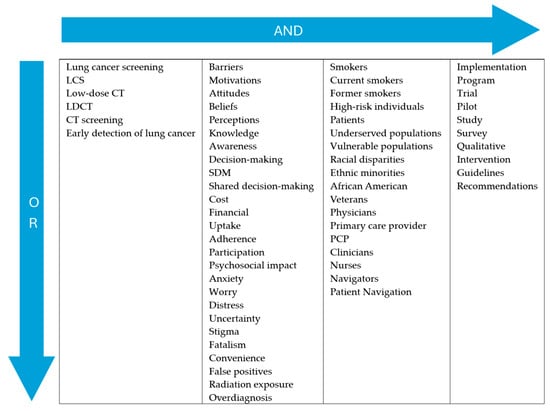
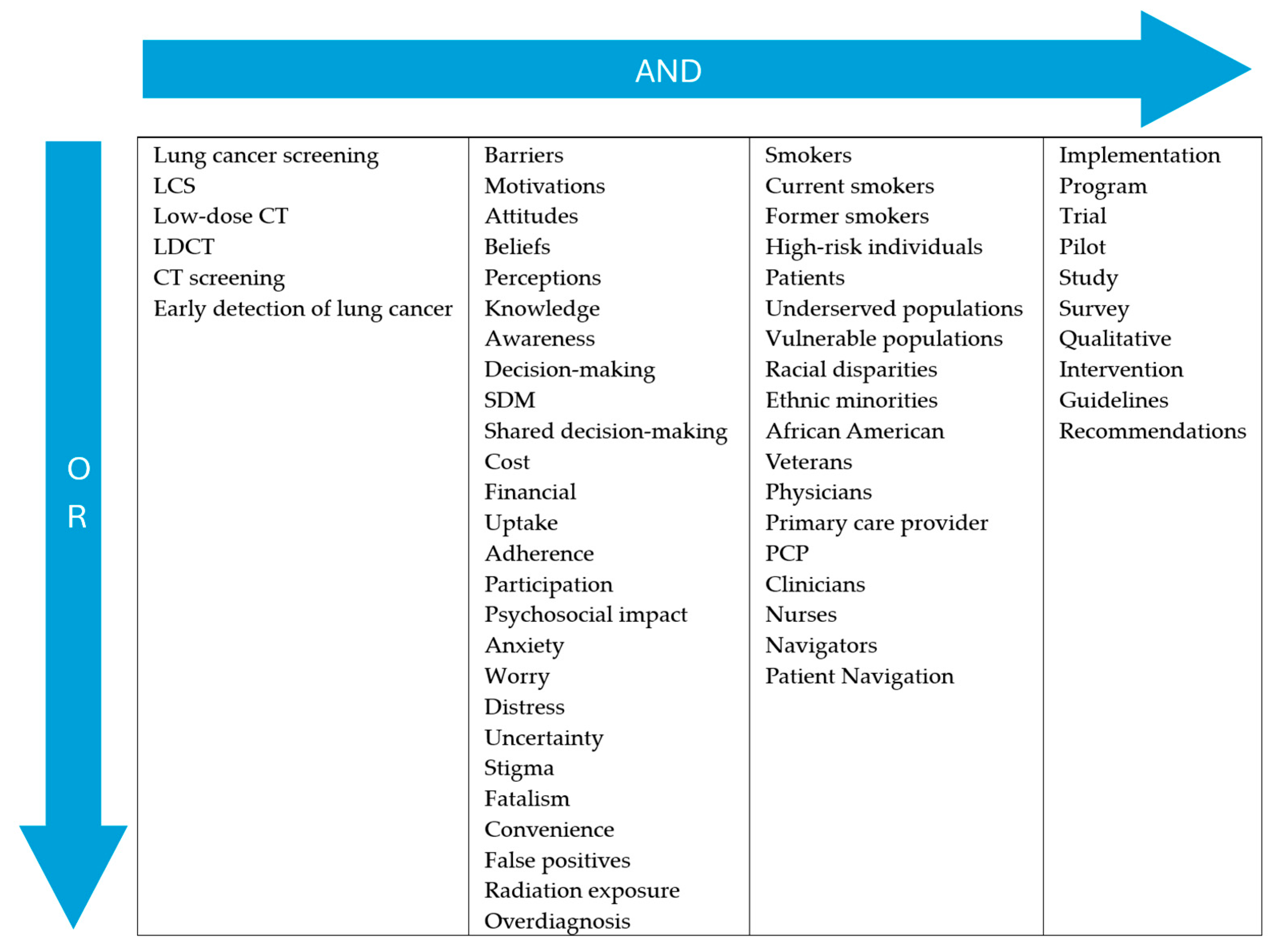
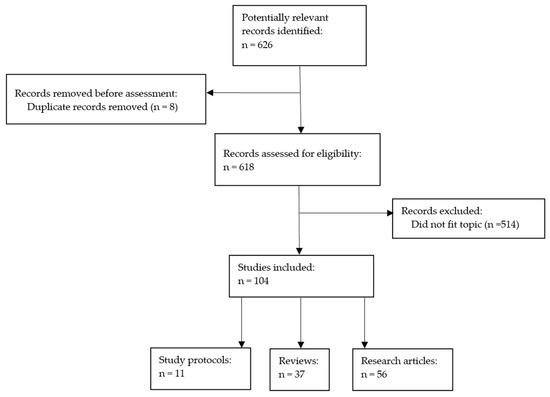
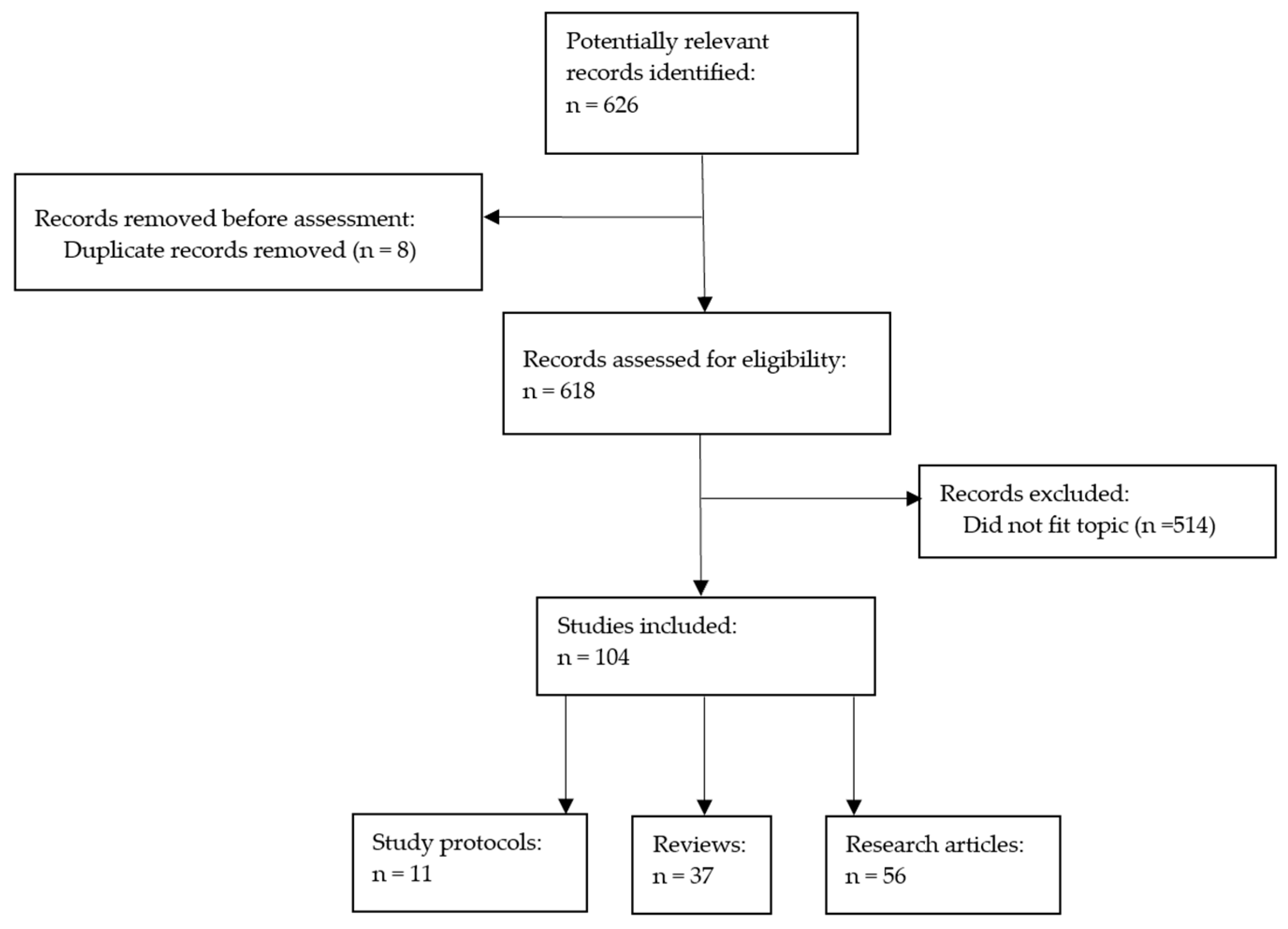

Disclaimer/Publisher’s Note: The statements, opinions and data contained in all publications are solely those of the individual author(s) and contributor(s) and not of MDPI and/or the editor(s). MDPI and/or the editor(s) disclaim responsibility for any injury to people or property resulting from any ideas, methods, instructions or products referred to in the content. |
© 2026 by the authors. Licensee MDPI, Basel, Switzerland. This article is an open access article distributed under the terms and conditions of the Creative Commons Attribution (CC BY) license.