


Abstract
The West African Craton hosts some of the world’s largest BIF-hosted iron ore deposits and represents a globally important iron province. Compilation of data from Guinea, Liberia, Sierra Leone, Mauritania, and Nigeria reveals marked regional variability, from high-grade hematite-rich direct-shipping ores to lower-grade magnetite-rich itabirites. At the province scale, Guinea is dominated by high-grade hematite ores, Liberia contains both hematite and magnetite-bearing ores, Sierra Leone hosts large magnetite-rich and hematite-rich resources, Mauritania combines Archean magnetite-rich and Paleoproterozoic high-grade hematite systems, whereas Nigerian deposits are generally smaller and lower-grade. Their mineralogical and geochemical characteristics record multistage evolution, involving primary sedimentation, metamorphic and structural reworking, hypogene alteration, and supergene enrichment. Geochemical discrimination diagrams indicate broad Algoma- and Superior-type affinities but are not uniquely diagnostic of ore genesis. Airborne geophysics, remote sensing, and geochemistry emerge as complementary exploration tools, particularly for delineating concealed BIFs and alteration zones regionally. Ore variability results in contrasting beneficiation requirements, and four generalized flowsheets link the principal ore types to appropriate processing routes. Major research gaps concern correlations between BIF belts, primary depositional signatures, fluid sources, enrichment timing, prioritized isotopic geochemistry, rare earth element systematics and the limited integration of mineralogical variability with beneficiation performance.
1. Introduction
Banded iron formations (BIFs) host the majority of the world’s iron ore resources and account for a substantial share of global iron ore production [1,2]. West Africa contains several major BIF-hosted iron ore deposits, including Simandou Nimba, Kalia and Diecke in Guinea; the Nimba, Bong, Putu, and Western Cluster deposits in Liberia; Tonkolili and Marampa in Sierra Leone; the F’Derik-Zouérate deposits of the Tiris iron province in Mauritania; and the Muro, Maru and Itakpe deposits in Nigeria.
BIFs are Precambrian chemical sedimentary rocks characterized by alternating iron-rich and silica-rich bands. They are generally interpreted to have formed in marine environments through complex physicochemical and biogeochemical processes [2,3,4,5,6,7,8,9,10]. Many BIF sequences were subsequently affected by metamorphism, deformation, fluid–rock interaction, and weathering, resulting in substantial mineralogical, textural, and geochemical transformations. The term itabirite commonly refers to metamorphosed and recrystallized BIF, typically consisting of banded quartz–iron oxide rocks [11]. However, it is primarily descriptive and does not necessarily imply iron enrichment [12].
Formed predominantly during the Archean and Paleoproterozoic periods, BIFs provide valuable records of early tectonic evolution, sedimentary processes, ocean chemistry, and major changes in atmospheric oxygenation, including the Great Oxidation Event [3]. In West Africa, BIF-hosted iron ore deposits constitute major mineral resources and represent strategic economic assets, particularly for Guinea, Liberia, Sierra Leone, and Mauritania [13]. However, their quantitative contribution to global iron ore resources, reserves, and production remains poorly constrained because publicly available estimates are incomplete and reported using heterogeneous resource and reserve classifications. This disparity between the recognized geological potential of the region and its still limited contribution to global production also reflects the historical influence of infrastructure, investment, energy availability, and access to export corridors.
Despite their geological and economic significance, West African BIF-hosted iron ore deposits remain underrepresented in global syntheses. In contrast to extensively studied provinces such as the Pilbara and Yilgarn cratons in Australia, the Quadrilátero Ferrífero in Brazil, and the Kaapvaal Craton in southern Africa, research in West Africa has largely consisted of deposit-scale geological studies and resource evaluations. Previous regional syntheses have discussed iron ore deposits within broader assessments of West African mineral resources [13,14,15], whereas global reviews have generally provided only limited coverage of major deposits such as Simandou and Nimba [2,12,16,17]. Consequently, an updated regional synthesis integrating their geological, mineralogical, geochemical, exploration, and processing characteristics is still needed.
A further knowledge gap concerns the beneficiation of BIF-derived ores in the region. Although some deposits, including Simandou and Nimba, contain high-grade hematite-rich direct-shipping ore (DSO), many resources consist of lower-grade or mineralogically complex itabirite that requires beneficiation to remove siliceous and other gangue minerals. The performance of comminution, magnetic separation, gravity concentration, and flotation is strongly influenced by mineralogical composition, texture, liberation size, and ore variability, highlighting the need for deposit-specific processing strategies [18,19]. However, integrated geometallurgical studies linking geological variability and mineralogical characteristics to beneficiation performance remain scarce in West Africa.
This review provides an integrated synthesis of BIF-hosted iron ore deposits in Guinea, Liberia, Sierra Leone, Mauritania, and Nigeria, covering regional and deposit-scale geology, mineralogical and geochemical characteristics, ore-forming processes, exploration approaches, beneficiation strategies, and associated environmental and socio-economic challenges. Attention is given to how the primary BIF protolith and its subsequent metamorphic, hypogene, and supergene modification influence ore quality and processing behavior.
This study adopts a structured narrative review approach based on peer-reviewed articles, geological survey reports, technical reports, theses, and other relevant published sources. The compiled information was organized by country, deposit, tectonic setting, BIF and ore type, mineralogy, geochemistry, genetic interpretation, and beneficiation characteristics. The compiled datasets were critically evaluated before regional comparison. Where possible, primary or least-altered BIF compositions were distinguished from enriched ores to account for geochemical modifications associated with hypogene and supergene processes. Geological, geochemical, geophysical, and remote-sensing information was also integrated to assess the main exploration criteria and targeting approaches used for BIF-hosted iron ore deposits across the region.
The analysis integrates tectonic and stratigraphic setting, primary BIF composition, diagenetic and metamorphic transformation, structurally controlled hypogene upgrading, supergene weathering, ore mineralogy and texture, exploration signatures and beneficiation response. This approach is used to assess how geological evolution influences iron grade, gangue and impurity distribution, mineral liberation, ore hardness, exploration targeting, and the selection of appropriate beneficiation strategies. Comparisons with major global BIF provinces provide a broader context for evaluating the regional significance and limitations of the genetic and processing interpretations.
By integrating these dimensions, this review aims to identify the main controls on ore variability, assess the applicability of existing genetic models and beneficiation strategies to West African deposits, highlight major knowledge gaps, and define priorities for more efficient exploration, processing, and sustainable resource development.
2. Historical Exploration and Mining
The earliest documented modern exploration and discovery of major iron ore deposits in West Africa date to the early twentieth century. In Guinea, iron mineralization was reported as early as 1904 during the construction of the Conakry–Niger railway, followed by the identification of the Mount Nimba deposits in 1920 [20,21,22]. In Sierra Leone, the Marampa deposit was identified in 1926 by the British geologist N. R. Junner, whereas the Bomi Hills deposit in Liberia was reported in 1930 [20,21,23,24]. Although most of these deposits were not immediately developed on a large scale because of limited transport infrastructure, high capital requirements, and unfavorable market conditions, the Marampa mine began exporting iron ore through the port of Pepel in 1933 [23,24].
Following World War II, rising demand for mineral commodities and increasing involvement by North American and European companies stimulated the development of the West African iron ore sector. In Liberia, large-scale investment supported the development of the Mano River, Mount Nimba, and Bong Range operations, which commenced production in 1961, 1963, and 1965, respectively [20,22,25,26]. In Mauritania, MIFERMA was established in 1952 to develop the Kediat Idjil deposits, with commercial mining and exports beginning in the early 1960s [27,28,29,30,31].
The decline in iron ore prices during the 1980s, together with political instability and armed conflicts in Liberia and Sierra Leone, resulted in reduced production and the closure of several mining operations [22,23,24]. In contrast, Mauritania maintained its position as a major regional producer. Following the nationalization of MIFERMA in 1974 and its subsequent institutional transition to the Société Nationale Industrielle et Minière (SNIM), the country continued to develop its iron ore industry through the modernization and expansion of its mining, railway, and port facilities [29,30,31].
Since the early twenty-first century, renewed investment, higher demand for high-grade iron ore, and major infrastructure projects have contributed to the revival of iron ore mining in West Africa. The Simandou deposit in Guinea, long regarded as one of the world’s largest undeveloped high-grade iron ore resources [32], has attracted particularly substantial international investment. The project includes more than 600 km of trans-Guinean railway infrastructure and new port facilities designed to support an eventual combined export capacity of up to 120 Mt per year [33]. Simandou officially commenced operations in November 2025 and subsequently entered a progressive commissioning and production ramp-up phase. This development represents a major milestone for both Guinea and the wider West African iron ore sector, reinforcing the region’s growing importance in the global iron ore market [33]. Mining activity has also resumed or expanded in Sierra Leone and Liberia [23], while Mauritania has continued to modernize its infrastructure and increase its production capacity [29,30,31]. Nevertheless, the pace of development remains uneven across the region because of differences in political stability, investment conditions, infrastructure availability, and access to international markets.
3. Geological Setting
The West African Craton (WAC) (Figure 1) is one of the oldest cores of very ancient terrains in the world [34,35] and is surrounded by younger sedimentary basins and Neoproterozoic–Paleozoic orogenic belts. To the north, it is bordered by the Tindouf Basin, whereas its western margin is fringed, from south to north, by the Rockelides, Bassarides, Mauritanides, and Souttoufides fold belts [36,37,38]. The Souttoufides form the northernmost part of this western fold-belt system, extending through the Adrar Souttouf, Smara-Zemmour, and western Anti-Atlas sectors, and record Pan-African structures subsequently reworked during the Variscan orogeny [37]. To the north–northeast, the Ougarta Range marks a complex tectonic boundary between the WAC and adjacent Pan-African domains of the western Algerian Sahara [39], while to the east, the craton is bordered by the Neoproterozoic Pharusian chain and the Dahomeyides and Gourma chains (Figure 1, [40]). These surrounding belts record the post-Paleoproterozoic tectonic evolution and reworking of the craton margins [36].
The Archean and Paleoproterozoic terrains of the West African Craton outcrop in two distinct groups, the Reguibat and Leo-Man shields to the north and south, respectively, separated by the Neoproterozoic and Phanerozoic Taoudéni sedimentary basin [34,35,40,41,42,43,44,45,46,47,48,49,50]. Except for the aforementioned crystalline basement outcrops, the Archean and Paleoproterozoic formations are overlain throughout the West African Craton by the Taoudéni mainly, Volta, Iullemeden and Tindouf sedimentary basins deposited between around 1.2 Ga and 550 Ma [42,51,52,53].
3.1. Reguibat Rise
The Reguibat ridge, crossing Mauritania, Morocco and Algeria [47,54,55], which is approximately 1.500 km long along a 250 to 400 km wide SW-NE axis, consists of the following:
(1) Gneisses migmatitic orthogneisses (Tiris and Amsaga complexes), greenstone belts (Tasiast-Tijirit terranes) sometimes associated with banded iron deposits and Archean granitoids of around 3.5–2.4 Ga, in the western part [42,55,56,57,58,59,60].
The Sfariat belt, made up of strongly deformed predominant metamorphosed sediments, granitoids and volcanics rocks with the presence of migmatites, dated at around 2.1–2.0 Ga [61], acts as a contact zone between the Paleoproterozoic and the Archean core [42].
(2) Eburnean terrains comprising granitic intrusive complexes and other volcanic and volcano-sedimentary formations of Lower Proterozoic (Birrimian) to Neoproterozoic age [30,31,42,47,54,55,62,63], which reflect deep crustal reworking in the eastern part.
These domains are structurally separated by shear zones, notably the Zednes fault system [42,47,54,64].
The Archean Shield contrasts with the Eburnean Shield by exhibiting a major metamorphism of very-high-grade TTG type [55] at around 3.5–2.5 Ga and by the wide spread of migmatites and ferruginous quartzites [47,55].
3.2. Leo-Man Rise
The Man or Leo Rise, also known as the “Rides de Guinée” [13], comprises two lithological and age-contrasted units [49], separated by the Sassandra Fault [34,35,40,45], the equivalent of the Zednes Fault in the Reguibat Ridge [47].
The eastern Paleoproterozoic Baoulé–Mossi domain (Figure 1) consists mainly of metasedimentary and volcano-sedimentary rocks intruded by granites, emplaced between c. 2.2 and 1.9 Ga and deformed during the Eburnean orogeny around 2000 Ma [13,34,35,40,41,42,44,45,47,48,49,50,65,66].
The Kenema-Man Archaean domain in the west consists of TTG plutons and granites, gneissic domains overlain by greenstone belts combining metavolcanites and metasediments and BIFs. These units were metamorphosed from amphibolite to granulite facies during the Leonian (3.4–3.0 Ga) and Liberian (2.9–2.4 Ga) orogenies [13,34,35,40,41,42,44,45,47,48,49,50,66,67,68] and then reworked by the Eburnean orogeny around 2.1–2.05 Ga [42,45].
In contrast to the Archean domain, which records multiple reworking events, the Paleoproterozoic Baoulé–Mossi domain was predominantly structured during the single Eburnean orogenic cycle [45,66].
3.3. Pan-African Benino-Nigerian Shield
The Benino-Nigerian Shield, separated from the West African Craton by the Dahomeyides, the Pharusian suture and the Volta Basin (Figure 1), represents the southeastern segment of the Pan-African mobile belt. It comprises contrasting assemblages of metasedimentary and crystalline basement rocks [13,69,70,71,72,73,74,75,76,77,78,79,80,81,82] subdivided into four main units:
The Migmatite–Gneiss Complex (MGC) is a polycyclic assemblage of migmatites, gneisses and granitoids, representing a reworked TTG terrane intruded by late Proterozoic veins and pegmatites, and recording Liberian (c. 2.9–2.45 Ga), Eburnean (c. 2.5–2.0 Ga) and Pan-African (c. 750–450 Ma) [13,69,70,71,72,73,74,75,76,77,83].
Figure 1.
Simplified geological map of the West African Craton showing major structures and iron ore deposits and occurrences (modified after [14,15,26,30,37,42,49,84,85,86,87,88]).
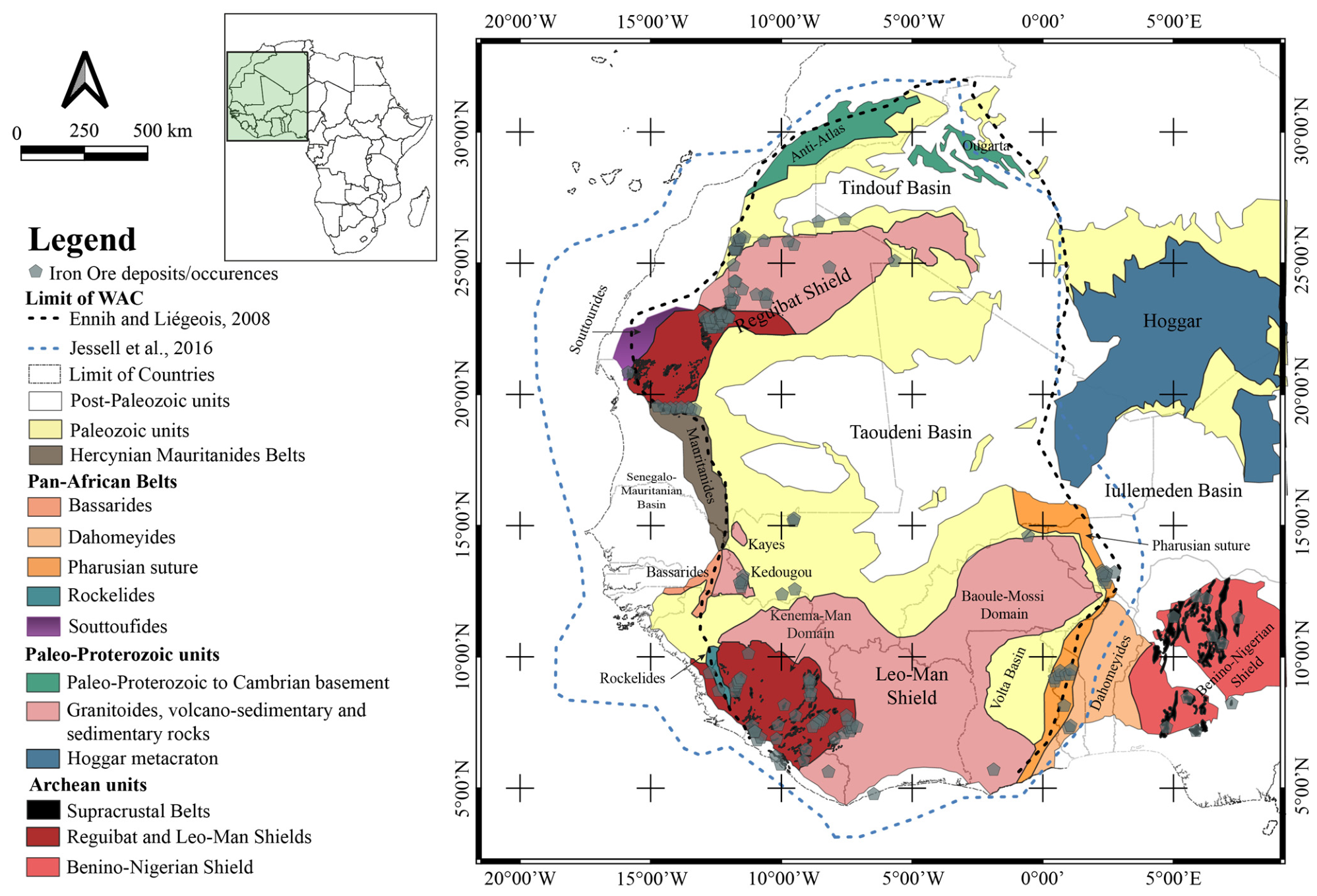
The NNE–SSW-trending schist belts comprise Upper Proterozoic metasedimentary and metavolcanic rocks (schists, quartzites, marbles, phyllites and BIF), enfolded within the MGC and affected by a low-grade, heterogeneous Pan-African metamorphism footprint [89,90,91].
Pan-African granitoids (Older Granites) are syn- to late-tectonic intrusions cutting both the MGC and schist belts, ranging from tonalite and diorite to granodiorite, granite and charnockite, and emplaced as stocks to large batholiths [13,73,82,83,92].
Late- to post-tectonic undeformed dykes (580–535 Ma), including pegmatitic, aplitic, syenitic, basaltic, doleritic and lamprophyric types, cross-cut all earlier units [73,92].
4. Description of BIF Occurrences in the Region
Neoarchean to Paleoproterozoic BIFs of the West African Craton occur within metamorphosed volcano-sedimentary sequences overlying the Kenema-Man, Reguibat and Benino-Nigerian basement domains, forming laterally extensive ridges stretching for tens, even hundreds, of kilometers [14,93] and recording metamorphic conditions from greenschist to granulite facies, with lower grades in the Idjil group (Mauritania), Kambui group of Sierra Leone and equivalents of the Simandou series in Guinea and Nigerian schist belts, and higher grades in the Nimba supergroup and the Mauritanian Tiris group [14,31,47,83,93].
A synthesis of the main structural, mineralogical and resource characteristics of selected BIF-hosted iron ore districts in West Africa is presented in Table 1. The compilation highlights the strong regional variability in ore types, ranging from high-grade hematite-rich deposits in the Simandou and Nimba ranges to magnetite-dominated ores of the Reguibat Shield and mixed magnetite–hematite systems in Nigeria. It also emphasizes the dominant role of Archean and Paleoproterozoic cratonic domains in controlling ore distribution, as well as the importance of hypogene and supergene enrichment processes in the development of high-grade ores. Furthermore, the very large resource volumes reported for several districts, commonly reaching hundreds to several thousand million tons, underline the strategic importance of West African BIF deposits within the global iron ore industry and their economic significance.
4.1. Guinea
The Nimba and Simandou greenstone belts (Figure 2 and Figure 3) represent major Archean basement structures composed of metavolcanic and metasedimentary sequences, including schists, quartzites and BIFs of Neoarchean to Paleoproterozoic age [34,35,40,49,94,95]. Detrital zircon ages from the Simandou Group constrain deposition to c. 2.9–2.6 Ga age [35,49,94]. The Nimba belt (Figure 3B) forms a c.1400 m thick volcano-sedimentary sequence extending over 45 km along the Guinea–Liberia–Côte d’Ivoire border [26,49]. Major resource characteristics and ore types of the Simandou and Nimba districts are summarized in Table 1.
Figure 2.
Geological map of Sierra Leone, Liberia Guinea and western Côte d’Ivoire showing BIF deposits and occurrences (modified after [96]).
The Simandou Range trends N-S (Figure 3A) and records polyphase deformation, with early D1 recumbent isoclinal folding followed by D2 upright to isoclinal folds under sinistral transpression, which control the present-day geometry of the range [84,97]. Later deformation includes kink folding (D3) and brittle reactivation (D4), partly related to Pan-African tectonics [97]. The complete Simandou series, which extends to over 1000 m [98], is difficult to define.
Figure 3.
Simplified geological maps: (A) South Simandou (modified after [84,97]); (B) Nimba Range (modified after [96,99,100]).
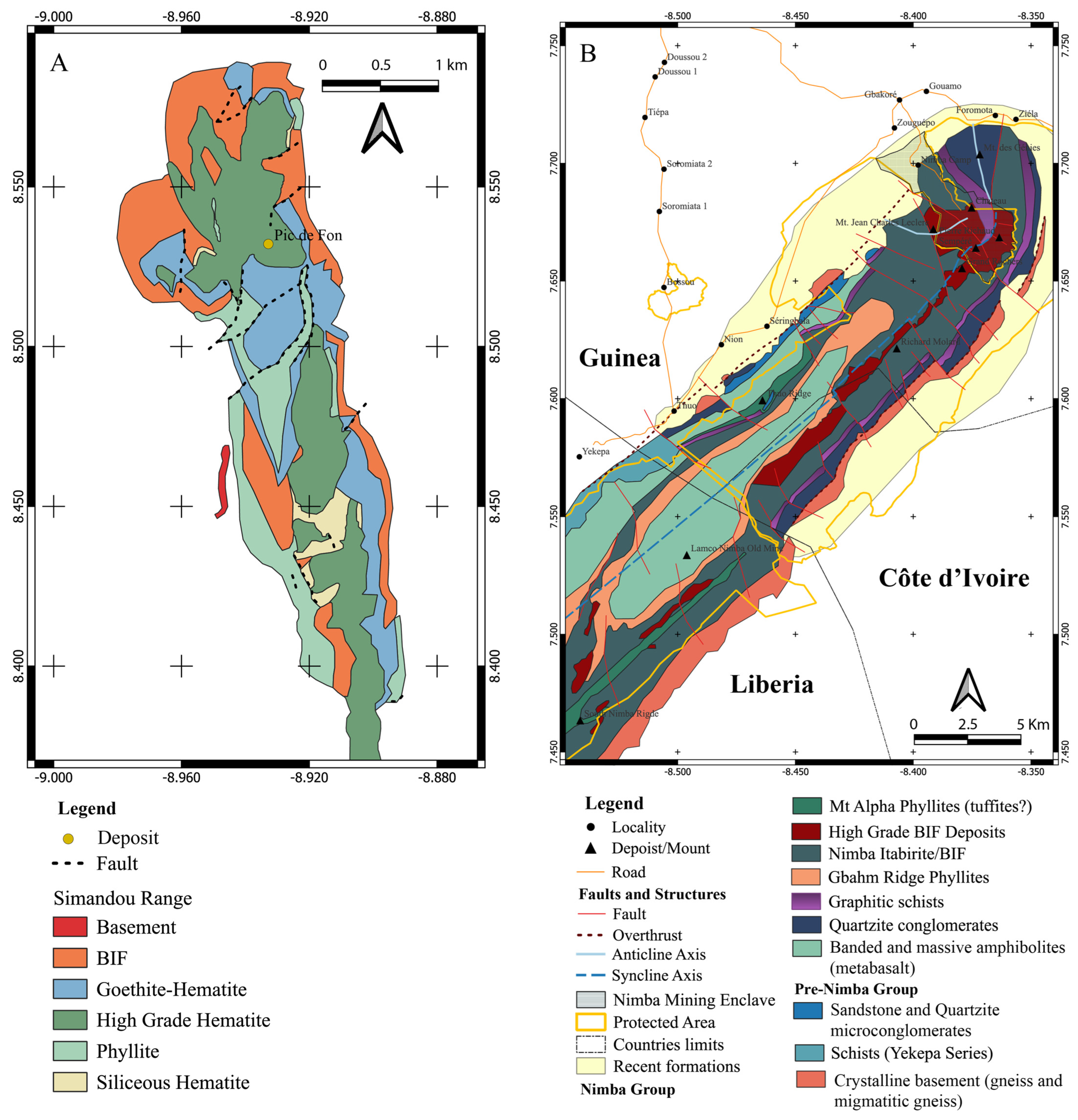
The complete Simandou series (>1000 m thick) is difficult to define. While Mamedov et al. [98] distinguished three main units from West to East ((i) a basal quartzite-schist assemblage, (ii) an itabirite-dominated unit with interlayered schists, and (iii) an upper schist-quartzite sequence), reference [97] proposed a broader stratigraphic framework based on mesoband thickness, color and Al/Ti ratios. This framework comprises the following: (i) basal phyllite units with minor quartzite, (ii) chert and BIF intercalations, overlain by transitional (iii) banded phyllite–iron oxide horizons and (iv) several BIF units (Lower, Middle and Upper) characterized by variable hematite/magnetite-quartz banding.
The BIF package, estimated to exceed 250 m in thickness, also contains several phyllite horizons that may have been structurally emplaced [97]. In the Nimba region, comparable sequences include the Nimba and Yekepa series, consisting of BIF-bearing schists and phyllites, and gneiss-amphibolite assemblages, respectively [99,101,102,103]. These deposits constitute some of the largest high-grade BIF-hosted iron ore resources in West Africa (Table 1).
Iron mineralization in the Simandou Range (e.g., Pic de Fon) is structurally controlled by D2 synforms, with high-grade hematite cores surrounded by goethite–hematite and siliceous ores derived from BIF protoliths. Mineralization is stratabound and locally transgressive, forming enriched bodies within synformal keels [84,97].
Both belts are hosted within NE-SW- to N-S-trending synclinoria and record D1-related crustal thickening through thrusting and tectonic stacking, locally intruded by syn- to post-tectonic plutons [34,35,49,66,67,94].
4.2. Liberia
Beyond the Nimba and Yekepa deposits, several iron occurrences are distributed across Liberia within the Archean Kenema-Man domain (Figure 2). These BIF-hosted ores, associated with metamorphosed volcano-sedimentary sequences of amphibolite to granulite facies, are locally cross-cut by mafic dykes of Mesozoic and Paleozoic age [26]. They display significant facies variability, ranging from high-grade canga (Fe ˃ 60%) at Mano River in the Western cluster [26] to magnetite-itabirite deposits with hematite enrichment at Putu [104]. Table 1 summarizes the contrasting ore types and resource estimates reported for the major Liberian districts.
At the Goe Range, BIFs within a metasedimentary succession of schists and quartzites have been variably enriched by supergene processes, producing goethite-hematite ores locally reaching around 60% Fe [105]. Two main ore types are recognized by (i) silicate-rich iron formations (hematite, magnetite, quartz, amphibole, mica, garnet) and (ii) oxide-rich varieties dominated by crystalline quartz and hematite. This type forms high-grade deposits with a minimum Fe grade of 40% [105]. The Goe Range trends NW, contrasting with the predominantly NE-oriented iron formations elsewhere in Liberia [26].
4.3. Sierra Leone
In Sierra Leone, four parallel lithotectonic belts are recognized (Figure 2): from west to east, the granulite-facies Kasila Group, amphibolite-facies Marampa Group, the reworked Archean Kenema Assemblage, and the sub-greenschist facies Rokel River Group [106]. BIF-hosted iron mineralization occurs within several supracrustal belts, notably at Tonkolili and Marampa [68,86]. The main geological and resource characteristics of the Tonkolili and Marampa districts are summarized in Table 1.
At Tonkolili, BIFs marking transitions between volcanic and sedimentary units are interlayered with amphibolites and have undergone significant supergene enrichment, forming lateritic caps overlying Precambrian quartz-magnetite protoliths [13,23,107]. Mineralization is hosted by amphibolites, schists and metavolcanic tuffs [108].
In the Marampa Group, iron mineralization occurs as hematite-rich schists within a volcano-sedimentary sequence composed of mafic to felsic volcanic rocks, metasediments and BIFs [108], metamorphosed under greenschist to amphibolite facies [109]. The group, formed at 2.1 Ga and later reworked during the Pan-African orogeny (around 560 Ma), is subdivided into the Matoto (volcanic) and Roktolon (sedimentary-BIF) formations [13,23,24,110]. Mineralization occurs within 65 to 100 m thick quartz-hematite schist horizons [106], locally folded and organized into multiple ore bodies: A–E, Masaboin and Ghafal [111]. On the Ghafal and Masaboin hills, the Marampa schists have been affected by tight folds along the northeast axes and open folds along the northwest axes [24].
4.4. Mauritania
In Mauritania, iron formations (Figure 4) occur in three main settings: (i) the Precambrian basement (Amsaga, Tasiast, Tiris and Ouassat groups), (ii) allochthonous volcano-sedimentary sequences of the Idjil Group (Kediat Idjil), and (iii) the Mauritanian chain [62]. The most significant deposits are hosted in the Tiris and Kediat Idjil groups [27,30,31,60,62,93,112,113,114,115,116,117,118]. These districts host some of the largest magnetite-rich BIF resources in West Africa (Table 1).
Figure 4.
Simplified geological map of Tiris and Kediat showing iron deposits and occurrences (modified after [27,119]).
The Archean Tiris Group comprises magnetite-rich, locally lenticular BIFs hosted within granitoid–gneiss terranes and supracrustal keels, including major deposits such as Guelb El Rhein, Guelb El Aouj and Guelb Atomai [27,30,31,60,93,119]. These deposits, dated at ≥2.95 Ga, are interpreted as metamorphosed Algoma-type BIFs and typically contain 30%–35% Fe, with facies ranging from massive to banded and locally brecciated [27,30,31,119].
Additional Algoma-type BIFs occur in the Mesoarchean Amsaga complex and the Tasiast-Tijirit greenstone belts, confirming the widespread development of iron formations across the Mauritanian segment of the West African Craton [30,31,119].
In contrast, the Paleoproterozoic Idjil Group (Kediat Idjil) comprises Lake Superior-type BIFs forming prominent ridges (e.g., F’Derik, Tazadit, M’Haoudat), hosted within volcano-sedimentary sequences structured into imbricated lithostratigraphic units [27,30,31,54,114,119]. These BIFs are typically fine-grained, weakly magnetic itabirites lacking high-grade metamorphic minerals and are associated with quartzites and pelitic schists [112].
4.5. Nigeria
In Nigeria, iron mineralization occurs in two main forms: (i) ferruginous quartzites within the Archean Migmatite–Gneiss Complex and (ii) BIFs hosted in Paleoproterozoic schist belts (Figure 5) of the northwestern and central regions [85,120].
Figure 5.
Simplified geological map of Nigeria showing schist belts and associated iron deposits and occurrences (modified after [85]).
Ferruginous quartzites occur as bands, layers or folded lenses within high-grade gneisses and migmatites, locally extending for several kilometers. Their banding is mainly attributed to metamorphic differentiation rather than primary sedimentation, distinguishing them from typical BIFs [85,120,121]. Major occurrences are concentrated in the Lokoja–Okene–Kabba region, notably at Itakpe, with smaller deposits at Chokochoko, Ajabonoko and Tajimi [85,120,121,122]. Itabirite ore ridges among basement gneisses near Okene are interpreted as relics of Archean metasedimentary sequences comparable to those of Liberia and Guinea [13]. Representative Nigerian BIF deposits and their resource characteristics are summarized in Table 1.
BIFs are predominantly developed within Paleoproterozoic schist belts of the reworked Precambrian basement, including the Maru, Malumfashi, Birnin Gwari, Kushaka, Muro, Egbe-Isanlu and Lokoja-Igarra belts [83,85,89,90,91,120,121,122,123,124,125,126]. These iron formations are interbedded with pelitic to quarzitic schists and share similar structural and metamorphic histories, with minor metacarbonate and mafic–ultramafic units.
Associated ferruginous shales are fine-grained, banded rocks (quartz-hematite ± muscovite) occurring as discontinuous lenses. Compared to Archean BIFs, they are generally smaller, lower grade (Fe ≤ 40%) and only weakly enriched by supergene processes, limiting their economic potential [13,121].
In summary, the West African Craton is home to a wide variety of BIF-hosted iron ore deposits (Table 1), each with its own distinctive characteristics: contrasting ore types, petrographic features, mineralogical assemblages, alteration histories and resource volumes reflect the complex geological evolution of the region.
Table 1.
Summary of structural architectures of selected BIF-hosted iron ore districts/deposits in West Africa.
5. Geochemical and Mineralogical Characteristics of BIF Ore Deposits
5.1. Mineralogical Composition and Structure
BIF-hosted iron ores in West Africa display a wide range of mineralogical compositions, reflecting variable depositional, metamorphic and supergene processes (Figure 5, Table 2). The dominant iron-bearing minerals are hematite (commonly martitized), magnetite, and locally goethite or limonite, particularly in weathered profiles such as at Putu [104,142].
Texturally, ores range from thinly banded and folded magnetite–quartz itabirites (Figure 6) to massive unbanded (Figure 6B,c), conglomeratic (Figure 6C) and brecciated (Figure 6D) hematite types [30,62,119], as well as hard hematite-goethite ores (Figure 6i,ii,a,e), friable biscuity and dusty ore (Figure 6iii,b,d), formed by supergene enrichment [84,97].
Figure 6.
Representative textures of BIF-hosted iron ores in West Africa, showing banding, folding and different ore facies from Mauritania [30,119], Nigeria [85,123], Guinea: Simandou [84,98] and Nimba, and Liberia: Yekepa [143].
Hematite, the dominant iron mineral in enriched BIFs (e.g., Simandou, Nimba, Marampa, Putu), occurs in microcrystalline, tabular, and specular forms, reflecting progressive recrystallization and oxidation [30,95,99,101,103,104,106,132].
Magnetite is ubiquitous but variably martitized, with increasing alteration toward weathered zones [99]. It typically occurs as euhedral to subhedral grains or aggregates within itabirite, with grain size and texture varying between deposits. Goethite is mainly restricted to near-surface environments, where it replaces magnetite and, less commonly, hematite, forming enriched caps and duricrusts [84,95,97,104].
The gangue is predominantly quartz, although more complex assemblages including feldspars, amphiboles, micas and accessory minerals (e.g., apatite, zircon, pyrite) are common in metamorphosed deposits, reflecting variable protolith composition and metamorphic grade.
The petrographic features and mineralogical assemblages summarized in Table 2 further illustrate the strong variability in West African BIF-hosted iron ores and support the distinction of three main mineralogical patterns across the region: (i) hematite-dominated, locally martitized ores with variable gangue complexity in the Kenema–Man domain (e.g., Simandou, Nimba, Marampa, Putu); (ii) magnetite–hematite assemblages with relatively simple quartz-dominated gangue in the Archean Reguibat Shield (e.g., Guelbs, Bouderga); and (iii) mixed magnetite–hematite mineralization with silicate-rich gangue in the Benino-Nigerian Pan-African belt (e.g., Itakpe, Maru, Muro) [83,93,120]. These regional contrasts reflect variations in protolith composition, metamorphic evolution and supergene alteration, and directly influence mineral liberation and beneficiation behavior.
Table 2.
Petrographic features and mineralogical composition of some West African BIF ore deposits.
5.2. Geochemical Signatures
The Fe content, the presence of deleterious elements, the mineralogical composition and the textural characteristics and particle size (fineness) are the four parameters used to define the quality of iron ore [146]. As these indicators have a direct impact on ore prices [146], geochemical data (Table 3) have been compiled on various BIF-type ores in West Africa and other well-known deposits around the world.
The following paragraphs examine the geochemical signatures of West African BIF-hosted iron ore deposits using data compiled in Table 3 and comparisons with selected well-known BIF deposits worldwide. The interpretation of these data is supported by geochemical discrimination approaches developed for BIF systems globally [2,17,147,148,149,150], which provide a useful framework for assessing depositional environments, hydrothermal contributions and ore-forming processes.
These geochemical data also provide an objective basis for assessing ore quality, which is commonly classified into three categories [151]: non-enriched or low-grade ore (25%–45% Fe), medium-grade ore (45%–60% Fe) and high-grade ore (>60% Fe).
These categories are well represented within the West African dataset (Table 3), which encompasses ores ranging from low-grade magnetite-rich BIFs to high-grade hematitic deposits formed through extensive enrichment. The compiled geochemical data, therefore, provide a basis for evaluating both ore quality and the processes responsible for iron enrichment.
The average chemical composition, although variable depending on the deposit, shows that they are dominated primarily by Fe2O3 (37.46%–92.61%), SiO2 (2.45%–57.3%), LOI (0.16%–8.14%), the latter two being the main deleterious elements, in addition to Al2O3 (0.14%–4.25%) and P2O5 (0.01%–0.53%). The other major elements have relatively low concentrations, generally on the order of 0.01%, with a few exceptionally high values for TiO2 (6.13%) in Marampa, MnO 4.83% in Maru, and Na2O 1.31% in Nimba (Figure 7).
Figure 7.
Pie chart showing major element concentrations in BIF ore deposits in West Africa. Data references: see Table 3.
This preliminary observation of average major-element compositions indicates that most West African iron formations correspond to relatively “pure” BIFs, characterized by combined Fe2O3total and SiO2 contents exceeding 92% of the bulk composition. This value is lower than the >99 wt.% commonly reported for typical BIFs [148], largely because FeO data are unavailable for many of the deposits considered here. Consequently, total iron contents are likely underestimated in several cases, and the Fe2O3total + SiO2 sum should be regarded as a minimum estimate.
Table 3.
Mean chemical composition of some BIF ore deposits in West Africa and selected well-known worldwide deposits.
This preliminary observation of average compositions shows that most West African iron deposits are pure BIFs, strongly dominated by iron oxides and silica (Fe2O3total + SiO2 > 92%) [148]. However, because FeO data are unavailable for most deposits, this compositional criterion should not be considered strictly equivalent to classifications based on complete iron speciation. Despite this limitation, the bulk compositions remain comparable to those of well-known BIF deposits worldwide, ranging from low-grade examples such as Muro and Algoma-type silicate-facies iron formations to highly enriched deposits such as Simandou High Grade and Águas Claras, as shown in Figure 8.
Figure 8.
Fe2O3 and SiO2 content of deposits in West Africa compared with selected global iron ore deposits. Data references: see Table 3.
The similarity with other known deposits is not limited to the gross averages of SiO2 and Fe2O3. By recalculating the average of the major components at 100% on a loss-on-ignition-free basis and assuming that metamorphic reactions are essentially isochemical, Klein and Beukes [156,157] demonstrated (Figure 9) that all Precambrian BIF deposits are comparable, either unmetamorphosed or strongly metamorphosed.
Figure 9.
Average major element compositions of BIFs from West Africa and selected global deposits (recalculated to 100% on a LOI-free basis), compared with the compositional range for 208 complete chemical analyses of iron formations defined by Klein and Beukes [156]. Data references: see Table 3.
Their conclusion was that all samples that do not fall within the shaded area can be considered iron ore or in the process of becoming iron ore. Based on these observations, we can deduce that in West Africa, ores are present at Simandou and Goe Range, while the other deposits are either BIFs or in the process of becoming ores.
Plotted on the ternary diagram (Figure 10A) from Govett [158], the average Al2O3, Fe2O3 and SiO2 contents of West African deposits fall well within the range of BIFs. Likewise, the Fe, CaO + MgO and SiO2 ternary plot (Figure 10B) shows that they are clearly and without exception Precambrian in affinity and similar to other deposits around the world, with much greater similarity between the high grades of Simandou and Goe Range and Águas Claras, Simandou Upper and Marampa, Simandou Middle, Nimba, Maru, Gangfelum, Itakpe and Kediat, Simandou Lower and Tiris, and finally Muro and Brockman.
Figure 10.
Ternary plots showing (A) Fe2O3–Al2O3–SiO2 and (B) Fe–CaO + MgO–SiO2 using the original compositional fields after Govett [158] and Lepp and Goldich [159], respectively, for West African and selected global BIF deposits. Data references: see Table 3.
The original compositional fields of Govett [158] and Lepp and Goldich [159] are retained unchanged in Figure 10. High-grade ores, including Simandou High Grade, Goe Range, and Águas Claras, are distinguished from relatively unenriched BIFs because their bulk compositions have been substantially modified by post-depositional enrichment. Their displacement toward Fe-rich and Si-poor compositions is, therefore, interpreted primarily as reflecting progressive silica removal and Fe enrichment rather than a primary BIF compositional signature. These enriched samples are retained in Figure 10 for comparison and illustrate the compositional evolution from BIF protolith to high-grade ore, but they are not used to redefine or extend the original BIF fields.
The Al2O3 + K2O + Na2O-MnO + FeOt and Al2O3-SiO2 discrimination diagrams (Figure 11) from Mücke [126] demonstrate that silicate facies BIFs can be differentiated from silicate-oxide and oxide facies due to their relative enrichment in Al2O3 and alkalis [85] and high-grade (this work) minerals, on the one hand, and to differentiate between the chemical nature of BIFs and phyllites (metasediments) that constitute their host rocks, on the other hand [85].
Figure 11.
Geochemical plots of (A) Al2O3 + K2O + Na2O–MnO + FeOt and (B) Al2O3–SiO2 showing West African and selected global deposit BIF compositions plotted on BIF and phyllite discrimination fields of Olobaniyi and Mücke [85] and Mücke [126]. Data references: see Table 3.
Silicate facies containing slightly to moderately reduced Al2O3 and SiO2 content compared to phyllites are located just above magnetite facies in the zone between a maximum of 10% Al2O3 and 40% SiO2 (Figure 11B). The compositional gap between the phyllite and BIF fields (Figure 11A) indicates contrasting bulk-rock compositions and supports different relative contributions of chemical and detrital components [85]. Olobaniyi and Mücke [85] interpreted this compositional separation as supporting an exhalative origin for the BIF precursor. While this interpretation remains plausible, the separation should not be regarded as unequivocal evidence of an exclusively exhalative origin, because early seawater–rock interaction and halmyrolysis may also modify Al, alkalis, Ti, and REE in volcanic or volcaniclastic precursor materials [160].
This precursor, described as ‘exhalative mud’ by Olobaniyi and Mücke [85], is thought to have been formed by a continuous supply of continental materials rich in Si, Al, Ti and alkalis to marine basins, accompanied by episodic activity from submarine hydrothermal plumes rich in Fe, Mn, Ca, P and, in part, Si. This interpretation is, therefore, consistent with a mixed depositional system involving both continental and hydrothermal contributions rather than a purely hydrothermal end member.
By plotting the sample averages on the SiO2-Al2O3 diagram [161], we illustrated, like Aftabi et al. [147] and Sylvestre et al. [149], that most West African BIFs plot within or close to the field commonly associated with hydrothermal-exhalative sediments (Figure 12A), whereas only the Maru deposit (Figure 12A) falls within the field related to this input. These distributions indicate broad compositional affinities rather than unequivocal genetic origins, as SiO2 and Al2O3 contents may also be modified by detrital input, halmyrolytic leaching, diagenesis, metamorphism, and subsequent ore enrichment. Most high-grade deposits are found in the hydrogenated and detrital input field; however, their positions should not be interpreted as reflecting the primary depositional environment because their bulk compositions have been substantially modified by silica removal and Fe enrichment during post-depositional upgrading.
Figure 12.
Geochemical discrimination diagrams showing West African and selected global BIF compositions plotted on (A) the SiO2–Al2O3 depositional environment fields of Wonder et al. [161] and (B) the P2O5/Fe2O3×100–SiO2 fields of Aftabi et al. [147] for BIF types (Algoma, Superior and high-grade ores). Data references: see Table 3.
The P2O5/Fe2O3x100 versus SiO2 diagram (Figure 12B) shows generally low phosphorus contents, consistent with typical Archean-Paleoproterozoic BIFs. The spread in SiO2 suggests a continuum between relatively Fe-rich, hydrothermally influenced (Algoma-type) and more silica-rich, basin-related (Superior-type) iron formations. The lowest SiO2 values correspond to high-grade ores, reflecting silica leaching and iron enrichment. The absence of significant P enrichment indicates a non-glaciogenic origin [147]. Accordingly, these diagrams are used here primarily to compare compositional affinities and should not be considered standalone genetic discriminants.
It should also be mentioned that other diagrams have effectively enabled the high-grade Simandou ores for which trace and REE analyses exist to be placed in the hydrothermal field (Figure 13A).
Figure 13.
Discrimination plots showing (A) Y–P2O5, (B) ΣREE–P2O5 and (C) Al2O3–Eu/Eu* for BIFs from West Africa and selected global deposits, using the discrimination fields of Aftabi et al. [147]. Data references: see Table 3.
Indeed, Aftabi et al. [147] report that all Algoma- and Superior-type ores characterized by low phosphorus and yttrium content (Figure 13A) are mainly derived from the exhalative hydrothermal field, while phosphorus- and yttrium-enriched minerals in the Rapitan and Ediacaran BIFs indicate a diagenetic and biogenic origin of phosphorus in deep waters. Algoma- and Superior-type minerals are also known to have low total REE [147], typically between 4 and 100 ppm, most of which fall in the 10–60 ppm interval (Figure 13B), along with a typical positive chondrite-normalized Eu anomaly (Figure 13C).
It should also be noted that the Y-P2O5, diagram places the high-grade Simandou ores for which trace-element and REE data are available within the hydrothermal field (Figure 13A). According to Aftabi et al. [147], Algoma- and Superior-type BIFs characterized by low P and Y contents are predominantly associated with the exhalative hydrothermal field, whereas the higher P and Y contents of Rapitan- and Ediacaran-type BIFs may reflect stronger diagenetic and biogenic contributions of phosphorus in deep-water environments. The West African data, therefore, show a compositional affinity with the hydrothermal field defined by Aftabi et al. [147]. However, this affinity should not be considered by itself as unequivocal evidence of direct hydrothermal precipitation, particularly for high-grade ore whose compositions may have been modified by subsequent hypogene and supergene processes. Thepositive Eu anomalies are not uniquely diagnostic of hydrothermal input and may also be influenced by redox conditions, feldspar-derived components, and Ba-related analytical interference during ICP-MS analysis [162,163,164]. They should, therefore, be interpreted together with the broader REE pattern and the mineralogical and geological context.
BIFs’ genesis and their transformation by hypogene and supergene processes into enriched iron ore deposits go through a few evolutionary stages. There are generally five stages of evolution, from the least altered to the most enriched/mineralized BIF, corresponding to a sequence of oxidation, dissolution, and selective leaching of silica, leading to a relative concentration of Fe. More specifically, the stages are as follows: 1. simultaneous precipitation of silica and dissolved iron, no major alteration; 2. initial oxidation with conversion of ferrous iron (Fe2+) to ferric iron (Fe3+), beginning of silica dissolution; 3. martitization or secondary enrichment by selective leaching of silica or advanced oxidation of magnetite; 4. hematitization and goethitization or advanced enrichment with almost total dissolution of the siliceous gangue and massive recrystallization of iron; 5. rich ore (DSO) or final concentration in iron oxides and almost complete removal of silica.
Discrimination diagrams of Fe2O3 vs. major oxides allow us to identify different evolutionary stages based on their behavior. Silica, although ubiquitous in the ore, undergoes a continuous and marked decrease, inversely proportional to the Fe content (Figure 14A) from the least altered to the most mineralized BIFs.
Figure 14.
Whole-rock geochemical plots of Fe2O3 versus selected major oxides: (A) Fe2O3–SiO2; (B) Fe2O3–Al2O3; (C) Fe2O3–P2O5; (D) Fe2O3–CaO; (E) Fe2O3–MnO; (F) Fe2O3–CaO + MgO for West African and selected global BIF deposits. Data references: see Table 3.
It is first dissolved, partially replaced by magnetite, specularite and goethite, and leached into groundwater. In general, residual enrichment, leading to the precipitation of K-rich clay during stage 5, is the main cause of the increase in aluminum values (Figure 14B).
P2O5 exhibits variable behavior characterized by a slight increase between stages 2 and 4, or a relatively significant increase at stage 5 (Figure 14C). This increase is due to the precipitation of apatite during hydrothermal alteration and its subsequent incorporation into the goethite crystal structure at stage 5. The other elements, Ca, Mn and Mg, show similar behavior, with a significant increase during alteration stages 1 and 4, followed by elimination at stages 2 and 5 (Figure 14D–F). In carbonate-rich BIFs, there is a marked decrease in CaO and MgO from the early stages of alteration, resulting in an enriched ore that is very poor in these oxides.
We plotted the geochemical data for West African BIFs on the discrimination diagram (Figure 15) of Angerer et al. [148] to visualize all the hypogene–supergene alteration zones in which these deposits are located.
Figure 15.
Geochemical discrimination diagram showing (MgO + CaO + MnO)/Fe2O3total versus SiO2/Fe2O3total ratios (A) associated alteration trends and (B) the distribution of West African. Data compiled in Table 3 are projected onto the discrimination diagram of Angerer et al. [148] for comparison with global BIF deposits. Data references: see Table 3.
Based on ratios of the main oxides SiO2/Fe2O3total and (MgO + CaO + MnO)/Fe2O3total, reflecting carbonate–silicate metasomatism, this simple diagram for iron ore allows the path of alteration to be visualized by arrows starting from the siliceous BIF (the least altered) to high-grade goethite-martite ore depleted in Si-Mg-Ca-Mn, passing through low- to medium-grade Si-depleted Mg–Ca ± Mn-altered BIF and high-grade Mg-Ca ± Mn hydrothermal ore [148,165].
In West Africa, Mg–Ca–Mn metasomatic ‘contamination’ in BIFs suggests that the deposits are Archaean siliceous BIFs characterized by low contamination. The diagram reveals great similarities in geochemical trends from BIFs (Simandou Lower) to high-grade ore (Simandou High Grade) through intermediate facies (Simandou Middle and Upper) of hypogene silica alteration (pointed arrow). Unfortunately, we do not have MgO and CaO data on high-grade samples from other deposits such as Goe Range to go further with comparison.
Overall, Figure 11, Figure 12, Figure 13, Figure 14 and Figure 15 are, therefore, interpreted as comparative geochemical tools rather than definitive genetic discriminants. They constrain compositional affinities and illustrate progressive modification from relatively preserved BIF to enriched ore, but similar signatures may result from different combinations of hydrothermal input, detrital contribution, halmyrolysis, diagenesis, metamorphism, hypogene alteration, and supergene weathering. Their genetic interpretation must consequently be integrated with mineralogical, textural, structural, isotopic, and geological evidence.
6. Genetic Models
Establishing a unified genetic model for BIFs across the West African Craton remains challenging due to the limited availability of integrated petrological, geochemical and isotopic datasets. Existing models are generally deposit-specific and focus primarily on the sources of iron and silica and the processes controlling their precipitation [27,85,90,166]. A fundamental distinction should, therefore, be made between processes responsible for primary BIF formation and those responsible for the subsequent transformation of BIF into economic iron ore.
More broadly, Hagemann et al. [2] proposed a mineral systems framework for BIF-hosted iron ore deposits in which primary iron formations are progressively upgraded through the combined effects of hypogene fluid–rock interaction and supergene weathering processes. In this model, high-grade iron ores are viewed as the product of multistage geological evolution, involving sediment deposition, metamorphism, deformation, hydrothermal alteration and weathering. This model provides a useful conceptual basis for interpreting the diversity of genetic scenarios proposed for West African BIF-hosted iron ore deposits. Structural features, such as faults, shear zones, fold hinges, fractures and lithological contacts, are particularly important because they may generate and focus the permeability required for later fluid circulation and ore upgrading [2]. The main genetic processes proposed for West African BIF-hosted iron ore deposits, together with their supporting evidence, limitations, and regional applicability, are summarized in Table 4. These processes are not mutually exclusive, and their relative importance varies among deposits.
At the primary depositional stage, submarine hydrothermal circulation provides a plausible mechanism for supplying Fe and Si to BIF-forming basins. Reaction-path modelling by Tosca and Tutolo [167] shows that mixing between hydrothermal fluids and anoxic Precambrian seawater may produce Fe-bearing precursor minerals that can be transported away from hydrothermal vents before deposition. Thus, the absence of preserved vent structures does not necessarily exclude a distal hydrothermal contribution. However, this model demonstrates process feasibility rather than deposit-specific evidence for hydrothermal venting in West Africa.
In Nigeria, BIF-hosted deposits within Paleoproterozoic schist belts are interpreted as Algoma-type iron formations formed in volcano-sedimentary environments. The model of Mücke et al. [90] based on Algoma type proposes a dual origin involving continuous deposition of clastic sediments of continental affinity and episodic input of hydrothermal fluids derived from volcanic exhalations [150]. These fluids supplied iron and silica, precipitating as chemical sediments that were later transformed during Eburnean metamorphism into magnetite- and silicate-bearing assemblages. Subsequent Pan-African reworking led to hematite-quartz associations through oxidation and recrystallization processes [166]. The association with volcanic and volcaniclastic rocks supports an Algoma-type setting and a possible hydrothermal contribution, although preserved hydrothermal vents or chimneys have not been documented. Mücke and Annor [166] and Mücke et al. [90] further showed that the present magnetite- and hematite-bearing assemblages record substantial diagenetic and metamorphic transformation and should not be interpreted directly as primary precipitates.
However, the relative contributions of hydrothermal, volcanic and continental components may vary among Nigerian occurrences. At Maru, magnetite- and locally silicate-facies BIFs interlayered with phyllites and associated amphibolites records both volcanic influence and substantial continental input; Adekoya [145] interpreted its geochemistry as consistent with deposition under mixed river–seawater conditions. This is broadly compatible with a mixed volcano-sedimentary system rather than a purely hydrothermal end member. Other occurrences, including Itakpe, Ajabanoko, Muro and Birnin Gwari, record variable metamorphic and structural modification, but available deposit-scale evidence remains insufficient to distinguish confidently the relative contributions of hydrothermal, halmyrolytic, hypogene and supergene processes.
As summarized in Table 4, hydrothermal–sedimentary interpretations must also be considered alongside halmyrolysis and early diagenetic modification. Maslennikov et al. [160] demonstrated that seawater alteration of volcanic and volcaniclastic material may cause extensive mineral replacement and selective loss of Na, K and Mg but also of Al, Ti and REE, while Fe and Si may become relatively concentrated. Experimental work by Zhu et al. [168] likewise showed that volcanic-rock leaching can generate Fe- and Si-bearing solutions and subsequent Fe-Si precipitation under changing physicochemical conditions. Modern observations from the Pobeda-1 hydrothermal field further demonstrate that ferruginous alteration products may integrate components derived from precursor material, hydrothermal fluids and seawater [169].
These processes have important implications for the interpretation of West African BIF geochemistry. Low Al2O3, TiO2 and REE contents should not be regarded as unequivocal evidence of direct hydrothermal precipitation because similar signatures may result from selective halmyrolytic leaching. Likewise, positive Eu anomalies may be compatible with hydrothermal influence but can also reflect redox conditions, feldspar-derived components, metamorphic redistribution or analytical interference [147]. Hydrothermal supply and halmyrolysis may, therefore, have operated as complementary rather than mutually exclusive processes.
The main strength of the halmyrolysis model is its ability to explain early mineral replacement and the redistribution of elements commonly regarded as relatively immobile. Its principal limitation in West Africa is the scarcity of diagnostic seafloor-replacement textures preserved after metamorphism and recrystallization. The model appears most applicable to volcanic-associated Nigerian and Sierra Leonean successions, whereas its role is more difficult to demonstrate in strongly recrystallized and enriched deposits such as Nimba, Simandou and F’derik-Zouérate.
In Sierra Leone, Tonkolili provides the clearest Sierra Leonean example of this volcanic-associated setting. The BIF occurs within the Archean Sula Mountain-Kangari Hills greenstone belt and is associated with amphibolites, tuffs and mafic volcanic rocks [108,170]. Its primary mineralization consists predominantly of quartz-magnetite ± Fe-silicate BIF, whereas the upper part of the succession has been strongly modified by tropical weathering to hematite–goethite–limonite-bearing saprolite and duricrust. The vertical transition from fresh magnetite BIF through weathered BIF and saprolite to lateritic duricrust provides particularly clear evidence for supergene modification of an older metamorphosed protolith [170,171].
In Mauritania, two contrasting models have been proposed [27]. The Archean Tiris deposits are interpreted as Algoma-type BIFs like those described in Nigeria. In contrast, the Paleoproterozoic Idjil (Kediat Idjil) deposits are considered to represent Lake Superior-type BIFs formed in a rift-related basin, where hydrothermal input and clastic sedimentation alternated. These sequences were later deformed and metamorphosed under greenschist-facies conditions during tectonic stacking and thrusting. This coexistence of Archean Algoma-type and Paleoproterozoic Superior-type systems illustrates that no single primary depositional model can be applied throughout the West African Craton.
Metamorphism constitutes another important stage in the evolution of these deposits. It explains recrystallization, grain growth, Fe-silicate and oxide assemblages, and the development of structural permeability. However, metamorphism alone cannot account for the extensive silica removal required to transform a typical BIF protolith containing approximately 30–35 wt.% Fe into high-grade iron ore (>55–60 wt.% Fe). Large-scale desilicification and, locally, decarbonation through open-system fluid–rock interaction are generally required for such upgrading [2]. Metamorphism should, therefore, be considered both a mineralogical transformation stage and a preparatory stage for subsequent fluid-controlled enrichment. The widespread metamorphic overprint across West African BIFs and its principal limitations as an ore-forming mechanism are summarized in Table 4.
The Liberian BIF provinces provide particularly clear evidence for the regional importance of metamorphic modification. At Wologizi, White [172] documented progressive metamorphism of the iron formation and associated rocks, providing direct evidence that the present mineralogical assemblages resulted from substantial post-depositional recrystallization rather than preservation of primary precipitates. At Nimba, Berge [99,101] and Berge et al. [132] likewise reported recrystallized itabirite and associated metamorphic assemblages, showing that the primary BIF was substantially modified before subsequent ore enrichment.
More generally, the Liberian BIF belts have experienced amphibolite- to locally granulite-facies metamorphism, and supergene enrichment subsequently contributed to high-grade ore development at several deposits, notably Mano River, Wologizi and Goe Range. At these localities, weathering generated Fe-oxide/hydroxide-rich cap rocks and canga above exposed itabirite, demonstrating that metamorphic protolith modification and later supergene enrichment were superimposed rather than mutually exclusive processes [26,99,101,132,172].
Bomi Hills illustrates the uncertainty that remains for some Liberian deposits. The high-grade coarse magnetite ore has been interpreted as hypogene, resulting from metamorphic differentiation of itabirite associated with rising gneissic fronts and deep-seated intrusions, whereas an alternative model invokes prolonged meteoric flushing and removal of gangue minerals. The occurrence of magnetite mineralization directly above gneissic basement and locally beneath the surface supports a deeper component to enrichment, but the absence of detailed isotopic, fluid inclusion, quantitative mass-balance and geochronological constraints prevents definitive discrimination between these models [100].
At Gofolo Hill, along the Todi Shear Zone, the itabirite has undergone regional metamorphism, folding, faulting and recrystallization, again emphasizing the importance of tectonometamorphic modification of Liberian BIFs. However, the available evidence does not yet justify assigning the deposit to a specific hypogene enrichment mode.
The most comprehensive genetic model in West Africa has been developed for the Simandou deposits (Figure 16, [97]), integrating stratigraphy, deformation, metamorphism and supergene processes. In this model, BIF deposition occurred during the Neoarchean (ca. 2.8–2.7 Ga) to Paleoproterozoic (ca. 2.25 Ga), followed by burial and deformation during the Eburnean orogeny.
Figure 16.
Schematic genetic model for the formation and enrichment of the Pic de Fon BIF deposit, Simandou, Guinea (modified after Cope et al. [97]).
The first metamorphic phase (Eburnean I) produced amphibolite-facies conditions, promoting magnetite recrystallization and D1 isoclinal folding. A second phase (Eburnean II) involved transpressive deformation (D2), granitoid intrusion and retrogression to greenschist facies, facilitating hematite stabilization and progressive martitization [97]. Subsequent structurally controlled fluid circulation promoted quartz dissolution, microplaty hematite formation and substantial desilicification. Mass-balance calculations indicate that silica removal was the dominant mechanism of high-grade ore formation, although local Fe addition and redistribution also occurred [97]. The substantial silica removal and associated compaction during this stage, estimated at approximately 35%, may have caused partial collapse of the high-grade rock mass and the development of local D3 kink folds. Later, partial reactivation of pre-existing structures during the Pan-African orogeny (ca. 750–550 Ma) is interpreted to have generated WSW- to WNW-trending brittle fracture sets (D4), locally associated with needle-like microplaty hematite along tectonic phyllite–BIF contacts [97]. The resulting enrichment history is broadly consistent with the multistage hypogene-to-supergene upgrading processes proposed in the mineral systems framework of Hagemann et al. [2].
Among the West African deposits reviewed, Pic de Fon provides the strongest evidence for structurally controlled hypogene upgrading because structural relationships, hematite paragenesis, quartz-replacement textures, whole-rock mass-balance and oxygen-isotope data provide mutually consistent constraints on ore formation [84,97]. However, the Pic de Fon model primarily constrains the transformation of an already deposited and metamorphosed BIF into high-grade hematite ore rather than the original mechanism of BIF precipitation. The absolute timing of the ore-forming fluid circulation also remains incompletely constrained. Among the processes compared in Table 4, structurally controlled hypogene upgrading is best constrained at Pic de Fon, whereas its applicability to Nimba and F’derik–Zouérate remains plausible but less well documented.
Comparable hypogene upgrading is plausible at Nimba and F’derik–Zouérate, although the evidence is less complete. At Nimba, deep goethite-poor hematite ores, structural controls, silica removal and footwall alteration are compatible with an early hypogene stage followed by supergene weathering [99,101,132]. At F’derik-Zouérate, martitization, hematite recrystallization, silica depletion and evidence for metamorphic–hydrothermal modification similarly support a multistage enrichment history [30,119]. However, fluid sources, alteration footprints and timing remain less well constrained than at Pic de Fon.
The same degree of evidence is not currently available for other Guinean deposits such as Kalia, Northern Simandou, Zogota and Diecke. Their high-grade hematite-rich ores and weathering characteristics demonstrate substantial post-depositional modification, but the relative contributions of hypogene and supergene processes remain less securely constrained than at Pic de Fon. They are, therefore, interpreted here within the same regional multistage framework without assuming an identical enrichment history.
Post-orogenic evolution, including Pan-African (ca. 750 Ma) reactivation and prolonged tropical weathering, played a critical role in ore upgrading. Supergene processes led to silica leaching, iron enrichment and the formation of high-grade hematite ores, goethite-rich duricrusts and detrital canga deposits. These processes significantly enhanced the economic potential of primary BIF protoliths [97].
Supergene enrichment is also important beyond Simandou and Nimba. In Liberia, Mano River, Wologizi and Goe Range preserve canga and other weathering-related high-grade ores developed above itabirite Gunn, whereas Tonkolili records a clear vertical transition from fresh magnetite-rich BIF to weathered BIF, saprolite and hematite-goethite-rich duricrust. These features illustrate the effectiveness of supergene processes in producing shallow goethite-rich and friable ores, ferricrete, duricrust, canga and vertically zoned weathering profiles. However, the supergene model is less effective in explaining deep, hard, structurally controlled, goethite-poor hematite bodies, particularly where wall-rock alteration, quartz-replacement textures, and hydrothermal hematite assemblages are present. Global comparisons similarly show that high-grade hematite ores may result from the superposition of earlier hypogene fluid–rock interaction and later supergene weathering rather than from a single enrichment process [2,16].
The timing of supergene enrichment also varies among deposits. In the F’derik–Zouérate district, Taylor et al. [30] related development of a younger weathering profile to uplift associated with Atlantic opening at approximately 160 Ma, superimposed on much older metamorphic–hydrothermal modification. Elsewhere, weathering may have developed or been repeatedly reactivated during prolonged Mesozoic–Cenozoic landscape evolution. A single Cenozoic age should, therefore, not be assigned to supergene enrichment throughout the West African Craton. As shown in Table 4, supergene enrichment is widespread across the region and effectively explains shallow goethite-rich and weathered ores but is less consistent with deep, hard, goethite-poor hematite bodies.
Comparable multistage histories are recognized in major BIF provinces worldwide. In the Hamersley Province of Western Australia, textural relationships between BIF protore and hematite ore [173] and models of synorogenic hydrothermal upgrading [174] demonstrate the importance of deformation, fluid circulation and desilicification. In the Carajás Province of Brazil, alteration mapping, fluid inclusions, stable isotopes and geochemistry provide direct constraints on the involvement and evolution of hydrothermal fluids [175]. The Quadrilátero Ferrífero and Transvaal-Griqualand West provinces likewise demonstrate the superposition of deformation, hydrothermal modification and supergene weathering [2,16], whereas the Mesabi Range illustrates the potential role of large-scale groundwater circulation in silica removal [176]. These provinces are, therefore, useful as process analogues rather than direct genetic templates because their protolith ages, tectonic histories, metamorphic grades, fluid systems and weathering histories differ from those of West African deposits.
Important limitations nevertheless remain. No preserved hydrothermal chimneys have been documented in the principal West African deposits reviewed, and quantitative three-dimensional estimates of footwall alteration volumes and total fluid fluxes are scarce. Geochemical discrimination diagrams should, therefore, be regarded as indicators of broad compositional affinities rather than definitive genetic evidence, particularly because hydrothermal, hydrogenous, detrital and halmyrolytic processes may produce overlapping signatures. Direct geochronological constraints on hematite, magnetite, goethite and alteration minerals are also limited, making the absolute timing of hypogene and supergene enrichment difficult to establish for many deposits.
Overall, BIF formation in West Africa reflects a combination of (i) hydrothermal input in volcano-sedimentary settings (Algoma-type), (ii) basin-scale chemical sedimentation in extensional environments (Lake Superior-type), and (iii) subsequent tectono-metamorphic reworking and supergene enrichment, which together control the present-day distribution, mineralogy and grade of iron ore deposits. However, no single model adequately explains the full regional diversity. Primary hydrothermal supply and halmyrolysis appear most relevant to volcanic-associated systems such as several Nigerian BIFs and Tonkolili, whereas metamorphic modification is widespread throughout the region. Structurally controlled hypogene upgrading is best demonstrated at Pic de Fon and is plausible at Nimba and F’derik-Zouérate, while supergene alteration represents a widespread but variably developed overprint. Liberian deposits further illustrate this diversity: Wologizi provides clear evidence of progressive metamorphic modification, Bomi Hills preserves evidence compatible with competing hypogene/metamorphic and supergene enrichment models, and Mano River and other exposed BIF ranges record significant residual and canga development during weathering. For several other major deposits, including Bong, Putu, Goe Range and parts of the Western Cluster, available data remain insufficient to quantify the relative contributions of these processes. West African BIF-hosted iron ores are, therefore, best interpreted as products of a multistage evolution involving primary chemical sedimentation, early seafloor and diagenetic modification, metamorphism and deformation, hypogene upgrading and supergene weathering.
The comparison summarized in Table 4, therefore, supports a multistage rather than a single-process genetic model for West African BIF-hosted iron ore deposits.
Table 4.
Critical comparison and regional applicability of the main genetic processes proposed for West African BIF-hosted iron ore deposits.
7. Exploration Techniques
In West Africa, BIFs exhibit a variety of facies ranging from magnetite-rich horizons to hematitic itabirites, often affected by tectonics and locally covered by overburden formations. This geological diversity makes exploration complex and requires an integrated approach. Complementary tools rely on field geology to provide the structural and lithological framework, remote sensing for regional reconnaissance of surface signatures, geophysics to highlight physical contrasts related to mineralization, geochemistry to detect associated elemental anomalies, and finally drilling to validate and quantify observations at depth.
Field geology is based on mapping projects carried out by national geological services with technical and financial partners such as PRISM I and II in Mauritania and the 1:200,000-scale mapping project in Guinea.
In this contribution, only examples of the application of geophysical (including remote sensing) and geochemical methods known in West Africa are presented, emphasizing their principles, their specific contributions in the context of the region’s BIFs, as well as their limitations.
7.1. Geophysics
Introduced in the 17th century in mineral exploration, geophysical methods were first used on iron ore [177]. These methods offer a decisive advantage in the exploration of iron mineralization, which presents clear measurable physical contrasts (magnetic susceptibility, density, low conductivity). The following section highlights examples of how some of these methods have been used in West Africa.
7.1.1. Magnetic Methods
It is not surprising that the magnetic method has been at the forefront in iron exploration, due to the highly magnetic nature of the magnetite-rich rocks that host the deposits [177,178]. Indeed, magnetite is a major component of BIFs, along with hematite and quartz, mainly in the form of chert or jasper [4]. Mapping surveys are based on measuring the magnetic susceptibility of proto-BIF rich in magnetite, probably adjacent to or resting on a carbonate sequence or granitic pluton [177].
In West Africa, this measure is well illustrated by Finn and Anderson [179] on the Tiris Iron Province in Mauritania, where widespread magnetic quartzites with thickness ranging from a few meters to tens of meters [112] are easily distinguished by their aeromagnetic response (Figure 17A) and their tendency to form low ridges and guelbs that emerge above the otherwise flat topography of Tiris complex [30,31,119]. Finn and Anderson [179] identified characteristic magnetic anomalies that are short (10s km), narrow, undulating, high amplitude (>500–3000 nT), positive and reduced at the pole. In addition, estimates of the depths to the top of the crystalline basement were calculated from the magnetic data by the same authors. These signatures are typical of the Algoma BIFs, which are known for their strong airborne magnetic anomalies extending over tens of kilometers in length, as demonstrated by Taner and Chemam [150].
Figure 17.
Examples of magnetic data used for BIF exploration in West Africa, including (A) reduced-to-pole magnetic map for the Tiris Complex [179] and (B) aeromagnetic analytic signal map highlighting magnetite destruction over the Pic de Fon, Simandou, Guinea [177].
The oxidation of magnetite into hematite (martite), through hypogene or supergene processes, can be recognized both by the presence of martite pseudomorphs and by the partial to complete disappearance of primary magnetite [177]. In advanced stages, complete oxidation and deep alteration lead to the loss of the magnetic signature typically associated with BIFs, thereby reducing or eliminating their detectability by magnetic methods [177,178].
The most striking example of this destruction of magnetite in West Africa is Simandou in Guinea (Figure 17B), where high-grade ores can be clearly distinguished from unenriched itabirites.
7.1.2. Gravity Methods
Although the gravimetric method is the second-oldest and most widely used geophysical technique in iron ore exploration [178], its implementation is not straightforward [177]. There is an excellent density contrast between gangue minerals such as quartz and both magnetite and hematite [180]. High-grade hematite ores typically display densities of 3.5–4.8 g/cm3, compared to 3.0 g/cm3 for host rocks, Theoretically, this is an excellent density contrast that can be a favorable basis for detection. In practice, this is not always the case.
The gravimetric response of BIF-hosted deposits is often complex. Porosity development during mineralization by hypogene and supergene silica removal can reduce bulk density, such that BIF protoliths may locally be denser than the resulting ore [178,180]. Flis [177] reports that subsequent compaction, secondary iron precipitation, remobilization and recrystallization may increase density again, producing strong positive anomalies in high-grade zones, as observed in deposits, such as Simandou and Nimba (Guinea), Hamersley (Australia), Baladilla (India) and Carajás (Brazil). As a result, different parts of a deposit may exhibit high gravity levels, no abnormal response, or low gravity levels [177].
Although large-scale gravimetric mapping has not been widely reported in West Africa, the method can certainly be applied in the region given the nature of BIFs, which range from the least altered ores to high-grade ores. Moreover, Cope et al. [97] used specific gravity (apparent density) measurements to assess, through an empirical formula, the relative compaction associated with the transformation of BIF into high-grade hematite ore. The calculation showed a net compaction of approximately 33% and 38% during enrichment in the BIF rock pair samples (3.25 g/cm3) and high-grade ore samples (4.25 g/cm3 and 3.99 g/cm3, respectively).
In Nigeria, pseudo-gravity transformations of magnetic data have also demonstrated a strong correlation between density-related and magnetic anomalies (Figure 18) in Bernin Gwari BIF-hosted iron ore systems [181].
Figure 18.
Maps of (A) apparent susceptibility and (B) pseudo-gravity of the BIF occurrence in Birnin Gwari, Nigeria [181]. The coincident anomalies highlight the magnetic response of the iron formation and illustrate the application of aeromagnetic data for delineating BIF occurrences. Uppercase letters A, B, and C within the pseudo-gravity map indicate the identified areas of interest.
7.1.3. Remote Sensing
Remote sensing has proven highly effective for the spectral detection of hydrothermal alteration minerals, including iron oxides, carbonates, and hydroxyl-bearing phases [182,183,184], which provide diagnostic signatures for mineral exploration [185]. Multispectral Landsat TM and ETM+ data are particularly useful for identifying iron oxides, characterized by distinct VNIR responses, and hydroxides, which exhibit diagnostic reflectance and absorption features in the SWIR region of the electromagnetic spectrum [171].
In West Africa, the application of Crosta and band ratio techniques to ETM+ data collected at the Tonkolili [171,186] and Marampa [106] made it possible to prospect for specularite–hematite and also to differentiate between ferrous and ferric mineralization present in tropical alteration zones. A reconnaissance mission to the site subsequently confirmed the results obtained from the satellite images. Studies were repeated by Diaz and Prol-Ledesma [187] on the same deposits, reaching the same conclusion: iron oxides are predominant in the spectral response.
At Tonkolili, iron-oxide anomalies derived from the 3/1 band ratio are displayed in Mars-red pixels, ferrous-mineral anomalies from the 5/4 ratio in solar-yellow pixels, and hydroxyl anomalies derived from the Crosta-hydroxyl PC3 image in tourmaline-green pixels (Figure 19A). Major faults are also shown in tourmaline green, whereas inferred faults extracted from the RGB754 ETM+ image are represented in blue. Integration of the strongest iron-oxide anomalies with the false-color composite alteration map delineates prospective hematite targets in Mars red (Figure 19B), which broadly coincide with mapped BIF boundaries and major structural features [171,186].
Figure 19.
Remote-sensing exploration of the Tonkolili iron field, Sierra Leone: (A) ETM+ alteration anomalies showing iron oxides (Mars red), ferrous minerals (solar yellow), and hydroxyl-bearing minerals (tourmaline green); (B) inferred hematite prospects (Mars red), ferrous minerals (solar yellow), and hydroxyl-bearing minerals (blue) integrated with BIF boundaries and structural features [186].
7.2. Geochemistry
The genetic model interpretation of BIF-hosted iron ores has evolved from purely supergene models to integrated hypogene–supergene frameworks, in which geochemistry plays a central role in tracking iron enrichment and associated elements (Si, Al, P, Mn, Ti) that provide information on weathering processes and potential ore quality [178,188,189,190,191]. Requiring rigorous collection, processing and analysis of samples [191], geochemical exploration of BIFs has long relied on routine XRF and IC-PMS before migrating to advanced techniques aimed at constraining the physicochemical conditions (P-T-X) governing the transformation of BIF (35% Fe) into low-grade proto-ore (40–50% Fe) and then high-grade iron ore (Fe > 65%) [178].
This evolution is consistent with the mineral systems framework proposed by Hagemann et al. [2], in which exploration seeks to characterize not only the primary BIF protoliths but also the structural, hydrothermal and supergene processes responsible for progressive ore upgrading.
These approaches include in situ mineral analyses (electron microprobe, LA-ICP-MS), fluid inclusion microthermometry, and stable (C-O-H) [17] and radiogenic (Sr) isotope studies [178], which provide insights into fluid sources, temperature conditions and mineral–fluid interactions during ore formation.
In West Africa, geochemical datasets have been used to delineate alteration zones and guide exploration. These geochemical signatures can be interpreted within the mineral systems framework of Hagemann et al. [2], where chemical modification of BIF protoliths reflects the hydrothermal and weathering processes responsible for ore upgrading and provides useful exploration vectors. For example, the (MgO + CaO + MnO)/SiO2 ratio proposed by Angerer et al. [148] discriminates distal, unaltered siliceous BIFs from proximal carbonate- or silicate-altered zones associated with high-grade mineralization (Figure 14), thereby supporting targeting (drilling and mapping) strategies. This diagram, valid for typical BIF systems with few or no complex stratifications, is, however, limited in stratigraphically complex systems containing interbedded carbonates or Mg-Ca-Mn-rich lithologies [148].
In addition to these hypogene and supergene alteration vectors, halmyrolytic modification of volcanic and volcaniclastic rocks may provide complementary exploration criteria in volcanic-associated BIF systems. Seafloor alteration can produce systematic mineralogical and geochemical changes, including Fe-Si enrichment and depletion or redistribution of Al, Ti, and REE [160]. Recognition of such alteration gradients may, therefore, help distinguish relatively preserved volcanic or volcaniclastic precursors from progressively altered ferruginous zones. However, their effectiveness as exploration vectors in West African BIF systems remains to be tested through detailed alteration mapping and mineral-scale geochemical studies.
While isotopic studies are not direct exploration tools, they provide critical constraints on fluid sources, ore-forming processes, temperature conditions and mineralogical evolution during the hypogene upgrading of BIF-hosted iron ores [17,97], thereby improving their genetic models. At Simandou, Cope et al. [97] conducted isotopic analyses on oxygen and iron to support their proposed genetic model and results from oxygen isotope data show a decrease in δ18O values from unenriched BIF (−2.4 to +1.4‰) to high-grade ore (−8.9 to +2.0‰), consistent with interaction with hydrothermal fluids under retrograde metamorphic conditions (ca. 215–280 °C) (Figure 20).
Figure 20.
Oxygen isotope fractionation curves for quartz–water and hematite–water pairs illustrating retrograde metamorphic conditions in the Pic de Fon deposit, Simandou [97]. Fractionation equations for hematite and quartz are from Yapp [192] and Matsuhisa et al. [193], respectively.
Regarding iron, unenriched BIF samples (<40% Fe) have a δ56Fe range between 0.8 and 1.4‰, while in high-grade samples, a slight but systematic decrease in δ56Fe of around 0.2 to 0.6‰ compared to BIFs is observed. This reflects the enrichment of rocks with a high 54Fe content. Comparable trends have been reported in Mauritanian deposits, suggesting regionally consistent processes [97].
8. BIF Ore Processing
BIF-hosted iron ores are derived from banded iron formations composed predominantly of alternating iron-rich bands, containing magnetite, hematite and, locally, goethite, and silica-rich bands composed of chert, quartz or jasper. These deposits host a substantial proportion of the world’s iron ore resources and supply a major share of the raw materials used in steel production [1,2,18]. Their processing behavior depends not only on the head grade and dominant iron-bearing mineral but also on mineral texture, grain size, liberation characteristics, gangue mineralogy, and the nature and distribution of deleterious elements [19].
High-grade hematite- and hematite–goethite-rich direct-shipping ores, commonly containing more than approximately 60 wt.% Fe [18], generally require only crushing, screening, classification, and, where necessary, washing or scrubbing to remove adhering clay-rich material and fine gangue. Nevertheless, their processing performance may be affected by goethite content, porosity, loss on ignition, and the presence of alumina- or phosphorus-bearing minerals [194]. By contrast, lower-grade magnetite-bearing ores and hematitic or mixed hematite–magnetite itabirites generally require finer grinding to achieve adequate mineral liberation, followed by one or more concentration stages. Depending on the ore characteristics, these stages may include low- or high-intensity magnetic separation, gravity separation, and flotation [195]. The objective is generally to produce a concentrate containing approximately 62–68 wt.% Fe while controlling silica, alumina, phosphorus, and other deleterious components and limiting excessive fines generation [18,19,194].
Consequently, no single processing flowsheet is applicable to all BIF-hosted iron ores. DSO processing commonly involves crushing, screening, and washing, whereas the beneficiation of lower-grade ores may require staged comminution, classification, magnetic separation, gravity concentration, flotation, or combinations of these operations. Fine concentrates may subsequently undergo dewatering and agglomeration through sintering, pelletizing, or briquetting to meet the requirements of downstream ironmaking processes. Recent technological developments have focused on ore sorting and pre-concentration, high-efficiency comminution, improved magnetic and gravity separation equipment, enhanced flotation strategies, and magnetizing roasting for complex weakly magnetic ores [196].
8.1. Comminution (Crushing and Grinding)
Although a limited number of underground BIF-hosted iron ore mines operate elsewhere in the world [19], the major operating and planned iron ore mines in West Africa are developed as open-pit operations. This reflects the relatively shallow occurrence, large lateral extent, and geometry of many deposits, as well as the high production rates generally required for economically viable iron ore mining.
Following extraction, run-of-mine ore is subjected to comminution, which comprises crushing and, where necessary, grinding. The objectives and intensity of comminution depend on the ore type and the final product specifications. For high-grade hematite-rich direct-shipping ores, crushing is primarily used to reduce the ore to marketable sizes, whereas screening separates the material into commercial lump and fines products. Depending on producer and customer specifications, lump ore commonly falls within an approximate size range of 6.3–31.5 mm, while material below 6.3 mm is generally classified as fines [19]. Because these ores already satisfy or approach market-grade requirements, they generally do not require fine grinding or intensive beneficiation.
Lower-grade hematite and magnetite ores require more extensive comminution to liberate iron-bearing minerals from quartz and other gangue minerals before concentration. Grinding is generally one of the most energy-intensive operations in an iron ore beneficiation plant, and its performance is controlled by ore hardness, mineralogical composition, texture, grain size, and mineral intergrowths [197,198,199,200,201,202]. Magnetite-rich ores commonly require finer grinding than high-grade hematite ores, although the target particle size must be determined from mineral liberation studies rather than from ore mineralogy alone. Depending on the liberation characteristics, multistage grinding circuits with intermediate screening or classification may be required.
Because of the high energy consumption associated with fine grinding, energy-efficient technologies such as high-pressure grinding rolls (HPGRs) are increasingly incorporated into iron ore comminution circuits. In addition to reducing specific energy consumption, HPGR treatment may generate microcracks within the particles, thereby improving subsequent grinding and mineral liberation. However, the suitability of HPGR technology depends on ore competency, abrasiveness, moisture content, and the configuration of the downstream beneficiation circuit [19].
Ore characteristics also strongly influence comminution and material-handling performance. Strongly weathered hematite–goethite ores may contain abundant fines, clay minerals, and moisture, which can impair crushing, screening, and conveying efficiency. Such ores may, therefore, require washing, desliming, dewatering, or, in specific cases, drying before further processing [19]. These requirements should be established through detailed mineralogical, granulometric, rheological, and moisture characterization.
Particle-size distribution is an important parameter for both process control and product classification. The terms P100, P80, and P50 denote the particle sizes below which 100%, 80%, and 50% of the material passes, respectively. According to Clout and Manuel [18], commercial iron ore fines commonly have a P100 of approximately 12 mm and an average P50 of approximately 1.0 mm. A P50 above 1.0 mm indicates a relatively coarse fine product, whereas a value below 1.0 mm indicates a finer-than-average product. Iron ore concentrates may exhibit P80 values ranging approximately from 45 to 120 µm, depending on mineral liberation and downstream product requirements. Pellet-feed concentrates are generally finer, with common P80 values of approximately 45–60 µm [18].
8.2. Magnetic Separation
Magnetic separation is widely used in the beneficiation of low-grade iron ores because of its high processing capacity, operational simplicity, and relatively low operating costs. Compared with reagent-intensive processes such as flotation, it generally requires fewer or no chemical reagents and may, therefore, have a lower environmental footprint, although its overall environmental performance depends on energy consumption, water requirements, and tailings management [203]. The process exploits differences in magnetic susceptibility between iron-bearing minerals and gangue minerals under an applied magnetic field [197,198,202].
Separation performance is governed by the magnetic properties of the minerals, the intensity and gradient of the applied field, particle size, degree of mineral liberation, ore texture, and operating conditions. The latter includes feed rate, pulp density, drum or rotor speed, and separator configuration. Effective separation requires a sufficient contrast in magnetic susceptibility between the iron-bearing phases and the associated gangue. Quartz, feldspar, and most carbonate minerals are weakly magnetic or diamagnetic and can generally be rejected efficiently when they are adequately liberated. In contrast, iron-bearing silicates such as biotite, chlorite, amphibole, and some garnet-group minerals may exhibit paramagnetic behavior and may be recovered together with iron oxides under high-intensity conditions, thereby reducing concentrate quality [203].
Iron-bearing minerals can be classified according to their magnetic response. Magnetite is strongly magnetic and can generally be recovered using low-intensity magnetic separation (LIMS). In contrast, hematite, martitized hematite, specular hematite, goethite, limonite, and siderite exhibit weaker magnetic responses and commonly require high-intensity or high-gradient separators. Wet high-intensity magnetic separation (WHIMS) is particularly applicable to fine, weakly magnetic iron-bearing particles, whereas dry high-intensity magnetic separation may be suitable for coarser and relatively dry feeds [197,198,202,204,205].
For some finely disseminated hematite- or goethite-rich ores, magnetizing roasting may be applied before magnetic separation [206,207]. Under controlled reducing conditions, weakly magnetic iron oxides and oxyhydroxides are converted into more strongly magnetic phases, particularly magnetite, which can subsequently be recovered by LIMS [206,207,208]. Although this approach may improve iron recovery, its industrial application must account for energy consumption, operating costs, process control, and atmospheric emissions [207,209].
In West Africa, magnetic separation has been incorporated into or proposed for several beneficiation circuits treating low- to medium-grade BIF-derived ores. Important examples include magnetite-bearing ores in Mauritania, the Itakpe deposit in Nigeria, and selected iron ore deposits in Sierra Leone. However, the flowsheet configuration and separation performance vary considerably according to mineralogy, liberation size, oxidation state, and gangue composition. Deposit-specific information on feed grade, grinding size, magnetic field conditions, concentrate grade, and iron recovery is, therefore, required to evaluate the actual performance of magnetic separation across the region.
8.3. Gravity Separation
Gravity concentration is one of the oldest methods used in mineral processing and separates minerals according to differences in their density and motion within a fluid or other separating medium [198,202]. Although its relative importance declined during the twentieth century following the widespread adoption of froth flotation, interest in gravity-based processes has increased because of their operational simplicity, limited reagent requirements, and potential to reduce the mass of material reporting to energy- and reagent-intensive downstream operations [202]. When used for early rejection of barren gangue, gravity separation may reduce grinding energy, water consumption, reagent demand, and tailings production.
The amenability of an ore to gravity separation is commonly assessed using the concentration criterion:
where , , and represent the densities of the heavy mineral, light mineral, and separating fluid, respectively. Separation is generally considered relatively easy when the concentration criterion exceeds approximately 2.5, although this empirical threshold depends strongly on particle size and the separation device used [202]. Performance generally decreases as particle size becomes finer because the influence of particle mass and settling velocity diminishes relative to viscous and hydrodynamic effects.
In addition to density contrast, gravity separation performance depends on mineral liberation, particle-size distribution, particle shape, feed rate, slurry density, clay and slime content, and equipment operating conditions. In BIF-derived ores, gravity concentration is most effective when dense iron oxides, particularly hematite and magnetite, are sufficiently liberated from lower-density gangue minerals such as quartz [198,202,210]. Its efficiency decreases when the feed contains abundant composite particles, porous iron oxyhydroxides, fine slimes, or iron-bearing silicate gangue.
The principal gravity-based methods applicable to iron ore beneficiation include dense-medium separation, jigging, spirals, and shaking tables. Dense-medium separation (DMS) is generally applied to relatively coarse, properly sized, and adequately liberated particles. It uses a suspension of finely ground magnetite or ferrosilicon to establish a controlled separation density in drums or cyclones [198,202,210]. DMS can provide sharp separation and efficient rejection of low-density siliceous gangue but requires feed preparation, desliming, precise medium-density control, and efficient recovery and recycling of the medium.
Jigging uses pulsating water flow to stratify particles according to their density and settling behavior. It can be effective for the pre-concentration of relatively coarse, low-grade iron ores and for recovering iron-rich particles that would otherwise be discarded [210]. However, jigging performance decreases for finely disseminated ores, broad particle-size distributions, and feeds containing large quantities of slimes or composite particles.
Spirals are commonly applied to fine and intermediate particle-size fractions and can provide continuous, high-capacity treatment with relatively simple operation [210]. Their performance is nevertheless sensitive to feed size distribution, pulp density, particle shape, and slime content. Shaking tables may provide high selectivity for suitably sized particles but have lower unit capacities and are, therefore, more commonly used for laboratory testing, cleaning stages, or relatively small-scale applications [202,210].
Gravity separation has been successfully applied in major iron ore operations outside West Africa, including Sishen, Whyalla, and Mount Tom Price [210]. However, its industrial application to BIF-hosted ores in West Africa remains insufficiently documented in the open literature. This lack of information does not necessarily demonstrate underutilized potential, but it highlights the need for deposit-specific amenability studies. Such studies should determine whether valuable iron minerals are liberated at sufficiently coarse sizes to enable the rejection of low-density gangue before fine grinding and downstream concentration.
8.4. Froth Flotation
Froth flotation has been used in iron ore beneficiation since the early twentieth century and exploits natural or reagent-induced differences in the surface properties of minerals. It is particularly effective for removing finely disseminated gangue minerals when iron-bearing minerals are sufficiently liberated from the gangue [194]. Important historical developments include the Gaudin patent for hematite flotation in 1934 and the Vaney patent for magnetite flotation in 1945 [211,212].
Iron ore flotation can be broadly classified into direct flotation of iron oxides and reverse flotation of gangue minerals. In direct flotation, hematite and other iron oxides are rendered hydrophobic and recovered in the froth, typically using anionic collectors such as fatty acids or hydroxamates. However, the selectivity and recovery of this route may decrease in the presence of ultrafine particles, complex mineral associations, slimes, and iron-bearing silicate minerals [213].
In reverse flotation, silica and other gangue minerals are floated while iron oxides remain in the non-floating product. Reverse cationic flotation is the most widely applied industrial route for the removal of quartz from hematite-rich concentrates. In this process, cationic collectors, particularly amines and ether-amines, render quartz hydrophobic, while starch or modified starch is used to depress iron oxides. Reverse anionic flotation may also be applied, with silicate minerals commonly activated by calcium ions before being floated using anionic collectors. The selection of the flotation route and reagent scheme depends on ore mineralogy, liberation size, gangue composition, surface chemistry, and water quality [194,214].
Industrial iron ore flotation circuits generally involve fine grinding, desliming, conditioning, and multiple flotation stages, which may include rougher, scavenger, and cleaner operations [194]. Desliming is often required because ultrafine particles can increase reagent consumption, reduce selectivity, promote entrainment, and interfere with bubble–particle attachment. However, excessive desliming may result in significant iron losses, particularly when the slimes contain fine hematite or goethite.
Depending on ore characteristics, liberation conditions, and reagent schemes, flotation can produce iron concentrates containing approximately 64%–67% Fe and less than 5% SiO2, although more stringent specifications may be required for high-quality pellet-feed products [215,216]. Reagent selection must, therefore, be optimized according to both concentrate quality and metal recovery. In addition to collectors and depressants, pH modifiers, activators, dispersants, and frothers may be required to control mineral selectivity and froth behavior.
The flotation of fine-grained, goethite-rich, clay-bearing, or compositionally complex ores remains challenging. Goethite-rich particles may have high porosity and specific surface area, resulting in increased reagent adsorption and moisture retention. Clay minerals and ultrafine particles may coat mineral surfaces, increase pulp viscosity, promote non-selective entrainment, and complicate concentrate dewatering. Water chemistry, including dissolved ions, hardness, and the recycling of process water, may also strongly affect reagent adsorption and flotation selectivity. Addressing these challenges requires improved reagent selectivity, appropriate grinding and desliming strategies, better control of water chemistry, and efficient dewatering and tailings management systems [194].
Although flotation is an established process for upgrading finely disseminated iron ores worldwide, its application to West African BIF-hosted deposits remains insufficiently documented in the open literature. Deposit-specific studies are, therefore, needed to determine mineral liberation requirements, appropriate flotation routes, reagent schemes, concentrate quality, iron recovery, water demand, and dewatering performance.
8.5. Proposed Processing Flowsheets
Figure 21 presents four conceptual beneficiation flowsheets for the principal types of BIF-hosted iron ores identified in West Africa. The proposed routes were developed as preliminary processing frameworks based on the mineralogical and geochemical characteristics summarized in Table 2 and Table 3, respectively. However, mineralogical and bulk geochemical data alone are insufficient for definitive flowsheet design. Ore texture, mineral associations, liberation size, hardness, particle-size distribution, impurity deportment, and metallurgical test results must also be considered. The proposed flowsheets should, therefore, be regarded as generalized selection guides rather than validated industrial circuits for the individual deposits.
Figure 21.
Conceptual processing flowsheets proposed for BIF ores in West Africa based on mineralogical and geochemical characteristics. (A) High-grade hematite-rich ores (DSO); (B) magnetite-rich BIF ores; (C) hematite–goethite-rich ores; and (D) complex silicate-rich BIF ores. Processing routes were developed from beneficiation principles and unit operations reported in the iron ore processing literature (e.g., Xiong et al. [203]).
High-grade hematite-rich direct-shipping ores may require only crushing, screening, and, where necessary, scrubbing, washing, or blending to produce lump and fines products that meet market specifications (Figure 21A). Fine grinding and intensive concentration are generally unnecessary unless the ore contains significant amounts of intergrown gangue or deleterious impurities.
For magnetite-rich ores, a conceptual beneficiation route may comprise staged crushing, grinding, and classification, followed by low-intensity magnetic separation (LIMS) (Figure 21B). A rougher LIMS stage may be used to recover liberated magnetite, after which the magnetic concentrate can be reground and subjected to one or more cleaner magnetic separation stages. This staged approach limits unnecessary fine grinding of barren gangue and allows the target concentrate grade and recovery to be progressively achieved. The final concentrate is subsequently thickened and filtered.
Mixed hematite–magnetite ores require a combination of separation methods because LIMS primarily recovers magnetite, while hematite may report to the non-magnetic fraction. A generalized route may, therefore, involve grinding and classification followed by LIMS for magnetite recovery, with the LIMS tailings subsequently treated by spiral concentration, WHIMS, or a combination of both to recover liberated hematite (Figure 21C). The magnetite- and hematite-rich concentrates may be combined when their chemical compositions and final product specifications are compatible.
Weathered hematite–goethite ores and complex silicate-rich BIFs generally require more flexible and ore-specific beneficiation strategies (Figure 21D). Depending on particle size, liberation, clay content, and gangue mineralogy, treatment may include scrubbing, desliming, gravity concentration, LIMS, WHIMS, regrinding, and reverse flotation. Gravity concentration may be applied to suitably liberated coarse and intermediate fractions, whereas WHIMS may recover fine, weakly magnetic iron oxides. Reverse flotation may be required to remove residual quartz and silicate gangue from finely ground and adequately deslimed feeds.
The diversity of these conceptual flowsheets reflects the substantial mineralogical and textural variability in West African BIF-hosted ores. Their practical application requires deposit-specific geometallurgical characterization and beneficiation testing. Such investigations should quantify comminution energy, liberation size, concentrate grade, iron recovery, mass rejection, water demand, and tailings characteristics before a definitive flowsheet is selected.
To conclude this section, it should be noted that the enrichment of BIF-type iron ore is a constant compromise between obtaining the desired grade and managing operational complexity and costs. The industry’s trajectory is guided by the depletion of high-grade, easy-to-process ores (DSO), forcing a shift to lower-grade, more complex ores that require more intensive enrichment [18,203]. The future of BIF processing lies in addressing these challenges through technological innovation in areas such as preconcentration (sensor sorting), more energy-efficient grinding, new flotation reagents, and the development of dry processing methods to completely eliminate the problem of water and tailings [194].
9. Environmental and Economic Considerations
With the progressive depletion of readily accessible high-grade iron ores in several established mining regions [217,218], West Africa has attracted increasing interest as a major frontier for iron ore development. The region hosts world-class BIF-hosted deposits, including Simandou, Nimba, Kalia, Wologdizi, Putu, Tonkolili, Marampa, and the deposits of the Tiris iron province. Many of these resources remain undeveloped or only partially developed and may contribute to export revenues, employment, infrastructure development, and regional industrialization. However, their development also presents substantial environmental, social, technical, and logistical challenges.
Environmental constraints vary considerably across the region. In the humid tropical environments of Guinea, Liberia, Sierra Leone, and Côte d’Ivoire, several deposits and associated infrastructure corridors occur within or near ecologically sensitive landscapes characterized by high biodiversity and endemic species. The Mount Nimba area is a particularly important example because of its exceptional ecological value and protected status as a World Heritage Site [219,220,221]. Mining and infrastructure development in such environments may result in vegetation clearance, habitat fragmentation, erosion, increased sediment loads in surface waters, disturbance of aquatic ecosystems, and pressure on protected areas.
Seasonal climatic variability further affects mine-water and waste management requirements. During dry periods, exposed surfaces, haul roads, crushing operations, and stockpiles may generate substantial dust emissions. During periods of intense rainfall, increased runoff can cause erosion, sediment transport, and overloading of water management structures. Tailings-storage facilities, waste-rock dumps, drainage systems, and sediment-control structures must, therefore, be designed to withstand both current climatic conditions and projected increases in extreme rainfall. In the arid environment of northern Mauritania, water scarcity represents a different but equally important constraint, particularly for grinding, classification, magnetic separation, and other wet beneficiation processes.
The environmental footprint of large BIF projects extends beyond the mine and processing plant. Long-distance railways, roads, power infrastructure, and coastal export facilities may affect ecosystems and communities along extensive corridors. The Simandou project, for example, includes more than 600 km of railway infrastructure together with new barge and transshipment port facilities. Environmental and social assessments should, therefore, address the mine, processing facilities, transport corridor, port, and their cumulative impacts rather than evaluating each component in isolation.
Social considerations include land acquisition, physical or economic displacement, changes in access to agricultural land and water resources, impacts on cultural heritage, community health and safety, and population influx around mining and infrastructure corridors. At the same time, iron ore development may generate employment, local procurement, fiscal revenues, and new transport and energy infrastructure. The distribution and long-term sustainability of these benefits depend on transparent governance, meaningful stakeholder engagement, local-content strategies, and effective grievance and benefit-sharing mechanisms.
From an economic perspective, West Africa hosts both high-grade hematite ores that may require limited processing and large lower-grade itabirite resources that require more intensive beneficiation. Project viability depends not only on ore grade and resource size but also on stripping ratio, metallurgical recovery, production scale, energy and water requirements, transport distance, infrastructure expenditure, product quality, and iron ore market conditions. Historically, the high capital cost of railways and export facilities has delayed the development of several inland deposits [222].
Recent investments in mine, railway, and port infrastructure may improve the development prospects of selected deposits. However, operational infrastructure, expansions under construction, and proposed projects should be clearly distinguished. Multi-user infrastructure may improve project bankability and support additional mines, but its effectiveness depends on available capacity, access conditions, tariffs, maintenance responsibilities, and appropriate national or cross-border governance.
West African iron ore resources also create opportunities for downstream value addition beyond the export of unprocessed ore. These opportunities range from beneficiation and concentrate production to pelletizing, direct-reduced iron production, and steelmaking. Nevertheless, each successive stage requires greater capital expenditure, technical capability, energy reliability, water availability, industrial infrastructure, and market access. Pelletizing and ironmaking should, therefore, not be treated as automatic extensions of mining development.
A progressive approach to regional value addition may be more realistic than the immediate establishment of fully integrated steel industries. Initial priorities may include producing marketable high-grade concentrates, improving rail and energy infrastructure, developing technical capabilities, and increasing local procurement. Subsequent investment in pelletizing or metallurgical transformation should be supported by detailed market, energy, technical, economic, and environmental assessments. Sustainable development will ultimately require coordination between mining policy, infrastructure planning, energy strategy, environmental governance, and regional industrial policy.
10. Synthesis
This review highlights the geological and metallurgical diversity of BIF-hosted iron ore deposits across the West African Craton. Their distribution is closely related to the Reguibat Rise, Leo-Man domain, and Benino-Nigerian domain, which host Archean and Paleoproterozoic iron formations ranging from high-grade hematite-rich direct-shipping ores to lower-grade magnetite-rich itabirites. Their development has also been strongly influenced by infrastructure availability and changing global market conditions.
Mineralogical and geochemical evidence indicates a multistage evolution, involving primary chemical sedimentation, early diagenetic and halmyrolysis modification, metamorphism and deformation, followed by variable hypogene and supergene enrichment. The relative importance of these processes differs among deposits, accounting for much of the observed variability in mineralogy, Fe grade, and gangue composition. No single genetic model, therefore, adequately explains the regional diversity, and important uncertainties remain regarding correlations between BIF belts, fluid sources, and the timing of enrichment.
These geological differences also influence exploration response and beneficiation requirements. Airborne geophysics, remote sensing, and geochemistry provide complementary exploration tools, whereas processing ranges from relatively simple treatment of high-grade ores to more complex beneficiation of lower-grade and magnetite-rich ores. The four generalized beneficiation flowsheets proposed in this review reflect these contrasting ore characteristics and provide conceptual processing routes for the principal ore types. Further isotopic, REE, and geometallurgical studies are needed to better constrain ore-forming processes and improve exploration and beneficiation strategies.
11. Conclusions
BIF-hosted iron ore deposits in West Africa represent a major and increasingly strategic component of the global iron ore endowment, combining world-class resources with considerable geological, mineralogical, and metallurgical diversity. This review shows that their distribution is closely related to the Archean-Paleoproterozoic architecture of the West African Craton, particularly the Reguibat Rise, Leo-Man domain, and Benino-Nigerian domain. Within these domains, the deposits range from high-grade hematite-rich direct-shipping ores to lower-grade magnetite-rich itabirites and silicate-bearing BIFs. This diversity reflects differences in primary depositional setting as well as the intensity of subsequent metamorphic, structural, hydrothermal, and weathering processes.
The regional comparison also highlights contrasting depositional and genetic settings. Volcanic-associated BIFs, particularly in the Nigerian schist belts and parts of Sierra Leone, show affinities with Algoma-type systems, whereas some Paleoproterozoic successions, including Kediat Idjil, are more comparable to Superior-type iron formations. However, the present mineralogical and geochemical compositions cannot generally be interpreted as direct records of primary depositional conditions. Early diagenesis and halmyrolysis, regional and contact metamorphism, deformation, and later fluid–rock interaction have variably modified the original BIF protoliths. Geochemical discrimination diagrams provide useful compositional comparisons but should not be considered definitive genetic indicators when used independently.
This review further demonstrates that no single enrichment model can explain the diversity of high-grade West African iron ores. Structurally controlled hypogene upgrading is best constrained at Pic de Fon, where structural relationships, quartz-replacement textures, hematite paragenesis, mass-balance calculations, and isotopic data support substantial desilicification and hematite enrichment. Comparable processes are plausible at Nimba and F’derik–Zouérate, although their timing, fluid sources, and alteration footprints remain less well constrained. Supergene alteration is widespread and explains shallow goethite-rich ores, friable material, ferricrete, duricrust, and canga, but is less able to account for deep, hard, goethite-poor hematite bodies. West African BIF-hosted iron ores are, therefore, best understood through a multistage evolution involving primary chemical sedimentation, early seafloor and diagenetic modification, metamorphism and deformation, hypogene upgrading, and subsequent supergene weathering.
The compiled resource data also emphasize the global significance of the region. For deposits where quantitative estimates are available, approximately 26.5–33.5 Bt of iron ore resources are reported, corresponding to about 3.0%–3.7% of estimated global iron ore resources (>900 Bt). These figures represent a minimum estimate rather than the total regional endowment because reliable resource data are unavailable for several known deposits and occurrences. The contribution of West Africa to global iron ore reserves is more difficult to quantify because comparable and up-to-date reserve estimates are lacking for many deposits. This contrast between substantial geological endowment and incomplete conversion of resources into reserves and production highlights the importance of exploration maturity, infrastructure, energy availability, and investment in determining the development of the region’s iron ore potential.
The geological, mineralogical, and geochemical variability identified in this review has direct implications for both exploration and beneficiation. Airborne magnetic and gravity surveys are particularly effective for delineating magnetite-bearing BIFs and regional structures, whereas remote sensing and geochemical approaches provide complementary information on lithology and alteration. At the processing stage, high-grade hematite ores may require relatively simple preparation, whereas lower-grade, magnetite-rich, silicate-rich, or fine-grained ores require increasingly complex beneficiation involving comminution, magnetic separation, gravity concentration, and/or flotation. Based on these contrasting mineralogical and geochemical characteristics, four generalized beneficiation flowsheets are proposed for the principal ore types, providing a conceptual link between ore characteristics and appropriate processing routes. This review, therefore, establishes a direct link between geological evolution, resulting ore characteristics, exploration response, and beneficiation requirements. Reliable energy and transport infrastructure remains critical to the implementation of these processing strategies and to greater local value addition.
Important uncertainties nevertheless remain. Future studies should better constrain correlations between BIF belts, distinguish primary depositional signatures from those produced by halmyrolysis and later alteration, determine the sources and timing of ore-forming fluids, and establish the chronology of hypogene and supergene enrichment. Integrated mineralogical, mineral-scale geochemical, isotopic, geochronological, and geometallurgical studies will be particularly important. Addressing these gaps, together with improvements in infrastructure and sustainable resource management, will determine how effectively West Africa can convert its considerable BIF-hosted iron ore endowment into long-term regional value and an increased contribution to global iron ore supply.
Author Contributions
Conceptualization, M.Y.K. and M.B.; methodology, M.Y.K., M.E.G., O.B.K. and A.K.; investigation, M.Y.K., O.B.K., F.S., G.K.B., C.F.F. and M.S.M.C.; data curation, M.Y.K. and O.B.K.; formal analysis, M.Y.K., A.K. and Y.A.K.; resources, O.B.K. and M.S.M.C.; validation, M.E.G., O.B.K., A.K., F.S., G.K.B., C.F.F., M.S.M.C. and M.B.; visualization, M.Y.K. and Y.A.K.; supervision, M.E.G., D.K., G.K.B. and M.B.; project administration, D.K., G.K.B. and M.B.; funding acquisition, D.K., O.K.-Y. and M.B.; writing—original draft preparation, M.Y.K.; writing—review and editing, M.E.G., O.B.K., A.K., Y.A.K., D.K., F.S., G.K.B., C.F.F., M.S.M.C., O.K.-Y. and M.B. All authors have read and agreed to the published version of the manuscript.
Funding
This research was carried out within the framework of the Initiative Diversification Minière Africaine (IDMA) program, established through collaboration between Mohammed VI Polytechnic University (UM6P) and Institut Supérieur des Mines et Géologie de Boké (ISMGB), and was supported by a doctoral scholarship funded by the OCP Fundation.
Data Availability Statement
The original contributions presented in this study are included in the article. Further inquiries can be directed to the corresponding authors.
Acknowledgments
The authors would like to thank Mohammed VI Polytechnic University (UM6P) for providing an excellent research environment and access to scientific resources. The authors are also grateful to all researchers whose published work contributed to the compilation and synthesis of the data presented in this review.
Conflicts of Interest
The authors declare no conflicts of interest. The funding source had no role in the design of the study, data collection, analysis, interpretation of the results, preparation of the manuscript, or the decision to submit the article for publication. Oussama Khadiri-Yazami is an employee of OCP. The paper reflects the views of the scientist and not the company.
References
- Clout, J.M.F. Iron Formation-Hosted Iron Ores in the Hamersley Province of Western Australia. Appl. Earth Sci. 2006, 115, 115–125. [Google Scholar] [CrossRef] [Scilit]
- Hagemann, S.G.; Angerer, T.; Duuring, P.; Rosière, C.A.; Figueiredo E Silva, R.C.; Lobato, L.; Hensler, A.S.; Walde, D.H.G. BIF-Hosted Iron Mineral System: A Review. Ore Geol. Rev. 2016, 76, 317–359. [Google Scholar] [CrossRef] [Scilit]
- Bekker, A.; Slack, J.F.; Planavsky, N.; Krapez, B.; Hofmann, A.; Konhauser, K.O.; Rouxel, O.J. Iron Formation: The Sedimentary Product of a Complex Interplay Among Mantle, Tectonic, Oceanic, and Biospheric Processes. Econ. Geol. 2010, 105, 467–508. [Google Scholar] [CrossRef] [Scilit]
- Beukes, N.J.; Gutzmer, J. Origin and Paleoenvironmental Significance of Major Iron Formations at the Archean-Paleoproterozoic Boundary. In Banded Iron Formation-Related High-Grade Iron Ore; Society of Economic Geologists: Littleton, CO, USA, 2008. [Google Scholar]
- Gross, G.A. A Classification of Iron Formations Based on Depositional Environments. Can. Mineral. 1980, 18, 215–222. [Google Scholar]
- Ridley, J. Ore Deposit Geology; Cambridge University Press: Cambridge, UK; New York, NY, USA, 2013. [Google Scholar]
- Trendall, A.F.; Blockey, J.B. The Iron Formations of the Precambrian Hamersley Group, Western Australia with Special Reference to the Associated Crocidolite; Geological survey of Western Australia. Bulletin; Geological Survey of Western Australia: Perth, WA, Australia, 1970. [Google Scholar]
- James, H.L. Sedimentary Facies of Iron-Formation. Econ. Geol. 1954, 49, 235–293. [Google Scholar] [CrossRef] [Scilit]
- James, H.L. Chemistry of the Iron-Rich Sedimentary Rocks; U.S. Geological Survey: Reston, VA, USA, 1966; Volume 440-W, p. 66.
- James, H.L.; Trendall, A.F. Banded Iron Formation: Distribution in Time and Paleoenvironmental Significance. In Proceedings of the Mineral Deposits and the Evolution of the Biosphere; Holland, H.D., Schidlowski, M., Eds.; Springer: Berlin/Heidelberg, Germany, 1982; pp. 199–217. [Google Scholar]
- Dorr, J.V.N.; Barbosa, A.L.M. Geology and Ore Deposits of the Itabira District, Minas Gerais, Brazil; U.S. Geological Survey Professional Paper 341–C; U.S. Geological Survey: Reston, VA, USA, 1963; p. 110.
- Dalstra, H.J.; Rosière, C.A. Structural Controls on High-Grade Iron Ores Hosted by Banded Iron Formation: A Global Perspective. In Banded Iron Formation-Related High-Grade Iron Ore; Society of Economic Geologists: Littleton, CO, USA, 2008. [Google Scholar]
- Wright, J.B.; Hastings, D.A.; Jones, W.B.; Williams, H.R. Geology and Mineral Resources of West Africa; Wright, J.B., Ed.; Springer Netherlands: Dordrecht, The Netherlands, 1985. [Google Scholar]
- Markwitz, V.; Hein, K.A.A.; Miller, J. Compilation of West African Mineral Deposits: Spatial Distribution and Mineral Endowment. Precambrian Res. 2016, 274, 61–81. [Google Scholar] [CrossRef] [Scilit]
- Markwitz, V.; Hein, K.A.A.; Jessell, M.W.; Miller, J. Metallogenic Portfolio of the West Africa Craton. Ore Geol. Rev. 2016, 78, 558–563. [Google Scholar] [CrossRef] [Scilit]
- Beukes, N.J.; Gutzmer, J.; Mukhopadhyay, J. The Geology and Genesis of High-Grade Hematite Iron Ore Deposits. Appl. Earth Sci. 2003, 112, 18–25. [Google Scholar] [CrossRef] [Scilit]
- Hagemann, S.G.; Hensler, A.-S.; Figueiredo e Silva, R.C.; Tsikos, H. Light Stable Isotope (O, H, C) Signatures of BIF-Hosted Iron Ore Systems: Implications for Genetic Models and Exploration Targeting. In Isotopes in Economic Geology, Metallogenesis and Exploration; Huston, D., Gutzmer, J., Eds.; Springer International Publishing: Cham, Switzerland, 2023; pp. 373–397. [Google Scholar]
- Clout, J.M.F.; Manuel, J.R. Mineralogical, Chemical, and Physical Characteristics of Iron Ore. In Iron Ore: Mineralogy, Processing and Environmental Sustainability; Lu, L., Ed.; Woodhead Publishing: Cambridge, UK; Elsevier: Oxford, UK, 2022; pp. 59–107. [Google Scholar]
- Stace, R. Chapter 7-Iron Ore Extraction Techniques. In Iron Ore, 2nd ed.; Lu, L., Ed.; Woodhead Publishing Series in Metals and Surface Engineering; Woodhead Publishing: Cambridge, UK, 2022; pp. 249–268. [Google Scholar]
- Lerat, S. Les gisements de minerai de fer d’Afrique noire occidentale (Libéria, Sierra Leone, Guinée). Les Cah. d’Outre-Mer 1969, 22, 75–87. [Google Scholar] [CrossRef] [Scilit]
- Swindell, K. Iron Ore Mining in West Africa: Some Recent Developments in Guinea, Sierra Leone, and Liberia. Econ. Geogr. 1967, 43, 333–346. [Google Scholar] [CrossRef] [Scilit]
- Yager, T.R. The Mineral Industries of Guinea, Liberia, and Sierra Leone; U.S. Geological Survey: Reston, VA, USA, 2002; Volume III, pp. 1–4.
- Jalloh, A.B.; Sasaki, K.; Thomas, M.O.; Jalloh, Y. The Geology, Mineral Resources of Sierra Leone and How the Resources Can Be Used to Develop the Nation. Procedia Earth Planet. Sci. 2013, 6, 131–138. [Google Scholar] [CrossRef] [Scilit]
- Morel, S.W. The Geology and Mineral Resources of Sierra Leone. Econ. Geol. 1979, 74, 1563–1576. [Google Scholar] [CrossRef] [Scilit]
- Fair, D. West Africa—The Mineral Ports of Liberia, Guinea and Mauritania. Afr. Insight 1990, 20, 50–55. Available online: https://journals.co.za/doi/abs/10.10520/AJA02562804_1174 (accessed on 1 August 2026).
- Gunn, A.G.; Dorbor, J.K.; Mankelow, J.M.; Lusty, P.A.J.; Deady, E.A.; Shaw, R.A.; Goodenough, K.M. A Review of the Mineral Potential of Liberia. Ore Geol. Rev. 2018, 101, 413–431. [Google Scholar] [CrossRef] [Scilit]
- JICA. The Study on the Strategic Plan of Mineral Resources Development in the Islamic Republic of Mauritania; Japan International Cooperation Agency: Tokyo, Japan; Government of the Islamic Republic of Mauritania: Nouakchott, Mauritania, 2006; p. 331.
- SNIM. Rapport Annuel 2023; Société Nationale Industrielle et Minière: Nouadhibou, Mauritania, 2024; p. 149. [Google Scholar]
- Taib, M. The Mineral Industry of Mauritania; U.S. Geological Survey: Reston, VA, USA, 2010; Volume III, pp. 1–5.
- Taylor, C.D.; Finn, C.A.; Anderson, E.D.; Bradley, D.C.; Joud, M.Y.; Taleb Mohamed, A.; Horton, J.D. The F’derik-Zouérate Iron District: Mesoarchean and Paleoproterozoic Iron Formation of the Tiris Complex, Islamic Republic of Mauritania. In Mineral Deposits of North Africa; Bouabdellah, M., Slack, J.F., Eds.; Mineral Resource Reviews; Springer International Publishing: Cham, Switzerland, 2016; pp. 529–573. [Google Scholar]
- Taylor, C.D.; Anderson, E.D.; Bradley, D.C.; Beaudoin, G.; Cosca, M.A.; Eppinger, R.G.; Fernette, G.L.; Finn, C.A.; Friedel, M.J.; Giles, S.A.; et al. Mauritania: A Greenfields Exploration Opportunity in Northwestern Africa. SEG Discov. 2012, 91, 1–17. [Google Scholar] [CrossRef] [Scilit]
- Egbejule, E. A ‘Bridge to Prosperity’? Guinea’s Junta Touts Opening of Mining Megaproject. The Guardian, 18 March 2025.
- RioTinto Simandou Partners Celebrate Start of Operations. Available online: https://www.riotinto.com/en/news/releases/2025/simandou-partners-celebrate-start-of-operations (accessed on 22 July 2026).
- Thiéblemont, D.; Delor, C.; Goujou, J.C.; Lacomme, A.; Cocherie, A.; Lafon, J.M.; Tegyey, M.; Théveniaut, H.; Bah, M.; Baldé, A.; et al. Notice Explicative de La Carte Géologique de La Guinée à 1/200 000; Feuille No 31–32, Beyla-Touba; Ministère des Mines, de la Géologie et de l’Environnement: Conakry, Guinea, 1999; p. 21.
- Thiéblemont, D.; Goujou, J.C.; Delor, C.; Cocherie, A.; Lafon, J.M.; Tegyey, M.; Théveniaut, H.; Lacomme, A.; Bah, M.; Baldé, A.; et al. Notice Explicative de La Carte Géologique de La Guinée à 1/200 000; Feuille No 33–34, N’Zérékoré-Tinsou; Ministère des Mines, de la Géologie et de l’Environnement: Conakry, Guinea, 1999; p. 31.
- Villeneuve, M.; Bellon, H.; Guillou, O.; Gärtner, A.; Mueller, P.A.; Heatherington, A.L.; Ndiaye, P.M.; Theveniaut, H.; Corsini, M.; Linnemann, U.; et al. Evolution of the West African Fold Belts: Review, New Geochronological Data, New Correlations and New Geodynamic Hypothesis. J. Afr. Earth Sci. 2025, 223, 105484. [Google Scholar] [CrossRef] [Scilit]
- Villeneuve, M.; Bellon, H.; Corsini, M.; Le Metour, J.; Chatelee, S. New Investigations in Southwestern Guinea: Consequences for the Rokelide Belt (West Africa). Int. J. Earth Sci. 2015, 104, 1267–1275. [Google Scholar] [CrossRef] [Scilit]
- Villeneuve, M.; Archi, A.E.; Nzamba, J. Les chaînes de la marge occidentale du Craton Ouest-Africain, modèles géodynamiques. Comptes Rendus Géosci. 2010, 342, 1–10. [Google Scholar] [CrossRef] [Scilit]
- Melouah, O.; López Steinmetz, R.L.; Ebong, E.D. Deep Crustal Architecture of the Eastern Limit of the West African Craton: Ougarta Range and Western Algerian Sahara. J. Afr. Earth Sci. 2021, 183, 104321. [Google Scholar] [CrossRef] [Scilit]
- Lahondère, D.; Lacomme, A.; Le Berre, P.; Iliescu, D.; Guerrot, C.; Cocherie, A.; Diabaté, B.; Gaye, F.; Thiéblemont, D.; Minthé, D.; et al. Notice Explicative de la Carte Géologique de la Guinée à 1/200 000; Feuille No 27–28, Damaro-Odienné; Ministère des Mines, de la Géologie et de l’Environnement: Conakry, Guinea, 1999; p. 22.
- Abouchami, W.; Boher, M.; Michard, A.; Albarede, F. A Major 2.1 Ga Event of Mafic Magmatism in West Africa: An Early Stage of Crustal Accretion. J. Geophys. Res. Solid Earth 1990, 95, 17605–17629. [Google Scholar] [CrossRef] [Scilit]
- Baratoux, L.; Jessell, M.W.; Kouamelan, A.N. The West African Craton. In The Geology of North Africa; Hamimi, Z., Chabou, M.C., Errami, E., Fowler, A.-R., Fello, N., Masrouhi, A., Leprêtre, R., Eds.; Springer International Publishing: Cham, Switzerland, 2024; pp. 47–68. [Google Scholar]
- Koffi, G.R.-S.; Kouamelan, A.N.; Allialy, M.E.; Coulibaly, Y.; Peucat, J.-J. Re-Evaluation of Leonian and Liberian Events in the Geodynamical Evolution of the Man-Leo Shield (West African Craton). Precambrian Res. 2020, 338, 105582. [Google Scholar] [CrossRef] [Scilit]
- Kouamelan, A.N.; Djro, S.C.; Allialy, M.E.; Paquette, J.; Peucat, J. The Oldest Rock of Ivory Coast. J. Afr. Earth Sci. 2015, 103, 65–70. [Google Scholar] [CrossRef] [Scilit]
- Kouamelan, A.N.; Delor, C.; Peucat, J. Geochronological Evidence for Reworking of Archean Terrains during the Early Proterozoic (2.1 Ga) in the Western Coˆte d’Ivoire (Man Rise-West African Craton). Precambrian Res. 1997, 86, 177–199. [Google Scholar] [CrossRef] [Scilit]
- Lompo, M. Paleoproterozoic Structural Evolution of the Man-Leo Shield (West Africa). Key Structures for Vertical to Transcurrent Tectonics. J. Afr. Earth Sci. 2010, 58, 19–36. [Google Scholar] [CrossRef] [Scilit]
- Rocci, G.; Bronner, G.; Deschamps, M. Crystalline Basement of the West African Craton. In The West African Orogens and Circum-Atlantic Correlatives; Dallmeyer, R.D., Lécorché, J.P., Eds.; Springer: Berlin/Heidelberg, Germany, 1991; pp. 31–61. [Google Scholar]
- Thiéblemont, D. Géologie et pétrologie de l’Archéen de Guinée: Une contribution régionale à la formation de la croûte continentale. Mémoire HDR, Université de Bretagne Occidentale, Brest, France, 2005. [Google Scholar]
- Thiéblemont, D.; Goujou, J.C.; Egal, E.; Cocherie, A.; Delor, C.; Lafon, J.M.; Fanning, C.M. Archean Evolution of the Leo Rise and Its Eburnean Reworking. J. Afr. Earth Sci. 2004, 39, 97–104. [Google Scholar] [CrossRef] [Scilit]
- Thiéblemont, D. A 3.5 Ga Granite–Gneiss Basement in Guinea: Further Evidence for Early Archean Accretion Within the West African Craton. Precambrian Res. 2001, 108, 179–194. [Google Scholar] [CrossRef] [Scilit]
- Kah, L.C.; Bartley, J.K.; Teal, D.A. Chemostratigraphy of the Late Mesoproterozoic Atar Group, Taoudeni Basin, Mauritania: Muted Isotopic Variability, Facies Correlation, and Global Isotopic Trends. Precambrian Res. 2012, 200–203, 82–103. [Google Scholar] [CrossRef] [Scilit]
- Kalsbeek, F.; Affaton, P.; Ekwueme, B.; Frei, R.; Thrane, K. Geochronology of Granitoid and Metasedimentary Rocks from Togo and Benin, West Africa: Comparisons with NE Brazil. Precambrian Res. 2012, 196–197, 218–233. [Google Scholar] [CrossRef] [Scilit]
- Rooney, A.D.; Selby, D.; Houzay, J.-P.; Renne, P.R. Re–Os Geochronology of a Mesoproterozoic Sedimentary Succession, Taoudeni Basin, Mauritania: Implications for Basin-Wide Correlations and Re–Os Organic-Rich Sediments Systematics. Earth Planet. Sci. Lett. 2010, 289, 486–496. [Google Scholar] [CrossRef] [Scilit]
- Schofield, D.I.; Gillespie, M.R. A Tectonic Interpretation of “Eburnean Terrane” Outliers in the Reguibat Shield, Mauritania. J. Afr. Earth Sci. 2007, 49, 179–186. [Google Scholar] [CrossRef] [Scilit]
- Slack, J.F.; Bouabdellah, M. Geologic and Metallogenic Framework of North Africa. In Mineral Deposits of North Africa; Bouabdellah, M., Slack, J.F., Eds.; Mineral Resource Reviews; Springer International Publishing: Cham, Switzerland, 2016; pp. 3–81. [Google Scholar]
- Berger, J.; Diot, H.; Lo, K.; Ohnenstetter, D.; Féménias, O.; Pivin, M.; Demaiffe, D.; Bernard, A.; Charlier, B. Petrogenesis of Archean PGM-Bearing Chromitites and Associated Ultramafic–Mafic–Anorthositic Rocks from the Guelb El Azib Layered Complex (West African Craton, Mauritania). Precambrian Res. 2013, 224, 612–628. [Google Scholar] [CrossRef] [Scilit]
- Key, R.M.; Loughlin, S.C.; Gillespie, M.; Del Rio, M.; Horstwood, M.S.A.; Crowley, Q.G.; Darbyshire, D.P.F.; Pitfield, P.E.J.; Henney, P.J. Two Mesoarchaean Terranes in the Reguibat Shield of NW Mauritania. Geol. Soc. Lond. Spec. Publ. 2008, 297, 33–52. [Google Scholar] [CrossRef] [Scilit]
- Potrel, A.; Peucat, J.J.; Fanning, C.M. Archean Crustal Evolution of the West African Craton: Example of the Amsaga Area (Reguibat Rise). U-Pb and Sm-Nd Evidence for Crustal Growth and Recycling. Precambrian Res. 1998, 90, 107–117. [Google Scholar] [CrossRef] [Scilit]
- Potrel, A.; Peucat, J.J.; Fanning, C.M.; Auvray, B.; Burg, J.P.; Caruba, C. 3.5 Ga Old Terranes in the West African Craton, Mauritania. J. Geol. Soc. 1996, 153, 507–510. [Google Scholar] [CrossRef] [Scilit]
- Schofield, D.I.; Horstwood, M.S.A.; Pitfield, P.E.J.; Gillespie, M.; Darbyshire, F.; O’Connor, E.A.; Abdouloye, T.B. U–Pb Dating and Sm–Nd Isotopic Analysis of Granitic Rocks from the Tiris Complex: New Constaints on Key Events in the Evolution of the Reguibat Shield, Mauritania. Precambrian Res. 2012, 204–205, 1–11. [Google Scholar] [CrossRef] [Scilit]
- Peucat, J.-J.; Capdevila, R.; Drareni, A.; Mahdjoub, Y.; Kahoui, M. The Eglab Massif in the West African Craton (Algeria), an Original Segment of the Eburnean Orogenic Belt: Petrology, Geochemistry and Geochronology. Precambrian Res. 2005, 136, 309–352. [Google Scholar] [CrossRef] [Scilit]
- Bronner, G.; Chauvel, J.J. Precambrian Banded Iron-Formations of the Ijil Group (Kediat Ijil, Reguibat Shield, Mauritania). Econ. Geol. 1979, 74, 77–94. [Google Scholar] [CrossRef] [Scilit]
- Schofield, D.I.; Horstwood, M.S.A.; Pitfield, P.E.J.; Crowley, Q.G.; Wilkinson, A.F.; Sidaty, H.C.O. Timing and Kinematics of Eburnean Tectonics in the Central Reguibat Shield, Mauritania. J. Geol. Soc. 2006, 163, 549–560. [Google Scholar] [CrossRef] [Scilit]
- Caen-Vachette, M. Le craton ouest-africain et le bouclier guyanais: Un seul craton au Protérozoique inférieur? J. Afr. Earth Sci. Middle East 1988, 7, 479–488. [Google Scholar] [CrossRef] [Scilit]
- Beckinsale, R.; Gale, N.; Pankhurst, R.; Macfarlane, A.; Crow, M.; Arthurs, J.; Wilkinson, A. Discordant Rb-Sr and Pb-Pb Whole Rock Isochron Ages for the Archaean Basement of Sierra Leone. Precambrian Res. 1980, 13, 63–76. [Google Scholar] [CrossRef] [Scilit]
- Egal, E.; Thiéblemont, D.; Lahondère, D.; Guerrot, C.; Costea, C.A.; Iliescu, D.; Delor, C.; Goujou, J.-C.; Lafon, J.M.; Tegyey, M.; et al. Late Eburnean Granitization and Tectonics along the Western and Northwestern Margin of the Archean Kénéma–Man Domain (Guinea, West African Craton). Precambrian Res. 2002, 117, 57–84. [Google Scholar] [CrossRef] [Scilit]
- Feybesse, J.-L.; Milési, J.-P. The Archaean/Proterozoic Contact Zone in West Africa: A Mountain Belt of Décollement Thrusting and Folding on a Continental Margin Related to 2.1 Ga Convergence of Archaean Cratons? Precambrian Res. 1994, 69, 199–227. [Google Scholar] [CrossRef] [Scilit]
- Rollinson, H. The Geochemical Evolution of Archaean Felsic Gneisses in the West African Craton in Sierra Leone. J. Afr. Earth Sci. 2018, 143, 28–39. [Google Scholar] [CrossRef] [Scilit]
- Adetunji, A.; Olarewaju, V.O.; Ocan, O.O.; Macheva, L.; Ganev, V.Y. Geochemistry and U-Pb Zircon Geochronology of Iwo Quartz Potassic Syenite, Southwestern Nigeria: Constraints on Petrogenesis, Timing of Deformation and Terrane Amalgamation. Precambrian Res. 2018, 307, 125–136. [Google Scholar] [CrossRef] [Scilit]
- Adetunji, A.; Olarewaju, V.O.; Ocan, O.O.; Ganev, V.Y.; Macheva, L. Geochemistry and U-Pb Zircon Geochronology of the Pegmatites in Ede Area, Southwestern Nigeria: A Newly Discovered Oldest Pan African Rock in Southwestern Nigeria. J. Afr. Earth Sci. 2016, 115, 177–190. [Google Scholar] [CrossRef] [Scilit]
- Affaton, P.; Tairou, M.; Tossa, C.; Chala, D.; Kwekam, M. Premières Données Microstructurales sur le Complexe Granito-Migmatitique de la Région De Nikki, Nebénin. Glob. J. Geol. Sci. 2013, 11, 13–26. [Google Scholar] [CrossRef] [Scilit]
- Ajibade, A.C.; Wright, J.B. The Togo-Benin-Nigeria Shield: Evidence of Crustal Aggregation in the Pan-African Belt. Tectonophysics 1989, 165, 125–129. [Google Scholar] [CrossRef] [Scilit]
- Tijani, M.N. Geology of Nigeria. In Landscapes and Landforms of Nigeria; Faniran, A., Jeje, L.k., Fashae, O.A., Olusola, A.O., Eds.; Springer Nature Switzerland: Cham, Switzerland, 2023; pp. 3–32. [Google Scholar]
- Caby, R. Terrane Assembly and Geodynamic Evolution of Central–Western Hoggar: A Synthesis. J. Afr. Earth Sci. 2003, 37, 133–159. [Google Scholar] [CrossRef] [Scilit]
- Ekeleme, I.A.; Haruna, A.I.; Olorunyomi, A.E.; Chollom, J.G.; Ochiba, I.E. Geology and Petrography of the Basement Complex Rocks of Tsauni and Environs, North Central Nigeria. Int. J. Geol. Earth Sci. 2024, 10, 21–37. [Google Scholar] [CrossRef] [Scilit]
- Haruna, I.V. Review of the Basement Geology and Mineral Belts of Nigeria. IOSR J. Appl. Geol. Geophys. 2017, 5, 37–45. [Google Scholar]
- Oyinloye, A.O. Geology and Geotectonic Setting of the Basement Complex Rocks in South Western Nigeria: Implications on Provenance and Evolution. In Earth and Environmental Sciences; Dar, I.A., Ed.; InTech: Houston, TX, USA, 2011. [Google Scholar]
- Caby, R.; Boessé, J.M. Pan-African Nappe System in Southwest Nigeria: The Ife-Ilesha Schist Belt. J. Afr. Earth Sci. 2001, 33, 211–225. [Google Scholar] [CrossRef] [Scilit]
- Dada, S.S. Proterozoic Evolution of the Nigeria–Boborema Province. Geol. Soc. Lond. Spec. Publ. 2008, 294, 121–136. [Google Scholar] [CrossRef] [Scilit]
- Dada, S.S.; Bruguier, O.; Goki, N.G.; Oha, I.A.; Rahaman, M.A.O.; Ibe, C.U. The Nigerian Migmatite-Gneiss Complex: Product of Proterozoic Reworking of a Primitive Crust. In Geology and Natural Resources of Nigeria; CRC Press: Boca Raton, FL, USA, 2024; pp. 29–39. [Google Scholar]
- Ominigbo, E. Evolution of the Nigerian Basement Complex: Current Status and Suggestions for Future Research. J. Min. Geol. 2022, 58, 229–236. [Google Scholar] [CrossRef] [Scilit]
- Affaton, P.; Rahaman, M.A.; Trompette, R.; Sougy, J. The Dahomeyide Orogen: Tectonothermal Evolution and Relationships with the Volta Basin. In The West African Orogens and Circum-Atlantic Correlatives; Dallmeyer, R.D., Lécorché, J.P., Eds.; Springer: Berlin/Heidelberg, Germany, 1991; pp. 107–122. [Google Scholar]
- Obaje, N.G. Geology and Mineral Resources of Nigeria, 1st ed.; Lecture Notes in Earth Sciences; Springer: Berlin/Heidelberg, Germany, 2009; Volume 120. [Google Scholar]
- Cope, I.L.; Wilkinson, J.; Herrington, R.; Harris, C.J. Geology and Mineralogy of the Pic de Fon Iron Oxide Deposit, Simandou Range, Republic of Guinea, West Africa. Australas. Inst. Min. Metall. Publ. Ser. 2005, 8, 43–48. [Google Scholar]
- Olobaniyi, S.B.; Mücke, A. The Nigerian Iron Formations: Mineralogical Evolution, Geochemistry and Genesis. In Geology and Natural Resources of Nigeria; Dada, S.S., Olobaniyi, S.B., Omosanya, K.O.L., Eds.; CRC Press: Boca Raton, FL, USA, 2024; pp. 40–55. [Google Scholar]
- Rollinson, H. Archaean Crustal Evolution in West Africa: A New Synthesis of the Archaean Geology in Sierra Leone, Liberia, Guinea and Ivory Coast. Precambrian Res. 2016, 281, 1–12. [Google Scholar] [CrossRef] [Scilit]
- Ennih, N.; Liégeois, J.-P. The Boundaries of the West African Craton, with Special Reference to the Basement of the Moroccan Metacratonic Anti-Atlas Belt. Geol. Soc. Lond. Spec. Publ. 2008, 297, 1–17. [Google Scholar] [CrossRef] [Scilit]
- Jessell, M.W.; Begg, G.C.; Miller, M.S. The Geophysical Signatures of the West African Craton. Precambrian Res. 2016, 274, 3–24. [Google Scholar] [CrossRef] [Scilit]
- Annor, A.E.; Olobaniyi, S.B.; Mücke, A. Silicate Facies Iron-Formation of the Egbe-Isanlu Palaeoproterozoic Schist Belt, Southwest Nigeria. J. Afr. Earth Sci. 1997, 24, 39–50. [Google Scholar] [CrossRef] [Scilit]
- Mücke, A.; Annor, A.; Neumann, U. The Algoma-Type Iron-Formations of the Nigerian Metavolcano-Sedimentary Schist Belts. Miner. Depos. 1996, 31, 113–122. [Google Scholar] [CrossRef] [Scilit]
- Mücke, A.; Olobaniyi, S.B. Mineralogy and Genesis of the Contact Metamorphic Iron Formation of Bingi, Maru Schist Belt, Northwestern Nigeria. J. Min. Geol. 2015, 51, 99–119. [Google Scholar]
- Okpoli, C.C.; Oladunjoye, M.A.; Herrero-Bervera, E.; Okpoli, C.C.; Oladunjoye, M.A.; Herrero-Bervera, E. Geodynamics of Precambrian Rocks of Southwestern Nigeria. In Earth’s Crust and Its Evolution-From Pangea to the Present Continents; IntechOpen: London, UK, 2022. [Google Scholar]
- Waele, B.D.; Aitken, A.; Mourik, M.V.; Laab Laab, K.O.; Elhacen Ould Med Yeslem, M.; Mohamedou, T. From a Mining Mindset to Regional Discovery: A Case Study for Hematite Iron Ore Exploration in Mauritania. ASEG Ext. Abstr. 2019, 2019, 1–3. [Google Scholar] [CrossRef] [Scilit]
- Billa, M.; Feybesse, J.-L.; Bronner, G.; Lerouge, C.; Milési, J.-P.; Traoré, S.; Diaby, S. Les formations à quartzites rubanés ferrugineux des Monts Nimba et du Simandou: Des unités empilées tectoniquement, sur un «soubassementplutonique Archéen (craton de Kénéma-Man), lors de l’orogène Éburnéen. Comptes Rendus Acad. Sci.-Ser. IIA-Earth Planet. Sci. 1999, 329, 287–294. [Google Scholar] [CrossRef] [Scilit]
- Misra, A.; Raucq, P. Itabirites et minerais de fer des monts Nimba (Guinée). Bull. Séances Acad. R. Sci. d’Outre-Mer. 1986, 30, 285–301. [Google Scholar]
- Bering, D.; Brinckmann, J.; Camara, N.; Diawara, M.; Gast, L.; Keita, S. Evaluation de l’Inventaire Des Ressources Minérales de Guinée; Coopération technique: Projet Guinéo-Allemand d’eEvalutation du Potential Minier de la Guinée (PAGEM), Monographien von BGR und LBEG; Direction Nationale de Recherche Géologique et des Hydrocarbures: Conakry, Guinea; République de Guinée-Bundesanstalt für Geowissenschaften und Rohstoffe, BGR; République Fédérale d’Allemagne: Hannover, Germany, 1998; p. 115.
- Cope, I.L.; Wilkinson, J.J.; Boyce, A.J.; Chapman, J.B.; Herrington, R.J.; Harris, C.J. Genesis of the Pic de Fon Iron Oxide Deposit, Simandou Range, Republic of Guinea, West Africa. In Banded Iron Formation-Related High-Grade Iron Ore; Hagemann, S.G., Rosière, C.A., Gutzmer, J., Beukes, N.J., Eds.; Society of Economic Geologists: Littleton, CO, USA, 2008; Volume 15, pp. 339–360. [Google Scholar]
- Mamedov, V.I.; Bouféév, Y.V.; Nikitine, Y.A. Géologie de la République de Guinée; Min. des Mines et de la Géologie Rép. de Guinée; GEOPROSPECTS Ltd; Univ. d’Etat de Moscou Lomonossov (Fac. Géol.); Aquarel: Conakry, Guinea; Moscow, Russia, 2010; Volume I. [Google Scholar]
- Berge, J.W. Geology, Geochemistry, and Origin of the Nimba Itabirite and Associated Rocks, Nimba County, Liberia. Econ. Geol. 1974, 69, 80–92. [Google Scholar] [CrossRef] [Scilit]
- Gruss, H. Itabirite Iron Ores of the Liberia and Guyana Shields. In Genesis of Precambrian Iron and Manganese Deposits: Proceedings of the Kiev Symposium, 20–25 August 1970; Earth Sciences; UNESCO: Paris, France, 1973; pp. 335–359. [Google Scholar]
- Berge, J.W. Genesis of the High Grade Hematite Ores of the Liberian Nimba Mountain Range. 2020. Available online: https://www.researchgate.net/publication/344353413_Genesis_of_the_High_Grade_Hematite_ores_of_the_Liberian_Nimba_Mountain_Range (accessed on 10 October 2025).
- Conté, M.S.M.; Boushaba, A.; Moukadiri, A. Petro-Geochemical and Statistic Studies of the Nimba Region in the Republic of Guinea. Int. J. Multidiscip. Curr. Res. 2018, 6, 256–272. [Google Scholar] [CrossRef] [Scilit]
- Conté, M.S.M.; Boushaba, A.; Moukadiri, A. Petro-Mineralogical and Geochemical Characterization of the Banded Irons Formations BIFs of the Nimba Range and Its Western Extension (Nimba Region). Int. J. Eng. Res. Afr. 2019, 44, 99–134. [Google Scholar] [CrossRef] [Scilit]
- Anderson, K.F.E.; Rollinson, G.K.; Wall, F.; Moon, C.J. A Comparative Automated Mineralogical Analysis of the Nkout (Cameroon) and Putu (Liberia) Iron Ore Deposits. In Proceedings of the 12th SGA Biennial Meeting, Uppsala, Sweden, 12–15 August 2013; The Society for Geology Applied to Mineral Deposits: Uppsala, Sweden, 2013; Volume 1, pp. 294–297. [Google Scholar]
- Berge, J.W. Iron Formation and Supergene Iron Ores of the Goe Range Area, Liberia. Econ. Geol. 1971, 66, 947–960. [Google Scholar] [CrossRef] [Scilit]
- Mansaray, L.R.; Liu, L.; Zhou, J.; Ma, Z.; Alie, D. Prospecting Specularite-Haematite Resources with ETM+ and Field Data, Marampa Iron Occurrence, Northern Sierra Leone. In Proceedings of the 2014 Third International Workshop on Earth Observation and Remote Sensing Applications (EORSA); IEEE: Changsha, China, 2014; pp. 81–85. [Google Scholar]
- Umeji, A.C. Archaean Greenstone Belts of Sierra Leone with Comments on the Stratigraphy and Metallogeny. J. Afr. Earth Sci. 1983, 1, 1–8. [Google Scholar] [CrossRef] [Scilit]
- Adjimah, K.; Asamoah, D. The Tonkolili Iron Occurrence of Sierrra Leone: A Petrological Enigma? Ghana Min. J. 2009, 11, 19–30. [Google Scholar] [CrossRef] [Scilit]
- Lytwyn, J.; Burke, K.; Culver, S. The Nature and Location of the Suture Zone in the Rokelide Orogen, Sierra Leone: Geochemical Evidence. J. Afr. Earth Sci. 2006, 46, 439–454. [Google Scholar] [CrossRef] [Scilit]
- Williams, H.R.; Culver, S.J. Structural Terranes and Their Relationships in Sierra Leone. J. Afr. Earth Sci. Middle East 1988, 7, 473–477. [Google Scholar] [CrossRef] [Scilit]
- Okafor, E.G.; Mokwe, M.H.; Odunaike, A.A. Microscopic Studies of the Muro Banded Iron Ore Deposit in Nigeria and the Marampa Iron Ore Deposit in Sierra Leone. Min. Metall. Explor. 1998, 15, 49–53. [Google Scholar] [CrossRef] [Scilit]
- Besnus, Y.; Bronner, G.; Mosser, C.; Oksengorn, S. Etudes géochimiques et minéralogiques sur la province ferrifère du Tiris (Précambrien de la dorsale Reguibat, Fort-Gouraud, Mauritanie). In Bulletin du Service de la carte géologique d’Alsace et de Lorraine; Sédimentologie et géochimie de la surface; Persée-Portail des Revues Scientifiques en SHS: Strasbourg, France, 1969; Volume 4, pp. 311–328. [Google Scholar]
- Bhuiyan, M.; Esmaeili, K.; Ordóñez-Calderón, J.C. Evaluation of Rock Characterization Tests as Geometallurgical Predictors of Bond Work Index at the Tasiast Mine, Mauritania. Miner. Eng. 2022, 175, 107293. [Google Scholar] [CrossRef] [Scilit]
- Bronner, G.; Fourno, J.P. Audio-Magnetotelluric Investigation of Allochthonous Iron Formations in the Archaean Reguibat Shield (Mauritania): Structural and Mining Implications. J. Afr. Earth Sci. Middle East 1992, 15, 341–351. [Google Scholar] [CrossRef] [Scilit]
- Hamoud, A.; Chakiri, S.; El Hadi, H.; Baghdad, B.; Zahidi, K. Etude géochimique de la minéralisation polymétallique de la zone d’Amsaga (dorsale de Rgueïbat, Mauritanie). Eur. Sci. J. 2014, 10, 86–100. [Google Scholar]
- Percival, F.G. Enrichment of Banded Iron Ore, Kedia d’Idjil, Mauritania. In Genesis of Precambrian Iron And Manganese Deposits: Proceedings of the Kiev Symposium, 20–25 August 1970; Earth Sciences: Paris, France, 1973; pp. 281–288. [Google Scholar]
- Sabarudin, D.; Rimayansyah, I.Y.; Kusumanto, D.; Taufik, D.N.I.; Adityaputra, E. Iron Ore Potential in Mauritania: Exploration Approaches. In Proceedings of the PROCEEDINGS JCM MAKASSAR 2011, Makassar, Indonesia, 26–29 September 2011. [Google Scholar]
- Vachette, M.; Bronner, G. Ages radiométriques Rb/Sr, de 2900 et 2700 M.A. des séries précambriennes de l’Amsaga et du Tiris. Dorsale Réguibat (Mauritanie). Trav. Lab. Sci. Terre Ser. B 1975, 147–148. [Google Scholar]
- Taylor, C.D.; Finn, C.A.; Anderson, E.D.; Joud, M.Y.; Taleb, M.A.; Horton, J.D. Algoma-, Superior-, and Oolitic-Type Iron Deposits of the Islamic Republic of Mauritania (Phase V, Deliverable 83), Chap. O. In Second Projet de Renforcement Institutionnel du Secteur Minier de la République Islamique de Mauritanie (PRISM-II); Taylor, C.D., Ed.; Open-File Report; U.S. Geological Survey: Reston, VA, USA, 2015; p. 107. [Google Scholar]
- Olade, M.A. Mineral Deposits and Exploration Potential of Nigeria; Prescott Resource Publishers: Houston, TX, USA, 2020. [Google Scholar]
- Olade, M.A. Geological Re-Evaluation of Nigeria’s Iron Ore Deposits as Raw Materials for a Viable Iron and Steel Industry. Achiev. J. Sci. Res. 2019, 2, 1–22. [Google Scholar]
- Bolarinwa, A.T. Petrography and Geochemistry of the Banded Iron Formation of the Gangfelum Area, Northeastern Nigeria. Earth Sci. Res. 2017, 7, 25–34. [Google Scholar] [CrossRef] [Scilit]
- Adekoya, J.A.; Okonkwo, C.T.; Adepoju, M.O. Geochemistry of Muro Banded Iron-Formation, Central Nigeria. Int. J. Geosci. 2012, 3, 1074–1083. [Google Scholar] [CrossRef]
- Anike, O.L.; Umeji, A.C.; Orajaka, I.P. Geology of Precambrian Banded Iron-Formation from Muro Hill, Nigeria. Econ. Geol. 1993, 88, 1237–1241. [Google Scholar] [CrossRef] [Scilit]
- Mücke, A.; Olobaniyi, S.B. Supergene Minerals of the Northen Nigerian Banded Iron-Formations. J. Min. Geol. 2016, 52, 99–118. [Google Scholar]
- Mücke, A. The Origin of the Nigerian Iron-Formations Especially of the Silicate Facies; Mineralogical Society of Poland: Glucholazy, Poland, 2003; Volume 23, pp. 135–138. [Google Scholar]
- Bolonin, A.V. High-Grade Iron Ores in the Laterite Weathering Crust After Banded Iron Formation in the Simandou Mountain Region, Republic of Guinea. Geol. Ore Depos. 2024, 66, 843–858. [Google Scholar] [CrossRef] [Scilit]
- Mamedov, V.I.; Bouféév, Y.V.; Nikitine, Y.A.; Mamedov, A.I. Banque des Données des Gisements et Indices de Minéraux Utiles; Min. des Mines et de la Géologie Rép. de Guinée; GEOPROSPECTS Ltd; Univ. d’Etat de Moscou Lomonossov (Fac. Géol.); Aquarel: Conakry, Guinea; Moscow, Russia, 2010; Volume II. [Google Scholar]
- Rio Tinto. Release of Mineral Resource and Ore Reserve Estimates for Simandou; Rio Tinto: London, UK, 2023. [Google Scholar]
- Rio Tinto. Changes to Simandou Ore Reserves and Mineral Resources; Rio Tinto: London, UK, 2018. [Google Scholar]
- Winning Consortium Simandou (WCS) Simandou Blocs 1 et 2: Description Du Projet; Winning Consortium Simandou (WCS): Conakry, Guinea, 2024.
- Berge, J.W.; Johansson, K.; Jack, J. Geology and Origin of the Hematite Ores of the Nimba Range, Liberia. Econ. Geol. 1977, 72, 582–607. [Google Scholar] [CrossRef] [Scilit]
- Bermúdez-Lugo, O. The Mineral Industry of Guinea; U.S. Geological Survey: Reston, VA, USA, 2004; Volume III, p. 13.
- Coakley, G.J. The Mineral Industry of Liberia; U.S. Geological Survey: Reston, VA, USA, 2004; Volume III, p. 19.
- Schmidt, R.C.; Kennedy, B.E. Geology of the Mont Klahoyo Iron Ore Deposit, Ivory Coast. Am. Inst. Min. Metall. Pet. Eng. 1983, 272, 1801. [Google Scholar]
- Danielsson, C.; Ivarsson, S. Iron Ore Developments Surge in West Africa. JOM 1963, 15, 377–381. [Google Scholar] [CrossRef] [Scilit]
- Marampa Mine Limited (MML). The Marampa Project; Proj.–Marampamines: Freetown, Sierra Leone, 2024. [Google Scholar]
- PorterGeo Ore Deposit Description: Tiris-Guelb El Rhein, Aouj, Askaf, Atomai, M Haoudat, Kedia d Idjill, Tazadit TO14, Lebtheinia. Available online: https://portergeo.com.au/database/mineinfo.asp?mineid=mn1158 (accessed on 23 October 2024).
- Sphere Minerals Ltd. 2015 Annual Statement of Mineral Resources and Ore Reserves; ASX Release: Sydney, Australia, 2016; p. 9. [Google Scholar]
- Taib, M. The Mineral Industry of Mauritania; U.S. Geological Survey: Reston, VA, USA, 2017; Volume III, pp. 1–8.
- Afeni, T.B.; Lawal, A.I.; Adeyemi, R.A. Re-Examination of Itakpe Iron Ore Deposit for Reserve Estimation Using Geostatistics and Artificial Neural Network Techniques. Arab. J. Geosci. 2020, 13, 657. [Google Scholar] [CrossRef] [Scilit]
- Anderson, K.F.E. Geometallurgical Evaluation of the Nkout (Cameroon) and Putu (Liberia) Iron Ore Deposits. Ph.D. Thesis, University of Exeter, Exeter, UK, 2014. [Google Scholar]
- Conté, M.S.M. Géologie des formations ferrifères rubanées (BIFs) et les roches associées de la Chaîne de Nimba et de son Extension Ouest de la Région de Nimba (Républiques de Guinée et du Libéria). Ph.D. Thesis, Université Sidi Mohammed Ben Abdellah, Faculté des Sciences Dhar El Mahraz de Fès, Fès, Morocco, 2019. [Google Scholar]
- Tiémoko, G.B. Les Formations a Magnetite De La Region Danane-Biankouma (Secteur Yepleubounta): Petrographie, Metallographie Et Comparaison Aux Formations De Fer De La Region De Man (Monts Klahoyo Et Tia, Ouest De La Côte d’Ivoire). Master’s Thesis, Université Felix Houphoüet Boigny de Cocody, Abidjan, Côte d’Ivoire, 2019. [Google Scholar]
- Adekoya, J.A. The Geology and Geochemistry of the Maru Banded Iron-Formation, Northwestern Nigeria. J. Afr. Earth Sci. 1998, 27, 241–257. [Google Scholar] [CrossRef] [Scilit]
- Krzak, M.; Paulo, A. Modern Trade Standards for Steel Raw Materials. Miner. Resour. Manag. 2018, 34, 25–50. [Google Scholar] [CrossRef] [Scilit] [PubMed]
- Aftabi, A.; Atapour, H.; Mohseni, S.; Babaki, A. Geochemical Discrimination among Different Types of Banded Iron Formations (BIFs): A Comparative Review. Ore Geol. Rev. 2021, 136, 104244. [Google Scholar] [CrossRef] [Scilit]
- Angerer, T.; Hagemann, S.G.; Danyushevsky, L.V. Geochemical Evolution of the Banded Iron Formation-Hosted High-Grade Iron Ore System in the Koolyanobbing Greenstone Belt, Western Australia. Econ. Geol. 2012, 107, 599–644. [Google Scholar] [CrossRef] [Scilit]
- Sylvestre, G.; Evine Laure, N.T.; Gus Djibril, K.N.; Arlette, D.S.; Cyriel, M.; Timoléon, N.; Jean Paul, N. A Mixed Seawater and Hydrothermal Origin of Superior-Type Banded Iron Formation (BIF)-Hosted Kouambo Iron Deposit, Palaeoproterozoic Nyong Series, Southwestern Cameroon: Constraints from Petrography and Geochemistry. Ore Geol. Rev. 2017, 80, 860–875. [Google Scholar] [CrossRef] [Scilit]
- Taner, M.F.; Chemam, M. Algoma-Type Banded Iron Formation (BIF), Abitibi Greenstone Belt, Quebec, Canada. Ore Geol. Rev. 2015, 70, 31–46. [Google Scholar] [CrossRef] [Scilit]
- Clout, J.M.F.; Manuel, J.R. Mineralogical, Chemical, and Physical Characteristics of Iron Ore. In Iron Ore; Lu, L., Ed.; Woodhead Publishing: Cambridge, UK, 2015; pp. 45–84. [Google Scholar]
- Gross, G.A. Iron Formation in Canada, Genesis and Geochemistry; Geological Survey of Canada: Ottawa, ON, Canada, 2009; p. 164.
- Spier, C.A.; De Oliveira, S.M.B.; Rosière, C.A.; Ardisson, J.D. Mineralogy and Trace-Element Geochemistry of the High-Grade Iron Ores of the Águas Claras Mine and Comparison with the Capão Xavier and Tamanduá Iron Ore Deposits, Quadrilátero Ferrífero, Brazil. Miner. Depos. 2008, 43, 229–254. [Google Scholar] [CrossRef] [Scilit]
- Spier, C.A.; Deoliveira, S.; Sial, A.; Rios, F. Geochemistry and Genesis of the Banded Iron Formations of the Cauê Formation, Quadrilátero Ferrífero, Minas Gerais, Brazil. Precambrian Res. 2007, 152, 170–206. [Google Scholar] [CrossRef] [Scilit]
- Klein, C.; Ladeira, E.A. Geochemistry and Petrology of Some Proterozoic Banded Iron-Formations of the Quadrilátero Ferrífero, Minas Gerais, Brazil. Econ. Geol. 2000, 95, 405–427. [Google Scholar] [CrossRef]
- Klein, C.; Beukes, N.J. Time Distribution, Stratigraphy, and Sedimentologic Setting, and Geochemistry of Precambrian Iron-Formation. In Proterozoic Biosphere: A Multidisplinary Study; Schopf, J.W., Klein, C., Eds.; Monograph; Cambridge University Press: Cambridge, UK, 1992; pp. 139–146. [Google Scholar]
- Klein, C.; Beukes, N.J. Chapter 10 Proterozoic Iron-Formations. In Developments in Precambrian Geology; Elsevier: Amsterdam, The Netherlands, 1992; Volume 10, pp. 383–418. [Google Scholar]
- Govett, G.J.S. Origin of Banded Iron Formations. Geol. Soc. Am. Bull. 1966, 77, 1191. [Google Scholar] [CrossRef] [Scilit]
- Lepp, H.; Goldich, S.S. Origin of Precambrian Iron Formations. Econ. Geol. 1964, 59, 1025–1060. [Google Scholar] [CrossRef] [Scilit]
- Maslennikov, V.V.; Ayupova, N.R.; Herrington, R.J.; Danyushevskiy, L.V.; Large, R.R. Ferruginous and Manganiferous Haloes around Massive Sulphide Deposits of the Urals. Ore Geol. Rev. 2012, 47, 5–41. [Google Scholar] [CrossRef] [Scilit]
- Wonder, J.D.; Spry, P.G.; Windom, K.E. Geochemistry and Origin of Manganese-Rich Rocks Related to Iron-Formation and Sulfide Deposits, Western Georgia. Econ. Geol. 1988, 83, 1070–1081. [Google Scholar] [CrossRef] [Scilit]
- Zepeda, V.K.; Kamber, B.S.; Ghidan, O.Y.A. Direct Accurate Eu Anomaly Analysis in Very High Ba/Eu Silicate Samples by Triple-Quadrupole ICP-MS in MS/MS Mass Shift Mode. Chem. Geol. 2024, 647, 121827. [Google Scholar] [CrossRef] [Scilit]
- Chang, C.; Fu, Q.; Wang, X. Linear Correlation of Ba and Eu Contents by Hydrothermal Activities: A Case Study in the Hetang Formation, South China. Geofluids 2019, 2019, 9797326. [Google Scholar] [CrossRef] [Scilit]
- Danielson, A.; Möller, P.; Dulski, P. The Europium Anomalies in Banded Iron Formations and the Thermal History of the Oceanic Crust. Chem. Geol. 1992, 97, 89–100. [Google Scholar] [CrossRef] [Scilit]
- Angerer, T.; Hagemann, S.G.; Danyushevsky, L. High-Grade Iron Ore at Windarling, Yilgarn Craton: A Product of Syn-Orogenic Deformation, Hypogene Hydrothermal Alteration and Supergene Modification in an Archean BIF-Basalt Lithostratigraphy. Miner. Depos. 2013, 48, 697–728. [Google Scholar] [CrossRef] [Scilit]
- Mücke, A.; Annor, A. Examples and Genetic Significance of the Formation of Iron Oxides in the Nigerian Banded Iron-Formations. Miner. Depos. 1993, 28, 136–145. [Google Scholar] [CrossRef] [Scilit]
- Tosca, N.J.; Tutolo, B.M. Hydrothermal Vent Fluid-Seawater Mixing and the Origins of Archean Iron Formation. Geochim. Cosmochim. Acta 2023, 352, 51–68. [Google Scholar] [CrossRef] [Scilit]
- Zhu, X.-Q.; Tang, H.-S.; Sun, X.-H. Genesis of Banded Iron Formations: A Series of Experimental Simulations. Ore Geol. Rev. 2014, 63, 465–469. [Google Scholar] [CrossRef] [Scilit]
- Maslennikov, V.V.; Cherkashov, G.A.; Firstova, A.V.; Ayupova, N.R.; Beltenev, V.E.; Melekestseva, I.Y.; Artemyev, D.A.; Tseluyko, A.S.; Blinov, I.A. Trace Element Assemblages of Pseudomorphic Iron Oxyhydroxides of the Pobeda-1 Hydrothermal Field, 17°08.7′ N, Mid-Atlantic Ridge: The Development of a Halmyrolysis Model from LA-ICP-MS Data. Minerals 2023, 13, 4. [Google Scholar] [CrossRef] [Scilit]
- Reston, M.S.; Baker, H.T.; Elvish, R.D.; Reardon, C.A.; Young, B.J.W. The Tonkolili Iron Ore Deposits, Sierra Leone; The Australasian Institute of Mining and Metallurgy (The AusIMM): Perth, WA, Australia, 2011; Volume 2011, pp. 133–145. [Google Scholar]
- Mansaray, L.R.; Liu, L.; Zhou, J.; Ma, Z. Alteration Mineral Mapping for Iron Prospecting Using ETM+ Data, Tonkolili Iron Field, Northern Sierra Leone. In Proceedings of the MIPPR 2013: Remote Sensing Image Processing, Geographic Information Systems, and Other Applications; SPIE: Wuhan, China, 2013; Volume 8921, pp. 13–20. [Google Scholar]
- White, R.W. Progressive Metamorphism of Iron-Formation and Associated Rocks in the Wologizi Range, Liberia; U.S. Geological Survey: Reston, VA, USA, 1973; p. 50.
- Morris, R.C. A Textural and Mineralogical Study of the Relationship of Iron Ore to Banded Iron-Formation in the Hamersley Iron Province of Western Australia. Econ. Geol. 1980, 75, 184–209. [Google Scholar] [CrossRef] [Scilit]
- Powell, C.M.; Oliver, N.H.S.; Li, Z.-X.; Martin, D.M.; Ronaszeki, J. Synorogenic Hydrothermal Origin for Giant Hamersley Iron Oxide Ore Bodies. Geology 1999, 27, 175. [Google Scholar] [CrossRef] [Scilit]
- Figueiredo e Silva, R.C.; Lobato, L.M.; Hagemann, S.G.; Cliff, J. Mass Independent and Mass Dependent Sulfur Isotopes of Hydrothermally Altered Jaspilite and Mafic Wallrocks, Serra Norte Iron Ore Deposits, Carajás Mineral Province. Econ. Geol. 2013, 108, 737–779. [Google Scholar]
- Morey, G.B. High-Grade Iron Ore Deposits of the Mesabi Range, Minnesota; Product of a Continental-Scale Proterozoic Ground-Water Flow System. Econ. Geol. 1999, 94, 133–142. [Google Scholar] [CrossRef] [Scilit]
- Flis, M. Advances in Geophysics Applied to the Search for Banded Iron Formation-Related, High-Grade Hematite Iron Ore. In Banded Iron Formation-Related High-Grade Iron Ore; Society of Economic Geologists: Littleton, CO, USA, 2008. [Google Scholar]
- Hagemann, S.G.; Dalstra, H.I.; Hodkiewicz, P.; Flis, M.; Thorne, W.; McCuaig, C. Recent Advances in BIF Related Iron Ore Models and Exploration Strategies. Ore Depos. Explor. Technol. 2007, 54, 811–821. [Google Scholar]
- Finn, C.A.; Anderson, E.D. Synthesis of Geophysical Data (Phase V, Deliverable 55), Chapter B. In Second Projet de Renforcement Institutionnel du Secteur Minier de la République Islamique de Mauritanie (PRISM-II); Taylor, C.D., Ed.; Open-File Report; U.S. Geological Survey: Reston, VA, USA, 2015; p. 68. [Google Scholar]
- Dalstra, H.J.; Flis, M. High-Grade Iron Ore Exploration in an Increasingly Steel-Hungry World: The Past, Current, and Future Role of Exploration Models and Technological Advances. In Banded Iron Formation-Related High-Grade Iron Ore; Society of Economic Geologists: Littleton, CO, USA, 2008. [Google Scholar]
- Ohwo, M.U.; Falade, A.H.; Adepelumi, A.A.; Asuen, G.O. Aerogeophysical Mapping and Evaluation of the Banded Iron Formation (BIF) Occurrence in Birnin Gwari, Northwestern Nigeria. Int. J. Geol. Earth Sci. 2019, 5, 21–40. [Google Scholar]
- Abrams, M.J.; Brown, D.; Lepley, L.; Sadowski, R. Remote Sensing for Porphyry Copper Deposits in Southern Arizona. Econ. Geol. 1983, 78, 591–604. [Google Scholar] [CrossRef] [Scilit]
- Crosta, A.P. Enhancement of Landsat Thematic Mapper Imagery for Residual Soil Mapping in SW Minas Gerais State Brazil, a Prospecting Case History in Greenstone Belt Terrain. In Proceedings of the 7th Thematic Conference on Remote Sensing for Exploration Geology; ERIM (Environmental Research Institute of Michigan): Calgary, AB, Canada, 1989; pp. 1173–1187. [Google Scholar]
- Kaufman, H. Mineral Exploration along the Aquabalevant Structure by Use of TM Data, Concepts, Processing and Results. Int. J. Remote Sens. 1988, 9, 1639–1658. [Google Scholar]
- Ruiz-Armenta, J.R.; Prol-Ledesma, R.M. Techniques for Enhancing the Spectral Response of Hydrothermal Alteration Minerals in Thematic Mapper Images of Central Mexico. Int. J. Remote Sens. 1998, 19, 1981–2000. [Google Scholar] [CrossRef] [Scilit]
- Mansaray, L.R. Modeling and Targeting of Iron Resources with ETM+ Data Interpretation, Alteration Mineral Mapping and Synthetic Analysis, Tonkolili Iron Field, Northern Sierra Leone. Master’s Thesis, Chang’an University, Xi’an, China, 2014. [Google Scholar]
- Diaz, G.; Prol-Ledesma, R.M. Identification of Iron Ores in Sierra Leone, Africa by Using Remote Sensing Techniques. J. Geol. Min. Res. 2023, 15, 25–38. [Google Scholar] [CrossRef] [Scilit]
- Kyser, K.; Barr, J.; Ihlenfeld, C. Applied Geochemistry in Mineral Exploration and Mining. Elements 2015, 11, 241–246. [Google Scholar] [CrossRef] [Scilit]
- Ngiamte, G.L.; Okunlola, O.A.; Suh, C.E.; Ilouga, D.C.I.; Ngatcha, R.B.; Njamnsi, N.Y.; Afahnwie, N.A.; Tufion, S.C. Oxygen Isotope Geochemistry as a Tool in the Exploration for BIF-Hosted Iron Ore Occurrences within the Precambrian Mineral Belt of Southern Cameroon, Northwestern Margin of the Congo Craton: A Review. Geol. Ore Depos. 2023, 65, 605–624. [Google Scholar] [CrossRef] [Scilit]
- Winterburn, P.A.; Noble, R.R.P.; Lawie, D. Advances in Exploration Geochemistry, 2007 to 2017 and Beyond. Geochem. Explor. Environ. Anal. 2020, 20, 157–166. [Google Scholar] [CrossRef] [Scilit]
- Zhang, S.E.; Bourdeau, J.E.; Nwaila, G.T.; Ghorbani, Y. Advanced Geochemical Exploration Knowledge Using Machine Learning: Prediction of Unknown Elemental Concentrations and Operational Prioritization of Re-Analysis Campaigns. Artif. Intell. Geosci. 2022, 3, 86–100. [Google Scholar] [CrossRef] [Scilit]
- Yapp, C.J. Oxygen Isotopes in Iron (III) Oxides: 1. Mineral-Water Fractionation Factors. Chem. Geol. 1990, 85, 329–335. [Google Scholar] [CrossRef] [Scilit]
- Matsuhisa, Y.; Goldsmith, J.R.; Clayton, R.N. Oxygen Isotopic Fractionation in the System Quartz-Albite-Anorthite-Water. Geochim. Cosmochim. Acta 1979, 43, 1131–1140. [Google Scholar] [CrossRef] [Scilit]
- Bruckard, W.J.; Smith, L.K.; Heyes, G.W.; Sparrow, G.J. Chapter 11-Physiochemical Separation of Iron Ore. In Iron Ore, 2nd ed.; Lu, L., Ed.; Woodhead Publishing Series in Metals and Surface Engineering; Woodhead Publishing: Cambridge, UK, 2022; pp. 375–396. [Google Scholar]
- Rodrigues, A.F.d.V.; Delboni, H.; Silva, K.; Zhou, J.; Galvin, K.P.; Filippov, L.O. Transforming Iron Ore Processing–Simplifying the Comminution and Replacing Reverse Flotation with Magnetic and Gravity Separation. Miner. Eng. 2023, 199, 108112. [Google Scholar] [CrossRef] [Scilit]
- Singh, A.; Maistry, N. Pre-Concentration of Low-Grade Banded Iron Formation (BIF) by Physical Beneficiation. Min. Metall. Explor. 2025, 42, 387–396. [Google Scholar] [CrossRef] [Scilit]
- Chelgani, S.C.; Asimi Neisiani, A. Dry Mineral Processing; Springer International Publishing: Cham, Switzerland, 2022. [Google Scholar]
- Gupta, A.; Yan, D. (Eds.) Mineral Processing Design and Operations an Introduction, 2nd ed.; Elsevier: Amsterdam, The Netherlands, 2016. [Google Scholar]
- Mwanga, A.; Parian, M.; Lamberg, P.; Rosenkranz, J. Comminution Modeling Using Mineralogical Properties of Iron Ores. Miner. Eng. 2017, 111, 182–197. [Google Scholar] [CrossRef] [Scilit]
- Mwanga, A.; Lamberg, P.; Rosenkranz, J. Comminution Test Method Using Small Drill Core Samples. Miner. Eng. 2015, 72, 129–139. [Google Scholar] [CrossRef] [Scilit]
- Parian, M.A. Development of a Geometallurgical Framework for Iron Ores-A Mineralogical Approach to Particle-Based Modeling. Ph.D. Thesis, Luleå University of Technology, Luléa, Sweden, 2017. [Google Scholar]
- Wills, B.A.; Finch, J.E. Wills’ Mineral Processing Technology: An Introduction to the Practical Aspects of Ore Treatment and Mineral Recovery, 8th ed.; Elsevier: Amsterdam, The Netherlands; Boston, MA, USA; Heidelberg, Germany, 2016. [Google Scholar]
- Xiong, D.; Lu, L.; Holmes, R.J. Chapter 9-Physical Separation of Iron Ore: Magnetic Separation. In Iron Ore, 2nd ed.; Lu, L., Ed.; Woodhead Publishing Series in Metals and Surface Engineering; Woodhead Publishing: Cambridge, UK, 2022; pp. 309–332. [Google Scholar]
- Adeleke, A.A. Mineral Processing Technology: A Concise Introduction; CRC Press: Boca Raton, FL, USA, 2023. [Google Scholar]
- Xiong, D.; Lu, L.; Holmes, R.J. 9-Developments in the Physical Separation of Iron Ore: Magnetic Separation. In Iron Ore; Lu, L., Ed.; Woodhead Publishing: Cambridge, UK, 2015; pp. 283–307. [Google Scholar]
- Uwadiale, G.G.O.O. Magnetizing Reduction of Iron Ores. Miner. Process. Extr. Metall. Rev. 1992, 11, 1–19. [Google Scholar] [CrossRef] [Scilit]
- Yu, J.; Han, Y.; Li, Y.; Gao, P. Recent Advances in Magnetization Roasting of Refractory Iron Ores: A Technological Review in the Past Decade. Miner. Process. Extr. Metall. Rev. 2020, 41, 349–359. [Google Scholar] [CrossRef] [Scilit]
- Yu, J.; Han, Y.; Li, Y.; Gao, P. Beneficiation of an Iron Ore Fines by Magnetization Roasting and Magnetic Separation. Int. J. Miner. Process. 2017, 168, 102–108. [Google Scholar] [CrossRef] [Scilit]
- Qiu, Y.; Sun, Y.; Han, Y.; Gao, P. Advanced Strategies for the Efficient Utilization of Refractory Iron Ores via Magnetization Roasting Techniques: A Comprehensive Review. Miner. Eng. 2025, 225, 109236. [Google Scholar] [CrossRef] [Scilit]
- Maré, E.; Gerrans, T.; Crisafio, C.; Hartmann, M.J.; Oosthuizen, J.P.; Bensley, S. Chapter 10-Non-Magnetic Physical Separation of Hematitic/Goethitic Iron Ore. In Iron Ore, 2nd ed.; Lu, L., Ed.; Woodhead Publishing Series in Metals and Surface Engineering; Woodhead Publishing: Cambridge, UK, 2022; pp. 333–374. [Google Scholar]
- Lynch, A.J.; Harbort, G.J.; Nelson, M.G. History of Flotation; Australasian Institute of Mining and Metallurgy (AusIMM): Carlton, VIC, Australia, 2010. [Google Scholar]
- Quast, K. Literature Review on the Use of Natural Products in the Flotation of Iron Oxide Ores. Miner. Eng. 2017, 108, 12–24. [Google Scholar] [CrossRef] [Scilit]
- Yin, W.; Wang, D.; Drelich, J.W.; Yang, B.; Li, D.; Zhu, Z.; Yao, J. Reverse Flotation Separation of Hematite from Quartz Assisted with Magnetic Seeding Aggregation. Miner. Eng. 2019, 139, 105873. [Google Scholar] [CrossRef] [Scilit]
- Montes-Sotomayor, S.; Houot, R.; Kongolo, M. Flotation of Silicated Gangue Iron Ores: Mechanism and Effect of Starch. Miner. Eng. 1998, 11, 71–76. [Google Scholar] [CrossRef] [Scilit]
- Houot, R. Beneficiation of Iron Ore by Flotation—Review of Industrial and Potential Applications. Int. J. Miner. Process. 1983, 10, 183–204. [Google Scholar] [CrossRef] [Scilit]
- Zhang, X.; Gu, X.; Han, Y.; Parra-Álvarez, N.; Claremboux, V.; Kawatra, S.K. Flotation of Iron Ores: A Review. Miner. Process. Extr. Metall. Rev. 2021, 42, 184–212. [Google Scholar] [CrossRef] [Scilit]
- Tonžetić, I.Ž. Chapter 5-Quantitative Analysis of Iron Ore Using SEM-Based Technologies. In Iron Ore; Woodhead Publishing Series in Metals and Surface Engineering; Woodhead Publishing: Cambridge, UK, 2022; pp. 179–208. [Google Scholar]
- Zhu, D.; Pan, J.; Lu, L.; Holmes, R.J. Chapter 16-Iron Ore Pelletization. In Iron Ore, 2nd ed.; Lu, L., Ed.; Woodhead Publishing Series in Metals and Surface Engineering; Woodhead Publishing: Cambridge, UK, 2022; pp. 539–578. [Google Scholar]
- Debonnet, G.; Diédhiou, Y.; Lethier, H. Réserve Naturelle Intégrale du Mont Nimba (Côte d’Ivoire/Guinée); Patrimoine Mondial; UNESCO: Phnom Penh, Cambodia, 2013; p. 121. [Google Scholar]
- Schnell, R. La Réserve naturelle intégrale des Monts Nimba (Afrique Occidentale Française). Rev. Int. Bot. Appl. Agric. Trop. 1950, 30, 514–520. [Google Scholar] [CrossRef] [Scilit]
- UNESCO; PNUD. Projet Pilote Des Monts Nimba Guinée; UNESCO: Paris, France; PNUD: New York, NY, USA, 1994; p. 52. [Google Scholar]
- Hurst, L. West and Central African Iron Ore Development and Its Impact on World Prices. Aust. J. Agric. Resour. Econ. 2013, 57, 521–538. [Google Scholar] [CrossRef] [Scilit]
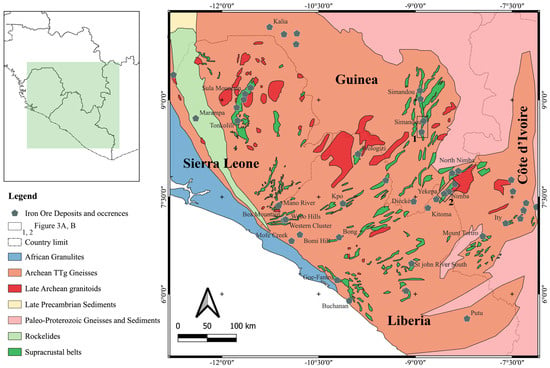
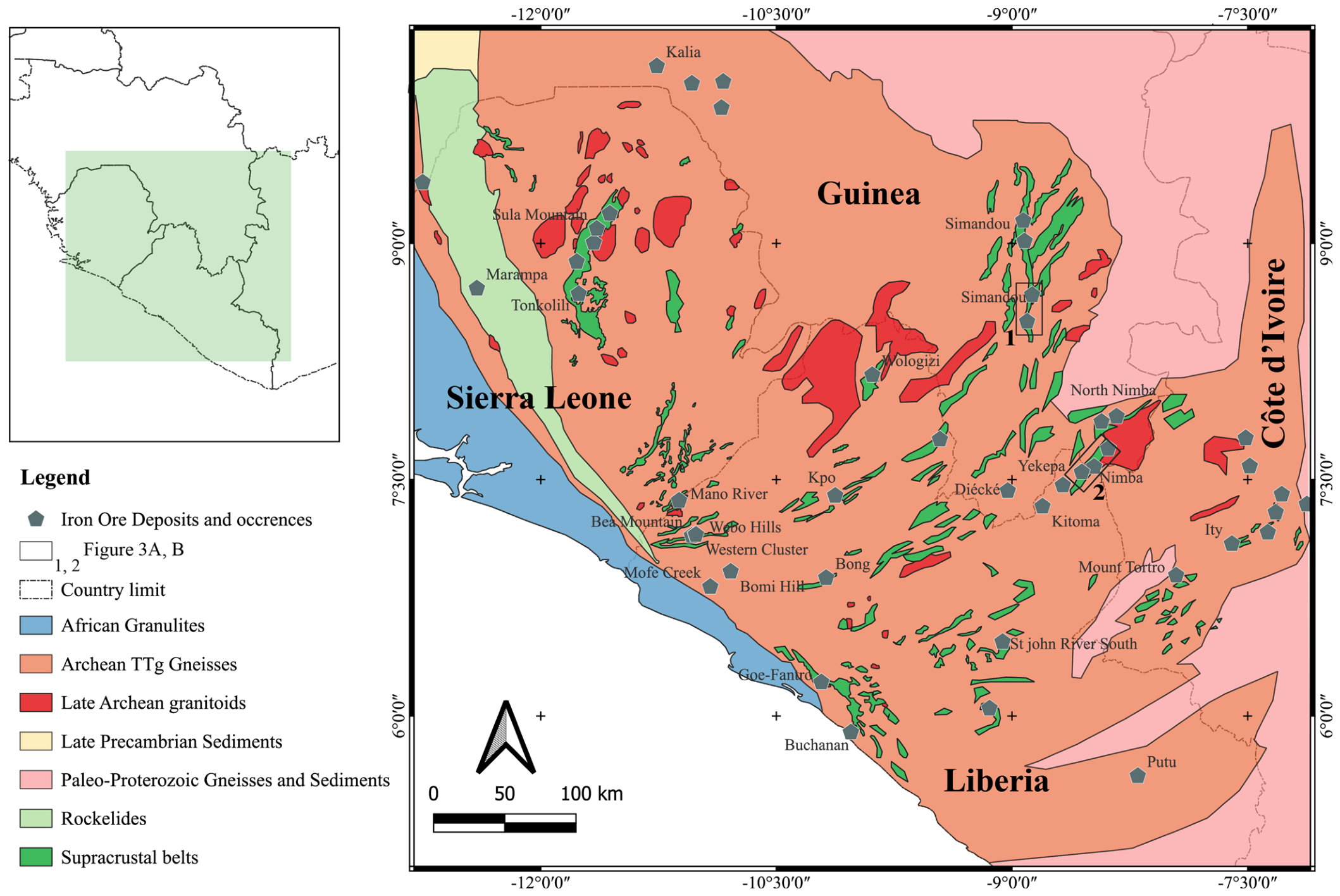
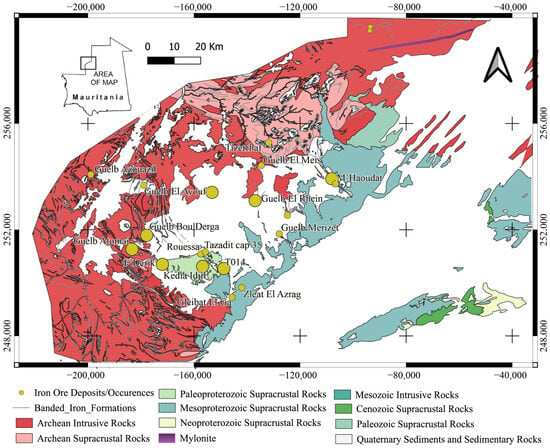
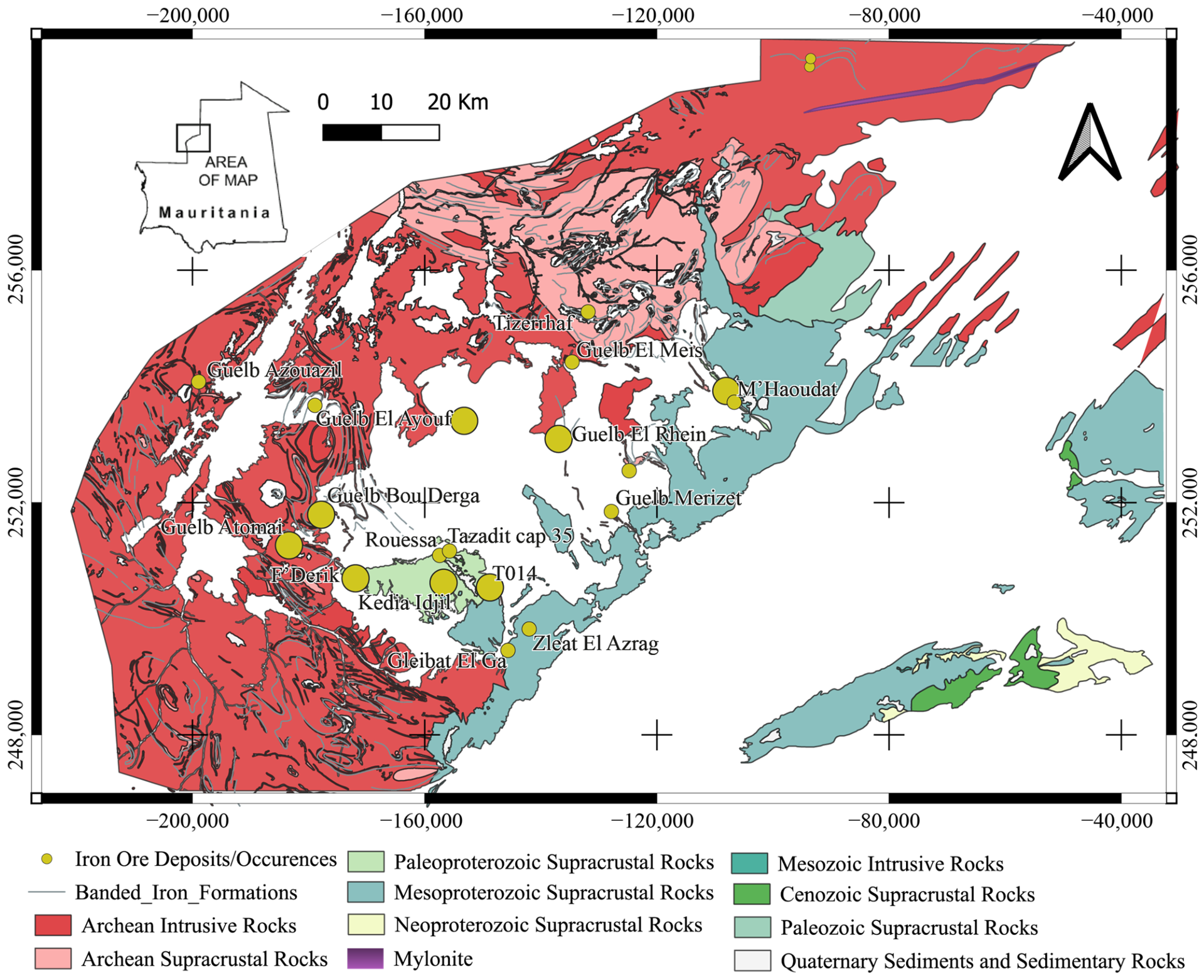
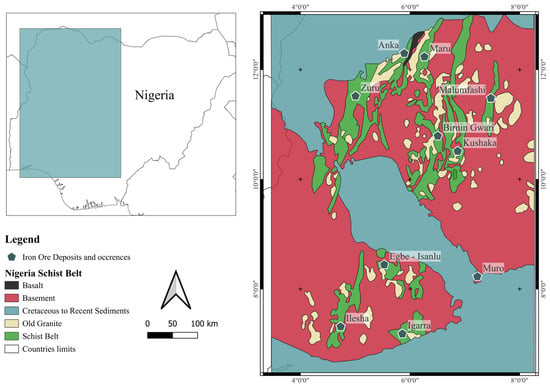
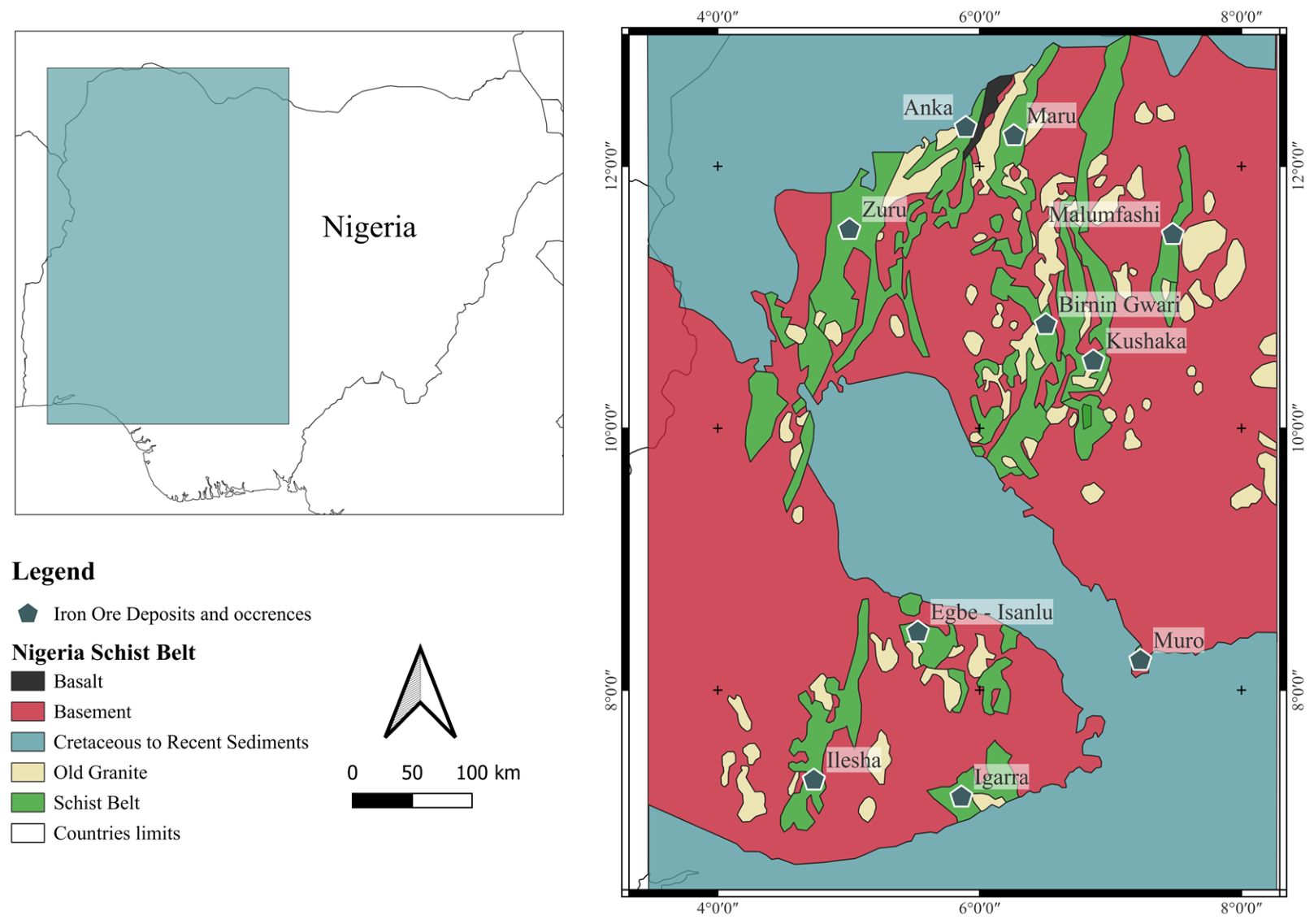
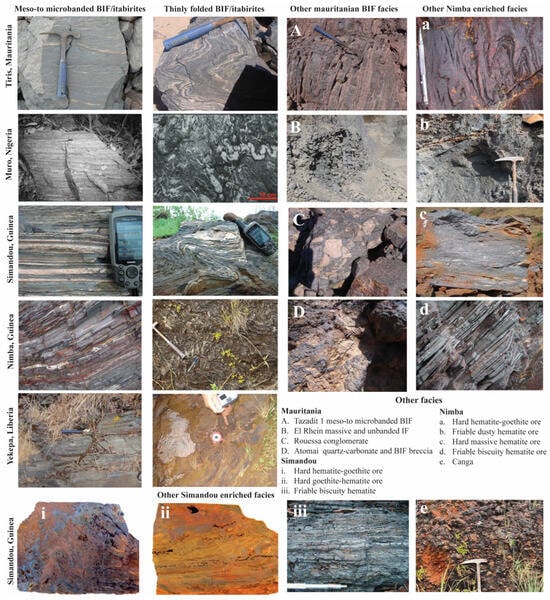
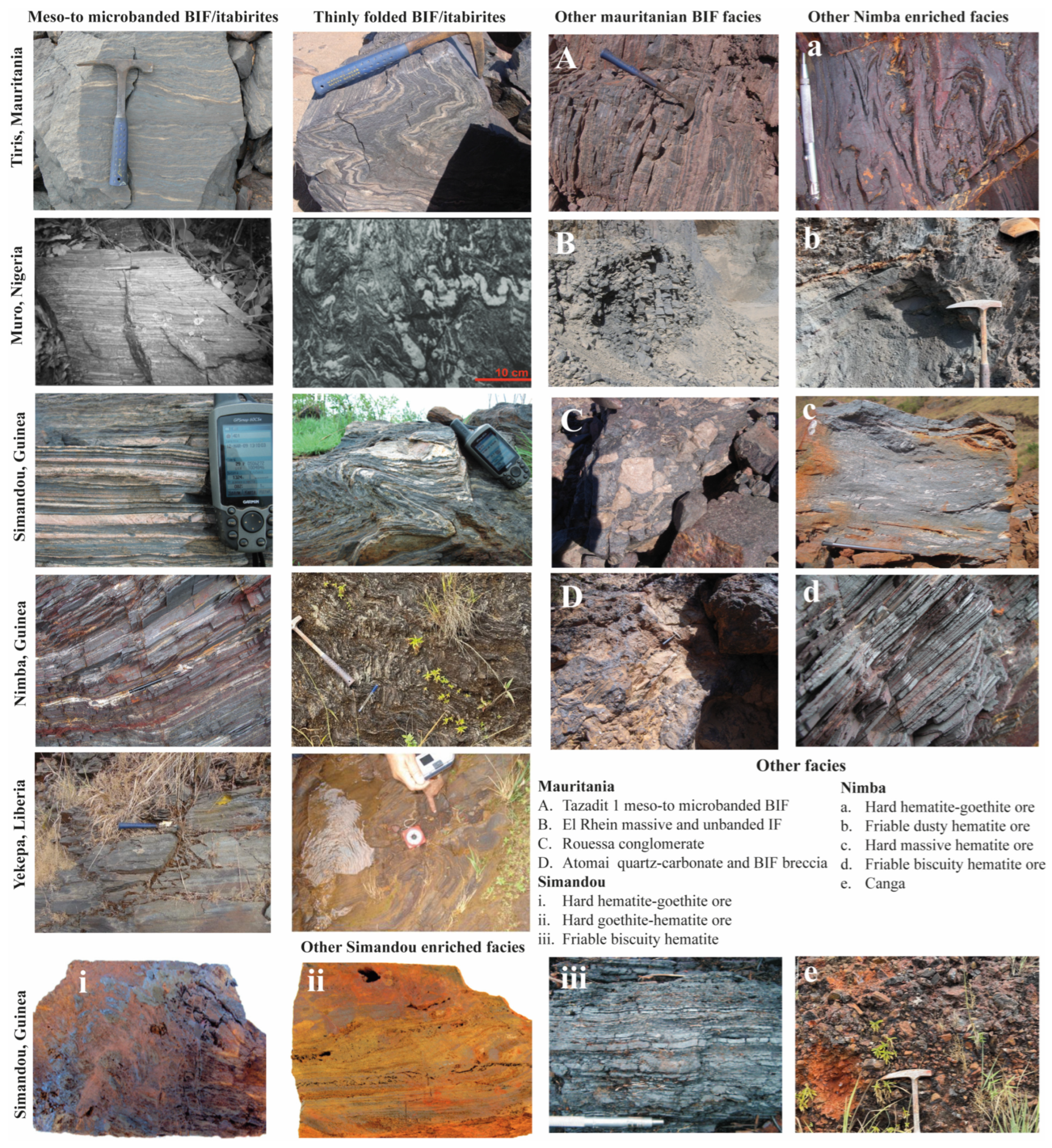
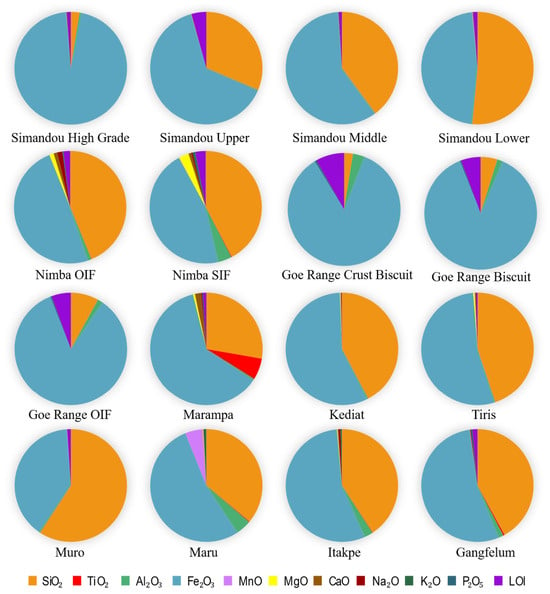
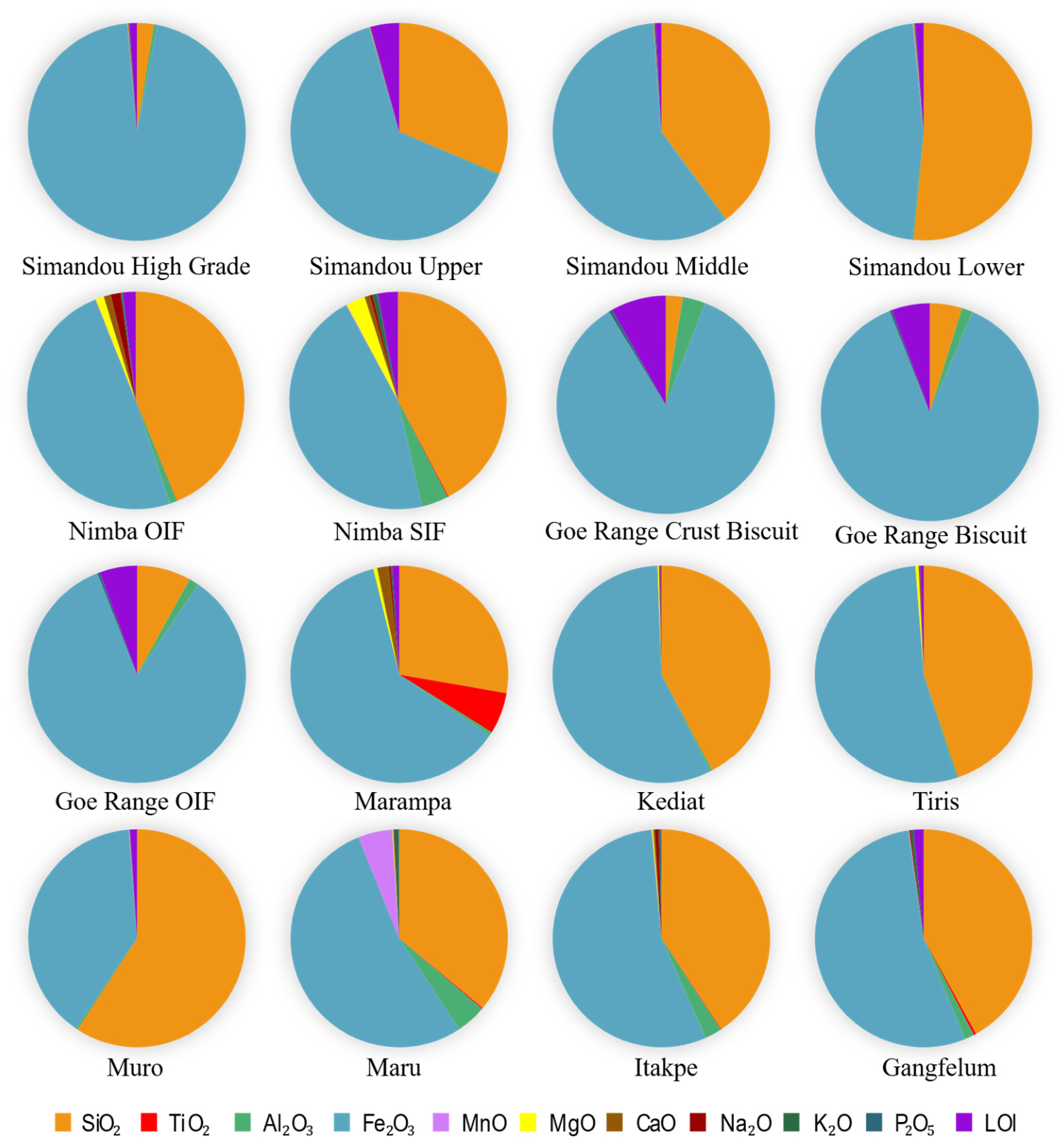
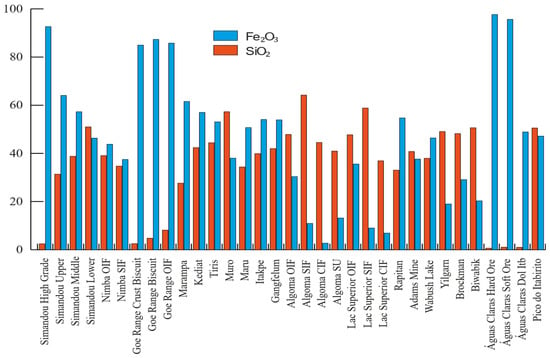
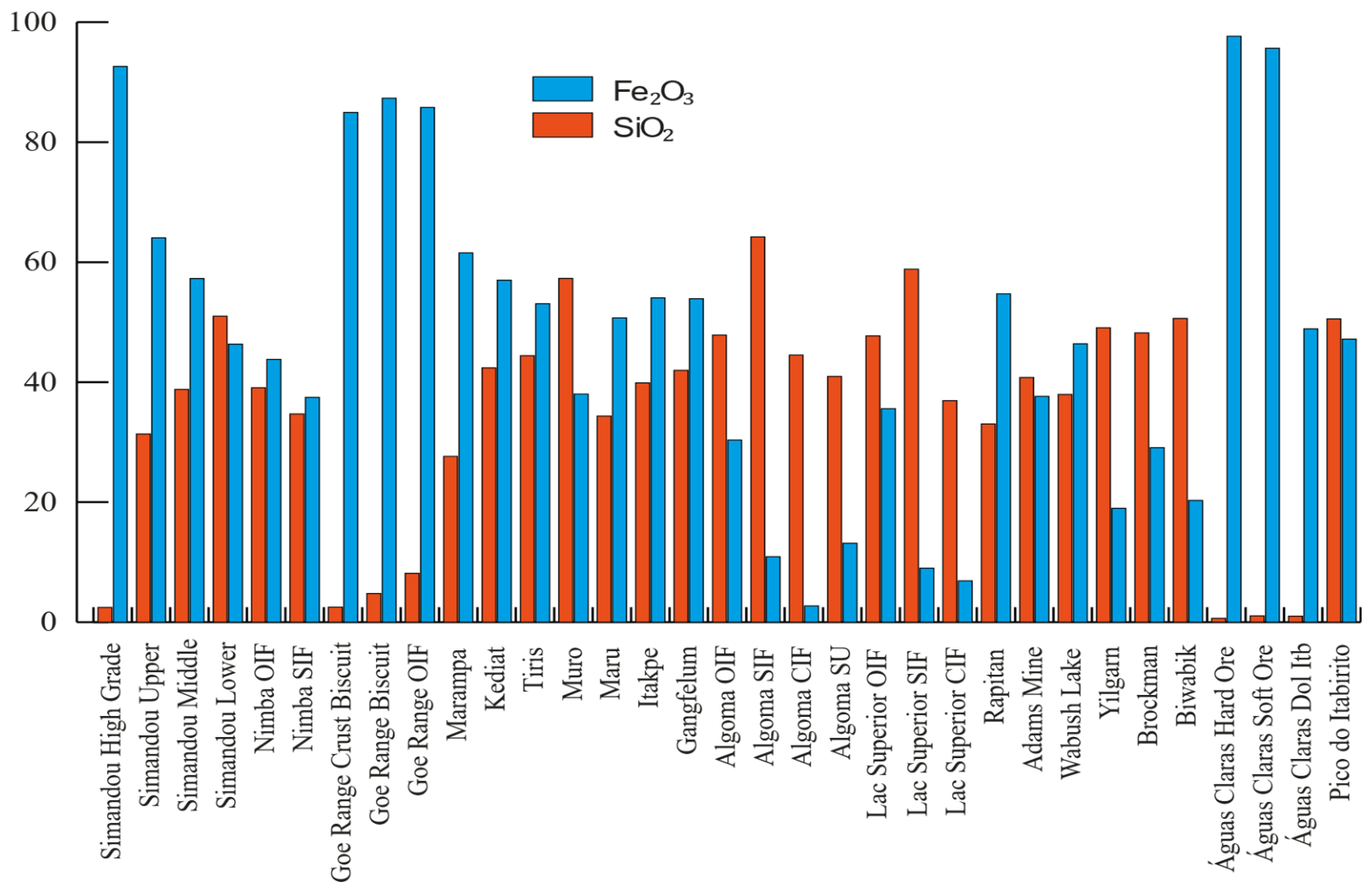
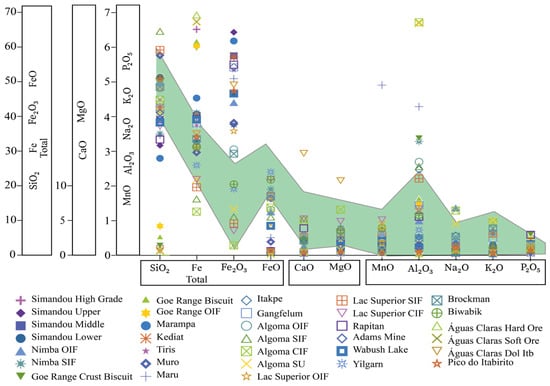
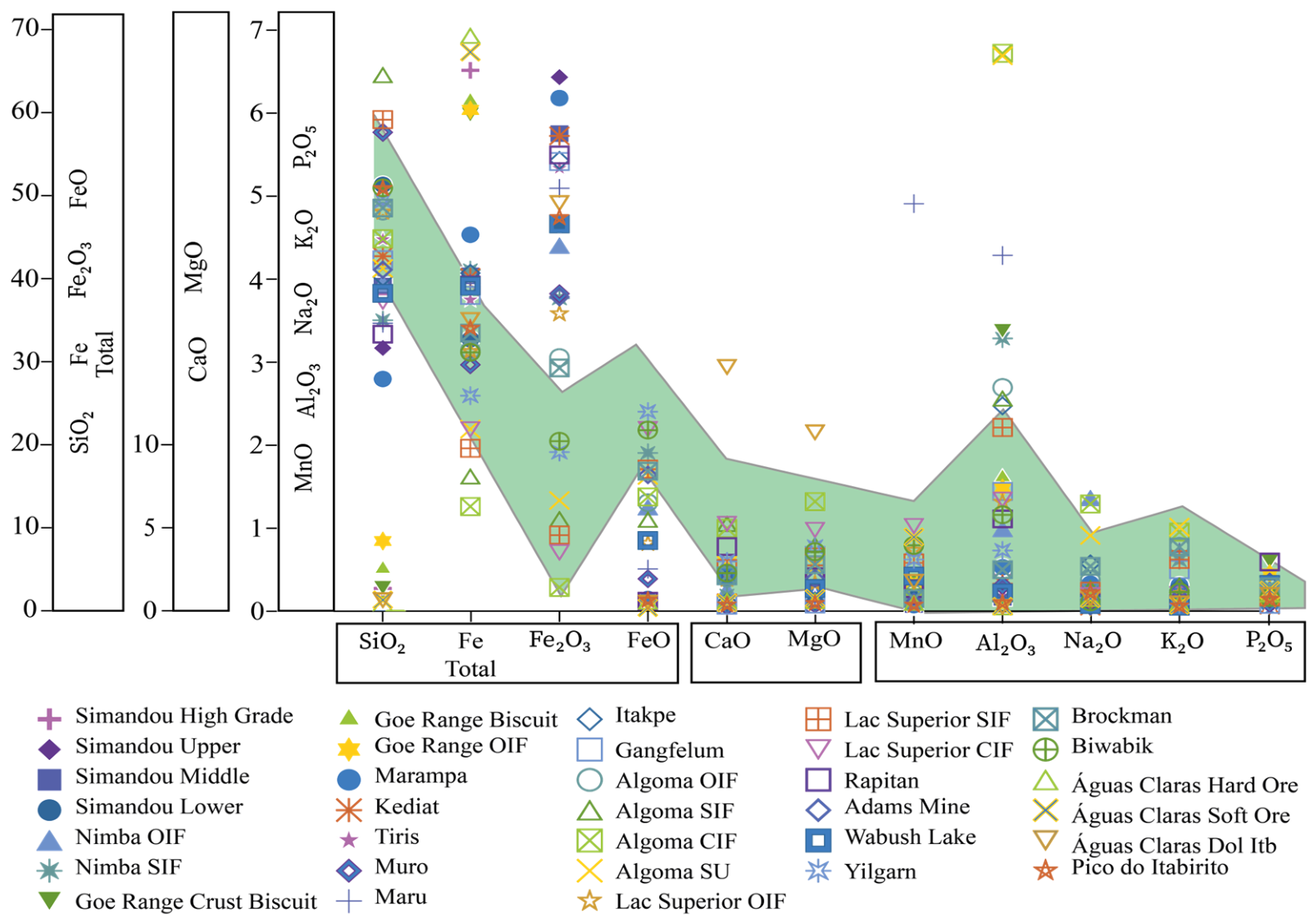
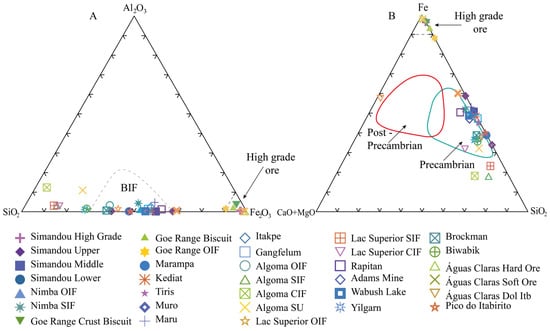
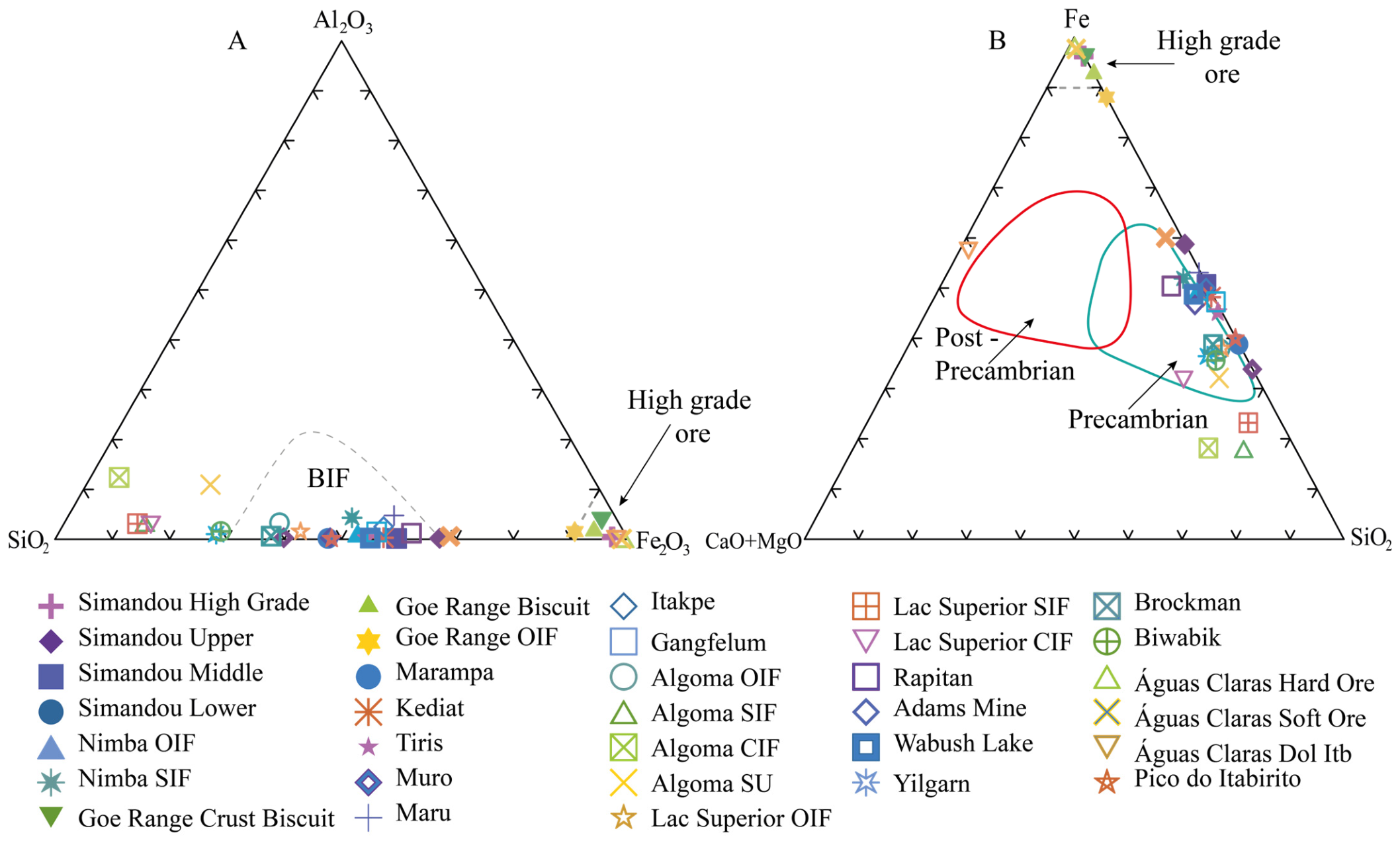
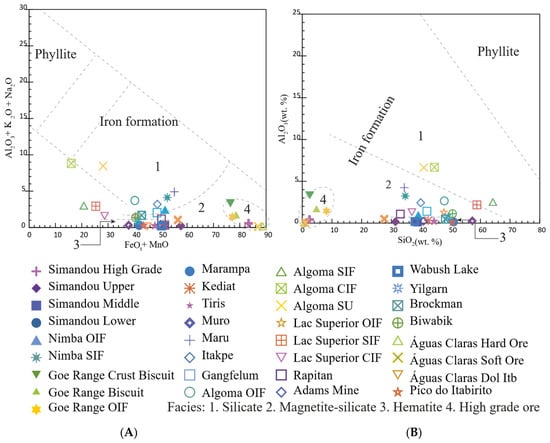
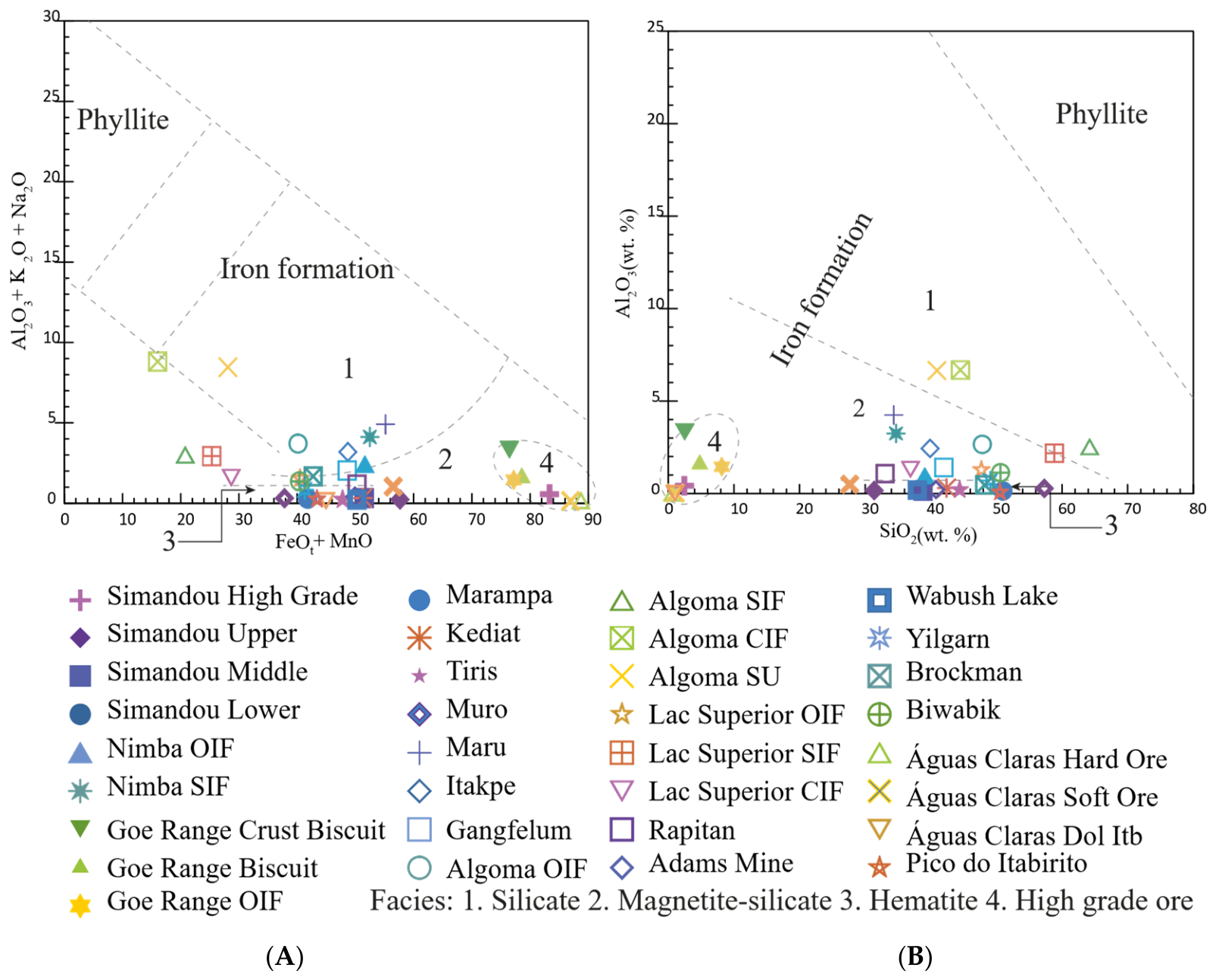
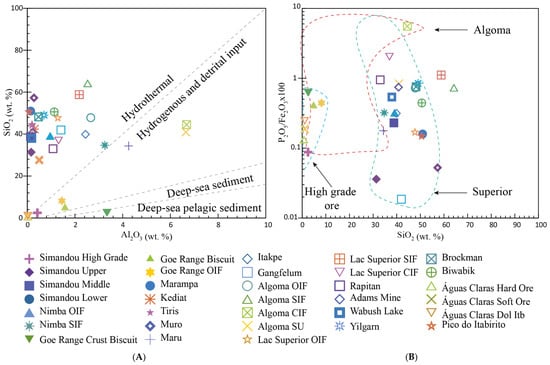
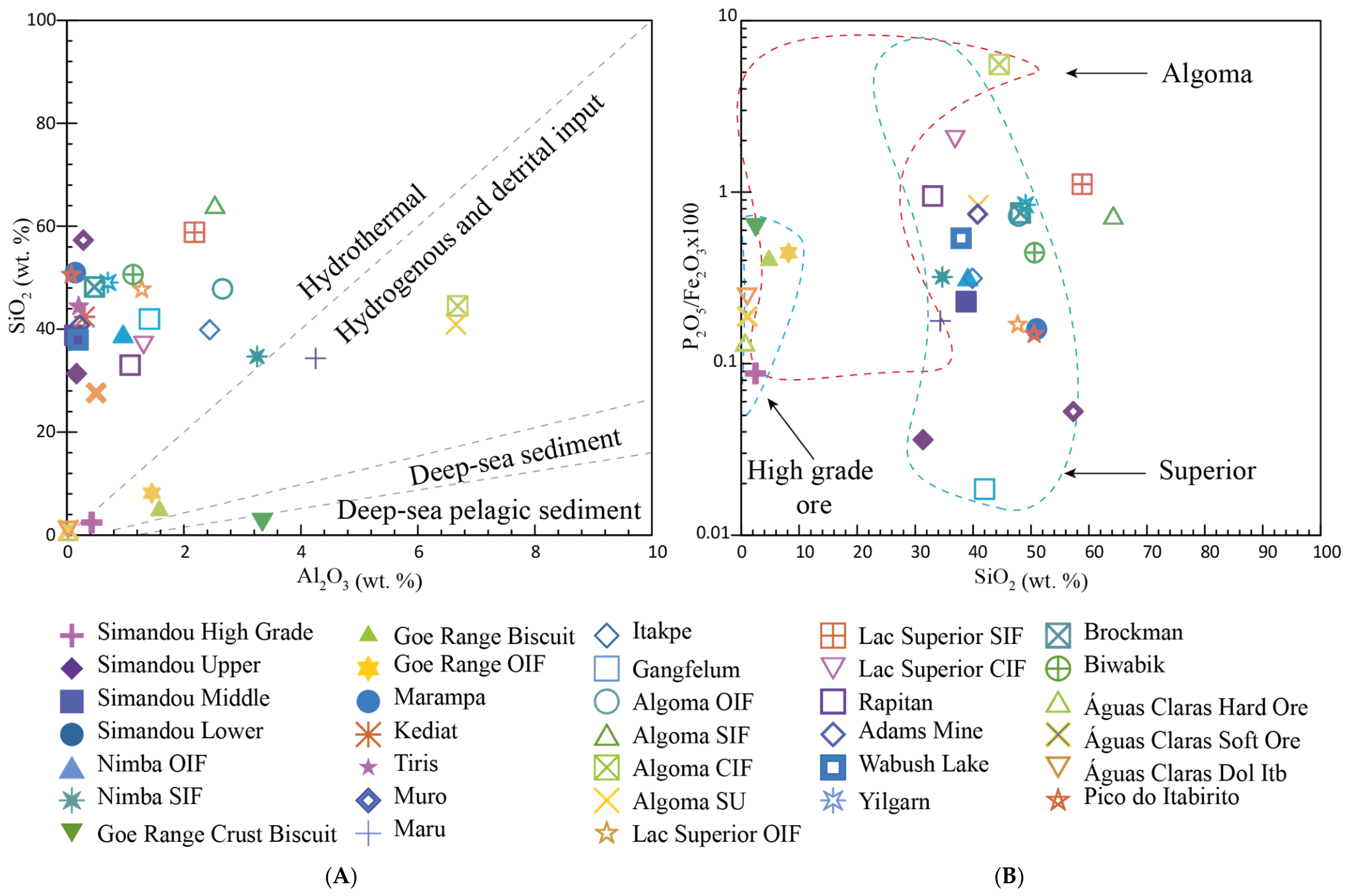
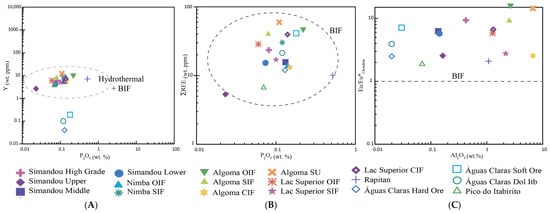
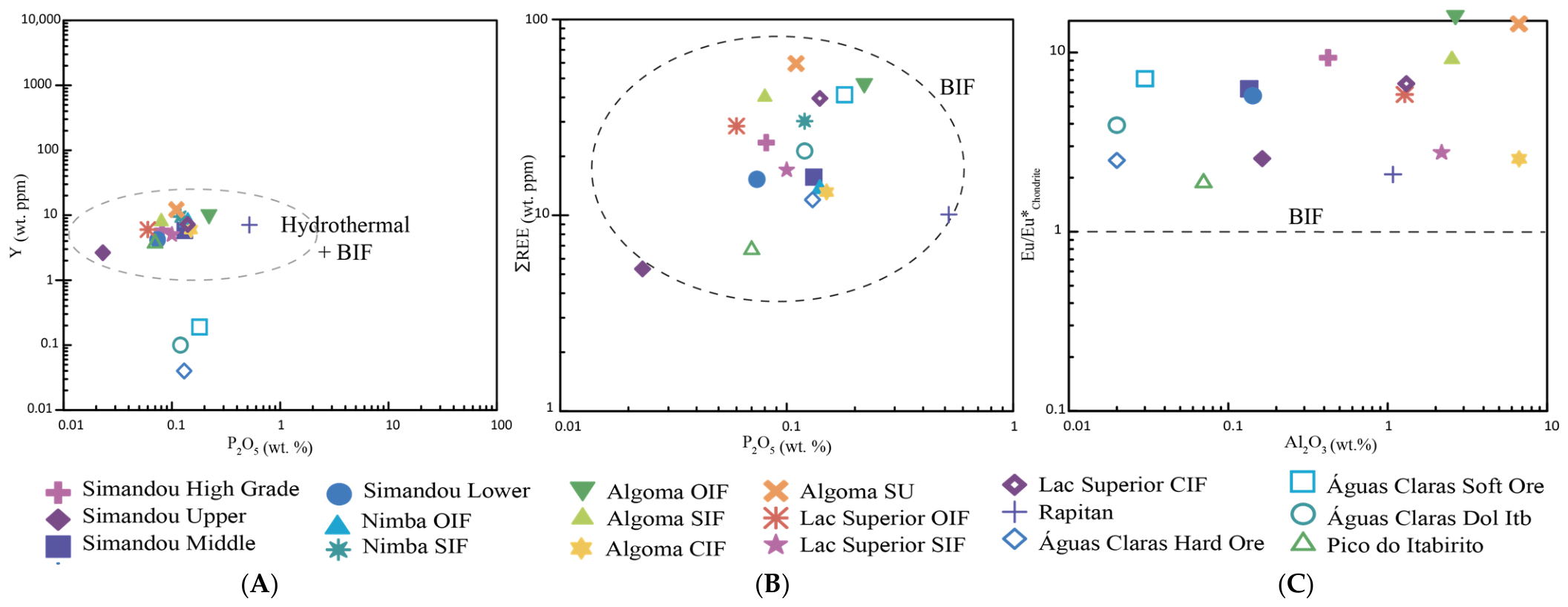
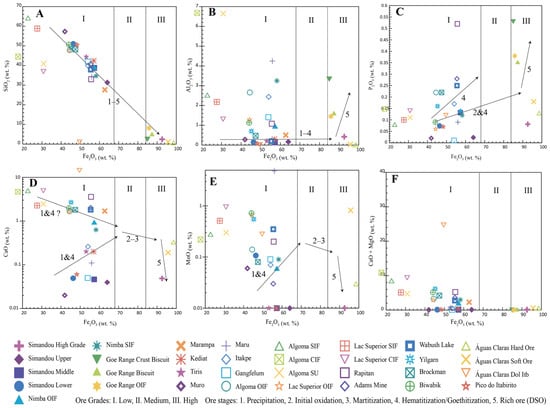
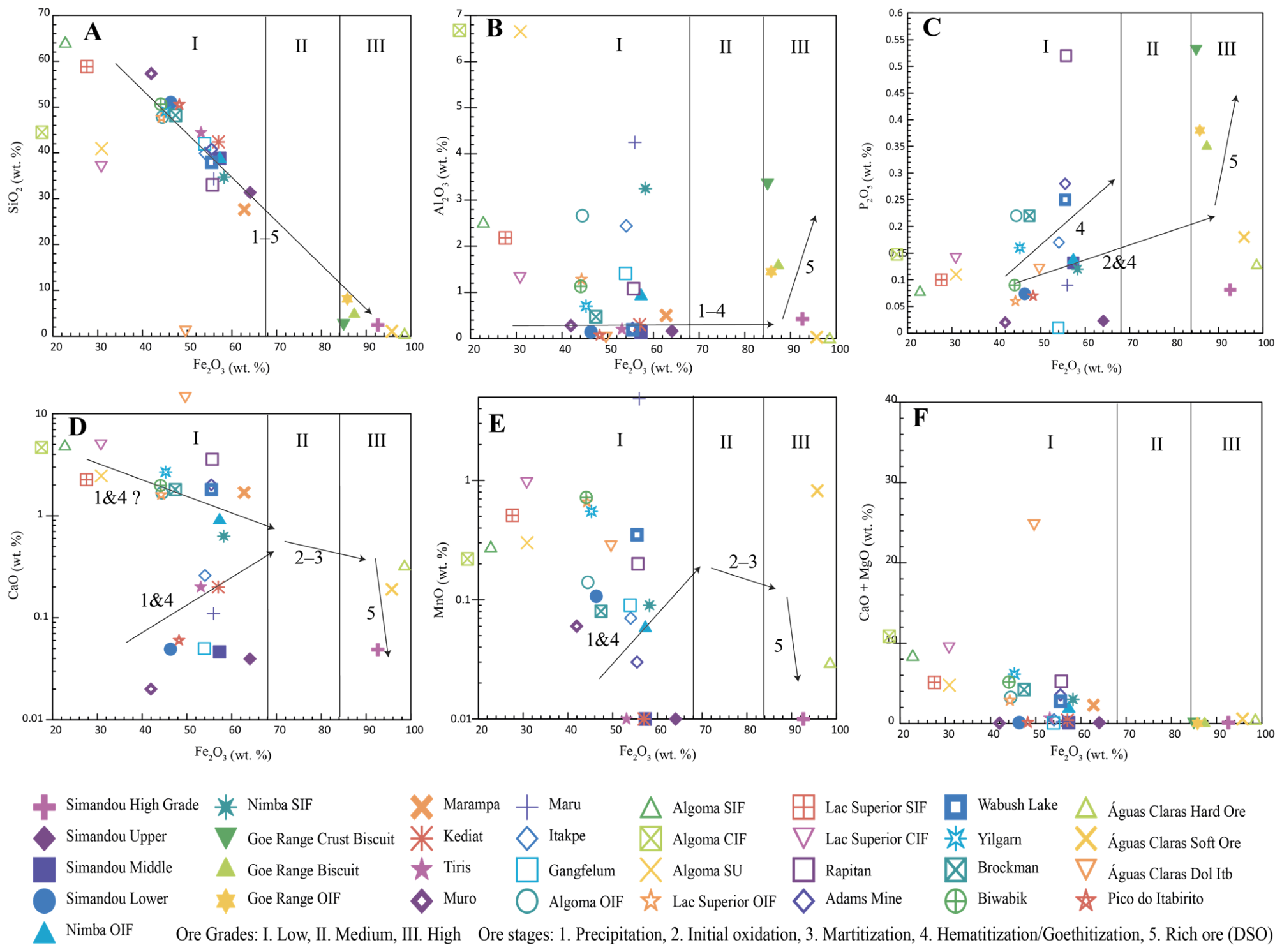
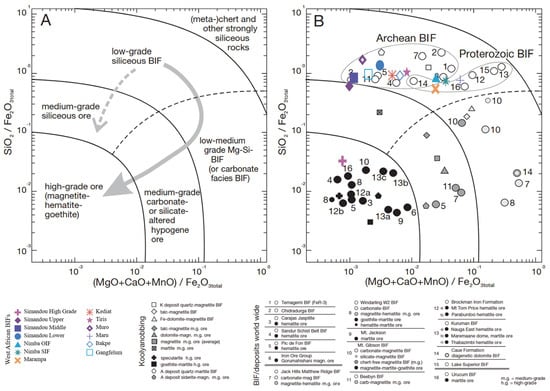
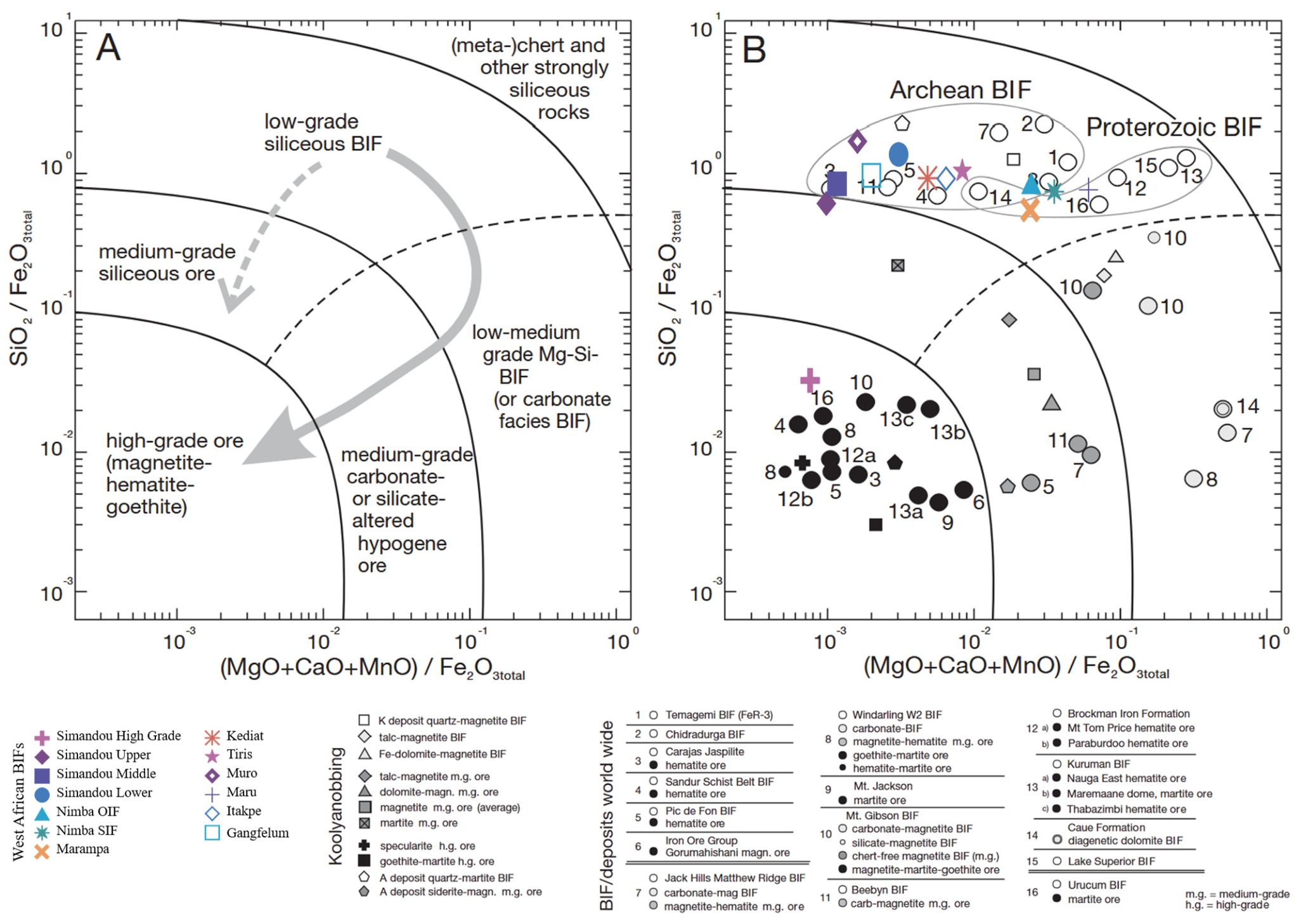
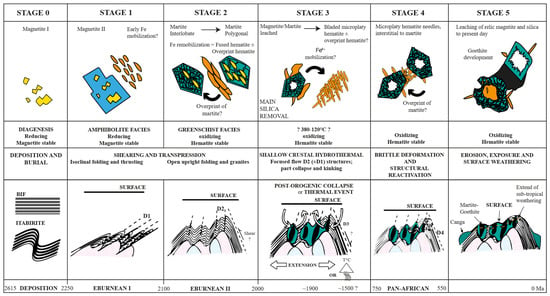
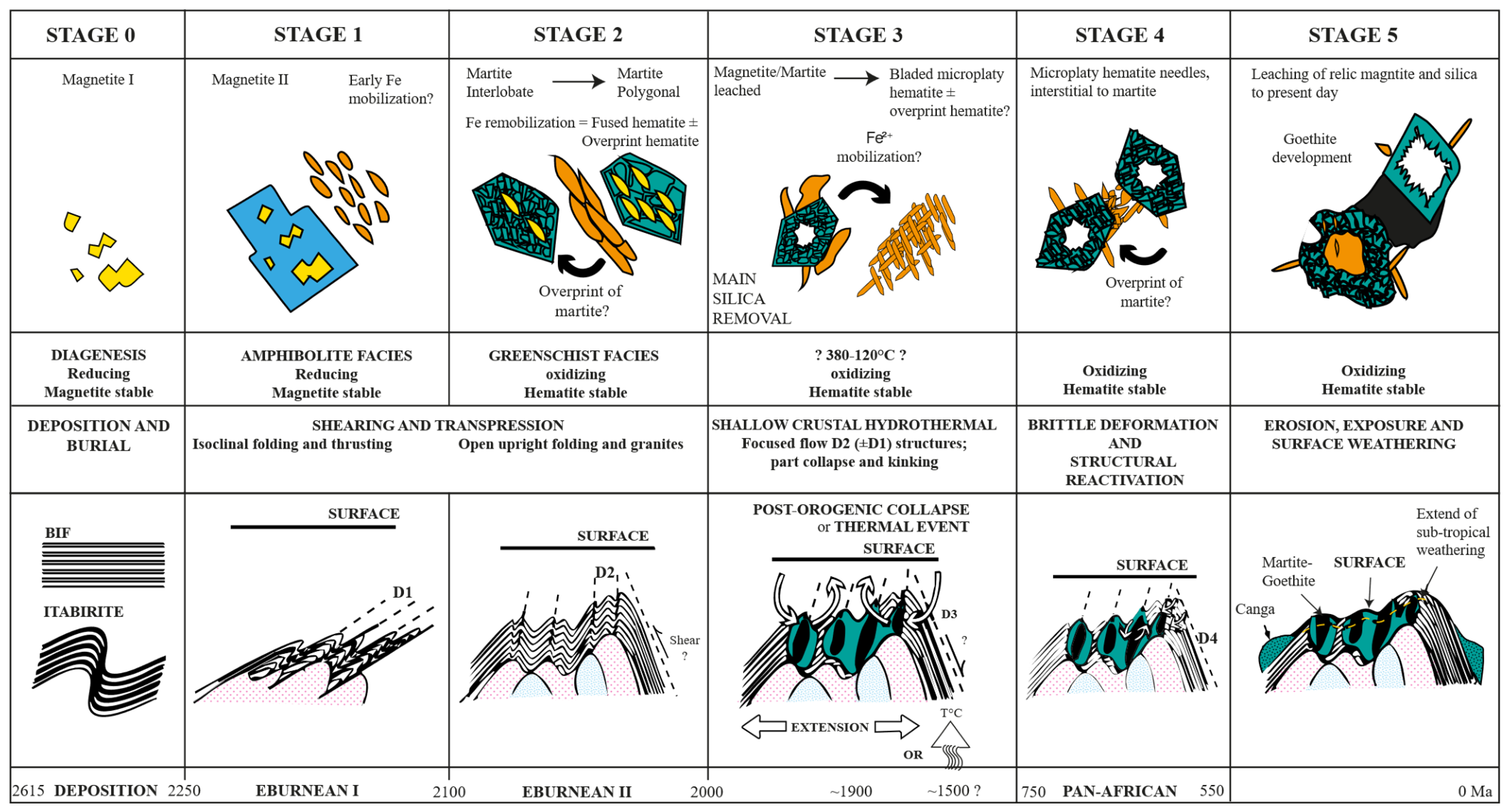
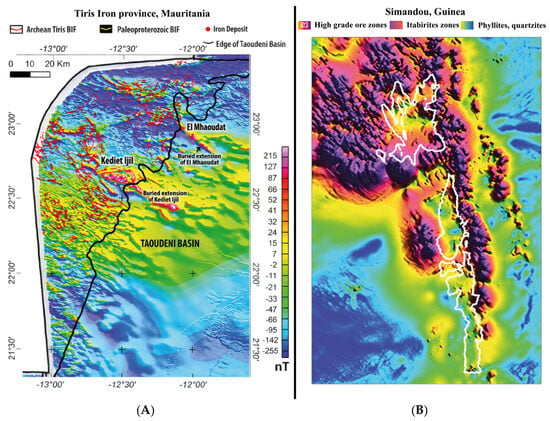
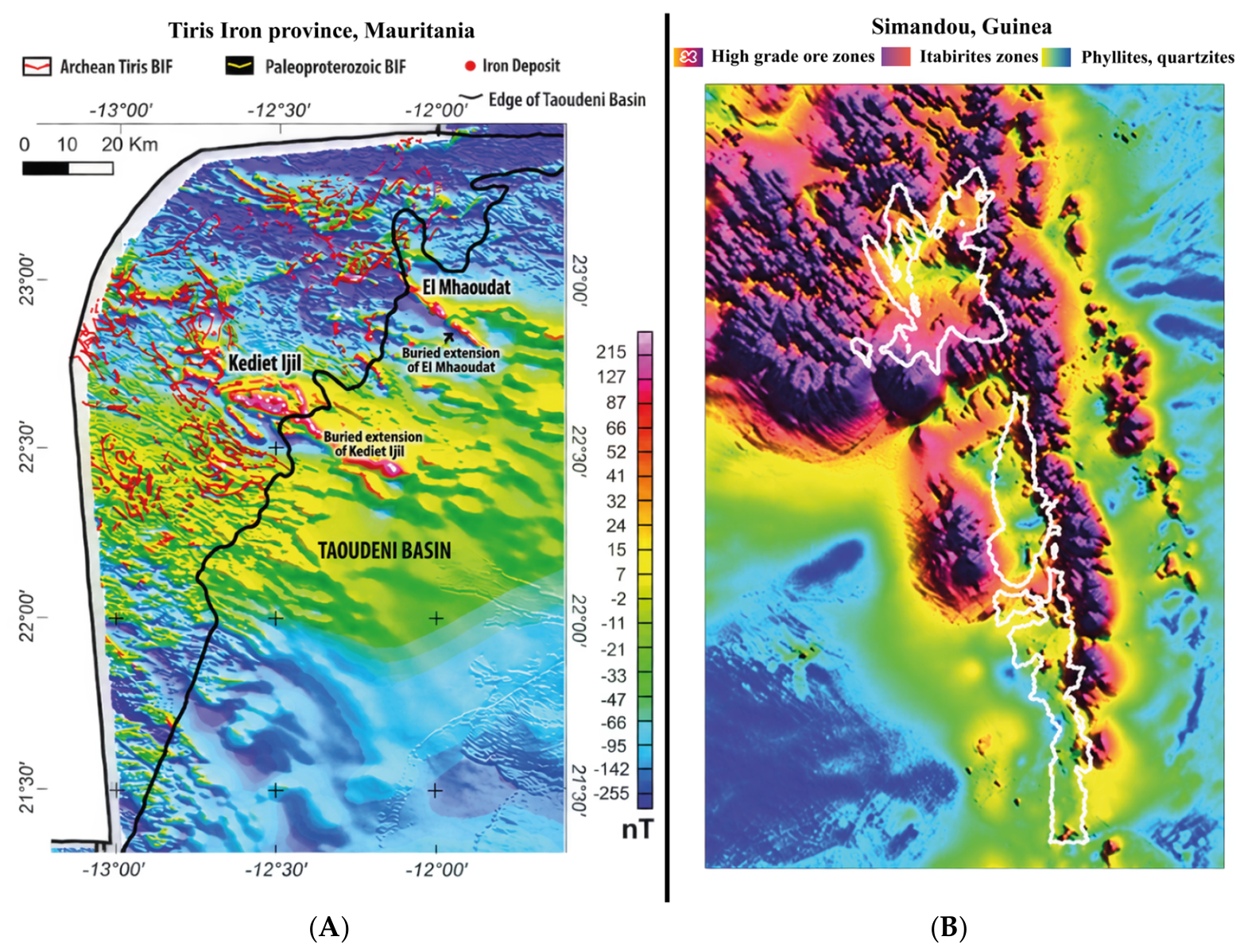
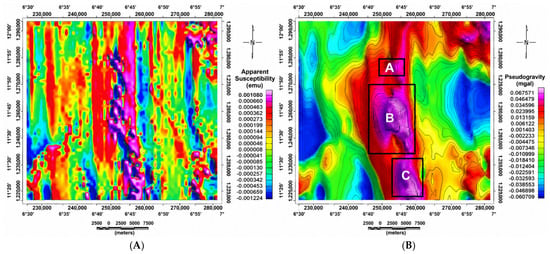
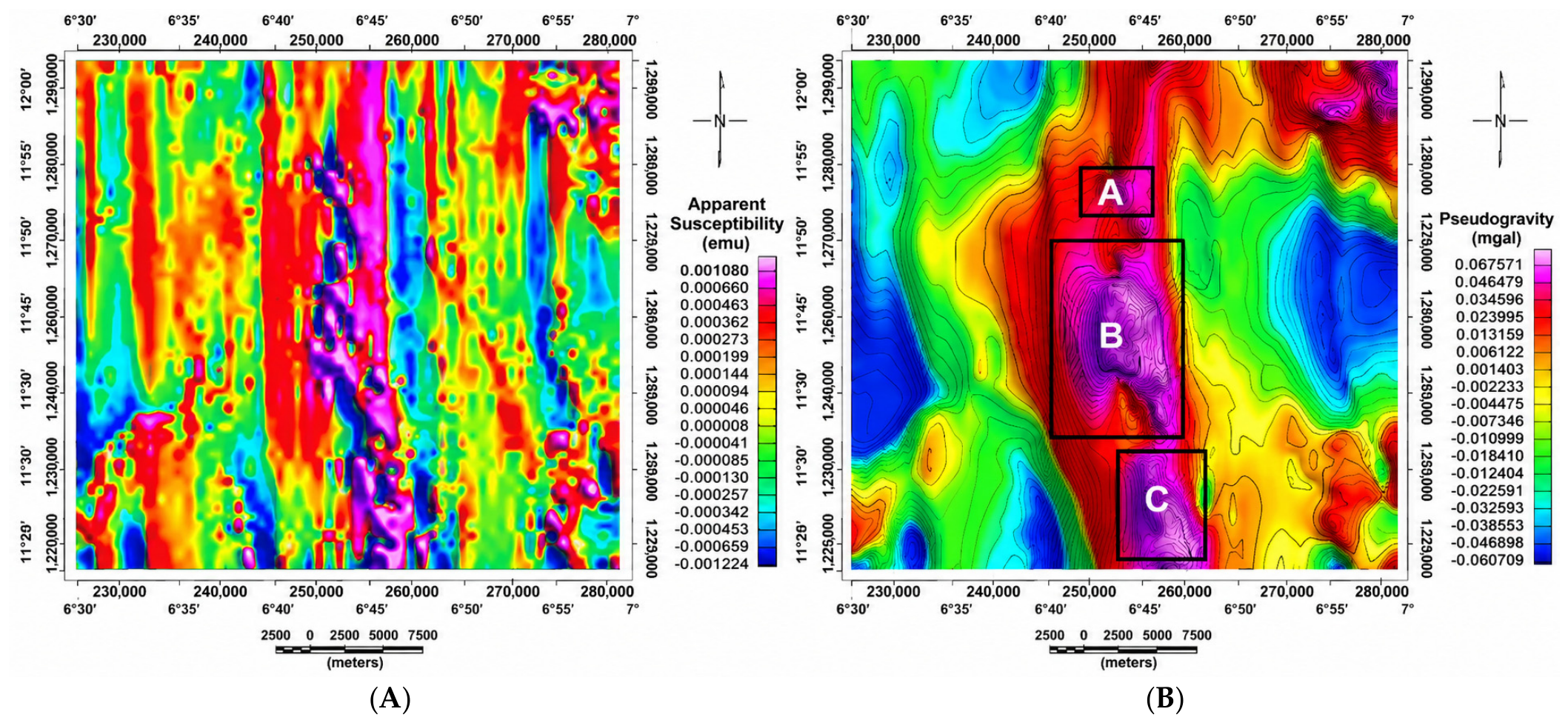
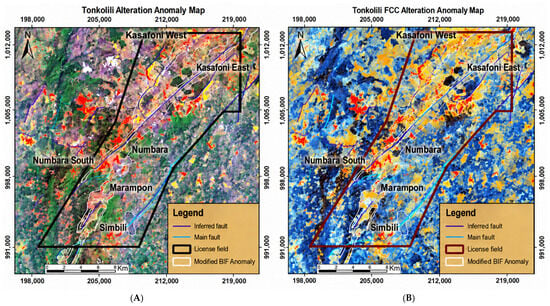
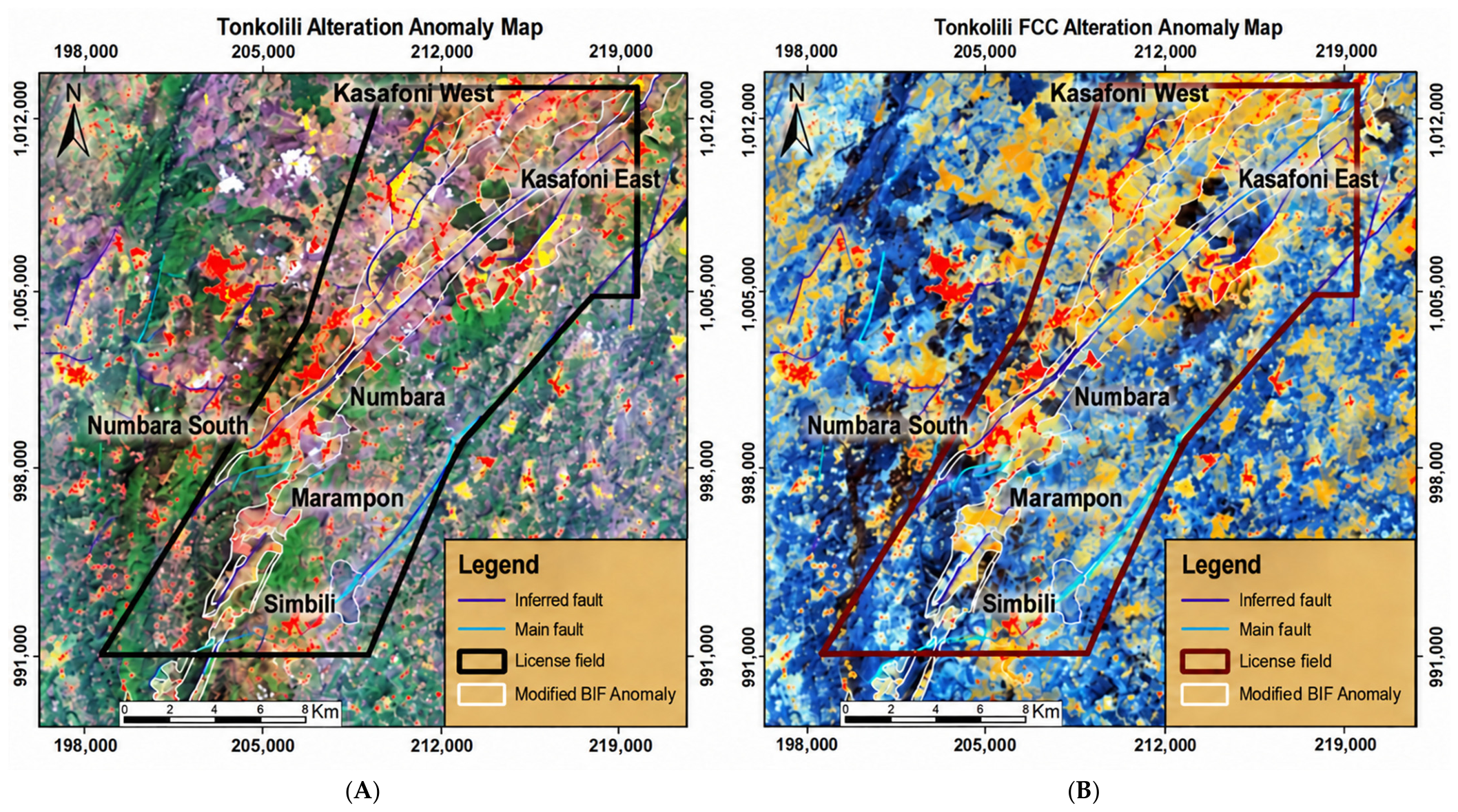
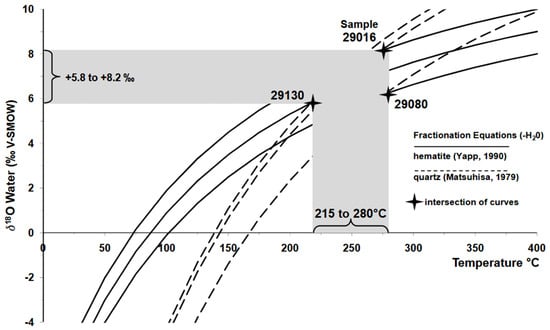
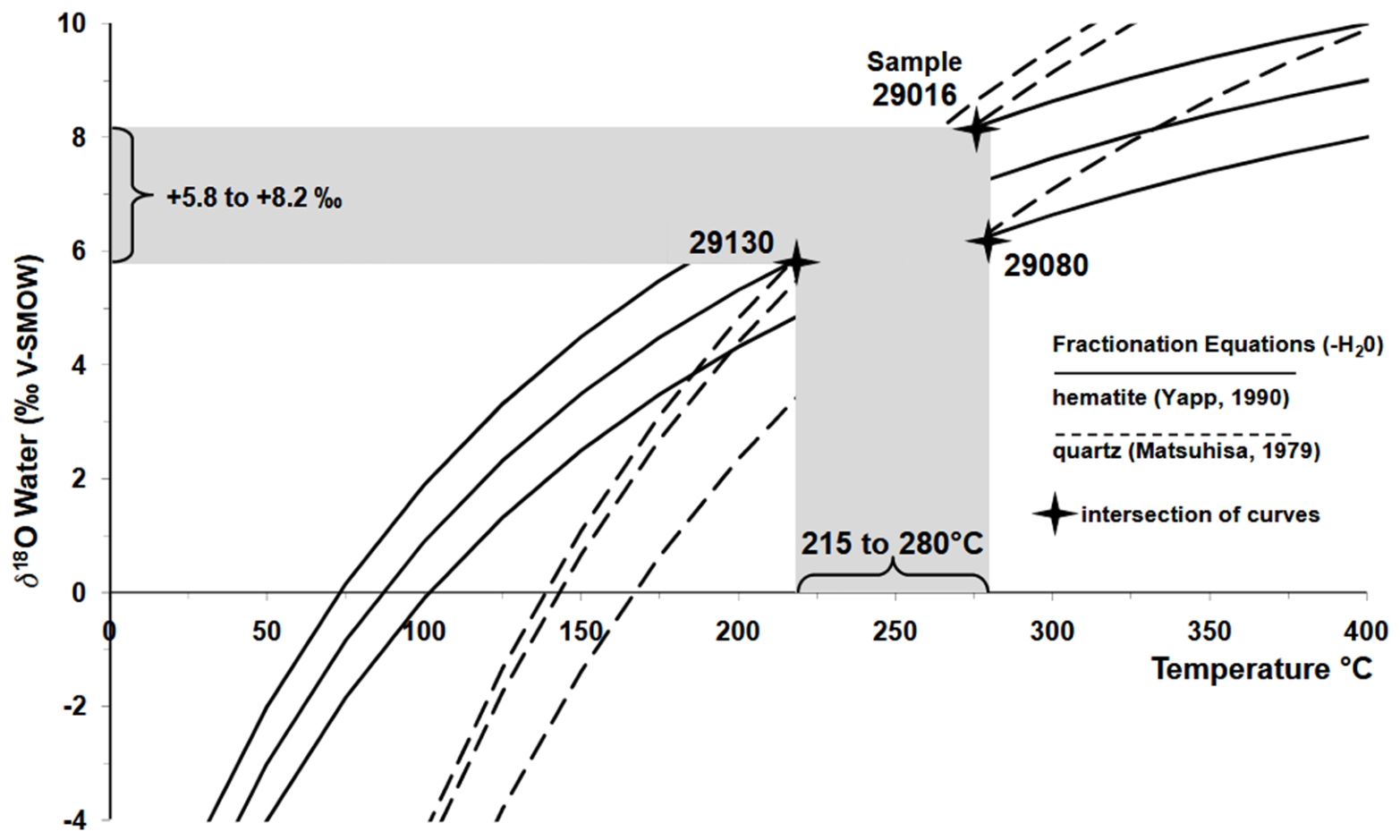
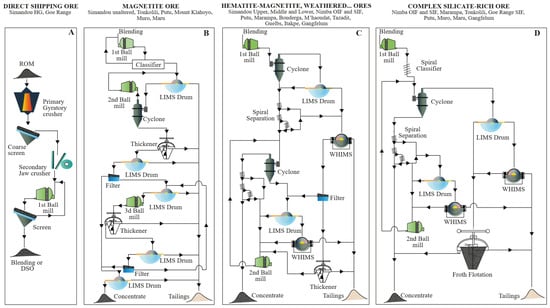
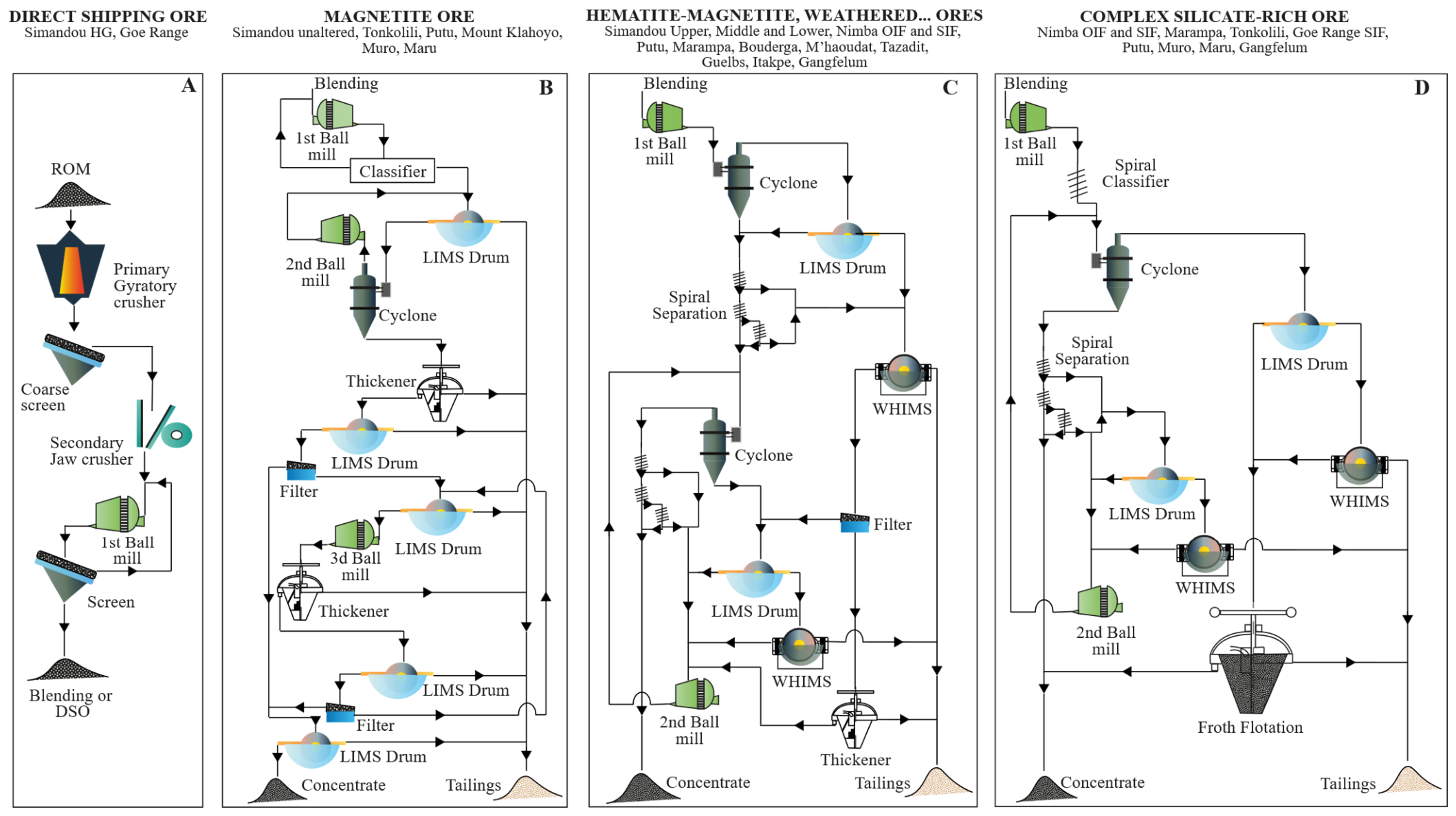
Disclaimer/Publisher’s Note: The statements, opinions and data contained in all publications are solely those of the individual author(s) and contributor(s) and not of MDPI and/or the editor(s). MDPI and/or the editor(s) disclaim responsibility for any injury to people or property resulting from any ideas, methods, instructions or products referred to in the content. |
© 2026 by the authors. Licensee MDPI, Basel, Switzerland. This article is an open access article distributed under the terms and conditions of the Creative Commons Attribution (CC BY) license.