


Abstract
To improve the degradation rate of sulfamethoxazole (SMX) under hypoxic conditions in paddy fields during the flooding period, a laboratory microcosm experiment was established in this study to investigate the regulatory effect of straw return on the hypoxic degradation of SMX and its underlying microbial mechanisms. The results demonstrated that straw addition significantly promoted the hypoxic degradation of SMX. By the 10th day of the experiment, the residual SMX content in the straw-amended group was only 11.3% of that in the non-straw control group, and the average degradation rate throughout the experimental period was increased by 85.7%. Straw provided complex carbon sources, including organic carbon (e.g., starch, sugars, and humus) and cellulose, which not only reshaped the microbial community structure and created new ecological niches but also increased the microbial network density under SMX stress from 0.010 to 0.024. Acinetobacter, Bacillus, and Pseudomonas, which possess both straw decomposition and SMX degradation capabilities, sequentially became the dominant bacterial taxa. These dominant taxa can adapt to hypoxic fermentation in the flooded environment and co-metabolize SMX by activating the metabolic pathways of aromatic compounds and sugars. This study is expected to open up a novel approach for the remediation of SMX-contaminated flooded paddy fields and provide valuable innovative insights for technological breakthroughs and practical applications in related fields.
1. Introduction
China is the world’s largest consumer of veterinary antibiotics, with a usage of 33,000 tons in 2020. It is estimated that by 2030, China’s consumption of veterinary antibiotics will account for 43% of the global total [1]. Approximately 50% to 90% of antibiotics are excreted in their original form through feces, leading to the accumulation of antibiotics in the soil [2]. Among them, sulfonamide antibiotics are widely used in global animal husbandry (especially in pig and poultry farming) for growth promotion, disease prevention, and the treatment of infectious diseases (e.g., respiratory and digestive tract infections) due to their low cost, broad-spectrum antibacterial properties, and ease of use [3,4,5]. Although the overall usage of antibiotics has been decreasing with the regulation of animal husbandry in recent years, sulfonamide antibiotics remain an important antibacterial drug in global animal husbandry due to their low cost and specific therapeutic value [3]. Studies have shown that sulfonamide antibiotic residues have been detected in surface water, groundwater, and soil near pig farms [6], with sulfamethoxazole being detected in 75% of the downstream water bodies of pig farms, second only to ofloxacin at 100% [7]. These antibiotics accumulate in water and soil, forming “pseudo-persistent” pollution [8], a new type of pollutant with concealment and accumulation, which may lead to ecological imbalance and accelerate the spread of microbial resistance through horizontal transfer of resistance genes [9,10,11], thus posing a potential threat to human health.
The degradation methods for antibiotics mainly include physical, chemical, and biological approaches. Physical methods, such as adsorption and membrane separation, primarily enrich or remove pollutants from the environment through phase transfer without achieving complete decomposition, thereby posing a risk of secondary pollution [12]. Chemical methods, including advanced oxidation processes, offer rapid degradation but often rely on expensive reagents, consume substantial energy, and may generate toxic intermediates [13]. In contrast, microbial degradation—the core of biological methods—is environmentally friendly, cost-effective, and energy-efficient, with the potential to completely mineralize antibiotics into harmless substances [14]. Microbial remediation is mainly affected by initial concentration, temperature, pH, dissolved oxygen, and carbon source. Particularly, the carbon source supply strategy is the core factor driving the biodegradation of sulfonated aromatic compounds. The type of carbon source can reshape the microbial nutritional competition pattern, thereby influencing whether sulfonated aromatic compounds are transformed as the “primary substrate” or the “co-metabolic substrate” [15,16]. Agricultural straw is rich in a large amount of carbohydrates, such as starch, glucose, fructose, and cellulose, etc. These easily degradable components create a suitable co-metabolic environment for organic pollutants like sulfonamide antibiotics [17], thereby accelerating the degradation of organic pollutants. Our previous research on sulfamethoxazole has shown that after returning straw to the field, under aerobic conditions, the decomposition of straw by microorganisms promotes the biodegradation of sulfamethoxazole in the soil and significantly reduces the abundance of resistance genes [18]. However, during rice cultivation, the soil is submerged for a long time, placing microorganisms in a hypoxic environment. The hypoxic environment limits the activity of aerobic degrading bacteria due to oxygen deficiency, reducing the degradation rate of antibiotics. The degradation rate of most antibiotics in hypoxic environments is often much lower than that in aerobic environments [19], and the respiratory types and metabolic mechanisms of microorganisms in hypoxic conditions are more complex compared to those aerobic conditions [20,21,22]. Therefore, increasing the degradation rate of antibiotics in submerged soil is a key step in eliminating pollution. Studies have shown that in anoxic systems, readily biodegradable carbon sources such as sucrose and fructose can also serve as preferred electron donors, enhancing the cometabolic removal of sulfonamide antibiotics [15]. Increased loading of readily biodegradable organic matter in hypoxic sludge significantly accelerates the cometabolic transformation of various organic micropollutants, including sulfonamide antibiotics, and alters their biotransformation pathways [16]. Therefore, regulating carbon sources to construct and enrich key functional degrading microbial consortia represents a crucial strategy for improving the biodegradation efficiency of sulfonamide antibiotics.
Previous studies have shown that bacteria such as Pseudomonas, Acinetobacter [23], Achromobacter, Bacillus, Sphingomonas, Microbacterium [23] can degrade sulfonamide antibiotics in sludge and other sediments under hypoxic conditions [21]. Among these, several genera, such as Pseudomonas, Achromobacter, and Bacillus, have been widely confirmed as dominant straw-decomposing bacteria, which can utilize complex lignocellulosic components in straw as carbon sources to drive their metabolic activities [24,25]. Previous studies have primarily focused on individual easily degradable organic components (e.g., glucose, acetate), while in-depth research on the co-metabolic effects of multi-component easily degradable organic carbon sources (e.g., straw), which contain lignin, cellulose, and hemicellulose, remains insufficient. Therefore, investigating the degradation rate of sulfonamide antibiotics, the structure of degrading microbial communities, key degrading bacterial groups, and co-metabolic pathways during the waterlogged process of returning straw to the field, where straw provides readily utilizable carbon sources (e.g., starch, sugars, amino acids, and cellulose) for microorganisms, will help effectively supplement the degradation patterns of antibiotics in different redox environments of soil throughout the entire growth cycle of rice, especially during the waterlogged process. This will provide an important theoretical basis for comprehensively understanding the promoting effect of returning straw to the field on the degradation of antibiotics and its related mechanisms.
2. Materials and Methods
2.1. Chemical Reagents
All chemical reagents used in this experiment, including sulfamethoxazole (SMX, chemical name: 4-amino-N-(5-methyl-3-isoxazolyl)benzenesulfonamide, chemical formula: C10H11N3O3S, molecular mass: 253.278 Da, physical state: white crystalline powder, purity ≥ 98.0%), were purchased from Sinopharm Chemical Reagent Co., Ltd., Shanghai, China, Sigma-Aldrich, St. Louis, MO, USA, and other reagent companies. All reagents (including methanol) were of analytical grade, and the mobile phase (formic acid and acetonitrile) used for HPLC and other related tests was of HPLC grade.
2.2. Raw Material Acquisition
Soil and rice straw samples were collected from a paddy field at the Zhuang hang Comprehensive Experimental Station of the Shanghai Academy of Agricultural Sciences. The basic physicochemical properties of the soil are as follows: pH: 7.52; total organic carbon: 18.5 g/kg; total nitrogen: 1.05 g/kg; and available nitrogen: 51 mg/kg. After being transported back to the laboratory, the soil samples were promptly processed to remove plant and animal residues, stones, and other impurities. They were then air-dried and sieved through a 2 mm sieve for subsequent use.
2.3. Laboratory Culture Experiments
This study conducted a 90-day indoor incubation experiment. Six treatments were designed based on the addition of straw and sulfamethoxazole and the application of waterlogging (Table 1): CK-W (no sulfamethoxazole or straw, waterlogged); S (sulfamethoxazole added, non-waterlogged); S-W (sulfamethoxazole added, waterlogged); SR (straw and sulfamethoxazole added, non-waterlogged); SR-W (straw and sulfamethoxazole added, waterlogged); R-W (straw added, waterlogged). Each treatment had three biological replicates. The experimental soil was incubated in 2 L round plastic pots. Briefly, 1000 g of air-dried soil was weighed and placed in a plastic bottle. Forty grams of sulfamethoxazole was dissolved in 1000 mL of a mixed solution (water:methanol = 1:1, v/v) and shaken thoroughly. A 0.5 mL aliquot of this mixed solution (containing 20 mg of sulfamethoxazole) was evenly sprayed onto the soil surface, and the bottle was placed in a fume hood. After 24 h, when the methanol had completely evaporated, the plastic bottle containing the soil was placed on a rotary shaker for 72 h to mix the soil and sulfamethoxazole thoroughly, after which the soil was transferred to the plastic pots. For the non-waterlogged treatments, deionized water was added to maintain the soil moisture content at 30%. The soil was weighed every three days, and deionized water was supplemented to keep the moisture content constant. For the waterlogged treatments, 2000 mL of deionized water was added, and a mark was made at the water level. Deionized water was replenished to the marked level daily. The top of each pot was wrapped with gauze to allow gas exchange with the air and reduce water evaporation. For the straw-amended treatments, 10 g of straw (1% of the soil weight) was added and thoroughly mixed with the soil using a rotary shaker. The experiment was conducted in a dark incubator at a constant temperature of 25 °C for the entire duration.
Table 1.
Overview of experimental treatments and conditions. SMX: sulfamethoxazole.
2.4. Extraction and Concentration Test of Sulfamethoxazole in Soil
Soil samples were collected at 2, 4, 6, 10, 20, 30, 60, and 90 days during incubation using a custom-made soil sampler modified from a syringe with the five-point sampling method, with each sample weighing approximately 10–15 g. For the CK-W, S-W, SR-W, and R-W treatments, the soil-water mixture was collected using a custom-made syringe and filtered through filter paper to separate the soil and water samples. Approximately 5 g of samples collected at 10, 30, 60, and 90 days were selected for 16S rRNA gene sequencing and stored at −80 °C. The remaining samples were freeze-dried and used for the determination of SMX residues. Two grams of freeze-dried soil was mixed with 10 mL of a mixed solution (water:methanol = 1:1, v/v). After vortexing, ultrasonic treatment, and centrifugation (each step repeated three times), 30 mL of supernatant obtained from the three repeated extractions were combined. Using this extraction method, the recoveries of SMX from soil and straw were both above 80%. The combined extract was concentrated to less than 1 mL using a nitrogen evaporator and then diluted to 5 mL with deionized water to ensure the methanol content was below 5%. The concentration of sulfamethoxazole was quantitatively determined using high-performance liquid chromatography (HPLC, Waters 1524, Waters Corporation, Milford, MA, USA) coupled with a UV-visible detector (Waters 2489, Waters Corporation, Milford, MA, USA) and a 2707 Rheodyne injection valve. A Gemini C18 reverse-phase column (4.6 × 150 mm, 5 μm, Waters, USA) was used, with an elution flow rate of 0.8 mL min−1. The mobile phase consisted of 70% phase A (0.1% formic acid in water) and 30% phase B (acetonitrile). The injection volume was 10 μL, and the detection wavelength was set at 265 nm [26].
2.5. Microbiological Analysis
2.5.1. Total Microbiome DNA Extraction
Total genomic DNA was extracted from the samples using the DNeasy PowerWater Kit (Mo Bio/QIAGEN, Hilden, Germany), and the extracted DNA was quantified and qualified. The absorbance values of the DNA at 260 nm and 280 nm were measured using a fluorospectrophotometer (Quantifluor-ST fluorometer, Promega Corporation, Madison, WI, USA, E6090; Quant-iT PicoGreen dsDNA Assay Kit, Invitrogen, Carlsbad, CA, USA, P7589) to determine the DNA concentration. The integrity of the extracted DNA was further verified by 1% agarose gel electrophoresis. The concentration of the DNA solution was adjusted to a uniform level; the working DNA solution was stored at 4 °C, and the stock solution was stored at −20 °C.
2.5.2. Amplicon Sequencing of 16S rRNA Genes
The variable regions of the 16S rRNA gene were amplified as follows: (1) PCR pre-experiments were performed to optimize the amplification conditions for the specific V regions of the sample DNA; (2) large-scale PCR amplification was conducted using Pyrobest DNA Polymerase (TaKaRa, Kyoto, Japan, DR500A). Subsequently, gel purification was performed: the target PCR bands were excised from the gel and recovered to obtain purified amplicons using the AxyPrep DNA Gel Extraction Kit (Axygen, Corning, NY, USA, AP-GX-500). Each purified sample was then quantified using a BioTek microplate reader (BioTek Flx800, BioTek Instruments, Winooski, VT, USA; Quant-iT PicoGreen dsDNA Assay Kit, Invitrogen, Carlsbad, CA, USA, P7589). Finally, the sequencing libraries were constructed according to the standard Illumina TruSeq DNA Library Preparation Protocol (Illumina, San Diego, CA, USA). Illumina sequencing data sets were deposited in the NCBI Sequence Read Archive under BioProject: PRJNA1432468.
2.5.3. Statistical Analysis
Sequence data were mainly analyzed using QIIME 2 [27] and R software [28] (v3.2.0; packages: grid, ggplot2, ggpubr, cowplot, PMCMRplus, ggsignif, RColorBrewer, reshape2). Beta diversity analysis was performed based on Jaccard, Bray–Curtis, and Weighted/Unweighted UniFrac distances and visualized via principal coordinate analysis (PCoA) to investigate the variations in microbial community structure among samples. Clustering analysis of each sample and taxonomic unit was performed using R software with the pheatmap package. Correlation analysis of microbial communities was conducted using the GenesCloud platform (Version not specified, https://www.genescloud.cn, accessed 11 July 2024) with the Spearman correlation coefficient algorithm. Co-occurrence network analysis of microbial communities was performed using the MENA platform and Gephi software (v0.9.7).
3. Results and Discussion
3.1. Promotive Effect of Straw on SMX Degradation
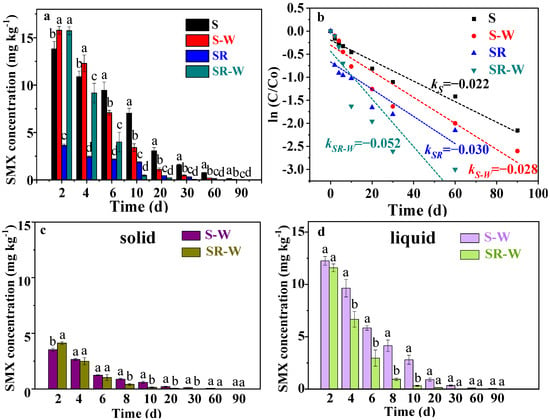
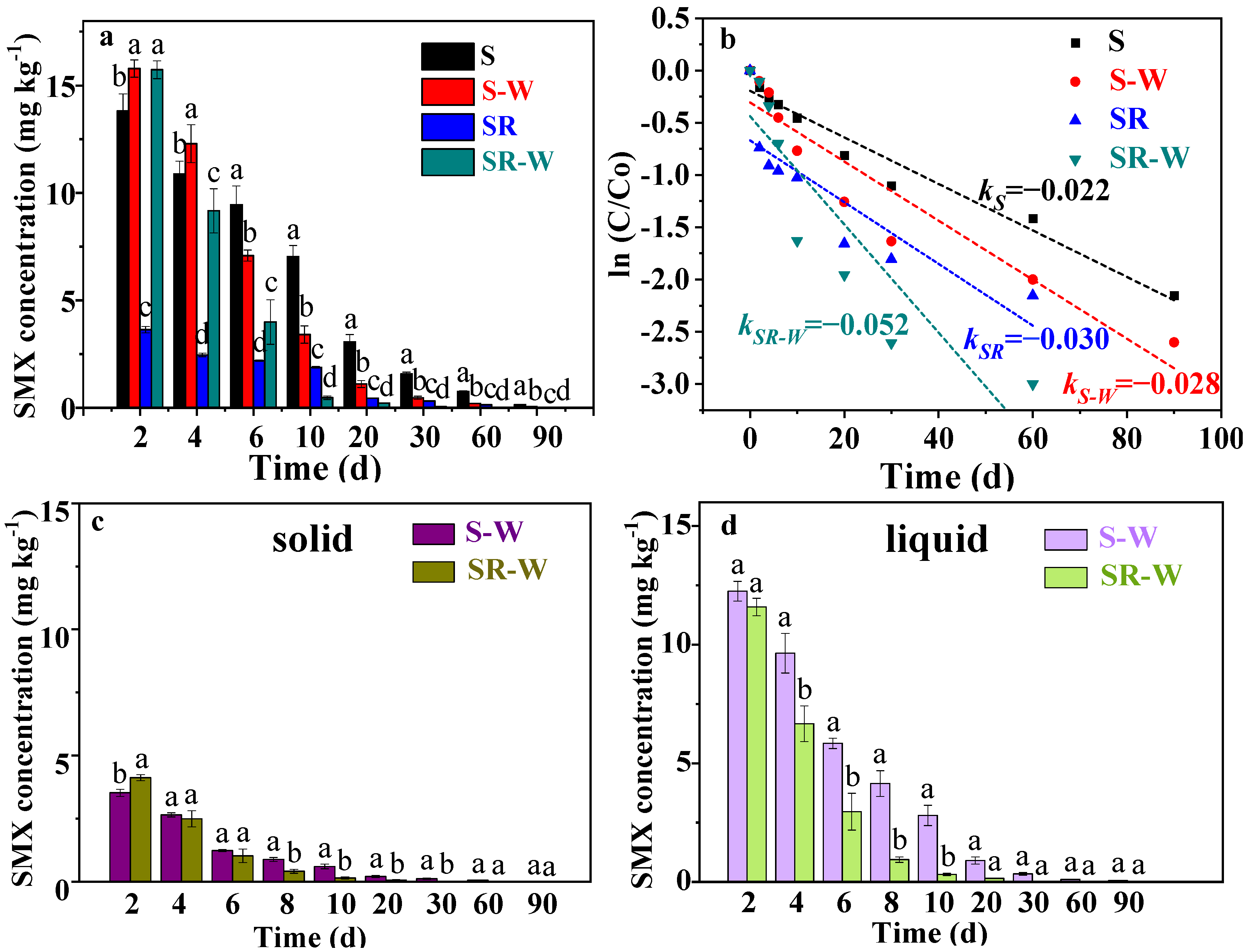
Figure 1a shows the residual SMX concentrations in different treatments at different sampling time points over the 90-day experiment (p < 0.05). The results indicated that the SMX concentrations in the SR and SR-W treatments decreased significantly more than that in the S treatment. On day 2 of the experiment, the SMX concentrations in the four treatments were as follows: S (13.804 mg kg−1), S-W (16.261 mg kg−1), SR (3.637 mg kg−1), and SR-W (16.269 mg kg−1); on day 10, the concentrations were S (7.023 mg kg−1), S-W (2.803 mg kg−1), SR (1.883 mg kg−1), and SR-W (0.316 mg kg−1), representing a decrease of 49.12%, 82.76%, 48.23%, and 98.06% compared with the initial concentration (20 mg kg−1), respectively. No SMX residues were detected in the SR-W treatment by day 60, and no SMX residues were detected in either the SR-W or SR treatments by day 90. These results indicate that straw addition can effectively promote SMX degradation in both waterlogged and non-waterlogged soil environments. On day 6, the residual SMX concentration in the SR treatment was lower than that in the SR-W treatment, while on day 10, the residual SMX concentration in the SR-W treatment was lower than that in the SR treatment. This suggests that the aerobic degradation rate was higher than the hypoxic degradation rate in the initial degradation stage (the first 10 days), after which the hypoxic degradation rate exceeded the aerobic degradation rate. Figure 1b further quantifies this degradation trend (p < 0.05). Throughout the experiment, the SMX degradation rate in the waterlogged hypoxic environment was higher than that in the non-waterlogged aerobic environment, and straw addition significantly enhanced this effect (kS-W was 26.94% higher than kS; kSR-W was 72.70% higher than kSR). In the waterlogged environment, the residual SMX concentrations in the solid phase (soil) and liquid phase (water) were continuously monitored (p < 0.05) (Figure 1c,d). The results showed that during the rapid SMX degradation stage (days 2–10), the residual SMX concentration in the solid phase of the straw-amended treatment (SR-W) was significantly lower than that of the non-straw treatment (S-W). By day 10, the residual SMX concentration in the SR-W treatment was close to the detection limit, which was 74.66% lower than that in the S-W treatment. This degradation trend was more pronounced in the liquid phase, where the residual SMX concentration in the SR-W treatment decreased more rapidly, indicating a more significant promotive effect of straw. By day 10, the residual SMX concentration in the liquid phase of the SR-W treatment was 88.71% lower than that in the S-W treatment. Using the SMX concentrations in the solid and liquid phases on day 2 as the initial reference values (C0), the degradation rates in the main degradation stage (days 4–30) were compared between the two phases (Figure A1). The results showed that straw addition promoted SMX degradation in both the liquid and solid phases, with a more prominent promotive effect in the liquid phase (kLiquid-SR-W = 0.076 > kLiquid-S-W = 0.054 > kSolid-SR-W = 0.068 > kSolid-S-W = 0.048). The SMX degradation rates in the liquid phase were higher than those in the solid phase for all treatments, and the liquid phase degradation rates (kLiquid-SR-W, kLiquid-S-W) were closer to the total hypoxic degradation rates under waterlogging (kSR-W = 0.080, kS-W = 0.053) than the solid phase degradation rates (kSolid-SR-W, kSolid-S-W). Furthermore, more SMX was dispersed in the liquid phase than adsorbed in the solid soil phase. In the waterlogged environment, SMX degradation in the liquid phase dominated the overall degradation process. SMX is a water-soluble antibiotic and is prone to dissolution and migration from the solid to the liquid phase [21], which explains why the SMX degradation rate in the hypoxic waterlogged environment was higher than that in the non-waterlogged aerobic environment in this experiment. This may be due to the diffusion of SMX into the large volume of surface water in the paddy field, which increases the reaction sites for microbial degradation. In addition, straw addition increases the available carbon sources for microorganisms. For instance, straw can provide humus, cellulose, dissolved organic carbon, and other carbon sources for attached microorganisms [29,30], which may drive microorganisms to degrade SMX through co-degradation, thereby promoting the degradation of SMX [31].
Figure 1.
Residual SMX concentrations in all soil treatments (a); First-order degradation kinetics and rate values for SMX in all soil treatments (b); Residual SMX in soil of waterlogged treatments (c); Residual SMX in liquid of waterlogged treatments (d). S: sulfamethoxazole added, non-waterlogged; S-W: sulfamethoxazole added, waterlogged; SR: straw and sulfamethoxazole added, non-waterlogged; SR-W: straw and sulfamethoxazole added, waterlogged; SMX: Sulfamethoxazole. Different lowercase letters at the same time point indicate significant differences among treatments (p < 0.05). Treatments labeled with different letters (e.g., a vs. b, b vs. c, or c vs. d) are significantly different, while those sharing the same letter are not.
3.2. Effects of Straw on Bacterial Community Structure in SMX-Contaminated Soil
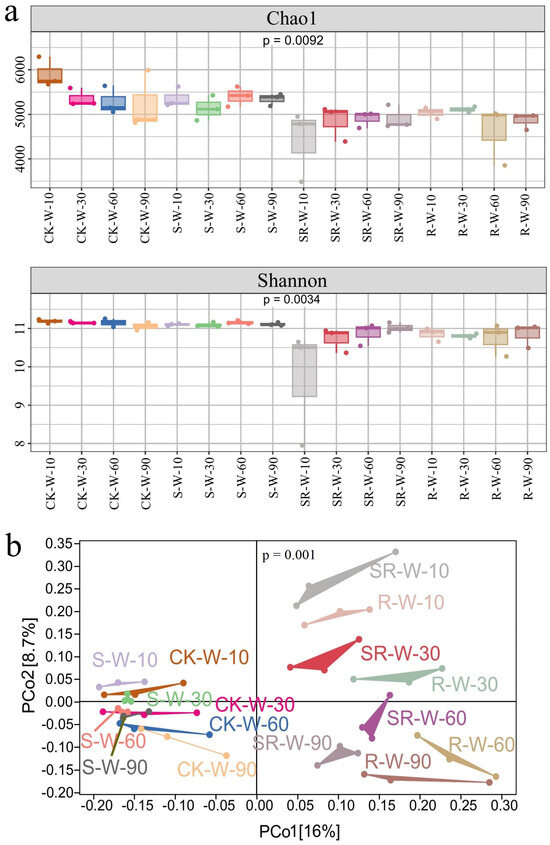
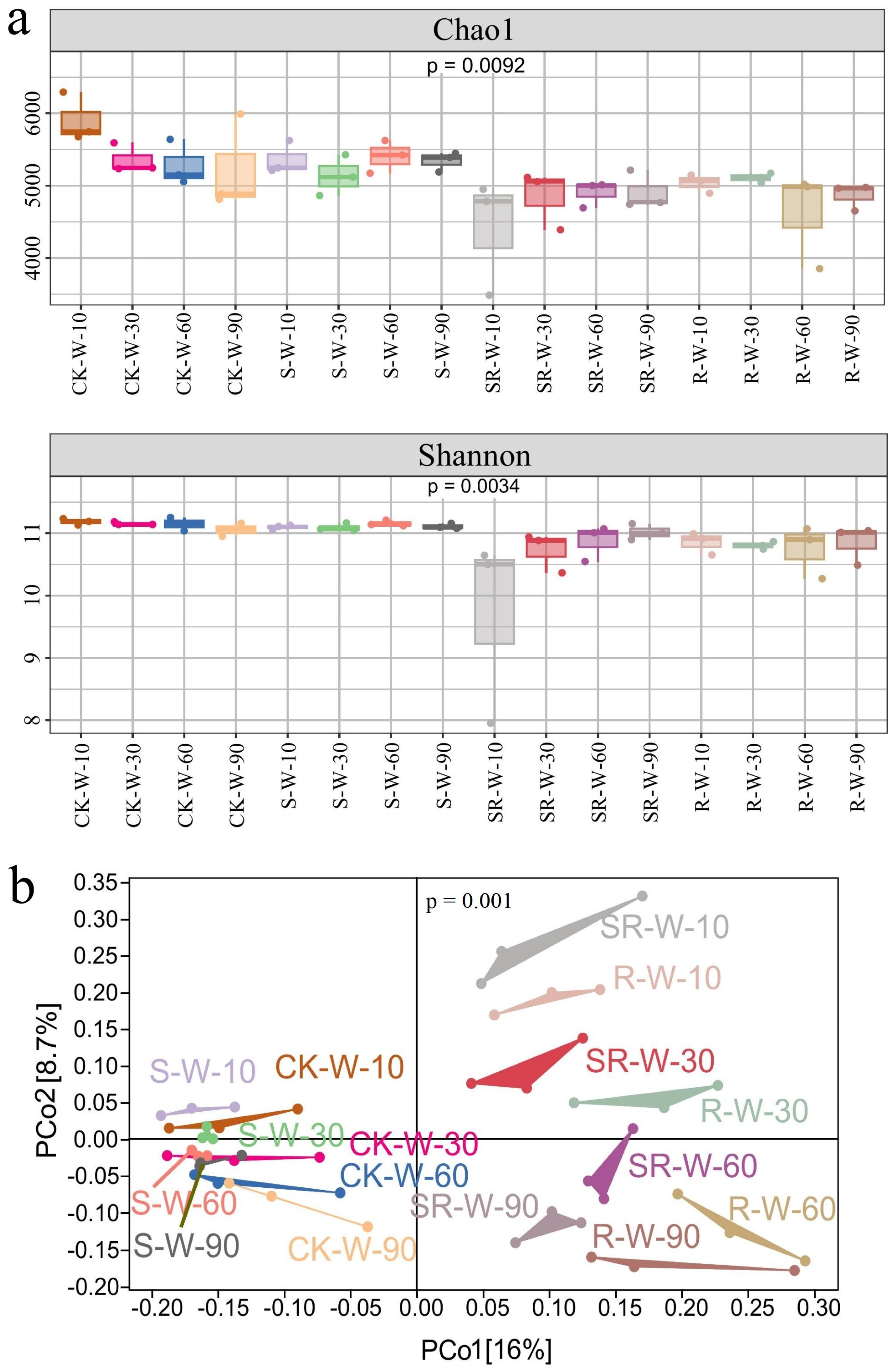
The Chao1 and Shannon diversity indices were used to evaluate the richness and diversity of microbial communities in different treatments (Figure 2a). In general, the microbial richness and diversity in the R-W and SR-W treatments were slightly lower than those in the CK-W and S-W treatments, which may be attributed to the enrichment of functional bacterial groups involved in straw decomposition and SMX degradation [32]. In the early stage of SMX degradation (day 10), the microbial richness and diversity in the S-W, SR-W, and R-W treatment groups exhibited a decreasing trend compared with the CK-W group. Among these, the SR-W group showed lower microbial richness and diversity indices than the S-W and R-W groups, which may be attributed to the combined addition of antibiotics and straw. This likely facilitated the enrichment of microbial communities capable of both straw decomposition and antibiotic degradation, while those unable to adapt to such complex environmental conditions were progressively eliminated. In the later stage of SMX degradation (days 30, 60, and 90), the microbial indices in the SR-W group increased slightly, presumably because the gradual degradation of antibiotics improved the microbial living environment and alleviated the selective pressure exerted by antibiotics, thereby allowing the microbial community’s richness and diversity to gradually recover. Principal Coordinates Analysis (PCoA) was performed to analyze the soil microbial community structure across the different treatments (CK-W, S-W, R-W, SR-W), revealing a distinct separation (p = 0.001) among the four treatment groups (Figure 2b). The S-W group was separated from the CK-W group but was relatively close to it, with samples mainly distributed in the third quadrant; the SR-W and R-W groups were both far from the CK-W group, with samples at 10 and 30 days distributed in the first quadrant and samples at 60 and 90 days in the fourth quadrant, showing a trend of gradually shifting back to the CK-W group over time, which might be related to the gradual reduction in residual antibiotic concentrations in the later stage of the experiment. In the CK-W treatment, the soil environment was relatively stable, but over time, factors such as hypoxic condition induced by waterlogging still led to slow changes in the microbial community structure; in the S-W treatment, antibiotic addition inhibited the growth and metabolism of some microorganisms, altering the microbial community composition and structure of the microbial community; in the R-W treatment, straw return provided new carbon sources and nutrients for microorganisms, driving the shift in microbial community structure toward straw utilization; while in the SR-W treatment, the combined effects of antibiotics and straw forced microorganisms to cope with antibiotic inhibition while utilizing straw resources, leading to complex changes in the community structure. Over time, microorganisms gradually adapted to these environmental changes. In the presence of antibiotics, some microorganisms developed resistance or adjust their metabolic patterns to survive and reproduce, thus resulting in temporal variations in the microbial community structure at different time points. With straw return, microorganisms required time to adapt to the new nutrient sources, and as straw-decomposing microorganisms gradually became dominant, the community structure underwent corresponding succession [33].
Figure 2.
Alpha diversity index analysis of different treatments (a); PCoA analysis of different treatments (b). CK-W: no sulfamethoxazole or straw, waterlogged; S-W: sulfamethoxazole added, waterlogged; SR-W: straw and sulfamethoxazole added, waterlogged; R-W: straw added, waterlogged; 10, 30, 60, 90: sampling time points (days).
3.3. Effects of Straw on the Key Degrading Microflora of SMX
Figure A2 shows the species composition at the phylum level, which presents the e relative abundances of the top 15 phyla in each treatment. During the experimental period, the dominant phyla in the CK-W and S-W groups were similar, while those in the R-W and SR-W groups were similar. In the rapid degradation stage of SMX (early stage of the experiment), the SR-W group showed a significantly higher relative abundance of Proteobacteria, and the S-W group showed a significantly higher relative abundance of Cyanobacteria; these were the main phyla responsible for SMX degradation in the SR-W and S-W treatments, respectively.
Previous studies have demonstrated that biological treatment through degrading bacteria can enhance the removal rate of sulfonamide antibiotics in wastewater and soil [34,35]. During the degradation process in this experiment, the enriched bacteria in the SR treatment group included Proteobacteria, Armatimonadetes, and Patescibacteria. Research indicates that Proteobacteria often appear as the dominant phylum in highly efficient SMX-degrading communities [36,37], containing a large number of known degrading bacteria, such as Pseudomonas [38], Acinetobacter [39] and Shewanella [40]. The main degradation process of sulfonamide antibiotics mainly depends on the initial ipso-hydroxylation reaction, and both substances are driven by similar microorganisms, such as Bradyrhizobium, Gemmatimonas, and unclassified Burkholderiaceae, and all these bacteria belong to the Proteobacteria phylum [41]. Therefore, when Proteobacteria becomes the dominant active bacteria, these processes may play an important role in the degradation of sulfonamide antibiotics.
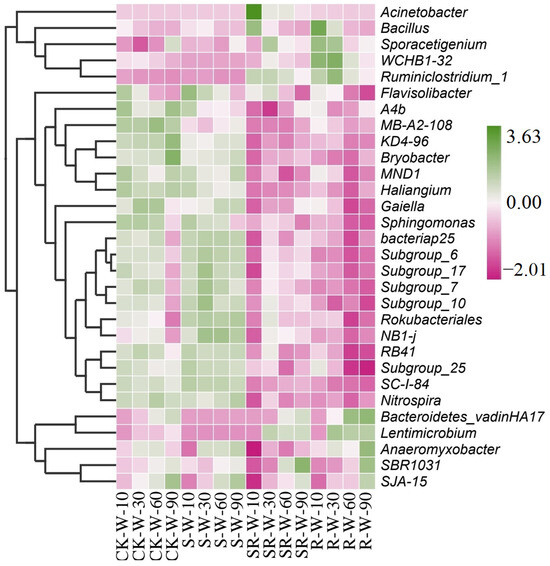
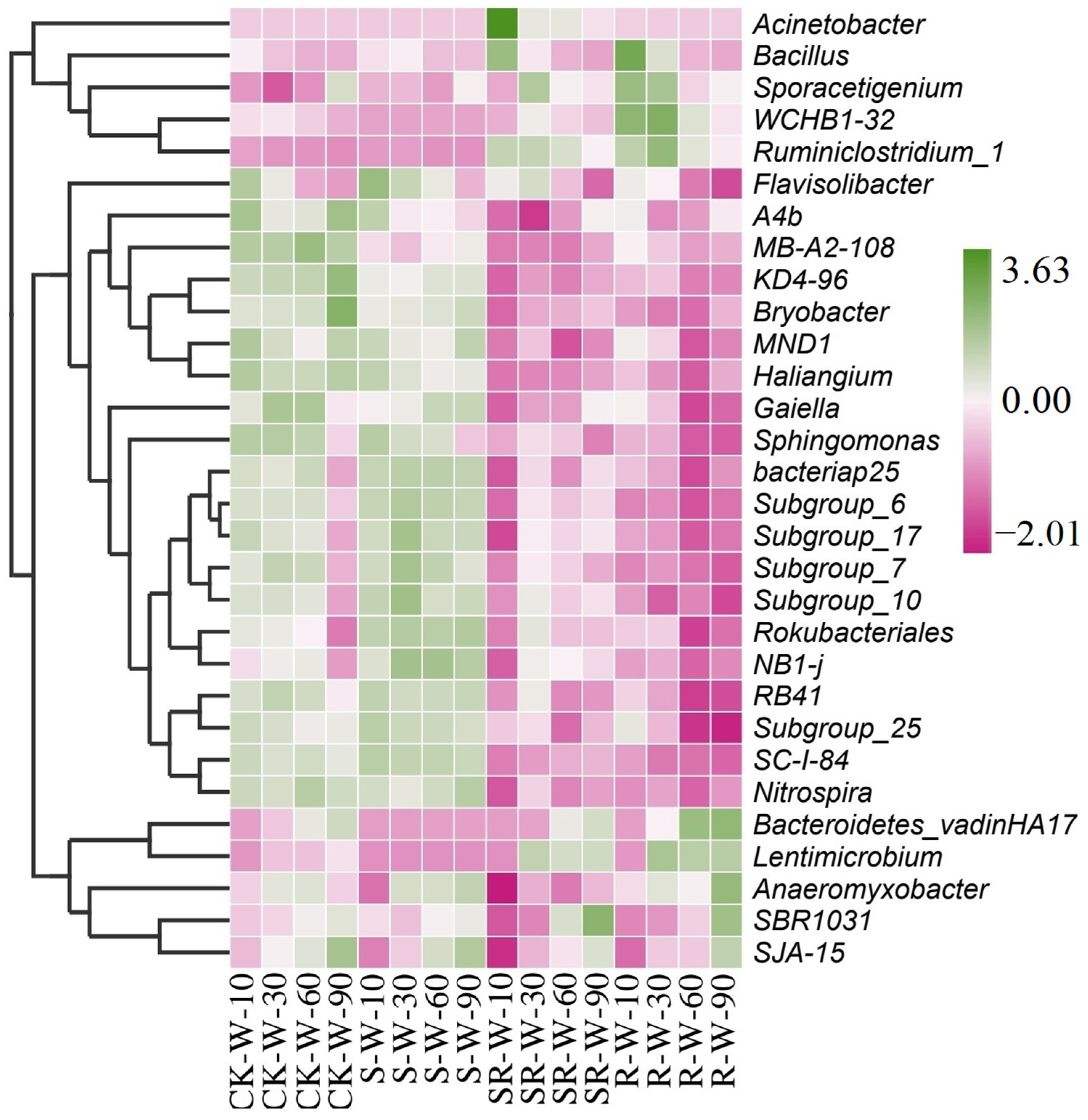
Figure 3 shows the species composition at the genus level, presenting the relative abundances of the top 30 genera in each treatment group. The dominant genera in the CK-W and S-W groups were similar, while those in the R-W and SR-W groups were similar, a pattern consistent with that at the phylum level. In the rapid degradation stage (early stage) of SMX, the SR-W group had markedly higher abundances of Acinetobacter and Bacillus, and the S-W group had markedly higher abundances of Flavisolibacter, bacteriap25, and Subgroup_6. These genera were the main bacterial groups responsible for SMX degradation in the SR-W and S-W treatments, respectively.
Figure 3.
Heat map of microbial community composition at the genus level under different treatment groups. CK-W: no sulfamethoxazole or straw, waterlogged; S-W: sulfamethoxazole added, waterlogged; SR-W: straw and sulfamethoxazole added, waterlogged; R-W: straw added, waterlogged; 10, 30, 60, 90: sampling time points (days).
Anaerobic fermentation is an effective way to degrade sulfonamide antibiotics in an oxygen-deficient environment [42]. Among them, Acinetobacter and Bacillus are key degrading bacteria for sulfonamide antibiotics [43,44]. They can achieve efficient degradation of sulfonamide pollutants through co-metabolism by increasing the easily available organic carbon source in the substrate. Previous studies have confirmed that Acinetobacter can use nitrate as an electron acceptor for anaerobic respiration [45,46] and survive or grow slowly by fermenting specific substrates. It is the main degrading bacteria for anaerobic fermentation of sulfonamide antibiotics [36]. For instance, Acinetobacter sp. HS51 can degrade 67% of sulfathiazole within 2 days, and Acinetobacter sp. W1 can degrade 95–100% of sulfamethoxazole within 24 h [22]. Bacillus can secrete extracellular enzymes such as amylase, protease, and cellulase to promote the decomposition of cellulose and hemicellulose in straw [47]. It can also express a wide range of metabolic enzymes such as oxidase and peroxidase through the co-metabolism pathway, achieving non-specific transformation and degradation of plant-based organic carbon and organic pollutants [48]. Based on the results of this study, the submerged waterlogged straw returning (SR-W) condition has created a microenvironment rich in organic carbon sources and suitable for anaerobic fermentation, providing favorable survival and metabolic conditions for the above-mentioned degrading bacterial communities. This effectively regulates and enriches sulfonamide-degrading bacteria represented by Acinetobacter, allowing them to use straw as the main growth substrate and achieve simultaneous co-metabolic degradation of SMX while decomposing straw, ultimately resulting in the rapid removal of SMX in the system.
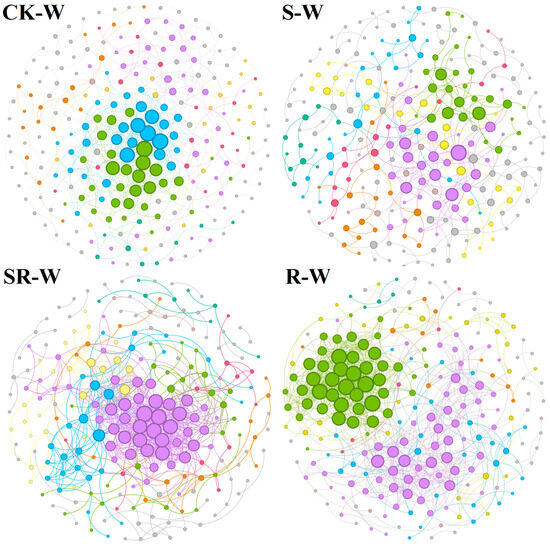
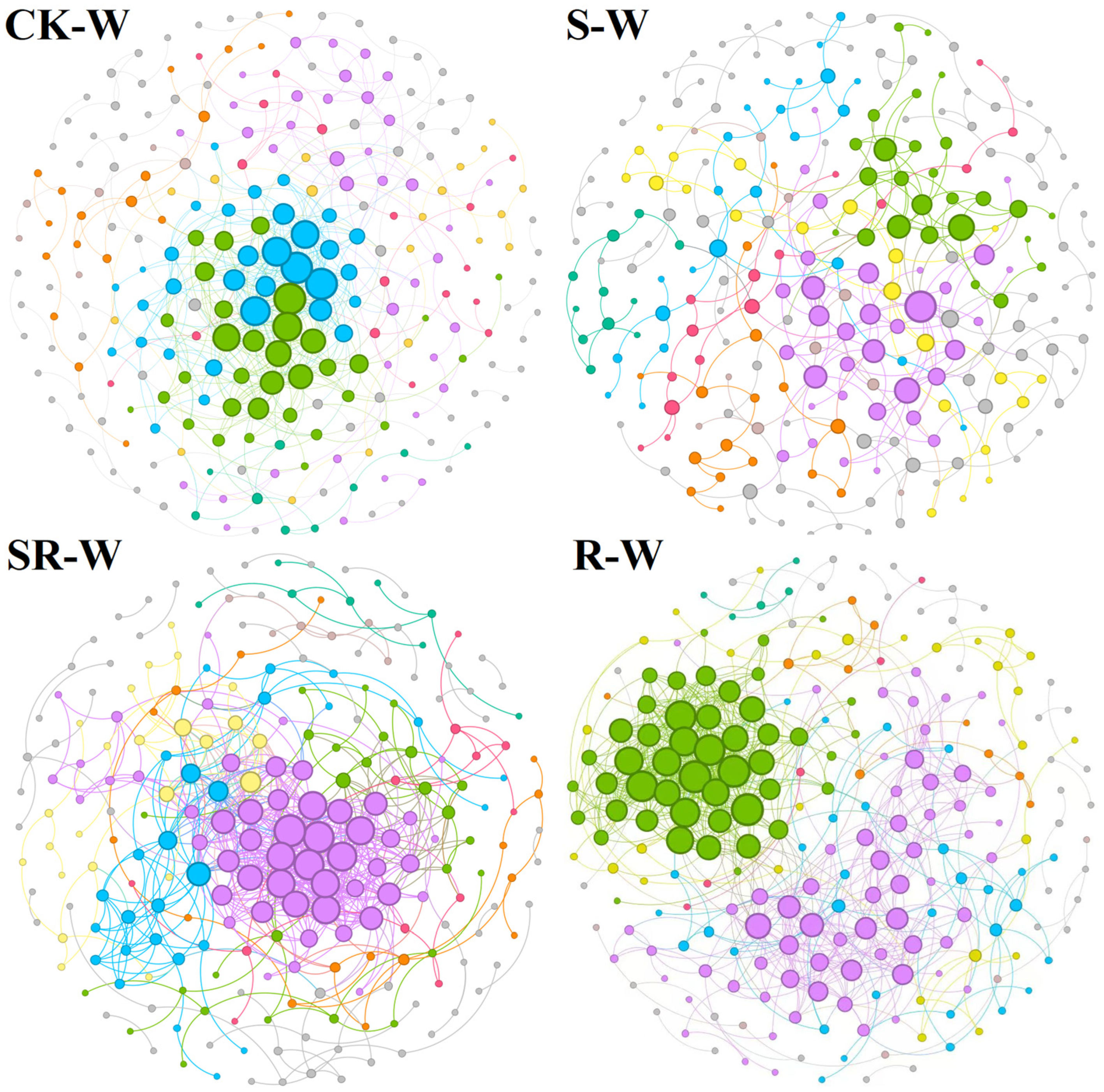
The interactions among different microbial groups also have a significant impact on the formation of microbial community structure and play a crucial role in enhancing community stability and functionality. To better explore the correlations and coexistence relationships among antibiotics, straw, and soil microorganisms, soil microbial co-occurrence networks were constructed for the different treatments (Figure 4). The results indicated that the network structure of the CK-W treatment was relatively dispersed but balanced, with no extremely concentrated or sparse regions, demonstrating the baseline state of microbial associations under undisturbed conditions. Compared with the CK-W treatment, the number of edges in the S-W treatment decreased sharply from 529 to 299, accompanied by reductions in average degree, network density, and clustering coefficient (Table 2). In contrast, the SR-W and R-W treatments exhibited higher values than the CK-W treatment in terms of edge number (SR-W: 648, R-W: 776 > CK-W: 529), average degree (SR-W: 5.515, R-W: 6.690 > CK-W: 4.249), network density (SR-W: 0.024, R-W: 0.029 > CK-W: 0.017), and clustering coefficient (SR-W: 0.173, R-W: 0.273 > CK-W: 0.180), despite having lower node numbers (SR-W: 235, R-W: 232) than the CK-W treatment (249). These results indicate tighter connections among nodes and stronger cooperative interactions within the microbial communities in the SR-W and R-W treatments.
Figure 4.
Soil microbial co-occurrence network diagram. CK-W: no sulfamethoxazole or straw, waterlogged; S-W: sulfamethoxazole added, waterlogged; SR-W: straw and sulfamethoxazole added, waterlogged; R-W: straw added, waterlogged.
Table 2.
Parameter characteristics of soil microbial co-occurrence network. CK-W: no sulfamethoxazole or straw, waterlogged; S-W: sulfamethoxazole added, waterlogged; SR-W: straw and sulfamethoxazole added, waterlogged; R-W: straw added, waterlogged.
Overall, the network connections in the S-W treatment were fragmented, and node distribution was scattered, indicating that sensitive microorganisms were largely inhibited or even eliminated; this disrupted the original cooperative relationships among microbial groups, reduced microbial associations, and led to a sharp decline in network density. At the same time, sustained antibiotic stress significantly hindered the stable aggregation of microorganisms in local areas to form efficient cooperative subgroups, resulting in a highly fragmented and scattered overall network structure and a significant decrease in the clustering coefficient. In the SR-W treatment with straw addition, the network structure did not exhibit the loose and fragmented state observed in the S-W treatment. Instead, the network was locally aggregated with enhanced overall connectivity, and the concentrated purple node clusters were mostly composed of SMX-degrading bacteria including Pseudomonas, Acinetobacter, and Bacillus. Pseudomonas and Acinetobacter both belong to the order Pseudomonadales and can decompose straw components such as cellulose by secreting laccase and lignin peroxidase [49]; they are also the main bacteria responsible for sulfonamide antibiotic degradation via hypoxic fermentation [22,50]. Previous studies have shown that in the presence of straw, straw-decomposing microbial groups in soil can expand their ecological niche advantages through resource competition [51,52], leading to their enrichment in the community and enhanced microbial collaboration [53]. Therefore, in the SR-W treatment, straw provided ecological niches for SMX-degrading and straw-decomposing bacterial genera including Pseudomonas, Acinetobacter, and Bacillus, ultimately driving SMX degradation.
3.4. Co-Metabolism and Promotion Mechanism of Straw on SMX Degradation
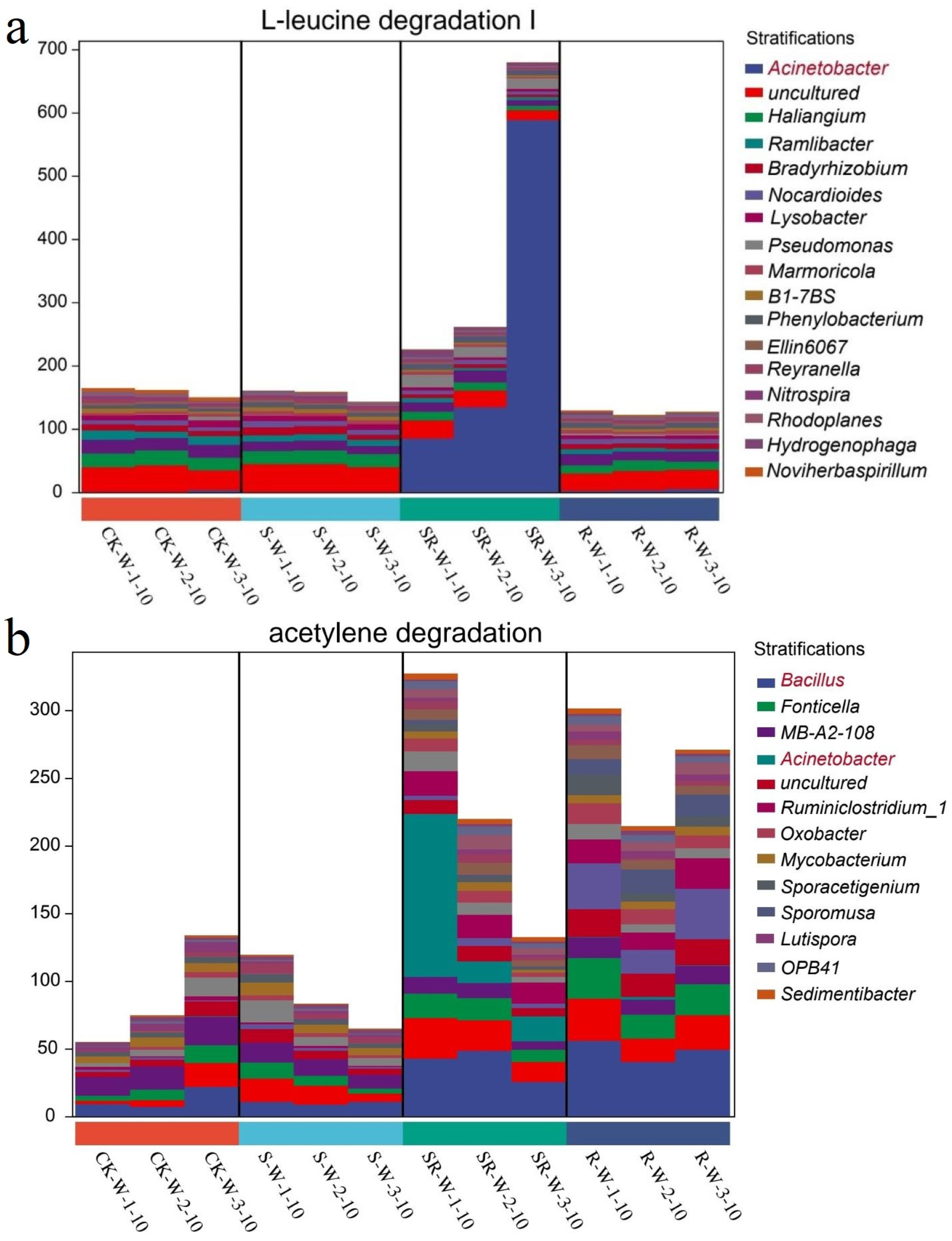
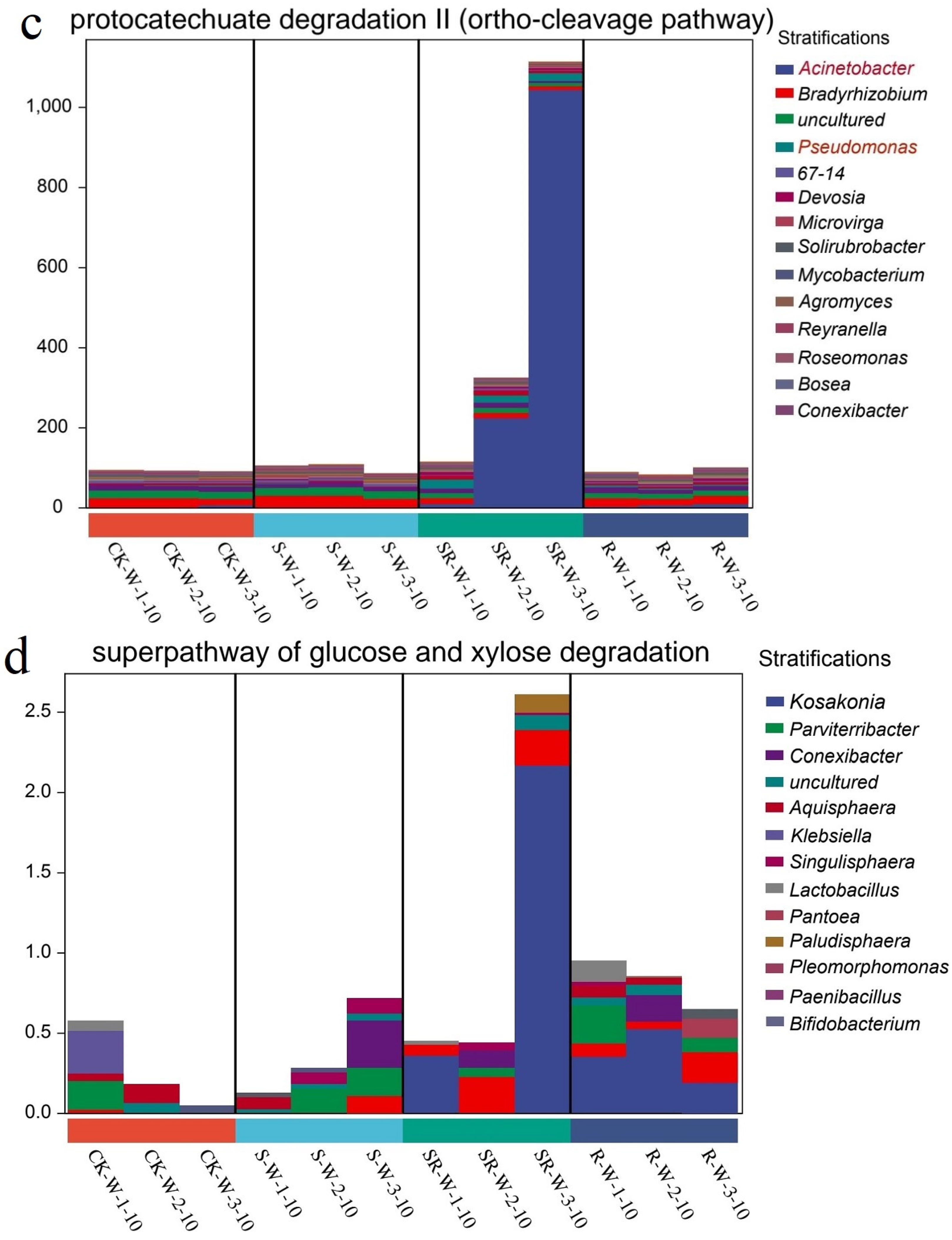
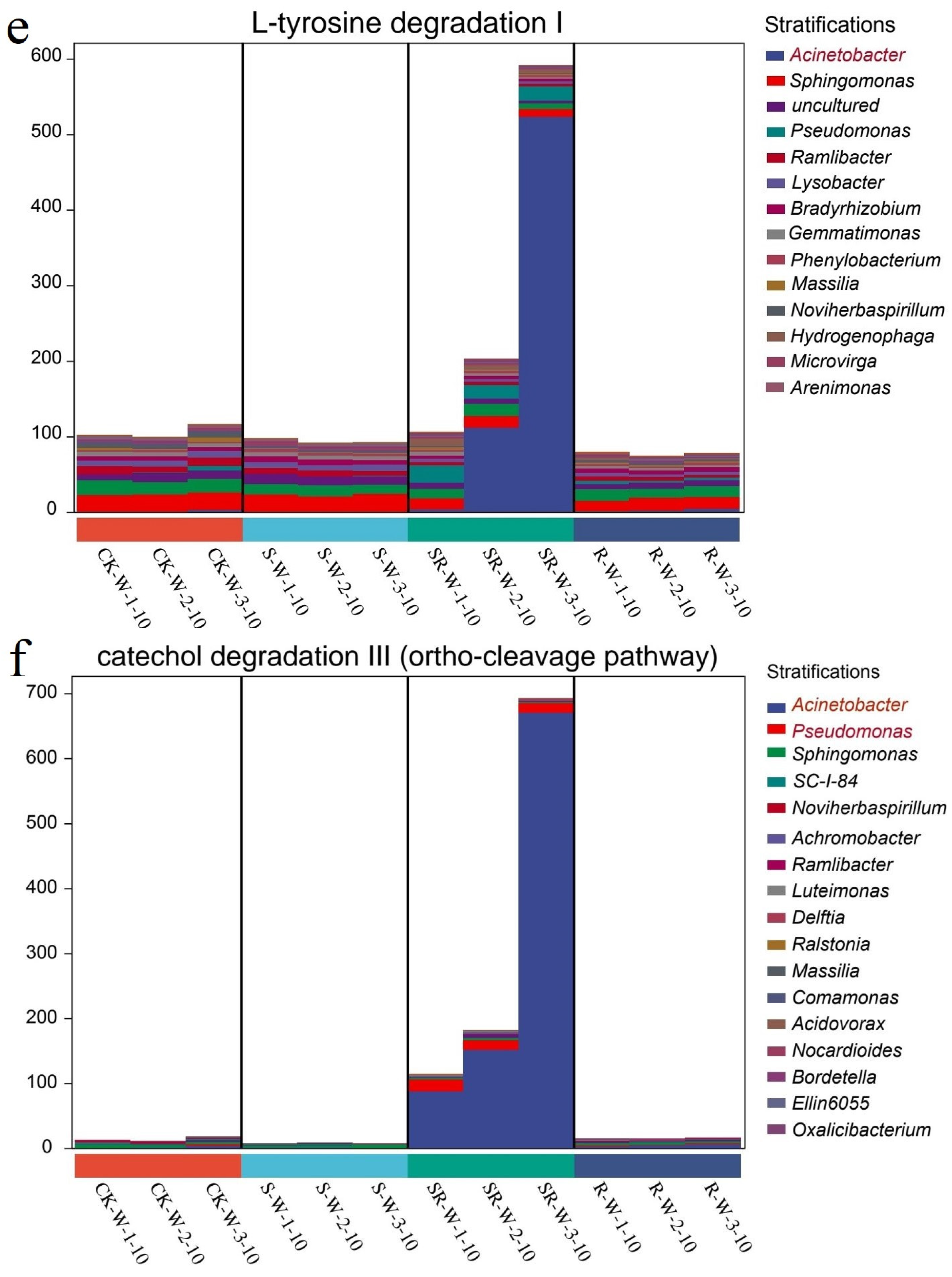
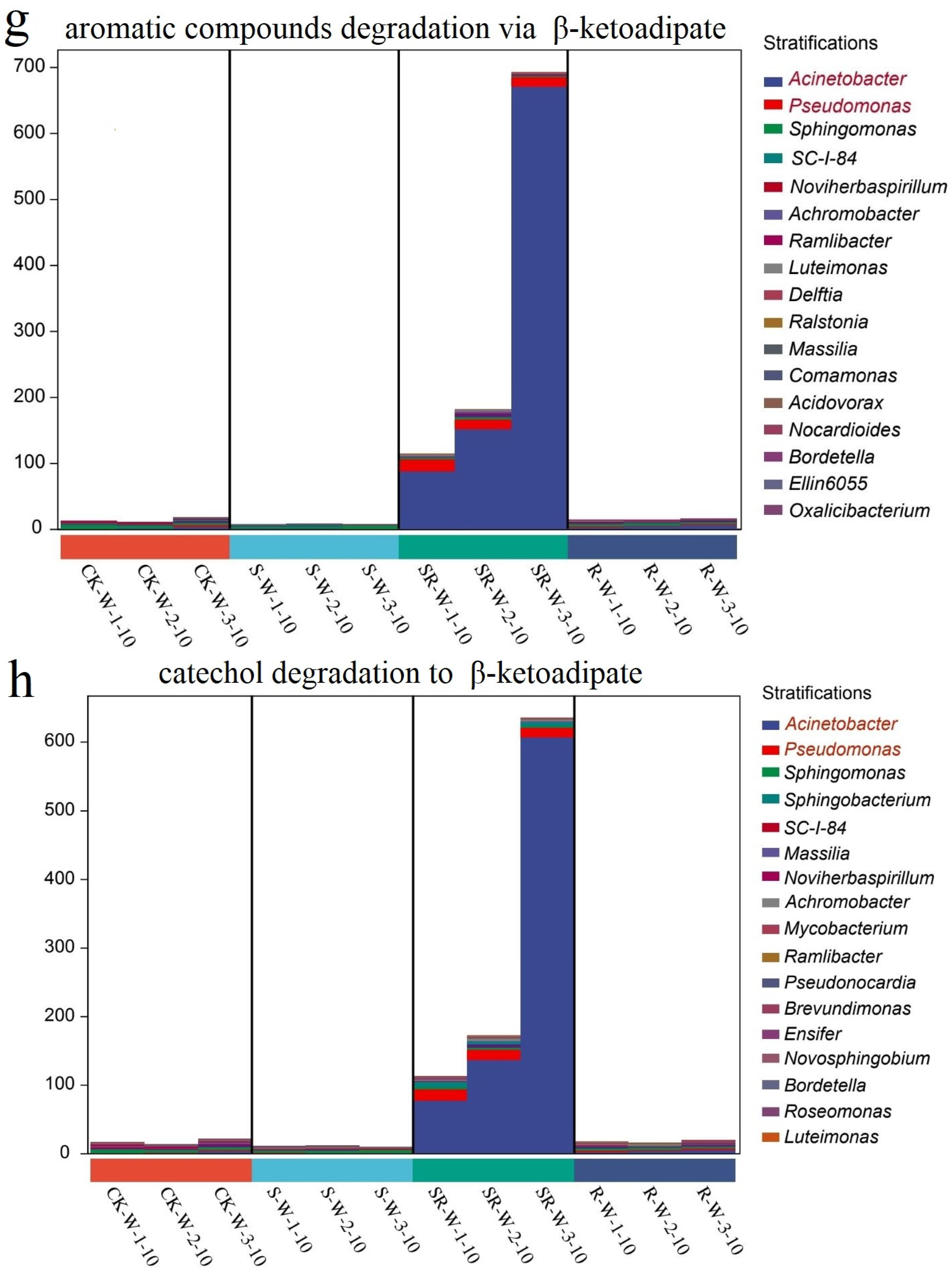
Further exploration of the microbial communities and metabolic pathways involved in the straw-SMX co-degradation was conducted via microbial functional prediction (Figure A3). The metabolic pathways significantly upregulated in the SR-W group during the rapid SMX degradation stage (Day 10) and the main bacterial taxa involved in these pathways were identified (Table 3). The results showed that the metabolic pathways of L-leucine, acetylene, protocatechic acid (via the ortho-cleavage pathway), hydroquinone, aromatic compounds, glucose, and xylose were significantly upregulated. Among them, Acinetobacter, Bacillus, and Pseudomonas are the dominant core genera and key degraders. The above pathways are mainly involved in aromatic compound degradation and sugar metabolism, which correspond to the main components of straw. Therefore, it is further confirmed that the aforementioned microorganisms can degrade SMX synchronously through co-metabolism when straw provides available carbon sources, thereby improving SMX degradation efficiency and shortening its environmental residence time in soil.
Table 3.
Different metabolic pathways and species composition of different treatments on day 10. CK-W: no sulfamethoxazole or straw, waterlogged; S-W: sulfamethoxazole added, waterlogged; SR-W: straw and sulfamethoxazole added, waterlogged; R-W: straw added, waterlogged.
4. Conclusions
Overall, the hypoxic degradation rate of SMX in waterlogged paddy field environments is higher than that in aerobic environments. Unlike aerobic degradation, which occurs exclusively in the solid soil phase, hypoxic SMX degradation in waterlogged conditions proceeds simultaneously in both the solid soil and liquid aqueous phases, with liquid-phase degradation governing the overall degradation process. Straw addition enhances the SMX degradation rate under both aerobic and hypoxic conditions, with a markedly more pronounced promotive effect on hypoxic degradation.
In SMX-contaminated soil, straw supplies microorganisms with readily utilizable carbon sources (e.g., starch, sugars, amino acids, and cellulose). This not only strengthens the overall connectivity of the microbial community and enhances synergistic microbial interactions but also drives the enrichment of functional microbial groups with dual capacities for straw decomposition and SMX degradation, thereby forming a highly efficient and synergistic functional microbial module.
In waterlogged hypoxic environments, straw addition facilitates the enrichment of Acinetobacter, Bacillus, and Pseudomonas—which possess dual functions of straw decomposition and SMX degradation—as the dominant microbial taxa. These bacteria synchronously degrade sulfonamide antibiotics during hypoxic fermentation and straw decomposition processes. Straw further acts as a biostimulant to drive key degrading taxa including Acinetobacter, Bacillus, and Pseudomonas, which in turn synergistically activate aromatic compound and sugar metabolic pathways. Through this co-metabolic mechanism, SMX is efficiently and synchronously degraded, significantly shortening its environmental residence time in paddy field ecosystems.
Author Contributions
Y.Z. (Yue Zhang) planned and designed the research. Y.T. and J.Z. performed the experiments, X.Z. conducted the field work and sampling. W.L. and Y.L. performed the validation. K.S. and Y.Z. (Yue Zhang) analyzed the data. Y.Z. (Yin Zhou) and X.L. wrote the manuscript. All authors have read and agreed to the published version of the manuscript.
Funding
This study was supported by Shanghai Agricultural Science and Technology Innovation Program (Grant No. 2025-02-08-00-12-F00015); The Outstanding Team Program of Shanghai Academy of Agricultural Science [Grant No. Hu-Nong-Ke-Zhuo 2022 (008)]; National Natural Science Foundation of China (No. 42007017).
Data Availability Statement
The original data presented in the study are openly available in the NCBI BioProject database under accession number PRJNA1432468. The data can be accessed at https://www.ncbi.nlm.nih.gov/bioproject/PRJNA1432468, accessed on 7 April 2026.
Conflicts of Interest
The authors declare no conflict of interest.
Appendix A
Figure A1.
Comparison of SMX degradation rates in solid and liquid phases. S-W: sulfamethoxazole added, waterlogged; SR-W: straw and sulfamethoxazole added, waterlogged.
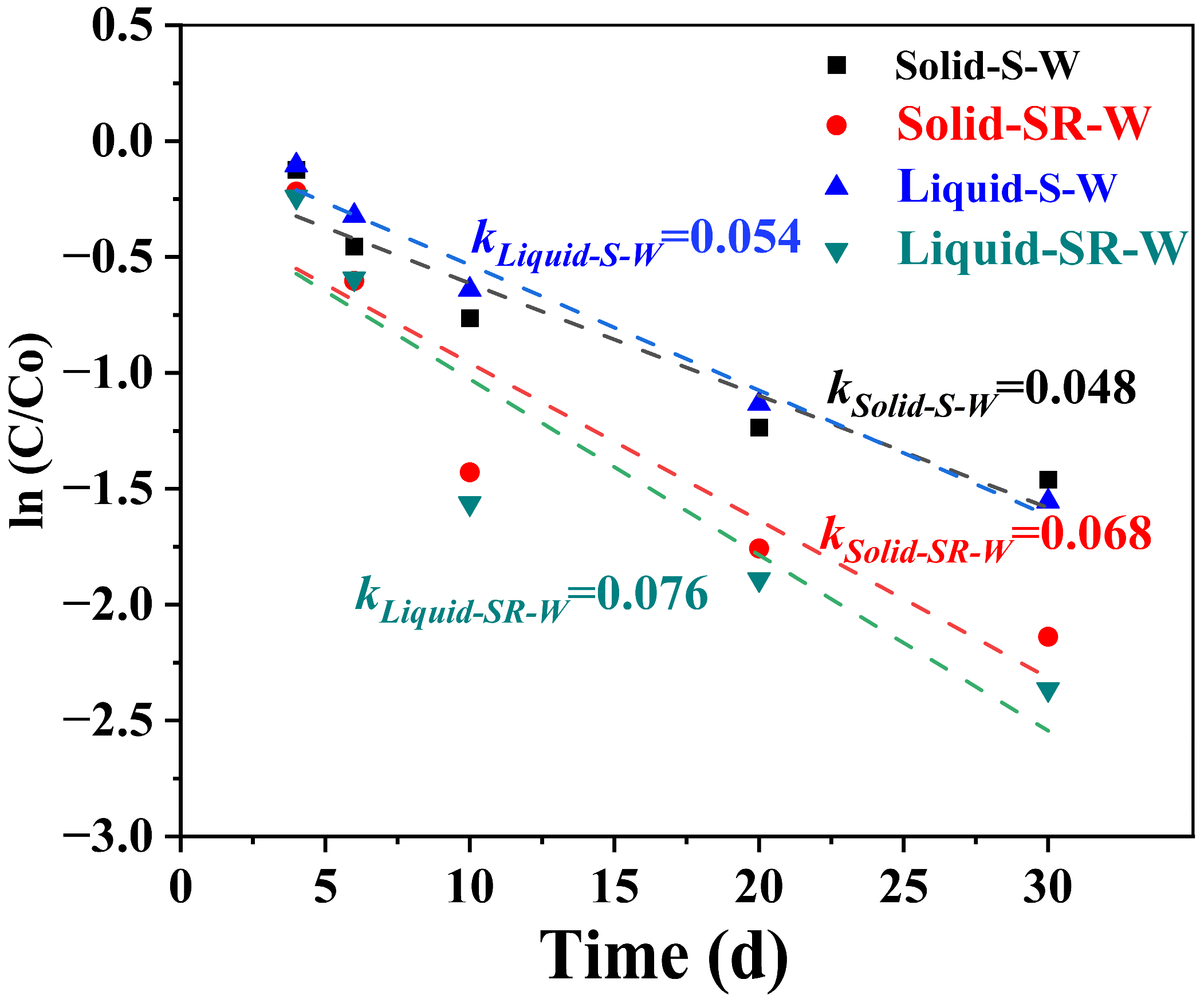
Figure A2.
Heat map of microbial community composition at the phylum level under different treatment groups. CK-W: no sulfamethoxazole or straw, waterlogged; S-W: sulfamethoxazole added, waterlogged; SR-W: straw and sulfamethoxazole added, waterlogged; R-W: straw added, waterlogged; 10, 30, 60, 90: sampling time points (days).
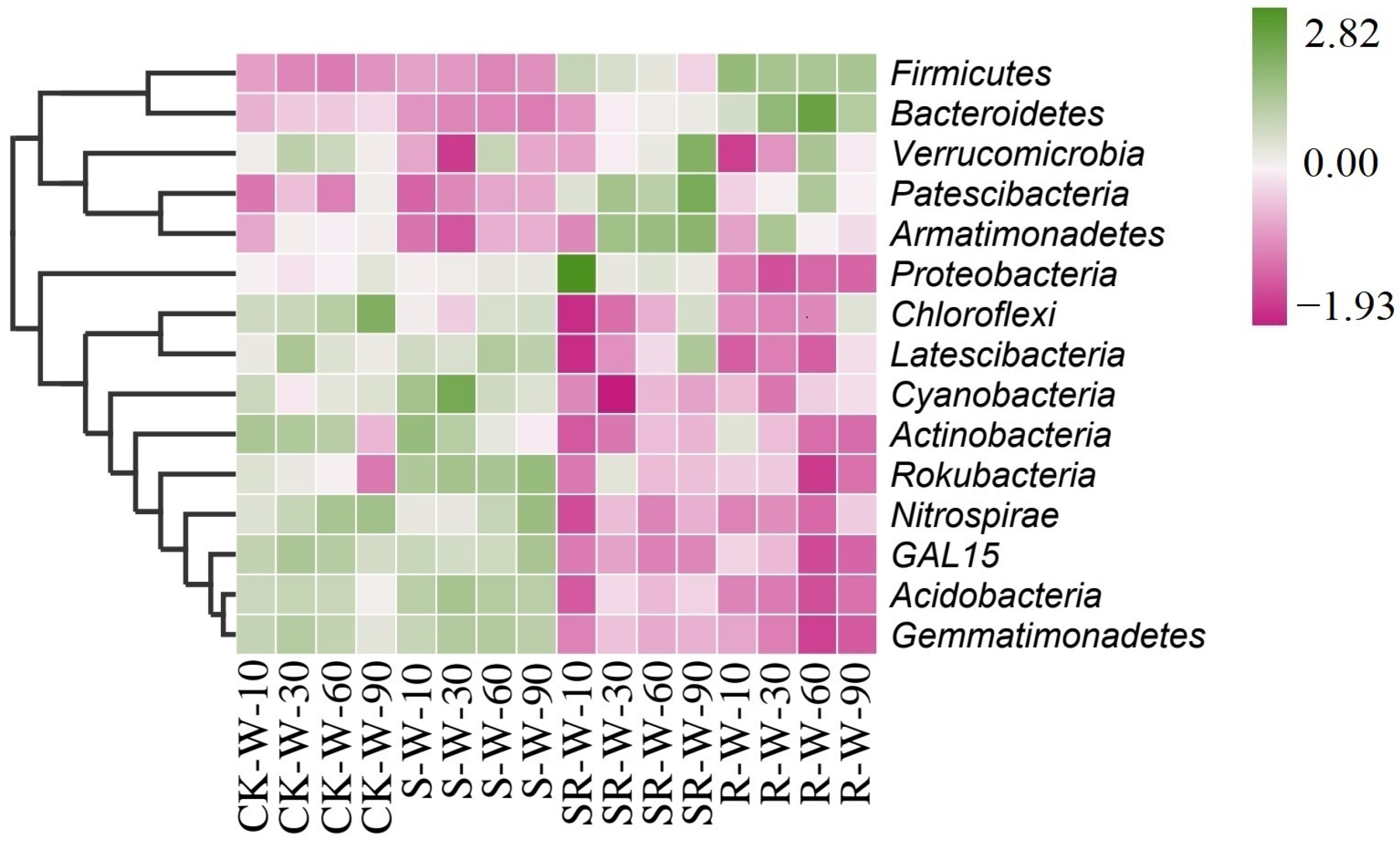
Figure A3.
Different metabolic pathways and species composition of different treatment groups on day 10. (a) L-leucine degradation I pathway; (b) acetylene degradation pathway; (c) protocatechuate degradation II (ortho-cleavage pathway); (d) superpathway of glucose and xylose degradation; (e) L-tyrosine degradation I pathway; (f) catechol degradation III (ortho-cleavage pathway); (g) aromatic compounds degradation via the β-ketoadipate pathway; (h) catechol degradation to β-ketoadipate pathway. CK-W: no sulfamethoxazole or straw, waterlogged; S-W: sulfamethoxazole added, waterlogged; SR-W: straw and sulfamethoxazole added, waterlogged; R-W: straw added, waterlogged.
References
- Tiseo, K.; Huber, L.; Gilbert, M.; Robinson, T.P.; Van Boeckel, T.P. Global Trends in Antimicrobial Use in Food Animals from 2017 to 2030. Antibiotics 2020, 9, 918. [Google Scholar] [CrossRef] [Scilit] [PubMed]
- Gaballah, M.S.; Guo, J.; Sun, H.; Aboagye, D.; Sobhi, M.; Muhmood, A.; Dong, R. A review targeting veterinary antibiotics removal from livestock manure management systems and future outlook. Bioresour. Technol. 2021, 333, 125069. [Google Scholar] [CrossRef] [Scilit] [PubMed]
- Hang, J.; Yi, X.H.; Wang, C.C.; Fu, H.; Wang, P.; Zhao, Y. Heterogeneous photo-Fenton degradation toward sulfonamide matrix over magnetic Fe3S4 derived from MIL-100(Fe). J. Hazard. Mater. 2022, 424, 127415. [Google Scholar] [CrossRef] [Scilit] [PubMed]
- Li, L.; Zou, J.Y.; Zhang, L.; You, S.Y.; Xie, X.; Chen, G.H. Sensitive detection of the antibiotic pollutants by a solvent-stable luminescent sensor based on a europium(III) metal-organic framework. J. Solid State Chem. 2022, 305, 122668. [Google Scholar] [CrossRef] [Scilit]
- Li, X.Y.; Huang, Z.Y.; Niu, Y.; Wang, Z.H.; Hu, L.Y.; Bai, A.M.; Hu, Y.J. Synthesis of a IAP antagonist analogue and its binding investigation with BSA/HSA. J. Mol. Struct. 2022, 1251, 131989. [Google Scholar] [CrossRef] [Scilit]
- Qiao, M.; Ying, G.G.; Singer, A.C.; Zhu, Y.G. Review of antibiotic resistance in China and its environment. Environ. Int. 2018, 110, 160–172. [Google Scholar] [CrossRef] [Scilit]
- Tian, M.; He, X.; Feng, Y.; Wang, W.; Chen, H.; Gong, M.; Liu, D.; Clarke, J.L.; van Eerde, A. Pollution by Antibiotics and Antimicrobial Resistance in LiveStock and Poultry Manure in China, and Countermeasures. Antibiotics 2021, 10, 539. [Google Scholar] [CrossRef] [Scilit]
- Jiang, W.; Gao, J.; Cheng, Z.; Wang, P.; Zhou, Z.; Liu, D. The effect of antibiotics on the persistence of herbicides in soil under the combined pollution. Chemosphere 2018, 204, 303–309. [Google Scholar] [CrossRef] [Scilit]
- Bank, M.S.; Ok, Y.S.; Swarzenski, P.W. Microplastic’s role in antibiotic resistance. Science 2020, 369, 1315. [Google Scholar] [CrossRef] [Scilit]
- Zhu, L.; Xu, Y.; Li, J.; Lin, G.; Han, X.; Yi, J.; Jayaprada, T.; Zhou, Z.; Ying, Y.; Wang, M. Environmentally persistent microbial contamination in agricultural soils: High risk of pathogenicity and antibiotic resistance. Environ. Int. 2024, 190, 108902. [Google Scholar] [CrossRef] [Scilit]
- Yin, F.H.; Hao, W.L.; Zhang, H.N.; Miao, J.J.; Shi, H.M. Pollution status and spatial distribution of antibiotic resistance genes in urban surface water and surrounding soil media. J. Environ. Chem. Eng. 2024, 12, 113856. [Google Scholar] [CrossRef] [Scilit]
- Wang, H.; Gao, X.; Zuo, Y. Research and Application of Water Treatment Technologies for Emerging Contaminants (ECs): A Pathway to Solving Water Environment Challenges. Water 2024, 16, 1837. [Google Scholar] [CrossRef] [Scilit]
- Cuerda-Correa, E.M.; Alexandre-Franco, M.F.; Fernández-González, C. Advanced Oxidation Processes for the Removal of Antibiotics from Water. An Overview. Water 2019, 12, 102. [Google Scholar] [CrossRef] [Scilit]
- Yang, Q.; Gao, Y.; Ke, J.; Show, P.L.; Ge, Y.; Liu, Y.; Guo, R.; Chen, J. Antibiotics: An overview on the environmental occurrence, toxicity, degradation, and removal methods. Bioengineered 2021, 12, 7376–7416. [Google Scholar] [CrossRef] [Scilit]
- Cao, Y.; Wang, L.; Wang, Y.; Wang, X.; Wei, J.; Yu, T.; Ma, F. Functional fungal pellets self-immobilized by mycelium fragments of Irpex lacteus WRF-IL for efficient degradation of sulfamethazine as the sole carbon source. Bioresour. Technol. 2023, 385, 129376. [Google Scholar] [CrossRef] [Scilit]
- Kennes-Veiga, D.M.; Gonzalez-Gil, L.; Carballa, M.; Lema, J.M. The organic loading rate affects organic micropollutants’ cometabolic biotransformation kinetics under heterotrophic conditions in activated sludge. Water Res. 2021, 189, 116587. [Google Scholar] [CrossRef] [Scilit] [PubMed]
- Lin, B.J.; Cheng, J.; Duan, H.X.; Liu, W.X.; Dang, Y.P.; Zhao, X.; Zhang, H.L. Optimizing straw and nitrogen fertilizer resources for low-carbon sustainable agriculture. Resour. Conserv. Recycl. 2024, 209, 107743. [Google Scholar] [CrossRef] [Scilit]
- Zhang, Y.; Zheng, X.; Xu, X.; Cao, L.; Zhang, H.; Zhang, H.; Li, S.; Zhang, J.; Bai, N.; Lv, W.; et al. Straw return promoted the simultaneous elimination of sulfamethoxazole and related antibiotic resistance genes in the paddy soil. Sci. Total Environ. 2022, 806, 150525. [Google Scholar] [CrossRef] [Scilit]
- Cha, J.; Carlson, K.H. Biodegradation of veterinary antibiotics in lagoon waters. Process Saf. Environ. Prot. 2019, 127, 306–313. [Google Scholar] [CrossRef] [Scilit]
- Bonaglia, S.; Broman, E.; Brindefalk, B.; Hedlund, E.; Hjorth, T.; Rolff, C.; Nascimento, F.J.A.; Udekwu, K.; Gunnarsson, J.S. Activated carbon stimulates microbial diversity and PAH biodegradation under anaerobic conditions in oil-polluted sediments. Chemosphere 2020, 248, 126023. [Google Scholar] [CrossRef] [Scilit]
- Yang, C.-W.; Liu, C.; Chang, B.V. Biodegradation of Amoxicillin, Tetracyclines and Sulfonamides in Wastewater Sludge. Water 2020, 12, 2147. [Google Scholar] [CrossRef] [Scilit]
- Du, K. Research Advances on the Interaction between Microorganisms and Sulfonamide Antibiotics in Anaerobic Fermentation. Hans J. Chem. Eng. Technol. 2022, 12, 302–312. [Google Scholar] [CrossRef]
- Wang, J.; Wang, S. Microbial degradation of sulfamethoxazole in the environment. Appl. Microbiol. Biotechnol. 2018, 102, 3573–3582. [Google Scholar] [CrossRef] [Scilit] [PubMed]
- Bai, Y.; Xu, R.; Wang, Q.P.; Zhang, Y.R.; Yang, Z.H. Sludge anaerobic digestion with high concentrations of tetracyclines and sulfonamides: Dynamics of microbial communities and change of antibiotic resistance genes. Bioresour. Technol. 2019, 276, 51–59. [Google Scholar] [CrossRef] [Scilit] [PubMed]
- Ma, C.; Lo, P.K.; Xu, J.; Li, M.; Jiang, Z.; Li, G.; Zhu, Q.; Li, X.; Leong, S.Y.; Li, Q. Molecular mechanisms underlying lignocellulose degradation and antibiotic resistance genes removal revealed via metagenomics analysis during different agricultural wastes composting. Bioresour. Technol. 2020, 314, 123731. [Google Scholar] [CrossRef] [Scilit]
- Zhang, Y.; Li, X.; Chen, L.; Terzaghi, W.; Zheng, X.; Zhang, J.; Zhang, H.; Zhang, H.; Cao, X.; Li, Y.; et al. Synergistic enhancement effect of straw-earthworms in the reduction of sulfamethoxazole and antibiotic resistance genes. Ecotoxicol. Environ. Saf. 2025, 303, 119001. [Google Scholar] [CrossRef] [Scilit] [PubMed]
- Bolyen, E.; Rideout, J.R.; Dillon, M.R.; Bokulich, N.A.; Abnet, C.C.; Al-Ghalith, G.A.; Alexander, H.; Alm, E.J.; Arumugam, M.; Asnicar, F.; et al. Reproducible, interactive, scalable and extensible microbiome data science using QIIME 2. Nat. Biotechnol. 2019, 37, 852–857. [Google Scholar] [CrossRef] [Scilit]
- Callahan, B.J.; Sankaran, K.; Fukuyama, J.A.; McMurdie, P.J.; Holmes, S.P. Bioconductor Workflow for Microbiome Data Analysis: From raw reads to community analyses. F1000Research 2016, 5, 1492. [Google Scholar] [CrossRef] [Scilit]
- Grenni, P.; Patrolecco, L.; Rauseo, J.; Spataro, F.; Di Lenola, M.; Aimola, G.; Zacchini, M.; Pietrini, F.; Di Baccio, D.; Stanton, I.C.; et al. Sulfamethoxazole persistence in a river water ecosystem and its effects on the natural microbial community and Lemna minor plant. Microchem. J. 2019, 149, 103999. [Google Scholar] [CrossRef] [Scilit]
- Li, J.; Li, J.; Yang, R.; Yang, P.; Fu, H.; Yang, Y.; Liu, C. Construction of Microbial Consortium to Enhance Cellulose Degradation in Corn Straw during Composting. Agronomy 2024, 14, 2107. [Google Scholar] [CrossRef] [Scilit]
- Prommer, J.; Walker, T.W.N.; Wanek, W.; Braun, J.; Zezula, D.; Hu, Y.; Hofhansl, F.; Richter, A. Increased microbial growth, biomass, and turnover drive soil organic carbon accumulation at higher plant diversity. Glob. Change Biol. 2020, 26, 669–681. [Google Scholar] [CrossRef] [Scilit] [PubMed]
- Xie, B.; Tang, X.; Ng, H.Y.; Deng, S.; Shi, X.; Song, W.; Huang, S.; Li, G.; Liang, H. Biological sulfamethoxazole degradation along with anaerobically digested centrate treatment by immobilized microalgal-bacterial consortium: Performance, mechanism and shifts in bacterial and microalgal communities. Chem. Eng. J. 2020, 388, 124217. [Google Scholar] [CrossRef] [Scilit]
- Su, X.; Sun, F.; Zhang, J.; Xing, D.; Li, X.; Song, Z.; Feng, L.; Huang, Z.; Li, A. Characterization and shifting of microbial community to denitrification for anaerobic sulfamethoxazole biodegradation with different electron acceptors. J. Clean. Prod. 2023, 387, 135870. [Google Scholar] [CrossRef] [Scilit]
- Nguyen, P.Y.; Silva, A.F.; Reis, A.C.; Nunes, O.C.; Rodrigues, A.M.; Rodrigues, J.E.; Cardoso, V.V.; Benoliel, M.J.; Reis, M.A.M.; Oehmen, A.; et al. Bioaugmentation of membrane bioreactor with Achromobacter denitrificans strain PR1 for enhanced sulfamethoxazole removal in wastewater. Sci. Total Environ. 2019, 648, 44–55. [Google Scholar] [CrossRef] [Scilit] [PubMed]
- Chang, B.-V.; Chao, W.-L.; Yeh, S.-L.; Kuo, D.-L.; Yang, C.-W. Biodegradation of Sulfamethoxazole in Milkfish (Chanos chanos) Pond Sediments. Appl. Sci. 2019, 9, 4000. [Google Scholar] [CrossRef] [Scilit]
- Chen, J.; Ke, Y.; Zhu, Y.; Chen, X.; Xie, S. Deciphering of sulfonamide biodegradation mechanism in wetland sediments: From microbial community and individual populations to pathway and functional genes. Water Res. 2023, 240, 120132. [Google Scholar] [CrossRef] [Scilit]
- Xu, M.; Zhang, H.; Li, C.; Chen, Z.-Y.; Shen, X.-X. The effect of sulfamethoxazole on the performance of four types of constructed wetlands: Insights into microbial response characteristics, enzyme activities, and functional genes. Chem. Eng. J. 2025, 526, 170691. [Google Scholar] [CrossRef] [Scilit]
- Li, C.; Tang, X.; Yin, G.; Han, P.; Chen, C.; Pan, J.; Zhou, Z.; Li, Y.; Hou, L.; Liu, M. Linking denitrifiers with sulfamethoxazole biodegradation: Insights from DNA-based stable isotope probing. Biocontaminant 2025, 1, e007. [Google Scholar] [CrossRef] [Scilit]
- Li, S.; Wang, R.; Zhang, Y.; Zheng, H.; Dong, X.; Leong, Y.K.; Chang, J.S. Ecological risks of sulfonamides and quinolones degradation intermediates: Toxicity, microbial community, and antibiotic resistance genes. Bioresour. Technol. 2025, 418, 131967. [Google Scholar] [CrossRef] [Scilit] [PubMed]
- Fan, Q.-J.; Li, W.; Yao, G.-J.; Wang, Z.-H.; Fu, H.; Liu, Y.-D.; Rittmann, B.E. Enhanced sulfamethoxazole (SMX) degradation by Shewanella oneidensis MR-1 via a microbially driven Fenton reaction. J. Water Process Eng. 2025, 76, 108107. [Google Scholar] [CrossRef] [Scilit]
- Chen, J.; Yang, Y.; Ke, Y.; Chen, X.; Jiang, X.; Chen, C.; Xie, S. Sulfonamide-metabolizing microorganisms and mechanisms in antibiotic-contaminated wetland sediments revealed by stable isotope probing and metagenomics. Environ. Int. 2022, 165, 107332. [Google Scholar] [CrossRef] [Scilit]
- Aziz, A.; Sengar, A.; Basheer, F.; Farooqi, I.H.; Isa, M.H. Anaerobic digestion in the elimination of antibiotics and antibiotic-resistant genes from the environment—A comprehensive review. J. Environ. Chem. Eng. 2022, 10, 106423. [Google Scholar] [CrossRef] [Scilit]
- Yang, C.W.; Hsiao, W.C.; Chang, B.V. Biodegradation of sulfonamide antibiotics in sludge. Chemosphere 2016, 150, 559–565. [Google Scholar] [CrossRef] [Scilit] [PubMed]
- Kimeklis, A.K.; Gladkov, G.V.; Orlova, O.V.; Afonin, A.M.; Gribchenko, E.S.; Aksenova, T.S.; Kichko, A.A.; Pinaev, A.G.; Andronov, E.E. The Succession of the Cellulolytic Microbial Community from the Soil during Oat Straw Decomposition. Int. J. Mol. Sci. 2023, 24, 6342. [Google Scholar] [CrossRef] [Scilit]
- Eze, E.C.; Chenia, H.Y.; El Zowalaty, M.E. Acinetobacter baumannii biofilms: Effects of physicochemical factors, virulence, antibiotic resistance determinants, gene regulation, and future antimicrobial treatments. Infect. Drug Resist. 2018, 11, 2277–2299. [Google Scholar] [CrossRef] [Scilit] [PubMed]
- Sun, Y.; Kokko, M.; Vassilev, I. Anode-assisted electro-fermentation with Bacillus subtilis under oxygen-limited conditions. Biotechnol. Biofuels Bioprod. 2023, 16, 6. [Google Scholar] [CrossRef] [Scilit] [PubMed]
- Liu, G.; Zhang, K.; Gong, H.; Yang, K.; Wang, X.; Zhou, G.; Cui, W.; Chen, Y.; Yang, Y. Whole genome sequencing and the lignocellulose degradation potential of Bacillus subtilis RLI2019 isolated from the intestine of termites. Biotechnol. Biofuels Bioprod. 2023, 16, 130. [Google Scholar] [CrossRef] [Scilit]
- Yu, S.H.; Ke, L.; Wong, Y.S.; Tam, N.F. Degradation of polycyclic aromatic hydrocarbons by a bacterial consortium enriched from mangrove sediments. Environ. Int. 2005, 31, 149–154. [Google Scholar] [CrossRef] [Scilit] [PubMed]
- Guan, Y.; Zhu, H.; Zhu, Y.; Zhao, H.; Shu, L.; Song, J.; Yang, X.; Wu, Z.; Wu, L.; Yang, M. Microbial consortium composed of Cellulomonas ZJW-6 and Acinetobacter DA-25 improves straw lignocellulose degradation. Arch. Microbiol. 2022, 204, 139. [Google Scholar] [CrossRef] [Scilit]
- Li, Y.; Yang, T.; Lin, X.; Huang, J.; Zeng, J.; Cai, Q.; Zhang, Y.; Rong, J.; Yu, W.; Qiu, J.; et al. Isolation, identification, and optimization of conditions for the degradation of four sulfonamide antibiotics and their metabolic pathways in Pseudomonas stutzeri strain DLY-21. Heliyon 2024, 10, e29123. [Google Scholar] [CrossRef] [Scilit]
- Guan, Y.; Wu, M.; Che, S.; Yuan, S.; Yang, X.; Li, S.; Tian, P.; Wu, L.; Yang, M.; Wu, Z. Effects of Continuous Straw Returning on Soil Functional Microorganisms and Microbial Communities. J. Microbiol. 2023, 61, 49–62. [Google Scholar] [CrossRef] [Scilit] [PubMed]
- Xia, H.; Shen, J.; Riaz, M.; Jiang, C.; Zu, C.; Jiang, C.; Liu, B. Effects of Biochar and Straw Amendment on Soil Fertility and Microbial Communities in Paddy Soils. Plants 2024, 13, 1478. [Google Scholar] [CrossRef] [Scilit] [PubMed]
- Du, L.; Zhao, Y.; Wang, C.; Zhang, H.; Chen, Q.; Zhang, X.; Zhang, L.; Wu, J.; Wu, Z.; Zhou, Q. Removal performance of antibiotics and antibiotic resistance genes in swine wastewater by integrated vertical-flow constructed wetlands with zeolite substrate. Sci. Total Environ. 2020, 721, 137765. [Google Scholar] [CrossRef] [Scilit] [PubMed]

Disclaimer/Publisher’s Note: The statements, opinions and data contained in all publications are solely those of the individual author(s) and contributor(s) and not of MDPI and/or the editor(s). MDPI and/or the editor(s) disclaim responsibility for any injury to people or property resulting from any ideas, methods, instructions or products referred to in the content. |
© 2026 by the authors. Licensee MDPI, Basel, Switzerland. This article is an open access article distributed under the terms and conditions of the Creative Commons Attribution (CC BY) license.