You are currently viewing a new version of our website. To view the old version click .
Catalysts
  • Article
  • Open Access

5 December 2025

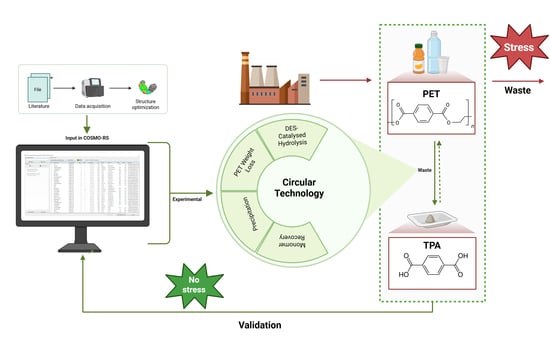
Polyethylene Terephthalate Hydrolysis Catalyzed by Deep Eutectic Solvents: COSMO-RS Screening and Experimental Validation


,
,
,
and
1
Department of Chemical and Process Engineering, Faculty of Engineering and Built Environment, Universiti Kebangsaan Malaysia, Bangi 43600, Malaysia
2
School of Mechanical and Electrical Engineering, Qingdao Binhai University, Qingdao 266555, China
3
Chemical Engineering Department, College of Engineering, King Saud University, P.O. Box 800, Riyadh 11421, Saudi Arabia
*
Authors to whom correspondence should be addressed.
This article belongs to the Section Catalytic Materials

Abstract

Chemical recycling is one of the most prominent techniques that enables monomer recovery for plastics like polyethylene terephthalate (PET), which ultimately reduces the dependency on virgin material inputs. In this study, 40 deep eutectic solvents (DESs) were pre-screened using COSMO-RS to identify the best solvent for chemical recycling of PET. Quantitative evaluation was performed based on activity coefficients (γ) to assess solute–solvent interactions. Qualitatively, the sigma profile and sigma potential were analyzed to understand the polarity and affinity of each DES component. This study experimentally validated the two top-performing DESs based on COSMO-RS output. The DES formed by combining thymol with phenol (Thy/Phe (1:2)) achieved 100% PET degradation and 94.5% terephthalic acid (TPA) recovery from post-consumer PET in just 25 min. The rapid dissolution of PET into molten state accelerated the hydrolysis reaction, leading to efficient monomer recovery. The second DES, tetrabutylammonium bromide/sulfolane (TBABr/Sulf (1:7)), attained 93.7% PET degradation and 94% TPA recovery. The PET-to-solvent ratio used in this study was 0.75, while the PET-to-DES ratio in the mixture was only 0.15, the lowest reported for DES-assisted hydrolysis to date. Characterization of the recycled TPA confirmed a purity level comparable to its virgin grade, as verified by FT−IR analysis. This study presents two important outcomes. First, the use of COSMO-RS for DES selection provides a strong rationale for solvent choice in targeted reactions and processes. Second, the use of appropriate DES in this study helps reduce key parameters associated with depolymerisation process, including reaction time, temperature, and catalyst consumption.

1. Introduction

Plastics were developed to address the limitations and scarcity of natural materials. They are versatile materials that can be made to serve various functionalities. However, inadequate recycling facilities contribute to the mismanagement of plastics wastes, which causes them to be visible across water and land [1]. Due to their synthetic nature, plastics like polyethylene terephthalate (PET) are extremely resistant to natural degradation, with an estimated lifespan of up to 93 years [2,3].
To address these challenges, the circular plastics approach was favoured in the place of traditional linear production as it emphasizes extending the life cycle of plastics through reuse and recycling [4]. Presently, mechanical recycling is the most widely adopted technology. Mechanical recycling has been shown to significantly reduce greenhouse gas emissions, fossil-fuel usage, and landfill demand compared to virgin polymer production, with life-cycle assessments reporting energy savings of up to 130 million kilojoules per tonne of recycled plastics [5]. An issue with this pathway is that it often leads to material downcycling, quality reduction, and limited applications [6,7], which limits its progress toward a truly circular plastics economy.
Chemical recycling, on the other hand, offers a viable pathway to recover high-quality monomers that are comparable to virgin-grade materials [8,9], which essentially helps to reduce the reliance on using fossil fuel for new plastic production. Although still in its early stages, chemical recycling has gained increasing attention worldwide, with significant investments projected to scale its industrial deployment [10]. In Europe, this growth is critical for achieving the Circular Plastics Alliance’s (CPA) objective of using 10 million tons of recycled plastics in new products by 2025 [11].
Chemical recycling of PET can be performed using four techniques: (i) hydrolysis, (ii) methanolysis, (iii) aminolysis/ammonolysis, and (iv) glycolysis:
i
In hydrolysis, PET is broken down using water as a solvent under neutral, alkaline, or acidic conditions. The reaction typically requires higher temperature, pressure, and time, but these parameters can be adjusted with the use of an appropriate catalyst. The main monomers produced from this process are the primary PET building block called terephthalic acid (TPA) and ethylene glycol (EG) [12].
ii
Methanolysis operates under high pressure (2 to 4 MPa) and high temperatures (180–280 °C), yielding dimethyl terephthalate (DMT) and EG as byproducts [12].
iii
Aminolysis uses amine-containing solutions like methylamine or ethanolamine, which then forms diamides of terephthalic acid and EG. Ammonolysis employs anhydrous ammonia in an EG medium under pressure to produce terephthalamide and EG [13].
iv
Finally, glycolysis breaks down PET through solvolytic degradation, forming BHET monomers while generating oligomers as by-products [14].
Among the above established methods, only glycolysis and methanolysis have reached commercial maturity [12]. Despite its potential solution to achieve true circularity, chemical recycling can exceed mechanical recycling in energy consumption, emissions, water use, and the release of hazardous substances [15]. Furthermore, short-term LCAs may underestimate chemical and particulate pollution which leads to unintended environmental leakage and potential health risks associated with microplastics and additive residues [16]. The net environmental benefit of any recycling method is determined by its full life-cycle impact. This emphasizes the critical need to develop recycling technologies that not only maintain material quality but also excel in environmental performance across all metrics.
Among all chemical recycling methods, alkaline hydrolysis is particularly attractive, although not yet industrially feasible. It can achieve complete depolymerization under comparatively mild conditions and tolerate contaminated waste while still yielding high-purity recycled TPA [17]. This potential has driven the exploration of innovative reaction media to enhance the process. Ionic liquids (ILs) and deep eutectic solvents (DESs) have emerged as next-generation solvents capable of mediating solvolytic depolymerization [18,19]. Other notable methods include microwave irradiation [20], surface modifications of PET [21], ultrasound technique [22], and enzymatic reactions [23], as well as hybrid methods such as combining DESs with microwave irradiation [24]. Despite this progress, the application of ILs and DESs to alkaline hydrolysis of PET remains underexplored, with fewer than ten studies reported in the literature [24,25,26,27,28,29,30,31,32].
As a versatile subclass of ILs, DESs exhibit unique tunability, making them adaptable to various processes. The synthesis of DESs is a straightforward process. It involves mixing two or more compounds, each capable of accepting or donating hydrogen bonds, in a specific molar ratio. This interaction results in a significant depression of the freezing point, thus producing a liquid that remains stable at room temperature [33]. DESs are appealing candidates as catalytic solvents due to their unique properties such as easy preparation protocol [34], low-cost [33], negligible vapour pressure [35], and regeneration ability without significant loss of activity [36]. These characteristics make them more suitable for industrial processes compared to ILs and classical organic solvents.
This work was therefore designed with two primary objectives. First, a list of DESs was selected from the literature, and their effectiveness as a medium for PET dissolution was assessed through computational screening using the COnductor-like Screening MOdel for Real Solvent (COSMO-RS) model. This predictive tool analyzes molecular properties for favorable solute–solvent interactions such as σ-profiles, σ-potential, and activity coefficients at infinite dilution. In this regard, COSMO-RS streamlined the selection process from many different combinations of DESs to a few promising ones, thus reducing the time and costs associated with the manual solvent screening procedure. Second, the promising DESs candidate identified in the first step were synthesized, characterized, and evaluated experimentally for their catalytic performance in PET degradation and subsequent TPA recovery. Previous studies have focused solely on ILs for depolymerization using COSMO-RS simulations [37]. To the best of our knowledge, this study is the first to integrate COSMO-RS computational screening with experimental evaluation of DESs for PET depolymerization.

2. Results

2.1. COSMO-RS Screening Results

Table 1 summarizes the 40 deep eutectic solvents (DESs) investigated in this work, detailing their hydrogen bond acceptors (HBAs), hydrogen bond donors (HBDs), molar ratios, and respective abbreviations. These DESs were selected from prior work based on their stability at room temperature to facilitate experimental procedures.
Table 1. List of DESs screened in this study.

2.1.1. Logarithmic Activity Coefficient of PET in DESs as Predicted Using COSMO-RS

Within the framework of solid–liquid equilibria (SLE) [53,54], the activity coefficient (γ) reflects the non-ideality of a solute in a solvent, with lower γ values generally indicating stronger solute–solvent interactions and, therefore, higher solubility. Ideal behavior (γ = 1) implies that all molecular interactions are of similar strength, and no component is preferentially stabilized. In COSMO-RS, deviations from ideality are expressed as ln γ, with negative values corresponding to γ < 1, further supporting favorable solute–solvent interactions.
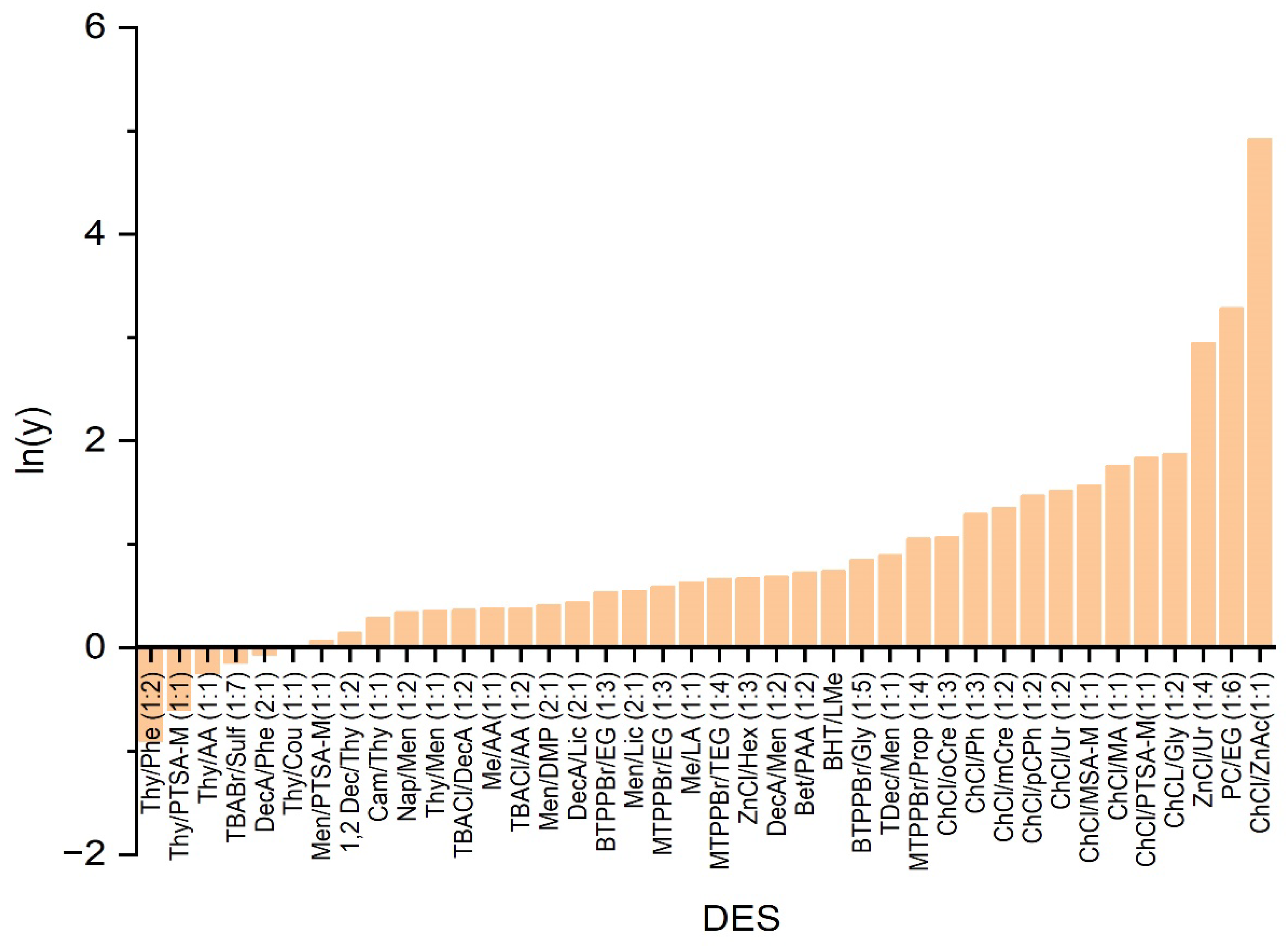
As per Equation (1), the chemical potential of a species (i) has a linear relationship with the logarithm of the activity coefficient. When the value of ln(γ) is negative, a lower chemical potential is required for the species to reach its standard state. This indicates that it is more energetically favorable for the species to remain in solution, leading to stronger interactions between solute and solvent. In short, a negative ln(γ) suggests high solubility of the solute in the solvent [37]. Figure 1 presents the logarithmic activity coefficients (ln(γ)) for all investigated DESs. Only six DESs exhibited negative ln(γ) values. The DESs are ranked according to their dissolving capacity and arranged from the highest to lowest capacity.
Figure 1. Value of logarithmic activity of PET in DES.
A clear trend can be observed among the commonly assessed HBAs and HBDs in this study which are choline chloride, thymol, menthol, and phenol. Choline chloride, despite the variations in its HBDs, could not outperform the strength of a pure choline chloride. This makes choline a less desirable choice for PET dissolution. On the other hand, thymol and menthol-based DESs showed immense potential, and the accurate selection of HBDs can significantly impact the overall performance of this type of DES in dissolving PET. Phenol also emerged as a strong candidate for use in DESs. However, when paired with choline chloride, the effectiveness of phenol is hindered because it is hindered by the strong nature of choline chloride which leads to suboptimal performance. Conversely, phenol proves highly effective when combined with other salts like thymol or menthol, as these combinations allow phenol’s strengths to complement those of the partner molecule.

2.1.2. σ-Profile and σ-Potential of DESs in Relation of PET

COSMO-RS is a computational method comprising two primary steps: (1) Quantum chemical calculations, where molecules are subjected to quantum chemical computations using a continuum solvation model. This generates a screening charge density (σ) on the molecular surface, represented as a σ-profile and (2) statistical thermodynamics calculations, which employ statistical thermodynamic principles. The σ-profile is used to compute molecular energy based on electrostatic, hydrogen bonding, and Van der Waals interactions. This process yields a σ-potential [55].
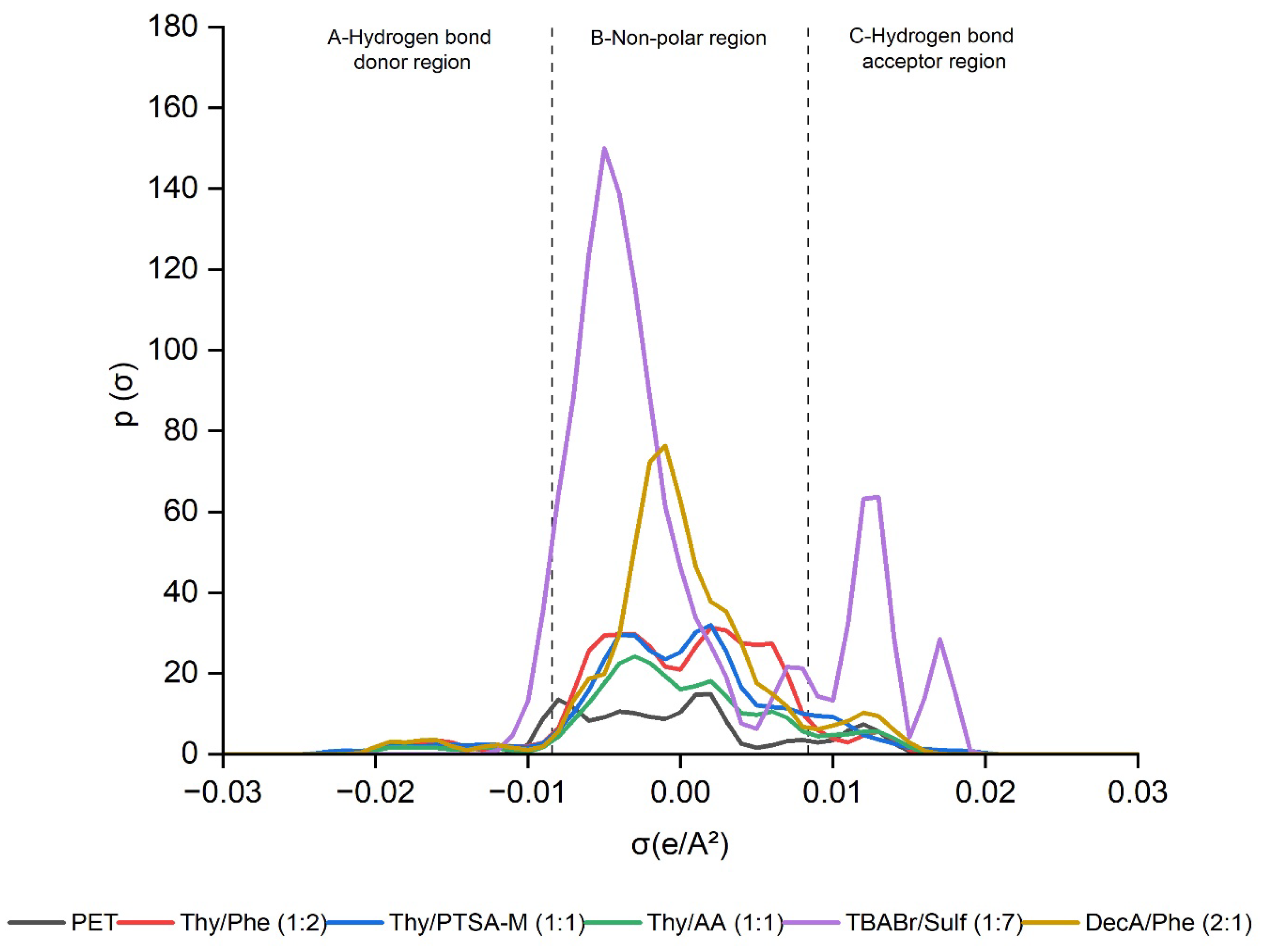
In essence, σ-profile describe the polarity distribution between solutes and solvents. There are three main regions that differentiate polarity, as shown in Figure 2. Regions A and C are the polar regions, with region A representing polar donor (HBD) and C representing polar acceptor (HBA). Region B, which lies between −0.0084 and 0.0084 eA−2, corresponds to the non-polar region [56]. Figure 2 categorizes σ-profile based on the five best-performing DESs, according to their negative ln (y) value. According to the σ-profile plots provided, PET exhibits most peaks around the non-polar region, with a smaller peak observed around the HBA area. Given the principle of “like attracts like”, the optimal DES for the dissolution process would ideally feature peaks within both the non-polar and HBD regions. This preference arises because the HBD components of the DES are expected to interact with the HBA constituents of PET. All the investigated DESs have compatibility with PET within its non-polar region.
Figure 2. σ-profile for top five DESs based on ln (y).
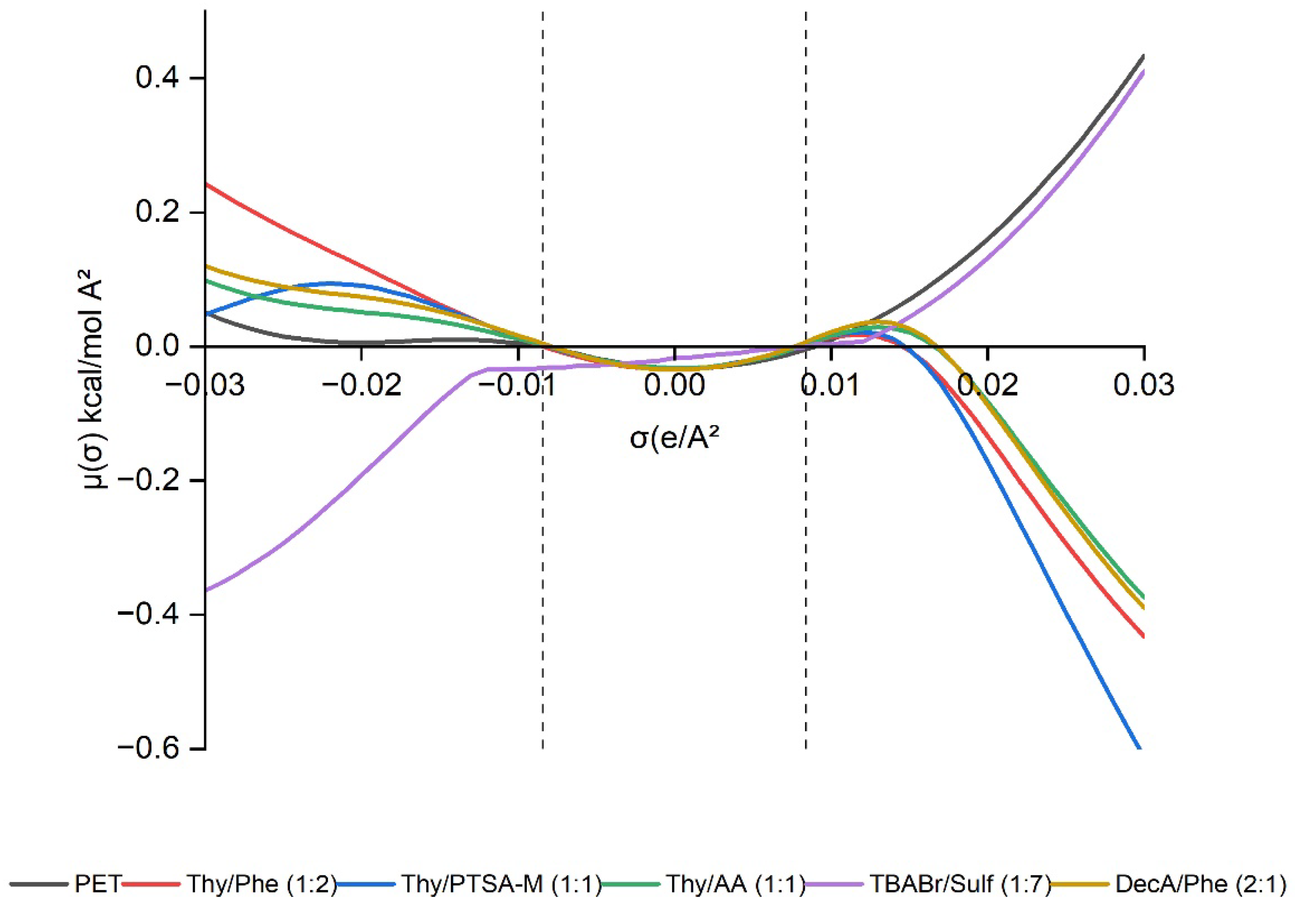
Another descriptor that can be used to describe the interaction between PET and DES is the acquisition of σ-potential plot in COSMO-RS. The plot is expressed in Figure 3 below.
Figure 3. σ-potential plot for top five DESs based on ln (y).
The σ-potential (μ(σ)) measures the system’s affinity for a surface of a given polarity (σ), thereby elucidating the nature of PET-DES interactions. Attractive interactions are indicated by a negative μ(σ) value, with the magnitude of the negativity corresponding to the strength of the interaction, whereas repulsive interactions are indicated by a positive value. In addition, the asymmetry of the σ-potential plot also reveals specific favorable interactions, where a negative potential in the HBD region denotes a tendency to interact with HBAs, while a negative potential in the HBA region denotes a tendency to interact with HBDs. For example, in Figure 3, the HBD of TBABr/Sulf (1:7) shows the strongest affinity for the HBA sites of PET, while the HBA component of Thy/PTSA-M (1:1) exhibits the highest affinity for the HBD sites of PET. However, interactions in these polar regions are not favorable due to the repulsive behavior of PET.
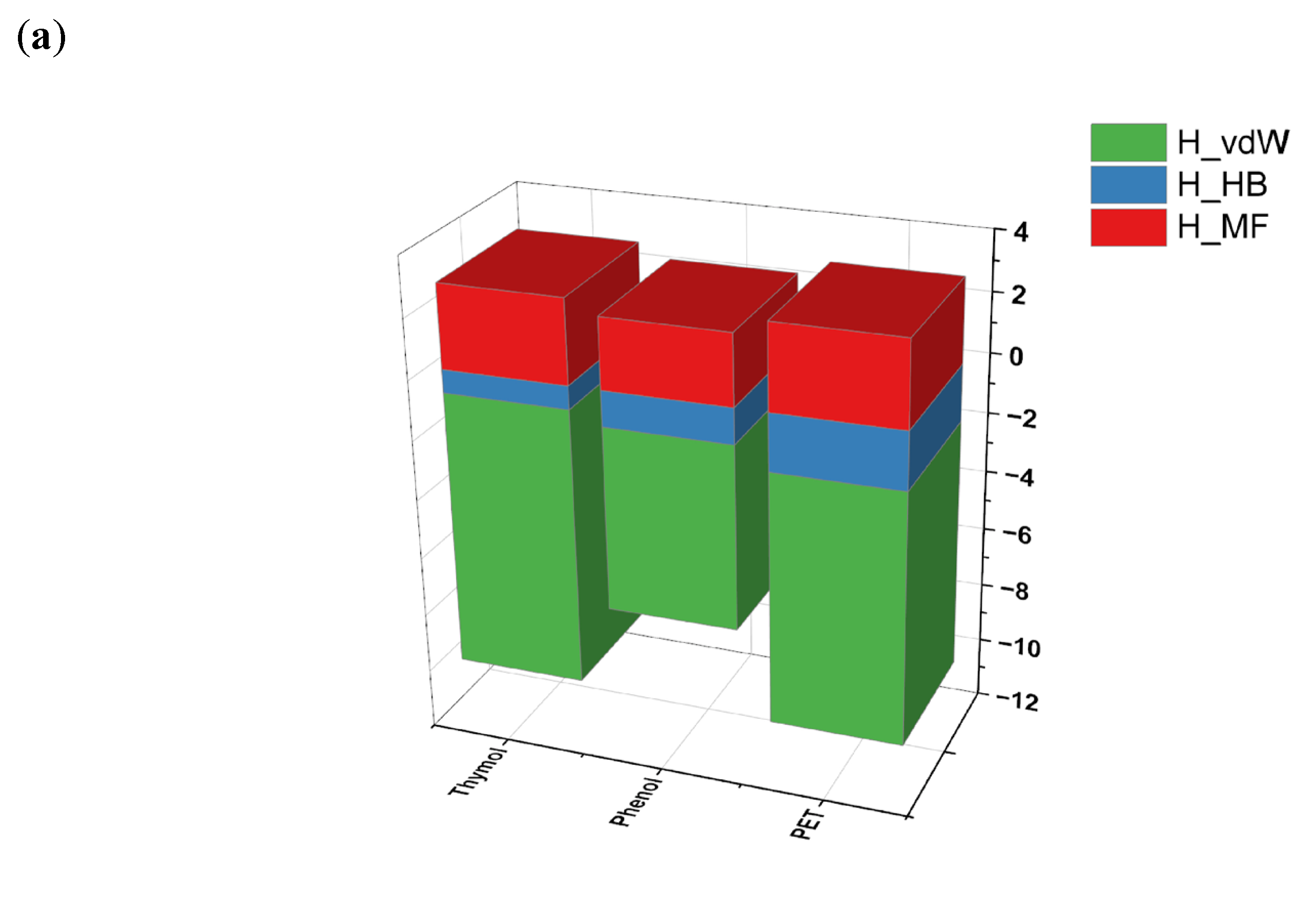
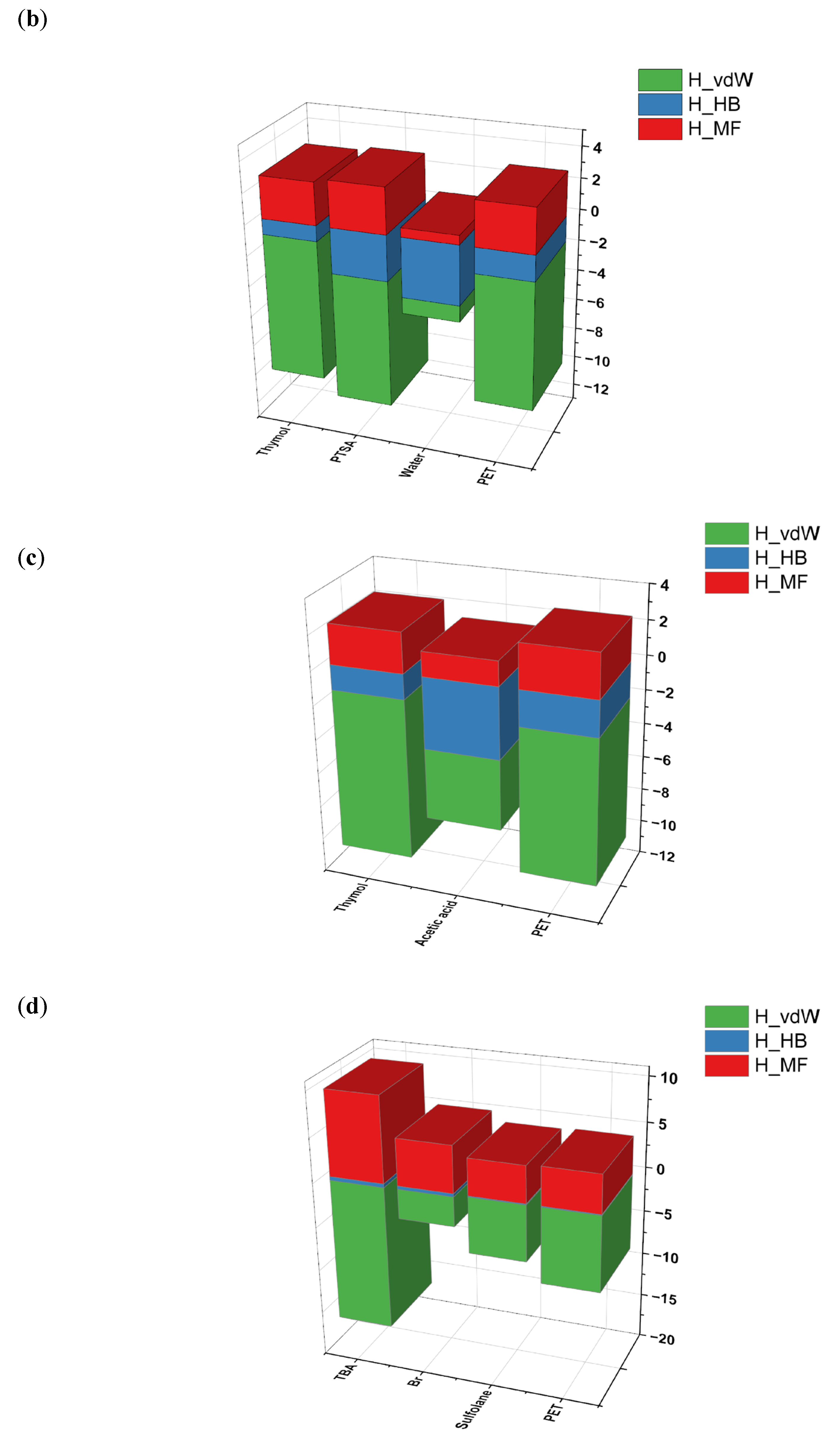
Figure 4 reviews the energy contribution of some best performing DESs in relation to the intermolecular interactions which are misfit (H_MF), hydrogen bonding (H_HB), and Van der Waals forces (H_vdW) [57].
Figure 4. Individual component contributions to the excess enthalpy of mixing for (a) Thy/Phe (1:2) (b) Thy/PTSA-M (1:1), (c) Thy/AA (1:1), and (d) TBABr/Sulf (1:7) DES systems with PET.
In Figure 4, H_MF does not contribute to the overall interactions for all DESs as its positive contribution actually signifies an unfavourable effect. The H_vdW contribution is more negative than the H-bond contribution in COSMO-RS, indicating that attractive forces due to Van der Waals interactions play a more significant role in stabilizing the system compared to hydrogen bonding. Dispersion forces dominate the interactions between PET and the high-performing DESs due to the nonpolar nature of both components and their limited capacity for hydrogen bonding. As illustrated in the σ-potential plot, these DESs have only one site available for hydrogen bonding. All DESs investigated exhibited negative energy contribution as expected given their favourable solubility for PET. Several studies on the energy contributions of DESs or ILs in similar systems have discussed this [58,59].

2.2. Experimental Validation for Catalytic Hydrolysis of PET

Based on computational screening, three DESs with the highest dissolution capacity were selected for hydrolysis experiments. Due to its catalytic potential noted in previous studies, ChCl/mCre (1:2) was also studied as reference. Table 2 provides the information on the list of DESs used for catalytic study, along with their stability as a solvent. Thy/PTSA-M (1:2) and Thy/AA (1:1) are excluded from study due to their instability.
Table 2. DESs chosen for catalytic depolymerization of PET.
The first part of the experimental study is to assess the capacity of DES alone in dissolving PET. The solubility study was evaluated over a 60-min period at 130 °C. Conversion percentages are summarized in Table 3. In this study, PET solubility is assessed based on the changes in its physical state.
Table 3. Commercial PET granules dissolution in DES after 60 min at T = 130 °C.
As indicated in Table 3, Thy/Phe (1:2) can fully solubilize PET, with complete solubility observed within only 15 min. TBABr/Sulf (1:7) showed full solubility at 60 min while ChCl/mCre (1:2) was not effective in solubilizing PET. PET in its molten state facilitates faster hydrolysis compared to when it is in solid state. This gives Thy/Phe (1:2) and TBABr/Sulf (1:7) the advantage to proceed with faster hydrolysis rates and milder conditions compared to using other DESs.
In the second experimental part, DESs were used as the primary solvent, with minimal water content in the aqueous NaOH solution. This approach was adopted due to the insolubility of solid NaOH in DES. Thy/Phe (1:2) and TBABr/Sulf (1:2) successfully depolymerized PET; however, both the resulting TPA and DES turned brown, possibly due to side reactions. ChCl/mCre (1:2) showed no evidence of depolymerization under these conditions. This discoloration hinders recyclability and requires additional purification steps to obtain pure white TPA powder. This led to a third approach, incorporating an equal weight ratio of DES to aqueous NaOH. Here, water was added to moderate the reaction intensity between DES and NaOH, with the goal of minimizing browning in the final product. Data on PET weight loss (%) and TPA powder yield are presented in Table 4.
Table 4. PET weight loss (%) and TPA yield (%) for catalyzed hydrolysis using DES/ILs via conventional heating.
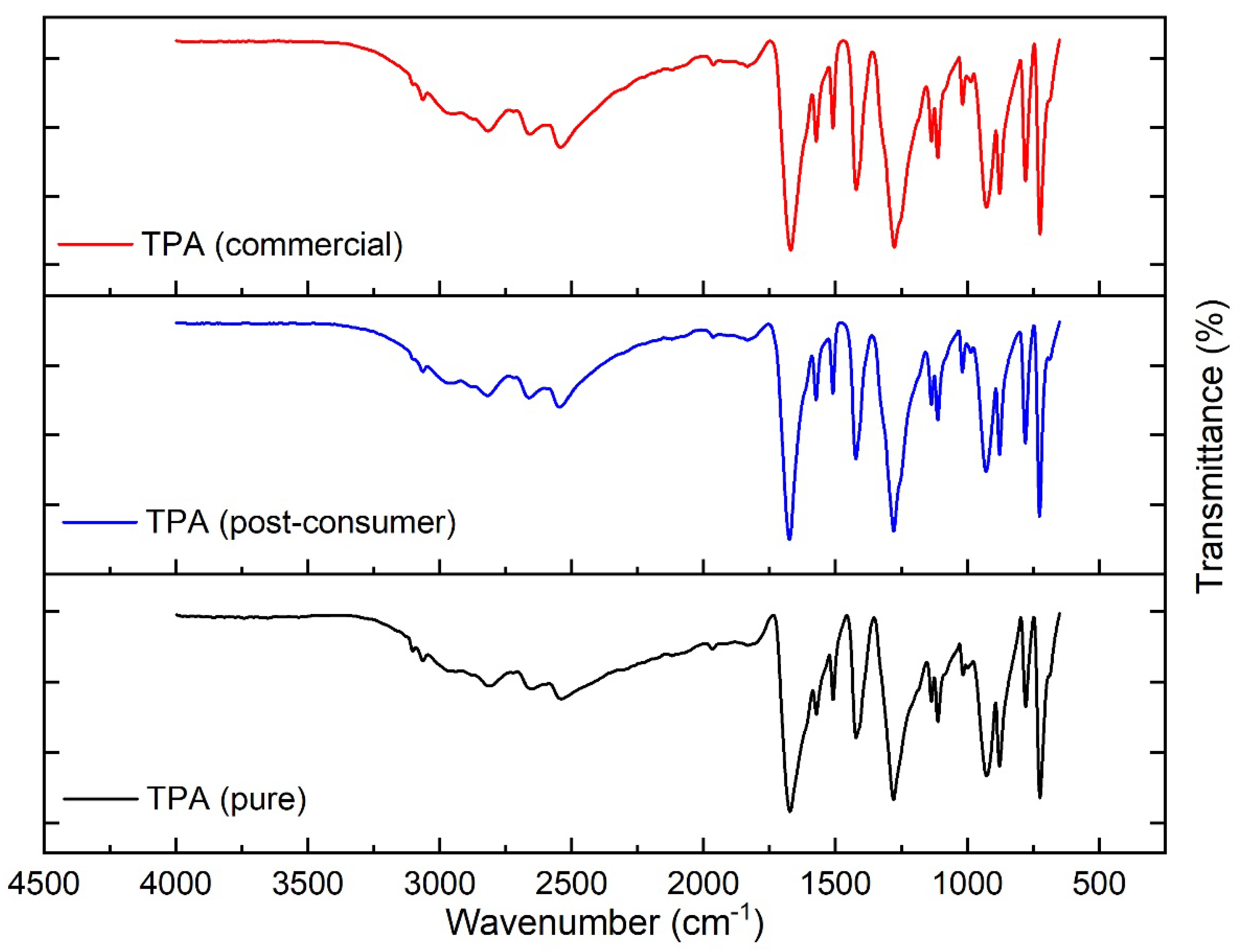
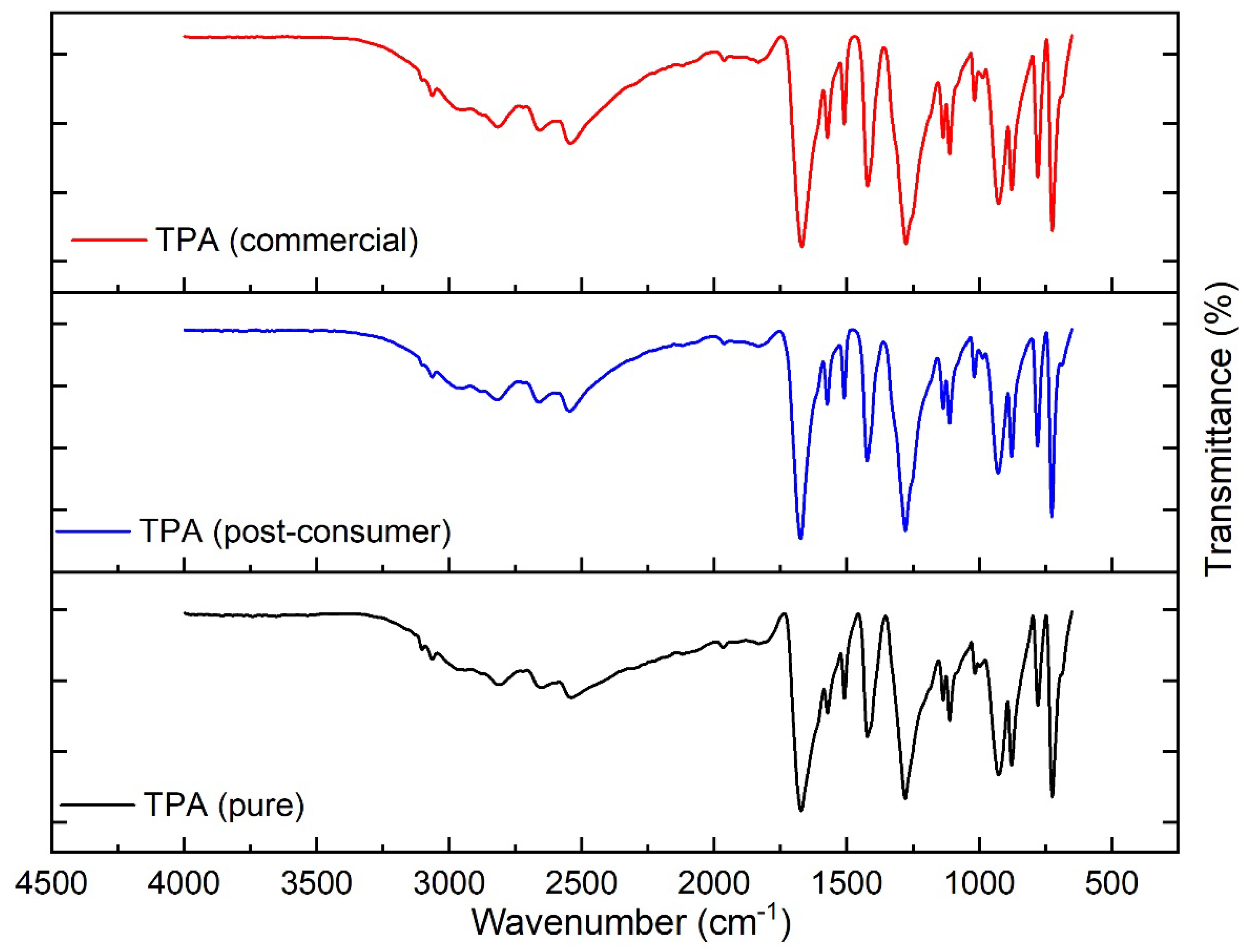
The identity and purity of the produced monomer TPA were confirmed using FT−IR spectroscopy. As shown in Figure 5 and Figure 6, the FT−IR spectra of recycled TPA derived from commercial and post-consumer closely resembled those of virgin-grade TPA with a purity of 99%. Characteristic peaks at 3064 cm−1, 1673 cm−1, and 1280 cm−1 indicated the presence of -OH, C=O, and C-O functional groups, respectively. Any remaining residuals can be effectively removed through additional washing steps to ensure the purity of the final product.
Figure 5. FT−IR spectra of recycled TPA using commercial pellets (upper), recycled TPA using post-consumer samples (middle), and virgin grade TPA (lower) obtained from depolymerization using Thy/Phe (1:2).
Figure 6. FT−IR spectra of recycled TPA using commercial pellets (upper), recycled TPA using post-consumer samples (middle), and virgin grade TPA (lower) obtained from depolymerization using TBABr/Sulf (1:7).
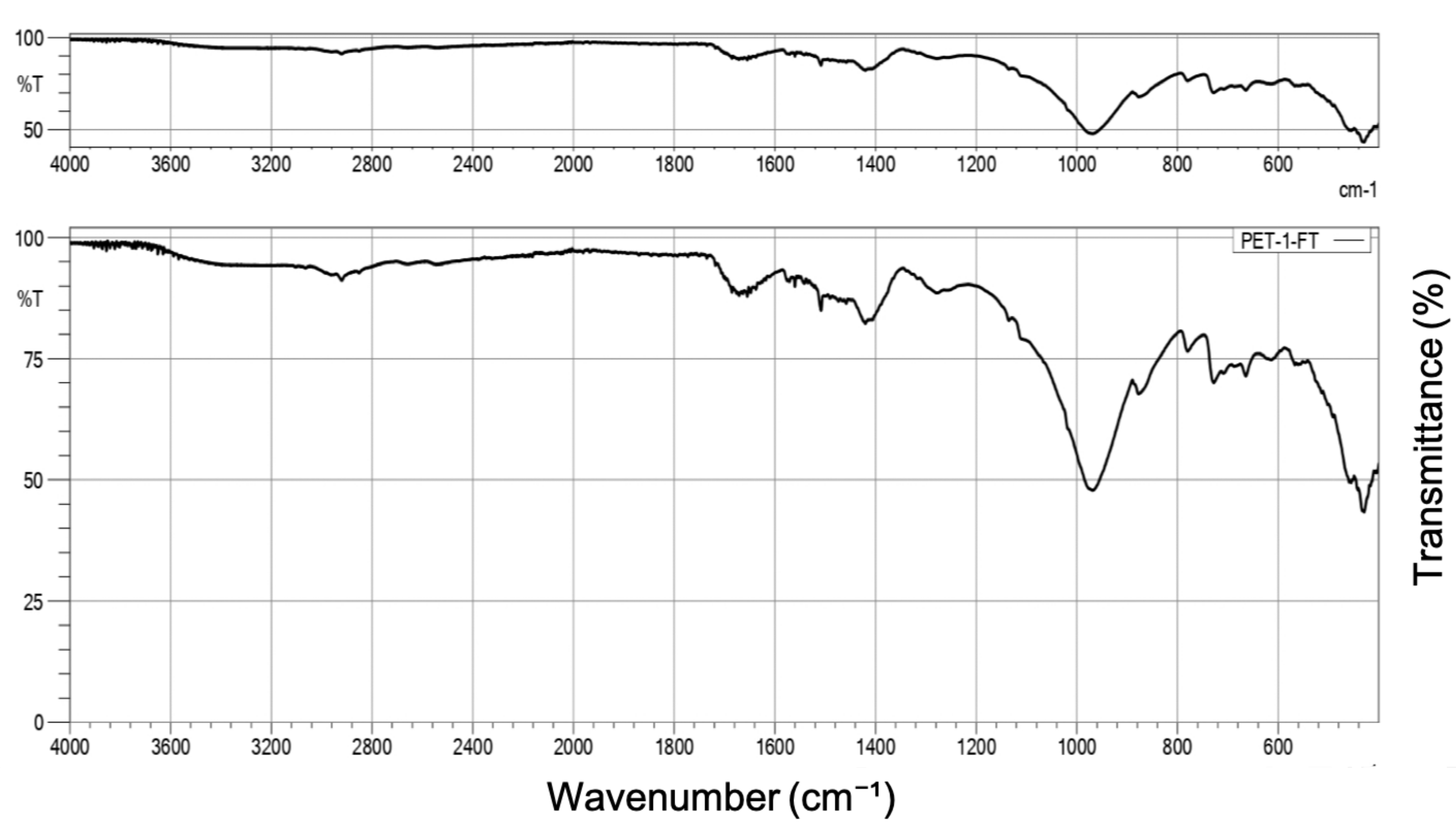
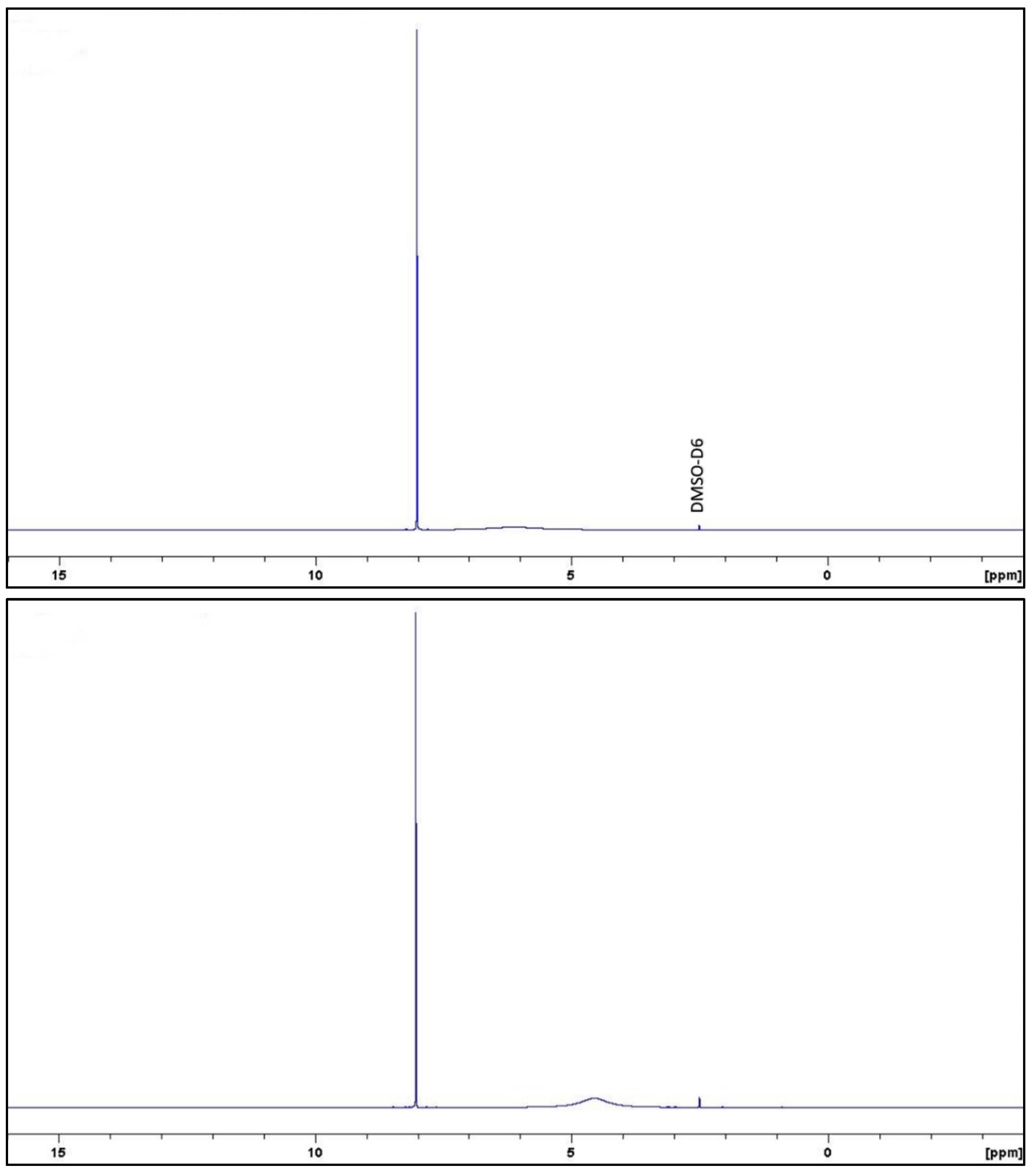
The FT−IR spectrum of the PET feedstock shown in Figure A1 (Appendix A1) exhibits the characteristics that are absent in the spectrum of the recycled TPA product, which visually confirms the chemical transformation achieved through hydrolysis. In addition, the 1H and 13C NMR spectra for both the recovered and pure TPA are provided in Figure A2 and Figure A3 (Appendix A2). The agreement between the spectra [24] confirms the high chemical purity and successful recovery of TPA, showing no detectable signals from oligomeric residues or other organic impurities.

3. Discussion

The results provided by COSMO-RS align well with our experimental findings. Firstly, Thy/Phe (1:2) showed the highest negative ln(y) value and was able to completely break down PET without the need for NaOH. Regardless of the dilution effect, the Thy/Phe-based DES still turned brown after only 15 min when added together with NaOH. We then explored an alternative approach by pre-treating the PET with only DES for 15 min, during which no visible PET was observed. Following this pre-treatment, NaOH was added and mixed for another 10 min. Despite employing a different approach and a shorter reaction time with NaOH, the percentage of PET degraded and TPA recovered with Thy/Phe (1:2) was notably higher than that of other DESs. The high reactivity of the Thy/Phe (1:2) offers a distinct advantage, enabling reactions to proceed efficiently at lower temperatures and shorter reaction times.
The second DES tested, TBABr/Sulf (1:7), had a lower negative ln(y) value, close to 0. This DES was able to degrade 68% of commercial PET and 93.7% of post-consumer PET, with TPA recovery yields of 86.6% and 94.1%, respectively. Lastly, our reference DES, ChCl/mCre (1:2), exhibited a positive ln(y). Theoretically a positive ln(y) value is indicative of low capacity for dissolution of compounds in this study pertaining to PET. As predicted, this DES could not degrade commercial-grade PET pellets and reached only 45.4% degradation and 25.9% TPA recovery when using post-consumer samples. The reaction predominantly produced intermediate products, indicating that while some PET was degraded, the process did not yield recoverable TPA. Similar to Thy/Phe (1:2), ChCl/mCre(1:2) DES also turned brown over time. The functionality of ChCl/mCre (1:2) can be altered by using higher reaction temperatures, longer reaction times, smaller PET particle sizes, assisted techniques, or a higher solvent-to-PET ratio to be more effective. Although COSMO-RS is a reliable pre-screening tool, it is important to note that its predictions at the molecular level may not fully account for potential side reactions that could impact the PET degradation. Therefore, further experimental investigation is required to confirm the compatibility of all chemicals involved and their effectiveness in this process.
Beyond conversion and recovery, the sustainability of the process under the proposed conditions must be considered. This process operates at T = 130 °C and ambient pressure, with reaction times of 40 min which are comparable to or lower than those reported for conventional alkaline hydrolysis and several other chemical recycling routes [39,60]. These milder conditions are expected to reduce overall thermal energy demand relative to processes that require higher temperatures or longer residence times.
The main contributors to environmental burden in this system are the electricity used and the consumption of solvent. This study presents a significant reduction in material use compared to standard practices. The consumed catalyst (NaOH) loading was decreased to 5 wt%, which is substantially lower than the typical 10–20 wt% employed [24,61] and the PET-to-DES ratio was minimized to 0.15. Furthermore, the use of non-volatile DESs [62] at atmospheric pressure mitigates the risks of solvent emissions and safety hazards associated with high-pressure operation or volatile organic solvents.
Compared with processes that rely on organic solvents or high-pressure operation, the use of DES-based media at atmospheric pressure reduces risks associated with solvent loss, owing to their negligible vapour pressure. While a full life-cycle assessment is beyond the scope of this study, the operating window demonstrated here indicates that the process is potentially competitive with established PET recycling routes.

4. Materials and Methods

4.1. Geometry Optimization and COSMO-RS Computation

The computational workflow for the COSMO-RS simulations involved several stages. Firstly, the molecular structures for all the DES constituent compounds and PET were constructed in Tmolex (version 4.0.1, COSMOlogic GmbH & Co. KG, Leverkusen, Germany) molecular builder. Each structure was then subjected to geometry optimization at the ground state using the DFT method with a B3LYP (Becke 3-parameter hybrid functional combined with the Lee–Yang–Parr correlation) paired with def2-TZVP basis set. Subsequently, single-point COSMO calculations were initiated using BP86/TZVP functional and basis set [37]. The resulting COSMO files were imported into COSMOthermX (version 19.0.4 COSMOlogic GmbH & Co. KG, Leverkusen, Germany) to obtain σ-profiles, σ-potentials, and the logarithmic activity coefficients (ln(γ)) of the binary mixtures.
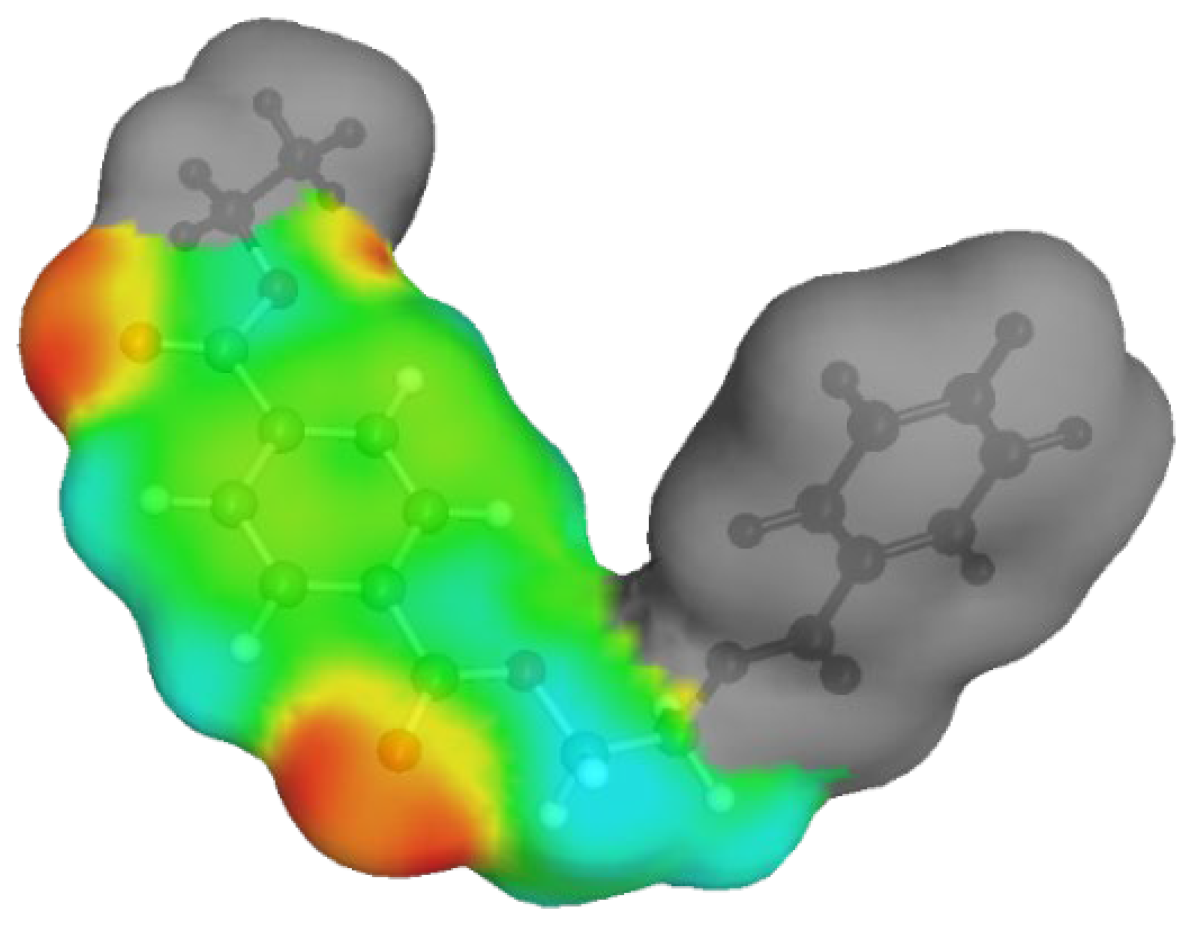
For COSMO-RS computation, each DES component was modelled as electroneutral where they are treated as a distinct species. Due to their large structural complexity, the optimization of polymer components is both computationally demanding and time intensive. In fact, in conventional computation, the COSMO-RS model handles the entire molecule as a single entity. However, for larger compounds like polymers, it becomes necessary to break down the structure into selected fragments. This means that the end group of polymers are deactivated using a weight string function. This function can selectively activate or deactivate specific atoms within the “.cosmo” file [63]. This method has been used in several studies employing COSMO-RS to investigate polymer compounds in their fragmented forms, such as dimers or trimers [64,65], and is considered reliable for preliminary screening purposes. For example, a PET dimer is formed by linking two TPA molecules via an ester bond between the carboxyl group of each TPA molecule and the hydroxyl group of an EG molecule. Figure 7 below illustrates the PET structure prepared for COSMO-RS computation, where the weight string (depicted in black) is set to 0.
Figure 7. PET structure with deactivated end group.

4.2. DES Screening Using COSMO-RS

To assess the performance of the 40 DESs listed in Table 1, the logarithmic activity coefficient (log(γ)) of the target solute was computed. The calculation of logarithmic activity coefficient of a mixture can be predicted by using the following equation:
ln γ i = μ i μ i ο R T
where μi is the chemical potential, μi0 is the chemical potential of the pure component i, R is the real gas contact, and T is the absolute temperature [66].

4.3. Chemicals and Materials Used in This Work

PET granules were purchased from Merck (Darmstadt, Germany). For the assessment using post-consumer samples, PET plastic bottles were collected from department recycling bins. The bottles were thoroughly washed, labels were removed, and they were dried before being cut into flakes of approximately 1 cm × 1 cm in size.
The components of DESs including choline chloride (98%), m-cresol (99%), tetra butylammonium bromide (99%), sulfolane (99%), thymol (98.5%), phenol (99%), and p-toluene sulfonic acid monohydrate (98%) were all purchased from Sigma-Aldrich (St. Louis, MO, USA). The chemicals used for hydrolysis and precipitation to TPA including sodium hydroxide (98%) and hydrochloric acid (37%) were purchased, respectively, from Chemiz (Shah Alam, Selangor, Malaysia) and RM Chemicals (Mississauga, ON, Canada). Finally, for the characterization of recycled TPA, pure terephthalic acid (99%) used for comparison was purchased from Chemiz (Malaysia). All these chemicals were of analytical grade and have been used without any purification.

4.4. Experimental Protocol

4.4.1. Synthesis of DES

The DESs chosen for experimental validation, identified through COSMO-RS screening, are listed in Table 2 (Section 2.2). Each DES was prepared by combining the corresponding HBA and HBD in the specified molar ratio. The mixture was then homogenized by magnetic stirring at 80 °C until a clear, uniform liquid phase was observed. All synthesized DESs were stored at room temperature in a dry environment and used within one week.

4.4.2. Depolymerization Experiment

Hydrolysis reactions were carried out at 130 °C ± 5 °C for 40 min in a 50 mL flask equipped with magnetic stirrer. A total of 600 mg of PET were used directly without any further size reduction and mixed with 8 g of DES/aqueous NaOH solution at a 1:1 weight ratio, resulting in a total NaOH concentration of 5 wt%.
Upon completion, the mixture was quenched with cold water to halt the hydrolysis reaction. Next, 20 mL of distilled water was added to the mixture to precipitate any unreacted PET and PET oligomers, which were then removed from the solution via vacuum filtration. The resulting liquid contained an aqueous solution of the used DES, disodium terephthalate, and EG. PET weight loss was calculated using the following equation:
P E T   w e i g h t   l o s s   ( % ) = W 1 W 2 W 1 ×   100 %
where W1 and W2 represent the weight of PET before and after the reaction, respectively.
TPA was precipitated by acidifying the filtrate with 2 mL of 37% hydrochloric acid (HCl). The recovered white TPA powder was washed few times with distilled water and dried overnight at 60 °C. The TPA yield was calculated using Equation (3).
T P A   y i e l d = W T P A W 1 W 2 × 100 %
where WTPA is the weight obtained after precipitation using HCl. The recycled TPA samples were compared to commercial TPA (Chemiz, purity > 99%) used as a standard.

5. Conclusions

In support of advancing plastic circularity, this study explored the use of DESs as promising catalytic media for the hydrolysis of PET. First, the correlation between computational predictions, performed by the COSMO-RS model, and experimental validation have confirmed its efficacy for a preliminary solvent screening. However, the validation was limited in this study to a qualitative ranking, and deeper analysis is required to ensure that the selected solvents are compatible with other media, such as NaOH. In terms of quantitative results, Thy/Phe (1:2) DES exhibited exceptional PET dissolution capacity and recovery of its constituent monomers. The high reactivity of this DES enables hydrolysis to be conducted under significantly milder conditions. On the other hand, TBABr/Sulf (1:7) DES showed promising results, with a PET breakdown of 68% with pure PET granules and 93.7% with post-consumer PET. The corresponding TPA recovery yields were 86.6% and 94.1%, respectively. The characterization of the recycled TPA from both DESs revealed a purity comparable to virgin-grade PET (Chemiz > 99%), as validated by FT−IR analysis. By contrast, the reference DES, ChCl/mCre (1:2), achieved only 3.3% degradation with commercial PET and 45.4% with post-consumer samples, with minimal TPA recovery. The solvolysis performance aligns with theoretical predictions, as this type of DES is not expected to effectively dissolve PET. Overall, this work validates COSMO-RS as a reliable pre-screening tool for identifying effective DESs for PET depolymerization. The combined computational–experimental framework presented here provides a cost- and time-efficient pathway to accelerate solvent discovery with potential to advance scalable, sustainable solutions for industrial PET recycling.

Author Contributions

Conceptualization, Formal analysis, Investigation, Writing—original draft, visualization, N.A.F.; data curation, validation, writing—review and editing, supervision, methodology, project administration, M.Z.M.S.; Supervision, project administration, funding acquisition, N.Y.Y.; writing—review and editing, methodology, validation, Y.S.D.; writing—review and editing, resources, validation, visualization, funding acquisition, M.K.H.-K. All authors have read and agreed to the published version of the manuscript.

Funding

This work was supported by the Ministry of Higher Education, Malaysia through the grant provided under the Fundamental Research Grant Scheme (FRGS), i.e., FRGS/1/2023/TK05/UKM/02/5. This research is also supported by the Ongoing Research Funding program (ORF-2025–361), King Saud University, Riyadh, Saudi Arabia.

Data Availability Statement

The original contributions presented in this study are included in the article. Further inquiries can be directed to the corresponding authors.

Acknowledgments

The authors wish to acknowledge Mood Mohan for his insightful technical guidance on this work.

Conflicts of Interest

The authors declare no conflicts of interest.

Abbreviations

The following list contains abbreviations used throughout the manuscript that are not defined in the main text.
FeCl3.6H2OFerric chloride hexahydrate
P-TSAP-toluenesulfonic acid
AAAcetic acid
MSAmethanesulfonic acid
[Bmim][Cl]1-butyl-3-methylimidazolium chloride
[HSO3-pmim][HSO4]1-methyl-3-(3-sulfopropyl)-imidazolium hydrogen sulfate

Appendix A

Appendix A.1

The FT−IR spectrum of the original post-consumer PET bottle feedstock is presented in Figure A1. This spectrum was included to provide a baseline for comparison with the recycled products and to address the potential influence of the starting material’s properties.
Figure A1. 1FT−IR spectra of recycled PET bottle.

Appendix A.2

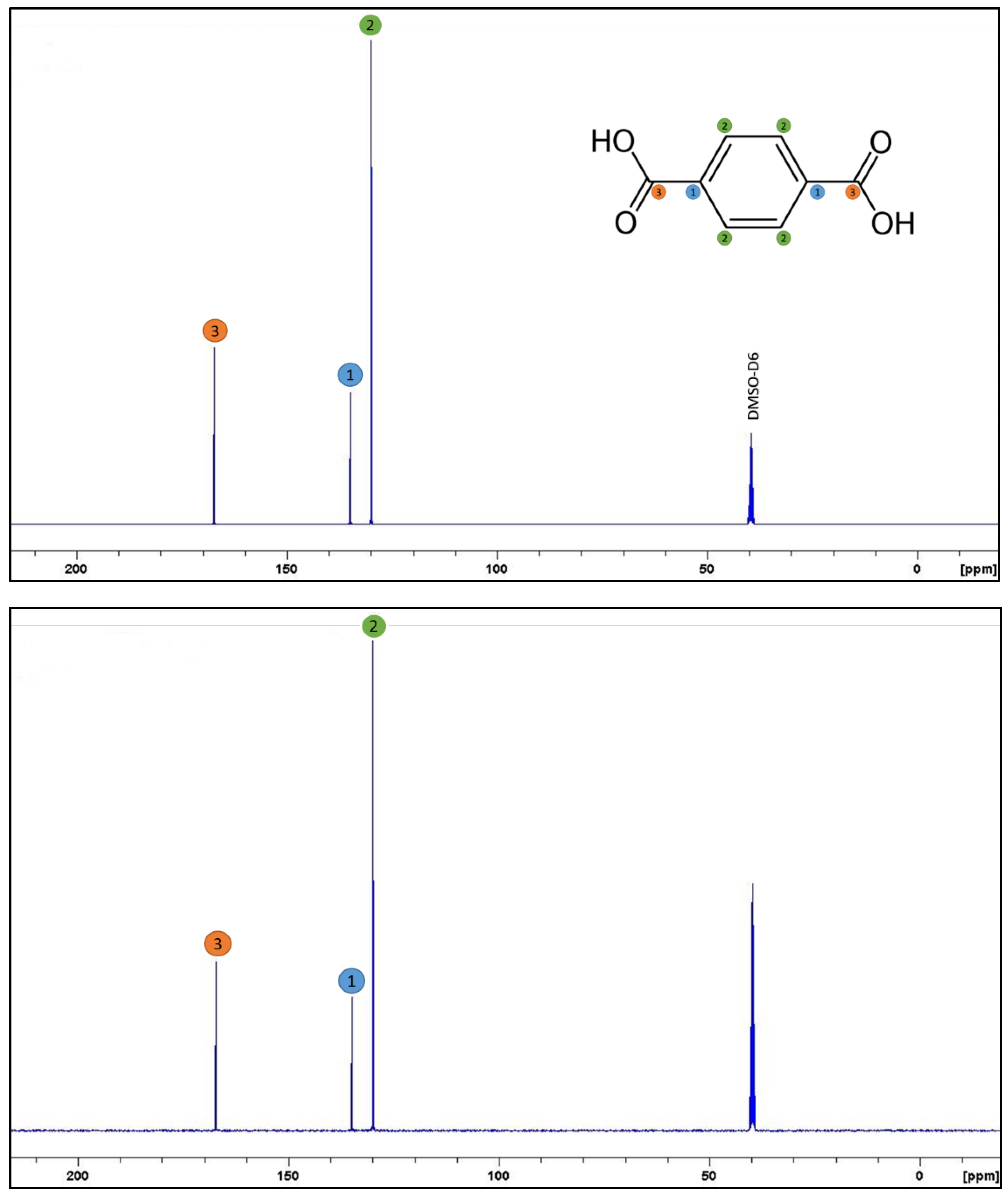
The 13C NMR and 1H spectra of the pure and recovered TPA, dissolved in DMSO, are presented in Figure A2 and Figure A3, respectively. The 1H NMR spectrum exhibited a single sharp signal at δ = 8.0253 ppm, corresponding to the equivalent aromatic protons of TPA. In the 13C NMR spectrum, three distinct signals were observed at δ = 167.18, 134.88, and 129.9 ppm, which are characteristic of the carboxyl carbons (C=O) and aromatic ring carbons of TPA, respectively. These findings are in good agreement with previously reported NMR data for pure TPA [24], confirming the successful formation of the desired product. Notably, the spectra displayed no significant impurities, as other detectable peaks were of negligible intensity.
Figure A2. 13C NMR spectra of pure TPA (top) and recycled TPA (bottom).
Figure A3. 1H NMR spectra of pure TPA (top) and recycled TPA (bottom).

References

  1. Choudhary, K.; Sangwan, K.S.; Goyal, D. Environment and economic impacts assessment of PET waste recycling with conventional and renewable sources of energy. Procedia CIRP 2019, 80, 422–427. [Google Scholar] [CrossRef]
  2. Allen, N.S.; Edge, M.; Mohammadian, M.; Jones, K. Physicochemical aspects of the environmental degradation of poly (ethylene terephthalate). Polym. Degrad. Stab. 1994, 43, 229–237. [Google Scholar] [CrossRef]
  3. Fattah, A.N.; Hizaddin, H.F.; Hashim, M.A.; Basirun, W.J.; Salleh, M.M.Z. Evaluation of Deep Eutectic Solvent Performance for the Extraction of Free 3-Monochloropropane-1, 2-diol (3-MCPD) from Model Oil–COSMO-RS and Experimental Validation. Eur. J. Lipid Sci. Technol. 2022, 124, 2100165. [Google Scholar] [CrossRef]
  4. Johansen, M.R.; Christensen, T.B.; Ramos, T.M.; Syberg, K. A review of the plastic value chain from a circular economy perspective. J. Environ. Manag. 2022, 302, 113975. [Google Scholar] [CrossRef]
  5. Garcia, J.M.; Robertson, M.L. The future of plastics recycling. Science 2017, 358, 870–872. [Google Scholar] [CrossRef]
  6. Lamtai, A.; Elkoun, S.; Robert, M.; Mighri, F.; Diez, C. Mechanical Recycling of Thermoplastics: A Review of Key Issues. Waste 2023, 1, 860–883. [Google Scholar] [CrossRef]
  7. Kassab, A.; Al Nabhani, D.; Mohanty, P.; Pannier, C.; Ayoub, G.Y. Advancing plastic recycling: Challenges and opportunities in the integration of 3d printing and distributed recycling for a circular economy. Polymers 2023, 15, 3881. [Google Scholar] [CrossRef]
  8. Quicker, P.; Seitz, M.; Vogel, J. Chemical recycling: A critical assessment of potential process approaches. Waste Manag. Res. 2022, 40, 1494–1504. [Google Scholar] [CrossRef]
  9. Chemical Recycling in Circular Perspective. Available online: https://circulareconomy.europa.eu/platform/sites/default/files/2023-08/Chemical%20Recycling%20in%20Circular%20Perspective.pdf (accessed on 4 July 2025).
  10. Beghetto, V.; Gatto, V.; Samiolo, R.; Scolaro, C.; Brahimi, S.; Facchin, M.; Visco, A. Plastics today: Key challenges and EU strategies towards carbon neutrality: A review. Environ. Pollut. 2023, 334, 122102. [Google Scholar] [CrossRef]
  11. The Circular Economy for Plastics—A European Analysis 2024. Available online: https://plasticseurope.org/knowledge-hub/the-circular-economy-for-plastics-a-european-analysis-2024/ (accessed on 27 June 2025).
  12. Grigore, M.E. Methods of recycling, properties and applications of recycled thermoplastic polymers. Recycling 2017, 2, 24. [Google Scholar] [CrossRef]
  13. Shojaei, B.; Abtahi, M.; Najafi, M. Chemical recycling of PET: A stepping-stone toward sustainability. Polym. Adv. Technol. 2020, 31, 2912–2938. [Google Scholar] [CrossRef]
  14. Aguado, A.; Becerra, L.; Martínez, L. Glycolysis optimisation of different complex PET waste with recovery and reuse of ethylene glycol. Chem. Pap. 2023, 77, 3293–3303. [Google Scholar] [CrossRef]
  15. Jiang, X.; Bateer, B. A systematic review of plastic recycling: Technology, environmental impact and economic evaluation. Waste Manag. Res. 2025, 43, 1159–1178. [Google Scholar] [CrossRef] [PubMed]
  16. Singh, N.; Walker, T.R. Plastic recycling: A panacea or environmental pollution problem. npj Mater. Sustain. 2024, 2, 17. [Google Scholar] [CrossRef]
  17. Ügdüler, S.; Van Geem, K.M.; Denolf, R.; Roosen, M.; Mys, N.; Ragaert, K.; De Meester, S. Towards closed-loop recycling of multilayer and coloured PET plastic waste by alkaline hydrolysis. Green Chem. 2020, 22, 5376–5394. [Google Scholar] [CrossRef]
  18. Shi, K.; Guo, L.; Zheng, R.; Wang, H.; Chen, Y. Preparation of diacid comprising ionic liquid catalyst and its application in catalytic degradation of PET. Catal. Lett. 2022, 152, 1182–1193. [Google Scholar] [CrossRef]
  19. Wang, R.; Wang, T.; Yu, G.; Chen, X. A new class of catalysts for the glycolysis of PET: Deep eutectic solvent@ ZIF-8 composite. Polym. Degrad. Stab. 2021, 183, 109463. [Google Scholar] [CrossRef]
  20. Siddiqui, M.N.; Achilias, D.S.; Redhwi, H.H.; Bikiaris, D.N.; Katsogiannis, K.A.G.; Karayannidis, G.P. Hydrolytic depolymerization of PET in a microwave reactor. Macromol. Mater. Eng. 2010, 295, 575–584. [Google Scholar] [CrossRef]
  21. Cho, J.Y.; Choi, H.-M.; Oh, K.W. Rapid hydrophilic modification of poly (ethylene terephthalate) surface by using deep eutectic solvent and microwave irradiation. Text. Res. J. 2016, 86, 1318–1327. [Google Scholar] [CrossRef]
  22. Bhogle, C.S.; Pandit, A.B. Ultrasound-assisted alkaline hydrolysis of waste poly (ethylene terephthalate) in aqueous and non-aqueous media at low temperature. Indian Chem. Eng. 2018, 60, 122–140. [Google Scholar] [CrossRef]
  23. Giraldo-Narcizo, S.; Guenani, N.; Sánchez-Pérez, A.M.; Guerrero, A. Accelerated Polyethylene Terephthalate (PET) Enzymatic Degradation by Room Temperature Alkali Pre-treatment for Reduced Polymer Crystallinity. ChemBioChem 2023, 24, e202200503. [Google Scholar] [CrossRef]
  24. Attallah, O.A.; Janssens, A.; Azeem, M.; Fournet, M.B. Fast, high monomer yield from post-consumer polyethylene terephthalate via combined microwave and deep eutectic solvent hydrolytic depolymerization. ACS Sustain. Chem. Eng. 2021, 9, 17174–17185. [Google Scholar] [CrossRef]
  25. Rollo, M.; Perini, M.A.; Sanzone, A.; Polastri, L.; Tiecco, M.; Torregrosa-Chinillach, A.; Martinelli, E.; Ciancaleoni, G. Effect of chloride salts and microwaves on polyethylene terephthalate (PET) hydrolysis by iron chloride/acetic acid Lewis/Brønsted acidic deep eutectic solvent. RSC Sustain. 2024, 2, 187–196. [Google Scholar] [CrossRef]
  26. Attallah, O.A.; Azeem, M.; Nikolaivits, E.; Topakas, E.; Fournet, M.B. Progressing ultragreen, energy-efficient biobased depolymerization of poly (ethylene terephthalate) via microwave-assisted green deep eutectic solvent and enzymatic treatment. Polymers 2021, 14, 109. [Google Scholar] [CrossRef] [PubMed]
  27. Azeem, M.; Attallah, O.A.; Tas, C.E.; Fournet, M.B. All Green Microwave Assisted 99% Depolymerisation of Polyethylene Terephthalate into Value Added Products via Glycerol Pre-treatment and Hydrolysis Reaction. J. Polym. Environ. 2024, 32, 303–315. [Google Scholar] [CrossRef]
  28. Azeem, M.; Fournet, M.B.; Attallah, O.A. Ultrafast 99% Polyethylene terephthalate depolymerization into value added monomers using sequential glycolysis-hydrolysis under microwave irradiation. Arab. J. Chem. 2022, 15, 103903. [Google Scholar] [CrossRef]
  29. Liu, F.; Cui, X.; Yu, S.; Li, Z.; Ge, X. Hydrolysis reaction of poly (ethylene terephthalate) using ionic liquids as solvent and catalyst. J. Appl. Polym. Sci. 2009, 114, 3561–3565. [Google Scholar] [CrossRef]
  30. Xiao, C.; Fusheng, L.; Zhuo, L.; Shitao, Y. Hydrolysis of poly (ethylene terephthalate) to recover terephthalic acid in ionic liquids. Chem. Eng. 2010, 38, 40–44. [Google Scholar]
  31. Zheng, X.; Feng, J.; Lu, Y.; Li, R.; Cavaco-paulo, A.; Fu, J. Deep eutectic solvent as an additive to improve enzymatic hydrolysis of polyethylene terephthalate (PET). J. Polym. Environ. 2024, 32, 5936–5951. [Google Scholar] [CrossRef]
  32. Rollo, M.; Raffi, F.; Rossi, E.; Tiecco, M.; Martinelli, E.; Ciancaleoni, G. Depolymerization of polyethylene terephthalate (PET) under mild conditions by Lewis/Brønsted acidic deep eutectic solvents. Chem. Eng. J. 2023, 456, 141092. [Google Scholar] [CrossRef]
  33. Smith, E.L.; Abbott, A.P.; Ryder, K.S. Deep eutectic solvents (DESs) and their applications. Chem. Rev. 2014, 114, 11060–11082. [Google Scholar] [CrossRef] [PubMed]
  34. Zhang, Q.; Vigier, K.D.O.; Royer, S.; Jérôme, F. Deep eutectic solvents: Syntheses, properties and applications. Chem. Soc. Rev. 2012, 41, 7108–7146. [Google Scholar] [CrossRef] [PubMed]
  35. Abbott, A.P.; Capper, G.; Davies, D.L.; Rasheed, R.K.; Tambyrajah, V. Novel solvent properties of choline chloride/urea mixtures. Chem. Commun. 2003, 1, 70–71. [Google Scholar] [CrossRef] [PubMed]
  36. Vigier, K.D.O.; Chatel, G.; Jerome, F. Contribution of deep eutectic solvents for biomass processing: Opportunities, challenges, and limitations. Chem. Commun. 2015, 7, 1250–1260. [Google Scholar] [CrossRef]
  37. Mohan, M.; Keasling, J.D.; Simmons, B.A.; Singh, S. In silico COSMO-RS predictive screening of ionic liquids for the dissolution of plastic. Green Chem. 2022, 24, 4140–4152. [Google Scholar] [CrossRef]
  38. Xie, Y.; Zhao, J.; Wang, P.; Ji, Z.; Ling, Z.; Yong, Q. Microwave-assisted fast co-production of fermentable sugar and nanocellulose via tunable zinc acetate based deep eutectic solvents treatments. Ind. Crops Prod. 2023, 191, 115965. [Google Scholar] [CrossRef]
  39. Paparella, A.N.; Perrone, S.; Salomone, A.; Messa, F.; Cicco, L.; Capriati, V.; Perna, F.M.; Vitale, P. Use of Deep Eutectic solvents in Plastic depolymerization. Catalysts 2023, 13, 1035. [Google Scholar] [CrossRef]
  40. Zhu, J.; Yu, K.; Zhu, Y.; Zhu, R.; Ye, F.; Song, N.; Xu, Y. Physicochemical properties of deep eutectic solvents formed by choline chloride and phenolic compounds at T = (293.15 to 333.15) K: The influence of electronic effect of substitution group. J. Mol. Liq. 2017, 232, 182–187. [Google Scholar] [CrossRef]
  41. Ferreira, C.; Sarraguça, M. A Comprehensive Review on Deep Eutectic Solvents and Its Use to Extract Bioactive Compounds of Pharmaceutical Interest. Pharmaceuticals 2024, 17, 124. [Google Scholar] [CrossRef]
  42. Yao, C.; Liu, H.; Wu, H.; Song, X.; Wang, X.; Ren, S.; Wu, W. Comparative study on the deep eutectic solvents formed by choline chloride and cresol isomers from theoretical and experimental perspectives. J. Mol. Liq. 2022, 367, 120420. [Google Scholar] [CrossRef]
  43. Rodriguez Rodriguez, N.; Machiels, L.; Binnemans, K. p-Toluenesulfonic acid-based deep-eutectic solvents for solubilizing metal oxides. ACS Sustain. Chem. Eng. 2019, 7, 3940–3948. [Google Scholar] [CrossRef]
  44. Hizaddin, H.F.; Ramalingam, A.; Hashim, M.A.; Hadj-Kali, M.K. Evaluating the performance of deep eutectic solvents for use in extractive denitrification of liquid fuels by the conductor-like screening model for real solvents. J. Chem. Eng. Data 2014, 59, 3470–3487. [Google Scholar] [CrossRef]
  45. Xu, G.; Shi, M.; Zhang, P.; Tu, Z.; Hu, X.; Zhang, X.; Wu, Y. Tuning the composition of deep eutectic solvents consisting of tetrabutylammonium chloride and n-decanoic acid for adjustable separation of ethylene and ethane. Sep. Purif. Technol. 2022, 298, 121680. [Google Scholar] [CrossRef]
  46. Bhupathi, H.K.; Kundu, D.; Pugazhenthi, G.; Banerjee, T. Insight into the structural and transport properties of methyl and benzyl triphenyl phosphonium based deep eutectic solvents using molecular dynamics simulations. J. Indian Chem. Soc. 2023, 100, 100998. [Google Scholar] [CrossRef]
  47. Ribeiro, B.D.; Florindo, C.; Iff, L.C.; Coelho, M.A.; Marrucho, I.M. Menthol-based eutectic mixtures: Hydrophobic low viscosity solvents. ACS Sustain. Chem. Eng. 2015, 3, 2469–2477. [Google Scholar] [CrossRef]
  48. Van Osch, D.J.; Dietz, C.H.; Van Spronsen, J.; Kroon, M.C.; Gallucci, F.; van Sint Annaland, M.; Tuinier, R. A search for natural hydrophobic deep eutectic solvents based on natural components. ACS Sustain. Chem. Eng. 2019, 7, 2933–2942. [Google Scholar] [CrossRef]
  49. Zhang, Y.; Qiao, Q.; Abbas, U.L.; Liu, J.; Zheng, Y.; Jones, C.; Shao, Q.; Shi, J. Lignin derived hydrophobic deep eutectic solvents as sustainable extractants. J. Clean. Prod. 2023, 388, 135808. [Google Scholar] [CrossRef]
  50. Busato, M.; Mannucci, G.; Rocchi, L.A.; Di Pietro, M.E.; Capocefalo, A.; Zorzi, E.; Casu, P.; Veclani, D.; Castiglione, F.; Mele, A. The complex story behind a deep eutectic solvent formation as revealed by L-menthol mixtures with butylated hydroxytoluene derivatives. ACS Sustain. Chem. Eng. 2023, 11, 8988–8999. [Google Scholar] [CrossRef]
  51. Padilla, N.; Delso, I.; Bergua, F.; Lafuente, C.; Artal, M. Characterization of camphor: Thymol or dl-menthol eutectic mixtures; Structure, thermophysical properties, and lidocaine solubility. J. Mol. Liq. 2024, 405, 125069. [Google Scholar] [CrossRef]
  52. Siani, G.; Tiecco, M.; Di Profio, P.; Guernelli, S.; Fontana, A.; Ciulla, M.; Canale, V. Physical absorption of CO2 in betaine/carboxylic acid-based Natural Deep Eutectic Solvents. J. Mol. Liq. 2020, 315, 113708. [Google Scholar] [CrossRef]
  53. Prausnitz, J.M.; Lichtenthaler, R.N.; De Azevedo, E.G. Molecular Thermodynamics of Fluid-Phase Equilibria, 3rd ed.; Pearson Education: London, UK, 1998. [Google Scholar]
  54. Mohan, M.; Goud, V.V.; Banerjee, T. Solubility of glucose, xylose, fructose and galactose in ionic liquids: Experimental and theoretical studies using a continuum solvation model. Fluid Phase Equilib. 2015, 395, 33–43. [Google Scholar] [CrossRef]
  55. Diedenhofen, M.; Klamt, A. COSMO-RS as a tool for property prediction of IL mixtures—A review. Fluid Phase Equilib. 2010, 294, 31–38. [Google Scholar] [CrossRef]
  56. Salleh, Z.; Wazeer, I.; Mulyono, S.; El-blidi, L.; Hashim, M.A.; Hadj-Kali, M.K. Efficient removal of benzene from cyclohexane-benzene mixtures using deep eutectic solvents—COSMO-RS screening and experimental validation. J. Chem. Thermodyn. 2017, 104, 33–44. [Google Scholar] [CrossRef]
  57. Eckert, F.; Klamt, A. Fast solvent screening via quantum chemistry: COSMO-RS approach. AIChE J. 2002, 48, 369–385. [Google Scholar] [CrossRef]
  58. Jiang, C.; Cheng, H.; Qin, Z.; Wang, R.; Chen, L.; Yang, C.; Qi, Z.; Liu, X. COSMO-RS prediction and experimental verification of 1, 5-pentanediamine extraction from aqueous solution by ionic liquids. Green Energy Environ. 2021, 6, 422–431. [Google Scholar] [CrossRef]
  59. Quaid, T.; Reza, T. COSMO prediction of siloxane compounds absorption on type 3 and type 5 deep eutectic solvents. Chem. Eng. J. Adv. 2023, 14, 100489. [Google Scholar] [CrossRef]
  60. Guo, Z.; Wu, J.; Wang, J. Chemical degradation and recycling of polyethylene terephthalate (PET): A review. RSC Sustain. 2025, 3, 2111–2133. [Google Scholar] [CrossRef]
  61. Hu, H.; Wu, Y.; Zhu, Z. Optimization of microwave-assisted preparation of TPA from waste PET using response surface methodology. J. Polym. Environ. 2018, 26, 375–382. [Google Scholar] [CrossRef]
  62. Wazeer, I.; Hadj-Kali, M.K.; Al-Nashef, I.M. Utilization of deep eutectic solvents to reduce the release of hazardous gases to the atmosphere: A critical review. Molecules 2020, 26, 75. [Google Scholar] [CrossRef]
  63. Eckert, F.; Klamt, A. COSMOtherm, version C3.0; Release 16.01; COSMOlogic GmbH & Co. KG: Leverkusen, Germany, 2015. [Google Scholar]
  64. Loschen, C.; Klamt, A. Prediction of solubilities and partition coefficients in polymers using COSMO-RS. Ind. Eng. Chem. Res. 2014, 53, 11478–11487. [Google Scholar] [CrossRef]
  65. Kahlen, J.; Masuch, K.; Leonhard, K. Modelling cellulose solubilities in ionic liquids using COSMO-RS. Green Chem. 2010, 12, 2172–2181. [Google Scholar] [CrossRef]
  66. Eckert, F.; Klamt, A. COSMOtherm, version C30_1401; COSMOlogic GmbH &, Co. KG: Leverkusen, Germany, 2013.
Disclaimer/Publisher’s Note: The statements, opinions and data contained in all publications are solely those of the individual author(s) and contributor(s) and not of MDPI and/or the editor(s). MDPI and/or the editor(s) disclaim responsibility for any injury to people or property resulting from any ideas, methods, instructions or products referred to in the content.

Article Metrics

Citations

Article Access Statistics

Article metric data becomes available approximately 24 hours after publication online.