


Highlights
What are the main findings?
- We design a hybrid CNN–Transformer backbone that deeply integrates convolutional layers within a Transformer architecture, enabling simultaneous modeling of local spatial correlations and long-range spatiotemporal dependencies for enhanced precipitation feature extraction.
- We propose a Frequency-Aware Module (FAM) that leverages 3D Discrete Cosine Transform with learnable gating to perform adaptive frequency-domain filtering, effectively mitigating signal–noise confusion and preserving high-frequency meteorological structures during the diffusion process.
What are the implications of the main findings?
- The hybrid CNN–Transformer architecture effectively boosts the spatiotemporal modeling ability for radar echo data, providing an optimized solution for high-fidelity precipitation nowcasting and similar meteorological remote sensing tasks.
- The frequency-domain adaptive filtering strategy establishes a new paradigm for handling signal–noise ambiguity in generative models, with broad applicability to other geophysical and remote sensing tasks requiring high-frequency detail preservation.
Abstract
Precipitation nowcasting is a critical part of meteorological services and applications. Recently, mainstream research has been focused on adopting deep learning-based models to generate the predictions, yet existing deep learning models face challenges with blurry predictions that fail to capture high-frequency meteorological details, difficulty modeling both local correlations and long-range spatial dependencies, and a fundamental signal–noise confusion within the diffusion process that degrades structural fidelity. In this paper, we propose FADiff, a novel frequency-aware diffusion model based on a hybrid CNN–Transformer network for radar-based precipitation nowcasting. A hybrid CNN–Transformer backbone is first designed to integrate the CNNs with the Transformers, jointly enabling the local and global feature extraction capability of the meteorological dynamics. Subsequently, a novel Frequency-Aware Module (FAM) is proposed to mitigate signal–noise confusion. By transforming features into the frequency domain via the Discrete Cosine Transform (DCT), the FAM performs content-adaptive filtering with a learnable gating mechanism, which is designed to suppress noise-dominant frequency components while benefiting high-frequency signals corresponding to real meteorological structures. Finally, these components are embedded within a latent diffusion model to form an end-to-end nowcasting framework. Extensive experiments on the CIKM and SEVIR datasets demonstrate that the proposed FADiff outperforms state-of-the-art methods across a comprehensive suite of evaluation metrics. Significantly, under high-intensity precipitation thresholds, FADiff exhibits remarkable robustness and stability, presenting its superior capability in generating meteorologically critical structures with high fidelity.
1. Introduction
Precipitation nowcasting from radar echo extrapolation, the task of forecasting high-resolution rainfall intensity over a short period (e.g., 0–2 h), plays a pivotal role in modern meteorological services, providing indispensable guidance for mitigating the societal and economic impacts of severe weather phenomena. While deep learning-based approaches have become the mainstream paradigm, they are confronted with a fundamental bottleneck: existing models, whether based on Convolutional Neural Networks (CNNs) [1,2,3,4,5] or Recurrent Neural Networks [6,7,8,9,10], tend to produce overly smooth and blurry predictions. This limitation is particularly presented in capturing the high-frequency details inherent in convective weather systems, such as the intensity of storm cores and the sharp gradients of rain bands, resulting in insufficient reliability of the prediction in practical applications.
To address the problem of “blurriness”, generative-based models like Generative Adversarial Networks (GANs) and Variational Autoencoders (VAEs) have been proposed; however, they often face challenges including training instability and mode collapse. Recently, Denoising Diffusion Probabilistic Models (DDPMs) [11] have provided a novel paradigm due to their high fidelity in image generation tasks and the diversity of generated samples. While studies [12,13,14,15] employing diffusion models with CNN-based backbones (e.g., U-Net [16]) have achieved notable success, these models are inherently constrained by the limited receptive fields of convolutional operations, which are inefficient for capturing the long-range spatial dependencies, undermining the validity and accuracy of the nowcasting.
The Vision Transformer (ViT) [17] shows remarkable success in modeling long-range spatial dependencies, and it has been a dominant architectural choice for a wide range of computer vision tasks. The adaptation of this powerful architecture to the diffusion framework for precipitation nowcasting is a compelling research frontier as well. However, directly using standard diffusion backbones, such as the U-ViT architecture [18], in the spatiotemporal domain of precipitation nowcasting faces a set of challenges. One major drawback is that it does not perform well in modeling local correlations. The Vision Transformer adopts a basic tokenization strategy based on patches, which directly divides the continuous radar echo map into non-overlapping discrete patches. During this process, it will naturally reduce the fine-grained spatial continuity between pixels, resulting in a significant loss of fine textures and edge information, and weakening the model’s ability to capture local correlations. And these local correlations are crucial for forming realistic textures and sharp edges in radar echo maps.
Furthermore, a fundamental ambiguity lies in the signal recovery process from noise-degraded states during iterative denoising. In the standard pixel space, the high-frequency signals that constitute real meteorological structures (such as the sharp edges of convective cells) are often morphologically indistinguishable from the additive Gaussian noise used in the forward process [19]. This phenomenon of signal–noise confusion impels the denoising network to erroneously suppress genuine physical details as if they were noise, leading to a degradation of structural fidelity [20,21,22].
To this end, we introduce FADiff, a diffusion model that extends conventional spatial-domain architectures via a hybrid CNN–Transformer backbone equipped with a Frequency-Aware Module. First, to overcome the inherent trade-offs between CNNs and ViTs, we designed a hybrid backbone that deeply integrates convolutional layers for local feature extraction within a Transformer architecture responsible for capturing long-range spatial dependencies. Second, to deal with the problem of signal–noise confusion, we propose a novel Frequency-Aware Module (FAM). By transforming features into the frequency domain via the Discrete Cosine Transform (DCT), the FAM employs a learnable gating mechanism to perform content-adaptive filtering. This mechanism is intended to help the model discriminatively suppress noise-dominant frequency components while better retaining high-frequency signals corresponding to genuine physical structures. Finally, we combine these innovations within a latent diffusion framework to form a complete, end-to-end solution. Specifically, we integrate the hybrid backbone and the FAM to construct a denoising network, termed as Frequency-Aware Hybrid CNN–Transformer Network (FAHT-Net). FAHT-Net enables the progressive recovery of high-fidelity radar echo sequences from noise, conditioned on historical observations. The main contributions of this paper are summarized as follows:
- A hybrid CNN–Transformer backbone is proposed to address the architectural limitations of its constituent parts, enabling the joint modeling of both local correlations and long-range spatial dependencies in precipitation fields.
- A Frequency-Aware Module (FAM) is designed, which performs learnable, adaptive filtering in the frequency domain, offering a mechanism to mitigate signal–noise confusion and contributing to the model’s ability to generate high-frequency details.
- A new diffusion model named FADiff is proposed for precipitation nowcasting. Extensive experiments are conducted, showing it outperforms existing methods in generating forecasts with superior fidelity, particularly in the rendition of meteorologically critical structures.
The remainder of this article is organized as follows. Section 2 provides a survey of related work in deep learning-based approaches, summarizing the key methodologies and architectural choices in the field. Section 3 describes the architecture of our proposed FADiff model, focusing on the hybrid CNN–Transformer backbone and the Frequency-Aware Module (FAM). Section 4 presents a comprehensive experimental evaluation, where we assess the performance of FADiff through quantitative and qualitative comparisons with state-of-the-art models and conduct ablation studies to analyze the contribution of each component. Finally, Section 5 discusses the implications and limitations of our approach, and Section 6 concludes the paper with a summary and outlines potential directions for future work.
2. Related Work
As a core task in meteorological forecasting, precipitation nowcasting has been significantly promoted by the development of deep learning. Recently, extensive precipitation nowcasting approaches usually adopt a deep learning framework as baseline, which can be roughly divided into two categories, non-generative models and generative models, based on whether they explicitly model the probability distribution of precipitation fields [23,24].
2.1. Non-Generative Precipitation Nowcasting Model
Non-generative approaches address precipitation nowcasting within a deterministic framework, aiming to produce direct point estimates of future rainfall from historical radar observations. Their performance fundamentally depends on the efficacy of spatiotemporal feature extraction architectures. The convolutional recurrent neural network (ConvRNN) framework became a pivotal solution. Typically, ConvLSTM [25] has made pioneering contributions by replacing the fully connected layers in traditional LSTM with convolutional operations. This architectural advancement not only preserves spatial correlations in meteorological fields but also effectively captures the spatial structure of precipitation systems through the local receptive fields of convolutional kernels, establishing a new framework for modeling spatiotemporal weather data. Subsequent refinements in this direction include ConvGRU [26], which reduces computational complexity through simplified gating mechanisms; TrajGRU [27], which incorporates deformable convolutions to adaptively learn the motion trajectories of precipitation systems; and the Memory in Memory (MIM) network [28], which enhances the modeling of complex meteorological processes through higher-order memory units. PredRNN [8,29] achieved substantial improvements by introducing spatiotemporal memory units that allow cross-layer state transmission via vertical connections between network layers. This unique memory mechanism effectively models the long-term evolution of precipitation systems, substantially improving the accuracy of nowcasting. Collectively, these developments in ConvRNN-based precipitation nowcasting have enhanced deterministic forecasting performance by optimizing memory mechanisms and spatiotemporal feature interactions.
The subsequent development was driven by the development of the attention mechanism and the Transformer architecture. SmaAt-UNet [30] innovatively embedded the lightweight attention module into the skip connection of U-Net, reducing the model parameters by 40% while ensuring the accuracy of prediction. This provides a relatively practical solution for operational deployment. Rainformer [31] specifically addresses the problem of radar echo extrapolation and proposes a hierarchical fusion mechanism of local and global concerns. By conducting multi-scale modeling of local convective individual characteristics and the movement of global weather systems, it significantly enhances the positioning accuracy of the core of heavy precipitation. Earthformer [32] presents an innovative cuboid attention mechanism, which decomposes three-dimensional spatiotemporal data into multiple cuboid units and, through parallel processing, can effectively simulate the changes in precipitation systems. This design is particularly suitable for high-resolution meteorological data, providing a novel computational model for earth system modeling. These innovations have made significant progress in precipitation nowcasting technology.
Non-generative models exhibit relatively reasonable performance in precipitation forecasting. However, when representing all the random dynamics of the rainfall process itself, they show some fundamental limitations. The major reason of this problem actually lies in their inability to capture the situation of atmospheric chaos [33]. Generally, during the training period of these models, pixel-level regression losses like MSE are used. This approach will push the prediction towards the average meteorological model and cause some unfavorable smoothing effects. Moreover, their inherently deterministic architecture struggles to capture the multimodal possibilities of weather evolution, which becomes particularly acute when modeling extreme weather events. The models not only underestimate the intensity of heavy precipitation cores but also perform poorly in resolving crucial high-frequency spatial features like storm cell intensity and sharp rainband gradients [34,35,36].
2.2. Generative Precipitation Nowcasting Model
Generative models aim to learn the conditional probability distribution from historical observations to future precipitation fields, which are particularly suitable for uncertain scenarios like severe convection. Early research is primarily focused on two generative architectures: Variational Autoencoders (VAEs) [37], which learn data distributions through latent spaces but often produce blurry outputs due to posterior collapse, and Generative Adversarial Networks (GANs) [38,39,40], which enhance generation quality through adversarial training between discriminators and generators. DeepMind’s DGMR (Deep Generative Model of Rainfall) [41] is specifically designed for 0-2 h nowcasting and achieving breakthroughs in generating high-resolution, spatiotemporally coherent radar echo sequences while significantly improving reliability for extreme precipitation events. However, GANs generally suffer from the risk of training instability.
Recent advances of diffusion models have become the new paradigm for generative forecasting due to their training stability and high sample quality. These models are built by gradually perturbing data distributions through forward diffusion processes and then training neural networks to reverse this process for data generation. Several efficient diffusion models were proposed, including Denoising Diffusion Probabilistic Models (DDPMs) [11], which established the theoretical foundation; Latent Diffusion Models (LDMs) [42], which compress the diffusion process into latent spaces to dramatically reduce computational costs for high-resolution generation; and hybrid architectures like U-ViT [18] and U-DiT [43], which combine U-Net’s local perception with Vision Transformers’ global modeling to significantly enhance representation of complex systems. In precipitation forecasting, diffusion models have stimulated several innovations: SRNDiff [12] proposed an end-to-end conditional diffusion framework that hierarchically integrates radar features through multi-resolution UNet encoders, substantially improving generation accuracy for heavy precipitation cores. PreDiff [33] developed a latent-space temporal generation paradigm using a two-stage training strategy, which first compresses historical sequences via VAE, then models meteorological long-range dependencies with Earthformer-UNet for end-to-end probabilistic generation. DiffCast [13] decomposes the precipitation system into global deterministic movements and local random variations, which are modeled by a deterministic prediction backbone and a temporal residual diffusion component, respectively. It has shown excellent performance on multiple radar datasets.
Despite these remarkable achievements, we observe that current approaches still struggle to effectively preserve high-frequency details in radar echo maps, such as the sharp edges of convective cells, resulting in degraded structural fidelity of precipitation systems. This limitation stems from the inherent frequency aliasing in standard diffusion processes and the insufficient representation capacity of existing architectures for localized high-frequency features.
3. Methods
Enlightened by the previous research, we deal with the precipitation nowcasting task as a spatiotemporal forecasting problem. Specifically, given a historical radar echo sequence of length k frames, the goal is to predict the subsequent future sequence of n frames.
Precipitation nowcasting based on generative models is fundamentally a spatiotemporal sequence conditional probability generation task, which focuses on learning and characterizing the probability distribution of future precipitation evolution based on historical radar echo sequences. We leverage generative models to capture dynamic changes in precipitation across both spatial and temporal domains. From a probabilistic modeling perspective, the task aims to learn the conditional distribution of future radar echoes X given observed sequences Y.
Therefore, we propose FADiff, a unified framework that integrates a frame-wise autoencoder with diffusion models under the Latent Diffusion Model (LDM) architecture. Specifically, FADiff first employs a frame-wise autoencoder to compress pixel-space data into a lower-dimensional latent representation. Within this latent space, the diffusion model utilizes a denoising network, which is our proposed Frequency-Aware Hybrid CNN–Transformer Network (FAHT-Net), to progressively reverse a predefined noising process and learn the conditional data distribution . The FAHT-Net is a hybrid CNN–Transformer backbone that combines the local feature extraction capability of CNNs with the global dependency modeling capacity of Transformers. This backbone is further enhanced with our Frequency-Aware Module (FAM), which performs learnable, adaptive filtering in the frequency domain. The result of this synergistic integration is that the model becomes capable of efficiently incorporating discriminative features in both spatial and frequency domains to improve model predictive capability with higher accuracy.
The structure of the proposed framework is shown in Figure 1 and consists of two stages. (1) Training stage: Given a historical radar echo sequence Y and its corresponding future target sequence X, the encoder first maps X to the target latent and Y to the conditional latent . Then, is corrupted with Gaussian noise to obtain the noisy latent . The denoising network (FAHT-Net) takes and as inputs to predict the added noise, learning the conditional distribution of future precipitation patterns. (2) Generation stage: The process starts from pure Gaussian noise . Guided by the observed latent , the trained FAHT-Net iteratively refines the noisy latent through the reverse diffusion process to recover the predicted latent . Finally, the decoder maps back to the pixel space to generate the forecasted radar echo sequence .
Figure 1.
FADiff architecture diagram.
3.1. FADiff Framework Components
The FADiff framework is composed of two parts: a frame-by-frame autoencoder and latent diffusion model. The following content will study the details of each component and introduce their architectural design and implementation in detail. Subsequently, we specifically discuss what advantages this integrated approach has in addressing the inherent computational challenges that exist in the process of modeling high-resolution radar data.
Frame-wise autoencoder: This autoencoder is trained with a combination of pixel-wise (L2) loss and adversarial loss, as described in LDM. We train the VAE on the CIKM [44] and SEVIR [45] datasets with a spatial down-sampling stride of . Specifically, as depicted in Figure 2, the encoder maps an input frame to a latent representation and the decoder reconstructs the data frame via .
Figure 2.
Autoencoder diagram.
Latent diffusion model: We formulate the diffusion process in the latent space using a continuous-time stochastic differential equation (SDE) [46]. Specifically, we adopt the variance-preserving (VP) SDE to progressively perturb the clean latent variable obtained from the frame-wise autoencoder.The forward noising process is governed by the SDE shown in Equation (1):
where is a standard Wiener process and is a linear noise schedule with and . Owing to the affine drift coefficient, the perturbation kernel is Gaussian, as given in Equation (2):
where . During training, the time domain is discretized into 1000 uniform steps, and for each sample a time step t is drawn uniformly from these discrete steps.
The denoising network (our FAHT-Net) is trained to predict the noise added to the clean latent. Given a noisy latent with , the loss function is defined in Equation (3):
where denotes the encoded historical radar sequence that provides conditioning. No loss weighting is applied (), which corresponds to maximum likelihood training under the VP SDE.
For efficient inference, we leverage the probability flow ordinary differential equation (ODE) associated with the reverse SDE. Starting from pure noise , the ODE is expressed in Equation (4):
with the score approximated by , discretized using the Euler method with 50 uniform steps (NFE = 50). Conditioning is injected via feature concatenation and time-step modulation within FAHT-Net (see Section 3.2). No stochasticity or classifier-free guidance is used, ensuring a deterministic and fast sampling procedure.
For nowcasting precipitation, adopting such a latent diffusion framework is significant. Due to the radar echo data typically exhibiting high resolution (e.g., 1 km), large-area coverage (hundred-kilometer radius), and long-term temporal continuity (short time intervals spanning several hours) [45,47], directly applying diffusion models to raw data in such high-dimensional spaces would cause computational complexity to surge due to the higher dimensionality, making effective modeling infeasible. The frame-based auto-encoder avoids this by compressing high-dimensional radar echoes into a low-dimensional latent space z through its encoder. This compression preserves critical precipitation features (intense echo cores, rainband structures) while eliminating spatiotemporal redundancies, enabling efficient processing of radar spatiotemporal sequences by diffusion models. Naturally aligned with the grid-structured characteristics of radar data, this strategy reduces latent space dimensionality by 2–3 orders of magnitude, thereby laying the computational groundwork for high-resolution, long-sequence radar echo prediction.
3.2. Frequency-Aware Hybrid CNN–Transformer Network (FAHT-Net)
The Frequency-Aware Hybrid CNN–Transformer Network (FAHT-Net) is the core innovation of FADiff. As illustrated in Figure 3, FAHT-Net is designed to capture local–global spatiotemporal dependencies and frequency-domain features for effective noise prediction.
Figure 3.
FAHT-Net diagram.
The network takes the noised latent representation from the forward diffusion process and the conditional latent encoding of the observed radar sequence as input, along with the diffusion timestep as a conditioning signal. These tensors are transformed into tokenized representations and through a Patch Embedding module, where B denotes the batch size, C represents the number of channels, and indicate the number of conditional frames and noisy frames, respectively, and N is the token sequence length.
The model employs a conditional injection strategy that concatenates along the temporal dimension, combining the conditional latent encoding and the noised latent representation to a unified input tensor . This unified tensor is then processed by the core component of FAHT-Net: the Hybrid CNN–Transformer Backbone (detailed in Section 3.2.1). Moreover, the Frequency-Aware Module (FAM) (detailed in Section 3.2.2) is deeply integrated into each hybrid block of the backbone, working with the convolutional and self-attention layers to enable simultaneous modeling of local, global, and frequency-domain features throughout the hierarchical feature transformation process.
After the forward process, the noise corresponding to the initial noisy frames , denoted as , is extracted from the end of the output sequence. This is then reconstructed into a spatial feature map through a rearrange module, yielding the final predicted noise .
3.2.1. Hybrid CNN–Transformer Backbone
The Hybrid CNN–Transformers Backbone is the key feature extraction module of FAHT-Net that is intended to mitigate the limitations of the CNN module and Transformer module working individually to extract the complex spatiotemporal features involved in the precipitation process. The backbone network follows the U-shaped encoder–decoder architecture with multiple cascading hybrid blocks that form an integrated module to be applied to the hierarchical learning process of features. Unlike prior works [48,49] that either adopt a hierarchical separation (e.g., employing CNNs in shallow layers for local texture extraction and Transformers in deep layers for global context) or parallel branching with independent CNN and Transformer streams followed by additional fusion modules—both of which inevitably introduce feature redundancy, require extra parameters for fusion, and limit the depth of interaction between local and global representations—our backbone adopts a fundamentally integrated architecture. Specifically, we design the 3D convolution process as an efficient local spatiotemporal attention mechanism that operates jointly with global self-attention within a unified feature learning space. This architecture enables simultaneous and interleaved local feature extraction and global dependency modeling at every layer, allowing direct information exchange without any auxiliary fusion layers. By treating 3D convolution as an attention-like operation tailored for capturing fine-grained spatial details and temporal correlations, the integrated design avoids the redundancy and data transmission issues inherent in decoupled architectures, and is particularly effective for radar echo sequences where local storm structures and large-scale system movements must be modeled jointly. In each hybrid block, there are two key sub-modules that function coordinately. The first sub-module is the Spatiotemporal Joint Attention Mechanism. It has the capability to extract the spatial and temporal long-range dependencies. It reconstructs the input features into a spatiotemporal token sequence , where the sequence length . Then, the multi-head self-attention operation will be applied, and the specific operation is shown in Equation (5).
Queries (Q), keys (K), and values (V) are obtained from the input features through linear transformations. This joint spatiotemporal processing design enables the model to establish global dependencies across both temporal and spatial dimensions, effectively capturing the evolution patterns of precipitation systems. Such architecture proves particularly suitable for handling the complex motion patterns and spatiotemporal correlations present in radar echo sequences.
The second sub-module adopts an improved ConvNext-based architecture [50] to carry out local feature extraction work. This module first reshapes the sequence output by the attention module, reverting it to the original spatiotemporal patch structure and converting it into the form of a tensor . Here, T represents the number of time steps, while and represent spatial height and width, respectively. This reconfiguration process is an important step to connect global attention to the convolution process. It allows the subsequent 3D convolution kernels to work on accurate spatial–temporal coordinates and can efficiently extract spatial–temporal features. Then follows the layer normalization process to the convolution results. These results are further processed through the reverse bottleneck architecture. The reverse bottleneck architecture consists of two 1 × 1 convolutional layers with GELU activation functions. The regularization techniques and random depths are further applied through the Layer Scale and DropPath techniques. The CNN module presented here can be further understood to be an efficient form of the local attention module. It not only retains sensitivity to fine features but also decreases the computational requirements.
In this module, there is also an adaptive normalization function incorporating the diffusion time steps to produce multiple sets of modulation parameters depending on the time-step embedding. The parameters are the scale factors and of the attention layer and MLP layer, as well as the scaling and shifting parameters of the normalized layers. These parameters are produced dynamically through the shared MLP network, depending on the time-step embedding situation, to allow relatively fine-grained control over the network dynamics. The process of feature modulation is presented in Equations (6) and (7).
This helps the model dynamically modify the way it processes the features depending on the stage (time steps) involved in the denoising process. At the initial stages, the model concentrates on preserving the global features, while in the later stages, it focuses on refining the details.
3.2.2. Frequency-Aware Module (FAM)
To address the inherent signal–noise confusion in the diffusion process, we introduce the Frequency-Aware Module (FAM), which performs frequency-domain filtering via 3D Discrete Cosine Transform (3D DCT) and incorporates a learnable gating mechanism to enable content-adaptive adjustment. Unlike prior approaches [51,52] that employ fixed frequency transformations (e.g., predefined wavelet or Fourier filters), this learnable gating mechanism allows the FAM to dynamically adjust the filtering strategy according to the input content, breaking through the limitations of fixed transformations. As illustrated in Figure 3, FAM is inserted at the beginning of each hybrid block, preceding the spatiotemporal attention and convolutional modules, enabling frequency-aware feature preconditioning.
Given an input tensor (where represents flattened spatiotemporal tokens), FAM first applies layer normalization along the channel dimension. The normalized features are then reshaped into a 5D tensor corresponding to the latent space resolution. A 3D DCT with orthogonal normalization transforms the features from the spatiotemporal domain to the frequency domain.
In the frequency domain, we introduce a learnable scaling vector that operates as a channel-wise global gate. Specifically, each channel of the DCT coefficients is multiplied by , where denotes the Sigmoid function that constrains the scaling factors to the (0,1) interval. Through end-to-end optimization, these channel-wise scaling factors adaptively adjust the contribution of each channel in the frequency domain based on data characteristics, which is beneficial to the recovery of high-frequency meteorological structures in the spatiotemporal domain after inverse transformation.
The scaled coefficients are then transformed back to the spatiotemporal domain via inverse 3D DCT, and reshaped to the original format. The process is represented by Equation (8).
By embedding this lightweight frequency gating module into each hybrid block, FAM provides a complementary feature enhancement pathway that operates orthogonally to spatial and temporal attention. This design helps to reduce the ambiguity between high-frequency physical details and diffusion noise, contributing to improved generation of sharp edges and fine-grained textures in the predicted radar echo sequences. Moreover, as a lightweight plug-in module, FAM integrates seamlessly without introducing significant computational overhead.
4. Experiments
4.1. Datasets
This study employs two benchmark datasets for radar-based precipitation nowcasting: the CIKM AnalytiCup 2017 dataset and the SEVIR dataset. These datasets differ in spatial coverage, temporal resolution, data volume, and precipitation regime diversity, allowing for comprehensive evaluation of model generalization capability.
4.1.1. CIKM Dataset
This study adopts the radar reflectivity factor dataset released by the CIKM AnalytiCup 2017 competition. The dataset contains 14,000 valid sample sequences, with each sequence consisting of 60 radar reflectivity images. These images record radar observation data at 4 different detection heights (0.5 km, 1.5 km, 2.5 km, 3.5 km) over the past 90 min (15 time steps with a 6 min interval). Each radar image has a grid dimension of 101 × 101, corresponding to an actual ground observation range of 101 km × 101 km.
We selected only data from the last channel (at an altitude of 3.5 km), as it contains the least missing information or noise, and predicting radar images at this altitude can provide support for aviation management. For the experimental setup, the original dataset includes 10,000 training sequences and two independent test subsets (Test A and Test B, each with 2000 sequences). We divided the 10,000 training sequences into 8000 for model training and 2000 for validation, while one of the independent test subsets (2000 sequences) was used for final evaluation.
The pixel value distributions of the training and testing sets are compared in Figure 4. The curves, which depict the frequency of different radar reflectivity values, exhibit distinct shapes. This key difference reveals that the two sets contain different types of precipitation events, which inherently increases the complexity of the forecasting task. Notably, we retained raw data imperfections (missing values and noise) to require the model to possess inherent data correction capability, and extended the prediction target from single-point to area-wide nowcasting, substantially elevating task difficulty.
Figure 4.
Pixel value distribution comparison between training and testing sets.
The relationship between radar reflectivity (dBZ) and pixel value (p) is given by Equation (9).
4.1.2. SEVIR Dataset
The SEVIR (Storm EVent ImageRy) dataset is a large-scale benchmark widely used for precipitation nowcasting and meteorological pattern recognition. It offers aligned multi-sensor data covering a 384 km × 384 km spatial extent over durations of up to four hours. The full dataset includes three infrared channels from the GOES-16 Advanced Baseline Imager, NEXRAD Vertically Integrated Liquid (VIL) mosaics, and lightning flash observations from the GOES-16 Geostationary Lightning Mapper. This study concentrates on the VIL mosaics, which represent vertically integrated precipitation intensity derived from ground-based radar networks. Considering the high computational cost of training on full-resolution sequences, we use a lightweight downsampled version of the original SEVIR data. Specifically, each temporal sequence is subsampled to 10 min intervals, yielding 25 consecutive VIL frames per sample. Spatial resolution is uniformly reduced to 128 × 128 pixels via bilinear interpolation.
4.2. Evaluation Metrics
To comprehensively evaluate the prediction performance of the FADiff model and conduct a fair comparison with existing advanced models, this paper selects a set of meteorological operational indicators and commonly used evaluation metrics in computer vision. These indicators measure the model from aspects such as the accuracy of precipitation event detection, prediction skills, image structure fidelity, and pixel-level errors.
First, regarding to the model’s ability to predict precipitation events of specific intensities (such as heavy precipitation)—which is of particular concern in meteorological operations—this paper mainly uses the Critical Success Index (CSI), Heidke Skill Score (HSS), Equitable Threat Score (ETS), and Probability of Detection (POD) for evaluation [53]. The Critical Success Index (CSI) directly reflects the model’s overall forecasting performance for precipitation events. It is defined as the proportion of correctly predicted events (True Positives, TP) relative to all predicted and observed events (True Positives, TP + False Positives, FP + False Negatives, FN), which is shown in Equation (10).
The higher the CSI score, the better the model’s performance in detecting and precisely locating precipitation events at a specific intensity threshold. This indicator can serve as a reliable measure of the proximity forecasting system’s ability to accurately identify major rainfall events while minimizing false alarms and missed alarms to the greatest extent. The ETS provides a more rigorous assessment by considering random opportunities in predictions, as shown in Equations (11) and (12).
The possible values of the ETS are [−1/3, 1], with 1 representing the best possible prediction, 0 representing that the prediction capability is the same as that for random prediction, and any negative result indicating that the prediction capability is worse than that of the random prediction. This indicator is particularly suitable for evaluating precipitation events of different occurrence frequencies, as it can more fairly compare the performance of models on rare events and common events.
The HSS further assesses the skill level of the model’s predictions relative to a random prediction. It also comprehensively considers all classification results. This metric is particularly suitable for evaluating model performance when the occurrence frequency of events is not high. Its range is [−1, 1], and it is described in Equation (13).
The Probability of Detection (POD) is used to quantify a model’s ability to identify actual precipitation events. A higher POD value indicates a lower rate of missed reports by the model for real precipitation events (especially disastrous weather such as heavy rainfall). It is described in Equation (14).
Secondly, to evaluate the overall visual quality and structural fidelity of the radar echo images generated by the model, this paper adopts the Structural Similarity Index Measure (SSIM), the Peak Signal-to-Noise Ratio (PSNR), and the Learned Perceptual Image Patch Similarity (LPIPS) [54]. The Structural Similarity Index Measure (SSIM) goes beyond simple comparison of pixel differences. It comprehensively measures the perceived similarity between the predicted image y and the real image x from three dimensions, luminance, contrast, and structure, and it is shown in Equation (15).
where and represent the mean intensities of images x and y, respectively, and denote their variances, indicates their covariance, and and are small constants introduced for numerical stability. The SSIM value ranges between [−1, 1], with values approaching 1 indicating higher similarity in structural features, texture patterns, and spatial distribution between the compared images.
The Peak Signal-to-Noise Ratio (PSNR) is the most commonly used image quality evaluation metric based on pixel errors, and its calculation is based on the Mean Squared Error (MSE), as defined in Equations (16) and (17).
where m and n represent the image dimensions, and denote the pixel values at position in the ground-truth and predicted images, respectively, and is the maximum possible pixel value. Higher PSNR values indicate smaller overall discrepancies in pixel intensity between the predicted and reference images.
The Learned Perceptual Image Patch Similarity (LPIPS) measure supplements these evaluations by evaluating the perception similarity based on deep features. Unlike traditional measures, LPIPS calculates the distance between the deep feature representations extracted from the pre-trained convolutional network, which can align with human visual perception. If the value of LPIPS is relatively low, it indicates a high level of perceptual similarity, which makes it particularly useful in evaluating the realism and visual quality of generated images, just like in the assessment of fine-scale textures and structures in radar echo prediction.
In computing these metrics, the following procedures are adopted. For the CIKM dataset, the original pixel values (ranging from 0 to 255) are first converted to reflectivity (dBZ) using the conversion formula. Subsequently, all threshold-based metrics (CSI, ETS, HSS, POD) are computed per frame at each future time step (6 frames, covering 36 min ahead) and then averaged across all prediction steps to obtain the final scores reported in Table 1 and Table 2. The per-frame evolution of these metrics is shown in Figure 5, Figure 6, Figure 7 and Figure 8 to illustrate the temporal decay. For the SEVIR dataset, the VIL values are directly used as pixel intensities without additional conversion. The low and high thresholds for CSI are set to 16 and 133 (following [33]), and the scores are also averaged over the predicted time steps (the forecasting horizon for SEVIR is 6 frames at 10 min intervals, i.e., 60 min ahead).
Table 1.
Quantitative evaluation of different methods on CSI and ETS metrics under thresholds of 10, 20, 30, and 40 dBZ.
Table 2.
Quantitative evaluation of different methods on HSS and POD metrics under thresholds of 10, 20, 30, and 40 dBZ.
Figure 5.
Comparison of CSI, ETS, HSS, and POD curves as = 10 dBZ.
Figure 6.
Comparison of CSI, ETS, HSS, and POD curves as = 20 dBZ.
Figure 7.
Comparison of CSI, ETS, HSS, and POD curves as = 30 dBZ.
Figure 8.
Comparison of CSI, ETS, HSS, and POD curves as = 40 dBZ.
For both datasets, PSNR and SSIM are computed on the raw pixel values in the range without any additional normalization or clipping. LPIPS is calculated after linearly scaling the pixel values from to , as required by the pre-trained network used in LPIPS.
In summary, in the process of evaluating models, there are two categories of criteria that are employed. The first criteria comprise key operational meteorology indicators such as CSI, ETS, HSS, and POD. These are employed to measure the capacity of the model to identify precipitation occurrences. The other set of criteria comprises SSIM, PSNR, and LPIPS. These are more concerned with the capacity to measure the visual quality and pixel accuracy of the images produced. When these criteria are employed in tandem with one another, the radar echo nowcasting capability of the FADiff model can be analyzed from numerous perspectives that include event detection accuracy, prediction capacity, structural similarity, pixel fidelity, and perceptual integrity.
4.3. Implementation Details
The FADiff model was trained on a workstation equipped with an NVIDIA RTX 4090 GPU. In this paper, the AdamW optimizer was used, where the learning rate was set to 0.0002, the weight decay was set to 0.03, and the beta was set to 0.99 and 0.99. To make the training process more stable, this article uses a customized learning rate scheduler, which contains 2500 warm-up steps. The batch size is set to 20 for both CIKM and SEVIR datasets. The model is trained for a maximum of 200k iterations, subject to early stopping if the validation loss does not improve for 10 consecutive checks.
For comparison, this paper selects five representative advanced models as baseline methods, namely SmaAt-UNet, Rainformer, ConvLSTM, PredRNN and RNDiff. All baseline models are implemented following their official code repositories with default configurations. The early stop strategy is adopted for training, and the checkpoint with the least validation loss is selected for the final evaluation. To ensure the fairness of the comparison, all models are evaluated on the same test set.
For all generative models (including RNDiff and our FADiff), we generate a single prediction sample for each test instance when computing all evaluation metrics. We do not employ multiple samples, ensemble averaging, or best-of-N selection during inference, as these practices could introduce bias and artificially inflate performance. This ensures a fair and reproducible comparison with deterministic baselines (e.g., ConvLSTM, PredRNN) that produce only one output per input. The random seed is fixed for all stochastic models to guarantee reproducibility.
4.4. Experiments on CIKM Dataset
To assess the model’s ability to predict rainfall occurrences within set rainfall intensity thresholds and ensure the structural accuracy of the produced radar echoes on the CIKM dataset, we use the thresholds of 10, 20, 30, and 40 dBZ in this paper. The values 10 to 20 dBZ are predominantly taken to assess the capacity of the model to simulate normal rainfall instances. The values 30 dBZ act as an indicator of moderate rainfall. Additionally, 30 dBZ also acts as the lower limit within the meteorological warning standard. The value 40 dBZ acts as an indicator that heavy rainfall within a short period has reached rainstorm intensity. The following section will present an analysis of the results obtained within the experiment.
4.4.1. Quantitative Comparison
The comparison results are shown in Table 1 and Table 2; obviously, our proposed FADiff model demonstrates favorable performance in the quantitative evaluation. In terms of two core metrics—CSI (Critical Success Index) and ETS (Equitable Threat Score)—FADiff achieves the best results across all thresholds (10/20/30/40 dBZ) as well as in average values. Specifically, its average CSI reaches 0.3425 and average ETS reaches 0.2585, representing improvements of 4.9% and 4.3%, respectively, over the suboptimal RNDiff model. The superiority is most pronounced at the extreme precipitation threshold of 40 dBZ: FADiff’s CSI (0.0562) is 28.3% higher than that of RNDiff (0.0438), and its ETS (0.0543) is 27.2% higher than that of RNDiff (0.0427), fully demonstrating its capability in predicting heavy precipitation.
From the evaluation results, UNet-based models (including SmaAt-UNet and Rainformer) suffer sharp performance declines under high-threshold conditions, with CSI values below 0.001 at 40 dBZ, indicating that such architectures are entirely ineffective in predicting heavy precipitation events. The recurrent neural network architecture (including ConvLSTM and PredRNN) has better CSI values in medium- and low-threshold scenarios, but has more than 96% degradation in CSI values in the 40 dBZ scenario compared to the 10 dBZ scenario. The diffusion-based RNDiff model substantially alleviates this degradation, achieving a CSI of 0.0438 at 40 dBZ—more than 65% higher than PredRNN (0.0265)—yet it still falls short of FADiff. These results suggest that while RNDiff benefits from generative modeling, it remains inherently limited in capturing extreme precipitation without dedicated frequency-aware and attention mechanisms.
Detailed analysis of HSS and POD results further shows the superiority of the proposed model. In terms of POD results, the average FADiff is 0.5483, with an increase of 45.4% compared to that of RNDiff (0.4299). At the threshold of 20 dBZ, FADiff’s POD (0.7508) is 34.3% higher than that of RNDiff (0.5592), which shows FADiff has a greatly improved detection capability for normal precipitation events. Even under the high threshold of 40 dBZ, FADiff maintains a POD of 0.1717, which is 78.9% higher than RNDiff (0.0960) and substantially outperforms all other models (all below 0.035). This demonstrates FADiff’s strong capability in capturing extreme precipitation events.
In addition, Figure 5, Figure 6, Figure 7 and Figure 8 show the CSI, ETS, HSS, and POD scores of each model when forecasting the next six frames conditioned on the previous six frames, corresponding to the thresholds = 10, = 20, = 30, and = 40 dBZ, respectively. From the overall trend, the performance of all models gradually decreases as the time step increases. However, the FADiff model shows the best performance under all thresholds.
As shown in Figure 5, under the scenario of low-intensity echoes ( = 10 dBZ), all models maintain high performance, but FADiff stays ahead. Its CSI slowly drops from 0.8045 (for the first predicted frame) to 0.6080 (for the sixth frame), with a decay rate of only 24.5%. This rate is significantly lower than that of PredRNN (31.8%) and ConvLSTM (33.2%). RNDiff, as a diffusion-based baseline, achieves competitive performance with a CSI decay from 0.7960 to 0.6040 (24.1%), yet still slightly trails FADiff across all time steps. Figure 6 ( = 20 dBZ) further shows that FADiff still maintains the best performance under conditions representing normal precipitation. Its CSI decreases from 0.5851 to 0.3259, and at the same time, its POD indicator is significantly better than that of the comparison models, which is still as high as 0.6000 at the sixth frame.
Under high thresholds related to heavy precipitation, FADiff’s performance becomes even more obvious. Figure 7 ( = 30 dBZ) indicates that FADiff’s CSI falls from 0.2972 to 0.1126, a decline of 62.1%. During the same period, the decline rates of PredRNN and ConvLSTM both exceeded 80%. RNDiff drops from 0.2910 to 0.0840 (71.1%), still exhibiting a faster degradation than FADiff. The CSI values of UNet-based models (SmaAt-UNet and Rainformer) approach zero after the fourth frame, essentially losing their forecasting capability under heavy precipitation. It can also be observed from these figures that FADiff shows similar advantages in ETS and HSS indicators. This means that for heavy precipitation events, FADiff not only has a high detection rate but also small forecast errors. Notably, in Figure 8, FADiff’s POD indicator under the high threshold is significantly better than that of the comparison models: its POD at the sixth frame remains at 0.0736, while those of PredRNN and RNDiff are only 0.0042 and 0.0370, respectively. This shows that FADiff has a more sustained ability to capture extreme precipitation centers
Furthermore, to comprehensively evaluate the visual quality and structural fidelity of the generated radar echo images, we also compare the models using SSIM, PSNR, and LPIPS metrics, as summarized in Table 3.
Table 3.
Perceptual quality evaluation of different models using SSIM, PSNR, and LPIPS metrics.
As presented in Table 3, FADiff attains the highest SSIM (0.6580) and PSNR (24.136 dB) scores, while maintaining the lowest LPIPS (0.3797) among the competing approaches. It is evident that FADiff excels at retaining structural details, with minimal pixel-wise error and enhanced perceptual similarity to the ground truth. In comparison, other models show significant deficiencies in one or more aspects. RNDiff, as a diffusion-based baseline, achieves competitive SSIM (0.6412) and LPIPS (0.3917), yet still lags behind FADiff across all three perceptual metrics. Similarly, PredRNN and ConvLSTM demonstrate moderate performance, yet their overall visual quality still falls short of FADiff.
The results of FADiff on these visual quality indicators confirm its capability to produce radar echo signals with high fidelity. This is in line with its superior performance among meteorological factors. These results comprehensively confirm the capabilities of FADiff in practical applications. This has formed a certain basis to gain reliable predictions on heavy convective weather.
4.4.2. Qualitative Comparison
To further verify the visual quality and fidelity of FADiff, we performed a series of qualitative experiments on its predicted images. Figure 9 shows a comparison heatmap of precipitation predictions from different models and the real radar echo sequence of a typical strong convective weather case, covering six forecast time steps. Clearly, the step-by-step comparison highlights FADiff’s edge in capturing the spatiotemporal evolution of precipitation, showcasing its performance in short-term nowcasting.
Figure 9.
Visualization of echo forecasting on CIKM dataset by FADiff and baseline models.
FADiff has the capability to retain high-frequency details, successfully capturing the distribution of storm intensity and the sharp boundaries of rainbands. Additionally, the prediction sequences FADiff generates have better spatial consistency and temporal coherence: echo movement is natural and smooth, morphological evolution is reasonable, and there are no obvious structural breaks or artificial artifacts. In contrast, ConvRNN models like ConvLSTM and PredRNN tend to generate overly smooth echoes, leading to underestimated strong echo areas and structurally blurred boundaries. The prediction sequences derived from U-Net models (SmaAt-UNet and Rainformer) tend to fall sharply in the face of high thresholds. RNDiff, as a diffusion-based generative model, produces sharper echoes than RNNs and UNets and demonstrates improved perceptual quality. However, it still exhibits noticeable smoothing effects in high-frequency textures and occasionally generates ambiguous rainband boundaries. Compared to RNDiff, FADiff better preserves fine-grained structures and maintains sharper intensity gradients, particularly in regions with complex precipitation patterns.
In summary, the qualitative results are highly consistent with the quantitative metrics, collectively validating the comprehensive superiority of FADiff in the task of radar-based precipitation nowcasting. Compared to all baseline models, FADiff demonstrates better performance in preserving high-frequency details, predicting extreme precipitation events, and maintaining spatiotemporal consistency, proving its potential for practical application.
4.4.3. Ablation Experiment
In this section, we conduct ablation studies to evaluate the contribution of each key component in FADiff. All variants are built upon the same latent diffusion framework (LDM) to ensure fair comparison. The baseline model employs a pure Transformer backbone as the denoising network. We then incrementally integrate the proposed modules: (1) the hybrid CNN–Transformer backbone, and (2) the Frequency-Aware Module (FAM). All experiments are performed on the CIKM test set under identical settings. The results are presented in Table 4.
Table 4.
Ablation study of different model configurations.
From Table 4, several observations can be made. The baseline model, which relies solely on the spatio-temporal attention mechanism within the Transformer architecture, achieves moderate performance across all metrics. When the CNN module is integrated to form the hybrid CNN–Transformer backbone (row 2), we observe a notable improvement, particularly in PSNR (an increase of approximately 1 dB), indicating the importance of local feature extraction in capturing fine-grained spatial details. Adding the FAM module to the baseline Transformer backbone (Row 3) also brings significant improvements: CSI improves from 0.3230 to 0.3365, and LPIPS decreases from 0.4220 to 0.3848, demonstrating that frequency-domain filtering can contribute to enhancing perceptual quality and preserving high-frequency meteorological structures.
Notably, the full FADiff model incorporating both the hybrid backbone and the FAM module achieves the best performance across all evaluation metrics, with CSI of 0.3425, HSS of 0.3535, SSIM of 0.6580, PSNR of 24.1360 dB, and LPIPS of 0.3797. These results confirm the complementary nature of the proposed components and highlight their synergistic effect in improving the fidelity and accuracy of precipitation nowcasting.
4.5. Experiments on SEVIR Dataset
To further verify the generalization ability and robustness of the FADiff model, we conduct additional experiments on the downsampled SEVIR dataset under the same experimental settings.
4.5.1. Quantitative Evaluation
We evaluate FADiff and all baseline models on the SEVIR test set using the same metrics: CSI at low (16) and high (133) thresholds, SSIM, PSNR, and LPIPS. The results are summarized in Table 5.
Table 5.
Quantitative comparison of different methods on the SEVIR dataset using CSI, SSIM, PSNR, and LPIPS metrics.
As shown in Table 5, FADiff consistently outperforms all baseline methods across all metrics on the SEVIR benchmark. Compared to the second-best model (RNDiff), FADiff achieves higher CSI scores at both low and high thresholds. FADiff also attains the best SSIM and PSNR values, indicating better structural fidelity and lower pixel-wise reconstruction error, while its LPIPS score is the lowest among all competing methods, reflecting higher perceptual similarity to ground truth. These results demonstrate that FADiff not only excels on CIKM but also generalizes effectively to the larger-scale and more complex SEVIR dataset under a different input–output setting.
4.5.2. Qualitative Evaluation
We also present a qualitative comparison on a representative sequence from the SEVIR test set. Figure 10 visualizes the predicted VIL sequences of different models alongside the ground truth.
Figure 10.
Visualization of echo forecasting on SEVIR dataset by FADiff and baseline models.
It can be observed that FADiff generates predictions with the sharpest storm boundaries, most coherent motion patterns, and best-preserved intensity peaks among all competing models. RNDiff, as a diffusion-based approach, produces noticeably sharper echoes than ConvLSTM, PredRNN, and U-Net-based models, demonstrating the generative advantage in mitigating over-smoothing. However, its predictions still exhibit some degree of boundary ambiguity and gradual intensity decay over longer lead times. In contrast, FADiff consistently maintains clearer rainband structures and higher-intensity fidelity throughout the entire forecasting horizon. These observations align closely with the quantitative results and further validate the robustness, visual fidelity, and superior generative capacity of FADiff in diverse precipitation nowcasting scenarios.
4.5.3. Limitation and Failure Case Analysis
Further analysis of typical prediction cases on the SEVIR dataset reveals inherent limitations of FADiff in handling challenging precipitation scenarios, as visualized in Figure 11. For the extreme precipitation core scenario (the upper six pairs of subplots), FADiff exhibits severe intensity underestimation and spatial misalignment: compared to the target, the originally compact, high-intensity precipitation core (represented by red/purple areas) is diffused into a smaller, weaker, and spatially shifted precipitation pattern, with the peak reflectivity significantly reduced and the overall structure losing its sharpness and positional accuracy. For the dispersed weak precipitation patch scenario (the lower six pairs of subplots), the model suffers from excessive smoothing and fine-detail loss: the discrete, fragmented weak precipitation echoes (green/blue areas) observed in the target are blurred into a homogeneous, featureless field, with the intricate small-scale spatial distribution completely erased, resulting in an oversimplified and unrealistic representation of the weak precipitation system. These limitations highlight the core challenge in radar precipitation nowcasting: balancing the fidelity of extreme event intensity and fine-scale weak precipitation details while maintaining overall spatiotemporal consistency, which points to key directions for future model optimization.
Figure 11.
Typical failure cases and limitation visualization of radar echo nowcasting by FADiff.
5. Discussion
FADiff achieves significant performance improvements in radar-based precipitation nowcasting, particularly in capturing high-frequency meteorological details and predicting extreme precipitation events. By integrating a hybrid CNN–Transformer backbone, a Frequency-Aware Module (FAM), and a latent diffusion framework, the model effectively addresses three key limitations of existing approaches: the inability to jointly model local spatial correlations and long-range spatiotemporal dependencies, signal–noise confusion during the denoising process, and over-smoothing of predictions. Ablation studies confirm that the hybrid backbone enhances spatiotemporal feature extraction, increasing average CSI by 3.56% compared to an attention-only baseline. The FAM is designed to help address signal–noise confusion via adaptive frequency-domain filtering. In experiments, its integration is associated with a reduction in LPIPS by 8.8%, suggesting better preservation of high-frequency structures such as storm cell boundaries and extreme precipitation cores.
Compared to state-of-the-art methods, FADiff achieves average CSI scores of 0.3425 and 0.6459 on the CIKM and SEVIR datasets, surpassing the diffusion-based baseline RNDiff by 4.9% and 2.9%, and outperforming the non-generative model PredRNN by 8.9% and 1.7%. For extreme precipitation events, its advantages are even more pronounced: at the 40 dBZ threshold, CSI and POD improve by 28.3% and 78.9% over RNDiff, demonstrating strong robustness and generalization. Qualitative results show that FADiff generates radar echo sequences with sharper storm boundaries, more coherent spatiotemporal evolution, and better-preserved intensity peaks, effectively balancing large-scale system movement and fine-grained local details.
From an architectural perspective, non-generative models such as ConvLSTM and PredRNN rely on deterministic spatiotemporal recurrence mechanisms. While enabling efficient single-pass inference, they are inherently limited in modeling the multimodal distribution of precipitation fields, leading to intrinsic over-smoothing. In contrast, diffusion-based models such as RNDiff and FADiff, despite introducing inference latency proportional to the number of sampling steps, employ iterative denoising to approximate complex conditional distributions, fundamentally improving the fidelity of precipitation structures. Within the generative paradigm, FADiff adopts a hybrid CNN–Transformer backbone that captures both convective cell details and synoptic-scale spatial correlations through the complementary strengths of local texture extraction and long-range dependency modeling. Moreover, the Frequency-Aware Module (FAM) decouples signal from noise in the DCT domain, contributing to enhanced predictive accuracy without requiring increased spatial resolution or additional sampling steps. Experimental results demonstrate that FADiff achieves superior predictive fidelity compared to RNDiff.
Despite these achievements, FADiff still has certain limitations. FADiff tends to underestimate peak intensities in rare extreme precipitation cores and still exhibits over-smoothing for weak, scattered precipitation patches. This is primarily due to class imbalance in the training data and the inherent trade-off between generation stability and high-frequency detail preservation in diffusion models. Further improvements in loss functions and data sampling strategies are needed to enhance the model’s ability to learn rare precipitation patterns.
6. Conclusions
This paper proposes FADiff, a novel frequency-aware diffusion model for high-fidelity radar-based precipitation nowcasting. By integrating a hybrid CNN–Transformer backbone, the model improves the joint modeling capability of both local correlations and long-range spatial dependencies inherent in precipitation fields. The Frequency-Aware Module (FAM) further enhances performance by mitigating signal–noise confusion through adaptive filtering in the frequency domain. Experimental results demonstrate that FADiff outperforms state-of-the-art models, such as PredRNN and RNDiff, highlighting its superior performance, particularly under high-intensity precipitation scenarios.
Despite these promising results, several challenges remain. First, the model struggles with extremely rare precipitation events due to the scarcity of such data in training sets, which limits its generalization ability. Second, FADiff has inherent limitations in adapting to radar observation biases and maintaining long-term forecasting skill. The model is trained solely on radar-derived datasets, which suffer from systematic biases such as signal attenuation and Z-R uncertainty, creating a gap between radar echo reconstruction and actual precipitation estimation. Performance also degrades with increasing lead time, and the model struggles to capture precipitation system evolution beyond two hours due to the absence of physical constraints.
Future research will address these challenges from multiple directions. To improve generalization to rare events, we plan to incorporate multi-source meteorological data and explore advanced data augmentation or few-shot learning strategies. To mitigate radar biases and enhance long-term consistency, we aim to integrate multi-source observational data (e.g., rain gauges, satellite data) and embed physical constraints such as mass conservation into the diffusion framework. These extensions will further advance the reliability and applicability of diffusion-based precipitation nowcasting in operational settings.
Author Contributions
Conceptualization, J.Z. (Jiandan Zhong) and W.D.; methodology, J.Z. (Jiandan Zhong) and Z.Y.; software, W.D. and Z.Y.; validation, J.Z. (Jingbo Zhai), Y.L. and Y.X.; writing—original draft preparation, J.Z. (Jiandan Zhong), W.D., G.L. and Z.Y.; writing—review and editing, Y.L., Y.X. and G.L.; funding acquisition, Z.Y. All authors have read and agreed to the published version of the manuscript.
Funding
This work was supported by the Sichuan Science and Technology Program (Grant No. 2024NSFTD0044).
Data Availability Statement
The original contributions presented in the study are included in the article; further inquiries can be directed to the corresponding author.
Conflicts of Interest
The authors declare no conflicts of interest.
References
- Alzubaidi, L.; Zhang, J.; Humaidi, A.J.; Al-Dujaili, A.; Duan, Y.; Al-Shamma, O.; Santamaría, J.; Fadhel, M.A.; Al-Amidie, M.; Farhan, L. Review of Deep Learning: Concepts, CNN Architectures, Challenges, Applications, Future Directions. J. Big Data 2021, 8, 53. [Google Scholar] [CrossRef] [Scilit] [PubMed]
- Agrawal, S.; Barrington, L.; Bromberg, C.; Burge, J.; Gazen, C.; Hickey, J. Machine Learning for Precipitation Nowcasting from Radar Images. In Proceedings of the 33rd Conference on Neural Information Processing Systems (NeurIPS 2019), Vancouver, BC, Canada, 8–14 December 2019. [Google Scholar]
- Cao, X.; Wang, B.; Yao, Y.; Zhang, L.; Xing, Y.; Mao, J.; Zhang, R.; Fu, G.; Borthwick, A.G.L.; Qin, H. U-RNN High-Resolution Spatiotemporal Nowcasting of Urban Flooding. J. Hydrol. 2025, 659, 133117. [Google Scholar] [CrossRef] [Scilit]
- Souza Castanheira da Cruz, A.L.; Outeiro, S.; Kopp, L.F.; de Farias, C.M. A Deep Learning Model for Precipitation Nowcasting Using Data Fusion. In Proceedings of the 2024 IEEE International Conference on Multisensor Fusion and Integration for Intelligent Systems (MFI); IEEE: Piscataway, NJ, USA, 2024; pp. 1–6. [Google Scholar]
- Tian, Y.; Ji, Y.; Gao, X.; Yuan, X.; Zhi, X. Post-Processing of Short-Term Quantitative Precipitation Forecast with the Multi-Stream Convolutional Neural Network. Atmos. Res. 2024, 309, 107584. [Google Scholar] [CrossRef] [Scilit]
- Liu, Q.; Xiao, Y.; Gui, Y.; Dai, G.; Li, H.; Zhou, X.; Ren, A.; Zhou, G.; Shen, J. MMF-RNN: A Multimodal Fusion Model for Precipitation Nowcasting Using Radar and Ground Station Data. IEEE Trans. Geosci. Remote Sens. 2025, 63, 4101416. [Google Scholar] [CrossRef] [Scilit]
- Ma, Z.; Zhang, H.; Liu, J. MM-RNN: A Multimodal RNN for Precipitation Nowcasting. IEEE Trans. Geosci. Remote Sens. 2023, 61, 4101914. [Google Scholar] [CrossRef] [Scilit]
- Wang, Y.; Wu, H.; Zhang, J.; Gao, Z.; Wang, J.; Yu, P.S.; Long, M. PredRNN: A Recurrent Neural Network for Spatiotemporal Predictive Learning. IEEE Trans. Pattern Anal. Mach. Intell. 2023, 45, 2208–2225. [Google Scholar] [CrossRef] [Scilit]
- Ma, Z.; Zhang, H.; Liu, J. DB-RNN: An RNN for Precipitation Nowcasting Deblurring. IEEE J. Sel. Top. Appl. Earth Obs. Remote Sens. 2024, 17, 5026–5041. [Google Scholar] [CrossRef] [Scilit]
- Rajabi, F.; Faraji, N.; Hashemi, M. An Efficient Video-Based Rainfall Intensity Estimation Employing Different Recurrent Neural Network Models. Earth Sci. Inform. 2024, 17, 2367–2380. [Google Scholar] [CrossRef] [Scilit]
- Ho, J.; Jain, A.; Abbeel, P. Denoising Diffusion Probabilistic Models. In Proceedings of the Advances in Neural Information Processing Systems; Curran Associates, Inc.: Red Hook, NY, USA, 2020; Volume 33, pp. 6840–6851. [Google Scholar]
- Ling, X.; Li, C.; Qin, F.; Yang, P.; Huang, Y. RNDiff: Rainfall Nowcasting with Condition Diffusion Model. Pattern Recognit. 2025, 160, 111193. [Google Scholar] [CrossRef] [Scilit]
- Yu, D.; Li, X.; Ye, Y.; Zhang, B.; Luo, C.; Dai, K.; Wang, R.; Chen, X. DiffCast: A Unified Framework via Residual Diffusion for Precipitation Nowcasting. In Proceedings of the 2024 IEEE/CVF Conference on Computer Vision and Pattern Recognition (CVPR); IEEE: Piscataway, NJ, USA, 2024; pp. 27758–27767. [Google Scholar]
- Asperti, A.; Merizzi, F.; Paparella, A.; Pedrazzi, G.; Angelinelli, M.; Colamonaco, S. Precipitation Nowcasting with Generative Diffusion Models. Appl. Intell. 2024, 55, 187. [Google Scholar] [CrossRef] [Scilit]
- She, L.; Zhang, C.; Man, X.; Shao, J. LLMDiff: Diffusion Model Using Frozen LLM Transformers for Precipitation Nowcasting. Sensors 2024, 24, 6049. [Google Scholar] [CrossRef] [Scilit]
- Ronneberger, O.; Fischer, P.; Brox, T. U-Net: Convolutional Networks for Biomedical Image Segmentation. In Proceedings of the Medical Image Computing and Computer-Assisted Intervention—MICCAI 2015; Navab, N., Hornegger, J., Wells, W.M., Frangi, A.F., Eds.; Springer International Publishing: Berlin/Heidelberg, Germany, 2015; pp. 234–241. [Google Scholar]
- Dosovitskiy, A.; Beyer, L.; Kolesnikov, A.; Weissenborn, D.; Zhai, X.; Unterthiner, T.; Dehghani, M.; Minderer, M.; Heigold, G.; Gelly, S.; et al. An Image Is Worth 16x16 Words: Transformers for Image Recognition at Scale. arXiv 2020, arXiv:2010.11929. [Google Scholar]
- Bao, F.; Nie, S.; Xue, K.; Cao, Y.; Li, C.; Su, H.; Zhu, J. All Are Worth Words: A ViT Backbone for Diffusion Models. In 2023 IEEE/CVF Conference on Computer Vision and Pattern Recognition (CVPR); IEEE: Piscataway, NJ, USA, 2023; pp. 22669–22679. [Google Scholar]
- Gao, X.; Xu, Z.; Zhao, J.; Liu, J. Frequency-Controlled Diffusion Model for Versatile Text-Guided Image-to-Image Translation. Proc. AAAI Conf. Artif. Intell. 2024, 38, 1824–1832. [Google Scholar]
- Wang, J.; Tang, Y.; Gong, J.; Li, J.; Li, S.; Liu, L.; Lan, J.; Liu, Y.; Zhang, Y. Spectral and Trajectory Regularization for Diffusion Transformer Super-Resolution. arXiv 2026, arXiv:2603.06275. [Google Scholar] [CrossRef] [Scilit]
- Falck, F.; Pandeva, T.; Zahirnia, K.; Lawrence, R.; Turner, R.; Meeds, E.; Zazo, J.; Karmalkar, S. A Fourier Space Perspective on Diffusion Models. arXiv 2025, arXiv:2505.11278. [Google Scholar] [CrossRef] [Scilit]
- Lin, S.; Liu, B.; Li, J.; Yang, X. Common Diffusion Noise Schedules and Sample Steps Are Flawed. arXiv 2024, arXiv:2305.08891. [Google Scholar] [CrossRef] [Scilit]
- An, S.; Oh, T.J.; Sohn, E.; Kim, D. Deep Learning for Precipitation Nowcasting: A Survey from the Perspective of Time Series Forecasting. Expert Syst. Appl. 2024, 268, 126301. [Google Scholar] [CrossRef] [Scilit]
- Gong, J.; Bai, L.; Ye, P.; Xu, W.; Liu, N.; Dai, J.; Yang, X.; Ouyang, W. CasCast: Skillful High-resolution Precipitation Nowcasting via Cascaded Modelling. In Proceedings of the 41st International Conference on Machine Learning; JMLR.org: Cambridge, MA, USA, 2024; pp. 15809–15822. [Google Scholar]
- Shi, X.; Chen, Z.; Wang, H.; Yeung, D.Y.; Wong, W.K.; Woo, W.C. Convolutional LSTM Network: A Machine Learning Approach for Precipitation Nowcasting. In Proceedings of the Advances in Neural Information Processing Systems; Curran Associates, Inc.: Red Hook, NY, USA, 2015; Volume 28. [Google Scholar]
- Seo, Y.; Defferrard, M.; Vandergheynst, P.; Bresson, X. Structured Sequence Modeling with Graph Convolutional Recurrent Networks. In Proceedings of the Neural Information Processing; Cheng, L., Leung, A.C.S., Ozawa, S., Eds.; Springer International Publishing: Berlin/Heidelberg, Germany, 2018; pp. 362–373. [Google Scholar]
- Shi, X.; Gao, Z.; Lausen, L.; Wang, H.; Yeung, D.Y.; Wong, W.K.; WOO, W.c. Deep Learning for Precipitation Nowcasting: A Benchmark and A New Model. In NIPS’17: Proceedings of the 31st International Conference on Neural Information Processing Systems; Curran Associates Inc.: Red Hook, NY, USA, 2017. [Google Scholar]
- Wang, Y.; Zhang, J.; Zhu, H.; Long, M.; Wang, J.; Yu, P.S. Memory in Memory: A Predictive Neural Network for Learning Higher-Order Non-Stationarity From Spatiotemporal Dynamics. In Proceedings of the 2019 IEEE/CVF Conference on Computer Vision and Pattern Recognition (CVPR); IEEE: Piscataway, NJ, USA, 2019; pp. 9146–9154. [Google Scholar]
- Wang, Y.; Gao, Z.; Long, M.; Wang, J.; Yu, P.S. PredRNN++: Towards A Resolution of the Deep-in-Time Dilemma in Spatiotemporal Predictive Learning. In Proceedings of the 35th International Conference on Machine Learning; PMLR: Cambridge, MA, USA, 2018; pp. 5123–5132. [Google Scholar]
- Trebing, K.; Staǹczyk, T.; Mehrkanoon, S. SmaAt-UNet: Precipitation Nowcasting Using a Small Attention-UNet Architecture. Pattern Recognit. Lett. 2021, 145, 178–186. [Google Scholar]
- Bai, C.; Sun, F.; Zhang, J.; Song, Y.; Chen, S. Rainformer: Features Extraction Balanced Network for Radar-Based Precipitation Nowcasting. IEEE Geosci. Remote Sens. Lett. 2022, 19, 4023305. [Google Scholar]
- Gao, Z.; Shi, X.; Wang, H.; Zhu, Y.; Wang, Y.B.; Li, M.; Yeung, D.Y. Earthformer: Exploring Space-Time Transformers for Earth System Forecasting. In NIPS’22: Proceedings of the 36th International Conference on Neural Information Processing Systems; Curran Associates Inc.: Red Hook, NY, USA, 2022; Volume 35, pp. 25390–25403. [Google Scholar]
- Gao, Z.; Shi, X.; Han, B.; Wang, H.; Jin, X.; Maddix, D.C.; Zhu, Y.; Li, M.; Wang, B. PreDiff: Precipitation Nowcasting with Latent Diffusion Models. In NIPS ’23: Proceedings of the 37th International Conference on Neural Information Processing Systems; Curran Associates Inc.: Red Hook, NY, USA, 2023. [Google Scholar]
- Zhang, Y.; Long, M.; Chen, K.; Xing, L.; Jin, R.; Jordan, M.I.; Wang, J. Skilful Nowcasting of Extreme Precipitation with NowcastNet. Nature 2023, 619, 526–532. [Google Scholar] [CrossRef] [Scilit]
- Chen, S.; Long, G.; Jiang, J.; Liu, D.; Zhang, C. Foundation Models for Weather and Climate Data Understanding: A Comprehensive Survey. arXiv 2023, arXiv:arXiv:2312.03014v1. [Google Scholar] [CrossRef] [Scilit]
- Camps-Valls, G.; Fernández-Torres, M.Á.; Cohrs, K.H.; Höhl, A.; Castelletti, A.; Pacal, A.; Robin, C.; Martinuzzi, F.; Papoutsis, I.; Prapas, I.; et al. Artificial Intelligence for Modeling and Understanding Extreme Weather and Climate Events. Nat. Commun. 2025, 16, 1919. [Google Scholar] [CrossRef] [Scilit]
- Razavi, A.; van den Oord, A.; Vinyals, O. Generating Diverse High-Fidelity Images with VQ-VAE-2. In Proceedings of the Advances in Neural Information Processing Systems; Curran Associates, Inc.: Red Hook, NY, USA, 2019; Volume 32. [Google Scholar]
- Goodfellow, I.J.; Pouget-Abadie, J.; Mirza, M.; Xu, B.; Warde-Farley, D.; Ozair, S.; Courville, A.; Bengio, Y. Generative Adversarial Nets. In Proceedings of the 28th International Conference on Neural Information Processing Systems—Volume 2; NIPS’14; MIT Press: Cambridge, MA, USA, 2015; Volume 2, pp. 2672–2680. [Google Scholar]
- Leinonen, J.; Nerini, D.; Berne, A. Stochastic Super-Resolution for Downscaling Time-Evolving Atmospheric Fields with a Generative Adversarial Network. IEEE Trans. Geosci. Remote Sens. 2021, 59, 7211–7223. [Google Scholar] [CrossRef] [Scilit]
- Chakraborty, T.; Reddy K S, U.; Naik, S.M.; Panja, M.; Manvitha, B. Ten Years of Generative Adversarial Nets (GANs): A Survey of the State-of-the-Art. IOP Conf. Ser. 2024, 5, 011001. [Google Scholar] [CrossRef] [Scilit]
- Ravuri, S.; Lenc, K.; Willson, M.; Kangin, D.; Lam, R.; Mirowski, P.; Fitzsimons, M.; Athanassiadou, M.; Kashem, S.; Madge, S.; et al. Skilful Precipitation Nowcasting Using Deep Generative Models of Radar. Nature 2021, 597, 672–677. [Google Scholar] [CrossRef] [Scilit]
- Rombach, R.; Blattmann, A.; Lorenz, D.; Esser, P.; Ommer, B. High-Resolution Image Synthesis With Latent Diffusion Models. In 2022 IEEE/CVF Conference on Computer Vision and Pattern Recognition (CVPR); IEEE: Piscataway, NJ, USA, 2022; pp. 10684–10695. [Google Scholar]
- Tian, Y.; Tu, Z.; Chen, H.; Hu, J.; Xu, C.; Wang, Y. U-DiTs: Downsample Tokens in U-Shaped Diffusion Transformers. Adv. Neural Inf. Process. Syst. 2024, 37, 51994–52013. [Google Scholar]
- Tianchi. CIKM AnalytiCup 2017: Short-Term Quantitative Precipitation Forecasting Dataset; Alibaba Tianchi: Hangzhou, China, 2018; Available online: https://tianchi.aliyun.com/dataset/1085 (accessed on 30 March 2026).
- Veillette, M.; Samsi, S.; Mattioli, C. SEVIR: A Storm Event Imagery Dataset for Deep Learning Applications in Radar and Satellite Meteorology. In Proceedings of the Advances in Neural Information Processing Systems; Curran Associates, Inc.: Red Hook, NY, USA, 2020; Volume 33, pp. 22009–22019. [Google Scholar]
- Song, Y.; Sohl-Dickstein, J.; Kingma, D.P.; Kumar, A.; Ermon, S.; Poole, B. Score-Based Generative Modeling through Stochastic Differential Equations. arXiv 2020, arXiv:2011.13456. [Google Scholar]
- Yuan, J.; Zhu, A.; Xu, Q.; Wattanachote, K.; Gong, Y. CTIF-Net: A CNN-Transformer Iterative Fusion Network for Salient Object Detection. IEEE Trans. Circuits Syst. Video Technol. 2024, 34, 3795–3805. [Google Scholar] [CrossRef] [Scilit]
- Wang, Z.; Cun, X.; Bao, J.; Zhou, W.; Liu, J.; Li, H. Uformer: A General U-Shaped Transformer for Image Restoration. In Proceedings of the 2022 IEEE/CVF Conference on Computer Vision and Pattern Recognition (CVPR); IEEE: Piscataway, NJ, USA, 2022; pp. 17662–17672. [Google Scholar]
- Yuan, F.; Zhang, Z.; Fang, Z. An Effective CNN and Transformer Complementary Network for Medical Image Segmentation. Pattern Recognit. 2023, 136, 109228. [Google Scholar] [CrossRef] [Scilit]
- Liu, Z.; Mao, H.; Wu, C.Y.; Feichtenhofer, C.; Darrell, T.; Xie, S. A ConvNet for the 2020s. In Proceedings of the 2022 IEEE/CVF Conference on Computer Vision and Pattern Recognition (CVPR); IEEE: Piscataway, NJ, USA, 2022; pp. 11966–11976. [Google Scholar]
- Ning, M.; Li, M.; Su, J.; Haozhe, J.; Liu, L.; Benes, M.; Chen, W.; Salah, A.A.; Ertugrul, I.O. DCTdiff: Intriguing Properties of Image Generative Modeling in the DCT Space. In Proceedings of the Forty-Second International Conference on Machine Learning, Vancouver, BC, Canada, 13–19 July 2025. [Google Scholar]
- Yuan, Y.; Guo, Y.; Wang, C.; Zhang, W.; Xu, H.; Zhang, L. FreqPrior: Improving Video Diffusion Models with Frequency Filtering Gaussian Noise. arXiv 2025, arXiv:2502.03496. [Google Scholar] [CrossRef] [Scilit]
- Tran, Q.K.; Song, S.k. Computer Vision in Precipitation Nowcasting: Applying Image Quality Assessment Metrics for Training Deep Neural Networks. Atmosphere 2019, 10, 244. [Google Scholar] [CrossRef] [Scilit]
- Le Guen, V.; Thome, N. Disentangling Physical Dynamics From Unknown Factors for Unsupervised Video Prediction. In Proceedings of the 2020 IEEE/CVF Conference on Computer Vision and Pattern Recognition (CVPR); IEEE: Piscataway, NJ, USA, 2020; pp. 11471–11481. [Google Scholar]
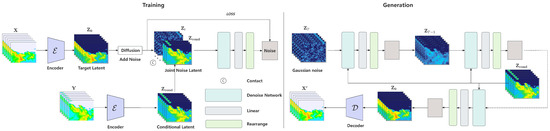
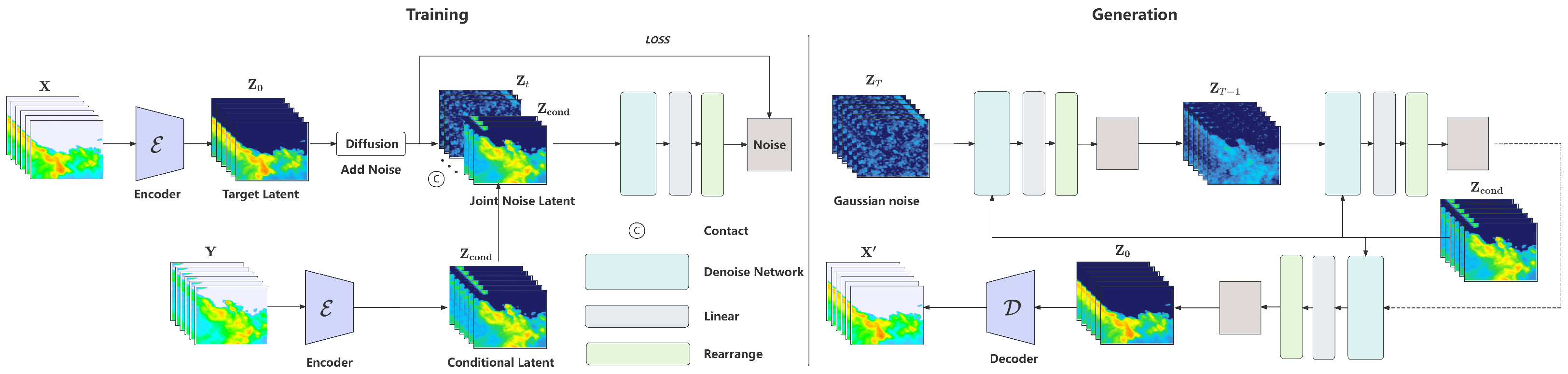
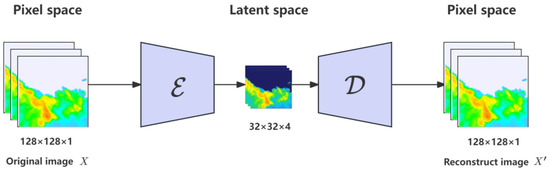
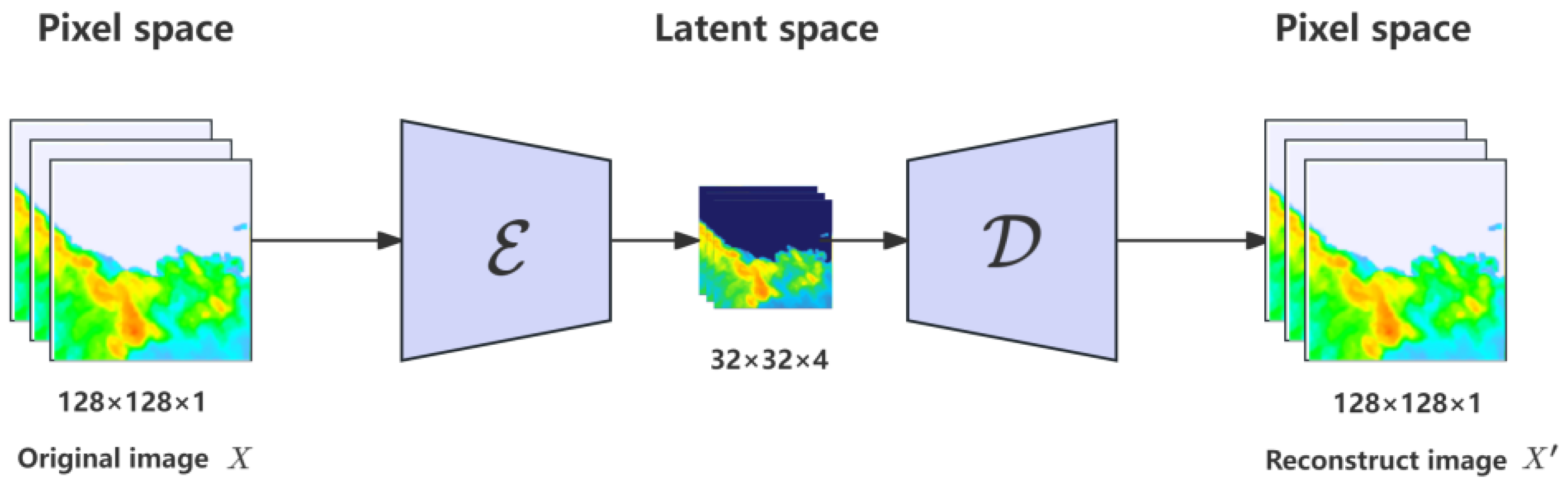
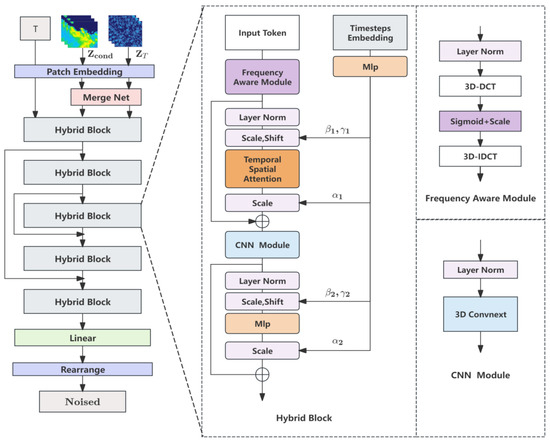
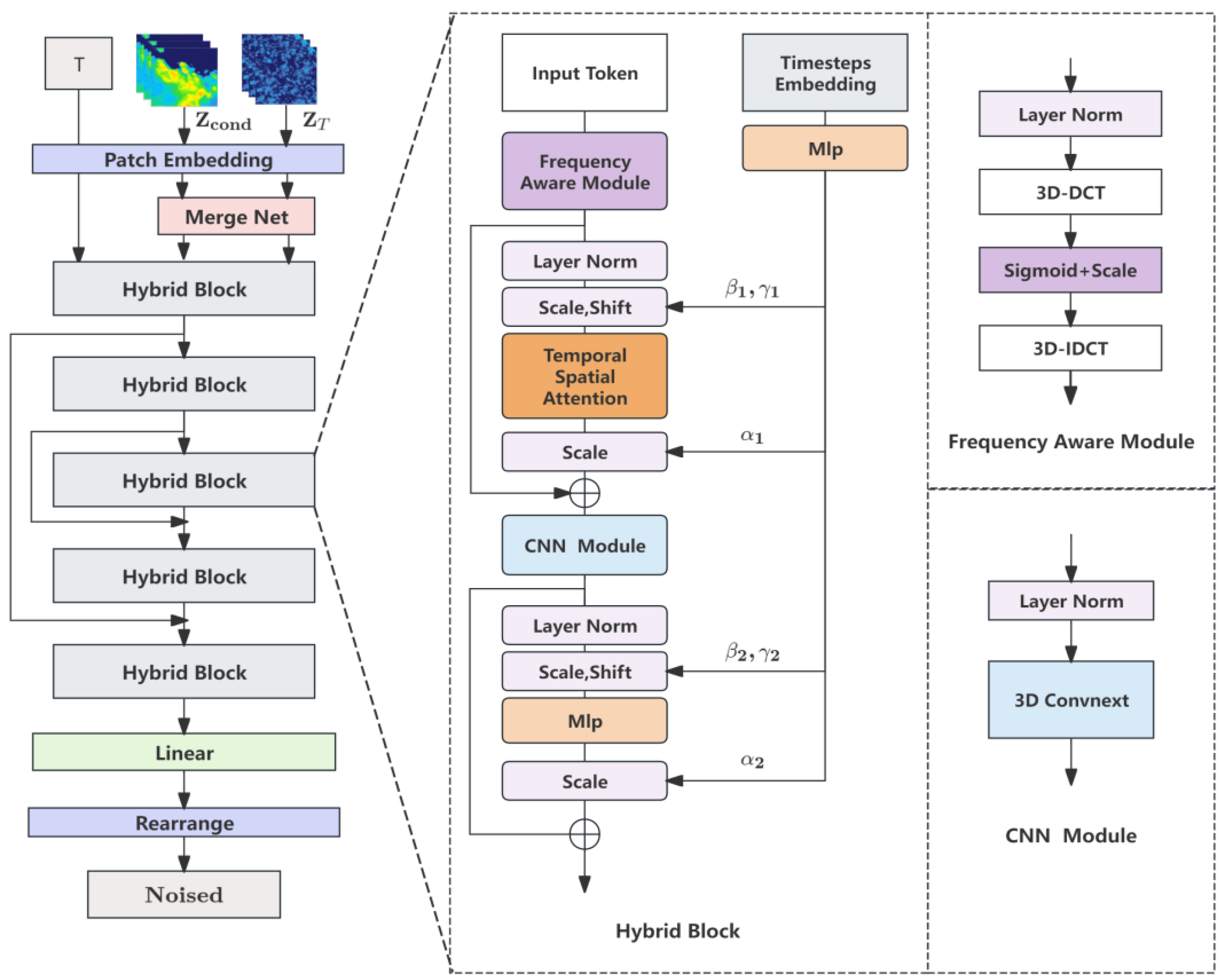
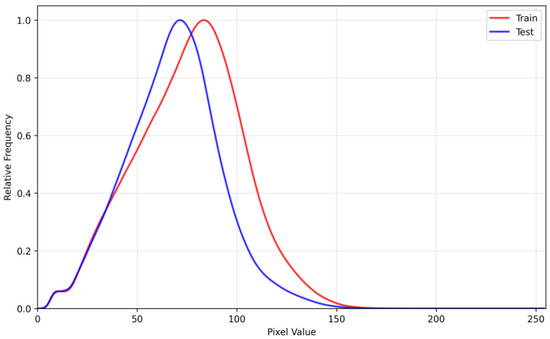
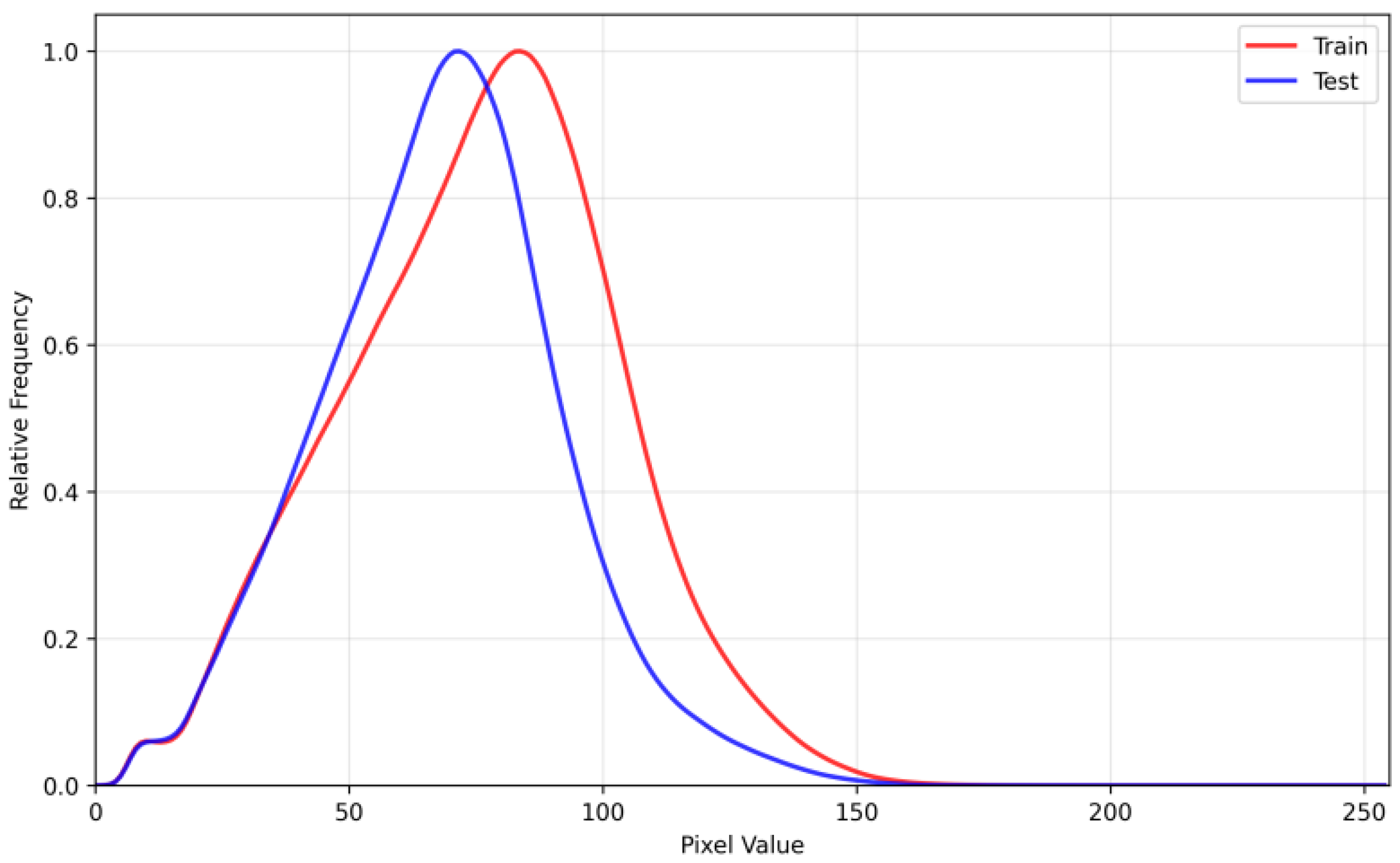
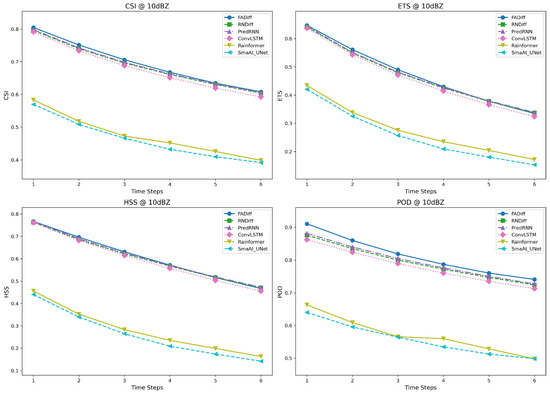
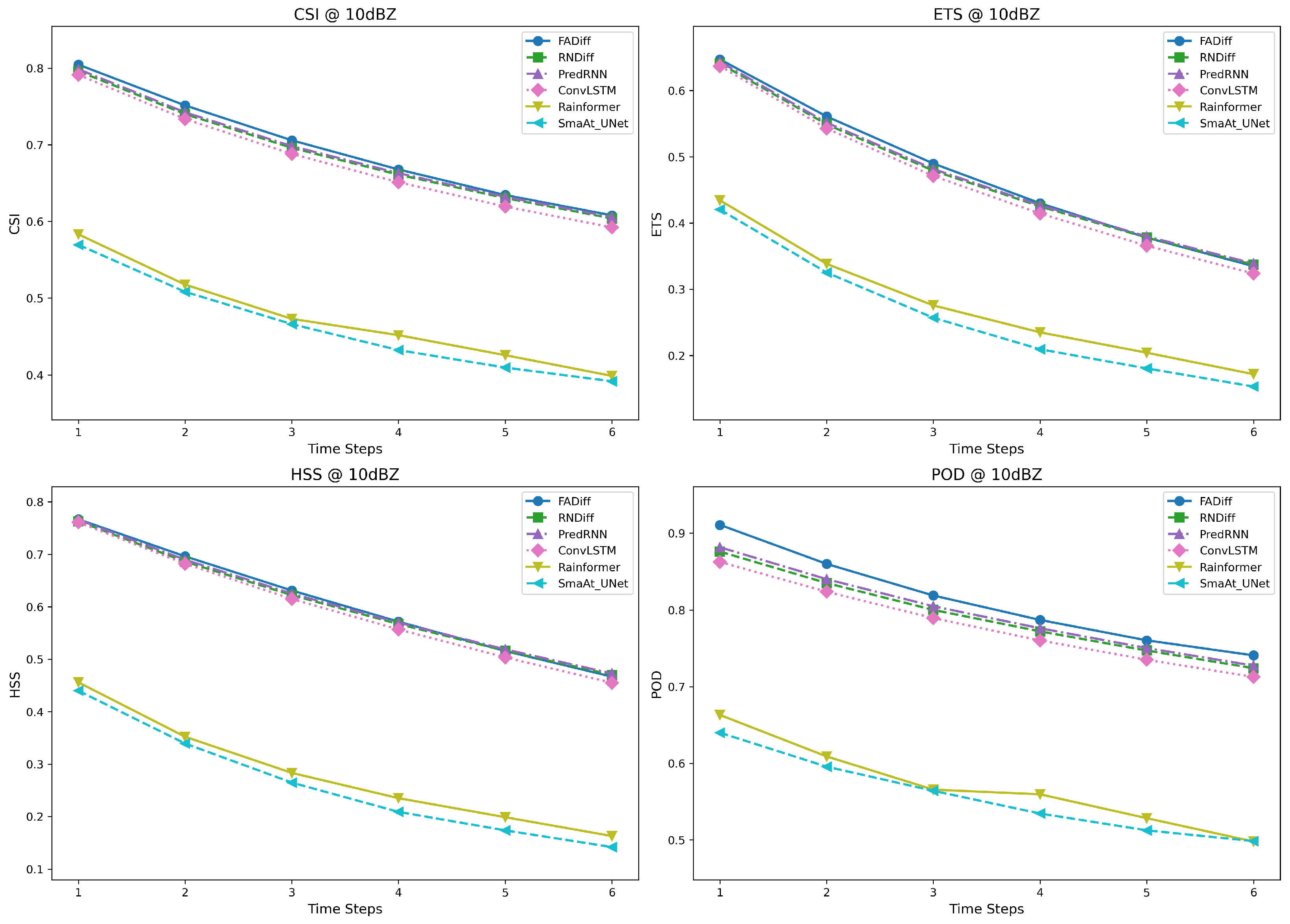
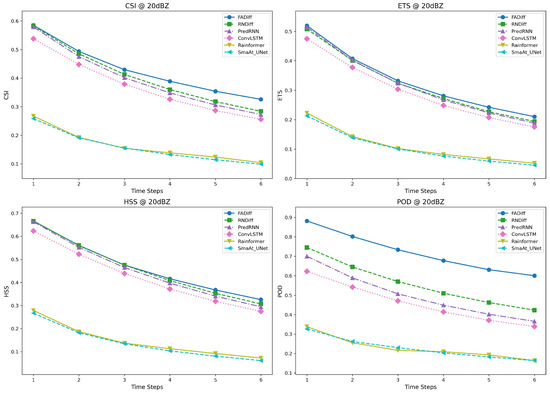
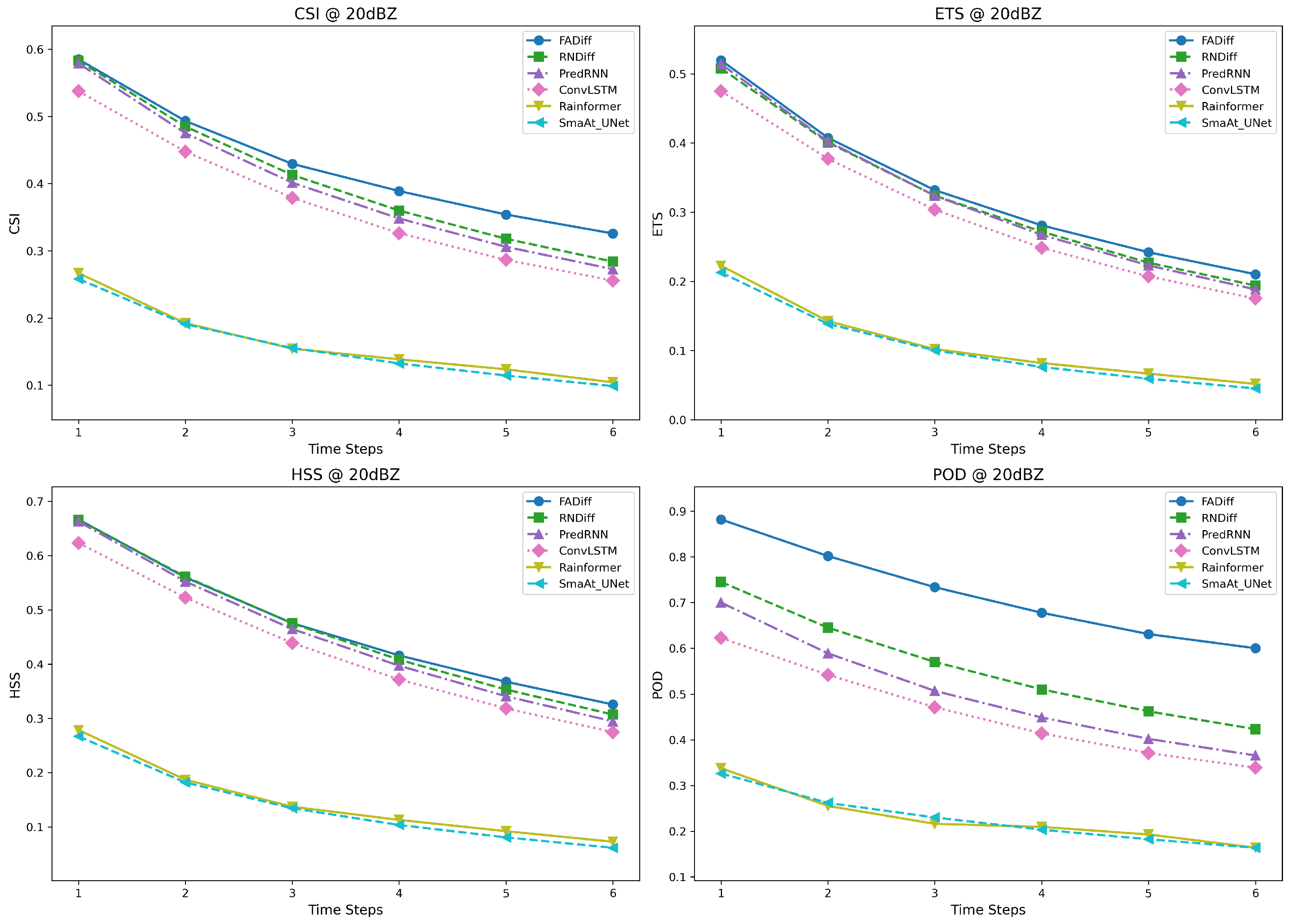
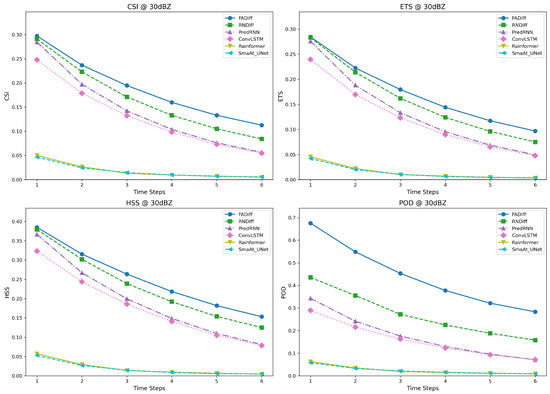
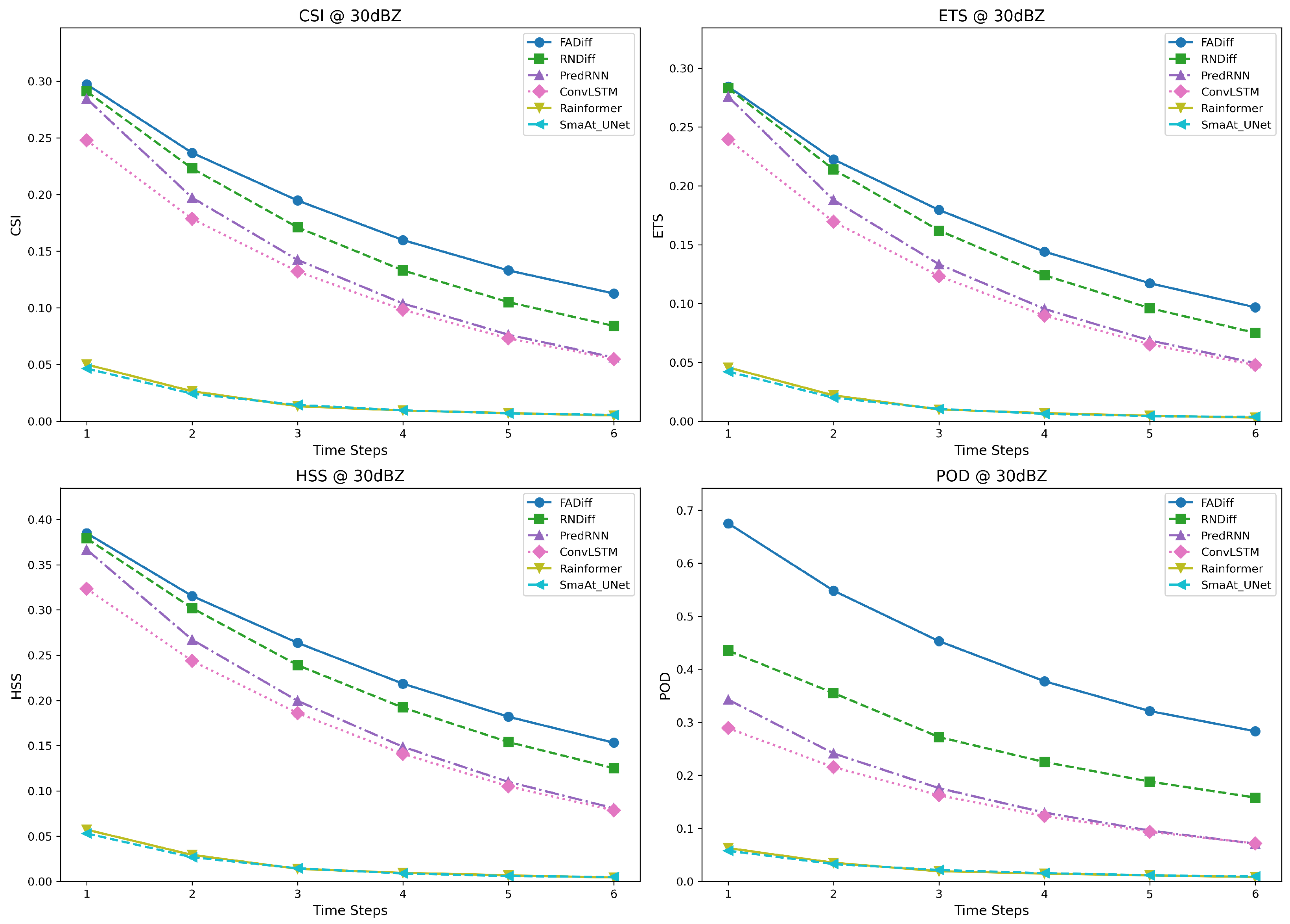
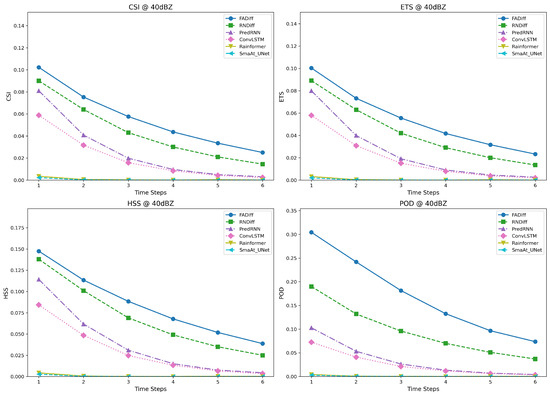
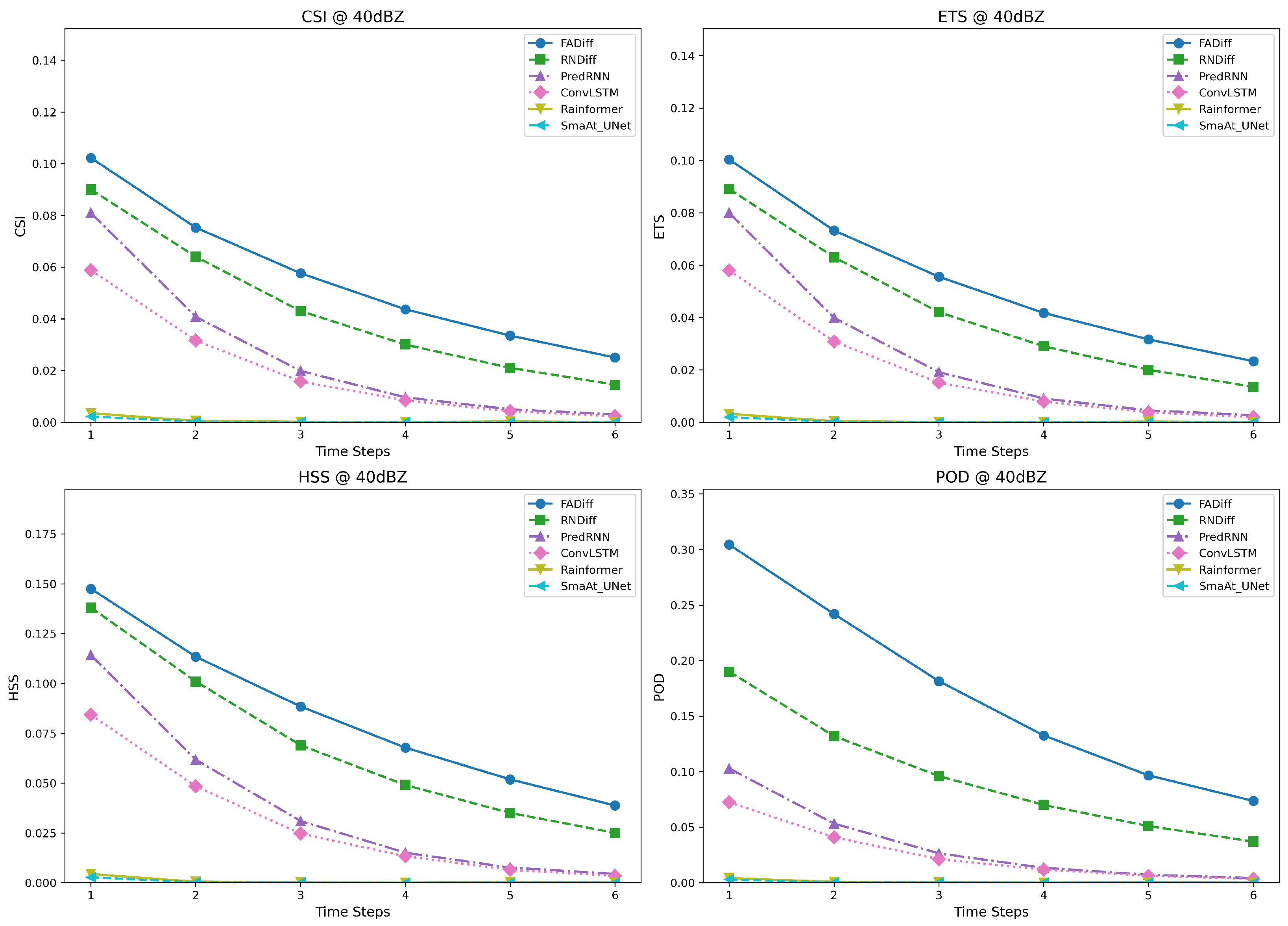
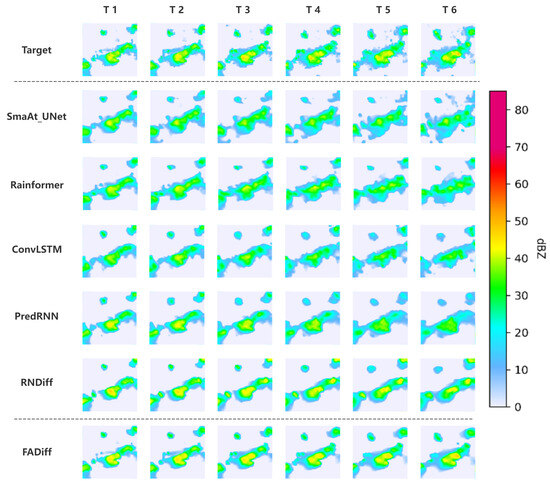
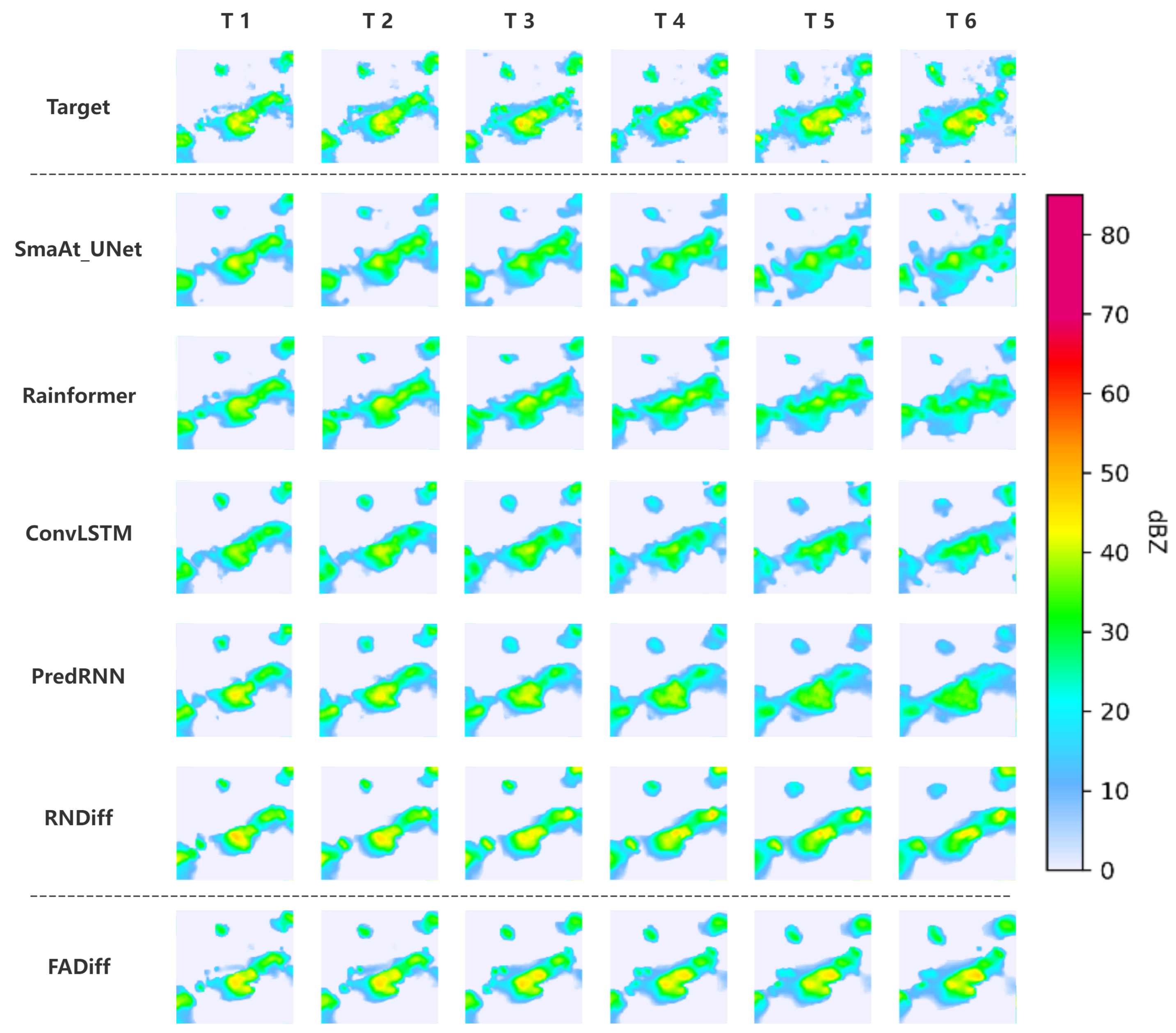
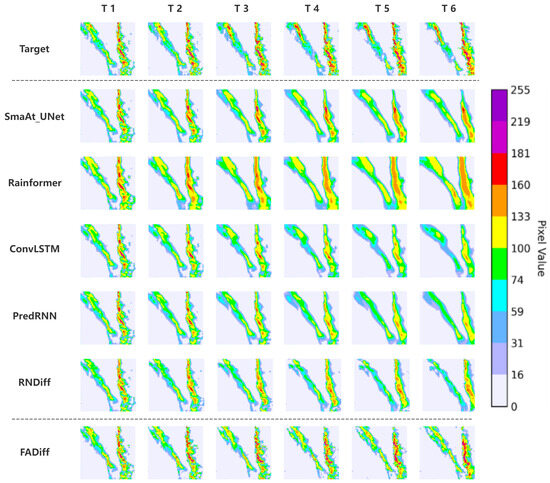
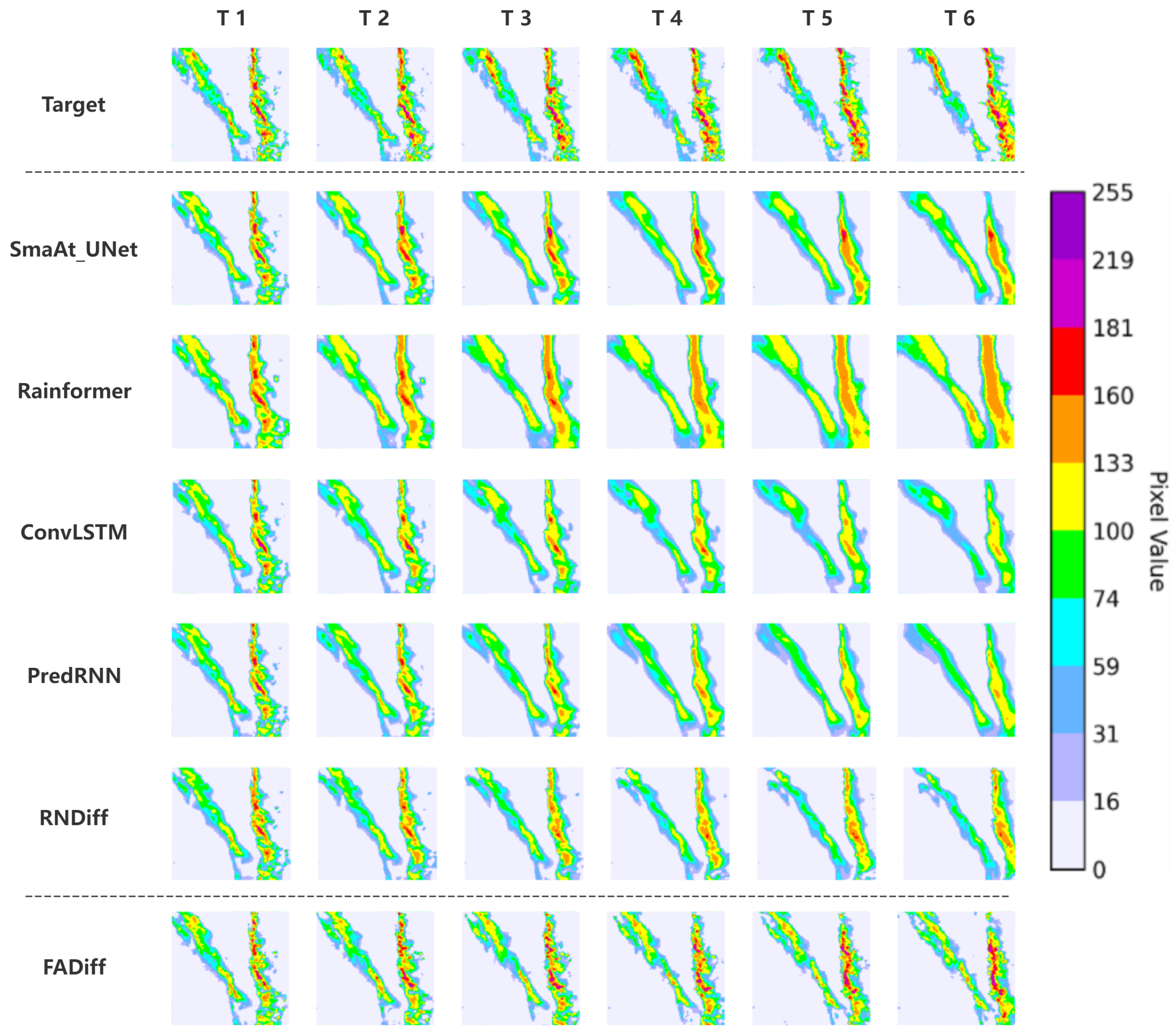
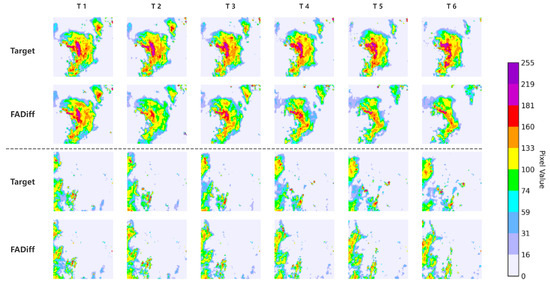
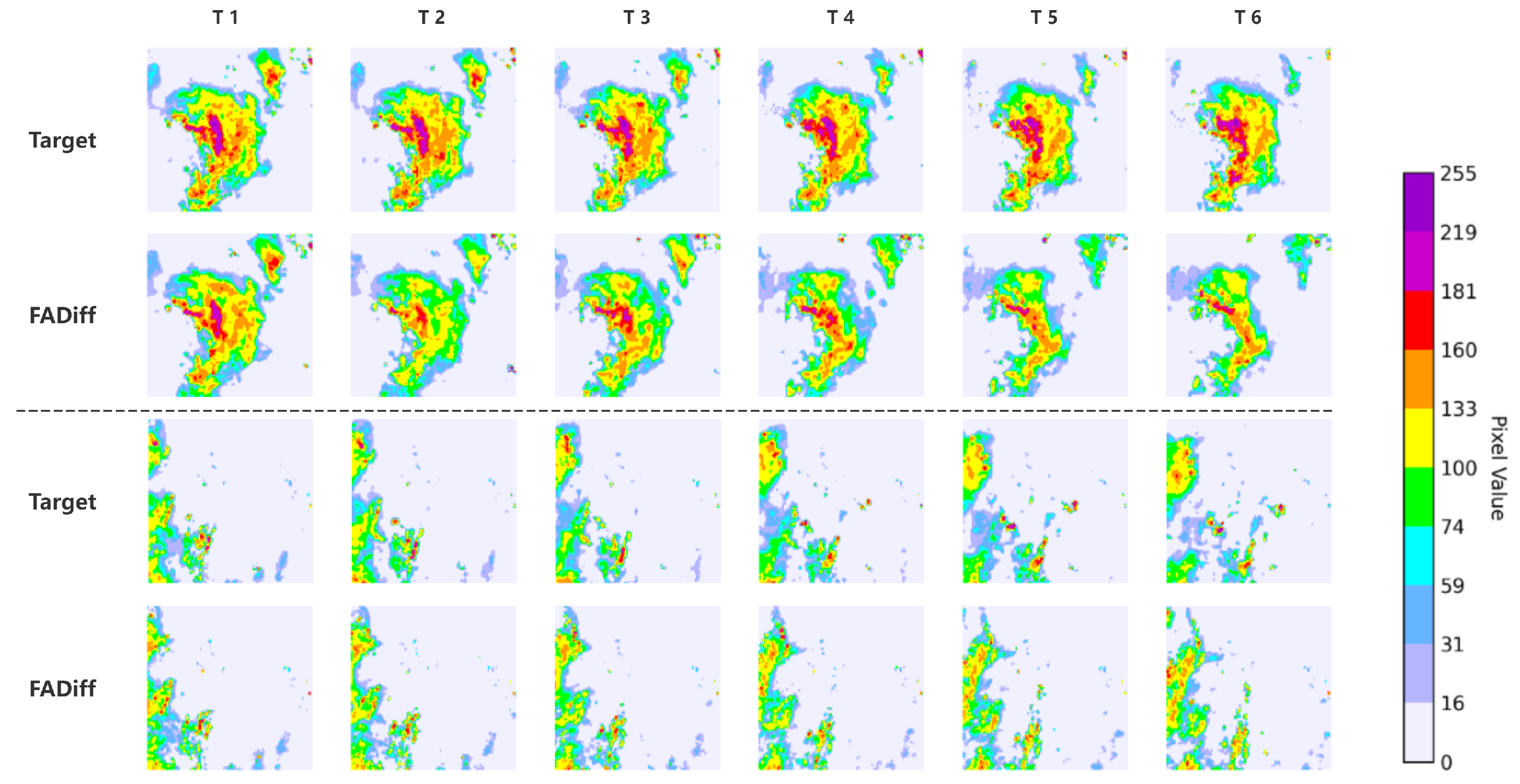

Disclaimer/Publisher’s Note: The statements, opinions and data contained in all publications are solely those of the individual author(s) and contributor(s) and not of MDPI and/or the editor(s). MDPI and/or the editor(s) disclaim responsibility for any injury to people or property resulting from any ideas, methods, instructions or products referred to in the content. |
© 2026 by the authors. Licensee MDPI, Basel, Switzerland. This article is an open access article distributed under the terms and conditions of the Creative Commons Attribution (CC BY) license.