


Abstract
As digital heritage platforms become increasingly immersive and information-rich, digital enrichment may offer experiential benefits while also being associated with greater cognitive demands. Drawing on Cognitive Load Theory and an intertemporal perspective, this study develops a cognitive–intertemporal framework linking perceived digital complexity, perceived spatial narrative richness, cognitive load, temporal discounting tendency, and sustainable decision-making intention. Using Digital Dunhuang as the empirical context, a cross-sectional survey of 603 users recruited through non-probability social media sampling was analyzed using structural equation modeling and bias-corrected bootstrapping. The results showed that perceived digital complexity and perceived spatial narrative richness were positively associated with cognitive load, which was positively associated with temporal discounting tendency, while temporal discounting tendency was negatively associated with sustainable decision-making intention. Although cognitive load was negatively associated with sustainable decision-making intention in the hypothesized model, this direct association became nonsignificant in the better-fitting extended partial-mediation model. The sequential indirect associations remained significant. Significant sequential indirect associations with sustainable decision-making intention were observed for both perceived digital complexity through cognitive load and temporal discounting tendency and perceived spatial narrative richness through cognitive load and temporal discounting tendency. Digital literacy attenuated the associations of perceived digital complexity and perceived spatial narrative richness with cognitive load, whereas future self-continuity attenuated the association between cognitive load and temporal discounting tendency but not that between cognitive load and sustainable decision-making intention. These findings identify a theoretically coherent cognitive–intertemporal pattern linking perceived digital heritage characteristics with sustainability-oriented intention, extending digital heritage research while underscoring the need for longitudinal or experimental evidence to establish temporal and causal ordering.
1. Introduction
Digital technologies have fundamentally transformed how cultural heritage is preserved, interpreted, and experienced. Virtual museums, immersive exhibitions, three-dimensional reconstructions, augmented reality (AR), and other digital platforms increasingly enable visitors to access and interact with heritage resources beyond the spatial and temporal constraints of physical sites [1,2]. Recent research has consequently documented the capacity of digital heritage technologies to enhance accessibility, cultural learning, visitor engagement, and heritage interpretation [3,4]. Museum experiences are also becoming increasingly interactive and narratively structured, with digital technologies transforming static displays into visitor-centered environments characterized by cross-media storytelling and spatial interaction [5]. Digital Dunhuang exemplifies this transformation by integrating digital interfaces, multimedia content, spatial exploration, and culturally rich narratives to provide public access to the murals, architecture, and cultural meanings of the Mogao Caves. Yet, as digital heritage environments become richer and more technologically sophisticated, understanding their effects requires attention not only to the experiential benefits of digital enrichment but also to the cognitive demands that may accompany it.
Emerging research provides increasing evidence that digitally enriched museum experiences can impose meaningful cognitive demands. In a panoramic digital museum, He and Wu (2023) found that adding an auditory channel to visual presentation increased users’ overall cognitive load without producing corresponding improvements in learning outcomes [6]. Similarly, experimental research on museum virtual tours has shown that task characteristics, including task difficulty, user control, and response format, are associated with different levels of cognitive load [7]. More recent studies further identify interface complexity, information density, and exhibit-text presentation as important design characteristics associated with cognitive load in digital museum environments [8,9]. Together, these findings indicate that cognitive demands in digital museums depend not only on the amount of information presented but also on how information, tasks, and interface elements are organized. However, this emerging literature has primarily treated cognitive load in relation to interface design, information presentation, learning, or immediate user experience. Much less attention has been directed toward whether the cognitive demands associated with digital heritage environments are systematically related to psychological orientations and intentions extending beyond the immediate digital experience. This distinction shifts the research question from whether digital museums can generate cognitive load to what broader decision-related implications may be associated with such cognitive demands.
Two characteristics of contemporary digital heritage environments are particularly relevant to this question. Perceived digital complexity reflects users’ perceptions of the interface elements, technological functions, information structures, and navigation requirements that must be managed during digital interaction. Perceived spatial narrative richness, by contrast, concerns the extent to which users encounter multiple and spatially distributed narrative cues that must be connected to construct coherent cultural meanings. Spatial narrative has long been recognized as central to museum interpretation [10,11], while recent research shows that digital technologies are transforming museum narratives from relatively static forms toward increasingly interactive, multisensory, and participatory structures [5]. Although these developments can enrich interpretation and engagement, they may also require visitors to coordinate technological operations while integrating information across spaces and narrative layers. Cognitive Load Theory suggests that such processing demands can consume limited cognitive resources [12,13]. Perceived digital complexity and perceived spatial narrative richness may therefore represent distinct but converging sources of cognitive demand: one primarily associated with managing the digital environment and the other with integrating culturally and spatially distributed narrative information.
The potential implications of these cognitive demands become particularly relevant when considered from an intertemporal perspective. Sustainability-oriented choices frequently involve trade-offs between immediate convenience or benefits and longer-term environmental or societal outcomes [14,15,16]. Temporal discounting captures the tendency to assign relatively less weight to delayed than immediate outcomes [17], while cognitively demanding conditions can constrain deliberative processing and increase reliance on simplified decision strategies [18,19]. Importantly, recent museum and heritage research has begun to connect heritage experiences with sustainability-related outcomes. For example, Zhang et al. (2025) linked museum AR experiences with visitors’ personal norms and pro-environmental behavioral intentions [20]. In heritage tourism, interpretation messages have also been associated with tourists’ pro-environmental behavior through perceived heritage value and environmental sensitivity [21]. Extending this emerging stream to digital heritage, Deng et al. (2026) [22] further demonstrated that digital heritage experiences are related to environmental and cultural respect intentions through cognitive and affective pathways. These studies indicate that sustainability-related outcomes are becoming increasingly relevant to museum and heritage research.
The present study extends this emerging conversation through a different theoretical route by examining the cognitive and intertemporal correlates of sustainability-oriented intention. Specifically, sustainable decision-making intention (SDMI) is defined here as individuals’ self-reported willingness to favor options that reduce environmental or social costs and support longer-term collective benefits, even when such options involve some immediate inconvenience or sacrifice. It therefore represents a general sustainability-oriented intention rather than an observed sustainable decision or a heritage-conservation behavior specific to Digital Dunhuang. Accordingly, Digital Dunhuang is not conceptualized as a sustainability intervention containing experimentally controlled environmental messages or choices; rather, it provides the digital heritage context in which the associations among perceived digital characteristics, cognitive demand, intertemporal orientation, and sustainability-oriented intention are examined.
Taken together, recent research reveals several increasingly developed but insufficiently integrated streams of inquiry. Digital museum research has established important relationships between technological design and visitor experience, learning, and cognitive load [6,8]; spatial-narrative research has emphasized how interactive and spatial storytelling can enrich meaning construction and participation [5,11]; and sustainability research has demonstrated the relevance of future consequences, temporal orientation, and psychological factors to sustainability-related intentions and behaviors [15,20,23]. What remains insufficiently integrated is how perceived technological and narrative demands within digital heritage environments are associated with sustainability-oriented intention through cognitive and intertemporal processes. Addressing this fragmentation represents a theoretical step beyond examining isolated relationships. Accordingly, this study develops a cognitive–intertemporal framework in which perceived digital complexity and perceived spatial narrative richness are associated with cognitive load, which is in turn linked to temporal discounting tendency and sustainable decision-making intention. Digital literacy and future self-continuity are further incorporated as theoretically distinct boundary conditions concerning, respectively, individuals’ capacity to manage digital demands and their connection with future outcomes.
Using Digital Dunhuang as the empirical context, this study makes three contributions. First, it extends digital heritage research beyond its predominant emphasis on accessibility, learning, engagement, and immediate user experience by examining cognitive demand alongside sustainability-oriented intention, while explicitly distinguishing such intention from actual sustainable or heritage-conservation behavior. Second, rather than claiming that the individual relationships examined here are entirely unexplored, the study integrates previously dispersed research on digital heritage design, Cognitive Load Theory, intertemporal evaluation, and sustainability into a testable cognitive–intertemporal framework. This integration provides a theoretically structured account of how perceived technological and narrative demands are associated with sustainability-oriented intention through cognitive load and temporal discounting tendency. Third, the study advances a more balanced understanding of digital enrichment. Whereas increasingly sophisticated functions and narrative structures can enhance access, interaction, and meaning construction, they may also coexist with greater cognitive demands. By examining digital literacy and future self-continuity as boundary conditions, the study further identifies when these associations may be weaker or stronger. Given the cross-sectional and retrospective design, these contributions concern a theoretically coherent pattern of associations rather than an established causal sequence, providing a foundation for future experimental and longitudinal tests of the proposed framework.
2. Literature Review and Hypotheses Development
2.1. Online Museums, Digital Heritage, and Sustainable Decision-Making Intention
The rapid advancement of digital technologies has transformed the ways in which cultural heritage is preserved, interpreted, and communicated. Beyond their traditional role as repositories of cultural artifacts, museums are increasingly adopting digital technologies to extend access to heritage resources and create more interactive visitor experiences. Through virtual reality, digital reconstruction, immersive visualization, and online exhibition platforms, cultural heritage can now be experienced beyond physical and geographical constraints, giving rise to a growing digital heritage ecosystem [1,2]. Within this transformation, online museums have emerged as an important channel through which cultural knowledge is disseminated, cultural values are communicated, and heritage experiences are delivered to diverse audiences [4].
Recent scholarship has increasingly conceptualized digital heritage as a socio-technical system in which technological infrastructures, digital content, and user interactions jointly shape heritage experiences [3]. Digital technologies are no longer merely tools for preservation and presentation; they actively influence how individuals perceive, interpret, and engage with cultural resources. For example, digital restoration technologies enable the reconstruction of damaged or inaccessible heritage objects, while immersive and interactive platforms facilitate deeper engagement with historical narratives and cultural meanings [1,2]. As a result, online museums have evolved from static information repositories into dynamic experiential environments that integrate navigation systems, multimedia content, spatial storytelling, and interactive functions.
The growing integration of digital technologies into heritage experiences has also raised broader questions regarding their influence on human judgment and decision-making. Existing research suggests that digital technologies can shape how information is processed, interpreted, and utilized in decision contexts. Riso and Morrone (2023) argued that the increasing presence of digital technologies in contemporary society requires greater attention to their implications for ethical and sustainable decision-making processes [24]. Similarly, research on technology adoption and adaptation indicates that individuals’ interactions with digital environments can influence cognitive processing and behavioral responses [25]. These findings suggest that digital environments may affect not only user experiences but also the ways individuals evaluate alternatives and make decisions.
The relevance of decision-making is particularly important in the context of sustainability. Sustainable decision-making intention (SDMI) refers to the tendency to prioritize options that generate long-term environmental and social benefits, even when such choices require sacrifices of immediate convenience or personal gain [14]. Unlike decisions focused solely on short-term utility, sustainable decisions require individuals to consider future consequences, balance competing interests, and recognize broader societal impacts [26]. From a psychological perspective, sustainable decision-making often involves the willingness to forego immediate rewards in favor of outcomes that contribute to long-term environmental and social well-being [27]. Consequently, understanding the factors that encourage or inhibit sustainable decision-making has become a critical research priority across sustainability-related disciplines.
Museums and heritage experiences have increasingly been recognized as potential catalysts for sustainable attitudes and behaviors. Existing studies have shown that museum experiences can promote environmentally responsible choices by fostering reflection on cultural, environmental, and social issues. For instance, Han et al. (2021) demonstrated that eco-friendly museum visitors exhibit stronger intentions to make sacrifices, support sustainable practices, and engage in positive word-of-mouth behaviors [16]. More recently, Xue et al. (2025) found that museum interpretation emphasizing resource scarcity can enhance visitors’ sustainable consumption intentions, highlighting the potential of museums to influence sustainability-oriented behavioral outcomes [28]. These findings suggest that museums are not only educational and cultural institutions but also important contexts in which sustainability-related values and decisions can be shaped.
Despite these advances, existing research has largely focused on the positive outcomes of museum and digital heritage experiences, such as learning effectiveness, engagement, accessibility, immersion, and sustainable behavioral intentions [4,16,28]. Comparatively little attention has been devoted to understanding how specific characteristics of online museum environments influence sustainable decision-making processes. In particular, as online museums become increasingly sophisticated and information-rich, users are often required to navigate complex digital interfaces and interpret multilayered narrative structures. While these features may enrich heritage experiences, they may also introduce cognitive demands that influence how users process information and evaluate future-oriented outcomes. Consequently, an important yet underexplored question remains: how are the experiential characteristics of online museums associated with sustainable decision-making intention, and what cognitive and intertemporal processes may underlie these associations?
To address this gap, the present study investigates how perceived digital complexity and perceived spatial narrative richness are associated with sustainable decision-making intention through cognitive load and temporal discounting tendency. By examining both the opportunities and cognitive costs associated with digital heritage experiences, this study extends existing research on online museums and contributes to a deeper understanding of the psychological mechanisms linking digital heritage experiences to sustainability-related decision outcomes.
2.2. Digital Complexity, Spatial Narrative Richness, and Cognitive Load
As online museums become increasingly sophisticated digital heritage environments, visitors are required to engage with diverse technological functions while simultaneously interpreting rich cultural narratives. Unlike traditional museum visits, online museum experiences often involve navigating complex interfaces, processing multimedia content, and integrating information distributed across multiple virtual spaces. These demands place considerable pressure on visitors’ cognitive resources, making cognitive load a critical mechanism through which digital heritage experiences influence subsequent judgments and behaviors.
Cognitive load (CL) refers to the amount of mental effort imposed on an individual’s limited working memory during information processing and task performance [12]. Cognitive Load Theory (CLT) posits that working memory has finite processing capacity and that performance may be impaired when information-processing demands exceed available cognitive resources [13,29]. Subsequent developments of CLT further distinguish between intrinsic cognitive load, which originates from the inherent complexity of information, and extraneous cognitive load, which results from the manner in which information is presented [30]. In digital environments, both technological complexity and content complexity may increase the cognitive demands placed on users, thereby consuming working-memory resources and influencing subsequent cognitive processes. Although CLT distinguishes different sources of cognitive load, the present study does not operationalize intrinsic and extraneous load as separate empirical constructs. Instead, it focuses on visitors’ overall perceived cognitive load arising from the combined processing demands of the digital museum experience.
2.2.1. Perceived Digital Complexity and Cognitive Load
Digital complexity refers to the extent to which a digital environment contains numerous interface elements, technological functions, navigation requirements, and information structures that users must understand and manage during interaction [31,32]. As digital systems become increasingly feature-rich and multifunctional, users are often required to invest greater effort in learning system operations, locating relevant information, and coordinating multiple tasks. Because the present study does not objectively manipulate or quantify these technological characteristics, it focuses on users’ subjective perceptions of such complexity. Accordingly, perceived digital complexity (PDC) is used in the empirical model to represent the extent to which users perceive the online museum’s interface, functions, information structure, and navigation requirements as complex and demanding to manage.
Research in information systems has long suggested that technological characteristics significantly influence users’ cognitive experiences. Thompson et al. (1991) argued that complex computing systems increase the effort required for system utilization because users must develop greater familiarity with technological features and operational procedures [33]. Similarly, Venkatesh (2000) demonstrated that perceptions of ease of use are closely associated with the cognitive effort required to interact with technological systems [34]. When interfaces are difficult to understand or functionalities are not intuitive, users must devote additional cognitive resources to comprehending and operating the system.
The negative consequences of technological complexity have also been highlighted in the technostress literature. Tarafdar et al. (2015) noted that excessive technological features, information overload, and complicated digital environments can create psychological strain by increasing information-processing demands [35]. Rather than focusing solely on task objectives, users must allocate attention to understanding system structures, managing information flows, and resolving operational difficulties. Such requirements consume cognitive resources that could otherwise be devoted to higher-order processing.
Recent empirical evidence further supports the relationship between complexity and cognitive load in digital environments. Wang et al. (2018) found that increased interaction complexity in mobile learning environments significantly elevates learners’ cognitive load because users must simultaneously manage multiple interaction processes while processing instructional content [36]. Similarly, Sorg et al. (2025) demonstrated that higher levels of process complexity are associated with greater cognitive load, as complex systems require individuals to maintain and process larger amounts of information within working memory [37].
From the perspective of CLT, digital complexity increases cognitive demands by requiring users to allocate additional mental resources to navigating interfaces, understanding system functions, and managing information flows [13,30]. This issue is particularly salient in online museum settings, where visitors frequently encounter interactive maps, virtual navigation systems, multimedia exhibits, search functions, and layered information architectures. Although such features can enrich the digital heritage experience, they may simultaneously increase operational complexity and information-processing demands. As digital complexity rises, visitors are likely to devote greater mental effort to navigating and managing the digital environment, thereby experiencing higher levels of cognitive load. Accordingly, we propose:
H1:
Perceived digital complexity is positively associated with cognitive load.
2.2.2. Perceived Spatial Narrative Richness and Cognitive Load
While digital complexity primarily reflects the technological demands of online museum environments, spatial narrative richness captures the informational and interpretive demands embedded within heritage narratives. Spatial narrative richness (SNR) refers to the extent to which an online museum employs interconnected storylines, multiple layers of meaning, symbolic representations, and spatially distributed narrative cues to communicate cultural knowledge and heritage values [10,38]. Similarly, the present study does not treat spatial narrative richness as an objectively manipulated property of the digital environment. Instead, perceived spatial narrative richness (PSNR) is used in the empirical model to capture the extent to which users perceive the online museum as presenting rich, interconnected, multilayered, and spatially distributed narrative information.
Storytelling has long been regarded as a central function of museums. Bedford (2001) argued that museums serve not only as repositories of artifacts but also as narrative environments that organize knowledge into meaningful stories [10]. Similarly, Rashid (2010) emphasized that spatial arrangements play a fundamental role in constructing cultural meaning by guiding individuals through sequences of experiences and interpretations [38]. Within museum contexts, spatial configurations influence how visitors encounter information, establish relationships among exhibits, and construct coherent understandings of cultural narratives [11].
The development of virtual museums has expanded the narrative possibilities available to heritage institutions. Digital environments enable museums to integrate multimedia content, interactive storytelling, and non-linear exploration pathways, thereby creating richer and more immersive narrative experiences [39]. More recent research further demonstrates how these narrative forms are evolving in contemporary digital heritage environments. A systematic review of immersive narrative in cultural heritage identified a broader shift from passive observation toward participatory narrative experiences, highlighting the growing integration of technological presentation, narrative content, and user engagement [40]. Similarly, research on VR-based museum exhibitions shows that digital storytelling is closely associated with visitors’ presence, immersion, enjoyment, and continued usage intention [41]. Rich spatial narratives can enhance visitor engagement by providing multiple perspectives, deeper contextual information, and interconnected interpretive layers. However, these benefits may also increase the cognitive demands associated with information processing.
According to CLT, spatial narrative richness increases cognitive demands because users must simultaneously process, connect, and integrate multiple interrelated narrative elements [13]. Rich spatial narratives often require visitors to identify relevant narrative cues, connect information distributed across different virtual locations, interpret symbolic meanings, and construct coherent story structures from fragmented information sources. Such activities involve continuous comparison, inference, and integration processes that place substantial demands on working memory [30].
Emerging evidence from digital and immersive environments supports this argument. Jian and Abu Bakar (2024) found that spatially rich immersive learning environments can increase cognitive load because users must process both spatial information and learning content simultaneously [42]. Likewise, Shin et al. (2021) demonstrated that spatial affordances shape narrative experiences by influencing how users discover, interpret, and organize narrative information during exploration [43]. Shin et al. (2022) further reported that increased spatial complexity affects narrative experiences by increasing the amount of information users must process and integrate [44]. In addition, Huang and Johnes (2025) highlighted that effective comprehension in VR narrative systems often requires users to mentally organize and connect narrative information distributed across multiple virtual spaces [45].
In online museums, visitors frequently encounter historical events, cultural meanings, and interpretive narratives that unfold across different virtual locations and exhibit sections. As spatial narrative richness increases, users must devote greater cognitive resources to tracking narrative relationships, integrating dispersed information, and constructing coherent mental representations of the museum’s story. Consequently, richer spatial narratives are likely to increase the overall cognitive load experienced during the museum visit.
H2:
Perceived spatial narrative richness is positively associated with cognitive load.
2.3. Cognitive Load, Temporal Discounting Tendency, and Sustainable Decision-Making Intention
The associations examined in this study extend beyond immediate cognitive processing to the relationships among cognitive load, intertemporal orientation, and sustainability-related intention. As discussed in the previous section, digitally complex environments and rich spatial narratives can consume substantial cognitive resources, resulting in elevated cognitive load. When cognitive resources become constrained, individuals may be less capable of engaging in effortful deliberation and long-term consequence evaluation, increasing their tendency to prioritize immediate outcomes over future benefits. In this regard, temporal discounting represents a key psychological mechanism linking cognitive processing demands to sustainable decision-making.
2.3.1. Cognitive Load and Temporal Discounting Tendency
Temporal discounting generally refers to the tendency to assign lower value to outcomes as their realization is delayed [17,46]. In the present study, we focus specifically on temporal discounting tendency (TDT), defined as individuals’ self-reported tendency to prioritize immediate outcomes over delayed benefits. Rather than representing a behavioral discount rate estimated through an intertemporal choice task, TDT captures individuals’ general present-versus-future preference orientation. Intertemporal evaluation requires cognitive effort because individuals must mentally represent future outcomes, compare present and future consequences, and regulate the attraction of immediate rewards [17].
Cognitive Load Theory provides a basis for understanding why cognitive demands may be associated with the expression of such temporal preferences. Working memory has limited processing capacity, and cognitively demanding tasks consume resources that would otherwise be available for higher-order reasoning and self-regulation [12,13]. When available cognitive resources are constrained, individuals may rely more heavily on simplified decision strategies rather than engage in effortful deliberation [19]. Similarly, increased cognitive demands can impair self-regulatory processes by reducing the resources available for reflective evaluation [47]. Because evaluating delayed outcomes requires individuals to mentally represent future consequences and compare them against more salient immediate outcomes, such resource constraints may particularly limit future-oriented evaluation.
Research on cognitive resource constraints provides further support for this reasoning. Mani et al. (2013) demonstrated that constraints on cognitive resources can impair cognitive functioning and decision quality [48], while Shah and Oppenheimer (2008) showed that individuals tend to adopt effort-reduction strategies when information processing becomes demanding [18]. In intertemporal contexts, this reduced capacity for deliberative comparison may make delayed consequences less salient relative to immediately available outcomes. Related research further suggests that cognitive demands and the perceived effort associated with delayed outcomes are systematically related to how future rewards and effort are valued [49,50]. More direct evidence comes from Chen and Zhao (2024), who experimentally manipulated cognitive load and demonstrated that cognitive load can influence intertemporal evaluation through changes in time perception [51]. Importantly, their findings also distinguish relatively stable underlying time preferences from their context-sensitive expression in observed intertemporal choices, suggesting that intertemporal evaluations may partly reflect malleable cognitive processes rather than stable preferences alone. Although their findings do not establish a uniformly positive effect of cognitive load on temporal discounting, they provide experimental evidence that cognitive load can operate as an antecedent condition shaping the processes through which delayed outcomes are evaluated. Taken together, these findings suggest that constrained cognitive resources may reduce individuals’ capacity to fully represent and evaluate delayed consequences, thereby increasing the relative weight assigned to immediate outcomes.
Importantly, this reasoning does not imply that a cognitively demanding digital experience permanently changes an individual’s underlying temporal preferences. Rather, the proposed relationship concerns whether higher reported cognitive load is associated with a stronger reported tendency to prioritize immediate over delayed outcomes. In online museum contexts, visitors experiencing elevated cognitive load may devote substantial cognitive resources to navigating the digital environment and processing narrative information, leaving fewer resources available for considering delayed consequences. Under such conditions, immediate outcomes may receive relatively greater weight during subsequent judgment, resulting in a stronger expression of temporal discounting tendency. We acknowledge that temporal discounting tendency may contain relatively stable individual-difference components. However, stable underlying time preference should be distinguished from the context-sensitive expression of intertemporal preferences. Experimental evidence suggests that cognitive conditions can alter processes involved in intertemporal evaluation without necessarily changing individuals’ underlying time preferences [51]. Accordingly, the proposed relationship between CL and TDT reflects the theoretical expectation that greater cognitive resource constraints are associated with a stronger tendency to prioritize immediate over delayed outcomes during evaluation, rather than the stronger assumption that cognitive load changes a stable temporal preference. Given the cross-sectional design of the present study, however, this theoretical ordering should not be interpreted as empirical proof of temporal precedence. Accordingly, we propose:
H3:
Cognitive load is positively associated with temporal discounting tendency.
2.3.2. Cognitive Load and Sustainable Decision-Making Intention
Sustainable decision-making intention (SDMI) refers to individuals’ self-reported willingness or intention to favor options that promote long-term environmental and social well-being, even when such options involve some immediate inconvenience or sacrifice [26]. In the present study, SDMI therefore captures a sustainability-oriented decision intention rather than directly observed sustainable choice or behavior. Because sustainability-oriented choices often involve balancing immediate costs against longer-term collective benefits, forming such intentions requires individuals to consider future consequences alongside present interests.
Research on the psychology of sustainable behavior suggests that environmentally responsible choices often involve deliberate cognitive processing rather than purely automatic responses [14]. Individuals may need to evaluate complex information, consider future environmental impacts, and integrate broader social concerns when forming sustainability-related judgments [27]. These processes require cognitive resources and reflective thinking, suggesting that the cognitive resources available during evaluation may influence individuals’ willingness to favor sustainability-oriented options.
Elevated cognitive load may constrain these processes. CLT suggests that when substantial cognitive resources are devoted to managing immediate information-processing demands, fewer resources remain available for higher-order reasoning and reflective evaluation [13]. Under cognitive strain, individuals are more likely to adopt simplified processing strategies and devote less attention to longer-term consequences [18]. Consequently, they may become less willing to prioritize sustainability considerations when evaluating available options, particularly when sustainable alternatives involve immediate inconvenience or sacrifice.
Research on sustainability-related decision-making provides further support for this reasoning. Engler et al. (2018) argued that cognitive limitations and biases can impede sustainable choices by constraining individuals’ ability to process complex environmental information [52]. Similarly, Korteling et al. (2023) highlighted how cognitive biases may promote short-term and simplified judgments at the expense of sustainability considerations [53]. Cornelissen et al. (2008) further suggested that sustainable behavior can depend on the activation of environmentally relevant considerations, implying that limited cognitive resources may weaken the salience of such considerations during evaluation [54]. Within online museum environments, visitors experiencing elevated cognitive load may allocate substantial attention to processing digital content and navigating the virtual environment, leaving fewer resources available for reflecting on longer-term environmental and social implications. This may weaken their willingness to favor sustainability-oriented options that require immediate sacrifices for future benefits. Accordingly, we propose:
H4:
Cognitive load is negatively associated with sustainable decision-making intention.
2.3.3. Temporal Discounting Tendency and Sustainable Decision-Making Intention
Temporal discounting has long been recognized as an important feature of intertemporal decision-making. Individuals differ in the extent to which they value future outcomes relative to immediate rewards, and these differences can influence a wide range of economic, social, and environmental behaviors [17,46]. In the present study, this temporal orientation is captured as temporal discounting tendency (TDT), reflecting individuals’ self-reported tendency to prioritize immediate outcomes over delayed benefits rather than a behaviorally estimated discount rate. A stronger TDT therefore indicates greater relative emphasis on immediate outcomes when evaluating present–future trade-offs.
This temporal orientation is particularly relevant to sustainability because sustainability-related choices frequently involve intertemporal trade-offs: their environmental and societal benefits may emerge over an extended period, whereas associated costs or inconveniences are often experienced more immediately. The consideration of future consequences framework similarly suggests that individuals who attach greater importance to future outcomes are more likely to engage in responsible and future-oriented behaviors [55]. Empirical research has shown that greater future orientation is associated with stronger environmental concern and greater engagement in sustainable behaviors [23,56]. Conversely, greater emphasis on immediate outcomes may reduce individuals’ willingness to accept present costs in exchange for longer-term environmental or societal benefits.
Research on environmental decision-making provides further support for this relationship. Hardisty and Weber (2009) demonstrated that future environmental outcomes are subject to temporal discounting, highlighting the relevance of intertemporal preferences to sustainability-related choices [15]. Likewise, Hendrickx and Nicolaij (2004) showed that temporal considerations influence how individuals evaluate environmental risks that unfold over time [57]. More recently, Nichols et al. (2026) demonstrated through a meta-analytic synthesis that time preferences represent an important predictor of sustainable behavior across diverse contexts [58]. Collectively, these findings indicate that the relative weighting of present and future outcomes can meaningfully shape sustainability-related evaluations.
In online museum settings, sustainability-related considerations may involve long-term cultural preservation, environmental stewardship, and collective responsibility. Individuals with a stronger temporal discounting tendency may attach relatively less importance to these delayed benefits and place greater weight on immediate convenience or personal interests. Accordingly, they may be less willing to favor sustainability-oriented options when such options involve immediate inconvenience or sacrifice in exchange for longer-term environmental or societal benefits. Thus, a stronger temporal discounting tendency is expected to be associated with lower sustainable decision-making intention.
H5:
Temporal discounting tendency is negatively associated with sustainable decision-making intention.
2.4. Sequential Mediation of Cognitive Load and Temporal Discounting Tendency
The preceding sections established that perceived digital complexity and perceived spatial narrative richness may be positively associated with cognitive load, cognitive load may be positively associated with temporal discounting tendency, and both cognitive load and temporal discounting tendency may be negatively associated with sustainable decision-making intention. Building upon these relationships, the proposed framework considers whether perceived digital heritage characteristics are indirectly associated with sustainability-oriented intention through a theoretically ordered set of cognitive and intertemporal constructs. Specifically, higher perceived cognitive demands are expected to be associated with stronger temporal discounting tendency, which in turn is expected to be associated with lower sustainable decision-making intention. This sequential specification represents a theoretically grounded pattern of associations rather than evidence that the digital heritage experience induces changes in temporal preferences or sustainability-oriented intention.
From the perspective of Cognitive Load Theory, individuals possess limited cognitive resources for processing information and regulating behavior [12,13]. When users interact with cognitively demanding environments, a substantial proportion of these resources is allocated to immediate information processing, leaving fewer resources available for reflective thinking and future-oriented evaluation. As discussed previously, digital complexity can increase cognitive load by requiring visitors to navigate complicated interfaces, process dense information, and manage multiple technological functions simultaneously [35,36]. Similarly, spatial narrative richness can increase cognitive load because visitors must integrate dispersed narrative cues, interpret multiple layers of meaning, and construct coherent understandings from interconnected story elements [11,42].
The consequences of heightened cognitive load extend beyond immediate information processing. Research suggests that when cognitive resources become constrained, individuals are more likely to rely on simplified decision strategies and place greater emphasis on immediate outcomes rather than delayed consequences [18,48]. Consequently, elevated cognitive load may increase temporal discounting by reducing individuals’ capacity to consider future implications and maintain long-term perspectives. In turn, stronger temporal discounting encourages individuals to prioritize present convenience and short-term benefits over delayed collective outcomes [17]. Because sustainable decision-making often requires accepting immediate costs or reduced convenience in exchange for future environmental and societal benefits, stronger temporal discounting may reduce individuals’ willingness to make sustainable choices [15,23].
Taken together, these arguments support a theoretically ordered sequential association linking perceived online museum characteristics with sustainable decision-making intention. Whether cognitive demand is associated with perceived digital complexity or perceived spatial narrative richness, higher cognitive load may coexist with stronger present-oriented preferences, which are in turn associated with lower sustainability-oriented intention. In this framework, cognitive load and temporal discounting tendency represent sequentially specified correlates rather than empirically demonstrated stages of within-person psychological change. Accordingly, we propose:
H6a:
Perceived digital complexity is indirectly associated with sustainable decision-making intention through cognitive load and temporal discounting tendency in sequence.
H6b:
Perceived spatial narrative richness is indirectly associated with sustainable decision-making intention through cognitive load and temporal discounting tendency in sequence.
2.5. The Moderating Role of Digital Literacy
Although digital complexity and spatial narrative richness may increase cognitive load, individuals do not necessarily experience these demands in the same way. Differences in users’ abilities to navigate, interpret, and manage digital information can substantially influence how they respond to complex digital environments. Digital literacy represents one such individual capability that may shape the extent to which online museum characteristics translate into cognitive burden.
Digital literacy (DL) is generally defined as the ability to effectively access, evaluate, understand, and utilize information through digital technologies [59]. Beyond basic technical skills, digital literacy encompasses cognitive competencies related to information processing, critical evaluation, navigation, and meaning construction within digital environments [60]. As digital technologies become increasingly integrated into learning, communication, and cultural experiences, digital literacy has been recognized as a crucial capability that enables individuals to interact effectively with complex digital systems [61,62].
From the perspective of Cognitive Load Theory, cognitive load arises when task demands exceed the cognitive resources available for processing information [12,13]. While environmental characteristics contribute to cognitive demands, individuals differ in their ability to manage those demands. Users with higher levels of digital literacy are generally more familiar with digital interfaces, navigation structures, information organization patterns, and multimodal content presentation. Consequently, they can process digital information more efficiently and allocate cognitive resources more effectively when interacting with technologically sophisticated environments.
This argument is particularly relevant in the context of digital complexity. Online museums often integrate diverse interactive functions, multimedia content, navigation systems, and informational features. For users with limited digital literacy, processing these technological elements may require substantial mental effort, thereby increasing cognitive load. In contrast, digitally literate users possess stronger technological competencies and information-processing skills, enabling them to navigate complex systems more efficiently and experience lower levels of cognitive strain. Empirical evidence supports this perspective by showing that digital skills can reduce cognitive strain and improve individuals’ ability to cope with demanding digital environments [63]. Similarly, research on technology fatigue suggests that digital literacy can buffer the negative effects of system-specific overload and technological complexity [64]. Therefore, although digital complexity is expected to increase cognitive load, this effect should be weaker among individuals with higher levels of digital literacy.
H7a:
Digital literacy attenuates the positive association between perceived digital complexity and cognitive load; specifically, this association is weaker when digital literacy is higher.
Digital literacy may also influence how individuals respond to spatial narrative richness. As discussed previously, spatial narrative richness involves the presentation of multiple narrative layers, interconnected story elements, and spatially distributed meaning structures that visitors must interpret and integrate during exploration. Processing such narrative environments requires users to navigate digital spaces, identify relevant cues, connect dispersed information, and construct coherent interpretations from multimodal content.
Contemporary perspectives on digital literacy emphasize that digital competence extends beyond technical operation to include multimodal, spatial, and information literacy capabilities [65]. Individuals with higher digital literacy are generally better equipped to interpret diverse forms of digital content, manage information complexity, and construct meaning from digitally mediated experiences [66]. The relevance of digital literacy has also been demonstrated in contemporary virtual heritage settings. In a VR-based cultural heritage tourism context, Lee et al. (2025) [67] found that digital media literacy was significantly associated with users’ emotional experiences, further highlighting the relevance of individual digital capabilities to engagement with technologically mediated heritage environments. Research conducted in informal digital learning environments further suggests that digitally literate users are more capable of engaging with rich digital content while maintaining effective information processing and learning performance [68].
Accordingly, when confronted with spatially rich and narratively layered online museum environments, highly digitally literate individuals may be better able to organize narrative cues, navigate between informational elements, and integrate multiple layers of meaning. As a result, the additional cognitive demands associated with spatial narrative richness are likely to be less burdensome for these individuals. Conversely, visitors with lower levels of digital literacy may experience greater difficulty processing and integrating narrative information, resulting in higher cognitive load.
H7b:
Digital literacy attenuates the positive association between perceived spatial narrative richness and cognitive load; specifically, this association is weaker when digital literacy is higher.
2.6. The Moderating Role of Future Self-Continuity
Although cognitive load can influence temporal preferences and decision-making processes, individuals do not respond uniformly to cognitive strain. Even under conditions of limited cognitive resources, some individuals remain capable of considering long-term consequences and maintaining future-oriented goals. Future self-continuity represents an important psychological characteristic that may explain such differences.
Future self-continuity (FSC) refers to the extent to which individuals perceive their future selves as psychologically connected to their present selves [69,70]. Individuals with high future self-continuity tend to view their future identities, goals, and outcomes as closely linked to who they are in the present. Consequently, future consequences are perceived as personally relevant and meaningful rather than distant and abstract. Research has consistently shown that stronger future self-continuity promotes future-oriented thinking and encourages individuals to place greater value on delayed outcomes [71,72].
From the perspective of intertemporal decision-making, future self-continuity serves as a psychological mechanism that strengthens individuals’ connection with future outcomes. According to Temporal Construal Theory, future events are often perceived as psychologically distant, leading individuals to discount their importance relative to immediate outcomes [73]. However, when individuals perceive strong continuity between their present and future selves, future consequences become more concrete, salient, and personally relevant. As a result, they are more likely to consider long-term implications during decision-making processes. This perspective suggests that future self-continuity may buffer the influence of cognitive load on temporal discounting. As discussed previously, elevated cognitive load can limit cognitive resources and encourage greater reliance on present-oriented judgments, thereby increasing temporal discounting tendencies. However, individuals with high future self-continuity maintain stronger psychological connections with future outcomes and are therefore less likely to disregard future consequences even when cognitive resources are constrained. Empirical evidence supports this argument by demonstrating that future self-continuity is associated with reduced temporal discounting and more future-oriented intertemporal choices [69,74]. Recent systematic evidence further reinforces the relevance of FSC to intertemporal behavior. Reviewing FSC interventions and behavioral outcomes in adults, Grekin et al. (2025) [75] identified a consistent link between stronger future self-continuity and lower temporal discounting, while also indicating that FSC, although partly trait-like, may be meaningfully targeted through interventions designed to make the future self more vivid and accessible. Consequently, the tendency for cognitive load to increase temporal discounting should be weaker among individuals with higher levels of future self-continuity.
H8a:
Future self-continuity attenuates the positive association between cognitive load and temporal discounting tendency.
Future self-continuity may also influence how cognitive load affects sustainable decision-making. Sustainable decisions often require individuals to prioritize long-term environmental and societal benefits over immediate personal convenience. Such decisions therefore depend heavily on the consideration of future consequences and the willingness to accept short-term sacrifices for future gains.
Research has increasingly recognized future self-continuity as an important predictor of sustainability-related attitudes and behaviors. Individuals who feel psychologically connected to their future selves are generally more likely to engage in behaviors that protect future well-being because they perceive future outcomes as directly affecting themselves [70]. Studies have shown that future-oriented psychological processes can encourage pro-environmental behavior and strengthen support for sustainability-related actions [76]. More recently, Qin et al. (2024) demonstrated that future self-continuity plays a significant role in promoting pro-environmental behavior by enhancing individuals’ concern for future consequences [77].
When cognitive load is high, individuals may be tempted to prioritize immediate convenience and reduce cognitive effort during decision-making. However, individuals with high future self-continuity are more likely to maintain awareness of future outcomes despite cognitive strain. Because future benefits remain psychologically salient and personally relevant, they are less likely to abandon sustainable considerations when cognitive resources become constrained. In contrast, individuals with lower future self-continuity may find it more difficult to maintain future-oriented perspectives under cognitive strain, making them more susceptible to the negative influence of cognitive load on sustainable decision-making. Accordingly, the following hypothesis is proposed:
H8b:
Future self-continuity attenuates the negative association between cognitive load and sustainable decision-making intention.
2.7. Conceptual Model
Integrating the above hypotheses, this study developed the research model shown in Figure 1.
Figure 1.
Research Model.
3. Data and Methodologies Employed
3.1. Study Case
This study employed Digital Dunhuang as the research context. Developed by the Dunhuang Academy, Digital Dunhuang is one of the most representative digital heritage platforms in China, providing virtual access to the Mogao Caves through panoramic visualization, digital restoration, and interactive interpretation. By enabling remote exploration of fragile cultural heritage resources, the platform has become an important example of digital heritage preservation and public engagement.
Digital Dunhuang provides an appropriate setting for this study for several reasons. First, the platform incorporates diverse digital functions, multimedia content, and interactive features, creating varying levels of digital complexity that require users to invest cognitive effort in information processing and navigation. Second, visitors encounter multiple layers of historical, artistic, and cultural meanings through virtual spatial exploration, making the platform particularly suitable for examining spatial narrative richness. Third, as a digital heritage initiative designed to balance heritage accessibility and conservation, Digital Dunhuang naturally connects visitors’ experiences with broader issues of cultural sustainability and long-term heritage preservation. Given these characteristics, Digital Dunhuang therefore provides an appropriate empirical context for examining the associations among perceived digital complexity, perceived spatial narrative richness, cognitive load, temporal discounting tendency, and sustainable decision-making intention.
3.2. Measurement Development and Questionnaire Design
The questionnaire was developed based on prior empirical and theoretical literature, with different degrees of adaptation across the seven constructs. The cognitive load and digital literacy items were adapted and contextually rephrased from established measures to fit the online museum setting. The future self-continuity, temporal discounting tendency, and sustainable decision-making intention items were more substantially reformulated from established conceptualizations and related empirical measures. Specifically, temporal discounting tendency was operationalized as a self-reported present-versus-future preference tendency rather than a behaviorally estimated discount rate, while SDMI was operationalized as a general sustainability-oriented intention rather than observed sustainable behavior. For perceived digital complexity and perceived spatial narrative richness, no single established scale adequately captured the specific technological and narrative characteristics examined in the present context. Their items were therefore developed specifically for the online museum setting based on relevant theoretical and empirical literature on technological complexity, digital interaction, museum storytelling, and spatial narrative. Thus, the measurement instrument combines contextual adaptations of established measures with literature-informed, context-specific item development rather than directly reproducing all items from previously validated scales. The final items and their corresponding literature sources are presented in Appendix A.
Because the original measurement items were developed in English whereas the survey was administered to Chinese respondents, a translation and back-translation procedure was conducted before the formal data collection. Several members of the research team first translated the English items into Chinese. The Chinese version was then independently back-translated into English with the assistance of students with academic training in English. The research team compared the back-translated version with the original English items and discussed discrepancies in wording and meaning until semantic consistency was achieved. Particular attention was given to ensuring that the translated items were understandable in the context of online museum use while retaining the conceptual meaning of the original measures.
The final questionnaire was administered in Chinese. It consisted of three parts. The first part provided information about the study and obtained informed consent. The second part included a screening question concerning respondents’ prior experience with Digital Dunhuang and collected demographic information. The third part contained the measurement items for the seven focal constructs. All construct items were measured using a seven-point Likert scale ranging from 1 (strongly disagree) to 7 (strongly agree), with 4 representing the neutral midpoint.
No separate expert-panel review, cognitive interview, or pilot survey was conducted before the formal survey. The questionnaire administered to participants therefore included the original five items for perceived digital complexity (PDC) and five items for temporal discounting tendency (TDT). During subsequent measurement refinement and re-analysis, the item wording was further examined for conceptual clarity and potential cross-construct overlap. This review identified two items with substantial conceptual overlap: the original PDC4 item overlapped with the measurement of cognitive load, whereas TDT5 overlapped with sustainable decision-making intention. These two items were therefore excluded from the subsequent analyses. The final analytical measures retained four items for PDC and four items for TDT, and the measurement, structural, mediation, and moderation analyses reported in this study are based on these refined measures.
3.3. Sampling, Data Collection, and Data Screening
Data were collected between 15 May and 25 May 2026, using Wenjuanxing, a widely used online survey platform in China. Given the specific eligibility requirement of prior Digital Dunhuang use, a non-probability, purposive recruitment approach was adopted. Members of the research team distributed the questionnaire link through multiple social media channels, including personal WeChat groups, WeChat Moments, and other online chat groups, in order to reach potential respondents with relevant digital heritage experience. Recruitment was conducted across mainland China, and respondents came from different provinces, municipalities, and regions. Participation was entirely voluntary, and no monetary payment, gift, or other form of incentive was provided.
Before entering the main questionnaire, respondents were required to complete an eligibility screening question asking whether they had visited the Digital Dunhuang online museum during the preceding three months. Only respondents who indicated that they had such prior experience were allowed to proceed to the formal questionnaire. Eligibility was therefore determined on the basis of self-reported prior use rather than independent verification through Digital Dunhuang user records. Respondents who did not meet this criterion were automatically screened out. The first page of the questionnaire presented an informed-consent statement explaining the purpose of the research, the voluntary nature of participation, the anonymity of responses, the exclusive use of the data for academic research, and respondents’ right to withdraw at any time. The study was conducted with institutional ethical approval, and the corresponding approval information and reference number are reported in the ethics statement of the manuscript.
Several procedural controls were implemented to enhance data quality. First, Wenjuanxing was configured to permit only one submission from the same IP address, thereby reducing the likelihood of duplicate participation. Second, although individual questionnaire items were not technically designated as compulsory at the item level, the survey system automatically prompted respondents when an item had been left unanswered and prevented them from proceeding to the next page or completing the submission until the missing response had been provided. Consequently, the submitted questionnaires contained no item-level missing data.
Responses were subsequently screened using two predefined quality criteria. Questionnaires completed in less than 60 s were considered insufficiently engaged and were excluded. In addition, responses in which the same response option was selected for all scale items were classified as complete straight-lining and were also excluded. A total of 686 questionnaires were submitted. Of these, 83 responses meeting one or both exclusion criteria were removed, leaving 603 valid cases for subsequent analyses. Accordingly, 87.9% of the submitted questionnaires were retained for analysis. Because the total number of individuals who received or viewed the survey invitation could not be determined under the social media-based recruitment procedure, this percentage is reported as a questionnaire retention rate rather than a survey response rate.
4. Results
4.1. Sample Profile
As shown in Table 1, female respondents accounted for a slightly larger proportion of the sample (55.2%). The age distribution of respondents across different age groups was relatively balanced, with the highest proportion of respondents aged 26–35 (32.7%), followed by those aged 36–45 (32.2%). In terms of educational background, a substantial proportion of respondents (70.8%) held a college or university degree, indicating that the overall educational level of the participants was relatively high. Regarding monthly income, the sample was generally evenly distributed in terms of monthly income level, with the highest proportion of respondents (33.7%) having a monthly income between RMB 5000 and RMB 8000.
Table 1.
Demographic profile (n = 603).
4.2. Confirmatory Factor Analysis
The convergent validity of the scales is as follows.
Table 2 reports the convergent validity results of the measurement model. The results indicate that all indicators satisfied the recommended criteria (Factor Loading > 0.5; CR > 0.7; AVE > 0.5), demonstrating satisfactory convergent validity [78]. Based on these results, discriminant validity was further examined, as presented in Table 3 and Table 4.
Table 2.
Convergent Validity.
Table 3.
Discriminant Validity (Fornell–Larcker).
Table 4.
Discriminant Validity (HTMT).
As shown in Table 3, the correlations among latent constructs were all lower than the square roots of the corresponding AVE values, indicating satisfactory discriminant validity for all constructs in accordance with the recommended criterion [79].
Table 4 further uses the HTMT criterion to test discriminant validity. The test results show that the HTMT values between latent variables are all below 0.85, indicating that the variables have good discriminant validity. Based on this, we further conducted a multicollinearity test.
Table 5 shows the multicollinearity test results. The results show that the tolerance of all variables is between 0.627 and 0.722, which is much higher than the critical threshold of 0.10; the variance inflation factor (VIF) is between 1.385 and 1.594, which is much lower than the recommended threshold of 10, indicating that there is no serious multicollinearity problem among the predictor variables.
Table 5.
Multicollinearity test.
Given that all focal variables were collected through the same self-report survey, Harman’s single-factor test was conducted as a diagnostic check for potential common method bias. The analysis identified seven factors with eigenvalues greater than 1, and the first factor accounted for 30.825% of the total variance. Thus, no single factor dominated the observed variance, suggesting that severe single-factor common method bias was not evident based on this diagnostic.
4.3. Structural Equation Modeling
The above results indicate that the reliability and validity of the scales met the recommended standards. Based on these findings, the structural model was estimated using Maximum Likelihood (ML) estimation in AMOS 24.0, with the results presented in Figure 2 and Table 6.
Figure 2.
Results of SEM.
Table 6.
Model fit.
As shown in Table 6, all model fit indices met the recommended criteria. Based on this, the structural paths were further tested, and the results are presented in Table 7.
Table 7.
SEM results.
Table 7 shows that H1–H5 were supported within the hypothesized model. The robustness of these associations was further examined in the extended partial-mediation model reported below.
4.4. Chain Mediation Effect
To further examine the sequential indirect associations proposed in H6a and H6b, a bootstrapping analysis with 5000 resamples and bias-corrected 95% confidence intervals was conducted. The results are presented in Table 8.
Table 8.
Mediation effect.
As presented in Table 8, the chain indirect effects of PDC/PSNR on SDMI through CL and TDT were both significant (estimate = −0.046, SE = 0.013, 95% CI: [−0.077, −0.025]; estimate = −0.055, SE = 0.015, 95% CI: [−0.091, −0.031]), thereby supporting H6a and H6b.
4.5. Extended Partial-Mediation Model
To examine whether the proposed sequential pathway remained robust when additional direct pathways were considered, an extended partial-mediation model was estimated by freely specifying direct paths from PDC and PSNR to TDT and SDMI As shown in Figure 3. Table 9 shows that the extended model demonstrated a good fit to the data, χ2 (160) = 306.851, χ2/df = 1.918, RMSEA = 0.039, IFI = 0.973, TLI = 0.968, CFI = 0.973, GFI = 0.953, and NFI = 0.945.
Figure 3.
Results of extended SEM.
Table 9.
Extended Model fit.
Compared with the hypothesized model, the extended partial-mediation model provided a significantly better fit to the data. A chi-square difference test indicated a significant improvement in model fit, Δχ2 (4) = 82.251, p < 0.001. Accordingly, the extended partial-mediation model was retained as the final interpretive model.
As presented in Table 10, PDC remained positively associated with CL (β = 0.309, p < 0.001), as did PSNR (β = 0.374, p < 0.001). CL also remained positively associated with TDT (β = 0.313, p < 0.001), although the magnitude of this relationship was reduced relative to the hypothesized model. In addition, both PDC (β = 0.194, p < 0.001) and SNR (β = 0.232, p < 0.001) were directly associated with TDT. For SDMI, TDT remained negatively associated with SDMI (β = −0.168, p = 0.004), whereas the direct CL → SDMI path became nonsignificant (β = −0.084, p = 0.155). Significant direct associations were also observed from PDC to SDMI (β = −0.147, p = 0.006) and from PSNR to SDMI (β = −0.243, p < 0.001).
Table 10.
Extended SEM results.
Importantly, the negative association between CL and SDMI, which was significant in the hypothesized model (β = −0.264, p < 0.001), became nonsignificant in the extended partial-mediation model (β = −0.084, p = 0.155). Therefore, H4 was supported only in the hypothesized model and was not retained once the additional direct paths were allowed. Nevertheless, the sequential indirect associations remained significant in the extended model for both PDC (β = −0.016, 95% CI [−0.038, −0.005]) and PSNR (β = −0.020, 95% CI [−0.045, −0.006]). In contrast, the CL-only indirect associations with SDMI were nonsignificant. This pattern suggests that the more robust role of CL in the extended model operates through its association with TDT rather than through an independent direct association with SDMI.
Bootstrap analyses based on 5000 resamples further showed that the sequential indirect effects remained significant.
As presented in Table 11 and Table 12, the indirect association of PDC with SDMI through CL and TDT was −0.016 (SE = 0.008, 95% CI [−0.038, −0.005]), while the corresponding sequential indirect association for PSNR was −0.020 (SE = 0.009, 95% CI [−0.045, −0.006]).
Table 11.
Chain mediation effect of CL and TDT in the relationship between PDC and SDMI.
Table 12.
Chain mediation effect of CL and TDT in the relationship between PSNR and SDMI.
These results suggest that the proposed CL–TDT pathway remains statistically supported when alternative direct pathways are allowed. At the same time, the significant direct paths from PDC and PSNR to TDT and SDMI indicate that CL should be interpreted as a focal rather than exhaustive mechanism.
4.6. Moderating Effect
Moderation analyses were conducted using composite scores in SPSS24.0. Before constructing the interaction terms, the focal predictor and moderator were mean-centered, and the interaction term was calculated as the product of the corresponding mean-centered scores. Each regression model included the focal predictor, moderator, and their interaction term, thereby retaining the appropriate lower-order effects. Simple slope analyses were subsequently conducted using PROCESS macro version 3.3 (Model 1). Conditional effects were estimated at one standard deviation below the moderator mean (M − 1 SD), at the mean (M), and one standard deviation above the mean (M + 1 SD). No additional covariates were included in the moderation models. The results of the four moderation tests are presented in Table 13.
Table 13.
Results of moderation analyses.
The results in Table 13 supported both moderating effects of digital literacy. For H7a, PDC was positively associated with CL (β = 0.379, p < 0.001), whereas DL was negatively associated with CL (β = −0.300, p < 0.001). More importantly, the PDC × DL interaction was negative and significant (β = −0.119, t = −3.276, p = 0.001). The overall regression model explained 30.0% of the variance in CL (R2 = 0.300, adjusted R2 = 0.296; F = 85.570, p < 0.001). Thus, H7a was supported. A similar pattern emerged for H7b. PSNR was positively associated with CL (β = 0.357, p < 0.001), while DL was negatively associated with CL (β = −0.300, p < 0.001). The PSNR × DL interaction was significant and negative (β = −0.095, t = −2.645, p = 0.008). The model explained 28.9% of the variance in CL (R2 = 0.289, adjusted R2 = 0.286; F = 81.264, p < 0.001), supporting H7b.
Simple slope analysis further clarified the interaction pattern, see Table 14.
Table 14.
Conditional effects for significant moderation models.
As shown in Table 14, when DL was low (M −1 SD), PDC was strongly and positively associated with CL (B = 0.562, SE = 0.071, t = 7.968, p < 0.001, 95% CI [0.424, 0.701]). The association remained significant at the mean level of DL (B = 0.414, SE = 0.041, t = 9.999, p < 0.001, 95% CI [0.333, 0.496]) but became weaker when DL was high (M + 1 SD; B = 0.266, SE = 0.050, t = 5.290, p < 0.001, 95% CI [0.167, 0.365]). This pattern indicates that higher DL attenuated the positive association between PDC and CL. For H7b, the positive association between PSNR and CL was stronger when DL was low (B = 0.545, SE = 0.072, t = 7.543, p < 0.001, 95% CI [0.403, 0.687]), decreased at the mean level of DL (B = 0.422, SE = 0.045, t = 9.454, p < 0.001, 95% CI [0.335, 0.510]), and was weakest when DL was high (B = 0.300, SE = 0.055, t = 5.405, p < 0.001, 95% CI [0.191, 0.408]). Thus, greater digital literacy weakened the positive association between perceived spatial narrative richness and cognitive load. The interaction effects are illustrated in Figure 4 and Figure 5.
Figure 4.
Moderating role of DL with PDC and CL.
Figure 5.
Moderating role of DL with PSNR and CL.
Figure note: Low and high levels of digital literacy represent one standard deviation below and above the mean, respectively. Predicted cognitive load values are displayed on the original 1–7 measurement scale (same for Figure 5).
Future self-continuity also significantly moderated the association between CL and TDT. CL was positively associated with TDT (β = 0.409, p < 0.001), whereas FSC was negatively associated with TDT (β = −0.190, p < 0.001). The CL × FSC interaction was negative and significant (β = −0.121, t = −3.358, p = 0.001). The model explained 24.5% of the variance in TDT (R2 = 0.245, adjusted R2 = 0.241; F = 64.847, p < 0.001) (see Table 13), supporting H8a.
The conditional effects showed that the positive association between CL and TDT was strongest at low FSC (B = 0.482, SE = 0.052, t = 9.315, p < 0.001, 95% CI [0.380, 0.583]). This association remained significant but became progressively weaker at the mean level of FSC (B = 0.368, SE = 0.034, t = 10.844, p < 0.001, 95% CI [0.301, 0.434]) and at high FSC (B = 0.254, SE = 0.044, t = 5.777, p < 0.001, 95% CI [0.167, 0.340]) (see Table 14). These results indicate that stronger FSC attenuated the positive association between cognitive load and temporal discounting tendency, as illustrated in Figure 6.
Figure 6.
Moderating role of FSC with CL and TDT.
Figure note: Low and high levels of future self-continuity represent one standard deviation below and above the mean, respectively. Predicted temporal discounting tendency values are displayed on the original 1–7 measurement scale.
In contrast, FSC did not significantly moderate the association between CL and SDMI. Although CL was negatively associated with SDMI (β = −0.236, p < 0.001) and FSC was positively associated with SDMI (β = 0.315, p < 0.001), the CL × FSC interaction was nonsignificant (β = 0.025, t = 0.669, p = 0.504). The overall model explained 19.8% of the variance in SDMI (R2 = 0.198, adjusted R2 = 0.194; F = 49.376, p < 0.001). Accordingly, H8b was not supported. Given the nonsignificant interaction, no further simple slope interpretation was conducted for H8b.
5. Conclusions, Discussion, and Implications
5.1. Conclusions and Discussion
This study examined the relationships among perceived characteristics of digital heritage environments, cognitive processing, intertemporal orientation, and sustainability-oriented intention in the context of Digital Dunhuang. The findings showed that perceived digital complexity (PDC) and perceived spatial narrative richness (PSNR) were positively associated with cognitive load (CL), which was in turn positively associated with temporal discounting tendency (TDT). TDT was negatively associated with sustainable decision-making intention, and significant sequential indirect associations were observed from both PDC and PSNR to SDMI through CL and TDT. Digital literacy (DL) attenuated the associations of PDC and PSNR with CL, while future self-continuity (FSC) weakened the CL–TDT association but did not significantly moderate the CL–SDMI relationship. The extended partial-mediation model, which provided a significantly better fit than the hypothesized model, was retained as the final interpretive model. Within this model, PDC and PSNR remained positively associated with CL, CL remained positively associated with TDT, and TDT remained negatively associated with SDMI. However, the direct negative association between CL and SDMI observed in the hypothesized model was no longer significant after the additional direct paths were included. Accordingly, H4 was supported only in the hypothesized model and was not retained in the final extended partial-mediation model. Given the cross-sectional and retrospective design, these findings should be interpreted as theoretically consistent patterns of association rather than evidence of an established temporal or causal process.
The positive associations of both PDC and PSNR with CL suggest that cognitively demanding digital heritage experiences may arise from distinct aspects of the digital environment. Consistent with Cognitive Load Theory [12,13], PDC reflects demands associated with managing interface elements, digital functions, information structures, and navigation requirements, whereas PSNR reflects the need to integrate spatially distributed narrative cues and multilayered cultural meanings. This distinction is particularly relevant to Digital Dunhuang, where technologically mediated exploration is combined with information-rich representations of culturally and historically dense heritage content. Thus, users must not only manage the digital environment but also connect narrative information across spaces to construct coherent meanings. This extends previous research emphasizing the educational and experiential benefits of digital heritage technologies [1,2] by drawing attention to the cognitive demands that may accompany digitally enriched heritage experiences. Nevertheless, some conceptual proximity between perceived environmental complexity and experienced cognitive demand cannot be entirely excluded and should temper interpretation of this relationship.
The associations among CL, TDT, and SDMI further point to an intertemporal dimension of digital heritage experience. Cognitive resource research suggests that demanding processing conditions can constrain deliberative evaluation and increase reliance on simplified decision strategies [18,19]. Accordingly, the positive CL–TDT association is consistent with the possibility that greater perceived cognitive demand is accompanied by stronger expression of present-oriented preferences, while the negative TDT–SDMI association accords with research showing that sustainability-oriented choices often involve balancing immediate costs against delayed environmental or societal benefits [15,23,56]. However, TDT in this study represents a general self-reported tendency rather than a behaviorally observed discount rate. It is therefore possible that relatively stable temporal orientations partly contribute to the observed correlations—for example, more present-oriented individuals may also retrospectively perceive demanding digital environments as more effortful. The present data cannot distinguish this possibility from the theoretically proposed ordering.
The sequential indirect associations and extended model provide a more nuanced account of this cognitive–intertemporal pattern. The PDC → CL → TDT → SDMI and PSNR → CL → TDT → SDMI indirect associations remained significant when additional direct pathways were freely estimated. At the same time, the direct CL–SDMI path, which was significant in the hypothesized model, became nonsignificant in the extended partial-mediation model, whereas TDT remained significantly associated with SDMI. This model-dependent pattern indicates that the evidence for a direct CL–SDMI association is not robust once the additional direct pathways are taken into account. Instead, the persistence of the sequential indirect associations highlights the more consistent role of intertemporal evaluation within the proposed cognitive–intertemporal pathway. This pattern qualifies a simple interpretation in which cognitive load independently translates into lower sustainability-oriented intention and instead suggests that intertemporal evaluation may represent a more proximal correlate of SDMI within the proposed framework. Moreover, the significant direct associations from PDC and PSNR to TDT and SDMI indicate that the focal CL–TDT pathway is unlikely to be exhaustive. Other individual and experiential factors—including platform familiarity, engagement, technology fatigue, prior environmental awareness, and cultural engagement—may provide complementary explanations and warrant direct examination. Thus, the significant indirect associations support the theoretical relevance of the proposed cognitive–intertemporal account but do not establish causal mediation or exclude alternative pathways.
The moderation findings further reveal meaningful heterogeneity in these associations. Consistent with research emphasizing digital literacy as a capability for navigating complex digital environments [59,60], the associations of both PDC and PSNR with CL were substantially weaker at higher levels of DL. Specifically, the conditional association between PDC and CL declined from B = 0.562 at low DL to B = 0.266 at high DL, while that between PSNR and CL declined from B = 0.545 to B = 0.300. Importantly, both associations remained positive even at high DL, suggesting that digital competence may attenuate, rather than eliminate, the cognitive demands associated with technological complexity and narrative integration. This pattern underscores the heterogeneity of digital heritage experiences: similar platform characteristics may be associated with different levels of perceived cognitive demand depending on visitors’ capacity to navigate and interpret digital environments.
A similarly differentiated pattern emerged for FSC. The positive association between CL and TDT decreased from B = 0.482 at low FSC to B = 0.254 at high FSC, consistent with previous research linking stronger future-self connections with greater attention to future consequences [69,70]. In contrast, FSC did not significantly moderate the CL–SDMI association. One possible interpretation is that FSC is more closely related to the intertemporal evaluation of present versus future outcomes than to broader sustainability-oriented intentions, which may additionally reflect environmental values, personal norms, moral considerations, and other motivational factors [14,80]. This interpretation remains tentative, however, because these alternative mechanisms were not directly examined. More broadly, the findings identify a theoretically coherent pattern linking perceived digital heritage characteristics, cognitive demand, temporal orientation, and sustainability-oriented intention. The sequential indirect associations are consistent with the proposed cognitive–intertemporal account, but establishing its temporal and causal ordering will require experimental or longitudinal evidence.
5.2. Implications
5.2.1. Theoretical Implications
First, this study extends digital heritage research by bringing sustainability-oriented decision intention into the broader set of outcomes associated with digital heritage experiences. Existing research has primarily examined the educational, experiential, and technological dimensions of digital heritage platforms, including accessibility, cultural learning, visitor engagement, and heritage interpretation [1,2,4]. The present study extends this focus by identifying systematic associations between perceived characteristics of digital heritage environments and sustainable SDMI. Importantly, SDMI is conceptualized here as a self-reported sustainability-oriented intention rather than observed heritage-conservation behavior. This distinction broadens the theoretical scope of digital heritage research beyond immediate experiential outcomes while avoiding the assumption that digital heritage engagement necessarily translates into actual sustainable behavior.
Second, this study contributes to sustainability research by integrating Cognitive Load Theory with an intertemporal perspective to develop a cognitive–intertemporal account of sustainability-oriented intention. Previous research has established the relevance of future consequences and temporal preferences to sustainability-related behavior [15,23,56], but comparatively less attention has been given to how perceived characteristics of digital environments relate to these cognitive and temporal processes. The significant sequential indirect associations linking PDC and PSNR with SDMI through CL and TDT provide empirical support for the theoretical relevance of this integrated framework. Moreover, these associations remained significant in the extended partial-mediation model, although additional direct pathways were also evident. Notably, the direct CL–SDMI association did not remain significant in the final extended model, whereas the sequential indirect associations through CL and TDT remained significant. This distinction further highlights the theoretical importance of intertemporal evaluation: cognitive demand appears to be more consistently associated with sustainability-oriented intention through its relationship with temporal discounting tendency than through an independent direct association with sustainable decision-making intention. Thus, rather than establishing a causal mechanism, the findings identify a theoretically coherent cognitive–intertemporal pattern and suggest that cognitive resource demands and intertemporal evaluation deserve greater attention alongside the values, norms, and attitudes traditionally emphasized in sustainability research.
Third, the findings contribute to digital experience design research by highlighting a potential tension inherent in digital enrichment. Richer technological functions and sophisticated narrative structures are commonly discussed for their capacity to facilitate immersion, engagement, and meaning construction [10,11,39]. The positive associations of both PDC and PSNR with CL suggest that digital enrichment may also be accompanied by greater perceived processing demands. Notably, PDC and PSNR represent distinct sources of such demand: the former concerns the management of interface elements, functions, and navigation requirements, whereas the latter concerns the integration of spatially distributed narrative information and cultural meanings. This distinction introduces a more balanced perspective on what may be termed a digital enrichment paradox: features intended to enrich digital heritage experiences may coexist with cognitive demands that complicate information processing. Rather than assuming that greater technological or narrative richness is uniformly beneficial, this perspective foregrounds the theoretical trade-off between experiential enrichment and cognitive manageability.
Finally, this study advances understanding of heterogeneity in digital heritage experiences by identifying distinct boundary patterns associated with digital literacy and future self-continuity. Higher DL was associated with weaker PDC–CL and PSNR–CL relationships, indicating that technological competence may condition how strongly perceived environmental demands correspond with cognitive load. FSC showed a different pattern: it attenuated the CL–TDT association but did not significantly moderate the CL–SDMI relationship. This asymmetry refines the theoretical role of FSC by suggesting that future-self connection may be more closely related to intertemporal evaluation than to broader sustainability-oriented intention, although this interpretation requires further testing. Taken together, these findings show the value of considering both digital competencies and future-oriented self-perceptions when theorizing individual differences in digital heritage experiences.
Overall, this study connects perceived digital heritage characteristics, cognitive processing, intertemporal orientation, and sustainability-oriented intention within an integrated framework. Its theoretical contribution lies not in establishing a causal sequence, but in identifying a coherent set of associations and boundary conditions that extends digital heritage research toward the cognitive and intertemporal foundations of sustainability-oriented decision intention.
5.2.2. Practical Implications
First, the findings point to the importance of balancing digital richness with cognitive accessibility in digital heritage design. The positive associations of PDC and PSNR with CL suggest that technologically and informationally enriched environments may also be experienced as cognitively demanding. Rather than assuming that adding functions or content necessarily improves the visitor experience, heritage institutions could give greater attention to interface clarity, navigational simplicity, and information manageability. Streamlining unnecessary interface elements, clarifying navigation structures, and prioritizing essential functions represent promising design approaches for reducing avoidable processing demands. However, because the present study did not experimentally manipulate these design features, their effectiveness should be evaluated through usability testing and controlled design experiments.
Second, narrative richness should be managed in ways that preserve interpretive depth without unnecessarily concentrating information demands. Digital heritage platforms often need to communicate extensive historical, cultural, and spatial information, particularly in content-rich settings such as Digital Dunhuang. Progressive disclosure, layered storytelling, guided exploration, and optional access to more detailed information may therefore offer useful ways of accommodating different levels of visitor interest and processing capacity. These approaches should not be interpreted as requiring simpler heritage narratives; rather, they suggest separating narrative richness from simultaneous information density, so that interpretive complexity can be retained while visitors are given greater control over the pace and depth of information processing.
Third, the moderation findings highlight digital literacy as a relevant consideration for inclusive digital heritage design. Although the associations of PDC and PSNR with CL remained positive across levels of DL, they were substantially weaker among respondents with higher DL. This pattern suggests that a uniform interface may not impose equivalent processing demands on all visitors. Heritage institutions could therefore consider optional tutorials, clearer navigation guidance, adjustable information depth, and differentiated interaction modes to accommodate users with varying digital competencies. Such measures warrant further user testing, but they offer a practical direction for improving cognitive accessibility without uniformly reducing the technological or narrative richness of digital heritage experiences.
Finally, the FSC findings suggest a more cautious role for future-oriented communication. FSC attenuated the association between CL and TDT but did not significantly moderate the CL–SDMI relationship. Accordingly, the present evidence does not justify the stronger claim that strengthening FSC would directly increase sustainable intentions or heritage-conservation behavior. Instead, future-oriented cues—such as communicating intergenerational continuity, the long-term significance of cultural heritage, or connections between present actions and future outcomes—may represent a promising design direction for supporting future-oriented reflection. Their effectiveness in changing sustainability-related intentions or actual conservation behavior should be established through experimental research before they are adopted as evidence-based interventions.
Overall, the practical implication is not that digital heritage platforms should simply reduce technological or narrative richness, but that they should consider how richness is structured, paced, and experienced by users with different capabilities. The present findings therefore offer design considerations for creating more cognitively manageable digital heritage experiences, while experimental and behavioral research is needed to determine whether these approaches ultimately improve sustainability-related or heritage-conservation outcomes.
6. Limitations and Future Research Directions
Several limitations should be acknowledged. First, the cross-sectional, single-source, and retrospective design limits causal and temporal inference. All focal constructs were measured through the same self-report survey, and respondents were eligible if they had used Digital Dunhuang within the previous three months. Although the proposed PDC → CL → TDT → SDMI ordering is theoretically grounded, the observed associations and sequential indirect effects cannot establish that these psychological processes occurred in this temporal or causal sequence. Retrospective evaluations of the digital experience may also be subject to recall reconstruction or hindsight bias, and reverse or reciprocal relationships cannot be excluded. For example, relatively stable individual differences in temporal orientation may partly shape how cognitively demanding a digital environment is retrospectively perceived. Harman’s single-factor test showed that the first factor accounted for 30.825% of the total variance, suggesting no dominant single-factor pattern; nevertheless, common-method variance cannot be fully ruled out. Future research should employ longitudinal or experimental designs that manipulate digital complexity and spatial narrative richness, assess cognitive load during or immediately after platform interaction, and subsequently use behavioral intertemporal-choice and sustainability-related choice tasks to establish temporal ordering and causal mechanisms more rigorously.
Second, the non-probability, social media-based recruitment strategy may introduce self-selection and coverage biases, limiting the representativeness of the sample. Moreover, the present model does not exhaustively account for individual and usage-related characteristics that may provide alternative explanations for the observed associations. Factors such as environmental awareness, prior platform experience, technology familiarity, cultural engagement, visit frequency and duration, device characteristics, and demographic differences may be relevant to both perceived cognitive demands and sustainability-oriented intentions. Future studies could employ more representative sampling strategies and incorporate these factors to better distinguish the focal cognitive–intertemporal pathway from complementary explanations.
Third, several measurement boundaries warrant attention. As part of the measurement development process, item wording was reviewed for conceptual clarity and potential cross-construct overlap, and two potentially overlapping items were excluded from the final instrument. The final measurement model, including the Fornell–Larcker and HTMT assessments, provided satisfactory evidence of construct distinctiveness. Nevertheless, some conceptual proximity between perceived digital complexity and cognitive load remains possible because perceptions of environmental complexity and experienced processing demands are inherently related. Future scale development should therefore distinguish more sharply between attributes of the digital environment—such as interface elements, functions, and navigation requirements—and the cognitive effort experienced by users. In addition, TDT captures a self-reported tendency to prioritize immediate over delayed outcomes rather than a behaviorally estimated discount rate, while SDMI reflects sustainability-oriented intention rather than observed sustainable decisions. Future research should complement these measures with behavioral intertemporal-choice tasks and actual sustainability-related outcomes.
Fourth, the study was conducted within a single digital heritage context. Although Digital Dunhuang provides a well-developed setting for examining the proposed framework, digital heritage experiences vary across technologies, platforms, and cultural contexts. The present SDMI measure also captures general sustainability-oriented intention rather than heritage-conservation behavior specifically. Future research should therefore examine the framework across virtual museums, immersive exhibitions, augmented-reality heritage experiences, and different cultural settings, while incorporating heritage-specific behavioral outcomes such as donations, willingness to pay for conservation initiatives, or participation in preservation programs.
Finally, the asymmetric findings concerning future self-continuity require further investigation. FSC significantly moderated the association between CL and TDT but not that between CL and SDMI, suggesting that its boundary role may be more closely related to intertemporal evaluation than to broader sustainability-oriented intentions. However, this interpretation remains tentative. Future studies could examine additional motivational and normative factors, including moral identity, environmental self-identity, personal norms, and sustainability values, to clarify when cognitive demands are associated with sustainability-oriented intentions.
Author Contributions
Y.W., X.L. and Q.L. conducted the formal analysis. Y.W. and Y.L. conducted the investigation. Y.W., Q.L. and X.L. developed the software and created the visualizations. X.L. and Y.W. curated the data. Y.W. and Y.L. wrote the original draft of the manuscript. E.J. validated the findings and reviewed and edited the manuscript. E.J. supervised the project and administered the research activities. All authors have read and agreed to the published version of the manuscript.
Funding
This research received no external funding.
Institutional Review Board Statement
This study was conducted in accordance with the 1964 Declaration of Helsinki and its later amendments and relevant institutional regulations. Additional approval: Committee on Science and Technology Ethics of Jianghan University. Approval ID: JHDXKJLL2026-177. Date of approval: 14 May 2026.
Informed Consent Statement
All participants provided electronic informed consent prior to participation. Consent was obtained between 15 May and 25 May 2026 via an online information sheet followed by an electronic agreement checkbox, administered by trained research staff. Participants were informed of the study purpose, procedures, potential risks and benefits, data handling, and their right to withdraw at any time without penalty. Consent covered both participation and the publication of anonymised data (e.g., quotes, interaction logs, or figures). All personal identifiers were removed or pseudonymised, and data were stored on encrypted, access-controlled servers, retained for 3 years before secure deletion. No minors or vulnerable populations were involved.
Data Availability Statement
The datasets used and/or analysed during the current study available from the corresponding author on reasonable request.
Conflicts of Interest
The authors declare no conflicts of interest.
Appendix A
Table A1.
Questionnaire items.
References
- Selmanović, E.; Rizvic, S.; Harvey, C.; Boskovic, D.; Hulusic, V.; Chahin, M.; Sljivo, S. Improving accessibility to intangible cultural heritage preservation using virtual reality. J. Comput. Cult. Herit. (JOCCH) 2020, 13, 1–19. [Google Scholar] [CrossRef] [Scilit]
- Ding, Q.K.; Liang, H.E. Digital restoration and reconstruction of heritage clothing: A review. Herit. Sci. 2024, 12, 225. [Google Scholar] [CrossRef] [Scilit]
- Lu, J.; García-Badell, G.; Rodriguez, J.B. Digital heritage from a socio-technical systems perspective: Integrated case analysis and framework development. Heritage 2025, 8, 348. [Google Scholar] [CrossRef] [Scilit]
- Akabli, B.; Essamoud, R. Educational Uses of Virtual Museums and Cultural and Geological Digital Heritage Platforms: A Systematic Literature Review. Geoheritage 2026, 18, 104. [Google Scholar] [CrossRef] [Scilit]
- Yang, X.; Sitharan, R.; Sharji, E.A. Evolving narrative forms in digital-age museum spaces: From static displays to interactive experiences. Int. J. Creat. Multimed. 2025, 6, 94–107. [Google Scholar] [CrossRef] [Scilit]
- He, X.; Wu, D. Does additional audio really work? A study on users’ cognitive behavior with audio-visual dual-channel in panoramic digital museum. Inf. Manag. 2023, 60, 103791. [Google Scholar] [CrossRef] [Scilit]
- Karakuş Yılmaz, T.; Yılmaz, Z.; Arpacık, Ö. Gamified Mobile guidance for museum virtual tours: How task design shapes learning experience and cognitive load. J. Educ. Comput. Res. 2025, 63, 1430–1459. [Google Scholar] [CrossRef] [Scilit]
- Pei, H.; Zhang, Y.; Gong, H.; Cao, Y.; Yang, M.; Bai, Z.; Ding, M. A cognitive load assessment method for digital museum interactive interfaces based on multi-criteria decision-making. Appl. Soft Comput. 2026, 196, 115099. [Google Scholar] [CrossRef] [Scilit]
- Zhu, Y.; Liu, M.; Luo, Y.; Ren, X.; Yim, J. Effects of Exhibit Text Presentation Types on Visual Attention Patterns and Cognitive Load in Digital Museums: An Eye-Tracking Study. J. Eye Mov. Res. 2026, 19, 84. [Google Scholar] [CrossRef] [Scilit]
- Bedford, L. Storytelling: The real work of museums. Curator Mus. J. 2001, 44, 27–34. [Google Scholar] [CrossRef] [Scilit]
- Tzortzi, K. Movement in museums: Mediating between museum intent and visitor experience. Mus. Manag. Curatorship 2014, 29, 327–348. [Google Scholar] [CrossRef] [Scilit]
- Sweller, J. Cognitive load during problem solving: Effects on learning. Cogn. Sci. 1988, 12, 257–285. [Google Scholar] [CrossRef] [Scilit]
- Paas, F.; Renkl, A.; Sweller, J. Cognitive load theory and instructional design: Recent developments. Educ. Psychol. 2003, 38, 1–4. [Google Scholar] [CrossRef] [Scilit]
- Steg, L.; Vlek, C. Encouraging pro-environmental behaviour: An integrative review and research agenda. J. Environ. Psychol. 2009, 29, 309–317. [Google Scholar] [CrossRef] [Scilit]
- Hardisty, D.J.; Weber, E.U. Discounting future green: Money versus the environment. J. Exp. Psychol. Gen. 2009, 138, 329–340. [Google Scholar] [CrossRef] [Scilit]
- Han, H.; Lho, L.H.; Kim, H.C.; Untaru, E.N. Sustainable choices and behaviors among eco-friendly museum travelers: Exploring the drivers of sacrifice, visit, pay, and WOM intentions. Int. J. Environ. Res. Public Health 2021, 18, 845. [Google Scholar] [CrossRef] [Scilit]
- Frederick, S.; Loewenstein, G.; O’Donoghue, T. Time discounting and time preference: A critical review. J. Econ. Lit. 2002, 40, 351–401. [Google Scholar] [CrossRef] [Scilit]
- Shah, A.K.; Oppenheimer, D.M. Heuristics made easy: An effort-reduction framework. Psychol. Bull. 2008, 134, 207–222. [Google Scholar] [CrossRef] [Scilit]
- Feldon, D.F.; Callan, G.; Juth, S.; Jeong, S. Cognitive load as motivational cost. Educ. Psychol. Rev. 2019, 31, 319–337. [Google Scholar] [CrossRef] [Scilit]
- Zhang, L.; Yin, Y.; Liu, L.; Yang, S. Exploring the effects of AR presence and personal norms on museum visitor pro-environmental behaviour intentions. Sci. Rep. 2025, 15, 25633. [Google Scholar] [CrossRef] [Scilit]
- Wang, H.; Tong, Y.; Zeng, H. Driving tourists’ pro-environmental behaviour through heritage interpretation messages. npj Herit. Sci. 2025, 13, 182. [Google Scholar] [CrossRef] [Scilit]
- Deng, Z.; Du, Q.; Lei, B.; Bi, W. Unpacking digital heritage experiences using PLS SEM and fsQCA through a perception-place behavior model. npj Herit. Sci. 2026, 14, 65. [Google Scholar] [CrossRef] [Scilit]
- Milfont, T.L.; Wilson, J.; Diniz, P. Time perspective and environmental engagement: A meta-analysis. Int. J. Psychol. 2012, 47, 325–334. [Google Scholar] [CrossRef] [Scilit]
- Riso, T.; Morrone, C. To align technological advancement and ethical conduct: An analysis of the relationship between digital technologies and sustainable decision-making processes. Sustainability 2023, 15, 1911. [Google Scholar] [CrossRef] [Scilit]
- Dalle, J.; Aydin, H.; Wang, C.X. Cultural dimensions of technology acceptance and adaptation in learning environments. J. Form. Des. Learn. 2024, 8, 99–112. [Google Scholar] [CrossRef] [Scilit]
- Zagonari, F. Using ecosystem services in decision-making to support sustainable development: Critiques, model development, a case study, and perspectives. Sci. Total Environ. 2016, 548, 25–32. [Google Scholar] [CrossRef] [Scilit]
- Nielsen, K.S.; Clayton, S.; Stern, P.C.; Dietz, T.; Capstick, S.; Whitmarsh, L. How psychology can help limit climate change. Am. Psychol. 2021, 76, 130–144. [Google Scholar] [CrossRef] [Scilit]
- Xue, X.; Li, Y.; Liu, S.; Liu, M. Learning from museums: Resource scarcity in museum interpretations and sustainable consumption intention. Ann. Tour. Res. 2025, 112, 103955. [Google Scholar] [CrossRef] [Scilit]
- Paas, F.G.W.C.; Van Merriënboer, J.J.G. Variability of worked examples and transfer of geometrical problem-solving skills: A cognitive-load approach. J. Educ. Psychol. 1994, 86, 122–133. [Google Scholar] [CrossRef] [Scilit]
- Klepsch, M.; Schmitz, F.; Seufert, T. Development and validation of two instruments measuring intrinsic, extraneous, and germane cognitive load. Front. Psychol. 2017, 8, 1997. [Google Scholar] [CrossRef] [Scilit]
- Eppler, M.J.; Mengis, J. The concept of information overload: A review of literature from organization science, accounting, marketing, MIS, and related disciplines. Inf. Soc. 2004, 20, 325–344. [Google Scholar] [CrossRef] [Scilit]
- Bawden, D.; Robinson, L. The dark side of information: Overload, anxiety and other paradoxes and pathologies. J. Inf. Sci. 2009, 35, 180–191. [Google Scholar] [CrossRef] [Scilit]
- Thompson, R.L.; Higgins, C.A.; Howell, J.M. Personal computing: Toward a conceptual model of utilization. MIS Q. 1991, 15, 125–143. [Google Scholar] [CrossRef] [Scilit]
- Venkatesh, V. Determinants of perceived ease of use: Integrating control, intrinsic motivation, and emotion into the technology acceptance model. Inf. Syst. Res. 2000, 11, 342–365. [Google Scholar] [CrossRef] [Scilit]
- Tarafdar, M.; Pullins, E.B.; Ragu-Nathan, T.S. Technostress: Negative effect on performance and possible mitigations. Inf. Syst. J. 2015, 25, 103–132. [Google Scholar] [CrossRef] [Scilit]
- Wang, C.; Fang, T.; Miao, R. Learning performance and cognitive load in mobile learning: Impact of interaction complexity. J. Comput. Assist. Learn. 2018, 34, 917–927. [Google Scholar] [CrossRef] [Scilit]
- Sorg, T.; Abbad-Andaloussi, A.; Kindler, E.; Weber, B. Process model complexity metrics, cognitive load and visual behavior: A multi-granular eye-tracking analysis. In International Conference on Business Process Modeling, Development and Support; Springer Nature: Cham, Switzerland, 2025; pp. 87–103. [Google Scholar]
- Rashid, M. Architecture and narrative: The formation of space and cultural meaning. J. Archit. 2010, 15, 543–549. [Google Scholar] [CrossRef] [Scilit]
- Styliani, S.; Fotis, L.; Kostas, K.; Petros, P. Virtual museums, a survey and some issues for consideration. J. Cult. Herit. 2009, 10, 520–528. [Google Scholar] [CrossRef] [Scilit]
- He, X.; Wu, D.; Li, X.; Tong, X. Back to the past: A systematic review of immersive narrative in cultural heritage conservation. Proc. Assoc. Inf. Sci. Technol. 2024, 61, 148–160. [Google Scholar] [CrossRef] [Scilit]
- Chang, S.; Suh, J. The impact of digital storytelling on presence, immersion, enjoyment, and continued usage intention in VR-based museum exhibitions. Sensors 2025, 25, 2914. [Google Scholar] [CrossRef] [Scilit]
- Jian, Y.; Abu Bakar, J.A. Comparing cognitive load in learning spatial ability: Immersive learning environment vs. digital learning media. Discov. Sustain. 2024, 5, 111. [Google Scholar] [CrossRef] [Scilit]
- Shin, J.E.; Yoon, B.; Kim, D.; Woo, W. A user-oriented approach to space-adaptive augmentation: The effects of spatial affordance on narrative experience in an augmented reality detective game. In Proceedings of the 2021 CHI Conference on Human Factors in Computing Systems; Association for Computing Machinery: New York, NY, USA, 2021; pp. 1–13. [Google Scholar]
- Shin, J.E.; Yoon, B.; Kim, D.; Woo, W. The effects of spatial complexity on narrative experience in space-adaptive AR storytelling. IEEE Trans. Vis. Comput. Graph. 2022, 29, 5137–5148. [Google Scholar] [CrossRef] [Scilit]
- Huang, X.; Johnes, K. Spatial user experience in VR narrative systems: A taxonomy from scoping review. In BCS HCI ‘25: Proceedings of the 38th International BCS Human-Computer Interaction Conference; BCS Learning & Development Ltd.: Swindon, UK, 2025; pp. 605–612. [Google Scholar]
- Ainslie, G. Specious reward: A behavioral theory of impulsiveness and impulse control. Psychol. Bull. 1975, 82, 463–496. [Google Scholar] [CrossRef] [Scilit]
- Boekaerts, M. Cognitive load and self-regulation: Attempts to build a bridge. Learn. Instr. 2017, 51, 90–97. [Google Scholar] [CrossRef] [Scilit]
- Mani, A.; Mullainathan, S.; Shafir, E.; Zhao, J. Poverty impedes cognitive function. Science 2013, 341, 976–980. [Google Scholar] [CrossRef] [Scilit]
- Johnson, S.T.; Most, S.B. Taking the path of least resistance now, but not later: Pushing cognitive effort into the future reduces effort discounting. Psychon. Bull. Rev. 2023, 30, 1115–1124. [Google Scholar] [CrossRef] [Scilit]
- Zerna, J.; Scheffel, C.; Kührt, C.; Strobel, A. Need for cognition is associated with a preference for higher task load in effort discounting. Sci. Rep. 2023, 13, 19501. [Google Scholar] [CrossRef] [Scilit]
- Chen, X.; Zhao, X. How time flies: Time perception and intertemporal choice. J. Behav. Exp. Econ. 2024, 109, 102160. [Google Scholar] [CrossRef] [Scilit]
- Engler, J.O.; Abson, D.J.; von Wehrden, H. Navigating cognition biases in the search of sustainability. Ambio 2018, 48, 605–618. [Google Scholar] [CrossRef] [Scilit]
- Korteling, J.E.; Paradies, G.L.; Sassen-van Meer, J.P. Cognitive bias and how to improve sustainable decision making. Front. Psychol. 2023, 14, 1129835. [Google Scholar] [CrossRef] [Scilit]
- Cornelissen, G.; Pandelaere, M.; Warlop, L.; Dewitte, S. Positive cueing: Promoting sustainable consumer behavior by cueing common environmental behaviors as environmental. Int. J. Res. Mark. 2008, 25, 46–55. [Google Scholar] [CrossRef] [Scilit]
- Strathman, A.; Gleicher, F.; Boninger, D.S.; Edwards, C.S. The consideration of future consequences: Weighing immediate and distant outcomes of behavior. J. Personal. Soc. Psychol. 1994, 66, 742–752. [Google Scholar] [CrossRef] [Scilit]
- Joireman, J.A.; Lasane, T.P.; Bennett, J.; Richards, D.; Solaimani, S. Integrating social value orientation and the consideration of future consequences within the extended norm activation model of proenvironmental behaviour. Br. J. Soc. Psychol. 2001, 40, 133–155. [Google Scholar] [CrossRef] [Scilit]
- Hendrickx, L.; Nicolaij, S. Temporal discounting and environmental risks: The role of ethical and loss-related concerns. J. Environ. Psychol. 2004, 24, 409–422. [Google Scholar] [CrossRef] [Scilit]
- Nichols, K.L.; Matt-Navarro, J.M.; Doiron, M.K.; d’Adda, G.; Weber, E.U.; Constantino, S.M. Do risk, time, and social preferences predict sustainable behavior? Evidence from a qualitative synthesis and meta-analysis. Ecol. Econ. 2026, 242, 108804. [Google Scholar] [CrossRef] [Scilit]
- Eshet, Y. Digital literacy: A conceptual framework for survival skills in the digital era. J. Educ. Multimed. Hypermedia 2004, 13, 93–106. [Google Scholar]
- Ng, W. Can we teach digital natives digital literacy? Comput. Educ. 2012, 59, 1065–1078. [Google Scholar] [CrossRef] [Scilit]
- Van Deursen, A.J.A.M.; Van Dijk, J.A.G.M. The digital divide shifts to differences in usage. New Media Soc. 2014, 16, 507–526. [Google Scholar] [CrossRef] [Scilit]
- Samaniego, J.M. A cartography of digital literacy: Conceptual categories and main issues in the theorization and study of digital literacies. Digit. Educ. Rev. 2023, 43, 68–86. [Google Scholar] [CrossRef] [Scilit]
- Rehman, S.; Addas, A.; Rehman, E.; Khan, M.N.; Shahiman, M.A.; Rahman, M.A.; Wang, M. Leveraging digital skills to reduce cognitive strain: Implications for academic self-efficacy in medical education. Acta Psychol. 2024, 251, 104602. [Google Scholar] [CrossRef] [Scilit]
- Rambe, P.; van der Walt, F.; Mabanza, N. Understanding technology fatigue in higher education: Digital literacy, readiness, and system-specific overload as explanatory variables. Technol. Knowl. Learn. 2026, 1–26, Advance online publication. [Google Scholar] [CrossRef] [Scilit]
- Mills, K.A. Literacy Theories for the Digital Age: Social, Critical, Multimodal, Spatial, Material and Sensory Lenses; Multilingual Matters: Bristol, UK, 2015; Volume 45. [Google Scholar]
- Farias-Gaytan, S.; Aguaded, I.; Ramirez-Montoya, M.S. Digital transformation and digital literacy in the context of complexity within higher education institutions: A systematic literature review. Humanit. Soc. Sci. Commun. 2023, 10, 386. [Google Scholar] [CrossRef] [Scilit]
- Lee, J.; Jung, T.; Tom Dieck, M.C.; García-Milon, A.; Kim, C.S. Affordance, digital media literacy, and emotions in virtual cultural heritage tourism experiences. J. Vacat. Mark. 2025, 31, 1056–1073. [Google Scholar] [CrossRef] [Scilit]
- Marty, P.F.; Alemanne, N.D.; Mendenhall, A.; Maurya, M.; Southerland, S.A.; Sampson, V.; Schellinger, J.; Clark, A.; Gullett, D. Scientific inquiry, digital literacy, and mobile computing in informal learning environments. Learn. Media Technol. 2013, 38, 407–428. [Google Scholar] [CrossRef] [Scilit]
- Ersner-Hershfield, H.; Garton, M.T.; Ballard, K.; Samanez-Larkin, G.R.; Knutson, B. Don’t stop thinking about tomorrow: Individual differences in future self-continuity account for saving. Judgm. Decis. Mak. 2009, 4, 280–286. [Google Scholar] [CrossRef] [Scilit]
- Hershfield, H.E. Future self-continuity: How conceptions of the future self transform intertemporal choice. Ann. N. Y. Acad. Sci. 2011, 1235, 30–43. [Google Scholar] [CrossRef] [Scilit]
- Bartels, D.M.; Rips, L.J. Psychological connectedness and intertemporal choice. J. Exp. Psychol. Gen. 2010, 139, 49–69. [Google Scholar] [CrossRef] [Scilit]
- Hershfield, H.E.; Bartels, D.M. The future self. In The Psychology of Thinking About the Future; Oettingen, G., Sevincer, A.T., Gollwitzer, P.M., Eds.; Guilford Press: New York, NY, USA, 2018; pp. 89–109. [Google Scholar]
- Liberman, N.; Trope, Y. Temporal construal theory of intertemporal judgment and decision. In Time and Decision: Economic and Psychological Perspectives on Intertemporal Choice; Loewenstein, G., Read, D., Baumeister, R.F., Eds.; Russell Sage Foundation: New York, NY, USA, 2003; pp. 245–276. [Google Scholar]
- Yang, Y.; Zhang, L.; Qu, W.; Fan, W. The effect of future self-continuity on intertemporal decision making: A mediated moderating model. Front. Psychol. 2024, 15, 1437065. [Google Scholar] [CrossRef] [Scilit]
- Grekin, E.R.; Thomas, H.A.; Souweidane, M.A.; Stidham, J.L. The effects of future self-continuity interventions on behavioral outcomes in adults: A systematic review of the literature. Personal. Sci. 2025, 6, 27000710251391610. [Google Scholar] [CrossRef] [Scilit]
- Lee, P.-S.; Sung, Y.-H.; Wu, C.-C.; Ho, L.-C.; Chiou, W.-B. Using episodic future thinking to pre-experience climate change increases pro-environmental behavior. Environ. Behav. 2020, 52, 60–81. [Google Scholar] [CrossRef] [Scilit]
- Qin, Z.; Wu, Q.; Bi, C.; Deng, Y.; Hu, Q. The relationship between climate change anxiety and pro-environmental behavior in adolescents: The mediating role of future self-continuity and the moderating role of green self-efficacy. BMC Psychol. 2024, 12, 241. [Google Scholar] [CrossRef] [Scilit]
- Hair, J.H.; Anderson, R.E.; Tatham, R.L.; Black, W.C. Multivariate Data Analysis, 5th ed.; Prentice-Hall: Englewood Cliffs, NJ, USA, 1998. [Google Scholar]
- Fornell, C.; Larcker, D.F. Structural equation models with unobservable variables and measurement error: Algebra and statistics. J. Mark. Res. 1981, 18, 382–388. [Google Scholar] [CrossRef] [Scilit]
- Van Riper, C.J.; Kyle, G.T. Understanding the internal processes of behavioral engagement in a national park: A latent variable path analysis of the value-belief-norm theory. J. Environ. Psychol. 2014, 38, 288–297. [Google Scholar] [CrossRef] [Scilit]
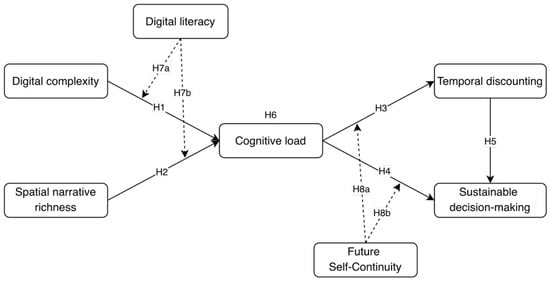
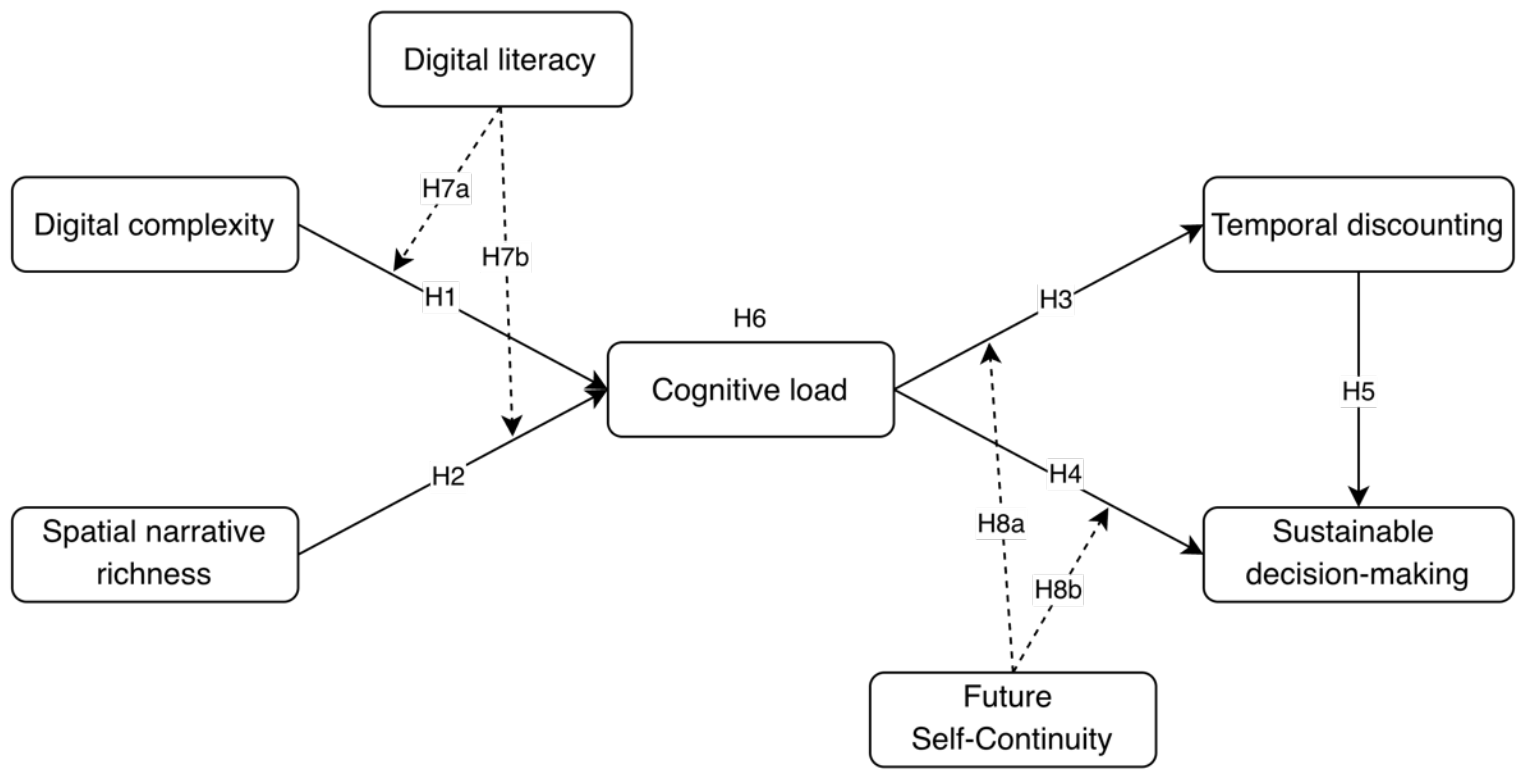
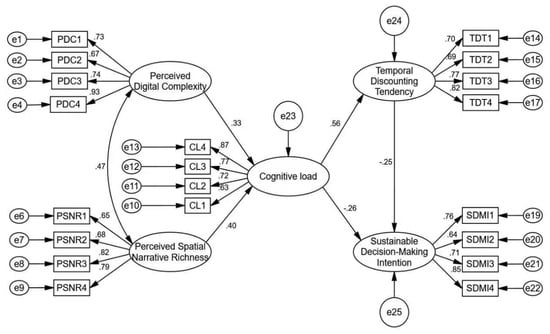
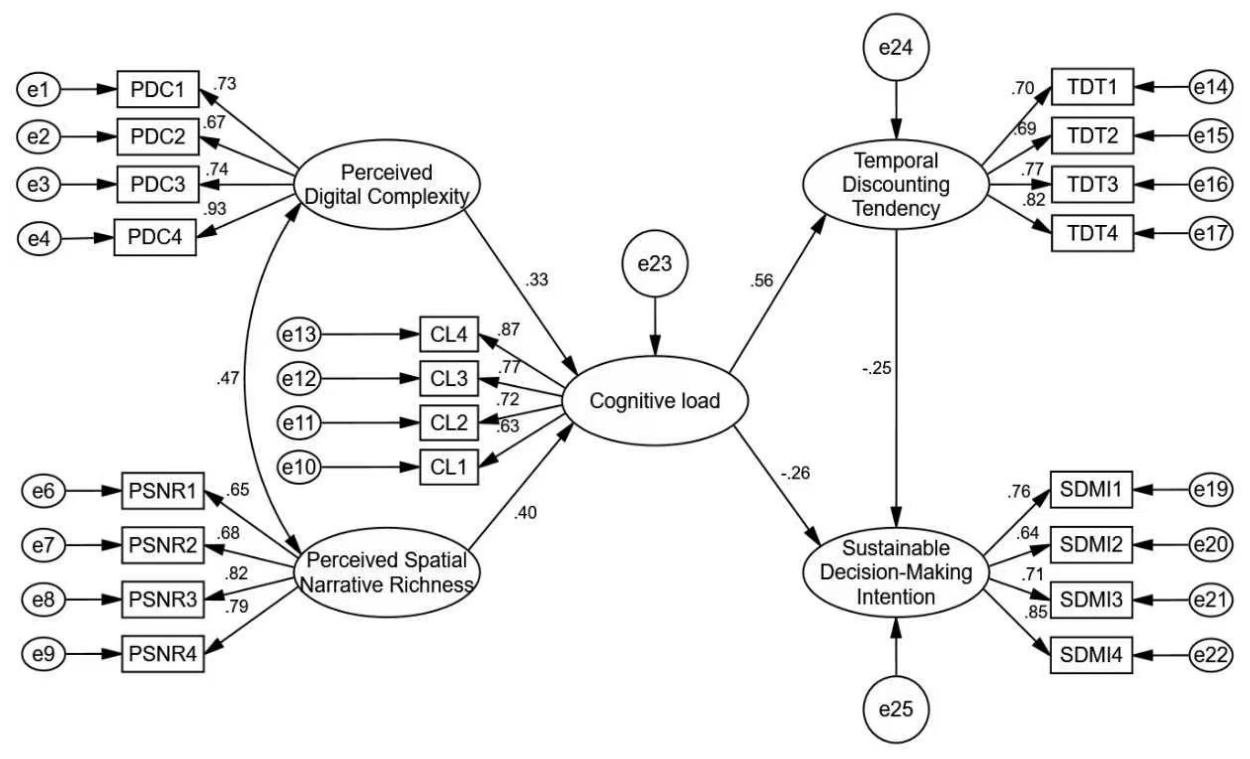
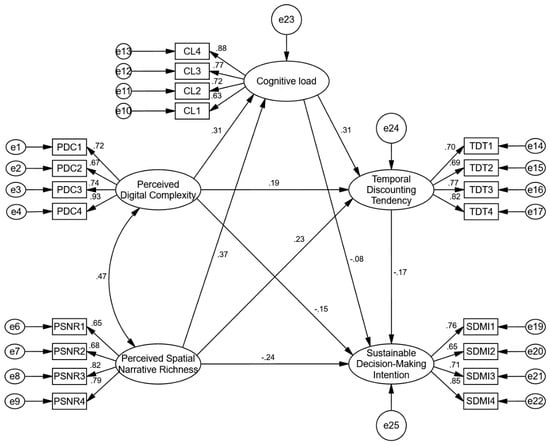
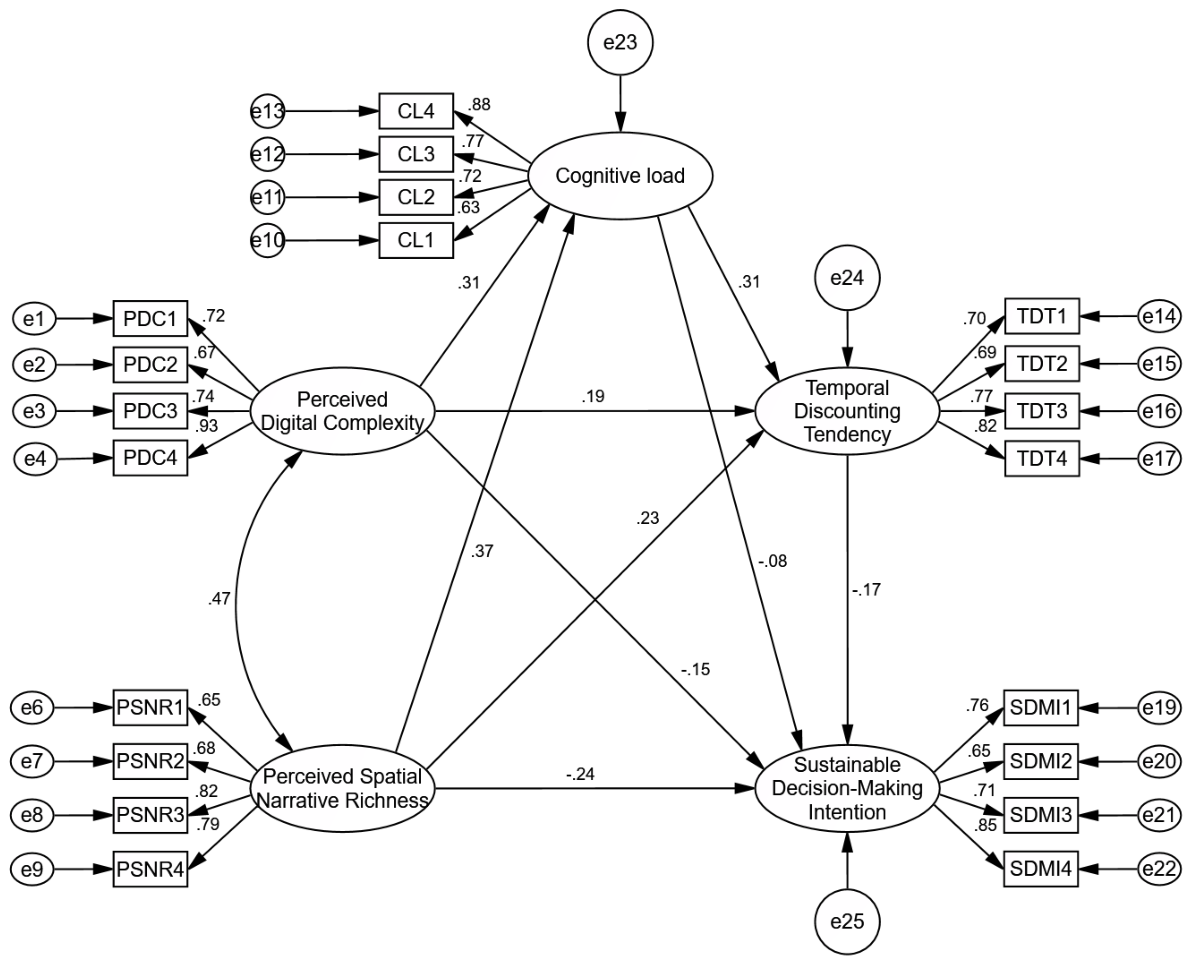
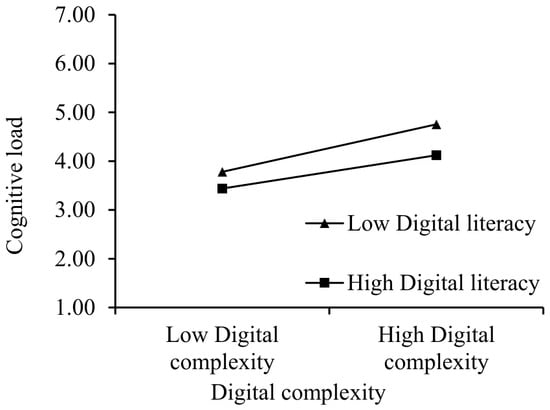
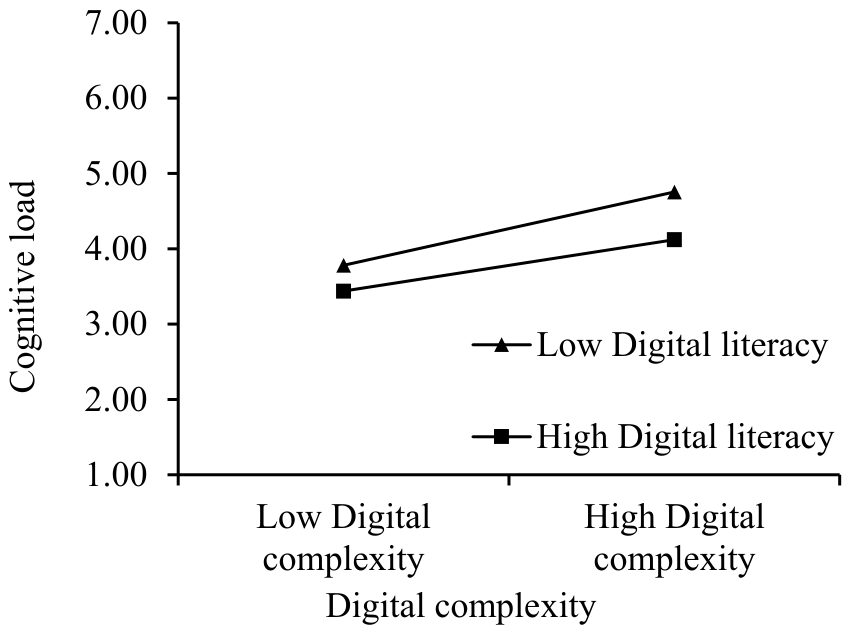
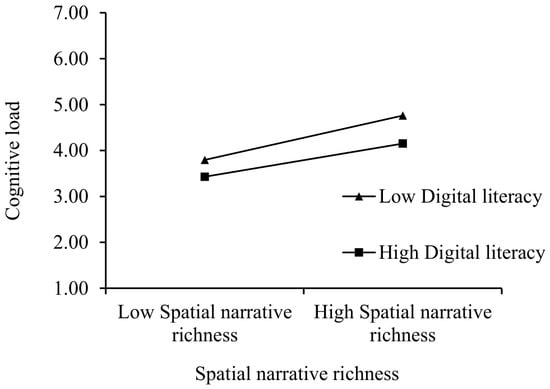
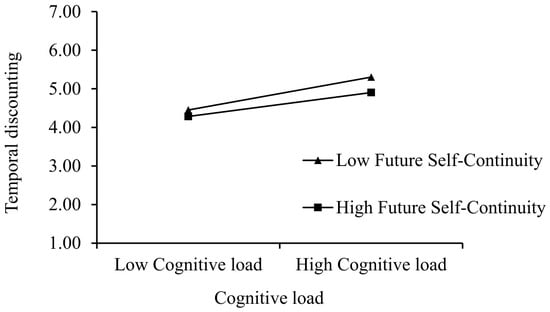

Disclaimer/Publisher’s Note: The statements, opinions and data contained in all publications are solely those of the individual author(s) and contributor(s) and not of MDPI and/or the editor(s). MDPI and/or the editor(s) disclaim responsibility for any injury to people or property resulting from any ideas, methods, instructions or products referred to in the content. |
© 2026 by the authors. Licensee MDPI, Basel, Switzerland. This article is an open access article distributed under the terms and conditions of the Creative Commons Attribution (CC BY) license.