


Abstract
Against the backdrop of the global green transition and China’s pursuit of high-quality opening-up, examining whether green industrial policy can improve firms’ OFDI performance is important for understanding how domestic green transformation can be translated into international competitive advantages. Firms’ OFDI performance is not only related to the long term returns of firms’ cross border operations, but also reflects the effectiveness of a country’s opening up strategy. Using Chinese A share listed manufacturing firms from 2010 to 2024 as the research sample, this study constructs a multi period difference in differences model to systematically examine the impact of Green Factory certification on firms’ OFDI performance. The results show that Green Factory certification significantly improves firms’ OFDI performance. This conclusion remains robust after a series of tests, including the parallel trend test, heterogeneous treatment effect identification, and instrumental variable estimation. Further mechanism analysis indicates that Green Factory certification promotes the improvement of OFDI performance mainly through two channels, namely enhancing total factor productivity and strengthening the green innovation-driven effect. The moderating effect results show that overseas investment experience strengthens the positive effect of Green Factory certification on OFDI performance. The heterogeneity analysis further suggests that the performance-enhancing effect is more evident among firms adopting wholly owned entry modes, firms operating in heavily polluting industries, non-state-owned firms, and firms investing in host countries with higher environmental performance. This study contributes to the literature on environmental regulation, green innovation, and international business by showing that Green Factory certification functions not only as a green industrial policy tool, but also as both an institutional signal and a capability-building mechanism, helping to convert firms’ green transformation capabilities into international performance advantages.
1. Introduction
Guided by the goal of high-quality development, a high level of opening up has become an important force driving the sustained growth and structural optimization of China’s economy. As profound changes continue to unfold in both the domestic and international economic environment, the traditional export-oriented model of opening-up has gradually become less effective in promoting industrial upgrading, facilitating technology acquisition, and enhancing a country’s position in global value chains. In contrast, OFDI has increasingly become an important pathway through which firms pursue international expansion, owing to its unique advantages in global resource allocation, overseas market development, access to key strategic assets, and the diversification of operational risks [1]. Against this backdrop, China’s OFDI has continued to expand in scale, while its international influence has steadily increased. According to the 2024 Statistical Bulletin of China’s Outward Foreign Direct Investment, China’s stock of OFDI reached USD 3.1 trillion, ranking third among all countries and regions worldwide. Chinese investors had established a total of 52,000 overseas enterprises, with business operations spanning more than 80% of the world’s countries and regions. This suggests that China has become a major source country of OFDI with significant international influence. However, compared with the rapid expansion in investment scale, the performance of China’s OFDI has not improved correspondingly. The overall profitability of overseas investment remains relatively weak, and a substantial gap persists in comparison with developed countries [2]. The objective of multinational operations lies not only in expanding overseas markets, but also in generating stable returns through sustained investment and business operations, thereby enhancing firms’ long-term competitiveness in global value chains [3]. In this context, the focus of OFDI is shifting from scale expansion to performance improvement. Accordingly, how to improve firms’ OFDI performance and promote high-quality international expansion has become an important issue in the academic literature.
As the global green transition continues to deepen and international economic and trade rules are adjusted at a faster pace, the external constraints faced by firms in their efforts to “go global” are becoming increasingly stringent. Environmental standards, low-carbon rules, and green compliance requirements are gradually emerging as important factors shaping firms’ international operations. Against this backdrop, green industrial policies have attracted widespread attention across countries as important policy instruments for advancing the green transformation of the economy and fostering new sources of international competitive advantage. Since the United Nations Environment Programme introduced the concept of a “Global Green New Deal” in 2008, green development has gradually evolved from an issue of environmental governance into a major direction of global economic transformation. An increasing number of countries have regarded climate change mitigation, low-carbon transition, and the cultivation of green industries as important strategic choices for enhancing international competitiveness. In line with this trend, China has continuously improved its green industrial policy system. Among these policies, the Green Factory Certification Program implemented by the Ministry of Industry and Information Technology (MIIT) represents an important institutional arrangement in the development of China’s green manufacturing system. By guiding firms to optimize production processes, improve resource use efficiency, and strengthen environmental governance capabilities, this program promotes a systematic green transformation of enterprises. Green Factory certification encourages firms to improve resource efficiency, environmental management, and green innovation, thereby strengthening their competitiveness in foreign markets. Meanwhile, it provides a credible institutional signal of environmental responsibility, which can help firms reduce information asymmetry and legitimacy pressures in host countries.
Therefore, focusing on Green Factory certification, an important institutional certification that reflects firms’ green manufacturing capabilities and the degree of standardized governance, and examining its effect on firms’ OFDI performance can not only help reveal how green transformation empowers firms to achieve high quality international expansion, but also provide empirical evidence for improving the green manufacturing policy system and enhancing the quality of firms’ international operations. The potential contributions of this study are mainly reflected in the following three aspects. First, this study expands the research perspective on the determinants of firms’ OFDI performance. Existing studies have mainly explained OFDI performance from the perspectives of firm-specific advantages, host country institutional environments, and external market conditions. By contrast, this study starts from the policy practice of Green Factory certification and examines the impact of green industrial policy on firms’ OFDI performance, thereby incorporating home country green industrial policy into the analytical framework of international investment research. Second, this study extends the research boundary on the economic consequences of green industrial policy. Existing studies have primarily focused on the domestic economic effects of green industrial policy, such as corporate green technological innovation [4], green investor entry [5], and firm market value [6], while paying insufficient attention to whether such policies can affect the outcomes of firms’ multinational operations. By shifting the analytical focus from firms’ domestic operations to their overseas investment performance, this study broadens the research perspective and offers new empirical evidence on the cross-border implications of green industrial policy. Third, this study further identifies the underlying mechanisms through which Green Factory certification affects firms’ OFDI performance. Specifically, Green Factory certification improves OFDI performance through a total factor productivity enhancement mechanism and a green innovation-driven mechanism. In addition, this study systematically examines the heterogeneity of the policy effect from the perspectives of firms’ investment mode, industry attributes, and host country environmental performance.
2. Policy Background
China’s green manufacturing policy framework was progressively established between 2015 and 2017. In 2015, the Made in China 2025 strategy first placed green and low-carbon transformation within the broader agenda of manufacturing upgrading. In 2016, the MIIT issued several implementation documents, including the Industrial Green Development Plan (2016–2020) and the Implementation Guidelines for Green Manufacturing Engineering (2016–2020), which further specified policy priorities such as cleaner production, resource conservation, circular development, and green manufacturing system construction. Green Factory recognition, in particular, was designed to encourage firms to improve energy efficiency, strengthen environmental management, reduce resource consumption, and upgrade production processes. The release of the first Green Manufacturing Demonstration List in 2017 marked the transition of this policy from strategic planning to firm-level certification and practical implementation.
At the level of specific evaluation standards, the MIIT introduced the core national standard for Green Factory evaluation in 2018, namely General Principles for Green Factory Evaluation (GB/T 36132-2018) [7]. This standard provides a general evaluation framework for Green Factory assessment during the sample period of this study. Under this framework, a Green Factory refers to a manufacturing entity that meets systematic requirements for green production and environmental management. According to GB/T 36132-2018, a Green Factory is characterized by intensive land use, harmless raw materials, clean production, waste recycling, and low-carbon energy use. This process indicates that certified firms are selected based on both technical compliance with green manufacturing standards and verified environmental management practices. Specifically, its first-level indicators cover multiple dimensions, namely basic requirements, infrastructure, products, environmental emissions, and performance. Among these dimensions, the basic requirements emphasize lawful and compliant operation as well as conformity with relevant policies and standards. Infrastructure focuses on plant layout, equipment configuration, and the conditions for resource utilization. Management systems highlight the establishment of institutional arrangements related to environmental management, energy management, and quality management. Energy and resource inputs, products, and environmental emissions evaluate firms’ green manufacturing performance from the input side, the output side, and the pollution control side, respectively. Performance indicators further assess the actual outcomes achieved by firms in terms of resource use efficiency, environmental improvement, and overall benefits. In terms of the certification procedure, firms are generally required to first conduct a self-evaluation based on the general principles and submit the relevant supporting documents. Qualified third-party institutions then carry out formal evaluations. The results are subsequently reviewed and recommended by provincial industry and information technology authorities, and the final list is determined through procedures such as expert review and public disclosure. Figure 1 illustrates the Green Factory evaluation framework and certification procedure.
Figure 1.
Diagram of the Green Factory selection process [7].
3. Research Hypotheses
We develop an integrated framework that explains how Green Factory certification enhances firm-specific advantages, mitigates liability of foreignness, and ultimately improves OFDI performance. Drawing on the Resource-Based View and the Natural-Resource-Based View, Green Factory certification may help firms develop policy-induced green capabilities, such as resource efficiency, green innovation, environmental management, and operational efficiency, which can become valuable firm-specific resources in overseas markets [8,9]. This argument is consistent with studies showing that green certification and green manufacturing policies affect productivity, green innovation, ESG performance, market valuation, and corporate resilience [10,11,12,13]. From the perspective of signaling theory, Green Factory certification can also serve as a credible signal of environmental responsibility and green transformation, helping firms reduce information asymmetry and enhance legitimacy in host-country markets [14,15]. In line with the OLI paradigm and the liability-of-foreignness literature, these green capabilities and legitimacy advantages may strengthen firms’ ownership advantages, reduce barriers caused by institutional distance, unfamiliarity, and stakeholder skepticism, and improve overseas subsidiary performance [16,17,18]. Thus, this study extends research on green industrial policy from domestic firm outcomes to firms’ overseas investment performance.
3.1. Green Factory Certification and OFDI Performance
Multinational enterprises operate under conditions of institutional heterogeneity and market segmentation. Compared with host-country local firms, foreign subsidiaries usually face liability-of-foreignness costs related to unfamiliar regulations, cultural distance, environmental compliance, and stakeholder distrust, which may reduce profitability and lengthen the payback period of overseas investment [16]. The resource-based view provides a useful starting point for explaining how firms overcome these disadvantages. Barney [8] emphasizes that resources generate sustained competitive advantage only when they are valuable, rare, imperfectly imitable, and difficult to substitute. In cross-border operations, however, these resources must also be transferable and locally adaptable. Studies on international knowledge transfer show that tacit routines, explicit management systems, and relational embeddedness influence whether parent-firm capabilities can be effectively deployed in foreign subsidiaries [19,20].
Green Factory certification serves as an important mechanism for strengthening firms’ resource endowments within this theoretical framework. This institutional arrangement not only requires firms to embed the principles of energy conservation, emissions reduction, and resource recycling into their production processes, but also encourages them to undertake systematic changes in management systems, organizational culture, and decision-making procedures. Through stringent evaluation standards and continuous supervision, Green Factory development enables firms to accumulate replicable and transferable green management models and governance experience over the course of long-term operations, thereby forming scarce institutional resources at the parent company level. These resources include not only efficient internal process systems and transparent information mechanisms, but also the visible embodiment of a strong sense of environmental responsibility and a culture of social compliance. According to the resource-based view, such capabilities and cultural capital possess both scarcity and non-substitutability, and can be extended and replicated in the process of multinational operations, thereby becoming a key channel through which parent firms transfer competitive advantages to their overseas subsidiaries [21]. When overseas subsidiaries draw on the parent company’s green management standards and process systems, they can not only significantly reduce the costs of organizational coordination and information transmission, but also develop path-dependent advantages in risk identification, compliant operations, and production optimization. This ultimately improves operational efficiency and returns on capital, thereby enhancing overall investment performance. In addition, Green Factory certification grants firms a form of institutional legitimacy and reputational capital [22,23]. This intangible asset can be transformed into performance advantages in multinational operations. Obtaining national-level Green Factory certification not only indicates that a firm’s production system meets stringent environmental standards, but also signals its leading position in social responsibility and sustainable governance [12,13]. This official endorsement has a signaling effect in the international business environment. It can effectively reduce concerns among host country governments, investors, and the public regarding the environmental risks of foreign firms, thereby alleviating trust barriers caused by information asymmetry. As green consumption culture becomes more widespread, greener firms are more likely to gain the favor of international customers and financing institutions. Their products and brands are also more likely to enjoy price premiums in the market. As a result, their cost of capital declines, while profit levels and investment returns increase significantly. Therefore, Green Factory certification improves firms’ external operating environment through an institutionalized credibility mechanism. It reduces the economic losses caused by social resistance, compliance conflicts, and reputational risks, helps overseas subsidiaries gain acceptance in local markets and build trust relationships [14], and thereby enhances brand value, expands market share, and improves OFDI performance.
Hypothesis 1.
Green Factory certification can improve firms’ OFDI performance.
3.2. The Mediating Role of Total Factor Productivity
Total factor productivity represents an efficiency-based firm-specific advantage through which Green Factory certification can affect OFDI performance. Prior studies suggest that green certification may improve firms’ productivity by correcting resource misallocation, encouraging cleaner production, and promoting more efficient factor use [24,25]. Certified firms must meet standards related to energy conservation, water use, land use, emissions control, material recycling, and environmental management. In this process, firms need to optimize the structure of resource inputs. By reducing ineffective consumption and lowering idle capacity, the marginal contribution of resources can be enhanced, thereby improving overall production efficiency [26]. From the perspective of production organization, Green Factory certification requires firms to adopt a refined and systematic operating model throughout the production process. Traditional production models often suffer from fragmented procedures, weak coordination, and excessive redundancy, which reduce the efficiency of capital and labor utilization across different stages. By requiring firms to achieve overall optimization in design, layout, and operation, the Green Factory evaluation standards promote the formation of a more tightly connected production system from raw material input to final output. In this process, internal structures are reorganized, redundant steps are compressed, and resource flows become more efficient [25,27]. Greater coordination across production stages reduces the energy consumption and time losses caused by fragmented processes. As organizational coordination improves, firms are able to achieve higher output efficiency under the same level of input, thereby promoting growth in total factor productivity [10,24].
Improvement in total factor productivity is one of the key sources through which firms obtain competitive advantages, and it provides an important foundation and strong support for profitability in OFDI activities [28]. Within the structure of multinational operations, an increase in the parent firm’s total factor productivity means that the firm can operate with lower input costs and higher output efficiency, thereby improving internal capital allocation and the integration of external factors. This improvement in production efficiency can be transmitted to overseas subsidiaries through knowledge spillovers and technology transfer, enabling them to establish adaptive production systems more rapidly in host markets [29,30]. Higher total factor productivity not only directly improves production efficiency, but also further strengthens the performance of cross-border investment through economies of scale [19]. As production efficiency continues to improve, the parent firm is able to provide intermediate goods, components, and technical support at more competitive prices, thereby reducing the procurement and maintenance costs of overseas subsidiaries and improving their cost structure. The reduction in costs is reflected not only in direct production costs, but also in lower operating costs, which further improves OFDI performance.
Hypothesis 2.
Green Factory certification promotes firms’ OFDI performance by improving total factor productivity.
3.3. The Mediating Role of Green Innovation
The Porter hypothesis suggests that appropriate environmental regulation can stimulate firms’ environmental investment and generate innovation compensation effects, thereby offsetting compliance costs and improving overall performance. To obtain Green Factory certification, firms must meet a series of MIIT evaluation requirements. The certification process is characterized by high standards and comprehensive assessment, requiring firms to integrate green development principles into the full production cycle, from input selection to product recovery, rather than treating environmental responsibility as a downstream activity [31]. Environmental institutions also play an important role in promoting green development [32]. Green Factory certification may promote green innovation through both process and product innovation. First, its evaluation criteria are closely related to cleaner production, energy conservation, resource recycling, pollution control, and environmental management systems. To meet these requirements, firms are encouraged to adopt green innovation and cleaner technologies in material sourcing, manufacturing, packaging, waste treatment, and recycling [33]. These process innovations help reduce resource consumption and emissions, improve waste treatment and resource utilization efficiency, lower production costs, and provide overseas subsidiaries with more standardized and transferable green production practices. Green technology innovation is also an important driver of ecological efficiency improvement and low-carbon transformation [34]. Second, Green Factory certification may promote green product innovation. As firms accumulate green technologies and environmental management capabilities, they become more capable of developing environmentally friendly products and services, which helps them respond to host-country demand for sustainable products, strengthen product differentiation, and improve market recognition [23,35]. Also, green factory peer effects may influence firms’ green innovation decisions, as firms adjust their innovation strategies in response to certified or peer firms’ green innovation behavior [36]. Furthermore, the Green Factory evaluation process involves long-term regulatory constraints. Certified firms are subject to continuous supervision, and higher compliance costs may encourage more substantive green innovation [11]. Certification may also alleviate financial constraints on green innovation. Certified firms are often eligible for policy-based financial support from the MIIT and local governments, including lump-sum incentives, industrial upgrading funds, and special-purpose construction grants. These fiscal resources can expand internal capital, support green technology development, disperse innovation risks, and improve returns on R&D projects [37,38]. Broader financing channels further encourage green innovation investment and improve the external innovation environment [39,40].
The improvement in the parent company’s green innovation capability directly promotes the upgrading of production technologies in overseas subsidiaries. First, the systematic accumulation of achievements in green technologies, processes, and product innovation can be transferred to overseas subsidiaries through internalized knowledge transfer mechanisms, thereby reducing compliance costs and fines arising from failure to meet environmental standards [41] and directly improving the profit structure from the cost side. Second, the technological barriers and product differentiation advantages generated by green innovation can strengthen the competitiveness of overseas subsidiaries in host country markets. This enables their products to better comply with increasingly stringent local environmental regulations and market entry standards, thereby avoiding the risk of market exclusion caused by green barriers [42]. In addition, in the sale of green products, Green Factory certification, as a differentiating signal, enables firms to achieve a separating equilibrium from non-green competitors. Through expanded demand and the creation of green price premiums, firms can improve OFDI performance [43]. Third, the dynamic environmental adaptability driven by green innovation enables overseas subsidiaries to respond more flexibly to changes in host country environmental policies and the upgrading of international green standards, thereby maintaining operational stability through forward-looking technological and managerial adjustments. At the same time, the parent company’s supply chain integration capability based on green innovation can empower overseas subsidiaries to build localized green industrial chains. Through environmental standards coordination with upstream and downstream firms, subsidiaries can reduce logistics and coordination costs, ensure the sustainability of profitability, and improve OFDI performance.
Hypothesis 3.
Green Factory certification promotes firms’ OFDI performance by enhancing green innovation.
3.4. The Moderating Role of Overseas Investment Experience
Overseas investment experience reflects the outcome of organizational learning that firms gradually accumulate through long-term overseas investment activities. Its essence lies in the continuous improvement of firms’ capabilities to adapt, coordinate, and respond to risks in cross-national operations through sustained exposure to different institutional environments, cultural contexts, and market rules. Existing studies have shown that overseas investment experience helps firms mitigate the liability of foreignness, reduce institutional frictions and information asymmetry in host country operations, and facilitate the cross-border transfer and effective deployment of existing intangible assets and managerial capabilities. In turn, this enhances the performance of overseas subsidiaries as well as the overall performance of OFDI [44,45,46].
For firms that have received Green Factory certification, the accumulation of overseas investment experience further increases the likelihood that the advantages associated with Green Factory certification can be translated into stronger overseas investment performance. On the one hand, extensive overseas investment experience enables firms to become more familiar with the legal systems, environmental standards, and market norms of different host countries. This allows them to identify and meet compliance requirements related to green development more efficiently, while replicating, diffusing, and locally adapting the production philosophy, environmental standards, and management processes embodied in Green Factory certification across different host countries. As a result, firms can develop differentiated competitive advantages and improve investment performance [47]. On the other hand, the experiential learning effect generated by overseas investment experience helps reduce the uncertainty of cross-border operations and strengthens firms’ ability to identify and respond to institutional differences, policy changes, and market risks. This enables firms to make more effective use of the resource advantages associated with Green Factory certification, including financing convenience, policy support, and reputational gains, thereby reducing opportunity losses caused by information asymmetry and institutional differences [48,49] and enhancing the stability and sustainability of investment returns. Figure 2 illustrates the research framework of this study.
Figure 2.
Diagram of the theoretical framework.
Hypothesis 4.
Overseas investment experience positively moderates the relationship between Green Factory certification and firms’ OFDI performance.
4. Research Design
4.1. Sample Selection
Drawing on the CSMAR database and the Orbis database, and supplemented by manual retrieval and compilation, this study constructs a dataset of overseas subsidiaries established by Chinese listed manufacturing firms. Following Delios et al. [50], this study organizes the dataset at the firm–host country–year level. When a parent firm owns multiple subsidiaries in the same host country in a given year, their financial information is aggregated at the firm–host country–year level. Accordingly, overseas subsidiary ROA is calculated as the total net profit of these subsidiaries divided by their total assets. The original sample is processed as follows: First, overseas subsidiaries whose industry codes do not belong to the manufacturing sector are excluded. Second, listed firms with abnormal listing status, including ST and PT firms, are excluded. Third, firm samples with severe missing values for the main variables are excluded. Fourth, firms whose investment destinations are located in traditional tax havens are removed. After applying the above screening and cleaning procedures, the final sample consists of data on overseas subsidiaries of listed manufacturing firms from 2010 to 2024.
4.2. Variable Definitions
4.2.1. Dependent Variable
OFDI performance (Performanceijt): In previous studies on the OFDI performance of Chinese firms, many scholars have employed a variety of financial indicators to measure the OFDI performance of multinational enterprises. Some studies have used the overall operating performance of listed firms as a proxy for OFDI performance [51]. However, this measurement approach has certain limitations. First, it cannot directly reflect the actual operating conditions of firms’ overseas businesses. Second, the financial indicators of parent companies are often used in academic research as important measures of firms’ overall operating performance. Such data usually cover all business activities at home and abroad, and the results are therefore inevitably affected by domestic operating outcomes to a considerable extent. Therefore, following Cui and Xu (2019) [52], this study uses the return on assets of overseas subsidiaries of Chinese listed firms as the measure of OFDI performance. The data are obtained from the Overseas Investment Database of Listed Companies in the CSMAR database.
4.2.2. Core Explanatory Variable
Green Factory certification (GFactoryit): This variable is constructed using the national Green Factory lists published by the MIIT from 2017 to 2022. For a firm first recognized as a Green Factory in year t, GFactoryit takes the value of 1 in year t and in all subsequent years; otherwise, it equals 0.
4.2.3. Mechanism Variables
- (1)
- Total Factor Productivity (TFPit)
Because the OP method for measuring total factor productivity may result in substantial sample loss, Levinsohn and Petrin (2003) [53] building on the OP approach, proposed the LP method. Compared with the OP method, the intermediate input variable is less likely to generate invalid values. The LP method also broadens the choice of proxy variables. It not only alleviates the problem of losing potentially valid samples, but also makes the selection of proxy variables more flexible, thereby improving the accuracy of estimation results. The paper constructs a total factor productivity indicator based on the LP method. The estimation model is specified as follows:
where Yit denotes the total output of firm (i) in year (t), and Kit, Lit, and Mit represent capital input, labor input, and intermediate input, respectively. The logarithm of the estimated residual is then taken as the firm’s total factor productivity. Data are obtained from the CSMAR database.
- (2)
- Green Innovation (GInnovationit)
Green innovation is measured by the annual number of green patents granted to a firm, including both green invention patents and green utility model patents. To reduce the influence of scale differences and better reflect cross-firm variation in green innovation activity, the patent count is transformed into logarithmic form. The data are obtained from the CNRDS database.
4.2.4. Moderating Variable
Overseas investment Experience (Expit): Following Yan (2011) [54], this study measures overseas investment experience by the number of a firm’s investments in the host country.
4.2.5. Control Variables
To accurately identify the effect of green factory certification on enterprises’ OFDI performance, and following the existing literature [55], this study includes the following control variables: (1) Net profit margin (NI): measured as net profit divided by operating revenue; (2) Firm size (Size): proxied by the natural logarithm of assets; (3) Tobin Q (TobinQ), calculated as the ratio of corporate market value to book value; (4) CEO duality (Dual), a dummy variable equal to 1 when the board chair and general manager are the same individual, and 0 otherwise; (5) Revenue growth (Growth), measured by the rate of change in current year operating revenue relative to that of the previous year; (6) Host country GDP per capita: measured by the logarithm of host country GDP per capita; (7) Host-country trade openness (Trade), measured as the ratio of the sum of total imports and total exports to host-country GDP; and (8) Host-country institutional distance (PD), calculated using the distance measurement method proposed by Kogut and Singh (1988) [56], as shown in the following equation:
where i denotes the six sub-dimensions of institutional development in the Worldwide Governance Indicators. Iict − Iit,china represents the difference between host country c and China in sub-dimension i in year t, and v is the variance of sub-dimension i used to improve comparability across dimensions. Firm-level control variables are from the CSMAR database, and country-level control variables are from the WDI database. The details of the variables are depicted in Table 1.
Table 1.
Definition and description of variables.
4.3. Model Specification
The Green Factory certification program initiated by the MIIT in 2017 offers a quasi-natural experimental setting. Since firms obtained certification in different years, the treatment was implemented in a staggered manner rather than through a one-time policy shock. Therefore, this study adopts a multi-period DID model, which is suitable for estimating policy effects under staggered treatment timing and for comparing treated firms with never-treated and not-yet-treated firms. The baseline model is specified as follows:
where i, j, and t denote firm, host country, and year, respectively. Controlsijt denotes the set of firm-level and country-level control variables. εijt is the error term. In the regressions, firm fixed effects (μi), year fixed effects (λt), and host country fixed effects (δj) are further included to control for unobservable factors at the firm, country, and time levels.
To test Hypothesis 2, which posits that Green Factory certification promotes firms’ OFDI performance by improving total factor productivity, this paper estimates the regression model specified in Equations (4) and (5).
Hypothesis 3 argues that Green Factory certification may enhance firms’ OFDI performance through increased green innovation. To empirically assess this transmission channel, we estimate the model presented in Equations (6) and (7).
Hypothesis 4 proposes that Green Factory certification may contribute to better OFDI performance by stimulating firms’ green innovation activities. To empirically assess this transmission mechanism, we estimate the model reported in Equation (8).
where subscripts i, j, and t denote the firm, host country, and year, respectively, and the control variables are the same as those used in the baseline regression.
5. Results and Discussion
5.1. Descriptive Statistics and Correlation Matrix
Table 2 summarizes the distributional characteristics of the main variables used in this study. Firms’ OFDI performance has a mean value of 0.0197, while its values range from −0.5269 to 0.6198. This dispersion indicates substantial heterogeneity in the actual outcomes of OFDI across firms. For the other covariates, the summary statistics align well with patterns documented in existing research; accordingly, further discussion is omitted for brevity.
Table 2.
Descriptive statistics.
Table 3 reports the pairwise correlations among the variables included in the empirical analysis. GFactory is positively correlated with firms’ OFDI performance and the correlation is significant at the 1% level, offering preliminary evidence consistent with Hypothesis 1. Moreover, all correlation coefficients among the regressors are lower than 0.30, suggesting that multicollinearity is unlikely to affect the empirical analysis.
Table 3.
Correlation matrix.
5.2. Empirical Results
5.2.1. Baseline Regression Results
Table 4 presents the baseline estimates used to examine Hypothesis 1 based on the matched sample. The three columns report results from progressively more stringent specifications. Column (1) shows that Green Factory certification is positively and significantly associated with OFDI performance in a parsimonious specification. After adding firm, year, and host-country fixed effects in Column (2), the coefficient remains positive and significant at the 1% level. Column (3) further adds firm-level and host-country-level controls. The coefficient remains positive and statistically significant, with a value of 0.0668, indicating that certification as a national Green Factory has a robust positive effect on firms’ OFDI performance. Economically, this estimate implies that Green Factory certification increases overseas subsidiary ROA by approximately 6.68 percentage points on average, holding other factors constant. A possible explanation is that national Green Factory certification, as an authoritative credential, conveys to the international market a favorable signal regarding the firm’s environmental responsibility and sustainable development capability. As global consumption patterns increasingly shift toward low-carbon and environmentally friendly products, this signal can effectively enhance market recognition of the firm’s products or services. For example, in markets such as Europe and the United States, where environmental standards are stringent, firms with Green Factory certification are more likely to gain the trust of local consumers, and their products can achieve premium pricing through differentiated market positioning. This premium pricing capacity is supported by the enhancement of brand added value. By relying on their green attributes, firms can build competitive barriers and obtain higher profits per unit of sales. In addition, the green signal can help firms integrate more smoothly into international green supply chains, establish cooperative relationships with multinational enterprises that emphasize sustainable development, and obtain higher quality orders. This further optimizes the structure of investment returns and improves OFDI performance. In the short term, Green Factory recognition can improve firms’ environmental management practices, resource allocation efficiency, and operational efficiency. It may also serve as a credible institutional signal of firms’ green production capability, thereby reducing information asymmetry and enhancing stakeholder trust in host countries. These effects may help overseas subsidiaries improve profitability and asset utilization efficiency shortly after certification. In the long term, the improvement in OFDI performance may be further strengthened through the accumulation of green innovation capability, continuous productivity enhancement, and organizational learning. Green Factory recognition encourages firms to upgrade production processes, adopt cleaner technologies, and improve internal environmental governance. These changes may gradually generate firm-specific advantages that are transferable to overseas operations. Therefore, the effect of Green Factory recognition on OFDI performance should not be understood only as an immediate performance improvement, but also as a dynamic process through which certified firms transform green capabilities into sustainable international competitiveness.
Table 4.
Baseline regression results.
This finding also has important practical implications. For managers, Green Factory certification should not be regarded only as a domestic environmental compliance label. Rather, it can be used as a strategic resource to improve green management capability, enhance operational efficiency, strengthen legitimacy in host countries, and support the performance of overseas subsidiaries. For policymakers, the result suggests that green industrial policies may generate benefits beyond domestic environmental governance and industrial upgrading. By helping firms accumulate green capabilities, improve productivity, and build credible sustainability signals, Green Factory certification can also enhance the international competitiveness of Chinese manufacturing firms.
5.2.2. Robustness Tests
- (1)
- Parallel Trend Test
Before applying the staggered DID framework, it is necessary to examine whether the parallel trend assumption holds. Specifically, the treated and control firms should display comparable movements in OFDI performance prior to the introduction of the Green Factory certification policy. If this condition is met, the post-certification divergence in OFDI performance can be more reasonably interpreted as the result of Green Factory certification, rather than being driven by systematic differences or pre-existing trends between the two groups. Accordingly, we construct the following regression specification to conduct the parallel trend test:
where (k) is a time dummy variable. When (k < 0), it represents the (k) periods before Green Factory certification. When (k > 0), it represents the (k) periods after Green Factory certification. When (k = 0), it represents the current period in which the Green Factory policy was introduced. Here, ϕk represents the coefficient capturing the effect of Green Factory certification on firms’ OFDI performance. The interpretations of the remaining symbols are consistent with those in Equation (1). Following Liu et al. [33], this study groups the fifth year and all earlier years before the policy shock into period −5. In the parallel trends test, the year immediately preceding Green Factory certification (k = −1) is used as the benchmark period. To avoid multicollinearity, the dummy variable for this benchmark period is omitted from the regression estimation. Figure 3 illustrates the results of the parallel trend test, with detailed estimates provided in Appendix A. The horizontal axis denotes the relative year k, while the vertical axis reports the estimated coefficients. The vertical bars above and below indicate the 95% confidence intervals. The estimated coefficients before the policy implementation are statistically insignificant, suggesting that there is no systematic difference in OFDI performance between certified and non-certified firms prior to the policy intervention. After certification, the coefficient turns significantly positive in the first post-policy period. Moreover, the estimates remain positive and statistically significant in subsequent years, indicating that Green Factory certification exerts a persistent and stable positive effect on firms’ OFDI performance.
Figure 3.
Parallel trend test.
- (2)
- Placebo Test
A placebo test is conducted to assess whether the baseline findings are driven by random shocks or other unobserved factors. Following the treatment distribution in the baseline regression, we randomly assign Green Factory certification status 1000 times and generate a series of pseudo treatment variables. Model (1) is then re-estimated using each pseudo treatment variable, and the corresponding coefficients and p values are recorded.
If the estimated effects under random assignment differ clearly from the baseline estimate, the positive effect identified in the main regression is less likely to be caused by omitted factors or random fluctuations. As shown in Figure 4, when firms’ OFDI performance is used as the dependent variable, the coefficients obtained from the 1000 placebo regressions are approximately normally distributed around zero, and most p values are greater than 0.10. These results indicate that the pseudo treatment effects are statistically insignificant. Therefore, the conclusions of the benchmark regression are unlikely to be driven by random fluctuations.
Figure 4.
Placebo test.
- (3)
- Heterogeneous Treatment Effect Test
In staggered policy settings, estimates obtained from conventional two-way fixed effects regressions may suffer from bias or even inconsistency when treatment effects vary across cohorts or over time [57]. To address this concern, we re-estimate the baseline model using a two-stage DID approach as an additional robustness test. Compared with the standard DID framework, this method is better suited to samples with heterogeneous treatment effects and different policy adoption timings, thereby helping to reduce potential estimation distortions. As reported in column (1) of Table 5, the coefficient of GFactory remains positive and statistically significant at the 1% level. This result suggests that the main findings are not driven by heterogeneous-treatment-effect bias and supports the robustness of the benchmark estimates.
Table 5.
Robustness test: excluding the influence of other policies.
This study further employs the group-time average treatment effect approach proposed by Callaway and Sant’Anna [58] as a robustness test for the multi-period DID model. This method groups treated firms by the first year of Green Factory certification and estimates treatment effects for each cohort over time, using not-yet-treated firms as the valid control group. The results are reported in column (2) of Table 5. The coefficient of Green Factory certification is consistent with those obtained from the baseline multi-period DID model. The finding indicates that, after accounting for staggered treatment adoption and heterogeneous treatment effects, Green Factory certification still significantly improves firms’ OFDI performance.
- (4)
- Excluding the Influence of Other Policies
Firms’ OFDI performance during the sample period may be shaped not only by Green Factory certification but also by other policy factors. To avoid this issue, this study systematically reviews and identifies the relevant policies that may affect firms’ OFDI performance during the sample period. In particular, it excludes the potential interference of the comprehensive cross-border e-commerce pilot zone policy, the intellectual property protection model city policy, and the green finance pilot policy from the benchmark results. As reported in column (3)–(5) of Table 5, Green Factory certification continues to significantly improve firms’ OFDI performance after excluding the potential interference of other contemporaneous pilot policies.
5.2.3. Endogeneity Tests
- (1)
- PSM-DID
The baseline estimates may be subject to potential self-selection bias. To alleviate this issue, we employ the PSM-DID approach as an endogeneity test. The specific procedure is as follows. First, the covariates used in the baseline specification are selected as matching variables. Second, 1:3 nearest neighbor matching, radius matching, and kernel matching are applied to identify control group observations for the treatment group that satisfy the common support condition, and observations outside the region of common support are excluded to obtain a new regression dataset. The corresponding balance test results for the nearest-neighbor, radius, and kernel matching procedures are presented in Appendix B, Appendix C and Appendix D, respectively. Then we re-estimate the DID model using the samples generated by the three matching procedures. As shown in Table 6, the coefficient on the core explanatory variable remains significantly positive, providing further evidence that the main findings are robust.
Table 6.
Endogeneity test: PSM-DID.
- (2)
- Instrumental Variable Approach
To mitigate concerns arising from potential endogeneity, this study employs an instrumental variable approach as a robustness check. Following Liu et al. [33], this study uses the green space area of the city (GSpace) as an instrumental variable. The rationale for this instrument is twofold. First, urban green space area is closely related to local governments’ environmental governance orientation and ecological construction efforts. Since Green Factory certification is associated with local governments’ environmental attitudes and policy actions, cities with larger green space areas may be more likely to promote green manufacturing and recommend local firms for Green Factory certification. Second, urban green space area is unlikely to directly affect firms’ OFDI performance. Although urban green space may improve the urban ecological environment and city image, it does not directly determine firms’ overseas investment activities, overseas subsidiary profitability, overseas sales performance, or international investment strategies. To further mitigate the concern that urban green space may capture regional economic development, local policy intensity, industrial upgrading, industry-specific shocks, or time-varying regional factors, the IV specification incorporates additional controls and fixed effects to absorb these potential confounding influences. Under this specification, the remaining variation in urban green space area is more likely to affect firms’ OFDI performance through Green Factory certification rather than through other direct channels.
Table 7 summarizes the IV estimation results. The first-stage estimates show that the excluded instrument is significant at the 1% level, confirming its strong relevance to Green Factory certification. In addition, the under-identification test rejects the null hypothesis, and the weak-instrument statistic exceeds the corresponding critical value, indicating that the instrument satisfies the basic relevance and strength requirements. The second-stage estimates further show that the certification remains positively and significantly associated with firms’ OFDI performance after instrumenting the potentially endogenous certification variable. This result is in line with the benchmark estimates and further supports the robustness of the main findings after accounting for endogeneity concerns.
Table 7.
Endogeneity test: instrumental variable approach.
- (3)
- Heckman Test
Considering that firms with stronger political ties may have a higher probability of receiving government-backed certification, this study applies a Heckman selection model to alleviate concerns related to endogenous sample selection. In the first-stage selection equation, we introduce a political connection (PC) indicator based on Faccio et al. [59] and Fan et al. [60]. Specifically, PC equals one when a firm’s senior executives currently hold, or previously held, positions as government officials; otherwise, it equals zero. This variable is used to capture the possibility that politically connected firms are more likely to enter the certified group. The second-stage results are presented in Table 8. After correcting for potential selection effects, the coefficient of Green Factory certification remains positive and statistically significant. Moreover, the estimated coefficient of the Inverse Mills Ratio (IMR) is statistically insignificant, suggesting that sample self-selection bias does not affect our main conclusions.
Table 8.
Endogeneity test: Heckman test.
- (4)
- Lagged Effect
To mitigate the potential reverse causality problem, we further lag the core explanatory variable by one year and two years, respectively, and re-estimate the baseline model. This strategy helps ensure that Green Factory certification temporally precedes the subsequent OFDI performance of firms. The results in Table 9 show that the coefficients of the lagged Green Factory certification variables remain positive and statistically significant, indicating that the baseline findings are not driven by contemporaneous reverse causality.
Table 9.
Endogeneity test: lagged Green Factory certification.
6. Mechanism Analysis
6.1. The Effect of Total Factor Productivity Improvement
The results of the mechanism test for total factor productivity are reported in Table 10. The findings show that Green Factory certification significantly enhances firms’ total factor productivity, thereby improving their OFDI performance. Specifically, Green Factory certification requires firms to improve production processes, energy use, resource recycling, pollution control, and environmental management systems. To meet these requirements, certified firms are encouraged to upgrade energy-saving equipment, adopt cleaner production technologies, optimize production procedures, strengthen process monitoring, and establish more standardized environmental management practices. These technological and managerial improvements help reduce energy consumption, material waste, production redundancy, and managerial inefficiency, thereby improving firms’ total factor productivity. The improvement in total factor productivity can further enhance OFDI performance for several reasons. First, higher productivity enables firms to produce and operate with lower unit costs, which strengthens the cost advantages of overseas subsidiaries [10,24]. Second, standardized production and management systems developed during the Green Factory certification process can be transferred to overseas subsidiaries through internal governance, technical support, and managerial routines. This allows overseas subsidiaries to improve production efficiency, shorten operational adjustment periods, and respond more quickly to host-country market demand [61]. Third, productivity improvement is usually accompanied by enhanced overall supply chain coordination efficiency, including more efficient procurement, global logistics management, inventory control, and internal resource allocation. Multinational enterprises can benefit from more stable input supply, lower procurement costs, and more effective cross-border operational coordination, thereby further improving their overseas investment performance.
Table 10.
Mechanism analysis.
6.2. The Green Innovation Driven Effect
The results of the mechanism test for the green innovation-driven effect are reported in Table 10. The findings indicate that Green Factory certification significantly improves firms’ OFDI performance by enhancing their level of green innovation. The systematic green standards established under Green Factory certification provide clear requirements covering production processes, resource recycling, and pollution control. These standards compel firms to move beyond their existing technologies and management models in order to meet compliance requirements. This externally induced pressure, in turn, promotes improvements in green innovation [33]. By developing and applying advanced green technologies, multinational enterprises can directly introduce these technologies into the production processes of their subsidiaries, thereby improving production efficiency and reducing production costs [38]. In addition, improvements in green innovation enhance firms’ pricing power. In the current market environment, where consumers are increasingly concerned about environmental issues, demand for green products and services continues to grow [62]. Environmentally friendly products developed through green innovation can be directly promoted in the markets where subsidiaries operate, thereby meeting consumers’ demand for green products, strengthening firms’ differentiated competitive advantages, and improving OFDI performance.
7. Moderating Effect
Table 11 presents the results for the moderating effect of overseas investment experience. The empirical results indicate that overseas investment experience can strengthen the promoting effect of Green Factory certification on firms’ OFDI performance. The coefficient of the interaction term is 0.0376, suggesting that the marginal effect of Green Factory certification on OFDI performance increases as firms accumulate more overseas investment experience. From a practical perspective, overseas investment experience should be understood as a comprehensive capability that reflects learning effects, network effects, and institutional familiarity. First, overseas investment experience reflects learning effects. Through repeated cross-border operations, firms accumulate knowledge about foreign market entry, subsidiary governance, resource allocation, and operational adjustment. Such learning enables firms to more effectively transfer the environmental management practices, cleaner production standards, and resource allocation experience associated with Green Factory certification to overseas subsidiaries. As a result, certified firms with richer overseas experience are better able to convert green production capabilities into improved operating efficiency and profitability abroad. Second, overseas investment experience reflects institutional familiarity. Firms with more overseas investment experience are generally more familiar with host-country regulatory systems, environmental standards, industrial policies, and business norms. This familiarity helps them better understand how the certification can be used as a credible institutional signal of environmental responsibility and green production capability in host-country markets. It also improves their ability to adjust investment strategies and operating practices in response to different regulatory and market environments. Third, overseas investment experience reflects network effects. Firms that have operated abroad for a longer period or have engaged in more overseas investment activities are more likely to have established relationships with host-country governments, suppliers, customers, financial institutions, and other stakeholders. These local networks can help firms transform the reputational and legitimacy benefits of Green Factory certification into stakeholder trust, market recognition, and operational support.
Table 11.
Moderating effect.
8. Heterogeneity Analysis
8.1. Heterogeneity Analysis by Entry Mode
Given the substantial differences across entry modes in control arrangements over overseas investment projects, patterns of resource integration, and mechanisms through which performance is generated, this study further conducts subgroup analyses by firms’ entry mode to identify the heterogeneous effects.
The regression results are reported in Column (1)–(3), Table 12. In the sample of firms undertaking outward investment through the wholly owned mode, the estimated coefficient on GFactory is 0.0837 and is statistically significant at the 1% level. By contrast, the certification effect is insignificant for firms adopting joint venture entry. A possible explanation is that the wholly owned mode grants firms stronger control rights and greater decision-making autonomy, and is therefore more conducive to transforming the green governance capacity represented by Green Factory certification into overseas investment performance. This governance structure enables the parent firm to more directly transfer green management practices, technical standards, and operational routines developed in the domestic market to overseas subsidiaries. It also reduces coordination costs and improves the consistency of environmental management and production organization across domestic and foreign operations. Therefore, the capability advantages embodied in Green Factory certification are more likely to be transformed into improvements in overseas subsidiary performance. By contrast, joint ventures usually involve shared ownership, joint governance, and coordination with local partners. Although joint ventures may provide access to local resources and market knowledge, they may also weaken the parent firm’s ability to independently implement its own green governance systems and production standards. Differences in strategic objectives, bargaining power, managerial routines, and environmental priorities between partners may increase coordination costs and reduce the consistency of green management practices. In this context, the green capabilities represented by Green Factory certification may be only partially transferred to overseas operations, making it more difficult for certification advantages to be fully translated into OFDI performance.
Table 12.
Heterogeneity by entry mode and industry.
8.2. Heterogeneity Analysis by Industry Type
Given the substantial differences between heavily polluting industries and non-heavily polluting industries in terms of environmental regulatory intensity, green governance requirements, production and operational characteristics, and the policy context in which green policies are applied, this study groups firms according to industry pollution heterogeneity. This classification helps to examine more clearly the industry heterogeneity in the effect, thereby enhancing the relevance and explanatory power of the research findings.
To examine whether the effect varies with industry pollution intensity, columns (4)–(6) of Table 12 report the corresponding heterogeneity analysis. In the subsample of firms operating in non-heavily polluting industries, the estimated coefficient is 0.0543, whereas it rises to 0.1138 among firms in heavily polluting industries. The cross-group coefficient difference test also confirms a significant difference between the two subsamples. These results indicate that the positive impact is more evident for firms in heavily polluting industries. One plausible explanation is that firms in heavily polluting industries generally have greater room for improvement in production processes, energy utilization efficiency, and pollution control practices. By imposing systematic green standards, Green Factory certification encourages firms to undertake technological upgrading, process optimization, and the establishment of more standardized green management systems. For firms engaged in outward foreign direct investment, these capability improvements help reduce environmental compliance costs and operational uncertainty in overseas projects, thereby improving investment performance. In addition, Green Factory certification represents an authoritative green qualification endorsed by the government. For firms in heavily polluting industries, this certification can serve as a credible signal of green manufacturing capability and sustainable operational capacity, thereby enhancing their external legitimacy and reputational capital in foreign markets. By contrast, non-heavily polluting firms generally already possess a relatively strong green governance foundation. Although Green Factory certification still has a positive effect for these firms, the scope for incremental improvement is more limited, and the estimated coefficient is therefore smaller.
8.3. Heterogeneity Analysis by Enterprise Ownership Type
Ownership type is closely related to firms’ access to resources, policy support, financing conditions, and institutional legitimacy. These differences may affect how firms use Green Factory certification and whether its advantages can be converted into improved OFDI performance. Therefore, this study divides firms into state-owned and non-state-owned enterprises to examine whether the effect of Green Factory certification differs across ownership types.
The results in Column (1)–(3) of Table 13 show that Green Factory certification has a significantly positive effect on OFDI performance in both groups. The coefficient difference test suggests that the effect is significantly larger for non-state-owned enterprises. Compared with state-owned enterprises, non-state-owned enterprises usually face greater constraints in financing, policy resources, international legitimacy, and access to overseas markets. Therefore, Green Factory certification may generate a stronger marginal effect for non-state-owned enterprises by serving as a credible institutional signal of green transformation and environmental responsibility. This signal can help reduce information asymmetry, enhance stakeholder trust, improve access to external resources, and mitigate the liability of foreignness in host countries. In contrast, state-owned enterprises often already possess stronger institutional support, financing advantages, and government-related legitimacy. Therefore, Green Factory certification has a stronger positive effect on the OFDI performance of non-state-owned enterprises.
Table 13.
Heterogeneity by ownership and host-country environmental performance.
8.4. Heterogeneity Analysis by Host-Country Environmental Performance
From the perspective of institutional theory, host countries with high environmental performance are characterized by strong regulatory constraints and high transparency in their environmental institutions. These countries generally possess more comprehensive monitoring and enforcement mechanisms for indicators such as carbon emissions, pollutant emissions, and energy efficiency in corporate production activities. Following Brandi et al. (2020) [63], this study measures host-country environmental performance using the country-year Environmental Performance Index released by Yale University. To examine whether the effect of Green Factory certification varies with host-country environmental conditions, the sample is divided into high and low environmental performance groups according to the median value of the host-country Environmental Performance Index, and regressions are estimated separately for each group. The estimation results are reported in columns (4)–(6) of Table 13.
For firms investing in countries with higher environmental performance, the estimated coefficient of GFactory is 0.1277. By contrast, the coefficient is 0.0529 for firms whose OFDI destinations are countries with lower environmental performance. Both estimates are statistically significant at the 1% level, and the cross-group coefficient difference test confirms that the difference between the two subsamples is significant. This indicates that when firms invest in host countries with higher environmental performance, Green Factory certification has a stronger promoting effect on firms’ OFDI performance. A possible explanation is that higher host country environmental performance usually implies a more complete system of environmental regulation and stricter environmental compliance standards. Firms certified as Green Factories, by virtue of their existing green production capabilities and compliance foundation, can significantly reduce environmental compliance costs and operational risks in the host country, thereby gaining a performance advantage over uncertified firms. Firms selected as Green Factories have already passed the green certification system in their home country. Their production processes, environmental technologies, and environmental management capabilities are therefore more compatible with the regulatory requirements of host countries with high environmental performance. As a result, they can more quickly meet host country environmental entry standards and avoid additional costs arising from insufficient compliance. At the same time, they may also obtain institutional benefits, such as tax incentives and priority access to government cooperative projects, because they are better aligned with the host country’s environmentally oriented industrial policies. These cost advantages and policy benefits can further improve firms’ OFDI performance. Therefore, for multinational enterprises operating in host countries with relatively high environmental performance, Green Factory certification exerts a stronger positive effect on OFDI performance.
9. Conclusions and Policy Implications
This study uses firm-level panel data on Chinese listed manufacturing firms from 2010 to 2024. Taking the phased implementation of the national Green Factory certification program as a quasi-natural setting, this study applies a staggered DID approach to examine its impact on firms’ OFDI performance and the underlying mechanisms. The baseline estimates show that Green Factory certification significantly enhances firms’ OFDI performance. Further mechanism tests reveal that this effect is mainly transmitted through improvements in total factor productivity and the promotion of green innovation. The moderation analysis indicates that firms with richer overseas investment experience are better able to translate Green Factory certification into improved OFDI outcomes. In addition, this study explores the heterogeneous effects of Green Factory certification from several perspectives. In terms of entry mode, the certification effect is stronger among firms investing abroad through wholly owned subsidiaries. Regarding industry characteristics, the positive impact is more pronounced for firms operating in heavily polluting industries. With respect to enterprise ownership, the certification effect is stronger among non-state-owned enterprises. From the perspective of host-country environmental performance, certified firms achieve better OFDI outcomes when investing in countries with stronger environmental performance. This study makes three main theoretical contributions. First, it extends the literature on the determinants of OFDI performance by incorporating home-country green industrial policy into the analysis of firm internationalization. Second, it broadens research on the economic consequences of green industrial policy by shifting the focus from domestic firm outcomes to overseas subsidiary performance, thereby providing new evidence on the cross-border effects of green manufacturing policy. Third, it deepens the mechanism-based understanding of how green industrial policy affects international performance by identifying total factor productivity and green innovation as two key channels. The heterogeneity analysis further clarifies the boundary conditions of this effect across entry modes, industry attributes, ownership type and host-country environmental performance. Based on these findings, this study provides several policy implications for improving the Green Factory certification system and leveraging green manufacturing policy to enhance firms’ international competitiveness.
First, greater efforts should be made to build a more systematic and hierarchical green manufacturing policy framework. On the basis of the existing Green Factory certification system, green manufacturing policy should be further advanced from support centered on a single certification program toward the construction of a more comprehensive institutional system. In particular, governments should improve sector-specific green manufacturing standards, strengthen process-based evaluation, establish dynamic review and exit mechanisms, and promote the application of certification results in green finance, industrial upgrading, government-supported technology programs, and international business services. At the same time, stronger coordination should be promoted between Green Factory policy and policies related to industrial upgrading, opening up, regional coordinated development, and green finance, so as to avoid fragmented policy objectives and disjointed resource allocation. By establishing a policy framework characterized by multi-department coordination and multi-level linkage, the guiding role of green manufacturing policy in firms’ long-term strategic adjustment can be strengthened. This will help firms form more stable institutional expectations during green transformation and provide stronger policy support for their participation in international competition.
Second, relevant capacity-building mechanisms should be improved more rapidly to support firms’ green transformation and to facilitate the transformation of green governance advantages into broader competitive advantages. Policy support should not be limited to incentives tied to certification outcomes. Instead, it should be extended to the entire process through which firms develop green capabilities. Governments should provide more targeted support for cleaner production systems, energy-saving equipment upgrading, green technology accumulation, resource recycling, digital energy management, environmental management systems, and professional talent cultivation. For manufacturing firms, the core of green transformation lies not only in meeting certification requirements, but also in improving overall operational quality through institutional optimization, technological progress, and organizational restructuring. Therefore, it is necessary to enhance firms’ ability to internalize green requirements as operational capabilities by improving mechanisms that support innovation investment, strengthening public service platforms for green technologies, encouraging pilot demonstration projects, and promoting the diffusion of green management experience among firms. In this way, firms can further improve productivity, adaptability, stability, and competitive resilience in complex international market environments.
Third, the level of green compliance services and risk governance for firms’ overseas operations should be improved so as to create a more favorable external institutional environment. As international markets impose higher requirements regarding environmental standards, low-carbon rules, ESG governance, and sustainable business practices, firms engaging in outward expansion are facing increasing pressure for green compliance. In response, governments should improve the green public service system for firms investing abroad by establishing more comprehensive mechanisms for host-country environmental regulation information, compliance training, carbon constraint assessment, green trade barrier monitoring, risk warning, and dispute response. At the same time, industry associations, professional service institutions, and financial institutions should be encouraged to jointly participate in the construction of a support system for firms’ green development overseas, providing targeted compliance consulting, green financing support, ESG advisory services, and environmental risk assessment. By improving institutional support for firms’ green overseas operations, governments can help reduce institutional frictions and compliance costs in international expansion, while enabling firms to transform domestic green manufacturing capabilities into more stable and sustainable overseas competitive advantages.
This study has several limitations that suggest directions for future research. First, the analysis is based on available firm-level data; future studies may extend the sample to other firms, industries, or institutional contexts to examine external validity. Second, OFDI performance is multidimensional. Although overseas subsidiary ROA captures profitability and asset utilization efficiency, future research may use additional indicators when data permit. Third, despite the use of fixed effects, IV estimation, PSM-DID, Heckman correction, placebo tests, and lagged variables, endogeneity cannot be fully ruled out in observational firm-level studies. Future research may further strengthen causal identification using richer micro-level data or alternative quasi-natural experimental designs.
Future research could further investigate how Industry 5.0 principles, including human-centric innovation, resilience, and sustainability-oriented digital transformation, interact with green industrial policies to influence firms’ international competitiveness and OFDI performance. In particular, the Industry 5.0 perspective emphasizes a human-centric, sustainable, and resilient paradigm for industrial transformation [64], which may provide a useful framework for understanding how green policy incentives are integrated with digital transformation and organizational capability building.
Author Contributions
Conceptualization, W.W.; methodology, W.W.; software, W.W.; validation, W.W.; formal analysis, W.W.; investigation, J.H.; resources, J.H.; data curation, W.W.; writing—original draft preparation, W.W.; writing—review and editing, W.W.; visualization, W.W.; supervision, J.H.; project administration, W.W.; funding acquisition, J.H. All authors have read and agreed to the published version of the manuscript.
Funding
This paper was supported by the 2025 Liaoning Provincial Social Science Planning Fund Project, “Research on the Impact of Cross-Border Transportation on Economic Development and Green Low-Carbon Transition in Cities along Transport Routes in Liaoning Province” (L25CJY013).
Institutional Review Board Statement
Not applicable.
Informed Consent Statement
Not applicable.
Data Availability Statement
The original contributions presented in the study are included in the article; further inquiries can be directed to the corresponding author.
Conflicts of Interest
Weining Wang is from Post-Doctoral Scientific Research Workstation, Harbin Bank Co., Ltd. The authors declare that they have no financial or non-financial conflicts of interest to disclose.
Appendix A
Table A1.
Regression results for the parallel trends test.
Appendix B
Table A2.
Balance test for nearest neighbor matching.
Appendix C
Table A3.
Balance test for radius matching.
Appendix D
Table A4.
Balance test for kernel matching.
References
- Rui, H.; Yip, G.S. Foreign acquisitions by Chinese firms: A strategic intent perspective. J. World Bus. 2008, 43, 213–226. [Google Scholar] [CrossRef]
- Haiyue, L.; Manzoor, A. The impact of OFDI on the performance of Chinese firms along the ‘Belt and Road’. Appl. Econ. 2020, 52, 1219–1239. [Google Scholar]
- Liu, X.; Gao, L.; Lu, J.; Lioliou, E. Environmental risks, localization and the overseas subsidiary performance of MNEs from an emerging economy. J. World Bus. 2016, 51, 356–368. [Google Scholar] [CrossRef]
- Deng, Z.; Cai, W. Integrate green into manufacturing? The impact of green factory certification on corporate green technology convergence in China. J. Clean. Prod. 2026, 553, 148015. [Google Scholar] [CrossRef]
- Li, X.; Zhu, J.; Zhao, Q.; Zhang, G.; Gao, Y. Government-guided voluntary environmental regulations and the entry of green investors: Evidence from the Chinese green factory program. Resour. Energy Econ. 2025, 84, 101530. [Google Scholar] [CrossRef]
- Wang, T.; Liu, Y.; Yue, W. When Going Green Pays Off: How Green Factory Accreditation Influences Market Valuation. Corp. Soc. Responsib. Environ. Manag. 2026, 33, 1932–1953. [Google Scholar]
- GB/T 36132-2018; General Principles for Assessment of Green Factory. Standardization Administration of China: Beijing, China, 2018.
- Barney, J. Firm resources and sustained competitive advantage. J. Manag. 1991, 17, 99–120. [Google Scholar] [CrossRef]
- Hart, S.L. A natural-resource-based view of the firm. Acad. Manag. Rev. 1995, 20, 986–1014. [Google Scholar]
- Chen, K.; Shi, Y. Government green certification policy and total factor productivity of heavy polluting firms: Evidence from green factory certification. Singap. Econ. Rev. 2025, 1–20. [Google Scholar] [CrossRef]
- Dong, X.; Du, Y.; Xiao, X. How does China’s green factory policy affect substantive green innovation? PLoS ONE 2025, 20, e0325438. [Google Scholar] [CrossRef] [PubMed]
- Zeng, H.; Yu, C.; Zhang, G. How does green manufacturing enhance corporate ESG performance?—Empirical evidence from machine learning and text analysis. J. Environ. Manag. 2024, 370, 122933. [Google Scholar]
- Zhang, G.; Wang, J.; He, J.; Liu, Y. Can voluntary environmental regulation improve corporate ESG? New evidence from green factories in China. Bus. Strategy Environ. 2025, 34, 9513–9539. [Google Scholar] [CrossRef]
- Jiang, G.F.; Jung, J.C.; Makino, S. Parent firm corporate social responsibility and overseas subsidiary performance: A signaling perspective. J. World Bus. 2020, 55, 101141. [Google Scholar] [CrossRef]
- Michael, S. Job Market Signaling. Q. J. Econ. 1973, 87, 355–374. [Google Scholar] [CrossRef]
- Shirodkar, V.; Konara, P. Institutional distance and foreign subsidiary performance in emerging markets: Moderating effects of ownership strategy and host-country experience. Manag. Int. Rev. 2017, 57, 179–207. [Google Scholar]
- Dunning, J.H. The Eclectic Paradigm of International Production: A Restatement and Some Possible Extensions. J. Int. Bus. Stud. 1988, 19, 1–31. [Google Scholar] [CrossRef]
- Zaheer, S. Overcoming the liability of foreignness. Acad. Manag. J. 1995, 38, 341–363. [Google Scholar] [CrossRef]
- Dhanaraj, C.; Lyles, M.A.; Steensma, H.K.; Tihanyi, L. Managing tacit and explicit knowledge transfer in IJVs: The role of relational embeddedness and the impact on performance. J. Int. Bus. Stud. 2004, 35, 428–442. [Google Scholar] [CrossRef]
- Park, C.; Vertinsky, I.; Becerra, M. Transfers of tacit vs. explicit knowledge and performance in international joint ventures: The role of age. Int. Bus. Rev. 2015, 24, 89–101. [Google Scholar] [CrossRef]
- Meyer, K.E.; Peng, M.W. Probing theoretically into Central and Eastern Europe: Transactions, resources, and institutions. J. Int. Bus. Stud. 2005, 36, 600–621. [Google Scholar] [CrossRef]
- Hammami, H.; Othmani, L. Adopting sustainable manufacturing practices: The relationship between environmental performance and corporate reputation. Int. J. Organ. Anal. 2025, 33, 3025–3046. [Google Scholar]
- Long, L.; Wang, H. Evaluating the Impact of Green Manufacturing on Corporate Resilience: A Quasi-Natural Experiment Based on Chinese Green Factories. Sustainability 2025, 17, 6281. [Google Scholar] [CrossRef]
- Ren, J.; Li, X.; Li, Y.; Qi, J. Does the “Green Factories” Certification Pilot Policy Improve the ESG Performance of Enterprises? Evidence from a Quasi-Natural Experiment in China. Sustainability 2025, 17, 10400. [Google Scholar] [CrossRef]
- Ye, P.; Cai, W.; Zhou, Y. Can green industrial policy promote the total factor productivity of manufacturing enterprises? Environ. Sci. Pollut. Res. 2022, 29, 88041–88054. [Google Scholar] [CrossRef]
- Hao, Y.; Gai, Z.; Wu, H. How do resource misallocation and government corruption affect green total factor energy efficiency? Evidence from China. Energy Policy 2020, 143, 111562. [Google Scholar] [CrossRef]
- Tong, L.; Jabbour, C.J.C.; Najam, H.; Abbas, J. Role of environmental regulations, green finance, and investment in green technologies in green total factor productivity: Empirical evidence from Asian region. J. Clean. Prod. 2022, 380, 134930. [Google Scholar] [CrossRef]
- Luo, Y.; Tung, R.L. International expansion of emerging market enterprises: A springboard perspective. J. Int. Bus. Stud. 2007, 38, 481–498. [Google Scholar] [CrossRef]
- Slangen, A.H.; Hennart, J.-F. Do multinationals really prefer to enter culturally distant countries through greenfields rather than through acquisitions? The role of parent experience and subsidiary autonomy. J. Int. Bus. Stud. 2008, 39, 472–490. [Google Scholar] [CrossRef]
- Qin, C.; Wang, Y.; Ramburuth, P. The impact of knowledge transfer on MNC subsidiary performance: Does cultural distance matter? Knowl. Manag. Res. Pract. 2017, 15, 78–89. [Google Scholar] [CrossRef]
- Nie, S.; Wang, G. The impact of government-led green certification on enterprise green transformation—Evidence from green factory recognition. Sustainability 2025, 17, 2271. [Google Scholar]
- Qi, X.; Liang, X.; Wang, Z. Environmental Courts and Green Development: Evidence from China. J. Dev. Stud. 2026, 1–20. [Google Scholar] [CrossRef]
- Liu, Y.; Huang, H.; Mbanyele, W.; Wei, Z.; Li, X. How does green industrial policy affect corporate green innovation? Evidence from the green factory identification in China. Energy Econ. 2025, 141, 108047. [Google Scholar] [CrossRef]
- Du, M.; Antunes, J.; Wanke, P.; Chen, Z. Ecological efficiency assessment under the construction of low-carbon city: A perspective of green technology innovation. J. Environ. Plan. Manag. 2022, 65, 1727–1752. [Google Scholar]
- Chiou, T.-Y.; Chan, H.K.; Lettice, F.; Chung, S.H. The influence of greening the suppliers and green innovation on environmental performance and competitive advantage in Taiwan. Transp. Res. Part E Logist. Transp. Rev. 2011, 47, 822–836. [Google Scholar] [CrossRef]
- Zhang, L.; Zhang, P.; Chan, K.C. Green with competitors? The effect of green factory peers on green innovation. Eur. J. Financ. 2026, 1–27. [Google Scholar] [CrossRef]
- Xu, B. Fostering green technology innovation with green credit: Evidence from spatial quantile approach. J. Environ. Manag. 2024, 369, 122272. [Google Scholar] [CrossRef]
- Mu, Y.; Wang, W. When green certification pays off: Financial returns from environmental regulation compliance. Econ. Model. 2026, 160, 107608. [Google Scholar] [CrossRef]
- Cohen, D.A.; Li, B. Customer-base concentration, investment, and profitability: The US government as a major customer. Account. Rev. 2020, 95, 101–131. [Google Scholar]
- Guan, X.; Zheng, W.; Li, F.; Ung, R. Green Finance, ESG Performance, and Corporate Innovation. Emerg. Mark. Financ. Trade 2026, 62, 3075–3091. [Google Scholar] [CrossRef]
- Xie, X.; Huo, J.; Zou, H. Green process innovation, green product innovation, and corporate financial performance: A content analysis method. J. Bus. Res. 2019, 101, 697–706. [Google Scholar] [CrossRef]
- Lu, J.; Liu, X.; Wang, H. Motives for outward FDI of Chinese private firms firm resources, industry dynamics, and government policies. Manag. Organ. Rev. 2011, 7, 223–248. [Google Scholar] [CrossRef]
- Bagnoli, M.; Watts, S.G. Selling to socially responsible consumers: Competition and the private provision of public goods. J. Econ. Manag. Strategy 2003, 12, 419–445. [Google Scholar] [CrossRef]
- Erramilli, M.K. The experience factor in foreign market entry behavior of service firms. J. Int. Bus. Stud. 1991, 22, 479–501. [Google Scholar] [CrossRef]
- Delios, A.; Beamish, P.W. Survival and profitability: The roles of experience and intangible assets in foreign subsidiary performance. Acad. Manag. J. 2001, 44, 1028–1038. [Google Scholar] [CrossRef]
- Nielsen, S. Top management team internationalization and firm performance: The mediating role of foreign market entry. Manag. Int. Rev. 2010, 50, 185–206. [Google Scholar]
- López-Duarte, C.; Vidal-Suárez, M.M. Cultural distance and the choice between wholly owned subsidiaries and joint ventures. J. Bus. Res. 2013, 66, 2252–2261. [Google Scholar] [CrossRef]
- Hong, S.J.; Lee, S.-H. Reducing cultural uncertainty through experience gained in the domestic market. J. World Bus. 2015, 50, 428–438. [Google Scholar] [CrossRef]
- Li, Y.; Vertinsky, I.B.; Li, J. National distances, international experience, and venture capital investment performance. J. Bus. Ventur. 2014, 29, 471–489. [Google Scholar] [CrossRef]
- Delios, A.; Xu, D.; Beamish, P.W. Within-country product diversification and foreign subsidiary performance. J. Int. Bus. Stud. 2008, 39, 706–724. [Google Scholar] [CrossRef]
- Huang, Y.; Wang, B. Chinese outward direct investment: Is there a China model? China World Econ. 2011, 19, 1–21. [Google Scholar] [CrossRef]
- Cui, L.; Xu, Y. Outward FDI and profitability of emerging economy firms: Diversifying from home resource dependence in early stage internationalization. J. World Bus. 2019, 54, 372–386. [Google Scholar] [CrossRef]
- Levinsohn, J.; Petrin, A. Estimating production functions using inputs to control for unobservables. Rev. Econ. Stud. 2003, 70, 317–341. [Google Scholar] [CrossRef]
- Yan, D. A research on the institutional distance, international experience and Chinese overseas acquisitions. Nankai Econ. Stud. 2011, 5, 75–97. [Google Scholar]
- Wu, S.; Liu, X.; Xiang, Y.; Liu, Z.; Fan, M. Does digital transformation affect outward foreign direct investment performance? Evidence from China. Sustainability 2025, 17, 779. [Google Scholar] [CrossRef]
- Kogut, B.; Singh, H. The effect of national culture on the choice of entry mode. J. Int. Bus. Stud. 1988, 19, 411–432. [Google Scholar] [CrossRef]
- Goodman-Bacon, A. Difference-in-differences with variation in treatment timing. J. Econom. 2021, 225, 254–277. [Google Scholar] [CrossRef]
- Callaway, B.; Sant’Anna, P.H. Difference-in-differences with multiple time periods. J. Econom. 2021, 225, 200–230. [Google Scholar] [CrossRef]
- Faccio, M.; Masulis, R.W.; McConnell, J.J. Political connections and corporate bailouts. J. Financ. 2006, 61, 2597–2635. [Google Scholar] [CrossRef]
- Fan, J.P.; Wong, T.J.; Zhang, T. Politically connected CEOs, corporate governance, and Post-IPO performance of China’s newly partially privatized firms. J. Financ. Econ. 2007, 84, 330–357. [Google Scholar]
- Wang, W.; Zhang, Q.; Hao, J. How does green factory certification affect corporate sustainability performance: Evidence from China. Sustainability 2025, 17, 61. [Google Scholar]
- Chen, Y.; Yu, Q.; Liu, J. Can green industrial policy form effective linkage with the capital market—Evidence from green factory identification. China Ind. Econ. 2022, 12, 89–107. [Google Scholar]
- Brandi, C.; Schwab, J.; Berger, A.; Morin, J.-F. Do environmental provisions in trade agreements make exports from developing countries greener? World Dev. 2020, 129, 104899. [Google Scholar] [CrossRef]
- Sariişik, G.; Demir, S. Industry 5.0: A Human-centric paradigm for sustainable and resilient industrial transformation. J. Soc. Perspect. Stud. 2025, 2, 50–66. [Google Scholar]
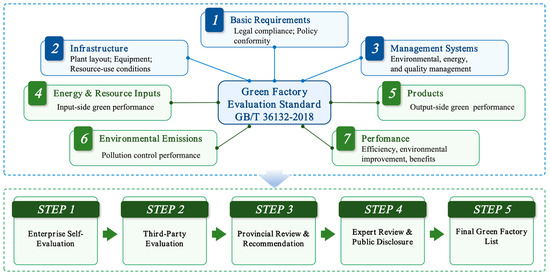
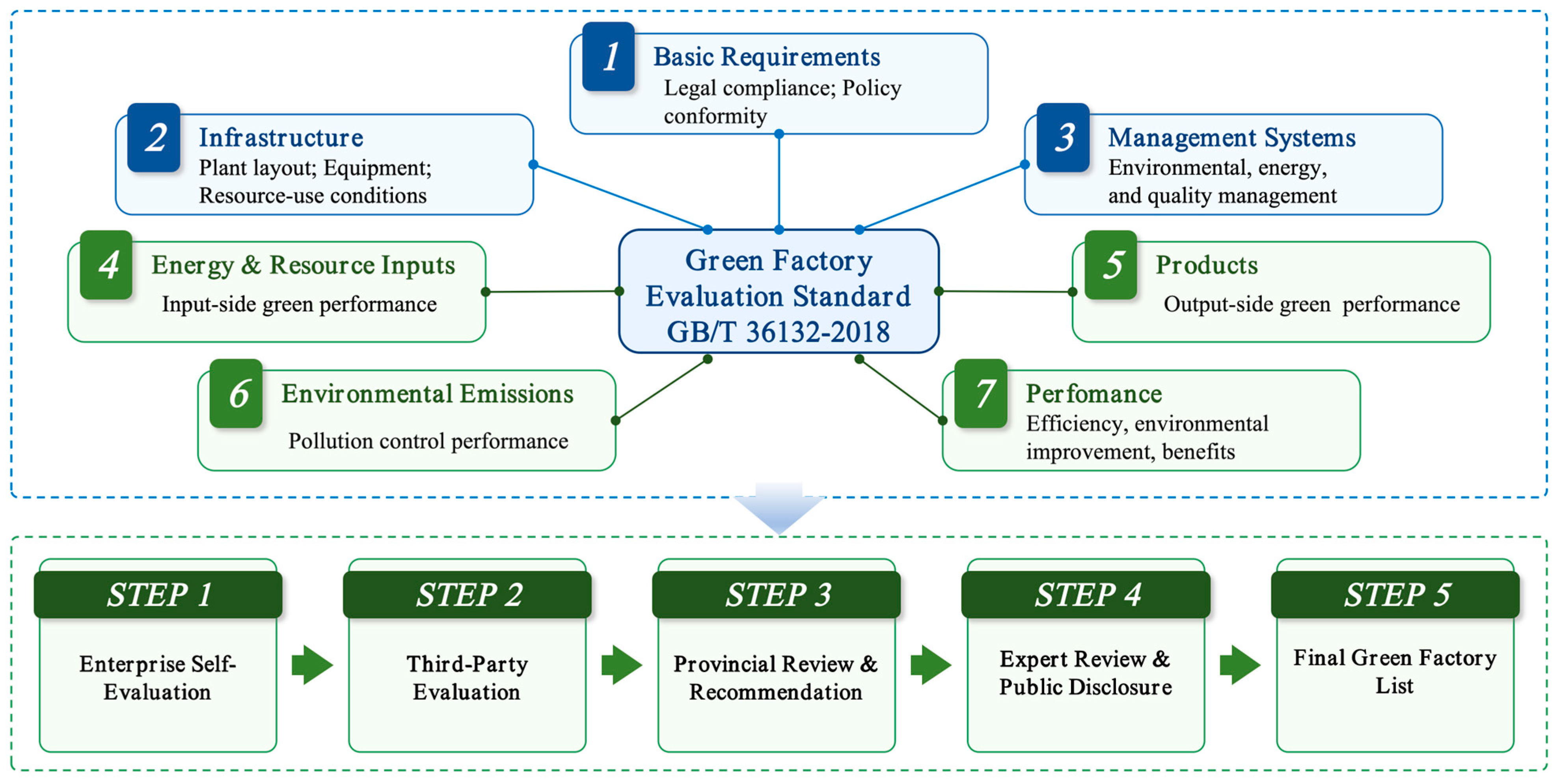
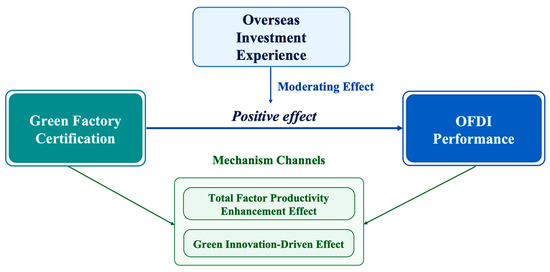
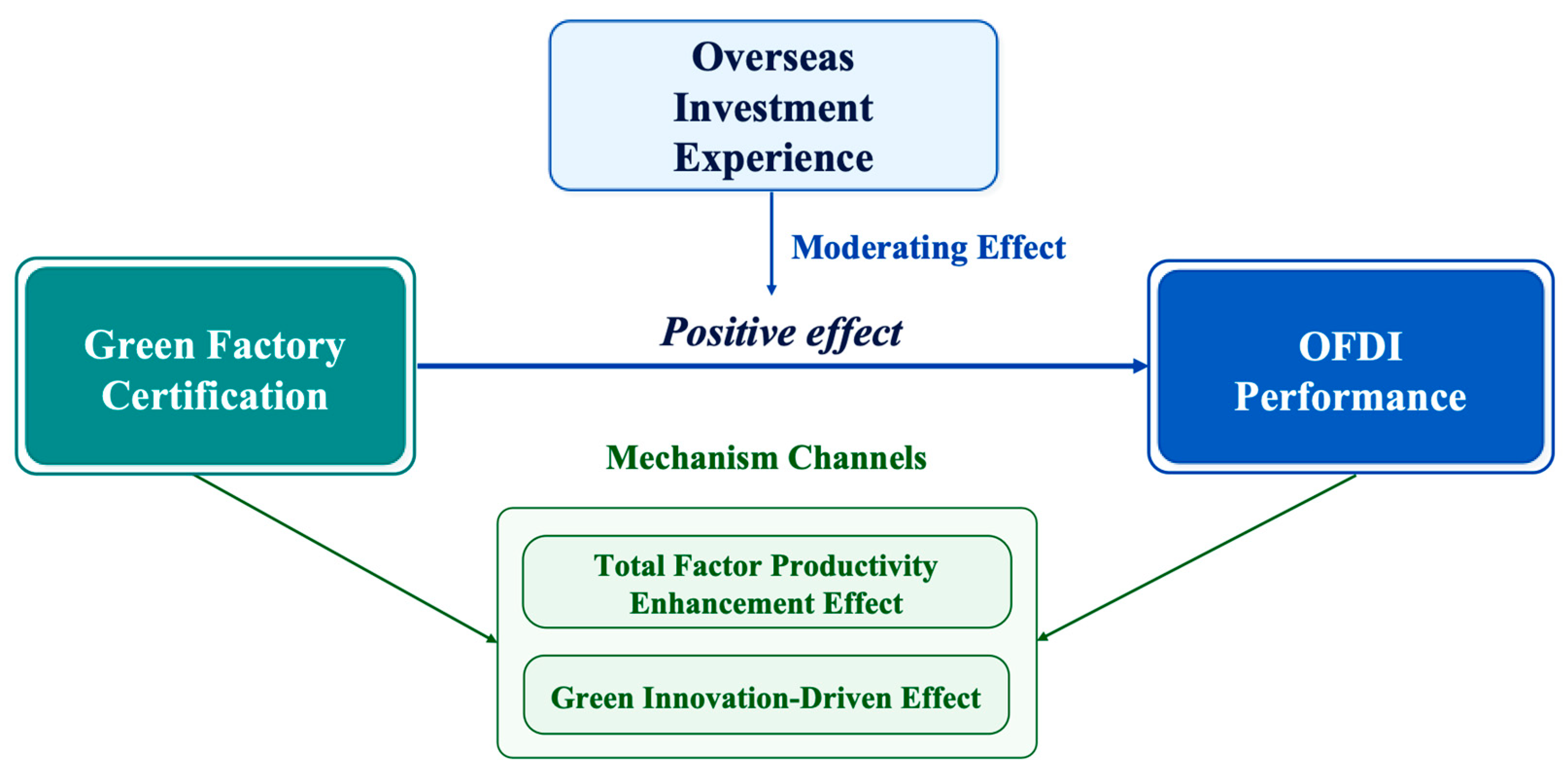
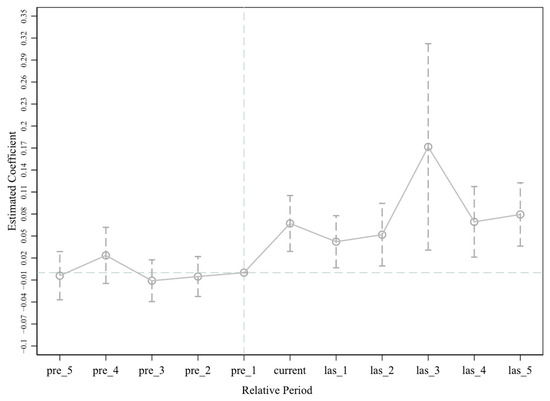
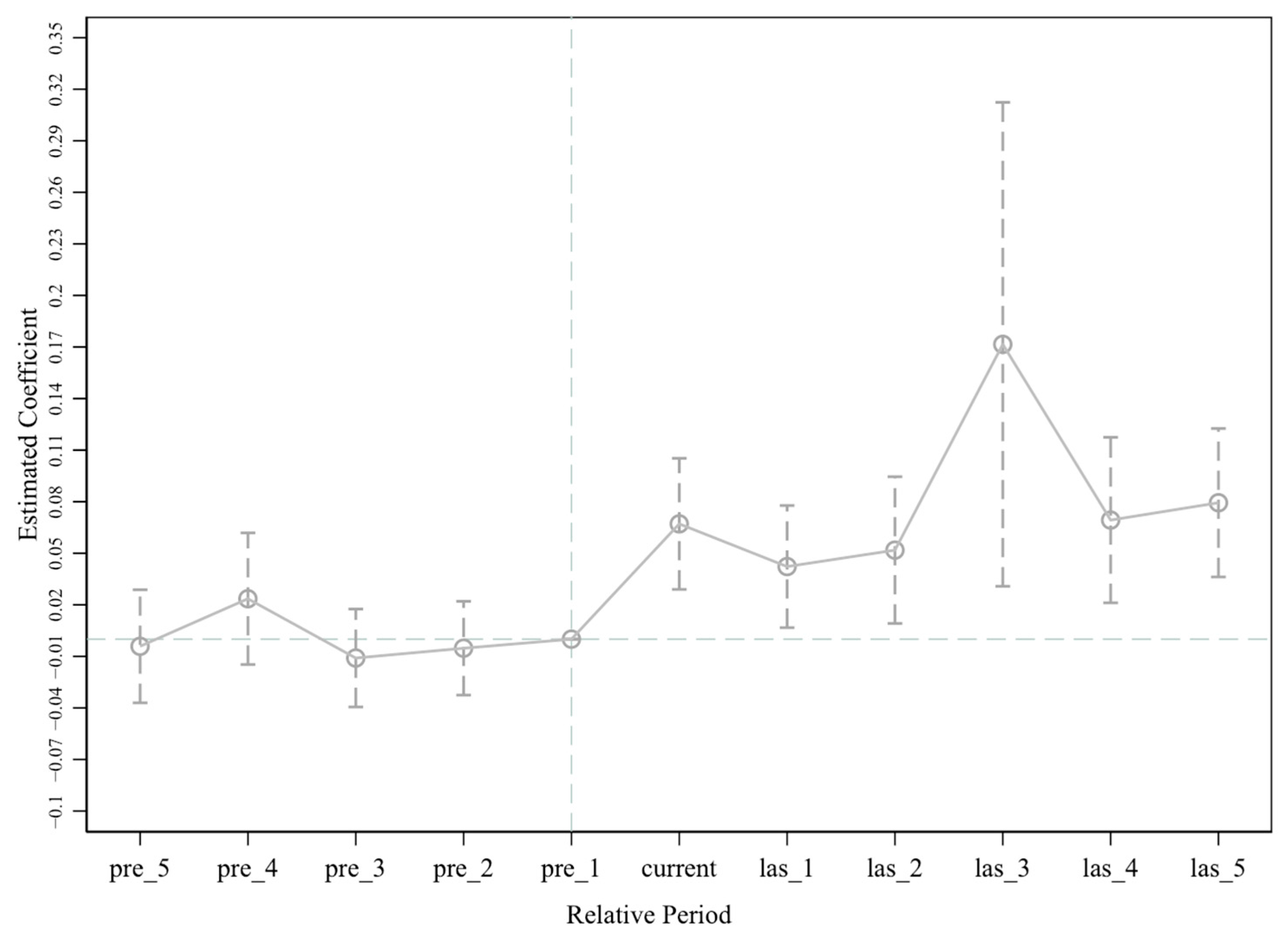
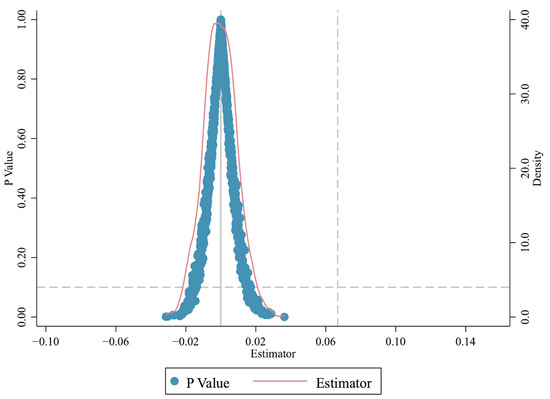
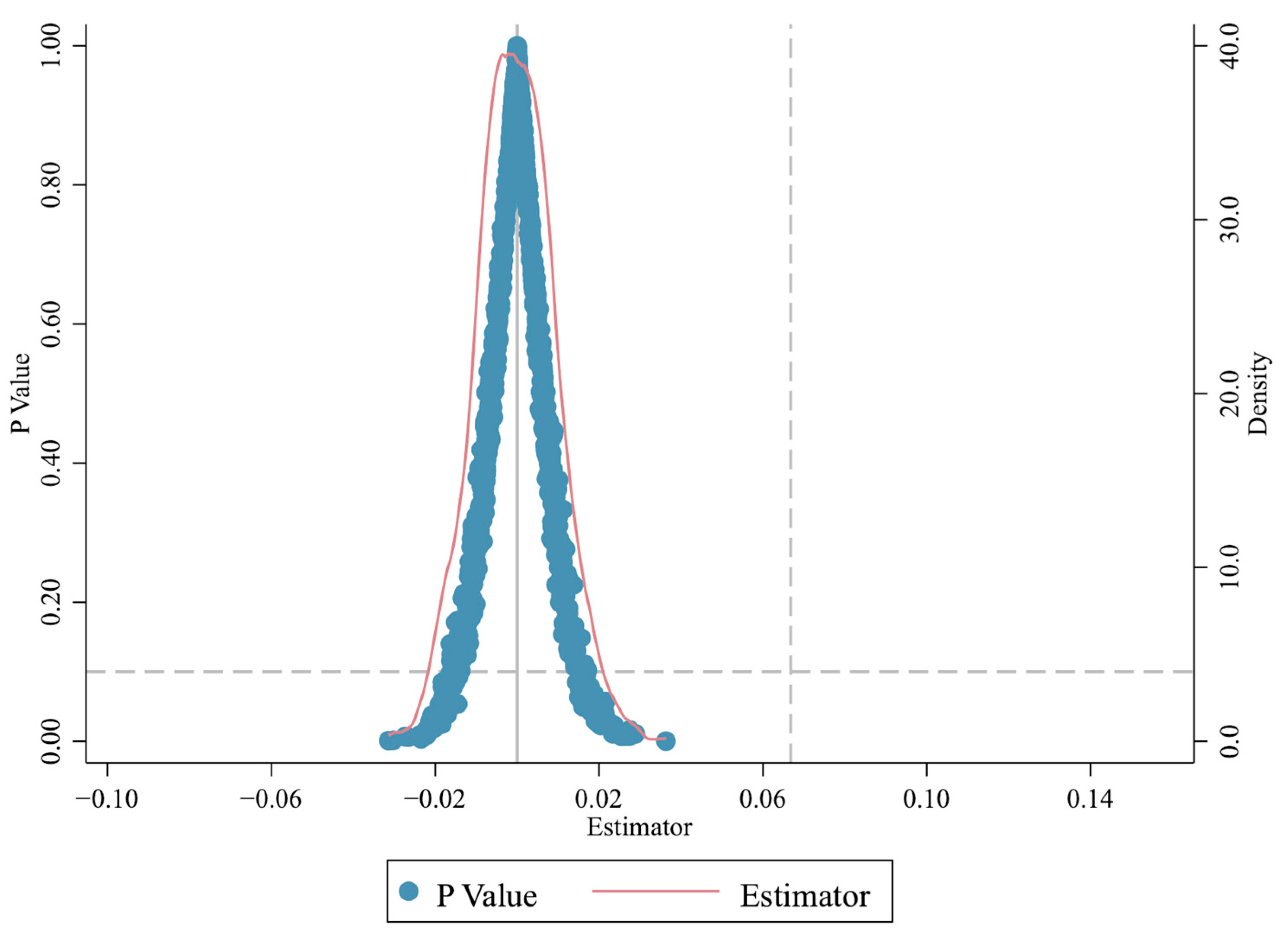

Disclaimer/Publisher’s Note: The statements, opinions and data contained in all publications are solely those of the individual author(s) and contributor(s) and not of MDPI and/or the editor(s). MDPI and/or the editor(s) disclaim responsibility for any injury to people or property resulting from any ideas, methods, instructions or products referred to in the content. |
© 2026 by the authors. Licensee MDPI, Basel, Switzerland. This article is an open access article distributed under the terms and conditions of the Creative Commons Attribution (CC BY) license.