


Abstract
Climate change will alter opportunities and demand for outdoor recreation through altered winter weather conditions and season length, climate-driven changes in user preferences, and damage to recreational infrastructure, among other factors. To ensure that outdoor recreation remains sustainable in the face of these challenges, natural resource managers may need to adapt their recreation management. One of the major challenges of adapting recreation to climate change is translating broad concepts into specific, tangible actions. Using a combination of in-depth interviews of recreational managers and a review of peer-reviewed literature and government reports, we developed a synthesis of impacts, strategies, and approaches, and a tiered structure that organizes this information. Six broad climate adaptation strategies and 25 more specific approaches were identified and organized into a “recreation menu”. The recreation menu was tested with two national forests in the US in multi-day workshops designed to integrate these concepts into real-world projects that were at the beginning stages of the planning process. We found that the recreation menu was broad yet specific enough to be applied to recreation-focused projects with different objectives and climate change impacts. These strategies and approaches serve as stepping stones to enable natural resource and recreation managers to translate broad concepts into targeted and prescriptive actions for implementing adaptation.
1. Introduction
Outdoor recreation is an essential way that people engage with their natural and cultural heritage. In the United States, federal lands are host to over 938 million recreational visits per year and are an important contributor to the economy [1]. Climate change will alter the dynamics of outdoor recreation and the infrastructure that supports it in a number of ways, and these effects will vary greatly by season, geographic location, and population demographic.
The duration of natural snow cover has decreased and is projected to continue to decrease in the 21st century throughout the northern hemisphere as a result of warmer temperatures and alterations in precipitation [2,3,4]. Although winter precipitation in much of the United States is expected to increase, more will come in the form of rain, including rain-on-snow events, which increases the rate of snowmelt [2,3,4]. In short, climate change projections anticipate shorter winters with less snow. This will place stress on all forms of snow-based winter recreation in the United States, including downhill skiing, cross-country and backcountry skiing, snowmobiling, dog-sledding, snowshoeing, and ice-climbing. In particular, snowmobiling and cross-country skiing are projected to experience marked declines in both participation rates and user days [1,5], with potentially acute economic impacts to communities in New England and the upper Midwest. Developed ski resorts, especially those at lower elevations, represent an investment in infrastructure that is highly vulnerable to the effects of a changing climate. The ski industry at large has been listed as one of the most vulnerable industries to climate change and is expected to continue its trend of contraction and consolidation [6,7].
A longer warm-weather recreational season is being experienced in many parts of the country, as earlier spring snowmelt and later winter onset increase access into areas at times of the year that had previously been impassable due to snow cover and soil saturation [2,3,4]. The sheer number of recreationists tends to increase in step with the general trend of population increase. Additionally, per capita participation in certain activities, such as interpretive site visitation, motorized and non-motorized water-based activities, and fishing, is expected to increase in certain regions given the projected impacts of climate change [5,8]. With increases in both the numbers of recreationists and the length of the warm-weather recreation season, the capacity of public lands to accommodate demand will be tested both in terms of staff, who are often seasonal hires, as well as infrastructure. Access issues and overcrowding may be most pronounced for water-based recreation, the demand for which is projected to generally increase while reservoir levels and baseline summer streamflow in much of the country are concurrently projected to decrease [5,9].
Evolving risks to recreationists and the infrastructure that supports them come in multiple forms. Increased total amount and intensity of precipitation in the Northeast and the Upper Midwest, and an altered hydrologic regime in the Pacific Northwest, stand to test the limits of existing infrastructure. Many of the roads, trails, campgrounds, and other infrastructure that support recreational activities were built near water in areas prone to high soil moisture and flooding. Much of this infrastructure was constructed in a manner that restricted stream-channel flow and reduced floodplain connectivity, which today has produced an inability to adequately accommodate higher peak flows and flooding, especially during extreme precipitation events [10]. While these roads and trails have become the principal means of recreational access to public lands, hydrologic extremes have also become more frequent, creating a situation in which access is increasingly compromised by interrelated climate change impacts [10]. Maintenance of this infrastructure stands to increase in frequency and cost, especially in heavily trafficked areas, as extreme precipitation events become more common [11].
Warmer temperatures and greater rainfall both create conditions that are conducive to the expansion of the range and intensity of public health threats [12]. Outdoor recreationists are now at increased risk to human disease vectors, especially mosquitoes and ticks, and of noxious plants, including poison ivy [13,14]. The incidence of Lyme disease, an illness transmitted by a bacterium found in ticks of the genus Ixodes, has risen exponentially in the eastern United States, partly related to rising winter temperatures [15]. Impacts of climate change also project a longer pollen season throughout much of the United States, with associated impacts to those suffering from allergies, respiratory impairments, and asthma [12]. It is estimated that pollen levels could more than double by 2040, as pollen seasons initiate earlier than in the past and increased CO2 availability stimulates pollen production [14]. Finally, heat-related illnesses, including dehydration, heat exhaustion, and exertional heat stroke, can be expected to increase as exposure to extreme heat also increases across the country [16]. Recreationists may need to adjust outdoor activities in order to reduce these risks.
Decision makers seeking to maintain or enhance recreational opportunities need tools and resources to assist in translating broad climate adaptation concepts into specific, tangible actions. Currently, these resources are scattered among the peer reviewed and grey literature as well as shared orally among practitioners. There is no single source of information on this topic. We addressed this need by developing a “menu” of adaptation strategies and approaches for recreation, hereafter referred to as the “recreation menu,” building on previously developed adaptation menus for other natural resources as part of the Climate Change Response Framework, which has been tested in over 250 real-world management projects in the United States [17]. The menus are not guidelines and do not make recommendations, but rather provide an array of approaches to resource management that are often complementary, but always chosen by the user as they deem appropriate. The strategies and approaches serve as intermediate “stepping stones” for translating broad concepts into targeted and prescriptive tactics for implementation. They were designed to be used with a step-by-step Adaptation Workbook, which provides a structured, adaptive approach for integrating climate change considerations into planning, decision-making, and implementation [17] (Figure 1). The ultimate goal of the menu is to help mangers make intentional, climate-informed decisions best suited to their objectives, constraints, and perception of climate risks and opportunities. We ensured the strategies and approaches were applicable to real-world projects by testing the recreation menu in concert with the Adaptation Workbook in two recreation projects on two US national forests in Vermont and California, U.S.A.
Figure 1.
The recreation menu is used with the adaptation workbook, a five-step process, to develop real-world demonstrations of adaptation as part of the Climate Change Response Framework. Figure modified from Swanston et al. [17].
2. Assembling the Menu
We conducted an extensive review of the peer-reviewed and gray literature pertaining to climate change adaptation and recreation, visitation, and tourism using the Google Scholar search engine. Key words searched were “climate change adaptation” along with the terms: outdoor recreation, infrastructure, recreation management, visitation management, tourism management, and facility management. Much of the adaptation literature is in government reports and other gray literature, so we reviewed the U.S. Global Change Research Program’s National Climate Assessments [18,19] as well as the source literature that contributed to those assessments. The USDA’s Update to the Forest Service 2010 Resources Planning Act Assessment [5], and its supporting publications, were also used as a source of information. It is important to note that our search was focused on land management interventions and did not include actions for changing policies or funding that would support adaptation activities.
We also conducted informal interviews with 30 recreation professionals, climate change adaptation/resilience specialists, and researchers. The goal of these interviews was to elicit expert opinion on recreation management practices that were already being considered or implemented to address the direct or indirect effects of climate change. Of those interviewed, 40% were in positions primarily focused on climate change adaptation and resilience, 37% were in recreation management-focused positions, and the remainder were researchers working on the subject of climate change and outdoor recreation. About half of interviewees were federal employees at natural resource management-focused agencies (48%), while the other half were distributed among non-governmental organizations, universities, private companies, tribal organizations, state, and municipal governments. Interviewees were distributed across the contiguous United States, though most heavily concentrated in the Midwest and Northeast. Notes from these interviews were incorporated into the list of example tactics in the recreation menu (see Supplementary Materials).
We identified adaptation strategies and approaches that were distinct from one another and organized them (along with example tactics) into a tiered list based on the template of a previously developed forestry adaptation menu [17]. We then tested and elicited feedback on the recreation menu at two in-person, two-day adaptation planning workshops on two national forests: The Somerset Integrated Resource Project on the Green Mountain National Forest in Vermont and the Lytle Creek project on the San Bernardino National Forest in California, USA. We also sought feedback from a large audience of outdoor recreation managers and adaptation professionals through a half-day meeting at a national meeting (see Supplementary Materials for agenda).
3. Menu of Adaptation Strategies and Approaches
Our literature review and interviews resulted in six unique higher-order strategies and 25 supporting approaches (“recreation menu,” Table 1). Each approach also contains multiple example tactics (see Supplementary Materials).
Table 1.
Menu of Climate Change Adaptation Strategies and Approaches for Outdoor Recreation (“recreation menu”). A “Strategy” is a broad adaptation response that is applicable across a variety of resources and sites, and an “Approach” is more specific to a resource issue or geography. Professional natural resource managers use the menu in association with the Adaptation Workbook [17] to define “tactics” (not represented in the table). Tactics are developed by the land manager and are considered the most specific adaptation response. A tactic describes on-the-ground actions that can be implemented.
3.1. Strategy 1. Protect and Sustain Key Infrastructure
The impacts of climate change will stress the existing recreational infrastructure that is located in vulnerable locations, such as along coastlines and shorelines with fluctuating water levels, within floodplains, in drought-prone areas, or in areas that are projected to experience dramatic increases in precipitation [20]. There are a number of instances in which recreation managers might wish to retain infrastructure in place despite site-specific vulnerabilities. Examples include cultural, historic, or interpretive sites that are dependent on their location to provide contextual integrity, or other sites whose proximity to water or snow is essential to their recreational character. Additional considerations could include the sheer force of prior investment in a site, or the political or social infeasibility of taking alternate actions. This strategy actively works to maintain key infrastructure in place by increasing its resistance to current and future environmental conditions. Application of this strategy does not remove the risks that affect vulnerable infrastructure, and in some instances, an increasing risk of failure may be experienced over time, which could necessitate a reevaluation of adaptation options over the long term.
3.1.1. Approach 1.1. Stabilize Shorelines to Reinforce Vulnerable Infrastructure
Many U.S. recreation destinations that are the most vulnerable to near-term effects of climate change are located along shorelines. Global sea levels have risen by about 8 inches since the advent of reliable record-keeping in 1880 [21], and 2017 marked the sixth consecutive year that the global mean sea level was the highest on record [22]. Sea level rise can also amplify erosional effects of waves and storm surge, which may cause higher rates of infrastructure damage [18]. Shoreline stabilization techniques are organized along a continuum between hard armoring and soft armoring, with hybrid techniques that include elements of both. Hard armoring techniques, such as such as retaining walls, seawalls, bulkheads, and revetments, can stabilize a shoreline quickly, but can also cause additional problems in the long term due to altered sediment transport, shoreline migration, impacts to wildlife and stabilizing vegetation, and scouring at the toe of the structure [23]. Soft armoring, or living shorelines, utilize natural vegetation and other elements to increase resistance to flooding or storm surges, while preserving natural sedimentation processes, habitat characteristics, and associated ecosystem services [23].
3.1.2. Approach 1.2. Maintain, Improve, and Construct Infrastructure Using Materials that Can Withstand a Range of Climate Stressors
In the case of historic or other older sites, the materials employed in the construction of facilities may be inadequate in addressing future risks. This brings with it the opportunity to make improvements in a manner that can withstand a greater range of climate-exacerbated stressors, such as increased precipitation and mold, more frequent wind or rain events, or the arrival of invasive wood-boring insects [24]. New technologies and more resilient materials have been developed since the construction of many public recreational facilities and could be incorporated into new or existing structures. Examples include materials designed to reflect heat, permeable pavement to accommodate excessive rain, and trail-building materials that can withstand flooding. However, it is also important to consider how the installation of new materials may impact the integrity of historic sites. Although there may be restrictive aspects in terms of how to upgrade historic sites, regular and thoughtful repair and maintenance alone can improve a building’s resilience to changes in climate [23].
3.1.3. Approach 1.3. Maintain, Improve, and Construct Infrastructure Using Designs that Reduce Impacts from Variable Water Levels
Recreational facilities throughout the United States will experience altered precipitation patterns from climate change [18]. The eastern United States is experiencing pronounced increases in heavy precipitation events, especially in the Northeast and upper Midwest [18]. The Southwest is experiencing continued and persistent drought, which increases demand for scarce water resources [18]. In order to remain adaptable under changing conditions, managers must be proactive in addressing potential impacts that at one point in the season may result in flooding and at another point in the same season may result in low baseline water levels. Preparations for increased flooding could include installing sump pumps, elevating infrastructure, or installing natural or artificial barriers. Preparations for increased drought can include recycling gray water, installing low-flow flush systems, and using rain barrels to intercept water.
3.1.4. Approach 1.4. Employ Technological Innovations to Maintain the Viability of Developed Winter Recreation Areas
Climate change projections anticipate shorter winters with less snow [2,3,4]. The amount of both monetary and infrastructural investment in developed ski areas is considerable, prompting resort managers to investigate tactics for bolstering their operations in place despite projected vulnerabilities. Technological innovations such as high-efficiency snow-making equipment, the use of chemical additives to allow ice particle formation at higher temperatures, and cloud seeding have been considered in some places [6,7]. These tactics are not applicable in all situations and may be experimental or untested. Thoughtful application of these tactics that includes stakeholder and public engagement could help illuminate potential resultant environmental trade-offs.
3.1.5. Approach 1.5. Employ Protective Measures to Minimize Damage from Disturbance Events
Potential increases in the frequency, intensity, and extent of large and severe disturbances have the potential to damage infrastructure and disrupt the availability of recreational opportunities, especially in vulnerable locations. Disturbance events projected to increase in occurrence as a result of climate change include flooding events, extreme wind, and wildfire [18]. Installing protective armoring or upstream diversion structures can help protect key recreation sites from flooding. To help protect against wind, tie downs can be used for structures and hazard trees can removed around recreation sites. To protect against wildfire, removal of fuels within 200 feet (the ignition zone) of a site or facility creates defensible space that fire-fighting resources can then use to more safely and effectively protect a targeted area [25]. Prompt protection before or during disturbance events and revegetation of sites following disturbance events helps to protect infrastructure, reduce soil loss and erosion, maintain water quality, and discourage invasive species in the newly exposed areas.
3.2. Strategy 2. Enhance Measures to Prevent Ecological Damage from Variable Precipitation
Projected changes in precipitation and temperature are expected to alter hydrologic regimes through changes in streamflow, snowpack, evapotranspiration, soil moisture, surface runoff, infiltration, flooding, and drought [26]. Many of the roads, trails, campgrounds, and other infrastructures that support recreational activities were constructed in a manner that restricted stream-channel flow and reduced floodplain connectivity, among other hydrologic alterations, which today has produced an inability to adequately accommodate higher peak flows and flooding, especially during extreme precipitation events [10]. Damage to roads, trails, campgrounds, and other infrastructure brings with it the potential of damage to natural resources, especially where impervious or below-grade surfaces concentrate water into flow pathways, generating high-velocity runoff and erosion of soils [11]. This strategy describes options to prepare for uncharacteristic hydrologic events in order to reduce the extent or severity of damage to both recreational infrastructure and adjacent natural resources. It is important to keep in mind that modifications to maintain hydrology at one site may have negative impacts on hydrology at another site.
3.2.1. Approach 2.1. Maintain and Increase the Capacity of Stormwater Infrastructure to Accommodate Variable Precipitation
Average annual precipitation has increased by roughly 5 percent across the U.S. since 1900, and much of this has come in the form of heavy downpours, especially over the last 50 years [21]. River-flow increases have been observed in the U.S. Midwest and Northeast, and very heavy precipitation events are projected to continue to increase across the country, with the potential to cause infrastructure failures and loss of life [18]. Low-impact systems for stormwater management, which allow for higher peak flows and increase water storage when drainage systems are overwhelmed, can reduce infrastructure failures and associated natural resource damage. These systems can also reduce negative impacts to water quality and benefit aquatic habitat when pulses of asphalt-warmed waters are held to infiltrate through bioretention features rather than directly entering streams and lakes. Several forms of low-impact stormwater infrastructure listed below have been found to be beneficial and effective [27] and could be combined with forms of conventional stormwater infrastructure, such as roadside ditches or piping systems. This approach can be applied proactively in advance of precipitation events or reactively after damage or disturbance present opportunities to rebuild in a more climate-informed and resilient manner.
3.2.2. Approach 2.2. Enhance the Capacity of Natural Systems to Accommodate Variable Precipitation
Natural systems can be used in place of gray infrastructure in some cases to help address changing precipitation patterns and resulting hydrological shifts. Forested riparian areas serve several important ecosystem functions, including reducing soil erosion, buffering high flows, regulating base flows, moderating stream temperatures, reducing evaporation from surface waters, and providing migration corridors for wildlife and plant species [28,29]. Forest floors with porous soil that are rich in organic matter capture, absorb, and slowly release water to groundwater and downstream sources, providing critical regulation of water quality and quantity, including the attenuation of flood flows [29,30]. Floodplain systems reduce the magnitude of flood events by physically slowing water velocity as it overtops channel banks [31]. Restoration of stream channel form and function can enhance bank stability during and after large storm events and helps reduce risks of erosion, channel instability, and degradation of aquatic habitat [32,33]. In some areas, ponds created behind beaver dams can help stabilize the water table, reducing run-off and sedimentation from large storm events and storing water on the landscape [9]. Beaver dams can also maintain or improve the quality of fish habitat, especially during low-flow periods [9]. All of these nature-based solutions can be harnessed individually or in tandem in the vicinity of recreational infrastructure to enhance an area’s ability to accommodate changes in peak and low flows.
3.2.3. Approach 2.3. Minimize Impacts of Existing Roads and Trails that Are Compromised by Changing Conditions
Roads and trails are experiencing an increased incidence of flood damage as a result of increased rates of heavy rain events [21]. This impact is most pronounced in the Northeast and Midwest, though it is occurring with increasing frequency and intensity throughout the United States [21]. Inadequate drainage systems on roads and trails can produce both high-velocity overland flows and increased soil saturation that creates boggy areas [10,34]. Both of these conditions, which stand to increase with climate change, have the likelihood of damaging adjacent natural resources and impacting ecosystem functions. The continued maintenance of roads and trails is expected to increase in frequency and cost, especially in heavily used areas, as high winter streamflows and high magnitude floods become more common [9,11]. Upgrades, repairs, and improvements are tactics that can address inadequate drainage. Yet, in a changing climate, addressing inadequate infrastructure may also include altering or decommissioning routes to reduce recreational access where it is no longer sustainable (see also Approach 6.5).
3.3. Strategy 3. Manage Impacts from Shifting Visitation and Use Trends
Higher temperatures, reduced snowpack, and earlier spring runoff will lengthen the season for warm-weather recreational activities [35]. The total number of people participating in outdoor recreation is expected to grow along with projected population increases, though per capita participation rates are likely to decrease in activities such as snowmobiling and backcountry skiing [5,36]. Both total participant numbers and participation per capita are projected to increase for some forms of water-based recreation, which, combined with anticipated lower baseline summer streamflows, is likely to produce access issues and overcrowding [5,8,9]. A longer and hotter snow-free season will create opportunities to increase available access at expanded times of the year, but also challenges in how to permit users, staff facilities, and protect natural resources at times when facilities had not historically been open and seasonal employees are not yet on staff [9]. Providing high-quality recreational experiences under these conditions to a diverse and expanding population is a challenge [37]. This strategy seeks to provide options for how to safely and flexibly administer new modes and methods of visitation while continuing to protect and natural and cultural resources.
3.3.1. Approach 3.1. Reduce Visitor Impacts to Vulnerable Areas
Increased numbers of visitors and shifting seasonality of opportunities may cause recreationists to inadvertently or unknowingly put themselves and the natural resources they are visiting at risk. When appropriately applied, this approach can serve to protect fragile natural resources from risks that stem from increased visitation or irresponsible use. Examples could include limiting access during exceedingly wet conditions, after rain-on-snow events, and/or during other marginal conditions that contribute to rutting, damage, and improper road or trail drainage [38]. Other examples could include implementing closures of lakes or rivers during periods of high temperatures to protect aquatic organisms or human health [39]. Visitation could instead be directed to alternate sites by providing water features or covered picnic areas in less-sensitive locations. When limiting access is not feasible, the impacts of visitation could be limited by providing more restrooms and trash facilities in heavily used areas.
3.3.2. Approach 3.2. Optimize Timing of Opportunities to Align with Changing Conditions
Climate change will alter the timing and seasonality of a number of recreation opportunities due to a shorter winter with less snow across the northern hemisphere, higher nighttime temperatures particularly in the winter, prolonged summer heat waves, and conditions that could be conducive to increased motorized access when drier conditions prevail at certain times of the year. With shorter winters, an expanding demand for shoulder-season activities will challenge recreation professionals to rethink their approach to staffing, which is often surged for peak summer use and wanes in the fall and spring. Thus, recreational sites may need to increase staffing, contracts and other mechanisms to accommodate increased shoulder- and peak-season visitation and associated maintenance needs [10]. During the hottest parts of the year, hosted interpretive outdoor events may need to be shifted to early morning or evenings when temperatures are cooler [35].
3.3.3. Approach 3.3. Provide Alternative Means of Access
Increased participant numbers during peak season and shoulder seasons can result in overcrowding and problems with access that overwhelm existing infrastructure. Increased numbers can also result in damage to natural or cultural resources if not managed appropriately. Reducing personal motorized access in favor of mass transit options, such as shuttle busses or ferry services, lessens the potential for resource damage and may also reduce maintenance over the long term since fewer vehicles would be accessing popular sites [20]. This would be an additional indirect benefit given the potential for shoulder-season staffing shortages discussed above.
3.4. Strategy 4. Account for and Communicate Risks to Human Well-Being
Although many forms of recreation can provide numerous health and cultural benefits, climate change can threaten the health and safety of visitors and staff and also lead to a loss of cultural identity. Conditions have become more favorable for several human health hazards, including the spread of vector-borne diseases transmitted by mosquitoes and ticks, the proliferation of noxious plants, such as poison ivy, risks to campgrounds and other infrastructure, such as flooding, hazard trees, and wildfires, increased risks of avalanches given projected rain-on-snow occurrences, heat-induced illnesses, such as dehydration and heat stroke, a prolonged pollen season and associated respiratory illnesses such as asthma, and poor air quality from both natural and anthropogenic sources [9,12]. This strategy aims to reduce the risks themselves but also to reduce the exposure of visitors and staff to those risks. This can be achieved through open communication, environmental education, and interpreting the changes that are occurring so that visitors’ expectations and preparedness align with actual conditions that they are likely to encounter while recreating. In addition to the physical risks, the risks to cultural identity when a recreation activity is no longer feasible are also very real and may need to be communicated in a way that is sensitive to a community’s sense of place.
3.4.1. Approach 4.1. Train Employees to be Aware of Climate-Exacerbated Risks to Public Safety
Employees of a recreation destination are the first line of defense when it comes to public health and safety. Staff that understand potential threats and appropriate responses can inform visitors of risks that may be encountered and initiate actions to address certain climate-exacerbated threats to public safety, such as noxious and invasive plants, hazard trees, flash floods, extreme heat, avalanches, high winds, and storm surges. For example, hazard trees are a risk that have always been present but stand to increase in number given an increased frequency of disturbance events and the prevalence of insect infestation and disease-induced mortality in forested stands prone to drought and excessive competition. Well-trained employees can take the lead in identifying hazard trees and initiating their removal. With an expanding shoulder season also comes the need for a more robust, in some places, year-round, schedule of identification and removal of hazard trees before trails, roads, and facilities start to fill with unwary visitors.
3.4.2. Approach 4.2. Prevent or Minimize Hazards from Wildland Fire
Wildfire occurrence has increased and is projected to continue increasing across the western United States in part because of climate change [18]. With this increase in wildfire comes an increase in air quality impacts such as smoke and haze, which can negatively affect human health [18]. In addition, the direct effects of wildland fire on life and property are of major concern. Restrictions on fire-use during periods of high fire risk, providing signage and fire-safety education, and providing opportunities for safe disposal of cigarettes can reduce the risk of fire. Likewise, vegetation management such as prescribed fire and thinning can also help reduce risks [40]. Providing first-aid shelters for respiratory illnesses in vulnerable populations affected by smoke can also help reduce negative effects once fires do occur.
3.4.3. Approach 4.3. Prevent or Minimize Hazards from Extreme Heat Events
Heat waves have become more frequent and more intense and are projected to continue in this trend [21]. Heat-related illnesses can affect even well-conditioned individuals by compromising the body’s ability to self-regulate, or by indirectly compounding ancillary cardiovascular or respiratory conditions [41]. Even simple activities can be hazardous to health when extreme heat and limited shade are factored in [16]. Planting trees or erecting shade structures in open park lands or along heavily used trails can help reduce heat exposure and lower surface temperatures [24,42]. Providing signs, staff, or volunteers at trailheads or other critical areas can also provide warnings to visitors about risk and encourage them to take precautions such as carrying water and avoiding visits at periods of peak temperature.
3.4.4. Approach 4.4. Improve Public Awareness Regarding Climate Change and Climate-Exacerbated Risks
An informed and engaged public is one that can better plan its outings to both limit exposure and ensure that climate-exacerbated risks do not negatively impact its overall experience. The delivery of accurate weather and climate information ensures that expectations of visitors conform to actual conditions. This information can be conveyed through improved websites and social media in real time to visitors [10,20]. For example, real-time webcams can show potential winter recreationists actual snow and weather conditions at a ski area, alerting them to when conditions may be unfavorable [7]. This approach can also include actions such as educating visitors on proper use to reduce risks to vulnerable resources.
3.4.5. Approach 4.5. Communicate the Reality of Environmental Change
Idealized conditions of the natural environment on social media and websites can often mislead visitors about environmental conditions at a site. This practice stands to be increasingly undermined by climate change since conditions of the past can no longer be reasonably expected to persist into the future [11,43]. Providing interpretive information that shows the changing and variable conditions in a location, and how this differs from historical conditions, can be helpful for visitors to understand the conditions they may face in their visit may be different than anticipated [43]. Interpretive information can be used to not only convey risks to visitors, but also to describe the risks to natural and cultural resources that are caused by a changing climate.
3.5. Strategy 5. Manage Recreational Opportunities to Address Impacts of Expected Conditions
Climate change will impact recreational opportunities and infrastructure such that it may become untenable to retain those opportunities and infrastructure without modification. Many of these opportunities and infrastructure are highly dependent on their setting within a natural area or within a specific context. Ski areas in particular represent an investment in infrastructure that is long-term, place-based, and highly compromised by the effects of a changing climate [6]. This strategy seeks to provide options for re-evaluating past design concepts and for adapting existing opportunities and infrastructure in a way that allows for modification but retains the character of the current recreational experience.
3.5.1. Approach 5.1. Recondition Recreation-Related Infrastructure Located in Vulnerable Areas
More frequent flooding events, proliferation of hazard trees from climate change-induced mortality, and other climate change impacts have the potential to cause significant damage to recreational infrastructure. These impacts could reduce the number of available recreational opportunities and operational campgrounds, especially those located in or near floodplains [9]. This could result in safety risks to recreationists who could be unaware of potential hazards, significant damage to the campgrounds and infrastructure themselves, and a concentration of use to available campgrounds and infrastructure that could be less equipped to handle high volumes of visitors [9]. This approach provides both proactive and reactive tactics to address these risks and to incorporate climate-informed considerations into the management of existing campgrounds and other infrastructure supporting recreational opportunities. Tactics can include, for example, converting roads to trails where older roads are under-utilized and unsustainable [38].
3.5.2. Approach 5.2. Use Appropriate Vegetation to Increase resilience of Recreation Settings to Climate-Exacerbated Stressors
The ecosystem services provided by both forests and landscape trees are many, including water provision, purification, and regulation, air quality improvement, habitat, socio-cultural services such as shade, food, and aesthetics, and climate regulation, including the moderation of climate extremes [44]. These ecosystem services can be harnessed in developed recreation settings in order to offset projected climate-exacerbated stressors, such as decreased water availability, extreme heat or wind events, the urban heat island effect, and tree mortality. Within cultural landscapes, it is also significant to consider how new plantings could affect the visual characteristics of the site [24]. Examples under this approach include using vegetation to provide windbreaks or shade and selecting future-adapted vegetation to replace vegetation when lost.
3.5.3. Approach 5.3. Alter Infrastructure to Better Capture and Use Natural and Human-Made Snow
As the snow season declines due to warming conditions, the use, retention, and storage of natural and man-made snow has become a standard practice for downhill ski resorts, including a number of tactics that could be applied as well to backcountry settings. Measures could be taken to lengthen the snow season at low and mid-elevations and other marginal locations through snow fences, snow caches, and transportation of natural snow to where it is most needed [7]. Other examples can include planting or retaining canopy trees that shade south-facing slopes and trails or contouring ski area terrain and drainage features to capture snowmelt [7].
3.5.4. Approach 5.4. Employ Snow-Based Options that Are Functional in Low-Snow Conditions
Climate change will substantially affect the availability and quality of snow [8]. As a result, snow-based winter recreation has been listed as one of the most vulnerable industries to climate change [6,7]. At the same time, it can be reasonably assumed that recreationists will adapt their own activities to changing conditions and find ways to take advantage of new opportunities when they are made available. Examples under this approach include removing rocks and vegetation to reduce the snow depth required for skiing or installing non-snow surfaces in some areas [7,45].
3.6. Strategy 6. Alter Recreational Opportunities to Accommodate Expected Conditions
Changes in climate may prompt recreation professionals to revisit what are considered best management practices for the industry. Seasonality will change across diverse geographic locations. Winter recreation will be affected by shorter winters with less snow in northern areas [2,3,4]. With this will come both risks to the industry and occasions to transition to new opportunities. This strategy includes both conventional and non-conventional actions to transition recreational infrastructure and opportunities into forms that would not be likely to suffer total loss over their lifespans, even given the uncertainties inherent in a changing climate.
3.6.1. Approach 6.1. Increase Four-Season and Non-Skiing Recreation Opportunities at Winter Sports Areas
The costs of winter snowmaking and other adaptations could put stress on the viability of winter sports areas, including developed skiing resorts. Recreationists who engage in skiing on federal lands have some of the highest trip expenditures per participant [1]. Unfavorable future conditions or reductions in total number of ski days could lead to fewer visitors during low-snow winters, especially in low-elevation locations [46]. Reductions in the number of ski days could also translate into significant economic losses to local communities [1]. In order to maintain the economic viability of winter sports areas, these areas could diversify their portfolio of offerings to include four-season recreation and to capitalize on increased warm-weather visitation. This approach intends to offset winter-use reductions by drawing visitors into an area during the non-winter season, by offering alternatives such as mountain biking or ATV use [7,45].
3.6.2. Approach 6.2. Relocate Existing Infrastructure and Opportunities to Areas with Less Risk of Climate-Exacerbated Damage
Relocation, also called “managed retreat,” can be a long-term option for infrastructure that is considered significant enough to retain, but which has lost its viability in place as a result of impacts that may be new or exacerbated under a changing climate, such as sea-level rise, pronounced erosion, increased flooding events, or wildfire hazard [23]. By relocating away from a vulnerable location, benefits can include not only infrastructure protection by virtue of fewer environmental stressors, but also a reduced need for ongoing maintenance and repair and the enhanced opportunity to allow natural processes to occur in the previously occupied site [23]. Examples can include relocating trails in frequently saturated areas [10,20,38], moving boat ramps to locations that remain usable at low water levels [47], and moving campgrounds to low-risk areas [10].
3.6.3. Approach 6.3. Integrate Long-Term Siting and Climate Considerations into Recreation Management
Managers will be challenged to take a long-term view of how future infrastructure and opportunities will be impacted by climate change [36]. Effective planning will require that adaptation measures be considered in advance of implementation, especially regarding elements that are vulnerable to changing conditions such as coastal or riparian infrastructure, winter-use opportunities, and water-based opportunities. Although water-based recreation is projected to increase in certain areas, this may present an incompatibility if reservoir levels are too low for existing boat ramps to accommodate (see also Approach 6.2). Examples can include placing new winter-use trails on north-facing or east-facing slopes and away from wet or consistently saturated areas [6], locating new facilities and campgrounds away from flood zones, and building water-based access facilities outside of narrow riparian corridors [48].
3.6.4. Approach 6.4. Use Materials and Designs that Are Impermanent
Following a severe disturbance, there is often a strong push to return damaged infrastructure to pre-disturbance conditions as soon as possible, even though that action could subject the rebuilt infrastructure to the same or more pronounced vulnerabilities going forward [23]. Damage and disturbance can instead present opportunities to reevaluate the form that recreation might take, especially on dynamic landforms that experience natural fluctuations or migrations, such as barrier islands and inland lakes and reservoirs. This approach promotes materials and designs that can be moved to accommodate changing and more variable conditions. Examples can include using impermanent open-air shelters or tents, portable piers, or floating docks or using mobile trailers as traveling visitor centers [23].
3.6.5. Approach 6.5. Remove or Decommission Vulnerable Infrastructure
In some cases, it may no longer be worth the cost to retain certain recreational infrastructure under changing conditions. This can happen when the infrastructure has become unsustainable in terms of the consistent damage, it sustains during uncharacteristic climatic events, the damage it consistently causes to adjacent natural resources, or the budget necessary for its continued maintenance. In many instances, the decision to decommission or allow for loss comes with it a responsibility to ensure that the infrastructure does not continue to cause environmental damage after being decommissioned, especially considering the compounding effects of climate change. Decommissioned roads and trails still have the potential to hold or channel water, deliver sediment to streams, and alter natural water pathways on the landscape. It is thus important to ensure that they are removed in a way that makes them hydrologically inert and disconnected from nearby stream systems. If intentionally allowed to decay, historic sites must also be fully documented in accordance with cultural resource laws, including the National Historic Preservation Act. It is also important to continue to sustain people’s connections and access to public lands. When one recreational opportunity is removed, others may become more available in the same geographic location. Examples under this approach can include decommissioning duplicative facilities [48], decommissioning roads and removing culverts from areas prone to flooding [10], and intentionally allowing sites to deteriorate without human intervention [24].
4. Demonstration Projects: Testing the Recreation Menu
We tested the recreation menu on two national forests in the United States, the Green Mountain and the San Bernardino, to gage whether it captured the range of potential strategies likely to be employed in outdoor recreation management and whether it was useful to aid in brainstorming particular tactics. Feedback from staff on the organization, wording, and utility of the menu was used to refine the strategies and approaches. The menu was used in conjunction with the Adaptation Workbook [17] in facilitated two-day workshops with interdisciplinary teams of national forest staff. The Adaptation Workbook follows a five-step process where practitioners (1) describe their goals and objectives, (2) assess vulnerability, (3) evaluate their objectives in light of climate change, (4) select adaptation strategies, approaches, and tactics, and (5) develop monitoring metrics to evaluate effectiveness. The recreation menu is used in the fourth step as a brainstorming and organizing framework for developing more site-specific tactics. Below, we describe the results of how the Adaptation Workbook and recreation menu were used to developed site-specific adaptation tactics on these two national forest projects.
4.1. Green Mountain National Forest Somerset Integrated Resource Project
The US Forest Service’s Green Mountain National Forest includes more than 400,000 acres of forest and other natural habitats in Vermont. The Somerset Integrated Resource Project is one of many resource management projects undertaken by the forest to meet multiple-use objectives and help implement the 2006 Green Mountain National Forest Land and Resource Management Plan (Forest Plan). An interdisciplinary team working on the project used the Adaptation Workbook [17] and along with the draft recreation menu to consider climate change impacts during project planning in fall 2018.
4.1.1. Step 1: Location, Project Goals and Objectives, and Time Frames
The Somerset project area is located in southern Vermont on the GMNF’s Manchester Ranger District encompassing all of Somerset County and parts of Stratton, Dover, Searsburg, Wardsboro, Wilmington, Woodford, Glasterbury, and Sunderland Counties. The Somerset project area encompasses over 70,000 acres of which approximately 42,000 acres are National Forest System lands. The area is dominated by primarily mature northern hardwood forest with some mixedwood, softwood, and aspen/birch of varying age and conditions. The project works to achieve several management goals outlined by the Forest Plan to create desirable forest and wildlife habitat conditions and provide for several different recreational uses. Primary goals focused on recreation included:
- Maintain a high-quality, sustainable trail network across the project area, including segments of the Appalachian National Scenic Trail and the Long National Recreational Trail located within the project area.
- Improve developed recreation sites at Grout Pond (a 1600 acre recreation area) and other locations to meet Forest Service Outdoor Recreation Accessibility Guidelines.
- Increase opportunities for backcountry skiing and snowboarding to meet the increased demand for this activity and avoid resource damage for skiing and snowboarding in undesignated forests.
4.1.2. Step 2: Site-Specific Climate Change Impacts and Vulnerabilities
A vulnerability assessment for forest ecosystems for New England was used to identify potential climate change effects across the region. The managers then combined this broad-scale information with their knowledge of the local landscape to identify attributes of the property that they believed would increase or decrease the risks from climate change. For example, extreme rain events are becoming more frequent and severe as a result of climate change [49]; many extreme rain and storm events have damaged recreational resources in the GMNF in recent years [50] and these types of events are expected to continue increasing [51,52]. Many of the winter recreational activities that GMNF visitors value are vulnerable to warmer temperatures and shorter winter seasons, and changes in seasonality are generally expected to change recreational uses and patterns toward warm-season activities [1,6]. Climate change is also expected to affect the forest and natural ecosystems present across the region [52,53]; the location of the project area near the southern extent of the GMNF suggests that forests in this area may be affected before forests farther north, although elevation will exert a strong influence as well.
4.1.3. Step 3: Implications for Management Objectives
Managers explored how climate change introduced opportunities and challenges to recreational resources and opportunities. Many of the challenges were based upon the vulnerabilities identified in the previous step, particularly with regard to extreme rain and altered seasonality. Extreme rainfall and weather events pose significant challenges to maintaining high-quality trails, many of which are in remote locations, as well as to developed campgrounds and sites. Managers pointed to increasing costs for maintaining and upgrading infrastructure in order to ensure that items would hold up under extreme weather. They also suggested that longer summer seasons combined with broader demographic shifts in the region could increase use of hiking trails and developed sites during the warmer months of the year, potentially providing more opportunities for education and outreach about climate change impacts.
Managers at the GMNF were thoughtful about how climate change may affect winter recreational opportunities, with backcountry skiing/boarding being a focus because of increased user interest. Managers considered a new formalized area for backcountry skiing/boarding within the project area as a means to concentrate users into a single location and prevent tree/brush clearing and other undesirable activities that were occurring outside of designated areas. It is uncertain how winter temperatures and snow conditions would change in relation to other locations; warmer conditions may shorten the season or worsen conditions, but the mountainous location on the GMNF may still remain popular by providing opportunities for this activity that are not available elsewhere in the region. Although climate change poses important long-term challenges for winter recreation across the Northeast [46,54], managers felt confident that backcountry skiing/boarding opportunities could be provided over the next several decades. In contrast, team members identified snowmobile trail segments that were already having issues with inconsistent freezing during the winter season, which can lead to significant damage to ecosystems that are not protected by snow cover.
4.1.4. Step 4: Adaptation Approaches and Tactics for Implementation
The project team devised tactics that focused on their concerns about extreme weather events and shorter winter seasons described in Steps 2 and 3 and then identified specific strategies and approaches from the recreation menu to develop actions that would help address key resource concerns as well as climate impacts (Table 2). In general, actions that had been proposed prior to considering climate change were identified as also being valuable in the context of climate change adaptation. For example, improving hiking trail conditions and addressing deferred maintenance to trails would help ensure that trails are well-designed and able to accommodate extreme rain and weather events. Consideration of climate change identified opportunities to improve the design of hiking trails and developed sites (such as campgrounds) to accommodate future climate conditions. For example, team members pointed to an area where an at-risk trail segment would benefit from a boardwalk installation or slight re-routing to ensure its longevity.
Table 2.
Sample adaptation actions by recreational activity for the Somerset Integrated Resource Project on the Green Mountain National Forest, Vermont, USA.
Winter recreational activities received the most discussion of potential adaptation activities. For each location, team members considered how the current patterns in visitor use, current condition of the area in question, current and future maintenance needs intersected with future changes in climate. Snowmobile trails that were already experiencing undesirable conditions during the winter season were identified as areas for decommissioning use to prevent further damage to ecosystems. Upgrading infrastructure was identified as too costly in marginal locations, while trails at higher-elevations and without significant winter challenges were maintained. Backcountry skiing/boarding, which takes place at higher elevations and on north- and east-facing slopes within the project area, was expected to remain a viable activity within the scope of the project period. Overall, the use of the recreation menu encouraged managers to consider longer time frames and a greater variety of options as part of their planning.
4.1.5. Step 5: Monitoring and Evaluating Effectiveness
The project team identified some potential monitoring actions that would provide information regarding whether the proposed actions were effective in furthering the goals of this project and the overall Forest Plan. These items generally focused on characterizing and better understanding patterns of visitor use, particularly where alterations were made to address climate concerns. For example, the team pointed to monitoring shoreline improvements in developed recreation areas to determine whether the methods used were effective in reducing erosion from visitor use as well as during extreme events. Several items were identified to better capture information about changes to winter climate and the ensuing effects on recreational activities, such as methods to monitor the relationship between snow depth, suitable winter conditions, and visitor use related to snowmobiling, backcountry skiing/boarding, and other winter activities. These monitoring items were identified as being relevant to this project area, as well as to broader management across the GMNF.
4.2. San Bernardino National Forest Lytle Creek Project
The San Bernardino National Forest (SBNF) sits next to some of Southern California’s largest population centers and provides many of the principle outdoor recreation opportunities for these communities, encompassing 823,816 acres. Lytle Creek, a 29 km stream on the San Bernardino National Forest, is visited by tens of thousands of people each year, who enjoy picnicking, hiking, and cooling off in the creek. This heavy use can cause impacts to water quality, degrade riparian vegetation and habitat, and lead to excessive littering and user conflicts. The Forest is initiating environmental analysis to improve recreation facilities in the Lytle Creek area. In an effort to reduce future climate related risks, an interdisciplinary team used the Adaptation Workbook and the draft recreation menu to consider how they could meet some of their recreation and ecological goals for the Lytle Creek area in a climate-informed way.
4.2.1. Step 1: Location, Project Goals and Objectives, and Time Frames
Lytle Creek lies at the eastern-most extension of the San Gabriel Mountains, serving as a popular recreation destination for the cities of San Bernardino, Rialto, Fontana, and Colton. The area is highly dissected by deep canyons, steep slopes, cliffs, and narrow ridges. Vegetation consists of chaparral-covered hillsides, coastal sage scrub, scattered groves of large sugar pine and big cone Douglas-fir, and areas of riparian vegetation. The area being considered for this recreation improvement project encompasses several commonly used areas alongside the creek, including pullouts, trailheads, waterfalls, a National Forest ranger station, picnic area, and a campground. The creek and riparian habitat support important aquatic species and migratory birds like the endangered Southwestern willow flycatcher.
The core of the Lytle Creek project focuses on providing visitor opportunities that can accommodate the heavy level of use that the area receives, while maintaining the integrity of the Lytle creek ecosystem. Major management goals include developing high-quality and safe recreational facilities and infrastructure, re-directing visitor traffic away from unsafe or sensitive areas, achieving and maintaining natural stream channel conductivity, connectivity, and function, and maintaining high-quality riparian habitat in the Lytle Creek watershed.
4.2.2. Step 2: Site-Specific Climate Change Impacts and Vulnerabilities
Some of the regional Southern California climate changes that stand out as particularly important to this project area included an increase in the number of days with extreme heat, average warmer temperatures, drought and potential for streamflow changes, extreme precipitation events and wildfire activity [55]. The Lytle Creek area is already experiencing heavier use and visitation on very hot days. In addition, the area is prone to periodic heavy flooding that coincides with large rain events over the canyon. Within the project area, there are portions of the stream that stay wet all season long and others that dry out in mid-to-late spring; projected changes in periods of drought could affect the patterns and timing of these drying events. The last wildfire in the project area occurred in 2003, so the vegetation is thick in some areas and could be at an elevated risk of burning. Fortunately, the creek bed is very wide, which could mitigate some of the safety concerns associated with a potential fire. As the climate continues to change, these factors, in particular, could affect the Lytle creek ecosystem, visitation patterns, and visitor safety.
4.2.3. Step 3: Implications for Management Objectives
Climate change is expected to affect the goals and objectives of the Lytle Creek project in a number of ways. Staff from SBNF working on the interdisciplinary team for this project identified several challenges and some opportunities for the project associated with a changing climate. For example, the increase in the number of hot days is expected to exacerbate recreation demands and draw more users to the Lytle Creek area, adding to existing recreation challenges. However, this could also provide an opportunity for visitor revenue. In addition, hot days and periodic flooding and erosion could challenge the infrastructure, kiosks, trails and other facilities that the SBNF wants to build; these facilities will need to take into account cooler areas where people want to recreate, and long-term maintenance. Drought and flooding could also limit the success of revegetation efforts, and in the case of drought, exacerbate current stream connectivity challenges and periodic fish die-offs. However, on the positive side, native vegetation in the Lytle Creek area is adapted to periodic flooding and fire and in relatively good condition. Finally, fire and flooding can both pose safety concerns for visitors that may need to be addressed in the project.
4.2.4. Step 4: Adaptation Approaches and Tactics for Implementation
The project interdisciplinary team used the recreation menu to select potential strategies and approached and develop climate informed actions for the Lytle Creek project. The managers focused on actions that would address the greatest potential risks to the project area, which were generally expected to come from increased recreational demand (due in part to a warmer climate) combined with changes in temperature, hydrologic, and fire regimes. Some of the actions that were discussed and may be under consideration are presented in Table 3, although the project is still in the beginning stages and specific tactics have not yet been selected for implementation. Overall, many of the selected strategies, approaches and tactics focused on managing the anticipated increase in visitor use, directing visitor use away from sensitive areas while developing alternative areas for them to recreate, and maintaining watershed health and connectivity.
Table 3.
Sample of some adaptation tactics discussed for the Lytle Creek Project. The team will still need to consider budget, stakeholder input, feasibility and other factors before selecting final tactics.
Managers reported that the recreation menu provided a list of ideas that were useful for brainstorming potential adaptation responses. In particular, consideration of climate change underscored the need to consider a greater variety of environmental risks that could affect visitor use and experience, providing a greater opportunity for the project team to proactively address threats and reduce risks. The menu also generated discussion about how to engage the local community in raising awareness of future management activities.
4.2.5. Step 5: Monitoring and Evaluating Effectiveness
Since the Lytle Creek project is in the very early stages of planning, the SBNF team identified a few potential monitoring actions that they may consider moving forward. Monitoring vegetation gain/loss in areas of interest and tracking the survival of revegetation projects were both identified as important to monitoring the success of adaptation actions. In addition, the team was interested in tracking stream condition, temperature, water quality, and other characteristics before and after implementing elements of the project to see if their actions were leading to improvement. Finally, the team began designing ways to collect data on visitor trends, for example, monitoring user numbers, visitor enjoyment before or after the project, and records of trash collected in the stream to see if infrastructure changes were having a desired effect.
5. Concluding Remarks
The menu of recreation strategies and approaches is the first attempt to synthesize the state of the practice on adapting recreation management to climate change. It builds on tested methods developed as part of the Climate Change Response Framework [17], providing a suite of considerations for adapting recreation management to climate change while working within the goals and objectives of specific organizations and projects. Our process of combining peer-reviewed and gray literature with the expertise of recreation-focused scientists and practitioners resulted in a comprehensive suite of solutions for a wide range of locations. These methods have been used to develop similar menus for other resources and proven to generate thoughtful climate-informed projects across multiple states, ownerships, and resource areas [11,17,56,57,58].
In combination with the Adaptation Workbook, we tested this menu in two sites of highly differing climate conditions and recreational uses and found that tactics selected by both locations fit into our organizing framework. Selected tactics tiered to every strategy in our menu, indicating that we were able to capture the breadth of potential adaptation strategies undertaken by public outdoor recreation managers. The natural resource managers that used our menu reported that it was useful for organizing ideas and suggesting potential courses of action that pertained to their projects. They made helpful suggestions for wording the strategies and approaches in a way that would capture additional example tactics that we had not initially considered. These projects themselves provided useful examples of how a broad organizing framework of strategies could be applied to specific tactics.
There are some limitations to our testing of the menu in only two locations in the same location. Previous research has shown factors such as land ownership and geography can influence the types of adaptation strategies selected by land managers [56]. For example, the need for additional strategies or approaches may have been revealed if we had tested the menu in low-elevation coastal areas that are experiencing challenges from storm surge, hurricanes, or sea-level rise. Likewise, privately owned facilities may have additional adaptation tactics that are not feasible for public land management agencies. We sought to address some of these potential limitations by soliciting feedback from working group participants at a national meeting of adaptation professionals that included representatives from a wide variety of organizations and geographies (see Supplementary Materials). Based on feedback from this event, we made small adjustments to the wording of the strategies and approaches and developed additional example tactics. However, participants did not identify any significant omissions in the list of strategies and approaches. Long-term use of this menu in additional geographies and organizations is nevertheless likely to reveal the need for changes and even generate interest in creating new menus to address related topics, just as previous menus have done [11,17,57,58].
Recreation managers will face unprecedented challenges for managing resources to both provide opportunities and prepare for increased risks from extreme events, higher temperatures, and altered winter weather conditions. Building on tested and proven methods for developing on the ground adaptation actions, we show that the recreation menu is a useful organizing framework for selecting adaptation strategies and developing location-specific tactics in conjunction with the Adaptation Workbook [17]. By testing this menu in two real-world projects with highly differentiated goals and climate change impacts, we have shown that this menu has the potential to be an effective tool for recreation managers.
Supplementary Materials
The following are available online at https://www.mdpi.com/2071-1050/11/24/7030/s1: Appendix A. Additional background information on methods, Appendix B. Example tactics for outdoor recreation.
Author Contributions
Conceptualization, L.A.B., C.W.S., and M.K.J.; methodology, C.W.S., M.K.J., P.R.L., P.D.S.; investigation, D.O., M.K.J., K.M.S.; writing—original draft preparation, D.O., M.K.J., K.M.S., and L.A.B.; writing—review and editing, all authors; supervision, C.W.S. and M.K.J.; project administration: L.A.B., M.K.J.; funding acquisition, C.W.S.
Funding
This work was supported by the USDA Forest Service Northern Research Station and USDA Climate Hubs.
Acknowledgments
We would like to thank the staff of the Green Mountain and San Bernardino National Forests, the recreation and climate change staff that participated in interviews, the USDA California Climate Hub, Lara Buluc, and Jason Ko.
Conflicts of Interest
The authors declare no conflict of interest.
References
- White, E.; Bowker, J.M.; Askew, A.E.; Langner, L.L.; Arnold, J.R.; English, D.B.K. Federal outdoor recreation trends: Effects on economic opportunities. Gen. Tech. Rep. PNW-GTR-945. Portland OR US Dep. Agric. For. Serv. Pac. Northwest Stn. 2016, 46, 945. [Google Scholar]
- Brown, R.D.; Mote, P.W. The Response of Northern Hemisphere Snow Cover to a Changing Climate. J. Clim. 2009, 22, 2124–2145. [Google Scholar] [CrossRef]
- Pierce, D.W.; Barnett, T.P.; Hidalgo, H.G.; Das, T.; Bonfils, C.; Santer, B.D.; Bala, G.; Dettinger, M.D.; Cayan, D.R.; Mirin, A.; et al. Attribution of Declining Western US Snowpack to Human Effects. J. Clim. 2008, 21, 6425–6444. [Google Scholar] [CrossRef]
- Wobus, C.; Small, E.E.; Hosterman, H.; Mills, D.; Stein, J.; Rissing, M.; Jones, R.; Duckworth, M.; Hall, R.; Kolian, M.; et al. Projected climate change impacts on skiing and snowmobiling: A case study of the United States. Glob. Environ. Chang. Hum. Policy Dimens. 2017, 45, 1–14. [Google Scholar] [CrossRef]
- United States Department of Agriculture. Future of America’s Forests and Rangelands: Update to the 2010 Resources Planning Act Assessment; United States Department of Agriculture: Washington, DC, USA, 2016.
- Dawson, J.; Scott, D. Managing for climate change in the alpine ski sector. Tour. Manag. 2013, 35, 244–254. [Google Scholar] [CrossRef]
- Scott, D.; McBoyle, G. Climate change adaptation in the ski industry. Mitig. Adapt. Strateg. Glob. Chang. 2007, 12, 1411. [Google Scholar] [CrossRef]
- Perry, E.; Manning, R.; Xiao, X.; Valliere, W. Multiple Dimensions of Adaptations to Climate Change by Visitors to Vermont State Parks. J. Park Recreat. Adm. 2018, 36, 13–30. [Google Scholar] [CrossRef]
- Ho, J.J.; Halofsky, J.E.; Peterson, D.L. Climate Risk Management Practices; United States Department of Agriculture, Ed.; Northwest Climate Hub: Portland, OR, USA, 2018; p. 42. [Google Scholar]
- Strauch, R.L.; Raymond, C.L.; Rochefort, R.M.; Hamlet, A.F.; Lauver, C. Adapting transportation to climate change on federal lands in Washington State, USA. Clim. Chang. 2015, 130, 185–199. [Google Scholar] [CrossRef]
- Shannon, P.D.; Swanston, C.W.; Janowiak, M.K.; Handler, S.D.; Schmitt, K.M.; Brandt, L.A.; Butler-Leopold, P.R.; Ontl, T. Adaptation strategies and approaches for forested watersheds. Clim. Serv. 2019, 13, 51–64. [Google Scholar] [CrossRef]
- American Public Health Association. Adaptation in Action: Grantee Success Stories from CDC’s Climate and Health Program; American Public Health Association: Washington, DC, USA, 2015. [Google Scholar]
- Dzaugis, M.; Avery, C.W.; Reidmiller, D. The Fourth National Climate Assessment: Frequently Asked Questions. 2018. Available online: http://adsabs.harvard.edu/abs/2018AGUFMPA31D1182D (accessed on 1 December 2018).
- Ziska, L.H.; Epstein, P.R.; Schlesinger, W.H. Rising CO2, Climate Change, and Public Health: Exploring the Links to Plant Biology. Environ. Health Perspect. 2009, 117, 155–158. [Google Scholar] [CrossRef]
- Wake, C.; Bucci, J.; Aytur, S. Climate Change and Human Health in New Hampshire: An Impact Assessment; University of New Hampshire: Durham, NH, USA, 2014; p. 73. [Google Scholar]
- Noe, R.S.; Choudhary, E.; Cheng-Dobson, J.; Wolkin, A.F.; Newman, S.B. Exertional Heat-Related Illnesses at the Grand Canyon National Park, 2004–2009. Wilderness Environ. Med. 2013, 24, 422–428. [Google Scholar] [CrossRef] [PubMed]
- Swanston, C.W.; Janowiak, M.K.; Brandt, L.A.; Butler, P.R.; Handler, S.D.; Shannon, P.D.; Lewis, A.D.; Hall, K.; Fahey, R.T.; Scott, L. Forest adaptation resources: Climate change tools and approaches for land managers. Gen. Tech. Rep. NRS-87. Newtown Sq. PA US Dep. Agric. For. Serv. North. Res. Stn. 2016, 87, 1–161. [Google Scholar] [CrossRef]
- Reidmiller, D.R.; Avery, C.W.; Easterling, D.R.; Kunkel, K.E.; Lewis, K.L.; Maycock, T.K.; Stewart, B.C. Impacts, Risks, and Adaptation in the United States: Fourth National Climate Assessment, Volume II.; U.S. Global Change Research Program: Washington, DC, USA, 2018; p. 1515.
- Melillo, J.M.; Richmond, T.T.; Yohe, G.W. Climate Change Impacts in the United States: The Third National Climate Assessment; U.S. Global Change Research Program: Washington, DC, USA, 2014; p. 841. [CrossRef]
- Schupp, C.A.; Beavers, R.; Caffrey, M. Coastal Adaptation Strategies: Case Studies; National Park Service Report, NPS 99/129700; National Park Service: Ft Collins, CO, USA, 2015. [Google Scholar]
- Walsh, J.; Wuebbles, D.; Hayhoe, K. Ch. 2: Our Changing Climate. In Climate Change Impacts in the United States: The Third National Climate Assessment; Melillo, J.M., Richmond, T., Yohe, G., Eds.; U.S. Global Change Research Program: Washington, DC, USA, 2014; pp. 19–67. [Google Scholar] [CrossRef]
- Arndt, D.S.; Blunden, J.; Hartfield, G.; Ackerman, S.A.; Adler, R.; Alfaro, E.J.; Allan, R.P.; Allan, R.; Alves, L.M.; Amador, J.A.; et al. State of the climate in 2017. Bull. Am. Meteorol. Soc. 2018, 99, S1–S310. [Google Scholar]
- Beavers, R.L.; Babson, A.L.; Schupp, C.A. Coastal adaptation strategies handbook. NPS 2016, 999, 134090. [Google Scholar]
- Rockman, M. Cultural Resources Climate Change Strategy; National Park Service: Washington, DC, USA, 2016.
- Cohen, J. The wildland-urban interface fire problem: A consequence of the fire exclusion paradigm. For. Hist. Today Fall 2008, 20–26, 20–26. [Google Scholar]
- Jones, J.A. Hydrologic responses to climate change: Considering geographic context and alternative hypotheses. Hydrol. Process. 2011, 25, 1996–2000. [Google Scholar] [CrossRef]
- Ahiablame, L.M.; Engel, B.A.; Chaubey, I. Effectiveness of Low Impact Development Practices: Literature Review and Suggestions for Future Research. Water Air Soil Pollut. 2012, 223, 4253–4273. [Google Scholar] [CrossRef]
- Capon, S.J.; Chambers, L.E.; Mac Nally, R.; Naiman, R.J.; Davies, P.; Marshall, N.; Pittock, J.; Reid, M.; Capon, T.; Douglas, M.; et al. Riparian Ecosystems in the 21st Century: Hotspots for Climate Change Adaptation? Ecosystems 2013, 16, 359–381. [Google Scholar] [CrossRef]
- Furniss, M.J.; Staab, B.P.; Hazelhurst, S.; Clifton, C.F.; Roby, K.B.; Ilhadrt, B.L.; Todd, A.H.; Reid, L.M.; Hines, S.J.; Bennett, K.A. Water, climate change, and forests: Watershed stewardship for a changing climate. DIANE Publ. 2010, 812, 75. [Google Scholar]
- Creed, I.F.; Sass, G.Z.; Buttle, J.M.; Jones, J.A. Hydrological principles for sustainable management of forest ecosystems. Hydrol. Process. 2011, 25, 2152–2160. [Google Scholar] [CrossRef]
- Dunne, T.; Leopold, L.B. Water in Environmental Planning; W. H. Freeman and Company: New York, NY, USA, 1978. [Google Scholar]
- Rosgen, D.L. Rosgen geomorphic channel design. Stream Restor. Des. Natl. Eng. Handb. Part 2007, 654, 11. [Google Scholar]
- Yochum, S.E.; Scott, J.A. Predicting Geomorphic Change during Large Floods in Semiarid Landscapes; United States Department of Agriculture: Washington, DC, USA, 2017.
- Keller, G.R.; Ketcheson, G. Storm Damage Risk Reduction Guide for Low-Volume Roads; United States Department of Agriculture: Washington, DC, USA, 2015.
- Fisichelli, N.A.; Schuurman, G.W.; Monahan, W.B.; Ziesler, P.S. Protected Area Tourism in a Changing Climate: Will Visitation at US National Parks Warm Up or Overheat? PLoS ONE 2015, 10, 13. [Google Scholar] [CrossRef] [PubMed]
- Askew, A.E.; Bowker, J.M. Impacts of Climate Change on Outdoor Recreation Participation: Outlook to 2060. J. Park Recreat. Adm. 2018, 36, 97–120. [Google Scholar] [CrossRef]
- Hand, M.S.; Smith, J.W.; Peterson, D.L.; Brunswick, N.A.; Brown, C.P. Effects of climate change on outdoor recreation [Chapter 10], Climate change vulnerability and adaptation in the Intermountain Region [Part 2]. Gen. Tech. Rep. RMRS-GTR-375. Fort Collins CO US Dep. Agric. For. Serv. Rocky Mt. Res. Stn. 2018, 375, 316–338. [Google Scholar]
- Wilkerson, E.; Galbraith, H.; Whitman, A.; Balch, S. Allen-Whitney Memorial Forest: Climate Change Adaptation Plan; Manomet Center for Conservation Sciences: Brunswick, ME, USA, 2011. [Google Scholar]
- Ferguson, M.D.; Mueller, J.T.; Graefe, A.R.; Mowen, A.J. Coping with Climate Change: A Study of Great Lakes Water-Based Recreationists. J. Park Recreat. Adm. 2018, 36, 52–74. [Google Scholar] [CrossRef]
- Agee, J.K. The influence of forest structure on fire behavior. In Proceedings of the 17th Annual Forest Vegetation Management Conference, Washington, DC, USA, 17 January 1996; pp. 52–68. [Google Scholar]
- Sarofim, M.C.; Saha, S.; Hawkins, M.D.; Mills, D.M.; Hess, J.J.; Horton, R.M.; Kinney, P.L.; Schwartz, J.D.; Juliana, A.S. The impacts of climate change on human health in the United States: A scientific assessment, by us global change research program. J. Am. Plan. Assoc. 2016, 82, 418–419. [Google Scholar]
- Climate Change and Extreme Heat: What You Can do to Prepare; U.S. EPA: Washington, DC, USA, 2016.
- Buzinde, C.N.; Manuel-Navarrete, D.; Kerstetter, D.; Redclift, M. Representations and adaptation to climate change. Ann. Tour. Res. 2010, 37, 581–603. [Google Scholar] [CrossRef]
- Salmond, J.A.; Tadaki, M.; Vardoulakis, S.; Arbuthnott, K.; Coutts, A.; Demuzere, M.; Dirks, K.N.; Heaviside, C.; Lim, S.; Macintyre, H. Health and climate related ecosystem services provided by street trees in the urban environment. Environ. Health 2016, 15, 95–111. [Google Scholar] [CrossRef]
- Sleeper, D. Riding Winter’s Trails; Hubbard Brook Research Foundation: North Woodstock, NH, USA, 2014; p. 13. [Google Scholar]
- Perry, E.; Manning, R.; Xiao, X.; Valliere, W.; Reigner, N. Social Climate Change: The Advancing Extirpation of Snowmobilers in Vermont. J. Park Recreat. Adm. 2018, 36, 31–51. [Google Scholar] [CrossRef]
- Daugherty, D.J.; Buckmeier, D.L.; Kokkanti, P.K. Sensitivity of Recreational Access to Reservoir Water Level Variation: An Approach to Identify Future Access Needs in Reservoirs. N. Am. J. Fish. Manag. 2011, 31, 63–69. [Google Scholar] [CrossRef]
- Askew, A.E.; Bowker, J.M.; English, D.B.K.; Zarnoch, S.J.; Green, G.T. A Temporal Importance-Performance Analysis of Recreation Attributes on National Forests: A Technical Document Supporting the Forest Service Update of the 2010 RPA Assessment; U.S. Department of Agriculture Forest Service: Washington, DC, USA, 2017; pp. 1–34.
- Vose, J.M.; Peterson, D.L.; Domke, G.M.; Fettig, C.J.; Joyce, L.A.; Keane, R.E.; Luce, C.H.; Prestemon, J.P.; Band, L.E.; Clark, J.S.; et al. Forests. In Impacts, Risks, and Adaptation in the United States: Fourth National Climate Assessment, Volume II; Reidmiller, D.R., Avery, C.W., Easterling, D.R., Kunkel, K.E., Lewis, K.L.M., Maycock, T.K., Stewart, B.C., Eds.; U.S. Global Change Research Program: Washington, DC, USA, 2018; pp. 232–267. [Google Scholar]
- Howarth, M.E.; Thorncroft, C.D.; Bosart, L.F. Changes in Extreme Precipitation in the Northeast United States: 1979–2014. J. Hydrometeorol. 2019, 20, 673–689. [Google Scholar] [CrossRef]
- Dupigny-Giroux, L.A.; Mecray, E.L.; Lemcke-Stampone, M.D.; Hodgkins, G.A.; Lentz, E.E.; Mills, K.E.; Lane, E.D.; Miller, R.; Hollinger, D.Y.; Solecki, W.D.; et al. Northeast. In Impacts, Risks, and Adaptation in the United States: Fourth National Climate Assessment, Volume II; Reidmiller, D.R., Avery, C.W., Easterling, D.R., Kunkel, K.E., Lewis, K.L.M., Maycock, T.K., Stewart, B.C., Eds.; U.S. Global Change Research Program: Washington, DC, USA, 2018; pp. 669–742. [Google Scholar]
- Janowiak, M.K.; D’Amato, A.W.; Swanston, C.W.; Iverson, L.; Thompson, F.R.; Dijak, W.D.; Matthews, S.; Peters, M.P.; Prasad, A.; Fraser, J.S.; et al. New England and northern New York forest ecosystem vulnerability assessment and synthesis: A report from the New England Climate Change Response Framework project. Gen. Tech. Rep. NRS-173. Newtown Sq. PA US Dep. Agric. For. Serv. North. Res. Stn. 2018, 173, 1–234. [Google Scholar]
- Duveneck, M.J.; Thompson, J.R.; Gustafson, E.J.; Liang, Y.; de Bruijn, A.M.G. Recovery dynamics and climate change effects to future New England forests. Landsc. Ecol. 2017, 32, 1385–1397. [Google Scholar] [CrossRef]
- Burakowski, E.; Hill, R. Economic Contributions of Winter Sports in a Changing Climate; University of New Hampshire: Durham, NH, USA, 2018. [Google Scholar]
- Hall, A.; Berg, N.; Reich, K. Los Angeles Summary Report. California’s Fourth Climate Change Assessment; University of California Los Angeles: Los Angeles, CA, USA, 2018. [Google Scholar]
- Ontl, T.A.; Swanston, C.; Brandt, L.A.; Butler, P.R.; D’Amato, A.W.; Handler, S.D.; Janowiak, M.K.; Shannon, P.D. Adaptation pathways: Ecoregion and land ownership influences on climate adaptation decision-making in forest management. Clim. Chang. 2018, 146, 75–88. [Google Scholar] [CrossRef]
- Janowiak, M.; Dostie, D.; Wilson, M.; Kucera, M.; Howard Skinner, R.; Hatfield, J.; Hollinger, D.; Swanston, C. Adaptation Resources for Agriculture: Responding to Climate Variability and Change in the Midwest and Northeast; U.S. Department of Agriculture: Washington, DC, USA, 2016; p. 72. Available online: https://www.climatehubs.usda.gov/sites/default/files/AdaptationResourcesForAgriculture.pdf (accessed on 1 October 2016).
- Tribal Adaptation Menu Team. Dibaginjigaadeg Anishinaabe Ezhitwaad: A Tribal Climate Adaptation Menu; Great Lakes Indian Fish and Wildlife Commission: Odanah, WI, USA, 2019; p. 54. Available online: https://www.glifwc.org/ClimateChange/TribalAdaptationMenuV1.pdf (accessed on 29 October 2019).
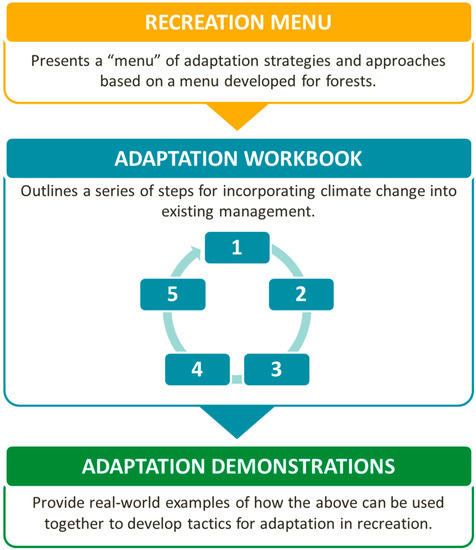
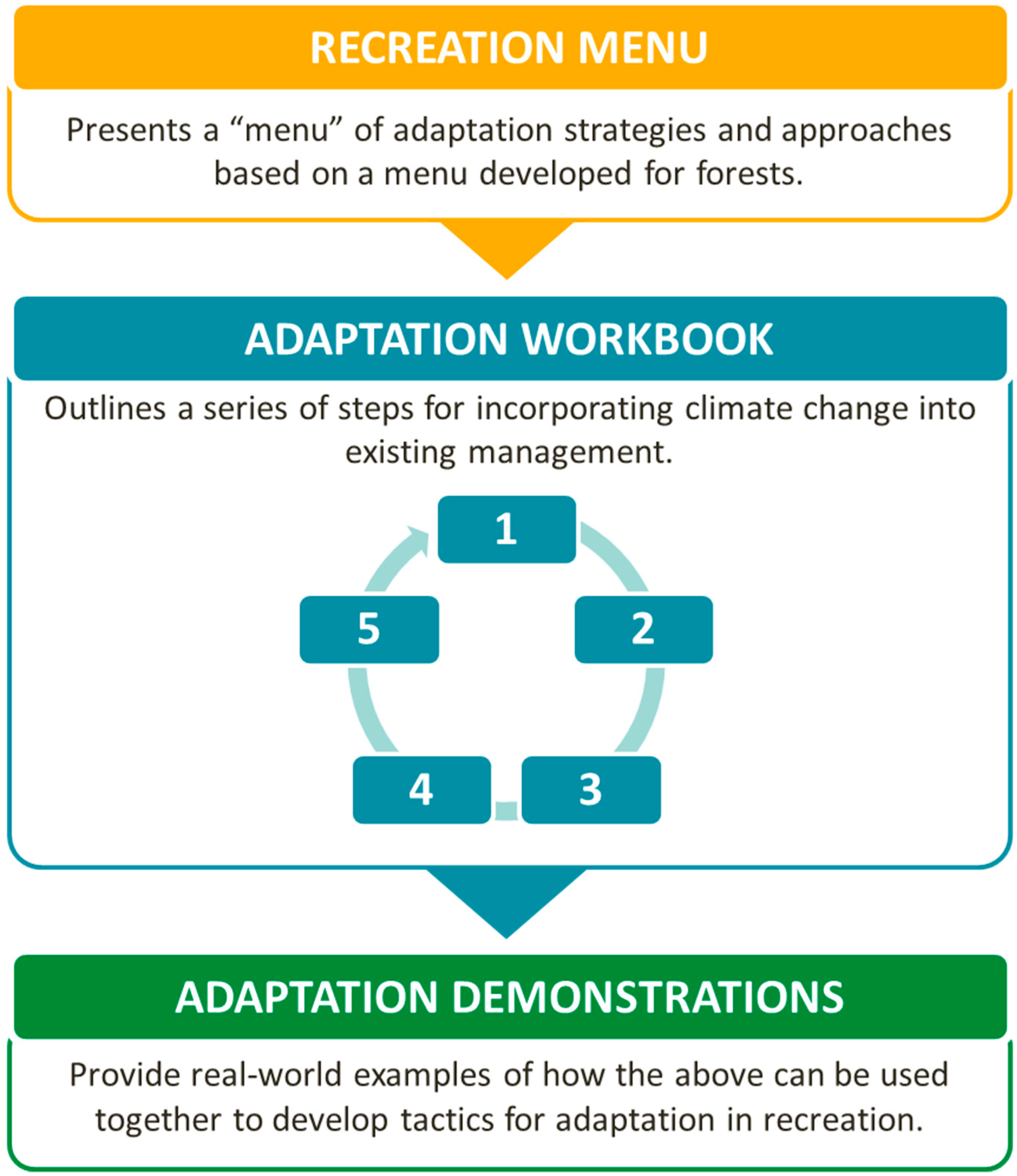

© 2019 by the authors. Licensee MDPI, Basel, Switzerland. This article is an open access article distributed under the terms and conditions of the Creative Commons Attribution (CC BY) license (http://creativecommons.org/licenses/by/4.0/).