




Pediatr. Rep. 2026, 18(2), 54; https://doi.org/10.3390/pediatric18020054 - 8 Apr 2026
Abstract
Background. Autoimmune sclerosing cholangitis (ASC) is a rare clinical entity characterized by overlapping features of autoimmune hepatitis and primary sclerosing cholangitis. It predominantly affects pediatric patients. Therapeutic management is often complex, requiring a multidisciplinary and individualized approach, especially in the context of associated
[...] Read more.
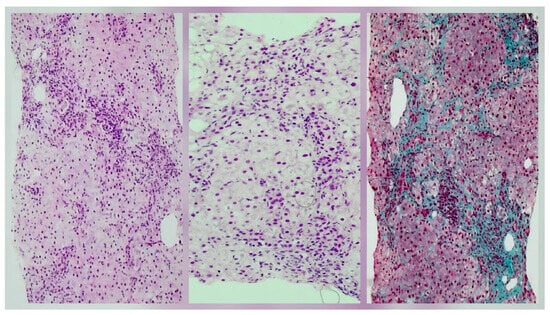
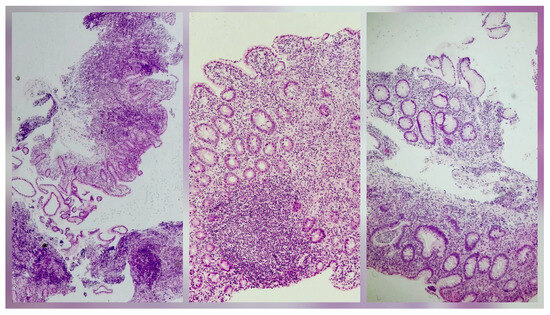
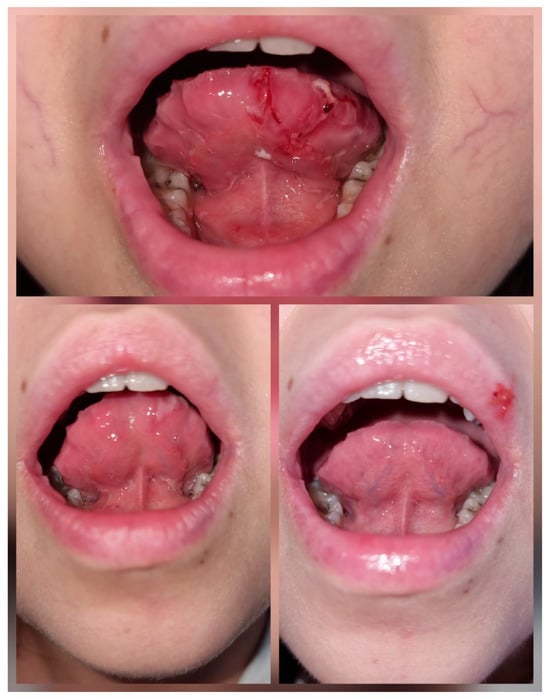
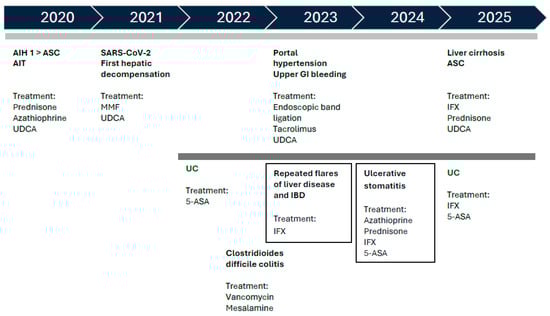
Background. Autoimmune sclerosing cholangitis (ASC) is a rare clinical entity characterized by overlapping features of autoimmune hepatitis and primary sclerosing cholangitis. It predominantly affects pediatric patients. Therapeutic management is often complex, requiring a multidisciplinary and individualized approach, especially in the context of associated autoimmune diseases. Case presentation. We present the case of a female patient diagnosed at the age of 10 with ASC, for which immunosuppressive therapy with prednisone, azathioprine (AZA), and ursodeoxycholic acid (UDCA) was initiated, with an initially favorable course. One year later, following a Severe Acute Respiratory Syndrome Coronavirus-2 (SARS-CoV-2) infection, the patient experienced reactivation of liver disease and subsequently developed ulcerative pancolitis (UC), for which 5-aminosalicylic acid (5-ASA) therapy was initiated. Due to repeated hepatic flares and/or colitis relapses, therapy was escalated successively to mycophenolate mofetil, tacrolimus, and eventually infliximab (IFX). Despite treatment, the liver disease progressed, culminating in liver cirrhosis. Our patient developed portal hypertension and esophageal varices, with two episodes of upper gastrointestinal bleeding requiring endoscopic band ligation. At the age of 14, the patient developed recurrent episodes of non-infectious ulcerative stomatitis. Biopsy of the lesions revealed non-specific chronic inflammation, unrelated to colitis activity (confirmed microscopic remission of UC). By exclusion, an adverse drug reaction was suspected, with AZA being the most likely cause. Following its discontinuation, the lesions resolved. Beyond the physiological and therapeutic aspects, the patient displays marked emotional fragility due to prolonged and repeated hospitalizations (18 out of 60 months), which have impacted treatment adherence. Conclusions. This case highlights the complexity of managing pediatric patients with multiple autoimmune diseases. The necessary combination of immunosuppressive therapies may lead to significant adverse effects and further complicate disease progression. Moreover, psychological components play a crucial role in treatment compliance and therapeutic success, emphasizing the need for an integrated approach that includes specialized psychological support.
Full article
(This article belongs to the Special Issue Advanced Diagnostic and Treatment Approach in Pediatric Hepatology)
►
Show Figures
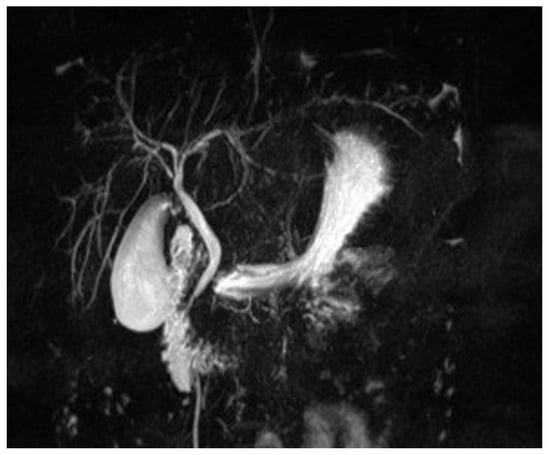
Figure 1