


Abstract
The transition toward next-generation energy systems requires advanced computational tools capable of supporting accurate, adaptive, and data-driven energy performance assessment. Within this context, Energy Performance Indicators (EnPIs) established under the ISO 50001 framework remain essential for monitoring energy efficiency and continuous improvement; however, conventional indicators are often based on static or simplified relationships that do not adequately capture the dynamic, nonlinear, and multivariable behavior of modern buildings and energy management systems. This systematic review analyzes the integration of ISO 50001-based EnPIs with intelligent algorithms and artificial intelligence techniques for enhanced energy management. The review follows a PRISMA-inspired methodology, using Scopus as the primary database and Web of Science and Google Scholar as complementary sources. From 5442 initial records, 2691 studies were screened and 283 articles were selected for detailed analysis, supported by a bibliometric keyword co-occurrence analysis using VOSviewer 1.6.20. The results show a clear evolution from traditional energy indicators and normalized baselines toward computational modeling approaches based on regression analysis, machine learning, deep learning, forecasting, anomaly detection, and optimization algorithms. These methods improve the predictive capability, adaptability, and operational relevance of EnPIs by incorporating climatic, occupancy, temporal, and operational variables. The reviewed evidence indicates that intelligent algorithms can strengthen ISO 50001 energy management systems by enabling dynamic baselines, early detection of abnormal consumption patterns, predictive decision-making, and continuous operational optimization. Nevertheless, challenges remain regarding data quality, model interpretability, methodological standardization, and practical integration into certified energy management frameworks. Overall, this review highlights that the future of energy performance assessment does not rely on replacing conventional EnPIs, but on transforming them into intelligent, computationally supported indicators for sustainable, resilient, and next-generation energy management systems.
1. Introduction
Energy consumption represents one of the major technical, economic, and environmental challenges at the international level due to its close relationship with industrial competitiveness, building operation, energy security, and emissions associated with climate change. As residential, commercial, institutional, and industrial sectors increase in operational complexity and dependence on automated systems, energy demand becomes more dynamic and difficult to manage through conventional approaches. In this context, improving energy efficiency is no longer merely a cost-saving strategy but has become a central pillar of sustainability, operational resilience, and regulatory compliance. However, despite advances in digitalization, monitoring, and automation, many organizations still face significant limitations in accurately interpreting their energy performance and transforming consumption data into effective improvement actions [1,2,3].
Within this scenario, Energy Performance Indicators (EnPIs) constitute a fundamental tool for organizations, as they enable the quantification, monitoring, and evaluation of the relationship between energy consumption and the activities that drive it. For a company, an energy indicator is not only a technical metric but also a strategic instrument that supports decision-making, operational efficiency assessment, deviation detection, and the definition of continuous improvement targets within frameworks such as ISO 50001:2018, Energy Management Systems—Requirements with Guidance for Use, International Organization for Standardization (ISO), Geneva, Switzerland, 2018. Nevertheless, one of the main practical challenges is that many indicators are still formulated based on simple or static relationships, without adequately capturing the real complexity of energy systems. As a result, they may lead to partial or even misleading interpretations of the energy behavior of a facility or process [4,5,6].
The accuracy and representativeness of an energy indicator depend directly on the variables considered in its formulation, which vary according to the type of system, building, or process under analysis. In buildings, for example, energy consumption is commonly influenced by variables such as outdoor temperature, degree days, occupancy patterns, operating schedules, building use type, and the characteristics of installed equipment, particularly HVAC systems, lighting, and internal loads. In industrial environments, by contrast, variables such as production volume, operating conditions, thermal demand, equipment performance, and load profiles become more relevant. This diversity of influencing factors demonstrates that energy performance cannot be adequately explained through a single variable, but instead requires multivariable and context-sensitive approaches capable of more faithfully representing actual energy behavior [7,8,9].
Under these conditions, there is a growing need to develop more precise, robust, and adaptive indicators capable of integrating relevant variables and responding to dynamic operating conditions. Traditional indicators based on simple ratios, although useful due to their ease of calculation and interpretation, are often insufficient in environments where energy consumption depends on multiple nonlinear and interdependent factors. In this regard, approaches based on statistical normalization, multivariable regression, machine learning, and artificial intelligence have emerged as promising alternatives to complement or enhance conventional EnPIs. The integration of such tools can improve not only the explanatory and predictive capability of indicators, but also anomaly detection, energy baseline estimation, and decision-making within more intelligent energy management systems [10,11,12].
In this context, the present review article aims to analyze the current state of knowledge regarding the integration of Energy Performance Indicators and Artificial Intelligence techniques in energy management systems, with particular emphasis on the ISO 50001 framework. Specifically, this review is guided by the following research questions:
- What types of Energy Performance Indicators (EnPIs) are currently used to assess energy efficiency under the ISO 50001 approach?
- What are the main limitations of traditional indicators under dynamic operational and environmental conditions?
- Which Artificial Intelligence techniques are most commonly applied in building and energy system management?
- How can the integration of EnPIs and Artificial Intelligence contribute to the development of more accurate, adaptive, and intelligent energy management systems?
This paper is structured as follows: Section 2 presents the Materials and Methods, describing the PRISMA-inspired review design, search strategy, inclusion and exclusion criteria, bibliometric analysis, and qualitative–comparative approach used to classify the selected literature. Section 3 reports the Results, including the analysis of Energy Performance Indicators (EnPIs), the application of artificial intelligence techniques, the identification of critical variables affecting energy consumption, and the comparison of energy performance modeling approaches. Section 4 provides a detailed Discussion, where the findings are critically analyzed in relation to traditional energy performance assessment, ISO 50001-based energy management systems, and recent AI-based methodologies. Finally, Section 5 concludes the study by summarizing the main contributions, emphasizing the role of AI-driven approaches in improving the accuracy, adaptability, and operational relevance of EnPIs, and identifying current limitations and future research directions.
2. Materials and Methods
2.1. Application of the PRISMA Methodology
The present article was based on the PRISMA (Preferred Reporting Items for Systematic Reviews and Meta-Analyses) methodology, used as a structural guide for conducting the literature review (Table S1). In particular, the PRISMA scheme adapted by MDPI for review articles was followed, which extends the original framework to engineering, energy, and sustainability contexts, allowing a clear and reproducible organization of the literature search, screening, and classification process.
Unlike its original application in clinical studies, PRISMA in this work was employed as a flexible methodological framework, suitable for addressing an interdisciplinary problem that integrates normative elements (ISO 50001), energy performance metrics (Energy Performance Indicators, EnPIs), and advanced computational tools based on Artificial Intelligence.
The implementation of PRISMA in this study was carried out through four main stages, aligned with the structure commonly adopted in MDPI review articles:
- Identification: initial retrieval of scientific literature from the Scopus database using a search equation designed to capture publications related to energy efficiency, buildings, and energy management.
- Screening: application of temporal, thematic, document-type, and source-type filters in order to refine the initial dataset and reduce the inclusion of non-relevant or peripheral studies.
- Eligibility: evaluation of titles, abstracts, and full texts of the retrieved documents, assessing their technical and methodological relevance to the objectives of the study.
- Inclusion and classification: final selection of studies that met the established criteria and their organization into thematic categories according to the main research axes.
The application of this methodology allowed a systematic structuring of the review process and justified the selection of the analyzed body of literature. Furthermore, it supported the classification of the state of the art into two main categories: (i) studies focused on Energy Performance Indicators (EnPIs) and ISO 50001, and (ii) studies related to Artificial Intelligence applications for building energy management.
The graphical representation of the PRISMA-based process, adapted for this study following the MDPI review scheme, is shown in the corresponding flowchart.
This study was conducted as a systematic literature review with a narrative-analytical approach, aimed at examining the current state of knowledge on energy efficiency in buildings, with particular emphasis on the use of Energy Performance Indicators (EnPIs) under the framework of ISO 50001, as well as the incorporation of Artificial Intelligence (AI) techniques for intelligent energy management.
The methodological approach adopted in this review was inspired by the principles of the PRISMA (Preferred Reporting Items for Systematic Reviews and Meta-Analyses) framework, in order to ensure a transparent, reproducible, and coherent process for literature identification, screening, selection, and classification.
The methodology was organized into four main stages: (i) literature identification, (ii) search refinement, (iii) eligibility assessment, and (iv) thematic classification of the selected studies.
2.2. Review Protocol
To enhance methodological transparency and ensure the reproducibility of the systematic review, a review protocol was developed before initiating the literature search, screening, and analysis processes, following the PRISMA guidelines. The protocol defined the review objectives, research questions, search strategies, inclusion and exclusion criteria, screening procedures, data extraction process, and evidence synthesis methodology. Furthermore, the protocol was publicly registered and made available through the Open Science Framework (OSF), allowing independent verification of the review procedures and reducing the risk of methodological bias. The complete protocol is available in [13].
2.3. Type of Study and Review Design
This work is classified as a systematic literature review complemented by a narrative synthesis approach. The systematic component enabled the definition of explicit search, screening, and inclusion criteria, whereas the narrative component facilitated the critical interpretation of findings, the comparison of methodologies, and the identification of research trends and gaps.
This mixed approach was considered appropriate because the topic addressed in this article integrates both standardized and normative elements (such as ISO 50001 and EnPIs) and emerging computational tools (such as machine learning, forecasting, and energy optimization).
The review was guided by the following research questions:
- RQ1: What types of Energy Performance Indicators (EnPIs) are currently used to assess energy efficiency in buildings under the ISO 50001 framework?
- RQ2: What are the main limitations of traditional EnPIs when facing dynamic operational and environmental conditions?
- RQ3: Which Artificial Intelligence techniques are most commonly applied to building energy management?
- RQ4: How can the integration between EnPIs and AI contribute to more accurate, adaptive, and intelligent energy management systems?
2.4. Information Sources and Search Strategy
The literature search was conducted primarily in the Scopus database, which is known for its broad coverage of peer-reviewed scientific literature in areas such as energy systems, building performance, energy management, and Artificial Intelligence. Additionally, Web of Science and Google Scholar were considered as complementary sources for thematic validation and cross-checking.
The search strategy was designed based on the combination of terms related to three main conceptual axes:
- Energy efficiency in buildings
- ISO 50001 and Energy Performance Indicators (EnPIs)
- Artificial Intelligence applied to energy management
The main search equation used in Scopus was the following:
TITLE-ABS-KEY ( "Energy efficiency" AND buildings AND "energy management" ) AND PUBYEAR > 2019 AND PUBYEAR < 2027 AND ( EXCLUDE ( SRCTYPE,"d" ) OR EXCLUDE ( SRCTYPE,"p" ) ) AND ( EXCLUDE ( SUBJAREA,"NURS" ) OR EXCLUDE ( SUBJAREA,"MEDI" ) OR EXCLUDE ( SUBJAREA,"PSYC" ) OR EXCLUDE ( SUBJAREA,"NEUR" ) OR EXCLUDE ( SUBJAREA,"ARTS" ) OR EXCLUDE ( SUBJAREA,"BIOC" ) OR EXCLUDE ( SUBJAREA,"SOCI" ) OR EXCLUDE ( SUBJAREA,"CHEM" ) OR EXCLUDE ( SUBJAREA,"CENG" ) OR EXCLUDE ( SUBJAREA,"BUSI" ) OR EXCLUDE ( SUBJAREA,"PHYS" ) OR EXCLUDE ( SUBJAREA,"EART" ) OR EXCLUDE ( SUBJAREA,"AGRI" ) OR EXCLUDE ( SUBJAREA,"ECON" ) OR EXCLUDE ( SUBJAREA,"ENVI" ) OR EXCLUDE ( SUBJAREA,"MATE" ) OR EXCLUDE ( SUBJAREA,"DECI" ) OR EXCLUDE ( SUBJAREA,"COMP" ) ) AND ( EXCLUDE ( DOCTYPE,"no" ) OR EXCLUDE ( DOCTYPE,"sh" ) OR EXCLUDE ( DOCTYPE,"ed" ) OR EXCLUDE ( DOCTYPE,"dp" ) OR EXCLUDE ( DOCTYPE,"bk" ) OR EXCLUDE ( DOCTYPE,"tb" ) OR EXCLUDE ( DOCTYPE,"cr" ) OR EXCLUDE ( DOCTYPE,"ch" ) OR EXCLUDE ( DOCTYPE,"cp" ) ) AND ( EXCLUDE ( EXACTSRCTITLE,"ACS Nano" ) OR EXCLUDE ( EXACTSRCTITLE,"Aerospace" ) ) AND ( EXCLUDE ( EXACTKEYWORD,"Ventilation" ) OR EXCLUDE ( EXACTKEYWORD,"Carbon Dioxide" ) OR EXCLUDE ( EXACTKEYWORD,"Gas Emissions" ) OR EXCLUDE ( EXACTKEYWORD,"Carbon" ) OR EXCLUDE ( EXACTKEYWORD,"Housing" ) OR EXCLUDE ( EXACTKEYWORD,"Forecasting" ) OR EXCLUDE ( EXACTKEYWORD,"Renewable Energy" ) OR EXCLUDE ( EXACTKEYWORD,"Architectural Design" ) OR EXCLUDE ( EXACTKEYWORD,"Hvac" ) OR EXCLUDE ( EXACTKEYWORD,"Office Buildings" ) OR EXCLUDE ( EXACTKEYWORD,"Thermal" ) OR EXCLUDE ( EXACTKEYWORD,"Heat Storage" ) OR EXCLUDE ( EXACTKEYWORD,"Solar Power Generation" ) OR EXCLUDE ( EXACTKEYWORD,"Renewable Energy Source" ) OR EXCLUDE ( EXACTKEYWORD,"Power Management (telecommunication)" ) OR EXCLUDE ( EXACTKEYWORD,"Internet Of Things" ) OR EXCLUDE ( EXACTKEYWORD,"Smart Power Grids" ) OR EXCLUDE ( EXACTKEYWORD,"Sustainability" ) OR EXCLUDE ( EXACTKEYWORD,"Climate Change" ) OR EXCLUDE ( EXACTKEYWORD,"Investments" ) ) |
The search was limited to the period 2020–2026, according to the temporal filter configuration in Scopus. In addition, subject areas and keywords that could introduce excessive thematic dispersion or bias the review toward peripheral subdomains were excluded.
The search equation was intentionally formulated using broad terms associated with energy management, energy performance assessment, and computational analysis to maximize the retrieval of potentially relevant studies. Rather than restricting the search to specific keywords such as “ISO 50001”, “Energy Performance Indicators (EnPIs)”, “artificial intelligence”, or “machine learning”, these concepts were incorporated during the screening and eligibility phases through predefined inclusion criteria. This strategy reduced the risk of excluding relevant publications that addressed these topics using alternative terminology. Similarly, concepts such as forecasting, HVAC systems, IoT, and sustainability were evaluated during the review process when they demonstrated a direct relationship with energy performance assessment and intelligent energy management.
2.5. Inclusion and Exclusion Criteria
To ensure the relevance and consistency of the review, inclusion and exclusion criteria were defined prior to screening.
2.5.1. Inclusion Criteria
Studies were included if they met one or more of the following criteria:
- Published between 2020 and 2026.
- Related to energy efficiency, energy management, or energy performance in buildings.
- Focused on ISO 50001, Energy Performance Indicators (EnPIs), or energy baseline.
- Included applications of Artificial Intelligence, machine learning, deep learning, forecasting, optimization, or intelligent control.
- Corresponded to residential, commercial, institutional, hotel, or industrial buildings.
- Published as peer-reviewed journal articles or relevant review papers.
2.5.2. Exclusion Criteria
Studies were excluded if they presented one or more of the following characteristics:
- Publications prior to 2020.
- Studies focused exclusively on hardware, power electronics, renewable generation, or process control without relation to building energy performance.
- Purely economic, financial, or policy-oriented studies without direct technical contribution to EnPI or AI-based analysis.
- Duplicated documents, editorials, notes, book chapters, and other document types excluded in the search strategy.
- Studies lacking sufficient methodological or technical detail for comparative analysis.
To enhance methodological transparency, the article selection process followed a PRISMA-inspired framework. Records retrieved from the selected databases were initially screened according to relevance, publication type, language, and thematic alignment with ISO 50001, Energy Performance Indicators (EnPIs), artificial intelligence, machine learning, deep learning, forecasting, anomaly detection, and optimization methods. Duplicate records were identified and removed prior to the eligibility assessment stage. Subsequently, full-text articles were evaluated according to predefined inclusion and exclusion criteria, considering their methodological relevance, contribution to energy performance assessment, and applicability to intelligent energy management systems. This process resulted in a final corpus of 283 studies that formed the basis of the present review.
2.6. Selection and Eligibility Process
The literature identification, screening, and selection process followed a PRISMA-inspired sequence. In the first stage, 5442 records were retrieved from the initial Scopus search. Subsequently, after applying temporal and thematic refinement filters, the set was reduced to 2691 studies. Finally, after screening titles, abstracts, and full texts, 283 articles were considered eligible for detailed analysis.
Figure 1 presents the flowchart corresponding to the identification, screening, eligibility, and final thematic classification process adopted in this review. The final body of literature was grouped into two major categories: (i) studies focused on EnPIs and ISO 50001, and (ii) studies related to machine learning, forecasting, optimization, and intelligent control.
Figure 1.
Flowchart of the literature identification, screening, eligibility, and thematic classification process used in this review, based on a PRISMA-inspired methodology.
2.7. Bibliometric Analysis and Thematic Classification
As a complement to the systematic review, a keyword co-occurrence bibliometric analysis was performed using the VOSviewer software tool, with the aim of identifying the main thematic lines, conceptual relationships, and emerging trends within the field of study.
The resulting bibliometric network showed that the term energy efficiency occupies a central position and is strongly connected with concepts such as:
- energy management systems;
- artificial intelligence;
- machine learning;
- deep learning;
- forecasting;
- optimization;
- energy consumption;
- smart building;
- Internet of Things (IoT).
Furthermore, the bibliometric map allowed the identification of thematic clusters associated with:
- energy management and performance;
- data-driven and Artificial Intelligence-based models;
- smart buildings and digitalization;
- optimization and energy control;
- storage integration and advanced energy systems.
Web of Science and Google Scholar were employed as complementary sources to support cross-validation of the retrieved records, citation tracking, and thematic verification of emerging research topics. These databases were not used as primary sources for record identification but rather as supplementary tools to improve the comprehensiveness and consistency of the review process.
For the bibliometric analysis, VOSviewer was used to construct keyword co-occurrence networks. Prior to analysis, synonymous terms and variations were standardized to reduce redundancy. The resulting clusters were interpreted according to thematic relationships among the terms, allowing the identification of major research streams related to Energy Performance Indicators, ISO 50001, artificial intelligence, machine learning, optimization, and intelligent energy management systems.
These results supported the methodological classification adopted in the review and confirmed that the integration of EnPIs, ISO 50001, and AI constitutes an emerging, highly interconnected research line within the field of building energy efficiency (Figure 2).
Figure 2.
Keyword co-occurrence map generated using VOSviewer, showing the main thematic connections in the field of energy efficiency and intelligent energy management.
2.8. Data Extraction and Analytical Approach
Once the eligible articles were selected, a systematic extraction of relevant information was carried out for each study. For each publication, variables such as the following were recorded:
- publication year,
- authors and source,
- application sector,
- building type,
- type of EnPI used,
- variables considered in the energy model,
- AI or analytical technique applied,
- model objective (forecasting, optimization, anomaly detection, control),
- reported performance metrics (, RMSE, MAE, MAPE, accuracy, among others),
- main findings.
Subsequently, the studies were classified according to three main dimensions:
- Type of energy indicator: traditional indicators, climate- or occupancy-normalized indicators, and composite or multivariable indicators.
- Type of Artificial Intelligence: machine learning, deep learning, and hybrid or intelligent approaches.
- Application sector: residential, commercial, hotel, institutional, and industrial buildings.
Finally, the literature analysis was conducted using a qualitative–comparative approach, focusing on identifying methodological patterns, strengths, limitations, critical variables, and opportunities for integrating standardized energy performance indicators with advanced Artificial Intelligence tools.
2.9. Critical Comparison of Approaches for Energy Performance Evaluation and Management
The reviewed literature shows that energy performance evaluation in buildings has progressively evolved from traditional approaches based on simple consumption indicators toward more advanced methodologies that incorporate normalization techniques, statistical analysis, and Artificial Intelligence tools. This evolution is primarily driven by the need to represent more accurately the dynamic, multivariable, and nonlinear nature of building energy consumption, especially when performance assessment is intended to support decision-making within standardized frameworks such as ISO 50001.
In this context, not all approaches provide the same balance between simplicity, accuracy, interpretability, and practical applicability. Traditional indicators remain widely used due to their ease of implementation and compatibility with energy management systems. However, data-driven and machine-learning-based methods have demonstrated superior capabilities in prediction, optimization, and anomaly detection. At the same time, these advanced techniques often require more complex infrastructures, higher-quality datasets, and greater methodological expertise.
To critically synthesize the main approaches identified in the literature, Table 1 presents a comparative analysis of the most commonly used methods for energy performance evaluation and management in buildings, highlighting their strengths, limitations, and practical implications.
Table 1.
Comparative discussion of approaches used in building energy performance evaluation and management.
As shown in Table 1, traditional approaches retain an important advantage in terms of simplicity and interpretability, which explains their continued use in practical energy management applications. However, their ability to accurately represent complex and dynamic systems is limited. In contrast, Artificial Intelligence-based approaches provide superior analytical and predictive capabilities, although they require more robust data infrastructures and advanced implementation methodologies.
Therefore, the literature suggests that the most promising pathway is not the complete replacement of traditional Energy Performance Indicators, but rather their integration with intelligent models, yielding hybrid approaches that combine traceability, regulatory compliance, predictive accuracy, and advanced decision-making support.
3. Results
3.1. Energy Performance Indicators (EnPI)
Energy performance assessment has evolved from approaches based on simple consumption indicators toward more robust methodologies for standardization, modeling, and continuous monitoring, particularly within the framework of energy management systems. In this context, the ISO 50001:2018 standard serves as the central reference for establishing, implementing, maintaining, and improving an energy management system, while the standard for energy management systems, ISO 50006:2023, provides specific guidance for establishing, using, and maintaining energy performance indicators (EnPIs) and energy baselines (EnBs) for the purpose of objectively evaluating improvements in energy performance. The ISO 50001:2018/Amd 1:2024 update maintains this framework and incorporates changes related to climate action [20,21].
The integration of artificial intelligence within the ISO 50001 framework transforms the traditional PDCA cycle from a static approach based on simple indicators into a dynamic, predictive, and adaptive system as shown in Figure 3. In this context, Energy Performance Indicators (EnPIs) evolve into intelligent models capable of accurately representing real energy behavior by incorporating multiple operational, environmental, and temporal variables. This transformation enhances the capability of energy management systems to support data-driven decision-making, improve performance evaluation, and enable continuous optimization aligned with the principles of ISO 50001.
Figure 3.
PDCA cycle.
- Plan: Establishing the Strategic Framework and Diagnosis. In this initial phase, the organization defines the scope of its energy policy and conducts a thorough review to identify Significant Energy Uses (SEUs). Leadership ensures that the necessary resources are allocated to establish an Energy Baseline (EnB) and define Energy Performance Indicators (EnPIs) that serve as reference points for measurement. Planning considers not only legal requirements and internal objectives but also designs a detailed action plan aimed at closing identified efficiency gaps, ensuring that every target is aligned with the institution’s long-term sustainability strategy.
- Do: Implementation and Operational Control. The execution stage focuses on launching the defined action plans, ensuring that personnel possess the necessary competence and awareness to operate under efficiency standards. Operational controls and preventive maintenance processes are established for SEUs, integrating energy efficiency criteria into both the design of new facilities and the procurement of equipment and services. Documented support and fluid communication are essential in this phase to ensure that energy management procedures are executed uniformly across all levels of the organization.
- Check: Monitoring, Measurement, and Evaluation. During verification, the system undergoes constant monitoring to compare actual performance against energy planning and established objectives. This includes tracking EnPIs and periodically evaluating compliance with legal requirements, in addition to conducting internal audits to ensure the integrity of the system. This phase not only detects deviations but also provides the necessary evidence to validate whether the implemented actions are generating the projected savings, ensuring that the information reported to top management is accurate, technical, and timely.
- Act: Continual Improvement and Decision-Making. The final phase of the cycle closes the process through management review, where the results of the verification are analyzed to make strategic decisions about the system. Corrective actions are implemented to address nonconformities, and new opportunities to raise the efficiency standard are identified. The goal is to ensure that the management system is not static but evolves toward higher levels of performance, guaranteeing the sustainability of achieved savings and the continuous strengthening of the organizational energy culture.
- Artificial Intelligence (AI): The integration of Artificial Intelligence acts as a catalyst at every stage of the PDCA cycle, transforming a traditional EnMS into a dynamic, high-precision system. Through the use of Machine Learning algorithms, AI enables the establishment of Dynamic Baselines that automatically adjust to exogenous variables, facilitates predictive Anomaly Detection before costly failures occur, and optimizes Operational Control in real-time. This technological symbiosis ensures that the system’s learning is constant, allowing predictive models to be retrained with new data to guarantee continual improvement based on advanced analysis and operational autonomy.
Statistical and artificial intelligence-based methods are primarily embedded within the energy review phase, where they enhance the determination of energy performance, the identification of relevant variables, and the development of advanced EnPIs, while also supporting decision-making in subsequent planning outputs.
The methodological flow of Energy Planning (EnPL) presented in Figure 4 aligns with the requirements of the ISO 50001:2018 standard, structuring the transition from the diagnosis of Significant Energy Uses (SEUs) to the consolidation of the Energy Baseline (EnB). From the perspective of Artificial Intelligence (AI), this process can be enhanced by transforming static analysis into an automated Machine Learning system; while traditional methods rely on simple linear regressions, the integration of advanced algorithms allows for the processing of non-linear variables and large volumes of historical data to obtain Energy Performance Indicators (EnPIs) with superior predictive precision. This synergy between standardization and AI not only facilitates data normalization against external variables—such as climate or occupancy—but also converts performance monitoring into an early anomaly detection system, optimizing decision-making for the continuous improvement of the facility’s efficiency.
Figure 4.
Methodology used, based on the standard ISO 50001.
The application of these indicators is not limited to the building sector. At the regulatory level, ISO 17742:2015 extends the analysis of energy efficiency and savings to the national, regional, and city levels, explicitly considering end-use sectors such as households, industry, services, agriculture, and transportation. In parallel, for the building sector, ISO 52003-1:2017 establishes the relationship between indicators, requirements, ratings, and certifications of building energy performance, while ANSI/ASHRAE/IES Standard 100-2024 defines processes and procedures to reduce energy consumption and emissions in existing residential, commercial, institutional, and industrial buildings [22,23,24].
The indicators traditionally used have been simple metrics such as total energy consumption, specific energy consumption per unit of product in industry, energy per square foot in buildings, and energy per guest or per occupied room in hotels. These indicators have the advantage of being easy to calculate and communicate, but the literature consistently reports that their main weakness is that they do not adequately represent the influence of dynamic variables such as climate, actual occupancy, operating patterns, the type of service provided, or the heterogeneity of the production process. ISO 50006 specifically emphasizes that an EnPI must be constructed by considering the relevant variables that affect energy use and consumption, and not solely based on a fixed ratio [21,25].
This limitation is clearly evident in the tourism sector. In the case of a hotel analyzed using the ISO 50001 framework, the relationship between electricity consumption and Room Nights (RDO) showed a correlation of just 0.0378, revealing virtually no explanatory power when occupancy was used as the sole variable in the indicator. However, upon incorporating climatic variables such as Degree Days, the correlation improved substantially: the study reported values exceeding 0.75 in initial stages, as well as 0.93 for the baseline and 0.97 for the target line after handling outliers; furthermore, the multivariate model achieved an = 0.90. These results show that the problem does not lie in the simplicity of the indicator itself, but rather in the insufficiency of the variables considered when attempting to represent actual energy behavior [25].
In industry, the results are more favorable when the production variable adequately represents the dominant energy activity of the process. In the Italian cement industry, for example, highly significant relationships were reported between production and energy consumption, with = 0.917 for electrical energy, = 0.969 for thermal energy, and = 0.933 for total energy at the plant level. However, the authors themselves caution that the validity of these EnPIs depends on factors such as sector homogeneity, data quality, the chosen unit of production, and the structure of energy use; therefore, in less homogeneous sectors or those with limited records, the statistical representativeness of the indicator may decrease significantly [26].
In the residential sector, the literature also shows that simple indicators based solely on total consumption or floor area are insufficient to explain actual energy performance. In multifamily buildings in southeastern Poland, the best fits were obtained by relating energy demand to physical and usage variables, such as ventilation airflow, window thermal transmittance, number of occupants, and heated volume. That study reported several relationships with > 0.6, as well as one case of = 0.7305 between hot water demand and number of occupants prior to modernization, confirming that the use of relevant explanatory variables significantly improves the indicator’s descriptive power [27].
A similar situation is observed in commercial buildings. In a recent study of a high-density building, the relationship between occupancy and electricity consumption showed a correlation of approximately 71.5%, while the relationship between occupancy and heating consumption was only 18%. This contrast highlights that a single independent variable does not have the same explanatory power for all end uses of energy: occupancy may be reasonably useful for describing electricity demand, but it is insufficient to account for the variability of heating demand, where climate and the operation of HVAC systems play a much greater role [28].
In recent years, research has begun to supplement traditional EnPIs with more advanced approaches based on multivariate regression, dynamic baselines, predictive analytics, and machine learning. A 2022 review on energy baseline prediction in buildings highlights that the selection of independent variables is critical, as it directly influences the estimation of expected consumption and, therefore, the quantification of energy savings. Consistently, more recent reviews show a sustained expansion in the use of artificial intelligence techniques for consumption forecasting, anomaly detection, and energy optimization in buildings. Taken together, this trend indicates that the evolution of the state of the art does not consist of completely replacing traditional indicators, but rather of standardizing them and enriching them with explanatory variables and models that are more representative of actual energy behavior [29,30,31].
Consequently, the main historical problem identified in the literature regarding traditional energy performance indicators is their low sensitivity to dynamic and contextual variables. When these variables are not incorporated, the correlation between the indicator and actual energy performance tends to be weak, unstable, or even misleading. Consequently, within the ISO 50001–ISO 50006 framework, the current trend is toward the use of standardized EnPIs, robust energy baselines, and advanced models supported by statistical analysis and artificial intelligence, with the aim of improving the explanatory power of the indicators and strengthening decision-making for the continuous improvement of energy performance [21].
3.2. Application of Artificial Intelligence
Artificial intelligence (AI), including machine learning (ML) and deep learning (DL), has significantly transformed engineering and energy systems research by enabling more accurate analysis, prediction, and optimization of complex operational processes. In the context of energy management, AI techniques including supervised, unsupervised, and reinforcement learning paradigms provide powerful tools for analyzing large volumes of operational data generated by energy monitoring systems. These approaches facilitate the prediction of energy consumption patterns, anomaly detection, and performance optimization, surpassing traditional rule-based or statistical methods [32].
The increasing availability of digital monitoring infrastructures, smart meters, and industrial energy platforms has generated large datasets that can be leveraged by AI models to support decision-making processes. By linking operational variables, production parameters, and environmental conditions with energy consumption data, AI algorithms can identify hidden relationships within complex energy systems [33]. In addition, AI techniques contribute to the development of intelligent energy monitoring and control platforms capable of real-time analysis, predictive maintenance, and operational optimization, supporting the continuous improvement philosophy promoted by the ISO 50001 standard [34].
Recent developments in data-driven energy frameworks have also integrated natural language processing, automated data pipelines, and closed-loop learning systems to enhance decision support in industrial energy environments [35]. Despite these advances, challenges remain related to data quality, model interpretability, and the integration of domain knowledge into AI models. Addressing these issues is essential to ensure reliable deployment of AI solutions and to enable responsible human–AI collaboration in industrial contexts [36].
3.2.1. Machine Learning Methods
Machine learning algorithms have become fundamental tools for analyzing energy-related datasets due to their ability to learn complex relationships from historical and real-time data. These techniques enable the development of predictive models capable of forecasting energy demand, identifying operational inefficiencies, and supporting data-driven decision-making processes. Compared with traditional analytical approaches, ML methods significantly reduce the time and computational effort required to model complex energy systems [37].
ML techniques such as support vector machines, neural networks, and ensemble learning models are widely used to predict energy consumption patterns, optimize system performance, and analyze large datasets generated by industrial monitoring infrastructures [38]. Furthermore, the integration of ML with digital monitoring platforms enables the development of predictive models that support energy performance indicators (EnPIs) defined within the ISO 50001 framework [39]. However, challenges related to data preprocessing, feature engineering, and model interpretability remain important research topics when ML models are applied to industrial energy applications [40].
Random Forest (RF), Support Vector Machines (SVM), and K-Nearest Neighbors (KNN) represent some of the most widely used machine learning algorithms in energy-related applications. These models enable advanced analysis of energy consumption patterns, anomaly detection, and operational optimization in complex energy infrastructures.
3.2.2. Deep Learning Methods
Deep learning (DL) techniques excel at modeling complex nonlinear relationships in large datasets by automatically learning hierarchical data representations through multiple processing layers. This capability enables DL models to capture intricate temporal and spatial patterns, making them particularly suitable for modern energy monitoring systems and large-scale energy data analysis [41]. Common architectures include convolutional neural networks (CNNs), recurrent neural networks (RNNs), generative adversarial networks (GANs), and autoencoders [42].
Artificial Neural Networks (ANNs) are widely used for forecasting, control, and optimization tasks in buildings, microgrids, and industrial facilities. In building energy systems, ANNs optimize HVAC operation, lighting management, water heating, and renewable energy integration by learning patterns from historical operational data [43].
Long Short-Term Memory (LSTM) networks are particularly effective for modeling temporal dependencies in sequential energy data. These models have shown strong performance in forecasting energy demand, electricity prices, and system behavior in microgrids and smart distribution systems [44]. Hybrid architectures such as convolutional LSTM (ConvLSTM) further improve spatiotemporal feature extraction and prediction accuracy in smart energy infrastructures [45].
3.2.3. Other Intelligent Techniques
Beyond machine learning and deep learning, additional intelligent computational techniques are frequently used to support energy optimization and decision-making.
Fuzzy logic controllers are widely applied to manage uncertainty in hybrid renewable energy systems and microgrid environments. These controllers dynamically allocate energy resources based on variables such as electricity cost, battery state of charge, and load demand [46]. More advanced approaches integrate fuzzy logic with predictive models such as LSTM networks to enhance system performance and battery management [47].
Optimization algorithms inspired by natural processes—including genetic algorithms (GA), particle swarm optimization (PSO), and other evolutionary methods—are widely used to minimize operational costs and improve resource allocation in energy systems [48]. When integrated with artificial intelligence models and ISO 50001 frameworks, these techniques contribute to continuous improvement in energy performance indicators (EnPIs).
The integration of machine learning, deep learning, and intelligent optimization techniques provides a comprehensive artificial intelligence toolkit for analyzing energy data, improving forecasting accuracy, and optimizing operational performance in modern energy infrastructures. Table 2 summarizes the most commonly used artificial intelligence techniques, highlighting their main advantages, limitations, and typical applications in energy-related systems.
Table 2.
Comparative summary of common artificial intelligence methods applied to energy management and engineering systems.
In the context of ISO 50001-based energy management frameworks, these AI approaches support improved monitoring of energy performance indicators (EnPIs), enabling organizations to identify inefficiencies, forecast energy demand, detect anomalies in energy consumption patterns, and optimize operational strategies [56]. As computational capabilities and data availability continue to increase, AI-based approaches are expected to play an increasingly important role in intelligent energy monitoring, predictive analytics, and operational optimization. These techniques provide the methodological foundation for the practical applications discussed in the following section [57]. The development of energy performance modeling approaches has evolved significantly alongside the increasing availability of operational data and computational tools. Traditional Energy Performance Indicators (EnPIs) were initially derived from historical consumption baselines, providing simple but limited representations of energy behavior. Subsequent approaches incorporated external variables such as climatic conditions and operational parameters to improve predictive capability. More recently, machine learning and artificial intelligence techniques have enabled the development of advanced energy management systems capable of capturing complex nonlinear relationships among multiple variables. The general evolution of these approaches is illustrated in Figure 5.
Figure 5.
Evolution of energy performance modeling approaches from traditional baseline Energy Performance Indicators (EnPIs) to AI-driven energy management systems.
3.3. Statistical and Computational Approaches Identified for EnPI Selection and Validation
This section does not present a general theoretical review of statistical methods, but rather synthesizes the methodological approaches identified in the reviewed literature for selecting, normalizing, validating, and modeling Energy Performance Indicators (EnPIs). In this review, these methods were analyzed according to their role in EnPI construction, including: (i) the selection of relevant variables affecting energy consumption; (ii) the development of normalized or regression-based EnPIs; (iii) the validation of indicator reliability and explanatory capacity; and (iv) the integration of statistical and AI-based methods into ISO 50001-oriented energy management systems. Therefore, the statistical and computational methods summarized in this section are discussed in relation to their practical relevance for EnPI development rather than as standalone theoretical tools [58].
It should be noted that the statistical and psychometric validation methods discussed in this section were not directly applied to the dataset of the present review. Instead, they are presented as complementary approaches identified in the literature for evaluating the reliability, validity, consistency, and robustness of indicator-based assessment frameworks, including those related to energy management and performance evaluation.
It should be clarified that the statistical and computational methods discussed in this section were not applied to a new primary dataset generated by the authors. Rather, they were used as an analytical framework to classify and critically interpret how the reviewed studies selected, normalized, validated, or modeled Energy Performance Indicators (EnPIs). For each selected publication, the analysis identified whether the reported EnPI was based on simple normalization, regression-based modeling, multivariable adjustment, dimensionality reduction, machine learning, or hybrid validation approaches. When available, the reported validation metrics, such as , RMSE, MAE, MAPE, accuracy, and cross-validation procedures, were extracted and compared. Therefore, the purpose of this section is to explain the methodological tools found in the literature and to clarify their relevance for EnPI construction and validation within ISO 50001-based energy management systems.
The reviewed literature shows that EnPI selection and validation require methods capable of addressing three complementary needs: identifying relevant explanatory variables, evaluating the consistency and representativeness of indicators, and improving their predictive performance under dynamic operating conditions. In this context, conventional statistical methods such as exploratory and confirmatory factor analysis, reliability coefficients, structural equation modeling, and principal component analysis remain useful for evaluating indicator structure, dimensionality, and internal consistency. However, advanced approaches, including item response theory, Bayesian methods, machine learning, and regression-based modeling, are increasingly relevant when EnPIs must incorporate nonlinear relationships, uncertainty, multiple operational variables, or high-frequency energy data [59].
Key findings emphasize the importance of transparent methodological reporting, appropriate variable selection, and the integration of multiple validation approaches to ensure robust indicator systems [60]. Table 3 summarizes the main statistical and computational methods identified in the literature for selecting, validating, or modeling indicators, while Figure 6 illustrates their role across the different stages of indicator development, validation, and refinement.
Table 3.
Summary of statistical and computational methods for indicator selection and validation.
Figure 6.
Statistical methods for indicator selection and validation.
3.3.1. Latent-Variable and Reliability-Based Approaches
Latent-variable methods, including exploratory factor analysis (EFA), confirmatory factor analysis (CFA), and structural equation modeling (SEM), were identified in the literature as useful approaches for evaluating the structure, consistency, and explanatory coherence of indicator systems [68,69,70]. EFA can support the identification of underlying groups of variables influencing energy consumption, while CFA allows researchers to test whether a predefined indicator structure is supported by empirical data [71,72]. SEM extends this logic by enabling the analysis of relationships between observed energy variables, latent constructs, and performance outcomes, which is relevant when EnPIs are used not only as descriptive metrics but also as decision-support tools within energy management systems [73].
Reliability assessment is also relevant when EnPIs are constructed from multiple variables or sub-indicators. Cronbach’s alpha remains a commonly reported internal consistency metric, although its interpretation depends on the number of items and the strength of inter-item correlations [74,75]. Complementary reliability measures, such as omega coefficients, test–retest reliability, and inter-rater consistency, may provide additional information when indicator systems are multidimensional or used across different contexts [76,77,78]. In the context of ISO 50001, these approaches are relevant because an EnPI should be not only easy to calculate, but also reliable, representative, and capable of supporting continuous improvement decisions [79,80,81].
3.3.2. Dimensionality Reduction and Indicator Weighting
Dimensionality-reduction methods, particularly principal component analysis (PCA), are useful when energy performance assessment involves multiple correlated variables, such as energy consumption, production volume, occupancy, climatic severity, operating schedules, and equipment-related parameters. PCA transforms correlated variables into a smaller set of components, helping identify redundant indicators and supporting the construction of composite EnPIs with reduced information loss [82,83,84]. In practical energy management, this is relevant when organizations need to simplify complex energy datasets without ignoring the multivariable nature of energy performance [85,86,87].
Item Response Theory (IRT) and Rasch-type models can also contribute to indicator weighting and diagnostic interpretation by evaluating the informative contribution of individual indicators within a broader measurement system [88,89]. Although these methods are more common in educational, psychometric, and health-related domains, their conceptual relevance for EnPI analysis lies in their capacity to assess whether each indicator contributes meaningful information or whether some indicators are redundant, weakly discriminant, or context-dependent [90,91,92]. Therefore, these approaches may support future development of more robust composite EnPI frameworks, particularly when multiple indicators are used for benchmarking, maturity assessment, or cross-sector comparison.
3.3.3. Bayesian, Machine Learning, and Regression-Based Approaches
Bayesian methods and machine learning techniques provide complementary tools for EnPI development when energy behavior depends on uncertain, nonlinear, or high-dimensional relationships. Bayesian approaches allow prior operational knowledge to be incorporated into the estimation process and provide probabilistic outputs instead of only point estimates, which is useful when datasets are limited, incomplete, or affected by measurement uncertainty [93,94]. Machine learning methods, including random forests, support vector machines, and neural networks, can identify complex relationships among energy drivers and performance outcomes, supporting variable selection, prediction, anomaly detection, and optimization [95,96,97]. However, their use must be balanced with interpretability and theoretical consistency, especially when the resulting EnPIs are intended to support ISO 50001-based decision-making [98].
Regression analysis remains one of the most directly applicable tools for EnPI construction under ISO 50001 because managerial decisions often depend on the relationship between energy consumption and one or more relevant variables. For example, an energy manager may use the relationship between production throughput and electricity consumption to estimate an industrial EnPI, or the relationship between outdoor temperature, humidity, and thermal demand to predict future energy use [99,100,101]. When high-frequency data are available through IoT sensors or energy monitoring platforms, AI-powered regression models can support dynamic Energy Baselines (EnBs), normalized EnPIs, and more accurate performance evaluation under variable operating conditions [102,103,104].
The transition from conceptual energy management to practical implementation therefore requires the careful selection of analytical tools. While simple regression models remain interpretable and compatible with standardized energy management practices, nonlinear regression, regularized models, support vector regression, Gaussian process regression, random forest regression, and deep learning models can capture more complex energy behavior. Figure 7 classifies the main regression methodologies and associated performance metrics used to support EnPI modeling.
Figure 7.
Regression models and performance metrics used for EnPI modeling.
Overall, the reviewed literature indicates that EnPI validation increasingly requires a combination of statistical normalization, regression analysis, variable selection, and AI-based modeling. While traditional validation tools remain useful for assessing indicator consistency and explanatory capacity, their practical value in ISO 50001-based energy management depends on their ability to represent relevant operational, climatic, occupancy, and production variables. This confirms that the selection and validation of EnPIs should be treated as a data-driven and context-dependent process rather than as the application of fixed or universal indicators.
3.4. Critical Factors in Energy Consumption
The energy consumption of buildings is influenced by a complex set of factors that interact dynamically; understanding these factors is essential for designing effective energy efficiency strategies. The scientific literature has identified four main categories of variables that significantly influence energy demand: climatic conditions, occupancy patterns, the type of building use, and the characteristics of the installed equipment. Each of these variables has specific mechanisms of influence, and their relative importance varies depending on the building’s context and function. Figure 8 illustrates the relationship between the critical factors in energy consumption.
Figure 8.
Building Energy Consumption.
3.4.1. Climate (Degree Days)
Weather conditions are one of the primary determinants of energy consumption in buildings, particularly with regard to heating and cooling demands. Empirical evidence shows that the time of year emerges as the most influential climatic parameter on residential electricity consumption, surpassing other variables in multivariate analyses of climatic and seasonal factors [105]. This influence manifests itself through the seasonal variation in thermal loads, which respond directly to the severity of outdoor conditions.
Studies based on simulations and analyses of real data confirm that thermal demands vary proportionally with climatic severity: heating systems increase their consumption under cold conditions, while cooling systems respond to warm conditions [105]. This relationship is neither linear nor uniform, as the presence, type, and efficiency of HVAC systems significantly modulate the building’s response to climatic variations. Consequently, buildings with different HVAC system configurations exhibit distinct sensitivities to the same outdoor conditions.
A critical aspect identified in the literature is the importance of indoor temperature and set points as significant factors in variations in electricity consumption. Studies conducted in healthcare facilities, where consumption is measured per occupied room, have documented that room temperature and set points exert a considerable influence on total energy demand [106]. This observation underscores the need to consider not only outdoor weather conditions but also the indoor thermal conditions desired and maintained by occupants.
3.4.2. Occupation
Occupancy patterns represent a critical variable that mediates between a building’s physical characteristics and its actual energy consumption. The number of occupants shows a strong correlation with consumption of cooling, domestic hot water, and appliances in residential settings, as documented by numerous empirical studies [107]. This relationship reflects both the direct increase in internal loads (metabolic heat, equipment use) and the higher demand for energy services associated with greater occupancy density.
Setpoints and occupants’ thermal behavior are among the occupancy variables with the greatest impact on the energy consumption of commercial buildings. The setpoint temperature selected by users largely determines the intensity and duration of HVAC system operation, establishing a direct link between individual preferences and energy demand. This high sensitivity to setpoints underscores the importance of considering human and behavioral factors in the design of control systems and the formulation of energy efficiency policies [108].
The reviewed evidence leads to a clear practical recommendation: energy simulations and audits should incorporate parameters such as the number of occupants, actual occupancy schedules, effective set points, and equipment usage patterns to reduce discrepancies between measured and predicted values. Proper parameterization of these occupancy variables can substantially improve model accuracy and the effectiveness of energy efficiency interventions [109].
3.4.3. Type of Use
The functional purpose of a building largely determines its energy consumption profile, the dominant end uses, and the factors that most influence total demand. The literature documents systematic differences between residential, commercial, and institutional buildings, both in the magnitude and structure of energy consumption [110].
In the residential sector, loads associated with appliances, domestic hot water, and cooling predominate, with a marked influence from household composition. Variations in household size and domestic habits strongly influence the consumption of cooling, hot water, and appliance use. This sensitivity to demographic and behavioral factors implies that energy efficiency strategies in the residential sector must account for the heterogeneity of households and tailor interventions to specific occupancy profiles [111].
Commercial buildings have distinctive characteristics: defined operating hours, higher loads on HVAC and lighting systems, and a high sensitivity to setpoints and operating schedules. In these types of buildings, the setpoint temperature and the use of equipment outside of normal operating hours are key factors in energy consumption and in discrepancies between models and actual measurements. The more structured nature of occupancy in commercial buildings offers opportunities for automated control strategies and demand management based on predictable schedules [112].
The institutional and public sector operates on a service-oriented model, with consumption metrics often standardized by occupancy (e.g., kWh per occupied room). In these buildings, room temperature and the intensity of specific services determine consumption per occupied unit, with electricity being the dominant energy source in most cases. The nature of the services provided (education, healthcare, administration) introduces specific comfort and operational requirements that must be considered in the energy analysis [113].
The differences observed among land-use types require distinct measurement and modeling strategies, focusing on the dominant loads identified for each category. A one-size-fits-all approach that fails to account for these functional specificities risks overlooking the most relevant factors and, consequently, proposing suboptimal or ineffective interventions [114].
3.4.4. Devices
HVAC systems are among the primary energy consumers in most building types. The configuration, operating mode, and efficiency of the HVAC system are key determinants of thermal demand and the building’s sensitivity to weather conditions. Changes in setpoints and operating modes substantially alter consumption, underscoring the importance of optimized control strategies and proper maintenance. The interaction between equipment efficiency and usage patterns implies that technological improvements must be complemented by appropriate operational management to fully realize the potential for savings [115].
Lighting represents a significant load, particularly in commercial buildings, where it contributes significantly to total consumption and demand peaks. The use of lighting outside of operating hours, along with other equipment, generates additional consumption that can be reduced through automated control systems and occupancy sensors. The transition to more efficient lighting technologies (LEDs) has reduced the energy intensity of this end-use, although its relative share of total consumption remains considerable in many commercial and institutional buildings [116].
Household appliances and various devices have a significant impact on residential energy consumption. The presence, age, and stock of appliances—such as refrigerators, washing machines, and electronic devices—rank among the most important variables in predictive models of residential energy consumption [117]. The heterogeneity in the efficiency of these appliances, resulting from different technological generations and manufacturing standards, introduces significant variability in consumption among households with similar physical characteristics [118].
Impact priority analyses by end-use reveal that the order of influence varies depending on the energy service considered. For refrigeration and domestic hot water, household-related variables (number of occupants, habits) outweigh building characteristics in importance, while for appliances, the ranking places equipment and lifestyles in first place [119]. This variability in the hierarchy of factors by end-use implies that energy efficiency strategies must be tailored and prioritized according to the building’s consumption profile [120].
3.5. Energy Performance Indicators (EnPIs)
Energy Performance Indicators (EnPIs) are quantitative metrics that relate energy consumption to measurable activities or drivers, enabling organizations and policymakers to track energy efficiency, set improvement targets, and benchmark performance across facilities and sectors.
EnPIs range from simple intensity ratios to sophisticated statistical models that control for production variables, weather, and operational factors. While EnPIs offer powerful tools for energy management, their implementation faces significant challenges including data quality limitations, normalization complexity, measurement uncertainty, and sector heterogeneity. Table 4 and Table 5 and Figure 9 provide a summary of the main energy indicators, their applications, and the conversion factor needed to convert their original values to equivalent tons.
Table 4.
Energy indicators and conversion to TOE by sector.
Table 5.
Energy Performance Indicators.
Figure 9.
Energy Performance Indicators.
3.6. Main Applications of Artificial Intelligence in Energy Management
Artificial intelligence (AI) techniques are increasingly integrated into ISO 50001-based energy management systems to enhance the analysis of large volumes of energy data generated by industrial processes, smart meters, and building management platforms. These AI methods improve the understanding of energy consumption patterns, enable more accurate estimation of energy baselines, and support the identification of inefficiencies and operational drifts. For example, in thermal power plants, Artificial Neural Networks have been used to improve baseline accuracy by up to 5%, resulting in significant energy savings [56].
Machine learning models such as Gradient Boosting Machines have also been applied in industrial environments to predict energy consumption with high accuracy (up to 99% ), revealing potential energy savings exceeding 10% and substantial reductions in CO2 emissions [19]. In smart buildings and renewable energy systems, deep learning architectures such as MobileNetV2 and InceptionV3 facilitate fault detection and operational optimization while maintaining a balance between prediction accuracy and computational efficiency [142].
Furthermore, AI-driven frameworks enable advanced predictive analytics for energy demand forecasting, peak load management, and dynamic control of HVAC and lighting systems. These capabilities support improved operational decision-making, reduce operational costs, and contribute to broader sustainability objectives in modern energy infrastructures [143]. The integration of AI with ISO 50001 facilitates the continuous improvement cycle defined by the standard, particularly in the evaluation and optimization of Energy Performance Indicators (EnPIs) [19]. Among the most relevant applications reported in the literature are energy consumption prediction, anomaly detection, energy optimization, and intelligent control strategies [144,145,146]. To provide a structured overview of the most relevant applications of artificial intelligence in energy management systems, Table 6 summarizes the main AI techniques, their typical applications, and the reported benefits in different energy sectors.
Table 6.
Main applications of artificial intelligence in energy management systems aligned with ISO 50001 frameworks.
3.6.1. Energy Consumption Prediction
Machine learning algorithms are widely used for energy consumption prediction due to their ability to model complex nonlinear relationships in energy datasets. Ensemble methods such as Extra Trees Regressor and Random Forest frequently achieve high predictive accuracy, with Extra Trees demonstrating strong performance in electric vehicle energy prediction, while Random Forest has shown excellent results in building energy forecasting [151]. Other algorithms such as Support Vector Machines (SVM) and Artificial Neural Networks (ANN) also provide reliable prediction capabilities, although their performance may depend strongly on dataset characteristics and training data quality [152]. In addition, feature engineering plays a crucial role in improving prediction accuracy. The incorporation of environmental variables (temperature and humidity), occupancy patterns, and temporal indicators such as hour of the day or seasonal trends significantly enhances the predictive capability of machine learning models across different energy management applications [153].
Deep learning models, including Long Short-Term Memory (LSTM) networks and Deep Neural Networks (DNN), are particularly effective for capturing temporal dependencies and complex nonlinear patterns in time-series energy data. These models often outperform traditional methods when predicting building energy consumption and handling irregular demand patterns [154]. Among deep learning architectures, LSTM networks have demonstrated strong capabilities for forecasting energy consumption by effectively capturing long-term dependencies and periodic patterns in energy time series. LSTM-based approaches frequently outperform traditional statistical methods such as ARMA models and conventional backpropagation neural networks, achieving significantly lower prediction errors in both industrial and building energy applications [155]. Hybrid architectures that combine LSTM with complementary techniques such as Singular Spectrum Analysis or convolutional layers further enhance prediction accuracy by decomposing complex signals and extracting relevant spatiotemporal features from energy datasets [156].
Such approaches have been successfully applied at multiple scales, ranging from individual buildings to industrial parks and even national energy sectors, achieving high predictive accuracy metrics ( values up to 0.999) while maintaining robustness in the presence of missing or noisy data [157]. Integrating LSTM-based forecasting models into ISO 50001-oriented energy management systems can significantly improve the estimation and monitoring of Energy Performance Indicators (EnPIs). This integration enables more reliable energy baselines, enhances operational monitoring, and supports more informed strategic decision-making for continuous energy efficiency improvement [158].
3.6.2. Anomaly Detection
AI-based anomaly detection techniques play a crucial role in identifying abnormal energy consumption patterns that may indicate equipment faults, operational inefficiencies, or unexpected system behaviors. These methods analyze historical and real-time energy data using machine learning and deep learning models to detect deviations from normal usage patterns, enabling early intervention and more efficient energy management [159]. Common approaches include supervised, unsupervised, and semi-supervised learning techniques that allow the detection of both point anomalies and collective anomalies in energy datasets. Feature extraction methods such as micro-moments and symbolic aggregate approximation (SAX) are frequently employed to enhance detection accuracy and improve the representation of complex energy consumption patterns [160]. Advanced architectures, including hybrid encoder–decoder networks and multiagent Internet of Things (IoT) systems, have demonstrated strong capabilities in detecting abnormal behaviors in building energy systems, achieving high detection accuracy (up to 99%) while maintaining low false-positive rates [161].
Among the most widely used models, machine learning algorithms such as Support Vector Machines (SVM), K-Nearest Neighbors (KNN), and clustering-based approaches have proven effective for identifying deviations from normal energy consumption patterns. These techniques support continuous monitoring of Energy Performance Indicators (EnPIs) within ISO 50001-based energy management systems [159]. Hybrid methods combining unsupervised clustering with supervised learning algorithms, optimized through techniques such as particle swarm optimization, have achieved detection accuracies exceeding 80% for both point and collective anomalies in building energy datasets [162]. Ensemble classifiers integrating algorithms such as SVM, KNN, decision trees, and Random Forest further improve anomaly detection performance by increasing robustness and enabling the identification of diverse anomaly types [163]. More advanced approaches incorporate micromoment-based feature extraction with improved KNN models, achieving very high detection accuracy (up to 99.7%) while maintaining real-time processing capabilities for abnormal energy consumption monitoring [160].
Despite these advances, several challenges remain in the deployment of AI-based anomaly detection systems, including difficulties in defining anomalies, the limited availability of annotated datasets, concerns related to data privacy, and the lack of standardized evaluation metrics across studies. Addressing these challenges is essential for ensuring reliable AI-driven monitoring systems within ISO 50001-based energy management frameworks.
3.6.3. Energy Optimization
AI-driven energy optimization in modern energy management systems leverages machine learning techniques and advanced optimization algorithms to minimize energy consumption while maintaining system performance. Methods such as metaheuristic optimization algorithms, deep learning models including Long Short-Term Memory (LSTM) networks, and hybrid AI approaches enable intelligent monitoring, predictive analytics, and automated control of building systems such as HVAC and lighting. These techniques have demonstrated significant energy savings, reaching up to 37% in office buildings and approximately 25% in commercial facilities [164]. Such AI-based optimization methods support demand-side management by dynamically adjusting operational parameters based on real-time energy data, thereby improving grid stability and reducing operational costs [165]. Additionally, digital twin technologies integrated with AI algorithms enhance energy optimization by enabling scenario simulation, renewable energy integration analysis, and efficient resource allocation in smart districts and urban energy systems [166].
In addition to building energy systems, AI-based optimization techniques are also extensively applied in industrial processes, HVAC systems, and smart grid operations to enhance energy efficiency by analyzing large datasets and uncovering complex relationships between operational variables and energy consumption. In HVAC systems, AI-driven control strategies dynamically adapt to environmental conditions and occupancy levels, achieving energy savings of up to 40% while maintaining occupant comfort [167]. In smart grid applications, advanced AI models incorporating attention mechanisms are used to predict and optimize real-time energy consumption, improving operational planning and maintenance scheduling [168]. In industrial environments, AI methods such as artificial neural networks integrated with ISO 50001-based frameworks enable more accurate energy baseline estimation and improved optimization of plant operations, resulting in significant cost reductions and enhanced energy performance [56]. These AI-based approaches support continuous monitoring and the implementation of energy performance improvement actions aligned with ISO 50001 requirements, facilitating the achievement of energy efficiency targets through more efficient resource allocation [169].
Despite these advances, several challenges remain, including issues related to data quality, system integration complexity, and scalability. Nevertheless, ongoing research highlights the growing potential of artificial intelligence to transform energy management practices across multiple sectors [170].
3.6.4. Intelligent Control
Intelligent control systems in energy management integrate real-time monitoring, predictive modeling, and adaptive control algorithms to dynamically regulate energy consumption according to changing operational conditions. These systems combine artificial intelligence with automated control strategies to enhance system responsiveness, operational efficiency, and energy performance monitoring. For example, adaptive neuro-fuzzy inference systems (ANFIS) have been applied to photovoltaic (PV) systems to optimize energy generation under varying climatic conditions, improving power supply reliability through AI-based controllers [171]. In building energy management systems, AI techniques such as predictive control and pattern recognition enable HVAC systems to balance thermal comfort with energy efficiency, achieving average energy savings between 21.8% and 44.4% while adapting to occupant behavior and environmental conditions [167]. Smart grid applications employ AI-driven frameworks that combine deep learning models with Internet of Things (IoT) sensing technologies for real-time resource allocation and grid optimization, significantly improving prediction accuracy and reducing energy losses [172]. Additionally, advanced control strategies based on reinforcement learning and model predictive control (MPC) are increasingly used to maintain power system stability, optimize grid operation, and respond adaptively to dynamic grid conditions and fault events [173]. These intelligent control approaches support the implementation of adaptive energy management strategies and facilitate continuous monitoring of Energy Performance Indicators (EnPIs), contributing to the achievement of energy efficiency objectives within ISO 50001-based energy management systems.
The applications discussed in this section demonstrate the transformative potential of artificial intelligence in modern energy management. When integrated with ISO 50001 frameworks, AI technologies enable more accurate monitoring of energy performance indicators, proactive decision-making, and continuous improvement of energy efficiency across industrial, commercial, and smart grid environments.
3.7. Conceptual Framework for AI-Based Energy Management
The integration of artificial intelligence into ISO 50001 energy management systems involves several interconnected stages, including energy data collection, modeling, system analysis, and decision-making. Energy data are typically obtained from sensors, smart meters, and operational monitoring systems. These data are processed using statistical models or artificial intelligence techniques to estimate energy performance indicators (EnPIs), predict consumption patterns, and detect anomalies.
The outputs of these models support energy system analysis and facilitate decision-making processes aligned with ISO 50001 energy management frameworks. Figure 10 illustrates the conceptual integration between data acquisition, energy modeling techniques, system analysis, and energy management strategies.
Figure 10.
Conceptual framework integrating energy data sources, modeling techniques, energy system analysis, and ISO 50001 energy management processes.
The conceptual frameworks and illustrative diagrams presented in this section are not intended as independent empirical results. Instead, they were developed by the authors as integrative representations based on the synthesis of the reviewed literature, aiming to summarize the main relationships, methodologies, and research trends identified across the selected studies.
3.8. Comparison of Energy Performance Modeling Approaches
Traditional Energy Performance Indicators (EnPIs) within ISO 50001-based energy management systems often rely on simple statistical or baseline models derived from historical energy consumption data. These approaches are relatively easy to implement and provide high interpretability; however, they may exhibit limited predictive accuracy because they typically do not account for external influencing variables. More advanced approaches incorporate multiple linear regression models that relate energy consumption to operational and environmental factors such as operating hours, service usage, and climate variables including Cooling Degree Days (CDD). These models enhance the monitoring and measurement of energy performance at both organizational and process levels [174]. Several studies have also proposed the integration of artificial intelligence techniques, such as Artificial Neural Networks (ANNs), to develop more accurate energy baselines capable of detecting inefficiencies and optimizing energy savings in complex systems, including thermal power plants [56].
In addition, energy management maturity models linked to ISO 50001 processes and Capability Maturity Model Integration (CMMI) criteria have been introduced to help organizations progress beyond certification requirements by systematically improving their energy management capabilities [175]. Furthermore, methodologies that combine physical and economic perspectives of energy use enable continuous monitoring of EnPIs over time, facilitating the rapid identification of deviations and the implementation of targeted corrective actions aligned with ISO 50001 requirements [5].
To improve baseline estimation, several studies have incorporated additional explanatory variables such as climatic conditions, occupancy patterns, and operational parameters. These enriched EnPI models achieve better predictive performance while maintaining relatively high interpretability. More recently, artificial intelligence methods have been applied to energy performance modeling. Machine learning and deep learning algorithms are capable of capturing complex nonlinear relationships among multiple variables, leading to significantly improved prediction accuracy [19,142]. However, these approaches generally involve higher computational complexity and reduced interpretability compared with traditional statistical methods.
Table 7 summarizes the main characteristics of these three modeling approaches.
Table 7.
Comparison of different approaches for energy performance modeling in ISO 50001-based energy management systems.
To provide a clearer connection between the data extraction process and the synthesized findings, Table 8 summarizes the main characteristics identified in the reviewed studies. The selected variables include the application sector, the type of Energy Performance Indicator (EnPI) employed, the artificial intelligence or computational technique adopted, the primary modeling objective, and the performance metrics used for model evaluation. This synthesis facilitates the comparison of methodological approaches and highlights the growing integration of advanced analytical techniques into ISO 50001-oriented energy management systems.
Table 8.
Summary of the main characteristics extracted from the reviewed studies.
4. Discussion
The temporal evolution of research related to energy efficiency, energy management systems, and artificial intelligence reveals a significant structural transformation during the period 2020–2026, as illustrated in Figure 11 and Figure 12. To construct the bibliometric trend graphs shown in Figure 11 and Figure 12, an additional keyword-based search was performed in the Scopus database using the same temporal window adopted in the systematic review. The search was conducted for the period 2020–2026 and focused on the occurrence of selected keywords in titles, abstracts, and keywords. For Figure 11, the terms “energy efficiency” and “energy management systems” were used to quantify the annual evolution of publications related to the general thematic scope of the review. For Figure 12, the search was expanded to include representative emerging technologies and computational approaches, including “artificial intelligence”, “machine learning”, “reinforcement learning”, “optimization”, “automation”, “energy consumption”, “renewable energy resources”, “sustainable development”, “architectural design”, and “energy storage”. The annual number of records retrieved for each keyword was exported and organized by publication year to generate the trend plots. These graphs were used only as a complementary bibliometric visualization to contextualize the evolution of the field, whereas the systematic review itself was based on the PRISMA-inspired selection process described in Section 2.
Figure 11.
Bibliometric analysis of publications related to energy efficiency and energy management systems between 2020 and 2026.
Figure 12.
Evolution of scientific publications related to artificial intelligence and emerging technologies applied to energy systems between 2020 and 2026.
This evolution reflects not only a sustained increase in scientific output, but also a progressive transition toward more integrated, data-driven, and interdisciplinary approaches to energy performance analysis.
In terms of the relative distribution of research topics, approximately 60% of the analyzed publications are focused on energy efficiency, whereas around 40% address energy management systems. This distribution highlights the historical predominance of technological approaches aimed at reducing energy consumption, such as improvements in equipment performance, building design, and operational efficiency. However, the steady growth observed in studies related to energy management systems indicates a gradual shift toward more structured and systemic approaches based on standardized frameworks such as ISO 50001.
A closer examination of the temporal evolution reveals that this transition becomes more pronounced after 2022, suggesting that the field is moving from isolated efficiency improvements toward integrated energy management strategies. This behavior can be associated with increasing regulatory pressure, the need for continuous performance monitoring, and the growing availability of digital tools for energy data analysis.
From a conceptual perspective, this shift reflects a transition from static and descriptive indicators toward dynamic and context-aware energy performance evaluation methods. In this context, Energy Performance Indicators (EnPIs) evolve from simple normalization ratios to more complex formulations incorporating climatic variables, operational conditions, and system interactions, thereby improving their explanatory and predictive capabilities.
The evolution of research associated with artificial intelligence and emerging technologies (Figure 12) reveals an accelerated growth in areas such as machine learning, optimization, automation, and renewable energy systems. This increase reflects a clear transition from conventional statistical and analytical approaches toward advanced computational methodologies capable of addressing the complexity of modern energy systems.
The growing presence of artificial intelligence techniques highlights the increasing importance of predictive modeling, anomaly detection, and real-time optimization in energy management. In particular, machine learning and deep learning models enable the identification of nonlinear relationships and hidden patterns in energy consumption data, which are not captured by traditional methods.
A main outcome of this analysis is the convergence between energy management frameworks and artificial intelligence methodologies. While ISO 50001 provides a structured approach for monitoring and continuous improvement, artificial intelligence offers the computational tools required to enhance the accuracy, adaptability, and robustness of energy performance evaluation.
This convergence indicates a paradigmatic shift in the field, where energy management is no longer limited to descriptive analysis and compliance with standards, but evolves toward intelligent, adaptive, and predictive systems. Consequently, the integration of standardized EnPIs with AI-based models represents a critical step toward the development of next-generation energy management systems capable of addressing the increasing complexity of energy consumption patterns.
The bibliometric trends observed in this study suggest that the future of energy performance evaluation lies in the integration of standardized methodologies with advanced data-driven techniques. This integration is expected to significantly improve the reliability of EnPIs, enhance decision-making processes, and enable the transition toward intelligent and sustainable energy systems.
Indicators Analysis
A review of the energy performance indicators used in various economic sectors shows that most traditional approaches are based on simple relationships between energy consumption and a single normalization variable, such as building area , industrial output , occupancy , or the number of users . These indicators have been widely used in energy management systems and benchmarking programs due to their simplicity, ease of calculation, and data availability, which has enabled comparisons between facilities and sectors under the approach promoted by standards such as ISO 50001 and ISO 50006. However, recent literature has identified significant limitations associated with this type of indicator. In particular, many of them have limited explanatory power regarding actual energy behavior, as they do not incorporate dynamic variables that significantly influence consumption, such as weather conditions, operating patterns, user behavior, or the interaction between different energy systems. As a result, various studies report moderate or even low levels of correlation between traditional indicators and actual energy consumption, suggesting that a significant proportion of energy variability remains unexplained.
A prime example can be seen in occupancy-based indicators, which can partially explain electricity consumption in buildings due to the direct relationship between the presence of occupants and the use of lighting or electrical equipment. However, their explanatory power is typically considerably lower for other energy uses, such as heating, ventilation, and air conditioning (HVAC) systems, especially when these operate according to predetermined schedules or timetables. In such cases, energy consumption may persist even during periods of low occupancy, reducing the correlation between occupancy-based indicators and actual energy demand. Furthermore, conventional indicators are static in nature, which limits their ability to represent the operational dynamics of modern energy systems, particularly in smart buildings or highly automated industrial processes.
These limitations have driven the development of more advanced energy performance indicators that incorporate multiple normalization variables and predictive models capable of capturing more complex relationships between energy consumption and operational, environmental, and occupancy factors. In this context, the integration of advanced analytical techniques within the framework of ISO 50001-based energy management systems has emerged as a significant line of research aimed at improving the accuracy of energy monitoring, anomaly detection, and energy performance optimization across various sectors.
Within this approach, machine learning models are used to identify patterns in historical data and estimate the relationship between multiple variables and energy consumption. Predictive artificial intelligence approaches, meanwhile, expand these capabilities by integrating optimization and control techniques that enable the anticipation of energy demand and support decision-making within energy management systems. This transition toward more advanced analytical models reflects a growing trend toward smart energy management systems capable of improving the monitoring, prediction, and optimization of energy performance (Table 9 and Table 10).
Table 9.
Comparative Analysis of Energy Performance Indicators (EnPIs) and Predictive Modeling Methodologies by Sector.
Table 10.
Consolidated and Categorized Energy Performance Indicators (EnPI).
Furthermore, the rapid growth of research related to artificial intelligence, machine learning, optimization, and automation demonstrates the increasing importance of data-driven approaches in modern energy systems. These technologies enable improved forecasting of energy demand, anomaly detection, predictive maintenance, and optimization of energy consumption patterns.
Overall, the integration of standardized energy management frameworks with advanced analytical and artificial intelligence techniques represents a promising direction for improving the accuracy, robustness, and practical applicability of energy performance indicators. This integration may significantly enhance the capacity of energy management systems to model complex consumption patterns and support more effective decision-making processes aimed at continuous improvement in energy performance.
The comparison presented in Table 11 reveals a highly interesting methodological and applied gap in current engineering literature. While the six contrast articles approach energy primarily as a physical variable or an operational input—focusing on predicting faults, optimizing physical resources, or forecasting loads through advanced algorithms—the main work takes a leap toward corporate governance. By incorporating Energy Performance Indicators (EnPIs) and the international ISO 50001 standard, the research transforms predictive data into strategic compliance metrics. This gives the mathematical analysis an administrative and industrial purpose that is directly applicable to corporate decision-making.
Table 11.
Comparative Matrix of Technical Convergences and Divergences.
Secondly, the greatest technical differentiator lies in the validation requirements for the models and variables themselves. Conventional algorithmic approaches settle for standard error and statistical fit metrics (such as RMSE or ) to evaluate the temporal performance of a prediction. However, the inclusion of construct validation tools (such as Item Response Theory and the Rasch Model) demonstrates that the main work does not merely seek to generate a precise number, but to mathematically certify the quality, relevance, and reliability of the energy indicator itself. This disciplinary hybridization elevates the study’s rigor and positions it as a benchmark for how data science must be subjected to strict scrutiny before being integrated into formal management systems.
The systematic analysis of recent literature in energy management reveals a landscape of high technical specialization, characterized by a robust implementation of Machine Learning and Artificial Intelligence architectures. However, when contrasting these works with the core pillars of the ISO 50001 international standard, a critical disconnection is identified between predictive capacity and operational governance. While the current state of the art excels in its precision for forecasting thermal loads and predictive maintenance of infrastructure—utilizing cutting-edge algorithms such as Neural Networks and Support Vector Machines to minimize statistical errors—these efforts remain mostly at a descriptive or operational level. The predominant trend reduces energy efficiency to the optimization of isolated variables, omitting the systemic integration required by a professional management framework.
The primary distinction of the present research lies in the transition from “data as an end” to “data as a management instrument.” Unlike the analyzed studies, which evaluate success through fit metrics such as R2 or RMSE, this work introduces a superior validation methodology based on Item Response Theory (IRT) and the Rasch Model. This approach allows for the certification of the reliability and informative weight of Energy Performance Indicators (EnPIs), transforming algorithmic prediction into a tool for regulatory compliance and strategic decision-making.
5. Conclusions
The evaluation of energy performance in buildings has evolved from the use of simple, static indicators toward more advanced, data-driven approaches capable of capturing the complexity of real energy systems. The results of this study demonstrate that traditional Energy Performance Indicators (EnPIs), while widely adopted due to their simplicity, interpretability, and alignment with ISO 50001 frameworks, exhibit limited explanatory power when dynamic variables such as climate conditions, occupancy patterns, and operational profiles are not adequately incorporated. In contrast, approaches based on statistical modeling and artificial intelligence (AI), including machine learning and deep learning techniques, show significantly improved performance in energy consumption prediction, anomaly detection, and baseline estimation, particularly when multiple influencing variables are considered.
However, the findings also highlight that no single indicator or modeling approach can be universally considered superior. The effectiveness of an EnPI or AI-based model is strongly dependent on the specific characteristics of the case study, including data availability, system complexity, sector type, and operational conditions. Therefore, the selection of energy performance indicators should not be based on a generalized preference for complexity or accuracy alone, but rather on their suitability to represent the underlying physical and operational behavior of the system being analyzed.
From a methodological perspective, this work contributes to the scientific community by providing a structured and comprehensive synthesis of the integration between EnPIs and AI within ISO 50001-based energy management systems. It highlights the complementary nature of traditional indicators and intelligent models, proposing that hybrid approaches offer the most robust pathway by combining interpretability, regulatory traceability, and predictive capability. Additionally, the study identifies key research gaps, including the need for standardized methodologies, improved data quality, and the development of explainable AI models that facilitate their adoption in real-world energy management contexts.
Finally, this research establishes a foundation for future work focused on the development of adaptive and context-aware energy performance indicators, capable of dynamically integrating operational, environmental, and behavioral variables. Advancing toward standardized hybrid frameworks and scalable implementations will be essential to enhance decision-making processes, improve energy efficiency, and support the transition toward more sustainable and intelligent building systems.
Supplementary Materials
The following supporting information can be downloaded at: https://www.mdpi.com/article/10.3390/a19070533/s1, Table S1: PRISMA 2020 Checklist. Ref. [181] is cited in Supplementary Material.
Author Contributions
Conceptualization, L.A.I.C., L.D.-T. and J.R.-R.; Methodology, L.A.I.C., L.D.-T. and M.A.C.-P.; Software, L.A.I.C. and M.A.C.-P.; Validation, L.D.-T., J.R.-R. and Y.C.A.; Formal analysis, L.A.I.C., M.A.C.-P. and J.R.-R.; Investigation, L.A.I.C., M.A.C.-P. and Y.V.N.; Data curation, L.A.I.C. and M.A.C.-P.; Writing—original draft preparation, L.A.I.C. and M.A.C.-P.; Writing—review and editing, L.D.-T., G.J.B.G., Y.C.A. and J.R.-R.; Visualization, L.A.I.C. and M.A.C.-P.; Supervision, L.D.-T. and J.R.-R. All authors have read and agreed to the published version of the manuscript.
Funding
The authors declare that no funding was associated with this research.
Institutional Review Board Statement
Not applicable.
Informed Consent Statement
Not applicable.
Data Availability Statement
Data will be made available upon reasonable request.
Conflicts of Interest
The authors declare no conflicts of interest.
Abbreviations
The following abbreviations are used in this manuscript:
| AI | Artificial Intelligence |
| ML | Machine Learning |
| DL | Deep Learning |
| ANN | Artificial Neural Network |
| CNN | Convolutional Neural Network |
| LSTM | Long Short-Term Memory |
| RF | Random Forest |
| SVM | Support Vector Machine |
| KNN | K-Nearest Neighbors |
| EnPI | Energy Performance Indicator |
| EnB | Energy Baseline |
| ISO | International Organization for Standardization |
| PRISMA | Preferred Reporting Items for Systematic Reviews and Meta-Analyses |
| HVAC | Heating, Ventilation, and Air Conditioning |
| IoT | Internet of Things |
| R2 | Coefficient of Determination |
| RMSE | Root Mean Square Error |
| MAE | Mean Absolute Error |
| MAPE | Mean Absolute Percentage Error |
References
- Santamouris, M.; Vasilakopoulou, K. Present and Future Energy Consumption of Buildings: Challenges and Opportunities towards Decarbonisation. e-Prime 2021, 1, 100002. [Google Scholar] [CrossRef] [Scilit]
- Hafez, F.S.; Sa’di, B.; Safa-Gamal, M.; Taufiq-Yap, Y.H.; Alrifaey, M.; Seyedmahmoudian, M.; Stojcevski, A.; Horan, B.; Mekhilef, S. Energy Efficiency in Sustainable Buildings: A Systematic Review with Taxonomy, Challenges, Motivations, Methodological Aspects, Recommendations, and Pathways for Future Research. Energy Strategy Rev. 2023, 45, 101013. [Google Scholar] [CrossRef] [Scilit]
- Ekonomou, G.; Menegaki, A. The Role of the Energy Use in Buildings in Front of Climate Change: Reviewing a System’s Challenging Future. Energies 2023, 16, 6308. [Google Scholar] [CrossRef] [Scilit]
- May, G.; Barletta, I.; Stahl, B.; Taisch, M. Energy management in production: A novel method to develop key performance indicators for improving energy efficiency. Appl. Energy 2015, 149, 46–61. [Google Scholar] [CrossRef] [Scilit]
- Benedetti, M.; Cesarotti, V.; Introna, V. From energy targets setting to energy-aware operations control and back: An advanced methodology for energy efficient manufacturing. J. Clean. Prod. 2017, 167, 1518–1533. [Google Scholar] [CrossRef] [Scilit]
- Fattahi, A.; Sijm, J.; Faaij, A. A systemic approach to analyze integrated energy system modeling tools: A review of national models. Renew. Sustain. Energy Rev. 2020, 133, 110195. [Google Scholar] [CrossRef] [Scilit] [PubMed]
- Chen, S.; Zhang, G.; Xia, X.; Setunge, S.; Shi, L. A review of internal and external influencing factors on energy efficiency design of buildings. Energy Build. 2020, 216, 109944. [Google Scholar] [CrossRef] [Scilit]
- Kapp, S.; Choi, J.K.; Hong, T. Predicting industrial building energy consumption with statistical and machine-learning models informed by physical system parameters. Renew. Sustain. Energy Rev. 2023, 172, 113045. [Google Scholar] [CrossRef] [Scilit]
- Gu, J.; Xu, P.; Ji, Y. A Fast Method for Calculating the Impact of Occupancy on Commercial Building Energy Consumption. Buildings 2023, 13, 567. [Google Scholar] [CrossRef] [Scilit]
- Tsikas, P.; Chassiakos, A.; Papadimitropoulos, V.C.; Papamanolis, A. BIM-Based Machine Learning Application for Parametric Assessment of Building Energy Performance. Energies 2025, 18, 201. [Google Scholar] [CrossRef] [Scilit]
- Fan, C.; Xiao, F.; Yan, C.; Liu, C.; Li, Z.; Wang, J. A novel methodology to explain and evaluate data-driven building energy performance models based on interpretable machine learning. Appl. Energy 2019, 235, 1551–1560. [Google Scholar] [CrossRef] [Scilit]
- Paravantis, J.A.; Malefaki, S.; Nikolakopoulos, P.; Romeos, A.; Giannadakis, A.; Giannakopoulos, E.; Mihalakakou, G.; Souliotis, M. Statistical and machine learning approaches for energy efficient buildings. Energy Build. 2025, 330, 115309. [Google Scholar] [CrossRef] [Scilit]
- Tato, L.D.; Carrera, L.A.I.; Resendiz, J.R.; Nodal, Y.V.; García, G.J.B. Intelligent Computational Modeling of ISO 50001 Energy Performance Indicators for Sustainable Energy Management Systems: A Systematic Review. OSF 2026. [Google Scholar] [CrossRef]
- Massaro, A.; Starace, G. Advanced and Complex Energy Systems Monitoring and Control: A Review on Available Technologies and Their Application Criteria. Sensors 2022, 22, 4929. [Google Scholar] [CrossRef] [Scilit] [PubMed]
- Nakthong, V.; Kubaha, K. A simplified model of energy performance indicators for sustainable energy management. IOP Conf. Ser. Earth Environ. Sci. 2020, 463, 012046. [Google Scholar] [CrossRef] [Scilit]
- Wintaco, P.A.M.; Tellez, S.; Prias, O.F. End-use energy indicator approach to improve energy performance at the National University of Colombia Bogotá, under the parameters of the ISO 50001 standard. Trans. Energy Syst. Eng. Appl. 2022, 3, 1–14. [Google Scholar] [CrossRef] [Scilit]
- Xin, R.; Liu, H.; Chen, P.; Zhao, Z. Robust and accurate performance anomaly detection and prediction for cloud applications: A novel ensemble learning-based framework. J. Cloud Comput. 2023, 12, 7. [Google Scholar] [CrossRef] [Scilit]
- Poyyamozhi, M.; Murugesan, B.; Rajamanickam, N.; Shorfuzzaman, M.; Aboelmagd, Y. IoT A Promising Solution to Energy Management in Smart Buildings: A Systematic Review, Applications, Barriers, and Future Scope. Buildings 2024, 14, 3446. [Google Scholar] [CrossRef] [Scilit]
- Moghadasi, M.; Izadyar, N.; Moghadasi, A.; Ghadamian, H. Applying machine learning techniques to implement the technical requirements of energy management systems in accordance with ISO 50001:2018, an industrial case study. Energy Sources Part A Recover. Util. Environ. Eff. 2021, 47, 2011989. [Google Scholar] [CrossRef] [Scilit]
- ISO 50001:2018/Amd 1:2024; Energy Management Systems—Requirements with Guidance for Use—Amendment 1: Climate Action Changes. International Organization for Standardization (ISO): Geneva, Switzerland, 2024.
- ISO 50006:2023; Energy Management Systems—Evaluating Energy Performance Using Energy Performance Indicators and Energy Baselines. International Organization for Standardization (ISO): Geneva, Switzerland, 2023.
- ISO 17742:2015; Energy Efficiency and Savings Calculation for Countries, Regions and Cities. International Organization for Standardization (ISO): Geneva, Switzerland, 2015.
- ISO 52003-1:2017; Energy Performance of Buildings—Indicators, Requirements, Ratings and Certificates—Part 1: General Aspects and Application to the Overall Energy Performance. International Organization for Standardization (ISO): Geneva, Switzerland, 2017.
- ANSI/ASHRAE/IES Standard 100-2024; Energy and Emissions Building Performance Standard for Existing Buildings. ASHRAE: Peachtree Corners, GA, USA, 2024.
- Iturralde Carrera, L.A.; Álvarez González, A.L.; Rodríguez-Reséndiz, J.; Álvarez Alvarado, J.M. Selection of the energy performance indicator for hotels based on ISO 50001: A case study. Sustainability 2023, 15, 1568. [Google Scholar] [CrossRef] [Scilit]
- Bruni, G.; De Santis, A.; Herce, C.; Leto, L.; Martini, C.; Martini, F.; Salvio, M.; Tocchetti, F.A. From energy audit to energy performance indicators (EnPI): A methodology to characterize productive sectors. The Italian cement industry case study. Energies 2021, 14, 8436. [Google Scholar] [CrossRef] [Scilit]
- Michalak, P. Audit-based energy performance analysis of multifamily buildings in South-East Poland. Energies 2023, 16, 4828. [Google Scholar] [CrossRef] [Scilit]
- Alfalah, B.; Shahrestani, M.; Shao, L. Measuring the impact of occupancy numbers on energy consumption in a high-density building. Buildings 2025, 15, 3598. [Google Scholar] [CrossRef] [Scilit]
- Qaisar, I.; Zhao, Q.; Ahmad, M.U.; Sulaiman, M.; Almutairi, K.; Khalid, M. Energy baseline prediction for buildings: A review. Results Control Optim. 2022, 7, 100129. [Google Scholar] [CrossRef] [Scilit]
- Zheng, Z.; Zhou, J.; Zhang, J.; Yang, Y.; Xu, F.; Liu, H. Review of the building energy performance gap from simulation and building lifecycle perspectives: Magnitude, causes and solutions. Dev. Built Environ. 2024, 17, 100345. [Google Scholar] [CrossRef] [Scilit]
- Chen, G.; Lu, S.; Zhou, S.; Tian, Z.; Kim, M.K.; Liu, J.; Liu, X. A systematic review of building energy consumption prediction: From perspectives of load classification, data-driven frameworks, and future directions. Appl. Sci. 2025, 15, 3086. [Google Scholar] [CrossRef] [Scilit]
- Madika, B.; Saha, A.; Kang, C.; Buyantogtokh, B.; Agar, J.; Wolverton, C.M.; Voorhees, P.W.; Littlewood, P.B.; Kalinin, S.V.; Hong, S. Artificial Intelligence for Materials Discovery, Development, and Optimization. ACS Nano 2025, 19, 27116–27158. [Google Scholar] [CrossRef] [Scilit] [PubMed]
- Guo, K.; Yang, Z.; Yu, C.H.; Buehler, M. Artificial intelligence and machine learning in design of mechanical materials. Mater. Horiz. 2021, 8 4, 1153–1172. [Google Scholar] [CrossRef] [Scilit] [PubMed]
- Papadimitriou, I.; Gialampoukidis, I.; Vrochidis, S.; Kompatsiaris, I. AI methods in materials design, discovery and manufacturing: A review. Comput. Mater. Sci. 2024, 235, 112793. [Google Scholar] [CrossRef] [Scilit]
- Batra, R.; Song, L.; Ramprasad, R. Emerging materials intelligence ecosystems propelled by machine learning. Nat. Rev. Mater. 2020, 6, 655–678. [Google Scholar] [CrossRef] [Scilit]
- Liu, Y.; Yang, Z.; Yu, Z.; Liu, Z.; Liu, D.; Lin, H.; Li, M.; Ma, S.; Avdeev, M.; Shi, S. Generative artificial intelligence and its applications in materials science: Current situation and future perspectives. J. Mater. 2023, 9, 798–816. [Google Scholar] [CrossRef] [Scilit]
- Liu, Y.; Zhao, T.; Ju, W.; Shi, S. Materials discovery and design using machine learning. J. Mater. 2017, 3, 159–177. [Google Scholar] [CrossRef] [Scilit]
- Cao, Y.; Nakhjiri, A.T.; Ghadiri, M. Different applications of machine learning approaches in materials science and engineering: Comprehensive review. Eng. Appl. Artif. Intell. 2024, 135, 108783. [Google Scholar] [CrossRef] [Scilit]
- Schmidt, J.; Marques, M.R.G.; Botti, S.; Marques, M.M. Recent advances and applications of machine learning in solid-state materials science. npj Comput. Mater. 2019, 5, 83. [Google Scholar] [CrossRef] [Scilit]
- Mobarak, M.H.; Mimona, M.A.; Islam, M.; Hossain, N.; Zohura, F.; Imtiaz, I.; Rimon, M.I.H. Scope of machine learning in materials research—A review. Appl. Surf. Sci. Adv. 2023, 18, 100523. [Google Scholar] [CrossRef] [Scilit]
- Ahmed, S.; Alam, M.S.B.; Hassan, M.; Rozbu, M.R.; Ishtiak, T.; Rafa, N.; Mofijur, M.; Ali, A.B.M.S.; Gandomi, A.H. Deep learning modelling techniques: Current progress, applications, advantages, and challenges. Artif. Intell. Rev. 2023, 56, 13521–13617. [Google Scholar] [CrossRef] [Scilit]
- Alom, M.Z.; Taha, T.; Yakopcic, C.; Westberg, S.; Sidike, P.; Nasrin, M.S.; Hasan, M.; Essen, B.C.V.; Awwal, A.; Asari, V. A State-of-the-Art Survey on Deep Learning Theory and Architectures. Electronics 2019, 8, 292. [Google Scholar] [CrossRef] [Scilit]
- Michailidis, P.; Michailidis, I.T.; Gkelios, S.; Kosmatopoulos, E. Artificial Neural Network Applications for Energy Management in Buildings: Current Trends and Future Directions. Energies 2024, 17, 570. [Google Scholar] [CrossRef] [Scilit]
- Hora, S.K.; Poongodan, R.; de Prado, R.P.; Woźniak, M.; Divakarachari, P. Long Short-Term Memory Network-Based Metaheuristic for Effective Electric Energy Consumption Prediction. Appl. Sci. 2021, 11, 11263. [Google Scholar] [CrossRef] [Scilit]
- Mohammad, F.; Ahmed, M.A.; Kim, Y.C. Efficient Energy Management Based on Convolutional Long Short-Term Memory Network for Smart Power Distribution System. Energies 2021, 14, 6161. [Google Scholar] [CrossRef] [Scilit]
- Ibrahim, O.; Bakare, M.S.; Amosa, T.I.; Otuoze, A.O.; Owonikoko, W.O.; Ali, E.M.; Adesina, L.M.; Ogunbiyi, O. Development of fuzzy logic-based demand-side energy management system for hybrid energy sources. Energy Convers. Manag. X 2023, 18, 100354. [Google Scholar] [CrossRef] [Scilit]
- Cavus, M.; Dissanayake, D.; Bell, M. Deep-Fuzzy Logic Control for Optimal Energy Management: A Predictive and Adaptive Framework for Grid-Connected Microgrids. Energies 2025, 18, 995. [Google Scholar] [CrossRef] [Scilit]
- Thirunavukkarasu, G.; Seyedmahmoudian, M.; Jamei, E.; Horan, B.; Mekhilef, S.; Stojcevski, A. Role of optimization techniques in microgrid energy management systems—A review. Energy Strategy Rev. 2022, 43, 100899. [Google Scholar] [CrossRef] [Scilit]
- Salman, H.A.; Kalakech, A.; Steiti, A. Random Forest Algorithm Overview. Babylon. J. Mach. Learn. 2024, 2024, 69–79. [Google Scholar] [CrossRef] [Scilit] [PubMed]
- Valkenborg, D.; Rousseau, A.J.; Geubbelmans, M.; Burzykowski, T. Support vector machines. Am. J. Orthod. Dentofac. Orthop. Off. Publ. Am. Assoc. Orthod. Its Const. Soc. Am. Board Orthod. 2023, 164, 754–757. [Google Scholar] [CrossRef] [Scilit] [PubMed]
- Halder, R.K.; Uddin, M.N.; Uddin, M.A.; Aryal, S.; Khraisat, A. Enhancing K-nearest neighbor algorithm: A comprehensive review and performance analysis of modifications. J. Big Data 2024, 11, 113. [Google Scholar] [CrossRef] [Scilit]
- Qamar, R.; Zardari, B.A. Artificial Neural Networks: An Overview. Mesopotamian J. Comput. Sci. 2023, 3, 14. [Google Scholar] [CrossRef] [Scilit] [PubMed]
- Hochreiter, S.; Schmidhuber, J. Long Short-Term Memory. Neural Comput. 1997, 9, 1735–1780. [Google Scholar] [CrossRef] [Scilit] [PubMed]
- C, S.; Ebienazer, J.; M, S.; S, S. Fuzzy Logic. Int. J. Innov. Res. Inf. Secur. 2023, 10, 147–152. [Google Scholar] [CrossRef] [Scilit]
- Abualigah, L.; Diabat, A.; Diabat, A.; Mirjalili, S.; Elaziz, M.E.A.; Elaziz, M.E.A.; Gandomi, A.H. The Arithmetic Optimization Algorithm. Comput. Methods Appl. Mech. Eng. 2021, 376, 113609. [Google Scholar] [CrossRef] [Scilit]
- Grimaccia, F.; Niccolai, A.; Mussetta, M.; D’Alessandro, G. ISO 50001 Data Driven Methods for Energy Efficiency Analysis of Thermal Power Plants. Appl. Sci. 2023, 13, 1368. [Google Scholar] [CrossRef] [Scilit]
- Rzazade, U.; Deryabin, S.; Temkin, I.; Kondratev, E.; Ivannikov, A. On the Issue of the Creation and Functioning of Energy Efficiency Management Systems for Technological Processes of Mining Enterprises. Energies 2023, 16, 4878. [Google Scholar] [CrossRef] [Scilit]
- Aghbalou, N.; Charki, A.; Errousso, H.; Filali, Y.; Alaoui, E.A.A. Building Energy Efficiency: Using Ensemble Learning to Forecast the Load on Heating, Ventilation, and Air Conditioning Systems. J. Eng. 2025, 2025, 4764874. [Google Scholar] [CrossRef] [Scilit]
- Schreiber, J.B. Issues and recommendations for exploratory factor analysis and principal component analysis. Res. Soc. Adm. Pharm. RSAP 2021, 17, 1004–1011. [Google Scholar] [CrossRef] [Scilit] [PubMed]
- Babu, A.R.V.; Kumar, N.B.; Narasipuram, R.P.; Periyannan, S.; Hosseinpour, A.; Flah, A. Solar Energy Forecasting Using Machine Learning Techniques for Enhanced Grid Stability. IEEE Access 2025, 13, 93735–93754. [Google Scholar] [CrossRef] [Scilit]
- Dostmohammadi, M.; Pedram, M.Z.; Hoseinzadeh, S.; Garcia, D.A. A GA-stacking ensemble approach for forecasting energy consumption in a smart household: A comparative study of ensemble methods. J. Environ. Manag. 2024, 364, 121264. [Google Scholar] [CrossRef] [Scilit]
- Ali, A.; Khan, L.; Javaid, N.; Aslam, M.; Aldegheishem, A.; Alrajeh, N. Exploiting machine learning to tackle peculiar consumption of electricity in power grids: A step towards building green smart cities. IET Gener. Transm. Distrib. 2024, 18, 413–445. [Google Scholar] [CrossRef] [Scilit]
- Singh, Y.; Walingo, T. Smart Water Quality Monitoring with IoT Wireless Sensor Networks. Sensors 2024, 24, 2871. [Google Scholar] [CrossRef] [Scilit] [PubMed]
- Hafeez, G.; Alimgeer, K.S.; Wadud, Z.; Shafiq, Z.; Ali Khan, M.U.; Khan, I.; Khan, F.A.; Derhab, A. A Novel Accurate and Fast Converging Deep Learning-Based Model for Electrical Energy Consumption Forecasting in a Smart Grid. Energies 2020, 13, 2244. [Google Scholar] [CrossRef] [Scilit]
- Houidi, S.; Fourer, D.; Auger, F.; Sethom, H.B.A.; Miègeville, L. Comparative Evaluation of Non-Intrusive Load Monitoring Methods Using Relevant Features and Transfer Learning. Energies 2021, 14, 2726. [Google Scholar] [CrossRef] [Scilit]
- Almazroi, A.A.; Ayub, N. A Novel Method CNN-LSTM Ensembler Based on Black Widow and Blue Monkey Optimizer for Electricity Theft Detection. IEEE Access 2021, 9, 141154–141166. [Google Scholar] [CrossRef] [Scilit]
- Mehta, C.; Sant, A.V.; Sharma, P. Optimized ANN for LiFePO4 battery charge estimation using principal components based feature generation. Green Energy Intell. Transp. 2024, 3, 100175. [Google Scholar] [CrossRef] [Scilit]
- Singh, N.K.; Fukushima, T.; Nagahara, M. Gradient Boosting Approach to Predict Energy-Saving Awareness of Households in Kitakyushu. Energies 2023, 16, 5998. [Google Scholar] [CrossRef] [Scilit]
- Izidio, D.M.F.; de Mattos Neto, P.S.G.; Barbosa, L.; de Oliveira, J.F.L.; Marinho, M.H.d.N.; Rissi, G.F. Evolutionary Hybrid System for Energy Consumption Forecasting for Smart Meters. Energies 2021, 14, 1794. [Google Scholar] [CrossRef] [Scilit]
- Alghamdi, H.; Hafeez, G.; Ali, S.; Ullah, S.; Khan, M.I.; Murawwat, S.; Hua, L.G. An Integrated Model of Deep Learning and Heuristic Algorithm for Load Forecasting in Smart Grid. Mathematics 2023, 11, 4561. [Google Scholar] [CrossRef] [Scilit]
- Alharbi, T.; Iqbal, S. Novel hybrid data-driven models for enhanced renewable energy prediction. Front. Energy Res. 2024, 12, 1416201. [Google Scholar] [CrossRef] [Scilit]
- Kathirgamanathan, A.; De Rosa, M.; Mangina, E.; Finn, D.P. Data-driven predictive control for unlocking building energy flexibility: A review. Renew. Sustain. Energy Rev. 2021, 135, 110120. [Google Scholar] [CrossRef] [Scilit]
- Ruggeri, A.G.; Gabrielli, L.; Scarpa, M.; Marella, G. What Is the Impact of the Energy Class on Market Value Assessments of Residential Buildings? An Analysis throughout Northern Italy Based on Extensive Data Mining and Artificial Intelligence. Buildings 2023, 13, 2994. [Google Scholar] [CrossRef] [Scilit]
- Mena-Martinez, A.; Alvarado-Uribe, J.; Molino-Minero-Re, E.; Ceballos, H.G. Indoor occupancy monitoring using environmental feature fusion and semi-supervised machine learning models. J. Build. Perform. Simul. 2024, 17, 695–717. [Google Scholar] [CrossRef] [Scilit]
- Rondón-Cordero, V.H.; Montuori, L.; Alcázar-Ortega, M.; Siano, P. Advancements in hybrid and ensemble ML models for energy consumption forecasting: Results and challenges of their applications. Renew. Sustain. Energy Rev. 2025, 224, 116095. [Google Scholar] [CrossRef] [Scilit]
- Baesmat, K.H.; Regentova, E.E.; Baghzouz, Y. A Hybrid machine learning–statistical based method for short-term energy consumption prediction in residential buildings. Energy AI 2025, 21, 100552. [Google Scholar] [CrossRef] [Scilit]
- Mai, T.T.; Nguyen, P.H.; Haque, N.A.N.M.M.; Pemen, G.A.J.M. Exploring regression models to enable monitoring capability of local energy communities for self-management in low-voltage distribution networks. IET Smart Grid 2022, 5, 25–41. [Google Scholar] [CrossRef] [Scilit]
- Minhas, D.M.; Usman, M.; Raja, I.B.; Wakeel, A.; Ali, M.; Frey, G. Virtual Energy Replication Framework for Predicting Residential PV Power, Heat Pump Load, and Thermal Comfort Using Weather Forecast Data. Energies 2025, 18, 5036. [Google Scholar] [CrossRef] [Scilit]
- Mastoi, M.S.; Wang, D.; Ma, N.; Hassan, M.; Shafiullah, M.; Bashir, T.; Hassan, A.; Flah, A. AI-driven control and optimization for renewable energy integration in smart grids: Challenges, applications, and future research directions. Energy Strategy Rev. 2026, 64, 102049. [Google Scholar] [CrossRef] [Scilit]
- Massaoudi, M.; Chihi, I.; Sidhom, L.; Trabelsi, M.; Refaat, S.S.; Oueslati, F.S. Enhanced Random Forest Model for Robust Short-Term Photovoltaic Power Forecasting Using Weather Measurements. Energies 2021, 14, 3992. [Google Scholar] [CrossRef] [Scilit]
- Rajaram, P.; O.V., G.S. Data-driven predictive models for sustainable smart buildings. Results Eng. 2025, 27, 105916. [Google Scholar] [CrossRef] [Scilit]
- Gewers, F.L.; Ferreira, G.R.; Arruda, H.F.D.; Silva, F.N.; Comin, C.H.; Amancio, D.R.; Costa, L.D. Principal Component Analysis. ACM Comput. Surv. (CSUR) 2018, 54, 1–34. [Google Scholar] [CrossRef] [Scilit]
- Belmonte, J.; Alfaro-López, M.; Almendros-Ibáñez, J. A TRNSYS-based parametric study of building ventilation systems incorporating Rotary Heat Recovery Wheels. Appl. Therm. Eng. 2026, 293, 130592. [Google Scholar] [CrossRef] [Scilit]
- Rasheed, R.H.; Ali, S.; Alsayah, A.M.; Alshukri, M.J.; Kadhim, S.A.; Faraj, J.; Castelain, C.; Fahs, M.; Khaled, M. Comprehensive 4E assessment of diesel exhaust waste heat recovery for domestic water preheating using a concentric-tube heat exchanger. Energy Convers. Manag. X 2026, 30, 101731. [Google Scholar] [CrossRef] [Scilit]
- Peng, S.; Chen, Y.; Yan, H.; Pan, Y. Dynamic thermal performance study of moisture-conducting fiber-type indirect evaporative cooler based on CFD method. Appl. Therm. Eng. 2026, 292, 130291. [Google Scholar] [CrossRef] [Scilit]
- Li, L.; Zang, Z.; Geng, R.; Liu, C.; Song, H.; Chen, Y. Optimized-architecture Long Short-Term Memory and Particle Swarm Optimization integration for lithium-ion batteries Remaining Useful Life prediction. J. Energy Storage 2026, 152, 120875. [Google Scholar] [CrossRef] [Scilit]
- Colak, Z. Hybrid machine learning approach in forecasting renewable energy production: Extra trees, catBoost and LightGBM based stacking model. Renew. Energy 2026, 260, 125167. [Google Scholar] [CrossRef] [Scilit]
- Yan, K.; Zhou, X. Chiller faults detection and diagnosis with sensor network and adaptive 1D CNN. Digit. Commun. Netw. 2022, 8, 531–539. [Google Scholar] [CrossRef] [Scilit]
- Amangeldy, B.; Tasmurzayev, N.; Imankulov, T.; Imanbek, B.; Wójcik, W.; Nurakhov, Y. A Hybrid Machine Learning Approach for High-Accuracy Energy Consumption Prediction Using Indoor Environmental Quality Sensors. Energies 2025, 18, 4164. [Google Scholar] [CrossRef] [Scilit]
- Eseye, A.T.; Lehtonen, M.; Tukia, T.; Uimonen, S.; John Millar, R. Machine Learning Based Integrated Feature Selection Approach for Improved Electricity Demand Forecasting in Decentralized Energy Systems. IEEE Access 2019, 7, 91463–91475. [Google Scholar] [CrossRef] [Scilit]
- Sahoo, S.; Swain, S.; Dash, R.; P., S.; K., J.R.; Subburaj, V. Novel Gaussian flower pollination algorithm with IoT for unit price prediction in peer-to-peer energy trading market. Energy Rep. 2021, 7, 8265–8276. [Google Scholar] [CrossRef] [Scilit]
- Liu, Y.; Zhu, X.; Mei, L.; Huang, X.; Lin, H. Aluminum-plastic composite tape as edge sealing for enhanced damp-heat stability of HJT modules. Sol. Energy Mater. Sol. Cells 2026, 301, 114302. [Google Scholar] [CrossRef] [Scilit]
- Zhou, L.; Chen, X.; Hu, R.; Yan, P.; Sun, J. Reservoir temperature prediction utilizing a least squares boosting model optimized by kepler optimization algorithm. Geothermics 2026, 136, 103612. [Google Scholar] [CrossRef] [Scilit]
- Małek, A.; Caban, J.; Vrábel, J.; Marciniak, A. Combining State-Based Clustering and Dynamic Time Warping for the Analysis of Photovoltaic–Building Energy Interactions. Energies 2026, 19, 838. [Google Scholar] [CrossRef] [Scilit]
- Hu, Z.; Guan, C.; Li, T.; Tao, Y.; Xiong, T.; Wu, W.; Wang, Y.; Yang, L.; Romagnoli, A. Enhanced MOEA/D and response surface methodology for multi-objective optimization of multi-zone borehole thermal energy storage. Energy Convers. Manag. 2026, 349, 120829. [Google Scholar] [CrossRef] [Scilit]
- Kong, Y.; Zhao, H.; Xu, W.; Tu, D.; Zhao, L. A simplified aesthetic 3D graphical optimization method for variable-composition thermodynamic cycles. Energy 2026, 344, 139982. [Google Scholar] [CrossRef] [Scilit]
- Dang, S.; Sun, B.; Zhang, W.; Tao, Y.; Li, J. State of health prediction for lithium-ion batteries in energy storage systems based on domain adaptation and graph attention networks. J. Energy Storage 2026, 144, 119815. [Google Scholar] [CrossRef] [Scilit]
- Zhou, J.; Yu, H.; Zhan, H.; Leng, M.; Zeng, L.; Liu, Y.; Wu, R. Numerical study of the cold island effect of air-source heat pumps from two heat flow perspectives: A coupled negative feedback process. Appl. Therm. Eng. 2026, 283, 129012. [Google Scholar] [CrossRef] [Scilit]
- James, G.; Witten, D.; Hastie, T.; Tishirani, R. An Introduction to Statical Learning; Springer: Berlin/Heidelberg, Germany, 2013. [Google Scholar]
- Anderson; Sweeney; Williams. Statistics for Business and Economics; South-Western CENGAGE Learning: Independence, KY, USA, 2014. [Google Scholar]
- Hameed, M.A.; Jasim, E.T.Y.W.M. Enhancement Methods for Energy Consumption Prediction in Smart House based on Machine LearningSmart House based on Machine Learning. Iraqi J. Comput. Sci. Math. J. Comput. Sci. Math. 2023, 4, 8. [Google Scholar]
- Hyndman, R.J. Forecasting: Principles & Practice; University of Western Australia: Crawley, WA, Australia, 2014. [Google Scholar]
- Géron, A. Hands-on Machine Learning with Scikit-Learn, Keras & TensorFlow Concepts, Tools, and Techniques to Build Intelligent Systems; O Reilly: Springfield, MO, USA, 2019. [Google Scholar]
- Asiri, M.M.; Aldehim, G.; Alotaibi, F.A.; Alnfiai, M.M.; Assiri, M.; Mahmud, A. Short-Term Load Forecasting in Smart Grids Using Hybrid Deep Learning. IEEE Access 2024, 12, 23504–23513. [Google Scholar] [CrossRef] [Scilit]
- Li, Y.; Ahmad, F.; Abid, N.; Javed, A. Climate Change Mitigation in the Globalized European Market: Integrated Role of Energy Taxes, Energy Innovations, and Technology for Sustainable Development. Sustain. Dev. 2026, 34, 91–111. [Google Scholar] [CrossRef] [Scilit]
- Lei, N.; Lu, J.; Shehabi, A.; Masanet, E. The water use of data center workloads: A review and assessment of key determinants. Resour. Conserv. Recycl. 2025, 219, 108310. [Google Scholar] [CrossRef] [Scilit]
- Luo, H.; Li, Y.; Zhang, Y.; Gao, X.; Liu, Z.; Meng, X.; Yang, X. Spatiotemporal big data-driven suitability assessment and high-efficiency utilization of renewable electricity consumption in China. Energy Convers. Manag. 2026, 352, 120982. [Google Scholar] [CrossRef] [Scilit]
- Zhao, C.; Zhang, M.; Bai, J.; Wu, J.; Chang, I.S. A review of the application of machine learning in carbon emission assessment studies: Prediction optimization and driving factor selection. Sci. Total Environ. 2025, 987, 179678. [Google Scholar] [CrossRef] [Scilit] [PubMed]
- Chen, H.; Zhang, L.; Pinzon, S.; Chen, M.; Chen, B. Navigating climate challenges: Harnessing energy, eco-innovation, and climate policy in achieving sustainable development goals. Gondwana Res. 2026, 154, 1–15. [Google Scholar] [CrossRef] [Scilit]
- Wang, Y.; Wang, Z.; Wang, J.; Chen, T.; Wang, G. Same source, different control: Threshold-driven divergence of PM2.5 and CO2 responses to urban built environment features. Sustain. Cities Soc. 2026, 139, 107230. [Google Scholar] [CrossRef] [Scilit]
- Wang, X.; Yang, J.; Ahmad, M.; Ahmed, Z. Green energy transition, economic complexity, green finance, and ecological footprint: Shaping the SDGs in the presence of geopolitical risk. Nat. Resour. Forum 2025, 49, 3893–3910. [Google Scholar] [CrossRef] [Scilit]
- Xuan, V.N. Toward a sustainable future: Determinants of renewable energy utilisation in Canada. Energy Rep. 2025, 13, 1308–1320. [Google Scholar] [CrossRef] [Scilit]
- Yang, Y.; Duan, Q.; Samadi, F. A systematic review of building energy performance forecasting approaches. Renew. Sustain. Energy Rev. 2025, 223, 116061. [Google Scholar] [CrossRef] [Scilit]
- Zhou, Z.; Wu, Z.; Liu, C.; Shao, L.; Zhang, Y.; Liu, W.; Shen, H.; Yao, D.; Fan, H.; Zheng, C.; et al. The path to carbon neutral shipping: A comparative analysis of low carbon technologies. J. Environ. Sci. 2026, 159, 606–616. [Google Scholar] [CrossRef] [Scilit] [PubMed]
- Dai, W.; Eweade, B.S.; Brika, S.K.; Uzun, B.; Dong, C. Do globalization, foreign direct investment, trade openness, and urbanization propel renewable energy transition? Empirical evidence from kernel regularized quantile regression modeling. Environ. Prog. Sustain. Energy 2025, 44, e70038. [Google Scholar] [CrossRef] [Scilit]
- Wang, D.; Dong, Q.; Sun, C. Evaluating the adaptation potential and retrofitting effectiveness of existing residential buildings in severe cold regions of China under climate change. Build. Environ. 2025, 278, 112982. [Google Scholar] [CrossRef] [Scilit]
- Shirafkan, S.M.; Ledari, M.B.; Mohebbi, K.; kordi, A.; Fani, M.; Vahedi, R. Revolutionising the petrochemical supply chain: Integrating waste and CO2 from CCUS into a low-carbon circular economy framework. J. Environ. Chem. Eng. 2025, 13, 116722. [Google Scholar] [CrossRef] [Scilit]
- Diallo, S. Renewable energy transition and green productivity growth in sub-Saharan African countries: A convergence analysis. Nat. Resour. Forum 2025, 49, 2794–2813. [Google Scholar] [CrossRef] [Scilit]
- Yang, Q.; Xu, F.; zhen Lu, W.; Yang, Z.; Bai, Y.; Wen, B. Green renovation and multi-objective optimization of Tibetan courtyard dwellings. Build. Environ. 2025, 279, 113071. [Google Scholar] [CrossRef] [Scilit]
- Esparza, A.; Blondin, M.; Trovão, J.P.F. A Review of Optimization Strategies for Energy Management in Microgrids. Energies 2025, 18, 3245. [Google Scholar] [CrossRef] [Scilit]
- An, B.W.; Xu, P.Y.; Pan, D.; tian Li, X.; Wang, D. Calculation and structural analysis of total factor energy efficiency in high carbon sectors. Sci. Rep. 2025, 15, 3618. [Google Scholar] [CrossRef] [Scilit] [PubMed]
- Franco, A.; Miserocchi, L.; Testi, D. Energy Indicators for Enabling Energy Transition in Industry. Energies 2023, 16, 581. [Google Scholar] [CrossRef] [Scilit]
- Żurakowska Sawa, J.; Pyra, M. Assessment and Forecasting of Energy Efficiency in Economic Sectors in Poland. Energies 2024, 17, 2128. [Google Scholar] [CrossRef] [Scilit]
- Akizu-Gardoki, O.; Wakiyama, T.; Wiedmann, T.; Bueno, G.; Arto, I.; Lenzen, M.; López-Guede, J.M. Hidden Energy Flow indicator to reflect the outsourced energy requirements of countries. J. Clean. Prod. 2021, 278, 123827. [Google Scholar] [CrossRef] [Scilit]
- Kim, D.W.; Kim, Y.M.; eon Lee, S. Development of an energy benchmarking database based on cost-effective energy performance indicators: Case study on public buildings in South Korea. Energy Build. 2019, 191, 104–116. [Google Scholar] [CrossRef] [Scilit]
- Proskuryakova, L.; Kovalev, A. Measuring energy efficiency: Is energy intensity a good evidence base? Appl. Energy 2015, 138, 450–459. [Google Scholar] [CrossRef] [Scilit]
- Asim, M.; Usman, M.; Abbasi, M.; Ahmad, S.; Mujtaba, M.; Soudagar, M.; Mohamed, A. Estimating the Long-Term Effects of National and International Sustainable Transport Policies on Energy Consumption and Emissions of Road Transport Sector of Pakistan. Sustainability 2022, 14, 5732. [Google Scholar] [CrossRef] [Scilit]
- Saygin, D.; Worrell, E.; Patel, M.; Gielen, D. Benchmarking the energy use of energy-intensive industries in industrialized and in developing countries. Energy 2011, 36, 6661–6673. [Google Scholar] [CrossRef] [Scilit]
- Kraan, O.; Chappin, E.; Kramer, G.J.; Nikolic, I. The influence of the energy transition on the significance of key energy metrics. Renew. Sustain. Energy Rev. 2019, 111, 215–223. [Google Scholar] [CrossRef] [Scilit]
- Kanchiralla, F.M.; Jalo, N.; Johnsson, S.; Thollander, P.; Andersson, M. Energy End-Use Categorization and Performance Indicators for Energy Management in the Engineering Industry. Energies 2020, 13, 369. [Google Scholar] [CrossRef] [Scilit]
- Kanchiralla, F.M.; Jalo, N.; Thollander, P.; Andersson, M.; Johnsson, S. Energy use categorization with performance indicators for the food industry and a conceptual energy planning framework. Appl. Energy 2021, 304, 117788. [Google Scholar] [CrossRef] [Scilit]
- Haas, R. Energy efficiency indicators in the residential sector: What do we know and what has to be ensured? Energy Policy 1997, 25, 789–802. [Google Scholar] [CrossRef] [Scilit]
- Piccioni, M.; Martini, F.; Martini, C.; Toro, C. Evaluation of Energy Performance Indicators and Energy Saving Opportunities for the Italian Rubber Manufacturing Industry. Energies 2024, 17, 1584. [Google Scholar] [CrossRef] [Scilit]
- Jeong, Y.S.; Jung, H.K. Energy Efficiency Indicators in Residential Building Sector Using National Statistics. J. Archit. Inst. Korea Plan. Des. 2015, 31, 35–42. [Google Scholar] [CrossRef] [Scilit]
- Ang, B.; Xu, X.Y. Tracking industrial energy efficiency trends using index decomposition analysis. Energy Econ. 2013, 40, 1014–1021. [Google Scholar] [CrossRef] [Scilit]
- McGookin, C.; Gallachóir, B.Ó.; Byrne, E. An innovative approach for estimating energy demand and supply to inform local energy transitions. Energy 2021, 229, 120731. [Google Scholar] [CrossRef] [Scilit]
- Feller, L. Application of Indicator-Based Analysis for Sector specific Evaluation of the Industrial Energy Transition. Educ. Sci. Res. Innov. 2024, 2, 72–76. [Google Scholar] [CrossRef] [Scilit]
- Sathaye, J. Energy Efficiency Indicators Methodology Booklet; Report LBNL-3532E; Lawrence Berkeley National Laboratory: Berkeley, CA, USA, 2010. [CrossRef] [Scilit] [PubMed]
- Boyd, G.A. Comparing the statistical distributions of energy efficiency in manufacturing. Energy Effic. 2017, 10, 217–238. [Google Scholar] [CrossRef] [Scilit]
- Bruni, G.; Martini, C.; Martini, F.; Salvio, M. On the Energy Performance and Energy Saving Potential of the Pharmaceutical Industry. Processes 2023, 11, 1114. [Google Scholar] [CrossRef] [Scilit]
- Li, H.; Hong, T.; Lee, S.H.; Sofos, M. System-level key performance indicators for building performance evaluation. Energy Build. 2020, 209, 109703. [Google Scholar] [CrossRef] [Scilit]
- Joshua, S.; Junghyun, Y.; Park, S.; Kwon, K. Integrating Deep Learning and Energy Management Standards for Enhanced Solar–Hydrogen Systems: A Study Using MobileNetV2, InceptionV3, and ISO 50001:2018. Hydrogen 2024, 5, 819–850. [Google Scholar] [CrossRef] [Scilit]
- Alijoyo, F.A. AI-powered deep learning for sustainable industry 4.0 and internet of things: Enhancing energy management in smart buildings. Alex. Eng. J. 2024, 104, 409–422. [Google Scholar] [CrossRef] [Scilit]
- Li, J.Z.; Herdem, M.S.; Nathwani, J.; Wen, J. Methods and Applications for Artificial Intelligence, Big Data, Internet-of-Things, and Blockchain in Smart Energy Management. Energy AI 2023, 11, 100208. [Google Scholar] [CrossRef] [Scilit]
- Ogundiran, J.; Asadi, E.; da Silva, M.C.G. A Systematic Review on the Use of AI for Energy Efficiency and Indoor Environmental Quality in Buildings. Sustainability 2024, 16, 3627. [Google Scholar] [CrossRef] [Scilit]
- Adewale, B.A.; Ene, V.O.; Ogunbayo, B.; Aigbavboa, C. A Systematic Review of the Applications of AI in a Sustainable Building’s Lifecycle. Buildings 2024, 14, 2137. [Google Scholar] [CrossRef] [Scilit]
- Gassar, A.A.A. Short-Term Energy Forecasting to Improve the Estimation of Demand Response Baselines in Residential Neighborhoods: Deep Learning vs. Machine Learning. Buildings 2024, 14, 2242. [Google Scholar] [CrossRef] [Scilit]
- Hector, I.; Panjanathan, R. Predictive maintenance in Industry 4.0: A survey of planning models and machine learning techniques. PeerJ Comput. Sci. 2024, 10, e2016. [Google Scholar] [CrossRef] [Scilit] [PubMed]
- Barwińska-Małajowicz, A.; Pyrek, R.; Szczotka, K.; Szymiczek, J.; Piecuch, T. Improving the Energy Efficiency of Public Utility Buildings in Poland through Thermomodernization and Renewable Energy Sources—A Case Study. Energies 2023, 16, 4021. [Google Scholar] [CrossRef] [Scilit]
- Boros, R.R.; Jobbágy, M.; Bodnár, I. Optimized Real-Time Energy Management and Neural Network-Based Control for Photovoltaic-Integrated Hybrid Uninterruptible Power Supply Systems. Energies 2025, 18, 1321. [Google Scholar] [CrossRef] [Scilit]
- Hussain, I.; Ching, K.B.; Uttraphan, C.; Tay, K.G.; Noor, A. Evaluating machine learning algorithms for energy consumption prediction in electric vehicles: A comparative study. Sci. Rep. 2025, 15, 16124. [Google Scholar] [CrossRef] [Scilit] [PubMed]
- Shapi, M.K.M.; Ramli, N.; Awalin, L. Energy consumption prediction by using machine learning for smart building: Case study in Malaysia. Dev. Built Environ. 2021, 5, 100037. [Google Scholar] [CrossRef] [Scilit]
- Saluja, S.; Palwe, S. Energy Consumption Prediction Using Machine Learning Algorithms. In 2023 IEEE Pune Section International Conference (PuneCon); IEEE: New York, NY, USA, 2023; pp. 1–6. [Google Scholar] [CrossRef] [Scilit]
- Elhabyb, K.; Baina, A.; Bellafkih, M.; Deifalla, A. Machine Learning Algorithms for Predicting Energy Consumption in Educational Buildings. Int. J. Energy Res. 2024, 2024, 6812425. [Google Scholar] [CrossRef] [Scilit]
- Wang, Q. Support Vector Machine Algorithm in Machine Learning. In 2022 IEEE International Conference on Artificial Intelligence and Computer Applications (ICAICA); IEEE: New York, NY, USA, 2022; pp. 750–756. [Google Scholar] [CrossRef] [Scilit]
- Somu, N.; R, G.R.M.; Ramamritham, K. A deep learning framework for building energy consumption forecast. Renew. Sustain. Energy Rev. 2021, 137, 110591. [Google Scholar] [CrossRef] [Scilit]
- Sundaram, K.; Preethaa, K.R.S.; Natarajan, Y.; Muthuramalingam, A.; Ali, A.A.Y. Advancing building energy efficiency: A deep learning approach to early-stage prediction of residential electric consumption. Energy Rep. 2024, 235, 112793. [Google Scholar] [CrossRef] [Scilit]
- Zhang, M.; Zhang, H.; Yan, W.; Jiang, Z.; Zhu, S. An Integrated Deep-Learning-Based Approach for Energy Consumption Prediction of Machining Systems. Sustainability 2023, 15, 5781. [Google Scholar] [CrossRef] [Scilit]
- Himeur, Y.; Ghanem, K.; Alsalemi, A.; Bensaali, F.; Amira, A. Artificial intelligence based anomaly detection of energy consumption in buildings: A review, current trends and new perspectives. Appl. Energy 2021, 287, 116601. [Google Scholar] [CrossRef] [Scilit]
- Himeur, Y.; Alsalemi, A.; Bensaali, F.; Amira, A. Smart power consumption abnormality detection in buildings using micromoments and improved K-nearest neighbors. Int. J. Intell. Syst. 2021, 36, 2865–2894. [Google Scholar] [CrossRef] [Scilit]
- Lorenzo-Fonseca, I.; Mácia-Pérez, F.; Maciá-Fiteni, A.; Arnau-Muñoz, L. AI-Driven Multiagent IoT System for Energy Consumption Anomaly Detection. IEEE Internet Things J. 2026, 13, 2196–2205. [Google Scholar] [CrossRef] [Scilit]
- Lei, L.; Wu, B.; Fang, X.; Chen, L.; Wu, H.; Liu, W. A dynamic anomaly detection method of building energy consumption based on data mining technology. Energy 2023, 263, 125575. [Google Scholar] [CrossRef] [Scilit]
- Kasaraneni, P.P.; Kumar, Y.V.P.; Moganti, G.L.K.; Kannan, R. Machine Learning-Based Ensemble Classifiers for Anomaly Handling in Smart Home Energy Consumption Data. Sensors 2022, 22, 9323. [Google Scholar] [CrossRef] [Scilit] [PubMed]
- Ali, D.; Motuzienė, V.; Džiugaitė-Tumėnienė, R. AI-Driven Innovations in Building Energy Management Systems: A Review of Potential Applications and Energy Savings. Energies 2024, 17, 4277. [Google Scholar] [CrossRef] [Scilit]
- Judge, M.A.; Franzitta, V.; Curto, D.; Guercio, A.; Cirrincione, G.; Khattak, H.A. A Comprehensive Review of Artificial Intelligence Approaches for Smart Grid Integration and Optimization. Energy Convers. Manag. X 2024, 24, 100724. [Google Scholar] [CrossRef] [Scilit]
- Agostinelli, S.; Cumo, F.; Guidi, G.; Tomazzoli, C. Cyber-Physical Systems Improving Building Energy Management: Digital Twin and Artificial Intelligence. Energies 2021, 14, 2338. [Google Scholar] [CrossRef] [Scilit]
- Merabet, G.H.; Essaaidi, M.; Haddou, M.; Qolomany, B.; Qadir, J.; Anan, M.; Al-Fuqaha, A.I.; Abid, M.; Benhaddou, D. Intelligent Building Control Systems for Thermal Comfort and Energy-Efficiency: A Systematic Review of Artificial Intelligence-Assisted Techniques. Renew. Sustain. Energy Rev. 2021, 144, 110969. [Google Scholar] [CrossRef] [Scilit]
- Krishna, B.V.S.; Pauline, S.; Sivakumar, S.; Palagan, C.A.; Talasila, V.; Krishna, M.M.S. Enhanced efficiency in smart grid energy systems through advanced AI-based thermal modeling. Therm. Sci. Eng. Prog. 2024, 53, 102765. [Google Scholar] [CrossRef] [Scilit]
- Olatunde, T.M.; Okwandu, A.C.; Akande, D.O.; Sikhakhane, Z.Q. Reviewing the role of artificial intelligence in energy efficiency optimization. Eng. Sci. Technol. J. 2024, 5, 1243–1256. [Google Scholar] [CrossRef] [Scilit]
- Abadi, M.M.K.F.; Liu, C.; Zhang, M.; Hu, Y.; Xu, Y. Leveraging AI for energy-efficient manufacturing systems: Review and future prospectives. J. Manuf. Syst. 2025, 78, 153–177. [Google Scholar] [CrossRef] [Scilit]
- Smadi, T.A.A.; Handam, A.; Gaeid, K.S.; Al-Smadi, A.M.; Al-Husban, Y.; smadi Khalid, A. Artificial Intelligent Control of Energy Management PV System. Results Control Optim. 2024, 14, 100343. [Google Scholar] [CrossRef] [Scilit]
- Singh, A.R.; Sujatha, M.S.; Kadu, A.D.; Bajaj, M.; Addis, H.; Sarada, K. A deep learning and IoT-driven framework for real-time adaptive resource allocation and grid optimization in smart energy systems. Sci. Rep. 2025, 15, 19309. [Google Scholar] [CrossRef] [Scilit] [PubMed]
- Alhamrouni, I.; Kahar, N.H.A.; Salem, M.; Swadi, M.; Zahroui, Y.; Kadhim, D.J.; Mohamed, F.A.; Nazari, M.A. A Comprehensive Review on the Role of Artificial Intelligence in Power System Stability, Control, and Protection: Insights and Future Directions. Appl. Sci. 2024, 14, 6214. [Google Scholar] [CrossRef] [Scilit]
- Turinno, S.; Facta, M.; Cahyadi. Analysis of Energy Performance Indicators Based on ISO 50001-2018 in Shopping Centers Using RETScreen Expert. Int. J. Sci. Res. Manag. (IJSRM) 2024, 12, 1340–1347. [Google Scholar] [CrossRef] [Scilit]
- Jovanović, B.; Filipović, J. ISO 50001 standard-based energy management maturity model—Proposal and validation in industry. J. Clean. Prod. 2016, 112, 2744–2755. [Google Scholar] [CrossRef] [Scilit]
- Javan, K.; Chaggar, P.K.; Darestani, M.; Markhali, B.P.; Katwal, U.; Duarte, M.C. Workability of geopolymer concrete and mortar materials: A systematic review of influencing parameters and optimization for sustainable construction materials. Clean. Environ. Syst. 2026, 20, 100408. [Google Scholar] [CrossRef] [Scilit]
- Salman, C.A.; Li, H.; Li, P.; Yan, J. Improve the flexibility provided by combined heat and power plants (CHPs) a review of potential technologies. E-Prime—Adv. Electr. Eng. Electron. Energy 2021, 1, 100023. [Google Scholar] [CrossRef] [Scilit]
- Vichare, R.V.; Gaikwad, S.R. AI-based predictive maintenance of solar photovoltaics systems: A comprehensive review. Energy Inform. 2025, 8, 128. [Google Scholar] [CrossRef] [Scilit]
- Nikolaidis, P. Smart Grid Forecasting with MIMO Models: A Comparative Study of Machine Learning Techniques for Day-Ahead Residual Load Prediction. Energies 2024, 17, 5219. [Google Scholar] [CrossRef] [Scilit]
- Kumar, S.; Raj, K.K.; Cirrincione, M.; Cirrincione, G.; Franzitta, V.; Kumar, R.R. A Comprehensive Review of Remaining Useful Life Estimation Approaches for Rotating Machinery. Energies 2024, 17, 5538. [Google Scholar] [CrossRef] [Scilit]
- Page, M.J.; McKenzie, J.E.; Bossuyt, P.M.; Boutron, I.; Hoffmann, T.C.; Mulrow, C.D.; Shamseer, L.; Tetzlaff, J.M.; Akl, E.A.; Brennan, S.E.; et al. The PRISMA 2020 statement: An updated guideline for reporting systematic reviews. BMJ 2021, 372, n71. [Google Scholar] [CrossRef] [Scilit] [PubMed]
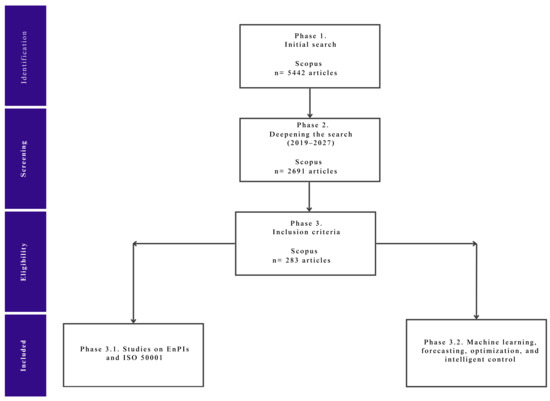
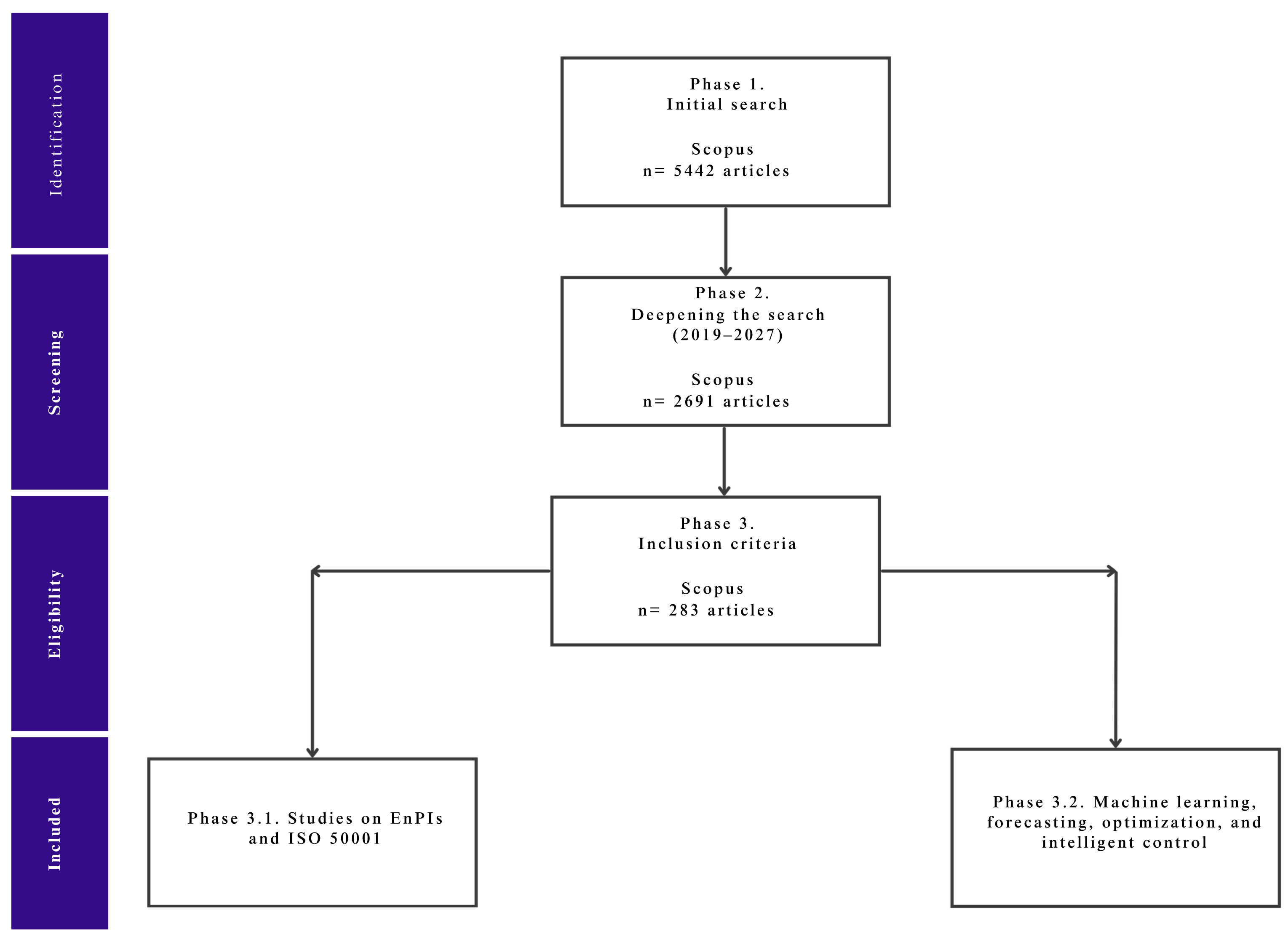
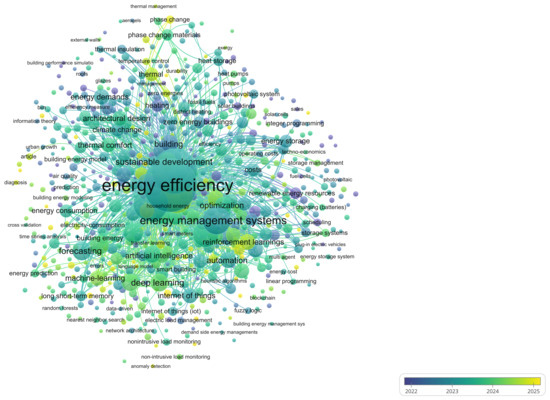
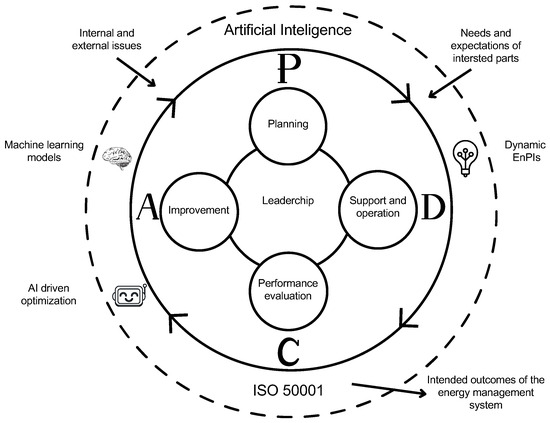
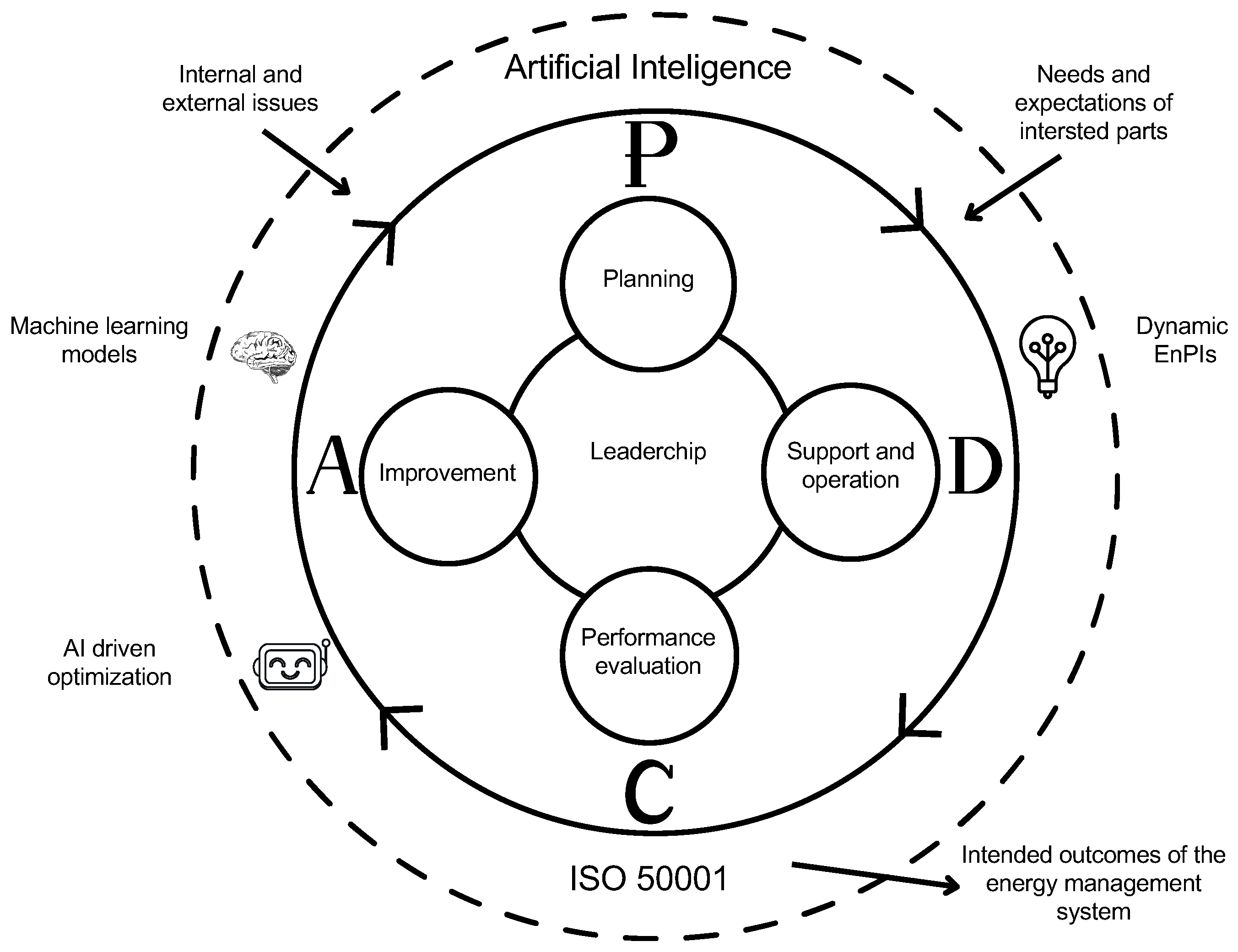
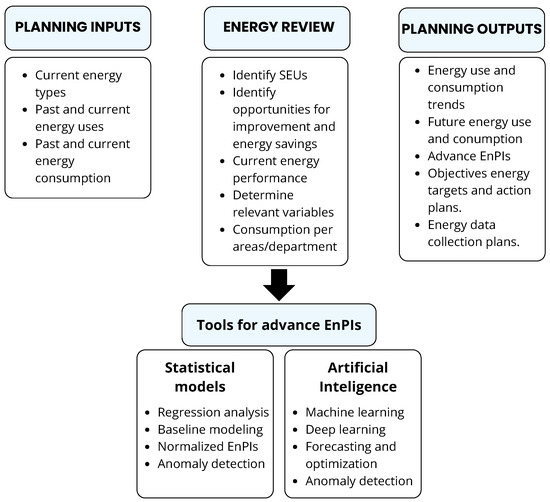
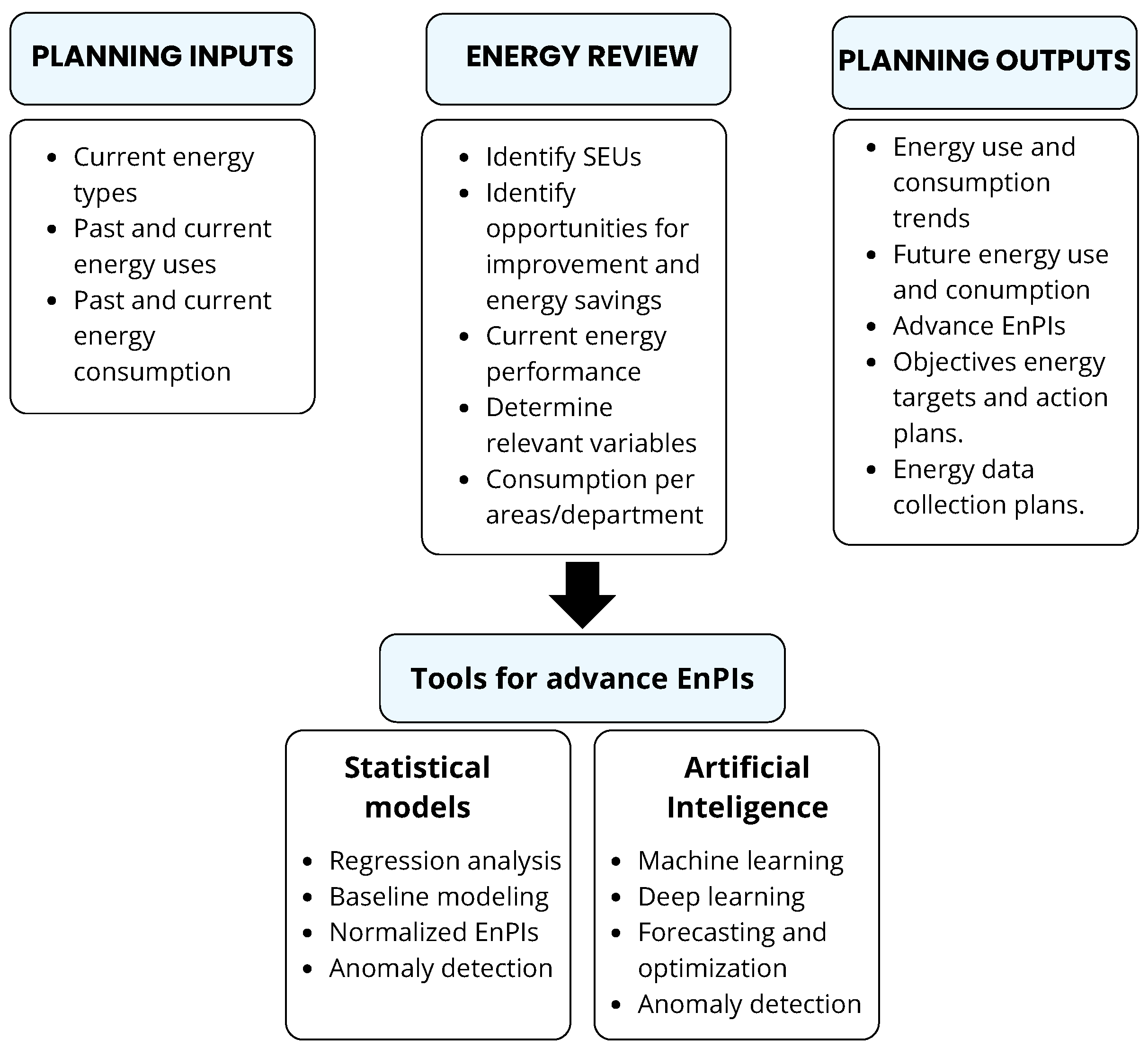
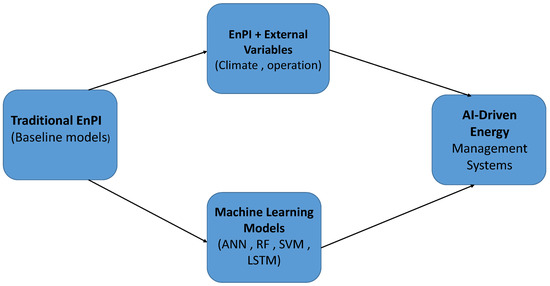
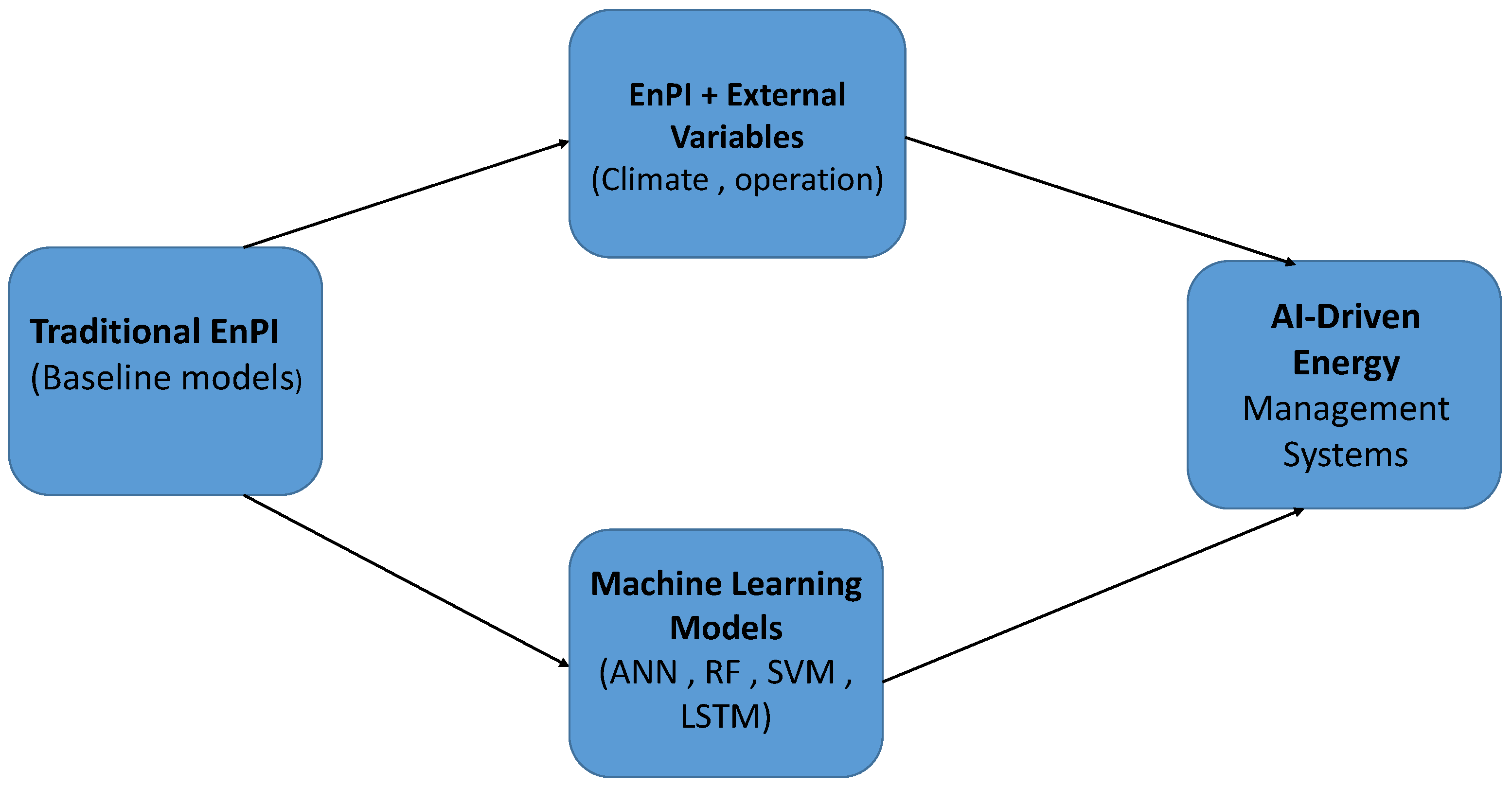
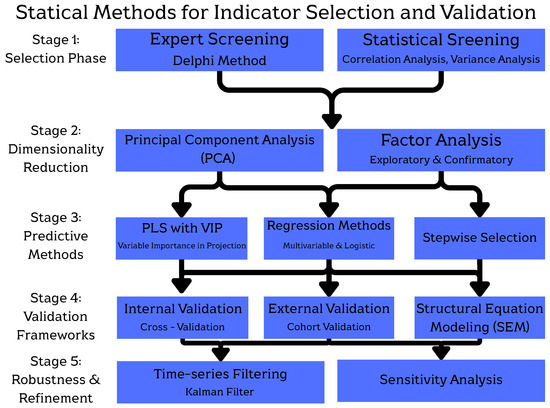
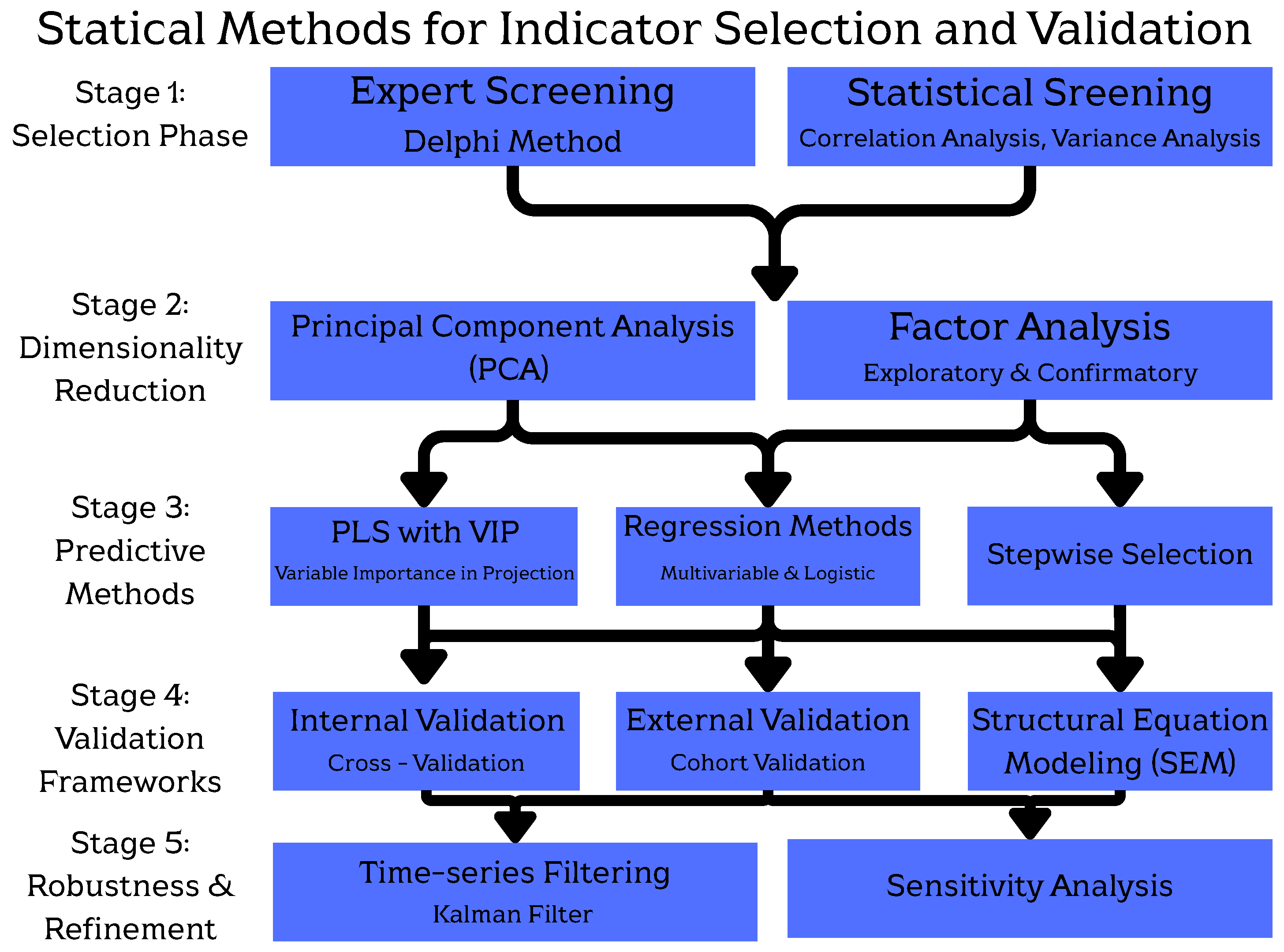
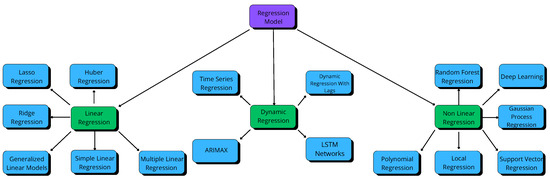
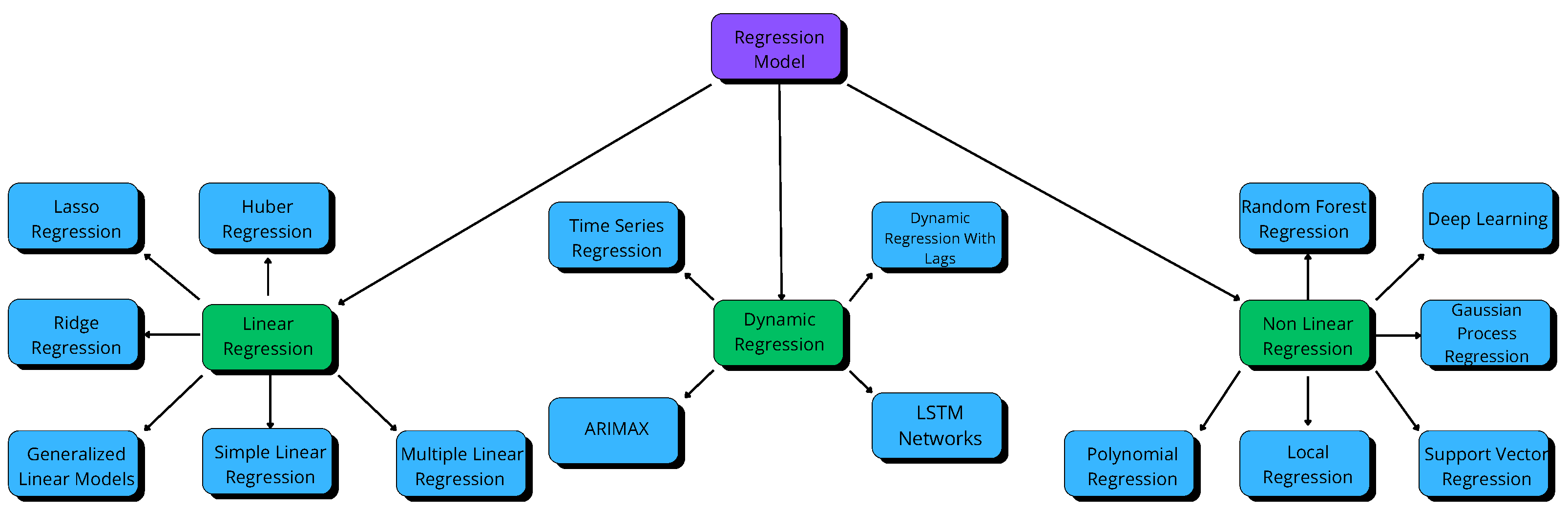
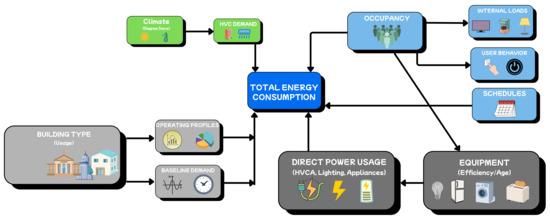
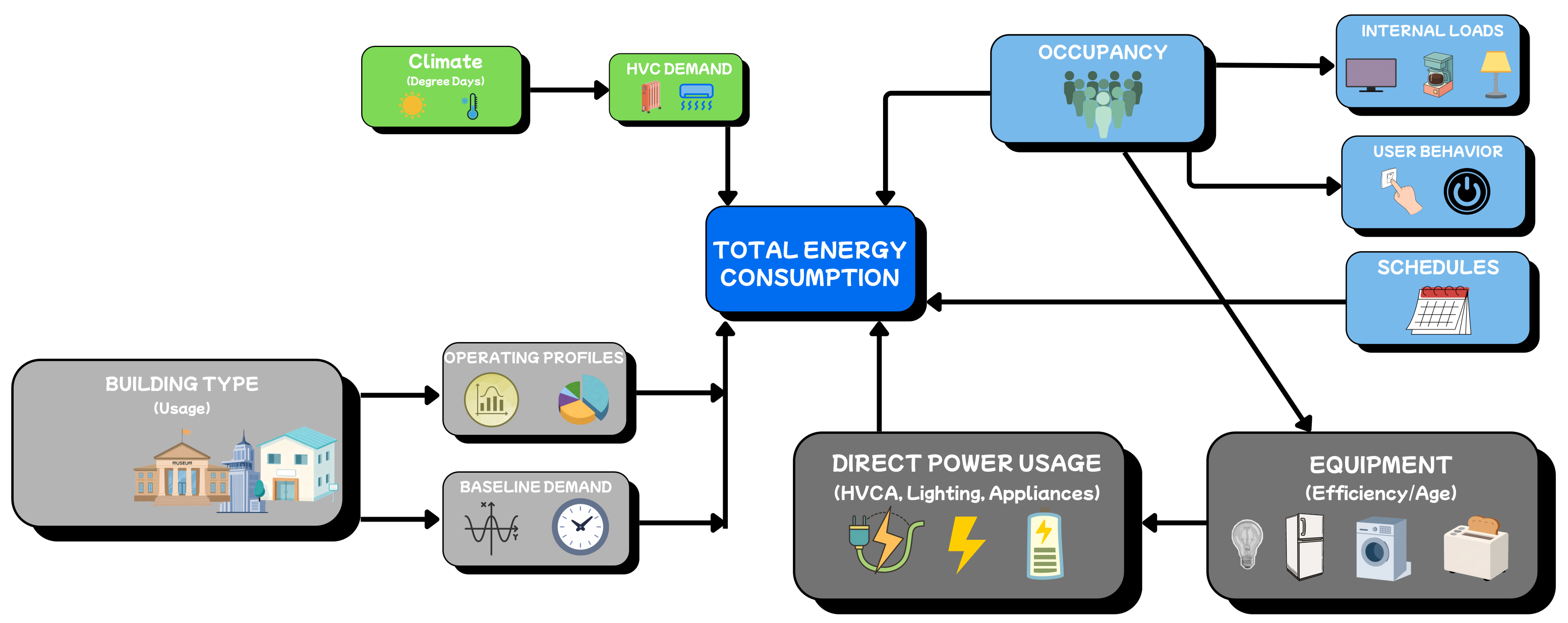
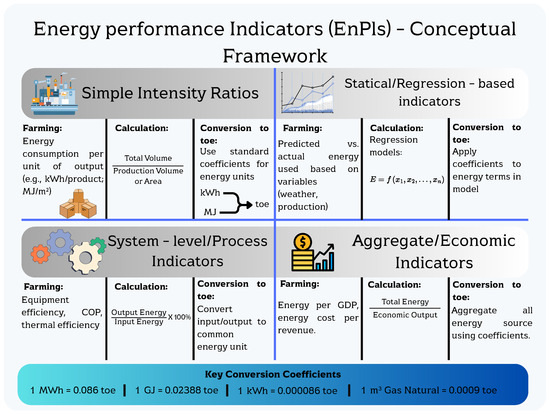
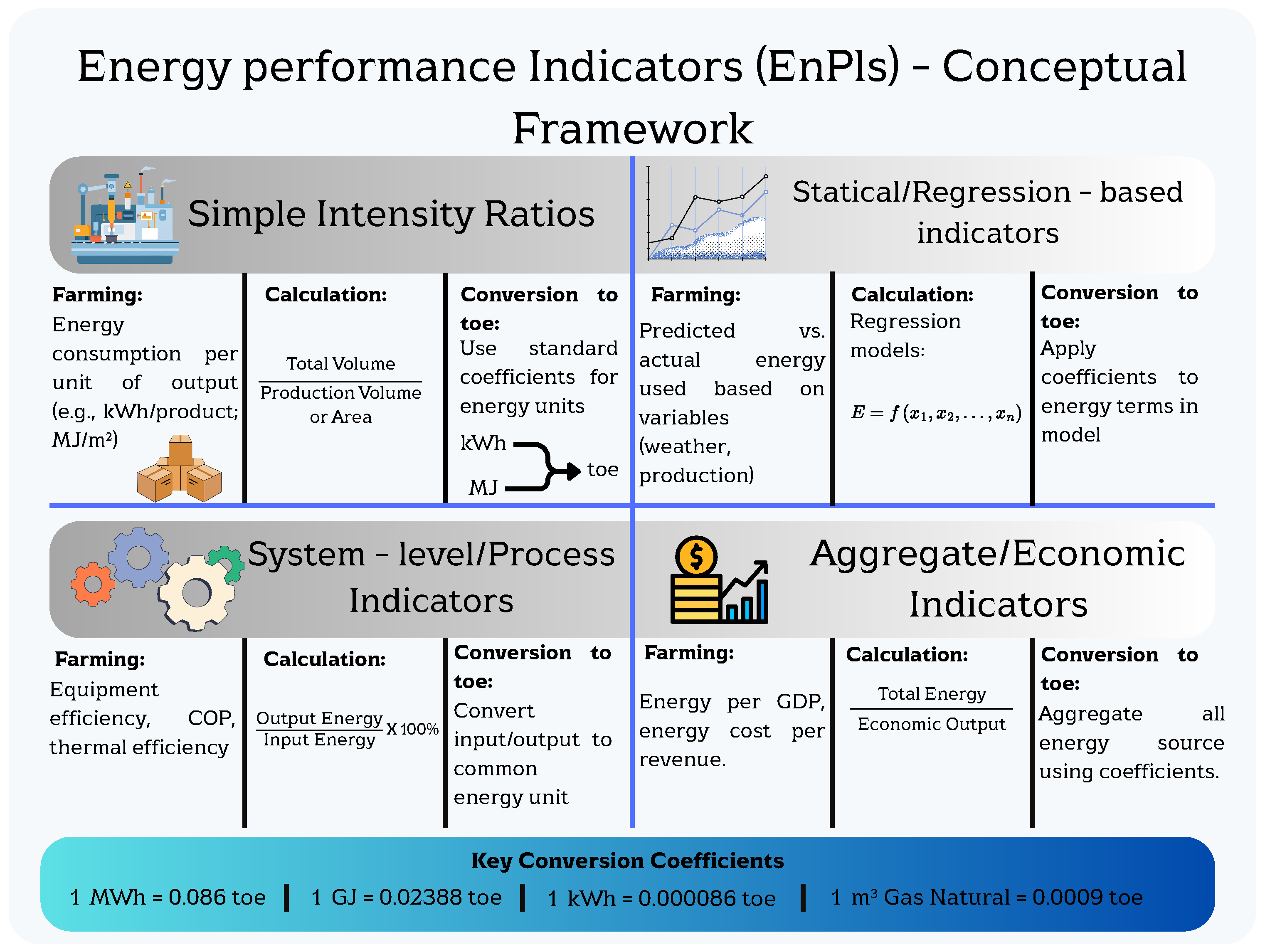


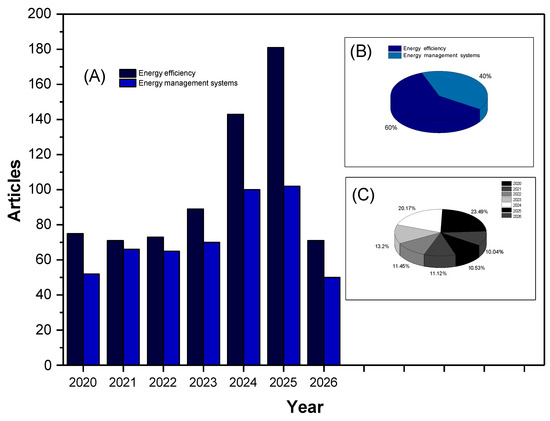
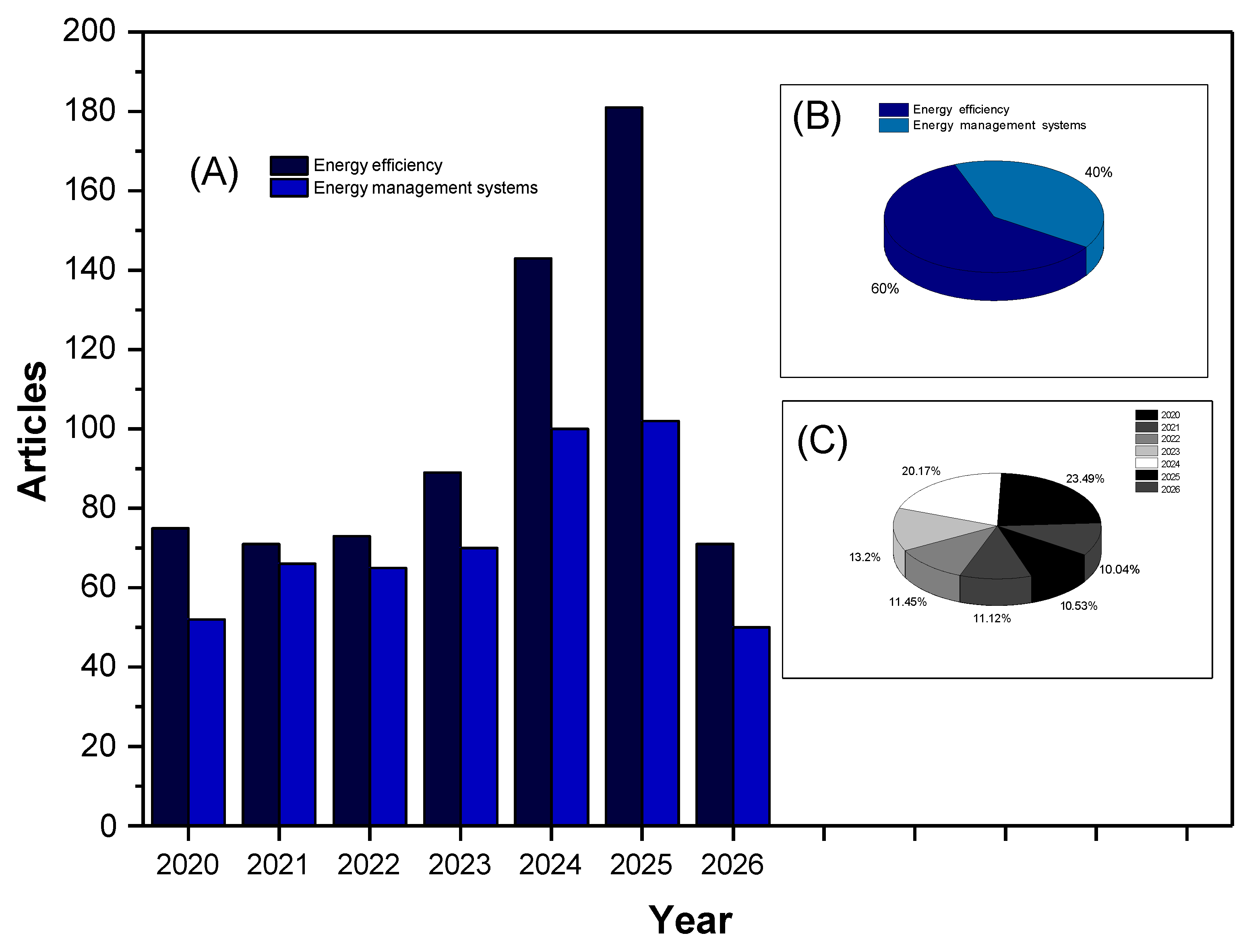
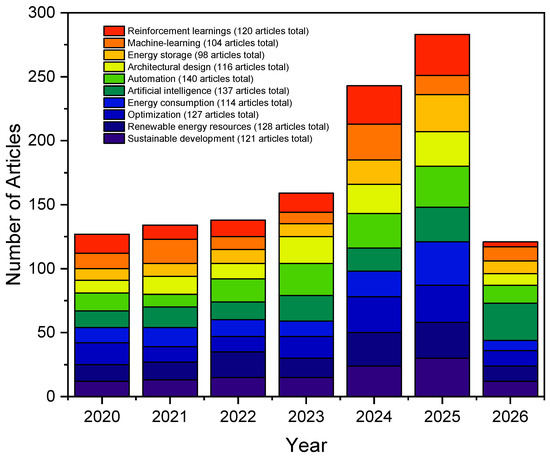
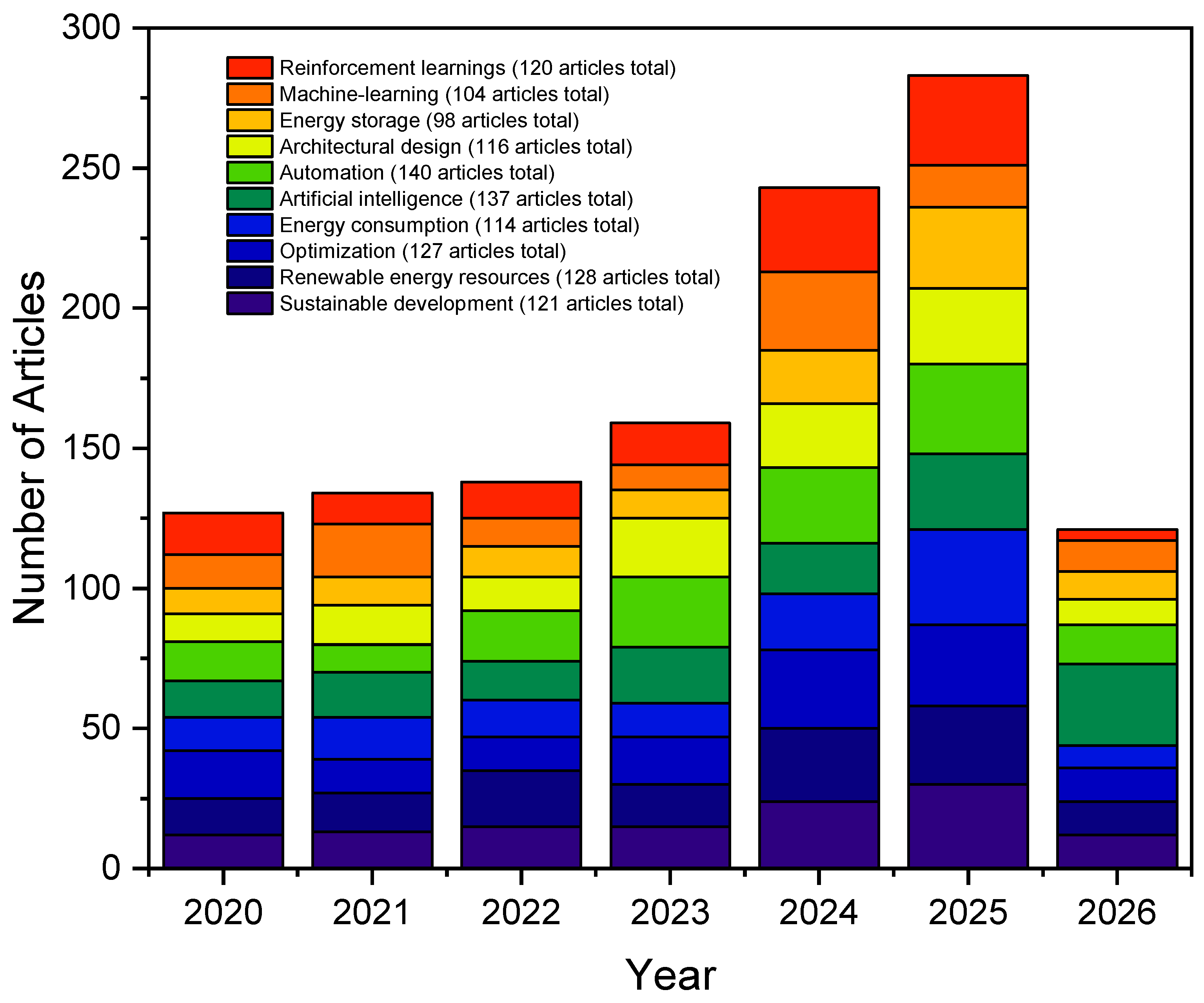

Disclaimer/Publisher’s Note: The statements, opinions and data contained in all publications are solely those of the individual author(s) and contributor(s) and not of MDPI and/or the editor(s). MDPI and/or the editor(s) disclaim responsibility for any injury to people or property resulting from any ideas, methods, instructions or products referred to in the content. |
© 2026 by the authors. Licensee MDPI, Basel, Switzerland. This article is an open access article distributed under the terms and conditions of the Creative Commons Attribution (CC BY) license.