


Abstract
Metaheuristic (MH) optimization methods are increasingly applied in medical artificial intelligence (AI), yet their methodological robustness, reproducibility, and clinical value remain insufficiently established. This prioritization-based critical review examines MH applications in medical AI and evaluates the methodological strength of the available evidence. Searches of Lens.org, PubMed, and Scopus covered publications from 1 January 2020 to 12 October 2026. From 24,741 retrieved records, 3631 unique records remained after filtering and deduplication. Automated ranking identified 399 high-priority records for manual screening, resulting in 169 eligible studies. These studies were descriptively appraised using a review-specific 13-criterion framework (maximum score: 28 points), applied after study selection and not used as an eligibility or exclusion threshold. The studies addressed medical-image analysis, disease diagnosis, risk prediction, signal processing, feature selection, segmentation, and clinical decision support. Particle swarm optimization (PSO), whale optimization algorithm (WOA), grey wolf optimizer (GWO), and genetic algorithms (GA) were among the most frequently used methods. Research activity increased substantially, with 84 studies (49.70%) published during 2025–2026. Although many studies reported improved predictive performance or computational efficiency, methodological weaknesses persisted. Among the 169 included studies, explicit consideration of data leakage was reported in 6 studies (3.55%; 95% CI: 1.64–7.53%), statistical testing in 41 (24.26%; 95% CI: 18.4–31.2%), multiple-run stability assessment in 45 (26.63%; 95% CI: 20.54–33.76%), computational cost reporting in 50 (29.59%; 95% CI: 23.22–36.86%), and explainability methods in 31 (18.34%; 95% CI: 13.23–24.86%). Overall, MH optimization shows potential for feature selection, dimensionality reduction, hyperparameter tuning, and hybrid medical AI development. However, current evidence does not establish consistent superiority over conventional methods or widespread clinical applicability. Future studies should emphasize leakage-resistant validation, statistical comparisons, stability assessment, computational transparency, explainability, reproducibility, and independent external validation to support reliable clinical translation.
1. Introduction
Artificial intelligence (AI) has become an important component of modern medical data analysis and is increasingly being used across different healthcare sectors worldwide. It has provided valuable support for a range of applications, including disease diagnosis, prognosis, risk prediction, medical image interpretation, and clinical decision-making across modalities including X-ray, CT, MRI, ultrasound, histopathology, retinal imaging, and electrocardiographic (ECG) signals [1,2,3,4]. The rapid growth of electronic health records, medical imaging, radiomics, genomics, and multimodal biomedical data has created opportunities for developing more sophisticated AI systems [5,6,7,8,9]; however, it has also introduced several challenging optimization problems. Medical datasets are often high-dimensional, heterogeneous, imbalanced, noisy, and limited in size, while modern AI models involve numerous hyperparameters and architectural configurations [10,11,12,13,14]. Therefore, improving the performance of medical AI requires more than simply selecting a powerful learning model. The model must also be able to generalize well across different datasets and medical modalities [15]. In addition, selecting informative data representations, optimizing model configurations, and controlling model complexity are important factors that should be considered when developing an effective and reliable AI framework for healthcare.
To address such complex search problems, metaheuristic (MH) optimization has increasingly been investigated as a flexible optimization strategy in medical AI. Evolutionary, swarm-based, physics-inspired, and other population-based strategies can search discrete, continuous, nonlinear, multimodal, and combinatorial spaces without requiring differentiable objective functions [16,17,18,19,20,21,22,23,24,25]. In medical AI, MH methods have consequently been applied to feature selection, hyperparameter optimization, medical image segmentation, model selection, ensemble construction, and other optimization tasks [26,27,28,29,30,31,32,33]. Recent studies have increasingly integrated MH methods with machine learning and deep learning rather than using them as independent predictive models, suggesting that their principal role is better understood as an optimization layer within the medical AI pipeline. For example, a review conducted by Houssein et al. [34] reported the integration of MH and AI in healthcare, where feature selection across medical imaging and disease datasets was the main focus. At the same trend, the role of PSO in medical applications that has been used for feature selection, hyperparameter tuning, and segmentation was summarized in [35]. This review identified that only 23% of the reviewed studies reported complete parameter configurations. Moreover, the rapid growth of toward MH strategies in medical AI systems has shown many methodological gaps. It was reported that the number and diversity of these strategies have increased to more than 150 algorithms between 2019 and 2024 [36]. The continuous development in this trend allows us to question whether these proposed novel methods have consistently translated into meaningful optimization improvement. It is not sufficient to consider a study as reliable and having clinical value based only on higher accuracy on a single dataset. Additionally, several studies suffer from weak baselines, different experimental protocols, limited repetitions, or no external validation. Recent methodological studies have highlighted incomplete methodological reporting, limited reproducibility, and inconsistent statistical evaluation as continuing concerns in metaheuristic research [37,38,39].
These concerns are particularly important in medical AI because optimization performance and clinical usefulness are not equivalent. An MH algorithm may identify a feature subset or model configuration that improves performance on an internal validation set while failing to generalize to another institution, imaging device, patient population, or acquisition protocol [40]. Data leakage during feature selection or hyperparameter optimization can further produce overly optimistic estimates of performance [41,42]. Therefore, evaluation of MH-based medical AI should consider not only predictive metrics but also validation design, external generalization, robustness to distribution shift, computational cost, reproducibility, calibration, and clinical utility [43,44]. Recent trustworthy-AI guidance further emphasizes the importance of fairness, universality, traceability, usability, robustness, and explainability throughout the medical AI lifecycle, from development and validation to deployment and monitoring [45].
The research landscape is also changing rapidly beyond traditional uses of machine learning and feature selection. Deep convolutional networks, vision transformers [46,47], multimodal models, and foundation models, in particular, have given rise to new optimization problems, which include architecture choice, hyperparameter tuning, modality weighting, fusion, adaptation, and resource allocation [48]. Meanwhile, medical AI is increasingly being asked to operate across heterogeneous institutions and data distributions, while preserving privacy, and ensuring interpretability [49,50]. These trends suggest that the role of MH optimization should be judged not only in terms of improving classification accuracy, but also based on what is optimized, where, what it costs, how reliably the improvement can be achieved, and whether it enhances clinically meaningful AI performance [51,52,53].
Recent reviews have explored the use of MH algorithms in healthcare from different viewpoints, such as disease classification, feature selection, medical imaging, e-health applications, and integration with machine learning [12,54,55]. However, these reviews have generally focused on particular algorithms, optimization tasks, or application areas. Recent evidence also shows that inadequate methodological reporting, a lack of external validation, concerns regarding computational efficiency, and inconsistent evaluation are still common in studies on medical AI optimization [11,34,35,36]. Because of these limitations, it is difficult to determine whether the improvements reported actually represent a reliable advantage of MH optimization or are merely due to the particular characteristics of the dataset and the experimental conditions. For this reason, an updated critical appraisal is needed in order to gain a better understanding of the growing range and diversity of MH optimization’s role in medical AI.
This review considers MH optimization in a broader medical AI pipeline, which includes data preprocessing, feature and representation selection, hyperparameter optimization, model and architecture search, segmentation, multimodal learning, and decision optimization, among others. More importantly, it also evaluates the evidence for the improvements reported by critically analyzing baseline choices, optimization stability, computational complexity, leakage-aware validation, external testing, robustness, reproducibility, explainability, privacy, and clinical translation.
As such, this review provides a critical synthesis of studies published mainly between 2020 and 2026, with the goal of addressing not only what MH techniques have been applied to medical AI, but also when, why, and under what conditions, metaheuristic optimization has a scientifically defendable advantage over other alternatives. It explores and discusses different methodologies, including multi-objective optimization, trustworthy AI, multimodal learning, automated machine learning, and foundation-model-based medical systems. This review aims to establish a more rigorous framework for evaluating the role of metaheuristics in medical AI to assess their clinical and methodological value.
1.1. Contributions
This review differs from previous ones by evaluating metaheuristic optimization as a methodological component of medical AI rather than primarily cataloguing individual algorithms and disease applications. The review focuses on studies published between 2020 and 2026 and addresses the following research questions:
1.2. Research Questions
- How are metaheuristic optimization methods being applied across different stages of the medical AI pipeline?
- How effective are MH methods for feature and representation selection across different types of medical data?
- How are MH methods used to optimize machine-learning, deep-learning, transformer-based, multimodal, and emerging medical AI models?
- To what extent do MH-optimized medical AI systems demonstrate reproducibility, robustness, and generalization beyond the datasets used for optimization?
- How rigorously are MH-based medical AI studies evaluated in terms of baseline selection, data leakage, validation strategy, statistical testing, computational cost, and reproducibility?
- What are the major barriers and emerging opportunities for translating MH-optimized medical AI systems into trustworthy and clinically useful applications?
1.3. Principal Contributions
The principal contributions of this review are therefore to:
- Establish a task-oriented taxonomy of metaheuristic optimization across the medical AI pipeline;
- Synthesize recent evidence on MH-based feature selection, hyperparameter optimization, model and architecture optimization, segmentation, multimodal learning, and decision optimization;
- Critically compare MH approaches with established optimization alternatives rather than evaluating newly proposed algorithms in isolation;
- Assess the reproducibility, statistical rigor, computational efficiency, and validation quality of existing studies;
- Investigate the prevalence and implications of data leakage and inadequate generalization assessment in MH-based medical AI;
- Examine the transition from conventional ML and feature-selection applications toward deep learning, transformers, multimodal systems, and emerging foundation models; and
- Determine research avenues concerning robust, explainable, privacy-preserving, computationally efficient, and clinically generalizable metaheuristic optimization.
The remainder of this paper is organized as follows. Section 2 presents the background and relevant concepts related to metaheuristic optimization and its applications in medical artificial intelligence. Section 3 describes the review methodology, including the literature search strategy, study identification and selection process, eligibility criteria, and evidence-extraction framework. Section 4 presents the findings and discusses the characteristics of the included studies, the metaheuristic algorithms and medical domains investigated, optimization objectives, predictive performance, methodological practices, explainability, and clinical relevance. Section 5 discusses the main findings, research gaps, and implications for future research. Finally, Section 6 presents the conclusions and limitations of the review.
2. Background and Conceptual Framework
2.1. The Use of Metaheuristic Optimization in Artificial Intelligence for Medicine
Metaheuristic (MH) optimization involves a wide range of general-purpose search techniques that have been designed to find high-quality solutions to complex optimization problems in situations where it is impractical to carry out an exhaustive or exact search. Nowadays, MH methods are being more and more combined with machine learning (ML) and deep learning (DL) since many medical-AI problems entail large, nonlinear, discrete, or computationally intensive search spaces. Instead of replacing the basic learning model, a metaheuristic method can be employed as an optimization procedure to search for an appropriate configuration of the data, the model, the architecture, or the learning process [56,57,58].
A key feature of MH optimization is the need to strike a balance between exploration and exploitation. Exploration allows the search process to look at various areas of the solution space, while exploitation focuses the search on promising candidate solutions. It is important to keep the right balance between these two aspects since too much exploitation can lead to premature convergence and too much exploration can prevent the refinement of high-quality solutions [59,60,61,62]. This balance is especially important in the field of medical AI, as the search space may contain a large number of clinical, genomic, physiological, radiomic, or learned features, as well as a great many models and hyperparameter configurations.
The fact that MH methods are flexible also enables them to deal with optimization problems that are not easily dealt with by traditional gradient-based methods by making use of various search strategies [56,57,58,59,63]. Algorithms based on a population such as PSO, GWO, WOA, GA, and ACO make use of a range of mechanisms, but what unites them is their ability to efficiently explore a possibly large solution space. As a result, MH optimization can be incorporated into both standard ML pipelines and more complicated DL frameworks.
A major point of difference is between single-objective and multi-objective optimization. In a single-objective formulation, an optimization effort is directed at improving one particular criterion, whereas multi-objective optimization takes into account two or more objectives. Such objectives may involve predictive accuracy as well as modeling complexity, cost, dimensionality, calibration, or other requirements specific to medical AI applications. Frameworks associated with multi-objective evolutionary optimization and methods such as NSGA-II and Multi-Objective Particle Swarm Optimization provide a means of examining the trade-offs among conflicting objectives, rather than merely reducing the problem to a single performance metric [64,65,66,67].
The MH algorithms can also be altered or combined in order to enhance their search behavior. By hybridization, different mechanisms can be integrated, while adaptive or improved versions can include diversification, parameter adaptation, or other mechanisms that are intended to promote convergence and prevent stagnation [60,61,62,63,68]. Such developments represent an important feature of MH research: the optimization strategy itself can be adapted to the problem it is tackling.
In medical AI, therefore, MH optimization should really be considered as an optimization layer surrounding or embedded within an AI pipeline. Its significance is dictated not only by the choice of the optimizer but also the component to be optimized, the objective function to guide the search, and the manner in which the optimized system is evaluated. This is particularly relevant when assessing the reliability and reproducibility of the reported improvements.
2.2. Role of Optimization Within Medical-AI Pipelines
MH optimization can be employed at different levels of a medical-AI pipeline. At the data and feature level, MH methods can search for informative feature subsets, reduce dimensionality, and eliminate redundant or irrelevant variables. Feature selection can be particularly valuable in dealing with high-dimensional clinical, genomic, physiological, and imaging derived data, where it is possible that reducing the number of input variables while retaining predictive information can simplify the learning problem [56,57,58,69,70,71,72,73].
At the model and hyperparameter level, MH methods can search for suitable configurations of learning algorithms and their parameters. This includes optimization of classifier settings, learning parameters, ensemble configurations, and other hyperparameters associated with ML and DL models. Such optimization offers an alternative to manual or exhaustive parameter search, and is particularly relevant when several interacting parameters result in a large search space [57,74,75,76,77,78,79,80].
A further level is architecture and representation optimization, where the search pertains to the structure or the configuration of a neural model, rather than just its numerical parameters. MH and evolutionary approaches can be used to explore architectural components, network configurations, or representations within medical image and graph-based learning systems [38,60,68,81,82,83,84]. This expands the role of optimization from selecting the inputs to determining aspects of the computational structure through which those inputs are processed.
MH optimization may also operate at the task and pipeline level. In medical imaging, for example, optimization can be applied to segmentation thresholds, segmentation parameters, feature representations, or components of a segmentation network. Similar approaches can be incorporated into broader workflows involving preprocessing, detection, segmentation, feature extraction, classification, and prediction [59,68,85,86,87]. Thus, optimization is not necessarily confined to a single stage of the AI system.
These levels are not mutually exclusive. A single framework may combine feature selection with model optimization, or integrate architecture search with downstream prediction. Hybrid optimization provides one mechanism for coordinating multiple search strategies, including combinations of MH algorithms and integrations with Bayesian optimization, filter or wrapper methods, ensemble learning, and DL [58,70,75,81,88,89,90]. Likewise, multi-objective formulations can be applied at different levels when predictive performance must be considered together with complexity, computational efficiency, or other requirements [65,66,68].
This conceptual framework considers four principal optimization targets (data/features, models/hyperparameters, architectures/representations, tasks/pipelines), and views hybridization and multi-objective optimization as cross-cutting strategies (that can be operationalized across these targets). This avoids conflating what is optimized with how it is optimized.
The framework can also guide the organization of evidence synthesized in this review. Section 3 presents the current methodological strategies, including criteria for including and excluding studies, resulting in the final 85 included studies. Section 4 and Section 5 show and discuss the applications of MH optimization across medical domains, datasets, AI models, optimization objectives, and reported predictive performance, followed by an assessment of validation, robustness, reproducibility, statistical testing, computational efficiency, explainability, and clinical relevance. Section 6 discusses research gaps and future directions, and Section 7 and Section 8 present the limitations of this review and the concluding summary.
3. Review Methodology
This prioritization-based critical review examines recent applications of metaheuristic (MH) optimization in medical artificial intelligence. The literature search and selection process were designed to identify relevant research across several medical-AI applications and optimization tasks. Because of the large number of retrieved records, automated relevance ranking was used to prioritize records for detailed manual eligibility assessment. Accordingly, the selection process should be interpreted as a prioritization-based approach rather than exhaustive systematic screening of all retrieved records.
The search strategy was documented using database-specific search strings, filters, execution dates, and retrieval counts (Supplementary Tables S1–S5). The methodological approach comprised literature identification, duplicate removal, automated relevance prioritization, manual eligibility assessment, and structured evidence extraction and appraisal.
As illustrated in Figure 1, metaheuristic algorithms were mapped across key stages of the medical AI lifecycle, including preprocessing, feature selection, architecture design, hyperparameter tuning, and decision support.
Figure 1.
Metaheuristic optimization across the medical artificial intelligence lifecycle. The framework illustrates the principal stages at which metaheuristic algorithms may be integrated, including data preprocessing, feature selection, model and hyperparameter optimization, segmentation, ensemble construction, multimodal fusion, and clinical decision optimization.
3.1. Inclusion Criteria
Studies were eligible when they satisfied all of the following criteria:
- Publication period: the study was published between 1 January 2020 and 12 October 2026.
- Publication type: the study was a peer-reviewed research article corresponding to the applicable article-type classification in the search platform.
- Domain: the study used medical, clinical, healthcare, or biomedical data.
- Metaheuristic implementation: a recognizable metaheuristic, evolutionary, swarm-intelligence, or related population-based optimization method was actually implemented.
- AI/ML integration: the metaheuristic was integrated with an artificial-intelligence, machine-learning, deep-learning, or related computational methodology.
- Optimization role: the metaheuristic performed a defined optimization function, including feature selection, hyperparameter optimization, model or architecture optimization, segmentation optimization, ensemble weighting or construction, multimodal fusion, or decision-support/clinical-decision optimization.
- Experimental evidence: the publication reported quantitative experimental results sufficient to assess the role or contribution of the optimization procedure.
- Methodological accessibility: sufficient methodological information was available to determine what was optimized, how the metaheuristic was implemented, and how performance was evaluated.
The review did not require a particular metaheuristic family. Recognized evolutionary, swarm-based, population-based, nature-inspired, stochastic, and related metaheuristic optimization approaches were considered when they were genuinely used as optimization procedures within the medical-AI pipeline.
3.2. Exclusion Criteria
Records were excluded when they met one or more of the following conditions:
- the study was outside the medical, clinical, healthcare, or biomedical scope;
- the metaheuristic was mentioned only as background, related work, or a possible future method rather than actually implemented;
- an apparent MH match resulted only from an ambiguous abbreviation or unrelated terminology;
- the study was theoretical or methodological without an applicable medical-AI experiment;
- the study did not integrate the optimization procedure with an AI/ML/DL or related computational medical methodology;
- no clearly identifiable optimization objective was present;
- quantitative experimental evidence was insufficient to evaluate the reported approach;
- the publication was a conference abstract, editorial, letter, commentary, brief communication, or other non-research publication excluded by the predefined publication criteria;
- the publication was a secondary review rather than an original research study; or
- the required methodological information could not be established from the accessible publication.
Preprints that have not undergone the peer-review process were not included.
3.3. Search Strategy
The literature search covered three bibliographic sources: Lens.org, PubMed, and Scopus. Searches targeted publications dated from 1 January 2020 to 12 October 2026. Four complementary search components were used to capture: (A) core MH optimization methods applied to medical AI; (B) optimization across the medical-AI pipeline; (C) MH applications in medical imaging; and (D) methodological issues relating to generalization, robustness, validation, and reproducibility. These components were designed to broaden coverage while accommodating differences in terminology across research areas.
Database-specific syntax and field restrictions were applied. PubMed searches used title and abstract fields, Scopus searches used TITLE-ABS-KEY, and Lens.org searches used the fields specified for each executed query. The complete search strings, filters, execution dates, and component-level retrieval counts are reported in Supplementary Table S1.
The results from all four components and all three sources were consolidated into a single dataset. Because the search components overlapped in their terminology and coverage, their retrieval counts represent component-level retrievals rather than unique records. The combined retrieval total was 24,741. Following publication-type filtering, 16,682 records remained. Deduplication removed 13,051 records, leaving 3631 unique records for automated relevance ranking and subsequent study selection. The detailed filtering, deduplication, prioritization, and assessment results are reported in Supplementary Tables S2 and S3.
3.4. Study Identification, Publication-Type Filtering, and Duplicate Removal
The retrieved records were first consolidated into a single bibliographic dataset. A publication-type filter was subsequently applied to retain records classified as research articles according to the search platform’s publication-type categories.
The initial search returned 24,741 records as summarized in Table S1. The publication date was restricted to the period from 1 January 2020 to 12 October 2026. The publication-type filter, which retained records classified as articles, excluded 1379 records from Lens.org, 5439 from Scopus, and 1241 from PubMed, leaving 16,682 records for duplicate checking and subsequent relevance assessment.
Duplicate detection was performed in a sequential manner, giving priority to persistent identifiers. The DOI, PMID, and PMCID items were checked in this order. When study records did not contain a reliable identifier, normalized titles were created. Differences in capitalization, punctuation, whitespace, and other minor textual variations were standardized before comparison. Overall, 13,051 duplicate records were identified and removed:
- 11,512 DOI duplicates;
- 680 PMID duplicates;
- 0 PMCID duplicates; and
- 859 normalized-title duplicates.
After duplicate removal, 3631 unique records remained for relevance assessment, as illustrated in Figure 2.
Figure 2.
The distribution of the studies by year (2020–2026) after deduplication was performed.
3.4.1. Automated Relevance Ranking and Candidate Prioritization
Following deduplication, 3631 records remained for screening. Given the size and diversity of the retrieved literature, we used a Python 3.9-based text-ranking procedure to help prioritize records for detailed manual review. The procedure considered information from the title, abstract, keywords, and bibliographic fields and examined five aspects of relevance: (1) whether a metaheuristic optimization method was identified, (2) whether there was evidence that the method had been implemented, (3) whether the study addressed a medical or biomedical application, (4) whether the method was combined with AI, ML, or DL, and (5) whether the optimization had a clearly defined role, such as feature selection, hyperparameter tuning, architecture optimization, segmentation, ensemble construction, or multimodal fusion.
Based on these factors, each record received a composite relevance score and was assigned to one of four priority tiers: Tier 1 (high priority, n = 399), Tier 2 (intermediate priority, n = 559), Tier 3 (medium priority, n = 452), and Tier 4 (low priority, n = 2221).
The ranking was used only to organize the screening workload and was not treated as an eligibility decision. Automated text analysis cannot reliably determine whether a metaheuristic algorithm was actually implemented, particularly when algorithm abbreviations are used without sufficient methodological detail. It also cannot establish whether the underlying dataset meets all of the predefined eligibility requirements. Tier 1 records were selected for detailed manual eligibility assessment. Records assigned to Tiers 2–4 were retained as lower-priority records and were not automatically classified as ineligible.
As a check on the ranking procedure, 100 records were randomly selected from the lower-priority tiers and reviewed using their titles, keywords, and abstracts. Four of these records appeared potentially relevant to the review. This exercise showed that some relevant studies could receive a lower priority when their abstracts provided limited information about the methodological contribution. Consequently, records assigned to the lower-priority tiers were not regarded as confirmed exclusions on the basis of the automated ranking alone.
3.4.2. Manual Eligibility Verification
The 399 Tier 1 records were then assessed manually. Screening was based primarily on the title, abstract, and keywords, with the full text consulted whenever the available information was insufficient to make an eligibility decision.
A study was considered eligible only when all of the following conditions were met:
- a metaheuristic optimization algorithm was actually implemented;
- the study used medical, clinical, healthcare, or biomedical data;
- the optimization method was integrated with an AI, ML, DL, or related computational approach;
- the purpose of the optimization was clearly defined; and
- enough methodological information was provided to allow evidence extraction and subsequent assessment.
When a record held only an algorithm abbreviation, such as WOA, ABC, or DE, additional methodological information was searched to confirm whether the algorithm had actually been used in the study. Studies were excluded when the metaheuristic was mentioned only as background or related work. Similarly, various studies were excluded when MH methods were not implemented, used a nonmedical dataset, or failed to meet other predefined publication criteria.
Generally, only 169 studies out of 399 Tier 1 were eligible and then selected, while 230 were excluded.
3.5. Structured Evidence Extraction and Methodological Appraisal
The 169 eligible studies underwent structured evidence extraction and methodological appraisal using a review-specific 13-criterion framework, as illustrated in Figure 3 and presented in Table 1. The framework was designed to characterize methodological practices, reporting completeness, reproducibility, and potential clinical relevance across the included studies.
Figure 3.
Framework for the 13-criterion methodological and evidence assessment applied to the 169 eligible studies.
Table 1.
Critical evidence and methodological assessment framework.
The 13 criteria covered the identification and description of the metaheuristic (MH) algorithm, medical dataset, and AI model; baseline comparisons; optimization stability; statistical testing; validation strategy; external or independent validation; data leakage prevention; computational cost; code and data availability; explainability; and clinical relevance. These criteria were selected to capture both the technical implementation of MH optimization and the strength of the supporting experimental evidence.
As presented in Table S5, the 13 criteria were operationalized as extraction fields to facilitate consistent data collection across the included studies. The extracted information included the MH algorithm, dataset characteristics, AI model, reported performance, validation procedures, statistical analyses, stability assessments, computational measures, and explainability methods. For each criterion, relevant evidence was extracted and categorized according to the predefined assessment and coding procedures.
The criteria were weighted according to their methodological importance, with maximum scores of 2 or 3 points per criterion, resulting in a maximum possible score of 28 points (Table 1). The total evidence score for each study (j) was calculated as:
where qij represents the score assigned to criterion (i) for study (j), and Qtotal represents the total score for that study.
The 13-criterion appraisal was conducted after the eligibility assessment and was used exclusively to characterize and compare the methodological and reporting evidence of the included studies. It did not serve as an eligibility threshold or exclusion criterion, and no study was excluded based on its total appraisal score or individual criterion scores. Accordingly, criterion-level findings were examined across all 169 included studies, independently of their aggregate appraisal scores, to avoid circularity when interpreting the prevalence of methodological and reporting limitations.
The resulting scores provided a structured basis for comparing the completeness of methodological and reporting evidence across studies. However, the framework was developed specifically for this review and was not intended to function as a validated risk-of-bias instrument or a formally validated measure of study quality. Therefore, individual criterion-level findings were also examined separately to avoid relying exclusively on aggregate scores when interpreting methodological strengths and limitations.
3.6. Critical Handling of Lower-Priority Records
Of the 3631 deduplicated records, 3232 were assigned to Tiers 2–4 and did not undergo the same detailed manual assessment as the 399 Tier 1 records. They were therefore not counted as individually confirmed exclusions.
The random assessment of 100 lower-priority records from Tiers 2–4 identified four studies that appeared potentially relevant. This result showed that the automated ranking could place potentially relevant studies in lower-priority groups when their methodological contribution was not clearly described in the title or abstract. We therefore treated this finding as a limitation of the machine-assisted prioritization approach rather than as evidence for excluding lower-priority records.
3.7. Study-Selection Flow
The overall study-selection process is presented in Figure 4. The initial search retrieved 24,741 records. After applying the publication-type filter, 16,682 records remained. Deduplication removed 13,051 records, resulting in 3631 unique records.
Figure 4.
Overview of the complete study-selection process, including study identification, screening, eligibility assessment, methodological assessment, and final inclusion.
The automated relevance-ranking procedure identified 399 records as Tier 1 and selected them for detailed manual eligibility assessment. Of these, 169 met all predefined eligibility criteria, whereas 230 were excluded. The 169 eligible studies were subsequently evaluated using the 13-criterion methodological assessment.
4. Results
4.1. Characteristics of the Included Studies
The final 169 included studies show the use of metaheuristic (MH) optimization in medical artificial intelligence (AI) and related healthcare applications, as summarized in Tables S4 and S5. These studies covered a broad range of medical prediction and decision-support tasks, including medical-image classification and segmentation, disease diagnosis, clinical risk prediction, feature selection, hyperparameter optimization, biomarker discovery, physiological-signal analysis, and some IoT applications. Table S5 summarizes the methodological and translational characteristics of the included studies. Thirteen methodological criteria were used to characterize each study.
As shown in Figure 5, the publication distribution indicates an overall increase in research on MH optimization in medical AI between 2020 and 2026. Among the 169 studies with identifiable publication years, four were published in 2020, eight in 2021, 15 in 2022, 30 in 2023, 28 in 2024, 51 in 2025, and 33 in 2026. Notably, 84 studies (49.70%) were published during 2025–2026, while 112 (66.27%) appeared between 2024 and 2026. This concentration of publications in recent years, particularly the peak observed in 2025, indicates growing research interest in applying MH optimization techniques to medical AI systems.
Figure 5.
Annual distribution of the 169 eligible studies (2020–2026) selected for the final evidence base.
The included studies demonstrated substantial variation in methodological complexity. Some employed a single MH algorithm for feature selection or hyperparameter optimization, whereas others proposed hybrid or multi-stage frameworks combining two or more optimization strategies with machine-learning (ML) or deep-learning (DL) models. Examples include PSO–GWO for diabetes prediction [56], GA–WOA for medical-image diagnosis [88], SA–PSO for lung computer-aided diagnosis [91], GWO–WOA combined with BPSO for lung-cancer classification [80], and AO–HHO for brain-tumor classification [83]. Other studies evaluated multiple MH algorithms within a common experimental framework to compare their convergence behavior, stability, and predictive performance [63,92,93,94,95].
4.2. Metaheuristic Algorithms and Their Roles in Medical AI
The 169 included studies employed a diverse range of metaheuristic (MH) algorithms, with Particle Swarm Optimization (PSO), Whale Optimization Algorithm (WOA), Genetic Algorithm (GA), and Grey Wolf Optimizer (GWO) among the most frequently represented methods. Other approaches included Harris Hawks Optimization (HHO), Ant Colony Optimization (ACO), and several less frequently investigated or recently developed algorithms. These methods were applied across different medical-AI tasks, with their roles varying according to the characteristics of the datasets and the optimization requirements.
PSO was primarily employed for feature selection, dimensionality reduction, hyperparameter optimization, and hybrid optimization. For example, a hybrid PSO–GWO framework was used to reduce feature dimensionality and optimize traditional classifiers for diabetes prediction [56]. Binary PSO (BPSO) was also applied to EEG classification, reducing the feature space while maintaining predictive performance [96]. Other studies combined PSO with algorithms such as WOA, GWO, and HHO to improve search performance and support feature selection or model optimization [71,80,97,98,99].
Like PSO, WOA is considered another major optimization family. It has been used for feature selection, hyperparameter tuning, deep-learning optimization, and hybrid medical-image analysis. Examples include WOA-based thyroid-cancer classification [100], WOA-based multiple-sclerosis classification [101], WOA-enhanced pancreatic-tumor detection [102], and WOA-based lung computer-aided diagnosis [91]. In the collected studies, many modified or hybrid versions of WOA were proposed to improve convergence, search diversity, or computational efficiency [82,100,103].
Moreover, the GWO and GA algorithms have been implemented across different medical-AI tasks. GWO was incorporated into hybrid frameworks for feature selection or hyperparameter optimization, including lung cancer classification [80] and healthcare/IoT applications [104,105]. Similarly, GA was used for feature selection, architecture or hyperparameter optimization, and SNP (Single Nucleotide Polymorphism) selection. Particularly, GA-based approaches were applied to clinical EHR data [67], breast cancer and biomarker analysis [106], genetic-risk assessment [107], and dengue prediction [108]. The dengue study applied GA for feature selection and a Generative Adversarial Network (GAN) for class balancing, resulting in a test accuracy of 99.49% and an AUC of 99.64% [108].
Beyond these established algorithms, the reviewed studies introduced or adopted modified, adaptive, and hybrid MH approaches to address limitations in conventional search strategies. Examples include the Dynamic Coati Optimization Algorithm [109], Extended Exploration PSO [85], Dynamic Adaptive Guided IVY [110], improved Firefly Algorithm [92], Dynamic Candidate Solution Boosted Beluga Whale Optimization [94], and WaOA-MRFO [111]. These approaches incorporated different search mechanisms intended to improve exploration and exploitation, reduce premature convergence, maintain population diversity, or lower computational requirements.
As summarized in Table 2, PSO and WOA were among the most frequently used algorithms, followed by GA and GWO. The use of hybrid MH approaches also demonstrated the interest in combining complementary optimization mechanisms within a single framework. However, the algorithms were applied to heterogeneous optimization objectives and experimental settings. Differences in search-space representation, parameter settings, stopping criteria, and integration with downstream ML or DL models limit direct comparisons of their effectiveness across studies.
Table 2.
Distribution of MH algorithms and hybrid combinations.
4.3. Medical Domains, Datasets, and AI Models
The evidence base encompassed a wide spectrum of medical domains. As summarized in Table 3, clinical and tabular datasets represented the largest category, accounting for 69 studies, followed by medical imaging datasets (55 studies), EEG, neurological, and physiological signals (14 studies), genomic and molecular data (12 studies), multiple or heterogeneous datasets (10 studies), and healthcare-related IoT and activity data (6 studies). Three additional studies used datasets or modalities that could not be confidently assigned to these categories.
Table 3.
Medical domains and dataset types.
Medical imaging was one of the major application areas, encompassing MRI, CT, X-ray, ultrasound, histopathology, retinal imaging, dermoscopy, optical coherence tomography (OCT), and medical-image segmentation. The investigated conditions included brain tumors, Alzheimer’s disease [112,113,114,115], pancreatic tumors [102], lung cancer [80,91,116], breast cancer [56,106,117,118], thyroid disease [100,119], skin cancer [120,121], cardiovascular disease [82,122,123], COVID-19 [58,93,98,103,124,125,126], diabetic retinopathy [127], and other conditions [65,68,85,109]. Several studies also evaluated multiple imaging datasets or tasks. For example, a multi-objective neural architecture-search framework investigated six medical-image segmentation datasets [68]. Other studies examined Alzheimer’s disease and brain-tumor datasets using Extended Exploration PSO and DeepLabV3+ [85], pancreatic CT images using a WOA-based graph approach [102], and multiple brain-tumor MRI datasets using optimized deep-learning architectures [60]. The use of multiple datasets in some studies provided opportunities to evaluate model performance across different data sources and tasks.
Clinical, tabular, and electronic health record (EHR) datasets formed the largest dataset category, with 69 studies. These studies addressed a variety of prediction and diagnostic problems, including diabetes [56], heart disease [111,128], PCOS [129], respiratory infections [67,130], STEMI [87], dengue [108], ARDS [67], AWVs data [90], Parkinson’s disease [131], and MIMIC-IV-based clinical prediction tasks [132]. Some studies used relatively large clinical cohorts. For example, the AWV study included 2518 patients and 53 clinical attributes [90], while the acute myocardial infarction (AMI) study analyzed a retrospective cohort of 2084 patients [62]. The MIMIC-IV study further demonstrated the application of MH-based feature selection to critical-care data [132].
Another application area involved EEG and other physiological signals, including epilepsy, neuropathic pain, stress during sleep, and neurological disorders [96,99,114,133,134]. The role of MH optimization in these studies is to reduce the high-dimensional features while preserving informative features. For instance, the BPSO-based EEG study reported an accuracy of 98.4% while reducing dimensionality by 75% and computational time by 47% [96].
Furthermore, genomic and molecular applications represent significant categories within the medical field. Numerous studies have been conducted in these areas, covering topics such as cancer gene-expression data [73], biomarker discovery [106], SNP selection [107], molecular-network analysis [117], and genomic prediction [135]. Although these studies employed various optimization techniques, their clinical applications have varied considerably. In particular, a distinction should be made between genomic prediction studies utilizing non-human datasets and direct, patient-level medical-AI applications [135].
On the other hand, various MH methods have been implemented in numerous machine learning models, including SVM, RF, kNN, logistic regression, decision trees, and XGBoost. Similarly, many of these methods have been utilized in deep learning models, such as CNNs, LSTMs, GRUs, Transformers, ResNet, DenseNet, DeepLabV3+, YOLO, and graph-based models. These applications demonstrate that MH algorithms have been integrated into diverse AI pipelines, including feature selection, classifier optimization, hyperparameter tuning, and neural-network architecture optimization.
Overall, the distribution in Table 3 shows that MH optimization has been investigated across multiple medical data modalities, with particular emphasis on clinical/tabular data and medical imaging. Nevertheless, differences in dataset characteristics, sample sizes, clinical tasks, and AI architectures make direct comparisons of predictive performance across these domains difficult. The diversity of applications therefore demonstrates the broad scope of MH-based medical AI research rather than establishing consistent performance advantages across all medical domains.
4.4. Optimization Objectives
Feature selection was one of the most frequently observed optimization objectives. MH algorithms were used to identify compact subsets of clinically or diagnostically informative variables while attempting to preserve or improve predictive performance. This was particularly common in tabular clinical datasets and high-dimensional physiological or genomic data. Examples included the reduction of approximately 26% of diabetes-related features using PSO-GWO [56], a 75% dimensionality reduction using BPSO for EEG analysis [96], and the reduction of 473 coronary-stenosis features to 16 selected features [136].
Hyperparameter optimization represented another major application. MH algorithms were employed to identify suitable learning rates, classifier parameters, network configurations, and other model-specific settings. Examples included WOA-based XGBoost tuning [100], AO-HHO optimization of brain-tumor models [83], DE-based deep-learning hyperparameter optimization [135], and EMA-based CNN-LSTM optimization for cardiovascular risk assessment [123].
A further group of studies investigated neural-network architecture optimization and neural architecture search. Multi-objective evolutionary optimization was used to identify efficient medical-image segmentation architectures [68], while evolutionary architecture-search approaches were applied to medical graph datasets [81]. These applications extended the role of MH algorithms beyond selecting input features or tuning existing models toward optimizing the structure of AI systems.
Computational efficiency was also considered in several studies. For example, BPSO reduced computational time by 47% in EEG analysis [96], while an Alzheimer’s disease study reported an 81% reduction in computation time [115]. Other image-based studies considered model complexity, training time, inference latency, or convergence speed as part of their optimization objectives [66,68,75,83].
As summarized in Table 4, feature selection and dimensionality reduction were prominent applications of MH optimization, followed by hyperparameter and classifier optimization. Architecture optimization and computational objectives were also investigated, although their implementation varied across studies. Some studies addressed multiple objectives within the same framework, combining feature selection, model optimization, and computational considerations. Overall, the findings indicate that MH algorithms were used not only to improve predictive performance but also to reduce search-space complexity and optimize different components of medical-AI pipelines.
Table 4.
Optimization objectives in the included studies.
4.5. Reported Predictive Performance
The included studies reported a wide range of predictive performance results across different medical-AI applications. However, the reported metrics varied considerably across datasets, diseases, model architectures, and experimental designs, limiting direct numerical comparisons between studies. Although some studies reported improvements over conventional or competing approaches, the availability and comparability of baseline results varied substantially. Therefore, the reported predictive performance should be interpreted within the experimental conditions of each individual study.
Although several studies reported favorable performance after applying metaheuristic (MH) optimization, Supplementary Table S5 presents only the best performance reported for the MH-optimized models in each study. Corresponding baseline results (i.e., the performance of the same or comparable models without MH optimization) were not consistently reported or available in a sufficiently standardized form across the included studies. Consequently, the table should be interpreted as a summary of reported optimized-model performance rather than evidence of performance improvement attributable to MH optimization. The absence of consistently reported baseline results represents an important limitation of the available literature and of this review, as it prevents a reliable assessment of the actual contribution of MH optimization. Furthermore, numerical comparisons across studies were not synthesized because the datasets, evaluation metrics, data partitions, model configurations, and optimization objectives differed substantially. Therefore, the reported results do not establish the general superiority of MH optimization across medical-AI applications.
Several studies reported accuracy above 95%. Examples include the lung-cancer X-ray/CT study, which reported 95.47% accuracy for X-ray images, 98.70% for CT images, and 98.93% for the combined system [57]; the brain-tumor MRI framework based on MOPSO, which achieved 95% test accuracy with an expected calibration error of 1.48% [66]; the Alzheimer’s disease framework using ACO, which reported 95% accuracy [115]; and the COVID-19 CT framework based on PSO-guided WOA, which achieved an AUC of 0.995 [98].
High performance was not limited to deep-learning approaches. For example, the EBMDA-MLP approach reported 94.28% accuracy, with precision, recall, and F1-score values of 96% [128]. In addition, the RF model optimized using GA for ARDS prediction achieved 90.57% accuracy and an AUC of 94.94% [67]. Likewise, remarkable accuracies were recorded for various datasets: 99.13% for the ultrasound dataset [119], 99% for the brain dataset [137], 99.49% test accuracy for dengue [108], and 98.08% accuracy on the MIMIC-IV dataset [132].
These examples demonstrate that MH optimization has been investigated in both conventional ML and DL applications. Nevertheless, high predictive performance alone does not establish an improvement attributable to the metaheuristic. Such improvements are more convincingly demonstrated when optimized and non-optimized models are evaluated using equivalent datasets, data partitions, metrics, and experimental conditions. Consequently, the reported results indicate application-specific potential but do not establish general superiority of MH optimization across medical-AI domains.
4.6. Validation, Robustness, and Reproducibility
Internal validation was reported using different experimental strategies, including cross-validation, training/testing partitions, stratified splitting, and subject-level data partitioning. Five-fold and ten-fold cross-validation were among the approaches used, sometimes in combination with a held-out test set [99,114,123,127,137]. Other studies employed subject-level or stratified splitting to reduce the risk of overly optimistic performance estimates [56,62,80,108,114,119]. However, the level of detail provided about the validation procedures varied across the included studies.
In contrast, external or independent validation remained uncommon. Only a small number of studies clearly incorporated an independent dataset or external evaluation. For example, the diabetic-retinopathy study evaluated the optimized model using the Messidor-2 dataset in addition to EyePACS [127], while the EEG framework evaluated performance on an independent OSF dataset [114]. Other studies explicitly identified external validation as future work. The melanoma study, for instance, reported strong internal results but acknowledged the limitation of being restricted primarily to HAM10000 and identified additional datasets for future validation [95]. These examples highlight the distinction between internal testing and external validation: a held-out test subset from the same dataset does not, by itself, demonstrate generalizability to an independent population or data source.
Robustness and optimization stability were also assessed inconsistently. Across the 169 studies, 45 were classified as explicitly reporting multiple-run or stability assessment, 60 provided partial evidence, and 64 did not report this aspect. More detailed examples included studies reporting repeated runs, standard deviations, convergence curves, independent optimization experiments, or feature-selection stability [92,94,108,109,111,137,138]. The use of such analyses is particularly important because many MH algorithms are stochastic and can produce different solutions across independent executions.
Internal validation was considerably more common than independent external validation, as shown in Table 5. Although many studies reported cross-validation or train/test evaluation, only a small number clearly demonstrated performance on independent external datasets or cohorts. Besides, the validation of the entire optimization process was not consistently described across the collected studies. Importantly, feature selection, hyperparameter optimization, and other data-dependent preprocessing procedures may introduce information leakage and overly optimistic performance estimates when performed before data partitioning or outside the training folds. For reliable evaluation, these procedures should be conducted exclusively within the training data of each validation fold, with the final evaluation performed on data that were not involved in optimization or model selection.
Table 5.
Validation and external-validation practices.
4.7. Statistical Testing and Leakage
Statistical testing and data-leakage prevention were examined across the 169 included studies. Statistical testing was explicitly reported in 41 studies (24.26%; 95% CI: 18.4–31.2%), while six (3.55%) provided partial evidence and 122 (72.19%) did not report sufficient information to verify this criterion. Reported statistical procedures included the Wilcoxon test [95], Kendall’s W and the Bonferroni–Dunn test [109], McNemar’s test and paired t-test [108], and p-value-based model comparisons [62].
Explicit reporting of leakage assessment or prevention was less common. Six studies (3.55%; 95% CI: 1.64–7.53%) explicitly reported this aspect, 16 (9.47%) provided partial evidence, and 147 (86.98%) did not report sufficient information to verify leakage prevention. Potential sources of information leakage include performing preprocessing, feature selection, hyperparameter optimization, or resampling before data partitioning or outside the training folds. Such practices may allow information from validation or test data to influence model development and consequently produce overly optimistic performance estimates.
These findings highlight the importance of distinguishing predictive performance from the methodological reliability of the supporting evidence. Future studies should clearly describe data-partitioning procedures, specify whether optimization and feature-selection steps were restricted to training data, and use appropriate statistical procedures when comparing competing models or optimization algorithms.
4.8. Computational Efficiency
Computational efficiency is an important factor in measuring the application of AI models. As summarized in Table 6, 50 studies reported computational cost, 35 provided partial information, and 84 did not report it. This measure depends on some evaluation items, including training/validating time, inference time, computational complexity, model size, and optimization time.
Table 6.
Temporal analysis of methodological characteristics across the included studies.
For example, BPSO-based EEG analysis reported a 47% reduction in computational time [96]. while an Alzheimer’s disease study reported an 81% reduction in computation time [115]. Another study reported a processing time of 0.88 ms per sample [66], while the AO–HHO brain-tumor study reported reduced training time [83]. Glio-SurvQNet reported an average episode time of 617.26 s [137]. However, these computational measurements were obtained using different hardware, experimental configurations, and evaluation procedures and therefore should not be directly compared across studies.
4.9. Explainability and Interpretability
Explainability and interpretability were assessed using the predefined criteria, which distinguished explicit evidence of explainability, partial evidence, explicit absence, and information that could not be verified from the available reports. As shown in Table 6, 31 studies (18.34%; 95% CI: 13.23–24.86%) explicitly reported explainability methods, while 75 studies (44.38%) provided partial evidence. In contrast, 41 studies (24.26%) did not report the use of explainability methods, whereas 22 (13.02%) were classified as not reported or not verifiable. These categories were retained separately to distinguish the explicit absence of explainability practices from insufficient reporting.
In addition, we extended the analysis to include a year-by-year assessment, as presented in Supplementary Table S6.
Reported methods included SHAP, LIME, Grad-CAM/Grad-CAM++, saliency analysis, permutation importance, and sensitivity analysis [77,95,108,117]. Some studies also examined the clinical interpretation of selected features [132]. Nevertheless, explainability was not consistently integrated into the optimization and validation process, and its clinical usefulness was rarely evaluated systematically. Future research should therefore move beyond the application of explanation techniques and investigate their stability, consistency, clinical relevance, and usefulness for medical interpretation and decision support.
4.10. Clinical Relevance and Translational Potential
The included studies addressed a broad range of medical and healthcare applications, but their levels of clinical relevance and translational development varied considerably. Many relied on public benchmark datasets to develop and evaluate predictive models. Others investigated clinical decision-support applications, electronic health record data from healthcare settings, patient-risk prediction, and practical implementation considerations.
Several studies showed a closer link to potential clinical use. These included ARDS prediction using clinical EHR/ICU data [67], intelligent cardiovascular disease diagnosis [122], PCOS detection based on public EHR data [129], clinical decision support for IoT-enabled healthcare [139], brain-tumor prognosis [137], and dengue prediction through a real-time web application developed for low-resource settings [108]. The dengue study [108] is considered a translational perspective in this review, since its evaluation went beyond predictive performance. The authors also considered deployment latency, explainability, and the practical limitations of low-resource environments.
Despite these examples, evidence of actual clinical translation remained limited across the reviewed literature. External validation was uncommon, and relatively few studies demonstrated that their models could generalize across different hospitals, independent clinical cohorts, or healthcare environments. Furthermore, high predictive performance on public benchmark datasets does not necessarily demonstrate clinical readiness. Several studies reported very high results on benchmark datasets [60,68,83,85,95,119,121,127], but their findings should be interpreted in the context of their validation designs and the extent to which independent evaluation was conducted.
Overall, the evidence indicates growing interest in applying MH-optimized AI models to practical healthcare problems. However, further work is needed to establish clinical reliability through independent validation, prospective evaluation, assessment of clinical usefulness, and consideration of implementation requirements. Therefore, the current evidence demonstrates application potential rather than widespread clinical deployment.
4.11. Overall Evidence Patterns
The results sections clearly show that MH methods were used not only for feature reduction but also for hyperparameter tuning, architecture optimization, and computational efficiency. MH methods such as PSO, WOA, GWO, and GA remained the most common methods. Several studies report high accuracy and AUC; however, leakage control, statistical testing, external validation, code availability, and explainability are still uncommon.
As summarized in Table 7, the reviewed evidence includes studies combining high predictive performance with broader methodological evaluation, studies reporting high performance with limited external validation, and studies demonstrating improvements in feature dimensionality or computational requirements. Other studies incorporated explainability or repeated evaluation, although these practices were not consistently combined within the same experimental framework.
Table 7.
Comparison of reported predictive performance and methodological rigor.
Taken together, the findings suggest that MH optimization is a flexible approach for developing and optimizing components of medical-AI models. Nevertheless, high predictive performance should not be considered sufficient evidence of generalizability, methodological robustness, or clinical readiness. Future studies should prioritize rigorous validation, leakage prevention, appropriate statistical comparisons, reproducibility, computational transparency, and clinically meaningful explainability. These improvements are necessary to determine whether the reported benefits of MH optimization can be reproduced and translated into reliable healthcare applications.
5. Discussion
5.1. Principal Findings
This prioritization-based critical review 169 studies investigating metaheuristic (MH) optimization in medical artificial intelligence (AI) and related healthcare applications. The findings demonstrate that MH algorithms have been applied across a broad range of medical-AI tasks, including feature selection, classifier optimization, hyperparameter tuning, neural architecture search, computational optimization, and healthcare-related applications. The publication distribution also indicates increasing research activity, with 84 studies (49.70%) published during 2025–2026 and 112 (66.27%) during 2024–2026.
PSO, WOA, GA, and GWO were among the most frequently represented optimization algorithms, while modified and hybrid approaches demonstrated the growing diversity of MH-based frameworks. These methods were integrated with conventional ML models, including RF, SVM, kNN, logistic regression, and XGBoost, as well as DL architectures such as CNNs, transformers, YOLO-based models, and graph-based networks [56,66,80,83,100,123].
Many studies reported favorable predictive performance after incorporating MH optimization into their proposed methodologies. Examples included ACO-based approaches [115], PSO-guided WOA [98], WOA-based methods [100,119], and hybrid optimization frameworks [100,119]. However, such studies had substantial differences in practical configurations toward datasets, sample sizes, optimization objectives, validation strategies, and performance measures, making direct comparison of numerical results challenging.
Despite these promising findings, important methodological limitations remain. In particular, explicit leakage assessment was reported in only six studies, formal statistical testing in 40 studies, and complete or partial information about multiple-run or stability assessment varied substantially. External validation, reproducibility, computational reporting, and explainability were also inconsistently documented. Therefore, the available evidence supports the potential usefulness of MH optimization in selected medical-AI applications but does not establish its general clinical superiority.
5.2. From Feature Selection to Integrated Optimization
Feature selection and dimensionality reduction represented prominent applications of MH optimization in the reviewed medical-AI studies. These approaches are particularly relevant to clinical and biomedical datasets that contain numerous correlated, redundant, or potentially irrelevant variables. By searching for compact feature subsets, MH algorithms aim to reduce the dimensionality of the input space while preserving useful predictive information.
Several studies provided concrete examples of this application. A hybrid PSO–GWO framework reduced the feature space for diabetes prediction [56], while BPSO reduced EEG feature dimensionality by approximately 75% and computational time by 47% [96]. Another study reduced 473 coronary-stenosis features to 16 selected features [136]. Similar applications were reported in other clinical, imaging, and signal-based tasks [109,115,126]. These findings demonstrate that MH optimization can support feature reduction and, in selected experimental settings, maintain or improve predictive performance.
The reviewed literature also demonstrated the development of more integrated optimization strategies. Hybrid combinations, including PSO–GWO, WOA–HHO, WOA–ABC, and GWO–WOA–BPSO, were investigated to address convergence behavior, population diversity, and search effectiveness [71,80,94,97,98,99,110,111]. In addition, neural-network and multi-objective optimization approaches are also becoming more visible [68,81].
Although these developments indicate a broader role for MH optimization, increasing framework complexity may introduce additional computational requirements and make it more difficult to identify the contribution of individual components. Combining two or more optimizers does not necessarily guarantee better predictive performance or computational efficiency. Therefore, controlled comparisons and ablation studies are important for determining whether each additional optimization component provides a measurable benefit.
5.3. Predictive Performance: Strong Results, Limited Comparability
Many of the 169 included studies reported favorable predictive performance, with some achieving accuracy values above 95% and, in certain cases, above 99%. For example, the lung-cancer imaging framework [57], MOPSO-based brain-tumor classification [66], thyroid disease prediction [119], dengue prediction [108], and the MIMIC-IV-based clinical model [132] reported high performance. In addition, conventional machine-learning models achieved high performance, such as GA-optimized RF for ARDS prediction [67] and EBMDA-MLP for clinical prediction [128].
These findings demonstrate that MH optimization has been investigated in both conventional ML and DL models across different medical applications. However, ranking optimization algorithms using accuracy or AUC alone is not appropriate. The studies used different datasets, sample sizes, class distributions, preprocessing procedures, model architectures, and validation strategies. Consequently, a model reporting 99% accuracy on a relatively homogeneous benchmark dataset cannot automatically be considered superior to a model reporting 95% accuracy on a larger, more challenging, or independently validated cohort.
This limitation is particularly important in medical imaging, where several studies reported very high or near-perfect predictive performance [60,68,83,85,95,119,121,127]. Such results should be interpreted in relation to the independence of the test data, the potential for patient-level overlap, and the extent of external validation.
Therefore, the main question is not simply whether an MH-based model achieves a high accuracy value, but whether the optimization strategy produces a reproducible improvement under comparable experimental conditions. Future investigations should include appropriate unoptimized baselines, consistent data partitions, independent validation datasets, and comprehensive performance measures. This would provide stronger evidence of the actual contribution of MH optimization rather than relying on isolated high-performance results.
5.4. Validation, Leakage, and Statistical Evidence
Methodological validation is particularly important when evaluating stochastic optimization algorithms and their integration into medical-AI pipelines. Across the 169 studies, 45 explicitly reported multiple-run or stability assessments, 60 provided partial evidence, and 64 did not report this aspect. The reviewed studies used different approaches, including repeated runs, convergence analysis, cross-validation, and variability assessment [92,94,108,109,111,137]. However, the level of detail provided about these procedures varied considerably.
Data leakage represents another important methodological concern. When feature selection, preprocessing, class balancing, or hyperparameter optimization is performed before data partitioning or outside the training folds, information from validation or test data may influence model development. This can produce overly optimistic performance estimates. Although some studies described training-only preprocessing, subject-level splitting, or fold-contained optimization [62,77,96,114], explicit leakage assessment or prevention was reported in only six studies [77,80,127,141,146,147], with 16 providing partial information and 147 not reporting it.
On the other hand, accurate statistical testing was even less common. A total of 41 studies reported statistical testing, six provided partial information, and 122 did not report it. For instance, Kendall’s W and Bonferroni-Dunn testing were used in [109], and Wilcoxon signed-rank testing with Bonferroni correction was employed in [95]. In addition, McNemar’s test and paired t-tests were applied in the dengue study [108], and statistically significant comparisons were reported in the AMI study [62]. Appropriate statistical procedures are important because small differences in accuracy or AUC do not necessarily represent statistically meaningful improvements.
External validation provides another important measure of generalizability. The diabetic-retinopathy study evaluated its model on Messidor-2 and EyePACS [127], while the EEG study included an independent OSF dataset [114]. Such evaluations provide evidence beyond internal testing, although the strength of the evidence depends on dataset independence and differences in the populations and acquisition settings.
Overall, the reviewed evidence demonstrates that internal validation was more commonly reported than external validation, while explicit leakage assessment and formal statistical testing remained insufficiently documented in many studies. Future investigations should combine repeated independent experiments, appropriate statistical comparisons, leakage-resistant optimization procedures, and external validation to provide stronger evidence of methodological reliability.
5.5. Computational Efficiency and Explainability
Computational efficiency has received increasing attention in the collected studies in this review. Across the 169 studies, 50 reported computational-cost information, 35 provided partial information, and 84 did not report it. The reported measures included training time, inference latency, optimization time, computational complexity, memory requirements, and model size.
Several studies demonstrated measurable computational benefits. For instance, a 47% reduction in computation time was reported in the BPSO study [96] and an 81% reduction in the Alzheimer’s framework [115]. The MOPSO brain-tumor model achieved 0.88 ms per sample [66], while other studies reported reduced training time or faster convergence [83,137]. However, the reported evaluation matrices cannot be compared directly across studies. The computational results in these studies were carried out using different configurations, including hardware, population size, number of iterations, and optimization time. This makes the comparison of the computational complexity a difficult task. Hence, future studies must report computational complexity using clear and standard settings to allow fair comparisons.
Explainability is equally important for medical-AI applications because predictive performance alone does not indicate whether a model relies on clinically meaningful information. In the methodological assessment, 31 studies explicitly reported XAI methods, 41 provided partial evidence, 75 were classified as not using XAI, and 22 were classified as not reported. The identified techniques included SHAP, LIME, Grad-CAM and Grad-CAM++, permutation importance, saliency analysis, and sensitivity analysis [77,95,108,117]. The main goal of these methods was to show important features or highlight suspected regions in images that lead to model predictions. Such information may help clinicians determine whether meaningful characteristics are detected.
Overall, computational efficiency and explainability remain important areas for methodological improvement. Future research should evaluate predictive performance, computational requirements, model stability, and explanation quality together. Such integrated evaluation would provide a more complete assessment of whether an optimized model is both technically efficient and potentially useful in medical practice.
5.6. Clinical Translation Remains the Main Evidence Gap
The included studies addressed medically relevant problems, but their levels of clinical applicability and translational development varied considerably. Many relied on public benchmark datasets, whereas others investigated clinical decision support, EHR-based prediction, patient-risk assessment, and healthcare-related implementation scenarios. In this context, studies include ARDS prediction using EHR/ICU data [67], cardiovascular prediction [122], PCOS prediction [129], brain-tumor prognosis [137], and dengue prediction [108].
The dengue study, for instance, evaluated the suggested framework using many factors, including predictive performance, latency, interpretability, and practical deployment [108]. Similarly, the MIMIC-IV study used clinically meaningful features including SOFA score, GCS, urine output, and glucose [132]. Such works move beyond the routine procedure of checking whether an optimizer improves the accuracy value to address whether the proposed AI system is useful in practice.
Nevertheless, the overall evidence of clinical translation remained limited. Many studies evaluated their proposed approaches using public datasets without clearly demonstrating generalization across independent hospitals, clinical cohorts, or acquisition environments [60,68,83,85,95,119,121,127]. Moreover, evaluation on a public benchmark or retrospective clinical dataset should not automatically be interpreted as evidence of prospective clinical effectiveness.
Future studies should therefore emphasize multicenter evaluation, independent clinical cohorts, prospective assessment where feasible, and clinically meaningful outcome measures. Attention should also be given to deployment constraints, interpretability, data quality, and the integration of AI systems into actual clinical workflows. These steps are necessary to determine whether the reported benefits of MH optimization can translate into reliable and useful healthcare applications.
5.7. Implications for Future MH Medical-AI Research
The findings of this review identify several priorities for future research on MH optimization in medical AI.
First, optimization objectives should be clearly defined before selecting an MH algorithm. The choice of optimizer should reflect the characteristics of the medical dataset, the prediction task, and the specific optimization problem. Studies should explain why a particular algorithm or hybrid strategy is appropriate and compare it with suitable alternatives under equivalent experimental conditions.
Second, data leakage must be prevented throughout the optimization pipeline. Feature selection, preprocessing, resampling, and hyperparameter tuning should be performed exclusively within the training data or training folds. When multiple observations, images, or recordings originate from the same patient, patient-level partitioning should be applied where appropriate. These procedures should be described explicitly to support reproducibility and reliable performance estimation.
Third, the stochastic nature of MH algorithms should be addressed through repeated independent runs, convergence analysis, and reporting of variability. Comparisons between optimization strategies should use appropriate statistical tests and clearly specify the experimental conditions. Reporting only the best-performing run may provide an incomplete representation of algorithmic behavior.
Fourth, external validation and reproducibility should become central components of future studies. Researchers should evaluate optimized models on independent datasets or cohorts whenever possible and provide sufficient information about optimization parameters, data preprocessing, model configurations, and computational environments. Making code and data available, where permitted, would further facilitate reproducibility and independent assessment.
Fifth, future studies should evaluate computational efficiency and explainability alongside predictive performance. This includes reporting training and optimization time, inference latency, memory requirements, model complexity, and the stability and clinical relevance of explanations. Such information is essential for determining whether an optimization strategy provides practical benefits beyond improvements in predictive metrics.
Finally, hybrid and modified MH algorithms should be supported by controlled comparisons and ablation studies. The introduction of additional optimizers or search mechanisms does not necessarily demonstrate methodological progress. Researchers should establish whether each component contributes to improved performance, robustness, or efficiency and whether these improvements justify the additional computational requirements.
Overall, the reviewed evidence shows that MH optimization has been used for feature selection, model tuning, search-space reduction, and the development of hybrid medical-AI systems. However, the findings do not establish that one MH optimizer is consistently superior across medical-AI tasks. The main priority is therefore not simply to introduce more optimization algorithms, but to provide stronger evidence that their reported benefits are reproducible, leakage-resistant, statistically supported, interpretable, computationally justified, and externally validated.
6. Research Gaps and Future Directions
The analysis of 169 studies identified several recurring methodological and translational limitations in the application of MH optimization to medical AI. The main gaps concerned external validation, data-leakage prevention, optimization stability, statistical testing, computational reporting, explainability, and clinical evaluation.
External validation remains limited. Although many studies used internal training/testing partitions or cross-validation, only a small minority clearly demonstrated evaluation on independent datasets or clinical cohorts. Consequently, the generalizability of many proposed models remains uncertain. Future research should prioritize independent validation, preferably across different institutions, patient populations, or data-acquisition settings.
Data leakage represents another major concern. Only six studies explicitly reported leakage assessment or prevention, while 16 provided partial information and 147 did not report it. The relationship between preprocessing, feature selection, resampling, hyperparameter optimization, and the training folds was not always clearly described. Future studies should document these procedures and ensure that all data-dependent optimization steps are restricted to the training data. Patient-level partitioning should also be applied when datasets contain multiple observations from the same individual.
Optimization stability and statistical evidence require further attention. Although 45 studies explicitly reported multiple-run or stability assessments and 60 provided partial evidence, 64 did not report this aspect. Similarly, only 40 studies reported formal statistical testing, while six provided partial information and 123 did not report it. Given the stochastic nature of MH algorithms, future comparisons should include repeated independent runs, variability measures, convergence analysis, and appropriate statistical tests rather than relying exclusively on the best-performing configuration.
Another important gap concerns the interpretation of modified and hybrid algorithms. PSO, WOA, GA, and GWO were among the most frequently represented optimization families, and several studies introduced modified or hybrid approaches. However, increasing algorithmic complexity does not necessarily indicate methodological progress. Future investigations should define optimization objectives clearly and use controlled comparisons and ablation studies to establish whether additional optimization components provide measurable improvements in predictive performance, robustness, or computational efficiency.
Computational reporting and explainability were also inconsistent. Only 50 studies explicitly reported computational-cost information, while 35 provided partial information and 84 did not report it. Similarly, 31 studies explicitly reported XAI methods, 41 provided partial evidence, 75 did not report their use, and 22 were classified as not reported. Future studies should provide standardized information about hardware, runtime, memory, model complexity, and optimization cost. Explainability should also be evaluated in terms of stability, reliability, and clinical relevance rather than being limited to visualizations or feature-importance rankings.
Finally, clinical translation remains an important evidence gap. Although several studies addressed clinical prediction, prognosis, EHR-based analysis, and decision support, independent and prospective evaluation was uncommon. Future research should move beyond benchmark-based performance assessment toward multicenter validation, clinically relevant outcomes, prospective evaluation where feasible, and assessment of real-world implementation requirements.
Overall, the main gap is not the lack of newly proposed MH algorithms. Rather, it is the lack of consistent methodological and clinical evidence demonstrating that their reported benefits are reproducible, generalizable, computationally justified, and clinically meaningful.
7. Limitations of the Review
This review has several limitations. First, the literature search was conducted using three sources: Lens.org, PubMed, and Scopus. Although these sources provided multidisciplinary and biomedical coverage, relevant studies indexed in other databases may have been missed. Furthermore, formal forward and backward citation searching was not conducted, which may have limited the identification of additional relevant publications. Future reviews should consider expanding database coverage, for example, by including Web of Science, and conducting systematic citation searching to improve the identification of relevant studies.
Second, the study-selection process used automated relevance prioritization to manage the large number of retrieved records. Of the 3631 unique records, 399 high-priority records underwent detailed manual eligibility assessment, resulting in 169 eligible studies. The remaining 3232 lower-priority records were not individually screened. A random examination of 100 lower-priority records identified four potentially relevant studies, indicating that the prioritization procedure may have missed eligible publications. Therefore, the evidence presented should not be interpreted as an exhaustive representation of all relevant studies published during the review period.
Third, the 13-criterion evidence-assessment framework was developed specifically for this review and was not independently validated as a risk-of-bias or study-quality instrument. Its scoring weights and descriptive interpretation reflect the methodological priorities adopted by the authors. Consequently, the resulting scores should be interpreted as indicators of reported methodological evidence rather than definitive measures of study validity.
Fourth, the reviewed studies differed substantially in medical domains, datasets, AI architectures, optimization objectives, and evaluation protocols. This heterogeneity limited the feasibility of direct quantitative comparisons and prevented a reliable pooled estimate of the overall performance contribution of MH optimization. In addition, baseline results and numerical performance differences were not reproduced in Supplementary Table S5 because of space limitations. Consequently, the findings should not be interpreted as evidence of a general performance improvement attributable to MH optimization.
Fifth, several studies did not provide sufficient information regarding data-leakage prevention, statistical testing, repeated experiments, external validation, code availability, or explainability. Missing reporting was classified as not reported rather than interpreted as proof that the corresponding procedure had not been performed.
Sixth, the evidence regarding clinical translation was limited by the relatively small number of studies involving independent, multicenter, prospective, or real-world clinical evaluation. Accordingly, the findings provide stronger evidence about reported experimental performance than about clinical effectiveness.
8. Conclusions
This prioritization-based critical review examined 169 studies investigating metaheuristic (MH) optimization in medical artificial intelligence (AI). The findings demonstrate increasing research interest, particularly during 2025–2026, and considerable diversity in medical applications, datasets, and AI architectures. PSO, WOA, GWO, and GA were among the most frequently reported algorithms, primarily supporting feature selection, dimensionality reduction, hyperparameter optimization, classifier optimization, and hybrid model development.
Although many studies reported favorable predictive performance, improvements in computational efficiency, or reduced feature dimensionality, the methodological evidence revealed important limitations. External or independent validation remained uncommon, and explicit data leakage assessment was reported in only 6 studies, with 16 providing partial evidence. Similarly, only 41 studies reported statistical testing, while 45 explicitly assessed multiple-run performance or optimization stability. Computational cost was reported in 50 studies, and only 31 explicitly incorporated explainability methods. These findings indicate that important aspects of methodological reliability and reproducibility remain insufficiently addressed.
The temporal analysis revealed significant differences in selected methodological reporting practices across publication periods. Computational cost reporting (p = 0.001), leakage assessment and prevention (p = 0.027), and code/data availability (p = 0.009) showed statistically significant temporal differences. In contrast, no statistically significant differences were observed in explainability and interpretability (p = 0.140), statistical testing (p = 0.979), or multiple-run and stability assessment (p = 0.204). These findings suggest that, although some methodological practices have evolved over time, the growing volume of publications has not been accompanied by consistent improvements across all methodological dimensions.
Overall, the evidence supports the potential usefulness of MH optimization for developing and improving specific components of medical AI systems, but it does not establish consistent superiority over conventional optimization approaches or demonstrate widespread clinical readiness. Predictive performance alone is insufficient to establish methodological robustness, generalizability, or clinical usefulness. Future research should prioritize leakage-resistant experimental designs, independent external validation, appropriate statistical comparisons, repeated-run stability assessment, transparent computational reporting, accessible code and data, and clinically meaningful explainability.
Ultimately, the clinical value of MH optimization will depend not only on its ability to improve predictive performance but also on whether these improvements are reproducible, independently validated, computationally justified, and demonstrably useful in real healthcare settings.
Supplementary Materials
The following supporting information can be downloaded at: https://www.mdpi.com/article/10.3390/a19121049/s1, Table S1: Complete database-specific search strategies; Table S2: Search-component retrieval counts and publication-type filtering; Table S3: Record deduplication, prioritization, eligibility assessment, and core-evidence selection; Table S4: Overview of the characteristics and methodological patterns of the 169 included studies; Table S5: Characteristics of the evidence base; and Table S6: Annual distribution of methodological practices and reporting characteristics across the 169 included studies (2020–2026).
Author Contributions
Conceptualization, M.A.E.-S., F.A.H., K.A.A.-T. and R.M.A.-T.; methodology, R.M.A.-T.; software, M.A.E.-S. and R.M.A.-T.; validation, M.A.E.-S., F.A.H. and K.A.A.-T.; formal analysis, F.A.H. and R.M.A.-T.; investigation, M.A.E.-S., F.A.H. and R.M.A.-T.; resources, F.A.H. and K.A.A.-T.; data curation, M.A.E.-S. and R.M.A.-T.; writing—original draft preparation, M.A.E.-S. and R.M.A.-T.; writing—review and editing, F.A.H., K.A.A.-T. and R.M.A.-T.; visualization, K.A.A.-T. and R.M.A.-T.; supervision, F.A.H. and R.M.A.-T.; project administration, M.A.E.-S. and R.M.A.-T.; funding acquisition, M.A.E.-S. All authors have read and agreed to the published version of the manuscript.
Funding
The authors extend their appreciation to Prince Sattam bin Abdulaziz University for funding this research work through the project number (PSAU/2025/RV/6).
Informed Consent Statement
Not applicable.
Data Availability Statement
No new data were created or analyzed in this study. Data sharing is not applicable to this article.
Acknowledgments
The authors extend their appreciation to Prince Sattam bin Abdulaziz University for funding this research work through the project number (PSAU/2025/RV/6).
Conflicts of Interest
The authors declare no conflicts of interest.
Abbreviations
The following abbreviations are used in this manuscript:
| Abbreviation | Full Term |
| ARDS | Acute Respiratory Distress Syndrome |
| BPSO | Binary Particle Swarm Optimization |
| EHR | Electronic Health Record |
| GA | Genetic Algorithm |
| GWO | Grey Wolf Optimizer |
| GWO-WOA-BPSO | Hybrid Grey Wolf Optimizer, Whale Optimization Algorithm, and Binary Particle Swarm Optimization |
| ICU | Intensive Care Unit |
| MH | Metaheuristic |
| PSO | Particle Swarm Optimization |
| PSO-GWO | Hybrid Particle Swarm Optimization and Grey Wolf Optimizer |
| WOA | Whale Optimization Algorithm |
| WOA-ABC | Hybrid Whale Optimization Algorithm and Artificial Bee Colony |
| WOA-HHO | Hybrid Whale Optimization Algorithm and Harris Hawks Optimization |
| XAI | Explainable Artificial Intelligence |
References
- Piri, J.; Mohapatra, P.; Dey, R.; Acharya, B.; Gerogiannis, V.C.; Kanavos, A. Literature review on hybrid evolutionary approaches for feature selection. Algorithms 2023, 16, 167. [Google Scholar] [CrossRef] [Scilit]
- Houssein, E.H.; Helmy, B.E.-D.; Elngar, A.A.; Shaban, H. Hybrid deep learning-based ecg image classification using an enhanced parrot optimization algorithm for segmentation and feature selection. Clust. Comput. 2026, 29, 302. [Google Scholar] [CrossRef] [Scilit]
- Khudhur, D.Y.; Shibghatullah, A.S.; Shaker, K.; Latif, A.A.; Muda, Z.C. Recent Trends in Machine Learning for Healthcare Big Data Applications: Review of Velocity and Volume Challenges. Algorithms 2025, 18, 772. [Google Scholar] [CrossRef] [Scilit]
- Rafique, W. ML-RASPF: A Machine learning-based rate-adaptive framework for dynamic resource allocation in smart healthcare IoT. Algorithms 2025, 18, 325. [Google Scholar] [CrossRef] [Scilit]
- Li, G.; Zhang, T.; Tsai, C.-Y.; Yao, L.; Lu, Y.; Tang, J. Review of the metaheuristic algorithms in applications: Visual analysis based on bibliometrics. Expert Syst. Appl. 2024, 255, 124857. [Google Scholar] [CrossRef] [Scilit]
- Al-Tam, R.M.; Narangale, S.M. Breast Cancer Detection and Diagnosis Using Machine Learning: A Survey. J. Sci. Res. 2021, 65, 265–285. [Google Scholar] [CrossRef] [Scilit]
- Angelina, Q.; Begum, K.; Kim, H.-C.; Tripathy, S.; Singhal, D.; Singh, S. A structural analysis of AI implementation challenges in healthcare. Algorithms 2025, 18, 189. [Google Scholar] [CrossRef] [Scilit]
- Awad, S.R.; Alghareb, F.S. Encoding-Based Machine Learning Approach for Health Status Classification and Remote Monitoring of Cardiac Patients. Algorithms 2025, 18, 94. [Google Scholar] [CrossRef] [Scilit]
- Aldamani, R.; Abuhani, D.A.; Shanableh, T. LungVision: X-Ray Imagery Classification for On-Edge Diagnosis Applications. Algorithms 2024, 17, 280. [Google Scholar] [CrossRef] [Scilit]
- Bohmrah, M.K.; Kaur, H. Advanced Hybridization and Optimization of DNNs for Medical Imaging: A Survey on Disease Detection Techniques. Artif. Intell. Rev. 2025, 58, 122. [Google Scholar] [CrossRef] [Scilit]
- Adablanu, S.; Barman, U.; Das, D. 15 years of optimizers in medical deep learning: A systematic review. Neurosci. Inform. 2025, 6, 100249. [Google Scholar] [CrossRef] [Scilit]
- Lameesa, A.; Hoque, M.; Bin Alam, S.; Ahmed, S.F.; Gandomi, A.H. Role of metaheuristic algorithms in healthcare: A comprehensive investigation across clinical diagnosis, medical imaging, operations management, and public health. J. Comput. Des. Eng. 2024, 11, 223–247. [Google Scholar] [CrossRef] [Scilit]
- Zhabinets, M.; Tyler, B.; Lukac, M.; Nagayama, S.; Molnár, F.; Kameyama, M. Synthetic data-based algorithm selection for medical image classification under limited data availability. Algorithms 2025, 18, 310. [Google Scholar] [CrossRef] [Scilit]
- Gallardo, C.S.; de la Torre, M.Z.; Lumbreras, D.A.; Gonzalez-Ramirez, E.; Vargas, J.I.D.l.R.; Olvera-Olvera, C.; Sigala, J.O.; Guirette-Barbosa, O.A.; Domínguez, O.C.; Muñoz, H.D. A Preliminary Study on Machine Learning Techniques to Classify Cardiovascular Diseases in Mexico. Algorithms 2025, 18, 202. [Google Scholar] [CrossRef] [Scilit]
- Al-Tam, R.M.; Al-Hejri, A.M.; Alshamrani, S.S.; Al-Antari, M.A.; Narangale, S.M. Multimodal breast cancer hybrid explainable computer-aided diagnosis using medical mammograms and ultrasound images. Biocybern. Biomed. Eng. 2024, 44, 731–758. [Google Scholar] [CrossRef] [Scilit]
- Makhadmeh, S.N.; Sanjalawe, Y.; Al-Betar, M.A.; Sawalmeh, A.H.; Aladaileh, M. Multi-Objective Harris Hawks Optimization: Principles, Variants, Applications, and Future Directions. Algorithms 2026, 19, 453. [Google Scholar] [CrossRef] [Scilit]
- Suddle, M.K.; Bashir, M. Optimizing cancer classification: A metaheuristic-driven review of feature selection and deep learning approaches. J. X-Ray Sci. Technol. 2025, 34, 103–148. [Google Scholar] [CrossRef] [Scilit] [PubMed]
- Shaikh, M.S.; Raj, S.; Zheng, G.; Xie, S.; Wang, C.; Dong, X.; Lin, Y.; Wang, C.; Junejo, N.U.R. Applications, classifications, and challenges: A comprehensive evaluation of recently developed metaheuristics for search and analysis. Artif. Intell. Rev. 2025, 58, 390. [Google Scholar] [CrossRef] [Scilit]
- Dihmani, H.; Bousselham, A.; Bouattane, O. A new computer-aided diagnosis system for breast cancer detection from thermograms using metaheuristic algorithms and explainable AI. Algorithms 2024, 17, 462. [Google Scholar] [CrossRef] [Scilit]
- Alghlayini, S.; Al-Betar, M.A.; Atef, M. Enhancing non-invasive blood glucose prediction from photoplethysmography signals via heart rate variability-based features selection using metaheuristic algorithms. Algorithms 2025, 18, 95. [Google Scholar] [CrossRef] [Scilit]
- Ludwig, S.A. Guided particle swarm optimization for feature selection: Application to cancer genome data. Algorithms 2025, 18, 220. [Google Scholar] [CrossRef] [Scilit]
- Weaver, J.; Zhang, E.; Sarma, N.; Melek, A.; Castillo, E. Explainable Schizophrenia Classification from rs-fMRI Using SwiFT and TransLRP. Algorithms 2025, 18, 701. [Google Scholar] [CrossRef] [Scilit]
- Altimyat, N.; Alshammari, M.; Alshammari, K.; Alshammari, A.; Ben Slimane, J. An Optimized PSO-PNN Hybrid Model for Enhancing Diagnostic Accuracy in Cardiovascular Disease Prediction. Algorithms 2026, 19, 705. [Google Scholar] [CrossRef] [Scilit]
- Chen, L.; Pu, X. A Novel Multi-Objective Algorithm for Home Health Care Location-Routing and Scheduling with Time Window and Skill Matching. Algorithms 2026, 19, 622. [Google Scholar] [CrossRef] [Scilit]
- Zhuman, M.; Taganova, G.; Abdildayeva, A.; Tasbolatuly, N.; Kaldarova, M.; Shayakhmetova, A.; Baigozhanova, D.; Tynykulova, A. A Probabilistic Clinical Decision Support Information System Framework Using NLP and Bayesian Networks with Poor-and-Rich Optimization. Algorithms 2026, 19, 466. [Google Scholar] [CrossRef] [Scilit]
- Osaba, E.; Villar-Rodriguez, E.; Del Ser, J.; Nebro, A.J.; Molina, D.; LaTorre, A.; Suganthan, P.N.; Coello, C.A.C.; Herrera, F. A Tutorial on the design, experimentation and application of metaheuristic algorithms to real-World optimization problems. Swarm Evol. Comput. 2021, 64, 100888. [Google Scholar] [CrossRef] [Scilit]
- Song, Q.; Gao, C.; Wu, H.; Rao, Z.; Qin, H.; Fong, S. Review of Metaheuristic Optimization Techniques for Enhancing E-Health Applications. Comput. Mater. Contin. 2026, 86, 1–49. [Google Scholar] [CrossRef] [Scilit]
- Wang, Z.; Tao, M.; Zong, X.; Kuang, X. A Multi-Scenario Approach of Emergency Rescuer Training and Dispatching Integration with Knowledge Accumulation Function for Large-Scale Emergencies. Algorithms 2026, 19, 446. [Google Scholar] [CrossRef] [Scilit]
- Li, J.; Liu, Y.; Li, W. Research on Medical Image Segmentation Based on Frequency-Domain Enhancement and Edge Awareness. Algorithms 2026, 19, 303. [Google Scholar] [CrossRef] [Scilit]
- Han, B.; Li, D.; Zhu, X.; Zhang, M.; Li, P. MSA-Net: A Deep Learning Network with Multi-Axial Hadamard Attention and Pyramid Pooling for Stroke Microwave Imaging. Algorithms 2026, 19, 276. [Google Scholar] [CrossRef] [Scilit]
- Villoth, S.J.; Dabic, P.; Zivkovic, T.; Zivkovic, M.; Andjelic, S.; Mravik, M.; Simic, V.; Abdel-Salam, M.; Bacanin, N. Cardiovascular disease risk prediction utilizing two-tier classification framework optimized with adapted variable neighborhood search algorithm. Algorithms 2026, 19, 130. [Google Scholar] [CrossRef] [Scilit]
- Métwalli, A.; Fathy, F.; Khatab, E.; Shalash, O. ER-ACO: A Real-Time Ant Colony Optimization Framework for Emergency Medical Services Routing and Hospital Resource Scheduling. Algorithms 2026, 19, 102. [Google Scholar] [CrossRef] [Scilit]
- Nejjar, K.; Jebari, K.; Rekiek, S. A Robust Hybrid Metaheuristic Framework for Training Support Vector Machines. Algorithms 2026, 19, 70. [Google Scholar] [CrossRef] [Scilit]
- Houssein, E.H.; Saber, E.; Ali, A.A.; Wazery, Y.M. Integrating metaheuristics and artificial intelligence for healthcare: Basics, challenging and future directions. Artif. Intell. Rev. 2024, 57, 205. [Google Scholar] [CrossRef] [Scilit]
- Soladoye, A.A.; Joseph, T.S.; Sobowale, A.A.; Bello, O.J.; Analikwu, C.C.; Olawade, D.B. Particle swarm optimization in medical applications: A systematic review of data dimension reduction and algorithmic configuration. Intell. Hosp. 2026, 2, 100052. [Google Scholar] [CrossRef] [Scilit]
- Dokeroglu, T.; Canturk, D.; Kucukyilmaz, T. A survey on pioneering metaheuristic algorithms between 2019 and 2024. arXiv 2024, arXiv2501.14769. [Google Scholar]
- Camacho-Villalón, C.L.; Stützle, T.; Dorigo, M. Beyond metaphors: Rethinking metaphors in metaheuristics algorithm design. npj Artif. Intell. 2026, 2, 34. [Google Scholar] [CrossRef] [Scilit]
- Molina, D.; Del Ser, J.; Poyatos, J.; Herrera, F. The paradox of success in evolutionary and bioinspired optimization: Revisiting critical issues, key studies, and methodological pathways. Swarm Evol. Comput. 2025, 98, 102063. [Google Scholar] [CrossRef] [Scilit]
- Vermetten, D.; Doerr, C.; Wang, H.; Kononova, A.V.; Bäck, T. Large-scale benchmarking of metaphor-based optimization heuristics. In Proceedings of the Genetic and Evolutionary Computation Conference; ACM: New York, NY, USA, 2024; pp. 41–49. [Google Scholar]
- Matta, S.; Lamard, M.; Zhang, P.; Le Guilcher, A.; Borderie, L.; Cochener, B.; Quellec, G. A systematic review of generalization research in medical image classification. Comput. Biol. Med. 2024, 183, 109256. [Google Scholar] [CrossRef] [Scilit] [PubMed]
- Starcke, J.; Spadafora, J.; Spadafora, J.; Spadafora, P.; Toma, M. The Effect of Data Leakage and Feature Selection on Machine Learning Performance for Early Parkinson’s Disease Detection. Bioengineering 2025, 12, 845. [Google Scholar] [CrossRef] [Scilit] [PubMed]
- Al-Tam, R.M.; Hashim, F.A.; Maqsood, S.; Abualigah, L.; Alwhaibi, R.M. Enhancing Parkinson’s Disease Diagnosis Through Stacking Ensemble-Based Machine Learning Approach. IEEE Access 2024, 12, 79549–79567. [Google Scholar] [CrossRef] [Scilit]
- Guan, H.; Bates, D.; Zhou, L. Keeping Medical AI Healthy and Trustworthy: A Review of Detection and Correction Methods for System Degradation. IEEE Trans. Biomed. Eng. 2026, 73, 2986–3001. [Google Scholar] [CrossRef] [Scilit] [PubMed]
- Herington, J.; McCradden, M.D.; Creel, K.; Boellaard, R.; Jones, E.C.; Jha, A.K.; Rahmim, A.; Scott, P.J.; Sunderland, J.J.; Wahl, R.L.; et al. Ethical Considerations for Artificial Intelligence in Medical Imaging: Data Collection, Development, and Evaluation. J. Nucl. Med. 2023, 64, 1848–1854. [Google Scholar] [CrossRef] [Scilit] [PubMed]
- Lekadir, K.; Frangi, A.F.; Porras, A.R.; Glocker, B.; Cintas, C.; Langlotz, C.P.; Weicken, E.; Asselbergs, F.W.; Prior, F.; Collins, G.S.; et al. FUTURE-AI: International consensus guideline for trustworthy and deployable artificial intelligence in healthcare. BMJ 2025, 388, e081554, Correction in BMJ 2025, 388, r340. https://doi.org/10.1136/bmj.r340. [Google Scholar] [CrossRef] [Scilit] [PubMed]
- Al-Tam, R.M.; Al-Hejri, A.M.; Hashim, F.A.; Narangale, S.M.; Al-Antari, M.A.; Alzakari, S.A. An interpretable ensemble transformer framework for breast cancer detection in ultrasound images. Diagnostics 2026, 16, 622. [Google Scholar] [CrossRef] [Scilit] [PubMed]
- Al-Tam, R.M.; Al-Hejri, A.M.; Naji, E.; Hashim, F.A.; Alshamrani, S.S.; Alshehri, A.; Narangale, S.M. A Hybrid Framework of Transformer Encoder and Residential Conventional for Cardiovascular Disease Recognition Using Heart Sounds. IEEE Access 2024, 12, 123099–123113. [Google Scholar] [CrossRef] [Scilit]
- Sun, K.; Xue, S.; Sun, F.; Sun, H.; Luo, Y.; Wang, L.; Wang, S.; Guo, N.; Liu, L.; Zhao, T.; et al. Medical multimodal foundation models in clinical diagnosis and treatment: Applications, challenges, and future directions. Artif. Intell. Med. 2025, 170, 103265. [Google Scholar] [CrossRef] [Scilit] [PubMed]
- Kaliappan, M.; Mariappan, E.; Manimaran, V.; Revathi, B. Unified vision transformer for multimodal medical image classification. Biomed. Signal Process. Control 2026, 122, 110431. [Google Scholar] [CrossRef] [Scilit]
- Al-Hejri, A.M.; Sable, A.H.; Al-Tam, R.M.; Al-Antari, M.A.; Alshamrani, S.S.; Alshmrany, K.M.; Alatebi, W. A hybrid explainable federated-based vision transformer framework for breast cancer prediction via risk factors. Sci. Rep. 2025, 15, 18453. [Google Scholar] [CrossRef] [Scilit] [PubMed]
- Dayi, F.; Erdogdu, A.; Esmer, Y.; Yildiz, F.; Ganji, F. Optimizing Budget Allocation for Digital Health Investments Using Metaheuristic Algorithms: A Cost–Impact Analysis for Public Health Systems. Healthcare 2026, 14, 1540. [Google Scholar] [CrossRef] [Scilit] [PubMed]
- Gutiérrez-Avilés, D.; Jiménez-Navarro, M.J.; Torres, J.F.; Martínez-Álvarez, F. MetaGen: A framework for metaheuristic development and hyperparameter optimization in machine and deep learning. Neurocomputing 2025, 637, 130046. [Google Scholar] [CrossRef] [Scilit]
- Collins, G.S.; Dhiman, P.; Ma, J.; Schlussel, M.M.; Archer, L.; Van Calster, B.; Harrell, F.E.; Martin, G.P.; Moons, K.G.M.; van Smeden, M.; et al. Evaluation of clinical prediction models (part 1): From development to external validation. BMJ 2024, 384, e074819. [Google Scholar] [CrossRef] [Scilit]
- Singh, A.; Prakash, N.; Jain, A. Meta-Heuristic Optimization for the Multi-Classification of Chronic Disease: A Review with Machine Learning Perspectives. WIREs Data Min. Knowl. Discov. 2025, 15, e70030. [Google Scholar] [CrossRef] [Scilit]
- Zhang, R.; Wang, J.; Liu, C.; Su, K.; Ishibuchi, H.; Jin, Y. Synergistic integration of metaheuristics and machine learning: Latest advances and emerging trends. Artif. Intell. Rev. 2025, 58, 268. [Google Scholar] [CrossRef] [Scilit]
- Ziane, A.; El Bouhissi, H.; Hanne, T. Intelligent Diabetes Prediction System Based on Hybrid PSO-GWO Feature Selection and Optimized Machine Learning. Information 2026, 17, 533. [Google Scholar] [CrossRef] [Scilit]
- Hammad, M.; ElAffendi, M.; Asim, M.; El-Latif, A.A.A.; Hashiesh, R. Automated lung cancer detection using novel genetic TPOT feature optimization with deep learning techniques. Results Eng. 2024, 24, 103448. [Google Scholar] [CrossRef] [Scilit]
- El-Kenawy, E.S.M.; Mirjalili, S.; Ibrahim, A.; Alrahmawy, M.; El-Said, M.; Zaki, R.M.; Eid, M.M. Advanced meta-heuristics, convolutional neural networks, and feature selectors for efficient COVID-19 X-ray chest image classification. IEEE Access 2021, 9, 36019–36037. [Google Scholar] [CrossRef] [Scilit] [PubMed]
- Eslamifar, O.; Soltani, M.; Fatemi, S.M.J.R. Enhanced Multiclass Blood Cell Classification Using Contourlet Transform and Metaheuristic-Optimized Deep Features with Clustering-Based Decision Making. Biomed. Eng. Adv. 2025, 10, 100202. [Google Scholar] [CrossRef] [Scilit]
- Emam, M.M.; Samee, N.A.; Jamjoom, M.M.; Houssein, E.H. Optimized deep learning architecture for brain tumor classification using improved hunger games search algorithm. Comput. Biol. Med. 2023, 160, 106966. [Google Scholar] [CrossRef] [Scilit] [PubMed]
- Natarajan, K.; Kumar, V.V.; Mahesh, T.R.; Abbas, M.; Kathamuthu, N.; Mohan, E.; Annand, J.R. Efficient heart disease classification through stacked ensemble with optimized firefly feature selection. Int. J. Comput. Intell. Syst. 2024, 17, 174. [Google Scholar] [CrossRef] [Scilit]
- Li, L.; Ren, W.; Lei, Y.; Xu, L.; Ning, X. Hybrid CNN-Transformer-WOA model with XGBoost-SHAP feature selection for arrhythmia risk prediction in acute myocardial infarction patients. BMC Med. Inform. Decis. Mak. 2025, 25, 291. [Google Scholar] [CrossRef] [Scilit] [PubMed]
- Masoudi-Sobhanzadeh, Y.; Motieghader, H.; Omidi, Y.; Masoudi-Nejad, A. A machine learning method based on the genetic and world competitive contests algorithms for selecting genes or features in biological applications. Sci. Rep. 2021, 11, 3349. [Google Scholar] [CrossRef] [Scilit] [PubMed]
- Kanadath, A.; Jothi, J.A.A.; Urolagin, S. Multilevel multiobjective particle swarm optimization guided superpixel algorithm for histopathology image detection and segmentation. J. Imaging 2023, 9, 78. [Google Scholar] [CrossRef] [Scilit] [PubMed]
- Li, X.; Sale, M.; Craig, J.; Nieforth, K.; Mazur, A.; Bies, R.R. Multi-objective optimization in population pharmacokinetic model selection and optimization: Application of NSGA-II in pyDarwin. J. Pharmacokinet. Pharmacodyn. 2026, 53, 26. [Google Scholar] [CrossRef] [Scilit] [PubMed]
- Ibrahim, K.M.; Jayaputra, Z.Z. Multi-Objective Bio-Inspired Hyperparameter Optimization for Trustworthy Brain Tumor MRI Classification Using Calibration-Aware CNN Models. Artif. Intell. Syst. Its Appl. 2025, 1, 114–131. [Google Scholar] [CrossRef] [Scilit]
- Thakur, A.; Singh, P.; Lata, K. Genetic Algorithm-Driven Random Forest Model for Predicting Acute Respiratory Distress Syndrome (ARDS). Procedia Comput. Sci. 2025, 258, 1709–1718. [Google Scholar] [CrossRef] [Scilit]
- Wei, J.; Xue, B.; Zhang, M. Multi-Objective Once-for-All Neural Architecture Search for Medical Image Segmentation. IEEE Trans. Image Process. 2026, 35, 2981–2996. [Google Scholar] [CrossRef] [Scilit] [PubMed]
- Houssein, E.H.; Hosney, M.E.; Mohamed, W.M.; Ali, A.A.; Younis, E.M.G. Fuzzy-based hunger games search algorithm for global optimization and feature selection using medical data. Neural Comput. Appl. 2022, 35, 5251–5275. [Google Scholar] [CrossRef] [Scilit] [PubMed]
- Tuan, N.M.; Duy, T.T.; Meesad, P.; Son, N.H.; Hien, N.T.; Thua, H.T.; Van Tinh, V.; Van Van, C.; Trang, N.L.N. Optimizing predictive accuracy in general medical exams using hybrid machine learning and metaheuristic optimization methods. Int. J. Optim. Control Theor. Appl. 2026, 16, 888–907. [Google Scholar] [CrossRef] [Scilit]
- Malakar, S.; Sen, S.; Romanov, S.; Kaplun, D.; Sarkar, R. Role of transfer functions in PSO to select diagnostic attributes for chronic disease prediction: An experimental study. J. King Saud Univ. Comput. Inf. Sci. 2023, 35, 101757. [Google Scholar] [CrossRef] [Scilit]
- Eslami, N.; Yazdani, S.; Mirzaei, M.; Hadavandi, E. A modified binary version of aphid–ant mutualism for feature selection: A COVID-19 case study. J. Comput. Des. Eng. 2023, 10, 549–577. [Google Scholar] [CrossRef] [Scilit]
- Meenachi, L.; Ramakrishnan, S. Differential evolution and ACO based global optimal feature selection with fuzzy rough set for cancer data classification. Soft Comput. 2020, 24, 18463–18475. [Google Scholar] [CrossRef] [Scilit]
- Ahmed, M.; Sulaiman, M.H.; Hassan, M.; Bhuiyan, T. Predicting the classification of heart failure patients using optimized machine learning algorithms. IEEE Access 2025, 13, 30555–30569. [Google Scholar] [CrossRef] [Scilit]
- Khan, M.A.; Sahar, N.; Khan, W.Z.; Alhaisoni, M.; Tariq, U.; Zayyan, M.H.; Kim, Y.J.; Chang, B. GestroNet: A framework of saliency estimation and optimal deep learning features based gastrointestinal diseases detection and classification. Diagnostics 2022, 12, 2718. [Google Scholar] [CrossRef] [Scilit] [PubMed]
- Samal, S.; Sunder, S.; Gadekellu, T.R.; Yagin, F.H.; El Shawi, R.; Ahmed, N. A manta ray-bayesian optimization approach for hyperparameter-tuned convolutional neural networks in lung cancer classification. Sci. Rep. 2026, 16, 14794. [Google Scholar] [CrossRef] [Scilit] [PubMed]
- Hassan, F.; Deif, M.A.; Zaghloul, A.; Elgohary, R.; Khishe, M. Explainable stacked-ensemble prediction of ABL1 tyrosine-kinase inhibitor resistance: A metaheuristic-optimized pipeline. Intell.-Based Med. 2025, 13, 100341. [Google Scholar] [CrossRef] [Scilit]
- Narasimhan, G.; Victor, A. A hybrid approach with metaheuristic optimization and random forest in improving heart disease prediction. Sci. Rep. 2025, 15, 10971. [Google Scholar] [CrossRef] [Scilit] [PubMed]
- Abdulkareem, S.M.; Alavi, S.E. Accurate Cardiac Arrhythmia Detection Using Horse Herd Optimization Algorithm-Enhanced Convolutional Neural Networks (CNN-HOA). Medinformatics 2026. [Google Scholar] [CrossRef] [Scilit]
- Amrir, M.M.S.; Ayid, Y.M.; Elshewey, A.M.; Fouad, Y. A hybrid LSTM-GRU framework for lung cancer classification using GWO-WOA algorithm for hyperparameter tuning and BPSO for feature selection. Sci. Rep. 2026, 16, 8600. [Google Scholar] [CrossRef] [Scilit] [PubMed]
- Mei, A.; Li, N.; Ma, L.; Gao, K.; Huang, M.; Xue, B.; Jin, Y. Binary-to-decimal encoding-based performance predictor for evolutionary graph fusion architecture search and applications to medical data. IEEE Trans. Evol. Comput. 2025, 1. [Google Scholar] [CrossRef] [Scilit]
- Elseddeq, N.G.; Elghamrawy, S.M.; Eldesouky, A.I.; Salem, M.M. Optimized robust learning framework based on big data for forecasting cardiovascular crises. Sci. Rep. 2024, 14, 28224. [Google Scholar] [CrossRef] [Scilit] [PubMed]
- Kumar, M.; Mohd, N.; Shivam, G.; Goyal, A.; Parashar, D.; Khan, R. Hybrid Aquila optimizer–Harris Hawks optimization for CNN hyperparameter tuning in brain tumor classification. Sci. Rep. 2026, 16, 12799. [Google Scholar] [CrossRef] [Scilit] [PubMed]
- Nadimi-Shahraki, M.H.; Taghian, S.; Mirjalili, S.; Abualigah, L. Binary aquila optimizer for selecting effective features from medical data: A COVID-19 case study. Mathematics 2022, 10, 1929. [Google Scholar] [CrossRef] [Scilit]
- Norouziazad, A.; Homam, B.; Feygin, A.; Fardshad, M.N.G.; Rozenblat, S.; Matinpour, A.; Laly, A.; Esmaeildoost, F.; Salahandish, R. Optimized DeepLabV3+ for Clinical Data Analysis through Advanced Particle Swarm Optimization-Based Channel Selection. Adv. Intell. Syst. 2025, 7, e202500282. [Google Scholar] [CrossRef] [Scilit]
- Govindharaj, I.; Priya, W.D.; Soujanya, K.L.S.; Senthilkumar, K.P.; Shalini, K.S.; Ravichandran, S. Advanced glaucoma disease segmentation and classification with grey wolf optimized U−Net++ and capsule networks. Int. Ophthalmol. 2025, 45, 266. [Google Scholar] [CrossRef] [Scilit] [PubMed]
- Tang, N.; Liu, S.; Li, K.; Zhou, Q.; Dai, Y.; Sun, H.; Zhang, Q.; Hao, J.; Qi, C. Prediction of in-hospital mortality risk for patients with acute ST-elevation myocardial infarction after primary PCI based on predictors selected by GRACE score and two feature selection methods. Front. Cardiovasc. Med. 2024, 11, 1419551. [Google Scholar] [CrossRef] [Scilit] [PubMed]
- Rashed, B.M.; Popescu, N. Medical image-based diagnosis using a hybrid adaptive neuro-fuzzy inferences system (ANFIS) optimized by GA with a deep network model for features extraction. Mathematics 2024, 12, 633. [Google Scholar] [CrossRef] [Scilit]
- Rammurthy, D.; Mahesh, P. Whale Harris hawks optimization based deep learning classifier for brain tumor detection using MRI images. J. King Saud Univ. Comput. Inf. Sci. 2022, 34, 3259–3272. [Google Scholar] [CrossRef] [Scilit]
- Tuan, N.M.; Luan, N.H.M.; Hien, N.T.; Son, N.H.; Thua, H.T.; Van Tinh, V. Metaheuristic feature optimization using GA, PSO, and HHO for AWVs data classification. Int. J. Optim. Control Theor. Appl. 2026, 16, 1467–1488. [Google Scholar] [CrossRef] [Scilit]
- Chang, J.; Li, Y.; Zheng, H. Research on Key Algorithms of the Lung CAD System Based on Cascade Feature and Hybrid Swarm Intelligence Optimization for MKL-SVM. Comput. Intell. Neurosci. 2021, 2021, 5491017. [Google Scholar] [CrossRef] [Scilit] [PubMed]
- Bindu, M.G.; Malathi, S. Explainable feature selection using improved firefly algorithm with population diversification and stagnation-aware exploration. Discov. Comput. 2026, 29, 149. [Google Scholar] [CrossRef] [Scilit]
- Abualigah, L.; Habash, M.; Hanandeh, E.S.; Hussein, A.M.; Al Shinwan, M.; Abu Zitar, R.; Jia, H. Improved reptile search algorithm by salp swarm algorithm for medical image segmentation. J. Bionic Eng. 2023, 20, 1766–1790. [Google Scholar] [CrossRef] [Scilit] [PubMed]
- Houssein, E.H.; Sayed, A. Dynamic candidate solution boosted beluga whale optimization algorithm for biomedical classification. Mathematics 2023, 11, 707. [Google Scholar] [CrossRef] [Scilit]
- Hermosilla, P.; Soto, R.; Monfroy, E.; Vega, E.; Suazo, C.; Erazo, L.; Crawford, B. Analysis of hybrid CNN models optimized with metaheuristic algorithms for melanoma detection. Sci. Rep. 2026, 16, 13075. [Google Scholar] [CrossRef] [Scilit] [PubMed]
- Tran, L.V.; Tran, H.M.; Le, T.M.; Huynh, T.T.M.; Tran, H.T.; Dao, S.V.T. Application of machine learning in epileptic seizure detection. Diagnostics 2022, 12, 2879. [Google Scholar] [CrossRef] [Scilit] [PubMed]
- Rathika, S.; Mahendran, K.; Sudarsan, H.; Ananth, S.V. Novel neural network classification of maternal fetal ultrasound planes through optimized feature selection. BMC Med. Imaging 2024, 24, 337. [Google Scholar] [CrossRef] [Scilit] [PubMed]
- El-Kenawy, E.-S.M.; Ibrahim, A.; Mirjalili, S.; Eid, M.M.; Hussein, S.E. Novel feature selection and voting classifier algorithms for COVID-19 classification in CT images. IEEE Access 2020, 8, 179317–179335. [Google Scholar] [CrossRef] [Scilit] [PubMed]
- Tuan, T.A.; Loan, D.T.T. Predicting Stress During Sleep from Biosensor Data: An Optimized Machine Learning Framework. J. Hum. Earth Future 2025, 6, 640–653. [Google Scholar] [CrossRef] [Scilit]
- Shrestha, K.; Rifat, H.M.J.O.; Biswas, U.; Tiang, J.-J.; Nahid, A.-A. Predicting the recurrence of differentiated thyroid cancer using whale optimization-based XGBoost algorithm. Diagnostics 2025, 15, 1684. [Google Scholar] [CrossRef] [Scilit] [PubMed]
- Anam, N.; S, S.B.; Chowdhary, C.L. Hybrid deep learning and feature optimization approach for early detection of multiple sclerosis. Front. Hum. Neurosci. 2026, 19, 1685580. [Google Scholar] [CrossRef] [Scilit] [PubMed]
- Alaca, Y.; Akmeşe, Ö.F. Pancreatic Tumor Detection from CT Images Converted to Graphs Using Whale Optimization and Classification Algorithms with Transfer Learning. Int. J. Imaging Syst. Technol. 2025, 35, e70040. [Google Scholar] [CrossRef] [Scilit]
- Zhang, M.; Wu, Q.; Chen, H.; Heidari, A.A.; Cai, Z.; Li, J.; Abdelrahim, E.M.; Mansour, R.F. Whale optimization with random contraction and Rosenbrock method for COVID-19 disease prediction. Biomed. Signal Process. Control 2023, 83, 104638. [Google Scholar] [CrossRef] [Scilit] [PubMed]
- Alduailij, M. An ensemble of deep representation learning with metaheuristic optimisation algorithm for critical health monitoring using internet of medical things. Sci. Rep. 2025, 15, 29241. [Google Scholar] [CrossRef] [Scilit] [PubMed]
- Alqahtani, H. Implementing ensemble of deep learning model with optimization techniques for human activity recognition to assist individuals with disabilities. Sci. Rep. 2025, 15, 36519. [Google Scholar] [CrossRef] [Scilit] [PubMed]
- Rakhshaninejad, M.; Fathian, M.; Shirkoohi, R.; Barzinpour, F.; Gandomi, A.H. P3DE: A novel integration of deep ensemble learning and parameter-less optimization for superior breast cancer biomarker discovery. Neural Comput. Appl. 2026, 38, 101. [Google Scholar] [CrossRef] [Scilit]
- Kang, G.; Baek, S.-H.; Kim, Y.H.; Kim, D.-H.; Park, J.W. Genetic risk assessment of nonsyndromic cleft lip with or without cleft palate by linking genetic networks and deep learning models. Int. J. Mol. Sci. 2023, 24, 4557. [Google Scholar] [CrossRef] [Scilit] [PubMed]
- Haque, E.; Absur, N.; Al Farid, F.; Uddin, J.; Karim, H.A. A novel interpretable and real-time dengue prediction framework using clinical blood parameters with genetic and GAN-based optimization. Front. Artif. Intell. 2025, 8, 1626699. [Google Scholar] [CrossRef] [Scilit] [PubMed]
- Houssein, E.H.; Samee, N.A.; Mahmoud, N.F.; Hussain, K. Dynamic coati optimization algorithm for biomedical classification tasks. Comput. Biol. Med. 2023, 164, 107237. [Google Scholar] [CrossRef] [Scilit] [PubMed]
- Mostafa, R.R.; Kareem, S.S.; Abdel-Salam, M. Dynamic adaptive guided IVY Algorithm with search-hide mechanism for feature selection in human activity recognition for IoHT applications. J. Big Data 2025, 12, 241. [Google Scholar] [CrossRef] [Scilit]
- Adamu, S.; Alhussian, H.; Abdulkadir, S.J.; Eltahir, M.M.E.; F, K.S.O.; Hyder, G.; Ali, F.; Ismaíla, U.A.; Abdullahi, S.; Mamman, H.; et al. Interpretable hybrid metaheuristic optimization with iteration-level behavior analysis for clinical feature selection in heart disease prediction. J. King Saud Univ. Comput. Inf. Sci. 2026, 38, 469. [Google Scholar] [CrossRef] [Scilit]
- Wang, R.; Wang, H.; Shi, L.; Han, C.; He, Q.; Che, Y.; Luo, L. A novel framework of MOPSO-GDM in recognition of Alzheimer’s EEG-based functional network. Front. Aging Neurosci. 2023, 15, 1160534. [Google Scholar] [CrossRef] [Scilit] [PubMed]
- Ismail, M.N.; P. P., F.R.; Ali, M.A.S. A meta-heuristic multi-objective optimization method for Alzheimer’s disease detection based on multi-modal data. Mathematics 2023, 11, 957. [Google Scholar] [CrossRef] [Scilit]
- Akbar, F.; Alkhrijah, Y.; Usman, S.M.; Khalid, S.; Ihsan, I.; Alawad, M.A. NeuroFusionNet: A hybrid EEG feature fusion framework for accurate and explainable Alzheimer’s Disease detection. Sci. Rep. 2025, 15, 43742. [Google Scholar] [CrossRef] [Scilit] [PubMed]
- Soladoye, A.A.; Aderinto, N.; Omodunbi, B.A.; Esan, A.O.; Adeyanju, I.A.; Olawade, D.B. Enhancing Alzheimer’s disease prediction using random forest: A novel framework combining backward feature elimination and ant colony optimization. Curr. Res. Transl. Med. 2025, 73, 103526. [Google Scholar] [CrossRef] [Scilit] [PubMed]
- Ansari, G.A.; Shafi, S.; Alhazzaa, L. Optimized Machine Learning Pipeline for Lung Cancer Classification: Feature Reduction and Hyperparameter Tuning. Diagnostics 2026, 16, 1198. [Google Scholar] [CrossRef] [Scilit] [PubMed]
- Chereda, H.; Bleckmann, A.; Menck, K.; Perera-Bel, J.; Stegmaier, P.; Auer, F.; Kramer, F.; Leha, A.; Beißbarth, T. Explaining decisions of graph convolutional neural networks: Patient-specific molecular subnetworks responsible for metastasis prediction in breast cancer. Genome Med. 2021, 13, 42. [Google Scholar] [CrossRef] [Scilit] [PubMed]
- SayedElahl, M.A.; Farouk, R.M.; Ali, A.E.; Ahmed, E. Federated learning with swarm intelligence for efficient and secure medical image analysis. Sci. Rep. 2026, 16, 14734. [Google Scholar] [CrossRef] [Scilit] [PubMed]
- Sharma, R.; Mahanti, G.K.; Panda, G.; Rath, A.; Dash, S.; Mallik, S.; Hu, R. A Framework for Detecting Thyroid Cancer from Ultrasound and Histopathological Images Using Deep Learning, Meta-Heuristics, and MCDM Algorithms. J. Imaging 2023, 9, 173. [Google Scholar] [CrossRef] [Scilit] [PubMed]
- Jabbar, S.F.; Balafar, M.A.; Hashim, A.J. Optimized Gene and Image-Based Feature Selection Using Modified Genetic Algorithms and Deep Learning for Predictive Skin Cancer Detection. IET Image Process. 2025, 19, e70186. [Google Scholar] [CrossRef] [Scilit]
- Shah, S.A.H.; Shah, S.T.H.; Khaled, R.; Buccoliero, A.; Shah, S.B.H.; Di Terlizzi, A.; Di Benedetto, G.; Deriu, M.A. Explainable AI-based skin cancer detection using CNN, particle swarm optimization and machine learning. J. Imaging 2024, 10, 332. [Google Scholar] [CrossRef] [Scilit] [PubMed]
- Xia, B.; Innab, N.; Kandasamy, V.; Ahmadian, A.; Ferrara, M. Intelligent cardiovascular disease diagnosis using deep learning enhanced neural network with ant colony optimization. Sci. Rep. 2024, 14, 21777. [Google Scholar] [CrossRef] [Scilit] [PubMed]
- Alsarori, A.M.A.; Sulaiman, M.H. Integrated deep learning for cardiovascular risk assessment and diagnosis: An evolutionary mating algorithm-enhanced CNN-LSTM. MethodsX 2025, 15, 103466. [Google Scholar] [CrossRef] [Scilit] [PubMed]
- Wang, K.; Xu, R.; Huang, Q. Tech-based evaluation of healthcare quality during the COVID-19 pandemic. Medicine 2026, 105, e48850. [Google Scholar] [CrossRef] [Scilit] [PubMed]
- Naskar, A.; Pramanik, R.; Hossain, S.S.; Mirjalili, S.; Sarkar, R. Late acceptance hill climbing aided chaotic harmony search for feature selection: An empirical analysis on medical data. Expert Syst. Appl. 2023, 221, 119745. [Google Scholar] [CrossRef] [Scilit]
- Abdulkareem, K.H.; Mohammed, M.A.; Alyasseri, Z.A.A.; Khutar, D.Z.; Alomari, O.A. WOA-COVID-19: Whale optimization algorithm for selection of multi-examination features based on COVID-19 infections. Mesopotamian J. Comput. Sci. 2025, 2025, 172–185. [Google Scholar] [CrossRef] [Scilit] [PubMed]
- Dutta, A.K.; Aljarallah, N.A.; Sait, A.R.W. Diabetic retinopathy severity detection using an improved Whale optimization algorithm and convolutional Kolmogorov-Arnold network. Front. Med. 2026, 13, 1709872. [Google Scholar] [CrossRef] [Scilit] [PubMed]
- Deepika, D.; Balaji, N. Effective heart disease prediction using novel MLP-EBMDA approach. Biomed. Signal Process. Control 2022, 72, 103318. [Google Scholar] [CrossRef] [Scilit]
- Amissah, D.K.; Boante, L.M.; Mensah, S.; Owusu, E.; Appati, J.K. Dynamic Memory-Augmented Whale Optimization Algorithm (DMA-WOA) as Feature Descriptor for Polycystic Ovary Syndrome Detection. Appl. AI Lett. 2025, 7, e70016. [Google Scholar] [CrossRef] [Scilit]
- Madhalaimuthu, S.; Radhakrishnan, S. Clinical outcome prediction in pediatric respiratory infections using hybrid feature selection and a genetic algorithm-optimized machine learning. Sci. Rep. 2025, 15, 36542. [Google Scholar] [CrossRef] [Scilit] [PubMed]
- Soladoye, A.A.; Olawade, D.B.; Esan, A.O.; Aderinto, N.; Omodunbi, B.A.; Adeyanju, I.A.; Boussios, S. Enhancing Parkinson’s disease prediction using meta-heuristic optimized machine learning models. Pers. Med. 2025, 22, 223–234. [Google Scholar] [CrossRef] [Scilit] [PubMed]
- Siri, D.; Kocherla, R.; Tumkunta, S.; Udayaraju, P.; Gogineni, K.C.; Mamidisetti, G.; Boddu, N. Bio inspired feature selection and graph learning for sepsis risk stratification. Sci. Rep. 2025, 15, 17875. [Google Scholar] [CrossRef] [Scilit] [PubMed]
- Darmawahyuni, A.; Nurmaini, S.; Tutuko, B.; Rachmatullah, M.N.; Firdaus, F.; Sapitri, A.I.; Islami, A.; Marcelino, J.; Isdwanta, R.; Perwira, M.I. An improved electrocardiogram arrhythmia classification performance with feature optimization. BMC Med. Inform. Decis. Mak. 2024, 24, 412. [Google Scholar] [CrossRef] [Scilit] [PubMed]
- Prabhakar, S.K.; Kim, K.-T.; Won, D.-O. Efficient Blended Models for Analysis and Detection of Neuropathic Pain from EEG Signals Using Machine Learning. Bioengineering 2026, 13, 67. [Google Scholar] [CrossRef] [Scilit] [PubMed]
- Han, J.; Gondro, C.; Reid, K.; Steibel, J.P. Heuristic hyperparameter optimization of deep learning models for genomic prediction. G3 2021, 11, jkab032. [Google Scholar] [CrossRef] [Scilit] [PubMed]
- Gil-Rios, M.-A.; Cruz-Aceves, I.; Hernandez-Aguirre, A.; Hernandez-Gonzalez, M.-A.; Solorio-Meza, S.-E. Improving automatic coronary stenosis classification using a hybrid metaheuristic with diversity control. Diagnostics 2024, 14, 2372. [Google Scholar] [CrossRef] [Scilit] [PubMed]
- Renugadevi, M.; Gonuguntla, V.; Masad, I.S.; Babu, G.V.; Narasimhan, K. GlioSurvQNet: A DuelContextAttn DQN Framework for Brain Tumor Prognosis with Metaheuristic Optimization. Diagnostics 2025, 15, 2304. [Google Scholar] [CrossRef] [Scilit] [PubMed]
- Hosny, K.M.; Khalid, A.M.; Hamza, H.M.; Mirjalili, S. Multilevel segmentation of 2D and volumetric medical images using hybrid Coronavirus Optimization Algorithm. Comput. Biol. Med. 2022, 150, 106003. [Google Scholar] [CrossRef] [Scilit] [PubMed]
- Vincent, A.C.S.R.; Sengan, S. Effective clinical decision support implementation using a multi filter and wrapper optimisation model for Internet of Things based healthcare data. Sci. Rep. 2024, 14, 21820. [Google Scholar] [CrossRef] [Scilit] [PubMed]
- Arasi, M.A.; AlEisa, H.N.; Alneil, A.A.; Marzouk, R. Artificial intelligence-driven ensemble deep learning models for smart monitoring of indoor activities in IoT environment for people with disabilities. Sci. Rep. 2025, 15, 4337. [Google Scholar] [CrossRef] [Scilit] [PubMed]
- Ali, M.U.; Hussain, S.J.; Zafar, A.; Bhutta, M.R.; Lee, S.W. WBM-DLNets: Wrapper-based metaheuristic deep learning networks feature optimization for enhancing brain tumor detection. Bioengineering 2023, 10, 475. [Google Scholar] [CrossRef] [Scilit] [PubMed]
- Dzaky, A.A.; Alzami, F.; Pujiono, P. Optimization of Random Forest for Outpatient Cancellation Prediction Using PSO and Behavioral Feature Engineering. Indones. J. Electron. Electromed. Eng. Med. Inform. 2026, 8, 317–334. [Google Scholar] [CrossRef] [Scilit]
- Khan, H.; Alutaibi, A.I.; Tejani, G.G.; Sharma, S.K.; Khan, A.R.; Ahmad, F.; Mousavirad, S.J. MRI based early Temporal Lobe Epilepsy detection using DGWO based optimized HAETN and Fuzzy-AAL Segmentation Framework (FASF). PLoS ONE 2025, 20, e0325126. [Google Scholar] [CrossRef] [Scilit] [PubMed]
- Abdulkhudhur, S.M.; Kamil Hadi, N. A Hybrid Approach based on Machine Learning Classifiers and Harris Hawk Optimization for Parkinson Disease Classification. J. Al-Qadisiyah Comput. Sci. Math. 2024, 16, 294–305. [Google Scholar] [CrossRef] [Scilit]
- Tirumanadham, N.K.M.K.; Priyadarshini, V.; Praveen, S.P.; Thati, B.; Srinivasu, P.N.; Shariff, V. Optimizing lung cancer prediction models: A hybrid methodology using GWO and Random Forest. In Enabling Person-Centric Healthcare Using Ambient Assistive Technology, Volume 2: Personalized and Patient-Centric Healthcare Services in AAT; Springer: Cham, Switzerland, 2025; pp. 59–77. [Google Scholar]
- Samee, N.A.; El-Kenawy, E.-S.M.; Atteia, G.; Jamjoom, M.M.; Ibrahim, A.; Abdelhamid, A.A.; El-Attar, N.E.; Gaber, T.; Slowik, A.; Shams, M.Y. Metaheuristic optimization through deep learning classification of COVID-19 in chest X-ray images. Comput. Mater. Contin. 2022, 73, 4193–4210. [Google Scholar] [CrossRef] [Scilit]
- Pan, X.; Liu, C.; Feng, T.; Qi, X.S. A multi-objective based radiomics feature selection method for response prediction following radiotherapy. Phys. Med. Biol. 2023, 68, 055018. [Google Scholar] [CrossRef] [Scilit] [PubMed]
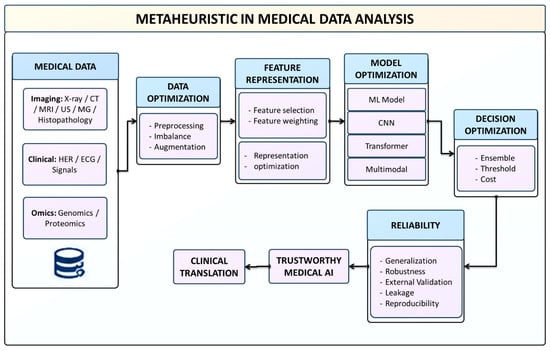
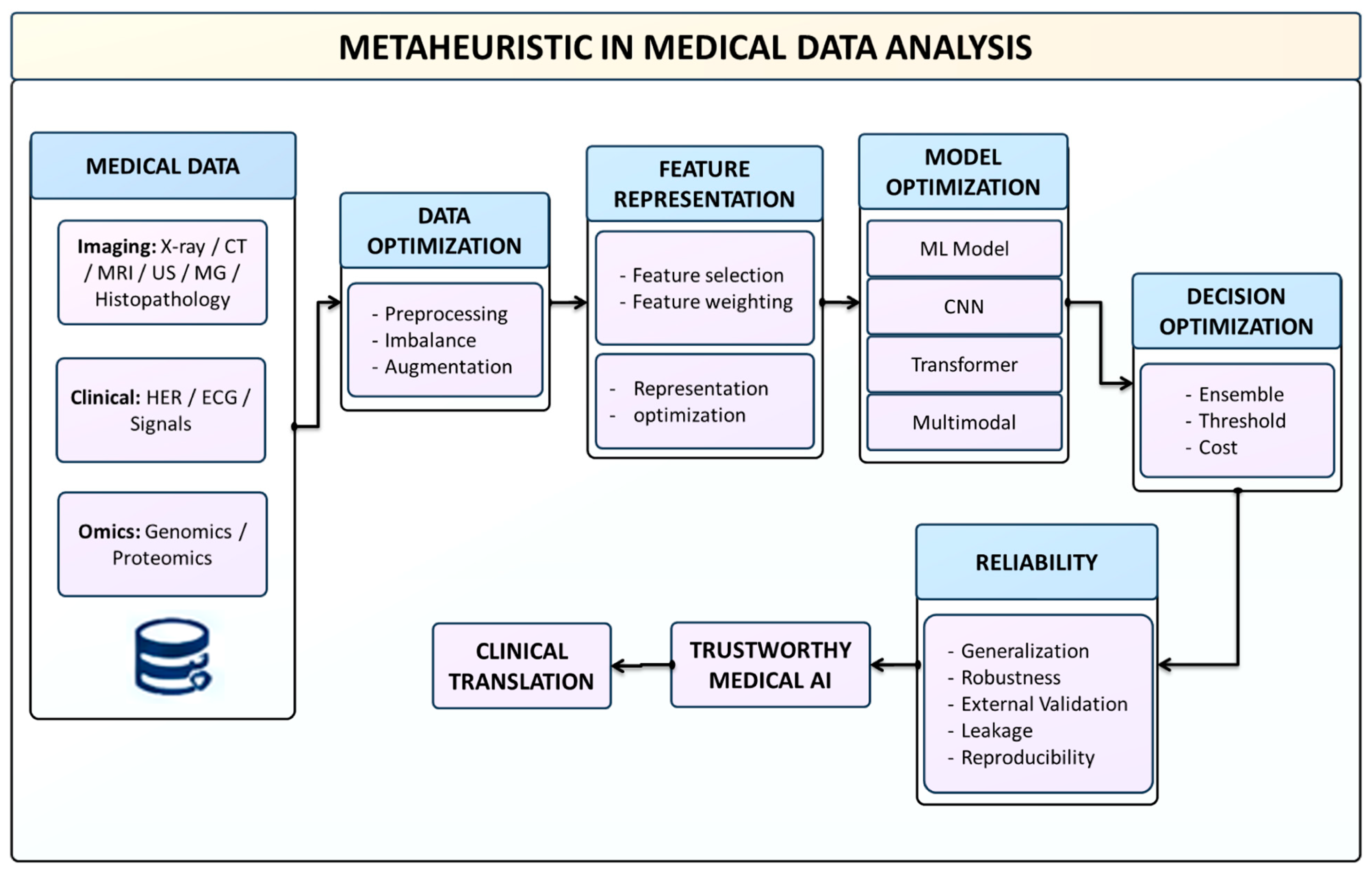
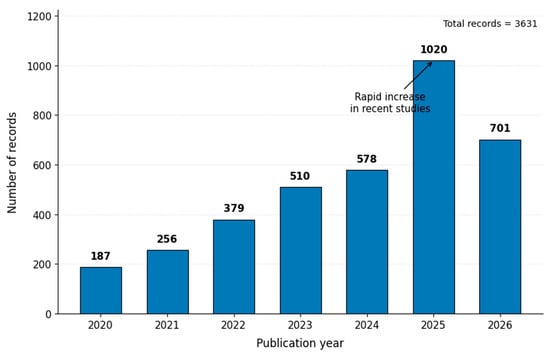
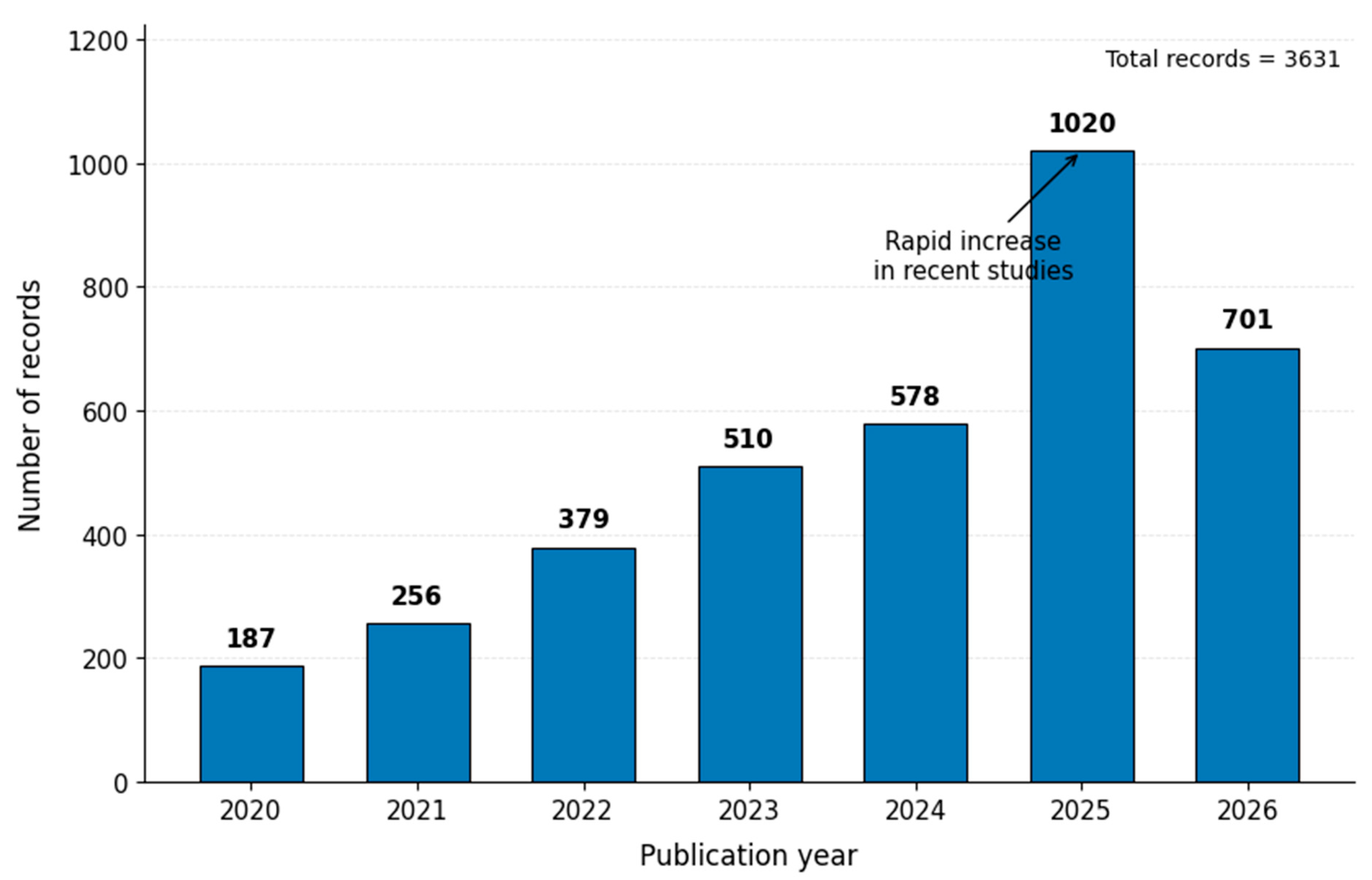
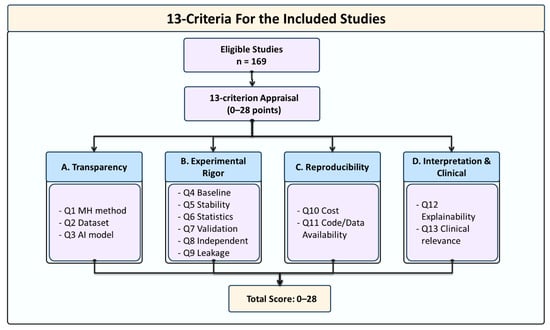
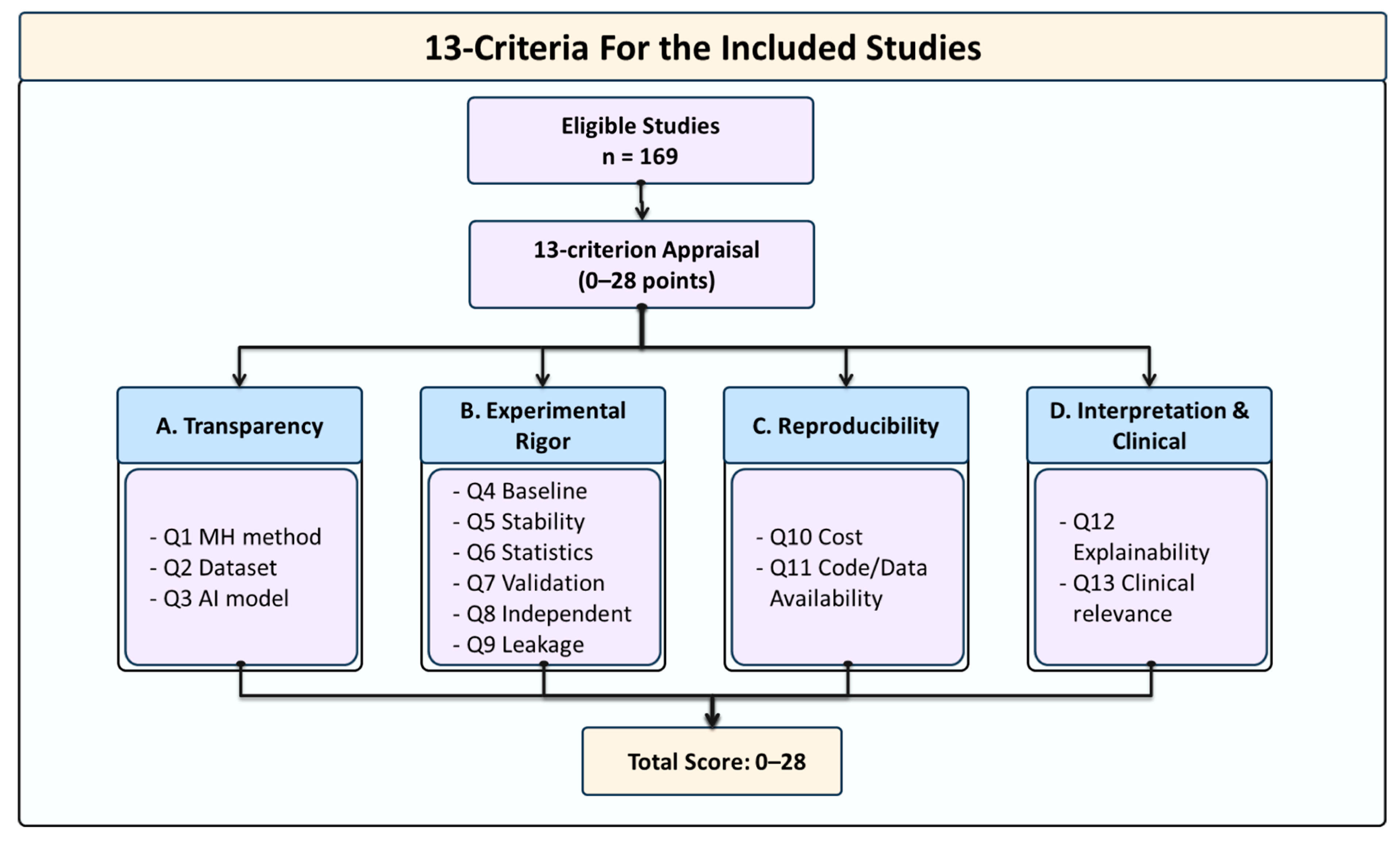
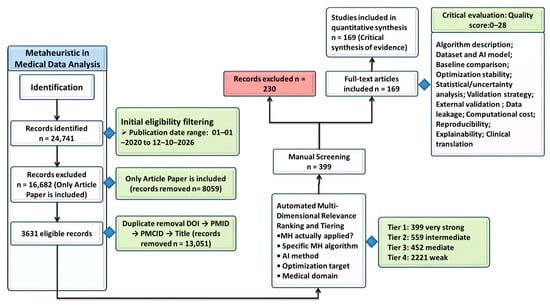
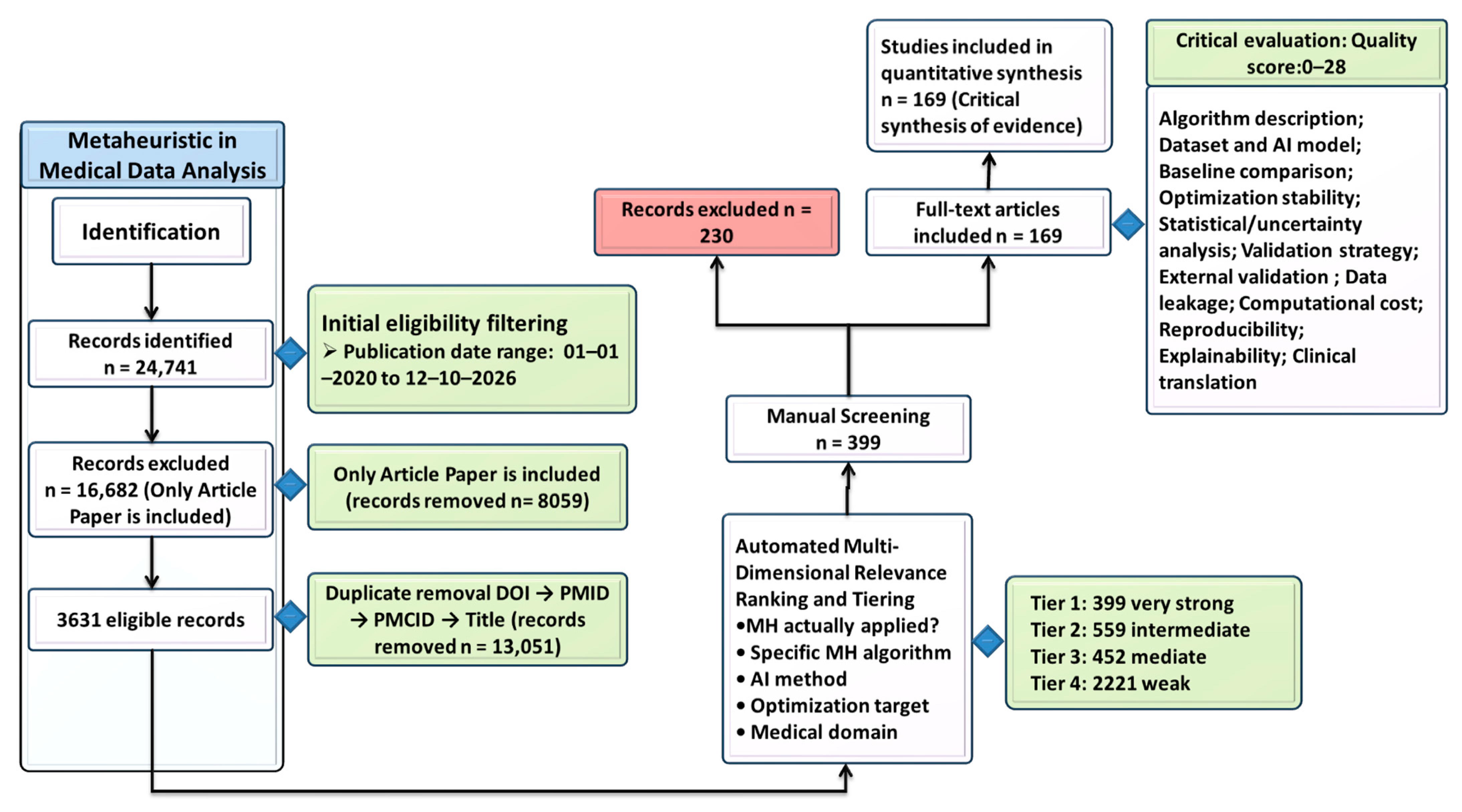
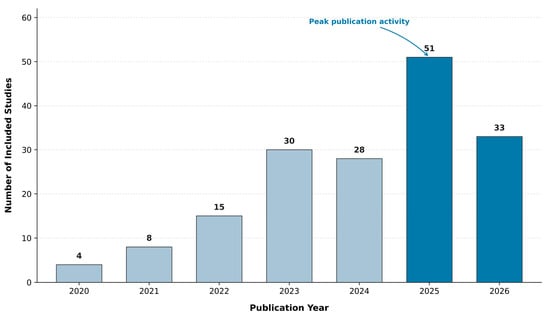
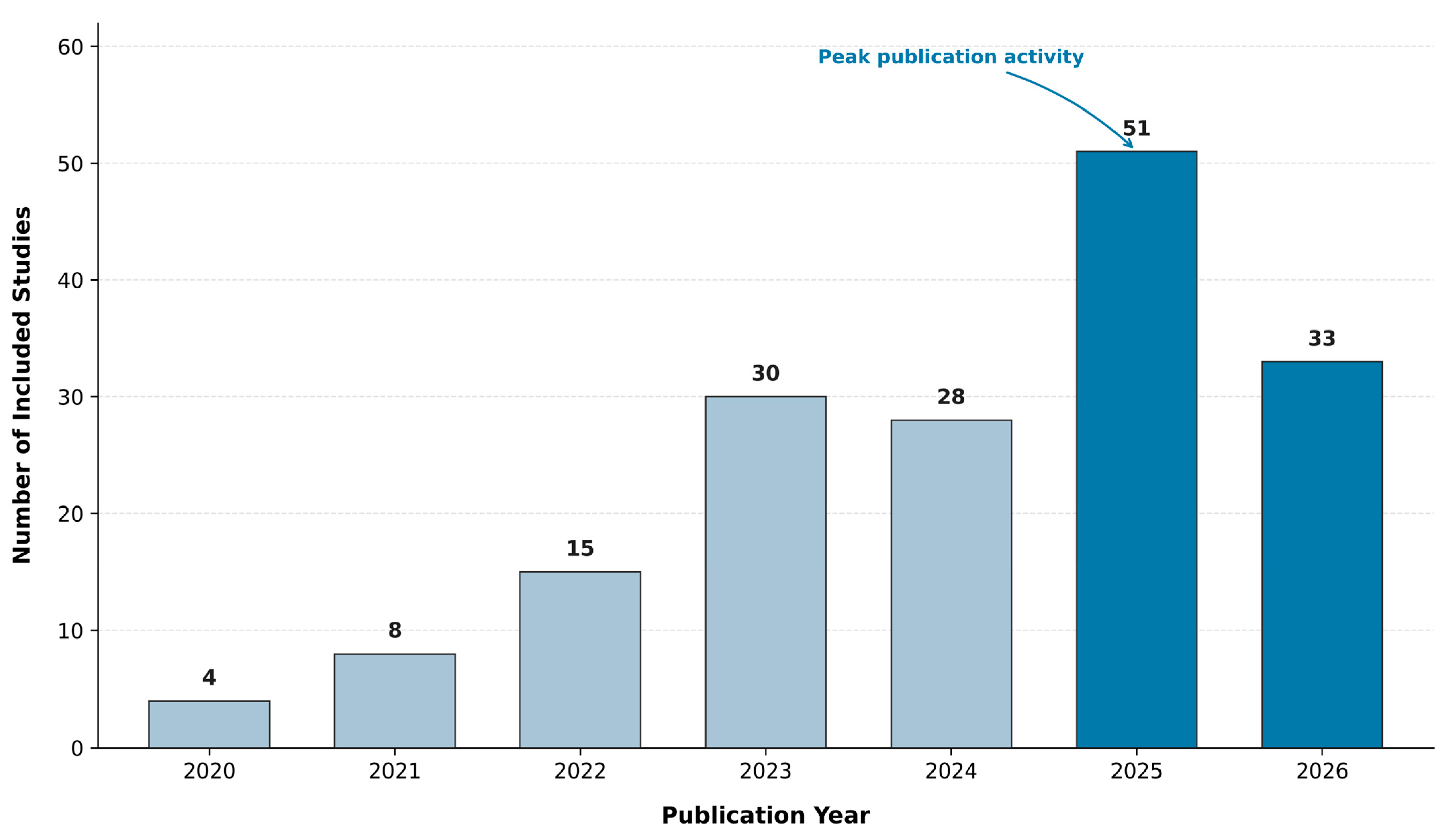

Disclaimer/Publisher’s Note: The statements, opinions and data contained in all publications are solely those of the individual author(s) and contributor(s) and not of MDPI and/or the editor(s). MDPI and/or the editor(s) disclaim responsibility for any injury to people or property resulting from any ideas, methods, instructions or products referred to in the content. |
© 2026 by the authors. Licensee MDPI, Basel, Switzerland. This article is an open access article distributed under the terms and conditions of the Creative Commons Attribution (CC BY) license.