Article

On the Stability of Complex Concentrated (CC)/High Entropy (HE) Solid Solutions and the Contamination with Oxygen of Solid Solutions in Refractory Metal Intermetallic Composites (RM(Nb)ICs) and Refractory Complex Concentrated Alloys (RCCAs)


by
Panos Tsakiropoulos
Department of Materials Science and Engineering, Sir Robert Hadfield Building, The University of Sheffield, Mappin Street, Sheffield S1 3JD, UK
Materials 2022, 15(23), 8479; https://doi.org/10.3390/ma15238479
Submission received: 18 October 2022 / Revised: 17 November 2022 / Accepted: 22 November 2022 / Published: 28 November 2022
(This article belongs to the Special Issue Mechanics and Analysis of Advanced Materials and Structures)

Abstract

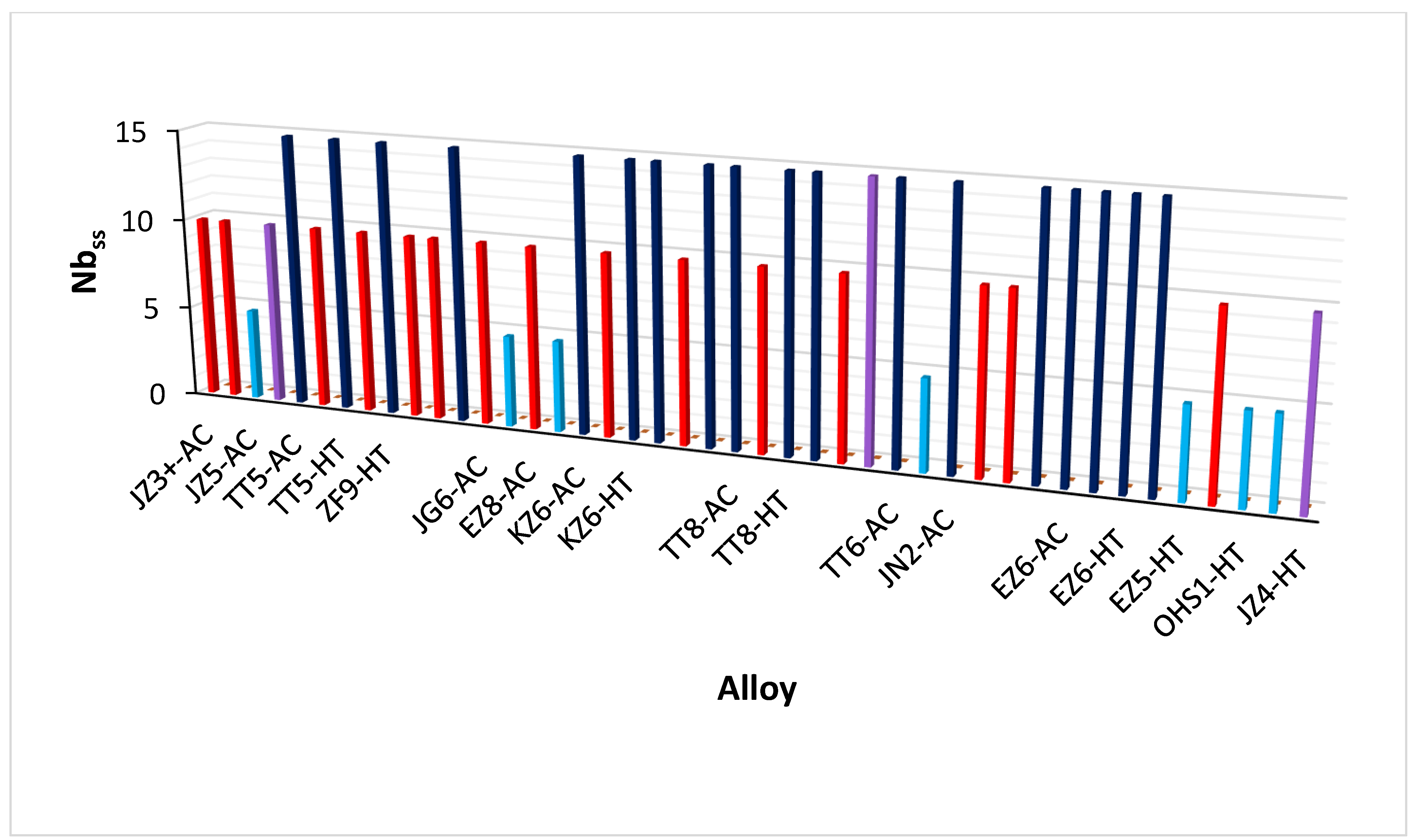
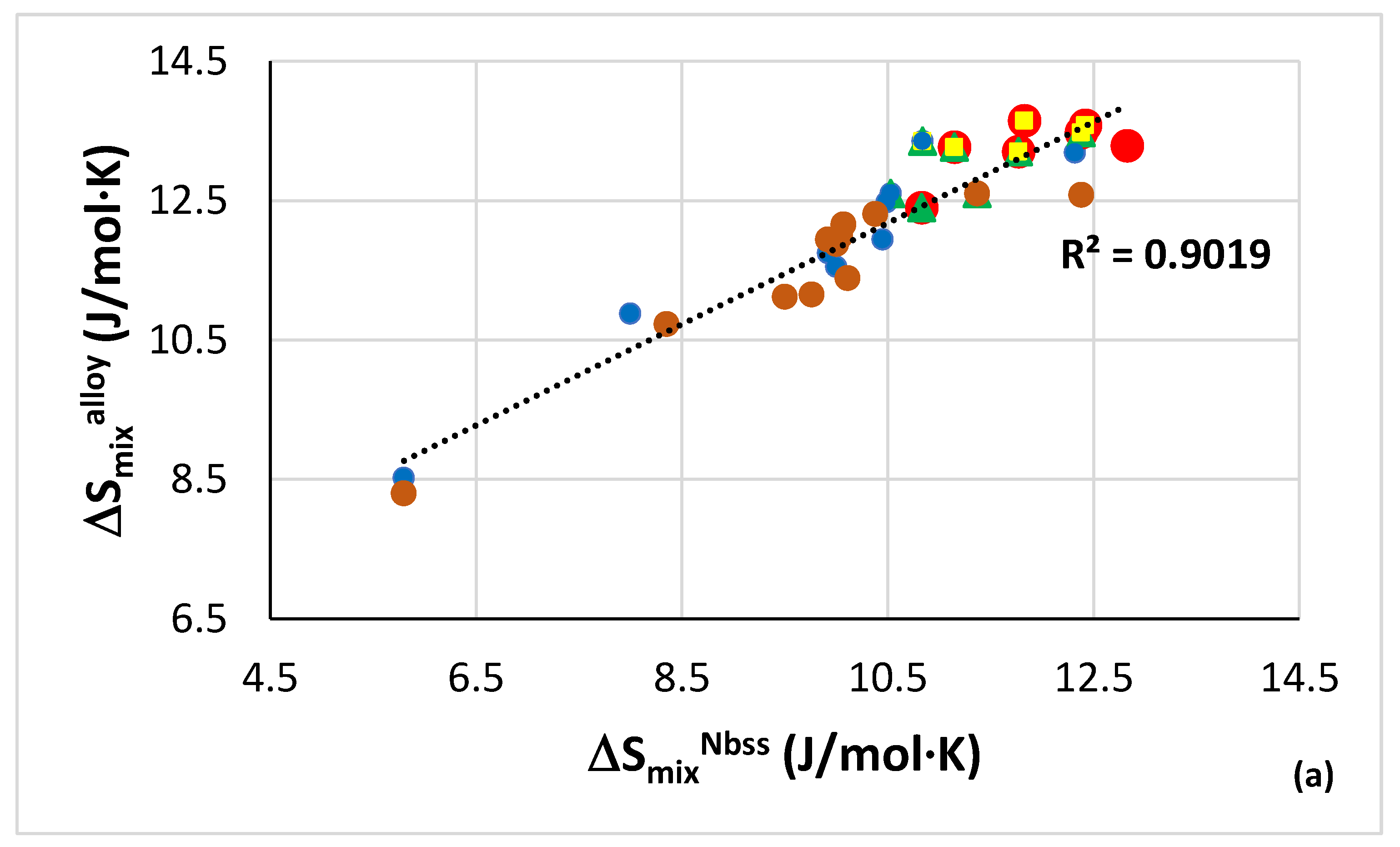
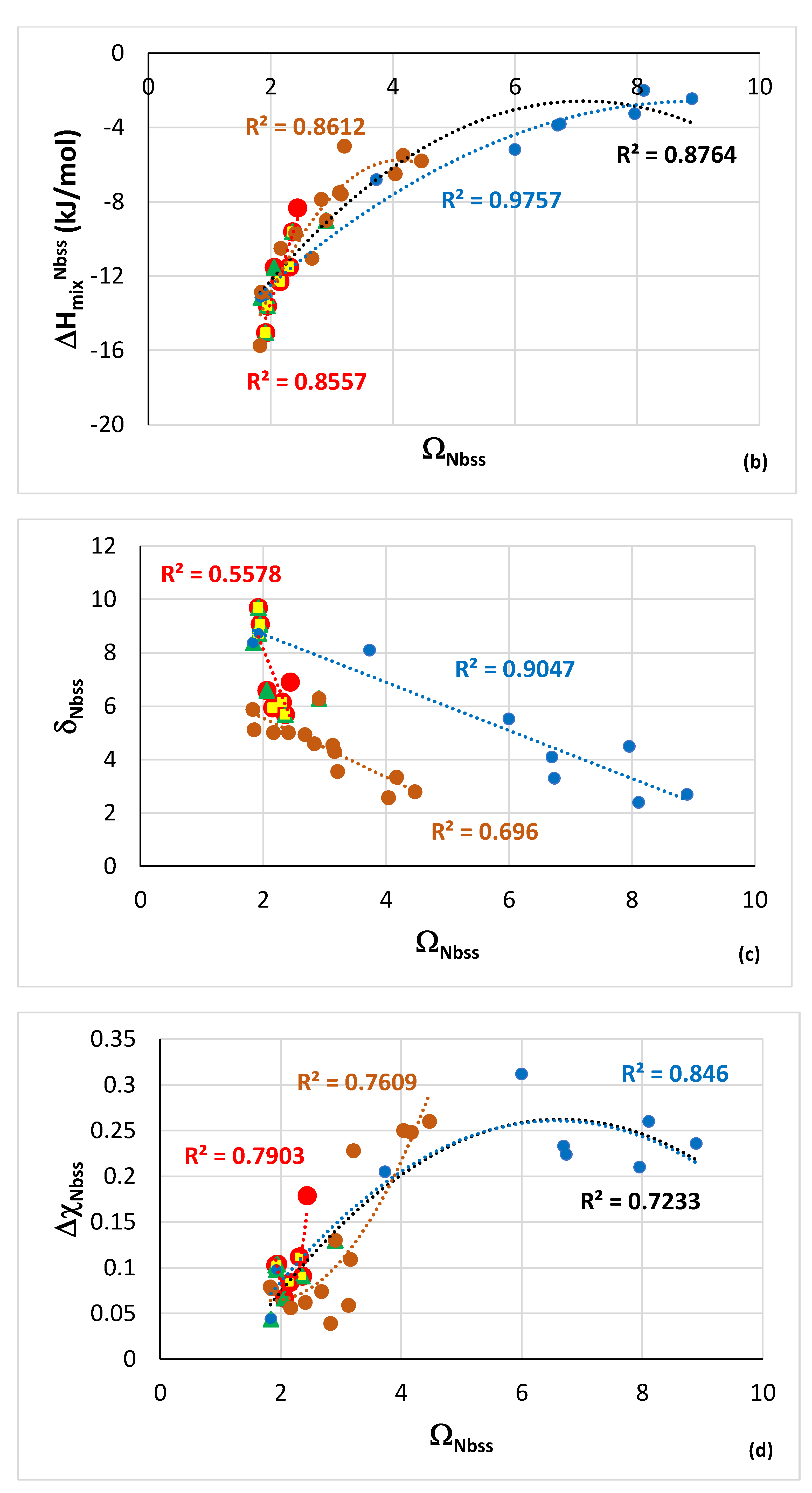
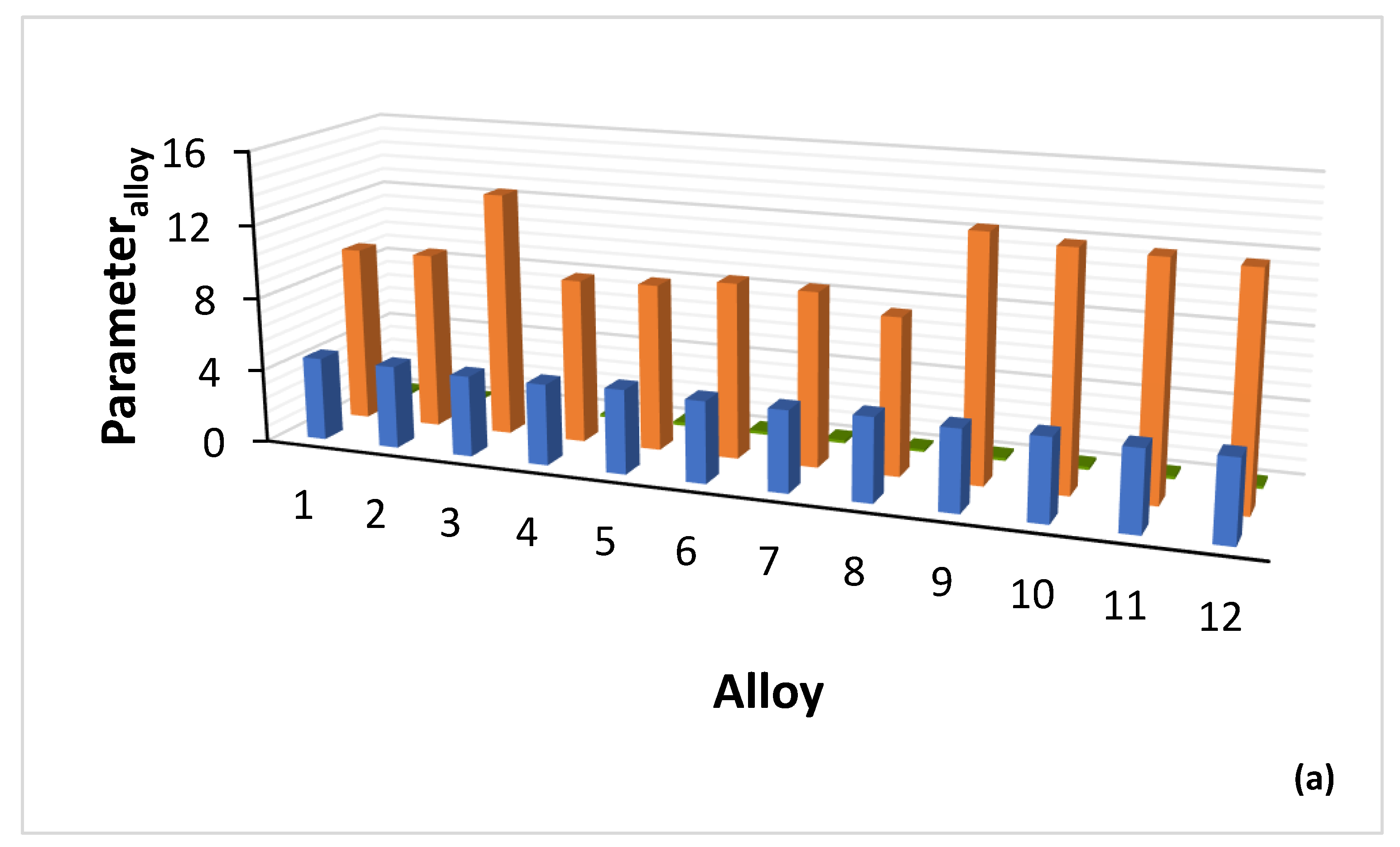
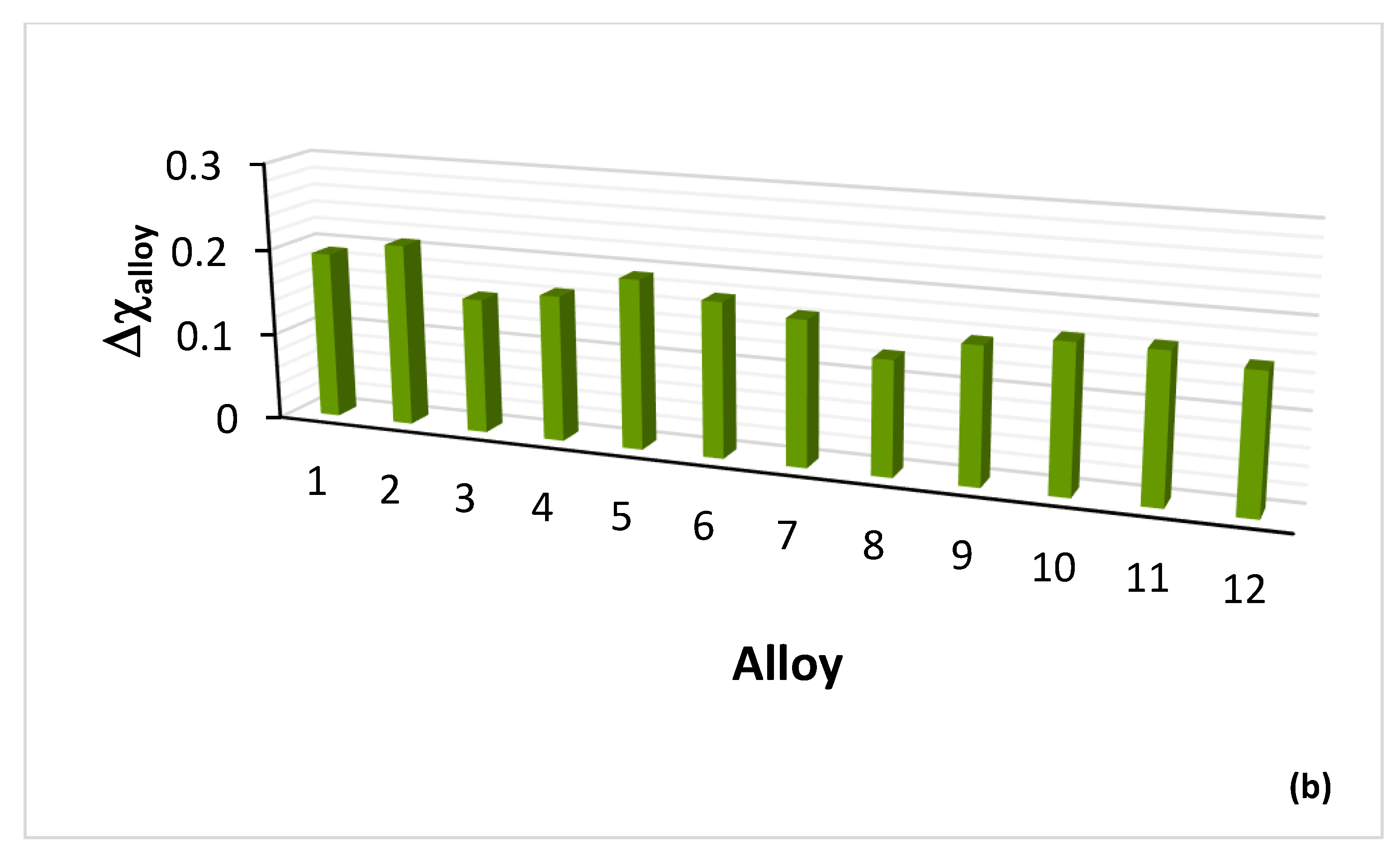
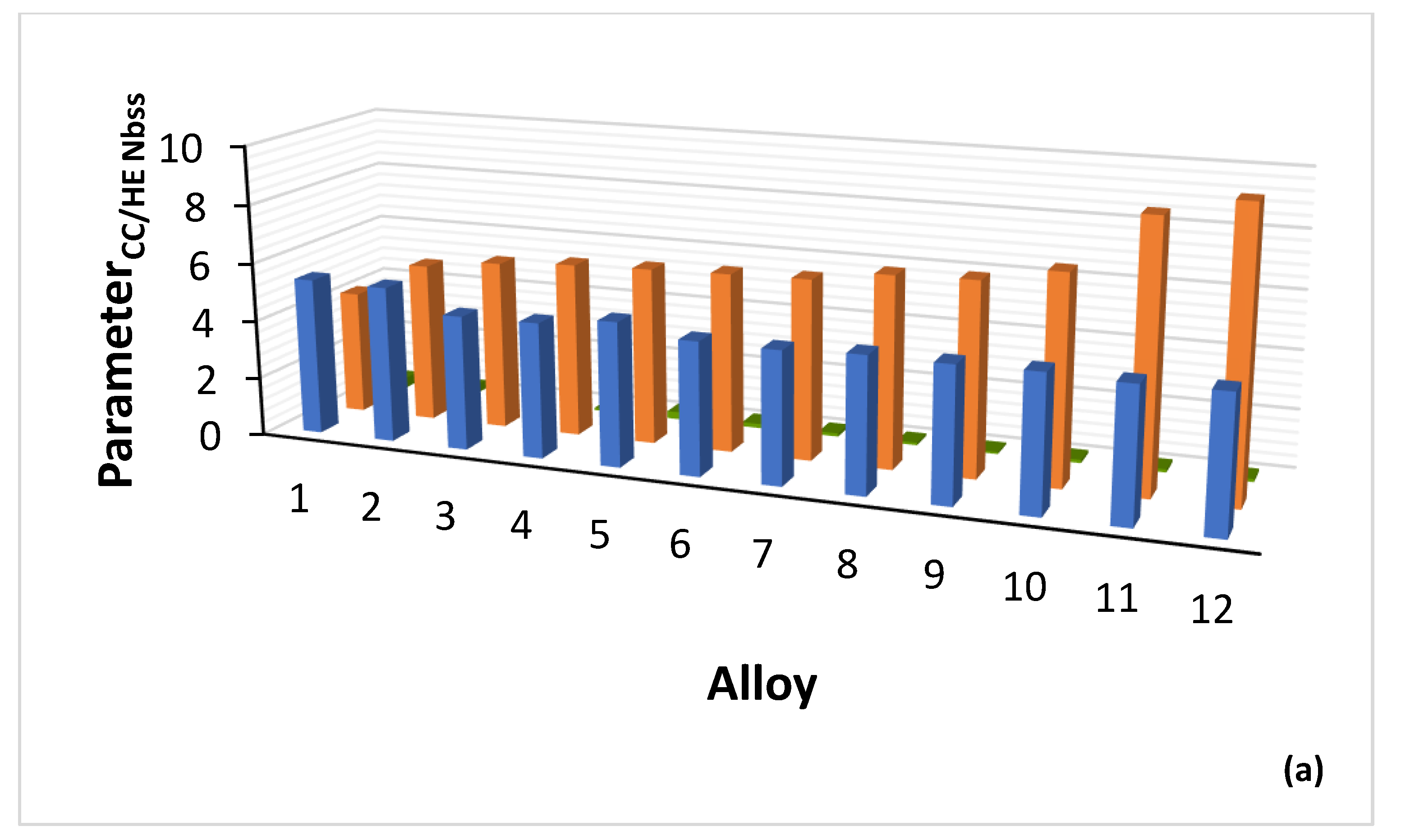
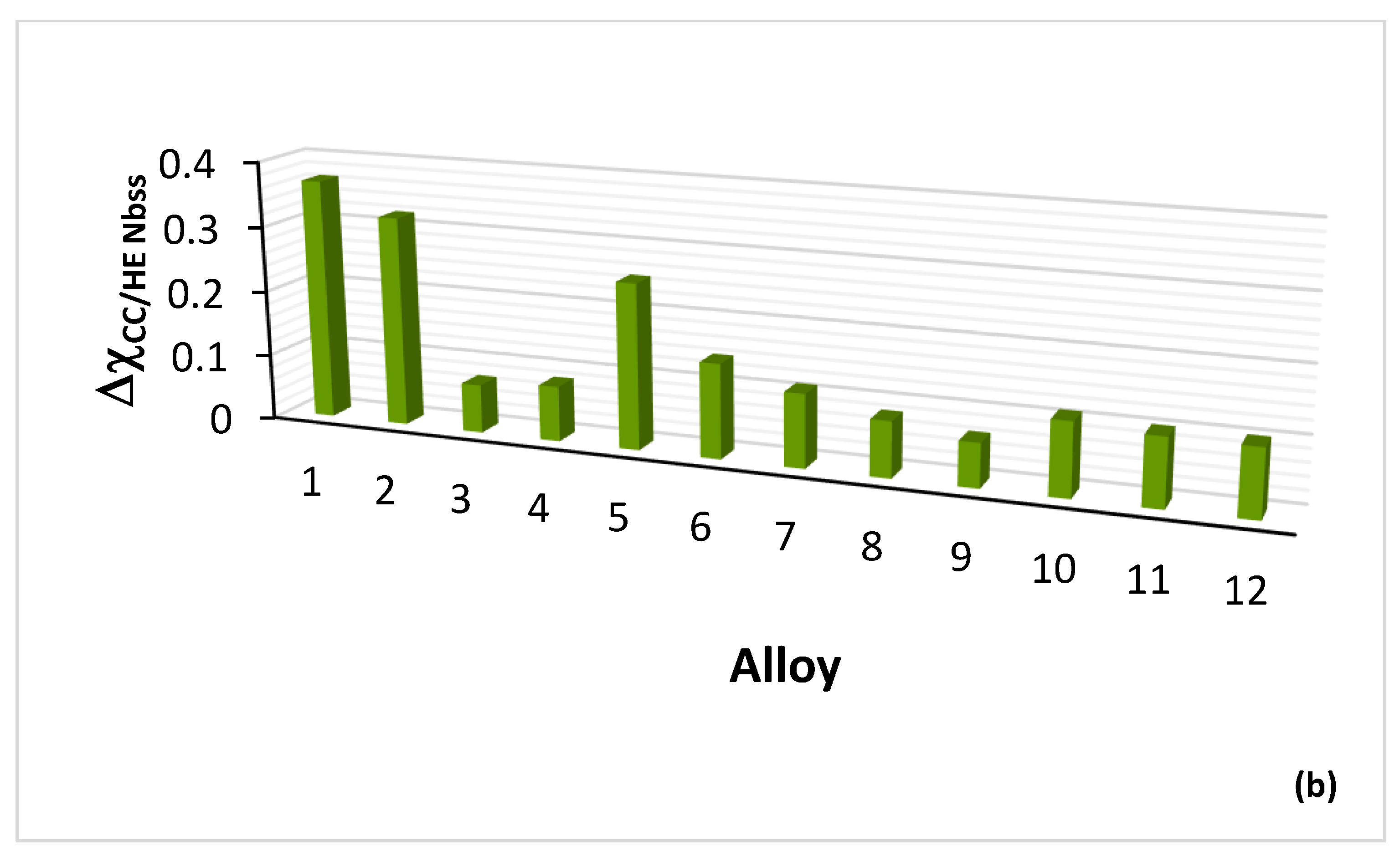
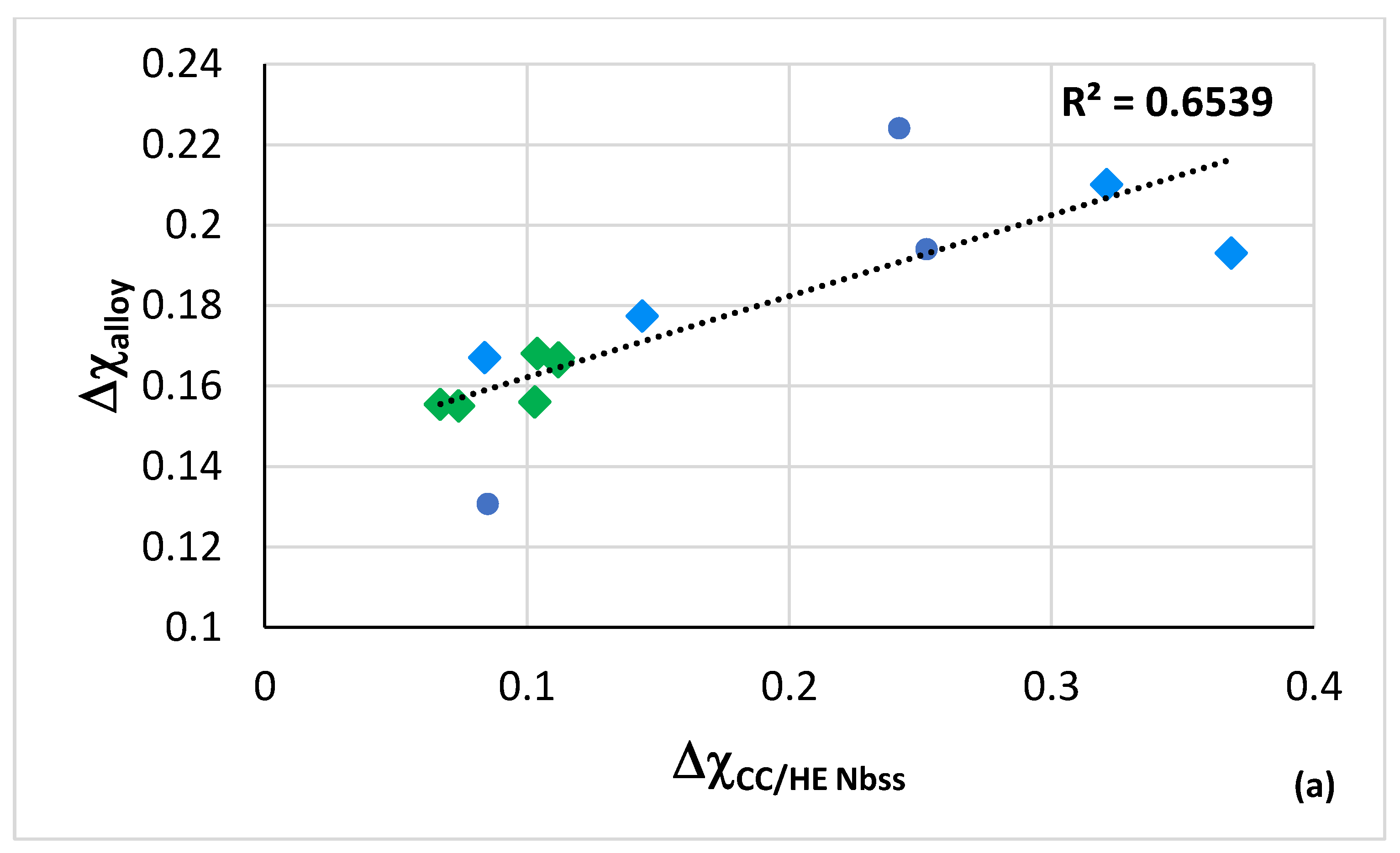
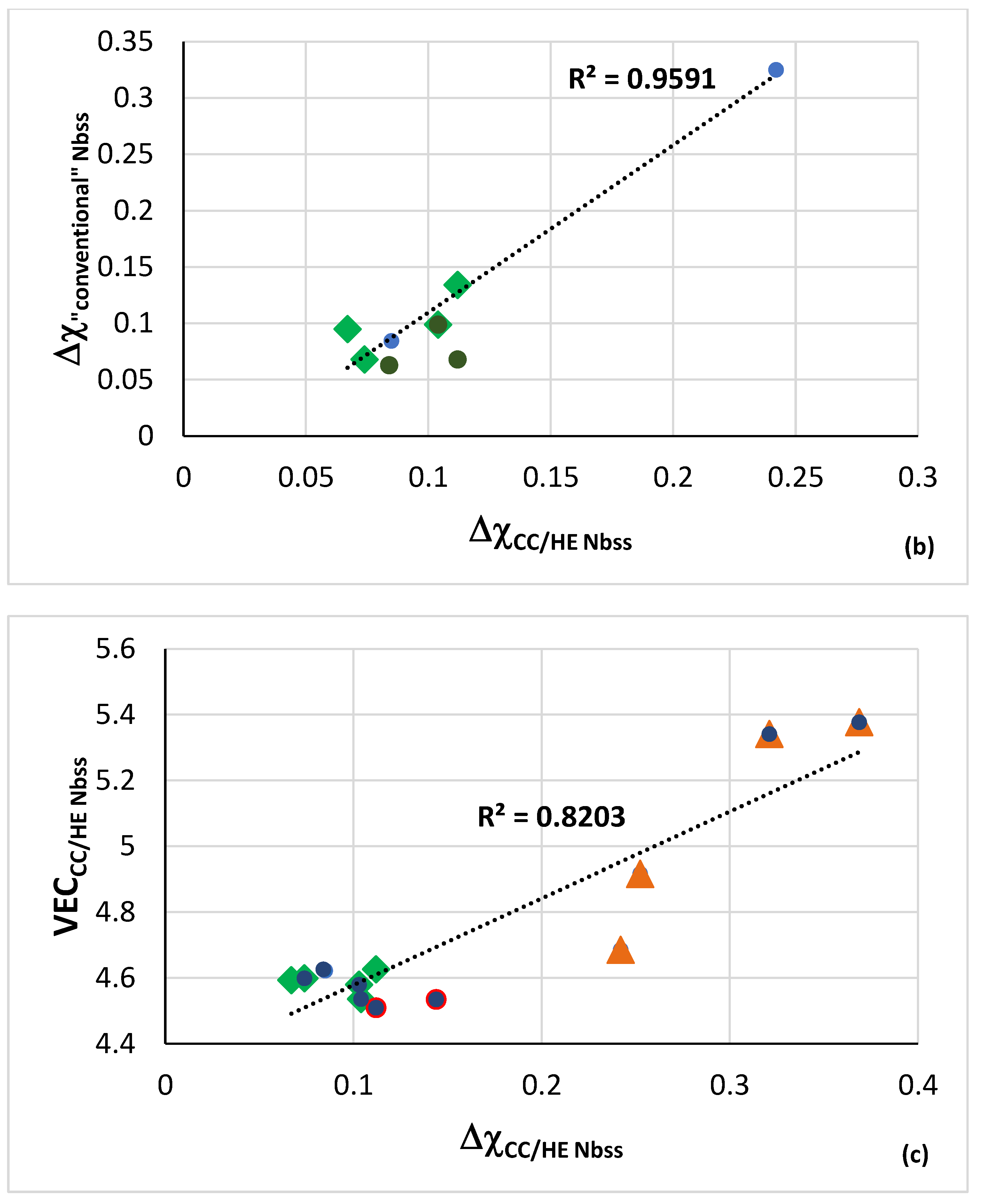
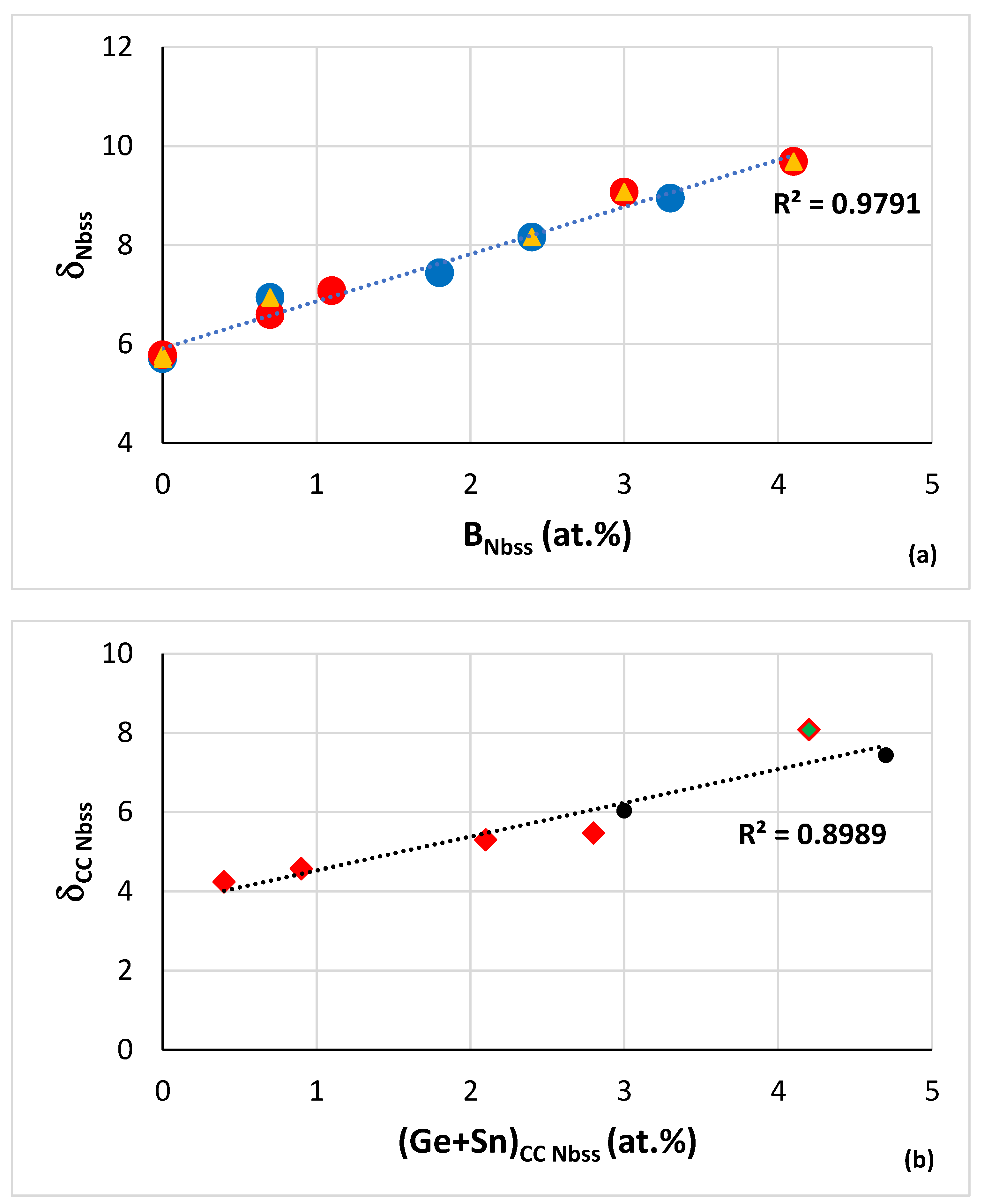
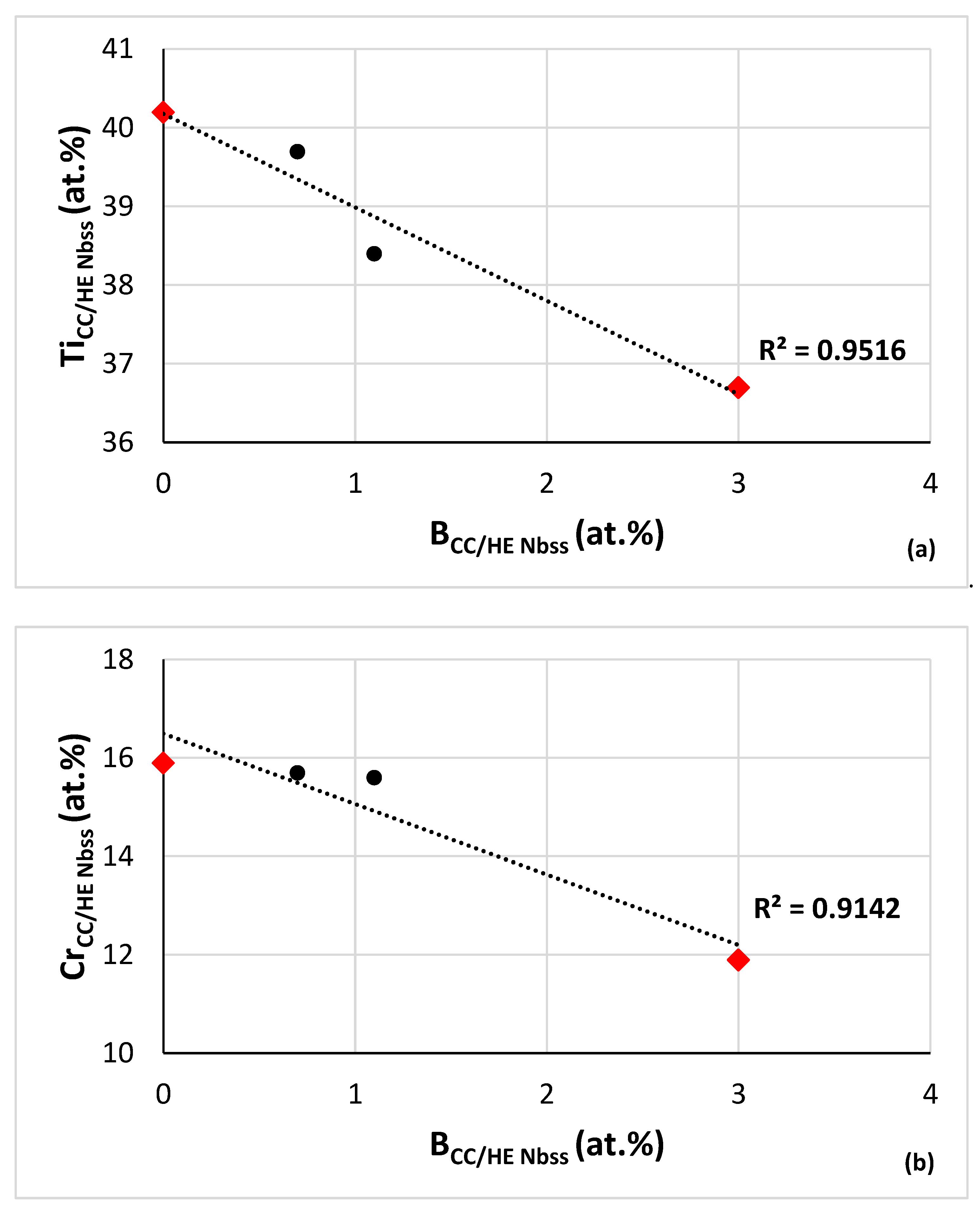
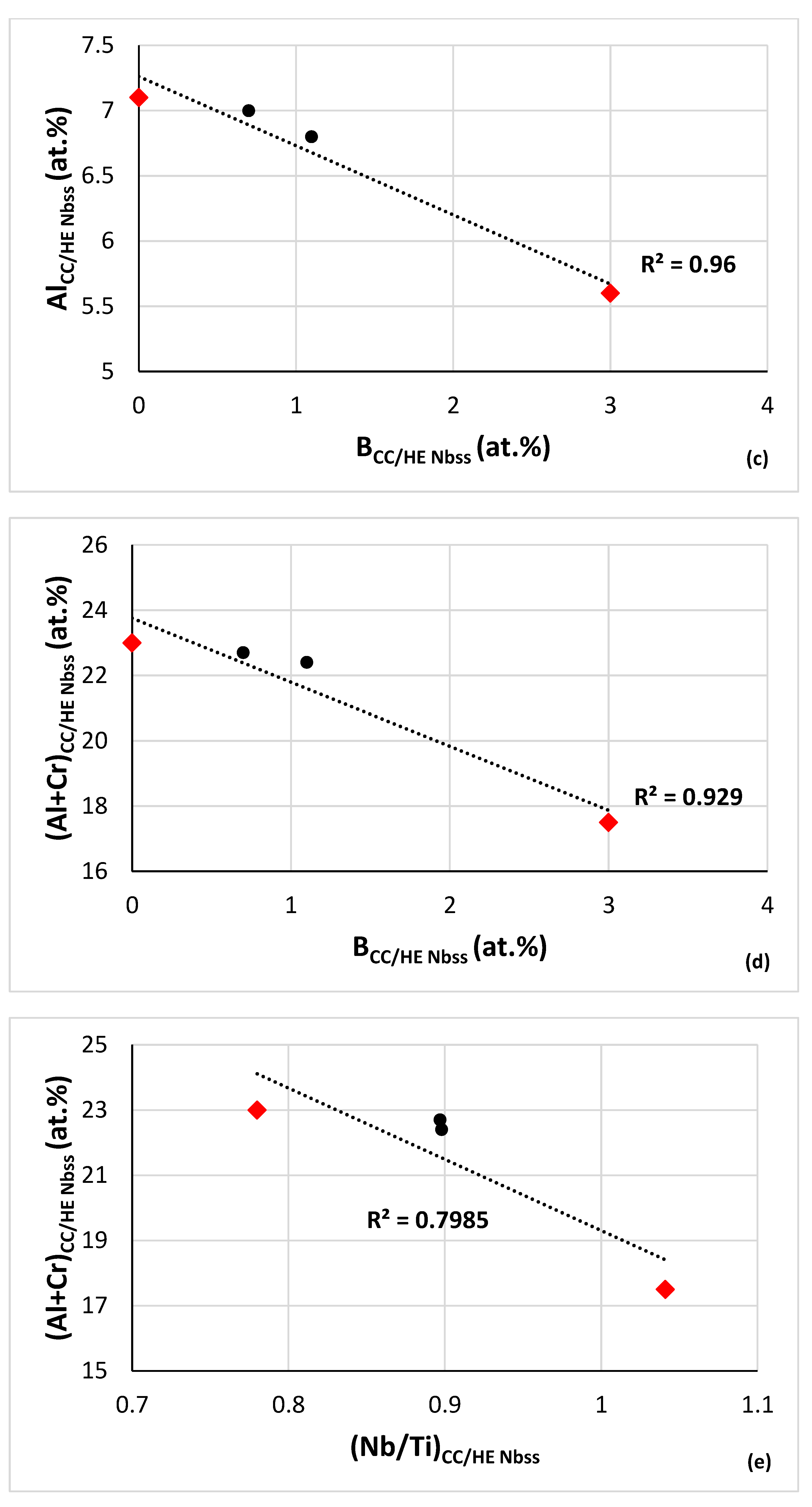
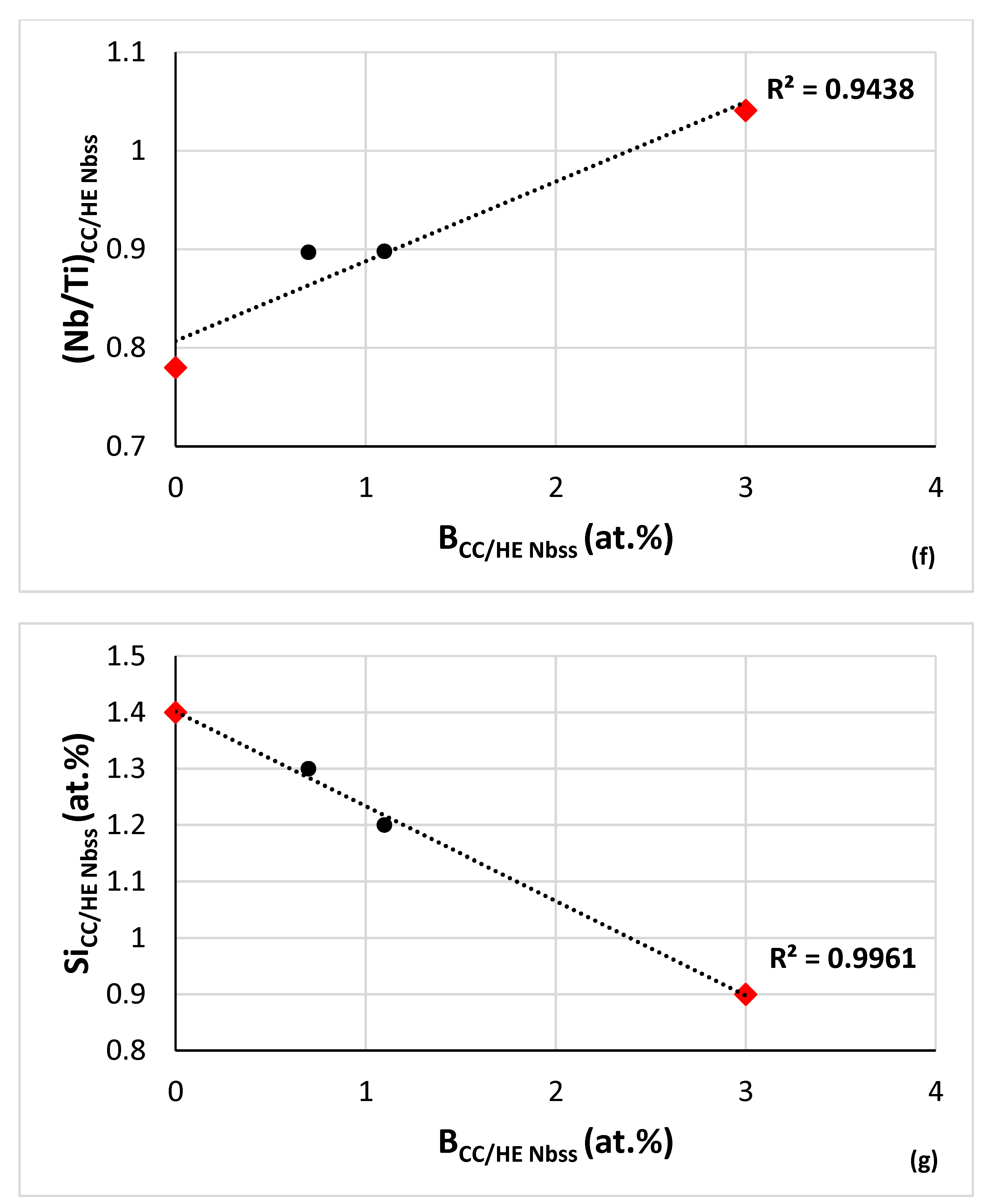
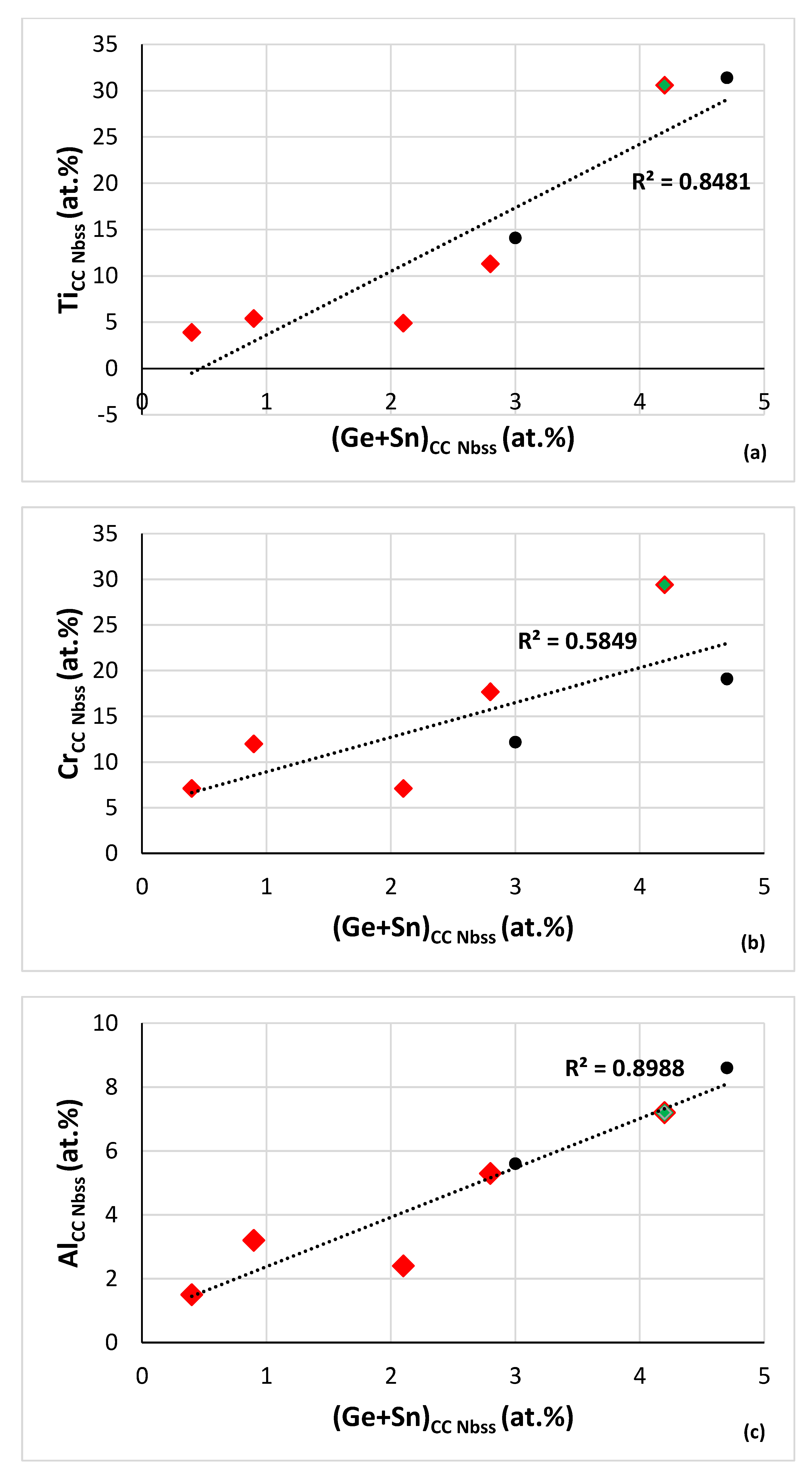
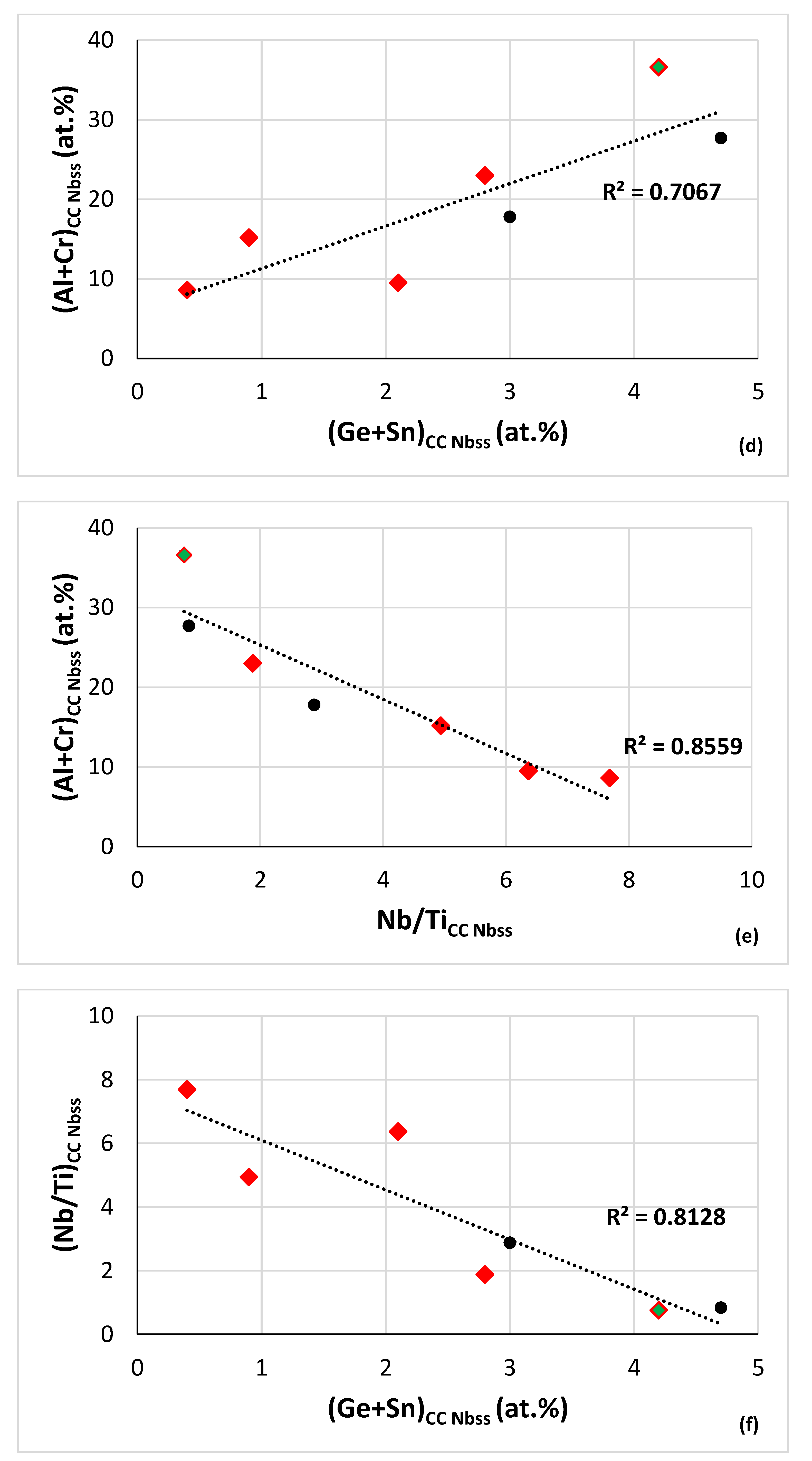
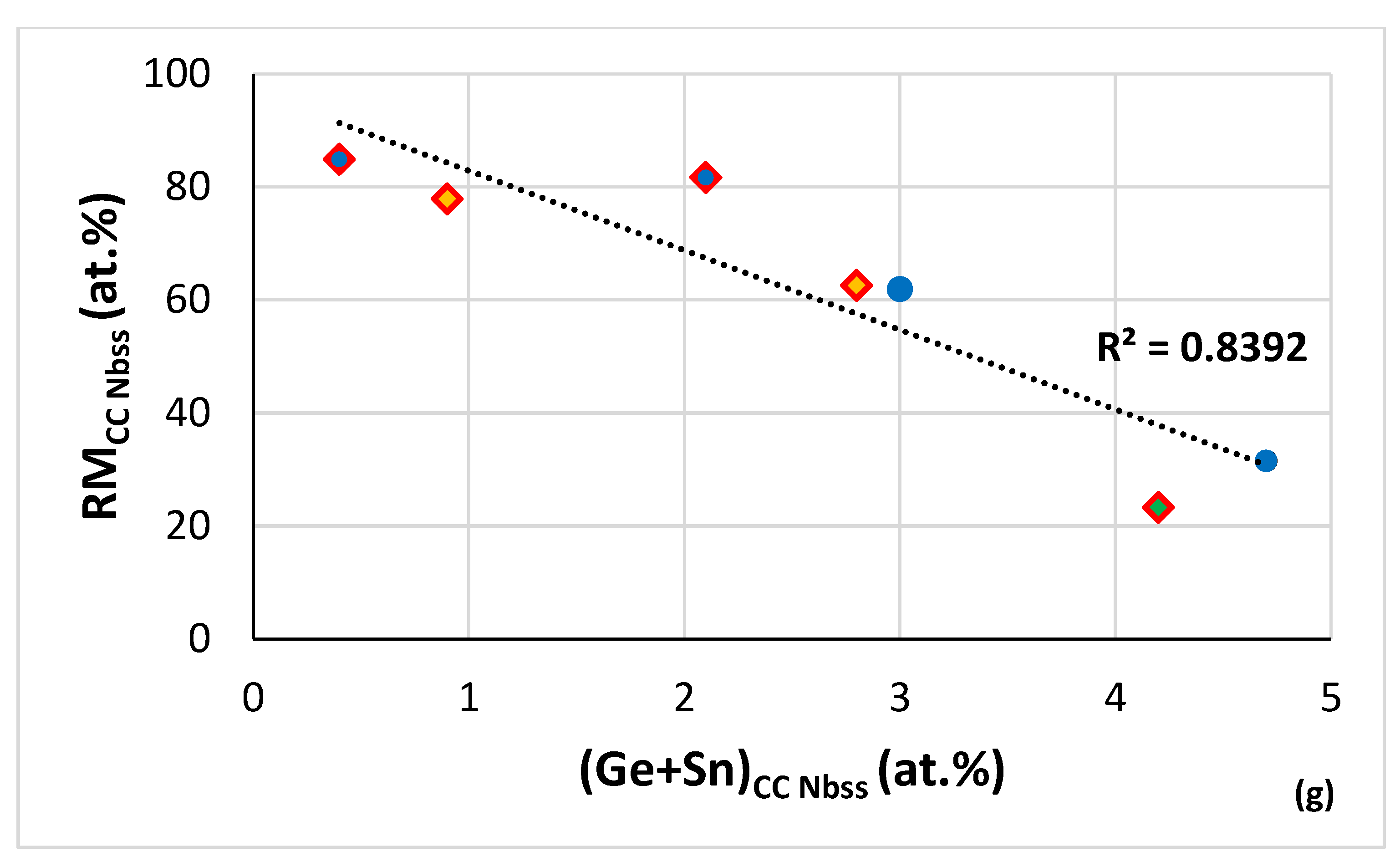
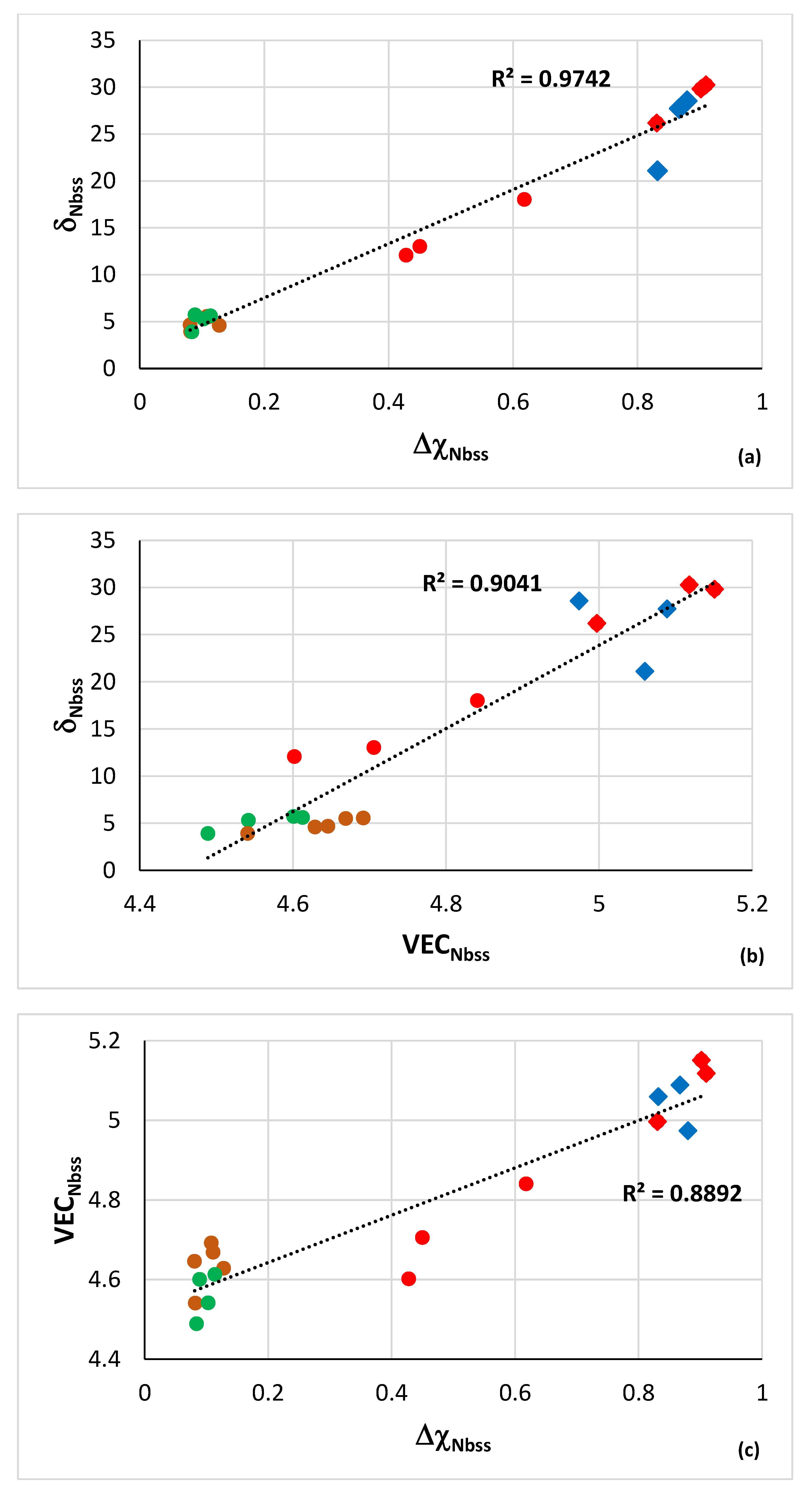
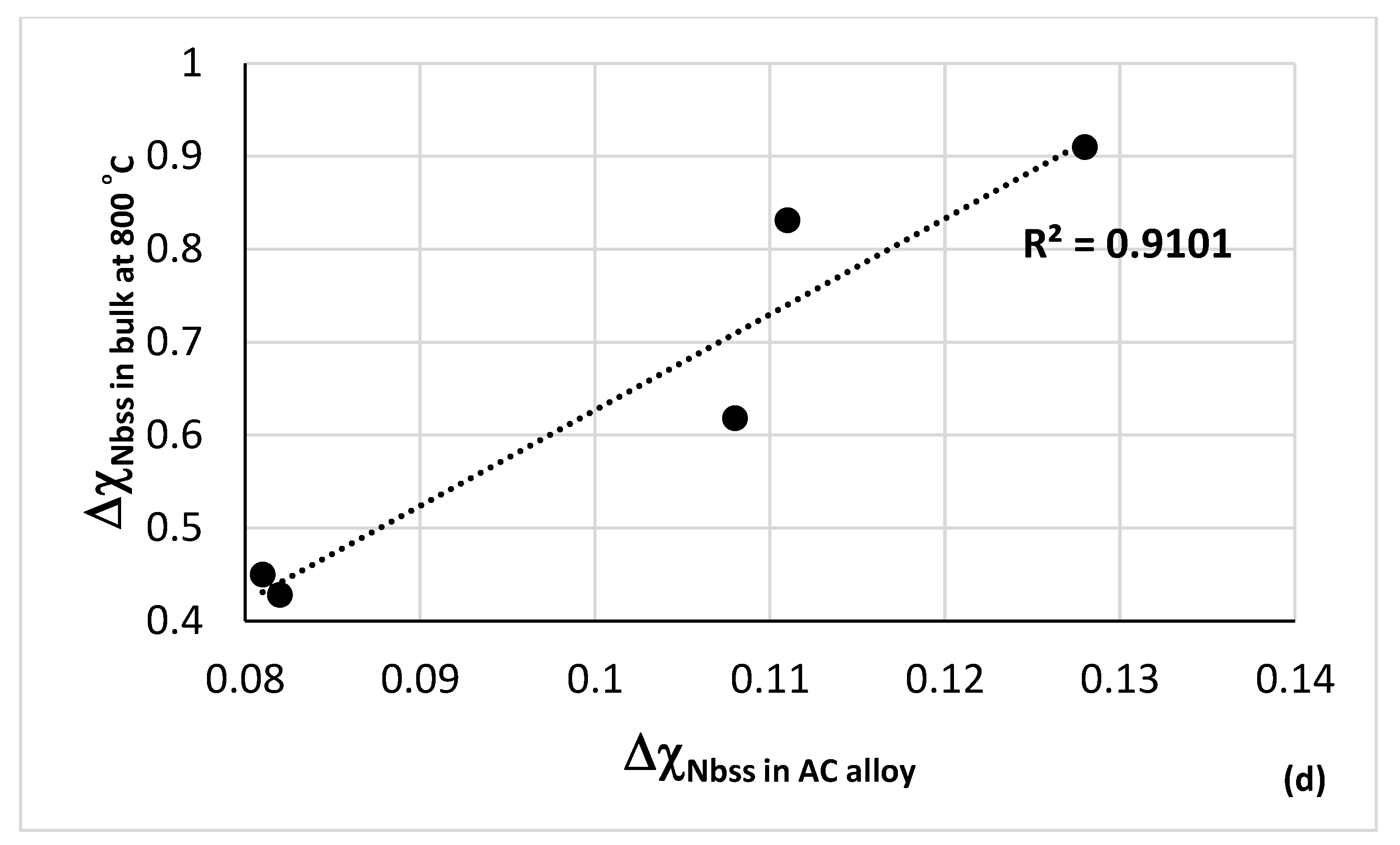
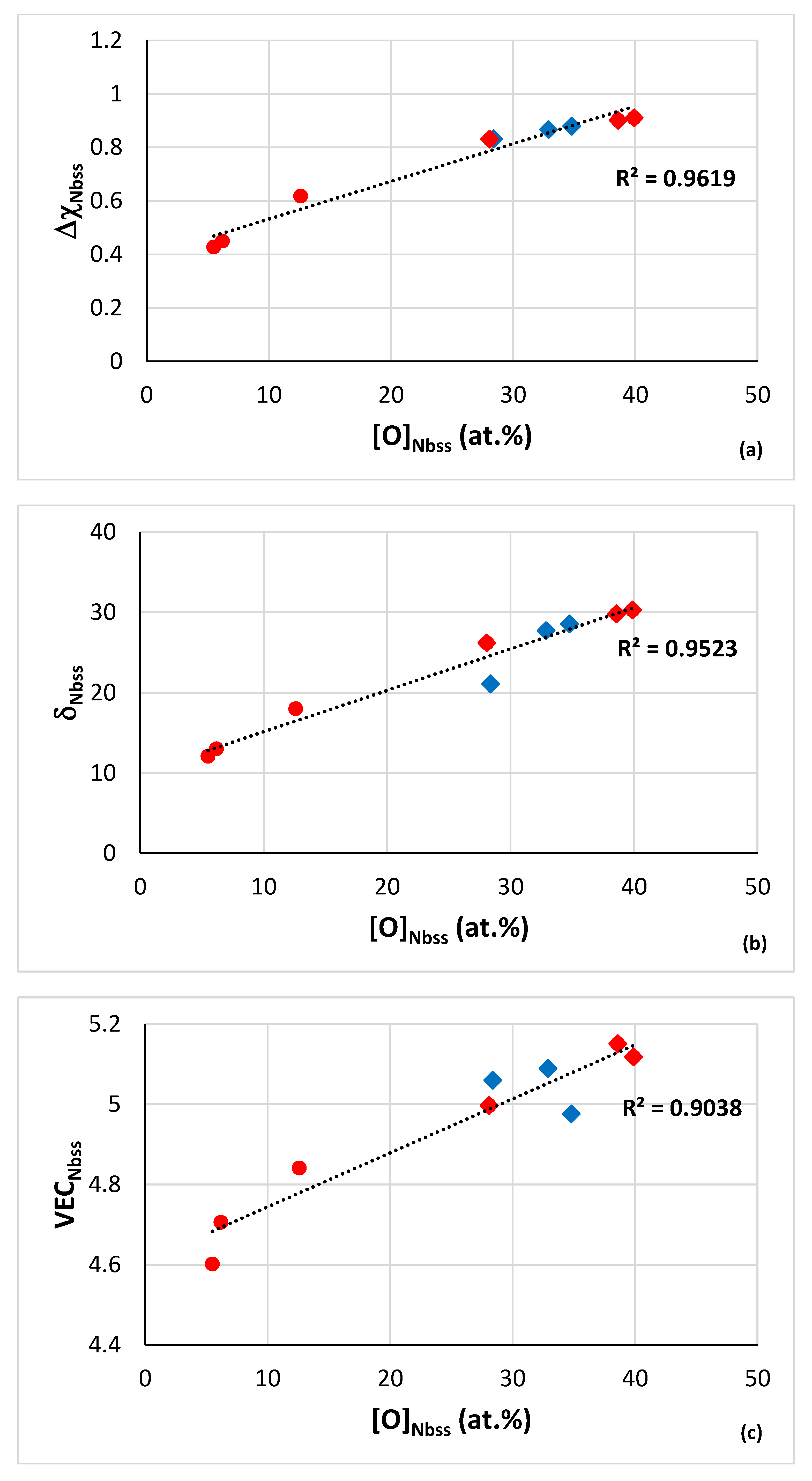
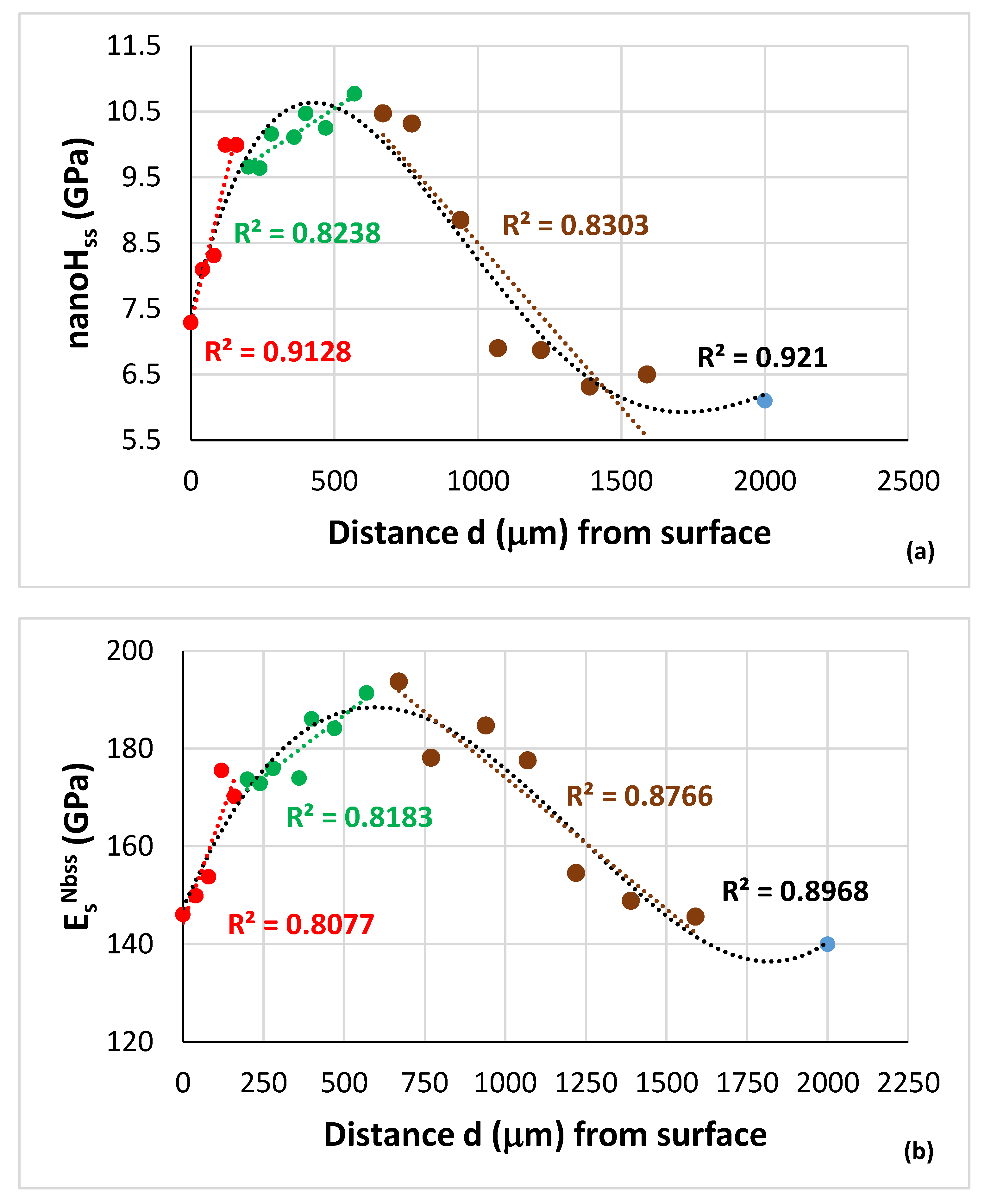
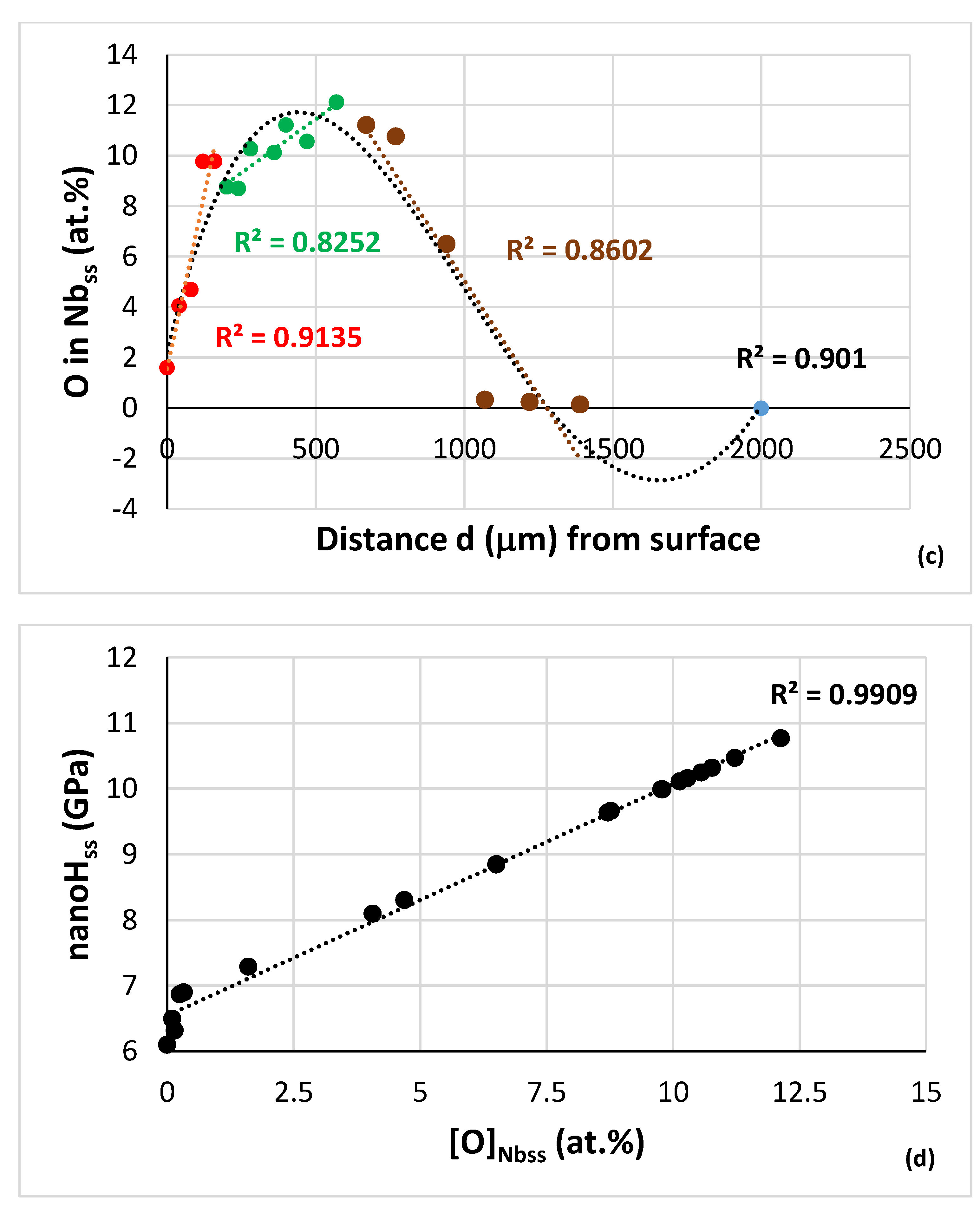
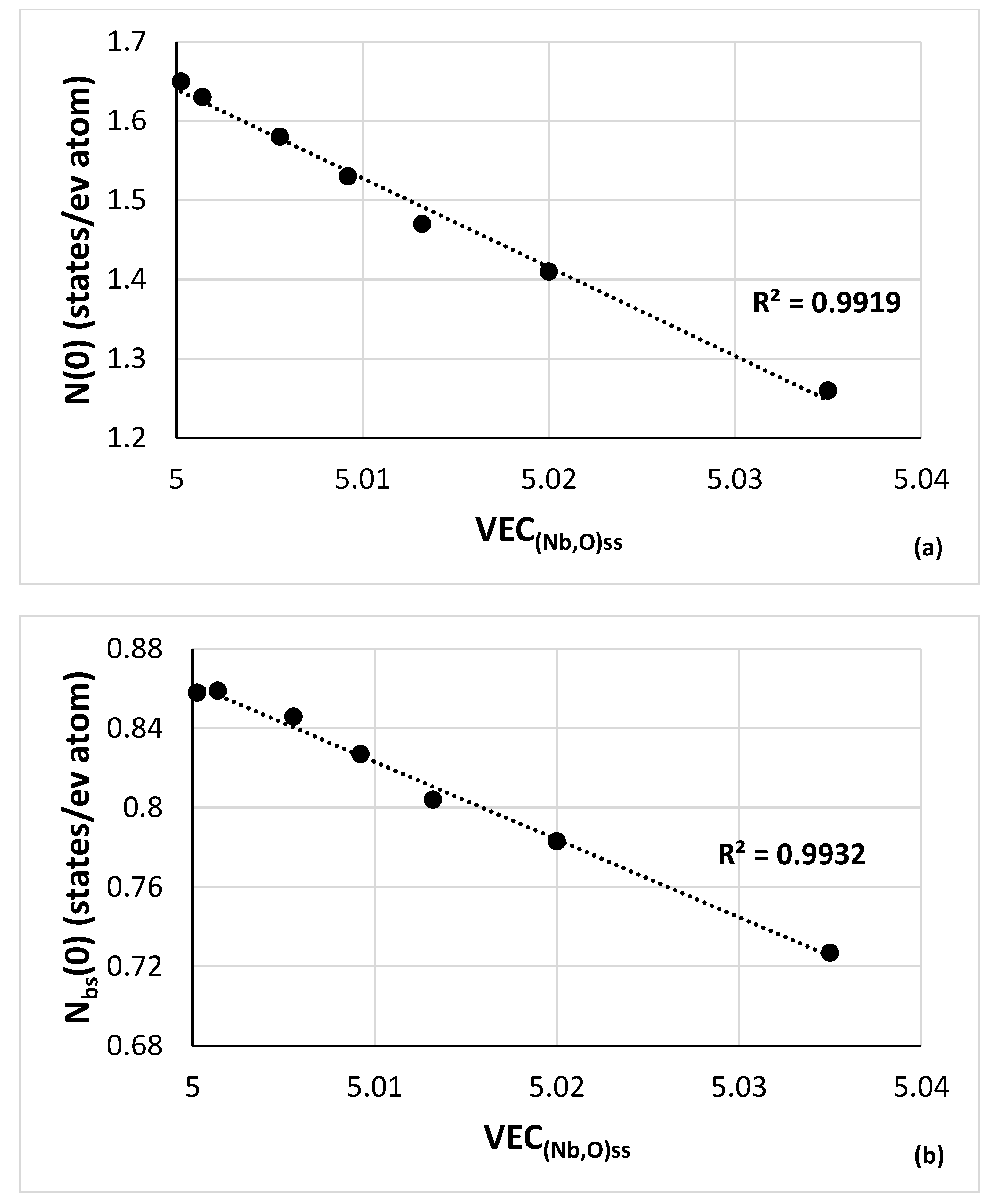
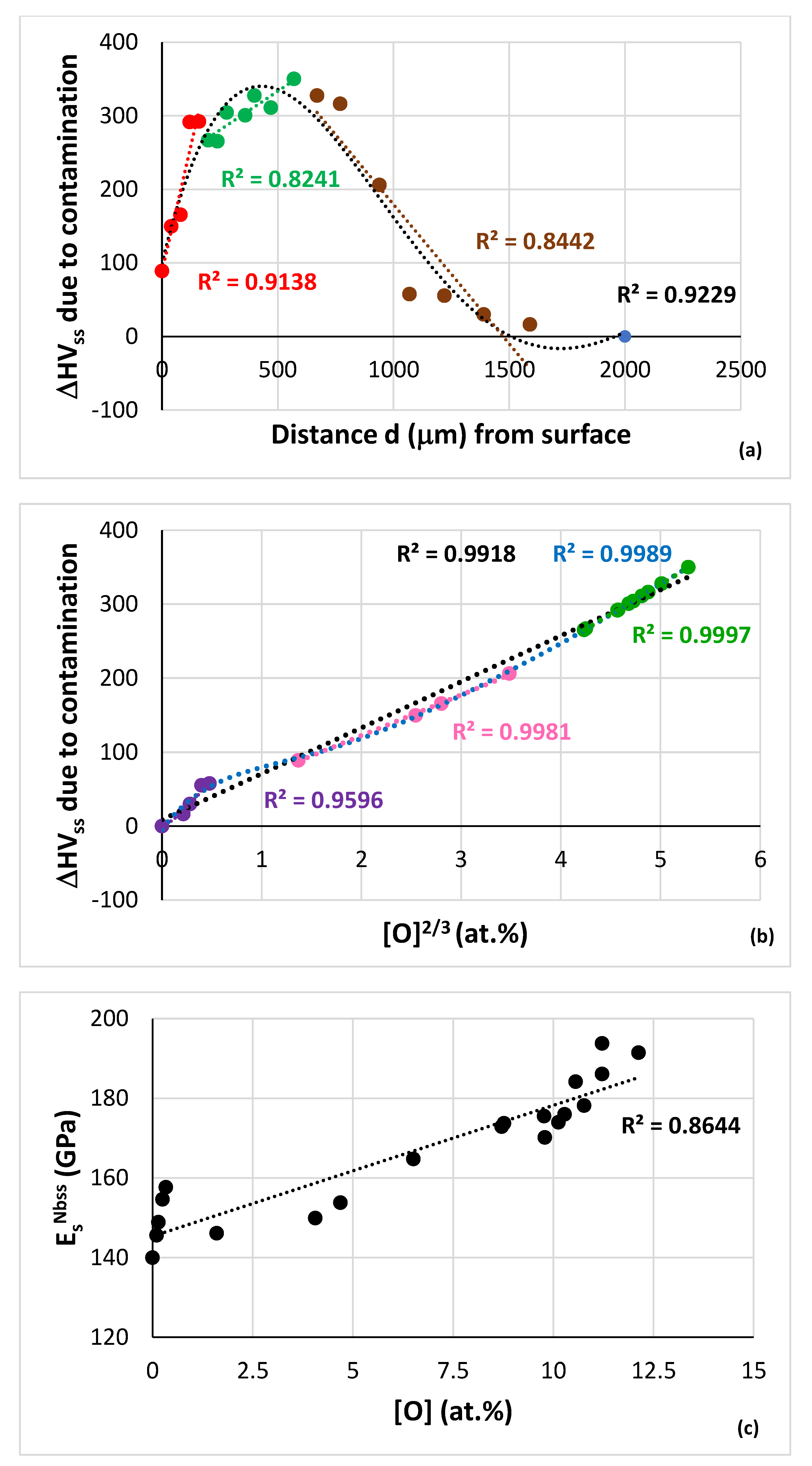
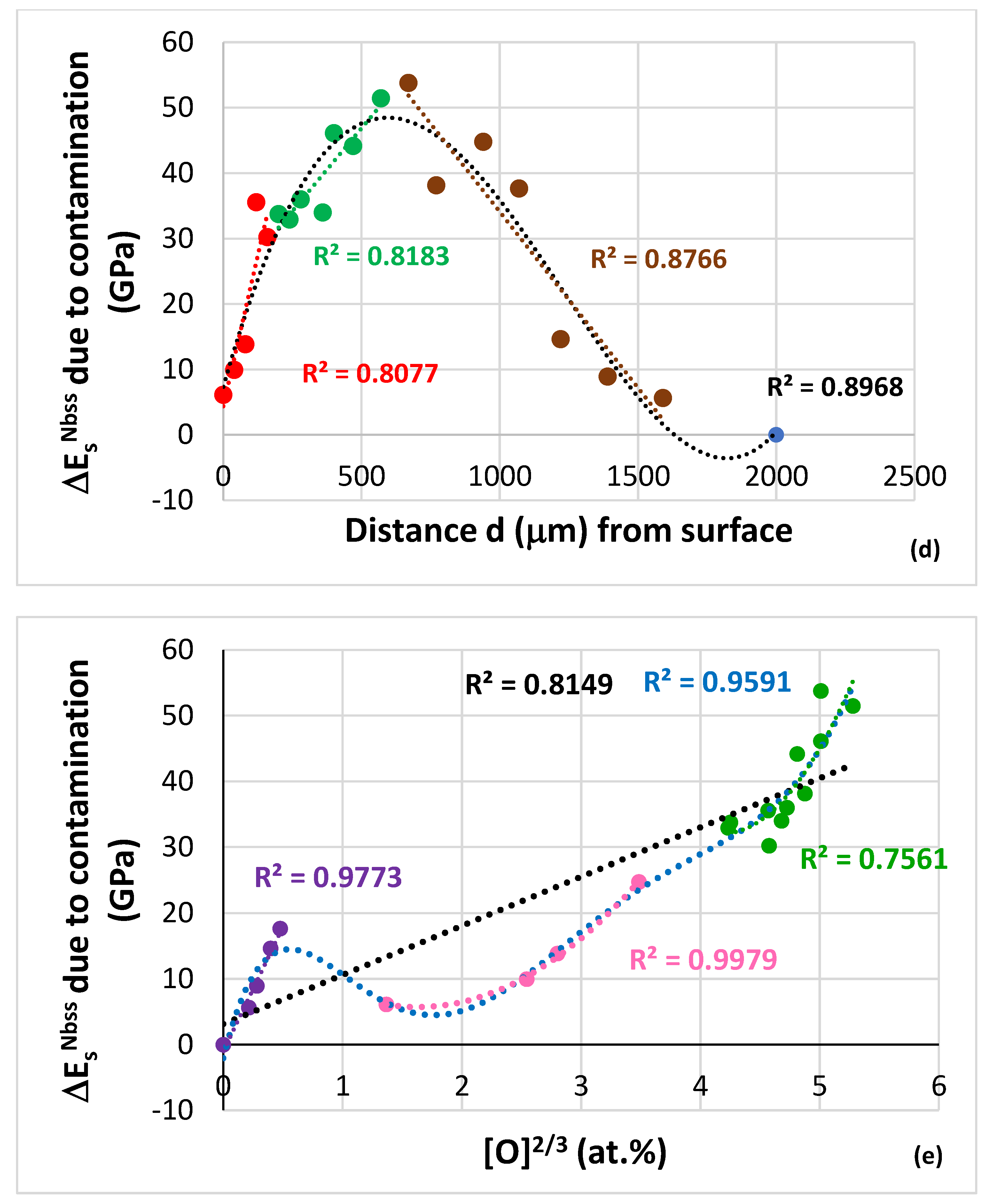
In as-cast (AC) or heat-treated (HT) metallic ultra-high temperature materials often “conventional” and complex-concentrated (CC) or high-entropy (HE) solid solutions (sss) are observed. Refractory metal containing bcc sss also are contaminated with oxygen. This paper studied the stability of CC/HE Nbss and the contamination with oxygen of Nbss in RM(INb)ICs, RM(Nb)ICs/RCCAs and RM(Nb)ICs/RHEAs. “Conventional” and CC/HE Nbss were compared. “Conventional” Nbss can be Ti-rich only in AC alloys. Ti-rich Nbss is not observed in HT alloys. In B containing alloys the Ti-rich Nbss is usually CC/HE. The CC/HE Nbss is stable in HT alloys with simultaneous addition of Mo, W with Hf, Ge+Sn. The implications for alloy design of correlations between the parameter δ of “conventional” and CC/HE Nbss with the B or the Ge+Sn concentration in the Nbss and of relationships of other solutes with the B or Ge+Sn content are discussed. The CC/HE Nbss has low Δχ, VEC and Ω and high ΔSmix, |ΔHmix| and δ parameters, and is formed in alloys that have high entropy of mixing. These parameters are compared with those of single-phase bcc ss HEAs and differences in ΔHmix, δ, Δχ and Ω, and similarities in ΔSmix and VEC are discussed. Relationships between the parameters of alloy and “conventional” Nbss also apply for CC/HE Nbss. The parameters δss and Ωss, and VECss and VECalloy can differentiate between types of alloying additions and their concentrations and are key regarding the formation or not of CC/HE Nbss. After isothermal oxidation at a pest temperature (800 oC/100 h) the contaminated with oxygen Nbss in the diffusion zone is CC/HE Nbss, whereas the Nbss in the bulk can be “conventional” Nbss or CC/HE Nbss. The parameters of “uncontaminated” and contaminated with oxygen sss are linked with linear relationships. There are correlations between the oxygen concentration in contaminated sss in the diffusion zone and the bulk of alloys with the parameters ΔχNbss, δNbss and VECNbss, the values of which increase with increasing oxygen concentration in the ss. The effects of contamination with oxygen of the near surface areas of a HT RM(Nb)IC with Al, Cr, Hf, Si, Sn, Ti and V additions and a high vol.% Nbss on the hardness and Young’s modulus of the Nbss, and contributions to the hardness of the Nbss in B free or B containing alloys are discussed. The hardness and Young’s modulus of the bcc ss increased linearly with its oxygen concentration and the change in hardness and Young’s modulus due to contamination increased linearly with [O]2/3.
Keywords: high entropy alloys; complex concentrated alloys; refractory metal intermetallic composites; high entropy phases; complex concentrated phases; Nb silicide-based alloys; alloy design high entropy alloys; complex concentrated alloys; refractory metal intermetallic composites; high entropy phases; complex concentrated phases; Nb silicide-based alloys; alloy design