1. Introduction
In recent years, there is an increasing demand for using the nanoparticle reinforced metal matrix nanocomposites (MMCs) in the aircraft and biomedical sectors [
1]. This is due to their excellent properties such as high corrosion resistance, high specific strength, and high elastic modulus over pure metals [
1,
2,
3]. In general, MMCs have lightweight metals such as titanium, titanium alloy, aluminum, and the reinforcements are nanomaterials in the form of particle/fiber having higher-strength. Since graphene was discovered, it has been widely used to form metals and ceramics-based nanocomposites. Graphene-based nanocomposites have been commonly reported to have higher strength, higher toughness, high hardness, excellent tribology, and improved thermal and electrical conductivity [
4,
5]. Besides, compared with other reinforcement materials, it was considered as easier to disperse uniformly in metal/ceramic matrix composites [
6].
Recently, graphene has become a more attractive nano-reinforcement material for improving the performance of metal matrix nanocomposites. Graphene-reinforced titanium nanocomposites are one of the metal matrix nanocomposites that have been considered as promising materials for high-temperature applications. Graphene-reinforced titanium nanocomposites with different graphene contents have been successfully fabricated by powder metallurgy and rapid consolidation techniques, namely spark plasma sintering (SPS), hot isostatic pressing (HIP), hot pressing (HP), and high-frequency induction heating (HFIH) techniques. Many studies have been focused on the preparation and investigation of the mechanical properties of the consolidated graphene reinforced titanium matrix nanocomposites [
2,
7,
8,
9,
10,
11,
12,
13,
14]. Thereafter, the machinability analysis of these high-performance materials becomes very necessary after their fabrication and that needs more investigation.
The machinability studies of the MMCs can be divided into investigating the machining parameters, type of material, and reinforcement materials and ratio. Most of the machining related work regarding the MMCs is focused on the machining parameters of the aluminum-based composites with different reinforcement materials (SiC, TiC, MgO, B
4C, TiB
2, and TiAl
3). For instances, Rai et al. [
15] analyzed the machinability of pure Al, Al-TiC, and Al-TiAl
3 composites, and Al-Si alloy. They found that the cutting force for Al-TiC composite was lower than Al-TiAl
3 composite, Al-Si alloy, and pure Al. Furthermore, the machined surfaces of Al-TiC composites exhibited a better surface finish compared to Al-TiAl
3 composites and Al-Si alloy. The good performance of Al-TiC composite was contributed to the presence of TiC particles, which facilitate the formation of microcracks during the formation of the chip resulting in lower cutting forces. Rajeswari and Amirthagadeswaran [
16] conducted experiments to study the effects of weight percentages of SiC, feed rate, depth of cut, and spindle speed on cutting force, tool wear, and surface roughness of fabricated SiC/Al
2O
3/Al hybrid composites. Based on the analysis of variance (ANOVA), feed rate, depth of cut, spindle speed, and weight percentages of SiC were found to have a significant effect on the output responses. Jiang et al. [
17] investigated the machinability of TiB
2 particles reinforced aluminum metal matrix composite. The effects of spindle speed and feed rate on cutting force and surface roughness during the turning process were analyzed. They found that the machining forces for TiB
2/Al MMCs were slightly higher and the surface roughness was lower than that for the non-reinforced alloy with increasing cutting speed mainly due to the material flow. Pramanik et al. [
3] studied the machinability of SiC/Al nanocomposite with 10% volume fraction of SiC particles by face milling and investigated the effect of cutting speed and feed rate on surface roughness, machining forces, and chip surface. They found that chip ratio, surface roughness, and machining forces were affected by feed rate and cutting speed. Ekici and Gülesin [
18] studied the machinability of B
4C/Al composite during milling with 5%, 10% and 15% ratio of B
4C particles. They found that the cutting forces during milling B
4C/Al composite were increased with the increase in cutting speed and B
4C reinforcement ratio when carbide cutting tools were used. In the case of the cubic boron nitride tools, the milling forces decreased when the cutting speed decreased, and the B4C reinforcement ratio increased. Pul [
19] analyzed the machinability of MgO/Al composite with ratios of 5%, 10%, and 15% of MgO particles by turning. They found that the most favourable results were obtained with a MgO reinforcement ratio of 10 wt.% MgO and using carbide cutting tools.
It is worth mentioning that titanium and its alloys are considered very difficult to machine materials [
20,
21]. This means that the machining of titanium metal matrix composites is also very challenging. Regarding the machining of titanium metal matrix composite, limited work has been reported in the previous studies. For example, Ding et al. [
22] performed the grinding of the TiCp/TiBw/Ti6Al4V composites, and pure Ti6Al4V alloy. They found that the grinding forces were much higher for the composites than the pure Ti6Al4V alloy. This was due to the differences in elasticity modulus of the machined materials. Aramesh et al. [
23] investigated the tool wear mechanisms of the cubic boron nitride inserts during turning of 10–12 vol% TiC/Ti6Al4V matrix composite. Niknam et al. [
24] studied the machinability of TiC/Ti6Al4V matrix composites during turning process under different depths of cut, cutting speed, and feed rate. They found that the cutting speed and feed rate are the major machining parameters affecting the surface roughness and flank wear.
Regarding the machinability analysis, very limited work has been reported on the machining analysis of the graphene-based metal matrix nanocomposites. Gao and Jia [
1] developed a finite element model to study the effect of the machining parameters and reinforcement ratio, namely cutting depth, GNPs weight fraction, and GNPs average size on the average cutting force during micro-machining of GNPs/Mg nanocomposite. They found that weight fraction, and GNPs average size affect the output responses. Abdulgadir et al. [
25] reported an experimental study on the drilling of the Mg-nanocomposite reinforced by 10 wt.% SiC and 0.25 wt.% GNPs. They found that the presence of the GNPs in Mg-nanocomposite reduces the friction between the cutting tool and nanocomposite due to the lubricant effect of graphene resulting in decreasing cutting force. Na et al. [
26] performed the micromachining of the graphene nano-flakes (GNF) reinforced aluminum nanocomposite. The effect of feed rate and GNF contents on milled surface morphology, force component, and chip formation were investigated. The obtained results showed that all output responses were considerably affected as the graphene contents increased compared with base aluminum.
It should be noted that the selection of the optimal cutting conditions for machining metal matrix composites plays a critical role in green and sustainable manufacturing where efforts are made to minimize tools and energy consumption [
27,
28]. In addition, in ascertaining the quality of machined parts, minimizing machining cost and increasing productivity. Therefore, several researchers used traditional methods for optimizing the cutting conditions such as Taguchi method [
29] and Response surface methodology (RSM) [
30,
31]. However, Taguchi and RSM methods obtain optimal solutions dependent on the randomly chosen initial solutions, and the optimization falls into the local solution [
32,
33]. On the other hand, metaheuristic algorithms are being proposed by researchers to guarantee a globally optimal solution for machining characteristics. For example, [
17] optimized the cutting condition during turning of TiB
2/Al for maximizing MRR and minimizing the surface roughness using a genetic algorithm (GA). Gupta et al. [
34] optimized the cutting condition during the turning of Ti6Al4V for minimizing cutting forces, surface roughness, and tool wear using response surface methodology and particle swarm optimization. Choudhary et al. [
35] used hybrid particle swarm optimization and genetic algorithm for optimizing submerged arc welding process parameters. According to [
32] GA method has some limitations, including higher computation time, too many control parameters, and deliberate convergence. To overcome these limitations, a multi-objective particle swarm optimization (MPSO) is adapted as an effective tool to optimize cutting parameters. MPSO is faster compared to the GA method, and can simultaneously apply both global and local search, whereas GA is mainly more effective for global search, as mentioned by [
32,
34,
36,
37,
38]. The effectiveness of the optimization methods depends on the prediction model as a fitness function. Extensive work has been performed on using response surface methodology and factorial design to develop mathematical models as fitness functions. However, these models may not be able to ensure reliable results because the machining processes are very complex with nonlinear behaviours. Therefore, there is an increasing interest in the development of models for machining processes to guarantee and obtain reliable results. Artificial intelligence techniques are effective tools to develop models for complex nonlinear systems [
32,
39]. Bustillo et al. [
40] developed prediction models for flatness deviation of the milled surface during face milling of AISI 1045 steel using the machine learning method. Abbas et al. [
41] developed prediction models for surface roughness, machining time, machining cost during the turning of AA6061 alloy by using a neural network.
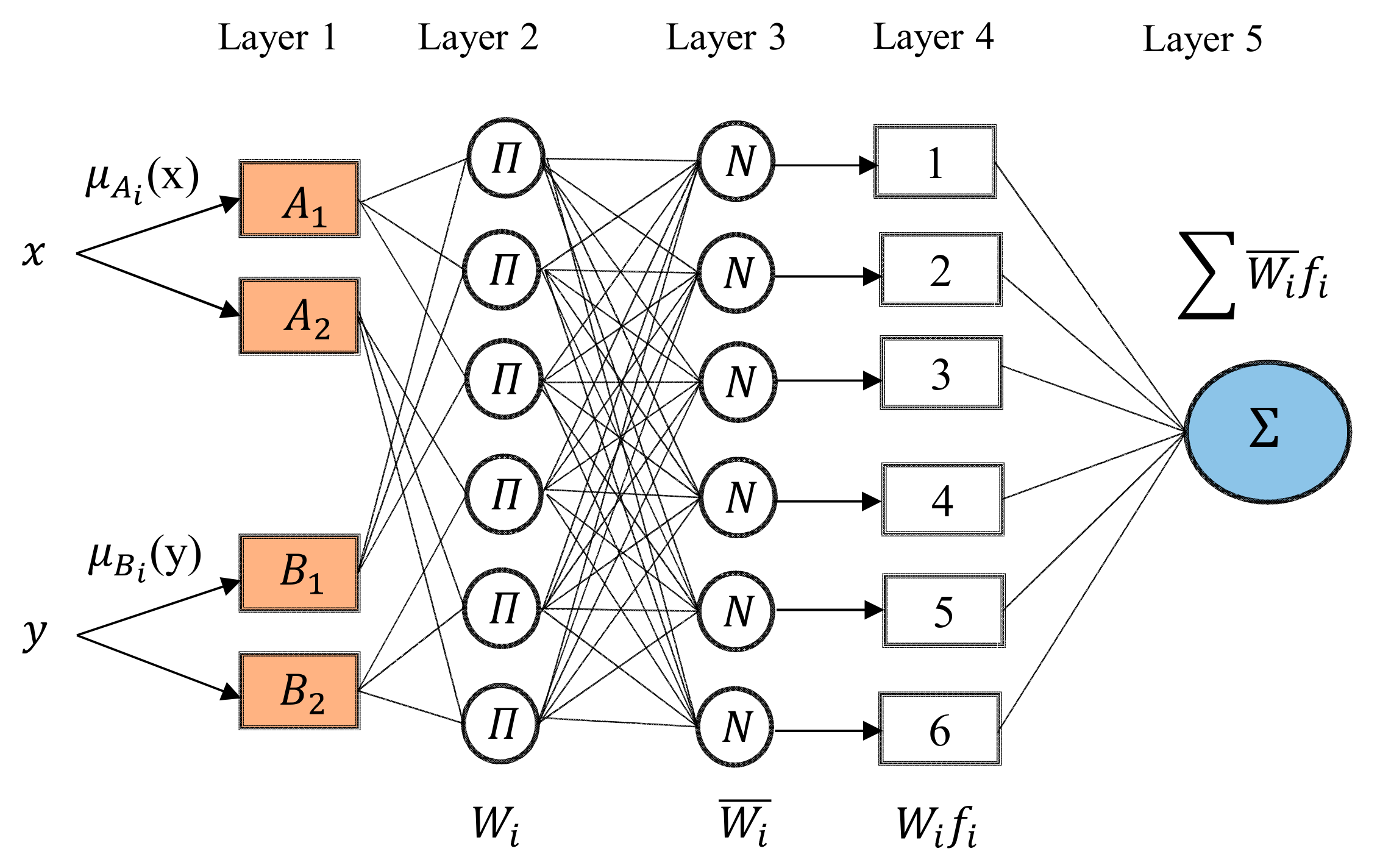
Artificial intelligence techniques based on adaptive neuro-fuzzy inference systems (ANFIS) provides more realistic results as compared to neural network and mathematical models based on the design of experiments [
42,
43,
44,
45,
46]. Moreover, employing the integrating artificial intelligence methods as fitness function during optimization presented accurate results compared with conventional method (Taguchi and RSM methods). Conde et al. [
39] developed prediction models using an artificial neural network and used these models as a fitness function for simulated annealing for optimizing the wire electrical discharge machining. Gopan et al. [
32] combined an artificial neural network with the particle swarm optimization (PSO) method for optimizing the cutting parameters to minimize the surface roughness and cutting forces during the grinding process and found accurate results during validation. Abbas et al. [
47] optimized the cutting condition during the face milling of high-strength steel grade-H for minimizing surface roughness and machining time using an artificial neural network with the Edgeworth-Pareto method.
On the other hand, many industries are using artificial intelligence techniques to enable smart automated manufacturing. Complex nonlinear machining processes can greatly benefit if they shift towards smart machining. This will require adjusting the machining parameters autonomously and adapting to current conditions to achieve higher performance. Therefore, to satisfy the requirements of smart machining in Industry 4.0, artificial intelligence and machine learning-based prediction models of machining processes are a fundamental requirement.
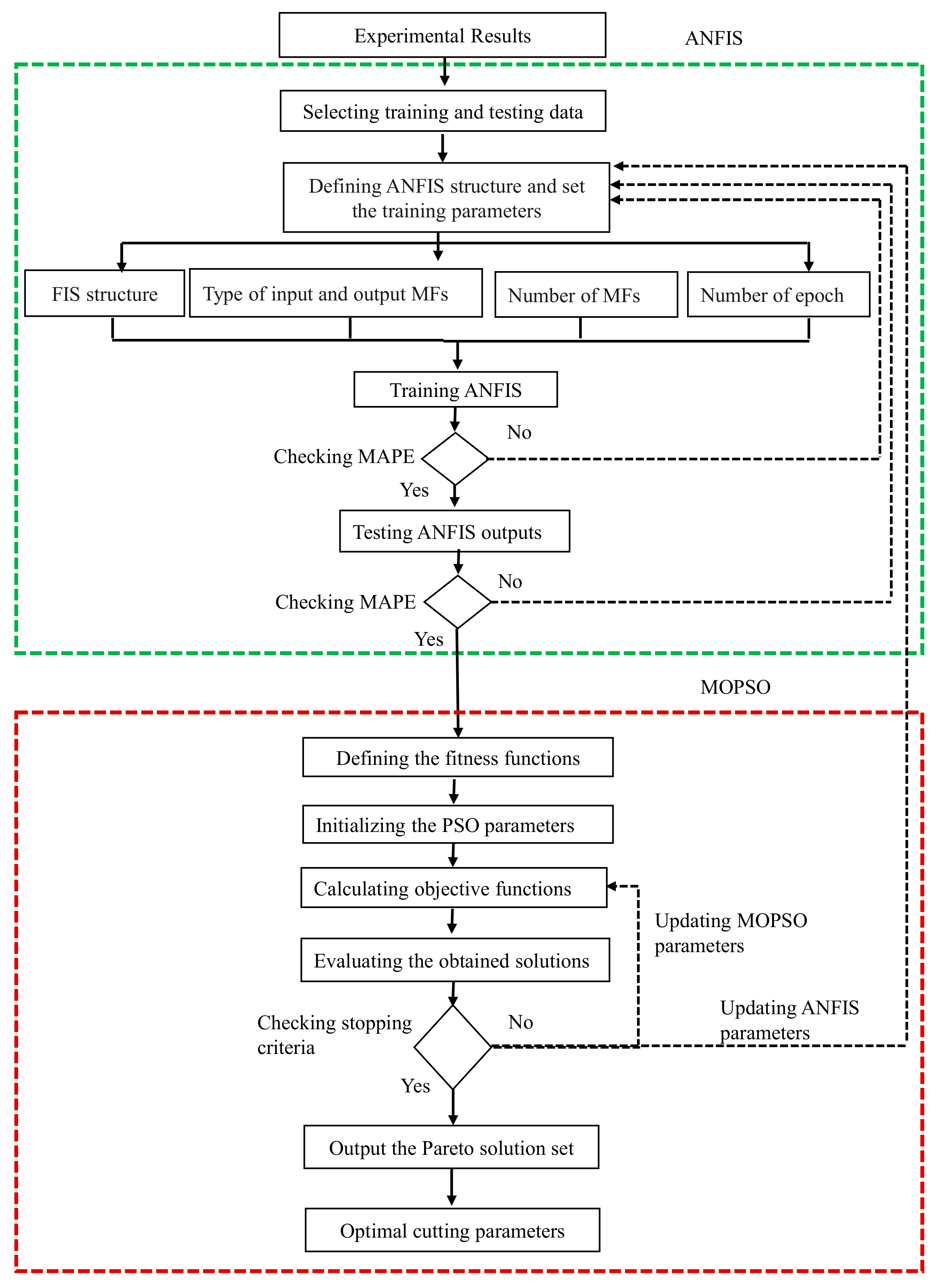
It is evident from the literature review that the graphene nano-reinforcement materials enhance the functionality and machinability of metal matrix nanocomposites. It was also found that no study has been conducted to optimize the cutting parameters by integrated ANFIS with a multi-objective particle swarm optimization (MOPSO) method for any machining process to fulfill the industry 4.0 smart manufacturing requirements [
48,
49]. It should be noted that no previous work has been reported on optimizing the machining parameters for machining GNPs-Ti64 nanocomposites. Only recently a study has been reported [
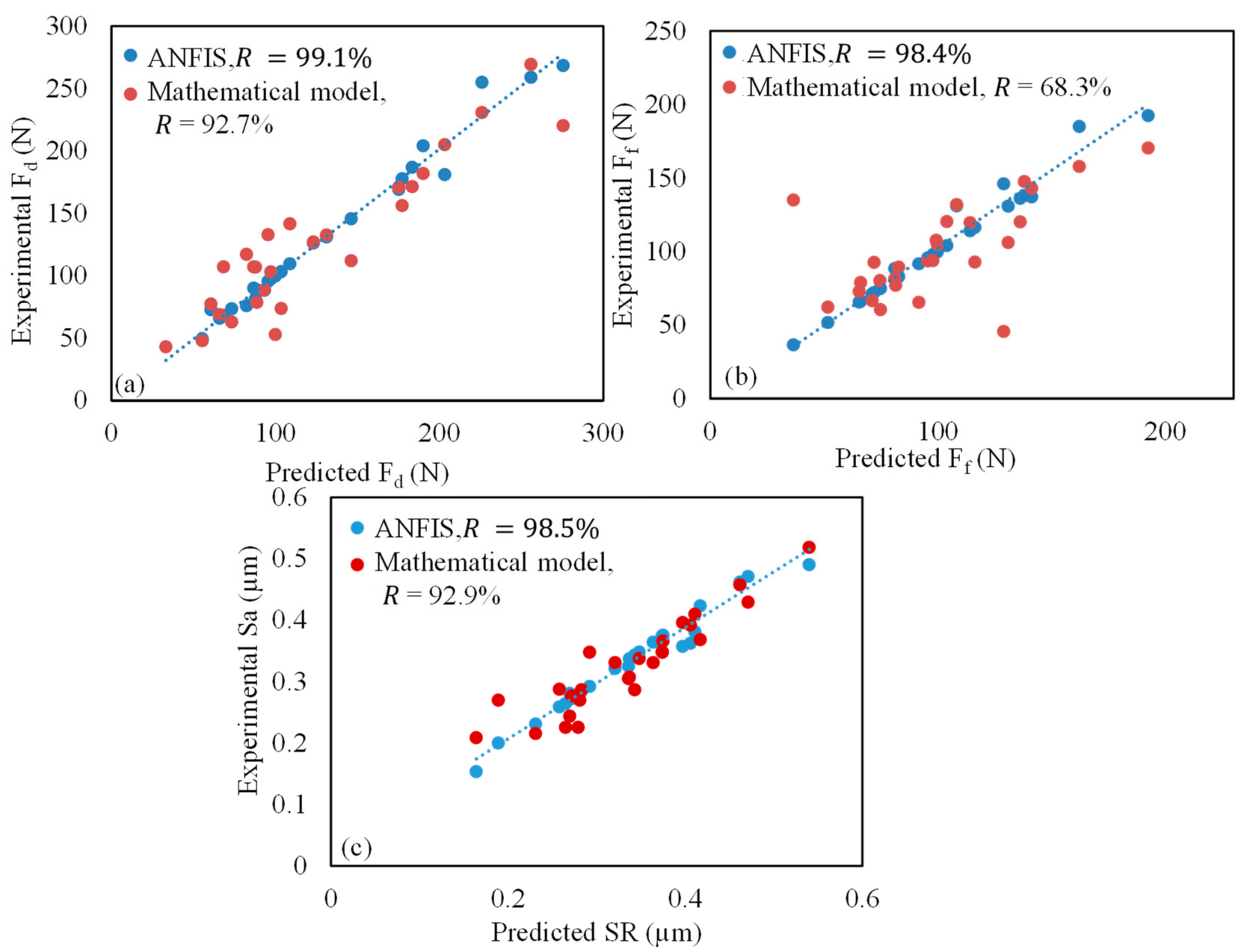
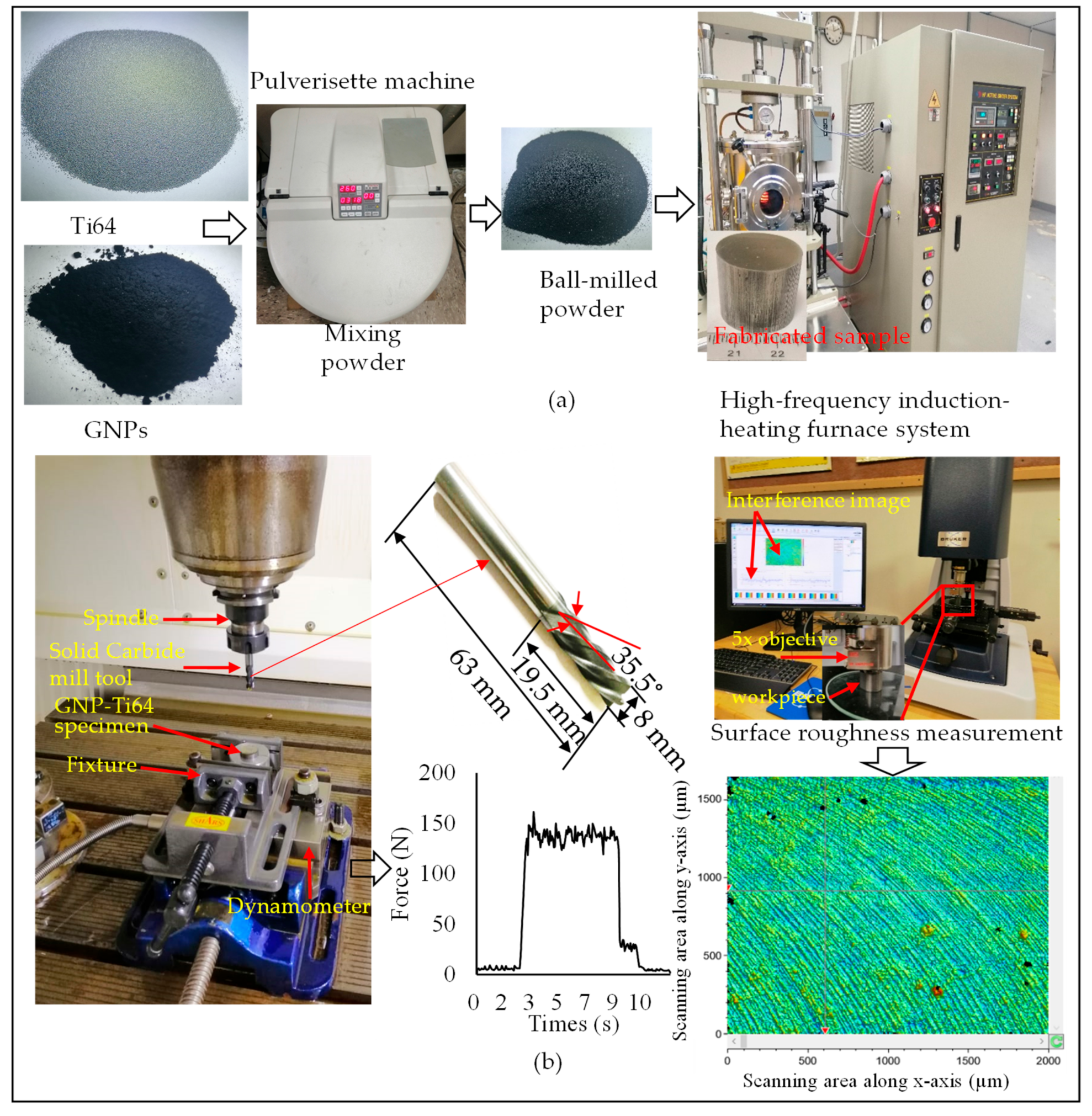
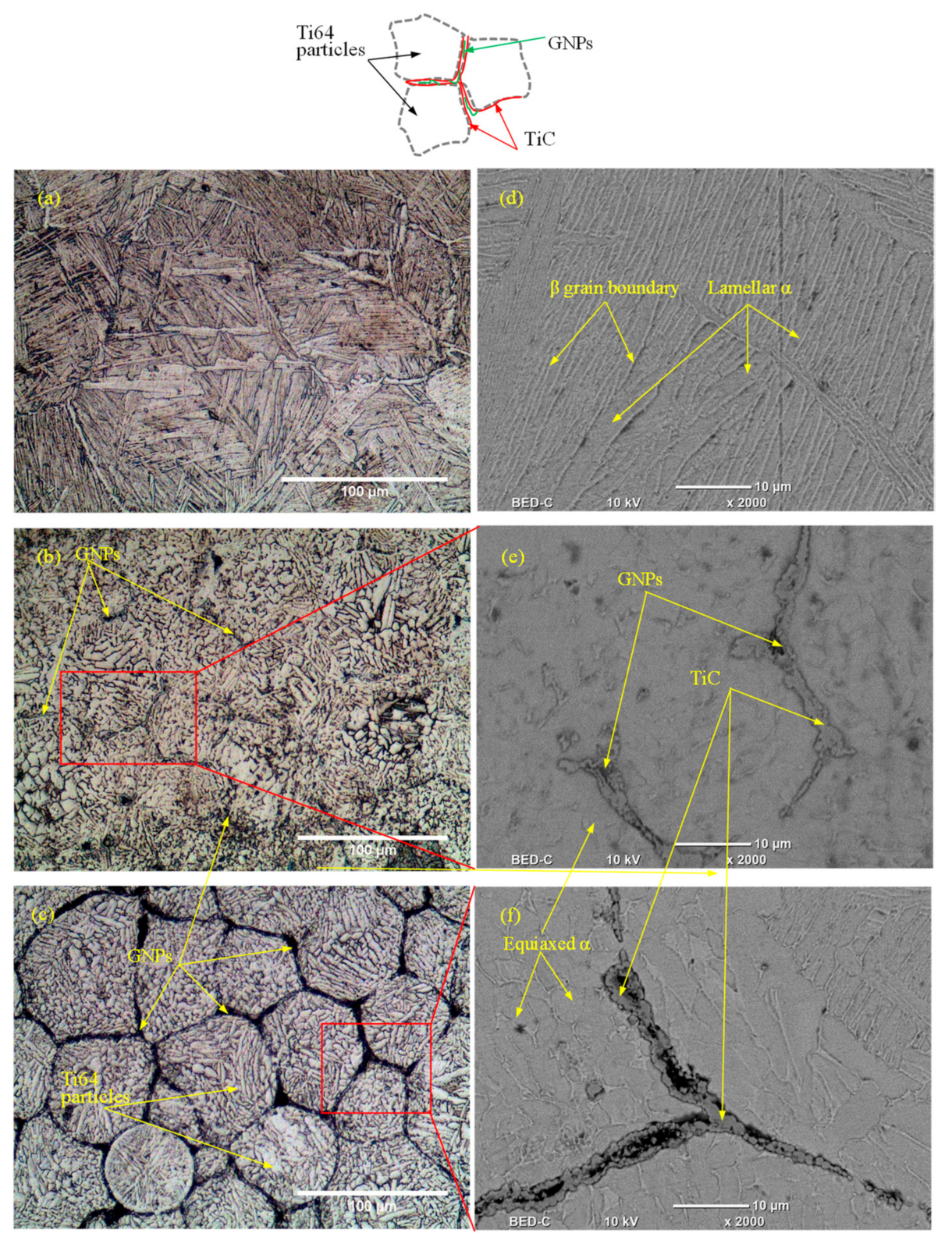
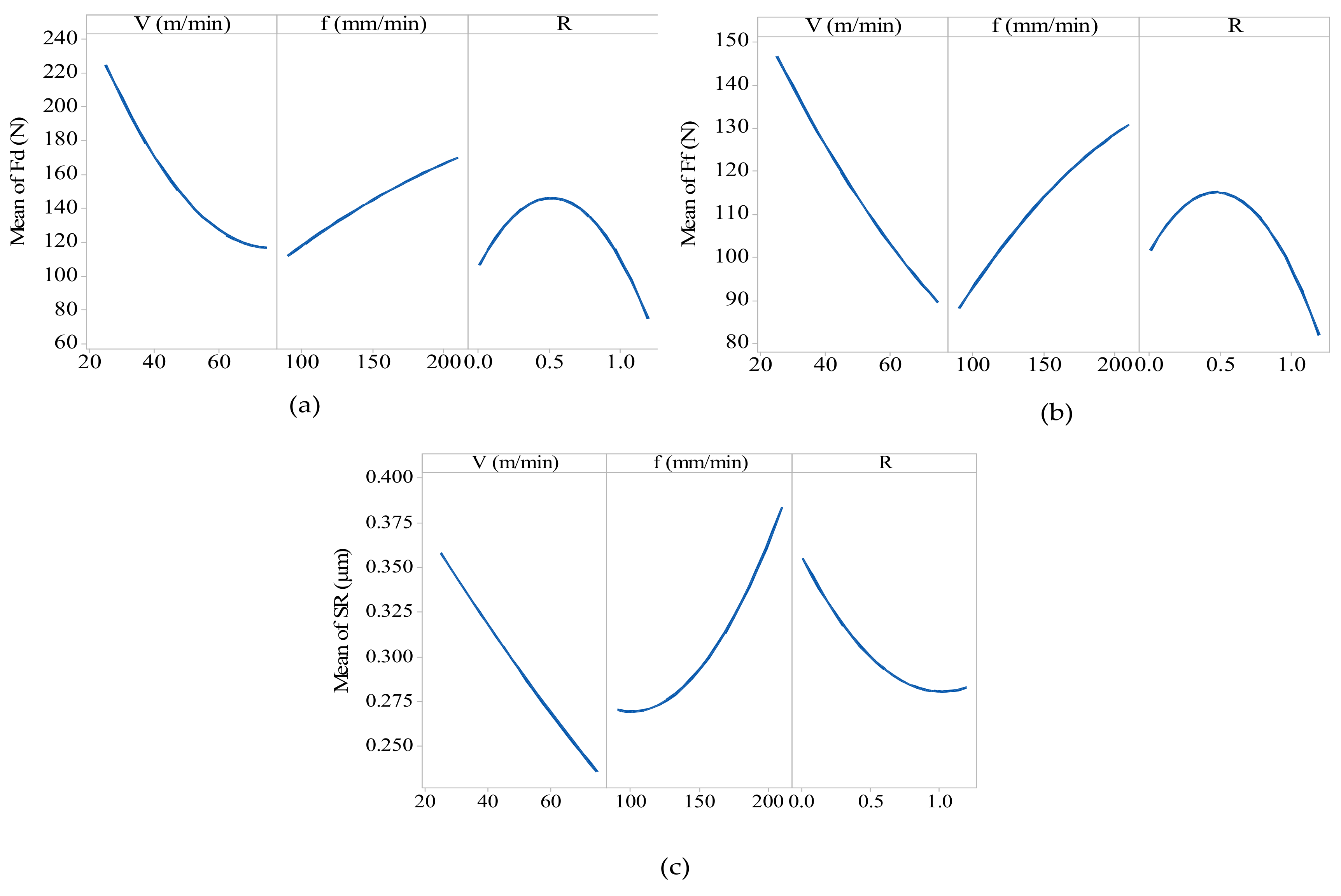
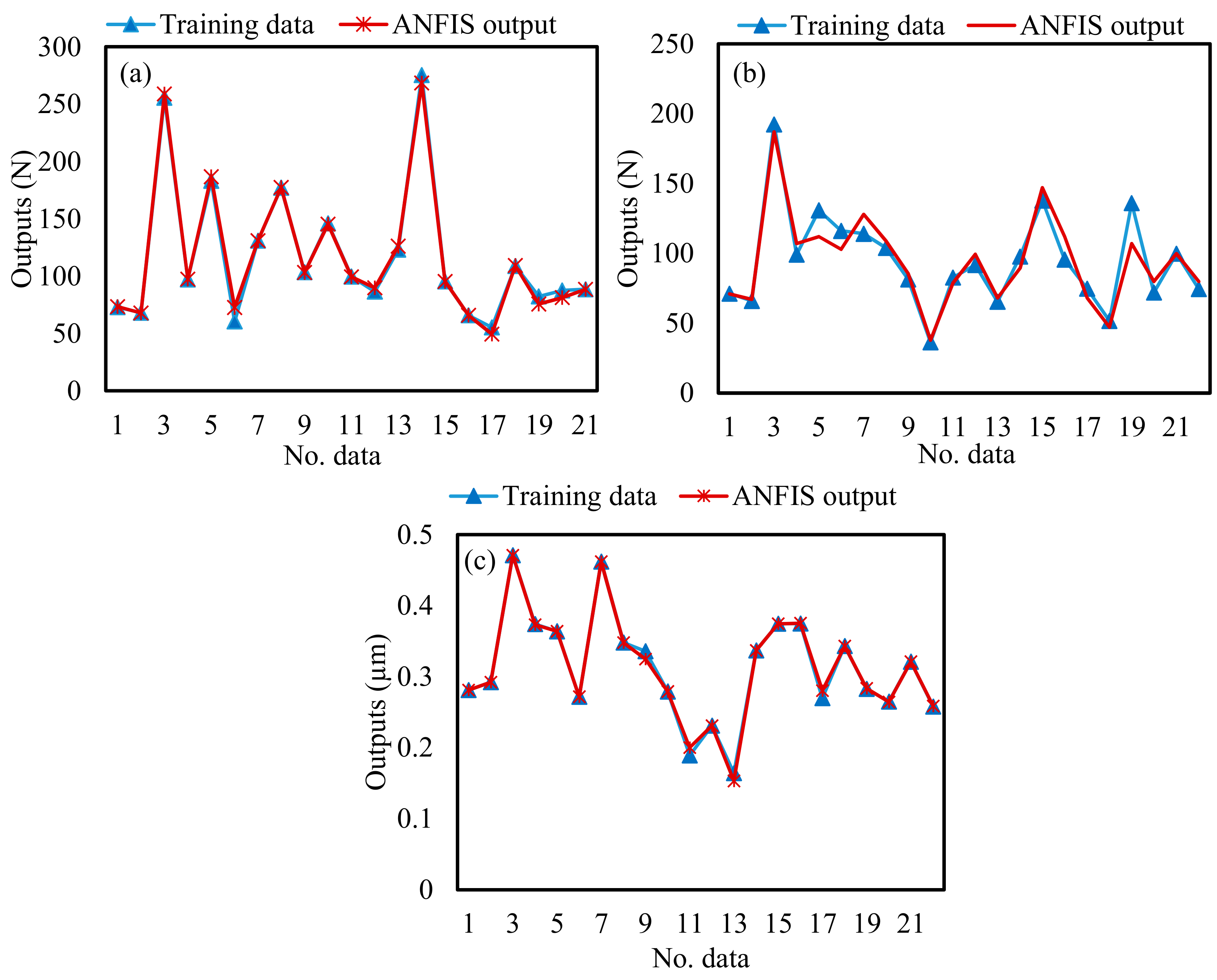
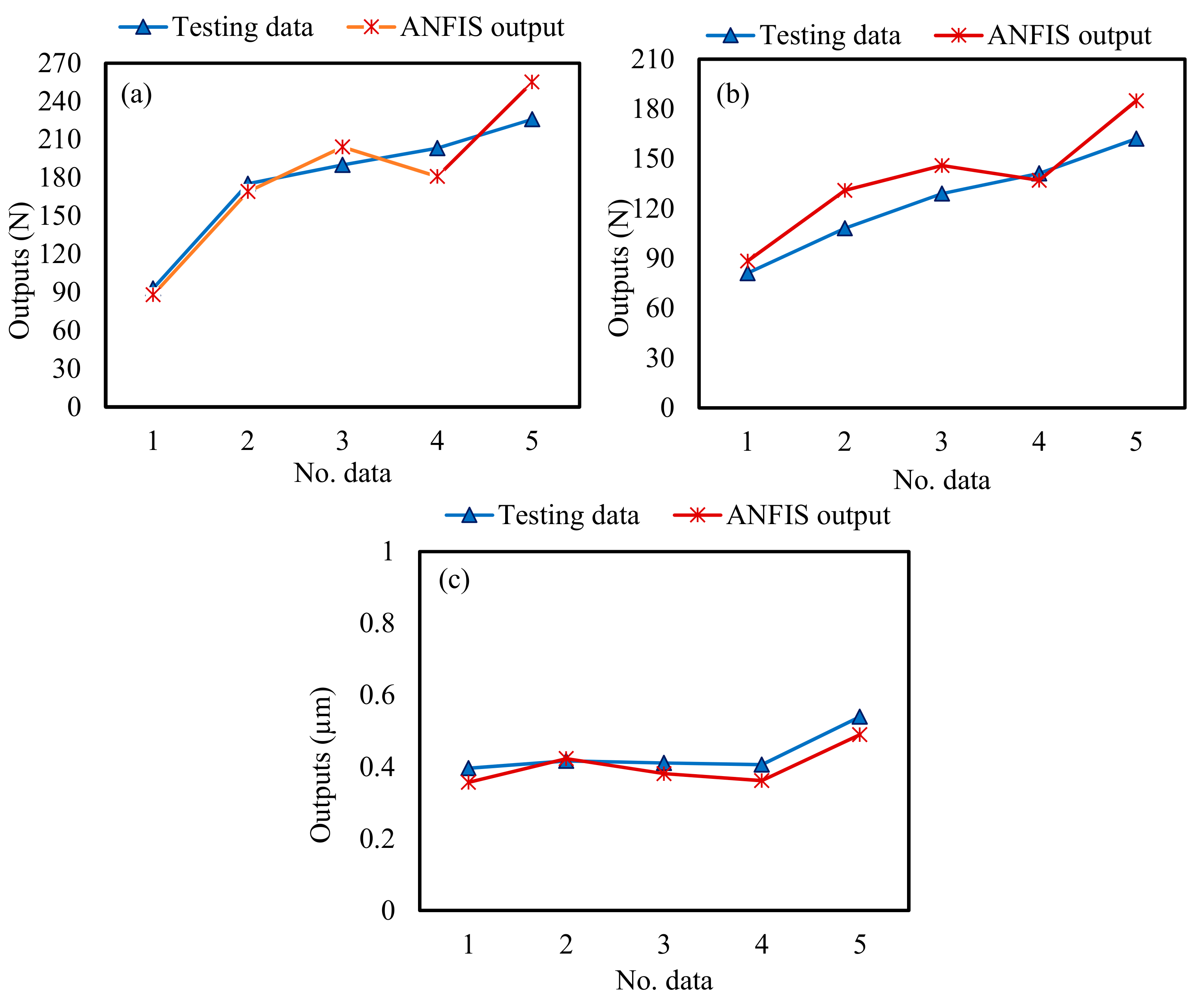
50], where the machinability of the GNPs reinforced Ti6Al4V nanocomposites was presented. This study explored the effect of the GNPs and milling parameters on the machining performance. They found that despite improved mechanical properties (high hardness), GNPs reinforced Ti6Al4V nanocomposites showed better machining performance. However, their work did not consider the optimization of the GNPs reinforcement ratio and milling parameters for better machining performance. The objective of this study is to develop a novel method based on ANFIS and MOPSO to optimize milling parameters and GNPs reinforcement ratio for machining GNPs-Ti64 nanocomposites. To achieve this objective, firstly, high-density hybrid GNPs-Ti64 nanocomposites are fabricated with different graphene contents by using the high-frequency induction heating (HFIH) technique. Secondly, the milling experiments are conducted based on full factorial design to study the effect of cutting speed, feed rate, and GNP reinforcement ratio on the depth force, feed force, and surface roughness. Thirdly, ANFIS models are developed based on the training and testing data, and then compared with the quadratic model to ensure the realistic results of the developed ANFIS model. Finally, multi-objective optimization was performed using hybrid ANFIS with the MOPSO method to select the optimal machining parameters and GNPs reinforcement ratio for enhancing the machining of the hybrid GNPs-Ti64 nanocomposites.



 ,
,