


Next Issue
Volume 22, December
Previous Issue
Volume 22, October
 
 
ijerph-logo

Journal Browser

Journal Browser

Int. J. Environ. Res. Public Health, Volume 22, Issue 11 (November 2025) – 161 articles
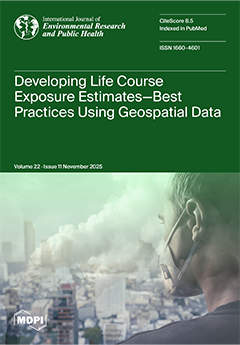
Cover Story (view full-size image): The concept and promise of the exposome for identifying the specific environmental factors that affect the onset and progression of disease is approached with life course exposure estimates that describe environmental stressors and exposure over an individual’s lifetime. Current practices, largely based on residential and occupational histories, temporo-spatial datasets, and geostatistical operations, are evolving rapidly and addressing exposures to pollutants in air, water and soil, temperature extremes, noise, and other environmental factors. These methods must address issues of individual mobility, missing and incorrect data, incompatible scaling of datasets, and surrogacy, e.g., the use of proximity as an exposure metric. The recognition and resolution of these issues is critical for accuracy of life course exposure estimates. View this paper
  • Issues are regarded as officially published after their release is announced to the table of contents alert mailing list.
  • You may sign up for e-mail alerts to receive table of contents of newly released issues.
  • PDF is the official format for papers published in both, html and pdf forms. To view the papers in pdf format, click on the "PDF Full-text" link, and use the free Adobe Reader to open them.
Order results
Result details
Section
Select all
Export citation of selected articles as:
12 pages, 821 KB  
Article
Assessing Physicians’ Knowledge, Attitudes, and Practices in Occupational Disease Diagnosis and History Taking
by Salim Al-Busaidi, Nasiba Al Maqrashi, Sheikha Alwahshi and Yaqoub Alsaidi
Int. J. Environ. Res. Public Health 2025, 22(11), 1763; https://doi.org/10.3390/ijerph22111763 - 20 Nov 2025
Viewed by 1269
Abstract
Background and Aim: Oman’s rapid industrial development has resulted in changing occupational exposures, emphasizing the importance of enhancing physicians’ proficiency in occupational history-taking and disease identification. This study sought to evaluate physicians’ knowledge, attitudes, and practices (KAP) in diagnosing occupational diseases and collecting [...] Read more.
Background and Aim: Oman’s rapid industrial development has resulted in changing occupational exposures, emphasizing the importance of enhancing physicians’ proficiency in occupational history-taking and disease identification. This study sought to evaluate physicians’ knowledge, attitudes, and practices (KAP) in diagnosing occupational diseases and collecting occupational histories, while also identifying perceived barriers to effective recognition and reporting. Method: Data were collected utilizing a structured, self-administered questionnaire adapted from a validated instrument that assesses physicians’ knowledge, attitudes, and practices (KAP) concerning occupational diseases. The survey was conducted among internal medicine and family medicine physicians at a tertiary academic hospital. Result: Of 252 eligible physicians, 146 (57.9%) responded. Moderate levels were most common for knowledge (45.2%) and attitude (65.1%), while practice was most frequently high (45.9%). Prior training strongly predicted high knowledge (aOR = 7.23, 95% CI: 2.99–17.49; p < 0.001). Family Medicine physicians were more likely to achieve high knowledge (aOR = 2.42, 95% CI: 1.03–5.72; p = 0.043) but less likely to report high attitude scores (aOR = 0.32, 95% CI: 0.14–0.76; p = 0.010). Training also showed non-significant trends toward improved attitude and practice. Conclusions: Occupational health training is strongly linked to improved knowledge, with indications of benefits for attitude and practice. Specialty differences highlight the need to integrate occupational medicine into curricula and strengthen institutional support to enhance recognition of occupational diseases. Full article
(This article belongs to the Special Issue Occupational Health and Prevention of Work-Related Diseases)
Show Figures

Figure 1

16 pages, 4638 KB  
Article
Inequality in the Distribution and Utilization of Healthcare Resources in Kazakhstan (2002–2023): A Spatiotemporal Analysis
by Askhat Shaltynov, Madina Abenova, Assel Baibussinova, Yuliya Semenova, Nazarbek Omarov, Gulnaz Tanatarova, Aigerim Sepbossynova and Jorge Rocha
Int. J. Environ. Res. Public Health 2025, 22(11), 1762; https://doi.org/10.3390/ijerph22111762 - 20 Nov 2025
Cited by 2 | Viewed by 2353
Abstract
Global progress toward achieving universal health coverage (UHC) by 2030 remains insufficient, as significant regional disparities in access to healthcare persist. In Kazakhstan, the uneven distribution of healthcare resources continues despite reforms aimed at improving equity. This retrospective study analyzed inequalities in the [...] Read more.
Global progress toward achieving universal health coverage (UHC) by 2030 remains insufficient, as significant regional disparities in access to healthcare persist. In Kazakhstan, the uneven distribution of healthcare resources continues despite reforms aimed at improving equity. This retrospective study analyzed inequalities in the distribution of medical infrastructure, healthcare personnel, and service utilization across 14 regions and 2 cities of republican significance from 2002 to 2023. Data were obtained from national statistical reports on healthcare and population income. The analysis included the following indicators: the number of primary care facilities, hospital beds, healthcare personnel, outpatient visits, and hospitalizations per population. Inequality was assessed using the Gini coefficient and the concentration index, and spatiotemporal trends were visualized through cluster analysis in ArcGIS PRO. Results revealed that southern and western regions exhibit lower availability of hospital beds and healthcare personnel, with moderate levels of inequality particularly evident in outpatient care. Despite Kazakhstan’s commitment to UHC, these disparities underscore the need for further measures to ensure equitable access to healthcare services. Full article
(This article belongs to the Special Issue Health Equity and Universal Health Coverage)
Show Figures

Figure 1

9 pages, 237 KB  
Article
Mental Health and Identity Formation Among Primary School Learners: Peer Perceptions of Children Living with Epilepsy Through a Social-Educational Lens
by Thendo Gertie Makhado and Lufuno Makhado
Int. J. Environ. Res. Public Health 2025, 22(11), 1761; https://doi.org/10.3390/ijerph22111761 - 20 Nov 2025
Viewed by 959
Abstract
Children living with epilepsy face significant stigma in school settings, particularly in rural South Africa, where misconceptions linking epilepsy to witchcraft, evil spirits, or unpredictability lead to fear, shame, and exclusion. This study explored how primary school learners perceive and experience epilepsy-related stigma [...] Read more.
Children living with epilepsy face significant stigma in school settings, particularly in rural South Africa, where misconceptions linking epilepsy to witchcraft, evil spirits, or unpredictability lead to fear, shame, and exclusion. This study explored how primary school learners perceive and experience epilepsy-related stigma within the classroom context and examined how such perceptions may influence the mental health and self-conception of peers living with epilepsy. A descriptive–exploratory qualitative design was employed, involving six focus group discussions with 36 learners aged 9–14 years from Grades 4 to 7 in rural schools across Limpopo and Mpumalanga provinces. Data were analyzed thematically using ATLAS.ti software (version 22). Findings revealed that epilepsy was commonly described as a “falling disease,” associated with ancestral spirits or supernatural causes, contributing to peer mockery, isolation, and emotional distress. While some learners expressed empathy and willingness to help, most lacked accurate knowledge about the condition. This study concludes that integrating culturally grounded, age-appropriate epilepsy education into life skills curricula can promote empathy, reduce stigma, and support inclusive identity formation. Embedding such programs in school health policies and teacher training frameworks can strengthen mental health promotion and contribute to equitable health education within the goals of Universal Health Coverage. Full article
(This article belongs to the Special Issue Health Equity and Universal Health Coverage)
32 pages, 1016 KB  
Systematic Review
Incidence and Risk Factors for the Development of Stress Fractures in Military Recruits and Qualified Personnel: A Systematic Review
by Patrick G. Campbell, Rodney Pope, Vinicius Simas, Elisa F. D. Canetti, Benjamin Schram and Robin M. Orr
Int. J. Environ. Res. Public Health 2025, 22(11), 1760; https://doi.org/10.3390/ijerph22111760 - 20 Nov 2025
Cited by 1 | Viewed by 2894
Abstract
Stress fractures are a major force preservation risk in military organisations. Although incidence rates and risk factors have been widely examined, a synthesis of high-quality evidence has been lacking. This review aimed to synthesise findings from studies examining stress fracture incidence and risk [...] Read more.
Stress fractures are a major force preservation risk in military organisations. Although incidence rates and risk factors have been widely examined, a synthesis of high-quality evidence has been lacking. This review aimed to synthesise findings from studies examining stress fracture incidence and risk factors in military populations. The protocol was registered on the Open Science Framework and reported in accordance with PRISMA guidelines. Three databases were searched, and data on incidence, risk factors, and risk ratios were extracted. Study quality was assessed using Joanna Briggs Institute appraisal tools. Seventy studies were included. The incidence of stress fractures in military recruit/trainee populations was substantially higher than among qualified personnel (13.7–1713 vs. 2.7–56.9 per 1000 person-years). Fractures occurred most often in the tibia, fibula, and metatarsals. Higher-risk sub-populations included older and female personnel. Recruits/trainees faced additional risks, such as the following: consuming >10 alcoholic drinks per week; underweight BMI; beginning training without prior exercise of ≥3 sessions/week or ≥7 h/week in the previous year; low serum 25(OH)D levels; prior use of non-steroidal anti-inflammatory drugs; and the initial training stages with the greatest physical loading. Military personnel, particularly recruits, experience high stress fracture incidence, with physical workload and other risk factors contributing to elevated risk. Full article
Show Figures

Figure 1

14 pages, 518 KB  
Article
Sacral Microvascular Response in Older Adults Following Mechanical Loading Assessed by Photoplethysmography and Infrared Thermometry
by Catalina Jimenez Cerquera, Luz Edith Garzon, Alexandra María Patarroyo, Iván David Bañol and Rosa Nury Zambrano Bermeo
Int. J. Environ. Res. Public Health 2025, 22(11), 1759; https://doi.org/10.3390/ijerph22111759 - 20 Nov 2025
Viewed by 803
Abstract
Pressure injuries in institutionalized older adults with reduced mobility represent a relevant clinical problem due to their impact on quality of life and health costs. Purpose: This study aimed to describe the behavior of blood flow and tissue temperature in the sacral region [...] Read more.
Pressure injuries in institutionalized older adults with reduced mobility represent a relevant clinical problem due to their impact on quality of life and health costs. Purpose: This study aimed to describe the behavior of blood flow and tissue temperature in the sacral region and the significance of interindividual conditions in the post-load recovery of tissue in the context of pressure injuries. Methods: An observational study was conducted in 55 older adults living in a geriatric institution. Photoplethysmography and temperature signals were recorded at four times: at baseline (preload) and 15 s, 5 min, and 10 min post-load. The perfusion index was calculated, and two dichotomous variables were defined, Return b (flow) and Return t (temperature), to evaluate the physiological capacity to return to baseline conditions. Associations with clinical, functional, and diagnostic variables were explored. Results: The perfusion index showed usefulness as an indicator of microvascular recovery, but with variability between individuals. Return b was significantly associated with BMI and diagnosis of cardiovascular disease, while t-return was associated with body temperature and basal perfusion index. No significant associations were observed with sex, age or functional scales, state of consciousness, or risk of pressure injury. Conclusions: The study shows heterogeneous physiological responses to external load influenced by individual characteristics. Flow and temperature monitoring allows a functional approximation of injury risk, although more complex models are required to understand the nonlinear dynamics of tissue responses. Full article
Show Figures

Figure 1

16 pages, 2692 KB  
Article
Using Spatial Technologies to Assess Risk Factors for Diarrheal Disease Under Environmental Variability in Bangladesh: A Machine Learning Study
by Ryan van der Heijden, Elizabeth M. B. Doran, Parker King, Kennedy P. Brown, Donna M. Rizzo and Kelsey M. Gleason
Int. J. Environ. Res. Public Health 2025, 22(11), 1758; https://doi.org/10.3390/ijerph22111758 - 20 Nov 2025
Viewed by 802
Abstract
Background: Diarrheal disease (DD) remains a major public health challenge and is the leading cause of malnutrition and the second leading cause of death among children under five globally. Although DD can be caused by a wide range of pathogens, its primary drivers [...] Read more.
Background: Diarrheal disease (DD) remains a major public health challenge and is the leading cause of malnutrition and the second leading cause of death among children under five globally. Although DD can be caused by a wide range of pathogens, its primary drivers are often linked to unimproved sanitation, limited access to clean drinking water, and poor hygiene practices. Low- and middle-income countries, particularly those in South Asia, experience the highest burden. These regions are also increasingly vulnerable to climate change and land use/cover changes, which may further exacerbate DD risk. However, the relative influence of environmental and social drivers at localized scales is not well understood. This gap presents a critical opportunity to identify scalable, data-informed interventions that address environmental determinants of health in the context of a changing climate. Methods: To investigate these dynamics, we analyzed 21,779 records from the Demographic and Health Surveys (DHS) for Bangladesh, integrating them with remotely sensed data on forest cover change, temperature, and rainfall. Using Random Forest machine learning models, we assessed the relative importance of both environmental and socio-demographic variables at household and regional (village) levels. Results: The results show that DD risk varies across scales: household-level outcomes are primarily associated with socio-demographic characteristics, while regional-level outcomes are more strongly influenced by environmental and geographic features, including precipitation, elevation, and proximity to water bodies. Conclusions: These findings underscore the importance of scale-sensitive approaches when assessing environmental health risks and developing climate-adaptive public health strategies. Full article
(This article belongs to the Special Issue Utilization of Spatial Analysis and GIS to Improve Public Health)
Show Figures

Figure 1

16 pages, 298 KB  
Article
Exploring Community Roles in Managing Childhood Illnesses in Vhembe District, Limpopo: Perspectives from Nurses and Caregivers
by Livhuwani Tshivhase and Idah Moyo
Int. J. Environ. Res. Public Health 2025, 22(11), 1757; https://doi.org/10.3390/ijerph22111757 - 20 Nov 2025
Viewed by 920
Abstract
Despite notable progress in reducing childhood morbidity and mortality, achieving Sustainable Development Goal 3 remains a challenge in sub-Saharan Africa, where many children under five die before accessing formal healthcare services. This study explored the roles of the community in the implementation of [...] Read more.
Despite notable progress in reducing childhood morbidity and mortality, achieving Sustainable Development Goal 3 remains a challenge in sub-Saharan Africa, where many children under five die before accessing formal healthcare services. This study explored the roles of the community in the implementation of the Integrated Management of Childhood Illness (IMCI) programme from the perspectives of caregivers and professional nurses. Using an interpretative phenomenological analysis design, 18 participants were purposively selected from four primary healthcare facilities. Data was collected through audio-recorded interviews, transcribed verbatim and analysed using the IPA framework. The findings underscore the critical role of community health workers (CHWs) within the Integrated Management of Childhood Illness (IMCI) framework, particularly in health promotion, child assessments and follow-up home visits. Support from early childhood development educators and community leaders further enhances these efforts. Nurses highlighted mobile health teams as vital for delivering integrated services, though challenges such as limited transport and inadequate training hinder CHWs’ effectiveness. Community-based care offers a cost-effective, accessible model in low-resource settings by leveraging local structures. Strengthening the connection between communities and formal health systems is essential. To sustain IMCI, investment in CHW-led initiatives, including training and logistical support, is recommended to improve service delivery and child health outcomes. Full article
(This article belongs to the Special Issue Community Health Nursing and Public Health Approach)
22 pages, 2554 KB  
Article
COVID-19 Infections Still Occur: How Do Pregnant and Non-Pregnant Individuals Compare? A Study from the Canadian Mother–Child Initiative on Drug Safety in Pregnancy (CAMCCO)
by Anick Bérard, Odile Sheehy, Padma Kaul, Sherif Eltonsy, Mark Walker, Steven Hawken, Sasha Bernatsky, Michael Pugliese, Olesya Barrett, Anamaria Savu and Roxana Dragan
Int. J. Environ. Res. Public Health 2025, 22(11), 1756; https://doi.org/10.3390/ijerph22111756 - 20 Nov 2025
Viewed by 1086
Abstract
Over 100 million pregnant people worldwide remain at risk of COVID-19. We compared the prevalence of severe COVID-19 in pregnancy and in people of reproductive age, and the risk of adverse pregnancy/neonatal outcomes in those with/without COVID-19 during gestation. In the Canadian Mother–Child [...] Read more.
Over 100 million pregnant people worldwide remain at risk of COVID-19. We compared the prevalence of severe COVID-19 in pregnancy and in people of reproductive age, and the risk of adverse pregnancy/neonatal outcomes in those with/without COVID-19 during gestation. In the Canadian Mother–Child Cohort, two sub-cohorts were identified using medical services, prescription medication fillings, hospitalizations, and COVID-19 surveillance testing programs data (28 February 2020–2021). The first included all pregnant people with at least one completed trimester of pregnancy during the study period, stratified on COVID-19 status. The second included all non-pregnant people (aged 15–45) with a positive COVID-19 test during the same period. COVID-19 severity was categorized based on hospital admissions before the end of pregnancy. Associations between COVID-19 during pregnancy and adverse perinatal outcomes were quantified using log-binomial regressions. A total of 150,345 pregnant people (3464 (2.3%) had COVID-19), and 112,073 non-pregnant people with COVID-19 were included. Maternal age at the time of COVID-19 diagnosis/positive test was statistically significantly lower among pregnant individuals compared to those who were not pregnant (96% had less than 40 years vs. 80%, p < 0.001). In pregnancy, COVID-19 was associated with the risk of spontaneous abortions (adjRR 1.76, 95%CI 1.37, 2.25), gestational diabetes (adjRR 1.52, 95%CI 1.18, 1.97), prematurity (adjRR 1.30, 95%CI 1.01, 1.67), and NICU (adjRR 1.32, 95%CI 1.10, 1.59); COVID-19 treatment with medications reduced risks. Severe COVID-19 was more prevalent in pregnancy and was associated with higher risks of adverse maternal/neonatal outcomes. As some countries are pulling back preventive strategies for COVID-19, this study highlights the importance of continued surveillance during pregnancy to prevent adverse pregnancy outcomes. Full article
Show Figures

Figure 1

15 pages, 943 KB  
Article
How Healthcare Teams Appear to the Observer—An Approach to the Complexities of Mask-Wearing Attitudes During the COVID-19 Pandemic
by Hans Joachim Roehrens, Michaela Stratmann and Jan P. Ehlers
Int. J. Environ. Res. Public Health 2025, 22(11), 1755; https://doi.org/10.3390/ijerph22111755 - 20 Nov 2025
Viewed by 888
Abstract
The COVID-19 pandemic has brought widespread attention to the use of protective masks. This study explores how the socio-demographic factors influence the perception of an interprofessional team wearing FFP2 masks. An online survey conducted in 2021 included 906 participants who rated photographs of [...] Read more.
The COVID-19 pandemic has brought widespread attention to the use of protective masks. This study explores how the socio-demographic factors influence the perception of an interprofessional team wearing FFP2 masks. An online survey conducted in 2021 included 906 participants who rated photographs of an interprofessional team in four different attire scenarios: tunic, white coat, FFP2 masks, and pink socks. In addition education and occupation of participants were obtained. By measuring the attitudes towards an interprofessional team wearing FFP2 masks implicitly the attitude towards this COVID-19 measure was assessed. The statistical analysis employed MANOVA to assess the significance of differences in perception. Healthcare professionals were more critical of teams wearing masks compared to other occupational groups, with a third expressing skepticism about the effectiveness of masks. The results underscore the importance of understanding healthcare professionals’ attitudes towards preventive measures, especially masks, for future pandemics. The study uses the Health Belief Model (HBM) as an approach to interpret how the attitude towards preventive measures during the COVID-19 pandemic affect behavior. Full article
Show Figures

Figure 1

1 pages, 178 KB  
Correction
Correction: Adeel et al. Oxygen Consumption (VO2) and Surface Electromyography (sEMG) during Moderate-Strength Training Exercises. Int. J. Environ. Res. Public Health 2022, 19, 2233
by Muhammad Adeel, Hung-Chou Chen, Bor-Shing Lin, Chien-Hung Lai, Chun-Wei Wu, Jiunn-Horng Kang, Jian-Chiun Liou and Chih-Wei Peng
Int. J. Environ. Res. Public Health 2025, 22(11), 1754; https://doi.org/10.3390/ijerph22111754 - 20 Nov 2025
Viewed by 541
Abstract
In the original publication [...] Full article
20 pages, 1313 KB  
Article
Healthcare Professionals’ Perceptions and Acceptance of Telemonitoring During Pregnancy and Early Labor: A Single-Center Survey
by Julia Jockusch, Sophie Schneider, Andrea Hochuli, Marianne Simone Joerger-Messerli, Daniel Surbek and Anda-Petronela Radan
Int. J. Environ. Res. Public Health 2025, 22(11), 1753; https://doi.org/10.3390/ijerph22111753 - 19 Nov 2025
Viewed by 1097
Abstract
The use of health monitoring software applications (apps) and devices is gaining popularity in obstetrics. The attitude and acceptance of different healthcare professionals regarding telemonitoring during pregnancy and the early phase of labor have not been sufficiently investigated. This study aims to assess [...] Read more.
The use of health monitoring software applications (apps) and devices is gaining popularity in obstetrics. The attitude and acceptance of different healthcare professionals regarding telemonitoring during pregnancy and the early phase of labor have not been sufficiently investigated. This study aims to assess healthcare professionals’ views on telemonitoring during pregnancy and childbirth, as well as data processing in the telemonitoring process. The study is part of an international project called `Newlife`, funded by the European Council and nationally funded by the Swiss State Secretariat for Education, Research and Innovation and Innosuisse. Eleven physicians from the fields of obstetrics and neonatology and five prenatal care nurses and five midwives were interviewed. First, participants were asked to fill out a written questionnaire with open and closed-ended answers, containing questions with a 5-point Likert scale. In a second step, a personal oral interview was conducted with all respondents. The study had an exploratory, qualitative focus. Questionnaire responses were summarized using descriptive statistics, while interview recordings were transcribed verbatim and systematically coded to identify recurring themes. Of the respondents (n = 20), five (25.0%) reported previous experience with telemonitoring in their professional practice, and all of them considered it useful. Regarding attitudes and acceptance, 57.1% (n = 12) of respondents would welcome telemonitoring during pregnancy and 52.4% (n = 11) during the early phase of labor, while 33.3% expressed no clear opinion. Rejection of telemonitoring was indicated by 9.6% (n = 2) during pregnancy, and 19.0% (n = 4) during early labor. In terms of perceived benefits, respondents highlighted early detection of problems (n = 13, 61.9%), improved prenatal care (n = 11, 52.4%), and better opportunities for data analysis and research (n = 12, 47.1%). Perceived risks included technical challenges and susceptibility to errors (n = 14, 66.7%), the lack of human contact and personal support (n = 14, 66.7%), and potentially inaccurate measurements (n = 12, 57.1%). This study offers insights into healthcare professionals’ attitudes and acceptance of telemonitoring in healthcare during pregnancy and the early stages of labor. There is a generally positive outlook but concerns and preferences exist. Addressing these considerations is essential for developing effective and user-friendly telemonitoring systems that benefit both healthcare professionals and pregnant women. Full article
Show Figures

Figure 1

15 pages, 388 KB  
Article
Soft Skills as a Tool for Post-Pandemic Sustainability: A University-Based Study
by Elisa De Carlo, Emanuela Ingusci, Alessia Anna Catalano and Fulvio Signore
Int. J. Environ. Res. Public Health 2025, 22(11), 1752; https://doi.org/10.3390/ijerph22111752 - 19 Nov 2025
Viewed by 1296
Abstract
The COVID-19 pandemic has heightened the psychological vulnerability of university students, making it essential to identify personal resources that can support well-being and career readiness. This study investigates the role of soft skills in predicting psychological outcomes like optimism, resilience, and self-management. A [...] Read more.
The COVID-19 pandemic has heightened the psychological vulnerability of university students, making it essential to identify personal resources that can support well-being and career readiness. This study investigates the role of soft skills in predicting psychological outcomes like optimism, resilience, and self-management. A total of 1067 Italian university students completed validated self-report questionnaires. Structural equation modeling showed that soft skills significantly predicted all three psychological resources. Although no significant gender differences emerged, slight variations suggest the adoption of different coping styles. The findings emphasize the importance of integrating soft skill development into university programs to strengthen students’ psychological capital and prepare them for the challenges of work and life in the post-COVID-19 era. Promoting inclusive and flexible interventions can support students with diverse characteristics and contribute to the creation of healthier and more equitable academic and occupational environments. Full article
(This article belongs to the Special Issue Long COVID-19, Work and Health)
Show Figures

Figure 1

15 pages, 829 KB  
Article
Organochlorine Pesticides and Salinity in Karakalpakstan, Uzbekistan: Environmental Health Risks Associated with the Aral Sea Crisis
by Casey Bartrem, Murad Ismaylovich Kurbanov, Brock Daniel Keller, Andrea Fiori, Ian von Lindern, Polat Zoldasbaevich Khajiev, Dilmurod Rustamov, Jerry Lee, Marina Steiner and Zamira Paluaniyazova
Int. J. Environ. Res. Public Health 2025, 22(11), 1751; https://doi.org/10.3390/ijerph22111751 - 19 Nov 2025
Cited by 3 | Viewed by 2067
Abstract
The legacy of Soviet-era agricultural practices in Central Asia has contributed to severe environmental degradation through residual organochlorine pesticide contamination, dramatic reduction in surface water, and the near-total desiccation of the Aral Sea. Few studies have investigated hazards to human health, despite the [...] Read more.
The legacy of Soviet-era agricultural practices in Central Asia has contributed to severe environmental degradation through residual organochlorine pesticide contamination, dramatic reduction in surface water, and the near-total desiccation of the Aral Sea. Few studies have investigated hazards to human health, despite the region’s elevated burden of disease. This study aimed to characterize environmental hazards in the Republic of Karakalpakstan, one of the most environmentally and economically impacted regions. Environmental assessment included the collection of 140 soil, water, and sediment samples across 79 unique locations. Pesticide results showed organochlorine pesticides over US reference levels in 100% of water samples, with 30% also exceeding in hexavalent chromium. Water salinity is a primary concern: expressed as total dissolved solids, values ranged from 563 to 3852 mg/L. Over half of the 46 soil and sediment samples tested above reference levels for aldrin. Soil and sediment sample salt content reached up to 8.7%. Residual persistent organochlorine pesticides remain a significant health risk in Karakalpakstan, while water availability is decreasing, and water quality parameters, including salinity, dissolved oxygen, pH, dissolved metals, and nitrate levels, are degrading. Such challenges extend beyond the Aral Sea Basin: as salinization and desiccation of endorheic lakes continue on a global scale, similar situations may become commonplace. Research and interventions from this region can serve to support other similarly impacted areas. Full article
Show Figures

Figure 1

22 pages, 399 KB  
Article
Safety Net Programs as Primary Prevention Against Adverse Childhood Experiences (ACEs) in the United States: Natural Experiments with Temporary Assistance for Needy Families (TANF) and Supplemental Nutrition Assistance Program (SNAP)
by Tasfia Jahangir, Briana Woods-Jaeger, Kelli A. Komro and Melvin D. Livingston
Int. J. Environ. Res. Public Health 2025, 22(11), 1750; https://doi.org/10.3390/ijerph22111750 - 19 Nov 2025
Viewed by 1411
Abstract
We examine access to U.S. welfare programs—Temporary Assistance for Needy Families (TANF) and Supplemental Nutrition Assistance Program (SNAP)—as primary prevention strategies against adverse childhood experiences (ACEs). Using the University of Kentucky’s National Welfare Data and National Survey of Children’s Health (2016–2022), we estimate [...] Read more.
We examine access to U.S. welfare programs—Temporary Assistance for Needy Families (TANF) and Supplemental Nutrition Assistance Program (SNAP)—as primary prevention strategies against adverse childhood experiences (ACEs). Using the University of Kentucky’s National Welfare Data and National Survey of Children’s Health (2016–2022), we estimate two-way fixed effects models linking state-level access rates to child-level ACE incidence. TANF access predicts reduced parental mental illness (fully adjusted β = −5.40, 95% CI: −8.80, −2.00), and parental incarceration in the model adjusted for state-level factors (β = −4.44, 95% CI: −8.84, −0.05), though the latter attenuates with child-level covariate adjustment. Unexpectedly, SNAP access correlates with slight increases in neighborhood violence exposure (fully adjusted β = 0.95, 95% CI: 0.39, 1.51) and parental substance use (crude β = 0.48, 95% CI: 0.04, 0.93) in crude models. Robustness checks show greater TANF access is associated with fewer total ACEs (β = −0.27, 95% CI: −0.46, −0.07). Results suggest that welfare programs hinge on broader social contexts; TANF access appears protective, while SNAP findings diverge from prior research, likely reflecting measurement or contextual limitations that merit careful further investigation, rather than overinterpretations of program harm. Full article
(This article belongs to the Special Issue The Lifelong Impact of Adverse Childhood Experiences on Health)
7 pages, 221 KB  
Editorial
Diversity Competence and Social Inequalities: Overview and Future Directions
by Costas S. Constantinou, Lisa Dikomitis and Eirini Kampriani
Int. J. Environ. Res. Public Health 2025, 22(11), 1749; https://doi.org/10.3390/ijerph22111749 - 19 Nov 2025
Viewed by 978
Abstract
Social inequalities have been subject to research and policy design for a few decades now, with limited positive long-term changes [...] Full article
(This article belongs to the Topic Diversity Competence and Social Inequalities)
20 pages, 1148 KB  
Review
Digital Health Literacy of People with Intellectual Disabilities: A Scoping Review to Map the Evidence
by Dirk Bruland, Daniel Geffroy and Änne-Dörte Latteck
Int. J. Environ. Res. Public Health 2025, 22(11), 1748; https://doi.org/10.3390/ijerph22111748 - 19 Nov 2025
Viewed by 1397
Abstract
Digital technologies are revolutionizing health systems worldwide. People with higher digital health literacy are better equipped to access reliable health information, utilize telehealth services, and effectively manage their health through applications. However, a notable digital divide exists for people with intellectual disabilities, and [...] Read more.
Digital technologies are revolutionizing health systems worldwide. People with higher digital health literacy are better equipped to access reliable health information, utilize telehealth services, and effectively manage their health through applications. However, a notable digital divide exists for people with intellectual disabilities, and the digitization of healthcare can limit their health opportunities. This scoping review examines the current evidence on digital health literacy among people with intellectual disabilities, emphasizing specific challenges and the need for tailored adaptations. Eleven articles from ten databases were included in the review. Although digital health literacy is becoming increasingly important, it is rarely discussed for people with intellectual disabilities. The term “digital health literacy” is not used, with the exception of one article. However, the focus is mostly on applicability and often at the functional level. The findings underscore that people with intellectual disabilities are underrepresented in research studies and interventions related to digital health literacy. Additionally, the results indicate the lack of a theoretical population-specific framework that focuses on competencies and life experiences. Participation in the digital world is a human right (UN CRPD). Addressing the digital gap is crucial, as improving digital health literacy can lead to better health outcomes, equitable access to health services, and reduced health disparities among people with intellectual disabilities. Based on the results, research directions for developing a population-specific framework for this highly vulnerable group are discussed. Full article
Show Figures

Figure 1

15 pages, 456 KB  
Review
Quality of Work Life Amongst Nurse Professionals: A Concept Analysis
by Michelle Carneiro Fonseca, Vinícius Rodrigues de Oliveira, Samuel da Silva Guedes, Tallita Ormecinda do Espírito Santo Gomes, Debora Augusta Oliani Caravina, Katarine Florêncio de Medeiros, Dayara Ainne de Sousa Araújo, José Leonildo Fernandes de Queiroz, Richardson Augusto Rosendo da Silva, Jonas Sâmi Albuquerque de Oliveira and Quenia Camille Soares Martins
Int. J. Environ. Res. Public Health 2025, 22(11), 1747; https://doi.org/10.3390/ijerph22111747 - 19 Nov 2025
Cited by 1 | Viewed by 1436
Abstract
Exploring Quality of Work Life (QWL) is essential, and in the context of nursing, it becomes even more relevant given the significant contributions of nurses to patient health. This study aimed to define and clarify the concept of QWL among nurses through a [...] Read more.
Exploring Quality of Work Life (QWL) is essential, and in the context of nursing, it becomes even more relevant given the significant contributions of nurses to patient health. This study aimed to define and clarify the concept of QWL among nurses through a conceptual analysis based on the model proposed by Walker and Avant. This is an Integrative Review (IR) conducted in accordance with the PRISMA protocol. Given the focus of this research, the adopted method was aligned with the steps proposed by Walker and Avant. The review included a sample of 14 articles, from which the use of the concept was identified as being centered around three major areas and seven key attributes: job satisfaction, recognition, adequate remuneration, job stability, favorable physical work environment, positive relationships with the team and patients, and autonomy in decision-making. In conclusion, QWL among nurses is defined as achieving a level of well-being in the workplace that allows nurses to feel safe, at peace, comfortable, and healthy—and to carry this state of well-being beyond the work environment. Full article
(This article belongs to the Section Health Care Sciences)
Show Figures

Figure 1

14 pages, 755 KB  
Article
The Reduced Multi-Dimensional Health Literacy Scale: A First Bilingual Validation Using RASCH Analysis
by Heike Wieser, Waltraud Tappeiner and Fabio Vittadello
Int. J. Environ. Res. Public Health 2025, 22(11), 1746; https://doi.org/10.3390/ijerph22111746 - 19 Nov 2025
Viewed by 715
Abstract
This study aimed to evaluate the reliability and validity of the reduced health literacy scale (HLS) of Ishikawa, as used in translated German and Italian versions. Methods: The reduced HL scale was applied to a convenience sample of 100 persons with type 2 [...] Read more.
This study aimed to evaluate the reliability and validity of the reduced health literacy scale (HLS) of Ishikawa, as used in translated German and Italian versions. Methods: The reduced HL scale was applied to a convenience sample of 100 persons with type 2 diabetes (DM2) in a province of Northern Italy. Rasch analysis was used to evaluate the psychometric measures of the nine items, regarding communicative and critical HL. Results: Person and item reliability was 0.87 for the German and 0.72 for the Italian version. Correlation values ranged from 0.55 to 0.76 (German version) and from 0.48 to 0.70 (Italian version). MNSQ values INFIT and OUTFIT expressed generally positive results. Possible redundancy was observed for one item in the German and Italian version, respectively, and in one for both versions. The values obtained in the analysis indicate a good fit, and no item had to be changed. In the German version, about 14% of persons demonstrate a high HL level (10% for the Italian version), while 39% expressed a low level of HL (56% for the Italian version). Conclusions: No particularly critical items of the reduced HL scale emerged in both versions applying Rasch analysis. The use of the reduced scale (only nine items) has the advantage of being integrated into longer questionnaires and into more structured assessment instruments. Furthermore, it could also be used as a rapid screening tool, allowing health professionals to address patients and their HL needs in a more targeted way. However, more psychometric testing with a larger sample is required. Full article
Show Figures

Figure 1

17 pages, 715 KB  
Article
‘Care Beyond Co-Residence’: A Qualitative Exploration of Emotional and Instrumental Care Gaps Among Older Adults in Migrant Households of Kerala
by Anu Mohan, Teddy Andrews Jaihind Jothikaran, Divya Sussana Patil and Lena Ashok
Int. J. Environ. Res. Public Health 2025, 22(11), 1745; https://doi.org/10.3390/ijerph22111745 - 18 Nov 2025
Cited by 5 | Viewed by 3545
Abstract
The convergence of youth migration and the nuclearization of families has altered conventional living arrangements in India, indicating a sharp rise in the number of families in which older adults live alone due to the outmigration of their adult children. This study aims [...] Read more.
The convergence of youth migration and the nuclearization of families has altered conventional living arrangements in India, indicating a sharp rise in the number of families in which older adults live alone due to the outmigration of their adult children. This study aims to explore the perceptions of left-behind older adults regarding long-distance care practices by their adult children and to describe the practical and functional care deficits that lead to vulnerability and unmet mental health care in migrant households. Twenty older adults above 65 years of age living alone or with a spouse for at least one year due to the out-migration of their adult children were selected purposively. The analysis revealed that distance from migrant children makes older adults feel anxious, miss their family togetherness, and experience increased loneliness and care gaps in later years, contributing to a multifaceted causality of vulnerability while aging alone. Narratives of distance care are often shaped by the bidirectional flow of care across generations through virtual and in-person means, where emotional and functional deprivations continue to challenge the quality of informal distant care among left-behind older adults. Mental health promotion among community-dwelling older adults is crucial for sustaining their functional capacity, thereby delaying psychological morbidities during aging. Full article
Show Figures

Figure 1

19 pages, 971 KB  
Article
Social–Emotional Competence Growth Profiles in Upper Elementary School Years and Pathways to Mental Health Outcomes in Middle School
by Juyeon Lee and Chenxiao Wang
Int. J. Environ. Res. Public Health 2025, 22(11), 1744; https://doi.org/10.3390/ijerph22111744 - 18 Nov 2025
Cited by 1 | Viewed by 1575
Abstract
Social–emotional competence (SEC) is an essential factor for healthy youth development. However, few studies have examined patterns of SEC growth trajectories among non-Western youth, and whether and how their SEC growth patterns during elementary school years predict later mental health. Using five-year panel [...] Read more.
Social–emotional competence (SEC) is an essential factor for healthy youth development. However, few studies have examined patterns of SEC growth trajectories among non-Western youth, and whether and how their SEC growth patterns during elementary school years predict later mental health. Using five-year panel data on a nationally representative sample of South Korean youth (N = 2607; 49.6% girl, Mage = 10, SDage = 0.1 at baseline), we first identified three latent profiles of SEC growth trajectories throughout upper elementary years (Grades 4 to 6), distinguished by initial and continued mean-level differences in both self-management and group collaboration. Informed by self-determination theory, we found that these SEC growth profiles significantly predicted depression and life satisfaction in middle school (Grade 8), mediated by peer relatedness and academic competence during the middle school transition (Grade 7). This study discusses implications for future research and practice to promote young adolescents’ social–emotional development and mental health. Full article
(This article belongs to the Special Issue Mental Health and Health Promotion in Young People)
Show Figures

Figure 1

13 pages, 487 KB  
Article
Digital Health Innovation by Design: A Logic Model Scaffold for Rural, Regional, and Remote Settings
by Michelle A. Krahe, Nico Adams and Sarah L. Larkins
Int. J. Environ. Res. Public Health 2025, 22(11), 1743; https://doi.org/10.3390/ijerph22111743 - 18 Nov 2025
Viewed by 1678
Abstract
Digital health innovations (DHIs) have the potential to transform access, continuity, and quality of healthcare in rural, regional, and remote (RRR) settings, yet they often fall short in practice. Barriers extend beyond infrastructure and technology to include workforce challenges and the complex realities [...] Read more.
Digital health innovations (DHIs) have the potential to transform access, continuity, and quality of healthcare in rural, regional, and remote (RRR) settings, yet they often fall short in practice. Barriers extend beyond infrastructure and technology to include workforce challenges and the complex realities of delivering care across diverse geographic, cultural, and social contexts. Effective DHIs must therefore be designed with local needs and systemic constraints in mind. Conventional logic models can align inputs and activities with intended outcomes, but their linear and static assumptions often fail to capture the adaptive, relational, and place-based nature of RRR health systems. This paper presents a logic model scaffold—an iterative, four-step process for planning, implementing, and evaluating DHIs in RRR settings. Informed by program theory and implementation science, the scaffold is illustrated through a case example from the Northern Australian Regional Digital Health Collaborative. The process involves understanding context and needs, aligning interventions with system enablers, translating these into targeted activities and outputs, and embedding reflexivity and iterative adaptation. Applying the scaffold from the earliest stages of planning enhances methodological rigor, transparency, and responsiveness to local priorities, workforce realities, and system-level enablers in RRR healthcare. Full article
(This article belongs to the Special Issue Public Health: Rural Health Services Research—2nd Edition)
Show Figures

Figure 1

11 pages, 962 KB  
Systematic Review
Educational Technologies to Support Rational Antimicrobial Prescribing in Primary Healthcare: A Systematic Review
by Maria Karolayne de Araújo Pereira, Denise de Andrade, Ana Larissa Gomes Machado, Açucena Leal de Araújo, Priscila Rodrigues Moura de Carvalho, Maria Zélia de Araújo Madeira, Odinéa Maria Amorim Batista and Andréia Rodrigues Moura da Costa Valle
Int. J. Environ. Res. Public Health 2025, 22(11), 1742; https://doi.org/10.3390/ijerph22111742 - 18 Nov 2025
Viewed by 794
Abstract
Background: Antimicrobial resistance is a global public health challenge that compromises patient safety and has gained particular relevance in primary healthcare, where the prescription of antimicrobials is frequent and often based on empirical knowledge. In this context, educational technologies emerge as strategies to [...] Read more.
Background: Antimicrobial resistance is a global public health challenge that compromises patient safety and has gained particular relevance in primary healthcare, where the prescription of antimicrobials is frequent and often based on empirical knowledge. In this context, educational technologies emerge as strategies to strengthen professional training and promote rational antimicrobial use. Methods: A systematic review of randomized controlled trials was conducted, registered in PROSPERO (CRD42024504630) and guided by the PICOS framework. The search was carried out in 14 national and international databases, including PubMed/MEDLINE, Embase, Cochrane Library, SCOPUS, and LILACS, with no restrictions on language or publication year. Results: A total of 763 studies were identified, of which seven met the inclusion criteria and were included in the qualitative synthesis. The educational technologies reported comprised booklets, interactive seminars, workshops, training programs, online courses, and multifaceted interventions. Inter-rater agreement was substantial (κ = 0.823), although 85.7% of the studies presented a high risk of bias, mainly related to deviations from intended interventions. Conclusions: Educational technologies show potential to support appropriate antimicrobial prescribing and represent valuable tools in preventing antimicrobial resistance, although current evidence remains limited by methodological weaknesses. Full article
Show Figures

Figure 1

23 pages, 350 KB  
Article
Unpacking the Oral Healthcare Landscape in India: A Qualitative Inquiry into Strengths, Shortfalls, and Future Directions Through the Lens of Public Health Dentists
by Parul Dasson Bajaj, Ramya Shenoy, Latha Davda, Kundabala Mala, Gagan Bajaj, Ashwini Rao, Navya Karkera, Srinivas Pachava, Mithun Pai, Praveen Jodalli and Avinash Badekkila Ramachandra
Int. J. Environ. Res. Public Health 2025, 22(11), 1741; https://doi.org/10.3390/ijerph22111741 - 18 Nov 2025
Cited by 1 | Viewed by 1723
Abstract
The World Health Organization’s Bangkok Declaration, ‘No health without oral health,’ recognizes oral health as a global public health priority. Despite being largely preventable, oral diseases affect nearly half of the global population, and India mirrors this crisis while facing persistent systemic challenges. [...] Read more.
The World Health Organization’s Bangkok Declaration, ‘No health without oral health,’ recognizes oral health as a global public health priority. Despite being largely preventable, oral diseases affect nearly half of the global population, and India mirrors this crisis while facing persistent systemic challenges. This qualitative study explores India’s oral healthcare landscape from the perspective of public health dentists to inform context-sensitive reforms. Thirty-one in-depth interviews were conducted with public health dentists from dental colleges registered with the Dental Council of India, recruited across six regions. Interviews were conducted online via MS Teams using a piloted interview guide and video-recorded with consent. Subsequently, the interviews were transcribed verbatim, anonymized, and qualitative data was analyzed using Atlas.ti, following reflexive thematic analysis. Analysis yielded four main themes: facets of oral health inequalities, dental public health initiatives, strategies to mobilize and optimize dental workforce in rural areas, and recommendations to optimize oral healthcare. This study offers contextually grounded yet globally relevant perspectives on oral health reform. By bridging local insights with international priorities, this study proposes a sustainable, equity-driven framework for transforming oral health systems while laying the foundation for future research and policy action aimed at achieving universal oral health coverage. Full article
(This article belongs to the Section Health Care Sciences)
28 pages, 627 KB  
Article
“I Somehow Survived… but I Will Never Do It Again”: Teachers’ Perspectives on Past and Future Educational Disruptions in Slovenia
by Urška Štremfel and Manja Veldin
Int. J. Environ. Res. Public Health 2025, 22(11), 1740; https://doi.org/10.3390/ijerph22111740 - 18 Nov 2025
Cited by 1 | Viewed by 1092
Abstract
Five years after the COVID-19 pandemic, namely, the biggest disruption to education in the last century, this article provides insights into the consequences it holds for teachers’ well-being, their (non)preparedness for and support needed in any such future disruptions in Slovenia. By utilising [...] Read more.
Five years after the COVID-19 pandemic, namely, the biggest disruption to education in the last century, this article provides insights into the consequences it holds for teachers’ well-being, their (non)preparedness for and support needed in any such future disruptions in Slovenia. By utilising the Job Demands–Resources Model, insights are provided concerning job demands (stress) and job resources (support) on different levels (individual, micro, meso, macro, chrono) of Bronfenbrenner’s ecological systems theory. The importance of complementing large-scale, representative, quantitative data (from the Responses to Educational Disruption Survey (REDS)) with qualitative data obtained from two focus groups comprising eight teachers in total is demonstrated to gain a comprehensive understanding of teachers’ well-being during educational disruptions. This study confirms that the intertwining of different levels in Bronfenbrenner’s socio-ecological system explains job demands (sources of stress) and job resources (support for teacher well-being) during the COVID-19 pandemic. The majority of stressors at the time of the pandemic were identified on the micro level, whereas sources of support were primarily located on the individual and meso (school) levels. For any future educational disruptions, however, the most significant sources of support for teachers’ well-being are expected on the macro level (system and society). Full article
(This article belongs to the Section Behavioral and Mental Health)
Show Figures

Figure 1

19 pages, 301 KB  
Article
Identifying Mental Health Issues in Indian Immigrants in Canada: A Comparison with Non-Indian Immigrants
by Sahej Kaur and Mark Rosenberg
Int. J. Environ. Res. Public Health 2025, 22(11), 1739; https://doi.org/10.3390/ijerph22111739 - 18 Nov 2025
Viewed by 1533
Abstract
Much of the literature on the mental health of immigrants tends to generalize, treating all immigrants as one category, and not accounting for how life experiences in the country of origin can shape mental health. Therefore, the purpose of this study is to [...] Read more.
Much of the literature on the mental health of immigrants tends to generalize, treating all immigrants as one category, and not accounting for how life experiences in the country of origin can shape mental health. Therefore, the purpose of this study is to contrast the differences in self-rated mental health between Indian immigrants and non-Indian immigrants based on immigration-related factors, sociodemographic factors and health and healthcare utilization-related factors. Cross-sectional data from two cycles of the Canadian Community Health Survey were analyzed. Logistic regression models were analyzed to assess self-reported mental health and those reporting a mood or anxiety disorder. Results provide support for the healthy immigrant effect and find that immigrating in later life is advantageous for mental health for Indian immigrants. Having a lower income, a smaller household, and living in a rural area are associated with good mental health among Indian immigrants, but not among all immigrants. Being male does not have the same protective effect against mental health concerns in Indian immigrants as it does in all immigrants. Results demonstrate the need to study immigrant groups by their country of origin and how life experiences in a particular country shape immigrant mental health differently from country to country. Full article
16 pages, 1374 KB  
Article
Association Between Alcohol Use Disorder and Glaucoma: Evidence from the National Institutes of Health All of Us Research Program
by Fatima Elghazali, Alexandria N. Hughes, Gwenyth R. Wallen, Eitan Burstein and Jennifer J. Barb
Int. J. Environ. Res. Public Health 2025, 22(11), 1738; https://doi.org/10.3390/ijerph22111738 - 18 Nov 2025
Viewed by 1661
Abstract
Alcohol use disorder (AUD), defined by compulsive alcohol consumption despite harmful consequences, affected an estimated 28.1 million U.S. adults in 2023. Beyond well-known systemic effects, growing evidence suggests that alcohol may negatively influence eye health potentially contributing to the development of glaucoma, a [...] Read more.
Alcohol use disorder (AUD), defined by compulsive alcohol consumption despite harmful consequences, affected an estimated 28.1 million U.S. adults in 2023. Beyond well-known systemic effects, growing evidence suggests that alcohol may negatively influence eye health potentially contributing to the development of glaucoma, a leading cause of irreversible blindness worldwide. This retrospective cohort study evaluated the association between AUD and glaucoma in a large, diverse population using data from the National Institutes of Health (NIH) All of Us Research Program. Multivariable logistic regression, adjusting for sociodemographic confounders, was applied to assess glaucoma diagnoses among participants with and without AUD. Adults (n = 122,706) with a mean age of 56.7 years (SD = 16.8) and 66% female were assessed. Individuals with AUD had significantly higher odds of a glaucoma diagnosis compared with those without AUD (odds ratio: 1.45; 95% confidence interval: 1.35–1.57; p < 0.001). These findings suggest that AUD may be an underrecognized risk factor for glaucoma and that preventative care for eye health may be warranted in this population. Additional screening in higher-risk individuals may improve long-term quality of life and reduce the broader public health burden of glaucoma. Full article
Show Figures

Figure 1

15 pages, 1366 KB  
Article
Integrated Strategies for Early Diagnosis and Prevention of Oral Diseases in Asia Pacific
by Liang Lin Seow, Michael Antonio F. Mendoza, Fatimah Maria Tadjoedin, Sheng-Wei Feng, Pong Pongprueksa, Linh Van Truong, Leo Gerald R. de Castro, Yun Yee Amber Lee, Vandana Garg, Melissa Adiatman and Loc Giang Do
Int. J. Environ. Res. Public Health 2025, 22(11), 1737; https://doi.org/10.3390/ijerph22111737 - 17 Nov 2025
Cited by 1 | Viewed by 1905
Abstract
Oral diseases pose a significant global public health challenge, affecting 3.5 billion people and surpassing the prevalence of major noncommunicable diseases. There is a growing burden of oral diseases, including dental caries, periodontal diseases, and dentine hypersensitivity (DH) from several countries in Southeast [...] Read more.
Oral diseases pose a significant global public health challenge, affecting 3.5 billion people and surpassing the prevalence of major noncommunicable diseases. There is a growing burden of oral diseases, including dental caries, periodontal diseases, and dentine hypersensitivity (DH) from several countries in Southeast Asia including Malaysia, the Philippines, Vietnam, Thailand, Indonesia, and Taiwan. The impact of oral diseases on quality of life and their association with systemic health emphasize the need for preventive strategies and early interventions. The objectives of the Oral Health Steering Committee were to gain insights and a comprehensive picture of the oral disease burden in the Southeast Asian region including Malaysia, the Philippines, Vietnam, Thailand, Indonesia, and Taiwan, to highlight the importance of early prevention of oral health diseases, as well as the importance of identifying early symptoms of oral discomfort associated with oral diseases and to examine the correlation between oral diseases and systemic health. The committee included nine experts from the region with significant expertise in dental health. A steering committee of nine dental experts from seven Southeast Asian countries reviewed evidence on the burden of oral diseases, the prevention of oral discomfort in early diagnosis and its impact on systemic health. The association between oral health and systemic health was discussed by the group. The committee highlighted that there is a need for comprehensive public health strategies, including population-level preventive measures, professional evaluations, and awareness programs to improve oral health outcomes and reduce treatment costs. The role in interprofessional collaboration between dental professionals and medical professionals in achieving early identification of oral diseases and increases referrals to dental professionals at early stages of diseases was highlighted. These insights stress the importance of early diagnosis, prevention and targeted interventions to mitigate the impact of oral health issues and improve overall public health outcomes in the region. Full article
Show Figures

Figure 1

20 pages, 753 KB  
Article
Transition from 24-Hour Shifts to Safer Work Schedules for Nurses in Latvian Healthcare: Policy Analysis and Recommendations
by Olga Cerela-Boltunova and Kristine Klavina
Int. J. Environ. Res. Public Health 2025, 22(11), 1736; https://doi.org/10.3390/ijerph22111736 - 17 Nov 2025
Viewed by 2113
Abstract
In Latvia, extended shifts, including 24 h duties, remain common inpatient care settings despite extensive international evidence on their adverse effects on staff well-being and patient safety. We conducted an evidence-informed policy analysis combining a structured review of national legislation and institutional reports [...] Read more.
In Latvia, extended shifts, including 24 h duties, remain common inpatient care settings despite extensive international evidence on their adverse effects on staff well-being and patient safety. We conducted an evidence-informed policy analysis combining a structured review of national legislation and institutional reports with comparative policy mapping across OECD/EU countries. The interpretation was guided by three theoretical frameworks: the Job Demands–Resources model, Effort–Recovery theory, and the Work–Life Interface framework. Latvian practice shows high reliance on long shifts amid workforce shortages and incomplete overtime/rest accounting. In contrast, most OECD and EU countries have implemented 8–12 h multi-shift systems with mandated rest, which are associated with lower error rates, reduced burnout, and higher staff satisfaction. We synthesised four policy options (12 h transition model; 16 h cap; modular 2 × 6 h/3 × 8 h; flexible unit-profiled schedules) and identify seven prerequisites for feasible implementation (regulatory alignment; staffing; financing; management training; digital scheduling; pilot projects; monitoring). A phased transition from 24 h shifts to structured schedules appears both feasible and desirable, with pilot implementation and monitoring aligning with WHO/ILO recommendations. Implications for policy and practice: Reform is a system-level intervention to improve staff well-being, patient safety, and workforce sustainability in Latvia. Full article
Show Figures

Figure 1

11 pages, 242 KB  
Review
A Comparative Policy Analysis of Health Inequities in Access to Healthcare Across Low- and High-Income Contexts: The Cases of Pakistan and Canada
by Fatima Durrani, Maidah, Faryal Shaikh and Mohammed Alkhaldi
Int. J. Environ. Res. Public Health 2025, 22(11), 1735; https://doi.org/10.3390/ijerph22111735 - 17 Nov 2025
Cited by 1 | Viewed by 2341
Abstract
Globally, poverty remains a major obstacle to health parity, compromising well-being. This policy analysis aims to examine how poverty affects health inequities and healthcare access in two contexts: Canada, a high-income nation, and Pakistan, a low-income nation. This study employs a grounded approach, [...] Read more.
Globally, poverty remains a major obstacle to health parity, compromising well-being. This policy analysis aims to examine how poverty affects health inequities and healthcare access in two contexts: Canada, a high-income nation, and Pakistan, a low-income nation. This study employs a grounded approach, integrating a thorough review of the existing critical literature using systematic thematic analysis and synthesis. In Pakistan, chronic underinvestment, rural–urban gaps, inadequate infrastructure, and political instability exacerbate inequities in access to healthcare. Limited coverage, ineffective administrative processes, and gaps in rural healthcare delivery impede growth despite encouraging programs like the Sehat Card and the Ehsaas Program. Conversely, universal healthcare in Canada has lowered financial obstacles to access, but low-income and Indigenous communities are still impacted by service gaps, particularly in dental care, pharmacare, and mental health. Although child poverty rates have been significantly reduced by programs like the Canada Child Benefit, Indigenous children continue to endure disproportionate health risks. Findings underscore a need for equity-driven changes: Pakistan must expand rural health infrastructure and legislate health equity, while Canada should extend coverage to essential but excluded services. Findings underscore the intersecting nature of inequities driven by poverty, gender, geography, and systemic exclusion that highlight opportunities for cross-context policy learning. Canada’s equity monitoring frameworks could strengthen Pakistan’s health data systems, while Pakistan’s community-based Lady Health Worker program offers scalable grassroots models relevant for marginalized Canadian regions. Both countries must prioritize poverty alleviation as a health intervention, integrating justice, sustainability, and accountability to advance global health equity. Full article
13 pages, 294 KB  
Perspective
Understanding the Risks and Benefits of Implementing AI-Enabled Remote Patient Monitoring Systems for Disease Management
by Junaid Nabi, Richard Staynings, Javaid Iqbal Sofi and Henry H. Willis
Int. J. Environ. Res. Public Health 2025, 22(11), 1734; https://doi.org/10.3390/ijerph22111734 - 17 Nov 2025
Cited by 1 | Viewed by 2609
Abstract
Effectively managing risk is essential for fostering innovation in healthcare, especially with advancements like artificial intelligence (AI) and machine learning (ML). These technologies aim to enhance accessibility, efficiency, and equity in healthcare delivery. To assess the practical utility of AI-enabled remote patient monitoring [...] Read more.
Effectively managing risk is essential for fostering innovation in healthcare, especially with advancements like artificial intelligence (AI) and machine learning (ML). These technologies aim to enhance accessibility, efficiency, and equity in healthcare delivery. To assess the practical utility of AI-enabled remote patient monitoring (RPM) devices, it is crucial to identify and evaluate associated risks while distinguishing between acceptable risk, which society tolerates, and optimal risk, which balances risk reduction costs with benefits. This paper outlines how policymakers should adopt the framework of optimal risk to ensure patient safety while maximizing the advantages of these technologies. Full article
Previous Issue
Next Issue
Back to TopTop
