Communication

How Many Drugs Are Catecholics

Shandong Provincial Research Center for Bioinformatic Engineering and Technique, Center for Advanced Study, Shandong University of Technology, Zibo 255049, P. R. China
*
Author to whom correspondence should be addressed.
Molecules 2007, 12(4), 878-884; https://doi.org/10.3390/12040878
Submission received: 27 March 2007 / Revised: 23 April 2007 / Accepted: 25 April 2007 / Published: 30 April 2007
(This article belongs to the Special Issue Phenolics and Polyphenolics)

Abstract

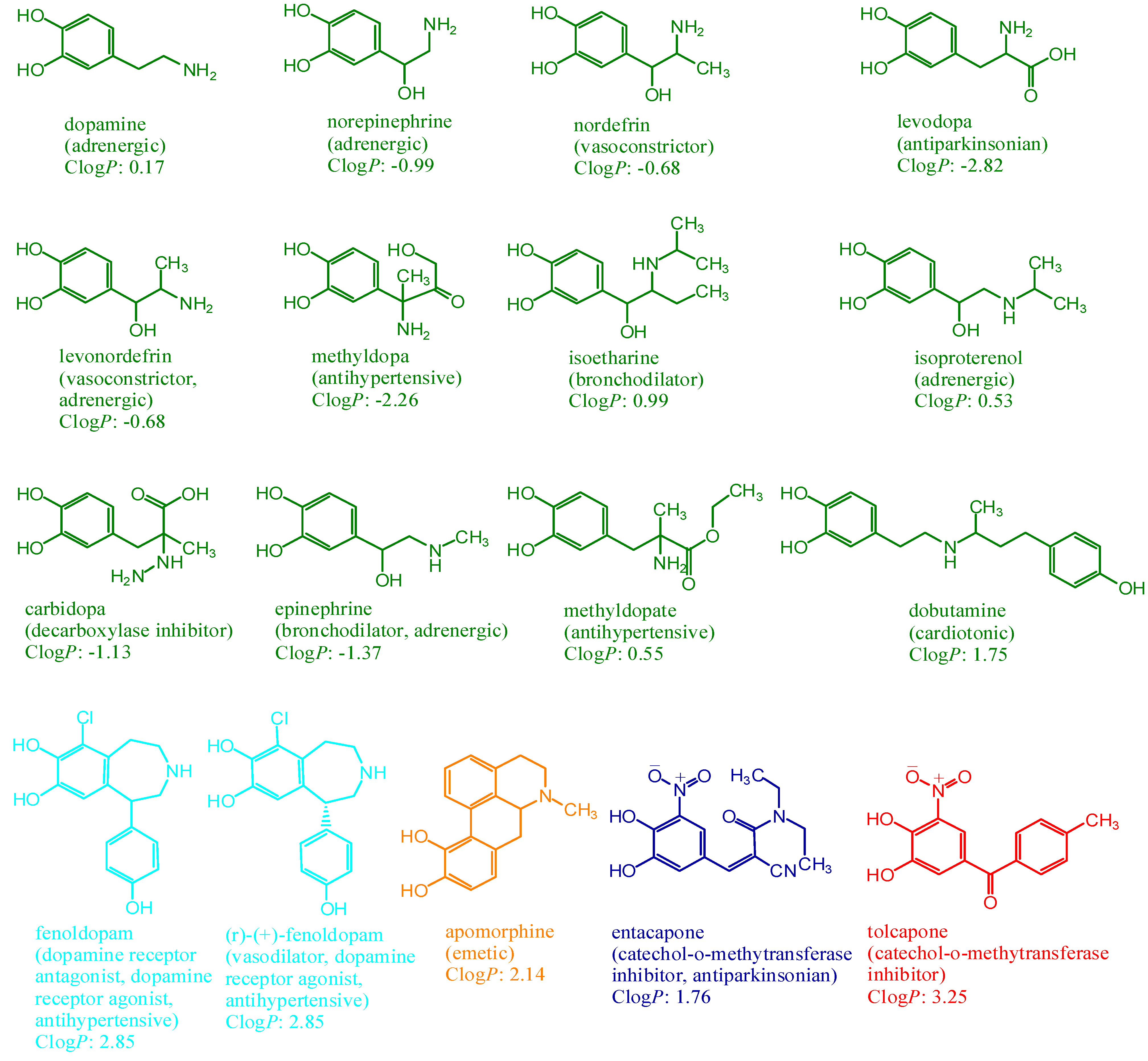
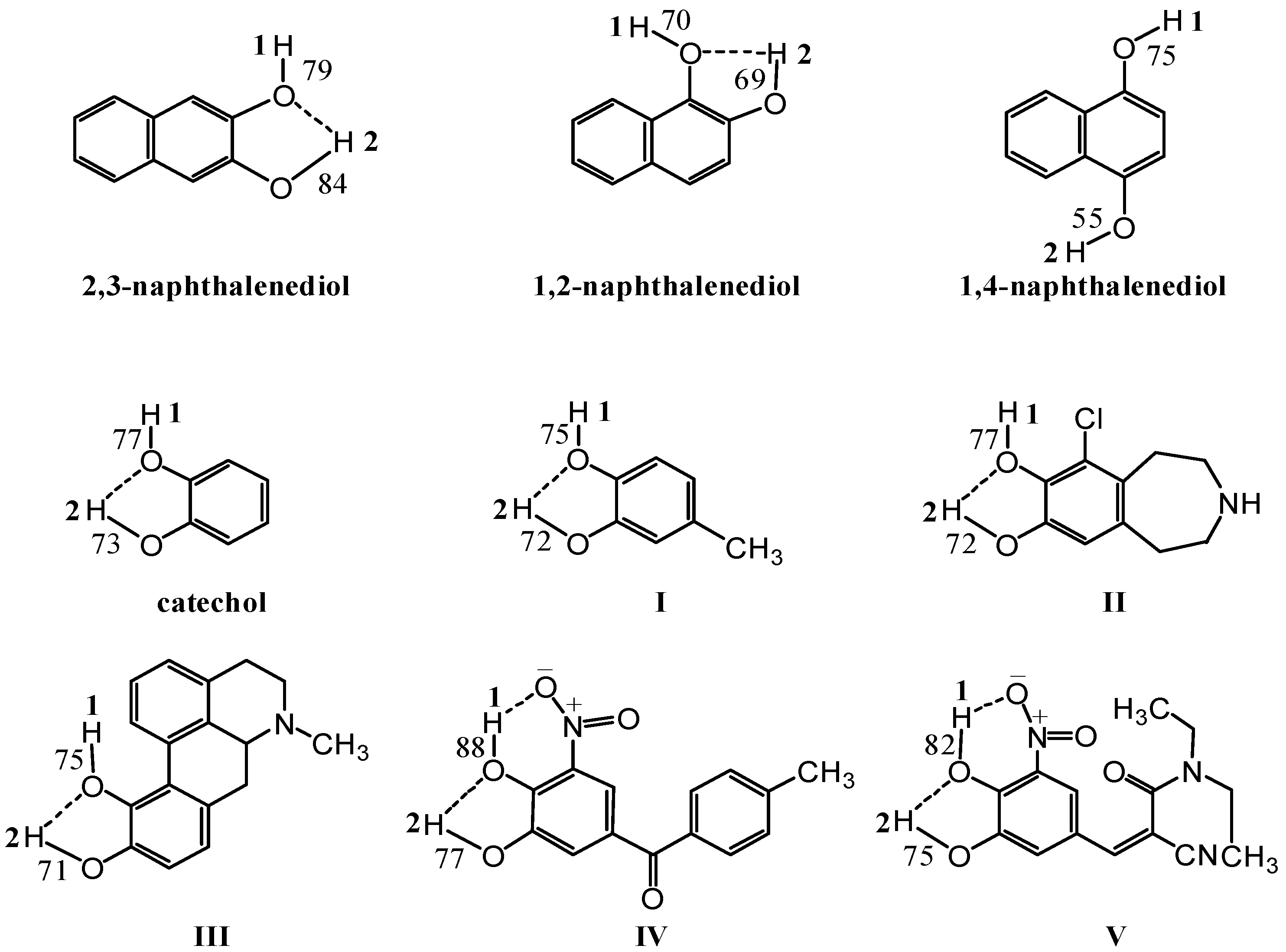
By examination of the 8659 drugs recorded in the Comprehensive Medicinal Chemistry (CMC) database, 78 catecholics (including five pyrogallolics) were identified, of which 17 are currently prescribed by FDA. Through analyzing the substitutent patterns, ClogPs and O-H bond dissociation enthalpies(BDEs) of the catecholic drugs, some molecular features that may benefit circumventing the toxicity of catecholics were revealed: i) strong electron-donating substituents are excluded; ii) ClogP 3; iii) an energy penalty exists for quinone formation. Besides, the present analyses also suggest that the clinical usage and dosage of currently prescribed catecholic drugs are of importance in designing or screening catecholic antioxidants.
Keywords: Antioxidant; Catechol; Toxicity; Chemoinformatics; Density functional theory; Bond dissociation enthalpy Antioxidant; Catechol; Toxicity; Chemoinformatics; Density functional theory; Bond dissociation enthalpy