Skip to Content
MoleculesMolecules
  • Review
  • Open Access

31 January 2021

Production of Bulk Chemicals with Biocatalysis: Drivers and Challenges Reflected in Recent Industrial Granted Patents (2015–2020)


and
1
Programa Institucional de Fomento a la Investigación, Desarrollo e Innovación (PIDi), Universidad Tecnológica Metropolitana, Ignacio Valdivieso 2409, Santiago de Chile 8940000, Chile
2
Sustainable Momentum SL., Avenida Ansite 3, 4-6, 35011 Las Palmas de Gran Canaria, Spain
*
Author to whom correspondence should be addressed.

Abstract

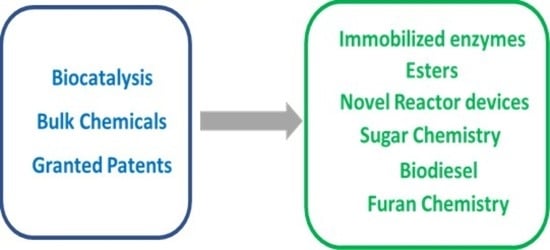
The application of biocatalysis and White Biotechnology tools in chemical areas concerning the production of bulk compounds and other related low-added value products (with high volumes) has been gaining importance in recent years. The expected drivers of biocatalysis for these sectors are energy savings, regioselectivity (leading to cleaner products), the possibility of using thermolabile substrates, as well as the generation of less by-products and manageable wastes. This paper explores some recent industrial granted patents related to biocatalysis and bulk chemicals. Several patents have been identified in fields such as biodiesel and esterification reactions, and sugar or furan chemistry. Overall, innovative strategies involve the identification of novel enzymes, the set-up of improved immobilization methods, as well as novel reactor designs that can offer improved performances and economics. The reported examples indicate that biocatalysis can certainly offer opportunities for these areas as well, far from the typical pharmaceutical and fine chemical applications often reported in the literature.

1. Motivation for Biocatalysis Applied to Bulk Chemicals

White Biotechnology strategies use cells or enzymes as catalysts to transform (un)natural substrates into a broad range of marketable chemicals [1,2]. In recent decades, industrial processes using biocatalysts have boosted, with major applications devoted to the development of (highly valuable) pharmaceutical products [3]. This has been motivated by the advantageous properties of enzymes, such as enantio- [4,5,6], regio- [7,8] and chemo-selectivity [8], together with the fact that the high market value of the products makes the application of the biocatalysts profitable [9].
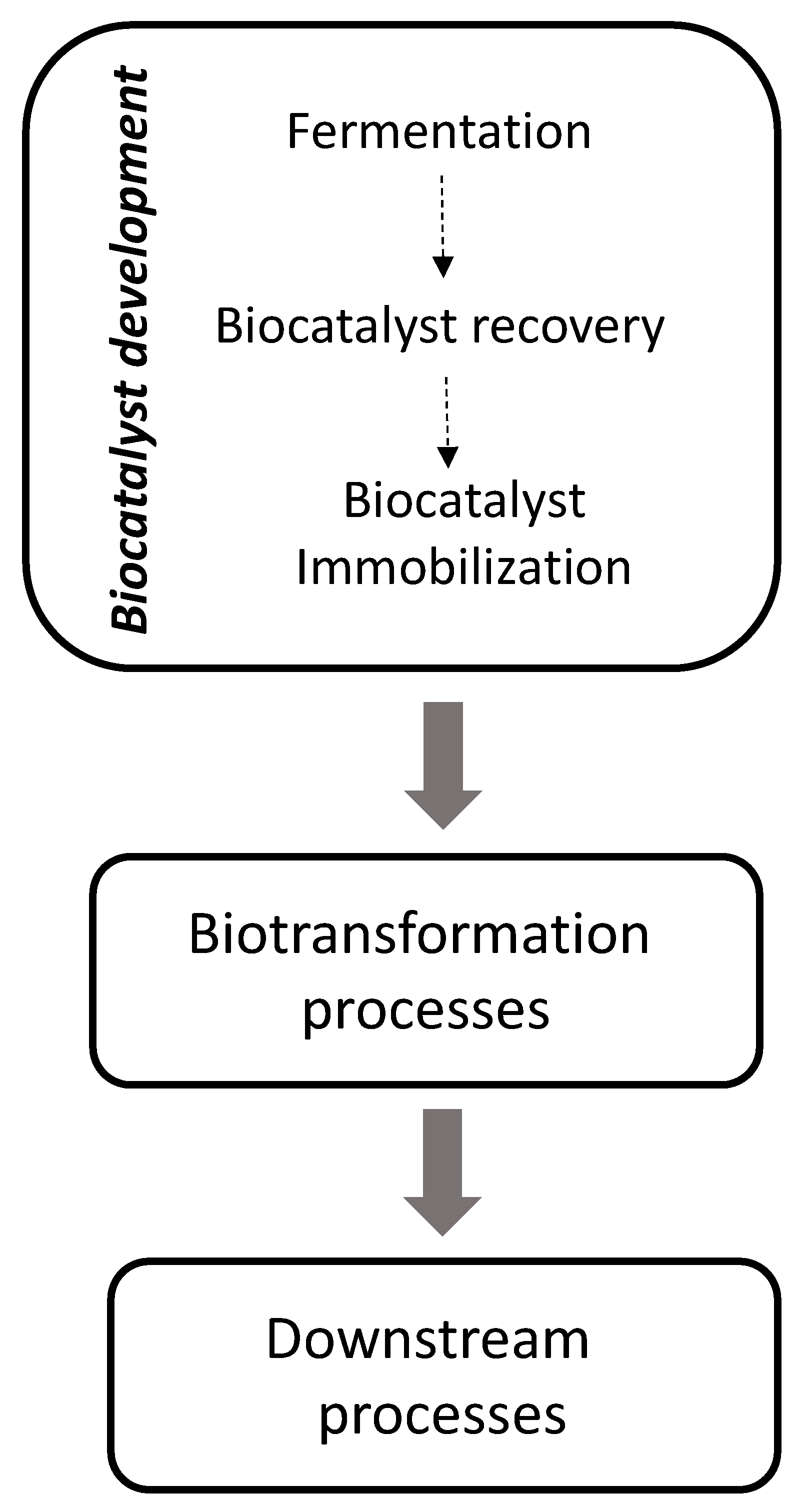
Aside from pharmaceutical and fine chemical applications, other sectors related to the production of bulk chemicals and less valuable products—with larger volumes—might also benefit from White Biotechnology approaches. In these segments, biocatalysis may bring several drivers to be considered, namely, environmental advantages, energy savings, regioselectivity, possibility of using thermolabile substrates, as well as potential penetration in novel markets (e.g., with natural labelling). Despite that untapped potential, however, applications of enzymes in these areas have traditionally attracted less interest, with only few examples at the industrial level [2]. Primarily, this may be related to the inherent costs associated with the production of biocatalysts, due to the need of numerous unit operations to produce them (Figure 1) [9,10]. A first upstream step—biocatalysis production—is subsequently followed by (bio)process optimization and downstream from typically aqueous solutions, to render the biocatalysts. This may become a challenge which often results in unacceptable overall costs; albeit in some cases, economy of scale may play an advantageous role [11]. Finally, biocatalysts must be immobilized to be (re)used several times to cope with economics of low added-value products in bulk chemical production.
Figure 1. Flow chart for the production of bulk compounds through biocatalysis, depicting the units needed to produce biocatalysts, and subsequent aspects related to the bioprocess.
With respect to the use of biocatalysts, the market is steadily increasing. For example, in 2020, it amounted for USD 10.6 billion, and it is expected to reach USD 14.9 billion by 2027 [12]. However, it must be considered that many companies that develop products through biocatalytic processes produce their own biocatalysts, and therefore, these values may vary significantly [13]. Another important aspect to note is that many enzymes are used as additives, for example, in the food and detergent industry, and not as process catalysts [14,15]. The tools of recombinant DNA together with the development of high cell density and fast growth rate are fundamental aspects to be optimized to expand the applications of biocatalysts in industrial scale [16], and especially when less valuable, high-volume molecules are intended. Moreover, to cope with tight economics related to bulk chemical production, enzyme immobilization strategies are often a crucial and powerful tool to modulate the catalytic properties of the enzyme and allow the reuse of the biocatalyst. Many immobilization techniques using different materials as carriers have been reported [17,18,19]. Furthermore, the reuse of the biocatalyst through immobilization allows the operation of continuous reactors, with which bioprocesses with industrial potential could be intensified [20,21,22].
Apart from biocatalyst production and eventual immobilization (typically mandatory when low valuable products are intended), downstream processing must be taken into account as well, considering aspects related to costs, waste production and material use (e.g., which solvent to be used, type of membranes and techniques) [11,23]. As an example, for the development of bulk chemicals, the commonly found unpaired polarities of the reagents may require the use of large volumes of hazardous organic solvents. Herein, more sustainable solvents such as deep eutectic solvents (DES) [24]; biogenic solvents, e.g., CyreneTM [25]; and in some cases, ionic liquids (IL) (provided that the ecology and the economy of the process is aligned) [26] have great potential to circumvent these issues, provided that economics of the solvents can reach the requested figures.
The penetration of enzyme catalysis in bulk chemicals has witnessed a renaissance in recent years, and biotechnological applications related to biosynthesis, commodity production, biofuels and biorefineries are increasingly appearing. Given that interest, and aiming at establishing some current trends, this article maps out the patent landscape of recent years (2015–2020), with a focus on industrial patents that have been actually granted (to reinforce that some innovative steps are secured). Innovative actions in significant areas, such as biofuels (and biorefineries), sugar chemistry, esterifications and furan valorization, have been identified and will be discussed in the following sections.

2. Recent Granted Patents Applying Biocatalysis for Biofuel Production

In the field of biofuels, innovations related to biocatalysis have mainly focused on the production of biodiesel through (trans)esterifications. The granted patents cover China, United States, South Korea and Taiwan. The strategies in the quest for novelty rely on the identification of new lipases (new sequences) able to conduct (trans)esterifications for biodiesel synthesis under industrially sound conditions. Moreover, a significant number of granted patents focus on the development of new immobilization systems (e.g., carrier-free ones) that may enable the effective reuse of the biocatalyst, as well as on the designing of new processes and process equipment with improved performances for synthesis, downstream processing, etc.
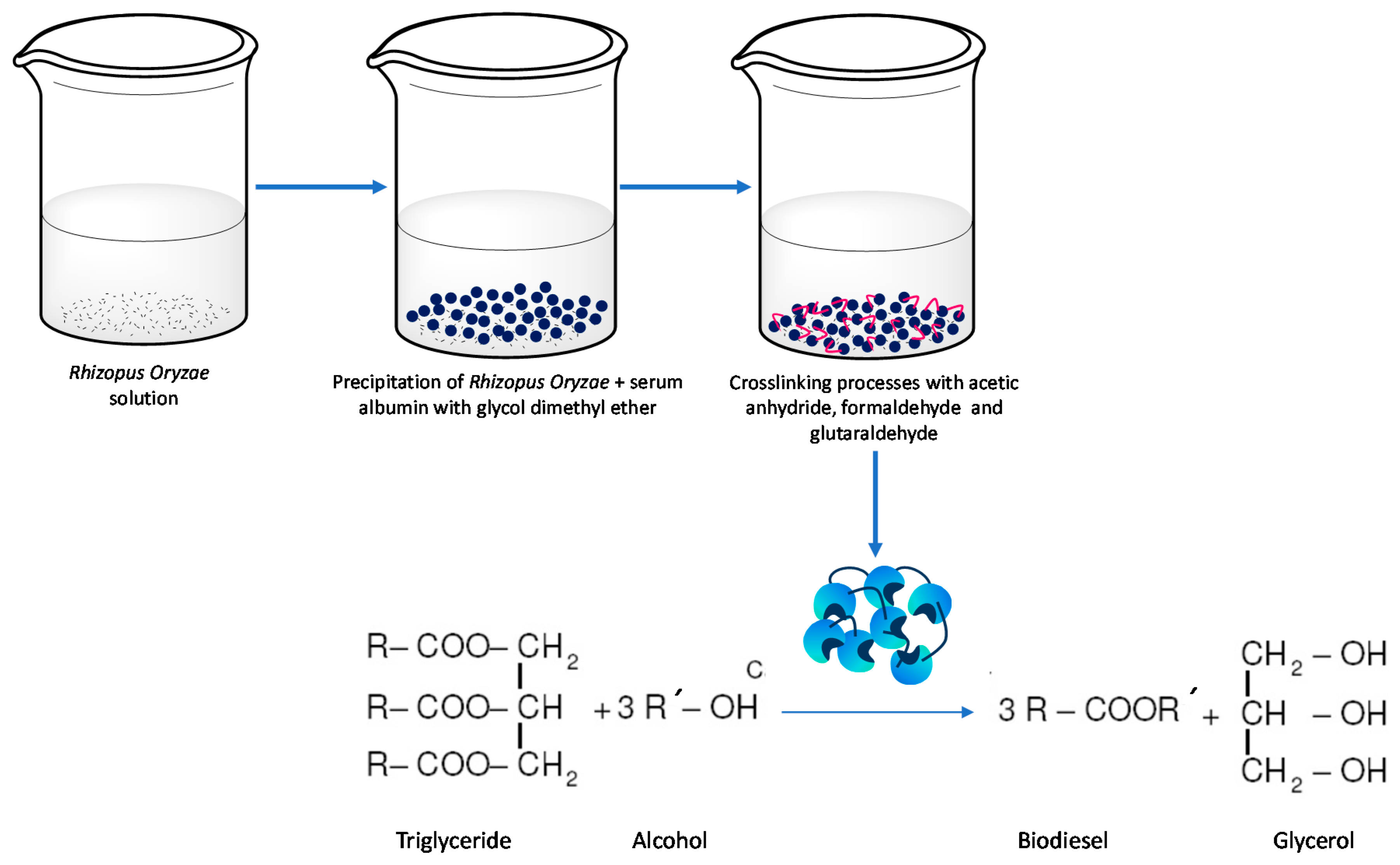
Regarding immobilization, the use of the strategy of cross-linked aggregates of Rhizopus oryzae lipase (Figure 2) led to an increase in the stability of the biocatalyst, due to the use of bovine albumin as an additive with the purpose of increasing the surface lysine residues of the enzyme, for the subsequent interbreeding. Moreover, the presence of glycol dimethyl ether allowed the precipitation of the auxiliary protein and Rhizopus oryzae lipase in 20–50 min at 4 °C. The approach resulted in an enhancement of the stability of the derivative. This is important in the production of biodiesel, due to the well-known inactivation of the enzyme by the surplus of methanol. In these patents, the use of vegetable substrates, as well as animal and microbial fats were recommended to be reacted with methanol and using tert-butyl alcohol as (inert) reaction media [27].
Figure 2. Development of an immobilized biocatalyst for enzymatic transesterification to obtain biodiesel [27].
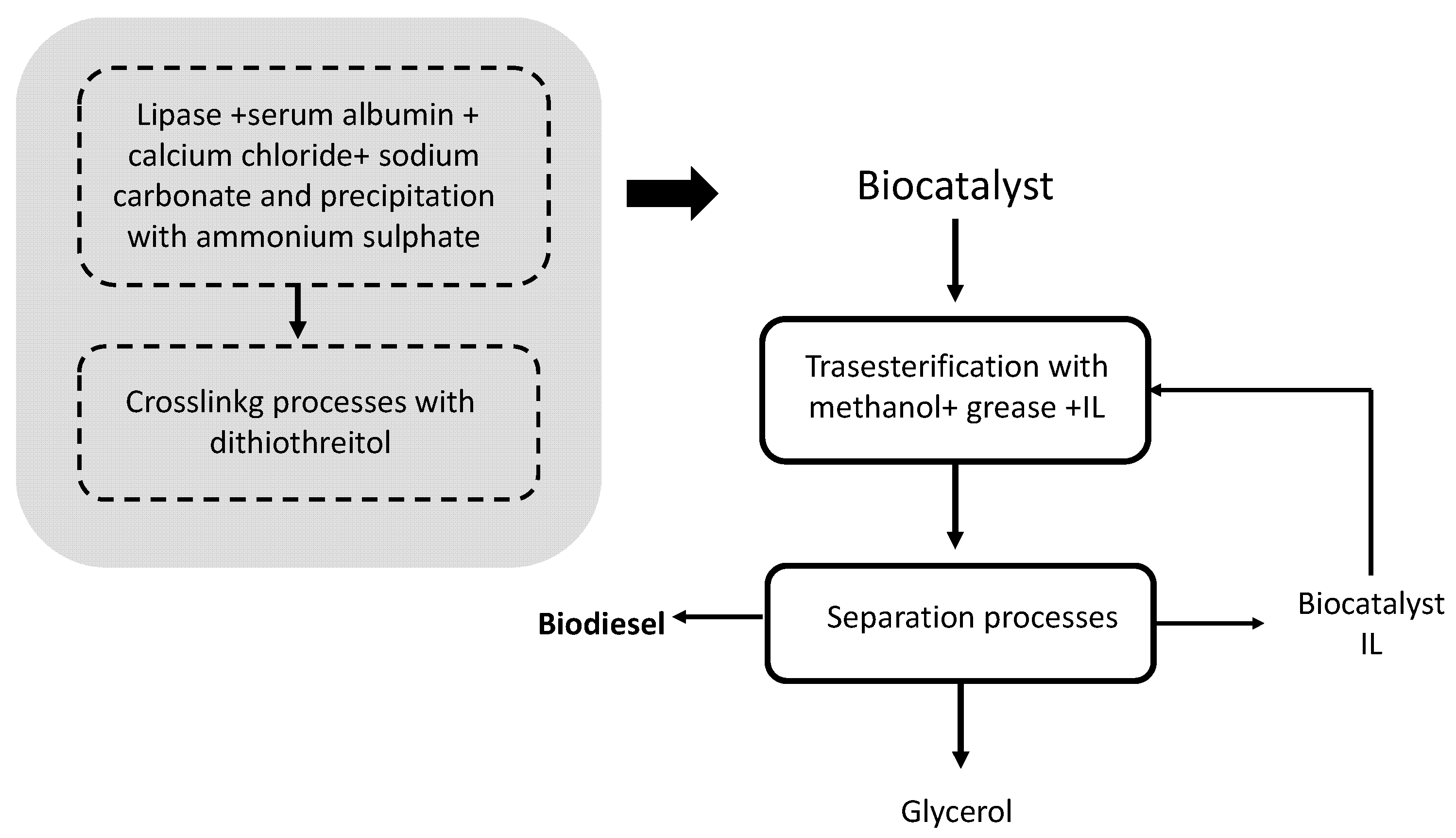
Another immobilization system consists of the formation of calcium carbonate lipase microspheres to subsequently cross-link the molecules with dithiothreitol (DTT), obtaining, after washing and centrifuging, a porous microsphere of immobilized lipases (Figure 3). In the transesterification process per se, some ionic liquids (IL) to assist in the biodiesel separation process were incorporated and blended with grease (Figure 3) [28]. The IL considered were all imidazolia-containing solvents, such as [Bmim][PF6], [Bmim][NTf2], [Bmim][Tf2N], [Emim][Tf2N] and [Emim][TfO]. The mass ratio of IL: grease was set at 1:10, while the biocatalyst: grease was 1:10 and the methanol: grease was 3:1. To improve the economy of the entire process, the biocatalyst and the ionic liquid were successfully reused several times [28].
Figure 3. Flow diagram of the process to obtain biodiesel catalyzed by a carrier-free immobilized lipase using ionic liquids (IL) as reaction media [28].
Another technological development is the formation of emulsions to immobilize lipases. The emulsion consisted of a solution of dimethyl silicone polymer, in which Candida antarctica lipase B and a platinum catalyst were incorporated to improve the mechanical properties. Subsequently, magnetic vacuum was used to form a gel microsphere which was filtered to obtain the biocatalyst. The substrates used to obtain biodiesel, catalyzed by the designed biocatalyst, were different vegetable oils and methanol or ethanol as alcohols. The innovation claimed by this invention was the formation of a static emulsion, which enabled a homogeneous distribution and high enzyme loadings in the derivative, resulting in a significant increase in the catalytic activity. Moreover, the second advantage of this immobilization methodology is that the system allows a better performance of the biocatalyst at the oil–water interface, together with a straightforward reuse [29].
Furthermore, another recently granted patent discloses the immobilization of the fungus Rhizopus oryzae on luffa fibers using glutaraldehyde as a crosslinking agent to covalently bind the microorganisms to the fibers. The potential advantages of this technology are the use of biobased raw materials and their straightforward preparation. The objective of using immobilized cells instead of immobilized lipases is that the immobilized cells resulted catalytically more stable than the isolated lipases, being able to be reused several times in the transesterification reaction to obtain biodiesel [30].
Apart from the immobilization systems that may lead to improved enzymatic derivatives for biodiesel synthesis, the identification of novel enzymes has also been reported in the area. For example, a specific monoacylglycerol lipase from Arabidopsis thaliana plant, cloned and expressed in E. coli, has found applications for the synthesis of biofuels and other biomaterials [31]. In a different area, another example is the production of biodiesel by using a recombinant lipase from Candida rugosa expressed in P. pastoris, which allows the development of high-density cultures, reducing the production costs of the lipase [32].
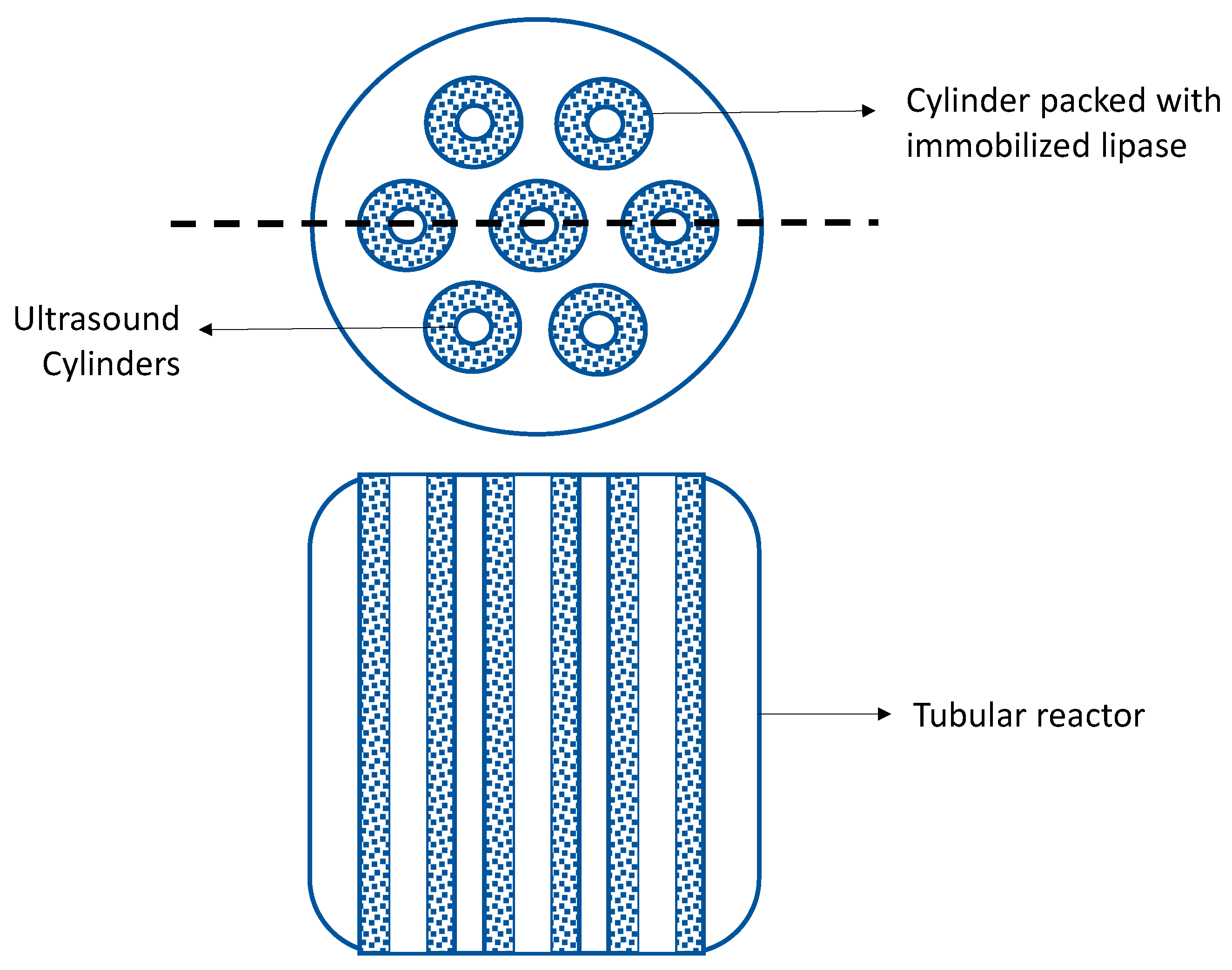
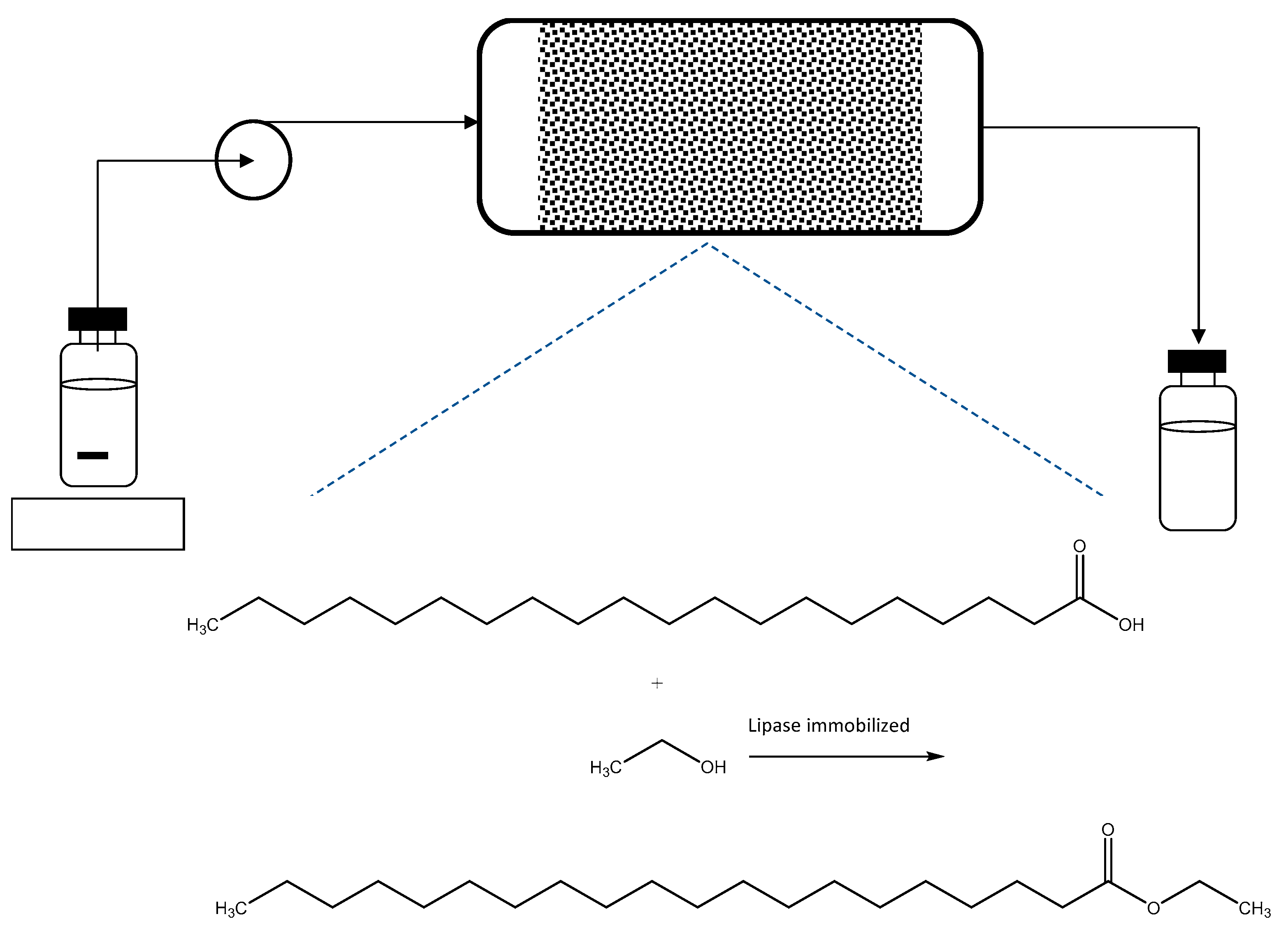
Another line of working in granted patents is the use of wasted cooking oil as substrate for the enzymatic processes. To build innovation and IP, this use is combined with process development approaches. For example, the design of a jacketed cylindrical reactor, in which several tubes are inserted, and packed inside with an immobilized lipase. An ultrasound system passes through the center of each tube (concentric) (Figure 4). This utility model allows the reaction system to be intensified, reducing reaction times and improving the economics of the process [33].
Figure 4. Utility model for obtaining biodiesel using used cooking oil and ultrasound as a substrate [33].
Within utility models, some innovations in reactors have been disclosed, e.g., the use of an autoclave to conduct enzymatic transesterifications combined with a heating system provided by a heat-jacket and stirring, and with a pumping system to enable a better mixing. Remarkably, the autoclave can be used in series with others, and the separation of the immobilized enzyme can be carried out with a disk centrifuge. The system can be scaled, and the advantage with conventional reactors is an increase in the reaction rate, increasing efficiency and saving energy [34].
In the field of biodiesel and biocatalysis, some innovations have also been created in the enzymatic production process. For instance, the chemoenzymatic esterification and transesterification process to obtain biodiesel has been reported. In a first stage, an enzymatic esterification is carried out with a commercial lipase to valorize the free fatty acids (FFA) as substrates, which otherwise may be lost through a classic base-catalyzed biodiesel synthesis. Subsequently, the transesterification of the esters generated in the first stage is performed with sodium hydroxide (avoiding the risk of saponification of the FFAs with the base). This methodology allows the quantity of product to be increased while maintaining low production costs, and with a potential for development on an industrial scale [35].
Finally, it is worth mentioning that innovation in enzymatic technology has also been applied for the production of motor oils, specifically in modifying vegetable oils and grease. An example is the modification of castor oil by means of an enzymatic esterification of the acidic compounds of vegetable oil, which constitutes 10% of the final formulation of motor oil. In this sense, enzymatic processes are considered as an interesting alternative for obtaining industrial additives [36].
When comparing all these patents, it is reflected that most of them focus on the engineering of the biocatalyst, either by means of recombinant DNA modifications or immobilization in order to increase its stability and reuse. Other innovative lines are the set-up of novel reactors and apparatus.

5. Biotransformations with Furans to Obtain Bulk Compounds

Furans are chemicals obtained from sugars derived from lignocellulose (xylose and glucose), which form a versatile synthetic platform that can be valorized from biorefineries. Their inherent instability creates opportunities for their upgrading by using enzymes and whole cells [58], since severe reaction conditions may degrade the chemicals, leading to decreased yields, waste formation and cumbersome downstream processing units.
Several patents related to White Biotechnology have been granted in this area in recent years. Starting from glucose (from lignocellulose), the use of glucose isomerases to generate mixtures of glucose–fructose has been reported, in combination with biphasic media to produce HMF out of the fructose, as the dehydration of fructose is more straightforward than the dehydration of the original glucose [59]. In another patent, combined methods to produce hydroxymethylfurfural (HMF) and gluconic acid from fructose–glucose mixtures have been protected. While an enzymatic approach is intended for the production of gluconic acid (using glucose oxidase–catalase systems), the HMF is produced via acidic catalysis upon dehydration of fructose [60].
In a different approach, the use of whole cells for the valorization of HMF has also been recently granted in patents. To that end, microorganisms able to accept high loadings of furans are needed. Herein, a Comamonas testosteroni strain is able to accept up to 160 mM of HMF, which is useful for the further partial oxidation to render 5-hydroxy-methylfuroic acid [61]. Following these premises, the ultimate product derived from HMF is 2,5-furandicarboxylic acid (FDCA), which may become a replacement in future plastics. Herein, the synthesis of FDCA has been protected by using different HMF dehydrogenases to perform the oxidative steps from HMF to FDCA, such as the intermediates. The novelty of that patent relies on the sequence of the enzymes, and different homologies are provided [62]. Another patent combines the use of HMF oxidoreductases with HMF production and membrane technology [63]. Furthermore, a multistep enzymatic process to produce FDCA from HMF has been reported, involving xanthine oxidoreductases, galactose oxidases, aldehyde dehydrogenases and ketoreductases, to generate furan intermediates until FDCA [64].

6. Conclusions

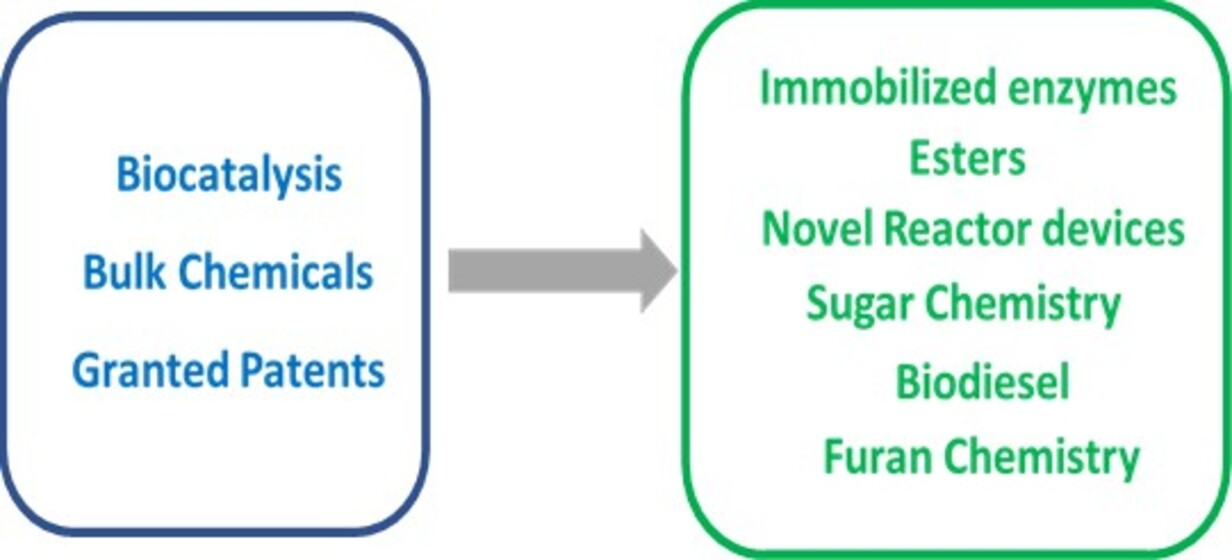
Biocatalysis is attracting an increasing interest in areas related to bulk chemicals, segments that traditionally have not been central for enzyme catalysis. The drivers for using enzymes in these fields are related to energy savings, the generation of less by-products and manageable wastes, as well as the possibility of entering into new markets by using natural catalysts. Herein, an overview of selected applications in topics related to biofuels and biorefineries, ester synthesis and furan chemistry has been presented. Successfully granted applications focus on novel enzymes, immobilization methods, as well as novel devices and reactors.
It may be expected that more innovative solutions will be reported by using enzymes in the coming years.

Author Contributions

Conceptualization, N.G. and P.D.d.M.; methodology, N.G and P.D.d.M.; investigation, N.G. and P.D.d.M.; resources, N.G.; writing—original draft preparation, N.G.; writing—review and editing, P.D.d.M. and N.G.; visualization, N.G. and P.D.d.M.; supervision, N.G. and P.D.d.M.; project administration, N.G.; funding acquisition, N.G. All authors have read and agreed to the published version of the manuscript.

Funding

This research was funded by FONDO NACIONAL DE DESARROLLO CIENTÍFICO Y TECNOLÓGICO, grant number 1200558.

Acknowledgments

NG acknowledges the financial support from Fondecyt N° 1200558 (Chile).

Conflicts of Interest

The authors declare no conflict of interest

References

  1. Bommarius, A.S.; Riebel-Bommarius, B.R. Biocatalysis Fundamentals and Applications; John Wiley & Sons Inc.: Hoboken, NJ, USA, 2004. [Google Scholar]
  2. De Gonzalo, G.; Domínguez de María, P. (Eds.) Biocatalysis–An Industrial Perspective; Royal Society of Chemistry: Cambridge, UK, 2018. [Google Scholar]
  3. Schwarz, J.; Rosenthal, K.; Snajdrova, R.; Kittelmann, M.; Lütz, S. The development of biocatalysis as a tool for drug discovery. Chimia (Arau) 2020, 74, 368–377. [Google Scholar] [CrossRef] [PubMed]
  4. Hönig, M.; Sondermann, P.; Turner, N.J.; Carreira, E.M. Enantioselective Chemo- and biocatalysis: Partners in retrosynthesis. Angew. Chem. Int. Ed. 2017, 56, 8942–8973. [Google Scholar] [CrossRef] [PubMed]
  5. Stoltz, B.M.; Wright, A.C.; Ebner D, C. Enantioselective oxidation of alcohols. Sci. Synth. 2017, 4, 569–585. [Google Scholar]
  6. Aranda, C.; Oksdath-Mansilla, G.; Bisogno, F.R.; De De Gonzalo, G. Deracemisation Processes Employing Organocatalysis and Enzyme Catalysis. Adv. Synth. Catal. 2020, 362, 1233–1257. [Google Scholar] [CrossRef]
  7. Martínez-Montero, L.; Schrittwieser, J.H.; Kroutil, W. Regioselective Biocatalytic Transformations Employing Transaminases and Tyrosine Phenol Lyases. Top. Catal. 2019, 62, 1208–1217. [Google Scholar] [CrossRef]
  8. Barbayianni, E.; Kokotos, G. Biocatalyzed Regio- and Chemoselective Ester Cleavage: Synthesis of Bioactive Molecules. ChemCatChem 2012, 4, 592–608. [Google Scholar] [CrossRef]
  9. Burton, S.G.; A Cowan, D.; Woodley, J.M. The search for the ideal biocatalyst. Nat. Biotechnol. 2002, 20, 37–45. [Google Scholar] [CrossRef]
  10. Wiltschi, B.; Cernava, T.; Dennig, A.; Casas, M.G.; Geier, M.; Gruber, S.; Haberbauer, M.; Heidinger, P.; Acero, E.H.; Kratzer, R.; et al. Enzymes revolutionize the bioproduction of value-added compounds: From enzyme discovery to special applications. Biotechnol. Adv. 2020, 40, 107520. [Google Scholar] [CrossRef]
  11. Tufvesson, P.; Fu, W.; Jensen, J.S.; Woodley, J.M. Process considerations for the scale-up and implementation of biocatalysis. Food Bioprod. Process. 2010, 88, 3–11. [Google Scholar] [CrossRef]
  12. Enzymes Market Size, Share & Trends Analysis Report By Application (Industrial Enzymes, Specialty Enzymes), By Product (Carbohydrase, Proteases, Lipases), By Source, By Region, And Segment Forecasts, 2020–2027. Available online: https://www.grandviewresearch.com/industry-analysis/enzymes-industry (accessed on 30 January 2021).
  13. Pellis, A.; Cantone, S.; Ebert, C.; Gardossi, L. Evolving biocatalysis to meet bioeconomy challenges and opportunities. New Biotechnol. 2018, 40, 154–169. [Google Scholar] [CrossRef]
  14. Zheng, C.C.; Wu, J.W.; Jin, Z.H.; Ye, Z.F.; Yang, S.; Sun, Y.Q.; Fei, H. Exogenous enzymes as functional additives in finfish aquaculture. Aquac. Nutr. 2020, 26, 213–224. [Google Scholar] [CrossRef]
  15. Al-Ghanayem, A.A.; Joseph, B. Current prospective in using cold-active enzymes as eco-friendly detergent additive. Appl. Microbiol. Biotechnol. 2020, 104, 2871–2882. [Google Scholar] [CrossRef] [PubMed]
  16. Giovannoni, M.; Gramegna, G.; Benedetti, M.; Mattei, B. Industrial Use of Cell Wall Degrading Enzymes: The Fine Line Between Production Strategy and Economic Feasibility. Front. Bioeng. Biotechnol. 2020, 8. [Google Scholar] [CrossRef] [PubMed]
  17. Bolivar, J.M.; López-Gallego, F. Characterization and evaluation of immobilized enzymes for applications in flow reactors. Curr. Opin. Green Sustain. Chem. 2020, 25, 100349. [Google Scholar] [CrossRef]
  18. Wahab, R.A.; Elias, N.; Abdullah, F.; Ghoshal, S.K. On the taught new tricks of enzymes immobilization: An all-inclusive overview. React. Funct. Polym. 2020, 152, 104613. [Google Scholar] [CrossRef]
  19. Monteiro, R.R.; Dos Santos, J.C.; Alcántara, A.R.; Fernandez-Lafuente, R. Enzyme-Coated Micro-Crystals: An Almost Forgotten but Very Simple and Elegant Immobilization Strategy. Catalysts 2020, 10, 891. [Google Scholar] [CrossRef]
  20. Guajardo, N.; Ahumada, K.; De María, P.D. Immobilized lipase-CLEA aggregates encapsulated in lentikats® as robust biocatalysts for continuous processes in deep eutectic solvents. J. Biotechnol. 2020, 310, 97–102. [Google Scholar] [CrossRef]
  21. Guajardo, N.; De María, H.P.D. Continuous Biocatalysis in Environmentally-Friendly Media: A Triple Synergy for Future Sustainable Processes. ChemCatChem 2019, 11, 3128–3137. [Google Scholar] [CrossRef]
  22. Guajardo, N.; Schrebler, R.A.; De María, P.D. From batch to fed-batch and to continuous packed-bed reactors: Lipase-catalyzed esterifications in low viscous deep-eutectic-solvents with buffer as cosolvent. Bioresour. Technol. 2019, 273, 320–325. [Google Scholar] [CrossRef]
  23. Woodley, J.M. Towards the sustainable production of bulk-chemicals using biotechnology. New Biotechnol. 2020, 59, 59–64. [Google Scholar] [CrossRef]
  24. Guajardo, N.; De María, P.D.; Ahumada, K.; Schrebler, R.A.; Ramírez-Tagle, R.; Crespo, F.A.; Carlesi, C. Water as Cosolvent: Nonviscous Deep Eutectic Solvents for Efficient Lipase-Catalyzed Esterifications. ChemCatChem 2017, 9, 1393–1396. [Google Scholar] [CrossRef]
  25. Guajardo, N.; De María, P.D. Assessing biocatalysis using dihydrolevoglucosenone (Cyrene™) as versatile bio-based (co)solvent. Mol. Catal. 2020, 485, 110813. [Google Scholar] [CrossRef]
  26. De María, P.D. “Nonsolvent” Applications of Ionic Liquids in Biotransformations and Organocatalysis. Angew. Chem. Int. Ed. 2008, 47, 6960–6968. [Google Scholar] [CrossRef] [PubMed]
  27. Jianzhong, H.; Feng, Q.; Zhengyu, S.; Xinwei, Y.; Zianzhang, J.; Mignliang, Z. The Application of Carrier-Free Immobilization Rhizopus oryzae and Preparation Method Thereof and Production Biodiesel. CN Patent 104928279B, 15 June 2018. [Google Scholar]
  28. Zhenhong, Y.; Changlin, M.; Pengmei, L.; Xinshu, Z.; Zhongming, W.; Wen, L.; Huiwen, L.; Lingmei, Y.; Shuna, L. A Kind of Method of Carrier-Free Immobilized Lipase Catalysis for Preparing Biodiesel Oil under ion Liquid System. CN Patent 104911222B, 16 January 2018. [Google Scholar]
  29. Jing, G.; Li, M.; Yanjun, J. A Kind of Method of Static State Emulsion Method Immobilized Lipase Production Biodiesel. CN Patent 105274157B, 20 July 2018. [Google Scholar]
  30. Fei, W.; Qiyang, H.; Zhilin, L.; Xun, L.; Yu, Z. A Kind of Efficient Catalytic Prepares Biodiesel Tencel Bio-Based Immobilized Whole-cell Catalyst and Preparation Method Thereof. CN Patent 104818267B, 27 October 2017. [Google Scholar]
  31. Chung, S.M.; Jin, K.R. Method for Producing Fatty Acid, Glycerol or Unsaturated Fatty Acid Using Monoacylglycerol-Specific lipase AtMAGL6 or AtMAGL8 Protein. KR Patent 101730078B1, 25 April 2017. [Google Scholar]
  32. Guan-Chiun, L.; Ting-Chun, K. Methods for Producing Biodiesel by Recombinant Lipase. U.S. Patent 9970035B2, 15 May 2018. [Google Scholar]
  33. Yingti, J.; Ziaowei, Z.; Xin, P. Meal Kitchen Waste Oil System Biodiesel’s Transesterification Ware. CN Patent 206173356U, 17 May 2017. [Google Scholar]
  34. Kailong, L.; Luole, Z. A Kind of Device and Method of Biodiesel Production by Bio-Enzymatic Method. CN Patent 105001996B, 28 September 2018. [Google Scholar]
  35. Cao, W.; Qiu, L.; Zhao, L. The Preparation Method of Biodiesel. CN Patent 105001922B, 24 August 2016. [Google Scholar]
  36. Fengsheng, Y.; Xiang, L. A Kind of Engine Oil Base Oil and Preparation Method Thereof. CN Patent 104804797B, 1 December 2017. [Google Scholar]
  37. Markets and markets. 2017. Available online: https://www.marketsandmarkets.com/Market-Reports/industrial-sugar-market-54437928.html (accessed on 30 January 2021).
  38. Lee, P.; Oh, H.; Kim, S.Y.; Kim, Y. Effects of d -allulose as a sucrose substitute on the physicochemical, textural, and sensorial properties of pound cakes. J. Food Process. Preserv. 2020, 44. [Google Scholar] [CrossRef]
  39. Wichelecki, D.J. Enzymatic Synthesis of D-Tagatose. U.S. Patent 10138506B2, 27 November 2018. [Google Scholar]
  40. Yanhe, M.; Yuanxia, S. The Preparation Method of Tagatose. CN Patent 106399427B, 13 November 2018. [Google Scholar]
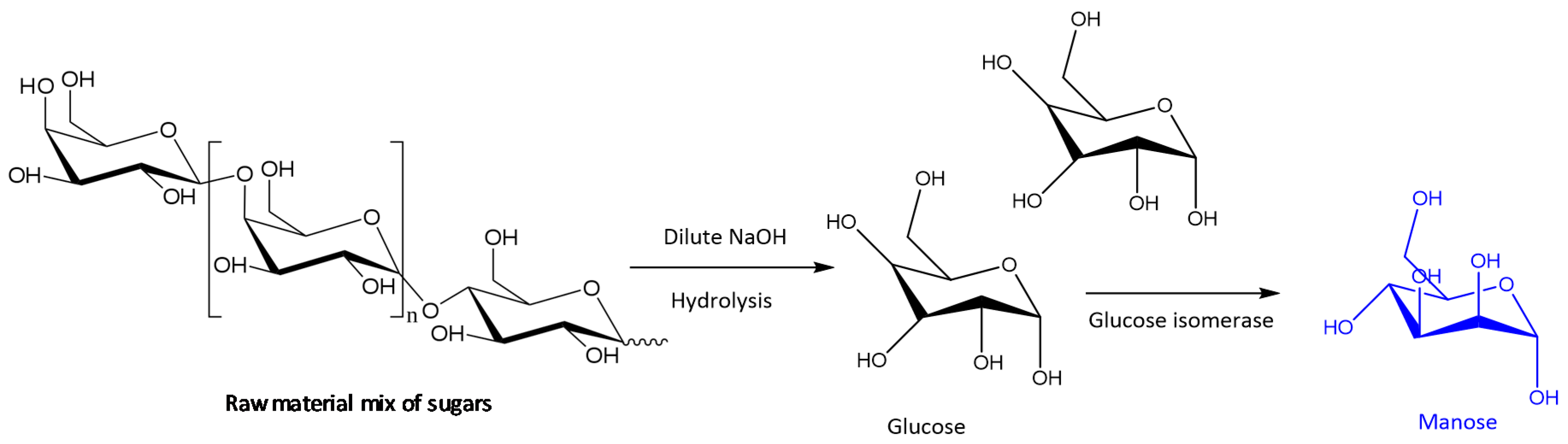
  41. Maceachran, D.; Cunningham, D.S.; Blake, W.J.; Moura, M.E. Cell-Free Production of Sugars. U.S. Patent 10577635B2, 3 March 2020. [Google Scholar]
  42. Xiaoxue, L.; Hongtao, J.; Yongqiang, Z.; Chengliang, Z. A Kind of preparation METHOD of Mannose. CN Patent 105001273B, 29 June 2018. [Google Scholar]
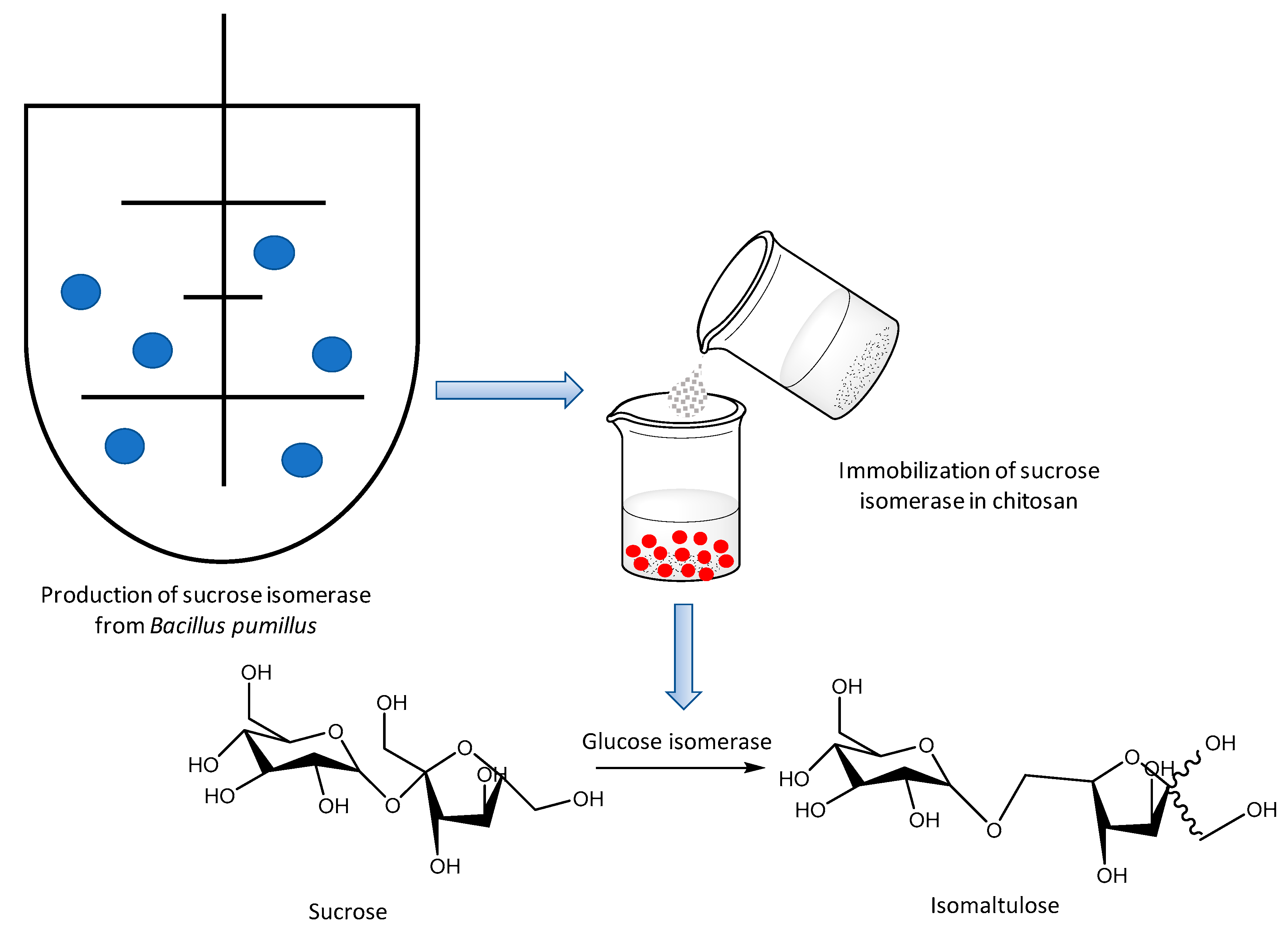
  43. Jianqiang, L.; Jianqun, L. A Method of Producing D-Psicose. CN Patent 106480125B, 21 May 2019. [Google Scholar]
  44. Jing, W.; Sheng, C.; Xuguo, D.; Menghua, G. Immobilization Method of Sucrose Isomerase. CN Patent 106367377A, 25 October 2019. [Google Scholar]
  45. Jianyu, G.; Xiong, Z.; Xuehui, L.; Jinxing, L.; Zhixiang, X.; Weijie, Z.; Changhua, S. A Kind of Method that Alkali Ionic Liquid Catalysis Glucose Isomerase Prepares Fructose. CN Patent 106632522B, 12 July 2019. [Google Scholar]
  46. Mallinath, L.A.; Anil, O.A.; Joanna, V.J.; Gunvant, C.V.; Chandrashekar, W.P.; Laxmiputra, P.M.; Shivajirao, P.P.; Ravindra, A.B.; Ramray, M.C.; Indra, P.; et al. Process for Production of Pure Glucose from Cellulose. U.S. Patent 10465257B2, 5 November 2019. [Google Scholar]
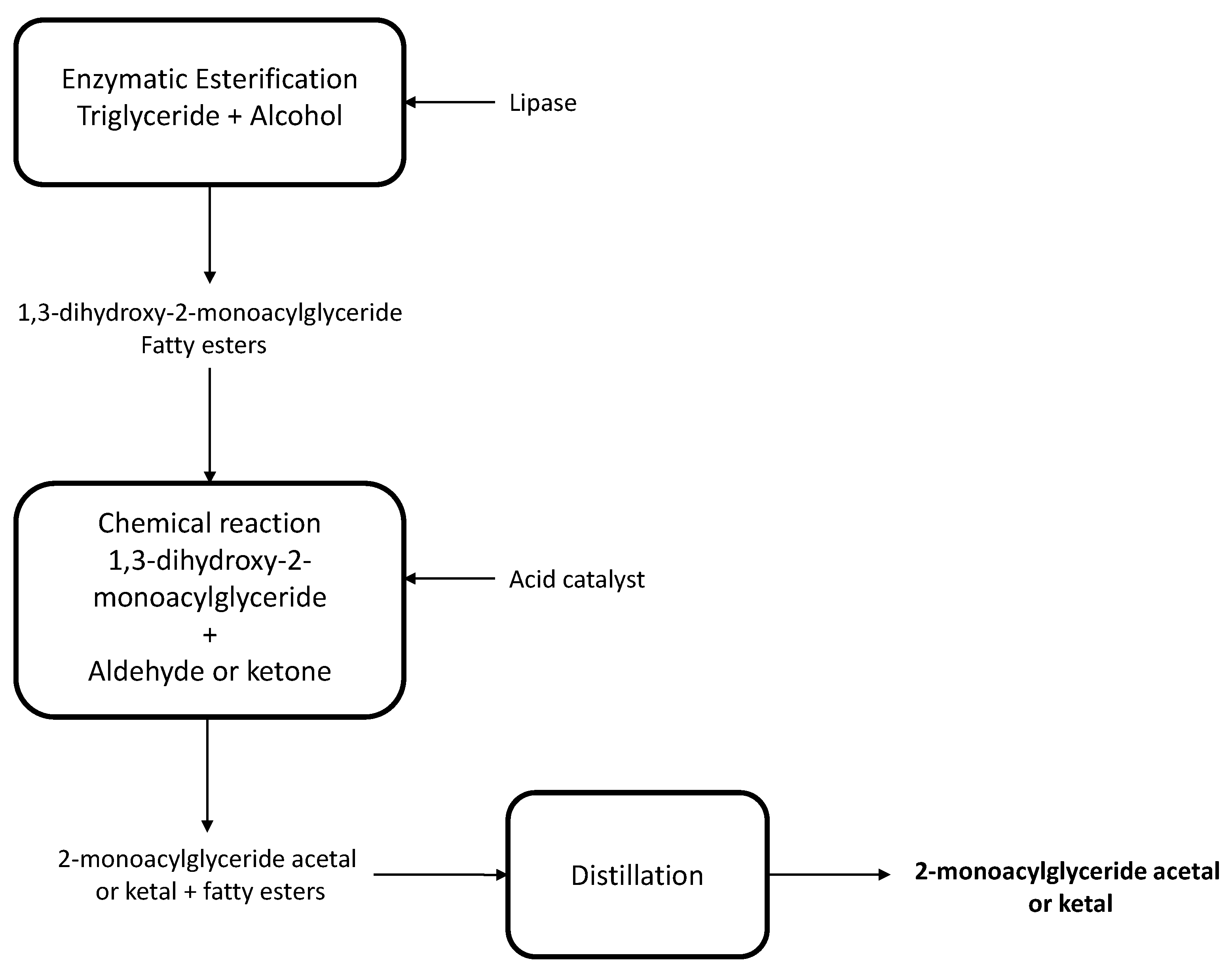
  47. Khan, N.R.; Rathod, V.K. Enzyme catalyzed synthesis of cosmetic esters and its intensification: A review. Process. Biochem. 2015, 50, 1793–1806. [Google Scholar] [CrossRef]
  48. Chia-Hung, K.; Chwen-Jen, S.; Jen-Min, K. One Lipase Packed Bed Bioreactor for the Continuous Synthesis of Docosahexaenoic Acid and Eicosapentaenoic Acid Ester-Based. TW Patent I646195B, 1 January 2019. [Google Scholar]
  49. Jin Sup, S.; Young, K.M.; Chang, K.Y.; Chan, K.B. Improved Method for Preparing Monoacylglycerol by Using Enzymatic Alcoholysis. KR Patent 101969467B1, 17 April 2019. [Google Scholar]
  50. Rongione, J.C. Method for Preparing 2-Monoacylgycerides. EP Patent 3317385B1, 3 April 2019. [Google Scholar]
  51. Wei, D.; Lingmei, D.; Dehua, L. The Coupling Technique of Production by Enzymes Biodiesel and Enrichment of Polybasic Unsaturated Fatty Acid Ester. CN Patent 105925628B, 14 May 2019. [Google Scholar]
  52. Xiaosan, W.; Wenjia, T.; Jianhua, H.; Qingzhe, J.; Xingguo, W. A Kind of Enzymatic Synthesis Method of Symmetrical Structure Triglycerides. CN Patent 105063115B, 7 August 2018. [Google Scholar]
  53. Pandal, N. Global Markets for Flavors and Fragrances. BCC Res. MA: Wellesley. 2016. Available online: https://www.bccresearch.com/report/download/report/chm034d (accessed on 30 January 2021).
  54. Mordor Intelligence. Global Cosmetics Products Market–Segmented by Product Type, Distribution Channel (Direct Selling, Supermarkets, Specialty Stores), and Region–Growth, Trends and Forecasts (2018–2023). Hyderabad, India. 2018. Available online: https://www.researchandmarkets.com/reports/4472918/global-cosmetics-products-market-segmented-by (accessed on 30 January 2021).
  55. Van Wyk, N.; Kroukamp, H.; Pretorius, I.S. The Smell of Synthetic Biology: Engineering Strategies for Aroma Compound Production in Yeast. Fermentation 2018, 4, 54. [Google Scholar] [CrossRef]
  56. Zijun, X.; Xiaoyuan, H.; Jingyi, Z.; Lijun, X.; Jing, L.; Jianren, L. A Kind of Method of Lipase-Catalyzed Synthesis 3-Hydroxy-2-Butanone Fatty Acid Ester. CN Patent 104498543B, 31 October 2017. [Google Scholar]
  57. Caimei, Z.; Xiaofeng, W.; Shengmei, L. A Kind of Alpha-Linolenic Acid Monoglyceride and Preparation Method Thereof. CN Patent 105331648B, 18 December 2018. [Google Scholar]
  58. Guajardo, N.; Domínguez de María, P. Biocatalytic valorization of furans: Opportunities for inherently unstable substrates. ChemSusChem 2017, 10, 4123–4134. [Google Scholar]
  59. Chen, Y.Z.; Yang, Y.F.; Ji, F.; Liao, R.F.; Zhou, J.H. Method for Preparing 5-Hydroxymethyl Furfural from Raw Materials Containing Glucose. Patent TWI664291B, 1 July 2019. [Google Scholar]
  60. Cao, F.; Huang, T.; Wu, H.; Zhou, H.; Wei, P. A Kind of Method of Coproduction Gluconic Acid and Hydroxymethyl Furfural. CN Patent 105837433B, 10 April 2018. [Google Scholar]
  61. Li, N.; Zhang, X.; Zong, M. Comamonas testosteroni and Application Thereof in Synthesis of 5-Hydroxymethyl Furoic Acid. CN Patent 107365724B, 28 April 2020. [Google Scholar]
  62. Ruijssenaars, H.J. Dehydrogenase-Catalysed Production of FDCA. EP Patent 3259349B1, 17 June 2020. [Google Scholar]
  63. Badoux, F. Process for the Preparation of 2,5-FDCA. DE Patent 102016118154B3, 23 November 2017. [Google Scholar]
  64. Law, P.; Mines, P.; Carnell, A.; McKenna, S. Processes for the Formation of Furandicarboxylic Acid (FDCA) via a Multistep Biocatalytic Oxidation Reaction of 5-Hydroxymethylfurfural (HMF). U.S. Patent 10344307B2, 9 July 2019. [Google Scholar]
Publisher’s Note: MDPI stays neutral with regard to jurisdictional claims in published maps and institutional affiliations.

Article Metrics

Citations

Article Access Statistics

Multiple requests from the same IP address are counted as one view.