

Advancing Open Science
Supporting academic communities
since 1996
 
24 pages, 1082 KB  
Article
Hybrid AI Pipeline for Laboratory Detection of Internal Potato Defects Using 2D RGB Imaging
by Slim Hamdi, Kais Loukil, Adem Haj Boubaker, Hichem Snoussi and Mohamed Abid
J. Imaging 2025, 11(12), 431; https://doi.org/10.3390/jimaging11120431 (registering DOI) - 3 Dec 2025
Abstract
The internal quality assessment of potato tubers is a crucial task in agro-laboratory processing. Traditional methods struggle to detect internal defects such as hollow heart, internal bruises, and insect galleries using only surface features. We present a novel, fully modular hybrid AI architecture [...] Read more.
The internal quality assessment of potato tubers is a crucial task in agro-laboratory processing. Traditional methods struggle to detect internal defects such as hollow heart, internal bruises, and insect galleries using only surface features. We present a novel, fully modular hybrid AI architecture designed for defect detection using RGB images of potato slices, suitable for integration in laboratory. Our pipeline combines high-recall multi-threshold YOLO detection, contextual patch validation using ResNet, precise segmentation via the Segment Anything Model (SAM), and skin-contact analysis using VGG16 with a Random Forest classifier. Experimental results on a labeled dataset of over 6000 annotated instances show a recall above 95% and precision near 97.2% for most defect classes. The approach offers both robustness and interpretability, outperforming previous methods that rely on costly hyperspectral or MRI techniques. This system is scalable, explainable, and compatible with existing 2D imaging hardware. Full article
(This article belongs to the Special Issue Imaging Applications in Agriculture)
23 pages, 5247 KB  
Article
Evolution of Secondary Metabolites in Eruca sativa from the Microgreen to the Reproductive Stage: An Integrative Multi-Platform Metabolomics Approach
by Francesca Monzillo, Brigida Della Mura, Cristina Matarazzo, Maria Assunta Crescenzi, Sonia Piacente, Luigi d’Aquino, Rosaria Cozzolino and Paola Montoro
Foods 2025, 14(23), 4148; https://doi.org/10.3390/foods14234148 (registering DOI) - 3 Dec 2025
Abstract
Eruca sativa Mill. (rocket; Fam. Brassicaceae) is widely appreciated for its peculiar flavour and beneficial effects on human health. Glucosinolates (GSLs) and their enzymatic hydrolysis products, isothiocyanates (ITCs), are considered to be responsible for health-promoting effects and for sensory relevance in rocket, respectively. [...] Read more.
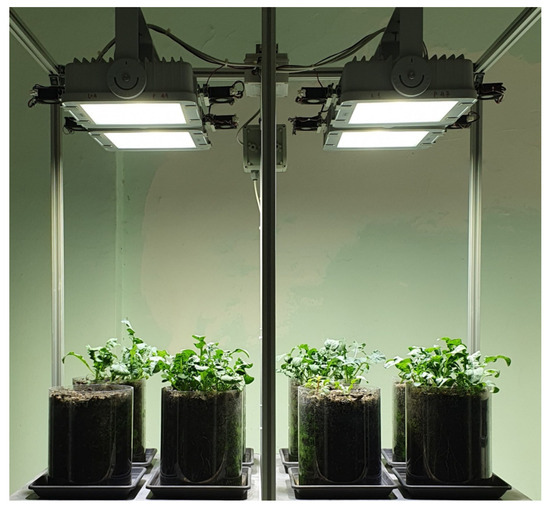
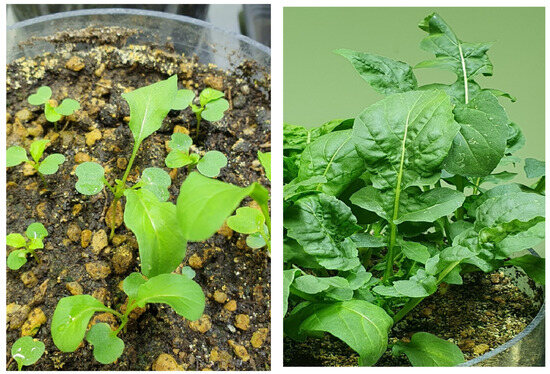
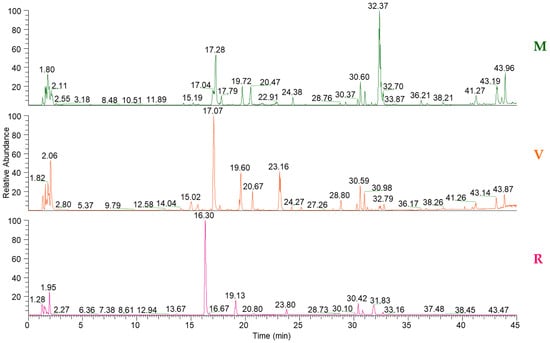
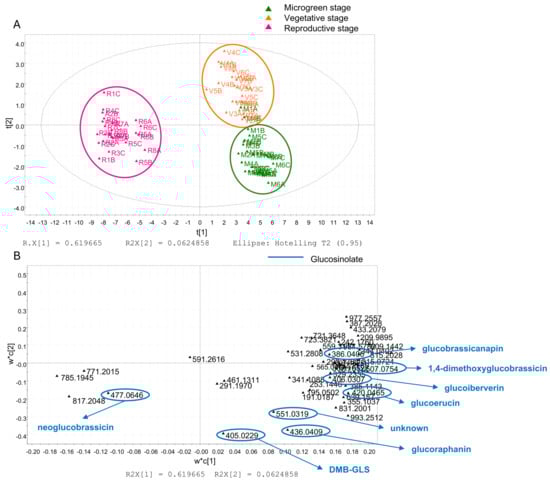
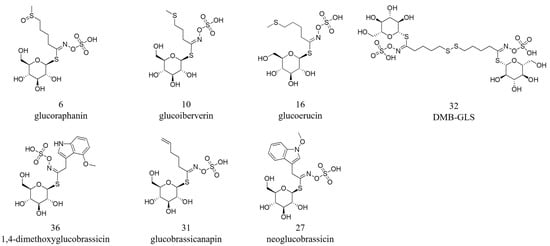
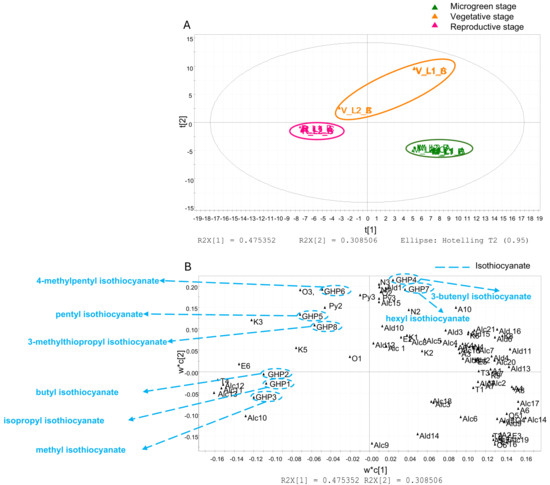
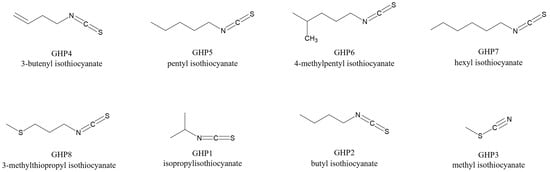
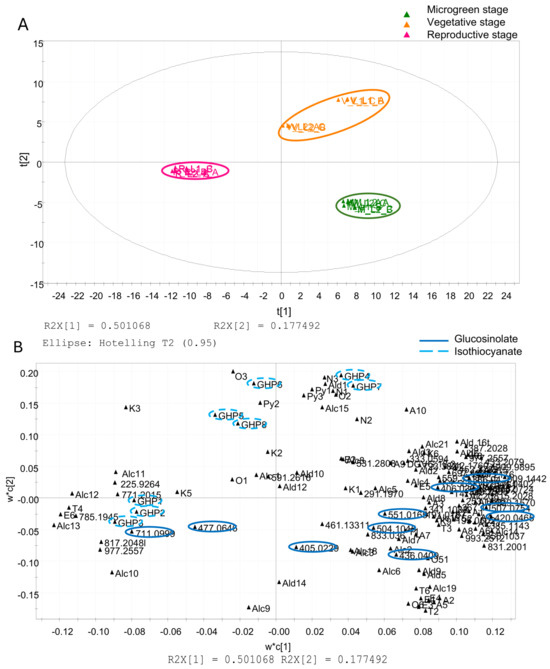
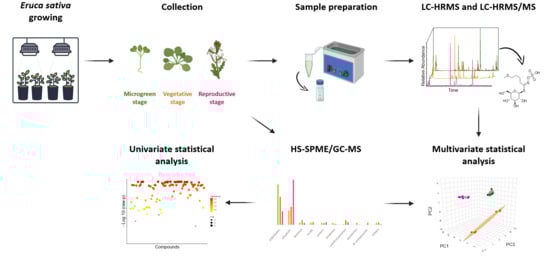
Eruca sativa Mill. (rocket; Fam. Brassicaceae) is widely appreciated for its peculiar flavour and beneficial effects on human health. Glucosinolates (GSLs) and their enzymatic hydrolysis products, isothiocyanates (ITCs), are considered to be responsible for health-promoting effects and for sensory relevance in rocket, respectively. This study aimed at evaluating and comparing the metabolite profiles of rocket leaves collected at different phenological stages, to investigate the content evolution during cultivation. To minimise metabolic variability induced by environmental factors, plants were cultivated in an innovative growing system equipped with precision lighting and ventilation. A multi-platform metabolomics approach combining liquid chromatography–high-resolution mass spectrometry (LC–HRMS) and headspace solid-phase microextraction coupled with gas chromatography–mass spectrometry (HS-SPME/GC–MS) was carried out for comprehensive coverage of non-volatile and volatile organic compounds (VOCs). To integrate data from both platforms, a multivariate data fusion strategy was used. Higher GSLs content was detected in the microgreens stage. In particular, glucoraphanin, glucoiberverin, glucoerucin, DMB-GLS, and 1,4-dimethoxyglucobrassicin were identified as biological markers of rocket microgreens. ITCs levels were found to increase in mature leaves. These findings suggest a dynamic modulation of secondary metabolism during the plant life cycle, possibly in response to different adaptation needs to environmental conditions. Our findings confirm the potential of microgreens as a functional food in promoting health and preventing chronic diseases and can also tailor rocket cultivation to maximise the production of beneficial metabolites and to improve selected sensorial features. Full article
(This article belongs to the Section Plant Foods)
Show Figures

Graphical abstract

24 pages, 2477 KB  
Article
Structural Effects of Concrete Creep in a Prestressed Balanced Cantilever Bridge Based on Classical and Fractional Rheological Models
by Krzysztof Nowak, Radosław Oleszek and Artur Zbiciak
Materials 2025, 18(23), 5457; https://doi.org/10.3390/ma18235457 (registering DOI) - 3 Dec 2025
Abstract
This paper discusses the phenomenon of concrete creep and its impact on bridge structures, with particular emphasis on the mechanical models used to describe it. Classical rheological models, such as the Maxwell and Kelvin–Voigt, along with their generalized and fractional extensions incorporating fractional-order [...] Read more.
This paper discusses the phenomenon of concrete creep and its impact on bridge structures, with particular emphasis on the mechanical models used to describe it. Classical rheological models, such as the Maxwell and Kelvin–Voigt, along with their generalized and fractional extensions incorporating fractional-order derivatives, are presented. These models differ in their complexity and in the accuracy of fit to laboratory test results. The use of non-classical, fractional-order rheological models (the fractional Kelvin–Voigt model and the fractional Zener model) enables better model fitting. The paper further describes methods for estimating creep effects in bridge design. The most popular is the effective modulus method, which is easy to implement but does not account for the load application history. More accurate approaches (e.g., Trost, Bažant, incremental method according to linear elasticity theory) are based on iterative procedures and require advanced computer implementation. The consequences of creep in bridge structures are highlighted: geometric (changes in elevation) and static (redistribution of internal forces and support reactions, changes in sectional stresses). These effects are particularly important in structures erected in stages, such as bridges built using the balanced cantilever method. The analytical section presents the influence of various creep models on changes in static quantities for a three-span prestressed bridge constructed by the cantilever method. The importance of proper selection of the creep model for the accuracy of engineering calculations and for the correct assessment of the long-term behavior of the structure is emphasized. Full article
15 pages, 1758 KB  
Article
Effects of Soil Amendments, Rootstock–Scion Combinations and Zeolite on Cadmium Reduction in Cocoa
by Mikael Mikael, Andrew Ward, Jennifer E. Schmidt and Sat Darshan S. Khalsa
Agronomy 2025, 15(12), 2790; https://doi.org/10.3390/agronomy15122790 (registering DOI) - 3 Dec 2025
Abstract
Cadmium (Cd) accumulation in cocoa poses a regulatory challenge for cacao producers in regions with naturally elevated soil Cd, such as Indonesia. This study evaluated the potential of soil-based and plant-based solutions to reduce Cd uptake in cacao. The efficacy of soil amendments [...] Read more.
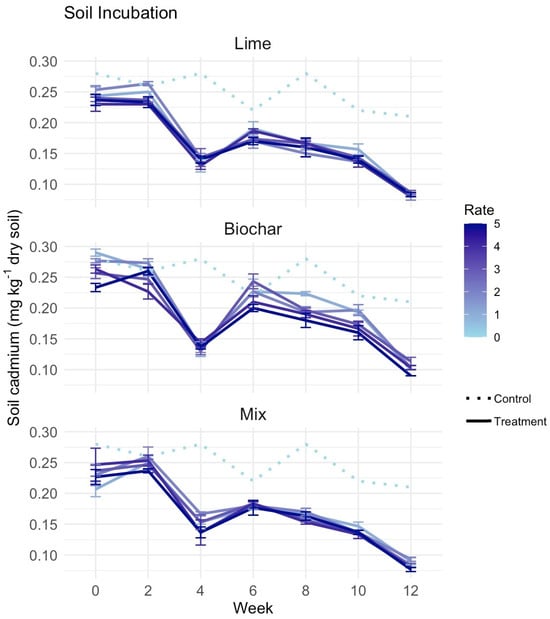
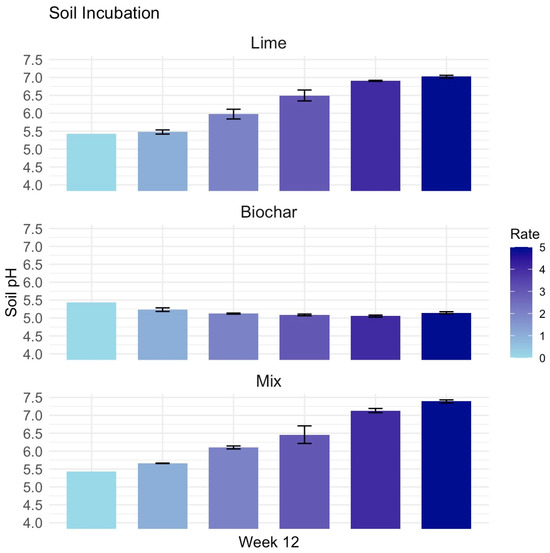
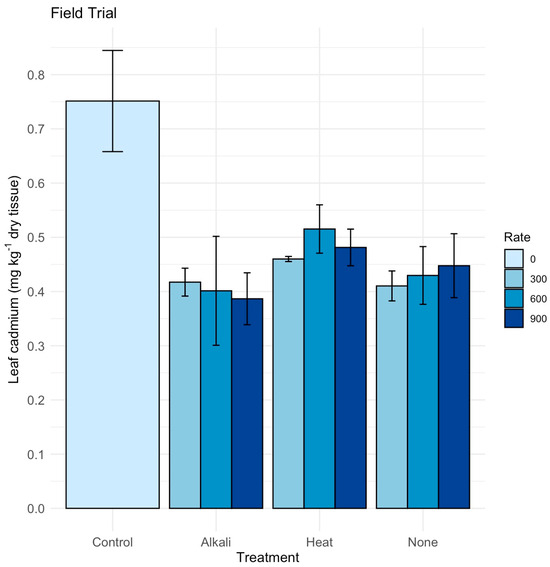
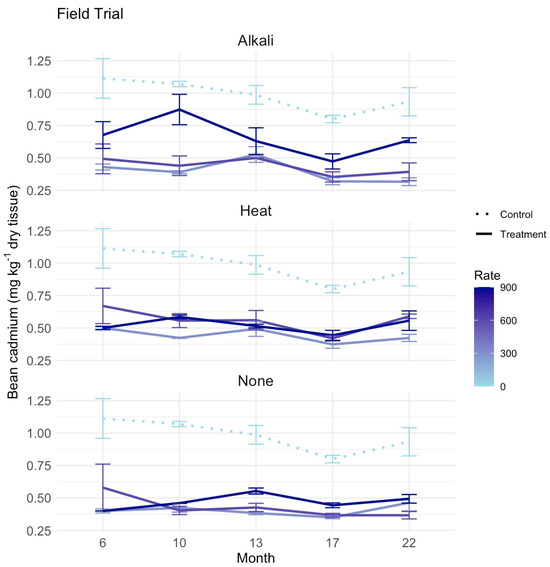
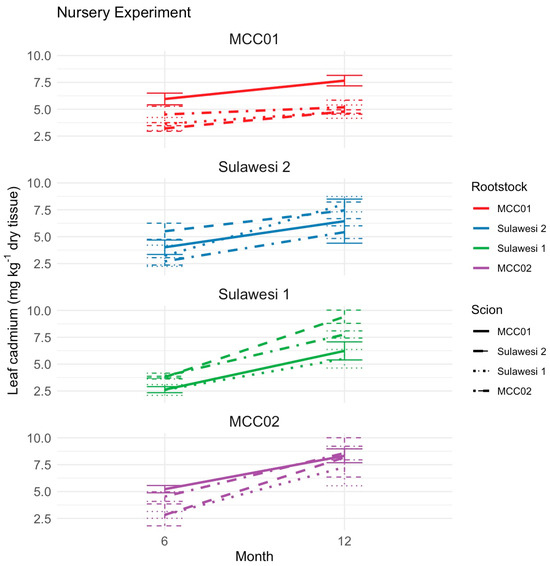
Cadmium (Cd) accumulation in cocoa poses a regulatory challenge for cacao producers in regions with naturally elevated soil Cd, such as Indonesia. This study evaluated the potential of soil-based and plant-based solutions to reduce Cd uptake in cacao. The efficacy of soil amendments was tested with two experiments: (1) a 12-week soil incubation tested lime, biochar, and lime–biochar mixtures at five rates on sandy clay loam and (2) a field trial evaluating zeolite applied at three rates (300, 600, and 900 kg ha−1) with heat or alkali pretreatments. A third experiment evaluated the potential of four cacao genotypes and their rootstock–scion interactions to mitigate Cd uptake over the course of a 12-month nursery trial in Cd-augmented soil. In the incubation study, some lime and biochar treatments produced numerically lower soil Cd concentrations than the control (0.25 mg kg−1), with final means as low as 0.15 mg kg−1, but these differences were not statistically significant in this experiment. Application of zeolite in the field significantly reduced leaf and bean Cd levels (leaf: 0.35–0.50 mg kg−1; bean: 0.25–0.75 mg kg−1) compared to the control (p < 0.01). In the nursery experiment, average increases in leaf Cd concentrations from 6 to 12 months after spiking were lowest in rootstock MCC01 (1.46 mg kg−1; p < 0.001) compared to higher increases in MCC02 (4.16 mg kg−1) and Sulawesi 1 (3.53 mg kg−1), indicating reduced Cd uptake by MCC01 across scions, while scion and interaction effects were not significant. Targeted soil amendments and specific rootstock–scion combinations are promising strategies to reduce Cd concentrations in cacao systems. Full article
(This article belongs to the Section Farming Sustainability)
Show Figures

Figure 1

23 pages, 1448 KB  
Review
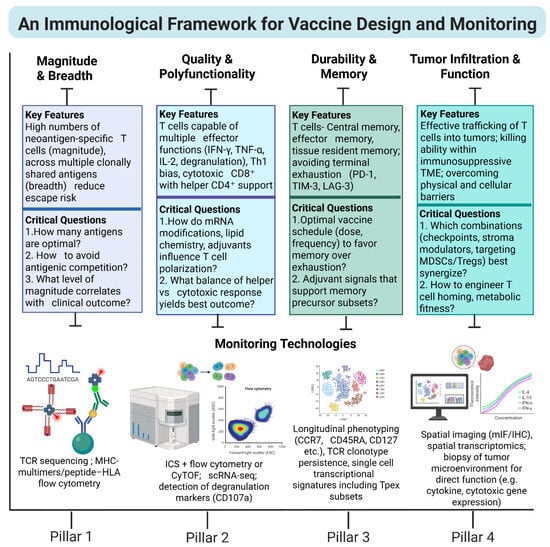
Engineering Anti-Tumor Immunity: An Immunological Framework for mRNA Cancer Vaccines
by Olivia Roy and Karen S. Anderson
Vaccines 2025, 13(12), 1222; https://doi.org/10.3390/vaccines13121222 (registering DOI) - 3 Dec 2025
Abstract
The landscape of cancer immunotherapy has been redefined by mRNA vaccines as rapid clinically viable strategies that help induce potent, tumor-specific immune responses. This review highlights the current advances in mRNA engineering and antigen design to establish an integrated immunological framework for cancer [...] Read more.
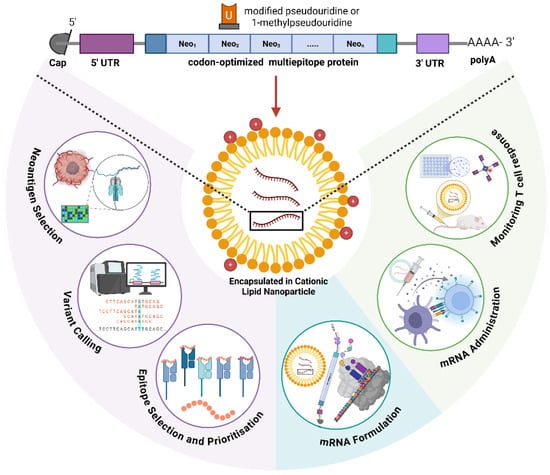
The landscape of cancer immunotherapy has been redefined by mRNA vaccines as rapid clinically viable strategies that help induce potent, tumor-specific immune responses. This review highlights the current advances in mRNA engineering and antigen design to establish an integrated immunological framework for cancer vaccine development. Achieving durable clinical benefit requires more than antigen expression. Effective vaccines need precise epitope selection, optimized delivery systems, and rigorous immune monitoring. The field is shifting from merely inducing immune responses to focusing more on the biochemistry and molecular design principles that combine magnitude, polyfunctionality, and longevity to overcome tumor-induced immune suppression. We examine an integrated immunological framework for mRNA cancer vaccine development, examining how rational molecular engineering of vaccine components, from nucleoside modifications and codon optimization to untranslated regions and linker sequences, shapes immunogenicity and therapeutic efficacy. Future directions will depend on balancing combinatorial strategies combining vaccination with immune checkpoint inhibitors and adoptive cell therapies. Full article
Show Figures

Figure 1

31 pages, 2446 KB  
Article
An Approach for Spacecraft Operational Task Scheduling Considering Constrained Space–Ground TT&C Resources and Task Splitting
by Jianqiang Tang, Yueyi Hou, Shan Wu, Zhaokai Si, Jin Xu and Chao Qi
Aerospace 2025, 12(12), 1077; https://doi.org/10.3390/aerospace12121077 (registering DOI) - 3 Dec 2025
Abstract
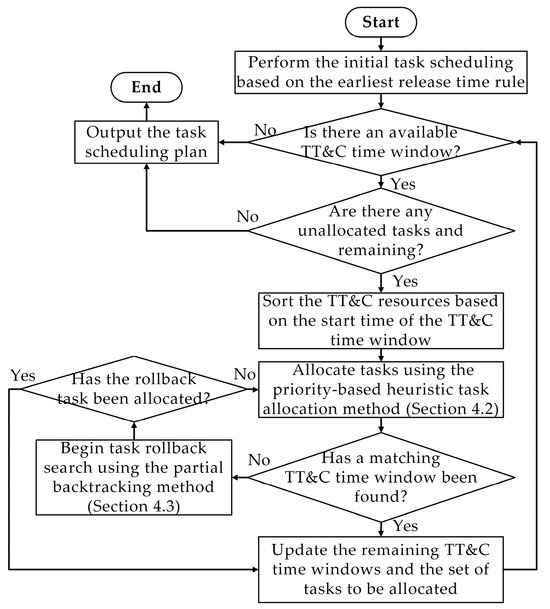
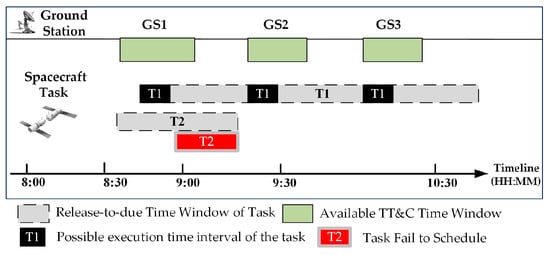
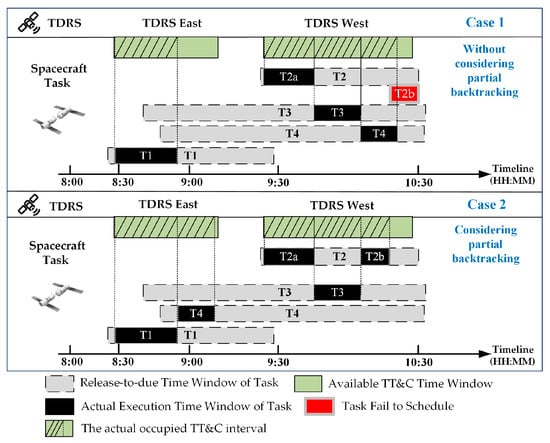
This paper proposes a scheduling approach for multi-type spacecraft operational tasks that can be interleaved, considering constrained space–ground telemetry, tracking, and command (TT&C) resources, as well as task splitting. A mixed-integer linear programming model is formulated to maximize the total task completion reward [...] Read more.
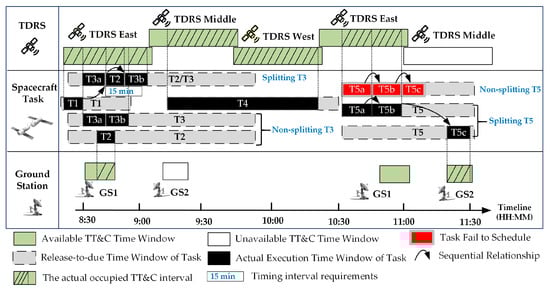
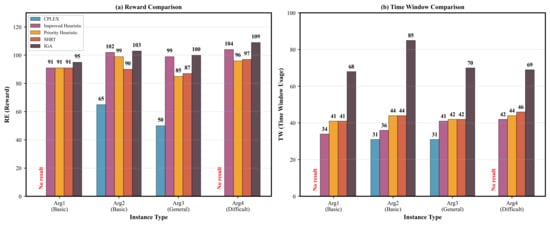
This paper proposes a scheduling approach for multi-type spacecraft operational tasks that can be interleaved, considering constrained space–ground telemetry, tracking, and command (TT&C) resources, as well as task splitting. A mixed-integer linear programming model is formulated to maximize the total task completion reward under service time-window constraints for splittable and unsplittable routine tasks, continuous tracking requirements, coupling relationships between routine and continuous tracking tasks, temporal logic dependencies, visibility constraints, and non-overlapping scheduling conditions. To improve solution efficiency and scheduling performance, a heuristic algorithm that combines priority rules with partial backtracking is developed. Task priorities are determined based on completion rewards, due times, execution durations, and temporal relationships, and scheduling is refined to avoid conflicts with predefined constraints. A partial backtracking mechanism guided by task release times enables effective adjustment when TT&C requirements cannot be satisfied. Comparative experiments with CPLEX and four heuristic algorithms validate the effectiveness of the proposed method. Full article
(This article belongs to the Section Astronautics & Space Science)
Show Figures

Figure 1

24 pages, 2214 KB  
Article
MMHFormer: Multi-Source and Multi-View Hierarchical Transformer for Traffic Flow Prediction
by Han Wu, Guoqing Teng, Hao Wu, Zicheng Qiu and Meng Zhao
Appl. Sci. 2025, 15(23), 12804; https://doi.org/10.3390/app152312804 (registering DOI) - 3 Dec 2025
Abstract
Traffic flow prediction is a vital component of Intelligent Transportation Systems (ITSs), playing a key role in proactive traffic management and the optimization of urban mobility. However, the complex spatial–temporal dependencies, dynamic variations, and external factors in traffic networks present significant challenges for [...] Read more.
Traffic flow prediction is a vital component of Intelligent Transportation Systems (ITSs), playing a key role in proactive traffic management and the optimization of urban mobility. However, the complex spatial–temporal dependencies, dynamic variations, and external factors in traffic networks present significant challenges for accurate predictions. In this paper, we propose MMHFormer, a novel multi-source, multi-view hierarchical Transformer model specifically designed for traffic flow prediction. MMHFormer incorporates three key innovations: (1) a multi-source gated embedding layer that integrates diverse multidimensional inputs, including spatial Laplacian embeddings, temporal periodic embeddings, and traffic occupancy embeddings, to better capture the complex dynamics of traffic conditions; (2) a hierarchical multi-view spatial attention module that models global, local, and dynamic similarity-based spatial dependencies, effectively addressing the spatial heterogeneity of traffic flows; (3) a hierarchical two-stage temporal attention mechanism that captures global temporal dependencies while adapting to node-specific temporal variations. Extensive experiments conducted on four benchmark traffic datasets demonstrate that MMHFormer outperforms state-of-the-art methods, achieving significant improvements in prediction accuracy. Full article
(This article belongs to the Special Issue Advanced Methods for Time Series Forecasting)
32 pages, 10350 KB  
Article
Cuban Sugarcane Wax Alcohol Supplementation Prevents Brain and Eye Damages of Zebrafish Exposed to High-Cholesterol and High-Galactose Diet for 30 Weeks: Protection of Myelin, Cornea, and Retina
by Kyung-Hyun Cho, Ashutosh Bahuguna, Cheolmin Jeon, Sang Hyuk Lee, Yunki Lee, Seung Hee Baek, Chae-Eun Yang, Ji-Eun Kim and Krismala Djayanti
Antioxidants 2025, 14(12), 1453; https://doi.org/10.3390/antiox14121453 (registering DOI) - 3 Dec 2025
Abstract
Cuban sugarcane wax alcohol (policosanol) is a blend of eight characteristic aliphatic alcohols extracted from the Cuban sugarcane and widely recognized for its multifunctional applications and therapeutic properties. In the present study, the potency of policosanol (POL) was assessed for its ability to [...] Read more.
Cuban sugarcane wax alcohol (policosanol) is a blend of eight characteristic aliphatic alcohols extracted from the Cuban sugarcane and widely recognized for its multifunctional applications and therapeutic properties. In the present study, the potency of policosanol (POL) was assessed for its ability to prevent metabolic stress and associated disorders posed by a high-cholesterol (HC) and high-galactose (HG) diet in zebrafish (Danio rerio). Adult zebrafish (n = 56/group) were fed either with an HC+HG diet (containing 4%, w/w cholesterol and 30%, w/w galactose), or an HC+HG amalgamated diet with POL (final 0.1% w/w or 0.5% w/w). Zebrafish in the specified groups were sacrificed post-30 weeks of feeding, and blood and organs (liver, brain, and eyes) were processed for biochemical, histological, and immunohistochemical (IHC) analysis. After 30 weeks of feeding, the highest mortality (12.5%) was noticed in the HC+HG supplement group, which was reduced to 4.5% with co-supplementation of POL (0.1% and 0.5%). In a dose-dependent manner, POL significantly reversed HC+HG elevated levels of total cholesterol (TC), triglycerides (TG), low-density lipoprotein cholesterol (LDL-C), glucose, and malondialdehyde (MDA), while substantially augmenting plasma high-density lipoprotein cholesterol (HDL-C), sulfhydryl content, ferric ion reduction ability (FRA), and paraoxonase (PON) activity. In addition, POL mitigated HC+HG-induced hepatomegaly, inflammation, and fatty liver changes. Consistently, POL minimizes ROS generation and cellular senescence in the brain and substantially improves HC+HG-induced cognitive changes (cessation of swimming ability and motion), with a marked ~5 times higher swimming distance. Notably, POL mitigated the HC+HG-induced corneal opacity and attenuated oxidative stress, apoptosis, 4-hydroxynonenal (4-HNE) accumulation, and myelin sheath degeneration in the retina. The findings underscore the therapeutic potential of policosanol in attenuating oxidative stress, metabolic changes, and various organ damage caused by prolonged exposure to the HC+HG diet. Full article
15 pages, 2010 KB  
Article
Response of Size-Fractionated Phytoplankton to Environmental Variables in Gwangyang Bay Focusing on the Role of Small Phytoplankton
by Eunbi Lee, Chan-Woo Kwon, Chang-Keun Kang, Chan Song Kim, Jiyoung Lee and Yoonja Kang
J. Mar. Sci. Eng. 2025, 13(12), 2298; https://doi.org/10.3390/jmse13122298 (registering DOI) - 3 Dec 2025
Abstract
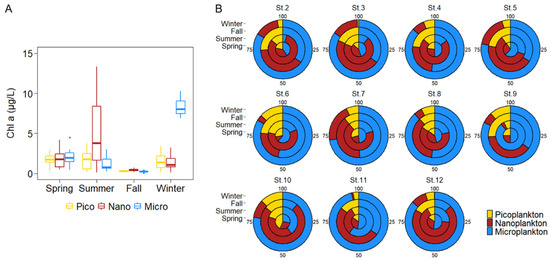
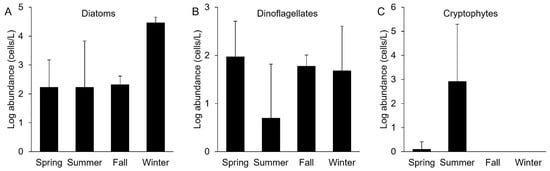
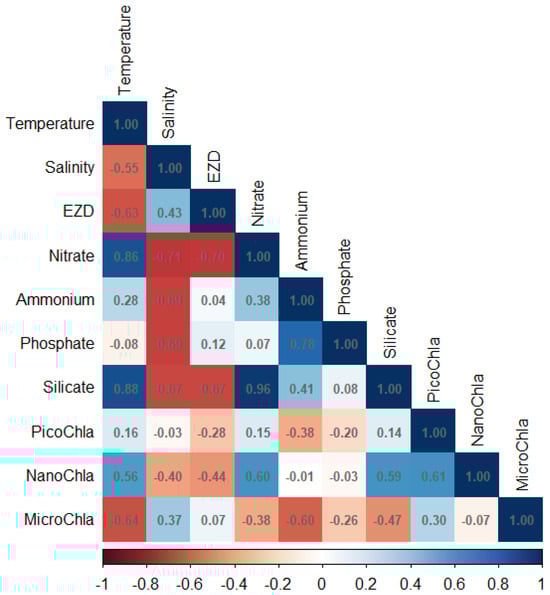
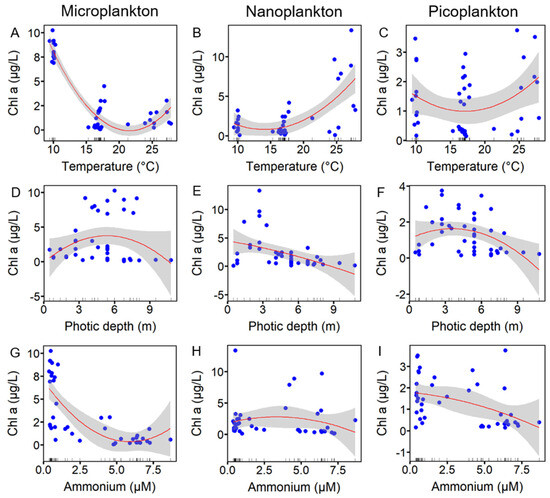
Responses of size-fractionated phytoplankton to environmental variables—particularly temperature, euphotic depth, and ammonium—were investigated in Gwangyang Bay to identify the phytoplankton groups responsible for estuarine blooms. Carbon-normalized biomass clearly showed the dominance of nanoplankton during summer and microplankton during winter. A combination of microscopy [...] Read more.
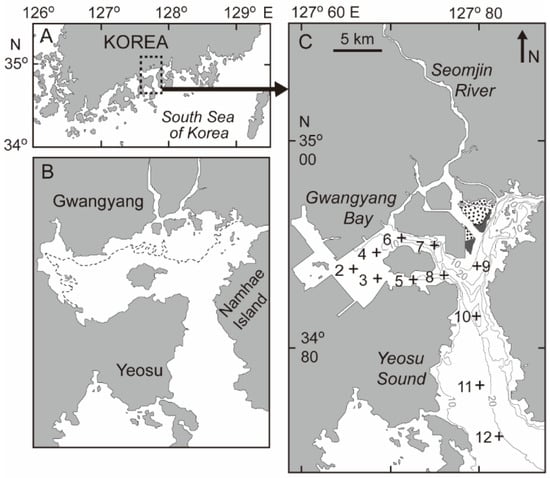
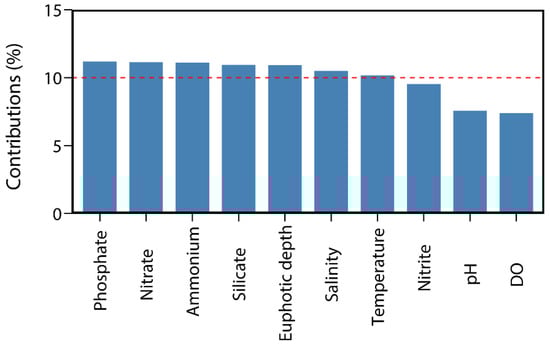
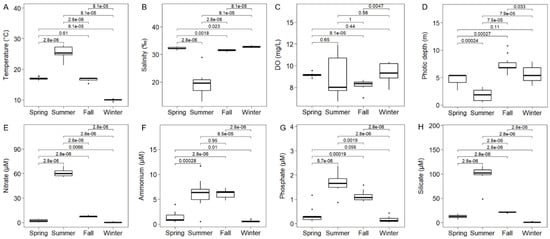
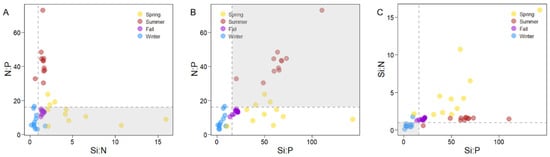
Responses of size-fractionated phytoplankton to environmental variables—particularly temperature, euphotic depth, and ammonium—were investigated in Gwangyang Bay to identify the phytoplankton groups responsible for estuarine blooms. Carbon-normalized biomass clearly showed the dominance of nanoplankton during summer and microplankton during winter. A combination of microscopy and flow cytometry analyses revealed that cryptophytes dominated the summer bloom, whereas diatoms dominated the winter bloom. Polynomial regression models indicated that diatom-dominated microplankton biomass declined sharply with increasing temperature and ammonium, while cryptophyte-dominated nanoplankton and cyanobacteria-dominated picoplankton biomass increased with rising temperature and decreased with increasing euphotic depth. These results highlight the substantial role of small phytoplankton (nanoplankton and picoplankton) in the bay ecosystem, where concerns over declining water quality and reduced nitrate availability are ongoing. Full article
(This article belongs to the Section Marine Ecology)
Show Figures

Figure 1

19 pages, 5943 KB  
Article
A Physics-Guided Transformer for Robust State of Charge Estimation in Aging Lithium-Ion Batteries
by Xiang Li, Guanru Wu, Fei Chang, Weidong Xia, Shaobin Sun and Yingjun Shen
Batteries 2025, 11(12), 446; https://doi.org/10.3390/batteries11120446 (registering DOI) - 3 Dec 2025
Abstract
Accurate state of charge (SOC) estimation is a critical challenge for battery management systems (BMSs), hindered by the nonlinear electrochemistry of lithium-ion batteries, their sensitivity to temperature, and pervasive measurement noise. Crucially, battery aging significantly degrades estimation accuracy, posing a major hurdle for [...] Read more.
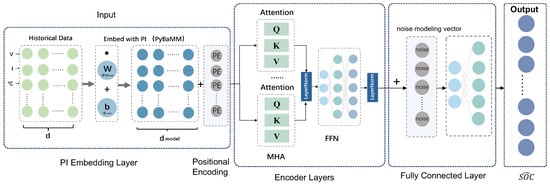
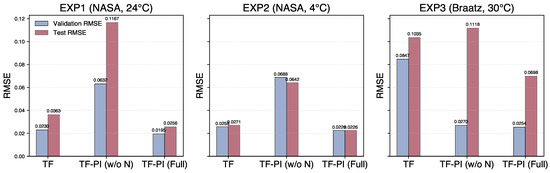
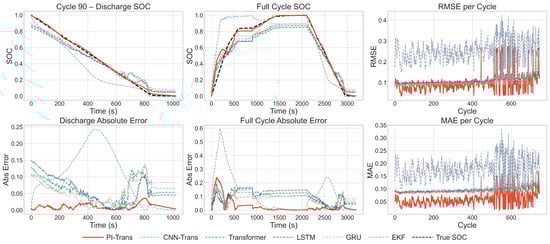
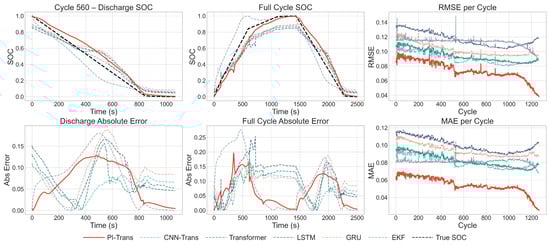
Accurate state of charge (SOC) estimation is a critical challenge for battery management systems (BMSs), hindered by the nonlinear electrochemistry of lithium-ion batteries, their sensitivity to temperature, and pervasive measurement noise. Crucially, battery aging significantly degrades estimation accuracy, posing a major hurdle for long-term system dependability. We propose the Physics-Informed Transformer (PI-Transformer), a novel framework that integrates high-fidelity electrochemical constraints from the PyBaMM (Version: 25.10.2) model directly into a Transformer architecture. This approach ensures physical consistency while leveraging the Transformer’s self-attention mechanism to model long-term temporal dependencies. The framework is specifically designed to be robust against the effects of battery aging, incorporating an attention-based noise modeling module to enhance resilience against sensor uncertainty and capacity fade. Evaluated on two public datasets under diverse conditions, including variable temperatures, fast-charging protocols, and multiple stages of battery degradation, the PI-Transformer consistently achieves state-of-the-art performance. It demonstrates exceptional robustness and maintains high accuracy under challenging low-temperature and severely aged battery scenarios, highlighting its strong potential for deployment in real-world ESS applications where aging is a primary concern. Full article
(This article belongs to the Special Issue Batteries and Supercapacitors Aging III)
Show Figures

Figure 1

9 pages, 1176 KB  
Article
Long-Term (>10 Years) Effects of Medical and Surgical Airway Obstruction Treatment on Dentofacial Morphology
by Anthony T. Macari, Annie Babakhanian, Ingrid Karam and Joseph G. Ghafari
Diagnostics 2025, 15(23), 3079; https://doi.org/10.3390/diagnostics15233079 (registering DOI) - 3 Dec 2025
Abstract
Airway obstruction may lead to dentofacial dysmorphogenesis, with severity influenced by age, duration, and extent of obstruction. Aims: to evaluate long-term craniofacial changes in children with a history of mouth breathing, comparing outcomes between those treated with lymphoid tissue removal or with medication, [...] Read more.
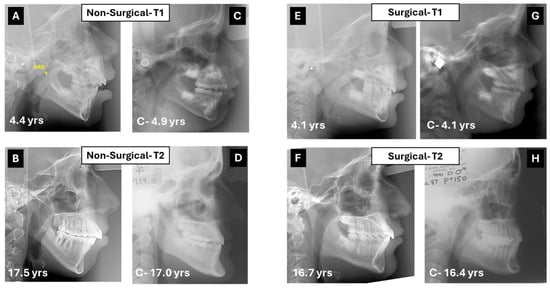
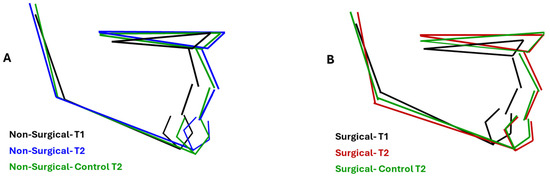
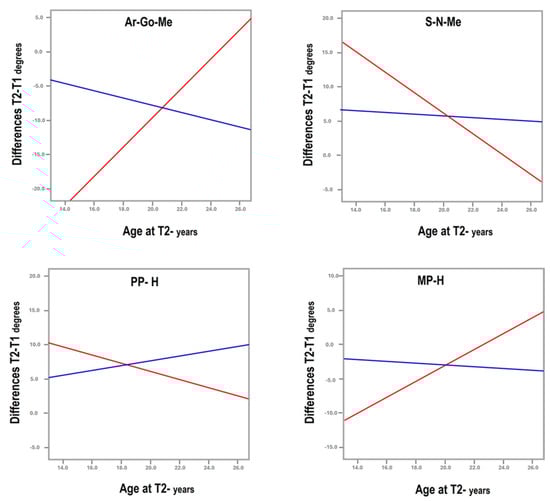
Airway obstruction may lead to dentofacial dysmorphogenesis, with severity influenced by age, duration, and extent of obstruction. Aims: to evaluate long-term craniofacial changes in children with a history of mouth breathing, comparing outcomes between those treated with lymphoid tissue removal or with medication, and considering treatment age. Materials and Methods: Fifty-seven patients with a mean age of 19.09 years (range: 15.1–25.2 years) who had been evaluated in an earlier study (T1) were recalled at an average of 13 years follow-up (T2) and classified into a surgical group (n = 34), who had an adenoidectomy, and a non-surgical group (n = 23) treated with medication. Lateral cephalograms were obtained and compared with the original pre-treatment records. Control groups were included, matching the subjects in both groups for age and sex. Statistical analyses included group comparisons and associations among variables. Results: Significant improvement in both treatment groups were observed for the gonial angle (Ar-Go-Me), facial convexity (S-N-Me) and facial height (N-Gn), but T2-T1 changes in the surgical group were statistically significantly greater than in the medical therapy group. The palatal plane inclination to the horizontal (PP/H) and the mandibular plane inclination (MP/H) and to cranial base (MP/SN) were significantly improved in both groups (0.001 < p < 0.01). Conclusions: Both surgical and medical treatment of airway obstruction resulted in the reversal of the harmful effect of the obstruction. However, adenoidectomy was associated with greater improvements, possibly because the original obstruction was more severe and longer-standing. The results underline the importance of early recognition and management of airway obstruction to mitigate developmental orofacial dysmorphology. Full article
(This article belongs to the Section Clinical Diagnosis and Prognosis)
Show Figures

Figure 1

17 pages, 493 KB  
Article
Vicarious Posttraumatic Growth in Peer-Support Specialists: An Interpretive Phenomenological Analysis
by Taryn C. Greene, Joshua R. Rhodes, Skyla Renner-Wilms, Richard G. Tedeschi, Bret A. Moore and Gary R. Elkins
Behav. Sci. 2025, 15(12), 1673; https://doi.org/10.3390/bs15121673 (registering DOI) - 3 Dec 2025
Abstract
Vicarious Posttraumatic Growth (VPTG) is a critical yet underexplored phenomenon among trauma-focused helping professionals. While secondary trauma (ST), compassion fatigue, and burnout are widely recognized negative aspects of working with trauma survivors, less is known about the potential benefits of this work and [...] Read more.
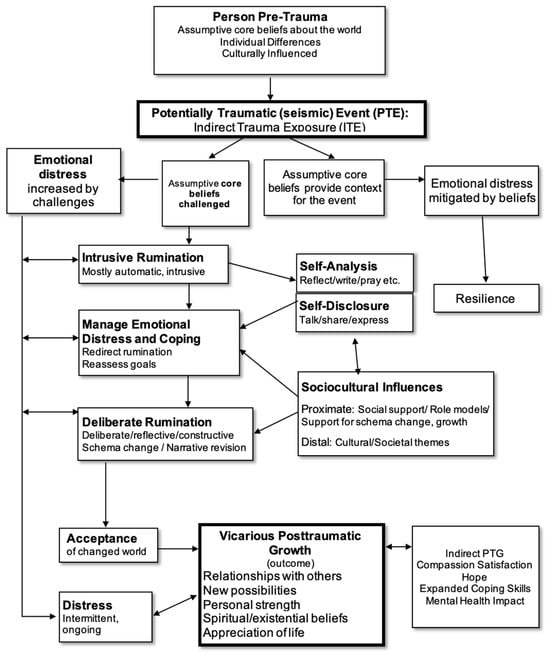
Vicarious Posttraumatic Growth (VPTG) is a critical yet underexplored phenomenon among trauma-focused helping professionals. While secondary trauma (ST), compassion fatigue, and burnout are widely recognized negative aspects of working with trauma survivors, less is known about the potential benefits of this work and its contributions to well-being. This qualitative study explored peer-support specialists’ perceptions of growth arising from indirect exposure to trauma and examined how these experiences relate to well-being. Using interpretative phenomenological analysis, researchers conducted semi-structured interviews with 13 participants, independently coded transcripts, and developed themes through consensus. Findings suggest VPTG may follow a similar path to Posttraumatic Growth (PTG), with participants reporting challenges to core beliefs, emotional distress, and transformative cognitive-emotional shifts that facilitated growth across domains that appear to mirror the five PTG domains. Outcomes of working with trauma survivors extended beyond the PTG domains to include compassion satisfaction, hope, expanded coping skills, and improved mental health. Taken together, these findings illustrate the participants’ subjective experiences of both challenge and transformation through their work with trauma survivors, offering preliminary insight into how indirect trauma exposure may contribute to VPTG and well-being. Full article
(This article belongs to the Special Issue Experiences and Well-Being in Personal Growth)
Show Figures

Figure 1

16 pages, 12792 KB  
Article
Capacity Configuration of Hybrid Energy Storage System for Fuel Cell Vessel Based on Multi-Verse Optimizer–Variational Mode Decomposition Crossover Allocation Algorithm
by Xiuyuan Liu and Jingang Han
Energies 2025, 18(23), 6351; https://doi.org/10.3390/en18236351 (registering DOI) - 3 Dec 2025
Abstract
The hybrid energy storage system (HESS) significantly improves the dynamic response and energy utilization efficiency of the propulsion system in fuel cell vessels while maintaining the stability of the power grid. To address the issue of inaccurate power allocation and unreasonable capacity configuration [...] Read more.
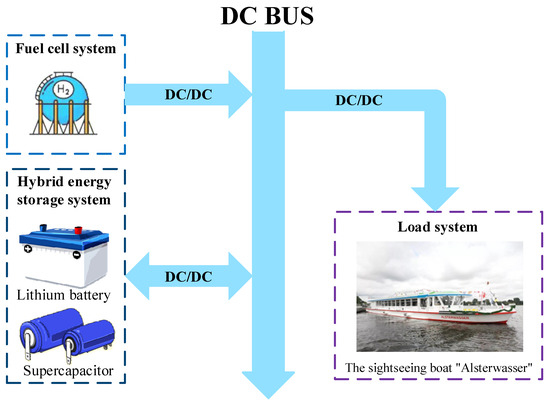
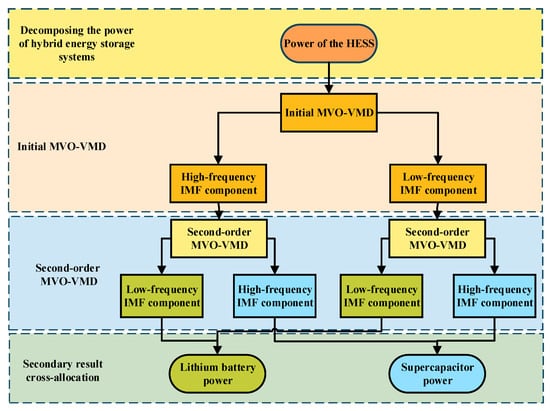
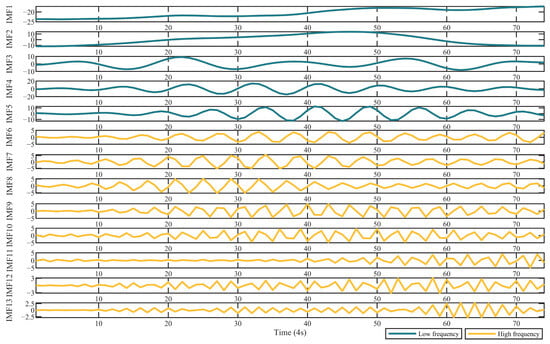
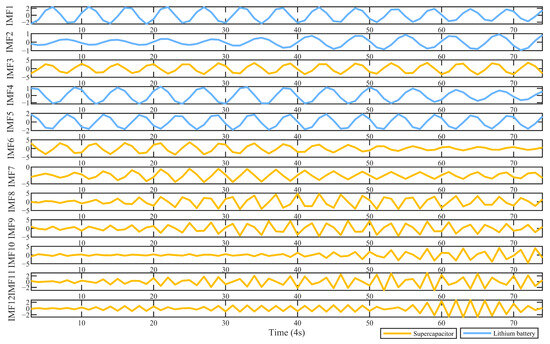
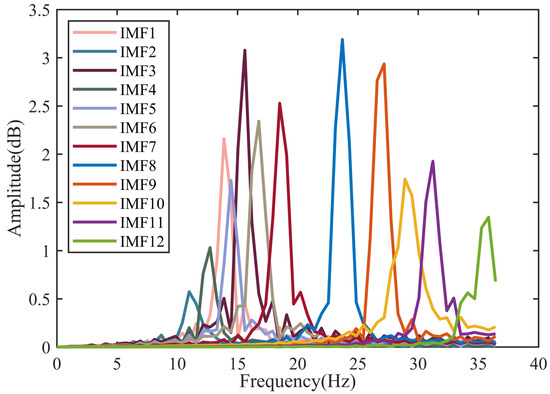
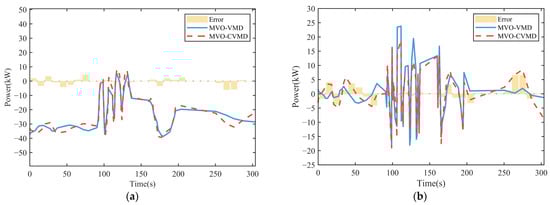
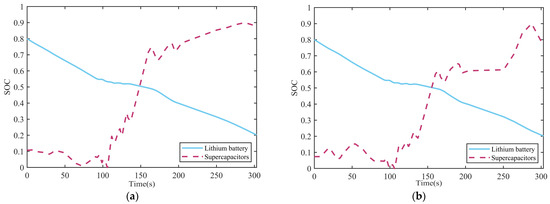
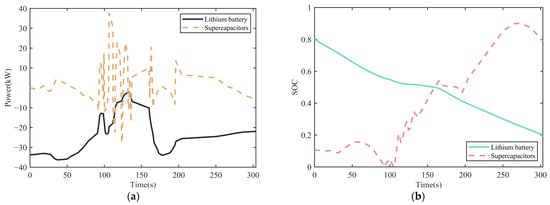
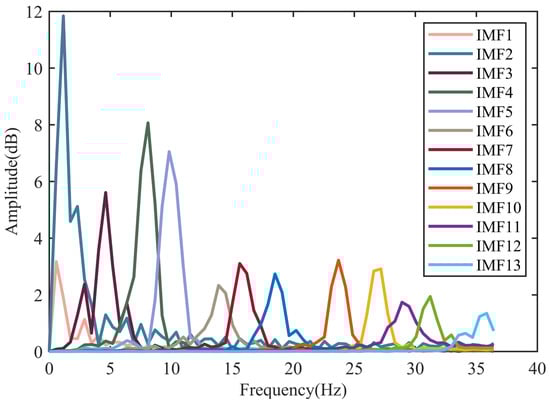
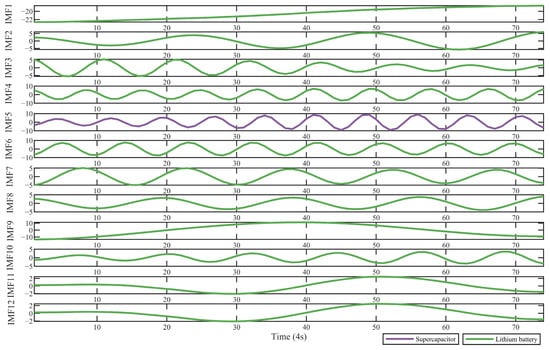
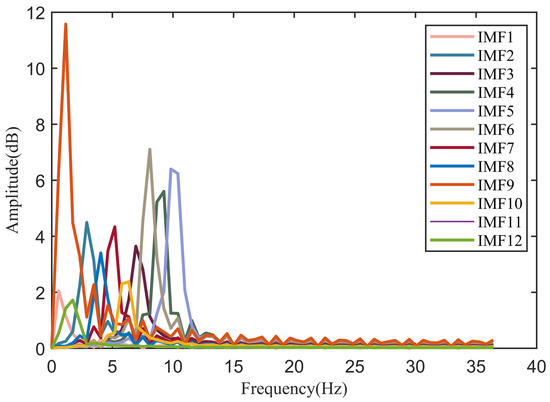
The hybrid energy storage system (HESS) significantly improves the dynamic response and energy utilization efficiency of the propulsion system in fuel cell vessels while maintaining the stability of the power grid. To address the issue of inaccurate power allocation and unreasonable capacity configuration caused by modal aliasing during power decomposition, this article innovatively proposes a power distribution method for hybrid energy storage systems. First, the Multi-Verse Optimizer (MVO) is used to optimize Variational Mode Decomposition (VMD) in order to address the issue of VMD being highly dependent on parameter selection. Then, power is decomposed twice to resolve the modal aliasing problem associated with single decomposition, achieving a more accurate power breakdown and providing a more stable power output. Finally, the decomposed powers are cross-allocated: low frequencies are assigned to lithium batteries that can provide long-term stable energy supply, while high frequencies are allocated to supercapacitors capable of delivering short-term efficient energy supply. The simulation results indicate that the MVO-CVMD method proposed in this paper effectively addresses the modal aliasing problem, enhances the accuracy of power decomposition, and reduces the cost of capacity configuration. Full article
Show Figures

Figure 1

27 pages, 6664 KB  
Article
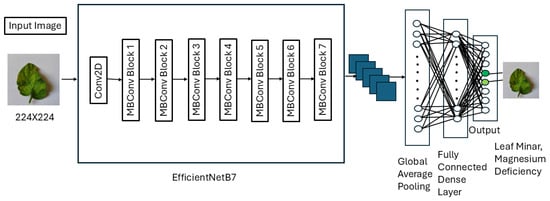
Advancing Multi-Label Tomato Leaf Disease Identification Using Vision Transformer and EfficientNet with Explainable AI Techniques
by Md. Nurullah, Rania Hodhod, Hyrum Carroll and Yi Zhou
Electronics 2025, 14(23), 4762; https://doi.org/10.3390/electronics14234762 (registering DOI) - 3 Dec 2025
Abstract
Plant diseases pose a significant threat to global food security, affecting crop yield, quality, and overall agricultural productivity. Traditionally, diagnosing plant diseases has relied on time-consuming visual inspections by experts, which can often lead to errors. Machine learning (ML) and artificial intelligence (AI), [...] Read more.
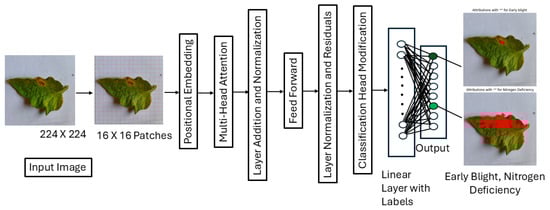
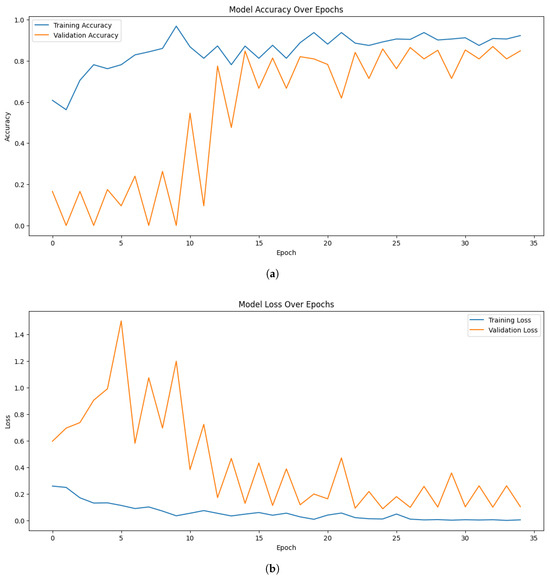
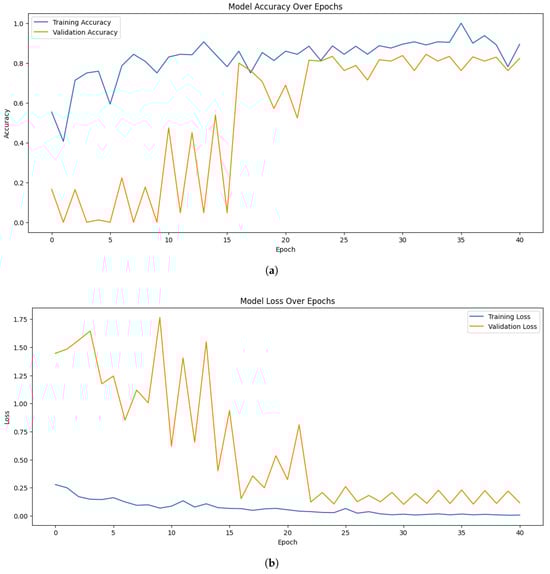
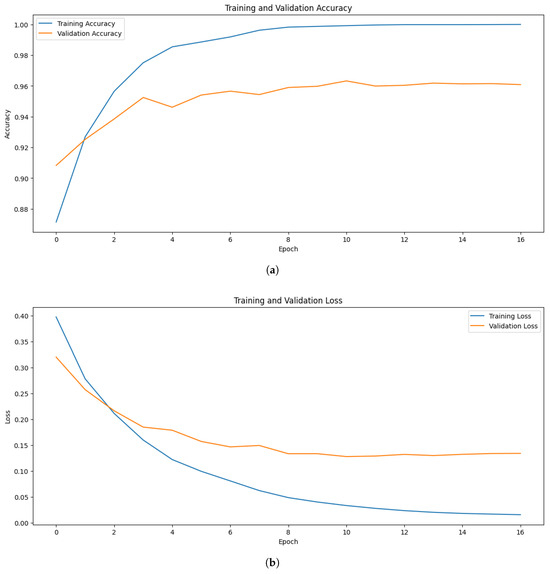
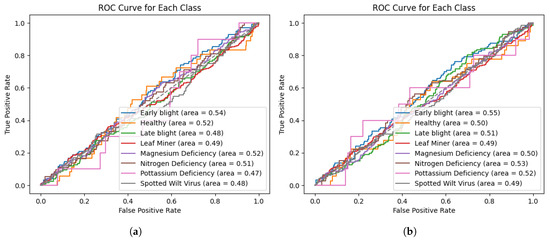
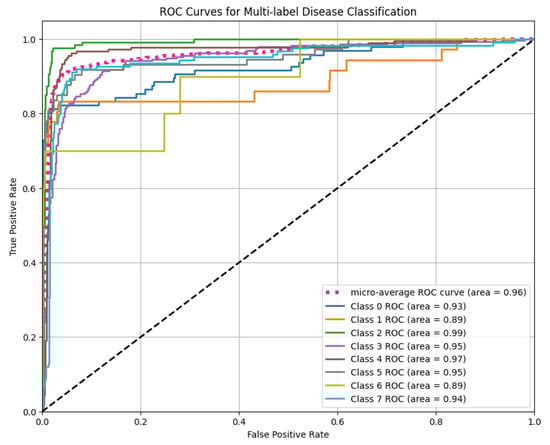
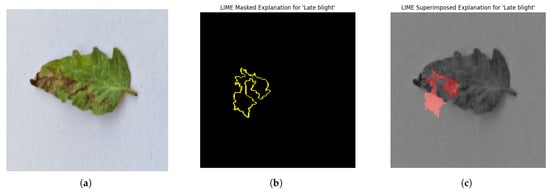
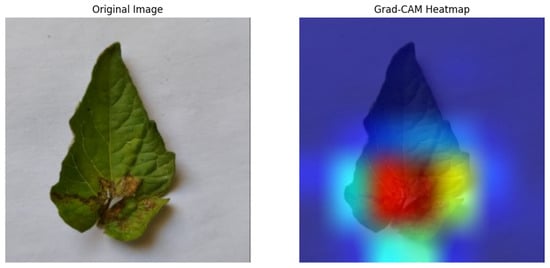
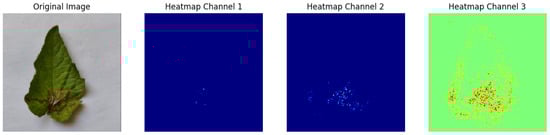
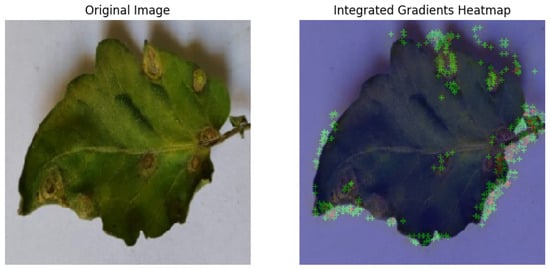
Plant diseases pose a significant threat to global food security, affecting crop yield, quality, and overall agricultural productivity. Traditionally, diagnosing plant diseases has relied on time-consuming visual inspections by experts, which can often lead to errors. Machine learning (ML) and artificial intelligence (AI), particularly Vision Transformers (ViTs), and Convolutional Neural Networks, offer a faster, automated alternative for identifying plant diseases through leaf image analysis. However, these models are often criticized for their “black box” nature, limiting trust in their predictions due to a lack of transparency. Our findings show that incorporating Explainable AI (XAI) techniques, such as Grad-CAM, Integrated Gradients, and LIME, significantly improves model interpretability, making it easier for practitioners to identify the underlying symptoms of plant diseases. This study not only contributes to the field of plant disease detection but also offers a novel perspective on improving AI transparency in real-world agricultural applications through the use of XAI techniques. With training accuracies of 100.00% for ViT, 96.88% for EfficientNetB7, 93.75% for EfficientNetB0, and 87.50% for ResNet50, and corresponding validation accuracies of 96.39% for ViT, 86.98% for EfficientNetB7, and 82.00% for EfficientNetB0, our proposed models outperform earlier research on the same dataset. This demonstrates a notable improvement in model performance while maintaining transparency and trustworthiness through interpretable and reliable decision-making. Full article
(This article belongs to the Special Issue Artificial Intelligence and Image Processing in Smart Agriculture)
Show Figures

Figure 1

21 pages, 2057 KB  
Article
Estimating Plant Physiological Parameters for Vitis vinifera L. Using In Situ Hyperspectral Measurements and Ensemble Machine Learning
by Marco Lutz, Emilie Lüdicke, Daniel Heßdörfer, Tobias Ullmann and Melanie Brandmeier
Remote Sens. 2025, 17(23), 3918; https://doi.org/10.3390/rs17233918 (registering DOI) - 3 Dec 2025
Abstract
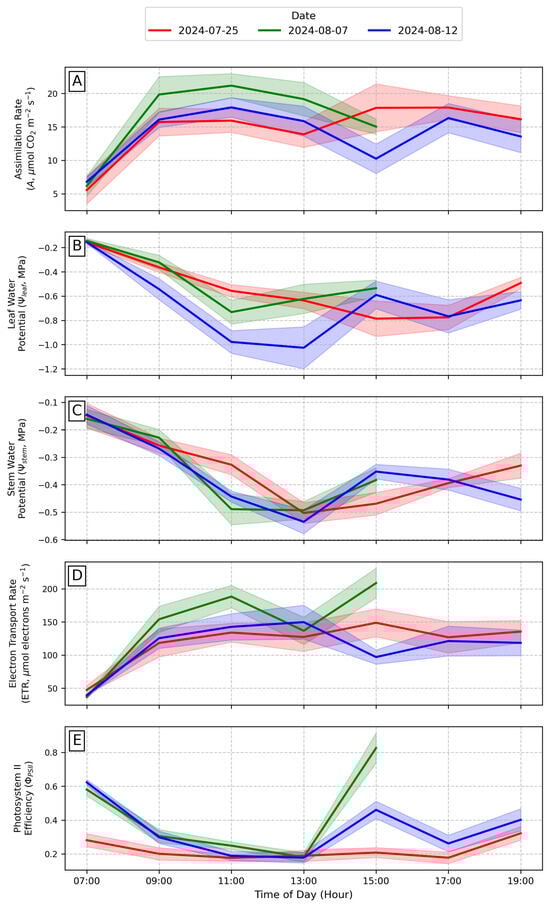
Accurate prediction of photosynthetic parameters is pivotal for precision viticulture, as it enables non-invasive monitoring of plant physiological status and informed management decisions. In this study, spectral reflectance data were used to predict key photosynthetic parameters such as assimilation rate (A), effective photosystem [...] Read more.
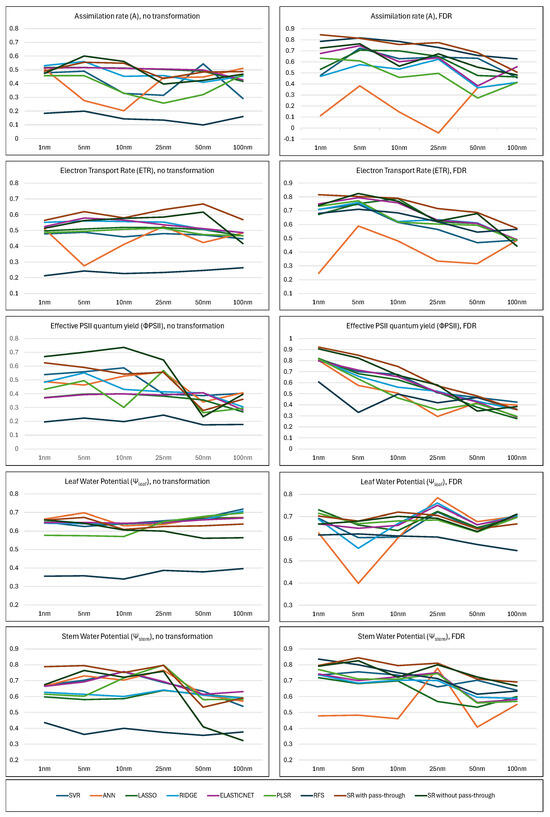
Accurate prediction of photosynthetic parameters is pivotal for precision viticulture, as it enables non-invasive monitoring of plant physiological status and informed management decisions. In this study, spectral reflectance data were used to predict key photosynthetic parameters such as assimilation rate (A), effective photosystem II (PSII) quantum yield (ΦPSII), and electron transport rate (ETR), as well as stem and leaf water potential (Ψstem and Ψleaf), in Vitis vinifera (cv. Müller-Thurgau) grown in an experimental vineyard in Lower Franconia (Germany). Measurements were obtained on 25 July, 7 August, and 12 August 2024 using a LI-COR LI-6800 system and a PSR+ hyperspectral spectroradiometer. Various machine learning models (SVR, Lasso, ElasticNet, Ridge, PLSR, a simple ANN, and Random Forest) were evaluated, both as standalone predictors and as base learners in a stacking ensemble regressor with a Random Forest meta-learner. First derivative reflectance (FDR) preprocessing enhanced predictive performance, particularly for ΦPSII and ETR, with the ensemble approach achieving R2 values up to 0.92 for ΦPSII and 0.85 for A at 1 nm resolution. At coarser spectral resolutions, predictive accuracy declined, though FDR preprocessing provided some mitigation of the performance loss. Diurnal patterns revealed that morning to mid-morning measurements, particularly between 9:00 and 11:00, captured peak photosynthetic activity, making them optimal for assessing vine vigor, while midday water potential declines indicated favorable timing for irrigation scheduling. These findings demonstrate the potential of integrating hyperspectral data with ensemble machine learning and FDR preprocessing for accurate, scalable, and high-throughput monitoring of grapevine physiology, supporting real-time vineyard management and the use of cost-effective sensors under diverse environmental conditions. Full article
Show Figures

Figure 1

21 pages, 2192 KB  
Article
Development, Implementation and Experimental Assessment of Path-Following Controllers on a 1:5 Scale Vehicle Testbed
by Luca Biondo, Angelo Domenico Vella and Alessandro Vigliani
Machines 2025, 13(12), 1116; https://doi.org/10.3390/machines13121116 (registering DOI) - 3 Dec 2025
Abstract
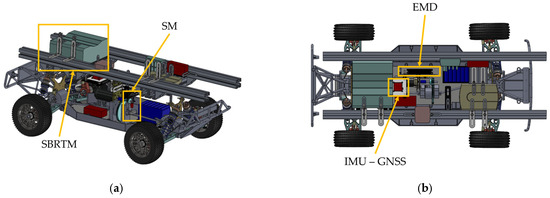
The development of control strategies for autonomous vehicles requires a reliable and cost-effective validation approach. In this context, testbeds enabling repeatable experiments under controlled conditions are gaining relevance. Scaled vehicles have proven to be a valuable alternative to full-scale or simulation-based testing, enabling [...] Read more.
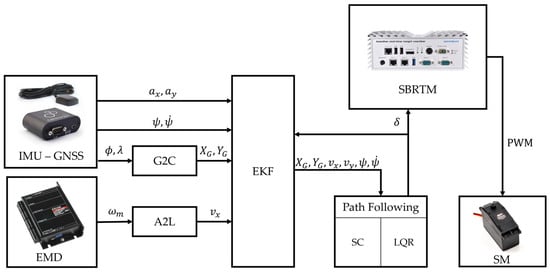
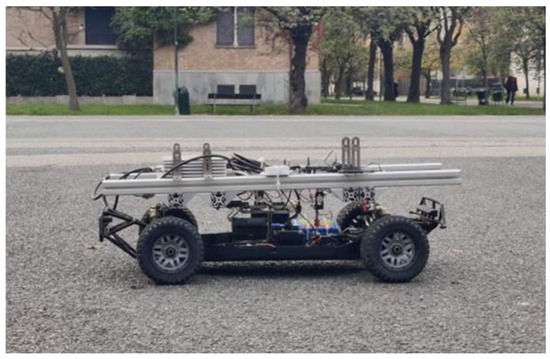
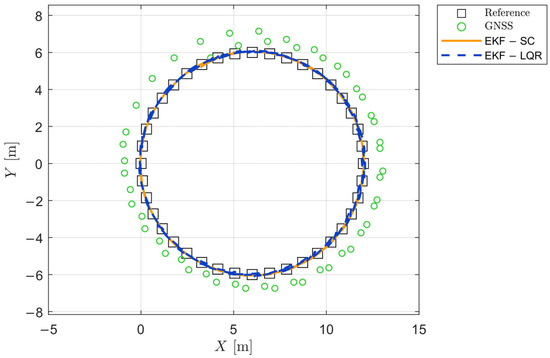
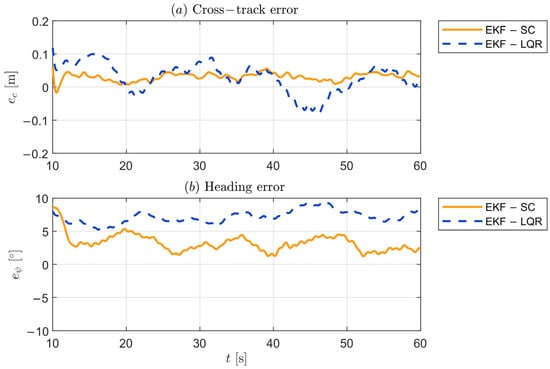
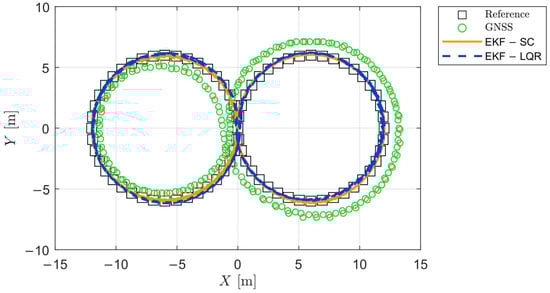
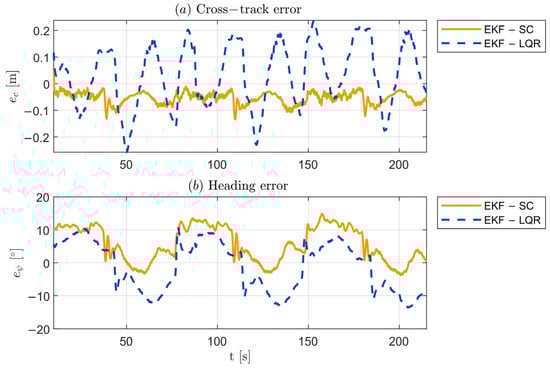
The development of control strategies for autonomous vehicles requires a reliable and cost-effective validation approach. In this context, testbeds enabling repeatable experiments under controlled conditions are gaining relevance. Scaled vehicles have proven to be a valuable alternative to full-scale or simulation-based testing, enabling experimental validation while reducing costs and risks. This work presents a 1:5 scale modular vehicle platform, derived from a commercial Radio-Controlled (RC) vehicle and adapted as experimental testbed for control strategy validation and vehicle dynamics studies. The vehicle features an electric powertrain, operated through a Speedgoat Baseline Real-Time Target Machine (SBRTM). The hardware architecture includes a high-performance Inertial Measurement Unit (IMU) with embedded Global Navigation Satellite System (GNSS). An Extended Kalman Filter (EKF) is implemented to enhance positioning accuracy by fusing inertial and GNSS data, providing reliable estimates of the vehicle position, velocity, and orientation. Two path-following algorithms, i.e., Stanley Controller (SC) and the Linear Quadratic Regulator (LQR), are designed and integrated. Outdoor experimental tests enable the evaluation of tracking accuracy and robustness. The results demonstrate that the proposed scaled testbed constitutes a reliable and flexible platform for benchmarking autonomous vehicle controllers and enabling experimental testing. Full article
Show Figures

Figure 1

19 pages, 2836 KB  
Article
HL7 FHIR-Based Open-Source Framework for Real-Time Biomedical Signal Acquisition and IoMT Interoperability
by Felix-Constantin Adochiei, Florian-Alexandru Țoi, Ioana-Raluca Adochiei, Florin Ciprian Argatu, George Serițan and Gladiola-Gabriela Petroiu
Appl. Sci. 2025, 15(23), 12803; https://doi.org/10.3390/app152312803 (registering DOI) - 3 Dec 2025
Abstract
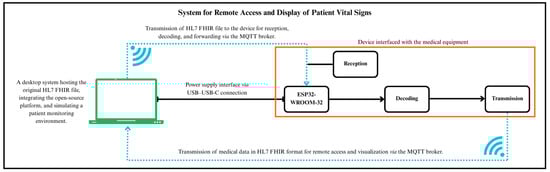
This study presents the design and validation of an open-source framework for biomedical signal acquisition and interoperable data exchange based on the Health Level Seven—Fast Healthcare Interoperability Resources (HL7 FHIR) standard. The proposed system enables secure, wireless transmission of physiological data from distributed [...] Read more.
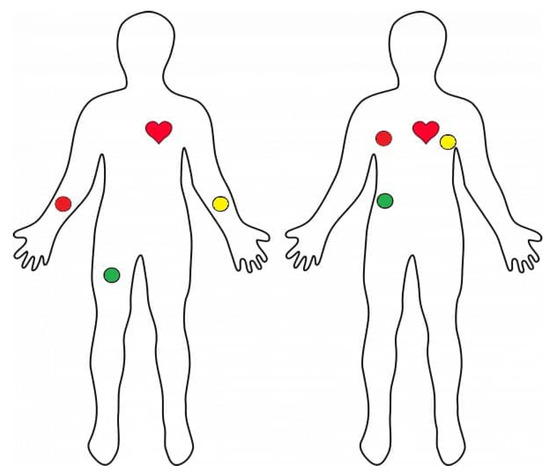
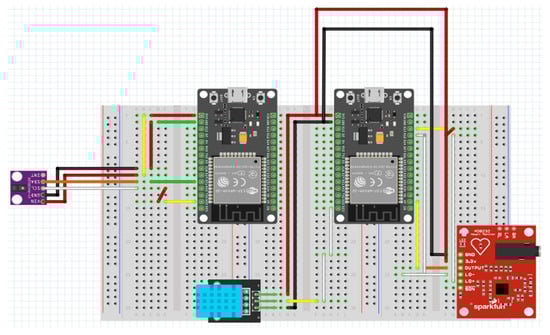
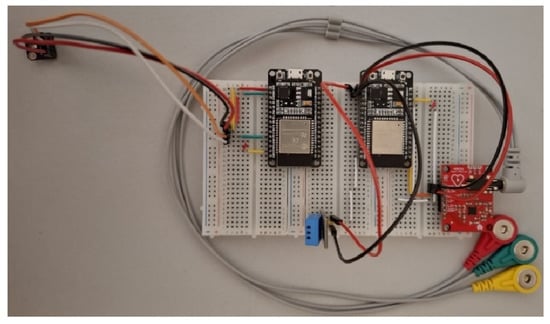
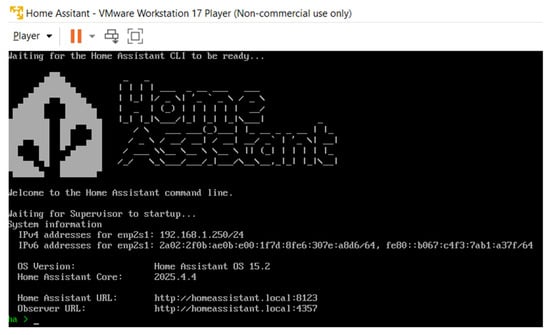
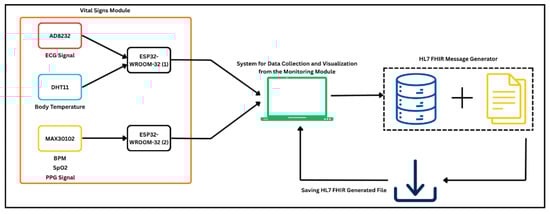
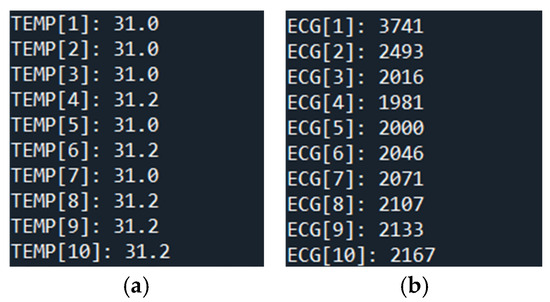
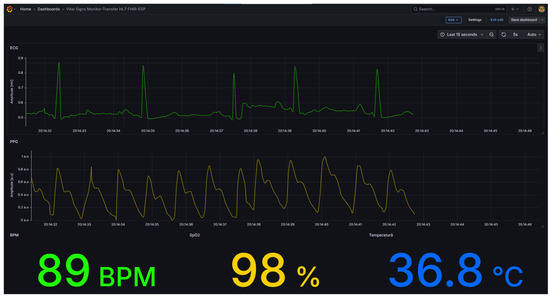
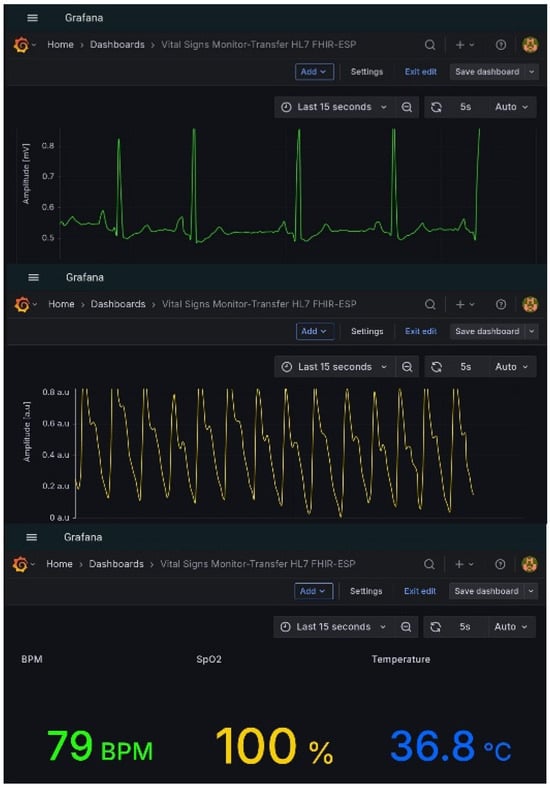
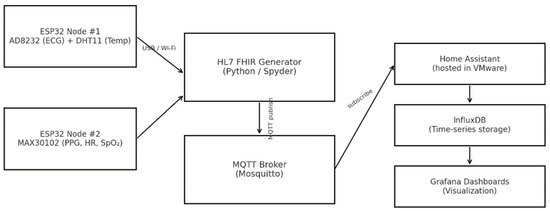
This study presents the design and validation of an open-source framework for biomedical signal acquisition and interoperable data exchange based on the Health Level Seven—Fast Healthcare Interoperability Resources (HL7 FHIR) standard. The proposed system enables secure, wireless transmission of physiological data from distributed sensing nodes toward a locally hosted monitoring platform. The hardware architecture integrates ESP32-WROOM-32 microcontrollers for multi-parameter acquisition, the MQTT protocol for low-latency communication, and a Home Assistant (Nabu Casa, San Diego, CA, USA)–InfluxDB (InfluxData, San Francisco, CA, USA)–Grafana (Grafana Labs, New York, NY, USA) stack for real-time visualization. The novelty of this work lies in the full-stack implementation of HL7 FHIR Observations within a reproducible, open-source environment, ensuring semantic interoperability without reliance on proprietary middleware or cloud services. A case study involving multi-sensor acquisition of electrocardiographic (ECG), photoplethysmographic (PPG), temperature, and oxygen saturation signals was conducted to evaluate system performance. Validation results confirmed consistent end-to-end data flow, sub-second latency, zero packet loss, and accurate semantic preservation across all processing stages. These findings demonstrate the feasibility of implementing standardized, open, and scalable biomedical Internet of Medical Things (IoMT) systems using non-proprietary components. The proposed framework provides a reproducible foundation for future telemedicine and continuous patient-monitoring applications, aligning with FAIR data principles and the ongoing digital transformation of healthcare. Full article
(This article belongs to the Special Issue Evolutionary Computation in Biomedical Signal Processing)
Show Figures

Figure 1

31 pages, 16657 KB  
Article
Research on the Dynamic Characteristics of a New Bridge-and-Station Integrated Elevated Structure
by Kaijian Hu, Xiaojing Sun, Ruoteng Yang, Rui Han and Meng Ma
Vibration 2025, 8(4), 76; https://doi.org/10.3390/vibration8040076 (registering DOI) - 3 Dec 2025
Abstract
Elevated stations are essential auxiliary structures within the high-speed rail (HSR) network. The newly constructed integrated elevated station for bridge building possesses a distinctive construction and intricate force transmission pathways, complicating the assessment of the dynamic coupling of train vibrations. Consequently, it is [...] Read more.
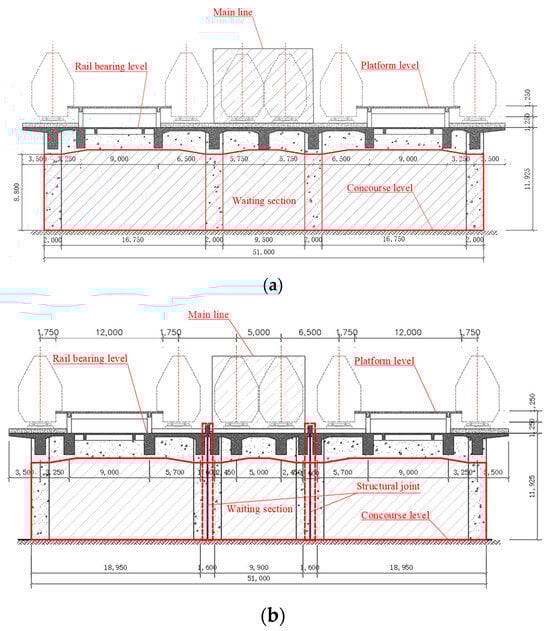
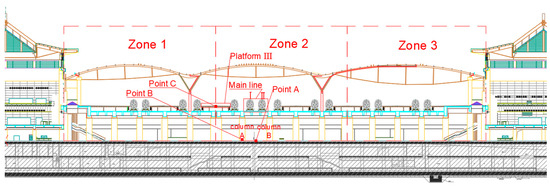
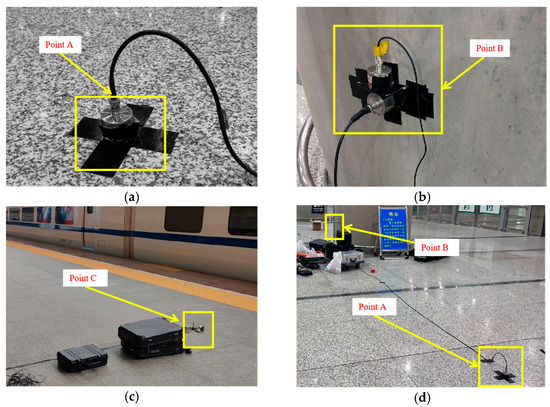
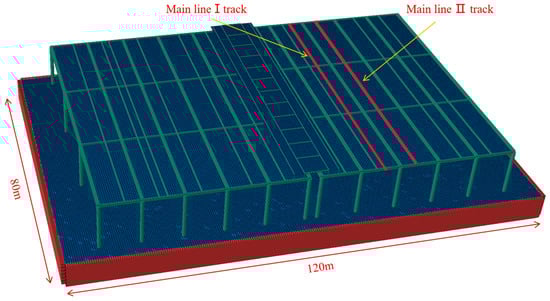
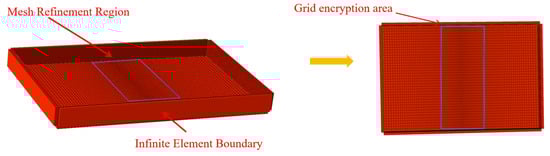
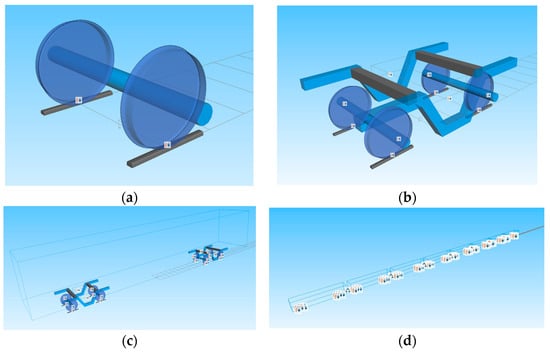
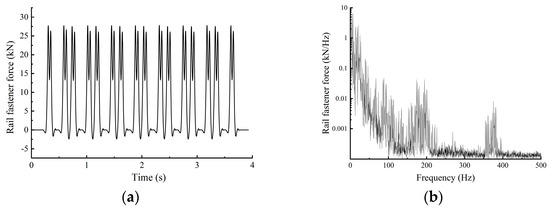
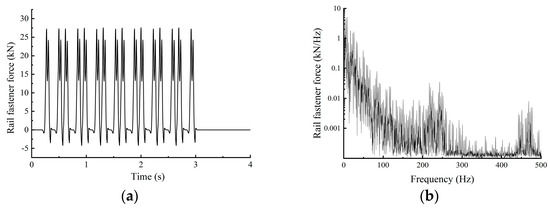
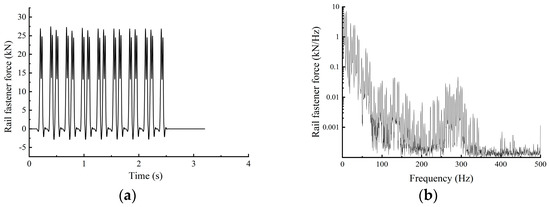
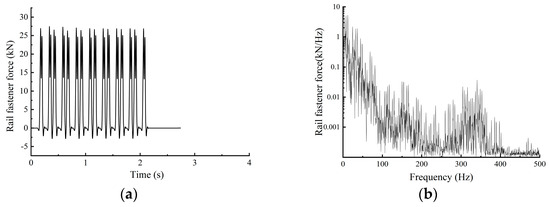
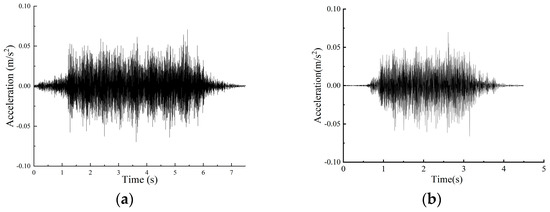
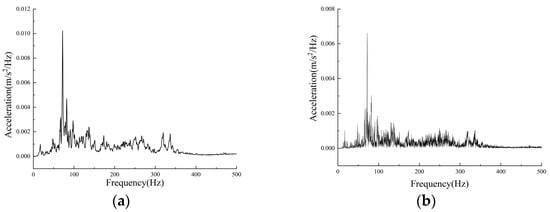
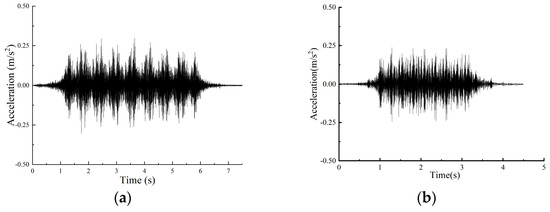
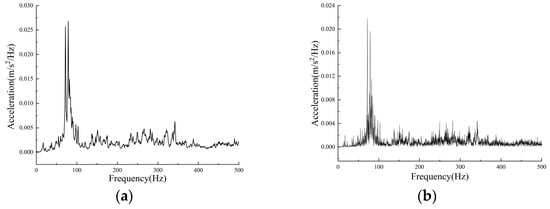
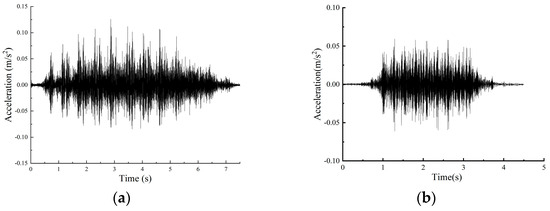
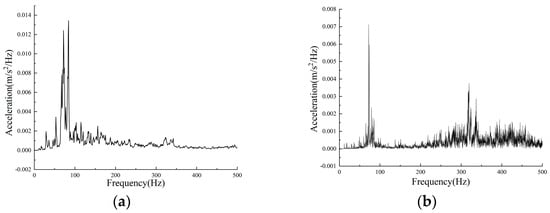
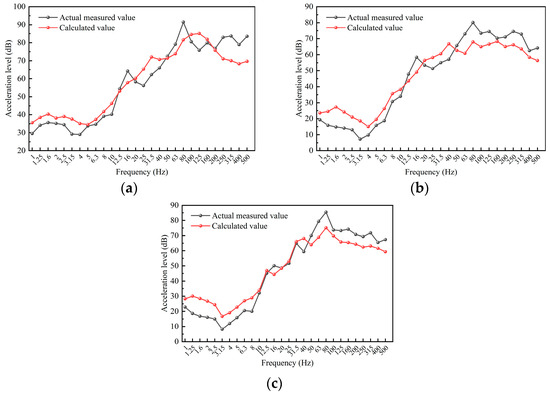
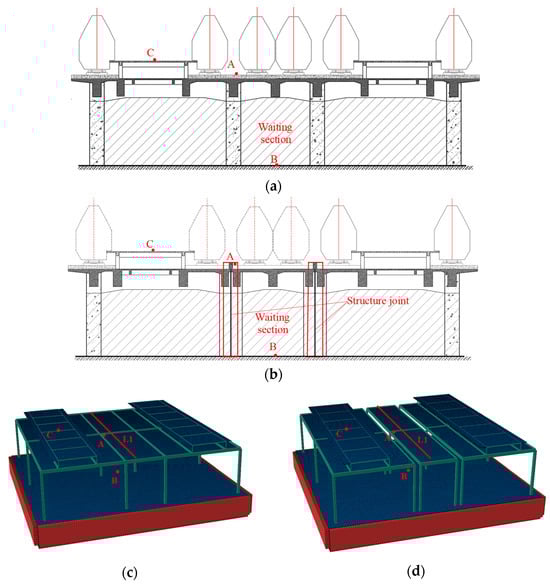
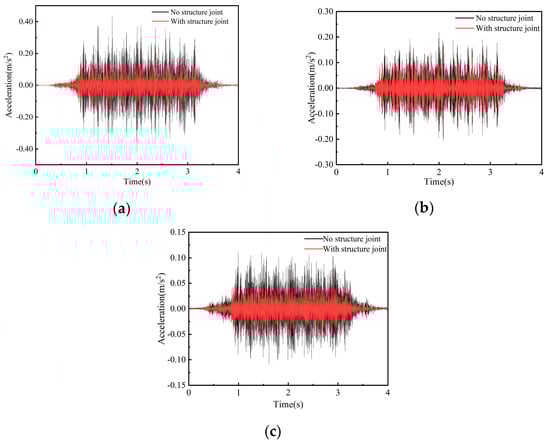
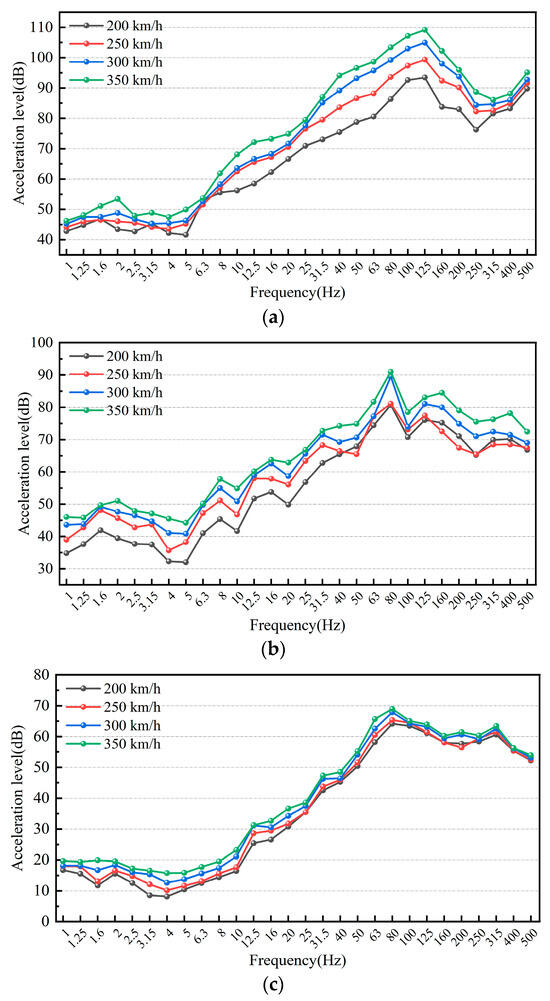
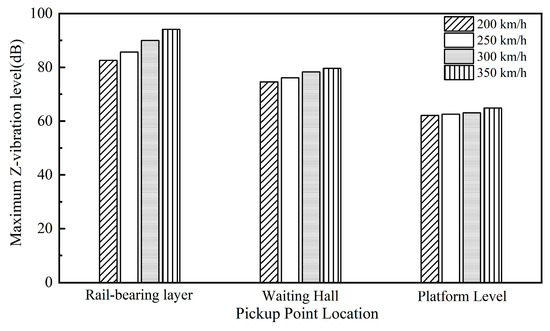
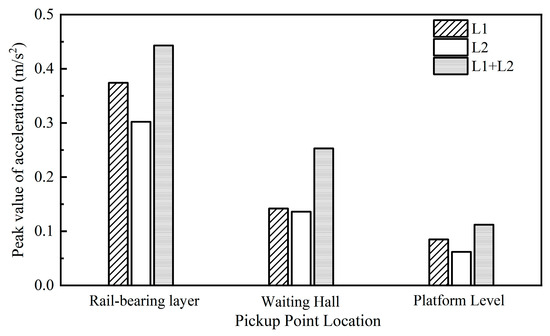
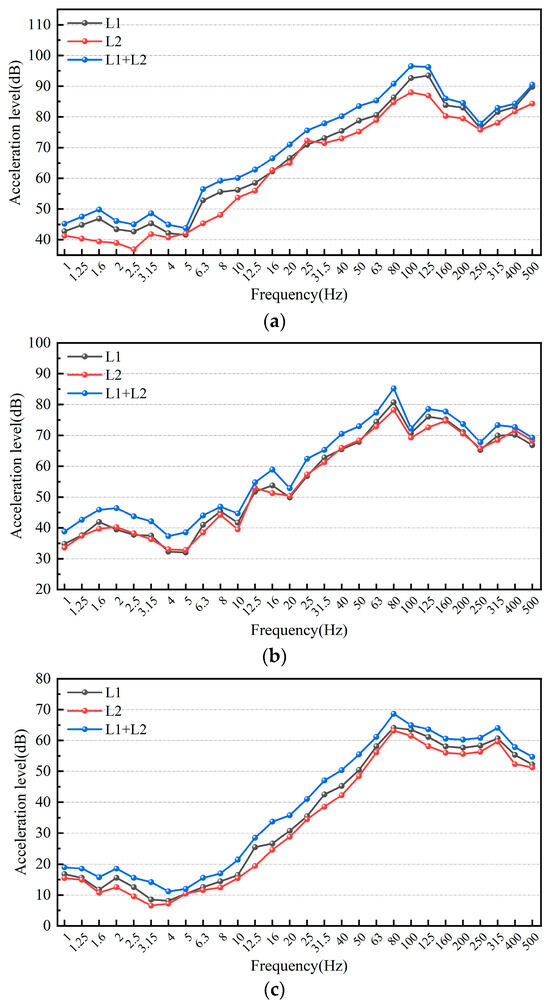
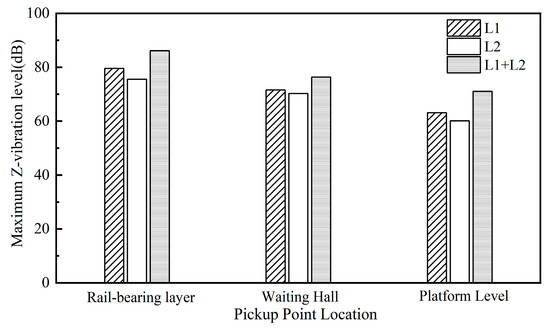
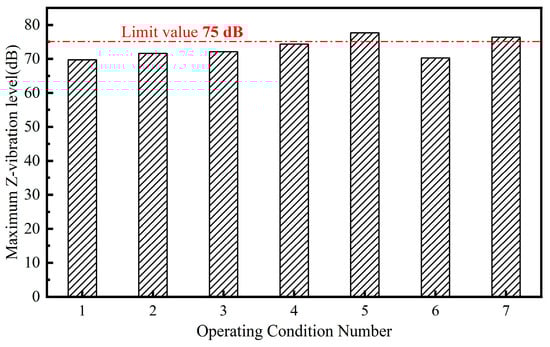
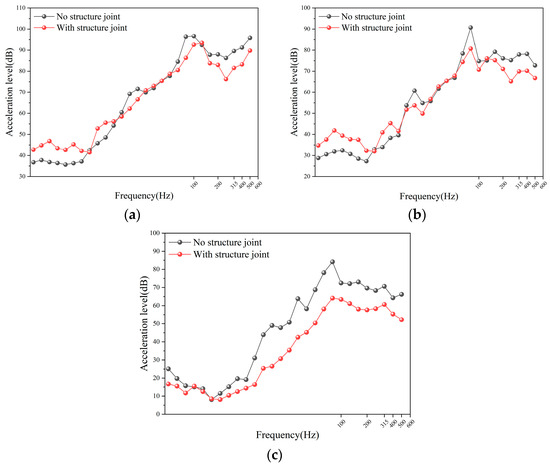
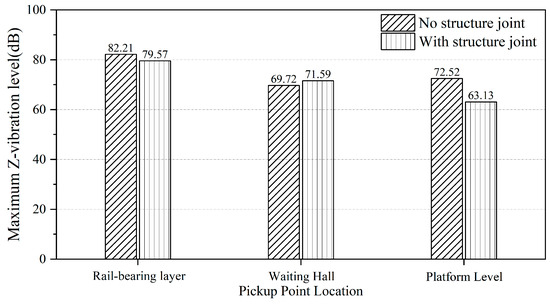
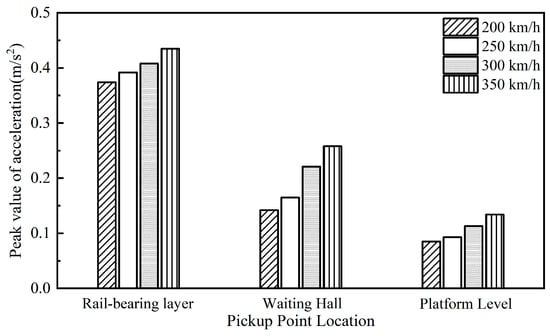
Elevated stations are essential auxiliary structures within the high-speed rail (HSR) network. The newly constructed integrated elevated station for bridge building possesses a distinctive construction and intricate force transmission pathways, complicating the assessment of the dynamic coupling of train vibrations. Consequently, it is essential to examine the dynamic reaction of trains at such stations. This study utilises numerical simulation and field measurement techniques to examine the dynamic features of the newly constructed integrated elevated station for bridge building. Initially, vibration tests were performed on existing integrated elevated stations for bridge construction to assess their dynamic properties. The collected data were utilised to validate the modelling approach and parameter selection for the numerical model of existing stations, yielding a numerical solution method appropriate for bridge-station integrated stations. Secondly, utilising this technology, a numerical model of the newly integrated elevated station for bridge construction was developed to examine its dynamic features. Moreover, the impact of spatial configuration, train velocity, and operational organisation on the dynamic characteristics was analysed in greater depth. The vibration response level in the waiting hall was assessed. Research results indicate that structural joints alter the transmission path of train vibration energy, thereby significantly affecting the vibration characteristics of the station. The vibration response under double-track operation is notably greater than that under single-track operation. When two trains pass simultaneously at a speed of 200 km/h or higher, or a single train passes at 350 km/h, the maximum Z-vibration level of the waiting hall floor exceeds 75 dB, which goes beyond the specification limit. Full article
Show Figures

Figure 1

22 pages, 2569 KB  
Review
Amorphous Transition Metal Sulfide Electrocatalysts for Green Hydrogen Generation from Solar-Driven Electrochemical Water Splitting
by Terence K. S. Wong
Energies 2025, 18(23), 6348; https://doi.org/10.3390/en18236348 (registering DOI) - 3 Dec 2025
Abstract
The synthesis and electrocatalytic properties of amorphous first- and third-row transition metal sulfides (a-TMS) for green hydrogen generation have been comprehensively reviewed. These electrocatalysts can be prepared by several solution processes, including chemical bath deposition, electrodeposition, sol–gel, hydrothermal reaction and thermolysis. The deposition [...] Read more.
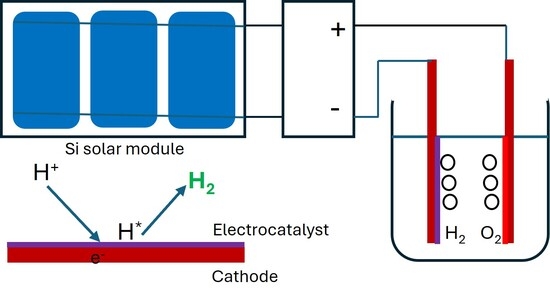
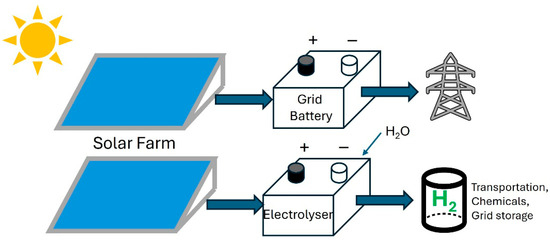
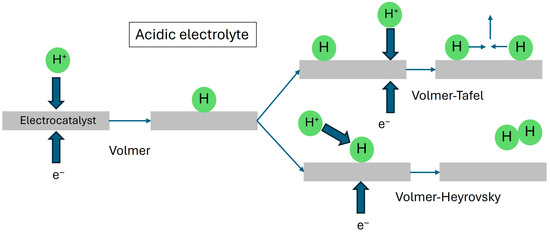
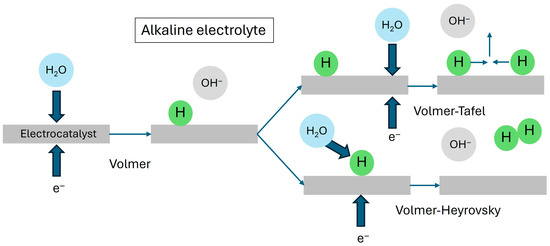
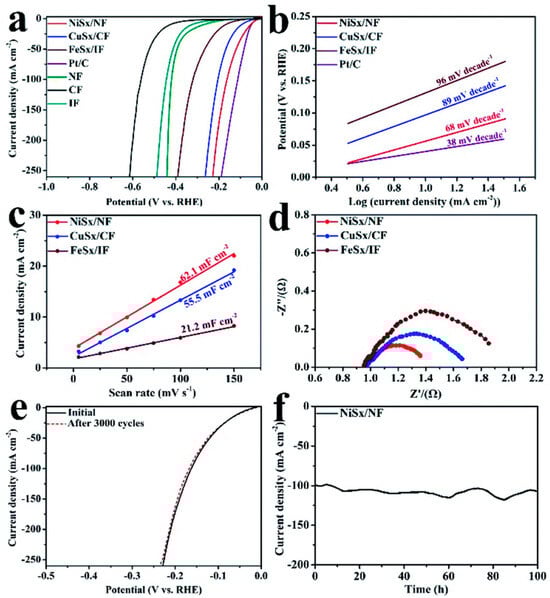
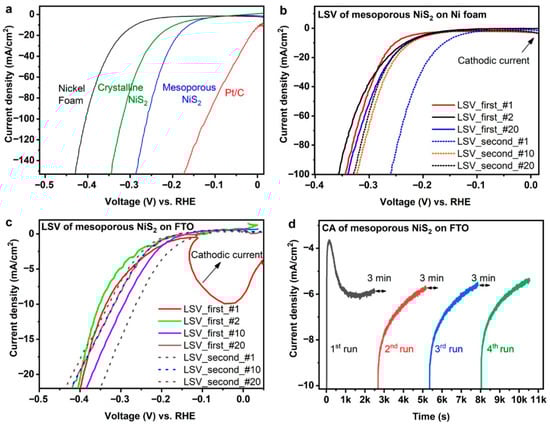
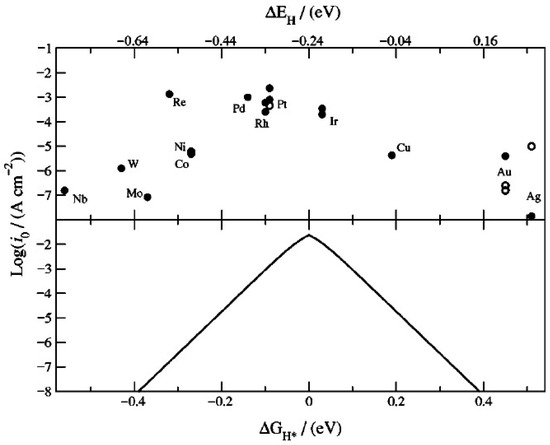
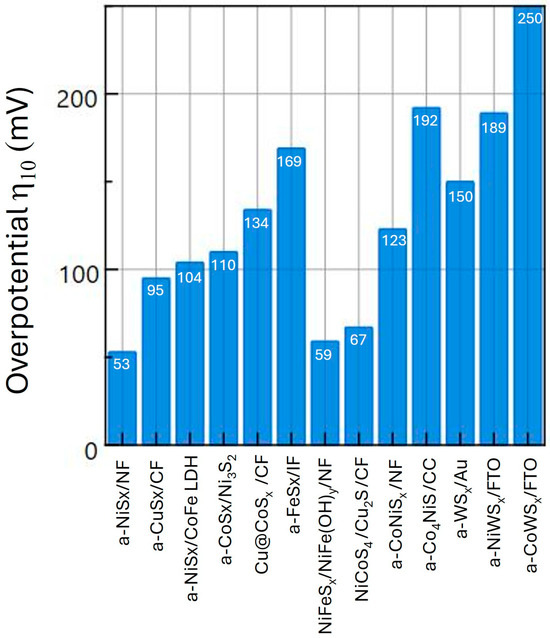
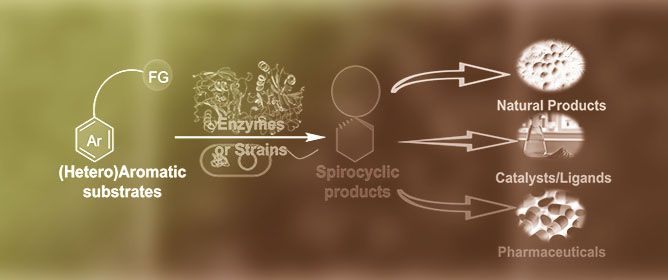
The synthesis and electrocatalytic properties of amorphous first- and third-row transition metal sulfides (a-TMS) for green hydrogen generation have been comprehensively reviewed. These electrocatalysts can be prepared by several solution processes, including chemical bath deposition, electrodeposition, sol–gel, hydrothermal reaction and thermolysis. The deposition method strongly influences the electrochemical properties of the synthesized a-TMS electrocatalyst. Based on overpotential at 10 mA/cm2, the electrocatalytic activity of mono-metallic a-TMS for hydrogen evolution is ranked as follows: a-NiSx > a-CuSx > a-CoSx > a-WSx > a-FeSx. The best performing a-NiSx prepared by chemical bath deposition has an overpotential at 10 mA/cm2 of 53 mV and Tafel slope of 68 mV/dec in 1 M KOH electrolyte. The integration of Ni into the a-TMS network structure is crucial to achieving high activity in multi-metallic a-TMS electrocatalyst, as demonstrated by the bifunctional (NiFe)Sx/NiFe(OH)y nanocomposite catalyst. The critical role of Ni in a-TMS catalyst design can be attributed to the lower free energy change for hydrogen adsorption on Ni. Finally, the emerging catalyst design strategy of amorphous–crystalline heterostructures with a three-dimensional morphology will be discussed together with the need to identify hydrogen adsorption sites on a-TMS electrocatalysts in future. Full article
Show Figures

Graphical abstract

14 pages, 236 KB  
Article
Worlds Apart on Common Ground: Parent-Educator Perceptions of National Identity, Technology, and Collaboration in Hong Kong Kindergartens
by Jessie Ming Sin Wong
Educ. Sci. 2025, 15(12), 1626; https://doi.org/10.3390/educsci15121626 (registering DOI) - 3 Dec 2025
Abstract
Amid a policy mandate to foster national identity in Hong Kong’s early childhood education sector, this study explores the complex intersection of pedagogy, home–school collaboration, and technology integration. Navigating this value-laden topic depends fundamentally on a strong partnership between parents and educators, yet [...] Read more.
Amid a policy mandate to foster national identity in Hong Kong’s early childhood education sector, this study explores the complex intersection of pedagogy, home–school collaboration, and technology integration. Navigating this value-laden topic depends fundamentally on a strong partnership between parents and educators, yet the rapid push for artificial intelligence (AI) creates additional pressures. This qualitative study investigates the shared and conflicting perspectives of these key stakeholders. Eight focus groups were conducted with 21 parents and 26 educators from four diverse Hong Kong kindergartens. Data were analyzed using a novel human–AI collaborative thematic analysis to ensure analytical depth and reliability. The findings reveal a paradoxical consensus: while parents and educators agree on an experiential, play-based pedagogy, they hold divergent views on the division of responsibility. A further misalignment exists in communication ideals, with parents prioritizing efficiency and educators prioritizing relational nuance. Critically, a technology paradox emerges, pitting parents’ aspirational hopes for AI against educators’ pragmatic concerns over inadequate resources, training, and pedagogical suitability. The study concludes that a significant perception gap strains the home–school partnership. Simply introducing technology without first addressing these foundational human and resource-based misalignments risks widening, rather than bridging, the divide, offering important lessons for education systems globally. Full article
29 pages, 4084 KB  
Article
Residents’ Satisfaction with Public Spaces in Old Urban Residential Communities: A PLS-SEM and IPMA-Based Case Study of Nankai District, Tianjin
by Jiahui Wang and Di Zhao
Land 2025, 14(12), 2363; https://doi.org/10.3390/land14122363 (registering DOI) - 3 Dec 2025
Abstract
With the acceleration of urbanization, urban renewal and the renovation of old residential communities have become important measures to enhance the quality of cities and improve the living conditions of residents. How to scientifically identify and evaluate the environmental factors of public spaces [...] Read more.
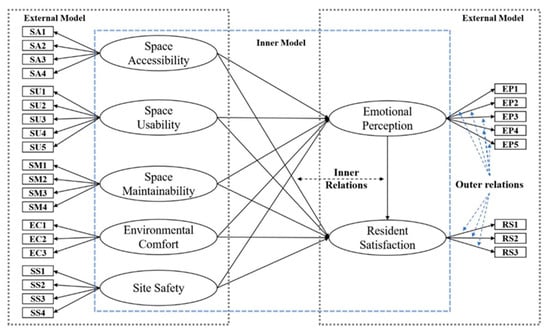
With the acceleration of urbanization, urban renewal and the renovation of old residential communities have become important measures to enhance the quality of cities and improve the living conditions of residents. How to scientifically identify and evaluate the environmental factors of public spaces and their impacts from the perspective of residents’ demands and satisfaction remains an important issue that urgently needs to be addressed in the current research field. This research takes the urban renewal project in Tiantuo Area, Nankai District, Tianjin, as an example by using questionnaire surveys, PLS-SEM and IPMA, and other multivariate statistical analysis methods to systematically explore the influence mechanism factors such as space accessibility, spatial usability, spatial maintainability, environmental comfort, and site safety on residents’ satisfaction. These findings reveal the following: (1) Space Accessibility has a significant direct positive impact on residents’ satisfaction. (2) Emotional Perception plays a complete mediating role in the relationship between Site Safety and residents’ satisfaction. (3) Emotional Perception has a complementary mediating effect in the relationship between Space Usability, Space Maintainability, Environmental Comfort, and Resident Satisfaction. (4) The renovation of old urban residential communities should give priority to improving space maintainability, especially focusing on the green landscape maintenance status, life-supporting infrastructure maintenance degree, and the maintenance status of entertainment and fitness facilities. Secondly, the space accessibility should be optimized and improved. In the future, in terms of the Physical Space, we should focus on the rationality of road network layout and strengthen the maintenance and management of public facilities. In terms of the Perceptional Space, the flatness of pavement should be optimized and the construction of security systems should be strengthened. In terms of the Psychological Status, a multi-party resident participation mechanism can be established to encourage residents to participate in the decision-making and construction of community public affair. As has been noted, this research quantitatively analyzed the key factors influencing residents’ satisfaction and their respective impact intensities and proposed prioritized and targeted optimization strategies for the existing situation. The research results are expected to provide a theoretical basis and practical decision-making reference for the optimization of public space environmental quality. Full article
(This article belongs to the Special Issue Urban Planning for a Sustainable Future)
Show Figures

Figure 1

16 pages, 2866 KB  
Article
Bifunctionalized Polyethyleneimine-Based Sponge for Adsorption of Ibuprofen from Aqueous Solution
by Xiaoyi Gou, Zia Ahmad, Zaijin You and Zhou Ren
Polymers 2025, 17(23), 3221; https://doi.org/10.3390/polym17233221 (registering DOI) - 3 Dec 2025
Abstract
A quaternized and phenyl-functionalized hyperbranched PEI-based sponge (SHPEI-QP) was successfully prepared, and its adsorption performance was investigated to evaluate its potential for removing the anionic non-steroidal anti-inflammatory drug (ibuprofen (IBU)). We reported that the synthesis of polyethyleneimine-based sponges was achieved through [...] Read more.
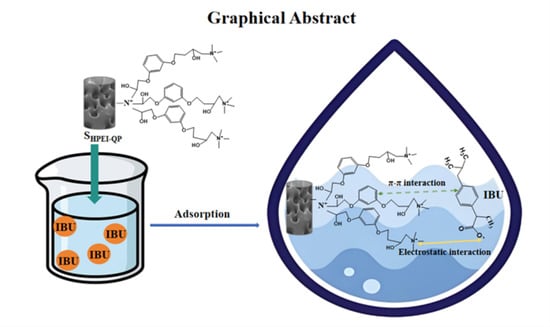
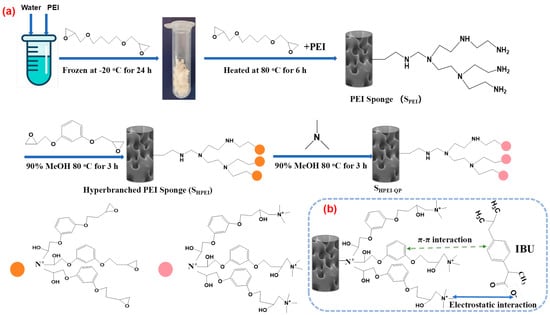
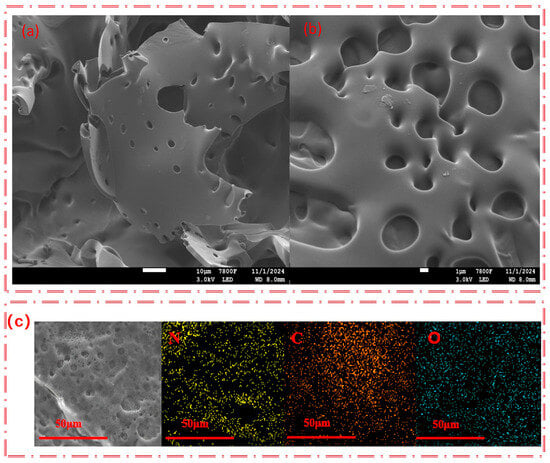
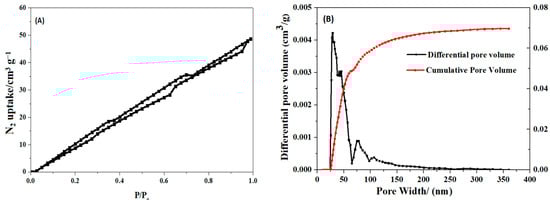
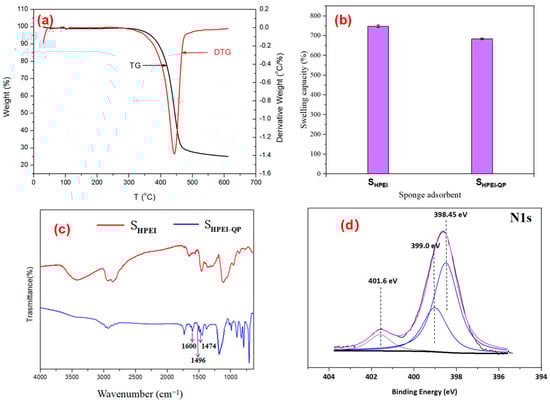
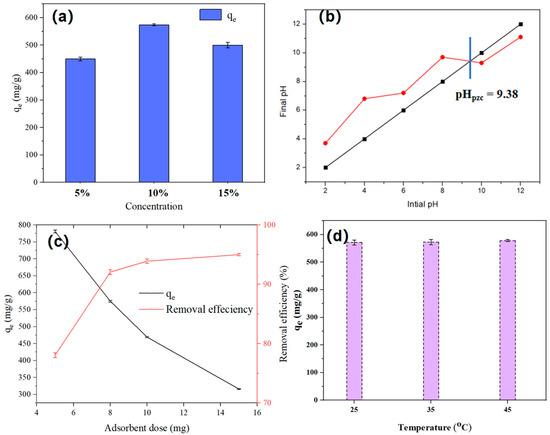
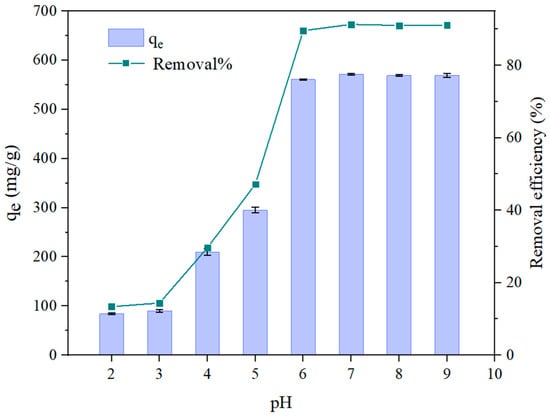
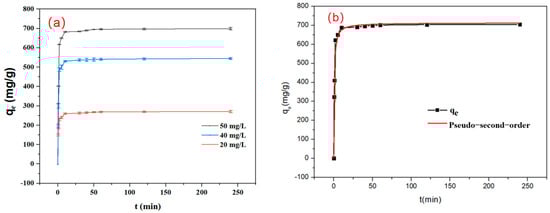
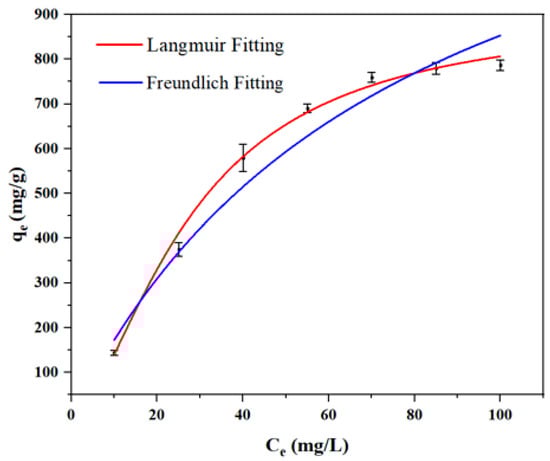
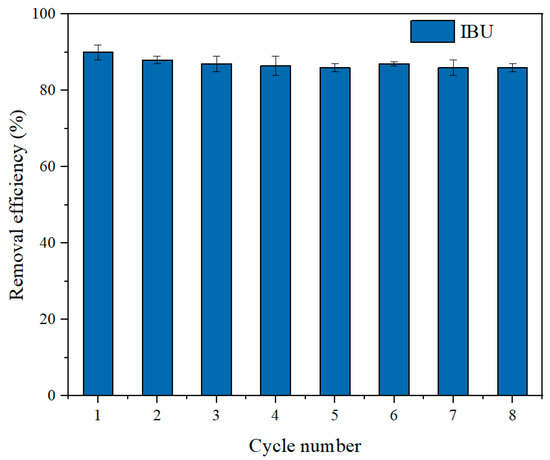
A quaternized and phenyl-functionalized hyperbranched PEI-based sponge (SHPEI-QP) was successfully prepared, and its adsorption performance was investigated to evaluate its potential for removing the anionic non-steroidal anti-inflammatory drug (ibuprofen (IBU)). We reported that the synthesis of polyethyleneimine-based sponges was achieved through cryo-polymerization using 1,4-butanediol diglycidyl ether (BDDE) as the crosslinking agent. Subsequent functionalization with resorcinol diglycidyl ether (RDGE) and trimethylamine introduced quaternary ammonium cations, imparting strong basicity and hydrophilicity, as well as phenyl groups, conferring hydrophobic characteristics, respectively. The aforementioned sponge material, SHPE-QPI, primarily facilitates the efficient adsorption of IBU in aqueous solutions through the anion exchange properties of quaternary ammonium groups and the π-π interactions associated with oxygen-activated benzene rings. Various characterizations, such as scanning electron microscopy (SEM), Fourier transform infrared spectroscopy (FT-IR), X-ray photoelectron spectroscopy (XPS), and specific surface area determination method (BET), confirmed the successful synthesis of the bifunctionalized SHPEI-QP adsorbent. This adsorbent features a porous structure (specific surface area of 77.2 m2 g−1 and pore size distribution of 25–100 nm) and an isoelectric point (pHpzc) of 9.38. The adsorption kinetics of the adsorbent for IBU were extremely rapid and conformed to a pseudo-second-order kinetic model, and the adsorption isotherm aligned with the Langmuir isotherm model. Noteworthily, SHPEI-QP demonstrated an exceptionally high adsorption capacity for IBU, achieving a maximum uptake of 905.73 mg g−1 at pH 7.0, which surpassed that of most of the previous reported adsorbents. Moreover, the sponge material can be chemically regenerated. After eight cycles of use, the adsorption efficiency decreased by only 4%. These findings suggest that the synthesized dendritic anion exchange adsorbent represents a promising candidate for the removal of IBU from contaminated water sources. Full article
(This article belongs to the Section Polymer Applications)
Show Figures

Graphical abstract

15 pages, 2807 KB  
Article
Flash Lamp Sintering and Optoelectronic Performance of Silver Nanowire Transparent Conductive Films
by Jiaqi Shan, Ye Hong, Kaixuan Cui, Yifan Xiao and Xingzhong Guo
Materials 2025, 18(23), 5456; https://doi.org/10.3390/ma18235456 (registering DOI) - 3 Dec 2025
Abstract
Silver nanowire transparent conductive films (AgNW TCFs), as a promising new generation of transparent electrode materials poised to replace ITO, have long been plagued by inadequate optoelectronic performance. Herein, flash lamp sintering was used to facilitate rapid welding of TCFs, and the effects [...] Read more.
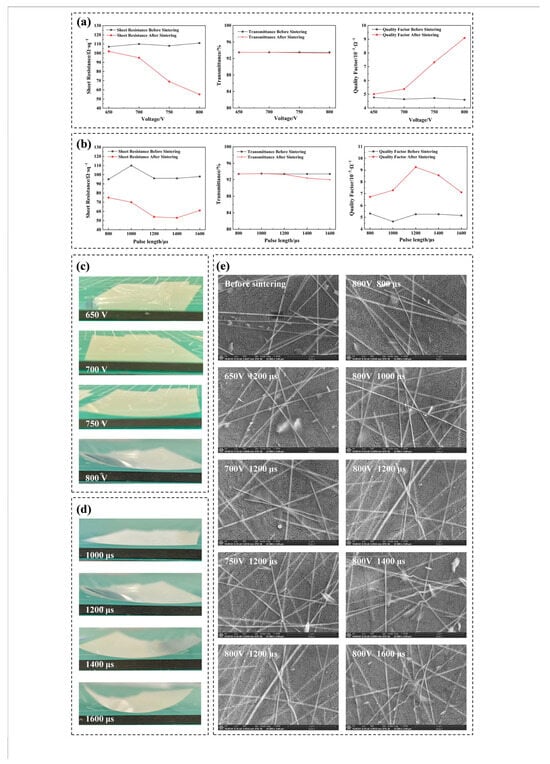
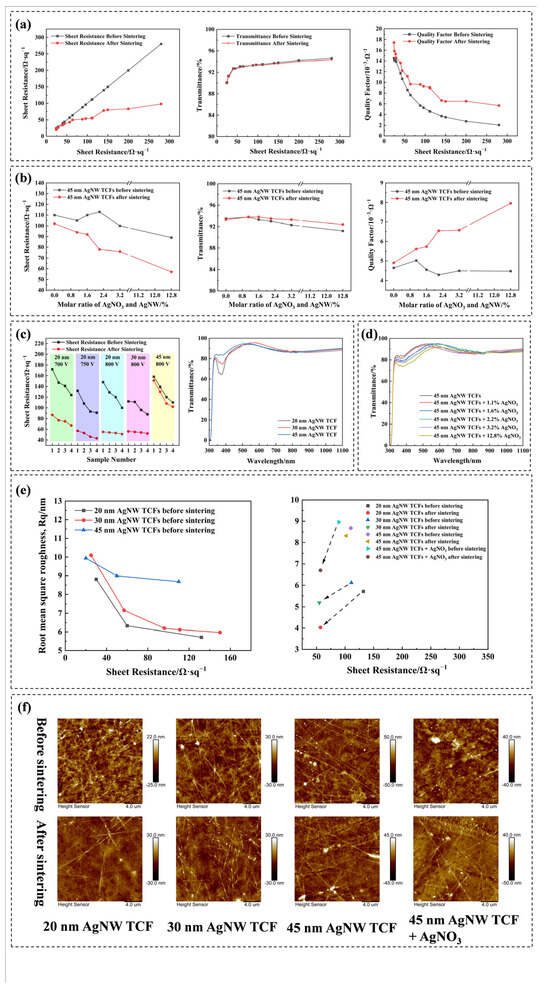
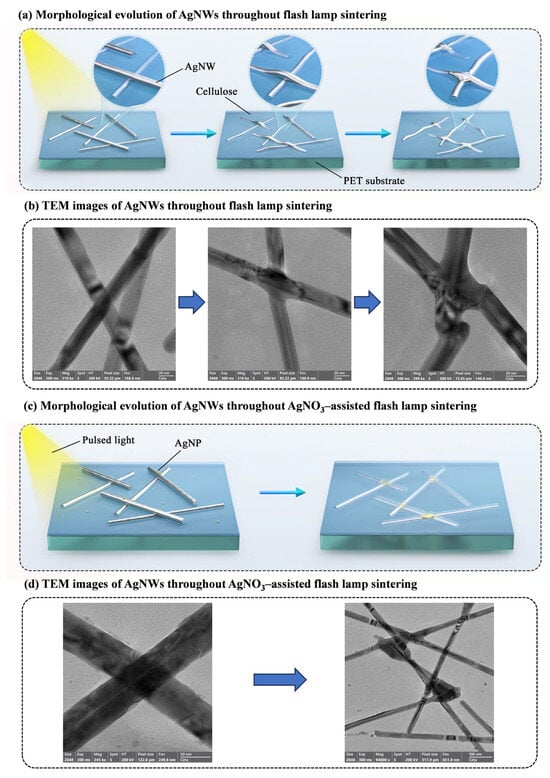
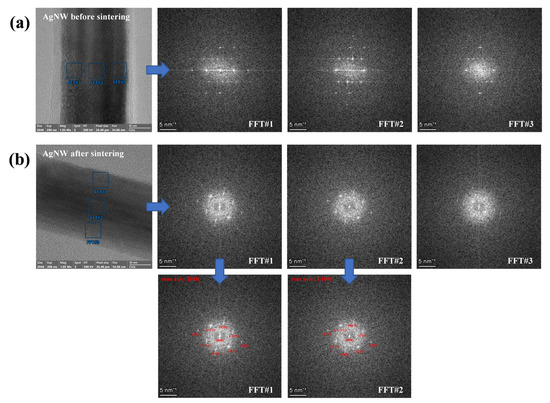
Silver nanowire transparent conductive films (AgNW TCFs), as a promising new generation of transparent electrode materials poised to replace ITO, have long been plagued by inadequate optoelectronic performance. Herein, flash lamp sintering was used to facilitate rapid welding of TCFs, and the effects of process parameters and TCFs’ characteristics on the sintering outcomes were investigated. The leveraging of millisecond-scale intense light pulses of flash lamp sintering can achieve the rapid welding of AgNWs, thereby enhancing the optoelectronic performance of TCFs. The TCFs fabricated from 30 nm diameter AgNWs with an initial sheet resistance of 111 Ω/sq exhibited a reduced sheet resistance of 57 Ω/sq post-sintering, while maintaining a transmittance of 93.3%. The quality factor increased from 4.56 × 10⁻³ to 9.09 × 10⁻³ Ω−1, and the surface roughness decreased from 6.12 to 5.19 nm after sintering. This work holds significant promise for advancing the continuous production of AgNW TCFs using flash lamp sintering technology, potentially paving the way for high-quality, low-cost, and rapid manufacturing of AgNW TCFs. Full article
(This article belongs to the Special Issue Advanced Thin Films: Structural, Optical, and Electrical Properties)
Show Figures

Figure 1

33 pages, 628 KB  
Review
A Review of Pedestrian Trajectory Prediction Methods Based on Deep Learning Technology
by Xiang Gu, Chao Li, Long Gao and Xuefen Niu
Sensors 2025, 25(23), 7360; https://doi.org/10.3390/s25237360 (registering DOI) - 3 Dec 2025
Abstract
Pedestrian trajectory prediction is a critical component of autonomous driving and intelligent urban systems, with deep learning now dominating the field by overcoming the limitations of traditional models in handling multi-modal behaviors and complex social interactions. This survey provides a systematic review and [...] Read more.
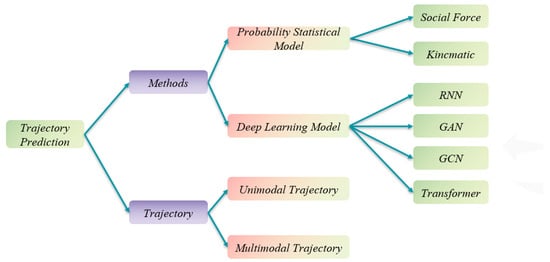
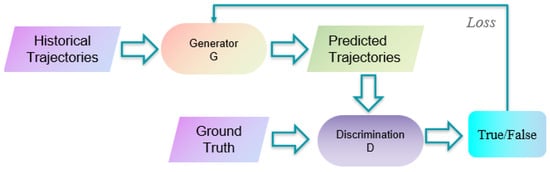
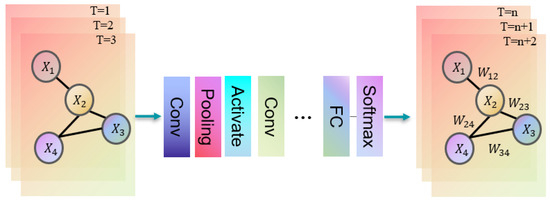
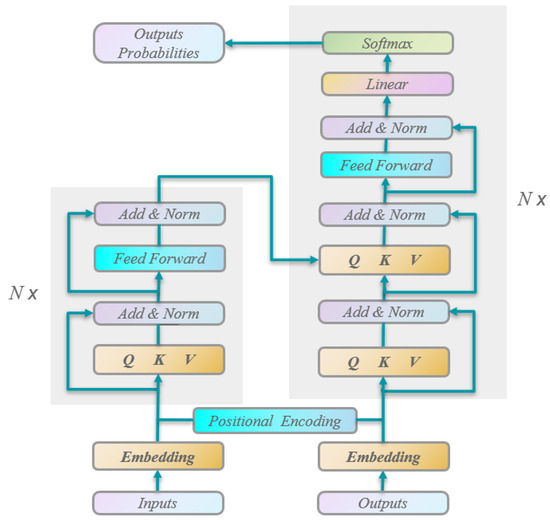
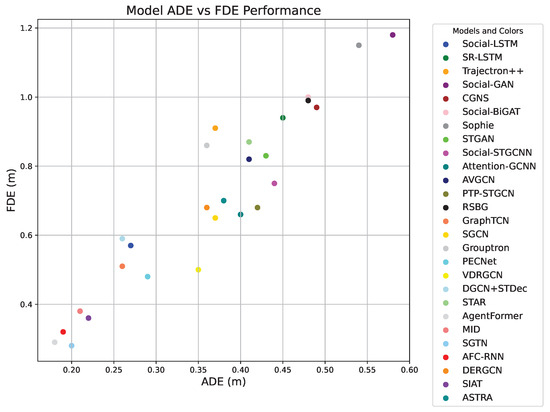
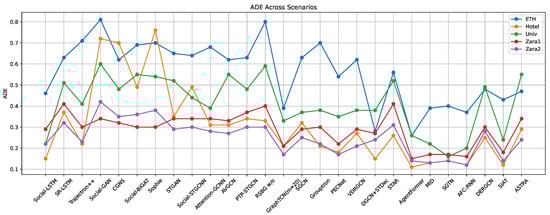
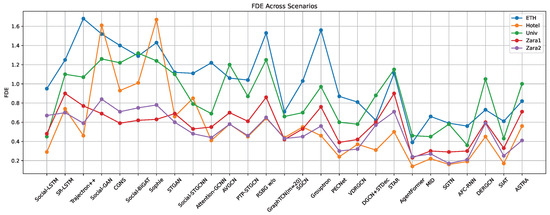
Pedestrian trajectory prediction is a critical component of autonomous driving and intelligent urban systems, with deep learning now dominating the field by overcoming the limitations of traditional models in handling multi-modal behaviors and complex social interactions. This survey provides a systematic review and critical analysis of deep learning-based approaches, offering a structured examination of four key model families: RNNs, GANs, GCNs, and Transformer. Unlike previous reviews, we introduce a comparative analytical framework that evaluates each method’s strengths and limitations across standardized criteria. The review also presents a comprehensive taxonomy of datasets and evaluation metrics, highlighting both established practices and emerging trends. Finally, we derive future research directions directly from our critical assessment, focusing on semantic scene understanding, model transferability, and the precision–efficiency trade-off. Our work provides both a historical perspective on methodological evolution and a forward-looking analysis to guide future research development. Full article
(This article belongs to the Section Physical Sensors)
Show Figures

Figure 1

26 pages, 3868 KB  
Article
Tourism-Driven Land Use Transitions and Rural Livelihood Resilience: A Spatial Production Approach to Sustainable Development in China’s Heritage Areas
by Lijie Liu, Xinmin Liu and Yanan Zhang
Sustainability 2025, 17(23), 10839; https://doi.org/10.3390/su172310839 (registering DOI) - 3 Dec 2025
Abstract
Enhancing farmers’ livelihood resilience is a cornerstone of sustainable rural development and poverty alleviation consolidation in developing countries. While tourism has emerged as a prominent rural revitalization strategy, the mediating role of tourism-induced land use transitions in building resilience—and the underlying spatial mechanisms [...] Read more.
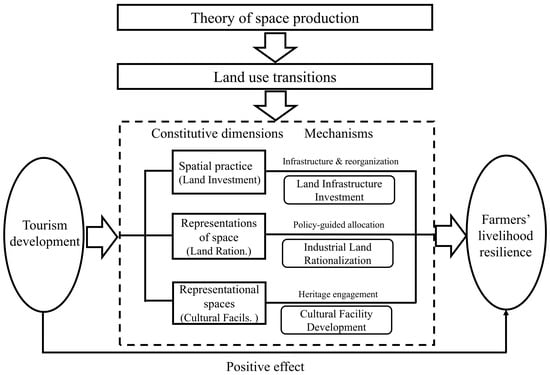
Enhancing farmers’ livelihood resilience is a cornerstone of sustainable rural development and poverty alleviation consolidation in developing countries. While tourism has emerged as a prominent rural revitalization strategy, the mediating role of tourism-induced land use transitions in building resilience—and the underlying spatial mechanisms through which these transformations operate—remains inadequately understood. This study integrates Henri Lefebvre’s spatial production theory with land systems analysis to examine how tourism-driven land use transitions influence farmers’ livelihood resilience in rural China. Using provincial panel data and three waves (2018, 2020, 2022) of nationally representative household survey data from the China Family Panel Studies (CFPS), we construct a comprehensive tourism development index emphasizing land transformation dimensions and employ panel regression models with instrumental variables and threshold analysis. The findings reveal that tourism-induced land use transitions significantly enhance farmers’ livelihood resilience through three distinct spatial mechanisms: land-based rural infrastructure investment, industrial land structure rationalization, and cultural facility land development. Importantly, this relationship exhibits a double-threshold effect with diminishing marginal returns, and the positive impact is substantially stronger in heritage-rich regions with comparative policy advantages. By establishing land use transitions as a critical spatial production pathway linking tourism to sustainable livelihood outcomes, this study advances land systems science, offering a novel theoretical framework for integrating people–nature interactions in heritage-rich rural areas and practical guidance for strategic land use planning in support of the Sustainable Development Goals (SDGs). Full article
Show Figures

Figure 1

28 pages, 3783 KB  
Review
Exploring the Links Between Clean Energies and Community Actions in Remote Areas: A Literature Review
by Alessandra Longo, Matteo Basso, Giulia Lucertini and Linda Zardo
Energies 2025, 18(23), 6350; https://doi.org/10.3390/en18236350 (registering DOI) - 3 Dec 2025
Abstract
In the fight against growing energy poverty in Europe, remote and rural areas are most affected but play a crucial role in promoting a fair and sustainable transition. Furthermore, energy communities have been recognized as cost-efficient options and opportunities to enhance the active [...] Read more.
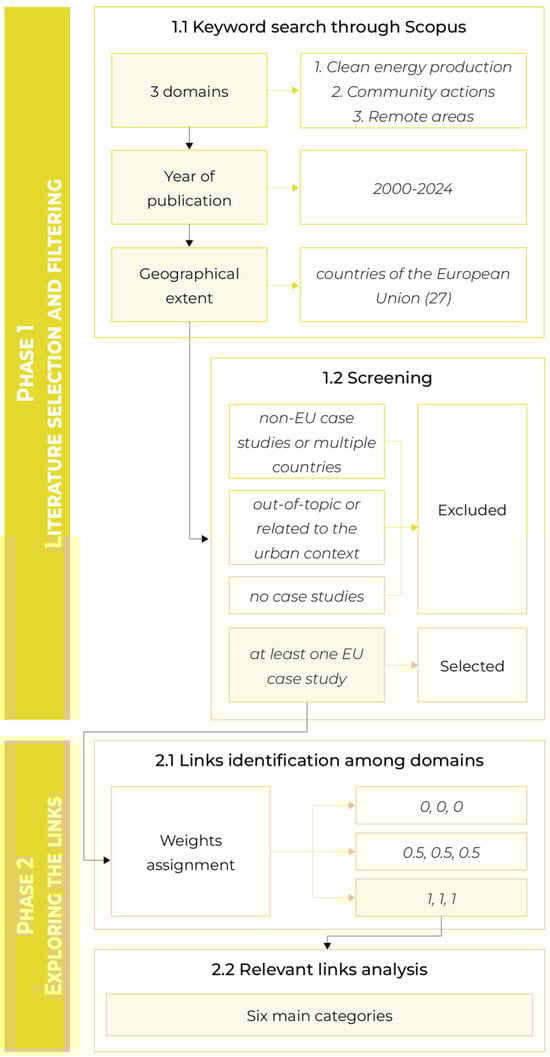
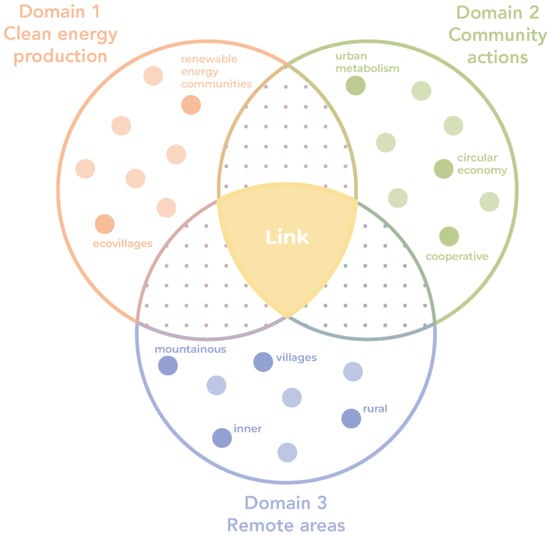
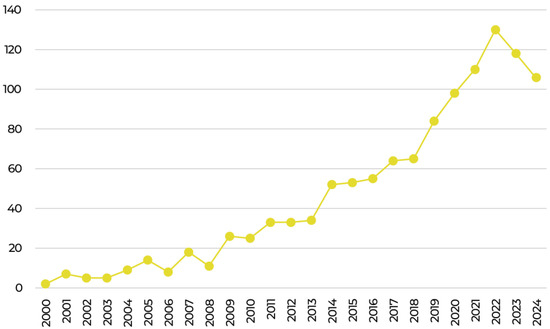
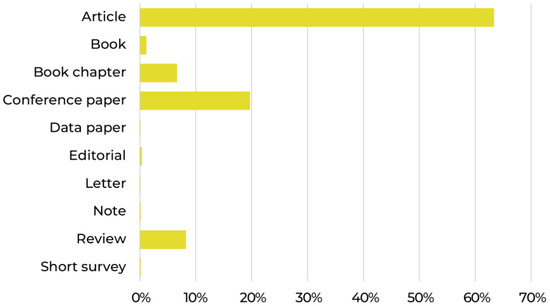
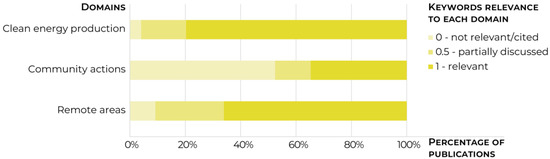
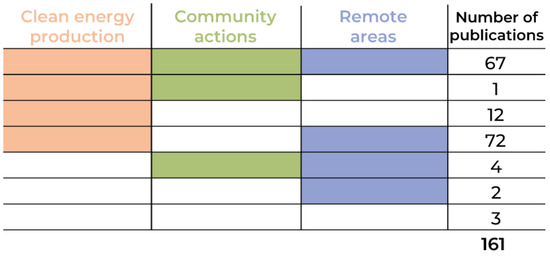
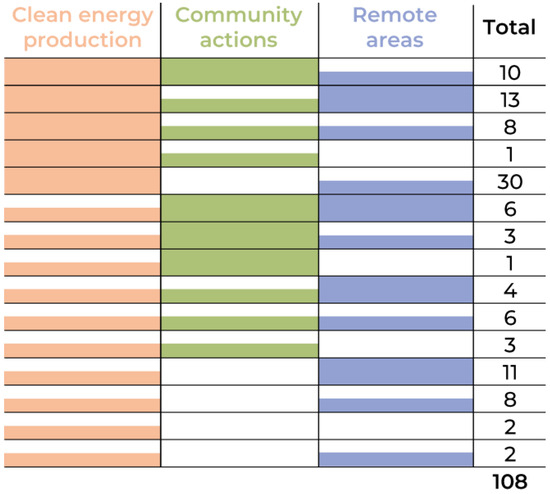
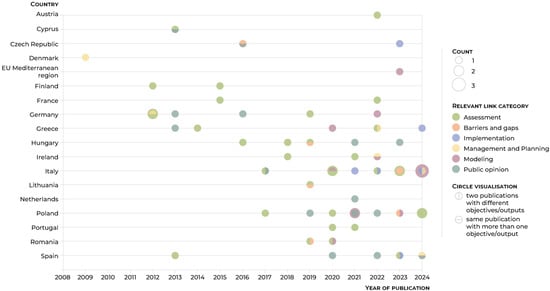
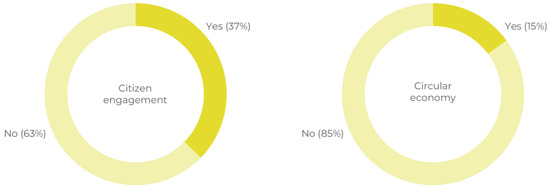
In the fight against growing energy poverty in Europe, remote and rural areas are most affected but play a crucial role in promoting a fair and sustainable transition. Furthermore, energy communities have been recognized as cost-efficient options and opportunities to enhance the active participation of citizens in electricity markets. Despite the wide recognition of their potential in alleviating energy poverty, evidence is still limited. This paper investigates the ‘missing links’ in producing clean energy through community-based practices in remote areas. This study presents a literature review aimed at identifying case studies at the European level to build a knowledge base on the state of the art in the context of the Green Deal. Of the 4422 publications found, we identified and analyzed 266 publications with one or more European cases. Of these, only 67 publications used keywords relevant to our research objective, which we further explored and categorized according to the primary purpose of the study, i.e., assessment, barriers and gaps, implementation, management and planning, modeling, and public opinion. Our results show that publications serve mainly to test a methodology for potential use and not to recount an experience, lacking practical application and policy integration. Nevertheless, we noticed a tendency to activate citizen engagement forms or gather perceptions to increase social acceptability. Full article
(This article belongs to the Section B2: Clean Energy)
Show Figures

Figure 1

Open Access Journals

Browse by Indexing Browse by Subject Selected Journals
Back to TopTop